Methods and means to promote gut absorption
US20050158282A1
2005-07-21
11/018,188
2004-12-20
✅ Patent granted
US 7,601,799 B2
2009-10-13
-
-
Robert B Mondesi | Lakia J Tongue
2025-06-30
Abstract:
The present invention relates to epidermal growth factor (EGF) producing lactic acid bacteria and their use to increase intestinal villi height and to promote gut absorption. In particular, the invention relates to EGF producing Lactococcus lactis and Lactobacillus casei. The organisms may be especially useful to treat Short Bowel Syndrome.
Assignee:
- Actogenix NV 17 🇧🇪 Zwijnaarde, Belgium
Interested in similar patents?
Get notified when new applications in this technology area are published.
Classification:
C07K14/00 IPC
Peptides having more than 20 amino acids; Gastrins; Somatostatins; Melanotropins; Derivatives thereof
C07K14/485 » CPC main
Peptides having more than 20 amino acids; Gastrins; Somatostatins; Melanotropins; Derivatives thereof from animals; from humans; Growth factors; Growth regulators Epidermal growth factor [EGF] (urogastrone)
A61K35/747 » CPC further
Medicinal preparations containing materials or reaction products thereof with undetermined constitution; Microorganisms or materials therefrom; Bacteria; Probiotics; Lactic acid bacteria, e.g. enterococci, pediococci, lactococci, streptococci or leuconostocs Lactobacilli, e.g. L. acidophilus or L. brevis
A61K38/1808 » CPC further
Medicinal preparations containing peptides; Peptides having more than 20 amino acids; Gastrins; Somatostatins; Melanotropins; Derivatives thereof from animals; from humans; Growth factors; Growth regulators Epidermal growth factor [EGF] urogastrone
A61P1/00 » CPC further
Drugs for disorders of the alimentary tract or the digestive system
A61P1/14 » CPC further
Drugs for disorders of the alimentary tract or the digestive system Prodigestives, e.g. acids, enzymes, appetite stimulants, antidyspeptics, tonics, antiflatulents
A61P5/00 » CPC further
Drugs for disorders of the endocrine system
A61P41/00 » CPC further
Drugs used in surgical methods, e.g. surgery adjuvants for preventing adhesion or for vitreum substitution
A61K38/00 IPC
Medicinal preparations containing peptides
C12N5/10 IPC
Undifferentiated human, animal or plant cells, e.g. cell lines; Tissues; Cultivation or maintenance thereof; Culture media therefor Cells modified by introduction of foreign genetic material
C12N15/00 IPC
Mutation or genetic engineering; DNA or RNA concerning genetic engineering, vectors, e.g. plasmids, or their isolation, preparation or purification; Use of hosts therefor
Description
CROSS-REFERENCE TO RELATED APPLICATIONThis application is a continuation of PCT International Patent Application No. PCT/EP2003/050424, filed on Jun. 19, 2003, designating the United States of America, and published, in English, as PCT International Publication No. WO 2004/01020 A2 on Dec. 31, 2003, the contents of the entirety of which is incorporated by this reference.
TECHNICAL FIELDThe present invention relates generally to biotechnology, and, more particularly, to epidermal growth factor (EGF) producing lactic acid bacteria and their use to increase intestinal villi height and to promote gut absorption. In particular, the invention relates to EGF producing Lactococcus lactis and Lactobacillus caseicasei. These organisms may be especially useful to treat Short Bowel Syndrome.
BACKGROUNDThe efficiency of gut absorption is essential for good food conversion. Gut adsorption is largely determined by the gut surface, which is a function, amongst others, of the length of the gut and the height of the villi. In cases where an operative removal of a part of the gut is necessary, as in the case of cancer or Crohn's disease, this may result in decreased gut adsorption, resulting in insufficient food conversion and a shortage of nutrients, dehydration and even potentially lethal metabolic changes. These syndromes caused by the extensive resection of the small intestine are known as “Short Bowel Syndrome.”
Several methods have been proposed to improve the post-operational adaptation of, and to enhance, the gut absorption in patients with Short Bowel Syndrome. U.S. Pat. No. 5,288,703 discloses that both growth hormone and insulin-like growth factor have a positive effect on gut absorption in mammals. This positive effect can be enhanced by the administration of glutamine or a glutamine equivalent. Administration of glutamine and growth hormone results in an increase of the villi length (Gu et al., 2001; Zhou et al., 2001). U.S. Pat. No. 5,972,887 demonstrated a reversal of the reduced intestinal mucosal mass and absorptive function in patients by the administration of low doses of exogenous Hepatocyte Growth Factor. In addition, the glucagon-like peptides GLP-1 and GLP-2 have been used with positive results. Studies on laboratory animals (Scott et al., 1998), as well as on humans (Jeppesen et al., 2001), showed a positive correlation between an increase in concentration of GLP-2 and an improvement of the intestinal adaptation. Short Bowel patients, from whom the ileum has been removed, show a decrease in food-induced secretion of GLP-2 (Jeppesen et al., 1999). Those patients, especially, can be treated successfully with GLP-2. It has been shown that leptin also has a positive effect on intestinal adaptation in a rat model (Pearson et al., 2001).
A lot of interest has been paid to the effect of Epidermal Growth Factor (EGF, urogastron). EGF is a relatively acid stable hormone that is produced in the salivary and the Brunner's glands. It is found in a wide variety of external secretions, as well as in blood and amniotic fluid (Marti et al., 1989). The molecular weight of mature human EGF is 6.2 kDa (Carpenter et al., 1991). EGF is phylogenetically strongly conserved and is strongly cross-reactive between different species.
It is known that EGF increases the absorption of H2O, Na+, Cl− and glucose in a rabbit model (Opleta-Madsen et al., 1991). Moreover, EGF is stimulating the elongation of the villi. This results in an increase of the apical surface and a general increase in absorption of nutrients (Hardin et al., 1999). Absorption of carbohydrates is further facilitated by the EGF-stimulated secretion of pancreatic amylase (Piiper et al., 1994).
Several studies have shown a positive effect of the application of EGF in experimental animal models for Short Bowel Syndrome (Helmrath et al., 1988; Chaet et al., 1994; O'Loughlin et al, 1994; Swaniker et al., 1996; Lukish et al., 1997; Dunn et al., 1997).
EGF-mediated effects after intestinal resection are strongly dose dependent; up to a certain limit, the adaptation increases with increasing doses. In intestinal studies, the normal dose is situated between 30 and 300 μg/kg body weight/day. Systemic, as well as enteral, applications seem effective. However, systemic application may be unwanted for possible side effects; several neoplasmas do have EGF receptors and a general increase in EGF concentration in the blood might stimulate the formation of tumors. Enteral application of EGF, however, is less efficient as pepsin can process mature EGF into a truncated form that has only 25% of the initial biological activity (Playford et al., 1995).
DISCLOSURE OF THE INVENTIONSurprisingly, demonstrated is that EGF can be delivered in situ by recombinant lactic acid bacteria producing EGF. Efficient production and secretion of EGF by lactic acid bacteria is not evident, and needs optimization of the coding sequence. Moreover, it cannot be predicted that the lactic acid bacteria sufficiently survive the passage through the stomach to produce the appropriate amount of EGF to stimulate growth of the villi, to promote nutrient absorption and to treat the Short Bowel Syndrome.
It is a first aspect of the invention to provide an EGF producing lactic acid bacterium. Preferably, the lactic acid bacterium is secreting the EGF produced in the growth environment. Preferably, the lactic acid bacterium is a Lactococcus lactis or a Lactobacillus casei. Even more preferably, the lactic acid bacterium comprises SEQ ID NO:1 and/or SEQ ID NO:3 of the accompanying and incorporated herein SEQUENCE LISTING. A preferred embodiment is an EGF producing Lactococcus lactis comprising SEQ ID NO:3. Another preferred embodiment is an EGF producing Lactobacillus caseicasei comprising SEQ ID NO:3.
Another aspect of the invention is the use of an EGF producing lactic acid bacterium according to the invention to promote gut absorption. Methods to measure gut absorption are known to the person skilled in the art. Still another aspect of the invention is the use of an EGF producing lactic acid bacterium according to the invention to treat the Short Bowel Syndrome. Preferably, the lactic acid bacterium according to the invention is applied orally; it may be treated by any treatment known to the person skilled in the art to improve its survival during the passage of the intestinal system. As a non-limiting example, it may be freeze-dried or spray dried and/or encapsulated in a suitable recipient so that the bacteria are only released in the small intestine. Encapsulation and treatments for delivery in the small intestine have been described, amongst others in U.S. Pat. No. 5,972,685, International Publication Nos. WO0018377 and WO0022909.
The lactic acid bacterium, according to the invention, may be combined with other compounds, having a positive effect on gut absorption and/or enhancing the positive effect of EGF. As a non-limited example, glutamine can be used in combination of the lactic acid bacterium according to the invention.
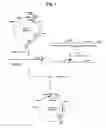
BRIEF DESCRIPTION OF THE FIGURESFIG. 1: Outline of the construction of pT1hEGF. The construction of pT1mEGF is carried out in a similar way.
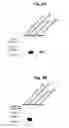
FIG. 2: Expression of mEGF (A) and hEGF (B) in L. lactis and L. casei. Supernatant of the cultures as indicated is separated on a 20% polyacrylamide gel and the proteins are detected using a Western blot.
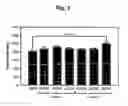
FIG. 3: Average villus length of the mice treated with either Lactococcus lactis or Lactobacillus casei, transformed with the empty vector pT1NX (pT1NX), with the vector pT1mEGF, expressing murine EGF (mEGF) or with the vector pT1hEGF expressing human EGF (hEGF). Medium BM9 treated mice are used as additional negative control (BM9).
DETAILED DESCRIPTION OF THE INVENTION EXAMPLESMedia and strains
M17:
-
- 5 g Bacto Tryptone
- 5 g Bacto Soytone
- 5 g Meat Digest
- 2.5 g Yeast Digest
- 0.5 g ascorbic acid
- 0.25 g MgSO4
- 19 g disodium-β-glycerolphosphate in 11 deionized H20
GM17: M17 with 0.5% glucose
Recuperation medium: 1 ml 2×M1
-
- 0.5 ml 2 M sucrose
- 50 μl 20% glucose
- 40 μl 1 M MgCl2
- 4 μl 1 M CaCl2
- 406 μl H2O
Agar medium is obtained by adding 1.2% agar
BM9 expression medium—60 g Na2HPO4
-
- 30 g KH2PO4,
- 10 g NH4Cl
- 5 g NaCl.
- 50 Mm CO3-buffer
- 2 mM MgSO4
- 0.1 mM CaCl2
- 0.5% casiton (Difco)
- 0.5% glucose
- in 1 liter H2O
L. lactis MG1363 is a plasmid and prophage free derivative of the L. lactis strain NCDO 712 (Gasson, 1983).
Example 1 Optimizing the EGF Coding Sequence for Expression in LactococcusBoth the murine as well as the human are available in the public databases (http//:www.ncbi.nlm.nih.gov accession number X04571 for hEGF and NM—010113 for mEGF). The coding sequences were adapted to optimize the expression in Lactococcus. On the base of these sequences, primer sets were designed to assemble the optimized coding sequences of both hEGF and mEGF. At the 3′ end of the coding sequence, a Spe1 restriction site was introduced. The primers are shown in Table 1 (hEGF) and Table 2 (m EGF).
| TABLE 1 |
| oligos used for assembly of hEGF, and the amount available |
| Sense | ||
| HEGF01 | AACTCAGATTCAGAATGTCCACTTTCACACGATGGTTACT | 33.3 nmol |
| (SEQ ID NO:5) | ||
| HEGF02 | GTTTGCACGATGGTGTTTGTATGTACATCGAAGCTCTTGA | 34.8 nmol |
| (SEQ ID NO:6) | ||
| HEGF03 | TAAATACGCTTGTAACTGTGTTGTTGGTTACATCGGTGAA | 26.9 nmol |
| (SEQ ID NO:7) | ||
| HEGF04 | CGTTGTCAATACCGTGATTTGAAATGGTGGGAACTTCGTT | 28.8 nmol |
| (SEQ ID NO:8) | ||
| HEGF05 | AACTAGTCTGCAGAATCTAG | 29.7 nmol |
| (SEQ ID NO:9) | ||
| Antisense | ||
| HEGF06 | CTAGATTCTGCAGACTAGTTAACGAAGTTCCCACCATTTC | 31.1 nmol |
| (SEQ ID NO:10) | ||
| HEGF07 | AAATCACGGTATTGACAACGTTCACCGATGTAACCAACAA | 22.5 nmol |
| (SEQ ID NO:11) | ||
| HEGF08 | CACAGTTACAAGCGTATTTATCAAGAGCTTCGATGTACAT | 23.6 nmol |
| (SEQ ID NO:12) | ||
| HEGF09 | ACAAACACCATCGTGCAAACAGTAACCATCGTGTGAAAGT | 28.4 nmol |
| (SEQ ID NO:13) | ||
| HEGF10 | GGACATTCTGAATCTGAGTT | 37.8 nmol |
| (SEQ ID NO:14) | ||
| TABLE 2 |
| oligos used for assembly of mEGF, and the amount available |
| Sense | ||
| MEGF01 | AACTCATACCCAGGTTGTCCATCATCATACGATGGTTACT | 29.7 nmol |
| (SEQ ID NO:15) | ||
| MEGF02 | GTTTGAACGGTGGTGTTTGTATGCACATCGAATCACTTGA | 28.0 nmol |
| (SEQ ID NO:16) | ||
| MEGF03 | TTCATACACTTGTAACTGTGTTATCGGTTACTCAGGTGAT | 20.0 nmol |
| (SEQ ID NO:17) | ||
| MEGF04 | CGTTGTCAAACTCGTGATTTGCGTTGGTGGGAACTTCGTT | 25.5 nmol |
| (SEQ ID NO:18) | ||
| MEGF05 | AACTAGTCTGCAGAATCTAG | 29.7 nmol |
| (SEQ ID NO:19) | ||
| Antisense | ||
| MEGF06 | CTAGATTCTGCAGACTAGTTAACGAAGTTCCCACCAACGC | 33.4 nmol |
| (SEQ ID NO:20) | ||
| MEGF07 | AAATCACGAGTTTGACAACGATCACCTGAGTAACCGATAA | 30.2 nmol |
| (SEQ ID NO:21) | ||
| MEGF08 | CACAGTTACAAGTGTATGAATCAAGTGATTCGATGTGCAT | 27.3 nmol |
| (SEQ ID NO:22) | ||
| MEGF09 | ACAAACACCACCGTTCAAACAGTAACCATCGTATGATGAT | 26.2 nmol |
| (SEQ ID NO:23) | ||
| MEGF10 | GGACAACCTGGGTATGAGTT | 40.3 nmol |
| (SEQ ID NO:24) | ||
The oligonucleotides were dissolved in water at a concentration of 100 μM, and used in a 10 times diluted concentration.
1 μl of each oligonucleotide is added to 10 μl Taq buffer, 8 μl 2 mM Mg2+, 2 μl 0.5 mM XTP, 5 u Taq DNA polymerase (Boehringer, Mannheim, Germany) and 1 u Pfu DNA polymerase (Promega, Madison, USA). The reaction mixture is added up to 100 μl with water. The PCR reaction is carried out for 300 seconds at 94° C., followed by 30 times the cycle of 45 seconds at 94° C., 30 seconds at 48° C. and 30 seconds at 72° C., with a final step of 10 seconds at 15° C. After the assembly, hEGF and mEGF are amplified in a PCR mixture containing 1 μl Vent DNA-polymerase (New England Biolabs, Beverly, USA), 10 μl Taq buffer, 4 μl 0.5 mM XTP, 5 μl 0.5 μM of each primer, 1μl template DNA, 1 μl mM Mg2SO4 and 74 μl H2O.
In the case of hEGF, HEGF01 and HEGF06 were used as primer; for mEGF, MEGF01 and MEGF06 were used. For hEGF, the same temperature schedule was used as for the first step. In the case of mEGF, the hybridization step was carried out at 52° C. in stead of 48° C.
After the assembly, the size of the optimized gene fragments was confirmed on a 2% agarose gel.
Example 2 Construction of pT1hEGF and pT1mEGF and transformation into Lactococcus lactisSpeI cut assembled EGF (both for hEGF and mEGF) is ligated into a NaeI and SpeI digested pT1NX (Steidler et al., 1995), resulting in pT1hEGF and pT1mEGF. A schematic overview of the construction of pT1hEGF is shown in FIG. 1. Plasmids are transformed into competent cells of L. lactis by electroporation. 50 μl of cells are electroporated in a precooled cuvet of 2 mm, at 25 μF, 2.5 kV and 400 Ω (Bio-Rad electroporator). L. lactis is made competent by growing a {fraction (1/100)} dilution of a saturated culture, in 200 ml GM17 with 2.5% glycine, until an OD600 of 0.5 (Wells et al., 1993). After electroporation, 1 ml of recuperation medium is added, and the cells are incubated for 1.5 hour at 28° C. Cells are plated on GM17 solid medium, comprising 5 μg/ml erythromycin.
For the transformation of L. casei, plasmid is isolated from L. lactis on a Qiagen-tip 100, according to the instructions of the manufacturer. The DNA is transformed into competent L. casei cells. L. casei cells are made competent by growing a {fraction (1/50)} dilution of an overnight culture in 50 ml MRS (Oxoid LTD., Basingstoke, Hampshire, England) with 1% glycine at 37° C., untill an OD600 of 0.6. The cells are harvested and washed twice with 10 ml 5 mM Na3PO4 pH 7.4, 1 mM MgCl2, and resuspended in 500 μl electroporation buffer (0.3 M sucrose, 5 mM Na3PO4 pH 7.4, 1 mM MgCl2). 10 μl of DNA is added to 50 μl of competent cells and the electroporation is carried out in a BioRad electroporator. After electroporation, 450 μl MRS is added and the cells are incubated for two hours at 37° C. Cells are plated on MRS agar with 5 μg/ml erythromycin. The presence of the plasmid is confirmed using PCR.
Example 3 Expression of EGF in L. lactis and L. caseiThe transformed L. lactis strains MG1363 [pT1NX], MG1363 [pT1mEGF] and MG1363 [pT1hEGF] are pitched in 5 ml GM17 comprising 5 μg/ml erythromycin, and grown overnight at 30° C. This preculture is diluted {fraction (1/100)} in 5 ml GM17 with erythromycin, and incubated for three hours at 28° C. The culture is centrifuged and resuspended in BM9 expression medium, and incubated overnight at 28° C. The transformed L. casei strains are grown under similar conditions, but using MRS as preculture, and BM9 as expression medium.
To the culture supernatant, {fraction (1/10)} volume sodium desoxycholate is added, and the mixture is kept on ice for 10 minutes. {fraction (1/10)} of volume 100% TCA is added and the mixture is incubated on ice for 15 minutes. After centrifugation, the pellet is dissolved in 50 μl H2O and 50 μl 1 M Tris-HCl pH 9.5. The proteins are analyzed on a 20% Laemmli protein gel. Detection is carried out using a Western blot, with mouse polyclonal anti hEGF and rabbit anti mEGF as primary antibodies. Alkaline phosphatase labeled anti-mouse and anti-rabbit secondary antibodies were from Southern Biotechnology (Birmingham, USA). The results are summarized in FIG. 2.
Example 4 In Vivo Testing of Mice, Using the Transformed Lactic Acid Bacteria StrainsIn order to assess the effect of the transformed lactic acid bacteria and the growth of the villi and the gut adsorption, seven groups of Balb/c mice (IFFA CREDO CR Broekman/Sulzfield) were treated either with a mEGF or hEGF expressing lactic acid bacterium strain. L. lactis and L. casei transformed with an empty vector pT1NX, or with BM9 medium was given to mice as a negative control.
600 μl of L. casei is pitched in 15 ml MRS with 10 μg/ml erythromycin. In the case of L. lactis, GM17 is used instead of MRS, and only 5 μg/ml erythromycin is used for selection. L. casei is incubated overnight at 37° C., for L. lactis, 30° C. is used. The overnight culture is harvested by centrifugation, and the pellet is resuspended in 1.5 ml BM9 expression medium. 100 μl of this solution is supplied daily, for a period of four weeks. At the end of the experiment, the mice are sacrificed and the intestine is isolated. The tissue is fixated in buffered formaldehyde and thin sections are colored using hematoxylin and eosin G, for microscopic analysis of the villi. The length of the villi is measured at several points to obtain a representative average. All sections were taken from the terminal ileum.
The results are summarized in FIG. 3. L. casei [pT1hEGF], especially, has a positive effect on villus growth and should promote gut absorption.
REFERENCES
- Carpenter C. D., Ingraham H. A., Cochet C., Walton G. M., Lazar C. S., Sodawski J. M., Rosenfeld M. G. and Gill G. N. (1991) Structural analysis of the transmembrane domain of the epidermal growth factor receptor. J. Biol. Chem. 266, 5750-5755.
- Chaet M. S., Arya G., Ziegler M. M. and Warner B. W. (1994) Epidermal growth factor enhances intestinal adaptation after massive small bowel resection. J. Pediatr. Surg. 29, 1035-1039.
- Chaet M. S., Arya G., Ziegler M. M. and Warner B. W. (1994) Epidermal growth factor enhances intestinal adaptation after massive small bowel resection. J. Pediatr. Surg. 29, 1035-1039.
- Dunn J. C., Parungo C. P., Fonkalsrund E. W., McFadden D. W. and Ashley S. W. (1997) Epidermal growth factor selectively enhances functional enterocyte adaptation after massive small bowel resection. J. Surg. Res. 67, 90-93.
- Gasson M. J. (1983) Plasmid complements of Streptococcus lactis NCDO 712 and other lactic streptococci after protoplast-induced curing. J. Bacteriol. 154, 1-9.
- Gu Y., Wu Z. H., Xie J. X., Jin D. Y. and Zhuo H. C. (2001) Effects of growth hormone (rhGH) and glutamine supplemented parenteral nutrition on intestinal adaptation in short bowel rats. Clin. Nutr. 20, 159-166.
- Hardin J. A., Chung B., O'Loughlin E. V. and Gal, D. G. (1999) The effect of epidermal growth factor on brush border surface area and function in the distal remnant following resection in the rabbit. Gut 44, 26-32 .
- Helmrath M. A., Shin C. E., Fox J. W., Erwin C. R. and Warner B. W. (1988) Adaptation after small bowel resection is attenuated by sialoadenectomy: the role for endogenous epidermal growth factor. Surgery 124, 848-854 .
- Jeppesen P. B., Hartmann B., Hansen B. S., Thulesen J., Holst J. J., Mortensen P. B. (1999) Impaired meal stimulated glucagon-like peptide 2 response in ileal resected short bowel patients with intestinal failure. Gut 45, 559-563 .
- Jeppesen P. B., Hartmann B., Thulesen J., Graff J., Lohmann J., Hansen B. S., Tofteng F., Poulsen S. S., Madsen J. L., Holst J. J. and Mortensen P. B. (2001) Glucagon-like peptide 2 improves nutrient absorption and nutritional status in short-bowel patients with no colon. Gastroenterology 120, 806-815 .
- Lukish J., Schwartz M. Z., Rushin J. M. and Riordan G. P. (1997) A comparison of the effect of growth factors on intestinal function and structure in short bowel syndrome. J. Pediatr. Surg. 32, 1652-1655.
- Marti U., Burwen S. J. and Jones A. L. (1989) Biological effects of epidermal growth factor, with emphasis on the gastrointestinal tract and liver: an update. Hepatology 9, 126-138.
- O'Loughlin E., Winter M., Shun A., Hardin J. A. and Gall D. G. (1994) Structural and functional adaptation following jejunal resection in rabbits: effect of epidermal growth factor. Gastroenterology 107, 87-93.
- Opleta-Madsen K., Hardin J. and Gall D. G. (1991) Epidermal growth factor upregulates intestinal electrolyte and nutrient transport. Am. J. Physiol. 260, G807-814.
- Pearson P. Y., O'Connor D. M. and Schwartz M. Z. (2001) Novel effect of leptin on small intestine adaptation. J. Surg. Res. 97,192-195.
- Piiper A., Stryjek-Kaminska D., Stein J., Caspary W. F. and Zeuzem S. (1994) Tyrphostins inhibit secretagogue-induced 1,4,5-IP3 production and amylase release in pancreatic acini. Am. J. Physiol. 266 G363-371.
- Playford R. J., Marchbank T., Calnan D. P., Calam J., Royston P., Batten J. J. and Hansen H. F. (1995) Epidermal growth factor is digested to smaller, less active forms in acidic gastric juice. Gastroenterology 108, 92-101.
- Scott R. B., Kirk D., MacNaughton W. K. and Meddings J. B. (1998) GLP-2 augments the adaptive response to massive intestinal resection in rat. Am. J Physiol. 275, G911-921.
- Swaniker F., Guo W., Diamond J. and Fonkalsrud E. W. (1996) Delayed effects of epidermal growth factor after extensive small bowel resection. J. Pediatr. Surg. 31, 56-60.
- Wells J. M., Wilson P. W. and Le Page R. W. (1993) Improved cloning vectors and transformation procedure for Lactococcus lactis. J. Appl. Bacteriol. 74, 629-636.
- Zhou X., Li Y. X., Li N. and Li J. S. (2001) Effect of bowel rehabilitative therapy on structural adaptation of remnant small intestine: animal experiment. World J. Gastroenterol. 7, 66-73.
Claims
1. An EGF producing lactic acid bacterium.
2. The EGF producing lactic acid bacterium of claim 1, wherein said EGF producing lactic acid bacterium comprises SEQ ID NO:1.
3. The EGF producing lactic acid bacterium of claim 1, wherein said EGF producing lactic acid bacterium comprises SEQ ID NO:3.
4. The EGF producing lactic acid bacterium of claim 1, wherein said lactic acid bacterium is Lactococcus lactis or Lactobacillus casei.
5. The EGF producing lactic acid bacterium of claim 2 wherein said lactic acid bacterium is Lactococcus lactis or Lactobacillus casei.
6. The EGF producing lactic acid bacterium of claim 3 wherein said lactic acid bacterium is Lactococcus lactis or Lactobacillus casei.
7. A method of promoting gut absorption in a subject, said method comprising:
administering, to the subject, an EGF producing lactic acid bacterium so as to promote gut adsorption.
8. The method according to claim 7 wherein, the EGF producing lactic acid bacterium administered to the subject comprises SEQ ID NO:1.
9. The method according to claim 7 wherein, the EGF producing lactic acid bacterium administered to the subject comprises SEQ ID NO:3.
10. The method according to claim 7 wherein, the EGF producing lactic acid bacterium administered to the subject is Lactococcus lactis or Lactobacillus casei.
11. The method according to claim 8 wherein, the EGF producing lactic acid bacterium administered to the subject is Lactococcus lactis or Lactobacillus casei.
12. The method according to claim 9 wherein, the EGF producing lactic acid bacterium administered to the subject is Lactococcus lactis or Lactobacillus casei.
13. A method of treating a subject believed to be suffering from Short Bowel Syndrome, the method comprising:
administering, to the subject, an EGF producing lactic acid bacterium so as treat the Short Bowel Syndrome.
14. The method according to claim 13 wherein, the EGF producing lactic acid bacterium administered to the subject comprises SEQ ID NO:1.
15. The method according to claim 13 wherein, the EGF producing lactic acid bacterium administered to the subject comprises SEQ ID NO:3.
16. The method according to claim 13 wherein, the EGF producing lactic acid bacterium administered to the subject is Lactococcus lactis or Lactobacillus casei.
17. The method according to claim 14 wherein, the EGF producing lactic acid bacterium administered to the subject is Lactococcus lactis or Lactobacillus casei.
18. The method according to claim 15 wherein, the EGF producing lactic acid bacterium administered to the subject is Lactococcus lactis or Lactobacillus casei.
Images & Drawings included:
Sources:
- United States Patent and Trademark Office - verify current appl. status at the USPTO↗
Recent applications in this class:
- » 20250066439 2025-02-27
RECOMBINANT PROTEINS AND THEIR THERAPEUTIC USES - » 20240254181 2024-08-01
RECOMBINANT ADENO-ASSOCIATED VIRUS PRODUCTS AND METHODS FOR TREATING DYSTROGLYCANOPATHIES AND LAMININ-DEFICIENT MUSCULAR DYSTROPHIES - » 20230097992 2023-03-30
BIVALENT EGF FUSION TOXINS - » 20230032072 2023-02-02
NOVEL HUMAN EPIDERMAL GROWTH FACTOR-TF FUSION PROTEIN AND USE THEREOF - » 20220402985 2022-12-22
ENGINEERED NRG-1 VARIANTS WITH IMPROVED SELECTIVITY TOWARD ErbB4 BUT NOT AGAINST ErbB3 - » 20220153798 2022-05-19
Recombinant proteins and their therapeutic uses - » 20210188931 2021-06-24
Modified EGF protein, production method therefor, and use thereof - » 20200407409 2020-12-31
EGF(A) ANALOGUES WITH FATTY ACID SUBSTITUENTS - » 20200190157 2020-06-18
Fatty acid modified human epidermal growth factor - » 20200165313 2020-05-28
EGF(A) ANALOGUES, PREPARATION, FORMULATIONS AND USES THEREOF
Recent applications for this Assignee:
- » 20140322266 2014-10-30
Induction of mucosal tolerance to antigens - » 20140322230 2014-10-30
Induction of mucosal tolerance to antigens - » 20140105863 2014-04-17
Polycistronic expression system for bacteria - » 20130330374 2013-12-12
Treatment of immune disease by mucosal delivery of antigens using genetically modified Lactococcus - » 20130164380 2013-06-27
COMPOSITIONS AND METHODS FOR TREATING INFLAMMATORY CONDITIONS - » 20130095129 2013-04-18
Treatment of immune disease by mucosal delivery of antigents using genetically modified - » 20120183503 2012-07-19
LACTOBACILLUS AND STREPTOCOCCUS PROMOTERS AND USES THEREOF - » 20120039853 2012-02-16
Cryoprotectants for freeze drying of lactic acid bacteria - » 20100303777 2010-12-02
DELIVERY OF BINDING MOLECULES TO INDUCE IMMUNOMODULATION - » 20100172920 2010-07-08
Method of inducing immune tolerance to type I diabetes