Natural deodorant compositions comprising renewably-based, biodegradable 1,3-propanediol
US20070202062A1
2007-08-30
11/705,262
2007-02-12
Abstract:
Disclosed herein are all natural or substantially natural deodorant and antiperspirant compositions comprising 1,3-propanediol wherein the 1,3-propanediol in said all natural or substantially natural deodorant or antiperspirant composition has a bio-based carbon content of about 1% to 100%. In addition, it is preferred that the 1,3-propanediol be biologically-derived, and wherein upon biodegradation, the biologically-derived 1,3-propanediol contributes no anthropogenic CO2 emissions to the atmosphere.
Inventors:
- Gyorgyi Fenyvesi 49 🇺🇸 Wilmington, DE, United States
- Ann Wehner 23 🇺🇸 Hockessin, DE, United States
- Tanya L. Workman 1 🇨🇦 Masonville, Canada
- Svetlana Ratnikova 2 🇨🇦 Toronto, Canada
Interested in similar patents?
Get notified when new applications in this technology area are published.
Classification:
A61K8/345 » CPC main
Cosmetics or similar toilet preparations characterised by the composition containing organic compounds containing oxygen; Alcohols containing more than one hydroxy group
A01N1/021 » CPC further
Preservation of bodies of humans or animals, or parts thereof; Preservation of living parts; Chemical aspects Preservation or perfusion media, liquids, solids or gases used in the preservation of cells, tissue, organs or bodily fluids
A01N3/00 » CPC further
Preservation of plants or parts thereof, e.g. inhibiting evaporation, improvement of the appearance of leaves or protection against physical influences such as UV radiation using chemical compositions ; Grafting wax
A01N25/02 » CPC further
Biocides, pest repellants or attractants, or plant growth regulators, characterised by their forms, or by their non-active ingredients or by their methods of application, e.g. seed treatment or sequential application ; Substances for reducing the noxious effect of the active ingredients to organisms other than pests containing liquids as carriers, diluents or solvents
A21D2/14 » CPC further
Treatment of flour or dough by adding materials thereto before or during baking by adding organic substances Organic oxygen compounds
A23B7/154 » CPC further
Preservation or chemical ripening of fruit or vegetables; Preserving or ripening with chemicals not covered by groups or in the form of liquids or solids Organic compounds; Microorganisms; Enzymes
A23K20/105 » CPC further
Accessory food factors for animal feeding-stuffs; Organic substances Aliphatic or alicyclic compounds
A23L2/52 » CPC further
Non-alcoholic beverages; Dry compositions or concentrates therefor ; Their preparation Adding ingredients
A23L3/3463 » CPC further
Preservation of foods or foodstuffs, in general, e.g. pasteurising, sterilising, specially adapted for foods or foodstuffs by treatment with chemicals in the form of liquids or solids Organic compounds; Microorganisms; Enzymes
A23L29/035 » CPC further
Foods or foodstuffs containing additives ; Preparation or treatment thereof; Organic compounds containing oxygen as heteroatom
A23L29/04 » CPC further
Foods or foodstuffs containing additives ; Preparation or treatment thereof; Organic compounds containing oxygen as heteroatom Fatty acids or derivatives
A23L29/10 » CPC further
Foods or foodstuffs containing additives ; Preparation or treatment thereof containing emulsifiers
A23L33/10 » CPC further
Modifying nutritive qualities of foods; Dietetic products; Preparation or treatment thereof using additives
A23L33/12 » CPC further
Modifying nutritive qualities of foods; Dietetic products; Preparation or treatment thereof using additives; Fatty acids or derivatives thereof; Fats or oils Fatty acids or derivatives thereof
A61K8/0208 » CPC further
Cosmetics or similar toilet preparations characterised by special physical form Tissues; Wipes; Patches
A61K8/375 » CPC further
Cosmetics or similar toilet preparations characterised by the composition containing organic compounds containing oxygen; Esters of carboxylic acids the alcohol moiety containing more than one hydroxy group
A61K8/92 » CPC further
Cosmetics or similar toilet preparations characterised by the composition Oils, fats or waxes; Derivatives thereof, e.g. hydrogenation products thereof
A61K31/22 » CPC further
Medicinal preparations containing organic active ingredients; Esters, e.g. nitroglycerine, selenocyanates of carboxylic acids of acyclic acids, e.g. pravastatin
A61K36/02 » CPC further
Medicinal preparations of undetermined constitution containing material from algae, lichens, fungi or plants, or derivatives thereof, e.g. traditional herbal medicines Algae
A61K36/185 » CPC further
Medicinal preparations of undetermined constitution containing material from algae, lichens, fungi or plants, or derivatives thereof, e.g. traditional herbal medicines; Magnoliophyta (angiosperms) Magnoliopsida (dicotyledons)
A61K36/28 » CPC further
Medicinal preparations of undetermined constitution containing material from algae, lichens, fungi or plants, or derivatives thereof, e.g. traditional herbal medicines; Magnoliophyta (angiosperms); Magnoliopsida (dicotyledons) Asteraceae or Compositae (Aster or Sunflower family), e.g. chamomile, feverfew, yarrow or echinacea
A61K36/355 » CPC further
Medicinal preparations of undetermined constitution containing material from algae, lichens, fungi or plants, or derivatives thereof, e.g. traditional herbal medicines; Magnoliophyta (angiosperms); Magnoliopsida (dicotyledons); Caprifoliaceae (Honeysuckle family) Lonicera (honeysuckle)
A61K36/61 » CPC further
Medicinal preparations of undetermined constitution containing material from algae, lichens, fungi or plants, or derivatives thereof, e.g. traditional herbal medicines; Magnoliophyta (angiosperms); Magnoliopsida (dicotyledons) Myrtaceae (Myrtle family), e.g. teatree or eucalyptus
A61K36/738 » CPC further
Medicinal preparations of undetermined constitution containing material from algae, lichens, fungi or plants, or derivatives thereof, e.g. traditional herbal medicines; Magnoliophyta (angiosperms); Magnoliopsida (dicotyledons); Rosaceae (Rose family), e.g. strawberry, chokeberry, blackberry, pear or firethorn Rosa (rose)
A61K47/10 » CPC further
Medicinal preparations characterised by the non-active ingredients used, e.g. carriers or inert additives; Targeting or modifying agents chemically bound to the active ingredient; Organic compounds, e.g. natural or synthetic hydrocarbons, polyolefins, mineral oil, petrolatum or ozokerite containing oxygen, e.g. ethers, acetals, ketones, quinones, aldehydes, peroxides Alcohols; Phenols; Salts thereof, e.g. glycerol; Polyethylene glycols [PEG]; Poloxamers; PEG/POE alkyl ethers
A61K47/14 » CPC further
Medicinal preparations characterised by the non-active ingredients used, e.g. carriers or inert additives; Targeting or modifying agents chemically bound to the active ingredient; Organic compounds, e.g. natural or synthetic hydrocarbons, polyolefins, mineral oil, petrolatum or ozokerite containing oxygen, e.g. ethers, acetals, ketones, quinones, aldehydes, peroxides Esters of carboxylic acids, e.g. fatty acid monoglycerides, medium-chain triglycerides, parabens or PEG fatty acid esters
A61K47/44 » CPC further
Medicinal preparations characterised by the non-active ingredients used, e.g. carriers or inert additives; Targeting or modifying agents chemically bound to the active ingredient Oils, fats or waxes according to two or more groups of -; Natural or modified natural oils, fats or waxes, e.g. castor oil, polyethoxylated castor oil, montan wax, lignite, shellac, rosin, beeswax or lanolin
A61Q1/02 » CPC further
Make-up preparations; Body powders; Preparations for removing make-up Preparations containing skin colorants, e.g. pigments
A61Q1/08 » CPC further
Make-up preparations; Body powders; Preparations for removing make-up; Preparations containing skin colorants, e.g. pigments for cheeks, e.g. rouge
A61Q1/10 » CPC further
Make-up preparations; Body powders; Preparations for removing make-up; Preparations containing skin colorants, e.g. pigments for eyes, e.g. eyeliner, mascara
A61Q1/14 » CPC further
Make-up preparations; Body powders; Preparations for removing make-up Preparations for removing make-up
A61Q5/02 » CPC further
Preparations for care of the hair Preparations for cleaning the hair
A61Q5/065 » CPC further
Preparations for care of the hair; Preparations for styling the hair, e.g. by temporary shaping or colouring Preparations for temporary colouring the hair, e.g. direct dyes
A61Q5/12 » CPC further
Preparations for care of the hair Preparations containing hair conditioners
A61Q9/02 » CPC further
Preparations for removing hair or for aiding hair removal Shaving preparations
A61Q9/04 » CPC further
Preparations for removing hair or for aiding hair removal Depilatories
A61Q13/00 » CPC further
Formulations or additives for perfume preparations
A61Q15/00 » CPC further
Anti-perspirants or body deodorants
A61Q17/00 » CPC further
Barrier preparations; Preparations brought into direct contact with the skin for affording protection against external influences, e.g. sunlight, X-rays or other harmful rays, corrosive materials, bacteria or insect stings
A61Q17/005 » CPC further
Barrier preparations; Preparations brought into direct contact with the skin for affording protection against external influences, e.g. sunlight, X-rays or other harmful rays, corrosive materials, bacteria or insect stings Antimicrobial preparations
A61Q17/04 » CPC further
Barrier preparations; Preparations brought into direct contact with the skin for affording protection against external influences, e.g. sunlight, X-rays or other harmful rays, corrosive materials, bacteria or insect stings Topical preparations for affording protection against sunlight or other radiation; Topical sun tanning preparations
A61Q19/00 » CPC further
Preparations for care of the skin
A61Q19/002 » CPC further
Preparations for care of the skin Aftershave preparations
A61Q19/007 » CPC further
Preparations for care of the skin Preparations for dry skin
A61Q19/008 » CPC further
Preparations for care of the skin Preparations for oily skin
A61Q19/10 » CPC further
Preparations for care of the skin Washing or bathing preparations
B01D11/0288 » CPC further
Solvent extraction of solids Applications, solvents
C02F5/10 » CPC further
Softening water; Preventing scale; Adding scale preventatives or scale removers to water, e.g. adding sequestering agents; Treatment of water with complexing chemicals or other solubilising agents for softening, scale prevention or scale removal, e.g. adding sequestering agents using organic substances
C07C69/44 » CPC further
Esters of carboxylic acids; Esters of carbonic or haloformic acids; Esters of acyclic saturated polycarboxylic acids having an esterified carboxyl group bound to an acyclic carbon atom Adipic acid esters
C07C69/16 » CPC further
Esters of carboxylic acids; Esters of carbonic or haloformic acids; Esters of acyclic saturated monocarboxylic acids having the carboxyl group bound to an acyclic carbon atom or to hydrogen; Acetic acid esters of dihydroxylic compounds
C07C69/28 » CPC further
Esters of carboxylic acids; Esters of carbonic or haloformic acids; Esters of acyclic saturated monocarboxylic acids having the carboxyl group bound to an acyclic carbon atom or to hydrogen having three or more carbon atoms in the acid moiety esterified with dihydroxylic compounds
C08K5/053 » CPC further
Use of organic ingredients; Oxygen-containing compounds; Alcohols; Metal alcoholates Polyhydroxylic alcohols
C07C69/78 » CPC further
Esters of carboxylic acids; Esters of carbonic or haloformic acids; Esters of carboxylic acids having a carboxyl group bound to a carbon atom of a six-membered aromatic ring Benzoic acid esters
C09D7/63 » CPC further
Features of coating compositions, not provided for in group ; Processes for incorporating ingredients in coating compositions; Additives non-macromolecular organic
C09D11/03 » CPC further
Inks; Printing inks characterised by features other than the chemical nature of the binder
C09D11/16 » CPC further
Inks Writing inks
C09D11/38 » CPC further
Inks; Inkjet printing inks characterised by non-macromolecular additives other than solvents, pigments or dyes
C09G1/08 » CPC further
Polishing compositions; Other polishing compositions based on wax
C09K3/18 » CPC further
Materials not provided for elsewhere for application to surfaces to minimize adherence of ice, mist or water thereto ; Thawing or antifreeze materials for application to surfaces
C09K3/185 » CPC further
Materials not provided for elsewhere for application to surfaces to minimize adherence of ice, mist or water thereto ; Thawing or antifreeze materials for application to surfaces Thawing materials
C09K5/10 » CPC further
Heat-transfer, heat-exchange or heat-storage materials, e.g. refrigerants; Materials for the production of heat or cold by chemical reactions other than by combustion; Materials not undergoing a change of physical state when used Liquid materials
C09K5/20 » CPC further
Heat-transfer, heat-exchange or heat-storage materials, e.g. refrigerants; Materials for the production of heat or cold by chemical reactions other than by combustion Antifreeze additives therefor, e.g. for radiator liquids
C10M129/08 » CPC further
Lubricating compositions characterised by the additive being an organic non-macromolecular compound containing oxygen having a carbon chain of less than 30 atoms; Hydroxy compounds having hydroxy groups bound to acyclic or cycloaliphatic carbon atoms containing at least 2 hydroxy groups
C11C3/003 » CPC further
Fats, oils, or fatty acids by chemical modification of fats, oils, or fatty acids obtained therefrom by esterification of fatty acids with alcohols
C11D1/667 » CPC further
Detergent compositions based essentially on surface-active compounds; Use of these compounds as a detergent; Non-ionic compounds Neutral esters, e.g. sorbitan esters
C11D3/2003 » CPC further
Other compounding ingredients of detergent compositions covered in group; Organic compounds containing oxygen Alcohols; Phenols
C11D3/2044 » CPC further
Other compounding ingredients of detergent compositions covered in group; Organic compounds containing oxygen; Alcohols; Phenols; Dihydric alcohols linear
C11D3/2068 » CPC further
Other compounding ingredients of detergent compositions covered in group; Organic compounds containing oxygen Ethers
C11D3/2093 » CPC further
Other compounding ingredients of detergent compositions covered in group; Organic compounds containing oxygen Esters; Carbonates
C11D3/3418 » CPC further
Other compounding ingredients of detergent compositions covered in group; Organic compounds containing sulfur Toluene -, xylene -, cumene -, benzene - or naphthalene sulfonates or sulfates
C11D3/38663 » CPC further
Other compounding ingredients of detergent compositions covered in group; Organic compounds; Products with no well-defined composition, e.g. natural products; Preparations containing enzymes, e.g. protease or amylase Stabilised liquid enzyme compositions
C11D7/266 » CPC further
Compositions of detergents based essentially on non-surface-active compounds; Organic compounds containing oxygen Esters or carbonates
C11D7/5022 » CPC further
Compositions of detergents based essentially on non-surface-active compounds; Solvents; Organic solvents containing oxygen
C11D11/0017 » CPC further
Special methods for preparing compositions containing mixtures of detergents ; Methods for using cleaning compositions; Special cleaning or washing methods characterised by the objects to be cleaned "Soft" surfaces, e.g. textiles
C11D11/0023 » CPC further
Special methods for preparing compositions containing mixtures of detergents ; Methods for using cleaning compositions; Special cleaning or washing methods characterised by the objects to be cleaned "Hard" surfaces
C12P7/18 » CPC further
Preparation of oxygen-containing organic compounds containing a hydroxy group acyclic polyhydric
C12P7/42 » CPC further
Preparation of oxygen-containing organic compounds containing a carboxyl group including Peroxycarboxylic acids Hydroxy-carboxylic acids
C12P7/62 » CPC further
Preparation of oxygen-containing organic compounds Carboxylic acid esters
A23V2002/00 » CPC further
Food compositions, function of food ingredients or processes for food or foodstuffs
A61K9/0019 » CPC further
Medicinal preparations characterised by special physical form; Galenical forms characterised by the site of application Injectable compositions; Intramuscular, intravenous, arterial, subcutaneous administration; Compositions to be administered through the skin in an invasive manner
A61K9/06 » CPC further
Medicinal preparations characterised by special physical form Ointments; Bases therefor; Other semi-solid forms, e.g. creams, sticks, gels
A61K9/282 » CPC further
Medicinal preparations characterised by special physical form; Pills, tablets, discs, rods; Dragees; Coated pills or tablets, e.g. with film or compression coating; Coating materials Organic compounds, e.g. fats
A61K2800/10 » CPC further
Properties of cosmetic compositions or active ingredients thereof or formulation aids used therein and process related aspects General cosmetic use
A61K2800/75 » CPC further
Properties of cosmetic compositions or active ingredients thereof or formulation aids used therein and process related aspects; Biological properties of particular ingredients Anti-irritant
A61Q5/00 » CPC further
Preparations for care of the hair
A61Q5/10 » CPC further
Preparations for care of the hair Preparations for permanently dyeing the hair
A61Q19/005 » CPC further
Preparations for care of the skin Preparations for sensitive skin
A61Q19/04 » CPC further
Preparations for care of the skin for chemically tanning the skin
C08K2201/018 » CPC further
Specific properties of additives Additives for biodegradable polymeric composition
C10M2207/022 » CPC further
Organic hydrocarbon compounds containing hydrogen, carbon and oxygen as ingredients in lubricant compositions; Hydroxy compounds having hydroxy groups bound to acyclic or cycloaliphatic carbon atoms containing at least two hydroxy groups
C10M2207/04 » CPC further
Organic hydrocarbon compounds containing hydrogen, carbon and oxygen as ingredients in lubricant compositions Ethers; Acetals; Ortho-esters; Ortho-carbonates
C10M2207/283 » CPC further
Organic hydrocarbon compounds containing hydrogen, carbon and oxygen as ingredients in lubricant compositions; Esters of polyhydroxy compounds
C10M2209/086 » CPC further
Organic compounds containing oxygen as ingredients in lubricant compositions; Macromolecular compounds obtained by reactions only involving carbon-to-carbon unsaturated bonds containing monomers having an unsaturated radical bound to a carboxyl radical, e.g. acrylate type polycarboxylic, e.g. maleic acid
C10M2215/042 » CPC further
Organic compounds containing nitrogen as ingredients in lubricant compositions; Amines, e.g. polyalkylene polyamines; Quaternary amines having amino groups bound to acyclic or cycloaliphatic carbon atoms containing hydroxy groups; Alkoxylated derivatives thereof
C10M2215/223 » CPC further
Organic compounds containing nitrogen as ingredients in lubricant compositions; Heterocyclic nitrogen compounds Five-membered rings containing nitrogen and carbon only
C10M2229/0425 » CPC further
Organic compounds containing atoms of elements not provided for in groups, , , , or as ingredients in lubricant compositions; Siloxanes with specific structure containing aromatic substituents used as base material
C10N2030/64 » CPC further
Specified physical or chemical properties which is improved by the additive characterising the lubricating composition, e.g. multifunctional additives Environmental friendly compositions
C10N2040/08 » CPC further
Specified use or application for which the lubricating composition is intended Hydraulic fluids, e.g. brake-fluids
Y02W10/37 » CPC further
Technologies for wastewater treatment; Wastewater or sewage treatment systems using renewable energies using solar energy
Y02W10/37 » CPC further
Technologies for wastewater treatment; Wastewater or sewage treatment systems using renewable energies using solar energy
C08K5/103 » CPC further
Use of organic ingredients; Oxygen-containing compounds; Esters; Ether-esters of monocarboxylic acids with polyalcohols
C08L67/04 » CPC further
Compositions of polyesters obtained by reactions forming a carboxylic ester link in the main chain ; Compositions of derivatives of such polymers Polyesters derived from hydroxycarboxylic acids, e.g. lactones
C07C69/60 » CPC further
Esters of carboxylic acids; Esters of carbonic or haloformic acids; Esters of acyclic unsaturated carboxylic acids having the esterified carboxyl group bound to an acyclic carbon atom; Dicarboxylic acid esters having only one carbon-to-carbon double bond Maleic acid esters; Fumaric acid esters
C07C69/58 » CPC further
Esters of carboxylic acids; Esters of carbonic or haloformic acids; Esters of acyclic unsaturated carboxylic acids having the esterified carboxyl group bound to an acyclic carbon atom; Monocarboxylic acid esters having only one carbon-to-carbon double bond Esters of straight chain acids with eighteen carbon atoms in the acid moiety
C07C67/08 » CPC further
Preparation of carboxylic acid esters by reacting carboxylic acids or symmetrical anhydrides with the hydroxy or O-metal group of organic compounds
A61K8/28 IPC
Cosmetics or similar toilet preparations characterised by the composition containing inorganic ingredients Zirconium; Compounds thereof
A61K8/31 IPC
Cosmetics or similar toilet preparations characterised by the composition containing organic compounds Hydrocarbons
Description
CROSS REFERENCE TO RELATED APPLICATIONSThe present application claims the benefit of U.S. Provisional Application Ser. No. 60/772,471, filed Feb. 10, 2006; U.S. Provisional Application No. 60/772,194, filed Feb. 10, 2006, U.S. Provisional Application No. 60/772,193, filed Feb. 10, 2006, U.S. Provisional Application No. 60/772,111, filed Feb. 10, 2006, U.S. Provisional Application No. 60/772,120, filed Feb. 10, 2006, U.S. Provisional Application No. 60/772,110, filed Feb. 10, 2006, U.S. Provisional Application No. 60/772,112, filed Feb. 10, 2006, U.S. Provisional Application No. 60/846,948, filed Sep. 25, 2006, U.S. Provisional Application No. 60/853,920, filed Oct. 24, 2006, U.S. Provisional Application No. 60/859,264, filed Nov. 15, 2006, U.S. Provisional Application No. 60/872,705, filed Dec. 4, 2006 and U.S. Provisional Application No. 60/880,824, filed Jan. 17, 2007, the disclosures of which are expressly incorporated herein by reference in their entireties.
FIELD OF THE INVENTIONDisclosed herein are all natural or substantially natural deodorant and antiperspirant compositions comprising 1,3-propanediol wherein the 1,3-propanediol in said all natural or substantially natural deodorant or antiperspirant composition has a bio-based carbon content of about 1% to 100%. In addition, it is preferred that the 1,3-propanediol be biologically-derived, and wherein upon biodegradation, the biologically-derived 1,3-propanediol contributes no anthropogenic CO2 emissions to the atmosphere.
BACKGROUND OF THE INVENTIONPerspiration produced in the apocrine sweat glands of the armpits (axilla) contains proteins and fatty acids. While initially odorless, this sweat becomes malodorous when bacteria on the skin and hair metabolize the proteins and fatty acids. The problem of odoriferous sweat breakdown products is generally addressed in two ways by personal care products—antiperspirancy and deodorancy.
Antiperspirancy commonly is achieved by topically applying a composition containing a metal salt, such as an astringent aluminum or aluminum/zirconium salt. An influx of aluminum ions into secretory coil cells of human sweat glands are accompanied by an influx of water, causing the sweat gland cells to swell, squeezing the sweat ducts closed, and stopping perspiration.
Deodorants function in several ways. Some mask the odor from bacterial breakdown products; others react with the bacterial and/or their byproducts that cause odor. Still others achieve deodorancy by inhibiting bacterial growth.
Most deodorant products currently on the market contain synthetic carbon based glycol. Indeed even an estimated 50% of deodorant products claimed to be natural still contain synthetic non-bio based glycol and may often contain synthetic antibacterial agents to help kill the bacteria that cause odor. Vegetable glycerin based deodorant formulations are on the rise and now represent approximately 50% of the “natural” deodorant stick category. It is a known fact, however, that vegetable glycerin formulas present several key challenges including stability and stickiness. In order to stabilize glycerin formulas, often at least one, and more often several, man-made, synthetic chemical ingredient are used. Stickiness is a key detergent for consumers, and one of the main reasons this type of product hasn't penetrated the marketplace.
Consumers of deodorants and antiperspirants consider many factors in selecting products for use. Recently certain factors have been a focus of and have driven scientific study and product development. These driving factors include, product safety, environmental impact, the extent to which the components are natural, and the aesthetic quality of the overall product. Therefore, manufacturers have to be concerned with the environmental impact of their products. In fact, the effort towards environmental impact awareness is a universal concern, recognized by government agencies. The Kyoto Protocol amendment to the United Nations Framework Convention on Climate Change (UNFCCC) currently signed by 156 nations is one example of a global effort to favor safer environmental manufacturing over cost and efficiency. When applied to deodorants and antiperspirants, consumers are increasingly selective about the origins of the products they purchase. The 2004 Co-operative Bank's annual Ethical Consumerism Report (www.co-operativebank.co.uk) disclosed a 30.3% increase in consumer spending on ethical retail products (a general classification for environmental safe, organic and fair trade goods) between 2003 and 2004 while total consumer spending during the same period rose only 3.7%.
Glycols such as ethylene glycol, propylene glycol, 1,3-butylene glycol, and 2-methyl-1,3-propanediol are biodegradable compounds useful in compositions ranging from cosmetics and personal care formulations to detergents to heat transfer compositions. While biodegradability is an important factor in protecting the environment, biodegradation of glycols derived from fossil-based sources has the unavoidable consequence of releasing previously fixed CO2 into the atmosphere. Thus, while glycols in general are advantageous for their biodegradability, the resulting global warming potential of fossil-based glycols during biodegradation is significant.
Carbon dioxide is singled out as the largest component of the collection of greenhouse gases in the atmosphere. The level of atmospheric carbon dioxide has increased 50% in the last two hundred years. Recent reports indicate that the current level of atmospheric carbon dioxide is higher than the peak level in the late Pleistocene, the epoch before modern humans (Siegenthaler, U. et al. Stable Carbon Cycle-Climate Relationship During the Late Pleistocene, Science, Vol. 310, no. 5752 (Nov. 25, 2005), pp. 1313-1317). Therefore, any further addition of carbon dioxide to the atmosphere is thought to further shift the effect of greenhouse gases from stabilization of global temperatures to that of heating. Consumers and environmental protection groups alike have identified industrial release of carbon into the atmosphere as the source of carbon causing the greenhouse effect.
Greenhouse gas emission can occur at any point during the lifetime of a product. Consumers and environmental groups consider the full lifespan of a product when evaluating a product's environmental impact. Consumers look for products that do not contribute new carbon to the atmosphere considering the environmental impact of production, use and degradation. Only organic products composed of carbon molecules from plant sugars and starches and ultimately atmospheric carbon are considered to not further contribute to the greenhouse effect.
In addition to adding carbon dioxide to the atmosphere, current methods of industrial production of glycols produce contaminants and waste products that include among them sulfuric acid, hydrochloric acid, hydrofluoric acid, phosphoric acid, oxalic acid tartaric acid, acetic acids, Alkali metals, alkaline earth metals, transitional metals and heavy metals, including Iron, cobalt, nickel, copper, silver, molybdenum, tungsten, vanadium, chromium, rhodium, palladium, osmium, iridium, rubidium, and platinum (U.S. Pat. Nos. 2,434,110, 5,034,134, 5,334,778, and 5,10,036).
Also of concern to consumers, especially consumers of deodorant and antiperspirant products, is an individual's reaction to such a product. The rate of development of hypersensitivity has markedly increased in the US in the last two decades. Many of these reactions are attributed to trace amount of substances. Other reactions are of idiopathic origin. Consumers seek products that are composed of ingredients of a more purified source and/or of all natural composition.
SUMMARY OF THE INVENTIONThe present invention is directed to a deodorant or antiperspirant composition comprising 1,3-propanediol and a substantially natural ingredient, wherein said 1,3-propanediol has a bio-based carbon content of at least 1%.
The present invention is further directed to a deodorant or antiperspirant composition comprising 1,3-propanediol and, a substantially natural ingredient wherein the substantially natural ingredient comprises at least 70% ingredients of natural origin.
The present invention is also directed to a deodorant or antiperspirant composition comprising 1,3-propanediol wherein said 1,3-propanediol has an ultraviolet absorption at 220 nm of less than about 0.200 and at 250 nm of less than about 0.075 and at 275 nm of less than about 0.075.
The present invention is additionally directed to a deodorant or antiperspirant composition comprising 1,3-propanediol wherein said 1,3-propanediol has a concentration of total organic impurities of less than about 400 ppm.
The present invention is even further directed to a deodorant or antiperspirant composition comprising 1,3-propanediol, wherein the 1,3-propanediol in said composition has an anthropogenic CO2 emission profile of zero upon biodegradation.
BRIEF DESCRIPTION OF THE DRAWINGSFIG. 1 is a graph showing CO2 emissions for CO2 fixation from the atmosphere during photosynthesis for renewably based 1,3-propanediol (Bio-PDO™) (−1.7 kg CO2/kg product) and CO2 release to the atmosphere during biodegradation (kg CO2/kg product) for ethylene glycol (EG) (+1.4 kg CO2/kg product), propylene glycol (PG) (+1.7 kg CO2/kg product), fossil-based 1,3-propanediol (Chem-PDO) (+1.7 kg CO2/kg product), and fermentatively-derived 1,3-propanediol (Bio-PDO™) (+1.7 kg CO2/kg product).
FIG. 2 is a graph showing that the net emissions of CO2 to the atmosphere for renewably based 1,3-propanediol (Bio-PDO) is zero (0).
FIG. 3 is a table that shows the calculations for the data shown in FIGS. 1 and 2.
DETAILED DESCRIPTION OF THE INVENTIONApplicants specifically incorporate the entire content of all cited references in this disclosure. Further, when an amount, concentration, or other value or parameter is given as either a range, preferred range, or a list of upper preferable values and lower preferable values, this is to be understood as specifically disclosing all ranges formed from any pair of any upper range limit or preferred value and any lower range limit or preferred value, regardless of whether ranges are separately disclosed. Where a range of numerical values is recited herein, unless otherwise stated, the range is intended to include the endpoints thereof, and all integers and fractions within the range. It is not intended that the scope of the invention be limited to the specific values recited when defining a range.
Applicants' invention relates to all natural and/or substantially natural deodorant and antiperspirant compositions or systems comprising at least one glycol component, which has at least 1% bio-based carbon content. The preferred glycol in the invention is 1,3 propanediol. It is further preferred that the deodorant compositions be all natural or substantially natural. The term “all natural” means that the compositions of the invention are free of ethoxylates and/or other petrochemically reacted or derived substances.
The term “substantially natural” means that the compositions of the invention are substantially free of ethoxylates and/or other petrochemical derivatives. It is preferred that substantially natural compositions are made up of about 70% to 100% ingredients of natural origin, and any percentage there between.
For the purposes of the present application, “of natural origin” means that the material is a portion of a plant, a fungus, a mineral or animal, or an extract or specific isolate thereof. The vehicle used to obtain the extract or isolate may be selected from any suitable material known to persons of skill in the art. Preferably, the extraction vehicle is not a petroleum product. The natural deodorant system of the claimed invention is primarily free of, preferably substantially free of, more preferably essentially free of, and most preferably completely free of ethoxylates or other petrochemical derivatives. A preferred embodiment of the present invention consists of 1, 3 propanediol in combination with one or more naturally derived stabilizers including either hydrocolloids, and/or natural emulsifiers such as for example monoglycerides, polyglycerol, sugar or sorbitan esters.
While it is a general practice in the art to distinguish between deodorant compositions and antiperspirant compositions, in order to simplify this application, it is intended for purposes of this invention, that the terms “deodorant” and “antiperspirant”, while used separately at times, will be considered synonymous and may be used interchangeably throughout the application to describe the compositions of the invention.
Compositions disclosed herein comprise 1,3-propanediol, having at least 1% bio-based carbon content, as greater as up to 100% of the glycol component of the composition. In one embodiment, the 1,3-propanediol comprises substantially all of the glycol component of the composition of the invention. In another embodiment, the 1,3-propanediol comprises all of the glycol component of the composition.
1,3-Propanediol
The terms “bioPDO”, “biologically-derived, biodegradable 1,3-propanediol”, “biologically derived 1,3-propanediol”, “renewably-based 1,3-propanediol”, “renewably-based, biodegradable 1,3-propanediol,” “biosourced, and “biologically-produced 1,3-propanediol” and similar terms as used here in refer to 1,3-propanediol derived from microorganism metabolism of plant-derived sugars composed of carbon of atmospheric origin, and not composed of fossil-fuel carbon.
CO2 Emission Profile
Applicants' invention relates to all natural or substantially natural deodorant and antiperspirant compositions comprising renewably-based, biodegradable 1,3-propanediol, in which said renewably-based, biodegradable 1,3-propanediol has an anthropogenic CO2 emission profile of zero (0). An “anthropogenic emission profile” means anthropogenic CO2 emissions that are contributed to the atmosphere upon biodegradation of a compound or composition.
“Biodegradable” or “Biodegradability” means the capacity of a compound to be broken down by living organisms to simple, stable compounds such as carbon dioxide and water.
Whereas photosynthesis is the process of creating growing matter through the conversion of carbon dioxide (CO2) and water (H2O) into plant material through the action of the sun, biodegradation is the process of converting organic material back into CO2 and H2O through the activity of living organisms.
There are many published test methods for measuring the biodegradability of organic chemicals such as glycols. One internationally recognized method is ASTM E1720-01, Standard Test Method for Determining Ready, Ultimate Biodegradability of Organic Chemicals in a Sealed Vessel CO2 Production Test.
Chemicals that demonstrate 60% biodegradation or better in this test method will biodegrade in most aerobic environments and are classified as ready biodegradable. All of the glycols referred to in this document meet this criteria.
Calculations setting forth the finding that the 1,3-propanediol of the present invention provides no anthropogenic COs emissions upon biodegradation is set forth below. A table in support of these calculations is provided in FIG. 3.
When one molecule of 1,3-propanediol degrades, three molecules of CO2 are released into the atmosphere. Because all of these molecules of CO2 released during degradation from “fermentatively-derived” 1,3-propanediol have an atmospheric origin, the net release of CO2 to the atmosphere is thus zero. Comparatively, because a fossil fuel-derived propylene glycol and fossil-derived 1,3-propanediol contains three carbon atoms which originate from a fixed carbon source (i.e., the fossil fuel), degradation of one molecule of fossil fuel-derived propylene glycol or 1,3-propanediol results in a net release of three molecules of CO2 into the atmosphere. Similarly, because fossil fuel-derived ethylene glycol contains two carbon atoms, which originate from a fixed carbon source, degradation of one molecule of fossil fuel-derived ethylene glycol results in a net release of two molecules of CO2 into the atmosphere.
In order to quantify the CO2 released for one kilogram of each ethylene glycol, propylene glycol, chemical 1,3-propanediol and “fermentatively-derived” 1,3 propanediol (Bio-PDO™), the product weight (1 kg) is divided by its molecular weight. For each carbon atom present in the molecule, one molecule of CO2 is released. The molecules of CO2 are multiplied by the molecular weight of CO2 (44 kg/kmole) to quantify the impact of CO2 release (kg) per one unit (kg) of product.
Fossil-Fuel Based Carbon Feedstock Release
1 kg of fossil fuel derived ethylene glycol*(1 kmol EG/62.068 kg)*(2 kmol CO2/1 kmol EG)*(44 kg CO2/kmol CO2)=1.4 kg CO2
1 kg of fossil fuel derived propylene glycol*(1 kmol PG/76.094 kg)*(3 kmol CO2/1 kmol PG)*(44 kg CO2/kmol CO2)=1.7 kg CO2
1 kg of fossil fuel derived 1,3-propanediol*(1 kmol chem-PDO/76.094 kg)*(3 kmol CO2/1 kmol chem-PDO)*(44 kg CO2/kmol CO2)=1.7 kg CO2
Bio-Based Carbon Feedstock Balance
Capture:
1 kg of Bio-PDO™*(1 kmol Bio-PDO™/76.094 kg)*(−3 kmol CO2/1 kmol Bio-PDO™)*(44 kg CO2/kmol CO2)=−1.7 kg CO2
Release:
1 kg of Bio-PDO™*(1 kmol Bio-PDO™/76.094 kg)*(3 kmol CO2/1 kmol Bio-PDO™)*(44 kg CO2/kmol CO2)=1.7 kg CO2
Net:
−1.7 kg+1.7 kg=0 kg
This Bio-based Carbon Feedstock Balance result demonstrates that there are no anthropogenic CO2 emissions from the biodegradation of the renewably sourced Bio-PDO. The term “anthropogenic” means man-made or fossil-derived.
Bio-Based Carbon
“Carbon of atmospheric origin” as used herein refers to carbon atoms from carbon dioxide molecules that have recently, in the last few decades, been free in the earth's atmosphere. Such carbons in mass are identifiable by the present of particular radioisotopes as described herein. “Green carbon”, “atmospheric carbon”, “environmentally friendly carbon”, “life-cycle carbon”, “non-fossil fuel based carbon”, “non-petroleum based carbon”, “carbon of atmospheric origin”, and “biobased carbon” are used synonymously herein.
“Carbon of fossil origin” as used herein refers to carbon of petrochemical origin. Such carbon has not been exposed to UV rays as atmospheric carbon has, therefore masses of carbon of fossil origin has few radioisotopes in their population. Carbon of fossil origin is identifiable by means described herein. “Fossil fuel carbon”, “fossil carbon”, “polluting carbon”, “petrochemical carbon”, “petro-carbon” and carbon of fossil origin are used synonymously herein.
The abbreviation “IRMS” refers to measurements of CO2 by high precision stable isotope ratio mass spectrometry.
The term “carbon substrate” means any carbon source capable of being metabolized by a microorganism wherein the substrate contains at least one carbon atom.
“Renewably-based” denotes that the carbon content of the 1,3-propanediol is from a “new carbon” source as measured by ASTM test method D 6866-05 Determining the Biobased Content of Natural Range Materials Using Radiocarbon and Isotope Ratio Mass Spectrometry Analysis, incorporated herein by reference. This test method measures the C-14/C-12 isotope ratio in a sample and compares it to the C-14/C-12 isotope ratio in a standard 100% biobased material to give percent biobased content of the sample. “Biobased materials” are organic materials in which the carbon comes from recently (on a human time scale) fixated CO2 present in the atmosphere using sunlight energy (photosynthesis). On land, this CO2 is captured or fixated by plant life (e.g., agricultural crops or forestry materials). In the oceans, the CO2 is captured or fixated by photosynthesizing bacteria or phytoplankton. A biobased material has a C-14/C-12 isotope ratio in range of from 1:0 to greater than 0:1. Contrarily, a fossil-based material, has a C-14/C-12 isotope ratio of 0:1.
A small amount of the carbon dioxide in the atmosphere is radioactive. This 14C carbon dioxide is created when nitrogen is struck by an ultra-violet light produced neutron, causing the nitrogen to lose a proton and form carbon of molecular weight 14 which is immediately oxidized in carbon dioxide. This radioactive isotope represents a small but measurable fraction of atmospheric carbon. Atmospheric carbon dioxide is cycled by green plants to make organic molecules during the process known as photosynthesis. The cycle is completed when the green plants or other forms of life metabolize the organic molecules producing carbon dioxide which is released back to the atmosphere. Virtually all forms of life on Earth depend on this green plant production of organic molecule to produce the chemical energy that facilitates growth and reproduction. Therefore, the 14C that exists in the atmosphere becomes part of all life forms, and their biological products. These renewably based organic molecules that biodegrade to CO2 do not contribute to global warming as there is no net increase of carbon emitted to the atmosphere. In contrast, fossil fuel based carbon does not have the signature radiocarbon ratio of atmospheric carbon dioxide.
Atmospheric origin and fixed carbon source as used herein are relative terms in that the time period of when CO2 is of atmospheric or fixed origin relates to the life cycle of the 1,3-propanediol. Thus, while it is quite possible that, at one time, carbon from a fossil fuel was found in the atmosphere (and, as a corollary, that atmospheric CO2 may one day be incorporated into a fixed carbon source), for purposes herein carbon is considered to be from a fixed carbon source until it is released into the atmosphere by degradation.
Assessment of the renewably based carbon in a material can be performed through standard test methods. Using radiocarbon and isotope ratio mass spectrometry analysis, the biobased content of materials can be determined. ASTM International, formally known as the American Society for Testing and Materials, has established a standard method for assessing the biobased content of materials. The ASTM method is designated ASTM-D6866.
The application of ASTM-D6866 to derive a “biobased content” is built on the same concepts as radiocarbon dating, but without use of the age equations. The analysis is performed by deriving a ratio of the amount of radiocarbon (14C) in an unknown sample to that of a modem reference standard. The ratio is reported as a percentage with the units “pMC” (percent modern carbon). If the material being analyzed is a mixture of present day radiocarbon and fossil carbon (containing no radiocarbon), then the pMC value obtained correlates directly to the amount of Biomass material present in the sample.
The modern reference standard used in radiocarbon dating is a NIST (National Institute of Standards and Technology) standard with a known radiocarbon content equivalent approximately to the year AD 1950. AD 1950 was chosen since it represented a time prior to thermo-nuclear weapons testing which introduced large amounts of excess radiocarbon into the atmosphere with each explosion (termed “bomb carbon”). The AD 1950 reference represents 100 pMC.
“Bomb carbon” in the atmosphere reached almost twice normal levels in 1963 at the peak of testing and prior to the treaty halting the testing. Its distribution within the atmosphere has been approximated since its appearance, showing values that are greater than 100 pMC for plants and animals living since AD 1950. It's gradually decreased over time with today's value being near 107.5 pMC. This means that a fresh biomass material such as corn could give a radiocarbon signature near 107.5 pMC.
Combining fossil carbon with present day carbon into a material will result in a dilution of the present day pMC content. By presuming 107.5 pMC represents present day biomass materials and 0 pMC represents petroleum derivatives, the measured pMC value for that material will reflect the proportions of the two component types. A material derived 100% from present day soybeans would give a radiocarbon signature near 107.5 pMC. If that material was diluted with 50% petroleum derivatives, it would give a radiocarbon signature near 54 pMC.
A biomass content result is derived by assigning 100% equal to 107.5 pMC and 0% equal to 0 pMC. In this regard, a sample measuring 99 pMC will give an equivalent biobased content result of 93%.
A sample of “fermentatively-derived” 1,3-propanediol was submitted by DuPont to Iowa State University for biobased content analysis using ASTM method D 6866-05. The results received from Iowa State University demonstrated that the above sample was 100% bio-based content (ref: Norton, Glenn. Results of Radiocarbon Analyses on samples from DuPont Bio-Based Materials—reported Jul. 8, 2005).
Assessment of the materials described herein were done in accordance with ASTM-D6866. The mean values quoted in this report encompasses an absolute range of 6% (plus and minus 3% on either side of the biobased content value) to account for variations in end-component radiocarbon signatures. It is presumed that all materials are present day or fossil in origin and that the desired result is the amount of biobased component “present” in the material, not the amount of biobased material “used” in the manufacturing process.
Results of Radiocarbon Analyses on Samples from DuPont Bio-Based
Materials
Reported Jul. 8, 2005
| PRODUCT | BIOBASED CONTENT (%) | |
| 1,3-Propanediol | 100 | |
There-may be certain instances wherein an all natural or substantially natural deodorant and antiperspirant composition of the invention may comprise a combination of a biologically-derived 1,3-propanediol and one or more non biologically-derived glycol components, such as, for example, chemically synthesized 1,3-propanediol. In such occasions, it may be difficult, if not impossible to determine which percentage of the glycol composition is biologically-derived, other than by calculating the bio-based carbon content of the glycol component. In this regard, in the all natural or substantially natural deodorant and antiperspirant compositions of the invention, the glycol component, and in particular, the 1,3-propanediol, can comprise at least about 1% bio-based carbon content up to 100% bio-based carbon content, and any percentage therebetween.
Purity
“Substantially purified,” as used by applicants to describe the biologically-produced 1,3-propanediol produced by the process of the invention, denotes a composition comprising 1,3-propanediol having at least one of the following characteristics: 1) an ultraviolet absorption at 220 nm of less than about 0.200 and at 250 nm of less than about 0.075 and at 275 nm of less than about 0.075; or 2) a composition having L*a*b* “b*” color value of less than about 0.15 and an absorbance at 270 nm of less than about 0.075; or 3) a peroxide composition of less than about 10 ppm; or 4) a concentration of total organic impurities of less than about 400 ppm.
A “b*” value is the spectrophotometrically determined “Yellow Blue measurement as defined by the CIE L*a*b* measurement ASTM D6290.
The abbreviation “AMS” refers to accelerator mass spectrometry.
By the acronym “NMR” is meant nuclear magnetic resonance.
By the terms “color” and “color bodies” is meant the existence of visible color that can be quantified using a spectrocolorimeter in the range of visible light, using wavelengths of approximately 400-800 nm, and by comparison with pure water. Reaction conditions can have an important effect on the nature of color production. Examples of relevant conditions include the temperatures used, the catalyst and amount of catalyst. While not wishing to be bound by theory, we believe color precursors include trace amounts of impurities comprising olefinic bonds, acetals and other carbonyl compounds, peroxides, etc. At least some of these impurities may be detected by such methods as UV spectroscopy, or peroxide titration.
“Color index” refers to an analytic measure of the electromagnetic radiation-absorbing properties of a substance or compound.
Biologically-derived 1,3-propanediol useful in all natural or substantially natural deodorant and antiperspirant compositions disclosed herein has at least one of the following characteristics: 1) an ultraviolet absorption at 220 nm of less than about 0.200 and at 250 nm of less than about 0.075 and at 275 nm of less than about 0.075; or 2) a composition having L*a*b* “b*” color value of less than about 0.15 and an absorbance at 270 nm of less than about 0.075; or 3) a peroxide composition of less than about 10 ppm; or 4) a concentration of total organic impurities of less than about 400 ppm. A “b*” value is the spectrophotometrically determined Yellow Blue measurement as defined by the CIE L*a*b* measurement ASTM D6290.
The level of 1,3-propanediol purity can be characterized in a number of different ways. For example, measuring the remaining levels of contaminating organic impurities is one useful measure. Biologically-derived 1,3-propanediol can have a purity level of less than about 400 ppm total organic contaminants; preferably less than about 300 ppm; and most preferably less than about 150 ppm. The term ppm total organic purity refers to parts per million levels of carbon-containing compounds (other than 1,3-propanediol) as measured by gas chromatography.
Biologically-derived 1,3-propanediol can also be characterized using a number of other parameters, such as ultraviolet light absorbance at varying wavelengths. The wavelengths 220 nm, 240 nm and 270 nm have been found to be useful in determining purity levels of the composition. Biologically-derived 1,3-propanediol can have a purity level wherein the UV absorption at 220 nm is less than about 0.200 and at 240 nm is less than about 0.075 and at 270 nm is less than about 0.075.
Biologically-derived 1,3-propanediol can have a b* color value (CIE L*a*b*) of less than about 0.15.
The purity of biologically-derived 1,3-propanediol compositions can also be assessed in a meaningful way by measuring levels of peroxide. Biologically-derived 1,3-propanediol can have a concentration of peroxide of less than about 10 ppm.
It is believed that the aforementioned purity level parameters for biologically-derived and purified 1,3-propanediol (using methods similar or comparable to those disclosed in U.S. Patent Application No. 2005/0069997) distinguishes such compositions from 1,3-propanediol compositions prepared from chemically purified 1,3-propanediol derived from petroleum sources, as per the prior art.
Fermentation
“Biologically produced” means organic compounds produced by one or more species or strains of living organisms, including particularly strains of bacteria, yeast, fungus and other microbes. “Bio-produced” and biologically produced are used synonymously herein. Such organic compounds are composed of carbon from atmospheric carbon dioxide converted to sugars and starches by green plants.
“Biologically-based” means that the organic compound is synthesized from biologically produced organic components. It is further contemplated that the synthesis process disclosed herein is capable of effectively synthesizing other monoesters and diesters from bio-produced alcohols other than 1,3-propanediol; particularly including ethylene glycol, diethylene glycol, triethylene glycol, 1,2-propylene glycol, dipropylene diol, tripropylene diol, 2-methyl 1,3-propanediol, neopentyl glycol and bisphenol A. “Bio-based”, and “bio-sourced”; “biologically derived”; and “bio-derived” are used synonymously herein.
“Fermentation” as used refers to the process of metabolizing simple sugars into other organic compounds. As used herein fermentation specifically refers to the metabolism of plant derived sugars, such sugar are composed of carbon of atmospheric origin.
Biologically-derived 1,3-propanediol can be obtained based upon use of the fermentation broth (“fermentatively-derived”) generated by a genetically-engineered Escherichia coli (E. coli) previously disclosed in, for example, U.S. Pat. No. 5,686,276. However, other single organisms, or combinations of organisms, may be used to biologically produce 1,3-propanediol, using organisms that have been genetically-engineered according to methods known in the art. “Fermentation” refers to a system that catalyzes a reaction between substrate(s) and other nutrients to product(s) through use of a biocatalyst. The biocatalysts can be a whole organism, an isolated enzyme, or any combination or component thereof that is enzymatically active. Fermentation systems useful for producing and purifying biologically-derived 1,3-propanediol are disclosed in, for example, Published U.S. Patent Application No. 2005/0069997 incorporated herein by reference.
The biologically derived 1,3-propanediol (Bio-PDO) for use in the current invention, produced by the process described herein, contains carbon from the atmosphere incorporated by plants, which compose the feedstock for the production of Bio-PDO™. In this way, the Bio-PDO™ used in the compositions of the invention contains only renewable carbon, and not fossil fuel based, or petroleum based carbon. Therefore the compositions of the invention have less impact on the environment as the propanediol used in the compositions does not deplete diminishing fossil fuels and, upon degradation releases carbon back to the atmosphere for use by plants once again. Thus, the present invention can be characterized as more natural and having less environmental impact than similar compositions comprising petroleum based glycols.
Moreover, as the purity of the Bio-PDO utilized in the compositions of the invention is higher than chemically synthesized 1,3-propanediol and other glycols, risk of introducing impurities that may cause irritation is reduced by its use over commonly used glycols, such as propylene glycol.
This 1,3-propanediol of the invention can be isolated from the fermentation broth and is incorporated into all natural or substantially natural deodorant and antiperspirant compositions of the invention, by processes as are known to those of ordinary skill in the applicable art.
Renewably-Based, Biodegradable 1,3-propanediol-Containing Compositions
As mentioned above, renewably-based, biodegradable 1,3-propanediol can be incorporated into all natural and substantially natural deodorant formulations as a glycol component. For example, renewably-based, biodegradable 1,3-propanediol can be part of or the sole glycol component of such all natural deodorant and antiperspirant compositions.
It is contemplated herein that other renewably-based or biologically-derived glycols, such as ethylene glycol, diethylene glycol, triethylene glycol, 1,2 propylene glycol, dipropylene glycol, tripropylene glycol, neopentyl glycol and bisphenol A, among others, can be used in the deodorant compositions of the present invention.
Deodorant compositions of the invention can contain up to about 99.9% by weight of the glycol component of the invention based on the weight of the total composition.
The invention is a directed to natural system for topical and systemic delivery of one or more natural active ingredients. For purposes of the present invention a “natural” ingredient shall mean an ingredient derived primarily from plant, animal or mineral that is essentially free of petroleum derived and petroleum modified/reacted substances.
In general, such natural ingredients include extracts, modified derivates or isolates derived from any portion of a plant, including, without limitation, flowers, leaves, stems, berries, rinds, fruits, pulps, resins, seeds, barks, roots, tubers, rhizomes, etc. of plants, or mineral or animal, that preferably provide deodorant activity and that are further primarily free of synthetic preservative ingredients such as triclosan, quaternary ammonium compounds, and ethoxylates. For purposes of the present invention “deodorant activity” as used in connection with a preservative ingredient shall mean capable of killing or hindering the growth of microorganisms that generate malodor or the use of enzymatic technology that alters the process so as to eliminate malodor.
In for purposes of the present invention, the term “primarily free of” in connection with a synthetic deodorant ingredient shall mean that the ingredient is used at concentration that does not provide any significant amount of bacteriostatic activity (i.e., inhibition of microbial growth). Bacteriostatic action is considered “significant” if an 80% or greater reduction in the growth of an inoculum of a relevant micro-organism is observed, relative to a control medium, without an anti-microbial agent, over a period of 16 to 24 hours at 37.degree. C. For deodorant products, since the substrate to be treated is human skin, a relevant micro-organism is Staphylococcus epidermidis. Methods for determining whether a synthetic ingredient has a significant amount of bacteriostatic activity are described by Balows et al., “Manual of Clinical Microbiology” (5th Edition, American Society for Microbiology, Washington D.C., 1991) and in U.S. Pat. No. 6,793,914, Col. 9, lines 1-15, the disclosure of which is hereby incorporated by reference.
For example, where triclosan is intended to provide a significant preservative or bacteriostatic activity in deodorant products (those not of the present invention), it is typically used at a concentrations of at least about 0.3% by weight. Accordingly, a person of ordinary skill in the art would understand that a deodorant composition primarily free of triclosan would contain triclosan in concentrations of less than 0.3%. Methyl paraben is representative of a phenolic compound commonly used in personal care products to provide preservative or bacteriostatic activity. To produce a significant amount of antimicrobial activity, methyl paraben is typically used at concentrations of at least about 0.1% by weight. A person of ordinary skill in the art would understand that a deodorant composition primarily free of methyl paraben would contain such compound at concentrations of less than 0.1%. A person of ordinary skill in the art would understand a deodorant composition primarily free of other phenolic compounds in a similar manner, i.e., providing no more deodorant activity than 0.1% of methyl paraben. Primarily free of synthetically derived quaternary ammonium compounds and ethoxylates would be understood in a manner similar to those illustrated above for triclosan and methyl paraben.
In a first general embodiment, the natural topical delivery system of the invention preferably comprises renewably-based, biodegradable 1,3 propanediol, and a natural emulsifier (preferably of plant origin), and if desired or necessary, water and/or one or more natural deodorant ingredients, including natural actives and structurants, in a system that is completely or substantially free of ethoxylates or other petrochemically derived or reacted substances. In an alternative general embodiment, the natural topical delivery system of the invention preferably comprises renewably-based, biodegradable 1,3 propanediol, and a natural active, and if desired, water and/or one or more natural deodorant ingredients, including natural emulsifiers and structurants, in a system that is completely or substantially free of ethoxylates or other petrochemically derived or reacted substances. In a third alternative general embodiment, the natural topical delivery system of the invention preferably comprises renewably-based, biodegradable 1,3 propanediol, water and a fragrance, and if desired or needed, water and/or one or more natural deodorant ingredients, including natural actives and emulsifiers, in a system that is completely or substantially free of ethoxylates or other petrochemically derived or reacted substances. In a fourth alternate general embodiment the natural topical delivery system of the invention preferably comprises renewably-based, biodegradable 1,3 propanediol, water and a fragrance, and if desired or needed, water and/or one or more natural deodorant ingredients, including natural actives and emulsifiers, in a system that is completely or substantially free of ethoxylates or other petrochemically derived or reacted substances.
The delivery system can take the form of any effective method for applying a deodorant, such as a spray, roll-on, flowable gel, cream, lotion, or solid stick. Varying viscosities can be achieved by combining the renewably-based, biodegradable 1,3 propanediol, water, colloids and/or natural emulsifiers in appropriate weight/weight ratios, such as, for example: spray or roll-on—renewably-based, biodegradable 1,3 propanediol from about 3% to about 80%, water from about 2% to about 90%, natural stabilizer from about 0.05% to about 5%; flowable gel—renewably-based, biodegradable 1,3 propanediol from about 2% to about 70%, water from about 25% to about 98%, natural stabilizer from about 0.1% to about 5%; cream—renewably-based, biodegradable 1,3 propanediol from about 1% to about 55%, water from about 3% to about 90%, natural stabilizer from about 0.1% to about 6%; lotion—renewably-based, biodegradable 1,3 propanediol from about 1% to about 55%, water from about 3% to about 90%, natural stabilizer from about 0.1% to about 6%; solid stick—renewably-based, biodegradable 1,3 propanediol from about 15% to about 60%, water from about 40% to about 80%, natural stabilizer from about 0.06% to about 8%. The solid stick, cream and lotion embodiments may optionally contain renewably-based, biodegradable 1,3 propanediol and a natural structurant such as, for example, sodium stearate, respectively at the following weight/weight concentrations: solid stick—from about 2% to about 7%; cream—from about 0.5% to about 4%; lotion—from about 0.01% to about 2%.
The natural delivery system may be used for the topical or transdermal delivery of natural active ingredients which are well-known to cosmetic and pharmaceutical chemists, and which are listed in further detail the paragraphs below. Compositions and methods for transdermal delivery are well-known in the dermatologic, cosmetic and pharmaceutical arts and are described in U.S. Pat. No. 6,267,984, the disclosure of which is incorporated herein by reference. Some general categorical examples of such active ingredients include, but are not limited to, antioxidants, anti-wrinkle agents, vitamins, sunscreen actives, moisturizers, penetration enhancers and immuno-supportive ingredients, as well as natural cosmetic ingredients, such as pigments, colorants and fragrances of plant origin as well as colorants and pigments derived from inorganic minerals. Penetration enhancers are ingredients that enhance the ability of the cell membrane to both absorb and retain pharmacologically active agents. Sunscreen actives are organic or inorganic agents that absorb or reflect light waves over a specified spectrum, thus preventing potentially harmful erythemal ultraviolet radiation from reaching and damaging the skin. Please refer to detailed lists below for additional examples of natural active ingredients of the invention.
For purposes of the present invention, an immuno-supportive ingredient shall mean an ingredient that leads to one or more of the following physiological responses by immune cells (e.g., monocytes, macrophages, neutrophils and natural killer cells) to foreign bodies: increased production of white blood cells; mobilization of immune cells to the site of foreign invasion; enhanced phagocytosis or killing of foreign bodies; increased intracellular communication among immune cells with respect to foreign invasion; enhanced acquired immune response (i.e., by antibodies and T-cells). A preferred immuno-supportive ingredient suitable for delivery in the present invention to the glandular and lymphatic systems via percutaneous absorption through the underarm skin are 1,3 .beta. glucans. A particularly preferred 1,3 .beta. glucan has 1,3/1,6 glucose linkages, and is sold under the tradename WGP-6 by Biothera (Eagan, Minn.).
Stick Deodorant
In a stick deodorant embodiment of the present invention, a surprisingly low level of 1,3 propanediol (about 40%), can be used in combination with from about 0.1% to about 3% of at least one natural stabilizer, in combination with at least one natural structurant at levels of from about 3% to about 8%. In a preferred stick embodiment, glyceryl caprylate is used as the stabilizer at levels preferably of from about 0.4% to about 3%, renewably-based, biodegradable 1,3 propanediol is preferably present from about 35% to about 55% percent, sodium stearate is the preferred emulsifier preferably present from about 4% to about 7%, and water is present from about 35% to about 55% percent. Optionally, the stick embodiment may contain a multitude of other natural ingredients, including plant extracts and isolates.
Cream Deodorant
In a cream deodorant embodiment of the present invention, having a viscosity of from about 100 to about 5000 mPa·s, a surprisingly low level of carrageenan or other plant based gum, of from about 0.4% to about 1%, and/or a vegetable based emulsifier, of from about 1% to about 6% was found to stabilize renewably-based, biodegradable 1,3 propanediol and water in combined concentrations of from about 88% to about 98%. Preferably in cream embodiments of the present invention, a monoglyceride or polyglycerol or modified ester is present at about 1%, renewably-based, biodegradable 1,3 propanediol is present from about 15% to about 30% percent, and water is present from about 63% to about 78% percent. Optionally, the cream embodiment may contain one or more additional natural ingredients, including plant extracts and isolates and vegetable or animal oils such as castor or emu.
Lotion Deodorant
In a lotion deodorant embodiment of the present invention, having a viscosity of from about 1 to about 2000 mPa·s, a surprisingly low level of carrageenan or other plant based gum of from about 0.2% to about 0.3% in combination with a plant based emulsifier of vegetal origin, of from about 1% to about 6% was found to stabilize renewably-based, biodegradable 1,3 propanediol, vegetable or animal derived oils and water in combined concentrations of from about 88% to about 98%. Preferably in cream embodiments of the present invention, a monoglyceride or polyglycerol or modified ester is present at about 2%, renewably-based, biodegradable 1,3 propanediol is present from about 15% to about 30% percent, oil is present at about 25 to 35%, and water is present from about 43% to about 53% percent. Optionally, the lotion embodiment may contain one or more additional natural ingredients, including plant extracts and isolates.
Flowable Gel Deodorant
In a flowable gel deodorant embodiment of the present invention, having a viscosity of from about 600 to about 30000 mPa·s, contains a natural stabilizer at concentrations and/or in combination with other colloids, of from about 0.1% to about 1%, is sometimes combined with, but may exclude a natural. Sodium stearate, when used, is preferably used at levels of from about 0.1% to about 3.5%. Preferably in these flowable gel embodiments, carrageenan or another plant colloid is present at levels of from about 0.7% to about 1%, renewably-based, biodegradable 1,3 propanediol is present from about 30% to about 70% percent, and sodium stearate, if used, is present from about 0.5% to about 3%, and water is present from about 50% to about 55% percent. Optionally, the flowable gel embodiment may contain one or more additional natural ingredients, including plant extracts and isolates.
Spray or Roll-On Deodorant
In a spray, including aerosol sprays, or roll-on deodorant embodiment of the present invention, having a viscosity of from about 1 to about 15 mPa·s, carrageenan, konjac root or other colloid can be used at concentrations of from about 0.1% to about 1%, can be combined with soapnut or vetetable based emulsifier at levels of from about 0.05% to about 2%. Preferably in these flowable spray embodiments, carrageenan is present at levels of from about 0.2% to about 0.4%, renewably-based, biodegradable 1,3 propanediol is present from about 10% to about 60% percent, soapnut or vegetable based emulsifier is present from about 0.08% to about 1%, and water is present from about 65% to about 75% percent. Optionally, the spray or roll-on embodiments may contain one or more additional natural ingredients, including plant extracts and isolates.
Natural Ingredients
Preferred natural deodorant ingredients suitable for use in the present invention include plant derived, mineral derived or animal derived ingredients, enzymes and antioxidants including specific active fractions of plants and their extractives that show antimicrobial activity, as well as specialty enzymes that interact with bacteria metabolically to eliminate odorous bi-products. Active plant fractions and isolates include for example limonoid and bioflavonoids derived from the peel, seeds, pulp and skin of citrus fruit, lichens (Usnea) or usnic acid. Another preferred natural deodorant ingredient is C12-13 ALKYL LACTATE, a mixture of lactic acid estes isomers available from Sasol.
Natural emulsifiers are also ideal in the present invention to stabilize fragrance and oils in the present invention. Preferred natural emulsifiers include non-ionic polymeric-based surfactants such as inulin lauryl carbamate, glycerin fatty acid esters, citric acid esters, polyglycerol esters of fatty acids, sorbitan esters of fatty acids, soapnut and other natural saponins, modified starches, lecithin, soy lecithin replacements and modified lecithin and hydrocolloids.
Lambda, kappa and iota carrageenans—processed, respectively, from Chondrus crispus, Eucheuma cottonii and Eucheuma spinosum—are particularly suitable for use in the present invention. Each is available from FMC Corporation (Philadelphia, Pa.). Carrageenans are used as stabilizers and/or thickeners in gel formulations. Lambda carrageenan is used as a stabilizer and/or thickener in non-gelling systems. In a particularly preferred embodiment of gelling systems, lambda, iota, and kappa carrageenans are used, respectively, at concentrations of about 0.3%, about 0.3% and about 0.2%.
Optionally, the present invention may contain one or more of the following additional ingredients: (i) essential oils and or isolates; (ii) immuno-supportive ingredients, such as a beta glucan, (iii) sodium stearate, potassium stearate, calcium stearate, soapnut (Sapindus trifoliatus), enzymes, antioxidants, larch extract (Larch arabinogalactan) and/or rice bran extract; (iv) one or more thickeners or gums or vegetable based emulsifiers selected from the group consisting of tara, konjac, guar, xanthan, arabic, tragacanth, agar, locust bean gum, ghatti and microcrystalline celluloses. Sodium stearate, soapnut, and plant based emulsifiers emulsifiers control hardness and texture; (v) mineral salts including, but not limited to, salts of potassium and calcium; (vi) esters derived or produced from a biologically-derived glycol component, such as Bio-PDO.
Essential oils and/or specific isolated fractions from the group consisting of florals, herbs, fruits, trees, shrubs, fungi, corals and grasses may optionally be added to the present invention. Preferred essential oils suitable for use in the present invention include, but are not limited to, rosewood, lavender, litsea cubeba, tea tree, lemon, lime, orange, petitgrain, geranium, lemongrass, palmarosa, mandarin, coriander, rose, yarrow, cypress, cedar, citronella, bergamot, pine, myrtle. Fragrance, preferably natural, and/or a hydrosol (i.e., the steam distillate of a botanical) may also optionally be added. Preferred hydrosols include cypress, orange blossom, lemongrass, petitgrain and rose. Essential oils alone or in combination with one or more fragrances and/or hydrosols may be present in concentrations of from about 0.05% to about 95%.
Finally, those having skill in the art are familiar with formulating deodorant compositions that meet certain needs or desires, and in the spirit of using all natural or substantially natural ingredients in such formulations, the following list, while not intended to be exhaustive, provides a detailed sampling of natural ingredients that can be incorporated, at appropriate concentrations, into a deodorant composition of the present invention for their known properties including anti-irritating, antibacterial, antifungal, immune-supportive.
Actives
The present invention may contain one or more of the following actives: alpha bisabolol; benzoic acid; rosemarinic acid, caffeic acid; carnosic acid; ferrulic acid; gallic acid: perillic acid; candida bombicola & glucose methyl rapesseedate ferment; butyloctanoic acid; C12-13 alkyl lactate; chitosan & derivatives including chitosan glycolate, chitin, among others; essential oils and Isolates such as eugenol, melaleucol, hinokitiol, eucalyptol, linalool, limonene, geraniol, citral, benzyl benzoate, citronellol, sodium citronellate, Citronellyl Methylcrotonate, coumarin, eugenol, and benzyl salicylate among others; ethylhexylglycerine; alum, farnesol, including farnesyl acetate; glucose oxidase & lactoperoxidase; glyceryl mono laurate including lauric acid, esters of lauric acid, among others; levulinic acid; glyceryl oleate pyroglutamate; nano metals and minerals including silver, gold, copper etc; nisin; parfum, phenoxyethanol; polyglyceryl-3 caprylate; potassium sorbate; protein complexed minerals such as zinc, copper, etc.; Saccharomyces ferment; Isostearic acid, Sodium Usnate; Tea Tree (melaleuca) and its derivatives; zinc, and its derivatives or isolates including but not limited to zinc ricinoleate, zinc oxide, zinc citrate, zinc borate, zinc gluconate. This list is not intended to be exhaustive, and those having skill in the art are familiar with extracts and other isolates from the listed compounds, as well as other actives that may be applicable in the present invention, including fragrances well known in the art.
Structurants
Structurants are intended to include those ingredients which give form or shape to final products. The present invention may contain one or more of the following structurants: surfactants such as sodium stearate, glyceryl laurate and beeswax, stabilizers such as colloids, butters such as cocoa butter, shea butter, mango butter, hydrogenated vegetable oils. This list is not intended to be exhaustive, and those having skill in the art are familiar with extracts and other isolates from the listed compounds that may be applicable in the present invention.
Anti-Irritants
The present invention may contain one or more of the following anti-irritants: Alpha Bisabolol; Beta Glucan; Capsaicin Fruit; Cucurbita, obtained from, for example, pumpkin; Pyrus Cydonia (quince); and Vitamin E and its derivatives. This list is not intended to be exhaustive, and those having skill in the art are familiar with extracts and other isolates from the listed compounds, as well as other anti-irritants that may be applicable in the present invention.
Anti-Oxidants
The present invention may contain one or more of the following anti-oxidants:CoQ10; Ferulic Acid; Galactaric Acid; Sodium Gluconate; phytic acid, sodium phytate; Resveratrol; Sea Buckthorn; Ursolic acid; and Vitamins a, b, c, d and e and derivatives thereof. This list is not intended to be exhaustive, and those having skill in the art are familiar with extracts and other isolates from the listed compounds, as well as other antioxidants that may be applicable in the present invention.
Extracts
The present invention may contain one or more of the following extracts: and/or their derivatives or isolated compounds thereof: Aesculus; Agaric Acid; Agrimonia; Aloe Vera; Anemarrhena; Angelica; Anise (Pimpinella anisum), including Anisic acid; Anogeissus; Apple; aerobic oxygen; grain alcohol; Angelica; Apricot; Arnica; Arrowroot (Maranta); Aronia, Asafetida; Ashwaghanda; Astragallus; Azelaic acid; Bamboo, including tabasheer powder and liquid extracts thereof; Bilberry; Bioflavanoids; Birch, including Betulin and betulinic acid among others; Black Currant; Black Walnut; Blueberry; Boswellia serrata; Burdock; Butterbur; Calendula; Canadian Fleabane (erigeron Canadense); Cascara; Cats Camellia Sinensis, Claw (Uncaria tomentosa); Cedrus; Chamaecyparis; Chameleon (Houttuynia cordata); Chamomile; Chaparral (Larrea Tridentata); Chestnut; Chitosan & derivatives thereof such as, for example, chitosan glycolate and chitin; Chlorella (Chlorella pyrenoidosa); Chlorophyll and its derivatives such as, for example, sodium copper chlorophyllin; Cinchona; Cinnamon and derivatives; Citronella and Derivatives such as, for example, Citronellic acid and sodium salts, and Citronellyl methylcrotonate; Citrus Extracts such as grapefruit, lemon and orange including seeds, pulp and skin; Clary Sage; Clintonia Borealis; Coffee Extract and its derivatives; Coptis chinensis; Coriander and Cilantro; Cotton Seed Milk; Cranberry; Crataeva Nurvula; Curcumin (curcuma longa) and tetrahydrocurcuminoids; Cypress; Daisy Extracts including Centipeda Cunninghamii among others; Dandelion; Dubosia Leaf; Euterpe Oleracea, Echinacea; Elderberry; Esculin; Essential Oil and Isolates, including Eugenol, Melaleucol, hinokitiol, eucalyptol, linalool, limonene, geraniol, citral, benzyl benzoate, citronellol, coumarin, eugenol, and benzyl salicylate among others; Essential Oils; Essential Waters/Floral Waters such as chamomile, cypress, lavender, rose, lemongrass, petitgrain etc.; Eucalpytus and derivatives; falcarindiol, including Dendropanax arboreus; Fennel; Fomitopsis; Fraxinus Cortex; Galangal, such as Kaempferia galaga ethyl-p-methoxycinnamate; Gallic Acid; Gallnut extract; Garcinia subelliptica; Gardenia; Garlic; Germanium; Ginger; Ginseng; Goldenrod; Goldenseal; Grapeseed; Green Tea; Gynostemma Pentaphyllum; Helichrysum, including Caespitate and caespitin; Hichory; Honeysuckle; Horse Chestnut, including Escin, Esculin, and proanthocyanadin; Helichrysum; Himanthalia elongate, Horsetail; Inulin; Ivy; Juniperus; Kiwi; Konjac; Laminaria; Larch; Lavender; Lentinula Edodes, Lemon and derivatives thereof; Lichen, including usnea, usnic acid, sodium usnate, glycolic extractives, and isolates; Licorice; Licorice Root; Ligusticum; Ligustrum; Lime; Linum usitatissimum, Linen extract; Lo Han Guo (Siraitia grosvenorii); Logan Berries; Lomatium californicum; Luo Han (siraitia grosvenorii); Lycium Barbarum, Magnolia, including Magnalol and honokiol; Mallow; Manuka; Meadowfoam; Melissa officinalis such as carnosic acid; Mentha (mint); Mimosa; Morinda; Morus (Mulberry); Mushrooms; Myrtle; Naringenin; Neem, including Limonoids; Nepeta Cataria (catnip); Nettle (urtica); Oak (Quercus); Oat; Ocimum; Olive Extract, including Oleanolic acid and oleuropein; Ongael” Phaleria cumingii; Oregano and derivatives; Paeonia suffruticosa; Papaya; Parsley; Passiflora; Pearl; Pectin, such as from sea grass zostera; Peony (Peonia); Perilla; persimmon, Perilla frutescens and derivatives, including, Perillic Acid; Phyllanthus; Pimaracin; Pine; Piper nigrum, including piperine; Platycodon; Propolis; Quillaja; Raspberry; Rhodiola Rosea; Rhus; Rice Bran; Rooibos (aspalathus linearis); Rosewater; Rosmarinus (rosemary); Rowanberry (Sorbus aucuparia); Schizophyllan, Salvia (sage); Sandalwood; Sapindus (Soapnut); Sassafras; Saw Palmetto; Schizandra; Seaweed; Sea buckthorn fruit extract; slippery elm bark; Sodium Citronellate; sophora flavescens, ellagic acid, osmoporus odoratus, Stevia; Strawberry; Tannins including tannic acid; Tea Tree (melaleuca) and derivatives; Tamarindus Indica, Terminalia arjuna, including arjunolic acid and gallic acid; Terminalia chebula; Tetrahydrocurcuminoids; Thuja; Thujopsis; Thyme; Tricholoma; Urva Ursi; Arbutin; Vaccinium, Vanilla, including Vanillic acid; Viola; Wallnut; Wasabi, including Wasabia Japonica Root Ferment Extract; White Willow Bark Powder including Salisilic acid; wild yam; Willow Bark; Witchhazel; Wormwood (artemisia); Yucca Glauca; Ziziphus mauritiana (Chinese apple); and zostera marina among others. This list is not intended to be exhaustive, and those having skill in the art are familiar with other isolates related to the listed compounds, as well as other extracts that may be applicable to the present invention.
Stabilizers
The present invention may contain one or more of the following stabilizers: Alginates; Cellulose and modified derivatives; Glyceryl Caprate; Glyceryl caprilate; Glyceryl Mono Laurate; Glyceryl Mono Stearate; Glyceryl Oleate; Glyceryl Stearate Citrate, Gums/Hydrocholoids such as Sclerotium, rhizobian, guar, tara, arabic, carrageenan, agarose, ghatti, locust bean gum, thizobian gum, and karaya; Inulin Lauryl Carbamate; Lecithin; NONYL NONOXYNOL-150 Clarit GNP 150; Polyglycerol esters of fatty acids; Polyglyceryl-10 laurate; Inulin Lauryl carbamate; Polyglyceryl-2 caprate; Polyglyceryl-2 laurate; Polyglyceryl-3 laurate; Polyglyceryl-3 palmitate; Polyglyceryl-3 polyricinoleate; Polyglyceryl-3 stearate; Polyglyceryl-5 laurate; Polyglyceryl-6 caprylate (G6CY); Seaweed, Irish moss, carrageenan; Sodium Lauroyl lactylate; and Sodium stearoyl lactylate among others.
Esters
Esters can function as many of the above noted ingredients. Esters formed using natural organic acids are preferred in the invention. While those in those having skill in the art can readily determine which esters are most appropriate to provide a particularly desired function, applications specifically note that esters used in this invention may include the esters produced, including all the appropriate conjugate mono and diesters, from biologically-derived 1,3 propanediol using organic carboxylic acids. Some esters in particular that are produced include propanediol distearate and monostearate, propandiol dilaurate and monolaurate, propanediol dioleate and monooleate, propanediol divalerate and monovalerate, propanediol dicaprylate and monocaprylate, propanediol dimyristate and monomyristate, propanediol dipalmitate and monopalmitate, propanediol dibehenate and monobehenate, propanediol adipate, propanediol maleate, propanediol dioxalate, propanediol dibenzoate, propanediol diacetate, and all mixtures thereof.
Miscellaneous
Specialty Waters, such as Plasma activated, magnetic and frequency specific may be used in the invention. Oils, such as Castor Oil; Coconut Oil; Jojoba Oil; Meadowfoam; Neem Oil; Seabuckthorn, and Shea Butter among others, are acceptable for use in the present invention. Some examples of pH adjusters acceptable for use in the present invention include citric Acid, acetic acid and ethyl lactate, among others. For improving texture, the following compounds can be incorporated into compositions of the present invention: Clays and minerals; Cotton; Dextrin; Menthyl lactate; Minerals; Salt; Silicones; Silk; Sorbitol; Starches, including natural or modified corn, rice, wheat, and arrowroot; Xylitol; and Zeolite, among others.
Other ingredients that may add benefit to the compositions of the invention include: Aleuritic Acid; Amino Acids; Climbazole; Copper, including Copper red algae; Dimethyl Phenyl 2-butanol; Dimethyl Phenylpropanol; Encapsulated oil based actives in cyclodextrin such as citronellyl methylcrotonate; dihydroxyacetone; Methylcinnamate, carvone; pimaracin; formic acid; sodium natural salt based preservatives such as sodium, potassium calcium, etc; natural salts such as sodium propionate, calcium propionate, potassium propionate; methoxycinnamate; Hexanediol; Himalayan Salt, Sea Salt, Mineral salts; Agaricin (argaric acid, agaricic acid, agaricinic acid, laricic acid, alpha-hexadecylcitric acid, d-cetylcitric acid, n-hexadecylcitric acid, 2-hydroxy-1,2,3-nonadecanetricarboxylic acid), Agaricum officinalis, Agaricum officinale, Fomes officinalis, Fomes Iaricis, Fomes albogriseus, Laricifomes officinalis, Leptoporus officinalis, Boletus agaricum, Boletus laricis, Boletus larcinus, Boletus officinalis, Boletus purgans; Fragrance; Octanediol; Organic Acids such as Citric, Acetic. Benzoic, lactic, palmitic, caprylic, capric, lauric, myristic, citric, coral algae, succinic, malic, tartaric, benzoic and propionic acids; Pentylene glycol; Phenolic Compounds; Polylactic Acid such as that obtained from corn; polylisene; selenium, crushed precious stones such as amethyst, citrine, pearl, tourmaline, Sodium chondroitin sulfate; Sodium Hyaluronate; and sodium magnesium silicate.
Preparation
The natural deodorant and natural delivery systems of the present invention are prepared according to principles and techniques generally known to those skilled in the cosmetic and pharmaceutical arts. The selected colloid or emulsifier is premixed in 1,3 propanediol. Water is then added and heated slowly to 80.degree. C. Water phase ingredients (i.e., ingredients that are soluble or miscible in water), including the natural deodorant ingredient and/or other active ingredient are then added. Depending on the desired delivery form (e.g., stick), sodium stearate is then added and mixed until fully dissolved. Thereafter, heat is reduced to approximately 60.degree. C. to 65.degree. C., at which temperature essential oils and other ingredients known to be unstable at elevated temperatures, including for example, essential oils and or temperature sensitive actives are added and mixed until homogenously distributed.
All of the compositions and methods disclosed and claimed herein can be made and executed without undue experimentation in light of the present disclosure. While the compositions and methods of the present disclosure have been described in terms of preferred embodiments, it will be apparent to those of skill in the art that variations may be applied to the compositions and methods and in the steps or in the sequence of steps of the method described herein without departing from the concept, spirit, and scope of the invention. More specifically, it will be apparent that certain agents, which are chemically related, may be substituted for the agents described herein while the same or similar results would be achieved. All such similar substitutes and modifications apparent to those skilled in the art are deemed to be within the spirit, scope, and concept of the invention as defined by the appended claims.
EXAMPLESThe present invention is further defined in the following Examples. It should be understood that these Examples, while indicating preferred embodiments of the invention, are given by way of illustration only. From the above discussion and these Examples, one skilled in the art can ascertain the preferred features of this invention, and without departing from the spirit and scope thereof, can make various changes and modifications of the invention to adapt it to various uses and conditions.
Example 1
| Deodorant Stick Formulation |
| Ingredient | % By Weight of Product | |
| Bio-PDO | 50% | |
| Stearate | 5% | |
| Glyceryl monolaurate | 2% | |
| Lichen extract | 1% | |
| Starch | 1% | |
| Fragrance | minimal | |
| Distilled Water | 40% | |
Measure Bio-derived propanediol. Add water to 90%. Heat mixture to 80 C. Add Sodium Stearate and mix at 350 rpm for 10 to 25 minutes depending on batch size. Premix starch in 2% water, add lichen and set aside. Reduce heat to 70 C. Add starch premix. Stir for 5 minutes. Add Glyceryl monolaurate and stir for 3 to 10 minutes depending on batch size. Add balance of water qs. Reduce heat to 67 and add Fragrance. Mix well at 250 rpm. Pour into containers. Cooling tunnel may be used to reduce setting times.
Example 2
| Deodorant Stick Formulation |
| Ingredient | % By Weight of Product | |
| Bio-PDO | 50% | |
| Stearate | 5% | |
| Fragrance | .05 to 5% | |
| Distilled Water | qs | |
| Deodorant Stick Formulation |
| Ingredient | % By Weight of Product | |
| Bio-PDO | 50% | |
| Stearate | 5% | |
| Glyceryl caprilate | 1% | |
| Farnesol | 2% | |
| Starch | 1% | |
| Fragrance | minimal | |
| Distilled Water | qs | |
Measure Bio-derived propanediol. Add water to 90%. Heat mixture to 80 C. Add Sodium Stearate and mix at 350 rpm for 10 to 25 minutes depending on batch size. Premix starch in 2% water. Reduce heat to 70 C. Add starch premix. Stir for 5 minutes. Add Glyceryl caprilate and stir for 3 to 10 minutes depending on batch size. Add er phase qs to 100. Reduce heat to 67 and add farnesol and Fragrance. Mix well at 250 rpm. Pour into containers. Cooling tunnel may be used to reduce setting times.
Example 4
| Deodorant Stick Formluation |
| Ingredient | % By Weight of Product | |
| Bio-PDO | 50% | |
| Saccharomyces Ferment | 3% | |
| polyglyceryl-6 caprylate | .5% | |
| Fragrance | minimal | |
| Distilled Water | qs | |
Measure Bio-derived propanediol. Add water to 90%. Heat mixture to 80 C. Add Sodium Stearate and mix at 350 rpm for 10 to 25 minutes depending on batch size. Reduce heat to 70 C. Add polygylceryl-6 caprilate and stir for 3 to 10 minutes depending on batch size. Reduce heat to 67 and add Saccharomyces ferment and Fragrance. Mix well at 250 rpm. Pour into containers. Cooling tunnel may be used to reduce setting times.
Example 5
| Deodorant Roll-on Formluation |
| Ingredient | % By Weight of Product | |
| Bio-PDO | 55% | |
| Saccharomyces Ferment | 3% | |
| Carrageenan | .6% | |
| Parfum | 2% | |
| Distilled Water | qs | |
Measure Bio-derived propanediol. Add carrageenan and lightly stir until incorporated. Add water to 90%. Heat mixture to 70 C and allow carrageenan to fully hydrate (between 5 and 15 minutes depending on batch size). Reduce heat to 60 C. Add Saccharomyces ferment and Parfum. Pour into containers. No colling required.
Example 6
| Deodorant Spray Formluation |
| Ingredient | % By Weight of Product | |
| Bio-PDO | 55% | |
| Saccharomyces Ferment | 3% | |
| Carrageenan | .3% | |
| Parfum | 2% | |
| Distilled Water | qs | |
Measure Bio-derived propanediol. Add carrageenan and lightly stir until incorporated. Add water to 90%. Heat mixture to 70 C and allow carrageenan to fully hydrate (between 5 and 15 minutes depending on batch size). Reduce heat to 60 C. Add Saccharomyces ferment and Parfum. Pour into containers. No colling required.
Example 7
| Deodorant Roll-on Formulation |
| Component | Weight % |
| Bio-PDO | 60.0 |
| Xanthan Gum | 0.1 |
| Organic Aloe Vera Gel | 20.0 |
| Wildcrafted Usnea (tincture) in organic grain alcohol | 0.3 |
| Willow Bark (tincture) in organic grain alcohol | 1.0 |
| Lemon Extract | 3.0 |
| Witch Hazel (Hamamelis Virginiana) Extract | 0.6 |
| Cat's Claw Extract | 1.0 |
| Water (Aqua) | 14.0 |
Add Bio-derived propanediol. Disperse xanthan gum with light agitation until uniform. Slowly incorporate water. Add Aloe, Usnea, Willow, Lemon, Witch Hazel and Cat's Claw. Mix until fully hydrated. Pour into suitable containers.
Example 8
| Deodorant Stick formulation |
| Component | Weight % |
| Bio-PDO | 50.0 |
| Sodium Stearate | 5 |
| Seaweed | 1.0 |
| Corn Starch | 1.0 |
| Wildcrafted Usnea | 0.3 |
| Glyceryl monolaurate | 1.0 |
| Lemon Extract | 3.0 |
| Rosemary Extract | 0.5 |
| Pure Essential Oils of Chamomile, Lemon, Ylang Ylang | 0.5 |
| and Geranium | |
| Phytic Acid | 0.2 |
| Cat's Claw Extract | 0.5 |
| Water (Aqua) | 37.0 |
Add Bio-derived propanediol. Add water to 90%. Add Phytic Acid. Heat to 80 C. Add Sodium Stearate and mix @ 350 rpm until fully incorporated. Reduce rpm to 200. Pre-wet corn starch in 3 ml of water. Combined remaining ingredients. Reduce heat to 70 C and add corn starch, followed by glyceryl monolaurate. Reduce heat to 65 C and add remaining ingredients. Mix at the same speed until fully incorporated. Pour into suitable containers.
Example 9
| Antiperspirant Roll-on Formulation |
| Component | Weight % | |
| Bio-PDO | 6.00 | |
| Ethanol (carrier) | 57.6 | |
| Hydroxypropylcellulose (thickener) | 0.4% | |
| Aluminium zirconium pentachlorhydrate | 17.5% | |
| Perfume | 1.0 | |
| Cyclomethicone (emollient, anti-tacking agent) | 1.0 | |
| PPG-15 stearyl ether (crystallization inhibitor) | 2.0 | |
| Water (solvent/carrier) | 14.5 | |
| Antiperspirant Stick Formulation |
| Component | Weight % | |
| Bio-PDO | 49.00 | |
| Copolymer Aluminum Zirconium | 24.00 | |
| Dimethicone | 2.00 | |
| Colloidal Silicon Dioxide | 1.0 | |
| Butyl Ether | 2.0 | |
| Hydrogenated Castor Oil MP-80 | 3.00 | |
| PPG-14 Butyl Ether | 1.0 | |
| Petrolatum | 3.5 | |
| PPG-3-Isosteareth-9 | 0.5 | |
| PPG-5-Cetheth-20 | 1.50 | |
| Stearate Bentone 38 | 0.5 | |
| Talc | 7.00 | |
| Corn Starch | 4.50 | |
| Tetrachlorohydrex-Gly Powder Fragrance | 0.50 | |
| Antiperspirant Spray Formulation |
| Component | Weight % | |
| Bio-Derived Propanediol | 6.00 | |
| Aluminum chlorhydrate | 0.1 | |
| Aluminum chloride | 0.60 | |
| Urea | 0.30 | |
| Bentone 38 | 2.0 | |
| Propylene carbonate | 0.14 | |
| Linear alcohol lactate | 0.70 | |
| Zinc stearate | 0.15 | |
| Perfume | 0.15 | |
| Propellant (65% Freon 11, 35% Freon 12) | 89.83 | |
| Glycerine vs Bio-PDO - Efficacy |
| IN VIVO | |||
| GLYCERINE | Bio-PDO | (HUMAN) |
| Actives | # hours | # hours | # humans | # tests |
| lichen | 6 | 12 | 20 | 100 |
| polyglycerol | ||||
| 3 caprylate | 0 | 12 | 60 | 350 |
| enzyme | 6 | 12 | 3 | 3 |
| GML | 4 | 12 | 2 | 2 |
| limonoids | 4 | 8-12 | 1 | 1 |
| Glycerine vs Bio-PDO - Stability (Efficacy/shelf-life) |
| IN VIVO | |||
| GLYCERINE | Bio-PDO | (HUMAN) |
| Actives | # months | # months | # humans | # tests |
| lichen | 6 | 12 | 30 | 40 |
| polyglycerol | ||||
| 3 caprylate | — | 12 | 60 | 90 |
| enzyme | 5 | on going | 3 | 3 |
| GML | 6 | on going | 2 | 2 |
| limonoid | 3 | on going | 35 | 60 |
| Glycerine vs Bio-PDO - Stability (Shrinkage - 3 months) |
| IN VIVO | |||
| GLYCERINE | Bio-PDO | (HUMAN) |
| Actives | % in product | % in product | # humans | # tests |
| lichen | 0 | 15 | — | 60 |
| polyglycerol | ||||
| 3 caprylate | — | 3 | — | 120 |
| enzyme | on going | on going | — | — |
| GML | 0 | 3 | — | — |
| limonoid | on going | on going | — | — |
| Glycerine vs Bio-PDO - Solubility |
| GLYCERINE | Bio-PDO | IN VIVO (HUMAN) |
| Actives | Ranking 1-10 | Ranking 1-10 | # humans | # tests |
| lichen | 3 | 10 | — | 60 |
| polyglycerol | ||||
| 3 caprylate | — | 10 | — | 120 |
| enzyme | on going | on going | — | — |
| GML | on going | on going | — | — |
| limonoid | on going | on going | — | — |
| Glycerine vs Bio-PDO - Irritation |
| GLYCERINE | Bio-PDO | IN VIVO (HUMAN) |
| Actives | Ranking 1-10 | Ranking 1-10 | # humans | # tests |
| lichen | 10 | 5 | 11 | 11 |
| polyglycerol | ||||
| 3 caprylate | — | 0 | 15 | 15 |
| enzyme | 0 | 0 | — | — |
| GML | 0 | 0 | — | — |
| limonoids | 7 | on going | 30 | 100 |
Claims
We claim:1. A deodorant or antiperspirant composition comprising 1,3-propanediol and a substantially natural ingredient, wherein said 1,3-propanediol has a bio-based carbon content of at least 1%.
2. The deodorant or antiperspirant composition of claim 1 further comprising water.
3. The deodorant or antiperspirant composition of claim 1 wherein the 1,3-propanediol has at least 5% biobased carbon.
4. The deodorant or antiperspirant composition of claim 1 wherein the 1,3-propanediol has at least 10% biobased carbon.
5. The deodorant or antiperspirant composition of claim 1 wherein the 1,3-propanediol has at least 25% biobased carbon.
6. The deodorant or antiperspirant composition of claim 1 wherein the 1,3-propanediol has at least 50% biobased carbon.
7. The deodorant or antiperspirant composition of claim 1 wherein the 1,3-propanediol has at least 75% biobased carbon.
8. The deodorant or antiperspirant composition of claim 1 wherein the 1,3-propanediol has at least 90% biobased carbon.
9. The deodorant or antiperspirant composition of claim 1 wherein the 1,3-propanediol has at least 99% biobased carbon.
10. The deodorant or antiperspirant composition of claim 1 wherein the 1,3-propanediol has 100% biobased carbon.
11. The deodorant or antiperspirant composition of claim 1 wherein the 1,3-propanediol is biologically-derived.
12. The deodorant or antiperspirant composition of claim 12 wherein the biologically-derived 1,3-propanediol is biologically produced through a fermentation process.
13. The deodorant or antiperspirant composition of claim 1 wherein the substantially natural ingredient comprises 70% ingredients of natural origin.
14. The deodorant or antiperspirant composition of claim 1 wherein the substantially natural ingredient comprises 80% ingredients of natural origin.
15. The deodorant or antiperspirant composition of claim 1 wherein the substantially natural ingredient comprises 90% ingredients of natural origin.
16. The deodorant or antiperspirant composition of claim 1 wherein the substantially natural ingredient comprises 95% ingredients of natural origin.
17. The deodorant or antiperspirant composition of claim 1 wherein the substantially natural ingredient comprises 100% ingredients of natural origin.
18. The deodorant or antiperspirant composition of claim 1 wherein the substantially natural ingredient is derived primarily from a plant, animal or mineral that is essentially free of petroleum derived and petroleum modified/reacted substances.
19. A deodorant or antiperspirant composition comprising 1,3-propanediol wherein said 1,3-propanediol has an ultraviolet absorption at 220 nm of less than about 0.200 and at 250 nm of less than about 0.075 and at 275 nm of less than about 0.075.
20. The deodorant or antiperspirant composition of claim 19 wherein said 1,3-propanediol has a “b” color value of less than about 0.15 and an absorbance at 275 nm of less than about 0.050.
21. The deodorant or antiperspirant composition of claim 19 wherein said 1,3-propanediol has a peroxide concentration of less than about 10 ppm.
22. The deodorant or antiperspirant composition of claim 19 wherein said 1,3-propanediol has a concentration of total organic impurities in said composition of less than about 400 ppm.
23. The deodorant or antiperspirant composition of claim 19 wherein said 1,3-propanediol has a concentration of total organic impurities of less than about 300 ppm.
24. The deodorant or antiperspirant composition of claim 19 wherein said 1,3-propanediol has a concentration of total organic impurities of less than about 150 ppm.
25. A deodorant or antiperspirant composition comprising 1,3-propanediol wherein said 1,3-propanediol has a concentration of total organic impurities of less than about 400 ppm.
26. The deodorant or antiperspirant composition claim 25 wherein said 1,3-propanediol has a concentration of total organic impurities of less than about 300 ppm.
27. The deodorant or antiperspirant composition claim 25 wherein said 1,3-propanediol has a concentration of total organic impurities of less than about 150 ppm.
28. The deodorant or antiperspirant composition claim 25 wherein said 1,3-propanediol has a concentration of peroxides of less than about 10 ppm.
29. The deodorant or antiperspirant composition claim 25 wherein said 1,3-propanediol has a concentration of carbonyl groups of less than about 10 ppm.
30. A deodorant or antiperspirant composition comprising 1,3-propanediol, wherein the 1,3-propanediol in said composition has an anthropogenic CO2 emission profile of zero upon biodegradation.
Images & Drawings included:
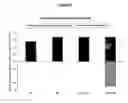
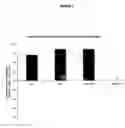
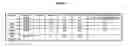
Sources:
- United States Patent and Trademark Office - verify current appl. status at the USPTO↗
Recent applications in this class:
- » 20250127695 2025-04-24
Use of Branched Medium-Chain Glycerol Ethers as Active Antidandruff Ingredients - » 20250127694 2025-04-24
FRAGRANCE COMPOSITIONS AND USES THEREOF - » 20250107979 2025-04-03
Hair Treatment Compositions Having Anti-Dandruff Action - » 20250090435 2025-03-20
PRESERVATIVES FOR COSMETIC AND PHARMACEUTICAL COMPOSITIONS - » 20250082555 2025-03-13
PROCESS FOR DYEING KERATIN FIBRES USING A COSMETIC COMPOSITION COMPRISING PROPANE-1,3-DIOL AND A DYEING COMPOSITION - » 20250064695 2025-02-27
HAIR CLEANSING COMPOSITION - » 20250041175 2025-02-06
COMPOSITION FOR SMOOTHING THE SKIN AND/OR THE LIPS - » 20250032375 2025-01-30
SOLVENT MIXTURES COMPRISING 1,3-BUTYLENE GLYCOL AND TRIETHYL-CITRATE - » 20240415751 2024-12-19
WATER REDUCED COMPACT SHAMPOO COMPOSITION - » 20240415750 2024-12-19
WATER REDUCED COMPACT CONDITIONER COMPOSITION