TP expression-inhibiting compound and siRNA sequence thereof
US20100317839A1
2010-12-16
12/484,858
2009-06-15
✅ Patent granted
US 8,110,675 B2
2012-02-07
-
-
Sean McGarry
2030-04-27
Abstract:
The present invention discloses a TP expression-inhibiting compound and a TP expression-inhibiting siRNA sequence, wherein a siRNA sequence partially or completely complementary to the sequence of TP is used to inhibit TP expression, whereby is effectively reduced the survival rate of cancer cells in an anoxic environment.
Inventors:
- Lih-Chyang Chen 4 🇹🇼 Xindian City, Taiwan
- Yu-Sun Chang 4 🇹🇼 Linkou Township, Taiwan
- Lih-Chyang Chen 2 🇹🇼 Xindian, Taiwan
- Yu-Sun Chang 2 🇹🇼 Linkou Township, Taipei County, Taiwan
Assignee:
- Chang Gung University 120 🇹🇼 Tao-Yuan, Taiwan
Interested in similar patents?
Get notified when new applications in this technology area are published.
Classification:
C12N15/1137 » CPC main
Mutation or genetic engineering; DNA or RNA concerning genetic engineering, vectors, e.g. plasmids, or their isolation, preparation or purification; Use of hosts therefor; Recombinant DNA-technology; DNA or RNA fragments; Modified forms thereof; Non-coding nucleic acids modulating the expression of genes, e.g. antisense oligonucleotides against enzymes
C12Y204/02004 » CPC further
Glycosyltransferases (2.4); Pentosyltransferases (2.4.2) Thymidine phosphorylase (2.4.2.4)
C12N2310/14 » CPC further
Structure or type of the nucleic acid; Type of nucleic acid interfering N.A.
C07H21/04 IPC
Compounds containing two or more mononucleotide units having separate phosphate or polyphosphate groups linked by saccharide radicals of nucleoside groups, e.g. nucleic acids with deoxyribosyl as saccharide radical
A61K31/70 IPC
Medicinal preparations containing organic active ingredients Carbohydrates; Sugars; Derivatives thereof
C12Q1/68 IPC
Measuring or testing processes involving enzymes, nucleic acids or microorganisms ; Compositions therefor; Processes of preparing such compositions involving nucleic acids
C07H21/02 IPC
Compounds containing two or more mononucleotide units having separate phosphate or polyphosphate groups linked by saccharide radicals of nucleoside groups, e.g. nucleic acids with ribosyl as saccharide radical
Description
FIELD OF THE INVENTION
The present invention relates to an RNA interferon technology, particularly to a TP expression-inhibiting compound and a siRNA sequence thereof.
DESCRIPTION OF THE RELATED ART
Thymidine phosphorylase (TP), also called PD-ECGF (Platelet-Derived Endothelial Cell Growth Factor), plays a very important role in nucleotide metabolism. TP also induces angiogenesis and metastasis. Thus, TP can inhibit apoptosis. It was reported that the product of TP metabolism 2-deoxy-D-ribose can inhibit the anoxia-induced apoptosis. It has been known that TP is over expressed in many cancers and very useful in prognosis. The over-expression of TP and the activity of enzyme can catalyze the activity of a precursor medicine of capecitabine. TP has been allowed to use in the therapy of the patients of metastatic colorectal cancer and metastatic breast cancer. The TP promoter is regulated by the transcription factors Spl and STAT. Besides, the stability of TP RNA is regulated by an interferon on the post-transcription level.
The Inventors found that TP is over-expressed in nasopharyngeal cancer and clinically correlates with the overall survival rate and distant metastasis. Therefore, PT can be used as a biomarker for predicting the malignancy of cancer. In the current cancer therapy technology, there is still none molecular method or medicine inhibiting the expression of TP-the over-expressing gene in breast cancer, colorectal cancer, and nasopharyngeal cancer.
SUMMARY OF THE INVENTION
The primary objective of the present invention is to provide a TP (Thymidine Phosphorylase) expression-inhibiting compound and a siRNA (small interfering RNA) sequence thereof, wherein the siRNA corresponding to TP is used to effectively inhibit TP expression and suppress the growth, metastasis and invasion of cancer.
To achieve the abovementioned objective, the present invention proposes a TP expression-inhibiting compound and a siRNA sequence thereof, wherein a siRNA is used to inhibit TP expression, and wherein a small segment of RNA having about 18-24 pieces of nucleotides matches with the mRNA (messenger RNA) of TP and then the intracellular dicer recognizes the segment of RNA, whereby the mRNA of TP is cut off, and the TP expression is inhibited.
The siRNA designed by the present invention matches with TP mRNA and has a transcribable sequence
| GGACAAGCAUUCCACAGGGUU | ||
| CAGCCUCCAUUCUCAGUAAUU | ||
| GCAUGUGGCUGCAAGGUGCUU | ||
| GAGCGAAGCGGACAUCAGGUU |
which can inhibit TP expression and thus can reduce the survival rate of cancer cells in an anoxic environment.
Below, the present invention is described in detail in cooperation with the attached drawings to make easily understood the objective, characteristics and accomplishments of the present invention.
BRIEF DESCRIPTION OF THE DRAWINGS
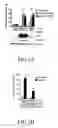
FIGS. 1A and 1B are diagrams respectively schematically showing the influence of TP expression on the cell line of nasopharyngeal cancer in a 5′-DFUR environment and an anoxic environment;
FIG. 2 is a diagram schematically showing the effect of a TP expression-inhibiting compound according to the present invention; and
FIGS. 3A and 3B are diagrams schematically showing the effect of a TP expression-inhibiting compound according to the present invention.
DETAILED DESCRIPTION OF THE INVENTION
The TP (Thymidine Phosphorylase) expression-inhibiting compound and a siRNA (small interfering RNA) sequence thereof can effectively inhibit TP expression and thus can reduce the survival rate of cancer cells in an anoxic environment and can then suppress the growth of cancer cells, includes colorectal cancer, lung cancer, oral squamous cell cancer, prostate cancer, nasopharyngeal cancer. The nasopharyngeal cancer cells are used as the exemplification of the abovementioned cancer cells in the present invention.
In related experiments, the Inventors found that Protein K of ribonucleoprotein particles (hnRNP K) and the target thereof—TP are over-expressed in nasopharyngeal cancer. The abnormal hnRNP K expression and TP over-expression in cytoplasm correlates with the shorter overall survival period and the distant metastasis. A multivariate analysis shows that hnRNP K and TP in cytoplasm is the independent factor for prognosis. TP over-expression in nasopharyngeal cancer cells makes the cancer cells more sensitive to the intermediate product of capecitabine—the precursor medicine 5-fluoro-5′-deoxyuridine (5′-DFUR), which can induce the apoptosis of cancer cells. Besides, the removal of serum will increase the stability of TP and cause TP over-expression.
RT-PCR-based immunoprecipitation and the transfer of hnRNP K from nucleus to cytoplasm shows that a UMP and CMP-rich segment of TP can directly interact with hnRNP K. Therefore, inhibiting hnRNP K expression can reduce TP expression. It means that hnRNP K should be the upstream of TP. In the reaction mechanism, both the MEK inhibitor (Mitogen-activated protein/Extracellular signal-regulated Kinase) and the amino mutation of p-ERK (phosphorylated Extracellular signal-Regulated kinases) can reduce hnRNP K expression in cytoplasm. Therefore, the phosphorylation of hnRNP K by ERK maybe plays an important role in inducing TP.
Besides, the TP expression activated by hnRNP K can inhibit the anoxic apoptosis of nasopharyngeal cancer cells. In conclusion, our experiments show that ERK can induce increasing hnRNP K expression. Thus, hnRNP K is the upstream of TP, and TP is the downstream target of hnRNP K. Both hnRNP K and TP are effective indicators to prognose nasopharyngeal cancer and deserves designing new targeted-therapy medicine thereof, which should benefit cancer therapy.
Therefore, the present invention suppresses the growth, metastasis and invasion of nasopharyngeal cancer via inhibiting TP expression. The TP expression-inhibiting compound may be the nucleotide molecules of RNA or DNA, which has a sense region and an antisense region jointly forming a duplex region. The sense region and the antisense region respectively have a length of 18-30 nucleotides. The antisense region has a sequence completely or partially matching the sequence of the mRNA of TP, whereby TP expression is inhibited, and the growth, metastasis, and invasion of cancer cells is suppressed.
In other words, the TP-inhibiting siRNA contains the following sequence:
| GGACAACCAUUCCACAGGGUU | ||
| CAGCCUCCAUUCUCAGUAAUU | ||
| GCAUGUGGCUGCAAGGUGCUU | ||
| GAGCGAAGCGGACAUCAGGUU |
Below, experimental data is used to prove the efficacies of the present invention. The cell lines of nasopharyngeal cancer NPC-TW01, NPC-TW02 and NPC-TW04 were cultivated in DMEM (Dulbecco's Modified Eagle's Medium) supplemented with 10% fetal bovine serum, 100 U/ml penicillin, and 100 μg/ml streptomycin at a temperature of 37° C. in a humidified 5% CO2 atmosphere. The cells are also cultivated in a serum-free DMEM, i.e. treated with a serum deprivation process. The cell lines NPC-TW02 is cultivated in DMEM supplemented with 10% fetal bovine serum, 100 U/ml penicillin, and 100 μg/ml streptomycin at 37° C. in a humidified 5% CO2 atmosphere. The expression of endogenous TP can be induced by the serum deprivation processing, as shown in FIG. 1A.
Refer to FIG. 1A and FIG. 1B. A cell line of nasopharyngeal cancer NPC-TW02/TP is established to stably express exogenous TP. First, the TP-expression carrier pcDNA3.1-PT is transfected to the cell line. Next, the cell line is screened and then cultivated in a culture solution having 500 μg/ml G418. Next is performed a cytotoxicity assay, wherein NPC-TW02 and NPC-TW02/TP are respectively processed with 5′-DFUR (Sigma-Aldrich, St. Louis, Mo., USA). Next, the cell lines are further cultivated for 72 hours. Next, the cell membranes are everted to expose phosphatidylserine. Then, phosphatidylserine is analyzed with the Vybrant® Apoptosis Assay Kit #2 (a product of Invitrogen).
Firstly, 2×10⁵ cells are taken out and washed with PBS. Next, a buffer solution (10 mM HEPES, 140 mM NaCl, 2.5 mM CaCl2, pH 7.4) is used to adjust the solution to have a cell concentration of 2×10⁶/mL. Next, 5 μl Alexa Fluor® 488 annexin V is added into 100 μl cell suspension, and then the cell suspension reacts at an ambient temperature for 15 minutes. Next, the cell specimens (10000 events) are analyzed with a flow cytometer (a product of Becton Dickinson), as shown in FIG. 3. Next is performed an anoxic experiment, wherein a six-hole culture tray planted with cells is placed in a modular incubator chamber (Billups-Rothenberg, Del Mar, Calif.), and an air having 2% O2, 5% CO2, and 93% N2 flows through the incubator chamber with a flow rate of 20 l/min for 8 minutes. Next, the incubator chamber is sealed, and the cells are cultivated for 72 hours at a temperature of 37° C. Refer to FIG. 2. Next, the cell membranes are everted to expose phosphatidylserine. Then, phosphatidylserine is analyzed with the Vybrant® Apoptosis Assay Kit #2 (a product of Invitrogen).
According to the operation manual, 50 μg transfection agent TransIT-TKO (a product of Mirus Bio Corporation) is used to transfect 50 nmol/l dsRNA duplexes to the cell line NPC-TW02, wherein a 21-bp hnRNP K and TP-addressing RNA duplex (SMARTpool reagents, Dharmacon, Lafayette, Colo.) and a 21-bp none-addressing RNA duplex (Research Biolabs Ayer Rajah Industrial Estate) are transfected to the cell line NPC-TW02. 24 hours later from transfection, the siRNA-containing culture solution is replaced with a serum-containing culture solution and a serum-free culture solution. Refer to FIG. 2, FIG. 3A and FIG. 3B. 48 hours later from culture solution replacement, the cells are collected to extract cell protein to examine the gene expression-inhibiting effect of the transfected RNA duplexes.
The mRNA of TP may have a sequence shown in Table. 1.
| TABLE 1 | ||
| 1 | cgactgccga gctccgccct ccaggcggcc ccacccgcct gccgtcctgg ggcgccgccg | |
| 61 | ccccgccgcc ggcagtggac cgctgtgcgc gaaccctgaa ccctacggtc ccgacccgcg | |
| 121 | ggcgaggccg ggtacctggg ctgggatccg gagcaagcgg gcgagggcag cgccctaagc | |
| 181 | aggcccggag cgatggcagc cttgatgacc ccgggaaccg gggccccacc cgcgcctggt | |
| 241 | gacttctccg gggaagggag ccagggactt cccgaccctt cgccagagcc caagcagctc | |
| 301 | ccggagctga tccgcatgaa gcgagacgga ggccgcctga gcgaagcgga catcaggggc | |
| 361 | ttcgtggccg ctgtggtgaa tgggagcgcg cagggcgcac agatcggggc catgctgatg | |
| 421 | gccatccgac ttcggggcat ggatctggag gagacctcgg tgctgaccca ggccctggct | |
| 481 | cagtcgggac agcagctgga gtggccagag gcctggcgcc agcagcttgt ggacaagcat | |
| 541 | tccacagggg gtgtgggtga caaggtcagc ctggtcctcg cacctgccct ggcggcatgt | |
| 601 | ggctgcaagg tgccaatgat cagcggacgt ggtctggggc acacaggagg caccttggat | |
| 661 | aagctggagt ctattcctgg attcaatgtc atccagagcc cagagcagat gcaagtgctg | |
| 721 | ctggaccagg cgggctgctg tatcgtgggt cagagtgagc agctggttcc tgcggacgga | |
| 781 | atcctatatg cagccagaga tgtgacagcc accgtggaca gcctgccact catcacagcc | |
| 841 | tccattctca gtaagaaact cgtggagggg ctgtccgctc tggtggtgga cgttaagttc | |
| 901 | ggaggggccg ccgtcttccc caaccaggag caggcccggg agctggcaaa gacgctggtt | |
| 961 | ggcgtgggag ccagcctagg gcttcgggtc gcggcagcgc tgaccgccat ggacaagccc | |
| 1021 | ctggtcgct gcgtgggcca cgccctggag gtggaggagg cgctgctctg catggacgcc | |
| 1081 | gcaggcccgc cagacttaag ggacctggtc accacgctcg ggggcgccct gctctggctc | |
| 1141 | agcggacacg cggggactca ggcccagggc gctgcccggg tggccgcggc gctggacgac | |
| 1201 | ggctcggccc ttggccgctt cgagcggatg ctggcggcgc agggcgtgga tcccggtctg | |
| 1261 | gcccgagccc tgtgctcggg aagtcccgca gaacgccggc agctgctgcc tcgcgcccgg | |
| 1321 | gagcaggagg agctgctggc gcccgcagat ggcaccgtgg agctggtccg ggcgctgccg | |
| 1381 | ctggcgctgg tgctgcacga gctcggggcc gggcgcagcc gcgctgggga gccgctccgc | |
| 1441 | ctgggggtgg gcgcagagct gctggtcgac gtgggtcaga ggctgcgccg tgggaccccc | |
| 1501 | tggctccgcg tgcaccggga cggccccgcg ctcagcggcc cgcagagccg cgccctgcag | |
| 1561 | gaggcgctcg tactctccga ccgcgcgcca ttcgccgccc cctcgccctt cgcagagctc | |
| 1621 | gttctgccgc cgcagcaata aagctccttt gccgcgaaa | |
In conclusion, the present invention proposes a TP expression-inhibiting compound and a siRNA sequence thereof, which uses an RNA interfering technology to inhibit TP expression inside cancer cells and suppress canceration, including the growth, metastasis and invasion of cancer cells.
The present invention has been demonstrated with the embodiments described above. However, they are only to exemplify the present invention but not to limit the scope of the present invention. Any equivalent modification or variation according to the spirit of the present invention is to be also included within the scope of the present invention, which is based on the claims stated below.
Claims
1. A thymidine phosphorylase expression-inhibiting compound, which is a nucleotide-based molecule having a sense region and an antisense region jointly forming a duplex region, wherein each of said sense region and said antisense region has a length of 18-30 nucleotides, and wherein said antisense region containing a sequence matching with a sequence of an mRNA of thymidine phosphorylase and inhibiting expression of thymidine phosphorylase and suppress growth, metastasis and invasion of cancer cells.
2. The thymidine phosphorylase expression-inhibiting compound of claim 1, wherein said cancer cells are selected from the group consisting of colorectal cancer cells, lung cancer cells, oral squamous cell cancer cells, prostate cancer cells, and nasopharyngeal cancer cells.
3. The thymidine phosphorylase expression-inhibiting compound of claim 1, wherein said nucleotide-based molecule is ribonucleic acid or deoxyribonucleic acid.
4. The thymidine phosphorylase expression-inhibiting compound of claim 1, wherein a sequence of said sense region is expressed by
| GGACAAGCAUUCCACAGGGUU | (SEQ ID NO: 1) | ||
| CAGCCUCCAUUCUCAGUAAUU | (SEQ ID NO: 2) | ||
| GCAUGUGGCUGCAAGGUGCUU | (SEQ ID NO: 3) | ||
| GAGCGAAGCGGACAUCAGGUU | (SEQ ID NO: 4) |
5. A thymidine phosphorylase expression-inhibiting small interfering ribonucleic acid sequence, which is expressed by
| GGACAAGCAUUCCACAGGGUU | (SEO ID NO: 1) | ||
| CAGCCUCCAUUCUCAGUAAUU | (SEQ ID NO: 2) | ||
| GCAUGUGGCUGCAAGGUGCUU | (SEQ ID NO: 3) | ||
| GAGCGAAGCGGACAUCAGGUU | (SEQ ID NO: 4) |
and which can suppress growth, metastasis and invasion of cancer cells via inhibiting expression of thymidine phosphorylase.
6. The thymidine phosphorylase expression-inhibiting small interfering ribonucleic acid sequence of claim 5, wherein said cancer cells are selected from the group consisting of colorectal cancer cells, lung cancer cells, oral squamous cell cancer cells, prostate cancer cells, and nasopharyngeal cancer cells.
Images & Drawings included:


Sources:
- United States Patent and Trademark Office - verify current appl. status at the USPTO↗
Recent applications in this class:
- » 20250283091 2025-09-11
METHODS AND COMPOSITIONS FOR INHIBITING EXPRESSION OF LDHA - » 20250283090 2025-09-11
MODULATORS OF DIACYGLYCEROL ACYLTRANSFERASE 2 (DGAT2) - » 20250283089 2025-09-11
TREATMENT OF A NON-ALCOHOLIC FATTY LIVER DISEASE - » 20250277220 2025-09-04
COMPOSITION FOR REGULATING PRODUCTION OF INTERFERING RIBONUCLEIC ACID - » 20250277219 2025-09-04
COMPOSITION FOR REGULATING PRODUCTION OF INTERFERING RIBONUCLEIC ACID - » 20250277218 2025-09-04
METHODS AND COMPOSITIONS FOR TREATING A PROPROTEIN CONVERTASE SUBTILISIN KEXIN (PCSK9) GENE-ASSOCIATED DISORDER - » 20250277217 2025-09-04
METHODS AND COMPOSITIONS FOR TREATING INFLAMMATORY CONDITIONS ASSOCIATED WITH INFECTIOUS DISEASE - » 20250270563 2025-08-28
TARGETED AUGMENTATION OF NUCLEAR GENE OUTPUT - » 20250270562 2025-08-28
BIS-RNAI COMPOUNDS FOR CNS DELIVERY - » 20250270561 2025-08-28
FUNCTIONAL NUCLEIC ACID MOLECULES
Recent applications for this Assignee:
- » 20180303833 2018-10-25
Method of preventing or treating osteoporosis by neddylation inhibitor - » 20170183294 2017-06-29
Compounds, compositions and methods for treating tumors - » 20170172949 2017-06-22
Composition of 5-nitrobenzoate derivatives as anti-metastatic agent that inhibits tumor cell-induced platelet aggregation - » 20170114112 2017-04-27
Epitope recognized by anti-interferon gamma autoantibodies in patients with disseminated mycobacterial infections and the application therefor - » 20150307548 2015-10-29
FPR1 antagonist derivatives and use thereof - » 20150210636 2015-07-30
Oxime-based compound, pharmaceutical composition containing the same and method for preparing the same - » 20150182195 2015-07-02
Processing system and processing method for confocally emitting and receiving ultrasound - » 20150133376 2015-05-14
Potentiation of nanopharyngeal cancer radiotherapy by inhibitors of leukemia inhibitory factor - » 20150099691 2015-04-09
FPR1 ANTAGONIST DERIVATIVES AND USE THEREOF - » 20140275269 2014-09-18
Composition of 5-nitrobenzoate derivatives as anti-metastatic agent that inhibits tumor cell-induced platelet aggregation