Method for adjusting the transmission speed of the electronic aid
US20110246684A1
2011-10-06
13/078,684
2011-04-01
✅ Patent granted
US 8,341,310 B2
2012-12-25
-
-
Chun-Kuan Lee | Richard B Franklin
2031-04-01
Abstract:
A method for adjusting a transmission speed of an electronic aid includes the steps of making a rate negotiation between the electronic aid and a computer, judging whether the rate negotiation is successful or not, if it is successful but data can not be transferred between the electronic aid and the computer, the computer will self-correct the transmission speed of the electronic aid. The present invention ensures that the electronic aid, which can not work normally at high-speed, works normally after deceleration, thereby improving the compatibility of the electronic aid.
Assignee:
- IPGoal Microelectronics (SiChuan) Co., Ltd. 38 🇨🇳 Chengdu, Sichuan Province, China
Interested in similar patents?
Get notified when new applications in this technology area are published.
Classification:
G06F13/4282 » CPC main
Interconnection of, or transfer of information or other signals between, memories, input/output devices or central processing units; Information transfer, e.g. on bus; Bus transfer protocol, e.g. handshake; Synchronisation on a serial bus, e.g. I2C bus, SPI bus
G06F2213/0042 » CPC further
Indexing scheme relating to interconnection of, or transfer of information or other signals between, memories, input/output devices or central processing units Universal serial bus [USB]
G06F3/00 IPC
Input arrangements for transferring data to be processed into a form capable of being handled by the computer; Output arrangements for transferring data from processing unit to output unit, e.g. interface arrangements
G06F15/16 IPC
Digital computers in general ; Data processing equipment in general Combinations of two or more digital computers each having at least an arithmetic unit, a program unit and a register, e.g. for a simultaneous processing of several programs
Description
BACKGROUND OF THE PRESENT INVENTION
1. Field of Invention
The present invention relates to a method for adjusting the transmission speed, and more particularly to a method for adjusting the transmission speed of the electronic aid, which is capable of self-correcting the transmission speed of the electronic aid.
2. Description of Related Arts
With the development of the electric industry, more and more electronic aids have been widely used, such as the USB (Universal Serial Bus) 2.0 high-speed electronic aids (including U disks, MP3s, card readers and so on). These electronic aids are connected with computers by USB interfaces to acquire the data from the computers, or transfer the data to the computers for achieving their functions. However, the quality of the connecting lines of some existing USB 2.0 electronic aids is getting worse and worse, so the performances of these electronic aids are decreased while working. Under some bad conditions, some devices may not work normally.
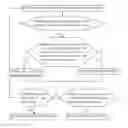
Referring to FIG. 1, a flow chart of a computer identification electronic aid of the prior art is shown. According to the USB 2.0 protocol, it is necessary for the USB 2.0 electronic aid to firstly make a rate negotiation with the computer before the USB 2.0 electronic aid works normally. If the electronic aid supports the high-speed operation mode, the electronic aid will firstly make the rate negotiation of the high-speed transmission speed with the computer. After the success of the negotiation, the computer begins to send the high-speed data packet to the electronic aid for identifying and initially configuring the electronic aid, such that the electronic aid begins to work normally. If the high-speed rate negotiation between the electronic aid and the computer is unsuccessful, the electronic aid will automatically switch to the full-speed operation mode, such that the data are transferred between the electronic aid and the computer. However, if the high-speed rate negotiation between the electronic aid and the computer is successful, but the data still can not be transferred normally between the electronic aid and the computer, the electronic aid will not work normally. According to the USB 2.0 protocol, under the condition that the electronic aid can not work normally, the computer has three opportunities to retry. For every opportunity, the computer firstly makes the rate negotiation with the electronic aid, if it works, the data packet will be sent to the electronic aid. If the data still can not be transferred normally between the electronic aid and the computer after three retrials, the electronic aid will not be identified. Therefore, the electronic aid can not work normally.
SUMMARY OF THE PRESENT INVENTION
An object of the present invention is to provide a method for adjusting the transmission speed of the electronic aid, which is capable of self-correcting the transmission speed of the electronic aid when the high-speed rate negotiation between the electronic aid and the computer is successful, but the data still can not be transferred normally between the electronic aid and the computer.
Accordingly, in order to accomplish above object, the present invention provides a method for adjusting a transmission speed of an electronic aid, comprising the steps of:
(1) making a rate negotiation between the electronic aid and a computer; and
(2) judging whether the rate negotiation is successful by the computer, if it is successful, but data can not be transferred between the electronic aid and the computer, the computer will self-correct the transmission speed of the electronic aid.
Compared with the prior art, in the method for adjusting the transmission speed of the electronic aid of the present invention, when the high-speed rate negotiation between the electronic aid and the computer is successful, but the data still can not be transferred between the electronic aid and the computer, the electronic aid will be self-corrected to the full-speed operation mode, such that the data are transferred between the electronic aid and the computer. Therefore, the present invention ensures that the electronic aid, which can not work normally at high-speed, works normally after deceleration, thereby improving the compatibility of the electronic aid.
BRIEF DESCRIPTION OF THE DRAWINGS
FIG. 1 is a flow chart of an identification electronic aid of the prior art.
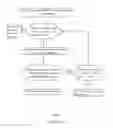
FIG. 2 is a flow chart of a method for adjusting the transmission speed of the electronic aid according to a preferred embodiment of the present invention.
DETAILED DESCRIPTION OF THE PREFERRED EMBODIMENT
A method for adjusting the transmission speed of the electronic aid according to a preferred embodiment of the present invention is provided, which is adapted for transferring data between an electronic aid and a computer. A monitoring module is preset in the computer. In the preferred embodiment, the electronic aid is a USB 2.0 high-speed electronic aid which has two operation modes, namely, the full-speed operation mode and the high-speed operation mode. The monitoring module can automatically monitor whether the electronic aid and the computer are prepare to make the third rate negotiation or not. If it's ok, judge whether the condition, that the former two high-speed rate negotiations are successful but the data still can not be transferred normally between the electronic aid and the computer, is met. Therefore, when the electronic aid and the computer make the rate negotiation, the computer will automatically monitor the rate negotiation between the electronic aid and the computer by the monitoring module.
According to the setting, the number of rate negotiations between the electronic aid and the computer can be monitored by the monitoring module, and it is not limited to be the third time, but includes the second time and the second above.
Referring to FIG. 2, a method for adjusting the transmission speed of the electronic aid according to the preferred embodiment of the present invention comprises the steps as below.
(1) Make the rate negotiation of the high-speed transmission speed between the electronic aid and the computer. If the rate negotiation is unsuccessful, the electronic aid will automatically switch to the full-speed operation mode, and then go into step (3). If the rate negotiation is successful, but data can not be transferred normally between the electronic aid and the computer, the electronic aid and the computer will make a rate re-negotiation, and go into the next step.
(2) The computer monitors whether the electronic aid and the computer are prepare to make the third rate negotiation or not by the monitoring module. If it's ok, judge whether the condition, that the former two high-speed rate negotiations are successful but the data still can not be transferred normally between the electronic aid and the computer, is met. If the condition is met, the transmission speed of the electronic aid will be adjusted to the full-speed operation mode, namely, the transmission speed of the electronic aid is decreased, and the computer will send a full-speed data packet to the electronic aid. If the condition is not met, the high-speed rate negotiation between the electronic aid and the computer will be successful, and the computer will send a high-speed data packet to the electronic aid.
(3) The electronic aid receives the high-speed data packet or full-speed data packet sent by the computer. The computer judges whether the data can be correctly transferred between the electronic aid and the computer, if it's ok, the electronic aid will begin to work normally; if it isn't ok, turn back to step (1), the electronic aid and the computer will make the rate re-negotiation. If the number of retrials is more than N, but the data still can not be normally transferred between the electronic aid and the computer, the electronic aid will not be identified. In the preferred embodiment, N is equal to 3.
In step (1), if the rate negotiation is successful, but the data can not be normally transferred between the electronic aid and the computer, directly go to step (2). In step (2), the computer can directly monitor whether the condition, that the rate negotiation between the electronic aid and the computer is successful but the data still can not be normally transferred between the electronic aid and the computer, is met. There is no need to monitor the number of rate negotiations between the electronic aid and the computer. In other words, as long as the computer monitors that the condition, that the rate negotiation between the electronic aid and the computer is successful but the data still can not be normally transferred between the electronic aid and the computer, is met, the transmission speed of the electronic aid will be adjusted to the full-speed operation mode, such that the data can be transferred normally between the electronic aid and the computer.
In the method for adjusting the transmission speed of the electronic aid of the present invention, when the high-speed rate negotiation between the electronic aid and the computer is successful, but the data still can not be transferred normally between the electronic aid and the computer, the electronic aid will be automatically decelerated to the full-speed operation mode, such that the data can be transferred between the electronic aid and the computer. Therefore, the present invention ensures that the electronic aid, which can not work normally at high-speed, works normally after deceleration, thereby improving the compatibility of the electronic aid.
Claims
What is claimed is:1. A method for adjusting a transmission speed of an electronic aid, comprising the steps of:
(1) making a rate negotiation between the electronic aid and a computer; and
(2) judging whether the rate negotiation is successful by the computer, if it is successful, but data can not be transferred between the electronic aid and the computer, the computer will self-correct the transmission speed of the electronic aid.
2. The method, as recited in claim 1, wherein the electronic aid is a USB 2.0 high-speed electronic aid.
3. The method, as recited in claim 1, wherein the rate negotiation is a rate negotiation of a high-speed transmission speed.
4. The method, as recited in claim 2, wherein the rate negotiation is a rate negotiation of a high-speed transmission speed.
5. The method, as recited in claim 1, wherein in step (2), the computer self-corrects the transmission speed of the electronic aid to a full-speed operation mode.
6. The method, as recited in claim 2, wherein in step (2), the computer self-corrects the transmission speed of the electronic aid to a full-speed operation mode.
7. The method, as recited in claim 3, wherein in step (2), the computer self-corrects the transmission speed of the electronic aid to a full-speed operation mode.
8. The method, as recited in claim 5, further comprising sending a full-speed data packet to the electronic aid and judging whether the electronic aid can correctly receive the full-speed data packet by the computer, if it works, the electronic aid will begin to work normally; if it doesn't work, the electronic aid and the computer will make a rate re-negotiation.
9. The method, as recited in claim 6, further comprising sending a full-speed data packet to the electronic aid and judging whether the electronic aid can correctly receive the full-speed data packet by the computer, if it works, the electronic aid will begin to work normally; if it doesn't work, the electronic aid and the computer will make a rate re-negotiation.
10. The method, as recited in claim 7, further comprising sending a full-speed data packet to the electronic aid and judging whether the electronic aid can correctly receive the full-speed data packet by the computer, if it works, the electronic aid will begin to work normally; if it doesn't work, the electronic aid and the computer will make a rate re-negotiation.
11. The method, as recited in claim 8, wherein if the number of rate re-negotiations between the electronic aid and the computer is more than three, but the data still can not be transferred normally between the electronic aid and the computer, the electronic aid will not be identified.
12. The method, as recited in claim 9, wherein if the number of rate re-negotiations between the electronic aid and the computer is more than three, but the data still can not be transferred normally between the electronic aid and the computer, the electronic aid will not be identified.
13. The method, as recited in claim 10, wherein if the number of rate re-negotiations between the electronic aid and the computer is more than three, but the data still can not be transferred normally between the electronic aid and the computer, the electronic aid will not be identified.
14. The method, as recited in claim 1, wherein in step (2), if the rate negotiation is unsuccessful, the transmission speed between the electronic aid and the computer will be self-corrected to a full-speed operation mode.
15. The method, as recited in claim 14, wherein the electronic aid is a USB 2.0 high-speed electronic aid.
16. The method, as recited in claim 14, wherein the rate negotiation is a rate negotiation of a high-speed transmission speed.
17. The method, as recited in claim 14, wherein if the rate negotiation is successful but the data between the electronic aid and the computer can not be transferred, the electronic aid and the computer will make a rate re-negotiation.
18. The method, as recited in claim 15, wherein if the rate negotiation is successful but the data between the electronic aid and the computer can not be transferred, the electronic aid and the computer will make a rate re-negotiation.
19. The method, as recited in claim 16, wherein if the rate negotiation is successful but the data between the electronic aid and the computer can not be transferred, the electronic aid and the computer will make a rate re-negotiation.
20. The method, as recited in claim 17, wherein a monitoring module is provided in the computer, the monitoring module automatically monitor whether the electronic aid and the computer are prepare to make the third rate negotiation or not, if it's ok, judge whether the condition, that the former two high-speed rate negotiations are successful but the data still can not be transferred normally between the electronic aid and the computer, is met, if the condition is met, the transmission speed of the electronic aid will be self-corrected by the computer.
Images & Drawings included:

Sources:
- United States Patent and Trademark Office - verify current appl. status at the USPTO↗
Recent applications in this class:
- » 20250291762 2025-09-18
METHODS AND APPARATUS TO ENABLE STATUS CHANGE DETECTION IN A LOW POWER MODE OF A MICROCONTROLLER UNIT - » 20250291761 2025-09-18
SERIALIZER-DESERIALIZER SENSOR SYSTEM CONFIGURATIONS - » 20250284655 2025-09-11
APPARATUS AND CONTROLLING METHOD FOR TWO-WIRE SERIAL BUS - » 20250278384 2025-09-04
GAMING DEVICE WITH A USB INTERFACE FOR DELIVERING POWER AND DATA TO VIDEO DISPLAY MODULES - » 20250278383 2025-09-04
Bandwidth Control Method For Integrated Circuit, Electronic Device, And Storage Medium - » 20250278382 2025-09-04
DATA TRANSMITTING METHOD AND DATA TRANSMITTING DEVICE - » 20250258793 2025-08-14
METHOD FOR EXCHANGING INTERFACE INFORMATION REGARDING A PCI EXPRESS INTERFACE - » 20250258792 2025-08-14
SUBSCRIBER STATION FOR A SERIAL BUS SYSTEM, AND METHOD FOR COMMUNICATION IN A SERIAL BUS SYSTEM - » 20250252074 2025-08-07
MEMORY MODULE AND COMPUTING SYSTEM INCLUDING THE SAME - » 20250245185 2025-07-31
CONTROL CHIP, OPERATING CIRCUIT, AND INTERFACE SIMULATION METHOD
Recent applications for this Assignee:
- » 20150030114 2015-01-29
Frequency locking system - » 20150002193 2015-01-01
Driver having low power consumption and method thereof - » 20140176354 2014-06-26
Sampling circuit for ADC - » 20140176241 2014-06-26
High-frequency bandwidth amplifying circuit - » 20140143584 2014-05-22
Circuit for generating peripheral clock for USB and method therefor - » 20140133532 2014-05-15
Serial data transmission system and method - » 20140126747 2014-05-08
Power amplifying circuit and system - » 20140126673 2014-05-08
Differential signal detecting device - » 20140089372 2014-03-27
Divider logic circuit and implement method therefor - » 20140086432 2014-03-27
POP noise suppression circuit and system