Bear bile macromolecular extract and preparation method and use thereof
US20120020895A1
2012-01-26
13/260,171
2009-12-10
✅ Patent granted
US 8,753,688 B2
2014-06-17
WO; PCT/CN2009/001415; 20091210
WO; WO2010/121404; 20101028
Rachael E Bredefeld
Birch, Stewart, Kolasch & Birch, LLP
2029-12-10
Abstract:
A bear bile macromolecular extract with anti-HCV virus function is disclosed. A preparation method comprises the following steps of: taking fresh bear bile or dissolving bear bile powder with water, centrifuging it by a molecular sieve filter membrane with molecular weight cut-off of 100,000 or an ultrafiltration membrane, filtering to obtain sediment, dissolving the sediment with water, adding the solution to sephadex column, separating the solution by using water or buffer as elution solvent, and freeze-drying the eluent to obtain the bear bile macromolecular extract. Experiments show that the bear bile macromolecular extract has anti-HCV virus function and can be used for treating hepatitis C.
Inventors:
- Xijun Wang 1 🇨🇳 Harbin, China
- Xiuhong Wu 1 🇨🇳 Harbin, China
- Hui Sun 2 🇨🇳 Harbin, China
- Wenjun Sun 1 🇨🇳 Harbin, China
Assignee:
- HEILONGJIANG GAP (GOOD AGRICULTURE PRACTICE) RESEARCH CENTER 1 🇨🇳 Harbin, China
Applicant:
Interested in similar patents?
Get notified when new applications in this technology area are published.
Classification:
A61K9/0019 » CPC further
Medicinal preparations characterised by special physical form; Galenical forms characterised by the site of application Injectable compositions; Intramuscular, intravenous, arterial, subcutaneous administration; Compositions to be administered through the skin in an invasive manner
A61K9/0095 » CPC further
Medicinal preparations characterised by special physical form; Galenical forms not covered by - Drinks; Beverages; Syrups; Compositions for reconstitution thereof, e.g. powders or tablets to be dispersed in a glass of water; Veterinary drenches
A61K9/02 » CPC further
Medicinal preparations characterised by special physical form Suppositories; Bougies; Bases therefor; Ovules
A61K9/06 » CPC further
Medicinal preparations characterised by special physical form Ointments; Bases therefor; Other semi-solid forms, e.g. creams, sticks, gels
A61P1/16 » CPC further
Drugs for disorders of the alimentary tract or the digestive system for liver or gallbladder disorders, e.g. hepatoprotective agents, cholagogues, litholytics
A61K35/413 IPC
Medicinal preparations containing materials or reaction products thereof with undetermined constitution; Materials from mammals; Compositions comprising non-specified tissues or cells; Compositions comprising non-embryonic stem cells; Genetically modified cells; Digestive system Gall bladder; Bile
A61K9/12 » CPC further
Medicinal preparations characterised by special physical form; Dispersions; Emulsions Aerosols; Foams
A61K9/00 » CPC main
Medicinal preparations characterised by special physical form
A61P31/14 » CPC further
Antiinfectives, i.e. antibiotics, antiseptics, chemotherapeutics; Antivirals for RNA viruses
Description
TECHNOLOGICAL FIELD
The present invention refers to a bear bile macromolecular extract and preparation method and use thereof. In particular, the present invention refers to a bear bile macromolecular extract with anti-hepatitis C virus function and preparation method and use thereof.
TECHNOLOGICAL BACKGROUND
Hepatitis is an infectious disease caused by hepatitis virus which has wide epidemic range and high incidence. Viral hepatitis is a general designation of hepatitis. Hepatitis C was initially described as non A and non B-post transfusion hepatitis. In 1989, hepatitis C virus cDNA was cloned successfully from the blood of an infected chimpanzee by Choo et al., which confirms hepatitis C virus is the pathogen of hepatitis C. Hepatitis C is a virus infectious and worldwide spread disease. It can cause a wide, formidable and chronic infection and make more people die compared with AIDS. The amount of HCV infected patients is been 3 times of that of AIDS infected patients, 2%˜3% in global population, 0.7%˜3.1% in Chinese population. 80% of HCV infectors may develop into chronic hepatitis, at least 20% will progress to cirrhosis, and 15% may develop metastasis of liver cancer. It is estimated 1.7 billion people are infected by virus which can cause permanent liver injury, even death.
There is no specific for HCV at present. Nucleoside analogues, ribavirin(and nucleotide trinitro), acyclovir (acycloguanosine), ganciclovir and so on, are used clinically. As an old product of nucleoside analogues, ribavirin has strong effect on blocking the replication of hepatitis C virus. Especially, hepatitis C is combined treated by interferon and ribavirin, by which the disease is controlled. But the virus cannot be cleaned. Sustained virologic response rate of it is not satisfied. Only 50% patients respond to it completely. For patients with HCV/HIV co-infection, the percentage decrease to 30%. In addition, nucleoside analogues cost too much and make patients bounce back to bad health if they stop taking them and result in a series of harm because of their side effect. So the urgent matter is to find anti-HCV drug with high efficiency and low toxicity.
In recent years, with further study on replication steps in lifecycle of HCV virus, some promising drug targets are found, such as HCV NS3 protease. In the replication process of HCV, it is a necessary protease. The encode of this protease is serine protease and nucleoside triphosphatase/helicase. The protease needs NS4A protein to be cofactor to make activity optimize HCV NS3/4A protease is a key enzyme in viral replication and formation of infection virus particles and a charming target of HCV inhibitor. It is effective way to search and discover HCV N3/4A protease inhibitor to discover anti-HCV drugs.
CONTENT OF THE INVENTION
One aspect of the present invention is to provide a bear bile macromolecular extract with anti-hepatitis C virus function (HCV NS3/4A protease inhibition); another aspect of this invention is to provide a method of preparing the macromolecular extract; the aspect of this invention is also to provide use of the extract.
The present invention can be implemented through the following technics:
The preparation method of bear bile macromolecular extract of the present invention includes the following steps:
Add water to dissolve bear bile powder to obtain aqueous solution of bear bile in concentration of 10˜100mg/ml, centrifuge the solution by a molecular sieve filter membrane with molecular weight cut-off of 100,000 at the centrifugal force of 4000×g for 10-60 minutes, or centrifuge fresh bear bile by a molecular sieve filter membrane with molecular weight cut-off of 100,000 at the centrifugal force of 4000×g for 1-2 hours; filter to obtain a sediment, dissolve the sediment in water, add the solution to a pretreated Sephadex-G100 column, separate the solution by using water or buffer as the elution solvent, collect the eluent with absorption at 280 nm, freeze-dry to obtain the bear bile macromolecular extract.
The preparation method of bear bile macromolecular extract of the present invention can be optimized as the following steps:
Add water to dissolve bear bile powder to obtain aqueous solution of bear bile in concentration of 50 mg/ml, centrifuge the solution by a molecular sieve filter membrane with molecular weight cut-off of 100,000 at the centrifugal force of 4000×g for 30 minutes, or centrifuge fresh bear bile by a molecular sieve filter membrane with molecular weight cut-off of 100,000 at the centrifugal force of 4000×g for 1.5 hours; filter to obtain a sediment, dissolve the sediment in water, add the solution to a pretreated Sephadex-G100 column, separate the solution by using water or buffer as the elution solvent, collect the eluent with absorption at 280 nm, freeze-dry to obtain the bear bile macromolecular extract.
The preparation method of bear bile macromolecular extract of the present invention can be optimized the following steps:
Add water to dissolve bear bile powder to obtain aqueous solution of bear bile in concentration of 20 mg/ml, centrifuge the solution by a molecular sieve filter membrane with molecular weight cut-off of 100,000 at the centrifugal force of 4000×g for 15 minutes; or centrifuge fresh bear bile by a molecular sieve filter membrane with molecular weight cut-off of 100,000 at the centrifugal force of 4000×g for 1 hour; filter to obtain a sediment, dissolve the sediment in water, add the solution to a pretreated Sephadex-G100 column, separate the solution by using water or buffer as the elution solvent, collect the eluent with absorption at 280 nm, freeze-dry to obtain the bear bile macromolecular extract.
The preparation method of bear bile macromolecular extract of the present invention can be optimized the following steps:
Add water to dissolve bear bile powder to obtain aqueous solution of bear bile in concentration of 90mg/ml, centrifuge the solution by a molecular sieve filter membrane with molecular weight cut-off of 100,000 at the centrifugal force of 4000×g for 50 minutes; or centrifuge fresh bear bile by a molecular sieve filter membrane with molecular weight cut-off of 100,000 at the centrifugal force of 4000×g for 2 hours; filter to obtain a sediment, dissolve the sediment in water, add the solution to a pretreated Sephadex-G100 column, separate the solution by using water or buffer as the elution solvent, collect the eluent with absorption at 280 nm, freeze-dry to obtain the bear bile macromolecular extract.
Wherein said buffer is phosphate buffer, citrate buffer or acetate buffer; said molecular sieve filter membrane with molecular weight cut-off of 100,000 can be replaced by ultrafiltration membrane with molecular weight cut-off of 100,000; said Sephadex G100 can be replace by Sephadex G150, Sephadex G200, Sephacryl S-100 or Sephadex DEAE-A50.
Add conventional excipient to bear bile macromolecular extract of the present invention, according to conventional technics, to obtain clinical or pharmaceutical acceptable dosage forms, powder injection, injection, aerosols, suppository, lotion, patch, unguentum and so on, dosage forms administrated by muscle, vein, subcutaneous or mucosa; capsule, tablet, sustained-release agent and oral liquid.
The present invention provides new method to treat hepatitis C by bear bile macromolecular extract and compound preparation containing bear bile macromolecular extract. Bear bile powder has the effectiveness of resisting HCV NS3/4A protease, which will be a new highlight in searching and developing anti-HCV drugs. The characteristic of little side effect of Chinese medicine will also make bear bile powder to be safer drug with high titer and avoid iatrogenic disease. The success research and produce of it will make about 2%˜3% HCV infector worldwide end the scourge that HCV develops into chronic hepatitis, cirrhosis or liver cancer and have good health, at the same time, remove HCV from the disease spectrum affecting human health severely.
BRIEF DESCRIPTION OF THE DRAWING
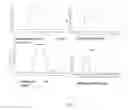
FIG. 1 shows comparison of separation effect of active fraction by using different sephadexes monitored on 280 nm.
The following experiments are further described but not limited to the present invention.
Experiment 1: Comparison of Anti-HCV Virus PR Effect Between Bear Bile Powder and Biles of Other Animals
1. Reagent used in activity assay:
Substrate: HCV NS3/4A protease substrate
Protease: HCV NS3/4A protease
Detector: fluoresce detector (Ex/Em=485/535 nm)
2. Activity assay results
Compare the inhibition effect of biles of different animals on HCV PR by activity assay method of HCV PR activity. The result shows the IC50 of bear bile is 0.2 ug/ml. The high activity is rarely reported whatever in Chinese Traditional Medicine or Western Medicine, however, bile of other animals have no such effect or weak effect (Table 1).
| TABLE 1 |
| Comparison of anti-HCV virus effect of bear bile and bile of other animals |
| Median effect | |||||
| concentration IC50 | |||||
| Sample | 100 μg/ml | 10 μg/ml | 1 μg/ml | 0.1 μg/ml | (μg/ml) |
| Bear bile | 91.9 ± 1.6 | 78.9 ± 5.3 | 64.8 ± 6.5 | 44.0 ± 0.4 | 0.2 |
| Chick bile | 5.1 ± 4.5 | — | — | — | >100 |
| Duck bile | 5.8 ± 3.3 | — | — | — | >100 |
| Pig bile | 68.7 ± 5.0 | 10.9 ± 5.1 | — | — | 48.4 |
| Sheep bile | 1.7 ± 1.5 | — | — | — | >100 |
| Ox bile | 34.1 ± 3.3 | — | — | — | >100 |
Experiment 2: The Activity Research on Anti-HCV PR of Bear Bile Macromolecular Extract of the Present Invention
1. Centrifugal separation
Material: Millipore molecular sieve filter membrane (molecular weight cut-off: 100,000)
Sample solution: aqueous solution of bear bile powder part with different molecular weight in concentration 25 mg/ml
Centrifugation conditions: centrifuge at the centrifugal force of 4000×g for 20 minutes.
Freeze-dry solution of the two part are obtained by centrifugal separation or membrane filtration separation respectively, and are assayed the activity according to the same method described in Experiment 1, see Table 2;
| TABLE 2 |
| Comparison result of anti-HCV PR activity of different |
| fractions obtained by centrifugal separation |
| Fraction | Inhibition rate ± S.D/% | |
| molecular weight > 100k | 91.20 ± 1.41 | |
| molecular weight < 100k | 24.32 ± 3.99 | |
The assay result shows, anti-HCV PR active part of bear bile powder is macromolecular substances with molecular weight greater than 100,000.
2. Further separation of active fraction
(1) Separated by Sephadex G100
Pretreat Sephadex G100 according to the requirement, pack the column; add water to dissolve bear bile powder to obtain aqueous solution of bear bile in concentration of 20 mg/ml, centrifuge the solution by a molecular sieve filter membrane with molecular weight cut-off of 100,000 at the centrifugal force of 4000×g for 15 minutes, or centrifuge fresh bear bile by a molecular sieve filter membrane with molecular weight cut-off of 100,000 at the centrifugal force of 4000×g for 1 hour; filter to obtain a sediment, dissolve the sediment in water, add the solution to the column, use water as elution solvent, obtain four eluted fractions: 1. yellow, having strong absorption at 280 nm; 2. light yellow, having weak absorption at 280 nm; 3. almost colorless, having no absorption at 280 nm; 4. colorless, having no absorption at 280 nm. Active part is mainly the first fraction having strong absorption at 280 nm. Assay the activity according to the same method described in Experiment 1, see Table 3;
| TABLE 3 |
| Anti-HCV PR assay results of different |
| eluted fractions (100 μg/ml) |
| Fraction | Inhibition rate ± S.D/% | |
| 1 | 95.7 ± 4.7 | |
| 2 | 12.6 ± 2.4% | |
| 3 | 5.3 ± 3.9% | |
| 4 | −3.5 ± 14.1% | |
(2) Separating effect of other types of fillers
Use CM-Sephadex, Sephadex G50, Sepharose 6B and Sephacryl S-300 as separating column filler respectively, add water to dissolve bear bile powder to obtain aqueous solution of bear bile in concentration of 20 mg/ml, centrifuge the solution by a molecular sieve filter membrane with molecular weight cut-off of 100,000 at the centrifugal force of 4000×g for 15 minutes; or centrifuge fresh bear bile by a molecular sieve filter membrane with molecular weight cut-off of 100,000 at the centrifugal force of 4000×g for 1 hour; filter to obtain a sediment, dissolve the sediment in water, add the solution to the column, use water or buffer as elution solvent, collect the eluent at the speed of 3 ml/component, monitor separating effect at 280 nm. The result shows that four types of fillers cannot achieve the aim of further separation.
The following examples have the same effect as above experiments.
DETAILED DESCRIPTION OF THE INVENTION
EXAMPLE 1
Preparation of Injection
Add water to dissolve bear bile powder to obtain aqueous solution of bear bile in concentration of 50 mg/ml, centrifuge the solution by a molecular sieve filter membrane with molecular weight cut-off of 100,000 at the centrifugal force of 4000×g for 30 minutes, filter to obtain a sediment, dissolve the sediment in water, add the solution to a pretreated Sephadex-G100 column, separate the solution by water as elution solvent, collect the eluent with absorption at 280 nm, freeze-dry to get the bear bile macromolecular extract, add conventional excipients, obtain injection according to conventional technics.
EXAMPLE 2
Preparation of Powder Injection
Add water to dissolve bear bile powder to obtain aqueous solution of bear bile in concentration of 20mg/ml, centrifuge the solution by a molecular sieve filter membrane with molecular weight cut-off of 100,000 at the centrifugal force of 4000×g for 15 minutes, filter to obtain a sediment, dissolve the sediment in water, add the solution to a pretreated Sephadex-G100 column, separate the solution by phosphate buffer as elution solvent, collect the eluent with absorption at 280 nm, freeze-dry to get the bear bile macromolecular extract, add conventional excipients, obtain powder injection according to conventional technics.
EXAMPLE 3
Preparation of Erosols
Add water to dissolve bear bile powder to obtain aqueous solution of bear bile in concentration of 90 mg/ml, centrifuge the solution by a molecular sieve filter membrane with molecular weight cut-off of 100,000 at the centrifugal force of 4000×g for 50 minutes, filter to obtain a sediment, dissolve the sediment in water, add the solution to a pretreated Sephadex-G100 column, separate the solution by citrate buffer as elution solvent, collect the eluent with absorption at 280 nm, freeze-dry to get the bear bile macromolecular extract, add conventional excipients, obtain erosols according to conventional technics.
EXAMPLE 4
Preparation of Suppository
Centrifuge fresh bear bile by a molecular sieve filter membrane with molecular weight cut-off of 100,000 at the centrifugal force of 4000×g for 1 hour; filter to obtain a sediment, dissolve the sediment in water, add the solution to a pretreated Sephadex-G100 column, separate the solution by water as elution solvent, collect the eluent with absorption at 280 nm, freeze-dry to obtain the bear bile macromolecular extract, add conventional excipients, obtain suppository according to conventional technics.
EXAMPLE 5
Preparation of Lotion
Centrifuge fresh bear bile by a molecular sieve filter membrane with molecular weight cut-off of 100,000 at the centrifugal force of 4000×g for 2 hours; filter to obtain a sediment, dissolve the sediment in water, add the solution to a pretreated Sephadex-G100 column, separate the solution by water as elution solvent, collect the eluent with absorption at 280 nm, freeze-dry to obtain the bear bile macromolecular extract, add conventional excipients, obtain lotion according to conventional technics.
EXAMPLE 6
Preparation of Unguentum
Centrifuge fresh bear bile by a molecular sieve filter membrane with molecular weight cut-off of 100,000 at the centrifugal force of 4000×g for 1.5 hours; filter to obtain a sediment, dissolve the sediment in water, add the solution to a pretreated Sephacryl column S-100, separate the solution by water as elution solvent, collect the eluent with absorption at 280 nm, freeze-dry to obtain the bear bile macromolecular extract, add conventional excipients, obtain unguentum according to conventional technics.
EXAMPLE 7
Preparation of Capsule
Add water to dissolve bear bile powder to obtain aqueous solution of bear bile in concentration of 50 mg/ml, centrifuge the solution by a molecular sieve filter membrane with molecular weight cut-off of 100,000 at the centrifugal force of 4000×g for 30 minutes, filter to obtain a sediment, dissolve the sediment in water, add the solution to a pretreated Sephadex column DEAE-A50, separate the solution by acetate buffer as elution solvent, collect the eluent with absorption at 280 nm, freeze-dry to get the bear bile macromolecular extract, add conventional excipients, obtain capsule according to conventional technics.
EXAMPLE 8
Preparation of Oral Liquid
Add water to dissolve bear bile powder to obtain aqueous solution of bear bile in concentration of 20 mg/ml, centrifuge the solution by a molecular sieve filter membrane with molecular weight cut-off of 100,000 at the centrifugal force of 4000×g for 15 minutes, filter to obtain a sediment, dissolve the sediment in water, add the solution to a pretreated Sephadex-G100 column, separate the solution by citrate buffer as elution solvent, collect the eluent with absorption at 280 nm, freeze-dry to get the bear bile macromolecular extract, add conventional excipients, obtain oral liquid according to conventional technics.
Claims
1. A bear bile macromolecular extract with anti-hepatitis C virus function, characterized in that the extract is prepared by following method:
Add water to dissolve bear bile powder to obtain aqueous solution of bear bile in concentration of 10˜100 mg/ml, centrifuge the solution by a molecular sieve filter membrane with molecular weight cut-off of 100,000 at the centrifugal force of 4000×g for 10˜60 minutes, or centrifuge fresh bear bile by a molecular sieve filter membrane with molecular weight cut-off of 100,000 at the centrifugal force of 4000×g for 1˜2 hours; filter to obtain a sediment, dissolve the sediment in water, add the solution to a pretreated Sephadex-G100 column, separate the solution by using water or buffer as elution solvent, collect the eluent with absorption at 280 nm, freeze-dry to obtain the bear bile macromolecular extract.
2. A bear bile macromolecular extract according to claim 1, characterized in that the extract is prepared by following method:
Add water to dissolve bear bile powder to obtain aqueous solution of bear bile in concentration of 50 mg/ml, centrifuge the solution by a molecular sieve filter membrane with molecular weight cut-off of 100,000 at the centrifugal force of 4000×g for 30 minutes, or centrifuge fresh bear bile by a molecular sieve filter membrane with molecular weight cut-off of 100,000 at the centrifugal force of 4000×g for 1.5 hours; filter to obtain a sediment, dissolve the sediment in water, add the solution to a pretreated Sephadex-G100 column, separate the solution by using water or buffer as elution solvent, collect the eluent with absorption at 280 nm, freeze-dry to obtain the bear bile macromolecular extract.
3. A bear bile macromolecular extract according to claim 1, characterized in that the extract is prepared by following method:
Add water to dissolve bear bile powder to obtain aqueous solution of bear bile in concentration of 20 mg/ml, centrifuge the solution by a molecular sieve filter membrane with molecular weight cut-off of 100,000 at the centrifugal force of 4000×g for 15 minutes, or centrifuge fresh bear bile by a molecular sieve filter membrane with molecular weight cut-off of 100,000 at the centrifugal force of 4000×g for 1 hour; filter to obtain a sediment, dissolve the sediment in water, add the solution to a pretreated Sephadex-G100 column, separate the solution by using water or buffer as elution solvent, collect the eluent with absorption at 280 nm, freeze-dry to obtain the bear bile macromolecular extract.
4. A bear bile macromolecular extract according to claim 1, characterized in that the extract is prepared by following method:
Add water to dissolve bear bile powder to obtain aqueous solution of bear bile in concentration of 90 mg/ml, centrifuge the solution by a molecular sieve filter membrane with molecular weight cut-off of 100,000 at the centrifugal force of 4000×g for 50 minutes, or centrifuge fresh bear bile by a molecular sieve filter membrane with molecular weight cut-off of 100,000 at the centrifugal force of 4000×g for 2 hours; filter to obtain a sediment, dissolve the sediment in water, add the solution to a pretreated Sephadex-G100 column, separate the solution by using water or buffer as elution solvent, collect the eluent with absorption at 280 nm, freeze-dry to obtain the bear bile macromolecular extract.
5. A bear bile macromolecular extract according to claim 1, characterized in that said buffer is phosphate buffer, citrate buffer or acetate buffer; said molecular sieve filter membrane with molecular weight cut-off of 100,000 is ultrafiltration membrane with molecular weight cut-off of 100,000; and said Sephadex G100 is Sephadex-G150, Sephadex G200, Sephacryl S-100 or Sephadex DEAE-A50.
6. A bear bile macromolecular extract according to claim 1, characterized in that the bear bile macromolecular extract, according to conventional technics, is prepared to clinical or pharmaceutical acceptable dosage forms, which are powder injection, injection, aerosol, suppository, lotion, patch, unguentum, capsule, tablet, sustained-release agent and oral liquid, by adding conventional excipients.
7. A bear bile macromolecular extract according to claim 5, characterized in that the bear bile macromolecular extract, according to conventional technics, is prepared to clinical or pharmaceutical acceptable dosage forms, which is powder injection, injection, aerosols, suppository, lotion, patch, unguentum, capsules, tablets, sustained-release agent and oral liquid, by adding conventional excipients.
8. A preparation method of a bear bile macromolecular extract with anti-hepatitis C virus function, characterized in that the method includes following steps:
Add water to dissolve bear bile powder to obtain aqueous solution of bear bile in concentration of 10˜100mg/ml, centrifuge the solution by a molecular sieve filter membrane with molecular weight cut-off of 100,000 at the centrifugal force of 4000×g for 10˜60 minutes, or centrifuge fresh bear bile by a molecular sieve filter membrane with molecular weight cut-off of 100,000 at the centrifugal force of 4000×g for 1˜2 hours; filter to obtain a sediment, dissolve the sediment in water, add the solution to a pretreated Sephadex-G100 column, separate the solution by using water or buffer as elution solvent, collect the eluent with absorption at 280 nm, freeze-dry to obtain the bear bile macromolecular extract.
9. A preparation method of a bear bile macromolecular extract according to of claim 8, characterized in that the method includes following steps:
Add water to dissolve bear bile powder to obtain aqueous solution of bear bile in concentration of 50 mg/ml, centrifuge the solution by a molecular sieve filter membrane with molecular weight cut-off of 100,000 at the centrifugal force of 4000×g for 30 minutes, or centrifuge fresh bear bile by a molecular sieve filter membrane with molecular weight cut-off of 100,000 at the centrifugal force of 4000×g for 1.5 hours; filter to obtain a sediment, dissolve the sediment in water, add the solution to a pretreated Sephadex-G100 column, separate the solution by using water or buffer as elution solvent, collect the eluent with absorption at 280 nm, freeze-dry to obtain the bear bile macromolecular extract.
10. A preparation method of a bear bile macromolecular extract according to of claim 8, characterized in that the method includes following steps:
Add water to dissolve bear bile powder to obtain aqueous solution of bear bile in concentration of 20 mg/ml, centrifuge the solution by a molecular sieve filter membrane with molecular weight cut-off of 100,000 at the centrifugal force of 4000×g for 15 minutes, or centrifuge fresh bear bile by a molecular sieve filter membrane with molecular weight cut-off of 100,000 at the centrifugal force of 4000×g for 1 hour; filter to obtain a sediment, dissolve the sediment in water, add the solution to a pretreated Sephadex-G100 column, separate the solution by using water or buffer as elution solvent, collect the eluent with absorption at 280 nm, freeze-dry to obtain the bear bile macromolecular extract.
11. A preparation method of a bear bile macromolecular extract according to of claim 8, characterized in that the method includes following steps:
Add water to dissolve bear bile powder to obtain aqueous solution of bear bile in concentration of 90 mg/ml, centrifuge the solution by a molecular sieve filter membrane with molecular weight cut-off of 100,000 at the centrifugal force of 4000×g for 50 minutes, or centrifuge fresh bear bile by a molecular sieve filter membrane with molecular weight cut-off of 100,000 at the centrifugal force of 4000×g for 2 hours; filter to obtain a sediment, dissolve the sediment in water, add the solution to a pretreated Sephadex-G100 column, separate the solution by using water or buffer as elution solvent, collect the eluent with absorption at 280 nm, freeze-dry to obtain the bear bile macromolecular extract.
12. A preparation method of a bear bile macromolecular extract according to claim 8, characterized in that said buffer is phosphate buffer, citrate buffer or acetate buffer; said molecular sieve filter membrane with molecular weight cut-off of 100,000 is ultrafiltration membrane with molecular weight cut-off of 100,000; said Sephadex G100 is Sephadex G150, Sephadex G200, Sephacryl S-100 or Sephadex DEAE-A50.
13. The use of a bear bile macromolecular extract according to claim 1 in preparation of a pharmaceutical composition with anti-HCV virus function.
14. The use of bear bile in preparation of a pharmaceutical composition with anti-HCV virus function.
Images & Drawings included:
Sources:
- United States Patent and Trademark Office - verify current appl. status at the USPTO↗
Recent applications in this class:
- » 20250161203 2025-05-22
DEVICES AND METHODS FOR DELIVERING THERAPEUTICS - » 20240225998 2024-07-11
TRANSMUCOSAL DRUG DELIVERY DEVICES FOR USE IN CHRONIC PAIN RELIEF - » 20240148639 2024-05-09
TRANSMUCOSAL DRUG DELIVERY DEVICES FOR USE IN CHRONIC PAIN RELIEF - » 20240130961 2024-04-25
TRANSMUCOSAL DRUG DELIVERY DEVICES FOR USE IN CHRONIC PAIN RELIEF - » 20220331234 2022-10-20
Devices and methods for delivering therapeutics - » 20220202697 2022-06-30
TRANSMUCOSAL DRUG DELIVERY DEVICES FOR USE IN CHRONIC PAIN RELIEF - » 20200261352 2020-08-20
TRANSMUCOSAL DRUG DELIVERY DEVICES FOR USE IN CHRONIC PAIN RELIEF - » 20200030227 2020-01-30
TRANSMUCOSAL DRUG DELIVERY DEVICES FOR USE IN CHRONIC PAIN RELIEF - » 20190201323 2019-07-04
Devices and methods for delivering therapeutics - » 20180263896 2018-09-20
Formulation and manufacture of pharmaceuticals by impregnation onto porous carriers