Composition for promoting collagen production
US20120184619A1
2012-07-19
13/261,238
2010-09-27
✅ Patent granted
US 8,637,572 B2
2014-01-28
WO; PCT/JP2010/066672; 20100927
WO; WO2011/040363; 20110407
Jason M Sims | Ibrahim D Bori
Foley & Lardner LLP
2030-09-27
Abstract:
Disclosed is a novel composition which has an effect on promoting production of collagen. The composition has high photostability and is free from side effects such as those of retinoids. Specifically disclosed is a composition for promoting collagen production which contains one or more compounds selected from the group consisting of D-aspartic acid, D-alanine, derivatives and/or salts thereof. The composition may be used for the purpose of suppressing and/or improving skin a condition. The skin condition may include but is not limited to photoaging and/or wrinkles. The composition may be used for an external preparation for the skin or food. The composition may be a composition for promoting type I collagen production.
Inventors:
- Masashi Mita 32 🇯🇵 Tokyo, Japan
- Yosuke TOJO 9 🇯🇵 Yokohama-shi, Japan
- Chieko MIZUMOTO 6 🇯🇵 Yokohama-shi, Japan
- Yutaka Ashida 8 🇯🇵 Yokohama-shi, Japan
- Masashi Mita 4 🇯🇵 Chuo-ku, Japan
- Shoichiro Shimada 2 🇯🇵 Yokohama-shi, Japan
- Yosuke Tojo 8 🇯🇵 Yokohama, Japan
- Yutaka Ashida 4 🇯🇵 Yokohama, Japan
- Shoichiro Shimada 2 🇯🇵 Yokohama, Japan
- Chieko Mizumoto 5 🇯🇵 Yokohama, Japan
Assignee:
- SHISEIDO COMPANY, LTD. 595 🇯🇵 Tokyo, Japan
Applicant:
Interested in similar patents?
Get notified when new applications in this technology area are published.
Classification:
A23C9/1322 » CPC main
Milk preparations; Milk powder or milk powder preparations; Fermented milk preparations; Treatment using microorganisms or enzymes using additives Inorganic compounds; Minerals, including organic salts thereof, oligo-elements; Amino-acids, peptides, protein-hydrolysates or derivatives; Nucleic acids or derivatives; Yeast extract or autolysate; Vitamins; Antibiotics; Bacteriocins
A21D2/245 » CPC further
Treatment of flour or dough by adding materials thereto before or during baking by adding organic substances; Organic nitrogen compounds Amino acids, nucleic acids
A23L2/52 » CPC further
Non-alcoholic beverages; Dry compositions or concentrates therefor ; Their preparation Adding ingredients
A23L11/05 » CPC further
Pulses, i.e. fruits of leguminous plants, for production of food; Products from legumes; Preparation or treatment thereof Mashed or comminuted pulses or legumes; Products made therefrom
A23L11/50 » CPC further
Pulses, i.e. fruits of leguminous plants, for production of food; Products from legumes; Preparation or treatment thereof Fermented pulses or legumes; Fermentation of pulses or legumes based on the addition of microorganisms
A23L27/14 » CPC further
Spices; Flavouring agents or condiments; Artificial sweetening agents; Table salts; Dietetic salt substitutes; Preparation or treatment thereof; Natural spices, flavouring agents or condiments; Extracts thereof Dried spices
A23L27/50 » CPC further
Spices; Flavouring agents or condiments; Artificial sweetening agents; Table salts; Dietetic salt substitutes; Preparation or treatment thereof Soya sauce
A23L27/60 » CPC further
Spices; Flavouring agents or condiments; Artificial sweetening agents; Table salts; Dietetic salt substitutes; Preparation or treatment thereof Salad dressings; Mayonnaise; Ketchup
A23L33/17 » CPC further
Modifying nutritive qualities of foods; Dietetic products; Preparation or treatment thereof using additives Amino acids, peptides or proteins
A23L33/175 » CPC further
Modifying nutritive qualities of foods; Dietetic products; Preparation or treatment thereof using additives; Amino acids, peptides or proteins Amino acids
A23P10/28 » CPC further
Shaping or working of foodstuffs characterised by the products; Agglomerating; Granulating; Tabletting Tabletting; Making food bars by compression of a dry powdered mixture
A23P10/30 » CPC further
Shaping or working of foodstuffs characterised by the products Encapsulation of particles, e.g. foodstuff additives
A61K8/44 » CPC further
Cosmetics or similar toilet preparations characterised by the composition containing organic compounds containing nitrogen Aminocarboxylic acids or derivatives thereof, e.g. aminocarboxylic acids containing sulfur; Salts; Esters or N-acylated derivatives thereof
A61Q19/08 » CPC further
Preparations for care of the skin Anti-ageing preparations
C12J1/00 » CPC further
Vinegar; Preparation or purification thereof
A61K2800/592 » CPC further
Properties of cosmetic compositions or active ingredients thereof or formulation aids used therein and process related aspects; Chemical, physico-chemical or functional or structural properties of particular ingredients; Mixtures Mixtures of compounds complementing their respective functions
A23V2250/0604 » CPC further
Food ingredients; Acid; Amino acid Alanine
A23V2002/00 » CPC further
Food compositions, function of food ingredients or processes for food or foodstuffs
A23V2200/318 » CPC further
Function of food ingredients; Foods, ingredients or supplements having a functional effect on health having an effect on skin health and hair or coat
A23V2250/061 » CPC further
Food ingredients; Acid; Amino acid Aspartic acid
A61K31/198 » CPC further
Medicinal preparations containing organic active ingredients; Acids; Anhydrides, halides or salts thereof, e.g. sulfur acids, imidic, hydrazonic, hydroximic acids; Carboxylic acids, e.g. valproic acid having an amino group the amino and the carboxyl groups being attached to the same acyclic carbon chain, e.g. gamma-aminobutyric acid [GABA], beta-alanine, epsilon-aminocaproic acid, pantothenic acid Alpha-aminoacids, e.g. alanine, edetic acids [EDTA]
A61P17/00 » CPC further
Drugs for dermatological disorders
A01N37/12 IPC
Biocides, pest repellants or attractants, or plant growth regulators containing organic compounds containing a carbon atom having three bonds to hetero atoms with at the most two bonds to halogen, e.g. carboxylic acids containing the group , wherein C means a carbon skeleton not containing a ring; Thio analogues thereof
Description
TECHNICAL FIELD
The present invention relates to a composition for promoting collagen production which comprising one or more compounds selected from the group consisting of D-aspartic acid, D-alanine, derivatives and/or salts thereof, and a method of suppressing and/or improving a skin condition comprising a step of administering the compound.
BACKGROUND ART
Type I collagen is one of the major skin proteins and it is a triple helix protein composed of two strands of α(alpha)1 (I) chain and one strand of α(alpha) 2 (I) chain. Type I collagen is produced by fibroblasts in the skin dermis and it forms an extracellular matrix in which the fibroblasts are embedded. Both intrinsic aging and photoaging are accompanied with reduced collagen production and increased activity of collagenase (Non-Patent Documents 1 to 3). Thus, it has been believed that a promotion of collagen production leads to suppression and/or improvement of a skin condition caused by intrinsic aging or photoaging, for example, wrinkle formation. In fact, it is known that retinoids, i.e., derivatives of vitamin A, have an efficacy when applied to the face or upper arm skin caused by intrinsic aging or photoaging (Non-Patent Documents 4 and 5). However, the retinoids have a side effect like photosensitization or inflammatory reaction known as a retinoid reaction (Non-Patent Document 6). Further, having generally high photoreactivity, the retinoids need to be protected from light for stable storage. Thus, after administration to the skin, the retinoids may be easily decomposed by light penetrating a living body under ordinary living conditions.
PRIOR ART DOCUMENTS
Non-Patent Document
- Non-Patent Document 1: Takeda, K. et al., J. Cell. Physiol., 153:450 (1992)
- Non-Patent Document 2: Varani, J. et al., Am. J. Pathol., 158:931 (2001)
- Non-Patent Document 3: Varani, J. et al., Am. J. Pathol., 168:1861 (2006)
- Non-Patent Document 4: Kligman, A. M. et al., J. Am. Acad. Dermatol., 15:836 (1986)
- Non-Patent Document 5: Kligman, A. M. et al., J. Am. Acad. Dermatol., 29:25 (1993)
- Non-Patent Document 6: Mukherjee, S. et al., Clin. Interv. Aging 1:327 (2006)
DISCLOSURE OF THE INVENTION
Problem to be Solved by the Invention
Under the circumstances, there is a need to develop a novel composition which has an effect on promoting collagen production, specifically a composition which has high photostability and is free from side effects such as those of retinoids.
Means for Solving the Problem
The present invention provides a composition for promoting collagen production comprising one or more compounds selected from the group consisting of D-aspartic acid, D-alanine, derivatives and/or salts thereof.
The composition for promoting collagen production of the present invention may be used for suppressing and/or improving a skin condition.
Regarding the composition for promoting collagen production of the present invention, the skin condition comprises photoaging and/or wrinkles, but not limited thereto.
The composition for promoting collagen production of the present invention may be used for an external preparation for the skin.
The composition for promoting collagen production of the present invention may be used for a food.
The composition for promoting collagen production of the present invention may be a composition for promoting type I collagen production.
The present invention also provides a method of suppressing and/or improving a skin condition comprising a step of administering a composition for promoting collagen production comprising one or more compounds selected from the group consisting of D-aspartic acid, D-alanine, derivatives and/or salts thereof.
The skin condition that is suppressed and/or improved by the method of the present invention comprises photoaging and/or wrinkles, but not limited thereto.
Regarding the method of the present invention, the composition for promoting collagen production of the present invention may be used for an external preparation for the skin.
Regarding the method of the present invention, the composition for promoting collagen production of the present invention may be used for a food composition.
According to the Method of the present invention, the composition for promoting collagen production may be a composition for promoting type I collagen production.
As used herein, the term “salt” of D-aspartic acid and D-alanine indicates any salts comprising a metal salt and an amine salt or the like, provided that the effect on promoting collagen production of D-aspartic acid and D-alanine is not impaired. The metal salts may comprise an alkaline metal salt, an alkaline earth metal salt and the like. The amine salts may comprise a triethylamine salt, a benzylamine salt and the like.
As used herein, the term “derivatives” of D-aspartic acid and D-alanine indicates D-aspartic acid and D-alanine molecules that are covalently bound to any atomic group via their amino groups, carboxyl groups, or side chains, provided that the effect on promoting collagen production of D-aspartic acid and D-alanine is not impaired. The atomic group includes, but is not limited to, protective groups, such as N-phenylacetyl group, and 4,4′-dimethoxytrityl (DMT) group; biopolymers, such as a protein, a peptide, a saccharide, a lipid, and a nucleic acid; synthetic polymers, such as a polystyrene, a polyethylene, a polyvinyl, and a polyester; and functional groups such as an ester group. The ester group may comprise, for example, an aliphatic ester, such as methyl ester, and ethyl ester; and an aromatic ester.
An amino acid has optical isomers which are the L-form and D-form. A natural protein has L-amino acids bound by peptide bonds and only L-amino acids are employed excluding some exceptions such as a bacterial cell wall. Therefore, it has been considered that in a mammal including a human only L-amino acids are present and only L-amino acids are utilized (Kinouchi, T. et al., TANPAKUSHITSU KAKUSAN KOSO (PROTEIN, NUCLEIC ACID AND ENZYME), 50:453-460 (2005), Lehninger Principles of Biochemistry [Vol. 1] 2nd ed., pp 132-147 (1993), Japanese-language translation, Hirokawa Shoten Ltd., Harper's Biochemistry, Original version, 22nd ed., pp 21-30 (1991), Japanese-language translation Maruzen Co., Ltd.). Accordingly, only L-amino acids have been mostly employed as amino acids academically and industrially for a long time.
Exceptional cases where a D-amino acid is employed are, for example, a case of using as a raw material for an antibiotics produced by a microorganism, and, a case of a food additive employing a D-amino acid in a DL-amino acid mixture for the purpose of reducing cost of fractionating only an L-amino acid from a mixture of the L- and D-amino acids, which are obtained in equimolar amounts by synthesizing the amino acids. Nevertheless, there has been no case of using only a D-amino acid not including an L-amino acid industrially as a physiologically active substance.
D-serine and D-aspartic acid have high ratio of D-form, and therefore many studies have been made compared to other amino acids. D-serine is localized in the cerebrum and the hippocampus, and it is known as a regulatory factor for the NMDA receptor in the brain. D-aspartic acid is found to be localized in the testis and pineal body, and it is known to be involved in the control of hormone secretion (Japanese Patent Unexamined Publication No. 2005-3558). However, the physiological activities of D-aspartic acid and D-alanine in the skin are not clearly defined.
As illustrated in the following examples, the effect on promoting collagen production of D-aspartic acid and D-alanine has been unknown so far. Thus, the composition for promoting collagen production of the present invention comprising D-aspartic acid and/or D-alanine is a novel invention.
Recently, it was reported that ddY mice were allowed to ingest freely a 10 mM aqueous solution of a D-amino acid for two weeks and then examined for the D-amino acid concentration in each organ, which was 3 to 1000 pmol per gland in the pineal body and 2 to 500 nmol per wet gram in the brain tissue (Morikawa, A. et al., Amino Acids, 32:13-20 (2007)). Based on the above, the lower limit for daily intake amount of D-aspartic acid and D-alanine contained in the composition of the present invention is calculated as described below.
The D-aspartic acid of the present invention has an effect on promoting collagen production in cultured human fibroblasts within the concentration range of 0.01 μM (micro-molar) to 320 μM (micro-molar), as described in the following Examples. Thus, the amount of the D-aspartic acid that is contained in the composition of the present invention may be any content, provided that the D-aspartic acid in the above concentration range is delivered to fibroblasts in the skin tissue in vivo. As for an external preparation for the skin of the present invention, the content of D-aspartic acid may be 0.0000001% by weight to 50% by weight, or up to the maximum weight concentration that can be formulated, in the total composition of the invention. Specifically, when the composition is an external preparation for the skin, the content of D-aspartic acid is preferably 0.000001% by weight to 30% by weight, and the most preferably 0.00001% by weight to 3% by weight. When the composition of the present invention is an internal agent, the content of D-aspartic acid may be within the range of 0.0000001% by weight to 100% by weight. When the composition of the present invention is an internal agent, the content of the D-aspartic acid is preferably 0.0000002% by weight to 80% by weight and the most preferably 0.000001% by weight to 60% by weight. Further, the lower limit of a daily intake amount of D-aspartic acid that is contained in the composition of the present invention may be 0.01 ng, preferably 0.1 ng, and more preferably 1 ng per 1 kg of body weight.
As illustrated in the following examples, within the concentration range of from 0.01 μl (micro-molar) to 1000 μM (micro-molar), D-alanine of the present invention has an effect on promoting collagen production in cultured human fibroblasts. As such, the amount of D-alanine contained in the skin condition improving agent, an external preparation for the skin, and the food composition of the present invention can have any amount, provided that the D-alanine within the above concentration range is delivered to fibroblasts in the skin tissue in vivo. As for an external preparation for the skin of the present invention, the content of D-alanine may be from 0.000001% by weight to 50% by weight, or up to the maximum weight concentration that can be formulated, in the total composition of the invention. Specifically, when the composition is an external preparation for the skin, the content of D-alanine is preferably 0.00001% by weight to 30% by weight, and the most preferably 0.0001% by weight to 10% by weight. When the composition of the present invention is an internal agent, the content of D-alanine may be within the range of 0.000001% by weight to 100% by weight. When the composition of the present invention is an internal agent, the content of D-alanine is preferably 0.00001% by weight to 80% by weight and the most preferably 0.0001% by weight to 60% by weight. Further, the lower limit of a daily intake amount of D-alanine that is contained in the composition of the present invention may be 0.01 ng, preferably 0.1 ng, and more preferably 1 ng per 1 kg of body weight.
The composition of the present invention may further comprise one or more pharmaceutically acceptable additives, in addition to the group of D-aspartic acid, D-alanine, salts of D-aspartic acid and D-alanine and/or derivatives of D-aspartic acid and D-alanine capable of releasing D-aspartic acid and D-alanine by a drug metabolizing enzyme and the like in vivo, provided that the effect on promoting collagen production of D-aspartic acid and D-alanine is not impaired. Such additives comprise, but are not limited to, a diluent and an extender, a binder and an adhesive, a lubricant, a glidant, a plasticizer, a disintegrant, a carrier solvent, a buffering agent, a colorant, a flavoring agent, a sweetener, a preservative and a stabilizer, an adsorbent, as well as other pharmaceutical additives known to those skilled in the art.
The composition of the present invention may be prepared by using, as an active component, only D-aspartic acid, D-alanine, salts of D-aspartic acid and D-alanine and/or derivatives of D-aspartic acid and D-alanine capable of releasing D-aspartic acid and D-alanine by a drug metabolizing enzyme and the like in vivo. However, within the range that the effect of the present invention is not impaired, it may be appropriately formulated with other components that are used for an external preparation for the skin like cosmetics comprising quasi drugs and pharmaceutical products, if necessary. Examples of other components (i.e., optionally formulated components) comprise an oil, a surface active agent, a powder, a colorant, water, alcohols, a thickening agent, a chelating agent, silicones, an antioxidant, an UV absorbing agent, a moisturizing agent, a flavoring agent, various pharmaceutically active ingredients, a preservative, a pH adjusting agent, and a neutralizing agent.
A dosage form of a composition of promoting collagen production of the present invention that is used for suppressing and/or improving a skin condition (herein below, referred to as an “agent for improving skin condition”) may be any one that is commonly used for quasi drug compositions and pharmaceutical compositions comprising an external preparation for the skin like an ointment, a cream, an emulsion, a lotion, a pack, gel, and a patch, an oral preparation like powder, granules, a soft capsule, and a tablet, a pernasal preparation like a nasal spray, and an injection solution.
A dosage form of the external preparation for the skin according to the present invention is not specifically limited, provided that it is conventionally used for an external preparation for the skin, and it comprises an ointment, a cream, an emulsion, a lotion, a pack, a gel, and a patch.
The food composition of the present invention may further comprise, in addition to D-aspartic acid, D-alanine, salts of D-aspartic acid and D-alanine and/or derivatives of D-aspartic acid and D-alanine capable of releasing D-aspartic acid and D-alanine by a drug metabolizing enzyme and the like in vivo, a seasoning, a colorant, a preservative, and other components that can be used for a food product, provided that the effect on promoting collagen production by D-aspartic acid and D-alanine is not impaired.
The food composition of the present invention may be any one employed conventionally as a food composition comprising, but not limited to, a candy, a cookie, bean paste, a French dressing, a mayonnaise, a French bread, a soy sauce, yogurt, dried seasoning powder for rice, seasoning/sauce for natto (Japanese fermented soybean), natto, unrefined black vinegar.
BRIEF DESCRIPTION OF THE DRAWINGS
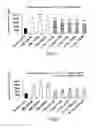
FIG. 1 is a graph illustrating the effect of D-aspartic acid on type I collagen production in normal human dermal fibroblasts.
FIG. 2 is a graph illustrating the effect of D-alanine on type I collagen production in normal human dermal fibroblasts.
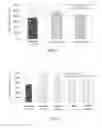
FIG. 3 is a graph illustrating the effect of L- and D-aspartic acid on type I collagen production in normal human dermal fibroblasts.
FIG. 4 is a graph illustrating the effect of L- and D-alanine on type I collagen production in normal human dermal fibroblasts.
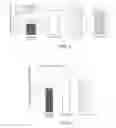
FIG. 5 is a graph illustrating the effect of D-aspartic acid and D-alanine on type I atelocollagen production in normal human dermal fibroblasts.
FIG. 6 is a graph illustrating the effect of D-alanine on type I atelocollagen production in normal human dermal fibroblasts.
DESCRIPTION OF EMBODIMENTS
Examples of the present invention described below are intended only to exemplify the present invention rather than to limit the technical scope thereof. The technical scope of the present invention is limited only by the descriptions in the claims.
All references cited herein are incorporated by reference in its entirety.
Example 1
Collagen Production Promoting Effect of D-Aspartic Acid Methods
Cell Culture
Commercially available human neonatal dermal fibroblasts (Cryo NHDF-Neo, manufactured by Sanko Junyaku Co., Ltd.) were used. The cells were inoculated in a commercially available 24-well plate to have 2×10⁵ cells per well. The cells were then cultured for four hours in a commercially available medium for cell culture (D-MEM (1 g/L glucose), manufactured by Wako Pure Chemical Industries, Ltd.) to which 10% bovine fetal serum was supplemented (herein below, referred to as a “standard medium”) in a 5% CO2 and saturated water vapor atmosphere at 37° C. (degrees Celsius).
Addition of Amino Acids
Subsequently, the medium was switched to a commercially available medium for cell culture (D-MEM (1 g/L glucose), manufactured by Wako Pure Chemical Industries, Ltd.) supplemented with 0.5% bovine fetal serum (herein below, referred to as “low-serum medium”) and cultured for approximately one day in a 5% CO2 and saturated water vapor atmosphere at 37° C. (degrees Celsius). D-aspartic acid (manufactured by Wako Pure Chemical Industries, Ltd., 018-04821) was added to the low-serum medium to have the concentration of 0.01 μM (micro-molar), 0.1 μM (micro-molar), μM (micro-molar), 100 μM (micro-molar), or 320 μM (micro-molar). As a positive control, magnesium L-ascorbyl phosphate (L-Ascorbic Acid Phosphate Magnesium Salt n-Hydrate, herein below, referred to as “APM”, manufactured by Wako Pure Chemical Industries, Ltd., 013-19641) was added to the low-serum medium to have the concentration of 150 μM (micro-molar), 250 μM (micro-molar), or 500 μM (micro-molar). Further, the low-serum medium described above to which neither APM nor D-aspartic acid had been added was employed as a negative control.
Quantification of Production Amount of Type I Collagen
After completing the cell culture for two days, the culture supernatant was collected and the concentration of C-terminal peptide of type I procollagen (herein below, referred to as “PIP”) produced by human neonatal dermal fibroblasts was measured by using Procollagen type I C-peptide EIA kit (manufactured by Takara Bio Inc.) according to the manufacturer's instruction.
Quantification Results
FIG. 1 shows the results of the experiment examining the effect of adding D-aspartic acid on type I collagen production in human neonatal dermal fibroblasts. The error bars for each experimental condition indicate the standard deviations of the experimentally measured values obtained by repeating the experiment four to six times under the identical condition. Further, the double asterisk (**) indicates that p is less than 1% by Bonferroni/Dunn test.
The PIP concentration was 583 ng/mL in the negative control. When APM had been added at the concentration of 150 μM (micro-molar), 250 μM (micro-molar), and 500 μM (micro-molar) (i.e., positive controls), the PIP concentrations were increased to 1183 ng/mL, 1666 ng/mL, and 1416 ng/mL, respectively. When D-aspartic acid had been added at the concentrations of 0.01 μM (micro-molar), 0.1 μM (micro-molar), 10 μM (micro-molar), 100 μM (micro-molar), and 320 μM (micro-molar), the PIP concentrations were 1286 ng/mL, 1159 ng/mL, 1117 ng/mL, 1119 ng/mL, and 1007 ng/mL, respectively. Thus, compared to the negative control, the medium added with APM or D-aspartic acid showed the statistically significant effect on promoting type I collagen production under the every concentration condition. Further, the effect on promoting type I collagen production of D-aspartic acid at the concentrations of 0.01 μM (micro-molar) to 100 μM (micro-molar) was similar to the effect obtained by using APM at the lowest concentration, i.e., 150 μM (micro-molar), and therefore, it was found that D-aspartic acid had prominently more potent effect on promoting type I collagen production than APM.
Example 2
Effect of Promoting Collagen Production of D-Alanine Methods
The cell culture, addition of amino acids, and quantification of production amount of type I collagen were carried out in the same manner as the Example 1. As an amino acid, D-alanine (manufactured by Peptide Institute, Inc., 2801) was used at the concentrations of 0.01 μM (micro-molar), 0.1 μM (micro-molar), 10 μM (micro-molar), 1000 μM (micro-molar), and 17400 μM (micro-molar). Further, the low-serum medium described above to which neither APM nor D-alanine had been added was employed as a negative control.
Quantification Results
FIG. 2 shows the results of experiment examining the effect of adding D-alanine on type I collagen production in human neonatal dermal fibroblasts. The error bars for each experimental condition indicate the standard deviations of experimentally measured values obtained by repeating the experiment four to six times under the identical condition. The asterisk (*) indicates that p is less than 5% by Bonferroni/Dunn test. The double asterisk (**) indicates that p is less than 1% by Bonferroni/Dunn test.
The PIP concentration was 551 ng/mL in the negative control. When APM had been added at the concentrations of 150 μM (micro-molar), 250 μM (micro-molar), and 500 μM (micro-molar) (i.e., positive controls), the PIP concentrations were increased to 1183 ng/mL, 1666 ng/mL, and 1416 ng/mL, respectively, illustrating promoted production of type I collagen. When D-alanine had been added at the concentrations of 0.01 μM (micro-molar), 0.1 μM (micro-molar), 10 μM (micro-molar), 1000 μM (micro-molar), and 17400 μM (micro-molar), the PIP concentrations were 750 ng/mL, 789 ng/mL, 876 ng/mL, 823 ng/mL, and 799 ng/mL, respectively. Thus, compared to the negative control, the medium added with APM or D-alanine illustrated the statistically significant effect on promoting type I collagen production under the every concentration condition.
Example 3
Effect on Promoting Collagen Production of L- and D-Aspartic Acid
Methods
The cell culture, addition of amino acids, and quantification of production amount of type I collagen were carried out in the same manner as the Example 1. D-Aspartic acid (manufactured by Wako Pure Chemical Industries, Ltd., 018-04821) of 0.1 μM (micro-molar) and L-aspartic acid (manufactured by Wako Pure Chemical Industries, Ltd., 013-04832) of 0.1 μM (micro-molar) were used as amino acids. Further, the low-serum medium described above to which neither L-aspartic acid nor D-aspartic acid had been added was employed as a negative control.
Quantification Results
FIG. 3 shows the results of experiment examining the effect of adding L- and D-aspartic acid on the type I collagen production in human neonatal dermal fibroblasts. The error bars for each experimental condition indicate the standard deviations of experimentally measured values obtained by repeating the experiment six to twelve times under the identical condition. The double asterisk (**) indicates that p is less than 1% by Bonferroni/Dunn test.
The PIP concentration was 361 ng/mL in the negative control. When L-aspartic acid and D-aspartic acid had been at the concentration of 0.1 μM (micro-molar), the PIP concentration was 406 ng/mL and 456 ng/mL, respectively. Based on these results, it was found that production of type I collagen was promoted with statistical significance by addition of 0.1 μM (micro-molar) D-aspartic acid, but not by addition of 0.1 μM (micro-molar) L-aspartic acid.
Example 4
Effect on Promoting Collagen Production of L- and D-Alanine
Methods
The cell culture, addition of amino acids, and quantification of production amount of type I collagen were carried out in the same manner as the Example 1. D-Alanine (manufactured by Peptide Institute, Inc., 2801) of 0.1 μM (micro-molar) or 150 μM (micro-molar) and L-alanine (manufactured by Peptide Institute, Inc., 2701) of 0.1 μM (micro-molar) or 150 μM (micro-molar) were used as amino acids. Further, the low-serum medium described above to which neither L-alanine nor D-alanine had been added was employed as a negative control.
Quantification Results
FIG. 4 shows the results of experiment examining the effect of adding L- and D-alanine on the type I collagen production in human neonatal dermal fibroblasts. The error bars for each experimental condition indicate the standard deviations of experimentally measured values obtained by repeating the experiment six to twelve times under the identical condition. The asterisk (*) and double asterisk (**) indicate that p is less than 5% and less than 1%, respectively, by Bonferroni/Dunn test.
The PIP concentration was 361 ng/mL in the negative control. When D-alanine had been added at the concentrations of 0.1 μM (micro-molar) and 150 μM (micro-molar), the PIP concentrations were 502 ng/mL and 450 ng/mL, respectively. When L-alanine had been added at the concentrations of 0.1 μM (micro-molar) and 150 μM (micro-molar), the PIP concentrations were 405 ng/mL and 413 ng/mL, respectively. Based on these results, it was found that the production of type I collagen was promoted with statistical significance by addition of 0.1 μM (micro-molar) or 150 μM (micro-molar) D-alanine, but not by addition of 0.1 μM (micro-molar) or 150 μM (micro-molar) L-alanine.
Example 5
Effect on Promoting Collagen Production of D-Aspartic Acid and D-Alanine
Methods
The cell culture and addition of amino acids were carried out in the same manner as the Example 1. D-Aspartic acid (manufactured by Wako Pure Chemical Industries, Ltd., 018-04821) of 0.1 μM (micro-molar) and D-alanine (manufactured by Peptide Institute, Inc., 2801) of 0.1 μM (micro-molar) or 0.001 μM (micro-molar) were used as amino acids. Further, the low-serum medium described above to which neither D-aspartic acid nor D-alanine had been added was employed as a negative control. As a positive control, APM was added to the low-serum medium described above to have the concentration of 250 μM (micro-molar). In order to evaluate the production amount of type I collagen, type I procollagen and tropocollagen produced by human neonatal dermal fibroblasts were treated with pepsin (800 to 2500 unit/mg, P7000, manufactured by SIGMA), and the concentration of type I atelocollagen was measured by type I human collagen ELISA (EC1-E105, manufactured by AC Biotechnologies) according to the manufacturer's instruction.
Quantification Results (1)
FIG. 5 shows the results of experiment examining the effect of adding D-aspartic acid and D-alanine on type I atelocollagen production in human neonatal dermal fibroblasts. The error bars for each experimental condition indicate the standard deviations of experimentally measured values obtained by repeating the experiment five to six times under the identical condition. The asterisk (*) and double asterisk (**) indicate that p is less than 5% and less than 1%, respectively, by Bonferroni/Dunn test.
The concentration of type I atelocollagen was 1.8 μg (microgram)/mL in the negative control. When APM had been added at the concentration of 250 mM (i.e., positive control), the concentration of type I atelocollagen was increased to 3.9 μg (microgram)/mL, exhibiting the promoted production of type I collagen. When D-alanine had been added at the concentration of 0.1 μM (micro-molar), the concentration of type I atelocollagen was 4.0 μg (microgram)/mL. When D-aspartic acid had been added at the concentration of 0.1 μM (micro-molar), the concentration of type I atelocollagen was 3.8 μg (microgram)/mL. Based on these results, it was found that the production of type I collagen was promoted with statistical significance by addition of 0.1 μM (micro-molar) D-aspartic acid or D-alanine.
Quantification Results (2)
FIG. 6 shows the results of experiment examining the effect of adding D-alanine on the type I atelocollagen production in human neonatal dermal fibroblasts. The error bars for each experimental condition indicate the standard deviations of experimentally measured values obtained by repeating the experiment two times under the identical condition.
The concentration of type I atelocollagen was 1.7 (microgram)/mL in the negative control. When APM was added at the concentration of 250 mM (i.e., positive control), the concentration of type I atelocollagen was increased to 2.6 μg (microgram)/mL, exhibiting the promoted production of type I collagen. When D-alanine was added at the concentration of 0.001 μM (micro-molar), the concentration of type I atelocollagen was 2.1 μg (microgram)/mL.
Example 6
Formulation examples of a composition comprising D-aspartic acid and/or D-alanine according to the present invention, i.e., an emulsion preparation, a patch, a tablet, a soft capsule, a granule, a beverage, a candy, a cookie, bean paste, a French dressing, a mayonnaise, a French bread, a soy sauce, yogurt, dried seasoning powder for rice, seasoning/sauce for natto, natto, unrefined black vinegar, cream, body cream, gel, a peel-off mask, a wet pack, an emulsion, a skin lotion, and an aerosol preparation, are given below. These formulation examples are all illustrative and not intended to limit the technical scope of the present invention.
Formulation Example 1
Emulsion Preparation
| (Composition) | Content (% by mass) | |
| D-Aspartic acid | 0.4 | |
| Behenyl alcohol | 0.2 | |
| Cetanol | 0.5 | |
| Glycerin monofatty acid ester | 1.8 | |
| Hydrogenated castor oil POE | 1.0 | |
| (60) | ||
| White petrolatum | 2.0 | |
| Liquid paraffin | 10.0 | |
| Isopropyl myristate | 3.0 | |
| Methyl polysiloxane (6cs) | 1.5 | |
| Concentrated glycerin | 13.0 | |
| Dipropylene glycol | 2.0 | |
| Carboxyvinyl polymer | 0.25 | |
| Sodium hyaluronate | 0.005 | |
| Potassium hydroxide | Proper quantity | |
| Lactic acid | Proper quantity | |
| Edetate sodium | Proper quantity | |
| Ethylparaben | Proper quantity | |
| Purified water | Remainder | |
| 100.000 | ||
Formulation Example 2
Emulsion Preparation
| (Composition) | Content (% by mass) | |
| D-Alanine | 10 | |
| Behenyl alcohol | 0.2 | |
| Cetanol | 0.5 | |
| Glycerin monofatty acid ester | 1.8 | |
| Hydrogenated castor oil POE | 1.0 | |
| (60) | ||
| White petrolatum | 2.0 | |
| Liquid paraffin | 10.0 | |
| Isopropyl myristate | 3.0 | |
| Methyl polysiloxane (6cs) | 1.5 | |
| Concentrated glycerin | 13.0 | |
| Dipropylene glycol | 2.0 | |
| Carboxyvinyl polymer | 0.25 | |
| Sodium hyaluronate | 0.005 | |
| Potassium hydroxide | Proper quantity | |
| Lactic acid | Proper quantity | |
| Edetate sodium | Proper quantity | |
| Ethylparaben | Proper quantity | |
| Purified water | Remainder | |
| 100.000 | ||
Formulation Example 3
Patch
| (Composition) | Content (% by mass) | |
| D-Aspartic acid | 0.3 | |
| Polyacrylic acid | 3.0 | |
| Sodium polyacrylate | 2.5 | |
| Gelatin | 0.5 | |
| Sodium carboxymethyl | 4.0 | |
| cellulose | ||
| Polyvinyl alcohol | 0.3 | |
| Concentrated glycerin | 14.0 | |
| 1,3-Butylene glycol | 12.0 | |
| Aluminum hydroxide | 0.1 | |
| Edetate sodium | 0.03 | |
| Methylparaben | 0.1 | |
| Purified water | Remainder | |
| 100.00 | ||
Formulation Example 4
Patch
| (Composition) | Content (% by mass) | |
| D-Alanine | 15.0 | |
| Polyacrylic acid | 3.0 | |
| Sodium polyacrylate | 2.5 | |
| Gelatin | 0.5 | |
| Sodium carboxymethyl | 4.0 | |
| cellulose | ||
| Polyvinyl alcohol | 0.3 | |
| Concentrated glycerin | 14.0 | |
| 1,3-Butylene glycol | 12.0 | |
| Aluminum hydroxide | 0.1 | |
| Edetate sodium | 0.03 | |
| Methylparaben | 0.1 | |
| Purified water | Remainder | |
| 100.00 | ||
Formulation Example 5
Tablet
| (Composition) | Content (mg/tablet) | |
| D-Aspartic acid and/or | 360.5 | |
| D-alanine | ||
| Lactose | 102.4 | |
| Calcium carboxymethyl | 29.9 | |
| cellulose | ||
| Hydroxypropyl cellulose | 6.8 | |
| Magnesium stearate | 5.2 | |
| Crystalline cellulose | 10.2 | |
| 515.0 | ||
Formulation Example 6
Tablet
| (Composition) | Content (mg/tablet) | |
| Sucrose ester | 70 | |
| Crystalline cellulose | 74 | |
| Methyl cellulose | 36 | |
| Glycerin | 25 | |
| D-Aspartic acid and/or | 475 | |
| D-alanine | ||
| N-Acetylglucosamine | 200 | |
| Hyaluronic acid | 150 | |
| Vitamin E | 30 | |
| Vitamin B6 | 20 | |
| Vitamin B2 | 10 | |
| α(alpha)-Lipoic acid | 20 | |
| Coenzyme Q10 | 40 | |
| Ceramide (Konjac extract) | 50 | |
| L-Proline | 300 | |
| 1500 | ||
Formulation Example 7
Soft Capsule
| (Composition) | Content (mg/capsule) | |
| Edible soybean oil | 530 | |
| Eucommia ulmoides extract | 50 | |
| Ginseng extract | 50 | |
| D-Aspartic acid and/or | 100 | |
| D-alanine | ||
| Royal jelly | 50 | |
| Maca | 30 | |
| GABA | 30 | |
| Beeswax | 60 | |
| Gelatin | 375 | |
| Glycerin | 120 | |
| Glycerin fatty acid ester | 105 | |
| 1500 | ||
Formulation Example 8
Soft Capsule
| (Composition) | Content (mg/capsule) | |
| Brown rice germ oil | 659 | |
| D-Aspartic acid and/or D-alanine | 500 | |
| Resveratrol | 1 | |
| Lotus germ extract | 100 | |
| Elastin | 180 | |
| DNA | 30 | |
| Folic acid | 30 | |
| 1500 | ||
Formulation Example 9
Granule
| (Composition) | Content (mg/pack) | |
| D-Aspartic acid and/or D-alanine | 400 | |
| Vitamin C | 100 | |
| Soybean isoflavone | 250 | |
| Reduced lactose | 300 | |
| Soybean oligosaccharide | 36 | |
| Erythritol | 36 | |
| Dextrin | 30 | |
| Flavoring agent | 24 | |
| Citric acid | 24 | |
| 1200 | ||
Formulation Example 10
Beverage
| (Composition) | Content (g/60 mL) | |
| Eucommia ulmoides extract | 1.6 | |
| Ginseng extract | 1.6 | |
| D-Aspartic acid | 0.2 | |
| Reduced maltose syrup | 28 | |
| Erythritol | 8 | |
| Citric acid | 2 | |
| Flavoring agent | 1.3 | |
| N-Acetylglucosamine | 1 | |
| Sodium hyaluronate | 0.5 | |
| Vitamin E | 0.3 | |
| Vitamin B6 | 0.2 | |
| Vitamin B2 | 0.1 | |
| α (alpha)-Lipoic acid | 0.2 | |
| Coenzyme Q10 | 1.2 | |
| Ceramide (Konjac extract) | 0.4 | |
| L-proline | 2 | |
| Purified water | Remainder | |
| 60 | ||
Formulation Example 11
Beverage
| (Composition) | Content (g/60 mL) | |
| Eucommia ulmoides extract | 1.6 | |
| Ginseng extract | 1.6 | |
| D-Alanine | 8 | |
| Reduced maltose syrup | 28 | |
| Erythritol | 8 | |
| Citric acid | 2 | |
| Flavoring agent | 1.3 | |
| N-Acetylglucosamine | 1 | |
| Sodium hyaluronate | 0.5 | |
| Vitamin E | 0.3 | |
| Vitamin B6 | 0.2 | |
| Vitamin B2 | 0.1 | |
| α (alpha)-Lipoic acid | 0.2 | |
| Coenzyme Q10 | 1.2 | |
| Ceramide (Konjac extract) | 0.4 | |
| L-proline | 2 | |
| Purified water | Remainder | |
| 60 | ||
Formulation Example 12
Candy
| (Composition) | Content (% by mass) | |
| Sugar | 50 | |
| Syrup | 48 | |
| D-Aspartic acid and/or D-alanine | 1 | |
| Flavoring agent | 1 | |
| 100 | ||
Formulation Example 13
Cookie
| (Composition) | Content (% by mass) | |
| Weak flour | 45.0 | |
| Butter | 17.5 | |
| Granulated sugar | 20.0 | |
| D-Aspartic acid and/or D-alanine | 4.0 | |
| Egg | 12.5 | |
| Flavoring agent | 1.0 | |
| 100.0 | ||
Method for Producing Formulation Example 13 (Cookie)
Granulated sugar was added in portions to butter while stirring, to which an egg, D-aspartic acid and/or D-alanine and a flavoring agent were added and stirred. After mixing thoroughly, uniformly sieved weak flour was added and stirred at a low speed, and allowed to stand as a bulk in a refrigerator. Thereafter, it was molded and baked for 15 minutes at 170° C. (degrees Celsius) to obtain a cookie.
Formulation Example 14
Bean Paste
| (Composition) | Content (g) | |
| Soybean | 1000 | |
| Malted rice | 1000 | |
| Salt | 420 | |
| D-Aspartic acid and/or D-alanine | 158 | |
| Water | Remainder | |
| 4000 | ||
Method for Producing Formulation Example 14 (Bean Paste)
Malted rice is mixed thoroughly with a salt. Washed soybeans are soaked overnight in three times its volumes of water, which are then drained off, and new water is added while boiling, and poured into a colander to collect the broth (tanemizu fluid), to which D-aspartic acid and/or D-alanine are dissolved at 10% w/v. The boiled beans are minced immediately, combined with malted rice mixed with salt, to which the tanemizu fluid containing D-aspartic acid and/or D-alanine dissolved therein is added and kneaded evenly to obtain a clay-like hardness. Dumplings are made and stuffed in a container compactly without forming any voids, and the surface of the content is smoothened and sealed with a plastic film. After three months, the content is transferred to a new container and the surface is smoothened and sealed with a plastic film. Instead of adding D-aspartic acid and/or D-alanine to the tanemizu fluid, malted rice producing a large amount of D-aspartic acid and/or D-alanine may be employed. Such malted rice can be selected by quantifying D-aspartic acid and/or D-alanine by the method described in Japanese Patent Unexamined Publication No. 2008-185558. Alternatively, a commercially available bean paste can be supplemented with D-aspartic acid and/or D-alanine or a salt thereof.
Formulation Example 15
French Dressing
| (Composition) | Content (g) | |
| Salad oil | 27.45 | |
| Vinegar | 30.45 | |
| Sodium chloride | 0.9 | |
| D-Aspartic acid | 0.2 | |
| Pepper | 1.0 | |
| 60.0 | ||
Formulation Example 16
French Dressing
| (Composition) | Content (g) | |
| Salad oil | 27.0 | |
| Vinegar | 30.0 | |
| Sodium chloride | 0.9 | |
| D-Alanine | 1.1 | |
| Pepper | 1.0 | |
| 60.0 | ||
Method for Producing Formulation Example 15 and 16 (French Dressing)
Vinegar is combined with sodium chloride and D-aspartic acid or D-alanine, and then stirred thoroughly to be dissolved. Salad oil is added to the mixture and the mixture is stirred thoroughly and then pepper is added.
Formulation Example 17
Mayonnaise
| (Composition) | Content (g) | |
| Salad oil | 134.5 | |
| Vinegar | 5 | |
| Sodium chloride | 0.9 | |
| D-Aspartic acid | 0.5 | |
| Egg yolk | 18 | |
| Sugar | 0.2 | |
| Pepper | 0.9 | |
| 160.0 | ||
Formulation Example 18
Mayonnaise
| (Composition) | Content (g) | |
| Salad oil | 134.0 | |
| Vinegar | 5 | |
| Sodium chloride | 0.9 | |
| D-Alanine | 1 | |
| Egg yolk | 18 | |
| Sugar | 0.2 | |
| Pepper | 0.9 | |
| 160.0 | ||
Method for Producing Formulation Example 17 and 18 (Mayonnaise)
An egg yolk (room temperature) is combined with vinegar, sodium chloride, D-aspartic acid or D-alanine, and pepper, and stirred thoroughly using a whipping apparatus. Stirring is continued while adding salad oil in portions to form an emulsion. Finally, sugar is added and the mixture is stirred.
Formulation Example 19
French Bread
| (Composition) | Content (g) | |
| Hard flour | 140 | |
| Weak flour | 60 | |
| Sodium chloride | 3 | |
| Sugar | 6 | |
| D-Aspartic acid | 2 | |
| Dry yeast | 4 | |
| Lukewarm water | 128 | |
| 343 | ||
Formulation Example 20
French Bread
| (Composition) | Content (g) | |
| Hard flour | 140 | |
| Weak flour | 60 | |
| Sodium chloride | 3 | |
| Sugar | 6 | |
| D-Alanine | 17 | |
| Dry yeast | 4 | |
| Lukewarm water | 120 | |
| 350 | ||
Method for Producing Formulation Example 19 and 20 (French Bread)
Lukewarm water is combined with 1 g of sugar and dry yeast, which is then allowed to undergo a pre-fermentation. Hard flour, weak flour, sodium chloride, 5 g of sugar, and D-aspartic acid or D-alanine are placed in a bowl, into which the pre-fermented yeast is placed. After kneading thoroughly into a ball-like dough, a primary fermentation is conducted at 30° C. (degrees Celsius). The dough is kneaded again and allowed to stand, and then shaped into suitable forms, which are subjected to a final fermentation using an electronic fermentation machine. After forming coupes, baking is conducted for 30 minutes in an oven at 220° C. (degrees Celsius).
Formulation Example 21
Soy Sauce
| (Composition) | Content (g) | |
| Commercially available soy sauce | 996 | |
| D-Aspartic acid | 4 | |
| 1000 | ||
Formulation Example 22
Soy Sauce
| (Composition) | Content (g) | |
| Commericially available soy sauce | 900 | |
| D-Alanine | 100 | |
| 1000 | ||
Method for Producing Formulation Example 21 and 22 (Soy Sauce)
Commercially available soy sauce is supplemented with D-aspartic acid or D-alanine, and stirred thoroughly. Instead of adding D-aspartic acid or D-alanine, or a salt thereof, malted rice producing a large amount of D-aspartic acid or D-alanine may be employed for fermenting soy sauce. Such malted rice can be selected by quantifying D-aspartic acid or D-alanine by the method described in Japanese Patent Unexamined Publication No. 2008-185558.
Formulation Example 23
Yogurt
| (Composition) | Content (g) | |
| Milk | 898 | |
| L. bulgaricus | 50 | |
| S. thermophilus | 50 | |
| D-Aspartic acid | 2 | |
| 1000 | ||
Formulation Example 24
Yogurt
| (Composition) | Content (g) | |
| Milk | 850 | |
| L. bulgaricus | 50 | |
| S. thermophilus | 50 | |
| D-Alanine | 50 | |
| 1000 | ||
Method for Producing Formulation Example 23 and 24 (Yogurt)
Fermentation is conducted at 40 to 45° C. (degrees Celsius). Other commercially available fermentation seed organisms may be employed and commercially available yogurt may be supplemented with D-aspartic acid or D-alanine. Instead of adding D-aspartic acid or D-alanine, or a salt thereof, a seed organism producing a large amount of D-aspartic acid or D-alanine may be employed. Such an organism can be selected by quantifying D-aspartic acid or D-alanine by the method described in Japanese Patent Unexamined Publication No. 2008-185558.
Formulation Example 25
Dried Seasoning Powder for Rice
| (Composition) | Content (g) | |
| D-Aspartic acid and/or | 50 | |
| D-alanine | ||
| Laver | 15 | |
| Sodium L-glutamate | 10 | |
| Sodium chloride | 2 | |
| Roasted sesame | 10 | |
| Dried mackerel shavings | 10 | |
| Sugar | 1 | |
| Soy sauce | 2 | |
| 100 | ||
Formulation Example 26
Seasoning/Sauce for Natto
| (Composition) | Content (g) | |
| Commercially available sauce | 9.8 | |
| for natto | ||
| D-Aspartic acid | 0.2 | |
| 10 | ||
Formulation Example 27
Seasoning/Sauce for Natto
| (Composition) | Content (g) | |
| Commercially available sauce | 9 | |
| for natto | ||
| D-Alanine | 1 | |
| 10 | ||
Formulation Example 28
Natto
| (Composition) | Content (g) | |
| Commercially available natto | 19.9 | |
| D-Aspartic acid and/or | 0.1 | |
| D-alanine | ||
| 20 | ||
Method for Producing Formulation Example 28 (Natto)
Instead of adding D-aspartic acid and/or D-alanine, or a salt thereof, an organism producing a large amount of D-aspartic acid and/or D-alanine may be employed for producing natto. Such an organism can be selected by quantifying D-aspartic acid and/or D-alanine by the method described in Japanese Patent Unexamined Publication No. 2008-185558.
Formulation Example 29
Unrefined Black Vinegar
| (Composition) | Content (g) | |
| Commercially available | 996 | |
| unrefined black vinegar | ||
| D-Aspartic acid | 4 | |
| 1000 | ||
Formulation Example 30
Unrefined Black Vinegar
| (Composition) | Content (g) | |
| Commercially available | 900 | |
| unrefined black vinegar | ||
| D-Alanine | 100 | |
| 1000 | ||
Method for Producing Formulation Example 29 and 30 (Unrefined Black Vinegar)
Instead of adding D-aspartic acid or D-alanine, or a salt thereof, an organism producing a large amount of D-aspartic acid or D-alanine may be employed for producing vinegar, black vinegar or unrefined vinegar. Such an organism can be selected by quantifying D-aspartic acid or D-alanine by the method described in Japanese Patent Unexamined Publication No. 2008-185558.
Formulation Example 31
Cream
| (Composition) | Content (% by mass) | |
| Liquid paraffin | 3 | |
| White petrolatum | 1 | |
| Dimethyl polysiloxane | 1 | |
| Stearyl alcohol | 1.8 | |
| Behenyl alcohol | 1.6 | |
| Glycerin | 8 | |
| Dipropylene glycol | 5 | |
| Macadamia nut oil | 2 | |
| Hydrogenated oil | 3 | |
| Squalane | 6 | |
| Stearic acid | 2 | |
| Cholesteryl hydroxystearate | 0.5 | |
| Cetyl 2-ethylhexanoate | 4 | |
| Polyoxyethylene hydrogenated | 0.5 | |
| castor oil | ||
| Self-emulsifying glyceryl | 3 | |
| monostearate | ||
| Potassium hydroxide | 0.15 | |
| Sodium hexametaphosphate | 0.05 | |
| Trimethyl glycine | 2 | |
| Potassium ascorbyl tocopheryl | 1 | |
| phosphate | ||
| Tocopheryl acetate | 0.1 | |
| D-Aspartic acid | 0.4 | |
| Paraben | Proper quantity | |
| Edetate trisodium | 0.05 | |
| 4-t-Butyl-4′-methoxy | 0.05 | |
| dibenzoylmethane | ||
| Glyceryl ethylhexanoate | 0.05 | |
| dimethoxycinnamate | ||
| Colorant | Proper quantity | |
| Carboxyvinyl polymer | 0.05 | |
| Purified water | Remainder | |
| 100.00 | ||
Formulation Example 32
Cream
| (Composition) | Content (% by mass) | |
| Liquid paraffin | 3 | |
| White petrolatum | 1 | |
| Dimethyl polysiloxane | 1 | |
| Stearyl alcohol | 1.8 | |
| Behenyl alcohol | 1.6 | |
| Glycerin | 8 | |
| Dipropylene glycol | 5 | |
| Macadamia nut oil | 2 | |
| Hydrogenated oil | 3 | |
| Squalane | 6 | |
| Stearic acid | 2 | |
| Cholesteryl hydroxystearate | 0.5 | |
| Cetyl 2-ethylhexanoate | 4 | |
| Polyoxyethylene hydrogenated | 0.5 | |
| castor oil | ||
| Self-emulsifying glyceryl | 3 | |
| monostearate | ||
| Potassium hydroxide | 0.15 | |
| Sodium hexametaphosphate | 0.05 | |
| Trimethyl glycine | 2 | |
| Potassium ascorbyl tocopheryl | 1 | |
| phosphate | ||
| Tocopheryl acetate | 0.1 | |
| D-Alanine | 10 | |
| Paraben | Proper quantity | |
| Edetate trisodium | 0.05 | |
| 4-t-Butyl-4′-methoxy | 0.05 | |
| dibenzoylmethane | ||
| Glyceryl ethylhexanoate | 0.05 | |
| dimethoxycinnamate | ||
| Colorant | Proper quantity | |
| Carboxyvinyl polymer | 0.05 | |
| Purified water | Remainder | |
| 100.00 | ||
Formulation Example 33
Body Cream
| (Composition) | Content (% by mass) | |
| Dimethyl polysiloxane | 3 | |
| Decamethyl cyclopentasiloxane | 13 | |
| Dodecamethyl | 12 | |
| cyclohexasiloxane | ||
| Polyoxyethylene | 1 | |
| methylpolysiloxane copolymer | ||
| Ethanol | 2 | |
| Isopropanol | 1 | |
| Glycerin | 3 | |
| Dipropylene glycol | 5 | |
| Polyethylene glycol 6000 | 5 | |
| Sodium hexametaphosphate | 0.05 | |
| Tocopheryl acetate | 0.1 | |
| D-Aspartic acid | 0.4 | |
| Foeniculum vulgare (Fennel) | 0.1 | |
| extract | ||
| Hamamelis virginiana (Witch | 0.1 | |
| Hazel) extract | ||
| Ginseng extract | 0.1 | |
| L-Menthol | Proper quantity | |
| Paraoxybenzoic acid ester | Proper quantity | |
| (Paraben) | ||
| Edetate trisodium | 0.05 | |
| Dimorpholinopyridazinone | 0.01 | |
| Isopentyl trimethoxycinnamate | 0.1 | |
| trisiloxane | ||
| Iron oxide yellow | Proper quantity | |
| Cobalt titanate | Proper quantity | |
| Dimethyl distearyl ammonium | 1.5 | |
| hectorite | ||
| Polyvinyl alcohol | 0.1 | |
| Hydroxyethyl cellulose | 0.1 | |
| Trimethylsiloxysilicate | 2 | |
| Flavoring agent | Proper quantity | |
| Purified water | Remainder | |
| 100.00 | ||
Formulation Example 34
Body Cream
| (Composition) | Content (% by mass) | |
| Dimethyl polysiloxane | 3 | |
| Decamethyl cyclopentasiloxane | 13 | |
| Dodecamethyl | 12 | |
| cyclohexasiloxane | ||
| Polyoxyethylene | 1 | |
| methylpolysiloxane copolymer | ||
| Ethanol | 2 | |
| Isopropanol | 1 | |
| Glycerin | 3 | |
| Dipropylene glycol | 5 | |
| Polyethylene glycol 6000 | 5 | |
| Sodium hexametaphosphate | 0.05 | |
| Tocopheryl acetate | 0.1 | |
| D-Alanine | 10 | |
| Foeniculum vulgare (Fennel) | 0.1 | |
| extract | ||
| Hamamelis virginiana (Witch | 0.1 | |
| Hazel) extract | ||
| Ginseng extract | 0.1 | |
| L-Menthol | Proper quantity | |
| Paraoxybenzoic acid ester | Proper quantity | |
| (Paraben) | ||
| Edetate trisodium | 0.05 | |
| Dimorpholinopyridazinone | 0.01 | |
| Isopentyl trimethoxycinnamate | 0.1 | |
| trisiloxane | ||
| Iron oxide yellow | Proper quantity | |
| Cobalt titanate | Proper quantity | |
| Dimethyl distearyl ammonium | 1.5 | |
| hectorite | ||
| Polyvinyl alcohol | 0.1 | |
| Hydroxyethyl cellulose | 0.1 | |
| Trimethylsiloxysilicate | 2 | |
| Flavoring agent | Proper quantity | |
| Purified water | Remainder | |
| 100.00 | ||
Formulation Example 35
Gel
| (Composition) | Content (% by mass) | |
| Dimethyl polysiloxane | 5 | |
| Glycerin | 2 | |
| 1,3-Butylene glycol | 5 | |
| Polyethylene glycol 1500 | 3 | |
| Polyethylene glycol 20000 | 3 | |
| Cetyl ethylhexanoate | 3 | |
| Citric acid | 0.01 | |
| Sodium citrate | 0.1 | |
| Sodium hexametaphosphate | 0.1 | |
| Dipotassium glycyrrhizinate | 0.1 | |
| D-Aspartic acid | 0.4 | |
| Tocopheryl acetate | 0.1 | |
| Scutellaria Baicalensis root | 0.1 | |
| extract | ||
| Saxifraga sarmentos extract | 0.1 | |
| Edetate trisodium | 0.1 | |
| Xanthan gum | 0.3 | |
| Acrylates/C10-30 alkyl | 0.05 | |
| acrylate crosspolymer | ||
| (Pemulen TR-2) | ||
| Agar powder | 1.5 | |
| Phenoxyethanol | Proper quantity | |
| Dibutylhydroxytoluene | Proper quantity | |
| Purified water | Remainder | |
| 100.00 | ||
Formulation Example 36
Gel
| (Composition) | Content (% by mass) | |
| Dimethyl polysiloxane | 5 | |
| Glycerin | 2 | |
| 1,3-Butylene glycol | 5 | |
| Polyethylene glycol 1500 | 3 | |
| Polyethylene glycol 20000 | 3 | |
| Cetyl ethylhexanoate | 3 | |
| Citric acid | 0.01 | |
| Sodium citrate | 0.1 | |
| Sodium hexametaphosphate | 0.1 | |
| Dipotassium glycyrrhizinate | 0.1 | |
| D-Alanine | 10 | |
| Tocopheryl acetate | 0.1 | |
| Scutellaria Baicalensis root | 0.1 | |
| extract | ||
| Saxifraga sarmentos extract | 0.1 | |
| Edetate trisodium | 0.1 | |
| Xanthan gum | 0.3 | |
| Acrylates/C10-30 alkyl | 0.05 | |
| acrylate crosspolymer | ||
| (Pemulen TR-2) | ||
| Agar powder | 1.5 | |
| Phenoxyethanol | Proper quantity | |
| Dibutylhydroxytoluene | Proper quantity | |
| Purified water | Remainder | |
| 100.00 | ||
Formulation Example 37
Peel-Off Mask
| (Composition) | Content (% by mass) | |
| Ethanol | 10 | |
| 1,3-Butylene glycol | 6 | |
| Polyethylene glycol 4000 | 2 | |
| Olive oil | 1 | |
| Macadamia nut oil | 1 | |
| Phytosteryl hydroxystearic | 0.05 | |
| acid | ||
| Lactic acid | 0.05 | |
| Sodium lactate | 0.1 | |
| Disodium ascorbyl sulfate | 0.1 | |
| Potassium ascorbyl tocopheryl | 0.1 | |
| phosphate | ||
| D-Aspartic acid | 0.4 | |
| Fish collagen | 0.1 | |
| Sodium chondroitin sulfate | 0.1 | |
| Sodium carboxymethyl | 0.2 | |
| cellulose | ||
| Polyvinyl alcohol | 12 | |
| Paraoxybenzoic acid ester | Proper quantity | |
| (Paraben) | ||
| Flavoring agent | Proper quantity | |
| Purified water | Remainder | |
| 100.00 | ||
Formulation Example 38
Peel-Off Mask
| (Composition) | Content (% by mass) | |
| Ethanol | 10 | |
| 1,3-Butylene glycol | 6 | |
| Polyethylene glycol 4000 | 2 | |
| Olive oil | 1 | |
| Macadamia nut oil | 1 | |
| Phytosteryl hydroxystearic | 0.05 | |
| acid | ||
| Lactic acid | 0.05 | |
| Sodium lactate | 0.1 | |
| Disodium ascorbyl sulfate | 0.1 | |
| Potassium ascorbyl tocopheryl | 0.1 | |
| phosphate | ||
| D-Alanine | 15 | |
| Fish collagen | 0.1 | |
| Sodium chondroitin sulfate | 0.1 | |
| Sodium carboxymethyl | 0.2 | |
| cellulose | ||
| Polyvinyl alcohol | 12 | |
| Paraoxybenzoic acid ester | Proper quantity | |
| (Paraben) | ||
| Flavoring agent | Proper quantity | |
| Purified water | Remainder | |
| 100.00 | ||
Formulation Example 39
Wet Pack
| (Composition) | Content (% by mass) | |
| Glycerin | 1 | |
| 1,3-Butylene glycol | 8 | |
| Xylit | 2 | |
| Polyethylene glycol 1500 | 2 | |
| Rosemary oil | 0.01 | |
| Sage oil | 0.1 | |
| Citric acid | 0.02 | |
| Sodium citrate | 0.08 | |
| Sodium hexametaphosphate | 0.01 | |
| Hydroxypropyl-β(beta)- | 0.1 | |
| cyclodextrin | ||
| D-Aspartic acid | 0.25 | |
| Birch extract | 0.1 | |
| Lavender oil | 0.01 | |
| Xanthane gum | 0.05 | |
| Carboxylvinyl polymer | 0.15 | |
| Paraoxybenzoic acid ester | Proper quantity | |
| (Paraben) | ||
| Purified water | Remainder | |
| 100.00 | ||
Formulation Example 40
Wet Pack
| (Composition) | Content (% by mass) | |
| Glycerin | 1 | |
| 1,3-Butylene glycol | 8 | |
| Xylit | 2 | |
| Polyethylene glycol 1500 | 2 | |
| Rosemary oil | 0.01 | |
| Sage oil | 0.1 | |
| Citric acid | 0.02 | |
| Sodium citrate | 0.08 | |
| Sodium hexametaphosphate | 0.01 | |
| Hydroxypropyl-β(beta)- | 0.1 | |
| cyclodextrin | ||
| D-Alanine | 8 | |
| Birch extract | 0.1 | |
| Lavender oil | 0.01 | |
| Xanthane gum | 0.05 | |
| Carboxylvinyl polymer | 0.15 | |
| Paraoxybenzoic acid ester | Proper quantity | |
| (Paraben) | ||
| Purified water | Remainder | |
| 100.00 | ||
Formulation Example 41
Emulsion
| (Composition) | Content (% by mass) | |
| Liquid paraffin | 7 | |
| White petrolatum | 3 | |
| Decamethyl cyclopentasiloxane | 2 | |
| Behenyl alcohol | 1.5 | |
| Glycerin | 5 | |
| Dipropylene glycol | 7 | |
| Polyethylene glycol 1500 | 2 | |
| Jojoba oil | 1 | |
| Isostearic acid | 0.5 | |
| Stearic acid | 0.5 | |
| Behenic acid | 0.5 | |
| Pentaerythritol tetra | 3 | |
| (2-ethylhexanoate) | ||
| Cetyl 2-ethylhexanoate | 3 | |
| Glycerin monostearate | 1 | |
| Polyoxyethylene-glycerin | 1 | |
| monostearate | ||
| Potassium hydroxide | 0.1 | |
| Sodium hexametaphosphate | 0.05 | |
| Stearyl glycyrrhetinate | 0.05 | |
| D-Aspartic acid | 0.2 | |
| Royal jelly extract | 0.1 | |
| Yeast extract | 0.1 | |
| Tocopheryl acetate | 0.1 | |
| Acetylated sodium hyaluronate | 0.1 | |
| Edetate trisodium | 0.05 | |
| 4-t-Butyl-4′-methoxydibenzoyl | 0.1 | |
| methane | ||
| 2-Ethylhexyl | 0.1 | |
| paramethoxycinnamate | ||
| Carboxylvinyl polymer | 0.15 | |
| Paraben | Proper quantity | |
| Flavoring agent | Proper quantity | |
| Purified water | Remainder | |
| 100.00 | ||
Formulation Example 42
Emulsion
| (Composition) | Content (% by mass) | |
| Liquid paraffin | 7 | |
| White petrolatum | 3 | |
| Decamethylpentasiloxane | 2 | |
| Behenyl alcohol | 1.5 | |
| Glycerin | 5 | |
| Dipropylene glycol | 7 | |
| Polyethylene glycol 1500 | 2 | |
| Jojoba oil | 1 | |
| Isostearic acid | 0.5 | |
| Stearic acid | 0.5 | |
| Behenic acid | 0.5 | |
| Pentaerythritol tetra | 3 | |
| (2-ethylhexanoate) | ||
| Cetyl 2-ethylhexanoate | 3 | |
| Glycerin monostearate | 1 | |
| Polyoxyethylene-glycerin | 1 | |
| monostearate | ||
| Potassium hydroxide | 0.1 | |
| Sodium hexametaphosphate | 0.05 | |
| Stearyl glycyrrhetinate | 0.05 | |
| D-Alanine | 5 | |
| Royal jelly extract | 0.1 | |
| Yeast extract | 0.1 | |
| Tocopheryl acetate | 0.1 | |
| Acetylated sodium hyaluronate | 0.1 | |
| Edetate trisodium | 0.05 | |
| 4-t-Butyl-4′-methoxydibenzoyl | 0.1 | |
| methane | ||
| 2-Ethylhexyl | 0.1 | |
| paramethoxycinnamate | ||
| Carboxylvinyl polymer | 0.15 | |
| Paraben | Proper quantity | |
| Flavoring agent | Proper quantity | |
| Purified water | Remainder | |
| 100.00 | ||
Formulation Example 43
Emulsion
| (Composition) | Content (% by mass) | |
| Dimethyl polysiloxane | 2 | |
| Behenyl alcohol | 1 | |
| Batyl alcohol | 0.5 | |
| Glycerin | 5 | |
| 1,3-Butylene glycol | 7 | |
| Erythritol | 2 | |
| Hydrogenated oil | 3 | |
| Squalane | 6 | |
| Pentaerythritol tetra | 2 | |
| (2-ethylhexanoate) | ||
| Polyoxyethylene glyceryl | 1 | |
| isostearate | ||
| Polyoxyethylene glyceryl | 1 | |
| monostearate | ||
| D-Aspartic acid | 0.3 | |
| Potassium hydroxide | Proper quantity | |
| Sodium hexametaphosphate | 0.05 | |
| Phenoxyethanol | Proper quantity | |
| Carboxylvinyl polymer | 0.1 | |
| Purified water | Remainder | |
| 100.00 | ||
Formulation Example 44
Emulsion
| (Composition) | Content (% by mass) | |
| Dimethyl polysiloxane | 2 | |
| Behenyl alcohol | 1 | |
| Batyl alcohol | 0.5 | |
| Glycerin | 5 | |
| 1,3-Butylene glycol | 7 | |
| Erythritol | 2 | |
| Hydrogenated oil | 3 | |
| Squalane | 6 | |
| Pentaerythritol tetra | 2 | |
| (2- ethylhexanoate) | ||
| Polyoxyethylene glyceryl | 1 | |
| isostearate | ||
| Polyoxyethylene glyceryl | 1 | |
| monostearate | ||
| D-Alanine | 10 | |
| Potassium hydroxide | Proper quantity | |
| Sodium hexametaphosphate | 0.05 | |
| Phenoxyethanol | Proper quantity | |
| Carboxylvinyl polymer | 0.1 | |
| Purified water | Remainder | |
| 100.00 | ||
Formulation Example 45
Skin Lotion
| (Composition) | Content (% by mass) | |
| Ethyl alcohol | 5 | |
| Glycerin | 1 | |
| 1,3-Butylene glycol | 5 | |
| Polyoxyethylene polyoxypropylene | 0.2 | |
| decyl tetradecyl ether | ||
| Sodium hexametaphosphate | 0.03 | |
| Trimethyl glycine | 1 | |
| Sodium polyasparaginate | 0.1 | |
| Potassium ascorbyl tocopheryl | 0.1 | |
| phosphate | ||
| Thiotaurine | 0.1 | |
| D-Aspartic acid | 0.3 | |
| Edetate trisodium | 0.1 | |
| Carboxylvinyl polymer | 0.05 | |
| Potassium hydroxide | 0.02 | |
| Phenoxyethanol | Proper quantity | |
| Flavoring agent | Proper quantity | |
| Purified water | Remainder | |
| 100.00 | ||
Formulation Example 46
Skin Lotion
| (Composition) | Content (% by mass) | |
| Ethyl alcohol | 5 | |
| Glycerin | 1 | |
| 1,3-Butylene glycol | 5 | |
| Potassium ascorbyl tocopheryl | 0.2 | |
| phosphate | ||
| Sodium hexametaphosphate | 0.03 | |
| Trimethyl glycine | 1 | |
| Sodium polyasparaginate | 0.1 | |
| Potassium ascorbyl tocopheryl | 0.1 | |
| phosphate | ||
| Thiotaurine | 0.1 | |
| D-Alanine | 10 | |
| Edetate trisodium | 0.1 | |
| Carboxylvinyl polymer | 0.05 | |
| Potassium hydroxide | 0.02 | |
| Phenoxyethanol | Proper quantity | |
| Flavoring agent | Proper quantity | |
| Purified water | Remainder | |
| 100.00 | ||
Formulation Example 47
Skin Lotion
| (Composition) | Content (% by mass) | |
| Ethanol | 10 | |
| Dipropylene glycol | 1 | |
| Polyethylene glycol 1000 | 1 | |
| Polyoxyethylene methyl | 1 | |
| glucoside | ||
| Jojoba oil | 0.01 | |
| Glyceryl tri(2-ethylhexanoate) | 0.1 | |
| Polyoxyethylene hydrogenated | 0.2 | |
| castor oil | ||
| Polyglyceryl diisostearate | 0.15 | |
| Sodium N-stearoyl-L-glutamate | 0.1 | |
| Citric acid | 0.05 | |
| Sodium citrate | 0.2 | |
| Potassium hydroxide | 0.4 | |
| Dipotassium glycyrrhizinate | 0.1 | |
| Arginine hydrochloride | 0.1 | |
| L-Ascorbic acid-2-glucoside | 2 | |
| D-Aspartic acid | 0.2 | |
| Edetate trisodium | 0.05 | |
| Octyl 4-methoxycinnamate | 0.01 | |
| Dibutylhydroxy toluene | Proper quantity | |
| Paraben | Proper quantity | |
| Deep sea water | 3 | |
| Flavoring agent | Proper quantity | |
| Purified water | Remainder | |
| 100.00 | ||
Formulation Example 48
Skin Lotion
| (Composition) | Content (% by mass) | |
| Ethanol | 10 | |
| Dipropylene glycol | 1 | |
| Polyethylene glycol 1000 | 1 | |
| Polyoxyethylene methyl | 1 | |
| glucoside | ||
| Jojoba oil | 0.01 | |
| Glyceryl tri(2-ethylhexanoate) | 0.1 | |
| Polyoxyethylene hydrogenated | 0.2 | |
| castor oil | ||
| Polyglyceryl diisostearate | 0.15 | |
| Sodium N-stearoyl-L-glutamate | 0.1 | |
| Citric acid | 0.05 | |
| Sodium citrate | 0.2 | |
| Potassium hydroxide | 0.4 | |
| Dipotassium glycyrrhizinate | 0.1 | |
| Arginine hydrochloride | 0.1 | |
| L-Ascorbic acid-2-glucoside | 2 | |
| D-Alanine | 12 | |
| Edetate trisodium | 0.05 | |
| Octyl 4-methoxycinnamate | 0.01 | |
| Dibutylhydroxytoluene | Proper quantity | |
| Paraben | Proper quantity | |
| Deep sea water | 3 | |
| Flavoring agent | Proper quantity | |
| Purified water | Remainder | |
| 100.00 | ||
Formulation Example 49
Stock Solution of Aerosol Urea Preparation for External Use
| (Composition) | Content (% by mass) | |
| Ethanol | 15.0 | |
| Polyoxyethylene hydrogenated | 1.5 | |
| castor oil 50 | ||
| Diphenhydramine | 1.0 | |
| Dibucaine | 2.0 | |
| Tocopheryl acetate | 0.5 | |
| D-Aspartic acid | 0.1 | |
| Isostearic acid | 0.1 | |
| 1,3-Butylene glycol | 3.0 | |
| Polyethylene glycol 400 | 3.0 | |
| Camphor | 0.05 | |
| Urea | 20.0 | |
| Purified water | Remainder | |
| 100.00 | ||
Formulation Example 50
Stock Solution of Aerosol Urea Preparation for External Use
| (Composition) | Content (% by mass) | |
| Ethanol | 15.0 | |
| Polyoxyethylene hydrogenated | 1.5 | |
| castor oil 50 | ||
| Diphenhydramine | 1.0 | |
| Dibucaine | 2.0 | |
| Tocopheryl acetate | 0.5 | |
| D-Alanine | 5 | |
| Isostearic acid | 0.1 | |
| 1,3-Butylene glycol | 3.0 | |
| Polyethylene glycol 400 | 3.0 | |
| Camphor | 0.05 | |
| Urea | 20.0 | |
| Purified water | Remainder | |
| 100.00 | ||
Formulation Example 51
Aerosol Urea Spray
| (Composition) | Content (% by mass) | |
| Stock solution of aerosol urea | 65.0 | |
| preparation for external use | ||
| Dimethyl ether | 35.0 | |
| 100.00 | ||
Method of Filling Formulation Example 51 (Aerosol Urea Spray)
Stock solution of aerosol urea preparation for external use and dimethyl ether are filled in a pressure resistant aerosol aluminum can of which internal surface is coated with Teflon (registered trade mark) to prepare an aerosol preparation.
Claims
1-5. (canceled)
6. A method of suppressing and/or improving a skin condition comprising administering to a subject in need thereof a composition comprising one or more compounds selected from the group consisting of D-aspartic acid, D-alanine, derivatives and/or salts thereof.
7. The method according to claim 6, wherein the skin condition comprises photoaging and/or wrinkles.
8. The method according to claim 6, wherein the composition is used for an external preparation for the skin.
9. The method according to claim 6, wherein the composition is used for a food composition.
Images & Drawings included:
Sources:
- United States Patent and Trademark Office - verify current appl. status at the USPTO↗
Similar patent applications:
- » 20070134265
Anti-aging composition and collagen production promoting composition - » 20090136540
Anti-aging composition and collagen production promoting composition - » 20070135374
Composition for promoting collagen production - » 20160175280
Composition for promoting collagen production, for promoting elastin production and/or for promoting keratinocyte migration and usage therefor - » 20060233738
Composition for promoting production of type 1 collagen and/or elastin - » 20220273601
COLLAGEN PRODUCTION PROMOTER, WRINKLE IMPROVER, TOPICAL SKIN CARE COMPOSITION, AND BEAUTY FOOD OR BEVERAGE
Recent applications in this class:
- » 20220087275 2022-03-24
MAGNESIUM ION AS ANTIBACTERIAL AGENT - » 20210204557 2021-07-08
Milky Beverage, Method for Producing Milky Beverage, and Method for Improving Flavor of Milky Beverage - » 20210051969 2021-02-25
RECOMBINANTLY EXPRESSED TASTE MODIFYING POLYPEPTIDES AND PREPARATIONS AND FORMULATIONS COMPRISING THE SAME - » 20190289866 2019-09-26
MAGNESIUM ION AS ANTIBACTERIAL AGENT - » 20170208827 2017-07-27
Encapsulated amorphous calcium carbonate compositions - » 20150296821 2015-10-22
Fermented Dairy Product Comprising Microcapsules And Process For Preparing The Same - » 20150250195 2015-09-10
Method and System for Improving Yogurt Texture During Yogurt Manufacture - » 20140248394 2014-09-04
Composition Comprising a Calcium Salt, Preparation Process and Use in Food Products - » 20130202739 2013-08-08
Cysteine granules and use thereof as growth stimulants - » 20120237635 2012-09-20
PASTEURISED AND FERMENTED DAIRY PRODUCT SUPPLEMENTED WITH CALCIUM AND VITAMIN D AND PROCEDURE FOR PREPARING SUCH PRODUCT
Recent applications for this Assignee:
- » 20250255791 2025-08-14
POWDER COSMETIC CONTAINING ULTRAVIOLET WAVELENGTH-CONVERTING SUBSTANCE, AND METHOD FOR PRODUCING SAME - » 20250213443 2025-07-03
CLEANSING AGENT - » 20250213438 2025-07-03
BENTON GEL ACTIVATOR COMPOSITION - » 20250195358 2025-06-19
COSMETIC - » 20250177279 2025-06-05
COSMETIC - » 20250177261 2025-06-05
CLEANSING AGENT - » 20250170039 2025-05-29
COSMETIC CLEANSING COMPOSITION - » 20250152489 2025-05-15
COSMETIC COMPOSITION - » 20250120899 2025-04-17
OIL-IN-WATER EMULSION COSMETIC - » 20250090431 2025-03-20
SILICONE FREE COSMETIC COMPOSITION