ANDES NEC-3
US20140230109P1
2014-08-14
13/766,215
2013-02-13
Abstract:
A new and distinct variety of clingstone nectarine tree denominated ‘Andes Nec-3’ which has fruit that is similar to ‘Flavortop’ nectarine that are yellow in flesh color, firm in texture, and balanced acid/sweet flavor. The variety is distinguished from the ‘Flavortop’ by having a more extended red blush, better taste, and longer postharvest life potential, and by producing fruit that is clingstone instead of freestone. The variety's harvest period is 10-12 days before the ‘August Red’ variety. Its fruit is solid red to purplish red blush, with a round, symmetrical fruit shape.
Inventors:
- Rodrigo Infante 4 🇨🇱 Paine, Chile
- Viveros Asociados Chile Ltda. (ANA Chile-Andes Nursery Association) 3 🇺🇸 , United States
Assignee:
- Viveros Asociados Chile Ltda. (ANA Chile-Andes Nursery Association) 3 🇨🇱 Paine, Chile
Interested in similar patents?
Get notified when new applications in this technology area are published.
Classification:
A01H5/08 IPC
Angiosperms, i.e. flowering plants, characterised by their plant parts; Angiosperms characterised otherwise than by their botanic taxonomy Fruits
Description
LATIN NAME
Prunus persica
VARIETAL DENOMINATION
Andes Nec-3
BACKGROUND AND SUMMARY
The present invention relates to the discovery and asexual propagation of a new variety of nectarine tree, Prunus persica denominated Andes Nec-3. This new cultivar resulted from controlled hybridization between the nectarine Flavor Top (♀) and the nectarine genotype A67-03 (♂) performed in 1999 at Paine, Metropolitan Region, Chile (latitude −33°80′S., longitude −70°66′S., altitude 508 m above sea level.
Distinctive Characteristics of the Variety
Semi erect plant growth, medium vigor. Fruit round, symmetrical, solid 100% red to purplish red blush. Harvest period 10-12 days before August Red.
This variety's main feature is a slow pulp softening rate commencing during the last two weeks before the commercial harvest. This feature enables delaying the harvest, to increase the size of the fruit and soluble solids content without affecting their postharvest life potential. Secondly, it shows a high postharvest life potential, which can reach up to 50 days at 0° C. while maintaining its initial sensory quality. From a sensory point of view this is a variety of medium to high acidity with a balanced sweetness/acidity ratio and in general an average overall sensory quality. The variety is not susceptible to “chilling injury” and therefore can be used for exporting to distant markets from the production zone.
BRIEF DESCRIPTION OF THE FIGURES
The drawings of the nectarine of the present variety are color photographs:
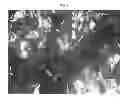
FIG. 1 shows typical specimens of the whole fruit in skin color and form, on tree, and typical leaves;
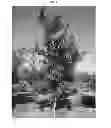
FIG. 2 shows a tree of ‘Andes Nec-3’; and
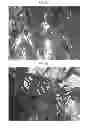
FIGS. 3(a) and 3(b) are two photographs that show two views of typical specimens of the fruit, on the tree of FIG. 2.
DETAILED BOTANICAL DESCRIPTION
- Tree:
-
- 1. Size.—Medium, similar to Bonanza.
- 2. Vigor.—Medium, similar to J. H. Hale.
- 3. Habit.—Horizontal, like Albertina.
- 4. Flowering shoot.—Thickness (excluding brindilles): Medium, similar to Redhaven.
- 5. Flowering shoot.—Length of internodes: Medium, similar to Redhaven.
- 6. Flowering shoot.—Anthocyanin coloration: Present.
- 7. Flowering shoot.—Intensity of anthocyanin coloration (as for 6): Weak, similar to Springtime.
- 8. Flowering shoot.—Density of flower buds (as for 4): Medium, similar Michelini.
- 9. Flowering shoot.—General distribution of flower buds (as for 4): In groups of two or more, similar to Redhaven.
-
- Flower:
-
- 10. Type.—Showy, similar to Robin.
- 11. Calyx.—Color of inner side (opened flower, before falling of petals): Greenish yellow, similar to Robin.
- 12. Corolla.—Predominant color (inner side): Medium pink, similar to Fuzalode.
- 13. Petal.—Shape: Round, similar to Springtime.
- 14. Petal.—Size: Medium, similar to Robin.
- 15. Petals.—Number: five, similar to Redhaven.
- 16. Stamens.—Position compared to petals: above, similar to Redhaven.
- 17. Stigma.—Position compared to anthers: same level, similar to Crimson Gold.
- 18. Anthers.—Pollen: present similar to Redhaven.
- 19. Ovary.—Pubescence: Absent, similar to Fuzalode.
- 20. Young shoot.—Length of stipule (fully expanded leaf): Long, similar to Robin.
-
- Leaf
-
- 21. Leaf blade.—Length: Long.
- 22. Leaf blade.—Width: Medium.
- 23. Leaf blade.—Ratio length/width: Medium, similar to Early Sungrand.
- 24. Leaf blade.—Shape in cross section: Flat, similar to Mayred.
- 25. Leaf blade.—Recurvature of apex: Absent, similar to Merril Sundance.
- 26. Leaf blade.—Angle at base: Acute, similar to Springtime.
- 27. Leaf blade.—Angle at apex: Medium, similar to Earlyred.
- 28. Leaf blade.—Color: Green, similar to Robin.
- 29. Petiole.—Length: Short, similar to Redhaven.
- 30. Petiole.—Nectaries present, similar to Redhaven.
- 31. Petiole.—Shape of nectaries: Reniform, similar to Redhaven.
- 32. Petiole.—Predominant number of nectarines: More than two, similar to Everts.
-
- Fruit:
-
- 33. Fruit.—Size: Medium, similar to Sunhaven.
- 34. Fruit.—Shape (in ventral view): Round, similar to Redwing.
- 35. Fruit.—Shape of pistil end: Plane, similar to Redhaven.
- 36. Fruit.—Symmetry (viewed from pistil end): Symmetric, similar to Morettini.
- 37. Fruit.—Prominence of suture: Weak, similar to Redhaven.
- 38. Fruit.—Depth of stalk cavity: Shallow, similar to Robin.
- 39. Fruit.—Width of stalk cavity: Medium.
- 40. Fruit.—Ground color: Greenish yellow, similar to Precoce de Hale.
- 41. Fruit.—Over color: Present.
- 42. Fruit.—Hue of over color: Medium red, similar to Red Diamond.
- 43. Fruit.—Pattern of over color: Solid flush, similar to Flavorcrest.
- 44. Fruit.—Extent of over color: Large, similar to Suncrest.
- 45. Fruit.—Pubescence: Absent.
- 46. Fruit.—Density of pubescence: —.
- 47. Fruit.—Thickness of skin: Medium, similar to Mme Girard.
- 48. Fruit.—Adherence of skin to flesh: Strong, similar Babygold.
- 49. Fruit.13 Firmness of pulp: Firm, similar to Redhaven.
- 50. Fruit.—Ground color of flesh: Yellow.
- 51. Fruit.—Anthocyanin coloration directly under skin: Weakly expressed.
- 52. Fruit.—Anthocyanin coloration of flesh: Absent or very weakly expressed, similar to Robin.
- 53. Fruit.—Anthocyanin coloration around stone: Absent or very weakly expressed, similar to Springtime.
- 54. Fruit.—Texture of the flesh: Not fibrous, similar to Redhaven.
- 55. Fruit.—Sweetness: Medium, similar to Redhaven.
- 56. Fruit.—Acidity: Medium, similar to Redtop.
-
- Stone:
-
- 57. Stone.—Size compared to fruit: Medium, similar to Redhaven.
- 58. Stone.—Shape (in lateral view): Obovate, similar to Rubidoux.
- 59. Stone.—Intensity of brown color: Medium.
- 60. Stone.—Relief of surface: Pits similar to Madame Girerd.
- 61. Stone.—Grooves, similar to Madame Girerd.
- 62. Stone.—Tendency of splitting (at peak harvest): Absent or very low, similar to Fairhaven.
- 63. Stone.—Adherence to flesh: Present, similar to Sweet Gold.
- 64. Stone.—Degree of adherence to flesh: Strong, similar to Vivian.
-
- Phenology:
-
- 65. Time of leaf bud burst.—Early, similar to Springtime.
- 66. Time of beginning of flowering.—Medium, similar to Redhaven.
- 67. Duration of flowering.—Short, similar to Philp.
- 68. Time of maturity for consumption.—Medium, similar to Fairhaven.
- 69. Tendency to preharvest.—Absent, similar to Redhaven.
-
- Fruit characterization:
| FIRMNESS (POUNDS) | SOLUBLE |
| BLUSH | Ecuatorial | SOLID | ||||
| SEASON | (%) | Diameter | Shoulders | Suture | Tip | (° Brix) |
| 2009-2010 | 90 | 13.9 | 12.2 | 14.0 | 13.2 | 13.5 |
| 2010-2011 | 90 | 12.2 | 11.2 | 12.3 | 12.4 | 13.2 |
| 2011-2012 | 98 | 12.2 | 11.8 | 11.7 | 11.6 | 11.2 |
General Technical Notes
Very good outward appearance. Excellent color coverage. Fruit round, no tip. High productivity. Good flavor.
CONCLUSIONS
After five years of evaluation, the variety continues to show its outstanding characteristics: very good productivity, good size, good flavor and good external appearance. High potential for export purposes because of exceptional post-harvest life.
Claims
Having thus described and illustrated the new variety of nectarine tree, I claim:1. A new and distinct variety of nectarine tree, substantially as illustrated and described, that is similar to ‘Flavortop’ nectarine by producing nectarines that are yellow in flesh color, firm in texture, and balanced acid/sweet flavor, but is distinguished therefrom by having a more extend red blush, by its better taste, and longer postharvest life potential, and by producing fruit that is clingstone instead of freestone.
Images & Drawings included:
Sources:
- United States Patent and Trademark Office - verify current appl. status at the USPTO↗
Recent applications in this class:
- » 20180014443 2018-01-11
Nectarine tree named 'Andes Nec-4' - » 20140230108 2014-08-14
NECTARINE DENOMINATED 'ANDES NEC-1' - » 20140230095 2014-08-14
ANDES NEC-2
Recent applications for this Assignee:
- » 20140230108 2014-08-14
NECTARINE DENOMINATED 'ANDES NEC-1' - » 20140230095 2014-08-14
ANDES NEC-2