Microalgal flour
US20140234479A1
2014-08-21
14/166,382
2014-01-28
✅ Patent granted
US 10,264,809 B2
2019-04-23
-
-
D. Lawrence Tarazano | Philip Dubois
Weaver Austin Villeneuve & Sampson LLP
2034-01-28
Abstract:
The present invention relates to microalgal food products with acceptable sensory characteristics and methods of producing the food products. The flour can be produced by cultivating microalgal cells of a strain of Chlorella protothecoides under conditions of acceptable pH and dissolved oxygen to produce a desired amount of lipid. The microalgal cells can be lysed, heat-treated, washed and dried to produce a microalgal flour that can be incorporated into a variety of products.
Inventors:
- Damien Passe 29 🇫🇷 Douai, France
- Enrique Baliu 21 🇺🇸 San Bruno, CA, United States
- John Piechocki 22 🇺🇸 Redwood City, CA, United States
- Leslie Norris 4 🇺🇸 San Rafael, CA, United States
- Samuel Patinier 5 🇫🇷 Lille, France
- Ruchir Desai 3 🇺🇸 Foster City, CA, United States
- Marie Le Ruyet 2 🇫🇷 Bethune, France
- Amandine Druon 16 🇫🇷 Lille, France
Assignee:
- Corbion Biotech, Inc. 44 🇺🇸 South San Francisco, CA, United States
Applicant:
Interested in similar patents?
Get notified when new applications in this technology area are published.
Classification:
A23C9/12 IPC
Milk preparations; Milk powder or milk powder preparations Fermented milk preparations; Treatment using microorganisms or enzymes
A23C19/00 IPC
Cheese; Cheese preparations; Making thereof
A23L17/60 » CPC main
Food-from-the-sea products; Fish products; Fish meal; Fish-egg substitutes; Preparation or treatment thereof Edible seaweed
A23C1/00 IPC
Concentration, evaporation or drying
A23C1/00 IPC
General dairy technology
A23C3/00 IPC
Preservation of milk or milk preparations
Description
CROSS-REFERENCE TO RELATED APPLICATION
This application claims priority under 35 U.S.C. §119(e) to U.S. provisional application No. 61/757,534, filed Jan. 28, 2013, the entire contents of which is hereby incorporated by reference.
TECHNICAL FIELD
The present invention relates to microalgal food products with improved flavor and methods of producing the food products.
BACKGROUND
As the human population continues to increase, there is a growing need for additional food sources, particularly food sources that are inexpensive to produce but nutritious. Moreover, the current reliance on meat as the staple of many diets, at least in the most developed countries, contributes significantly to the release of greenhouse gases. There is a need for new foodstuffs that are less harmful to the environment to produce.
Requiring only “water and sunlight” to grow, algae have long been looked to as a potential source of food. While certain types of algae, primarily seaweed, do indeed provide important foodstuffs for human consumption, the promise of algae as a foodstuff has not been fully realized. Algal powders made with algae grown photosynthetically in outdoor ponds or photobioreactors are commercially available but have a deep green color (from the chlorophyll) and a strong, unpleasant taste. When formulated into food products or as nutritional supplements, these algal powders impart a visually unappealing green color to the food product or nutritional supplement and have unpleasant fish, seaweed or other flavors.
There are several species of algae that are used in foodstuffs today, most being macroalgae such as kelp, purple layer (Porphyra, used in nori), dulse (Palmaria palmate) and sea lettuce (Ulva lactuca). Microalgae, such as Spirulina (Arthrospira platensis) are grown commercially in open ponds (photosynthetically) for use as a nutritional supplement or incorporated in small amounts in smoothies or juice drinks (usually less than 0.5% w/w). Other microalgae, including some species of Chlorella are popular in Asian countries as a nutritional supplement.
Poor flavor is a major factor that has impeded the widespread adoption of microalgae in food. WO2010/12093 discloses methods of making and using microalgal biomass as a food. That reference discloses the growth of microalgae in the dark, to produce a microalgal biomass. However, further improvements in flavor of microalgal biomass should promote further adoption.
SUMMARY
The present invention relates to microalgal food products with acceptable sensory characteristics and methods of producing the food products. The flour can be produced by cultivating microalgal cells of a strain of Chlorella protothecoides under conditions of acceptable pH and dissolved oxygen to produce a desired amount of lipid. The microalgal cells can be lysed, heat-treated, washed and dried to produce a microalgal flour that can be incorporated into a variety of products.
In one embodiment of the present invention, a microalgal flour suitable for use in food is provided, the flour comprising microalgal cells of Chlorophyta, wherein analysis by SPME according to Example 4 and/or SBSE according to Example 5 or other analytical techniques to determine concentrations of the compounds of Example 6 relative to an internal standard, followed by analysis according to the procedure of Example 9 produces a flavor descriptor that falls within the ellipsoid of Example 8 defining 3 standard deviations relative to the positive flavor cluster corresponding to the closed circles in the graph of Example 7.
The aforementioned microalgal flour is obtainable in one embodiment of the present invention, by the process of cultivating a broth of cells of Chlorella protothecoides in the dark in the presence of glucose as a fixed carbon source with a starting pH of 6.8, while maintaining the dissolved oxygen level above 30%, subjecting the broth to a high-temperature-short-time process of 75° C. for 1 minute, harvesting the cells by centrifugation with a dilution of 6.4 fold in water, lysis of the cells by milling, adding an antioxidant, and drying using a spray-dry nozzle outputting to a moving belt.
BRIEF DESCRIPTION OF THE DRAWINGS
The features of the invention will be more readily understood by reference to the following detailed description, taken with reference to the accompanying drawing, in which:
FIG. 1 shows a flow diagram depicting a method of producing a food product in accordance with an embodiment of the present invention.
FIG. 2 shows a PCA clustering analysis with points representing microalgal flour samples with acceptable and inferior flavor.
DETAILED DESCRIPTION OF EMBODIMENTS OF THE INVENTION
Definitions
In connection with a culture medium, “dissolved oxygen,” abbreviated as “DO” means the relative oxygenation of the culture medium as compared to the oxygenation of a culture medium that is in oxygen equilibrium with the atmosphere.
A “microalgal flour” is a dry, particulate composition, fit for human consumption, comprising cells of microalgae.
As used herein, an “off-flavor” means a flavor that a consumer would not expect and/or is undesired in a food, for example a baked food, such as a cake. Examples of off-flavors include flavors of cabbages or fish. Although specific flavors may be measured by modern analytical techniques such as Gas Chromatography-Mass Spectrometry (abbreviated as GC-MS), often the most convenient and effective tool for measuring off-flavors is a tasting panel comprised of humans. In connection with human perception of off flavors, these may be determined by a sensory panel of, for example, 10 people, where absence of a flavor or odor is established when 2 or fewer of the 10 people can detect the flavor, or by performing enough tests to establish statistical significance.
Overview
The present invention is rooted in the discovery that certain strains of microalgae can produce an appetizing biomass in terms of flavor, odor and color, when cultivated and processed under particular conditions. The improved flavor is believed to result not just from the absence of off-flavors but from the presence of desirable flavor compounds produced during cultivation and/or processing. In the Examples below, the microalgae is a strain of Chlorella protothecoides cultivated heterotrophically, in the dark, but could be another species of Chlorella or other species of Chlorophyta, provided that a non-green color can be produced via heterotrophic cultivation and careful processing such as by using the methods given below. By use of these techniques, the product may fall within the newly identified acceptability criterion disclosed here.
Human sensory panel data on multiple batches of microalgal flour was correlated with data from an extensive analysis of flavor and odor compounds of varying solubility in water to identify a clustering in flavor/odor space as represented by a principal component analysis. Thus, a microalgal flour that falls within the identified cluster has a high probability of being acceptable for human consumption.
FIG. 1 is a flow diagram of a process for producing microalgal flour having low amounts of off-flavors, in accordance with embodiments of the invention. The resulting flour may be incorporated into a variety of foods and beverages.
FIG. 2 is a plot showing a representative PCA clustering analysis with points representing microalgal flour samples with acceptable and inferior flavor.
Production of Improved Microalgal Flour
Microalgae are cultured (step 105). It has been found that culturing the microalgae in the dark creates microalgal biomass having lower levels of off-flavors such as mushroom and cabbage or fish flavors; e.g., when microalgal flour dispersed in deionized water at 10% (w/v), and evaluated by a human sensory panel. Thus, in a preferred embodiment, the microalgae are cultured heterotrophically, in the dark on a fixed (i.e. non-CO2) carbon source. While glucose was used in the examples below, other fixed carbon sources such as fructose, sucrose/fructose mixtures, or acetic acid/acetate may produce comparable results. The sugar concentration can be controlled by continuous feeding. Favorable results have been achieved with a glucose concentration of between 3 and 10 g/l. Suitable genera of microalgae include Chlorella and Protetheca. For example, Chlorella protothecoides, Prototheca moriformis or Prototheca zopfii may be used. Other species of Chlorella used for human nutrition, such as Chlorella protothecoides can also be grown and processed as disclosed here. Combinations of microalgal species or strains may also be used. Optionally, the microalgal cells are mutated and a strain selected to be substantially reduced in pigment that may change the color of a food product into which the biomass is incorporated. In the examples below, it was found that suitable flavor and no observable green color could be obtained from cells of Chlorella protothecoides. For example, the flour may comprise less than 200, 20, or 2 ppm of chlorophyll. In the examples below, the color was found to be yellow/gold, but could also be, for example, pale-yellow, off-white, or white depending on the strain and cultivation/processing conditions used.
The microalgae are cultured to a desired density and lipid concentration. The lipid concentration may be increased by culturing under nutrient-limiting and especially nitrogen-limiting conditions. In embodiments of the invention, culturing is performed under conditions of limiting nitrogen so that the microalgae reach 10-20%, 20-30% 40-50%, 40-60%, 30-70%, 35-75%, 50-60%, 60-70%, or 70-85% lipid, as measured by dry cell weight. In the exemplified embodiments, the microalgae comprise about 50% lipid. Elevated levels of lipid are especially useful in producing food products with improved fat and cholesterol profiles or improving the mouthfeel of such products. When a high lipid microalgae is used to produce the flour, the stickiness of the lipid can be an impediment to forming a flour that is measurable and/or flowable. Alternately, cultivation under nitrogen-replete conditions can give a high-protein microalgal flour, such as flour can have, for example 5-20% or 10-18% lipid by dry cell weight. As described below, drying methods have been identified that give a flowable powder while retaining the desirable taste, odor and color characteristics.
The microalgae may be cultured in an opaque culture vessel. The microalgae may be cultured under aerobic conditions. Surprisingly, it has been found that increasing the oxygen level to 30% DO or more during heterotrophic culture of Chlorella protothecoides can result in a microalgal biomass having improved flavor. Variation of ±30% in DO (i.e., 30±9% DO) is contemplated. In addition, elevated oxygen (e.g., >40% DO, >50% DO, >60% DO, or 60-70% DO) during fermentation can result in a microalgal biomass having a white or off-white color with low amounts of off-flavors. Whiteness may be measured with a Hunter colorimeter. In an embodiment, the whiteness is greater than the whiteness of a control sample of microalgal biomass grown at about 30-40% DO. In a specific embodiment, the oxygen is elevated to about 60-70% dissolved oxygen. Increased oxygenation can be achieved, for example, by the introduction of purified oxygen.
The flavor may be improved by culturing the microalgae at a desired pH. For example, the pH could be from 4 to 9, or from 5 to 8. The pH may be controlled using buffering and/or pH monitoring with titration. If an acidic pH is used, the pH can be neutralized by adjusting to a pH of 6 to 8 or 6.5 to 7.8, or about 7; e.g., prior to drying to avoid astringent flavor. The final flour may be characterized by a pH of 5.5-8.5, 6.0-8.0, or 6.5-7.5 for a 1% w/v solution of flour in water.
After culturing, the microalgae are inactivated (step 110). Inactivation conditions are chosen to be sufficient to inactivate enzymes that produce off-flavors. These conditions may also kill the microalgae or stop growth of the microalgae and contaminating species, if any. It has been found that rigorous pasteurization (i.e., at high temperature and/or long times) can lead to undesirable flavor/odor, while treatment that is not rigorous enough also can lead to unacceptable flavor/odor. Thus, when pasteurization is used, a delicate balance must be struck. Experiments have shown that a high-temperature-short time pasteurization (“HTST”) treatment regime can be used to produce an acceptable microalgal biomass product. For example, the temperature of the treatment may be from 70° C. to 95° C., or 72° C. to 90° C., for from 10 to 180, 30 to 120, or 45 to 90 seconds. In one embodiment, microalgae are treated at 75° C. for 1 minute by flowing the cultured microalgal broth through a heat exchanger into a collection vessel. Cooling of the HTST output is preferred to avoid prolonged heating. Similar results should be obtainable by adjustment of both time and temperature. Delay prior to inactivation should be minimized so as to prevent the development of off-flavors, which are believed to be created by enzyme activity. Thus, in an embodiment of the present invention, the step of inactivating enzymes is performed without delay of a time sufficient to allow production in the microalgae of enzymatically developed off-flavors. Culture at an acidic pH may also allow for an even more gentle pasteurization to be used. For example, the microalgal cells can be cultured at a pH of from 5 to 6.5, followed by pasteurization at from about 60 to about 70° C. for 1 minute, and neutralization prior to drying.
To further improve flavor, the microalgal cells may be washed (step 115). Without wanting to be bound by theory, the washing may remove off-flavors. In addition, using an inactivation step prior to washing may permeabilize the cells or otherwise promote the removal of unwanted flavors or odors from the microalgal biomass. Washing may be performed by centrifugation, filtration, dialysis or other method known in the art. Optionally, the washing is performed with a volume of wash liquid (e.g., water or buffer) that is as great or greater than the volume of the microalgal cells (e.g., as measured by centrifugation). The volume of wash liquid may be twice the volume of the cells, or preferably, at least 3 times the volume of the cells. It was found that centrifugation in 6.4 times the cell volume gave a microalgal biomass with favorable flavor. Accordingly, in an embodiment of the present invention, the cells are washed with between 3 and 12 volumes of water. For these purposes, measurement of the cell volume is accomplished by dewatering the cells (i.e., removing them from the liquid growth medium). For example, the cells may be dewatered by centrifugation or filtration. Optionally, the washing step may be repeated one or more times.
Optionally, after washing, a preservative may be added (step 120). For example, sodium benzoate and/or potassium sorbate may be added as a bacteriostatic and fungistatic agent. Since sodium benzoate is more active under acidic conditions, the pH may be lowered as necessary. In that case, the pH can be raised later in the process to avoid an unwanted acidic flavor.
Optionally, the microalgal cells are then lysed (step 125). The lysis may be partial, or complete. For example, from 5% to 95% or a majority (>50%) of the cells may be lysed. Lysis may be especially desirable to release lipids in a high-lipid microalgae, where release of the lipids improves the quality or nutritional value of a food product into which the microalgal biomass is incorporated. Lysis may be accomplished with a bead mill, or any other suitable method known in the art. Optionally, a majority of the cells can be lysed. In one embodiment, about 30-75% of the microalgal cells are lysed. In another embodiment, about 30-75% of the microalgal cells are lysed and the microalgal cells have about 30-75% lipid by dry cell weight. In yet another embodiment, the microalgal cells are 60-90% lysed. This combination of parameters is believed to lead to a microalgal biomass that improves the mouthfeel, air-holding capacity or other functional parameters of a food into which it is integrated, while avoiding difficulties in drying or other processing steps that may be associated with highly lysed cells. In Example 3 below, the cells were lysed to about 80%.
Optionally, the biomass may be homogenized (step 130). For example, the suspension containing the cells and/or lysed cells may be forced through a narrow channel or orifice at elevated pressure (i.e., use of a high-pressure homogenizer). Other types of homogenizers such as blade or ultrasonic homogenizers may also be employed.
An antioxidant may be added to enhance the shelf life of the biomass (step 135). For example, tocopherols, BHA, BHT, rosemary extract, or other suitable food-grade antioxidants can be used. In addition to enhancement of shelf life, addition of antioxidant at the stage may prevent unwanted oxidation flavors from forming in the drying step. At this stage, addition of a base to raise the pH may prevent astringent flavors associated with a low pH if low pH conditions were used in upstream processes.
Prior to drying (e.g., after homogenization and before or after the optional addition of antioxidant), the microalgae can be held at elevated temperature for a period of time (140). Without wanting to be bound by theory, it is believed that this step promotes stability of the flavor, ensures inactivation of enzymes, and may promote the formation of positive flavors. For example, a suspension of lysed microalgae can be held at 70-85° for 1-6 minutes. In the Example 3 below for which acceptable sensory properties were obtained in the flour produced, this heating step was performed at 77° C. for 3 minutes. Comparable results may be obtained, for example, by heating at about 87° C. for about 90 seconds or about 67° C. for about 6 minutes.
The biomass is then dried (step 145). In one embodiment, in order to form a flour (a powder-like) substance, the biomass is spray dried. The spray drying may use, for example, a box-dryer, or a tall-form spray-dryer, a fluidized bed dryer, or a moving fluidized bed dryer (e.g., a FilterMat® spray dryer, GEA Process Engineering, Inc.). Example 3 describes conditions used for drying with a FilterMat drier.
The resulting flour may be measurable or flowable, even if high in lipid (e.g, 30-70 or 40-60% lipid by dry cell weight). In a specific embodiment, the flour has an aerated density of 0.30 to 0.50, a bulk density of 0.50 to 0.65, an oversize of 15-35% by weight at 2000 μm (i.e., % too large to pass through a 2000 μm sieve), 40-70% at 1400 μm and 1-20% at 800 μm, a wettability of 1-25 mm, and a surface area of 0.1 to 0.7 m2/g.
To test wettability:
-
- introduce 500 ml of deionized water at 20° C. into a 600 ml squat-form beaker (Fisherbrand FB 33114),
- place 25 g of the microalgal flour powder uniformly at the surface of the water, without mixing,
- observe the behavior of the powder after 3 h of contact,
- measure the height of the product that has penetrated the surface of the water and settled at the bottom of the beaker.
The aerated bulk density is determined using a conventional method of measuring aerated bulk density, i.e. by measuring the mass of an empty container (g) of known volume, and by measuring the mass of the same container filled with the product to be tested.
-
- The difference between the mass of the filled container and the mass of the empty container, divided by the volume (ml) then gives the value of the aerated bulk density.
- For this test, the 100 ml container, the scoop used for filing and the scraper used are supplied with the apparatus sold by the company Hosokawa under the trademark Powder Tester type PTE.
- To perform the measurement, the product is screened through a sieve with apertures of 2000 μm (sold by SAULAS). The density is measured on the product that is not retained on that screen.
The specific surface area is determined over the whole of the particle size distribution of the microalgal flour granules, e.g., by means of a Quantachrome specific surface area analyzer based on a test for absorption of nitrogen onto the surface of the product subjected to the analysis, carried out on a SA3100 apparatus from Beckmann Coulter, according to the technique described in the article BET Surface Area by Nitrogen Absorption by S. BRUNAUER et al. (Journal of American Chemical Society, 60, 309, 1938).
The microalgal flour is tested for acceptable flavor, color odor, and/or mouthfeel (step 150). For example, a human sensory panel may be employed and/or analytical technology such as headspace GC-MS, SPME, or SBSE. Optionally, the flavor may be evaluated to determine if it is grouped with or falls within boundaries associated with acceptable flavor determined by a prior sensory panel and/or analytical testing. The groupings/boundaries may be determined with the use of principal component analysis (PCA) (see Examples below). An acceptable lot may then be selected for packaging and future use.
After drying and optional testing, the biomass may undergo any further processing or packaging (step 155) needed to make a microalgal flour or a food product that incorporates the biomass. For example, to make microalgal flour, the biomass may be agitated or passed through a screen. The microalgal flour may also be mixed with other ingredients to make a soup, sauce, dough, cake, cookie, dry baked-good mix, etc. Testing can also be performed according to Examples 4, 5 and 8, below.
In accordance with embodiments of the invention, any two or more of the above-mentioned techniques can be combined to reach a heretofore unprecedented flavor in a microalgal biomass product, such as microalgal flour. For example, HTST treatment followed by washing with liquid as described above can produce microalgal flour having low off-flavor. Oxygenation during cultivation and other steps as described above may further improve the flavor.
By selecting an appropriate microalgal strain and using the methods disclosed herein, a microalgal biomass or flour made from the biomass having acceptable sensory characteristics may result. The microalgal flour may be non-green and have undetectable levels of fish, mushroom or cabbage flavors or odors when diluted in water at a ratio (by volume) of 1:2, 1:5, 1:10, 1:20, 1:30, or 1:40. In an embodiment, off flavors of fish and cabbage are undetectable when diluted 1:20 by volume in water, as detected by a tasting panel.
The following flavor/odor compounds were determined by the methods of Examples 4 or 5 and are believed to correlate with acceptable sensory testing: undecalactone (400-1800 ppb), 3-methyl butanal (0-11,000 ppb), pentanal (160-10,700 ppb), 2-methyl butanal (0-2500 ppb), 2-pentanone (39-10,600 ppb), 3-pentene-2-one (0-1500 ppb).
Acceptable samples also had less than threshold amounts of pyrrole, pyrazine, or pyridines-containing compounds, while these compounds were found in the sample of Chlorella vulgaris obtained from www.nuts.com, which was green and unacceptable in flavor and odor.
In an embodiment, the microalgal flour produced by the methods described above retain the low amounts of off-flavors mentioned for at least 2 weeks, 1 month, 3 months or 6 months when stored in the dark at room temperature in moisture and oxygen impermeable packaging (e.g. a Mylar® food storage bag).
Optionally, larger particles, granules or pellets can be made from the dried microalgal material. For example, the flour can be agglomerated, granulated, extruded, or pelletized using a variety of methods known in the art.
Example 1
Production of Microalgal Flour at Low pH and Using a Low-Pigment Strain
Multiple fermentations of Chlorella protothecoides were performed at scales ranging from 7 L to 1000 L. Two strains of Chlorella protothecoides were used: strain A, and strain B, a low-pigment mutant. Fermentation was performed in the dark on glucose as a fixed carbon source at a pH of about 5 to 6. After fermentation, the fermentation broth containing the microalgae was heat treated to inactivate the microalgae, immediately diluted with excess water, centrifuged to wash and concentrate the microalgae, the cells were lysed by milling, then spray-dried to make a microalgal flour. The microalgal flour made from Strain A was light yellow in color and the microalgal flour made from strain B was tan in color. A fermentation of strain B was also performed at about neutral pH.
Example 2
Low-Color Flour Using High Oxygen Conditions
Strain B was cultivated in at high (about 60%-70%) and low levels (about 30-40%) of dissolved oxygen and treated as in Example 1 to form microalgal flour. For the high oxygen experiment, reduced yellow color was noted in the broth, centrifuged biomass and in the final flour as compared to the microalgae produced at lower oxygen.
Example 3
Production of Improved Microalgal Flour
A seed culture of Chlorella protothecoides was added to a defined medium broth to give 9,000 L of culture. Heat-sterilized glucose (55% w/w) was used as a carbon source. Dissolved oxygen was held to a minimum of 30% by controlling aeration, backpressure and agitation in the fermentor. The cultivation temperature was 28° C. The pH of the broth was 6.8 at the start of cultivation and dropped to about 6 over the course of cultivation. Glucose was fed to a concentration of 3-10 g/L concentration. Growth was continued over 4-5 days to the mid-log-phase as measured by OD750. The resulting product had a dry cell weight (DCW) of 18.5% w/v. The nitrogen level in the growth medium was limiting to force the microalgae to accumulate approximately 50% lipid as a result of extended sugar feeding.
The broth was then heat-treated by online HTST at 75° C. for 1 min and cooled to 6.2° C., then stored at 7° C. The HTST-treated broth was then washed by 6.4-fold dilution in decarbonated water and centrifuged using an Alfa Laval FEUX 510 centrifuge.
The pH was lowered to pH to 4.1 with 75% phosphoric acid and 500 ppm sodium benzoate/1000 ppm potassium sorbate (on dry basis) were added as a preservative.
The material was then stored under agitation below 10° C.
Lysis was accomplished by milling in a NETZSCH LME500 bead mill using 0.5 mm zirconium silicate beads to give 88% cell disruption. The outlet was cooled to 6° C.
Ascorbic acid (150 ppm on a dry basis) and mixed tocopherols (500 ppm on a dry basis) were added to the material to prevent oxidation. Potassium hydroxide was added to neutralize the pH.
The material was then heated to 77° C. for 3 minutes.
Drying was accomplished on a Filtermat FMD125 drier with a cyclone. The nozzle pressure was 160-170 bar.
Example 4
SPME (SolidPhase MicroExtraction)
Samples (500 mg) plus 3 mL distilled water plus 1 gm NaCl plus 5 uL 0.022 ug/uL 2-undecanone in ethanol internal standard were incubated at 50° C. for 10 min and then extracted by SPME at 50° C. for 20 min while stirring with the orbital shaker of the Gerstel MPS2. The SPME fiber used was DVB/CAR/PDMS (Divinylbenzene/Carboxen/Polydimethylsiloxane), df 50/30 μm. The fiber was desorbed at 260° C. in the Agilent split/splitless injector for 3 min. Volatiles were desorbed into a Leco Pegasus GC-TOFMS and separated on a DB5-MS column (30 m, 0.25 mm, 0.25 um) with helium carrier gas flow at 1.0 mL/min. The initial column temperature was 40° C. (for 3 min) and then increased to 270° C. at 15° C./min and held at 270° C. for 5 min. Mass detection was performed in the electron impact mode (EI). All injections were splitless. Peak identification is based on comparison of EI mass spectra in samples to EI mass spectra of the NIST Library. Data is reported as relative concentration compared to the internal standard expressed in ppb.
Example 5
SBSE (StirBar Sorptive Extraction)
Samples (500 mg) plus 10 mL distilled water plus 5 uL 0.022 ug/uL 2-undecanone internal standard in ethanol were extracted for 1 hr while stirring at 1000 rpm using a 2 cm Gerstel PDMS Twister. One gram of NaCl was then added to the sample and extraction was continued for another hour. The technique is known as sequential SBSE. The Twister is then removed from the sample, rinsed with distilled water, patted dry with a lintless cloth and thermally desorbed in a Gerstel TDU used in the splitless mode. With the TDU, desorbed volatiles were initially trapped at −100° C.; the volatiles trapped on the Twister were then desorbed at 280° C. for 3 min. Volatiles were desorbed into an Agilent GC-MSD and separated on a DB5-MS column (30 m, 0.25 mm, 0.25 um) with helium carrier gas flow at 1.0 mL/min. The initial column temperature was 40° C. (for 3 min) and then increased to 270° C. at 10° C./min and held at 270° C. for 5 min. Mass detection was performed in the electron impact mode (EI). All injections were splitless. Peak identification is based on comparison of EI mass spectra in samples to EI mass spectra of the NIST Library. Data is reported as relative concentration compared to the internal standard expressed in ppb.
Example 6
Flavor/Odor Data for Acceptable Sample of Example 3
The sample produced in Example 3 was tested by sensory panel and analyzed by SPME and SBSE as in Examples 4 and 5. The results are reported in the table below in units of parts per billion, determined relative to the 2-undecanone internal standard. In the tables below, a is used to represent alpha, d for delta, g for gamma. CAS numbers for the compounds are listed in Example 7.
| Mean relative | ||
| Chemical | concentration | |
| Dimethyl.sulfide | 0 | |
| 2.3.Butanedione | 248 | |
| Butanal | 9.5 | |
| Propanal..2.methyl. | 75 | |
| Furan..3.methyl. | 67.5 | |
| Ethyl.Acetate | 1671.5 | |
| 2.Butenal...E.. | 47.5 | |
| Butanal..3.methyl. | 0 | |
| 1.Butanol | 26 | |
| Butanal..2.methyl. | 0 | |
| Thiophene | 0 | |
| 1.Penten.3.ol | 0 | |
| 1.Penten.3.one | 7 | |
| 2.Pentanone | 38.5 | |
| 2.3.Pentanedione | 688.5 | |
| Pentanal | 2876 | |
| Furan..2.ethyl. | 2 | |
| Thiazole | 0 | |
| 3.Penten.2.one | 7.5 | |
| Disulfide..dimethyl | 42 | |
| 2.Pentenal...E.. | 89.5 | |
| Pyrrole | 0 | |
| Oxazole..4.5.dimethyl. | 0 | |
| 2.Penten.1.ol...Z.. | 0 | |
| Thiophene..3.methyl. | 68.5 | |
| Hexanal | 16198 | |
| 4.Methylthiazole | 0 | |
| Pyrazine..methyl. | 0 | |
| Furfural | 0 | |
| Oxazole..trimethyl. | 0 | |
| Butanoic.acid..3.methyl. | 0 | |
| Butanoic.acid..2.methyl. | 0 | |
| 2.Hexenal | 0 | |
| 1.Hexanol | 0 | |
| 4.Heptanone | 415 | |
| Pyridine..2.6.dimethyl. | 0 | |
| Thiazole..2.4.dimethyl. | 0 | |
| 3.Heptanone | 174 | |
| 2.Heptanone | 104 | |
| 3.Heptanol | 2426.5 | |
| Heptanal | 700.5 | |
| Methional | 0 | |
| Pyrazine..2.5.dimethyl. | 0 | |
| Pyrazine..2.6.dimethyl. | 0 | |
| Pyrazine..ethyl. | 0 | |
| Pyrazine..2.3.dimethyl. | 0 | |
| Pyrazine..ethenyl. | 0 | |
| Thiazole..4.5.dimethyl. | 0 | |
| 2.Heptanone..6.methyl. | 0 | |
| Hexanal..2.ethyl. | 75 | |
| 2.Heptenal...Z.. | 493 | |
| 5.Nonen.2.one | 0 | |
| 2.Furancarboxaldehyde..5.methyl. | 0 | |
| Benzaldehyde | 231 | |
| hexanoic.acid | 38.5 | |
| 1.Octen.3.ol | 173 | |
| Dimethyl.trisulfide | 0 | |
| 2.5.Octanedione | 87.5 | |
| 5.Hepten.2.one..6.methyl. | 107.5 | |
| Furan..2.pentyl. | 1.5 | |
| 2.4.Heptadienal...E.E.. | 0 | |
| Pyrazine..2.ethyl.6.methyl. | 0 | |
| Octanal | 1067 | |
| Pyrazine..trimethyl. | 0 | |
| Pyrazine..2.ethyl.3.methyl. | 0 | |
| 2.4.Heptadienal...E.E...1 | 13.5 | |
| Pyrazine..2.ethenyl.6.methyl. | 0 | |
| 1.Hexanol..2.ethyl. | 11445.5 | |
| 3.Octen.2.one...E.. | 0 | |
| 2H.Pyran.2.one..5.6.dihydro. | 1472 | |
| Benzeneacetaldehyde | 0 | |
| 3.5.Octadien.2.one...E.E.. | 0 | |
| Acetophenone | 74 | |
| 1.Decen.3.one | 0 | |
| Pyrazine..3.ethyl.2.5.dimethyl. | 0 | |
| Pyrazine..tetramethyl. | 0 | |
| 5.Methyl.2.thiophenecarboxaldehyde | 0 | |
| g.Heptalactone | 0 | |
| Linalool | 0 | |
| Nonanal | 1436.5 | |
| Thymol | 0 | |
| Phenylethyl.Alcohol | 0 | |
| 2.3.5.Trimethyl.6.ethylpyrazine. | 0 | |
| Acetic.acid..phenylmethyl.ester | 179.5 | |
| Safranal | 0 | |
| 2.Decenal...E.. | 150 | |
| g.octalacone | 0 | |
| o.Amino.acetophenone | 0 | |
| 2.4.Decadienal | 0 | |
| g.Nonlactone | 0 | |
| Ionone | 0 | |
| Geranyl.acetone | 0 | |
| Ionene | 0 | |
| g.Nonlactone.1 | 0 | |
| 2.4.Nonadienal...E.E.. | 0 | |
| 2.4.Decadienal.1 | 17.980041 | |
| g.Heptalactone.1 | 0 | |
| Ionone.1 | 0 | |
| Geranyl.acetone.1 | 0 | |
| a.Ionone | 0 | |
| Peach.lactone.g.undecalactone | 46.4516735 | |
| d.Decalactone | 186.835836 | |
| cis.Geranylacetone | 0 | |
| d.dodecalactone..δ.Nonyl.δ.valeralactone. | 1582.590707 | |
| d.Undecalactone | 11295.4731 | |
Example 7
PCA Analysis
Multiple production lots of Chlorella protothecoides microalgal flour were produced according to methods given above. In addition, a commercial sample of Chlorella powder was obtained from nuts.com; the product information as of the date of filing. http://www.nuts.com/ assigns the flour to a Korean source, with heterotrophic production. A total of 12 samples, measured in duplicate by SBSE and SPME as in Examples 4 and 5, were used. In addition, sensory testing was done using a panel of volunteers. Scaled principal component analysis (using a correlation matrix) was performed with R software version 2.15.1 (The R project for Statistical Computing, www.r-project.org) using the prcomp function. Three principal components were found that well characterize the variation in flavor/odor compounds. Vectors defining the three principal components are listed in the table below as PC1, PC2, and PC3 along with the method used for determining each compound. A cluster of samples was found in this reduced-dimensional space that correlated with the samples having acceptable sensory characteristics.
| Chemical Name | CAS | PC1 | PC2 | PC3 | GC Method |
| Dimethyl sulfide | 75-18-3 | 0.0076 | −0.154649 | 0.1379564 | SPME |
| 2,3-Butanedione | 431-03-8 | −0.05341 | 0.116238 | 0.1384577 | SPME |
| Butanal | 123-72-8 | −0.0612 | 0.021748 | −0.1541993 | SPME |
| Propanal, 2-methyl- | 78-84-2 | −0.0248 | −0.203551 | 0.1420793 | SPME |
| Furan, 3-methyl- | 930-27-8 | −0.13905 | 0.053489 | −0.0400092 | SPME |
| Ethyl Acetate | 141-78-6 | 0.02303 | 0.078633 | 0.1490604 | SPME |
| 2-Butenal, (E)- | 123-73-9 | 0.0346 | −0.007869 | −0.2288552 | SPME |
| Butanal, 3-methyl- | 590-86-3 | −0.01585 | −0.209996 | 0.152554 | SPME |
| 1-Butanol | 71-36-3 | 0.01482 | 0.147081 | 0.1203239 | SPME |
| Butanal, 2-methyl- | 96-17-3 | −0.06977 | −0.186611 | 0.1433748 | SPME |
| Thiophene | 110-02-1 | −0.14535 | 0.003674 | −0.0107213 | SPME |
| 1-Penten-3-ol | 616-25-1 | −0.10591 | 0.05907 | −0.0208901 | SPME |
| 1-Penten-3-one | 1629-58-9 | 0.02932 | −0.055926 | −0.1865801 | SPME |
| 2-Pentanone | 107-87-9 | 0.01895 | −0.168215 | 0.1843823 | SPME |
| 2,3-Pentanedione | 600-14-6 | 0.03772 | −0.074626 | −0.0103901 | SPME |
| Pentanal | 110-62-3 | −0.05954 | −0.059048 | −0.1301291 | SPME |
| Furan, 2-ethyl- | 3208-16-0 | −0.00841 | −0.0761 | −0.0141672 | SPME |
| Thiazole | 288-47-1 | −0.14288 | −0.031332 | 0.0205445 | SPME |
| 3-Penten-2-one | 625-33-2 | 0.03658 | −0.118624 | 0.1932202 | SPME |
| Disulfide, dimethyl | 624-92-0 | 0.00766 | 0.07675 | −0.030508 | SPME |
| 2-Pentenal, (E)- | 1576-87-0 | 0.02904 | 0.005659 | −0.0633539 | SPME |
| Pyrrole | 109-97-7 | −0.14542 | 0.001009 | −0.0083546 | SPME |
| Oxazole, 4,5-dimethyl- | 20662-83-3 | −0.14535 | 0.003674 | −0.0107213 | SPME |
| 2-Penten-1-ol, (Z)- | 1576-95-0 | −0.14181 | −0.022408 | −0.0072056 | SPME |
| Thiophene, 3-methyl- | 616-44-4 | 0.00669 | 0.144512 | 0.1163417 | SPME |
| Hexanal | 66-25-1 | 0.02329 | 0.064197 | −0.1621187 | SPME |
| 4-Methylthiazole | 693-95-8 | −0.14535 | 0.003674 | −0.0107213 | SPME |
| Pyrazine, methyl- | 109-08-0 | −0.13884 | −0.055436 | 0.0337262 | SPME |
| Furfural | 98-01-1 | −0.14535 | 0.003674 | −0.0107213 | SPME |
| Oxazole, trimethyl- | 20662-84-4 | −0.14535 | 0.003674 | −0.0107213 | SPME |
| Butanoic acid, 3-methyl- | 503-74-2 | −0.14535 | 0.003674 | −0.0107213 | SPME |
| Butanoic acid, 2-methyl- | 116-53-0 | −0.14535 | 0.003674 | −0.0107213 | SPME |
| 2-Hexenal | 505-57-7 | 0.02747 | −0.052249 | −0.2361552 | SPME |
| 1-Hexanol | 111-27-3 | 0.03121 | 0.198559 | 0.0119837 | SPME |
| 4-Heptanone | 123-19-3 | −0.00358 | −0.135096 | 0.0100197 | SPME |
| Pyridine, 2,6-dimethyl- | 108-48-5 | −0.14535 | 0.003674 | −0.0107213 | SPME |
| Thiazole, 2,4-dimethyl- | 541-58-2 | −0.14535 | 0.003674 | −0.0107213 | SPME |
| 3-Heptanone | 106-35-4 | 0.02161 | −0.184446 | −0.1716557 | SPME |
| 2-Heptanone | 110-43-0 | −0.09702 | −0.058868 | 0.0154171 | SPME |
| 3-Heptanol | 589-82-2 | 0.02303 | −0.205456 | −0.1113283 | SPME |
| Heptanal | 111-71-7 | −0.11331 | 0.141566 | −0.0259176 | SPME |
| Methional | 3268-49-3 | −0.11001 | −0.130401 | 0.0939776 | SPME |
| Pyrazine, 2,5-dimethyl- | 123-32-0 | 0.02063 | −0.11695 | −0.0042558 | SPME |
| Pyrazine, 2,6-dimethyl- | 108-50-9 | −0.14539 | −0.007146 | −0.0010984 | SPME |
| Pyrazine, ethyl- | 13925-00-3 | −0.14544 | −4.79E−05 | −0.0074156 | SPME |
| Pyrazine, 2,3-dimethyl- | 5910-89-4 | −0.14541 | 0.001518 | −0.0088075 | SPME |
| Pyrazine, ethenyl- | 4177-16-6 | −0.14535 | 0.003674 | −0.0107213 | SPME |
| Thiazole, 4,5-dimethyl- | 3581-91-7 | −0.14535 | 0.003674 | −0.0107213 | SPME |
| 2-Heptanone, 6-methyl- | 928-68-7 | −0.14535 | 0.003674 | −0.0107213 | SPME |
| Hexanal, 2-ethyl- | 123-05-7 | 0.01846 | −0.027007 | −0.1799374 | SPME |
| 2-Heptenal, (Z)- | 57266-86-1 | 0.02161 | −0.093801 | −0.1905916 | SPME |
| 5-Nonen-2-one | 27039-84-5 | −0.14535 | 0.003674 | −0.0107213 | SPME |
| 2-Furancarboxaldehyde, 5-methyl- | 620-02-0 | 0.01921 | −0.109621 | 0.1754483 | SPME |
| Benzaldehyde | 100-52-7 | −0.14243 | 0.046336 | 0.0247769 | SPME |
| hexanoic acid | 109-52-4 | −0.00113 | 0.064879 | −0.0160903 | SPME |
| 1-Octen-3-ol | 3391-86-4 | −0.09067 | −0.045064 | −0.1354748 | SPME |
| Dimethyl trisulfide | 3658-80-8 | 0.0289 | −0.064852 | −0.1508671 | SPME |
| 2,5-Octanedione | 3214-41-3 | 0.02899 | −0.075905 | −0.0937522 | SPME |
| 5-Hepten-2-one, 6-methyl- | 110-93-0 | −0.14527 | 0.00547 | −0.0141759 | SPME |
| Furan, 2-pentyl- | 3777-69-3 | −0.07838 | 0.16758 | −0.0356101 | SPME |
| 2,4-Heptadienal, (E,E)- | 4313-03-5 | 0.024 | −0.071588 | −0.1450388 | SPME |
| Pyrazine, 2-ethyl-6-methyl- | 13925-03-6 | −0.14535 | 0.003674 | −0.0107213 | SPME |
| Octanal | 124-13-0 | 0.06342 | 0.197764 | −0.0144755 | SPME |
| Pyrazine, trimethyl- | 14667-55-1 | −0.14463 | −0.018889 | 0.0093576 | SPME |
| Pyrazine, 2-ethyl-3-methyl- | 15707-23-0 | −0.14535 | 0.003674 | −0.0107213 | SPME |
| 2,4-Heptadienal, (E,E)- | 4313-03-5 | 0.03375 | −0.100784 | −0.1998281 | SPME |
| Pyrazine, 2-ethenyl-6-methyl- | 13925-09-2 | −0.14535 | 0.003674 | −0.0107213 | SPME |
| 1-Hexanol, 2-ethyl- | 104-76-7 | 0.01545 | −0.147033 | −0.1738968 | SPME |
| 3-Octen-2-one, (E)- | 18402-82-9 | 0.02243 | −0.027669 | −0.1418 | SPME |
| 2H-Pyran-2-one, 5,6-dihydro- | 3393-45-1 | 0.04024 | 0.008083 | −0.0019753 | SPME |
| Benzeneacetaldehyde | 122-78-1 | 0.01141 | −0.200551 | 0.1476711 | SPME |
| 3,5-Octadien-2-one, (E,E)- | 30086-02-3 | 0.02431 | 0.191552 | −0.0405352 | SPME |
| Acetophenone | 98-86-2 | 0.03482 | 0.112029 | 0.0678319 | SPME |
| 1-Decen-3-one | 56606-79-2 | 0.01487 | −0.007144 | 0.0679731 | SPME |
| Pyrazine, 3-ethyl-2,5-dimethyl- | 13360-65-1 | −0.14539 | 0.002524 | −0.0097007 | SPME |
| Pyrazine, tetramethyl- | 1124-11-4 | −0.14544 | −0.003912 | −0.0054264 | SPME |
| 5-Methyl-2-thiophenecarboxaldehyde | 13679-70-4 | −0.14535 | 0.003674 | −0.0107213 | SPME |
| g-Heptalactone | 105-21-5 | 0.01298 | 0.140814 | 0.1183756 | SPME |
| Linalool | 78-70-6 | −0.14535 | 0.003674 | −0.0107213 | SPME |
| Nonanal | 124-19-6 | 0.05356 | 0.198786 | −0.1092893 | SPME |
| Thymol | 89-83-8 | −0.14535 | 0.003674 | −0.0107213 | SPME |
| Phenylethyl Alcohol | 60-12-8 | −0.14506 | −0.014282 | 0.003239 | SPME |
| 2,3,5-Trimethyl-6-ethylpyrazine | 17398-16-2 | −0.14538 | 0.002837 | −0.0099785 | SPME |
| Acetic acid, phenylmethyl ester | 140-11-4 | 0.04544 | 0.114759 | 0.1539536 | SPME |
| Safranal | 116-26-7 | −0.14535 | 0.003674 | −0.0107213 | SPME |
| 2-Decenal, (E)- | 3913-81-3 | 0.03435 | −0.01297 | −0.2149363 | SPME |
| g-Octalactone | 104-50-7 | 0.01639 | 0.142953 | 0.0964521 | SPME |
| o-Amino acetophenone | 551-93-9 | 0.02232 | 0.204042 | 0.0183701 | SPME |
| 2,4-Decadienal | 2363-88-4 | 0.01791 | 0.169004 | −0.0389474 | SBSE |
| g-Nonlactone | 104-61-0 | 0.01493 | 0.18923 | 0.0333768 | SPME |
| a-Ionone | 127-41-3 | −0.14535 | 0.003674 | −0.0107213 | SPME |
| Geranyl acetone | 3796-70-1 | −0.14542 | −0.002004 | −0.0085515 | SPME |
| a-Ionene | 14901-07-6 | −0.14535 | 0.003674 | −0.0107213 | SBSE |
| g-Nonalactone | 104-61-0 | 0.01637 | −0.075372 | −0.0496326 | SBSE |
| 2,4-Nonadienal | 6750-03-4 | 0.03136 | −0.023742 | −0.1745061 | SBSE |
| 2,4-Decadienal | 2363-88-4 | 0.02952 | 0.094377 | −0.1710607 | SBSE |
| g-Heptalactone | 105-21-5 | 0.01775 | 0.158721 | −0.0198467 | SBSE |
| a-Ionone | 127-41-3 | −0.14535 | 0.003674 | −0.0107213 | SBSE |
| Geranyl acetone | 3796-70-1 | −0.14535 | 0.003674 | −0.0107213 | SBSE |
| a-Ionone | 127-41-3 | −0.14535 | 0.003674 | −0.0107213 | SBSE |
| g-Undecalactone | 104-67-6 | 0.09703 | −0.071462 | 0.0844344 | SBSE |
| d-Decalactone | 705-86-2 | 0.03467 | −0.188054 | 0.0770618 | SBSE |
| cis-Geranylacetone | 3879-26-3 | 0.01193 | 0.016184 | −0.0633938 | SBSE |
| d-Dodecalactone.. | 713-95-1 | 0.13073 | −0.059213 | 0.0333184 | SBSE |
| d-Undecalactone | 710-04-3 | 0.05183 | −0.042457 | −0.1311766 | SBSE |
FIG. 2 shows the PCA analysis clustering. Each plotted point represents a microalgal powder sample plotted in a space defined by the principal components PC1, PC2, and PC3 (dim1, dim2 and dim3 respectively). The solid circles represent Chlorella protothecoides flour samples that has acceptable flavor. The open circles represent Chlorella protothecoides flour samples with inferior flavor. The open square represent the Chlorella vulgaris obtained from Nuts.com.
Example 8
Determination of Bounds for Acceptable Flavor
Based on the PCA analysis of Example 7, the FactomineR package v. 1.2.1 (Husson, et al.) was used to statistically define the cluster of samples that correlated with the acceptable sensory testing. The result of the FactomineR analysis was 3 ellipsoids in the three dimensions of PC1, PC2 and PC3; the ellipsoids characterize 1, 2, and 3 standard deviations from center point of the cluster associated with the positive human sensory analysis (solid circles from the graph of Example 7). Each 3-dimensional ellipsoid is defined by 3 orthogonal 2-dimensional ellipses defined by the equation Ax2+Bxy+Cy2+Dx+Ey+F=0 using the data in the table below for the values of A, B, C, D, E, and F. Thus, samples falling within the smallest ellipsoid will be expected to have a positive sensory analysis by a human panel about 99.7% of the time, samples falling within only the mid-sized ellipsoid will be expected to have a positive sensory analysis by a human panel about 95% of the time, and samples falling only within the largest ellipsoid will be expected to have a positive sensory analysis by a human panel about 68% of the time.
Equation for Confidence Intervals
Ax2+Bxy+Cy2+Dx+Ey+F=0 Equation
| Standard | X | Y | ||||||
| Devi- | Dimen- | Dimen- | ||||||
| ations | sion | sion | A | B | C | D | E | F |
| 3 | PC1 | PC2 | 0.003481467 | −0.000366174 | 3.79437E−05 | −0.000628924 | 4.27301E−05 | 1.51548E−05 |
| 3 | PC1 | PC3 | 0.001734328 | 0.000286969 | 1.89401E−05 | −0.000318201 | −2.8099E−05 | 1.12003E−05 |
| 3 | PC2 | PC3 | 0.356218856 | 0.289219807 | 0.356936631 | 0.085191149 | −0.040237159 | −0.13812915 |
| 2 | PC1 | PC2 | 0.000477458 | −5.02181E−05 | 5.2037E−06 | −8.62524E−05 | 5.86012E−06 | 3.01302E−06 |
| 2 | PC1 | PC3 | 0.00023785 | 3.93556E−05 | 2.5975E−06 | −4.3639E−05 | −3.85357E−06 | 1.76892E−06 |
| 2 | PC2 | PC3 | 0.048852827 | 0.039664394 | 0.048951264 | 0.011683347 | −0.005518234 | −0.009118978 |
| 1 | PC1 | PC2 | 2.78319E−05 | −2.9273E−06 | 3.03333E−07 | −5.0278E−06 | 3.41597E−07 | 2.11154E−07 |
| 1 | PC1 | PC3 | 1.38647E−05 | 2.29411E−06 | 1.51413E−07 | −2.54379E−06 | −2.24631E−07 | 1.11963E−07 |
| 1 | PC2 | PC3 | −0.000665829 | 0.000466136 | −0.000152694 | 0.000380618 | −0.000136456 | −4.14371E−05 |
Example 9
QC Analysis Using Results of PCA Analysis
The ellipsoids of Example 8 can be used to determine if a sample falls within the cluster associated with positive flavor. For example, a quality-control experiment can be performed on a batch of microalgal flour produced according to the methods given above. The flour is analyzed by SPME and SBSE as in Examples 4 and 5 and then one determines if the data falls within one or more of the ellipsoids of Example 8.
To do this, one can use the following procedure (though others may be applicable): Start with relative concentration for 105 compounds. From each concentration subtract its center factor and divide by its scale factor (given in the table below), this centers and scales the data. Take the dot product of the scaled and centered data and the principal component (PC) loadings, this will yield one value for each PC. Divide each value by its associated plotting factor, this will allow the data point to be plotted in three dimensional algal-chemical space. If the point falls within the space bounded by the confidence ellipsoid it is not statistically different (p<0.05). For example, if the point falls within the space bounded by the 95% confidence ellipsoid it is not statistically different (p<0.05).
| Chemical | Center | Scale | PC1 | PC2 | PC3 |
| Dimethyl.sulfide | 15.04166667 | 52.10586179 | 0.007602386 | −0.154648539 | 0.13795639 |
| 2.3.Butanedione | 573.4583333 | 687.3035077 | −0.053406645 | 0.116238372 | 0.138457708 |
| Butanal | 165.0833333 | 291.8766733 | −0.061200873 | 0.021748265 | −0.154199309 |
| Propanal..2.methyl. | 294.25 | 321.9922006 | −0.02479716 | −0.203551061 | 0.142079295 |
| Furan..3.methyl. | 254.0833333 | 364.0905752 | −0.139050167 | 0.053488926 | −0.040009249 |
| Ethyl.Acetate | 1534.958333 | 721.2414001 | 0.023033335 | 0.078632968 | 0.149060426 |
| 2.Butenal...E.. | 56.95833333 | 67.74264748 | 0.034598984 | −0.007869304 | −0.228855217 |
| Butanal..3.methyl. | 2368.958333 | 3305.894731 | −0.015854973 | −0.209996041 | 0.152553963 |
| 1.Butanol | 236.75 | 723.0508438 | 0.01482126 | 0.147080874 | 0.120323863 |
| Butanal..2.methyl. | 858.0416667 | 1132.843254 | −0.069765232 | −0.186610612 | 0.143374765 |
| Thiophene | 0.708333333 | 2.453738644 | −0.145349572 | 0.003673658 | −0.010721336 |
| 1.Penten.3.ol | 111.2916667 | 123.2715883 | −0.105910877 | 0.059069801 | −0.020890092 |
| 1.Penten.3.one | 10.625 | 18.86570361 | 0.029319785 | −0.055925743 | −0.186580083 |
| 2.Pentanone | 429.875 | 520.4705967 | 0.018948769 | −0.168215403 | 0.184382338 |
| 2.3.Pentanedione | 392.625 | 359.8726495 | 0.037715762 | −0.074625863 | −0.010390137 |
| Pentanal | 5315.166667 | 4258.727501 | −0.05954475 | −0.05904769 | −0.130129097 |
| Furan..2.ethyl. | 32.75 | 24.43590875 | −0.008414663 | −0.076099651 | −0.014167153 |
| Thiazole | 70.16666667 | 199.0549642 | −0.142882049 | −0.031332244 | 0.020544457 |
| 3.Penten.2.one | 442.125 | 470.5612763 | 0.036579138 | −0.118623927 | 0.193220234 |
| Disulfide..dimethyl | 77.45833333 | 105.2821875 | 0.007660621 | 0.076749927 | −0.030508003 |
| 2.Pentenal...E.. | 116.7083333 | 200.60312 | 0.029036734 | 0.005658787 | −0.063353931 |
| Pyrrole | 12.29166667 | 41.79846579 | −0.145424967 | 0.001008736 | −0.008354639 |
| Oxazole..4.5.dimethyl. | 15.83333333 | 54.84827557 | −0.145349572 | 0.003673658 | −0.010721336 |
| 2.Penten.1.ol...Z.. | 45.25 | 118.0232065 | −0.141807908 | −0.022407562 | −0.007205637 |
| Thiophene..3.methyl. | 108.5416667 | 279.7959856 | 0.006693629 | 0.144512146 | 0.116341706 |
| Hexanal | 26189.95833 | 17886.61913 | 0.023290612 | 0.064196972 | −0.162118696 |
| 4.Methylthiazole | 1.958333333 | 6.783865663 | −0.145349572 | 0.003673658 | −0.010721336 |
| Pyrazine..methyl. | 135.2083333 | 326.6405766 | −0.138842567 | −0.055435505 | 0.03372617 |
| Furfural | 34.5 | 119.5115057 | −0.145349572 | 0.003673658 | −0.010721336 |
| Oxazole..trimethyl. | 64 | 221.7025034 | −0.145349572 | 0.003673658 | −0.010721336 |
| Butanoic.acid..3.methyl. | 58.58333333 | 202.9386196 | −0.145349572 | 0.003673658 | −0.010721336 |
| Butanoic.acid..2.methyl. | 3.833333333 | 13.27905619 | −0.145349572 | 0.003673658 | −0.010721336 |
| 2.Hexenal | 25.58333333 | 50.09710268 | 0.027469429 | −0.052249399 | −0.23615517 |
| 1.Hexanol | 106.1666667 | 155.9474465 | 0.031207096 | 0.198558566 | 0.011983686 |
| 4.Heptanone | 360.5833333 | 577.8576749 | −0.003575779 | −0.135096305 | 0.010019679 |
| Pyridine..2.6.dimethyl. | 2.958333333 | 10.24796728 | −0.145349572 | 0.003673658 | −0.010721336 |
| Thiazole..2.4.dimethyl. | 15.58333333 | 53.98225017 | −0.145349572 | 0.003673658 | −0.010721336 |
| 3.Heptanone | 111.625 | 94.41016052 | 0.021607662 | −0.18444557 | −0.171655667 |
| 2.Heptanone | 380.875 | 288.460973 | −0.097016748 | −0.058868123 | 0.015417076 |
| 3.Heptanol | 1193.041667 | 1008.348074 | 0.023029974 | −0.205456135 | −0.111328282 |
| Heptanal | 1396.791667 | 920.0702903 | −0.113307135 | 0.141565621 | −0.025917554 |
| Methional | 79.625 | 148.3023823 | −0.110012922 | −0.130400953 | 0.093977633 |
| Pyrazine..2.5.dimethyl. | 3.333333333 | 7.857634774 | 0.020631611 | −0.116950274 | −0.004255769 |
| Pyrazine..2.6.dimethyl. | 178.2083333 | 574.8013672 | −0.145388496 | −0.007146465 | −0.001098366 |
| Pyrazine..ethyl. | 15.95833333 | 53.8796885 | −0.145442956 | −0.0000479 | −0.007415618 |
| Pyrazine..2.3.dimethyl. | 439.2083333 | 1498.775644 | −0.145413873 | 0.001518449 | −0.008807482 |
| Pyrazine..ethenyl. | 1.416666667 | 4.907477288 | −0.145349572 | 0.003673658 | −0.010721336 |
| Thiazole..4.5.dimethyl. | 3.583333333 | 12.41303079 | −0.145349572 | 0.003673658 | −0.010721336 |
| 2.Heptanone..6.methyl. | 53.75 | 186.1954618 | −0.145349572 | 0.003673658 | −0.010721336 |
| Hexanal..2.ethyl. | 78.41666667 | 124.9672381 | 0.018460956 | −0.027007294 | −0.179937424 |
| 2.Heptenal...Z.. | 645.25 | 937.3877266 | 0.021607084 | −0.093800543 | −0.190591625 |
| 5.Nonen.2.one | 13.33333333 | 46.18802154 | −0.145349572 | 0.003673658 | −0.010721336 |
| 2.Furancarboxaldehyde..5.methyl. | 21.25 | 40.57288615 | 0.019206035 | −0.109620677 | 0.175448337 |
| Benzaldehyde | 872.875 | 1358.161493 | −0.142431906 | 0.046335544 | 0.024776943 |
| hexanoic.acid | 176.25 | 216.4210438 | −0.001128927 | 0.064879481 | −0.016090326 |
| 1.Octen.3.ol | 369.6666667 | 350.9919277 | −0.090672545 | −0.045064295 | −0.135474824 |
| Dimethyl.trisulfide | 14.33333333 | 21.56315601 | 0.028899179 | −0.064852089 | −0.150867075 |
| 2.5.Octanedione | 23.95833333 | 44.27674248 | 0.028988465 | −0.07590479 | −0.093752193 |
| 5.Hepten.2.one..6.methyl. | 1503.833333 | 4827.634134 | −0.145266246 | 0.005470194 | −0.014175912 |
| Furan..2.pentyl. | 633 | 967.4016276 | −0.078384616 | 0.167579691 | −0.035610073 |
| 2.4.Heptadienal...E.E.. | 20.83333333 | 43.16371231 | 0.024003523 | −0.071588186 | −0.145038829 |
| Pyrazine..2.ethyl.6.methyl. | 21 | 72.74613392 | −0.145349572 | 0.003673658 | −0.010721336 |
| Octanal | 1243.041667 | 897.5365644 | 0.063418428 | 0.197764097 | −0.01447548 |
| Pyrazine..trimethyl. | 348.6666667 | 1051.439497 | −0.144625394 | −0.018888681 | 0.009357594 |
| Pyrazine..2.ethyl.3.methyl. | 87.33333333 | 302.5315411 | −0.145349572 | 0.003673658 | −0.010721336 |
| 2.4.Heptadienal...E.E...1 | 26.33333333 | 40.42070427 | 0.033749609 | −0.100784032 | −0.199828071 |
| Pyrazine..2.ethenyl.6.methyl. | 5.541666667 | 19.19689645 | −0.145349572 | 0.003673658 | −0.010721336 |
| 1.Hexanol..2.ethyl. | 5684.541667 | 5078.453328 | 0.015454406 | −0.147033095 | −0.173896762 |
| 3.Octen.2.one...E.. | 196.375 | 462.4334412 | 0.022433793 | −0.027668713 | −0.141800019 |
| X2H.Pyran.2.one..5.6.dihydro. | 683.3333333 | 845.025291 | 0.040235145 | 0.008083104 | −0.001975331 |
| Benzeneacetaldehyde | 31.83333333 | 60.74811383 | 0.01141478 | −0.200551415 | 0.147671091 |
| 3.5.Octadien.2.one...E.E.. | 455.125 | 426.6112306 | 0.024307307 | 0.191552198 | −0.040535191 |
| Acetophenone | 42.375 | 56.41088104 | 0.034819826 | 0.112028714 | 0.067831917 |
| 1.Decen.3.one | 3.125 | 9.100761706 | 0.014871492 | −0.007143686 | 0.067973089 |
| Pyrazine..3.ethyl.2.5.dimethyl. | 50.75 | 174.3908228 | −0.145387371 | 0.002524067 | −0.009700663 |
| Pyrazine..tetramethyl. | 951.4583333 | 3113.918129 | −0.145437121 | −0.00391206 | −0.005426362 |
| 5.Methyl.2.thiophenecarboxaldehyde | 57.375 | 198.7528302 | −0.145349572 | 0.003673658 | −0.010721336 |
| g.Heptalactone | 2 | 6.92820323 | 0.012980337 | 0.140814237 | 0.118375646 |
| Linalool | 9.833333333 | 34.06366588 | −0.145349572 | 0.003673658 | −0.010721336 |
| Nonanal | 1528.416667 | 1335.036088 | 0.053558189 | 0.198785653 | −0.109289305 |
| Thymol | 160.5833333 | 556.2769844 | −0.145349572 | 0.003673658 | −0.010721336 |
| Phenylethyl.Alcohol | 135.9583333 | 416.085189 | −0.145061726 | −0.01428243 | 0.003239013 |
| 2.3.5.Trimethyl.6.ethylpyrazine. | 208.7083333 | 718.7459552 | −0.145377878 | 0.002836895 | −0.00997845 |
| Acetic.acid..phenylmethyl.ester | 213.875 | 205.6043337 | 0.045438482 | 0.114758954 | 0.153953593 |
| Safranal | 47.29166667 | 163.8231389 | −0.145349572 | 0.003673658 | −0.010721336 |
| 2.Decenal...E.. | 55.04166667 | 78.60616976 | 0.034351801 | −0.012969523 | −0.21493625 |
| g.octalacone | 10.625 | 28.57933535 | 0.016392036 | 0.14295305 | 0.096452129 |
| o.Amino.acetophenone | 15.5 | 32.17070943 | 0.022315438 | 0.204041622 | 0.018370134 |
| 2.4.Decadienal | 9.416666667 | 24.16781606 | 0.0179089 | 0.169004115 | −0.038947428 |
| g.Nonlactone | 13.5 | 40.20345982 | 0.01493418 | 0.189230257 | 0.033376822 |
| Ionone | 101.3333333 | 351.0289637 | −0.145349572 | 0.003673658 | −0.010721336 |
| Geranyl.acetone | 652.75 | 2137.396627 | −0.145423518 | −0.002004031 | −0.008551463 |
| Ionene | 159.7916667 | 553.5345706 | −0.145349572 | 0.003673658 | −0.010721336 |
| g.Nonlactone.1 | 6.58755 | 22.81994259 | 0.016371012 | −0.075372449 | −0.049632645 |
| 2.4.Nonadienal...E.E.. | 18.07305674 | 30.64101284 | 0.031363408 | −0.023742328 | −0.174506137 |
| 2.4.Decadienal.1 | 50.4716275 | 85.11825112 | 0.029518821 | 0.094376773 | −0.171060695 |
| g.Heptalactone.1 | 17.25928968 | 42.07909242 | 0.017750131 | 0.158720982 | −0.019846703 |
| Ionone.1 | 199.0162875 | 689.4126429 | −0.145349572 | 0.003673658 | −0.010721336 |
| Geranyl.acetone.1 | 880.2922516 | 3049.421811 | −0.145349572 | 0.003673658 | −0.010721336 |
| a.Ionone | 335.0475951 | 1160.638915 | −0.145349572 | 0.003673658 | −0.010721336 |
| Peach.lactone.g.undecalactone | 72.77877498 | 34.06000193 | 0.097029409 | −0.071461906 | 0.084434422 |
| d.Decalactone | 85.57314465 | 106.5309321 | 0.034674859 | −0.18805394 | 0.077061807 |
| cis.Geranylacetone | 5.9584 | 20.64050306 | 0.011926134 | 0.016184168 | −0.063393798 |
| d.dodecalactone..δ.Nonyl.δ.valeralactone. | 1400.955104 | 491.4817796 | 0.130734715 | −0.059212775 | 0.033318423 |
| d.Undecalactone | 6472.792302 | 6394.323609 | 0.051826724 | −0.042456918 | −0.131176612 |
| Plotting Factor: PC Standard Deviation * Square Root of number of samples from the model |
| PC1 | PC2 | PC3 |
| 23.79781 | 12.25408 | 11.48665 |
Further Discussion of Embodiments of the Invention
In the following paragraphs, certain embodiments of the present invention have been numbered for convenience sake. The numbers associated with each embodiment are arbitrary and are not intended to indicate the relative importance of the various embodiments.
1. A microalgal flour suitable for use in food, the flour comprising microalgal cells of Chlorophyta, wherein analysis by SPME according to Example 4 and/or SBSE according to Example 5 to determine concentrations of the compounds of Example 6 relative to an internal standard, followed by analysis according to the procedure of Example 9 produces a flavor descriptor that falls within the ellipsoid of Example 8 defining 3 standard deviations relative to the positive flavor cluster corresponding to the closed circles in the graph of Example 7 (i.e., FIG. 2).
2. A microalgal flour of embodiment 1, wherein the flavor descriptor falls within the ellipsoid of Example 8 defining 2 standard deviations relative to the positive flavor cluster corresponding to the closed circles in the graph of Example 7 (i.e., FIG. 2).
3. A microalgal flour of any of the preceding embodiments, wherein the flavor descriptor falls within the ellipsoid of Example 8 defining 1 standard deviation relative to the positive flavor cluster corresponding to the closed circles in the graph of Example 7 (i.e., FIG. 2).
4. A microalgal flour of any of the preceding embodiments, obtainable by the process of:
-
- cultivating a broth of cells of Chlorella protothecoides in the dark in the presence of glucose as a fixed carbon source with a starting pH of 6.8, while maintaining the dissolved oxygen level above 30%, subjecting the broth to a high-temperature-short-time process of 75° C. for 1 minute, harvesting the cells by centrifugation with a dilution of 6.4 fold in water, adding an antioxidant, lysis of the cells by milling, and drying using a spray-dry nozzle outputting to a moving belt.
5. A microalgal flour of any of the preceding embodiments, comprising undecalactone (400-1800 ppb), 3-methyl butanal (0-11,000 ppb), pentanal (160-10,700 ppb), 2-methyl butanal (0-2500 ppb), 2-pentanone (39-10,600 ppb), and/or 3-pentene-2-one (0-1500 ppb) as determined by SPME or SBSE.
6. A microalgal flour of any of the preceding embodiments, having an undetectable fish or cabbage flavor when the flour is dispersed in deionized water at 10% (w/v), as detected by a tasting panel.
7. A microalgal flour of any of the preceding embodiments, having a flowability characterized by an oversize of 15-35% by weight at 2000 p.m.
8. A microalgal flour according to any of the preceding embodiments wherein the flour is white, pale yellow or yellow in color.
9. A microalgal flour according to any of the preceding embodiments, comprising no apparent green color.
10. A microalgal flour according to any of the preceding embodiments, wherein the flour comprises 5-20% lipid.
11. A microalgal flour according to any of the preceding embodiments, wherein the flour comprises 30-70% lipid.
12. A microalgal flour according to any of the preceding embodiments, wherein the flour comprises 40-60% lipid.
13. A microalgal flour according to any of the preceding embodiments, wherein the pH of the flour when dissolved in water at 1% (w/v) is between 5.5 and 8.5.
14. A microalgal flour according to any of the preceding embodiments, wherein the pH of the flour when dissolved in water at 1% (w/v) is between 6.0 and 8.0.
15. A microalgal flour according to any of the preceding embodiments, wherein the pH of the flour when dissolved in water at 1% (w/v) is between 6.5 and 7.5.
16. A microalgal flour according to any of the preceding embodiments, having less than 2 ppm of chlorophyll.
17. A microalgal flour according to any of the preceding embodiments, further comprising an added antioxidant.
18. A microalgal flour according to any of the preceding embodiments, wherein the majority of the cells in the flour are lysed and optionally between 50 and 90% of the cells are lysed.
19. A microalgal flour obtainable by the process of:
-
- cultivating a broth of cells of Chlorella protothecoides in the dark in the presence of glucose as a fixed carbon source with a starting pH of 6.8, while maintaining the dissolved oxygen level above 30%, subjecting the broth to a high-temperature-short-time process of 75° C. for 1 minute, harvesting the cells by centrifugation with a dilution of 6.4 fold in water, lysis of the cells by milling, adding an antioxidant, and drying using a spray-dry nozzle outputting to a moving belt.
20. A microalgal flour suitable for use in food, the flour comprising microalgal cells of Chlorophyta and characterized by a flavor descriptor falling within an ellipsoid in a flavor-description space having dimensions of PC1, PC2 and PC3, the flavor descriptor produced by using SPME and/or SBSE analysis to determine concentrations of the following compounds:
-
- Dimethyl.sulfide
- 2.3.Butanedione
- Butanal
- Propanal..2.methyl.
- Furan..3.methyl.
- Ethyl.Acetate
- 2.Butenal...E..
- Butanal..3.methyl.
- 1.Butanol
- Butanal..2.methyl.
- Thiophene
- 1.Penten.3.ol
- 1.Penten.3.one
- 2.Pentanone
- 2.3.Pentanedione
- Pentanal
- Furan..2.ethyl.
- Thiazole
- 3.Penten.2.one
- Disulfide..dimethyl
- 2.Pentenal...E..
- Pyrrole
- Oxazole..4.5.dimethyl.
- 2.Penten.1.ol...Z..
- Thiophene..3.methyl.
- Hexanal
- 4.Methylthiazole
- Pyrazine..methyl.
- Furfural
- Oxazole..trimethyl.
- Butanoic.acid..3.methyl.
- Butanoic.acid..2.methyl.
- 2.Hexenal
- 1.Hexanol
- 4.Heptanone
- Pyridine..2.6.dimethyl.
- Thiazole..2.4.dimethyl.
- 3.Heptanone
- 2.Heptanone
- 3.Heptanol
- Heptanal
- Methional
- Pyrazine..2.5.dimethyl.
- Pyrazine..2.6.dimethyl.
- Pyrazine..ethyl.
- Pyrazine..2.3.dimethyl.
- Pyrazine..ethenyl.
- Thiazole..4.5.dimethyl.
- 2.Heptanone..6.methyl.
- Hexanal..2.ethyl.
- 2.Heptenal...Z..
- 5.Nonen.2.one
- 2.Furancarboxaldehyde..5.methyl..
- Benzaldehyde
- hexanoic.acid
- 1.Octen.3.ol
- Dimethyl.trisulfide
- 2.5.Octanedione
- 5.Hepten.2.one..6.methyl.
- Furan..2.pentyl.
- 2.4.Heptadienal...E.E..
- Pyrazine..2.ethyl.6.methyl.
- Octanal
- Pyrazine..trimethyl.
- Pyrazine..2.ethyl.3.methyl.
- 2.4.Heptadienal...E.E...1
- Pyrazine..2.ethenyl.6.methyl.
- 1.Hexanol..2.ethyl.
- 3.Octen.2.one...E..
- 2H.Pyran.2.one..5.6.dihydro.
- Benzeneacetaldehyde
- 3.5.Octadien.2.one...E.E..
- Acetophenone
- 1.Decen.3.one
- Pyrazine..3.ethyl.2.5.dimethyl.
- Pyrazine..tetramethyl.
- 5.Methyl.2.thiophenecarboxaldehyde
- g.Heptalactone
- Linalool
- Nonanal
- Thymol
- Phenylethyl.Alcohol
- 2.3.5.Trimethyl.6.ethylpyrazine.
- Acetic.acid..phenylmethyl.ester
- Safranal
- 2.Decenal...E..
- g.octalacone
- o.Amino.acetophenone
- 2.4.Decadienal
- g.Nonlactone
- Ionone
- Geranyl.acetone
- Ionene
- g.Nonlactone.1
- 2.4.Nonadienal...E.E..
- 2.4.Decadienal.1
- g.Heptalactone.1
- Ionone.1
- Geranyl.acetone.1
- a.Ionone
- Peach.lactone.g.undecalactone
- d.Decalactone
- cis.Geranylacetone
- d.dodecalactone..6.Nonyl.6.valeralactone.
- d.Undecalactone
- relative to an internal standard,
- the ellipsoid defined by the equation Ax2+Bxy+Cy2+Dx+Ey+F=0 and parameterized according to the following table:
| X | Y | ||||||
| Dimen- | Dimen- | ||||||
| sion | sion | A | B | C | D | E | F |
| PC1 | PC2 | 0.003481467 | −0.000366174 | 3.79437E−05 | −0.000628924 | 4.27301E−05 | 1.51548E−05 |
| PC1 | PC3 | 0.001734328 | 0.000286969 | 1.89401E−05 | −0.000318201 | −2.8099E−05 | 1.12003E−05 |
| PC2 | PC3 | 0.356218856 | 0.289219807 | 0.356936631 | 0.085191149 | −0.040237159 | −0.13812915 |
wherein, the falling within the ellipsoid is determined by the procedure of:
-
- for each compound, determining relative concentrations;
- for each compound, subtracting center factors according to the table below;
- for each compound, dividing by the scale factors according to the table below;
- taking the dot product of the scaled and centered data to yield values for PC1, PC2 and PC3; and
- determining if the flavor descriptor defined by PC1, PC2 and PC3 falls within the ellipsoid:
| Chemical | Center | Scale | PC1 | PC2 | PC3 |
| Dimethyl.sulfide | 15.04166667 | 52.10586179 | 0.007602386 | −0.154648539 | 0.13795639 |
| 2.3.Butanedione | 573.4583333 | 687.3035077 | −0.053406645 | 0.116238372 | 0.138457708 |
| Butanal | 165.0833333 | 291.8766733 | −0.061200873 | 0.021748265 | −0.154199309 |
| Propanal..2.methyl. | 294.25 | 321.9922006 | −0.02479716 | −0.203551061 | 0.142079295 |
| Furan..3.methyl. | 254.0833333 | 364.0905752 | −0.139050167 | 0.053488926 | −0.040009249 |
| Ethyl.Acetate | 1534.958333 | 721.2414001 | 0.023033335 | 0.078632968 | 0.149060426 |
| 2.Butenal...E.. | 56.95833333 | 67.74264748 | 0.034598984 | −0.007869304 | −0.228855217 |
| Butanal..3.methyl. | 2368.958333 | 3305.894731 | −0.015854973 | −0.209996041 | 0.152553963 |
| 1.Butanol | 236.75 | 723.0508438 | 0.01482126 | 0.147080874 | 0.120323863 |
| Butanal..2.methyl. | 858.0416667 | 1132.843254 | −0.069765232 | −0.186610612 | 0.143374765 |
| Thiophene | 0.708333333 | 2.453738644 | −0.145349572 | 0.003673658 | −0.010721336 |
| 1.Penten.3.ol | 111.2916667 | 123.2715883 | −0.105910877 | 0.059069801 | −0.020890092 |
| 1.Penten.3.one | 10.625 | 18.86570361 | 0.029319785 | −0.055925743 | −0.186580083 |
| 2.Pentanone | 429.875 | 520.4705967 | 0.018948769 | −0.168215403 | 0.184382338 |
| 2.3.Pentanedione | 392.625 | 359.8726495 | 0.037715762 | −0.074625863 | −0.010390137 |
| Pentanal | 5315.166667 | 4258.727501 | −0.05954475 | −0.05904769 | −0.130129097 |
| Furan..2.ethyl. | 32.75 | 24.43590875 | −0.008414663 | −0.076099651 | −0.014167153 |
| Thiazole | 70.16666667 | 199.0549642 | −0.142882049 | −0.031332244 | 0.020544457 |
| 3.Penten.2.one | 442.125 | 470.5612763 | 0.036579138 | −0.118623927 | 0.193220234 |
| Disulfide..dimethyl | 77.45833333 | 105.2821875 | 0.007660621 | 0.076749927 | −0.030508003 |
| 2.Pentenal...E.. | 116.7083333 | 200.60312 | 0.029036734 | 0.005658787 | −0.063353931 |
| Pyrrole | 12.29166667 | 41.79846579 | −0.145424967 | 0.001008736 | −0.008354639 |
| Oxazole..4.5.dimethyl. | 15.83333333 | 54.84827557 | −0.145349572 | 0.003673658 | −0.010721336 |
| 2.Penten.1.ol...Z.. | 45.25 | 118.0232065 | −0.141807908 | −0.022407562 | −0.007205637 |
| Thiophene..3.methyl. | 108.5416667 | 279.7959856 | 0.006693629 | 0.144512146 | 0.116341706 |
| Hexanal | 26189.95833 | 17886.61913 | 0.023290612 | 0.064196972 | −0.162118696 |
| 4.Methylthiazole | 1.958333333 | 6.783865663 | −0.145349572 | 0.003673658 | −0.010721336 |
| Pyrazine..methyl. | 135.2083333 | 326.6405766 | −0.138842567 | −0.055435505 | 0.03372617 |
| Furfural | 34.5 | 119.5115057 | −0.145349572 | 0.003673658 | −0.010721336 |
| Oxazole..trimethyl. | 64 | 221.7025034 | −0.145349572 | 0.003673658 | −0.010721336 |
| Butanoic.acid..3.methyl. | 58.58333333 | 202.9386196 | −0.145349572 | 0.003673658 | −0.010721336 |
| Butanoic.acid..2.methyl. | 3.833333333 | 13.27905619 | −0.145349572 | 0.003673658 | −0.010721336 |
| 2.Hexenal | 25.58333333 | 50.09710268 | 0.027469429 | −0.052249399 | −0.23615517 |
| 1.Hexanol | 106.1666667 | 155.9474465 | 0.031207096 | 0.198558566 | 0.011983686 |
| 4.Heptanone | 360.5833333 | 577.8576749 | −0.003575779 | −0.135096305 | 0.010019679 |
| Pyridine..2.6.dimethyl. | 2.958333333 | 10.24796728 | −0.145349572 | 0.003673658 | −0.010721336 |
| Thiazole..2.4.dimethyl. | 15.58333333 | 53.98225017 | −0.145349572 | 0.003673658 | −0.010721336 |
| 3.Heptanone | 111.625 | 94.41016052 | 0.021607662 | −0.18444557 | −0.171655667 |
| 2.Heptanone | 380.875 | 288.460973 | −0.097016748 | −0.058868123 | 0.015417076 |
| 3.Heptanol | 1193.041667 | 1008.348074 | 0.023029974 | −0.205456135 | −0.111328282 |
| Heptanal | 1396.791667 | 920.0702903 | −0.113307135 | 0.141565621 | −0.025917554 |
| Methional | 79.625 | 148.3023823 | −0.110012922 | −0.130400953 | 0.093977633 |
| Pyrazine..2.5.dimethyl. | 3.333333333 | 7.857634774 | 0.020631611 | −0.116950274 | −0.004255769 |
| Pyrazine..2.6.dimethyl. | 178.2083333 | 574.8013672 | −0.145388496 | −0.007146465 | −0.001098366 |
| Pyrazine..ethyl. | 15.95833333 | 53.8796885 | −0.145442956 | −0.0000479 | −0.007415618 |
| Pyrazine..2.3.dimethyl. | 439.2083333 | 1498.775644 | −0.145413873 | 0.001518449 | −0.008807482 |
| Pyrazine..ethenyl. | 1.416666667 | 4.907477288 | −0.145349572 | 0.003673658 | −0.010721336 |
| Thiazole..4.5.dimethyl. | 3.583333333 | 12.41303079 | −0.145349572 | 0.003673658 | −0.010721336 |
| 2.Heptanone..6.methyl. | 53.75 | 186.1954618 | −0.145349572 | 0.003673658 | −0.010721336 |
| Hexanal..2.ethyl. | 78.41666667 | 124.9672381 | 0.018460956 | −0.027007294 | −0.179937424 |
| 2.Heptenal...Z.. | 645.25 | 937.3877266 | 0.021607084 | −0.093800543 | −0.190591625 |
| 5.Nonen.2.one | 13.33333333 | 46.18802154 | −0.145349572 | 0.003673658 | −0.010721336 |
| 2.Furancarboxaldehyde..5.methyl | 21.25 | 40.57288615 | 0.019206035 | −0.109620677 | 0.175448337 |
| Benzaldehyde | 872.875 | 1358.161493 | −0.142431906 | 0.046335544 | 0.024776943 |
| hexanoic.acid | 176.25 | 216.4210438 | −0.001128927 | 0.064879481 | −0.016090326 |
| 1.Octen.3.ol | 369.6666667 | 350.9919277 | −0.090672545 | −0.045064295 | −0.135474824 |
| Dimethyl.trisulfide | 14.33333333 | 21.56315601 | 0.028899179 | −0.064852089 | −0.150867075 |
| 2.5.Octanedione | 23.95833333 | 44.27674248 | 0.028988465 | −0.07590479 | −0.093752193 |
| 5.Hepten.2.one..6.methyl. | 1503.833333 | 4827.634134 | −0.145266246 | 0.005470194 | −0.014175912 |
| Furan..2.pentyl. | 633 | 967.4016276 | −0.078384616 | 0.167579691 | −0.035610073 |
| 2.4.Heptadienal...E.E.. | 20.83333333 | 43.16371231 | 0.024003523 | −0.071588186 | −0.145038829 |
| Pyrazine..2.ethyl.6.methyl. | 21 | 72.74613392 | −0.145349572 | 0.003673658 | −0.010721336 |
| Octanal | 1243.041667 | 897.5365644 | 0.063418428 | 0.197764097 | −0.01447548 |
| Pyrazine..trimethyl. | 348.6666667 | 1051.439497 | −0.144625394 | −0.018888681 | 0.009357594 |
| Pyrazine..2.ethyl.3.methyl. | 87.33333333 | 302.5315411 | −0.145349572 | 0.003673658 | −0.010721336 |
| 2.4.Heptadienal...E.E...1 | 26.33333333 | 40.42070427 | 0.033749609 | −0.100784032 | −0.199828071 |
| Pyrazine..2.ethenyl.6.methyl. | 5.541666667 | 19.19689645 | −0.145349572 | 0.003673658 | −0.010721336 |
| 1.Hexanol..2.ethyl. | 5684.541667 | 5078.453328 | 0.015454406 | −0.147033095 | −0.173896762 |
| 3.Octen.2.one...E.. | 196.375 | 462.4334412 | 0.022433793 | −0.027668713 | −0.141800019 |
| X2H.Pyran.2.one..5.6.dihydro. | 683.3333333 | 845.025291 | 0.040235145 | 0.008083104 | −0.001975331 |
| Benzeneacetaldehyde | 31.83333333 | 60.74811383 | 0.01141478 | −0.200551415 | 0.147671091 |
| 3.5.Octadien.2.one...E.E.. | 455.125 | 426.6112306 | 0.024307307 | 0.191552198 | −0.040535191 |
| Acetophenone | 42.375 | 56.41088104 | 0.034819826 | 0.112028714 | 0.067831917 |
| 1.Decen.3.one | 3.125 | 9.100761706 | 0.014871492 | −0.007143686 | 0.067973089 |
| Pyrazine..3.ethyl.2.5.dimethyl. | 50.75 | 174.3908228 | −0.145387371 | 0.002524067 | −0.009700663 |
| Pyrazine..tetramethyl. | 951.4583333 | 3113.918129 | −0.145437121 | −0.00391206 | −0.005426362 |
| 5.Methyl.2.thiophenecarboxaldehyde | 57.375 | 198.7528302 | −0.145349572 | 0.003673658 | −0.010721336 |
| g.Heptalactone | 2 | 6.92820323 | 0.012980337 | 0.140814237 | 0.118375646 |
| Linalool | 9.833333333 | 34.06366588 | −0.145349572 | 0.003673658 | −0.010721336 |
| Nonanal | 1528.416667 | 1335.036088 | 0.053558189 | 0.198785653 | −0.109289305 |
| Thymol | 160.5833333 | 556.2769844 | −0.145349572 | 0.003673658 | −0.010721336 |
| Phenylethyl.Alcohol | 135.9583333 | 416.085189 | −0.145061726 | −0.01428243 | 0.003239013 |
| 2.3.5.Trimethyl.6.ethylpyrazine. | 208.7083333 | 718.7459552 | −0.145377878 | 0.002836895 | −0.00997845 |
| Acetic.acid..phenylmethyl.ester | 213.875 | 205.6043337 | 0.045438482 | 0.114758954 | 0.153953593 |
| Safranal | 47.29166667 | 163.8231389 | −0.145349572 | 0.003673658 | −0.010721336 |
| 2.Decenal...E.. | 55.04166667 | 78.60616976 | 0.034351801 | −0.012969523 | −0.21493625 |
| g.octalacone | 10.625 | 28.57933535 | 0.016392036 | 0.14295305 | 0.096452129 |
| o.Amino.acetophenone | 15.5 | 32.17070943 | 0.022315438 | 0.204041622 | 0.018370134 |
| 2.4.Decadienal | 9.416666667 | 24.16781606 | 0.0179089 | 0.169004115 | −0.038947428 |
| g.Nonlactone | 13.5 | 40.20345982 | 0.01493418 | 0.189230257 | 0.033376822 |
| Ionone | 101.3333333 | 351.0289637 | −0.145349572 | 0.003673658 | −0.010721336 |
| Geranyl.acetone | 652.75 | 2137.396627 | −0.145423518 | −0.002004031 | −0.008551463 |
| Ionene | 159.7916667 | 553.5345706 | −0.145349572 | 0.003673658 | −0.010721336 |
| g.Nonlactone.1 | 6.58755 | 22.81994259 | 0.016371012 | −0.075372449 | −0.049632645 |
| 2.4.Nonadienal...E.E.. | 18.07305674 | 30.64101284 | 0.031363408 | −0.023742328 | −0.174506137 |
| 2.4.Decadienal.1 | 50.4716275 | 85.11825112 | 0.029518821 | 0.094376773 | −0.171060695 |
| g.Heptalactone.1 | 17.25928968 | 42.07909242 | 0.017750131 | 0.158720982 | −0.019846703 |
| Ionone.1 | 199.0162875 | 689.4126429 | −0.145349572 | 0.003673658 | −0.010721336 |
| Geranyl.acetone.1 | 880.2922516 | 3049.421811 | −0.145349572 | 0.003673658 | −0.010721336 |
| a.Ionone | 335.0475951 | 1160.638915 | −0.145349572 | 0.003673658 | −0.010721336 |
| Peach.lactone.g.undecalactone | 72.77877498 | 34.06000193 | 0.097029409 | −0.071461906 | 0.084434422 |
| d.Decalactone | 85.57314465 | 106.5309321 | 0.034674859 | −0.18805394 | 0.077061807 |
| cis.Geranylacetone | 5.9584 | 20.64050306 | 0.011926134 | 0.016184168 | −0.063393798 |
| d.dodecalactone..δ.Nonyl.δ.valeralactone. | 1400.955104 | 491.4817796 | 0.130734715 | −0.059212775 | 0.033318423 |
| d.Undecalactone | 6472.792302 | 6394.323609 | 0.051826724 | −0.042456918 | −0.131176612. |
21. The microalgal flour of embodiment 20, wherein the flavor descriptor falls within a narrower ellipse parameterized by the table below:
| PC1 | PC2 | 0.000477458 | −5.02181E−05 | 5.2037E−06 | −8.62524E−05 | 5.86012E−06 | 3.01302E−06 |
| PC1 | PC3 | 0.00023785 | 3.93556E−05 | 2.5975E−06 | −4.3639E−05 | −3.85357E−06 | 1.76892E−06 |
| PC2 | PC3 | 0.048852827 | 0.039664394 | 0.048951264 | 0.011683347 | −0.005518234 | −0.009118978 |
22. The microalgal flour of embodiment 21, wherein the flavor descriptor falls within a yet narrower ellipse parameterized by the table below:
| PC 1 | PC 2 | 2.78319E−05 | −2.9273E−06 | 3.03333E−07 | −5.0278E−06 | 3.41597E−07 | 2.11154E−07 |
| PC 1 | PC 3 | 1.38647E−05 | 2.29411E−06 | 1.51413E−07 | −2.54379E−06 | −2.24631E−07 | 1.11963E−07 |
| PC 2 | PC 3 | −0.000665829 | 0.000466136 | −0.000152694 | 0.000380618 | −0.000136456 | −4.14371E−05 |
23. A microalgal flour of any of embodiments 20-22, obtainable by the process of: cultivating a broth of cells of Chlorella protothecoides in the dark in the presence of glucose as a fixed carbon source with a starting pH of 6.8, while maintaining the dissolved oxygen level above 30%, subjecting the broth to a high-temperature-short-time process of 75° C. for 1 minute, harvesting the cells by centrifugation with a dilution of 6.4 fold in water, adding an antioxidant, lysis of the cells by milling, and drying using a spray-dry nozzle outputting to a moving belt.
24. A microalgal flour of any of embodiments 20-23, comprising undecalactone (400-1800 ppb), 3-methyl butanal (0-11,000 ppb), pentanal (160-10,700 ppb), 2-methyl butanal (0-2500 ppb), 2-pentanone (39-10,600 ppb), and/or 3-pentene-2-one (0-1500 ppb) as determined by SPME or SBSE.
25. A microalgal flour of any of embodiments 20-24, having an undetectable fish or cabbage flavor when the flour is dispersed in deionized water at 10% (w/v), as detected by a tasting panel.
26. A microalgal flour of any of embodiments 20-25, having a flowability characterized by an oversize of 15-35% by weight at 2000 p.m.
27. A microalgal flour of any of embodiments 20-26, wherein the flour is white, pale yellow or yellow in color.
28. A microalgal flour of any of embodiments 20-27, wherein the flour comprises 5-20% lipid.
29. A microalgal flour of any of embodiments 20-27, wherein the flour comprises 30-70% lipid.
30. A microalgal flour of any of embodiments 20-27, wherein the flour comprises 40-60% lipid.
31. A microalgal flour of any of embodiments 20-30, wherein the pH of the flour when dissolved in water at 1% (w/v) is between 5.5 and 8.5.
32. A microalgal flour of any of embodiments 20-30, wherein the pH of the flour when dissolved in water at 1% (w/v) is between 6.0 and 8.0.
33. A microalgal flour of any of embodiments 20-30, wherein the pH of the flour when dissolved in water at 1% (w/v) is between 6.5 and 7.5.
34. A microalgal flour of any of embodiments 20-23, having less than 2 ppm of chlorophyll.
35. A microalgal flour of any of embodiments 20-34, further comprising an added antioxidant.
36. A microalgal flour of any of embodiments 20-35, wherein the majority of the cells in the flour are lysed and optionally between 50 and 90% of the cells are lysed.
The described embodiments of the invention are intended to be merely exemplary and numerous variations and modifications will be apparent to those skilled in the art. All such variations and modifications are intended to be within the scope of the present invention as defined in the appended claims.
Claims
1. A microalgal flour suitable for use in food, the flour comprising microalgal cells of Chlorophyta and characterized by a flavor descriptor falling within an ellipsoid in a flavor-description space having dimensions of PC1, PC2 and PC3, the flavor descriptor produced by using SPME and/or SBSE analysis to determine concentrations of the following compounds:
Dimethyl.sulfide
2.3.Butanedione
Butanal
Propanal..2.methyl.
Furan..3.methyl.
Ethyl.Acetate
2.Butenal...E..
Butanal..3.methyl.
1.Butanol
Butanal..2.methyl.
Thiophene
1.Penten.3.ol
1.Penten.3.one
2.Pentanone
2.3.Pentanedione
Pentanal
Furan..2.ethyl.
Thiazole
3.Penten.2.one
Disulfide..dimethyl
2.Pentenal...E..
Pyrrole
Oxazole..4.5.dimethyl.
2.Penten.1.ol...Z..
Thiophene..3.methyl.
Hexanal
4.Methylthiazole
Pyrazine..methyl.
Furfural
Oxazole..trimethyl.
Butanoic.acid..3.methyl.
Butanoic.acid..2.methyl.
2.Hexenal
1.Hexanol
4.Heptanone
Pyridine..2.6.dimethyl.
Thiazole..2.4.dimethyl.
3.Heptanone
2.Heptanone
3.Heptanol
Heptanal
Methional
Pyrazine..2.5.dimethyl.
Pyrazine..2.6.dimethyl.
Pyrazine..ethyl.
Pyrazine..2.3.dimethyl.
Pyrazine..ethenyl.
Thiazole..4.5.dimethyl.
2.Heptanone..6.methyl.
Hexanal..2.ethyl.
2.Heptenal...Z..
5.Nonen.2.one
2.Furancarboxaldehyde..5.methyl
Benzaldehyde
hexanoic.acid
1.Octen.3.ol
Dimethyl.trisulfide
2.5.Octanedione
5.Hepten.2.one..6.methyl.
Furan..2.pentyl.
2.4.Heptadienal...E.E..
Pyrazine..2.ethyl.6.methyl.
Octanal
Pyrazine..trimethyl.
Pyrazine..2.ethyl.3.methyl.
2.4.Heptadienal...E.E...1
Pyrazine..2.ethenyl.6.methyl.
1.Hexanol..2.ethyl.
3.Octen.2.one...E..
2H.Pyran.2.one..5.6.dihydro.
Benzeneacetaldehyde
3.5.Octadien.2.one...E.E..
Acetophenone
1.Decen.3.one
Pyrazine..3.ethyl.2.5.dimethyl.
Pyrazine..tetramethyl.
5.Methyl.2.thiophenecarboxaldehyde
g.Heptalactone
Linalool
Nonanal
Thymol
Phenylethyl.Alcohol
2.3.5.Trimethyl.6.ethylpyrazine.
Acetic.acid..phenylmethyl.ester
Safranal
2.Decenal...E..
g.octalacone
o.Amino.acetophenone
2.4.Decadienal
g.Nonlactone
Ionone
Geranyl.acetone
Ionene
g.Nonlactone.1
2.4.Nonadienal...E.E..
2.4.Decadienal.1
g.Heptalactone.1
Ionone.1
Geranyl.acetone.1
a.Ionone
Peach.lactone.g.undecalactone
d.Decalactone
cis.Geranylacetone
d.dodecalactone..6.Nonyl.6.valeralactone.
d.Undecalactone
relative to an internal standard,
the ellipsoid defined by the equation Ax2+Bxy+Cy2+Dx+Ey+F=0 and parameterized according to the following table:
| X | Y | ||||||
| Dimen- | Dimen- | ||||||
| sion | sion | A | B | C | D | E | F |
| PC1 | PC2 | 0.003481467 | −0.000366174 | 3.79437E−05 | −0.000628924 | 4.27301E−05 | 1.51548E−05 |
| PC1 | PC3 | 0.001734328 | 0.000286969 | 1.89401E−05 | −0.000318201 | −2.8099E−05 | 1.12003E−05 |
| PC2 | PC3 | 0.356218856 | 0.289219807 | 0.356936631 | 0.085191149 | −0.040237159 | −0.13812915 |
wherein, the falling within the ellipsoid is determined by the procedure of:
for each compound, determining relative concentrations;
for each compound, subtracting center factors according to the table below;
for each compound, dividing by the scale factors according to the table below;
taking the dot product of the scaled and centered data to yield values for PC1, PC2 and PC3; and
determining if the flavor descriptor defined by PC1, PC2 and PC3 falls within the ellipsoid:
| Chemical | Center | Scale | PC1 | PC2 | PC3 |
| Dimethyl.sulfide | 15.04166667 | 52.10586179 | 0.007602386 | −0.154648539 | 0.13795639 |
| 2.3.Butanedione | 573.4583333 | 687.3035077 | −0.053406645 | 0.116238372 | 0.138457708 |
| Butanal | 165.0833333 | 291.8766733 | −0.061200873 | 0.021748265 | −0.154199309 |
| Propanal..2.methyl. | 294.25 | 321.9922006 | −0.02479716 | −0.203551061 | 0.142079295 |
| Furan..3.methyl. | 254.0833333 | 364.0905752 | −0.139050167 | 0.053488926 | −0.040009249 |
| Ethyl.Acetate | 1534.958333 | 721.2414001 | 0.023033335 | 0.078632968 | 0.149060426 |
| 2.Butenal...E.. | 56.95833333 | 67.74264748 | 0.034598984 | −0.007869304 | −0.228855217 |
| Butanal..3.methyl. | 2368.958333 | 3305.894731 | −0.015854973 | −0.209996041 | 0.152553963 |
| 1.Butanol | 236.75 | 723.0508438 | 0.01482126 | 0.147080874 | 0.120323863 |
| Butanal..2.methyl. | 858.0416667 | 1132.843254 | −0.069765232 | −0.186610612 | 0.143374765 |
| Thiophene | 0.708333333 | 2.453738644 | −0.145349572 | 0.003673658 | −0.010721336 |
| 1.Penten.3.ol | 111.2916667 | 123.2715883 | −0.105910877 | 0.059069801 | −0.020890092 |
| 1.Penten.3.one | 10.625 | 18.86570361 | 0.029319785 | −0.055925743 | −0.186580083 |
| 2.Pentanone | 429.875 | 520.4705967 | 0.018948769 | −0.168215403 | 0.184382338 |
| 2.3.Pentanedione | 392.625 | 359.8726495 | 0.037715762 | −0.074625863 | −0.010390137 |
| Pentanal | 5315.166667 | 4258.727501 | −0.05954475 | −0.05904769 | −0.130129097 |
| Furan..2.ethyl. | 32.75 | 24.43590875 | −0.008414663 | −0.076099651 | −0.014167153 |
| Thiazole | 70.16666667 | 199.0549642 | −0.142882049 | −0.031332244 | 0.020544457 |
| 3.Penten.2.one | 442.125 | 470.5612763 | 0.036579138 | −0.118623927 | 0.193220234 |
| Disulfide..dimethyl | 77.45833333 | 105.2821875 | 0.007660621 | 0.076749927 | −0.030508003 |
| 2.Pentenal...E.. | 116.7083333 | 200.60312 | 0.029036734 | 0.005658787 | −0.063353931 |
| Pyrrole | 12.29166667 | 41.79846579 | −0.145424967 | 0.001008736 | −0.008354639 |
| Oxazole..4.5.dimethyl. | 15.83333333 | 54.84827557 | −0.145349572 | 0.003673658 | −0.010721336 |
| 2.Penten.1.ol...Z.. | 45.25 | 118.0232065 | −0.141807908 | −0.022407562 | −0.007205637 |
| Thiophene..3.methyl. | 108.5416667 | 279.7959856 | 0.006693629 | 0.144512146 | 0.116341706 |
| Hexanal | 26189.95833 | 17886.61913 | 0.023290612 | 0.064196972 | −0.162118696 |
| 4.Methylthiazole | 1.958333333 | 6.783865663 | −0.145349572 | 0.003673658 | −0.010721336 |
| Pyrazine..methyl. | 135.2083333 | 326.6405766 | −0.138842567 | −0.055435505 | 0.03372617 |
| Furfural | 34.5 | 119.5115057 | −0.145349572 | 0.003673658 | −0.010721336 |
| Oxazole..trimethyl. | 64 | 221.7025034 | −0.145349572 | 0.003673658 | −0.010721336 |
| Butanoic.acid..3.methyl. | 58.58333333 | 202.9386196 | −0.145349572 | 0.003673658 | −0.010721336 |
| Butanoic.acid..2.methyl. | 3.833333333 | 13.27905619 | −0.145349572 | 0.003673658 | −0.010721336 |
| 2.Hexenal | 25.58333333 | 50.09710268 | 0.027469429 | −0.052249399 | −0.23615517 |
| 1.Hexanol | 106.1666667 | 155.9474465 | 0.031207096 | 0.198558566 | 0.011983686 |
| 4.Heptanone | 360.5833333 | 577.8576749 | −0.003575779 | −0.135096305 | 0.010019679 |
| Pyridine..2.6.dimethyl. | 2.958333333 | 10.24796728 | −0.145349572 | 0.003673658 | −0.010721336 |
| Thiazole..2.4.dimethyl. | 15.58333333 | 53.98225017 | −0.145349572 | 0.003673658 | −0.010721336 |
| 3.Heptanone | 111.625 | 94.41016052 | 0.021607662 | −0.18444557 | −0.171655667 |
| 2.Heptanone | 380.875 | 288.460973 | −0.097016748 | −0.058868123 | 0.015417076 |
| 3.Heptanol | 1193.041667 | 1008.348074 | 0.023029974 | −0.205456135 | −0.111328282 |
| Heptanal | 1396.791667 | 920.0702903 | −0.113307135 | 0.141565621 | −0.025917554 |
| Methional | 79.625 | 148.3023823 | −0.110012922 | −0.130400953 | 0.093977633 |
| Pyrazine..2.5.dimethyl. | 3.333333333 | 7.857634774 | 0.020631611 | −0.116950274 | −0.004255769 |
| Pyrazine..2.6.dimethyl. | 178.2083333 | 574.8013672 | −0.145388496 | −0.007146465 | −0.001098366 |
| Pyrazine..ethyl. | 15.95833333 | 53.8796885 | −0.145442956 | −0.0000479 | −0.007415618 |
| Pyrazine..2.3.dimethyl. | 439.2083333 | 1498.775644 | −0.145413873 | 0.001518449 | −0.008807482 |
| Pyrazine..ethenyl. | 1.416666667 | 4.907477288 | −0.145349572 | 0.003673658 | −0.010721336 |
| Thiazole..4.5.dimethyl. | 3.583333333 | 12.41303079 | −0.145349572 | 0.003673658 | −0.010721336 |
| 2.Heptanone..6.methyl. | 53.75 | 186.1954618 | −0.145349572 | 0.003673658 | −0.010721336 |
| Hexanal..2.ethyl. | 78.41666667 | 124.9672381 | 0.018460956 | −0.027007294 | −0.179937424 |
| 2.Heptenal...Z.. | 645.25 | 937.3877266 | 0.021607084 | −0.093800543 | −0.190591625 |
| 5.Nonen.2.one | 13.33333333 | 46.18802154 | −0.145349572 | 0.003673658 | −0.010721336 |
| 2.Furancarboxaldehyde..5. | 21.25 | 40.57288615 | 0.019206035 | −0.109620677 | 0.175448337 |
| methyl | |||||
| Benzaldehyde | 872.875 | 1358.161493 | −0.142431906 | 0.046335544 | 0.024776943 |
| hexanoic.acid | 176.25 | 216.4210438 | −0.001128927 | 0.064879481 | −0.016090326 |
| 1.Octen.3.ol | 369.6666667 | 350.9919277 | −0.090672545 | −0.045064295 | −0.135474824 |
| Dimethyl.trisulfide | 14.33333333 | 21.56315601 | 0.028899179 | −0.064852089 | −0.150867075 |
| 2.5.Octanedione | 23.95833333 | 44.27674248 | 0.028988465 | −0.07590479 | −0.093752193 |
| 5.Hepten.2.one..6.methyl. | 1503.833333 | 4827.634134 | −0.145266246 | 0.005470194 | −0.014175912 |
| Furan..2.pentyl. | 633 | 967.4016276 | −0.078384616 | 0.167579691 | −0.035610073 |
| 2.4.Heptadienal...E.E.. | 20.83333333 | 43.16371231 | 0.024003523 | −0.071588186 | −0.145038829 |
| Pyrazine..2.ethyl.6.methyl. | 21 | 72.74613392 | −0.145349572 | 0.003673658 | −0.010721336 |
| Octanal | 1243.041667 | 897.5365644 | 0.063418428 | 0.197764097 | −0.01447548 |
| Pyrazine..trimethyl. | 348.6666667 | 1051.439497 | −0.144625394 | −0.018888681 | 0.009357594 |
| Pyrazine..2.ethyl.3.methyl. | 87.33333333 | 302.5315411 | −0.145349572 | 0.003673658 | −0.010721336 |
| 2.4.Heptadienal...E.E...1 | 26.33333333 | 40.42070427 | 0.033749609 | −0.100784032 | −0.199828071 |
| Pyrazine..2.ethenyl.6.methyl. | 5.541666667 | 19.19689645 | −0.145349572 | 0.003673658 | −0.010721336 |
| 1.Hexanol..2.ethyl. | 5684.541667 | 5078.453328 | 0.015454406 | −0.147033095 | −0.173896762 |
| 3.Octen.2.one...E.. | 196.375 | 462.4334412 | 0.022433793 | −0.027668713 | −0.141800019 |
| X2H.Pyran.2.one..5.6.dihydro. | 683.3333333 | 845.025291 | 0.040235145 | 0.008083104 | −0.001975331 |
| Benzeneacetaldehyde | 31.83333333 | 60.74811383 | 0.01141478 | −0.200551415 | 0.147671091 |
| 3.5.Octadien.2.one...E.E.. | 455.125 | 426.6112306 | 0.024307307 | 0.191552198 | −0.040535191 |
| Acetophenone | 42.375 | 56.41088104 | 0.034819826 | 0.112028714 | 0.067831917 |
| 1.Decen.3.one | 3.125 | 9.100761706 | 0.014871492 | −0.007143686 | 0.067973089 |
| Pyrazine..3.ethyl.2.5.dimethyl. | 50.75 | 174.3908228 | −0.145387371 | 0.002524067 | −0.009700663 |
| Pyrazine..tetramethyl. | 951.4583333 | 3113.918129 | −0.145437121 | −0.00391206 | −0.005426362 |
| 5.Methyl.2.thiophenecarboxaldehyde | 57.375 | 198.7528302 | −0.145349572 | 0.003673658 | −0.010721336 |
| g.Heptalactone | 2 | 6.92820323 | 0.012980337 | 0.140814237 | 0.118375646 |
| Linalool | 9.833333333 | 34.06366588 | −0.145349572 | 0.003673658 | −0.010721336 |
| Nonanal | 1528.416667 | 1335.036088 | 0.053558189 | 0.198785653 | −0.109289305 |
| Thymol | 160.5833333 | 556.2769844 | −0.145349572 | 0.003673658 | −0.010721336 |
| Phenylethyl.Alcohol | 135.9583333 | 416.085189 | −0.145061726 | −0.01428243 | 0.003239013 |
| 2.3.5.Trimethyl.6.ethylpyrazine. | 208.7083333 | 718.7459552 | −0.145377878 | 0.002836895 | −0.00997845 |
| Acetic.acid..phenylmethyl. | 213.875 | 205.6043337 | 0.045438482 | 0.114758954 | 0.153953593 |
| ester | |||||
| Safranal | 47.29166667 | 163.8231389 | −0.145349572 | 0.003673658 | −0.010721336 |
| 2.Decenal...E.. | 55.04166667 | 78.60616976 | 0.034351801 | −0.012969523 | −0.21493625 |
| g.octalacone | 10.625 | 28.57933535 | 0.016392036 | 0.14295305 | 0.096452129 |
| o.Amino.acetophenone | 15.5 | 32.17070943 | 0.022315438 | 0.204041622 | 0.018370134 |
| 2.4.Decadienal | 9.416666667 | 24.16781606 | 0.0179089 | 0.169004115 | −0.038947428 |
| g.Nonlactone | 13.5 | 40.20345982 | 0.01493418 | 0.189230257 | 0.033376822 |
| Ionone | 101.3333333 | 351.0289637 | −0.145349572 | 0.003673658 | −0.010721336 |
| Geranyl.acetone | 652.75 | 2137.396627 | −0.145423518 | −0.002004031 | −0.008551463 |
| Ionene | 159.7916667 | 553.5345706 | −0.145349572 | 0.003673658 | −0.010721336 |
| g.Nonlactone.1 | 6.58755 | 22.81994259 | 0.016371012 | −0.075372449 | −0.049632645 |
| 2.4.Nonadienal...E.E.. | 18.07305674 | 30.64101284 | 0.031363408 | −0.023742328 | −0.174506137 |
| 2.4.Decadienal.1 | 50.4716275 | 85.11825112 | 0.029518821 | 0.094376773 | −0.171060695 |
| g.Heptalactone.1 | 17.25928968 | 42.07909242 | 0.017750131 | 0.158720982 | −0.019846703 |
| Ionone.1 | 199.0162875 | 689.4126429 | −0.145349572 | 0.003673658 | −0.010721336 |
| Geranyl.acetone.1 | 880.2922516 | 3049.421811 | −0.145349572 | 0.003673658 | −0.010721336 |
| a.Ionone | 335.0475951 | 1160.638915 | −0.145349572 | 0.003673658 | −0.010721336 |
| Peach.lactone.g.undecalactone | 72.77877498 | 34.06000193 | 0.097029409 | −0.071461906 | 0.084434422 |
| d.Decalactone | 85.57314465 | 106.5309321 | 0.034674859 | −0.18805394 | 0.077061807 |
| cis.Geranylacetone | 5.9584 | 20.64050306 | 0.011926134 | 0.016184168 | −0.063393798 |
| d.dodecalactone..δ.Nonyl. | 1400.955104 | 491.4817796 | 0.130734715 | −0.059212775 | 0.033318423 |
| δ.valeralactone. | |||||
| d.Undecalactone | 6472.792302 | 6394.323609 | 0.051826724 | −0.042456918 | −0.131176612. |
2. The microalgal flour of claim 1, wherein the flavor descriptor falls within a narrower ellipse parameterized by the table below:
| PC1 | PC2 | 0.000477458 | −5.02181E−05 | 5.2037E−06 | −8.62524E−05 | 5.86012E−06 | 3.01302E−06 |
| PC1 | PC3 | 0.00023785 | 3.93556E−05 | 2.5975E−06 | −4.3639E−05 | −3.85357E−06 | 1.76892E−06 |
| PC2 | PC3 | 0.048852827 | 0.039664394 | 0.048951264 | 0.011683347 | −0.005518234 | −0.009118978 |
3. The microalgal flour of claim 2, wherein the flavor descriptor falls within a yet narrower ellipse parameterized by the table below:
| PC 1 | PC 2 | 2.78319E−05 | −2.9273E−06 | 3.03333E−07 | −5.0278E−06 | 3.41597E−07 | 2.11154E−07 |
| PC 1 | PC 3 | 1.38647E−05 | 2.29411E−06 | 1.51413E−07 | −2.54379E−06 | −2.24631E−07 | 1.11963E−07 |
| PC 2 | PC 3 | −0.000665829 | 0.000466136 | −0.000152694 | 0.000380618 | −0.000136456 | −4.14371E−05 |
4. A microalgal flour according to claim 1, obtainable by the process of:
cultivating a broth of cells of Chlorella protothecoides in the dark in the presence of glucose as a fixed carbon source with a starting pH of 6.8, while maintaining the dissolved oxygen level above 30%, subjecting the broth to a high-temperature-short-time process of 75° C. for 1 minute, harvesting the cells by centrifugation with a dilution of 6.4 fold in water, optionally adding an antioxidant, optionally lysing the cells by milling, and drying using a spray-dry nozzle outputting to a moving belt.
5. A microalgal flour according to claim 1, comprising undecalactone (400-1800 ppb), 3-methyl butanal (0-11,000 ppb), pentanal (160-10,700 ppb), 2-methyl butanal (0-2500 ppb), 2-pentanone (39-10,600 ppb), and/or 3-pentene-2-one (0-1500 ppb) as determined by SPME or SBSE.
6. (canceled)
7. A microalgal flour according to claim 1, having a flowability characterized by an oversize of 15-35% by weight at 2000 μm.
8. A microalgal flour according to claim 1, wherein the flour is white, pale yellow or yellow in color.
9. A microalgal flour according to claim 1, wherein the flour comprises 5-20% lipid.
10. A microalgal flour according to claim 1, wherein the flour comprises 30-70% lipid.
11. (canceled)
12. (canceled)
13. (canceled)
14. (canceled)
15. A microalgal flour according to claim 1, having less than 2 ppm of chlorophyll.
16. A microalgal flour according to claim 1, further comprising an added antioxidant.
17. A microalgal flour according to claim 1, wherein the majority of the cells in the flour are lysed and optionally between 50 and 90% of the cells are lysed.
18. A microalgal flour suitable for use in food, the flour comprising microalgal cells of Chlorophyta, wherein analysis by SPME according to Example 4 and/or SBSE according to Example 5 to determine concentrations of the compounds of Example 6 relative to an internal standard, followed by analysis according to the procedure of Example 9 produces a flavor descriptor that falls within the ellipsoid of Example 8 defining 3 standard deviations relative to the positive flavor cluster corresponding to the closed circles in the graph of FIG. 2.
19. A microalgal flour of claim 18, wherein the flavor descriptor falls within the ellipsoid of Example 8 defining 2 standard deviations relative to the positive flavor cluster corresponding to the closed circles in the graph of FIG. 2.
20. A microalgal flour of claim 18, wherein the flavor descriptor falls within the ellipsoid of Example 8 defining 1 standard deviation relative to the positive flavor cluster corresponding to the closed circles in the graph of FIG. 2.
21. A microalgal flour of claim 18, obtainable by the process of:
cultivating a broth of cells of Chlorella protothecoides in the dark in the presence of glucose as a fixed carbon source with a starting pH of 6.8, while maintaining the dissolved oxygen level above 30%, subjecting the broth to a high-temperature-short-time process of 75° C. for 1 minute, harvesting the cells by centrifugation with a dilution of 6.4 fold in water, optionally adding an antioxidant, optionally lysing of the cells by milling, and drying using a spray-dry nozzle outputting to a moving belt.
22. A microalgal flour of claim 18, comprising undecalactone (400-1800 ppb), 3-methyl butanal (0-11,000 ppb), pentanal (160-10,700 ppb), 2-methyl butanal (0-2500 ppb), 2-pentanone (39-10,600 ppb), and/or 3-pentene-2-one (0-1500 ppb) as determined by SPME or SBSE.
23. (canceled)
24. A microalgal flour of claim 18, having a flowability characterized by an oversize of 15-35% by weight at 2000 p.m.
25. A microalgal flour of claim 18, wherein the flour is white, pale yellow or yellow in color.
26. (canceled)
27. A microalgal flour of claim 18, wherein the flour comprises 5-20% lipid.
28. A microalgal flour of claim 18, wherein the flour comprises 30-70% lipid.
29. (canceled)
30. (canceled)
31. (canceled)
32. (canceled)
33. A microalgal flour of claim 18, having less than 2 ppm of chlorophyll.
34. A microalgal flour of claim 18, further comprising an added antioxidant.
35. A microalgal flour of claim 18, wherein the majority of the cells in the flour are lysed and optionally between 50 and 90% of the cells are lysed.
36. (canceled)
Images & Drawings included:
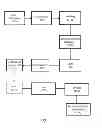

Sources:
- United States Patent and Trademark Office - verify current appl. status at the USPTO↗
Similar patent applications:
- » 20100303989
Microalgal Flour - » 20110256282
Lipid-Rich Microalgal Flour Food Compositions - » 20140106051
MICROALGAL FLOUR GRANULES AND PROCESS FOR PREPARATION THEREOF - » 20140212570
Microalgal flour - » 20150272136
MICROALGAL FLOUR GRANULES AND PROCESS FOR PREPARATION THEREOF - » 20160015071
MICROALGAL-FLOUR-BASED VEGETABLE FAT AND ITS USE IN BREADMAKING AND PATISSERIE - » 20160021895
COOKING PRODUCT COMPRISING MICROALGAL FLOUR IN THE FORM OF GRANULES AND PRODUCTION METHOD - » 20160029684
MICROALGAL FLOUR GRANULES AND PROCESS FOR PREPARATION THEREOF - » 20160143337
Lipid-rich microalgal flour and method for preparing same - » 20160161460
MICROALGAL FLOUR COMPOSITIONS OF OPTIMISED SENSORY QUALITY
Recent applications in this class:
- » 20160235105 2016-08-18
Lactic acid bacteria compositions - » 20160192689 2016-07-07
ENCAPSULATED FUNCTIONAL FOOD COMPOSITIONS - » 20160100618 2016-04-14
Method for stimulating the intestinal flora - » 20160095343 2016-04-07
Synbiotic Product - » 20150335053 2015-11-26
Preventing diseases in infants delivered via caesarean section - » 20150320097 2015-11-12
Compositions and methods of producing microbeads - » 20150216214 2015-08-06
FOOD COMPOSITION CONTAINING FRESH SPIRULINA AND PRODUCTION METHOD THEREOF - » 20150208709 2015-07-30
Bacterial strain having anti-allergic activity, and beverage, food and anti-allergic agent comprising cell of the bacterial strain - » 20150201662 2015-07-23
HEALTH SUPPLEMENT FOOD CONTAINING PEDIOCOCCUS ACIDILACTICI J9, AND METHOD FOR MANUFACTURING SAME - » 20150150295 2015-06-04
Method for the production of a porous powder product containing a probiotic or other microorganisms
Recent applications for this Assignee:
- » 20230037413 2023-02-09
SUCROSE INVERTASE VARIANTS - » 20220361530 2022-11-17
FEED INGREDIENTS COMPRISING LYSED MICROBIAL CELLS - » 20220081673 2022-03-17
PROCESS FOR MANUFACTURING LYSED CELL SUSPENSION - » 20210246434 2021-08-12
Beta-ketoacyl-ACP synthase II variants - » 20210244064 2021-08-12
NOVEL MICROALGAL FOOD COMPOSITIONS - » 20210130858 2021-05-06
Structuring fats and methods of producing structuring fats - » 20200131544 2020-04-30
Variant thioesterases and methods of use - » 20200095292 2020-03-26
Method for extracting soluble proteins from microalgal biomass - » 20200046002 2020-02-13
METHOD FOR PREPARING LIPID-RICH COMPOSITIONS OF MICROALGA FLOUR WITH OPTIMIZED ORGANOLEPTIC PROPERTIES - » 20200032302 2020-01-30
Structuring fats and methods of producing structuring fats