Culture method and culture system for microalgae
US20150337255A1
2015-11-26
14/651,164
2013-12-04
✅ Patent granted
US 9,790,461 B2
2017-10-17
WO; PCT/JP2013/007118; 20131204
WO; WO2014/091718; 20140619
Debbie K Ware
Harness, Dickey & Pierce, P.L.C.
2033-12-04
Abstract:
A culture method for microalgae that cultures unicellular green microalgae belonging to the genus Coccomyxa and groups of organisms closely related thereto, or the Watanabea clade, in an open outdoor culture system using broth having a pH of 4 or lower. A culture method for microalgae that cultures microalgae of the genus Coccomyxa and groups of organisms closely related thereto, or Pseudococcomyxa, in an open outdoor culture system using broth having a pH of 4 or lower containing ammonia nitrogen.
Inventors:
- Minoru KURATA 1 🇯🇵 Nagoya-city, Aichi, Japan
- Hiroaki FUKUDA 1 🇯🇵 Obu-city, Aichi, Japan
- Norihide KURANO 1 🇯🇵 Nagoya-city, Aichi, Japan
- Hideaki MIYASHITA 1 🇯🇵 Kyoto-city, Kyoto, Japan
- Shigeaki HARAYAMA 1 🇯🇵 Bunkyo-ku, Tokyo, Japan
- Shigeaki HARAYAMA 5 🇯🇵 Tokyo, Japan
- Minoru Kurata 4 🇯🇵 Nagoya, Japan
- Hiroaki Fukuda 4 🇯🇵 Obu, Japan
- Norihide Kurano 1 🇯🇵 Nagoya, Japan
- Hideaki Miyashita 1 🇯🇵 Kyoto, Japan
Assignee:
- DENSO CORPORATION 684 🇯🇵 Kariya-city, Aichi-pref., Japan
- CHUO UNIVERSITY 14 🇯🇵 Hachioji-shi, Tokyo, Japan
- DENSO CORPORATION 2,305 🇯🇵 Kariya-Aichi-pref, Japan
- Kyoto University 1 🇯🇵 Kyoto-shi, Koyoto-Pref., Japan
Applicant:
Interested in similar patents?
Get notified when new applications in this technology area are published.
Classification:
C12M41/26 » CPC main
Means for regulation, monitoring, measurement or control, e.g. flow regulation of pH
C12M23/18 » CPC further
Constructional details, e.g. recesses, hinges; Form or structure of the vessel Open ponds; Greenhouse type or underground installations
C12M41/34 » CPC further
Means for regulation, monitoring, measurement or control, e.g. flow regulation of concentration of gas
C12M41/36 » CPC further
Means for regulation, monitoring, measurement or control, e.g. flow regulation of concentration of biomass, e.g. colony counters or by turbidity measurements
C12M1/00 IPC
Apparatus for enzymology or microbiology
C12M1/34 IPC
Apparatus for enzymology or microbiology Measuring or testing with condition measuring or sensing means, e.g. colony counters
C12M21/02 » CPC further
Bioreactors or fermenters specially adapted for specific uses Photobioreactors
C12P7/64 » CPC further
Preparation of oxygen-containing organic compounds Fats; Fatty oils; Ester-type waxes; Higher fatty acids, i.e. having at least seven carbon atoms in an unbroken chain bound to a carboxyl group; Oxidised oils or fats
C12N1/12 » CPC main
Microorganisms, e.g. protozoa; Compositions thereof ; Processes of propagating, maintaining or preserving microorganisms or compositions thereof; Processes of preparing or isolating a composition containing a microorganism; Culture media therefor Unicellular algae; Culture media therefor
Description
CROSS REFERENCE TO RELATED APPLICATIONS
The present application is based on Japanese Patent Application No. 2012-273633 filed on Dec. 14, 2012, the disclosure of which is incorporated herein by reference.
TECHNICAL FIELD
The present disclosure relates to a culture method and a culture system for microalgae.
BACKGROUND ART
Recently, usage and application of useful material such as oil and fat and saccharide produced by microalgae are attracted attention. To improve productivity of useful material, microalgae is required to be cultured effectively. Conventionally, a culturing method for microalgae mainly uses culture liquid which is neutral or alkaline (referring to non-patent document 1).
PRIOR ART DOCUMENT
Patent Document
Non-patent document 1: AquaFUELs-D1.4 Rev7-30 Nov. 2010 Page 28-36
SUMMARY OF THE INVENTION
The present disclosure has been made in view of the above, and aims to provide a culture method and a culture system for microalgae under an outdoor open system.
A culture method for microalgae according to a first aspect of the present disclosure uses culture liquid whose pH is equal to or less than 4 and cultures microalgae of the genus Coccomyxa, the closely related group of the genus Coccomyxa, or a green unicellular algae belonging to the Watanabea clade in an outdoor open culture system. According to the culture method, since the pH of the culture liquid is equal to or less than 4, it may be possible to inhibit proliferation of different microalgae and protist. Since bicarbonate ion is not generated even when CO2 is introduced in the culture liquid, it may be possible to prevent variation of the pH of the culture liquid.
A culture method for microalgae according to a second aspect of the present disclosure uses culture liquid including ammonia nitrogen and cultures microalgae of the genus Coccomyxa, the closely related group of the genus Coccomyxa, and the genus Pseudococcomyxa in an outdoor open culture system. The pH of the culture liquid is equal to or less than 4. According to the culture method, since the pH of the culture liquid is equal to or less than 4, it may be possible to inhibit proliferation of different microalgae and protist. Especially, since the culture liquid includes ammonia nitrogen (for example, urea), it may be possible to inhibit proliferation of different microalgae and protist. Since bicarbonate ion is not generated even when CO2 is introduced in the culture liquid, it may be possible to prevent variation of the pH of the culture liquid.
BRIEF DESCRIPTION OF THE DRAWINGS
The above-described and other objects, features, and advantages of the present disclosure will become more obvious through the specific description below with reference to the accompanying figures. In the drawings:
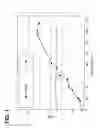
FIG. 1 is a graph illustrating a transition of algae body concentration and pH in a first embodiment;
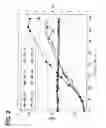
FIG. 2 is a graph illustrating a transition of algae body concentration and pH in a second embodiment;
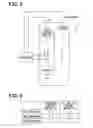
FIG. 3 is a diagram illustrating a configuration of a culture system 1;
FIG. 4 is a diagram illustrating nitrogen concentration and oil-and-fat content in an algae body after culture; and
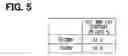
FIG. 5 is a diagram illustrating oil-and-fat content in an algae body after the second culture and after the third culture.
PREFERRED EMBODIMENTS FOR CARRYING OUT THE INVENTION
When culture liquid is neutral liquid or alkaline liquid, microalgae (hereinafter, referred to as a different microalgae) other than microalgae to be cultured and protist that preys on microalgae may propagate. When microalga is cultured, CO2 may be introduced into culture liquid continuously. However, when the culture liquid is neutral liquid or alkaline liquid, bicarbonate ion may be generated from CO2 and the pH of the culture liquid may be changed. In this case, an introduction of a pH adjuster to the culture liquid may be required and salt concentration in the culture liquid may increase.
The embodiment in the present disclosure will be explained. Microalgae to be cultured in a culture method in the present disclosure corresponds to the genus Coccomyxa, the closely related group of the genus Coccomyxa, the genus Pseudococcomyxa, or the green unicellular algae belonging to the Watanabea clade. Especially, the microalgae to be cultured in the culture method in the present disclosure corresponds to a microalgae that is screened by a predetermined isolation condition (for example, the pH is equal to 3 and temperature is 15-35 degrees Celsius) from a sample sampled in a hot spring gushing environment or the like (that is, the microalgae to be cultured corresponds to microalgae enabling to grow in the above isolation condition).
The microalgae selected by the above screening condition from a sample obtained in a hot spring gushing environment or the like corresponds to, for example, the Pseudochoricystis ellipsoidea N1 strain (MBIC11204: closely related to the genus Pseudococcomyxa), the Pseudochoricystis ellipsoidea Obi strain (MBIC11220: closely related to the genus Pseudococcomyxa), Coccomyxa simplex (UTEX274: the genus Coccomyxa), and Coccomyxa chodatii (UTEXB266: the genus Coccomyxa).
A microalgae of the genus Coccomyxa, the closely related group of the genus Coccomyxa, the genus Pseudococcomyxa, or green unicellular algae belonging to the Watanabea clade may be selected from the sample obtained in a hot spring gushing environment or the like according to the above screening condition, and may be used in the culture method in the present disclosure. Incidentally, it may be possible to confirm that the microalgae corresponds the genus Coccomyxa, the closely related group of the genus Coccomyxa, the genus Pseudococcomyxa, or the green unicellular algae belonging to the Watanabea clade with a homology of DNA, and an identity in the 18S rRNA is equal to or more than 97%. The identity in the 18S rRNA is confirmed by using a well-known DNA data base.
A culture liquid in the culture method in the present disclosure may be culture liquid having a well-known composition. The pH of the culture liquid is equal to or less than 4, and preferably, corresponds to pH 3-4. In the culture method in the present disclosure, for example, the culture liquid may be continuously introduced with CO2 (CO2 containing gas). In this case, culture speed of the microalgae keeps in a high level. Incidentally, since the pH of the culture liquid is equal to or less than 4, bicarbonate may be generated hardly and the pH of the culture liquid may be changed hardly.
In the culture method in the present disclosure, ammonia nitrogen may be included in the culture liquid. In this case, the propagation of the different microalgae and the protist may be hardly generated furthermore. The ammonia nitrogen is not limited especially. The ammonia nitrogen may be urea, for example.
In the culture method in the present disclosure, for example, all or a part of the microalgae may be recovered from the culture liquid used in a culture of the microalgae, and the microalgae may be newly cultured by adding a deficient medium component. In this case, since it may be possible to reuse the culture liquid, it may be possible to reduce a culture cost of the microalgae.
The culture method in the present disclosure uses, for example, a culture system including a detection means and a control means. The detection means detects one or more parameters selected from a parameter group including pH, CO2 concentration, and algae body concentration in a culture liquid. The control means controls the parameter within a predetermined range. According to the culture system, it may be easy to maintain the parameter within a suitable range. Incidentally, the detection means corresponds to a detector. The control means corresponds to a controller.
When the parameter includes pH, the culture system detects the pH by the detection means, and maintains the pH within a range of 4 or less (preferably, pH 3 to 4) with the control means. When the parameter includes CO2 concentration, the culture system detects the CO2 concentration with the detection means, and maintains the CO2 concentration within a predetermined range with the control means. The predetermined range corresponds to, for example, 7.45-74.5 mg/L.
The detection means corresponds to, for example, a sensor (for example, a pH measurement sensor, a CO2 concentration measurement sensor, and an algae concentration measurement sensor) capable of measuring the parameter. The control means corresponds to a means, for example, including an adjustment means (for example, a valve mechanism adjusting introducing amount of a pH adjuster to the culture liquid, a valve mechanism adjusting introducing amount of CO2 containing gas to the culture liquid, and a valve mechanism adjusting introducing amount of microalgae to the culture liquid) to adjust the parameter and a computer that controls the adjustment means according to a measurement result of the above sensor.
First Embodiment
An outdoor open culture system (500 L) stores the culture liquid having the following composition.
Ion exchange water: 500 kg
Ammonia nitrogen (Urea): 9.8 g
Phosphorus: 560 mg
Potassium: 560 mg
Calcium: 150 mg
Magnesium: 170 mg
Chelated metal salt: 85 mg
The pH of the culture liquid is adjusted to 3.5 with hydrochloric acid before inoculation of the microalgae. The pH of the culture liquid was not adjusted thereafter. Pseudochoricystis ellipsoidea N1 strain (MBIC11204), which is a closely related microalgae of the genus Pseudococcomyxa, is inoculated to the culture liquid to have 0.02 g/l.
Insolation by the sun is used as a light source and gas including 1 volume % of CO2 is continuously ventilated to the culture liquid during the culture. The algae body concentration and the pH in the culture liquid are continuously measured during the culture. FIG. 1 illustrates the measurement result. In FIG. 1, OD720 illustrates the algae body concentration during culture and the pH illustrates the pH of the culture liquid. In addition, the nitrogen concentration and oil-and-fat content in the algae body after culture were measured. FIG. 4 illustrates the result.
As described in FIG. 1 and FIG. 4, the pH in the culture liquid was changed hardly during culture, and the growth of the microalgae was good. The growth of the different microalgae and the protist was not seen.
Second Embodiment
As the microalgae, instead of Pseudochoricystis ellipsoidea N1 strain (MBIC11204), which is a closely related microalgae of the genus Pseudococcomyxa, Pseudochoricystis ellipsoidea Obi strain (MBIC11220), which is a closely related microalgae of the genus Pseudococcomyxa, is used and the culture is performed in a manner similar to the first embodiment.
The nitrogen concentration and the oil-and-fat content in the algae body after culture were measured. FIG. 4 illustrates the result. As illustrated in FIG. 4, the growth of microalgae was good. During the culture, the pH in the culture liquid was changed hardly, and the growth of the different microalgae and the protist was not seen.
Third Embodiment
As the microalgae, instead of Pseudochoricystis ellipsoidea N1 strain (MBIC11204), Coccomyxa simplex (UTEX274) is used and the culture is performed in a manner similar to the first embodiment.
The nitrogen concentration and the oil-and-fat content in the algae body after culture were measured. FIG. 4 illustrates the result. As illustrated in FIG. 4, the growth of microalgae was good. During culture, the pH in the culture liquid was changed hardly, and the growth of the different microalgae and the protist was not seen.
Fourth Embodiment
As the microalgae, instead of Pseudochoricystis ellipsoidea N1 strain (MBIC11204), Coccomyxa chodatii (UTEXB266) is used and the culture is performed in a manner similar to the first embodiment.
When the nitrogen concentration and the oil-and-fat content in the algae body after culture were measured, it was supported that the growth of the microalgae is good. During culture, the pH in the culture liquid was changed hardly, and the growth of the different microalgae and the protist was not seen.
Fifth Embodiment
An outdoor open culture system (500 L) stores a culture liquid having the following composition.
Ion exchange water: 500 kg
Nitrate nitrogen (sodium nitrate): 27.3 g
Phosphorus: 560 mg
Potassium: 560 mg
Calcium: 150 mg
Magnesium: 170 g
Chelated metal salt: 85 mg
The pH of the culture liquid is adjusted to 3 with hydrochloric acid before inoculation of the microalgae. The pH of the culture liquid was not adjusted thereafter. The green unicellular algae belonging to the Watanabea clade is inoculated to the culture liquid to have 0.02 g/l. The microalgae corresponds to a microalgae screened in a condition that the pH is equal to 3 and temperature is 15-35 degrees Celsius from a sample sampled in a hot spring gushing environment or the like. It is confirmed that the microalgae corresponds to a green unicellular algae belonging to the Watanabea clade by the homology of DNA. The DNA sequences of the microalgae are illustrated in sequence IDs 4-6 in the sequence listings.
Insolation by the sun is used as a light source and gas including 1 volume % of carbon dioxide concentration is continuously ventilated to the culture liquid during culture. The pH in the culture liquid was changed hardly, and growth of the microalgae was good during culture. The growth of the different microalgae and the protist was not seen.
Sixth Embodiment
The microalgae same as the first embodiment is used and the culture is performed in a manner similar to the first embodiment. This is named as a first culture. The microalgae is recovered from the culture liquid after the first culture. In the culture liquid (which is the culture liquid substantially including no microalgae) after recovering the microalgae, a microalgae (the microalgae same as the first embodiment) is newly cultured in a manner similar to the first embodiment. This is named as a second culture. With respect to the medium composition of the culture liquid, the medium compositions identical with the first embodiment are added.
Subsequently, the microalgae is recovered from the culture liquid after the second culture. In the culture liquid (which is culture liquid substantially including no microalgae) after recovering the microalgae, a microalgae (the microalgae same as the first embodiment) is newly cultured in a manner similar to the first embodiment. This is named as a third culture. With respect to the medium composition of the culture liquid, the medium compositions identical with the first embodiment are added.
FIG. 2 illustrates the algae body concentration (OD720) after the first culture, the pH after the first culture, the algae body concentration (OD720) after the second culture, the pH after the second culture, the algae body concentration (OD720) after the third culture, and the pH after the third culture. FIG. 5 illustrates the oil-and-fat content in the algae body after the second culture and after the third culture. Incidentally, in FIG. 2, the algae body concentration after the n-th (n=1, 2, 3) culture is described as an n-th_OD, and the pH after the n-th culture is described as an n-th_pH.
As described in FIG. 2 and FIG. 5, the growth of the microalgae was good and the pH was changed hardly in any of the first to third cultures.
Seventh Embodiment
With a mixture containing various microbes obtained from a hot spring, a culture is performed in a manner similar to the fifth embodiment. In this case, only microalgae of the genus Coccomyxa, the closely related group of the genus Coccomyxa, the genus Pseudococcomyxa, or the green unicellular algae belonging to the Watanabea clade is proliferated. The DNA sequences of microalgae of the genus Coccomyxa, the closely related group of the genus Coccomyxa, and the genus Pseudococcomyxa are described as sequence IDs 1-3 in the sequence listings. The DNA sequences of microalgae of a green unicellular algae belonging to the Watanabea clade are described as sequence IDs 4-6 in the sequence listings.
Eighth Embodiment
With a mixture containing various microbes obtained from a hot spring, a culture is performed in a manner similar to the first embodiment. In this case, only microalgae of the genus Coccomyxa, the closely related group of the genus Coccomyxa, and the genus Pseudococcomyxa is proliferated. The DNA sequences of the microalgae of the genus Coccomyxa, the closely related group of the genus Coccomyxa, and the genus Pseudococcomyxa are illustrated as sequence IDs 1-3 in the sequence listings.
Ninth Embodiment
FIG. 3 illustrates a configuration of a culture system 1. The culture system 1 includes a raceway-type culture tank 3, an agitation paddle 5 that agitates the culture liquid in the culture tank 3, a pH measurement sensor 7 that detects pH in the culture liquid, a CO2 concentration measurement sensor 9 that detects the CO2 concentration in the culture liquid, a controller 11 including a well-known computer, a pH adjuster feeder 13 that inputs pH adjuster to the culture liquid, and a CO2 gas introduction portion 15 that introduces CO2 containing gas to the culture liquid.
The pH adjuster feeder 13 has a well-known valve mechanism. The pH adjuster feeder 13 enables to adjust input amount of the pH adjuster to the culture liquid. The CO2 gas introduction portion 15 has a well-known valve mechanism. The CO2 gas introduction portion 15 enables to adjust introduction amount of the CO2 containing gas to the culture liquid.
The controller 11 obtains a measurement result of the pH measurement sensor 7. The controller 11 controls the pH adjuster feeder 13 to input the pH adjuster as necessary, so that the pH in the culture liquid is maintained within a range of pH 3-4.
The controller 11 obtains a measurement result of the CO2 concentration sensor 9. The controller 11 controls the CO2 gas introduction portion 15 to adjust introduction amount of the CO2 containing gas to the culture liquid, so that the CO2 concentration in the culture liquid is maintained within a range of 7.45-74.5 mg/L. Incidentally, the pH measurement sensor 7 and the CO2 concentration measurement sensor 9 correspond to one embodiment of a detection means. The controller 11, the pH adjuster feeder 13, and the CO2 gas introduction portion 15 correspond to one embodiment of a control portion.
The culture system 1 in the present embodiment may be applied to the culture of the microalgae in the first to sixth embodiments. When the culture system 1 in the present embodiment is used, it may be easy to maintain the pH and the CO2 concentration in the culture liquid within the suitable range.
The culture system 1 may include a sensor that measures the algae body concentration in the culture liquid and a means that adjusts the algae body concentration within a predetermined range according to the measurement result of the sensor. In this case, since the controller 11 adjusts the algae body concentration according to the measurement result of the algae body concentration, it may be possible to maintain the algae body concentration within a suitable range.
A culture method for microalgae according to a first aspect of the present disclosure uses culture liquid whose pH is equal to or less than 4 and cultures microalgae of the genus Coccomyxa, the closely related group of the genus Coccomyxa, or a green unicellular algae belonging to the Watanabea clade in an outdoor open culture system. According to the culture method, since the pH of the culture liquid is equal to or less than 4, it may be possible to inhibit proliferation of the different microalgae and the protist. Since bicarbonate ion is not generated even when CO2 is introduced into the culture liquid, it may be possible to prevent a variation of the pH in the culture liquid.
The culture method of the microalgae according to a second aspect of the present disclosure uses culture liquid containing ammonia nitrogen and cultures microalgae of the genus Coccomyxa, the closely related group of the genus Coccomyxa, and the genus Pseudococcomyxa in an outdoor open culture system. The pH of the culture liquid is equal to or less than 4. According to the culture method, since the pH of the culture liquid is equal to or less than 4, it may be possible to inhibit proliferation of the different microalgae and the protist. Especially, since the culture liquid includes ammonia nitrogen (for example, urea), it may be possible to inhibit proliferation of the different microalgae and protist. Since bicarbonate ion is not generated even when CO2 is introduced into the culture liquid, it may be possible to prevent a variation of the pH in the culture liquid.
Incidentally, the present disclosure is not limited to the present embodiment. It should be noted that the present disclosure may be realized in various modes within a scope of the present disclosure. For example, in the first to fourth, sixth, and eighth embodiments, instead of urea, a substantially similar effect will be obtained when different ammonia nitrogen is used.
As described above, a culture method and a culture system of a microalgae according to the present disclosure are exemplified. However, a mode and a configuration according to the present disclosure are not limited to each embodiment and each configuration. The embodiments and the configurations obtained by appropriately combining the respective technical elements disclosed in the different embodiments and configurations together also fall within the scope of the embodiments and the configurations according to the present disclosure.
| SEQUENCE LISTINGS |
| sequence_156415.app |
| Sequence ID: 1 |
| Sequence length: 1677 |
| Sequence type: DNA |
| Organism: Coccomyxa and its allied species, A |
| Sequence: 1 |
| agtcatatgc ttgtctcaaa gattaagcca tgcatgtcta agtataaact gctttatact |
| gtgaaactgc gaatggctca ttaaatcagt tatagtttat ttgatggtac cttactactc |
| ggataaccgt agtaattcta gagctaatac gtgcgtaaat cccgacttct ggaagggacg |
| tatttattag ataaaaggcc gaccggactc tgtccgactc gcggtgaatc atgataactc |
| cacggatcgc atggcctcga gccggcgacg tttcattcaa atttctgccc tatcaacttt |
| cgacggtaag gtattggctt accgtggtgg taacgggtga cggaggatta gggttcgatt |
| ccggagaggg agcctgagaa acggctacca catccaagga aggcagcagg cgcgcaaatt |
| acccaatctt gacacaagga ggtagtgaca ataaataaca ataccggggt ttttcaactc |
| tggtaattgg aatgagtaca atctaaaccc cttaacgagg atcaattgga gggcaagtct |
| ggtgccagca gccgcggtaa ttccagctcc aatagcgtat atttaagttg ttgcagttaa |
| aaagctcgta gttggatttc gggcgggctc ggctggtccg cctatcggtg tgcactgacc |
| gagcccgtct tgttgccggg gacgggctcc tgggcttaac tgtccgggac tcggagtcgg |
| cgaggttact ttgagtaaat tagagtgttc aaagcaggcc tacgctctga atacattagc |
| atggaataac acgataggac tctggcctat cttgttggtc tgtgggaccg gagtaatgat |
| taagagggac agtcgggggc attcgtattt cattgtcaga ggtgaaattc ttggatttat |
| gaaagacgaa ctactgcgaa agcatttgcc aaggatgttt tcattaatca agaacgaaag |
| ttgggggctc gaagacgatt agataccgtc ctagtctcaa ccataaacga tgccgactag |
| ggattggcgg gcgttctttt gatgacctcg ccagcacctt atgagaaatc aaagtttttg |
| ggttccgggg ggagtatggt cgcaaggctg aaacttaaag gaattgacgg aagggcacca |
| ccaggcgtgg agcctgcggc ttaatttgac tcaacacggg aaaacttacc aggtccagac |
| atagtgagga ttgacagatt gagagctctt tcttgattct atgggtggtg gtgcatggcc |
| gttcttagtt ggtgggttgc cttgtcaggt tgattccggt aacgaacgag acctcagcct |
| gctaactagt cacggttggt tttaccagcc ggccgacttc ttagagggac tattggcgac |
| tagccaatgg aagtgtgagg caataacagg tctgtgatgc ccttagatgt tctgggccgc |
| acgcgcgcta cactgatgca atcaacgagc ctagccttgg ccgagaggtc cgggtaatct |
| ttgaaactgc atcgtgatgg ggatagatta ttgcaattat taatcttcaa cgaggaatgc |
| ctagtaagcg cgagtcatca gctcgcgttg attacgtccc tgccctttgt acacaccgcc |
| cgtcgctcct accgattggg tgtgctggtg aagcgttcgg attggcggct tcagggc |
| Sequence ID: 2 |
| Sequence length: 1709 |
| Sequence type: DNA |
| Organism: Coccomyxa and its allied species, B |
| Sequence: 2 |
| agtcatatgc ttgtctcaaa gattaagcca tgcatgtcta agtataaact gctttatact |
| gtgaaactgc gaatggctca ttaaatcagt tatagtttat ttgatggtac cttactactc |
| ggataaccgt agtaattcta gagctaatac gtgcggaaat cccgacttct ggaagggacg |
| tatttattag ataaaaggcc gaccgggctt gcccgaaacg cggtgaatca tgataactcc |
| acgaatcgca tggcctcagc gccggcgatg tttcattcaa atttctgccc tatcaacttt |
| cgacggtaag gtattggctt accgtggtgg taacgggtga cggaggatta gggttcgatt |
| ccggagaggg agcctgagaa acggctacca catccaagga aggcagcagg cgcgcaaatt |
| acccaatctt gacacaagga ggtagtgaca ataaataaca ataccggggt ttttcaactc |
| tggtaattgg aatgagtaca atctaaaccc cttaacgagg atcaattgga gggcaagtct |
| ggtgccagca gccgcggtaa ttccagctcc aatagcgtat atttaagttg ttgcagttaa |
| aaagctcgta gttggatttc gggcgggccc ggccggtccg cctttgggtg tgcactgacc |
| gggcccgtct tgttgccggg gacgggctcc tgggcttaac tgtccgggac tcggagtcgg |
| cgaggttact ttgagtaaat tagagtgttc aaagcaggcc tacgctctga atacattagc |
| atggaataac acgataggac tctggcctat cttgttggtc tgtgggaccg gagtaatgat |
| taagagggac agtcgggggc attcgtattt cattgtcaga ggtgaaattc ttggatttat |
| gaaagacgaa ctactgcgaa agcatttgcc aaggatgttt tcattaatca agaacgaaag |
| ttgggggctc gaagacgatt agataccgtc ctagtctcaa ccataaacga tgccgactag |
| ggattggcgg gcgttctttt gatgaccccg ccagcacctt atgagaaatc aaagtttttg |
| ggttccgggg ggagtatggt cgcaaggctg aaacttaaag gaattgacgg aagggcacca |
| ccaggcgtgg agcctgcggc ttaatttgac tcaacacggg aaaacttacc aggtccagac |
| atagtgagga ttgacagatt gagagctctt tcttgattct atgggtggtg gtgcatggcc |
| gttcttagtt ggtgggttgc cttgtcaggt tgattccggt aacgaacgag acctcagcct |
| gctaactagt cacgattggt tcttccagtc ggccgacttc ttagagggac tattggcgac |
| tagccaatgg aagtgtgagg caataacagg tctgtgatgc ccttagatgt tctgggccgc |
| acgcgcgcta cactgatgca atcaacgagc ctagccttgg ccgacaggtc cgggtaatct |
| ttgaaactgc atcgtgatgg ggatagatga ttgcaattat tcatcttcaa cgaggaatgc |
| ctagtaagcg cgagtcatca gctcgcgttg attacgtccc tgccctttgt acacaccgcc |
| cgtcgctcct accgattggg tgtgctggtg aagcgttcgg attggcggca gtgcgcggtt |
| cgccgctcgc tgcagccgag aagttcgtt |
| Sequence ID: 3 |
| Sequence length: 1714 |
| Sequence type: DNA |
| Organism: Coccomyxa and its allied species, C |
| Sequence: 3 |
| agtcatatgc ttgtctcaaa gattaagcca tgcatgtcta agtataaact gctttatact |
| gtgaaactgc gaatggctca ttaaatcagt tatagtttat ttgatggtac cttactactc |
| ggataaccgt agtaattcta gagctaatac gtgcggaaat cccgacttct ggaagggacg |
| tatttattag ataaaaggcc gaccgggctt gcccgaaacg cggtgaatca tgataactcc |
| acgaatcgca tggcctcagt gccggcgatg tttcattcaa atttctgccc tatcaacttt |
| cgacggtaag gtattggctt accgtggtgg taacgggtga cggaggatta gggttcgatt |
| ccggagaggg agcctgagaa acggctacca catccaagga aggcagcagg cgcgcaaatt |
| acccaatctt gacacaagga ggtagtgaca ataaataaca ataccggggt ttttcaactc |
| tggtaattgg aatgagtaca atctaaaccc cttaacgagg atcaattgga gggcaagtct |
| ggtgccagca gccgcggtaa ttccagctcc aatagcgtat atttaagttg ttgcagttaa |
| aaagctcgta gttggatttc gggcgggccc ggccggtccg ccttctggtg tgcactgacc |
| gggcccgtct tgttgccggg gacgggctcc tgggcttaac tgtccgggac tcggagtcgg |
| cgaggttact ttgagtaaat tagagtgttc aaagcaggcc tacgctctga atacattagc |
| atggaataac acgataggac tctggcctat cttgttggtc tgtgggaccg gagtaatgat |
| taagagggac agtcgggggc attcgtattt cattgtcaga ggtgaaattc ttggatttat |
| gaaagacgaa ctactgcgaa agcatttgcc aaggatgttt tcattaatca agaacgaaag |
| ttgggggctc gaagacgatt agataccgtc ctagtctcaa ccataaacga tgccgactag |
| ggattggcgg gcgttctttt gatgaccccg ccagcacctt atgagaaatc aaagtttttg |
| ggttccgggg ggagtatggt cgcaaggctg aaacttaaag gaattgacgg aagggcacca |
| ccaggcgtgg agcctgcggc ttaatttgac tcaacacggg aaaacttacc aggtccagac |
| atagtgagga ttgacagatt gagagctctt tcttgattct atgggtggtg gtgcatggcc |
| gttcttagtt ggtgggttgc cttgtcaggt tgattccggt aacgaacgag acctcagcct |
| gctaactagt cacgattggt tcttccagtc ggccgacttc ttagagggac tattggcgac |
| tagccaatgg aagtgtgagg caataacagg tctgtgatgc ccttagatgt tctgggccgc |
| acgcgcgcta cactgatgca atcaacgagc ctagccttgg ccgacaggtc cgggtaatct |
| ttgaaactgc atcgtgatgg ggatagatga ttgcaattat tcatcttcaa cgaggaatgc |
| ctagtaagcg cgagtcatca gctcgcgttg attacgtccc tgccctttgt acacaccgcc |
| cgtcgctcct accgattggg tgtgctggtg aagcgttcgg attggcggca gtgcgcggtt |
| cgccgctcgc tgcagccgag aagttcgtta aacc |
| Sequence ID: 4 |
| Sequence length: 1753 |
| Sequence type: DNA |
| Organism: Watanabea Glade and its allied species, D |
| Sequence: 4 |
| gtcctgccag tagtcatatg cttgtctcaa agattaagcc atgcatgtcc aagtatgaac |
| tgcttatact gtgaaactgc gaatggctca ttaaatcagt tatagtttat ttgatggtac |
| ctggctactc ggatacccgt agtaattcta gagctaatac gtgcgcacat cccgactctg |
| tggaagggac gtatttatta gataaaaggc cgaccgggct tgcccgactc gcggcgaatc |
| atgataactc cacgaatcgc acggcctccg cgccggcgat gtttcattca aatttctgcc |
| ctatcaactt tcgatggtag gatagaggcc taccatggtt ttgacgggtg acggggaatt |
| agggttctat gccggagagg gagcctgaga aacggctacc acatccaagg aaggcagcag |
| gcgcgcaaat tacccaatcc cgacacgggg aggtagtgac aataaataac aataccgggc |
| tcttacgagt ctggtgattg gaatgagaac aatctaaatc ccttaacgag gatcgattgg |
| agggcaagtc tggtgccagc agccgcggta attccagctc caatagcgta tatttaagtt |
| gttgcagtta aaaagctcgt agtcggatgt cgggcggcct ccgtcggtcc gccgatcggc |
| gtgcaccggc ggggcgccgc ctcgctgccg gggacgggcg cctgggcttc actgtcccgg |
| gccccggagt cggcgaggtc actttgagta aattagagtg ttcaaagcag gcagccgctc |
| tgaatacgcc agcatggaat gacgcgatag gactctgggc ctattccgtc ggtctgtggg |
| accggagtaa tgatgaacag ggacggtcgg gggcattcgt atttcgctgt cagaggtgaa |
| attcttggat ttgcgaaaga cggacttctg cgaaagcatt tgccaaggat gttttcattg |
| atcaagaacg aaagtcgggg gctcgaagac gattagatac cgtcctagtc tcgaccataa |
| acgatgccga ctagggatcg gcgggcgttt cttcgacgac cccgccggca cctcacgaga |
| aatcaaagtg ttcgggttcc ggggggagta tggtcgcaag gctgaaactt aaaggaattg |
| acggaagggc accaccaggc gtggagcctg cggcttaatt tgactcaaca cgggaaaact |
| taccaggtcc agacatagcg aggattgaca gattgacagc tctttcttga ttctatgggt |
| ggtggtgcat ggccgttctt agttggtggg ttgccttgtc aggttgattc cggtaacgaa |
| cgagacctcg gcctgctaaa tagccccggg cggcgttcgc gccggccggc cgagcttctt |
| agagggactc tcggcgacta gccgatggaa gtgcgaggca ataacaggtc tgtgatgccc |
| ttagatgttc tgggccgcac gcgcgctaca ctgacgcagc caacgggcgc agccttggcc |
| gagaggcccg ggtaatccgg cagcctgcgt cgtgacgggg ctagactctt gcaattatca |
| gtcttcaacg aggaatgcct agtaggcgcg agtcatcagc tcgcgtcgat tacgtccctg |
| ccctttgtac acaccgcccg tcgctcctac cgattggatg tgctggtgaa gcgctcggac |
| cggccgcgtc gcgcggttcg ccgcgcctcg cagccgggaa gtccgttgaa ccctcccacc |
| taggggaagg aga |
| Sequence ID: 5 |
| Sequence length: 1764 |
| Sequence type: DNA |
| Organism: Watanabea Glade and its allied species, E |
| Sequence: 5 |
| tttatcctgc cagtagtcat atgcttgtct caaagactaa gccatgcatg tgtaagtatg |
| aatcgctcat acggtgaaac tgcgaatggc tcattaaatc agttatcgtt tatttgatgg |
| tactgcccta ctcggataac cgttggaaat cattggctaa tacgtgcgca catcccgact |
| ctcggaaggg acgtatttat tagatagaag accgaccggg cctcggcccg agctgcggtg |
| aatcatgata acttcacgaa tcgcatggcc ccgcgccggc gatgtttcat tcaaatttct |
| gccctatcaa ctttcgatgg taggatagag gcctaccatg gttttgacgg gtgacggagt |
| tttcgggaac ggctccggag aggccgcctg aggaacagcg accatttcca aggaaagcag |
| caggcgcgca aattacccaa tcccgacacg gggaggtagt gacaataaat aacaataccg |
| ggctttttca agtctggtga ttggaatgag tacaatctaa atcccttaac gaggatcaat |
| tggagggcaa gtctggtgcc agcagccgcg gtaattccag ctccaatagc gtatatttaa |
| gttgttgcag ttaaaaagct cgtagttgga tctagacgag gccccgccgg tccgccgtca |
| ggtgtgcact ggcgtgggcc cgccttgctg tcggggacgg gctcctgggc ttcgctgtcc |
| gggacccgga gtcgacgagg ttactttgag taaattagag tgttcaaagc aggcctacgc |
| tctgaatacg ttagcatgga ataacacgat aggactctgg cctatcctgt tggtctgtgg |
| gaccggagta atgattaaga gggacggtcg ggggcattcg tatttcgttg tcagaggtga |
| aattcttgga ttttacaaaa agacggactt ctgcgaaagc atttgccaag gatgttttca |
| ttaatcaaga acgaaatttg gggggctcga gacgattaga taccgtccta gtctcaaccc |
| ataaacgatg ccgactaggg atcggcgggt gttgaatcga tgaccccgcc ggcacctcac |
| gagaaatcaa agtctttggg ttccgggggg agtatggttg caaggctgaa acttaaagga |
| attgacggaa gggcaccacc aggcgtggag cctgcggctt aatttgactc aacacgggaa |
| aacttaccag gtccagacat agtgaggatt gacagattga cagctctttc ttgattctgt |
| gggtggtggt gcatggccgt tcttagttgg tgggttgcct tgtctgccta atcgcgataa |
| acggacgaga ccccggcctg ctaaatagcc acggtcggcg tcccgccggc cggcgggctt |
| cttagaggga ctatcggcat ttagccggag gaagtgcggg gcaataacag gtctgtgatg |
| cccttagatg ttctgggcgg cacgcgcgct acactggtgc gatcagcgag cctagcctcg |
| gccgagaggt ccgggtaatc ttgcaaaccg caccgtgatg gggctagact cttgcaatta |
| tcagtcttca acgaggaatg cctagtaagc gcgagtcatc agctcgtgct gattacgtcc |
| ctgccctttg tacacaccgc ccgtcgctcc taccgattgg atgtgctggt gaagcgttcg |
| gactggcggc gcgggcggct cgttcgcctg gcgccgccgg gaagttcgtt gaaccctccc |
| acctaaagga aggagaagtc gtaa |
| Sequence ID: 6 |
| Sequence length: 2205 |
| Sequence type: DNA |
| Organism: Watanabea clade and its allied species, F |
| Sequence: 6 |
| gtcatatgct gtctcaaaga ttaagccatg catgtccaag tatgaactgc ttatactgtg |
| aaactgcgaa tggctcatta aatcagttat agtttatttg atggtacctg gctactcgga |
| tacccgtagt aattctagag ctaatacgtg cgcacatccc gactctgtgg aagggacgta |
| tttattagat aaaaggccga ccgggcttgc ccgactcgcg gcgaatcatg ataactccac |
| gaatcgcacg gcctccgcgc cggcgatgtt tcattcaaat ttctgcccta tcaactttcg |
| atggtaggat agaggcctac catggttttg acgggtgacg gggaattagg gttctatgcc |
| ggagagggag cctgagaaac ggctaccaca tccaaggaag gcagcaggcg cgcaaattac |
| ccaatcccga cacggggagg tagtgacaat aaataacaat accgggctct tacgagtctg |
| gtgattggaa tgagaacaat ctaaatccct taacgaggat cgattggagg gcaagtctgg |
| tgccagcagc cgcggtaatt ccagctccaa tagcgtatat ttaagttgtt gcagttaaaa |
| agctcgtagt cggatgtcgg gcggcctccg tcggtccgcc gatcggcgtg caccggcggg |
| gcgccgcctc gctgccgggg acgggcgcct gggcttcact gtcccgggcc ccggagtcgg |
| cgaggtcact ttgagtaaat tagagtgttc aaagcaggca gccgctctga atacgccagc |
| atggaatgac gcgataggac tctggcctat tccgtcggtc tgtgggaccg gagtaatgat |
| gaacagggac ggtcgggggc attcgtattt cgctgtcaga ggtgaaattc ttggatttgc |
| gaaagacgga cttctgcgaa agcatttgcc aaggatgttt tcattgatca agaacgaaag |
| tcgggggctc gaagacgatt agataccgtc ctagtctcga ccataaacga tgccgactag |
| ggatcggcgg gcgtttcttc gacgaccccg ccggcacctc acgagaaatc aaagtgttcg |
| ggttccgggg ggagtatggt cgcaaggctg aaacttaaag gaattgacgg aagggcacca |
| ccaggcgttt gaccggctct ggcgcctcag agtggcggcc gcgaggccgc cgctagtggc |
| cccgccctcg ggcgggaccg cgacactgtc aaattgcggg gacctcctaa agcttcgggt |
| gccaagccca gcccggaaac gggcgggtgg ccggggagag agcccccggg tacggcgaca |
| agcccggaga tgcgacaatg gacgacccgc agccaagtcc tgaggggcgc cgcacgccgg |
| cgcccacgga tgcagttcac agactaaatg gcagtgggcc cgtcgcctgc gggtggaacc |
| ggtcgatggc ggtctgcgtc atccgactga tccgccggcg acgcggctta agatatagtc |
| ggccctcagc cgagaggctg acccgtcgga ggaaggctgc cctgagcggc gcctgagagc |
| cgggcgggag ggccctcccc acgcgaggag ggccccggac cagcgggagc ctgcggctta |
| atttgactca acacgggaaa acttaccagg tccagacata gcgaggattg acagattgac |
| agctctttct tgattctatg ggtggtggtg catggccgtt cttagttggt gggttgcctt |
| gtcaggttga ttccggtaac gaacgagacc tcggcctgct aaatagcccc gggcggcgtt |
| cgcgccggcc ggccgagctt cttagaggga ctctcggcga ctagccgatg gaagtgcgag |
| gcaataacag gtctgtgatg cccttagatg ttctgggccg cacgcgcgct acactgacgc |
| agccaacggg cgcagccttg gccgagaggc ccgggtaatc cggcagcctg cgtcgtgacg |
| gggctagact cttgcaatta tcagtctttc aacgaggaat gcctagtagg cgcgagtcat |
| cagctcgcgt cgattacgtc cctgcccttt gtacacaccg cccgtcgctc ctaccgattg |
| gatgtgctgg tgaagcgctc ggaccggccg cgtcgcgcgg ttcgccgcgc ctcgcagccg |
| ggaagtccgt tgaaccctcc cacctagggg aaggagaagt cgtaa |
Claims
What is claimed is:1. A culture method for microalgae comprising:
using culture liquid whose pH is equal to or less than 4; and
culturing a microalgae of a genus Coccomyxa, a closely related group of the genus Coccomyxa, or a green unicellular algae belonging to a Watanabea clade in an outdoor open culture system.
2. A culture method for microalgae comprising:
using culture liquid including ammonia nitrogen, wherein pH of the culture liquid is equal to or less than 4; and
culturing a microalgae of a genus Coccomyxa, a closely related group of the genus Coccomyxa, or a genus Pseudococcomyxa in an outdoor open culture system.
3. The culture method for microalgae according to claim 1, wherein
the microalgae is recovered from the culture liquid used in a culture of the microalgae, and
the microalgae is newly cultured with the culture liquid after recovery in the outdoor open culture system.
4. An open culture system used in the culture method in an outdoor open system for the microalgae according to claim 1, the open culture system comprising:
a detector detecting one or more parameters selected from a parameter group including pH, CO2 concentration, and algae body concentration in the culture liquid; and
a controller controlling the one or more parameters within a predetermined range.
5. The open culture system according to claim 4, wherein:
the one or more parameters include the pH; and
the predetermined range of the pH corresponds to 4 or less.
6. The open culture system according to claim 4, wherein:
the one or more parameters include the CO2 concentration; and
the predetermined range of the CO2 concentration corresponds to 7.45-74.5 mg/L.
7. The culture method for microalgae according to claim 2, wherein
the microalgae is recovered from the culture liquid used in a culture of the microalgae, and
the microalgae is newly cultured with the culture liquid after recovery in the outdoor open culture system.
Images & Drawings included:
Sources:
- United States Patent and Trademark Office - verify current appl. status at the USPTO↗
Similar patent applications:
- » 20190300842
SYSTEMS AND METHODS FOR CONTINUOUSLY CULTURING MICROALGAE IN MIXOTROPHIC CONDITIONS - » 20140356931
Method and system for the culture of microalgae - » 20130164796
Systems and methods for contaminant removal from a microalgae culture - » 20130164834
SYSTEMS AND METHODS FOR CONTAMINANT REMOVAL FROM A MICROALGAE CULTURE - » 20130164835
SYSTEMS AND METHODS FOR CONTAMINANT REMOVAL FROM A MICROALGAE CULTURE - » 20130164836
Systems and methods for contaminant removal from a microalgae culture - » 20240182337
Microalgae culturing pond-constructed wetland coupled system and method for advanced sewage purification - » 20130164824
Systems and methods for contaminant removal from a microalgae culture - » 20110294196
Methods and systems for producing lipids from microalgae using cultured multi-species microalgae - » 20160145556
Axenic inoculation system for microalgae using TR tube of triiodide resin and method for culturing axenic culture
Recent applications in this class:
- » 20250290029 2025-09-18
DEVICE FOR CULTURING PHOTOSYNTHETIC ORGANISM AND METHOD FOR CULTURING PHOTOSYNTHETIC ORGANISM USING SAME - » 20250257313 2025-08-14
CULTURE METHOD AND CULTURE DEVICE - » 20250257312 2025-08-14
CONTAMINATION CONTROL WHEN GROWING GREEN ALGAE - » 20250250533 2025-08-07
NOVEL MICROALGAE AND USE FOR SAME - » 20250243450 2025-07-31
NOVEL MICROALGAE AND USE FOR SAME - » 20250243449 2025-07-31
NOVEL MICROALGAE AND USE FOR SAME - » 20250223542 2025-07-10
MODIFIED MICROALGAE FOR ENHANCED PHOSPHATE UPTADE INVOLVING OVEREXPRESSION OF PSR1 AND OPTIONALLY UNDEREXPRESSION OF PTC1 - » 20250215387 2025-07-03
METHOD OF EFFICIENT CITRAMALATE PRODUCTION FROM BROWN MACROALGAE BIOMASS BY ENGINEERED VIBRIO SP. DHG - » 20250145938 2025-05-08
ALGAE-BASED BIOPLASTICS AND METHODS OF MAKING - » 20250145937 2025-05-08
MICROALGA DISPERSION AND PREPARATION METHOD OF MICROALGA DISPERSION
Recent applications for this Assignee:
- » 20250236290 2025-07-24
VEHICLE CONTROL DEVICE - » 20250178564 2025-06-05
Localization And Passive Entry/Passive Start Systems And Methods For Vehicles - » 20250029497 2025-01-23
EXIT ASSIST DEVICE AND EXIT ASSIST METHOD - » 20250029404 2025-01-23
DROWSINESS SIGN NOTIFICATION DEVICE AND METHOD FOR NOTIFICATION OF SIGN OF DROWSINESS - » 20240296423 2024-09-05
INFORMATION PROCESSING APPARATUS, INFORMATION PROCESSING METHOD, AND NON-TRANSITORY COMPUTER READABLE MEDIUM - » 20240262288 2024-08-08
DRIVER MONITORING DEVICE, DRIVER MONITORING METHOD, AND NON-TRANSITORY RECORDING MEDIUM - » 20240200634 2024-06-20
VEHICLE POWER TRANSMISSION APPARATUS - » 20240190261 2024-06-13
MOTOR CONTROL DEVICE AND MOTOR CONTROL METHOD - » 20240189432 2024-06-13
POLYOXAZOLINE-BOUND ALBUMIN, ARTIFICIAL PLASMA EXPANDER, AND HEMORRHAGIC SHOCK RESUSCITATION FLUID - » 20240098227 2024-03-21
SURROUNDING IMAGE DISPLAY APPARATUS AND METHOD