Compound having diazatriphenylene ring structure, and organic electroluminescent device
US20160064676A1
2016-03-03
14/762,308
2014-01-28
✅ Patent granted
US 10,032,995 B2
2018-07-24
WO; PCT/JP2014/000415; 20140128
WO; WO2014/122895; 20140814
Gregory D Clark
Locke Lord LLP | James E. Armstrong, IV | Nicholas J. DiCeglie, Jr.
2035-02-26
Abstract:
A compound that emits fluorescence and delayed fluorescence is provided as a material for an organic electroluminescent device of high efficiency, and an organic photoluminescent device and an organic electroluminescent device of high efficiency and high luminance are provided using this compound. The compound of a general formula (1) having a diazatriphenylene ring structure is used as a constituent material of at least one organic layer in the organic electroluminescent device that includes a pair of electrodes, and one or more organic layers sandwiched between the pair of electrodes.
Inventors:
- Kazunori Togashi 23 🇯🇵 Tokyo, Japan
- Chihaya ADACHI 94 🇯🇵 Fukuoka, Japan
- Takuma Yasuda 30 🇯🇵 Fukuoka, Japan
- Takehiro TAKAHASHI 56 🇯🇵 Tokyo, Japan
- Chihaya Adachi 48 🇯🇵 Fukuoka-shi, Japan
- Takuma Yasuda 21 🇯🇵 Fukuoka-shi, Japan
- Katsuyuki Shizu 12 🇯🇵 Fukuoka, Japan
- Katsuyuki Shizu 12 🇯🇵 Fukuoka-shi, Japan
Assignee:
- Kyulux, Inc. 1 🇯🇵 Tokyo, Japan
Applicant:
Interested in similar patents?
Get notified when new applications in this technology area are published.
Classification:
H01L51/0072 » CPC main
Solid state devices using organic materials as the active part, or using a combination of organic materials with other materials as the active part; Processes or apparatus specially adapted for the manufacture or treatment of such devices, or of parts thereof; Selection of organic semiconducting materials, e.g. organic light sensitive or organic light emitting materials; Macromolecular systems with low molecular weight, e.g. cyanine dyes, coumarine dyes, tetrathiafulvalene aromatic compounds comprising a hetero atom, e.g.: N,P,S; Polycyclic condensed heteroaromatic hydrocarbons comprising only nitrogen in the heteroaromatic polycondensed ringsystem, e.g. phenanthroline, carbazole
C07D401/04 » CPC further
Heterocyclic compounds containing two or more hetero rings, having nitrogen atoms as the only ring hetero atoms, at least one ring being a six-membered ring with only one nitrogen atom containing two hetero rings directly linked by a ring-member-to-ring-member bond
C07D403/04 » CPC further
Heterocyclic compounds containing two or more hetero rings, having nitrogen atoms as the only ring hetero atoms, not provided for by group containing two hetero rings directly linked by a ring-member-to-ring-member bond
C07D413/14 » CPC further
Heterocyclic compounds containing two or more hetero rings, at least one ring having nitrogen and oxygen atoms as the only ring hetero atoms containing three or more hetero rings
C07D413/04 » CPC further
Heterocyclic compounds containing two or more hetero rings, at least one ring having nitrogen and oxygen atoms as the only ring hetero atoms containing two hetero rings directly linked by a ring-member-to-ring-member bond
C07F9/6584 » CPC further
Compounds containing elements of Groups 5 or 15 of the Periodic System; Phosphorus compounds; Heterocyclic compounds, e.g. containing phosphorus as a ring hetero atom having phosphorus atoms, with or without nitrogen, oxygen, sulfur, selenium or tellurium atoms, as ring hetero atoms having phosphorus and nitrogen atoms with or without oxygen or sulfur atoms, as ring hetero atoms having one phosphorus atom as ring hetero atom
C07D417/04 » CPC further
Heterocyclic compounds containing two or more hetero rings, at least one ring having nitrogen and sulfur atoms as the only ring hetero atoms, not provided for by group containing two hetero rings directly linked by a ring-member-to-ring-member bond
C07D417/14 » CPC further
Heterocyclic compounds containing two or more hetero rings, at least one ring having nitrogen and sulfur atoms as the only ring hetero atoms, not provided for by group containing three or more hetero rings
C07D421/14 » CPC further
Heterocyclic compounds containing two or more hetero rings, at least one ring having selenium, tellurium, or halogen atoms as ring hetero atoms containing three or more hetero rings
C09K11/06 » CPC further
Luminescent, e.g. electroluminescent, chemiluminescent materials containing organic luminescent materials
C07D241/48 » CPC further
Heterocyclic compounds containing 1,4-diazine or hydrogenated 1,4-diazine rings condensed with carbocyclic rings or ring systems with only hydrogen or carbon atoms directly attached to the ring nitrogen atoms; Phenazines with hydrocarbon radicals, substituted by nitrogen atoms, directly attached to the ring nitrogen atoms
C07D403/14 » CPC further
Heterocyclic compounds containing two or more hetero rings, having nitrogen atoms as the only ring hetero atoms, not provided for by group containing three or more hetero rings
H01L51/0061 » CPC further
Solid state devices using organic materials as the active part, or using a combination of organic materials with other materials as the active part; Processes or apparatus specially adapted for the manufacture or treatment of such devices, or of parts thereof; Selection of organic semiconducting materials, e.g. organic light sensitive or organic light emitting materials; Macromolecular systems with low molecular weight, e.g. cyanine dyes, coumarine dyes, tetrathiafulvalene; Amine compounds having at least two aryl rest on at least one amine-nitrogen atom, e.g. triphenylamine comprising heteroaromatic hydrocarbons as substituents on the nitrogen atom
H01L51/0067 » CPC further
Solid state devices using organic materials as the active part, or using a combination of organic materials with other materials as the active part; Processes or apparatus specially adapted for the manufacture or treatment of such devices, or of parts thereof; Selection of organic semiconducting materials, e.g. organic light sensitive or organic light emitting materials; Macromolecular systems with low molecular weight, e.g. cyanine dyes, coumarine dyes, tetrathiafulvalene aromatic compounds comprising a hetero atom, e.g.: N,P,S comprising only nitrogen as heteroatom
C09K2211/1007 » CPC further
Chemical nature of organic luminescent or tenebrescent compounds; Non-macromolecular compounds; Carbocyclic compounds Non-condensed systems
C09K2211/1014 » CPC further
Chemical nature of organic luminescent or tenebrescent compounds; Non-macromolecular compounds; Carbocyclic compounds bridged by heteroatoms, e.g. N, P, Si or B
C09K2211/1044 » CPC further
Chemical nature of organic luminescent or tenebrescent compounds; Non-macromolecular compounds; Heterocyclic compounds characterised by ligands containing two nitrogen atoms as heteroatoms
C09K2211/1096 » CPC further
Chemical nature of organic luminescent or tenebrescent compounds; Non-macromolecular compounds; Heterocyclic compounds characterised by ligands containing other heteroatoms
H01L51/5012 » CPC further
Solid state devices using organic materials as the active part, or using a combination of organic materials with other materials as the active part; Processes or apparatus specially adapted for the manufacture or treatment of such devices, or of parts thereof specially adapted for light emission, e.g. organic light emitting diodes [OLED] or polymer light emitting devices [PLED] Electroluminescent [EL] layer
H01L51/00 IPC
Solid state devices using organic materials as the active part, or using a combination of organic materials with other materials as the active part; Processes or apparatus specially adapted for the manufacture or treatment of such devices, or of parts thereof
C07D401/14 » CPC further
Heterocyclic compounds containing two or more hetero rings, having nitrogen atoms as the only ring hetero atoms, at least one ring being a six-membered ring with only one nitrogen atom containing three or more hetero rings
C07D413/08 » CPC further
Heterocyclic compounds containing two or more hetero rings, at least one ring having nitrogen and oxygen atoms as the only ring hetero atoms containing two hetero rings linked by a carbon chain containing alicyclic rings
C07F3/003 » CPC further
Compounds containing elements of Groups 2 or 12 of the Periodic System without C-Metal linkages
C07D401/12 » CPC further
Heterocyclic compounds containing two or more hetero rings, having nitrogen atoms as the only ring hetero atoms, at least one ring being a six-membered ring with only one nitrogen atom containing two hetero rings linked by a chain containing hetero atoms as chain links
C07F5/022 » CPC further
Compounds containing elements of Groups 3 or 13 of the Periodic System; Boron compounds without C-boron linkages
C07F7/0807 » CPC further
Compounds containing elements of Groups 4 or 14 of the Periodic System; Silicon compounds; Compounds having one or more C—Si linkages; Compounds with Si-C or Si-Si linkages comprising only Si, C or H atoms comprising Si as a ring atom
C07F7/0812 » CPC further
Compounds containing elements of Groups 4 or 14 of the Periodic System; Silicon compounds; Compounds having one or more C—Si linkages; Compounds with Si-C or Si-Si linkages comprising at least one atom selected from the elements N, O, halogen, S, Se or Te comprising a heterocyclic ring
C07F9/5022 » CPC further
Compounds containing elements of Groups 5 or 15 of the Periodic System; Phosphorus compounds with one or more P—C bonds; Organo-phosphines Aromatic phosphines (P-C aromatic linkage)
C07F9/655354 » CPC further
Compounds containing elements of Groups 5 or 15 of the Periodic System; Phosphorus compounds; Heterocyclic compounds, e.g. containing phosphorus as a ring hetero atom having sulfur atoms, with or without selenium or tellurium atoms, as the only ring hetero atoms the sulfur atom being part of a five-membered ring condensed with carbocyclic rings or carbocyclic ring systems
H01L51/0071 » CPC further
Solid state devices using organic materials as the active part, or using a combination of organic materials with other materials as the active part; Processes or apparatus specially adapted for the manufacture or treatment of such devices, or of parts thereof; Selection of organic semiconducting materials, e.g. organic light sensitive or organic light emitting materials; Macromolecular systems with low molecular weight, e.g. cyanine dyes, coumarine dyes, tetrathiafulvalene aromatic compounds comprising a hetero atom, e.g.: N,P,S Polycyclic condensed heteroaromatic hydrocarbons
C09K2211/104 » CPC further
Chemical nature of organic luminescent or tenebrescent compounds; Non-macromolecular compounds; Heterocyclic compounds characterised by ligands containing one nitrogen atom as the heteroatom with other heteroatoms
C07D333/76 » CPC further
Heterocyclic compounds containing five-membered rings having one sulfur atom as the only ring hetero atom condensed with carbocyclic rings or ring systems Dibenzothiophenes
C09K2211/1033 » CPC further
Chemical nature of organic luminescent or tenebrescent compounds; Non-macromolecular compounds; Heterocyclic compounds characterised by ligands containing one nitrogen atom as the heteroatom with oxygen
C09K2211/1037 » CPC further
Chemical nature of organic luminescent or tenebrescent compounds; Non-macromolecular compounds; Heterocyclic compounds characterised by ligands containing one nitrogen atom as the heteroatom with sulfur
C09K2211/185 » CPC further
Chemical nature of organic luminescent or tenebrescent compounds; Metal complexes of the platinum group, i.e. Os, Ir, Pt, Ru, Rh or Pd
H01L51/5072 » CPC further
Solid state devices using organic materials as the active part, or using a combination of organic materials with other materials as the active part; Processes or apparatus specially adapted for the manufacture or treatment of such devices, or of parts thereof specially adapted for light emission, e.g. organic light emitting diodes [OLED] or polymer light emitting devices [PLED]; Carrier transporting layer Electron transporting layer
H01L51/5096 » CPC further
Solid state devices using organic materials as the active part, or using a combination of organic materials with other materials as the active part; Processes or apparatus specially adapted for the manufacture or treatment of such devices, or of parts thereof specially adapted for light emission, e.g. organic light emitting diodes [OLED] or polymer light emitting devices [PLED] Carrier blocking layer
H01L51/50 IPC
Solid state devices using organic materials as the active part, or using a combination of organic materials with other materials as the active part; Processes or apparatus specially adapted for the manufacture or treatment of such devices, or of parts thereof specially adapted for light emission, e.g. organic light emitting diodes [OLED] or polymer light emitting devices [PLED]
C07F3/00 IPC
Compounds containing elements of Groups 2 or 12 of the Periodic System
C07F5/02 IPC
Compounds containing elements of Groups 3 or 13 of the Periodic System Boron compounds
C07F5/06 IPC
Compounds containing elements of Groups 3 or 13 of the Periodic System Aluminium compounds
C07F7/08 IPC
Compounds containing elements of Groups 4 or 14 of the Periodic System; Silicon compounds Compounds having one or more C—Si linkages
C07F9/53 IPC
Compounds containing elements of Groups 5 or 15 of the Periodic System; Phosphorus compounds with one or more P—C bonds; Organo-phosphines Organo-phosphine oxides; Organo-phosphine thioxides
C07F5/061 » CPC further
Compounds containing elements of Groups 3 or 13 of the Periodic System; Aluminium compounds with C-aluminium linkage
C09K2211/1011 » CPC further
Chemical nature of organic luminescent or tenebrescent compounds; Non-macromolecular compounds; Carbocyclic compounds Condensed systems
C07F9/50 IPC
Compounds containing elements of Groups 5 or 15 of the Periodic System; Phosphorus compounds with one or more P—C bonds Organo-phosphines
C07F9/5325 » CPC further
Compounds containing elements of Groups 5 or 15 of the Periodic System; Phosphorus compounds with one or more P—C bonds; Organo-phosphines; Organo-phosphine oxides; Organo-phosphine thioxides Aromatic phosphine oxides or thioxides (P-C aromatic linkage)
C07F9/6553 IPC
Compounds containing elements of Groups 5 or 15 of the Periodic System; Phosphorus compounds; Heterocyclic compounds, e.g. containing phosphorus as a ring hetero atom having sulfur atoms, with or without selenium or tellurium atoms, as the only ring hetero atoms
Description
TECHNICAL FIELD
The present invention relates to compounds suitable for an organic electroluminescent device which is a preferred self-luminous device for various display devices, and relates to the organic electroluminescent device. Specifically, this invention relates to compounds having a diazatriphenylene ring structure, and organic electroluminescent devices using the compounds.
BACKGROUND ART
The organic electroluminescent device is a self-luminous device and has been actively studied for their brighter, superior visibility and the ability to display clearer images in comparison with liquid crystal devices.
In an attempt to improve the device luminous efficiency, there have been developed devices that use phosphorescent materials to generate phosphorescence, specifically that make use of the emission from the triplet excitation state. According to the excitation state theory, phosphorescent materials are expected to greatly improve luminous efficiency as much as about four times that of the conventional fluorescence.
In 1993, M. A. Baldo et al. at Princeton University realized 8% external quantum efficiency with a phosphorescent device using an iridium complex.
Devices that use light emission caused by thermally activated delayed fluorescence (TADF) have also been developed. In 2011, Adachi et al. at Kyushu University, National University Corporation realized 5.3% external quantum efficiency with a device using a thermally activated delayed fluorescent material (refer to Non-Patent Document 1, for example).
In an organic electroluminescent device, carriers are injected from each of both electrodes, i.e., positive and negative electrodes to a light-emitting substance to generate a light-emitting substance in an excited state so as to emit light. It is generally said that in the case of a carrier injection type organic electroluminescent device, 25% of generated excitons are excited to an excited singlet state and the remaining 75% are excited to an excited triplet state. Accordingly, it is conceivable that utilization of light to be emitted from the excited triplet state, i.e., phosphorescence should provide higher energy use efficiency. However, in the phosphorescence, the excited triplet state has a long lifetime, and hence deactivation of energy occurs through saturation of an excited state and interactions with excitons in an excited triplet state, with the result that a high quantum yield is not obtained in many cases in general.
In view of the foregoing, an organic electroluminescent device utilizing a material which emits delayed fluorescence is conceivable. A certain kind of fluorescent substance emits fluorescence via intersystem crossing or the like leading to energy transition to an excited triplet state and the subsequent reverse intersystem crossing to an excited singlet state through triplet-triplet annihilation or thermal energy absorption. In the organic electroluminescent device, it is considered that the latter material which emits thermally activated delayed fluorescence is particularly useful. In this case, when a delayed fluorescent material is utilized in the organic electroluminescent device, excitons in an excited singlet state emit fluorescence as per normal. On the other hand, excitons in an excited triplet state absorb heat produced from a device and undergo intersystem crossing to an excited singlet to emit fluorescence. The fluorescence in this case is light emission from the excited singlet and hence is light emission at the same wavelength as fluorescence. However, the fluorescence has a longer lifetime of light to be emitted, i.e., a longer emission lifetime than those of normal fluorescence and phosphorescence by virtue of reverse intersystem crossing from an excited triplet state to an excited singlet state, and hence is observed as fluorescence delayed as compared to the normal fluorescence and phosphorescence. This can be defined as delayed fluorescence. Through the use of such thermally activated type exciton transfer mechanism, i.e., through thermal energy absorption after carrier injection, the ratio of a compound in an excited singlet state, which has usually been generated only at a ratio of 25%, can be increased to 25% or more. The use of a compound which emits intense fluorescence and delayed fluorescence even at a low temperature of less than 100° C. results in sufficient intersystem crossing from an excited triplet state to an excited singlet state by means of heat of a device, contributing to emission of delayed fluorescence. Thus, the luminous efficiency is drastically improved (refer to Patent Document 1 and Patent Document 2, for example).
Compounds of the following general formulae (X) and (XVI) having a 1,4-diazatriphenylene structure are proposed as a host material for a phosphorescent light-emitting material (refer to Patent Document 3, for example).
However, the above compounds are not disclosed as a light-emitting material attaining light emission of the compounds themselves. Emission of delayed fluorescence is neither disclosed nor suggested.
CITATION LIST
Patent Documents
- Patent Document 1: JP-A-2004-241374
- Patent Document 2: JP-A-2006-024830
- Patent Document 3: JP-A-2010-505241
Non-Patent Documents
- Non-Patent Document 1: Appl. Phys. Let., 98, 083302 (2011)
- Non-Patent Document 2: Synth. Commun., 11, 513 (1981)
- Non-Patent Document 3: Appl. Phys. Let., 101, 093306 (2012)
- Non-Patent Document 4: Chem. Commun., 48, 11392 (2012)
- Non-Patent Document 5: NATURE 492, 235 (2012)
- Non-Patent Document 6: Organic EL Symposium, the 1st
- Regular presentation Preprints, 19 (2005)
SUMMARY OF THE INVENTION
Problems to be Solved by the Invention
An object of the present invention is to provide a compound that emits fluorescence and delayed fluorescence as a material for an organic electroluminescent device of high efficiency, and to provide an organic photoluminescent (hereinafter referred to as PL) device and an organic electroluminescent device of high efficiency and high luminance using this compound.
Means for Solving the Problems
To achieve the above object, the present inventors have noted compounds having a diazatriphenylene ring structure with heterocyclic structures such as a phenoxazine ring and a phenothiazine ring, and designed and chemically synthesized compounds using, as indexes, a difference between excited triplet energy and excited singlet energy (ΔEST), and oscillator strength (f) which are obtained by theoretical calculation. As a result of actually measuring the emission (PL) spectrums of the chemically synthesized compounds, the present inventors found new compounds having a diazatriphenylene ring structure which emit delayed fluorescence. The present inventors produced various test organic electroluminescent devices using these compounds, and the present invention was completed after thorough evaluations of the device characteristics.
1) Specifically, the present invention is a compound of the following general formula (1) having a diazatriphenylene ring structure.
In the formula, X represents a substituted or unsubstituted aromatic hydrocarbon group, a substituted or unsubstituted aromatic heterocyclic group, a substituted or unsubstituted condensed polycyclic aromatic group, or a disubstituted amino group substituted with a group selected from an aromatic hydrocarbon group, an aromatic heterocyclic group, and a condensed polycyclic aromatic group. Y represents a hydrogen atom, a deuterium atom, a fluorine atom, a chlorine atom, cyano, nitro, linear or branched alkyl of 1 to 6 carbon atoms that may have a substituent, cycloalkyl of 5 to 10 carbon atoms that may have a substituent, linear or branched alkenyl of 2 to 6 carbon atoms that may have a substituent, linear or branched alkyloxy of 1 to 6 carbon atoms that may have a substituent, cycloalkyloxy of 5 to 10 carbon atoms that may have a substituent, a substituted or unsubstituted aromatic hydrocarbon group, a substituted or unsubstituted aromatic heterocyclic group, a substituted or unsubstituted condensed polycyclic aromatic group, substituted or unsubstituted aryloxy, or a disubstituted amino group substituted with a group selected from an aromatic hydrocarbon group, an aromatic heterocyclic group, and a condensed polycyclic aromatic group. R1 to R8 may be the same or different, and represent a hydrogen atom, a deuterium atom, a fluorine atom, a chlorine atom, cyano, nitro, linear or branched alkyl of 1 to 6 carbon atoms that may have a substituent, cycloalkyl of 5 to 10 carbon atoms that may have a substituent, linear or branched alkenyl of 2 to 6 carbon atoms that may have a substituent, linear or branched alkyloxy of 1 to 6 carbon atoms that may have a substituent, cycloalkyloxy of 5 to 10 carbon atoms that may have a substituent, a substituted or unsubstituted aromatic hydrocarbon group, a substituted or unsubstituted aromatic heterocyclic group, a substituted or unsubstituted condensed polycyclic aromatic group, substituted or unsubstituted aryloxy, or a disubstituted amino group substituted with a group selected from an aromatic hydrocarbon group, an aromatic heterocyclic group, and a condensed polycyclic aromatic group, where R1 to R8 may bind to each other via a single bond, substituted or unsubstituted methylene, an oxygen atom, or a sulfur atom to form a ring.
2) The present invention is the compound having a diazatriphenylene ring structure according to 1), the compound being represented by the following general formula (1-1).
In the formula, X represents a substituted or unsubstituted aromatic hydrocarbon group, a substituted or unsubstituted aromatic heterocyclic group, a substituted or unsubstituted condensed polycyclic aromatic group, or a disubstituted amino group substituted with a group selected from an aromatic hydrocarbon group, an aromatic heterocyclic group, and a condensed polycyclic aromatic group. Y represents a hydrogen atom, a deuterium atom, a fluorine atom, a chlorine atom, cyano, nitro, linear or branched alkyl of 1 to 6 carbon atoms that may have a substituent, cycloalkyl of 5 to 10 carbon atoms that may have a substituent, linear or branched alkenyl of 2 to 6 carbon atoms that may have a substituent, linear or branched alkyloxy of 1 to 6 carbon atoms that may have a substituent, cycloalkyloxy of 5 to 10 carbon atoms that may have a substituent, a substituted or unsubstituted aromatic hydrocarbon group, a substituted or unsubstituted aromatic heterocyclic group, a substituted or unsubstituted condensed polycyclic aromatic group, substituted or unsubstituted aryloxy, or a disubstituted amino group substituted with a group selected from an aromatic hydrocarbon group, an aromatic heterocyclic group, and a condensed polycyclic aromatic group. R1 to R8 may be the same or different, and represent a hydrogen atom, a deuterium atom, a fluorine atom, a chlorine atom, cyano, nitro, linear or branched alkyl of 1 to 6 carbon atoms that may have a substituent, cycloalkyl of 5 to 10 carbon atoms that may have a substituent, linear or branched alkenyl of 2 to 6 carbon atoms that may have a substituent, linear or branched alkyloxy of 1 to 6 carbon atoms that may have a substituent, cycloalkyloxy of 5 to 10 carbon atoms that may have a substituent, a substituted or unsubstituted aromatic hydrocarbon group, a substituted or unsubstituted aromatic heterocyclic group, a substituted or unsubstituted condensed polycyclic aromatic group, substituted or unsubstituted aryloxy, or a disubstituted amino group substituted with a group selected from an aromatic hydrocarbon group, an aromatic heterocyclic group, and a condensed polycyclic aromatic group, where R1 to R8 may bind to each other via a single bond, substituted or unsubstituted methylene, an oxygen atom, or a sulfur atom to form a ring.
3) The present invention is the compound having a diazatriphenylene ring structure according to 1), the compound being represented by the following general formula (1-2).
In the formula, X represents a substituted or unsubstituted aromatic hydrocarbon group, a substituted or unsubstituted aromatic heterocyclic group, a substituted or unsubstituted condensed polycyclic aromatic group, or a disubstituted amino group substituted with a group selected from an aromatic hydrocarbon group, an aromatic heterocyclic group, and a condensed polycyclic aromatic group. Y represents a hydrogen atom, a deuterium atom, a fluorine atom, a chlorine atom, cyano, nitro, linear or branched alkyl of 1 to 6 carbon atoms that may have a substituent, cycloalkyl of 5 to 10 carbon atoms that may have a substituent, linear or branched alkenyl of 2 to 6 carbon atoms that may have a substituent, linear or branched alkyloxy of 1 to 6 carbon atoms that may have a substituent, cycloalkyloxy of 5 to 10 carbon atoms that may have a substituent, a substituted or unsubstituted aromatic hydrocarbon group, a substituted or unsubstituted aromatic heterocyclic group, a substituted or unsubstituted condensed polycyclic aromatic group, substituted or unsubstituted aryloxy, or a disubstituted amino group substituted with a group selected from an aromatic hydrocarbon group, an aromatic heterocyclic group, and a condensed polycyclic aromatic group. R1 to R8 may be the same or different, and represent a hydrogen atom, a deuterium atom, a fluorine atom, a chlorine atom, cyano, nitro, linear or branched alkyl of 1 to 6 carbon atoms that may have a substituent, cycloalkyl of 5 to 10 carbon atoms that may have a substituent, linear or branched alkenyl of 2 to 6 carbon atoms that may have a substituent, linear or branched alkyloxy of 1 to 6 carbon atoms that may have a substituent, cycloalkyloxy of 5 to 10 carbon atoms that may have a substituent, a substituted or unsubstituted aromatic hydrocarbon group, a substituted or unsubstituted aromatic heterocyclic group, a substituted or unsubstituted condensed polycyclic aromatic group, substituted or unsubstituted aryloxy, or a disubstituted amino group substituted with a group selected from an aromatic hydrocarbon group, an aromatic heterocyclic group, and a condensed polycyclic aromatic group, where R1 to R8 may bind to each other via a single bond, substituted or unsubstituted methylene, an oxygen atom, or a sulfur atom to form a ring.
4) The present invention is the compound having a diazatriphenylene ring structure according to 1), the compound being represented by the following general formula (1-3).
In the formula, X represents a substituted or unsubstituted aromatic hydrocarbon group, a substituted or unsubstituted aromatic heterocyclic group, a substituted or unsubstituted condensed polycyclic aromatic group, or a disubstituted amino group substituted with a group selected from an aromatic hydrocarbon group, an aromatic heterocyclic group, and a condensed polycyclic aromatic group. Y represents a hydrogen atom, a deuterium atom, a fluorine atom, a chlorine atom, cyano, nitro, linear or branched alkyl of 1 to 6 carbon atoms that may have a substituent, cycloalkyl of 5 to 10 carbon atoms that may have a substituent, linear or branched alkenyl of 2 to 6 carbon atoms that may have a substituent, linear or branched alkyloxy of 1 to 6 carbon atoms that may have a substituent, cycloalkyloxy of 5 to 10 carbon atoms that may have a substituent, a substituted or unsubstituted aromatic hydrocarbon group, a substituted or unsubstituted aromatic heterocyclic group, a substituted or unsubstituted condensed polycyclic aromatic group, substituted or unsubstituted aryloxy, or a disubstituted amino group substituted with a group selected from an aromatic hydrocarbon group, an aromatic heterocyclic group, and a condensed polycyclic aromatic group. R1 to R8 may be the same or different, and represent a hydrogen atom, a deuterium atom, a fluorine atom, a chlorine atom, cyano, nitro, linear or branched alkyl of 1 to 6 carbon atoms that may have a substituent, cycloalkyl of 5 to 10 carbon atoms that may have a substituent, linear or branched alkenyl of 2 to 6 carbon atoms that may have a substituent, linear or branched alkyloxy of 1 to 6 carbon atoms that may have a substituent, cycloalkyloxy of 5 to 10 carbon atoms that may have a substituent, a substituted or unsubstituted aromatic hydrocarbon group, a substituted or unsubstituted aromatic heterocyclic group, a substituted or unsubstituted condensed polycyclic aromatic group, substituted or unsubstituted aryloxy, or a disubstituted amino group substituted with a group selected from an aromatic hydrocarbon group, an aromatic heterocyclic group, and a condensed polycyclic aromatic group, where R1 to R8 may bind to each other via a single bond, substituted or unsubstituted methylene, an oxygen atom, or a sulfur atom to form a ring.
5) The present invention is the compound having a diazatriphenylene ring structure according to 1), the compound being represented by the following general formula (1-4).
In the formula, X represents a substituted or unsubstituted aromatic hydrocarbon group, a substituted or unsubstituted aromatic heterocyclic group, a substituted or unsubstituted condensed polycyclic aromatic group, or a disubstituted amino group substituted with a group selected from an aromatic hydrocarbon group, an aromatic heterocyclic group, and a condensed polycyclic aromatic group. Y represents a hydrogen atom, a deuterium atom, a fluorine atom, a chlorine atom, cyano, nitro, linear or branched alkyl of 1 to 6 carbon atoms that may have a substituent, cycloalkyl of 5 to 10 carbon atoms that may have a substituent, linear or branched alkenyl of 2 to 6 carbon atoms that may have a substituent, linear or branched alkyloxy of 1 to 6 carbon atoms that may have a substituent, cycloalkyloxy of 5 to 10 carbon atoms that may have a substituent, a substituted or unsubstituted aromatic hydrocarbon group, a substituted or unsubstituted aromatic heterocyclic group, a substituted or unsubstituted condensed polycyclic aromatic group, substituted or unsubstituted aryloxy, or a disubstituted amino group substituted with a group selected from an aromatic hydrocarbon group, an aromatic heterocyclic group, and a condensed polycyclic aromatic group. R1 to R8 may be the same or different, and represent a hydrogen atom, a deuterium atom, a fluorine atom, a chlorine atom, cyano, nitro, linear or branched alkyl of 1 to 6 carbon atoms that may have a substituent, cycloalkyl of 5 to 10 carbon atoms that may have a substituent, linear or branched alkenyl of 2 to 6 carbon atoms that may have a substituent, linear or branched alkyloxy of 1 to 6 carbon atoms that may have a substituent, cycloalkyloxy of 5 to 10 carbon atoms that may have a substituent, a substituted or unsubstituted aromatic hydrocarbon group, a substituted or unsubstituted aromatic heterocyclic group, a substituted or unsubstituted condensed polycyclic aromatic group, substituted or unsubstituted aryloxy, or a disubstituted amino group substituted with a group selected from an aromatic hydrocarbon group, an aromatic heterocyclic group, and a condensed polycyclic aromatic group, where R1 to R8 may bind to each other via a single bond, substituted or unsubstituted methylene, an oxygen atom, or a sulfur atom to form a ring.
6) The present invention is the compound having a diazatriphenylene ring structure according to 1), wherein X in the general formula (1) is a monovalent group selected from substituted or unsubstituted phenoxazinyl, substituted or unsubstituted phenothiazinyl, substituted or unsubstituted acridinyl, substituted or unsubstituted phenazinyl, and carbazolyl having, as a substituent, a disubstituted amino group substituted with an aromatic hydrocarbon group or a condensed polycyclic aromatic group.
7) The present invention is the compound having a diazatriphenylene ring structure according to 1), wherein Y in the general formula (1) is a monovalent group selected from substituted or unsubstituted phenoxazinyl, substituted or unsubstituted phenothiazinyl, substituted or unsubstituted acridinyl, substituted or unsubstituted phenazinyl, and carbazolyl having, as a substituent, a disubstituted amino group substituted with an aromatic hydrocarbon group or a condensed polycyclic aromatic group.
8) The present invention is the compound having a diazatriphenylene ring structure according to 1), wherein X and Y in the general formula (1) are a monovalent group selected from substituted or unsubstituted phenoxazinyl, substituted or unsubstituted phenothiazinyl, substituted or unsubstituted acridinyl, substituted or unsubstituted phenazinyl, and carbazolyl having, as a substituent, a disubstituted amino group substituted with an aromatic hydrocarbon group or a condensed polycyclic aromatic group.
9) The present invention is a light-emitting material including the compound having a diazatriphenylene ring structure according to 1).
10) The present invention is the light-emitting material according to 9) that emits thermally activated delayed fluorescence.
11) The present invention is an organic electroluminescent device that includes a pair of electrodes, and one or more organic layers sandwiched between the pair of electrodes, wherein the compound having a diazatriphenylene ring structure according to 1) is used as a constituent material of at least one organic layer.
12) The present invention is the organic electroluminescent device according to 11) in which the organic layer is a light emitting layer.
13) The present invention is the organic electroluminescent device according to 11) that emits delayed fluorescence.
14) The present invention is the organic electroluminescent device according to 11) in which the organic layer is an electron transport layer.
15) The present invention is the organic electroluminescent device according to 11) in which the organic layer is a hole blocking layer.
Specific examples of the “aromatic hydrocarbon group”, the “aromatic heterocyclic group”, or the “condensed polycyclic aromatic group” in the “substituted or unsubstituted aromatic hydrocarbon group”, the “substituted or unsubstituted aromatic heterocyclic group”, or the “substituted or unsubstituted condensed polycyclic aromatic group” represented by X in the general formula (1) include phenyl, biphenylyl, terphenylyl, naphthyl, anthryl, phenanthryl, fluorenyl, indenyl, pyrenyl, perylenyl, fluoranthenyl, triphenylenyl, pyridyl, furyl, pyrrolyl, thienyl, quinolyl, isoquinolyl, benzofuranyl, benzothienyl, indolyl, carbazolyl, benzoxazolyl, benzothiazolyl, quinoxalyl, benzoimidazolyl, pyrazolyl, dibenzoazepinyl, dibenzofuranyl, dibenzothienyl, acridinyl, phenazinyl, phenoxazinyl, phenoselenazinyl, phenothiazinyl, phenotellurazinyl, phenophosphazinyl, and carbolinyl.
Specific examples of the “substituent” in the “substituted aromatic hydrocarbon group”, the “substituted aromatic heterocyclic group”, or the “substituted condensed polycyclic aromatic group” represented by X in the general formula (1) include a deuterium atom; cyano; nitro; halogen atoms such as a fluorine atom, a chlorine atom, a bromine atom, and an iodine atom; linear or branched alkyls of 1 to 6 carbon atoms such as methyl, ethyl, n-propyl, isopropyl, n-butyl, isobutyl, tert-butyl, n-pentyl, isopentyl, neopentyl, and n-hexyl; linear or branched alkyloxy of 1 to 6 carbon atoms such as methyloxy, ethyloxy, and propyloxy; alkenyls such as allyl; aryloxys such as phenyloxy and tolyloxy; arylalkyloxys such as benzyloxy and phenethyloxy; aromatic hydrocarbon groups or condensed polycyclic aromatic groups such as phenyl, biphenylyl, terphenylyl, naphthyl, anthracenyl, phenanthryl, fluorenyl, indenyl, pyrenyl, perylenyl, fluoranthenyl, and triphenylenyl; aromatic heterocyclic groups such as pyridyl, thienyl, furyl, pyrrolyl, quinolyl, isoquinolyl, benzofuranyl, benzothienyl, indolyl, carbazolyl, benzoxazolyl, benzothiazolyl, quinoxalyl, benzoimidazolyl, pyrazolyl, dibenzofuranyl, dibenzothienyl, phenoxazinyl, phenothiazinyl, and carbolinyl; arylvinyls such as styryl and naphthylvinyl; acyls such as acetyl and benzoyl; dialkylamino groups such as dimethylamino and diethylamino; disubstituted amino groups such as diphenylamino and dinaphthylamino, substituted with aromatic hydrocarbon groups or condensed polycyclic aromatic groups; diaralkylamino groups such as dibenzylamino and diphenethylamino; disubstituted amino groups such as dipyridylamino and dithienylamino, substituted with aromatic heterocyclic groups; dialkenylamino groups such as diallylamino; and disubstituted amino groups substituted with a substituent selected from alkyl, an aromatic hydrocarbon group, a condensed polycyclic aromatic group, aralkyl, an aromatic heterocyclic group, and alkenyl. These substituents may be further substituted with the exemplified substituents above. These substituents may bind to each other via a single bond, substituted or unsubstituted methylene, an oxygen atom, or a sulfur atom to form a ring.
Examples of the “aromatic hydrocarbon group”, the “aromatic heterocyclic group”, or the “condensed polycyclic aromatic group” in the “disubstituted amino group substituted with a group selected from an aromatic hydrocarbon group, an aromatic heterocyclic group, and a condensed polycyclic aromatic group” represented by X in the general formula (1) include the same groups exemplified as the groups for the “aromatic hydrocarbon group”, the “aromatic heterocyclic group”, or the “condensed polycyclic aromatic group” in the “substituted or unsubstituted aromatic hydrocarbon group”, the “substituted or unsubstituted aromatic heterocyclic group”, or the “substituted or unsubstituted condensed polycyclic aromatic group” represented by X in the general formula (1). These groups may have a substituent, and examples of the substituent include the same substituents exemplified as the “substituent” in the “substituted aromatic hydrocarbon group”, the “substituted aromatic heterocyclic group”, or the “substituted condensed polycyclic aromatic group” represented by X in the general formula (1), and possible embodiments may also be the same embodiments as the exemplified embodiments.
X in the general formula (1) is preferably the “substituted or unsubstituted aromatic heterocyclic group” or the “substituted or unsubstituted condensed polycyclic aromatic group”, far preferably, the “substituted or unsubstituted aromatic heterocyclic group”, particularly preferably, phenoxazinyl, phenothiazinyl, acridinyl, phenazinyl, or carbazolyl having, as a substituent, a disubstituted amino group substituted with an aromatic hydrocarbon group or a condensed polycyclic aromatic group.
A substituent for these groups is preferably carbazolyl or a disubstituted amino group substituted with an aromatic hydrocarbon group, far preferably, carbazolyl or diphenylamino.
Specific examples of the “linear or branched alkyl of 1 to 6 carbon atoms”, the “cycloalkyl of 5 to 10 carbon atoms”, or the “linear or branched alkenyl of 2 to 6 carbon atoms” in the “linear or branched alkyl of 1 to 6 carbon atoms that may have a substituent”, the “cycloalkyl of 5 to 10 carbon atoms that may have a substituent”, or the “linear or branched alkenyl of 2 to 6 carbon atoms that may have a substituent” represented by Y in the general formula (1) include methyl, ethyl, n-propyl, isopropyl, n-butyl, isobutyl, tert-butyl, n-pentyl, isopentyl, neopentyl, n-hexyl, cyclopentyl, cyclohexyl, 1-adamantyl, 2-adamantyl, vinyl, allyl, isopropenyl, and 2-butenyl. These groups may bind to each other via a single bond, substituted or unsubstituted methylene, an oxygen atom, or a sulfur atom to form a ring.
Specific examples of the “substituent” in the “linear or branched alkyl of 1 to 6 carbon atoms that has a substituent”, the “cycloalkyl of 5 to 10 carbon atoms that has a substituent”, or the “linear or branched alkenyl of 2 to 6 carbon atoms that has a substituent” represented by Y in the general formula (1) include a deuterium atom; cyano; nitro; halogen atoms such as a fluorine atom, a chlorine atom, a bromine atom, and an iodine atom; linear or branched alkyloxys of 1 to 6 carbon atoms such as methyloxy, ethyloxy, and propyloxy; alkenyls such as allyl; aryloxys such as phenyloxy and tolyloxy; arylalkyloxys such as benzyloxy and phenethyloxy; aromatic hydrocarbon groups or condensed polycyclic aromatic groups such as phenyl, biphenylyl, terphenylyl, naphthyl, anthracenyl, phenanthryl, fluorenyl, indenyl, pyrenyl, perylenyl, fluoranthenyl, and triphenylenyl; and aromatic heterocyclic groups such as pyridyl, thienyl, furyl, pyrrolyl, quinolyl, isoquinolyl, benzofuranyl, benzothienyl, indolyl, carbazolyl, benzoxazolyl, benzothiazolyl, quinoxalyl, benzoimidazolyl, pyrazolyl, dibenzofuranyl, dibenzothienyl, and carbolinyl. These substituents may be further substituted with the exemplified substituents above. These substituents may bind to each other via a single bond, substituted or unsubstituted methylene, an oxygen atom, or a sulfur atom to form a ring.
Specific examples of the “linear or branched alkyloxy of 1 to 6 carbon atoms” or the “cycloalkyloxy of 5 to 10 carbon atoms” in the “linear or branched alkyloxy of 1 to 6 carbon atoms that may have a substituent” or the “cycloalkyloxy of 5 to 10 carbon atoms that may have a substituent” represented by Y in the general formula (1) include methyloxy, ethyloxy, n-propyloxy, isopropyloxy, n-butyloxy, tert-butyloxy, n-pentyloxy, n-hexyloxy, cyclopentyloxy, cyclohexyloxy, cycloheptyloxy, cyclooctyloxy, 1-adamantyloxy, and 2-adamantyloxy. These groups may bind to each other via a single bond, substituted or unsubstituted methylene, an oxygen atom, or a sulfur atom to form a ring.
Specific examples of the “substituent” in the “linear or branched alkyloxy of 1 to 6 carbon atoms that has a substituent” or the “cycloalkyloxy of 5 to 10 carbon atoms that has a substituent” represented by Y in the general formula (1) include a deuterium atom; cyano; nitro; halogen atoms such as a fluorine atom, a chlorine atom, a bromine atom, and an iodine atom; linear or branched alkyloxys of 1 to 6 carbon atoms such as methyloxy, ethyloxy, and propyloxy; alkenyls such as allyl; aryloxys such as phenyloxy and tolyloxy; arylalkyloxys such as benzyloxy and phenethyloxy; aromatic hydrocarbon groups or condensed polycyclic aromatic groups such as phenyl, biphenylyl, terphenylyl, naphthyl, anthracenyl, phenanthryl, fluorenyl, indenyl, pyrenyl, perylenyl, fluoranthenyl, and triphenylenyl; and aromatic heterocyclic groups such as pyridyl, thienyl, furyl, pyrrolyl, quinolyl, isoquinolyl, benzofuranyl, benzothienyl, indolyl, carbazolyl, benzoxazolyl, benzothiazolyl, quinoxalyl, benzoimidazolyl, pyrazolyl, dibenzofuranyl, dibenzothienyl, and carbolinyl. These substituents may be further substituted with the exemplified substituents above. These substituents may bind to each other via a single bond, substituted or unsubstituted methylene, an oxygen atom, or a sulfur atom to form a ring.
Examples of the “aromatic hydrocarbon group”, the “aromatic heterocyclic group”, or the “condensed polycyclic aromatic group” in the “substituted or unsubstituted aromatic hydrocarbon group”, the “substituted or unsubstituted aromatic heterocyclic group”, or the “substituted or unsubstituted condensed polycyclic aromatic group” represented by Y in the general formula (1) include the same groups exemplified as the groups for the “aromatic hydrocarbon group”, the “aromatic heterocyclic group”, or the “condensed polycyclic aromatic group” in the “substituted or unsubstituted aromatic hydrocarbon group”, the “substituted or unsubstituted aromatic heterocyclic group”, or the “substituted or unsubstituted condensed polycyclic aromatic group” represented by X in the general formula (1). These groups may have a substituent, and examples of the substituent include the same substituents exemplified as the “substituent” in the “substituted aromatic hydrocarbon group”, the “substituted aromatic heterocyclic group”, or the “substituted condensed polycyclic aromatic group” represented by X in the general formula (1), and possible embodiments may also be the same embodiments as the exemplified embodiments.
Specific examples of the “aryloxy” in the “substituted or unsubstituted aryloxy” represented by Y in the general formula (1) include phenyloxy, biphenylyloxy, terphenylyloxy, naphthyloxy, anthryloxy, phenanthryloxy, fluorenyloxy, indenyloxy, pyrenyloxy, and perylenyloxy.
Specific examples of the “substituent” in the “substituted aryloxy” represented by Y in the general formula (1) include a deuterium atom; trifluoromethyl; cyano; nitro; halogen atoms such as a fluorine atom, a chlorine atom, a bromine atom, and an iodine atom; linear or branched alkyls of 1 to 6 carbon atoms such as methyl, ethyl, n-propyl, isopropyl, n-butyl, isobutyl, tert-butyl, n-pentyl, isopentyl, neopentyl, and n-hexyl; linear or branched alkyloxys of 1 to 6 carbon atoms such as methyloxy, ethyloxy, and propyloxy; alkenyls such as allyl; aralkyls such as benzyl, naphthylmethyl, and phenethyl; aryloxys such as phenyloxy and tolyloxy; arylalkyloxys such as benzyloxy and phenethyloxy; aromatic hydrocarbon groups or condensed polycyclic aromatic groups such as phenyl, biphenylyl, terphenylyl, naphthyl, anthracenyl, phenanthryl, fluorenyl, indenyl, pyrenyl, perylenyl, fluoranthenyl, and triphenylenyl; aromatic heterocyclic groups such as pyridyl, thienyl, furyl, pyrrolyl, quinolyl, isoquinolyl, benzofuranyl, benzothienyl, indolyl, carbazolyl, benzoxazolyl, benzothiazolyl, quinoxalyl, benzoimidazolyl, pyrazolyl, dibenzofuranyl, dibenzothienyl, and carbolinyl; arylvinyls such as styryl and naphthylvinyl; acyls such as acetyl and benzoyl; dialkylamino groups such as dimethylamino and diethylamino; disubstituted amino groups such as diphenylamino and dinaphthylamino, substituted with aromatic hydrocarbon groups or condensed polycyclic aromatic groups; diaralkylamino groups such as dibenzylamino and diphenethylamino; disubstituted amino groups such as dipyridylamino and dithienylamino, substituted with aromatic heterocyclic groups; dialkenylamino groups such as diallylamino; and disubstituted amino groups substituted with a substituent selected from alkyl, an aromatic hydrocarbon group, a condensed polycyclic aromatic group, aralkyl, an aromatic heterocyclic group, and alkenyl. These substituents may be further substituted with the exemplified substituents above. These substituents may bind to each other via a single bond, substituted or unsubstituted methylene, an oxygen atom, or a sulfur atom to form a ring.
Examples of the “aromatic hydrocarbon group”, the “aromatic heterocyclic group”, or the “condensed polycyclic aromatic group” in the “disubstituted amino group substituted with a group selected from an aromatic hydrocarbon group, an aromatic heterocyclic group, and a condensed polycyclic aromatic group” represented by Y in the general formula (1) include the same groups exemplified as the groups for the “aromatic hydrocarbon group”, the “aromatic heterocyclic group”, or the “condensed polycyclic aromatic group” in the “substituted or unsubstituted aromatic hydrocarbon group”, the “substituted or unsubstituted aromatic heterocyclic group”, or the “substituted or unsubstituted condensed polycyclic aromatic group” represented by X in the general formula (1). These groups may have a substituent, and examples of the substituent include the same substituents exemplified as the “substituent” in the “substituted aromatic hydrocarbon group”, the “substituted aromatic heterocyclic group”, or the “substituted condensed polycyclic aromatic group” represented by X in the general formula (1), and possible embodiments may also be the same embodiments as the exemplified embodiments.
Y in the general formula (1) is preferably the “substituted or unsubstituted aromatic heterocyclic group” or the “substituted or unsubstituted condensed polycyclic aromatic group”, far preferably, the “substituted or unsubstituted aromatic heterocyclic group”, particularly preferably, phenoxazinyl, phenothiazinyl, acridinyl, phenazinyl, or carbazolyl having, as a substituent, a disubstituted amino group substituted with an aromatic hydrocarbon group or a condensed polycyclic aromatic group.
A substituent for these groups is preferably carbazolyl or a disubstituted amino group substituted with an aromatic hydrocarbon group, far preferably, carbazolyl or diphenylamino.
Specific examples of the “linear or branched alkyl of 1 to 6 carbon atoms”, the “cycloalkyl of 5 to 10 carbon atoms”, or the “linear or branched alkenyl of 2 to 6 carbon atoms” in the “linear or branched alkyl of 1 to 6 carbon atoms that may have a substituent”, the “cycloalkyl of 5 to 10 carbon atoms that may have a substituent”, or the “linear or branched alkenyl of 2 to 6 carbon atoms that may have a substituent” represented by R1 to R8 in the general formula (1) include methyl, ethyl, n-propyl, isopropyl, n-butyl, isobutyl, tert-butyl, n-pentyl, isopentyl, neopentyl, n-hexyl, cyclopentyl, cyclohexyl, 1-adamantyl, 2-adamantyl, vinyl, allyl, isopropenyl, and 2-butenyl. These groups may bind to each other via a single bond, substituted or unsubstituted methylene, an oxygen atom, or a sulfur atom to form a ring.
Specific examples of the “substituent” in the “linear or branched alkyl of 1 to 6 carbon atoms that has a substituent”, the “cycloalkyl of 5 to 10 carbon atoms that has a substituent”, or the “linear or branched alkenyl of 2 to 6 carbon atoms that has a substituent” represented by R1 to R8 in the general formula (1) include a deuterium atom; cyano; nitro; halogen atoms such as a fluorine atom, a chlorine atom, a bromine atom, and an iodine atom; linear or branched alkyloxys of 1 to 6 carbon atoms such as methyloxy, ethyloxy, and propyloxy; alkenyls such as allyl; aryloxys such as phenyloxy and tolyloxy; arylalkyloxys such as benzyloxy and phenethyloxy; aromatic hydrocarbon groups or condensed polycyclic aromatic groups such as phenyl, biphenylyl, terphenylyl, naphthyl, anthracenyl, phenanthryl, fluorenyl, indenyl, pyrenyl, perylenyl, fluoranthenyl, and triphenylenyl; and aromatic heterocyclic groups such as pyridyl, thienyl, furyl, pyrrolyl, quinolyl, isoquinolyl, benzofuranyl, benzothienyl, indolyl, carbazolyl, benzoxazolyl, benzothiazolyl, quinoxalyl, benzoimidazolyl, pyrazolyl, dibenzofuranyl, dibenzothienyl, and carbolinyl. These substituents may be further substituted with the exemplified substituents above. These substituents may bind to each other via a single bond, substituted or unsubstituted methylene, an oxygen atom, or a sulfur atom to form a ring.
Specific examples of the “linear or branched alkyloxy of 1 to 6 carbon atoms” or the “cycloalkyloxy of 5 to 10 carbon atoms” in the “linear or branched alkyloxy of 1 to 6 carbon atoms that may have a substituent” or the “cycloalkyloxy of 5 to 10 carbon atoms that may have a substituent” represented by R1 to R8 in the general formula (1) include methyloxy, ethyloxy, n-propyloxy, isopropyloxy, n-butyloxy, tert-butyloxy, n-pentyloxy, n-hexyloxy, cyclopentyloxy, cyclohexyloxy, cycloheptyloxy, cyclooctyloxy, 1-adamantyloxy, and 2-adamantyloxy. These groups may bind to each other via a single bond, substituted or unsubstituted methylene, an oxygen atom, or a sulfur atom to form a ring.
Specific examples of the “substituent” in the “linear or branched alkyloxy of 1 to 6 carbon atoms that has a substituent” or the “cycloalkyloxy of 5 to 10 carbon atoms that has a substituent” represented by R1 to R8 in the general formula (1) include a deuterium atom; cyano; nitro; halogen atoms such as a fluorine atom, a chlorine atom, a bromine atom, and an iodine atom; linear or branched alkyloxys of 1 to 6 carbon atoms such as methyloxy, ethyloxy, and propyloxy; alkenyls such as allyl; aryloxys such as phenyloxy and tolyloxy; arylalkyloxys such as benzyloxy and phenethyloxy; aromatic hydrocarbon groups or condensed polycyclic aromatic groups such as phenyl, biphenylyl, terphenylyl, naphthyl, anthracenyl, phenanthryl, fluorenyl, indenyl, pyrenyl, perylenyl, fluoranthenyl, and triphenylenyl; and aromatic heterocyclic groups such as pyridyl, thienyl, furyl, pyrrolyl, quinolyl, isoquinolyl, benzofuranyl, benzothienyl, indolyl, carbazolyl, benzoxazolyl, benzothiazolyl, quinoxalyl, benzoimidazolyl, pyrazolyl, dibenzofuranyl, dibenzothienyl, and carbolinyl. These substituents may be further substituted with the exemplified substituents above. These substituents may bind to each other via a single bond, substituted or unsubstituted methylene, an oxygen atom, or a sulfur atom to form a ring.
Specific examples of the “aromatic hydrocarbon group”, the “aromatic heterocyclic group”, or the “condensed polycyclic aromatic group” in the “substituted or unsubstituted aromatic hydrocarbon group”, the “substituted or unsubstituted aromatic heterocyclic group”, or the “substituted or unsubstituted condensed polycyclic aromatic group” represented by R1 to R8 in the general formula (1) include phenyl, biphenylyl, terphenylyl, naphthyl, anthryl, phenanthryl, fluorenyl, indenyl, pyrenyl, perylenyl, fluoranthenyl, triphenylenyl, pyridyl, furyl, pyrrolyl, thienyl, quinolyl, isoquinolyl, benzofuranyl, benzothienyl, indolyl, carbazolyl, benzoxazolyl, benzothiazolyl, quinoxalyl, benzoimidazolyl, pyrazolyl, dibenzofuranyl, dibenzothienyl, phenoxazinyl, phenothiazinyl, and carbolinyl. These groups may bind to each other via a single bond, substituted or unsubstituted methylene, an oxygen atom, or a sulfur atom to form a ring.
Specific examples of the “substituent” in the “substituted aromatic hydrocarbon group”, the “substituted aromatic heterocyclic group”, or the “substituted condensed polycyclic aromatic group” represented by R1 to R8 in the general formula (1) include a deuterium atom; trifluoromethyl; cyano; nitro; halogen atoms such as a fluorine atom, a chlorine atom, a bromine atom, and an iodine atom; linear or branched alkyls of 1 to 6 carbon atoms such as methyl, ethyl, n-propyl, isopropyl, n-butyl, isobutyl, tert-butyl, n-pentyl, isopentyl, neopentyl, and n-hexyl; linear or branched alkyloxys of 1 to 6 carbon atoms such as methyloxy, ethyloxy, and propyloxy; alkenyls such as allyl; aralkyls such as benzyl, naphthylmethyl, and phenethyl; aryloxys such as phenyloxy and tolyloxy; arylalkyloxys such as benzyloxy and phenethyloxy; aromatic hydrocarbon groups or condensed polycyclic aromatic groups such as phenyl, biphenylyl, terphenylyl, naphthyl, anthracenyl, phenanthryl, fluorenyl, indenyl, pyrenyl, perylenyl, fluoranthenyl, and triphenylenyl; aromatic heterocyclic groups such as pyridyl, thienyl, furyl, pyrrolyl, quinolyl, isoquinolyl, benzofuranyl, benzothienyl, indolyl, carbazolyl, benzoxazolyl, benzothiazolyl, quinoxalyl, benzoimidazolyl, pyrazolyl, dibenzofuranyl, dibenzothienyl, phenoxazinyl, phenothiazinyl, and carbolinyl; arylvinyls such as styryl and naphthylvinyl; acyls such as acetyl and benzoyl; dialkylamino groups such as dimethylamino and diethylamino; disubstituted amino groups such as diphenylamino and dinaphthylamino, substituted with aromatic hydrocarbon groups or condensed polycyclic aromatic groups; diaralkylamino groups such as dibenzylamino and diphenethylamino; disubstituted amino groups such as dipyridylamino and dithienylamino, substituted with aromatic heterocyclic groups; dialkenylamino groups such as diallylamino; and disubstituted amino groups substituted with a substituent selected from alkyl, an aromatic hydrocarbon group, a condensed polycyclic aromatic group, aralkyl, an aromatic heterocyclic group, and alkenyl. These substituents may be further substituted with the exemplified substituents above. These substituents may bind to each other via a single bond, substituted or unsubstituted methylene, an oxygen atom, or a sulfur atom to form a ring.
Specific examples of the “aryloxy” in the “substituted or unsubstituted aryloxy” represented by R1 to R8 in the general formula (1) include phenyloxy, biphenylyloxy, terphenylyloxy, naphthyloxy, anthryloxy, phenanthryloxy, fluorenyloxy, indenyloxy, pyrenyloxy, and perylenyloxy. These groups may bind to each other via a single bond, substituted or unsubstituted methylene, an oxygen atom, or a sulfur atom to form a ring.
Specific examples of the “substituent” in the “substituted aryloxy” represented by R1 to R8 in the general formula (1) include a deuterium atom; trifluoromethyl; cyano; nitro; halogen atoms such as a fluorine atom, a chlorine atom, a bromine atom, and an iodine atom; linear or branched alkyls of 1 to 6 carbon atoms such as methyl, ethyl, n-propyl, isopropyl, n-butyl, isobutyl, tert-butyl, n-pentyl, isopentyl, neopentyl, and n-hexyl; linear or branched alkyloxys of 1 to 6 carbon atoms such as methyloxy, ethyloxy, and propyloxy; alkenyls such as allyl; aralkyls such as benzyl, naphthylmethyl, and phenethyl; aryloxys such as phenyloxy and tolyloxy; arylalkyloxys such as benzyloxy and phenethyloxy; aromatic hydrocarbon groups or condensed polycyclic aromatic groups such as phenyl, biphenylyl, terphenylyl, naphthyl, anthracenyl, phenanthryl, fluorenyl, indenyl, pyrenyl, perylenyl, fluoranthenyl, and triphenylenyl; aromatic heterocyclic groups such as pyridyl, thienyl, furyl, pyrrolyl, quinolyl, isoquinolyl, benzofuranyl, benzothienyl, indolyl, carbazolyl, benzoxazolyl, benzothiazolyl, quinoxalyl, benzoimidazolyl, pyrazolyl, dibenzofuranyl, dibenzothienyl, and carbolinyl; arylvinyls such as styryl and naphthylvinyl; acyls such as acetyl and benzoyl; dialkylamino groups such as dimethylamino and diethylamino; disubstituted amino groups such as diphenylamino and dinaphthylamino, substituted with aromatic hydrocarbon groups or condensed polycyclic aromatic groups; diaralkylamino groups such as dibenzylamino and diphenethylamino; disubstituted amino groups such as dipyridylamino and dithienylamino, substituted with aromatic heterocyclic groups; dialkenylamino groups such as diallylamino; and disubstituted amino groups substituted with a substituent selected from alkyl, an aromatic hydrocarbon group, a condensed polycyclic aromatic group, aralkyl, an aromatic heterocyclic group, and alkenyl. These substituents may be further substituted with the exemplified substituents above. These substituents may bind to each other via a single bond, substituted or unsubstituted methylene, an oxygen atom, or a sulfur atom to form a ring.
Examples of the “aromatic hydrocarbon group”, the “aromatic heterocyclic group”, or the “condensed polycyclic aromatic group” in the “disubstituted amino group substituted with a group selected from an aromatic hydrocarbon group, an aromatic heterocyclic group, and a condensed polycyclic aromatic group” represented by R1 to R8 in the general formula (1) include the same groups exemplified as the groups for the “aromatic hydrocarbon group”, the “aromatic heterocyclic group”, or the “condensed polycyclic aromatic group” in the “substituted or unsubstituted aromatic hydrocarbon group”, the “substituted or unsubstituted aromatic heterocyclic group”, or the “substituted or unsubstituted condensed polycyclic aromatic group” represented by X in the general formula (1). These groups may have a substituent, and examples of the substituent include the same substituents exemplified as the “substituent” in the “substituted aromatic hydrocarbon group”, the “substituted aromatic heterocyclic group”, or the “substituted condensed polycyclic aromatic group” represented by X in the general formula (1), and possible embodiments may also be the same embodiments as the exemplified embodiments.
The compounds of the general formula (1) having a diazatriphenylene ring structure of the present invention can emit delayed fluorescence and have a stable thin-film state as well as high luminous efficiency because of a small difference between excited triplet energy and excited singlet energy (ΔEST), and a comparatively high oscillator strength (f) which are obtained by theoretical calculation.
The compounds of the general formula (1) having a diazatriphenylene ring structure of the present invention can be used as a constituent material of the light emitting layer of an organic electroluminescent device (hereinafter referred to as an organic EL device). With the use of the compounds of the present invention that emit delayed fluorescence, the luminous efficiency is dramatically improved.
The compounds of the general formula (1) having a diazatriphenylene ring structure of the present invention can be used as a constituent material of the electron transport layer of an organic EL device. The use of the material having higher electron injectability and mobility than the conventional materials has effects of improving the electron transport efficiency from the electron transport layer to the light emitting layer to improve the luminous efficiency while lowering a driving voltage to improve the durability of the organic EL device.
The compounds of the general formula (1) having a diazatriphenylene ring structure of the present invention can also be used as a constituent material of the hole blocking layer of an organic EL device. The use of the material having an excellent hole blocking ability and superior electron transportability and higher stability in the thin-film state than the conventional materials has effects of lowering the driving voltage and improving the current resistance while maintaining high luminous efficiency, thereby improving the maximum emission luminance of the organic EL device.
Effects of the Invention
The compounds having a diazatriphenylene ring structure of the present invention are useful as a light-emitting material (a dopant compound) of the light emitting layer of an organic EL device or as a constituent material of the electron transport layer or the hole blocking layer of an organic EL device. The compounds can emit delayed fluorescence, have a stable thin-film state and excel in heat resistance. The organic EL device produced by using the compounds can have high efficiency, high luminance, and low driving voltage.
BRIEF DESCRIPTION OF THE DRAWINGS
FIG. 1 is a 1H-NMR chart of the compound of Example 1 of the present invention (Compound 1).
FIG. 2 is a 1H-NMR chart of the compound of Example 2 of the present invention (Compound 2).
FIG. 3 is a 1H-NMR chart of the compound of Example 3 of the present invention (Compound 4).
FIG. 4 is a 1H-NMR chart of the compound of Example 4 of the present invention (Compound 25).
FIG. 5 is a 1H-NMR chart of the compound of Example 5 of the present invention (Compound 31).
FIG. 6 is a 1H-NMR chart of the compound of Example 6 of the present invention (Compound 10).
FIG. 7 is a 1H-NMR chart of the compound of Example 7 of the present invention (Compound 12).
FIG. 8 is a 1H-NMR chart of the compound of Comparative Synthesis Example 1 (Comparative Compound A).
FIG. 9 is a diagram illustrating the configuration of the EL devices of Example 12 and Comparative Example 1.
MODE FOR CARRYING OUT THE INVENTION
The compounds having a diazatriphenylene ring structure of the present invention may be synthesized by using, for example, the following method. First, 9,10-phenanthrenequinone is brominated with N-bromosuccinimide or the like to introduce a bromo group, followed by a reaction with ethylenediamine to synthesize a diazatriphenylene derivative having a bromo group. The diazatriphenylene derivative having a bromo group is reacted with a corresponding boric acid ester synthesized from a corresponding aryl halide in a cross-coupling reaction such as Suzuki coupling (refer to Non-Patent Document 2, for example) or in a condensation reaction such as a Buchwald-Hartwig reaction in order to attain the synthesis of the compound having a diazatriphenylene ring structure of the present invention.
The compounds having a diazatriphenylene ring structure of the present invention may be synthesized also by the following method. First, diazatriphenylene is synthesized by a reaction of 9,10-phenanthrenequinone with ethylenediamine, followed by bromination using N-bromosuccinimide or the like to synthesize a diazatriphenylene derivative having a bromo group. The compound having a diazatriphenylene ring structure of the present invention can then be synthesized by conducting a cross-coupling reaction such as Suzuki coupling or a condensation reaction such as a Buchwald-Hartwig reaction in the same manner as mentioned above.
A bromo compound having substituents at different positions can be obtained by changing reagents and conditions of bromination.
The following presents specific examples of preferred compounds among the compounds of the general formula (1) having a diazatriphenylene ring structure. The present invention, however, is not restricted to these compounds.
These compounds were purified by methods such as column chromatography, adsorption using, for example, a silica gel, activated carbon, or activated clay, and recrystallization or crystallization using a solvent. The compounds were identified by an NMR analysis. A work function was measured as a material property value. The work function can be used as an index of energy level as a material for a light emitting layer.
For the measurement of the work function, a 100 nm-thick thin film was fabricated on an ITO substrate, and an atmosphere photoelectron spectrometer (AC-3 produced by Riken Keiki Co., Ltd.) was used.
The organic EL device of the present invention may have a structure including an anode, a hole injection layer, a hole transport layer, an electron blocking layer, a light emitting layer, a hole blocking layer, an electron transport layer, and a cathode successively formed on a substrate, optionally with an electron injection layer between the electron transport layer and the cathode. In such multilayer structures, some of the organic layers may be omitted. For example, the device may be configured to include an anode, a hole transport layer, a light emitting layer, an electron transport layer, an electron injection layer, and a cathode successively formed on a substrate, or to include an anode, a hole transport layer, a light emitting layer, an electron transport layer, and a cathode successively formed on a substrate.
Each of the light emitting layer, the hole transport layer, and the electron transport layer may have a laminate structure of two or more layers.
Electrode materials with high work functions such as ITO and gold are used as the anode of the organic EL device of the present invention. Examples of material used for the hole injection layer of the organic EL device of the present invention can be naphthalenediamine derivatives; starburst-type triphenylamine derivatives; triphenylamine trimers and tetramers such as an arylamine compound having a structure in which three or more triphenylamine structures are joined within a molecule via a single bond or a divalent group that does not contain a heteroatom; accepting heterocyclic compounds such as hexacyano azatriphenylene; and coating-type polymer materials, in addition to porphyrin compounds as represented by copper phthalocyanine. These materials may be formed into a thin film by a vapor deposition method or other known methods such as a spin coating method and an inkjet method.
Examples of material used for the hole transport layer of the organic EL device of the present invention can be benzidine derivatives such as N,N′-diphenyl-N,N′-di(m-tolyl)-benzidine (hereinafter referred to as TPD), N,N′-diphenyl-N,N′-di(α-naphthyl)-benzidine (hereinafter referred to as NPD), and N,N,N′,N′-tetrabiphenylylbenzidine; 1,1-bis[(di-4-tolylamino)phenyl]cyclohexane (hereinafter referred to as TAPC); various triphenylamine trimers and tetramers; and carbazole derivatives, in addition to compounds containing an m-carbazolylphenyl group. These may be individually deposited for film forming, may be used as a single layer deposited mixed with other materials, or may be formed as a laminate of individually deposited layers, a laminate of mixedly deposited layers, or a laminate of the individually deposited layer and the mixedly deposited layer. Examples of material used for the hole injection/transport layer can be coating-type polymer materials such as poly(3,4-ethylenedioxythiophene) (hereinafter referred to as PEDOT)/poly(styrene sulfonate) (hereinafter referred to as PSS). These materials may be formed into a thin-film by a vapor deposition method or other known methods such as a spin coating method and an inkjet method.
Material used for the hole injection layer or the hole transport layer may be obtained by p-doping trisbromophenylamine hexachloroantimony into the material commonly used for these layers, or may be, for example, polymer compounds each having a TPD structure as a part of the compound structure.
Examples of material used for the electron blocking layer of the organic EL device of the present invention can be compounds having an electron blocking effect, including carbazole derivatives such as 4,4′,4″-tri(N-carbazolyl)triphenylamine (hereinafter referred to as TCTA), 9,9-bis[4-(carbazol-9-yl)phenyl]fluorene, 1,3-bis(carbazol-9-yl)benzene (hereinafter referred to as mCP), and 2,2-bis(4-carbazol-9-ylphenyl)adamantane (hereinafter referred to as Ad-Cz); and compounds having a triphenylsilyl group and a triarylamine structure, as represented by 9-[4-(carbazol-9-yl)phenyl]-9-[4-(triphenylsilyl)phenyl]-9H-fluorene. These may be individually deposited for film forming, may be used as a single layer deposited mixed with other materials, or may be formed as a laminate of individually deposited layers, a laminate of mixedly deposited layers, or a laminate of the individually deposited layer and the mixedly deposited layer. These materials may be formed into a thin film by a vapor deposition method or other known methods such as a spin coating method and an inkjet method.
Examples of material used for the light emitting layer of the organic EL device of the present invention can be the compounds of the general formula (1) having a diazatriphenylene ring structure of the present invention; delayed fluorescence-emitting materials such as CDCB derivatives of PIC-TRZ (refer to Non-Patent Document 1, for example), CC2TA (refer to Non-Patent Document 3, for example), PXZ-TRZ (refer to Non-Patent Document 4, for example), 4CzIPN or the like (refer to Non-Patent Document 5, for example); various metal complexes including, for example, quinolinol derivative metal complexes such as tris(8-hydroxyquinoline)aluminum (hereinafter referred to as Alq3); anthracene derivatives; bis(styryl)benzene derivatives; pyrene derivatives; oxazole derivatives; and polyparaphenylene vinylene derivatives. Further, the light emitting layer may be made of a host material and a dopant material. In this case, examples of the host material can be mCP, thiazole derivatives, benzimidazole derivatives, and polydialkyl fluorene derivatives. Examples of the dopant material can be the compounds of the general formula (1) having a diazatriphenylene ring structure of the present invention; delayed fluorescence-emitting materials such as CDCB derivatives of PIC-TRZ, CC2TA, PXZ-TRZ, 4CzIPN or the like; quinacridone, coumarin, rubrene, anthracene, perylene, and derivatives thereof; benzopyran derivatives; rhodamine derivatives; and aminostyryl derivatives. These may be individually deposited for film forming, may be used as a single layer deposited mixed with other materials, or may be formed as a laminate of individually deposited layers, a laminate of mixedly deposited layers, or a laminate of the individually deposited layer and the mixedly deposited layer.
Further, the light-emitting material may be phosphorescent light-emitting material. Phosphorescent materials as metal complexes of metals such as iridium and platinum may be used as the phosphorescent light-emitting material. Examples of the phosphorescent materials include green phosphorescent materials such as Ir(ppy)3, blue phosphorescent materials such as FIrpic and FIr6, and red phosphorescent materials such as Btp2Ir(acac) and Ir(piq)3. Here, carbazole derivatives such as 4,4′-di(N-carbazolyl)biphenyl (hereinafter referred to as CBP), TCTA, and mCP may be used as the hole injecting and transporting host material. Compounds such as p-bis(triphenylsilyl)benzene (hereinafter referred to as UGH2), and 2,2′,2″-(1,3,5-phenylene)-tris(1-phenyl-1H-benzimidazole) (hereinafter referred to as TPBI) may be used as the electron transporting host material. These may be individually deposited for film forming, may be used as a single layer deposited mixed with other materials, or may be formed as a laminate of individually deposited layers, a laminate of mixedly deposited layers, or a laminate of the individually deposited layer and the mixedly deposited layer.
In order to avoid concentration quenching, the doping of the host material with the phosphorescent light-emitting material should preferably be made by co-evaporation in a range of 1 to 30 weight percent with respect to the whole light emitting layer.
These materials may be formed into a thin-film by using a vapor deposition method or other known methods such as a spin coating method and an inkjet method.
It is also possible to produce a device of a structure that includes a light emitting layer produced with the compound of the present invention, and an adjacently laminated light emitting layer produced by using a compound of a different work function as the host material (refer to Non-Patent Document 6, for example).
The hole blocking layer of the organic EL device of the present invention may be formed by using hole blocking compounds such as various rare earth complexes, oxazole derivatives, triazole derivatives, and triazine derivatives, in addition to the compounds of the general formula (1) having a diazatriphenylene ring structure of the present invention, the metal complexes of phenanthroline derivatives such as bathocuproin (hereinafter referred to as BCP), and the metal complexes of quinolinol derivatives such as aluminum(III) bis(2-methyl-8-quinolinate)-4-phenylphenolate (hereinafter referred to as BAlq). These materials may also serve as the material of the electron transport layer. These may be individually deposited for film forming, may be used as a single layer deposited mixed with other materials, or may be formed as a laminate of individually deposited layers, a laminate of mixedly deposited layers, or a laminate of the individually deposited layer and the mixedly deposited layer. These materials may be formed into a thin-film by using a vapor deposition method or other known methods such as a spin coating method and an inkjet method.
The electron transport layer of the organic EL device of the present invention may be formed by using various metal complexes, triazole derivatives, triazine derivatives, oxadiazole derivatives, thiadiazole derivatives, carbodiimide derivatives, quinoxaline derivatives, phenanthroline derivatives, silole derivatives, and benzimidazole derivatives such as TPBI, in addition to the compounds of the general formula (1) having a diazatriphenylene ring structure of the present invention and metal complexes of quinolinol derivatives such as Alq3 and BAlq. These may be individually deposited for film forming, may be used as a single layer deposited mixed with other materials, or may be formed as a laminate of individually deposited layers, a laminate of mixedly deposited layers, or a laminate of the individually deposited layer and the mixedly deposited layer. These materials may be formed into a thin-film by using a vapor deposition method or other known methods such as a spin coating method and an inkjet method.
Examples of material used for the electron injection layer of the organic EL device of the present invention can be alkali metal salts such as lithium fluoride and cesium fluoride; alkaline earth metal salts such as magnesium fluoride; and metal oxides such as aluminum oxide. However, the electron injection layer may be omitted in the preferred selection of the electron transport layer and the cathode.
Material used for the electron injection layer or the electron transport layer may be obtained by N-doping metals such as cesium into the material commonly used for these layers.
The cathode of the organic EL device of the present invention may be made of an electrode material with a low work function such as aluminum, or an alloy of an electrode material with an even lower work function such as a magnesium-silver alloy, a magnesium-indium alloy, or an aluminum-magnesium alloy.
Specific examples of preferred materials that may be used in the organic EL device of the present invention are shown below, but the materials that may be used in the present invention are not construed as being limited to the following exemplified compounds. The compound that is shown as a material having a particular function may also be used as a material having another function. In the structural formulae of the following exemplified compounds, R and R1 to RH each independently represent a hydrogen atom or a substituent, and n represents an integer of 3 to 5.
Preferred examples of a compound that may also be used as the host material of the light emitting layer are shown below.
Preferred examples of a compound that may also be used as the material of the hole injection layer are shown below.
Preferred examples of a compound that may also be used as the material of the hole transport layer are shown below.
Preferred examples of a compound that may also be used as the material of the electron blocking layer are shown below.
Preferred examples of a compound that may also be used as the material of the hole blocking layer are shown below.
Preferred examples of a compound that may also be used as the material of the electron transport layer are shown below.
Preferred examples of a compound that may also be used as the material of the electron injection layer are shown below.
Preferred examples of a compound as a material that may be added are shown below. For example, the compound may be added as a stabilizing material.
The following describes an embodiment of the present invention in more detail based on Examples. The present invention, however, is not restricted to the following Examples.
EXAMPLE 1
Synthesis of 6,11-bis(phenoxazin-10-yl)-1,4-diazatriphenylene (Compound 1)
9,10-Phenanthrenequinone (10 g) and concentrated sulfuric acid (100 mL) were added into a nitrogen-substituted reaction vessel and aerated with nitrogen. N-bromosuccinimide (18 g) was added, and the mixture was stirred at a room temperature for 2 hours. After water (50 mL) was added, the mixture was added into ice water (600 mL). A precipitated solid was collected by filtration and washed under heat and reflux with ethyl acetate (100 mL) followed by vacuum drying to obtain a yellow solid of 2,7-dibromo-9,10-phenanthrenequinone (yield 73%).
2,7-Dibromo-9,10-phenanthrenequinone (2.0 g), ethanol (30 mL), and ethylenediamine (10 mL) were added into a nitrogen-substituted reaction vessel and aerated with nitrogen. The mixture was heated while being stirred, and refluxed for 2 hours. Acetic acid (50 mL) was added, and the mixture was further refluxed for 16 hours. After left to cool, a precipitated solid was collected by filtration, washed under heat and reflux with methanol, and further washed under heat and reflux with acetone, followed by vacuum drying to obtain a yellowish white powder of 6,11-dibromo-1,4-diazatriphenylene (yield 30%).
6,11-Dibromo-1,4-diazatriphenylene (1.1 g), sodium tert-butoxide (0.8 g), phenoxazine (1.8 g), tri-tert-butylphosphine (56 mg), and toluene (30 mL) were added into a nitrogen-substituted reaction vessel and aerated with nitrogen. After deaeration under reduced pressure, palladium acetate (31 mg) was added, and the mixture was heated while being stirred, and refluxed for 20 hours. After left to cool, a precipitated solid was collected by filtration, washed under heat and reflux with methanol, and further washed under heat and reflux with acetone, followed by vacuum drying to obtain a yellowish white solid of 6,11-bis(phenoxazin-10-yl)-1,4-diazatriphenylene (Compound 1; yield 47%).
The structure of the obtained yellowish white solid was identified by NMR. The 1H-NMR measurement result is shown in FIG. 1.
1H-NMR (DMSO-d6) detected 24 hydrogen signals, as follows. δ (ppm)=9.14 (4H), 9.03 (2H), 7.92 (2H), 6.81-6.66 (12H), 6.10 (4H).
EXAMPLE 2
Synthesis of 6,11-bis(phenothiazin-10-yl)-1,4-diazatriphenylene (Compound 2)
6,11-Dibromo-1,4-diazatriphenylene synthesized in Example 1 (2.0 g), potassium carbonate (3.0 g), phenothiazine (3.2 g), tri-tert-butylphosphine (0.1 g), and toluene (60 mL) were added into a nitrogen-substituted reaction vessel and aerated with nitrogen. After deaeration under reduced pressure, palladium acetate (60 mg) was added, and the mixture was heated while being stirred, and refluxed for 20 hours. After left to cool, a precipitated solid was collected by filtration, washed under heat and reflux with methanol, and further washed under heat and reflux with acetone, followed by vacuum drying to obtain a gray solid of 6,11-bis(phenothiazin-10-yl)-1,4-diazatriphenylene (Compound 2; yield 76%).
The structure of the obtained gray solid was identified by NMR. The 1H-NMR measurement result is shown in FIG. 2.
1H-NMR (DMSO-d6) detected 24 hydrogen signals, as follows. δ (ppm)=9.05 (2H), 8.99 (4H), 7.83 (2H), 7.20 (4H), 7.09-6.91 (8H), 6.63 (4H).
EXAMPLE 3
Synthesis of 6,11-bis(9,9-dimethylacridan-10-yl)-1,4-diazatriphenylene (Compound 4)
6,11-Dibromo-1,4-diazatriphenylene synthesized in Example 1 (0.9 g), potassium carbonate (0.9 g), 10-H-9,9-dimethylacridan (1.0 g), tri-tert-butylphosphine (0.05 g), and toluene (20 mL) were added into a nitrogen-substituted reaction vessel and aerated with nitrogen. After deaeration under reduced pressure, palladium acetate (30 mg) was added, and the mixture was heated while being stirred, and refluxed for 18 hours. After left to cool, a precipitated solid was collected by filtration, washed under heat and reflux with methanol, and further washed under heat and reflux with acetone, followed by purification by recrystallization with 1,2-dichlorobenzene to obtain a gray powder of 6,11-bis(9,9-dimethylacridan-10-yl)-1,4-diazatriphenylene (Compound 4; yield 30%).
The structure of the obtained gray powder was identified by NMR. The 1H-NMR measurement result is shown in FIG. 3.
1H-NMR (DMSO-d6) detected 36 hydrogen signals, as follows. δ (ppm)=9.31 (2H), 9.10 (2H), 9.06 (2H), 7.96 (2H), 7.57 (4H), 7.03-6.92 (8H), 6.30 (4H), 1.72 (12H).
EXAMPLE 4
Synthesis of 6,11-bis{3-(diphenylamino)carbazol-9-yl}-1,4-diazatriphenylene (Compound 25)
6,11-Dibromo-1,4-diazatriphenylene synthesized in Example 1 (1.0 g), potassium carbonate (0.7 g), 3-(diphenylamino)carbazole (2.1 g), tri-tert-butylphosphine (0.05 g), and toluene (50 mL) were added into a nitrogen-substituted reaction vessel and aerated with nitrogen. After deaeration under reduced pressure, palladium acetate (30 mg) was added, and the mixture was heated while being stirred, and refluxed for 7 hours. After left to cool, a precipitated solid was collected by filtration and purified by silica gel column chromatography to obtain a yellow powder of 6,11-bis{3-(diphenylamino)carbazol-9-yl}-1,4-diazatriphenylene (Compound 25; yield 70%).
The structure of the obtained yellow powder was identified by NMR. The 1H-NMR measurement result is shown in FIG. 4.
1H-NMR (DMSO-d6) detected 42 hydrogen signals, as follows. δ (ppm)=9.37 (2H), 9.17 (2H), 9.05 (2H), 8.16 (4H), 8.03 (2H), 7.54 (4H), 7.46 (2H), 7.32-7.20 (12H), 7.10-6.92 (12H).
EXAMPLE 5
Synthesis of 7,10-bis{3-(diphenylamino)carbazol-9-yl}-1,4-diazatriphenylene (Compound 31)
9,10-Phenanthrenequinone (50 g), benzoyl peroxide (2.5 g), and nitrobenzene (250 mL) were added into a nitrogen-substituted reaction vessel and aerated with nitrogen. Bromine (83 g) was added, and the mixture was heated and stirred for 2 hours under reflux. After left to cool, ethanol (250 mL) was added, and a precipitated solid was collected by filtration. The solid was washed with ethanol and subjected to vacuum drying to obtain a yellow solid of 3,6-dibromo-9,10-phenanthrenequinone (yield 70%).
3,6-Dibromo-9,10-phenanthrenequinone (20 g), ethanol (300 mL), and ethylenediamine (40 mL) were added into a nitrogen-substituted reaction vessel and aerated with nitrogen. The mixture was heated while being stirred, and refluxed for 2 hours. Acetic acid (50 mL) was added, and the mixture was further refluxed for 13 hours. After left to cool, a precipitated solid was collected by filtration, washed under heat and reflux with methanol, and further washed under heat and reflux with acetone, followed by vacuum drying to obtain a yellowish white powder of 7,10-dibromo-1,4-diazatriphenylene (yield 40%).
7,10-Dibromo-1,4-diazatriphenylene (1.0 g), 3-(diphenylamino)carbazole (2.4 g), sodium tert-butoxide (0.8 g), tri-tert-butylphosphine (0.09 g), and toluene (60 mL) were added into a nitrogen-substituted reaction vessel and aerated with nitrogen. After deaeration under reduced pressure, tris(dibenzylideneacetone)dipalladium-chloroform adduct (0.07 g) was added, and the mixture was heated while being stirred, and refluxed for 8 hours. After left to cool, a precipitated solid was collected by filtration and purified by silica gel column chromatography to obtain a yellow powder of 7,10-bis{3-(diphenylamino)carbazol-9-yl}-1,4-diazatriphenylene (Compound 31; yield 80%).
The structure of the obtained yellow powder was identified by NMR. The 1H-NMR measurement result is shown in FIG. 5.
1H-NMR (DMSO-d6) detected 42 hydrogen signals, as follows. δ (ppm)=9.52 (2H), 9.10 (4H), 8.08 (4H), 7.96 (2H), 7.51 (4H), 7.36 (2H), 7.28-7.18 (12H), 7.03-6.85 (12H).
EXAMPLE 6
Synthesis of 7,10-bis(phenoxazin-10-yl)-1,4-diazatriphenylene (Compound 10)
7,10-Dibromo-1,4-diazatriphenylene synthesized in Example 5 (1.0 g), sodium tert-butoxide (0.7 g), phenoxazine (1.4 g), tri-tert-butylphosphine (0.05 g), and toluene (60 mL) were added into a nitrogen-substituted reaction vessel and aerated with nitrogen. After deaeration under reduced pressure, tris(dibenzylideneacetone)dipalladium-chloroform adduct (0.06 g) was added, and the mixture was heated while being stirred, and refluxed for 24 hours. After left to cool, a precipitated solid was collected by filtration and purified by silica gel column chromatography to obtain a yellow powder of 7,10-bis(phenoxazin-10-yl)-1,4-diazatriphenylene (Compound 10; yield 90%).
The structure of the obtained yellow powder was identified by NMR. The 1H-NMR measurement result is shown in FIG. 6.
1H-NMR (DMSO-d6) detected 24 hydrogen signals, as follows. δ (ppm)=9.43 (2H), 9.11 (2H), 8.99 (2H), 7.80 (2H), 6.80-6.56 (8H), 6.01 (4H), 6.30 (4H).
EXAMPLE 7
Synthesis of 7,10-bis(9,9-dimethylacridan-10-yl)-1,4-diazatriphenylene (Compound 12)
7,10-Dibromo-1,4-diazatriphenylene synthesized in Example 5 (1.0 g), sodium tert-butoxide (0.6 g), 10-H-9,9-dimethylacridan (1.6 g), tri-tert-butylphosphine (0.07 g), and toluene (80 mL) were added into a nitrogen-substituted reaction vessel and aerated with nitrogen. After deaeration under reduced pressure, tris(dibenzylideneacetone)dipalladium-chloroform adduct (0.07 g) was added, and the mixture was heated while being stirred, and refluxed for 18 hours. After left to cool, a precipitated solid was collected by filtration and purified by silica gel column chromatography to obtain a yellow powder of 7,10-bis(9,9-dimethylacridan-10-yl)-1,4-diazatriphenylene (Compound 12; yield 60%).
The structure of the obtained yellow powder was identified by NMR. The 1H-NMR measurement result is shown in FIG. 7.
1H-NMR (DMSO-d6) detected 36 hydrogen signals, as follows. δ (ppm)=9.48 (2H), 9.13 (2H), 8.87 (2H), 7.73 (2H), 7.45 (4H), 6.82-6.94 (8H), 6.25 (4H), 1.66 (12H).
COMPARATIVE SYNTHESIS EXAMPLE 1
Synthesis of 6,11-bis(9-carbazolyl)-1,4-diazatriphenylene (Comparative Compound A)
6,11-Dibromo-1,4-diazatriphenylene synthesized in Example 1 (1.5 g), potassium carbonate (1.3 g), carbazole (1.8 g), tri-tert-butylphosphine (0.08 g), and toluene (40 mL) were added into a nitrogen-substituted reaction vessel and aerated with nitrogen. After deaeration under reduced pressure, palladium acetate (40 mg) was added, and the mixture was heated while being stirred, and refluxed for 17 hours. After left to cool, a precipitated solid was collected by filtration, washed under heat and reflux with methanol, and further washed under heat and reflux with acetone, followed by vacuum drying to obtain a gray powder of 6,11-bis(9-carbazolyl)-1,4-diazatriphenylene of the following structural formula (Comparative Compound A; yield 74%).
The structure of the obtained gray powder was identified by NMR. The 1H-NMR measurement result is shown in FIG. 8.
1H-NMR (DMSO-d6) detected 24 hydrogen signals, as follows. δ (ppm)=9.37 (2H), 9.19 (2H), 9.05 (2H), 8.27 (4H), 8.16 (2H), 7.56 (4H), 7.48 (4H), 7.35 (4H).
EXAMPLE 8
A 100 nm-thick vapor-deposited film was fabricated on an ITO substrate using the compounds of the present invention. The work function was measured using an atmosphere photoelectron spectrometer (AC-3 produced by Riken Keiki Co., Ltd.).
| Work function | |
| Compound of Example 1 of the present invention | 5.60 eV |
| Compound of Example 3 of the present invention | 5.80 eV |
| Compound of Example 5 of the present invention | 5.70 eV |
| Compound of Example 6 of the present invention | 5.70 eV |
| Compound of Example 7 of the present invention | 5.90 eV |
| CBP | 6.00 eV |
Thus, the compounds of the present invention have a preferable energy level as a light emitting layer material, which is about the same as that of CBP used as a common light emission host.
EXAMPLE 9
A 10−5 mol/L toluene solution was prepared for the compound of Example 1 of the present invention (Compound 1). This toluene solution was irradiated with ultraviolet light at 300 K while being aerated with nitrogen, and fluorescence having a peak wavelength of 547 nm was observed.
The time-resolved spectrum of the above toluene solution was also measured before and after the aeration of nitrogen by using a compact fluorescence lifetime spectrometer (Quantaurus-tau produced by Hamamatsu Photonics K.K.). As a result, fluorescence having a light emission lifetime of 0.055 μs and delayed fluorescence having light emission lifetimes of 0.703 μs and 9.25 μs were observed.
The photoluminescence quantum yield of the above toluene solution was also measured before and after the aeration of nitrogen by using an absolute PL quantum yields measurement system (Quantaurus-QY produced by Hamamatsu Photonics K.K.) at 300 K. As a result, the photoluminescence quantum yield before the aeration of nitrogen was 3.5% (4.0%), and the photoluminescence quantum yield after the aeration of nitrogen was 14.0% (23.9%).
EXAMPLE 10
A 10−5 mol/L toluene solution was prepared for the compound of Example 2 of the present invention (Compound 2) instead of the compound of Example 1 of the present invention (Compound 1) in Example 9, and the characteristics of the toluene solution were measured in the same manner as Example 9. As a result, fluorescence having a peak wavelength of 564 nm was observed, and fluorescence having a light emission lifetime of 0.01 μs and delayed fluorescence having light emission lifetimes of 0.052 μs and 4.2 μs were observed.
The PL quantum yield before the aeration of nitrogen was 1.9%, and the PL quantum yield after the aeration of nitrogen was 7.5%.
EXAMPLE 11
A 10−5 mol/L toluene solution was prepared for the compound of Example 3 of the present invention (Compound 4) instead of the compound of Example 1 of the present invention (Compound 1) in Example 9, and the characteristics of the toluene solution were measured in the same manner as Example 9. As a result, fluorescence having a peak wavelength of 503 nm was observed, and fluorescence having a light emission lifetime of 0.047 μs and delayed fluorescence having a light emission lifetime of 14.3 μs were observed.
The PL quantum yield before the aeration of nitrogen was 6.8%, and the PL quantum yield after the aeration of nitrogen was 25.8%.
EXAMPLE 12
A 10−5 mol/L toluene solution was prepared for the compound of Example 4 of the present invention (Compound 25) instead of the compound of Example 1 of the present invention (Compound 1) in Example 9, and the characteristics of the toluene solution were measured in the same manner as Example 9. As a result, fluorescence having a peak wavelength of 544 nm was observed, and fluorescence having a light emission lifetime of 0.046 μs and delayed fluorescence having light emission lifetimes of 1.21 μs and 12.77 μs were observed.
The PL quantum yield before the aeration of nitrogen was 10.4%, and the PL quantum yield after the aeration of nitrogen was 47.4%.
EXAMPLE 13
A 10−5 mol/L toluene solution was prepared for the compound of Example 5 of the present invention (Compound 31) instead of the compound of Example 1 of the present invention (Compound 1) in Example 9, and the characteristics of the toluene solution were measured in the same manner as Example 9. As a result, fluorescence having a peak wavelength of 532 nm was observed, and fluorescence having a light emission lifetime of 0.05 μs and delayed fluorescence having a light emission lifetime of 18.10 μs were observed.
The PL quantum yield before the aeration of nitrogen was 29.3%, and the PL quantum yield after the aeration of nitrogen was 77.1%.
EXAMPLE 14
A 10−5 mol/L toluene solution was prepared for the compound of Example 6 of the present invention (Compound 10) instead of the compound of Example 1 of the present invention (Compound 1) in Example 9, and the characteristics of the toluene solution were measured in the same manner as Example 9. As a result, fluorescence having a peak wavelength of 545 nm was observed, and fluorescence having a light emission lifetime of 0.04 μs and delayed fluorescence having a light emission lifetime of 3.42 μs were observed.
The PL quantum yield before the aeration of nitrogen was 3.7%, and the PL quantum yield after the aeration of nitrogen was 30.2%.
EXAMPLE 15
A 10−5 mol/L toluene solution was prepared for the compound of Example 7 of the present invention (Compound 12) instead of the compound of Example 1 of the present invention (Compound 1) in Example 9, and the characteristics of the toluene solution were measured in the same manner as Example 9. As a result, fluorescence having a peak wavelength of 490 nm was observed, and fluorescence having a light emission lifetime of 0.04 μs and delayed fluorescence having a light emission lifetime of 22.8 μs were observed.
The PL quantum yield before the aeration of nitrogen was 10.2%, and the PL quantum yield after the aeration of nitrogen was 35.6%.
EXAMPLE 16
The organic EL device, as shown in FIG. 9, was fabricated by vapor-depositing a hole transport layer 3, a light emitting layer 4, an electron transport layer 5, an electron injection layer 6, and a cathode (aluminum electrode) 7 in this order on a glass substrate 1 on which an ITO electrode was formed as a transparent anode 2 beforehand.
Specifically, the glass substrate 1 having ITO (a film thickness of 100 nm) formed thereon was washed with an organic solvent, and subjected to a UV ozone treatment to wash the surface. The glass substrate with the ITO electrode was then installed in a vacuum vapor deposition apparatus, and the pressure was reduced to 0.001 Pa or less.
This was followed by formation of the hole transport layer 3 by vapor depositing NPD over the transparent anode 2 in a film thickness of 35 nm at a vapor deposition rate of 2.0 Å/sec. Then, the light emitting layer 4 was formed on the hole transport layer 3 in a film thickness of 15 nm by dual vapor deposition of CBP and the compound of Example 1 of the present invention (Compound 1) at a vapor deposition rate ratio of 95:5 (CBP:compound of Example 1 of the present invention (Compound 1)). The electron transport layer 5 was then formed on the light emitting layer 4 by forming the TPBI in a film thickness of 65 nm at a vapor deposition rate of 2.0 Å/sec. The electron injection layer 6 was then formed on the electron transport layer 5 by forming lithium fluoride in a film thickness of 0.8 nm at a vapor deposition rate of 0.1 Å/sec. Finally, the cathode 7 was formed by vapor depositing aluminum in a film thickness of 70 nm. The characteristics of the organic EL device thus fabricated were measured in the atmosphere at an ordinary temperature.
Table 1 summarizes the results of emission characteristics measurements performed by applying a DC voltage to the organic EL device fabricated using the compound of Example 1 of the present invention (Compound
EXAMPLE 17
An organic EL device was fabricated under the same conditions used in Example 16, except performing dual vapor deposition of mCP and the compound of Example 6 of the present invention (Compound 10) at a vapor deposition rate ratio of 95:5 (mCP:compound of Example 6 of the present invention (Compound 10)) instead of using CBP and the compound of Example 1 of the present invention (Compound 1) as materials of the light emitting layer 4. The characteristics of the organic EL device thus fabricated were measured in the atmosphere at an ordinary temperature. Table 1 summarizes the results of emission characteristics measurements performed by applying a DC voltage to the fabricated organic EL device.
COMPARATIVE EXAMPLE 1
For comparison, an organic EL device was fabricated under the same conditions used in Example 16, except that the material of the light emitting layer 4 used in Example 16 was changed to the compound of Comparative Synthesis Example 1 (Comparative Compound A) from the compound of Example 1 (Compound 1). The characteristics of the organic EL device thus fabricated were measured in the atmosphere at an ordinary temperature. Table 1 summarizes the results of emission characteristics measurements performed by applying a DC voltage to the fabricated organic EL device.
| TABLE 1 | |||||
| Lumi- | Current | Power | |||
| Voltage | nance | efficiency | efficiency | ||
| [V] | [cd/m2] | [cd/A] | [lm/W] | ||
| (@10 | (@10 | (@10 | (@10 | ||
| Compound | mA/cm2) | mA/cm2) | mA/cm2) | mA/cm2) | |
| Ex. 16 | Compound 1 | 7.2 | 2338 | 24.5 | 10.7 |
| Ex. 17 | Compound 10 | 6.2 | 2158 | 19.2 | 9.7 |
| Com. | Comparative | 8.4 | 82 | 0.9 | 0.4 |
| Ex. 1 | Compound A | ||||
As shown in Table 1, the luminance upon passing a current with a current density of 10 mA/cm2 was 2338 cd/m2 for the organic EL device of Example 16 and 2158 cd/m2 for the organic EL device of Example 17, which showed great improvements over the luminance 82 cd/m2 of the organic EL device of Comparative Example 1 using Comparative Compound A. Also, the current efficiency was 24.5 cd/m2 for the organic EL device of Example 16 and 19.2 cd/m2 for the organic EL device of Example 17, which showed great improvements over the current efficiency 0.9 cd/A of the organic EL device of Comparative Example 1 using Comparative Compound A. Further, the power efficiency was 10.7 lm/W for the organic EL device of Example 16 and 9.7 lm/W for the organic EL device of Example 17, which showed great improvements over the power efficiency 0.4 lm/W of the organic EL device of Comparative Example 1 using Comparative Compound A.
As these results demonstrate, the organic EL devices using the compounds of the present invention can have greatly improved luminous efficiency, compared to the organic EL device using Comparative Compound A.
INDUSTRIAL APPLICABILITY
The compounds having a diazatriphenylene ring structure of the present invention can emit delayed fluorescence and have desirable thin-film stability, and the compounds are therefore excellent as material of a light emitting layer, especially as a dopant material of a light emitting layer. The organic EL devices produced by using the compounds can have greatly improved luminance and luminous efficiency over conventional organic EL devices.
DESCRIPTION OF REFERENCE NUMERAL
- 1 Glass substrate
- 2 Transparent anode
- 3 Hole transport layer
- 4 Light emitting layer
- 5 Electron transport layer
- 6 Electron injection layer
- 7 Cathode
Claims
1. A compound of the following general formula (1) having a diazatriphenylene ring structure,
wherein X represents a substituted or unsubstituted aromatic hydrocarbon group, a substituted or unsubstituted aromatic heterocyclic group, a substituted or unsubstituted condensed polycyclic aromatic group, or a disubstituted amino group substituted with a group selected from an aromatic hydrocarbon group, an aromatic heterocyclic group, and a condensed polycyclic aromatic group; Y represents a hydrogen atom, a deuterium atom, a fluorine atom, a chlorine atom, cyano, nitro, linear or branched alkyl of 1 to 6 carbon atoms that may have a substituent, cycloalkyl of 5 to 10 carbon atoms that may have a substituent, linear or branched alkenyl of 2 to 6 carbon atoms that may have a substituent, linear or branched alkyloxy of 1 to 6 carbon atoms that may have a substituent, cycloalkyloxy of 5 to 10 carbon atoms that may have a substituent, a substituted or unsubstituted aromatic hydrocarbon group, a substituted or unsubstituted aromatic heterocyclic group, a substituted or unsubstituted condensed polycyclic aromatic group, substituted or unsubstituted aryloxy, or a disubstituted amino group substituted with a group selected from an aromatic hydrocarbon group, an aromatic heterocyclic group, and a condensed polycyclic aromatic group; and R1 to R8 may be the same or different, and represent a hydrogen atom, a deuterium atom, a fluorine atom, a chlorine atom, cyano, nitro, linear or branched alkyl of 1 to 6 carbon atoms that may have a substituent, cycloalkyl of 5 to 10 carbon atoms that may have a substituent, linear or branched alkenyl of 2 to 6 carbon atoms that may have a substituent, linear or branched alkyloxy of 1 to 6 carbon atoms that may have a substituent, cycloalkyloxy of 5 to 10 carbon atoms that may have a substituent, a substituted or unsubstituted aromatic hydrocarbon group, a substituted or unsubstituted aromatic heterocyclic group, a substituted or unsubstituted condensed polycyclic aromatic group, substituted or unsubstituted aryloxy, or a disubstituted amino group substituted with a group selected from an aromatic hydrocarbon group, an aromatic heterocyclic group, and a condensed polycyclic aromatic group, where R1 to R8 may bind to each other via a single bond, substituted or unsubstituted methylene, an oxygen atom, or a sulfur atom to form a ring.
2. The compound having a diazatriphenylene ring structure according to claim 1, wherein the compound is represented by the following general formula (1-1),
wherein X represents a substituted or unsubstituted aromatic hydrocarbon group, a substituted or unsubstituted aromatic heterocyclic group, a substituted or unsubstituted condensed polycyclic aromatic group, or a disubstituted amino group substituted with a group selected from an aromatic hydrocarbon group, an aromatic heterocyclic group, and a condensed polycyclic aromatic group; Y represents a hydrogen atom, a deuterium atom, a fluorine atom, a chlorine atom, cyano, nitro, linear or branched alkyl of 1 to 6 carbon atoms that may have a substituent, cycloalkyl of 5 to 10 carbon atoms that may have a substituent, linear or branched alkenyl of 2 to 6 carbon atoms that may have a substituent, linear or branched alkyloxy of 1 to 6 carbon atoms that may have a substituent, cycloalkyloxy of 5 to 10 carbon atoms that may have a substituent, a substituted or unsubstituted aromatic hydrocarbon group, a substituted or unsubstituted aromatic heterocyclic group, a substituted or unsubstituted condensed polycyclic aromatic group, substituted or unsubstituted aryloxy, or a disubstituted amino group substituted with a group selected from an aromatic hydrocarbon group, an aromatic heterocyclic group, and a condensed polycyclic aromatic group; and R1 to R8 may be the same or different, and represent a hydrogen atom, a deuterium atom, a fluorine atom, a chlorine atom, cyano, nitro, linear or branched alkyl of 1 to 6 carbon atoms that may have a substituent, cycloalkyl of 5 to 10 carbon atoms that may have a substituent, linear or branched alkenyl of 2 to 6 carbon atoms that may have a substituent, linear or branched alkyloxy of 1 to 6 carbon atoms that may have a substituent, cycloalkyloxy of 5 to 10 carbon atoms that may have a substituent, a substituted or unsubstituted aromatic hydrocarbon group, a substituted or unsubstituted aromatic heterocyclic group, a substituted or unsubstituted condensed polycyclic aromatic group, substituted or unsubstituted aryloxy, or a disubstituted amino group substituted with a group selected from an aromatic hydrocarbon group, an aromatic heterocyclic group, and a condensed polycyclic aromatic group, where R1 to R8 may bind to each other via a single bond, substituted or unsubstituted methylene, an oxygen atom, or a sulfur atom to form a ring.
3. The compound having a diazatriphenylene ring structure according to claim 1, wherein the compound is represented by the following general formula (1-2),
wherein X represents a substituted or unsubstituted aromatic hydrocarbon group, a substituted or unsubstituted aromatic heterocyclic group, a substituted or unsubstituted condensed polycyclic aromatic group, or a disubstituted amino group substituted with a group selected from an aromatic hydrocarbon group, an aromatic heterocyclic group, and a condensed polycyclic aromatic group; Y represents a hydrogen atom, a deuterium atom, a fluorine atom, a chlorine atom, cyano, nitro, linear or branched alkyl of 1 to 6 carbon atoms that may have a substituent, cycloalkyl of 5 to 10 carbon atoms that may have a substituent, linear or branched alkenyl of 2 to 6 carbon atoms that may have a substituent, linear or branched alkyloxy of 1 to 6 carbon atoms that may have a substituent, cycloalkyloxy of 5 to 10 carbon atoms that may have a substituent, a substituted or unsubstituted aromatic hydrocarbon group, a substituted or unsubstituted aromatic heterocyclic group, a substituted or unsubstituted condensed polycyclic aromatic group, substituted or unsubstituted aryloxy, or a disubstituted amino group substituted with a group selected from an aromatic hydrocarbon group, an aromatic heterocyclic group, and a condensed polycyclic aromatic group; and R1 to R8 may be the same or different, and represent a hydrogen atom, a deuterium atom, a fluorine atom, a chlorine atom, cyano, nitro, linear or branched alkyl of 1 to 6 carbon atoms that may have a substituent, cycloalkyl of 5 to 10 carbon atoms that may have a substituent, linear or branched alkenyl of 2 to 6 carbon atoms that may have a substituent, linear or branched alkyloxy of 1 to 6 carbon atoms that may have a substituent, cycloalkyloxy of 5 to 10 carbon atoms that may have a substituent, a substituted or unsubstituted aromatic hydrocarbon group, a substituted or unsubstituted aromatic heterocyclic group, a substituted or unsubstituted condensed polycyclic aromatic group, substituted or unsubstituted aryloxy, or a disubstituted amino group substituted with a group selected from an aromatic hydrocarbon group, an aromatic heterocyclic group, and a condensed polycyclic aromatic group, where R1 to R8 may bind to each other via a single bond, substituted or unsubstituted methylene, an oxygen atom, or a sulfur atom to form a ring.
4. The compound having a diazatriphenylene ring structure according to claim 1, wherein the compound is represented by the following general formula (1-3),
wherein X represents a substituted or unsubstituted aromatic hydrocarbon group, a substituted or unsubstituted aromatic heterocyclic group, a substituted or unsubstituted condensed polycyclic aromatic group, or a disubstituted amino group substituted with a group selected from an aromatic hydrocarbon group, an aromatic heterocyclic group, and a condensed polycyclic aromatic group; Y represents a hydrogen atom, a deuterium atom, a fluorine atom, a chlorine atom, cyano, nitro, linear or branched alkyl of 1 to 6 carbon atoms that may have a substituent, cycloalkyl of 5 to 10 carbon atoms that may have a substituent, linear or branched alkenyl of 2 to 6 carbon atoms that may have a substituent, linear or branched alkyloxy of 1 to 6 carbon atoms that may have a substituent, cycloalkyloxy of 5 to 10 carbon atoms that may have a substituent, a substituted or unsubstituted aromatic hydrocarbon group, a substituted or unsubstituted aromatic heterocyclic group, a substituted or unsubstituted condensed polycyclic aromatic group, substituted or unsubstituted aryloxy, or a disubstituted amino group substituted with a group selected from an aromatic hydrocarbon group, an aromatic heterocyclic group, and a condensed polycyclic aromatic group; and R1 to R8 may be the same or different, and represent a hydrogen atom, a deuterium atom, a fluorine atom, a chlorine atom, cyano, nitro, linear or branched alkyl of 1 to 6 carbon atoms that may have a substituent, cycloalkyl of 5 to 10 carbon atoms that may have a substituent, linear or branched alkenyl of 2 to 6 carbon atoms that may have a substituent, linear or branched alkyloxy of 1 to 6 carbon atoms that may have a substituent, cycloalkyloxy of 5 to 10 carbon atoms that may have a substituent, a substituted or unsubstituted aromatic hydrocarbon group, a substituted or unsubstituted aromatic heterocyclic group, a substituted or unsubstituted condensed polycyclic aromatic group, substituted or unsubstituted aryloxy, or a disubstituted amino group substituted with a group selected from an aromatic hydrocarbon group, an aromatic heterocyclic group, and a condensed polycyclic aromatic group, where R1 to R8 may bind to each other via a single bond, substituted or unsubstituted methylene, an oxygen atom, or a sulfur atom to form a ring.
5. The compound having a diazatriphenylene ring structure according to claim 1, wherein the compound is represented by the following general formula (1-4),
wherein X represents a substituted or unsubstituted aromatic hydrocarbon group, a substituted or unsubstituted aromatic heterocyclic group, a substituted or unsubstituted condensed polycyclic aromatic group, or a disubstituted amino group substituted with a group selected from an aromatic hydrocarbon group, an aromatic heterocyclic group, and a condensed polycyclic aromatic group; Y represents a hydrogen atom, a deuterium atom, a fluorine atom, a chlorine atom, cyano, nitro, linear or branched alkyl of 1 to 6 carbon atoms that may have a substituent, cycloalkyl of 5 to 10 carbon atoms that may have a substituent, linear or branched alkenyl of 2 to 6 carbon atoms that may have a substituent, linear or branched alkyloxy of 1 to 6 carbon atoms that may have a substituent, cycloalkyloxy of 5 to 10 carbon atoms that may have a substituent, a substituted or unsubstituted aromatic hydrocarbon group, a substituted or unsubstituted aromatic heterocyclic group, a substituted or unsubstituted condensed polycyclic aromatic group, substituted or unsubstituted aryloxy, or a disubstituted amino group substituted with a group selected from an aromatic hydrocarbon group, an aromatic heterocyclic group, and a condensed polycyclic aromatic group; and R1 to R8 may be the same or different, and represent a hydrogen atom, a deuterium atom, a fluorine atom, a chlorine atom, cyano, nitro, linear or branched alkyl of 1 to 6 carbon atoms that may have a substituent, cycloalkyl of 5 to 10 carbon atoms that may have a substituent, linear or branched alkenyl of 2 to 6 carbon atoms that may have a substituent, linear or branched alkyloxy of 1 to 6 carbon atoms that may have a substituent, cycloalkyloxy of 5 to 10 carbon atoms that may have a substituent, a substituted or unsubstituted aromatic hydrocarbon group, a substituted or unsubstituted aromatic heterocyclic group, a substituted or unsubstituted condensed polycyclic aromatic group, substituted or unsubstituted aryloxy, or a disubstituted amino group substituted with a group selected from an aromatic hydrocarbon group, an aromatic heterocyclic group, and a condensed polycyclic aromatic group, where R1 to R8 may bind to each other via a single bond, substituted or unsubstituted methylene, an oxygen atom, or a sulfur atom to form a ring.
6. The compound having a diazatriphenylene ring structure according to claim 1, wherein X in the general formula (1) is a monovalent group selected from substituted or unsubstituted phenoxazinyl, substituted or unsubstituted phenothiazinyl, substituted or unsubstituted acridinyl, substituted or unsubstituted phenazinyl, and carbazolyl having, as a substituent, a disubstituted amino group substituted with an aromatic hydrocarbon group or a condensed polycyclic aromatic group.
7. The compound having a diazatriphenylene ring structure according to claim 1, wherein Y in the general formula (1) is a monovalent group selected from substituted or unsubstituted phenoxazinyl, substituted or unsubstituted phenothiazinyl, substituted or unsubstituted acridinyl, substituted or unsubstituted phenazinyl, and carbazolyl having, as a substituent, a disubstituted amino group substituted with an aromatic hydrocarbon group or a condensed polycyclic aromatic group.
8. The compound having a diazatriphenylene ring structure according to claim 1, wherein X and Y in the general formula (1) are a monovalent group selected from substituted or unsubstituted phenoxazinyl, substituted or unsubstituted phenothiazinyl, substituted or unsubstituted acridinyl, substituted or unsubstituted phenazinyl, and carbazolyl having, as a substituent, a disubstituted amino group substituted with an aromatic hydrocarbon group or a condensed polycyclic aromatic group.
9. A light-emitting material comprising the compound having a diazatriphenylene ring structure of claim 1.
10. The light-emitting material according to claim 9, wherein the light-emitting material emits delayed fluorescence.
11. An organic electroluminescent device comprising a pair of electrodes, and one or more organic layers sandwiched between the pair of electrodes, wherein the compound having a diazatriphenylene ring structure of claim 1 is used as a constituent material of at least one organic layer.
12. The organic electroluminescent device according to claim 11, wherein the organic layer is a light emitting layer.
13. The organic electroluminescent device according to claim 11, wherein the organic layer emits delayed fluorescence.
14. The organic electroluminescent device according to claim 11, wherein the organic layer is an electron transport layer.
15. The organic electroluminescent device according to claim 11, wherein the organic layer is a hole blocking layer.
Images & Drawings included:





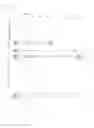

































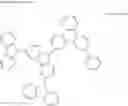



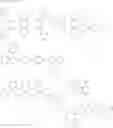

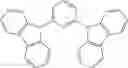

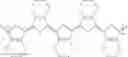






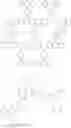

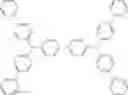


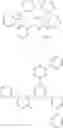



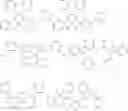
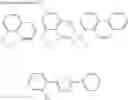

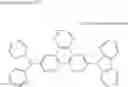

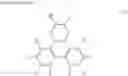
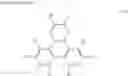
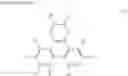
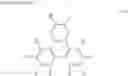
Sources:
- United States Patent and Trademark Office - verify current appl. status at the USPTO↗
Recent applications in this class:
- » 20240107880 2024-03-28
ORGANIC ELECTROLUMINESCENT MATERIALS AND DEVICES - » 20240008362 2024-01-04
LIGHT-EMITTING LAYER, LIGHT-EMITTING DEVICE AND LIGHT-EMITTING APPARATUS - » 20230320207 2023-10-05
PLURALITY OF HOST MATERIALS, ORGANIC ELECTROLUMINESCENT COMPOUND, AND ORGANIC ELECTROLUMINESCENT DEVICE COMPRISING THE SAME - » 20230309390 2023-09-28
Organic light-emitting device comprising emission layer satisfying specific singlet excitation energy level conditions - » 20230255108 2023-08-10
Phenanthroline-based compound and optoelectronic device comprising the same - » 20230232715 2023-07-20
LIGHT EMITTING DEVICE - » 20230232714 2023-07-20
LIGHT EMITTING ELEMENT AND POLYCYCLIC COMPOUND FOR THE SAME - » 20230217823 2023-07-06
ORGANIC ELECTROLUMINESCENT DEVICE - » 20230217821 2023-07-06
Light Emitting Device and Light Emitting Display Device Including the Same - » 20230217820 2023-07-06
PLURALITY OF HOST MATERIALS AND ORGANIC ELECTROLUMINESCENT DEVICE COMPRISING THE SAME