Scanning driving circuits and display panels
US20180211604A1
2018-07-26
15/325,149
2017-01-09
✅ Patent granted
US 10,204,562 B2
2019-02-12
WO; PCT/CN2017/070620; 20170109
WO; WO2018/120289; 20180705
Kevin M Nguyen
Andrew C. Cheng
2037-04-16
Abstract:
The pull-down control signal point relates to a scanning driving circuit and a display panel. The scanning driving circuit includes a pull-up control circuit configured for pulling up a level of a pull-up control signal point to be a high level or for pulling down the level of the pull-up control signal point to be a low level, a pull-down control circuit configured for pulling down the level of a pull-down control signal point to be the high level or for pulling down the level of the pull-down control signal point to be the low level, and the pull-down control circuit connects to the pull-up control circuit, and a scanning output circuit connects to the pull-up control circuit and the pull-down control circuit, and the scanning output circuit is configured for outputting the scanning driving signals of the high level or of the low level.
Assignee:
- Shenzhen China Star Optoelectronics Technology Co Ltd. 3,202 🇨🇳 Shenzhen, Guangdong, China
Applicant:
Interested in similar patents?
Get notified when new applications in this technology area are published.
Classification:
G09G2310/08 » CPC further
Command of the display device Details of timing specific for flat panels, other than clock recovery
G09G2330/021 » CPC further
Aspects of power supply; Aspects of display protection and defect management; Details of power systems and of start or stop of display operation Power management, e.g. power saving
G09G3/3266 » CPC main
Control arrangements or circuits, of interest only in connection with visual indicators other than cathode-ray tubes for presentation of an assembly of a number of characters, e.g. a page, by composing the assembly by combination of individual elements arranged in a matrix no fixed position being assigned to or needed to be assigned to the individual characters or partial characters using controlled light sources using electroluminescent panels semiconductive, e.g. using light-emitting diodes [LED] organic, e.g. using organic light-emitting diodes [OLED] Details of drivers for scan electrodes
G09G3/3677 » CPC further
Control arrangements or circuits, of interest only in connection with visual indicators other than cathode-ray tubes for presentation of an assembly of a number of characters, e.g. a page, by composing the assembly by combination of individual elements arranged in a matrix no fixed position being assigned to or needed to be assigned to the individual characters or partial characters by control of light from an independent source using liquid crystals; Control of matrices with row and column drivers; Details of drivers for scan electrodes suitable for active matrices only
G09G3/20 » CPC further
Control arrangements or circuits, of interest only in connection with visual indicators other than cathode-ray tubes for presentation of an assembly of a number of characters, e.g. a page, by composing the assembly by combination of individual elements arranged in a matrix no fixed position being assigned to or needed to be assigned to the individual characters or partial characters
G09G3/36 IPC
Control arrangements or circuits, of interest only in connection with visual indicators other than cathode-ray tubes for presentation of an assembly of a number of characters, e.g. a page, by composing the assembly by combination of individual elements arranged in a matrix no fixed position being assigned to or needed to be assigned to the individual characters or partial characters by control of light from an independent source using liquid crystals
Description
BACKGROUND OF THE INVENTION
1. Field of the Invention
The present disclosure relates to display technology, and more particularly to a scanning driving circuit and a display panel.
2. Discussion of the Related Art
Gate driver on Array (GOA) technology contributes to narrow-border design of display panels and low cost, and thus has been widely adopted and developed. Indium gallium zinc oxide (IGZO) is a very popular thin film transistor (TFT) active layer. IGZO TFTs have been characterized by attributes such as high mobility rate and good stability. Not only the complicated degree of the GOA circuit may be reduced, but also the dimension of the TFT, with respect to the a-Si, of the GOA circuit may be smaller. Such attribute contributes to the narrow-border design, also, the performance of the TFTs may be enhanced and the number of the TFTs may be decreased. As such, the circuit is simple, and the power consumption may be reduced. However, only a few of GOA circuits adopt IGZO, and thus, the circuit design is complex and the number of powers is great, which increases the power consumption.
SUMMARY
The present disclosure relates to a scanning driving circuit and a display panel for reducing a number of power supply and the number of TFTs so as to simplify the circuit and to reduce the power consumption.
In one aspect, a scanning driving circuit includes: a pull-up control circuit configured for pulling up a level of a pull-up control signal point to be a high level or for pulling down the level of the pull-up control signal point to be a low level; a pull-down control circuit configured for pulling down the level of a pull-down control signal point to be the high level or for pulling down the level of the pull-down control signal point to be the low level, and the pull-down control circuit connects to the pull-up control circuit; a scanning output circuit connects to the pull-up control circuit and the pull-down control circuit, and the scanning output circuit is configured for outputting the scanning driving signals of the high level or of the low level in accordance with the level of the pull-up control signal point or the level of the pull-down control signal point; the pull-up control circuit includes a first controllable transistor (T1) and a second controllable transistor (T2), a control end of the first controllable transistor (T1) receives high-level transfer signals, a first end of the first controllable transistor (T1) receives a turn-on voltage (VGH), a second end of the first controllable transistor (T1) connects to a first end of the second controllable transistor (T2), the pull-down control circuit, and the scanning output circuit; a control end of the second controllable transistor (T2) connects to the pull-down control circuit and the scanning output, and a second end of the second controllable transistor (T2) connects to the pull-down control circuit and the scanning output 30 to receive a turn-off voltage (VSS); the pull-down control circuit includes a third controllable transistor through a ninth controllable transistor (T3-T9), a control end of the third controllable transistor (T3) receives low-level transfer signals, a first end of the third controllable transistor (T3) connects to a first end of the sixth controllable transistor (T6) and a first end of the eighth controllable transistor (T8) and receives the turn-on voltage (VGH), a second end of the third controllable transistor (T3) connects to a first end of the fourth controllable transistor (T4), a first end of the fifth controllable transistor (T5), the seventh controllable transistor (T7) and the ninth controllable transistor (T9), a second end of the ninth controllable transistor (T9), and a control end of the second controllable transistor (T2); a control end of the fourth controllable transistor (T4) connects to the second end of the first controllable transistor (T1), a second end of the fourth controllable transistor (T4) connects to a second end of the fifth controllable transistor (T5), the second end of the second controllable transistor (T2), and the scanning output circuit, and the second end of the fourth controllable transistor (T4) receives the turn-off voltage (VSS); a control end of the fifth controllable transistor (T5) receives high-level scanning signals, a control end of the sixth controllable transistor (T6) receives first clock signals, a second end of the sixth controllable transistor (T6) connects to a first end of the seventh controllable transistor (T7), a control end of the seventh controllable transistor (T7) receives the second clock signals, a control end of the eighth controllable transistor (T8) receives the third clock signals, a second end of the eighth controllable transistor (T8) connects to a first end of the ninth controllable transistor (T9), and a control end of the ninth controllable transistor (T9) receives the fourth clock signals; the scanning output circuit includes a tenth controllable transistor (T10) through a thirteenth controllable transistor (T13) and a capacitor (C1), a control end of the tenth controllable transistor (T10) connects to the second end of the first controllable transistor (T1), the first end of the second controllable transistor (T2), and a control end of the eleventh controllable transistor (T11), a first end of the tenth controllable transistor (T10) connects to a first end of the eleventh controllable transistor (T11) and receives the fourth clock signals, a second end of the tenth controllable transistor (T10) receives current-level transfer signals, a second end of the eleventh controllable transistor (T11) connects to a scanning signal output end for outputting the current-level transfer signals and a first end of the thirteenth controllable transistor (T13), a control end of the thirteenth controllable transistor (T13) receives the second clock signals, a second end of the thirteenth controllable transistor (T13) connects to the second end of the twelfth controllable transistor (T12), the second end of the second controllable transistor (T2), the second end of the fifth controllable transistor (T5), and the second end of the fourth controllable transistor (T4), and receives the turn-off voltage (VSS); a control end of the twelfth controllable transistor (T12) connects to the control end of the second controllable transistor (T2), a first end of the twelfth controllable transistor (T12) connects to the second end of the eleventh controllable transistor (T11), the first end of the thirteenth controllable transistor (T13), and the scanning signal output end; and the capacitor (C1) connects between the control end of the tenth controllable transistor (T10) and the first end of the twelfth controllable transistor (T12); the first through the thirteenth controllable transistors (T1-T13) are N-type IGZO TFTs, and the control ends, the first ends, and the second ends of the first through the thirteenth controllable transistors (T1-T13) respectively corresponds to a gate, a drain, and a source of the N-type IGZO TFTs; and the level of the second clock signals is opposite to that of the fourth clock signals, and the level of the third clock signals is opposite to that of the first clock signals, a duty cycle ratio of the first to the fourth clock signals (CK1-CK4) is 50%, an overlapped period of two adjacent clock signals is about half of the width of the clock signals, a voltage of the first to the fourth clock signals (CK1-CK4) is in a range from −8V to 28V, the turn-on voltage (VGH) is 29V, and the turn-off voltage (VSS) is −6V.
In another aspect, a scanning driving circuit includes: a pull-up control circuit configured for pulling up a level of a pull-up control signal point to be a high level or for pulling down the level of the pull-up control signal point to be a low level; a pull-down control circuit configured for pulling down the level of a pull-down control signal point to be the high level or for pulling down the level of the pull-down control signal point to be the low level, and the pull-down control circuit connects to the pull-up control circuit; and a scanning output circuit connects to the pull-up control circuit and the pull-down control circuit, and the scanning output circuit is configured for outputting the scanning driving signals of the high level or of the low level in accordance with the level of the pull-up control signal point or the level of the pull-down control signal point.
Wherein the pull-up control circuit includes a first controllable transistor (T1) and a second controllable transistor (T2), a control end of the first controllable transistor (T1) receives high-level transfer signals, a first end of the first controllable transistor (T1) receives a turn-on voltage (VGH), a second end of the first controllable transistor (T1) connects to a first end of the second controllable transistor (T2), the pull-down control circuit, and the scanning output circuit; and a control end of the second controllable transistor (T2) connects to the pull-down control circuit and the scanning output, and a second end of the second controllable transistor (T2) connects to the pull-down control circuit and the scanning output 30 to receive a turn-off voltage (VSS).
Wherein the pull-down control circuit includes a third controllable transistor through a ninth controllable transistor (T3-T9), a control end of the third controllable transistor (T3) receives low-level transfer signals, a first end of the third controllable transistor (T3) connects to a first end of the sixth controllable transistor (T6) and a first end of the eighth controllable transistor (T8) and receives the turn-on voltage (VGH), a second end of the third controllable transistor (T3) connects to a first end of the fourth controllable transistor (T4), a first end of the fifth controllable transistor (T5), the seventh controllable transistor (T7) and the ninth controllable transistor (T9), a second end of the ninth controllable transistor (T9), and a control end of the second controllable transistor (T2); a control end of the fourth controllable transistor (T4) connects to the second end of the first controllable transistor (T1), a second end of the fourth controllable transistor (T4) connects to a second end of the fifth controllable transistor (T5), the second end of the second controllable transistor (T2), and the scanning output circuit, and the second end of the fourth controllable transistor (T4) receives the turn-off voltage (VSS); a control end of the fifth controllable transistor (T5) receives high-level scanning signals, a control end of the sixth controllable transistor (T6) receives first clock signals, a second end of the sixth controllable transistor (T6) connects to a first end of the seventh controllable transistor (T7), a control end of the seventh controllable transistor (T7) receives the second clock signals, a control end of the eighth controllable transistor (T8) receives the third clock signals, a second end of the eighth controllable transistor (T8) connects to a first end of the ninth controllable transistor (T9), and a control end of the ninth controllable transistor (T9) receives the fourth clock signals.
Wherein the scanning output circuit includes a tenth controllable transistor (T10) through a thirteenth controllable transistor (T13) and a capacitor (C1), a control end of the tenth controllable transistor (T10) connects to the second end of the first controllable transistor (T1), the first end of the second controllable transistor (T2), and a control end of the eleventh controllable transistor (T11), a first end of the tenth controllable transistor (T10) connects to a first end of the eleventh controllable transistor (T11) and receives the fourth clock signals, a second end of the tenth controllable transistor (T10) receives current-level transfer signals, a second end of the eleventh controllable transistor (T11) connects to a scanning signal output end for outputting the current-level transfer signals and a first end of the thirteenth controllable transistor (T13), a control end of the thirteenth controllable transistor (T13) receives the second clock signals, a second end of the thirteenth controllable transistor (T13) connects to the second end of the twelfth controllable transistor (T12), the second end of the second controllable transistor (T2), the second end of the fifth controllable transistor (T5), and the second end of the fourth controllable transistor (T4), and receives the turn-off voltage (VSS); a control end of the twelfth controllable transistor (T12) connects to the control end of the second controllable transistor (T2), a first end of the twelfth controllable transistor (T12) connects to the second end of the eleventh controllable transistor (T11), the first end of the thirteenth controllable transistor (T13), and the scanning signal output end; and the capacitor (C1) connects between the control end of the tenth controllable transistor (T10) and the first end of the twelfth controllable transistor (T12).
Wherein the first through the thirteenth controllable transistors (T1-T13) are N-type IGZO TFTs, and the control ends, the first ends, and the second ends of the first through the thirteenth controllable transistors (T1-T13) respectively corresponds to a gate, a drain, and a source of the N-type IGZO TFTs.
Wherein the level of the second clock signals is opposite to that of the fourth clock signals, and the level of the third clock signals is opposite to that of the first clock signals, a duty cycle ratio of the first to the fourth clock signals (CK1-CK4) is 50%, an overlapped period of two adjacent clock signals is about half of the width of the clock signals, a voltage of the first to the fourth clock signals (CK1-CK4) is in a range from −8V to 28V, the turn-on voltage (VGH) is 29V, and the turn-off voltage (VSS) is −6V.
Wherein the pull-down control circuit includes a third controllable transistor through a ninth controllable transistor (T3-T9), a control end of the third controllable transistor (T3) receives low-level transfer signals, a first end of the third controllable transistor (T3) connects to a first end of the sixth controllable transistor (T6) and a first end of the eighth controllable transistor (T8) and receives the turn-on voltage (VGH), a second end of the third controllable transistor (T3) connects to a first end of the fourth controllable transistor (T4), a first end of the fifth controllable transistor (T5), the seventh controllable transistor (T7) and the ninth controllable transistor (T9), a second end of the ninth controllable transistor (T9), and a control end of the second controllable transistor (T2); a control end of the fourth controllable transistor (T4) connects to the second end of the first controllable transistor (T1), a second end of the fourth controllable transistor (T4) connects to a second end of the fifth controllable transistor (T5), the second end of the second controllable transistor (T2), and the scanning output circuit, and the second end of the fourth controllable transistor (T4) receives the turn-off voltage (VSS); a control end of the fifth controllable transistor (T5) receives high-level scanning signals, a control end of the sixth controllable transistor (T6) receives second clock signals, a second end of the sixth controllable transistor (T6) connects to a first end of the seventh controllable transistor (T7), a control end of the seventh controllable transistor (T7) receives the third clock signals, a control end of the eighth controllable transistor (T8) receives the fourth clock signals, a second end of the eighth controllable transistor (T8) connects to a first end of the ninth controllable transistor (T9), and a control end of the ninth controllable transistor (T9) receives the first clock signals; wherein the scanning output circuit includes a tenth controllable transistor (T10) through a thirteenth controllable transistor (T13) and a capacitor (C1), a control end of the tenth controllable transistor (T10) connects to the second end of the first controllable transistor (T1), the first end of the second controllable transistor (T2), and a control end of the eleventh controllable transistor (T11), a first end of the tenth controllable transistor (T10) connects to a first end of the eleventh controllable transistor (T11) and receives the fourth clock signals, a second end of the tenth controllable transistor (T10) receives current-level transfer signals, a second end of the eleventh controllable transistor (T11) connects to a scanning signal output end for outputting the current-level transfer signals and a first end of the thirteenth controllable transistor (T13), a control end of the thirteenth controllable transistor (T13) receives the second clock signals, a second end of the thirteenth controllable transistor (T13) connects to the second end of the twelfth controllable transistor (T12), the second end of the second controllable transistor (T2), the second end of the fifth controllable transistor (T5), and the second end of the fourth controllable transistor (T4), and receives the turn-off voltage (VSS); a control end of the twelfth controllable transistor (T12) connects to the control end of the second controllable transistor (T2), a first end of the twelfth controllable transistor (T12) connects to the second end of the eleventh controllable transistor (T11), the first end of the thirteenth controllable transistor (T13), and the scanning signal output end; and the capacitor (C1) connects between the control end of the tenth controllable transistor (T10) and the first end of the twelfth controllable transistor (T12).
Wherein the pull-down control circuit includes a third controllable transistor through a ninth controllable transistor (T3-T9), a control end of the third controllable transistor (T3) receives low-level transfer signals, a first end of the third controllable transistor (T3) connects to a first end of the sixth controllable transistor (T6) and a first end of the eighth controllable transistor (T8) and receives the turn-on voltage (VGH), a second end of the third controllable transistor (T3) connects to a first end of the fourth controllable transistor (T4), a first end of the fifth controllable transistor (T5), the seventh controllable transistor (T7) and the ninth controllable transistor (T9), a second end of the ninth controllable transistor (T9), and a control end of the second controllable transistor (T2); a control end of the fourth controllable transistor (T4) connects to the second end of the first controllable transistor (T1), a second end of the fourth controllable transistor (T4) connects to a second end of the fifth controllable transistor (T5), the second end of the second controllable transistor (T2), and the scanning output circuit, and the second end of the fourth controllable transistor (T4) receives the turn-off voltage (VSS); a control end of the fifth controllable transistor (T5) receives high-level scanning signals, a control end of the sixth controllable transistor (T6) receives third clock signals, a second end of the sixth controllable transistor (T6) connects to a first end of the seventh controllable transistor (T7), a control end of the seventh controllable transistor (T7) receives the fourth clock signals, a control end of the eighth controllable transistor (T8) receives the first clock signals, a second end of the eighth controllable transistor (T8) connects to a first end of the ninth controllable transistor (T9), and a control end of the ninth controllable transistor (T9) receives the second clock signals; wherein the scanning output circuit includes a tenth controllable transistor (T10) through a thirteenth controllable transistor (T13) and a capacitor (C1), a control end of the tenth controllable transistor (T10) connects to the second end of the first controllable transistor (T1), the first end of the second controllable transistor (T2), and a control end of the eleventh controllable transistor (T11), a first end of the tenth controllable transistor (T10) connects to a first end of the eleventh controllable transistor (T11) and receives the fourth clock signals, a second end of the tenth controllable transistor (T10) receives current-level transfer signals, a second end of the eleventh controllable transistor (T11) connects to a scanning signal output end for outputting the current-level transfer signals and a first end of the thirteenth controllable transistor (T13), a control end of the thirteenth controllable transistor (T13) receives the second clock signals, a second end of the thirteenth controllable transistor (T13) connects to the second end of the twelfth controllable transistor (T12), the second end of the second controllable transistor (T2), the second end of the fifth controllable transistor (T5), and the second end of the fourth controllable transistor (T4), and receives the turn-off voltage (VSS); a control end of the twelfth controllable transistor (T12) connects to the control end of the second controllable transistor (T2), a first end of the twelfth controllable transistor (T12) connects to the second end of the eleventh controllable transistor (T11), the first end of the thirteenth controllable transistor (T13), and the scanning signal output end; and the capacitor (C1) connects between the control end of the tenth controllable transistor (T10) and the first end of the twelfth controllable transistor (T12).
Wherein the pull-down control circuit includes a third controllable transistor through a ninth controllable transistor (T3-T9), a control end of the third controllable transistor (T3) receives low-level transfer signals, a first end of the third controllable transistor (T3) connects to a first end of the sixth controllable transistor (T6) and a first end of the eighth controllable transistor (T8) and receives the turn-on voltage (VGH), a second end of the third controllable transistor (T3) connects to a first end of the fourth controllable transistor (T4), a first end of the fifth controllable transistor (T5), the seventh controllable transistor (T7) and the ninth controllable transistor (T9), a second end of the ninth controllable transistor (T9), and a control end of the second controllable transistor (T2); a control end of the fourth controllable transistor (T4) connects to the second end of the first controllable transistor (T1), a second end of the fourth controllable transistor (T4) connects to a second end of the fifth controllable transistor (T5), the second end of the second controllable transistor (T2), and the scanning output circuit, and the second end of the fourth controllable transistor (T4) receives the turn-off voltage (VSS); a control end of the fifth controllable transistor (T5) receives high-level scanning signals, a control end of the sixth controllable transistor (T6) receives fourth clock signals, a second end of the sixth controllable transistor (T6) connects to a first end of the seventh controllable transistor (T7), a control end of the seventh controllable transistor (T7) receives the first clock signals, a control end of the eighth controllable transistor (T8) receives the first clock signals, a second end of the eighth controllable transistor (T8) connects to a second end of the ninth controllable transistor (T9), and a control end of the ninth controllable transistor (T9) receives the third clock signals; wherein the scanning output circuit includes a tenth controllable transistor (T10) through a thirteenth controllable transistor (T13) and a capacitor (C1), a control end of the tenth controllable transistor (T10) connects to the second end of the first controllable transistor (T1), the first end of the second controllable transistor (T2), and a control end of the eleventh controllable transistor (T11), a first end of the tenth controllable transistor (T10) connects to a first end of the eleventh controllable transistor (T11) and receives the fourth clock signals, a second end of the tenth controllable transistor (T10) receives current-level transfer signals, a second end of the eleventh controllable transistor (T11) connects to a scanning signal output end for outputting the current-level transfer signals and a first end of the thirteenth controllable transistor (T13), a control end of the thirteenth controllable transistor (T13) receives the second clock signals, a second end of the thirteenth controllable transistor (T13) connects to the second end of the twelfth controllable transistor (T12), the second end of the second controllable transistor (T2), the second end of the fifth controllable transistor (T5), and the second end of the fourth controllable transistor (T4), and receives the turn-off voltage (VSS); a control end of the twelfth controllable transistor (T12) connects to the control end of the second controllable transistor (T2), a first end of the twelfth controllable transistor (T12) connects to the second end of the eleventh controllable transistor (T11), the first end of the thirteenth controllable transistor (T13), and the scanning signal output end; and the capacitor (C1) connects between the control end of the tenth controllable transistor (T10) and the first end of the twelfth controllable transistor (T12).
In another aspect, a display panel includes: a scanning driving circuit includes: a pull-up control circuit configured for pulling up a level of a pull-up control signal point to be a high level or for pulling down the level of the pull-up control signal point to be a low level; a pull-down control circuit configured for pulling down the level of a pull-down control signal point to be the high level or for pulling down the level of the pull-down control signal point to be the low level, and the pull-down control circuit connects to the pull-up control circuit; and a scanning output circuit connects to the pull-up control circuit and the pull-down control circuit, and the scanning output circuit is configured for outputting the scanning driving signals of the high level or of the low level in accordance with the level of the pull-up control signal point or the level of the pull-down control signal point.
Wherein the pull-up control circuit includes a first controllable transistor (T1) and a second controllable transistor (T2), a control end of the first controllable transistor (T1) receives high-level transfer signals, a first end of the first controllable transistor (T1) receives a turn-on voltage (VGH), a second end of the first controllable transistor (T1) connects to a first end of the second controllable transistor (T2), the pull-down control circuit, and the scanning output circuit; and a control end of the second controllable transistor (T2) connects to the pull-down control circuit and the scanning output, and a second end of the second controllable transistor (T2) connects to the pull-down control circuit and the scanning output 30 to receive a turn-off voltage (VSS).
Wherein the pull-down control circuit includes a third controllable transistor through a ninth controllable transistor (T3-T9), a control end of the third controllable transistor (T3) receives low-level transfer signals, a first end of the third controllable transistor (T3) connects to a first end of the sixth controllable transistor (T6) and a first end of the eighth controllable transistor (T8) and receives the turn-on voltage (VGH), a second end of the third controllable transistor (T3) connects to a first end of the fourth controllable transistor (T4), a first end of the fifth controllable transistor (T5), the seventh controllable transistor (T7) and the ninth controllable transistor (T9), a second end of the ninth controllable transistor (T9), and a control end of the second controllable transistor (T2); a control end of the fourth controllable transistor (T4) connects to the second end of the first controllable transistor (T1), a second end of the fourth controllable transistor (T4) connects to a second end of the fifth controllable transistor (T5), the second end of the second controllable transistor (T2), and the scanning output circuit, and the second end of the fourth controllable transistor (T4) receives the turn-off voltage (VSS); a control end of the fifth controllable transistor (T5) receives high-level scanning signals, a control end of the sixth controllable transistor (T6) receives first clock signals, a second end of the sixth controllable transistor (T6) connects to a first end of the seventh controllable transistor (T7), a control end of the seventh controllable transistor (T7) receives the second clock signals, a control end of the eighth controllable transistor (T8) receives the third clock signals, a second end of the eighth controllable transistor (T8) connects to a first end of the ninth controllable transistor (T9), and a control end of the ninth controllable transistor (T9) receives the fourth clock signals.
Wherein the scanning output circuit includes a tenth controllable transistor (T10) through a thirteenth controllable transistor (T13) and a capacitor (C1), a control end of the tenth controllable transistor (T10) connects to the second end of the first controllable transistor (T1), the first end of the second controllable transistor (T2), and a control end of the eleventh controllable transistor (T11), a first end of the tenth controllable transistor (T10) connects to a first end of the eleventh controllable transistor (T11) and receives the fourth clock signals, a second end of the tenth controllable transistor (T10) receives current-level transfer signals, a second end of the eleventh controllable transistor (T11) connects to a scanning signal output end for outputting the current-level transfer signals and a first end of the thirteenth controllable transistor (T13), a control end of the thirteenth controllable transistor (T13) receives the second clock signals, a second end of the thirteenth controllable transistor (T13) connects to the second end of the twelfth controllable transistor (T12), the second end of the second controllable transistor (T2), the second end of the fifth controllable transistor (T5), and the second end of the fourth controllable transistor (T4), and receives the turn-off voltage (VSS); a control end of the twelfth controllable transistor (T12) connects to the control end of the second controllable transistor (T2), a first end of the twelfth controllable transistor (T12) connects to the second end of the eleventh controllable transistor (T11), the first end of the thirteenth controllable transistor (T13), and the scanning signal output end; and the capacitor (C1) connects between the control end of the tenth controllable transistor (T10) and the first end of the twelfth controllable transistor (T12).
Wherein the first through the thirteenth controllable transistors (T1-T13) are N-type IGZO TFTs, and the control ends, the first ends, and the second ends of the first through the thirteenth controllable transistors (T1-T13) respectively corresponds to a gate, a drain, and a source of the N-type IGZO TFTs.
Wherein the level of the second clock signals is opposite to that of the fourth clock signals, and the level of the third clock signals is opposite to that of the first clock signals, a duty cycle ratio of the first to the fourth clock signals (CK1-CK4) is 50%, an overlapped period of two adjacent clock signals is about half of the width of the clock signals, a voltage of the first to the fourth clock signals (CK1-CK4) is in a range from −8V to 28V, the turn-on voltage (VGH) is 29V, and the turn-off voltage (VSS) is −6V.
Wherein the pull-down control circuit includes a third controllable transistor through a ninth controllable transistor (T3-T9), a control end of the third controllable transistor (T3) receives low-level transfer signals, a first end of the third controllable transistor (T3) connects to a first end of the sixth controllable transistor (T6) and a first end of the eighth controllable transistor (T8) and receives the turn-on voltage (VGH), a second end of the third controllable transistor (T3) connects to a first end of the fourth controllable transistor (T4), a first end of the fifth controllable transistor (T5), the seventh controllable transistor (T7) and the ninth controllable transistor (T9), a second end of the ninth controllable transistor (T9), and a control end of the second controllable transistor (T2); a control end of the fourth controllable transistor (T4) connects to the second end of the first controllable transistor (T1), a second end of the fourth controllable transistor (T4) connects to a second end of the fifth controllable transistor (T5), the second end of the second controllable transistor (T2), and the scanning output circuit, and the second end of the fourth controllable transistor (T4) receives the turn-off voltage (VSS); a control end of the fifth controllable transistor (T5) receives high-level scanning signals, a control end of the sixth controllable transistor (T6) receives second clock signals, a second end of the sixth controllable transistor (T6) connects to a first end of the seventh controllable transistor (T7), a control end of the seventh controllable transistor (T7) receives the third clock signals, a control end of the eighth controllable transistor (T8) receives the fourth clock signals, a second end of the eighth controllable transistor (T8) connects to a first end of the ninth controllable transistor (T9), and a control end of the ninth controllable transistor (T9) receives the first clock signals; wherein the scanning output circuit includes a tenth controllable transistor (T10) through a thirteenth controllable transistor (T13) and a capacitor (C1), a control end of the tenth controllable transistor (T10) connects to the second end of the first controllable transistor (T1), the first end of the second controllable transistor (T2), and a control end of the eleventh controllable transistor (T11), a first end of the tenth controllable transistor (T10) connects to a first end of the eleventh controllable transistor (T11) and receives the fourth clock signals, a second end of the tenth controllable transistor (T10) receives current-level transfer signals, a second end of the eleventh controllable transistor (T11) connects to a scanning signal output end for outputting the current-level transfer signals and a first end of the thirteenth controllable transistor (T13), a control end of the thirteenth controllable transistor (T13) receives the second clock signals, a second end of the thirteenth controllable transistor (T13) connects to the second end of the twelfth controllable transistor (T12), the second end of the second controllable transistor (T2), the second end of the fifth controllable transistor (T5), and the second end of the fourth controllable transistor (T4), and receives the turn-off voltage (VSS); a control end of the twelfth controllable transistor (T12) connects to the control end of the second controllable transistor (T2), a first end of the twelfth controllable transistor (T12) connects to the second end of the eleventh controllable transistor (T11), the first end of the thirteenth controllable transistor (T13), and the scanning signal output end; and the capacitor (C1) connects between the control end of the tenth controllable transistor (T10) and the first end of the twelfth controllable transistor (T12).
Wherein the pull-down control circuit includes a third controllable transistor through a ninth controllable transistor (T3-T9), a control end of the third controllable transistor (T3) receives low-level transfer signals, a first end of the third controllable transistor (T3) connects to a first end of the sixth controllable transistor (T6) and a first end of the eighth controllable transistor (T8) and receives the turn-on voltage (VGH), a second end of the third controllable transistor (T3) connects to a first end of the fourth controllable transistor (T4), a first end of the fifth controllable transistor (T5), the seventh controllable transistor (T7) and the ninth controllable transistor (T9), a second end of the ninth controllable transistor (T9), and a control end of the second controllable transistor (T2); a control end of the fourth controllable transistor (T4) connects to the second end of the first controllable transistor (T1), a second end of the fourth controllable transistor (T4) connects to a second end of the fifth controllable transistor (T5), the second end of the second controllable transistor (T2), and the scanning output circuit, and the second end of the fourth controllable transistor (T4) receives the turn-off voltage (VSS); a control end of the fifth controllable transistor (T5) receives high-level scanning signals, a control end of the sixth controllable transistor (T6) receives third clock signals, a second end of the sixth controllable transistor (T6) connects to a first end of the seventh controllable transistor (T7), a control end of the seventh controllable transistor (T7) receives the fourth clock signals, a control end of the eighth controllable transistor (T8) receives the first clock signals, a second end of the eighth controllable transistor (T8) connects to a first end of the ninth controllable transistor (T9), and a control end of the ninth controllable transistor (T9) receives the second clock signals; wherein the scanning output circuit includes a tenth controllable transistor (T10) through a thirteenth controllable transistor (T13) and a capacitor (C1), a control end of the tenth controllable transistor (T10) connects to the second end of the first controllable transistor (T1), the first end of the second controllable transistor (T2), and a control end of the eleventh controllable transistor (T11), a first end of the tenth controllable transistor (T10) connects to a first end of the eleventh controllable transistor (T11) and receives the fourth clock signals, a second end of the tenth controllable transistor (T10) receives current-level transfer signals, a second end of the eleventh controllable transistor (T11) connects to a scanning signal output end for outputting the current-level transfer signals and a first end of the thirteenth controllable transistor (T13), a control end of the thirteenth controllable transistor (T13) receives the second clock signals, a second end of the thirteenth controllable transistor (T13) connects to the second end of the twelfth controllable transistor (T12), the second end of the second controllable transistor (T2), the second end of the fifth controllable transistor (T5), and the second end of the fourth controllable transistor (T4), and receives the turn-off voltage (VSS); a control end of the twelfth controllable transistor (T12) connects to the control end of the second controllable transistor (T2), a first end of the twelfth controllable transistor (T12) connects to the second end of the eleventh controllable transistor (T11), the first end of the thirteenth controllable transistor (T13), and the scanning signal output end; and the capacitor (C1) connects between the control end of the tenth controllable transistor (T10) and the first end of the twelfth controllable transistor (T12).
Wherein the pull-down control circuit includes a third controllable transistor through a ninth controllable transistor (T3-T9), a control end of the third controllable transistor (T3) receives low-level transfer signals, a first end of the third controllable transistor (T3) connects to a first end of the sixth controllable transistor (T6) and a first end of the eighth controllable transistor (T8) and receives the turn-on voltage (VGH), a second end of the third controllable transistor (T3) connects to a first end of the fourth controllable transistor (T4), a first end of the fifth controllable transistor (T5), the seventh controllable transistor (T7) and the ninth controllable transistor (T9), a second end of the ninth controllable transistor (T9), and a control end of the second controllable transistor (T2); a control end of the fourth controllable transistor (T4) connects to the second end of the first controllable transistor (T1), a second end of the fourth controllable transistor (T4) connects to a second end of the fifth controllable transistor (T5), the second end of the second controllable transistor (T2), and the scanning output circuit, and the second end of the fourth controllable transistor (T4) receives the turn-off voltage (VSS); a control end of the fifth controllable transistor (T5) receives high-level scanning signals, a control end of the sixth controllable transistor (T6) receives fourth clock signals, a second end of the sixth controllable transistor (T6) connects to a first end of the seventh controllable transistor (T7), a control end of the seventh controllable transistor (T7) receives the first clock signals, a control end of the eighth controllable transistor (T8) receives the first clock signals, a second end of the eighth controllable transistor (T8) connects to a second end of the ninth controllable transistor (T9), and a control end of the ninth controllable transistor (T9) receives the third clock signals; wherein the scanning output circuit includes a tenth controllable transistor (T10) through a thirteenth controllable transistor (T13) and a capacitor (C1), a control end of the tenth controllable transistor (T10) connects to the second end of the first controllable transistor (T1), the first end of the second controllable transistor (T2), and a control end of the eleventh controllable transistor (T11), a first end of the tenth controllable transistor (T10) connects to a first end of the eleventh controllable transistor (T11) and receives the fourth clock signals, a second end of the tenth controllable transistor (T10) receives current-level transfer signals, a second end of the eleventh controllable transistor (T11) connects to a scanning signal output end for outputting the current-level transfer signals and a first end of the thirteenth controllable transistor (T13), a control end of the thirteenth controllable transistor (T13) receives the second clock signals, a second end of the thirteenth controllable transistor (T13) connects to the second end of the twelfth controllable transistor (T12), the second end of the second controllable transistor (T2), the second end of the fifth controllable transistor (T5), and the second end of the fourth controllable transistor (T4), and receives the turn-off voltage (VSS); a control end of the twelfth controllable transistor (T12) connects to the control end of the second controllable transistor (T2), a first end of the twelfth controllable transistor (T12) connects to the second end of the eleventh controllable transistor (T11), the first end of the thirteenth controllable transistor (T13), and the scanning signal output end; and the capacitor (C1) connects between the control end of the tenth controllable transistor (T10) and the first end of the twelfth controllable transistor (T12).
In view of the above, by configuring the IGZO TFTs in the above pull-up control circuit, the pull-down control circuit, and the scanning output circuit, the number of the power supply and the number of TFTs are reduced so as to simplify the circuit and to reduce the power consumption.
BRIEF DESCRIPTION OF THE DRAWINGS
FIG. 1 is a circuit diagram of the scanning driving circuit in accordance with a first embodiment.
FIG. 2 is a wave diagram of the scanning driving circuit in accordance with one embodiment.
FIG. 3 is a circuit diagram of the scanning driving circuit in accordance with a second embodiment.
FIG. 4 is a circuit diagram of the scanning driving circuit in accordance with a third embodiment.
FIG. 5 is a circuit diagram of the scanning driving circuit in accordance with a fourth embodiment.
FIG. 6 is a schematic view of the display panel in accordance with one embodiment.
DETAILED DESCRIPTION OF THE EMBODIMENTS
Embodiments of the invention will now be described more fully hereinafter with reference to the accompanying drawings, in which embodiments of the invention are shown.
FIGS. 1 and 2 are circuit diagrams of the scanning driving circuit 1 in accordance with one embodiment. The scanning driving circuit 1 includes: a pull-up control circuit 10 for pulling up a level of a pull-up control signal point to be a high level or for pulling down the level of the pull-up control signal point to be a low level; a pull-down control circuit 20 for pulling down the level of a pull-down control signal point to be the high level or for pulling down the level of the pull-down control signal point to be the low level, and the pull-down control circuit 20 connects to the pull-up control circuit 10; and a scanning output circuit 30 connecting to the pull-up control circuit 10 and the pull-down control circuit 20, and the scanning output circuit 30 is configured for outputting the scanning driving signals of the high level or of the low level in accordance with the level of the pull-up control signal point or the level of the pull-down control signal point.
The pull-up control circuit 10 includes a first controllable transistor (T1) and a second controllable transistor (T2), a control end of the first controllable transistor (T1) receives high-level transfer signals, a first end of the first controllable transistor (T1) receives a turn-on voltage (VGH), a second end of the first controllable transistor (T1) connects to a first end of the second controllable transistor (T2), the pull-down control circuit 20, and the scanning output circuit 30; a control end of the second controllable transistor (T2) connects to the pull-down control circuit 20 and the scanning output circuit 30, and a second end of the second controllable transistor (T2) connects to the pull-down control circuit 20 and the scanning output circuit 30 to receive a turn-off voltage (VSS).
The pull-down control circuit 20 includes a third controllable transistor through a ninth controllable transistor (T3-T9), a control end of the third controllable transistor (T3) receives low-level transfer signals, a first end of the third controllable transistor (T3) connects to a first end of the sixth controllable transistor (T6) and a first end of the eighth controllable transistor (T8) and receives the turn-on voltage (VGH), a second end of the third controllable transistor (T3) connects to a first end of the fourth controllable transistor (T4), a first end of the fifth controllable transistor (T5), the seventh controllable transistor (T7) and the ninth controllable transistor (T9), a second end of the ninth controllable transistor (T9), and a control end of the second controllable transistor (T2); a control end of the fourth controllable transistor (T4) connects to the second end of the first controllable transistor (T1), a second end of the fourth controllable transistor (T4) connects to a second end of the fifth controllable transistor (T5), the second end of the second controllable transistor (T2), and the scanning output circuit 30, and the second end of the fourth controllable transistor (T4) receives the turn-off voltage (VSS); a control end of the fifth controllable transistor (T5) receives high-level scanning signals, a control end of the sixth controllable transistor (T6) receives first clock signals (CK2), a second end of the sixth controllable transistor (T6) connects to a first end of the seventh controllable transistor (T7), a control end of the seventh controllable transistor (T7) receives the second clock signals (CK3), a control end of the eighth controllable transistor (T8) receives the third clock signals (CK4), a second end of the eighth controllable transistor (T8) connects to a first end of the ninth controllable transistor (T9), and a control end of the ninth controllable transistor (T9) receives the fourth clock signals (CK1).
The scanning output circuit 30 includes a tenth controllable transistor (T10) through a thirteenth controllable transistor (T13) and a capacitor (C1), a control end of the tenth controllable transistor (T10) connects to the second end of the first controllable transistor (T1), the first end of the second controllable transistor (T2), and a control end of the eleventh controllable transistor (T11), a first end of the tenth controllable transistor (T10) connects to a first end of the eleventh controllable transistor (T11) and receives the fourth clock signals (CK1), a second end of the tenth controllable transistor (T10) receives current-level transfer signals, a second end of the eleventh controllable transistor (T11) connects to a scanning signal output end for outputting the current-level transfer signals and a first end of the thirteenth controllable transistor (T13), a control end of the thirteenth controllable transistor (T13) receives the second clock signals (CK3), a second end of the thirteenth controllable transistor (T13) connects to the second end of the twelfth controllable transistor (T12), the second end of the second controllable transistor (T2), the second end of the fifth controllable transistor (T5), and the second end of the fourth controllable transistor (T4), and receives the turn-off voltage (VSS); a control end of the twelfth controllable transistor (T12) connects to the control end of the second controllable transistor (T2), a first end of the twelfth controllable transistor (T12) connects to the second end of the eleventh controllable transistor (T11), the first end of the thirteenth controllable transistor (T13), and the scanning signal output end; and the capacitor (C1) connects between the control end of the tenth controllable transistor (T10) and the first end of the twelfth controllable transistor (T12).
In the embodiment, the first through the thirteenth controllable transistors (T1-T13) are N-type IGZO TFTs, and the control ends, the first ends, and the second ends of the first through the thirteenth controllable transistors (T1-T13) respectively corresponds to the gate, the drain, and the source of the N-type IGZO TFTs. In other embodiments, the transistors of other types may be adopted.
In the embodiment, the level of the second clock signals (CK2) is opposite to that of the fourth clock signals (CK4), and the level of the third clock signals (CK3) is opposite to that of the first clock signals (CK1). The duty cycle ratio of the first to the fourth clock signals (CK1-CK4) is 50%. An overlapped period of two adjacent clock signals is about half of the width of the clock signals. The voltage of the first to the fourth clock signals (CK1-CK4) is in a range from −8V to 28V. The turn-on voltage (VGH) is 29V, and the turn-off voltage (VSS) is −6V.
The high-level transfer signals are ST(N−2), the current-level transfer signals are ST (N), the current-level scanning signals are G(N), the high-level scanning signals are G(N−1), the low-level transfer signals are G(N+2), the first clock signals are CK2, the second clock signals are CK3, the third clock signals are CK4, and the fourth clock signals are CK1, the turn-on voltage is denoted as VGH, and the turn-off voltage (VSS) is denoted as VSS.
The operational principle of the scanning driving circuit will be described hereinafter, wherein the scanning signals G(5) are taken as one example.
Wherein the current-level scanning signals G(N)=G(5), the high-level transfer signals ST(N−2)=ST(3), the current-level transfer signals ST(N)=ST(3), the high-level scanning signals G(N−1)=G(4), the low-level scanning signals G(N+2)=G(7), the pull-up control signal point Q(N)=Q(5), and a pull-down control signal point P(N)=P(5).
When the high-level transfer signals ST(3) is the high level, the first controllable transistor (T1) is turned on, the pull-up control signal point Q(5) is the high level, the tenth controllable transistor (T10) and the eleventh controllable transistor (T11) are turned on. At this moment, the fourth clock signals (CK1) are at the high level, and the current-level scanning signals G(5) and the current-level transfer signals ST(5) are at the high level. The fourth controllable transistor (T4) is turned on and the turn-off voltage (VSS) pulls down the pull-down control signal point P(5) to the low level, the second controllable transistor (T2) and the twelfth controllable transistor (T12) are turned off, and the current-level scanning signals G(5) are at the high level.
When the high-level transfer signals ST(3) are at the low level, the first controllable transistor (T1) is turned off, The high level of the pull-up control signal point Q(5) may be higher due to the coupling effect of the capacitor. The tenth controllable transistor (T10) and the eleventh controllable transistor (T11) are turned on. At this moment, the fourth clock signals (CK1) are at the high level, and the current-level scanning signals G(5) and the current-level transfer signals ST(5) are at the high level, and the fourth controllable transistor (T4) is turned on. Thus, the turn-off voltage (VSS) pulls down the pull-down control signal point P(5) to be at the low level. The second controllable transistor (T2) and the twelfth controllable transistor (T12) are turned off, and the level of the pull-up control signal point Q(5) is not affected. In addition, as the high-level scanning signals G(4) are at the high level, the fifth controllable transistor (T5) is turned on, the turn-off voltage (VSS) maintains the low level of the pull-down control signal point P(5), the second controllable transistor (T2) and the twelfth controllable transistor (T12) are turned off, and the current-level scanning signals G(5) are at the high level.
When the fourth clock signals (CK1) are at the low level, the second clock signals (CK3) are at the high level, the thirteenth controllable transistor (T13) is turned on, the turn-off voltage (VSS) pulls down the current-level scanning signals G(5) to be at the low level. At the same time, the low-level scanning signals G(7) are at the high level, and the third controllable transistor (T3) is turned on, the turn-on voltage (VGH) cause the pull-down control signal point to be at the high level, the second controllable transistor (T2) and the twelfth controllable transistor (T12) are turned on, the turn-off voltage (VSS) pulls down the pull-up control signal point Q(5) and the current-level scanning signals G(5) to be at the low level.
The sixth controllable transistor (T6) is controlled by the first clock signals (CK2), the seventh controllable transistor (T7) is controlled by the second clock signals (CK3), the eighth controllable transistor (T8) is controlled by the third clock signals (CK4), the ninth controllable transistor (T9) is controlled by the fourth clock signals (CK1), and thus the pull-down control signal point P(5) is at the high level within one frame, which ensures the low level of the current-level scanning signals G(5).
The control end of the thirteenth controllable transistor (T13) receives the second clock signals (CK3) having the level opposite to that of the fourth clock signals (CK1) such that the turned-on second clock signals (CK3) ensures the low level of the current-level scanning signals G(5).
FIG. 3 is a circuit diagram of the scanning driving circuit in accordance with a second embodiment. The difference between the first embodiment and the second embodiment resides in that: the control end of the sixth controllable transistor (T6) of the pull-down control circuit 20 receives the second clock signals (CK3), the control end of the seventh controllable transistor (T7) receives the third clock signals (CK4), the control end of the eighth controllable transistor (T8) receives the fourth clock signals (CK1), and the control end of the ninth controllable transistor (T9) receives the first clock signals (CK2).
The first end of the tenth controllable transistor (T10) of the scanning output circuit 30 connects to the first end of the eleventh controllable transistor (T11), and receives the first clock signals (CK2); the control end of the thirteenth controllable transistor (T13) receives the third clock signals (CK4).
FIG. 4 is a circuit diagram of the scanning driving circuit in accordance with a third embodiment. The difference between the first embodiment and the third embodiment resides in that: the control end of the sixth controllable transistor (T6) of the pull-down control circuit 20 receives the third clock signals (CK4), the control end of the seventh controllable transistor (T7) receives the fourth clock signals (CK1), the control end of the eighth controllable transistor (T8) receives the first clock signals (CK2), and the control end of the ninth controllable transistor (T9) receives the second clock signals (CK3).
The first end of the tenth controllable transistor (T10) of the scanning output circuit 30 connects to the first end of the eleventh controllable transistor (T11), and receives the second clock signals (CK3); the control end of the thirteenth controllable transistor (T13) receives the fourth clock signals (CK1).
FIG. 5 is a circuit diagram of the scanning driving circuit in accordance with a fourth embodiment. The difference between the first embodiment and the fourth embodiment resides in that: the control end of the sixth controllable transistor (T6) of the pull-down control circuit 20 receives the fourth clock signals (CK1), the control end of the seventh controllable transistor (T7) receives the first clock signals (CK2), the control end of the eighth controllable transistor (T8) receives the second clock signals (CK3), and the control end of the ninth controllable transistor (T9) receives the third clock signals (CK4).
The first end of the tenth controllable transistor (T10) of the scanning output circuit 30 connects to the first end of the eleventh controllable transistor (T11), and receives the third clock signals (CK4), and the control end of the thirteenth controllable transistor (T13) receives the first clock signals (CK2).
The operational principle of the scanning driving circuit in the second to the fourth embodiments are the same with that of the scanning driving circuit in the first embodiment, and the descriptions are omitted hereinafter.
FIG. 6 is a schematic view of the display panel in accordance with one embodiment. The display panel 2 includes the scanning driving circuit 1, and the other components and functions of the display panel 2 may be the same with the conventional ones and thus the descriptions are omitted hereinafter. The display panel 2 may be a liquid crystal device (LCD) and an organic light emitting diode (OLED).
In view of the above, by configuring the IGZO TFTs in the above pull-up control circuit, the pull-down control circuit, and the scanning output circuit, the number of the power supply and the number of TFTs are reduced so as to simplify the circuit and to reduce the power consumption.
It is believed that the present embodiments and their advantages will be understood from the foregoing description, and it will be apparent that various changes may be made thereto without departing from the spirit and scope of the invention or sacrificing all of its material advantages, the examples hereinbefore described merely being preferred or exemplary embodiments of the invention.
Claims
What is claimed is:1. A scanning driving circuit, comprising:
a pull-up control circuit configured for pulling up a level of a pull-up control signal point to be a high level or for pulling down the level of the pull-up control signal point to be a low level;
a pull-down control circuit configured for pulling down the level of a pull-down control signal point to be the high level or for pulling down the level of the pull-down control signal point to be the low level, and the pull-down control circuit connects to the pull-up control circuit;
a scanning output circuit connects to the pull-up control circuit and the pull-down control circuit, and the scanning output circuit is configured for outputting the scanning driving signals of the high level or of the low level in accordance with the level of the pull-up control signal point or the level of the pull-down control signal point;
the pull-up control circuit comprises a first controllable transistor (T1) and a second controllable transistor (T2), a control end of the first controllable transistor (T1) receives high-level transfer signals, a first end of the first controllable transistor (T1) receives a turn-on voltage (VGH), a second end of the first controllable transistor (T1) connects to a first end of the second controllable transistor (T2), the pull-down control circuit, and the scanning output circuit;
a control end of the second controllable transistor (T2) connects to the pull-down control circuit and the scanning output, and a second end of the second controllable transistor (T2) connects to the pull-down control circuit and the scanning output 30 to receive a turn-off voltage (VSS);
the pull-down control circuit comprises a third controllable transistor through a ninth controllable transistor (T3-T9), a control end of the third controllable transistor (T3) receives low-level transfer signals, a first end of the third controllable transistor (T3) connects to a first end of the sixth controllable transistor (T6) and a first end of the eighth controllable transistor (T8) and receives the turn-on voltage (VGH), a second end of the third controllable transistor (T3) connects to a first end of the fourth controllable transistor (T4), a first end of the fifth controllable transistor (T5), the seventh controllable transistor (T7) and the ninth controllable transistor (T9), a second end of the ninth controllable transistor (T9), and a control end of the second controllable transistor (T2); a control end of the fourth controllable transistor (T4) connects to the second end of the first controllable transistor (T1), a second end of the fourth controllable transistor (T4) connects to a second end of the fifth controllable transistor (T5), the second end of the second controllable transistor (T2), and the scanning output circuit, and the second end of the fourth controllable transistor (T4) receives the turn-off voltage (VSS); a control end of the fifth controllable transistor (T5) receives high-level scanning signals, a control end of the sixth controllable transistor (T6) receives first clock signals, a second end of the sixth controllable transistor (T6) connects to a first end of the seventh controllable transistor (T7), a control end of the seventh controllable transistor (T7) receives the second clock signals, a control end of the eighth controllable transistor (T8) receives the third clock signals, a second end of the eighth controllable transistor (T8) connects to a first end of the ninth controllable transistor (T9), and a control end of the ninth controllable transistor (T9) receives the fourth clock signals;
the scanning output circuit comprises a tenth controllable transistor (T10) through a thirteenth controllable transistor (T13) and a capacitor (C1), a control end of the tenth controllable transistor (T10) connects to the second end of the first controllable transistor (T1), the first end of the second controllable transistor (T2), and a control end of the eleventh controllable transistor (T11), a first end of the tenth controllable transistor (T10) connects to a first end of the eleventh controllable transistor (T11) and receives the fourth clock signals, a second end of the tenth controllable transistor (T10) receives current-level transfer signals, a second end of the eleventh controllable transistor (T11) connects to a scanning signal output end for outputting the current-level transfer signals and a first end of the thirteenth controllable transistor (T13), a control end of the thirteenth controllable transistor (T13) receives the second clock signals, a second end of the thirteenth controllable transistor (T13) connects to the second end of the twelfth controllable transistor (T12), the second end of the second controllable transistor (T2), the second end of the fifth controllable transistor (T5), and the second end of the fourth controllable transistor (T4), and receives the turn-off voltage (VSS); a control end of the twelfth controllable transistor (T12) connects to the control end of the second controllable transistor (T2), a first end of the twelfth controllable transistor (T12) connects to the second end of the eleventh controllable transistor (T11), the first end of the thirteenth controllable transistor (T13), and the scanning signal output end; and the capacitor (C1) connects between the control end of the tenth controllable transistor (T10) and the first end of the twelfth controllable transistor (T12);
the first through the thirteenth controllable transistors (T1-T13) are N-type IGZO TFTs, and the control ends, the first ends, and the second ends of the first through the thirteenth controllable transistors (T1-T13) respectively corresponds to a gate, a drain, and a source of the N-type IGZO TFTs;
the level of the second clock signals is opposite to that of the fourth clock signals, and the level of the third clock signals is opposite to that of the first clock signals, a duty cycle ratio of the first to the fourth clock signals (CK1-CK4) is 50%, an overlapped period of two adjacent clock signals is about half of the width of the clock signals, a voltage of the first to the fourth clock signals (CK1-CK4) is in a range from −8V to 28V, the turn-on voltage (VGH) is 29V, and the turn-off voltage (VSS) is −6V.
2. A scanning driving circuit, comprising:
a pull-up control circuit configured for pulling up a level of a pull-up control signal point to be a high level or for pulling down the level of the pull-up control signal point to be a low level;
a pull-down control circuit configured for pulling down the level of a pull-down control signal point to be the high level or for pulling down the level of the pull-down control signal point to be the low level, and the pull-down control circuit connects to the pull-up control circuit; and
a scanning output circuit connects to the pull-up control circuit and the pull-down control circuit, and the scanning output circuit is configured for outputting the scanning driving signals of the high level or of the low level in accordance with the level of the pull-up control signal point or the level of the pull-down control signal point.
3. The scanning driving circuit as claimed in claim 2, wherein the pull-up control circuit comprises a first controllable transistor (T1) and a second controllable transistor (T2), a control end of the first controllable transistor (T1) receives high-level transfer signals, a first end of the first controllable transistor (T1) receives a turn-on voltage (VGH), a second end of the first controllable transistor (T1) connects to a first end of the second controllable transistor (T2), the pull-down control circuit, and the scanning output circuit; and
a control end of the second controllable transistor (T2) connects to the pull-down control circuit and the scanning output, and a second end of the second controllable transistor (T2) connects to the pull-down control circuit and the scanning output 30 to receive a turn-off voltage (VSS).
4. The scanning driving circuit as claimed in claim 3, wherein the pull-down control circuit comprises a third controllable transistor through a ninth controllable transistor (T3-T9), a control end of the third controllable transistor (T3) receives low-level transfer signals, a first end of the third controllable transistor (T3) connects to a first end of the sixth controllable transistor (T6) and a first end of the eighth controllable transistor (T8) and receives the turn-on voltage (VGH), a second end of the third controllable transistor (T3) connects to a first end of the fourth controllable transistor (T4), a first end of the fifth controllable transistor (T5), the seventh controllable transistor (T7) and the ninth controllable transistor (T9), a second end of the ninth controllable transistor (T9), and a control end of the second controllable transistor (T2); a control end of the fourth controllable transistor (T4) connects to the second end of the first controllable transistor (T1), a second end of the fourth controllable transistor (T4) connects to a second end of the fifth controllable transistor (T5), the second end of the second controllable transistor (T2), and the scanning output circuit, and the second end of the fourth controllable transistor (T4) receives the turn-off voltage (VSS); a control end of the fifth controllable transistor (T5) receives high-level scanning signals, a control end of the sixth controllable transistor (T6) receives first clock signals, a second end of the sixth controllable transistor (T6) connects to a first end of the seventh controllable transistor (T7), a control end of the seventh controllable transistor (T7) receives the second clock signals, a control end of the eighth controllable transistor (T8) receives the third clock signals, a second end of the eighth controllable transistor (T8) connects to a first end of the ninth controllable transistor (T9), and a control end of the ninth controllable transistor (T9) receives the fourth clock signals.
5. The scanning driving circuit as claimed in claim 4, wherein the scanning output circuit comprises a tenth controllable transistor (T10) through a thirteenth controllable transistor (T13) and a capacitor (C1), a control end of the tenth controllable transistor (T10) connects to the second end of the first controllable transistor (T1), the first end of the second controllable transistor (T2), and a control end of the eleventh controllable transistor (T11), a first end of the tenth controllable transistor (T10) connects to a first end of the eleventh controllable transistor (T11) and receives the fourth clock signals, a second end of the tenth controllable transistor (T10) receives current-level transfer signals, a second end of the eleventh controllable transistor (T11) connects to a scanning signal output end for outputting the current-level transfer signals and a first end of the thirteenth controllable transistor (T13), a control end of the thirteenth controllable transistor (T13) receives the second clock signals, a second end of the thirteenth controllable transistor (T13) connects to the second end of the twelfth controllable transistor (T12), the second end of the second controllable transistor (T2), the second end of the fifth controllable transistor (T5), and the second end of the fourth controllable transistor (T4), and receives the turn-off voltage (VSS); a control end of the twelfth controllable transistor (T12) connects to the control end of the second controllable transistor (T2), a first end of the twelfth controllable transistor (T12) connects to the second end of the eleventh controllable transistor (T11), the first end of the thirteenth controllable transistor (T13), and the scanning signal output end; and the capacitor (C1) connects between the control end of the tenth controllable transistor (T10) and the first end of the twelfth controllable transistor (T12).
6. The scanning driving circuit as claimed in claim 5, wherein the first through the thirteenth controllable transistors (T1-T13) are N-type IGZO TFTs, and the control ends, the first ends, and the second ends of the first through the thirteenth controllable transistors (T1-T13) respectively corresponds to a gate, a drain, and a source of the N-type IGZO TFTs.
7. The scanning driving circuit as claimed in claim 5, wherein the level of the second clock signals is opposite to that of the fourth clock signals, and the level of the third clock signals is opposite to that of the first clock signals, a duty cycle ratio of the first to the fourth clock signals (CK1-CK4) is 50%, an overlapped period of two adjacent clock signals is about half of the width of the clock signals, a voltage of the first to the fourth clock signals (CK1-CK4) is in a range from −8V to 28V, the turn-on voltage (VGH) is 29V, and the turn-off voltage (VSS) is −6V.
8. The scanning driving circuit as claimed in claim 3, wherein the pull-down control circuit comprises a third controllable transistor through a ninth controllable transistor (T3-T9), a control end of the third controllable transistor (T3) receives low-level transfer signals, a first end of the third controllable transistor (T3) connects to a first end of the sixth controllable transistor (T6) and a first end of the eighth controllable transistor (T8) and receives the turn-on voltage (VGH), a second end of the third controllable transistor (T3) connects to a first end of the fourth controllable transistor (T4), a first end of the fifth controllable transistor (T5), the seventh controllable transistor (T7) and the ninth controllable transistor (T9), a second end of the ninth controllable transistor (T9), and a control end of the second controllable transistor (T2); a control end of the fourth controllable transistor (T4) connects to the second end of the first controllable transistor (T1), a second end of the fourth controllable transistor (T4) connects to a second end of the fifth controllable transistor (T5), the second end of the second controllable transistor (T2), and the scanning output circuit, and the second end of the fourth controllable transistor (T4) receives the turn-off voltage (VSS); a control end of the fifth controllable transistor (T5) receives high-level scanning signals, a control end of the sixth controllable transistor (T6) receives second clock signals, a second end of the sixth controllable transistor (T6) connects to a first end of the seventh controllable transistor (T7), a control end of the seventh controllable transistor (T7) receives the third clock signals, a control end of the eighth controllable transistor (T8) receives the fourth clock signals, a second end of the eighth controllable transistor (T8) connects to a first end of the ninth controllable transistor (T9), and a control end of the ninth controllable transistor (T9) receives the first clock signals;
wherein the scanning output circuit comprises a tenth controllable transistor (T10) through a thirteenth controllable transistor (T13) and a capacitor (C1), a control end of the tenth controllable transistor (T10) connects to the second end of the first controllable transistor (T1), the first end of the second controllable transistor (T2), and a control end of the eleventh controllable transistor (T11), a first end of the tenth controllable transistor (T10) connects to a first end of the eleventh controllable transistor (T11) and receives the fourth clock signals, a second end of the tenth controllable transistor (T10) receives current-level transfer signals, a second end of the eleventh controllable transistor (T11) connects to a scanning signal output end for outputting the current-level transfer signals and a first end of the thirteenth controllable transistor (T13), a control end of the thirteenth controllable transistor (T13) receives the second clock signals, a second end of the thirteenth controllable transistor (T13) connects to the second end of the twelfth controllable transistor (T12), the second end of the second controllable transistor (T2), the second end of the fifth controllable transistor (T5), and the second end of the fourth controllable transistor (T4), and receives the turn-off voltage (VSS); a control end of the twelfth controllable transistor (T12) connects to the control end of the second controllable transistor (T2), a first end of the twelfth controllable transistor (T12) connects to the second end of the eleventh controllable transistor (T11), the first end of the thirteenth controllable transistor (T13), and the scanning signal output end; and the capacitor (C1) connects between the control end of the tenth controllable transistor (T10) and the first end of the twelfth controllable transistor (T12).
9. The scanning driving circuit as claimed in claim 2, wherein the pull-down control circuit comprises a third controllable transistor through a ninth controllable transistor (T3-T9), a control end of the third controllable transistor (T3) receives low-level transfer signals, a first end of the third controllable transistor (T3) connects to a first end of the sixth controllable transistor (T6) and a first end of the eighth controllable transistor (T8) and receives the turn-on voltage (VGH), a second end of the third controllable transistor (T3) connects to a first end of the fourth controllable transistor (T4), a first end of the fifth controllable transistor (T5), the seventh controllable transistor (T7) and the ninth controllable transistor (T9), a second end of the ninth controllable transistor (T9), and a control end of the second controllable transistor (T2); a control end of the fourth controllable transistor (T4) connects to the second end of the first controllable transistor (T1), a second end of the fourth controllable transistor (T4) connects to a second end of the fifth controllable transistor (T5), the second end of the second controllable transistor (T2), and the scanning output circuit, and the second end of the fourth controllable transistor (T4) receives the turn-off voltage (VSS); a control end of the fifth controllable transistor (T5) receives high-level scanning signals, a control end of the sixth controllable transistor (T6) receives third clock signals, a second end of the sixth controllable transistor (T6) connects to a first end of the seventh controllable transistor (T7), a control end of the seventh controllable transistor (T7) receives the fourth clock signals, a control end of the eighth controllable transistor (T8) receives the first clock signals, a second end of the eighth controllable transistor (T8) connects to a first end of the ninth controllable transistor (T9), and a control end of the ninth controllable transistor (T9) receives the second clock signals;
wherein the scanning output circuit comprises a tenth controllable transistor (T10) through a thirteenth controllable transistor (T13) and a capacitor (C1), a control end of the tenth controllable transistor (T10) connects to the second end of the first controllable transistor (T1), the first end of the second controllable transistor (T2), and a control end of the eleventh controllable transistor (T11), a first end of the tenth controllable transistor (T10) connects to a first end of the eleventh controllable transistor (T11) and receives the fourth clock signals, a second end of the tenth controllable transistor (T10) receives current-level transfer signals, a second end of the eleventh controllable transistor (T11) connects to a scanning signal output end for outputting the current-level transfer signals and a first end of the thirteenth controllable transistor (T13), a control end of the thirteenth controllable transistor (T13) receives the second clock signals, a second end of the thirteenth controllable transistor (T13) connects to the second end of the twelfth controllable transistor (T12), the second end of the second controllable transistor (T2), the second end of the fifth controllable transistor (T5), and the second end of the fourth controllable transistor (T4), and receives the turn-off voltage (VSS); a control end of the twelfth controllable transistor (T12) connects to the control end of the second controllable transistor (T2), a first end of the twelfth controllable transistor (T12) connects to the second end of the eleventh controllable transistor (T11), the first end of the thirteenth controllable transistor (T13), and the scanning signal output end; and the capacitor (C1) connects between the control end of the tenth controllable transistor (T10) and the first end of the twelfth controllable transistor (T12).
10. The scanning driving circuit as claimed in claim 3, wherein the pull-down control circuit comprises a third controllable transistor through a ninth controllable transistor (T3-T9), a control end of the third controllable transistor (T3) receives low-level transfer signals, a first end of the third controllable transistor (T3) connects to a first end of the sixth controllable transistor (T6) and a first end of the eighth controllable transistor (T8) and receives the turn-on voltage (VGH), a second end of the third controllable transistor (T3) connects to a first end of the fourth controllable transistor (T4), a first end of the fifth controllable transistor (T5), the seventh controllable transistor (T7) and the ninth controllable transistor (T9), a second end of the ninth controllable transistor (T9), and a control end of the second controllable transistor (T2); a control end of the fourth controllable transistor (T4) connects to the second end of the first controllable transistor (T1), a second end of the fourth controllable transistor (T4) connects to a second end of the fifth controllable transistor (T5), the second end of the second controllable transistor (T2), and the scanning output circuit, and the second end of the fourth controllable transistor (T4) receives the turn-off voltage (VSS); a control end of the fifth controllable transistor (T5) receives high-level scanning signals, a control end of the sixth controllable transistor (T6) receives fourth clock signals, a second end of the sixth controllable transistor (T6) connects to a first end of the seventh controllable transistor (T7), a control end of the seventh controllable transistor (T7) receives the first clock signals, a control end of the eighth controllable transistor (T8) receives the first clock signals, a second end of the eighth controllable transistor (T8) connects to a second end of the ninth controllable transistor (T9), and a control end of the ninth controllable transistor (T9) receives the third clock signals;
wherein the scanning output circuit comprises a tenth controllable transistor (T10) through a thirteenth controllable transistor (T13) and a capacitor (C1), a control end of the tenth controllable transistor (T10) connects to the second end of the first controllable transistor (T1), the first end of the second controllable transistor (T2), and a control end of the eleventh controllable transistor (T11), a first end of the tenth controllable transistor (T10) connects to a first end of the eleventh controllable transistor (T11) and receives the fourth clock signals, a second end of the tenth controllable transistor (T10) receives current-level transfer signals, a second end of the eleventh controllable transistor (T11) connects to a scanning signal output end for outputting the current-level transfer signals and a first end of the thirteenth controllable transistor (T13), a control end of the thirteenth controllable transistor (T13) receives the second clock signals, a second end of the thirteenth controllable transistor (T13) connects to the second end of the twelfth controllable transistor (T12), the second end of the second controllable transistor (T2), the second end of the fifth controllable transistor (T5), and the second end of the fourth controllable transistor (T4), and receives the turn-off voltage (VSS); a control end of the twelfth controllable transistor (T12) connects to the control end of the second controllable transistor (T2), a first end of the twelfth controllable transistor (T12) connects to the second end of the eleventh controllable transistor (T11), the first end of the thirteenth controllable transistor (T13), and the scanning signal output end; and the capacitor (C1) connects between the control end of the tenth controllable transistor (T10) and the first end of the twelfth controllable transistor (T12).
11. A display panel, comprising:
a scanning driving circuit comprises:
a pull-up control circuit configured for pulling up a level of a pull-up control signal point to be a high level or for pulling down the level of the pull-up control signal point to be a low level;
a pull-down control circuit configured for pulling down the level of a pull-down control signal point to be the high level or for pulling down the level of the pull-down control signal point to be the low level, and the pull-down control circuit connects to the pull-up control circuit; and
a scanning output circuit connects to the pull-up control circuit and the pull-down control circuit, and the scanning output circuit is configured for outputting the scanning driving signals of the high level or of the low level in accordance with the level of the pull-up control signal point or the level of the pull-down control signal point.
12. The display panel as claimed in claim 11, wherein the pull-up control circuit comprises a first controllable transistor (T1) and a second controllable transistor (T2), a control end of the first controllable transistor (T1) receives high-level transfer signals, a first end of the first controllable transistor (T1) receives a turn-on voltage (VGH), a second end of the first controllable transistor (T1) connects to a first end of the second controllable transistor (T2), the pull-down control circuit, and the scanning output circuit; and
a control end of the second controllable transistor (T2) connects to the pull-down control circuit and the scanning output, and a second end of the second controllable transistor (T2) connects to the pull-down control circuit and the scanning output 30 to receive a turn-off voltage (VSS).
13. The display panel as claimed in claim 12, wherein the pull-down control circuit comprises a third controllable transistor through a ninth controllable transistor (T3-T9), a control end of the third controllable transistor (T3) receives low-level transfer signals, a first end of the third controllable transistor (T3) connects to a first end of the sixth controllable transistor (T6) and a first end of the eighth controllable transistor (T8) and receives the turn-on voltage (VGH), a second end of the third controllable transistor (T3) connects to a first end of the fourth controllable transistor (T4), a first end of the fifth controllable transistor (T5), the seventh controllable transistor (T7) and the ninth controllable transistor (T9), a second end of the ninth controllable transistor (T9), and a control end of the second controllable transistor (T2);
a control end of the fourth controllable transistor (T4) connects to the second end of the first controllable transistor (T1), a second end of the fourth controllable transistor (T4) connects to a second end of the fifth controllable transistor (T5), the second end of the second controllable transistor (T2), and the scanning output circuit, and the second end of the fourth controllable transistor (T4) receives the turn-off voltage (VSS); a control end of the fifth controllable transistor (T5) receives high-level scanning signals, a control end of the sixth controllable transistor (T6) receives first clock signals, a second end of the sixth controllable transistor (T6) connects to a first end of the seventh controllable transistor (T7), a control end of the seventh controllable transistor (T7) receives the second clock signals, a control end of the eighth controllable transistor (T8) receives the third clock signals, a second end of the eighth controllable transistor (T8) connects to a first end of the ninth controllable transistor (T9), and a control end of the ninth controllable transistor (T9) receives the fourth clock signals.
14. The display panel as claimed in claim 13, wherein the scanning output circuit comprises a tenth controllable transistor (T10) through a thirteenth controllable transistor (T13) and a capacitor (C1), a control end of the tenth controllable transistor (T10) connects to the second end of the first controllable transistor (T1), the first end of the second controllable transistor (T2), and a control end of the eleventh controllable transistor (T11), a first end of the tenth controllable transistor (T10) connects to a first end of the eleventh controllable transistor (T11) and receives the fourth clock signals, a second end of the tenth controllable transistor (T10) receives current-level transfer signals, a second end of the eleventh controllable transistor (T11) connects to a scanning signal output end for outputting the current-level transfer signals and a first end of the thirteenth controllable transistor (T13), a control end of the thirteenth controllable transistor (T13) receives the second clock signals, a second end of the thirteenth controllable transistor (T13) connects to the second end of the twelfth controllable transistor (T12), the second end of the second controllable transistor (T2), the second end of the fifth controllable transistor (T5), and the second end of the fourth controllable transistor (T4), and receives the turn-off voltage (VSS); a control end of the twelfth controllable transistor (T12) connects to the control end of the second controllable transistor (T2), a first end of the twelfth controllable transistor (T12) connects to the second end of the eleventh controllable transistor (T11), the first end of the thirteenth controllable transistor (T13), and the scanning signal output end; and the capacitor (C1) connects between the control end of the tenth controllable transistor (T10) and the first end of the twelfth controllable transistor (T12).
15. The display panel as claimed in claim 14, wherein the first through the thirteenth controllable transistors (T1-T13) are N-type IGZO TFTs, and the control ends, the first ends, and the second ends of the first through the thirteenth controllable transistors (T1-T13) respectively corresponds to a gate, a drain, and a source of the N-type IGZO TFTs.
16. The display panel as claimed in claim 14, wherein the level of the second clock signals is opposite to that of the fourth clock signals, and the level of the third clock signals is opposite to that of the first clock signals, a duty cycle ratio of the first to the fourth clock signals (CK1-CK4) is 50%, an overlapped period of two adjacent clock signals is about half of the width of the clock signals, a voltage of the first to the fourth clock signals (CK1-CK4) is in a range from −8V to 28V, the turn-on voltage (VGH) is 29V, and the turn-off voltage (VSS) is −6V.
17. The display panel as claimed in claim 12, wherein the pull-down control circuit comprises a third controllable transistor through a ninth controllable transistor (T3-T9), a control end of the third controllable transistor (T3) receives low-level transfer signals, a first end of the third controllable transistor (T3) connects to a first end of the sixth controllable transistor (T6) and a first end of the eighth controllable transistor (T8) and receives the turn-on voltage (VGH), a second end of the third controllable transistor (T3) connects to a first end of the fourth controllable transistor (T4), a first end of the fifth controllable transistor (T5), the seventh controllable transistor (T7) and the ninth controllable transistor (T9), a second end of the ninth controllable transistor (T9), and a control end of the second controllable transistor (T2); a control end of the fourth controllable transistor (T4) connects to the second end of the first controllable transistor (T1), a second end of the fourth controllable transistor (T4) connects to a second end of the fifth controllable transistor (T5), the second end of the second controllable transistor (T2), and the scanning output circuit, and the second end of the fourth controllable transistor (T4) receives the turn-off voltage (VSS); a control end of the fifth controllable transistor (T5) receives high-level scanning signals, a control end of the sixth controllable transistor (T6) receives second clock signals, a second end of the sixth controllable transistor (T6) connects to a first end of the seventh controllable transistor (T7), a control end of the seventh controllable transistor (T7) receives the third clock signals, a control end of the eighth controllable transistor (T8) receives the fourth clock signals, a second end of the eighth controllable transistor (T8) connects to a first end of the ninth controllable transistor (T9), and a control end of the ninth controllable transistor (T9) receives the first clock signals;
wherein the scanning output circuit comprises a tenth controllable transistor (T10) through a thirteenth controllable transistor (T13) and a capacitor (C1), a control end of the tenth controllable transistor (T10) connects to the second end of the first controllable transistor (T1), the first end of the second controllable transistor (T2), and a control end of the eleventh controllable transistor (T11), a first end of the tenth controllable transistor (T10) connects to a first end of the eleventh controllable transistor (T11) and receives the fourth clock signals, a second end of the tenth controllable transistor (T10) receives current-level transfer signals, a second end of the eleventh controllable transistor (T11) connects to a scanning signal output end for outputting the current-level transfer signals and a first end of the thirteenth controllable transistor (T13), a control end of the thirteenth controllable transistor (T13) receives the second clock signals, a second end of the thirteenth controllable transistor (T13) connects to the second end of the twelfth controllable transistor (T12), the second end of the second controllable transistor (T2), the second end of the fifth controllable transistor (T5), and the second end of the fourth controllable transistor (T4), and receives the turn-off voltage (VSS); a control end of the twelfth controllable transistor (T12) connects to the control end of the second controllable transistor (T2), a first end of the twelfth controllable transistor (T12) connects to the second end of the eleventh controllable transistor (T11), the first end of the thirteenth controllable transistor (T13), and the scanning signal output end; and the capacitor (C1) connects between the control end of the tenth controllable transistor (T10) and the first end of the twelfth controllable transistor (T12).
18. The display panel as claimed in claim 12, wherein the pull-down control circuit comprises a third controllable transistor through a ninth controllable transistor (T3-T9), a control end of the third controllable transistor (T3) receives low-level transfer signals, a first end of the third controllable transistor (T3) connects to a first end of the sixth controllable transistor (T6) and a first end of the eighth controllable transistor (T8) and receives the turn-on voltage (VGH), a second end of the third controllable transistor (T3) connects to a first end of the fourth controllable transistor (T4), a first end of the fifth controllable transistor (T5), the seventh controllable transistor (T7) and the ninth controllable transistor (T9), a second end of the ninth controllable transistor (T9), and a control end of the second controllable transistor (T2); a control end of the fourth controllable transistor (T4) connects to the second end of the first controllable transistor (T1), a second end of the fourth controllable transistor (T4) connects to a second end of the fifth controllable transistor (T5), the second end of the second controllable transistor (T2), and the scanning output circuit, and the second end of the fourth controllable transistor (T4) receives the turn-off voltage (VSS); a control end of the fifth controllable transistor (T5) receives high-level scanning signals, a control end of the sixth controllable transistor (T6) receives third clock signals, a second end of the sixth controllable transistor (T6) connects to a first end of the seventh controllable transistor (T7), a control end of the seventh controllable transistor (T7) receives the fourth clock signals, a control end of the eighth controllable transistor (T8) receives the first clock signals, a second end of the eighth controllable transistor (T8) connects to a first end of the ninth controllable transistor (T9), and a control end of the ninth controllable transistor (T9) receives the second clock signals;
wherein the scanning output circuit comprises a tenth controllable transistor (T10) through a thirteenth controllable transistor (T13) and a capacitor (C1), a control end of the tenth controllable transistor (T10) connects to the second end of the first controllable transistor (T1), the first end of the second controllable transistor (T2), and a control end of the eleventh controllable transistor (T11), a first end of the tenth controllable transistor (T10) connects to a first end of the eleventh controllable transistor (T11) and receives the fourth clock signals, a second end of the tenth controllable transistor (T10) receives current-level transfer signals, a second end of the eleventh controllable transistor (T11) connects to a scanning signal output end for outputting the current-level transfer signals and a first end of the thirteenth controllable transistor (T13), a control end of the thirteenth controllable transistor (T13) receives the second clock signals, a second end of the thirteenth controllable transistor (T13) connects to the second end of the twelfth controllable transistor (T12), the second end of the second controllable transistor (T2), the second end of the fifth controllable transistor (T5), and the second end of the fourth controllable transistor (T4), and receives the turn-off voltage (VSS); a control end of the twelfth controllable transistor (T12) connects to the control end of the second controllable transistor (T2), a first end of the twelfth controllable transistor (T12) connects to the second end of the eleventh controllable transistor (T11), the first end of the thirteenth controllable transistor (T13), and the scanning signal output end; and the capacitor (C1) connects between the control end of the tenth controllable transistor (T10) and the first end of the twelfth controllable transistor (T12).
19. The display panel as claimed in claim 12, wherein the pull-down control circuit comprises a third controllable transistor through a ninth controllable transistor (T3-T9), a control end of the third controllable transistor (T3) receives low-level transfer signals, a first end of the third controllable transistor (T3) connects to a first end of the sixth controllable transistor (T6) and a first end of the eighth controllable transistor (T8) and receives the turn-on voltage (VGH), a second end of the third controllable transistor (T3) connects to a first end of the fourth controllable transistor (T4), a first end of the fifth controllable transistor (T5), the seventh controllable transistor (T7) and the ninth controllable transistor (T9), a second end of the ninth controllable transistor (T9), and a control end of the second controllable transistor (T2);
a control end of the fourth controllable transistor (T4) connects to the second end of the first controllable transistor (T1), a second end of the fourth controllable transistor (T4) connects to a second end of the fifth controllable transistor (T5), the second end of the second controllable transistor (T2), and the scanning output circuit, and the second end of the fourth controllable transistor (T4) receives the turn-off voltage (VSS); a control end of the fifth controllable transistor (T5) receives high-level scanning signals, a control end of the sixth controllable transistor (T6) receives fourth clock signals, a second end of the sixth controllable transistor (T6) connects to a first end of the seventh controllable transistor (T7), a control end of the seventh controllable transistor (T7) receives the first clock signals, a control end of the eighth controllable transistor (T8) receives the first clock signals, a second end of the eighth controllable transistor (T8) connects to a second end of the ninth controllable transistor (T9), and a control end of the ninth controllable transistor (T9) receives the third clock signals;
wherein the scanning output circuit comprises a tenth controllable transistor (T10) through a thirteenth controllable transistor (T13) and a capacitor (C1), a control end of the tenth controllable transistor (T10) connects to the second end of the first controllable transistor (T1), the first end of the second controllable transistor (T2), and a control end of the eleventh controllable transistor (T11), a first end of the tenth controllable transistor (T10) connects to a first end of the eleventh controllable transistor (T11) and receives the fourth clock signals, a second end of the tenth controllable transistor (T10) receives current-level transfer signals, a second end of the eleventh controllable transistor (T11) connects to a scanning signal output end for outputting the current-level transfer signals and a first end of the thirteenth controllable transistor (T13), a control end of the thirteenth controllable transistor (T13) receives the second clock signals, a second end of the thirteenth controllable transistor (T13) connects to the second end of the twelfth controllable transistor (T12), the second end of the second controllable transistor (T2), the second end of the fifth controllable transistor (T5), and the second end of the fourth controllable transistor (T4), and receives the turn-off voltage (VSS); a control end of the twelfth controllable transistor (T12) connects to the control end of the second controllable transistor (T2), a first end of the twelfth controllable transistor (T12) connects to the second end of the eleventh controllable transistor (T11), the first end of the thirteenth controllable transistor (T13), and the scanning signal output end; and the capacitor (C1) connects between the control end of the tenth controllable transistor (T10) and the first end of the twelfth controllable transistor (T12).
Images & Drawings included:
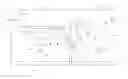


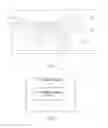
Sources:
- United States Patent and Trademark Office - verify current appl. status at the USPTO↗
Similar patent applications:
- » 20220215791
Shift register having two output signals with phase lagging and driving method thereof, scan driving circuit, display panel and display device - » 20240194145
Shift register and driving method thereof, scan driving circuit, display panel and display apparatus - » 20160071474
Scan driving circuit and display panel - » 20190385532
Pixel compensation circuit, scan driving circuit and display panel - » 20220068213
SCANNING DRIVE CIRCUIT AND DISPLAY PANEL - » 20210343210
Shift register unit circuit and driving method thereof, scanning drive circuit and display panel - » 20210407432
LIGHT-EMITTING SCANNING SIGNAL DRIVE CIRCUIT, DISPLAY PANEL, AND ELECTRONIC DEVICE - » 20210200351
Shift register unit, driving method thereof, scan driving circuit and display panel - » 20180190179
Flat panel display device and scan driving circuit thereof - » 20060220999
Scan drive circuit for plasma display panel, driving circuit for plasma display panel and plasma display apparatus using same
Recent applications in this class:
- » 20250292739 2025-09-18
DISPLAY APPARATUS - » 20250292738 2025-09-18
DISPLAY DEVICE AND ELECTRONIC APPARATUS - » 20250292737 2025-09-18
DRIVING CIRCUIT - » 20250285597 2025-09-11
DISPLAY SUBSTRATE AND DISPLAY DEVICE - » 20250279067 2025-09-04
DISPLAY DEVICE AND ELECTRONIC DEVICE - » 20250279066 2025-09-04
SHIFT REGISTER UNIT, GATE DRIVING CIRCUIT, DISPLAY DEVICE AND DRIVING METHOD - » 20250279065 2025-09-04
DISPLAY APPARATUS - » 20250279064 2025-09-04
DISPLAY APPARATUS - » 20250279063 2025-09-04
DRIVING CIRCUIT - » 20250279062 2025-09-04
Gate Driver and Display Apparatus Including the Same
Recent applications for this Assignee:
- » 20200355948 2020-11-12
FRAME SEALANT AND LIQUID CRYSTAL DISPLAY PANEL - » 20200341310 2020-10-29
Thin film transistor liquid crystal display (TFT-LCD) and the driving circuit and switching power supply thereof - » 20200285088 2020-09-10
Array substrate of thin-film transistor liquid crystal display device and method for manufacturing the same - » 20200272004 2020-08-27
Array substrate and liquid crystal display panel - » 20200258866 2020-08-13
Display panel, manufacturing method thereof and display device - » 20200251055 2020-08-06
Brightness regulation device of display device, brightness regulation method and display device - » 20200201464 2020-06-25
Array substrate and touch display device - » 20200185452 2020-06-11
Manufacturing method of micro light-emitting diode display panel - » 20200181759 2020-06-11
VAPOR DEPOSITION CRUCIBLE - » 20200168842 2020-05-28
Organic light-emitting diode (OLED) display panel and manufacturing method thereof