Certain chemical entities, compositions, and methods
US20200085846A1
2020-03-19
16/584,263
2019-09-26
✅ Patent granted
US 10,912,784 B2
2021-02-09
-
-
Jeffrey H Murray
Wilson Sonsini Goodrich & Rosati
2039-09-26
Abstract:
Chemical entities that are bufalin derivatives, pharmaceutical compositions and methods of treatment of cancer are described.
Assignee:
- SUZHOU NEUPHARMA CO., LTD 6 🇨🇳 Suzhou, China
Applicant:
Interested in similar patents?
Get notified when new applications in this technology area are published.
Classification:
A61K9/0019 » CPC further
Medicinal preparations characterised by special physical form; Galenical forms characterised by the site of application Injectable compositions; Intramuscular, intravenous, arterial, subcutaneous administration; Compositions to be administered through the skin in an invasive manner
A61K9/0053 » CPC further
Medicinal preparations characterised by special physical form; Galenical forms characterised by the site of application Mouth and digestive tract, i.e. intraoral and peroral administration
C07J41/0055 » CPC further
Normal steroids containing one or more nitrogen atoms not belonging to a hetero ring not covered by the 17-beta position being substituted by an uninterrupted chain of at least three carbon atoms which may or may not be branched, e.g. cholane or cholestane derivatives, optionally cyclised, e.g. 17-beta-phenyl or 17-beta-furyl derivatives
C07J41/00 IPC
Normal steroids containing one or more nitrogen atoms not belonging to a hetero ring
C07J41/00 IPC
Normal steroids, i.e. cyclopenta(a)hydrophenanthrenes, containing nitrogen
C07J43/00 IPC
Normal steroids having a nitrogen-containing hetero ring spiro-condensed or not condensed with the cyclopenta(a)hydrophenanthrene skeleton
A61K31/585 » CPC main
Medicinal preparations containing organic active ingredients; Compounds containing cyclopenta[a]hydrophenanthrene ring systems; Derivatives thereof, e.g. steroids containing heterocyclic rings, e.g. danazol, stanozolol, pancuronium or digitogenin containing lactone rings, e.g. oxandrolone, bufalin
C07J51/00 » CPC further
Normal steroids with unmodified cyclopenta(a)hydrophenanthrene skeleton not provided for in groups -
A61K9/00 IPC
Medicinal preparations characterised by special physical form
A61K45/06 » CPC further
Medicinal preparations containing active ingredients not provided for in groups - Mixtures of active ingredients without chemical characterisation, e.g. antiphlogistics and cardiaca
C07J43/003 » CPC further
Normal steroids having a nitrogen-containing hetero ring spiro-condensed or not condensed with the cyclopenta(a)hydrophenanthrene skeleton not condensed
C07J17/00 » CPC further
Normal steroids containing carbon, hydrogen, halogen or oxygen, having an oxygen-containing hetero ring not condensed with the cyclopenta(a)hydrophenanthrene skeleton
Description
This application is a continuation of U.S. application Ser. No. 16/176,501, filed Oct. 31, 2018, which is a continuation of U.S. application Ser. No. 15/728,908, filed on Oct. 10, 2017, now U.S. Pat. No. 10,179,141, issued on Jan. 15, 2019, which is a Division of U.S. application Ser. No. 15/187,358, filed Jun. 20, 2016, now U.S. Pat. No. 9,814,735, issued on Nov. 14, 2017, which is a Division of U.S. application Ser. No. 14/625,329, filed Feb. 18, 2015, now U.S. Pat. No. 9,399,659, issued on Jul. 26, 2016, which is a Division of U.S. application Ser. No. 13/673,842, filed Nov. 9, 2012, now U.S. Pat. No. 8,993,550, issued on Mar. 31, 2015, which is a Division of U.S. application Ser. No. 13/007,516, filed Jan. 14, 2011, now U.S. Pat. No. 8,334,376, issued on Dec. 18, 2012, which claims the benefit of priority to U.S. Provisional Application No. 61/295,177, filed Jan. 15, 2010, which are incorporated herein by reference in their entirety.
Provided are certain chemical entities and compositions thereof that may be useful in the treatment of cancer.
Cancer can be viewed as a breakdown in the communication between tumor cells and their environment, including their normal neighboring cells. Signals, both growth-stimulatory and growth-inhibitory, are routinely exchanged between cells within a tissue. Normally, cells do not divide in the absence of stimulatory signals, and likewise, will cease dividing in the presence of inhibitory signals. In a cancerous, or neoplastic state, a cell acquires the ability to “override” these signals and to proliferate under conditions in which normal cells would not grow.
Bufalin is one of the predominant components of bufodienolides isolated from traditional Chinese medicine (Chan'su, toad venom), and it has been found to be active against several cancer cell lines. Its anti-cancer activities in animal models have been reported. Its clinical application, however, has been limited due to its poor solubility and narrow therapeutic index.
Provided is at least one chemical entity chosen from compounds of Formula I
and pharmaceutically acceptable salts thereof, wherein
Z is chosen from OR9 and NR10R11; where
R9 is chosen from optionally substituted alkyl, optionally substituted cycloalkyl, optionally substituted heterocycloalkyl, optionally substituted aryl, and optionally substituted heteroaryl;
R10 is chosen from hydrogen, optionally substituted alkyl, optionally substituted cycloalkyl, optionally substituted heterocycloalkyl, optionally substituted aryl, and optionally substituted heteroaryl;
R11 is chosen from optionally substituted alkyl, optionally substituted cycloalkyl, optionally substituted heterocycloalkyl, optionally substituted aryl, and optionally substituted heteroaryl;
or R10 and R11 may optionally be joined together with any intervening atoms to form an optionally substituted heterocycloalkyl ring.
Also provided is at least one chemical entity chosen from compounds of Formula II
and pharmaceutically acceptable salts thereof, wherein
R1 and R2 are independently chosen from hydrogen, optionally substituted alkyl, optionally substituted cycloalkyl, optionally substituted heterocycloalkyl, optionally substituted aryl, and optionally substituted heteroaryl; or R1 and R2 may optionally be joined together with any intervening atoms to form an optionally substituted heterocycloalkyl ring;
for each occurrence, R3 and R4 are independently chosen from hydrogen, optionally substituted alkyl, optionally substituted cycloalkyl, optionally substituted heterocycloalkyl, optionally substituted aryl, and optionally substituted heteroaryl; or R3 and R4 may optionally be joined together with any intervening atoms to form an optionally substituted cycloalkyl ring or optionally substituted heterocycloalkyl ring;
or R1 and one occurrence of R3 may optionally be joined together with any intervening atoms to form an optionally substituted heterocycloalkyl ring; and
n is selected from 1, 2, 3, 4, 5 and 6.
Also provided is at least one chemical entity chosen from compounds of Formula III
and pharmaceutically acceptable salts thereof, wherein
R5 is chosen from hydrogen, optionally substituted alkyl, optionally substituted cycloalkyl, optionally substituted heterocycloalkyl, optionally substituted aryl, and optionally substituted heteroaryl;
R6 is chosen from optionally substituted alkyl, optionally substituted cycloalkyl, optionally substituted heterocycloalkyl, optionally substituted aryl, optionally substituted heteroaryl, optionally substituted acyl, optionally substituted alkoxycarbonyl, and —P(═O)(OR7)(OR8), where R7 and R8 are independently chosen from hydrogen and optionally substituted alkyl.
Also provided is a pharmaceutical composition comprising a pharmaceutically acceptable carrier and at least one chemical entity described herein.
Also provided is a packaged pharmaceutical composition comprising a pharmaceutical composition described herein and instructions for using the composition to treat a subject suffering from cancer.
Also provided is a method of treating cancer in a subject which comprises administering to a subject in need thereof a therapeutically effective amount of at least one chemical entity described herein.
As used herein, the following words and phrases are generally intended to have the meanings as set forth below, except to the extent that the context in which they are used indicates otherwise.
The following abbreviations and terms have the indicated meanings throughout:
- AcOH=acetic acid
- Boc=tert-butoxycarbonyl
- c-=cyclo
- DCC=dicyclohexylcarbodiimide
- DIEA=N,N-diisopropylethylamine
- DMAP=4-dimethylaminopyridine
- EDC=1-ethyl-3-(3-dimethylaminopropyl) carbodiimide
- eq=equivalent(s)
- Et=ethyl
- EtOAc or EA=ethyl acetate
- EtOH=ethanol
- g=gram
- h or hr=hour
- HBTU=O-(benzotriazol-1-yl)-N,N,N′,N′-tetramethyluronium hexafluorophosphate
- HOBt=hydroxybenzotriazole
- HPLC=high pressure liquid chromatography
- i-=iso
- kg or Kg=kilogram
- L or l=liter
- LC/MS=LCMS=liquid chromatography-mass spectrometry
- LRMS=low resolution mass spectrometry
- m/z=mass-to-charge ratio
- Me=methyl
- MeOH=methanol
- mg=milligram
- min=minute
- mL=milliliter
- mmol=millimole
- n-=normal
- NaOAc=sodium acetate
- PE=petroleum ether
- Ph=phenyl
- Prep=preparative
- quant.=quantitative
- RP-HPLC=reverse phase-high pressure liquid chromatography
- rt or RT=room temperature
- s-=sec-=secondary
- t-=tert-=tertiary
- THF=tetrahydrofuran
- TLC=thin layer chromatography
- UV=ultraviolet
As used herein, when any variable occurs more than one time in a chemical formula, its definition on each occurrence is independent of its definition at every other occurrence.
As used herein, a dash (“-”) that is not between two letters or symbols is used to indicate a point of attachment for a substituent. For example, —CONH2 is attached through the carbon atom.
As used herein, “optional” or “optionally” is meant that the subsequently described event or circumstance may or may not occur, and that the description includes instances wherein the event or circumstance occurs and instances in which it does not. For example, “optionally substituted alkyl” encompasses both “alkyl” and “substituted alkyl” as defined below. It will be understood by those skilled in the art, with respect to any group containing one or more substituents, that such groups are not intended to introduce any substitution or substitution patterns that are sterically impractical, synthetically non-feasible and/or inherently unstable.
As used herein, “alkyl” refers to straight chain and branched chain having the indicated number of carbon atoms, usually from 1 to 20 carbon atoms, for example 1 to 8 carbon atoms, such as 1 to 6 carbon atoms. For example C1-C6 alkyl encompasses both straight and branched chain alkyl of from 1 to 6 carbon atoms. When an alkyl residue having a specific number of carbons is named, all branched and straight chain versions having that number of carbons are intended to be encompassed; thus, for example, “butyl” is meant to include n-butyl, sec-butyl, isobutyl and t-butyl; “propyl” includes n-propyl and isopropyl. “Lower alkyl” refers to alkyl groups having one to six carbons. Examples of alkyl groups include methyl, ethyl, propyl, isopropyl, n-butyl, sec-butyl, tert-butyl, pentyl, 2-pentyl, isopentyl, neopentyl, hexyl, 2-hexyl, 3-hexyl, 3-methylpentyl, and the like. Alkylene is a subset of alkyl, referring to the same residues as alkyl, but having two points of attachment. Alkylene groups will usually have from 2 to 20 carbon atoms, for example 2 to 8 carbon atoms, such as from 2 to 6 carbon atoms. For example, C0 alkylene indicates a covalent bond and C1 alkylene is a methylene group.
As used herein, “alkenyl” refers to an unsaturated branched or straight-chain alkyl group having at least one carbon-carbon double bond derived by the removal of one molecule of hydrogen from adjacent carbon atoms of the parent alkyl. The group may be in either the cis or trans configuration about the double bond(s). Typical alkenyl groups include, but are not limited to, ethenyl; propenyls such as prop-1-en-1-yl, prop-1-en-2-yl, prop-2-en-1-yl (allyl), prop-2-en-2-yl; butenyls such as but-1-en-1-yl, but-1-en-2-yl, 2-methyl-prop-1-en-1-yl, but-2-en-1-yl, but-2-en-1-yl, but-2-en-2-yl, buta-1,3-dien-1-yl, buta-1,3-dien-2-yl; and the like. In certain embodiments, an alkenyl group has from 2 to 20 carbon atoms and in other embodiments, from 2 to 6 carbon atoms. “Lower alkenyl” refers to alkenyl groups having two to six carbons.
As used herein, “alkynyl” refers to an unsaturated branched or straight-chain alkyl group having at least one carbon-carbon triple bond derived by the removal of two molecules of hydrogen from adjacent carbon atoms of the parent alkyl. Typical alkynyl groups include, but are not limited to, ethynyl; propynyls such as prop-1-yn-1-yl, prop-2-yn-1-yl; butynyls such as but-1-yn-1-yl, but-1-yn-3-yl, but-3-yn-1-yl; and the like. In certain embodiments, an alkynyl group has from 2 to 20 carbon atoms and in other embodiments, from 3 to 6 carbon atoms. “Lower alkynyl” refers to alkynyl groups having two to six carbons.
As used herein, “cycloalkyl” refers to a non-aromatic carbocyclic ring, usually having from 3 to 7 ring carbon atoms. The ring may be saturated or have one or more carbon-carbon double bonds. Examples of cycloalkyl groups include cyclopropyl, cyclobutyl, cyclopentyl, cyclopentenyl, cyclohexyl, and cyclohexenyl, as well as bridged and caged ring groups such as norbornane.
As used herein, “alkoxy” refers to an alkyl group of the indicated number of carbon atoms attached through an oxygen bridge such as, for example, methoxy, ethoxy, propoxy, isopropoxy, n-butoxy, sec-butoxy, tert-butoxy, pentyloxy, 2-pentyloxy, isopentyloxy, neopentyloxy, hexyloxy, 2-hexyloxy, 3-hexyloxy, 3-methylpentyloxy, and the like. Alkoxy groups will usually have from 1 to 7 carbon atoms attached through the oxygen bridge. “Lower alkoxy” refers to alkoxy groups having one to six carbons.
As used herein, “acyl” refers to the groups H—C(O)—; (alkyl)-C(O)—; (cycloalkyl)-C(O)—; (aryl)-C(O)—; (heteroaryl)-C(O)—; and (heterocycloalkyl)-C(O)—, wherein the group is attached to the parent structure through the carbonyl functionality and wherein alkyl, cycloalkyl, aryl, heteroaryl, and heterocycloalkyl are as described herein. Acyl groups have the indicated number of carbon atoms, with the carbon of the keto group being included in the numbered carbon atoms. For example a C2 acyl group is an acetyl group having the formula CH3(C═O)—.
As used herein, “formyl” refers to the group —C(O)H.
As used herein, “alkoxycarbonyl” refers to a group of the formula (alkoxy)(C═O)— attached through the carbonyl carbon wherein the alkoxy group has the indicated number of carbon atoms. Thus a C1-C6 alkoxycarbonyl group is an alkoxy group having from 1 to 6 carbon atoms attached through its oxygen to a carbonyl linker.
As used herein, “azido” refers to the group —N3.
As used herein, “amino” refers to the group —NH2.
As used herein, “mono- and di-(alkyl)amino” refers to secondary and tertiary alkyl amino groups, wherein the alkyl groups are as defined above and have the indicated number of carbon atoms. The point of attachment of the alkylamino group is on the nitrogen. Examples of mono- and di-alkylamino groups include ethylamino, dimethylamino, and methyl-propyl-amino.
As used herein, “aminocarbonyl” refers to the group —CONRbRc, where
Rb is chosen from H, optionally substituted C1-C6 alkyl, optionally substituted cycloalkyl, optionally substituted heterocycloalkyl, optionally substituted aryl, and optionally substituted heteroaryl, optionally substituted alkoxy; and
Rc is chosen from hydrogen and optionally substituted C1-C4 alkyl; or
Rb and Rc taken together with the nitrogen to which they are bound, form an optionally substituted 5- to 7-membered nitrogen-containing heterocycloalkyl which optionally includes 1 or 2 additional heteroatoms chosen from O, N, and S in the heterocycloalkyl ring;
where each substituted group is independently substituted with one or more substituents independently chosen from C1-C4 alkyl, aryl, heteroaryl, aryl-C1-C4 alkyl-, heteroaryl-C1-C4 alkyl-, C1-C4 haloalkyl, —OC1-C4 alkyl, —OC1-C4 alkylphenyl, —C1-C4 alkyl-OH, —OC1-C4 haloalkyl, halo, —OH, —NH2, —C1-C4 alkyl-NH2, —N(C1-C4 alkyl)(C1-C4 alkyl), —NH(C1-C4 alkyl), —N(C1-C4 alkyl)(C1-C4 alkylphenyl), —NH(C1-C4 alkylphenyl), cyano, nitro, oxo (as a substituent for cycloalkyl, heterocycloalkyl, or heteroaryl), —CO2H, —C(O)OC1-C4 alkyl, —CON(C1-C4 alkyl)(C1-C4 alkyl), —CONH(C1-C4 alkyl), —CONH2, —NHC(O)(C1-C4 alkyl), —NHC(O)(phenyl), —N(C1-C4 alkyl)C(O)(C1-C4 alkyl), —N(C1-C4 alkyl)C(O)(phenyl), —C(O)C1-C4 alkyl, —C(O)C1-C4 alkylphenyl, —C(O)C1-C4 haloalkyl, —OC(O)C1-C4 alkyl, —SO2(C1-C4 alkyl), —SO2(phenyl), —SO2(C1-C4 haloalkyl), —SO2NH2, —SO2NH(C1-C4 alkyl), —SO2NH(phenyl), —NHSO2(C1-C4 alkyl), —NHSO2(phenyl), and —NHSO2(C1-C4 haloalkyl).
As used herein, “aryl” refers to: 6-membered carbocyclic aromatic rings, for example, benzene; bicyclic ring systems wherein at least one ring is carbocyclic and aromatic, for example, naphthalene, indane, and tetralin; and tricyclic ring systems wherein at least one ring is carbocyclic and aromatic, for example, fluorene.
For example, aryl includes 6-membered carbocyclic aromatic rings fused to a 5- to 7-membered heterocycloalkyl ring containing 1 or more heteroatoms chosen from N, O, and S. For such fused, bicyclic ring systems wherein only one of the rings is a carbocyclic aromatic ring, the point of attachment may be at the carbocyclic aromatic ring or the heterocycloalkyl ring. Bivalent radicals formed from substituted benzene derivatives and having the free valences at ring atoms are named as substituted phenylene radicals. Bivalent radicals derived from univalent polycyclic hydrocarbon radicals whose names end in “-yl” by removal of one hydrogen atom from the carbon atom with the free valence are named by adding “-idene” to the name of the corresponding univalent radical, e.g. a naphthyl group with two points of attachment is termed naphthylidene. Aryl, however, does not encompass or overlap in any way with heteroaryl, separately defined below. Hence, if one or more carbocyclic aromatic rings is fused with a heterocycloalkyl aromatic ring, the resulting ring system is heteroaryl, not aryl, as defined herein.
As used herein, “aryloxy” refers to the group —O-aryl.
As used herein, “aralkyl” refers to the group -alkyl-aryl.
As used herein, “carbamimidoyl” refers to the group —C(═NH)—NH2.
As used herein, “substituted carbamimidoyl” refers to the group —C(═NRe)—NRfRg where
Re is chosen from hydrogen, cyano, optionally substituted alkyl, optionally substituted cycloalkyl, optionally substituted aryl, optionally substituted heteroaryl, and optionally substituted heterocycloalkyl; and
Rf and Rg are independently chosen from hydrogen optionally substituted alkyl, optionally substituted cycloalkyl, optionally substituted aryl, optionally substituted heteroaryl, and optionally substituted heterocycloalkyl,
provided that at least one of Re, Rf, and R is not hydrogen and wherein substituted alkyl, cycloalkyl, aryl, heterocycloalkyl, and heteroaryl refer respectively to alkyl, cycloalkyl, aryl, heterocycloalkyl, and heteroaryl wherein one or more (such as up to 5, for example, up to 3) hydrogen atoms are replaced by a substituent independently chosen from
—Ra, —ORb, optionally substituted amino (including —NRcCORb, —NRcCO2Ra, —NRcCONRbRc, —NRbC(NRc)NRbRc, —NRbC(NCN)NRbRc, and —NRcSO2Ra), halo, cyano, nitro, oxo (as a substituent for cycloalkyl, heterocycloalkyl, and heteroaryl), optionally substituted acyl (such as —CORb), optionally substituted alkoxycarbonyl (such as —CO2Rb), aminocarbonyl (such as —CONRbRc), —OCORb, —OCO2Ra, —OCONRbRC, —OP(O)(ORb)ORc, sulfanyl (such as SRb), sulfinyl (such as —SORa), and sulfonyl (such as —SO2Ra and —SO2NRbRc),
where Ra is chosen from optionally substituted C1-C6 alkyl, optionally substituted aryl, and optionally substituted heteroaryl;
Rb is chosen from H, optionally substituted C1-C6 alkyl, optionally substituted aryl, and optionally substituted heteroaryl; and
Rc is chosen from hydrogen and optionally substituted C1-C4 alkyl; or
Rb and Rc, and the nitrogen to which they are attached, form an optionally substituted heterocycloalkyl group; and
where each optionally substituted group is unsubstituted or independently substituted with one or more, such as one, two, or three, substituents independently chosen from C1-C4 alkyl, aryl, heteroaryl, aryl-C1-C4 alkyl-, heteroaryl-C1-C4 alkyl-, C1-C4 haloalkyl, —OC1-C4 alkyl, —OC1-C4 alkylphenyl, —C1-C4 alkyl-OH, —OC1-C4 haloalkyl, halo, —OH, —NH2, —C1-C4 alkyl-NH2, —N(C1-C4 alkyl)(C1-C4 alkyl), —NH(C1-C4 alkyl), —N(C1-C4 alkyl)(C1-C4 alkylphenyl), —NH(C1-C4 alkylphenyl), cyano, nitro, oxo (as a substituent for cycloalkyl, heterocycloalkyl, or heteroaryl), —CO2H, —C(O)OC1-C4 alkyl, —CON(C1-C4 alkyl)(C1-C4 alkyl), —CONH(C1-C4 alkyl), —CONH2, —NHC(O)(C1-C4 alkyl), —NHC(O)(phenyl), —N(C1-C4 alkyl)C(O)(C1-C4 alkyl), —N(C1-C4 alkyl)C(O)(phenyl), —C(O)C1-C4 alkyl, —C(O)C1-C4 phenyl, —C(O)C1-C4 haloalkyl, —OC(O)C1-C4 alkyl, —SO2(C1-C4 alkyl), —SO2(phenyl), —SO2(C1-C4 haloalkyl), —SO2NH2, —SO2NH(C1-C4 alkyl), —SO2 NH(phenyl), —NHSO2(C1-C4 alkyl), —NHSO2(phenyl), and —NHSO2(C1-C4 haloalkyl).
As used herein, “halo” refers to fluoro, chloro, bromo, and iodo, and the term “halogen” includes fluorine, chlorine, bromine, and iodine.
As used herein, “haloalkyl” refers to alkyl as defined above having the specified number of carbon atoms, substituted with 1 or more halogen atoms, up to the maximum allowable number of halogen atoms. Examples of haloalkyl include, but are not limited to, trifluoromethyl, difluoromethyl, 2-fluoroethyl, and penta-fluoroethyl.
As used herein, “heteroaryl” refers to:
5- to 7-membered aromatic, monocyclic rings containing one or more, for example, from 1 to 4, or in certain embodiments, from 1 to 3, heteroatoms chosen from N, O, and S, with the remaining ring atoms being carbon;
bicyclic heterocycloalkyl rings containing one or more, for example, from 1 to 4, or in certain embodiments, from 1 to 3, heteroatoms chosen from N, O, and S, with the remaining ring atoms being carbon and wherein at least one heteroatom is present in an aromatic ring; and
tricyclic heterocycloalkyl rings containing one or more, for example, from 1 to 5, or in certain embodiments, from 1 to 4, heteroatoms chosen from N, O, and S, with the remaining ring atoms being carbon and wherein at least one heteroatom is present in an aromatic ring.
For example, heteroaryl includes a 5- to 7-membered heterocycloalkyl, aromatic ring fused to a 5- to 7-membered cycloalkyl or heterocycloalkyl ring. For such fused, bicyclic heteroaryl ring systems wherein only one of the rings contains one or more heteroatoms, the point of attachment may be at either ring. When the total number of S and O atoms in the heteroaryl group exceeds 1, those heteroatoms are not adjacent to one another. In certain embodiments, the total number of S and O atoms in the heteroaryl group is not more than 2. In certain embodiments, the total number of S and O atoms in the aromatic heterocycle is not more than 1. Examples of heteroaryl groups include, but are not limited to, (as numbered from the linkage position assigned priority 1), 2-pyridyl, 3-pyridyl, 4-pyridyl, 2,3-pyrazinyl, 3,4-pyrazinyl, 2,4-pyrimidinyl, 3,5-pyrimidinyl, 2,3-pyrazolinyl, 2,4-imidazolinyl, isoxazolinyl, oxazolinyl, thiazolinyl, thiadiazolinyl, tetrazolyl, thienyl, benzothiophenyl, furanyl, benzofuranyl, benzoimidazolinyl, indolinyl, pyridazinyl, triazolyl, quinolinyl, pyrazolyl, and 5,6,7,8-tetrahydroisoquinolinyl. Bivalent radicals derived from univalent heteroaryl radicals whose names end in “-yl” by removal of one hydrogen atom from the atom with the free valence are named by adding “-idene” to the name of the corresponding univalent radical, e.g. a pyridyl group with two points of attachment is a pyridylidene. Heteroaryl does not encompass or overlap with aryl, cycloalkyl, or heterocycloalkyl, as defined herein
Substituted heteroaryl also includes ring systems substituted with one or more oxide (—O−) substituents, such as pyridinyl N-oxides.
As used herein, “heterocycloalkyl” refers to a single, non-aromatic ring, usually with 3 to 7 ring atoms, containing at least 2 carbon atoms in addition to 1-3 heteroatoms independently chosen from oxygen, sulfur, and nitrogen, as well as combinations comprising at least one of the foregoing heteroatoms. The ring may be saturated or have one or more carbon-carbon double bonds. Suitable heterocycloalkyl groups include, for example (as numbered from the linkage position assigned priority 1), 2-pyrrolidinyl, 2,4-imidazolidinyl, 2,3-pyrazolidinyl, 2-piperidyl, 3-piperidyl, 4-piperidyl, and 2,5-piperizinyl. Morpholinyl groups are also contemplated, including 2-morpholinyl and 3-morpholinyl (numbered wherein the oxygen is assigned priority 1). Substituted heterocycloalkyl also includes ring systems substituted with one or more oxo (═O) or oxide (—O−) substituents, such as piperidinyl N-oxide, morpholinyl-N-oxide, 1-oxo-1-thiomorpholinyl and 1,1-dioxo-1-thiomorpholinyl.
“Heterocycloalkyl” also includes bicyclic ring systems wherein one non-aromatic ring, usually with 3 to 7 ring atoms, contains at least 2 carbon atoms in addition to 1-3 heteroatoms independently chosen from oxygen, sulfur, and nitrogen, as well as combinations comprising at least one of the foregoing heteroatoms; and the other ring, usually with 3 to 7 ring atoms, optionally contains 1-3 heteroatoms independently chosen from oxygen, sulfur, and nitrogen and is not aromatic.
As used herein, “sulfanyl” refers to the groups: —S-(optionally substituted (C1-C6)alkyl), —S-(optionally substituted aryl), —S-(optionally substituted heteroaryl), and —S-(optionally substituted heterocycloalkyl). Hence, sulfanyl includes the group C1-C6 alkylsulfanyl.
As used herein, “sulfinyl” refers to the groups: —S(O)-(optionally substituted (C1-C6)alkyl), —S(O)-optionally substituted aryl), —S(O)-optionally substituted heteroaryl), —S(O)-(optionally substituted heterocycloalkyl); and —S(O)-(optionally substituted amino).
As used herein, “sulfonyl” refers to the groups: —S(O2)-(optionally substituted (C1-C6)alkyl), —S(O2)-optionally substituted aryl), —S(O2)-optionally substituted heteroaryl), —S(O2)-(optionally substituted heterocycloalkyl), and —S(O2)-(optionally substituted amino).
As used herein, “substituted” refers to any one or more hydrogens on the designated atom or group is replaced with a selection from the indicated group, provided that the designated atom's normal valence is not exceeded. When a substituent is oxo (i.e. ═O) then 2 hydrogens on the atom are replaced. Combinations of substituents and/or variables are permissible only if such combinations result in stable compounds or useful synthetic intermediates. A stable compound or stable structure is meant to imply a compound that is sufficiently robust to survive isolation from a reaction mixture, and subsequent formulation as an agent having at least practical utility. Unless otherwise specified, substituents are named into the core structure. For example, it is to be understood that when (cycloalkyl)alkyl is listed as a possible substituent, the point of attachment of this substituent to the core structure is in the alkyl portion.
As used herein, the terms “substituted” alkyl, cycloalkyl, aryl, heterocycloalkyl, and heteroaryl, unless otherwise expressly defined, refer respectively to alkyl, cycloalkyl, aryl, heterocycloalkyl, and heteroaryl wherein one or more (such as up to 5, for example, up to 3) hydrogen atoms are replaced by a substituent independently chosen from —Ra, —ORb, optionally substituted amino (including —NRcCORb, —NRcCO2Ra, —NRcCONRbRc, —NRbC(NRc)NRbRc, —NRbC(NCN)NRbRc, and —NRcSO2Ra), halo, cyano, azido, nitro, oxo (as a substituent for cycloalkyl or heterocycloalkyl), optionally substituted acyl (such as —CORb), optionally substituted alkoxycarbonyl (such as —CO2Rb), aminocarbonyl (such as —CONRbRc), —OCORb, —OCO2Ra, —OCONRbRc, —OP(O)(ORb)ORc, sulfanyl (such as SRb), sulfinyl (such as —SORa), and sulfonyl (such as —SO2Ra and —SO2NRbRc), where
Ra is chosen from optionally substituted C1-C6 alkyl, optionally substituted cycloalkyl, optionally substituted heterocycloalkyl, optionally substituted alkenyl, optionally substituted alkynyl, optionally substituted aryl, and optionally substituted heteroaryl; Rb is chosen from hydrogen, optionally substituted C1-C6 alkyl, optionally substituted cycloalkyl, optionally substituted heterocycloalkyl, optionally substituted aryl, and optionally substituted heteroaryl; and
Rc is chosen from hydrogen and optionally substituted C1-C4 alkyl; or
Rb and Rc, and the nitrogen to which they are attached, form an optionally substituted heterocycloalkyl group; and
where each optionally substituted group is unsubstituted or independently substituted with one or more, such as one, two, or three, substituents independently chosen from C1-C4 alkyl, aryl, heteroaryl, aryl-C1-C4 alkyl-, heteroaryl-C1-C4 alkyl-, C1-C4 haloalkyl, —OC1-C4 alkyl, —OC1-C4 alkylphenyl, —C1-C4 alkyl-OH, —OC1-C4 haloalkyl, halo, —OH, —NH2, —C1-C4 alkyl-NH2, —N(C1-C4 alkyl)(C1-C4 alkyl), —NH(C1-C4 alkyl), —N(C1-C4 alkyl)(C1-C4 alkylphenyl), —NH(C1-C4 alkylphenyl), cyano, nitro, oxo (as a substituent for cycloalkyl or heterocycloalkyl), —CO2H, —C(O)OC1-C4 alkyl, —CON(C1-C4 alkyl)(C1-C4 alkyl), —CONH(C1-C4 alkyl), —CONH2, —NHC(O)(C1-C4 alkyl), —NHC(O)(phenyl), —N(C1-C4 alkyl)C(O)(C1-C4 alkyl), —N(C1-C4 alkyl)C(O)(phenyl), —C(O)C1-C4 alkyl, —C(O)C1-C4 alkylphenyl, —C(O)C1-C4 haloalkyl, —OC(O)C1-C4 alkyl, —SO2(C1-C4 alkyl), —SO2(phenyl), —SO2(C1-C4 haloalkyl), —SO2NH2, —SO2NH(C1-C4 alkyl), —SO2NH(phenyl), —NHSO2(C1-C4 alkyl), —NHSO2(phenyl), and —NHSO2(C1-C4 haloalkyl).
As used herein, “substituted acyl” refers to the groups (substituted alkyl)-C(O)—; (substituted cycloalkyl)-C(O)—; (substituted aryl)-C(O)—; (substituted heteroaryl)-C(O)—; and (substituted heterocycloalkyl)-C(O)—, wherein the group is attached to the parent structure through the carbonyl functionality and wherein substituted alkyl, cycloalkyl, aryl, heteroaryl, and heterocycloalkyl, refer respectively to alkyl, cycloalkyl, aryl, heteroaryl, and heterocycloalkyl wherein one or more (such as up to 5, for example, up to 3) hydrogen atoms are replaced by a substituent independently chosen from
—Ra, —ORb, optionally substituted amino (including —NRcCORb, —NRcCO2Ra, —NRcCONRbRc, —NRbC(NRC)NRbRc, —NRbC(NCN)NRbRc, and —NRcSO2Ra), halo, cyano, nitro, oxo (as a substituent for cycloalkyl or heterocycloalkyl), optionally substituted acyl (such as —CORb), optionally substituted alkoxycarbonyl (such as —CO2Rb), aminocarbonyl (such as —CONRbRc), —OCORb, —OCO2Ra, —OCONRbRc, —OP(O)(ORb)ORc, sulfanyl (such as SRb), sulfinyl (such as —SORa), and sulfonyl (such as —SO2Ra and —SO2NRbRc), where Ra is chosen from optionally substituted C1-C6 alkyl, optionally substituted alkenyl, optionally substituted alkynyl, optionally substituted aryl, and optionally substituted heteroaryl;
Rb is chosen from H, optionally substituted C1-C6 alkyl, optionally substituted cycloalkyl, optionally substituted heterocycloalkyl, optionally substituted aryl, and optionally substituted heteroaryl; and
Rc is chosen from hydrogen and optionally substituted C1-C4 alkyl; or
Rb and Rc, and the nitrogen to which they are attached, form an optionally substituted heterocycloalkyl group; and
where each optionally substituted group is unsubstituted or independently substituted with one or more, such as one, two, or three, substituents independently chosen from C1-C4 alkyl, aryl, heteroaryl, aryl-C1-C4 alkyl-, heteroaryl-C1-C4 alkyl-, C1-C4 haloalkyl, —OC1-C4 alkyl, —OC1-C4 alkylphenyl, —C1-C4 alkyl-OH, —OC1-C4 haloalkyl, halo, —OH, —NH2, —C1-C4 alkyl-NH2, —N(C1-C4 alkyl)(C1-C4 alkyl), —NH(C1-C4 alkyl), —N(C1-C4 alkyl)(C1-C4 alkylphenyl), —NH(C1-C4 alkylphenyl), cyano, nitro, oxo (as a substituent for cycloalkyl or heterocycloalkyl), —CO2H, —C(O)OC1-C4 alkyl, —CON(C1-C4 alkyl)(C1-C4 alkyl), —CONH(C1-C4 alkyl), —CONH2, —NHC(O)(C1-C4 alkyl), —NHC(O)(phenyl), —N(C1-C4 alkyl)C(O)(C1-C4 alkyl), —N(C1-C4 alkyl)C(O)(phenyl), —C(O)C1-C4 alkyl, —C(O)C1-C4 alkylphenyl, —C(O)C1-C4 haloalkyl, —OC(O)C1-C4 alkyl, —SO2(C1-C4 alkyl), —SO2(phenyl), —SO2(C1-C4 haloalkyl), —SO2NH2, —SO2NH(C1-C4 alkyl), —SO2NH(phenyl), —NHSO2(C1-C4 alkyl), —NHSO2(phenyl), and —NHSO2(C1-C4 haloalkyl).
As used herein, “substituted alkoxy” refers to alkoxy wherein the alkyl constituent is substituted (i.e. —O-(substituted alkyl)) wherein “substituted alkyl” refers to alkyl wherein one or more (such as up to 5, for example, up to 3) hydrogen atoms are replaced by a substituent independently chosen from
—Ra, —ORb, optionally substituted amino (including —NRcCORb, —NRcCO2Ra, —NRcCONRbRc, —NRbC(NRc)NRbRc, —NRbC(NCN)NRbRc, and —NRcSO2Ra), halo, cyano, nitro, oxo (as a substituent for cycloalkyl or heterocycloalkyl), optionally substituted acyl (such as —CORb), optionally substituted alkoxycarbonyl (such as —CO2Rb), aminocarbonyl (such as —CONRbRc), —OCORb, —OCO2Ra, —OCONRbRc, —OP(O)(ORb)ORc, sulfanyl (such as SRb), sulfinyl (such as —SORa), and sulfonyl (such as —SO2Ra and —SO2NRbRc),
where Ra is chosen from optionally substituted C1-C6 alkyl, optionally substituted alkenyl, optionally substituted alkynyl, optionally substituted aryl, and optionally substituted heteroaryl;
Rb is chosen from H, optionally substituted C1-C6 alkyl, optionally substituted cycloalkyl, optionally substituted heterocycloalkyl, optionally substituted aryl, and optionally substituted heteroaryl; and
RC is chosen from hydrogen and optionally substituted C1-C4 alkyl; or
Rb and Rc, and the nitrogen to which they are attached, form an optionally substituted heterocycloalkyl group; and
where each optionally substituted group is unsubstituted or independently substituted with one or more, such as one, two, or three, substituents independently chosen from C1-C4 alkyl, aryl, heteroaryl, aryl-C1-C4 alkyl-, heteroaryl-C1-C4 alkyl-, C1-C4 haloalkyl, —OC1-C4 alkyl, —OC1-C4 alkylphenyl, —C1-C4 alkyl-OH, —OC1-C4 haloalkyl, halo, —OH, —NH2, —C1-C4 alkyl-NH2, —N(C1-C4 alkyl)(C1-C4 alkyl), —NH(C1-C4 alkyl), —N(C1-C4 alkyl)(C1-C4 alkylphenyl), —NH(C1-C4 alkylphenyl), cyano, nitro, oxo (as a substituent for cycloalkyl or heterocycloalkyl), —CO2H, —C(O)OC1-C4 alkyl, —CON(C1-C4 alkyl)(C1-C4 alkyl), —CONH(C1-C4 alkyl), —CONH2, —NHC(O)(C1-C4 alkyl), —NHC(O)(phenyl), —N(C1-C4 alkyl)C(O)(C1-C4 alkyl), —N(C1-C4 alkyl)C(O)(phenyl), —C(O)C1-C4 alkyl, —C(O)C1-C4 alkylphenyl, —C(O)C1-C4 haloalkyl, —OC(O)C1-C4 alkyl, —SO2(C1-C4 alkyl), —SO2(phenyl), —SO2(C1-C4 haloalkyl), —SO2NH2, —SO2NH(C1-C4 alkyl), —SO2NH(phenyl), —NHSO2(C1-C4 alkyl), —NHSO2(phenyl), and —NHSO2(C1-C4 haloalkyl).
In some embodiments, a substituted alkoxy group is “polyalkoxy” or —O-(optionally substituted alkylene)-(optionally substituted alkoxy), and includes groups such as —OCH2CH2OCH3, and residues of glycol ethers such as polyethyleneglycol, and —O(CH2CH2O)xCH3, where x is an integer of 2-20, such as 2-10, and for example, 2-5. Another substituted alkoxy group is hydroxyalkoxy or —OCH2(CH2)yOH, where y is an integer of 1-10, such as 1-4.
As used herein, “substituted alkoxycarbonyl” refers to the group (substituted alkyl)-O—C(O)— wherein the group is attached to the parent structure through the carbonyl functionality and wherein substituted refers to alkyl wherein one or more (such as up to 5, for example, up to 3) hydrogen atoms are replaced by a substituent independently chosen from
—Ra, —ORb, optionally substituted amino (including —NRcCORb, —NRcCO2Ra, —NRcCONRbRc, —NRbC(NRC)NRbRc, —NRbC(NCN)NRbRc, and —NRcSO2Ra), halo, cyano, nitro, oxo (as a substituent for cycloalkyl or heterocycloalkyl), optionally substituted acyl (such as —CORb), optionally substituted alkoxycarbonyl (such as —CO2Rb), aminocarbonyl (such as —CONRbRc), —OCORb, —OCO2Ra, —OCONRbRc, —OP(O)(ORb)ORc, sulfanyl (such as SRb), sulfinyl (such as —SORa), and sulfonyl (such as —SO2Ra and —SO2NRbRc),
where Ra is chosen from optionally substituted C1-C6 alkyl, optionally substituted alkenyl, optionally substituted alkynyl, optionally substituted aryl, and optionally substituted heteroaryl;
Rb is chosen from H, optionally substituted C1-C6 alkyl, optionally substituted cycloalkyl, optionally substituted heterocycloalkyl, optionally substituted aryl, and optionally substituted heteroaryl; and
Rc is chosen from hydrogen and optionally substituted C1-C4 alkyl; or
Rb and Rc, and the nitrogen to which they are attached, form an optionally substituted heterocycloalkyl group; and
where each optionally substituted group is unsubstituted or independently substituted with one or more, such as one, two, or three, substituents independently chosen from C1-C4 alkyl, aryl, heteroaryl, aryl-C1-C4 alkyl-, heteroaryl-C1-C4 alkyl-, C1-C4 haloalkyl, —OC1-C4 alkyl, —OC1-C4 alkylphenyl, —C1-C4 alkyl-OH, —OC1-C4 haloalkyl, halo, —OH, —NH2, —C1-C4 alkyl-NH2, —N(C1-C4 alkyl)(C1-C4 alkyl), —NH(C1-C4 alkyl), —N(C1-C4 alkyl)(C1-C4 alkylphenyl), —NH(C1-C4 alkylphenyl), cyano, nitro, oxo (as a substituent for cycloalkyl or heterocycloalkyl), —CO2H, —C(O)OC1-C4 alkyl, —CON(C1-C4 alkyl)(C1-C4 alkyl), —CONH(C1-C4 alkyl), —CONH2, —NHC(O)(C1-C4 alkyl), —NHC(O)(phenyl), —N(C1-C4 alkyl)C(O)(C1-C4 alkyl), —N(C1-C4 alkyl)C(O)(phenyl), —C(O)C1-C4 alkyl, —C(O)C1-C4 alkylphenyl, —C(O)C1-C4 haloalkyl, —OC(O)C1-C4 alkyl, —SO2(C1-C4 alkyl), —SO2(phenyl), —SO2(C1-C4 haloalkyl), —SO2NH2, —SO2NH(C1-C4 alkyl), —SO2NH(phenyl), —NHSO2(C1-C4 alkyl), —NHSO2(phenyl), and —NHSO2(C1-C4 haloalkyl).
As used herein, “substituted amino” refers to the group —NHRd or —NRdRe wherein Rd is chosen from hydroxy, formyl, optionally substituted alkoxy, optionally substituted alkyl, optionally substituted cycloalkyl, optionally substituted acyl, optionally substituted carbamimidoyl, aminocarbonyl, optionally substituted aryl, optionally substituted heteroaryl, optionally substituted heterocycloalkyl, optionally substituted alkoxycarbonyl, sulfinyl and sulfonyl, and wherein Re is chosen from optionally substituted alkyl, optionally substituted cycloalkyl, optionally substituted aryl, optionally substituted heteroaryl, and optionally substituted heterocycloalkyl, and wherein substituted alkyl, cycloalkyl, aryl, heterocycloalkyl, and heteroaryl refer respectively to alkyl, cycloalkyl, aryl, heterocycloalkyl, and heteroaryl wherein one or more (such as up to 5, for example, up to 3) hydrogen atoms are replaced by a substituent independently chosen from
—Ra, —ORb, optionally substituted amino (including —NRcCORb, —NRcCO2Ra, —NRCCONRbRc, —NRbC(NRc)NRbRc, —NRbC(NCN)NRbRc, and —NRcSO2Ra), halo, cyano, nitro, oxo (as a substituent for cycloalkyl or heterocycloalkyl), optionally substituted acyl (such as —CORb), optionally substituted alkoxycarbonyl (such as —CO2Rb), aminocarbonyl (such as —CONRbRe), —OCORb, —OCO2Ra, —OCONRbRc, —OP(O)(ORb)ORc, sulfanyl (such as SRb), sulfinyl (such as —SORa), and sulfonyl (such as —SO2Ra and —SO2NRbRc), where Ra is chosen from optionally substituted C1-C6 alkyl, optionally substituted alkenyl, optionally substituted alkynyl, optionally substituted aryl, and optionally substituted heteroaryl;
Rb is chosen from H, optionally substituted C1-C6 alkyl, optionally substituted cycloalkyl, optionally substituted heterocycloalkyl, optionally substituted aryl, and optionally substituted heteroaryl; and
RC is chosen from hydrogen and optionally substituted C1-C4 alkyl; or
Rb and Rc, and the nitrogen to which they are attached, form an optionally substituted heterocycloalkyl group; and
where each optionally substituted group is unsubstituted or independently substituted with one or more, such as one, two, or three, substituents independently chosen from C1-C4 alkyl, aryl, heteroaryl, aryl-C1-C4 alkyl-, heteroaryl-C1-C4 alkyl-, C1-C4 haloalkyl, —OC1-C4 alkyl, —OC1-C4 alkylphenyl, —C1-C4 alkyl-OH, —OC1-C4 haloalkyl, halo, —OH, —NH2, —C1-C4 alkyl-NH2, —N(C1-C4 alkyl)(C1-C4 alkyl), —NH(C1-C4 alkyl), —N(C1-C4 alkyl)(C1-C4 alkylphenyl), —NH(C1-C4 alkylphenyl), cyano, nitro, oxo (as a substituent for cycloalkyl or heterocycloalkyl), —CO2H, —C(O)OC1-C4 alkyl, —CON(C1-C4 alkyl)(C1-C4 alkyl), —CONH(C1-C4 alkyl), —CONH2, —NHC(O)(C1-C4 alkyl), —NHC(O)(phenyl), —N(C1-C4 alkyl)C(O)(C1-C4 alkyl), —N(C1-C4 alkyl)C(O)(phenyl), —C(O)C1-C4 alkyl, —C(O)C1-C4 alkylphenyl, —C(O)C1-C4 haloalkyl, —OC(O)C1-C4 alkyl, —SO2(C1-C4 alkyl), —SO2(phenyl), —SO2(C1-C4 haloalkyl), —SO2NH2, —SO2NH(C1-C4 alkyl), —SO2NH(phenyl), —NHSO2(C1-C4 alkyl), —NHSO2(phenyl), and —NHSO2(C1-C4 haloalkyl); and
wherein optionally substituted acyl, optionally substituted alkoxycarbonyl, sulfinyl and sulfonyl are as defined herein.
The term “substituted amino” also refers to N-oxides of the groups —NHRd, and NRdRd each as described above. N-oxides can be prepared by treatment of the corresponding amino group with, for example, hydrogen peroxide or m-chloroperoxybenzoic acid. The person skilled in the art is familiar with reaction conditions for carrying out the N-oxidation.
Compounds described herein include, but are not limited to, their optical isomers, racemates, and other mixtures thereof. In those situations, the single enantiomers or diastereomers, i.e., optically active forms, can be obtained by asymmetric synthesis or by resolution of the racemates. Resolution of the racemates can be accomplished, for example, by conventional methods such as crystallization in the presence of a resolving agent, or chromatography, using, for example a chiral high-pressure liquid chromatography (HPLC) column. In addition, compounds include Z- and E-forms (or cis- and trans-forms) of compounds with carbon-carbon double bonds. Where compounds described herein exist in various tautomeric forms, the term “compound” is intended to include all tautomeric forms of the compound.
Compounds of Formula I-III also include crystalline and amorphous forms of those compounds, including, for example, polymorphs, pseudopolymorphs, solvates (including hydrates), unsolvated polymorphs (including anhydrates), conformational polymorphs, and amorphous forms of the compounds, as well as mixtures thereof. “Crystalline form,” “polymorph,” and “novel form” may be used interchangeably herein, and are meant to include all crystalline and amorphous forms of the compound, including, for example, polymorphs, pseudopolymorphs, solvates (including hydrates), unsolvated polymorphs (including anhydrates), conformational polymorphs, and amorphous forms, as well as mixtures thereof, unless a particular crystalline or amorphous form is referred to. Similarly, “pharmaceutically acceptable salts of compounds of Formula I-III also include crystalline and amorphous forms of those compounds, including, for example, polymorphs, pseudopolymorphs, solvates (including hydrates), unsolvated polymorphs (including anhydrates), conformational polymorphs, and amorphous forms of the pharmaceutically acceptable salts, as well as mixtures thereof.
A “solvate” is formed by the interaction of a solvent and a compound. The term “compound” is intended to include solvates of compounds. Similarly, “pharmaceutically acceptable salts” includes solvates of pharmaceutically acceptable salts. Suitable solvates are pharmaceutically acceptable solvates, such as hydrates, including monohydrates and hemi-hydrates.
Compounds of Formula I-III also include other pharmaceutically acceptable forms of the recited compounds, including chelates, non-covalent complexes, prodrugs, and mixtures thereof.
A “chelate” is formed by the coordination of a compound to a metal ion at two (or more) points. The term “compound” is intended to include chelates of compounds. Similarly, “pharmaceutically acceptable salts” includes chelates of pharmaceutically acceptable salts.
A “non-covalent complex” is formed by the interaction of a compound and another molecule wherein a covalent bond is not formed between the compound and the molecule. For example, complexation can occur through van der Waals interactions, hydrogen bonding, and electrostatic interactions (also called ionic bonding). Such non-covalent complexes are included in the term “compound”. Similarly, “pharmaceutically acceptable salts” includes “non-covalent complexes” of pharmaceutically acceptable salts.
The term “hydrogen bond” refers to a form of association between an electronegative atom (also known as a hydrogen bond acceptor) and a hydrogen atom attached to a second, relatively electronegative atom (also known as a hydrogen bond donor). Suitable hydrogen bond donor and acceptors are well understood in medicinal chemistry.
“Hydrogen bond acceptor” refers to a group comprising an oxygen or nitrogen, such as an oxygen or nitrogen that is sp2-hybridized, an ether oxygen, or the oxygen of a sulfoxide or N-oxide.
The term “hydrogen bond donor” refers to an oxygen, nitrogen, or heteroaromatic carbon that bears a hydrogen.group containing a ring nitrogen or a heteroaryl group containing a ring nitrogen.
The compounds disclosed herein can be used in different enriched isotopic forms, e.g., enriched in the content of 2H, 3H, 11C, 13C and/or 14C. In one particular embodiment, the compound is deuterated at at least one position. Such deuterated forms can be made by the procedure described in U.S. Pat. Nos. 5,846,514 and 6,334,997. As described in U.S. Pat. Nos. 5,846,514 and 6,334,997, deuteration can improve the efficacy and increase the duration of action of drugs.
Deuterium substituted compounds can be synthesized using various methods such as described in: Dean, Dennis C.; Editor. Recent Advances in the Synthesis and Applications of Radiolabeled Compounds for Drug Discovery and Development. [In: Curr., Pharm. Des., 2000; 6(10)] 2000, 110 pp; George W.; Varma, Rajender S. The Synthesis of Radiolabeled Compounds via Organometallic Intermediates, Tetrahedron, 1989, 45(21), 6601-21; and Evans, E. Anthony. Synthesis of radiolabeled compounds, J. Radioanal. Chem., 1981, 64(1-2), 9-32.
“Pharmaceutically acceptable salts” include, but are not limited to salts with inorganic acids, such as hydrochlorate, phosphate, diphosphate, hydrobromate, sulfate, sulfinate, nitrate, and like salts; as well as salts with an organic acid, such as malate, maleate, fumarate, tartrate, succinate, citrate, acetate, lactate, methanesulfonate, p-toluenesulfonate, 2-hydroxyethylsulfonate, benzoate, salicylate, stearate, and alkanoate such as acetate, HOOC—(CH2)n—COOH where n is 0-4, and like salts. Similarly, pharmaceutically acceptable cations include, but are not limited to sodium, potassium, calcium, aluminum, lithium, and ammonium.
In addition, if the compounds described herein are obtained as an acid addition salt, the free base can be obtained by basifying a solution of the acid salt. Conversely, if the product is a free base, an addition salt, particularly a pharmaceutically acceptable addition salt, may be produced by dissolving the free base in a suitable organic solvent and treating the solution with an acid, in accordance with conventional procedures for preparing acid addition salts from base compounds. Those skilled in the art will recognize various synthetic methodologies that may be used to prepare non-toxic pharmaceutically acceptable addition salts.
“Prodrugs” described herein include any compound that becomes a compound of Formula I when administered to a subject, e.g., upon metabolic processing of the prodrug. Similarly, “pharmaceutically acceptable salts” includes “prodrugs” of pharmaceutically acceptable salts. Examples of prodrugs include derivatives of functional groups, such as a carboxylic acid group, in the compounds of Formula I. Exemplary prodrugs of a carboxylic acid group include, but are not limited to, carboxylic acid esters such as alkyl esters, hydroxyalkyl esters, arylalkyl esters, and aryloxyalkyl esters. Other exemplary prodrugs include lower alkyl esters such as ethyl ester, acyloxyalkyl esters such as pivaloyloxymethyl (POM), glycosides, and ascorbic acid derivatives.
Other exemplary prodrugs include amides of carboxylic acids. Exemplary amide prodrugs include metabolically labile amides that are formed, for example, with an amine and a carboxylic acid. Exemplary amines include NH2, primary, and secondary amines such as NHRx, and NRXRy, wherein Rx is hydrogen, (C1-C18)-alkyl, (C3-C7)-cycloalkyl, (C3-C7)-cycloalkyl-(C1-C4)-alkyl-, (C6-C14)-aryl which is unsubstituted or substituted by a residue (C1-C2)-alkyl, (C1-C2)-alkoxy, fluoro, or chloro; heteroaryl-, (C6-C14)-aryl-(C1-C4)-alkyl- where aryl is unsubstituted or substituted by a residue (C1-C2)-alkyl, (C1-C2)-alkoxy, fluoro, or chloro; or heteroaryl-(C1-C4)-alkyl- and in which Ry has the meanings indicated for Rx with the exception of hydrogen or wherein Rx and RY, together with the nitrogen to which they are bound, form an optionally substituted 4- to 7-membered heterocycloalkyl ring which optionally includes one or two additional heteroatoms chosen from nitrogen, oxygen, and sulfur. A discussion of prodrugs is provided in T. Higuchi and V. Stella, Pro-drugs as Novel Delivery Systems, Vol. 14 of the A.C.S. Symposium Series, in Edward B. Roche, ed., Bioreversible Carriers in Drug Design, American Pharmaceutical Association and Pergamon Press, 1987, and in Design of Prodrugs, ed. H. Bundgaard, Elsevier, 1985.
As used herein the terms “group”, “radical” or “fragment” are synonymous and are intended to indicate functional groups or fragments of molecules attachable to a bond or other fragments of molecules.
As used herein, “modulation” refers to a change in activity as a direct or indirect response to the presence of a chemical entity as described herein, relative to the activity of in the absence of the chemical entity. The change may be an increase in activity or a decrease in activity, and may be due to the direct interaction of the compound with the a target or due to the interaction of the compound with one or more other factors that in turn affect the target's activity. For example, the presence of the chemical entity may, for example, increase or decrease the target activity by directly binding to the target, by causing (directly or indirectly) another factor to increase or decrease the target activity, or by (directly or indirectly) increasing or decreasing the amount of target present in the cell or organism.
As used herein, “active agent” is used to indicate a chemical entity which has biological activity. In certain embodiments, an “active agent” is a compound having pharmaceutical utility. For example an active agent may be an anti-cancer therapeutic.
As used herein, “significant” refers to any detectable change that is statistically significant in a standard parametric test of statistical significance such as Student's T-test, where p<0.05.
As used herein, a “pharmaceutically acceptable” component is one that is suitable for use with humans and/or animals without undue adverse side effects (such as toxicity, irritation, and allergic response) commensurate with a reasonable benefit/risk ratio.
As used herein, “therapeutically effective amount” of a chemical entity described herein refers to an amount effective, when administered to a human or non-human subject, to provide a therapeutic benefit such as amelioration of symptoms, slowing of disease progression, or prevention of disease.
“Treating” or “treatment” encompasses administration of at least one compound of Formula I-III, or a pharmaceutically acceptable salt thereof, to a mammalian subject, particularly a human subject, in need of such an administration and includes (i) arresting the development of clinical symptoms of the disease, such as cancer, (ii) bringing about a regression in the clinical symptoms of the disease, such as cancer, and/or (iii) prophylactic treatment for preventing the onset of the disease, such as cancer.
As used herein, “cancer” refers to all types of cancer or neoplasm or malignant tumors found in mammals, including carcinomas and sarcomas. Examples of cancer are cancer of the brain, breast, cervix, colon, head & neck, kidney, lung, non-small cell lung, melanoma, mesothelioma, ovary, sarcoma, stomach, uterus and Medulloblastoma.
As used herein, “subject” refers to a mammal that has been or will be the object of treatment, observation or experiment. The methods described herein can be useful in both human therapy and veterinary applications. In some embodiments, the subject is a human.
The term “mammal” is intended to have its standard meaning, and encompasses humans, dogs, cats, sheep, and cows, for example.
Provided is at least one chemical entity chosen from compounds of Formula I
and pharmaceutically acceptable salts thereof, wherein
Z is chosen from OR9 and NR10R11; where
R9 is chosen from optionally substituted alkyl, optionally substituted cycloalkyl, optionally substituted heterocycloalkyl, optionally substituted aryl, and optionally substituted heteroaryl;
R10 is chosen from hydrogen, optionally substituted alkyl, optionally substituted cycloalkyl, optionally substituted heterocycloalkyl, optionally substituted aryl, and optionally substituted heteroaryl;
R11 is chosen from optionally substituted alkyl, optionally substituted cycloalkyl, optionally substituted heterocycloalkyl, optionally substituted aryl, and optionally substituted heteroaryl;
or R10 and R11 may optionally be joined together with any intervening atoms to form an optionally substituted heterocycloalkyl ring.
In some embodiments, Z is OR9. In some embodiments, R9 is chosen from optionally substituted alkyl, optionally substituted cycloalkyl, and optionally substituted heterocycloalkyl.
In some embodiments, Z is NR10R11. In some embodiments, R10 is chosen from hydrogen, optionally substituted alkyl, optionally substituted cycloalkyl, and optionally substituted heterocycloalkyl, and R11 is chosen from optionally substituted alkyl, optionally substituted cycloalkyl, and optionally substituted heterocycloalkyl. In some embodiments, R10 is hydrogen and R11 is optionally substituted alkyl. In some embodiments, R10 is hydrogen and R11 is alkyl. In some embodiments, R10 and R11 are joined together to form a 5- to 7-membered heterocycloalkyl ring.
In some embodiments, the compound of Formula I is chosen from compounds I-a-I-f.
Also provided is at least one chemical entity chosen from compounds of Formula II
and pharmaceutically acceptable salts thereof, wherein
R1 and R2 are independently chosen from hydrogen, optionally substituted alkyl, optionally substituted cycloalkyl, optionally substituted heterocycloalkyl, optionally substituted aryl, and optionally substituted heteroaryl; or R1 and R2 may optionally be joined together with any intervening atoms to form an optionally substituted heterocycloalkyl ring;
for each occurrence, R3 and R4 are independently chosen from hydrogen, optionally substituted alkyl, optionally substituted cycloalkyl, optionally substituted heterocycloalkyl, optionally substituted aryl, and optionally substituted heteroaryl; or R3 and R4 may optionally be joined together with any intervening atoms to form an optionally substituted cycloalkyl ring or optionally substituted heterocycloalkyl ring;
or R1 and one occurrence of R3 may optionally be joined together with any intervening atoms to form an optionally substituted heterocycloalkyl ring; and
n is selected from 1, 2, 3, 4, 5 and 6.
In some embodiments, R1 and R2 are each independently chosen from hydrogen and optionally substituted lower alkyl. In some embodiments, R1 and R2 are both hydrogen.
In some embodiments, R1 and R2 are joined together to form a 5- to 7-membered heterocycloalkyl ring.
In some embodiments, R3 and R4 are each independently chosen from hydrogen and optionally substituted lower alkyl.
In some embodiments, n is chosen from 1, 2, and 3.
In some embodiments, n is 1, and R1 and R3 are joined together to form a 5- to 7-membered heterocycloalkyl ring.
In some embodiments, the compound of Formula II is chosen from compounds II-a-II-d.
In some embodiments, the compound of Formula II is chosen from compounds II-e-II-h.
Also provided is at least one chemical entity chosen from compounds of Formula III
and pharmaceutically acceptable salts thereof, wherein
R5 is chosen from hydrogen, optionally substituted alkyl, optionally substituted cycloalkyl, optionally substituted heterocycloalkyl, optionally substituted aryl, and optionally substituted heteroaryl;
R6 is chosen from optionally substituted alkyl, optionally substituted cycloalkyl, optionally substituted heterocycloalkyl, optionally substituted aryl, optionally substituted heteroaryl, optionally substituted acyl, optionally substituted alkoxycarbonyl, and —P(═O)(OR7)(OR8), where R7 and R8 are independently chosen from hydrogen and optionally substituted alkyl.
In some embodiments, R5 is chosen from hydrogen and optionally substituted lower alkyl. In some embodiments, R5 is chosen from hydrogen and lower alkyl. In some embodiments, R5 is chosen from hydrogen and methyl.
In some embodiments, R6 is chosen from optionally substituted alkyl.
In some embodiments, R6 is chosen from optionally substituted acyl. In some embodiments, R6 is chosen from acyl. In some embodiments, R6 is chosen from acetyl, propionyl, isobutyryl, and pivaloyl.
In some embodiments, R6 is chosen from optionally substituted alkoxycarbonyl. In some embodiments, R6 is chosen from alkoxycarbonyl. In some embodiments, R6 is chosen from optionally substituted methoxycarbonyl, ethoxycarbonyl, and isopropoxycarbonyl,
In some embodiments, R6 is chosen from —P(═O)(OR7)(OR8), where R7 and R5 are independently chosen from hydrogen and optionally substituted alkyl. In some embodiments, R7 and R8 are independently chosen from hydrogen and lower alkyl. In some embodiments, R6 is —P(═O)(OH)(OH).
In some embodiments, the compound of Formula III is chosen from compounds III-a-III-f.
The chemical entities described herein may exhibit increased solubility as compared with bufalin. The solubility of the chemical entities described herein in can be tested as described below. Certain of the chemical entities described herein displayed a solubility of at least twice that of bufalin when tested under such conditions. Certain of the chemical entities described herein displayed a solubility of at least five times that of bufalin when tested under such conditions. Certain of the chemical entities described herein displayed a solubility of at least ten times that of bufalin when tested under such conditions.
The chemical entities described herein can be synthesized utilizing techniques well known in the art from commercially available starting materials and reagents. For example, the chemical entities described herein can be prepared as illustrated below with reference to the examples and reaction schemes.
Bufalin can be obtained from the skin glands of Bufo gargarizans or B. melanostictus toads and is commercially available. Many of the optionally substituted starting compounds and other reactants are commercially available, e.g. from Aldrich Chemical Company (Milwaukee, Wis.) or can be readily prepared by those skilled in the art using commonly employed synthetic methodology.
Generally, compounds of Formula I can be prepared from bufalin through activated esters. Compounds of Formula II can be prepared from bufalin by standard acylation/esterification procedures. In one approach, esterification is accomplished by reaction of bufalin with the acid in the presence of coupling agent such as DCC, EDC, or HBTU. Compounds of Formula III can be prepared from bufalin by standard alkylation/ether formation procedures. The desired product can be purified from the reaction mixture by standard methods, e.g. by extraction and/or silica gel chromatography or high-pressure liquid chromatography.
The chemical entities described herein may be prepared in substantially pure form, typically by standard chromatographic methods, prior to formulation in a pharmaceutically acceptable form.
The chemical entities described herein may be used in treating a variety of cancers. Cancers that can be prevented and/or treated by the chemical entities, compositions, and methods described herein include, but are not limited to, human sarcomas and carcinomas, e.g. carcinomas, e.g., colon carcinoma, pancreatic cancer, breast cancer, ovarian cancer, prostate cancer, fibrosarcoma, myxosarcoma, liposarcoma, chondrosarcoma, osteogenic sarcoma, chondroma, angiosarcoma, endotheliosarcoma, lymphangiosarcoma, lymphangioendotheliosarcoma, synovioma, mesothelioma, Ewing's tumor, leiomyosarcoma, rhabdomyosarcoma, squamous cell carcinoma, basal cell carcinoma, adenocarcinoma, sweat gland carcinoma, sebaceous gland carcinoma, papillary carcinoma, papillary adenocarcinomas, cystadenocarcinoma, medullary carcinoma, bronchogenic carcinoma, renal cell carcinoma, hepatoma, bile duct carcinoma, choriocarcinoma, seminoma, embryonal carcinoma, Wiims' tumor, cervical cancer, testicular tumor, lung carcinoma, small cell lung carcinoma, bladder carcinoma, epithelial carcinoma, glioma, astrocytoma, medulloblastoma, craniopharyngioma, ependymoma, pinealoma, hemangioblastoma, acoustic neuroma, oligodendroglioma, meningioma, melanoma, neuroblastoma, retinoblastoma, leukemias, e.g., acute lymphocytic leukemia and acute myelocytic leukemia (myeloblastic, promyelocytic, myelomonocytic, monocytic and erythroleukemia); chronic leukemia (chronic myelocytic (granulocytic) leukemia and chronic lymphocytic leukemia); and polycythemia vera, lymphoma (Hodgkin's disease and non-Hodgkin's disease), multiple myeloma, Waldenstrom's macroglobulinemia, and heavy chain disease.
In some embodiments, the chemical entities described herein are used for the treatment of cancers of the
(i) digestive system including, without limitation, the esophagus, stomach, small intestine, colon (including colorectal), liver & intrahepatic bile duct, gallbladder & other biliary, pancreas, and other digestive organs;
(ii) respiratory system, including without limitation, larynx, lung & bronchus, and other respiratory organs;
(iii) breast;
(iv) genital system, including without limitation, uterine cervix, ovary, and prostate;
(v) urinary system, including without limitation, urinary bladder and kidney and renal pelvis; and
(vi) oral cavity & pharynx, including without limitation, tongue, mouth, pharynx, and other oral cavity.
In some embodiments, the chemical entities described herein are used for the treatment of colorectal cancer, liver cancer, lung cancer, breast cancer and oral cancer.
Chemical entities described herein having the desired pharmacological activity may be administered, in some embodiments, as a pharmaceutically acceptable composition comprising an pharmaceutical excipient, to a patient, as described herein. Depending upon the manner of introduction, the chemical entities may be formulated in a variety of ways as discussed below. The concentration of the at least one chemical entity in the formulation may vary from about 0.01-100 wt. %.
The administration of the chemical entities described herein can be done in a variety of ways, including, but not limited to, orally, subcutaneously, intravenously, intranasally, transdermally, intraperitoneally, intramuscularly, intrapulmonary, vaginally, rectally, or intraocularly.
Pharmaceutical dosage forms include at least one chemical entity described herein and one or more pharmaceutical excipients. As is known in the art, pharmaceutical excipients are secondary ingredients which function to enable or enhance the delivery of a drug or medicine in a variety of dosage forms (e.g.: oral forms such as tablets, capsules, and liquids; topical forms such as dermal, opthalmic, and otic forms; suppositories; injectables; respiratory forms and the like). Pharmaceutical excipients include inert or inactive ingredients, synergists or chemicals that substantively contribute to the medicinal effects of the active ingredient. For example, pharmaceutical excipients may function to improve flow characteristics, product uniformity, stability, taste, or appearance, to ease handling and administration of dose, for convenience of use, or to control bioavailability. While pharmaceutical excipients are commonly described as being inert or inactive, it is appreciated in the art that there is a relationship between the properties of the pharmaceutical excipients and the dosage forms containing them.
Pharmaceutical excipients suitable for use as carriers or diluents are well known in the art, and may be used in a variety of formulations. See, e.g., Remington's Pharmaceutical Sciences, 18th Edition, A. R. Gennaro, Editor, Mack Publishing Company (1990); Remington: The Science and Practice of Pharmacy, 21st Edition, Lippincott Williams & Wilkins (2005); Handbook of Pharmaceutical Excipients, 3rd Edition, A. H. Kibbe, Editor, American Pharmaceutical Association, and Pharmaceutical Press (2000); and Handbook of Pharmaceutical Additives, compiled by Michael and Irene Ash, Gower (1995), each of which is incorporated herein by reference for all purposes.
Oral solid dosage forms such as tablets will typically comprise one or more pharmaceutical excipients, which may for example help impart satisfactory processing and compression characteristics, or provide additional desirable physical characteristics to the tablet. Such pharmaceutical excipients may be selected from diluents, binders, glidants, lubricants, disintegrants, colors, flavors, sweetening agents, polymers, waxes or other solubility-retarding materials.
Compositions for intravenous administration will generally comprise intravenous fluids, i.e., sterile solutions of simple chemicals such as sugars, amino acids or electrolytes, which can be easily carried by the circulatory system and assimilated.
Dosage forms for parenteral administration will generally comprise fluids, particularly intravenous fluids, i.e., sterile solutions of simple chemicals such as sugars, amino acids or electrolytes, which can be easily carried by the circulatory system and assimilated. Such fluids are typically prepared with water for injection USP. Fluids used commonly for intravenous (IV) use are disclosed in Remington: The Science and Practice of Pharmacy, Lippincott Williams & Wilkins (2005). The pH of such IV fluids may vary, and will typically be from 3.5 to 8 as known in the art.
The chemical entities described herein may also be used in conjunction with other well known therapeutic agents that are selected for their particular usefulness against the condition that is being treated. For example, the chemical entities described herein may be useful in combination with at least one additional anti-cancer and/or cytotoxic agents. Further, the chemical entities described herein may also be useful in combination with other inhibitors of parts of the signaling pathway that links cell surface growth factor receptors to nuclear signals initiating cellular proliferation.
Such known anti-cancer and/or cytotoxic agents that may be used in combination with the chemical entities described herein include:
(i) other antiproliferative/antineoplastic drugs and combinations thereof, as used in medical oncology, such as alkylating agents (for example cis-platin, oxaliplatin, carboplatin, cyclophosphamide, nitrogen mustard, melphalan, chlorambucil, busulphan, temozolamide and nitrosoureas); antimetabolites (for example gemcitabine and antifolates such as fluoropyrimidines like 5-fluorouracil and tegafur, raltitrexed, methotrexate, cytosine arabinoside, and hydroxyurea); antitumor antibiotics (for example anthracyclines like adriamycin, bleomycin, doxorubicin, daunomycin, epirubicin, idarubicin, mitomycinC, dactinomycin and mithramycin); antimitotic agents (for example vinca alkaloids like vincristine, vinblastine, vindesine and vinorelbine and taxoids like taxol and taxotere and polokinase inhibitors); and topoisomerase inhibitors (for example epipodophyllotoxins like etoposide and teniposide, amsacrine, topotecan and camptothecin);
(ii) cytostatic agents such as antioestrogens (for example tamoxifen, fulvestrant, toremifene, raloxifene, droloxifene and iodoxyfene), antiandrogens (for example bicalutamide, flutamide, nilutamide and cyproterone acetate), LHRH antagonists or LHRH agonists (for example goserelin, leuprorelin and buserelin), progestogens (for example megestrol acetate), aromatase inhibitors (for example as anastrozole, letrozole, vorazole and exemestane) and inhibitors of 5a-reductase such as finasteride;
(iii) anti-invasion agents [for example c-Src kinase family inhibitors like 4-(6-chloro-2,3methylenedioxyanilino)-7-[2-(4-methylpiperazin-1-yl)ethoxy]-5-tetrahydropyran-4yloxyquinazoline (AZD0530; International Patent Application WO 01/94341), N-(2-chloro-6-methylphenyl)-2-{6-[4-(2-hydroxyethyl)piperazin-1-yl]-2-methylpyrimidin-4ylamino}thiazole-5-carboxamide (dasatinib, BMS-354825; J. Med. Chern., 2004, 47, 66586661) and bosutinib (SKl-606), and metalloproteinase inhibitors like marimastat, inhibitors of urokinase plasminogen activator receptor function or antibodies to Heparanase];
(iv) inhibitors of growth factor function: for example such inhibitors include growth factor antibodies and growth factor receptor antibodies (for example the anti-erbB2 antibody trastuzumab [Herceptin™], the anti-EGFR antibody panitumumab, the anti-erbB 1 antibody cetuximab [Erbitux, C225] and any growth factor or growth factor receptor antibodies disclosed by Stem et al. Critical reviews in oncology/haematology, 2005, Vol. 54, pp 11-29); such inhibitors also include tyrosine kinase inhibitors, for example inhibitors of the epidermal growth factor family (for example EGFR family tyrosine kinase inhibitors such as N-(3-chloro-4-fluorophenyl)-7-methoxy-6-(3-morpholinopropoxy)quinazolin-4-amine (gefitinib, ZD1839), N-(3-ethynylphenyl)-6,7-bis(2-methoxyethoxy)quinazolin-4-amine (erlotinib, OSI-774) and 6-acrylamido-N-(3-chloro-4-fluorophenyl)-7-(3-morpholinopropoxy)-quinazolin-4-amine (CI 1033), erbB2 tyrosine kinase inhibitors such as lapatinib); inhibitors of the hepatocyte growth factor family; inhibitors of the insulin growth factor family; inhibitors of the platelet-derived growth factor family such as imatinib and/or nilotinib (AMN107); inhibitors of serine/threonine kinases (for example Ras/Raf signalling inhibitors such as farnesyl transferase inhibitors, for example sorafenib (BAY 43-9006), tipifarnib (RI15777) and lonafarnib (SCH66336)), inhibitors of cell signalling through MEK and/or AKT kinases, c-kit inhibitors, abl kinase inhibitors, P13 kinase inhibitors, Plt3 kinase inhibitors, CSF-IR kinase inhibitors, IGF receptor (insulin like growth factor) kinase inhibitors; aurora kinase inhibitors (for example AZD1152, PH739358, VX-680, MLN8054, R763, MP235, MP529, VX-528 and AX39459) and cyclin dependent kinase inhibitors such as CDK2 and/or CDK4 inhibitors;
(v) antiangiogenic agents such as those which inhibit the effects of vascular endothelial growth factor, [for example the anti-vascular endothelial cell growth factor antibody bevacizumab (Avastin™) and for example, a VEGF receptor tyrosine kinase inhibitor such as vandetanib (ZD6474), vatalanib (PTK787), sunitinib (SU11248), axitinib (AG-013736), pazopanib (GW 786034) and 4-{4-fluoro-2-methylindol-5-yloxy)-6-methoxy-7-(3pyrrolidin-1-ylpropoxy)quinazoline (AZD2171; Example 240 within WO 00/47212), compounds such as those disclosed in International Patent Applications WO 97/22596, WO 97/30035, WO 97/32856 and WO 98/13354 and compounds that work by other mechanisms (for example linomide, inhibitors of integrin av˜3 function and angiostatin));
(vi) vascular damaging agents such as Combretastatin A4 and compounds disclosed in International Patent Applications WO 99/02166, WO 00/40529, WO 00/41669, WO 01/92224, WO 02/04434 and WO 02/08213;
(vii) an endothelin receptor antagonist, for example zibotentan (ZD4054) or atrasentan;
(viii) antisense therapies, for example those which are directed to the targets listed above, such as ISIS 2503, an anti-ras antisense;
(ix) gene therapy approaches, including for example approaches to replace aberrant genes such as aberrant p53 or aberrant BRCA1 or BRCA2, GDEPT (gene-directed enzyme pro-drug therapy) approaches such as those using cytosine deaminase, thymidine kinase or a bacterial nitroreductase enzyme and approaches to increase subject tolerance to chemotherapy or radiotherapy such as multi-drug resistance gene therapy; and
(x) immunotherapy approaches, including for example ex-vivo and in-vivo approaches to increase the immunogenicity of subject's tumor cells, such as transfection with cytokines such as interleukin 2, interleukin 4 or granulocyte-macrophage colony stimulating factor, approaches to decrease T-cell anergy, approaches using transfected immune cells such as cytokine-transfected dendritic cells, approaches using cytokine-transfected tumor cell lines and approaches using anti-idiotypic antibodies.
In certain embodiments, the at least one chemical entity is administered in combination with one or more agents chosen from pacliataxel, bortezomib, dacarbazine, gemcitabine, trastuzumab, bevacizumab, capecitabine, docetaxel, erlotinib, aromatase inhibitors, such as AROMASIN™ (exemestane), and estrogen receptor inhibitors, such as FASLODEX™ (fulvestrant).
When a chemical entity described herein is administered into a human subject, the daily dosage will normally be determined by the prescribing physician with the dosage generally varying according to the age, weight, and response of the individual subject, as well as the severity of the subject's symptoms.
In one exemplary application, a suitable amount of at least one chemical entity is administered to a mammal undergoing treatment for cancer, for example, breast cancer. Administration typically occurs in an amount of between about 0.01 mg/kg of body weight to about 100 mg/kg of body weight per day (administered in single or divided doses), such as at least about 0.1 mg/kg of body weight per day. A particular therapeutic dosage can include, e.g., from about 0.01 mg to about 1000 mg of the chemical entity, such as including, e.g., from about 1 mg to about 1000 mg. The quantity of the at least one chemical entity in a unit dose of preparation may be varied or adjusted from about 0.1 mg to 1000 mg, such as from about 1 mg to 300 mg, for example 10 mg to 200 mg, according to the particular application. The amount administered will vary depending on the particular IC50 value of the at least one chemical entity used and the judgment of the attending clinician taking into consideration factors such as health, weight, and age. In combinational applications in which the at least one chemical entity described herein is not the sole active ingredient, it may be possible to administer lesser amounts of the at least one chemical entity and still have therapeutic or prophylactic effect.
In some embodiments, the pharmaceutical preparation is in unit dosage form. In such form, the preparation is subdivided into unit doses containing appropriate quantities of the active component, e.g., an effective amount to achieve the desired purpose.
The actual dosage employed may be varied depending upon the requirements of the subject and the severity of the condition being treated. Determination of the proper dosage for a particular situation is within the skill of the art. Generally, treatment is initiated with smaller dosages which are less than the optimum dose of the at least one chemical entity. Thereafter, the dosage is increased by small amounts until the optimum effect under the circumstances is reached. For convenience, the total daily dosage may be divided and administered in portions during the day if desired.
The amount and frequency of administration of the at least one chemical entities described herein, and if applicable other chemotherapeutic agents and/or radiation therapy, will be regulated according to the judgment of the attending clinician (physician) considering such factors as age, condition and size of the subject as well as severity of the disease being treated.
The chemotherapeutic agent and/or radiation therapy can be administered according to therapeutic protocols well known in the art. It will be apparent to those skilled in the art that the administration of the chemotherapeutic agent and/or radiation therapy can be varied depending on the disease being treated and the known effects of the chemotherapeutic agent and/or radiation therapy on that disease. Also, in accordance with the knowledge of the skilled clinician, the therapeutic protocols (e.g., dosage amounts and times of administration) can be varied in view of the observed effects of the administered therapeutic agents (i.e., antineoplastic agent or radiation) on the subject, and in view of the observed responses of the disease to the administered therapeutic agents.
Also, in general, the at least one chemical entities described herein need not be administered in the same pharmaceutical composition as a chemotherapeutic agent, and may, because of different physical and chemical characteristics, be administered by a different route. For example, the chemical entities/compositions may be administered orally to generate and maintain good blood levels thereof, while the chemotherapeutic agent may be administered intravenously. The determination of the mode of administration and the advisability of administration, where possible, in the same pharmaceutical composition, is well within the knowledge of the skilled clinician. The initial administration can be made according to established protocols known in the art, and then, based upon the observed effects, the dosage, modes of administration and times of administration can be modified by the skilled clinician.
The particular choice of chemical entity (and where appropriate, chemotherapeutic agent and/or radiation) will depend upon the diagnosis of the attending physicians and their judgment of the condition of the subject and the appropriate treatment protocol.
The chemical entities described herein (and where appropriate chemotherapeutic agent and/or radiation) may be administered concurrently (e.g., simultaneously, essentially simultaneously or within the same treatment protocol) or sequentially, depending upon the nature of the proliferative disease, the condition of the subject, and the actual choice of chemotherapeutic agent and/or radiation to be administered in conjunction (i.e., within a single treatment protocol) with the chemical entity/composition.
In combinational applications and uses, the chemical entity/composition and the chemotherapeutic agent and/or radiation need not be administered simultaneously or essentially simultaneously, and the initial order of administration of the chemical entity/composition, and the chemotherapeutic agent and/or radiation, may not be important. Thus, the at least one chemical entity described herein may be administered first followed by the administration of the chemotherapeutic agent and/or radiation; or the chemotherapeutic agent and/or radiation may be administered first followed by the administration of the at least one chemical entity described herein. This alternate administration may be repeated during a single treatment protocol. The determination of the order of administration, and the number of repetitions of administration of each therapeutic agent during a treatment protocol, is well within the knowledge of the skilled physician after evaluation of the disease being treated and the condition of the subject. For example, the chemotherapeutic agent and/or radiation may be administered first, and then the treatment continued with the administration of the at least one chemical entity described herein followed, where determined advantageous, by the administration of the chemotherapeutic agent and/or radiation, and so on until the treatment protocol is complete.
Thus, in accordance with experience and knowledge, the practicing physician can modify each protocol for the administration of a chemical entity/composition for treatment according to the individual subject's needs, as the treatment proceeds.
The attending clinician, in judging whether treatment is effective at the dosage administered, will consider the general well-being of the subject as well as more definite signs such as relief of disease-related symptoms, inhibition of tumor growth, actual shrinkage of the tumor, or inhibition of metastasis. Size of the tumor can be measured by standard methods such as radiological studies, e.g., CAT or MRI scan, and successive measurements can be used to judge whether or not growth of the tumor has been retarded or even reversed. Relief of disease-related symptoms such as pain, and improvement in overall condition can also be used to help judge effectiveness of treatment.
EXAMPLES
The following examples serve to more fully describe the manner of using the invention. These examples are presented for illustrative purposes and should not serve to limit the true scope of the invention.
In carrying out the procedures of the methods described herein, it is of course to be understood that reference to particular buffers, media, reagents, cells, culture conditions and the like are not intended to be limiting, but are to be read so as to include all related materials that one of ordinary skill in the art would recognize as being of interest or value in the particular context in which that discussion is presented. For example, it is often possible to substitute one buffer system or culture medium for another and still achieve similar, if not identical, results. Those of skill in the art will have sufficient knowledge of such systems and methodologies so as to be able, without undue experimentation, to make such substitutions as will optimally serve their purposes in using the methods and procedures disclosed herein.
Example I: Preparation of (R)-(3S,5R,8R,9S,10S,13R,14S,17R)-14-hydroxy-10,13-dimethyl-17-(2-oxo-2H-pyran-5-yl)hexadecahydro-1H-cyclopenta[a]phenanthren-3-yl 2-aminopropanoate
To a solution of Boc-amino acid (11.3 mg, 0.06 mmol, 1.2 eq), HOBT (9.7 mg, 0.072 mmol. 1.44 eq), EDC (13.8 mg, 0.072 mmol, 1.44 eq) and DMAP (16.8 mg, 0.15 mmol, 3 eq) in CH2Cl2 was added bufalin (20 mg, 0.05 mmol). The mixture was stirred at 37° C. for 16 h and then purified via preparative TLC (PE/EA=1:1) to afford (R)-(3S,5R,8R,9S,10S,13R,14S,17R)-14-hydroxy-10,13-dimethyl-17-(2-oxo-2H-pyran-5-yl)hexadecahydro-1H-cyclopenta[a]phenanthren-3-yl 2-((tert-butoxycarbonyl)amino)propanoate (23 mg, 79.8%).
To a solution of (R)-(3S,5R,8R,9S,10S,13R,14S,17R)-14-hydroxy-10,13-dimethyl-17-(2-oxo-2H-pyran-5-yl)hexadecahydro-1H-cyclopenta[a]phenanthren-3-yl 2-((tert-butoxycarbonyl)amino)propanoate in EtOAc (3 mL) was added HCl (4 M in EtOAc, 3 mL) in drops at 0° C. The resulting mixture was warmed to rt after 30 min and stirred for 2 h. The mixture was quenched with saturated NaHCO3solution and extracted with EtOAc (20 mL×3). The organic layer was washed with H2O (10 mL×4) and then dried over anhydrous Na2SO4, concentrated under reduced pressure. The crude product was then purified via Prep-TLC (CH2Cl2: MeOH=10:1) to afford the (R)-(3S,5R,8R,9S,10S,3R,14S,17R)-14-hydroxy-10,13-dimethyl-17-(2-oxo-2H-pyran-5-yl) hexadecahydro-1H-cyclopenta[a]phenanthren-3-yl 2-aminopropanoate (8 mg, 43% yield) as a white solid. LRMS (M+H+) m/z 458.5. 1H NMR (CD3OD, 400 MHz) δ 7.89 (dd, J=9.6, 2.4 Hz, 1H), 7.33 (m, 1H), 6.17 (d, J=9.6 Hz, 1H), 5.02 (m, 1H), 3.54 (m, 1H), 2.43-2.48 (m, 1H), 1.08-2.15 (m, 24H), 0.88 (s, 311), 0.62 (s, 3H).
Example II: Preparation of (3S,5R,8R,9S,10S,13R,14S,17R)-14-hydroxy-10,13-dimethyl-17-(2-oxo-2H-pyran-5-yl)hexadecahydro-1H-cyclopenta[a]phenanthren-3-yl (2-(pyrrolidin-1-yl)ethyl) carbonate
To a solution of 1 (60 mg, 0.15 mmol), and DMAP (16.8 mg, 0.15 mmol) in CH2Cl2 (10 mL) was added DIEA (77.4 mg, 0.6 mmol) and 4-nitrophenyl carbonochloridate (60.6 mg, 0.3 mmol). The mixture was stirred at 37° C. for 16 h and then purified via preparative TLC (PE/EA=1:1) to afford (3S,5R,8R,9S,10S,13R,14S,17R)-14-hydroxy-10,13-dimethyl-17-(2-oxo-2H-pyran-5-yl)hexadecahydro-1H-cyclopenta[a]phenanthren-3-yl 4-nitrophenyl carbonate as a white solid (72 mg 87.1%).
To a solution of (3S,5R,8R,9S,10S,13R,14S,17R)-14-hydroxy-10,13-dimethyl-17-(2-oxo-2H-pyran-5-yl)hexadecahydro-1H-cyclopenta[a]phenanthren-3-yl 4-nitrophenyl carbonate (24 mg, 0.044 mmol) in CH2Cl2 was added 2-(pyrrolidin-1-yl)ethanol (50.6 mg, 0.44 mmol, 10 eq), DIEA (22.7 mg, 0.176 mmol, 4 eq) and DMAP (19.7 mg, 0.176 mmol, 4 eq). The resultant mixture was stirred at 40° C. for 16 h and then purified via preparative TLC to afford (3S,5R,8R,9S,10S,13R,14S,17R)-14-hydroxy-10,13-dimethyl-17-(2-oxo-2H-pyran-5-yl)hexadecahydro-1H-cyclopenta[a]phenanthren-3-yl 2-(pyrrolidin-1-yl)ethyl carbonate (20 mg, 87.0%) as a white solid. LRMS (M+H+) m/z 528.4. 1H NMR (CD3OD, 400 MHz) δ 8.01 (dd, J=10.0, 2.4 Hz, 1H), 7.44 (m, 1H), 6.29 (d, J=10.0 Hz, 1H), 5.00 (m, 1H), 4.35 (t, J=5.4 Hz, 2H), 3.12 (m, 2H), 2.96 (m, 4H), 2.55-2.60 (m, 1H), 1.08-2.15 (m, 25H), 0.99 (s, 3H), 0.73 (s, 3H).
Example III: Preparation of 4-(((((3S,5R,8R,9S,10S,13R,14S,17R)-14-hydroxy-10,13-dimethyl-17-(2-oxo-2H-pyran-5-yl)hexadecahydro-1H-cyclopenta[a]phenanthren-3-yl)oxy)carbonyl)amino)butanoic acid
To a solution of (3S,5R,8R,9S,10S,13R,14S,17R)-14-hydroxy-10,13-dimethyl-17-(2-oxo-2H-pyran-5-yl)hexadecahydro-1H-cyclopenta[a]phenanthren-3-yl 4-nitrophenyl carbonate (20 mg, 0.036 mmol) in CH2Cl2 was added 4-aminobutanoic acid (37.1 mg, 0.36 mmol, 10 eq), DIEA (18.6 mg, 0.144 mmol, 4 eq) and DMAP (16.1 mg, 0.144 mmol, 4 eq). The resultant mixture was stirred at 40° C. for 16 h and then purified via preparative TLC to afford 4-(((3S,5R,8R,9S,10S,13R,14S,17R)-14-hydroxy-10,13-dimethyl-17-(2-oxo-2H-pyran-5-yl)hexadecahydro-1H-cyclopenta[a]phenanthren-3-yloxy)carbonylamino)butanoic acid (10 mg, 53.5%) as a white solid. LRMS (M−H+) m/z 514.4. 1H NMR (CD3OD, 400 MHz) δ 7.89 (dd, J=9.6, 2.4 Hz, 1H), 7.33 (m, 1H), 6.18 (d, J=9.6 Hz, 1H), 4.82 (m, 1H), 3.03 (m, 2H), 2.44-2.48 (m, 1H), 1.08-2.15 (m, 25H), 0.87 (s, 3H), 0.62 (s, 3H).
Example IV: Preparation of (3S,5R,8R,9S,10S,13R,14S,17R)-14-hydroxy-10,13-dimethyl-17-(2-oxo-2H-pyran-5-yl)hexadecahydro-1H-cyclopenta[a]phenanthren-3-yl (2-(pyrrolidin-1-yl)ethyl)carbamate
To a solution of (3S,5R,8R,9S,10S,13R,14S,17R)-14-hydroxy-10,13-dimethyl-17-(2-oxo-2H-pyran-5-yl)hexadecahydro-1H-cyclopenta[a]phenanthren-3-yl 4-nitrophenyl carbonate (29 mg, 0.054 mmol) in CH2Cl2 was added 2-(pyrrolidin-1-yl)ethanamine (61.6 mg, 0.54 mmol). The resultant mixture was stirred at rt for 16 h and then purified via preparative TLC to afford (3S,5R,8R,9S,10S,13R,14S,17R)-14-hydroxy-10,13-dimethyl-17-(2-oxo-2H-pyran-5-yl)hexadecahydro-1H-cyclopenta[a]phenanthren-3-yl (2-(pyrrolidin-1-yl)ethyl)carbamate (21 mg, 75%) as a white solid. LRMS (M+H+) m/z 527.5. 1H NMR (CD3OD, 400 MHz) δ 7.89 (dd, J=9.6, 2.4 Hz, 1H), 7.33 (m, 1H), 6.18 (d, J=9.6 Hz, 1H), 4.88 (m, 1H), 3.35 (m, 2H), 3.12 (m, 2H), 2.46 (m, 1H), 1.08-2.15 (m, 29H), 0.87 (s, 3H), 0.62 (s, 3H).
Example V: Preparation of (3S,5R,8R,9S,10S,13R,14S,17R)-14-hydroxy-10,13-dimethyl-17-(2-oxo-2H-pyran-5-yl)hexadecahydro-1H-cyclopenta[a]phenanthren-3-yl piperazine-1-carboxylate
To a solution of (3S,5R,8R,9S,10S,13R,14S,17R)-14-hydroxy-10,13-dimethyl-17-(2-oxo-2H-pyran-5-yl)hexadecahydro-1H-cyclopenta[a]phenanthren-3-yl 4-nitrophenyl carbonate (29 mg, 0.054 mmol) in CH2Cl2 was added piperazine (46.4 mg, 0.54 mmol). The resultant mixture was stirred at rt for 16 h and then purified via preparative TLC to afford (3S,5R,8R,9S,10S,13R,14S,17R)-14-hydroxy-10,13-dimethyl-17-(2-oxo-2H-pyran-5-yl)hexadecahydro-1H-cyclopenta[a]phenanthren-3-yl piperazine-1-carboxylate (18.6 mg, 69.2%) as a white solid. LRMS (M+H+) m/z 499.5. 1H NMR (CD3OD, 400 MHz) δ 7.90 (dd, J=9.6, 2.4 Hz, 1H), 7.33 (m, 1H), 6.18 (d, J=9.6 Hz, 1H), 4.89 (m, 1H), 3.41 (m, 4H), 2.77-2.80 (m, 4H), 2.44-2.48 (m, 1H), 1.08-2.15 (m, 21H), 0.88 (s, 3H), 0.62 (s, 3H).
Example VI: Preparation of (3S,5R,8R,9S,10S,13R,14S,17R)-14-hydroxy-10,13-dimethyl-17-(2-oxo-2H-pyran-5-yl)hexadecahydro-1H-cyclopenta[a]phenanthren-3-yl (2-morpholinoethyl)carbamate
To a solution of (3S,5R,8R,9S,10S,13R,14S,17R)-14-hydroxy-10,13-dimethyl-17-(2-oxo-2H-pyran-5-yl)hexadecahydro-1H-cyclopenta[a]phenanthren-3-yl 4-nitrophenyl carbonate (29 mg, 0.054 mmol) in CH2Cl2 was added 2-morpholinoethanamine (70.2 mg, 0.54 mmol). The resultant mixture was stirred at rt for 16 h and then purified via preparative TLC to afford (3S,5R,8R,9S,10S,13R,14S,17R)-14-hydroxy-10,13-dimethyl-17-(2-oxo-2H-pyran-5-yl)hexadecahydro-1H-cyclopenta[a]phenanthren-3-yl (2-morpholinoethyl)carbamate (18 mg, 61.4%) as a white solid. LRMS (M+H+) m/z 543.4. 1H NMR (CD3OD, 400 MHz) δ 7.89 (dd, J=9.6, 2.4 Hz, 1H), 7.33 (m, 1H), 6.18 (d, J=9.6 Hz, 1H), 4.82 (m, 1H), 3.59 (m, 4H), 3.16 (m, 2H), 2.46 (m, 2H), 2.41 (m, 5H), 1.08-2.15 (m, 21H), 0.87 (s, 3H), 0.61 (s, 3H).
Example VII: Additional Compounds
Using methods similar to those described above, the following compounds were also prepared.
| Observed | ||
| Chemical Name | Ion | m/z |
| (R)-(3S,5R,8R,9S,10S,13R,14S,17R)-14- | M + H+ | 486.5 |
| hydroxy-10,13-dimethyl-17-(2-oxo-2H-pyran-5-yl) | ||
| hexadecahydro-1H-cyclopenta[a]phenanthren-3-yl | ||
| 2-amino-3-methylbutanoate | ||
| (R)-(3S,5R,8R,9S,10S,13R,14S,17R)-14- | M + H+ | 500.6 |
| hydroxy-10,13-dimethyl-17-(2-oxo-2H-pyran-5-yl) | ||
| hexadecahydro-1H-cyclopenta[a]phenanthren-3-yl | ||
| 2-amino-4-methylpentanoate | ||
| (S)-(3S,5R,8R,9S,10S,13R,14S,17R)-14- | M + H+ | 500.5 |
| hydroxy-10,13-dimethyl-17-(2-oxo-2H-pyran-5-yl) | ||
| hexadecahydro-1H-cyclopenta[a]phenanthren-3-yl | ||
| 2-amino-4-methylpentanoate | ||
| (3S,5R,8R,9S,10S,13R,14S,17R)-14- | M + H+ | 544.5 |
| hydroxy-10,13-dimethyl-17-(2-oxo-2H-pyran-5-yl) | ||
| hexadecahydro-1H-cyclopenta[a]phenanthren-3-yl | ||
| (2-morpholinoethyl) carbonate | ||
| (S)-(3S,5R,8R,9S,10S,13R,14S,17R)-14- | M + H+ | 458.5 |
| hydroxy-10,13-dimethyl-17-(2-oxo-2H-pyran-5- | ||
| yl)hexadecahydro-1H-cyclopenta[a]phenanthren-3-yl | ||
| 2-aminopropanoate | ||
| (S)-(3S,5R,8R,9S,10S,13R,14S,17R)-14- | M + H+ | 486.5 |
| hydroxy-10,13-dimethyl-17-(2-oxo-2H-pyran-5- | ||
| yl)hexadecahydro-1H-cyclopenta[a]phenanthren-3-yl | ||
| 2-amino-3-methylbutanoate | ||
| (3S,5R,8R,9S,10S,13R,14S,17R)-14-hydroxy- | M + H+ | 500.4 |
| 10,13-dimethyl-17-(2-oxo-2H-pyran-5-yl)hexa- | ||
| decahydro-1H-cyclopenta[a]phenanthren-3-yl | ||
| morpholine-4-carboxylate | ||
Example VIII: Measurement of Equilibrium Solubility
The equilibrium solubility of compounds is measured in aqueous buffer. Excess amount of solid compound is added into buffer solution and the sample is briefly sonicated and then shaken at rt for 24 h. The sample is filtered and the concentration is analyzed by HPLC UV. A standard solution at 0.2 mg/mL was prepared in methanol for each compound and used as an external standard for quantification. Data for bufalin and four of the compounds specifically described herein in NaOAc/AcOH buffer (100 mM, pH 5.0) is shown below.
| Solubility | |
| Chemical Name | (mg/mL) |
| Bufalin | 0.041 |
| (S)-(3S,5R,8R,9S,10S,13R,14S,17R)-14- | 0.12 |
| hydroxy-10,13-dimethyl-17-(2-oxo-2H-pyran-5-yl)hexadecahydro- | |
| 1H-cyclopenta[a]phenanthren-3-yl 2-amino-3-methylbutanoate | |
| (3S,5R,8R,9S,10S,13R,14S,17R)-14- | 0.71 |
| hydroxy-10,13-dimethyl-17-(2-oxo-2H-pyran-5-yl)hexadecahydro- | |
| 1H-cyclopenta[a]phenanthren-3-yl (2-(pyrrolidin-1-yl)ethyl)carbonate | |
| (3S,5R,8R,9S,10S,13R,14S,17R)-14- | 1.04 |
| hydroxy-10,13-dimethyl-17-(2-oxo-2H-pyran-5-yl)hexadecahydro- | |
| 1H-cyclopenta[a]phenanthren-3-yl (2-(pyrrolidin-1-yl)ethyl)carbamate | |
| (3S,5R,8R,9S,10S,13R,14S,17R)-14- | 0.84 |
| hydroxy-10,13-dimethyl-17-(2-oxo-2H-pyran-5-yl)hexadecahydro- | |
| 1H-cyclopenta[a]phenanthren-3-yl piperazine-1-carboxylate | |
Example IX: Inhibition of Cell Proliferation in Tumor Cell Lines
Tumor cells were plated in 96-well plates at densities from 4000 cells/well of a 96-well plate and allowed to adhere/grow for 24 h. They were then treated with various concentrations of drug for 72 h. 3-(4,5-Dimethylthiazol-2-yl)-2,5-diphenyltetrazolium bromide (MTT, Sigma) was used to determine the number of viable cells at the time of compound addition and the number of cells remaining after 72 h compound exposure. The number of cells remaining after 72 h was compared to the number of viable cells at the time of compound addition by measuring the absorbance at 570 nm, allowing for calculation of growth inhibition. Taxol (Sigma) was used positive control.
All concentrations of compounds are tested in triplicate and controls are averaged over 4 wells. IC50 was calculated by plotting the concentration of compound vs the percentage of inhibition in treated wells using GraphPad Prism 5. Data for bufalin and representative compounds are shown below.
| TABLE I |
| Inhibitory activity of representative compounds in A549 cells. |
| A549 cell | |
| Chemical Name | IC50 (nM) |
| Bufalin | 4.4 |
| (R)-(3S,5R,8R,9S,10S,13R,14S,17R)-14-hydroxy-10,13-dimethyl-17-(2- | 3.4 |
| oxo-2H-pyran-5-yl)hexadecahydro-1H-cyclopenta[a]phenanthren-3-yl | |
| 2-aminopropanoate | |
| (R)-(3S,5R,8R,9S,10S,13R,14S,17R)-14-hydroxy-10,13-dimethyl-17-(2- | 147.1 |
| oxo-2H-pyran-5-yl)hexadecahydro-1H-cyclopenta[a]phenanthren-3-yl | |
| 2-amino-3-methylbutanoate | |
| (R)-(3S,5R,8R,9S,10S,13R,14S,17R)-14-hydroxy-10,13-dimethyl-17-(2- | 58.8 |
| oxo-2H-pyran-5-yl)hexadecahydro-1H-cyclopenta[a]phenanthren-3-yl | |
| 2-amino-4-methylpentanoate | |
| (S)-(3S,5R,8R,9S,10S,13R,14S,17R)-14-hydroxy-10,13-dimethyl-17-(2- | 15.1 |
| oxo-2H-pyran-5-yl)hexadecahydro-1H-cyclopenta[a]phenanthren-3-yl | |
| 2-amino-4-methylpentanoate | |
| (3S,5R,8R,9S,10S,13R,14S,17R)-14-hydroxy-10,13-dimethyl-17-(2-oxo- | 12.2 |
| 2H-pyran-5-yl)hexadecahydro-1H-cyclopenta[a]phenanthren-3-yl | |
| (2-morpholinoethyl) carbonate | |
| (3S,5R,8R,9S,10S,13R,14S,17R)-14-hydroxy-10,13-dimethyl-17-(2-oxo- | 2.8 |
| 2H-pyran-5-yl)hexadecahydro-1H-cyclopenta[a]phenanthren-3-yl | |
| (2-(pyrrolidin-1-yl)ethyl)carbamate | |
| (3S,5R,8R,9S,10S,13R,14S,17R)-14-hydroxy-10,13-dimethyl-17-(2-oxo- | 7.4 |
| 2H-pyran-5-yl)hexadeca-hydro-1H-cyclopenta[a]phenanthren-3-yl(2- | |
| morpholino-ethyl)-carbamate | |
| (3S,5R,8R,9S,10S,13R,14S,17R)-14-hydroxy-10,13-dimethyl-17-(2-oxo- | 1.8 |
| 2H-pyran-5-yl)hexadeca-hydro-1H-cyclopenta[a]phenanthren-3-yl | |
| piperazine-1-carboxylate | |
| 4-(((((3S,5R,8R,9S,10S,13R,14S,17R)-14-hydroxy-10,13-dimethyl-17-(2- | 60.0 |
| oxo-2H-pyran-5-yl)-hexadecahydro-1H-cyclopenta[a]phenanthren-3- | |
| yl)-oxy)carbonyl)amino)butanoic acid | |
| TABLE II |
| Inhibitory activity of representative compounds in Bcap-37 cells. |
| Bcap-37 cell | |
| Chemical Name | IC50 (nM) |
| Bufalin | 14.0 |
| (S)-(3S,5R,8R,9S,10S,13R,14S,17R)-14-hydroxy-10,13-dimethyl-17-(2- | 15.9 |
| oxo-2H-pyran-5-yl)hexadecahydro-1H-cyclopenta[a]phenanthren-3-yl | |
| 2-aminopropanoate | |
| (S)-(3S,5R,8R,9S,10S,13R,14S,17R)-14-hydroxy-10,13-dimethyl-17-(2- | 48.9 |
| oxo-2H-pyran-5-yl)hexadecahydro-1H-cyclopenta[a]phenanthren-3-yl | |
| 2-amino-3-methylbutanoate | |
| (3S,5R,8R,9S,10S,13R,14S,17R)-14-hydroxy-10,13-dimethyl-17-(2-oxo- | 10.6 |
| 2H-pyran-5-yl)-hexadecahydro-1H-cyclopenta[a]phenanthren-3-yl | |
| (2-(pyrrolidin-1-yl)ethyl) carbonate | |
| (3S,5R,8R,9S,10S,13R,14S,17R)-14-hydroxy-10,13-dimethyl-17-(2-oxo- | 5.3 |
| 2H-pyran-5-yl)hexa-decahydro-1H-cyclopenta[a]phenanthren-3-yl | |
| (2-(pyrrolidin-1-yl)ethyl)carbamate | |
| (3S,5R,8R,9S,10S,13R,14S,17R)-14-hydroxy-10,13-dimethyl-17-(2-oxo- | 223.0 |
| 2H-pyran-5-yl)hexa-decahydro-1H-cyclopenta[a]phenanthren-3-yl | |
| morpholine-4-carboxylate | |
Example X: Inhibition of Tumor Growth in Xenograft Model
Cells were implanted in BALB/c female nude mice and grown as tumor xenografts. When tumors achieved 150-200 mm3, mice were assigned into treatment and control groups using randomized block design based upon their tumor volumes. Each group contained 10 tumor-bearing mice. Tumors were measured twice weekly in two dimensions using a caliper, and the tumor volume was calculated from two-dimensional measurements using the equation V=0.5×a×b2 where a and b are the long and short diameters of the tumor, respectively. The tumor volume was then used for calculations of T/C values. The T/C value was an indication of antitumor effectiveness; T and C were the mean volume of the treated and control groups, respectively, on a given day. Data for one of the compounds specifically described in Example IX is shown below.
| Tumor | Tumor | |||||
| Volume | Volume | |||||
| Pre- | Post- | |||||
| Dose | treatment | treatment | ||||
| (mg/kg) | Schedule | Route | (mm3) | (mm3) | T/C | |
| Vehicle | — | QDX10 | i.v. | 151 ± 12 | 524 ± 53 | — |
| Com- | 3 | QDX10 | i.v. | 151 ± 12 | 261 ± 26 | 49.8% |
| pound | ||||||
| Paclitaxel | 10 | Q4DX3 | i.v. | 152 ± 13 | 391 ± 43 | 74.6% |
While some embodiments have been shown and described, various modifications and substitutions may be made thereto without departing from the spirit and scope of the invention. For example, for claim construction purposes, it is not intended that the claims set forth hereinafter be construed in any way narrower than the literal language thereof, and it is thus not intended that exemplary embodiments from the specification be read into the claims. Accordingly, it is to be understood that the present invention has been described by way of illustration and not limitations on the scope of the claims.
Claims
1.-31. (canceled)
32. A compound selected from the group consisting of:
(R)-(3S,5R,8R,9S,10S,13R,14S,17R)-14-hydroxy-10,13-dimethyl-17-(2-oxo-2H-pyran-5-yl)hexadecahydro-1H-cyclopenta[a]phenanthren-3-yl 2-aminopropanoate;
(S)-(3S,5R,8R,9S,10S,13R,14S,17R)-14-hydroxy-10,13-dimethyl-17-(2-oxo-2H-pyran-5-yl)hexadecahydro-1H-cyclopenta[a]phenanthren-3-yl 2-aminopropanoate;
(R)-(3S,5R,8R,9S,10S,13R,14S,17R)-14-hydroxy-10,13-dimethyl-17-(2-oxo-2H-pyran-5-yl)hexadecahydro-1H-cyclopenta[a]phenanthren-3-yl 2-amino-3-methylbutanoate;
(S)-(3S,5R,8R,9S,10S,13R,14S,17R)-14-hydroxy-10,13-dimethyl-17-(2-oxo-2H-pyran-5-yl)hexadecahydro-1H-cyclopenta[a]phenanthren-3-yl 2-amino-3-methylbutanoate;
(R)-(3S,5R,8R,9S,10S,13R,14S,17R)-14-hydroxy-10,13-dimethyl-17-(2-oxo-2H-pyran-5-yl)hexadecahydro-1H-cyclopenta[a]phenanthren-3-yl 2-amino-4-methylpentanoate;
(S)-(3S,5R,8R,9S,10S,13R,14S,17R)-14-hydroxy-10,13-dimethyl-17-(2-oxo-2H-pyran-5-yl)hexadecahydro-1H-cyclopenta[a]phenanthren-3-yl 2-amino-4-methylpentanoate;
(3S,5R,8R,9S,10S,13R,14S,17R)-14-hydroxy-10,13-dimethyl-17-(2-oxo-2H-pyran-5-yl)hexadecahydro-1H-cyclopenta[a]phenanthren-3-yl (2-(pyrrolidin-1-yl)ethyl) carbonate;
(3S,5R,8R,9S,10S,13R,14S,17R)-14-hydroxy-10,13-dimethyl-17-(2-oxo-2H-pyran-5-yl)hexadecahydro-1H-cyclopenta[a]phenanthren-3-yl (2-morpholinoethyl) carbonate;
(3S,5R,8R,9S,10S,13R,14S,17R)-14-hydroxy-10,13-dimethyl-17-(2-oxo-2H-pyran-5-yl)hexadecahydro-1H-cyclopenta[a]phenanthren-3-yl (2-(pyrrolidin-1-yl)ethyl)carbamate;
(3S,5R,8R,9S,10S,13R,14S,17R)-14-hydroxy-10,13-dimethyl-17-(2-oxo-2H-pyran-5-yl)hexadecahydro-1H-cyclopenta[a]phenanthren-3-yl (2-morpholinoethyl)carbamate;
(3S,5R,8R,9S,10S,13R,14S,17R)-14-hydroxy-10,13-dimethyl-17-(2-oxo-2H-pyran-5-yl)hexadecahydro-1H-cyclopenta[a]phenanthren-3-yl piperazine-1-carboxylate;
4-(((((3S,5R,8R,9S,10S,13R,14S,17R)-14-hydroxy-10,13-dimethyl-17-(2-oxo-2H-pyran-5-yl)hexadecahydro-1H-cyclopenta[a]phenanthren-3-yl)oxy)carbonyl)amino)butanoic acid; and
(3S,5R,8R,9S,10S,13R,14S,17R)-14-hydroxy-10,13-dimethyl-17-(2-oxo-2H-pyran-5-yl)hexadecahydro-1H-cyclopenta[a]phenanthren-3-yl morpholine-4-carboxylate;
or a pharmaceutically acceptable salt thereof.
33. The compound of claim 32, wherein the compound is (R)-(3S,5R,8R,9S,10S,13R,14S,17R)-14-hydroxy-10,13-dimethyl-17-(2-oxo-2H-pyran-5-yl)hexadecahydro-1H-cyclopenta[a]phenanthren-3-yl 2-aminopropanoate, or a pharmaceutically acceptable salt thereof.
34. The compound of claim 32, wherein the compound is (S)-(3S,5R,8R,9S,10S,13R,14S,17R)-14-hydroxy-10,13-dimethyl-17-(2-oxo-2H-pyran-5-yl)hexadecahydro-1H-cyclopenta[a]phenanthren-3-yl 2-aminopropanoate, or a pharmaceutically acceptable salt thereof.
35. The compound of claim 32, wherein the compound is (R)-(3S,5R,8R,9S,10S,13R,14S,17R)-14-hydroxy-10,13-dimethyl-17-(2-oxo-2H-pyran-5-yl)hexadecahydro-1H-cyclopenta[a]phenanthren-3-yl 2-amino-3-methylbutanoate, or a pharmaceutically acceptable salt thereof.
36. The compound of claim 32, wherein the compound is (S)-(3S,5R,8R,9S,10S,13R,14S,17R)-14-hydroxy-10,13-dimethyl-17-(2-oxo-2H-pyran-5-yl)hexadecahydro-1H-cyclopenta[a]phenanthren-3-yl 2-amino-3-methylbutanoate, or a pharmaceutically acceptable salt thereof.
37. The compound of claim 32, wherein the compound is (R)-(3S,5R,8R,9S,10S,13R,14S,17R)-14-hydroxy-10,13-dimethyl-17-(2-oxo-2H-pyran-5-yl)hexadecahydro-1H-cyclopenta[a]phenanthren-3-yl 2-amino-4-methylpentanoate, or a pharmaceutically acceptable salt thereof.
38. The compound of claim 32, wherein the compound is (S)-(3S,5R,8R,9S,10S,13R,14S,17R)-14-hydroxy-10,13-dimethyl-17-(2-oxo-2H-pyran-5-yl)hexadecahydro-1H-cyclopenta[a]phenanthren-3-yl 2-amino-4-methylpentanoate, or a pharmaceutically acceptable salt thereof.
39. The compound of claim 32, wherein the compound is (3S,5R,8R,9S,10S,13R,14S,17R)-14-hydroxy-10,13-dimethyl-17-(2-oxo-2H-pyran-5-yl)hexadecahydro-1H-cyclopenta[a]phenanthren-3-yl (2-(pyrrolidin-1-yl)ethyl) carbonate, or a pharmaceutically acceptable salt thereof.
40. The compound of claim 32, wherein the compound is (3S,5R,8R,9S,10S,13R,14S,17R)-14-hydroxy-10,13-dimethyl-17-(2-oxo-2H-pyran-5-yl)hexadecahydro-1H-cyclopenta[a]phenanthren-3-yl (2-morpholinoethyl) carbonate, or a pharmaceutically acceptable salt thereof.
41. The compound of claim 32, wherein the compound is (3S,5R,8R,9S,10S,13R,14S,17R)-14-hydroxy-10,13-dimethyl-17-(2-oxo-2H-pyran-5-yl)hexadecahydro-1H-cyclopenta[a]phenanthren-3-yl (2-(pyrrolidin-1-yl)ethyl)carbamate, or a pharmaceutically acceptable salt thereof.
42. The compound of claim 32, wherein the compound is (3S,5R,8R,9S,10S,13R,14S,17R)-14-hydroxy-10,13-dimethyl-17-(2-oxo-2H-pyran-5-yl)hexadecahydro-1H-cyclopenta[a]phenanthren-3-yl (2-morpholinoethyl)carbamate, or a pharmaceutically acceptable salt thereof.
43. The compound of claim 32, wherein the compound is (3S,5R,8R,9S,10S,13R,14S,17R)-14-hydroxy-10,13-dimethyl-17-(2-oxo-2H-pyran-5-yl)hexadecahydro-1H-cyclopenta[a]phenanthren-3-yl piperazine-1-carboxylate, or a pharmaceutically acceptable salt thereof.
44. The compound of claim 32, wherein the compound is 4-(((((3S,5R,8R,9S,10S,13R,14S,17R)-14-hydroxy-10,13-dimethyl-17-(2-oxo-2H-pyran-5-yl)hexadecahydro-1H-cyclopenta[a]phenanthren-3-yl)oxy)carbonyl)amino)butanoic acid, or a pharmaceutically acceptable salt thereof.
45. The compound of claim 32, wherein the compound is (3S,5R,8R,9S,10S,13R,14S,17R)-14-hydroxy-10,13-dimethyl-17-(2-oxo-2H-pyran-5-yl)hexadecahydro-1H-cyclopenta[a]phenanthren-3-yl morpholine-4-carboxylate, or a pharmaceutically acceptable salt thereof.
46. A pharmaceutical composition comprising a pharmaceutically acceptable carrier and the compound or pharmaceutically acceptable salt of claim 32.
47. A method of treating cancer in a subject which comprises administering to a subject having said cancer a therapeutically effective amount of the compound or pharmaceutically acceptable salt of claim 32.
48. The method of claim 47, wherein the cancer is colorectal cancer, liver cancer, lung cancer, breast cancer, prostate cancer, pancreatic cancer, brain cancer, and oral cancer.
49. The method of claim 47, wherein the cancer is lung cancer.
50. The method of claim 47, wherein the cancer is breast cancer.
Images & Drawings included:
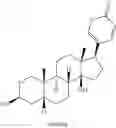
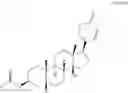

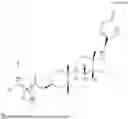


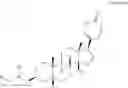

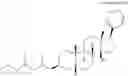

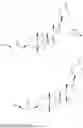

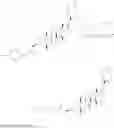
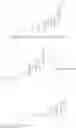


Sources:
- United States Patent and Trademark Office - verify current appl. status at the USPTO↗
Similar patent applications:
- » 20070161617
Certain chemical entities, compositions and methods - » 20070161683
Certain chemical entities, compositions, and methods - » 20070197505
Certain chemical entities, compositions and methods - » 20070197640
Certain chemical entities, compositions, and methods - » 20070208000
Certain chemical entities, compositions and methods - » 20070219192
Certain chemical entities, compositions, and methods - » 20080139575
Certain chemical entities, compositions, and methods - » 20080132545
Certain chemical entities, compositions, and methods - » 20080132548
Certain chemical entities, compositions, and methods - » 20070135435
Certain chemical entities, compositions, and methods
Recent applications in this class:
- » 20250152608 2025-05-15
CONTRACEPTIVE METHODS WITH IMPROVED PEARL INDEX - » 20250108061 2025-04-03
METHOD FOR TREATING ENDOMETRIOSIS AND PROVIDING EFFECTIVE CONTRACEPTION - » 20250041318 2025-02-06
STERILANTS COMPOSITION, KITS AND METHODS OF USE THEREOF - » 20250025480 2025-01-23
METHODS AND PHARMACEUTICAL COMPOSITIONS FOR THE TREATMENT OF CHOROIDAL NEOVASCULARISATION - » 20240382502 2024-11-21
COMPOSITIONS AND METHODS FOR DEEP DERMAL DRUG DELIVERY - » 20240366632 2024-11-07
METHODS FOR THE TREATMENT OF OCULAR ROSACEA - » 20240350515 2024-10-24
METHOD FOR TREATING ENDOMETRIOSIS AND PROVIDING EFFECTIVE CONTRACEPTION - » 20240293430 2024-09-05
WITHAFERIN A AND IMMUNE CHECKPOINT BLOCKER COMBINATION THERAPIES - » 20240252517 2024-08-01
MINERALOCORTICOID RECEPTOR ANTAGONISTS FOR THE PREVENTION AND/OR TREATMENT OF A CORONAVIRUS INFECTION - » 20240173337 2024-05-30
METHODS AND COMPOSITIONS FOR TREATING SLEEP APNEA
Recent applications for this Assignee:
- » 20190224218 2019-07-25
Certain chemical entities, compositions, and methods - » 20180214500 2018-08-02
Beautyberry total glycosides extract and preparation method and use thereof - » 20180125866 2018-05-10
Certain chemical entities, compositions, and methods - » 20170020897 2017-01-26
Certain chemical entities, compositions, and methods - » 20150246944 2015-09-03
Certain chemical entities, compositions, and methods