METHODS OF USING EHMT2 INHIBITORS
US20230087806A1
2023-03-23
17/474,581
2021-09-14
Abstract:
The present disclosure relates to a method of preventing or treating an imprinting disorder via administering an EHMT2 inhibitor compound disclosed herein or a pharmaceutical composition thereof to subjects in need thereof. The present disclosure also relates to the use of such compounds for research or other non-therapeutic purposes.
Inventors:
- John Emmerson Campbell 69 🇺🇸 Cambridge, MA, United States
- Christine Klaus 25 🇺🇸 Waban, MA, United States
- Elayne Penebre 9 🇺🇸 Auburndale, MA, United States
- Kenneth William DUNCAN 16 🇺🇸 Westwood, MA, United States
- Kat COSMOPOULOS 7 🇺🇸 Medford, MA, United States
Interested in similar patents?
Get notified when new applications in this technology area are published.
Classification:
A61K31/506 » CPC main
Medicinal preparations containing organic active ingredients; Heterocyclic compounds having nitrogen as a ring hetero atom, e.g. guanethidine or rifamycins having six-membered rings with two nitrogen atoms as the only ring heteroatoms, e.g. piperazine; Pyrimidines; Hydrogenated pyrimidines, e.g. trimethoprim not condensed and containing further heterocyclic rings
A61K31/4155 » CPC further
Medicinal preparations containing organic active ingredients; Heterocyclic compounds having nitrogen as a ring hetero atom, e.g. guanethidine or rifamycins having five-membered rings with two or more ring hetero atoms, at least one of which being nitrogen, e.g. tetrazole 1,2-Diazoles non condensed and containing further heterocyclic rings
A61K31/416 » CPC further
Medicinal preparations containing organic active ingredients; Heterocyclic compounds having nitrogen as a ring hetero atom, e.g. guanethidine or rifamycins having five-membered rings with two or more ring hetero atoms, at least one of which being nitrogen, e.g. tetrazole 1,2-Diazoles condensed with carbocyclic ring systems, e.g. indazole
A61K31/4184 » CPC further
Medicinal preparations containing organic active ingredients; Heterocyclic compounds having nitrogen as a ring hetero atom, e.g. guanethidine or rifamycins having five-membered rings with two or more ring hetero atoms, at least one of which being nitrogen, e.g. tetrazole 1,3-Diazoles condensed with carbocyclic rings, e.g. benzimidazoles
A61K31/437 » CPC further
Medicinal preparations containing organic active ingredients; Heterocyclic compounds having nitrogen as a ring hetero atom, e.g. guanethidine or rifamycins having six-membered rings with one nitrogen as the only ring hetero atom ortho- or peri-condensed with heterocyclic ring systems the heterocyclic ring system containing a five-membered ring having nitrogen as a ring hetero atom, e.g. indolizine, beta-carboline
A61K31/4439 » CPC further
Medicinal preparations containing organic active ingredients; Heterocyclic compounds having nitrogen as a ring hetero atom, e.g. guanethidine or rifamycins having six-membered rings with one nitrogen as the only ring hetero atom; Non condensed pyridines; Hydrogenated derivatives thereof containing further heterocyclic ring systems containing a five-membered ring with nitrogen as a ring hetero atom, e.g. omeprazole
A61K31/444 » CPC further
Medicinal preparations containing organic active ingredients; Heterocyclic compounds having nitrogen as a ring hetero atom, e.g. guanethidine or rifamycins having six-membered rings with one nitrogen as the only ring hetero atom; Non condensed pyridines; Hydrogenated derivatives thereof containing further heterocyclic ring systems containing a six-membered ring with nitrogen as a ring heteroatom, e.g. amrinone
A61K31/501 » CPC further
Medicinal preparations containing organic active ingredients; Heterocyclic compounds having nitrogen as a ring hetero atom, e.g. guanethidine or rifamycins having six-membered rings with two nitrogen atoms as the only ring heteroatoms, e.g. piperazine; Pyridazines; Hydrogenated pyridazines not condensed and containing further heterocyclic rings
A61K31/505 » CPC further
Medicinal preparations containing organic active ingredients; Heterocyclic compounds having nitrogen as a ring hetero atom, e.g. guanethidine or rifamycins having six-membered rings with two nitrogen atoms as the only ring heteroatoms, e.g. piperazine Pyrimidines; Hydrogenated pyrimidines, e.g. trimethoprim
A61K31/519 » CPC further
Medicinal preparations containing organic active ingredients; Heterocyclic compounds having nitrogen as a ring hetero atom, e.g. guanethidine or rifamycins having six-membered rings with two nitrogen atoms as the only ring heteroatoms, e.g. piperazine; Pyrimidines; Hydrogenated pyrimidines, e.g. trimethoprim ortho- or peri-condensed with heterocyclic rings
A61K31/5377 » CPC further
Medicinal preparations containing organic active ingredients; Heterocyclic compounds having nitrogen as a ring hetero atom, e.g. guanethidine or rifamycins having six-membered rings with at least one nitrogen and one oxygen as the ring hetero atoms, e.g. 1,2-oxazines 1,4-Oxazines, e.g. morpholine not condensed and containing further heterocyclic rings, e.g. timolol
A61K31/551 » CPC further
Medicinal preparations containing organic active ingredients; Heterocyclic compounds having nitrogen as a ring hetero atom, e.g. guanethidine or rifamycins having seven-membered rings, e.g. azelastine, pentylenetetrazole having two nitrogen atoms, e.g. dilazep
A61K31/5513 » CPC further
Medicinal preparations containing organic active ingredients; Heterocyclic compounds having nitrogen as a ring hetero atom, e.g. guanethidine or rifamycins having seven-membered rings, e.g. azelastine, pentylenetetrazole having two nitrogen atoms, e.g. dilazep 1,4-Benzodiazepines, e.g. diazepam or clozapine
A61K31/553 » CPC further
Medicinal preparations containing organic active ingredients; Heterocyclic compounds having nitrogen as a ring hetero atom, e.g. guanethidine or rifamycins having seven-membered rings, e.g. azelastine, pentylenetetrazole having at least one nitrogen and one oxygen as ring hetero atoms, e.g. loxapine, staurosporine
A61K45/06 » CPC further
Medicinal preparations containing active ingredients not provided for in groups - Mixtures of active ingredients without chemical characterisation, e.g. antiphlogistics and cardiaca
Description
RELATED APPLICATION
This application is a continuation of U.S. Application No. 16/499,480, filed Sep. 30, 2019, which is a U.S. National Phase application, filed under 35 U.S.C. § 371, of International Application No. PCT/US2018/025513, filed Mar. 30, 2018, which claims priority to U.S. Application Nos. 62/574,095, filed Oct. 18, 2017, and 62/480,233, filed Mar. 31, 2017, the entire contents of each of which are incorporated herein by reference.
BACKGROUND
Methylation of protein lysine residues is an important signaling mechanism in eukaryotic cells, and the methylation state of histone lysines encodes signals that are recognized by a multitude of proteins and protein complexes in the context of epigenetic gene regulation.
Histone methylation is catalyzed by histone methyltransferases (HMTs), and HMTs have been implicated in various human diseases. HMTs can play a role in either activating or repressing gene expression, and certain HMTs (e.g., euchromatic histone-lysine N-methyltransferase 2 or EHMT2, also called G9a) may methylate many nonhistone proteins, such as tumor suppressor proteins (see, e.g., Liu et al., Journal of Medicinal Chemistry 56:8931-8942, 2013 and Krivega et al., Blood 126(5):665-672, 2015).
Imprinting disorders are a group of congenital disorders caused by alterations of imprinted genes or chromosomal regions, which lead to an imbalance of gene expression regulated by differentially methylated regions of chromosomes (see, e.g., Soellner et al., Clinical Genetics 91:3-13, 2017).
SUMMARY
In one aspect, the present disclosure features a method of preventing or treating an imprinting disorder, the method comprising administering to a subject in need thereof a therapeutically effective amount of an EHMT2 inhibitor. In some embodiments, the EHMT2 inhibitor is a compound disclosed herein. In some embodiments, the EHMT2 inhibitor is not 2-cyclohexyl-6-methoxy-N-[1-(1-methylethyl)-4-piperidinyl]-7-[3-(1-pyrrolidinyl)propoxy]-4-quinazolinamine; N-(1-isopropylpiperidin-4-yl)-6-methoxy-2-(4-methyl-1,4-diazepan-1-yl)-7-(3-(piperidin-1-yl)propoxy)quinazolin-4-amine; 2-(4,4-difluoropiperidin-1-yl)-N-(1-isopropylpiperidin-4-yl)-6-methoxy-7-(3-(pyrrolidin-1-yl)propoxy)quinazolin-4-amine; or 2-(4-isopropyl-1,4-diazepan-1-yl)-N-(1-isopropylpiperidin-4-yl)-6-methoxy-7-(3-(piperidin-1-yl)propoxy)quinazolin-4-amine.
In certain embodiments, the imprinting disorder is Prader-Willi syndrome (PWS), transient neonatal diabetes mellitus (TNDM), Silver-Russell syndrome (SRS), Birk-Barel mental retardation, Beckwith-Wiedemann syndrome (BWS), Temple syndrome (UPD(14)mat), Kagami-Ogata syndrome (UPD(14)pat), Angelman syndrome (AS), precocious puberty, Schaaf-Yang syndrome (SHFYNG), sporadic pseudohypoparathyroidism Ib, and maternal uniparental disomy of chromosome 20 syndrome (upd(20)mat).
In certain embodiments, the EHMT2 inhibitor is a compound of any one of Formulae (I), (I′), (I″), (II″), (III″), (I′″), (II′″), and (III′″):
and a tautomer thereof, a pharmaceutically acceptable salt of the compound, or a pharmaceutically acceptable salt of the tautomer, wherein the variables are as defined herein.
Compounds that are suitable for the methods of the disclosure include subsets of the compounds of Formulae (I), (I′), (I″), (II″), (III″), (I′″), (II′″) and specific examples that are described in U.S. Application Nos. 62/323,602, 62/348,837, 62/402,997, 62/402,863, 62/509,620, 62/436,139, 62/517,840, 62/573,442, and 62/573,917, and PCT Aplication Nos. PCT/US/027918, PCT/US2017/054468, and PCT/US2017/067192, the contents of each of which are incorporated herein by reference in their entireties.
In some embodiments, a method of the present disclosure further comprises comprising administering to the subject in need thereof a therapeutically effective amount of one or more additional therapeutic agent.
In some embodiments, the one or more additional therapeutic agent consists of a single additional therapeutic agent. In some embodiments, the one or more additional therapeutic agent comprises a therapeutic agent provided herein. In some embodiments, the one or more additional therapeutic agent comprises a plurality of therapeutic agents, e.g., 2, 3, 4, 5, 6, 7, 8, 9, or 10 additional therapeutic agents. In some embodiments, the one or more additional therapeutic agent comprises more than 10 additional therapeutic agents.
Unless otherwise stated, any description of a method of treatment includes use of the compounds to provide such treatment or prophylaxis as is described herein, as well as use of the compounds to prepare a medicament to treat or prevent such condition. The treatment includes treatment of human or non-human animals including rodents and other disease models. Methods described herein may be used to identify suitable candidates for treating or preventing imprinting disorders. In some embodiments, the disclosure also provides methods of identifying an inhibitor of EHMT1 or EHMT2 or both.
In some embodiments, the method further comprises the steps of performing an assay to detect the degree of histone methylation by EHMT1 or EHMT2 in a sample comprising blood cells from a subject in need thereof.
In one embodiment, performing the assay to detect methylation of H3-K9 in the histone substrate comprises measuring incorporation of labeled methyl groups.
In one embodiment, the labeled methyl groups are isotopically labeled methyl groups.
In one embodiment, performing the assay to detect methylation of H3-K9 in the histone substrate comprises contacting the histone substrate with an antibody that binds specifically to dimethylated H3-K9.
Still another aspect of the disclosure is a method of inhibiting conversion of H3-K9 to dimethylated H3-K9. The method comprises the step of contacting a mutant EHMT, the wild-type EHMT, or both, with a histone substrate comprising H3-K9 and an effective amount of a compound of the present disclosure, wherein the compound inhibits histone methyltransferase activity of EHMT, thereby inhibiting conversion of H3-K9 to dimethylated H3-K9.
Further, the compounds or methods described herein can be used for research (e.g., studying epigenetic enzymes) and other non-therapeutic purposes.
Unless otherwise defined, all technical and scientific terms used herein have the same meaning as commonly understood by one of ordinary skill in the art to which this disclosure belongs. In the specification, the singular forms also include the plural unless the context clearly dictates otherwise. Although methods and materials similar or equivalent to those described herein can be used in the practice or testing of the present disclosure, suitable methods and materials are described below. All publications, patent applications, patents and other references mentioned herein are incorporated by reference. The references cited herein are not admitted to be prior art to the claimed invention. In the case of conflict, the present specification, including definitions, will control. In addition, the materials, methods and examples are illustrative only and are not intended to be limiting. In the case of conflict between the chemical structures and names of the compounds disclosed herein, the chemical structures will control.
Other features and advantages of the disclosure will be apparent from the following detailed description and claims.
BRIEF DESCRIPTION OF DRAWINGS
The above and further features will be more clearly appreciated from the following detailed description when taken in conjunction with the accompanying drawings.
FIG. 1 is a graph showing decrease of H3 di methyl K9 in Prader Willi Syndrome patient fibroblast cell lines upon treatment with 0.25 μM 1 μM and 5 μM Compound No. 205.
FIG. 2 is a graph showing the amount of SNRPN protein in in Prader Willi Syndrome patient fibroblast cell lines upon treatment with 0.25 μM 1 μM and 5 μM Compound No. 205.
DETAILED DESCRIPTION
The present disclosure provides a method of preventing or treating an imprinting disorder, the method comprising administering to a subject in need thereof a therapeutically effective amount of an EHMT2 inhibitor. In some embodiments, the EHMT2 inhibitor is a compound disclosed herein. In some embodiments, the EHMT2 inhibitor is not 2-cyclohexyl-6-methoxy-N-[1-(1-methylethyl)-4-piperidinyl]-7-[3-(1-pyrrolidinyl)propoxy]-4-quinazolinamine; N-(1-isopropylpiperidin-4-yl)-6-methoxy-2-(4-methyl-1,4-diazepan-1-yl)-7-(3-(piperidin-1-yl)propoxy)quinazolin-4-amine; 2-(4,4-difluoropiperidin-1-yl)-N-(1-isopropylpiperidin-4-yl)-6-methoxy-7-(3-(pyrrolidin-1-yl)propoxy)quinazolin-4-amine; or 2-(4-isopropyl-1,4-diazepan-1-yl)-N-(1-isopropylpiperidin-4-yl)-6-methoxy-7-(3-(piperidin-1-yl)propoxy)quinazolin-4-amine.
In certain embodiments, for the methods disclosed herein, the imprinting disorder is Prader-Willi syndrome (PWS), transient neonatal diabetes mellitus (TNDM), Silver-Russell syndrome (SRS), Birk-Barel mental retardation, Beckwith-Wiedemann syndrome (BWS), Temple syndrome (UPD(14)mat), Kagami-Ogata syndrome (UPD(14)pat), Angelman syndrome (AS), precocious puberty, Schaaf-Yang syndrome (SHFYNG), sporadic pseudohypoparathyroidism Ib, and maternal uniparental disomy of chromosome 20 syndrome (upd(20)mat).
In another aspect, the present disclosure provides a method of preventing or treating an imprinting disorder by administering to a subject in need thereof an effective amount of a compound of Formula (I) below:
or a tautomer thereof, or a pharmaceutically acceptable salt of the compound or the tautomer, wherein
ring A is phenyl or a 5- or 6-membered heteroaryl;
X1 is N, CR2, or NR2′ as valency permits;
X2 is N, CR3, or NR3′ as valency permits;
X3 is N, CR4, or NR4′ as valency permits;
X4 is N or CR5, or X4 is absent such that ring A is a 5-membered heteroaryl containing at least one N atom;
X5 is C or N as valency permits;
B is absent or a ring structure selected from the group consisting of C6-C10 aryl, C3-C10 to cycloalkyl, 5- to 10-membered heteroaryl, and 4- to 12-membered heterocycloalkyl containing 1-4 heteroatoms selected from N, O, and S;
T is a bond or C1-C6 alkylene, C2-C6 alkenylene, or C2-C6 alkynylene linker optionally substituted with one or more of halo, cyano, hydroxyl, oxo; or C1-C6 alkoxy when B is present; or T is H and n is 0 when B is absent; or T is C1-C6 alkyl optionally substituted with (R7)n when B is absent; or when B is absent, T and R1 together with the atoms to which they are attached optionally form a 4-7 membered heterocycloalkyl or 5-6 membered heteroaryl, each of which is optionally substituted with (R7)n;
R1 is H or C1-C4 alkyl;
each of R2, R3, and R4, independently is selected from the group consisting of H, halo, cyano, C1-C6 alkoxyl, C6-C10 aryl, NRaRb, C(O)NRaRb, NRaC(O)Rb, C3-C8 cycloalkyl, 4- to 7-membered heterocycloalkyl, 5- to 6-membered heteroaryl, and C1-C6 alkyl, wherein C1-C6 alkoxyl and C1-C6 alkyl are optionally substituted with one or more of halo, ORa, or NRaRb, in which each of Ra and Rb independently is H or C1-C6 alkyl, or R3 is -Q1-T1, in which Q1 is a bond or C1-C6 alkylene, C2-C6 alkenylene, or C2-C6 alkynylene linker optionally substituted with one or more of halo, cyano, hydroxyl, oxo, or C1-C6 alkoxyl, and T1 is H, halo, cyano, NR8R9, C(O)NR8R9, OR8, OR9, or RS1, in which RS1 is C3-C8 cycloalkyl, phenyl, 4- to 12-membered heterocycloalkyl containing 1-4 heteroatoms selected from N, O, and S, or a 5- or 6-membered heteroaryl and RS1 is optionally substituted with one or more of halo, C1-C6 alkyl, hydroxyl, oxo, —C(O)R9, —SO2R8, —SO2N(R8)2, —NR8C(O)R9, amino, mono- or di- alkylamino, or C1-C6 alkoxyl;; or when ring A is a 5-membered heteroaryl containing at least one N atom, R4 is a spiro-fused 4- to 12-membered heterocycloalkyl containing 1-4 heteroatoms selected from N, O, and S;
each of R2′, R3′ and R4′ independently is H or C1-C3 alkyl;
R5 is selected from the group consisting of H, F, Br, cyano, C1-C6 alkoxyl, C6-C10 aryl, NRaRb, C(O)NRaRb, NRaC(O)Rb, C3-C8, 4- to 12-membered heterocycloalkyl containing 1-4 heteroatoms selected from N, O, and S, C1-C6 alkyl optionally substituted with one or more of halo, ORa or NRaRb, and C2-C6 alkynyl optionally substituted with 4- to 12-membered heterocycloalkyl; wherein said C3-C8 cycloalkyl or 4- to 12-membered heterocycloalkyl are optionally substituted with one or more of halo, C(O)Ra, ORa, NRaRb, 4- to 7-membered heterocycloalkyl, —C1-C6 alkylene-4- to 7-membered heterocycloalkyl, or C1-C4 alkyl optionally substituted with one or more of halo, ORa or NRaRb, in which each of Ra and Rb independently is H or C1-C6 alkyl; or
R5 and one of R3 or R4 together with the atoms to which they are attached form phenyl or a 5- or 6-membered heteroaryl; or R5 and one of R3′or R4′ together with the atoms to which they are attached form a 5- or 6-membered heteroaryl, in which the phenyl or 5- or 6-membered heteroaryl as formed is optionally substituted with one or more of halo, C1-C3 alkyl, hydroxyl or C1-C3 alkoxyl;
R6 is absent when X5 is N and ring A is a 6-membered heteroaryl; or R6 is -Q1-T1, in which Q1 is a bond or C1-C6 alkylene, C2-C6 alkenylene, or C2-C6 alkynylene linker optionally substituted with one or more of halo, cyano, hydroxyl, oxo, or C1-C6 alkoxyl, and T1 is H, halo, cyano, NR8R9, C(O)NR8R9, C(O)R9, OR8, OR9, or RS1, in which RS1 is C3-C8 cycloalkyl, phenyl, 4- to 12-membered heterocycloalkyl containing 1-4 heteroatoms selected from N, O, and S, or a 5- or 6-membered heteroaryl and RS1 is optionally substituted with one or more of halo, C1-C6 alkyl, hydroxyl, oxo, —C(O)R9, —SO2R8, —SO2N(R8)2, —NR8C(O)R9, NR8R9, or C1-C6 alkoxyl; and R6 is not NR8C(O)NR12R13; or
R6 and one of R2 or R3 together with the atoms to which they are attached form phenyl or a 5- or 6-membered heteroaryl; or R6 and one of R2′ or R3′ together with the atoms to which they are attached form a 5- or 6-membered heteroaryl, in which the phenyl or 5- or 6-membered heteroaryl as formed is optionally substituted with one or more of halo, C1-C3 alkyl, hydroxyl, oxo (═O), C1-C3 alkoxyl, or -Q1-T1;
each R7 is independently oxo (═O) or -Q2-T2, in which each Q2 independently is a bond or C1-C6 alkylene, C2-C6 alkenylene, or C2-C6 alkynylene linker optionally substituted with one or more of halo, cyano, hydroxyl, amino, mono- or di- alkylamino, or C1-C6 alkoxyl, and each T2 independently is H, halo, cyano, OR10, OR11, C(O)R11, NR10R11, C(O)NR101R11, NR10C(O)R11, 5- to 10-membered heteroaryl, C3-C8 cycloalkyl, or 4- to 12-membered heterocycloalkyl containing 1-4 heteroatoms selected from N, O, and S, and wherein the 5- to 10-membered heteroaryl, C3-C8 cycloalkyl or 4- to 12-membered heterocycloalkyl is optionally substituted with one or more of halo, C1-C6 alkyl optionally substituted with NRxRy, hydroxyl, oxo, N(R8)2, cyano, C1-C6 haloalkyl, —SO2R8, or C1-C6 alkoxyl, each of Rx and Ry independently being H or C1-C6 alkyl; and R7 is not H or C(O)ORg;
each R8 independently is H or C1-C6 alkyl;
each R9 is independently -Q3-T3, in which Q3 is a bond or C1-C6 alkylene, C2-C6 alkenylene, or C2-C6 alkynylene linker optionally substituted with one or more of halo, cyano, hydroxyl, or C1-C6 alkoxyl, and T3 is H, halo, OR12, OR13, NR12R13, NR12C(O)R13, C(O)NR12R13, C(O)R13, S(O)2R13, S(O)2NR12R13; or RS2, in which RS2 is C3-C8 cycloalkyl, C6-C10 aryl, 4- to 12-membered heterocycloalkyl containing 1-4 heteroatoms selected from N, O, and S, or a 5- to 10-membered heteroaryl, and RS2 is optionally substituted with one or more -Q4-T4, wherein each Q4 independently is a bond or C1-C3 alkylene, C2-C3 alkenylene, or C2-C3 alkynylene linker each optionally substituted with one or more of halo, cyano, hydroxyl, or C1-C6 alkoxy, and each T4 independently is selected from the group consisting of H, halo, cyano, C1-C6 alkyl, C3-C8 cycloalkyl, C6-C10 aryl, 4- to 7-membered heterocycloalkyl containing 1-4 heteroatoms selected from N, O, and S, 5- to 6-membered heteroaryl, ORc, C(O)Rc, S(O)2Rc, NRcRd, C(O)NRcRd, and NRc(O)Rd, each of Rc and Rd independently being H or C1-C6 alkyl; or -Q4-T4 is oxo; or
R8 and R9 taken together with the nitrogen atom to which they are attached form a 4- to 12-membered heterocycloalkyl containing 1-4 heteroatoms selected from N, O and S, which is optionally substituted with one or more of -Q5-T5, wherein each Q5 independently is a bond or C1-C3 alkylene, C2-C3 alkenylene, or C2-C3 alkynylene linker each optionally substituted with one or more of halo, cyano, hydroxyl, or C1-C6 alkoxy, and each T5 independently is selected from the group consisting of H, halo, cyano, C1-C6 alkyl, C3-C8 cycloalkyl, C6-C10 aryl, 4- to 7-membered heterocycloalkyl containing 1-4 heteroatoms selected from N, O, and S, 5- to 6-membered heteroaryl, ORe, C(O)Re, S(O)2Re, S(O)2NReRf, NReRf, C(O)NReRf, and NReC(O)Rf, each of Re and Rf independently being H or C1-C6 alkyl; or -Q5-T5 is oxo;
R10 is selected from the group consisting of H and C1-C6 alkyl;
R11 is -Q6-T6, in which Q6 is a bond or C1-C6 alkylene, C2-C6 alkenylene, or C2-C6 alkynylene linker optionally substituted with one or more of halo, cyano, hydroxyl, oxo, or C1-C6 alkoxyl, and T6 is H, halo, ORg, NRgRh, NRgC(O)Rh, C(O)NRgRh, C(O)Rg, S(O)2Rg, or RS3, in which each of Rg and Rh independently is H, phenyl, C3-C8 cycloalkyl, or C1-C6 alkyl optionally substituted with C3-C8 cycloalkyl, or Rh and Rh together with the nitrogen atom to which they are attached form a 4- to 12-membered heterocycloalkyl containing 1-4 heteroatoms selected from N, O, and S, and RS3 is C3-C8 cycloalkyl, C6-C10 aryl, 4- to 12-membered heterocycloalkyl containing 1-4 heteroatoms selected from N, O and S, or a 5- to 10-membered heteroaryl, and RS3 is optionally substituted with one or more -Q7-T7, wherein each Q7 independently is a bond or C1-C3 alkylene, C2-C3 alkenylene, or C2-C3 alkynylene linker each optionally substituted with one or more of halo, cyano, hydroxyl, or C1-C6 alkoxy, and each T7 independently is selected from the group consisting of H, halo, cyano, C1-C6 alkyl, C3-C8 cycloalkyl, C6-C10 aryl, 4- to 7-membered heterocycloalkyl containing 1-4 heteroatoms selected from N, O, and S, 5- to 6-membered heteroaryl, ORj, C(O)Rj, NRjRk, C(O)NRjRk, S(O)2Rj, and NRjC(O)Rk, each of Rj and Rk independently being H or C1-C6 alkyl optionally substituted with one or more halo; or -Q7-T7 is oxo; or
R10 and R11 taken together with the nitrogen atom to which they are attached form a 4- to 12-membered heterocycloalkyl containing 1-4 heteroatoms selected from N, O, and S, which is optionally substituted with one or more of halo, C1-C6 alkyl, hydroxyl, or C1-C6 alkoxyl;
R12 is H or C1-C6 alkyl;
R13 is C1-C6 alkyl, C3-C8 cycloalkyl, C6-C10 aryl, 4- to 12-membered heterocycloalkyl containing 1-4 heteroatoms selected from N, O, and S, or a 5- to 10-membered heteroaryl, each of which is optionally substituted with one or more -Q8-T8, wherein each Q8 independently is a bond or C1-C3 alkylene, C2-C3 alkenylene, or C2-C3 alkynylene linker each optionally substituted with one or more of halo, cyano, hydroxyl, or C1-C6 alkoxy, and each T8 independently is selected from the group consisting of H, halo, cyano, C1-C6 alkyl, C3-C8 cycloalkyl, C6-C10 aryl, 4- to 7-membered heterocycloalkyl containing 1-4 heteroatoms selected from N, O, and S, and 5- to 6-membered heteroaryl; or -Q8-T8 is oxo; and
n is 0, 1, 2, 3, or 4, provided that
the compound of Formula (I) is not
2-cyclohexyl-6-methoxy-N-[1-(1-methylethyl)-4-piperidinyl]-7-[3-(1-pyrrolidinyl)propoxy]-4-quinazolinamine;
N-(1-isopropylpiperidin-4-yl)-6-methoxy-2-(4-methyl-1,4-diazepan-1-yl)-7-(3-(piperidin-1-yl)propoxy)quinazolin-4-amine;
2-(4,4-difluoropiperidin-1-yl)-N-(1-isopropylpiperidin-4-yl)-6-methoxy-7-(3-(pyrrolidin-1-yl)propoxy)quinazolin-4-amine; or
2-(4-isopropyl-1,4-diazepan-1-yl)-N-(1-isopropylpiperidin-4-yl)-6-methoxy-7-(3-(piperidin-1-yl)propoxy)quinazolin-4-amine.
The compounds of Formula (I) may have one or more of the following features when applicable.
In one embodiment, the EHMT2-inhibitor is not a compound selected from the group consisting of:
4-(((2-((1-acetylindolin-6-yl)amino)-6-(trifluoromethyl)pyrimidin-4-yl)amino)methyl)benzenesulfonamide;
5-bromo-N4-(4-fluorophenyl)-N2-(4-methoxy-3-(2-(pyrrolidin-1-yl)ethoxy)phenyl)pyrimidine-2,4-diamine;
N2-(4-methoxy-3-(2-(pyrrolidin-1-yl)ethoxy)phenyl)-N4-(5-(tert-pentyl)-1H-pyrazol-3-yl)pyrimidine-2,4-diamine;
4-((2,4-dichloro-5-methoxyphenyl)amino)-2-((3-(2-(pyrrolidin-1-yl)ethoxy)phenyl)amino)pyrimidine-5-carbonitrile;
N-(naphthalen-2-yl)-2-(piperidin-1-ylmethoxy)pyrimidin-4-amine;
N-(3,5-difluorobenzyl)-2-(3-(pyrrolidin-1-yl)propyl)pyrimidin-4-amine;
N-(((4-(3-(piperidin-1-yl)propyl)pyrimidin-2-yl)amino)methyl)benzamide;
N-(2-((2-(3-(dimethylamino)propyl)pyrimidin-4-yl)amino)ethyl)benzamide; and
2-(hexahydro-4-methyl-1H-1,4-diazepin-1-yl)-6,7-dimethoxy-N-[1-(phenylmethyl)-4-piperidinyl]-4-quinazolinamine;
In one embodiment, when T is a bond, B is substituted phenyl, and R6 is NR8R9, in which R9 is -Q3-RS2, and RS2 is optionally substituted 4- to 7-membered heterocycloalkyl or a 5- to 6-membered heteroaryl, then B is substituted with at least one substituent selected from (i) -Q2-OR11 in which R11 is -Q6-RS3 and a Q6 is optionally substituted C2-C6 alkylene, C2-C6 alkenylene, or C2-C6 alkynylene linker and in which R11 is -Q6-RS3;
In one embodiment, when T is a bond and B is optionally substituted phenyl, then R6 is not OR9 or NR8R9 in which R9 is optionally substituted naphthyl;
In one embodiment, when T is a bond and B is optionally substituted phenyl, naphthyl, indanyl or 1,2,3,4-tetrahydronaphthyl, then R6 is not NR8R9 in which R9 is optionally substituted phenyl, naphthyl, indanyl or 1,2,3,4-tetrahydronaphthyl;
In one embodiment, when T is a bond and B is optionally substituted phenyl or thiazolyl, then R6 is not optionally substituted imidazolyl, pyrazolyl, pyridyl, pyrimidyl, or NR8R9 in which R9 is optionally substituted imidazolyl or 6- to 10-membered heteroaryl; or
In one embodiment, when T is a C1-C6 alkylene linker and B is absent or optionally substituted C6-C10 aryl or 4- to 12-membered heterocycloalkyl; or when T is a bond and B is optionally substituted C1-C10 cycloalkyl or 4- to 12-membered heterocycloalkyl, then R6 is not NR8C(O)R13;
In one embodiment, when X1 and X3 are N, X2 is CR3, X4 is CR5, X5 is C, R5 is 4- to 12-membered heterocycloalkyl substituted with one or more C1-C6 alkyl, and R6 and R3 together with the atoms to which they are attached form phenyl which is substituted with one or more of optionally substituted C1-C3 alkoxyl, then B is absent, C6-C10 aryl, C3-C10 cycloalkyl, or 5- to 10-membered heteroaryl, or
In one embodiment, when X2 and X3 are N, X1 is CR2, X4 is CR5, X5 is C, R5 is C3-C8 cycloalkyl or 4- to 12-membered heterocycloalkyl, each optionally substituted with one or more C1-C6 alkyl, and R6 and R2 together with the atoms to which they are attached form phenyl which is substituted with one or more of optionally substituted C1-C3 alkoxyl, then B is absent, C6-C10 aryl, C3-C10 cycloalkyl, or 5- to 10-membered heteroaryl.
In some embodiments, ring A is a 6-membered heteroaryl, at least one of X1, X2, X3 and X4 is N and X5 is C.
In some embodiments, ring A is a 6-membered heteroaryl, two of X1, X2, X3 and X4 are N and X5 is C.
In some embodiments, R6 and one of R2 or R3 together with the ring A to which they are attached form a 6,5- fused bicyclic heteroaryl; or R6 and one of R2′ or R3′ together the ring A to which they are attached form a 6,5-fused bicyclic heteroaryl.
In some embodiments, at least one of R6, R2, R3, and R4 is not H.
In some embodiments, when one or more of R2′, R3′, and R4′ are present, at least one of R6, R2′, R3′, and R4′ is not H.
In some embodiments, the EHMT2 inhibitor is a compound of Formula (II):
wherein
ring B is phenyl or pyridyl,
one or both of X1 and X2 are N while X3 is CR4 and X4 is CR5 or one or both of X1 and X3 are N while X2 is CR3 and X4 is CR5; and n is 1, 2, or 3.
In some embodiments, the EHMT2 inhibitor is a compound of Formula (IIa1), (IIa2), (IIa3), (IIa4), or (IIa5):
In some embodiments, at most one of R3 and R5 is not H.
In some embodiments, the EHMT2 inhibitor is a compound of Formula (IIb1), (IIb2), (IIb3), (IIb4), or (IIb5):
In some embodiments, at most one of R3, R4 and R5 is not H.
In some embodiments, the EHMT2 inhibitor is a compound of Formula (IIc1), (IIc2), (IIc3), (IIc4), or (IIc5):
In some embodiments, at most one of R4 and R5 is not H.
In some embodiments, the EHMT2 inhibitor is a compound of Formula (IId1), (IId2), (IId3), (IId4), or (IId5):
In some embodiments, at most one of R2, R4, and R5 is not H.
In some embodiments, ring A is a 5-membered heteroaryl.
In some embodiments, the EHMT2 inhibitor is a compound of Formula (III):
wherein
ring B is phenyl or pyridyl,
at least one of X2 and X3 is N; and
n is 1 or2.
In some embodiments, the EHMT2 inhibitor is a compound of Formula (IIIa):
In some embodiments, at most one of R4′ and R2 is not H.
In some embodiments, the optionally substituted 6,5- fused bicyclic heteroaryl contains 1-4 N atoms.
In some embodiments, T is a bond and ring B is phenyl or pyridyl.
In some embodiments, n is 1 or 2.
In some embodiments, the EHMT2 inhibitor is a compound of Formula (IV):
wherein
ring B is C3-C6 cycloalkyl;
each of R20, R21, R22 and R23 independently is H, halo, C1-C3 alkyl, hydroxyl, or C1-C3 alkoxyl; and
n is 1 or2.
In some embodiments, ring B is cyclohexyl.
In some embodiments, R1 is H or CH3.
In some embodiments, n is 1 or 2, and at least one of R7 is -Q2-OR11 in which R11 is -Q6-RS3 and Q6 is optionally substituted C2-C6 alkylene, C2-C6 alkenylene, or C2-C6 alkynylene linker.
In some embodiments, n is 1 or 2, and at least one of R7 is -Q2-NR10R11 in which R11 is -Q6-RS3.
In some embodiments, Q6 is C2-C6 alkylene, C2-C6 alkenylene, or C2-C6 alkynylene linker optionally substituted with a hydroxyl and RS3 is 4- to 7-membered heterocycloalkyl optionally substituted with one or more -Q7-T7.
In some embodiments, Q6 is C1-C6 alkylene, C2-C6 alkenylene, or C2-C6 alkynylene linker optionally substituted with a hydroxyl and RS3 is C3-C6 cycloalkyl optionally substituted with one or more -Q7-T7.
In some embodiments, each Q7 is independently a bond or a C1-C3 alkylene, C2-C3 alkenylene, or C2-C3 alkynylene linker and each T7 is independently H, halo, C1-C6 alkyl, or phenyl.
In some embodiments, Q2 is a bond or a C1-C4 alkylene, C2-C4 alkenylene, or C2-C4 alkynylene linker.
In some embodiments, at least one of R7 is
In some embodiments, n is 2 and the compound further comprises another R7 selected from halo and methoxy.
In some embodiments, ring B is selected from phenyl, pyridyl, and cyclohexyl, and the halo or methoxy is at the para-position to NR1.
In some embodiments, R6 is NR8R9.
In some embodiments, R9 is -Q3-T3, in which T3 is OR12, NR12C(O)R13, C(O)R13, C(O)NR12R13, S(O)2NR12R13, or RS2.
In some embodiments, Q3 is C1-C6 alkylene, C2-C6 alkenylene, or C2-C6 alkynylene linker optionally substituted with a hydroxyl.
In some embodiments, RS2 is C3-C6 cycloalkyl, phenyl, 4- to 12-membered heterocycloalkyl, or a 5- to 10-membered heteroaryl, and RS2 is optionally substituted with one or more -Q4-T4.
In some embodiments, each Q4 is independently a bond or C1-C3 alkylene, C2-C3 alkenylene, or C2-C3 alkynylene linker optionally substituted with one or more of hydroxyl and halo, and each T4 is independently H, halo, C1-C6 alkyl, or phenyl; or -Q4-T4 is oxo.
In some embodiments, R6 or NR8R9 is selected from the group consisting of:
In some embodiments, B is absent and T is unsubstituted C1-C6 alkyl or T is C1-C6 alkyl substituted with at least one R7.
In some embodiments, B is 4- to 12-membered heterocycloalkyl and T is unsubstituted C1-C6 alkyl.
In some embodiments, the EHMT2 inhibitor is a compound of Formula (V):
wherein
ring B is absent or C3-C6 cycloalkyl;
X3 is N or CR4 in which R4 is H or C1-C4 alkyl;
R1 is H or C1-C4 alkyl;
or when B is absent, T and R1 together with the atoms to which they are attached optionally form a 4-7 membered heterocycloalkyl or 5-6 membered heteroaryl, each of which is optionally substituted with (R7)n; or when B is absent, T is H and n is 0;
each R7 is independently oxo (═O) or -Q2-T2, in which each Q2 independently is a bond or C1-C6 alkylene, C2-C6 alkenylene, or C2-C6 alkynylene linker optionally substituted with one or more of halo, cyano, hydroxyl, amino, mono- or di- alkylamino, or C1-C6 alkoxyl, and each T2 independently is H, halo, OR10, OR11, C(O)R11, NR11OR11, C(O)NR10R11, NR10C(O)R11, C3-C8 cycloalkyl, or 4- to 12-membered heterocycloalkyl containing 1-4 heteroatoms selected from N, O, and S, and wherein the C3-C8 cycloalkyl or 4- to 12-membered heterocycloalkyl is optionally substituted with one or more of halo, C1-C6 alkyl optionally substituted with NRxRy, hydroxyl, oxo, N(R8)2, cyano, C1-C6 haloalkyl, —SO2R8, or C1-C6 alkoxyl, each of Rx and Ry independently being H or C1-C6 alkyl; and R7 is not H or C(O)ORg;
R5 is selected from the group consisting of C1-C6 alkyl, C3-C8 cycloalkyl and 4- to 12-membered heterocycloalkyl containing 1-4 heteroatoms selected from N, O and S, wherein the C3-C8 cycloalkyl and 4- to 12-membered heterocycloalkyl is optionally substituted with one or more of 4- to 7-membered heterocycloalkyl, —C1-C6 alkylene-4- to 7-membered heterocycloalkyl, —C(O)C1-C6 alkyl or C1-C6 alkyl optionally substituted with one or more of halo or ORa;
R9 is -Q3-T3, in which Q3 is a bond or C1-C6 alkylene, C2-C6 alkenylene, or C2-C6 alkynylene linker optionally substituted with one or more of halo, cyano, hydroxyl, or C1-C6 alkoxyl, and T3 is 4- to 12-membered heterocycloalkyl containing 1-4 heteroatoms selected from N, O, and S, optionally substituted with one or more -Q4-T4, wherein each Q4 independently is a bond or C1-C3 alkylene, C2-C3 alkenylene, or C2-C3 alkynylene linker each optionally substituted with one or more of halo, cyano, hydroxyl, or C1-C6 alkoxy, and each T4 independently is selected from the group consisting of H, halo, cyano, C1-C6 alkyl, C3-C8 cycloalkyl, C6-C10 aryl, 4- to 7-membered heterocycloalkyl containing 1-4 heteroatoms selected from N, O, and S, 5- to 6-membered heteroaryl, ORc, C(O)Rc, S(O)2Rc, NRcRd, C(O)NRcRd, and NRcC(O)Rd, each of Rc and Rd independently being H or C1-C6 alkyl; or -Q4-T4 is oxo; and
n is 0, 1 or 2.
In some embodiments, the EHMT2 inhibitor is a compound of Formula (VI):
wherein
R5 and R6 are independently selected from the group consisting of C1-C6 alkyl and NR8R9, or R6 and R3 together with the atoms to which they are attached form phenyl or a 5- or 6-membered heteroaryl.
In some embodiments, R6 is methyl.
In some embodiments, the EHMT2 inhibitor is a compound of Formula (VII):
wherein m is 1 or 2 and n is 0, 1, or 2.
In some embodiments, both of X1 and X3 are N while X2 is CR3 and X4 is CR5.
In some embodiments, the EHMT2 inhibitor is a compound of Formula (VIIIa):
wherein
X1 is N or CR2;
X2 is N or CR3;
X3 is N or CR4;
X4 is N or CRS;
R2 is selected from the group consisting of H, C3-C8 cycloalkyl, and C1-C6 alkyl optionally substituted with one or more of halo, ORa, or NRaRb;
each of R3 and R4 is H; and
R5 are independently selected from the group consisting of H, C3-C8 cycloalkyl, and C1-C6 alkyl optionally substituted with one or more of halo or ORa; or
R5 and one of R3 or R4 together with the atoms to which they are attached form phenyl or a 5- or 6-membered heteroaryl; or R5 and one of R3′or R4′ together with the atoms to which they are attached form a 5- or 6-membered heteroaryl, in which the phenyl or 5- or 6-membered heteroaryl as formed is optionally substituted with one or more of halo, C1-C3 alkyl, hydroxyl or C1-C3 alkoxyl; and
wherein at least one of R2 or R5 are not H.
In some embodiments, the EHMT2 inhibitor is a compound of Formula (VIIIb):
wherein
X1 is N or CR2;
X2 is N or CR3;
X3 is N or CR4;
X4 is N or CR5;
R2 is selected from the group consisting of H, C3-C8 cycloalkyl, and C1-C6 alkyl each of R3 and R4 is H; and
R5 is selected from the group consisting of H, C3-C8 cycloalkyl, and C1-C6 alkyl; or
R5 and one of R3 or R4 together with the atoms to which they are attached form phenyl or a 5- or 6-membered heteroaryl; or R5 and one of R3′or R4′ together with the atoms to which they are attached form a 5- or 6-membered heteroaryl, in which the phenyl or 5- or 6-membered heteroaryl as formed is optionally substituted with one or more of halo, C1-C3 alkyl, hydroxyl or C1-C3 alkoxyl; and
wherein at least one of R2 or R5 are not H.
In some embodiments, the EHMT2 inhibitor is a compound of Formula (VIIIc):
wherein
X1 is N or CR2;
X2 is N or CR3;
X3 is N or CR4;
X4 is N or CR5;
R2 is selected from the group consisting of H, C3-C8 cycloalkyl, and C1-C6 alkyl each of R3 and R4 is H; and
R5 is selected from the group consisting of H, C3-C8 cycloalkyl, and C1-C6 alkyl; or
R5 and one of R3 or R4 together with the atoms to which they are attached form phenyl or a 5- or 6-membered heteroaryl; or R5 and one of R3′ or R4′ together with the atoms to which they are attached form a 5- or 6-membered heteroaryl, in which the phenyl or 5- or 6-membered heteroaryl as formed is optionally substituted with one or more of halo, C1-C3 alkyl, hydroxyl or C1-C3 alkoxyl; and
wherein at least one of R2 or R5 are not H.
In some embodiments, the EHMT2 inhibitor is a compound of (IX):
or a tautomer thereof, or a pharmaceutically acceptable salt of the compound or the tautomer, wherein
X6 is N or CH;
X7 is N or CH;
X3 is N or CR4;
R4, independently is selected from the group consisting of H, halo, cyano, C1-C6 alkoxyl, C6-C10 aryl, NRaRb, C(O)NRaRb, NRaC(O)Rb, C3-C8 cycloalkyl, 4- to 7- membered heterocycloalkyl, 5- to 6-membered heteroaryl, and C1-C6 alkyl, wherein C1-C6 alkoxyl and C1-C6 alkyl are optionally substituted with one or more of halo, ORa, or NRaRb, in which each of Ra and Rb independently is H or C1-C6 alkyl;
each R9 is independently -Q3-T3, in which Q3 is a bond or C1-C6 alkylene, C2-C6 alkenylene, or C2-C6 alkynylene linker optionally substituted with one or more of halo, cyano, hydroxyl, or C1-C6 alkoxyl, and T3 is H, halo, OR12, OR13, NR12R13, NR12C(O)R13, C(O)NR12R13, C(O)R13, S(O)2R13, S(O)2NR12R13, or RS2, in which RS2 is C3-C8 cycloalkyl, C6-C10 aryl, 4- to 12-membered heterocycloalkyl containing 1-4 heteroatoms selected from N, O, and S, or a 5- to 10-membered heteroaryl, and RS2 is optionally substituted with one or more -Q4-T4, wherein each Q4 independently is a bond or C1-C3 alkylene, C2-C3 alkenylene, or C2-C3 alkynylene linker each optionally substituted with one or more of halo, cyano, hydroxyl, or C1-C6 alkoxy, and each T4 independently is selected from the group consisting of H, halo, cyano, C1-C6 alkyl, C3-C8 cycloalkyl, C6-C10 aryl, 4- to 7-membered heterocycloalkyl containing 1-4 heteroatoms selected from N, O, and S, 5- to 6-membered heteroaryl, C(O)Rc, S(O)2Rc, NRcRd, C(O)NRcRd, and NRcC(O)Rd, each of Rc and Rd independently being H or C1-C6 alkyl; or -Q4-T4 is oxo; or
R12 is H or C1-C6 alkyl;
R13 is C1-C6 alkyl, C3-C8 cycloalkyl, C6-C10 aryl, 4- to 12-membered heterocycloalkyl containing 1-4 heteroatoms selected from N, O, and S, or a 5- to 10-membered heteroaryl, each of which is optionally substituted with one or more -Q8-T8, wherein each Q8 independently is a bond or C1-C3 alkylene, C2-C3 alkenylene, or C2-C3 alkynylene linker each optionally substituted with one or more of halo, cyano, hydroxyl, or C1-C6 alkoxy, and each T8 independently is selected from the group consisting of H, halo, cyano, C1-C6 alkyl, C3-C8 cycloalkyl, C6-C10 aryl, 4- to 7-membered heterocycloalkyl containing 1-4 heteroatoms selected from N, O, and S, and 5- to 6-membered heteroaryl; or -Q8-T8 is oxo;
R15 is C1-C6 alkyl, NHR17, C3-C8 cycloalkyl, C6-C10 aryl, 4- to 12-membered heterocycloalkyl containing 1-4 heteroatoms selected from N, O, and S, or 5- to 10-membered heteroaryl, wherein each of said C1-C6 alkyl, C3-C8 cycloalkyl, C6-C10 aryl, 4- to 12-membered heterocycloalkyl, and 5- to 10-membered heteroaryl is optionally substituted with one or more -Q9-T9, wherein each Q9 independently is a bond or C1-C3 alkylene, C2-C3 alkenylene, or C2-C3 alkynylene linker each optionally substituted with one or more of halo, cyano, hydroxyl, or C1-C6 alkoxy, and each T9 independently is selected from the group consisting of H, halo, cyano, C1-C6 alkyl, C3-C8 cycloalkyl, C6-C10 aryl, 4- to 7-membered heterocycloalkyl containing 1-4 heteroatoms selected from N, O, and S, and 5- to 6-membered heteroaryl; or -Q9-T9 is oxo;
R16 is C1-C6 alkyl, C2-C6 alkenyl, C2-C6 alkynyl, C3-C8 cycloalkyl, C6-C10 aryl, 4- to 12-membered heterocycloalkyl containing 1-4 heteroatoms selected from N, O, and S, or a 5- to 10-membered heteroaryl, each of which is optionally substituted with one or more -Q10-T10, wherein each Q10 independently is a bond or C1-C3 alkylene, C2-C3 alkenylene, or C2-C3 alkynylene linker each optionally substituted with one or more of halo, cyano, hydroxyl, or C1-C6 alkoxy, and each T10 independently is selected from the group consisting of H, halo, cyano, C1-C6 alkyl, C3-C8 cycloalkyl, C6-C10 aryl, 4- to 7-membered heterocycloalkyl containing 1-4 heteroatoms selected from N, O, and S, and 5- to 6-membered heteroaryl; or -Q10-T10 is oxo;
R17 is H or C1-C6 alkyl; and
v is 0, 1, or 2.
In some embodiments, each T3 independently is OR12 or OR13.
In some embodiments, each Q3 independently is a bond or C1-C6 alkylene, C2-C6 alkenylene, or C2-C6 alkynylene linker optionally substituted with a hydroxyl.
In some embodiments, R15 is C1-C6 alkyl, NHR17, or 4- to 12-membered heterocycloalkyl.
In some embodiments, R16 is C1-C6 alkyl or 4- to 12-membered heterocycloalkyl, each optionally substituted with one or more -Q10-T10.
In some embodiments, each T10 independently is selected from the group consisting of H, halo, cyano, C1-C6 alkyl, and 4- to 7-membered heterocycloalkyl.
In some embodiments, each Q10 independently is a bond or C1-C3 alkylene, C2-C3 alkenylene, or C2-C3 alkynylene linker optionally substituted with a hydroxyl.
In some embodiments, the EHMT2 inhibitor is a compound of Formula (X):
wherein X3 is N or CR4, wherein R4 is selected from the group consisting of H, halo, and cyano.
In some embodiments, the EHMT2 inhibitor is a compound of Formula (Xa), (Xb), (Xc), (Xd), (Xe), (Xf), or (Xg):
In some embodiments, at least one of X1, X2, X3 and X4 is N.
In some embodiments, X2 and X3 is CH, and X1 and X4 is N.
In some embodiments, X2 and X3 is N, X1 is CR2, and X4 is CR5.
In some embodiments, R6 is NR8R9 and R5 is C1-6 alkyl or R5 and R3 together with the atoms to which they are attached form phenyl or a 5- to 6-membered heteroaryl ring.
In another aspect, the present disclosure provides a method of preventing or treating an imprinting disorder by administering to a subject in need thereof an effective amount of a compound of Formula (I′):
or a tautomer thereof, or a pharmaceutically acceptable salt of the compound or the tautomer, wherein
X1a is O, S, CR1aR11a or NR1a′ when is a single bond, or X1a is N when is a double bond;
X2a is N or CR2a when is a double bond, or X2a is NR2a′ when is a single bond;
X3a is N; when X3a is N, is a double bond and is a single bond, and when X3a is C, is a single bond and is a double bond;
each of R1a, R2a and R11a, independently, is -Q1a-T1a, in which each Q1a independently is a bond or C1-C6 alkylene, C2-C6 alkenylene, or C2-C6 alkynylene linker optionally substituted with one or more of halo, cyano, hydroxyl, or C1-C6 alkoxyl, and each T1a independently is H, halo, cyano, NR5aR6a, C(O)NR5aR6a, C(O)NR5aR6a, —OC(O)NR5a, C(O)R5a, —NR5aC(O)R5a, —NR5aC(O)R6a, —NR5aC(O)OR6a, OR5a, or RS1a, in which RS1a is C3-C12 cycloalkyl, phenyl, 4- to 12-membered heterocycloalkyl containing 1-4 heteroatoms selected from N, O, and S, or a 5- or 6-membered heteroaryl and RS1a is optionally substituted with one or more of halo, C1-C6 alkyl, hydroxyl, oxo, —C(O)R6a, —SO2R5a, —SO2N(R5a)2, —NR5a C(O)R6a, amino, mono- or di- alkylamino, or C1-C6 alkoxyl; or
R1a and R11a together with the carbon atom to which they are attached form a C3-C12 cycloalkyl or 4- to 12-membered heterocycloalkyl containing 1-4 heteroatoms selected from N, O, and S, wherein the C3-C12 cycloalkyl or 4- to 12-membered heterocycloalkyl is optionally substituted with one or more of halo, C1-C6 alkyl, hydroxyl, oxo, amino, mono- or di- alkylamino, or C1-C6 alkoxyl;
each of R1a′ and R2a′, independently, is -Q2a-T2a, in which Q2a is a bond or C1-C6 alkylene, C2-C6 alkenylene, or C2-C6 alkynylene linker optionally substituted with one or more of halo, cyano, hydroxyl, or C1-C6 alkoxyl, and T1a is H, halo, cyano, or RS2a, in which RS2a is C3-C12 cycloalkyl, phenyl, 4- to 12-membered heterocycloalkyl containing 1-4 heteroatoms selected from N, O, and S, or a 5- or 6-membered heteroaryl and RS2a, is optionally substituted with one or more of halo, C1-C6 alkyl, hydroxyl, oxo, —C(O)R6a, —SO2R5a, −SO2N(R5a)2, —NR5aC(O)R6a, amino, mono- or di- alkylamino, or C1-C6 alkoxyl;
R3a is H, NRaaRba, ORaa, or RS4a in which RS4a is C1-C6 alkyl, C2-C6 alkenyl, C3-C12 cycloalkyl, phenyl, 5- or 6-membered heteroaryl, or 4- to 12-membered heterocycloalkyl containing 1-4 heteroatoms selected from N, O, and S, wherein each of Raa and Rba independently is H or RS5a, or Raa and Rba together with the nitrogen atom to which they are attached form a 4- to 12-membered heterocycloalkyl containing 1-4 heteroatoms selected from N, O, and S; in which RS5a is C1-C6 alkyl, phenyl, 5- or 6-membered heteroaryl, or 4- to 12-membered heterocycloalkyl containing 1-4 heteroatoms selected from N, O, and S, and each of RS4a, RS5a, and the heterocycloalkyl formed by Raa and Rba is independpently optionally substituted with one or more of halo, hydroxyl, oxo, CN, amino, mono- or di- alkylamino, C1-C6 alkyl, C1-C6 alkoxyl, C3-C12 cycloalkyl, phenyl, 5- or 6-membered heteroaryl, or 4- to 12-membered heterocycloalkyl containing 1-4 heteroatoms selected from N, O, and S, or alternatively;
R3a and one of R1a′, R2′, R1a′, R2a and R11a, together with the atoms to which they are attached, form a 5- or 6-membered heteroaryl that is optionally substituted with one or more of halo, C1-C3 alkyl, hydroxyl or C1-C3 alkoxyl; or
R1a is oxo and is a single bond;
each R4a independently is -Q3a-T3a, in which each Q3a independently is a bond or C1-C6 alkylene, C2-C6 alkenylene, or C2-C6 alkynylene linker optionally substituted with one or more of halo, cyano, hydroxyl, amino, mono- or di- alkylamino, or C1-C6 alkoxyl, and each T3a independently is H, halo, cyano, OR7a, OR8a, C(O)R8a, NR7aR8a, C(O)NR7aR8a, NR7aC(O)NR8a, C(O)NR7aR8a, NR7aC(O)R8a, C6-C10 aryl, 5- to 10-membered heteroaryl, C3-C12 cycloalkyl, or 4- to 12-membered heterocycloalkyl containing 1-4 heteroatoms selected from N, O, and S, and wherein the C6-C10 aryl, 5- to 10-membered heteroaryl, C3-C12 cycloalkyl or 4- to 12-membered heterocycloalkyl is optionally substituted with one or more of halo, hydroxyl, cyano, C1-C6 haloalkyl, —SO2R5a, C1-C6 alkoxyl or C1-C6 alkyl optionally substituted with one or more of NR5aR6a;
each of R5a, R6a, and R7a, independently, is H or C1-C6 alkyl optionally substituted with one or more of halo, cyano, hydroxyl, amino, mono- or di- alkylamino, or C1-C6 alkoxyl;
R8a is -Q4a-T4a, in which Q4a is a bond or C1-C6 alkylene, C2-C6 alkenylene, C2-C6 alkynylene linker optionally substituted with one or more of halo, cyano, hydroxyl, or C1-C6 alkoxyl, and T4a is H, halo, or RS3a, in which RS3a is C3-C12 cycloalkyl, C6-C10 aryl, 4- to 12-membered heterocycloalkyl containing 1-4 heteroatoms selected from N, O and S, or a 5- to 10-membered heteroaryl, and RS3a is optionally substituted with one or more -Q5a-T5a, wherein each Q5a independently is a bond or C1-C3 alkylene, C2-C3 alkenylene, or C2-C3 alkynylene linker each optionally substituted with one or more of halo, cyano, hydroxyl, or C1-C6 alkoxy, and each T5a independently is selected from the group consisting of H, halo, cyano, C1-C6 alkyl, C3-C12 cycloalkyl, C6-C10 aryl, 4- to 7-membered heterocycloalkyl containing 1-4 heteroatoms selected from N, O, and S, 5- to 6-membered heteroaryl, ORca, C(O)Rca, NRcaRdaC(O)NRcadda, C(O)S(O)2Rca, and NRcaC(O)Rda, each of Rca and Rda independently being H or C1-C6 alkyl optionally substituted with one or more halo; or -Q5a-T5a is oxo; and
n is 1, 2, 3, or 4.
In some embodiments, the compound is not
In some embodiments, when n is 2, X1a is CR1aR11a, X2a is N, is C, R3a is NH2, and at least one R4a is OR7a, then one of (1)-(4) below applies:
(1) at least one of R1a and R11a is -Q1a-T1a, in which Q1a is a C1-C6 alkylene linker optionally substituted with one or more of halo, cyano, hydroxyl, or C1-C6 alkoxyl, and T1a is cyano, NR5aR6a, C(O)NR5aR6a, —OC(O)NR5aR6a, C(O)OR5a, —OC(O)NR5a, C(O)R5a, —NR5aC(O)R6a, —NR5aC(O)OR6a, OR5a, or RS1a, in which RS1ais C3-C12 cycloalkyl, phenyl, 4- to 12-membered heterocycloalkyl containing 1-4 heteroatoms selected from N, O, and S, or a 5- or 6-membered heteroaryl and RS1a is optionally substituted with one or more of halo, C1-C6 alkyl, hydroxyl, oxo, —C(O)R6a, —SO2R5a, —SO2N(R5a)2, —NR5aC(O)R6a, amino, mono- or di- alkylamino, or C1-C6 alkoxyl; or
(2) at least one of R1a and R11a is -Q1a-T1 in which Q1a is a C2-C6 alkenylene or C2-C6 alkynylene linker optionally substituted with one or more of halo, cyano, hydroxyl, or C1-C6 alkoxyl, and T1a is H, halo, cyano, NR5aR6a, C(O)NR5aR6a, —OC(O)NR5aR6a, C(O)OR5a, —OC(O)R5a, C(O)R5a, —NR5aC(O)R6a, —NR5aC(O)OR6a, OR5a, or RS1a, in which RS1a is C3-C12 cycloalkyl, phenyl, 4- to 12-membered heterocycloalkyl containing 1-4 heteroatoms selected from N, O, and S, or a 5- or 6-membered heteroaryl and Rs1a is optionally substituted with one or more of halo, C1-C6 alkyl, hydroxyl, oxo, —C(O)R6a, —SO2R5a, —SO2N(R5a)2, —NR5sC(O)R6a, amino, mono- or di- alkylamino, or C1-C6 alkoxyl; or
(3) at least one of R1a and R11a is -Q1a-T1a, in which Q1a is a bond, and T1a is halo, cyano, NR5aR6a, C(O)NR5aR6a, —OC(O)NR5aR6a, C(O)OR5a, —OC(O)R5a, —NR5aC(O)R6a, —NRa5C(O)OR6a, OR5a, or Rs1a , in which RS1a is C3-C12 cycloalkyl, phenyl, 4- to 12-membered heterocycloalkyl containing 1-4 heteroatoms selected from N, O, and S, or a 5- or 6-membered heteroaryl and RS1a is optionally substituted with one or more of halo, C1-C6 alkyl, hydroxyl, oxo, —C(O)R6a, —SO2R5a, —SO2N(R5a)2, —NR5aC(O)R6a, amino, mono- or di- alkylamino, or C1-C6 alkoxyl; or
(4) R1a and R11a together with the carbon atom to which they are attached form a C7-C12 cycloalkyl or 4- to 12-membered heterocycloalkyl containing 1-4 heteroatoms selected from N, O, and S, wherein the C7-C12 cycloalkyl or 4- to 12-membered heterocycloalkyl is optionally substituted with one or more of halo, C1-C6 alkyl, hydroxyl, oxo, amino, mono- or di- alkylamino, or C1-C6 alkoxyl.
In some embodiments, at least one of X2a and X3a is N.
In some embodiments, at least two of X1a, X2a, and X3a comprise N.
In some embodiments, at least one of and is a double bond.
In some embodiments, is a double bond.
In some embodiments, is a single bond.
In some embodiments, X2a is NR2a′ and R3a is oxo.
In some embodiments, X2a is N and X3a is C.
In some embodiments, X2a is CR2a and X3a is N.
In some embodiments, X1a is S.
In some embodiments, X1a is NR1a′.
In some embodiments, Xla is CR1aR11a.
In some embodiments, R1a and R11a a together with the carbon atom to which they are attached form a 4- to 7-membered heterocycloalkyl containing 1-4 heteroatoms selected from N, O, and S, wherein the 4- to 7-membered heterocycloalkyl is optionally substituted with one or more of halo, C1-C6 alkyl, hydroxyl, oxo, amino, mono- or di- alkylamino, or C1-C6 alkoxyl.
In some embodiments, n is 1 or 2.
In some embodiments, n is 2.
In some embodiments, the compound is of Formula (IIa′), (IIb′), (IIc′), (IId′), (IIe′), (IIIa′), (IIIb′), (IIIc′), (IIId′), (IIIe′), (IIIf′), (IVa′), or (IVb′):
a tautomer thereof, or a pharmaceutically acceptable salt of the compound or the tautomer.
In some embodiments, the compound is of Formula (IIf′), (IIg′), (IIh′), (III′), (IIIj′), (IIIk′), or (IIIl′):
a tautomer thereof, or a pharmaceutically acceptable salt of the compound or the tautomer, wherein
R3a is H, NRaaRbaTba, or RS4a, in which RS4a is C1-C6 alkyl, C2-C6 alkenyl, C2-C6 alkynyl, C3-C12 cycloalkyl, phenyl, 5- or 6-membered heteroaryl, or 4- to 12-membered heterocycloalkyl containing 1-4 heteroatoms selected from N, O, and S, wherein each of Raa and Rba independently is H or RS5a, or Raa and Rba together with the nitrogen atom to which they are attached form a 4- to 12-membered heterocycloalkyl containing 1-4 heteroatoms selected from N, O, and S; in which RS5a is C1-C6 alkyl, phenyl, 5- or 6-membered heteroaryl, or 4- to 12-membered heterocycloalkyl containing 1-4 heteroatoms selected from N, O, and S, and each of Rs', RS5a, and the heterocycloalkyl formed by Raa and Rba is independently optionally substituted with one or more of halo, hydroxyl, oxo, CN, amino, mono- or di- alkylamino, C1-C6 alkyl, C1-C6 alkoxyl, C3-C12 cycloalkyl, phenyl, 5- or 6-membered heteroaryl, or 4- to 12-membered heterocycloalkyl containing 1-4 heteroatoms selected from N, O, and S;
each of R4a and R4a′ independently is -Q3a-T3a, in which each Q3a independently is a bond or C1-C6 alkylene, C2-C6 alkenylene, or C2-C6 alkynylene linker optionally substituted with one or more of halo, cyano, hydroxyl, amino, mono- or di- alkylamino, or C1-C6 alkoxyl, and each T3a independently is H, halo, cyano, OR7a, OR8a, C(O)R8a, NR7aR8a, C(O)NR7aR8a, NR7aC(O)R8a, C6-C10 aryl, 5- to 10-membered heteroaryl, C3-C12 cycloalkyl, or 4- to 12-membered heterocycloalkyl containing 1-4 heteroatoms selected from N, O, and S, and wherein the C6-C10 aryl, 5- to 10-membered heteroaryl, C3-C12 cycloalkyl or 4- to 12-membered heterocycloalkyl is optionally substituted with one or more of halo, hydroxyl, cyano, C1-C6 haloalkyl, —SO2R5a, C1-C6 alkoxyl or C1-C6 alkyl optionally substituted with one or more of NR5aR6a;
each of R5a, R6a, and R7a, independently, is H or C1-C6 alkyl optionally substituted with one or more of halo, cyano, hydroxyl, amino, mono- or di- alkylamino, or C1-C6 alkoxyl;
R8a is -Q4aT4a, in which Q4a is a bond or C1-C6 alkylene, C2-C6 alkenylene, or C2-C6 alkynylene linker optionally substituted with one or more of halo, cyano, hydroxyl, or C1-C6 alkoxyl, and T4a is H, halo, or RS3a, in which Rs3a is C3-C12 cycloalkyl, C6-C10 aryl, 4- to 12-membered heterocycloalkyl containing 1-4 heteroatoms selected from N, O and S, or a 5- to 10-membered heteroaryl, and RS3a is optionally substituted with one or more -Q5a-T5a, wherein each Q5a independently is a bond or C1-C3 alkylene, C2-C3 alkenylene, or C2-C3 alkynylene linker each optionally substituted with one or more of halo, cyano, hydroxyl, or C1-C6 alkoxy, and each T5a independently is selected from the group consisting of H, halo, cyano, C1-C6 alkyl, C3-C12 cycloalkyl, C6-C10 aryl, 4- to 7-membered heterocycloalkyl containing 1-4 heteroatoms selected from N, O, and S, 5- to 6-membered heteroaryl, ORca, C(O)Rca, NRcaRda, C(O)NRcaRda, S(O)2Rca, and NRcaC(O)Rda, each of Rca and Rda independently being H or C1-C6 alkyl optionally substituted with one or more halo; or -Q5a-T5ais oxo.
In some embodiments, the compound is not one of those described in EP 0356234; U.S. Pat. Nos. 5,106,862; 6,025,379; 9,284,272; WO2002/059088; and/or WO2015/200329.
In some embodiments, when n is 2, X1a is CR1aR11a, X2a is N, X3a is C, R3a is NH2, and at least one R4a is OR7a, then at least one of R1a and R11a is -Q1a-T1a, in which Q1a is a C1-C6 alkylene linker optionally substituted with one or more of halo, cyano, hydroxyl, or C1-C6 alkoxyl, and T1a is cyano, NR5aR6a, C(O)NR5aR6a, —OC(O)NR5aR6a, C(O)OR5a, C(O)R5a, —NR5aC(O)R6a, —NR5aC(O)OR6a, OR5a, or RS1a, in which RS1a is C3-C12 cycloalyl, phenyl, 4- to 12-membered heterocycloalkyl (e.g., 4- to 7-membered heterocycloalkyl) containing 1-4 heteroatoms selected from N, O, and S, or a 5- or 6-membered heteroaryl and RS1a is optionally substituted with one or more of halo, C1-C6 alkyl, hydroxyl, oxo, —C(O)R6a, —SO2R5a, —SO2N(R5a)2, —NR5aC(O)R6a, amino, mono- or di- alkylamino, or C1-C6 alkoxyl.
In some embodiments, when n is 2, X1a is CR1aR11a, X2a is N X3a is C, R3a is NH2, and at least one R4a is OR7a, then at least one of R1a and R11a is -Q1a-T1a, in which Q1a is a C2-C6 alkenylene or C2-C6 alkynylene linker optionally substituted with one or more of halo, cyano, hydroxyl, or C1-C6 alkoxyl, and T1a is H, halo, cyano, NR5aR6a, C(O)NR5aR6a, —OC(O)NR5aR6a, C(O)OR5a, —OC(O)R5a, C(O)R5a, —NR5aC(O)R6a, —NR5aC(O)OR6a, OR5a, or RS1a, in which RS1a is C3-C12 cycloalkyl, phenyl, 4- to 12-membered heterocycloalkyl (e.g., 4- to 7-membered heterocycloalkyl) containing 1-4 heteroatoms selected from N, O, and S, or a 5- or 6-membered heteroaryl and RS1a is optionally substituted with one or more of halo, C1-C6 alkyl, hydroxyl, oxo, —C(O)R6a, —SO2R5a, —SO2N(R5a)2, —NR5aC(O)R6a, amino, mono- or di- alkylamino, or C1-C6 alkoxyl.
In some embodiments, when n is 2, X1a is CR1aR11a, X2a is N X3a is C, R1a is NH2, and at least one R4a is OR7a, then at least one of R1a and R1a is -Q1a-T1a, in which Q1a is a bond, and T1a is halo, cyano, NR5aR6a, C(O)NR5aR6a, —OC(O)NR5aR6a, C(O)OR5a, —OC(O)R5a, C(O)R5a, —NR5aC(O)R6a, —NR5aC(O)OR6a, OR5a, or RS1a, in which RS1a is C3-C12 cycloalkyl, phenyl, 4- to 12-membered heterocycloalkyl (e.g., 4- to 7-membered heterocycloalkyl) containing 1-4 heteroatoms selected from N, O, and S, or a 5- or 6-membered heteroaryl and RS1a is optionally substituted with one or more of halo, C1-C6 alkyl, hydroxyl, oxo, —C(O)R6a, —SO2R5a, —SO2N(R5a)2, —NR5aC(O)R6a, amino, mono- or di- alkylamino, or C1-C6 alkoxyl.
In some embodiments, when n is 2, X1a is CR1aR11a, X2a is N, X3a is C, R1a is NH2, and at least one R4a is OR7a, then R1a and R11a together with the carbon atom to which they are attached form a C7-C12 cycloalkyl or 4- to 12-membered heterocycloalkyl (e.g., 4- to 7-membered heterocycloalkyl) containing 1-4 heteroatoms selected from N, O, and S, wherein the C7-C12 cycloalkyl or 4- to 12-membered heterocycloalkyl (e.g., 4- to 7-membered heterocycloalkyl) is optionally substituted with one or more of halo, C1-C6 alkyl, hydroxyl, oxo, amino, mono- or di-alkylamino, or C1-C6 alkoxyl.
In some embodiments, R2a is -Q1a-T1a, in which Q1a is a bond or C1-C6 alkylene, C2-C6 alkenylene, or C2-C6 alkynylene linker optionally substituted with one or more of halo, cyano, hydroxyl, or C1-C6 alkoxyl, and T1a is H, halo, cyano, or RS1a, in which RS1a is C3-C12 cycloalkyl (e.g., C3-C8 cycloalkyl), phenyl, 4- to 12-membered heterocycloalkyl (e.g., 4- to 7-membered heterocycloalkyl) containing 1-4 heteroatoms selected from N, O, and S, or a 5- or 6-membered heteroaryl and RS1a is optionally substituted with one or more of halo, C1-C6 alkyl, hydroxyl, oxo, amino, mono- or di- alkylamino, or C1-C6 alkoxyl.
In some embodiments, Rea is C1-C6 alkyl optionally substituted with one or more of halo, cyano, hydroxyl, or C1-C6 alkoxyl. In some embodiments, Rea is unsubstituted C1-C6 alkyl.
In some embodiments, Q1a bond or C1-C6 alkylene linker optionally substituted with one or more of halo, cyano, hydroxyl, or C1-C6 alkoxyl, and T1a is H, halo, cyano, or RS1a, in which RS1a is C3-C12 cycloalkyl (e.g., C3-C8 cycloalkyl), phenyl, 4- to 12-membered heterocycloalkyl (e.g., 4- to 7-membered heterocycloalkyl) containing 1-4 heteroatoms selected from N, O, and S, or a 5- or 6-membered heteroaryl and RS1a is optionally substituted with one or more of halo, C1-C6 alkyl, hydroxyl, oxo, amino, mono- or di- alkylamino, or C1-C6 alkoxyl.
In some embodiments, Q1a is a C2-C6 alkenylene or C2-C6 alkynylene linker optionally substituted with one or more of halo, cyano, hydroxyl, or C1-C6 alkoxyl, and T1a is H, halo, cyano, or RS1a, in which RS1a is C3-C12 cycloalkyl (e.g., C3-C8 cycloalkyl), phenyl, 4- to 12-membered heterocycloalkyl (e.g., 4- to 7-membered heterocycloalkyl) containing 1-4 heteroatoms selected from N, O, and S, or a 5- or 6-membered heteroaryl and RS1a is optionally substituted with one or more of halo, C1-C6 alkyl, hydroxyl, oxo, amino, mono- or di- alkylamino, or C1-C6 alkoxyl.
In some embodiments, R1a′ is -Q2a-T2a, in which Q2a is a bond or C1-C6 alkylene, C2-C6 alkenylene, or C2-C6 alkynylene linker optionally substituted with one or more of halo, cyano, hydroxyl, or C1-C6 alkoxyl, and T2a is H, halo, cyano, or RS2a, in which RS2a is C3-C12 cycloalkyl (e.g., C3-C8 cycloalkyl), phenyl, 4- to 12-membered heterocycloalkyl (e.g., 4- to 7-membered heterocycloalkyl) containing 1-4 heteroatoms selected from N, O, and S, or a 5- or 6-membered heteroaryl and RS2a is optionally substituted with one or more of halo, C1-C6 alkyl, hydroxyl, oxo, amino, mono- or di- alkylamino, or C1-C6 alkoxyl.
In some embodiments, R2a′ is -Q2a-T2a, in which Q2a is a bond or C1-C6 alkylene, C2-C6 alkenylene, or C2-C6 alkynylene linker optionally substituted with one or more of halo, cyano, hydroxyl, or C1-C6 alkoxyl, and T2a is H, halo, cyano, or RS2a, in which RS2a is C3-C12 cycloalkyl (e.g., C3-C8 cycloalkyl), phenyl, 4- to 12-membered heterocycloalkyl (e.g., 4- to 7-membered heterocycloalkyl) containing 1-4 heteroatoms selected from N, O, and S, or a 5- or 6-membered heteroaryl and RS2a is optionally substituted with one or more of halo, C1-C6 alkyl, hydroxyl, oxo, amino, mono- or di- alkylamino, or C1-C6 alkoxyl.
In some embodiments, each Q2a independently is a bond or C1-C6 alkylene linker optionally substituted with one or more of halo and each T2a independently is H, halo, C3-C12 cycloalkyl (e.g., C3-C8 cycloalkyl), or a 4- to 7-membered heterocycloalkyl.
In some embodiments, each Q2a independently is C2-C6 alkenylene or C2-C6 alkynylene linker optionally substituted with one or more of halo, cyano, hydroxyl, or C1-C6 alkoxyl.
In some embodiments, R2a′ is H or C1-C6 alkyl.
In some embodiments, R3a is H.
In some embodiments, R1a is NRaaRba or ORaa, wherein each of Raa and Rba independently is H or C1-C6 alkyl optionally substituted with one or more of halo, hydroxyl, CN, amino, mono- or di- alkylamino, or C1-C6 alkoxyl.
In some embodiments, R3a is NRaaRba ORaa wherein each of Raa and Rba independently is H or C1-C6 alkyl optionally substituted with one or more of halo, hydroxyl, amino, mono- or di-alkylamino, C1-C6 alkoxyl, C3-C12 cycloalkyl, phenyl, 5- or 6-membered heteroaryl, or 4- to 12-membered heterocycloalkyl (e.g., 4- to 7-membered heterocycloalkyl) containing 1-4 heteroatoms selected from N, O, and S.
In some embodiments, R3a is NRaaRba.
In some embodiments, each of Raa and Rba independently is H or RS5a.
In some embodiments, one of Raa and Rba is H and the other is RS5a.
In some embodiments, Raa and Rba together with the nitrogen atom to which they are attached form a 4- to 12-membered heterocycloalkyl (e.g., 4- to 7-membered heterocycloalkyl), which is optionally substituted with one or more of halo, hydroxyl, oxo, CN, amino, mono- or di-alkylamino, C1-C6 alkyl, C1-C6 alkoxyl, C3-C12 cycloalkyl, phenyl, 5- or 6-membered heteroaryl, or 4- to 12-membered heterocycloalkyl (e.g., 4- to 7-membered heterocycloalkyl).
In some embodiments, Raa and Rba together with the nitrogen atom to which they are attached form a 4- to 12-membered heterocycloalkyl (e.g., 4- to 7-membered heterocycloalkyl), which is optionally substituted with one or more of halo, hydroxyl, oxo, CN, amino, mono- or di-alkylamino, C1-C6 alkyl, or C1-C6 alkoxyl.
In some embodiments, RS5a is C1-C6 alkyl, and RS5a is optionally substituted with one or more of halo, hydroxyl, CN, amino, mono- or di- alkylamino, C1-C6 alkoxyl, C3-C12 cycloalkyl, phenyl, 5- or 6-membered heteroaryl, or 4- to 12-membered heterocycloalkyl (e.g., 4- to 7-membered heterocycloalkyl).
In some embodiments, RS5a is phenyl, 5- or 6-membered heteroaryl, or 4- to 12-membered heterocycloalkyl (e.g., 4- to 7-membered heterocycloalkyl), and RS5a is optionally substituted with one or more of halo, hydroxyl, oxo, CN, amino, mono- or di- alkylamino, C1-C6 alkyl, C1-C6 alkoxyl, C3-C12 cycloalkyl, phenyl, 5- or 6-membered heteroaryl, or 4- to 12-membered heterocycloalkyl (e.g., 4- to 7-membered heterocycloalkyl).
In some embodiments, the compound is of Formulae (Va′), (Vb′), (Vc′), (Vd′), (Ve′), or (Vf′):
a tautomer thereof, or a pharmaceutically acceptable salt of the compound or the tautomer, wherein
R3a is H, NRaaRba ORaa, or RS4a, in which RS4a is C1-C6 alkyl, C2-C6 alkenyl, C2-C6 alkynyl, C3-C12 cycloalkyl, phenyl, 5- or 6-membered heteroaryl, or 4- to 12-membered heterocycloalkyl containing 1-4 heteroatoms selected from N, O, and S, wherein each of Raa and Rba independently is H or RS5a, or Raa and Rba together with the nitrogen atom to which they are attached form a 4- to 12-membered heterocycloalkyl containing 1-4 heteroatoms selected from N, O, and S; in which RS5a is C1-C6 alkyl, phenyl, 5- or 6-membered heteroaryl, or 4- to 12-membered heterocycloalkyl containing 1-4 heteroatoms selected from N, O, and S, and each of RS4a, RS5a, and the heterocycloalkyl formed by Raa and Rba is independently optionally substituted with one or more of halo, hydroxyl, oxo, CN, amino, mono- or di- alkylamino, C1-C6 alkyl, C1-C6 alkoxyl, C3-C12 cycloalkyl, phenyl, 5- or 6-membered heteroaryl, or 4- to 12-membered heterocycloalkyl containing 1-4 heteroatoms selected from N, O, and S;
each of R4a and R4a′ independently is -Q3a-T3a, in which each Q3a independently is a bond or C1-C6 alkylene, C2-C6 alkenylene, or C2-C6 alkynylene linker optionally substituted with one or more of halo, cyano, hydroxyl, amino, mono- or di- alkylamino, or C1-C6 alkoxyl, and each T3a independently is H, halo, cyano, OR7a, OR8a, C(O)R8a, NR7aR8a, C(O)NR7aR8a, NR7aC(O)R8a, C6-C10 aryl, 5- to 10-membered heteroaryl, C3-C12 cycloalkyl, or 4- to 12-membered heterocycloalkyl containing 1-4 heteroatoms selected from N, O, and S, and wherein the C6-C10 aryl, 5- to 10-membered heteroaryl, C3-C12 cycloalkyl or 4- to 12-membered heterocycloalkyl is optionally substituted with one or more of halo, hydroxyl, cyano, C1-C6 haloalkyl, —SO2R5a, C1-C6 alkoxyl or C1-C6 alkyl optionally substituted with one or more of NR5aR6a;
each of R5a, R6a, and R7a, independently, is H or C1-C6 alkyl optionally substituted with one or more of halo, cyano, hydroxyl, amino, mono- or di- alkylamino, or C1-C6 alkoxyl; and
R8a is -Q4a-T4a, in which Q4a is a bond or C1-C6 alkylene, C2-C6 alkenylene, or C2-C6 alkynylene linker optionally substituted with one or more of halo, cyano, hydroxyl, or C1-C6 alkoxyl, and T4a is H, halo, or RS3a, in which RS3a is C3-C12 cycloalkyl, C6-C10 aryl, 4- to 12-membered heterocycloalkyl containing 1-4 heteroatoms selected from N, O and S, or a 5- to 10-membered heteroaryl, and RS3a is optionally substituted with one or more -Q5a-T5a, wherein each Q5a independently is a bond or C1-C3 alkylene, C2-C3 alkenylene, or C2-C3 alkynylene linker each optionally substituted with one or more of halo, cyano, hydroxyl, or C1-C6 alkoxy, and each T5a independently is selected from the group consisting of H, halo, cyano, C1-C6 alkyl, C3-C12 cycloalkyl, C6-C10 aryl, 4- to 7-membered heterocycloalkyl containing 1-4 heteroatoms selected from N, O, and S, 5- to 6-membered heteroaryl, ORca, C(O)Rca, NRcaRda, C(O)NRcaRda, S(O)2Rca, and NRcaC(O)Rda, each of Rca and Rda independently being H or C1-C6 alkyl optionally substituted with one or more halo; or -Q5a-T5a is oxo.
In some embodiments, when R3a is —NH2, then R4a is not —OCH3.
In some embodiments, when R3a is —NH2, and R4a is not —OCH3, then R4a′ is not OR8a.
In some embodiments, R1a is C1-C6 alkyl, C2-C6 alkenyl, or C2-C6 alkynyl, each of which is optionally substituted with one or more of halo, hydroxyl, oxo, CN, amino, mono- or di-alkylamino, C1-C6 alkoxyl, C3-C12 cycloalkyl, phenyl, 5- or 6-membered heteroaryl, or 4- to 12-membered heterocycloalkyl (e.g., 4- to 7-membered heterocycloalkyl) containing 1-4 heteroatoms selected from N, O, and S; in which each of the C3-C12 cycloalkyl, phenyl, 5- or 6-membered heteroaryl, and 4- to 12-membered heterocycloalkyl (e.g., 4- to 7-membered heterocycloalkyl) is independently optionally substituted with one or more of halo, hydroxyl, oxo, CN, amino, mono- or di- alkylamino, C1-C6 alkyl, or C1-C6 alkoxyl.
In some embodiments, Ria is C3-C12 cycloalkyl or 4- to 12-membered heterocycloalkyl (e.g., 4- to 7-membered heterocycloalkyl) containing 1-4 heteroatoms selected from N, O, and S, wherein each of the C3-C12 cycloalkyl and 4- to 12-membered heterocycloalkyl (e.g., 4- to 7-membered heterocycloalkyl) is independently optionally substituted with one or more of halo, hydroxyl, oxo, CN, amino, mono- or di- alkylamino, C1-C6 alkyl, or C1-C6 alkoxyl.
In some embodiments, R3a is
In some embodiments, R3a is NH2.
In some embodiments, R3a is NRaaRba, in which one of Raa and Rba is H and the other is C1-C6 alkyl optionally substituted with one or more of halo or C1-C6 alkoxyl.
In some embodiments, R3a is oxo and is a single bond.
In some embodiments, R3a is OH.
In some embodiments, R3a is C1-C6 alkoxyl.
In some embodiments, R3a and one of R1a′, R2a′, R1a, R2a and R11a, together with the atoms to which they are attached, form a 6-membered heteroaryl that is optionally substituted with one or more of halo, C1-C3 alkyl, hydroxyl or C1-C3 alkoxyl.
In some embodiments, R3a and one of R1a′, R2a′, R1a, R2a and R11a, together with the atoms to which they are attached, form a 5-membered heteroaryl that is optionally substituted with one or more of halo, C1-C3 alkyl, hydroxyl or C1-C3 alkoxyl.
In some embodiments, the compound is of Formulae (VIa′), (VIb′), (VIc′), (VId′), (VIe′), or (VIf′):
a tautomer thereof, or a pharmaceutically acceptable salt of the compound or the tautomer, wherein
each of Raa and Rba independently is H or RS5a, or Raa and Rba together with the nitrogen atom to which they are attached form a 4- to 12-membered heterocycloalkyl containing 1-4 heteroatoms selected from N, O, and S; in which RS5a is C1-C6 alkyl, phenyl, 5- or 6-membered heteroaryl, or 4- to 12-membered heterocycloalkyl containing 1-4 heteroatoms selected from N, O, and S, and each of RS4a, RS5a, and the heterocycloalkyl formed by Raa and Rba is independently optionally substituted with one or more of halo, hydroxyl, oxo, CN, amino, mono- or di-alkylamino, C1-C6 alkyl, C1-C6 alkoxyl, C3-C12 cycloalkyl, phenyl, 5- or 6-membered heteroaryl, or 4- to 12-membered heterocycloalkyl containing 1-4 heteroatoms selected from N, O, and S, or alternatively; and
each of R4a and R4a′ independently is -Q3a-T3a, in which each Q3a independently is a bond or C1-C6 alkylene, C2-C6 alkenylene, or C2-C6 alkynylene linker optionally substituted with one or more of halo, cyano, hydroxyl, amino, mono- or di- alkylamino, or C1-C6 alkoxyl, and each T3a independently is H, halo, cyano, OR7a, OR8a, C(O)R8a, NR7aR8a, C(O)NR7aR8a, NR7aC(O)R8a, C6-C10 aryl, 5- to 10-membered heteroaryl, C3-C12 cycloalkyl, or 4- to 12-membered heterocycloalkyl containing 1-4 heteroatoms selected from N, O, and S, and wherein the C6-C10 aryl, 5- to 10-membered heteroaryl, C3-C12 cycloalkyl or 4- to 12-membered heterocycloalkyl is optionally substituted with one or more of halo, hydroxyl, cyano, C1-C6 haloalkyl, —SO2R5a, C1-C6 alkoxyl or C1-C6 alkyl optionally substituted with one or more of NR5aR6a;
each of R5a, R6a, and R7a, independently, is H or C1-C6 alkyl optionally substituted with one or more of halo, cyano, hydroxyl, amino, mono- or di- alkylamino, or C1-C6 alkoxyl; and
R8a is -Q4a-T4a, in which RS3a is a bond or C1-C6 alkylene, C2-C6 alkenylene, or C2-C6 alkynylene linker optionally substituted with one or more of halo, cyano, hydroxyl, or C1-C6 alkoxyl, and T4a is H, halo, or RS3a, in which RS3a is C3-C12 cycloalkyl, C6-C10 aryl, 4- to 12-membered heterocycloalkyl containing 1-4 heteroatoms selected from N, O and S, or a 5- to 10-membered heteroaryl, and RS3a is optionally substituted with one or more -Q5a-T5a, wherein each Q5a independently is a bond or C1-C3 alkylene, C2-C3 alkenylene, or C2-C3 alkynylene linker each optionally substituted with one or more of halo, cyano, hydroxyl, or C1-C6 alkoxy, and each T5a independently is selected from the group consisting of H, halo, cyano, C1-C6 alkyl, C3-C12 cycloalkyl, C6-C10 aryl, 4- to 7-membered heterocycloalkyl containing 1-4 heteroatoms selected from N, O, and S, 5- to 6-membered heteroaryl, ORca, C(O)Rca, NRcaRda, C(O)NRcaRda, S(O)2Rca, and NRcaC(O)Rda, each of Rca and Rda independently being H or C1-C6 alkyl optionally substituted with one or more halo; or -Q5a-T5a is oxo.
In some embodiments, at least one of Raa and Rba is RS5a.
In some embodiments, when both of Raa and Rba are H, then R4a is not —OCH3.
In some embodiments, when both of Raa and Rba are H, and R4a is —OCH3, then R4a′ is not OR8a.
In some embodiments, each of R4a and R4a′ is independently -Q3a-T3a, in which each Q3a independently is a bond or C1-C6 alkylene, C2-C6 alkenylene, or C2-C6 alkynylene linker optionally substituted with one or more of halo, cyano, hydroxyl, amino, mono- or di- alkylamino, or C1-C6 alkoxyl, and each T3a independently is H, halo, OR7a, OR8a, NR7aR8a, C6-C10 aryl, 5- to 10-membered heteroaryl, C3-C12 cycloalkyl, or 4- to 12-membered heterocycloalkyl.
In some embodiments, R4a is -Q3a-T3a, in which Q3a is a bond or C1-C6 alkylene linker, and T3a is H, halo, OR7a, C6-C10 aryl, or 5- to 10-membered heteroaryl.
In some embodiments, R4a′ is -Q3a-T3a, in which Q3a independently is a bond or C1-C6 alkylene, C2-C6 alkenylene, or C2-C6 alkynylene linker optionally substituted with one or more of halo, cyano, hydroxyl, amino, mono- or di- alkylamino, or C1-C6 alkoxyl, and each T3a independently is H, OR7a, OR8a, NR7aR8a, C3-C12 cycloalkyl, or 4- to 12-membered heterocycloalkyl.
In some embodiments, at least one of R4a and R4a′ is C1-C6 alkyl. In some embodiments, R4a is C1-C6 alkyl.
In some embodiments, at least one of R4a and R4a′ is CH3. In some embodiments, R4a is CH3.
In some embodiments, at least one of R4a and R4′ is halo. In some embodiments, R4a is halo.
In some embodiments, at least one of R4a and R4a′ is F or Cl. In some embodiments, R4a is ForCl.
In some embodiments, at least one of R4a and R4a′ is C6-C10 aryl. In some embodiments, R4a is C6-C10 aryl.
In some embodiments, at least one of R4a and R4′ is
In some embodiments, R4a is
In some embodiments, at least one of R4a and R4a′ is 5- to 10-membered heteroaryl. In some embodiments, R4a is 5- to 10-membered heteroaryl.
In some embodiments, at least one of R4a and R4a′ is
In some embodiments, R4a is
In some embodiments, at least one of R4a and R4a′ is
wherein T3a′ is H, halo, cyano, OR7a, OR8a, C(O)R8a, NR7aR8a, C(O)NR7aR8a, NR7aC(O)R8a, C6-C10 aryl, 5- to 10-membered heteroaryl, C3-C12 cycloalkyl, or 4- to 12-membered heterocycloalkyl containing 1-4 heteroatoms selected from N, O, and S, and wherein the C6-C10 aryl, 5- to 10-membered heteroaryl, C3-C12 cycloalkyl or 4- to 12-membered heterocycloalkyl is optionally substituted with one or more of halo, hydroxyl, cyano, C1-C6 haloalkyl, —SO2R5a, C1-C6 alkoxyl or C1-C6 alkyl optionally substituted with one or more of NR5aR6a.
In some embodiments, R4a′ is
wherein Tia is H, halo, cyano, OR7a, OR8a, C(O)R8a, NR7aR8a, C(O)NR7aR8a, NR7aC(O)R8a, C6-C10 aryl, 5- to 10-membered heteroaryl, C3-C12 cycloalkyl, or 4- to 12-membered heterocycloalkyl containing 1-4 heteroatoms selected from N, O, and S, and wherein the C6-C10 aryl, 5- to 10-membered heteroaryl, C3-C12 cycloalkyl or 4- to 12-membered heterocycloalkyl is optionally substituted with one or more of halo, hydroxyl, cyano, C1-C6 haloalkyl, —SO2R5a, C1-C6 alkoxyl or C1-C6 alkyl optionally substituted with one or more of NR5aR6a.
In some embodiments, at least one of R4a and R4a′ is
wherein T3a is 5- to 10-membered heteroaryl or 4- to 12-membered heterocycloalkyl optionally substituted with one or more of halo, hydroxyl, C1-C6 alkoxyl or C1-C6 alkyl.
In some embodiments, R4a′ is
wherein T3a is 5- to 10-membered heteroaryl or 4- to 12-membered heterocycloalkyl optionally substituted with one or more of halo, hydroxyl, C1-C6 alkoxyl or C1-C6 alkyl.
In some embodiments, at least one of R4a and R4a′ is
wherein Tia is 5- to 10-membered heteroaryl or 4- to 12-membered heterocycloalkyl optionally substituted with one or more of halo, hydroxyl, C1-C6 alkoxyl or C1-C6 alkyl and the other of R4a and R4a′ is halo, C1-C6 alkyl, or OR7a. In some embodiments, R7a is H or C1-C6 alkyl optionally substituted with one or more of hydroxyl, amino or mono- or di- alkylamino.
In some embodiments, at least one of R4a and R4a′ is —OCH3, —OCH2CH3, or —OCH(CH3)2.
In some embodiments, at least one of R4a and R4a′ is
wherein T3a is 5- to 10-membered heteroaryl or 4- to 12-membered heterocycloalkyl optionally substituted with one or more of halo, hydroxyl, C1-C6 alkoxyl or C1-C6 alkyl and the other of R4a and R4a′ is OCH3, —OCH2CH3, or —OCH(CH3)2.
In some embodiments, at least one of R4a and R4a′ is —OCH3.
In some embodiments, at least one of R4a and R4a′ is
In some embodiments, R4a′ is
In some embodiments, at least one of R4a and R4a′ is OR7a. In some embodiments, R4a is OR7a. In some embodiments, R4a′ is OR7a
In some embodiments, at least one of R4a and R4a′ is OR8a. In some embodiments, R4a′ is OR8a.
In some embodiments, at least one of R4a and R4a′ is —CH2-T3a, wherein T3a is H, halo, cyano, OR7a, OR8a, C(O)R8a, NR7aR8a, C(O)NR7aR8a, NR7aC(O)R8a, C6-C10 aryl, 5- to 10-membered heteroaryl, C3-C12 cycloalkyl, or 4- to 12-membered heterocycloalkyl containing 1-4 heteroatoms selected from N, O, and S, and wherein the C6-C10 aryl, 5- to 10-membered heteroaryl, C3-C12 cycloalkyl or 4- to 12-membered heterocycloalkyl is optionally substituted with one or more of halo, hydroxyl, cyano, C1-C6 haloalkyl, —SO2R5a, C1-C6 alkoxyl or C1-C6 alkyl optionally substituted with one or more of NR5aR6a.
In some embodiments, R4a′ is —CH2-T3a, wherein T3a is H, halo, cyano, OR8a, C(O)R8a, NR7aR8a, C(O)NR7aR8a, NR7aC(O)R8a, C6-C10 aryl, 5- to 10-membered heteroaryl, C3-C12 cycloalkyl, or 4- to 12-membered heterocycloalkyl containing 1-4 heteroatoms selected from N, O, and S, and wherein the C6-C10 aryl, 5- to 10-membered heteroaryl, C3-C12 cycloalkyl or 4- to 12-membered heterocycloalkyl is optionally substituted with one or more of halo, hydroxyl, cyano, C1-C6 haloalkyl, —SO2R5a, C1-C6 alkoxyl or C1-C6 alkyl optionally substituted with one or more of NR5aR6a.
In some embodiments, at least one of R4a and R4a′ is —CH2-OR8. In some embodiments, R4a′ is —CH2-OR8.
In some embodiments, at least one of R4a and R4a′ is —CH2—NR7R8. In some embodiments, R4a′ is —CH2—NR7R8.
In some embodiments, at least one of R4a and R4a′ is halo, C1-C6 alkyl, or OR7a. In some embodiments, R4a is halo, C1-C6 alkyl, or OR7a.
In some embodiments, at least one of R4a and R4a′ is C1-C6 alkoxyl. In some embodiments, R4a is C1-C6 alkoxyl.
In some embodiments, at least one of R4a and R4a′ is —OCH3, —OCH2CH3, or —OCH(CH3)2. In some embodiments, R4a is —OCH3, —OCH2CH3, or —OCH(CH3)2.
In some embodiments, at least one of R4a and R4a′ is —OCH3. In some embodiments, R4a is —OCH3.
In some embodiments, R7a is H or C1-C6 alkyl optionally substituted with one or more of hydroxyl, amino or mono- or di- alkylamino.
In some embodiments, R8a is -Q4a-T4a, in which Q4a is a C1-C6 alkylene, C2-C6 alkenylene, or C2-C6 alkynylene linker optionally substituted with one or more of halo, cyano, hydroxyl, or C1-C6 alkoxyl, and T4a is C3-C12 cycloalkyl, C6-C10 aryl, or 4- to 12-membered heterocycloalkyl (e.g., 4- to 7-membered heterocycloalkyl) containing 1-4 heteroatoms selected from N, O and S which is optionally substituted with one or more -Q5a-T5a.
In some embodiments, each 4- to 12-membered heterocycloalkyl described herein include, e.g., a 4 to 7-membered monocyclic heterocycloalkyl or 7 to 12-membered bicyclic heterocycloalkyl such as azetidinyl, oxetanyl, thietanyl, pyrrolidinyl, imidazolidinyl, pyrazolidinyl, oxazolidinyl, isoxazolidinyl, triazolidinyl, tetrahyrofuranyl, piperidinyl, 1,2,3,6-tetrahydropyridinyl, piperazinyl, tetrahydro-2H-pyranyl, 3,6-dihydro-2H-pyranyl, tetrahydro-2H-thiopyranyl, 1,4-diazepanyl, 1,4-oxazepanyl, 2-oxa-5-azabicyclo[2.2.1]heptanyl, 2,5-diazabicyclo[2.2.1]heptanyl, 2-oxa-6-azaspiro[3.3]heptanyl, 2,6-diazaspiro[3.3]heptanyl, morpholinyl, 3-azabicyclo[3.1.0]hexan-3-yl, 3-azabicyclo[3.1.0]hexanyl, 1,4,5,6-tetrahydropyrrolo[3,4-c]pyrazolyl, 3,4,5,6,7,8-hexahydropyrido[4,3-d]pyrimidinyl, 4,5,6,7-tetrahydro-1H-pyrazolo[3,4-c]pyridinyl, 5,6,7,8-tetrahydropyrido[4,3-d]pyrimidinyl, 2-azaspiro[3.3]heptanyl, 2-methyl-2-azaspiro[3.3]heptanyl, 2-azaspiro[3.5]nonanyl, 2-methyl-2-azaspiro[3.5]nonanyl, 2-azaspiro[4.5]decanyl, 2-methyl-2-azaspiro[4.5]decanyl, 2-oxa-azaspiro[3.4]octanyl, 2-oxa-azaspiro[3.4]octan-6-yl, and the like.
In some embodiments, R8a is -Q4a- RS3a in which Q4a is a bond or a C1-C6 alkylene linker (e.g., C2-C6 alkylene linker) optionally substituted with a hydroxyl and RS3a is 4- to 12-membered heterocycloalkyl (e.g., a 4 to 7-membered monocyclic heterocycloalkyl or 7 to 12-membered bicyclic heterocycloalkyl such as azetidinyl, oxetanyl, thietanyl, pyrrolidinyl, imidazolidinyl, pyrazolidinyl, oxazolidinyl, isoxazolidinyl, triazolidinyl, tetrahyrofuranyl, piperidinyl, 1,2,3,6-tetrahydropyridinyl, piperazinyl, tetrahydro-2H-pyranyl, 3,6-dihydro-2H-pyranyl, tetrahydro-2H-thiopyranyl, 1,4-diazepanyl, 1,4-oxazepanyl, 2-oxa-5-azabicyclo[2.2.1]heptanyl, 2,5-diazabicyclo[2.2.1]heptanyl, 2-oxa-6-azaspiro[3.3]heptanyl, 2,6-diazaspiro[3.3]heptanyl, morpholinyl, 3-azabicyclo[3.1.0]hexan-3-yl, 3-azabicyclo[3.1.0]hexanyl, 1,4,5,6-tetrahydropyrrolo[3,4-c]pyrazolyl, 3,4,5,6,7,8-hexahydropyrido[4,3-d]pyrimidinyl, 4,5,6,7-tetrahydro-1H-pyrazolo[3,4-c]pyridinyl, 5,6,7,8-tetrahydropyrido[4,3-d]pyrimidinyl, 2-azaspiro[3.3]heptanyl, 2-methyl-2-azaspiro[3.3]heptanyl, 2-azaspiro[3.5]nonanyl, 2-methyl-2-azaspiro[3.5]nonanyl, 2-azaspiro[4.5]decanyl, 2-methyl-2-azaspiro[4.5]decanyl, 2-oxa-azaspiro[3.4]octanyl, 2-oxa-azaspiro[3.4]octan-6-yl, and the like), which is optionally substituted with one or more -Q5a-T5a.
In some embodiments, Q4a is C1-C6 alkylene linker optionally substituted with a hydroxyl and RS3a is C3-C6 cycloalkyl optionally substituted with one or more -Q5a-T5a.
In some embodiments, Q4a is an optionally substituted C2-C6 alkenylene or C2-C6 alkynylene linker and RS3a is 4- to 12-membered heterocycloalkyl (e.g., a 4 to 7-membered monocyclic heterocycloalkyl or 7 to 12-membered bicyclic heterocycloalkyl such as azetidinyl, oxetanyl, thietanyl, pyrrolidinyl, imidazolidinyl, pyrazolidinyl, oxazolidinyl, isoxazolidinyl, triazolidinyl, tetrahyrofuranyl, piperidinyl, 1,2,3,6-tetrahydropyridinyl, piperazinyl, tetrahydro-2H-pyranyl, 3,6-dihydro-2H-pyranyl, tetrahydro-2H-thiopyranyl, 1,4-diazepanyl, 1,4-oxazepanyl, 2-oxa-5-azabicyclo[2.2.1]heptanyl, 2,5-diazabicyclo[2.2.1]heptanyl, 2-oxa-6-azaspiro[3.3]heptanyl, 2,6-diazaspiro[3.3]heptanyl, morpholinyl, 3-azabicyclo[3.1.0]hexan-3-yl, 3-azabicyclo[3.1.0]hexanyl, 1,4,5,6-tetrahydropyrrolo[3,4-c]pyrazolyl, 3,4,5,6,7,8-hexahydropyrido[4,3-d]pyrimidinyl, 4,5,6,7-tetrahydro-1H-pyrazolo[3,4-c]pyridinyl, 5,6,7,8-tetrahydropyrido[4,3-d]pyrimidinyl, 2-azaspiro[3.3]heptanyl, 2-methyl-2-azaspiro[3.3]heptanyl, 2-azaspiro[3.5]nonanyl, 2-methyl-2-azaspiro[3.5]nonanyl, 2-azaspiro[4.5]decanyl, 2-methyl-2-azaspiro[4.5]decanyl, 2-oxa-azaspiro[3.4]octanyl, 2-oxa-azaspiro[3.4]octan-6-yl, and the like), which is optionally substituted with one or more -Q5a-T5a.
In some embodiments, Q4a is an optionally substituted C2-C6 alkenylene or C2-C6 alkynylene linker and RS3a is C3-C6 cycloalkyl optionally substituted with one or more -Q5a-T5a.
In some embodiments, each Q5a independently is a bond or C1-C3 alkylene linker each optionally substituted with one or more of halo, cyano, hydroxyl, or C1-C6 alkoxy, and each T5a independently is selected from the group consisting of H, halo, cyano, C1-C6 alkyl, C3-C12 cycloalkyl (e.g., C3-C8 cycloalkyl), or 4- to 7-membered heterocycloalkyl containing 1-4 heteroatoms selected from N, O, and S.
In some embodiments, each Q5a independently is a C2-C3 alkenylene, or C2-C3 alkynylene linker each optionally substituted with one or more of halo, cyano, hydroxyl, or C1-C6 alkoxy, and each T5a independently is selected from the group consisting of H, halo, cyano, C1-C6 alkyl, C3-C12 cycloalkyl (e.g., C3-C8 cycloalkyl), or 4- to 7-membered heterocycloalkyl containing 1-4 heteroatoms selected from N, O, and S.
In some embodiments, -Q5a-T5a is oxo.
In some embodiments, at least one of R4a and R4a′ is
In some embodiments, R4a′ is
In some embodiments, at least one of R4a and R4a′ is
In some embodiments, R4a′ is
In some embodiments, at least one of R4a and R4a′ is
In some embodiments, R4a′ is
In some embodiments, at least one of R4a and R4a′ is
In some embodiments, R4a′ is
In some embodiments, wherein at least one of R4a and R4a′ is
In some embodiments, R4a′ is
In some embodiments, wherein at least one of R4a and R4a ′ is
In some embodiments, R4a′ is
In some embodiments, one of R4a and R4a′ is halo, C1-C6 alkyl, or OR7a, and the other is
wherein T3a is 5- to 10-membered heteroaryl or 4- to 12-membered heterocycloalkyl optionally substituted with one or more of halo, hydroxyl, C1-C6 alkoxyl or C1-C6 alkyl.
In some embodiments, R4a is halo, C1-C6 alkyl, or OR7a, and R4a′ is
wherein T3a is 5- to 10-membered heteroaryl or 4- to 12-membered heterocycloalkyl optionally substituted with one or more of halo, hydroxyl, C1-C6 alkoxyl or C1-C6 alkyl.
In some embodiments, one of R4a and R4a′ is C1-C6 alkoxyl and the other is
wherein T3a is 5- to 10-membered heteroaryl or 4- to 12-membered heterocycloalkyl optionally substituted with one or more of halo, hydroxyl, C1-C6 alkoxyl or C1-C6 alkyl.
In some embodiments, R4a is C1-C6 alkoxyl, and R4a′ is
wherein T3a is 5- to 10-membered heteroaryl or 4- to 12-membered heterocycloalkyl optionally substituted with one or more of halo, hydroxyl, C1-C6 alkoxyl or C1-C6 alkyl.
In some embodiments, one of R4a and R4a′ is —OCH3, and the other is
In some embodiments, R4a is —OCH3, and R4a′ is
In some embodiments, and one of R4a and R4a′ is —OCH3, and the other is
In some embodiments, R4a is —OCH3, and R4a′ is
In some embodiments, the compound is of Formula (VIIa′), (VIIb′), (VIII′), (VIId′), (VIIe′), or (VIIf):
a tautomer thereof, or a pharmaceutically acceptable salt of the compound or the tautomer, wherein
each of Raa and Rba independently is H or RS5a, or Raa and Rba together with the nitrogen atom to which they are attached form a 4- to 12-membered heterocycloalkyl containing 1-4 heteroatoms selected from N, O, and S; in which RS5a is C1-C6 alkyl, phenyl, 5- or 6-membered heteroaryl, or 4- to 12-membered heterocycloalkyl containing 1-4 heteroatoms selected from N, O, and S, and each of RS4a, RS5a, and the heterocycloalkyl formed by Raa and Rba is independently optionally substituted with one or more of halo, hydroxyl, oxo, CN, amino, mono- or di-alkylamino, C1-C6 alkyl, C1-C6 alkoxyl, C3-C12 cycloalkyl, phenyl, 5- or 6-membered heteroaryl, or 4- to 12-membered heterocycloalkyl containing 1-4 heteroatoms selected from N, O, and S, or alternatively; and
R4a a is halo, C1-C6 alkyl, or OR7a;
T3a is H, halo, cyano, OR7a, OR8a, C(O)R8a, NR7aR8a, C(O)NR7aR8a, NR7aC(O)R8a, C6-C10 aryl, 5- to 10-membered heteroaryl, C3-C12 cycloalkyl, or 4- to 12-membered heterocycloalkyl containing 1-4 heteroatoms selected from N, O, and S, and wherein the C6-C10 aryl, 5- to 10-membered heteroaryl, C3-C12 cycloalkyl or 4- to 12-membered heterocycloalkyl is optionally substituted with one or more of halo, hydroxyl, cyano, C1-C6 haloalkyl, —SO2R5a, C1-C6 alkoxyl or C1-C6 alkyl optionally substituted with one or more of NR5aR6a;
each of R5a, R6a, and R7a, independently, is H or C1-C6 alkyl optionally substituted with one or more of halo, cyano, hydroxyl, amino, mono- or di- alkylamino, or C1-C6 alkoxyl; and
each R8a independently is -Q4a-T4a in which Q4a is a bond or C1-C6 alkylene, C2-C6 alkenylene, or C2-C6 alkynylene linker optionally substituted with one or more of halo, cyano, hydroxyl, or C1-C6 alkoxyl, and T4a is H, halo, or RS3a, in which RS3a is C3-C12 cycloalkyl, C6-C10 aryl, 4- to 12-membered heterocycloalkyl containing 1-4 heteroatoms selected from N, O and S, or a 5- to 10-membered heteroaryl, and RS3a is optionally substituted with one or more -Q5a-T5a, wherein each Q5a independently is a bond or C1-C3 alkylene, C2-C3 alkenylene, or C2-C3 alkynylene linker each optionally substituted with one or more of halo, cyano, hydroxyl, or C1-C6 alkoxy, and each T5a independently is selected from the group consisting of H, halo, cyano, C1-C6 alkyl, C3-C12 cycloalkyl, C6-C10 aryl, 4- to 7-membered heterocycloalkyl containing 1-4 heteroatoms selected from N, O, and S, 5- to 6-membered heteroaryl, ORca C(O)Rca, NRcaRda, C(O)NRcaRda, S(O)2Rca, and NRcaC(O)Rda, each of Rcaand Rda independently being H or C1-C6 alkyl optionally substituted with one or more halo; or -Q5a-T5a is oxo.
In some embodiments, R4a is —OCH3.
In some embodiments, T3a is 5- to 10-membered heteroaryl or 4- to 12-membered heterocycloalkyl optionally substituted with one or more of halo, hydroxyl, C1-C6 alkoxyl or C1-C6 alkyl.
In some embodiments, the compound is of Formula (VIIIa′), (VIIIb′), (VIIIc′), (VIIId′), (VIIIe′), or (VW):
a tautomer thereof, or a pharmaceutically acceptable salt of the compound or the tautomer, wherein
each of Raa and Rba independently is H or RS5a, or Raa and Rba together with the nitrogen atom to which they are attached form a 4- to 12-membered heterocycloalkyl containing 1-4 heteroatoms selected from N, O, and S; in which RS5a is C1-C6 alkyl, phenyl, 5- or 6-membered heteroaryl, or 4- to 12-membered heterocycloalkyl containing 1-4 heteroatoms selected from N, O, and S, and each of RS4a, RS5a, and the heterocycloalkyl formed by Raa and Rba is independently optionally substituted with one or more of halo, hydroxyl, oxo, CN, amino, mono- or di-alkylamino, C1-C6 alkyl, C1-C6 alkoxyl, C3-C12 cycloalkyl, phenyl, 5- or 6-membered heteroaryl, or 4- to 12-membered heterocycloalkyl containing 1-4 heteroatoms selected from N, O, and S, or alternatively; and
R4a is -Q3a-T3a in which Q3a is a bond or C1-C6 alkylene, C2-C6 alkenylene, or C2-C6 alkynylene linker optionally substituted with one or more of halo, cyano, hydroxyl, amino, mono- or di- alkylamino, or C1-C6 alkoxyl, and T3a is H, halo, cyano, OR7a, OR8a, C(O)R8a, NR7aR8a, C(O)NR7aR8a, NR7aC(O)R8a, C6-C10 aryl, 5- to 10-membered heteroaryl, C3-C12 cycloalkyl, or 4-to 12-membered heterocycloalkyl containing 1-4 heteroatoms selected from N, O, and S, and wherein the C6-C10 aryl, 5- to 10-membered heteroaryl, C3-C12 cycloalkyl or 4- to 12-membered heterocycloalkyl is optionally substituted with one or more of halo, hydroxyl, cyano, C1-C6 haloalkyl, —SO2R5a, C1-C6 alkoxyl or C1-C6 alkyl optionally substituted with one or more of NR5aR6a;
each of R5a, R6a, and R7a, independently, is H or C1-C6 alkyl optionally substituted with one or more of halo, cyano, hydroxyl, amino, mono- or di- alkylamino, or C1-C6 alkoxyl; and
each R8a independently is -Q4a-T4a in which Q4a is a bond or C1-C6 alkylene, C2-C6 alkenylene, or C2-C6 alkynylene linker optionally substituted with one or more of halo, cyano, hydroxyl, or C1-C6 alkoxyl, and T4a is H, halo, or RS3a, in which RS3a is C3-C12 cycloalkyl, C6-C10 aryl, 4- to 12-membered heterocycloalkyl containing 1-4 heteroatoms selected from N, O and S, or a 5- to 10-membered heteroaryl, and RS3a is optionally substituted with one or more -Q5a-T5a, wherein each Q5a independently is a bond or C1-C3 alkylene, C2-C3 alkenylene, or C2-C3 alkynylene linker each optionally substituted with one or more of halo, cyano, hydroxyl, or C1-C6 alkoxy, and each T5a independently is selected from the group consisting of H, halo, cyano, C1-C6 alkyl, C3-C12 cycloalkyl, C6-C10 aryl, 4- to 7-membered heterocycloalkyl containing 1-4 heteroatoms selected from N, O, and S, 5- to 6-membered heteroaryl, ORca, C(O)Rca, NRcaRda, C(O)NRcaRda, S(O)2Rca, and NRcaC(O)Rda, each of Rca and Rda independently being H or C1-C6 alkyl optionally substituted with one or more halo; or -Q5a-T5a is oxo.
In some embodiments, R4a is halo, C1-C6 alkyl, or OR7a. In some embodiments, R4a is C1-C6 alkoxyl. In some embodiments, R4a is —OCH3.
In some embodiments, the compound is of Formulae (IXa′), (IXb′), (IXc′), (IXd′), (IXe′), or (IXf′):
a tautomer thereof, or a pharmaceutically acceptable salt of the compound or the tautomer, wherein
each of Raa and Rba independently is H or RS5a, or Raa and Rba together with the nitrogen atom to which they are attached form a 4- to 12-membered heterocycloalkyl containing 1-4 heteroatoms selected from N, O, and S; in which RS5a is C1-C6 alkyl, phenyl, 5- or 6-membered heteroaryl, or 4- to 12-membered heterocycloalkyl containing 1-4 heteroatoms selected from N, O, and S, and each of RS4a, RS5a, and the heterocycloalkyl formed by Raa and Rba is independently optionally substituted with one or more of halo, hydroxyl, oxo, CN, amino, mono- or di-alkylamino, C1-C6 alkyl, C1-C6 alkoxyl, C3-C12 cycloalkyl, phenyl, 5- or 6-membered heteroaryl, or 4- to 12-membered heterocycloalkyl containing 1-4 heteroatoms selected from N, O, and S, or alternatively; and
R4a is Q3a-T3a, in which Q3a is a bond or C1-C6 alkylene, C2-C6 alkenylene, or C2-C6 alkynylene linker optionally substituted with one or more of halo, cyano, hydroxyl, amino, mono- or di- alkylamino, or C1-C6 alkoxyl, and T3a is H, halo, cyano, OR7a, OR8a, C(O)R8a, NR7aR8a, C(O)NR7aR8a, NR7aC(O)R8a, C6-C10 aryl, 5- to 10-membered heteroaryl, C3-C12 cycloalkyl, or 4- to 12-membered heterocycloalkyl containing 1-4 heteroatoms selected from N, O, and S, and wherein the C6-C10 aryl, 5- to 10-membered heteroaryl, C3-C12 cycloalkyl or 4- to 12-membered heterocycloalkyl is optionally substituted with one or more of halo, hydroxyl, cyano, C1-C6 haloalkyl, —SO2R5a, C1-C6 alkoxyl or C1-C6 alkyl optionally substituted with one or more of NR5aR6a;
each of R5a, R6a, and R7a, independently, is H or C1-C6 alkyl optionally substituted with one or more of halo, cyano, hydroxyl, amino, mono- or di- alkylamino, or C1-C6 alkoxyl; and
each R8a independently is -Q4aR4a, in which Q4 is a bond or C1-C6 alkylene, C2-C6 alkenylene, or C2-C6 alkynylene linker optionally substituted with one or more of halo, cyano, hydroxyl, or C1-C6 alkoxyl, and T4a is H, halo, or RS3a, in which RS3a is C3-C12 cycloalkyl, C6-C10 aryl, 4- to 12-membered heterocycloalkyl containing 1-4 heteroatoms selected from N, O and S, or a 5- to 10-membered heteroaryl, and RS3a is optionally substituted with one or more -Q5a-T5a, wherein each Q5a independently is a bond or C1-C3 alkylene, C2-C3 alkenylene, or C2-C3 alkynylene linker each optionally substituted with one or more of halo, cyano, hydroxyl, or C1-C6 alkoxy, and each T5a independently is selected from the group consisting of H, halo, cyano, C1-C6 alkyl, C3-C12 cycloalkyl, C6-C10 aryl, 4- to 7-membered heterocycloalkyl containing 1-4 heteroatoms selected from N, O, and S, 5- to 6-membered heteroaryl, ORca, C(O)Rca, NRcaRda, C(O)NRcaRda, S(O)2Rca, and NRcaC(O)Rda, each of Rca and Rda independently being H or C1-C6 alkyl optionally substituted with one or more halo; or -Q5a-T5a is oxo.
In some embodiments, R4a is halo, C1-C6 alkyl, or OR7a. In some embodiments, R4a is C1-C6 alkoxyl. In some embodiments, R4a is —OCH3.
In some embodiments, the compound is of Formula (Xa′), (Xb′), (Xc′), (Xd′), (Xe′), or (Xf′):
a tautomer thereof, or a pharmaceutically acceptable salt of the compound or the tautomer, wherein
each of Raa and Rba independently is H or RS5a, or Raa and Rba together with the nitrogen atom to which they are attached form a 4- to 12-membered heterocycloalkyl containing 1-4 heteroatoms selected from N, O, and S; in which RS5a is C1-C6 alkyl, phenyl, 5- or 6-membered heteroaryl, or 4- to 12-membered heterocycloalkyl containing 1-4 heteroatoms selected from N, O, and S, and each of RS4a, RS5a, and the heterocycloalkyl formed by Raa and Rba is independently optionally substituted with one or more of halo, hydroxyl, oxo, CN, amino, mono- or di-alkylamino, C1-C6 alkyl, C1-C6 alkoxyl, C3-C12 cycloalkyl, phenyl, 5- or 6-membered heteroaryl, or 4- to 12-membered heterocycloalkyl containing 1-4 heteroatoms selected from N, O, and S, or alternatively; and
R4a is -Q3a-T3a, in which Q3a is a bond or C1-C6 alkylene, C2-C6 alkenylene, or C2-C6 alkynylene linker optionally substituted with one or more of halo, cyano, hydroxyl, amino, mono- or di- alkylamino, or C1-C6 alkoxyl, and T3a is H, halo, cyano, OR7a, OR8aC(O)R8a, NR7aR8a, C(O)NR7aR8a, NR7aC(O)R8a, C6-C10aryl, 5- to 10-membered heteroaryl, C3-C12 cycloalkyl, or 4- to 12-membered heterocycloalkyl containing 1-4 heteroatoms selected from N, O, and S, and wherein the C6-C10 aryl, 5- to 10-membered heteroaryl, C3-C12 cycloalkyl or 4- to 12-membered heterocycloalkyl is optionally substituted with one or more of halo, hydroxyl, cyano, C1-C6 haloalkyl, —SO2R5a, C1-C6 alkoxyl or C1-C6 alkyl optionally substituted with one or more of NR5aR6a;
each of R5a, R6a, and R7a, independently, is H or C1-C6 alkyl optionally substituted with one or more of halo, cyano, hydroxyl, amino, mono- or di- alkylamino, or C1-C6 alkoxyl; and
each R8a independently is -Q4a-T4a in which Q4a is a bond or C1-C6 alkylene, C2-C6 alkenylene, or C2-C6 alkynylene linker optionally substituted with one or more of halo, cyano, hydroxyl, or C1-C6 alkoxyl, and T4a is H, halo, or RS3a, in which RS3a is C3-C12 cycloalkyl, C6-C10 aryl, 4- to 12-membered heterocycloalkyl containing 1-4 heteroatoms selected from N, O and S, or a 5- to 10-membered heteroaryl, and RS3a is optionally substituted with one or more -Q5a-T5a, wherein each Q5a independently is a bond or C1-C3 alkylene, C2-C3 alkenylene, or C2-C3 alkynylene linker each optionally substituted with one or more of halo, cyano, hydroxyl, or C1-C6 alkoxy, and each T5a independently is selected from the group consisting of H, halo, cyano, C1-C6 alkyl, C3-C12 cycloalkyl, C6-C10 aryl, 4- to 7-membered heterocycloalkyl containing 1-4 heteroatoms selected from N, O, and S, 5- to 6-membered heteroaryl, ORca, C(O)Rca, NRcaRda, C(O)NRcaRda, S(O)2Rca, and NRcaC(O)Rda, each of and Rda independently being H or C1-C6 alkyl optionally substituted with one or more halo; or -Q5a-T5a is oxo.
In some embodiments, R4a is halo, C1-C6 alkyl, or OR7a. In some embodiments, R4a is C1-C6 alkoxyl. In some embodiments, R4a is —OCH3.
In another aspect, the present disclosure provides a method of preventing or treating an imprinting disorder by administering to a subject in need thereof an effective amount of a compound of Formula (I″), (II″), or (III″):
or a tautomer thereof, or a pharmaceutically acceptable salt of the compound or the tautomer, wherein
X1b is N or CR2b;
X2b is N or CR3b;
X3b is N or CR4b;
X4b is N or CR5b;
each of X5b, X6b and XTh is independently N or CH;
B is C6-C10 aryl or 5- to 10-membered heteroaryl;
R1b is H or C1-C4 alkyl;
each of R2b, R3b, R4b, and R5b, independently is selected from the group consisting of H, halo, cyano, C1-C6 alkoxyl, C6-C10 aryl, OH, NRabRbb, C(O)NRabRbb, NRabC(O)Rbb, C(O)ORab, OC(O)Rab, OC(O)NRabRbb, NRabC(O)ORbb, C3-C8 cycloalkyl, 4- to 7-membered heterocycloalkyl, 5- to 6-membered heteroaryl, C1-C6 alkyl, C2-C6 alkenyl, and C2-C6 alkynyl, wherein the C6-C10 aryl, C3-C8 cycloalkyl, 4- to 7- membered heterocycloalkyl, 5- to 6-membered heteroaryl, C1-C6 alkoxyl, C1-C6 alkyl, C2-C6 alkenyl, and C2-C6 alkynyl, are each optionally substituted with one or more of halo, ORab, or NRabRbb, in which each of Rab and Rbb independently is H or C1-C6 alkyl;
R6b is -Q1b-T1b, in which Q1b is a bond, or C1-C6 alkylene, C2-C6 alkenylene, or C2-C6 alkynylene linker each optionally substituted with one or more of halo, cyano, hydroxyl, oxo, or C1-C6 alkoxyl, and T1b is H, halo, cyano, or RS1b, in which RS1b is C3-C8 cycloalkyl, phenyl, 4- to 12-membered heterocycloalkyl containing 1-4 heteroatoms selected from N, O, and S, or a 5- or 6-membered heteroaryl and RS1b is optionally substituted with one or more of halo, C1-C6 alkyl, C2-C6 alkenyl, C2-C6 alkynyl, hydroxyl, oxo, —C(O)Rcb, —C(O)ORcb, —SO2Rcb, —SO2N(Rcb)2, —NRcbC(O)Rdb, —C(O)NRcbRdb, —NRcbC(O)ORdb, —OC(O)NRcbRdb, NRcbRdb, or C1-C6 alkoxyl, in which each of Rcb and Rdb independently is H or C1-C6 alkyl;
R7b is -Q2b, in which Q2b is a bond, C(O)NReb, or NRebC(O), Reb being H or C1-C6 alkyl and T2b is 5- to 10-membered heteroaryl or 4- to 12-membered heterocycloalkyl, and wherein the 5- to 10-membered heteroaryl or 4- to 12-membered heterocycloalkyl is optionally substituted with one or more -Q3b-T3b, wherein each Q3b independently is a bond or C1-C3 alkylene linker each optionally substituted with one or more of halo, cyano, hydroxyl, or C1-C6 alkoxy, and each T3b independently is selected from the group consisting of H, halo, cyano, C1-C6 alkyl, C2-C6 alkenyl, C2-C6 alkynyl, C3-C8 cycloalkyl, C6-C10 aryl, 4- to 7-membered heterocycloalkyl containing 1-4 heteroatoms selected from N, O, and S, 5- to 6-membered heteroaryl, ORfb, C(O)Rfb, C(O)ORfb, OC(O)Rfb, S(O)2Rfb, NRfbRgb, OC(O)NRfbRgb, NRfbC(O)ORgb, C(O)NRfbRgb, and NRfbC(O)Rgb, each of Rfb and Rgb independently being H or C1-C6 alkyl, in which the C3-C8 cycloalkyl, C6-C10 aryl, 4- to 7-membered heterocycloalkyl or 5- to 6-membered heteroaryl is optionally substituted with one or more halo, cyano, hydroxyl, C1-C6 alkyl, C2-C6 alkenyl, C2-C6 alkynyl, or C1-C6 alkoxy; or -Q3b-T3b is oxo;
R8b is H or C1-C6 alkyl;
R9b is -Q4b-T4b, in which Q4b is a bond or C1-C6 alkylene, C2-C6 alkenylene, or C2-C6 alkynylene linker each optionally substituted with one or more of halo, cyano, hydroxyl, or C1-C6 alkoxyl, and T4b is H, halo, ORhb, NRhbRib, NRhbC(O)Rib, NRhbC(O)Rib, C(O)NRhbRib, C(O)Rhb, C(O)ORhb, NRhbC(O)ORib, OC(O)NRhbRib, S(O)2Rhb, S(O)2NRhbRibor RS2b, in which each of Rhb and Rib independently is H or C1-C6 alkyl, and RS2b is C3-C8 cycloalkyl, C6-C10 aryl, 4- to 12-membered heterocycloalkyl containing 1-4 heteroatoms selected from N, O, and S, or a 5- to 10-membered heteroaryl, and RS2b is optionally substituted with one or more -Q5b-T5b, wherein each Q5b independently is a bond or C1-C3 alkylene linker each optionally substituted with one or more of halo, cyano, hydroxyl, or C1-C6 alkoxy, and each T5b independently is selected from the group consisting of H, halo, cyano, C1-C6 alkyl, C2-C6 alkenyl, C2-C6 alkynyl, C3-C8 cycloalkyl, C6-C10 aryl, 4- to 7-membered heterocycloalkyl containing 1-4 heteroatoms selected from N, O, and S, 5- to 6-membered heteroaryl, ORjb, C(O)Rjb, C(O)ORjb, OC(O)Rjb, S(O)2Rjb, NRjbRkb, OC(O)NRjbRkb, NRjbC(O)ORkb, C(O)NRjbRkb, and NRjbC(O)Rkb, each of Rjb and Rkb independently being H or C1-C6 alkyl; or -Q5b-T5bis oxo;
R10b is 4- to 12-membered heterocycloalkyl containing 1-4 heteroatoms selected from N, O, and S, which is optionally substituted with one or more halo, cyano, hydroxyl, oxo, amino, mono- or di- alkylamino, C1-C6 alkyl, C2-C6 alkenyl, C2-C6 alkynyl, or C1-C6 alkoxy; and
R11b and R12b together with the carbon atom to which they are attached form a C3-C12 cycloalkyl or 4- to 12-membered heterocycloalkyl containing 1-4 heteroatoms selected from N, O, and S, wherein the C3-C12 cycloalkyl or 4- to 12-membered heterocycloalkyl is optionally substituted with one or more of halo, C1-C6 alkyl, C2-C6 alkenyl, C2-C6 alkynyl, hydroxyl, oxo, amino, mono- or di- alkylamino, or C1-C6 alkoxyl.
The compounds of Formulae (I″)-(III″) may have one or more of the following features when applicable.
In some embodiments, the EHMT2 inhibitor is a compound is of Formula (I″).
In some embodiments, at least one of X1b, X2b, X3b and X4b is N.
In some embodiments, X1b and X3b are N.
In some embodiments, X1b and X3b are N, X2b is CR3b and X4b is CR5b.
In some embodiments,
In some embodiments,
In some embodiments, ring B is phenyl or 6-membered heteroaryl.
In some embodiments,
In some embodiments, ring B is phenyl or pyridyl.
In some embodiments, the EHMT2 inhibitor is a compound of Formula (Ia″), (Ib″), (Ic″), or (Id″):
In some embodiments, at most one of R3b and R5b is not H.
In some embodiments, at least one of R3b and R5b is not H.
In some embodiments, R3b is H or halo.
In some embodiments, the EHMT2 inhibitor is a compound of Formula (Ie″), (If″), (Ig″), or (Ih″):
In some embodiments, at most one of R4b and R5b is not H.
In some embodiments, at least one of R4b and R5b is not H.
In some embodiments, R4b is H, C1-C6 alkyl, or halo.
In some embodiments, the EHMT2 inhibitor is a compound of Formula (Ii″), (Ij″), (Ik″), or (II″):
In some embodiments, at most one of R2b and R5b is not H.
In some embodiments, at least one of R2b and R5b is not H.
In some embodiments, R2b is H, C1-C6 alkyl, or halo.
In some embodiments, R5b is C1-C6 alkyl.
In some embodiments, the EHMT2 inhibitor is a compound is of Formula (II″).
In some embodiments, each of X5b, X6b and X7b is CH.
In some embodiments, at least one of X5b, X6b and X7b is N.
In some embodiments, at most one of X5b, X6b and X7b is N.
In some embodiments, R10b is optionally substituted 4- to 7-membered heterocycloalkyl containing 1-4 heteroatoms selected from N, O, and S.
In some embodiments, R10b is connected to the bicyclic group of Formula (II″) via a carbon-carbon bond.
In some embodiments, R10b is connected to the bicyclic group of Formula (II″) via a carbon-nitrogen bond.
In some embodiments, the compound is of Formula (III″).
In some embodiments, R11b and R12b together with the carbon atom to which they are attached form a 4- to 7-membered heterocycloalkyl containing 1-4 heteroatoms selected from N, O, and S, wherein the 4- to 7-membered heterocycloalkyl is optionally substituted with one or more of halo, C1-C6 alkyl, hydroxyl, oxo, amino, mono- or di- alkylamino, or C1-C6 alkoxyl.
In some embodiments, R11b and R12b together with the carbon atom to which they are attached form a C4-C8 cycloalkyl which is optionally substituted with one or more of halo, C1-C6 alkyl, hydroxyl, oxo, amino, mono- or di- alkylamino, or C1-C6 alkoxyl.
In some embodiments, each of X5b and X6b is CH.
In some embodiments, each of X5b and X6b is N.
In some embodiments, one of X5b and X6b is CH and the other is CH.
In some embodiments, R6b is -Q1b-T1b, in which Q1b is a bond or C1-C6 alkylene linker optionally substituted with one or more of halo, and T1b is H, halo, cyano, or RS1b, in which RS1b is C3-C8 cycloalkyl, phenyl, 4- to 12-membered heterocycloalkyl containing 1-4 heteroatoms selected from N, O, and S, or a 5- or 6-membered heteroaryl and RS1b is optionally substituted with one or more of halo, C1-C6 alkyl, hydroxyl, oxo, NRcbRdb, or C1-C6 alkoxyl.
In some embodiments, R6b is C1-C6 alkyl optionally substituted with one or more of halo, cyano, hydroxyl, or C1-C6 alkoxyl.
In some embodiments, R6b is unsubstituted C1-C6 alkyl.
In some embodiments, R7b is -Q2b-T2b, in which Q2b is a bond or C(O)NReb, and T2b is 5- to 10-membered heteroaryl or 4- to 12-membered heterocycloalkyl, wherein the 5- to 10-membered heteroaryl or 4- to 12-membered heterocycloalkyl is optionally substituted with one or more -Q3b-T3b.
In some embodiments, Q2b is a bond.
In some embodiments, T2b is 4- to 12-membered heterocycloalkyl containing 1-4 heteroatoms selected from N, O, and S, which is optionally substituted with one or more -Q3b-T3b.
In some embodiments, T2b is 8- to 12-membered bicyclic heterocycloalkyl that comprises a 5- or 6-membered aryl or heteroaryl ring fused with a non-aromatic ring.
In some embodiments, T2b is 8- to 12-membered bicyclic heterocycloalkyl that comprises a 5- or 6-membered aryl or heteroaryl ring fused with a non-aromatic ring, in which the 5- or 6-membered aryl or heteroaryl ring is connected to Q2b.
In some embodiments, T2b is 5- to 10-membered heteroaryl.
In some embodiments, T2b is selected from
and tautomers thereof, each of which is optionally substituted with one or more -Q3b-T3b, wherein X8b is NH, O, or S, each of X9b, X10b, X11b, and X12b is independently CH or N, and at least one of X9b, X10b, X11b, and X12b is N, and ring A is a C5-C8 cycloalkyl, phenyl, 6-membered heteroaryl, or 4- to 8-membered heterocycloalkyl containing 1-4 heteroatoms selected from N, O, and S.
In some embodiments, T2b is selected from
and tautomers thereof, each of which is optionally substituted with one or more -Q3b-T3b.
In some embodiments, each Q3b independently is a bond or C1-C3 alkylene linker each optionally substituted with one or more of halo, cyano, hydroxyl, or C1-C6 alkoxy, and each T3b independently is selected from the group consisting of H, C1-C6 alkyl, C3-C8 cycloalkyl, 4- to 7-membered heterocycloalkyl, ORfb, C(O)Rfb, C(O)ORfb, NRfbRgb, C(O)NRfbRgb, and NRfbC(O)Rgb, in which the C3-C8 cycloalkyl or 4- to 7-membered heterocycloalkyl is optionally substituted with one or more halo, cyano, hydroxyl, C1-C6 alkyl or C1-C6 alkoxy.
In some embodiments, at least one of R8b and R9b is H.
In some embodiments, each of R8b and R9b is H.
In some embodiments, R8b is H.
In some embodiments, R9b is -Q4b-T4b, in which Q4b is a bond or C1-C6 alkylene linker optionally substituted with one or more of halo, cyano, hydroxyl, or C1-C6 alkoxyl, and T4b is H, halo, ORhb, NRhbRib, NRhbC(O)Rib, C(O)NRhbRib, C(O)Rhb, C(O)ORhb, or RS2b, in which RS2b is C3-C8 cycloalkyl or 4- to 7-membered heterocycloalkyl, and RS2b is optionally substituted with one or more -Q5b-T5b.
In some embodiments, each Q5b independently is a bond or C1-C3 alkylene linker.
In some embodiments, each T5b independently is selected from the group consisting of H, halo, cyano, C1-C6 alkyl, ORjb, C(O)Rjb, C(O)ORjbNRjbRkb, and NRjbC(O)Rkb.
In some embodiments, R9b is C1-C3 alkyl.
In some embodiments, for the methods disclosed herein, the EHMT2 inhibitor is of Formula (I″′), (II″′), or (III″′):
a tautomer thereof, or a pharmaceutically acceptable salt of the compound or the tautomer, wherein
X is N or CR2c;
X2c is N or CR3c;
X2c is N or CR4c;
X4c is N or CR5c;
each of X5c, X6c and X7c is independently N or CH;
X8c is NR13c or CR11cR12c;
R1c is H or C1-C4 alkyl;
each of R2c, R3c, R4c, and R5c, independently is selected from the group consisting of H, halo, cyano, C1-C6 alkoxyl, C6-C10 aryl, OH, NRacRbc, C(O)NRacRbc, NRacC(O)Rbc, C(O)ORac, OC(O)Rac, OC(O)NRacRbc, NRacC(O)ORbc, C3-C8 cycloalkyl, 4- to 7- membered heterocycloalkyl, 5- to 6-membered heteroaryl, C1-C6 alkyl, C2-C6 alkenyl, and C2-C6 alkynyl, wherein the C6-C10 aryl, C3-C8 cycloalkyl, 4- to 7- membered heterocycloalkyl, 5- to 6-membered heteroaryl, C1-C6 alkoxyl, C1-C6 alkyl, C2-C6 alkenyl, and C2-C6 alkynyl, are each optionally substituted with one or more of halo, ORac, or NRacRbc, in which each of Rac and Rbc independently is H or C1-C6 alkyl;
R6c is -Q1c-T1c, in which Q1c is a bond, or C1-C6 alkylene, C2-C6 alkenylene, or C2-C6 alkynylene linker each optionally substituted with one or more of halo, cyano, hydroxyl, oxo, or C1-C6 alkoxyl, and T1c is H, halo, cyano, or RS1c, in which RS1c is C3-C8 cycloalkyl, phenyl, 4- to 12-membered heterocycloalkyl containing 1-4 heteroatoms selected from N, O, and S, or a 5- or 6-membered heteroaryl and RS1c is optionally substituted with one or more of halo, C1-C6 alkyl, C2-C6 alkenyl, C2-C6 alkynyl, hydroxyl, oxo, —C(O)Rcc, —C(O)ORcc, —SO2Rcc, —SO2N(Rcc)2, —NRccC(O)Rdc, —C(O)NRccRdc, —NRccC(O)ORdc, —OC(O)NRccRdc, NRccRdc or C1-C6 alkoxyl, in which each of Rcc and Rdc independently is H or C1-C6 alkyl;
R7c is -Q2c-T2c, in which Q2c is a bond, C1-C6 alkylene, C2-C6 alkenylene, or C2-C6 alkynylene linker optionally substituted with one or more of halo, cyano, hydroxyl, amino, mono- or di- alkylamino, and T2c is H, halo, cyano, ORec, ORfc, C(O)Rfc, NRecRfc, C(O)NRecRfc, NRecC(O)Rfc, C6-C10 aryl, 5- to 10-membered heteroaryl, C3-C12 cycloalkyl, or 4- to 12-membered heterocycloalkyl, and wherein the C6-C10 aryl, 5- to 10-membered heteroaryl, C3-C12 cycloalkyl, or 4- to 12-membered heterocycloalkyl is optionally substituted with one or more -Q3c-T3c, wherein each Q3c independently is a bond or C1-C3 alkylene linker each optionally substituted with one or more of halo, cyano, hydroxyl, or C1-C6 alkoxy, and each T3c independently is selected from the group consisting of H, halo, cyano, C1-C6 alkyl, C2-C6 alkenyl, C2-C6 alkynyl, C3-C8 cycloalkyl, C6-C10 aryl, 4- to 7-membered heterocycloalkyl containing 1-4 heteroatoms selected from N, O, and S, 5- to 6-membered heteroaryl, ORec, ORfc, C(O)Rfc, C(O)ORfc, OC(O)Rfc, S(O)2Rfc, NRfcRgc, OC(O)NRfcRgc, NRfcC(O)ORgc, C(O)NRfcRgc, and NRfcC(O)Rgc; or -Q3c-T3c is oxo;
each Rec independently is H or C1-C6 alkyl optionally substituted with one or more of halo, cyano, hydroxyl, amino, mono- or di- alkylamino, or C1-C6 alkoxyl;
each of Rfc and Rgc, independently, is -Q6c-T6c, in which Q6c is a bond or C1-C6 alkylene, C2-C6 alkenylene, or C2-C6 alkynylene linker each optionally substituted with one or more of halo, cyano, hydroxyl, or C1-C6 alkoxyl, and T6c is H, halo, ORm1c, NRm1cRm2c, NRm1cC(O)Rm2c, C(O)NRm1cRm2c, C(O)Rm2c, C(O)ORm1c, NRm1cC(O)ORm2c, OC(O)NRm1cRm2c, S(O)2Rm1c, S(O)2NRm1cRm2c, or RS2c, in which each of Rm1c and Rm2c independently is H or C1-C6 alkyl, and RS3c is C3-C8 cycloalkyl, C6-C10 aryl, 4- to 12-membered heterocycloalkyl containing 1-4 heteroatoms selected from N, O, and S, or a 5- to 10-membered heteroaryl, and RS3c is optionally substituted with one or more -Q7c-T7c, wherein each Q7c independently is a bond or C1-C3 alkylene linker each optionally substituted with one or more of halo, cyano, hydroxyl, or C1-C6 alkoxy, and each T7c independently is selected from the group consisting of H, halo, cyano, C1-C6 alkyl, C2-C6 alkenyl, C2-C6 alkynyl, C3-C8 cycloalkyl, C6-C10 aryl, 4- to 7-membered heterocycloalkyl containing 1-4 heteroatoms selected from N, O, and S, 5- to 6-membered heteroaryl, ORn1c, C(O)Rn1c, C(O)ORnn1c, OC(O)Rn1c, S(O)2Rn1c, NRn1cRn2c, OC(O)NRn1cRn2c, NRnn1cC(O)ORn2c, C(O)NRn1cRn2c, and NRnn1cC(O)Rn2c, each of Rn1c and Rn2c independently being H or C1-C6 alkyl; or -Q7c-T7c is oxo;
R8c is H or C1-C6 alkyl;
R9c is -Q4c-T4c, in which Q4cis a bond or C1-C6 alkylene, C2-C6 alkenylene, or C2-C6 alkynylene linker each optionally substituted with one or more of halo, cyano, hydroxyl, or C1-C6 alkoxyl, and T4c is H, halo, ORhc, NRhcRicNRhcC(O)Ric, C(O)NRhcRic, C(O)Rhc, C(O)ORhc, NRhcC(O)ORic, OC(O)NRhcRic, S(O)2Rhc, S(O)2NRhcRic, or RS2c, in which each of Rhc and Ric independently is H or C1-C6 alkyl, and RS2c, is C3-C8 cycloalkyl, C6-C10 aryl, 4- to 12-membered heterocycloalkyl containing 1-4 heteroatoms selected from N, O, and S, or a 5- to 10-membered heteroaryl, and RS2c is optionally substituted with one or more -Q5c-T5c, wherein each Q5c independently is a bond or C1-C3 alkylene linker each optionally substituted with one or more of halo, cyano, hydroxyl, or C1-C6 alkoxy, and each T5 independently is selected from the group consisting of H, halo, cyano, C1-C6 alkyl, C2-C6 alkenyl, C2-C6 alkynyl, C3-C8 cycloalkyl, C6-C10 aryl, 4- to 7-membered heterocycloalkyl containing 1-4 heteroatoms selected from N, O, and S, 5- to 6-membered heteroaryl, ORjc, C(O)Rjc, C(O)ORjc, OC(O)Rjc, S(O)2Rjc, NRjcRkc, OC(O)NRjcRkc, NRjcC(O)ORkc, C(O)NRjcRkc, and NRjcC(O)Rkc, each of Rjc and Rkc independently being H or C1-C6 alkyl; or -Q5c-T5c is oxo;
R10c is halo, C1-C6 alkyl, C2-C6 alkenyl, C2-C6 alkynyl, C3-C8 cycloalkyl, or 4- to 12-membered heterocycloalkyl containing 1-4 heteroatoms selected from N, O, and S, wherein each of the C1-C6 alkyl, C2-C6 alkenyl, C2-C6 alkynyl, C3-C8 cycloalkyl, and 4- to 12-membered heterocycloalkyl is optionally substituted with one or more halo, cyano, hydroxyl, oxo, amino, mono- or di- alkylamino, C1-C6 alkyl, C2-C6 alkenyl, C2-C6 alkynyl, C1-C6 alkoxy, C(O)NRjcRkc, or NRjcC(O)Rkc;
R11c and R12c together with the carbon atom to which they are attached form a C3-C12 cycloalkyl or 4- to 12-membered heterocycloalkyl containing 1-4 heteroatoms selected from N, O, and S, wherein the C3-C12 cycloalkyl or 4- to 12-membered heterocycloalkyl is optionally substituted with one or more of halo, C1-C6 alkyl, C2-C6 alkenyl, C2-C6 alkynyl, hydroxyl, oxo, amino, mono- or di- alkylamino, or C1-C6 alkoxyl;
R15c is H, C1-C6 alkyl, C2-C6 alkenyl, C2-C6 alkynyl, C3-C12 cycloalkyl, or 4- to 12-membered heterocycloalkyl containing 1-4 heteroatoms selected from N, O, and S; and
each of R14c and R15c, independently, is H, halo, cyano, C1-C6 alkyl optionally substituted with one or more of halo or cyano, C2-C6 alkenyl optionally substituted with one or more of halo or cyano, C2-C6 alkynyl optionally substituted with one or more of halo or cyano, C3-C8 cycloalkyl optionally substituted with one or more of halo or cyano, or OR6c.
In some embodiments, the compound is of Formula (I′″), a tautomer thereof, or a pharmaceutically acceptable salt of the compound or the tautomer.
In some embodiments, when X1c is N, X2c is CH, X3c is N, X4c is CCH3, X5cis CH, X6c is CH, R1c is H, R7c is
one of R8c and R9c is H and the other one is CH3, and R14c is OCH3, then
R15c is H, halo, cyano, C1-C6 alkyl optionally substituted with one or more of halo or cyano, C2-C6 alkenyl optionally substituted with one or more of halo or cyano, C2-C6 alkynyl optionally substituted with one or more of halo or cyano, C3-C8 cycloalkyl optionally substituted with one or more of halo or cyano, or —OR6c.
In some embodiments, when X1c is N, X2c is CH, X3c is N, X5c is CCH3, X5c is CH, X6c is CH, R1c is H, R7c is
one of R8c and R9c is H and the other one is CH3, and R14c is OCH3, then
R15c is H, Cl, Br, cyano, C1-C6 alkyl optionally substituted with one or more of halo or cyano, C2-C6 alkenyl optionally substituted with one or more of halo or cyano, C2-C6 alkynyl optionally substituted with one or more of halo or cyano, C3-C8 cycloalkyl optionally substituted with one or more of halo or cyano, or —OR6c.
In some embodiments, wherein when X1c is N, X2c is CH, X3c is N, X4c is CCH3, X5c is CH, X6c is CH, R1c is H, R7c is selected from the group consisting of
one of R8c and R9c is H and the other one is CH3, and R14c is Cl, then
R15c is H, halo, cyano, C1-C6 alkyl optionally substituted with one or more of halo or cyano, C2-C6 alkenyl optionally substituted with one or more of halo or cyano, C2-C6 alkynyl optionally substituted with one or more of halo or cyano, C3-C8 cycloalkyl optionally substituted with one or more of halo or cyano, or —OR6c.
In some embodiments, wherein when X1c is N, X2c is CH, X3c is N, X4c is CCH3, X5c is CH, X6c is CH, R1c is H, R7c is selected from the group consisting of
one of R8c and R9c is H and the other one is CH3, and R14c is Cl, then
R15c is halo, cyano, C1-C6 alkyl optionally substituted with one or more of halo or cyano, C2-C6 alkenyl optionally substituted with one or more of halo or cyano, C2-C6 alkynyl optionally substituted with one or more of halo or cyano, C3-C8 cycloalkyl optionally substituted with one or more of halo or cyano, or —OR6c.
In some embodiments, the compound is not one of the following compounds:
In some embodiments, the compound is of Formula (II′″) or a tautomer thereof, or a pharmaceutically acceptable salt of the compound or the tautomer.
In some embodiments, when X5c is CH, X7c is CH, R7c is
one of R8c and R9c is H and the other one is CH3, R10c is
and R14c is OCH3, then
R15c is H, halo, cyano, C1-C6 alkyl optionally substituted with one or more of halo or cyano, C2-C6 alkenyl optionally substituted with one or more of halo or cyano, C2-C6 alkynyl optionally substituted with one or more of halo or cyano, C3-C8 cycloalkyl optionally substituted with one or more of halo or cyano, or —OR6c.
In some embodiments, when X5c is CH, X7c is CH, R7c is
one of R8c and R9c is H and the other one is CH3, R10c is
and R14c is OCH3, then
R15c is H, Cl, Br, cyano, C1-C6 alkyl optionally substituted with one or more of halo or cyano, C2-C6 alkenyl optionally substituted with one or more of halo or cyano, C2-C6 alkynyl optionally substituted with one or more of halo or cyano, C3-C8 cycloalkyl optionally substituted with one or more of halo or cyano, or —OR6c.
In some embodiments, the compound is not
In some embodiments, the compound is of Formula (III′″) or a tautomer thereof, or a pharmaceutically acceptable salt of the compound or the tautomer.
In some embodiments, when X5c is CH, X8c is CR11cR12c, in which R11c and R12c together with the carbon atom to which they are attached form a cyclobutyl, R7c is
one of R8c and R9c is H and the other one is CH3, and R14c is OCH3, then
R15c is H, halo, cyano, C1-C6 alkyl optionally substituted with one or more of halo or cyano, C2-C6 alkenyl optionally substituted with one or more of halo or cyano, C2-C6 alkynyl optionally substituted with one or more of halo or cyano, C3-C8 cycloalkyl optionally substituted with one or more of halo or cyano, or —OR6c.
In some embodiments, when X5c is CH, X8c is CR11R12c, in which R11c and R12c together with the carbon atom to which they are attached form a cyclobutyl, R7c is
one of R8c and R9c is H and the other one is CH3, and R14c is OCH3, then
R15c is H, Cl, Br, cyano, C1-C6 alkyl optionally substituted with one or more of halo or cyano, C2-C6 alkenyl optionally substituted with one or more of halo or cyano, C2-C6 alkynyl optionally substituted with one or more of halo or cyano, C3-C8 cycloalkyl optionally substituted with one or more of halo or cyano, or —OR6c.
In some embodiments, the compound is not
In some embodiments, at least one of R14c and R15c is halo. In some embodiments, at least one of R14c and R15c is F. In some embodiments, at least one of R14c and R15c is Cl. In some embodiments, at least one of R14c and R15c is Br. In some embodiments, one of R14c and R15c is halo. In some embodiments, one of R14c and R15c is F. In some embodiments, one of R14c and R15c is Cl. In some embodiments, one of R14c and R15c is Br. In some embodiments, R14c is halo. In some embodiments, R14c is F. In some embodiments, R14c is Cl. In some embodiments, R14c is Br. In some embodiments, R15c is halo. In some embodiments, R15c is F. In some embodiments, R15c is Cl. In some embodiments, R15c is Br. In some embodiments, both of R14c and R15c are halo. In some embodiments, both of R14c and R15c are F. In some embodiments, both of R14c and R15c are Cl. In some embodiments, both of R14c and R15c are Br.
In some embodiments, one of R14c and R15c is halo, and the other one is H, cyano, C1-C6 alkyl optionally substituted with one or more of halo or cyano, C2-C6 alkenyl optionally substituted with one or more of halo or cyano, C2-C6 alkynyl optionally substituted with one or more of halo or cyano, C3-C8 cycloalkyl optionally substituted with one or more of halo or cyano, or —OR6c.
In some embodiments, one of R14c and R15c is halo, and the other one is H, C1-C6 alkyl optionally substituted with one or more of halo or cyano, C3-C8 cycloalkyl optionally substituted with one or more of halo or cyano, or —OR6c, in which R6c is C1-C6 alkyl optionally substituted with one or more of halo or cyano.
In some embodiments, one of R14c and R15c is halo, and the other one is H, C1-C6 alkyl, C3-C8 cycloalkyl, or —OR6c, in which R6c is C1-C6 alkyl. In some embodiments, R14c is halo, and R15c is H, C1-C6 alkyl, C3-C8 cycloalkyl, or —OR6c, in which R6c is C1-C6 alkyl. In some embodiments, R14c is halo, and R15c is H. In some embodiments, R14c is halo, and R15c is C1-C6 alkyl. In some embodiments, R14c is halo, and R15c is C3-C8 cycloalkyl. In some embodiments, R14c is halo, and R15c is —OR6c, in which R6c is C1-C6 alkyl. In some embodiments, R15c is halo, and R14c is H, C1-C6 alkyl, C3-C8 cycloalkyl, or —OR6c, in which R6c is C1-C6 alkyl. In some embodiments, R15c is halo, and R14c is H. In some embodiments, R15c is halo, and R14c is C1-C6 alkyl. In some embodiments, R15c is halo, and R14c is C3-C8 cycloalkyl. In some embodiments, R15c is halo, and R15c is —OR6c, in which R6c is C1-C6 alkyl. In some embodiments, one of R14c and R15c is halo, and the other one is H, —CH3, cyclopropyl, or —OCH3. In some embodiments, one of R14c and R15c is halo, and the other one is H or —OCH3.
In some embodiments, R14c is halo, and R15c cis H or —OCH3. In some embodiments, R15c is F, and R15c is H. In some embodiments, R15c is Cl, and R15c is H. In some embodiments, R14c is Br, and R15c is H. In some embodiments, R14c is F, and R15c is —OCH3. In some embodiments, R14c is Cl, and R15c is —OCH3. In some embodiments, R14c is Br, and R15c is —OCH3.
In some embodiments, R15c is halo, and R14c is H or —OCH3. In some embodiments, R15c is F, and R14c is H. In some embodiments, R15c is Cl, and R14c is H. In some embodiments, R15c is Br, and R14c is H. In some embodiments, R15c is F, and R14c is —OCH3. In some embodiments, R15c is Cl, and R14c is —OCH3. In some embodiments, R15c is Br, and R14c is —OCH3.
In some embodiments, R15c is H, and R14c is halo, cyano, C1-C6 alkyl optionally substituted with one or more of halo or cyano, C2-C6 alkenyl optionally substituted with one or more of halo or cyano, C2-C6 alkynyl optionally substituted with one or more of halo or cyano, C3-C8 cycloalkyl optionally substituted with one or more of halo or cyano, or —OR6c.
In some embodiments, R15c is H, and R14c is halo or —OR6c.
In some embodiments, R15c is H, and R14c is F, Cl, or Br.
In some embodiments, R15c is H, and R14c is —OCH3.
In some embodiments, the compound is of any one of Formula (I′″-1), (I′″-2), (II′″-2), (III′″-1), or (III′″-2):
a tautomer thereof, or a pharmaceutically acceptable salt of the compound or the tautomer, wherein
X1c is N or CR2c;
X2c is N or CR3c;
X3c is N or CR4c;
X4c is N or CR5c;
each of X5c, X6c and R5c is independently N or CH;
R1c is H or C1-C4 alkyl;
each of R2c, R3c, R4c, and R5c, independently is selected from the group consisting of H, halo, cyano, C1-C6 alkoxyl, C6-C10 aryl, OH, NRcRbc, C(O)NRacRbc, NRacC(O)Rbc, C(O)ORac, OC(O)Rac, OC(O)NRacRbc, NRacC(O)ORbc, C3-C8 cycloalkyl, 4- to 7- membered heterocycloalkyl, 5- to 6-membered heteroaryl, C1-C6 alkyl, C2-C6 alkenyl, and C2-C6 alkynyl, wherein the C6-C10 aryl, C3-C8 cycloalkyl, 4- to 7- membered heterocycloalkyl, 5- to 6-membered heteroaryl, C1-C6 alkoxyl, C1-C6 alkyl, C2-C6 alkenyl, and C2-C6 alkynyl, are each optionally substituted with one or more of halo, ORac, or NRacRbc, in which each of Rac and Rbc independently is H or C1-C6 alkyl;
R6c is -Q1c-T1c, in which Q1c is a bond, or C1-C6 alkylene, C2-C6 alkenylene, or C2-C6 alkynylene linker each optionally substituted with one or more of halo, cyano, hydroxyl, oxo, or C1-C6 alkoxyl, and T1c is H, halo, cyano, or RS1c, in which RS1c is C3-C8 cycloalkyl, phenyl, 4- to 12-membered heterocycloalkyl containing 1-4 heteroatoms selected from N, O, and S, or a 5- or 6-membered heteroaryl and RS1c is optionally substituted with one or more of halo, C1-C6 alkyl, C2-C6 alkenyl, C2-C6 alkynyl, hydroxyl, oxo, —C(O)Rcc, —C(O)ORcc, —SO2Rcc, —SO2N(Rcc)2, —NRccC(O)Rdc, —C(O)NRccRdc, —NRccC(O)ORdc, —OC(O)NRccRde, NRccRdc or C1-C6 alkoxyl, in which each of Rcc and Rdc independently is H or C1-C6 alkyl;
R7c is -Q2c-T2c, in which Q2c is a bond, a bond or C1-C6 alkylene, C2-C6 alkenylene, or C2-C6 alkynylene linker optionally substituted with one or more of halo, cyano, hydroxyl, amino, mono- or di- alkylamino, and T2c is H, halo, cyano, ORec, ORfc, C(O)Rfc, NRecRfc, C(O)NRecRfc, NRecC(O)Rfc, C6-C10 aryl, 5- to 10-membered heteroaryl, C3-C12 cycloalkyl, or 4- to 12-membered heterocycloalkyl, and wherein the C6-C10 aryl, 5- to 10-membered heteroaryl, C3-C12 cycloalkyl, or 4- to 12-membered heterocycloalkyl is optionally substituted with one or more -Q3c-T3c, wherein each Q3c independently is a bond or C1-C3 alkylene linker each optionally substituted with one or more of halo, cyano, hydroxyl, or C1-C6 alkoxy, and each T3c independently is selected from the group consisting of H, halo, cyano, C1-C6 alkyl, C2-C6 alkenyl, C2-C6 alkynyl, C3-C8 cycloalkyl, C6-C10 aryl, 4- to 7-membered heterocycloalkyl containing 1-4 heteroatoms selected from N, O, and S, 5- to 6-membered heteroaryl, ORec, ORfc, C(O)Rfc, C(O)ORfc, OC(O)Rfc, S(O)2Rfc, NRfcRgc, OC(O)NRfcRgc, NRfcC(O)ORgc, C(O)NRfcRgc, and NRfcC(O)R; or -Q3c-T3c is oxo;
each Rec independently is H or C1-C6 alkyl optionally substituted with one or more of halo, cyano, hydroxyl, amino, mono- or di- alkylamino, or C1-C6 alkoxyl;
each of Rfb and Rgc, independently, is -Q6c-T6c, in which Q6c is a bond or C1-C6 alkylene, C2-C6 alkenylene, or C2-C6 alkynylene linker each optionally substituted with one or more of halo, cyano, hydroxyl, or C1-C6 alkoxyl, and T6c is H, halo, ORm1c, NRm1c, Rm2c, NRm1c C(O)Rm2c, C(O)NRm1cRm2c, C(O)Rm2c, C(O)ORm1c, NRm1c, C(O)ORm2c, OC(O)NRm1cRm2c, S(O)2Rm1c, S(O)2NRm1cRm2c, or RS3c, in which each of Rm1c and Rm2c independently is H or C1-C6 alkyl, and RS3c is C3-C8 cycloalkyl, C6-C10 aryl, 4- to 12-membered heterocycloalkyl containing 1-4 heteroatoms selected from N, O, and S, or a 5- to 10-membered heteroaryl, and RS3c is optionally substituted with one or more -Q7c-T7c, wherein each independently is a bond or C1-C3 alkylene linker each optionally substituted with one or more of halo, cyano, hydroxyl, or C1-C6 alkoxy, and each T7c independently is selected from the group consisting of H, halo, cyano, C1-C6 alkyl, C2-C6 alkenyl, C2-C6 alkynyl, C3-C8 cycloalkyl, C6-C10 aryl, 4- to 7-membered heterocycloalkyl containing 1-4 heteroatoms selected from N, O, and S, 5- to 6-membered heteroaryl, ORn1c, C(O)Rn1c, C(O)ORn1c, OC(O)Rn1c, S(O)2Rn1c, NRn1cRn2c, OC(O)NRn1cRn2c, NRn1cC(O)ORn2c, C(O)NRn1cRn2c, and Nn1cC(O)Rn2c, each of Rn1c and Rn2c independently being H or C1-C6 alkyl; or -Q7c-T7c is oxo; R8c is H or C1-C6 alkyl;
R9c is -Q4c-T4c, in which Q4c is a bond or C1-C6 alkylene, C2-C6 alkenylene, or C2-C6 alkynylene linker each optionally substituted with one or more of halo, cyano, hydroxyl, or C1-C6 alkoxyl, and T4c is H, halo, ORhc, NRhcRic, NRhcC(O)Ric, C(O)NRhcRic, C(O)ORhc, NRhcC(O)ORic, OC(O)NRhcRic, S(O)2Rhc, S(O)2NRhcRic, or RS2c, in which each of Rhc and Ric independently is H or C1-C6 alkyl, and RS2c is C3-C8 cycloalkyl, C6-C10 aryl, 4- to 12-membered heterocycloalkyl containing 1-4 heteroatoms selected from N, O, and S, or a 5- to 10-membered heteroaryl, and RS2c is optionally substituted with one or more -Q5c-T5c, wherein each Q5c independently is a bond or C1-C3 alkylene linker each optionally substituted with one or more of halo, cyano, hydroxyl, or C1-C6 alkoxy, and each T5c independently is selected from the group consisting of H, halo, cyano, C1-C6 alkyl, C2-C6 alkenyl, C2-C6 alkynyl, C3-C8 cycloalkyl, C6-C10 aryl, 4- to 7-membered heterocycloalkyl containing 1-4 heteroatoms selected from N, O, and S, 5- to 6-membered heteroaryl, ORjc, C(O)Rjc, C(O)ORjc, OC(O)Rjc, S(O)2Rjc, NRjcrkc,OC(O)NRjcRkc, NRjcC(O)ORkc, C(O)ORjcRkc, Rkc, and NRjcC(O)Rkc, each of Rjc and Rkc independently being H or C1-C6 alkyl; or -Q5c-T5c is oxo;
R10 is halo, C1-C6 alkyl, C2-C6 alkenyl, C2-C6 alkynyl, C3-C8 cycloalkyl, or 4- to 12-membered heterocycloalkyl containing 1-4 heteroatoms selected from N, O, and S, wherein each of the C1-C6 alkyl, C2-C6 alkenyl, C2-C6 alkynyl, C3-C8 cycloalkyl, and 4- to 12-membered heterocycloalkyl is optionally substituted with one or more halo, cyano, hydroxyl, oxo, amino, mono- or di- alkylamino, C1-C6 alkyl, C2-C6 alkenyl, C2-C6 alkynyl, C1-C6 alkoxy, C(O)NRjcRkc, or NRjcC(O)Rkc; and
R11c and R12c together with the carbon atom to which they are attached form a C3-C12 cycloalkyl or 4- to 12-membered heterocycloalkyl containing 1-4 heteroatoms selected from N, O, and S, wherein the C3-C12 cycloalkyl or 4- to 12-membered heterocycloalkyl is optionally substituted with one or more of halo, C1-C6 alkyl, C2-C6 alkenyl, C2-C6 alkynyl, hydroxyl, oxo, amino, mono- or di- alkylamino, or C1-C6 alkoxyl
each of R14c and R15c, independently, is H, halo, cyano, C1-C6 alkyl optionally substituted with one or more of halo or cyano, C2-C6 alkenyl optionally substituted with one or more of halo or cyano, C2-C6 alkynyl optionally substituted with one or more of halo or cyano, or C3-C8 cycloalkyl optionally substituted with one or more of halo or cyano.
In some embodiments, the compound is of Formula (I′″-1) or (I′″-2), a tautomer thereof, or a pharmaceutically acceptable salt of the compound or the tautomer.
In some embodiments, at least one of X1c, X2c, X3c and X4c is N. In some embodiments, X1c and X3c are N. In some embodiments, X1c and X3c are N, X2c is CR3c and X4c is CR5c.
In some embodiments,
In some embodiments,
In some embodiments, the compound is of Formula (I′″-1a), (I′″-2a), (I′″-1b), (I′″-2b), (I′″-1c), or (I′″-2c):
a tautomer thereof, or a pharmaceutically acceptable salt of the compound or the tautomer.
In some embodiments, at most one of R3c and R5c is not H. In some embodiments, at least one of R3c and R5c is not H. In some embodiments, R3c is H or halo.
In some embodiments, the compound is of Formula (I′″-ld), (I′″-2d), (I′″-1e), (I′″-2e), (I′″-1f), or (I′″-2f):
a tautomer thereof, or a pharmaceutically acceptable salt of the compound or the tautomer.
In some embodiments, at most one of R4c and R5c is not H. In some embodiments, at least one of R4c and R5c is not H. In some embodiments, R4c is H, C1-C6 alkyl, or halo.
In some embodiments, the compound of Formula (I′″-1g), (I′″-2g), (I′″-1h), (I′″-2h), (I′″-1i), or (I′″-2i):
a tautomer thereof, or a pharmaceutically acceptable salt of the compound or the tautomer.
In some embodiments, at most one of R2c and R5c is not H. In some embodiments, at least one of R2c and R5c is not H. In some embodiments, R2c is H, C1-C6 alkyl, or halo. In some embodiments, R5c is C1-C6 alkyl.
In some embodiments, the compound is of Formula (II′″-1) of (II′″-2), a tautomer thereof, or a pharmaceutically acceptable salt of the compound or the tautomer.
In some embodiments, each of X5c, X6c and X7c is CH. In some embodiments, at least one of X5c, X6c and X7c is N. In some embodiments, at most one of X5c, X6c and X7c is N.
In some embodiments, R10 is optionally substituted 4- to 7-membered heterocycloalkyl containing 1-4 heteroatoms selected from N, O, and S. In some embodiments, R10 is connected to the bicyclic group of Formula (I′″-1) or (II′″-2) via a carbon-carbon bond. In some embodiments, R10 is connected to the bicyclic group of Formula (II′″-1) or (II′″-2) via a carbon-nitrogen bond.
In some embodiments, the compound is of Formula (III′″-1) or (III′″-2), a tautomer thereof, or a pharmaceutically acceptable salt of the compound or the tautomer.
In some embodiments, R11c and R12c together with the carbon atom to which they are attached form a 4- to 7-membered heterocycloalkyl containing 1-4 heteroatoms selected from N, O, and S, wherein the 4- to 7-membered heterocycloalkyl is optionally substituted with one or more of halo, C1-C6 alkyl, hydroxyl, oxo, amino, mono- or di- alkylamino, or C1-C6 alkoxyl.
In some embodiments, R11c and R12c together with the carbon atom to which they are attached form azetidinyl, oxetanyl, thietanyl, pyrrolidinyl, imidazolidinyl, pyrazolidinyl, oxazolidinyl, isoxazolidinyl, triazolidinyl, tetrahyrofuranyl, piperidinyl, 1,2,3,6-tetrahydropyridinyl, piperazinyl, tetrahydro-2H-pyranyl, 3,6-dihydro-2H-pyranyl, tetrahydro-2H-thiopyranyl, 1,4-diazepanyl, 1,4-oxazepanyl, or morpholinyl.
In some embodiments, R11c and R12c together with the carbon atom to which they are attached form tetrahyrofuranyl.
In some embodiments, R11c and R12c together with the carbon atom to which they are attached form a C4-C8 cycloalkyl which is optionally substituted with one or more of halo, C1-C6 alkyl, hydroxyl, oxo, amino, mono- or di- alkylamino, or C1-C6 alkoxyl.
In some embodiments, R11c and R12c together with the carbon atom to which they are attached form a C4-C8 cycloalkyl (e.g., cyclobutyl, cyclopentyl, or cyclohexyl).
In some embodiments, R11c and R12c together with the carbon atom to which they are attached form cyclobutyl.
In some embodiments, R11c and R12c together with the carbon atom to which they are attached form cyclopentyl.
In some embodiments, R11c and R12c together with the carbon atom to which they are attached form cyclohexyl.
In some embodiments, each of X5c and X6c is CH. In some embodiments, each of X5c and X6c is N. In some embodiments, one of X5c and X6c is CH and the other is CH.
In some embodiments, R6c is -Q1c-T1c, in which Q1c is a bond or C1-C6 alkylene linker optionally substituted with one or more of halo, and T1c is H, halo, cyano, or RS1c, in which RS1c is C3-C8 cycloalkyl, phenyl, 4- to 12-membered heterocycloalkyl containing 1-4 heteroatoms selected from N, O, and S, or a 5- or 6-membered heteroaryl and RS1c is optionally substituted with one or more of halo, C1-C6 alkyl, hydroxyl, oxo, NRccRdc, or C1-C6 alkoxyl.
In some embodiments, wherein R6c is C1-C6 alkyl optionally substituted with one or more of halo, cyano, hydroxyl, or C1-C6 alkoxyl. In some embodiments, R6c is C1-C6 alkyl. In some embodiments, R6c is —CH3.
In some embodiments, R7c is -Q2c-T2c, in which Q2c is a bond or C1-C6 alkylene, C2-C6 alkenylene, or C2-C6 alkynylene linker optionally substituted with one or more of halo, cyano, hydroxyl, amino, mono- or di- alkylamino, and T2c is C(O)NRecRfc.
In some embodiments, Q2c is a bond. In some embodiments, Rec is H. In some embodiments, Rfc is -Q6c-T6c, in which Q6c is a bond or C1-C6 alkylene, C2-C6 alkenylene, or C2-C6 alkynylene linker each optionally substituted with one or more of halo, cyano, hydroxyl, or C1-C6 alkoxyl, and T6c is H, NRm1cRm2c, or RS3c, in which each of Rm1c and Rm2c independently is H or C1-C6 alkyl, and RS3c is C3-C8 cycloalkyl, C6-C10 aryl, 4- to 12-membered heterocycloalkyl containing 1-4 heteroatoms selected from N, O, and S, or a 5- to 10-membered heteroaryl, and RS3c is optionally substituted with one or more -Q7c-T7c.
In some embodiments, T6c is 8- to 12-membered bicyclic heterocycloalkyl that comprises a 5- or 6-membered aryl or heteroaryl ring fused with a non-aromatic ring. In some embodiments, T6c is 8- to 12-membered bicyclic heterocycloalkyl that comprises a 5- or 6-membered aryl or heteroaryl ring fused with a non-aromatic ring, in which the 5- or 6-membered aryl or heteroaryl ring is connected to Q2c. In some embodiments, T6c is 5- to 10-membered heteroaryl.
In some embodiments, T6c is selected from
and tautomers thereof, each of which is optionally substituted with one or more -Q7c-T7c, wherein X8c is NH, O, or S, each of X9c, X10 X11c and X12c is independently CH or N, and at least one of X9c, X10, X11c, and X12c is N, and ring A is a C5-C8 cycloalkyl, phenyl, 6-membered heteroaryl, or 4- to 8-membered heterocycloalkyl containing 1-4 heteroatoms selected from N, O, and S.
In some embodiments, T6c is selected from
and tautomers thereof, each of which is optionally substituted with one or more -Q7c-T7c.
In some embodiments, each Q7c independently is a bond or C1-C3 alkylene linker each optionally substituted with one or more of halo, cyano, hydroxyl, or C1-C6 alkoxy, and each T7c independently is selected the group consisting of H, halo, cyano, C1-C6 alkyl, C2-C6 alkenyl, C2-C6 alkynyl, C3-C8 cycloalkyl, C6-C10 aryl, 4- to 7-membered heterocycloalkyl containing 1-4 heteroatoms selected from N, O, and S, 5- to 6-membered heteroaryl, ORn1c, C(O)Rn1c, C(O)ORn1c, OC(O)Rn1c, S(O)2Rn1c, NRn1cRn2c, OC(O)NRn1cRn2c, NRn1cC(O)ORn2c, C(O)NRn1c, and NRn1cC(O)Rn2c, each of Rn1c and Rn2c independently being H or C1-C6 alkyl; or -Q7c-T7c is oxo.
In some embodiments, each Q7c independently is a bond or C1-C3 alkylene linker each optionally substituted with one or more of halo, cyano, hydroxyl, or C1-C6 alkoxy, and each T7c independently is selected from the group consisting of H, halo, cyano, C1-C6 alkyl, and NRn1cRn2c, each of Rn1c and Rn2c independently being H or C1-C6 alkyl.
In some embodiments, R7c is
In some embodiments, R7c is -Q2c-T2c, in which Q2c is a bond or C1-C6 alkylene, C2-C6 alkenylene, or C2-C6 alkynylene linker optionally substituted with one or more of halo, cyano, hydroxyl, amino, mono- or di- alkylamino, or C1-C6 alkoxyl, and each T2 independently is H, ORec, ORfc, NRecRfc, C3-C12 cycloalkyl, or 4- to 12-membered heterocycloalkyl.
In some embodiments, R7c is
wherein T2c is H, halo, cyano, ORec, Rfc, C(O)Rfc, NRecRfc, C(O)NRecRfc, NRecC(O)Rfc, C6-C10 aryl, 5- to 10-membered heteroaryl, C3-C12 cycloalkyl, or 4- to 12-membered heterocycloalkyl containing 1-4 heteroatoms selected from N, O, and S, and wherein the C6-C10 aryl, 5- to 10-membered heteroaryl, C3-C12 cycloalkyl or 4- to 12-membered heterocycloalkyl is optionally substituted with one or more of halo, hydroxyl, cyano, C1-C6 haloalkyl, —SO2Rcc, C1-C6 alkoxyl or C1-C6 alkyl optionally substituted with one or more of NRccRdc.
In some embodiments, R7c is
wherein T2c is 5- to 10-membered heteroaryl or 4- to 12-membered heterocycloalkyl optionally substituted with one or more of halo, hydroxyl, C1-C6 alkoxyl or C1-C6 alkyl.
In some embodiments, R7c is
In some embodiments, R7c is ORec.
In some embodiments, R7c is ORfc.
In some embodiments, R7c is —CH2-T2c, wherein T2c is H, halo, cyano, ORec, ORfc, C(O)Rfc, NR7cRfc, C(O)NRfcRfc, NRecC(O)Rfc, C6-C10 aryl, 5- to 10-membered heteroaryl, C3-C12 cycloalkyl, or 4- to 12-membered heterocycloalkyl containing 1-4 heteroatoms selected from N, O, and S, and wherein the C6-C10 aryl, 5- to 10-membered heteroaryl, C3-C12 cycloalkyl or 4- to 12-membered heterocycloalkyl is optionally substituted with one or more of halo, hydroxyl, cyano, C1-C6 haloalkyl, —SO2Rcc, C1-C6 alkoxyl or C1-C6 alkyl optionally substituted with one or more of NRccRdc.
In some embodiments, R7c is —CH2—OR8.
In some embodiments, R7c is —CH2—NR7R8.
In some embodiments, R7c
In some embodiments, R7c is
In some embodiments, R7c is
In some embodiments, R7c is
In some embodiments, R7c is
In some embodiments, R7c is
In some embodiments, R7c is -Q2c-T2c, in which Q2c is a bond or C1-C6 alkylene linker optionally substituted with one or more of halo, cyano, hydroxyl, amino, mono- or di- alkylamino, and T2c is 5- to 10-membered heteroaryl optionally substituted with one or more -Q3c-T3c.
In some embodiments, R7c is -Q2c-T2c, in which Q2c is a bond and T2c is 5- to 10-membered heteroaryl optionally substituted with one or more -Q3c-T3c.
In some emboeiments, T2c is selected from
and tautomers thereof, each of which is optionally substituted with one or more -Q3c-T3c.
In some embodiments, T2c is selected from
and tautomers thereof, each of which is optionally substituted with one or more -Q3c-T3c.
In some embodiments, T2c is
optionally substituted with one or more -Q3c-T3c.
In some embodiments, T2c is
In some embodiments, T2c is
In some embodiments, T2c is
optionally substituted with one or more -Q3-T3.
In some embodiments, T2 is
In some embodiments, T2 is
optionally substituted with one or more -Q3-T3.
In some embodiments, T2 is
In some embodiments, each Q3c independently is a bond or C1-C3 alkylene linker each optionally substituted with one or more of halo, cyano, hydroxyl, or C1-C6 alkoxy, and each T3c independently is selected from the group consisting of H, C6-C10 aryl, 4- to 7-membered heterocycloalkyl containing 1-4 heteroatoms selected from N, O, and S, 5- to 6-membered heteroaryl, and NRfcRgc.
In some embodiments, each Q3c independently is a C1-C3 alkylene linker, and each T3c independently is NRfcRgc, each of Rfc and Rgc independently being H or C1-C6 alkyl.
In some embodiments, each Q3c independently is a C1-C3 alkylene linker, and each T3c independently is NRfcRgc, each of Rfc and Rgc independently being H or methyl.
In some embodiments, each Q3c independently is a C1-C3 alkylene linker, and each T3c independently is NH2.
In some embodiments, each Q3c independently is methylene, and each T3c independently is NH2.
In some embodiments, each Q3c independently is a C1-C3 alkylene linker, and each T3c independently is NHCH3.
In some embodiments, each Q3c independently is methylene, and each T3c independently is NHCH3.
In some embodiments, R7c is
In some embodiments, R7c is
In some embodiments, R7c is
In some embodiments, each Q3c independently is a bond, and each T3c independently is selected from the group consisting of 4- to 7-membered heterocycloalkyl containing 1-4 heteroatoms selected from N, O, and S.
In some embodiments, each Q3c independently is a bond, and each T3c independently is 5-membered heterocycloalkyl containing 1-4 heteroatoms selected from N, O, and S.
In some embodiments, each Q3c independently is a bond, and each T3c independently is selected from
In some embodiments, each Q3c independently is a bond, and each T3c independently is selected from
In some embodiments, each Q3c independently is a bond, and each T3c independently is
In some embodiments, each Q3c independently is a bond, and each T3c independently is
In some embodiments, each Q3c independently is a bond, and each T3c independently is
In some embodiments, each Q3c independently is a bond, and each T3c independently is
In some embodiments, each Q3c independently is a bond, and each T3c independently is
In some embodiments, each Q3c independently is a bond, and each T3c independently is
In some embodiments, R7c is
In some embodiments, R7c is
In some embodiments, R7c is
In some embodiments, R7c is
In some embodiments, R7c is
In some embodiments, R7c is
In some embodiments, R7c is
In some embodiments, R7c is
In some embodiments, at least one of R8c and R9c is H. In some embodiments, each of R8c and R9c is H. In some embodiments, R8c is H.
In some embodiments, R9c is -Q4c-T4c, in which Q4c is a bond or C1-C6 alkylene linker optionally substituted with one or more of halo, cyano, hydroxyl, or C1-C6 alkoxyl, and T4c is H, halo, ORhc, NRhcRic, NRhcC(O)Ric, C(O)NRhcRic, C(O)Rhcor RS2c, in which RS2c is C3-C8 cycloalkyl or 4- to 7-membered heterocycloalkyl, and RS2c is optionally substituted with one or more -Q5c-T5c.
In some embodiments, each Q5c independently is a bond or C1-C3 alkylene linker.
In some embodiments, each T5c independently is selected from the group consisting of H, halo, cyano, C1-C6 alkyl, ORjc, C(O)Rjc, C(O)ORjc, NRjcRkc, C(O)NRjcRkc, and NRjcC(O)Rkc.
In some embodiments, R9c is C1-C3 alkyl.
In some embodiments, R14c is H, halo, or C1-C6 alkyl.
In some embodiments, the compound is selected from those in Tables 1-6, 6A, and 7, tautomers thereof, and pharmaceutically acceptable salts of the compounds and tautomers.
In some embodiments, the compound is selected from those in Table 1, tautomers thereof, and pharmaceutically acceptable salts of the compounds and tautomers.
In some embodiments, the compound is selected from those in Table 2, tautomers thereof, and pharmaceutically acceptable salts of the compounds and tautomers.
In some embodiments, the compound is selected from those in Table 3, tautomers thereof, and pharmaceutically acceptable salts of the compounds and tautomers.
In some embodiments, the compound is selected from those in Table 4, tautomers thereof, and pharmaceutically acceptable salts of the compounds and tautomers.
In some embodiments, the compound is selected from those in Table 5, tautomers thereof, and pharmaceutically acceptable salts of the compounds and tautomers.
In some embodiments, the compound is selected from those in Table 6, tautomers thereof, and pharmaceutically acceptable salts of the compounds and tautomers.
In some embodiments, the compound is selected from those in Table 6A, tautomers thereof, and pharmaceutically acceptable salts of the compounds and tautomers.
In some embodiments, the compound is selected from those in Table 7, tautomers thereof, and pharmaceutically acceptable salts of the compounds and tautomers.
In some embodiments, one or more of the compounds of is the present disclosure are selective inhibitors of EHMT2.
In some embodiments, in some embodiments, administration of the EHMT2 inhibitor activates a gene associated with an imprinting disorder. In some embodiments, in some embodiments, administration of the EHMT2 inhibitor deactivates a gene associated with an imprinting disorder.
In some embodiments, administration of the EHMT2 inhibitor activates a gene located on a chromosome selected from the group consisting of 6q24, 7, 11p15.5, 14q32, 15q11q13, 15q11.2, 20q13, and 20. In some embodiments, administration of the EHMT2 inhibitor deactivates a gene located on a chromosome selected from the group consisting of 6q24, 7, 11p15.5, 14q32, 15q11q13, 15811.2, 20q13, and 20.
In some embodiments, administration of the EHMT2 inhibitor inhibits dimethylation of histone 3 at lysine residue 9 (i.e., H3K9me2).
In some embodiments, a method of the present disclosure further comprises administering to the subject in need thereof a therapeutically effective amount of one or more additional therapeutic agent. In some embodiments, the EHMT2 inhibitor and the one or more additional therapeutic agent are administered simultaneously, sequentially, or alternately.
In some embodiments, the EHMT2 inhibitor and the one or more additional therapeutic agent are administered simultaneously. In some embodiments, the EHMT2 inhibitor and the one or more additional therapeutic agent are administered sequentially. In some embodiments, the EHMT2 inhibitor and the one or more additional therapeutic agent are administered alternately.
In some embodiments, the EHMT2 inhibitor is administered prior to the administration of the one or more additional therapeutic agent is administered prior to the administration of the EHMT2 inhibitor.
In some embodiments, the EHMT2 inhibitor and the one or more additional therapeutic agent are administered in temporal proximity.
In some embodiments, the EHMT2 inhibitor and the one or more additional therapeutic agent are administered in a co-formulation.
In some embodiments, the EHMT2 inhibitor and the one or more additional therapeutic agent are administered in separate formulations.
In some embodiments, the EHMT2 inhibitor is administered with one or more drug holidays. In some embodiments, the EHMT2 inhibitor is administered without any drug holiday.
In some embodiments, the one or more additional therapeutic agent is administered with one or more drug holidays. In some embodiments, the one or more additional therapeutic agent is administered without any drug holiday.
In some embodiments, the EHMT2 inhibitor is administered prior to administering the one or more additional therapeutic agent. In some embodiments, the one or more therapeutic agent is administered prior to administering the EHMT2 inhibitor.
In some embodiments, the imprinting disorder is Prader-Willi syndrome (PWS).
In some embodiments, the one or more additional therapeutic agent comprises
oxytocin (1-({(4R,7S,10S,13S,16S,19R)-19-amino-7-(2-amino-2-oxoethyl)-10-(3-amino-3-oxopropyl)-16-(4-hydroxybenzyl)-13-[(1S)-1-methylpropyl]-6,9,12,15,18-pentaoxo-1,2-dithia-5,8,11,14,17-pentaazacycloicosan-4-yl} carbonyl)-L-prolyl-L-leucylglycinamide),
oxytocin analogs,
carbetocin,
setmelanotide (RM-493; (4R,7S,10S,13R,16S,19R,22R)-22-[[(2S)-2-acetamido-5-(diaminomethylideneamino)pentanoyl]amino]-13-benzyl-10-[3-(diaminomethylideneamino)propyl]-16-(1H-imidazol-5-ylmethyl)-7-(1H-indol-3-ylmethyl)-19-methyl-6,9,12,15,18,21-hexaoxo-1,2-dithia-5,8,11,14,17,20-hexazacyclotricosane-4-carboxamide),
cannabidiol (2-[(1R,6R)-6-isopropenyl-3-methylcyclohex-2-en-1-yl]-5-pentylbenzene-1,3-diol),
topiramate (2,3:4,5-bis-O-(1-methylethylidene)-36-D-fructo-pyranose sulfamate), rimonabant (5-(4-chlorophenyl)-1-(2,4-dichloro-phenyl)-4-methyl-N-(piperidin-1-yl)-1H-pyrazole-3-carboxamide),
beloranib (ZGN-440; [(3R,6R,7S,8S)-7-methoxy-8-[(2R,3R)-2-methyl-3-(3-methylbut-2-enyl)oxiran-2-yl]-2-oxaspiro[2.5]octan-6-yl] (E)-3-[4-[2-(dimethylamino)ethoxy]phenyl]prop-2-enoate),
tesofensine ((1R,2R,3S)-3-(3,4-dichlorophenyl)-2-(ethoxymethyl)-8-methyl-8-azabicyclo[3.2.1]octane),
metoprolol (1-[4-(2-methoxyethyl)phenoxy]-3-[(propan-2-yl)amino]propan-2-ol),
octreotide ((4R,7S,10S,13R,16S,19R)-10-(4-aminobutyl)-19-[[(2R)-2-amino-3-phenyl-propanoyl]amino]-16-benzyl-N-[(2R,3R)-1,3-dihydroxybutan-2-yl]-7-(1-hydroxyethyl)-13-(1H-indol-3-ylmethyl)-6,9,12,15,18-pentaoxo-1,2-dithia-5,8,11,14,17-pentazacycloicosane-4-carboxamide),
somatropin,
FE 992097,
GLWL-01,
liraglutide (CAS No. 204656-20-2),
diazoxide (7-chloro-3-methyl-4H-1,2,4-benzothiadiazine 1,1-dioxide), a pharmaceutically acceptable salt thereof, or any combination thereof.
In some embodiments, the imprinting disorder is associated with obesity.
In some embodiments, the one or more additional therapeutic agent comprises
lorcaserin (belviq; (1R)-8-chloro-1-methyl-2,3,4,5-tetrahydro-1H-3-benzazepine),
naltrexone (17-(cyclopropylmethyl)-4,5α-epoxy- 3,14-dihydroxymorphinan-6-one),
bupropion (2-(tert-butylamino)-1-(3-chlorophenyl)propan-1-one),
sibutramine (meridian; dimethyl-1-[1-(4-chlorophenyl)cyclobutyl]-N,N,3-trimethylbutan-1-amine),
phentermine (2-methyl-1-phenylpropan-2-amine),
topiramate (2,3:4,5-Bis-O-(1-methylethylidene)β-D-fructopyranose sulfamate),
dexfenfluramine (redux; (S)-N-Ethyl-1-[3-(trifluoromethyl)phenyl]-propan-2-amine),
liraglutide (saxenda; CAS No. 204656-20-2), a pharmaceutically acceptable salt thereof, or any combination thereof.
In some embodiments, the one or more additional therapeutic agent comprises Sandostatin LAR, Genotonorm®, Omnitrope®, genotropin, eutropin, nutropin AQ, Contrave, or Qsymia.
In some embodiments, the imprinting disorder is Beckwith-Wiedemann syndrome (BWS).
In some embodiments, the one or more additional therapeutic agent comprises
dactinomycin (2-Amino-N,N′- bis[(6S,9R,10S,13R,18aS)-6,13-diisopropyl-2,5,9-trimethyl-1,4,7,11,14-pentaoxohexadecahydro-1H-pyrrolo[2,1-i][1,4,7,10,13]-oxatetraaza-cyclohexadecin-10-yl]-4, 6-dimethyl-3-oxo-3H-phenoxazine-1, 9-dicarboxamide),
doxorubicin ((7S,9S)-7-[(2R,4S,5S,6S)-4-amino-5-hydroxy-6-methyloxan-2-yl]oxy-6,9,11-trihydroxy-9-(2-hydroxyacetyl)-4-methoxy-8,10-dihydro-7H-tetracene-5,12-dione),
vincristine ((3aR,3a1R,4R,5S,5aR,10bR)-Methyl 4-acetoxy-3a-ethyl-5S,7S, 9S)-5-ethyl-5-hydroxy-9-(methoxycarbonyl)-2,4,5,6,7,8,9,10-octahydro-1H-3,7-methano[1]azacycloundecino[5,4-b]indol-9-yl)-6-formyl-5-hydroxy-8-methoxy-3a,3a1,4,5,5a,6,11,12-octahydro-1H-indolizino[8,1-cd]carbazole-5-carboxylate),
carboplatin (cis-diammine(cyclobutane-1,1-dicarboxylate-O,O′)platinum(II)),
cyclophosphamide (N,N-bis(2-chloroethyl)-1,3,2-oxazaphosphinan-2-amine 2-oxide)
etoposide ((5R,5aR,8aR,9S)-9-(((2R,4aR,6R,7R,8R,8aS)-7,8-dihydroxy-2-methylhexahydropyrano[3,2-d][1,3]dioxin-6-yl)oxy)-5-(4-hydroxy-3,5-dimethoxyphenyl)-5,8,8a,9-tetrahydrofuro[3′,4′:6,7]naphtho[2,3-d][1,3]dioxol-6(5aH)-one), a pharmaceutically acceptable salt thereof, or any combination thereof.
In some embodiments, a method of the present disclosure further comprises subjecting the patient to a radiation therapy.
In some embodiments, the patient is subjected to the radiation therapy prior to administering the EHMT2 inhibitor. In some embodiments, the patient is subjected to the radiation therapy prior to administering the one or more additional therapeutic agent. In some embodiments, the patient is subjected to the radiation therapy prior to administering the EHMT2 inhibitor and the one or more additional therapeutic agent.
In some embodiments, the patient is subjected to the radiation therapy during administering the EHMT2 inhibitor. In some embodiments, the patient is subjected to the radiation therapy during administering the one or more additional therapeutic agent. In some embodiments, the patient is subjected to the radiation therapy during administering the EHMT2 inhibitor and the one or more additional therapeutic agent.
In some embodiments, the patient is subjected to the radiation therapy after administering the EHMT2 inhibitor. In some embodiments, the patient is subjected to the radiation therapy after administering the one or more additional therapeutic agent. In some embodiments, the patient is subjected to the radiation therapy after administering the EHMT2 inhibitor and the one or more additional therapeutic agent.
In some embodiments, the imprinting disorder is Angelman syndrome (AS).
In some embodiments, the one or more additional therapeutic agent comprises
levodopa ((S)-2-amino-3-(3,4-dihydroxyphenyl)propanoic acid),
carbidopa (OV101; (2S)-3-(3,4-dihydroxyphenyl)-2-hydrazino-2-methylpropanoic acid),
gaboxadol (4,5,6,7-tetrahydroisoxazolo[5,4-c]pyridin-3(2H)-one),
betaine (2-(trimethylammonio)acetate),
creatine (2-[carbamimidoyl(methyl)amino]acetic acid),
levomefolic acid (metafolin; (2S)-2-[[4-[(2-Amino-5-methyl-4-oxo-1,6,7,8-tetrahydropteridin-6-yl) methylamino]benzoyl]amino]pentanedioic acid),
vitamin B12, a pharmaceutically acceptable salt thereof, or any combination thereof.
In some embodiments, the imprinting disorder is precocious puberty.
The method of any one of preceding claims, wherein the one or more additional therapeutic agent comprises
spironolactone (S-[(7R,8R,9S,10R,13 S,14S,17R)-10,13-Dimethyl-3,5′-dioxospiro[2,6,7,8,9,11,12,14,15,16-decahydro-1H-cyclopenta[a]phenanthrene-17,2′-oxolane]-7-yl] ethanethioate),
testolactone ((4aS,4bR,10aR,10bS,12aS)-10a,12a-Dimethyl-3,4,4a,5,6,10a,10b,11,12,12a-decahydro-2H-naphtho[2,1-f]chromene-2,8(4bH)-dione),
deslorelin ((2S)-N-[(2S)-1-[[(2S)-1-[[(2S)-1-[[(2S)-1-[[(2R)-1-[[(2S)-1-[[(2S)-5-(diaminomethylideneamino)-1-[(2S)-2-(ethylcarbamoyl)pyrrolidin-1-yl]-1-oxopentan-2-yl]amino]-4-methyl-1-oxopentan-2-yl]amino]-3-(1H-indol-3-yl)-1-oxopropan-2-yl]amino]-3-(4-hydroxyphenyl)-1-oxopropan-2-yl]amino]-3-hydroxy-1-oxopropan-2-yl]amino]-3-(1H-indol-3-yl)-1-oxopropan-2-yl]amino]-3-(1H-imidazol-5-yl)-1-oxopropan-2-yl]-5-oxopyrrolidine-2-carboxamide),
triptorelin (5-oxo-D-prolyl-L-histidyl-Ltryptophyl-L-seryl-Ltyrosyl-3-(1H-indol-2-yl)-L-alanylleucyl-L-arginyl-L-prolylglycinamide),
leuprorelin (leuprolide; N-[1-[[1-[[1-[[1-[[1-[[1-[[5-(diaminomethylideneamino)-1-[2-(ethylcarbamoyl)pyrrolidin-1-yl]-1-oxo-pentan-2-yl]carbamoyl]-3-methyl-butyl]carbamoyl]-3-methyl-butyl]carbamoyl]-2-(4-hydroxyphenyl)ethyl]carbamoyl]-2-hydroxy-ethyl]carbamoyl]-2-(1H-indol-3-yl)ethyl]carbamoyl]-2-(3H-imidazol-4-yl)ethyl]-5-oxo-pyrrolidine-2-carboxamide), a pharmaceutically acceptable salt thereof, or any combination thereof.
In some embodiments, the imprinting disorder is Pseudohypoparathyroidism (PHP).
In some embodiments, the one or more additional therapeutic agent comprises theophylline (1,3-dimethyl-7H-purine-2,6-dione) or a pharmaceutically acceptable salt thereof.
Representative compounds suitable for use in the treatment modalities or methods of the present disclosure include compounds listed in Tables 1-6, 6A, and 7, and tautomers and salts thereof.
| TABLE 1 | |
| Compound No. | Structure |
| 1 | |
| 2 | |
| 3 | |
| 4 | |
| 5 | |
| 6 | |
| 7 | |
| 8 | |
| 9 | |
| 10 | |
| 11 | |
| 12 | |
| 13 | |
| 14 | |
| 15 | |
| 16 | |
| 17 | |
| 18 | |
| 19 | |
| 20 | |
| 21 | |
| 22 | |
| 23 | |
| 24 | |
| 25 | |
| 26 | |
| 27 | |
| 28 | |
| 29 | |
| 30 | |
| 31 | |
| 32 | |
| 33 | |
| 34 | |
| 35 | |
| 36 | |
| 37 | |
| 38 | |
| 39 | |
| 40 | |
| 41 | |
| 42 | |
| 43 | |
| 44 | |
| 45 | |
| 46 | |
| 47 | |
| 48 | |
| 49 | |
| 50 | |
| 51 | |
| 52 | |
| 53 | |
| 54 | |
| 55 | |
| 56 | |
| 57 | |
| 58 | |
| 59 | |
| 60 | |
| 61 | |
| 62 | |
| 63 | |
| 64 | |
| 65 | |
| 66 | |
| 67 | |
| 68 | |
| 69 | |
| 70 | |
| 71 | |
| 72 | |
| 73 | |
| 74 | |
| 75 | |
| 76 | |
| 77 | |
| 78 | |
| 79 | |
| 80 | |
| 81 | |
| 82 | |
| 83 | |
| 84 | |
| 85 | |
| 86 | |
| 87 | |
| 88 | |
| 89 | |
| 90 | |
| 91 | |
| 92 | |
| 93 | |
| 94 | |
| 95 | |
| 96 | |
| 97 | |
| 98 | |
| 99 | |
| 100 | |
| 101 | |
| 102 | |
| 103 | |
| 104 | |
| 105 | |
| 106 | |
| 107 | |
| 108 | |
| 109 | |
| 110 | |
| 111 | |
| 112 | |
| 113 | |
| 114 | |
| 115 | |
| 116 | |
| 117 | |
| 118 | |
| 119 | |
| 120 | |
| 121 | |
| 122 | |
| 123 | |
| 124 | |
| 125 | |
| 126 | |
| 127 | |
| 128 | |
| 129 | |
| 130 | |
| 131 | |
| 132 | |
| 133 | |
| 134 | |
| 135 | |
| 136 | |
| 137 | |
| 138 | |
| 139 | |
| 140 | |
| 141 | |
| 142 | |
| 143 | |
| 144 | |
| 145 | |
| 146 | |
| 147 | |
| 148 | |
| 149 | |
| 150 | |
| 151 | |
| 152 | |
| 153 | |
| 154 | |
| 155 | |
| 156 | |
| 157 | |
| 158 | |
| 159 | |
| 160 | |
| 161 | |
| 162 | |
| 163 | |
| 164 | |
| 165 | |
| 166 | |
| 167 | |
| 168 | |
| 169 | |
| 170 | |
| 171 | |
| 172 | |
| 173 | |
| 174 | |
| 175 | |
| 176 | |
| 177 | |
| 178 | |
| 179 | |
| 180 | |
| 181 | |
| 182 | |
| 183 | |
| 184 | |
| 185 | |
| 186 | |
| 187 | |
| 188 | |
| 190 | |
| 191 | |
| 192 | |
| 193 | |
| 194 | |
| 195 | |
| 196 | |
| 197 | |
| 199 | |
| 200 | |
| 201 | |
| 202 | |
| 203 | |
| 204 | |
| 205 | |
| 206 | |
| 207 | |
| 208 | |
| 209 | |
| 210 | |
| 211 | |
| 212 | |
| 213 | |
| 214 | |
| 215 | |
| 216 | |
| 217 | |
| 218 | |
| 219 | |
| 220 | |
| 221 | |
| 222 | |
| 223 | |
| 224 | |
| 225 | |
| 226 | |
| 227 | |
| 228 | |
| 229 | |
| 230 | |
| 231 | |
| 232 | |
| 233 | |
| 234 | |
| 235 | |
| 236 | |
| 237 | |
| 238 | |
| 239 | |
| 240 | |
| 241 | |
| 242 | |
| 243 | |
| 244 | |
| 245 | |
| 246 | |
| 247 | |
| 248 | |
| 249 | |
| 250 | |
| 251 | |
| 252 | |
| 253 | |
| 254 | |
| 255 | |
| 256 | |
| 257 | |
| 258 | |
| 259 | |
| 260 | |
| 261 | |
| 262a | |
| 262b | |
| 263 | |
| 264 | |
| 265 | |
| 266 | |
| 267 | |
| 268 | |
| 269 | |
| 271 | |
| 272 | |
| 273 | |
| 274 | |
| 275 | |
| 276 | |
| 277 | |
| 278 | |
| 279 | |
| 280 | |
| 281 | |
| 282 | |
| 283 | |
| 284 | |
| 285 | |
| 286 | |
| 287 | |
| 288 | |
| 289 | |
| 290 | |
| 291 | |
| 292 | |
| 293 | |
| 294 | |
| 295 | |
| 296 | |
| 297 | |
| 298 | |
| 299 | |
| 300 | |
| 301 | |
| 302 | |
| 303 | |
| 304 | |
| 305 | |
| 306 | |
| 307 | |
| 308 | |
| 309 | |
| 310 | |
| 311 | |
| 312 | |
| 313 | |
| 314 | |
| 315 | |
| 316 | |
| 317 | |
| 318 | |
| 319 | |
| 320 | |
| 321 | |
| 322 | |
| 323 | |
| 324 | |
| 325 | |
| 326 | |
| 327 | |
| 328 | |
| 329 | |
| 330 | |
| 331 | |
| 332 | |
| 333 | |
| 334 | |
| 334x | |
| 335 | |
| 336 | |
| 337 | |
The compounds of Table 1 are the compounds found in U.S. Application No. 62/402,997, the entire contents of which are incorporated herein by reference.
| TABLE 2 | |
| Compound No. | Structure |
| 338 | |
| 339 | |
| 340 | |
| 341 | |
| 342 | |
| 343 | |
| 344 | |
| 345 | |
| 346 | |
| 347 | |
| 348 | |
| 349 | |
| 350 | |
| 351 | |
| 352 | |
| 353 | |
| 354 | |
| 355 | |
| 356 | |
| 357 | |
| 358 | |
| 359 | |
| 360 | |
| 361 | |
| 362 | |
| 363 | |
| 364 | |
| 365 | |
| 366 | |
| 367 | |
| 368 | |
| 369 | |
| 370 | |
| 371 | |
| 372 | |
| 373 | |
| 374 | |
| 375 | |
| 376 | |
| 377 | |
| 378 | |
| 379 | |
| 380 | |
| 381 | |
| 382 | |
| 383 | |
| 384 | |
| 385 | |
| 386 | |
| 387 | |
| 388 | |
| 389 | |
| 390 | |
| 391 | |
| 392 | |
| 393 | |
| 394 | |
| 395 | |
| 396 | |
| 397 | |
| 398 | |
| 399 | |
| 400 | |
| 401 | |
| 402 | |
| 403 | |
| 404 | |
| 405 | |
| 406 | |
| 407 | |
| 408 | |
| 409 | |
| 410 | |
| 411 | |
| 412 | |
| 413 | |
| 414 | |
| 415 | |
| 416 | |
| 417 | |
| 418 | |
| 419 | |
| 420 | |
| 421 | |
| 422 | |
| 423 | |
| 424 | |
| 425 | |
| 426 | |
| 427 | |
| 428 | |
| 429 | |
| 430 | |
| 431 | |
| 432 | |
| 433 | |
| 434 | |
| 435 | |
| 436 | |
| 437 | |
| 438 | |
| 439 | |
| 440 | |
| 441 | |
| 442 | |
| 443 | |
| 444 | |
| 445 | |
| 446 | |
| 447 | |
| 448 | |
| 449 | |
| 450 | |
| 451 | |
| 452 | |
| 453 | |
| 454 | |
| 455 | |
| 456 | |
| 457 | |
| 458 | |
| 459 | |
| 460 | |
| 461 | |
| 462 | |
| 463 | |
| 464 | |
| 465 | |
| 466 | |
| 467 | |
| 468 | |
| 469 | |
| 470 | |
| 471 | |
| 472 | |
| 473 | |
| 474 | |
| 475 | |
| 476 | |
| 477 | |
| 478 | |
| 479 | |
| 480 | |
| 481 | |
| 482 | |
| 483 | |
| 484 | |
| 485 | |
| 486 | |
| 487 | |
| 488 | |
| 489 | |
| 490 | |
| 491 | |
| 492 | |
| 493 | |
| 494 | |
| 495 | |
| 496 | |
| 497 | |
| 498 | |
| 499 | |
| 500 | |
| 501 | |
| 502 | |
| 503 | |
| 504 | |
| 505 | |
| 506 | |
| 507 | |
| 508 | |
| 509 | |
| 510 | |
| 511 | |
| 512 | |
| 513 | |
| 514 | |
| 515 | |
| 516 | |
| 517a | |
| 517b | |
The compounds of Table 2 are the compounds found in U.S. Application No. 62/402,997, the entire contents of which are incorporated herein by reference.
| TABLE 3 | |
| Compound | |
| No. | Structure |
| 270 | |
| 518 | |
| 519 | |
| 520 | |
| 521 | |
| 522 | |
| 523 | |
| 524 | |
| 525 | |
| 526 | |
| 527 | |
| 528 | |
| 529 | |
| 530 | |
| 531 | |
| 532 | |
| 533 | |
| 534 | |
| 535 | |
| 536 | |
| 537 | |
| 538 | |
| 539 | |
| 540 | |
| 541 | |
| 542 | |
| 543 | |
| 544 | |
| 545 | |
| 546 | |
| 547 | |
| 548 | |
| 549 | |
| 550 | |
| 551 | |
| 552 | |
| 553 | |
| 554 | |
| 555 | |
| 556 | |
| 557 | |
| 558 | |
| 559 | |
| 560 | |
| 561 | |
| 562 | |
| 563 | |
| 564 | |
| 565 | |
| 566 | |
| 567 | |
| 568 | |
| 569 | |
| 570 | |
| 571 | |
| 572 | |
| 573 | |
| 574 | |
| 575 | |
| 576 | |
| 577 | |
| 578 | |
| 579 | |
| 580 | |
| 581 | |
| 582 | |
| 583 | |
| 584 | |
| 585 | |
| 586 | |
| 587 | |
| 588 | |
| 589 | |
| 590 | |
| 591 | |
| 592 | |
| 593 | |
| 594 | |
| 595 | |
| 596 | |
| 597 | |
| 598 | |
| 599 | |
| 600 | |
| 601 | |
| 602 | |
| 603 | |
| 604 | |
| 605 | |
| 606 | |
| 607 | |
| 608 | |
| 609 | |
| 610 | |
| 611 | |
| 612 | |
| 613 | |
| 614 | |
| 615 | |
| 616 | |
| 617 | |
| 618 | |
| 619 | |
| 620 | |
| 621 | |
| 622 | |
| 623 | |
| 624 | |
| 625 | |
| 626 | |
| 627 | |
| 628 | |
| 629 | |
| 630 | |
| 631 | |
| 632 | |
| 633 | |
| 634 | |
| 635 | |
| 636 | |
| 637 | |
| 638 | |
| 639 | |
| 640 | |
| 641 | |
| 642 | |
| 643 | |
| 644 | |
| 645 | |
| 646 | |
| 647 | |
| 648 | |
| 649 | |
| 650 | |
| 651 | |
| 652 | |
| 653 | |
| 654 | |
| 655 | |
| 656 | |
| 657 | |
| 658 | |
| 659 | |
| 660 | |
| 661 | |
| 662 | |
| 663 | |
| 664 | |
| 665 | |
| 666 | |
| 667 | |
| 668 | |
| 669 | |
| 670 | |
| 671 | |
| 672 | |
| 673 | |
| 674 | |
| 675 | |
| 676 | |
| 677 | |
| 678 | |
| 679 | |
| 680 | |
| 681 | |
| 682 | |
| 683 | |
| 684 | |
| 685 | |
| 686 | |
| 687 | |
| 688 | |
| 689 | |
| 690 | |
| 691 | |
| 692 | |
| 693 | |
| 694 | |
| 695 | |
| 696 | |
| 697 | |
| 698 | |
| 699 | |
| 700 | |
| 701 | |
| 702 | |
| 703 | |
| 704 | |
| 705 | |
| 706 | |
| 707 | |
| 708 | |
| 709 | |
| 710 | |
| 711 | |
| 712 | |
| 713 | |
| 714 | |
| 715 | |
| 716 | |
| 717 | |
| 718 | |
| 719 | |
| 720 | |
| 721 | |
| 722 | |
| 723 | |
| 724 | |
| 725 | |
| 726 | |
| 727 | |
| 728 | |
| 729 | |
| 730 | |
| 731 | |
| 732 | |
| 733 | |
| 734 | |
| 735 | |
| 736 | |
| 737 | |
| 738 | |
| 739 | |
| 740 | |
| 741 | |
| 742 | |
| 743 | |
| 744 | |
| 745 | |
| 746 | |
| 747 | |
| 748 | |
| 749 | |
| 750 | |
| 751 | |
| 752 | |
| 753 | |
| 754 | |
| 755 | |
| 756 | |
| 757 | |
| 758 | |
| 759 | |
| 760 | |
| 761 | |
| 762 | |
| 763 | |
| 764 | |
| 765 | |
The compounds of Table 3 are the compounds found in U.S. Application No. 62/402,997, the entire contents of which are incorporated herein by reference.
| TABLE 4 | |
| Compound | |
| No. | Structure |
| A1 | |
| A2 | |
| A3 | |
| A4 | |
| A5 | |
| A6 | |
| A7 | |
| A8 | |
| A9 | |
| A10 | |
| A11 | |
| A12 | |
| A13 | |
| A14 | |
| A15 | |
| A16 | |
| A17 | |
| A18 | |
| A19 | |
| A20 | |
| A21 | |
| A22 | |
| A23 | |
| A24 | |
| A25 | |
| A26 | |
| A27 | |
| A28 | |
| A29 | |
| A30 | |
| A31 | |
| A32 | |
| A33 | |
| A34 | |
| A35 | |
| A36 | |
| A37 | |
| A38 | |
| A39 | |
| A40 | |
| A41 | |
| A42 | |
| A43 | |
| A44 | |
| A45 | |
| A46 | |
| A47 | |
| A48 | |
| A49 | |
| A50 | |
| A51 | |
| A52 | |
| A53 | |
| A54 | |
| A55 | |
| A56 | |
| A57 | |
| A58 | |
| A59 | |
| A60 | |
| A61 | |
| A62 | |
| A63 | |
| A64 | |
| A65 | |
| A66 | |
| A67 | |
| A68 | |
| A69 | |
| A70 | |
| A71 | |
| A72 | |
| A73 | |
| A74 | |
| A75 | |
| A76 | |
| A77 | |
| A78 | |
| A79 | |
| A80 | |
| A81 | |
| A82 | |
| A83 | |
| A84 | |
| A85 | |
| A86 | |
| A87 | |
| A88 | |
| A89 | |
| A90 | |
| A91 | |
| A92 | |
| A93 | |
| A94 | |
| A95 | |
| A96 | |
| A97 | |
| A98 | |
| A99 | |
| A100 | |
| A101 | |
| A106 | |
| A107 | |
| A110 | |
| A111 | |
| A112 | |
| A113 | |
| A114 | |
| A115 | |
| A116 | |
| A117 | |
| A118 | |
| A119 | |
| A120 | |
| A121 | |
| A122 | |
| A123 | |
| A124 | |
| A125 | |
| A126 | |
| A127 | |
| A128 | |
| A129 | |
| A130 | |
| A131 | |
| A132 | |
| A133 | |
| A134 | |
| A135 | |
| A136 | |
| A137 | |
| A138 | |
| A139 | |
| A140 | |
| A141 | |
The compounds of Table 4 are the compounds found in U.S. Application Nos. 62/402,863 and 62/509,620, and PCT Appl'n PCT/US2017/054468, the entire contents of which are incorporated herein by reference.
| TABLE 5 | |
| Compound | |
| No. | Structure |
| B1 | |
| B2 | |
| B3 | |
| B4 | |
| B5 | |
| B6 | |
| B7 | |
| B8 | |
| B9 | |
| B10 | |
| B11 | |
| B12 | |
| B13 | |
| B14 | |
| B15 | |
| B16 | |
| B17 | |
| B18 | |
| B19 | |
| B20 | |
| B21 | |
| B22 | |
| B23 | |
| B24 | |
| B25 | |
| B26 | |
| B27 | |
| B28 | |
| B29 | |
| B30 | |
| B31 | |
| B32 | |
| B33 | |
| B34 | |
| B35 | |
| B36 | |
| B37 | |
| B38 | |
| B39 | |
| B40 | |
| B41 | |
| B42 | |
| B43 | |
| B44 | |
| B45 | |
| B46 | |
| B47 | |
| B48 | |
| B49 | |
| B50 | |
| B51 | |
| B52 | |
| B53 | |
| B54 | |
| B55 | |
| B56 | |
| B57 | |
| B58 | |
| B59 | |
| B60 | |
| B61 | |
| B62 | |
| B63 | |
| B64 | |
| B65 | |
| B66 | |
| B67 | |
| B68 | |
| B69 | |
| B70 | |
| B71 | |
| B72 | |
| B73 | |
| B74 | |
| B75 | |
| B76 | |
| B77 | |
| B78 | |
| B79 | |
| B80 | |
| B81 | |
| B82 | |
| B83 | |
| B84 | |
| B85 | |
| B86 | |
| B87 | |
| B88 | |
| B89 | |
| B90 | |
| B91 | |
| B92 | |
| B93 | |
| B94 | |
| B95 | |
| B96 | |
| B97 | |
| B98 | |
| B99 | |
| B100 | |
| B101 | |
| B102 | |
| B103 | |
| B104 | |
| B105 | |
| B106 | |
| B107 | |
| B108 | |
| B109 | |
| B110 | |
| B111 | |
| B112 | |
| B113 | |
| B114 | |
| B115 | |
| B116 | |
| B117 | |
| B118 | |
| B119 | |
| B120 | |
| B121 | |
| B122 | |
| B123 | |
| B124 | |
| B125 | |
| B126 | |
| B127 | |
| B128 | |
| B129 | |
| B130 | |
| B131 | |
| B132 | |
| B133 | |
| B134 | |
| B135 | |
| B136 | |
| B137 | |
| B138 | |
| B139 | |
| B140 | |
| B141 | |
| B142 | |
| B143 | |
| B144 | |
| B145 | |
| B146 | |
| B147 | |
| B148 | |
| B149 | |
| B150 | |
| B151 | |
| B152 | |
| B153 | |
| B154 | |
| B155 | |
| B156 | |
| B157 | |
| B158 | |
| B159 | |
| B160 | |
| B161 | |
| B162 | |
| B163 | |
| B164 | |
| B165 | |
| B166 | |
| B167 | |
| B168 | |
| B169 | |
| B170 | |
| B171 | |
| B172 | |
| B173 | |
| B174 | |
| B175 | |
| B176 | |
| B177 | |
| B178 | |
| B179 | |
| B180 | |
| B181 | |
| B182 | |
| B183 | |
| B184 | |
| B185 | |
| B186 | |
| B187 | |
| B188 | |
| B191 | |
| B192 | |
| B193 | |
| B194 | |
| B195 | |
| B196 | |
| B197 | |
| B198 | |
| B199 | |
| B200 | |
| B201 | |
| B202 | |
| B203 | |
| B204 | |
| B205 | |
| B206 | |
| B207 | |
| B208 | |
| B209 | |
| B210 | |
| B211 | |
| B212 | |
| B213 | |
| B214 | |
| B215 | |
| B216 | |
| B217 | |
| B218 | |
| B219 | |
| B220 | |
| B221 | |
| B222 | |
| B223 | |
| B224 | |
| B225 | |
| B226 | |
| B227 | |
| B228 | |
| B229 | |
| B230 | |
| B231 | |
| B232 | |
| B233 | |
| B234 | |
| B235 | |
| B236 | |
| B237 | |
| B238 | |
| B239 | |
| B240 | |
| B241 | |
| B242 | |
| B243 | |
| B244 | |
| B245 | |
| B246 | |
| B247 | |
| B248 | |
| B249 | |
| B250 | |
| B251 | |
| B252 | |
| B253 | |
| B254 | |
| B255 | |
| B256 | |
| B257 | |
| B258 | |
| B259 | |
| B260 | |
| B261 | |
| B262 | |
| B269 | |
| B271 | |
| B274 | |
| B276 | |
| B277 | |
| B278 | |
| B279 | |
| B280 | |
| B281 | |
| B282 | |
| B283 | |
| B284 | |
| B285 | |
| B286 | |
| B287 | |
| B288 | |
| B289 | |
| B290 | |
| B291 | |
The compounds of Table 5 are the compounds found in U.S. Application Nos. 62/436,139 and 62/517,840, the entire contents of which are incorporated herein by reference.
| TABLE 6 | |
| Compound | |
| No. | Structure |
| C1 | |
| C2 | |
| C3 | |
| C4 | |
| C5 | |
| C6 | |
| C7 | |
| C8 | |
| C9 | |
| C10 | |
| C11 | |
| C12 | |
| C13 | |
| C14 | |
| C15 | |
| C16 | |
| C17 | |
| C18 | |
| C19 | |
| C20 | |
| C21 | |
| C22 | |
| C23 | |
| C24 | |
| C25 | |
| C26 | |
| C27 | |
| C28 | |
| C29 | |
| C30 | |
| C31 | |
| C32 | |
| C33 | |
| C34 | |
| C35 | |
| C36 | |
| C37 | |
| C38 | |
| C39 | |
| C40 | |
| C41 | |
| C42 | |
| C43 | |
| C44 | |
| C45 | |
| C46 | |
| C47 | |
| C48 | |
| C49 | |
| C50 | |
| C51 | |
| C52 | |
| C53 | |
| C54 | |
| C55 | |
| C56 | |
| C57 | |
| C58 | |
| C59 | |
| C60 | |
| C61 | |
| C62 | |
| C63 | |
| C64 | |
| C65 | |
| C66 | |
| C67 | |
| C68 | |
| C69 | |
| C70 | |
| C71 | |
| C72 | |
| C73 | |
| C74 | |
| C75 | |
| C76 | |
| C77 | |
| C78 | |
The compounds of Table 6 are the compounds found in U.S. Application No. 62/573,442, the entire contents of which are incorporated herein by reference.
| TABLE 6A | |
| Com- | |
| pound | |
| No. | Structure |
| CA1 | |
| CA2 | |
| CA3 | |
| CA4 | |
| CA4R | |
| CA4S | |
| CA5 | |
| CA6 | |
| CA6R | |
| CA6S | |
| CA7 | |
| CA8 | |
| CA8R | |
| CA8S | |
| CA9 | |
| CA10 | |
| CA11 | |
| CA11R | |
| CA11S | |
| CA12 | |
| CA12R | |
| CA12S | |
| CA13 | |
| CA14 | |
| CA15 | |
| CA15R | |
| CA15S | |
| TABLE 7 | |
| Compound No. | Structure |
| D1 | |
| D1R | |
| D1S | |
| D2 | |
| D3 | |
| D4 | |
| D4R | |
| D4S | |
| D5 | |
| D5R | |
| D5S | |
| D6 | |
The compounds of Table 7 are the compounds found in U.S. Application No. 62/573,917, the entire contents of which are incorporated herein by reference.
As used herein, “alkyl”, “C1, C2, C3, C4, C5 or C6 alkyl” or “C1-C6 alkyl” is intended to include C1, C2, C3, C4, C5 or C6 straight chain (linear) saturated aliphatic hydrocarbon groups and C3, C4, C5 or C6 branched saturated aliphatic hydrocarbon groups. For example, C1-C6 alkyl is intended to include C1, C2, C3, C4, C5 and C6 alkyl groups. Examples of alkyl include, moieties having from one to six carbon atoms, such as, but not limited to, methyl, ethyl, n-propyl, i-propyl, n-butyl, s-butyl, t-butyl, n-pentyl, s-pentyl or n-hexyl.
In certain embodiments, a straight chain or branched alkyl has six or fewer carbon atoms (e.g., C1-C6 for straight chain, C3-C6 for branched chain), and in another embodiment, a straight chain or branched alkyl has four or fewer carbon atoms.
As used herein, the term “cycloalkyl” refers to a saturated or unsaturated nonaromatic hydrocarbon mono- or multi-ring (e.g., fused, bridged, or spiro rings) system having 3 to 30 carbon atoms (e.g., C3-C12, C3-C10, or C3-C8). Examples of cycloalkyl include, but are not limited to, cyclopropyl, cyclobutyl, cyclopentyl, cyclohexyl, cycloheptyl, cyclooctyl, cyclopentenyl, cyclohexenyl, cycloheptenyl, 1,2,3,4-tetrahydronaphthalenyl, and adamantyl. The term “heterocycloalkyl” refers to a saturated or unsaturated nonaromatic 3-8 membered monocyclic, 7-12 membered bicyclic (fused, bridged, or spiro rings), or 11-14 membered tricyclic ring system (fused, bridged, or spiro rings) having one or more heteroatoms (such as O, N, S, P, or Se), e.g., 1 or 1-2 or 1-3 or 1-4 or 1-5 or 1-6 heteroatoms, or e.g. 1, 2, 3, 4, 5, or 6 heteroatoms, independently selected from the group consisting of nitrogen, oxygen and sulfur, unless specified otherwise. Examples of heterocycloalkyl groups include, but are not limited to, piperidinyl, piperazinyl, pyrrolidinyl, dioxanyl, tetrahydrofuranyl, isoindolinyl, indolinyl, imidazolidinyl, pyrazolidinyl, oxazolidinyl, isoxazolidinyl, triazolidinyl, oxiranyl, azetidinyl, oxetanyl, thietanyl, 1,2,3,6-tetrahydropyridinyl, tetrahydropyranyl, dihydropyranyl, pyranyl, morpholinyl, tetrahydrothiopyranyl, 1,4-diazepanyl, 1,4-oxazepanyl, 2-oxa-5-azabicyclo[2.2.1]heptanyl, 2,5-diazabicyclo[2.2.1]heptanyl, 2-oxa-6-azaspiro[3.3]heptanyl, 2,6-diazaspiro[3.3]heptanyl, 1,4-dioxa-8-azaspiro[4.5]decanyl, 1,4-dioxaspiro[4.5]decanyl, 1-oxaspiro[4.5]decanyl, 1-azaspiro[4.5]decanyl, 3′H-spiro[cyclohexane-1,1′-isobenzofuran]-yl, 7′H-spiro[cyclohexane-1,5′-furo[3,4-b]pyridin]-yl, 3′H-spiro[cyclohexane-1,1′-furo[3,4-c]pyridin]-yl, azabicyclo[3.1.0]hexanyl, 3-azabicyclo[3.1.0]hexan-3-yl, 1,4,5,6-tetrahydropyrrolo[3,4-c]pyrazolyl, 3,4,5,6,7,8-hexahydropyrido[4,3-d]pyrimidinyl, 4,5,6,7-tetrahydro-1H-pyrazolo[3,4-c]pyridinyl, 5,6,7,8-tetrahydropyrido[4,3-d]pyrimidinyl, 2-azaspiro[3.3]heptanyl, 2-methyl-2-azaspiro[3.3]heptanyl, 2-azaspiro[3.5]nonanyl, 2-methyl-2-azaspiro[3.5]nonanyl, 2-azaspiro[4.5]decanyl, 2-methyl-2-azaspiro[4.5]decanyl, 2-oxa-azaspiro[3.4]octanyl, 2-oxa-azaspiro[3.4]octan-6-yl, and the like. In the case of multicyclic non-aromatic rings, only one of the rings needs to be non-aromatic (e.g., 1,2,3,4-tetrahydronaphthalenyl or 2,3-dihydroindole).
The term “optionally substituted alkyl” refers to unsubstituted alkyl or alkyl having designated substituents replacing one or more hydrogen atoms on one or more carbons of the hydrocarbon backbone. Such substituents can include, for example, alkyl, alkenyl, alkynyl, halogen, hydroxyl, alkylcarbonyloxy, arylcarbonyloxy, alkoxycarbonyloxy, aryloxycarbonyloxy, carboxylate, alkylcarbonyl, arylcarbonyl, alkoxycarbonyl, aminocarbonyl, alkylaminocarbonyl, dialkylaminocarbonyl, alkylthiocarbonyl, alkoxyl, phosphate, phosphonato, phosphinato, amino (including alkylamino, dialkylamino, arylamino, diarylamino and alkylarylamino), acylamino (including alkylcarbonylamino, arylcarbonylamino, carbamoyl and ureido), amidino, imino, sulfhydryl, alkylthio, arylthio, thiocarboxylate, sulfates, alkylsulfinyl, sulfonato, sulfamoyl, sulfonamido, nitro, trifluoromethyl, cyano, azido, heterocyclyl, alkylaryl, or an aromatic or heteroaromatic moiety.
As used herein, “alkyl linker” or “alkylene linker” is intended to include C1, C2, C3, C4, C5 or C6 straight chain (linear) saturated divalent aliphatic hydrocarbon groups and C3, C4, C5 or C6 branched saturated aliphatic hydrocarbon groups. For example, C1-C6 alkylene linker is intended to include C1, C2, C3, C4, C5 and C6 alkylene linker groups. Examples of alkylene linker include, moieties having from one to six carbon atoms, such as, but not limited to, methyl (—CH2—), ethyl (—CH2CH2—), n-propyl (—CH2CH2CH2—), i-propyl (—CHCH3CH2—), n-butyl (—CH2CH2CH2CH2—), s-butyl (—CHCH3CH2CH2—), i-butyl (—C(CH3)2CH2—), n-pentyl (—CH2CH2CH2CH2CH2—), s-pentyl (—CHCH3CH2CH2CH2—) or n-hexyl (—CH2CH2CH2CH2CH2CH2—).
“Alkenyl” includes unsaturated aliphatic groups analogous in length and possible substitution to the alkyls described above, but that contain at least one double bond. For example, the term “alkenyl” includes straight chain alkenyl groups (e.g., ethenyl, propenyl, butenyl, pentenyl, hexenyl, heptenyl, octenyl, nonenyl, decenyl), and branched alkenyl groups.
In certain embodiments, a straight chain or branched alkenyl group has six or fewer carbon atoms in its backbone (e.g., C2-C6 for straight chain, C3-C6 for branched chain). The term “C2-C6” includes alkenyl groups containing two to six carbon atoms. The term “C3-C6” includes alkenyl groups containing three to six carbon atoms.
The term “optionally substituted alkenyl” refers to unsubstituted alkenyl or alkenyl having designated substituents replacing one or more hydrogen atoms on one or more hydrocarbon backbone carbon atoms. Such substituents can include, for example, alkyl, alkenyl, alkynyl, halogen, hydroxyl, alkylcarbonyloxy, arylcarbonyloxy, alkoxycarbonyloxy, aryloxycarbonyloxy, carboxylate, alkylcarbonyl, arylcarbonyl, alkoxycarbonyl, aminocarbonyl, alkylaminocarbonyl, dialkylaminocarbonyl, alkylthiocarbonyl, alkoxyl, phosphate, phosphonato, phosphinato, amino (including alkylamino, dialkylamino, arylamino, diarylamino and alkylarylamino), acylamino (including alkylcarbonylamino, arylcarbonylamino, carbamoyl and ureido), amidino, imino, sulfhydryl, alkylthio, arylthio, thiocarboxylate, sulfates, alkylsulfinyl, sulfonato, sulfamoyl, sulfonamido, nitro, trifluoromethyl, cyano, heterocyclyl, alkylaryl, or an aromatic or heteroaromatic moiety.
“Alkynyl” includes unsaturated aliphatic groups analogous in length and possible substitution to the alkyls described above, but which contain at least one triple bond. For example, “alkynyl” includes straight chain alkynyl groups (e.g., ethynyl, propynyl, butynyl, pentynyl, hexynyl, heptynyl, octynyl, nonynyl, decynyl), and branched alkynyl groups. In certain embodiments, a straight chain or branched alkynyl group has six or fewer carbon atoms in its backbone (e.g., C2-C6 for straight chain, C3-C6 for branched chain). The term “C2-C6” includes alkynyl groups containing two to six carbon atoms. The term “C3-C6” includes alkynyl groups containing three to six carbon atoms. As used herein, “C2-C6 alkenylene linker” or “C2-C6 alkynylene linker” is intended to include C2, C3, C4, C5 or C6 chain (linear or branched) divalent unsaturated aliphatic hydrocarbon groups. For example, C2-C6 alkenylene linker is intended to include C2, C3, C4, C5 and C6 alkenylene linker groups.
The term “optionally substituted alkynyl” refers to unsubstituted alkynyl or alkynyl having designated substituents replacing one or more hydrogen atoms on one or more hydrocarbon backbone carbon atoms. Such substituents can include, for example, alkyl, alkenyl, alkynyl, halogen, hydroxyl, alkylcarbonyloxy, arylcarbonyloxy, alkoxycarbonyloxy, aryloxycarbonyloxy, carboxylate, alkylcarbonyl, arylcarbonyl, alkoxycarbonyl, aminocarbonyl, alkylaminocarbonyl, dialkylaminocarbonyl, alkylthiocarbonyl, alkoxyl, phosphate, phosphonato, phosphinato, amino (including alkylamino, dialkylamino, arylamino, diarylamino and alkylarylamino), acylamino (including alkylcarbonylamino, arylcarbonylamino, carbamoyl and ureido), amidino, imino, sulfhydryl, alkylthio, arylthio, thiocarboxylate, sulfates, alkylsulfinyl, sulfonato, sulfamoyl, sulfonamido, nitro, trifluoromethyl, cyano, azido, heterocyclyl, alkylaryl, or an aromatic or heteroaromatic moiety.
Other optionally substituted moieties (such as optionally substituted cycloalkyl, heterocycloalkyl, aryl, or heteroaryl) include both the unsubstituted moieties and the moieties having one or more of the designated substituents. For example, substituted heterocycloalkyl includes those substituted with one or more alkyl groups, such as 2,2,6,6-tetramethyl-piperidinyl and 2,2,6,6-tetramethyl-1,2,3,6-tetrahydropyridinyl.
“Aryl” includes groups with aromaticity, including “conjugated,” or multicyclic systems with one or more aromatic rings and do not contain any heteroatom in the ring structure. Examples include phenyl, naphthalenyl, etc.
“Heteroaryl” groups are aryl groups, as defined above, except having from one to four heteroatoms in the ring structure, and may also be referred to as “aryl heterocycles” or “heteroaromatics.” As used herein, the term “heteroaryl” is intended to include a stable 5-, 6-, or 7-membered monocyclic or 7-, 8-, 9-, 10-, 11- or 12-membered bicyclic aromatic heterocyclic ring which consists of carbon atoms and one or more heteroatoms, e.g., 1 or 1-2 or 1-3 or 1-4 or 1-5 or 1-6 heteroatoms, or e.g. , 1, 2, 3, 4, 5, or 6 heteroatoms, independently selected from the group consisting of nitrogen, oxygen and sulfur. The nitrogen atom may be substituted or unsubstituted (i.e., N or NR wherein R is H or other substituents, as defined). The nitrogen and sulfur heteroatoms may optionally be oxidized (i.e., N→O and S(O)p, where p=1 or 2). It is to be noted that total number of S and O atoms in the aromatic heterocycle is not more than 1.
Examples of heteroaryl groups include pyrrole, furan, thiophene, thiazole, isothiazole, imidazole, triazole, tetrazole, pyrazole, oxazole, isoxazole, pyridine, pyrazine, pyridazine, pyrimidine, and the like.
Furthermore, the terms “aryl” and “heteroaryl” include multicyclic aryl and heteroaryl groups, e.g., tricyclic, bicyclic, e.g., naphthalene, benzoxazole, benzodioxazole, benzothiazole, benzoimidazole, benzothiophene, quinoline, isoquinoline, naphthrydine, indole, benzofuran, purine, benzofuran, deazapurine, indolizine.
The cycloalkyl, heterocycloalkyl, aryl, or heteroaryl ring can be substituted at one or more ring positions (e.g., the ring-forming carbon or heteroatom such as N) with such substituents as described above, for example, alkyl, alkenyl, alkynyl, halogen, hydroxyl, alkoxy, alkylcarbonyloxy, arylcarbonyloxy, alkoxycarbonyloxy, aryloxycarbonyloxy, carboxylate, alkylcarbonyl, alkylaminocarbonyl, aralkylaminocarbonyl, alkenylaminocarbonyl, alkylcarbonyl, arylcarbonyl, aralkylcarbonyl, alkenylcarbonyl, alkoxycarbonyl, aminocarbonyl, alkylthiocarbonyl, phosphate, phosphonato, phosphinato, amino (including alkylamino, dialkylamino, arylamino, diarylamino and alkylarylamino), acylamino (including alkylcarbonylamino, arylcarbonylamino, carbamoyl and ureido), amidino, imino, sulfhydryl, alkylthio, arylthio, thiocarboxylate, sulfates, alkylsulfinyl, sulfonato, sulfamoyl, sulfonamido, nitro, trifluoromethyl, cyano, azido, heterocyclyl, alkylaryl, or an aromatic or heteroaromatic moiety. Aryl and heteroaryl groups can also be fused or bridged with alicyclic or heterocyclic rings, which are not aromatic so as to form a multicyclic system (e.g., tetralin, methylenedioxyphenyl such as benzo[d][1,3]dioxole-5-yl).
As used herein, “carbocycle” or “carbocyclic ring” is intended to include any stable monocyclic, bicyclic or tricyclic ring having the specified number of carbons, any of which may be saturated, unsaturated, or aromatic. Carbocycle includes cycloalkyl and aryl. For example, a C3-C14 carbocycle is intended to include a monocyclic, bicyclic or tricyclic ring having 3, 4, 5, 6, 7, 8, 9, 10, 11, 12, 13 or 14 carbon atoms. Examples of carbocycles include, but are not limited to, cyclopropyl, cyclobutyl, cyclobutenyl, cyclopentyl, cyclopentenyl, cyclohexyl, cycloheptenyl, cycloheptyl, cycloheptenyl, adamantyl, cyclooctyl, cyclooctenyl, cyclooctadienyl, fluorenyl, phenyl, naphthyl, indanyl, adamantyl and tetrahydronaphthyl. Bridged rings are also included in the definition of carbocycle, including, for example, [3.3.0]bicyclooctane, [4.3.0]bicyclononane, and [4.4.0] bicyclodecane and [2.2.2] bicyclooctane. A bridged ring occurs when one or more carbon atoms link two non-adjacent carbon atoms. In one embodiment, bridge rings are one or two carbon atoms. It is noted that a bridge always converts a monocyclic ring into a tricyclic ring. When a ring is bridged, the substituents recited for the ring may also be present on the bridge. Fused (e.g., naphthyl, tetrahydronaphthyl) and spiro rings are also included.
As used herein, “heterocycle” or “heterocyclic group” includes any ring structure (saturated, unsaturated, or aromatic) which contains at least one ring heteroatom (e.g., 1-4 heteroatoms selected from N, 0 and S). Heterocycle includes heterocycloalkyl and heteroaryl. Examples of heterocycles include, but are not limited to, morpholine, pyrrolidine, tetrahydrothiophene, piperidine, piperazine, oxetane, pyran, tetrahydropyran, azetidine, and tetrahydrofuran.
Examples of heterocyclic groups include, but are not limited to, acridinyl, azocinyl, benzimidazolyl, benzofuranyl, benzothiofuranyl, benzothiophenyl, benzoxazolyl, benzoxazolinyl, benzthiazolyl, benztriazolyl, benztetrazolyl, benzisoxazolyl, benzisothiazolyl, benzimidazolinyl, carbazolyl, 4aH-carbazolyl, carbolinyl, chromanyl, chromenyl, cinnolinyl, decahydroquinolinyl, 2H,6H-1,5,2-dithiazinyl, dihydrofuro[2,3-b]tetrahydrofuran, furanyl, furazanyl, imidazolidinyl, imidazolinyl, imidazolyl, 1H-indazolyl, indolenyl, indolinyl, indolizinyl, indolyl, 3H-indolyl, isatinoyl, isobenzofuranyl, isochromanyl, isoindazolyl, isoindolinyl, isoindolyl, isoquinolinyl, isothiazolyl, isoxazolyl, methylenedioxyphenyl (e.g., benzo[d][1,3]dioxole-5-yl), morpholinyl, naphthyridinyl, octahydroisoquinolinyl, oxadiazolyl, 1,2,3-oxadiazolyl, 1,2,4-oxadiazolyl, 1,2,5-oxadiazolyl, 1,3,4-oxadiazolyl, 1,2,4-oxadiazol5(4H)-one, oxazolidinyl, oxazolyl, oxindolyl, pyrimidinyl, phenanthridinyl, phenanthrolinyl, phenazinyl, phenothiazinyl, phenoxathinyl, phenoxazinyl, phthalazinyl, piperazinyl, piperidinyl, piperidonyl, 4-piperidonyl, piperonyl, pteridinyl, purinyl, pyranyl, pyrazinyl, pyrazolidinyl, pyrazolinyl, pyrazolyl, pyridazinyl, pyridooxazole, pyridoimidazole, pyridothiazole, pyridinyl, pyridyl, pyrimidinyl, pyrrolidinyl, pyrrolinyl, 2H-pyrrolyl, pyrrolyl, quinazolinyl, quinolinyl, 4H-quinolizinyl, quinoxalinyl, quinuclidinyl, tetrahydrofuranyl, tetrahydroisoquinolinyl, tetrahydroquinolinyl, tetrazolyl, 6H-1,2,5-thiadiazinyl, 1,2,3-thiadiazolyl, 1,2,4-thiadiazolyl, 1,2,5-thiadiazolyl, 1,3,4-thiadiazolyl, thianthrenyl, thiazolyl, thienyl, thienothiazolyl, thienooxazolyl, thienoimidazolyl, thiophenyl, triazinyl, 1,2,3-triazolyl, 1,2,4-triazolyl, 1,2,5-triazolyl, 1,3,4-triazolyl and xanthenyl.
The term “substituted,” as used herein, means that any one or more hydrogen atoms on the designated atom is replaced with a selection from the indicated groups, provided that the designated atom's normal valency is not exceeded, and that the substitution results in a stable compound. When a substituent is oxo or keto (i.e., ═O), then 2 hydrogen atoms on the atom are replaced. Keto substituents are not present on aromatic moieties. Ring double bonds, as used herein, are double bonds that are formed between two adjacent ring atoms (e.g., C═C, C═N or N═N). “Stable compound” and “stable structure” are meant to indicate a compound that is sufficiently robust to survive isolation to a useful degree of purity from a reaction mixture, and formulation into an efficacious therapeutic agent.
When a bond to a substituent is shown to cross a bond connecting two atoms in a ring, then such substituent may be bonded to any atom in the ring. When a substituent is listed without indicating the atom via which such substituent is bonded to the rest of the compound of a given formula, then such substituent may be bonded via any atom in such formula. Combinations of substituents and/or variables are permissible, but only if such combinations result in stable compounds.
When any variable (e.g., R) occurs more than one time in any constituent or formula for a compound, its definition at each occurrence is independent of its definition at every other occurrence. Thus, for example, if a group is shown to be substituted with 0-2 R moieties, then the group may optionally be substituted with up to two R moieties and R at each occurrence is selected independently from the definition of R. Also, combinations of substituents and/or variables are permissible, but only if such combinations result in stable compounds.
The term “hydroxy” or “hydroxyl” includes groups with an —OH or —O−.
As used herein, “halo” or “halogen” refers to fluoro, chloro, bromo and iodo. The term “perhalogenated” generally refers to a moiety wherein all hydrogen atoms are replaced by halogen atoms. The term “haloalkyl” or “haloalkoxyl” refers to an alkyl or alkoxyl substituted with one or more halogen atoms.
The term “carbonyl” includes compounds and moieties which contain a carbon connected with a double bond to an oxygen atom. Examples of moieties containing a carbonyl include, but are not limited to, aldehydes, ketones, carboxylic acids, amides, esters, anhydrides, etc.
The term “carboxyl” refers to —COOH or its C1-C6 alkyl ester.
“Acyl” includes moieties that contain the acyl radical (R—C(O)—) or a carbonyl group. “Substituted acyl” includes acyl groups where one or more of the hydrogen atoms are replaced by, for example, alkyl groups, alkynyl groups, halogen, hydroxyl, alkylcarbonyloxy, arylcarbonyloxy, alkoxycarbonyloxy, aryloxycarbonyloxy, carboxylate, alkylcarbonyl, arylcarbonyl, alkoxycarbonyl, aminocarbonyl, alkylaminocarbonyl, dialkylaminocarbonyl, alkylthiocarbonyl, alkoxyl, phosphate, phosphonato, phosphinato, amino (including alkylamino, dialkylamino, arylamino, diarylamino and alkylarylamino), acylamino (including alkylcarbonylamino, arylcarbonylamino, carbamoyl and ureido), amidino, imino, sulfhydryl, alkylthio, arylthio, thiocarboxylate, sulfates, alkylsulfinyl, sulfonato, sulfamoyl, sulfonamido, nitro, trifluoromethyl, cyano, azido, heterocyclyl, alkylaryl, or an aromatic or heteroaromatic moiety.
“Aroyl” includes moieties with an aryl or heteroaromatic moiety bound to a carbonyl group. Examples of aroyl groups include phenylcarboxy, naphthyl carboxy, etc.
“Alkoxyalkyl,” “alkylaminoalkyl,” and “thioalkoxyalkyl” include alkyl groups, as described above, wherein oxygen, nitrogen, or sulfur atoms replace one or more hydrocarbon backbone carbon atoms.
The term “alkoxy” or “alkoxyl” includes substituted and unsubstituted alkyl, alkenyl and alkynyl groups covalently linked to an oxygen atom. Examples of alkoxy groups or alkoxyl radicals include, but are not limited to, methoxy, ethoxy, isopropyloxy, propoxy, butoxy and pentoxy groups. Examples of substituted alkoxy groups include halogenated alkoxy groups. The alkoxy groups can be substituted with groups such as alkenyl, alkynyl, halogen, hydroxyl, alkylcarbonyloxy, arylcarbonyloxy, alkoxycarbonyloxy, aryloxycarbonyloxy, carboxylate, alkylcarbonyl, arylcarbonyl, alkoxycarbonyl, aminocarbonyl, alkylaminocarbonyl, dialkylaminocarbonyl, alkylthiocarbonyl, alkoxyl, phosphate, phosphonato, phosphinato, amino (including alkylamino, dialkylamino, arylamino, diarylamino, and alkylarylamino), acylamino (including alkylcarbonylamino, arylcarbonylamino, carbamoyl and ureido), amidino, imino, sulfhydryl, alkylthio, arylthio, thiocarboxylate, sulfates, alkylsulfinyl, sulfonato, sulfamoyl, sulfonamido, nitro, trifluoromethyl, cyano, azido, heterocyclyl, alkylaryl, or an aromatic or heteroaromatic moieties. Examples of halogen substituted alkoxy groups include, but are not limited to, fluoromethoxy, difluoromethoxy, trifluoromethoxy, chloromethoxy, dichloromethoxy and trichloromethoxy.
The term “ether” or “alkoxy” includes compounds or moieties which contain an oxygen bonded to two carbon atoms or heteroatoms. For example, the term includes “alkoxyalkyl,” which refers to an alkyl, alkenyl, or alkynyl group covalently bonded to an oxygen atom which is covalently bonded to an alkyl group.
The term “ester” includes compounds or moieties which contain a carbon or a heteroatom bound to an oxygen atom which is bonded to the carbon of a carbonyl group. The term “ester” includes alkoxycarboxy groups such as methoxycarbonyl, ethoxycarbonyl, propoxycarbonyl, butoxycarbonyl, pentoxycarbonyl, etc.
The term “thioalkyl” includes compounds or moieties which contain an alkyl group connected with a sulfur atom. The thioalkyl groups can be substituted with groups such as alkyl, alkenyl, alkynyl, halogen, hydroxyl, alkylcarbonyloxy, arylcarbonyloxy, alkoxycarbonyloxy, aryloxycarbonyloxy, carboxylate, carboxyacid, alkylcarbonyl, arylcarbonyl, alkoxycarbonyl, aminocarbonyl, alkylaminocarbonyl, dialkylaminocarbonyl, alkylthiocarbonyl, alkoxyl, amino (including alkylamino, dialkylamino, arylamino, diarylamino and alkylarylamino), acylamino (including alkylcarbonylamino, arylcarbonylamino, carbamoyl and ureido), amidino, imino, sulfhydryl, alkylthio, arylthio, thiocarboxylate, sulfates, alkylsulfinyl, sulfonato, sulfamoyl, sulfonamido, nitro, trifluoromethyl, cyano, azido, heterocyclyl, alkylaryl, or an aromatic or heteroaromatic moieties.
The term “thiocarbonyl” or “thiocarboxy” includes compounds and moieties which contain a carbon connected with a double bond to a sulfur atom.
The term “thioether” includes moieties which contain a sulfur atom bonded to two carbon atoms or heteroatoms. Examples of thioethers include, but are not limited to alkthioalkyls, alkthioalkenyls, and alkthioalkynyls. The term “alkthioalkyls” include moieties with an alkyl, alkenyl, or alkynyl group bonded to a sulfur atom which is bonded to an alkyl group. Similarly, the term “alkthioalkenyls” refers to moieties wherein an alkyl, alkenyl or alkynyl group is bonded to a sulfur atom which is covalently bonded to an alkenyl group; and “alkthioalkynyls” refers to moieties wherein an alkyl, alkenyl or alkynyl group is bonded to a sulfur atom which is covalently bonded to an alkynyl group.
As used herein, “amine” or “amino” refers to —NH2. “Alkylamino” includes groups of compounds wherein the nitrogen of -NH2 is bound to at least one alkyl group. Examples of alkylamino groups include benzylamino, methylamino, ethylamino, phenethylamino, etc. “Dialkylamino” includes groups wherein the nitrogen of —NH2 is bound to two alkyl groups. Examples of dialkylamino groups include, but are not limited to, dimethylamino and diethylamino. “Arylamino” and “diarylamino” include groups wherein the nitrogen is bound to at least one or two aryl groups, respectively. “Aminoaryl” and “aminoaryloxy” refer to aryl and aryloxy substituted with amino. “Alkylarylamino,” “alkylaminoaryl” or “arylaminoalkyl” refers to an amino group which is bound to at least one alkyl group and at least one aryl group. “Alkaminoalkyl” refers to an alkyl, alkenyl, or alkynyl group bound to a nitrogen atom which is also bound to an alkyl group. “Acylamino” includes groups wherein nitrogen is bound to an acyl group. Examples of acylamino include, but are not limited to, alkylcarbonylamino, arylcarbonylamino, carbamoyl and ureido groups.
The term “amide” or “aminocarboxy” includes compounds or moieties that contain a nitrogen atom that is bound to the carbon of a carbonyl or a thiocarbonyl group. The term includes “alkaminocarboxy” groups that include alkyl, alkenyl or alkynyl groups bound to an amino group which is bound to the carbon of a carbonyl or thiocarbonyl group. It also includes “arylaminocarboxy” groups that include aryl or heteroaryl moieties bound to an amino group that is bound to the carbon of a carbonyl or thiocarbonyl group. The terms “alkylaminocarboxy”, “alkenylaminocarboxy”, “alkynylaminocarboxy” and “arylaminocarboxy” include moieties wherein alkyl, alkenyl, alkynyl and aryl moieties, respectively, are bound to a nitrogen atom which is in turn bound to the carbon of a carbonyl group. Amides can be substituted with substituents such as straight chain alkyl, branched alkyl, cycloalkyl, aryl, heteroaryl or heterocycle. Substituents on amide groups may be further substituted.
Compounds of the present disclosure that contain nitrogens can be converted to N-oxides by treatment with an oxidizing agent (e.g., 3-chloroperoxybenzoic acid (mCPBA) and/or hydrogen peroxides) to afford other compounds of the present disclosure. Thus, all shown and claimed nitrogen-containing compounds are considered, when allowed by valency and structure, to include both the compound as shown and its N-oxide derivative (which can be designated as N→O or N+—O−). Furthermore, in other instances, the nitrogens in the compounds of the present disclosure can be converted to N-hydroxy or N-alkoxy compounds. For example, N-hydroxy compounds can be prepared by oxidation of the parent amine by an oxidizing agent such as m-CPBA. All shown and claimed nitrogen-containing compounds are also considered, when allowed by valency and structure, to cover both the compound as shown and its N-hydroxy (i.e., N—OH) and N-alkoxy (i.e., N—OR, wherein R is substituted or unsubstituted C1-C 6 alkyl, C1-C6 alkenyl, C1-C6 alkynyl, 3-14-membered carbocycle or 3-14-membered heterocycle) derivatives.
In the present specification, the structural formula of the compound represents a certain isomer for convenience in some cases, but the present disclosure includes all isomers, such as geometrical isomers, optical isomers based on an asymmetrical carbon, stereoisomers, tautomers, and the like, it being understood that not all isomers may have the same level of activity. In addition, a crystal polymorphism may be present for the compounds represented by the formula. It is noted that any crystal form, crystal form mixture, or anhydride or hydrate thereof is included in the scope of the present disclosure.
“Isomerism” means compounds that have identical molecular formulae but differ in the sequence of bonding of their atoms or in the arrangement of their atoms in space. Isomers that differ in the arrangement of their atoms in space are termed “stereoisomers.” Stereoisomers that are not mirror images of one another are termed “diastereoisomers,” and stereoisomers that are non-superimposable mirror images of each other are termed “enantiomers” or sometimes optical isomers. A mixture containing equal amounts of individual enantiomeric forms of opposite chirality is termed a “racemic mixture.”
A carbon atom bonded to four nonidentical substituents is termed a “chiral center.”
“Chiral isomer” means a compound with at least one chiral center. Compounds with more than one chiral center may exist either as an individual diastereomer or as a mixture of diastereomers, termed “diastereomeric mixture.” When one chiral center is present, a stereoisomer may be characterized by the absolute configuration (R or S) of that chiral center. Absolute configuration refers to the arrangement in space of the substituents attached to the chiral center. The substituents attached to the chiral center under consideration are ranked in accordance with the Sequence Rule of Cahn, Ingold and Prelog. (Cahn et al., Angew. Chem. Inter. Edit. 1966, 5, 385; errata 511; Cahn et al., Angew. Chem. 1966, 78, 413; Cahn and Ingold, J. Chem. Soc. 1951 (London), 612; Cahn et al., Experientia 1956, 12, 81; Cahn, J. Chem. Educ. 1964, 41, 116).
“Geometric isomer” means the diastereomers that owe their existence to hindered rotation about double bonds or a cycloalkyl linker (e.g., 1,3-cylcobutyl). These configurations are differentiated in their names by the prefixes cis and trans, or Z and E, which indicate that the groups are on the same or opposite side of the double bond in the molecule according to the Cahn-Ingold-Prelog rules.
It is to be understood that the compounds of the present disclosure may be depicted as different chiral isomers or geometric isomers. It should also be understood that when compounds have chiral isomeric or geometric isomeric forms, all isomeric forms are intended to be included in the scope of the present disclosure, and the naming of the compounds does not exclude any isomeric forms, it being understood that not all isomers may have the same level of activity.
Furthermore, the structures and other compounds discussed in this disclosure include all atropic isomers thereof, it being understood that not all atropic isomers may have the same level of activity. “Atropic isomers” are a type of stereoisomer in which the atoms of two isomers are arranged differently in space. Atropic isomers owe their existence to a restricted rotation caused by hindrance of rotation of large groups about a central bond. Such atropic isomers typically exist as a mixture, however as a result of recent advances in chromatography techniques, it has been possible to separate mixtures of two atropic isomers in select cases.
“Tautomer” is one of two or more structural isomers that exist in equilibrium and is readily converted from one isomeric form to another. This conversion results in the formal migration of a hydrogen atom accompanied by a switch of adjacent conjugated double bonds. Tautomers exist as a mixture of a tautomeric set in solution. In solutions where tautomerization is possible, a chemical equilibrium of the tautomers will be reached. The exact ratio of the tautomers depends on several factors, including temperature, solvent and pH. The concept of tautomers that are interconvertible by tautomerizations is called tautomerism.
Of the various types of tautomerism that are possible, two are commonly observed. In keto-enol tautomerism a simultaneous shift of electrons and a hydrogen atom occurs. Ring-chain tautomerism arises as a result of the aldehyde group (—CHO) in a sugar chain molecule reacting with one of the hydroxy groups (—OH) in the same molecule to give it a cyclic (ring-shaped) form as exhibited by glucose.
Common tautomeric pairs are: ketone-enol, amide-nitrile, lactam-lactim, amide-imidic acid tautomerism in heterocyclic rings (e.g., in nucleobases such as guanine, thymine and cytosine), imine-enamine and enamine-enamine. Examples of lactam-lactim tautomerism are as shown below.
It is to be understood that the compounds of the present disclosure may be depicted as different tautomers. It should also be understood that when compounds have tautomeric forms, all tautomeric forms are intended to be included in the scope of the present disclosure, and the naming of the compounds does not exclude any tautomer form. It will be understood that certain tautomers may have a higher level of activity than others.
The term “crystal polymorphs”, “polymorphs” or “crystal forms” means crystal structures in which a compound (or a salt or solvate thereof) can crystallize in different crystal packing arrangements, all of which have the same elemental composition. Different crystal forms usually have different X-ray diffraction patterns, infrared spectral, melting points, density hardness, crystal shape, optical and electrical properties, stability and solubility. Recrystallization solvent, rate of crystallization, storage temperature, and other factors may cause one crystal form to dominate. Crystal polymorphs of the compounds can be prepared by crystallization under different conditions.
The compounds of any Formula described herein include the compounds themselves, as well as their salts, and their solvates, if applicable. A salt, for example, can be formed between an anion and a positively charged group (e.g., amino) on a substituted benzene compound. Suitable anions include chloride, bromide, iodide, sulfate, bisulfate, sulfamate, nitrate, phosphate, citrate, methanesulfonate, trifluoroacetate, glutamate, glucuronate, glutarate, malate, maleate, succinate, fumarate, tartrate, tosylate, salicylate, lactate, naphthalenesulfonate, and acetate (e.g., trifluoroacetate). The term “pharmaceutically acceptable anion” refers to an anion suitable for forming a pharmaceutically acceptable salt. Likewise, a salt can also be formed between a cation and a negatively charged group (e.g., carboxylate) on a substituted benzene compound. Suitable cations include sodium ion, potassium ion, magnesium ion, calcium ion, and an ammonium cation such as tetramethylammonium ion. The substituted benzene compounds also include those salts containing quaternary nitrogen atoms.
Additionally, the compounds of the present disclosure, for example, the salts of the compounds, can exist in either hydrated or unhydrated (the anhydrous) form or as solvates with other solvent molecules. Nonlimiting examples of hydrates include monohydrates, dihydrates, etc. Nonlimiting examples of solvates include ethanol solvates, acetone solvates, etc.
“Solvate” means solvent addition forms that contain either stoichiometric or non-stoichiometric amounts of solvent. Some compounds have a tendency to trap a fixed molar ratio of solvent molecules in the crystalline solid state, thus forming a solvate. If the solvent is water the solvate formed is a hydrate; and if the solvent is alcohol, the solvate formed is an alcoholate. Hydrates are formed by the combination of one or more molecules of water with one molecule of the substance in which the water retains its molecular state as H2O.
As used herein, the term “analog” refers to a chemical compound that is structurally similar to another but differs slightly in composition (as in the replacement of one atom by an atom of a different element or in the presence of a particular functional group, or the replacement of one functional group by another functional group). Thus, an analog is a compound that is similar or comparable in function and appearance, but not in structure or origin to the reference compound.
As defined herein, the term “derivative” refers to compounds that have a common core structure, and are substituted with various groups as described herein. For example, all of the compounds represented by Formula (II) are substituted bi-heterocyclic compounds, and have Formula (II) as a common core.
The term “bioisostere” refers to a compound resulting from the exchange of an atom or of a group of atoms with another, broadly similar, atom or group of atoms. The objective of a bioisosteric replacement is to create a new compound with similar biological properties to the parent compound. The bioisosteric replacement may be physicochemically or topologically based. Examples of carboxylic acid bioisosteres include, but are not limited to, acyl sulfonimides, tetrazoles, sulfonates and phosphonates. See, e.g., Patani and LaVoie, Chem. Rev. 96, 3147-3176, 1996.
The present disclosure is intended to include all isotopes of atoms occurring in the present compounds. Isotopes include those atoms having the same atomic number but different mass numbers. By way of general example and without limitation, isotopes of hydrogen include tritium and deuterium, and isotopes of carbon include C-13 and C-14.
As used herein, the expressions “one or more of A, B, or C,” “one or more A, B, or C,” “one or more of A, B, and C,” “one or more A, B, and C,” “selected from the group consisting of A, B, and C”, “selected from A, B, and C”, and the like are used interchangeably and all refer to a selection from a group consisting of A, B, and/or C, i.e., one or more As, one or more Bs, one or more Cs, or any combination thereof, unless indicated otherwise.
The present disclosure provides methods for the synthesis of the compounds of any of the Formulae described herein. The present disclosure also provides detailed methods for the synthesis of various disclosed compounds of the present disclosure according to the following schemes as well as those shown in the Examples.
Throughout the description, where compositions are described as having, including, or comprising specific components, it is contemplated that compositions also consist essentially of, or consist of, the recited components. Similarly, where methods or processes are described as having, including, or comprising specific process steps, the processes also consist essentially of, or consist of, the recited processing steps. Further, it should be understood that the order of steps or order for performing certain actions is immaterial so long as the invention remains operable. Moreover, two or more steps or actions can be conducted simultaneously.
The synthetic processes of the disclosure can tolerate a wide variety of functional groups, therefore various substituted starting materials can be used. The processes generally provide the desired final compound at or near the end of the overall process, although it may be desirable in certain instances to further convert the compound to a pharmaceutically acceptable salt thereof.
Compounds of the present disclosure can be prepared in a variety of ways using commercially available starting materials, compounds known in the literature, or from readily prepared intermediates, by employing standard synthetic methods and procedures either known to those skilled in the art, or which will be apparent to the skilled artisan in light of the teachings herein. Standard synthetic methods and procedures for the preparation of organic molecules and functional group transformations and manipulations can be obtained from the relevant scientific literature or from standard textbooks in the field. Although not limited to any one or several sources, classic texts such as Smith, M. B., March, J., March's Advanced Organic Chemistry: Reactions, Mechanisms, and Structure, 5th edition, John Wiley & Sons: New York, 2001; Greene, T. W., Wuts, P. G. M., Protective Groups in Organic Synthesis, 3rd edition, John Wiley & Sons: New York, 1999; R. Larock, Comprehensive Organic Transformations, VCH Publishers (1989); L. Fieser and M. Fieser, Fieser and Fieser's Reagents for Organic Synthesis, John Wiley and Sons (1994); and L. Paquette, ed., Encyclopedia of Reagents for Organic Synthesis, John Wiley and Sons (1995), incorporated by reference herein, are useful and recognized reference textbooks of organic synthesis known to those in the art. The following descriptions of synthetic methods are designed to illustrate, but not to limit, general procedures for the preparation of compounds of the present disclosure.
Compounds of the present disclosure can be conveniently prepared by a variety of methods familiar to those skilled in the art.
One of ordinary skill in the art will note that, during the reaction sequences and synthetic schemes described herein, the order of certain steps may be changed, such as the introduction and removal of protecting groups.
One of ordinary skill in the art will recognize that certain groups may require protection from the reaction conditions via the use of protecting groups. Protecting groups may also be used to differentiate similar functional groups in molecules. A list of protecting groups and how to introduce and remove these groups can be found in Greene, T. W., Wuts, P. G. M., Protective Groups in Organic Synthesis, 3rd edition, John Wiley & Sons: New York, 1999.
Compounds of the present disclosure inhibit the histone methyltransferase activity of G9a, also known as KMT1C (lysine methyltransferase 1C) or EHMT2 (euchromatic histone methyltransferase 2), or a mutant thereof and, accordingly, in one aspect of the disclosure, certain compounds disclosed herein are candidates for treating, or preventing certain conditions, diseases, and disorders in which EHMT2 plays a role. The present disclosure provides methods for treating conditions and diseases the course of which can be influenced by modulating the methylation status of histones or other proteins, wherein said methylation status is mediated at least in part by the activity of EHMT2. Modulation of the methylation status of histones can in turn influence the level of expression of target genes activated by methylation, and/or target genes suppressed by methylation. The method includes administering to a subject in need of such treatment, a therapeutically effective amount of a compound of the present disclosure, or a pharmaceutically acceptable salt, polymorph, solvate, or stereoisomer thereof.
Unless otherwise stated, any description of a method of treatment includes use of the compounds to provide such treatment or prophylaxis as is described herein, as well as use of the compounds to prepare a medicament to treat or prevent such condition. The treatment includes treatment of human or non-human animals including rodents and other disease models.
In still another aspect, this disclosure relates to a method of modulating the activity of EHMT2, which catalyzes the dimethylation of lysine 9 on histone H3 (H3K9) in a subject in need thereof.
The compound(s) of the present disclosure inhibit the histone methyltransferase activity of EHMT2 or a mutant thereof and, accordingly, the present disclosure also provides methods for treating conditions and diseases the course of which can be influenced by modulating the methylation status of histones or other proteins, wherein said methylation status is mediated at least in part by the activity of EHMT2. In one aspect of the disclosure, certain compounds disclosed herein are candidates for treating, or preventing certain conditions, diseases, and disorders. Modulation of the methylation status of histones can in turn influence the level of expression of target genes activated by methylation, and/or target genes suppressed by methylation. The method includes administering to a subject in need of such treatment, a therapeutically effective amount of a compound of the present disclosure.
For example, certain compounds disclosed herein may be useful for preventing or treating an imprinting disorder.
As used herein, a “subject” is interchangeable with a “subject in need thereof”, both of which refer to a subject having a disorder in which EHMT2-mediated protein methylation plays a part, or a subject having an increased risk of developing such disorder relative to the population at large. A “subject” includes a mammal. The mammal can be e.g., a human or appropriate non-human mammal, such as primate, mouse, rat, dog, cat, cow, horse, goat, camel, sheep or a pig. The subject can also be a bird or fowl. In one embodiment, the mammal is a human. A subject in need thereof can be one who has been previously diagnosed or identified as having an imprinting disorder. A subject in need thereof can also be one who has (e.g., is suffering from) an imprinting disorder. Alternatively, a subject in need thereof can be one who has an increased risk of developing such disorder relative to the population at large (i.e., a subject who is predisposed to developing such disorder relative to the population at large). A subject in need thereof can have a refractory or resistant imprinting disorder (i.e., an imprinting disorder that doesn't respond or hasn't yet responded to treatment). The subject may be resistant at start of treatment or may become resistant during treatment. In some embodiments, the subject in need thereof received and failed all known effective therapies for an imprinting disorder. In some embodiments, the subject in need thereof received at least one prior therapy. In a preferred embodiment, the subject has an imprinting disorder. In some embodiments, the imprinting disorder is Prader-Willi syndrome (PWS), transient neonatal diabetes mellitus (TNDM), Silver-Russell syndrome (SRS), Birk-Barel mental retardation, Beckwith-Wiedemann syndrome (BWS), Temple syndrome (UPD(14)mat), Kagami-Ogata syndrome (UPD(14)pat), Angelman syndrome (AS), precocious puberty, Schaaf-Yang syndrome (SHFYNG), sporadic pseudohypoparathyroidism Ib, and maternal uniparental disomy of chromosome 20 syndrome (upd(20)mat), or other imprinting disorders known to those skilled in the art, e.g., those described in Table 8 below, and in Kim et al., Nature Medicine 23:213-222, 2017 and Soellner et al., Clinical Genetics 91:3-13, 2017.
| TABLE 8 | ||||||
| Molecular | Frequencies | recurrence | Clinical | |||
| Disorder | Chromosome | Alterations | (%) | M D | risk | features |
| Transient Neonatal | 6q24 | UPD(0)pat | 41 | <1% | IUGR, transient diabetes, | |
| Diabetes mellitus | dup(6q) | 29 | increased in case of a paternal | hyperglycemia without | ||
| (TNDM) | structural | ketoacidosis, | ||||
| PLAG 1:alt- | % | 60% | in case of a | macroglossia, omphalocele | ||
| TSG-DMR: LOM | ZFP57 mutation | |||||
| Silver-Russell | 7 | upd(7)mat | 7-10% | 1 case | <1%, but a single familial | IUGP/PNGR, relative |
| syndrome (SRS) | structural variation has | macrocephaly, asymmetry, | ||||
| been reported | G prominent | |||||
| CNVs (dup7p), | Single cases | increased in case of a familial | forehead/triangular face, | |||
| del7q | structural variation | feeding difficulties | ||||
| 1 p | upd(11)mat | n = 1 | — | <1% | ||
| dup(11pt )mat | 1-2% | — | increased in case of a familial | |||
| structural variation | ||||||
| H19/IGF2 - | >38% | ~10% | Only single families, risk | |||
| DMR: LOM | might be increased in case | |||||
| of M D | ||||||
| CDKN1C | n = 1 | — | 50% in case of maternal | |||
| mutations | transmission | |||||
| IGF2 | n = 1 | — | 50% in case of paternal | |||
| mutations | transmission | |||||
| B mental | q24.3 | KCNK9 | Unknown | — | 50% in case of maternal | Intellectual disability: |
| retardation | mutations | transmission | hyperactivity, feeding | |||
| difficulties, hypotonia, | ||||||
| elongated face | ||||||
| B -Wiedermann | 11pt | upd(11)pat | 20% | — | No | Pre- and postnatal |
| syndrome (BWS) | Uniparental | ~10% | overgrowth, organomegaly, | |||
| Paternal UPD | ~90% | macroglossia, | ||||
| dup(11pt5)pat | 1-2% | — | increased in case of a familial | omphalocele, neonatal | ||
| structural variation | hypoglycemia, | |||||
| H19/IGF2 - | 4% | — | 20% (in case of microdeletion | hemihypertrophy, | ||
| DMR: GOM | SNPs in the OCT4/SOX2 | increased tumor risk | ||||
| binding ) | ||||||
| KCNO :TSG- | 50% | 25 | Only single families have | |||
| DMR: LOM | been reported, but the | |||||
| risk might be | ||||||
| increased | ||||||
| CDKN1C | 5% | — | 50% in case of maternal | |||
| mutations | transmission | |||||
| Temple syndrome | 14q32 | upd(14)mat | 79.4% | — | <1%, but increased in case of | IUGR, PNGR, hypotonia, |
| (UPD(14)mat) | familial Robertsonian | feeding difficulties in | ||||
| translocation | infancy, truncal obesity, | |||||
| del(14q32)pat | 9.8% | — | <1%, but increased in case of | scoliosis, precocious | ||
| familial translocation | puberty | |||||
| MEG3/DLK G- | 11.7% | NR | Unknown | |||
| DMR and | ||||||
| MEG3:TSS- | ||||||
| DMR: LOM | ||||||
| Kagami-Ogata | 14q32 | upd(14)pat | 65.4% | — | <1%, but increased in case of | IUGR, polyhydramnion, |
| syndrome | familial Robertsonian | abdominal and thoracal | ||||
| (UPD(14)pat) | translocation | wall defects, bell- | ||||
| del(14q32)mat | 10.2% | — | <1%, but increased in case | shaped thorax, coat- | ||
| of familial translocation | hanger ribs | |||||
| MEG3/DLK - | 15.4% | NR | ||||
| DMR and | ||||||
| MEG3:TSS- | ||||||
| DMR: GOM | ||||||
| Angalman syndrome | 15q11q 3 | upd(15)pat | 1-2% | — | <1% | Mental retardation, |
| (AS) | del(15q11qt3)mat | 75% | — | <1%, but increased in case | microcaphely, no | |
| of familial translocation | speech, unmotivated | |||||
| SNURF:TSS- | −3% | — | Up to 50% | laughing, , | ||
| DMR: LOM | seizures | |||||
| U mutations | 6-10% | — | Up to 50% | |||
| Pradar-W | 15q 1q 3 | upd(15)mat | 25-30% | — | <1% | PGNR, mental |
| syndrome (PWS) | del(15q 11q 3)pat | 70-75% | — | <1%, but increased in case | retardation, neonatal | |
| of familial translocation | hypotonia, | |||||
| SNURF:TSS-DMR: GOM | ~1% | 1 case | Up to 50% | hypogenitalism, | ||
| hypopigmentation, | ||||||
| obesity/hyperphagia | ||||||
| Precocious puberty | 15q 1.2 | MKRNG mutations | Unknown | — | 50% in case of paternal | Precocious puberty (girls: |
| transmission | 5.75 years. boys: | |||||
| 8.10 years) | ||||||
| Sc f-Yang | 15q 1.2 | MAGEL2 mutations | Unknown | — | 50% in case of paternal | Neonatal hypotonia, |
| syndrome | transmission | feeding problems in infancy, | ||||
| (SHFYNG) | then hyperphagia, | |||||
| developmental delay, | ||||||
| hypogonadism | ||||||
| Soradic pseudohy- | 20q13 | upd(20)pat | 10-25% | — | <1% | Resistance to PTH and |
| poparathyreoidism | del(20q 7) | Rare | <1%, but increased in case of | other hormones. A ght | ||
| familial translocation | hereditary osteodystrophy, | |||||
| GNAS-NESP:TSS- | >60% | 12.5% | <1% | subcutaneous ossifications, | ||
| DMR: LOM | feeding behavior | |||||
| GNAS-X Ext- | anorma , abnormal | |||||
| DMR: LOM GNAS | growth | |||||
| :TSS-DMR | ||||||
| upd(20)mat | 20 | upd(20)mat | Unknown | 9 cases | <1%, but familial | IUGR, PNGR, failure |
| translocation should be | to thrive | |||||
| considered | ||||||
| indicates data missing or illegible when filed |
As used herein, “candidate compound” refers to a compound of the present disclosure, or a pharmaceutically acceptable salt, polymorph or solvate thereof, that has been or will be tested in one or more in vitro or in vivo biological assays, in order to determine if that compound is likely to elicit a desired biological or medical response in a cell, tissue, system, animal or human that is being sought by a researcher or clinician. A candidate compound is a compound of the present disclosure, or a pharmaceutically acceptable salt, polymorph or solvate thereof. The biological or medical response can be treatment or prevention of an imprinting disorder. The biological response or effect can also include a change in cell proliferation or growth that occurs in vitro or in an animal model, as well as other biological changes that are observable in vitro. In vitro or in vivo biological assays can include, but are not limited to, enzymatic activity assays, electrophoretic mobility shift assays, reporter gene assays, in vitro cell viability assays, and the assays described herein.
In some embodiments, an in vitro biological assay that can be used includes the steps of (1) mixing a histone substrate (e.g., an isolated histone sample or an isolated histone peptide representative of human histone H3 residues 1-15) with recombinant EHMT2 enzymes; (2) adding a compound of the disclosure to this mixture; (3) adding non-radioactive and 3H-labeled S-Adenosyl methionine (SAM) to start the reaction; (4) adding excessive amount of non-radioactive SAM to stop the reaction; (4) washing off the free non-incorporated 3H-SAM; and (5) detecting the quantity of 3H-labeled histone substrate by any methods known in the art (e.g., by a PerkinElmer TopCount platereader).
In some embodiments, an in vitro study that can be used includes the steps of (1) treating imprinting disorder model cells (e.g., PWS model cells) with a compound of this disclosure; (2) incubating the cells for a set period of time; (3) fixing the cells; (4) treating the cells with primary antibodies that bind to dimethylated histone substrates; (5) treating the cells with a secondary antibody (e.g. an antibody conjugated to an infrared dye); (6) detecting the quantity of bound antibody by any methods known in the art (e.g., by a Licor Odyssey Infrared Scanner).
As used herein, “treating” or “treat” describes the management and care of a patient for the purpose of combating a disease, condition, or disorder and includes the administration of a compound of the present disclosure, or a pharmaceutically acceptable salt, polymorph or solvate thereof, to alleviate the symptoms or complications of a disease, condition or disorder, or to eliminate the disease, condition or disorder. The term “treat” can also include treatment of a cell in vitro or an animal model.
As used herein, “temporal proximity” refers to that administration of one therapeutic agent (e.g., a EHMT2 inhibitor disclosed herein) occurs within a time period before or after the administration of another therapeutic agent (e.g., the one or more additional therapeutic agent disclosed herein), such that the therapeutic effect of the one therapeutic agent overlaps with the therapeutic effect of the another therapeutic agent. In some embodiments, the therapeutic effect of the one therapeutic agent completely overlaps with the therapeutic effect of the another therapeutic agent. In some embodiments, “temporal proximity” means that administration of one therapeutic agent occurs within a time period before or after the administration of another therapeutic agent, such that there is a synergistic effect between the one therapeutic agent and the another therapeutic agent. “Temporal proximity” may vary according to various factors, including but not limited to, the age, gender, weight, genetic background, medical condition, disease history, and treatment history of the subject to which the therapeutic agents are to be administered; the disease or condition to be treated or ameliorated; the therapeutic outcome to be achieved; the dosage, dosing frequency, and dosing duration of the therapeutic agents; the pharmacokinetics and pharmacodynamics of the therapeutic agents; and the route(s) through which the therapeutic agents are administered. In some embodiments, “temporal proximity” means within 15 minutes, within 30 minutes, within an hour, within two hours, within four hours, within six hours, within eight hours, within 12 hours, within 18 hours, within 24 hours, within 36 hours, within 2 days, within 3 days, within 4 days, within 5 days, within 6 days, within a week, within 2 weeks, within 3 weeks, within 4 weeks, with 6 weeks, or within 8 weeks. In some embodiments, multiple administration of one therapeutic agent can occur in temporal proximity to a single administration of another therapeutic agent. In some embodiments, temporal proximity may change during a treatment cycle or within a dosing regimen.
A compound of the present disclosure, or a pharmaceutically acceptable salt, polymorph or solvate thereof, can or may also be used to prevent a relevant disease, condition or disorder, or used to identify suitable candidates for such purposes. As used herein, “preventing,” “prevent,” or “protecting against” describes reducing or eliminating the onset of the symptoms or complications of such disease, condition or disorder.
One skilled in the art may refer to general reference texts for detailed descriptions of known techniques discussed herein or equivalent techniques. These texts include Ausubel et al., Current Protocols in Molecular Biology, John Wiley and Sons, Inc. (2005); Sambrook et al., Molecular Cloning, A Laboratory Manual (3rd edition), Cold Spring Harbor Press, Cold Spring Harbor, New York (2000); Coligan et al., Current Protocols in Immunology, John Wiley & Sons, N. Y.; Enna et al., Current Protocols in Pharmacology, John Wiley & Sons, N. Y.; Fingl et al., The Pharmacological Basis of Therapeutics (1975), Remington's Pharmaceutical Sciences, Mack Publishing Co., Easton, PA, 18th edition (1990). These texts can, of course, also be referred to in making or using an aspect of the disclosure.
As used herein, “combination therapy” or “co-therapy” includes the administration of a compound of the present disclosure, or a pharmaceutically acceptable salt, polymorph or solvate thereof, and at least a second agent as part of a specific treatment regimen intended to provide the beneficial effect from the co-action of these therapeutic agents. The beneficial effect of the combination includes, but is not limited to, pharmacokinetic or pharmacodynamic co-action resulting from the combination of therapeutic agents.
The present disclosure also provides pharmaceutical compositions comprising a compound of any of the Formulae described herein in combination with at least one pharmaceutically acceptable excipient or carrier.
A “pharmaceutical composition” is a formulation containing the compounds of the present disclosure in a form suitable for administration to a subject. In one embodiment, the pharmaceutical composition is in bulk or in unit dosage form. The unit dosage form is any of a variety of forms, including, for example, a capsule, an IV bag, a tablet, a single pump on an aerosol inhaler or a vial. The quantity of active ingredient (e.g., a formulation of the disclosed compound or salt, hydrate, solvate or isomer thereof) in a unit dose of composition is an effective amount and is varied according to the particular treatment involved. One skilled in the art will appreciate that it is sometimes necessary to make routine variations to the dosage depending on the age and condition of the patient. The dosage will also depend on the route of administration. A variety of routes are contemplated, including oral, pulmonary, rectal, parenteral, transdermal, subcutaneous, intravenous, intramuscular, intraperitoneal, inhalational, buccal, sublingual, intrapleural, intrathecal, intranasal, and the like. Dosage forms for the topical or transdermal administration of a compound of this disclosure include powders, sprays, ointments, pastes, creams, lotions, gels, solutions, patches and inhalants. In one embodiment, the active compound is mixed under sterile conditions with a pharmaceutically acceptable carrier, and with any preservatives, buffers, or propellants that are required.
As used herein, the phrase “pharmaceutically acceptable” refers to those compounds, anions, cations, materials, compositions, carriers, and/or dosage forms which are, within the scope of sound medical judgment, suitable for use in contact with the tissues of human beings and animals without excessive toxicity, irritation, allergic response, or other problem or complication, commensurate with a reasonable benefit/risk ratio.
“Pharmaceutically acceptable excipient” means an excipient that is useful in preparing a pharmaceutical composition that is generally safe, non-toxic and neither biologically nor otherwise undesirable, and includes excipient that is acceptable for veterinary use as well as human pharmaceutical use. A “pharmaceutically acceptable excipient” as used in the specification and claims includes both one and more than one such excipient.
A pharmaceutical composition of the disclosure is formulated to be compatible with its intended route of administration. Examples of routes of administration include parenteral, e.g., intravenous, intradermal, subcutaneous, oral (e.g., inhalation), transdermal (topical), and transmucosal administration. Solutions or suspensions used for parenteral, intradermal, or subcutaneous application can include the following components: a sterile diluent such as water for injection, saline solution, fixed oils, polyethylene glycols, glycerine, propylene glycol or other synthetic solvents; antibacterial agents such as benzyl alcohol or methyl parabens; antioxidants such as ascorbic acid or sodium bisulfite; chelating agents such as ethylenediaminetetraacetic acid; buffers such as acetates, citrates or phosphates, and agents for the adjustment of tonicity such as sodium chloride or dextrose. The pH can be adjusted with acids or bases, such as hydrochloric acid or sodium hydroxide. The parenteral preparation can be enclosed in ampoules, disposable syringes or multiple dose vials made of glass or plastic.
A compound or pharmaceutical composition of the disclosure can be administered to a subject in many of the well-known methods currently used for chemotherapeutic treatment. For example, a compound of the disclosure may be injected into the blood stream or body cavities or taken orally or applied through the skin with patches. The dose chosen should be sufficient to constitute effective treatment but not so high as to cause unacceptable side effects. The state of the disease condition (e.g., imprinting disorders, and the like) and the health of the patient should preferably be closely monitored during and for a reasonable period after treatment.
The term “therapeutically effective amount”, as used herein, refers to an amount of a pharmaceutical agent to treat, ameliorate, or prevent an identified disease or condition, or to exhibit a detectable therapeutic or inhibitory effect. The effect can be detected by any assay method known in the art. The precise effective amount for a subject will depend upon the subject's body weight, size, and health; the nature and extent of the condition; and the therapeutic or combination of therapeutics selected for administration. Therapeutically effective amounts for a given situation can be determined by routine experimentation that is within the skill and judgment of the clinician. In a preferred aspect, the disease or condition to be treated is an imprinting disorder.
For any compound, the therapeutically effective amount can be estimated initially either in cell culture assays, e.g., of neoplastic cells, or in animal models, usually rats, mice, rabbits, dogs, or pigs. The animal model may also be used to determine the appropriate concentration range and route of administration. Such information can then be used to determine useful doses and routes for administration in humans. Therapeutic/prophylactic efficacy and toxicity may be determined by standard pharmaceutical procedures in cell cultures or experimental animals, e.g., ED5o (the dose therapeutically effective in 50% of the population) and LD5o (the dose lethal to 50% of the population). The dose ratio between toxic and therapeutic effects is the therapeutic index, and it can be expressed as the ratio, LD50/ED50. Pharmaceutical compositions that exhibit large therapeutic indices are preferred. The dosage may vary within this range depending upon the dosage form employed, sensitivity of the patient, and the route of administration.
Dosage and administration are adjusted to provide sufficient levels of the active agent(s) or to maintain the desired effect. Factors which may be taken into account include the severity of the disease state, general health of the subject, age, weight, and gender of the subject, diet, time and frequency of administration, drug combination(s), reaction sensitivities, and tolerance/response to therapy. Long-acting pharmaceutical compositions may be administered every 3 to 4 days, every week, or once every two weeks depending on half-life and clearance rate of the particular formulation.
The pharmaceutical compositions containing active compounds of the present disclosure may be manufactured in a manner that is generally known, e.g., by means of conventional mixing, dissolving, granulating, dragee-making, levigating, emulsifying, encapsulating, entrapping, or lyophilizing processes. Pharmaceutical compositions may be formulated in a conventional manner using one or more pharmaceutically acceptable carriers comprising excipients and/or auxiliaries that facilitate processing of the active compounds into preparations that can be used pharmaceutically. Of course, the appropriate formulation is dependent upon the route of administration chosen.
Pharmaceutical compositions suitable for injectable use include sterile aqueous solutions (where water soluble) or dispersions and sterile powders for the extemporaneous preparation of sterile injectable solutions or dispersion. For intravenous administration, suitable carriers include physiological saline, bacteriostatic water, Cremophor ELTM (BASF, Parsippany, N.J.) or phosphate buffered saline (PBS). In all cases, the composition must be sterile and should be fluid to the extent that easy syringeability exists. It must be stable under the conditions of manufacture and storage and must be preserved against the contaminating action of microorganisms such as bacteria and fungi. The carrier can be a solvent or dispersion medium containing, for example, water, ethanol, polyol (for example, glycerol, propylene glycol, and liquid polyethylene glycol, and the like), and suitable mixtures thereof. The proper fluidity can be maintained, for example, by the use of a coating such as lecithin, by the maintenance of the required particle size in the case of dispersion and by the use of surfactants. Prevention of the action of microorganisms can be achieved by various antibacterial and antifungal agents, for example, parabens, chlorobutanol, phenol, ascorbic acid, thimerosal, and the like. In many cases, it will be preferable to include isotonic agents, for example, sugars, polyalcohols such as mannitol and sorbitol, and sodium chloride in the composition. Prolonged absorption of the injectable compositions can be brought about by including in the composition an agent which delays absorption, for example, aluminum monostearate and gelatin.
Sterile injectable solutions can be prepared by incorporating the active compound in the required amount in an appropriate solvent with one or a combination of ingredients enumerated above, as required, followed by filtered sterilization. Generally, dispersions are prepared by incorporating the active compound into a sterile vehicle that contains a basic dispersion medium and the required other ingredients from those enumerated above. In the case of sterile powders for the preparation of sterile injectable solutions, methods of preparation are vacuum drying and freeze-drying that yields a powder of the active ingredient plus any additional desired ingredient from a previously sterile-filtered solution thereof.
Oral compositions generally include an inert diluent or an edible pharmaceutically acceptable carrier. They can be enclosed in gelatin capsules or compressed into tablets. For the purpose of oral therapeutic administration, the active compound can be incorporated with excipients and used in the form of tablets, troches, or capsules. Oral compositions can also be prepared using a fluid carrier for use as a mouthwash, wherein the compound in the fluid carrier is applied orally and swished and expectorated or swallowed. Pharmaceutically compatible binding agents, and/or adjuvant materials can be included as part of the composition. The tablets, pills, capsules, troches and the like can contain any of the following ingredients, or compounds of a similar nature: a binder such as microcrystalline cellulose, gum tragacanth or gelatin; an excipient such as starch or lactose, a disintegrating agent such as alginic acid, Primogel, or corn starch; a lubricant such as magnesium stearate or Sterotes; a glidant such as colloidal silicon dioxide; a sweetening agent such as sucrose or saccharin; or a flavoring agent such as peppermint, methyl salicylate, or orange flavoring.
For administration by inhalation, the compounds are delivered in the form of an aerosol spray from pressured container or dispenser, which contains a suitable propellant, e.g., a gas such as carbon dioxide, or a nebulizer.
Systemic administration can also be by transmucosal or transdermal means. For transmucosal or transdermal administration, penetrants appropriate to the barrier to be permeated are used in the formulation. Such penetrants are generally known in the art, and include, for example, for transmucosal administration, detergents, bile salts, and fusidic acid derivatives. Transmucosal administration can be accomplished through the use of nasal sprays or suppositories. For transdermal administration, the active compounds are formulated into ointments, salves, gels, or creams as generally known in the art.
The active compounds can be prepared with pharmaceutically acceptable carriers that will protect the compound against rapid elimination from the body, such as a controlled release formulation, including implants and microencapsulated delivery systems. Biodegradable, biocompatible polymers can be used, such as ethylene vinyl acetate, polyanhydrides, polyglycolic acid, collagen, polyorthoesters, and polylactic acid. Methods for preparation of such formulations will be apparent to those skilled in the art. The materials can also be obtained commercially from Alza Corporation and Nova Pharmaceuticals, Inc. Liposomal suspensions (including liposomes targeted to infected cells with monoclonal antibodies to viral antigens) can also be used as pharmaceutically acceptable carriers. These can be prepared according to methods known to those skilled in the art, for example, as described in U.S. Pat. No. 4,522,811.
It is especially advantageous to formulate oral or parenteral compositions in dosage unit form for ease of administration and uniformity of dosage. Dosage unit form as used herein refers to physically discrete units suited as unitary dosages for the subject to be treated; each unit containing a predetermined quantity of active compound calculated to produce the desired therapeutic effect in association with the required pharmaceutical carrier. The specification for the dosage unit forms of the disclosure are dictated by and directly dependent on the unique characteristics of the active compound and the particular therapeutic effect to be achieved.
In therapeutic applications, the dosages of the pharmaceutical compositions used in accordance with the disclosure vary depending on the agent, the age, weight, and clinical condition of the recipient patient, and the experience and judgment of the clinician or practitioner administering the therapy, among other factors affecting the selected dosage. Generally, the dose should be sufficient to result in slowing, and preferably regressing, the symptoms of the imprinting disorder and also preferably causing complete regression of the imprinting disorder. Dosages can range from about 0.01 mg/kg per day to about 5000 mg/kg per day. In preferred aspects, dosages can range from about 1 mg/kg per day to about 1000 mg/kg per day. In an aspect, the dose will be in the range of about 0.1 mg/day to about 50 g/day; about 0.1 mg/day to about 25 g/day; about 0.1 mg/day to about 10 g/day; about 0.1 mg to about 3 g/day; or about 0.1 mg to about 1 g/day, in single, divided, or continuous doses (which dose may be adjusted for the patient's weight in kg, body surface area in m2, and age in years). An effective amount of a pharmaceutical agent is that which provides an objectively identifiable improvement as noted by the clinician or other qualified observer. Improvement in survival and growth indicates regression. As used herein, the term “dosage effective manner” refers to amount of an active compound to produce the desired biological effect in a subject or cell.
The pharmaceutical compositions can be included in a container, pack, or dispenser together with instructions for administration.
The compounds of the present disclosure are capable of further forming salts. All of these forms are also contemplated within the scope of the claimed disclosure.
As used herein, “pharmaceutically acceptable salts” refer to derivatives of the compounds of the present disclosure wherein the parent compound is modified by making acid or base salts thereof. Examples of pharmaceutically acceptable salts include, but are not limited to, mineral or organic acid salts of basic residues such as amines, alkali or organic salts of acidic residues such as carboxylic acids, and the like. The pharmaceutically acceptable salts include the conventional non-toxic salts or the quaternary ammonium salts of the parent compound formed, for example, from non-toxic inorganic or organic acids. For example, such conventional non-toxic salts include, but are not limited to, those derived from inorganic and organic acids selected from 2-acetoxybenzoic, 2-hydroxyethane sulfonic, acetic, ascorbic, benzene sulfonic, benzoic, bicarbonic, carbonic, citric, edetic, ethane disulfonic, 1,2-ethane sulfonic, fumaric, glucoheptonic, gluconic, glutamic, glycolic, glycollyarsanilic, hexylresorcinic, hydrabamic, hydrobromic, hydrochloric, hydroiodic, hydroxymaleic, hydroxynaphthoic, isethionic, lactic, lactobionic, lauryl sulfonic, maleic, malic, mandelic, methane sulfonic, napsylic, nitric, oxalic, pamoic, pantothenic, phenylacetic, phosphoric, polygalacturonic, propionic, salicylic, stearic, subacetic, succinic, sulfamic, sulfanilic, sulfuric, tannic, tartaric, toluene sulfonic, and the commonly occurring amine acids, e.g., glycine, alanine, phenylalanine, arginine, etc.
Other examples of pharmaceutically acceptable salts include hexanoic acid, cyclopentane propionic acid, pyruvic acid, malonic acid, 3-(4-hydroxybenzoyl)benzoic acid, cinnamic acid, 4-chlorobenzenesulfonic acid, 2-naphthalenesulfonic acid, 4-toluenesulfonic acid, camphorsulfonic acid, 4-methylbicyclo-[2.2.2]-oct-2-ene-1-carboxylic acid, 3-phenylpropionic acid, trimethylacetic acid, tertiary butylacetic acid, muconic acid, and the like. The present disclosure also encompasses salts formed when an acidic proton present in the parent compound either is replaced by a metal ion, e.g., an alkali metal ion, an alkaline earth ion, or an aluminum ion; or coordinates with an organic base such as ethanolamine, diethanolamine, triethanolamine, tromethamine, N-methylglucamine, and the like. In the salt form, it is understood that the ratio of the compound to the cation or anion of the salt can be 1:1, or any ration other than 1:1, e.g., 3:1, 2:1, 1:2, or 1:3.
It should be understood that all references to pharmaceutically acceptable salts include solvent addition forms (solvates) or crystal forms (polymorphs) as defined herein, of the same salt.
The compounds of the present disclosure can also be prepared as esters, for example, pharmaceutically acceptable esters. For example, a carboxylic acid function group in a compound can be converted to its corresponding ester, e.g., a methyl, ethyl or other ester. Also, an alcohol group in a compound can be converted to its corresponding ester, e.g., acetate, propionate or other ester.
The compounds, or pharmaceutically acceptable salts thereof, are administered orally, nasally, transdermally, pulmonary, inhalationally, buccally, sublingually, intraperitoneally, subcutaneously, intramuscularly, intravenously, rectally, intrapleurally, intrathecally and parenterally. In one embodiment, the compound is administered orally. One skilled in the art will recognize the advantages of certain routes of administration.
The dosage regimen utilizing the compounds is selected in accordance with a variety of factors including type, species, age, weight, sex and medical condition of the patient; the severity of the condition to be treated; the route of administration; the renal and hepatic function of the patient; and the particular compound or salt thereof employed. An ordinarily skilled physician or veterinarian can readily determine and prescribe the effective amount of the drug required to prevent, counter, or arrest the progress of the condition.
Techniques for formulation and administration of the disclosed compounds of the disclosure can be found in Remington: the Science and Practice of Pharmacy, 19th edition, Mack Publishing Co., Easton, Pa. (1995). In an embodiment, the compounds described herein, and the pharmaceutically acceptable salts thereof, are used in pharmaceutical preparations in combination with a pharmaceutically acceptable carrier or diluent. Suitable pharmaceutically acceptable carriers include inert solid fillers or diluents and sterile aqueous or organic solutions. The compounds will be present in such pharmaceutical compositions in amounts sufficient to provide the desired dosage amount in the range described herein.
All percentages and ratios used herein, unless otherwise indicated, are by weight. Other features and advantages of the present disclosure are apparent from the different examples. The provided examples illustrate different components and methodology useful in practicing the present disclosure. The examples do not limit the claimed disclosure. Based on the present disclosure the skilled artisan can identify and employ other components and methodology useful for practicing the present disclosure.
In the synthetic schemes described herein, compounds may be drawn with one particular configuration for simplicity. Such particular configurations are not to be construed as limiting the disclosure to one or another isomer, tautomer, regioisomer or stereoisomer, nor does it exclude mixtures of isomers, tautomers, regioisomers or stereoisomers; however, it will be understood that a given isomer, tautomer, regioisomer or stereoisomer may have a higher level of activity than another isomer, tautomer, regioisomer or stereoisomer.
Compounds designed, selected and/or optimized by methods described above, once produced, can be characterized using a variety of assays known to those skilled in the art to determine whether the compounds have biological activity. For example, the molecules can be characterized by conventional assays, including but not limited to those assays described below, to determine whether they have a predicted activity, binding activity and/or binding specificity.
Furthermore, high-throughput screening can be used to speed up analysis using such assays. As a result, it can be possible to rapidly screen the molecules described herein for activity, using techniques known in the art. General methodologies for performing high-throughput screening are described, for example, in Devlin (1998) High Throughput Screening, Marcel Dekker; and U.S. Pat. No. 5,763,263. High-throughput assays can use one or more different assay techniques including, but not limited to, those described below.
All publications and patent documents cited herein are incorporated herein by reference as if each such publication or document was specifically and individually indicated to be incorporated herein by reference. Citation of publications and patent documents is not intended as an admission that any is pertinent prior art, nor does it constitute any admission as to the contents or date of the same. The invention having now been described by way of written description, those of skill in the art will recognize that the invention can be practiced in a variety of embodiments and that the foregoing description and examples below are for purposes of illustration and not limitation of the claims that follow.
EXAMPLE 1
Synthesis of EHMT2 Inhibitor Compounds
EHMT2 inhibitor compounds useful for the invention defined herein were synthesized or may be synthesized by, e.g., methods described in U.S. Application Nos. 62/323,602, 62/348,837, 62/402,997, 62/402,863, 62/509,620, 62/436,139, 62/517,840, 62/573,442, and 62/573,917, and PCT Aplication Nos. PCT/US/027918, PCT/US2017/054468, and PCT/US2017/067192, the contents of each of which are incorporated herein by reference in their entireties.
EXAMPLE 2
Study of EHMT2 Inhibitor Compounds for SNRPN Protein Induction on Prader Willi Syndrome Patient Fibroblast Cell Lines
Fibroblast cell lines were obtained from Coriell Institute (GM21889 and GM21890). Cells were plated in 6 well plates at 0.13 or 0.26 e6 cells per well. Cells were treated for 7 days with 0, 0.25 μM, 1 μM, or 5 μM Compound No. 205 or 4 μm UNC0638 (positive control) with reseeding into 100 mm dishes and retreatment at day 4. On day 7 cells were lysed in 1X RIPA buffer (Millipore, #20-188) with 0.1% SDS and Protease Inhibitor Cocktail tablet (Roche, #04693159001), and sonicated on ice before being spun at 4° C. Clarified supernatant was assayed for protein concentration by BCA (Pierce, #23225). 25μg of lysate was used for western blots. Antibodies used for Western blotting include H3 (4499; Cell Signaling) at 1:1000, H3K9me2 (ab1220; Abcam) at 1:1000, SNRPN (PA1775; BosterBio) at 1:1000, and β-actin (ab8224; Abcam) at 1:2500. Imaging was performed using a Licor Odyssey, and changes in the target band were quantified by densitometry. Ratios between H3K9me2 and H3 were calculated and compound treated samples were normalized to controls (DMSO). Increases in SNRPN protein expression was observed upon increasing concentrations of Compound No. 205. See, e.g., FIGS. 1 and 2.
The invention can be embodied in other specific forms without departing from the spirit or essential characteristics thereof. The foregoing embodiments are therefore to be considered in all respects illustrative rather than limiting on the invention described herein. Scope of the invention is thus indicated by the appended claims rather than by the foregoing description, and all changes that come within the meaning and range of equivalency of the claims are intended to be embraced therein.
Claims
1. A method of preventing or treating an imprinting disorder, the method comprising administering to a subject in need thereof a therapeutically effective amount of an EHMT2 inhibitor.
2. The method of claim 1, wherein the imprinting disorder is Prader-Willi syndrome (PWS), transient neonatal diabetes mellitus (TNDM), Silver-Russell syndrome (SRS), Albright hereditary osteodystrophy (AHO), pseudohypoparathyroidism (PHP), Birk-Barel mental retardation, Beckwith-Wiedemann syndrome (BWS), Temple syndrome (UPD(14)mat), Kagami-Ogata syndrome (UPD(14)pat), Angelman syndrome (AS), precocious puberty, Schaaf-Yang syndrome (SHFYNG), sporadic pseudohypoparathyroidism Ib, or maternal uniparental disomy of chromosome 20 syndrome (upd(20)mat).
3. The method of claim 1, wherein the EHMT2 inhibitor is a compound of Formula (I):
or a tautomer thereof, or a pharmaceutically acceptable salt of the compound or the tautomer, wherein
ring A is phenyl or a 5- or 6-membered heteroaryl;
X1 is N, CR2, or NR2′ as valency permits;
X2 is N, CR3, or NR3′ as valency permits;
X3 is N, CR4, or NR4′ as valency permits;
X4 is N or CR5, or X4 is absent such that ring A is a 5-membered heteroaryl containing at least one N atom;
X5 is C or N as valency permits;
B is absent or a ring structure selected from the group consisting of C6-C10 aryl, C3-C10 cycloalkyl, 5- to 10-membered heteroaryl, and 4- to 12-membered heterocycloalkyl containing 1-4 heteroatoms selected from N, O, and S;
T is a bond or C1-C6 alkylene, C2-C6 alkenylene, or C2-C6 alkynylene linker optionally substituted with one or more of halo, cyano, hydroxyl, oxo; or C1-C6 alkoxy when B is present;
or T is H and n is O when B is absent; or T is C1-C6 alkyl optionally substituted with (R7)n when B is absent; or when B is absent, T and R1 together with the atoms to which they are attached optionally form a 4-7 membered heterocycloalkyl or 5-6 membered heteroaryl, each of which is optionally substituted with (R7)n;
R1 is H or C1-C4 alkyl;
each of R2, R3, and R4, independently is selected from the group consisting of H, halo, cyano, C1-C6 alkoxyl, C6-C10 aryl, NRaRb, C(O)NRaRb, NRaC(O)Rb, C3-C8 cycloalkyl, 4- to 7-membered heterocycloalkyl, 5- to 6-membered heteroaryl, and C1-C6 alkyl, wherein C1-C6 alkoxyl and C1-C6 alkyl are optionally substituted with one or more of halo, ORa, or NRaRb, in which each of Ra and Rb independently is H or C1-C6 alkyl, or R3 is -Q1-T1, in which Q1 is a bond or C1-C6 alkylene, C2-C6 alkenylene, or C2-C6 alkynylene linker optionally substituted with one or more of halo, cyano, hydroxyl, oxo, or C1-C6 alkoxyl, and T1 is H, halo, cyano, NR8R9, C(O)NR8R9, OR8, OR9, or RS1, in which RS1 is C3-C8 cycloalkyl, phenyl, 4- to 12-membered heterocycloalkyl containing 1-4 heteroatoms selected from N, O, and S, or a 5- or 6-membered heteroaryl and RS1 is optionally substituted with one or more of halo, C1-C6 alkyl, hydroxyl, oxo, —C(O)R9, —SO2R8, —SO2N(R8)2, —NR8C(O)R9, amino, mono- or di- alkylamino, or C1-C6 alkoxyl; or when ring A is a 5-membered heteroaryl containing at least one N atom, R4 is a spiro-fused 4- to 12-membered heterocycloalkyl containing 1-4 heteroatoms selected from N, O, and S;
each of R2′, R3′ and R4′ independently is H or C1-C3 alkyl;
R5 is selected from the group consisting of H, F, Br, cyano, C1-C6 alkoxyl, C6-C10 aryl, NRaRb, C(O)NRaRb, NRaC(O)Rb, C3-C8 cycloalkyl, 4- to 12-membered heterocycloalkyl containing 1-4 heteroatoms selected from N, O, and S, C1-C6 alkyl optionally substituted with one or more of halo, ORa or NRaRb, and C2-C6 alkynyl optionally substituted with 4- to 12-membered heterocycloalkyl; wherein said C3-C8 cycloalkyl or 4- to 12-membered heterocycloalkyl are optionally substituted with one or more of halo, C(O)Ra, ORa, NRaRb, 4- to 7-membered heterocycloalkyl, —C1-C6 alkylene-4- to 7-membered heterocycloalkyl, or C1-C4 alkyl optionally substituted with one or more of halo, ORa or NRaRb, in which each of Ra and Rb independently is H or C1-C6 alkyl; or
R5 and one of R3 or R4 together with the atoms to which they are attached form phenyl or a 5- or 6-membered heteroaryl; or R5 and one of R3′ or R4′ together with the atoms to which they are attached form a 5- or 6-membered heteroaryl, in which the phenyl or 5- or 6-membered heteroaryl as formed is optionally substituted with one or more of halo, C1-C3 alkyl, hydroxyl or C1-C3 alkoxyl;
R6 is absent when X5 is N and ring A is a 6-membered heteroaryl; or R6 is -Q1-T1, in which Q1 is a bond or C1-C6 alkylene, C2-C6 alkenylene, or C2-C6 alkynylene linker optionally substituted with one or more of halo, cyano, hydroxyl, oxo, or C1-C6 alkoxyl, and T1 is H, halo, cyano, NR8R9, C(O)NR8R9, C(O)R9, OR8, OR9, or RS1, in which RS1 is C3-C8 cycloalkyl, phenyl, 4- to 12-membered heterocycloalkyl containing 1-4 heteroatoms selected from N, O, and S, or a 5- or 6-membered heteroaryl and RS1 is optionally substituted with one or more of halo, C1-C6 alkyl, hydroxyl, oxo, —C(O)R9, —SO2R8, —SO2N(R8)2, —NR8C(O)R9, NR8R9, or C1-C6 alkoxyl; and R6 is not NR8C(O)NR12R13; or
R6 and one of R2 or R3 together with the atoms to which they are attached form phenyl or a 5- or 6-membered heteroaryl; or R6 and one of R2′ or R3′ together with the atoms to which they are attached form a 5- or 6-membered heteroaryl, in which the phenyl or 5- or 6-membered heteroaryl as formed is optionally substituted with one or more of halo, C1-C3 alkyl, hydroxyl, oxo (═O), C1-C3 alkoxyl, or -Q1-T1;
each R7 is independently oxo (═O) or -Q2-T2, in which each Q2 independently is a bond or C1-C6 alkylene, C2-C6 alkenylene, or C2-C6 alkynylene linker optionally substituted with one or more of halo, cyano, hydroxyl, amino, mono- or di- alkylamino, or C1-C6 alkoxyl, and each T2 independently is H, halo, cyano, OR10, OR11, C(O)R11, NR10R11, C(O)NR11R11, NR10C(O)R11, 5- to 10-membered heteroaryl, C3-C8 cycloalkyl, or 4- to 12-membered heterocycloalkyl containing 1-4 heteroatoms selected from N, O, and S, and wherein the 5- to 10-membered heteroaryl, C3-C8 cycloalkyl or 4- to 12-membered heterocycloalkyl is optionally substituted with one or more of halo, C1-C6 alkyl optionally substituted with NRxRy, hydroxyl, oxo, N(R8)2, cyano, C1-C6 haloalkyl, —SO2R8, or C1-C6 alkoxyl, each of Rx and Ry independently being H or C1-C6 alkyl; and R7 is not H or C(O)ORg;
each R8 independently is H or C1-C6 alkyl;
each R9 is independently -Q3-T3, in which Q3 is a bond or C1-C6 alkylene, C2-C6 alkenylene, or C2-C6 alkynylene linker optionally substituted with one or more of halo, cyano, hydroxyl, or C1-C6 alkoxyl, and T3 is H, halo, OR12, OR13, NR12R13, NR12C(O)R13, C(O)NR12R13, C(O)R13, S(O)2R13, S(O)2NR12R13, or RS2, in which RS2 is C3-C8 cycloalkyl, C6-C10 aryl, 4- to 12-membered heterocycloalkyl containing 1-4 heteroatoms selected from N, O, and S, or a 5- to 10-membered heteroaryl, and RS2 is optionally substituted with one or more —Q4-T4, wherein each Q4 independently is a bond or C1-C3 alkylene, C2-C3 alkenylene, or C2-C3 alkynylene linker each optionally substituted with one or more of halo, cyano, hydroxyl, or C1-C6 alkoxy, and each T4 independently is selected from the group consisting of H, halo, cyano, C1-C6 alkyl, C3-C8 cycloalkyl, C6-C10 aryl, 4- to 7-membered heterocycloalkyl containing 1-4 heteroatoms selected from N, O, and S, 5- to 6-membered heteroaryl, ORc, C(O)Rc, S(O)2Rc, NRcRd, C(O)NRcRd, and NRc(O)Rd, each of Rc and Rd independently being H or C1-C6 alkyl; or -Q4-T4 is oxo; or
R8 and R9 taken together with the nitrogen atom to which they are attached form a 4- to 12-membered heterocycloalkyl containing 1-4 heteroatoms selected from N, 0 and S, which is optionally substituted with one or more of -Q5-T5, wherein each Q5 independently is a bond or C1-C3 alkylene, C2-C3 alkenylene, or C2-C3 alkynylene linker each optionally substituted with one or more of halo, cyano, hydroxyl, or C1-C6 alkoxy, and each T5 independently is selected from the group consisting of H, halo, cyano, C1-C6 alkyl, C3-C8 cycloalkyl, C6-C10 aryl, 4- to 7-membered heterocycloalkyl containing 1-4 heteroatoms selected from N, O, and S, 5- to 6-membered heteroaryl, ORe, C(O)Re, S(O)2Re, S(O)2NReRf, NReRf, C(O)NReRf, and NReC(O)Rf, each of Re and Rf independently being H or C1-C6 alkyl; or -Q5-T5 is oxo;
R10 is selected from the group consisting of H and C1-C6 alkyl;
R11 is Q6-T6, in which Q6 is a bond or C1-C6 alkylene, C2-C6 alkenylene, or C2-C6 alkynylene linker optionally substituted with one or more of halo, cyano, hydroxyl, oxo, or C1-C6 alkoxyl, and T6 is H, halo, ORg, NRgRh, NRgC(O)Rh, C(O)NRgRh, C(O)Rg, S(O)2Rg, or RS3, in which each of Rg and Rh independently is H, phenyl, C3-C8 cycloalkyl, or C1-C6 alkyl optionally substituted with C3-C8 cycloalkyl, or Rg and Rh together with the nitrogen atom to which they are attached form a 4- to 12-membered heterocycloalkyl containing 1-4 heteroatoms selected from N, O, and S, and RS3 is C3-C8 cycloalkyl, C6-C10 aryl, 4- to 12-membered heterocycloalkyl containing 1-4 heteroatoms selected from N, O and S, or a 5- to 10-membered heteroaryl, and RS3 is optionally substituted with one or more -Q7-T7, wherein each Q7 independently is a bond or C1-C3 alkylene, C2-C3 alkenylene, or C2-C3 alkynylene linker each optionally substituted with one or more of halo, cyano, hydroxyl, or C1-C6 alkoxy, and each T7 independently is selected from the group consisting of H, halo, cyano, C1-C6 alkyl, C3-C8 cycloalkyl, C6-C10 aryl, 4- to 7-membered heterocycloalkyl containing 1-4 heteroatoms selected from N, O, and S, 5- to 6-membered heteroaryl, ORj, C(O)Rj, NRjRk, C(O)NRjRk, S(O)2Rj, and NRjC(O)Rk, each of Rj and Rk independently being H or C1-C6 alkyl optionally substituted with one or more halo; or -Q7-T7 is oxo; or
R10 and R11 taken together with the nitrogen atom to which they are attached form a 4- to 12-membered heterocycloalkyl containing 1-4 heteroatoms selected from N, O, and S, which is optionally substituted with one or more of halo, C1-C6 alkyl, hydroxyl, or C1-C6 alkoxyl;
R12 is H or C1-C6 alkyl;
R13 is C1-C6 alkyl, C3-C8 cycloalkyl, C6-C10 aryl, 4- to 12-membered heterocycloalkyl containing 1-4 heteroatoms selected from N, O, and S, or a 5- to 10-membered heteroaryl, each of which is optionally substituted with one or more -Q8-T8, wherein each Q8 independently is a bond or C1-C3 alkylene, C2-C3 alkenylene, or C2-C3 alkynylene linker each optionally substituted with one or more of halo, cyano, hydroxyl, or C1-C6 alkoxy, and each T8 independently is selected from the group consisting of H, halo, cyano, C1-C6 alkyl, C3-C8 cycloalkyl, C6-C10 aryl, 4- to 7-membered heterocycloalkyl containing 1-4 heteroatoms selected from N, O, and S, and 5- to 6-membered heteroaryl; or -Q8-T8 is oxo; and
n is 0, 1, 2, 3, or 4, provided that
the compound of Formula (I) is not
2-cyclohexyl-6-methoxy-N-[1-(1-methylethyl)-4-piperidinyl]-7-[3-(1-pyrrolidinyl)propoxy]-4-quinazolinamine;
N-(1-isopropylpiperidin-4-yl)-6-methoxy-2-(4-methyl-1,4-diazepan-1-yl)-7-(3-(piperidin-1-yl)propoxy)quinazolin-4-amine;
2-(4,4-difluoropiperidin-1-yl)-N-(1-isopropylpiperidin-4-yl)-6-methoxy-7-(3-(pyrrolidin-1-yl)propoxy)quinazolin-4-amine; or
2-(4-isopropyl-1,4-diazepan-1-yl)-N-(1-isopropylpiperidin-4-yl)-6-methoxy-7-(3-(piperidin-1-yl)propoxy)quinazolin-4-amine.
4.-9. (canceled)
10. The method of claim 3, wherein the EHMT2 inhibitor is a compound of Formula (II):
wherein
ring B is phenyl or pyridyl,
one or both of X1 and X2 are N while X3 is CR4 and X4 is CR5 or one or both of X1 and X3 are N while X2 is CR3 and X4 is CR5; and
n is 1, 2, or 3.
11. The method of claim 3, wherein the EHMT2 inhibitor is a compound of Formula (IIa1), (IIa2), (IIa3), (IIa4), or (IIa5):
12. (canceled)
13. The method of claim 3, wherein the EHMT2 inhibitor is a compound of Formula (IIb1), (IIb2), (IIb3), (IIb4), or (IIb5):
14. (canceled)
15. The method of claim 3, wherein the EHMT2 inhibitor is a compound of Formula (IIc1), (IIc2), (IIc3), (IIc4), or (IIc5):
16. (canceled)
17. The method of claim 3, wherein the EHMT2 inhibitor is a compound of Formula (IId1), (IId2), (IId3), (IId4), or (IId5):
18.-19. (canceled)
20. The method of claim 3, wherein the EHMT2 inhibitor is a compound of Formula (III):
wherein
ring B is phenyl or pyridyl,
at least one of X2 and X3 is N; and
n is 1 or 2.
21. The method of claim 20, wherein the EHMT2 inhibitor is a compound of Formula (IIIa):
22.-25. (canceled)
26. The method of claim 3, wherein the EHMT2 inhibitor is a compound of Formula (IV):
wherein
ring B is C3-C6 cycloalkyl;
each of R20, R21, R22 and R23 independently is H, halo, C1-C3 alkyl, hydroxyl, or C1-C3
alkoxyl; and
n is 1 or 2.
27.-45. (canceled)
46. The method of claim 3, wherein the EHMT2 inhibitor is a compound of Formula (V):
wherein
ring B is absent or C3-C6 cycloalkyl;
X3 is N or CR4 in which R4 is H or C1-C4 alkyl;
R1 is H or C1-C4 alkyl;
or when B is absent, T and R1 together with the atoms to which they are attached optionally form a 4-7 membered heterocycloalkyl or 5-6 membered heteroaryl, each of which is optionally substituted with (R7)n; or when B is absent, T is H and n is 0;
each R7 is independently oxo (═O) or -Q2-T2, in which each Q2 independently is a bond or C1-C6 alkylene, C2-C6 alkenylene, or C2-C6 alkynylene linker optionally substituted with one or more of halo, cyano, hydroxyl, amino, mono- or di- alkylamino, or C1-C6 alkoxyl, and each T2 independently is H, halo, OR10, OR11, C(O)R11, NR10R11, C(O)NR10R11, NR10C(O)R11, C3-C8 cycloalkyl, or 4- to 12-membered heterocycloalkyl containing 1-4 heteroatoms selected from N, O, and S, and wherein the C3-C8 cycloalkyl or 4- to 12-membered heterocycloalkyl is optionally substituted with one or more of halo, C1-C6 alkyl optionally substituted with NRxRy, hydroxyl, oxo, N(R8)2, cyano, C1-C6 haloalkyl, —SO2R8, or C1-C6 alkoxyl, each of Rx and Ry independently being H or C1-C6 alkyl; and R7 is not H or C(O)ORg;
R5 is selected from the group consisting of C1-C6 alkyl, C3-C8 cycloalkyl and 4- to 12-membered heterocycloalkyl containing 1-4 heteroatoms selected from N, O and S, wherein the C3-C8 cycloalkyl and 4- to 12-membered heterocycloalkyl is optionally substituted with one or more of 4- to 7-membered heterocycloalkyl, —C1-C6 alkylene-4- to 7-membered heterocycloalkyl, —C(O)C1-C6 alkyl or C1-C6 alkyl optionally substituted with one or more of halo or ORa;
R9 is -Q3-T3, in which Q3 is a bond or C1-C6 alkylene, C2-C6 alkenylene, or C2-C6 alkynylene linker optionally substituted with one or more of halo, cyano, hydroxyl, or C1-C6 alkoxyl, and T3 is 4- to 12-membered heterocycloalkyl containing 1-4 heteroatoms selected from N, O, and S, optionally substituted with one or more -Q4-T4, wherein each Q4 independently is a bond or C1-C3 alkylene, C2-C3 alkenylene, or C2-C3 alkynylene linker each optionally substituted with one or more of halo, cyano, hydroxyl, or C1-C6 alkoxy, and each T4 independently is selected from the group consisting of H, halo, cyano, C1-C6 alkyl, C3-C8 cycloalkyl, C6-C10 aryl, 4- to 7-membered heterocycloalkyl containing 1-4 heteroatoms selected from N, O, and S, 5- to 6-membered heteroaryl, ORc, C(O)Rc, S(O)2Rc, NRcRd, C(O)NRcRd, and NRcC(O)Rd, each of Rc and Rd independently being H or C1-C6 alkyl; or -Q4-T4 is oxo; and
n is 0, 1 or 2.
47.-50. (canceled)
51. The method of claim 3, wherein the EHMT2 inhibitor is a compound of Formula (VIIIa):
wherein
X1 is N or CR2;
X2 is N or CR3;
X3 is N or CR4;
X4 is N or CR5;
R2 is selected from the group consisting of H, C3-C8 cycloalkyl, and C1-C6 alkyl optionally substituted with one or more of halo, ORa, or NRaRb;
each of R3 and R4 is H; and
R5 are independently selected from the group consisting of H, C3-C8 cycloalkyl, and C1-C6 alkyl optionally substituted with one or more of halo or ORa; or
R5 and one of R3 or R4 together with the atoms to which they are attached form phenyl or a 5- or 6-membered heteroaryl; or R5 and one of R3′ or R4′ together with the atoms to which they are attached form a 5- or 6-membered heteroaryl, in which the phenyl or 5- or 6-membered heteroaryl as formed is optionally substituted with one or more of halo, C1-C3 alkyl, hydroxyl or C1-C3 alkoxyl; and
wherein at least one of R2 or R5 are not H.
52. The method of claim 3, wherein the EHMT2 inhibitor is a compound of Formula (VIIIb):
wherein
X1 is N or CR2;
X2 is N or CR3;
X3 is N or CR4;
X4 is N or CR5;
R2 is selected from the group consisting of H, C3-C8 cycloalkyl, and C1-C6 alkyl each of R3 and R4 is H; and
R5 is selected from the group consisting of H, C3-C8 cycloalkyl, and C1-C6 alkyl; or
R5 and one of R3 or R4 together with the atoms to which they are attached form phenyl or a 5- or 6-membered heteroaryl; or R5 and one of R3′ or R4′ together with the atoms to which they are attached form a 5- or 6-membered heteroaryl, in which the phenyl or 5- or 6-membered heteroaryl as formed is optionally substituted with one or more of halo, C1-C3 alkyl, hydroxyl or C1-C3 alkoxyl; and
wherein at least one of R2 or R5 are not H.
53. The method of claim 3any one of the preceding claims, wherein the EHMT2 inhibitor is a compound of Formula (VIIIc):
wherein
X1 is N or CR2;
X2 is N or CR3;
X3 is N or CR4;
X4 is N or CR5;
R2 is selected from the group consisting of H, C3-C8 cycloalkyl, and C1-C6 alkyl each of R3 and R4 is H; and
R5 is selected from the group consisting of H, C3-C8 cycloalkyl, and C1-C6 alkyl; or
R5 and one of R3 or R4 together with the atoms to which they are attached form phenyl or a 5- or 6-membered heteroaryl; or R5 and one of R3′ or R4′ together with the atoms to which they are attached form a 5- or 6-membered heteroaryl, in which the phenyl or 5- or 6-membered heteroaryl as formed is optionally substituted with one or more of halo, C1-C3 alkyl, hydroxyl or C1-C3 alkoxyl; and
wherein at least one of R2 or R5 are not H.
54. The method of claim 3, wherein the EHMT2 inhibitor is a compound of (IX):
or a tautomer thereof, or a pharmaceutically acceptable salt of the compound or the tautomer, wherein
X6 is N or CH;
X7 is N or CH;
X3 is N or CR4;
R4, independently is selected from the group consisting of H, halo, cyano, C1-C6 alkoxyl, C6-C10 aryl, NRaRb, C(O)NRaRb, NRaC(O)Rb, C3-C8 cycloalkyl, 4- to 7- membered heterocycloalkyl, 5- to 6-membered heteroaryl, and C1-C6 alkyl, wherein C1-C6 alkoxyl and C1-C6 alkyl are optionally substituted with one or more of halo, OR6, or NRaRb, in which each of Ra and Rb independently is H or C1-C6 alkyl;
each R9 is independently -Q3-T3, in which Q3 is a bond or C1-C6 alkylene, C2-C6 alkenylene, or C2-C6 alkynylene linker optionally substituted with one or more of halo, cyano, hydroxyl, or C1-C6 alkoxyl, and T3 is H, halo, OR12, OR13, NR12R13, NR12C(O)R13, C(O)NR12R13, C(O)R13, S(O)2R13, S(O)2NR12R13, or RS2 in which RS2 is C3-C8 cycloalkyl, C6-C10 aryl, 4- to 12-membered heterocycloalkyl containing 1-4 heteroatoms selected from N, O, and S, or a 5- to 10-membered heteroaryl, and RS2 is optionally substituted with one or more - Q4-T4, wherein each Q4 independently is a bond or C1-C3 alkylene, C2-C3 alkenylene, or C2-C3 alkynylene linker each optionally substituted with one or more of halo, cyano, hydroxyl, or C1-C6 alkoxy, and each T4 independently is selected from the group consisting of H, halo, cyano, C1-C6 alkyl, C3-C8 cycloalkyl, C6-C10 aryl, 4- to 7-membered heterocycloalkyl containing 1-4 heteroatoms selected from N, O, and S, 5- to 6-membered heteroaryl, ORc, C(O)Rc, S(O)2Rc, NRcRd, C(O)NRcRd, and NRcC(O)Rd, each of Rc and Rd independently being H or C1-C6 alkyl; or -Q4-T4 is oxo; or
R12 is H or C1-C6 alkyl;
R13 is C1-C6 alkyl, C3-C8 cycloalkyl, C6-C10 aryl, 4- to 12-membered heterocycloalkyl containing 1-4 heteroatoms selected from N, O, and S, or a 5- to 10-membered heteroaryl, each of which is optionally substituted with one or more -Q8-T8, wherein each Q8 independently is a bond or C1-C3 alkylene, C2-C3 alkenylene, or C2-C3 alkynylene linker each optionally substituted with one or more of halo, cyano, hydroxyl, or C1-C6 alkoxy, and each T8 independently is selected from the group consisting of H, halo, cyano, C1-C6 alkyl, C3-C8 cycloalkyl, C6-C10 aryl, 4- to 7-membered heterocycloalkyl containing 1-4 heteroatoms selected from N, O, and S, and 5- to 6-membered heteroaryl; or -Q8-T8 is oxo;
R15 is C1-C6 alkyl, NHR17, C3-C8 cycloalkyl, C6-C10 aryl, 4- to 12-membered heterocycloalkyl containing 1-4 heteroatoms selected from N, O, and S, or 5- to 10-membered heteroaryl, wherein each of said C1-C6 alkyl, C3-C8 cycloalkyl, C6-C10 aryl, 4- to 12-membered heterocycloalkyl, and 5- to 10-membered heteroaryl is optionally substituted with one or more -Q9-T9, wherein each Q9 independently is a bond or C1-C3 alkylene, C2-C3 alkenylene, or C2-C3 alkynylene linker each optionally substituted with one or more of halo, cyano, hydroxyl, or C1-C6 alkoxy, and each T9 independently is selected from the group consisting of H, halo, cyano, C1-C6 alkyl, C3-C8 cycloalkyl, C6-C10 aryl, 4- to 7-membered heterocycloalkyl containing 1-4 heteroatoms selected from N, O, and S, and 5- to 6-membered heteroaryl; or -Q9-T9 is oxo;
R16 is C1-C6 alkyl, C2-C6 alkenyl, C2-C6 alkynyl, C3-C8 cycloalkyl, C6-C10 aryl, 4- to 12-membered heterocycloalkyl containing 1-4 heteroatoms selected from N, O, and S, or a 5- to 10-membered heteroaryl, each of which is optionally substituted with one or more -Q10-T10, wherein each Q10 independently is a bond or C1-C3 alkylene, C2-C3 alkenylene, or C2-C3 alkynylene linker each optionally substituted with one or more of halo, cyano, hydroxyl, or C1-C6 alkoxy, and each T10 independently is selected from the group consisting of H, halo, cyano, C1-C6 alkyl, C3-C8 cycloalkyl, C6-C10 aryl, 4- to 7-membered heterocycloalkyl containing 1-4 heteroatoms selected from N, O, and S, and 5- to 6-membered heteroaryl; or -Q10-T10 is oxo;
R17 is H or C1-C6 alkyl; and
v is 0, 1, or 2.
55.-66. (canceled)
67. The method of claim 1, wherein the EHMT2 inhibitor is a compound of Formula (I′):
or a tautomer thereof, or a pharmaceutically acceptable salt of the compound or the tautomer, wherein
X1a is O, S, CR1aR11a or NR1a′ when is a single bond, or X1a is N when is a double bond;
X2a is N or CR2a when is a double bond, or X2a is NR2a′ when is a single bond;
X3a is N or C; when X3a is N, is a double bond and is a single bond, and when X3a is C, is a single bond and is a double bond;
each of R1a, R2a and R11a, independently, is -Q1a-T1a, in which each Q1a independently is a bond or C1-C6 alkylene, C2-C6 alkenylene, or C2-C6 alkynylene linker optionally substituted with one or more of halo, cyano, hydroxyl, or C1-C6 alkoxyl, and each T1a independently is H, halo, cyano, NR5aR6a, C(O)NR5aR6a, —OC(O)NR5aR6a, C(O)OR5a, —OC(O)R5a, C(O)R5a, —NR5aC(O)R6a, —NR5aC(O)OR6a, OR5a, or RS1a, in which RS1a is C3-C12 cycloalkyl, phenyl, 4- to 12-membered heterocycloalkyl containing 1-4 heteroatoms selected from N, O, and S, or a 5- or 6-membered heteroaryl and RS1a is optionally substituted with one or more of halo, C1-C6 alkyl, hydroxyl, oxo, —C(O)R6a, —SO2R5a, —SO2N(R5a)2, —NR5aC(O)R6a, amino, mono- or di- alkylamino, or C1-C6 alkoxyl; or
R1a and R11a together with the carbon atom to which they are attached form a C3-C12 cycloalkyl or 4- to 12-membered heterocycloalkyl containing 1-4 heteroatoms selected from N, O, and S, wherein the C3-C12 cycloalkyl or 4- to 12-membered heterocycloalkyl is optionally substituted with one or more of halo, C1-C6 alkyl, hydroxyl, oxo, amino, mono- or di-alkylamino, or C1-C6 alkoxyl;
each of R1a′ and R2a′, independently, is -Q2a-T2a, in which Q2a is a bond or C1-C6 alkylene, C2-C6 alkenylene, or C2-C6 alkynylene linker optionally substituted with one or more of halo, cyano, hydroxyl, or C1-C6 alkoxyl, and T2a is H, halo, cyano, or RS2a, in which RS2a is C3-C12 cycloalkyl, phenyl, 4- to 12-membered heterocycloalkyl containing 1-4 heteroatoms selected from N, O, and S, or a 5- or 6-membered heteroaryl and RS2a is optionally substituted with one or more of halo, C1-C6 alkyl, hydroxyl, oxo, —C(O)R6a, —SO2R5a, —SO2N(R5a)2, —NR5aC(O)R6a, amino, mono- or di- alkylamino, or C1-C6 alkoxyl;
R3a is H, NRaaRba, ORaa, or RS4a, in which RS4a is C1-C6 alkyl, C2-C6 alkenyl, C2-C6 alkynyl, C3-C12 cycloalkyl, phenyl, 5- or 6-membered heteroaryl, or 4- to 12-membered heterocycloalkyl containing 1-4 heteroatoms selected from N, O, and S, wherein each of Raa and Rba independently is H or RS5a, or Raa and Rba together with the nitrogen atom to which they are attached form a 4- to 12-membered heterocycloalkyl containing 1-4 heteroatoms selected from N, O, and S; in which RS5a is C1-C6 alkyl, phenyl, 5- or 6-membered heteroaryl, or 4- to 12-membered heterocycloalkyl containing 1-4 heteroatoms selected from N, O, and S, and each of RS4a, RS5a, and the heterocycloalkyl formed by Raa and Rba is independently optionally substituted with one or more of halo, hydroxyl, oxo, CN, amino, mono- or di- alkylamino, C1-C6 alkyl, C1-C6 alkoxyl, C3-C12 cycloalkyl, phenyl, 5- or 6-membered heteroaryl, or 4- to 12-membered heterocycloalkyl containing 1-4 heteroatoms selected from N, O, and S, or alternatively;
R3a and one of R1a′, R2a′, R1a, R2a and R11a, together with the atoms to which they are attached, form a 5- or 6-membered heteroaryl that is optionally substituted with one or more of halo, C1-C3 alkyl, hydroxyl or C1-C3 alkoxyl; or
R3a is oxo and is a single bond;
each R4a independently is -Q3a-T3a, in which each Q3a independently is a bond or C1-C6 alkylene, C2-C6 alkenylene, or C2-C6 alkynylene linker optionally substituted with one or more of halo, cyano, hydroxyl, amino, mono- or di- alkylamino, or C1-C6 alkoxyl, and each T3a independently is H, halo, cyano, OR7a, OR8a, C(O)R8a, NR7aR8a, C(O)NR7aR8a, NR7aC(O)R8a, C6-C10 aryl, 5- to 10-membered heteroaryl, C3-C12 cycloalkyl, or 4- to 12-membered heterocycloalkyl containing 1-4 heteroatoms selected from N, O, and S, and wherein the C6-C10 aryl, 5- to 10-membered heteroaryl, C3-C12 cycloalkyl or 4- to 12-membered heterocycloalkyl is optionally substituted with one or more of halo, hydroxyl, cyano, C1-C6 haloalkyl, —SO2R5a, C1-C6 alkoxyl or C1-C6 alkyl optionally substituted with one or more of NR5aR6a;
each of R5a, R6a, and R7a, independently, is H or C1-C6 alkyl optionally substituted with one or more of halo, cyano, hydroxyl, amino, mono- or di- alkylamino, or C1-C6 alkoxyl;
R8a is -Q4a-T4a, Q4a is a bond or C1-C6 alkylene, C2-C6 alkenylene, or C2-C6 alkynylene linker optionally substituted with one or more of halo, cyano, hydroxyl, or C1-C6 alkoxyl, and T4a is H, halo, or RS3a, in which RS3a is C3-C12 cycloalkyl, C6-C10 aryl, 4- to 12-membered heterocycloalkyl containing 1-4 heteroatoms selected from N, O and S, or a 5- to 10-membered heteroaryl, and RS3a is optionally substituted with one or more -Q5a-T5a, wherein each Q5a independently is a bond or C1-C3 alkylene, C2-C3 alkenylene, or C2-C3 alkynylene linker each optionally substituted with one or more of halo, cyano, hydroxyl, or C1-C6 alkoxy, and each T5a independently is selected from the group consisting of H, halo, cyano, C1-C6 alkyl, C3-C12 cycloalkyl, C6-C10 aryl, 4- to 7-membered heterocycloalkyl containing 1-4 heteroatoms selected from N, O, and S, 5- to 6-membered heteroaryl, ORca, C(O)Rca, NRcaRda, C(O)NRcaRda, S(O)2Rca, and NRcaC(O)Rda, each of Rca and Rda independently being H or C1-C6 alkyl optionally substituted with one or more halo; or -Q5a-T5a is oxo; and
n is 1, 2, 3, or 4.
68. The method of claim 1, wherein the EHMT2 inhibitor is a compound of Formula (I″), (II″), or (III″):
or a tautomer thereof, or a pharmaceutically acceptable salt of the compound or the tautomer, wherein
X1b is N or CR2b;
X2b is N or CR3b;
X3b is N or CR4b;
X4b is N or CR5b;
each of X5b, X6b and X7b is independently N or CH;
B is C6-C10 aryl or 5- to 10-membered heteroaryl;
R1b is H or C1-C4 alkyl;
each of R2b, R3b, R4b, and R5b, independently is selected from the group consisting of H, halo, cyano, C1-C6 alkoxyl, C6-C10 aryl, OH, NRabRbb, C(O)NRabRbb, NRabC(O)Rbb, C(O)ORab, OC(O)Rab, OC(ONRabRbb, NRabC(O)ORbb, C3-C8 cycloalkyl, 4- to 7- membered heterocycloalkyl, 5- to 6-membered heteroaryl, C1-C6 alkyl, C2-C6 alkenyl, and C2-C6 alkynyl, wherein the C6-C10 aryl, C3-C8 cycloalkyl, 4- to 7- membered heterocycloalkyl, 5- to 6-membered heteroaryl, C1-C6 alkoxyl, C1-C6 alkyl, C2-C6 alkenyl, and C2-C6 alkynyl, are each optionally substituted with one or more of halo, ORab, or NRabRbb, in which each of Rab and Rbb independently is H or C1-C6 alkyl;
R6b is -Q1b-T1b, in which Q1b is a bond, or C1-C6 alkylene, C2-C6 alkenylene, or C2-C6 alkynylene linker each optionally substituted with one or more of halo, cyano, hydroxyl, oxo, or C1-C6 alkoxyl, and T1b is H, halo, cyano, or RS1b, in which RS1b is C3-C8 cycloalkyl, phenyl, 4- to 12-membered heterocycloalkyl containing 1-4 heteroatoms selected from N, O, and S, or a 5- or 6-membered heteroaryl and RS1b is optionally substituted with one or more of halo, C1-C6 alkyl, C2-C6 alkenyl, C2-C6 alkynyl, hydroxyl, oxo, —C(O)Rcb, —C(O)ORcb, —SO2Rcb, —SO2Rcb, —SO2N(Rcb)2, —NRcbC(O)Rdb, —C(O)NRcbRdb, —NRcbC(O)ORdb, —OC(O)NRcbRdb, NRcbRdb, or C1-C6 alkoxyl, in which each of Rcb and Rdb independently is H or C1-C6 alkyl;
R7b is -Q2b-T2b, in which Q2b is a bond, C(O)NReb, or NRebC(O), Reb being H or C1-C6 alkyl and T2b is 5- to 10-membered heteroaryl or 4- to 12-membered heterocycloalkyl, and wherein the 5- to 10-membered heteroaryl or 4- to 12-membered heterocycloalkyl is optionally substituted with one or more -Q3b-T3b, wherein each Q3b independently is a bond or C1-C3 alkylene linker each optionally substituted with one or more of halo, cyano, hydroxyl, or C1-C6 alkoxy, and each T3b independently is selected from the group consisting of H, halo, cyano, C1-C6 alkyl, C2-C6 alkenyl, C2-C6 alkynyl, C3-C8 cycloalkyl, C6-C10 aryl, 4- to 7-membered heterocycloalkyl containing 1-4 heteroatoms selected from N, O, and S, 5- to 6-membered heteroaryl, ORfb, C(O)Rfb, C(O)ORfb, OC(O)Rfb, S(O)2Rfb, NRfbRgb, OC(O)NRfbRgb, NRfbC(O)ORgb, C(O)NRfbRgb, and NRfbC(O)Rgb, each of Rfb and Rgb independently being H or C1-C6 alkyl, in which the C3-C8 cycloalkyl, C6-C10 aryl, 4- to 7-membered heterocycloalkyl or 5- to 6-membered heteroaryl is optionally substituted with one or more halo, cyano, hydroxyl, C1-C6 alkyl, C2-C6 alkenyl, C2-C6 alkynyl, or C1-C6 alkoxy; or -Q3b-T3b is oxo;
R8b is H or C1-C6 alkyl;
R9b is -Q4b-T4b, in which Q4b is a bond or C1-C6 alkylene, C2-C6 alkenylene, or C2-C6 alkynylene linker each optionally substituted with one or more of halo, cyano, hydroxyl, or C1-C6 alkoxyl, and T4b is H, halo, ORhb, NRhbRib, NRhb(O)Rib, C(O)NRhbRib, C(O)Rhb, C(O)ORhb, NRhbC(O)ORib, OC(O)NRhbRib, S(O)2Rhb, S(O)2NRhbRib, or RS2b, in which each of Rhb and Rib independently is H or C1-C6 alkyl, and RS2b is C3-C8 cycloalkyl, C6-C10 aryl, 4- to 12-membered heterocycloalkyl containing 1-4 heteroatoms selected from N, O, and S, or a 5- to 10-membered heteroaryl, and RS2b is optionally substituted with one or more -Q5b-T5b, wherein each Q5b independently is a bond or C1-C3 alkylene linker each optionally substituted with one or more of halo, cyano, hydroxyl, or C1-C6 alkoxy, and each T5b independently is selected from the group consisting of H, halo, cyano, C1-C6 alkyl, C2-C6 alkenyl, C2-C6 alkynyl, C3-C8 cycloalkyl, C6-C10 aryl, 4- to 7-membered heterocycloalkyl containing 1-4 heteroatoms selected from N, O, and S, 5- to 6-membered heteroaryl, ORjb, C(O)Rjb, OC(O)ORjb, OC(O)Rjb, S(O)2Rjb, NRjbRkb, OC(O)NRjbRkb, NRjbC(O)ORkb, C(O)NRjbRkb, and NRjbC(O)Rkb, each of Rjb and Rkb independently being H or C1-C6 alkyl; or -Q5b-T5b is oxo;
R10b is 4- to 12-membered heterocycloalkyl containing 1-4 heteroatoms selected from N, O, and S, which is optionally substituted with one or more halo, cyano, hydroxyl, oxo, amino, mono- or di- alkylamino, C1-C6 alkyl, C2-C6 alkenyl, C2-C6 alkynyl, or C1-C6 alkoxy; and
R10b and R12b together with the carbon atom to which they are attached form a C3-C12 cycloalkyl or 4- to 12-membered heterocycloalkyl containing 1-4 heteroatoms selected from N, O, and S, wherein the C3-C12 cycloalkyl or 4- to 12-membered heterocycloalkyl is optionally substituted with one or more of halo, C1-C6 alkyl, C2-C6 alkenyl, C2-C6 alkynyl, hydroxyl, oxo, amino, mono- or di- alkylamino, or C1-C6 alkoxyl.
69.-122. (canceled)
123. The method of claim 3, wherein the compound is selected from those in Tables 1-6, 6A, and 7, and pharmaceutically acceptable salts thereof.
124.-135. (canceled)
136. The method of claim 1, further comprising administering to the subject in need thereof a therapeutically effective amount of one or more additional therapeutic agent.
137.-157. (canceled)
Images & Drawings included:


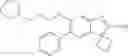


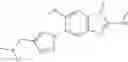


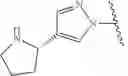










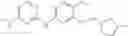


Sources:
- United States Patent and Trademark Office - verify current appl. status at the USPTO↗
Similar patent applications:
- » 20210260040
METHODS OF USING EHMT2 INHIBITORS IN TREATING OR PREVENTING BLOOD DISORDERS - » 20200113901
METHODS OF USING EHMT2 INHIBITORS - » 20210213014
METHODS OF USING EHMT2 INHIBITORS IN IMMUNOTHERAPIES - » 20240173320
METHODS OF USING EHMT2 INHIBITORS IN IMMUNOTHERAPIES - » 20240180880
METHODS OF USING EHMT2 INHIBITORS IN TREATING OR PREVENTING BLOOD DISORDERS - » 20200039998
AMINE-SUBSTITUTED HETEROCYCLIC COMPOUNDS AS EHMT2 INHIBITORS AND METHODS OF USE THEREOF - » 20220235065
AMINE-SUBSTITUTED HETEROCYCLIC COMPOUNDS AS EHMT2 INHIBITORS AND METHODS OF USE THEREOF
Recent applications in this class:
- » 20250170132 2025-05-29
SALTS AND POLYMORPHIC FORMS OF MENIN INHIBITORS AND PHARMACEUTICAL COMPOSITIONS THEREOF - » 20250170131 2025-05-29
METHOD FOR THE TREATMENT OF ANTERIOR ISCHEMIC OPTIC NEUROPATHY - » 20250170130 2025-05-29
MODULATORS OF MYC FAMILY PROTO-ONCOGENE PROTEIN - » 20250170129 2025-05-29
SENOTHERAPEUTIC AGENTS AND ALPHA-KLOTHO POLYPEPTIDES - » 20250170128 2025-05-29
Obicetrapib and SGLT2 Inhibitor Combination - » 20250161304 2025-05-22
Methods for Treating Cancer Using Pyrimidine and Pyridine Compounds with BTK Inhibitory Activity - » 20250152585 2025-05-15
PHARMACEUTICAL COMPOUND - » 20250144097 2025-05-08
COMPOSITIONS AND METHODS FOR PREVENTING AND TREATING NEURODEGENERATIVE DISEASES WITH DIABETES - » 20250144096 2025-05-08
PHARMACEUTICAL COMPOSITIONS COMPRISING NILOTINIB - » 20250144095 2025-05-08
COMPOSITIONS AND METHODS FOR TREATMENT OF CONNECTIVE TISSUE DISORDERS