Bionanomechanical Devices for Uses in Evaluating Liquid Dynamics
US20230121144A1
2023-04-20
17/908,517
2021-03-12
Abstract:
It is an object of this disclosure to provide systems, devices, and methods for the direct use of fluorescent reporters that measure multiaxial and dynamic shear flows that occur invitro or in vivo across a surface of interest, where shear flows canbe measured, quantified and/or correlated to physiological changes in cells or tissues in real time. In certain embodiments, this disclosure contemplates imaging or visualizing the shear field applied to a surface, e.g., a surface of cells or inner lining of a blood vessel, the lumen of pumping lymphatics, within the bile duct, vessels with significant leakage, inflamed endothelium, tumor vasculature, or other systems.
Inventors:
- David Myers 6 🇺🇸 Atlanta, GA, United States
- Yonggang Ke 3 🇺🇸 Atlanta, GA, United States
- Gabriel Kwong 16 🇺🇸 Atlanta, GA, United States
- Shreyas DAHOTRE 3 🇺🇸 Atlanta, GA, United States
- Victor Pan 1 🇺🇸 Atlanta, GA, United States
Interested in similar patents?
Get notified when new applications in this technology area are published.
Classification:
G01N33/54373 » CPC main
Investigating or analysing materials by specific methods not covered by groups -; Biological material, e.g. blood, urine ; Haemocytometers; Chemical analysis of biological material, e.g. blood, urine; Testing involving biospecific ligand binding methods; Immunological testing; Immunoassay; Biospecific binding assay; Materials therefor with an insoluble carrier for immobilising immunochemicals; Apparatus specially adapted for solid-phase testing involving physiochemical end-point determination, e.g. wave-guides, FETS, gratings
G01N21/6428 » CPC further
Investigating or analysing materials by the use of optical means, i.e. using sub-millimetre waves, infrared, visible or ultraviolet light; Systems in which the material investigated is excited whereby it emits light or causes a change in wavelength of the incident light optically excited; Fluorescence; Phosphorescence Measuring fluorescence of fluorescent products of reactions or of fluorochrome labelled reactive substances, e.g. measuring quenching effects, using measuring "optrodes"
G01N2021/6432 » CPC further
Investigating or analysing materials by the use of optical means, i.e. using sub-millimetre waves, infrared, visible or ultraviolet light; Systems in which the material investigated is excited whereby it emits light or causes a change in wavelength of the incident light optically excited; Fluorescence; Phosphorescence; Measuring fluorescence of fluorescent products of reactions or of fluorochrome labelled reactive substances, e.g. measuring quenching effects, using measuring "optrodes" Quenching
G01N33/543 IPC
Investigating or analysing materials by specific methods not covered by groups -; Biological material, e.g. blood, urine ; Haemocytometers; Chemical analysis of biological material, e.g. blood, urine; Testing involving biospecific ligand binding methods; Immunological testing; Immunoassay; Biospecific binding assay; Materials therefor with an insoluble carrier for immobilising immunochemicals
G01N21/64 IPC
Investigating or analysing materials by the use of optical means, i.e. using sub-millimetre waves, infrared, visible or ultraviolet light; Systems in which the material investigated is excited whereby it emits light or causes a change in wavelength of the incident light optically excited Fluorescence; Phosphorescence
Description
CROSS-REFERENCE TO RELATED APPLICATIONS
This application claims the benefit of U.S. Provisional Application No. 62/989,566 filed Mar. 13, 2020 and U.S. Provisional Application No. 63/073,212 filed Sep. 1, 2020. The entirety of each of these applications is hereby incorporated by reference for all purposes.
INCORPORATION-BY-REFERENCE OF MATERIAL SUBMITTED AS A TEXT FILE VIA THE OFFICE ELECTRONIC FILING SYSTEM (EFS-WEB)
The Sequence Listing associated with this application is provided in text format in lieu of a paper copy and is hereby incorporated by reference into the specification. The name of the text file containing the Sequence Listing is 20117PCT_ST25.txt. The text file is 100 KB, was created on Mar. 11, 2021, and is being submitted electronically via EFS-Web.
BACKGOUND
Shear stress alters certain biological signaling pathways including those involved with growth, coagulation, inflammation, and extracellular matrix deposition. For example, when shear stress is applied to cultured endothelial cells, they will re-arrange their cytoskeleton to align with the direction of flow in a matter of hours. Such changes have implications for human health, as the shear stresses induced from disturbed flow conditions may lead to life threatening conditions such as atherosclerosis and coronary microvasculature disease. Thus, there is a need to develop improved techniques for evaluating liquid dynamic in biological contexts.
Oshinowo et al. report in vitro imaging of platelets under flow. Platelets, 2020, 31(5): 570-579. Liu et al. report molecular tension probes for imaging forces at the cell surface. Acc Chem Res, 2017, 50(12): 2915-2924. See also WO 2013/049444. Ma et al. report DNA probes that store mechanical information reveal transient piconewton forces applied by T cells. Proc Natl Acad Sci USA, 2019, 116(34):16949-16954. See also U.S. patent application Ser. No. 16/913,187.
References cited herein are not an admission of prior art.
SUMMARY
It is an object of this disclosure to provide systems, devices, and methods for the direct use of fluorescent reporters that measure multiaxial and dynamic shear flows that occur in vitro or in vivo across a surface of interest, where shear flows can be measured, quantified and/or correlated to physiological changes in cells or tissues in real time. In certain embodiments, this disclosure contemplates imaging or visualizing the shear field applied to a surface, e.g., a surface of cells or inner lining of a blood vessel, the lumen of pumping lymphatics, within the bile duct, vessels with significant leakage, inflamed endothelium, tumor vasculature, or other systems.
In certain embodiments, this disclosure relates to a molecular arm comprising an anchor on one end, a force indicator (optical force transducer), a tether, and a shear flow resistor (mechanical amplifier) on the other end, wherein the shear flow resistor causes the force indicator to expand providing an optical signal if exposed to a liquid that flows past the molecular arm in a stationary position at or above a critical velocity. In certain embodiment, the shear flow resistor causes the force indicator to expand providing an optical signal if the liquid flows past the arm in a stationary position or through the channel at or above a velocity of 0.5, 5, 10, 15, 20, 25, 30, 40, 50, 60, 70, 80, 90, 100, 200, or 300 dynes/cm2. In certain embodiments, the molecular arm or any segment thereof, e.g., shear flow resistor further contains a label, e.g., fluorescent label.
In certain embodiments, this disclosure relates to a molecular arm comprising a specific binding agent at one end, a nucleic acid force indicator comprising multiple hairpin domains, a nucleic acid tether, and a shear flow resistor on the other end wherein the shear flow resistor causes the hairpin domains in the force indicator to expand providing an optical signal if exposed to a liquid that flows past the arm in a stationary position at or above a critical velocity.
In certain embodiments, this disclosure relates to an optical shear flow system comprising: a) a channel comprising a surface; b) a molecular arm comprising an anchor, a force indicator, a tether, and a shear flow resistor; and c) a liquid in the channel; wherein the anchor is attached to the surface; and wherein the shear flow resistor causes the force indicator to expand providing an optical signal if the liquid flows through the channel at or above a critical velocity.
In certain embodiments, it is contemplated that the channel has a cross-sectional area of less than 100, 50, 10, or 5 cm2. In certain embodiments, it is contemplated that the surface is glass, metal, polymer, protein, cell, group of cells, or combinations thereof. In certain embodiments, it is contemplated that the channel is a vascular channel, blood vessel, artery, capillary, inside a tissue or organ.
In certain embodiments, it is contemplated that the anchor is an antibody, agent, specific binding agent, ligand or receptor and the surface comprises an antigen, specific binding agent, agent, receptor or a ligand, respectively. In certain embodiments, it is contemplated that the anchor is an antibody such as an antibody or binding fragment thereof to CD31, VCAM, CD43, or α4β1 or other specific binding agent, ligand, or receptor to CD31, VCAM, CD43, or α4β1.
In certain embodiments, it is contemplated that the tether and/or the shear flow resistor comprises nucleic acid sequences or amino acid sequences. In certain embodiments, it is contemplated that the tether and/or the shear flow resistor comprises nucleic acid sequences with a G and C content of greater than 10, 15, 16, 17, 18, 19, 20, 21, 22, 23, 24, 25, 26, 27, 28, 29, 30, 35, 40, or 50% of the total nucleotide bases. In certain embodiments, it is contemplated that the tether and/or the shear flow resistor comprises nucleic acid sequences with a G and C content of between 20-25%, 20-30%, 20-35%, 10-25%, 15-25%, 15-30%, 15-35%, of the total nucleotide bases.
In certain embodiments, it is contemplated that the force indicator and tether comprise nucleic acid sequences, and the force indicator spontaneously forms multiple hairpin domains.
In certain embodiments, it is contemplated that the hairpin domains or nearby segments contain a quencher and fluorophore in sufficiently close proximity to prevent an optical signal and the optical signal is a result of the hairpin domains dehybridizing separating the quencher from the fluorophore.
In certain embodiments, it is contemplated that the optical signal is a result of hairpin domains dehybridizing forming single stranded segments and the optical signal is a result of fluorescent probes in the liquid hybridizing the single stranded segments.
In certain embodiments, it is contemplated that the shear flow resistor is a bead attached through the tether. In certain embodiments, it is contemplated that the shear flow resistor comprises branched nucleic acids attached through the tether.
In certain embodiments, it is contemplated that the branched nucleic acids have 2, 3, 4, 5, 10, 25, 50, 100, or 150 or more primary branch points providing primary nucleic acid branches from a linear or circular nucleic acid. In certain embodiments, it is contemplated that the primary nucleic acid branches have secondary branch points providing second nucleic acid branches. In certain embodiments, it is contemplated that the secondary nucleic acid branches have tertiary branch points providing tertiary nucleic acid branches. In certain embodiments, it is contemplated that the tertiary nucleic acid branches have quaternary branch points providing quaternary nucleic acid branches.
In certain embodiments, this disclosure relates to methods of imaging, detecting, measuring, or quantifying shear flow in a channel comprising providing an optical shear flow system disclosed herein and imaging the channel or detecting, measuring, or quantifying an optical signal in the channel.
In certain embodiments, it is contemplated that imaging includes imaging the optical signal produced when the liquid flows through the channel at or above a critical velocity causing the force indicator to expand. In certain embodiments, it is contemplated that an image is recorded on computer readable medium.
In certain embodiments, this disclosure relates to in vivo methods of diagnosing shear flow of a bodily fluid such as shear flow associated with blood flow in a subject comprising administering into the circulatory system, e.g., intravenously, a molecular arm disclosed herein to a subject, wherein the molecular arm anchors to a surface or wall of a vascular channel, e.g., blood vessel, artery, capillary, or heart, wherein the shear flow resistor causes the force indicator to expand providing an optical signal if the bodily fluid flows past the surface or through the channel at or above a critical velocity, and imaging, detecting, measuring, or quantifying the optical signal, and wherein the optical signal indicates that the subject has bodily fluid flow above a calibrated value associated with the molecular arm, e.g., high blood flow at a certain location, or wherein a lack of an optical signal indicates the subject does not have a bodily fluid flow above a calibrated value associated with the molecular arm.
In certain embodiments, it is contemplated that an image, measurement, or diagnosis is recorded on computer readable medium. In certain embodiments, it is contemplated that an image, measurement, or diagnosis is communicated or transmitted to a medical professional.
In certain embodiments, this disclosure relates to any nucleic acid sequence disclosed herein (e.g., SEQ ID NO: 1-406) optionally conjugated to a label, fluorescent dye, or quencher.
BRIEF DESCRIPTION OF THE SEVERAL VIEWS OF THE DRAWINGS
FIG. 1A DNA based optical reporter of shear stress. One creates a reporter that directly measures shear stress useful for shear based in vivo sensors and therapeutics and testing hypotheses related to molecular biophysics. Each bionanomechanical reporter is similar to a kite and contains: 1) an antibody-based anchor targeted to a ligand of interest, 2) a DNA or protein-based optical force transducer that fluoresces when unfolded at a threshold force, and 3) a mechanical amplifier (kite) that increases the total force on the transducer. Data indicates that a bead (kite) generates tensile force as a function of fluidic drag force and bead size. As the tensile force increases, an optical force reporter, which consists of a series of DNA hairpins with fluor-quencher pairs, unfolds and fluoresces. By creating large numbers of multiplexed reporters with varied shear force sensitivities and anchors attaching to ligands of interest, one can visualize complex, multiaxial, in vivo force fields. For example, in vitro physiologically relevant shear stresses were measured from 0.5 dynes/cm2 to 25 dynes/cm2 by changing the bead size.
FIG. 1B illustrates an antibody-based anchor to a cell surface and a dendrimer based mechanical amplifier.
FIG. 1C illustrates the fluorescent signal (black circle) using DNA hairpins designed to unfold at a critical tension leading to fluorescence. As the bead experiences drag, which is proportional to the fluid velocity, the DNA strand tethering the bead to the wall experiences tension. This tension is reported optically by multiple added hairpins that each have fluorophore-quencher pairs which fluoresce when unfolded. In flow conditions, fluorescence occurs whenever the applied fluidic shear force exceeds a critical value which can be modified by changing the nanoreporter design. Changing the number and type of base pairs enables us to create DNA hairpins that unfold at a specified mechanical force. When combined with beads of different sizes and fluorophores of different emission spectra, one can create a multiplexed system that measures the localized shear stress.
FIG. 1D illustrates force probes with ten hairpins in series with a double stranded tether modified from a m13 bacteriophage genome (circular single-stranded DNA, 8064 bases in length) linearized with restriction enzyme BsaAI.
FIG. 1E illustrates alternative DNA force transducer designs e.g. contains a continuous long DNA strands as a backbone.
FIG. 2 shows calculations indicating a sigmoid curve of fluorescence intensity in response to increasing applied shear.
FIG. 3A illustrates a DNA amplifier containing a megadalton dendrimer composed of five unique DNA strands. Each subsequent layer of the dendrimer has three times as many components as the last which can be modified to be fluorescent with Alexa 647. A single dendrimer did not generate enough force to open the hairpins. Multiple dendrimers were used to create a DNA drogue. Dendrimers (192) were added onto the tether by incorporating a dendrimer capturing extension on every short oligo used to make the linearized p8064 m13 double stranded.
FIG. 3B illustrates a DNA drogue shear nanoreporter construct described in FIG. 3A that produces a signal at shear rates of around 100 dynes/cm2.
FIG. 3C illustrates multivalently attachment of several DNA drogues onto a single hairpin chain.
FIG. 4 illustrates using fluorescent probes that hybridize with de-hybridized segments as a result of force extension on hairpins which can be used alone or in combination with fluorescent dyes and quenchers.
FIG. 5 illustrates that a high concentrations of double stranded tether DNA results in a supervalent bead with heavily restricted movement. Lower valency allows for beads with increased mobility which float above the glass and are not easily visible with reflection interference contrast microscopy (RICM). With applied shear, supervalent beads have restricted movement of only about 1 micron displacement: compare that to 2.5 microns of movement for of low valency beads.
FIG. 6 illustrates the conjugation of DNA based fluorescent reporters using anti-CD41 antibodies for specific platelet targeting and shear flow mediated activation of nanoreporters on platelet surfaces.
DETAILED DISCUSSION
Before the present disclosure is described in greater detail, it is to be understood that this disclosure is not limited to particular embodiments described, and as such may, of course, vary. It is also to be understood that the terminology used herein is for the purpose of describing particular embodiments only, and is not intended to be limiting, since the scope of the present disclosure will be limited only by the appended claims.
Where a range of values is provided, it is understood that each intervening value, to the tenth of the unit of the lower limit unless the context clearly dictates otherwise, between the upper and lower limit of that range and any other stated or intervening value in that stated range, is encompassed within the disclosure. The upper and lower limits of these smaller ranges may independently be included in the smaller ranges and are also encompassed within the disclosure, subject to any specifically excluded limit in the stated range. Where the stated range includes one or both of the limits, ranges excluding either or both of those included limits are also included in the disclosure.
Unless defined otherwise, all technical and scientific terms used herein have the same meaning as commonly understood by one of ordinary skill in the art to which this disclosure belongs. Although any methods and materials similar or equivalent to those described herein can also be used in the practice or testing of the present disclosure, the preferred methods and materials are now described.
All publications and patents cited in this specification are herein incorporated by reference as if each individual publication or patent were specifically and individually indicated to be incorporated by reference and are incorporated herein by reference to disclose and describe the methods and/or materials in connection with which the publications are cited. Further, the dates of publication provided could be different from the actual publication dates that may need to be independently confirmed.
As will be apparent to those of skill in the art upon reading this disclosure, each of the individual embodiments described and illustrated herein has discrete components and features which may be readily separated from or combined with the features of any of the other several embodiments without departing from the scope or spirit of the present disclosure. Any recited method can be carried out in the order of events recited or in any other order that is logically possible.
It must be noted that, as used in the specification and the appended claims, the singular forms “a,” “an,” and “the” include plural referents unless the context clearly dictates otherwise. In this specification and in the claims that follow, reference will be made to a number of terms that shall be defined to have the following meanings unless a contrary intention is apparent.
As used in this disclosure and claim(s), the words “comprising” (and any form of comprising, such as “comprise” and “comprises”), “having” (and any form of having, such as “have” and “has”), “including” (and any form of including, such as “includes” and “include”) or “containing” (and any form of containing, such as “contains” and “contain”) have the meaning ascribed to them in U.S. Patent law in that they are inclusive or open-ended and do not exclude additional, unrecited elements or method steps.
“Consisting essentially of” or “consists of” or the like, when applied to methods and compositions encompassed by the present disclosure refers to compositions like those disclosed herein that exclude certain prior art elements to provide an inventive feature of a claim, but which may contain additional composition components or method steps, etc., that do not materially affect the basic and novel characteristic(s) of the compositions or methods, compared to those of the corresponding compositions or methods disclosed herein.
The term “specific binding agent” refers to a molecule, such as a proteinaceous molecule, that binds a target molecule with a greater affinity than other random molecules or proteins. Examples of specific binding agents include antibodies that bind an epitope of an antigen or a receptor which binds a ligand. “Specifically binds” refers to the ability of a specific binding agent (such as an ligand, receptor, enzyme, antibody or binding region/fragment thereof) to recognize and bind a target molecule or polypeptide, such that its affinity (as determined by, e.g., affinity ELISA or other assays) is at least 10 times as great, but optionally 50 times as great, 100, 250 or 500 times as great, or even at least 1000 times as great as the affinity of the same for any other or other random molecule or polypeptide.
In certain contexts, an “antibody” refers to a protein based molecule that is naturally produced by animals in response to the presence of a protein or other molecule or that is not recognized by the animal's immune system to be a “self” molecule, i.e. recognized by the animal to be a foreign molecule and an antigen to the antibody. The immune system of the animal will create an antibody to specifically bind the antigen, and thereby targeting the antigen for elimination or degradation. It is well recognized by skilled artisans that the molecular structure of a natural antibody can be synthesized and altered by laboratory techniques. Recombinant engineering can be used to generate fully synthetic antibodies or fragments thereof providing control over variations of the amino acid sequences of the antibody. Thus, as used herein the term “antibody” is intended to include natural antibodies, monoclonal antibody, or non-naturally produced synthetic antibodies, and binding fragments, such as single chain binding fragments. These antibodies may have chemical modifications. The term “monoclonal antibodies” refers to a collection of antibodies encoded by the same nucleic acid molecule that are optionally produced by a single hybridoma (or clone thereof) or other cell line, or by a transgenic mammal such that each monoclonal antibody will typically recognize the same antigen. The term “monoclonal” is not limited to any particular method for making the antibody, nor is the term limited to antibodies produced in a particular species, e.g., mouse, rat, etc.
From a structural standpoint, an antibody is a combination of proteins: two heavy chain proteins and two light chain proteins. The heavy chains are longer than the light chains. The two heavy chains typically have the same amino acid sequence. Similarly, the two light chains have the same amino acid sequence. Each of the heavy and light chains contain a variable segment that contains amino acid sequences which participate in binding to the antigen. The variable segments of the heavy chain do not have the same amino acid sequences as the light chains. The variable segments are often referred to as the antigen binding domains. The antigen and the variable regions of the antibody may physically interact with each other at specific smaller segments of an antigen often referred to as the “epitope.” Epitopes usually consist of surface groupings of molecules, for example, amino acids or carbohydrates. The terms “variable region,” “antigen binding domain,” and “antigen binding region” refer to that portion of the antibody molecule which contains the amino acid residues that interact with an antigen and confer on the antibody its specificity and affinity for the antigen. Small binding regions within the antigen-binding domain that typically interact with the epitope are also commonly alternatively referred to as the “complementarity-determining regions, or CDRs.”
As used herein, the term “ligand” refers to an organic molecule, i.e., substantially comprised of carbon, hydrogen, and oxygen, that binds a “receptor.” Receptors are organic molecules typically found on the surface of a cell. Through binding a ligand to a receptor, the cell has a signal of the extra cellular environment which may cause changes inside the cell. As a convention, a ligand is usually used to refer to the smaller of the binding partners from a size standpoint, and a receptor is usually used to refer to a molecule that spatially surrounds the ligand or portion thereof. However as used herein, the terms can be used interchangeably as they generally refer to molecules that are specific binding partners. For example, a glycan may be expressed on a cell surface glycoprotein and a lectin may bind the glycan. As the glycan is typically smaller and surrounded by the lectin during binding, it may be considered a ligand even though it is a receptor of the lectin binding signal on the cell surface. In another example, a double stranded oligonucleotide sequence contains two complimentary nucleic acid sequences. Either of the single stranded sequences may be consider the ligand or receptor of the other. In certain embodiments, a ligand is contemplated to be a small molecule. In certain embodiments, a receptor is contemplated to be a compound that has a molecular weight of greater than 2,000 or 5,000. In any of the embodiments disclosed herein the position of a ligand and a receptor may be switched.
As used herein, the term “small molecule” refers to any variety of covalently bound molecules with a molecular weight of less than 900 or 1000. Typically, the majority of atoms include carbon, hydrogen, oxygen, nitrogen, and to a lesser extent sulfur and/or a halogen. Examples include steroids, short peptides, mono or polycyclic aromatic or non-aromatic, heterocyclic compounds.
As used herein, the term “surface” refers to the outside part of an object. Examples of contemplated surfaces are on a particle, bead, wafer, array, well, microscope slide, transparent or opaque glass, polymer, or metal, or in vitro or in vivo cell, or group of cells.
A “label” refers to a detectable compound or composition that is conjugated directly or indirectly to another molecule, such as an antibody or a protein, to facilitate detection of that molecule. Specific, non-limiting examples of labels include fluorescent tags, enzymatic linkages, and radioactive isotopes. In one example, a peptide “label ” refers to incorporation of a peptide, wherein the sequence can be identified by a specific binding agent, antibody, or bind to a metal such as nickel/ nitrilotriacetic acid, e.g., a poly-histidine sequence. Specific binding agents and metals can be conjugated to solid surfaces to facilitate isolation and purification methods. A label contemplates the covalent attachment of biotinyl moieties that can be detected by marked avidin (for example, streptavidin containing a fluorescent marker or enzymatic activity that can be detected by optical or colorimetric methods). Various methods of labeling nucleic acids, polypeptides and glycoproteins are known in the art and may be used. Examples of labels include, but are not limited to, the following: radioisotopes or radionucleotides (such as 35S or 131I), fluorescent labels (such as fluorescein isothiocyanate (FITC), rhodamine, lanthanide phosphors), enzymatic labels (such as horseradish peroxidase, beta-galactosidase, luciferase, alkaline phosphatase), chemiluminescent markers, biotinyl groups, predetermined polypeptide epitopes recognized by a secondary reporter (such as a leucine zipper pair sequences, binding sites for secondary antibodies, metal binding domains, epitope tags), or magnetic agents, such as gadolinium chelates. In some embodiments, labels may be attached by spacer arms of various lengths to reduce potential steric hindrance.
As used herein, the term “nucleic acid” is meant to include ribonucleic or deoxyribonucleic acid, nucleobase polymers, or mixtures thereof. A nucleic acid can include native or non-native bases. In this regard, a native deoxyribonucleic acid can have one or more bases selected from the group consisting of adenine, thymine, cytosine or guanine and a ribonucleic acid can have one or more bases selected from the group consisting of uracil, adenine, cytosine or guanine. It will be understood that a deoxyribonucleic acid used in the methods or compositions set forth herein can include uracil bases and a ribonucleic acid can include a thymine base. With regard to the nucleobases, it is contemplated that the term encompasses isobases, otherwise known as modified bases, e.g., are isoelectronic or have other substitutes configured to mimic naturally occurring hydrogen bonding base-pairs, e.g., within any of the sequences herein U may be substituted for T, or T may be substituted for U. Examples of nucleotides with modified adenosine or guanosine include, but are not limited to, hypoxanthine, xanthine, 7-methylguanine. Examples of nucleotides with modified cytidine, thymidine, or uridine include 5,6-dihydrouracil, 5-methylcytosine, 5-hydroxymethylcytosine. Contemplated isobases include 2′-deoxy-5-methylisocytidine (iC) and 2′-deoxy-isoguanosine (iG) (see U.S. Pat. Nos. 6,001,983, 6,037,120, 6,617,106, and 6,977,161).
The term “nucleobase polymer” refers to nucleic acids and chemically modified forms with nucleobase monomers. In certain embodiments, methods and compositions disclosed herein may be implemented with a nucleobase polymers comprising units of a ribose, 2′deoxyribose, locked nucleic acids (1-(hydroxymethyl)-2,5-dioxabicyclo[2.2.1]heptan-7-ol), 2′-O-methyl groups, a 3′-3′-inverted thymidine, phosphorothioate linkages, or combinations thereof. In certain embodiments, the nucleobase polymer may be less than 100, 50, or 35 nucleotides or nucleobases. Nucleobase polymers may be chemically modified, e.g., within the sugar backbone or on the 5′ or 3′ ends. As such, in certain embodiments, nucleobase polymers disclosed herein may contain monomers of phosphodiester, phosphorothioate, methylphosphonate, phosphorodiamidate, piperazine phosphorodiamidate, ribose, 2′-O-methylribose, 2′-O-methoxyethyl ribose, 2′-fluororibose, deoxyribose, 1-(hydroxymethyl)-2,5-dioxabicyclo[2.2.1]heptan-7-ol, P-(2-(hydroxymethyl)morpholino)-N,N-dimethylphosphonamidate, morpholin-2-ylmethanol, (2-(hydroxymethyl)morpholino) (piperazin-1-yl)phosphinate, or peptide nucleic acids or combinations thereof. In certain embodiments, the nucleobase polymer can be modified to contain a phosphodiester bond, methylphosphonate bond or phosphorothioate bond. The nucleobase polymers can be modified, for example, 2′-amino, 2′-fluoro, 2′-O-methyl, 2′-H of the ribose ring. Constructs can be purified by gel electrophoresis using general methods or can be purified by high pressure liquid chromatography and re-suspended in water. In certain embodiments, nucleobase polymers include one or more (e.g., about 1, 2, 3, 4, 5, 6, 7, 8, 9, 10, or more) LNA “locked nucleic acid” nucleotides such as a 2′,4′-C methylene bicyclo nucleotide (see for example U.S. Pat. No. 6,639,059, U.S. Pat. No. 6,670,461, U.S. Pat. No. 7,053,207). In one embodiment, the disclosure features modified nucleobase polymers, with phosphate backbone modifications comprising one or more phosphorothioate, phosphorodithioate, methylphosphonate, phosphotriester, morpholino, amidate carbamate, carboxymethyl, acetamidate, polyamide, sulfonate, sulfonamide, sulfamate, formacetal, thioformacetal, and/or alkylsilyl, substitutions.
As used herein, the term “conjugated” refers to linking molecular entities through covalent bonds, or by other specific binding interactions, such as due to hydrogen bonding or other van der Walls forces. The force to break a covalent bond is high, e.g., about 1500 pN for a carbon to carbon bond. The force to break a combination of strong protein interactions is typically a magnitude less, e.g., biotin to streptavidin is about 150 pN. Thus, a skilled artisan would understand that conjugation must be strong enough to restrict the breaking of bonds in order to implement the intended results. In certain embodiments, the term conjugated is intended to include linking molecular entities that do not break unless exposed to a force of about greater than about 5, 10, 25, 50, 75, 100, 125, or 150 pN depending on the context.
As used herein, “subject” refers to any animal, preferably a human patient, livestock, or domestic pet.
Unless stated otherwise as apparent from the following discussion, it will be appreciated that terms such as “detecting,” “receiving,” “quantifying,” “mapping,” “generating,” “registering,” “determining,” “obtaining,” “processing,” “computing,” “deriving,” “estimating,” “calculating,” “inferring” or the like may refer to the actions and processes of a computer system, or similar electronic computing device, that manipulates and transforms data represented as physical (e.g., electronic) quantities within the computer system's registers and memories into other data similarly represented as physical quantities within the computer system memories or registers or other such information storage, transmission or display devices. Embodiments of the methods described herein may be implemented using computer software. If written in a programming language conforming to a recognized standard, sequences of instructions designed to implement the methods may be compiled for execution on a variety of hardware platforms and for interface to a variety of operating systems. In addition, embodiments are not described with reference to any particular programming language. It will be appreciated that a variety of programming languages may be used to implement embodiments of the disclosure.
In some embodiments, the disclosed methods may be implemented using software applications that are stored in a memory and executed by a processor (e.g., CPU) provided on the system. In some embodiments, the disclosed methods may be implanted using software applications that are stored in memories and executed by CPUs distributed across the system. As such, the modules of the system may be a general purpose computer system that becomes a specific purpose computer system when executing the routine of the disclosure. The modules of the system may also include an operating system and micro instruction code. The various processes and functions described herein may either be part of the micro instruction code or part of the application program or routine (or combination thereof) that is executed via the operating system.
It is to be understood that the embodiments of the disclosure may be implemented in various forms of hardware, software, firmware, special purpose processes, or a combination thereof. In one embodiment, the disclosure may be implemented in software as an application program tangible embodied on a computer readable program storage device. The application program may be uploaded to, and executed by, a machine comprising any suitable architecture. The system and/or method of the disclosure may be implemented in the form of a software application running on a computer system, for example, a mainframe, personal computer (PC), handheld computer, server, etc. The software application may be stored on a recording media locally accessible by the computer system and accessible via a hard wired or wireless connection to a network, for example, a local area network, or the Internet.
It is to be further understood that, because some of the constituent system components and method steps depicted in the accompanying figures may be implemented in software, the actual connections between the systems components (or the process steps) may differ depending upon the manner in which the disclosure is programmed. Given the teachings of the disclosure provided herein, one of ordinary skill in the related art will be able to contemplate these and similar implementations or configurations of the disclosure.
Fluidic Shear Sensor
A tool capable of measuring changes in the spatial fluid velocity directly at a vessel wall is useful for scientific research. This disclosure relates to bionanomechanical reporters that are similar to a kite and contains: 1) an antibody-based anchor targeted to a ligand of interest, 2) a optical force transducer (e.g., DNA or protein-based) that fluoresces when unfolded at a threshold force, and 3) a mechanical amplifier (kite) that increases the total force on the transducer (FIG. 1A). A bead (kite) generates tensile force as a function of fluidic drag force and bead size. As the tensile force increases, the optical force reporter, which consists of a series of DNA hairpins with fluorophore-quencher pairs, unfolds and fluoresces.
DNA nanomechanics can be used to: 1) spatially constrain an object to be within a specified distance of a surface and 2) measure the forces coupled into a DNA strand assembly. DNA nanostructures were created that constrain the movement of a bead near a wall (FIG. 1B). The position of a bead in relation to the wall depends on lift forces generated near the wall surface as well as drag forces. As the bead experiences drag, which is proportional to the fluid velocity, the DNA strand tethering the bead to the wall experiences tension. This tension is reported optically by multiple (e.g., ten) added hairpins that each have fluorophore-quencher pairs, which fluoresce when unfolded (FIG. 1C). In flow conditions, the system will fluoresce whenever the applied fluidic shear force exceeds a critical value. Changing the number and type of base pairs enables us to create DNA hairpins that unfold at a specified mechanical force.
A DNA bead-based structure are created to report the wall shear stress applied by a fluid to an interface. This structure may be: 1) designed to measure a range of shear stresses; 2) used en masse; and 3) have consistent static and dynamic performance. The fluorescence signal generated from a single fluorophore quencher is typically undetectable using confocal microscopy. About 10-12 fluorophores contained within the point spread function (about 250 nm) are sufficient to create a signal. A nanoreporter featuring 10 serially connected hairpins was created.
The sequence of the hairpin relates to the force required for the hairpin to open. GC base pairing utilizes 3 hydrogen bonds compared to the 2 or AT base pairs. Thus, less GC pairs require less force to separate; however, 0% GC hairpins could open spontaneously at room temperature. Preliminary calculations suggested that a hairpin sequence of 22% GC would be a good place to start. A functional unit was designed that could be repeated as desired to increase the number of force-sensing hairpins in series (FIG. 1D). This single functional unit needed five domains, two (one at either end) for connecting to neighboring units, and three in the middle for assembling the hairpin and its fluorophore and quencher components. In order to reduce unit-to-unit variability and promote full signal of the serial hairpin assembly in the smallest flow range possible, the three domains were conserved for hairpin-fluorophore-quencher assembly across all hairpin units. Contrarily, the two sticky end domains flanking the hairpin component are unique for all hairpin units. At one end of the entire hairpin chain, DNA strand is modified with digoxigenin allowing for selective attachment of the strand to a surface bound protein that specifically binds digoxigenin. At the other end of the chain, a strand connects the hairpin assembly to a double stranded DNA tether.
The double stranded tether (dsTether) was generated by modifying m13 bacteriophage genome (circular single-stranded DNA, 8064 bases in length). Exposure to a restriction enzyme BsaAI resulted in linear form. Bacteriophage genome p8064 has many restriction sites for the BsaAI enzyme. Thus, to enhance single location cleavage a single short oligo was hybridized to the m13 that made one restriction site double stranded allowing for controlled cleavage at the desired site. The BsaAI enzyme was inactivated by heating.
| Linearized sequence | |
| (SEQ ID NO: 406) | |
| CACGTTATACGTGCTCGTCAAAGCAACCATAGTACGCGCCCTGTAGCGGCGCATTAA | |
| GCGCGGCGGGTGTGGTGGTTACGCGCAGCGTGACCGCTACACTTGCCAGCGCCCTA | |
| GCGCCCGCTCCTTTCGCTTTCTTCCCTTCCTTTCTCGCCACGTTCGCCGGCTTTCCCCG | |
| TCAAGCTCTAAATCGGGGGCTCCCTTTAGGGTTCCGATTTAGTGCTTTACGGCACCTC | |
| GACCCCAAAAAACTTGATTTGGGTGATGGTTCACGTAGTGGGCCATCGCCCTGATAG | |
| ACGGTTTTTCGCCCTTTGACGTTGGAGTCCACGTTCTTTAATAGTGGACTCTTGTTCC | |
| AAACTGGAACAACACTCAACCCTATCTCGGGCTATTCTTTTGATTTATAAGGGATTTT | |
| GCCGATTTCGGAACCACCATCAAACAGGATTTTCGCCTGCTGGGGCAAACCAGCGT | |
| GGACCGCTTGCTGCAACTCTCTCAGGGCCAGGCGGTGAAGGGCAATCAGCTGTTGC | |
| CCGTCTCACTGGTGAAAAGAAAAACCACCCTGGCGCCCAATACGCAAACCGCCTCT | |
| CCCCGCGCGTTGGCCGATTCATTAATGCAGCTGGCACGACAGGTTTCCCGACTGGAA | |
| AGCGGGCAGTGAGCGCAACGCAATTAATGTGAGTTAGCTCACTCATTAGGCACCCC | |
| AGGCTTTACACTTTATGCTTCCGGCTCGTATGTTGTGTGGAATTGTGAGCGGATAAC | |
| AATTTCACACAGGAAACAGCTATGACCATGATTACGAATTCGAGCTCGGTACCCGG | |
| GGATCCTCAACTGTGAGGAGGCTCACGGACGCGAAGAACAGGCACGCGTGCTGGCA | |
| GAAACCCCCGGTATGACCGTGAAAACGGCCCGCCGCATTCTGGCCGCAGCACCACA | |
| GAGTGCACAGGCGCGCAGTGACACTGCGCTGGATCGTCTGATGCAGGGGGCACCGG | |
| CACCGCTGGCTGCAGGTAACCCGGCATCTGATGCCGTTAACGATTTGCTGAACACAC | |
| CAGTGTAAGGGATGTTTATGACGAGCAAAGAAACCTTTACCCATTACCAGCCGCAG | |
| GGCAACAGTGACCCGGCTCATACCGCAACCGCGCCCGGCGGATTGAGTGCGAAAGC | |
| GCCTGCAATGACCCCGCTGATGCTGGACACCTCCAGCCGTAAGCTGGTTGCGTGGGA | |
| TGGCACCACCGACGGTGCTGCCGTTGGCATTCTTGCGGTTGCTGCTGACCAGACCAG | |
| CACCACGCTGACGTTCTACAAGTCCGGCACGTTCCGTTATGAGGATGTGCTCTGGCC | |
| GGAGGCTGCCAGCGACGAGACGAAAAAACGGACCGCGTTTGCCGGAACGGCAATC | |
| AGCATCGTTTAACTTTACCCTTCATCACTAAAGGCCGCCTGTGCGGCTTTTTTTACGG | |
| GATTTTTTTATGTCGATGTACACAACCGCCCAACTGCTGGCGGCAAATGAGCAGAAA | |
| TTTAAGTTTGATCCGCTGTTTCTGCGTCTCTTTTTCCGTGAGAGCTATCCCTTCACCAC | |
| GGAGAAAGTCTATCTCTCACAAATTCCGGGACTGGTAAACATGGCGCTGTACGTTTC | |
| GCCGATTGTTTCCGGTGAGGTTATCCGTTCCCGTGGCGGCTCCACCTCTGAAAGCTT | |
| GGCACTGGCCGTCGTTTTACAACGTCGTGACTGGGAAAACCCTGGCGTTACCCAACT | |
| TAATCGCCTTGCAGCACATCCCCCTTTCGCCAGCTGGCGTAATAGCGAAGAGGCCCG | |
| CACCGATCGCCCTTCCCAACAGTTGCGCAGCCTGAATGGCGAATGGCGCTTTGCCTG | |
| GTTTCCGGCACCAGAAGCGGTGCCGGAAAGCTGGCTGGAGTGCGATCTTCCTGAGG | |
| CCGATACTGTCGTCGTCCCCTCAAACTGGCAGATGCACGGTTACGATGCGCCCATCT | |
| ACACCAACGTGACCTATCCCATTACGGTCAATCCGCCGTTTGTTCCCACGGAGAATC | |
| CGACGGGTTGTTACTCGCTCACATTTAATGTTGATGAAAGCTGGCTACAGGAAGGCC | |
| AGACGCGAATTATTTTTGATGGCGTTCCTATTGGTTAAAAAATGAGCTGATTTAACA | |
| AAAATTTAATGCGAATTTTAACAAAATATTAACGTTTACAATTTAAATATTTGCTTAT | |
| ACAATCTTCCTGTTTTTGGGGCTTTTCTGATTATCAACCGGGGTACATATGATTGACA | |
| TGCTAGTTTTACGATTACCGTTCATCGATTCTCTTGTTTGCTCCAGACTCTCAGGCAA | |
| TGACCTGATAGCCTTTGTAGATCTCTCAAAAATAGCTACCCTCTCCGGCATTAATTTA | |
| TCAGCTAGAACGGTTGAATATCATATTGATGGTGATTTGACTGTCTCCGGCCTTTCTC | |
| ACCCTTTTGAATCTTTACCTACACATTACTCAGGCATTGCATTTAAAATATATGAGGG | |
| TTCTAAAAATTTTTATCCTTGCGTTGAAATAAAGGCTTCTCCCGCAAAAGTATTACA | |
| GGGTCATAATGTTTTTGGTACAACCGATTTAGCTTTATGCTCTGAGGCTTTATTGCTT | |
| AATTTTGCTAATTCTTTGCCTTGCCTGTATGATTTATTGGATGTTAATGCTACTACTAT | |
| TAGTAGAATTGATGCCACCTTTTCAGCTCGCGCCCCAAATGAAAATATAGCTAAACA | |
| GGTTATTGACCATTTGCGAAATGTATCTAATGGTCAAACTAAATCTACTCGTTCGCA | |
| GAATTGGGAATCAACTGTTATATGGAATGAAACTTCCAGACACCGTACTTTAGTTGC | |
| ATATTTAAAACATGTTGAGCTACAGCATTATATTCAGCAATTAAGCTCTAAGCCATC | |
| CGCAAAAATGACCTCTTATCAAAAGGAGCAATTAAAGGTACTCTCTAATCCTGACCT | |
| GTTGGAGTTTGCTTCCGGTCTGGTTCGCTTTGAAGCTCGAATTAAAACGCGATATTTG | |
| AAGTCTTTCGGGCTTCCTCTTAATCTTTTTGATGCAATCCGCTTTGCTTCTGACTATA | |
| ATAGTCAGGGTAAAGACCTGATTTTTGATTTATGGTCATTCTCGTTTTCTGAACTGTT | |
| TAAAGCATTTGAGGGGGATTCAATGAATATTTATGACGATTCCGCAGTATTGGACGC | |
| TATCCAGTCTAAACATTTTACTATTACCCCCTCTGGCAAAACTTCTTTTGCAAAAGCC | |
| TCTCGCTATTTTGGTTTTTATCGTCGTCTGGTAAACGAGGGTTATGATAGTGTTGCTC | |
| TTACTATGCCTCGTAATTCCTTTTGGCGTTATGTATCTGCATTAGTTGAATGTGGTAT | |
| TCCTAAATCTCAACTGATGAATCTTTCTACCTGTAATAATGTTGTTCCGTTAGTTCGT | |
| TTTATTAACGTAGATTTTTCTTCCCAACGTCCTGACTGGTATAATGAGCCAGTTCTTA | |
| AAATCGCATAAGGTAATTCACAATGATTAAAGTTGAAATTAAACCATCTCAAGCCCA | |
| ATTTACTACTCGTTCTGGTGTTTCTCGTCAGGGCAAGCCTTATTCACTGAATGAGCAG | |
| CTTTGTTACGTTGATTTGGGTAATGAATATCCGGTTCTTGTCAAGATTACTCTTGATG | |
| AAGGTCAGCCAGCCTATGCGCCTGGTCTGTACACCGTTCATCTGTCCTCTTTCAAAGT | |
| TGGTCAGTTCGGTTCCCTTATGATTGACCGTCTGCGCCTCGTTCCGGCTAAGTAACAT | |
| GGAGCAGGTCGCGGATTTCGACACAATTTATCAGGCGATGATACAAATCTCCGTTGT | |
| ACTTTGTTTCGCGCTTGGTATAATCGCTGGGGGTCAAAGATGAGTGTTTTAGTGTATT | |
| CTTTTGCCTCTTTCGTTTTAGGTTGGTGCCTTCGTAGTGGCATTACGTATTTTACCCGT | |
| TTAATGGAAACTTCCTCATGAAAAAGTCTTTAGTCCTCAAAGCCTCTGTAGCCGTTG | |
| CTACCCTCGTTCCGATGCTGTCTTTCGCTGCTGAGGGTGACGATCCCGCAAAAGCGG | |
| CCTTTAACTCCCTGCAAGCCTCAGCGACCGAATATATCGGTTATGCGTGGGCGATGG | |
| TTGTTGTCATTGTCGGCGCAACTATCGGTATCAAGCTGTTTAAGAAATTCACCTCGA | |
| AAGCAAGCTGATAAACCGATACAATTAAAGGCTCCTTTTGGAGCCTTTTTTTTGGAG | |
| ATTTTCAACGTGAAAAAATTATTATTCGCAATTCCTTTAGTTGTTCCTTTCTATTCTCA | |
| CTCCGCTGAAACTGTTGAAAGTTGTTTAGCAAAATCCCATACAGAAAATTCATTTAC | |
| TAACGTCTGGAAAGACGACAAAACTTTAGATCGTTACGCTAACTATGAGGGCTGTCT | |
| GTGGAATGCTACAGGCGTTGTAGTTTGTACTGGTGACGAAACTCAGTGTTACGGTAC | |
| ATGGGTTCCTATTGGGCTTGCTATCCCTGAAAATGAGGGTGGTGGCTCTGAGGGTGG | |
| CGGTTCTGAGGGTGGCGGTTCTGAGGGTGGCGGTACTAAACCTCCTGAGTACGGTGA | |
| TACACCTATTCCGGGCTATACTTATATCAACCCTCTCGACGGCACTTATCCGCCTGGT | |
| ACTGAGCAAAACCCCGCTAATCCTAATCCTTCTCTTGAGGAGTCTCAGCCTCTTAAT | |
| ACTTTCATGTTTCAGAATAATAGGTTCCGAAATAGGCAGGGGGCATTAACTGTTTAT | |
| ACGGGCACTGTTACTCAAGGCACTGACCCCGTTAAAACTTATTACCAGTACACTCCT | |
| GTATCATCAAAAGCCATGTATGACGCTTACTGGAACGGTAAATTCAGAGACTGCGCT | |
| TTCCATTCTGGCTTTAATGAGGATTTATTTGTTTGTGAATATCAAGGCCAATCGTCTG | |
| ACCTGCCTCAACCTCCTGTCAATGCTGGCGGCGGCTCTGGTGGTGGTTCTGGTGGCG | |
| GCTCTGAGGGTGGTGGCTCTGAGGGTGGCGGTTCTGAGGGTGGCGGCTCTGAGGGA | |
| GGCGGTTCCGGTGGTGGCTCTGGTTCCGGTGATTTTGATTATGAAAAGATGGCAAAC | |
| GCTAATAAGGGGGCTATGACCGAAAATGCCGATGAAAACGCGCTACAGTCTGACGC | |
| TAAAGGCAAACTTGATTCTGTCGCTACTGATTACGGTGCTGCTATCGATGGTTTCATT | |
| GGTGACGTTTCCGGCCTTGCTAATGGTAATGGTGCTACTGGTGATTTTGCTGGCTCTA | |
| ATTCCCAAATGGCTCAAGTCGGTGACGGTGATAATTCACCTTTAATGAATAATTTCC | |
| GTCAATATTTACCTTCCCTCCCTCAATCGGTTGAATGTCGCCCTTTTGTCTTTGGCGC | |
| TGGTAAACCATATGAATTTTCTATTGATTGTGACAAAATAAACTTATTCCGTGGTGTC | |
| TTTGCGTTTCTTTTATATGTTGCCACCTTTATGTATGTATTTTCTACGTTTGCTAACAT | |
| ACTGCGTAATAAGGAGTCTTAATCATGCCAGTTCTTTTGGGTATTCCGTTATTATTGC | |
| GTTTCCTCGGTTTCCTTCTGGTAACTTTGTTCGGCTATCTGCTTACTTTTCTTAAAAAG | |
| GGCTTCGGTAAGATAGCTATTGCTATTTCATTGTTTCTTGCTCTTATTATTGGGCTTA | |
| ACTCAATTCTTGTGGGTTATCTCTCTGATATTAGCGCTCAATTACCCTCTGACTTTGT | |
| TCAGGGTGTTCAGTTAATTCTCCCGTCTAATGCGCTTCCCTGTTTTTATGTTATTCTCT | |
| CTGTAAAGGCTGCTATTTTCATTTTTGACGTTAAACAAAAAATCGTTTCTTATTTGGA | |
| TTGGGATAAATAATATGGCTGTTTATTTTGTAACTGGCAAATTAGGCTCTGGAAAGA | |
| CGCTCGTTAGCGTTGGTAAGATTCAGGATAAAATTGTAGCTGGGTGCAAAATAGCA | |
| ACTAATCTTGATTTAAGGCTTCAAAACCTCCCGCAAGTCGGGAGGTTCGCTAAAACG | |
| CCTCGCGTTCTTAGAATACCGGATAAGCCTTCTATATCTGATTTGCTTGCTATTGGGC | |
| GCGGTAATGATTCCTACGATGAAAATAAAAACGGCTTGCTTGTTCTCGATGAGTGCG | |
| GTACTTGGTTTAATACCCGTTCTTGGAATGATAAGGAAAGACAGCCGATTATTGATT | |
| GGTTTCTACATGCTCGTAAATTAGGATGGGATATTATTTTTCTTGTTCAGGACTTATC | |
| TATTGTTGATAAACAGGCGCGTTCTGCATTAGCTGAACATGTTGTTTATTGTCGTCGT | |
| CTGGACAGAATTACTTTACCTTTTGTCGGTACTTTATATTCTCTTATTACTGGCTCGA | |
| AAATGCCTCTGCCTAAATTACATGTTGGCGTTGTTAAATATGGCGATTCTCAATTAA | |
| GCCCTACTGTTGAGCGTTGGCTTTATACTGGTAAGAATTTGTATAACGCATATGATA | |
| CTAAACAGGCTTTTTCTAGTAATTATGATTCCGGTGTTTATTCTTATTTAACGCCTTA | |
| TTTATCACACGGTCGGTATTTCAAACCATTAAATTTAGGTCAGAAGATGAAATTAAC | |
| TAAAATATATTTGAAAAAGTTTTCTCGCGTTCTTTGTCTTGCGATTGGATTTGCATCA | |
| GCATTTACATATAGTTATATAACCCAACCTAAGCCGGAGGTTAAAAAGGTAGTCTCT | |
| CAGACCTATGATTTTGATAAATTCACTATTGACTCTTCTCAGCGTCTTAATCTAAGCT | |
| ATCGCTATGTTTTCAAGGATTCTAAGGGAAAATTAATTAATAGCGACGATTTACAGA | |
| AGCAAGGTTATTCACTCACATATATTGATTTATGTACTGTTTCCATTAAAAAAGGTA | |
| ATTCAAATGAAATTGTTAAATGTAATTAATTTTGTTTTCTTGATGTTTGTTTCATCATC | |
| TTCTTTTGCTCAGGTAATTGAAATGAATAATTCGCCTCTGCGCGATTTTGTAACTTGG | |
| TATTCAAAGCAATCAGGCGAATCCGTTATTGTTTCTCCCGATGTAAAAGGTACTGTT | |
| ACTGTATATTCATCTGACGTTAAACCTGAAAATCTACGCAATTTCTTTATTTCTGTTT | |
| TACGTGCAAATAATTTTGATATGGTAGGTTCTAACCCTTCCATTATTCAGAAGTATA | |
| ATCCAAACAATCAGGATTATATTGATGAATTGCCATCATCTGATAATCAGGAATATG | |
| ATGATAATTCCGCTCCTTCTGGTGGTTTCTTTGTTCCGCAAAATGATAATGTTACTCA | |
| AACTTTTAAAATTAATAACGTTCGGGCAAAGGATTTAATACGAGTTGTCGAATTGTT | |
| TGTAAAGTCTAATACTTCTAAATCCTCAAATGTATTATCTATTGACGGCTCTAATCTA | |
| TTAGTTGTTAGTGCTCCTAAAGATATTTTAGATAACCTTCCTCAATTCCTTTCAACTG | |
| TTGATTTGCCAACTGACCAGATATTGATTGAGGGTTTGATATTTGAGGTTCAGCAAG | |
| GTGATGCTTTAGATTTTTCATTTGCTGCTGGCTCTCAGCGTGGCACTGTTGCAGGCGG | |
| TGTTAATACTGACCGCCTCACCTCTGTTTTATCTTCTGCTGGTGGTTCGTTCGGTATTT | |
| TTAATGGCGATGTTTTAGGGCTATCAGTTCGCGCATTAAAGACTAATAGCCATTCAA | |
| AAATATTGTCTGTGCCACGTATTCTTACGCTTTCAGGTCAGAAGGGTTCTATCTCTGT | |
| TGGCCAGAATGTCCCTTTTATTACTGGTCGTGTGACTGGTGAATCTGCCAATGTAAA | |
| TAATCCATTTCAGACGATTGAGCGTCAAAATGTAGGTATTTCCATGAGCGTTTTTCCT | |
| GTTGCAATGGCTGGCGGTAATATTGTTCTGGATATTACCAGCAAGGCCGATAGTTTG | |
| AGTTCTTCTACTCAGGCAAGTGATGTTATTACTAATCAAAGAAGTATTGCTACAACG | |
| GTTAATTTGCGTGATGGACAGACTCTTTTACTCGGTGGCCTCACTGATTATAAAAAC | |
| ACTTCTCAGGATTCTGGCGTACCGTTCCTGTCTAAAATCCCTTTAATCGGCCTCCTGT | |
| TTAGCTCCCGCTCTGATTCTAACGAGGAAAG |
A batch of 192 short DNA oligos of equal length were added to make the long, linearized tether double stranded except for a short region on the end opposite the hairpin chain. This single stranded region hybridizes with a connecting strand that captures a biotinylated DNA strand, which binds streptavidin-coated mechanical amplifiers. To assemble the sensors, the hairpin sequences, sequences with a fluorophore, sequences with a quencher, sequences with digoxigenin strand, connecting sandwich strands, cut m13, 192 short m13 complimentary oligos, and biotin strand were mixed together with salted TE buffer. This mixture self-assembles during an overnight annealing protocol in a thermocycler. The samples are electrophoresed in a 1% agarose gel and purified by band excision.
Before adding the mechanical transducer component, the ability of the sensor to fluoresce and quench (by adding complementary DNA strands) were verified with total internal reflection fluorescence (TIRF) microscopy. An oligo complimentary to the entire hairpin was added to one of the samples, which effectively forces all hairpins in each sensor to adopt the “open” configuration. Samples purified from the gel with this added opening strand exhibited fluorescence while samples without the opening strand could thus adopt the “closed” configuration and fluorescence signal was quenched. It is also worth noting that the linearized double strand tether with added open or closed hairpin chains exhibits gel mobility indistinguishable from the linearized dsTether with no hairpins added. This is because the hairpin chain adds only a few hundred base pairs to the 8064 bp long tether. Additionally, the excess hairpins can be visualized in the gel. However, as the samples are purified based on the mobility of the tether band, visible fluorescence in the open hairpin sample indicates that the hairpins are attaching to the dsTether. Hairpin attachment to the glass depends on the designed digoxigenin/anti-digoxigenin chemistry as very few points of fluorescence were visible in the open sensor sample incubated on glass without prior anti-digoxigenin treatment. In such a scenario, any present fluorescence was deemed to be nonspecific attachment to the glass.
| Hairpin(sensor) Strands | |
| SEQ ID NO: 1 | |
| tctactaaaactctatcacaCCGGAGCGCCTCCGTGTATAAATGTTTTCATTTATACgcgtcaatgtacac | |
| gtcttggcaggcatca, | |
| SEQ ID NO: 2 | |
| tgacgccaagttcgaCCGGAGCGCCTCCGTGTATAAATGTTTTCATTTATACgcgtcaatgtacacgtga | |
| tgcctgccaaga, | |
| SEQ ID NO: 3 | |
| tcgaacttggcgtcaCCGGAGCGCCTCCGTGTATAAATGTTTTCATTTATACgcgtcaatgtacacgcag | |
| cgttattcgcga, | |
| SEQ ID NO: 4 | |
| caatttcgaggaccgCCGGAGCGCCTCCGTGTATAAATGTTTTCATTTATACgcgtcaatgtacacgtcg | |
| cgaataacgctg, | |
| SEQ ID NO: 5 | |
| cggtcctcgaaattgCCGGAGCGCCTCCGTGTATAAATGTTTTCATTTATACgcgtcaatgtacacgggc | |
| tctcagcttaag, | |
| SEQ ID NO: 6 | |
| gtcgtcaccagagatCCGGAGCGCCTCCGTGTATAAATGTTTTCATTTATACgcgtcaatgtacacgctta | |
| agctgagagcc, | |
| SEQ ID NO: 7 | |
| atctctggtgacgacCCGGAGCGCCTCCGTGTATAAATGTTTTCATTTATACgcgtcaatgtacacggcc | |
| aagtcgtcattg, | |
| SEQ ID NO: 8 | |
| aagctacctgcgatgCCGGAGCGCCTCCGTGTATAAATGTTTTCATTTATACgcgtcaatgtacacgcaa | |
| tgacgacttggc, | |
| SEQ ID NO: 9 | |
| catcgcaggtagcttCCGGAGCGCCTCCGTGTATAAATGTTTTCATTTATACgcgtcaatgtacacggac | |
| gcacgctttgta, | |
| SEQ ID NO: 10 | |
| tcctccatcccttccCCGGAGCGCCTCCGTGTATAAATGTTTTCATTTATACgcgtcaatgtacacgtaca | |
| aagcgtgcgtc, | |
| Sensor to tether connector | |
| SEQ ID NO: 11 | |
| tgtgatagagttttagtagaCTTTCCTCGTTAGAATCAGAG, | |
| Tether to biotin connector | |
| SEQ ID NO: 12 | |
| GGGCGCGTACTATGGTTGCTTttaggagtgtgggaa, | |
| biotin connector | |
| SEQ ID NO: 13 | |
| /5biosg/ttcccacactcctaa, | |
| Sensor to digoxigenin | |
| SEQ ID NO: 14 | |
| ggaagggatggaggatt/3Dig_N/, | |
| Fluorophore | |
| SEQ ID NO: 15 | |
| /5Alex488N/ACGGAGGCGCTCCGG, | |
| Quencher | |
| SEQ ID NO: 16 | |
| cgtgtacattgacgc/3BHQ_1/, | |
| Tether complimentary | |
| SEQ ID NO: 17 | |
| CGGGAGCTAAACAGGAGGCCGATTAAAGGGATTTTAGACAGG, | |
| SEQ ID NO: 18 | |
| AACGGTACGCCAGAATCCTGAGAAGTGTTTTTATAATCAGTG, | |
| SEQ ID NO: 19 | |
| AGGCCACCGAGTAAAAGAGTCTGTCCATCACGCAAATTAACC, | |
| SEQ ID NO: 20 | |
| GTTGTAGCAATACTTCTTTGATTAGTAATAACATCACTTGCC, | |
| SEQ ID NO: 21 | |
| TGAGTAGAAGAACTCAAACTATCGGCCTTGCTGGTAATATCC, | |
| SEQ ID NO: 22 | |
| AGAACAATATTACCGCCAGCCATTGCAACAGGAAAAACGCTC, | |
| SEQ ID NO: 23 | |
| ATGGAAATACCTACATTTTGACGCTCAATCGTCTGAAATGGA, | |
| SEQ ID NO: 24 | |
| TTATTTACATTGGCAGATTCACCAGTCACACGACCAGTAATA, | |
| SEQ ID NO: 25 | |
| AAAGGGACATTCTGGCCAACAGAGATAGAACCCTTCTGACCT, | |
| SEQ ID NO: 26 | |
| GAAAGCGTAAGAATACGTGGCACAGACAATATTTTTGAATGG, | |
| SEQ ID NO: 27 | |
| CTATTAGTCTTTAATGCGCGAACTGATAGCCCTAAAACATCG, | |
| SEQ ID NO: 28 | |
| CCATTAAAAATACCGAACGAACCACCAGCAGAAGATAAAACA, | |
| SEQ ID NO: 29 | |
| GAGGTGAGGCGGTCAGTATTAACACCGCCTGCAACAGTGCCA, | |
| SEQ ID NO: 30 | |
| CGCTGAGAGCCAGCAGCAAATGAAAAATCTAAAGCATCACCT, | |
| SEQ ID NO: 31 | |
| TGCTGAACCTCAAATATCAAACCCTCAATCAATATCTGGTCA, | |
| SEQ ID NO: 32 | |
| GTTGGCAAATCAACAGTTGAAAGGAATTGAGGAAGGTTATCT, | |
| SEQ ID NO: 33 | |
| AAAATATCTTTAGGAGCACTAACAACTAATAGATTAGAGCCG, | |
| SEQ ID NO: 34 | |
| TCAATAGATAATACATTTGAGGATTTAGAAGTATTAGACTTT, | |
| SEQ ID NO: 35 | |
| ACAAACAATTCGACAACTCGTATTAAATCCTTTGCCCGAACG, | |
| SEQ ID NO: 36 | |
| TTATTAATTTTAAAAGTTTGAGTAACATTATCATTTTGCGGA, | |
| SEQ ID NO: 37 | |
| ACAAAGAAACCACCAGAAGGAGCGGAATTATCATCATATTCC, | |
| SEQ ID NO: 38 | |
| TGATTATCAGATGATGGCAATTCATCAATATAATCCTGATTG, | |
| SEQ ID NO: 39 | |
| TTTGGATTATACTTCTGAATAATGGAAGGGTTAGAACCTACC, | |
| SEQ ID NO: 40 | |
| ATATCAAAATTATTTGCACGTAAAACAGAAATAAAGAAATTG, | |
| SEQ ID NO: 41 | |
| CGTAGATTTTCAGGTTTAACGTCAGATGAATATACAGTAACA, | |
| SEQ ID NO: 42 | |
| GTACCTTTTACATCGGGAGAAACAATAACGGATTCGCCTGAT, | |
| SEQ ID NO: 43 | |
| TGCTTTGAATACCAAGTTACAAAATCGCGCAGAGGCGAATTA, | |
| SEQ ID NO: 44 | |
| TTCATTTCAATTACCTGAGCAAAAGAAGATGATGAAACAAAC, | |
| SEQ ID NO: 45 | |
| ATCAAGAAAACAAAATTAATTACATTTAACAATTTCATTTGA, | |
| SEQ ID NO: 46 | |
| ATTACCTTTTTTAATGGAAACAGTACATAAATCAATATATGT, | |
| SEQ ID NO: 47 | |
| GAGTGAATAACCTTGCTTCTGTAAATCGTCGCTATTAATTAA, | |
| SEQ ID NO: 48 | |
| TTTTCCCTTAGAATCCTTGAAAACATAGCGATAGCTTAGATT, | |
| SEQ ID NO: 49 | |
| AAGACGCTGAGAAGAGTCAATAGTGAATTTATCAAAATCATA, | |
| SEQ ID NO: 50 | |
| GGTCTGAGAGACTACCTTTTTAACCTCCGGCTTAGGTTGGGT, | |
| SEQ ID NO: 51 | |
| TATATAACTATATGTAAATGCTGATGCAAATCCAATCGCAAG, | |
| SEQ ID NO: 52 | |
| ACAAAGAACGCGAGAAAACTTTTTCAAATATATTTTAGTTAA, | |
| SEQ ID NO: 53 | |
| TTTCATCTTCTGACCTAAATTTAATGGTTTGAAATACCGACC, | |
| SEQ ID NO: 54 | |
| GTGTGATAAATAAGGCGTTAAATAAGAATAAACACCGGAATC, | |
| SEQ ID NO: 55 | |
| ATAATTACTAGAAAAAGCCTGTTTAGTATCATATGCGTTATA, | |
| SEQ ID NO: 56 | |
| CAAATTCTTACCAGTATAAAGCCAACGCTCAACAGTAGGGCT, | |
| SEQ ID NO: 57 | |
| TAATTGAGAATCGCCATATTTAACAACGCCAACATGTAATTT, | |
| SEQ ID NO: 58 | |
| AGGCAGAGGCATTTTCGAGCCAGTAATAAGAGAATATAAAGT, | |
| SEQ ID NO: 59 | |
| ACCGACAAAAGGTAAAGTAATTCTGTCCAGACGACGACAATA, | |
| SEQ ID NO: 60 | |
| AACAACATGTTCAGCTAATGCAGAACGCGCCTGTTTATCAAC, | |
| SEQ ID NO: 61 | |
| AATAGATAAGTCCTGAACAAGAAAAATAATATCCCATCCTAA, | |
| SEQ ID NO: 62 | |
| TTTACGAGCATGTAGAAACCAATCAATAATCGGCTGTCTTTC, | |
| SEQ ID NO: 63 | |
| CTTATCATTCCAAGAACGGGTATTAAACCAAGTACCGCACTC, | |
| SEQ ID NO: 64 | |
| ATCGAGAACAAGCAAGCCGTTTTTATTTTCATCGTAGGAATC, | |
| SEQ ID NO: 65 | |
| ATTACCGCGCCCAATAGCAAGCAAATCAGATATAGAAGGCTT, | |
| SEQ ID NO: 66 | |
| ATCCGGTATTCTAAGAACGCGAGGCGTTTTAGCGAACCTCCC, | |
| SEQ ID NO: 67 | |
| GACTTGCGGGAGGTTTTGAAGCCTTAAATCAAGATTAGTTGC, | |
| SEQ ID NO: 68 | |
| TATTTTGCACCCAGCTACAATTTTATCCTGAATCTTACCAAC, | |
| SEQ ID NO: 69 | |
| GCTAACGAGCGTCTTTCCAGAGCCTAATTTGCCAGTTACAAA, | |
| SEQ ID NO: 70 | |
| ATAAACAGCCATATTATTTATCCCAATCCAAATAAGAAACGA, | |
| SEQ ID NO: 71 | |
| TTTTTTGTTTAACGTCAAAAATGAAAATAGCAGCCTTTACAG, | |
| SEQ ID NO: 72 | |
| AGAGAATAACATAAAAACAGGGAAGCGCATTAGACGGGAGAA, | |
| SEQ ID NO: 73 | |
| TTAACTGAACACCCTGAACAAAGTCAGAGGGTAATTGAGCGC, | |
| SEQ ID NO: 74 | |
| TAATATCAGAGAGATAACCCACAAGAATTGAGTTAAGCCCAA, | |
| SEQ ID NO: 75 | |
| TAATAAGAGCAAGAAACAATGAAATAGCAATAGCTATCTTAC, | |
| SEQ ID NO: 76 | |
| CGAAGCCCTTTTTAAGAAAAGTAAGCAGATAGCCGAACAAAG, | |
| SEQ ID NO: 77 | |
| TTACCAGAAGGAAACCGAGGAAACGCAATAATAACGGAATAC, | |
| SEQ ID NO: 78 | |
| CCAAAAGAACTGGCATGATTAAGACTCCTTATTACGCAGTAT, | |
| SEQ ID NO: 79 | |
| GTTAGCAAACGTAGAAAATACATACATAAAGGTGGCAACATA, | |
| SEQ ID NO: 80 | |
| TAAAAGAAACGCAAAGACACCACGGAATAAGTTTATTTTGTC, | |
| SEQ ID NO: 81 | |
| ACAATCAATAGAAAATTCATATGGTTTACCAGCGCCAAAGAC, | |
| SEQ ID NO: 82 | |
| AAAAGGGCGACATTCAACCGATTGAGGGAGGGAAGGTAAATA, | |
| SEQ ID NO: 83 | |
| TTGACGGAAATTATTCATTAAAGGTGAATTATCACCGTCACC, | |
| SEQ ID NO: 84 | |
| GACTTGAGCCATTTGGGAATTAGAGCCAGCAAAATCACCAGT, | |
| SEQ ID NO: 85 | |
| AGCACCATTACCATTAGCAAGGCCGGAAACGTCACCAATGAA, | |
| SEQ ID NO: 86 | |
| ACCATCGATAGCAGCACCGTAATCAGTAGCGACAGAATCAAG, | |
| SEQ ID NO: 87 | |
| TTTGCCTTTAGCGTCAGACTGTAGCGCGTTTTCATCGGCATT, | |
| SEQ ID NO: 88 | |
| TTCGGTCATAGCCCCCTTATTAGCGTTTGCCATCTTTTCATA, | |
| SEQ ID NO: 89 | |
| ATCAAAATCACCGGAACCAGAGCCACCACCGGAACCGCCTCC, | |
| SEQ ID NO: 90 | |
| CTCAGAGCCGCCACCCTCAGAACCGCCACCCTCAGAGCCACC, | |
| SEQ ID NO: 91 | |
| ACCCTCAGAGCCGCCACCAGAACCACCACCAGAGCCGCCGCC, | |
| SEQ ID NO: 92 | |
| AGCATTGACAGGAGGTTGAGGCAGGTCAGACGATTGGCCTTG, | |
| SEQ ID NO: 93 | |
| ATATTCACAAACAAATAAATCCTCATTAAAGCCAGAATGGAA, | |
| SEQ ID NO: 94 | |
| AGCGCAGTCTCTGAATTTACCGTTCCAGTAAGCGTCATACAT, | |
| SEQ ID NO: 95 | |
| GGCTTTTGATGATACAGGAGTGTACTGGTAATAAGTTTTAAC, | |
| SEQ ID NO: 96 | |
| GGGGTCAGTGCCTTGAGTAACAGTGCCCGTATAAACAGTTAA, | |
| SEQ ID NO: 97 | |
| TGCCCCCTGCCTATTTCGGAACCTATTATTCTGAAACATGAA, | |
| SEQ ID NO: 98 | |
| AGTATTAAGAGGCTGAGACTCCTCAAGAGAAGGATTAGGATT, | |
| SEQ ID NO: 99 | |
| AGCGGGGTTTTGCTCAGTACCAGGCGGATAAGTGCCGTCGAG, | |
| SEQ ID NO: 100 | |
| AGGGTTGATATAAGTATAGCCCGGAATAGGTGTATCACCGTA, | |
| SEQ ID NO: 101 | |
| CTCAGGAGGTTTAGTACCGCCACCCTCAGAACCGCCACCCTC, | |
| SEQ ID NO: 102 | |
| AGAACCGCCACCCTCAGAGCCACCACCCTCATTTTCAGGGAT, | |
| SEQ ID NO: 103 | |
| AGCAAGCCCAATAGGAACCCATGTACCGTAACACTGAGTTTC, | |
| SEQ ID NO: 104 | |
| GTCACCAGTACAAACTACAACGCCTGTAGCATTCCACAGACA, | |
| SEQ ID NO: 105 | |
| GCCCTCATAGTTAGCGTAACGATCTAAAGTTTTGTCGTCTTT, | |
| SEQ ID NO: 106 | |
| CCAGACGTTAGTAAATGAATTTTCTGTATGGGATTTTGCTAA, | |
| SEQ ID NO: 107 | |
| ACAACTTTCAACAGTTTCAGCGGAGTGAGAATAGAAAGGAAC, | |
| SEQ ID NO: 108 | |
| AACTAAAGGAATTGCGAATAATAATTTTTTCACGTTGAAAAT, | |
| SEQ ID NO: 109 | |
| CTCCAAAAAAAAGGCTCCAAAAGGAGCCTTTAATTGTATCGG, | |
| SEQ ID NO: 110 | |
| TTTATCAGCTTGCTTTCGAGGTGAATTTCTTAAACAGCTTGA, | |
| SEQ ID NO: 111 | |
| TACCGATAGTTGCGCCGACAATGACAACAACCATCGCCCACG, | |
| SEQ ID NO: 112 | |
| CATAACCGATATATTCGGTCGCTGAGGCTTGCAGGGAGTTAA, | |
| SEQ ID NO: 113 | |
| AGGCCGCTTTTGCGGGATCGTCACCCTCAGCAGCGAAAGACA, | |
| SEQ ID NO: 114 | |
| GCATCGGAACGAGGGTAGCAACGGCTACAGAGGCTTTGAGGA, | |
| SEQ ID NO: 115 | |
| CTAAAGACTTTTTCATGAGGAAGTTTCCATTAAACGGGTAAA, | |
| SEQ ID NO: 116 | |
| ATACGTAATGCCACTACGAAGGCACCAACCTAAAACGAAAGA, | |
| SEQ ID NO: 117 | |
| GGCAAAAGAATACACTAAAACACTCATCTTTGACCCCCAGCG, | |
| SEQ ID NO: 118 | |
| ATTATACCAAGCGCGAAACAAAGTACAACGGAGATTTGTATC, | |
| SEQ ID NO: 119 | |
| ATCGCCTGATAAATTGTGTCGAAATCCGCGACCTGCTCCATG, | |
| SEQ ID NO: 120 | |
| TTACTTAGCCGGAACGAGGCGCAGACGGTCAATCATAAGGGA, | |
| SEQ ID NO: 121 | |
| ACCGAACTGACCAACTTTGAAAGAGGACAGATGAACGGTGTA, | |
| SEQ ID NO: 122 | |
| CAGACCAGGCGCATAGGCTGGCTGACCTTCATCAAGAGTAAT, | |
| SEQ ID NO: 123 | |
| CTTGACAAGAACCGGATATTCATTACCCAAATCAACGTAACA, | |
| SEQ ID NO: 124 | |
| AAGCTGCTCATTCAGTGAATAAGGCTTGCCCTGACGAGAAAC, | |
| SEQ ID NO: 125 | |
| ACCAGAACGAGTAGTAAATTGGGCTTGAGATGGTTTAATTTC, | |
| SEQ ID NO: 126 | |
| AACTTTAATCATTGTGAATTACCTTATGCGATTTTAAGAACT, | |
| SEQ ID NO: 127 | |
| GGCTCATTATACCAGTCAGGACGTTGGGAAGAAAAATCTACG, | |
| SEQ ID NO: 128 | |
| TTAATAAAACGAACTAACGGAACAACATTATTACAGGTAGAA, | |
| SEQ ID NO: 129 | |
| AGATTCATCAGTTGAGATTTAGGAATACCACATTCAACTAAT, | |
| SEQ ID NO: 130 | |
| GCAGATACATAACGCCAAAAGGAATTACGAGGCATAGTAAGA, | |
| SEQ ID NO: 131 | |
| GCAACACTATCATAACCCTCGTTTACCAGACGACGATAAAAA, | |
| SEQ ID NO: 132 | |
| CCAAAATAGCGAGAGGCTTTTGCAAAAGAAGTTTTGCCAGAG, | |
| SEQ ID NO: 133 | |
| GGGGTAATAGTAAAATGTTTAGACTGGATAGCGTCCAATACT, | |
| SEQ ID NO: 134 | |
| GCGGAATCGTCATAAATATTCATTGAATCCCCCTCAAATGCT, | |
| SEQ ID NO: 135 | |
| TTAAACAGTTCAGAAAACGAGAATGACCATAAATCAAAAATC, | |
| SEQ ID NO: 136 | |
| AGGTCTTTACCCTGACTATTATAGTCAGAAGCAAAGCGGATT, | |
| SEQ ID NO: 137 | |
| GCATCAAAAAGATTAAGAGGAAGCCCGAAAGACTTCAAATAT, | |
| SEQ ID NO: 138 | |
| CGCGTTTTAATTCGAGCTTCAAAGCGAACCAGACCGGAAGCA, | |
| SEQ ID NO: 139 | |
| AACTCCAACAGGTCAGGATTAGAGAGTACCTTTAATTGCTCC, | |
| SEQ ID NO: 140 | |
| TTTTGATAAGAGGTCATTTTTGCGGATGGCTTAGAGCTTAAT, | |
| SEQ ID NO: 141 | |
| TGCTGAATATAATGCTGTAGCTCAACATGTTTTAAATATGCA, | |
| SEQ ID NO: 142 | |
| ACTAAAGTACGGTGTCTGGAAGTTTCATTCCATATAACAGTT, | |
| SEQ ID NO: 143 | |
| GATTCCCAATTCTGCGAACGAGTAGATTTAGTTTGACCATTA, | |
| SEQ ID NO: 144 | |
| GATACATTTCGCAAATGGTCAATAACCTGTTTAGCTATATTT, | |
| SEQ ID NO: 145 | |
| TCATTTGGGGCGCGAGCTGAAAAGGTGGCATCAATTCTACTA, | |
| SEQ ID NO: 146 | |
| ATAGTAGTAGCATTAACATCCAATAAATCATACAGGCAAGGC, | |
| SEQ ID NO: 147 | |
| AAAGAATTAGCAAAATTAAGCAATAAAGCCTCAGAGCATAAA, | |
| SEQ ID NO: 148 | |
| GCTAAATCGGTTGTACCAAAAACATTATGACCCTGTAATACT, | |
| SEQ ID NO: 149 | |
| TTTGCGGGAGAAGCCTTTATTTCAACGCAAGGATAAAAATTT, | |
| SEQ ID NO: 150 | |
| TTAGAACCCTCATATATTTTAAATGCAATGCCTGAGTAATGT, | |
| SEQ ID NO: 151 | |
| GTAGGTAAAGATTCAAAAGGGTGAGAAAGGCCGGAGACAGTC, | |
| SEQ ID NO: 152 | |
| AAATCACCATCAATATGATATTCAACCGTTCTAGCTGATAAA, | |
| SEQ ID NO: 153 | |
| TTAATGCCGGAGAGGGTAGCTATTTTTGAGAGATCTACAAAG, | |
| SEQ ID NO: 154 | |
| GCTATCAGGTCATTGCCTGAGAGTCTGGAGCAAACAAGAGAA, | |
| SEQ ID NO: 155 | |
| TCGATGAACGGTAATCGTAAAACTAGCATGTCAATCATATGT, | |
| SEQ ID NO: 156 | |
| ACCCCGGTTGATAATCAGAAAAGCCCCAAAAACAGGAAGATT, | |
| SEQ ID NO: 157 | |
| GTATAAGCAAATATTTAAATTGTAAACGTTAATATTTTGTTA, | |
| SEQ ID NO: 158 | |
| AAATTCGCATTAAATTTTTGTTAAATCAGCTCATTTTTTAAC, | |
| SEQ ID NO: 159 | |
| CAATAGGAACGCCATCAAAAATAATTCGCGTCTGGCCTTCCT, | |
| SEQ ID NO: 160 | |
| GTAGCCAGCTTTCATCAACATTAAATGTGAGCGAGTAACAAC, | |
| SEQ ID NO: 161 | |
| CCGTCGGATTCTCCGTGGGAACAAACGGCGGATTGACCGTAA, | |
| SEQ ID NO: 162 | |
| TGGGATAGGTCACGTTGGTGTAGATGGGCGCATCGTAACCGT, | |
| SEQ ID NO: 163 | |
| GCATCTGCCAGTTTGAGGGGACGACGACAGTATCGGCCTCAG, | |
| SEQ ID NO: 164 | |
| GAAGATCGCACTCCAGCCAGCTTTCCGGCACCGCTTCTGGTG, | |
| SEQ ID NO: 165 | |
| CCGGAAACCAGGCAAAGCGCCATTCGCCATTCAGGCTGCGCA, | |
| SEQ ID NO: 166 | |
| ACTGTTGGGAAGGGCGATCGGTGCGGGCCTCTTCGCTATTAC, | |
| SEQ ID NO: 167 | |
| GCCAGCTGGCGAAAGGGGGATGTGCTGCAAGGCGATTAAGTT, | |
| SEQ ID NO: 168 | |
| GGGTAACGCCAGGGTTTTCCCAGTCACGACGTTGTAAAACGA, | |
| SEQ ID NO: 169 | |
| CGGCCAGTGCCAAGCTTTCAGAGGTGGAGCCGCCACGGGAAC, | |
| SEQ ID NO: 170 | |
| GGATAACCTCACCGGAAACAATCGGCGAAACGTACAGCGCCA, | |
| SEQ ID NO: 171 | |
| TGTTTACCAGTCCCGGAATTTGTGAGAGATAGACTTTCTCCG, | |
| SEQ ID NO: 172 | |
| TGGTGAAGGGATAGCTCTCACGGAAAAAGAGACGCAGAAACA, | |
| SEQ ID NO: 173 | |
| GCGGATCAAACTTAAATTTCTGCTCATTTGCCGCCAGCAGTT, | |
| SEQ ID NO: 174 | |
| GGGCGGTTGTGTACATCGACATAAAAAAATCCCGTAAAAAAA, | |
| SEQ ID NO: 175 | |
| GCCGCACAGGCGGCCTTTAGTGATGAAGGGTAAAGTTAAACG, | |
| SEQ ID NO: 176 | |
| ATGCTGATTGCCGTTCCGGCAAACGCGGTCCGTTTTTTCGTC, | |
| SEQ ID NO: 177 | |
| TCGTCGCTGGCAGCCTCCGGCCAGAGCACATCCTCATAACGG, | |
| SEQ ID NO: 178 | |
| AACGTGCCGGACTTGTAGAACGTCAGCGTGGTGCTGGTCTGG, | |
| SEQ ID NO: 179 | |
| TCAGCAGCAACCGCAAGAATGCCAACGGCAGCACCGTCGGTG, | |
| SEQ ID NO: 180 | |
| GTGCCATCCCACGCAACCAGCTTACGGCTGGAGGTGTCCAGC, | |
| SEQ ID NO: 181 | |
| ATCAGCGGGGTCATTGCAGGCGCTTTCGCACTCAATCCGCCG, | |
| SEQ ID NO: 182 | |
| GGCGCGGTTGCGGTATGAGCCGGGTCACTGTTGCCCTGCGGC, | |
| SEQ ID NO: 183 | |
| TGGTAATGGGTAAAGGTTTCTTTGCTCGTCATAAACATCCCT, | |
| SEQ ID NO: 184 | |
| TACACTGGTGTGTTCAGCAAATCGTTAACGGCATCAGATGCC, | |
| SEQ ID NO: 185 | |
| GGGTTACCTGCAGCCAGCGGTGCCGGTGCCCCCTGCATCAGA, | |
| SEQ ID NO: 186 | |
| CGATCCAGCGCAGTGTCACTGCGCGCCTGTGCACTCTGTGGT, | |
| SEQ ID NO: 187 | |
| GCTGCGGCCAGAATGCGGCGGGCCGTTTTCACGGTCATACCG, | |
| SEQ ID NO: 188 | |
| GGGGTTTCTGCCAGCACGCGTGCCTGTTCTTCGCGTCCGTGA, | |
| SEQ ID NO: 189 | |
| GCCTCCTCACAGTTGAGGATCCCCGGGTACCGAGCTCGAATT, | |
| SEQ ID NO: 190 | |
| CGTAATCATGGTCATAGCTGTTTCCTGTGTGAAATTGTTATC, | |
| SEQ ID NO: 191 | |
| CGCTCACAATTCCACACAACATACGAGCCGGAAGCATAAAGT, | |
| SEQ ID NO: 192 | |
| GTAAAGCCTGGGGTGCCTAATGAGTGAGCTAACTCACATTAA, | |
| SEQ ID NO: 193 | |
| TTGCGTTGCGCTCACTGCCCGCTTTCCAGTCGGGAAACCTGT, | |
| SEQ ID NO: 194 | |
| CGTGCCAGCTGCATTAATGAATCGGCCAACGCGCGGGGAGAG, | |
| SEQ ID NO: 195 | |
| GCGGTTTGCGTATTGGGCGCCAGGGTGGTTTTTCTTTTCACC, | |
| SEQ ID NO: 196 | |
| AGTGAGACGGGCAACAGCTGATTGCCCTTCACCGCCTGGCCC, | |
| SEQ ID NO: 197 | |
| TGAGAGAGTTGCAGCAAGCGGTCCACGCTGGTTTGCCCCAGC, | |
| SEQ ID NO: 198 | |
| AGGCGAAAATCCTGTTTGATGGTGGTTCCGAAATCGGCAAAA, | |
| SEQ ID NO: 199 | |
| TCCCTTATAAATCAAAAGAATAGCCCGAGATAGGGTTGAGTG, | |
| SEQ ID NO: 200 | |
| TTGTTCCAGTTTGGAACAAGAGTCCACTATTAAAGAACGTGG, | |
| SEQ ID NO: 201 | |
| ACTCCAACGTCAAAGGGCGAAAAACCGTCTATCAGGGCGATG, | |
| SEQ ID NO: 202 | |
| GCCCACTACGTGAACCATCACCCAAATCAAGTTTTTTGGGGT, | |
| SEQ ID NO: 203 | |
| CGAGGTGCCGTAAAGCACTAAATCGGAACCCTAAAGGGAGCC, | |
| SEQ ID NO: 204 | |
| CCCGATTTAGAGCTTGACGGGGAAAGCCGGCGAACGTGGCGA, | |
| SEQ ID NO: 205 | |
| GAAAGGAAGGGAAGAAAGCGAAAGGAGCGGGCGCTAGGGCGC, | |
| SEQ ID NO: 206 | |
| TGGCAAGTGTAGCGGTCACGCTGCGCGTAACCACCACACCCG, | |
| SEQ ID NO: 207 | |
| CCGCGCTTAATGCGCCGCTACA, | |
| Dendrimer prebackbone | |
| SEQ ID NO: 208 | |
| aatcctccatcccttccttaatcctccatcccttccttaatcctccatcccttccttTAGTGGAGATAATGGATTGG, | |
| Backbone | |
| SEQ ID NO: 209 | |
| ggaagggatggaggattgatctactatagcactgcttgatctactatagcactgcttgatctactatagcactgc, | |
| Layer 1 | |
| SEQ ID NO: 210 | |
| tacgtgcttttacaggtgtttacgtgcttttacaggtgtttacgtgcttttacaggtgttGCAGTGCTATAGTAGATC, | |
| Layer 2 | |
| SEQ ID NO: 211 | |
| CACCTGTAAAAGCACGTAttgagcctacttagttgtacttgagcctacttagttgtacttgagcctacttagttgtac, | |
| Layer 3 | |
| SEQ ID NO: 212 | |
| tctatgctactgactaggtttctatgctactgactaggtttctatgctactgactaggttGTACAACTAAGTAGGCTC, | |
| Layer 4f | |
| SEQ ID NO: 213 | |
| CCTAGTCAGTAGCATAGAttCCAATCCATTATCTCCACTACCAATCCATTATCTCCACT | |
| ACCAATCCATTATCTCCACTA, | |
| Tether dendrimer grabber | |
| SEQ ID NO: 214 | |
| CGGGAGCTAAACAGGAGGCCGATTAAAGGGATTTTAGACAGGttCCAATCCATTATC | |
| TCCACTA, | |
| SEQ ID NO: 215 | |
| AACGGTACGCCAGAATCCTGAGAAGTGTTTTTATAATCAGTGttCCAATCCATTATCT | |
| CCACTA, | |
| SEQ ID NO: 216 | |
| AGGCCACCGAGTAAAAGAGTCTGTCCATCACGCAAATTAACCttCCAATCCATTATCT | |
| CCACTA, | |
| SEQ ID NO: 217 | |
| GTTGTAGCAATACTTCTTTGATTAGTAATAACATCACTTGCCttCCAATCCATTATCTC | |
| CACTA, | |
| SEQ ID NO: 218 | |
| TGAGTAGAAGAACTCAAACTATCGGCCTTGCTGGTAATATCCttCCAATCCATTATCT | |
| CCACTA, | |
| SEQ ID NO: 219 | |
| AGAACAATATTACCGCCAGCCATTGCAACAGGAAAAACGCTCttCCAATCCATTATCT | |
| CCACTA, | |
| SEQ ID NO: 220 | |
| ATGGAAATACCTACATTTTGACGCTCAATCGTCTGAAATGGAttCCAATCCATTATCT | |
| CCACTA, | |
| SEQ ID NO: 221 | |
| TTATTTACATTGGCAGATTCACCAGTCACACGACCAGTAATAttCCAATCCATTATCTC | |
| CACTA, | |
| SEQ ID NO: 222 | |
| AAAGGGACATTCTGGCCAACAGAGATAGAACCCTTCTGACCTttCCAATCCATTATCT | |
| CCACTA, | |
| SEQ ID NO: 223 | |
| GAAAGCGTAAGAATACGTGGCACAGACAATATTTTTGAATGGttCCAATCCATTATCT | |
| CCACTA, | |
| SEQ ID NO: 224 | |
| CTATTAGTCTTTAATGCGCGAACTGATAGCCCTAAAACATCGttCCAATCCATTATCTC | |
| CACTA, | |
| SEQ ID NO: 225 | |
| CCATTAAAAATACCGAACGAACCACCAGCAGAAGATAAAACAttCCAATCCATTATC | |
| TCCACTA, | |
| SEQ ID NO: 226 | |
| GAGGTGAGGCGGTCAGTATTAACACCGCCTGCAACAGTGCCAttCCAATCCATTATCT | |
| CCACTA, | |
| SEQ ID NO: 227 | |
| CGCTGAGAGCCAGCAGCAAATGAAAAATCTAAAGCATCACCTttCCAATCCATTATCT | |
| CCACTA, | |
| SEQ ID NO: 228 | |
| TGCTGAACCTCAAATATCAAACCCTCAATCAATATCTGGTCAttCCAATCCATTATCTC | |
| CACTA, | |
| SEQ ID NO: 229 | |
| GTTGGCAAATCAACAGTTGAAAGGAATTGAGGAAGGTTATCTttCCAATCCATTATCT | |
| CCACTA, | |
| SEQ ID NO: 230 | |
| AAAATATCTTTAGGAGCACTAACAACTAATAGATTAGAGCCGttCCAATCCATTATCT | |
| CCACTA, | |
| SEQ ID NO: 231 | |
| TCAATAGATAATACATTTGAGGATTTAGAAGTATTAGACTTTttCCAATCCATTATCTC | |
| CACTA, | |
| SEQ ID NO: 232 | |
| ACAAACAATTCGACAACTCGTATTAAATCCTTTGCCCGAACGttCCAATCCATTATCT | |
| CCACTA, | |
| SEQ ID NO: 233 | |
| TTATTAATTTTAAAAGTTTGAGTAACATTATCATTTTGCGGAttCCAATCCATTATCTC | |
| CACTA, | |
| SEQ ID NO: 234 | |
| ACAAAGAAACCACCAGAAGGAGCGGAATTATCATCATATTCCttCCAATCCATTATCT | |
| CCACTA, | |
| SEQ ID NO: 235 | |
| TGATTATCAGATGATGGCAATTCATCAATATAATCCTGATTGttCCAATCCATTATCTC | |
| CACTA, | |
| SEQ ID NO: 236 | |
| TTTGGATTATACTTCTGAATAATGGAAGGGTTAGAACCTACCttCCAATCCATTATCTC | |
| CACTA, | |
| SEQ ID NO: 237 | |
| ATATCAAAATTATTTGCACGTAAAACAGAAATAAAGAAATTGttCCAATCCATTATCT | |
| CCACTA, | |
| SEQ ID NO: 238 | |
| CGTAGATTTTCAGGTTTAACGTCAGATGAATATACAGTAACAttCCAATCCATTATCT | |
| CCACTA, | |
| SEQ ID NO: 239 | |
| GTACCTTTTACATCGGGAGAAACAATAACGGATTCGCCTGATttCCAATCCATTATCT | |
| CCACTA, | |
| SEQ ID NO: 240 | |
| TGCTTTGAATACCAAGTTACAAAATCGCGCAGAGGCGAATTAttCCAATCCATTATCT | |
| CCACTA, | |
| SEQ ID NO: 241 | |
| TTCATTTCAATTACCTGAGCAAAAGAAGATGATGAAACAAACttCCAATCCATTATCT | |
| CCACTA, | |
| SEQ ID NO: 242 | |
| ATCAAGAAAACAAAATTAATTACATTTAACAATTTCATTTGAttCCAATCCATTATCTC | |
| CACTA, | |
| SEQ ID NO: 243 | |
| ATTACCTTTTTTAATGGAAACAGTACATAAATCAATATATGTttCCAATCCATTATCTC | |
| CACTA, | |
| SEQ ID NO: 244 | |
| GAGTGAATAACCTTGCTTCTGTAAATCGTCGCTATTAATTAAttCCAATCCATTATCTC | |
| CACTA, | |
| SEQ ID NO: 245 | |
| TTTTCCCTTAGAATCCTTGAAAACATAGCGATAGCTTAGATTttCCAATCCATTATCTC | |
| CACTA, | |
| SEQ ID NO: 246 | |
| AAGACGCTGAGAAGAGTCAATAGTGAATTTATCAAAATCATAttCCAATCCATTATCT | |
| CCACTA, | |
| SEQ ID NO: 247 | |
| GGTCTGAGAGACTACCTTTTTAACCTCCGGCTTAGGTTGGGTttCCAATCCATTATCTC | |
| CACTA, | |
| SEQ ID NO: 248 | |
| TATATAACTATATGTAAATGCTGATGCAAATCCAATCGCAAGttCCAATCCATTATCT | |
| CCACTA, | |
| SEQ ID NO: 249 | |
| ACAAAGAACGCGAGAAAACTTTTTCAAATATATTTTAGTTAAttCCAATCCATTATCT | |
| CCACTA, | |
| SEQ ID NO: 250 | |
| TTTCATCTTCTGACCTAAATTTAATGGTTTGAAATACCGACCttCCAATCCATTATCTC | |
| CACTA, | |
| SEQ ID NO: 251 | |
| GTGTGATAAATAAGGCGTTAAATAAGAATAAACACCGGAATCttCCAATCCATTATCT | |
| CCACTA, | |
| SEQ ID NO: 252 | |
| ATAATTACTAGAAAAAGCCTGTTTAGTATCATATGCGTTATAttCCAATCCATTATCTC | |
| CACTA, | |
| SEQ ID NO: 253 | |
| CAAATTCTTACCAGTATAAAGCCAACGCTCAACAGTAGGGCTttCCAATCCATTATCT | |
| CCACTA, | |
| SEQ ID NO: 254 | |
| TAATTGAGAATCGCCATATTTAACAACGCCAACATGTAATTTttCCAATCCATTATCTC | |
| CACTA, | |
| SEQ ID NO: 255 | |
| AGGCAGAGGCATTTTCGAGCCAGTAATAAGAGAATATAAAGTttCCAATCCATTATCT | |
| CCACTA, | |
| SEQ ID NO: 256 | |
| ACCGACAAAAGGTAAAGTAATTCTGTCCAGACGACGACAATAttCCAATCCATTATCT | |
| CCACTA, | |
| SEQ ID NO: 257 | |
| AACAACATGTTCAGCTAATGCAGAACGCGCCTGTTTATCAACttCCAATCCATTATCT | |
| CCACTA, | |
| SEQ ID NO: 258 | |
| AATAGATAAGTCCTGAACAAGAAAAATAATATCCCATCCTAAttCCAATCCATTATCT | |
| CCACTA, | |
| SEQ ID NO: 259 | |
| TTTACGAGCATGTAGAAACCAATCAATAATCGGCTGTCTTTCttCCAATCCATTATCTC | |
| CACTA, | |
| SEQ ID NO: 260 | |
| CTTATCATTCCAAGAACGGGTATTAAACCAAGTACCGCACTCttCCAATCCATTATCT | |
| CCACTA, | |
| SEQ ID NO: 261 | |
| ATCGAGAACAAGCAAGCCGTTTTTATTTTCATCGTAGGAATCttCCAATCCATTATCTC | |
| CACTA, | |
| SEQ ID NO: 262 | |
| ATTACCGCGCCCAATAGCAAGCAAATCAGATATAGAAGGCTTttCCAATCCATTATCT | |
| CCACTA, | |
| SEQ ID NO: 263 | |
| ATCCGGTATTCTAAGAACGCGAGGCGTTTTAGCGAACCTCCCttCCAATCCATTATCT | |
| CCACTA, | |
| SEQ ID NO: 264 | |
| GACTTGCGGGAGGTTTTGAAGCCTTAAATCAAGATTAGTTGCttCCAATCCATTATCT | |
| CCACTA, | |
| SEQ ID NO: 265 | |
| TATTTTGCACCCAGCTACAATTTTATCCTGAATCTTACCAACttCCAATCCATTATCTC | |
| CACTA, | |
| SEQ ID NO: 266 | |
| GCTAACGAGCGTCTTTCCAGAGCCTAATTTGCCAGTTACAAAttCCAATCCATTATCTC | |
| CACTA, | |
| SEQ ID NO: 267 | |
| ATAAACAGCCATATTATTTATCCCAATCCAAATAAGAAACGAttCCAATCCATTATCT | |
| CCACTA, | |
| SEQ ID NO: 268 | |
| TTTTTTGTTTAACGTCAAAAATGAAAATAGCAGCCTTTACAGttCCAATCCATTATCTC | |
| CACTA, | |
| SEQ ID NO: 269 | |
| AGAGAATAACATAAAAACAGGGAAGCGCATTAGACGGGAGAAttCCAATCCATTATC | |
| TCCACTA, | |
| SEQ ID NO: 270 | |
| TTAACTGAACACCCTGAACAAAGTCAGAGGGTAATTGAGCGCttCCAATCCATTATCT | |
| CCACTA, | |
| SEQ ID NO: 271 | |
| TAATATCAGAGAGATAACCCACAAGAATTGAGTTAAGCCCAAttCCAATCCATTATCT | |
| CCACTA, | |
| SEQ ID NO: 272 | |
| TAATAAGAGCAAGAAACAATGAAATAGCAATAGCTATCTTACttCCAATCCATTATCT | |
| CCACTA, | |
| SEQ ID NO: 273 | |
| CGAAGCCCTTTTTAAGAAAAGTAAGCAGATAGCCGAACAAAGttCCAATCCATTATCT | |
| CCACTA, | |
| SEQ ID NO: 274 | |
| TTACCAGAAGGAAACCGAGGAAACGCAATAATAACGGAATACttCCAATCCATTATC | |
| TCCACTA, | |
| SEQ ID NO: 275 | |
| CCAAAAGAACTGGCATGATTAAGACTCCTTATTACGCAGTATttCCAATCCATTATCT | |
| CCACTA, | |
| SEQ ID NO: 276 | |
| GTTAGCAAACGTAGAAAATACATACATAAAGGTGGCAACATAttCCAATCCATTATCT | |
| CCACTA, | |
| SEQ ID NO: 277 | |
| TAAAAGAAACGCAAAGACACCACGGAATAAGTTTATTTTGTCttCCAATCCATTATCT | |
| CCACTA, | |
| SEQ ID NO: 278 | |
| ACAATCAATAGAAAATTCATATGGTTTACCAGCGCCAAAGACttCCAATCCATTATCT | |
| CCACTA, | |
| SEQ ID NO: 279 | |
| AAAAGGGCGACATTCAACCGATTGAGGGAGGGAAGGTAAATAttCCAATCCATTATC | |
| TCCACTA, | |
| SEQ ID NO: 280 | |
| TTGACGGAAATTATTCATTAAAGGTGAATTATCACCGTCACCttCCAATCCATTATCTC | |
| CACTA, | |
| SEQ ID NO: 281 | |
| GACTTGAGCCATTTGGGAATTAGAGCCAGCAAAATCACCAGTttCCAATCCATTATCT | |
| CCACTA, | |
| SEQ ID NO: 282 | |
| AGCACCATTACCATTAGCAAGGCCGGAAACGTCACCAATGAAttCCAATCCATTATCT | |
| CCACTA, | |
| SEQ ID NO: 283 | |
| ACCATCGATAGCAGCACCGTAATCAGTAGCGACAGAATCAAGttCCAATCCATTATCT | |
| CCACTA, | |
| SEQ ID NO: 284 | |
| TTTGCCTTTAGCGTCAGACTGTAGCGCGTTTTCATCGGCATTttCCAATCCATTATCTC | |
| CACTA, | |
| SEQ ID NO: 285 | |
| TTCGGTCATAGCCCCCTTATTAGCGTTTGCCATCTTTTCATAttCCAATCCATTATCTCC | |
| ACTA, | |
| SEQ ID NO: 286 | |
| ATCAAAATCACCGGAACCAGAGCCACCACCGGAACCGCCTCCttCCAATCCATTATCT | |
| CCACTA, | |
| SEQ ID NO: 287 | |
| CTCAGAGCCGCCACCCTCAGAACCGCCACCCTCAGAGCCACCttCCAATCCATTATCT | |
| CCACTA, | |
| SEQ ID NO: 288 | |
| ACCCTCAGAGCCGCCACCAGAACCACCACCAGAGCCGCCGCCttCCAATCCATTATCT | |
| CCACTA, | |
| SEQ ID NO: 289 | |
| AGCATTGACAGGAGGTTGAGGCAGGTCAGACGATTGGCCTTGttCCAATCCATTATCT | |
| CCACTA, | |
| SEQ ID NO: 290 | |
| ATATTCACAAACAAATAAATCCTCATTAAAGCCAGAATGGAAttCCAATCCATTATCT | |
| CCACTA, | |
| SEQ ID NO: 291 | |
| AGCGCAGTCTCTGAATTTACCGTTCCAGTAAGCGTCATACATttCCAATCCATTATCTC | |
| CACTA, | |
| SEQ ID NO: 292 | |
| GGCTTTTGATGATACAGGAGTGTACTGGTAATAAGTTTTAACttCCAATCCATTATCTC | |
| CACTA, | |
| SEQ ID NO: 293 | |
| GGGGTCAGTGCCTTGAGTAACAGTGCCCGTATAAACAGTTAAttCCAATCCATTATCT | |
| CCACTA, | |
| SEQ ID NO: 294 | |
| TGCCCCCTGCCTATTTCGGAACCTATTATTCTGAAACATGAAttCCAATCCATTATCTC | |
| CACTA, | |
| SEQ ID NO: 295 | |
| AGTATTAAGAGGCTGAGACTCCTCAAGAGAAGGATTAGGATTttCCAATCCATTATCT | |
| CCACTA, | |
| SEQ ID NO: 296 | |
| AGCGGGGTTTTGCTCAGTACCAGGCGGATAAGTGCCGTCGAGttCCAATCCATTATCT | |
| CCACTA, | |
| SEQ ID NO: 297 | |
| AGGGTTGATATAAGTATAGCCCGGAATAGGTGTATCACCGTAttCCAATCCATTATCT | |
| CCACTA, | |
| SEQ ID NO: 298 | |
| CTCAGGAGGTTTAGTACCGCCACCCTCAGAACCGCCACCCTCttCCAATCCATTATCT | |
| CCACTA, | |
| SEQ ID NO: 299 | |
| AGAACCGCCACCCTCAGAGCCACCACCCTCATTTTCAGGGATttCCAATCCATTATCT | |
| CCACTA, | |
| SEQ ID NO: 300 | |
| AGCAAGCCCAATAGGAACCCATGTACCGTAACACTGAGTTTCttCCAATCCATTATCT | |
| CCACTA, | |
| SEQ ID NO: 301 | |
| GTCACCAGTACAAACTACAACGCCTGTAGCATTCCACAGACAttCCAATCCATTATCT | |
| CCACTA, | |
| SEQ ID NO: 302 | |
| GCCCTCATAGTTAGCGTAACGATCTAAAGTTTTGTCGTCTTTttCCAATCCATTATCTC | |
| CACTA, | |
| SEQ ID NO: 303 | |
| CCAGACGTTAGTAAATGAATTTTCTGTATGGGATTTTGCTAAttCCAATCCATTATCTC | |
| CACTA, | |
| SEQ ID NO: 304 | |
| ACAACTTTCAACAGTTTCAGCGGAGTGAGAATAGAAAGGAACttCCAATCCATTATCT | |
| CCACTA, | |
| SEQ ID NO: 305 | |
| AACTAAAGGAATTGCGAATAATAATTTTTTCACGTTGAAAATttCCAATCCATTATCT | |
| CCACTA, | |
| SEQ ID NO: 306 | |
| CTCCAAAAAAAAGGCTCCAAAAGGAGCCTTTAATTGTATCGGttCCAATCCATTATCT | |
| CCACTA, | |
| SEQ ID NO: 307 | |
| TTTATCAGCTTGCTTTCGAGGTGAATTTCTTAAACAGCTTGAttCCAATCCATTATCTC | |
| CACTA, | |
| SEQ ID NO: 308 | |
| TACCGATAGTTGCGCCGACAATGACAACAACCATCGCCCACGttCCAATCCATTATCT | |
| CCACTA, | |
| SEQ ID NO: 309 | |
| CATAACCGATATATTCGGTCGCTGAGGCTTGCAGGGAGTTAAttCCAATCCATTATCT | |
| CCACTA, | |
| SEQ ID NO: 310 | |
| AGGCCGCTTTTGCGGGATCGTCACCCTCAGCAGCGAAAGACAttCCAATCCATTATCT | |
| CCACTA, | |
| SEQ ID NO: 311 | |
| GCATCGGAACGAGGGTAGCAACGGCTACAGAGGCTTTGAGGAttCCAATCCATTATC | |
| TCCACTA, | |
| SEQ ID NO: 312 | |
| CTAAAGACTTTTTCATGAGGAAGTTTCCATTAAACGGGTAAAttCCAATCCATTATCT | |
| CCACTA, | |
| SEQ ID NO: 313 | |
| ATACGTAATGCCACTACGAAGGCACCAACCTAAAACGAAAGAttCCAATCCATTATC | |
| TCCACTA, | |
| SEQ ID NO: 314 | |
| GGCAAAAGAATACACTAAAACACTCATCTTTGACCCCCAGCGttCCAATCCATTATCT | |
| CCACTA, | |
| SEQ ID NO: 315 | |
| ATTATACCAAGCGCGAAACAAAGTACAACGGAGATTTGTATCttCCAATCCATTATCT | |
| CCACTA, | |
| SEQ ID NO: 316 | |
| ATCGCCTGATAAATTGTGTCGAAATCCGCGACCTGCTCCATGttCCAATCCATTATCTC | |
| CACTA, | |
| SEQ ID NO: 317 | |
| TTACTTAGCCGGAACGAGGCGCAGACGGTCAATCATAAGGGAttCCAATCCATTATCT | |
| CCACTA, | |
| SEQ ID NO: 318 | |
| ACCGAACTGACCAACTTTGAAAGAGGACAGATGAACGGTGTAttCCAATCCATTATCT | |
| CCACTA, | |
| SEQ ID NO: 319 | |
| CAGACCAGGCGCATAGGCTGGCTGACCTTCATCAAGAGTAATttCCAATCCATTATCT | |
| CCACTA, | |
| SEQ ID NO: 320 | |
| CTTGACAAGAACCGGATATTCATTACCCAAATCAACGTAACAttCCAATCCATTATCT | |
| CCACTA, | |
| SEQ ID NO: 321 | |
| AAGCTGCTCATTCAGTGAATAAGGCTTGCCCTGACGAGAAACttCCAATCCATTATCT | |
| CCACTA, | |
| SEQ ID NO: 322 | |
| ACCAGAACGAGTAGTAAATTGGGCTTGAGATGGTTTAATTTCttCCAATCCATTATCT | |
| CCACTA, | |
| SEQ ID NO: 323 | |
| AACTTTAATCATTGTGAATTACCTTATGCGATTTTAAGAACTttCCAATCCATTATCTC | |
| CACTA, | |
| SEQ ID NO: 324 | |
| GGCTCATTATACCAGTCAGGACGTTGGGAAGAAAAATCTACGttCCAATCCATTATCT | |
| CCACTA, | |
| SEQ ID NO: 325 | |
| TTAATAAAACGAACTAACGGAACAACATTATTACAGGTAGAAttCCAATCCATTATCT | |
| CCACTA, | |
| SEQ ID NO: 326 | |
| AGATTCATCAGTTGAGATTTAGGAATACCACATTCAACTAATttCCAATCCATTATCTC | |
| CACTA, | |
| SEQ ID NO: 327 | |
| GCAGATACATAACGCCAAAAGGAATTACGAGGCATAGTAAGAttCCAATCCATTATC | |
| TCCACTA, | |
| SEQ ID NO: 328 | |
| GCAACACTATCATAACCCTCGTTTACCAGACGACGATAAAAAttCCAATCCATTATCT | |
| CCACTA, | |
| SEQ ID NO: 329 | |
| CCAAAATAGCGAGAGGCTTTTGCAAAAGAAGTTTTGCCAGAGttCCAATCCATTATCT | |
| CCACTA, | |
| SEQ ID NO: 330 | |
| GGGGTAATAGTAAAATGTTTAGACTGGATAGCGTCCAATACTttCCAATCCATTATCT | |
| CCACTA, | |
| SEQ ID NO: 331 | |
| GCGGAATCGTCATAAATATTCATTGAATCCCCCTCAAATGCTttCCAATCCATTATCTC | |
| CACTA, | |
| SEQ ID NO: 332 | |
| TTAAACAGTTCAGAAAACGAGAATGACCATAAATCAAAAATCttCCAATCCATTATCT | |
| CCACTA, | |
| SEQ ID NO: 333 | |
| AGGTCTTTACCCTGACTATTATAGTCAGAAGCAAAGCGGATTttCCAATCCATTATCT | |
| CCACTA, | |
| SEQ ID NO: 334 | |
| GCATCAAAAAGATTAAGAGGAAGCCCGAAAGACTTCAAATATttCCAATCCATTATCT | |
| CCACTA, | |
| SEQ ID NO: 335 | |
| CGCGTTTTAATTCGAGCTTCAAAGCGAACCAGACCGGAAGCAttCCAATCCATTATCT | |
| CCACTA, | |
| SEQ ID NO: 336 | |
| AACTCCAACAGGTCAGGATTAGAGAGTACCTTTAATTGCTCCttCCAATCCATTATCT | |
| CCACTA, | |
| SEQ ID NO: 337 | |
| TTTTGATAAGAGGTCATTTTTGCGGATGGCTTAGAGCTTAATttCCAATCCATTATCTC | |
| CACTA, | |
| SEQ ID NO: 338 | |
| TGCTGAATATAATGCTGTAGCTCAACATGTTTTAAATATGCAttCCAATCCATTATCTC | |
| CACTA, | |
| SEQ ID NO: 339 | |
| ACTAAAGTACGGTGTCTGGAAGTTTCATTCCATATAACAGTTttCCAATCCATTATCTC | |
| CACTA, | |
| SEQ ID NO: 340 | |
| GATTCCCAATTCTGCGAACGAGTAGATTTAGTTTGACCATTAttCCAATCCATTATCTC | |
| CACTA, | |
| SEQ ID NO: 341 | |
| GATACATTTCGCAAATGGTCAATAACCTGTTTAGCTATATTTttCCAATCCATTATCTC | |
| CACTA, | |
| SEQ ID NO: 342 | |
| TCATTTGGGGCGCGAGCTGAAAAGGTGGCATCAATTCTACTAttCCAATCCATTATCT | |
| CCACTA, | |
| SEQ ID NO: 343 | |
| ATAGTAGTAGCATTAACATCCAATAAATCATACAGGCAAGGCttCCAATCCATTATCT | |
| CCACTA, | |
| SEQ ID NO: 344 | |
| AAAGAATTAGCAAAATTAAGCAATAAAGCCTCAGAGCATAAAttCCAATCCATTATC | |
| TCCACTA, | |
| SEQ ID NO: 345 | |
| GCTAAATCGGTTGTACCAAAAACATTATGACCCTGTAATACTttCCAATCCATTATCTC | |
| CACTA, | |
| SEQ ID NO: 346 | |
| TTTGCGGGAGAAGCCTTTATTTCAACGCAAGGATAAAAATTTttCCAATCCATTATCT | |
| CCACTA, | |
| SEQ ID NO: 347 | |
| TTAGAACCCTCATATATTTTAAATGCAATGCCTGAGTAATGTttCCAATCCATTATCTC | |
| CACTA, | |
| SEQ ID NO: 348 | |
| GTAGGTAAAGATTCAAAAGGGTGAGAAAGGCCGGAGACAGTCttCCAATCCATTATC | |
| TCCACTA, | |
| SEQ ID NO: 349 | |
| AAATCACCATCAATATGATATTCAACCGTTCTAGCTGATAAAttCCAATCCATTATCTC | |
| CACTA, | |
| SEQ ID NO: 350 | |
| TTAATGCCGGAGAGGGTAGCTATTTTTGAGAGATCTACAAAGttCCAATCCATTATCT | |
| CCACTA, | |
| SEQ ID NO: 351 | |
| GCTATCAGGTCATTGCCTGAGAGTCTGGAGCAAACAAGAGAAttCCAATCCATTATCT | |
| CCACTA, | |
| SEQ ID NO: 352 | |
| TCGATGAACGGTAATCGTAAAACTAGCATGTCAATCATATGTttCCAATCCATTATCT | |
| CCACTA, | |
| SEQ ID NO: 353 | |
| ACCCCGGTTGATAATCAGAAAAGCCCCAAAAACAGGAAGATTttCCAATCCATTATCT | |
| CCACTA, | |
| SEQ ID NO: 354 | |
| GTATAAGCAAATATTTAAATTGTAAACGTTAATATTTTGTTAttCCAATCCATTATCTC | |
| CACTA, | |
| SEQ ID NO: 355 | |
| AAATTCGCATTAAATTTTTGTTAAATCAGCTCATTTTTTAACttCCAATCCATTATCTC | |
| CACTA, | |
| SEQ ID NO: 356 | |
| CAATAGGAACGCCATCAAAAATAATTCGCGTCTGGCCTTCCTttCCAATCCATTATCT | |
| CCACTA, | |
| SEQ ID NO: 357 | |
| GTAGCCAGCTTTCATCAACATTAAATGTGAGCGAGTAACAACttCCAATCCATTATCT | |
| CCACTA, | |
| SEQ ID NO: 358 | |
| CCGTCGGATTCTCCGTGGGAACAAACGGCGGATTGACCGTAAttCCAATCCATTATCT | |
| CCACTA, | |
| SEQ ID NO: 359 | |
| TGGGATAGGTCACGTTGGTGTAGATGGGCGCATCGTAACCGTttCCAATCCATTATCT | |
| CCACTA, | |
| SEQ ID NO: 360 | |
| GCATCTGCCAGTTTGAGGGGACGACGACAGTATCGGCCTCAGttCCAATCCATTATCT | |
| CCACTA, | |
| SEQ ID NO: 361 | |
| GAAGATCGCACTCCAGCCAGCTTTCCGGCACCGCTTCTGGTGttCCAATCCATTATCT | |
| CCACTA, | |
| SEQ ID NO: 362 | |
| CCGGAAACCAGGCAAAGCGCCATTCGCCATTCAGGCTGCGCAttCCAATCCATTATCT | |
| CCACTA, | |
| SEQ ID NO: 363 | |
| ACTGTTGGGAAGGGCGATCGGTGCGGGCCTCTTCGCTATTACttCCAATCCATTATCT | |
| CCACTA, | |
| SEQ ID NO: 364 | |
| GCCAGCTGGCGAAAGGGGGATGTGCTGCAAGGCGATTAAGTTttCCAATCCATTATCT | |
| CCACTA, | |
| SEQ ID NO: 365 | |
| GGGTAACGCCAGGGTTTTCCCAGTCACGACGTTGTAAAACGAttCCAATCCATTATCT | |
| CCACTA, | |
| SEQ ID NO: 366 | |
| CGGCCAGTGCCAAGCTTTCAGAGGTGGAGCCGCCACGGGAACttCCAATCCATTATCT | |
| CCACTA, | |
| SEQ ID NO: 367 | |
| GGATAACCTCACCGGAAACAATCGGCGAAACGTACAGCGCCAttCCAATCCATTATC | |
| TCCACTA, | |
| SEQ ID NO: 368 | |
| TGTTTACCAGTCCCGGAATTTGTGAGAGATAGACTTTCTCCGttCCAATCCATTATCTC | |
| CACTA, | |
| SEQ ID NO: 369 | |
| TGGTGAAGGGATAGCTCTCACGGAAAAAGAGACGCAGAAACAttCCAATCCATTATC | |
| TCCACTA, | |
| SEQ ID NO: 370 | |
| GCGGATCAAACTTAAATTTCTGCTCATTTGCCGCCAGCAGTTttCCAATCCATTATCTC | |
| CACTA, | |
| SEQ ID NO: 371 | |
| GGGCGGTTGTGTACATCGACATAAAAAAATCCCGTAAAAAAAttCCAATCCATTATCT | |
| CCACTA, | |
| SEQ ID NO: 372 | |
| GCCGCACAGGCGGCCTTTAGTGATGAAGGGTAAAGTTAAACGttCCAATCCATTATCT | |
| CCACTA, | |
| SEQ ID NO: 373 | |
| ATGCTGATTGCCGTTCCGGCAAACGCGGTCCGTTTTTTCGTCttCCAATCCATTATCTC | |
| CACTA, | |
| SEQ ID NO: 374 | |
| TCGTCGCTGGCAGCCTCCGGCCAGAGCACATCCTCATAACGGttCCAATCCATTATCT | |
| CCACTA, | |
| SEQ ID NO: 375 | |
| AACGTGCCGGACTTGTAGAACGTCAGCGTGGTGCTGGTCTGGttCCAATCCATTATCT | |
| CCACTA, | |
| SEQ ID NO: 376 | |
| TCAGCAGCAACCGCAAGAATGCCAACGGCAGCACCGTCGGTGttCCAATCCATTATCT | |
| CCACTA, | |
| SEQ ID NO: 377 | |
| GTGCCATCCCACGCAACCAGCTTACGGCTGGAGGTGTCCAGCttCCAATCCATTATCT | |
| CCACTA, | |
| SEQ ID NO: 378 | |
| ATCAGCGGGGTCATTGCAGGCGCTTTCGCACTCAATCCGCCGttCCAATCCATTATCT | |
| CCACTA, | |
| SEQ ID NO: 379 | |
| GGCGCGGTTGCGGTATGAGCCGGGTCACTGTTGCCCTGCGGCttCCAATCCATTATCT | |
| CCACTA, | |
| SEQ ID NO: 380 | |
| TGGTAATGGGTAAAGGTTTCTTTGCTCGTCATAAACATCCCTttCCAATCCATTATCTC | |
| CACTA, | |
| SEQ ID NO: 381 | |
| TACACTGGTGTGTTCAGCAAATCGTTAACGGCATCAGATGCCttCCAATCCATTATCT | |
| CCACTA, | |
| SEQ ID NO: 382 | |
| GGGTTACCTGCAGCCAGCGGTGCCGGTGCCCCCTGCATCAGAttCCAATCCATTATCT | |
| CCACTA, | |
| SEQ ID NO: 383 | |
| CGATCCAGCGCAGTGTCACTGCGCGCCTGTGCACTCTGTGGTttCCAATCCATTATCTC | |
| CACTA, | |
| SEQ ID NO: 384 | |
| GCTGCGGCCAGAATGCGGCGGGCCGTTTTCACGGTCATACCGttCCAATCCATTATCT | |
| CCACTA, | |
| SEQ ID NO: 385 | |
| GGGGTTTCTGCCAGCACGCGTGCCTGTTCTTCGCGTCCGTGAttCCAATCCATTATCTC | |
| CACTA, | |
| SEQ ID NO: 386 | |
| GCCTCCTCACAGTTGAGGATCCCCGGGTACCGAGCTCGAATTttCCAATCCATTATCT | |
| CCACTA, | |
| SEQ ID NO: 387 | |
| CGTAATCATGGTCATAGCTGTTTCCTGTGTGAAATTGTTATCttCCAATCCATTATCTC | |
| CACTA, | |
| SEQ ID NO: 388 | |
| CGCTCACAATTCCACACAACATACGAGCCGGAAGCATAAAGTttCCAATCCATTATCT | |
| CCACTA, | |
| SEQ ID NO: 389 | |
| GTAAAGCCTGGGGTGCCTAATGAGTGAGCTAACTCACATTAAttCCAATCCATTATCT | |
| CCACTA, | |
| SEQ ID NO: 390 | |
| TTGCGTTGCGCTCACTGCCCGCTTTCCAGTCGGGAAACCTGTttCCAATCCATTATCTC | |
| CACTA, | |
| SEQ ID NO: 391 | |
| CGTGCCAGCTGCATTAATGAATCGGCCAACGCGCGGGGAGAGttCCAATCCATTATCT | |
| CCACTA, | |
| SEQ ID NO: 392 | |
| GCGGTTTGCGTATTGGGCGCCAGGGTGGTTTTTCTTTTCACCttCCAATCCATTATCTC | |
| CACTA, | |
| SEQ ID NO: 393 | |
| AGTGAGACGGGCAACAGCTGATTGCCCTTCACCGCCTGGCCCttCCAATCCATTATCT | |
| CCACTA, | |
| SEQ ID NO: 394 | |
| TGAGAGAGTTGCAGCAAGCGGTCCACGCTGGTTTGCCCCAGCttCCAATCCATTATCT | |
| CCACTA, | |
| SEQ ID NO: 395 | |
| AGGCGAAAATCCTGTTTGATGGTGGTTCCGAAATCGGCAAAAttCCAATCCATTATCT | |
| CCACTA, | |
| SEQ ID NO: 396 | |
| TCCCTTATAAATCAAAAGAATAGCCCGAGATAGGGTTGAGTGttCCAATCCATTATCT | |
| CCACTA, | |
| SEQ ID NO: 397 | |
| TTGTTCCAGTTTGGAACAAGAGTCCACTATTAAAGAACGTGGttCCAATCCATTATCT | |
| CCACTA, | |
| SEQ ID NO: 398 | |
| ACTCCAACGTCAAAGGGCGAAAAACCGTCTATCAGGGCGATGttCCAATCCATTATCT | |
| CCACTA, | |
| SEQ ID NO: 399 | |
| GCCCACTACGTGAACCATCACCCAAATCAAGTTTTTTGGGGTttCCAATCCATTATCTC | |
| CACTA, | |
| SEQ ID NO: 400 | |
| CGAGGTGCCGTAAAGCACTAAATCGGAACCCTAAAGGGAGCCttCCAATCCATTATC | |
| TCCACTA, | |
| SEQ ID NO: 401 | |
| CCCGATTTAGAGCTTGACGGGGAAAGCCGGCGAACGTGGCGAttCCAATCCATTATCT | |
| CCACTA, | |
| SEQ ID NO: 402 | |
| GAAAGGAAGGGAAGAAAGCGAAAGGAGCGGGCGCTAGGGCGCttCCAATCCATTAT | |
| CTCCACTA, | |
| SEQ ID NO: 403 | |
| TGGCAAGTGTAGCGGTCACGCTGCGCGTAACCACCACACCCGttCCAATCCATTATCT | |
| CCACTA, | |
| SEQ ID NO: 404 | |
| CCGCGCTTAATGCGCCGCTACAttCCAATCCATTATCTCCACTA, | |
| SEQ ID NO: 405 | |
| GGGCGCGTACTATGGTTGCTTtgacgagcac, |
Testing of Nanoreporter
Following adequate demonstration that the hairpins and tethers were assembling and anchoring to the glass as designed, to assemble the full nanoreporter with the mechanical amplifier was attempted. Addition of the mechanical amplifier would allow for generation of tension in the dsTether and hairpin chain to assess if the hairpins could be opened by addition of shear flow. To test this, a simple microfluidic device was used, consisting of 2mm×25mm×100 μm PDMS channels attached to a #1.5 cover glass. The microfluidics were incubated with 50 μg/mL anti-digoxigenin for 3 minutes, then washed and blocked with a 1% BSA PBS buffer with Tween-20. The purified hairpin-tethers were incubated for one hour with streptavidin coated silica microbeads washed 3× with 1% BSA PBS buffer+Tween-20. Silica proved to be an optimal bead material due to its low autofluorescence as compared to magnetic or polystyrene beads. Following a 30-minute incubation of the prepared hairpin-tether-bead nanoreporters, the microfluidics were ready for flow and imaging. A syringe pump with PBS was hooked up and connected to the microfluidic with friction fit tubing. By applying gradually increasing shear, the hairpins began opening at 15 dynes/cm2 and gradually increased in fluorescence intensity until about 25 dynes/cm2 was applied for a bead size of 1 micron in diameter. Further increase in applied shear did not result in increased fluorescence, indicating that all 10 hairpins were opened in equilibrium. Following removal of shear, fluorescence signal likewise promptly disappeared. This process was repeated many tens of times, or until the fluorophores bleached.
Furthermore, when viewed with brightfield or RICM imaging, the beads can be seen moving around via Brownian motion in a zero shear environment. Upon application of shear flow, the beads move in direction of the applied shear then stop after having displaced around 2.7 microns, which is the length of the tether. Since the beads are not stationary when no shear is applied, measuring the exact displacement is difficult. This controlled displacement indicates that the beads are tethered to the surface and is helpful for identifying active nanoreporters as beads nonspecifically bound to the glass do not move when shear is applied.
Another important point pertaining to the ability of these nanoreporters to directly measure shear is the exact vertical location of the bead. Given that the flow velocity profile near the wall may be linear, a bead anywhere within this linear region would technically experience the same shear. However, within this region, a bead further away from the wall will experience greater flow velocities and thus generate more drag. As such, function of the nanoreporter is inexorably tied to flow velocity, and thus the vertical position of the bead within the flow profile. For the nanoreporter to be called a shear sensor, and not a flow sensor, its bead must be in approximately the same y position in all samples and testing conditions. During our preliminary experiments, this is exactly what was observe. Tethered beads move freely in static conditions, and often are barely visible in RICM imaging as they float around over a micron away from the glass. But in flow conditions, even just a few dynes/cm2, the beads will come down to the glass. This tells us that the nanoreporter beads are sensing flow velocity conditions consistently with the mechanical amplifier in the same y location, which is right up against the glass.
Improved Nanoreporter Yield
Initial experiments revealed consistent and repeatable nanoreporter function, but with few sensors per unit area compared to how many beads were being added to the chamber. Experiments were performed to determine if the yield of active sensors on glass surface could be dependent on the duration of the hairpin-tether with microbead incubation. Instead of 1 hour, an overnight incubation on a rotator increased active sensors per unit area over 50-fold. Additionally, blocking both the glass surface and the beads with a PBS +Tween-20 +1% BSA solution showed improvements. Otherwise, the entire glass surface would be covered with nonspecifically bound beads. It was discovered that large nonspecifically bound clumps of beads could be removed by a brief sonication of the beads after washing and before incubation with the dsTethers. Other areas of optimization that are contemplated are anti-digoxigenin concentration on glass, bead-tether-hairpin incubation on glass, and different blocking buffers.
Multi-Valent Mono-Active Tether Attachment
As the protocols used to create the nanoreporters would logically result in beads with more than one dsTether/hairpin chain attached to it (10× excess molar incubation of dsTether onto bead), it is likely the beads might be multivalent yet mono-active sensors. This means in a given flow direction, only one of the multiple tethers to a bead would experience tension and therefore produce fluorescent signal. This was confirmed this by subjecting the same region of interest with different directions of flow. Some of the fluorescing hairpin chains remained in the same location regardless of which direction of flow—thus suggesting the specific nanoreporter was truly monovalent. Other beads displayed disappearance of one hairpin chain but the appearance of another one upstream of the new flow direction relative to the first hairpin chain signal. Furthermore, reverting the flow direction results in a return of the initial hairpin chain location.
Multi-Valent Multi-Active Tether Attachment
While holding bead concentration and incubation times constant, the number of tethered beads on the glass surface is proportional to the concentration of purified hairpin-tethers incubated with the beads. As the tether concentration is increased to about 200 pM, the active 1-micron diameter beads per 100 square microns peaks at about 8. Further increase of tether concentration instead produces a proportional increasing prevalence of a second population of beads that are connected to more than one active hairpin-tether. The phenotype of this multi-active nanoreporter is two or more fluorescent spots near each other which are relatively perpendicular to the direction of flow, and visibly associated with a single bead. An increased flow rate is necessary to elicit full hairpin opening in the multi-tethered nanoreporter suggesting that the drag force is being shared in parallel across the two hairpin chains. At 200 pM dsTether, the occurrence of this multi-active nanoreporter is less than 1%, but at 500 pM dsTether, beads with 3 or even 4 active hairpin chains are commonplace.
The concept of multivalency was taken to the extreme by using a very high tether concentration of 1.4 nanomolar. In order to produce a tether concentration this high, the hairpin chain and tether assembly processes were separated. The surface was saturated with 15 nM of purified hairpin chains, while the beads were incubated with varying concentrations of double stranded linearized m13. The high concentration of dsTether resulted in beads with highly restricted movement. Even in static conditions, the beads appeared to be tied down to the glass, demonstrating less than half of the usual displacement under flow (See FIG. 5).
Expanded Nanoreporter Functionality
The molecular shear sensitive nanoreporter described above consists of a microbead, DNA tether, and fluorescence force transducer. To fully explore the design space of this approach, nanoreporters with different features were synthesize. This disclosure contemplates modifications such as: 1) the DNA hairpin sequence, which determines the threshold force for the opening of the hairpin; 2) the number of hairpins in the fluorescence force transducer; 3) the size and material of the microbead, and 4) the length of the DNA tether. Each one of these design parameters affects the behaviors of the nanoreporter. The DNA tether can be prepared by using m13 DNA, or longer DNA tethers can be produced by using lambda DNA, or by hierarchically assembling multiple m13 DNA strands. Shorter tethers can be prepared by cutting the current m13 scaffolds into approximate desired lengths with restriction enzymes.
GC 22% Hairpin F1/2 Modeling
The hairpin chain opens over a narrow range of applied shear stress. After a base flow rate is reached, the fluorescent signal increases with flow rate until a maximum where all hairpins in the sensor assembly are open. Quantification of this fluorescence yields a sigmoid curve of the hairpin assembly's active range (FIG. 2). This means that at a given flow rate within the range of this sigmoid curve, an equilibrium number of ten hairpins in the chain are open.
Scaffolded Nanoreporter
Scaffolded versions are contemplated where force sensitive components are included on the linearized tether strand. This way, tension is bore on the continuous tether, and not across unligated sticky ends. Preliminary exploration suggests non-specific interactions between the scaffold loops. Adding short staples into the loop are contemplated to reduce secondary structure in such a way that does not add tension to the hybridization between fluorophore and quencher strands (FIG. 1E).
DNA-Based Branched Kite Components
It is contemplated that a shear nanoreporter could also be created using DNA-based organic components (i.e. no bead). Shear nanoreporters are contemplated using an organic structure to generate drag forces. Drag is induced on linear structures, and the total applied force is proportional to the square root of the length of the polymer. Polymers of sufficient length can be used to measure the applied shear stress if a reporter is incorporated into the structure. A completely biomolecule-based structure is contemplated to be biodegradable improving in vivo compatibility. Assembly of nanoreporters driven by DNA hybridization streamlines the process and is contemplated to improves the yield and stability of the nanoreporter. Different geometries (e.g. dendrimers) enables incorporations of different shapes. The nanoreporters can be adapted to constricted anatomical locations.
DNA dendrimer-type construct are contemplated where each layer consists of three times more DNA strands than the previous layer. By first employing a single fluorescent dendrimer in place of the bead (FIG. 3A). An interesting side effect of attaching the fluorescent dendrimer to the dsTether was that they became easily distinguishable from dendrimers nonspecifically attached the glass. The active dendrimers appeared in the exposure as a fuzzy cloud of fluorescence, as they experience Brownian motion but are ultimately constrained by the dsTether. Contrarily, nonspecifically attached dendrimers appear as sharp points of fluorescence as they are stationary.
In static conditions, the fluorescent dendrimer can be seen co-localized on top of constitutively open hairpins. After application of shear, the dendrimer fluorescence displaces from the hairpin chain fluorescence in the direction of flow. With increasing applied shear, the displacement of the dendrimer from the hairpin chain increases. The dsTether could be stretched and displacement of the dendrimer from the hairpins did not exceed 2.8 microns, which is the designed length of the dsTether. The experiment was repeated with closed hairpins and increase the size of the dendrimer.
The open hairpin experiment was repeated with three different dendrimers: 2L (300 kD), 3L (1 MD), and 4L (3.2 MD). At a spread of different applied shears, the measured amount of tether extension was almost the exact same for all three dendrimer sizes. The only noticeable difference was at very high shear rates for the microfluidic, where the larger dendrimers produced greater extension than the smallest one. The 4L dendrimer with 3.2 MD mass failed to produce any hairpin signal even with shear increased to almost 300 dynes/cm2 approaching the limit of the friction fitted microfluidic system This suggested to us that the dendrimers were barely contributing to the dsTethers.
While the dendrimer enabled extension of the tether was confirmed in flow, a single dendrimer had limited force to open the hairpins. Multiple dendrimers (192) were added onto the tether by incorporating a dendrimer capturing extension on short oligos used to make the linearized p8064 m13 double stranded (FIG. 3A). These capturing extensions hybridize the backbone strand of each dendrimer, or the strand that every other strand branches off of. This way a controlled number of dendrimers were program to hybridize to the long tether. DNA drogues comprised of 3L, 4L, and 5L dendrimers were compared respectively. During flow testing, the 5L dendrimer managed to produce fluorescent signal. The 5L dendrimer DNA drogue has a total designed mass of 2.2 billion Daltons. Although this is an incredibly large DNA structure, it still runs into the agarose gel with limited aggregation in the wells. This DNA drogue shear nanoreporter could produce signal at high shear rates of 100 dynes/cm2. TEM imaging after agarose gel purification revealed a long and snakelike electron-dense megastructure.
Larger DNA drogues are contemplated by (1) adding more layers per dendrimer or (2) using multiple long DNA drogues with a single hairpin chain. It is contemplated that a 1:3 layer n-1 to layer n ratio to 1:2 or 1:1 can be created. It is also contemplated that one can use multiple long scaffold DNA to create an even larger structure, specifically using an intermediate size circular p3015 m13 DNA to simultaneously grab many fully formed DNA drogues (FIG. 3C).
Targeting of Shear Nanoreporter to Cells
Shear may affect numerous cell types in various anatomical locations. A key aspect of measuring the shear stress on these cells will be attaching a nanoreporter directly to the cell surface. This can be accomplished by conjugating molecules or proteins to the nanoreporter that will facilitate cell binding. Targeting specific antigens on the cell surface confers the additional advantage of targeting specific cell types and even cellular states. For example, vascular cell adhesion molecule-1 (VCAM-1) is expressed on activated endothelial cells and is a key marker of pro-atherosclerotic conditions. Hence, a shear nanoreporter targeting VCAM-1 will identify when pro-atherosclerotic conditions are present and report on the localized shear in that area. Importantly, given the versatility of DNA, numerous biomolecular conjugation techniques are available to bind targeting molecules to DNA.
Experiments were performed to determine whether nanoreporters could target specific cell markers. Initial experiments were directed to platelets. A DNA oligo with sequence was conjugated to anti-CD41 antibody using a commercially available kit (SoluLink® Protein-Oligo Conjugation Kit). Substitution of digoxigenin with this antibody-DNA conjugate switches the targeted binding site from anti-digoxigenin to platelet-specific integrin αIIbβ3, which is abundantly expressed on the platelet surface. Proper activity of the antibody after conjugation with DNA was first verified. Platelets were isolated using standard protocols and plated in a simple microfluidic structure created from PDMS channels (40 mm×2 mm×100 μm) and a No. 1.5 coverslip. The platelets were coated with the FPLC purified anti-CD41-DNA then washed with tween-20-free buffer. The platelets were incubated with constitutively open 10-hairpin-chains with either free or blocked anti-CD41-DNA hybridization sites. The hairpin chains with blocked hybridization sites showed very low binding, while the hairpin chains with free binding sites demonstrated excellent binding and fluorescence. Images were taken with TIRF so only the edges of the platelets are clearly visible — thicker areas of the platelets cannot be visualized with TIRF.
Following these results, we attempted to assemble and use shear to activate the complete nanoreporter on platelets (FIG. 6). Purified hairpin-tether assemblies were incubated on beads as done previously, but without the anti-CD41-DNA. Following a washing step of the platelets using 1% BSA PBS buffer, the platelets were then incubated with a high concentration of anti-CD41-DNA and washed again. Finally, the hairpin-tether-bead assembly was incubated on the prepared platelets shortly before imaging.
One concern was that the applied forces will alter the binding affinity of the antibodies and that they will be unable to attach to the surface of the cells under flow. However, data from experiments suggest that this is not a concern for CD41 on platelets as the nanoreporter fluoresces at 25 dynes/cm2. With an active sensor yield of at best 5%, significant non-specific binding from the streptavidin coated beads was noted, which is not unexpected given previous experience that beads stick to any biological materials present on the glass. It is contemplated that one can reduce adhesion by passivating the bead surface by saturating unbound streptavidin with biotinylated PEG at least 1 kD in size. Another option is to coat a bead in mutated streptavidin that does not contain a RYD sequence. The RYD sequence expressed by wild type streptavidin and mimics RGD (Arg-Gly-Asp). RGD is the universal recognition domain present in fibronectin and other adhesion-related molecules.
Nanoreporter in Endothelialized Microfluidics
A series of sensors can be designed to target various antigens starting with endothelial cell markers CD31/PECAM, VCAM, and CD43. Both microfluidic and larger “microfluidics” can be coated in a 3D conformal layer of endothelial cells that recapitulates the essential features of a biological system. This system can be modified by conjugating various antibodies to the previously characterized endothelial targets (CD31, VCAM, CD43, α4β1). It is contemplated that testing can be performed using blood products, e.g., whole blood.
Claims
1. An optical shear flow system comprising:
a) a channel comprising a surface;
b) a molecular arm comprising an anchor, a force indicator, a tether, and a shear flow resistor; and
c) a liquid in the channel;
wherein the anchor is attached to the surface; and
wherein the shear flow resistor causes the force indicator to expand providing an optical signal if the liquid flows through the channel at or above a critical velocity.
2. The system of claim 1, wherein the channel has a cross-sectional area of less than 100, 50, 10, or 5 cm2.
3. The system of claim 1, wherein the surface is glass, metal, polymer, protein, cell, group of cells, or combinations thereof.
4. The system of claim 1, wherein the anchor is an antibody, agent, specific binding agent, ligand or receptor and the surface comprises an antigen, specific binding agent, agent, receptor or a ligand, respectively.
5. The system of claim 1, wherein the tether and/or the shear flow resistor comprise nucleic acid sequences or amino acid sequences.
6. The system of claim 1, wherein the force indicator and tether comprise nucleic acid sequences, and the force indicator spontaneously forms multiple hairpin domains.
7. The system of claim 6, wherein the hairpin domains or nearby segments contain a quencher and fluorophore in sufficiently close proximity to prevent an optical signal and the optical signal is a result of the hairpin domains dehybridizing separating the quencher from the fluorophore.
8. The system of claim 6, wherein the optical signal is a result of hairpin domains dehybridizing forming single stranded segments and the optical signal is a result of fluorescent probes in the liquid hybridizing the single stranded segments.
9. The system of claim 1, wherein the shear flow resistor is a bead attached through the tether.
10. The system of claim 1, wherein the shear flow resistor comprises branched nucleic acids attached through the tether.
11. The system of claim 10, wherein the branched nucleic acids have 2, 3, 4, 5, 10, 25, 50, 100, or 150 or more primary branch points providing primary nucleic acid branches from a linear or circular nucleic acid.
12. The system of claim 11, wherein the primary nucleic acid branches have secondary branch points providing second nucleic acid branches.
13. The system of claim 12, wherein the secondary nucleic acid branches have tertiary branch points providing tertiary nucleic acid branches.
14. The system of claim 13, wherein the tertiary nucleic acid branches have quaternary branch points providing quaternary nucleic acid branches.
15. The system of claim 1, wherein the anchor is an antibody to CD31, VCAM, CD43, or α4β1 or other specific binding agent to CD31, VCAM, CD43, or α4β1.
16. A method of imaging shear flow in a channel comprising providing a system of claim 1 and imaging the channel.
17. The method of claim 16, wherein imaging includes imaging the optical signal produced when the liquid flows through the channel at or above a critical velocity causing the force indicator to expand.
18. The method of claim 16, wherein the channel is a blood vessel, artery, or capillary.
19. The method of claim 16, wherein the image is recorded on computer readable medium.
Images & Drawings included:

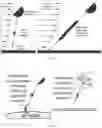


Sources:
- United States Patent and Trademark Office - verify current appl. status at the USPTO↗
Recent applications in this class:
- » 20250164476 2025-05-22
COLORIMETRIC ASSAY USING DITHIOLATE-GRAFTED NANOPARTICLES FOR HIGH-THROUGHPUT SCREENING OF CRYOPROTECTANTS - » 20250155431 2025-05-15
MACROSCOPIC LASER-INDUCED GRAPHENE - » 20250147016 2025-05-08
CHIP-BASED OPTICAL DETECTION SYSTEM - » 20250147015 2025-05-08
PROTEIN ANALYSIS PLATFORM AND USE THEREOF - » 20250147014 2025-05-08
PLASMON-ENHANCED FLUORESCENCE BIOCHEMICAL SENSORS - » 20250147013 2025-05-08
FIELD EFFECT TRANSISTOR, DEVICE INCLUDING THE TRANSISTOR, AND METHODS OF FORMING AND USING SAME - » 20250116663 2025-04-10
ANALYSIS SUBSTRATE, ANALYSIS METHOD, ANALYSIS SYSTEM, AND ANALYSIS APPARATUS - » 20250093346 2025-03-20
OPTICAL INTERFEROMETRIC SENSOR - » 20250035624 2025-01-30
METHODS OF SCREENING COMPOUNDS - » 20250035623 2025-01-30
BIOSENSOR SYSTEM WITH INTEGRATED MICRONEEDLE