CDK19-Selective Inhibitors, and Methods of Use Thereof
US20240270735A1
2024-08-15
18/040,122
2021-07-30
Smart Summary: New compounds have been developed that can specifically target and inhibit a protein called cyclin dependent kinase 19 (CDK19). These compounds can be used in medicines to help treat certain types of cancer, including breast cancer. They come in a form that is safe for use in patients. The research includes details on how these compounds are structured and how they work. Overall, this discovery offers a potential new approach for cancer treatment. 🚀 TL;DR
Abstract:
Provided herein are compounds or pharmaceutically acceptable salts thereof, having a structure of formula (I): wherein substituents are as described herein. Also provided is a pharmaceutical composition comprising a compound or pharmaceutically acceptable salt having a structure of formula (I). Further provided are a method of inhibiting cyclin dependent kinase 19 (CDK19) a method of treating cancer (e.g., breast cancer) with the disclosed compounds.
Inventors:
- Mark SMITH 6 🇺🇸 Stanford, CA, United States
- Robert W. Hsieh 2 🇺🇸 Stanford, CA, United States
- Micheal F Clarke 1 🇺🇸 Stanford, CA, United States
- Vincent Alford 2 🇺🇸 Stanford, CA, United States
- Andre Henri St. Amant 1 🇺🇸 Stanford, CA, United States
Applicant:
Interested in similar patents?
Get notified when new applications in this technology area are published.
Classification:
C07D417/04 » CPC main
Heterocyclic compounds containing two or more hetero rings, at least one ring having nitrogen and sulfur atoms as the only ring hetero atoms, not provided for by group containing two hetero rings directly linked by a ring-member-to-ring-member bond
A61K31/4439 » CPC further
Medicinal preparations containing organic active ingredients; Heterocyclic compounds having nitrogen as a ring hetero atom, e.g. guanethidine or rifamycins having six-membered rings with one nitrogen as the only ring hetero atom; Non condensed pyridines; Hydrogenated derivatives thereof containing further heterocyclic ring systems containing a five-membered ring with nitrogen as a ring hetero atom, e.g. omeprazole
A61K45/06 » CPC further
Medicinal preparations containing active ingredients not provided for in groups - Mixtures of active ingredients without chemical characterisation, e.g. antiphlogistics and cardiaca
C07D271/113 » CPC further
Heterocyclic compounds containing five-membered rings having two nitrogen atoms and one oxygen atom as the only ring hetero atoms not condensed with other rings 1,3,4-Oxadiazoles; Hydrogenated 1,3,4-oxadiazoles with oxygen, sulfur or nitrogen atoms, directly attached to ring carbon atoms, the nitrogen atoms not forming part of a nitro radical
C07D277/48 » CPC further
Heterocyclic compounds containing 1,3-thiazole or hydrogenated 1,3-thiazole rings not condensed with other rings having two or three double bonds between ring members or between ring members and non-ring members with hetero atoms or with carbon atoms having three bonds to hetero atoms with at the most one bond to halogen, e.g. ester or nitrile radicals, directly attached to ring carbon atoms; Nitrogen atoms; Acylated amino or imino radicals by radicals derived from carbonic acid, or sulfur or nitrogen analogues thereof, e.g. carbonylguanidines
C07D285/135 » CPC further
Heterocyclic compounds containing rings having nitrogen and sulfur atoms as the only ring hetero atoms, not provided for by groups - ; Five-membered rings; Thiadiazoles; Hydrogenated thiadiazoles not condensed with other rings 1,3,4-Thiadiazoles; Hydrogenated 1,3,4-thiadiazoles with oxygen, sulfur or nitrogen atoms, directly attached to ring carbon atoms, the nitrogen atoms not forming part of a nitro radical Nitrogen atoms
C07D249/14 » CPC further
Heterocyclic compounds containing five-membered rings having three nitrogen atoms as the only ring hetero atoms not condensed with other rings 1,2,4-Triazoles; Hydrogenated 1,2,4-triazoles with hetero atoms or with carbon atoms having three bonds to hetero atoms with at the most one bond to halogen, e.g. ester or nitrile radicals, directly attached to ring carbon atoms Nitrogen atoms
C07D413/04 » CPC further
Heterocyclic compounds containing two or more hetero rings, at least one ring having nitrogen and oxygen atoms as the only ring hetero atoms containing two hetero rings directly linked by a ring-member-to-ring-member bond
C07D417/06 » CPC further
Heterocyclic compounds containing two or more hetero rings, at least one ring having nitrogen and sulfur atoms as the only ring hetero atoms, not provided for by group containing two hetero rings linked by a carbon chain containing only aliphatic carbon atoms
C07D417/10 » CPC further
Heterocyclic compounds containing two or more hetero rings, at least one ring having nitrogen and sulfur atoms as the only ring hetero atoms, not provided for by group containing two hetero rings linked by a carbon chain containing aromatic rings
C07D417/14 » CPC further
Heterocyclic compounds containing two or more hetero rings, at least one ring having nitrogen and sulfur atoms as the only ring hetero atoms, not provided for by group containing three or more hetero rings
Description
BACKGROUND
Although the survival rate of breast cancer patients has improved over the past 30 years, breast cancer still remains the leading cause of cancer-related death among women worldwide. This decrease in patient mortality rates can be primarily attributed to early cancer detection methods such as routinely administered mammograms and screening of genetic biomarkers associated within high risk patient populations. Unfortunately, scientific advancements in targeted therapeutic strategies have proven more difficult to achieve. For example, target-specific therapies such as tamoxifen and Herceptin display efficacy in more commonly diagnosed breast cancer cases yet have shown to be completely ineffective in treating a subset of patients diagnosed with triple-negative breast cancer (TNBC). TNBC is an aggressive, invasive breast cancer subtype that is characterized as estrogen receptor (ER) negative, progesterone receptor (PR) negative, and HER2-negative, that is, a “triple-negative” phenotype. For this reason, the only therapeutic intervention left available to these patients is chemotherapy, which is known to be non-specific and highly cytotoxic. For example, current strategies for treating TNBC include inhibiting transcriptional co-factors and targeting cancer stem cells, of which both approaches are limited by toxicity. Accordingly, patients diagnosed with TNBC often experience worse survival outcomes than non-TNBCs (median survival 9 months vs 22 months, respectively).
Cyclin dependent kinase 19 (CDK19), and a related isoform CDK8, are oncogenic transcription-regulating kinases that play a role in certain cancers, including TNBC. Other cancers include, but are not limited to, prostate cancer, cancer of the gastrointestinal tract (e.g., colorectal cancer), bladder cancer, sarcoma, cervical cancer, esophageal adenocarcinoma, acute myeloid leukemia, melanoma, glioma, and ovarian cancer. Compounds that non-selectively inhibit CDK19 and CDK8 have been explored for their anti-cancer properties, but have shown to have undesired side effects due to the CDK8 inhibition. Inhibition of CDK8 typically leads to greater side-effects due to its wider tissue distribution as compared to CDK19. For example, compounds that inhibit CDK8 typically result in greater gastrointestinal side-effects owing to the relatively high expression of CDK8 in the colon. It is believed that compounds that selectively inhibit CDK19 would result in a greater therapeutic index and would have less systemic toxicity.
In view of the foregoing, there remains a need for compounds that selectively inhibit CDK19 over CDK8, as well as new methods of treating cancer, such as TNBC, which comprising administering these compounds.
SUMMARY
The disclosure provides compounds of formula (I), as described herein, or pharmaceutically acceptable salts thereof, and their use as inhibitors of CDK19,
wherein:
-
- ring A comprises a C6-C10aryl, a C3-C10cycloalkyl, a C5-C10heterocycloalkyl having 1-4 ring heteroatoms independently selected from N, O, S, or a 5-10 membered heteroaryl having 1-4 ring heteroatoms selected from N, O, and S, and ring A is optionally substituted with 1-2 RA;
- ring B comprises a C6-C10aryl or a 5-10 membered heteroaryl having 1-4 ring heteroatoms selected from N, O, and S, and ring B is optionally substituted with 1-3 RB;
- each RA is independently selected from the group consisting of C1-C6alkyl, C1-C6haloalkyl, C3-C6cycloalkyl, C1-C6alkoxy, C1-C6haloalkoxy, C1-C3alkylene-C6-C10aryl, cyano, halo, nitro,
C1-C3alkylene-C5-C10heterocycloalkyl having 1-4 ring heteroatoms independently selected from N, O, S, and a 5-10 membered cycloheteroalkyl having 1-4 heteroatoms selected from N, O, and S;
-
- RA′ is C1-C3alkyl;
- n is 1-5;
- each RB is independently selected from the group consisting of C1-C6alkyl, C1-C6haloalkyl, C1-C6alkoxy, C1-C6haloalkoxy, C3-C6cycloalkyl, C3-C6cycloalkoxy, C1-C3alkylene-C3-C6cycloalkyl, C1-C3alkylene-C6-C10aryl, —O—C1-C3alkylene-C6-C10aryl, —O—C1-C3alkylene-C1-C6alkoxy, —C(O)ORB′, —SRB′, —C(Z)C1-C6haloalkyl, —CN, nitro, halo, —C1-C3alkylene-ORB′, —C1-C3alkylene-C6-C10heterocycloalkyl having 1-4 ring hetereoatoms independently selected from N, O, S, and —C1-C3alkylene-C5-C6heteroaryl having 1-4 ring heteroatoms independently selected from N, O, S;
- or two ortho RB taken together with the atoms to which they are attached form a 5 or 6 membered cycloalkyl or a 5 or 6 membered cycloheteroalkyl comprising 1-3 ring heteroatoms independently selected from N, O, S;
- RB′ is H, C1-C3alkyl, or C1-C6haloalkyl;
- Z is O or S;
- X1 is N or CR1, and R1 is H or C1-C6alkyl;
- X2 is NH, O, or S;
- Y is O or S; and
with the proviso that - (a) when ring A is unsubstituted 4-pyridinyl, Y is O, and X1 is N and X2 is S, ring B is not: phenyl, 2-fluorophenyl, 2-chlorophenyl, 2-methoxyphenyl, 3-fluorophenyl, 3-chlorophenyl, 3-cyanophenyl, 3-methylphenyl, 3-methoxyphenyl, 3,4-difluorophenyl, 4-methylphenyl, 4-cyanophenyl, 4-methoxyphenyl, 4-ethoxyphenyl, 4-bromophenyl, 4-chlorophenyl, 4-fluorophenyl, 4-tert-butylphenyl, 2,3-dichlorophenyl, 2,4-dichlorophenyl, 2,4-difluorophenyl, 2,5-dimethoxyphenyl, 3,4-dimethylphenyl, 3,4-dichlorophenyl, 3,4-dibromophenyl, 3,4-difluorophenyl, 3-chloro-4-cyanophenyl, 3-bromo-4-cyanophenyl, 3-cyano-4-fluorophenyl, 3-fluoro-4-(trifluoromethyl)phenyl, 4-bromo-3-cyanophenyl, 4-bromo-3-methylphenyl, 4-bromo-3-(trifluoromethyl)phenyl, 4-chloro-3-cyanophenyl, 4-chloro-3-methylphenyl, 4-chloro-3-(trifluoromethyl)phenyl, 4-cyano-3-methylphenyl, 4-cyano-3-(trifluoromethyl)phenyl, 4-fluoro-3-(trifluoromethyl)phenyl, or 5-chloro-2-methoxyphenyl;
- (b) when ring A is unsubstituted 4-pyridinyl, Y is O, and X1 is CH and X2 is S, ring B is not: 3,4-dichlorophenyl or 2-chlorophenyl; and
- (c) when ring A is unsubstituted 3-pyridinyl, Y is O, and X1 is N and X2 is S, ring B is not: phenyl, 2-chlorophenyl, 2-fluorophenyl, 3-methylphenyl, 4-methylphenyl, 4-isopropylphenyl, 4-methoxyphenyl, 4-chlorophenyl, 4-bromophenyl, 4-fluorophenyl, 2,3-dichlorophenyl, 2,4-dimethylphenyl, 3,4-dimethylphenyl, 3,4-dichlorophenyl, 3-chloro-4-fluorophenyl, or naphthyl.
The disclosure also provides pharmaceutical compositions comprising a compound, or pharmaceutically acceptable salt thereof, as disclosed herein, and methods of using the disclosed compounds, such as methods of inhibiting CDK19, and methods of treating cancer, including breast cancer (e.g., triple negative breast cancer).
BRIEF DESCRIPTION OF THE FIGURES
FIG. 1 shows results of lethal dose studies of Compound A133 in triple negative breast cancer (TNBC) cells (MDA-MB-231) and normal fibroblast cells. Normal human fibroblast cells (red line) and TNBC cells (blue) blue line were treated with various concentrations of Compound A133 and live cell counts were performed and plotted to determine a LD50.
DETAILED DESCRIPTION
The compounds disclosed herein are inhibitors of CDK19. Inhibition of CDK19 has been shown to be effective against breast cancer, such as triple negative breast cancer. In some embodiments, the disclosed compounds inhibit CDK19 selectively over CDK8, which is a structurally similar CDK but is much more prevalent throughout the body and can lead to many undesired effects, due to its wider tissue distribution as compared to CDK19. In particular, CDK8 inhibition has been shown to have high incidences of gastrointestinal side effects due to the high levels of CDK8 in the colon.
The disclosed compounds bind to and inhibit the activity of CDK19. In some embodiments, the disclosed compounds selectively inhibit CDK19 over CDK8. The compounds disclosed herein can selectively inhibit CDK19 over the isoform CDK8 such that such side effects due to CDK8 inhibition are minimized or avoided, compared to other CDK19 inhibitors.
Compounds of the Disclosure
Provided herein are compounds, or pharmaceutically acceptable salts thereof, that have a structure of formula (I):
wherein:
-
- ring A comprises a C6-C10aryl, a C3-C10cycloalkyl, a C5-C10heterocycloalkyl having 1-4 ring heteroatoms independently selected from N, O, S, or a 5-10 membered heteroaryl having 1-4 ring heteroatoms selected from N, O, and S, and ring A is optionally substituted with 1-2 RA;
- ring B comprises a C6-C10aryl or a 5-10 membered heteroaryl having 1-4 ring heteroatoms selected from N, O, and S, and ring B is optionally substituted with 1-3 RB;
- each RA is independently selected from the group consisting of C1-C6alkyl, C1-C6haloalkyl, C3-C6cycloalkyl, C1-C6alkoxy, C1-C6haloalkoxy, C1-C3alkylene-C6-C10aryl, cyano, halo, nitro,
C1-C3alkylene-C5-C10heterocycloalkyl having 1-4 ring heteroatoms independently selected from N, O, S, and a 5-10 membered cycloheteroalkyl having 1-4 heteroatoms selected from N, O, and S;
RA′ is C1-C3alky;
n is 1-5;
each RB is independently selected from the group consisting of C1-C6alkyl, C1-C6haloalkyl, C1-C6alkoxy, C1-C6haloalkoxy, C3-C6cycloalkyl, C3-C6cycloalkoxy, C1-C3alkylene-C3-C6cycloalkyl, C1-C3alkylene-C6-C10aryl, —O—C1-C3alkylene-C6-C10aryl, —O—C1-C3alkylene-C1-C6alkoxy, —C(O)ORB′, —SRB′, —C(Z)C1-C3haloalkyl, —CN, nitro, halo, —C1-C3alkylene-ORB′, —C1-C3alkylene-C6-C10heterocycloalkyl having 1-4 ring hetereoatoms independently selected from N, O, S, and —C1-C3alkylene-C5-C6heteroaryl having 1-4 ring heteroatoms independently selected from N, O, S;
-
- or two ortho RB taken together with the atoms to which they are attached form a 5 or 6 membered cycloalkyl or a 5 or 6 membered cycloheteroalkyl comprising 1-3 ring heteroatoms independently selected from N, O, S;
- RB′ is H, C1-C6alkyl, or C1-C6haloalkyl;
- Z is O or S;
- X1 is N or CR1, and R1 is H or C1-C6alkyl;
- X2 is NH, O, or S;
- Y is O or S; and
- with the proviso that
- (a) when ring A is unsubstituted 4-pyridinyl, Y is O, and X1 is N and X2 is S, ring B is not: phenyl, 2-fluorophenyl, 2-chlorophenyl, 2-methoxyphenyl, 3-fluorophenyl, 3-chlorophenyl, 3-cyanophenyl, 3-methylphenyl, 3-methoxyphenyl, 4-methylphenyl, 4-cyanophenyl, 4-methoxyphenyl, 4-ethoxyphenyl, 4-bromophenyl, 4-chlorophenyl, 4-fluorophenyl, 4-tert-butylphenyl, 2,3-dichlorophenyl, 2,4-dichlorophenyl, 2,4-difluorophenyl, 2,5-dimethoxyphenyl, 3,4-dimethylphenyl, 3,4-dichlorophenyl, 3,4-dibromophenyl, 3,4-difluorophenyl, 3-chloro-4-cyanophenyl, 3-bromo-4-cyanophenyl, 3-cyano-4-fluorophenyl, 3-fluoro-4-(trifluoromethyl)phenyl, 4-bromo-3-cyanophenyl, 4-bromo-3-methylphenyl, 4-bromo-3-(trifluoromethyl)phenyl, 4-chloro-3-cyanophenyl, 4-chloro-3-methylphenyl, 4-chloro-3-(trifluoromethyl)phenyl, 4-cyano-3-methylphenyl, 4-cyano-3-(trifluoromethyl)phenyl, 4-fluoro-3-(trifluoromethyl)phenyl, or 5-chloro-2-methoxyphenyl,
- (b) when ring A is unsubstituted 4-pyridinyl, Y is O, and X1 is CH and X2 is S, ring B is not: 3,4-dichlorophenyl or 2-chlorophenyl, and
- (c) when ring A is unsubstituted 3-pyridinyl, Y is O, and X1 is N and X2 is S, ring B is not: phenyl, 2-chlorophenyl, 2-fluorophenyl, 3-methylphenyl, 4-methylphenyl, 4-isopropylphenyl, 4-methoxyphenyl, 4-chlorophenyl, 4-bromophenyl, 4-fluorophenyl, 2,3-dichlorophenyl, 2,4-dimethylphenyl, 3,4-dimethylphenyl, 3,4-dichlorophenyl, 3-chloro-4-fluorophenyl, or naphthyl.
The compounds disclosed herein include all pharmaceutically acceptable isotopically-labeled compounds wherein one or more atoms of the compounds disclosed herein are replaced by atoms having the same atomic number, but an atomic mass or mass number different from the atomic mass or mass number usually found in nature, examples of which include isotopes of hydrogen, such as 2H and 3H. In some cases, one or more hydrogen atoms of the compounds disclosed herein are specifically deuterium (2H).
It is understood that, in any compound disclosed herein having one or more chiral centers, if an absolute stereochemistry is not expressly indicated, then each center may independently be of (R)-configuration or (s)-configuration or a mixture thereof. Thus, a compound provided herein may be contain substantially (e.g., at least 90%, or at least 95%) a single enantiomer, or be a mixture, e.g., a mixture of enantiomers and/or diastereomers. Further, compounds provided herein may be racemic mixtures. In addition, it is understood that in any compound having one or more double bond(s) generating geometrical isomers that can be defined as (E) or (Z) each double bond may independently be (E) or (z) or a mixture thereof. Likewise, a compound shown as a specific tautomer is meant to embrace all tautomeric forms of that compound.
The term “alkyl” as used herein means a saturated straight or branched chain hydrocarbon. The term “cycloalkyl” refers to a non-aromatic carbon only containing ring system which is saturated, having three to 10 carbon atoms (e.g., three to six ring carbon atoms). Examples of C1-C6 alkyl groups include but are not limited to methyl, ethyl, isopropyl, n-propyl, isobutyl, n-butyl, sec-butyl, tert-butyl, isopentyl, n-pentyl, neopentyl, sec-pentyl, 3-pentyl, sec-isopentyl, active pentyl, isohexyl, n-hexyl, sec-hexyl, neohexyl, and tert-hexyl. Contemplated cycloalkyl groups include cyclopropyl, cyclobutyl, cyclopentyl, and cyclohexyl. An illustrative C10 cycloalkyl group is the bicyclic adamantyl group. An alkylene group is an alkyl group that is further substituted. For example, “alkylene-cycloalkyl” refers to an alkyl group substituted with a cycloalkyl group.
The term “haloalkyl” refers to an alkyl substituted with one or more halogen atoms. This term includes perfluorinated alkyl groups, such as —CF3 and —CF2CF3.
The term “alkoxy” refers to an —O-alkyl group wherein the moiety is attached through an oxygen atom.
The term “haloalkoxy” refers to an alkoxy group substituted with one or more halogen atoms. This term includes perfluorinated alkoxy groups, such as —OCF3 and —OCF2CF3.
As used herein, the term “cyano” refers to —CN.
As used herein, the term “aryl” refers to a monocyclic or bicyclic aromatic group having 6 to 10 ring carbons. Aryl groups can be isolated (e.g., phenyl) or fused to another aryl group (e.g., naphthyl), or a cycloalkyl group (e.g. tetrahydronaphthyl). The aryl ring can be substituted as disclosed herein or unsubstituted.
As used herein, the term “heteroaryl”, refers to ring having five to ten (5-10) members of which 1 to 4 (or 1 to 3) ring atoms are heteroatoms selected from N, O, and S, including monocyclic heteroaromatic rings and polycyclic aromatic rings in which a monocyclic aromatic ring is fused to one or more other aromatic ring.
Examples of heteroaryl groups include, but are not limited to, pyridyl, pyrazinyl, pyrimidinyl, pyridazinyl, imidazolyl, pyrrolyl, pyrazolyl, triazolyl, tetrazolyl, oxazolyl, isoxazolyl, oxadiazolyl, thiazolyl, isothiazolyl or thiadiazolyl including, for example, 2-furanyl, 3-furanyl, N-imidazolyl, 2-imidazolyl, 4-imidazolyl, 5-imidazolyl, 3-isoxazolyl, 4-isoxazolyl, 5-isoxazolyl, 2-oxadiazolyl, 5-oxadiazolyl, 2-oxazolyl, 4-oxazolyl, 5-oxazolyl, 3-pyrazolyl, 4-pyrazolyl, 1-pyrrolyl, 2-pyrrolyl, 3-pyrrolyl, 2-pyridyl, 3-pyridyl, 4-pyridyl, 2-pyrimidinyl, 4-pyrimidinyl, 5-pyrimidinyl, 3-pyridazinyl, 2-thiazolyl, 4-thiazolyl, 5-thiazolyl, 2-triazolyl, 5-triazolyl, tetrazolyl, 2-thienyl, 3-thienyl, carbazolyl, benzimidazolyl, benzothienyl, benzofuranyl, indolyl, benzotriazolyl, benzothiazolyl, benzoxazolyl, benzimidazolyl, isoquinolinyl, indolyl, isoindolyl, acridinyl, benzisoxazolyl, isothiazolyl, 1,2,3-oxadiazolyl, 1,2,5-oxadiazolyl, 1,2,4-oxadiazolyl, 1,2,3-triazolyl, 1,2,3-thiadiazolyl, 1,3,4-thiadiazolyl, 1,2,5-thiadiazolyl, purinyl, pyrazinyl, 1,3,5-triazinyl, quinolinyl (e.g., 2-quinolinyl, 3-quinolinyl, 4-quinolinyl), and isoquinolinyl (e.g., 1-isoquinolinyl, 3-isoquinolinyl, or 4-isoquinolinyl).
Ring A and RA
In some embodiments, ring A comprises a 5-10 membered heteroaryl having 1-3 ring heteroatoms selected from N, O, and S, wherein ring A is optionally substituted with 1-2 RA. In some embodiments, ring A is selected from the group consisting of 3-methyl-4-pyridinyl, 3-ethyl-4-pyridinyl, 3-isopropyl-4-pyridinyl, 3-cyclopropyl-4-pyridinyl, 3,5-dimethyl-4-pyridinyl, 5-methyl-3-pyridinyl, 4-methyl-3-pyridinyl, and 5-chloro-3-pyridinyl.
In some embodiments, ring A comprises pyridinyl optionally substituted with 1-2 RA. In some cases, ring A is substituted pyridinyl. In some embodiments, the pyridinyl comprises a 3-pyridinyl, which may be substituted or unsubstituted. In some embodiments, the pyridinyl comprises a 4-pyridinyl, which may be substituted or unsubstituted.
In some embodiments, ring A comprises quinolinyl (e.g., 4-quinolinyl and 8-quinolinyl).
In some embodiments, ring A comprises a C6-C10aryl. Suitable nonlimiting examples of C6-C10aryl ring A include phenyl and furanyl.
In some embodiments, ring A comprises a C3-C10cycloalkyl. Suitable non limiting examples of C3-C10cycloalkyl ring A include cyclopropyl and cyclohexyl. Moreover, in some embodiments the C3-C10cycloalkyl ring A is adamantly.
In some embodiments, ring A comprises a C5-C10heterocycloalkyl having 1-4 ring heteroatoms independently selected from N, O, S. Suitable non limiting examples of C5-C10heterocycloalkyl ring A include morpholinyl and tetrahydrofuranyl.
In some embodiments, in conjunction with other above or below embodiments, ring A is optionally substituted with 1 or 2 RA substituents independently selected from the group consisting of C1-C6alkyl, C1-C6haloalkyl, C3-C6cycloalkyl, C1-C6alkoxy, C1-C6haloalkoxy, cyano, and halo. In some cases, ring A is unsubstituted. In some cases, ring A is substituted with 1 RA. In some cases, ring A is substituted with 2 RA.
As described herein, each RA is independently selected from the group consisting of C1-C6alkyl, C1-C6haloalkyl, C3-C6cycloalkyl, C1-C6alkoxy, C1-C6haloalkoxy, cyano, and halo. In some embodiments, at least one RA is C1-C6alkyl, C3-C6cycloalkyl, or halo.
In some embodiments, RA is C1-C6 alkyl such as, for example, methyl.
In some embodiments, RA is C1-C6alkoxy such as, for example, methoxy or hexoxy.
In some embodiments, RA is nitro.
In some embodiments, RA is
wherein n is 3. In some embodiments, in conjunction with other above or below embodiments, RA′ is methyl.
In some embodiments, RA is a C1-C3alkylene-C5-C10heterocycloalkyl having 1-4 ring heteroatoms independently selected from N, O, S. For example, in some embodiments, RA is morpholinyl.
In some embodiments, in conjunction with above or below embodiments, ring A (including RA when present) is selected from the group consisting of:
In some embodiments, ring A is
In some embodiments, ring A is
In some embodiments, ring A is
In some embodiments, ring A is
In some embodiments, ring A is
In some embodiments, ring A is
In some embodiments, ring A is
In some embodiments, ring A is
Ring B and RB
The disclosure provides compounds comprising a ring B moiety. In some embodiments, ring B is substituted with 1-3 substituents (RB), as described herein.
In some embodiments, ring B comprises a C6-C10aryl. Suitable nonlimiting examples of C6-C10aryl ring B include phenyl and naphthyl.
In some embodiments, ring B comprises a 5-10 membered heteroaryl having 1-4 ring heteroatoms selected from N, O, and S. Suitable nonlimiting examples of a 5-10 membered heteroaryl ring B include quinolinyl (e.g., 8-quinolinyl and 4-quinolinyl).
As described herein, in some embodiments ring B is substituted with 1-3 RB. In some embodiments, in conjunction with above or below embodiments, RB is halo (e.g., fluoro, chloro, and/or bromo).
In some embodiments, in conjunction with above or below embodiments, RB is C1-C6aryl (e.g., phenyl).
In some embodiments, in conjunction with above or below embodiments RB is C1-C6haloalkyl (e.g., trifluoromethyl).
In some embodiments, in conjunction with above or below embodiments RB is nitro.
In some embodiments, in conjunction with above or below embodiments RB is C1-C6alkoxy. Suitable nonlimiting examples of C1-C6alkoxy RB include methoxy, ethoxy, isopropoxy, and isobutoxy.
In some embodiments, in conjunction with above or below embodiments RB is —C(O)ORB′, wherein RB′ is C1-C3alkyl (e.g., methyl or ethyl).
In some embodiments, in conjunction with above or below embodiments, RB is C1-C3alkylene-C6-C10aryl (e.g., benzyl).
In some embodiments, in conjunction with above or below embodiments, RB is C1-C6haloalkoxy. Suitable nonlimiting examples of C1-C6haloalkoxy RB include trifluoromethoxy, difluoromethoxy, and 1,1-difluoro-2,2-difluoroethoxy. In some embodiments, RB is difluromethoxy.
In some embodiments, in conjunction with above or below embodiments, RB is —O—C1-C3alkylene-C6-C10aryl (e.g., benzyloxy).
In some embodiments, in conjunction with above or below embodiments, RB is C1-C6alkyl as described herein (e.g., methyl, ethyl, propyl, or isopropyl, butyl, isobutyl, sec-butyl, and tert-butyl).
In some embodiments, in conjunction with above or below embodiments, RB is C3-C6cycloalkyl (e.g., cyclopropyl or cyclobutyl).
In some embodiments, in conjunction with above or below embodiments, RB is C3-C6cycloalkoxy (e.g., cyclopropoxy or cyclobutoxy).
In some embodiments, in conjunction with above or below embodiments, two ortho RB are taken together with the atoms to which they are attached form a 5 or 6 membered cycloheteroalkyl comprising 1-3 ring heteroatoms independently selected from N, O, S. For example, in some embodiments two ortho RB form a 1,3-dioxolane.
In some embodiments, in conjunction with above or below embodiments, two ortho RB are taken together with the atoms to which they are attached form a 5 or 6 membered cycloalkyl (e.g., cyclohexyl).
In some embodiments, in conjunction with above or below embodiments, two ortho RB are taken together with the atoms to which they are attached form a 5 or 6 membered cycloheteroalkyl comprising 1-3 ring heteroatoms independently selected from N, O, S (e.g., 2,2-dimethylchromanyl).
In some embodiments, RB comprises RB′, wherein RB′ is H, C1-C3alkyl, or C1-C6haloalkyl. In some embodiments, in conjunction with above or below embodiments, RB is —SRB′. For example, in some embodiments —SRB′ is —SC1-C6alkyl or —SC1-C6haloalkyl such as —SCH3 or —SCF3. In some embodiments, in conjunction with above or below embodiments, RB is —C1-C3alkylene-ORB′ (e.g., —CH2—CH2—OH).
In some embodiments, in conjunction with above or below embodiments, RB is —C1-C3alkylene-C5-C6heteroaryl having 1-4 ring heteroatoms independently selected from N, O, S. Suitable nonlimiting examples of C1-C3alkylene-C5-C6heteroaryl include (1,2,4-triazol-1-yl)methyl.
In some embodiments, in conjunction with above or below embodiments, RB is —O—C1-C3alkylene-C1-C6alkoxy (e.g., 2-methoxyethoxy).
In some embodiments, in conjunction with above or below embodiments, RB is —CN.
In some embodiments, in conjunction with above or below embodiments, RB is —C1-C3alkylene-C3-C6cycloalkyl (e.g., cyclopropylmethyl).
In some embodiments, in conjunction with above or below embodiments, RB is a C1-C3alkylene-C6-C10heterocycloalkyl having 1-4 ring hetereoatoms independently selected from N, O, S (e.g., (4-methylpiperazin-1-yl)methyl.
In some embodiments, in conjunction with above or below embodiments, RB is —C(Z)C1-C6haloalkyl, wherein Z is O or S. For example, in some embodiments, RB is —C(Z)CF3 such that RB is —C(O)CF3 or —C(S)CF3.
In some embodiments, the disclosure provides compounds wherein RB is independently selected from the group consisting of C1-C6alkyl, C1-C6haloalkyl, C1-C6alkoxy, C1-C6haloalkoxy, C3-C6cycloalkyl, C1-C3alkylene-C3-C6cycloalkyl, cyano, and halo.
In some embodiments, the disclosure provides compounds or salts of formula (I), wherein ring B has a structure of:
-
- each R1 is independently hydrogen, halogen, C1-C3alkyl, C3-C6cycloalkyl, C1-C6alkoxy, and C1-C6haloalkoxy; and
- Y1 is independently selected from the group consisting of C1-C6alkyl, C3-C6cycloalkyl, C1-C6haloalkyl, C1-C6haloalkoxy, C1-C6alkoxy, and C3-C6cycloalkoxy.
In some embodiments, R1 is independently selected from the group consisting of H, D, fluoro, methyl, ethyl, and isopropyl.
In some embodiments, each Y1 is independently selected from the group consisting of fluoromethyl, difluoromethyl, trifluoromethyl, trifluoromethoxy, pentafluoropropyl, isopropyl, isobutyl, cyclopropyl, 1,2-(difluoro)ethoxy, cyclopropyloxy, isopropoxy, ethoxy, and methoxy. In some embodiments Y1 is isobutyl.
In some embodiments, the disclosure provides compounds or salts of formula (I), wherein ring B comprises a C6-10aryl or a 5-10 membered heteroaryl having 1-4 ring heteroatoms selected from N, O, and S, and is optionally substituted with 1-3 RB. In some embodiments, ring B comprises a phenyl, pyridinyl, pyrimidinyl, or naphthyl.
As described herein, each RB is independently selected from the group consisting of C1-C6alkyl, C1-C6haloalkyl, C1-C6alkoxy, C1-C6haloalkoxy, C3-C6cycloalkyl, C1-C3alkylene-C3-C6cycloalkyl, cyano, and halo.
In some embodiments, in conjunction with above or below embodiments, ring B (including RB and RB′ when present) is selected from the group consisting of:
Core Structure
The disclosed compounds or salts of formula (I) comprise a core structure having the formula
which connects ring A and ring B of the disclosed compounds or salts.
In some embodiments X1 is CR1, wherein R1 is H or C1-C6alkyl (e.g., methyl), as described herein. In some embodiments, R1 is H. In some embodiments, X1 is N.
In some embodiments, X2 is S. In some embodiments, X2 is O. In some embodiments, X2 is NH.
In some embodiments, the disclosure provides compounds or salts having a thiazole moiety (i.e., X1 is CH and X2 is S) or a thiadiazole moiety (i.e., X1 is N and X2 is S). In some embodiments, X1 is CH.
In some embodiments, in conjunction with above or below embodiments, Y is O such that the compounds or salts comprise a core structure having the formula
In some embodiments, in conjunction with above or below embodiments, Y is S such that the compounds or salts comprise a core structure having the formula
In some embodiments, Y is O and X2 is S. Thus, in some embodiments, the compounds or salts of formula (I) have a structure selected from one of the following structures:
In some embodiments, Y is S and X2 is S. Thus, in some embodiments, the compounds or salts of formula (I) have a structure selected from one of the following structures:
In some embodiments, the compound or pharmaceutically acceptable salt thereof is shown in Table A below.
| TABLE A | ||
| ID | STRUCTURE | |
| A1 | ||
| A2 | ||
| A3 | ||
| A4 | ||
| A5 | ||
| A6 | ||
| A7 | ||
| A8 | ||
| A9 | ||
| A10 | ||
| A11 | ||
| A12 | ||
| A13 | ||
| A14 | ||
| A15 | ||
| A16 | ||
| A17 | ||
| A18 | ||
| A19 | ||
| A20 | ||
| A21 | ||
| A22 | ||
| A23 | ||
| A24 | ||
| A25 | ||
| A26 | ||
| A27 | ||
| A28 | ||
| A29 | ||
| A30 | ||
| A31 | ||
| A32 | ||
| A33 | ||
| A34 | ||
| A35 | ||
| A36 | ||
| A37 | ||
| A38 | ||
| A39 | ||
| A40 | ||
| A41 | ||
| A42 | ||
| A43 | ||
| A44 | ||
| A45 | ||
| A46 | ||
| A47 | ||
| A48 | ||
| A49 | ||
| A50 | ||
| A51 | ||
| A52 | ||
| A53 | ||
| A54 | ||
| A55 | ||
| A56 | ||
| A57 | ||
| A58 | ||
| A59 | ||
| A60 | ||
| A61 | ||
| A62 | ||
| A63 | ||
| A64 | ||
| A65 | ||
| A66 | ||
| A67 | ||
| A68 | ||
| A69 | ||
| A70 | ||
| A1 | ||
| A72 | ||
| A73 | ||
| A74 | ||
| A75 | ||
| A76 | ||
| A77 | ||
| A78 | ||
| A79 | ||
| A80 | ||
| A81 | ||
| A82 | ||
| A83 | ||
| A84 | ||
| A85 | ||
| A86 | ||
| A87 | ||
| A88 | ||
| A89 | ||
| A90 | ||
| A91 | ||
| A92 | ||
| A93 | ||
| A94 | ||
| A95 | ||
| A96 | ||
| A97 | ||
| A98 | ||
| A99 | ||
| A100 | ||
| A101 | ||
| A102 | ||
| A103 | ||
| A104 | ||
| A105 | ||
| A106 | ||
| A107 | ||
| A108 | ||
| A109 | ||
| A110 | ||
| A111 | ||
| A112 | ||
| A113 | ||
| A114 | ||
| A115 | ||
| A116 | ||
| A117 | ||
| A118 | ||
| A119 | ||
| A120 | ||
| A121 | ||
| A122 | ||
| A123 | ||
| A124 | ||
| A125 | ||
| A126 | ||
| A127 | ||
| A128 | ||
| A129 | ||
| A130 | ||
| A131 | ||
| A132 | ||
| A133 | ||
| A134 | ||
| A135 | ||
| A136 | ||
| A137 | ||
| A138 | ||
| A139 | ||
| A140 | ||
| A141 | ||
| A142 | ||
| A143 | ||
| A144 | ||
| A145 | ||
| A146 | ||
| A147 | ||
| A148 | ||
| A149 | ||
| A150 | ||
| A151 | ||
| A152 | ||
| A153 | ||
| A154 | ||
| A155 | ||
| A156 | ||
| A157 | ||
| A158 | ||
| A159 | ||
| A160 | ||
| A161 | ||
| A162 | ||
| A163 | ||
| A164 | ||
| A165 | ||
| A166 | ||
| A167 | ||
| A168 | ||
| A169 | ||
Also provided herein are compounds, or pharmaceutically acceptable salts thereof, having a structure as shown in Table B.
| TABLE B | |
| ID | STRUCTURE |
| B61 | |
| B64 | |
| B82 | |
| B68 | |
| B69 | |
| B71 | |
| B72 | |
| B89 | |
| B95 | |
| B97 | |
| B80 | |
In some embodiments, the compound or pharmaceutically acceptable salt thereof is selected from compound A1, A2, A3, A4, and A5. In some embodiments, the compound or pharmaceutically acceptable salt thereof is selected from compound A2, A3, A4, A5, A58, A62, A64, B82, A68, A1, A78, and A81. In some embodiments, the compound or pharmaceutically acceptable salt thereof is selected from compound A1, A2, A3, A4, A5, and A64. In some embodiments, the compound or pharmaceutically acceptable salt thereof is selected from compound A1, A2, A3, A4, A5, A52, and A81. In some embodiments, the compound or pharmaceutically acceptable salt thereof is compound A1. In some embodiments, the compound or pharmaceutically acceptable salt thereof is compound A2. In some embodiments, the compound or pharmaceutically acceptable salt thereof is compound A3. In some embodiments, the compound or pharmaceutically acceptable salt thereof is compound A4. In some embodiments, the compound or pharmaceutically acceptable salt thereof is compound A5. In some embodiments, the compound or pharmaceutically acceptable salt thereof is compound A52. In some embodiments, the compound or pharmaceutically acceptable salt thereof is compound A64. In some embodiments, the compound or pharmaceutically acceptable salt thereof is compound A81.
The compounds described herein can exist in free form, or, where appropriate, as salts. Those salts that are pharmaceutically acceptable are of particular interest since they are useful in administering the compounds described below for medical purposes. Salts that are not pharmaceutically acceptable are useful in manufacturing processes, for isolation and purification purposes, and in some instances, for use in separating stereoisomeric forms of the compounds described herein or intermediates thereof.
As used herein, the term “pharmaceutically acceptable salt” refers to salts of a compound which are, within the scope of sound medical judgment, suitable for use in contact with the tissues of humans and lower animals without undue side effects, such as, toxicity, irritation, allergic response and the like, and are commensurate with a reasonable benefit/risk ratio.
Pharmaceutically acceptable salts are well known in the art. For example, S. M. Berge et al., describe pharmaceutically acceptable salts in detail in J. Pharmaceutical Sciences, 1977, 66, 1-19, incorporated herein by reference. Pharmaceutically acceptable salts of the compounds described herein include those derived from suitable inorganic and organic acids and bases. These salts can be prepared in situ during the final isolation and purification of the compounds.
Where the compound described herein contains a basic group, or a sufficiently basic bioisostere, acid addition salts can be prepared by 1) reacting the purified compound in its free-base form with a suitable organic or inorganic acid and 2) isolating the salt thus formed. In practice, acid addition salts might be a more convenient form for use and use of the salt amounts to use of the free basic form.
Examples of pharmaceutically acceptable, non-toxic acid addition salts are salts of an amino group formed with inorganic acids such as hydrochloric acid, hydrobromic acid, phosphoric acid, sulfuric acid and perchloric acid or with organic acids such as acetic acid, oxalic acid, maleic acid, tartaric acid, citric acid, succinic acid or malonic acid or by using other methods used in the art such as ion exchange. Other pharmaceutically acceptable salts include adipate, alginate, ascorbate, aspartate, benzenesulfonate, benzoate, bisulfate, borate, butyrate, camphorate, camphorsulfonate, citrate, cyclopentanepropionate, digluconate, dodecylsulfate, ethanesulfonate, formate, fumarate, glucoheptonate, glycerophosphate, glycolate, gluconate, glycolate, hemisulfate, heptanoate, hexanoate, hydrochloride, hydrobromide, hydroiodide, 2-hydroxy-ethanesulfonate, lactobionate, lactate, laurate, lauryl sulfate, malate, maleate, malonate, methanesulfonate, 2-naphthalenesulfonate, nicotinate, nitrate, oleate, oxalate, palmitate, pamoate, pectinate, persulfate, 3-phenylpropionate, phosphate, picrate, pivalate, propionate, salicylate, stearate, succinate, sulfate, tartrate, thiocyanate, p-toluenesulfonate, undecanoate, valerate salts, and the like.
Where the compound described herein contains a carboxy group or a sufficiently acidic bioisostere, base addition salts can be prepared by 1) reacting the purified compound in its acid form with a suitable organic or inorganic base and 2) isolating the salt thus formed. In practice, use of the base addition salt might be more convenient and use of the salt form inherently amounts to use of the free acid form. Salts derived from appropriate bases include alkali metal (e.g., sodium, lithium, and potassium), alkaline earth metal (e.g., magnesium and calcium), ammonium and N+(C1-4alkyl)4 salts. This disclosure also envisions the quaternization of any basic nitrogen-containing groups of the compounds disclosed herein. Water or oil-soluble or dispersible products may be obtained by such quaternization.
Basic addition salts include pharmaceutically acceptable metal and amine salts. Suitable metal salts include the sodium, potassium, calcium, barium, zinc, magnesium, and aluminum. The sodium and potassium salts are usually preferred. Further pharmaceutically acceptable salts include, when appropriate, nontoxic ammonium, quaternary ammonium, and amine cations formed using counterions such as halide, hydroxide, carboxylate, sulfate, phosphate, nitrate, lower alkyl sulfonate and aryl sulfonate. Suitable inorganic base addition salts are prepared from metal bases which include sodium hydride, sodium hydroxide, potassium hydroxide, calcium hydroxide, aluminum hydroxide, lithium hydroxide, magnesium hydroxide, zinc hydroxide and the like. Suitable amine base addition salts are prepared from amines which are frequently used in medicinal chemistry because of their low toxicity and acceptability for medical use. Ammonia, ethylenediamine, N-methyl-glucamine, lysine, arginine, ornithine, choline, N,N′-dibenzylethylenediamine, chloroprocaine, diethanolamine, procaine, N-benzylphenethylamine, diethylamine, piperazine, tris(hydroxymethyl)-aminomethane, tetramethylammonium hydroxide, triethylamine, dibenzylamine, ephenamine, dehydroabietylamine, N-ethylpiperidine, benzylamine, tetramethylammonium, tetraethylammonium, methylamine, dimethylamine, trimethylamine, ethylamine, basic amino acids, dicyclohexylamine and the like.
Other acids and bases, while not in themselves pharmaceutically acceptable, may be employed in the preparation of salts useful as intermediates in obtaining the compounds described herein and their pharmaceutically acceptable acid or base addition salts.
It should be understood that this disclosure includes mixtures/combinations of different pharmaceutically acceptable salts and also mixtures/combinations of compounds in free form and pharmaceutically acceptable salts.
Preparation of Compounds Disclosed Herein
Synthesis of the compounds described herein can be done using any suitable method. The present disclosure also provides methods of preparing a compound described herein. The compounds described herein, and pharmaceutical salts thereof, all include a core structure (e.g., a thiazole/thiadiazole moiety) linking ring A to a urea/thiourea moiety, which is linked to ring B.
One method that is used to synthesize the disclosed compounds is “Method A”. Briefly, the Method A synthesis includes reacting the ring A-thiazole/thiadiazole compound (free amine) with the desired isocyanate of ring B to provide the desired compound of formula (I), which is then purified using standard techniques.
An illustrative procedure using Method A to prepare a substituted 1-phenyl-(5-(pyridyl)-1,3,4-thiadiazol-2-yl)-urea compound or 1-phenyl-(5-(pyridyl)-1,3,4-thiazol-2-yl)-urea compound is described herein. 2-Amino-5-(4-pyridinyl)-1,3,4-thiadiazole or 2-amino-5-(4-pyridinyl)-1,3,4-thiazole (1 mol. equiv.) was added to a solution of an isocyanatobenzene (1 mol. equiv.) in dichloromethane (0.1 M solution). The reaction was stirred at room temperature overnight, filtered and rinsed with dichloromethane. The precipitate was recrystallized in denatured ethanol, cooled on ice, filtered, and rinsed with ethanol and dried under vacuum to give the desired product.
Another method that is used to synthesize the disclosed compounds is “Method B”. Briefly, the Method B synthesis includes reacting desired ring B moiety (free amine) with the desired carbamate of ring A-thiazole/thiadiazole compound to provide the desired compound of formula (I), which is then purified using standard techniques.
An illustrative procedure using Method B to prepare a substituted 1-phenyl-(5-(pyridyl)-1,3,4-thiadiazol-2-yl)urea compound or 1-phenyl-(5-(pyridyl)-1,3,4-thiazol-2-yl)-urea compound is described herein. 2-Amino-5-(4-pyridinyl)-1,3,4-thiadiazole or 2-amino-5-(4-pyridinyl)-1,3,4-thiazole (1 mol. equiv.) was suspended in pyridine (0.3 M solution) and cooled to 0° C. under an atmosphere of nitrogen. Phenyl carbonochloridate (1.5 mol. equiv.) was added dropwise and the solution was stirred at 0° C. for 30 min and then allowed to warm to room temperature. The reaction mixture was poured into a saturated solution of NaHCO3 (50 mL) and extracted with ethyl acetate, washed with brine solution, dried (MgSO4) and adsorbed to Celite®. Chromatography (ethyl acetate in hexanes, 2:1) provided the desired carbamates. Phenyl N-[5-(pyridyl)-1,3,4-thiadiazol-2-yl]carbamate or phenyl N-[5-(pyridyl)-1,3-thiazol-2-yl]carbamate (1 mol. equiv.) and an aniline (1.2 mol. equiv.) in dioxane (0.5 M solution) was placed in a sealed tube and heated at 100° C. overnight. The reaction mixture was suspended in denatured ethanol and filtered. The filtrate was resuspended in boiling ethanol, cooled with an ice bath, filtered and washed with ethanol. The filtrate was dried under vacuum to give the desired urea compounds.
Pharmaceutical Compositions
The compounds described herein can be formulated into pharmaceutical compositions that further comprise a pharmaceutically acceptable carrier, diluent, adjuvant or vehicle. In some embodiments, the present disclosure relates to a pharmaceutical composition comprising a compound described herein, and a pharmaceutically acceptable carrier, diluent, adjuvant or vehicle. In some embodiments, the present disclosure includes a pharmaceutical composition comprising a safe and effective amount of a compound described herein or a pharmaceutically acceptable salt thereof and a pharmaceutically acceptable carrier, diluent, adjuvant or vehicle. Pharmaceutically acceptable carriers include, for example, pharmaceutical diluents, excipients or carriers suitably selected with respect to the intended form of administration, and consistent with conventional pharmaceutical practices.
An “effective amount” includes a “therapeutically effective amount” and a “prophylactically effective amount”. The term “therapeutically effective amount” refers to an amount effective in treating and/or ameliorating an influenza virus infection in a patient. The term “prophylactically effective amount” refers to an amount effective in preventing and/or substantially lessening the chances or the size of influenza virus infection outbreak.
A pharmaceutically acceptable carrier may contain inert ingredients which do not unduly inhibit the biological activity of the compounds. The pharmaceutically acceptable carriers should be biocompatible, e.g., non-toxic, non-inflammatory, non-immunogenic or devoid of other undesired reactions or side-effects upon the administration to a subject. Standard pharmaceutical formulation techniques can be employed.
The pharmaceutically acceptable carrier, adjuvant, or vehicle, as used herein, includes any solvents, diluents, or other liquid vehicle, dispersion or suspension aids, surface active agents, isotonic agents, thickening or emulsifying agents, preservatives, solid binders, lubricants and the like, as suited to the particular dosage form desired. Remington's Pharmaceutical Sciences, Sixteenth Edition, E. W. Martin (Mack Publishing Co., Easton, Pa., 1980) discloses various carriers used in formulating pharmaceutically acceptable compositions and known techniques for the preparation thereof. Except insofar as any conventional carrier medium is incompatible with the compounds described herein, such as by producing any undesirable biological effect or otherwise interacting in a deleterious manner with any other component(s) of the pharmaceutically acceptable composition, its use is contemplated to be within the scope of this disclosure. As used herein, the phrase “side effects” encompasses unwanted and adverse effects of a therapy (e.g., a prophylactic or therapeutic agent). Side effects are always unwanted, but unwanted effects are not necessarily adverse. An adverse effect from a therapy (e.g., prophylactic or therapeutic agent) might be harmful or uncomfortable or risky. Side effects include, but are not limited to fever, chills, lethargy, gastrointestinal toxicities (including gastric and intestinal ulcerations and erosions), nausea, vomiting, neurotoxicities, nephrotoxicities, renal toxicities (including such conditions as papillary necrosis and chronic interstitial nephritis), hepatic toxicities (including elevated serum liver enzyme levels), myelotoxicities (including leukopenia, myelosuppression, thrombocytopenia and anemia), dry mouth, metallic taste, prolongation of gestation, weakness, somnolence, pain (including muscle pain, bone pain and headache), hair loss, asthenia, dizziness, extra-pyramidal symptoms, akathisia, cardiovascular disturbances and sexual dysfunction.
Some examples of materials which can serve as pharmaceutically acceptable carriers include, but are not limited to, ion exchangers, alumina, aluminum stearate, lecithin, serum proteins (such as human serum albumin), buffer substances (such as twin 80, phosphates, glycine, sorbic acid, or potassium sorbate), partial glyceride mixtures of saturated vegetable fatty acids, water, salts or electrolytes (such as protamine sulfate, disodium hydrogen phosphate, potassium hydrogen phosphate, sodium chloride, or zinc salts), colloidal silica, magnesium trisilicate, polyvinyl pyrrolidone, polyacrylates, waxes, polyethylene-polyoxypropylene-block polymers, methylcellulose, hydroxypropyl methylcellulose, wool fat, sugars such as lactose, glucose and sucrose; starches such as corn starch and potato starch; cellulose and its derivatives such as sodium carboxymethyl cellulose, ethyl cellulose and cellulose acetate; powdered tragacanth; malt; gelatin; talc; excipients such as cocoa butter and suppository waxes; oils such as peanut oil, cottonseed oil; safflower oil; sesame oil; olive oil; corn oil and soybean oil; glycols; such a propylene glycol or polyethylene glycol; esters such as ethyl oleate and ethyl laurate; agar; buffering agents such as magnesium hydroxide and aluminum hydroxide; alginic acid; pyrogen-free water; isotonic saline; Ringer's solution; ethyl alcohol, and phosphate buffer solutions, as well as other non-toxic compatible lubricants such as sodium lauryl sulfate and magnesium stearate, as well as coloring agents, releasing agents, coating agents, sweetening, flavoring and perfuming agents, preservatives and antioxidants can also be present in the composition, according to the judgment of the formulator.
Methods of Use
The compounds described herein or pharmaceutically acceptable salts thereof can be used to inhibit CDK19 activity, and thus can be used to treat conditions mediated by CDK19, such as cancer, more particularly, cancers wherein CDK19 activity plays a role (e.g., downregulation or inhibition of CDK19 activity). Suitable cancers which can be treated by the disclosed methods, include but are not limited to breast cancer, prostate cancer, cancer of the gastrointestinal tract (e.g., colorectal cancer), bladder cancer, sarcoma, cervical cancer, esophageal adenocarcinoma, acute myeloid leukemia, melanoma, and ovarian cancer. In some cases, the cancer is triple negative breast cancer.
As used herein, the terms “treat”, “treatment,” and “treating” refer to the reduction or amelioration of the progression, severity and/or duration of the CDK19 mediated condition (e.g., TNBC), or the amelioration of one or more symptoms (specifically, one or more discernible symptoms) of CDK19-mediated condition, resulting from the administration of one or more therapies (e.g., one or more therapeutic agents such as a compound or composition described herein).
As used herein, the term “inhibitor” as used in the context of CDK19, refers to a compound, or pharmaceutical composition that reduces the expression or activity of CDK19. Desirably, the compound or pharmaceutical composition selectively inhibits CDK19 expression or activity over that of CDK8.
As used here, the terms “decrease,” “reduced,” “reduction,” and “decreasing” are all used herein to refer to a decrease by at least 10% as compared to a reference level, for example a decrease by at least about 5%, at least about 10%, at least about 20%, or at least about 30%, or at least about 40%, or at least about 50%, or at least about 60%, or at least about 70%, or at least about 80%, or at least about 90% or up to and including a 100% decrease (i.e., absent level as compared to a reference sample), or any decrease between 10-100% as compared to a reference level.
The disclosed compounds, or pharmaceutically acceptable salts thereof, are selective for CDK19 over other kinases (e.g., CDK8). For example, compounds of formula (I) when screened against a panel of other kinases (e.g., using KINOMEscan® assay), exhibit selectivity for inhibiting CDK19.
The inhibition of CDK19 activity can be measure by any suitable method known in the art. For example, any suitable enzyme inhibition assay (e.g., competitive binding assay) or functional cell-based assay can be used to measure CDK19 activity. An illustrative assay for measuring CDK19 activity is a FRET-based (Forster resonant energy transfer) assay.
In some embodiments, the disclosure provides a method of inhibiting cyclin dependent kinase 19 (CDK19) comprising contacting CDK19 with one or more of the disclosed compounds in an amount effective to inhibit CDK19.
In some embodiments, the disclosed compounds selectively inhibit CDK19 over CDK8. CDK8 inhibitory activity can be measured using any suitable inhibition assay, including FRET-based assays. In some embodiments, the compound is at least 2 times more selective for CDK19 over CDK8. For example, in some embodiments the compound is at least 3 times more selective for CDK19 (e.g., at least 4, 5, 6, 7, 8, 9, 10, 11, 12, 13, 14, 15, 16, 17, 18, 19, 20, 21, 22, 23, 24, 25, 26, 27, 28, 29, 30, 31, 32, 33, 34, 35, 36, 37, 38, 39, 40, 41, 42, 43, 44, 45, 46, 47, 48, 49, 50, 51, 52, 53, 54, 55, 56, 57, 58, 59, 60, 61, 62, 63, 64, 65, 66, 67, 68, 69, 70, 71, 72, 73, 74, 75, 76, 77, 78, 79, 80, 81, 82, 83, 84, 85, 86, 87, 88, 89, 90, 91, 92, 93, 94, 95, 96, 97, 98, 99, or 100 times or more selective for CDK19 over CDK8).
In some embodiments, the compound has an IC50 for CDK19 of less than 400 nM (e.g., 375, 350, 325, 300, 275, 250, 225 nm). In some embodiments, the compound has an IC50 for CDK19 of less than 200 nM (e.g., 175, 150, 125, 100, 90, 80, 70, 60, 50, 40, 30, 20, 10, 5, 4, 3, 2, or less than 1 nM). In some embodiments, the compounds have an IC50 for CDK19 of 20 nm. In some embodiments, the compounds haves an IC50 for CDK19 of 2.5 nM.
In some embodiments, the disclosed compounds have a lethal dose 50 (LD50) in a TNBC cell line of 500 nM or less (e.g., 500, 450, 400, 350, 300, 250, 200, 150, 100 nM or less). In some embodiments the disclosed compounds have a LD50 in MDA-MB-231 TNBC cells of 180 nM, 178 nM, 158 nM, or 91 nM. In some embodiments, the disclosed compounds have a LD50 in normal cells (e.g., human foreskin fibroblast cells) of 1,000 nM or more (e.g., 1,000, 1,500, 2,000, 2,500, 5,000, 7,500, 10,000 nM or more). In some embodiments, the disclosed compounds have a LD50 in human foreskin fibroblast cells of greater than 10,000 nM. Illustrative LD50 measurements are described herein at the Examples.
In some embodiments, the disclosure provides a method of treating a tumor expressing aberrant CD19 levels (e.g., breast cancer, or more specifically, triple negative breast cancer) in a patient comprising administering to the patient a therapeutically effective amount of a compound disclosed herein. In some embodiments, the disclosure provides a method of treating breast cancer in a patient comprising administering to the patient a therapeutically effective amount of a compound disclosed herein. In some embodiments, the treatment results in an at least 10% reduction in tumor volume. In some cases, the reduction in tumor volume is at least 20%, at least 25%, at least 30%, at least 40%, or at least 50%. The reduction can occur within 12 months of initiating therapy, within 11 months, within 10 months, within 9 months, within 8 months, within 7 months, within 6 months, within 5 months, within 4 months, within 3 months, within 2 months, or within 1 month of initiating therapy.
As used herein, the term “patient” (e.g., subject) refers to an animal, specifically a “mammal” including a non-primate (e.g., a cow, pig, horse, sheep, rabbit, guinea pig, rat, cat, dog, or mouse) and a primate (e.g., a monkey, chimpanzee, or human), and more specifically a human. In a preferred embodiment, the patient is a “human”.
As used herein, an “effective amount” refers to an amount sufficient to elicit the desired biological response. As used herein, a “safe and effective amount” of a compound or composition described herein is an effective amount of the compound or composition which does not cause excessive or deleterious side effects in a patient.
As described in the Examples, when cells from a TNBC cell line (e.g., MDA-MB-231) are treated with a compound as disclosed herein, the treated cells undergo cell cycle arrest and apoptosis. In contrast, when a normal human fibroblast cell line (e.g., human foreskin fibroblast 2088 cells) are treated in the same manner, the treated cells continue to proliferate in a healthy manner. Thus, the compounds disclosed herein can selectively target a cancer cell in the presence of a healthy cell, which indicates a likelihood that healthy cells are not impacted, or minimally impacted, by the compound.
In some embodiments, the disclosure provides a method of treating cancer in patient comprising administering to the patient a therapeutically effective amount of the compound, tautomer, or salt of the disclosure. In some embodiments, the cancer is breast cancer, prostate cancer, cancer of the gastrointestinal tract (e.g., colorectal cancer), bladder cancer, sarcoma, cervical cancer, esophageal adenocarcinoma, acute myeloid leukemia, melanoma, glioma, or ovarian cancer. In some embodiments, the cancer is breast cancer. In some embodiments, the disclosure provides a method of treating a patient having triple negative breast cancer comprising administering a therapeutically effective dose of a compound or pharmaceutical composition that inhibits expression or activity of cyclin-dependent kinase 19 (CDK19).
In some embodiments, the disclosure provides a method of inhibiting cyclin dependent kinase 19 (CDK19) comprising contacting CDK19 with one or more of the compounds as disclosed herein in an amount effective to inhibit CDK19. In some cases, the compound is a compound as recited in Table C.
| TABLE C | |
| A170 | |
| A171 | |
| A172 | |
| A173 | |
| A174 | |
| A175 | |
| A176 | |
| A177 | |
| A178 | |
| A179 | |
| A180 | |
Combination Therapy
A compound described herein, or a pharmaceutically acceptable salt thereof, can be administered alone or in combination with an additional suitable therapy, for example, a second therapeutic agent, such as an anticancer agent.
Thus, in some embodiments, the patient undergoes one or more additional therapies in addition to treatment with a compound as disclosed herein.
When combination therapy is employed, a safe and effective amount can be achieved using a first amount of a compound as disclosed herein, or a pharmaceutically acceptable salt thereof, and a second amount of an additional suitable therapeutic agent (e.g. an anticancer agent).
In some embodiments, the second therapy is selected from chemotherapy, radiation therapy, surgery, and a combination thereof. In some embodiments, the second therapy comprises surgery to remove breast tissue.
EMBODIMENTS
-
- 1. A compound, or pharmaceutically acceptable salt thereof, having a structure of formula (I):
wherein:
-
- ring A comprises a C6-C10aryl, a C3-C10cycloalkyl, a C5-C10heterocycloalkyl having 1-4 ring heteroatoms independently selected from N, O, S, or a 5-10 membered heteroaryl having 1-4 ring heteroatoms selected from N, O, and S, and ring A is optionally substituted with 1-2 RA;
- ring B comprises a C6-C10aryl or a 5-10 membered heteroaryl having 1-4 ring heteroatoms selected from N, O, and S, and ring B is optionally substituted with 1-3 RB;
- each RA is independently selected from the group consisting of C1-C6alkyl, C1-C6haloalkyl, C3-C6cycloalkyl, C1-C6alkoxy, C1-C6haloalkoxy, C1-C3alkylene-C6-C10aryl, cyano, halo, nitro,
C1-C3alkylene-C5-C10heterocycloalkyl having 1-4 ring heteroatoms independently selected from N, O, S, and a 5-10 membered cycloheteroalkyl having 1-4 heteroatoms selected from N, O, and S;
-
- RA′ is C1-C3alkyl;
- n is 1-5;
- each RB is independently selected from the group consisting of C1-C6alkyl, C1-C6haloalkyl, C1-C6alkoxy, C1-C6haloalkoxy, C3-C6cycloalkyl, C3-C6cycloalkoxy, C1-C3alkylene-C3-C6cycloalkyl, C1-C3alkylene-C6-C10aryl, —O—C1-C3alkylene-C6-C10aryl, —O—C1-C3alkylene-C1-C6alkoxy, —C(O)ORB′, —SRB′, —C(Z)C1-C3haloalkyl, —CN, nitro, halo, —C1-C3alkylene-ORB′, —C1-C3alkylene-C6-C10heterocycloalkyl having 1-4 ring hetereoatoms independently selected from N, O, S, and —C1-C3alkylene-C5-C6heteroaryl having 1-4 ring heteroatoms independently selected from N, O, S;
- or two ortho RB taken together with the atoms to which they are attached form a 5 or 6 membered cycloalkyl or a 5 or 6 membered cycloheteroalkyl comprising 1-3 ring heteroatoms independently selected from N, O, S;
- RB′ is H, C1-C3alkyl, or C1-C6haloalkyl;
- Z IS O OR S; X1 is N or CR1, and R1 is H or C1-C6alkyl;
- X2 is NH, O, or S;
- Y is O or S; and with the proviso that
- (a) when ring A is unsubstituted 4-pyridinyl, Y is O, and X1 is N and X2 is S, ring B is not: phenyl, 2-fluorophenyl, 2-chlorophenyl, 2-methoxyphenyl, 3-fluorophenyl, 3-chlorophenyl, 3-cyanophenyl, 3-methylphenyl, 3-methoxyphenyl, 4-methylphenyl, 4-cyanophenyl, 4-methoxyphenyl, 4-ethoxyphenyl, 4-bromophenyl, 4-chlorophenyl, 4-fluorophenyl, 4-tert-butylphenyl, 2,3-dichlorophenyl, 2,4-dichlorophenyl, 2,4-difluorophenyl, 2,5-dimethoxyphenyl, 3,4-dimethylphenyl, 3,4-dichlorophenyl, 3,4-dibromophenyl, 3,4-difluorophenyl, 3-chloro-4-cyanophenyl, 3-bromo-4-cyanophenyl, 3-cyano-4-fluorophenyl, 3-fluoro-4-(trifluoromethyl)phenyl, 4-bromo-3-cyanophenyl, 4-bromo-3-methylphenyl, 4-bromo-3-(trifluoromethyl)phenyl, 4-chloro-3-cyanophenyl, 4-chloro-3-methylphenyl, 4-chloro-3-(trifluoromethyl)phenyl, 4-cyano-3-methylphenyl, 4-cyano-3-(trifluoromethyl)phenyl, 4-fluoro-3-(trifluoromethyl)phenyl, or 5-chloro-2-methoxyphenyl,
- (b) when ring A is unsubstituted 4-pyridinyl, Y is O, and X1 is CH and X2 is S, ring B is not: 3,4-dichlorophenyl or 2-chlorophenyl, and
- (c) when ring A is unsubstituted 3-pyridinyl, Y is O, and X1 is N and X2 is S, ring B is not: phenyl, 2-chlorophenyl, 2-fluorophenyl, 3-methylphenyl, 4-methylphenyl, 4-isopropylphenyl, 4-methoxyphenyl, 4-chlorophenyl, 4-bromophenyl, 4-fluorophenyl, 2,3-dichlorophenyl, 2,4-dimethylphenyl, 3,4-dimethylphenyl, 3,4-dichlorophenyl, 3-chloro-4-fluorophenyl, or naphthyl.
- 2. The compound or salt of embodiment 1, wherein ring A comprises a 5-10 membered heteroaryl having 1-3 ring heteroatoms selected from N, O, and S, and ring A is optionally substituted with 1-2 RA
- 3. The compound or salt of embodiment 1 or 2, wherein ring A comprises pyridinyl substituted with 1-2 RA.
- 4. The compound or salt of embodiment 3, wherein the pyridinyl comprises a 3-pyridinyl.
- 5. The compound or salt of embodiment 3, wherein the pyridinyl comprises a 4-pyridinyl.
- 6. The compound or salt of any one of embodiments 1-5, wherein at least one RA is C1-C6alkyl, C3-C6cycloalkyl, or halo.
- 7. The compound or salt of embodiment 6, wherein ring A is selected from the group consisting of 3-methyl-4-pyridinyl, 3-ethyl-4-pyridinyl, 3-isopropyl-4-pyridinyl, 3-cyclopropyl-4-pyridinyl, 3,5-dimethyl-4-pyridinyl, 3-methyl-3-pyridinyl, 4-methyl-3-pyridinyl, and 5-chloro-3-pyridinyl.
- 8. The compound or salt of embodiment 1 or 2, wherein ring A comprises quinolinyl.
- 9. The compound or salt of embodiment 8, wherein ring A comprises 4-quinolinyl.
- 10. The compound or salt of embodiment 1, wherein ring A comprises a C6-C10aryl.
- 11. The compound or salt of embodiment 10, wherein ring A comprises a phenyl.
- 12. The compound or salt of embodiment 10, wherein ring A comprises a furanyl.
- 13. The compound or salt of embodiment 1, wherein ring A comprises a C3-C10cycloalkyl.
- 14. The compound or salt of embodiment 13, wherein ring A comprises a cyclohexyl.
- 15. The compound or salt of embodiment 13, wherein ring A comprises a cyclopropyl.
- 16. The compound or salt of embodiment 13, wherein ring A comprises adamantyl.
- 17. The compound or salt of embodiment 1, wherein ring A comprises a C5-C10heterocycloalkyl having 1-4 ring heteroatoms independently selected from N, O, S.
- 18. The compound or salt of embodiment 17, wherein ring A comprises morpholinyl.
- 19. The compound or salt of embodiment 17, wherein ring A comprises tetrahydrofuranyl.
- 20. The compound or salt of any one of embodiments 1-19, wherein each RA is independently selected from the group consisting of C1-C6alkyl, C1-C6haloalkyl, C3-C6cycloalkyl, C1-C6alkoxy, C1-C6haloalkoxy, cyano, and halo.
- 21. The compound or salt of embodiment 20, wherein RA is C1-C6 alkyl.
- 22. The compound or salt of embodiment 21, wherein RA is methyl.
- 23. The compound or salt of embodiment 20, wherein RA is C1-C6alkoxy.
- 24. The compound or salt of embodiment 23, wherein RA is methoxy.
- 25. The compound or salt of embodiment 23, wherein RA is hexoxy.
- 26. The compound or salt of any one of embodiments 1-19, wherein RA is nitro.
- 27. The compound or salt of any one of embodiments 1-19, wherein RA is
-
- 28. The compound or salt of embodiment 27, wherein n is 3
- 29. The compound or salt of embodiment 27 or 28, wherein RA′ is methyl.
- 30. The compound or salt of any one of embodiments 1-19, wherein RA is a C1-C3alkylene-C5-C10heterocycloalkyl having 1-4 ring heteroatoms independently selected from N, O, S.
- 31. The compound or salt of embodiment 30, wherein RA is morpholino-methyl.
- 32. The compound or salt of any one of embodiments 1-19, wherein RA is a 5-10 membered cycloheteroalkyl having 1-4 heteroatoms selected from N, O, and S.
- 33. The compound or salt of embodiment 32, wherein RA is morpholinyl.
- 34. The compound or salt of embodiment 1, wherein ring A is selected from the group consisting of
-
- 35. The compound or salt of any one of embodiments 1-34, wherein ring B comprises a C6-C10aryl.
- 36. The compound or salt of embodiment 35, wherein ring B comprises phenyl.
- 37. The compound or salt of embodiment 35, wherein ring B comprises naphthyl.
- 38. The compound or salt of any one of embodiments 1-34, wherein ring B comprises a 5-10 membered heteroaryl having 1-4 ring heteroatoms selected from N, O, and S.
- 39. The compound or salt of embodiment 38, wherein ring B comprises quinolinyl.
- 40. The compound or salt of embodiment 39, wherein ring B comprises 8-quinolinyl.
- 41. The compound or salt of any one of embodiments 1-40, wherein RB is halo.
- 42. The compound or salt of embodiment 41, wherein RB is fluoro, chloro, or bromo.
- 43. The compound or salt of any one of embodiments 1-40, wherein RB is C1-C6aryl.
- 44. The compound or salt of embodiment 43, wherein RB is phenyl.
- 45. The compound or salt of any one of embodiments 1-40, wherein RB is C1-C6haloalkyl.
- 46. The compound or salt of embodiment 45, wherein RB is trifluoromethyl.
- 47. The compound or salt of any one of embodiments 1-40, wherein RB is nitro.
- 48. The compound or salt of any one of embodiments 1-40, wherein RB is C1-C6alkoxy.
- 49. The compound or salt of embodiment 48, wherein RB is selected from the group consisting of methoxy, ethoxy, isopropoxy, and isobutoxy.
- 50. The compound or salt of any one of embodiments 1-40, wherein RB is —C(O)ORB′.
- 51. The compound or salt of embodiment 50, wherein RB′ is methyl or ethyl.
- 52. The compound or salt of any one of embodiments 1-40, wherein RB is C1-C3alkylene-C6-C10aryl.
- 53. The compound or salt of embodiment 52, wherein RB is benzyl.
- 54. The compound or salt of any one of embodiments 1-40, wherein RB is C1-C6haloalkoxy.
- 55. The compound or salt of embodiment 54, wherein RB is selected from the group consisting of trifluoromethoxy, difluoromethoxy, and 1,1-difluoro-2,2-difluoroethoxy.
- 56. The compound or salt of embodiment 55, wherein RB is difluromethoxy.
- 57. The compound or salt of any one of embodiments 1-40, wherein RB is —O—C1-C3alkylene-C6-C10aryl.
- 58. The compound or salt of embodiment 57, wherein RB is benzyloxy.
- 59. The compound or salt of any one of embodiments 1-40, wherein RB is C1-C6alkyl.
- 60. The compound or salt of embodiment 59, wherein RB is selected from the group consisting of methyl, ethyl, propyl, or isopropyl, butyl, isobutyl, sec-butyl, and tert-butyl.
- 61. The compound or salt of any one of embodiments 1-40, wherein RB is C3-C6cycloalkyl.
- 62. The compound or salt of embodiment 61, wherein RB is cyclopropyl or cyclobutyl.
- 63. The compound or salt of any one of embodiments 1-40, wherein RB is C3-C6cycloalkoxy.
- 64. The compound or salt of embodiment 61, wherein RB is cyclopropoxy or cyclobutoxy.
- 65. The compound or salt of any one of embodiments 1-40, wherein two ortho RB taken together with the atoms to which they are attached form a 5 or 6 membered cycloheteroalkyl comprising 1-3 ring heteroatoms independently selected from N, O, S.
- 66. The compound or salt of embodiment 65, wherein the two ortho RB form a 1,3-dioxolane.
- 67. The compound or salt of any one of embodiments 1-40, wherein RB is —SRB′.
- 68. The compound or salt of embodiment 67, wherein RB′ is methyl or trifluoromethyl.
- 69. The compound or salt of any one of embodiments 1-40, wherein RB is —C1-C3alkylene-ORB′.
- 70. The compound or salt of embodiment 69, wherein RB is hydroxyethyl. 71. The compound or salt of any one of embodiments 1-40, wherein RB is —C1-C3alkylene-C5-C6heteroaryl having 1-4 ring heteroatoms independently selected from N, O, S.
- 72. The compound or salt of embodiment 71, wherein RB is (1,2,4-triazol-1-yl)methyl.
- 73. The compound or salt of any one of embodiments 1-40, wherein RB is —O—C1-C3alkylene-C1-C6alkoxy.
- 74. The compound or salt of embodiment 73, wherein RB is 2-methoxyethoxy.
- 75. The compound or salt of any one of embodiments 1-40, wherein RB is —CN.
- 76. The compound or salt of any one of embodiments 1-40, wherein RB is —C1-C3alkylene-C3-C6cycloalkyl.
- 77. The compound or salt of embodiment 76, wherein RB is cyclopropylmethyl.
- 78. The compound or salt of any one of embodiments 1-40, wherein two ortho RB taken together with the atoms to which they are attached form a 5 or 6 membered cycloalkyl.
- 79. The compound or salt of embodiment 78, wherein the two ortho RB form a cyclohexyl.
- 80. The compound or salt of any one of embodiments 1-40, wherein two ortho RB taken together with the atoms to which they are attached form a 5 or 6 membered cycloheteroalkyl comprising 1-3 ring heteroatoms independently selected from N, O, S.
- 81. The compound or salt of embodiment 80, wherein the two ortho RB form a 2,2-dimethylchromanyl.
- 82. The compound or salt of any one of embodiments 1-40, wherein RB is a C1-C3alkylene-C6-C10heterocycloalkyl having 1-4 ring hetereoatoms independently selected from N, O, S.
- 83. The compound or salt of embodiment 82, wherein RB is (4-methylpiperazin-1-yl)methyl.
- 84. The compound or salt of any one of embodiments 1-40, wherein RB is —C(Z)C1-C3haloalkyl.
- 85. The compound or salt of embodiment 84, wherein RB is —C(Z)CF3.
- 86. The compound or salt of embodiment 84 or 85, wherein Z is O.
- 87. The compound or salt of embodiment 84 or 85, wherein Z is S.
- 88. The compound or salt of any one of embodiments 1-40, wherein each RB is independently selected from the group consisting of C1-C6alkyl, C1-C6haloalkyl, C1-C6alkoxy, C1-C6haloalkoxy, C3-C6cycloalkyl, C1-C3alkylene-C3-C6cycloalkyl, cyano, and halo.
- 89. The compound or salt of any one of embodiments 1-34, wherein ring B is selected from the group consisting of
-
- 90. The compound or salt of any one of embodiments 1-34, wherein ring B comprises a phenyl, pyridinyl, pyrimidinyl, or naphthyl.
- 91. The compound or salt of embodiment 90, wherein ring B has a structure of:
-
- each R1 is independently hydrogen, halogen, C1-C6alkyl, C3-C6cycloalkyl, C1-C6alkoxy, and C1-C6haloalkoxy; and
- Y1 is independently selected from the group consisting of C1-C3alkyl, C3-C6cycloalkyl, C1-C6haloalkyl, C1-C6haloalkoxy, C1-C6alkoxy, and C3-C6cycloalkoxy.
- 92. The compound or salt of embodiment 91, wherein each R1 is independently selected from the group consisting of H, D, fluoro, methyl, ethyl, and isopropyl.
- 93. The compound or salt of embodiment 91 or 92, wherein each Y1 is independently selected from the group consisting of fluoromethyl, difluoromethyl, trifluoromethyl, trifluoromethoxy, pentafluoropropyl, isopropyl, isobutyl, cyclopropyl, 1,2-(difluoro)ethoxy, cyclopropyloxy, isopropoxy, ethoxy, and methoxy.
- 94. The compound or salt of embodiment 93, wherein Y1 is isobutyl.
- 95. The compound or salt of any one of embodiments 1-93, wherein X1 is N.
- 96. The compound or salt of any one of embodiments 1-93, wherein X1 is CR1.
- 97. The compound or salt of embodiment 96, wherein R1 is H.
- 98. The compound or salt of embodiment 96, wherein R1 is C1-C3alkyl.
- 99. The compound or salt of embodiment 98, wherein R1 is methyl.
- 100. The compound or salt of any one of embodiments 1-99, wherein X2 is NH.
- 101. The compound or salt of any one of embodiments 1-99, wherein X2 is O.
- 102. The compound or salt of any one of embodiments 1-99, wherein X2 is S.
- 103. The compound or salt of any one of embodiments 1-102, wherein Y is O.
- 104. The compound or salt of any one of embodiments 1-102, wherein Y is S.
- 105. The compound of embodiment 1 having a structure as recited in Table A.
- 106. A compound, or pharmaceutically acceptable salt thereof, having a structure as recited in Table B.
- 107. A pharmaceutical composition comprising the compound of any one of embodiments 1-106 and a pharmaceutically acceptable excipient.
- 108. A method of inhibiting cyclin dependent kinase 19 (CDK19) comprising contacting CDK19 with the compound or salt of any one of embodiments 1-106 or a compound, or pharmaceutically acceptable salt thereof, having a structure as recited in Table C in an amount effective to inhibit CDK19.
- 109. The method of embodiment 108, wherein the compound inhibits CDK19 selectively over cyclin dependent kinase 8 (CDK8).
- 110. The method of embodiment 109, wherein the compound is at least 2 times more selective for CDK19 over CDK8.
- 111. The method of embodiment 110, wherein the compound is at least 3 times more selective for CDK19 over CDK8.
- 112. The method of any one of embodiments 109-111, wherein the compound has an IC50 for CDK19 of less than 400 nM.
- 113. The method of embodiment 112, wherein the compound has an IC50 for CDK19 of less than 200 nM.
- 114. A method of treating cancer in a patient comprising administering to the patient a therapeutically effective amount of the compound or salt of any one of embodiments 1-106.
- 115. The method of embodiment 114, wherein the cancer is breast cancer, prostate cancer, cancer of the gastrointestinal tract (e.g., colorectal cancer), bladder cancer, sarcoma, cervical cancer, esophageal adenocarcinoma, acute myeloid leukemia, melanoma, glioma, or ovarian cancer.
- 116. The method of embodiment 115, wherein the cancer is breast cancer.
- 117. A method of treating breast cancer in a patient comprising administering to the patient a therapeutically effective amount of the compound or salt of any one of embodiments 1-106 or a compound, or pharmaceutically acceptable salt thereof, having a structure as recited in Table C.
- 118. The method of any one of embodiments 114-117, wherein the breast cancer is triple negative breast cancer.
- 119. The method of any one of embodiments 114-118, wherein the patient undergoes a second therapy.
- 120. The method of embodiment 119, further comprising removing breast tissue from the patient.
- 121. The method of any one of embodiments 114-120, further comprising administering a second therapeutic agent to the patient.
EXAMPLES
The following examples further illustrate the disclosed tablet formulation and process, but of course, should not be construed as in any way limiting its scope.
The following abbreviations are used in the Examples: TLC refers to thin layer chromatography; UV refers to ultraviolet; ACS refers to American Chemical Society; ESI refers to electrospray ionization; MS refers to mass spectrometry; LC refers to liquid chromatography; FRET refers to Förster resonant energy transfer; TNBC refers to triple negative breast cancer.
A library of approximately 100,000 compounds was screened for binding to CDK19 and/or CDK8 using a FRET-based displacement high-throughput assay resulting in the identification of 13 compounds having weak to moderate binding affinity to CDK19 and with moderate selectivity for CDK19 over CDK8. For example, a compound was identified having a CDK19 IC50 of 330 nm and exhibited a 2-fold selectivity over CDK8 (IC50 of 600 nm).
Additional compounds were prepared using one or both of Method A and Method B, as described herein, using the desired reagents that provide the desired compound.
General Chemical Synthesis: Reactions were performed under ambient atmosphere unless otherwise noted. Qualitative TLC analysis was performed on 250 mm thick, 60 Å, glass backed, F254 silica (Silicycle©, Quebec City, Canada). Visualization was accomplished with UV light and exposure to p-anisaldehyde or KMnO4 stain solutions followed by heating. All solvents were ACS grade Sure/Seal™, and all other reagents were used as received unless otherwise noted. 2-Amino-5-(4-pyridinyl)-1,3,4-thiadiazole, 2-amino-5-(3-pyridinyl)-1,3,4-thiadiazole, 2-amino-5-(2-pyridinyl)-1,3,4-thiadiazole, 2-amino-5-(4-pyridinyl)-1,3-thiazole, 2-amino-5-(3-pyridinyl)-1,3-thiazole and 2-amino-5-(2-pyridinyl)-1,3-thiazole were sourced commercially. All isocyanates were purchased from commercial sources. Flash chromatography was performed on a Biotage Selekt purification system using silica gel flash cartridges (SiliCycle®, SiliaSep™ 40-63 μm, 60 Å). High performance liquid chromatography (HPLC) was performed on an Agilent 1260 Infinity preparative scale purification system using an Agilent PrepHT Zorbax Eclipse XDB-C18 reverse-phase column (21.2×250 mm). Structure determination was performed using 1H spectra that were recorded on a Bruker AV-500 spectrometer, and low-resolution mass spectra (ESI-MS) that were collected on a Shimadzu 20-20 ESI LCMS instrument. Structure determination was performed using 1H spectra that were recorded on either a Bruker AV-500 or AV-400 spectrometer, and low-resolution mass spectra (ESI-MS) that were collected on a Shimadzu 20-20 ESI LCMS instrument. Final compound purity was >95%, as determined by HPLC-MS. All final compound 1H spectra were consistent with the expected structures.
FRET Displacement Assay to Measure IC50: The CDK19/CDK8 IC50 values were measured to evaluate activity and to determine CDK19/CDK8 selectivity. The IC50 values of the disclosed compounds was measured using a LanthaScreen™ europium kinase binding assay (ThermoFisher), as described herein.
To a kinase buffer cocktail solution (e.g., 50 mM HEPES pH 7.5, 10 mM MgCl2, 1 mM EGTA, 0.01% Brij-35) was added: purified recombinant his-tagged CDK19/CycC protein (5 nM), ATP-competitive kinase inhibitor scaffold kinase tracer Alexa Fluor® 665 (10 nM), biotin anti-his tag antibody (2 nM), LanthaScreen® europium-streptavidin (2 nM). An aliquot of the cocktail solution (10 μL) was added to each well of a LUMITRAC™ 200: 384 flat bottom, non-treated microtiter white plate. The plate was then covered to protect light sensitive reagents and incubated for 30 min at room temperature to equilibrate before addition of any inhibitors.
A serial dilution of the compounds was titrated into each well using an automated liquid handling Staccato integrated system at the following concentration(s) (Log10 Molar [C]): −4.5, −5.0, −5.5, −6.0, −6.5, −7.0, −7.5, −8.0 so that a complete dose-response could be calculated. A Tecan microplate reader infinite m200 instrument was then used to measure the FRET signal of each individual well using an excitation of 317/20 nm, emission europium of 620/12 nm, and emission kinase tracer of 665/12 nm after a 3 h incubation period at room temperature until steady-state kinetics were achieved.
Results were performed in duplicate and were repeated a total of 3 independent times before data was normalized to the DMSO control group and IC50 values reported. The results are summarized in Table 1.
The efficacy and selectivity of the disclosed compounds was evaluated in a TNBC cell line assay (MDA-MB-231), as was protein binding to human serum, and microsomal stability of the disclosed compounds, as described herein.
Triple-Negative Breast Cancer Cell Death Assay to Measure LD50: Cells from a TNBC cell line (MDA-MB-231) and/or Human Foreskin Fibroblast 2088 (approximately 200,000 cells) were seeded into each well of a 6-welled polystyrene treated tissue culture plate and were allowed to attach for 18 h before treatment with compounds. The next day, cells were treated every 24 h with a fresh batch of media containing the test compound at one of the respective concentration(s) (Log10 Molar [C]): −4.5, −5.0, −5.5, −6.0, −6.5, −7.0, −7.5, −8.0 so that a dose-response could be calculated. After 48 h of treatment, both adherent/non-adherent MDA-MB-231 cells were collected and stained with Trypan Blue (0.4%) solution at a 1:1 ratio. Live and dead cell counts were performed in triplicate for each condition using a Countess™ II Automated Cell Counter. EC50 values represent the percentage of live cells after treatment, which was calculated after normalization to the DMSO only treated control group.
Lethal dose curves were then determined for both normal fibroblasts and MDA-MB-231 TNBC cells after treatment with various concentrations of either CDK8/19 dual inhibitor (CCT251921) or test compounds. Desirably, only treatment with CDK19-selective inhibitor (e.g., Compound A4) resulted in significant MDA-MB-231 cell death. Further, it was desirable that neither compound significantly killed the normal fibroblast cells.
CDK19 Overexpression Rescues Cell Death Phenotype After Inhibition: 200,000 MDA-MB-231 TNBC cells were seeded into each well of a 6-welled polystyrene treated tissue culture plate and were allowed to attach for 18 h before being transiently transfected with one of the following overexpression vectors containing the following protein sequence inserts: CDK8, CDK19, or CDK19-kinase dead (a4040c) mutant. Twenty four hours after transfection, cells were then subsequently treated for an additional 48 h with 2 μM of STF-00202062-001, a CDK19-selective inhibitor (IC50CDK19≤2.5 nM; IC50CDK8=126 nM). Live cells for each treatment group were quantified and normalized to the empty vector control and DMSO treated groups.
Triple-Negative Breast Cancer Patient Derived Organoid Experiment: TNBC patient derived tumor organoids were treated every 48 h with either DMSO solvent control (0.01% v/v), 2.5 μM CCT251921 (a CDK8/19 dual inhibitor), and/or 2.5 UM Compound A (CDK19-selective inhibitor) for a 14 day period. Representative images (2×) of green fluorescent protein tagged (GFP+) organoid cell populations were imaged and quantified. A significant decrease in both organoid frequency in addition to overall organoid size was observed. Cells were initially seeded at 5000/cells per well and the experiment was performed in triplicate. Organoids for each condition were then collected, dissociated, and digested into individual cells before being reseeded into new wells. No treatment was given to the cells but fresh media was administered every 48 h to simulate previous treatment conditions. After 14 days, representative images (2×) of GFP+organoid cell populations were imaged and quantified. A significant depletion of the stem cell population was observed as no treatment was re-administered yet organoids failed to regrow/form for cells treated with Compound A4 when compared to DMSO control and CCT251921 treated populations. Cells were approximately seeded at 1000/cells per well.
Microsome Assay to Measure Inhibitor Bioavailability: The bioavailability of the compounds was evaluated using a liver cell microsome assay commercially available from Cyprotex (Watertown, MA) (https://www.cyprotex.com/admepk/in-vitro-metabolism/microsomal-stability).
Inhibitor-Protein Binding Assay: The plasma binding of the compounds was evaluated using a plasma protein binding assay commercially available from Cyprotex (Watertown, MA) (https://www.cyprotex.com/admepk/protein_binding/plasma-protein-binding).
The results of the biological assays are summarized in Table 2A and Table 2B.
Table 1 lists compounds and their IC50 values illustrating the CDK19/CDK8 selectivity. The mass spectrometry data as available also is shown in Table 1.
| TABLE 1 |
| IC50 and CDK19/CDK8 Selectivity |
| CDK19 | CDK8 | CDK19 | mass spec | |
| Compound | IC50 (nm) | IC50 (nm) | Selectivity | (m/z) |
| A49 | 240 | 560 | 2 | 332 | [M − H] |
| A50 | 370 | 500 | 1 | 331 | [M − H] |
| A119 | 260 | 510 | 2 | 629 | [2M − H] |
| A120 | 360 | 700 | 2 | 296 | [M − H] |
| A51 | 332 | [M − H] | |||
| A121 | 110 | 280 | 3 | 629 | [2M − H] |
| A52 | 79 | 440 | 5 | 333 | [M + H] |
| A53 | 7000 | 11000 | 2 | 312 | [M + H] |
| A54 | 88 | 98 | 1 | 372 | [M − H] |
| A122 | 30 | 49 | 2 | 797 | [2M − H] |
| B61 | 130 | 270 | 2 | 683 | [2M − H] |
| A123 | 38 | 153 | 4 | 326 | [M − H] |
| A55 | 34 | 56 | 2 | 864 | [2M − H] |
| B64 | 301 | 191 | <1 | 737 | [2M − H] |
| A56 | 311 | 271 | <1 | 386 | [M − H] |
| A3 | 4 | 53 | 13 | 761 | [2M − H] |
| A57 | 402 | [M − H] | |||
| A58 | ≤2.5 | 14 | ≥6 | 324 | [M − H] |
| A5 | 7 | 94 | 14 | 352 | [M − H] |
| B68 | 271 | 424 | 2 | 757 | [2M − H] |
| B69 | 10 | 25 | 2.5 | 761 | [2M − H] |
| A59 | ≤2.5 | 9.4 | ≥4 | 725 | [2M − H] |
| B71 | 789 | [2M − H] | |||
| B72 | 46 | 103 | 2 | 759 | [2M − H] |
| A60 | 146 | 256 | 2 | 681 | [2M − H] |
| A61 | 39 | 91 | 2 | 819 | [2M − H] |
| A62 | ≤2.5 | 19.4 | ≥8 | 725 | [2M − H] |
| A124 | ≤2.5 | 21 | ≥8 | 705 | [2M − H] |
| A125 | 42 | 35 | 1 | 621 | [2M − H] |
| A63 | ≤2.5 | ≥1 | 324 | [M − H] | |
| A64 | ≤2.5 | 23 | ≥9 | 677 | [2M − H] |
| A65 | 47 | 13 | <1 | 729 | [2M − H] |
| A66 | 2200 | <1 | 297 | [M − H] | |
| B82 | 13 | 50 | 4 | 685 | [2M − H] |
| A67 | 23 | 31 | <1 | 783 | [2M − H] |
| A68 | 24 | 119 | 5 | 340 | [M − H] |
| A69 | ≤2.5 | 4 | ≥2 | 673 | [2M − H] |
| A70 | ≤2.5 | 19 | ≥8 | 338 | [M − H] |
| A1 | ≤2.5 | 82 | ≥33 | 352 | [M − H] |
| A72 | 1600 | 603 | <1 | 755 | [2M − H] |
| B89 | ≤2.5 | 8 | ≥3 | 793 | [2M − H] |
| B80 | 70 | 76 | 1 | 376 | [M − H] |
| A73 | 360 | [M − H] | |||
| A74 | 665 | [2M − H] | |||
| B95 | 298 | [M − H] | |||
| A75 | 2300 | 706 | <1 | 370 | [M − H] |
| A76 | 380 | [M − H] | |||
| B97 | 298 | [M − H] | |||
| A4 | ≤2.5 | 126 | ≥50 | 825 | [2M − H] |
| A2 | ≤2.5 | 80 | ≥32 | 351 | [M − H] |
| A77 | 2500 | 37 | <1 | 345 | [M − H] |
| A78 | 34 | 133 | 4 | 823 | [2M − H] |
| A79 | 64 | 93 | 2 | 441 | [M − H] |
| A80 | 74 | 80 | 1 | 354 | [M − H] |
| A81 | 66 | 471 | 7 | 396 | [M − H] |
| A82 | 22 | 63 | 3 | 297 | [M − H] |
| A83 | 301 | 79 | <1 | 425 | [M − H] |
| A84 | 24 | 50 | 2 | 365 | [M − H] |
| A85 | 336 | [M + H] | |||
| A86 | 336 | [M − H] | |||
| A87 | 394 | [M − H] | |||
| A88 | 395 | [M − H] | |||
| A89 | 335 | [M − H] | |||
| A90 | 396 | [M + H] | |||
| A91 | 443 | 579 | 1 | 469 | [M − H] |
| A92 | 2000 | 2600 | 1 | 378 | [M − H] |
| A93 | 60 | 126 | 2 | 412 | [M − H] |
| A94 | 781 | 2100 | 3 | 420 | [M − H] |
| A95 | 1200 | 2200 | 2 | 405 | [M − H] |
| A96 | 416 | 441 | 1 | 448 | [M − H] |
| A97 | 247 | 148 | <1 | 510 | [M − H] |
| A98 | 186 | 134 | <1 | 496 | [M − H] |
| A126 | 3 | 77 | 26 | 332 | [M + H] |
| A127 | 69 | 121 | 2 | 342 | [M + H] |
| A99 | ≤2.5 | 28 | ≥11 | 340 | [M + H] |
| A100 | ≤2.5 | 43 | ≥17 | 354 | [M + H] |
| A101 | ≤2.5 | 20 | ≥8 | 348 | [M + H] |
| A102 | 35 | 134 | 4 | 356 | [M + H] |
| A103 | 4 | 65 | 19 | 330 | [M + H] |
| A104 | 56 | 78 | 1 | 342 | [M + H] |
| A105 | ≤2.5 | 63 | ≥25 | 376 | [M + H] |
| A106 | ≤2.5 | 38 | ≥15 | 368 | [M + H] |
| A107 | 22 | 62 | 2.8 | 372 | [M + H] |
| A108 | 37 | 65 | 2 | 354 | [M + H] |
| A109 | ≤2.5 | 66 | ≥26 | 388 | [M + H] |
| A110 | 1.3 | 64 | 49 | 384 | [M + H] |
| A111 | ≤2.5 | 77 | ≥31 | 350 | [M + H] |
| A112 | 31 | 50 | 2 | 379 | [M + H] |
| A113 | 40 | 270 | 6.8 | 368 | [M + H] |
| A114 | 19 | 57 | 3 | 355 | [M + H] |
| A115 | ≤2.5 | 54 | ≥22 | 354 | [M + H] |
| A116 | 355 | 426 | 1 | 411 | [M + H] |
| A117 | 430 | 200 | <1 | 339 | [M + H] |
| A118 | ≤2.5 | 27 | ≥3 | 363 | [M + H] |
| A119 | 158 | 195 | 1 | 363 | [M + H] |
| A120 | 317 | 638 | 2 | 347 | [M + H] |
| A121 | 271 | 424 | 2 | 380 | [M + H] |
| A122 | 10 | 25 | 2.5 | 382 | [M + H] |
| A123 | 396 | [M + H] | |||
| A124 | 46 | 103 | 2 | 381 | [M + H] |
| A125 | ≤2.5 | 8 | ≥3 | 398 | [M + H] |
| A126 | 853 | 1700 | 2 | 323 | [M + H] |
| A127 | 455 | 482 | 1 | 297 | [M + H] |
| A128 | 194 | 300 | 2 | 619 | [M + H] |
| A129 | 148 | 201 | 1 | 559 | [M + H] |
| A130 | 513 | [M + H] | |||
| A131 | 92.2 | 757 | 8 | 513 | [M + H] |
| A132 | 513 | [M + H] | |||
| A133 | ≤2.5 | 52 | ≥21 | 340 | [M + H] |
| A134 | 1500 | 1000 | <1 | 395 | [M + H] |
| A135 | 353 | [M + H] | |||
| A136 | 9400 | 28400 | 3 | 337 | [M + H] |
| A137 | 367 | [M + H] | |||
| A138 | 2600 | 3200 | 1 | 381 | [M + H] |
| A139 | 9.3 | 153 | 17 | 374 | [M + H] |
| A140 | 154 | 176 | 1 | 384 | [M + H] |
| A141 | 351 | 593 | 2 | 384 | [M + H] |
| A142 | 70 | 106 | 2 | 354 | [M + H] |
| A143 | 206 | 150 | <1 | 342 | [M + H] |
| A144 | 31 | 4 | <1 | 384 | [M + H] |
| A145 | ≤2.5 | 33 | ≥13 | 352 | [M + H] |
| A146 | ≤2.2 | 23 | ≥11 | 478 | [M + H] |
| A147 | ≤2.5 | 45 | ≥18 | 352 | [M + H] |
| A148 | 1175 | 1306 | 1 | 424 | [M + H] |
| A149 | 85 | 186 | 2 | 354 | [M + H] |
| A150 | 24 | 39 | 2 | 368 | [M + H] |
| A151 | 32 | 82 | 3 | 384 | [M + H] |
| A152 | 27 | 88 | 3 | 368 | [M + H] |
| A153 | 49 | 75 | 2 | 432 | [M + H] |
| A154 | |||||
| A155 | 83 | 122 | 1 | 368 | [M + H] |
| A156 | ≤2.5 | ≤2.5 | 1 | 382 | [M + H] |
| TABLE 2A |
| Results from MDA-MB-231 Cell Assay |
| EC501a | EC501b | Efflux | |||
| Compound | (nm) | (nm) | Caco22 | Ratio | Caco23 |
| A52 | — | 8.03 | 1.10 | 2.30 | |
| A3 | 2700 | 2600 | 0.129 | 3.30 | 0.338 |
| A5 | 6400 | 17000 | X | X | X |
| A1 | 1460 | X | 0.277 | 1.10 | 0.387 |
| A4 | 1100 | N/D | 1.63 | 9.50 | 15.4 |
| A2 | 1170 | X | 7.51 | −4.34 | 0.173 |
| A81 | X | X | 12.2 | 2.20 | 7.58 |
| 1aEC50 measured in MDA-MB-231 TNBC cells | |||||
| 1bEC50 measured in human fibroblast cells (control) | |||||
| 2cell permeability measured in Caco2 cell assay; (A-B Papp × 10−6 cm/s) | |||||
| 3cell permeability measured in Caco2 + elacridar assay; (A-B Papp × 10−6 cm/s) |
| TABLE 2B |
| Results from MDA-MB-231 Cell Assay |
| Microsome | Microsome | Protein | Protein | |
| Compound | Stability1a | Stability1b | Binding2a | Binding2b |
| A52 | 10.3 | 91.1 | X | X |
| A3 | 3.70 | 8.30 | X | X |
| A5 | X | X | X | X |
| A1 | 6.1 | 12.4 | X | X |
| A4 | 1 | 18.4 | 99.7 | 99.3 |
| A2 | 2.8 | 3.1 | 99.6 | 99.2 |
| A81 | X | X | 99.5 | 97.4 |
| 1ahuman microsome; | ||||
| 1bmouse microsome; | ||||
| 2ahuman microsome; | ||||
| 2bmouse microsome |
All references, including publications, patent applications, and patents, cited herein are hereby incorporated by reference to the same extent as if each reference were individually and specifically indicated to be incorporated by reference and were set forth in its entirety herein.
The use of the terms “a” and “an” and “the” and “at least one” and similar referents in the context of describing the invention (especially in the context of the following claims) are to be construed to cover both the singular and the plural, unless otherwise indicated herein or clearly contradicted by context. The use of the term “at least one” followed by a list of one or more items (for example, “at least one of A and B”) is to be construed to mean one item selected from the listed items (A or B) or any combination of two or more of the listed items (A and B), unless otherwise indicated herein or clearly contradicted by context. The terms “comprising,” “having,” “including,” and “containing” are to be construed as open-ended terms (i.e., meaning “including, but not limited to,”) unless otherwise noted. Recitation of ranges of values herein are merely intended to serve as a shorthand method of referring individually to each separate value falling within the range, unless otherwise indicated herein, and each separate value is incorporated into the specification as if it were individually recited herein. All methods described herein can be performed in any suitable order unless otherwise indicated herein or otherwise clearly contradicted by context. The use of any and all examples, or exemplary language (for example, “such as”) provided herein, is intended merely to better illuminate the invention and does not pose a limitation on the scope of the invention unless otherwise claimed. No language in the specification should be construed as indicating any non-claimed element as essential to the practice of the invention.
Claims
What is claimed:1. A compound, or pharmaceutically acceptable salt thereof, having a structure of formula (I):
wherein:
ring A comprises a C6-C10aryl, a C3-C10cycloalkyl, a C5-C10heterocycloalkyl having 1-4 ring heteroatoms independently selected from N, O, S, or a 5-10 membered heteroaryl having 1-4 ring heteroatoms selected from N, O, and S, and ring A is optionally substituted with 1-2 RA;
ring B comprises a C6-C10aryl or a 5-10 membered heteroaryl having 1-4 ring heteroatoms selected from N, O, and S, and ring B is optionally substituted with 1-3 RB;
each RA is independently selected from the group consisting of C1-C6alkyl, C1-C6haloalkyl, C3-C6cycloalkyl, C1-C6alkoxy, C1-C6haloalkoxy, C1-C3alkylene-C6-C10aryl, cyano, halo, nitro,
C1-C3alkylene-C5-C10heterocycloalkyl having 1-4 ring heteroatoms independently selected from N, O, S, and a 5-10 membered cycloheteroalkyl having 1-4 heteroatoms selected from N, O, and S;
RA′ is C1-C3alkyl;
n is 1-5;
each RB is independently selected from the group consisting of C1-C6alkyl, C1-C6haloalkyl, C1-C6alkoxy, C1-C6haloalkoxy, C3-C6cycloalkyl, C3-C6cycloalkoxy, C1-C3alkylene-C3-C6cycloalkyl, C1-C3alkylene-C6-C10aryl, —O—C1-C3alkylene-C6-C10aryl, —O—C1-C3alkylene-C1-C6alkoxy, —C(O)ORB′, —SRB′, —C(Z)C1-C6haloalkyl, —CN, nitro, halo, —C1-C3alkylene-ORB′, —C1-C3alkylene-C6-C10heterocycloalkyl having 1-4 ring hetereoatoms independently selected from N, O, S, and —C1-C3alkylene-C5-C6heteroaryl having 1-4 ring heteroatoms independently selected from N, O, S;
or two ortho RB taken together with the atoms to which they are attached form a 5 or 6 membered cycloalkyl or a 5 or 6 membered cycloheteroalkyl comprising 1-3 ring heteroatoms independently selected from N, O, S;
RB′ is H, C1-C3alkyl, or C1-C6haloalkyl;
Z IS O OR S; X1 is N or CR1, and R1 is H or C1-C6alkyl;
X2 is NH, O, or S;
Y is O or S; and
with the proviso that
(a) when ring A is unsubstituted 4-pyridinyl, Y is O, and X1 is N and X2 is S, ring B is not: phenyl, 2-fluorophenyl, 2-chlorophenyl, 2-methoxyphenyl, 3-fluorophenyl, 3-chlorophenyl, 3-cyanophenyl, 3-methylphenyl, 3-methoxyphenyl, 4-methylphenyl, 4-cyanophenyl, 4-methoxyphenyl, 4-ethoxyphenyl, 4-bromophenyl, 4-chlorophenyl, 4-fluorophenyl, 4-tert-butylphenyl, 2,3-dichlorophenyl, 2,4-dichlorophenyl, 2,4-difluorophenyl, 2,5-dimethoxyphenyl, 3,4-dimethylphenyl, 3,4-dichlorophenyl, 3,4-dibromophenyl, 3,4-difluorophenyl, 3-chloro-4-cyanophenyl, 3-bromo-4-cyanophenyl, 3-cyano-4-fluorophenyl, 3-fluoro-4-(trifluoromethyl)phenyl, 4-bromo-3-cyanophenyl, 4-bromo-3-methylphenyl, 4-bromo-3-(trifluoromethyl)phenyl, 4-chloro-3-cyanophenyl, 4-chloro-3-methylphenyl, 4-chloro-3-(trifluoromethyl)phenyl, 4-cyano-3-methylphenyl, 4-cyano-3-(trifluoromethyl)phenyl, 4-fluoro-3-(trifluoromethyl)phenyl, or 5-chloro-2-methoxyphenyl,
(b) when ring A is unsubstituted 4-pyridinyl, Y is O, and X1 is CH and X2 is S, ring B is not: 3,4-dichlorophenyl or 2-chlorophenyl, and
(c) when ring A is unsubstituted 3-pyridinyl, Y is O, and X1 is N and X2 is S, ring B is not: phenyl, 2-chlorophenyl, 2-fluorophenyl, 3-methylphenyl, 4-methylphenyl, 4-isopropylphenyl, 4-methoxyphenyl, 4-chlorophenyl, 4-bromophenyl, 4-fluorophenyl, 2,3-dichlorophenyl, 2,4-dimethylphenyl, 3,4-dimethylphenyl, 3,4-dichlorophenyl, 3-chloro-4-fluorophenyl, or naphthyl.
2. The compound or salt of claim 1, wherein ring A comprises a 5-10 membered heteroaryl having 1-3 ring heteroatoms selected from N, O, and S, and ring A is optionally substituted with 1-2 RA.
3. The compound or salt of claim 1 or 2, wherein ring A comprises pyridinyl substituted with 1-2 RA.
4. The compound or salt of claim 3, wherein the pyridinyl comprises a 3-pyridinyl.
5. The compound or salt of claim 3, wherein the pyridinyl comprises a 4-pyridinyl.
6. The compound or salt of any one of claims 1-5, wherein at least one RA is C1-C6alkyl, C3-C6cycloalkyl, or halo.
7. The compound or salt of claim 6, wherein ring A is selected from the group consisting of 3-methyl-4-pyridinyl, 3-ethyl-4-pyridinyl, 3-isopropyl-4-pyridinyl, 3-cyclopropyl-4-pyridinyl, 3,5-dimethyl-4-pyridinyl, 3-methyl-3-pyridinyl, 4-methyl-3-pyridinyl, and 5-chloro-3-pyridinyl.
8. The compound or salt of claim 1 or 2, wherein ring A comprises quinolinyl.
9. The compound or salt of claim 8, wherein ring A comprises 4-quinolinyl.
10. The compound or salt of claim 1, wherein ring A comprises a C6-C10aryl.
11. The compound or salt of claim 10, wherein ring A comprises a phenyl.
12. The compound or salt of claim 10, wherein ring A comprises a furanyl.
13. The compound or salt of claim 1, wherein ring A comprises a C3-C10cycloalkyl.
14. The compound or salt of claim 13, wherein ring A comprises a cyclohexyl.
15. The compound or salt of claim 13, wherein ring A comprises a cyclopropyl.
16. The compound or salt of claim 13, wherein ring A comprises adamantyl.
17. The compound or salt of claim 1, wherein ring A comprises a C5-C10heterocycloalkyl having 1-4 ring heteroatoms independently selected from N, O, S.
18. The compound or salt of claim 17, wherein ring A comprises morpholinyl.
19. The compound or salt of claim 17, wherein ring A comprises tetrahydrofuranyl.
20. The compound or salt of any one of claims 1-19, wherein each RA is independently selected from the group consisting of C1-C6alkyl, C1-C6haloalkyl, C3-C6cycloalkyl, C1-C6alkoxy, C1-C6haloalkoxy, cyano, and halo.
21. The compound or salt of claim 20, wherein RA is C1-C6 alkyl.
22. The compound or salt of claim 21, wherein RA is methyl.
23. The compound or salt of claim 20, wherein RA is C1-C6alkoxy.
24. The compound or salt of claim 23, wherein RA is methoxy.
25. The compound or salt of claim 23, wherein RA is hexoxy.
26. The compound or salt of any one of claims 1-19, wherein RA is nitro.
27. The compound or salt of any one of claims 1-19, wherein RA is
28. The compound or salt of claim 27, wherein n is 3
29. The compound or salt of claim 27 or 28, wherein RA′ is methyl.
30. The compound or salt of any one of claims 1-19, wherein RA is a C1-C3alkylene-C5-C10heterocycloalkyl having 1-4 ring heteroatoms independently selected from N, O, S.
31. The compound or salt of claim 30, wherein RA is morpholino-methyl.
32. The compound or salt of any one of claims 1-19, wherein RA is a 5-10 membered cycloheteroalkyl having 1-4 heteroatoms selected from N, O, and S.
33. The compound or salt of claim 32, wherein RA is morpholinyl.
34. The compound or salt of claim 1, wherein ring A is selected from the group consisting of
35. The compound or salt of any one of claims 1-34, wherein ring B comprises a C6-C10aryl.
36. The compound or salt of claim 35, wherein ring B comprises phenyl.
37. The compound or salt of claim 35, wherein ring B comprises naphthyl.
38. The compound or salt of any one of claims 1-34, wherein ring B comprises a 5-10 membered heteroaryl having 1-4 ring heteroatoms selected from N, O, and S.
39. The compound or salt of claim 38, wherein ring B comprises quinolinyl.
40. The compound or salt of claim 39, wherein ring B comprises 8-quinolinyl.
41. The compound or salt of any one of claims 1-40, wherein RB is halo.
42. The compound or salt of claim 41, wherein RB is fluoro, chloro, or bromo.
43. The compound or salt of any one of claims 1-40, wherein RB is C1-C6aryl.
44. The compound or salt of claim 43, wherein RB is phenyl.
45. The compound or salt of any one of claims 1-40, wherein RB is C1-C6haloalkyl.
46. The compound or salt of claim 45, wherein RB is trifluoromethyl.
47. The compound or salt of any one of claims 1-40, wherein RB is nitro.
48. The compound or salt of any one of claims 1-40, wherein RB is C1-C6alkoxy.
49. The compound or salt of claim 48, wherein RB is selected from the group consisting of methoxy, ethoxy, isopropoxy, and isobutoxy.
50. The compound or salt of any one of claims 1-40, wherein RB is —C(O)ORB′.
51. The compound or salt of claim 50, wherein RB′ is methyl or ethyl.
52. The compound or salt of any one of claims 1-40, wherein RB is C1-C3alkylene-C6-C10aryl.
53. The compound or salt of claim 52, wherein RB is benzyl.
54. The compound or salt of any one of claims 1-40, wherein RB is C1-C6haloalkoxy.
55. The compound or salt of claim 54, wherein RB is selected from the group consisting of trifluoromethoxy, difluoromethoxy, and 1,1-difluoro-2,2-difluoroethoxy.
56. The compound or salt of claim 55, wherein RB is difluromethoxy.
57. The compound or salt of any one of claims 1-40, wherein RB is —O—C1-C3alkylene-C6-C10aryl.
58. The compound or salt of claim 57, wherein RB is benzyloxy.
59. The compound or salt of any one of claims 1-40, wherein RB is C1-C6alkyl.
60. The compound or salt of claim 59, wherein RB is selected from the group consisting of methyl, ethyl, propyl, or isopropyl, butyl, isobutyl, sec-butyl, and tert-butyl.
61. The compound or salt of any one of claims 1-40, wherein RB is C3-C6cycloalkyl.
62. The compound or salt of claim 61, wherein RB is cyclopropyl or cyclobutyl.
63. The compound or salt of any one of claims 1-40, wherein RB is C3-C6cycloalkoxy.
64. The compound or salt of claim 61, wherein RB is cyclopropoxy or cyclobutoxy.
65. The compound or salt of any one of claims 1-40, wherein two ortho RB taken together with the atoms to which they are attached form a 5 or 6 membered cycloheteroalkyl comprising 1-3 ring heteroatoms independently selected from N, O, S.
66. The compound or salt of claim 65, wherein the two ortho RB form a 1,3-dioxolane.
67. The compound or salt of any one of claims 1-40, wherein RB is —SRB′.
68. The compound or salt of claim 67, wherein RB′ is methyl or trifluoromethyl.
69. The compound or salt of any one of claims 1-40, wherein RB is —C1-C3alkylene-ORB′.
70. The compound or salt of claim 69, wherein RB is hydroxyethyl.
71. The compound or salt of any one of claims 1-40, wherein RB is —C1-C3alkylene-C5-C6heteroaryl having 1-4 ring heteroatoms independently selected from N, O, S.
72. The compound or salt of claim 71, wherein RB is (1,2,4-triazol-1-yl)methyl.
73. The compound or salt of any one of claims 1-40, wherein RB is —O—C1-C3alkylene-C1-C6alkoxy.
74. The compound or salt of claim 73, wherein RB is 2-methoxyethoxy.
75. The compound or salt of any one of claims 1-40, wherein RB is —CN.
76. The compound or salt of any one of claims 1-40, wherein RB is —C1-C3alkylene-C3-C6cycloalkyl.
77. The compound or salt of claim 76, wherein RB is cyclopropylmethyl.
78. The compound or salt of any one of claims 1-40, wherein two ortho RB taken together with the atoms to which they are attached form a 5 or 6 membered cycloalkyl.
79. The compound or salt of claim 78, wherein the two ortho RB form a cyclohexyl.
80. The compound or salt of any one of claims 1-40, wherein two ortho RB taken together with the atoms to which they are attached form a 5 or 6 membered cycloheteroalkyl comprising 1-3 ring heteroatoms independently selected from N, O, S.
81. The compound or salt of claim 80, wherein the two ortho RB form a 2,2-dimethylchromanyl.
82. The compound or salt of any one of claims 1-40, wherein RB is a C1-C3alkylene-C5-C10heterocycloalkyl having 1-4 ring hetereoatoms independently selected from N, O, S.
83. The compound or salt of claim 82, wherein RB is (4-methylpiperazin-1-yl)methyl.
84. The compound or salt of any one of claims 1-40, wherein RB is —C(Z)C1-C3haloalkyl.
85. The compound or salt of claim 84, wherein RB is —C(Z)CF3.
86. The compound or salt of claim 84 or 85, wherein Z is O.
87. The compound or salt of claim 84 or 85, wherein Z is S.
88. The compound or salt of any one of claims 1-40, wherein each RB is independently selected from the group consisting of C1-C6alkyl, C1-C6haloalkyl, C1-C6alkoxy, C1-C6haloalkoxy, C3-C6cycloalkyl, C1-C3alkylene-C3-C6cycloalkyl, cyano, and halo.
89. The compound or salt of any one of claims 1-34, wherein ring B is selected from the group consisting of
90. The compound or salt of any one of claims 1-34, wherein ring B comprises a phenyl, pyridinyl, pyrimidinyl, or naphthyl.
91. The compound or salt of claim 90, wherein ring B has a structure of:
each R1 is independently hydrogen, halogen, C1-C6alkyl, C3-C6cycloalkyl, C1-C6alkoxy, and C1-C6haloalkoxy; and
Y1 is independently selected from the group consisting of C1-C3alkyl, C3-C6cycloalkyl, C1-C6haloalkyl, C1-C6haloalkoxy, C1-C6alkoxy, and C3-C6cycloalkoxy.
92. The compound or salt of claim 91, wherein each R1 is independently selected from the group consisting of H, D, fluoro, methyl, ethyl, and isopropyl.
93. The compound or salt of claim 91 or 92, wherein each Y1 is independently selected from the group consisting of fluoromethyl, difluoromethyl, trifluoromethyl, trifluoromethoxy, pentafluoropropyl, isopropyl, isobutyl, cyclopropyl, 1,2-(difluoro)ethoxy, cyclopropyloxy, isopropoxy, ethoxy, and methoxy.
94. The compound or salt of claim 93, wherein Y1 is isobutyl.
95. The compound or salt of any one of claims 1-93, wherein X1 is N.
96. The compound or salt of any one of claims 1-93, wherein X1 is CR1.
97. The compound or salt of claim 96, wherein R1 is H.
98. The compound or salt of claim 96, wherein R1 is C1-C6alkyl.
99. The compound or salt of claim 98, wherein R1 is methyl.
100. The compound or salt of any one of claims 1-99, wherein X2 is NH.
101. The compound or salt of any one of claims 1-99, wherein X2 is O.
102. The compound or salt of any one of claims 1-99, wherein X2 is S.
103. The compound or salt of any one of claims 1-102, wherein Y is O.
104. The compound or salt of any one of claims 1-102, wherein Y is S.
105. The compound of claim 1 having a structure as recited in Table A.
106. A compound, or pharmaceutically acceptable salt thereof, having a structure as recited in Table B.
107. A pharmaceutical composition comprising the compound of any one of claims 1-106 and a pharmaceutically acceptable excipient.
108. A method of inhibiting cyclin dependent kinase 19 (CDK19) comprising contacting CDK19 with the compound or salt of any one of claims 1-106 or a compound, or pharmaceutically acceptable salt thereof, having a structure as recited in Table C in an amount effective to inhibit CDK19.
109. The method of claim 108, wherein the compound inhibits CDK19 selectively over cyclin dependent kinase 8 (CDK8).
110. The method of claim 109, wherein the compound is at least 2 times more selective for CDK19 over CDK8.
111. The method of claim 110, wherein the compound is at least 3 times more selective for CDK19 over CDK8.
112. The method of any one of claims 109-111, wherein the compound has an IC50 for CDK19 of less than 400 nM.
113. The method of claim 112, wherein the compound has an IC50 for CDK19 of less than 200 nM.
114. A method of treating cancer in a patient comprising administering to the patient a therapeutically effective amount of the compound or salt of any one of claims 1-106.
115. The method of claim 114, wherein the cancer is breast cancer, prostate cancer, cancer of the gastrointestinal tract (e.g., colorectal cancer), bladder cancer, sarcoma, cervical cancer, esophageal adenocarcinoma, acute myeloid leukemia, melanoma, glioma, or ovarian cancer.
116. The method of claim 115, wherein the cancer is breast cancer.
117. A method of treating breast cancer in a patient comprising administering to the patient a therapeutically effective amount of the compound or salt of any one of claims 1-106 or a compound, or pharmaceutically acceptable salt thereof, having a structure as recited in Table C.
118. The method of any one of claims 114-117, wherein the breast cancer is triple negative breast cancer.
119. The method of any one of claims 114-118, wherein the patient undergoes a second therapy.
120. The method of claim 119, further comprising removing breast tissue from the patient.
121. The method of any one of claims 114-120, further comprising administering a second therapeutic agent to the patient.
Images & Drawings included:


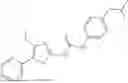





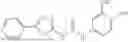


Sources:
- United States Patent and Trademark Office - verify current appl. status at the USPTO↗
Similar patent applications:
Recent applications in this class:
- » 20250171430 2025-05-29
PYRAZOLYL COMPOUNDS AS KV7 CHANNEL ACTIVATORS - » 20250171429 2025-05-29
PYRAZOLYL COMPOUNDS AS KV7 CHANNEL ACTIVATORS - » 20250059176 2025-02-20
SUBSTITUTED NICOTINIMIDE INHIBITORS OF BTK FOR TREATING CANCER - » 20250051320 2025-02-13
CRBN LIGANDS AND USES THEREOF - » 20250042891 2025-02-06
Compound containing structure of a heteroaromatic ring, pharmaceutical composition thereof and application thereof - » 20250019374 2025-01-16
PROTEIN TYROSINE PHOSPHATASE INHIBITORS AND METHODS OF USE THEREOF - » 20250011316 2025-01-09
PEROXIREDOXIN 3 INHIBITORS AND METHODS OF USE FOR TREATING CANCER - » 20250011315 2025-01-09
ARYL HYDROCARBON RECEPTOR (AHR) AGONISTS AND USES THEREOF - » 20240417397 2024-12-19
FLUORINE-CONTAINING PYRAZOLE COMPOUND AND PRODUCTION METHOD THEREFOR - » 20240368150 2024-11-07
BICYCLIC TETRAHYDROAZEPINE DERIVATIVES FOR THE TREATMENT OF CANCER