Methods of treating or reducing symptoms of nicotine dependency (addiction) such as tobacco-use (smoking, vaping, sublingual, oral) and/or tobacco smoking cessation via combination therapy with allosteric modulators and phenethylamines.
US20240299341A1
2024-09-12
18/616,121
2024-03-25
Smart Summary: New methods have been developed to help people reduce their dependence on nicotine and quit using tobacco products like cigarettes and vapes. These methods use special compounds called allosteric modulators that affect certain brain receptors, mainly the 5ht2a receptor, along with other related receptors. By combining these modulators with phenethylamines and other substances, the treatment aims to ease withdrawal symptoms and cravings. This approach targets various forms of nicotine use, including smoking and vaping. Overall, it offers a potential new way to support individuals trying to overcome nicotine addiction. 🚀 TL;DR
Abstract:
The invention involves the use of formulations of positive, negative or other allosteric modulators of primarily 5ht2a receptors, but also those of: 5ht1a/b/c/d, 5ht2b/c, 5ht3, 5ht4, 5ht7, and other receptors and systems, in combination with phenethylamines and other compounds; to treat nicotine dependency (addiction) such as tobacco-use (smoking, vaping, sublingual, oral) and/or tobacco smoking cessation.
Applicant:
Interested in similar patents?
Get notified when new applications in this technology area are published.
Classification:
A61K31/352 » CPC main
Medicinal preparations containing organic active ingredients; Heterocyclic compounds having oxygen as the only ring hetero atom, e.g. fungichromin having six-membered rings with one oxygen as the only ring hetero atom condensed with carbocyclic rings, e.g. cannabinols, methantheline
A61K31/015 » CPC further
Medicinal preparations containing organic active ingredients; Hydrocarbons carbocyclic
A61K31/05 » CPC further
Medicinal preparations containing organic active ingredients; Hydroxy compounds, e.g. alcohols; Salts thereof, e.g. alcoholates Phenols
A61K31/135 » CPC further
Medicinal preparations containing organic active ingredients; Amines having aromatic rings, e.g. ketamine, nortriptyline
A61K31/164 » CPC further
Medicinal preparations containing organic active ingredients; Amides, e.g. hydroxamic acids of a carboxylic acid with an aminoalcohol, e.g. ceramides
A61K31/165 » CPC further
Medicinal preparations containing organic active ingredients; Amides, e.g. hydroxamic acids having aromatic rings, e.g. colchicine, atenolol, progabide
A61K31/404 » CPC further
Medicinal preparations containing organic active ingredients; Heterocyclic compounds having nitrogen as a ring hetero atom, e.g. guanethidine or rifamycins having five-membered rings with one nitrogen as the only ring hetero atom, e.g. sulpiride, succinimide, tolmetin, buflomedil condensed with carbocyclic rings, e.g. carbazole Indoles, e.g. pindolol
A61K31/4045 » CPC further
Medicinal preparations containing organic active ingredients; Heterocyclic compounds having nitrogen as a ring hetero atom, e.g. guanethidine or rifamycins having five-membered rings with one nitrogen as the only ring hetero atom, e.g. sulpiride, succinimide, tolmetin, buflomedil condensed with carbocyclic rings, e.g. carbazole; Indoles, e.g. pindolol Indole-alkylamines; Amides thereof, e.g. serotonin, melatonin
A61K31/473 » CPC further
Medicinal preparations containing organic active ingredients; Heterocyclic compounds having nitrogen as a ring hetero atom, e.g. guanethidine or rifamycins having six-membered rings with one nitrogen as the only ring hetero atom; Quinolines; Isoquinolines ortho- or peri-condensed with carbocyclic ring systems, e.g. acridines, phenanthridines
A61K31/4741 » CPC further
Medicinal preparations containing organic active ingredients; Heterocyclic compounds having nitrogen as a ring hetero atom, e.g. guanethidine or rifamycins having six-membered rings with one nitrogen as the only ring hetero atom; Quinolines; Isoquinolines ortho- or peri-condensed with heterocyclic ring systems condensed with ring systems having oxygen as a ring hetero atom, e.g. tubocuraran derivatives, noscapine, bicuculline
A61K31/48 » CPC further
Medicinal preparations containing organic active ingredients; Heterocyclic compounds having nitrogen as a ring hetero atom, e.g. guanethidine or rifamycins having six-membered rings with one nitrogen as the only ring hetero atom; Quinolines; Isoquinolines Ergoline derivatives, e.g. lysergic acid, ergotamine
A61K31/675 » CPC further
Medicinal preparations containing organic active ingredients; Phosphorus compounds having nitrogen as a ring hetero atom, e.g. pyridoxal phosphate
A61K31/704 » CPC further
Medicinal preparations containing organic active ingredients; Carbohydrates; Sugars; Derivatives thereof; Compounds having saccharide radicals attached to non-saccharide compounds by glycosidic linkages attached to a carbocyclic compound, e.g. phloridzin attached to a condensed carbocyclic ring system, e.g. sennosides, thiocolchicosides, escin, daunorubicin
A61K33/06 » CPC further
Medicinal preparations containing inorganic active ingredients Aluminium, calcium or magnesium; Compounds thereof, e.g. clay
A61K33/30 » CPC further
Medicinal preparations containing inorganic active ingredients; Heavy metals; Compounds thereof Zinc; Compounds thereof
A61K36/68 » CPC further
Medicinal preparations of undetermined constitution containing material from algae, lichens, fungi or plants, or derivatives thereof, e.g. traditional herbal medicines; Magnoliophyta (angiosperms); Magnoliopsida (dicotyledons) Plantaginaceae (Plantain Family)
A61K36/77 » CPC further
Medicinal preparations of undetermined constitution containing material from algae, lichens, fungi or plants, or derivatives thereof, e.g. traditional herbal medicines; Magnoliophyta (angiosperms); Magnoliopsida (dicotyledons) Sapindaceae (Soapberry family), e.g. lychee or soapberry
Description
This patent (application) is a divisional patent filing which claims prior filing date/priority to patent, please reference patent title: Methods of use and formulations of allosteric modulators of the serotonin, dopamine and other receptor systems for medical, recreational, religious, research and other uses. Application Ser. No. 17/667,147—which claims prior filing date to a provisional patent. Please reference the provisional patent title: Psychedelic formulations for medical, recreational, religious, research and other uses. Application Number: 63/207,183.
DESCRIPTION
Field of the Invention
The invention involves the use of formulations of positive, negative or other allosteric modulators of primarily 5ht2a receptors, but also those of: 5ht1a/b/c/d, 5ht2b/c, 5ht3, 5ht4, 5ht7, in combination with phenethylamines and other compounds; to treat nicotine dependency (addiction) such as tobacco-use (smoking, vaping, sublingual, oral) and/or tobacco smoking cessation.
Background of the Invention
People across the world are affected by nicotine dependency (addiction) such as tobacco-use (smoking, vaping, sublingual, oral) and/or tobacco smoking cessation and the serotonin system is believed to be involved in many if not all of these cases. Phenethylamines such as Mescaline, which is the active compound of many cacti, which crosses the blood brain barrier and stimulates 5-ht receptors. Phenethylamines compounds provide fast-acting and long-lasting changes to a person's illness.
However, there is variance in the effects these compounds have based on human genetics and related conditions. Allosteric binding occurs at a secondary binding site and not at the orthosteric or main agonist site and thus provides a way for additional compounds to be used in combination to provide ideal binding of receptors for individualized medicine and proper dosing. Allosteric binding affects the affinity and binding rate or activity of the receptor in a variety of ways including, but not limited to changing the shape of the receptor.
SUMMARY OF THE INVENTION
The invention involves the use of formulations of positive, negative or other allosteric modulators of primarily 5ht2a receptors, but also those of: 5ht1a/b/c/d, 5ht2b/c, 5ht3, 5ht4, 5ht7, and other receptors and systems, in combination with phenethylamines and other compounds; to treat nicotine dependency (addiction) such as tobacco-use (smoking, vaping, sublingual, oral) and/or tobacco smoking cessation.
BRIEF DESCRIPTION OF THE DRAWINGS
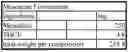
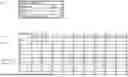
PAGE 1 drawings show potential formulations of the psychedelic compositions and the results of a human experiment on the use of proscaline alone or with positive 5HT2A allosteric modulators. PAGE 1 SHOWS FIG. 1 (FIG. 1) and FIG. 2 (FIG. 2). FIG. 1 shows a recipe for a mescaline and THCV composition to be taken orally, but may be used in other ways. FIG. 2. (FIG. 2) shows the results of a human experiment on the use of proscaline alone or with positive 5HT2A allosteric modulators.
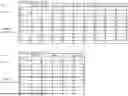
Page 2 drawings show the results of a human experiment on the use of proscaline alone or with allosteric modulators. FIG. 3. shows the results of a human experiment on the use of proscaline alone or with negative 5HT2A allosteric modulators. FIG. 4. (FIG. 4) shows the results of a human experiment on the use of proscaline alone or with allosteric modulators to modulate fear, anxiety and nausea. The compounds used in addition to the psychedelics were: for Nausea: 5ht3 allosteric modulators: linalool, citral and ginger for nausea; for anxiety and fear: 5ht7 modulator zinc and 5ht1 modulator cannabidiol.
DRAWING SUMMARY
PAGE 1 drawings show potential formulations of the psychedelic compositions and the results of a human experiment on the use of proscaline alone or with positive 5HT2A allosteric modulators. PAGE 1 SHOWS FIG. 1 (FIG. 1) and FIG. 2 (FIG. 2). FIG. 1 shows a recipe for a mescaline and THCV composition to be taken orally, but may be used in other ways. FIG. 2. (FIG. 2) shows the results of a human experiment on the use of proscaline alone or with positive 5HT2A allosteric modulators.
Page 2 drawings show the results of a human experiment on the use of proscaline alone or with allosteric modulators. FIG. 3. shows the results of a human experiment on the use of proscaline alone or with negative 5HT2A allosteric modulators. FIG. 4. (FIG. 4) shows the results of a human experiment on the use of proscaline alone or with allosteric modulators to modulate fear, anxiety and nausea. The compounds used in addition to the psychedelics were: for Nausea: 5ht3 allosteric modulators: linalool, citral and ginger for nausea; for anxiety and fear: 5ht7 modulator zinc and 5ht1 modulator cannabidiol.
DETAILED DESCRIPTION OF THE INVENTION
The invention involves the use of formulations of positive, negative inverse agonist, or neutral allosteric modulators of primarily 5ht2 receptors, but also those of: 5ht1a/b/c/d, 5ht2a/b/c, 5ht3, 5ht4, 5ht5, 5ht6, 5ht7, dopamine receptors (D1, D2, D3, D4, D5), adrenergic receptors (α1A, α1B, α2A, α2B, α2C, β1, β2), serotonin transporter (SERT) in combination with phenethylamines, antifungals and other items such as, but not limited to: cannabinoids, terpenes, flavonoids, minerals, compounds such as, but not limited to 5ht2a receptor agonists or other compounds; to treat nicotine dependency (addiction) such as tobacco-use (smoking, vaping, sublingual, oral) and/or tobacco smoking cessation.
Allosteric modulation is the manipulation of a receptor at a site other than normal binding site known as the orthosteric site. This is a less utilized method due to only recent discovery of its mechanisms as well as the need to identify these for each receptor. The use of allosteric modulators allows for precise alterations to the activity at the receptor and thus fine tuning of medical effects. Some embodiments utilize compounds which work as positive or negative allosteric modulators of the 5ht2a receptor or other 5ht systems. Allosteric modulation of 5ht2a also includes allosteric modulation through interaction with other receptor systems such as with heteromers or other such items.
In some embodiments the composition will include purified compounds which are either isolated or just purified. In other embodiments raw extracts or ground/processed biomass may be used. Some embodiments include excipients such as water, cyclodextrin, ethanol or other items off of the Food and Drug Administration authorized and approved excipient list.
Some embodiments will include utilizing nano technology, encapsulation, beta glucan particles, chitosan, yeast extract, surfactants, binders and other compounds to increase efficiency, availability, release lifespan, release speed among other parameters.
In some embodiments compositions eye drops, nasal spray, mouth spray, inhalers or other uses.
Some embodiments are used with vaccines, antibodies, cytokines, proteins, amino acids, DNA, RNA.
Potential compounds can be found below.
Compound List
Phenethylamines including, but not limited to: mescaline, normescaline, 2c-i, 2c-b, 2c-e. Includes all: phenethylamines in 2(X) series such as 2-CI including all NBOME, NBOH, and other analogs.
Beta carbolines and maoi inhibitors including, but not limited to: harmaline, tetraharmaline, norharmane, perlolyrine, tetrahydroharmine, harmane, harmine, harmol.
| 1 | AEM | alpha-Ethyl-3,4,5-trimethoxy-PEA |
| 2 | AL | 4-Allyloxy-3,5-dimethoxy-PEA |
| 3 | ALEPH | 4-Methylthio-2,5-dimethoxy-A |
| 4 | ALEPH-2 | 4-Ethylthio-2,5-dimethoxy-A |
| 5 | ALEPH-4 | 4-Isopropylthio-2,5-dimethoxy-A |
| 6 | ALEPH-6 | 4-Phenylthio-2,5-dimethoxy-A |
| 7 | ALEPH-7 | 4-Propylthio-2,5-dimethoxy-A |
| 8 | ARIADNE | 2,5-Dimethoxy-alpha-ethyl-4-methyl-PEA |
| 9 | ASB | 3,4-Diethoxy-5-methoxy-PEA |
| 10 | B | 4-Butoxy-3,5-dimethoxy-PEA |
| 11 | BEATRICE | 2,5-Dimethoxy-4,N-dimethyl-A |
| 12 | BIS-TOM | 2,5-Bismethylthio-4-methyl-A |
| 13 | BOB | 4-Bromo-2,5, beta-trimethoxy-PEA |
| 14 | BOD | 2,5,beta-Trimethoxy-4-methyl-PEA |
| 15 | BOH | beta-Methoxy-3,4-methylenedioxy-PEA |
| 16 | BOHD | 2,5-Dimethoxy-beta-hydroxy-4-methyl-PEA |
| 17 | BOM | 3,4,5, beta-Tetram ethoxy-P E A |
| 18 | 4-Br-3,5-DMA | 4-Bromo-3,5-dimethoxy-A |
| 19 | 2-Br-4,5-MDA | 2-Bromo-4,5-methylenedioxy-A |
| 20 | 2C-B | 4-Bromo-2,5-dimethoxy-PEA |
| 21 | 3C-BZ | 4-Benzyloxy-3,5-dimethoxy-A |
| 22 | 2C-C | 4-Chloro-2,5-dimethoxy-PEA |
| 23 | 2C-D | 4-Methyl-2,5-dimethoxy-PEA |
| 24 | 2C-E | 4-Ethyl-2,5-dimethoxy-PEA |
| 25 | 3C-E | 4-Ethoxy-3,5-dimethoxy-A |
| 26 | 2C-F | 4-Fluoro-2,5-dimethoxy-PEA |
| 27 | 2C-G | 3,4-Dimethyl-2,5-dimethoxy-PEA |
| 28 | 2C-G-3 | 3,4-Trimethylene-2,5-dimethoxy-PEA |
| 29 | 2C-G-4 | 3,4-Tetramethylene-2,5-dimethoxy-PEA |
| 30 | 2C-G-5 | 3,4-Norbornyl-2,5-dimethoxy-PEA |
| 31 | 2C-G-N | 1,4-Dimethoxynaphthyl-2-ethylamine |
| 32 | 2C-H | 2,5-Dimethoxy-PEA |
| 33 | 2C-I | 4-lodo-2,5-dimethoxy-PEA |
| 34 | 2C-N | 4-Nitro-2,5-dimethoxy-PEA |
| 35 | 2C-O-4 | 4-Isopropoxy-2,5-dimethoxy-PEA |
| 36 | 2C-P | 4-Propyl-2,5-dimethoxy-PEA |
| 37 | CPM | 4-Cyclopropylmethoxy-3,5-dimethoxy-PEA |
| 38 | 2C-SE | 4-Methylseleno-2,5-dimethoxy-PEA |
| 39 | 2C-T | 4-Methylthio-2,5-dimethoxy-PEA |
| 40 | 2C-T-2 | 4-Ethylthio-2,5-dimethoxy-PEA |
| 41 | 2C-T-4 | 4-Isopropylthio-2,5-dimethoxy-PEA |
| 42 | psi-2C-T-4 | 4-Isopropylthio-2,6-dimethoxy-PEA |
| 43 | 2C-T-7 | 4-Propylthio-2,5-dimethoxy-PEA |
| 44 | 2C-T-8 | 4-Cyclopropylmethylthio-2,5-dimethoxy-PEA |
| 45 | 2C-T-9 | 4-(t)-Butylthio-2,5-dimethoxy-PEA |
| 46 | 2C-T-13 | 4-(2-Methoxyethylthio)-2,5-dimethoxy-PEA |
| 47 | 2C-T-15 | 4-Cyclopropylthio-2,5-dimethoxy-PEA |
| 48 | 2C-T-17 | 4-(s)-Butylthio-2,5-dimethoxy-PEA |
| 49 | 2C-T-21 | 4-(2-Fluoroethylthio)-2,5-dimethoxy-PEA |
| 50 | 4-D | 4-Trideuteromethyl-3,5-dimethoxy-PEA |
| 51 | beta-D | beta,beta-Dideutero-3,4,5-trimethoxy-PEA |
| 52 | DESOXY | 4-Methyl-3,5-Dimethoxy-PEA |
| 53 | 2,4-DMA | 2,4-Dimethoxy-A |
| 54 | 2,5-DMA | 2,5-Dimethoxy-A |
| 55 | 3,4-DMA | 3,4-Dimethoxy-A |
| 56 | DMCPA | 2-(2,5-Dimethoxy-4-methylphenyl)- |
| cyclopropylamine | ||
| 57 | DME | 3,4-Dimethoxy-beta-hydroxy-PEA |
| 58 | DMMDA | 2,5-Dimethoxy-3,4-methylenedioxy-A |
| 59 | DMMDA-2 | 2,3-Dimethoxy-4,5-methylenedioxy-A |
| 60 | DMPEA | 3,4-Dimethoxy-PEA |
| 61 | DOAM | 4-Amyl-2,5-dimethoxy-A |
| 62 | DOB | 4-Bromo-2,5-dimethoxy-A |
| 63 | DOBU | 4-Butyl-2,5-dimethoxy-A |
| 64 | DOC | 4-Chloro-2,5-dimethoxy-A |
| 65 | DOEF | 4-(2-Fluoroethyl)-2,5-dimethoxy-A |
| 66 | DOET | 4-Ethyl-2,5-dimethoxy-A |
| 67 | DOI | 4-lodo-2,5-dimethoxy-A |
| 68 | DOM (STP) | 4-Methyl -2,5-dimethoxy-A |
| 69 | psi-DOM | 4-Methyl -2,6-dimethoxy-A |
| 70 | DON | 4-Nitro-2,5-dimethoxy-A |
| 71 | DOPR | 4-Propyl-2,5-dimethoxy-A |
| 72 | E | 4-Ethoxy-3,5-dimethoxy-PEA |
| 73 | EEE | 2,4,5-Triethoxy-A |
| 74 | EEM | 2,4-Diethoxy-5-methoxy-A |
| 75 | EME | 2,5-Diethoxy-4-methoxy-A |
| 76 | EMM | 2-Ethoxy-4,5-dimethoxy-A |
| 77 | ETHYL-J | N, alpha-diethyl-3,4-methylenedioxy-PEA |
| 78 | ETHYL-K | N-Ethyl-alpha-propyl-3,4-methylenedioxy-PEA |
| 79 | F-2 | Benzofuran-2-methyl-5-methoxy- |
| 6-(2-aminopropane ) | ||
| 80 | F-22 | Benzofuran-2,2-dimethyl-5- |
| methoxy-6-(2-aminoprop ane) | ||
| 81 | FLEA | N-Hydroxy-N-methyl-3,4-methylenedioxy-A |
| 82 | G-3 | 3,4-Trimethylene-2,5-dimethoxy-A |
| 83 | G-4 | 3,4-Tetramethylene-2,5-dimethoxy-A |
| 84 | G-5 | 3,4-Norbornyl-2,5-dimethoxy-A |
| 85 | GANESHA | 3,4-Dimethyl-2,5-dimethoxy-A |
| 86 | G-N | 1,4-Dimethoxynaphthyl-2-isopropylamine |
| 87 | HOT-2 | 2,5-Dimethoxy-N-hydroxy-4-ethylthio-PEA |
| 88 | HOT-7 | 2,5-Dimethoxy-N-hydroxy-4-(n)-propylthio-PEA |
| 89 | HOT-17 | 2,5-Dimethoxy-N-hydroxy-4-(s)-butylthio-PEA |
| 90 | IDNNA | 2,5-Dimethoxy-N,N-dimethyl-4-iodo-A |
| 91 | IM | 2,3,4-Trimethoxy-PEA |
| 92 | IP | 3,5-Dimethoxy-4-isopropoxy-PEA |
| 93 | IRIS | 5-Ethoxy-2-methoxy-4-methyl-A |
| 94 | J | alpha-Ethyl-3,4-methylenedioxy-PEA |
| 95 | LOPHOPHINE | 3-Methoxy-4,5-methylenedioxy-PEA |
| 96 | M | 3,4,5-Trimethoxy-PEA |
| 97 | 4-MA | 4-Methoxy-A |
| 98 | MADAM-6 | 2,N-Dimethyl-4,5-methylenedioxy-A |
| 99 | MAL | 3,5-Dimethoxy-4-methallyloxy-PEA |
| 100 | MDA | 3,4-Methylenedioxy-A |
| 101 | MDAL | N-Allyl-3,4-methylenedioxy-A |
| 102 | MDBU | N-Butyl-3,4-methylenedioxy-A |
| 103 | MDBZ | N-Benzyl-3,4-methylenedioxy-A |
| 104 | MDCPM | N-Cyclopropylmethyl-3,4-methylenedioxy-A |
| 105 | MDDM | N,N-Dimethyl-3,4-methylenedioxy-A |
| 106 | MDE | N-Ethyl-3,4-methylenedioxy-A |
| 107 | MDHOET | N-(2-Hydroxyethyl)-3,4-methylenedioxy-A |
| 108 | MDIP | N-Isopropyl-3,4-methylenedioxy-A |
| 109 | MDMA | N-Methyl-3,4-methylenedioxy-A |
| 110 | MDMC | N-Methyl-3,4-ethylenedioxy-A |
| 111 | MDMEO | N-Methoxy-3,4-methylenedioxy-A |
| 112 | MDMEOET | N-(2-Methoxyethyl)-3,4-methylenedioxy-A |
| 113 | MDMP | alpha,alpha, N-Trimethyl-3,4- |
| methylenedioxy-PEA | ||
| 114 | MDOH | N-Hydroxy-3,4-methylenedioxy-A |
| 115 | MDPEA | 3,4-Methylenedioxy-PEA |
| 116 | MDPH | alpha,alpha-Dimethyl-3,4-methylenedioxy-PEA |
| 117 | MDPL | N-Propargyl-3,4-methylenedioxy-A |
| 118 | MDPR | N-Propyl-3,4-methylenedioxy-A |
| 119 | ME | 3,4-Dimethoxy-5-ethoxy-PEA |
| 120 | MEDA | 3-methoxy-4,5-Ethylenedioxy-A |
| [Erowid corrected] | ||
| 121 | MEE | 2-Methoxy-4,5-diethoxy-A |
| 122 | MEM | 2,5-Dimethoxy-4-ethoxy-A |
| 123 | MEPEA | 3-Methoxy-4-ethoxy-PEA |
| 124 | META-DOB | 5-Bromo-2,4-dimethoxy-A |
| 125 | META-DOT | 5-Methylthio-2,4-dimethoxy-A |
| 126 | METHYL-DMA | N-Methyl-2,5-dimethoxy-A |
| 127 | METHYL-DOB | 4-Bromo-2,5-dimethoxy-N-methyl-A |
| 128 | METHYL-J | N-Methyl-alpha-ethyl-3,4-methylenedioxy-PEA |
| 129 | METHYL-K | N-Methyl-alpha-propyl-3,4-methylenedioxy-PEA |
| 130 | METHYL-MA | N-Methyl-4-methoxy-A |
| 131 | METHYL- | N-Methyl-2-methoxy-4,5-methylenedioxy-A |
| MMDA-2 | ||
| 132 | MMDA | 3-Methoxy-4,5-methylenedioxy-A |
| 133 | MMDA-2 | 2-Methoxy-4,5-methylenedioxy-A |
| 134 | MMDA-3a | 2-Methoxy-3,4-methylenedioxy-A |
| 135 | MMDA-3b | 4-Methoxy-2,3-methylenedioxy-A |
| 136 | MME | 2,4-Dimethoxy-5-ethoxy-A |
| 137 | MP | 3,4-Dimethoxy-5-propoxy-PEA |
| 138 | MPM | 2,5-Dimethoxy-4-propoxy-A |
| 139 | ORTHO-DOT | 2-Methylthio-4,5-dimethoxy-A |
| 140 | P | 3,5-Dimethoxy-4-propoxy-PEA |
| 141 | PE | 3,5-Dimethoxy-4-phenethyloxy-PEA |
| 142 | PEA | PEA |
| 143 | PROPYNYL | 4-Propynyloxy-3,5-dimethoxy-PEA |
| 144 | SB | 3,5-Diethoxy-4-methoxy-PEA |
| 145 | TA | 2,3,4,5-Tetramethoxy-A |
| 146 | 3-TASB | 4-Ethoxy-3-ethylthio-5-methoxy-PEA |
| 172 | 5-TOM | 2-Methoxy-4-methyl-5-methylthio-A |
| 173 | TOMSO | 2-Methoxy-4-methyl-5-methylsulfinyl-A |
| 174 | TP | 4-Propylthio-3,5-dimethoxy-PEA |
| 175 | TRIS | 3,4,5-Triethoxy-PEA |
| 176 | 3-TSB | 3-Ethoxy-5-ethylthio-4-methoxy-PEA |
| 177 | 4-TSB | 3,5-Diethoxy-4-methylthio-PEA |
| 178 | 3-T-TRIS | 4,5-Diethoxy-3-ethylthio-PEA |
| 179 | 4-T-TRIS | 3,5-Diethoxy-4-ethylthio-PEA |
Additionally includes all: (4-acetoxy) (4-hydroxy)(dimethyl) (diethyl) (N-methyl-N-ethyl) (N-methyl)(N-methyl-N-isopropyl)(N,N-diisopropyl) variations of compounds in compound list.
Additionally includes all: functional group variants, fumerates, fumerics, idoines, hydrofumarates, deneutered or not, salts, acids, isomers, analogs, precursors, further metabolites of biosynthetic or synthetic pathways.
Also: Zinc, Magnesium, Sulfate, Carvelidol.
Claims
1. The method of treating or reducing symptoms of nicotine dependency (addiction) such as tobacco-use (smoking, vaping, sublingual, oral) and/or tobacco smoking cessation, consisting of:
Administering to a human patient a therapeutic amount of a composition comprising:
a 5ht receptor allosteric modulator or modulators, selected from: THCV (Tetrahydrocannabivarin), oleamide, linalool, limonene, tetrahydrocannabinol, cannabidiol or zinc; AND
One item or a mixture of: mescaline, hordenine, anhalonidine, pellotine or other phenethylamine; AND OPTIONALLY
Administering to a human patient a therapeutic amount of a composition comprising: A 5ht, allosteric modulator or modulators selected from: palmitoleamide, 2,2-dimethyloleamide, N-oleoyl glycine, myristoleamide, 1-oleyl-2-acetylglycerol, anandamide, oleyl aldehyde, trifluoromethyl ketone, oleic acid, oleylpropanolamide alpha-pinene, cannabidiol, carvelidol.
2. The method of claim 1 including further administering to a human patient a therapeutic amount of a composition comprising: a vaccine or antibodies which target nicotine or its metabolites.
3. The method of claim 1 including testing/diagnosing the human patient such as, but not limited to: genetic testing.
4. The method of claim 1 including administering to a human patient a therapeutic amount of a composition comprising either: harmine, hamaline, or other harmala alkaloids or a combination thereof.
5. The method of claim 1 including administering to a human patient a therapeutic amount of a composition comprising either: valencene, borneol, alpha-pinene, limonene, linalool, salivorin-A, other terpenes/terpenoids or a mixture thereof.
6. The method of claim 1 including administering to a human patient a therapeutic amount of an iboga alkaloids such as, but not limited to:
Coronaridine, lbogamine, Voacangine, Noribogaine or lysergides such as, but not limited to LSD, LSZ, 1-PLSD, ALD-52, 1V-LSD, or other analogs.
7. The method of claim 1 including administering to a human patient a therapeutic amount of one item or a mixture of: 4-ho-Met, 5-MEO-Met, DipT, 4-ho-DiPT, 5-MEO-AMT, 5-MEO-MiPT, 5-MEO-DET, 4-ho-DET, or other tryptamine.
8. The method of claim 1 including a step of administering to a human patient a therapeutic amount of: an allosteric modulator of the 5ht3, 5ht4, or 5ht7 receptors.
9. The method of claim 1 including a step of administering to a human patient a therapeutic amount of an allosteric modulator of GLP-1.
10. The method of claim 1 including a step of administering to a human patient a therapeutic amount of: an allosteric modulator of a dopamine receptor.
11. The method of treating or reducing symptoms of nicotine dependency (addiction) such as tobacco-use (smoking, vaping, sublingual, oral) and/or tobacco smoking cessation, consisting of:
Administering to a human patient a therapeutic amount of a composition comprising: a vaccine or antibodies which target nicotine or its metabolites.
Administering to a human patient a therapeutic amount of a composition comprising:
a 5ht receptor allosteric modulator or modulators, selected from: THCV (Tetrahydrocannabivarin), oleamide, linalool, limonene,
tetrahydrocannabinol, cannabidiol or zinc; AND One item or a mixture of: proscaline (4-propoxy-3,5-dimethoxyphenethylamine or 4-propoxy-3,5-DMPEA), N-methylmescaline, N,N-Diformylmescaline, methylmescaline, normescaline, n-acetylmescaline, 2C-B, 2C-C, 2C-D, 2C-E, 2C-I, 2C-P, 2C-T, 2C-T2, 2C-T4, 2C-T7, 2C-T9, Trimethoxyamphetamine, or 3,4-Methylenedioxy methamphetamine; AND OPTIONALLY
Administering to a human patient a therapeutic amount of a composition comprising: A 5ht, allosteric modulator or modulators selected from: palmitoleamide, 2,2-dimethyloleamide, N-oleoyl glycine, myristoleamide, 1-oleyl-2-acetylglycerol, anandamide, oleyl aldehyde, trifluoromethyl ketone, oleic acid, oleylpropanolamide alpha-pinene, cannabidiol, carvelidol.
12. The method of claim 11 including testing/diagnosing the human patient such as, but not limited to: genetic testing.
13. The method of claim 11 including administering to a human patient a therapeutic amount of a composition comprising either: harmine, hamaline, or other harmala alkaloids or a combination thereof.
14. The method of claim 11 including administering to a human patient a therapeutic amount of a composition comprising either: valencene, borneol, alpha-pinene, linalool, limonene or a mixture thereof.
15. The method of claim 11 including administering to a human patient a therapeutic amount of a vaccine or antibodies which target nicotine or its metabolites.
16. The method of claim 11 including a step of administering to a human patient a therapeutic amount of: an allosteric modulator of the 5ht3, 5ht4, or 5ht7 receptors.
17. The method of claim 11 including a step of administering to a human patient a therapeutic amount of an allosteric modulator of GLP-1.
18. The method of claim 11 including administering to a human patient a therapeutic amount of an iboga alkaloids such as, but not limited to: Coronaridine, lbogamine, Voacangine, Noribogaine or lysergides such as, but not limited to LSD, LSZ, 1-PLSD, ALD-52, 1V-LSD, or other analogs.
19. The method of claim 11 including administering to a human patient a therapeutic amount of one item or a mixture of: 4-ho-Met, 5-MEO-Met, DipT, 4-ho-DiPT, 5-MEO-AMT, 5-MEO-MiPT, 5-MEO-DET, 4-ho-DET, or other tryptamine.
20. The method of claim 11 including a step of administering to a human patient a therapeutic amount of: an allosteric modulator of a dopamine receptor.
Images & Drawings included:
Sources:
- United States Patent and Trademark Office - verify current appl. status at the USPTO↗
Recent applications in this class:
- » 20250144068 2025-05-08
COMPOSITIONS COMPRISING NON-CRYSTALLINE FORMS OF CANNABIDIOL - » 20250134853 2025-05-01
COMPOUNDS AND METHODS FOR USING GALLOYLATED POLYPHENOLS TO TREAT DISEASES MEDIATED BY THIOL ISOMERASES - » 20250134852 2025-05-01
QUERCETIN-BASED COMPOSITIONS FOR THE TREATMENT AND PREVENTION OF OCULAR AFFECTIONS - » 20250134851 2025-05-01
ALTERNATIVE NOVEL MATERIAL TO BOTULINUM NEUROTOXIN AND PREPARATION METHOD THEREOF - » 20250134850 2025-05-01
PLANT-DERIVED SMALL MOLECULES AS MARBURG VIRUS INHIBITORS - » 20250127754 2025-04-24
Pharmaceutical Application of Dimyricetin-yl-diselenide in Atherosclerosis - » 20250127753 2025-04-24
PHARMACEUTICAL APPLICATION OF DIMYRICETIN-YL-DISELENIDE IN TUMORS - » 20250120939 2025-04-17
FAST-ACTING PLANT-BASED MEDICINAL COMPOUNDS AND NUTRITIONAL SUPPLEMENTS - » 20250108033 2025-04-03
INSECT PRODUCTION SYSTEMS AND METHODS - » 20250090494 2025-03-20
CANNABIDIOL COMPOSITIONS HAVING MODIFIED CANNABINOID PROFILES