TUMOR MARKER AND APPLICATION THEREOF
US20250027161A1
2025-01-23
18/260,085
2021-10-29
Smart Summary: A new tumor marker has been discovered that is found on several chromosomes in the human genome. This marker includes specific sites that can change due to a process called methylation. In patients with tumors, these markers show a high level of methylation. They can help doctors with screening, diagnosing, and understanding the progress of tumors. Additionally, these markers can be used to create diagnostic tools and kits for better tumor detection. 🚀 TL;DR
Abstract:
The present invention provides a tumor marker and an application thereof. The tumor marker is located on the chromosome 1, chromosome 2, chromosome 3, chromosome 5, chromosome 7, chromosome 8, chromosome 10, chromosome 11, and chromosome 21 of the human genome, and comprises one or more CpG sites capable of undergoing methylation modification. The present invention provides a class of DNA epigenetic modification-related tumor markers that exhibit a significant high methylation status in tumor patients. The tumor markers can be used for clinical assisted screening, diagnosis, prognosis and the like of tumors, or can be used for designing diagnostic reagents and kits.
Assignee:
- SHANGHAI EPIPROBE BIOTECHNOLOGY CO., LTD. 10 🇨🇳 Shanghai, China
Applicant:
Interested in similar patents?
Get notified when new applications in this technology area are published.
Classification:
C12Q2600/118 » CPC further
Oligonucleotides characterized by their use Prognosis of disease development
C12Q2600/154 » CPC further
Oligonucleotides characterized by their use Methylation markers
C12Q1/6886 » CPC main
Measuring or testing processes involving enzymes, nucleic acids or microorganisms ; Compositions therefor; Processes of preparing such compositions involving nucleic acids; Nucleic acid products used in the analysis of nucleic acids, e.g. primers or probes for diseases caused by alterations of genetic material for cancer
Description
REFERENCE TO SEQUENCE LISTING SUBMITTED ELECTRONICALLY
The content of the electronically submitted sequence listing in XML format (Name 4790_0100001_SeqListing_ST25; Size: 9,398 bytes; and Date of Creation: Apr. 8, 2024) filed with the application is incorporated herein by reference in its entirety.
TECHNICAL FIELD
The disclosure relates to the field of biotechnology, in particular, the disclosure relates to a tumor marker and application thereof.
BACKGROUND
Tumorigenesis is a complex, multi-level and multi-factor dynamic process, comprising numerous interacting factors such as external environmental factors, genetic variation, and epigenetic changes. External environmental factors comprise physical, chemical, biological and other carcinogenic factors and unhealthy living habits; genetic variation comprises gene mutation, copy number change, chromosomal dislocation, etc.; epigenetic changes mainly comprise DNA methylation, histone modification, non-coding RNA and other variable factors. In the process of tumorigenesis, above factors are complementary and collectively-effective, leading to a series of inactivation of tumor suppressor genes and activation of proto-oncogenes, then resulting in tumors. Timely detection and diagnosis are of great significance in tumor treatment.
With deepening understanding of tumors and advances in science and technology, many novel tumor markers have been discovered and used in clinical diagnosis. Before 1980, tumor markers were mainly cellular secretions including hormones, enzymes, proteins etc., such as carcinoembryonic antigen (CEA), alpha-fetoprotein (AFP), etc., using as markers for gastric cancer, liver hepatocellular carcinoma and other various tumors. Recently, although this type of tumor markers is still used in clinical, its sensitivity and accuracy cannot meet current clinical needs. Now there are more and more markers based on mutations, such as tumor suppressor p53 mutation, BRCA gene mutation, microsatellite instability in colorectal cancer, and so on. However, such markers are not ideal in early tumor discovery and diagnosis. DNA methylation-based markers allow tumors to be diagnosed in early stage of tumor development.
Epigenomics is a subject of studying heritable changes in gene functions without DNA sequence changes and ultimately leading to phenotypic changes. mainly comprise DNA methylation, histone modification, microRNA level changes and other biochemical processes. DNA methylation is a well-researched epigenetic mechanism, with application prospects in tumor clinical practice including diagnosis and treatment. DNA methylation refers to a process of transferring methyl groups to specific bases using S-adenosylmethionine (SAM) as a methyl donor under the catalysis of DNA methyltransferase (DMT) in vivo. In mammals, DNA methylation mainly occurs at the C of 5′-CpG-3′ to generate 5-methylcytosine (5mC).
In normal cells, some CpGs are in status of hypermethylated/transcriptionally silenced, while in tumor cells these CpGs are extensively demethylated, resulting in transcription of repetitive sequences, activation of transposons, highly-unstable genome and enhanced transcription of proto-oncogenes. In addition, some CpG islands that were originally hypomethylated in normal cells were hypermethylated in tumor cells, resulting in transcriptional inactivation of genes, including DNA repair genes, cell cycle genes and anti-apoptotic genes, etc. After the genomic DNA is treated with bisulfite, the methylation status of specific sites can be effectively determined by PCR or sequencing. Using the techniques described above, these abnormal DNA methylation statuses can be detected at an early stage of tumorigenesis.
Although complete sequences of the human genome have been mastered by people, the genome sequences are complex, and it is still unclear that which genes or which segments are closely related to diseases. In addition, due to the complexity of tumor itself, it is more difficult to find sensitive and specific tumor markers. In the present disclosure, by using a large amount of data combined with optimized methods, the inventors found tumor markers with improved accuracy and provided more ways for tumor diagnosis.
SUMMARY OF THE DISCLOSURE
To overcome the defects of the prior art, the disclosure provides a class of tumor markers related to DNA epigenetic modification, and the markers show a significant hypermethylation status in patients with tumor.
In the first aspect, the present disclosure provides a tumor marker, the tumor marker is located on the chromosome 1, chromosome 2, chromosome 3, chromosome 5, chromosome 7, chromosome 8, chromosome 10, chromosome 11, and chromosome 21 of the human genome, and comprises one or more CpG sites can be subject to methylation modification.
Preferably, the methylation modification comprises 5-formylcytosine (5fC) modification, 5-hydroxymethylcytosine (5hmC) modification, 5-methylcytosine (5mC) modification or 5-carboxylcytosine (5-caC) modification.
Preferably, the tumor marker comprises one or more regions corresponding to the human genome Hg19 (coordinates start from 0) located at
-
- chr2: 105459135-105459190, chr10: 124902392-124902455,
- chr3: 157812331-157812498, chr21: 38378275-38378539,
- chr8: 97170353-97170404, chr5: 134880362-134880455,
- chr10: 94835119-94835252, chr11: 31826557-31826963,
- chr3: 147114032-147114108, chr10: 50819227-50819589,
- chr2: 66809255-66809281, chr7: 97361393-97361461,
- chr8: 70984200-70984294, chr1: 6515341-6515409.
Preferably, the sequence of chr2: 105459135-105459190 region is selected from the following group:
-
- a) a base sequence as shown in SEQ ID NO.1:
- b) a complementary sequence of the base sequence as shown in SEQ ID NO.1;
- c) a nucleotide sequence or a complementary sequence thereof with at least 70% homology to SEQ ID NO.1.
- and/or the sequence of chr10: 124902392-124902455 region is selected from the following group:
- a) a base sequence as shown in SEQ ID NO.2:
- b) a complementary sequence of the base sequence as shown in SEQ ID NO.2;
- c) a nucleotide sequence or a complementary sequence thereof with at least 70% homology to SEQ ID NO.2.
- and/or the sequence of chr3: 157812331-157812498 region is selected from the following group:
- a) a base sequence as shown in SEQ ID NO.3:
- b) a complementary sequence of the base sequence as shown in SEQ ID NO.3:
- c) a nucleotide sequence or a complementary sequence thereof with at least 70% homology to SEQ ID NO.3.
- and/or the sequence of chr21: 38378275-38378539 region is selected from the following group:
- a) a base sequence as shown in SEQ ID NO.4:
- b) a complementary sequence of the base sequence as shown in SEQ ID NO.4:
- c) a nucleotide sequence or a complementary sequence thereof with at least 70% homology to SEQ ID NO.4.
- and/or the sequence of chr8: 97170353-97170404 region is selected from the following group:
- a) a base sequence as shown in SEQ ID NO.5:
- b) a complementary sequence of the base sequence as shown in SEQ ID NO.5;
- c) a nucleotide sequence or a complementary sequence thereof with at least 70% homology to SEQ ID NO.5.
- and/or the sequence of chr5: 134880362-134880455 region is selected from the following group:
- a) a base sequence as shown in SEQ ID NO.6:
- b) a complementary sequence of the base sequence as shown in SEQ ID NO.6;
- c) a nucleotide sequence or a complementary sequence thereof with at least 70% homology to SEQ ID NO.6.
- and/or the sequence of chr10: 94835119-94835252 region is selected from the following group:
- a) a base sequence as shown in SEQ ID NO.7:
- b) a complementary sequence of the base sequence as shown in SEQ ID NO.7:
- c) a nucleotide sequence or a complementary sequence thereof with at least 70% homology to SEQ ID NO.7.
- and/or the sequence of chr11: 31826557-31826963 region is selected from the following group:
- a) a base sequence as shown in SEQ ID NO.8:
- b) a complementary sequence of the base sequence as shown in SEQ ID NO.8;
- c) a nucleotide sequence or a complementary sequence thereof with at least 70% homology to SEQ ID NO.8.
- and/or the sequence of chr3: 147114032-147114108 region is selected from the following group:
- a) a base sequence as shown in SEQ ID NO.9;
- b) a complementary sequence of the base sequence as shown in SEQ ID NO.9:
- c) a nucleotide sequence or a complementary sequence thereof with at least 70% homology to SEQ ID NO.9.
- and/or the sequence of chr10: 50819227-50819589 region is selected from the following group:
- a) a base sequence as shown in SEQ ID NO.10;
- b) a complementary sequence of the base sequence as shown in SEQ ID NO.10:
- c) a nucleotide sequence or a complementary sequence thereof with at least 70% homology to SEQ ID NO.10.
- and/or the sequence of chr2: 66809255-66809281 region is selected from the following group:
- a) a base sequence as shown in SEQ ID NO.11;
- b) a complementary sequence of the base sequence as shown in SEQ ID NO.11;
- c) a nucleotide sequence or a complementary sequence thereof with at least 70% homology to SEQ ID NO.11.
- and/or the sequence of chr7: 97361393-97361461 region is selected from the following group:
- a) a base sequence as shown in SEQ ID NO.12;
- b) a complementary sequence of the base sequence as shown in SEQ ID NO.12;
- c) a nucleotide sequence or a complementary sequence thereof with at least 70% homology to SEQ ID NO.12.
- and/or the sequence of chr8: 70984200-70984294 region is selected from the following group:
- a) a base sequence as shown in SEQ ID NO.13;
- b) a complementary sequence of the base sequence as shown in SEQ ID NO.13;
- c) a nucleotide sequence or a complementary sequence thereof with at least 70% homology to SEQ ID NO.13.
- and/or the sequence of chr1: 6515341-6515409 region is selected from the following group:
- a) a base sequence as shown in SEQ ID NO.14;
- b) a complementary sequence of the base sequence as shown in SEQ ID NO. 14;
- c) a nucleotide sequence or a complementary sequence thereof with at least 70% homology to SEQ ID NO.14.
The above sequences are shown in Table 1 below, and the complementary sequences thereof are shown in Table 2. Wherein, bold italic font represents the CpG site, and the number under heavy symbol represents the number of detection site.
| TABLE 1 | ||
| Coordinates on Hg19 | Sequences | Serial number |
| chr2:105459135-105459190 | GCACTCACACGTACACCCGGTCCTCGCACGCGCACACACG | SEQ ID NO. 1 |
| • • • • • • | ||
| 01 02 03 0405 06 | ||
| CACACTGTTCCCCGCC | ||
| • • | ||
| 07 08 | ||
| chr10:124902392-124902455 | CGCTAGCGGTCCAAATGTAGACTCCGCAAAGAGGCTAAGAA | SEQ ID NO. 2 |
| • • • | ||
| 01 02 03 | ||
| GACCTGTCTACCCGGGTGCGCGC | ||
| • • • • | ||
| 04 050607 | ||
| chr3:157812331-157812498 | GCCGAACCCACCTGGCTCCTATCGCACGGGACATTCCCGAC | SEQ ID NO. 3 |
| • • • • | ||
| 01 02 03 04 | ||
| CCACCCACGCCGCGTCACTGAGCCTCTGTACCGATACCCG | ||
| • • • • • | ||
| 05 0607 08 09 | ||
| GCGCCTCCGCCAGCAGGGCCTGGACGCACCGCCTCCTTTG | ||
| • • • | ||
| 10 11 12 13 | ||
| ACCTCGGGCTTCCCCCGCGCTCCGCTGCTTGGGGCAGACT | ||
| • • • • | ||
| 14 1516 17 | ||
| GGCCCCG | ||
| • | ||
| 18 | ||
| chr21:38378275-38378539 | CGGGTTCGAGCCCTGGCGTCGGGGCGTCCGGGAGCCCA | SEQ ID NO. 4 |
| • • • • • • | ||
| 01 02 03 04 05 06 | ||
| CTGTCCAGCACCGAAGGCAAGGCCGGTGCACGCGGACCC | ||
| • • • • • | ||
| 07 08 0910 11 | ||
| GAGGATTCGGTAGATGTCCCCGAAGACCCGCTGCCGCTCTA | ||
| • • • • | ||
| 12 13 14 15 | ||
| AGGCGGTGGAAGCGAGATTCTCCGGAAACCCAGGGAATCC | ||
| • • • • | ||
| 16 17 18 19 | ||
| GATGCTCGCACAGGACCAAAGCCCGAGGCCGCGGGGACC | ||
| • • • • | ||
| 20 21 2223 | ||
| ACAGAGGGACGGAGAAGCCGGGACTCCTCACATCCCACATC | ||
| • • | ||
| 24 25 | ||
| CGGCAGGGGAAGCCCAGCAGGTGAGCG | ||
| • • | ||
| 26 27 | ||
| chr8:97170353-97170404 | CGTCTCCTCCCGCTGTGGACCGCTCGCATCCCCAGCCCTC | SEQ ID NO. 5 |
| • • • • | ||
| 01 02 03 04 | ||
| CACCGCATTCCG | ||
| • • | ||
| 05 06 | ||
| chr5:134880362-134880455 | CGCCGCAATCTGTCGGGACCCGCCGGGTTTCCATATGAAG | SEQ ID NO. 6 |
| • • • • • | ||
| 01 02 03 04 05 | ||
| GGTCGAGCCGGCGCCTTGGGAGCGCTGAATGGCCGCTCG | ||
| • • • • • • | ||
| 06 07 08 09 10 11 | ||
| CGGTCCGGCGGGCGC | ||
| • • • • • | ||
| 12 13 14 1516 | ||
| chr10:94835119-94835252 | CGCTGTTCCTGGGGCCCCCAAAGCGCGCGCCTGGGGCCC | SEQ ID NO. 7 |
| • • • • | ||
| 01 020304 | ||
| AGCTTTCTGGAGTGGGCGGCCGGCTCAGACTACAGGTATGG | ||
| • • | ||
| 05 06 | ||
| AATCGCGAAGGAAGGCTGAGACACCCGGTCAGGAGAGCTG | ||
| • • | ||
| 0708 | ||
| CGGAAGGGGCTGCG | ||
| • • | ||
| 09 10 | ||
| chr11:31826557-31826963 | CGCTCTCGCCCACTGGCGATGATTATGCGCCTAGAACTCGA | SEQ ID NO. 8 |
| • • • • • | ||
| 01 02 03 04 05 | ||
| CCGCGAAGCAACTAATAGGAAAACATATGGTGTCAATTTGGAT | ||
| • • | ||
| 0607 | ||
| GCTCCGCGCCTCGCGCACACCCGGGAACGAGCGGCACA | ||
| • • • • • • • | ||
| 0809 1011 12 13 14 | ||
| AAGCCCTGCCGGCCGGCCCGCGACCCCGCGCCCCTCGG | ||
| • • • • • • • | ||
| 15 16 1718 1920 21 | ||
| GGCCTGCCAGCCGGGCCGCAGCGACAAACGCTCAGGCT | ||
| • • • • | ||
| 22 23 24 25 | ||
| GCGCGCCCTGGCTGGGGCCCGCCCGAGAGACAGCCTGCG | ||
| • • • • • | ||
| 2627 28 29 30 | ||
| GCTGGGGAGTCTGAGCTCCAAGGGGAGAGCCCAGCCGCCG | ||
| • • | ||
| 31 32 | ||
| AAGGCGAGCCTACCGGCCAAGCCCTGGGGTCCGGCAGGTT | ||
| • • • | ||
| 33 34 35 | ||
| CTGCACAACTACTCCCGCAAAGCTCGCCACCTTTGTGCCCTT | ||
| • • | ||
| 36 37 | ||
| TCCTTCAGCTACGCGCTTACCAGCCCCGGAAGCACCAGGGG | ||
| • • • | ||
| 3839 40 | ||
| GCGACCG | ||
| • • | ||
| 41 42 | ||
| chr3:147114032-147114108 | GTAGCCATGCAGGGCTGCGGCAGCTGCCAGGGCGTCGCTG | SEQ ID NO. 9 |
| • • • | ||
| 01 02 03 | ||
| CGGGCCGCAGGCCCTGGCGGGAAGGGCTCCGGCCGCG | ||
| • • • • • • | ||
| 04 05 06 07 0809 | ||
| chr10:50819227-50819589 | CGCATGAGCTACGACGTGCCGCTCCTGATCGGCCTGGGC | SEQ ID NO. 10 |
| • • • • • • | ||
| 01 02 03 04 05 06 | ||
| GTCATGTTCGCCTCTACAGTCCTGTTCGCCTTCGCCGAGGA | ||
| • • • • | ||
| 07 08 09 10 | ||
| CTACGCCACGCTGTTCGCGGCGCGCAGCCTCCAGGGCCT | ||
| • • • • • • | ||
| 11 12 1314 1516 | ||
| GGGCTCAGCCTTCGCCGACACGTCTGGCATAGCCATGATCG | ||
| • • • • | ||
| 17 18 19 20 | ||
| CCGATAAGTACCCGGAGGAGCCGGAGCGCAGTCGTGCACT | ||
| • • • • • | ||
| 21 22 23 24 25 | ||
| GGGCGTGGCGCTGGCCTTCATTAGCTTCGGAAGCCTAGTGG | ||
| • • • | ||
| 26 27 28 | ||
| CCCCGCCCTTCGGGGGCATCCTCTATGAGTTCGCCGGCAA | ||
| • • • • | ||
| 29 30 31 32 | ||
| GCGCGTGCCCTTCTTGGTGCTAGCTGCCGTGTCGCTCTTTG | ||
| • • • • | ||
| 3334 35 36 | ||
| ACGCGCTGTTGCTGCTGGCAGTGGCCAAACCCTTCTCGGC | ||
| • • • • | ||
| 3738 39 40 | ||
| G | ||
| chr2:66809255-66809281 | GCGCGCGCCCAAGGGCGTGCCCACCGC | SEQ ID NO. 11 |
| • • • • • • | ||
| 010203 04 0506 | ||
| chr7:97361393-97361461 | CGAAAGAGCGCGCTCGGACCTCCTTCCCGGCGGCAGCTA | SEQ ID NO. 12 |
| • • • • • • | ||
| 01 0203 04 05 06 | ||
| CCGAGAGTGCGGAGCGACCAGCGTGCGCTC | ||
| • • • • • • | ||
| 07 08 09 10 11 12 | ||
| chr8:70984200-70984294 | CGCAGGCTCTGAAAACCAAGGTCCAGACCCATACCGAGCGC | SEQ ID NO. 13 |
| • • • | ||
| 01 02 03 | ||
| CCAAAGACCGCATTTGAATTCTCCTCGCCGGCCATTGAGGG | ||
| • • • | ||
| 04 05 06 | ||
| AGAGAAAGGAACG | ||
| • | ||
| 07 | ||
| chr1:6515341-6515409 | CGTTTACCTCTTCCTGGAGCACTGGCGCCGCTGGGCCTGC | SEQ ID NO. 14 |
| • • • | ||
| 01 02 03 | ||
| CGCGGACCAGGCCGCCGCGCCCAGGCGCG | ||
| • • • • • • • | ||
| 0405 06 0708 0910 | ||
| TABLE 2 | ||
| Coordinates on Hg19 | Sequences | Serial number |
| chr2:105459135-105459190 | GGCGGGGAACAGTGTGCGTGTGTGCGCGTGCGAGGACCG | SEQ ID NO. 15 |
| • • • • • • | ||
| 01 02 0304 05 06 | ||
| GGTGTACGTGTGAGTGC | ||
| • • | ||
| 07 08 | ||
| chr10:124902392-124902455 | GCGCGCACCCGGGTAGACAGGTCTTCTTAGCCTCTTTGCGG | SEQ ID NO. 16 |
| • • • • | ||
| 0102 03 04 | ||
| AGTCTACATTTGGACCGCTAGCG | ||
| • • | ||
| 05 06 | ||
| chr3:157812331-157812498 | CGGGGCCAGTCTGCCCCAAGCAGCGGAGCGCGGGGGAAG | SEQ ID NO. 17 |
| • • • • | ||
| 01 02 0304 | ||
| CCCGAGGTCAAAGGAGGCGGTGCGTCCAGGCCCTGCTGGC | ||
| • • • • | ||
| 05 06 07 08 | ||
| GGAGGCGCCGGGTATCGGTACAGAGGCTCAGTGACGCGG | ||
| • • • • • | ||
| 09 10 11 1213 | ||
| CGTGGGTGGGTCGGGAATGTCCCGTGCGATAGGAGCCAGG | ||
| • • • • | ||
| 14 15 16 17 | ||
| TGGGTTCGGC | ||
| • • | ||
| 18 19 | ||
| chr21:38378275-38378539 | CGCTCACCTGCTGGGCTTCCCCTGCCGGATGTGGGATGTGA | SEQ ID NO. 18 |
| • • | ||
| 01 02 | ||
| GGAGTCCCGGCTTCTCCGTCCCTCTGTGGTCCCCGCGGCC | ||
| • • • • | ||
| 06 04 0506 | ||
| TCGGGCTTTGGTCCTGTGCGAGCATCGGATTCCCTGGGTTT | ||
| • • • | ||
| 07 08 09 | ||
| CCGGAGAATCTCGCTTCCACCGCCTTAGAGCGGCAGCGGG | ||
| • • • • • | ||
| 10 11 12 13 14 | ||
| TCTTCGGGGACATCTACCGAATCCTCGGGTCCGCGTGCAC | ||
| • • • • • | ||
| 15 16 17 1819 | ||
| CGGCCTTGCCTTCGGTGCTGGACAGTGGGCTCCCGGACGC | ||
| • • • • | ||
| 20 21 22 23 | ||
| CCCGACGCCAGGGCTCGAACCCG | ||
| • • • • | ||
| 24 25 26 27 | ||
| chr8:97170353-97170404 | CGGAATGCGGTGGAGGGCTGGGGATGCGAGCGGTCCACA | SEQ ID NO. 19 |
| • • • • | ||
| 01 02 03 04 | ||
| GCGGGAGGAGACG | ||
| • • | ||
| 05 06 | ||
| chr5:134880362-134880455 | GCGCCCGCCGGACCGCGAGCGGCCATTCAGCGCTCCCAA | SEQ ID NO. 20 |
| • • • • • • • | ||
| 01 02 03 0405 06 07 | ||
| GGCGCCGGCTCGACCCTTCATATGGAAACCCGGCGGGTCC | ||
| • • • • • | ||
| 08 09 10 11 12 | ||
| CGACAGATTGCGGCG | ||
| • • • | ||
| 14 15 16 | ||
| chr10:94835119-94835252 | CGCAGCCCCTTCCGCAGCTCTCCTGACCGGGTGTCTCAGC | SEQ ID NO. 21 |
| • • • | ||
| 01 02 03 | ||
| CTTCCTTCGGGATTCCATAGCTGTAGTCTGAGCCCGCCGCC | ||
| • • • | ||
| 04 05 06 | ||
| CACTCCAGAAAGCTGGGCCCCAGGCGCGCGCTTTGGGGGC | ||
| • • • | ||
| 070809 | ||
| CCCAGGAACAGCG | ||
| • | ||
| 10 | ||
| chr11:31826557-31826963 | CGGTCGCCCCCTGGTGCTTCCGGGGCTGGTAACGCGCGTAG | SEQ ID NO. 22 |
| • • • • • | ||
| 01 02 030405 | ||
| CTGAGGAAAGGGCACAAAGGTGGCGAGCTTTGCGGGAGTA | ||
| • • | ||
| 06 07 | ||
| GTTGTGCAGAACCTGCCGGACCCCAGGGCTTGGCCGGTAG | ||
| • • | ||
| 08 09 | ||
| GCTCGCCTTCGGCGGCTGGGCTCTCCCCCTTGGAGCTCAGA | ||
| • • • | ||
| 10 11 12 | ||
| CTCCCCAGCCGCAGGCTGTCTCTCGGGCGGGCCCCAGCCA | ||
| • • • | ||
| 13 14 15 | ||
| GGGCGCGCAGCCCTGAGCGTTTGTCGCTGCGGCCCGGCT | ||
| • • • • • • | ||
| 1617 18 19 20 21 | ||
| GGCAGGCCCCGAGGGGCGCGGGGTCGCGGGCCGGCCG | ||
| • • • • • • • | ||
| 22 2324 2526 27 28 | ||
| GCAGGGCTTTGTGCCGCTCGTTCCCGGGTGTGCGCGAGG | ||
| • • • • • | ||
| 29 30 31 3233 | ||
| CGCGGAGCATCCAAATTGACACCATATGTTTTCCTATTAGTTG | ||
| • • | ||
| 3435 | ||
| CTTCGCGGTCGAGTTCTAGGCGCATAATCATCGCCAGTGGG | ||
| • • • • • | ||
| 3637 38 39 40 | ||
| CGAGAGCG | ||
| • • | ||
| 41 42 | ||
| chr3:147114032-147114108 | CGCGGCCGGAGCCCTTCCCGCCAGGGCCTGCGGCCCGC | SEQ ID NO. 23 |
| • • • • • • | ||
| 0102 03 04 05 06 | ||
| AGCGACGCCCTGGCAGCTGCCGCAGCCCTGCATGGCTAC | ||
| • • • • | ||
| 07 08 09 10 | ||
| chr10: 50819227-50819589 | CGCCGAGAAGGGTTTGGCCACTGCCAGCAGCAACAGCGCG | SEQ ID NO. 24 |
| • • • • | ||
| 01 02 0304 | ||
| TCAAAGAGCGACACGGCAGCTAGCACCAAGAAGGGCACGC | ||
| • • • • | ||
| 05 06 0708 | ||
| GCTTGCCGGCGAACTCATAGAGGATGCCCCCGAAGGGCGG | ||
| • • • • | ||
| 09 10 11 12 | ||
| GGCCACTAGGCTTCCGAAGCTAATGAAGGCCAGCGCCACGC | ||
| • • • | ||
| 13 14 15 | ||
| CCAGTGCACGACTGCGCTCCGGCTCCTCCGGGTACTTATC | ||
| • • • • • | ||
| 16 17 18 19 20 | ||
| GGCGATCATGGCTATGCCAGACGTGTCGGCGAAGGCTGAG | ||
| • • • • | ||
| 21 22 23 24 | ||
| CCCAGGCCCTGCAGGCTGCGCGCCGCGAACAGCGTGGC | ||
| • • • • • • | ||
| 2526 2728 29 30 | ||
| GTAGTCCTCGGCGAAGGCGAACAGGACTGTAGAGGCGAAC | ||
| • • • • | ||
| 31 32 33 34 | ||
| ATGACGCCCAGGCCGATCAGCAGCGGCACGTCGTAGCTCA | ||
| • • • • • | ||
| 35 36 37 38 39 | ||
| TGCG | ||
| • | ||
| 40 | ||
| chr2:66809255-66809281 | GCGGTGGGCACGCCCTTGGGCGCGCGC | SEQ ID NO. 25 |
| • • • • • | ||
| 01 02 030405 | ||
| chr7:97361393-97361461 | GAGCGCACGCTGGTCGCTCCGCACTCTCGGTAGCTGCCGC | SEQ ID NO. 26 |
| • • • • • | ||
| 01 02 03 04 05 | ||
| CGGGAAGGAGGTCCGAGCGCGCTCTTTCG | ||
| • • • • • | ||
| 06 07 0809 10 | ||
| chr8:70984200-70984294 | CGTTCCTTTCTCTCCCTCAATGGCCGGCGAGGAGAATTCAAA | SEQ ID NO. 27 |
| • • • | ||
| 01 02 03 | ||
| TGCGGTCTTTGGGCGCTCGGTATGGGTCTGGACCTTGGTTT | ||
| • • • | ||
| 04 05 06 | ||
| TCAGAGCCTGCG | ||
| • | ||
| 07 | ||
| chr1:6515341-6515409 | CGCGCCTGGGCGCGGCGGCCTGGTCCGCGGCAGGCCCA | SEQ ID NO. 28 |
| • • • • • • • | ||
| 0102 0304 05 0607 | ||
| GCGGCGCCAGTGCTCCAGGAAGAGGTAAACG | ||
| • • • | ||
| 08 09 10 | ||
In the second aspect, the present disclosure provides a use of the tumor marker of the present disclosure in tumor screening. prognosis, diagnostic reagents and drug targets.
Preferably, the use comprises detecting the methylation statuses of CpG sites of the tumor markers: further preferably, the CpG sites are shown in Table 1 and Table 2.
Preferably, the tumor comprises: bladder adenocarcinoma (BLCA), cervical cancer (CESC), cholangiocarcinoma (CHOL), colon adenocarcinoma (COADREAD), esophageal cancer (ESCA). glioblastoma (GBM), head and neck cancer (HNSC), kidney renal clear cell carcinoma (KIRC), kidney renal papillary cell carcinoma (KIRP), liver hepatocellular carcinoma (LIHC), lung adenocarcinoma (LUNG), pancreatic adenocarcinoma (PAAD), pheochromocytoma and paraganglioma (PCPG), prostate adenocarcinoma (PRAD), sarcoma (SARC), skin cutaneous melanoma (SKCM), stomach adenocarcinoma (STAD), thyroid carcinoma (THCA), thymoma (THYM), uterine corpus endometrial carcinoma (UCEC), breast cancer (BC): more preferably, the tumor comprises: breast cancer (BC), cervical carcinoma (CESC), esophageal cancer (ESCA), head and neck cancer (HNSC), lung adenocarcinoma (LUNG), pancreatic adenocarcinoma (PAAD).
Preferably, tumors for which SEQ ID NO.1 or SEQ ID NO.15 can be used as markers comprise: BLCA, CESC, CHOL, COADREAD, ESCA, GBM, HNSC, KIRC, KIRP, LIHC, LUNG, PAAD, PCPG, PRAD, SARC, SKCM, STAD, THCA, THYM, UCEC; more preferably, tumors for which SEQ ID NO.1 or SEQ ID NO.15 can be used as markers comprise: BLCA, CESC, CHOL, COADREAD, ESCA, GBM, HNSC, KIRC, KIRP, LUNG, PCPG, PRAD, SKCM, STAD. THCA, THYM, UCEC.
Preferably, tumors for which SEQ ID NO.2 or SEQ ID NO.16 can be used as markers comprise: BC, CESC, ESCA, HNSC, LUNG, PAAD.
Preferably, tumors for which SEQ ID NO.3 or SEQ ID NO.17 can be used as markers comprise: BLCA, CESC, CHOL, COADREAD, ESCA, GBM, HNSC, KIRC, KIRP, LIHC, LUNG, PAAD, PCPG, PRAD, SARC, SKCM, STAD, THCA, THYM, UCEC.
Preferably, tumors for which SEQ ID NO.4 or SEQ ID NO.18 can be used as markers comprise: BLCA, CESC, CHOL, COADREAD, ESCA, GBM, HNSC, KIRC, KIRP, LIHC, LUNG, PAAD, PCPG, PRAD, SARC, SKCM, STAD, THCA, THYM, UCEC; more preferably, tumors for which SEQ ID NO.4 or SEQ ID NO.18 can be used as markers comprise: BLCA, CESC. CHOL, COADREAD, ESCA, GBM, HNSC, KIRC, KIRP, LIHC, LUNG, PAAD, PRAD, SARC. SKCM, STAD, THCA, THYM, UCEC.
Preferably, tumors for which SEQ ID NO.5 or SEQ ID NO.19 can be used as markers comprise: BLCA, CESC, CHOL, COADREAD, ESCA, GBM, HNSC, KIRC, KIRP, LIHC, LUNG, PAAD, PCPG, PRAD, SARC, SKCM, STAD, THCA, THYM, UCEC; more preferably, tumors for which SEQ ID NO.5 or SEQ ID NO.19 can be used as markers comprise: BLCA, CESC, CHOL, COADREAD, ESCA, GBM, HNSC, KIRC, KIRP, LIHC, LUNG, PAAD, PRAD, SARC, SKCM, STAD, THCA, THYM, UCEC.
Preferably, tumors for which SEQ ID NO.6 or SEQ ID NO.20 can be used as markers comprise: BLCA, CESC, CHOL, COADREAD, ESCA, GBM, HNSC, KIRC, KIRP, LIHC, LUNG, PAAD, PCPG, PRAD, SARC, SKCM, STAD, THCA, THYM, UCEC; more preferably, tumors for which SEQ ID NO.6 or SEQ ID NO.20 can be used as markers comprise: BLCA, CESC, CHOL, COADREAD, ESCA, HNSC, KIRC, KIRP, LIHC, LUNG, PAAD, PRAD, SARC, SKCM, STAD, THCA, THYM, UCEC.
Preferably, tumors for which SEQ ID NO.7 or SEQ ID NO.21 can be used as markers comprise: BC, CESC, ESCA, HNSC, LUNG, PAAD.
Preferably, tumors for which SEQ ID NO.8 or SEQ ID NO.22 can be used as markers comprise: BLCA, CESC, CHOL, COADREAD, ESCA, GBM, HNSC, KIRC, KIRP, LIHC, LUNG, PAAD, PCPG, PRAD, SARC, SKCM, STAD, THCA, THYM, UCEC; more preferably, tumors for which SEQ ID NO.8 or SEQ ID NO.22 can be used as markers comprise: BLCA, CESC, CHOL, COADREAD, ESCA, GBM, HNSC, KIRC, KIRP, LIHC, LUNG, PAAD, PRAD, SARC, SKCM, STAD, THCA, THYM, UCEC.
Preferably, tumors for which SEQ ID NO.9 or SEQ ID NO.23 can be used as markers comprise: BC, CESC, ESCA, HNSC, LUNG, PAAD.
Preferably, tumors for which SEQ ID NO.10 or SEQ ID NO.24 can be used as markers comprise: BLCA, CESC, CHOL, COADREAD, ESCA, GBM, HNSC, KIRC, KIRP, LIHC, LUNG, PAAD, PCPG, PRAD, SARC, SKCM, STAD, THCA, THYM, UCEC.
Preferably, tumors for which SEQ ID NO.11 or SEQ ID NO.25 can be used as markers comprise: BC, CESC, ESCA, HNSC, LUNG, PAAD.
Preferably, tumors for which SEQ ID NO.12 or SEQ ID NO.26 can be used as markers comprise: BLCA, CESC, CHOL, COADREAD, ESCA, GBM, HNSC, KIRC, KIRP, LIHC, LUNG, PAAD, PCPG, PRAD, SARC, SKCM, STAD, THCA, THYM, UCEC.
Preferably, tumors for which SEQ ID NO,13 or SEQ ID NO.27 can be used as markers comprise: BLCA, CESC, CHOL, COADREAD, ESCA, GBM, HNSC, KIRC, KIRP, LIHC, LUNG, PAAD, PCPG, PRAD, SARC, SKCM, STAD, THCA, THYM, UCEC.
Preferably, tumors for which SEQ ID NO.14 or SEQ ID NO.28 can be used as markers comprise: BC, CESC, ESCA, HNSC, LUNG, PAAD.
In the third aspect, the present disclosure provides a drug used for inhibiting tumor proliferation, wherein the drug comprises an inhibitor of tumor markers according to the present disclosure.
Preferably, the inhibitor is a methylation inhibitor: more preferably, the inhibitor is an inhibitor that inhibit the methylation of one or more CpG sites in Table 1 and Table 2. Preferably, the drug also comprises a pharmaceutically acceptable carrier.
In the fourth aspect, the present disclosure provides a method for detecting tumor markers, comprising the following steps:
S1. Obtaining a tissue sample to be tested:
S2. Extracting DNA of the tissue sample to be tested, and obtaining a methylation value of the sample:
S3. Calculating methylation status of each CpG site in the tumor marker sequence region or the average methylation status of the entire region.
Preferably, the method for obtaining the methylation value of the sample in step S2 comprises: sequencing, probes detecting, antibodies detecting, and mass spectrometry detecting.
In the fifth aspect, the present disclosure provides a kit for detecting tumor markers, comprising primers or probes for specifically detecting the tumor markers of the present disclosure.
Preferably, said specifically detecting of the tumor markers comprises specifically detecting of the methylation of CpG sites of the tumor markers.
Preferably, the methylation of CpG sites of tumor markers comprises 5-formylcytosine (5fC) modification, 5-hydroxymethylcytosine (5hmC) modification, 5-methylcytosine (5mC) modification or 5-carboxylcytosine (5-caC) modification. Compared with the prior art, the present disclosure has the following advantages: the disclosure provides a class of tumor markers related to DNA epigenetic modification, and the markers show a significant hypermethylation status in patients with tumor. The tumor markers can be used for clinical assisted screening, diagnosis, prognosis and the like of tumors, or can be used for designing diagnostic reagents and kits.
BRIEF DESCRIPTION OF DRAWINGS
FIG. 1 is a graph of average methylation values of SEQ ID NO.1 target sequence in TCGA database showed in Example 2 of the present disclosure;
FIG. 2 is a graph of average methylation values of SEQ ID NO.3 target sequence in TCGA database showed in Example 2 of the present disclosure;
FIG. 3 is a graph of average methylation values of SEQ ID NO.4 target sequence in TCGA database showed in Example 2 of the present disclosure;
FIG. 4 is a graph of average methylation values of SEQ ID NO.5 target sequence in the TCGA database showed in Example 2 of the present disclosure;
FIG. 5 is a graph of average methylation values of SEQ ID NO.6 target sequence in the TCGA database showed in Example 2 of the present disclosure;
FIG. 6 is a graph of average methylation values of SEQ ID NO.8 target sequence in TCGA database showed in Example 2 of the present disclosure;
FIG. 7 is a graph of average methylation values of SEQ ID NO.10 target sequence in TCGA database showed in Example 2 of the present disclosure;
FIG. 8 is a graph of average methylation values of SEQ ID NO.12 target sequence in TCGA database showed in Example 2 of the present disclosure; FIG. 9 is a graph of average methylation values of SEQ ID NO.13 target sequence in TCGA database showed in Example 2 of the present disclosure;
FIG. 10 is a heat map of average methylation values of SEQ ID NO.1-SEQ ID NO.14 target sequences on different tumor cell lines in Example 3 of the present disclosure;
FIG. 11 is a graph of average methylation value distribution and ROC of SEQ ID NO.1 target sequence on six tumors in Example 4 of the present disclosure;
FIG. 12 is a graph of average methylation value distribution and ROC of SEQ ID NO.2 target sequence on six tumors in Example 5 of the present disclosure;
FIG. 13 is a graph of average methylation value distribution and ROC of SEQ ID NO.3 target sequence on six tumors in Example 6 of the present disclosure;
FIG. 14 is a graph of average methylation value distribution and ROC of SEQ ID NO.4 target sequence on six tumors in Example 7 of the present disclosure;
FIG. 15 is a graph of average methylation value distribution and ROC of SEQ ID NO.5 target sequence on six tumors in Example 8 of the present disclosure;
FIG. 16 is a graph of average methylation value distribution and ROC of SEQ ID NO.6 target sequence on six tumors in Example 9 of the present disclosure;
FIG. 17 is a graph of average methylation value distribution and ROC of SEQ ID NO.7 target sequence on six tumors in Example 10 of the present disclosure;
FIG. 18 is a graph of average methylation value distribution and ROC of SEQ ID NO.8 target sequence on six tumors in Example 11 of the present disclosure;
FIG. 19 is a graph of average methylation value distribution and ROC of SEQ ID NO.9 target sequence on six tumors in Example 12 of the present disclosure;
FIG. 20 is a graph of average methylation value distribution and ROC of SEQ ID NO.10 target sequence on six tumors in Example 13 of the present disclosure;
FIG. 21 is a graph of average methylation value distribution and ROC of SEQ ID NO.11 target sequence on six tumors in Example 14 of the present disclosure;
FIG. 22 is a graph of average methylation value distribution and ROC of SEQ ID NO.12 target sequence on six tumors in Example 15 of the present disclosure;
FIG. 23 is a graph of average methylation value distribution and ROC of SEQ ID NO.13 target sequence in six tumors in Example 16 of the present disclosure;
FIG. 24 is a graph of average methylation value distribution and ROC of SEQ ID NO.14 target sequence on six tumors in Example 17 of the present disclosure.
DETAILED DESCRIPTION
Detailed description of the present disclosure can be further illustrated by the specific examples and drawings described below. It should be understood that these examples are merely illustrative, and do not limit the scope of the present disclosure. The experimental methods without specifying the specific conditions in the following examples generally used the conventional methods and conditions or followed the manufacturer's recommendation.
EXAMPLE 1
Detection of Methylation Levels
RRBS (Reduced Representation Bisulfite Sequencing), WGBS (Whole Genome Bisulfite Sequencing) and other methylation detecting methods were used, mainly comprising the following steps:
1.1. Obtaining samples: Tumor cell lines were selected, or cancer tissues and adjacent normal tissues were obtained in clinical.
1.2. A DNA extraction kit was used to extract the DNA of samples.
1.3. Extracted DNA were performed a whole genome sequencing.
1.4. After sequencing, the sequences were aligned to the target sequences, and the methylation status of each CpG site in the target sequence region was calculated. Average methylation value of the sequenced CpG site in the target sequence was calculated and used as the average methylation value of the target sequence of the sample.
EXAMPLE 2
Verification of SEQ ID NO.1-SEQ ID NO.14 Target Sequences With Methylation Chip Data in TCGA Database
2.1. Target sequences and databases
Target sequences of SEQ ID NO.1-SEQ ID NO.14 are shown in Table 1.
By using TCGA database, the DNA methylation microarray data of more than 20 types of cancer tissues and their adjacent normal tissues were collected, comprising: bladder cancer (BLCA), cervical cancer (CESC), cholangiocarcinoma (CHOL), colon adenocarcinoma (COADREAD), esophageal cancer (ESCA), glioblastoma (GBM), head and neck squamous cell carcinoma (HNSC), kidney renal clear cell carcinoma (KIRC), kidney renal papillary cell carcinoma (KIRP), liver hepatocellular carcinoma (LIHC), Lung adenocarcinoma (LUNG), pancreatic adenocarcinoma (PAAD), pheochromocytoma and paraganglioma (PCPG), prostate adenocarcinoma (PRAD), sarcoma (SARC), skin cutaneous melanoma (SKCM), stomach adenocarcinoma (STAD), thyroid carcinoma (THCA), thymoma (THYM), and uterine corpus endometrial carcinoma (UCEC).
2.2. The number of probes contained in each target sequence was obtained and the results are shown in Table 3:
| TABLE 3 |
| The number of probes contained in each target sequence |
| SEQ ID No | 1 | 2 | 3 | 4 | 5 | 6 | 7 | 8 | 9 | 10 | 11 | 12 | 13 | 14 |
| Probe Number | 1 | 0 | 1 | 2 | 1 | 1 | 0 | 1 | 0 | 1 | 0 | 1 | 2 | 0 |
2.3. Average methylation values of all probes contained in target sequences in all cancer samples and normal tissue samples were calculated according to the method in Example 1. The results are shown in FIG. 1-9. Naming method of samples is: English name of cancer is C or N (number), wherein the C represents cancer, N represents normal tissue, and the number represents the sample size.
FIG. 1 shows average methylation values of SEQ ID NO 1 target sequence in the TCGA database. It shows that average methylation values of SEQ ID NO 1 target sequence were obviously higher in 17 types of cancers including bladder cancer (BLCA), cervical cancer (CESC), cholangiocarcinoma (CHOL), colon adenocarcinoma (COADREAD), esophageal cancer (ESCA), glioblastoma (GBM), head and neck squamous cell carcinoma (HNSC), kidney renal clear cell carcinoma (KIRC), kidney renal papillary cell carcinoma (KIRP), lung adenocarcinoma (LUNG), pheochromocytoma and paraganglioma (PCPG), prostate adenocarcinoma (PRAD), skin cutaneous melanoma (SKCM), stomach adenocarcinoma (STAD), thyroid carcinoma (THCA), thymoma (THYM), and uterine corpus endometrial carcinoma (UCEC) than that in normal tissues.
FIG. 2 shows average methylation values of SEQ ID NO 3 target sequence in the TCGA database. It shows that average methylation values of target sequences of SEQ ID NO 3 were higher in 20 types of cancers including bladder cancer (BLCA), cervical cancer (CESC), cholangiocarcinoma (CHOL), colon adenocarcinoma (COADREAD), esophageal cancer (ESCA), glioblastoma (GBM), head and neck squamous cell carcinoma (HNSC), kidney renal clear cell carcinoma (KIRC), kidney renal papillary cell carcinoma (KIRP), liver hepatocellular carcinoma (LIHC), lung adenocarcinoma (LUNG), pancreatic adenocarcinoma (PAAD), pheochromocytoma and paraganglioma (PCPG), prostate adenocarcinoma (PRAD), sarcoma (SARC), skin cutaneous melanoma (SKCM), stomach adenocarcinoma (STAD), thyroid carcinoma (THCA), thymoma (THYM), and uterine corpus endometrial carcinoma (UCEC) than that in normal tissues. FIG. 3 shows average methylation values of SEQ ID NO 4 target sequence in the TCGA database. It shows that average methylation values of target sequences of SEQ ID NO 4 were obviously higher in 19 types of cancers including bladder cancer (BLCA), cervical cancer (CESC), cholangiocarcinoma (CHOL), colon adenocarcinoma (COADREAD), esophageal cancer (ESCA), glioblastoma (GBM), head and neck squamous cell carcinoma (HNSC), kidney renal clear cell carcinoma (KIRC), kidney renal papillary cell carcinoma (KIRP), liver hepatocellular carcinoma (LIHC), lung adenocarcinoma (LUNG), pancreatic adenocarcinoma (PAAD), prostate adenocarcinoma (PRAD), sarcoma (SARC), skin cutaneous melanoma (SKCM), stomach adenocarcinoma (STAD), thyroid carcinoma (THCA), thymoma (THYM), and uterine corpus endometrial carcinoma (UCEC) than that in normal tissues. The average methylation values of target sequence of SEQ ID NO 4 in pheochromocytoma and paraganglioma (PCPG) was almost indistinguishable from that in normal tissues.
FIG. 4 shows average methylation values of SEQ ID NO 5 target sequence in the TCGA database. It shows that average methylation values of target sequences of SEQ ID NO 5 were obviously higher in 19 types of cancers including bladder cancer (BLCA), cervical cancer (CESC), cholangiocarcinoma (CHOL), colon adenocarcinoma (COADREAD), esophageal cancer (ESCA), glioblastoma (GBM), head and neck squamous cell carcinoma (HNSC). kidney renal clear cell carcinoma (KIRC), kidney renal papillary cell carcinoma (KIRP), liver hepatocellular carcinoma (LIHC), lung adenocarcinoma (LUNG), pancreatic adenocarcinoma (PAAD), prostate adenocarcinoma (PRAD), sarcoma (SARC), skin cutaneous melanoma (SKCM), stomach adenocarcinoma (STAD), thyroid carcinoma (THCA), thymoma (THYM), and uterine corpus endometrial carcinoma (UCEC) than that in normal tissues. Average methylation values of target sequence of SEQ ID NO 5 in pheochromocytoma and paraganglioma (PCPG) were lower than that in normal tissues.
FIG. 5 shows average methylation values of SEQ ID NO 6 target sequence in the TCGA database. It shows that the average methylation value of target sequences of SEQ ID NO 6 were obviously higher in 18 types of cancers including bladder cancer (BLCA), cervical cancer (CESC), cholangiocarcinoma (CHOL), colon adenocarcinoma (COADREAD), esophageal cancer (ESCA), head and neck squamous cell carcinoma (HNSC), kidney renal clear cell carcinoma (KIRC), kidney renal papillary cell carcinoma (KIRP), liver hepatocellular carcinoma (LIHC), lung adenocarcinoma (LUNG), pancreatic adenocarcinoma (PAAD), prostate adenocarcinoma (PRAD), sarcoma (SARC), skin cutaneous melanoma (SKCM), stomach adenocarcinoma (STAD), thyroid carcinoma (THCA), thymoma (THYM), and uterine corpus endometrial carcinoma (UCEC) than that in normal tissues. Average methylation values of SEQ ID NO 6 target sequence in glioblastoma (GBM), pheochromocytoma and paraganglioma (PCPG) were lower than that in normal tissues.
FIG. 6 shows average methylation values of SEQ ID NO 8 target sequence in the TCGA database. It shows that average methylation values of SEQ ID NO 8 target sequence were obviously higher in 19 types of cancers including bladder cancer (BLCA), cervical cancer (CESC), cholangiocarcinoma (CHOL), colon adenocarcinoma (COADREAD), esophageal cancer (ESCA), glioblastoma (GBM), head and neck squamous cell carcinoma (HNSC), kidney renal clear cell carcinoma (KIRC), kidney renal papillary cell carcinoma (KIRP), liver hepatocellular carcinoma (LIHC), lung adenocarcinoma (LUNG), pancreatic adenocarcinoma (PAAD), prostate adenocarcinoma (PRAD), sarcoma (SARC), skin cutaneous melanoma (SKCM), stomach adenocarcinoma (STAD), thyroid carcinoma (THCA), thymoma (THYM), and uterine corpus endometrial carcinoma (UCEC) than that in normal tissues. Average methylation values of SEQ ID NO 8 target sequence in pheochromocytoma and paraganglioma (PCPG) were lower than that in normal tissues.
FIG. 7 shows average methylation values of SEQ ID NO 10 target sequence in the TCGA database. It shows that average methylation values of SEQ ID NO 10 target sequence were higher in 20 types of cancers including bladder cancer (BLCA), cervical cancer (CESC), cholangiocarcinoma (CHOL), colon adenocarcinoma (COADREAD), esophageal cancer (ESCA), glioblastoma (GBM), head and neck squamous cell carcinoma (HNSC), kidney renal clear cell carcinoma (KIRC), kidney renal papillary cell carcinoma (KIRP), liver hepatocellular carcinoma (LIHC), lung adenocarcinoma (LUNG), pancreatic adenocarcinoma (PAAD), pheochromocytoma and paraganglioma (PCPG), prostate adenocarcinoma (PRAD), sarcoma (SARC), skin cutaneous melanoma (SKCM), stomach adenocarcinoma (STAD), thyroid carcinoma (THCA), thymoma (THYM), and uterine corpus endometrial carcinoma (UCEC) than that in normal tissues.
FIG. 8 shows average methylation values of SEQ ID NO 12 target sequence in the TCGA database. It shows that average methylation values of SEQ ID NO 12 target sequence were higher in 20 types of cancers including bladder cancer (BLCA), cervical cancer (CESC), cholangiocarcinoma (CHOL), colon adenocarcinoma (COADREAD), esophageal cancer (ESCA), glioblastoma (GBM), head and neck squamous cell carcinoma (HNSC), kidney renal clear cell carcinoma (KIRC), kidney renal papillary cell carcinoma (KIRP), liver hepatocellular carcinoma (LIHC), lung adenocarcinoma (LUNG), pancreatic adenocarcinoma (PAAD), pheochromocytoma and paraganglioma (PCPG), prostate adenocarcinoma (PRAD), sarcoma (SARC), skin cutaneous melanoma (SKCM), stomach adenocarcinoma (STAD), thyroid carcinoma (THCA), thymoma (THYM), and uterine corpus endometrial carcinoma (UCEC) than that in normal tissues.
FIG. 9 shows average methylation values of SEQ ID NO 13 target sequence in the TCGA database. It shows that average methylation values of SEQ ID NO 13 target sequence were higher in 20 types of cancers including bladder cancer (BLCA), cervical cancer (CESC), cholangiocarcinoma (CHOL), colon adenocarcinoma (COADREAD), esophageal cancer (ESCA), glioblastoma (GBM), head and neck squamous cell carcinoma (HNSC), kidney renal clear cell carcinoma (KIRC), kidney renal papillary cell carcinoma (KIRP), liver hepatocellular carcinoma (LIHC), lung adenocarcinoma (LUNG), pancreatic adenocarcinoma (PAAD), pheochromocytoma and paraganglioma (PCPG), prostate adenocarcinoma (PRAD), sarcoma (SARC), skin cutaneous melanoma (SKCM), stomach adenocarcinoma (STAD), thyroid carcinoma (THCA), thymoma (THYM), and uterine corpus endometrial carcinoma (UCEC) than that in normal tissues.
It shows that average methylation values of SEQ ID NO.1. SEQ ID NO.3, SEQ ID NO.4, SEQ ID NO.5, SEQ ID NO.6, SEQ ID NO.8, SEQ ID NO.10, SEQ ID NO.12, SEQ ID NO.13 target sequences in vast majority of the above tumors were higher than that in normal tissues.
EXAMPLE 3
Methylation Levels of SEQ ID NO.1-SEQ ID NO.14 Target Sequences in Tumor Cell Lines
Eleven samples of tumor cell lines were collected, including cholangiocarcinoma, breast cancer, colon adenocarcinoma, gallbladder cancer (GBC), renal cancer (RC), leukemia, liver hepatocellular carcinoma, lung adenocarcinoma, pancreatic adenocarcinoma, prostate adenocarcinoma and stomach adenocarcinoma, respectively. According to the method of Example 1, the RRBS methylation sequencing was used to obtain average methylation values of 14 target sequences in each sample. The results are shown in FIG. 10. White in the figure means that it was not detected or the sequencing quality was not up to standard. The darker the color, the higher the average methylation value. It shows that the methylation levels of SEQ ID NO.1, SEQ ID NO.2, SEQ ID NO.3, SEQ ID NO.4, SEQ ID NO.5, SEQ ID NO.8, SEQ ID NO.9. SEQ ID NO.12 and SEQ ID NO. 13 target sequences could be detected in all 11 tumor cell lines, and average methylation values in the 11 tumor cell lines were high. The methylation levels of SEQ ID NO.6, SEQ ID NO.7, SEQ ID NO.10, SEQ ID NO.11 and SEQ ID NO.14 target sequences were detected only in some tumor cell lines.
EXAMPLE 4
Application of SEQ ID NO.1 Target Sequence in Clinical Detection
Samples: Samples were from 6 kinds of tumor tissues and their adjacent normal tissues, including breast cancer (5 cases of cancer tissues, 5 cases of adjacent normal tissues), cervical cancer (4 cases of cancer tissues, 5 cases of adjacent normal tissues), esophageal cancer (3 cases of cancer tissues, 1 case of adjacent normal tissues), head and neck cancer (4 cases of cancer tissues, 5 cases of adjacent normal tissues), lung adenocarcinoma (5 cases of cancer tissues, 5 cases of adjacent normal tissues) and pancreatic adenocarcinoma (5 cases of cancer tissues, 5 cases of adjacent normal tissues), respectively.
According to the method of Example 1, the RRBS methylation sequencing was used to obtain average methylation values of SEQ ID NO. 1 target sequence in these 26 tumor tissues and 26 adjacent normal tissues, respectively. The results are shown in FIG. 11. The figure comprises A, B, C, D, E, F, 6 groups of figures, in total. Each group of figures comprises 2 figures, wherein the left figure represents a box plot of average methylation values of target sequences in tumor samples and normal samples (control), showing the difference of methylation between tumor samples and normal samples; the right figure represents a ROC curve of the test, showing the specificity of differences. Wherein, A: samples of breast cancer and the control thereof, B: samples of cervical cancer and the control thereof, C: samples of esophageal cancer and the control thereof, D: samples of head and neck cancer and the control thereof, E: samples of lung adenocarcinoma and the control thereof, F: samples of pancreatic adenocarcinoma and the control thereof. It shows that in the 6 types of tumors, average methylation values of SEQ ID NO. 1 target sequence in tumor samples was higher than that in adjacent normal tissues. According to average methylation values of SEQ ID NO.1 target sequence in samples, it can be accurately distinguished tumor samples from normal tissues.
EXAMPLE 5
Application of SEQ ID NO.2 Target Sequence in Clinical Detection
Samples: Samples were from 6 kinds of tumor tissues and their adjacent normal tissues, including breast cancer (4 cases of cancer tissues, 5 cases of adjacent normal tissues), cervical cancer (4 cases of cancer tissues, 5 cases of adjacent normal tissues), esophageal cancer (3 cases of cancer tissues, 1 case of adjacent normal tissues), head and neck cancer (4 cases of cancer tissues, 5 cases of adjacent normal tissues), lung adenocarcinoma (5 cases of cancer tissues, 5 cases of adjacent normal tissues) and pancreatic adenocarcinoma (5 cases of cancer tissues, 5 cases of adjacent normal tissues), respectively.
According to the method of Example 1. the RRBS methylation sequencing was used to obtain average methylation values of SEQ ID NO.2 target sequence in these 25 tumor tissues and 26 adjacent normal tissues, respectively. The results are shown in FIG. 12. The figure comprises A, B, C, D, E, F, 6 groups of pictures, in total. Each group of figures comprises 2 figures, wherein the left figure represents a box plot of average methylation values of target sequences in tumor samples and normal samples (control), showing the difference of methylation between tumor samples and normal samples: the right figure represents a ROC curve of the test, showing the specificity of differences. Wherein, A: samples of breast cancer and the control thereof, B: samples of cervical cancer and the control thereof, C: samples of esophageal cancer and the control thereof, D: samples of head and neck cancer and the control thereof, E: samples of lung adenocarcinoma and the control thereof, F: samples of pancreatic adenocarcinoma and the control thereof. It shows that in the 6 types of tumors, average methylation values of SEQ ID NO.2 target sequence in tumor samples was higher than that in adjacent normal tissues. According to average methylation values of SEQ ID NO.2 target sequence in samples, it can be accurately distinguished tumor samples from normal tissues.
EXAMPLE 6
Application of SEQ ID NO.3 Target Sequence in Clinical Detection
Samples: Samples were from 6 kinds of tumor tissues and their adjacent normal tissues, including breast cancer (5 cases of cancer tissues, 5 cases of adjacent normal tissues), cervical cancer (5 cases of cancer tissues, 5 cases of adjacent normal tissues), esophageal cancer (5 cases of cancer tissues, 4 cases of adjacent normal tissues), head and neck cancer (5 cases of cancer tissues, 5 cases of adjacent normal tissues), lung adenocarcinoma (4 cases of cancer tissues, 2 cases of adjacent normal tissues) and pancreatic adenocarcinoma (2 cases of cancer tissues, 2 cases of adjacent normal tissues), respectively.
According to the method of Example 1, the RRBS methylation sequencing was used to obtain average methylation values of SEQ ID NO.3 target sequence in these 26 tumor tissues and 23 adjacent normal tissues, respectively. The results were shown in FIG. 13. The figure comprises A, B, C, D, E, F, 6 groups of pictures, in total. Each group of figures comprises 2 figures, wherein the left figure represents a box plot of average methylation values of target sequences in tumor samples and normal samples (control), showing the difference of methylation between tumor samples and normal samples: the right figure represents a ROC curve of the test, showing the specificity of differences. Wherein, A: samples of breast cancer and the control thereof, B: samples of cervical cancer and the control thereof, C: samples of esophageal cancer and the control thereof, D: samples of head and neck cancer and the control thereof, E: samples of lung adenocarcinoma and the control thereof, F: samples of pancreatic adenocarcinoma and the control thereof. It shows that in the 5 types of tumors, average methylation values of SEQ ID NO.3 target sequence in tumor samples were higher than that in adjacent normal tissues: In esophageal cancer, average methylation values of SEQ ID NO.3 target sequence in most tumor samples were higher than that in adjacent normal tissues. According to average methylation values of SEQ ID NO.3 target sequence in samples, it can be accurately distinguished in vast majority of the tumor samples from normal tissues.
EXAMPLE 7
Application of SEQ ID NO.4 Target Sequence in Clinical Detection
Samples: Samples were from 6 kinds of tumor tissues and their adjacent normal tissues. including breast cancer (4 cases of cancer tissues, 4 cases of adjacent normal tissues), cervical cancer (5 cases of cancer tissues, 2 cases of adjacent normal tissues), esophageal cancer (5 cases of cancer tissues, 4 cases of adjacent normal tissues), head and neck cancer (2 cases of cancer tissues, 4 cases of adjacent normal tissues), lung adenocarcinoma (5 cases of cancer tissues, 5 cases of adjacent normal tissues) and pancreatic adenocarcinoma (5 cases of cancer tissues, 5 cases of adjacent normal tissues), respectively.
According to the method of Example 1, the RRBS methylation sequencing was used to obtain average methylation values of SEQ ID NO.4 target sequence in these 26 tumor tissues and 24 adjacent normal tissues, respectively. The results were shown in FIG. 14. The figure comprises A, B, C, D, E, F, 6 groups of pictures, in total. Each group of figures comprises 2 figures, wherein the left figure represents a box plot of average methylation values of target sequences in tumor samples and normal samples (control), showing the difference of methylation between tumor samples and normal samples: the right figure represents a ROC curve of the test, showing the specificity of differences. Wherein, A: samples of breast cancer and the control thereof, B: samples of cervical cancer and the control thereof, C: samples of esophageal cancer and the control thereof, D: samples of head and neck cancer and the control thereof, E: samples of lung adenocarcinoma and the control thereof, F: samples of pancreatic adenocarcinoma and the control thereof. It shows that average methylation values of SEQ ID NO.4 target sequence in tumor samples of breast cancer, head and neck cancer and esophageal cancer were all higher than that in adjacent normal tissues: In tumor samples of esophageal cancer, cervical cancer and lung adenocarcinoma, average methylation value of SEQ ID NO.4 target sequence was mostly higher than that in adjacent normal tissues, with the mean also higher than that in adjacent normal tissues. According to average methylation values of SEQ ID NO.4 target sequence in samples, it can be accurately distinguished in vast majority of the tumor samples from normal tissues.
EXAMPLE 8
Application of SEQ ID NO.5 Target Sequence in Clinical Detection
Samples: Samples were from 6 kinds of tumor tissues and their adjacent normal tissues, including breast cancer (5 cases of cancer tissues, 5 cases of adjacent normal tissues), cervical cancer (3 cases of cancer tissues, 4 cases of adjacent normal tissues), esophageal cancer (4 cases of cancer tissues, 3 cases of adjacent normal tissues), head and neck cancer (4 cases of cancer tissues, 5 cases of adjacent normal tissues), lung adenocarcinoma (2 cases of cancer tissues, 2 cases of adjacent normal tissues) and pancreatic adenocarcinoma (3 cases of cancer tissues, 2 cases of adjacent normal tissues), respectively.
According to the method of Example 1, the RRBS methylation sequencing was used to obtain average methylation values of SEQ ID NO.5 target sequence in these 21 tumor tissues and 21 adjacent normal tissues, respectively. The results were shown in FIG. 15. The figure comprises A, B, C, D, E, F, 6 groups of pictures, in total. Each group of figures comprises 2 figures, wherein the left figure represents a box plot of average methylation values of target sequences in tumor samples and normal samples (control), showing the difference of methylation between tumor samples and normal samples: the right figure represents a ROC curve of the test, showing the specificity of differences. Wherein, A: samples of breast cancer and the control thereof, B: samples of cervical cancer and the control thereof, C: samples of esophageal cancer and the control thereof, D: samples of head and neck cancer and the control thereof, E: samples of lung adenocarcinoma and the control thereof, F: samples of pancreatic adenocarcinoma and the control thereof. It shows that average methylation values of SEQ ID NO.5 target sequence in tumor samples of breast cancer, cervical cancer and lung adenocarcinoma were all higher than that in adjacent normal tissues. In tumor samples of esophageal cancer, head and neck cancer and lung adenocarcinoma, average methylation value of SEQ ID NO.5 target sequence was mostly higher than that in adjacent normal tissues, with the mean also higher than that in adjacent normal tissues. According to average methylation values of SEQ ID NO.5 target sequence in samples, it can be accurately distinguished in vast majority of the tumor samples from normal tissues.
EXAMPLE 9
Application of SEQ ID NO.6 Target Sequence in Clinical Detection
Samples: Samples were from 5 kinds of tumor tissues and their adjacent normal tissues, including breast cancer (5 cases of cancer tissues, 5 cases of adjacent normal tissues), esophageal cancer (2 cases of cancer tissues, 1 case of adjacent normal tissues), head and neck cancer (5 cases of cancer tissues, 5 cases of adjacent normal tissues), lung adenocarcinoma (3 cases of cancer tissues, 1 case of adjacent normal tissues) and pancreatic adenocarcinoma (2 cases of cancer tissues, 1 case of adjacent normal tissues), respectively.
According to the method of Example 1. the RRBS methylation sequencing was used to obtain average methylation values of SEQ ID NO.6 target sequence in these 17 tumor tissues and 13 adjacent normal tissues, respectively. The results were shown in FIG. 16. The figure comprises A, B, C, D, E, 5 groups of pictures, in total. Each group of figures comprises 2 figures, wherein the left figure represents a box plot of average methylation values of target sequences in tumor samples and normal samples (control), showing the difference of methylation between tumor samples and normal samples: the right figure represents a ROC curve of the test, showing the specificity of differences. Wherein, A: samples of breast cancer and the control thereof, B: samples of esophageal cancer and the control thereof, C: samples of head and neck cancer and the control thereof, D: samples of lung adenocarcinoma and the control thereof, E: samples of pancreatic adenocarcinoma and the control thereof. It shows that in the 5 types of tumors, average methylation values of SEQ ID NO.6 target sequence in tumor samples were higher than that in adjacent normal tissues. According to average methylation values of SEQ ID NO.6 target sequence in samples, it can be accurately distinguished tumor samples from normal tissues.
EXAMPLE 10
Application of SEQ ID NO.7 Target Sequence in Clinical Detection
Samples: Samples were from 5 kinds of tumor tissues and their adjacent normal tissues, including breast cancer (5 cases of cancer tissues, 4 cases of adjacent normal tissues), cervical cancer (2 cases of cancer tissues, 1 case of adjacent normal tissues), head and neck cancer (2 cases of cancer tissues, 2 cases of adjacent normal tissues), lung adenocarcinoma (3 cases of cancer tissues, 3 case of adjacent normal tissues) and pancreatic adenocarcinoma (4 cases of cancer tissues, 5 cases of adjacent normal tissues), respectively.
According to the method of Example 1, the RRBS methylation sequencing was used to obtain average methylation values of SEQ ID NO.7 target sequence in these 16 tumor tissues and 15 adjacent normal tissues, respectively. The results were shown in FIG. 17. The figure comprises A, B, C, D, E, 5 groups of pictures, in total. Each group of figures comprises 2 figures, wherein the left figure represents a box plot of average methylation values of target sequences in tumor samples and normal samples (control), showing the difference of methylation between tumor samples and normal samples: the right figure represents a ROC curve of the test, showing the specificity of differences. Wherein, A: samples of breast cancer and the control thereof, B: samples of cervical cancer and the control thereof, C: samples of head and neck cancer and the control thereof, D: samples of lung adenocarcinoma and the control thereof, E: samples of pancreatic adenocarcinoma and the control thereof. It shows that in the 5 types of tumors, average methylation values of SEQ ID NO.7 target sequence in tumor samples were higher than that in adjacent normal tissues. According to average methylation values of SEQ ID NO.7 target sequence in samples, it can be accurately distinguished tumor samples from normal tissues.
EXAMPLE 11
Application of SEQ ID NO.8 Target Sequence in Clinical Detection
Samples: Samples were from 6 kinds of tumor tissues and their adjacent normal tissues, including breast cancer (5 cases of cancer tissues, 5 cases of adjacent normal tissues), cervical cancer (4 cases of cancer tissues, 5 cases of adjacent normal tissues), esophageal cancer (4 cases of cancer tissues, 5 cases of adjacent normal tissues), head and neck cancer (4 cases of cancer tissues, 5 cases of adjacent normal tissues), lung adenocarcinoma (5 cases of cancer tissues, 5 cases of adjacent normal tissues) and pancreatic adenocarcinoma (4 cases of cancer tissues, 5 cases of adjacent normal tissues), respectively.
According to the method of Example 1, the RRBS methylation sequencing was used to obtain average methylation values of SEQ ID NO.8 target sequence in these 26 tumor tissues and 30 adjacent normal tissues, respectively. The results were shown in FIG. 18. The figure comprises A, B, C, D, E, F, 6 groups of pictures, in total. Each group of figures comprises 2 figures, wherein the left figure represents a box plot of average methylation values of target sequences in tumor samples and normal samples (control), showing the difference of methylation between tumor samples and normal samples: the right figure represents a ROC curve of the test, showing the specificity of differences. Wherein, A: samples of breast cancer and the control thereof, B: samples of cervical cancer and the control thereof, C: samples of esophageal cancer and the control thereof, D: samples of head and neck cancer and the control thereof, E: samples of lung adenocarcinoma and the control thereof, F: samples of pancreatic adenocarcinoma and the control thereof. It shows that average methylation values of SEQ ID NO.8 target sequence in tumor samples of breast cancer, cervical cancer, lung adenocarcinoma, head and neck cancer and pancreatic adenocarcinoma were all higher than that in adjacent normal tissues. In tumor samples of esophageal cancer, average methylation value of SEQ ID NO.8 target sequence was mostly higher than that in adjacent normal tissues, with the mean also higher than that in adjacent normal tissues. According to average methylation values of SEQ ID NO.8 target sequence in samples, it can be accurately distinguished in vast majority of the tumor samples from normal tissues.
EXAMPLE 12
Application of SEQ ID NO.9 Target Sequence in Clinical Detection
Samples: Samples were from 6 kinds of tumor tissues and their adjacent normal tissues, including breast cancer (5 cases of cancer tissues, 5 cases of adjacent normal tissues), cervical cancer (4 cases of cancer tissues, 5 cases of adjacent normal tissues), esophageal cancer (5 cases of cancer tissues, 4 cases of adjacent normal tissues), head and neck cancer (4 cases of cancer tissues, 4 cases of adjacent normal tissues), lung adenocarcinoma (5 cases of cancer tissues, 4 cases of adjacent normal tissues) and pancreatic adenocarcinoma (5 cases of cancer tissues, 5 cases of adjacent normal tissues), respectively.
According to the method of Example 1, the RRBS methylation sequencing was used to obtain average methylation values of SEQ ID NO.9 target sequence in these 28 tumor tissues and 27 adjacent normal tissues, respectively. The results were shown in FIG. 19. The figure comprises A, B, C, D, E, F, 6 groups of pictures, in total. Each group of figures comprises 2 figures, wherein the left figure represents a box plot of average methylation values of target sequences in tumor samples and normal samples (control), showing the difference of methylation between tumor samples and normal samples: the right figure represents a ROC curve of the test, showing the specificity of differences. Wherein, A: samples of breast cancer and the control thereof, B: samples of cervical cancer and the control thereof, C: samples of esophageal cancer and the control thereof, D: samples of head and neck cancer and the control thereof, E: samples of lung adenocarcinoma and the control thereof, F: samples of pancreatic adenocarcinoma and the control thereof. It shows that average methylation values of SEQ ID NO.9 target sequence in tumor samples of breast cancer, cervical cancer, lung adenocarcinoma, head and neck cancer and pancreatic adenocarcinoma were all higher than that in adjacent normal tissues. In tumor samples of esophageal cancer, average methylation value of SEQ ID NO.9 target sequence was mostly higher than that in adjacent normal tissues, with the mean also higher than that in adjacent normal tissues. According to average methylation values of SEQ ID NO.9 target sequence in samples, it can be accurately distinguished in vast majority of the tumor samples from normal tissues.
Example 13 Application of SEQ ID NO.10 target sequence in clinical detection
Samples: Samples were from 6 kinds of tumor tissues and their adjacent normal tissues, including breast cancer (5 cases of cancer tissues, 5 cases of adjacent normal tissues), cervical cancer (4 cases of cancer tissues, 3 cases of adjacent normal tissues), esophageal cancer (4 cases of cancer tissues, 5 cases of adjacent normal tissues), head and neck cancer (4 cases of cancer tissues, 5 cases of adjacent normal tissues), lung adenocarcinoma (4 cases of cancer tissues, 3 cases of adjacent normal tissues) and pancreatic adenocarcinoma (4 cases of cancer tissues, 5 cases of adjacent normal tissues), respectively.
According to the method of Example 1, the RRBS methylation sequencing was used to obtain average methylation values of SEQ ID NO.10 target sequence in these 25 tumor tissues and 26 adjacent normal tissues, respectively. The results were shown in FIG. 20. The figure comprises A, B, C, D, E, F, 6 groups of pictures, in total. Each group of figures comprises 2 figures, wherein the left figure represents a box plot of average methylation values of target sequences in tumor samples and normal samples (control), showing the difference of methylation between tumor samples and normal samples: the right figure represents a ROC curve of the test, showing the specificity of differences. Wherein, A: samples of breast cancer and the control thereof, B: samples of cervical cancer and the control thereof, C: samples of esophageal cancer and the control thereof, D: samples of head and neck cancer and the control thereof, E: samples of lung adenocarcinoma and the control thereof, F: samples of pancreatic adenocarcinoma and the control thereof. It shows that average methylation values of SEQ ID NO.10 target sequence in tumor samples of breast cancer, cervical cancer, lung adenocarcinoma, head and neck cancer and pancreatic adenocarcinoma were all higher than that in adjacent normal tissues. In tumor samples of esophageal cancer, average methylation value of SEQ ID NO.10 target sequence was mostly higher than that in adjacent normal tissues, with the mean also higher than that in adjacent normal tissues. According to average methylation values of SEQ ID NO.10 target sequence in samples, it can be accurately distinguished in vast majority of the tumor samples from adjacent normal tissues.
EXAMPLE 14
Application of SEQ ID NO.11 Target Sequence in Clinical Detection
Samples: Samples were from 6 kinds of tumor tissues and their adjacent normal tissues, including breast cancer (5 cases of cancer tissues, 5 cases of adjacent normal tissues), cervical cancer (2 cases of cancer tissues, 5 cases of adjacent normal tissues), esophageal cancer (1 case of cancer tissues, 3 cases of adjacent normal tissues), head and neck cancer (5 cases of cancer tissues, 5 cases of adjacent normal tissues), lung adenocarcinoma (4 cases of cancer tissues, 4 cases of adjacent normal tissues) and pancreatic adenocarcinoma (3 cases of cancer tissues, 3 cases of adjacent normal tissues), respectively.
According to the method of Example 1. the RRBS methylation sequencing was used to obtain average methylation values of SEQ ID NO.11 target sequence in these 20 tumor tissues and 25 adjacent normal tissues, respectively. The results were shown in FIG. 21. The figure comprises A, B, C, D, E, F, 6 groups of pictures, in total. Each group of figures comprises 2 figures, wherein the left figure represents a box plot of average methylation values of target sequences in tumor samples and normal samples (control), showing the difference of methylation between tumor samples and normal samples: the right figure represents a ROC curve of the test, showing the specificity of differences. Wherein, A: samples of breast cancer and the control thereof, B: samples of cervical cancer and the control thereof, C: samples of esophageal cancer and the control thereof, D: samples of head and neck cancer and the control thereof, E: samples of lung adenocarcinoma and the control thereof, F: samples of pancreatic adenocarcinoma and the control thereof. It shows that average methylation values of SEQ ID NO.11 target sequence in tumor samples of breast cancer, cervical cancer, lung adenocarcinoma, esophageal cancer and pancreatic adenocarcinoma were all higher than that in adjacent normal tissues. In tumor samples of head and neck cancer, average methylation value of SEQ ID NO.11 target sequence was mostly higher than that in adjacent normal tissues, with the mean also higher than that in adjacent normal tissues. According to average methylation values of SEQ ID NO.11 target sequence in samples, it can be accurately distinguished in vast majority of the tumor samples from adjacent normal tissues.
EXAMPLE 15
Application of SEQ ID NO.12 Target Sequence in Clinical Detection
Samples: Samples were from 6 kinds of tumor tissues and their adjacent normal tissues, including breast cancer (5 cases of cancer tissues, 5 cases of adjacent normal tissues), cervical cancer (3 cases of cancer tissues, 5 cases of adjacent normal tissues), esophageal cancer (4 cases of cancer tissues, 3 cases of adjacent normal tissues), head and neck cancer (5 cases of cancer tissues, 5 cases of adjacent normal tissues), lung adenocarcinoma (5 cases of cancer tissues, 5 cases of adjacent normal tissues) and pancreatic adenocarcinoma (5 cases of cancer tissues, 5 cases of adjacent normal tissues), respectively.
According to the method of Example 1, the RRBS methylation sequencing was used to obtain average methylation values of SEQ ID NO. 12 target sequence in these 27 tumor tissues and 28 adjacent normal tissues, respectively. The results were shown in FIG. 22. The figure comprises A, B, C, D, E, F, 6 groups of pictures, in total. Each group of figures comprises 2 figures, wherein the left figure represents a box plot of average methylation values of target sequences in tumor samples and normal samples (control), showing the difference of methylation between tumor samples and normal samples: the right figure represents a ROC curve of the test, showing the specificity of differences. Wherein, A: samples of breast cancer and the control thereof, B: samples of cervical cancer and the control thereof, C: samples of esophageal cancer and the control thereof, D: samples of head and neck cancer and the control thereof, E: samples of lung adenocarcinoma and the control thereof, F: samples of pancreatic adenocarcinoma and the control thereof. It shows that average methylation values of SEQ ID NO.12 target sequence in tumor samples of breast cancer, cervical cancer, head and neck cancer, esophageal cancer and pancreatic adenocarcinoma were all higher than that in adjacent normal tissues. In tumor samples of lung adenocarcinoma, average methylation value of SEQ ID NO.12 target sequence was mostly higher than that in adjacent normal tissues, with the mean also higher than that in adjacent normal tissues. According to average methylation values of SEQ ID NO.12 target sequence in samples, it can be accurately distinguished in vast majority of the tumor samples from normal tissues.
EXAMPLE 16
Application of SEQ ID NO.13 Target Sequence in Clinical Detection
Samples: Samples were from 6 kinds of tumor tissues and their adjacent normal tissues, including breast cancer (5 cases of cancer tissues, 5 cases of adjacent normal tissues), cervical cancer (1 case of cancer tissues, 5 cases of adjacent normal tissues), esophageal cancer (2 cases of cancer tissues, 1 case of adjacent normal tissues), head and neck cancer (5 cases of cancer tissues, 5 cases of adjacent normal tissues), lung adenocarcinoma (4 cases of cancer tissues, 5 cases of adjacent normal tissues) and pancreatic adenocarcinoma (5 cases of cancer tissues, 5 cases of adjacent normal tissues), respectively.
According to the method of Example 1, the RRBS methylation sequencing was used to obtain average methylation values of SEQ ID NO.13 target sequence in these 22 tumor tissues and 26 adjacent normal tissues, respectively. The results were shown in FIG. 23. The figure comprises A, B, C, D, E, F, 6 groups of pictures, in total. Each group of figures comprises 2 figures, wherein the left figure represents a box plot of average methylation values of target sequences in tumor samples and normal samples (control), showing the difference of methylation between tumor samples and normal samples: the right figure represents a ROC curve of the test, showing the specificity of differences. Wherein, A: samples of breast cancer and the control thereof, B: samples of cervical cancer and the control thereof, C: samples of esophageal cancer and the control thereof, D: samples of head and neck cancer and the control thereof, E: samples of lung adenocarcinoma and the control thereof, F: samples of pancreatic adenocarcinoma and the control thereof. It shows that average methylation values of SEQ ID NO.13 target sequence in tumor samples of breast cancer, cervical cancer, head and neck cancer, esophageal cancer and pancreatic adenocarcinoma were all higher than that in adjacent normal tissues. In tumor samples of lung adenocarcinoma, average methylation value of SEQ ID NO.13 target sequence was mostly higher than that in adjacent normal tissues, with the mean also higher than that in adjacent normal tissues. According to average methylation values of SEQ ID NO.13 target sequence in samples, it can be accurately distinguished in vast majority of the tumor samples from adjacent normal tissues.
EXAMPLE 17
Application of SEQ ID NO.14 Target Sequence in Clinical Detection
Samples: Samples were from 6 kinds of tumor tissues and their adjacent normal tissues, including breast cancer (5 cases of cancer tissues, 5 cases of adjacent normal tissues), cervical cancer (3 cases of cancer tissues, 5 cases of adjacent normal tissues), esophageal cancer (3 cases of cancer tissues, 1 case of adjacent normal tissues), head and neck cancer (4 cases of cancer tissues, 5 cases of adjacent normal tissues), lung adenocarcinoma (3 cases of cancer tissues, 3 cases of adjacent normal tissues) and pancreatic adenocarcinoma (2 cases of cancer tissues, 2 cases of adjacent normal tissues), respectively.
According to the method of Example 1, the RRBS methylation sequencing was used to obtain average methylation values of SEQ ID NO.14 target sequence in these 20 tumor tissues and 21 adjacent normal tissues, respectively. The results were shown in FIG. 24. The figure comprises A, B, C, D, E, F, 6 groups of pictures, in total. Each group of figures comprises 2 figures, wherein the left figure represents a box plot of average methylation values of target sequences in tumor samples and normal samples (control), showing the difference of methylation between tumor samples and normal samples: the right figure represents a ROC curve of the test, showing the specificity of differences. Wherein, A: samples of breast cancer and the control thereof, B: samples of cervical cancer and the control thereof, C: samples of esophageal cancer and the control thereof, D: samples of head and neck cancer and the control thereof, E: samples of lung adenocarcinoma and the control thereof, F: samples of pancreatic adenocarcinoma and the control thereof. It shows that average methylation values of SEQ ID NO.14 target sequence in tumor samples of breast cancer, cervical cancer, head and neck cancer, esophageal cancer and lung adenocarcinoma were all higher than that in adjacent normal tissues. In tumor samples of pancreatic adenocarcinoma, average methylation value of SEQ ID NO.14 target sequence was mostly higher than that in adjacent normal tissues, with the mean also higher than that in adjacent normal tissues. According to average methylation values of SEQ ID NO.14 target sequence in samples, it can be accurately distinguished in vast majority of the tumor samples from adjacent normal tissues.
The specific examples of the present disclosure have been described above in detail, but they are only used as examples. The present disclosure is not limited to the specific examples described above. For those skilled in the art, any equivalent modifications and substitutions to the present disclosure are also within the scope of the present disclosure. Therefore, these equivalent changes and modifications without departing from the spirit and scope of the present disclosure all fall within the scope of the present disclosure.
Claims
1. A tumor marker, wherein, the tumor marker is located on the chromosome 1, chromosome 2, chromosome 3, chromosome 5, chromosome 7, chromosome 8, chromosome 10, chromosome 11, and chromosome 21 of the human genome, and comprises one or more CpG sites can be subject to methylation modification.
2. The tumor marker according to claim 1, wherein, the tumor marker comprises one or more regions corresponding to the human genome hg19 as the reference version located at
chr2: 105459135-105459190, chr10: 124902392-124902455,
chr3: 157812331-157812498, chr21: 38378275-38378539,
chr8: 97170353-97170404, chr5: 134880362-134880455,
chr10: 94835119-94835252, chr11: 31826557-31826963,
chr3: 147114032-147114108, chr10: 50819227-50819589,
chr2: 66809255-66809281, chr7: 97361393-97361461,
chr8: 70984200-70984294, chr1: 6515341-6515409.
3. The tumor marker according to claim 1, wherein, the methylation modification comprises 5-formylcytosine (5fC) modification, 5-hydroxymethylcytosine (5hmC) modification, 5-methylcytosine (5mC) modification or 5-carboxylcytosine (5-caC) modification.
4. The tumor marker according to claim 3, wherein, the sequence of chr2: 105459135-105459190 region is selected from the following group:
a) a base sequence as shown in SEQ ID NO.1;
b) a complementary sequence of the base sequence as shown in SEQ ID NO.1;
c) a nucleotide sequence or a complementary sequence thereof with at least 70% homology to SEQ ID NO.1.
and/or the sequence of chr10: 124902392-124902455 region is selected from the following group:
a) a base sequence as shown in SEQ ID NO.2;
b) a complementary sequence of the base sequence as shown in SEQ ID NO.2;
c) a nucleotide sequence or a complementary sequence thereof with at least 70% homology to SEQ ID NO.2.
and/or the sequence of chr3: 157812331-157812498 region is selected from the following group:
a) a base sequence as shown in SEQ ID NO.3;
b) a complementary sequence of the base sequence as shown in SEQ ID NO.3;
c) a nucleotide sequence or a complementary sequence thereof with at least 70% homology to SEQ ID NO.3.
and/or the sequence of chr21: 38378275-38378539 region is selected from the following group:
a) a base sequence as shown in SEQ ID NO.4;
b) a complementary sequence of the base sequence as shown in SEQ ID NO.4;
c) a nucleotide sequence or a complementary sequence thereof with at least 70% homology to SEQ ID NO.4.
and/or the sequence of chr8: 97170353-97170404 region is selected from the following group:
a) a base sequence as shown in SEQ ID NO.5;
b) a complementary sequence of the base sequence as shown in SEQ ID NO.5;
c) a nucleotide sequence or a complementary sequence thereof with at least 70% homology to SEQ ID NO.5.
and/or the sequence of chr5: 134880362-134880455 region is selected from the following group:
a) a base sequence as shown in SEQ ID NO.6;
b) a complementary sequence of the base sequence as shown in SEQ ID NO.6;
c) a nucleotide sequence or a complementary sequence thereof with at least 70% homology to SEQ ID NO.6.
and/or the sequence of chr10: 94835119-94835252 region is selected from the following group:
a) a base sequence as shown in SEQ ID NO.7;
b) a complementary sequence of the base sequence as shown in SEQ ID NO.7;
c) a nucleotide sequence or a complementary sequence thereof with at least 70% homology to SEQ ID NO.7.
and/or the sequence of chr11: 31826557-31826963 region is selected from the following group:
a) a base sequence as shown in SEQ ID NO.8;
b) a complementary sequence of the base sequence as shown in SEQ ID NO.8;
c) a nucleotide sequence or a complementary sequence thereof with at least 70% homology to SEQ ID NO.8.
and/or the chr3: 147114032-147114108 region is selected from the following group:
a) a base sequence as shown in SEQ ID NO.9;
b) a complementary sequence of the base sequence as shown in SEQ ID NO.9;
c) a nucleotide sequence or a complementary sequence thereof with at least 70% homology to SEQ ID NO.9.
and/or the sequence of chr10: 50819227-50819589 region is selected from the following group:
a) a base sequence as shown in SEQ ID NO.10;
b) a complementary sequence of the base sequence as shown in SEQ ID NO.10;
c) a nucleotide sequence or a complementary sequence thereof with at least 70% homology to SEQ ID NO.10.
and/or the sequence of chr2: 66809255-66809281 region is selected from the following group:
a) a base sequence as shown in SEQ ID NO.11;
b) a complementary sequence of the base sequence as shown in SEQ ID NO.11;
c) a nucleotide sequence or a complementary sequence thereof with at least 70% homology to SEQ ID NO.11.
and/or the sequence of chr7: 97361393-97361461 region is selected from the following group:
a) a base sequence as shown in SEQ ID NO.12;
b) a complementary sequence of the base sequence as shown in SEQ ID NO.12;
c) a nucleotide sequence or a complementary sequence thereof with at least 70% homology to SEQ ID NO.12.
and/or the sequence of chr8: 70984200-70984294 region is selected from the following group:
a) a base sequence as shown in SEQ ID NO.13;
b) a complementary sequence of the base sequence as shown in SEQ ID NO.13;
c) a nucleotide sequence or a complementary sequence thereof with at least 70% homology to SEQ ID NO.13.
and/or the sequence of chr1: 6515341-6515409 region is selected from the following group:
a) a base sequence as shown in SEQ ID NO.14;
b) a complementary sequence of the base sequence as shown in SEQ ID NO.14;
c) a nucleotide sequence or a complementary sequence thereof with at least 70% homology to SEQ ID NO.14.
5. A method for tumor screening, prognosis, diagnostic reagents and drug targets, comprising use of the tumor marker according to claim 1.
6. The method according to claim 5, wherein, it comprises detecting the methylation status of CpG sites of the tumor markers.
7. The method according to claim 5, wherein, the tumor comprises: BLCA, CESC, CHOL, COADREAD, ESCA, GBM, HNSC, KIRC, KIRP, LIHC, LUNG, PAAD, PCPG, PRAD, SARC, SKCM, STAD, THCA, THYM, UCEC, BC.
8. The method according to claim 7, wherein, the tumor comprises: BC, CESC, ESCA, HNSC, LUNG, PAAD.
9. A drug used for inhibiting tumor proliferation, wherein, the drug comprises an inhibitor of the tumor markers according to claim 1.
10. The drug according to claim 9, wherein, the inhibitor is a methylation inhibitor.
11. The drug according to claim 9, wherein, it further comprises a pharmaceutically acceptable carrier.
12. A method for detecting tumor markers, wherein, comprising the following steps:
S1. Obtaining a tissue sample to be tested;
S2. Extracting DNA of the tissue sample to be tested, and obtaining a methylation value of the sample;
S3. Calculating methylation status of each CpG site in the sequence regions of tumor markers according to claim 1 or the average methylation status of the entire region.
13. The method according to claim 10, wherein, the method for obtaining the methylation value of the sample in step S2 comprises: sequencing, probes detecting, antibodies detecting, and mass spectrometry detecting.
14. A kit for detecting tumor markers, wherein, it comprises primers or probes for specifically detecting the tumor markers according to claim 1.
15. The kit for detecting tumor markers according to claim 14, wherein, said specifically detecting of the tumor markers comprises specific ally detecting of the methylation of CpG sites of the tumor markers.
16. The kit for detecting tumor markers according to claim 15, wherein, the methylation of CpG sites of tumor markers comprises 5-formylcytosine (5fC) modification, 5-hydroxymethylcytosine (5hmC) modification, 5-methylcytosine (5mC) modification or 5-carboxylcytosine (5-caC) modification.
Images & Drawings included:
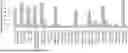
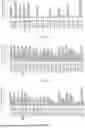
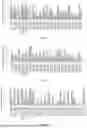
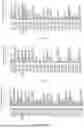





Sources:
- United States Patent and Trademark Office - verify current appl. status at the USPTO↗
Similar patent applications:
- » 20220268777
ANTIGEN AND ANTIBODIES PREPARED BASED ON PADI4 SERVING AS TUMOR MARKER, AND APPLICATION THEREOF - » 20210340627
DNA METHYLATION-RELATED MARKER FOR DIAGNOSING TUMOR, AND APPLICATION THEREOF - » 20220298577
METHYLATION-BASED MODIFIED TUMOR MARKER STAMP-EP8 AND APPLICATION THEREOF - » 20220299516
TUMOR MARKER AQUAPORIN 2 PROTEIN AND APPLICATION THEREOF - » 20230242996
NOVEL TUMOR MARKER FOR HEPATOCELLULAR CARCINOMA AND CLINICAL APPLICATION THEREOF - » 20220333204
TUMOR MARKER STAMP-EP9 BASED ON METHYLATION MODIFICATION AND APPLICATION THEREOF
Recent applications in this class:
- » 20250171861 2025-05-29
MULTIPLE-TIERED SCREENING AND SECOND ANALYSIS - » 20250171860 2025-05-29
THERANOSTIC TOOLS FOR MANAGEMENT OF PANCREATIC CANCER AND ITS PRECURSORS - » 20250171859 2025-05-29
DETECTING MUTATIONS AND PLOIDY IN CHROMOSOMAL SEGMENTS - » 20250171858 2025-05-29
ENRICHMENT OF CLINICALLY-RELEVANT NUCLEIC ACIDS - » 20250171857 2025-05-29
BIOMARKERS FOR DIAGNOSING OR PREDICTING PROGNOSIS OF NON-INVASIVE FOLLICULAR THYROID NEOPLASM WITH PAPILLARY-LIKE NUCLEAR FEATURES AND METHOD FOR TREATMENT OF THYROID NODULE - » 20250171856 2025-05-29
METHODS OF ASSESSING THE RISK FOR THE DEVELOPMENT OF A CONDITION IN A UVEAL MELANOMA (UVM) PATIENT - » 20250171855 2025-05-29
METHODS FOR DETERMINING CETUXIMAB SENSITIVITY IN CANCER PATIENTS - » 20250171854 2025-05-29
GENETIC SIGNATURES TO PREDICT PROSTATE CANCER METASTASIS AND IDENTIFY TUMOR AGGRESSIVENESS - » 20250171853 2025-05-29
BIOMARKER FOR PREDICTING THE PROGNOSIS OF COLORECTAL CANCER - » 20250163517 2025-05-22
METHODS FOR SEQUENCING SAMPLES
Recent applications for this Assignee:
- » 20240294976 2024-09-05
KIT AND METHOD FOR DETECTING NUCLEIC ACID AND USES THEREOF - » 20220333204 2022-10-20
TUMOR MARKER STAMP-EP9 BASED ON METHYLATION MODIFICATION AND APPLICATION THEREOF - » 20220298577 2022-09-22
METHYLATION-BASED MODIFIED TUMOR MARKER STAMP-EP8 AND APPLICATION THEREOF - » 20220275452 2022-09-01
TUMOR MARKER STAMP-EP7 BASED ON METHYLATED MODIFICATION AND USE THEREOF - » 20220220560 2022-07-14
TUMOR MARKER STAMP-EP3 BASED ON METHYLATION MODIFICATION - » 20220195528 2022-06-23
TUMOR MARKER STAMP-EP5 BASED ON METHYLATED MODIFICATION - » 20220177973 2022-06-09
METHYLATION MODIFICATION-BASED TUMOR MARKER STAMP-EP6 - » 20220177972 2022-06-09
METHYLATION MODIFICATION-BASED TUMOR MARKER STAMP-EP4 - » 20210292850 2021-09-23
Methylation modification-based tumor marker STAMP-EP2