HIGH-BARRIER INFLATABLE CUSHION AND PREPARATION PROCESS THEREFOR
US20250242576A1
2025-07-31
19/079,398
2025-03-13
Smart Summary: A high-barrier inflatable cushion is designed to provide better protection and support. To make it, several steps are followed, including feeding materials, heating them, and shaping them under vacuum pressure. The cushion is made from two main parts: an airbag that uses a special composite material combined with Lycra fabric, and a base that uses the same composite with non-woven fabric. The airbag is thicker and heavier than the base, ensuring durability and comfort. This innovative design enhances the cushion's ability to resist damage and maintain its shape. 🚀 TL;DR
Abstract:
Disclosed are a high-barrier inflatable cushion and a preparation process therefor, which related to the technical fields of high-barrier inflatable cushions. The preparation process includes the following steps: material feeding, heating, vacuum counter-pressure molding, spray cooling, air cooling and drying, die-cutting, and thermal bonding. The high-barrier inflatable cushion comprises an airbag forming material and an airbag base material. The airbag forming material is prepared by laminating a TPU-EVOH composite with Lycra fabric, the TPU-EVOH composite has a total thickness of 0.4-0.8 mm, and the Lycra fabric has a gram weight of 150-230 g/m2. The airbag base material is prepared by laminating the TPU-EVOH composite with non-woven fabric, the TPU-EVOH composite has a total thickness of 0.1-0.3 mm, and the non-woven fabric has a gram weight of 60-80 g/m2.
Assignee:
- Guangzhou Yuanqi Dynamic Technology Co., LTD 1 🇨🇳 Guangzhou, China
Applicant:
Interested in similar patents?
Get notified when new applications in this technology area are published.
Classification:
B32B27/306 » CPC main
Layered products comprising synthetic resin comprising vinyl (co)polymers; comprising acrylic (co)polymers comprising vinyl acetate or vinyl alcohol (co)polymers
A45F3/12 » CPC further
Travelling or camp articles ; Sacks or packs carried on the body Shoulder-pads
A61G7/05769 » CPC further
Beds specially adapted for nursing; Devices for lifting patients or disabled persons; Parts, details or accessories of beds; Arrangements for preventing bed-sores or for supporting patients with burns, e.g. mattresses specially adapted therefor with inflatable chambers
A61H1/005 » CPC further
Apparatus for passive exercising ; Vibrating apparatus ; Chiropractic devices, e.g. body impacting devices, external devices for briefly extending or aligning unbroken bones Moveable platform, e.g. vibrating or oscillating platform for standing, sitting, laying, leaning
B29C48/0021 » CPC further
Extrusion moulding, i.e. expressing the moulding material through a die or nozzle which imparts the desired form; Apparatus therefor; Combinations of extrusion moulding with other shaping operations combined with joining, lining or laminating
B29C48/08 » CPC further
Extrusion moulding, i.e. expressing the moulding material through a die or nozzle which imparts the desired form; Apparatus therefor characterised by the shape of the extruded material at extrusion; Flat, e.g. panels flexible, e.g. films
B29C48/21 » CPC further
Extrusion moulding, i.e. expressing the moulding material through a die or nozzle which imparts the desired form; Apparatus therefor; Articles comprising two or more components, e.g. co-extruded layers the components being layers the layers being joined at their surfaces
B32B5/022 » CPC further
Layered products characterised by the non- homogeneity or physical structure, i.e. comprising a fibrous, filamentary, particulate or foam layer; Layered products characterised by having a layer differing constitutionally or physically in different parts characterised by structural features of a layer Non-woven fabric
B32B27/08 » CPC further
Layered products comprising synthetic resin as the main or only constituent of a layer, next to another layer of a of synthetic resin
B32B27/12 » CPC further
Layered products comprising synthetic resin next to a fibrous or filamentary layer
B32B27/40 » CPC further
Layered products comprising synthetic resin comprising polyurethanes
C08F210/02 » CPC further
Copolymers of unsaturated aliphatic hydrocarbons having only one carbon-to-carbon double bond Ethene
C08J3/212 » CPC further
Processes of treating or compounding macromolecular substances; Compounding polymers with additives, e.g. colouring in the presence of a continuous liquid phase the polymer being premixed with a liquid phase and solid additives
C08J5/128 » CPC further
Manufacture of articles or shaped materials containing macromolecular substances; Bonding of a preformed macromolecular material to the same or other solid material such as metal, glass, leather, e.g. using adhesives using adhesives based on a macromolecular component Adhesives without diluent
C08K9/06 » CPC further
Use of pretreated ingredients; Ingredients treated with organic substances with silicon-containing compounds
C09C1/44 » CPC further
Treatment of specific inorganic materials other than fibrous fillers ; Preparation of carbon black Carbon
C09C3/12 » CPC further
Treatment in general of inorganic materials, other than fibrous fillers, to enhance their pigmenting or filling properties Treatment with organosilicon compounds
C09J5/06 » CPC further
Adhesive processes in general; Adhesive processes not provided for elsewhere, e.g. relating to primers involving heating of the applied adhesive
A61H2201/0103 » CPC further
Characteristics of apparatus not provided for in the preceding codes; Constructive details inflatable
A61H2201/1207 » CPC further
Characteristics of apparatus not provided for in the preceding codes; Driving means with electric or magnetic drive
B29K2029/00 » CPC further
Use of polyvinylalcohols, polyvinylethers, polyvinylaldehydes, polyvinylketones or polyvinylketals or derivatives thereof as moulding material
B29K2995/0067 » CPC further
Properties of moulding materials, reinforcements, fillers, preformed parts or moulds; Other properties; Permeability to gases non-permeable
B29L2031/58 » CPC further
Other particular articles Upholstery or cushions, e.g. vehicle upholstery or interior padding
B32B2262/0292 » CPC further
Composition or structural features of fibres which form a fibrous or filamentary layer or are present as additives; Synthetic macromolecular fibres Polyurethane fibres
B32B2274/00 » CPC further
Thermoplastic elastomer material
B32B2307/718 » CPC further
Properties of the layers or laminate; Other properties Weight, e.g. weight per square meter
B32B2535/00 » CPC further
Medical equipment, e.g. bandage, prostheses, catheter
B32B2605/00 » CPC further
Vehicles
B62J1/18 » CPC further
Saddles or other seats for cycles; Arrangement thereof; Component parts Covers for saddles or other seats; Paddings
C08J2323/08 » CPC further
Characterised by the use of homopolymers or copolymers of unsaturated aliphatic hydrocarbons having only one carbon-to-carbon double bond; Derivatives of such polymers not modified by chemical after treatment; Homopolymers or copolymers of ethene Copolymers of ethene
C08J2375/04 » CPC further
Characterised by the use of polyureas or polyurethanes; Derivatives of such polymers Polyurethanes
B32B27/30 IPC
Layered products comprising synthetic resin comprising vinyl (co)polymers; comprising acrylic (co)polymers
A61G7/057 IPC
Beds specially adapted for nursing; Devices for lifting patients or disabled persons; Parts, details or accessories of beds Arrangements for preventing bed-sores or for supporting patients with burns, e.g. mattresses specially adapted therefor
A61H1/00 IPC
Apparatus for passive exercising ; Vibrating apparatus ; Chiropractic devices, e.g. body impacting devices, external devices for briefly extending or aligning unbroken bones
B29C48/00 IPC
Extrusion moulding, i.e. expressing the moulding material through a die or nozzle which imparts the desired form; Apparatus therefor
B32B5/02 IPC
Layered products characterised by the non- homogeneity or physical structure, i.e. comprising a fibrous, filamentary, particulate or foam layer; Layered products characterised by having a layer differing constitutionally or physically in different parts characterised by structural features of a layer
C08J3/21 IPC
Processes of treating or compounding macromolecular substances; Compounding polymers with additives, e.g. colouring in the presence of a continuous liquid phase the polymer being premixed with a liquid phase
C08J5/12 IPC
Manufacture of articles or shaped materials containing macromolecular substances Bonding of a preformed macromolecular material to the same or other solid material such as metal, glass, leather, e.g. using adhesives
Description
CROSS-REFERENCE TO RELATED APPLICATIONS
This application claims priority to Chinese Patent Application No. 202411685951.7 with a filing date of Nov. 23, 2024. The content of the aforementioned application, including any intervening amendments thereto, is incorporated herein by reference.
TECHNICAL FIELD
The present disclosure relates to the technical field of high-barrier inflatable cushions, and specifically relates to a high-barrier inflatable cushion and a preparation process therefor.
BACKGROUND
With the growing market demand for high-performance materials in the packaging industry, inflatable cushions as an important protective material have been widely applied to the fields of electronic products, pharmaceutical packaging, food transport and the like. Traditional inflatable cushions are mainly made from materials such as polyethylene (PE) and polypropylene (PP), and these materials usually possess certain cushioning and impact resistance. However, these materials exhibit significant deficiencies in gas barrier properties and mechanical properties, thereby limiting their performance in high-end applications.
In the prior art, an ethylene-vinyl alcohol copolymer (EVOH) is a material with excellent gas barrier properties and is usually applied to the fields of food packaging, pharmaceutical packaging and the like. EVOH can effectively prevent permeation of gases such as oxygen and carbon dioxide, extend shelf lives of products and enhance storage stability thereof. However, although having outstanding gas barrier properties, EVOH has poor water resistance and is easily affected by humidity, thereby resulting in degradation of barrier properties in humid environments. Additionally, EVOH is quite brittle, and can hardly meet the requirements for flexibility and toughness of inflatable cushions in practical applications. Therefore, standalone use of EVOH in inflatable cushions makes it difficult to ensure good gas barrier properties and mechanical properties simultaneously.
Moreover, thermoplastic polyurethane (TPU), due to excellent elasticity, abrasion resistance, and tensile strength, is widely applied to the fields that require high mechanical properties. In the application of inflatable cushions, TPU exhibits good cushioning effects and durability, but shows relatively poor gas barrier properties. TPU does not possess superior gas barrier properties of EVOH, resulting in that properties of inflatable cushions against moisture and oxidation are relatively poor, and the problem of gas permeation caused by prolonged exposure to air cannot be effectively solved. Therefore, deficiencies of traditional materials in gas barrier properties and mechanical properties pose challenges for high-demand applications of inflatable cushions of the prior art.
To solve the above problems, the present disclosure reasonably selects a combination of EVOH and TPU materials, aiming to enhance the gas barrier properties of inflatable cushions while improving mechanical properties thereof. Combination of the gas barrier properties of EVOH with elasticity and mechanical strength of TPU enables to achieve stronger mechanical support and a longer service life on the basis of maintaining good gas barrier properties, such that a high-performance inflatable cushion material is available.
SUMMARY
In view of the above problems in the prior art, an objective of the present disclosure is to provide a high-barrier inflatable cushion and a preparation process therefor.
To achieve the above objective, the present disclosure provides the following technical solution:
-
- a preparation process for a high-barrier inflatable cushion, including the following steps:
- S1: material feeding: feeding an airbag forming material with a TPU layer unwound upward;
- S2: heating: moving the airbag forming material to a heating chamber for heating;
- S3: vacuum counter-pressure molding: after the heating, moving the airbag forming material to a molding chamber for vacuum adsorption and counter-pressure molding;
- S4: spray cooling: after the molding, moving the airbag forming material to a spray chamber for spray cooling;
- S5: air cooling and drying: after cooling, moving the airbag forming material to an air drying chamber for air cooling and drying;
- S6: die-cutting: after the drying, moving the airbag forming material to a cutting area for cutting to obtain a semi-finished airbag product;
- S7: thermal bonding: thermally bonding one semi-finished airbag product with one airbag base material to obtain a high-barrier inflatable cushion; and
- further, the airbag forming material is prepared by laminating a TPU-EVOH composite with Lycra fabric, and the airbag base material is prepared by laminating the TPU-EVOH composite with non-woven fabric.
Further, in the S2, a heating temperature is 350-400° C., and a heating duration is 15-30 sec;
-
- further, in the S3, a duration of the vacuum adsorption is 10-60 sec, and a duration of the counter-pressure molding is 80-100 sec;
- further, in the S4, a spray pressure during the spray cooling is 0.2-0.5 MPa, and a spray duration is 1-5 sec; and
- further, in the S5, a duration of the air cooling and drying is 50-100 sec.
Further, in the airbag forming material, the TPU-EVOH composite has a total thickness of 0.4-0.8 mm, and the Lycra fabric has a gram weight of 150-230 g/m2; and
-
- further, in the airbag base material, the TPU-EVOH composite has a total thickness of 0.1-0.3 mm, and the non-woven fabric has a gram weight of 60-80 g/m2.
Further, a preparation method for the airbag forming material or the airbag base material includes the following steps:
-
- co-extruding the EVOH material and the TPU material to obtain a TPU-EVOH composite; coating a moisture-curable polyurethane reactive (PUR) hot melt adhesive on an EVOH surface of the TPU-EVOH composite to obtain a bonding layer, heating the bonding layer to 120-140° C., laminating the Lycra fabric or the non-woven fabric on the EVOH surface, allowing same to stand for 24 h, and curing in an environment of 50-70% humidity and 15-30° C. for 4-7 d, to obtain the airbag forming material or the airbag base material; and the TPU material has a thickness of 0.15-0.8 mm, the EVOH material has a thickness of 0.02-0.05 mm, and the bonding layer has a peeling strength of 35-60 N.
Further, the EVOH material includes any one of EVOH, an EVOH copolymer, and an EVOH nanocomposite.
Further, a preparation method for the EVOH copolymer includes the following steps: adding (Z)-3-bromo-1-cyclooctene into a mixture of acetone and an aqueous sodium bicarbonate solution, heating and refluxing for 1-1.5 h, filtering and concentrating a filtrate, extracting with diethyl ether, separating an ether phase, drying and concentrating, and performing vacuum distillation to obtain 3-hydroxy-1-cyclooctene; adding the 3-hydroxy-1-cyclooctene and pyridine into dichloromethane, adding acetyl chloride under ice-bath conditions, stirring at room temperature for 3-3.5 h, adding a reaction mixture into 2 mol/L of a hydrochloric acid solution, separating an organic phase, extracting an aqueous phase with dichloromethane, washing the combined organic phase with a saturated aqueous sodium bicarbonate solution, drying with magnesium sulfate and concentrating, and performing vacuum distillation to obtain (Z)-cyclooct-2-ene-1-yl acetate; and
-
- adding (Z)-cyclooct-2-ene-1-yl acetate into a reaction vessel, adding toluene, degassing through three cycles of freezing-pumping-thawing, adding argon, heating same to 40-42° C., adding a second-generation GRUBBS catalyst, maintaining a reaction for 24 h, adding ethyl vinyl ether to quench the reaction, adding the reaction mixture into methanol to separate the polymer, adding the polymer to dichloromethane, reprecipitating and purifying the polymer in methanol, adding 2,6-di-tert-butyl-p-cresol to the polymer, and performing vacuum drying at 70-72° C. for 24 h to obtain a polyolefin monomer, and hydrogenating and deprotecting the polyolefin monomer to obtain an EVOH copolymer.
Further, the hydrogenation process includes the following steps: adding the polyolefin monomer into a container, adding xylene, 2,6-di-tert-butyl-p-cresol, and tributylamine, stirring evenly, adding p-toluenesulfonyl hydrazide, heating same to 140-145° C. and refluxing for 8 h, cooling to room temperature, performing rotary evaporation, adding a mixed product into methanol for precipitation and purification, and performing vacuum drying at 70° C. for 24 h to obtain an intermediate.
Further, the deprotection process includes the following steps: adding the intermediate into tetrahydrofuran, adding a 25 wt % sodium methoxide solution, stirring before reaction for 24 h, adding acidic methanol until a reaction pH is acidic, filtering, washing the filtrate with methanol, adding same into methanol for precipitation and purification, adding the polymer to hexafluoroisopropanol, heating same to 50° C. for dissolving, and performing vacuum drying at 70° C. for 24 h to obtain the EVOH copolymer.
Further, a preparation method for the second-generation GRUBBS catalyst includes the following steps: adding the second-generation GRUBBS catalyst into a container, evacuating, purging with argon, then adding toluene and stirring evenly.
Further, in the preparation process of 3-hydroxy-1-cyclooctene, a concentration of the aqueous sodium bicarbonate solution is 0.03 mol/L; in the preparation process of (Z)-cyclooct-2-ene-1-yl acetate, a molar ratio of 3-hydroxy-1-cyclooctene to pyridine to acetyl chloride is 0.1:0.15:0.15; and in the preparation process of the EVOH copolymer, a molar ratio of (Z)-cyclooct-2-ene-1-yl acetate to the second-generation GRUBBS catalyst is 29.7:0.0074.
Further, a preparation method for the EVOH nanocomposite includes the following steps:
-
- adding a hybrid nanofiller into deionized water, performing ultrasonic dispersion, adding a Tris-HCl buffer solution, stirring evenly, adding an aqueous dopamine hydrochloride solution, stirring before reaction for 24 h, centrifuging to collect solid products, and freeze-drying to obtain a dopamine-modified hybrid nanofiller;
- adding the EVOH copolymer into N,N-dimethylformamide, heating to 70-72° C. and stirring evenly, cooling to room temperature, sequentially adding the dopamine-modified hybrid nanofiller and an aqueous boric acid solution, performing ultrasonic dispersion, adding a mixture into a polytetrafluoroethylene container, heating to 70-72° C. for vacuum thermal treatment for 6-7 h, performing hydrazine vapor treatment, and performing vacuum drying at 50-70° C. to obtain the EVOH nanocomposite.
Further, the hybrid nanofiller is prepared from 3-aminopropyltriethoxysilane modified MXene and graphene oxide.
Further, in the preparation process of the dopamine-modified hybrid nanofiller, the Tris-HCl buffer solution has a pH value of 8.5; and in the preparation process of the EVOH nanocomposite, an amount of the dopamine-modified hybrid nanofiller added is 5-10 wt % of a mass of the EVOH copolymer, and an amount of boric acid added is 5-20 wt % of the mass of the EVOH copolymer.
Further, a preparation method for the hybrid nanofiller includes the following steps: adding lithium fluoride into a 9M hydrochloric acid solution, stirring evenly, adding titanium carbide aluminum powder under ice-bath conditions, heating to 35-36° C. for a reaction of 24 h, washing a reaction suspension with deionized water, centrifuging to collect a precipitate, washing the precipitate to neutral pH, performing ultrasonic dispersion of the precipitate in deionized water, centrifuging to collect a supernatant, purging with nitrogen, and freeze-drying to obtain MXene; and
-
- adding MXene into an aqueous ethanol solution, performing ultrasonic dispersion under nitrogen conditions, adjusting a pH value of the suspension to 3-4, adding 3-aminopropyltriethoxysilane, stirring at room temperature for a reaction of 24 h, washing the suspension with ethanol, centrifuging, and freeze-drying to obtain modified MXene; and adding the modified MXene and graphene oxide into N,N-dimethylformamide, performing ultrasonic dispersion under the nitrogen conditions, adding carbodiimide, 1-hydroxybenzotriazole hydrate, and N,N-diisopropylethylamine, reacting under the nitrogen conditions for 24 h, washing a product with N,N-dimethylformamide and deionized water, and freeze-drying to obtain the hybrid nanofiller.
Further, in the preparation process of the MXene, a mass ratio of lithium fluoride to titanium carbide aluminum is 1.95:2.9; in the preparation process of modified MXene, a mass ratio of MXene to 3-aminopropyltriethoxysilane is 1:2; and in the preparation process of the hybrid nanofiller, a mass ratio of modified MXene to graphene oxide to carbodiimide to 1-hydroxybenzotriazole hydrate to N,N-diisopropylethylamine is 125:125:67:67:1.
Compared with the prior art, the present disclosure has the beneficial effects as follows:
-
- 1. In the present disclosure, controllable polymerization of cyclic olefins is achieved through ring-opening metathesis polymerization of (Z)-3-bromo-1-cyclooctene, and then an EVOH copolymer with regional regularity of molecular structure is prepared through hydrogenation and deprotection, which is different from a conventional commercially available EVOH (EVOH-44 contains 44 mol % ethylene units, and EVOH-32 contains 32 mol % ethylene units). The EVOH copolymer prepared by the present disclosure contains 75 mol % ethylene units that are arranged in a linear and highly regular manner, and enables an inflatable cushion to have excellent gas barrier properties.
- 2. In the present disclosure, to further enhance the gas barrier properties and mechanical properties of the inflatable cushion based on the above EVOH copolymer, a self-made dopamine-modified hybrid nanofiller is added to the EVOH copolymer, and boric acid as a crosslinking agent is added to induce crosslinking. Boric acid ions induce crosslinking between the EVOH copolymer and the dopamine-modified hybrid nanofiller, which enhances an interfacial interaction between the filler and matrix resin. A crosslinked network is formed between the EVOH copolymer, the boric acid, and the dopamine-modified hybrid nanofiller. Additionally, during thermal treatment crosslinking, the dopamine-modified hybrid nanofiller can also crosslink with the dopamine-modified hybrid nanofiller through the action of boric acid, such that a transverse or vertical spacing between the layered fillers is reduced, thereby increasing complexity of gas channels. Introduction of composite fillers enables the inflatable cushions to have excellent gas barrier properties, mechanical properties, and thermal stability.
- 3. The hybrid nanofiller in the dopamine-modified hybrid nanofiller is prepared by covalently bonding MXene and graphene oxide through 3-aminopropyltriethoxysilane. The hybrid nanofiller has a larger hybrid interlayer spacing than those of pristine MXene and graphene oxide, which facilitates subsequent dopamine modification and boric acid ion infiltration for crosslinking with the EVOH copolymer, enhances subsequent crosslinking network density and interfacial interactions, and improves the gas barrier properties and mechanical properties.
BRIEF DESCRIPTION OF THE DRAWINGS
FIG. 1 is a schematic diagram showing a preparation process for a high-barrier inflatable cushion according to the present disclosure.
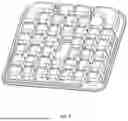
FIG. 2 is a schematic diagram showing a 36-cell cushion structure of a high-barrier inflatable cushion according to the present disclosure.
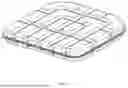
FIG. 3 is a schematic diagram showing a 49-cell cushion structure of a high-barrier inflatable cushion according to the present disclosure.
FIG. 4 is a schematic diagram showing an anti-decubitus cushion structure of a high-barrier inflatable cushion according to the present disclosure.
FIG. 5 is a schematic diagram showing a shoulder strap structure of a high-barrier inflatable cushion according to the present disclosure.
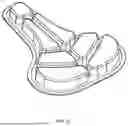
FIG. 6 is a schematic diagram showing a bicycle cushion structure of a high-barrier inflatable cushion according to the present disclosure.
FIG. 7 is a schematic diagram showing a double-sided cushion structure of a high-barrier inflatable cushion according to the present disclosure.
FIG. 8 is a schematic diagram showing an electric massage cushion structure of a high-barrier inflatable cushion according to the present disclosure.
DETAILED DESCRIPTIONS OF THE EMBODIMENTS
The technical solutions in the examples of the present disclosure will be clearly and completely described below in combination with the accompanying drawings in the examples of the present disclosure. Apparently, the examples described are merely some rather than all of the examples of the present disclosure. All other examples acquired by those of ordinarily skilled in the art without making creative efforts based on the examples of the present disclosure fall within the scope of protection of the present disclosure.
In the following examples, a conventional commercially available EVOH containing 32 mol % ethylene, is purchased from Sigma-Aldrich; a TPU HF-1380A is purchased from Huafon Group; Lycra fabric is purchased from Lycra Company; non-woven fabric is purchased from Shandong Huaye Nonwoven Fabric Co., Ltd.; a moisture-curable PUR hot melt adhesive 3930 is purchased from Kain Chemical; (Z)-3-bromo-1-cyclooctene CAS: 7422-06-2; graphene oxide is purchased from Sigma-Aldrich; dopamine hydrochloride is purchased from Aladdin; and other raw materials are commercially available.
In the following examples, a preparation method for a hybrid nanofiller includes the following steps: add 1.95 g of lithium fluoride into 60 mL of a 9M hydrochloric acid solution, stir evenly, add 2.9 g of titanium carbide aluminum powder under ice-bath conditions, heat to 35° C. for a reaction of 24 h, wash a reaction suspension with deionized water, centrifuge to collect a precipitate, wash the precipitate to neutral pH, perform ultrasonic dispersion of the precipitate in deionized water, centrifuge to collect a supernatant, purge with nitrogen, and freeze-dry to obtain MXene; and
-
- add 100 mg of MXene into an aqueous ethanol solution with a volume ratio of 9:1, perform ultrasonic dispersion under nitrogen conditions, adjust a pH value of the suspension to 3, add 200 mg of 3-aminopropyltriethoxysilane, stir at room temperature for a reaction of 24 h, wash the suspension with ethanol, centrifuging, and freeze-dry to obtain modified MXene; and add 125 mg of the modified MXene and 125 mg of graphene oxide into 50 mL of N,N-dimethylformamide, perform ultrasonic dispersion under the nitrogen conditions, add 67 mg of carbodiimide,67 mg of 1-hydroxybenzotriazole hydrate, and 1 g of N,N-diisopropylethylamine, react under the nitrogen conditions for 24 h, wash a product with N,N-dimethylformamide and deionized water, and freeze-dry to obtain the hybrid nanofiller.
Example 1: with reference to FIG. 1, a preparation process for a high-barrier inflatable cushion, includes the following steps: S1: material feeding: feed an airbag forming material with a TPU layer unwound upward;
-
- S2: heating: move the airbag forming material to a heating chamber for heating at 130° C. for 15 sec;
- S3: vacuum counter-pressure molding: after the heating, move the airbag forming material to a molding chamber for vacuum adsorption for 10 sec and counter-pressure molding for 80 sec;
- S4: spray cooling: after the molding, move the airbag forming material to a spray chamber for spray cooling at a spray pressure of 0.2 MPa for 1 sec;
- S5: air cooling and drying: after cooling, move the airbag forming material to an air drying chamber for air cooling and drying for 50 sec;
- S6: die-cutting: after the drying, move the airbag forming material to a cutting area for cutting to obtain a semi-finished airbag product; and
- S7: thermal bonding: thermally bond one semi-finished airbag product with one airbag base material to obtain a high-barrier inflatable cushion.
A preparation method for the airbag forming material includes the following steps: co-extrude the EVOH material and the TPU material to obtain a TPU-EVOH composite; coat a moisture-curable PUR hot melt adhesive on an EVOH surface of the TPU-EVOH composite to obtain a bonding layer, heat the bonding layer to 120° C., laminate the Lycra fabric on the EVOH surface, allow same to stand for 24 h, and cure in an environment of 50% humidity and 20° C. for 4 d, to obtain the airbag forming material; and the TPU-EVOH composite has a total thickness of 0.4 mm, and the Lycra fabric has a gram weight of 150 g/m2.
A preparation method for the airbag base material includes the following steps: co-extrude the EVOH material and the TPU material to obtain a TPU-EVOH composite; coat a moisture-curable PUR hot melt adhesive on an EVOH surface of the TPU-EVOH composite to obtain a bonding layer, heat the bonding layer to 120° C., laminate the non-woven fabric on the EVOH surface, allow same to stand for 24 h, and cure in an environment of 50% humidity and 20° C. for 4 d, to obtain the airbag base material; and the TPU-EVOH composite has a total thickness of 0.1 mm, and the non-woven fabric has a gram weight of 60 g/m2.
In the preparation process of the airbag forming material and the airbag base material, the EVOH is a conventional commercially available EVOH.
Example 2: A preparation process for a high-barrier inflatable cushion: in the preparation process of the airbag forming material and the airbag base material, the EVOH is an EVOH copolymer;
A preparation process for the EVOH copolymer includes the following steps: add 25 g of (Z)-3-bromo-1-cyclooctene into a mixture of 200 mL of acetone and 100 mL of an 0.03 mol/L aqueous sodium bicarbonate solution, heat and reflux for 1 h, filter and concentrate a filtrate, extract with diethyl ether, separate an ether phase, dry and concentrating, and perform vacuum distillation to obtain 3-hydroxy-1-cyclooctene; add 0.1 mol of the 3-hydroxy-1-cyclooctene and 0.15 mol of pyridine into 200 mL of dichloromethane, add 0.15 mol of acetyl chloride under ice-bath conditions, stir at room temperature for 3 h, add a reaction mixture into 2 mol/L of a hydrochloric acid solution, separate an organic phase, extract an aqueous phase with dichloromethane, wash the combined organic phase with a saturated aqueous sodium bicarbonate solution, dry with magnesium sulfate and concentrating, and perform vacuum distillation to obtain (Z)-cyclooct-2-ene-1-yl acetate; and
-
- add 29.7 mmol of (Z)-cyclooct-2-ene-1-yl acetate into a reaction vessel, add 20 mL of toluene, degas through three cycles of freezing-pumping-thawing, add argon, heat same to 40° C., add 0.0074 mmol of a second-generation GRUBBS catalyst, maintain a reaction for 24 h, add 1 mL of ethyl vinyl ether to quench the reaction, add the reaction mixture into methanol to separate the polymer, add the polymer to dichloromethane, reprecipitate and purify the polymer in methanol, add 2 mg of 2,6-di-tert-butyl-p-cresol to the polymer, and perform vacuum dry at 70° C. for 24 h to obtain a polyolefin monomer, and hydrogenate and deprotect the polyolefin monomer to obtain an EVOH copolymer.
The hydrogenation process includes the following steps: add 40.5 mmol of the polyolefin monomer into a container, add 250 mL of xylene, 80 mg of 2,6-di-tert-butyl-p-cresol, and 29 mL of tributylamine, stir evenly, add p-toluenesulfonyl hydrazide, heat same to 140° C. and reflux for 8 h, cool to room temperature, perform rotary evaporation, add a mixed product into methanol for precipitation and purification, and perform vacuum dry at 70° C. for 24 h to obtain an intermediate.
The deprotection process includes the following steps: add 6.2 g of the intermediate into tetrahydrofuran, add 16 g of a 25 wt % sodium methoxide solution, stir before reaction for 24 h, add acidic methanol until a reaction pH is acidic, filtering, wash the filtrate with methanol, add the polymer to hexafluoroisopropanol, heat same to 50° C. for dissolving, add same into methanol for precipitation and purification, and perform vacuum drying at 70° C. for 24 h to obtain the EVOH copolymer.
A preparation method for the second-generation GRUBBS catalyst includes the following steps: add 0.0074 mmol of the second-generation GRUBBS catalyst into a container, evacuating, purge with argon, then add 1 mL of toluene and stir evenly.
The remaining steps are the same as those in Example 1.
Example 3: A preparation process for a high-barrier inflatable cushion: in the preparation process of the airbag forming material and the airbag base material, the EVOH is an EVOH nanocomposite;
-
- a preparation method for the EVOH nanocomposite includes the following steps: add 100 mg of a hybrid nanofiller into 250 mL of deionized water, perform ultrasonic dispersion, add 100 mL of a Tris-HCl buffer solution, stir evenly, add 100 mL of an aqueous dopamine hydrochloride solution, stir before reaction for 24 h, centrifuge to collect solid products, and freeze-dry to obtain a dopamine-modified hybrid nanofiller;
- add 100 g of the EVOH copolymer into N,N-dimethylformamide, heat to 70° C. and stir evenly, cool to room temperature, sequentially add 5 g of the dopamine-modified hybrid nanofiller and an aqueous solution containing 5 g of boric acid, perform ultrasonic dispersion, add a mixture into a polytetrafluoroethylene container, heat to 70° C. for vacuum thermal treatment for 6 h, perform hydrazine vapor treatment, and perform vacuum drying at 50° C. to obtain the EVOH nanocomposite.
The remaining steps are the same as those in Example 1.
Example 4: A preparation process for a high-barrier inflatable cushion: in the preparation process of the airbag forming material and the airbag base material, the EVOH is an EVOH nanocomposite;
-
- a preparation method for the EVOH nanocomposite comprises the following steps: add 100 mg of a hybrid nanofiller into 250 mL of deionized water, perform ultrasonic dispersion, add 100 mL of a Tris-HCl buffer solution, stir evenly, add 100 mL of an aqueous dopamine hydrochloride solution, stir before reaction for 24 h, centrifuge to collect solid products, and freeze-dry to obtain a dopamine-modified hybrid nanofiller;
- add 100 g of the EVOH copolymer into N,N-dimethylformamide, heat to 70° C. and stir evenly, cool to room temperature, sequentially add 7 g of the dopamine-modified hybrid nanofiller and an aqueous solution containing 15 g of boric acid, perform ultrasonic dispersion, add a mixture into a polytetrafluoroethylene container, heat to 70° C. for vacuum thermal treatment for 6 h, perform hydrazine vapor treatment, and perform vacuum drying at 50° C. to obtain the EVOH nanocomposite.
The remaining steps are the same as those in Example 1.
Example 5: A preparation process for a high-barrier inflatable cushion: in the preparation process of the airbag forming material and the airbag base material, the EVOH is an EVOH nanocomposite;
-
- a preparation method for the EVOH nanocomposite comprises the following steps: add 100 mg of a hybrid nanofiller into 250 mL of deionized water, perform ultrasonic dispersion, add 100 mL of a Tris-HCl buffer solution, stir evenly, add 100 mL of an aqueous dopamine hydrochloride solution, stir before reaction for 24 h, centrifuge to collect solid products, and freeze-dry to obtain a dopamine-modified hybrid nanofiller;
- add 100 g of the EVOH copolymer into N,N-dimethylformamide, heat to 70° C. and stir evenly, cool to room temperature, sequentially add 7 g of the dopamine-modified hybrid nanofiller and an aqueous solution containing 20 g of boric acid, perform ultrasonic dispersion, add a mixture into a polytetrafluoroethylene container, heat to 70° C. for vacuum thermal treatment for 6 h, perform hydrazine vapor treatment, and perform vacuum drying at 50° C. to obtain the EVOH nanocomposite.
The remaining steps are the same as those in Example 1.
Example 6: A preparation process for a high-barrier inflatable cushion: in the preparation process of the airbag forming material and the airbag base material, the EVOH is an EVOH nanocomposite;
-
- a preparation method for the EVOH nanocomposite includes the following steps: add 100 mg of a hybrid nanofiller into 250 mL of deionized water, perform ultrasonic dispersion, add 100 mL of a Tris-HCl buffer solution, stir evenly, add 100 mL of an aqueous dopamine hydrochloride solution, stir before reaction for 24 h, centrifuge to collect solid products, and freeze-dry to obtain a dopamine-modified hybrid nanofiller;
- add 100 g of the EVOH copolymer into N,N-dimethylformamide, heat to 70° C. and stir evenly, cool to room temperature, sequentially add 10 g of the dopamine-modified hybrid nanofiller and an aqueous solution containing 20 g of boric acid, perform ultrasonic dispersion, add a mixture into a polytetrafluoroethylene container, heat to 70° C. for vacuum thermal treatment for 6 h, perform hydrazine vapor treatment, and perform vacuum drying at 50° C. to obtain the EVOH nanocomposite.
The remaining steps are the same as those in Example 1.
Example 7: A preparation process for a high-barrier inflatable cushion: a 36-cell cushion prepared according to the method disclosed in Example 1 is shown in FIG. 2.
The 36-cell cushion is formed through vacuum adsorption and counter-pressure molding of an airbag forming material by using a mold with 36 airbag positions, after cutting and thermal bonding, where a fabric substrate layer is added at a bottom surface thereof and sewn around edges thereof, and a built-in inflation valve and a built-in deflation valve are arranged on a back face of either of two corner airbags. Due to high-barrier properties of the airbag material of the present disclosure, the 36-cell cushion is inflated for less times during use, brings about comfort and has a long service life.
Example 8: A preparation process for a high-barrier inflatable cushion: a 49-cell cushion prepared according to the method disclosed in Example 1 is shown in FIG. 3. A structure and performance of the 49-cell cushion are similar to those of Example 7, and the cushion in this example is provided with more, smaller, and flatter airbags, such that an area of contact with the human body during use is enlarged, providing a different user experience. Due to high-barrier properties of the airbag material, and arrangement of a built-in inflation valve and a built-in deflation valve, the cushion is inflated for less times during use, and has a long service life.
Example 9: A preparation process for a high-barrier inflatable cushion: an anti-decubitus cushion prepared according to the method disclosed in Example 1 is shown in FIG. 4. Airbags of the anti-decubitus cushion are arranged to meet needs of patients with decubitus or needing to prevent decubitus, which effectively enhances comfort of use. Due to high-barrier properties of the airbag material, and arrangement of a built-in inflation valve and a built-in deflation valve, the cushion is inflated for less times during use, and has a long service life.
Example 10: A preparation process for a high-barrier inflatable cushion: a shoulder strap prepared according to the method disclosed in Example 1 is shown in FIG. 5. The shoulder strap is used as a strap for a load-bearing backpack, and an airbag thereof is closed without an inflation valve. Due to high-barrier properties of the airbag material, the shoulder strap has a long service life.
Example 11: A preparation process for a high-barrier inflatable cushion: a bicycle cushion prepared according to the method disclosed in Example 1 is shown in FIG. 6. A shape and airbag layout of the bicycle cushion are designed according to needs of a rider, and a built-in inflation valve and a built-in deflation valve are arranged on a back face of a top airbag. Due to high-barrier properties of the airbag material, and arrangement of a built-in inflation valve and a built-in deflation valve, the cushion is inflated for less times during use, and has a long service life.
Example 12: A preparation process for a high-barrier inflatable cushion: a double-sided cushion prepared according to the method disclosed in Example 1 is shown in FIG. 7. The double-sided cushion is formed through vacuum adsorption and counter-pressure molding of an airbag forming material, and then thermal bonding of two identical semi-finished airbag products. A built-in inflation valve and a built-in deflation valve are arranged on a back face of either of two airbags in a middle along a top edge. Due to high-barrier properties of the airbag material of the present disclosure, the cushion is inflated for less times during use, and has a long service life.
Example 13: A preparation process for a high-barrier inflatable cushion: an electric massage cushion prepared according to the method disclosed in Example 1 is shown in FIG. 8. The electric massage cushion is further provided with an electric massager inside an airbag. Due to high-barrier properties of the airbag material, the electric massage cushion has a long service life.
Comparative Example 1: A preparation process for a high-barrier inflatable cushion: in the preparation process of the airbag forming material and the airbag base material, the EVOH is an EVOH nanocomposite;
-
- a preparation method for the EVOH nanocomposite includes the following steps: add 100 mg of a hybrid nanofiller into 250 mL of deionized water, perform ultrasonic dispersion, add 100 mL of a Tris-HCl buffer solution, stir evenly, add 100 mL of an aqueous dopamine hydrochloride solution, stir before reaction for 24 h, centrifuge to collect solid products, and freeze-dry to obtain a dopamine-modified hybrid nanofiller;
- add 100 g of the EVOH copolymer into N,N-dimethylformamide, heat to 70° C. and stir evenly, cool to room temperature, sequentially add 5 g of the dopamine-modified hybrid nanofiller and an aqueous solution containing 5 g of boric acid, perform ultrasonic dispersion, add a mixture into a polytetrafluoroethylene container, heat to 70° C. for vacuum thermal treatment for 6 h, perform hydrazine vapor treatment, and perform vacuum drying at 50° C. to obtain the EVOH nanocomposite.
The remaining steps are the same as those in Example 1.
Comparative Example 2: A preparation process for a high-barrier inflatable cushion: in the preparation process of the airbag forming material and the airbag base material, the EVOH is an EVOH nanocomposite;
-
- a preparation method for the EVOH nanocomposite includes the following steps: add 100 mg of MXene into 250 mL of deionized water, perform ultrasonic dispersion, add 100 mL of a Tris-HCl buffer solution, stir evenly, add 100 mL of an aqueous dopamine hydrochloride solution, stir before reaction for 24 h, centrifuge to collect solid products, and freeze-dry to obtain a dopamine-modified hybrid nanofiller;
- add 100 g of the EVOH copolymer into N,N-dimethylformamide, heat to 70° C. and stir evenly, cool to room temperature, sequentially add 5 g of the dopamine-modified hybrid nanofiller and an aqueous solution containing 5 g of boric acid, perform ultrasonic dispersion, add a mixture into a polytetrafluoroethylene container, heat to 70° C. for vacuum thermal treatment for 6 h, perform hydrazine vapor treatment, and perform vacuum drying at 50° C. to obtain the EVOH nanocomposite.
The remaining steps are the same as those in Example 1.
Comparative Example 3: A preparation process for a high-barrier inflatable cushion: in the preparation process of the airbag forming material and the airbag base material, the EVOH is an EVOH nanocomposite;
-
- a preparation method for the EVOH nanocomposite comprises the following steps: add 100 mg of a hybrid nanofiller into 250 mL of deionized water, perform ultrasonic dispersion, add 100 mL of a Tris-HCl buffer solution, stir evenly, add 100 mL of an aqueous dopamine hydrochloride solution, stir before reaction for 24 h, centrifuge to collect solid products, and freeze-dry to obtain a dopamine-modified hybrid nanofiller;
- add 100 g of the EVOH copolymer into N,N-dimethylformamide, heat to 70° C. and stir evenly, cool to room temperature, add 5 g of the dopamine-modified hybrid nanofiller, perform ultrasonic dispersion, add a mixture into a polytetrafluoroethylene container, heat to 70° C. for vacuum thermal treatment for 6 h, perform hydrazine vapor treatment, and perform vacuum drying at 50° C. to obtain the EVOH nanocomposite.
The remaining steps are the same as those in Example 1.
Experiments: barrier properties testing: the TPU-EVOH composites prepared in Examples 1-6 and Comparative Examples 1-3 were used as test materials. The test materials were compressed to a thickness of 0.1 mm, a length of 200 mm, and a width of 200 mm. The barrier properties thereof were tested in accordance with GB/T 1038.1-2022, and experimental parameters include: a test area of 38.49 cm2, a barrier property value ≥1, an upper chamber purging cycle of 607 sec, an upper chamber gas pressure of 9.898×10⁴ Pa, a lower chamber degassing duration of 60 sec, and a total degassing duration of 12 h for the upper and lower chambers, where the barrier properties are determined based on gas permeability.
Mechanical properties testing: the TPU-EVOH composites prepared in Examples 1-6 and Comparative Examples 1-3 were used as test materials, and tested by using a universal testing machine, with a tensile rate of 50 mm/min.
The experimental data are shown in Table 1.
| TABLE 1 |
| Properties testing data of raw materials |
| of high-barrier inflatable cushions |
| Gas | Tensile | Breaking | |
| permeability/ | strength/ | elongation/ | |
| cm3 · (m2 · d · Pa)−1 | MPa | % | |
| Example 1 | 7.946 × 10⁻⁵ | 23.5 | 153 |
| Example 2 | 7.260 × 10⁻⁵ | 25.4 | 167 |
| Example 3 | 6.057 × 10⁻⁵ | 26.4 | 178 |
| Example 4 | 4.906 × 10⁻⁵ | 27.1 | 183 |
| Example 5 | 3.526 × 10⁻⁵ | 28.3 | 172 |
| Example 6 | 2.225 × 10⁻⁵ | 28.9 | 169 |
| Comparative | 6.557 × 10⁻⁵ | 25.2 | 167 |
| Example 1 | |||
| Comparative | 6.453 × 10⁻⁵ | 25.4 | 168 |
| Example 2 | |||
| Comparative | 6.778 × 10⁻⁵ | 25.5 | 170 |
| Example 3 | |||
Conclusion: raw materials of the high-barrier inflatable cushions prepared in the present disclosure exhibit excellent barrier properties and mechanical properties.
In Comparative Example 1, the hybrid nanofiller is replaced with graphene oxide, which results in degradation of barrier properties and mechanical properties.
In Comparative Example 2, the hybrid nanofiller is replaced with MXene, which results in degradation of barrier properties and mechanical properties.
In Comparative Example 3, the aqueous boric acid solution is not added, which results in degradation of barrier properties and mechanical properties.
For those skilled in the art, it is apparent that the present disclosure is not limited to the details of the above-mentioned exemplary examples, and the present disclosure may be implemented in other specific forms without departing from the spirit or basic features of the present disclosure. Therefore, the embodiments should be regarded as illustrative and non-restrictive no matter from which point of view. The scope of the present disclosure is defined by the appended claims rather than the above specification, and therefore, it is intended that all changes which fall within the meaning and scope of equivalency of the claims are embraced in the present disclosure. Any reference numeral in the claims should not be construed as limiting the related claims.
Claims
What is claimed is:1. A preparation process for an inflatable cushion, comprising the following steps:
S1: material feeding: feeding an airbag forming material with a thermoplastic polyurethane (TPU) layer unwound upward;
S2: heating: moving the airbag forming material to a heating chamber for heating;
S3: vacuum counter-pressure molding: after the heating, moving the airbag forming material to a molding chamber for vacuum adsorption and counter-pressure molding;
S4: spray cooling: after the molding, moving the airbag forming material to a spray chamber for spray cooling;
S5: air cooling and drying: after cooling, moving the airbag forming material to an air drying chamber for air cooling and drying;
S6: die-cutting: after the drying, moving the airbag forming material to a cutting area for cutting to obtain a semi-finished airbag product; and
S7: thermal bonding: thermally bonding one semi-finished airbag product with one airbag base material to obtain the inflatable cushion; wherein
the airbag forming material is prepared by laminating a TPU-ethylene-vinyl alcohol copolymer (EVOH) composite with Lycra fabric, and the airbag base material is prepared by laminating the TPU-EVOH composite with non-woven fabric.
2. The preparation process according to claim 1, wherein in the S2, a heating temperature is 350-400° C., and a heating duration is 15-30 sec; in the S3, a duration of the vacuum adsorption is 10-60 sec, and a duration of the counter-pressure molding is 80-100 sec; in the S4, a spray pressure during the spray cooling is 0.2-0.5 MPa, and a spray duration is 1-5 sec; and in the S5, a duration of the air cooling and drying is 50-100 sec.
3. An inflatable cushion, comprising an airbag forming material prepared by laminating a thermoplastic polyurethane (TPU)-ethylene-vinyl alcohol copolymer (EVOH) composite with Lycra fabric, and an airbag base material prepared by laminating the TPU-EVOH composite with non-woven fabric; wherein in the airbag forming material, the TPU-EVOH composite has a total thickness of 0.4-0.8 mm, and the Lycra fabric has a gram weight of 150-230 g/m2; and in the airbag base material, the TPU-EVOH composite has a total thickness of 0.1-0.3 mm, and the non-woven fabric has a gram weight of 60-80 g/m2.
4. The inflatable cushion according to claim 3, wherein a preparation method for the airbag forming material or the airbag base material comprises the following steps:
co-extruding the EVOH material and the TPU material to obtain a TPU-EVOH composite; coating a moisture-curable polyurethane reactive (PUR) hot melt adhesive on an EVOH surface of the TPU-EVOH composite to obtain a bonding layer, heating the bonding layer to 120-140° C., laminating the Lycra fabric or the non-woven fabric on the EVOH surface, allowing same to stand for 24 h, and curing in an environment of 50-70% humidity and 15-30° C. for 4-7 d, to obtain the airbag forming material or the airbag base material; and the TPU material has a thickness of 0.15-0.8 mm, the EVOH material has a thickness of 0.02-0.05 mm, and the bonding layer has a peeling strength of 35-60 N.
5. The inflatable cushion according to claim 4, wherein the EVOH material comprises any one of EVOH, an EVOH copolymer, and an EVOH nanocomposite; and a preparation method for the EVOH copolymer comprises the following steps: adding (Z)-3-bromo-1-cyclooctene into a mixture of acetone and an aqueous sodium bicarbonate solution, heating and refluxing for 1-1.5 h, filtering and concentrating a filtrate, extracting with diethyl ether, separating an ether phase, drying and concentrating, and performing vacuum distillation to obtain 3-hydroxy-1-cyclooctene; adding the 3-hydroxy-1-cyclooctene and pyridine into dichloromethane, adding acetyl chloride under ice-bath conditions, stirring at room temperature for 3-3.5 h, adding a reaction mixture into 2 mol/L of a hydrochloric acid solution, separating an organic phase, extracting an aqueous phase with dichloromethane, washing the combined organic phase with a saturated aqueous sodium bicarbonate solution, drying with magnesium sulfate and concentrating, and performing vacuum distillation to obtain (Z)-cyclooct-2-ene-1-yl acetate; and
adding (Z)-cyclooct-2-ene-1-yl acetate into a reaction vessel, adding toluene, degassing through three cycles of freezing-pumping-thawing, adding argon, heating same to 40-42° C., adding a second-generation GRUBBS catalyst, maintaining a reaction for 24 h, adding ethyl vinyl ether to quench the reaction, adding the reaction mixture into methanol to separate the polymer, adding the polymer to dichloromethane, reprecipitating and purifying the polymer in methanol, adding 2,6-di-tert-butyl-p-cresol to the polymer, and performing vacuum drying at 70-72° C. for 24 h to obtain a polyolefin monomer, and hydrogenating and deprotecting the polyolefin monomer to obtain an EVOH copolymer.
6. The inflatable cushion according to claim 5, wherein in the preparation process of 3-hydroxy-1-cyclooctene, a concentration of the aqueous sodium bicarbonate solution is 0.03 mol/L; in the preparation process of (Z)-cyclooct-2-ene-1-yl acetate, a molar ratio of 3-hydroxy-1-cyclooctene to pyridine to acetyl chloride is 0.1:0.15:0.15; and in the preparation process of the EVOH copolymer, a molar ratio of (Z)-cyclooct-2-ene-1-yl acetate to the second-generation GRUBBS catalyst is 29.7:0.0074.
7. The inflatable cushion according to claim 5, wherein a preparation method for the EVOH nanocomposite comprises the following steps:
adding a hybrid nanofiller into deionized water, performing ultrasonic dispersion, adding a Tris-HCl buffer solution, stirring evenly, adding an aqueous dopamine hydrochloride solution, stirring before reaction for 24 h, centrifuging to collect solid products, and freeze-drying to obtain a dopamine-modified hybrid nanofiller;
adding the EVOH copolymer into N,N-dimethylformamide, heating to 70-72° C. and stirring evenly, cooling to room temperature, sequentially adding the dopamine-modified hybrid nanofiller and an aqueous boric acid solution, performing ultrasonic dispersion, adding a mixture into a polytetrafluoroethylene container, heating to 70-72° C. for vacuum thermal treatment for 6-7 h, performing hydrazine vapor treatment, and performing vacuum drying at 50-70° C. to obtain the EVOH nanocomposite; and
the hybrid nanofiller is prepared from 3-aminopropyltriethoxysilane modified MXene and graphene oxide.
8. The inflatable cushion according to claim 7, wherein in the preparation process of the dopamine-modified hybrid nanofiller, the Tris-HCl buffer solution has a pH value of 8.5; and in the preparation process of the EVOH nanocomposite, an amount of the dopamine-modified hybrid nanofiller added is 5-10 wt % of a mass of the EVOH copolymer, and an amount of boric acid added is 5-20 wt % of the mass of the EVOH copolymer.
9. The inflatable cushion according to claim 5, wherein a preparation method for the hybrid nanofiller comprises the following steps: adding lithium fluoride into a 9M hydrochloric acid solution, stirring evenly, adding titanium carbide aluminum powder under ice-bath conditions, heating to 35-36° C. for a reaction of 24 h, washing a reaction suspension with deionized water, centrifuging to collect a precipitate, washing the precipitate to neutral pH, performing ultrasonic dispersion of the precipitate in deionized water, centrifuging to collect a supernatant, purging with nitrogen, and freeze-drying to obtain MXene; and
adding MXene into an aqueous ethanol solution, performing ultrasonic dispersion under nitrogen conditions, adjusting a pH value of the suspension to 3-4, adding 3-aminopropyltriethoxysilane, stirring at room temperature for a reaction of 24 h, washing the suspension with ethanol, centrifuging, and freeze-drying to obtain modified MXene; and adding the modified MXene and graphene oxide into N,N-dimethylformamide, performing ultrasonic dispersion under the nitrogen conditions, adding carbodiimide, 1-hydroxybenzotriazole hydrate, and N,N-diisopropylethylamine, reacting under the nitrogen conditions for 24 h, washing a product with N,N-dimethylformamide and deionized water, and freeze-drying to obtain the hybrid nanofiller.
10. The inflatable cushion according to claim 9, wherein in the preparation process of the MXene, a mass ratio of lithium fluoride to titanium carbide aluminum is 1.95:2.9; in the preparation process of modified MXene, a mass ratio of MXene to 3-aminopropyltriethoxysilane is 1:2; and in the preparation process of the hybrid nanofiller, a mass ratio of modified MXene to graphene oxide to carbodiimide to 1-hydroxybenzotriazole hydrate to N,N-diisopropylethylamine is 125:125:67:67:1.
Images & Drawings included:




Sources:
- United States Patent and Trademark Office - verify current appl. status at the USPTO↗
Recent applications in this class:
- » 20250178327 2025-06-05
MULTILAYER STRUCTURE AND METHOD FOR PRODUCING SAME, AUTOMOBILE PART, AIRCRAFT PART, AND DAMPING MATERIAL FOR CARBON-FIBER-REINFORCED PLASTIC - » 20250115037 2025-04-10
OPTICAL LAMINATE AND DISPLAY APPARATUS - » 20240399727 2024-12-05
RECYCLABLE PACKAGING FILM FOR RETORT APPLICATIONS - » 20240367426 2024-11-07
MULTILAYERED ARTICLES - » 20230294386 2023-09-21
BARRIER LAYERS - » 20230286255 2023-09-14
Multilayer Structure and Multilayer Tube - » 20230166487 2023-06-01
Vacuum Skin Packaging Film - » 20230166486 2023-06-01
LINERS FOR BULK CONTAINERS - » 20230115761 2023-04-13
PIEZOELECTRIC POLYMER FILM - » 20230092236 2023-03-23
Recyclable, high barrier sheet and tray