COMPOUNDS AND METHODS USEFUL FOR STABILIZING PHENYLALANINE HYDROXYLASE MUTATIONS
US20250262201A1
2025-08-21
18/841,478
2023-02-27
Smart Summary: New compounds have been developed to help stabilize a specific protein called phenylalanine hydroxylase (PAH) that can be mutated in some people. These mutations can lead to a condition called phenylketonuria, which causes high levels of phenylalanine in the blood. The compounds can either stabilize the mutant PAH protein or help lower blood phenylalanine levels in affected individuals. Specific mutations mentioned include R408W, R261Q, and Y414C, among others. This research aims to improve treatment options for those with this genetic disorder. 🚀 TL;DR
Abstract:
The disclosure relates to compounds of Formula I or a pharmaceutically acceptable salt thereof, wherein, m, R1-R5, R5A, and L are defined herein. These compounds are useful in methods for stabilizing a mutant PAH protein or reducing blood phenylalanine concentration in a subject suffering from phenylketonuria. In some embodiments, the mutant PAH protein contains at least one R408W, R261Q, R243Q, Y414C, L48S, A403V, I65T, R241C, L348V, R408Q, or V388M mutation. In other embodiments, the mutant PAH protein contains at least one R408W, Y414C, I65T, F39L, R408Q, L348V, R261Q, A300S, or L48S mutation.
Inventors:
- Brian C. Shook 23 🇺🇸 Holliston, MA, United States
- Zenon Konteatis 5 🇺🇸 Chatham Township, NJ, United States
- Sandra King 5 🇺🇸 Jamaica Plain, MA, United States
Applicant:
Interested in similar patents?
Get notified when new applications in this technology area are published.
Classification:
A61K31/4709 » CPC main
Medicinal preparations containing organic active ingredients; Heterocyclic compounds having nitrogen as a ring hetero atom, e.g. guanethidine or rifamycins having six-membered rings with one nitrogen as the only ring hetero atom; Quinolines; Isoquinolines Non-condensed quinolines and containing further heterocyclic rings
A61K31/4725 » CPC further
Medicinal preparations containing organic active ingredients; Heterocyclic compounds having nitrogen as a ring hetero atom, e.g. guanethidine or rifamycins having six-membered rings with one nitrogen as the only ring hetero atom; Quinolines; Isoquinolines; Non-condensed isoquinolines, e.g. papaverine containing further heterocyclic rings
A61K31/496 » CPC further
Medicinal preparations containing organic active ingredients; Heterocyclic compounds having nitrogen as a ring hetero atom, e.g. guanethidine or rifamycins having six-membered rings with two nitrogen atoms as the only ring heteroatoms, e.g. piperazine Non-condensed piperazines containing further heterocyclic rings, e.g. rifampin, thiothixene
A61K31/502 » CPC further
Medicinal preparations containing organic active ingredients; Heterocyclic compounds having nitrogen as a ring hetero atom, e.g. guanethidine or rifamycins having six-membered rings with two nitrogen atoms as the only ring heteroatoms, e.g. piperazine; Pyridazines; Hydrogenated pyridazines ortho- or peri-condensed with carbocyclic ring systems, e.g. cinnoline, phthalazine
A61K31/506 » CPC further
Medicinal preparations containing organic active ingredients; Heterocyclic compounds having nitrogen as a ring hetero atom, e.g. guanethidine or rifamycins having six-membered rings with two nitrogen atoms as the only ring heteroatoms, e.g. piperazine; Pyrimidines; Hydrogenated pyrimidines, e.g. trimethoprim not condensed and containing further heterocyclic rings
A61K31/517 » CPC further
Medicinal preparations containing organic active ingredients; Heterocyclic compounds having nitrogen as a ring hetero atom, e.g. guanethidine or rifamycins having six-membered rings with two nitrogen atoms as the only ring heteroatoms, e.g. piperazine; Pyrimidines; Hydrogenated pyrimidines, e.g. trimethoprim ortho- or peri-condensed with carbocyclic ring systems, e.g. quinazoline, perimidine
C07D471/04 » CPC further
Heterocyclic compounds containing nitrogen atoms as the only ring hetero atoms in the condensed system, at least one ring being a six-membered ring with one nitrogen atom, not provided for by groups - in which the condensed system contains two hetero rings Ortho-condensed systems
C07D519/00 » CPC further
Heterocyclic compounds containing more than one system of two or more relevant hetero rings condensed among themselves or condensed with a common carbocyclic ring system not provided for in groups or
A61K31/437 » CPC further
Medicinal preparations containing organic active ingredients; Heterocyclic compounds having nitrogen as a ring hetero atom, e.g. guanethidine or rifamycins having six-membered rings with one nitrogen as the only ring hetero atom ortho- or peri-condensed with heterocyclic ring systems the heterocyclic ring system containing a five-membered ring having nitrogen as a ring hetero atom, e.g. indolizine, beta-carboline
Description
RELATED APPLICATIONS
This application claims the benefit of priority to U.S. provisional application No. 63/314,580, filed Feb. 28, 2022, the entire contents of which are incorporated herein by reference.
TECHNICAL FIELD
This application pertains to compounds that stabilize phenylalanine hydroxylase (PAH) mutations, pharmaceutical compositions comprising those compounds, and methods of using those compounds for treating phenylketonuria.
BACKGROUND
Phenylketonuria (PKU) is an autosomal recessive disorder affecting approximately 1:10,000 people worldwide (approx. 1:15,000-1:20,000 in the U.S.). The number of patients varies globally depending on region. PKU arises in patients who have mutations in the gene encoding the phenylalanine hydroxylase (PAH) enzyme responsible for converting phenylalanine to tyrosine. PAH is a tetrameric enzyme expressed in the liver requiring BH4 cofactor for activity. Reduction or loss of PAH activity results in toxic accumulation of phenylalanine (Phe) in the blood and brain. High levels of Phe damage brain white matter and interfere with neurotransmitter production. If untreated, high levels of Phe can result in mental retardation and decreased IQ in children and neurocognitive and psychiatric issues in adults, such as executive function deficits (for example, difficulty with attention, memory, flexible thinking, and organization/time management), psychological issues (for example, depression, anxiety, and mood swings), psychiatric and/or behavioral issues (for example, attention deficit hyperactivity disorder, self-harm, schizophrenia, agoraphobia, and agitation) and neurological abnormalities (for example, spasticity, tremor, gait disturbances, and seizures).
PKU phenotypes can vary from mild hyperphenylalaninemia (HPA) to more severe phenotypes that result in untreated blood Phe concentrations exceeding 1200 μM. American medical guidelines currently recommend maintaining blood Phe concentration in the range of 120 to 360 μM in both adults and children under the age of 12 years. European medical guidelines currently recommend maintaining blood Phe concentration below 360 μM in children under the age of 12 years and in pregnant women and below 600 μM in non-pregnant patients older than 12 years.
A standard of care for treating PKU is a Phe-restricted diet that severely limits the intake of natural protein. Such diets are very strict diets and challenging to adhere to. Two medications are currently approved for treating PKU, each having its own challenges. Kuvan (sapropterin dihydrochloride) is a synthetic BH4 cofactor approved in 2007 for use in infants to adults. Kuvan is not effective for all PKU patients, and the current guidelines suggest response testing in patients unless the patient is known to have two null mutations. Pegvaliase is an enzyme substitution therapy approved in 2018 for adults with a blood Phe concentration greater than 600 μM, despite prior management with available treatment options. Pegvaliase typically involves injection of a purified PEGylated form of phenylalanine ammonia lyase that reduces Phe by converting it to ammonia and trans-cinnamic acid instead of tyrosine. One of the main complications with enzyme substitution therapy is the attainment and maintenance of therapeutically effective amounts of protein in vivo due to rapid degradation or inactivation of the infused protein. A current approach to overcome this problem is to perform numerous costly high dose injections.
Pharmaceutical agents that enable patients to increase their intake of natural protein are desired.
SUMMARY
In some aspects, the disclosure provides compounds of Formula I:
or a pharmaceutically acceptable salt thereof, wherein:
-
- m is 1 or 2;
- R1 is
-
- v is 0 to 7;
- w is 0 to 6;
- x is 0 to 5;
- each Ra independently is halo, C1-6alkyl, C3-6cycloalkyl, C1-6haloalkyl, C1-6alkoxy or C1-6haloalkoxy;
- R2 is C1-4alkyl, optionally substituted C3-8cycloalkyl, optionally substituted heterocyclyl, optionally substituted aryl, or optionally substituted heteroaryl;
- R3 is H or C1-6alkyl;
- R4 is H or C1-6alkyl;
- or R3 and R4, together with the atom to which they are attached, form a C3-6 cycloalkyl;
- R5 is H or D;
- R5A is H or D; and
- L is a bond, carbonyl, optionally substituted C1-6alkylene, optionally substituted C1-6alkylenecarbonyl, optionally substituted C2-6alkenylenecarbonyl, optionally substituted C1-6haloalkylenecarbonyl, or optionally substituted —C(O)NRb(C1-6alkylene)-, wherein the carbon atom of the carbonyl group is connected to N in Formula I; and
- Rb is H or C1-6alkyl.
In other aspects, the disclosure provides compounds of Formula I-A, I-B, I-C, I-D, I-E, I-F, I-G, I-H, I-I, I-J, I-K, I-L, or I-M, or a pharmaceutically acceptable salt thereof:
Stereoisomers and mixtures of stereoisomers of the compounds of Formula I, I-A, I-B, I-C, I-D, I-E, I-F, I-G, I-H, I-I, I-J, I-K, I-L, and I-M, and the pharmaceutical salts thereof, are also described.
In further aspects, the disclosure provides pharmaceutical compositions comprising one or more compound described herein or a pharmaceutically acceptable salt thereof, and a pharmaceutically acceptable excipient.
In yet other aspects, the disclosure provides methods for stabilizing a mutant PAH protein, comprising contacting the protein with one or more compound as described herein or a pharmaceutically acceptable salt thereof. In some embodiments, the mutant PAH protein contains at least one R408W, R261Q, R243Q, Y414C, L48S, A403V, I65T, R241C, L348V, R408Q, or V388M mutation. In other embodiments, the mutant PAH protein contains at least one R408W, Y414C, I65T, F39L, R408Q, L348V, R261Q, A300S, or L48S mutation.
In still further aspects, the disclosure provides methods for reducing phenylalanine levels in a subject suffering from phenylketonuria comprising administering a therapeutically effective amount of one or more compound as described herein or a pharmaceutically acceptable salt thereof.
DETAILED DESCRIPTION OF ILLUSTRATIVE EMBODIMENTS
Definitions
Unless otherwise defined, all technical and scientific terms used herein have the same meaning as commonly understood by one of ordinary skill in the art to which this disclosure pertains. The terminology used in the description is for describing particular embodiments only and is not intended to be limiting of the disclosure.
As used in structures herein,
indicates the point of attachment of the particular depicted structure or substituent group to the appropriate atom(s) in the remainder of the molecule.
The articles “a” and “an” as used herein and in the appended claims are used herein to refer to one or to more than one (e.g., to at least one) of the grammatical object of the article unless the context clearly indicates otherwise. By way of example, “an element” means one element or more than one element.
“Pharmaceutically acceptable” means approved or approvable by a regulatory agency of the Federal or a state government or the corresponding agency in a country other than the United States, or that is listed in the U.S. Pharmacopoeia or other generally recognized pharmacopoeia for use in animals, e.g., in humans.
“Pharmaceutically acceptable salt” refers to a salt of a compound of the disclosure that is pharmaceutically acceptable and that possesses the desired pharmacological activity of the parent compound. In particular, such salts are non-toxic and may be inorganic or organic acid addition salts and base addition salts. Specifically, such salts include: (1) acid addition salts, formed with inorganic acids such as hydrochloric acid, hydrobromic acid, sulfuric acid, nitric acid, phosphoric acid, and the like; or formed with organic acids such as acetic acid, propionic acid, hexanoic acid, cyclopentanepropionic acid, glycolic acid, pyruvic acid, lactic acid, malonic acid, succinic acid, malic acid, maleic acid, fumaric acid, tartaric acid, citric acid, benzoic acid, 3-(4-hydroxybenzoyl)benzoic acid, cinnamic acid, mandelic acid, methanesulfonic acid, ethanesulfonic acid, 1,2-ethane-disulfonic acid, 2-hydroxyethanesulfonic acid, benzenesulfonic acid, 4-chlorobenzenesulfonic acid, 2-naphthalenesulfonic acid, 4-toluenesulfonic acid, camphorsulfonic acid, 4-methylbicyclo[2.2.2]-oct-2-ene-1-carboxylic acid, glucoheptonic acid, 3-phenylpropionic acid, trimethylacetic acid, tertiary butylacetic acid, lauryl sulfuric acid, gluconic acid, glutamic acid, hydroxynaphthoic acid, salicylic acid, stearic acid, muconic acid, and the like; or (2) salts formed when an acidic proton present in the parent compound either is replaced by a metal ion, e.g., an alkali metal ion, an alkaline earth ion, or an aluminum ion; or coordinates with an organic base such as ethanolamine, diethanolamine, triethanolamine, N-methylglucamine and the like. Salts further include, by way of example only, sodium, potassium, calcium, magnesium, ammonium, tetraalkylammonium, and the like; and when the compound contains a basic functionality, salts of non-toxic organic or inorganic acids, such as hydrochloride, hydrobromide, fumarate, tartrate, mesylate, acetate, maleate, oxalate and the like.
A “pharmaceutically acceptable excipient” refers to a substance that is non-toxic, biologically tolerable, and otherwise biologically suitable for administration to a subject, such as an inert substance, added to a pharmacological composition or otherwise used as a vehicle, carrier, or diluent to facilitate administration of an agent and that is compatible therewith.
The term “alkyl,” when used alone or as part of a substituent group, refers to a straight- or branched-chain hydrocarbon group having from 1 to 12 carbon atoms (“C1-12”), for example 1 to 6 carbons atoms (“C1-6”), in the group. Examples of alkyl groups include methyl (C1), ethyl (C2), propyl (C3) (e.g., n-propyl, isopropyl), butyl (C4) (e.g., n-butyl, tert-butyl, sec-butyl, iso-butyl), pentyl (C5) (e.g., n-pentyl, 3-pentyl, amyl, neopentyl, 3-methyl-2-butanyl, tertiary amyl), hexyl (C6) (e.g., n-hexyl), heptyl (C7) (e.g., n-heptyl), octyl (C8) (e.g., n-octyl), and the like. In some embodiments, the alkyl group is a C1-6alkyl; in other embodiments, it is a C1-4alkyl; and in other embodiments, it is a C1-3alkyl.
The term “alkylene,” when used alone or as part of a substituent group, refers to an alkyl diradical, i.e., a straight- or branched-chain hydrocarbon group that is attached to two other groups. For example, one embodiment of a C2alkylene is the diradical —CH2CH2—. In some embodiments, the alkylene group is C1-6alkylene; in other embodiments, it is C1-4alkylene.
When a range of carbon atoms is used herein, for example, C1-6, all ranges, as well as individual numbers of carbon atoms are encompassed. For example, “C1-3” includes C1-3, C1-2, C2-3, C1, C2, and C3.
The term “cycloalkyl” when used alone or as part of a substituent group refers to cyclic-containing, non-aromatic hydrocarbon groups having from 3 to 10 carbon atoms (“C3-10”), for example from 3 to 7 carbon atoms (“C3-7”). Examples of cycloalkyl groups include cyclopropyl (C3), cyclobutyl (C4), cyclopentyl (C5), cyclohexyl (C6), cycloheptyl (C7), and the like. In some embodiments, the cycloalkyl group is a C3-4cycloalkyl; in other embodiments, it is a C3-6cycloalkyl; and in other embodiments, it is C3-8cycloalkyl. The cycloalkyl may be unsubstituted or substituted. In some embodiments, the cycloalkyl is substituted with two substituents. In further embodiments, the cycloalkyl is substituted with one substituent. In yet other embodiments, the cycloalkyl is substituted with three substituents. In still further embodiments, the cycloalkyl is unsubstituted.
The term “aryl” when used alone or as part of a substituent group also refers to a mono- or bicyclic-aromatic hydrocarbon ring structure having 6 or 10 carbon atoms in the ring, wherein one or more of the carbon atoms in the ring is optionally substituted. The term “aryl” also includes a mono- or bicyclic-aromatic hydrocarbon ring structure having 6 or 10 carbon atoms in the ring, wherein two adjacent carbon atoms in the ring are optionally substituted such that said two adjacent carbon atoms and their respective substituents form a cycloalkyl or heterocyclyl ring. Examples of aryl groups include phenyl, indenyl, naphthyl, 1,2,3,4-tetrahydronaphthyl, and the like. The aryl may be unsubstituted or substituted. In other embodiments, the optionally substituted phenyl has four substituents. In further embodiments, the optionally substituted phenyl has three substituents. In yet other embodiments, the optionally substituted phenyl has two substituents. In still further embodiments, the optionally substituted phenyl has one substituent. In other embodiments, the optionally substituted phenyl is unsubstituted.
As used herein, the term “alkenyl” refers to a straight- or branched-chain group having from 2 to 12 carbon atoms (“C2-12”) in the group, wherein the group includes at least one carbon-carbon double bond. Examples of alkenyl groups include vinyl (—CH═CH2; C2alkenyl), allyl (—CH2—CH═CH2; C3alkenyl), propenyl (—CH═CHCH3; C3alkenyl), isopropenyl (—C(CH3)=CH2; C3alkenyl), butenyl (—CH═CHCH2CH3; C4alkenyl), sec-butenyl (—C(CH3)=CHCH3; C4alkenyl), iso-butenyl (—CH═C(CH3)2; C4alkenyl), 2-butenyl (—CH2CH═CHCH3; C4alkyl), pentenyl (—CH═CHCH2CH2CH3; C5alkenyl), and the like. In some embodiments, the alkenyl group is a C2-6 alkenyl group; in other embodiments, it is C2-4alkenyl.
As used herein, the term “alkynyl” refers to a straight- or branched-chain group having from 2 to 12 carbon atoms (“C2-12”) in the group, and wherein the group includes at least one carbon-carbon triple bond. Examples of alkynyl groups include ethynyl (—C≡CH; C2alkynyl), propargyl (—CH2—C≡CH; C3alkynyl), propynyl (—C≡CCH3; C3alkynyl), butynyl (—C≡CCH2CH3; C4alkynyl), pentynyl (—C≡CCH2CH2CH3; C5alkynyl), and the like. In some embodiments, the alkynyl group is a C2-6alkynyl group; in other embodiments, it is C2-4alkynyl.
The term “carbonyl” as used by itself or as part of another group refers to C(O) or C(═O).
The term “alkylcarbonyl” as used by itself or as part of another group refers to an alkyl group as defined above wherein at least one carbon is bonded to an oxo group. For example, one embodiment of an C3alkylcarbonyl is —CH2C(O)CH3. In some embodiments, the alkylcarbonyl group is a C1-6alkylcarbonyl group.
The term “alkenylenecarbonyl” as used by itself or as part of another group refers to an —C(O)-(alkenylene) group, where alkenylene refers to an alkylene diradical, i.e., a straight- or branched-chain hydrocarbon group containing at least one carbon-carbon double bond that is attached to two other groups. For example, one embodiment of a —C(O)—C2alkenylene is —C(O)—CH═CH—. In some embodiments, the alkenylene group of the alkenylenecarbonyl is a C2-6alkenylene group; in other embodiments, the alkenylene group is C2-4alkenylene.
The term “halo” or “halogen,” as used by itself or as part of another group refers to a fluorine, chlorine, bromine, or iodine atom.
As used herein, the term “haloalkyl” refers to an alkyl group wherein one or more of the hydrogen atoms has been replaced with one or more halogen atoms which may be the same or different. In some embodiments, the alkyl is substituted by at least one halogen. In other embodiments, the alkyl is substituted by one, two, or three F and/or Cl. Examples of haloalkyl groups include fluoromethyl (CH2F), 1-fluoroethyl (CH(CH3)F), 2-fluoroethyl, difluoromethyl (CHF2), trifluoromethyl (CF3), pentafluoroethyl, 1,1-difluoroethyl (C(CH3)F2), 2,2-difluoroethyl (CH2CHF2), 2,2,2-trifluoroethyl (CH2CF3), 2-fluoropropan-2-yl (C(CH3)2F), 3,3,3-trifluoropropyl, 4,4,4-trifluorobutyl, trichloromethyl and the like. In some embodiments, the haloalkyl group is a C1-6haloalkyl; in other embodiments, it is a C1-4haloalkyl; and in other embodiments, it is a C1-3haloalkyl.
The term “haloalkylenecarbonyl” as used by itself or as part of another group refers to a —C(O)-(haloalkylene) group, where the haloalkylene refers to a haloalkyl diradical. For example, one embodiment of a —C(O)—C1haloalkylene is —C(O)—CF2—. In some embodiments, the haloalkylene group is a C1-6haloalkylene; in other embodiments, it is a C1-4haloalkylene; and in other embodiments, it is a C1-3haloalkylene.
The term “cyanoalkyl” as used by itself or as part of another group refers to an alkyl as defined herein that is substituted by one or more CN. In some embodiments, the alkyl is substituted by at least one CN. In other embodiments, the alkyl is substituted by one, two, or three CN. In further embodiments, the cyanoalkyl group is a C1-6cyanoalkyl. In yet other embodiments, the cyanoalkyl is a C1-4cyanoalkyl. Examples of cyanoalkyl groups include CH2CN, CH2CH2CN, CH(CN)CH3, CH2CH2CH2CN, C(CH3)2CN, CH2CH(CN)CH3, CH(CN)CH2CH3, and the like.
The term “hydroxyalkyl” as used by itself or as part of another group refers to an alkyl group as defined herein wherein one or more of the hydrogen atoms has been replaced with one or more hydroxyl (i.e., —OH). In some embodiments, the hydroxyalkyl contains one OH. In other embodiments, the hydroxyalkyl contains two OH. In further embodiments, the hydroxyalkyl contains three OH. Examples of hydroxyalkyl groups include hydroxymethyl, hydroxyethyl (e.g., 1-hydroxyethyl, 2-hydroxyethyl), 1,2-dihydroxyethyl, hydroxypropyl (e.g., 2-hydroxypropyl, 3-hydroxypropyl), hydroxybutyl (e.g., 3-hydroxybutyl, 4-hydroxybutyl), 2-hydroxy-1-methylpropyl, 1,3-dihydroxyprop-2-yl, and the like. In some embodiments, the hydroxyalkyl group is C1-6hydoxyalkyl; in other embodiments, it is C1-4hydroxyalkyl; and in other embodiments, it is C1-3hydroxyalkyl.
The term “cycloalkylsulfonyl” as used by itself or as part of another group refers to a cycloalkyl as defined herein that is bound to a sulfonyl, i.e., —SO2—, and the sulfonyl group forms the point of attachment to the remainder of the molecule. In some embodiments, the cycloalkylsulfonyl is a C3-8cycloalkylsulfonyl; in other embodiments, it is a C3-6cycloalkylsulfonyl. Examples of cycloalkylsulfonyl groups include —SO2-cyclopropyl, —SO2-cyclobutyl, —SO2-cyclopentyl, and the like.
The term “alkylsulfonyl” as used by itself or as part of another group refers to an alkyl as defined herein that is bound to a sulfonyl, i.e., —SO2—, and the sulfonyl group forms the point of attachment to the remainder of the molecule. In some embodiments, the alkylsulfonyl is C1-6alkylsulfonyl; in other embodiments, it is a C1-4alkylsulfonyl. Examples of alkylsulfonyl groups include —SO2CH3, —SO2CH2CH3, and the like.
The term “alkylsulfonyl(alkylene)” as used by itself or as part of another group refers to an alkylene group as defined herein that is bound to the sulfonyl of an alkylsulfonyl group as defined herein. Examples of alkylsulfonyl(alkylene) groups include —C(CH3)2SO2CH3, —CH2SO2CH3, —CH(CH3)SO2CH3, and the like.
The term “alkoxy” as used by itself or as part of another group refers to an oxygen radical attached to an alkyl group by a single bond. Examples of alkoxyl groups include methoxy (OCH3), ethoxy (OCH2CH3), propoxy (e.g., —OnPr, —OiPr), or butoxy (e.g., —OnBu, —OiBu, —OsBu, —OtBu), and the like. In other embodiments, the alkoxy group is a C1-6alkoxy. In further embodiments, the alkoxy group is a C1-4alkoxy.
The term “alkoxy(alkylene)” as used by itself or as part of another group refers to an alkylene group as defined herein that is bound to an alkoxy group as defined herein. Examples of alkoxy(alkylene) groups include —CH2OCH3, —CH2CH2OCH3, and the like.
The term “haloalkoxy” as used by itself or as part of another group refers to an oxygen radical attached to a haloalkyl group by a single bond, wherein haloalkyl is defined above. Examples of haloalkoxy groups include fluoromethoxy (OCH2F), 2-fluoroethoxy, difluoromethoxy (OCHF2), trifluoromethoxy (OCF3), pentafluoroethoxy, 1,1-difluoroethoxy (OC(CH3)F2), 2,2-difluoroethoxy, 2,2,2-trifluoroethoxy (OCH2CF3), 3,3,3-trifluoropropoxy, 4,4,4-trifluorobutoxy, trichloromethoxy groups, and the like. In some embodiments, the haloalkoxy group is a C1-6haloalkoxy; in other embodiments, it is C1-4haloalkoxy; and in other embodiments, it is C1-3haloalkoxy.
The term “haloalkoxy(alkylene)” as used by itself or as part of another group refers to an alkylene group as defined herein that is bound to an haloalkoxy group as defined herein. Examples of haloalkoxy(alkylene) groups include —CH2OCF3, and the like.
The term “heteroaryl” when used alone or as part of a substituent group refers to a mono- or bicyclic-aromatic ring structure including carbon atoms as well as up to four heteroatoms that are each independently nitrogen, oxygen, or sulfur. Heteroaryl rings can include a total of 5, 6, 9, or 10 ring atoms. In some embodiments, heteroaryl rings are characterized by the number of ring atoms in the heteroaryl group. For example, a 6-membered heteroaryl group refers to a heteroaryl group having 6 ring atoms in the group. Similarly, a 5-membered heteroaryl group refers to a heteroaryl group having 5 ring atoms in the group. The heteroaryl moiety can be unsubstituted, or one or more of the carbon atoms or nitrogen atoms in the ring can be substituted. Examples of heteroaryl groups include thienyl, benzo[b]thienyl, furanyl, benzofuryl, pyranyl, thiophenyl, isobenzofuranyl, benzoxazinyl, chromenyl, xanthenyl, 2H pyrrolyl, pyrrolyl, imidazolyl, pyrazolyl, pyridyl, pyrazinyl, pyrimidinyl, pyridazinyl, isoindolyl, 3H-indolyl, indolyl, indazolyl, purinyl, isoquinolyl, quinolyl, quinoxalyl, phthalazinyl, naphthyridinyl, cinnolinyl, triazolyl, tetrazolyl, thiadiazolyl, oxadiazolyl, quinazolinyl, pteridinyl, pyrimidinyl, thiazolyl, isothiazolyl, oxazolyl, isoxazolyl, furazanyl, pyrazolo[1,5-a]pyridinyl, benzoisothiazolyl, imidazol[1,5-a]pyridinyl, pyrrolo[1,2]pyridazinyl, benzo[d]thiazolyl, benzo[d]imidazolyl, benzo[d]oxazolyl, benzoisoxazolyl, isothiazolyl, tetrahydropyrazolo[1,5-a]pyridinyl and the like. In some embodiments, the heteroaryl is thienyl (e.g., thien-2-yl and thien-3-yl), furyl (e.g., 2-furanyl, 3-furanyl, 4-furanyl), pyrrolyl (e.g., pyrrol-2-yl, pyrrol-3-yl), imidazolyl (e.g., imidazol-2-yl, imidazol-4-yl), pyrazolyl (e.g., pyrazol-1-yl, pyrazol-3-yl, pyrazol-4-yl, pyrazol-5-yl), pyridyl (e.g., pyridin-1-yl, pyridin-2-yl, pyridin-3-yl, and pyridin-4-yl), pyrimidinyl (e.g., pyrimidin-2-yl, pyrimidin-4-yl, and pyrimidin-5-yl), thiazolyl (e.g., thiazol-2-yl, thiazol-4-yl, and thiazol-5-yl), isothiazolyl (e.g., isothiazol-3-yl, isothiazol-4-yl, and isothiazol-5-yl), oxazolyl (e.g., oxazol-2-yl, oxazol-4-yl, and oxazol-5-yl), isoxazolyl (e.g., isoxazol-3-yl, isoxazol-4-yl, and isoxazol-5-yl), pyrazinyl (e.g., pyrazin-2-yl, pyrazin-3-yl, pyrazin-5-yl, pyrazin-6-yl), triazolyl (e.g., 1,2,4-triazol-1-yl, 1,2,4-triazol-3-yl, 1,2,4-triazol-5-yl), thiadiazolyl (e.g., 1,2,3-thiadiazolyl, 1,2,4-thiadiazolyl, 1,2,5-thidiazolyl, 1,3,4-thiadiazolyl), oxadiazolyl (e.g., 1,2,3-oxadiazolyl, 1,2,4-oxadiazolyl, 1,2,5-oxadiazolyl, 1,3,4-oxadiazolyl), indazolyl (e.g., indazol-3-yl), pyrazolo[1,5-a]pyridinyl (e.g., pyrazolo[1,5-a]pyridin-3-yl), imidazol[1,5-a]pyridinyl (e.g., imidazol[1,5-a]pyridin-1-yl), pyrrolo[1,2]pyridazinyl (e.g., pyrrolo[1,2]pyridazin-5-yl, pyrrolo[1,2]pyridazin-6-yl), benzo[d]thiazolyl (e.g., benzo[d]thiazol-3-yl, benzo[d]thiazol-2-yl), benzo[d]imidazolyl (e.g., benzo[d]imidazol-2-yl), benzo[d]oxazolyl (e.g., benzo[d]oxazol-2-yl), benzo[d]isoxazolyl (e.g., benzo[d]isoxazol-3-yl), benzo[d]isothiazolyl (e.g., benzo[d]isothiazol-3-yl), benzo[c]isoxazolyl (e.g., benzo[c]isoxazol-3-yl), and quinolinyl (e.g., quinolin-3-yl), and pyridazinyl (e.g., pyridazin-3-yl, pyridazin-4-yl). The term “heteroaryl” also includes N-oxides. The heteroaryl may be unsubstituted or substituted. In some embodiments, the heteroaryl is substituted with two substituents. In further embodiments, the heteroaryl is substituted with one substituent. In yet other embodiments, the heteroaryl is substituted with three substituents. In still further embodiments, the heteroaryl is unsubstituted. Substitution may occur on any available carbon or heteroatom (e.g., nitrogen), or both, as permitted by substituent valency.
In some embodiments, the heteroaryl is a 5- or 6-membered heteroaryl. In some embodiments, the heteroaryl is a 5-membered heteroaryl, i.e., the heteroaryl is a monocyclic aromatic ring system having 5 ring atoms wherein at least one carbon atom of the ring is replaced with a heteroatom independently selected from nitrogen, oxygen, and sulfur. Examples of 5-membered heteroaryl groups include thienyl, furyl, pyrrolyl, oxazolyl, pyrazolyl, imidazolyl, thiazolyl, isothiazolyl, and isoxazolyl and the like. In other embodiments, the heteroaryl is a 6-membered heteroaryl, e.g., the heteroaryl is a monocyclic aromatic ring system having 6 ring atoms wherein at least one carbon atom of the ring is replaced with a nitrogen atom. Examples of 6-membered heteroaryl groups include pyridyl, pyrazinyl, pyrimidinyl, pyridazinyl and the like.
The term “heterocyclyl” as used by itself or as part of another group refers to non-aromatic, saturated or partially unsaturated, e.g., containing one or two double bonds, cyclic groups containing one, two, or three rings having from three to fourteen ring members, i.e., a 3-14-membered heterocyclyl, wherein at least one carbon atom of one of the rings is replaced with a heteroatom. Each heteroatom is independently selected from oxygen, sulfur, including sulfoxide and sulfone, and/or nitrogen atoms, which can be oxidized or quaternized. The term “heterocyclyl” also includes groups wherein a ring —CH2— is replaced with a —C(O)—. The term “heterocyclyl” also includes groups having fused optionally substituted aryl groups, e.g., indolinyl or chroman-4-yl and groups having fused optionally substituted cycloalkyl groups, e.g., 6-azaspiro[2.5]octanyl. In some embodiments, the heterocyclyl group is a C4-6heterocyclyl, i.e., a 4-, 5- or 6-membered cyclic group, containing one ring and one or two oxygen and/or nitrogen atoms. In other embodiments, the heterocyclyl is a C4-6heterocyclyl containing one ring and one nitrogen atom. The heterocyclyl can be optionally linked to the rest of the molecule through any available carbon or heteroatom that results in a stable structure. Examples of heterocyclyl groups include azetidinyl, dioxanyl, tetrahydropyranyl, pyrrolidinyl, piperidinyl, morpholinyl, piperazinyl, pyrrolidinyl, indolinyl, oxetanyl, tetrahydrofuranyl, tetrahydrothiophenyl, azepanyl, aziridinyl, dioxolanyl, imidazolidinyl, pyrazolidinyl, thianyl, dithianyl, thiomorpholinyl, oxazepanyl, oxiranyl, tetrahydropyranyl, and the like. In some embodiments, the heterocyclyl group includes azetidinyl, pyrrolidinyl, piperidinyl, piperazinyl, morpholinyl, and 6-azaspiro[2.5]octanyl. The heterocyclyl may be unsubstituted or substituted. In some embodiments, the heterocyclyl is substituted with two substituents. In further embodiments, the heterocyclyl is substituted with one substituent. In yet other embodiments, the heterocyclyl is substituted with three substituents. In still further embodiments, the heterocyclyl is unsubstituted.
The term “(heterocyclyl)alkylene” as used by itself or part of another group refers to an alkylene group as defined herein that is bound to a heterocyclyl group as defined herein.
The term “optionally substituted,” as used herein to describe a chemical moiety defined herein, means that the moiety may, but is not required to be, substituted with one or more suitable functional groups or other substituents as provided herein. For example, a substituent may be optionally substituted with one or more of: halo, cyano, —NO2, —N3, —OH, —SH, C1-6alkyl, C3-8cycloalkyl, C3-8cycloalkenyl, C2-6alkenyl, C2-6alkynyl, C1-6haloalkyl, C1-6alkoxy, C1-6alkoxy(alkylene), C1-6haloalkoxy, C1-6haloalkoxy(alkylene), C1-6alkylcarbonyl, C1-6cyanoalkyl, C1-6hydoxyalkyl, C1-6alkylenethio, (CRvRx)pNRyRz (wherein Rv and Rx are, independently, H or C1-6alkyl; Ry and Rz, are independently, H, C1-6alkyl, C3-6cycloalkyl, C1-6hydroxyalkyl, C1-6haloalkyl, C1-6alkoxy(alkylene), or C(O)OC1-6alkyl, and p is 0, 1, 2, or 3), —C(O)NH2, —C(O)NHC1-6alkyl, —C(O)N(C1-6alkyl)2, —C(O)NHC3-6cycloalkyl, —C(O)N(C3-6cycloalkyl)2, —COOH, —C1-6alkyleneCOOH, —C3-6cycloalkylCOOH, —C1-6alkyleneCONH2, C3-6cycloalkylCONH2, —C1-6alkyleneCONHC1-6alkyl, —C1-6alkyleneCON(C1-6alkyl)2, —C(O)OC1-6alkyl, —NHCO(C1-6alkyl), —N(C1-6alkyl)C(O)(C1-6alkyl), —S(O)C1-6alkyl, —S(O)C3-6cycloalkyl, C1-6alkylsulfonyl, C3-8cycloalkylsulfonyl, C1-6alkylsulfonyl(alkylene), oxo (O), 3-7-membered heterocyclyl, heterocyclyl(alkylene), aryl, aryl(alkylene), or heteroaryl groups. In some embodiments, the C1-6alkyl group in any of the substituent groups in this paragraph is a C1-4alkyl; in other embodiments it is C1-3alkyl. In some embodiments, the C1-6alkylene group in any of the substituent groups in this paragraph is a C1-4alkylene. In some embodiments, the C1-6haloalkyl substituent is a C1-4haloalkyl; in other embodiments, it is C1-3haloalkyl. In some embodiments, the C3-6cycloalkyl substituent is a C3-4cycloalkyl substituent. In some embodiments, the C1-6alkoxy substituent is a C1-3alkoxy; in other embodiments, it is C1-4alkoxy. In some embodiments, the C1-6haloalkoxy substituent is a C1-3haloalkoxy; in other embodiments, it is C1-4haloalkoxy.
In some embodiments, a substituent may be optionally substituted with one or more of: C1-6alkyl, optionally substituted C2-6alkenyl, halo, CN, C1-6cyanoalkyl, C1-6haloalkyl, OH, optionally substituted C3-8cycloalkyl, optionally substituted C3-8cycloalkenyl, optionally substituted aryl, optionally substituted aryl(alkylene), optionally substituted heteroaryl, optionally substituted heterocyclyl, optionally substituted heterocyclyl(alkylene), C1-6hydroxyalkyl, C1-6haloalkoxy, C1-6haloalkoxy(alkylene), C1-6alkoxy, C1-6alkoxy(alkylene), C1-6deuteratedalkoxy(alkylene), C1-6alkylcarbonyl, C3-8cycloalkylsulfonyl, C1-6alkylsulfonyl(alkylene), (CRvRx)pNRyRz (wherein Rv and Rx are, independently, H or C1-6alkyl; Ry and Rz, are independently, H, C1-6alkyl, C3-6cycloalkyl, C1-6hydroxyalkyl, C1-6haloalkyl, C1-6alkoxy(alkylene), or C(O)OC1-6alkyl, and p is 0, 1, 2, or 3), and C(O)NRy2Rz2 (wherein Ry2 and Rz2, are independently, H, C1-6alkyl, or C3-6cycloalkyl).
The term “nitrogen protecting group” refers to a moiety that is attached to a nitrogen atom to prevent reaction at that nitrogen atom. Nitrogen protecting groups will be known by those skilled in the art and include those described in Wuts, P. G., Greene's Protective Groups in Organic Synthesis. Wiley; 5th edition (Oct. 27, 2014), which is incorporated by reference herein.
Recitation of ranges of values herein are intended to serve as a shorthand method of referring individually to each separate value falling within the range, unless otherwise indicated herein, and each separate value is incorporated into the specification as if it were individually recited herein. The use of any and all examples, or exemplary language (e.g., “such as”) provided herein, is intended to better illustrate the disclosure and is not a limitation on the scope of the disclosure unless otherwise claimed. No language in the specification should be construed as indicating any non-claimed element as essential to the practice of the disclosure.
The term “about” when used in combination with a numeric value or range of values means the value or range of values may deviate to an extent deemed reasonable to one of ordinary skill in the art.
Compounds described herein can comprise one or more asymmetric centers, and thus can exist in various stereoisomeric forms, e.g., enantiomers and/or diastereomers. For example, the compounds described herein can be in the form of an individual enantiomer, diastereomer or geometric isomer, or can be in the form of a mixture of stereoisomers, including racemic mixtures and mixtures enriched in one or more stereoisomer. Isomers can be isolated from mixtures by methods known to those skilled in the art, including supercritical fluid chromatography (SFC), chiral high-pressure liquid chromatography (HPLC) and the formation and crystallization of chiral salts; or preferred isomers can be prepared by asymmetric syntheses. See, for example, Jacques et al., Enantiomers, Racemates and Resolutions (Wiley Interscience, New York, 1981); Wilen et al., Tetrahedron 33:2725 (1977); Eliel, E. L. Stereochemistry of Carbon Compounds (McGraw-Hill, NY, 1962); and Wilen, S. H. Tables of Resolving Agents and Optical Resolutions p. 268 (E. L. Eliel, Ed., Univ. of Notre Dame Press, Notre Dame, IN 1972).
Exemplary compounds of the disclosure including a chiral center may be depicted herein as having particular stereochemistries, but for which absolute stereochemistry has not been obtained. Absolute configurations can be obtained using methods known in the art.
As used herein, the term “stereoisomers” refers to compounds which have identical chemical constitution and connectivity, but differ with regard to the arrangement of the atoms or groups in space, e.g., enantiomers or diastereomers.
When the stereochemical configuration at a chiral center in a compound having one or more chiral centers is depicted by its chemical name (e.g., where the configuration is indicated in the chemical name by “R” or “S”) or structure (e.g., the configuration is indicated by dashed or wedge bonds), the enrichment of the indicated configuration relative to the opposite configuration is greater than 50%, 60%, 70%, 80%, 90%, 99% or 99.9%. “Enrichment of the indicated configuration relative to the opposite configuration” is a mole percent and is determined by dividing the number of compounds with the indicated stereochemical configuration at the chiral center(s) by the total number of all of the compounds with the same or opposite stereochemical configuration in a mixture.
When a disclosed compound is named or depicted by structure without indicating stereochemistry, it is understood that the name or the structure encompasses one of the possible stereoisomers or geometric isomers free of the others, or a mixture of the encompassed stereoisomers or geometric isomers.
It will be understood that certain compounds disclosed herein may exist in tautomeric forms. Such forms are included as part of the present disclosure. Thus, when a compound herein is represented by a structural formula or designated by a chemical name herein, all tautomeric forms which may exist for the compound are encompassed by the structural formula.
When the compounds described herein contain olefinic double bonds or other centers of geometric asymmetry, and unless specified otherwise, it is intended that they include both E and Z geometric isomers.
In some embodiments, the compounds described herein are isotopically enriched compound, e.g., an isotopologue. The term “isotopically enriched” refers to an atom having an isotopic composition other than the naturally abundant isotopic composition of that atom. “Isotopically enriched” may also refer to a compound containing at least one atom having an isotopic composition other than the natural isotopic composition of that atom. In an isotopologue, “isotopic enrichment” refers to the percentage of incorporation of an amount of a specific isotope of a given atom in a molecule in the place of that atom's natural isotopic composition. For example, deuterium enrichment of 1% at a given position means that 1% of the molecules in a given sample contain deuterium at the specified position. Because the naturally occurring distribution of deuterium is about 0.0156%, deuterium enrichment at any position in a compound synthesized using non-enriched starting materials is about 0.0156%. In one embodiment, one or more hydrogen atoms on a described compound may be replaced by deuterium.
Thus, as used herein, and unless otherwise indicated, the term “isotopic enrichment factor” refers to the ratio between the isotopic composition and the natural isotopic composition of a specified isotope.
With regard to the compounds provided herein, when a particular atom's position is designated as having deuterium or “D” or “2H”, it is understood that the abundance of deuterium at that position is substantially greater than the natural abundance of deuterium, which is about 0.015%. A position designated as having deuterium typically has a minimum isotopic enrichment factor of, in particular embodiments, at least 1000 (15% deuterium incorporation), at least 2000 (30% deuterium incorporation), at least 3000 (45% deuterium incorporation), at least 3500 (52.5% deuterium incorporation), at least 4000 (60% deuterium incorporation), at least 5500 (82.5% deuterium incorporation), at least 6000 (90% deuterium incorporation), at least 6333.3 (95% deuterium incorporation), at least 6466.7 (97% deuterium incorporation), at least 6600 (99% deuterium incorporation), or at least 6633.3 (99.5% deuterium incorporation) at each designated deuterium atom. The isotopic enrichment and isotopic enrichment factor of the compounds provided herein can be determined using conventional analytical methods known to one of ordinary skill in the art, including mass spectrometry and nuclear magnetic resonance spectroscopy.
The term “patient” or “subject” is used throughout the specification to describe an animal, preferably a human or a domesticated animal, to whom treatment, including prophylactic treatment, with the compounds or compositions according to the present disclosure is provided. For treatment of those conditions or disease states which are specific for a specific animal such as a human patient, the term patient refers to that specific animal, including a domesticated animal such as a dog or cat or a farm animal such as a horse, cow, sheep, etc. In general, in the present disclosure, the term patient refers to a human patient unless otherwise stated or implied from the context of the use of the term.
The terms “therapeutically effective amount” or “effective amount” means an amount or dose of a compound of the disclosure (or a pharmaceutically acceptable salt thereof) sufficient to generally bring about the desired therapeutic benefit in subjects in need of such treatment for the designated disease or disorder. Further, a therapeutically effective amount with respect to a compound of the disclosure means that amount of therapeutic agent alone, or in combination with other therapies, that provides a therapeutic benefit in the treatment or prevention of a disease.
“Treating” or “treatment” of any disease or disorder refers, in one embodiment, to ameliorating the disease or disorder (e.g., arresting or reducing the development of the disease or at least one of the clinical symptoms thereof). In another embodiment “treating” or “treatment” refers to ameliorating at least one physical parameter, which may not be discernible by the subject. In yet another embodiment, “treating” or “treatment” refers to modulating the disease or disorder, either physically, (e.g., stabilization of a discernible symptom), physiologically, (e.g., stabilization of a physical parameter), or both. In yet another embodiment, “treating” or “treatment” refers to delaying the onset of the disease or disorder.
The terms “prevent,” “preventing,” and “prevention” refer to the prevention of the onset, recurrence, or spread of the disease in a subject resulting from the administration of a prophylactic or therapeutic agent.
Compounds
The present disclosure provides compounds of Formula I or pharmaceutically acceptable salts thereof:
In Formula I, m is 1 or 2. In some embodiments, m is 1. In other embodiments, m is 2.
In formula I, R1 is
In other embodiments, R1 is
In further embodiments, R1 is
In still other embodiments, R1 is
In yet further embodiments, R1 is
In still other embodiments, R1 is
In yet further embodiments, R1 is
In the structures for R1, v is 0 to 7. In some embodiments, v is 0. In other embodiments, v is 1. In further embodiments, v is 2. In yet other embodiments, v is 3. In still further embodiments, v is 4. In other embodiments, v is 5. In further embodiments, v is 6. In still further embodiments, v is 7.
In the structures for R1, w is 0 to 6. In some embodiments, w is 0. In other embodiments, w is 1. In further embodiments, w is 2. In yet other embodiments, w is 3. In still further embodiments, w is 4. In other embodiments, w is 5. In further embodiments, w is 6.
In the structures for R1, x is 0 to 5. In some embodiments, x is 0. In other embodiments, x is 1. In further embodiments, x is 2. In yet other embodiments, x is 3. In still further embodiments, x is 4. In other embodiments, x is 5.
In other embodiments, R1 is
and w is 0 or 1 such as
In other embodiments, R1 is
In other embodiments, R1 is
In further embodiments, R1 is
In yet other embodiments, R1 is
In still further embodiments, R1 is
In other embodiments, R1 is
In further embodiments, R1 is
In still other embodiments, R1 is
and w is 0 or 1 such as
or In other embodiments, R1 is
In other embodiments, R1 is
In further embodiments, R1 is
In yet other embodiments, R1 is
In still further embodiments, R1 is
In other embodiments, R1 is
In further embodiments, R1 is
In further embodiments, R1 is
and x is 0 or 1, such as
In other embodiments, R1 is
In other embodiments, R1 is
In further embodiments, R1 is
In yet other embodiments, R1 is
In still further embodiments, R1 is
In other embodiments, R1 is
In still other embodiments, R1 is
and x is 0 or 1 such as
In other embodiments, R1 is
In other embodiments, R1 is
In further embodiments, R1 is
In yet other embodiments, R1 is
In still further embodiments, R1 is
In other embodiments, R1 is
In still other embodiments, R1 is
and v is 0 or 1 such as
In other embodiments, R1 is
In yet other embodiments, R1 is
In further embodiments, R1 is
In yet other embodiments, R1 is
In still further embodiments, R1 is
In other embodiments, R1 is
In yet other embodiments, R1 is
In still other embodiments, R1 is
In some embodiments, R1 is
In some embodiments, the compound is a single enantiomer and the R1 moiety is in an alpha (α) configuration. In these compounds, R1 is
In other embodiments, the R1 moiety is in an alpha (α) configuration and R1 is
In still other embodiments, the R1 moiety is in an alpha (α) configuration and R1 is
In some embodiments, the compound is a single enantiomer and the R1 moiety is in an beta (β) configuration. In these compounds, R1 is
In further embodiments, the R1 moiety is in an beta (β) configuration and R1 is
In other embodiments, the R1 moiety is in an beta (β) configuration and R1 is
In further embodiments, the R1 moiety is in an beta (β) configuration and R1 is
In still further embodiments, the R1 moiety is in an beta (P) configuration and R1 is
In the structures for R1, each Ra is independently halo, C1-6alkyl, C3-6cycloalkyl, C1-6haloalkyl, C1-6alkoxy or C1-6haloalkoxy. In some embodiments, Ra is halo such as F, Cl, Br, or I. In other embodiments, Ra is F, Br, or Cl. In still other embodiments, Ra is F. In further embodiments, Ra is Br. In yet other embodiments, Ra is Cl. In still further embodiments, Ra is I. In other embodiments, Ra is C1-6alkyl such as methyl, ethyl, propyl, butyl, pentyl, or hexyl. In yet other embodiments, Ra is methyl. In further embodiments, Ra is C3-6cycloalkyl such as cyclopropyl, cyclobutyl, cyclopentyl, or cyclohexyl. In still further embodiments, Ra is cyclopropyl. In yet other embodiments, Ra is C1-6haloalkyl such as CF3, CHF2, CH2F, CH2CF3, C(CH3)2F, or C(CH3)F2. In still other embodiments, Ra is CF3 or CHF2. In further embodiments, Ra is C1-6alkoxy such as methoxy, ethoxy, propoxy, butoxy, pentoxy, or hexoxy. In yet other embodiments, Ra is methoxy or ethoxy. In other embodiments, Ra is C1-6haloalkoxy such as OCF3 or OCH2CF3. In still other embodiments, one Ra is halo and the second Ra is C1-6alkoxy or C1-6alkyl.
In Formula I, R2 is C1-4alkyl, optionally substituted C3-8cycloalkyl, optionally substituted heterocyclyl, optionally substituted aryl, or optionally substituted heteroaryl. In some embodiments, R2 is optionally substituted C3-8cycloalkyl, optionally substituted heterocyclyl, optionally substituted aryl, or optionally substituted heteroaryl. In further embodiments, R2 is unsubstituted C3-8cycloalkyl, unsubstituted heterocyclyl, unsubstituted aryl, or unsubstituted heteroaryl. In other embodiments, R2 is substituted C3-8cycloalkyl, substituted heterocyclyl, substituted aryl, or substituted heteroaryl. In some embodiments, R2 is C1-4alkyl such as methyl, ethyl, propyl, butyl, or tert-butyl. In other embodiments, R2 is optionally substituted C3-8cycloalkyl such as cyclopropyl, cyclobutyl, cyclopentyl, cyclohexyl, cycloheptyl, or cyclooctyl. In further embodiments, R2 is optionally substituted heterocyclyl such as azetidinyl. In still other embodiments, R2 is optionally substituted aryl such as phenyl. In yet further embodiments, R2 is optionally substituted heteroaryl such as pyridinyl, pyrazolyl, oxazolyl, isoxazolyl, thiazolyl, isothiazolyl, triazolyl, oxadiazolyl, thiadiazolyl, furanyl, thiophenyl, pyrimidinyl, pyrazinyl, indazolyl, pyrazolo[1,5-a]pyridinyl, imidazol[1,5-a]pyridinyl, pyrrolo[1,2-b]pyridazinyl, benzo[d]thiazolyl, benzo[d]isothiazolyl, benzo[d]imidazolyl, benzo[d]oxazolyl, benzo[d]isoxazolyl, or benzo[d]isothiazolyl.
In Formula I, R3 is H or C1-6alkyl. In some embodiments, R3 is H. In other embodiments, R3 is C1-6alkyl such as methyl, ethyl, propyl, butyl, pentyl, or hexyl. In further embodiments, R3 is methyl. In yet other embodiments, R3 is ethyl. In still further embodiments, R3 is propyl. In other embodiments, R3 is butyl. In further embodiments, R3 is pentyl. In yet other embodiments, R3 is hexyl.
In Formula I, R4 is H or C1-6alkyl. In some embodiments, R4 is H. In other embodiments, R4 is C1-6alkyl such as methyl, ethyl, propyl, butyl, pentyl, or hexyl. In further embodiments, R4 is methyl. In yet other embodiments, R4 is ethyl. In still further embodiments, R4 is propyl. In other embodiments, R4 is butyl. In further embodiments, R4 is pentyl. In yet other embodiments, R4 is hexyl.
Alternatively, R3 and R4, together with the atom to which they are attached, form a C3-6cycloalkyl. In some embodiments, R3 and R4 together form a cyclopropyl. In other embodiments, R3 and R4 together form a cyclobutyl. In further embodiments, R3 and R4 together form a cyclopentyl. In yet other embodiments, R3 and R4 together form a cyclohexyl.
In some embodiments, both R3 and R4 are H. In other embodiments, R3 is methyl and R4 is H. In still other embodiments, both R3 and R4 are methyl.
In Formula I, R5 is H or D. In some embodiments, R5 is H. In further embodiments, R5 is D.
In Formula I, R5A is H or D. In some embodiments, R5A is H. In further embodiments, R5A is D.
In Formula I, L is a bond, carbonyl, optionally substituted C1-6alkylene, optionally substituted C1-6alkylenecarbonyl, optionally substituted C2-6alkenylenecarbonyl, optionally substituted C1-6haloalkylenecarbonyl, or optionally substituted —C(O)NRb(C1-6alkylene)-, wherein the carbon atom of the carbonyl group is connected to N in Formula I. In some embodiments, L is a bond. In other embodiments, L is carbonyl (wherein the carbon atom of the carbonyl group is connected to N in Formula I). In further embodiments, L is optionally substituted C1-6alkylene such as methylene, ethylene, propylene, butylene, pentylene, or hexylene. In other embodiments, L is C1alkylene. In still other embodiments, L is C2alkylene. In further embodiments, L is C3alkylene. In yet other embodiments, L is C4alkylene. In still further embodiments, L is C5alkylene. In other embodiments, L is C6alkylene. In yet other embodiments, L is optionally substituted C1-6alkylenecarbonyl (wherein the carbon atom of the carbonyl group is connected to N in Formula I). In further embodiments, L is —C1alkylene-C(O)—. In other embodiments, L is —C2alkylene-C(O)—. In further embodiments, L is —C3alkylene-C(O)—. In yet other embodiments, L is —C4alkylene-C(O)—. In still further embodiments, L is —C5alkylene-C(O)—. In other embodiments, L is —C6alkylene-C(O)—. In still further embodiments, L is optionally substituted C2-6alkenylenecarbonyl (wherein the carbon atom of the carbonyl group is connected to N in Formula I). In other embodiments, L is —C2alkenylene-C(O)—. In further embodiments, L is —C3alkenylene-C(O)—. In yet other embodiments, L is —C4alkenylene-C(O)—. In still further embodiments, L is —C5alkenylene-C(O)—. In other embodiments, L is —C6alkenylene-C(O)—. In other embodiments, L is optionally substituted C1-6haloalkylenecarbonyl (wherein the carbon atom of the carbonyl group is connected to N in Formula I). In yet other embodiments, L is —C1haloalkylene-C(O)—. In other embodiments, L is —C2haloalkylene-C(O)—. In further embodiments, L is —C3haloalkylene-C(O)—. In yet other embodiments, L is —C4haloalkylene-C(O)—. In still further embodiments, L is —C5haloalkylene-C(O)—. In other embodiments, L is —C6haloalkylene-C(O)—. In further embodiments, L is —C(O)NRb(C1-6alkylene)- (wherein the carbon atom of the carbonyl group is connected to N in Formula I). In yet other embodiments, L is —C(O)NRbC1alkylene-. In other embodiments, L is —C(O)NRbC2alkylene-. In further embodiments, L is —C(O)NRbC3alkylene-. In yet other embodiments, L is —C(O)NRbC4alkylene-. In still further embodiments, L is —C(O)NRbC5alkylene-. In other embodiments, L is —C(O)NRbC6alkylene-.
In the structures for L, Rb is H or C1-6alkyl. In some embodiments, Rb is H. In other embodiments, Rb is C1-6alkyl, such as methyl, ethyl, propyl, butyl, pentyl, or hexyl. In further embodiments, Rb is methyl. In yet other embodiments, Rb is ethyl. In still further embodiments, Rb is propyl. In other embodiments, Rb is butyl. In further embodiments, Rb is pentyl. In yet other embodiments, Rb is hexyl.
In some embodiments, L is a bond, —C(O)—, —C(O)CH2—, —C(O)CH2CH2—, —C(O)CH2CH2CH2—, —C(O)CF2—, —C(O)CHF—, —C(O)C(CH3)2—, —C(O)CH═CH—,
—C(O)NHCH2—, —CH2—, or —CH2CH2—. In yet other embodiments, L is a bond, —C(O)—, —C(O)CH2—, —C(O)CH2CH2—, or —C(O)CF2—.
In some embodiments, R2 is cyclopentyl, cyclobutyl, cyclopropyl, azetidinyl, phenyl, pyrazolyl, oxazolyl, thiazolyl, triazolyl, oxadiazolyl, pyridinyl, pyrimidinyl, pyrazolo[1,5-a]pyridinyl, indazolyl, thiadiazolyl, imidazol[1,5-a]pyridinyl, pyrrolo[1,2]pyridazinyl, thiophenyl, isoxazolyl, isothiazolyl, benzo[d]thiazolyl, benzo[d]imidazolyl, benzo[d]oxazolyl, benzo[d]isoxazolyl, benzo[d]isothiazolyl, furanyl, or pyrazinyl, each of which is optionally substituted.
In further embodiments, R2 is cyclopentyl, cyclobutyl, cyclopropyl, cyclohexyl, azetidinyl, phenyl, pyrazolyl, oxazolyl, thiazolyl, triazolyl, oxadiazolyl, pyridinyl, pyrimidinyl, pyrazolo[1,5-a]pyridinyl, indazolyl, thiadiazolyl, imidazol[1,5-a]pyridinyl, pyrrolo[1,2]pyridazinyl, thiophenyl, isoxazolyl, isothiazolyl, benzo[d]thiazolyl, benzo[d]imidazolyl, benzo[d]oxazolyl, benzo[d]isoxazolyl, benzo[c]isoxazolyl, benzo[d]isothiazolyl, furanyl, pyrazinyl or quinolinyl, each of which is optionally substituted.
In other embodiments, R2 is cyclopentyl, cyclobutyl, cyclopropyl, azetidinyl, phenyl, pyrazolyl, oxazolyl, thiazolyl, triazolyl, oxadiazolyl, pyridinyl, pyrimidinyl, pyrazolo[1,5-a]pyridinyl, indazolyl, thiadiazolyl, imidazol[1,5-a]pyridinyl, pyrrolo[1,2]pyridazinyl, thiophenyl, isoxazolyl, isothiazolyl, benzo[d]thiazolyl, benzo[d]imidazolyl, benzo[d]oxazolyl, benzo[d]isoxazolyl, benzo[d]isothiazolyl, furanyl, or pyrazinyl, each of which is unsubstituted.
In yet other embodiments, R2 is cyclopentyl, cyclobutyl, cyclopropyl, cyclohexyl, azetidinyl, phenyl, pyrazolyl, oxazolyl, thiazolyl, triazolyl, oxadiazolyl, pyridinyl, pyrimidinyl, pyrazolo[1,5-a]pyridinyl, indazolyl, thiadiazolyl, imidazol[1,5-a]pyridinyl, pyrrolo[1,2]pyridazinyl, thiophenyl, isoxazolyl, isothiazolyl, benzo[d]thiazolyl, benzo[d]imidazolyl, benzo[d]oxazolyl, benzo[d]isoxazolyl, benzo[c]isoxazolyl, benzo[d]isothiazolyl, furanyl, pyrazinyl or quinolinyl, each of which is unsubstituted.
In further embodiments, R2 is optionally substituted cyclopentyl. In further embodiments, R2 is optionally substituted cyclobutyl. In still other embodiments, R2 is optionally substituted cyclopropyl. In yet other embodiments, R2 is optionally substituted cyclohexyl. In yet further embodiments, R2 is optionally substituted azetidinyl. In other embodiments, R2 is optionally substituted phenyl. In further embodiments, R2 is optionally substituted pyrazolyl. In still other embodiments, R2 is optionally substituted oxazolyl. In yet further embodiments, R2 is optionally substituted thiazolyl. In other embodiments, R2 is optionally substituted triazolyl. In further embodiments, R2 is optionally substituted oxadiazolyl. In still other embodiments, R2 is optionally substituted pyridinyl. In yet further embodiments, R2 is optionally substituted pyrimidinyl. In other embodiments, R2 is optionally substituted pyrazolo[1,5-a]pyridinyl. In further embodiments, R2 is optionally substituted indazolyl. In yet other embodiments, R2 is optionally substituted thiadiazolyl. In other embodiments, R2 is optionally substituted imidazol[1,5-a]pyridinyl. In further embodiments, R2 is optionally substituted pyrrolo[1,2]pyridazinyl. In still other embodiments, R2 is optionally substituted thiophenyl. In yet further embodiments, R2 is optionally substituted isoxazolyl. In further embodiments, R2 is optionally substituted isothiazolyl. In other embodiments, R2 is optionally substituted benzo[d]thiazolyl. In further embodiments, R2 is optionally substituted benzo[d]imidazolyl. In still other embodiments, R2 is optionally substituted benzo[d]oxazolyl. In yet further embodiments, R2 is benzo[d]isoxazolyl. In yet other embodiments, R2 is optionally substituted benzo[c]isoxazolyl. In still further embodiments, R2 is optionally substituted benzo[d]isothiazolyl. In other embodiments, R2 is optionally substituted furanyl. In yet other embodiments, R2 is optionally substituted pyrazinyl. In still further embodiments, R2 is optionally substituted quinolinyl.
In other embodiments, R2 is azetidin-1-yl, azetidin-3-yl, pyrazol-1-yl, pyrazol-3-yl, pyrazol-4-yl, pyrazol-5-yl, 1,2,4-triazol-1-yl, 1,2,4-triazol-3-yl, 1,2,4-triazol-5-yl, 1,2,3-triazol-5-yl, 1,3,4-oxadiazol-2-yl, 1,2,4-oxadiazol-3-yl, 1,2,4-oxadiazol-5-yl, pyrazolo[1,5-a]pyridin-3-yl, indazol-3-yl, thiazol-2-yl, thiazol-4-yl, thiazol-5-yl, oxazol-2-yl, oxazol-4-yl, oxazol-5-yl, 1,3,4-thiadiazol-2-yl, pyridin-1-yl, pyridin-2-yl, pyridin-3-yl, pyridin-4-yl, pyrimidin-2-yl, imidazol[1,5-a]pyridin-1-yl, pyrrolo[1,2]pyridazin-5-yl, pyrrolo[1,2]pyridazin-6-yl, thiophen-2-yl, isoxazol-3-yl, isoxazol-4-yl, isoxazol-5-yl, benzo[d]thiazol-2-yl, benzo[d]thiazol-3-yl, benzo[d]imidazol-2-yl, benzo[d]oxazol-2-yl, benzo[d]isoxazol-3-yl, benzo[d]isothiazol-3-yl, furan-3-yl, isothiazol-3-yl, isothiazol-4-yl, isothiazol-5-yl, or pyrazin-2-yl, each of which is optionally substituted.
In yet other embodiments, R2 is azetidin-1-yl, azetidin-3-yl, pyrazol-1-yl, pyrazol-3-yl, pyrazol-4-yl, pyrazol-5-yl, 1,2,4-triazol-1-yl, 1,2,4-triazol-3-yl, 1,2,4-triazol-5-yl, 1,2,3-triazol-5-yl, 1,3,4-oxadiazol-2-yl, 1,2,4-oxadiazol-3-yl, 1,2,4-oxadiazol-5-yl, pyrazolo[1,5-a]pyridin-3-yl, indazol-3-yl, thiazol-2-yl, thiazol-4-yl, thiazol-5-yl, oxazol-2-yl, oxazol-4-yl, oxazol-5-yl, 1,3,4-thiadiazol-2-yl, pyridin-1-yl, pyridin-2-yl, pyridin-3-yl, pyridin-4-yl, pyrimidin-2-yl, imidazol[1,5-a]pyridin-1-yl, pyrrolo[1,2]pyridazin-5-yl, pyrrolo[1,2]pyridazin-6-yl, thiophen-2-yl, isoxazol-3-yl, isoxazol-4-yl, isoxazol-5-yl, benzo[d]thiazol-2-yl, benzo[d]thiazol-3-yl, benzo[d]imidazol-2-yl, benzo[d]oxazol-2-yl, benzo[d]isoxazol-3-yl, benzo[d]isothiazol-3-yl, furan-3-yl, isothiazol-3-yl, isothiazol-4-yl, isothiazol-5-yl, pyrazin-2-yl, benzo[c]isoxazole-3-yl, or quinolin-3-yl, each of which is optionally substituted.
In further embodiments, R2 is C3-8cycloalkyl, heterocyclyl, aryl, or heteroaryl, each of which is substituted with one or more of C1-6alkyl, optionally substituted C2-6alkenyl, halo, CN, C1-6cyanoalkyl, C1-6haloalkyl, OH, optionally substituted C3-8cycloalkyl, optionally substituted C3-8cycloalkyl(alkylene), optionally substituted C3-8cycloalkenyl, optionally substituted aryl, optionally substituted aryl(alkylene), optionally substituted heteroaryl, optionally substituted heterocyclyl, optionally substituted heterocyclyl(alkylene), C1-6hydroxyalkyl, C1-6haloalkoxy, C1-6haloalkoxy(alkylene), C1-6alkoxy, C1-6alkoxy(alkylene), C1-6deuteratedalkoxy(alkylene), C1-6alkylcarbonyl, C3-8cycloalkylsulfonyl, C1-6alkylsulfonyl, C1-6alkylsulfonyl(alkylene), (CRvRx)pNRyRz (wherein Rv and Rx are, independently, H or C1-6alkyl; Ry and Rz, are independently, H, C1-6alkyl, C3-6cycloalkyl, C1-6hydroxyalkyl, C1-6haloalkyl, C1-6alkoxy(alkylene), or C(O)OC1-6alkyl and p is 0, 1, 2, or 3), or C(O)NRy2Rz2 (wherein Ry2 and Rz2, are independently, H, C1-6alkyl, or C3-6cycloalkyl). In other embodiments, R2 is optionally substituted with C1-6alkyl, such as methyl, ethyl, propyl, isopropyl, or tert-butyl. In yet further embodiments, R2 is optionally substituted with C2-6alkenyl such as CH═CH2, CH═CHC(CH3)2OH, or CH═CH-cyclopropyl. In further embodiments, R2 is optionally substituted with halo such as Br, Cl, or F. In yet other embodiments, R2 is optionally substituted with CN. In still further embodiments, R2 is optionally substituted with C1-6cyanoalkyl such as C(CH3)2CN. In other embodiments, R2 is optionally substituted with C1-6haloalkyl, such as CF3, CHF2, CH2F, CH(CH3)F, CH2CF3, C(CH3)2F, C(CH3)F2, or CH2CHF2. In further embodiments, R2 is optionally substituted with OH. In still other embodiments, R2 is optionally substituted with optionally substituted C3-8cycloalkyl, such as optionally substituted cyclopropyl, optionally substituted cyclobutyl, optionally substituted cyclopentyl, or optionally substituted cyclohexyl. In further embodiments, R2 is optionally substituted with optionally substituted C3-8cycloalkyl(alkylene) such as optionally substituted cyclopropyl(alkylene) or optionally substituted cyclobutyl(alkylene). In other embodiments, R2 is optionally substituted with optionally substituted C3-8cycloalkenyl, such as optionally substituted cyclohexenyl. In yet further embodiments, R2 is optionally substituted with optionally substituted aryl such as optionally substituted phenyl. In further embodiments, R2 optionally substituted with optionally substituted aryl(alkylene) such as optionally substituted benzyl. In other embodiments, R2 is optionally substituted with optionally substituted heteroaryl, such optionally substituted pyrazolyl, optionally substituted imidazolyl, optionally substituted pyridinyl, optionally substituted pyrimidinyl, or optionally substituted pyrazinyl. In yet other embodiments, R2 is optionally substituted with optionally substituted heteroaryl, such optionally substituted pyrazolyl, optionally substituted imidazolyl, optionally substituted pyridinyl, optionally substituted pyrimidinyl, optionally substituted pyrazinyl, or optionally substituted pyridazinyl. In further embodiments, R2 is optionally substituted with optionally substituted heterocyclyl such as optionally substituted azetidinyl, optionally substituted piperidinyl, optionally substituted piperazinyl, optionally substituted pyrrolidinyl, optionally substituted morpholinyl, or optionally substituted 6-azaspiro[2.5]octan-6-yl. In yet further embodiments, R2 is optionally substituted with optionally substituted morpholinyl(alkylene), optionally substituted piperidinyl(alkylene), optionally substituted piperazinyl(alkylene), or optionally substituted azetidinyl(alkylene). In still other embodiments, R2 is optionally substituted with C1-6hydroxyalkyl such as C(CH3)2OH, CH(CH3)OH, C(CH3)2CH2OH, CH2C(CH3)2OH, or CH(CH2CH3)OH. In yet further embodiments, R2 is optionally substituted with C1-6haloalkoxy such as OCF3, OCH2CF3, or OCH2CH2CF3. In still further embodiments, R2 is optionally substituted with C1-6haloalkoxy(alkylene) such as CH2OCF3. In other embodiments, R2 is optionally substituted with C1-6alkoxy, such as methoxy or ethoxy. In yet other embodiments, R2 is optionally substituted with C1-6alkoxy(alkylene), such as C(CH3)2OCH3, CH2OCH3, or (CH2)2OCH3. In further embodiments, R2 is optionally substituted with C1-6deuteratedalkoxy(alkylene) such as CH2OCD3. In further embodiments, R2 is optionally substituted with C1-6alkylcarbonyl, such as C(O)CH3 or CH2C(O)CH3. In yet other embodiments, R2 is optionally substituted with C3-8cycloalkylsulfonyl such as cyclopropylsulfonyl, cyclobutylsulfonyl, or cyclopentylsulfonyl. In other embodiments, R2 is optionally substituted with C1-6alkylsulfonyl such as methylsulfonyl, ethylsulfonyl, or propylsulfonyl. In yet other embodiments, R2 is optionally substituted with C1-6alkylsulfonyl(alkylene), such as C(CH3)2SO2CH3. In still further embodiments, R2 is optionally substituted with (CRvRx)pNRyRz, wherein Rv, Rx, Ry, Rz, and p are defined above, such as NH2, NHcyclopropyl, NHCH3, N(CH3)2, CH2N(CH3)2, (CH2)2N(CH3)2, CH2N(CH3)(CH2CH3), C(CH3)2NH(CH3), C(CH3)2N(CH3)2, CH2N(CH3)cyclobutyl, or CH2N(CH3)(C(O)Otert-butyl). In some embodiments, p is 0. In other embodiments, p is 1. In further embodiments, p is 2. In still other embodiments, p is 3. In some embodiments, Rv and Rx are, independently, hydrogen or methyl. In other embodiments, Ry and Rz are, independently, hydrogen, methyl, ethyl, cyclopropyl, cyclobutyl, C(O)Omethyl, C(O)Oethyl, C(O)Opropyl, or C(O)Otert-butyl. In other embodiments, R2 is C(O)NRy2Rz2, wherein Ry2 and Rz2 are defined above, such as C(O)N(CH3)2 or C(O)NHcyclopropyl. In yet other embodiments, Ry2 and Rz2 are, independently, hydrogen, methyl, or cyclopropyl. In further embodiments, R2 is substituted with one or more of methyl, ethyl, propyl, isopropyl, tert-butyl, CH═CH2, CH═CHC(CH3)2OH, CH═CH-cyclopropyl, Br, Cl, F, CN, C(CH3)2CN, CF3, CHF2, CH2F, CH(CH3)F, CH2CF3, C(CH3)2F, C(CH3)F2, CH2CHF2, OH, optionally substituted cyclopropyl, optionally substituted cyclobutyl, optionally substituted cyclopentyl, optionally substituted cyclohexyl, optionally substituted cyclohexenyl, optionally substituted cyclopropyl(alkylene), optionally substituted cyclobutyl(alkylene), optionally substituted phenyl, optionally substituted benzyl, optionally substituted pyrazolyl, optionally substituted imidazolyl, optionally substituted pyridinyl, optionally substituted pyrimidinyl, optionally substituted pyrazinyl, optionally substituted azetidinyl, optionally substituted piperidinyl, optionally substituted piperazinyl, optionally substituted pyrrolidinyl, optionally substituted morpholinyl, optionally substituted 6-azaspiro[2.5]octan-6-yl, optionally substituted morpholinyl(alkylene), optionally substituted piperidinyl(alkylene), optionally substituted piperazinyl(alkylene), or optionally substituted azetidinyl(alkylene), C(CH3)2OH, CH(CH3)OH, C(CH3)2CH2OH, CH2C(CH3)2OH, CH(CH2CH3)OH, OCH2CH2CF3, OCF3, OCH2CF3, CH2OCF3, methoxy, ethoxy, C(CH3)2OCH3, CH2OCH3, (CH2)2OCH3, CH2OCD3, C(O)CH3, CH2C(O)CH3, cyclopropylsulfonyl, cyclobutylsulfonyl, cyclopentylsulfonyl, C(CH3)2SO2CH3, NH2, NHcyclopropyl, NHCH3, N(CH3)2, CH2N(CH3)2, (CH2)2N(CH3)2, CH2N(CH3)(CH2CH3), C(CH3)2NH(CH3), C(CH3)2N(CH3)2, CH2N(CH3)cyclobutyl, CH2N(CH3)(C(O)Otert-butyl), C(O)N(CH3)2, or C(O)NHcyclopropyl.
In yet further embodiments, R2 is
In other embodiments, R2 is
In yet other embodiments, R2 is
In some embodiments, R2 is heterocyclyl, optionally substituted with one or more of halo, C1-6haloalkyl, or optionally substituted heteroaryl. In yet other embodiments, R2 is heterocyclyl, substituted with one or more of halo, C1-6haloalkyl, or optionally substituted heteroaryl. In still other embodiments, R2 is
In further embodiments, R2 is
In still further embodiments, R2 is
In some embodiments, R2 is C3-8cycloalkyl, optionally substituted with one or more of halo, C1-6alkyl, C1-6haloalkyl, or OH. In yet other embodiments, R2 is unsubstituted cyclopropyl, unsubstituted cyclobutyl, unsubstituted cyclopentyl, unsubstituted cyclohexyl,
In further embodiments, R2 is C3-8cycloalkyl, substituted with one or more of halo, C1-6alkyl, C1-6haloalkyl, or OH. In still further embodiments, R2 is
In other embodiments, R2 is
In yet other embodiments, R2 is unsubstituted cyclopropyl,
In some embodiments, R2 is aryl, optionally substituted with one or more of halo or C1-6alkoxy. In other embodiments, R2 is unsubstituted phenyl,
In yet other embodiments, R2 is aryl, substituted with one or more of halo or C1-6alkoxy. In further embodiments, R2 is
In some embodiments, R2 is optionally substituted pyridinyl, optionally substituted pyrimidinyl, or optionally substituted pyrazinyl. In other embodiments, the pyridinyl, pyrimidinyl, or pyrazinyl group is substituted with one or more of halo, C1-6haloalkyl, cyano, or NRyRz, wherein Ry and Rz are independently H or C1-6alkyl.
In still further embodiments, R2 is heteroaryl, substituted with one or more of C1-6alkyl, C1-6cyanoalkyl, C1-6haloalkyl, or C1-6hydroxyalkyl. In other embodiments, R2 is heteroaryl substituted with one or more of C1-6alkyl. In yet other embodiments, R2 is heteroaryl substituted with one or more of C1-6cyanoalkyl. In further embodiments, R2 is heteroaryl substituted with one or more of C1-6haloalkyl. In still further embodiments, R2 is heteroaryl substituted with one or more of C1-6fluoroalkyl. In yet other embodiments, R2 is heteroaryl substituted with one or more of C1-6hydroxyalkyl. In other embodiments, R2 is heteroaryl, substituted with one or more of methyl, ethyl, isopropyl, tert-butyl, C(CH3)2CN, CH(CH3)OH, C(CH3)2OH, C(CH3)2CH2OH, CH(CH2CH3)OH, CH2C(CH3)2OH, CH2F, CHF2, CF3, CH2CF3, CH2CHF2, CH(CH3)F, C(CH3)F2, or C(CH3)2F. In yet other embodiments, R2 is heteroaryl, substituted with one or more of methyl, isopropyl, tert-butyl, C(CH3)2CN, CH(CH3)OH, C(CH3)2OH, CHF2, CF3, CH2CF3, CH(CH3)F, or C(CH3)2F. In other embodiments, R2 is heteroaryl, substituted with methyl. In yet other embodiments, R2 is heteroaryl, substituted with isopropyl. In other embodiments, R2 is heteroaryl, substituted with tert-butyl. In yet other embodiments, R2 is heteroaryl, substituted with C(CH3)2CN. In still further embodiments, R2 is heteroaryl, substituted with CH(CH3)OH. In other embodiments, R2 is heteroaryl, substituted with C(CH3)2OH. In further embodiments, R2 is heteroaryl, substituted with CHF2. In still other embodiments, R2 is heteroaryl, substituted with CF3. In further embodiments, R2 is heteroaryl, substituted with CH2CF3. In still other embodiments, R2 is heteroaryl, substituted with CH(CH3)F. In other embodiments, R2 is heteroaryl, substituted with C(CH3)2F.
In other embodiments, R2 is heteroaryl, substituted with C3-8cycloalkyl, wherein the C3-8cycloalkyl itself is optionally substituted with one or more of halo, OH, C1-6haloalkyl, C1-6alkyl or C1-6alkoxy. In yet other embodiments, R2 is heteroaryl, substituted with an unsubstituted C3-8cycloalkyl, such as cyclopropyl, cyclobutyl, cyclopentyl, or cyclohexyl. In further embodiments, R2 is heteroaryl, substituted with cyclopropyl or cyclobutyl. In yet other embodiments, R2 is heteroaryl, substituted with C3-8cycloalkyl, such as cyclopropyl, cyclobutyl, cyclopentyl, or cyclohexyl, wherein the C3-8cycloalkyl itself is substituted with one or more of halo, OH, C1-6haloalkyl, C1-6alkyl or C1-6alkoxy. In some embodiments, the substituted C3-8cycloalkyl is substituted with OH. In still further embodiments, the substituted C3-8cycloalkyl is substituted with one or more of halo, such as F, Cl, or Br. In other embodiments, the substituted C3-8cycloalkyl is substituted with C1-6alkyl, such as methyl, ethyl, or propyl. In further embodiments, the substituted C3-8cycloalkyl is substituted with C1-6haloalkyl, such as CF3, CH2CF3, or CHF2. In still other embodiments, the substituted C3-8cycloalkyl is substituted with C1-6alkoxy, such as methoxy, ethoxy, or propoxy. In further embodiments, the substituted C3-8cycloalkyl is cyclopropyl or cyclobutyl, each of which is substituted with one or more of F, OH, or methyl. In other embodiments, R2 is heteroaryl, substituted with
In still other embodiments, R2 is heteroaryl, substituted with
In other embodiments, R2 is heteroaryl, substituted with aryl, wherein the aryl itself is optionally substituted with one or more of halo, C1-6haloalkyl, C1-6alkyl, or C3-8cycloalkyl. In yet other embodiments, R2 is heteroaryl, substituted with an unsubstituted phenyl. In further embodiments, R2 is heteroaryl, substituted with aryl, such as phenyl, wherein the aryl itself is substituted with one or more of halo, C1-6haloalkyl, C1-6alkyl, or C3-8cycloalkyl. In some embodiments, the substituted aryl is substituted with one or more of halo, such as F, Cl, or Br. In yet other embodiments, the substituted aryl is substituted with C1-6haloalkyl, such as CF3, CH2CF3, or CHF2. In still further embodiments, the substituted aryl is substituted with C1-6alkyl, such as methyl, ethyl, or propyl. In other embodiments, the substituted aryl is substituted with C3-8cycloalkyl, such as cyclopropyl, cyclobutyl, or cyclopentyl. In yet other embodiments, the substituted aryl is phenyl that is substituted with one or more of F, methyl, or CF3. In further embodiments, R2 is heteroaryl, substituted with
In still further embodiments, R2 is heteroaryl, substituted with
In still further embodiments, R2 is heteroaryl, substituted with an optionally substituted heteroaryl. In some embodiments, the optionally substituted heteroaryl is optionally substituted pyridinyl, optionally substituted pyrazinyl, optionally substituted pyrazolyl, optionally substituted imidazolyl, or optionally substituted pyrimidinyl. In yet other embodiments, the optional substitution on the heteroaryl is one or more of halo, C1-6haloalkyl, C1-6alkyl, C1-6alkoxy, C1-6haloalkoxy, C3-8cycloalkyl or C3-8cycloalkylsulfonyl. In other embodiments, the optionally substituted heteroaryl is substituted with one or more of halo, such as F, Cl, or Br. In still other embodiments, the optionally substituted heteroaryl is substituted with one or more of C1-6haloalkyl, such as CF3, CH2CF3, CH2CHF2, or CHF2. In other embodiments, the optionally substituted heteroaryl is substituted with one or more of C1-6alkyl, such as methyl, ethyl, propyl, or isopropyl. In still other embodiments, the optionally substituted heteroaryl is substituted with one or more of C1-6alkoxy, such as methoxy, ethoxy, or propoxy. In other embodiments, the optionally substituted heteroaryl is substituted with one or more of C1-6haloalkoxy, such as OCF3. In yet other embodiments, the optionally substituted heteroaryl is substituted with one or more of C3-8cycloalkyl, such as cyclopropyl, cyclobutyl, or cyclopentyl. In other embodiments, the optionally substituted heteroaryl is substituted with one or more of C3-8cycloalkylsulfonyl, such as cyclopropylsulfonyl, cyclobutylsulfonyl, or cyclopentylsulfonyl. In still other embodiments, the optionally substituted heteroaryl is substituted with one or more of F, CF3, CH2CHF2, CHF2, methyl, methoxy, cyclobutyl, or cyclopropylsulfonyl.
In yet other embodiments, R2 is heteroaryl, substituted with pyrazol-1-yl, pyrazol-3-yl, pyrazol-4-yl, pyrazol-5-yl, pyridin-2-yl, pyridin-3-yl, pyridin-4-yl, pyrimidin-2-yl, pyrimidin-4-yl, pyrimidin-5-yl, pyrazin-2-yl, pyrazin-3-yl, pyrazin-4-yl, pyrazin-5-yl, imidazol-4-yl, or imidazol-5-yl, each of which can be optionally substituted. In further embodiments, R2 is substituted with pyrazol-1-yl, pyrazol-3-yl, pyrazol-4-yl, pyrazol-5-yl, pyridin-2-yl, pyridin-3-yl, pyridin-4-yl, pyrimidin-2-yl, pyrimidin-4-yl, pyrimidin-5-yl, pyrazin-2-yl, pyrazin-3-yl, pyrazin-4-yl, pyrazin-5-yl, imidazol-4-yl, imidazol-5-yl, pyridazin-3-yl, pyridazin-4-yl, each of which is optionally substituted. In still further embodiments, R2 is substituted with optionally substituted pyrazol-1-yl. In other embodiments, R2 is substituted with optionally substituted pyrazol-3-yl. In further embodiments, R2 is substituted with optionally substituted pyrazol-4-yl. In yet further embodiments, R2 is substituted with optionally substituted pyridin-2-yl. In other embodiments, R2 is substituted with optionally substituted pyridin-3-yl. In further embodiments, R2 is substituted with optionally substituted pyridin-4-yl. In further embodiments, R2 is substituted with optionally substituted imidazol-4-yl. In yet other embodiments, R2 is substituted with optionally substituted imidazol-5-yl. In further embodiments, R2 is substituted with optionally substituted pyrimidin-2-yl. In other embodiments, R2 is substituted with optionally substituted pyrimidin-4-yl. In still further embodiments, R2 is substituted with optionally substituted pyrimidin-5-yl. In yet other embodiments, R2 is substituted with optionally substituted pyrazin-2-yl. In other embodiments, R2 is substituted with optionally substituted pyridazin-3-yl. In further embodiments, R2 is substituted with optionally substituted pyridazin-4-yl.
In some embodiments, R2 is heteroaryl, substituted with
In still further embodiments, R2 is heteroaryl, substituted with
In still further embodiments, R2 is heteroaryl, substituted with
In some embodiments, R2 is heteroaryl, substituted with
In other embodiments, R2 is heteroaryl, substituted with
In still other embodiments, R2 is heteroaryl, substituted with
In other embodiments, R2 is heteroaryl, substituted with heterocyclyl or heterocyclyl(alkylene), wherein the heterocyclyl and heterocyclyl(alkylene) groups themselves are each optionally substituted with one or more of halo, OH, C1-6haloalkyl, C1-6alkyl, C1-6hydroxyalkyl, C1-6alkoxy, C(O)O(C1-6alkyl), or C3-8cycloalkyl. In yet other embodiments, R2 is heteroaryl, substituted with an unsubstituted heterocyclyl group such as azetidinyl, pyrrolidinyl, piperidinyl, piperazinyl, morpholinyl, or 6-azaspiro[2.5]octan-6-yl, or unsubstituted heterocyclyl(alkylene) group, such as azetidinyl(alkylene), pyrrolidinyl(alkylene), piperidinyl(alkylene), piperazinyl(alkylene), or morpholinyl(alkylene). In further embodiments, R2 is heteroaryl, substituted with heterocyclyl, such as azetidinyl, pyrrolidinyl, piperidinyl, piperazinyl, or morpholinyl, or heterocyclyl(alkylene), such as azetidinyl(alkylene), pyrrolidinyl(alkylene), piperidinyl(alkylene), piperazinyl(alkylene), or morpholinyl(alkylene), wherein the heterocyclyl and heterocyclyl(alkylene) groups themselves are each substituted with one or more of halo, OH, C1-6haloalkyl, C1-6alkyl, C1-6hydroxyalkyl, C1-6alkoxy, C(O)O(C1-6alkyl), or C3-8cycloalkyl. In further embodiments, the substituted heterocyclyl or substituted heterocyclyl(alkylene) is substituted with one or more of halo, such as F, Cl, or Br. In yet further embodiments, the substituted heterocyclyl or substituted heterocyclyl(alkylene) is substituted with one or more of OH. In yet other embodiments, the substituted heterocyclyl or substituted heterocyclyl(alkylene) is substituted with one or more of C1-6haloalkyl, such as CF3, CH2CF3, or CHF2. In still further embodiments, the substituted heterocyclyl or substituted heterocyclyl(alkylene) is substituted with one or more of C1-6alkyl, such as methyl, ethyl, or propyl. In yet further embodiments, the substituted heterocyclyl or substituted heterocyclyl(alkylene) is substituted with one or more of C1-6hydroxyalkyl such as C(CH3)2OH, or CH(CH3)OH. In other embodiments, the substituted heterocyclyl or substituted heterocyclyl(alkylene) is substituted with one or more of C1-6alkoxy, such as methoxy, ethoxy, or propoxy. In yet other embodiments, the substituted heterocyclyl or substituted heterocyclyl(alkylene) is substituted with one or more of C(O)O(C1-6alkyl), such as C(O)Omethyl, C(O)Oethyl, C(O)Opropyl, or C(O)Otert-butyl. In further embodiments, the substituted heterocyclyl or substituted heterocyclyl(alkylene) is substituted with one or more of C3-8cycloalkyl, such as cyclopropyl, cyclobutyl, or cyclopentyl. In yet other embodiments, the substituted heterocyclyl or substituted heterocyclyl(alkylene) is substituted with one or more of F, OH, or methyl. In yet other embodiments where R2 is heteroaryl, the R2 is substituted with
In still further embodiments where R2 is heteroaryl, the R2 is substituted with
In further embodiments, R2 is
In yet further embodiments, R2 is
In still further embodiments, R2 is,
In other embodiments, R2 is
In further embodiments, R2 is
In yet further embodiments, R2 is
In still further embodiments, R2 is
In yet other embodiments, R2 is
In other embodiments, R2 is
In further embodiments, R2 is
In yet other embodiments, R2 is
In still further embodiments, R2 is
In other embodiments, R2 is
In further embodiments, R2 is
In still other embodiments, R2 is
In yet further embodiments, R2 is
In other embodiments, R2 is
In further embodiments, R2 is
In yet other embodiments, R2 is
In still further embodiments, R2 is
In other embodiments, R2 is
In other embodiments, R2 is
In further embodiments, R2 is
In yet other embodiments, R2 is
In these structures for R2, R6 and R7 are each independently, H, CN, C1-6alkyl, C1-6haloalkyl, C1-6cyanoalkyl, C1-6hydroxyalkyl, C1-6alkoxy, C1-6alkoxy(alkylene), C1-6haloalkoxy, C1-6haloalkoxy(alkylene), C1-6deuteratedalkoxy(alkylene), halo, (CRvRx)pNRyRz, C(O)NRy2Rz2, C1-6alkylcarbonyl, optionally substituted C3-8cycloalkyl, optionally substituted heterocyclyl, optionally substituted aryl, optionally substituted heteroaryl, optionally substituted C2-6alkenyl, optionally substituted C3-8cycloalkenyl, optionally substituted (C3-8cycloalkyl)alkylene, optionally substituted (aryl)alkylene, optionally substituted (heterocyclyl)alkylene, or C1-6alkylsulfonyl; R8 is H, C1-6alkyl, C1-6haloalkyl, C1-6alkoxy(alkylene), C1-6alkylcarbonyl, C1-6hydroxyalkyl, (CRvRx)pNRyRz optionally substituted C3-8cycloalkyl, optionally substituted aryl, optionally substituted heteroaryl, or optionally substituted (C3-8cycloalkyl)alkylene; Rv and Rx are, independently, H or C1-6alkyl; Ry and Rz are, independently, H, C1-6alkyl, C1-6alkoxy(alkylene), or C3-6cycloalkyl; Ry2 and Rz2 are, independently, H, C1-6alkyl, or C3-6cycloalkyl; and p is 0, 1, 2, or 3. In some embodiments, R6, R7, and R8 are H.
In other embodiments, R6 is C1-6alkyl, C1-6haloalkyl, C1-6cyanoalkyl, or C1-6hydroxyalkyl. In further embodiments, R6 is C1-6alkyl such as methyl, ethyl, isopropyl or tert-butyl. In still further embodiments, R6 is C1-8haloalkyl such as CF3, CHF2, CH2F, CH2CF3, CH(CH3)F, C(CH3)F2, or C(CH3)2F. In further embodiments, R6 is C1-6cyanoalkyl such as C(CH3)2CN. In other embodiments, R6 is C1-6hydroxyalkyl such as C(CH3)2OH, CH(CH3)OH, CH(CH2CH3)OH, CH2C(CH3)2OH, or C(CH3)2CH2OH. In further embodiments, R6 is methyl, isopropyl, tert-butyl, CF3, CHF2, C(CH3)F2, C(CH3)2F, C(CH3)2OH, or CH(CH3)OH.
In other embodiments, R6 is C3-6cycloalkyl optionally substituted with one or more of halo, OH, C1-8haloalkyl, C1-6alkyl, or C1-6alkoxy. In further embodiments, R6 is cyclopropyl, cyclobutyl, cyclopentyl or cyclohexyl, optionally substituted with one or more of halo, OH, C1-6haloalkyl, C1-6alkyl, or C1-6alkoxy. In still further embodiments, R6 is unsubstituted cyclopropyl, cyclobutyl, cyclopentyl or cyclohexyl. In other embodiments, R6 is C3-6cycloalkyl substituted with one or more halo such as F, Cl, or Br. In yet other embodiments, R6 is C3-6cycloalkyl substituted with one or more OH. In still further embodiments, R6 is C3-6cycloalkyl substituted with one or more C1-6haloalkyl such as CF3, CH2CF3, or CHF2. In further embodiments, R6 is C3-6cycloalkyl substituted with one or more C1-6alkyl such as methyl, ethyl, or propyl. In still further embodiments, R6 is C3-6cycloalkyl substituted with C1-6alkoxy, such as one or more methoxy, ethoxy, or propoxy. In other embodiments, R6 is cyclopropyl, cyclobutyl, or cyclohexyl, each of which is optionally substituted with one or more of F, OH, or methyl. In other embodiments, R6 is
In other embodiments, R6 is
In further embodiments, R6 is aryl optionally substituted with one or more of halo, C1-6haloalkyl, C1-6alkyl or C3-6cycloalkyl. In other embodiments, R6 is phenyl optionally substituted with one or more of halo, C1-6haloalkyl, C1-6alkyl or C3-6cycloalkyl. In still other embodiments, R6 is aryl optionally substituted with one or more of halo such as F, Cl, or Br. In yet other embodiments, R6 is aryl optionally substituted with one or more of C1-6haloalkyl such as CF3, CH2CF3, or CHF2. In other embodiments, R6 is aryl optionally substituted with one or more of C1-6alkyl such as methyl, ethyl, or propyl. In yet other embodiments, R6 is aryl optionally substituted with one or more of C3-6cycloalkyl such as cyclopropyl, cyclobutyl, or cyclopentyl. In other embodiments, R6 is aryl (e.g., phenyl) optionally substituted with F, methyl, or CF3. In other embodiments, R6 is
In yet other embodiments, R6 is
In yet other embodiments, R6 is heteroaryl, optionally substituted with one or more of halo, C1-6haloalkyl, C1-6alkyl, C1-6alkoxy, C1-6haloalkoxy, C3-6cycloalkyl, or C3-6cycloalkylsulfonyl. In still other embodiments, R6 is pyridinyl, pyrazolyl, pyrazinyl, imidazolyl, or pyrimidinyl, each of which is optionally substituted. In still other embodiments, R6 is pyridinyl, pyrazolyl, pyrazinyl, pyridazinyl, imidazolyl, or pyrimidinyl, each of which is optionally substituted. In further embodiments, R6 is optionally substituted pyrazinyl such as pyrazin-2-yl, pyrazin-3-yl, pyrazin-4-yl, or pyrazin-5-yl. In other embodiments, R6 is optionally substituted pyrazolyl such as pyrazol-1-yl, pyrazol-3-yl, pyrazol-4-yl, or pyrazol-5-yl. In still further embodiments, R6 is optionally substituted pyridinyl such as pyridin-2-yl, pyridin-3-yl, or pyridin-4-yl. In other embodiments, R6 is optionally substituted pyridazinyl such as pyridazin-3-yl or pyridazin-4-yl. In yet other embodiments, R6 is optionally substituted imidazolyl such as imidazol-4-yl or imidazol-5-yl. In further embodiments, R6 is optionally substituted pyrimidinyl such as pyridimidin-2-yl, pyrimidin-4-yl, or pyrimidin-5-yl. In other embodiments, R6 is pyrazin-2-yl, pyrazin-3-yl, pyrazin-4-yl, pyrazin-5-yl, pyrazol-1-yl, pyrazol-3-yl, pyrazol-4-yl, pyrazol-5-yl, pyridin-2-yl, pyridin-3-yl, pyridin-4-yl, imidazol-4-yl, imidazol-5-yl, pyrimidin-2-yl, pyrimidin-4-yl, or pyrimidin-5-yl, each of which is optionally substituted. In yet other embodiments, R6 is pyrazin-2-yl, pyrazin-3-yl, pyrazin-4-yl, pyrazin-5-yl, pyrazol-1-yl, pyrazol-3-yl, pyrazol-4-yl, pyrazol-5-yl, pyridin-2-yl, pyridin-3-yl, pyridin-4-yl, imidazol-4-yl, imidazol-5-yl, pyrimidin-2-yl, pyrimidin-4-yl, pyrimidin-5-yl, pyridazin-3-yl or pyridazin-4-yl, each of which is optionally substituted. In further embodiments, R6 is unsubstituted pyridin-2-yl, unsubstituted pyridin-3-yl, unsubstituted pyridin-4-yl, unsubstituted pyrimidin-2-yl, unsubstituted pyrimidin-4-yl, unsubstituted pyrimidin-5-yl, or unsubstituted pyrazin-2-yl. In further embodiments, R6 is unsubstituted pyridin-2-yl, unsubstituted pyridin-3-yl, unsubstituted pyridin-4-yl, unsubstituted pyrimidin-2-yl, unsubstituted pyrimidin-4-yl, unsubstituted pyrimidin-5-yl, unsubstituted pyrazin-2-yl, or unsubstituted pyridazin-3-yl. In other embodiments, R6 is optionally substituted with one or more halo such as F, Cl, or Br. In yet other embodiments, R6 is optionally substituted with one or more C1-6haloalkyl such as CF3, CH2CF3, or CHF2. In other embodiments, R6 is optionally substituted with one or more C1-6alkyl such as methyl, ethyl, propyl, or isopropyl. In still other embodiments, R6 is optionally substituted with one or more C1-6alkoxy such as methoxy, ethoxy, or propoxy. In yet further embodiments, R6 is optionally substituted with one or more C1-6haloalkoxy such as OCF3. In further embodiments, R6 is optionally substituted with one or more C3-6cycloalkyl such as cyclopropyl, cyclobutyl, or cyclopentyl. In yet further embodiments, R6 is optionally substituted with one or more C3-6cycloalkylsulfonyl such as cyclopropylsulfonyl, cyclobutylsulfonyl, or cyclopentylsulfonyl. In yet other embodiments, R6 is heteroaryl optionally substituted with one or more of F, CF3, CH2CF3, CHF2, methyl, methoxy, OCF3, cyclobutyl, or cyclopropylsulfonyl.
In other embodiments, R6 is a five-membered heteroaryl, optionally substituted with one or more of CF3, CH2CF3, CHF2, methyl, cyclobutyl, or cyclopropylsulfonyl. In further embodiments, R6 is
In still further embodiments, R6 is
In other embodiments, R6 is
In still further embodiments, R6 is
In yet further embodiments, R6 is
In further embodiments, R6 is
In yet further embodiments, R6 is
In other embodiments, R6 is a six-membered heteroaryl, optionally substituted with one or more of F, CF3, methoxy, OCF3, or methyl. In still other embodiments, R6 is
In still further embodiments, R6 is
In yet other embodiments, R6 is
In yet other embodiments, R6 is heterocyclyl or heterocyclyl(alkylene), each optionally substituted with one or more of halo, OH, C1-6haloalkyl, C1-6alkyl, C1-6hydroxyalkyl, C1-6alkoxy, C(O)O(C1-6alkyl), or C3-6cycloalkyl. In further embodiments, R6 is optionally substituted azetidinyl, optionally substituted pyrrolidinyl, optionally substituted piperidinyl, optionally substituted piperazinyl, or optionally substituted morpholinyl. In other embodiments, R6 is optionally substituted azetidinyl. In yet other embodiments, R6 is optionally substituted pyrrolidinyl. In further embodiments, R6 is optionally substituted piperidinyl. In yet other embodiments, R6 is optionally substituted piperazinyl. In still further embodiments, R6 is optionally substituted morpholinyl. In other embodiments, R6 is optionally substituted morpholinyl(alkylene), optionally substituted piperidinyl(alkylene), optionally substituted piperazinyl(alkylene), or optionally substituted azetidinyl(alkylene). In further embodiments, R6 is unsubstituted azetidinyl, pyrrolidinyl, piperidinyl, piperazinyl, or morpholinyl. In other embodiments, R6 is unsubstituted morpholinyl(alkylene), piperidinyl(alkylene), piperazinyl(alkylene), or azetidinyl(alkylene). In yet other embodiments, R6 is unsubstituted morpholinyl or morpholinyl(alkylene). In other embodiments, the heterocyclyl and heterocyclyl(alkylene) groups are optionally substituted with one or more halo such as F, Cl, or Br. In yet other embodiments, the heterocyclyl and heterocyclyl(alkylene) groups are optionally substituted with one or more OH. In further embodiments, the heterocyclyl and heterocyclyl(alkylene) groups are optionally substituted with one or more C1-6haloalkyl such as CF3, CH2CF3, or CHF2. In still further embodiments, the heterocyclyl and heterocyclyl(alkylene) groups are optionally substituted with one or more C1-6alkyl such as methyl, ethyl, or propyl. In further embodiments, the heterocyclyl and heterocyclyl(alkylene) groups are optionally substituted with one or more C1-6hydroxyalkyl such as C(CH3)2OH. In yet further embodiments, the heterocyclyl and heterocyclyl(alkylene) groups are optionally substituted with one or more C1-6alkoxy, such as methoxy, ethoxy, or propoxy. In other embodiments, the heterocyclyl and heterocyclyl(alkylene) groups are optionally substituted with one or more C(O)O(C1-6alkyl), such as C(O)Omethyl, C(O)Oethyl, C(O)Opropyl, or C(O)Otert-butyl. In still further embodiments, the heterocyclyl and heterocyclyl(alkylene) groups are optionally substituted with one or more C3-6cycloalkyl such as one or more cyclopropyl, cyclobutyl, or cyclopentyl. In yet other embodiments, R6 is heterocyclyl and heterocyclyl(alkylene), each optionally substituted with one or more of F, OH, C(CH3)2(OH), methyl, C(O)O(tert-butyl), or cyclopropyl.
In further embodiments, R6 is
In yet other embodiments, R6 is
In further embodiments, R6 is
In still further embodiments, R6 is
In yet other embodiments, R6 is
In other embodiments, R6 is
In yet further embodiments, R6 is
In further embodiments, R6 is H, CN, C1-6alkoxy, C1-6alkoxy(alkylene), C1-6haloalkoxy, C1-6haloalkoxy(alkylene), C1-6deuteratedalkoxy(alkylene), halo, (CRvRx)pNRyRz, C(O)NRy2Rz2, C1-6alkylcarbonyl, optionally substituted C2-6alkenyl, optionally substituted C3-6cycloalkenyl, optionally substituted (C3-6cycloalkyl)alkylene, optionally substituted (aryl)alkylene, or C1-6alkylsulfonyl. In other embodiments, R6 is H. In further embodiments, R6 is CN. In still other embodiments, R6 is C1-6alkoxy such as methoxy. In yet other embodiments, R6 is C1-6alkoxy(alkylene) such as CH2OCH3, C(CH3)2OCH3, or (CH2)2OCH3. In still other embodiments, R6 is C1-6haloalkoxy such as OCF3, OCHF2, OCH2F, or O(CH2)2CF3. In other embodiments, R6 is C1-6haloalkoxy(alkylene) such as CH2OCF3. In yet other embodiments, R6 is C1-6deuteratedalkoxy(alkylene) such as CH2OCD3. In further embodiments, R6 is halo such as F, Br, or Cl. In yet further embodiments, R6 is (CRvRx)pNRyRz such as NH2, N(CH3)2, NHCH2CF3, NHCH2CH2OCH3, NH(cyclopropyl), CH2N(CH3)2, (CH2)2N(CH3)2, C(CH3)2NHCH3, C(CH3)2N(CH3)2, CH2NH(cyclopropyl), or CH2CH2NH(cyclopropyl). In other embodiments, R6 is C(O)NRy2Rz2 such as C(O)N(CH3)2 or C(O)NH(cyclopropyl). In yet other embodiments, R6 is C1-6alkylcarbonyl such as C(O)CH3. In further embodiments, R6 is optionally substituted C2-6alkenyl such as CH═CH2, CH═CH-cyclopropyl, or CH═CHC(CH3)2OH. In yet other embodiments, R6 is optionally substituted C3-6cycloalkenyl such as
In still other embodiments, R6 is optionally substituted (C3-6cycloalkyl)alkylene such as CH2-cyclopropyl, CH2CH2-cyclopropyl or C(CH3)OH-cyclopropyl. In further embodiments, R6 is optionally substituted (aryl)alkylene such as benzyl. In other embodiments, C1-6alkylsulfonyl(alkylene) such as C(CH3)2SO2CH3. In yet other embodiments, R6 is H, CH2OCH3, Cl, NH(cyclopropyl), or C(O)N(CH3)2.
In some embodiments, R7 is H, CN, C1-6alkyl, C1-6haloalkyl, halo, C3-8cycloalkyl, aryl, or heteroaryl. In yet other embodiments, R7 is H. In still further embodiments, R7 is CN. In other embodiments, R7 is C1-6alkyl, such as methyl, ethyl, or propyl. In further embodiments, R7 is methyl. In yet other embodiments, R7 is C1-6haloalkyl, such as CHF2, CH2F, C(CH3)F2, CH2CHF2, or CF3. In still further embodiments, R7 is CHF2 or CF3. In further embodiments, R7 is halo, such as F, Br, or Cl. In yet other embodiments, R7 is Br or Cl. In still further embodiments, R7 is C3-6cycloalkyl, such as cyclopropyl, cyclobutyl, or cyclopentyl. In other embodiments, R7 is cyclopropyl. In further embodiments, R7 is aryl. In yet other embodiments, R7 is phenyl. In still further embodiments, R7 is heteroaryl. In other embodiments, R7 is pyridinyl. In further embodiments, R7 is H, CN, methyl, CF3, CH2F, CHF2, CF2(CH3), CH2CHF2, Br, Cl, cyclopropyl, phenyl, or pyridinyl. In yet other embodiments, R7 is H, CN, methyl, CHF2, CF3, Br, Cl, cyclopropyl, phenyl, or pyridinyl.
In some embodiments of R2, R8 is H. In other embodiments, R8 is C1-6alkyl such as methyl, ethyl, isopropyl, or tert-butyl. In further embodiments, R8 is C1-6haloalkyl such as CF3, CHF2, CH2F, CH2CF3, CH2CHF2, C(CH3)2F, or C(CH3)F2. In still further embodiments, R8 is C1-6alkoxy(alkylene) such as CH2CH2OCH3. In other embodiments, R8 is C1-6alkylcarbonyl such as CH2C(O)CH3. In still other embodiments, R8 is C1-6hydroxyalkyl such as CH2C(CH3)2OH. In further embodiments, R8 is (CRvRx)pNRyRz such as (CH2)2N(CH3)2. In yet other embodiments, R8 is optionally substituted C3-8cycloalkyl such as optionally substituted cyclopropyl, optionally substituted cyclobutyl, optionally substituted cyclopentyl, or optionally substituted cyclohexyl. In other embodiments, R8 is optionally substituted aryl such as optionally substituted phenyl. In further embodiments, R8 is optionally substituted heteroaryl, such as optionally substituted pyridinyl. In still further embodiments, R8 is optionally substituted heteroaryl such as optionally substituted pyridinyl. In yet other embodiments, R8 is optionally substituted (C3-8cycloalkyl)alkylene such as
In still further embodiments, R8 is H, methyl, isopropyl, CHF2, CH2CF3, CF3, cyclopropyl, or
In some embodiments, one or both of Rv and Rx are H. In other embodiments, one or both of Rv and Rx are C1-6alkyl such as methyl, ethyl, propyl, or butyl. In yet other embodiments, one or both of Rv and Rx are methyl. In some embodiments, one or both of Ry and Rz are H. In other embodiments, one or both of Ry and Rz are C1-6alkyl such as methyl, ethyl, propyl, or butyl. In yet other embodiments, one or both of Ry and Rz are C1-6alkoxy(alkylene) such as CH2OCH3. In further embodiments, one or both of Ry and Rz are C3-6cycloalkyl such as cyclopropyl, cyclobutyl, cyclopentyl, or cyclohexyl. In some embodiments, one or both of Ry2 and Rz2 are H. In other embodiments, one or both of Ry2 and Rz2 are C1-6alkyl such as methyl, ethyl, propyl, or butyl. In further embodiments, one or both of Ry2 and Rz2 are C3-6cycloalkyl such as cyclopropyl, cyclobutyl, cyclopentyl, or cyclohexyl. In further embodiments, p is 0. In other embodiments, p is 1. In still further embodiments, p is 2. In yet other embodiments, p is 3.
In some embodiments, R2 is
wherein: R6 is H, C1-6alkyl, C1-6haloalkyl, C1-6cyanoalkyl, C1-6hydroxyalkyl, C1-6alkoxy, C1-6alkoxy(alkylene), optionally substituted C3-6cycloalkyl, or optionally substituted heteroaryl; and R7 is H, CN, C1-6alkyl, C1-6haloalkyl, halo, C3-6cycloalkyl, aryl, or heteroaryl. In further embodiments, R6 is H, C1-6alkyl, C1-6haloalkyl, C1-6cyanoalkyl, C1-6hydroxyalkyl, C1-6alkoxy, C1-6alkoxy(alkylene), optionally substituted C3-6cycloalkyl, optionally substituted heteroaryl, or optionally substituted heterocyclyl; and R7 is H, CN, C1-6alkyl, C1-6haloalkyl, halo, C3-6cycloalkyl, aryl, or heteroaryl. In other embodiments, R6 is H. In further embodiments, R6 is C1-6alkyl. In still further embodiments, R6 is methyl, isopropyl, or tert-butyl. In yet other embodiments, R6 is C1-6haloalkyl. In still further embodiments, R6 is CF2H, C(CH3)2F, CH(CH3)F, or CF3. In other embodiments, R6 is C1-6cyanoalkyl. In further embodiments, R6 is C(CH3)2CN. In yet other embodiments, R6 is C1-6hydroxyalkyl. In still further embodiments, R6 is C(CH3)2OH, CH2C(CH3)2OH, CH(CH2CH3)OH, C(CH3)2(CH2OH), or CH(CH3)OH. In other embodiments, R6 is C1-6alkoxy. In still other embodiments, R6 is methoxy or ethoxy. In yet other embodiments, R6 is C1-6alkoxy(alkylene). In further embodiments, R6 is CH2OCH3 or (CH2)2OCH3. In other embodiments, R6 is optionally substituted C3-6cycloalkyl. In further embodiments, R6 is
In other embodiments, R6 is optionally substituted heteroaryl. In yet other embodiments, R is optionally substituted pyridinyl, optionally substituted pyrazolyl, optionally substituted pyrazinyl, optionally substituted pyrimidinyl, or optionally substituted imidazolyl. In further embodiments, R6 is
In other embodiments, R6 is H, methyl, tert-butyl, C(CH3)2F, C(CH3)2CN, C(CH3)2OH, CH(CH3)OH, CH2OCH3, cyclopropyl,
In still further embodiments, R6 is H, methyl, tert-butyl, C(CH3)2F, C(CH3)2CN, C(CH3)2OH, CH(CH3)OH, CH2OCH3,
or In yet other embodiments, R7 is H. In still further embodiments, R7 is CN. In other embodiments, R7 is C1-6alkyl. In further embodiments, R7 is methyl. In yet other embodiments, R7 is C1-6haloalkyl. In still further embodiments, R7 is CF2H, CHF2, CH2F, C(CH3)F2, or CF3. In further embodiments, R7 is halo. In yet other embodiments, R7 is Br or Cl. In still further embodiments, R7 is C3-6cycloalkyl. In other embodiments, R7 is cyclopropyl. In further embodiments, R7 is aryl. In yet other embodiments, R7 is phenyl. In still further embodiments, R7 is heteroaryl. In other embodiments, R7 is pyridinyl. In yet other embodiments, R7 is H, CN, methyl, CHF2, CF3, Br, Cl, cyclopropyl, phenyl, or pyridinyl.
In other embodiments, R2 is
wherein: R6 is H, CN, C1-6alkyl, C1-6haloalkyl, C1-6hydroxyalkyl, C1-6alkoxy, C1-6alkoxy(alkylene), optionally substituted C3-6cycloalkyl, or optionally substituted heteroaryl; and R7 is H, C1-6alkyl, C1-6haloalkyl, halo, or C3-6cycloalkyl. In further embodiments, R6 is H. In other embodiments, R6 is CN. In further embodiments, R6 is C1-6alkyl. In still further embodiments, R6 is methyl, isopropyl, or tert-butyl. In yet other embodiments, R6 is C1-6haloalkyl. In still further embodiments, R6 is CHF2, C(CH3)2F, C(CH3)F2, or CF3. In yet other embodiments, R6 is C1-6hydroxyalkyl. In still further embodiments, R6 is C(CH3)2OH. In other embodiments, R6 is C1-6alkoxy. In still further embodiments, R6 is methoxy or ethoxy. In yet other embodiments, R6 is C1-6alkoxy(alkylene). In further embodiments, R6 is CH2OCH3. In other embodiments, R6 is optionally substituted C3-6cycloalkyl. In yet further embodiments, R6 is
In other embodiments, R6 is optionally substituted heteroaryl. In yet other embodiments, R6 is optionally substituted pyridinyl or optionally substituted pyrazolyl. In further embodiments, R6 is
In other embodiments, R6 is H, tert-butyl, C(CH3)2F, C(CH3)F2, C(CH3)2OH, CH2OCH3,
In yet other embodiments, R7 is H. In other embodiments, R7 is C1-6alkyl. In further embodiments, R7 is methyl. In yet other embodiments, R7 is C1-6haloalkyl. In still further embodiments, R7 is CF2H or CF3. In further embodiments, R7 is halo. In yet other embodiments, R7 is Br or Cl. In still further embodiments, R7 is C3-6cycloalkyl. In other embodiments, R7 is cyclopropyl. In still further embodiments, R7 is H, methyl, CF2H, CF3, Br, Cl, or cyclopropyl.
In further embodiments, R2 is
wherein R6 and R7 are independently H, C1-6alkyl, C1-6haloalkyl, halo, optionally substituted C3-6cycloalkyl, or optionally substituted aryl. In other embodiments, R6 and R7 are each H. In further embodiments, one of R6 or R7 is C1-6alkyl such as methyl. In yet other embodiments, one of R6 or R7 is C1-6haloalkyl such as CF3. In still other embodiments, one of R6 or R7 is halo such as Br or Cl. In yet further embodiments, one of R6 or R7 is optionally substituted C3-6 cycloalkyl such as unsubstituted cyclopropyl. In other embodiments, one of R6 or R7 is optionally substituted aryl such as unsubstituted phenyl. In yet other embodiments, R6 is methyl, CF3, Cl, cyclopropyl, or phenyl and R7 is H. In still other embodiments, R7 is methyl, CF3, Cl, cyclopropyl, or phenyl and R6 is H.
In yet further embodiments, R2 is
wherein R6 is H, C1-6alkyl, halo, or optionally substituted aryl. In other embodiments, R6 is H. In further embodiments, R6 is C1-6alkyl, such as methyl, ethyl, isopropyl, or tert-butyl. In other embodiments, R6 is methyl or ethyl. In other embodiments, R6 is halo, such as F, Br, or Cl. In further embodiments, R6 is Br. In other embodiments, R6 is optionally substituted aryl. In further embodiments, R6 is phenyl. In yet other embodiments, R6 is H, methyl, ethyl, Br, or phenyl. In still other embodiments, R6 is H, methyl, or phenyl.
In yet other embodiments, R2 is
wherein R6 is H, C1-6alkyl, C1-6haloalkyl, C1-6hydroxyalkyl, C(O)NRy2Rz2, (CRvRx)pNRyRz, optionally substituted C3-6cycloalkyl, optionally substituted aryl, optionally substituted heterocyclyl, or optionally substituted heteroaryl; Rv and Rx are, independently, H or C1-6alkyl; Ry and Rz are, independently, H, C1-6alkyl, C1-6alkoxy(alkylene), or C3-6cycloalkyl; Ry2 and Rz2 are, independently, H, C1-6alkyl, or C3-6cycloalkyl; and p is 0, 1, 2, or 3. In some embodiments, R6 is H. In further embodiments, R6 is C1-6alkyl. In other embodiments, R6 is methyl, ethyl, isopropyl, or tert-butyl. In other embodiments, R6 is C1-6haloalkyl. In further embodiments, R6 is CHF2, CF3, or C(CH3)2F. In yet other embodiments, R6 is C1-6hydroxyalkyl. In still further embodiments, R6 is C(CH3)2OH or CH(CH3)OH. In still other embodiments, R6 is C(O)NRy2Rz2. In yet further embodiments, R6 is C(O)N(CH3)2 or C(O)NH(cyclopropyl). In other embodiments, R6 is (CRvRx)pNRyRz. In further embodiments, R6 is NH2, N(CH3)2, NHCH2CF3, NHCH2CH2OCH3, NH(cyclopropyl), CH2N(CH3)2, CH2NH(cyclopropyl), or CH2CH2NH(cyclopropyl). In yet other embodiments, R6 is optionally substituted C3-6cycloalkyl. In still further embodiments, R6 is
In other embodiments, R6 is optionally substituted aryl. In further embodiments, R6 is
In still other embodiments, R6 is optionally substituted heterocyclyl. In yet further embodiments, R6 is
In other embodiments, R6 is optionally substituted heteroaryl such as optionally substituted pyrazolyl, optionally substituted imidazolyl, optionally substituted pyridinyl, or optionally substituted pyrazinyl. In yet other embodiments, R6 is
In further embodiments, R6 is methyl, isopropyl, tert-butyl, CHF2, C(CH3)2F, C(CH3)2OH, CH(CH3)OH, C(O)N(CH3)2, NH)cyclopropyl),
phenyl,
In yet other embodiments, R6 is methyl, tert-butyl, CHF2, C(CH3)2F, C(CH3)2OH, CH(CH3)OH, C(O)N(CH3)2, NH(cyclopropyl), N(CH3)2,
In still further embodiments, R2 is
wherein and R6 and R7 are independently H, halo, C1-6alkyl, or C1-6haloalkyl; and R8 is H, C1-6alkyl, C1-6haloalkyl, C3-6cycloalkyl, optionally substituted aryl, or heteroaryl. In yet other embodiments, R6 and R7 are independently H, halo, C1-6alkyl, C1-6haloalkyl, or NRyRz wherein Rv and Rx are independently H or C1-6alkyl; and R8 is H, C1-6alkyl, C1-6haloalkyl, or heteroaryl. In other embodiments, one or both of R6 and R7 are H. In still other embodiments, one of R6 or R7 is halo. In further embodiments, one of R6 or R7 is Cl or Br. In yet other embodiments, one of R6 or R7 is C1-6alkyl. In still further embodiments, one of R6 or R7 is methyl. In other embodiments, one of R6 or R7 is C1-6haloalkyl. In further embodiments, one of R6 or R7 is CHF2, CH2CF3, CF2H, or CF3. In still further embodiments, one of R6 or R7 is NRyRz wherein Rv and Rx are independently H or C1-6alkyl. In other embodiments, one of R6 or R7 is NH2, NH(CH3), or N(CH3)2. In yet other embodiments, one of R6 or R7 is Cl, Br, methyl, CHF2, or CF3. In other embodiments, one of R6 or R7 is methyl, Cl, CHF2, or CF3. In still other embodiments, one of R6 or R7 is Cl, CHF2, or NH2. In some embodiments, R8 is H. In other embodiments, R8 is C1-6alkyl. In further embodiments, R8 is methyl, ethyl, isopropyl, or tert-butyl. In still other embodiments, R8 is C1-8haloalkyl. In yet further embodiments, R8 is CHF2, CH2CF3, CF2H, CH2CHF2, or CF3. In other embodiments, R8 is C3-6cycloalkyl. In further embodiments, R8 is cyclopropyl. In yet other embodiments, R8 is optionally substituted aryl. In still further embodiments, R8 is phenyl or fluorophenyl. In other embodiments, R8 is heteroaryl. In further embodiments, R8 is pyridinyl. In still other embodiments, R8 is H, methyl, isopropyl, tert-butyl, CHF2, CH2CF3, CH2CHF2, CH2C(O)CH3, CH2C(CH3)2OH, (CH2)2N(CH3)2, cyclopropyl, fluorophenyl, pyridinyl, CH2-cyclopropyl or CH2-cyclobutyl. In yet other embodiments, R8 is methyl, isopropyl, CHF2, CH2CF3, CF3, cyclopropyl, and pyridinyl. In still further embodiments, R8 is H, methyl, CHF2, CH2CF3, or pyridinyl.
In further embodiments, R2 is
wherein R6 is H, C1-6alkyl, halo, C1-6haloalkyl, or C3-6cycloalkyl; and R8 is H, C1-6alkyl, or C1-6haloalkyl. In still further embodiments, R6 is H, C1-6alkyl, halo, or C1-6haloalkyl; and R8 is H, C1-6alkyl, or C1-6haloalkyl. In other embodiments, R6 is H. In still other embodiments, R6 is C1-6alkyl, such as methyl. In yet other embodiments, R6 is halo such as Cl or Br. In other embodiments, R6 is C1-6haloalkyl such as CHF2 or CF3. In yet other embodiments, R6 is C3-6cycloalkyl such as cyclopropyl. In still further embodiments, R6 is H, methyl, Cl, CHF2, CF3, or cyclopropyl. In yet other embodiments, R6 is H, Cl, or CHF2. In some embodiments, R8 is H. In other embodiments, R8 is C1-6alkyl such as methyl, ethyl, or isopropyl. In yet other embodiments, R8 is C1-6haloalkyl, such as CF3 or CHF2. In other embodiments, R8 is methyl.
In yet other embodiments, R2 is
In these structures, W is S or NR15; W1 is S, O, or NR15; R10, R11, R12, R13, and R14 are each independently, H, C1-6alkyl, C1-6haloalkyl, C1-6alkoxy, C1-6alkoxy(alkylene), C1-6hydroxyalkyl, C1-6haloalkoxy, C1-6haloalkoxy(alkylene), C2-6alkenyl, CN, halo, (CRvRx)pNRyRz, C(O)NRy2Rz2, optionally substituted C3-8cycloalkyl, optionally substituted heterocyclyl, optionally substituted heterocyclyl(alkylene), optionally substituted aryl, or optionally substituted heteroaryl; Rv and Rx are, independently, H or C1-6alkyl; Ry and Rz are, independently, H, C1-6alkyl, C3-6cycloalkyl, C1-6hydroxyalkyl, C1-6haloalkyl, C1-6alkoxy(alkylene), or C(O)OC1-6alkyl; Ry2 and Rz2, are independently, H, C1-6alkyl, or C3-6cycloalkyl; p is 0, 1, 2, or 3; and R15 is H or C1-6alkyl.
In some embodiments, W is S. In other embodiments, W is NR15. In some embodiments, W1 is S. In other embodiments, W1 is O. In further embodiments, W1 is NR15. In some embodiments, R10, R11, R12, R13, and R14 are H. In further embodiments, R10, R11, R12, and R13 are H. In other embodiments, at least one of R10, R11, R12, R13, and R14 is C1-6alkyl. In further embodiments, at least one of R10, R11, R12, R13, and R14 is C1-6haloalkyl. In yet other embodiments, at least one of R10, R11, R12, R13, and R14 is C1-6alkoxy. In still other embodiments, at least one of R10, R11, R12, R13, and R14 is C1-6alkoxy(alkylene). In further embodiments, at least one of R10, R11, R12, R13, and R14 is C1-6hydroxyalkyl. In other embodiments, at least one of R10, R11, R12, R13, and R14 is C1-6haloalkoxy. In still other embodiments, at least one of R10, R11, R12, R13, and R14 is C1-6haloalkoxy(alkylene). In yet other embodiments, at least one of R10, R11, R12, R13, and R14 is C2-6alkenyl. In further embodiments, at least one of R10, R11, R12, R13, and R14 is CN. In yet other embodiments, at least one of R10, R11, R12, R13, and R14 is halo. In still further embodiments, at least one of R10, R11, R12, R13, and R14 is (CRvRx)pNRyRz. In other embodiments, at least one of R10, R11, R12, R13, and R14 is C(O)NRy2Rz2. In further embodiments, at least one of R10, R11, R12, R13, and R14 is optionally substituted C3-8cycloalkyl. In yet other embodiments, at least one of R10, R11, R12, R13, and R14 is optionally substituted heterocyclyl. In still other embodiments, at least one of R10, R11, R12, R13, and R14 is optionally substituted heterocyclyl(alkylene). In still further embodiments, at least one of R10, R11, R12, R13, and R14 is optionally substituted aryl. In other embodiments, at least one of R10, R11, R12, R13, and R14 is optionally substituted heteroaryl. In some embodiments, one or both of Rv and Rx are H. In other embodiments, one or both of Rv and Rx is C1-6alkyl. In some embodiments, one or both of Ry and Rz is H. In other embodiments, one or both of Ry and Rz is C1-6alkyl. In further embodiments, one or both of Ry and Rz is C3-6cycloalkyl. In yet other embodiments, one or both of Ry and Rz is C1-6hydroxyalkyl. In still further embodiments, one or both of Ry and Rz is C1-6haloalkyl. In further embodiments, one or both of Ry and Rz is C(O)OC1-6alkyl. In some embodiments, one or both of Ry2 and Rz2 is H. In other embodiments, one or both of Ry2 and Rz2 is C1-6alkyl. In further embodiments, one or both of Ry2 and Rz2 is C3-6cycloalkyl. In some embodiments, p is 0. In other embodiments, p is 1. In further embodiments, p is 2. In yet other embodiments, p is 3. In some embodiments, R15 is H. In other embodiments, R15 is C1-6alkyl.
In still further embodiments, R2 is
wherein R10, R11, R12, R13, and R14 are each independently H, C1-6alkyl, C1-6haloalkyl, C3-6cycloalkyl, C1-6alkoxy, C1-6alkoxy(alkylene), halo, optionally substituted aryl, optionally substituted heterocyclyl, optionally substituted heterocyclyl(alkylene), optionally substituted heteroaryl, or (CRvRx)pNRyRz. In some embodiments, R10, R11, R12, R13, and R14 are H. In other embodiments, at least one of R10, R11, R12, R13, and R14 is C1-6alkyl such as methyl or ethyl. In further embodiments, at least one of R10, R11, R12, R13, and R14 is C1-6haloalkyl such as CF3, or C(CH3)2F. In yet further embodiments, at least one of R10, R11, R12, R13, and/or R14 is C3-6cycloalkyl such as cyclopropyl. In yet other embodiments, at least one of R10, R11, R12, R13, and R14 is C1-6alkoxy such as methoxy. In other embodiments, at least one of R10, R11, R12, R13, and R14 is C1-6alkoxy(alkylene) such as CH2OCH3 or (CH2)2OCH3. In yet other embodiments, at least one of R10, R11, R12, R13, and R14 is halo such as F, Br, or Cl. In still further embodiments, at least one of R10, R11, R12, R13, and R14 is optionally substituted aryl such as unsubstituted phenyl. In yet other embodiments, at least one of R10, R11, R12, R13, and R14 is optionally substituted heterocyclyl such as
In still other embodiments, at least one of R10, R11, R12, R13, and R14 is optionally substituted heterocyclyl such as
In further embodiments, at least one of R10, R11, R12, R13, and R14 is optionally substituted heterocyclyl(alkylene). In still further embodiments, at least one of R10, R11, R12, R13, and R14 is
In other embodiments, at least one of R10, R11, R12, R13, and R14 is optionally substituted heteroaryl such as optionally substituted pyridinyl, optionally substituted pyrazinyl, optionally substituted pyrimidinyl, or optionally substituted pyrazolyl. In yet other embodiments, at least one of R10, R11, R12, R13, and R14 is
In still further embodiments, at least one of R10, R11, R12, R13, and R14 is (CRvRx)pNRyRz such as NH2, NH(CH3), N(CH3)2, CH2N(CH3)2, or CH2CH2N(CH3)2. In further embodiments, R10, R11, R12, R13, and R14 are each independently H, methyl, C(CH3)2F, cyclopropyl, methoxy, CH2OCH3, (CH2)2OCH3, Br, F, Cl, phenyl,
N(CH3)2, CH2N(CH3)2, or CH2CH2N(CH3)2. In yet other embodiments, R10, R11, R12, R13, and R14 are each independently H, methyl, C(CH3)2F, cyclopropyl, methoxy, CH2OCH3, (CH2)2OCH3, Br, F, Cl, phenyl,
N(CH3)2, CH2N(CH3)2, or CH2CH2N(CH3)2. In other embodiments, R10, R13, and R14 are each hydrogen. In further embodiments, R10, R13, and R14 are each hydrogen; and R11 is halo. In still further embodiments, R10, R11, R13, and R14 are each hydrogen.
In further embodiments, at least one of R10, R11, R12, R13, and R14 is substituted heterocyclyl or substituted heterocyclyl(alkylene), substituted with one or more of halo such as F, Cl, or Br; C1-6haloalkyl such as CF3, CH2CF3, or CHF2; C1-6alkyl such as methyl, ethyl, or propyl; OH; C1-6hydroxyalkyl such as C(CH3)2OH; C1-6alkoxy such as methoxy, ethoxy, or propoxy; or C3-6cycloalkyl such as cyclopropyl, cyclobutyl, or cyclopentyl. In other embodiments, the substituted heterocyclyl or substituted heterocyclyl(alkylene) is substituted with one or more methyl, OH, or F.
In further embodiments, at least one of R10, R11, R12, R13, and R14 is substituted heteroaryl, substituted with one or more of halo such as F, Cl, or Br; C1-6haloalkyl such as CF3, CH2CF3, or CHF2; C1-6alkyl such as methyl, ethyl, propyl, or isopropyl; C1-6alkoxy such as methoxy, ethoxy, or propoxy; C1-6haloalkoxy such as OCF3; C3-6cycloalkyl such as cyclopropyl, cyclobutyl, or cyclopentyl; or C3-6cycloalkylsulfonyl such as cyclopropylsulfonyl, cyclobutylsulfonyl, or cyclopentylsulfonyl. In yet other embodiments, the substituted heteroaryl is substituted with one or more of F, CF3, CHF2, or methyl.
In other embodiments, R2 is
wherein R10, R11, R12, and R13 are each independently H, C1-6alkyl, or halo and R15 is H or C1-6alkyl. In further embodiments, R10, R11, R12, and R13 are H. In other embodiments, at least one of R10, R11, R12, and R13 is C1-6alkyl. In further embodiments, at least one of R10, R11, R12, and R13 is halo. In yet other embodiments, at least one of R10, R11, R12, and R13 is Br. In some embodiments, one of R10, R11, R12, or R13 is C1-6alkyl, or halo such as Br and the remainder of R10, R11, R12, or R13 are each H. In some embodiments, R15 is H. In other embodiments, R15 is C1-6alkyl. In further embodiments, R15 is methyl. In yet other embodiments, R15 is H or methyl.
In further embodiments, R2 is
wherein R10, R11, R12, R13, and R14 are each independently H, halo, or C1-6alkyl. In some embodiments, R2 is
In other embodiments, R2 is
In some embodiments, R10, R11, R12, R13, and R14 are H. In other embodiments, at least one of R10, R11, R12, R13, and R14 is halo. In further embodiments, at least one of R10, R11, R12, R13, and R14 is C1-6alkyl.
In yet other embodiments, R2 is
wherein R10, R11, R12, R1 and R14 are each independently H, halo, or C1-6alkyl. In some embodiments, R10, R11, R12, R13, and R14 are H. In other embodiments, at least one of R10, R11, R12, R13, and R14 is halo. In further embodiments, at least one of R10, R11, R12, R13, and R14 is Br. In yet other embodiments, at least one of R10, R11, R12, R13, and R14 is C1-6alkyl.
In still further embodiments, R2 is
wherein R10, R11, R12, and R13 are each independently, H, C1-6alkyl, or halo. In some embodiments, R2 is
In other embodiments, R2 is
In further embodiments, R2 is
In some embodiments, R10, R11, R12, and R13 are H. In other embodiments, at least one of R10, R11, R12, and R13 is halo. In further embodiments, at least one of R10, R11, R12, and R13 is F. In yet other embodiments, at least one of R10, R11, R12, and R13 is C1-6alkyl. In still further embodiments, at least one of R10, R11, R12, and R13 is methyl. In yet other embodiments, R10, R11, R12, and R13 are each independently H, methyl, or F.
In other embodiments, R2 is
wherein R6 is defined herein and R7 is H. In yet other embodiments, R2 is
In further embodiments, R2 is
wherein R6 is defined herein and R7 is CH3. In other embodiments, R2 is
In yet other embodiments, R2 is
wherein R6 is defined herein and R7 is cyclopropyl. In further embodiments, R2 is
In still further embodiments, R2 is
wherein R6 is defined herein and R7 is CHF2. In other embodiments, R2 is
In yet other embodiments, In other embodiments, R2 is
In other embodiments, R2 is
wherein R6 is defined herein and R7 is CF3. In still other embodiments, R2 is
In yet other embodiments, R2 is
In further embodiments, R2 is
wherein R6 is defined herein and R7 is CN. In still further embodiments, R2 is
In yet other embodiments, R2 is
wherein R6 is defined herein and R7 is Br or Cl. In further embodiments, R2 is
In still further embodiments, R2 is
wherein R6 is defined herein and R7 is phenyl or pyridinyl. In other embodiments, R2 is
In further embodiments, R2 is
wherein R6 is defined herein and R7 is H. In yet other embodiments, R2 is
In further embodiments, R2 is
wherein R6 and R7 are defined herein. In yet other embodiments, R2 is
In other embodiments, R2 is
wherein R6-R8 are defined herein. In still other embodiments, R2 is
In yet other embodiments, R2 is
In further embodiments, R2 is
wherein R6-R8 are defined herein. In still further embodiments, R2 is
In yet other embodiments, R2 is
In other embodiments, R2 is
wherein R6 is optionally substituted heterocyclyl. In yet other embodiments, R2 is
In still other embodiments, R2 is
In further embodiments, R2 is
wherein R6 is optionally substituted heteroaryl. In still further embodiments, R2 is
In yet other embodiments R2 is
In other embodiments R2 is
wherein R6 is optionally substituted aryl. In still other embodiments, R2 is
In yet other embodiments, R2 is
In further embodiments, R2 is
wherein R6 is C1-6alkyl, C1-6haloalkyl, or C1-6hydroxyalkyl. In still further embodiments, R2 is
In yet other embodiments, R2 is
In other embodiments, R2 is
wherein R6 is optionally substituted C3-8cycloalkyl. In yet other embodiments, R2 is
In still other embodiments, R2 is
In yet other embodiments, R2 is
wherein R6 is C(O)NRy2Rz2 or (CRvRx)pNRyRz and Ry2, Rz2, p, Rv, Rx, Ry, and Rz are defined herein. In other embodiments, R2 is
In still other embodiments, R2 is
In other embodiments, R2 is
wherein R6 is H, C1-6alkyl, or optionally substituted aryl. In still other embodiments, R2 is
In further embodiments, R2 is
wherein R6 is C1-6hydroxyalkyl. In yet further embodiments, R2 is
In other embodiments, R2 is
In other embodiments, R2 is
wherein R8 is C1-6alkyl and R6 is defined herein. In still other embodiments, R2 is
In further embodiments, R2 is
wherein R6 and R8 are defined herein. In yet other embodiments, R2 is
In other embodiments, R2 is
wherein R6 and R7 are defined herein. In yet other embodiments, R2 is
In further embodiments, R2 is
wherein R10-R14 are defined herein. In still further embodiments, R2 is
In yet other embodiments, R2 is
In other embodiments, R2 is
wherein R13 is H and R10, R11, R12, R14, and R15 are defined herein. In yet other embodiments, R2 is
In still other embodiments, R2 is
and R10-R14 are defined herein. In yet other embodiments, R2 is
In some embodiments, the compound of Formula I is of Formula I-A or a pharmaceutically acceptable salt thereof:
such as
wherein R1, R2, R5, L, and m are defined herein. In other embodiments, the compound is
or a pharmaceutically acceptable salt thereof. In other embodiments, the compound is
or a pharmaceutically acceptable salt thereof.
In other embodiments, the compound of Formula I is of Formula I-B or a pharmaceutically acceptable salt thereof:
such as
wherein R1, R2, R5, and m are defined herein. In further embodiments, the compound is
or a pharmaceutically acceptable salt thereof. In other embodiments, the compound is
or a pharmaceutically acceptable salt thereof.
In further embodiments, the compound of Formula I is of Formula I-C or a pharmaceutically acceptable salt thereof:
such as
wherein R1, R2, R5, and m are defined herein. In other embodiments, the compound is
or a pharmaceutically acceptable salt thereof. In other embodiments, the compound is
or a pharmaceutically acceptable salt thereof.
In still other embodiments, the compound of Formula I is of Formula I-D or a pharmaceutically acceptable salt thereof:
such as
wherein R1, R2, R5, and m are defined herein. In some embodiments, the compound is
or a pharmaceutically acceptable salt thereof. In other embodiments, the compound is
or a pharmaceutically acceptable salt thereof.
In still further embodiments, the compound of Formula I is of Formula I-E or a pharmaceutically acceptable salt thereof:
such as
wherein R1, R2, R5, and m are defined herein. In other embodiments, the compound is
or a pharmaceutically acceptable salt thereof. In other embodiments, the compound is
or a pharmaceutically acceptable salt thereof.
In other embodiments, the compound of Formula I is of Formula I-F or a pharmaceutically acceptable salt thereof:
such as
wherein R1, R2, R5, and m are defined herein. In yet other embodiments, the compound is
or a pharmaceutically acceptable salt thereof. In other embodiments, the compound is
or a pharmaceutically acceptable salt thereof.
In further embodiments, the compound of Formula I is of Formula I-G or a pharmaceutically acceptable salt thereof:
such as
wherein R1, R2, R5, and m are defined herein. In still further embodiments, the compound is
or a pharmaceutically acceptable salt thereof. In other embodiments, the compound is
or a pharmaceutically acceptable salt thereof.
In yet other embodiments, the compound of Formula I is of Formula I-H or a pharmaceutically acceptable salt thereof:
such as
wherein R1, R2, R5, and m are defined herein. In other embodiments, the compound is
or a pharmaceutically acceptable salt thereof. In other embodiments, the compound is
or a pharmaceutically acceptable salt thereof.
In still further embodiments, the compound of Formula I is of Formula I-I or a pharmaceutically acceptable salt thereof:
such as
wherein R1, R2, R5, and m are defined herein. In other embodiments, the compound is
or a pharmaceutically acceptable salt thereof. In other embodiments, the compound is
or a pharmaceutically acceptable salt thereof.
In other embodiments, the compound of Formula I is of Formula I-J or a pharmaceutically acceptable salt thereof:
such as
wherein R1, R2, R5, and m are defined herein. In yet other embodiments, the compound is
or a pharmaceutically acceptable salt thereof. In other embodiments, the compound is
or a pharmaceutically acceptable salt thereof.
In further embodiments, the compound of Formula I is of Formula I-K or a pharmaceutically acceptable salt thereof:
such as
wherein R1, R2, R5, and m are defined herein. In other embodiments, the compound is
or a pharmaceutically acceptable salt thereof. In other embodiments, the compound is
or a pharmaceutically acceptable salt thereof.
In still other embodiments, the compound of Formula I is of Formula I-L or a pharmaceutically acceptable salt thereof:
wherein R1, R2, R5, L, and m are defined herein. In further embodiments, the compound is
or a pharmaceutically acceptable salt thereof.
In yet further embodiments, the compound of Formula I is of Formula I-M or a pharmaceutically acceptable salt thereof:
wherein R1, R2, R5, L, and m are defined herein. In other embodiments, the compound is
or a pharmaceutically acceptable salt thereof.
In some embodiments, compounds of the disclosure are any one or more of the compounds of Tables 1-5, and their pharmaceutically acceptable salts and/or isotopologues. Compounds having the Formula I are further disclosed in the Exemplification and are included in the present disclosure. Pharmaceutically acceptable salts thereof as well as the neutral forms are included.
The disclosure further provides R-enantiomers, S-enantiomers, or racemic mixtures of any of the compounds described herein. In some embodiments, the compound is an S-enantiomer. In other embodiments, the compound is the R-enantiomer. In further embodiments, the compound is racemic.
In another embodiment, the compounds of the disclosure may be enantiomerically enriched, e.g., the enantiomeric excess or “ee” of the compound is greater than about 5% as measured by chiral HPLC. In some embodiments, the ee is greater than about 10%. In other embodiments, the ee is greater than about 20%. In further embodiments, the ee is greater than about 30%. In yet other embodiments, the ee is greater than about 40%. In still further embodiments, the ee is greater than about 50%. In other embodiments, the ee is greater than about 60%. In further embodiments, the ee is greater than about 70%. In still other embodiments, the ee is greater than about 80%. In yet further embodiments, the ee is greater than about 85%. In other embodiments, the ee is greater than about 90%. In further embodiments, the ee is greater than about 91%. In yet other embodiments, the ee is greater than about 92%. In still further embodiments, the ee is greater than about 93%. In other embodiments, the ee is greater than about 94%. In further embodiments, the ee is greater than about 95%. In still other embodiments, the ee is greater than about 96%. In yet further embodiments, the ee is greater than about 97%. In other embodiments, the ee is greater than about 98%. In further embodiments, the ee is greater than about 99%.
The present disclosure encompasses the preparation and use of salts of compounds of the disclosure. Salts of compounds of the disclosure can be prepared during the final isolation and purification of the compounds or separately by reacting the compound with an acid or base as appropriate.
Treatment Methods
Compounds of the disclosure have several uses as described herein. In some embodiments, compounds of the disclosure are useful in methods for stabilizing mutant PAH proteins. These methods comprise contacting the protein with one or more compounds described herein or a pharmaceutically acceptable salt thereof. The compounds of the disclosure can provide for better Phe control for patients whose disease is not well-managed on diet alone and lessen the severity of a patient's phenylketonuria. Thus, patients administered a compound of the disclosure will have a better quality of life, e.g., a more normal lifestyle and/or none or fewer dietary restrictions, as compared with phenylketonuria patients who have not been administered a compound of the disclosure. In some embodiments, patients administered a compound of the disclosure may experience increases in executive function, decreases in anxiety symptoms, and/or decreases in attention deficit hyperactivity disorder symptoms.
The term “mutant PAH gene” as used herein refers to the full DNA sequence of PAH that differs in one or more ways from the canonically accepted sequence (“the basis gene”) that is published in any one of a variety of curated databases. As one example, the sequence described by GenBank Accession number NG_008690.2 describes the basis gene.
The term “mutant PAH protein” as used herein refers to a PAH protein that contains at least one mutation in the amino acid sequence relative to that encoded by the reference. The reference human PAH protein is described by Genbank Accession number NP_000268 and contains 452 amino acids. PAH protein mutations can be identified using methods known in the art. In some embodiments, the mutant PAH protein contains at least one R408W, R261Q, R243Q, Y414C, L48S, A403V, I65T, R241C, L348V, R408Q, or V388M mutation. In other embodiments, the mutant PAH protein contains at least one R408W, Y414C, I65T, F39L, R408Q, L348V, R261Q, A300S, or L48S mutation. In still other embodiments, the mutant PAH protein contains at least one R408W, R243Q, R408Q, V388M, or L348V mutation. In yet other embodiments, the mutant PAH protein contains at least one R408W mutation. In further embodiments, the mutant PAH protein contains at least two R408W mutations. In further embodiments, the mutant PAH protein contains at least one R261Q mutation. In yet other embodiments, the mutant PAH protein contains at least one R243Q mutation. In yet other embodiments, the mutant PAH protein contains at least one Y414C mutation. In still further embodiments, the mutant PAH protein contains at least one L48S mutation. In other embodiments, the mutant PAH protein contains at least one A403V mutation. In further embodiments, the mutant PAH protein contains at least one I65T mutation. In yet further embodiments, the mutant PAH protein contains at least one R241C mutation. In yet other embodiments, the mutant PAH protein contains at least one L348V mutation. In further embodiments, the mutant PAH protein contains at least one R408Q mutation. In other embodiments, the mutant PAH protein contains at least one V388M mutation. In other embodiments, the mutant PAH protein contains at least one F39L mutation. In still further embodiments, the mutant PAH protein contains at least one A300S mutation. In yet further embodiments, the mutant PAH protein contains at least one L48S mutation.
In other embodiments, the disclosure provides methods for stabilizing the activity of mutant phenylalanine hydroxylase (PAH) proteins as compared to wild type PAH. Such methods include contacting phenylalanine hydroxylase with one or more compounds described herein, or a pharmaceutically acceptable salt thereof. The term “stabilizing” as used herein refers to modulating the activity or quantity of a PAH enzyme so that it catalyzes hydroxylation of the aromatic side-chain of phenylalanine at a rate that is more similar to the PAH catalysis rate of a control population having wild type PAH, i.e., without a mutant PAH gene mutation, as compared to the baseline PAH catalysis rate. In some aspects, the term “stabilizing” refers to modulating the activity of a subject's PAH so that it catalyzes hydroxylation of the aromatic side-chain of phenylalanine at a flux more similar to the PAH catalytic flux of a control subject population without a mutant PAH gene mutation. In some embodiments, “stabilizing” activity of PAH includes increasing levels of the enzyme PAH as compared to baseline. By increasing the buildup of stabilized active PAH protein, a subject's toxic Phe levels can be reduced as compared to the subject's baseline levels of dietary Phe prior to administration of a compound of the disclosure or a pharmaceutical composition comprising compounds of the disclosure.
In some embodiments, the disclosure provides methods for reducing blood phenylalanine concentrations in a subject suffering from phenylketonuria to a concentration less than or equal to about 600 μM. In other embodiments, the blood Phe concentration is reduced to a concentration less than or equal to about 360 PM. In other embodiments, the disclosure provides methods for reducing blood Phe concentrations as compared to untreated baseline. In some embodiments, a subject's blood Phe concentration as compared to untreated baseline is reduced by a percentage including but not limited at least about 10%, at least about 20%, at least about 30%, at least about 40%, at least about 50%, at least about 60%, at least about 70%, at least about 80%, or at least about 90%. In other embodiments, a subject's blood Phe concentration as compared to untreated baseline is reduced by at least about 10%. In further embodiments, a subject's blood Phe concentration as compared to untreated baseline is reduced by at least about 20%. In yet other embodiments, a subject's blood Phe concentration as compared to untreated baseline is reduced by at least about 30%. In still further embodiments, a subject's blood Phe concentration as compared to untreated baseline is reduced by at least about 40%. In other embodiments, a subject's blood Phe concentration as compared to untreated baseline is reduced by at least about 50%. In further embodiments, a subject's blood Phe concentration as compared to untreated baseline is reduced by at least about 60%. In yet other embodiments, a subject's blood Phe concentration as compared to untreated baseline is reduced by at least about 70%. In still further embodiments, a subject's blood Phe concentration as compared to untreated baseline is reduced by at least about 80%. In other embodiments, a subject's blood Phe concentration as compared to untreated baseline is reduced by at least about 90%. A subject's Phe concentration can be determined by blood tests and methods for measuring such levels are known in the art. In some embodiments, the reduction in Phe concentration achieved using compounds of the disclosure is obtained in conjunction with the subject actively managing their dietary Phe intake. In other embodiments, the reduction in Phe concentration is obtained in conjunction with the subject maintaining a Phe-restricted diet.
In some embodiments, a subject is treated with compounds of the disclosure, or a pharmaceutical composition comprising compounds of the disclosure. The compound is administered in an amount sufficient for stabilizing the PAH protein, or for reducing blood phenylalanine concentration in a subject, or combinations thereof in the subject.
In further embodiments, the subject is a human patient, such as a human adult over 18 years old in need of treatment. In yet further embodiments, the human patient is a human child less than 18 years old. In still further embodiments, the human patient is a human child between 12 years and 18 years old. In yet other embodiments, the human patient is a human child less than 12 years old. In any of the embodiments, the subject has phenylketonuria (PKU), optionally classic PKU or severe PKU. In some embodiments, the subject has a blood Phe concentration greater than about 600 μM prior to administration of a compound of the disclosure or a pharmaceutical composition comprising compounds of the disclosure. In other embodiments, the subject's blood Phe concentration prior to administration is greater than about 700 μM. In further embodiments, the subject's blood Phe concentration prior to administration is greater than about 800 μM. In still further embodiments, the subject's blood Phe concentration prior to administration is greater than about 900 μM. In yet other embodiments, the subject's blood Phe concentration prior to administration is greater than about 1000 μM. In further embodiments, the subject's blood Phe concentration prior to administration is greater than about 1100 PM. In other embodiments, the subject's blood Phe concentration prior to administration is greater than about 1200 μM.
The present methods also encompass administering an additional therapeutic agent to the subject in addition to the compounds of the disclosure. In some embodiments, the additional therapeutic agent is selected from drugs known as useful in a stabilizing mutant PAH protein and/or reducing blood Phe concentrations. The additional therapeutic agent is different from the compounds of the disclosure. In some embodiments, the additional therapeutic agent is sapropterin or sepiapterin. In other embodiments, the additional therapeutic agent is a nutritional supplement. Nutritional supplements that may be used include those that contain amino acids and other nutrients. In further embodiments, the nutritional supplement contains large neutral amino acids such as leucine, tyrosine, tryptophan, methionine, histidine, isoleucine, valine, threonine. In other embodiments, the nutritional supplement contains tyrosine. In further embodiments, the nutritional supplement contains casein glycomacropeptide, i.e., a milk peptide naturally free of Phe in its pure form. In other embodiments, the additional therapeutic agent is an enzyme substrate or enzyme co-factor. In yet other embodiments, the enzyme substrate or co-factor is tetrahydrobiopterin. In other embodiments, the additional therapeutic agent is a biopterin analogue. In further embodiments, the additional therapeutic agent is a biotherapeutic, synthetic biotic, microbiota or probiotic. In yet other embodiments, the biotherapeutic, synthetic biotic, microbiota or probiotic contains a genetically modified phenylalanine ammonia lyase (PAL) gene, such as, for example, E. coli Nissle PAL. Examples of genetically modified E. coli Nissle PAL biotherapeutics include SYNB1934 and SYNB1618, and the like. In still further embodiments, the additional therapeutic agent is an inhibitor of an amino acid transporter. In some embodiments, the amino acid transporter is B0AT1 (also referred to as SLC6A19), and the additional therapeutic agent is a SLC6A19 inhibitor. Examples of SLC6A19 inhibitors include nimesulide, benztropine, NSC63912, NSC22789, cinromide, CB3, E62, JNT-517 and the like.
Compounds of the disclosure and the additional therapeutic agents can be administered simultaneously or sequentially to achieve the desired effect. In addition, the compounds of the disclosure and additional therapeutic agent can be administered in a single composition or two separate compositions.
The additional therapeutic agent is administered in an amount to provide its desired therapeutic effect. The effective dosage range for each additional therapeutic agent is known in the art, and the additional therapeutic agent is administered to an individual in need thereof within such established ranges.
Compounds of the disclosure and the additional therapeutic agents can be administered together as a single-unit dose or separately as multi-unit doses, wherein the compounds of the disclosure are administered before the additional therapeutic agent or vice versa. One or more doses of the compounds of the disclosure and/or one or more dose of the additional therapeutic agents can be administered.
The compounds of the disclosure may also be administered sequentially or concurrently with non-pharmacological techniques. In some embodiments, the patient uses non-pharmacological techniques to maintain lower Phe levels. In other embodiments, the non-pharmacological technique is administering a diet that is low in Phe. One skilled in the art would be able to determine what type of diet to maintain appropriate levels of Phe. In some embodiments, a phenylamine diet containing about 200 to about 500 mg/day (patients 10 years or younger) of Phe or less than about 600 mg/day (patients over 10 years of age). In other embodiments, the diet may include restricting or eliminating one or more foods that are high in Phe, such as soybeans, egg whites, shrimp, chicken breast, spirulina, watercress, fish, nuts, crayfish, lobster, tuna, turkey, legumes, and low-fat cottage cheese.
An example of a dose is in the range of from about 0.001 to about 100 mg of compound per kg of subject's body weight per day, in single or divided dosage units (e.g., BID, TID, QID). For a 70-kg human, a suitable dosage amount is from about 0.05 to about 7 g/day.
In some embodiments, the therapeutically effective amount of one or more compounds described herein is an amount that is effective in stabilizing a mutant PAH protein described herein. In other embodiments, the therapeutically effective amount of one or more compounds described herein is an amount that is effective in reducing blood phenylalanine concentrations.
Unless otherwise noted, the amounts of the compounds described herein are set forth on a free base basis. That is, the amounts indicate that amount of the compound administered, exclusive of, for example, solvent or counterions (such as in pharmaceutically acceptable salts).
Pharmaceutical Compositions
The disclosure also provides pharmaceutical compositions comprising compounds of the disclosure and a pharmaceutically acceptable carrier or excipient.
The methods of the present disclosure can be accomplished by administering compounds of the disclosure as the neat compound or as a pharmaceutical composition. Administration of a pharmaceutical composition, or neat compound of the disclosure, can be performed at any time period as determined by the attending physician. Typically, the pharmaceutical compositions contain no toxic, carcinogenic, or mutagenic compounds that would cause an adverse reaction when administered.
Pharmaceutical compositions include those wherein compounds of the disclosure are administered in an effective amount to achieve its intended purpose. The exact formulation, route of administration, and dosage is determined by an individual physician.
Compounds of the disclosure can be administered by any suitable route, e.g., by oral, buccal, inhalation, sublingual, rectal, vaginal, intracisternal or intrathecal through lumbar puncture, transurethral, nasal, percutaneous, i.e., transdermal, or parenteral (including intravenous, intramuscular, subcutaneous, intracoronary, intradermal, intramammary, intraperitoneal, intraarticular, intrathecal, retrobulbar, intrapulmonary injection and/or surgical implantation at a particular site) administration. Parenteral administration can be accomplished using a needle and syringe or using a high-pressure technique.
The above-mentioned additional therapeutically active agents, one or more of which can be used in combination with compounds of the disclosure, are prepared and administered as described in the art.
Compounds of the disclosure may be administered in admixture with pharmaceutical carriers selected with regard to the intended route of administration and standard pharmaceutical practice. Pharmaceutical compositions for use in accordance with the present disclosure are formulated in a conventional manner using one or more physiologically acceptable carriers comprising excipients and/or auxiliaries that facilitate processing of compounds of the disclosure.
Administration of the compounds or pharmaceutical compositions of the disclosure can be effected by any method that enables delivery of the compounds to the site of action. These methods include oral routes, intraduodenal routes, parenteral injection (including intravenous, intraarterial, subcutaneous, intramuscular, intravascular, intraperitoneal or infusion), topical (e.g., transdermal application), rectal administration, via local delivery by catheter or stent or through inhalation. Compounds can also be administered intraadiposally or intrathecally.
The amount of the compound administered will be dependent on the subject being treated, the severity of the disorder or condition, the rate of administration, the disposition of the compound and the discretion of the prescribing physician. The desired dose can be administered in a single dose, or as multiple doses administered at appropriate intervals, e.g., as one, two, three, four or more subdoses per day. In some embodiments, the compounds disclosed herein are effective over a wide dosage range. For example, in the treatment of adult humans, dosage forms containing from about 0.01 to 2000 mg of a compound disclosed herein per day are examples of dosage forms that may be used. The exact dosage will depend upon the route of administration, the form in which the compound is administered, the subject to be treated, the body weight of the subject to be treated, and the preference and experience of the attending physician. In some instances, dosage levels below the lower limit of the aforesaid range may be more than adequate, while in other cases still larger doses may be employed without causing any harmful side effect, e.g., by dividing such larger doses into several small doses for administration throughout the day.
In some embodiments, a compound of the disclosure is administered in a single dose.
Typically, such administration will be by a solid oral dosage form such as tablet or capsule. However, other routes may be used as appropriate. A single dose of a compound may also be used for treatment of an acute condition.
In some embodiments, a compound of the disclosure may be administered in multiple doses. Dosing may be about once, twice, three times, four times, five times, six times, or more than six times per day. In another embodiment, a compound described herein and another therapeutic agent are administered together about once per day to about 6 times per day. Administration of the compounds disclosed herein may continue as long as necessary. In some embodiments, a compound is administered chronically on an ongoing basis, e.g., for the treatment of chronic effects.
An effective amount of a compound of the disclosure may be administered in either single or multiple doses by any of the accepted modes of administration of therapeutic agents having similar utilities, including rectal, buccal, intranasal and transdermal routes, by intra-arterial injection, intravenously, intraperitoneally, parenterally, intramuscularly, subcutaneously, orally, topically, or as an inhalant.
The pharmaceutical composition may, for example, be in a form suitable for oral administration as a tablet, capsule, pill, powder, sustained release formulations, solution, suspension, for parenteral injection as a sterile solution, suspension or emulsion, for topical administration as an ointment or cream or for rectal administration as a suppository. The pharmaceutical composition may be in unit dosage forms suitable for single administration of precise dosages. The pharmaceutical composition will include one or more conventional pharmaceutical carriers or excipients and a compound disclosed herein as an active ingredient. In addition, it may include other medicinal or pharmaceutical agents, carriers, adjuvants, etc.
Exemplary parenteral administration forms include solutions or suspensions of the compound of the disclosure in sterile aqueous solutions, for example, aqueous propylene glycol or dextrose solutions. Such dosage forms can be suitably buffered, if desired.
Pharmaceutical Compositions for Oral Administration
In some embodiments, the disclosure provides a pharmaceutical composition for oral administration containing a compound of the disclosure and pharmaceutical excipients suitable for oral administration.
In some embodiments, the disclosure provides a solid pharmaceutical composition for oral administration containing: (i) an effective amount of a compound of the disclosure; optionally (ii) an effective amount of a second therapeutic agent; and (iii) a pharmaceutical excipient suitable for oral administration. In some embodiments, the composition further contains: (iv) an effective amount of a third therapeutic agent.
In some embodiments, the pharmaceutical composition may be a pharmaceutical composition suitable for oral consumption. Pharmaceutical compositions containing a compound of the disclosure suitable for oral administration can be presented as discrete dosage forms, such as capsules, cachets, or tablets, or liquids or aerosol sprays each containing a predetermined amount of an active ingredient as a powder or in granules, a solution, or a suspension in an aqueous or non-aqueous liquid, an oil-in-water emulsion, or a water-in-oil liquid emulsion. Such dosage forms can be prepared by any of the methods of pharmacy, but all methods include the step of bringing the compound of the disclosure into association with the carrier, which constitutes one or more necessary ingredients. In general, the compositions are prepared by uniformly and intimately admixing the compound of the disclosure with liquid carriers or finely divided solid carriers or both, and then, if necessary, shaping the product into the desired presentation. For example, a tablet can be prepared by compression or molding, optionally with one or more accessory ingredients. Compressed tablets can be prepared by compressing in a suitable machine the active ingredient in a free-flowing form such as powder or granules, optionally mixed with an excipient such as, but not limited to, a binder, a lubricant, an inert diluent, and/or a surface active or dispersing agent. Molded tablets can be made by molding in a suitable machine a mixture of the powdered compound moistened with an inert liquid diluent.
This disclosure further encompasses anhydrous pharmaceutical compositions and dosage forms comprising an active ingredient, since water can facilitate the degradation of some compounds. For example, water may be added (e.g., 5%) in the pharmaceutical arts as a means of simulating long-term storage in order to determine characteristics such as shelf-life or the stability of formulations over time. Anhydrous pharmaceutical compositions and dosage forms containing a compound of the disclosure can be prepared using anhydrous or low moisture containing ingredients and low moisture or low humidity conditions. Pharmaceutical compositions and dosage forms containing a compound of the disclosure which contain lactose can be made anhydrous if substantial contact with moisture and/or humidity during manufacturing, packaging, and/or storage is expected. An anhydrous pharmaceutical composition may be prepared and stored such that its anhydrous nature is maintained. Accordingly, anhydrous compositions may be packaged using materials known to prevent exposure to water such that they can be included in suitable formulary kits. Examples of suitable packaging include, but are not limited to, hermetically sealed foils, plastic or the like, unit dose containers, blister packs, and strip packs.
The compound of the disclosure can be combined in an intimate admixture with a pharmaceutical carrier according to conventional pharmaceutical compounding techniques. The carrier can take a wide variety of forms depending on the form of preparation desired for administration. In preparing the compositions for an oral dosage form, any of the usual pharmaceutical media can be employed as carriers, such as, for example, water, glycols, oils, alcohols, flavoring agents, preservatives, coloring agents, and the like in the case of oral liquid preparations (such as suspensions, solutions, and elixirs) or aerosols; or carriers such as starches, sugars, micro-crystalline cellulose, diluents, granulating agents, lubricants, binders, and disintegrating agents can be used in the case of oral solid preparations, in some embodiments without employing the use of lactose. For example, suitable carriers include powders, capsules, and tablets, with the solid oral preparations. If desired, tablets can be coated by standard aqueous or nonaqueous techniques.
Binders suitable for use in pharmaceutical compositions and dosage forms include, but are not limited to, corn starch, potato starch, or other starches, gelatin, natural and synthetic gums such as acacia, sodium alginate, alginic acid, other alginates, powdered tragacanth, guar gum, cellulose and its derivatives (e.g., ethyl cellulose, cellulose acetate, carboxymethyl cellulose calcium, sodium carboxymethyl cellulose), polyvinyl pyrrolidone, methyl cellulose, pre-gelatinized starch, hydroxypropyl methyl cellulose, microcrystalline cellulose, colloidal silicon dioxide and mixtures thereof.
Examples of suitable fillers for use in the pharmaceutical compositions and dosage forms disclosed herein include, but are not limited to, talc, calcium carbonate (e.g., granules or powder), microcrystalline cellulose, powdered cellulose, dextrates, kaolin, mannitol, silicic acid, sorbitol, starch, pre-gelatinized starch, and mixtures thereof.
Disintegrants may be used in the compositions of the disclosure to provide tablets that disintegrate when exposed to an aqueous environment. Too much of a disintegrant may produce tablets which may disintegrate in the bottle. Too little may be insufficient for disintegration to occur and may thus alter the rate and extent of release of the active ingredient(s) from the dosage form. Thus, a sufficient amount of disintegrant that is neither too little nor too much to detrimentally alter the release of the active ingredient(s) may be used to form the dosage forms of the compounds disclosed herein. The amount of disintegrant used may vary based upon the type of formulation and mode of administration, and may be readily discernible to those of ordinary skill in the art. About 0.5 to about 15 weight percent of disintegrant, or about 1 to about 5 weight percent of disintegrant, may be used in the pharmaceutical composition. Disintegrants that can be used to form pharmaceutical compositions and dosage forms of the disclosure include, but are not limited to, agar-agar, alginic acid, calcium carbonate, microcrystalline cellulose, croscarmellose sodium, crospovidone, polacrilin potassium, sodium starch glycolate, potato or tapioca starch, other starches, pre-gelatinized starch, other starches, clays, other algins, other celluloses, gums or mixtures thereof.
Lubricants which can be used to form pharmaceutical compositions and dosage forms of the disclosure include, but are not limited to, calcium stearate, magnesium stearate, sodium stearyl fumarate, mineral oil, light mineral oil, glycerin, sorbitol, mannitol, polyethylene glycol, other glycols, stearic acid, sodium lauryl sulfate, talc, hydrogenated vegetable oil (e.g., peanut oil, cottonseed oil, sunflower oil, sesame oil, olive oil, corn oil, and soybean oil), zinc stearate, ethyl oleate, ethyl laureate, agar, or mixtures thereof. Additional lubricants include, for example, a syloid silica gel, a coagulated aerosol of synthetic silica, or mixtures thereof. A lubricant can optionally be added, in an amount of less than about 2 weight percent of the pharmaceutical composition.
When aqueous suspensions and/or elixirs are desired for oral administration, the active ingredient therein may be combined with various sweetening or flavoring agents, coloring matter or dyes and, if so desired, emulsifying and/or suspending agents, together with such diluents as water, ethanol, propylene glycol, glycerin and various combinations thereof.
The tablets can be uncoated or coated by known techniques to delay disintegration and absorption in the gastrointestinal tract and thereby provide a sustained action over a longer period. For example, a time delay material such as glyceryl monostearate or glyceryl distearate can be employed. Formulations for oral use can also be presented as hard gelatin capsules wherein the active ingredient is mixed with an inert solid diluent, for example, calcium carbonate, calcium phosphate or kaolin, or as soft gelatin capsules wherein the active ingredient is mixed with water or an oil medium, for example, peanut oil, liquid paraffin or olive oil.
Surfactants which can be used to form pharmaceutical compositions and dosage forms of the disclosure include, but are not limited to, hydrophilic surfactants, lipophilic surfactants, and mixtures thereof. That is, a mixture of hydrophilic surfactants may be employed, a mixture of lipophilic surfactants may be employed, or a mixture of at least one hydrophilic surfactant and at least one lipophilic surfactant may be employed.
A suitable hydrophilic surfactant may generally have an HLB value of at least 10, while suitable lipophilic surfactants may generally have an HLB value of or less than about 10. An empirical parameter used to characterize the relative hydrophilicity and hydrophobicity of non-ionic amphiphilic compounds is the hydrophilic-lipophilic balance (“HLB” value). Surfactants with lower HLB values are more lipophilic or hydrophobic, and have greater solubility in oils, while surfactants with higher HLB values are more hydrophilic, and have greater solubility in aqueous solutions.
Hydrophilic surfactants are generally considered to be those compounds having an HLB value greater than about 10, as well as anionic, cationic, or zwitterionic compounds for which the HLB scale is not generally applicable. Similarly, lipophilic (i.e., hydrophobic) surfactants are compounds having an HLB value equal to or less than about 10. However, HLB value of a surfactant is merely a rough guide generally used to enable formulation of industrial, pharmaceutical, and cosmetic emulsions.
Hydrophilic surfactants may be either ionic or non-ionic. Suitable ionic surfactants include, but are not limited to, alkylammonium salts; fusidic acid salts; fatty acid derivatives of amino acids, oligopeptides, and polypeptides; glyceride derivatives of amino acids, oligopeptides, and polypeptides; lecithins and hydrogenated lecithins; lysolecithins and hydrogenated lysolecithins; phospholipids and derivatives thereof; lysophospholipids and derivatives thereof; carnitine fatty acid ester salts; salts of alkylsulfates; fatty acid salts; sodium docusate; acyl lactylates; mono- and di-acetylated tartaric acid esters of mono- and di-glycerides; succinylated mono- and di-glycerides; citric acid esters of mono- and di-glycerides; and mixtures thereof.
Within the aforementioned group, ionic surfactants include, by way of example: lecithins, lysolecithin, phospholipids, lysophospholipids and derivatives thereof; carnitine fatty acid ester salts; salts of alkylsulfates; fatty acid salts; sodium docusate; acylactylates; mono- and di-acetylated tartaric acid esters of mono- and di-glycerides; succinylated mono- and di-glycerides; citric acid esters of mono- and di-glycerides; and mixtures thereof.
Ionic surfactants may be the ionized forms of lecithin, lysolecithin, phosphatidylcholine, phosphatidylethanolamine, phosphatidylglycerol, phosphatidic acid, phosphatidylserine, lysophosphatidylcholine, lysophosphatidylethanolamine, lysophosphatidylglycerol, lysophosphatidic acid, lysophosphatidylserine, PEG-phosphatidylethanolamine, PVP-phosphatidylethanolamine, lactylic esters of fatty acids, stearoyl-2-lactylate, stearoyl lactylate, succinylated monoglycerides, mono/diacetylated tartaric acid esters of mono/diglycerides, citric acid esters of mono/diglycerides, cholylsarcosine, caproate, caprylate, caprate, laurate, myristate, palmitate, oleate, ricinoleate, linoleate, linolenate, stearate, lauryl sulfate, teracecyl sulfate, docusate, lauroyl carnitines, palmitoyl carnitines, myristoyl carnitines, and salts and mixtures thereof.
Hydrophilic non-ionic surfactants may include, but are not limited to, alkylglucosides; alkylmaltosides; alkylthioglucosides; lauryl macrogolglycerides; polyoxyalkylene alkyl ethers such as polyethylene glycol alkyl ethers; polyoxyalkylene alkylphenols such as polyethylene glycol alkyl phenols; polyoxyalkylene alkyl phenol fatty acid esters such as polyethylene glycol fatty acids monoesters and polyethylene glycol fatty acids diesters; polyethylene glycol glycerol fatty acid esters; polyglycerol fatty acid esters; polyoxyalkylene sorbitan fatty acid esters such as polyethylene glycol sorbitan fatty acid esters; hydrophilic transesterification products of a polyol with at least one member of the group consisting of glycerides, vegetable oils, hydrogenated vegetable oils, fatty acids, and sterols; polyoxyethylene sterols, derivatives, and analogues thereof; polyoxyethylated vitamins and derivatives thereof; polyoxyethylene-polyoxypropylene block copolymers; and mixtures thereof; polyethylene glycol sorbitan fatty acid esters and hydrophilic transesterification products of a polyol with at least one member of the group consisting of triglycerides, vegetable oils, and hydrogenated vegetable oils. The polyol may be glycerol, ethylene glycol, polyethylene glycol, sorbitol, propylene glycol, pentaerythritol, or a saccharide.
Other hydrophilic-non-ionic surfactants include, without limitation, PEG-10 laurate, PEG-12 laurate, PEG-20 laurate, PEG-32 laurate, PEG-32 dilaurate, PEG-12 oleate, PEG-15 oleate, PEG-20 oleate, PEG-20 dioleate, PEG-32 oleate, PEG-200 oleate, PEG-400 oleate, PEG-15 stearate, PEG-32 distearate, PEG-40 stearate, PEG-100 stearate, PEG-20 dilaurate, PEG-25 glyceryl trioleate, PEG-32 dioleate, PEG-20 glyceryl laurate, PEG-30 glyceryl laurate, PEG-20 glyceryl stearate, PEG-20 glyceryl oleate, PEG-30 glyceryl oleate, PEG-30 glyceryl laurate, PEG-40 glyceryl laurate, PEG-40 palm kernel oil, PEG-50 hydrogenated castor oil, PEG-40 castor oil, PEG-35 castor oil, PEG-60 castor oil, PEG-40 hydrogenated castor oil, PEG-60 hydrogenated castor oil, PEG-60 corn oil, PEG-6 caprate/caprylate glycerides, PEG-8 caprate/caprylate glycerides, polyglyceryl-10 laurate, PEG-30 cholesterol, PEG-25 phyto sterol, PEG-30 soya sterol, PEG-20 trioleate, PEG-40 sorbitan oleate, PEG-80 sorbitan laurate, polysorbate 20, polysorbate 80, POE-9 lauryl ether, POE-23 lauryl ether, POE-10 oleyl ether, POE-20 oleyl ether, POE-20 stearyl ether, tocopheryl PEG-1000 succinate, PEG-24 cholesterol, polyglyceryl-10-oleate, Tween 40, Tween 60, sucrose monostearate, sucrose mono laurate, sucrose monopalmitate, PEG 10-100 nonyl phenol series, PEG 15-100 octyl phenol series, and poloxamers.
Suitable lipophilic surfactants include, by way of example only: fatty alcohols; glycerol fatty acid esters; acetylated glycerol fatty acid esters; lower alcohol fatty acids esters; propylene glycol fatty acid esters; sorbitan fatty acid esters; polyethylene glycol sorbitan fatty acid esters; sterols and sterol derivatives; polyoxyethylated sterols and sterol derivatives; polyethylene glycol alkyl ethers; sugar esters; sugar ethers; lactic acid derivatives of mono- and di-glycerides; hydrophobic transesterification products of a polyol with at least one member of the group consisting of glycerides, vegetable oils, hydrogenated vegetable oils, fatty acids and sterols; oil-soluble vitamins/vitamin derivatives; and mixtures thereof. Within this group, preferred lipophilic surfactants include glycerol fatty acid esters, propylene glycol fatty acid esters, and mixtures thereof, or are hydrophobic transesterification products of a polyol with at least one member of the group consisting of vegetable oils, hydrogenated vegetable oils, and triglycerides.
In one embodiment, the composition may include a solubilizer to ensure good solubilization and/or dissolution of the compound of the disclosure and to minimize precipitation of the compound of the disclosure. This can be important for compositions for non-oral use, e.g., compositions for injection. A solubilizer may also be added to increase the solubility of the hydrophilic drug and/or other components, such as surfactants, or to maintain the composition as a stable or homogeneous solution or dispersion.
Examples of suitable solubilizers include, but are not limited to, the following: alcohols and polyols, such as ethanol, isopropanol, butanol, benzyl alcohol, ethylene glycol, propylene glycol, butanediols and isomers thereof, glycerol, pentaerythritol, sorbitol, mannitol, transcutol, dimethyl isosorbide, polyethylene glycol (PEG), polypropylene glycol, polyvinylalcohol, hydroxypropyl methylcellulose and other cellulose derivatives, cyclodextrins and cyclodextrin derivatives; ethers of polyethylene glycols having an average molecular weight of about 200 to about 6000, such as tetrahydrofurfuryl alcohol PEG ether (glycofurol) or methoxy PEG; polyethylene glycol 660 12-hydroxystearate, amides and other nitrogen-containing compounds such as 2-pyrrolidone, 2-piperidone, ε-caprolactam, N-alkylpyrrolidone, N-hydroxyalkylpyrrolidone, N-alkylpiperidone, N-alkylcaprolactam, dimethylacetamide and polyvinylpyrrolidone; esters such as ethyl propionate, tributylcitrate, acetyl triethylcitrate, acetyl tributyl citrate, triethylcitrate, ethyl oleate, ethyl caprylate, ethyl butyrate, triacetin, propylene glycol monoacetate, propylene glycol diacetate, ε-caprolactone and isomers thereof, δ-valerolactone and isomers thereof, β-butyrolactone and isomers thereof; and other solubilizers known in the art, such as dimethyl acetamide, dimethyl isosorbide, N-methyl pyrrolidones, monooctanoin, diethylene glycol monoethyl ether, and water.
Mixtures of solubilizers may also be used. Examples include, but not limited to, triacetin, triethylcitrate, ethyl oleate, ethyl caprylate, dimethylacetamide, N-methylpyrrolidone, N-hydroxyethylpyrrolidone, polyvinylpyrrolidone, hydroxypropyl methylcellulose, hydroxypropyl cyclodextrins, ethanol, glycofurol, transcutol, propylene glycol, and dimethyl isosorbide. Particularly preferred solubilizers include sorbitol, glycerol, triacetin, ethyl alcohol, PEG having an average molecular weight of about 100 to about 8000 g/mole, glycofurol and propylene glycol.
The amount of solubilizer that can be included is not particularly limited. The amount of a given solubilizer may be limited to a bioacceptable amount, which may be readily determined by one of skill in the art. In some circumstances, it may be advantageous to include amounts of solubilizers far in excess of bioacceptable amounts, for example to maximize the concentration of the drug, with excess solubilizer removed prior to providing the composition to a subject using conventional techniques, such as distillation or evaporation. Thus, if present, the solubilizer can be in a weight ratio of less than about 10%, less than about 25%, less than about 50%, about 100%, or up to less than about 200% by weight, based on the combined weight of the drug, and other excipients. If desired, very small amounts of solubilizer may also be used, such as less than about 5%, less than about 2%, less than about 1% or even less. Typically, the solubilizer may be present in an amount of less than about 1% to about 100%, more typically less than about 5% to less than about 25% by weight.
The composition can further include one or more pharmaceutically acceptable additives and excipients. Such additives and excipients include, without limitation, detackifiers, anti-foaming agents, buffering agents, polymers, antioxidants, preservatives, chelating agents, viscomodulators, tonicifiers, flavorants, colorants, odorants, opacifiers, suspending agents, binders, fillers, plasticizers, lubricants, and mixtures thereof.
Pharmaceutical Compositions for Injection
In some embodiments, the disclosure provides a pharmaceutical composition for injection containing a compound described herein and pharmaceutical excipients suitable for injection. Components and amounts of agents in the compositions are as described herein.
The forms in which the compositions of the disclosure may be incorporated for administration by injection include aqueous or oil suspensions or emulsions. Such compositions may comprise sesame oil, corn oil, cottonseed oil, peanut oil, elixirs containing mannitol or dextrose, sterile water, and similar pharmaceutical vehicles.
Aqueous solutions in saline are also conventionally used for injection. Ethanol, glycerol, propylene glycol, liquid polyethylene glycol, and the like (and suitable mixtures thereof), cyclodextrin derivatives, and vegetable oils may also be employed. The proper fluidity can be maintained, for example, by the use of a coating, such as lecithin, for the maintenance of the required particle size in the case of dispersion and by the use of surfactants. The prevention of the action of microorganisms can be brought about by various antibacterial and antifungal agents, for example, parabens, chlorobutanol, phenol, sorbic acid, thimerosal, and the like.
Sterile injectable solutions are prepared by incorporating the compound of the disclosure in the required amount in the appropriate solvent with various other ingredients as enumerated above, as required, followed by filtered sterilization. Generally, dispersions are prepared by incorporating the various sterilized active ingredients into a sterile vehicle which contains the basic dispersion medium and the required other ingredients from those enumerated above. In the case of sterile powders for the preparation of sterile injectable solutions, certain desirable methods of preparation are vacuum-drying and freeze-drying techniques which yield a powder of the active ingredient plus any additional desired ingredient from a previously sterile-filtered solution thereof.
Other Pharmaceutical Compositions
Pharmaceutical compositions may also be prepared from compositions described herein and one or more pharmaceutically acceptable excipients suitable for topical, sublingual, buccal, rectal, intraosseous, intraocular, intranasal, epidural, or intraspinal administration. Preparations for such pharmaceutical compositions are well-known in the art. See, e.g., Anderson, Philip O.; Knoben, James E.; Troutman, William G, eds., Handbook of Clinical Drug Data, Tenth Edition, McGraw-Hill, 2002; Pratt and Taylor, eds., Principles of Drug Action, Third Edition, Churchill Livingston, New York, 1990; Katzung, ed., Basic and Clinical Pharmacology, Ninth Edition, McGraw Hill, 2004; Goodman and Gilman, eds., The Pharmacological Basis of Therapeutics, Tenth Edition, McGraw Hill, 2001; Remington's Pharmaceutical Sciences, 20th Ed., Lippincott Williams & Wilkins., 2000; Martindale, The Extra Pharmacopoeia, Thirty-Second Edition (The Pharmaceutical Press, London, 1999); all of which are incorporated by reference herein in their entirety.
Synthesis of Compounds of the Disclosure
Compounds of the disclosure can be prepared by methods described in the General Schemes, procedures, and Examples set forth within, and by related methods known in the art. For example, Compounds of Formula I can be prepared by the general methods shown in General Schemes 1-11.
Compounds of Formula I were obtained through the reactions depicted in General Scheme 1. An amine of formulas 1.1 or 1.2 and an aldehyde of formula 1.3 were first reacted under Pictet-Spengler reaction conditions to afford the core amine of formula 1.4. To the extent that an imine by-product is formed during the Pictet-Spengler reaction, the imine by-product can be converted to the core amine of formula 1.4 by reaction with sodium borohydride in an alcoholic solvent (for example, methanol or ethanol). Various L and R2 groups were then installed by using either a nucleophilic substitution reaction (Method A1), a Buchwald or other similar cross-coupling reaction (Method A2), a reductive animation reaction (Method B), or amide coupling reactions (Methods C, D, E, and F). Under Method A1, a R2 aryl or heteroaryl halide of formula 1.5 (wherein X is Br, Cl, or F) is coupled to the core amine of formula 1.4 using a nucleophilic substitution reaction under basic conditions, such as DIPEA, to afford compounds of formula 1.6. Under Method A2, a R2 aryl or heteroaryl halide of formula 1.5 (wherein X is Br, Cl, or I) is coupled to the core amine of formula 1.4 using Buchwald coupling or cross-coupling conditions known in the art, such as using a palladium catalyst (for example, CPhos-Pd-G3, Pd(OAc)2, Pd(dppf)Cl2), and a base such as Cs2CO3 to afford compounds of formula 1.6. Under Method B, a R2 aryl or heteroaryl aldehyde of formula 1.7 is coupled to the core amine of formula 1.4 under reductive animation reaction conditions using a hydride such as sodium triacetoxyborohydride to afford compounds of formula 1.8. Under Method C, a R2 carboxylic acid of formula 1.9 or a basic salt (i.e., Li, K, or Na) thereof is coupled to core amine of formula 1.4 using acid coupling conditions known in the art, such as using one of the following reagents—HOBt, EDCI, HATU, T3P—along with a base, such as DIPEA (Hunig's base), pyridine, or TEA, to afford compounds of formula 1.11, wherein L2 is a bond, optionally substituted C1-6alkylene, optionally substituted C2-6alkenylene, or optionally substituted C1-6haloalkylene. Alternatively, under Method D, a R2 acid chloride of formula 1.10 is coupled to the core amine of formula 1.4 under basic conditions to afford compounds of formula 1.11, wherein L2 is a bond, optionally C1-6alkylene, optionally substituted C2-6alkenylene, or optionally substituted C1-6haloalkylene. Under Method E, a R2 acid chloride of formula 1.12 is coupled to the core amine of formula 1.4 under basic conditions to afford compounds of formula 1.14, wherein L3 is a bond or optionally substituted C1-6alkylene. Under Method F, an R2 amine of formula 1.13 is coupled to the core amine of formula 1.4 and carbonyldiimidazole under basic conditions to afford compounds of formula 1.14, wherein L3 is a bond or optionally substituted C1-6alkylene.
Compounds of Formula I wherein R5 is D are prepared in accordance with General Scheme 2. An amine of formula 1.1 or 1.2 and an aldehyde of formula 1.3 are reacted under Pictet-Spengler reaction conditions to afford compounds of formula 2.1 or mixtures of compounds of formula 2.1 and the imine by-product of formula 2.1a. Compounds of formula 2.1 or mixtures of compounds of formulas 2.1 and 2.1a are then reacted with sodium borodeuteride in deuterated methanol to afford deuterated core amine of formula 2.2. Deuterated core amine intermediates of formula 2.2 can then be further coupled to various L and R2 groups via methods A, B, C, D, E, and F as described in General Scheme 1 to afford Compounds of Formula I, wherein R5 is D.
Oxazolyl R2 carboxylic acid intermediates containing substitutions at the R6 and/or R7 positions were prepared in accordance with General Scheme 3. A carboxylic acid of formula 3.1 was reacted with oxalyl chloride and catalytic N,N-dimethylformamide to afford acid chloride of formula 3.2. Acid chloride of formula 3.2 was then reacted with an enamine of formula 3.3 to afford an enamide of formula 3.4. An enamide of formula 3.4 then underwent hypervalent iodine-mediated cyclization after reaction with [bis(trifluoroacetoxy)iodo]benzene and boron trifluoride diethyl etherate to afford oxazole of formula 3.5. Hydrolysis of the ester of the oxazole formula 3.5 with a base such as LiOH, KOH, or NaOH in THF/water afforded compounds of formula 3.6. Alternatively, the basic salt (i.e., Li, K, or Na) of the carboxylic acid of formula 3.6 may be obtained after the hydrolysis reaction by isolating the product at a basic pH. The carboxylic acid or basic salt thereof can then be used without further purification in the coupling reactions described in General Scheme 1, Method C.
Oxazolyl R2 carboxylic acid intermediates containing substitutions at the R6 and/or R7 positions were prepared in accordance with General Scheme 4. A j-keto ester of formula 4.1 was halogenated with a chlorinating agent such as SOCl2 or brominating agent such as NBS to yield compounds of formula 4.2 (wherein X1 is Br or Cl). Compounds of formula 4.2 were reacted with urea to afford amine oxazole compounds of formula 4.3. In addition, compounds of formula 4.2 were reacted with amides of formula 4.5 to afford oxazole compounds of formula 4.6. The amine in compounds of formula 4.3 was subjected to Sandmeyer reaction conditions to afford compounds of formula 4.4 (wherein X is Cl, Br, or F) and compounds of formula 4.10. Alternatively, compounds of formula 4.10 may be obtained by deprotonating a compound of formula 4.8 with a base such as LiHMDS followed by reaction in a nucleophilic substitution reaction with reagents of formula 4.9 (wherein Y is a suitable leaving group such as Br, Cl, mesylate, or tosylate) to afford compounds of formula 4.10. Hydrolysis of the ester of compounds of formulas 4.6 and 4.10 with a base such as LiOH, KOH, or NaOH in THF/water affords compounds of formulas 4.7 and 4.11. Alternatively, the basic salt (i.e., Li, K, or Na) of the carboxylic acid of formulas 4.7 and 4.11 may be obtained after the hydrolysis reaction by isolating the product at a basic pH. The carboxylic acid or basic salt thereof can then be used without further purification in the coupling reactions described in General Scheme 1, Method C.
Oxazolyl and thiazolyl R2 carboxylic acid intermediates containing PGP-3 substitutions at the R6 and/or R7 positions were prepared in accordance with General Scheme 5. Under Method A, a halide of formula 5.1 was reacted with a heteroaryl or aryl of formula 5.2 in either a Suzuki coupling (where Y is a boronic acid or ester) or a Stille coupling (where Y is SnR3) to afford compounds of formula 5.3. Under Method B, compounds of formula 5.3 were obtained by reaction of a compound of formula 5.4 with a heteroaryl or aryl halide compound of formula 5.5 in a cross-coupling reaction using a metal catalyst such as a Buchwald catalyst or Ullman catalyst. Under Method C, a halide of formula 5.1 may also be reacted with an amine of formula 5.7 or a heterocyclic amine such as piperidine, morpholine, piperazine, azetidine, and pyrrolidine, and a base such as TEA in a displacement reaction to afford compounds of formula 5.8. Hydrolysis of the ester of compounds of formulas 5.3 and 5.8 with a base such as LiOH, KOH, or NaOH in THF/water affords compounds of formulas 5.6 and 5.9. Alternatively, the basic salt (i.e., Li, K, or Na) of the carboxylic acid of formulas 5.6 and 5.9 may be obtained after the hydrolysis reaction by isolating the product at a basic pH. The carboxylic acid or basic salt thereof can then be used without further purification in the coupling reactions described in General Scheme 1, Method C.
Oxazolyl and thiazolyl R2 carboxylic acid intermediates containing hydroxyalkyl and haloalkyl substitutions were prepared in accordance with General Scheme 6. Under Method A, a halide of formula 6.1 was reacted with tributyl(1-ethoxyvinyl)stannane in a Stille coupling, followed by hydrolysis with acid/water such as TFA to afford compounds of formula 6.3. An alkyl group (“R”) is then added to the ketone in compounds of formula 6.3 using RMgBr or RLi or through reduction of the ketone with NaBR to afford compounds of formula 6.4. Under Method B, compounds of formula 6.4 may also be obtained starting with a compound of formula 6.1 through a Grignard addition reaction with a ketone of formula 6.2 (wherein R is an alkyl) or cyclobutanone and RMgCl such as iPrMgCl. The hydroxyl substituent in compounds of formula 6.4 was converted to a fluorine substituent using a fluorinating agent such as BAST to afford compounds of formula 6.6. Hydrolysis of the ester of compounds of formulas 6.4 and 6.6 with a base such as LiOH, KOH, or NaOH in THF/water affords compounds of formulas 6.5 and 6.7. Alternatively, the basic salt (i.e., Li, K, or Na) of the carboxylic acid of formulas 6.5 and 6.7 may be obtained after the hydrolysis reaction by isolating the product at a basic pH. The carboxylic acid or basic salt thereof can then be used without further purification in the coupling reactions described in General Scheme 1, Method C.
Substituted pyrazolo[1,5-a]pyridinyl R2 carboxylic acid intermediates were prepared in accordance with General Scheme 7. Under Method A, a halide of formula 7.1 (wherein X1 is Br or Cl) was reacted in a C—N cross-coupling reaction using a metal catalyst such as a Buchwald catalyst or Ullman catalyst with an amine of formula 7.2 or a heterocyclic amine such as piperidine, morpholine, piperazine, azetidine, and pyrrolidine to afford compounds of formula 7.3. Under Method B, a halide of formula 7.1 (wherein X1 is Br or Cl) may also be reacted with a heteroaryl or aryl compound of formula 7.5 in either a Suzuki coupling (where Y is a boronic acid or ester) or a Stille coupling (where Y is SnR3) to afford compounds of formula 7.6. Under Method C, a halide of formula 7.1 (wherein X1 is Br or Cl) was reacted with 4,4,5,5-tetramethyl-2-vinyl-1,3,2-dioxaborolane in a Suzuki coupling to afford compounds of formula 7.8. The olefin in compounds of formula 7.8 then underwent oxidative cleavage to an aldehyde to afford compounds of formula 7.9. Under Method D, the aldehyde in compounds of formula 7.9 was reduced to an alcohol with a hydride such as NaBH4 in an alcoholic solvent such as methanol or ethanol to afford formula 7.13. The alcohol in compounds of formula 7.13 was alkylated with sodium hydride and an alkyl (“R”) halide of formula 7.14 (wherein X is Cl, Br, or F) to afford compounds of formula 7.15. Under Method E, a compound of formula 7.9 was reacted with an amine of formula 7.10 under reductive animation conditions to afford compounds of formula 7.11. Hydrolysis of the ester of compounds of formulas 7.3, 7.6, 7.11, and 7.15 with a base such as LiOH, KOH, or NaOH in THF/water affords compounds of formulas 7.4, 7.7, 7.12, and 7.16. Alternatively, the basic salt (i.e., Li, K, or Na) of the carboxylic acid of formulas 7.4, 7.7, 7.12, and 7.16 may be obtained after the hydrolysis reaction by isolating the product at a basic pH. The carboxylic acid or basic salt thereof can then be used without further purification in the coupling reactions described in General Scheme 1, Method C.
Di-substituted pyrazolo[1,5-a]pyridinyl R2 carboxylic acid intermediates were prepared in accordance with General Scheme 8. Starting reagent 3-bromo-4-chloropyridine was reacted with ethyl (E)-N-((mesitylsulfonyl)oxy)acetimidate to afford the N-aminopyridinium salt 8.1. A cycloaddition reaction of the N-aminopyridinium salt 8.1 with ethyl propiolate and base such as K2CO3 afforded ethyl 6-bromo-5-chloropyrazolo[1,5-a]pyridine-3-carboxylate 8.2. Compound 8.2 was reacted in a C—N cross-coupling reaction using a metal catalyst such as a Buchwald catalyst or Ullman catalyst with an amine of formula 8.4 or a heterocyclic amine such as piperidine, morpholine, piperazine, azetidine, and pyrrolidine to afford compounds of formula 8.5. Hydrolysis of the ester of compounds of formulas 8.2 and 8.5 with a base such as LiOH, KOH, or NaOH in THF/water affords compounds of formulas 8.3 and 8.6. Alternatively, the basic salt (i.e., Li, K, or Na) of the carboxylic acid of formulas 8.3 and 8.6 may be obtained after the hydrolysis reaction by isolating the product at a basic pH. The carboxylic acid or basic salt thereof can then be used without further purification in the coupling reactions described in General Scheme 1, Method C.
Heteroaryl and aryl-substituted oxadiazolyl R2 carboxylic acid intermediates were prepared in accordance with General Scheme 9. Under Method A, heteroaryl and aryl esters of formula 9.1 were reacted with hydrazine hydrate to afford hydrazines of formula 9.2. Compounds of formula 9.2 were then reacted with ethyl-2-chloro-2-oxoacetate to afford compounds of formula 9.3, which subsequently underwent intramolecular cyclization with p-toluenesulfonyl chloride and a base such as TEA to afford the 1,3,4-oxadiazole of formula 9.4. Alternatively, compounds of formula 9.4 can be made using Method B. Under Method B, ethyl 2-hydrazineyl-2-oxoacetate was reacted with 1,1′-thiocarbonyldiimidazole to form the 1,3,4-oxadiazole, which was then alkylated with methyl iodide and base such as TEA to afford ethyl 5-(methylthio)-1,3,4-oxadiazole-2-carboxylate. Ethyl 5-(methylthio)-1,3,4-oxadiazole-2-carboxylate was reacted with a heteroaryl or aryl boronic acid or ester of formula 9.5 in a desulfitative C—C cross coupling reaction (also known as Liebeskind-Srogl cross-coupling) to afford compounds of formula 9.4. Hydrolysis of the ester of compounds of formula 9.4 with a base such as LiOH, KOH, or NaOH in THF/water affords compounds of formula 9.6. Alternatively, the basic salt (i.e., Li, K, or Na) of the carboxylic acid of formula 9.6 may be obtained after the hydrolysis reaction by isolating the product at a basic pH. The carboxylic acid or basic salt thereof can then be used without further purification in the coupling reactions described in General Scheme 1, Method C.
Substituted 1,3,4-oxadiazolyl R2 carboxylic acid intermediates were prepared in accordance with General Scheme 10. Starting reagent ethyl 5-amino-1,3,4-oxadiazole-2-carboxylate was subjected to Sandmeyer reaction conditions to afford ethyl 5-bromo-1,3,4-oxadiazole-2-carboxylate (Compound 10.1). The bromo in compound 10.1 was reacted with an amine of formula 10.2 or a heterocyclic amine such as piperidine, morpholine, piperazine, azetidine, and pyrrolidine, and a base such as TEA to afford compounds of formula 10.3. Hydrolysis of the ester of compounds of formula 10.3 with a base such as LiOH, KOH, or NaOH in THF/water afforded compounds of formula 10.4. Alternatively, the basic salt (i.e., Li, K, or Na) of the carboxylic acid of formula 10.4 may be obtained after the hydrolysis reaction by isolating the product at a basic pH. The carboxylic acid or basic salt thereof can then be used without further purification in the coupling reactions described in General Scheme 1, Method C.
Compounds of Formula I wherein R5A is D are prepared in accordance with General Scheme 11. An amine of formula 2.1, prepared according to General Scheme 2, is protected with a BOC protecting group or other suitable nitrogen protecting group to afford compounds of formula 11.1. The amine in formula 11.1 is then protected with a dimethylsulfamoyl protecting group to afford a mixture of compounds of formula 11.2 and 11.3, which are separated during purification. Deuterium is then incorporated at the R5A position by deprotonating compounds of formula 11.2 with butyllithium and then adding D2O to afford compounds of formulas 11.4 and 11.5. Deprotection of the nitrogen protecting groups with acid afforded deuterated core amine intermediates of formulas 11.6. Deuterated core amine intermediates of formulas 11.6 can be further coupled to various L and R2 groups via methods A, B, C, D, E, and F as described in General Scheme 1 to afford Compounds of Formula I, wherein R5A is D.
The present disclosure will be more fully understood by reference to the following examples. The examples provided herein are illustrative and should not, however, be construed as limiting the scope of the present disclosure.
EXAMPLES
In some embodiments, the disclosure provides specific examples of Formula I, and their pharmaceutically acceptable salts and/or isotopologues, as set forth in Table 1 below.
| TABLE 1 |
| Quinolines |
| Ex. # | Structure | Name |
| 1 | (R)-(2-(pyridin-2-yl)thiazol-5-yl)(4-(quinolin-2-yl)-6,7- dihydro-1H-imidazo[4,5-c]pyridin-5(4H)-yl)methanone | |
| 2 | (S)-(2-(pyridin-2-yl)thiazol-5-yl)(4-(quinolin-2-yl)-6,7- dihydro-1H-imidazo[4,5-c]pyridin-5(4H)-yl)methanone | |
| 3 | (R)-(2-(tert-butyl)thiazol-5-yl)(4-(quinolin-2-yl)-6,7- dihydro-1H-imidazo[4,5-c]pyridin-5(4H)-yl)methanone | |
| 4 | (S)-(2-(tert-butyl)thiazol-5-yl)(4-(quinolin-2-yl)-6,7- dihydro-1H-imidazo[4,5-c]pyridin-5(4H)-yl)methanone | |
| 5 | (R)-(4-(quinolin-2-yl)-6,7-dihydro-1H-imidazo[4,5- c]pyridin-5(4H)-yl)(thiazol-5-yl)methanone | |
| 6 | (S)-(4-(quinolin-2-yl)-6,7-dihydro-1H-imidazo[4,5- c]pyridin-5(4H)-yl)(thiazol-5-yl)methanone | |
| 7 | (R)-(2-(tert-butyl)-4-methyloxazol-5-yl)(4-(quinolin-2- yl)-6,7-dihydro-1H-imidazo[4,5-c]pyridin-5(4H)- yl)methanone | |
| 8 | (S)-(2-(tert-butyl)-4-methyloxazol-5-yl)(4-(quinolin-2- yl)-6,7-dihydro-1H-imidazo[4,5-c]pyridin-5(4H)- yl)methanone | |
| 9 | (R)-(5-cyclopropyl-1,3,4-oxadiazol-2-yl)(4-(quinolin-2- yl)-6,7-dihydro-1H-imidazo[4,5-c]pyridin-5(4H)- yl)methanone | |
| 10 | (S)-(5-cyclopropyl-1,3,4-oxadiazol-2-yl)(4-(quinolin-2- yl)-6,7-dihydro-1H-imidazo[4,5-c]pyridin-5(4H)- yl)methanone | |
| 11 | (R)-(5-(4-fluorophenyl)-1,3,4-oxadiazol-2-yl)(4- (quinolin-2-yl)-6,7-dihydro-1H-imidazo[4,5-c]pyridin- 5(4H)-yl)methanone | |
| 12 | (S)-(5-(4-fluorophenyl)-1,3,4-oxadiazol-2-yl)(4- (quinolin-2-yl)-6,7-dihydro-1H-imidazo[4,5-c]pyridin- 5(4H)-yl)methanone | |
| 13 | (R)-(2-(2-hydroxypropan-2-yl)-4-methyloxazol-5-yl)(4- (quinolin-2-yl)-6,7-dihydro-1H-imidazo[4,5-c]pyridin- 5(4H)-yl)methanone | |
| 14 | (S)-(2-(2-hydroxypropan-2-yl)-4-methyloxazol-5-yl)(4- (quinolin-2-yl)-6,7-dihydro-1H-imidazo[4,5-c]pyridin- 5(4H)-yl)methanone | |
| 15 | (R)-(2-(2-fluoropropan-2-yl)thiazol-5-yl)(4-(quinolin-2- yl)-6,7-dihydro-1H-imidazo[4,5-c]pyridin-5(4H)- yl)methanone | |
| 16 | (S)-(2-(2-fluoropropan-2-yl)thiazol-5-yl)(4-(quinolin-2- yl)-6,7-dihydro-1H-imidazo[4,5-c]pyridin-5(4H)- yl)methanone | |
| 17 | (R)-(2-(2-fluoropropan-2-yl)oxazol-5-yl)(4-(quinolin-2- yl)-6,7-dihydro-1H-imidazo[4,5-c]pyridin-5(4H)- yl)methanone | |
| 18 | (S)-(2-(2-fluoropropan-2-yl)oxazol-5-yl)(4-(quinolin-2- yl)-6,7-dihydro-1H-imidazo[4,5-c]pyridin-5(4H)- yl)methanone | |
| 19 | (S)-2-(4-fluorophenyl)-5-(4-(quinolin-2-yl)-6,7-dihydro- 1H-imidazo[4,5-c]pyridin-5(4H)-yl)-1,3,4-oxadiazole | |
| 20 | (R)-2-(4-fluorophenyl)-5-(4-(quinolin-2-yl)-6,7-dihydro- 1H-imidazo[4,5-c]pyridin-5(4H)-yl)-1,3,4-oxadiazole | |
| 21 | (S)-(2-(2-fluoropropan-2-yl)-4-methyloxazol-5-yl)(4- (quinolin-2-yl)-6,7-dihydro-1H-imidazo[4,5-c]pyridin- 5(4H)-yl)methanone | |
| 22 | (R)-(2-(2-fluoropropan-2-yl)-4-methyloxazol-5-yl)(4- (quinolin-2-yl)-6,7-dihydro-1H-imidazo[4,5-c]pyridin- 5(4H)-yl)methanone | |
| 23 | (R)-(5-(2,6-difluorophenyl)-1,3,4-oxadiazol-2-yl)(4- (quinolin-2-yl)-6,7-dihydro-1H-imidazo[4,5-c]pyridin- 5(4H)-yl)methanone | |
| 24 | (S)-(5-(2,6-difluorophenyl)-1,3,4-oxadiazol-2-yl)(4- (quinolin-2-yl)-6,7-dihydro-1H-imidazo[4,5-c]pyridin- 5(4H)-yl)methanone | |
| 25 | (S)-(4-methyl-2-(1-methyl-1H-pyrazol-4-yl)oxazol-5- yl)(4-(quinolin-2-yl)-6,7-dihydro-1H-imidazo[4,5- c]pyridin-5(4H)-yl)methanone | |
| 26 | (R)-(4-methyl-2-(1-methyl-1H-pyrazol-4-yl)oxazol-5- yl)(4-(quinolin-2-yl)-6,7-dihydro-1H-imidazo[4,5- c]pyridin-5(4H)-yl)methanone | |
| 27 | (S)-(5-(2-hydroxypropan-2-yl)-1,3,4-oxadiazol-2-yl)(4- (quinolin-2-yl)-6,7-dihydro-1H-imidazo[4,5-c]pyridin- 5(4H)-yl)methanone | |
| 28 | (R)-(5-(2-hydroxypropan-2-yl)-1,3,4-oxadiazol-2-yl)(4- (quinolin-2-yl)-6,7-dihydro-1H-imidazo[4,5-c]pyridin- 5(4H)-yl)methanone | |
| 29 | (R)-2-(5-(5-(trifluoromethyl)pyrimidin-2-yl)-4,5,6,7- tetrahydro-1H-imidazo[4,5-c]pyridin-4-yl)quinoline | |
| 30 | (S)-2-(5-(5-(trifluoromethyl)pyrimidin-2-yl)-4,5,6,7- tetrahydro-1H-imidazo[4,5-c]pyridin-4-yl)quinoline | |
| 31 | (R)-(4-methyl-2-(pyridin-2-yl)oxazol-5-yl)(4-(quinolin- 2-yl)-6,7-dihydro-1H-imidazo[4,5-c]pyridin-5(4H)- yl)methanone | |
| 32 | (S)-(4-methyl-2-(pyridin-2-yl)oxazol-5-yl)(4-(quinolin- 2-yl)-6,7-dihydro-1H-imidazo[4,5-c]pyridin-5(4H)- yl)methanone | |
| 33 | (R)-(5-(5-fluoropyridin-2-yl)-1,3,4-oxadiazol-2-yl)(4- (quinolin-2-yl)-6,7-dihydro-1H-imidazo[4,5-c]pyridin- 5(4H)-yl)methanone | |
| 34 | (S)-(5-(5-fluoropyridin-2-yl)-1,3,4-oxadiazol-2-yl)(4- (quinolin-2-yl)-6,7-dihydro-1H-imidazo[4,5-c]pyridin- 5(4H)-yl)methanone | |
| 35 | (R)-(2-cyclopropyl-4-methyloxazol-5-yl)(4-(quinolin-2- yl)-6,7-dihydro-1H-imidazo[4,5-c]pyridin-5(4H)- yl)methanone | |
| 36 | (S)-(2-cyclopropyl-4-methyloxazol-5-yl)(4-(quinolin-2- yl)-6,7-dihydro-1H-imidazo[4,5-c]pyridin-5(4H)- yl)methanone | |
| 37 | (R)-(4-(quinolin-2-yl)-6,7-dihydro-1H-imidazo[4,5- c]pyridin-5(4H)-yl)(4-(trifluoromethyl)oxazol-5- yl)methanone | |
| 38 | (S)-(4-(quinolin-2-yl)-6,7-dihydro-1H-imidazo[4,5- c]pyridin-5(4H)-yl)(4-(trifluoromethyl)oxazol-5- yl)methanone | |
| 39 | (R)-(2-(1,1-difluoroethyl)thiazol-5-yl)(4-(quinolin-2-yl)- 6,7-dihydro-1H-imidazo[4,5-c]pyridin-5(4H)- yl)methanone | |
| 40 | (S)-(2-(1,1-difluoroethyl)thiazol-5-yl)(4-(quinolin-2-yl)- 6,7-dihydro-1H-imidazo[4,5-c]pyridin-5(4H)- yl)methanone | |
| 41 | (R)-2-cyclopropyl-1-(4-(quinolin-2-yl)-6,7-dihydro-1H- imidazo[4,5-c]pyridin-5(4H)-yl)ethanone | |
| 42 | (S)-2-cyclopropyl-1-(4-(quinolin-2-yl)-6,7-dihydro-1H- imidazo[4,5-c]pyridin-5(4H)-yl)ethanone | |
| 43 | (R)-(4-cyclopropyl-2-(pyridin-2-yl)oxazol-5-yl)(4- (quinolin-2-yl)-6,7-dihydro-1H-imidazo[4,5-c]pyridin- 5(4H)-yl)methanone | |
| 44 | (S)-(4-cyclopropyl-2-(pyridin-2-yl)oxazol-5-yl)(4- (quinolin-2-yl)-6,7-dihydro-1H-imidazo[4,5-c]pyridin- 5(4H)-yl)methanone | |
| 45 | (R)-(5-(pyridin-2-yl)-1,3,4-oxadiazol-2-yl)(4-(quinolin- 2-yl)-6,7-dihydro-1H-imidazo[4,5-c]pyridin-5(4H)- yl)methanone | |
| 46 | (S)-(5-(pyridin-2-yl)-1,3,4-oxadiazol-2-yl)(4-(quinolin- 2-yl)-6,7-dihydro-1H-imidazo[4,5-c]pyridin-5(4H)- yl)methanone | |
| 47 | (R)-(5-(1-methyl-1H-pyrazol-4-yl)-1,3,4-oxadiazol-2- yl)(4-(quinolin-2-yl)-6,7-dihydro-1H-imidazo[4,5- c]pyridin-5(4H)-yl)methanone | |
| 48 | (S)-(5-(1-methyl-1H-pyrazol-4-yl)-1,3,4-oxadiazol-2- yl)(4-(quinolin-2-yl)-6,7-dihydro-1H-imidazo[4,5- c]pyridin-5(4H)-yl)methanone | |
| 49 | ((R)-2,2-difluorocyclopropyl)((R)-4-(quinolin-2-yl)-6,7- dihydro-1H-imidazo[4,5-c]pyridin-5(4H)-yl)methanone | |
| 50 | ((S)-2,2-difluorocyclopropyl)((S)-4-(quinolin-2-yl)-6,7- dihydro-1H-imidazo[4,5-c]pyridin-5(4H)-yl)methanone | |
| 51 | (R)-(4-(difluoromethyl)oxazol-5-yl)(4-(quinolin-2-yl)- 6,7-dihydro-3H-imidazo[4,5-c]pyridin-5(4H)- yl)methanone | |
| 52 | (S)-(4-(difluoromethyl)oxazol-5-yl)(4-(quinolin-2-yl)- 6,7-dihydro-3H-imidazo[4,5-c]pyridin-5(4H)- yl)methanone | |
| 53 | (R)-2-(3-fluorocyclobutyl)-1-(4-(quinolin-2-yl)-6,7- dihydro-1H-imidazo[4,5-c]pyridin-5(4H)-yl)ethanone | |
| 54 | (S)-2-(3-fluorocyclobutyl)-1-(4-(quinolin-2-yl)-6,7- dihydro-1H-imidazo[4,5-c]pyridin-5(4H)-yl)ethanone | |
| 55 | (R)-2,2-difluoro-2-(1-hydroxycyclobutyl)-1-(4- (quinolin-2-yl)-6,7-dihydro-1H-imidazo[4,5-c]pyridin- 5(4H)-yl)ethanone | |
| 56 | (S)-2,2-difluoro-2-(1-hydroxycyclobutyl)-1-(4-(quinolin- 2-yl)-6,7-dihydro-1H-imidazo[4,5-c]pyridin-5(4H)- yl)ethanone | |
| 57 | (R)-5-(4-(quinolin-2-yl)-4,5,6,7-tetrahydro-1H- imidazo[4,5-c]pyridine-5-carbonyl)oxazole-4- carbonitrile | |
| 58 | (S)-5-(4-(quinolin-2-yl)-4,5,6,7-tetrahydro-1H- imidazo[4,5-c]pyridine-5-carbonyl)oxazole-4- carbonitrile | |
| 59 | (R)-2-(1-hydroxycyclobutyl)-1-(4-(quinolin-2-yl)-6,7- dihydro-1H-imidazo[4,5-c]pyridin-5(4H)-yl)ethanone | |
| 60 | (S)-2-(1-hydroxycyclobutyl)-1-(4-(quinolin-2-yl)-6,7- dihydro-1H-imidazo[4,5-c]pyridin-5(4H)-yl)ethanone | |
| 61 | (R)-(2-(pyridin-2-yl)oxazol-5-yl)(4-(quinolin-2-yl)-6,7- dihydro-1H-imidazo[4,5-c]pyridin-5(4H)-yl)methanone | |
| 62 | (S)-(2-(pyridin-2-yl)oxazol-5-yl)(4-(quinolin-2-yl)-6,7- dihydro-1H-imidazo[4,5-c]pyridin-5(4H)-yl)methanone | |
| 63 | (R)-(5-(1-(difluoromethyl)-1H-pyrazol-4-yl)-1,3,4- oxadiazol-2-yl)(4-(quinolin-2-yl)-6,7-dihydro-1H- imidazo[4,5-c]pyridin-5(4H)-yl)methanone | |
| 64 | (S)-(5-(1-(difluoromethyl)-1H-pyrazol-4-yl)-1,3,4- oxadiazol-2-yl)(4-(quinolin-2-yl)-6,7-dihydro-1H- imidazo[4,5-c]pyridin-5(4H)-yl)methanone | |
| 65 | (R)-(4-(difluoromethyl)-2-(pyridin-2-yl)oxazol-5-yl)(4- (quinolin-2-yl)-6,7-dihydro-1H-imidazo[4,5-c]pyridin- 5(4H)-yl)methanone | |
| 66 | (S)-(4-(difluoromethyl)-2-(pyridin-2-yl)oxazol-5-yl)(4- (quinolin-2-yl)-6,7-dihydro-1H-imidazo[4,5-c]pyridin- 5(4H)-yl)methanone | |
| 67 | [(4R)-4-(2-quinolyl)-1,4,6,7-tetrahydroimidazo[4,5- c]pyridin-5-yl]-[5-[1-(2,2,2-trifluoroethyl)pyrazol-4-yl]- 1,3,4-oxadiazol-2-yl]methanone | |
| 68 | [(4S)-4-(2-quinolyl)-1,4,6,7-tetrahydroimidazo[4,5- c]pyridin-5-yl]-[5-[1-(2,2,2-trifluoroethyl)pyrazol-4-yl]- 1,3,4-oxadiazol-2-yl]methanone | |
| 69 | (R)-(5-(3,4-difluorophenyl)-1,3,4-oxadiazol-2-yl)(4- (quinolin-2-yl)-6,7-dihydro-1H-imidazo[4,5-c]pyridin- 5(4H)-yl)methanone | |
| 70 | (S)-(5-(3,4-difluorophenyl)-1,3,4-oxadiazol-2-yl)(4- (quinolin-2-yl)-6,7-dihydro-1H-imidazo[4,5-c]pyridin- 5(4H)-yl)methanone | |
| 71 | (R)-(2-(3,3-difluorocyclobutyl)-4- (difluoromethyl)oxazol-5-yl)(4-(quinolin-2-yl)-6,7- dihydro-1H-imidazo[4,5-c]pyridin-5(4H)-yl)methanone | |
| 72 | (S)-(2-(3,3-difluorocyclobutyl)-4- (difluoromethyl)oxazol-5-yl)(4-(quinolin-2-yl)-6,7- dihydro-1H-imidazo[4,5-c]pyridin-5(4H)-yl)methanone | |
| 73 | (R)-(3-(difluoromethyl)-1-methyl-1H-pyrazol-5-yl)(4- (quinolin-2-yl)-6,7-dihydro-1H-imidazo[4,5-c]pyridin- 5(4H)-yl)methanone | |
| 74 | (S)-(3-(difluoromethyl)-1-methyl-1H-pyrazol-5-yl)(4- (quinolin-2-yl)-6,7-dihydro-1H-imidazo[4,5-c]pyridin- 5(4H)-yl)methanone | |
| 75 | (R)-(5-(2,4-difluorophenyl)-1,3,4-oxadiazol-2-yl)(4- (quinolin-2-yl)-6,7-dihydro-1H-imidazo[4,5-c]pyridin- 5(4H)-yl)methanone | |
| 76 | (S)-(5-(2,4-difluorophenyl)-1,3,4-oxadiazol-2-yl)(4- (quinolin-2-yl)-6,7-dihydro-1H-imidazo[4,5-c]pyridin- 5(4H)-yl)methanone | |
| 77 | (R)-(4-(difluoromethyl)-2-(methoxymethyl)oxazol-5- yl)(4-(quinolin-2-yl)-6,7-dihydro-1H-imidazo[4,5- c]pyridin-5(4H)-yl)methanone | |
| 78 | (S)-(4-(difluoromethyl)-2-(methoxymethyl)oxazol-5- yl)(4-(quinolin-2-yl)-6,7-dihydro-1H-imidazo[4,5- c]pyridin-5(4H)-yl)methanone | |
| 79 | (2-methyl-1,2,4-triazol-3-yl)-[(4S)-4-(2-quinolyl)- 1,4,6,7-tetrahydroimidazo[4,5-c]pyridin-5-yl]methanone | |
| 80 | (2-methyl-1,2,4-triazol-3-yl)-[(4R)-4-(2-quinolyl)- 1,4,6,7-tetrahydroimidazo[4,5-c]pyridin-5-yl]methanone | |
| 81 | (R)-(1-(difluoromethyl)-1H-pyrazol-5-yl)(4-(quinolin-2- yl)-6,7-dihydro-1H-imidazo[4,5-c]pyridin-5(4H)- yl)methanone | |
| 82 | (S)-(1-(difluoromethyl)-1H-pyrazol-5-yl)(4-(quinolin-2- yl)-6,7-dihydro-1H-imidazo[4,5-c]pyridin-5(4H)- yl)methanone | |
| 83 | (R)-(3-(difluoromethyl)-1-methyl-1H-pyrazol-4-yl)(4- (quinolin-2-yl)-6,7-dihydro-1H-imidazo[4,5-c]pyridin- 5(4H)-yl)methanone | |
| 84 | (S)-(3-(difluoromethyl)-1-methyl-1H-pyrazol-4-yl)(4- (quinolin-2-yl)-6,7-dihydro-1H-imidazo[4,5-c]pyridin- 5(4H)-yl)methanone | |
| 85 | (R)-(5-(1-methyl-1H-pyrazol-3-yl)-1,3,4-oxadiazol-2- yl)(4-(quinolin-2-yl)-6,7-dihydro-1H-imidazo[4,5- c]pyridin-5(4H)-yl)methanone | |
| 86 | (S)-(5-(1-methyl-1H-pyrazol-3-yl)-1,3,4-oxadiazol-2- yl)(4-(quinolin-2-yl)-6,7-dihydro-1H-imidazo[4,5- c]pyridin-5(4H)-yl)methanone | |
| 87 | (S)-(3-chloro-1-methyl-1H-pyrazol-4-yl)(4-(quinolin-2- yl)-6,7-dihydro-1H-imidazo[4,5-c]pyridin-5(4H)- yl)methanone | |
| 88 | (R)-(3-chloro-1-methyl-1H-pyrazol-4-yl)(4-(quinolin-2- yl)-6,7-dihydro-1H-imidazo[4,5-c]pyridin-5(4H)- yl)methanone | |
| 89 | (R)-(5-(3-fluoropyridin-2-yl)-1,3,4-oxadiazol-2-yl)(4- (quinolin-2-yl)-6,7-dihydro-1H-imidazo[4,5-c]pyridin- 5(4H)-yl)methanone | |
| 90 | (S)-(5-(3-fluoropyridin-2-yl)-1,3,4-oxadiazol-2-yl)(4- (quinolin-2-yl)-6,7-dihydro-1H-imidazo[4,5-c]pyridin- 5(4H)-yl)methanone | |
| 91 | (R)-(4-(difluoromethyl)-2-(2-hydroxypropan-2- yl)oxazol-5-yl)(4-(quinolin-2-yl)-6,7-dihydro-1H- imidazo[4,5-c]pyridin-5(4H)-yl)methanone | |
| 92 | (S)-(4-(difluoromethyl)-2-(2-hydroxypropan-2- yl)oxazol-5-yl)(4-(quinolin-2-yl)-6,7-dihydro-1H- imidazo[4,5-c]pyridin-5(4H)-yl)methanone | |
| 93 | (R)-(1-methyl-1H-pyrazol-5-yl)(4-(quinolin-2-yl)-6,7- dihydro-1H-imidazo[4,5-c]pyridin-5(4H)-yl)methanone | |
| 94 | (S)-(1-methyl-1H-pyrazol-5-yl)(4-(quinolin-2-yl)-6,7- dihydro-1H-imidazo[4,5-c]pyridin-5(4H)-yl)methanone | |
| 95 | (S)-(5-(1-(difluoromethyl)-1H-pyrazol-3-yl)-1,3,4- oxadiazol-2-yl)(4-(quinolin-2-yl)-6,7-dihydro-1H- imidazo[4,5-c]pyridin-5(4H)-yl)methanone | |
| 96 | (R)-(5-(1-(difluoromethyl)-1H-pyrazol-3-yl)-1,3,4- oxadiazol-2-yl)(4-(quinolin-2-yl)-6,7-dihydro-1H- imidazo[4,5-c]pyridin-5(4H)-yl)methanone | |
| 97 | (R)-(4-bromo-2-(2-hydroxypropan-2-yl)oxazol-5-yl)(4- (quinolin-2-yl)-6,7-dihydro-1H-imidazo[4,5-c]pyridin- 5(4H)-yl)methanone | |
| 98 | (S)-(4-bromo-2-(2-hydroxypropan-2-yl)oxazol-5-yl)(4- (quinolin-2-yl)-6,7-dihydro-1H-imidazo[4,5-c]pyridin- 5(4H)-yl)methanone | |
| 99 | (2-((S)-1-hydroxyethyl)-4-methyloxazol-5-yl)((R)-4- (quinolin-2-yl)-6,7-dihydro-1H-imidazo[4,5-c]pyridin- 5(4H)-yl)methanone | |
| 100 | (2-((S)-1-hydroxyethyl)-4-methyloxazol-5-yl)((S)-4- (quinolin-2-yl)-6,7-dihydro-1H-imidazo[4,5-c]pyridin- 5(4H)-yl)methanone | |
| 101 | (R)-(2-(1-hydroxycyclobutyl)-4-methyloxazol-5-yl)(4- (quinolin-2-yl)-6,7-dihydro-1H-imidazo[4,5-c]pyridin- 5(4H)-yl)methanone | |
| 102 | (S)-(2-(1-hydroxycyclobutyl)-4-methyloxazol-5-yl)(4- (quinolin-2-yl)-6,7-dihydro-1H-imidazo[4,5-c]pyridin- 5(4H)-yl)methanone | |
| 103 | (S)-(5-(5-methylpyridin-2-yl)-1,3,4-oxadiazol-2-yl)(4- (quinolin-2-yl)-6,7-dihydro-1H-imidazo[4,5-c]pyridin- 5(4H)-yl)methanone | |
| 104 | (R)-(5-(5-methylpyridin-2-yl)-1,3,4-oxadiazol-2-yl)(4- (quinolin-2-yl)-6,7-dihydro-1H-imidazo[4,5-c]pyridin- 5(4H)-yl)methanone | |
| 105 | (R)-(5-(2-fluoropropan-2-yl)-1,3,4-oxadiazol-2-yl)(4- (quinolin-2-yl)-6,7-dihydro-1H-imidazo[4,5-c]pyridin- 5(4H)-yl)methanone | |
| 106 | (S)-(5-(2-fluoropropan-2-yl)-1,3,4-oxadiazol-2-yl)(4- (quinolin-2-yl)-6,7-dihydro-1H-imidazo[4,5-c]pyridin- 5(4H)-yl)methanone | |
| 107 | (R)-(4-(quinolin-2-yl)-6,7-dihydro-1H-imidazo[4,5- c]pyridin-5(4H)-yl)(5-(4-(trifluoromethyl)pyridin-2-yl)- 1,3,4-oxadiazol-2-yl)methanone | |
| 108 | (S)-(4-(quinolin-2-yl)-6,7-dihydro-1H-imidazo[4,5- c]pyridin-5(4H)-yl)(5-(4-(trifluoromethyl)pyridin-2-yl)- 1,3,4-oxadiazol-2-yl)methanone | |
| 109 | (R)-(3-chloro-1-(pyridin-2-yl)-1H-pyrazol-4-yl)(4- (quinolin-2-yl)-6,7-dihydro-1H-imidazo[4,5-c]pyridin- 5(4H)-yl)methanone | |
| 110 | (S)-(3-chloro-1-(pyridin-2-yl)-1H-pyrazol-4-yl)(4- (quinolin-2-yl)-6,7-dihydro-1H-imidazo[4,5-c]pyridin- 5(4H)-yl)methanone | |
| 111 | (2-((R)-1-hydroxyethyl)-4-methyloxazol-5-yl)((R)-4- (quinolin-2-yl)-6,7-dihydro-1H-imidazo[4,5-c]pyridin- 5(4H)-yl)methanone | |
| 112 | (2-((R)-1-hydroxyethyl)-4-methyloxazol-5-yl)((S)-4- (quinolin-2-yl)-6,7-dihydro-1H-imidazo[4,5-c]pyridin- 5(4H)-yl)methanone | |
| 113 | (R)-(4-chloro-2-(2-hydroxypropan-2-yl)oxazol-5-yl)(4- (quinolin-2-yl)-6,7-dihydro-1H-imidazo[4,5-c]pyridin- 5(4H)-yl)methanone | |
| 114 | (S)-(4-chloro-2-(2-hydroxypropan-2-yl)oxazol-5-yl)(4- (quinolin-2-yl)-6,7-dihydro-1H-imidazo[4,5-c]pyridin- 5(4H)-yl)methanone | |
| 115 | (R)-(5-(1H-pyrazol-3-yl)-1,3,4-oxadiazol-2-yl)(4- (quinolin-2-yl)-6,7-dihydro-1H-imidazo[4,5-c]pyridin- 5(4H)-yl)methanone | |
| 116 | (S)-(5-(1H-pyrazol-3-yl)-1,3,4-oxadiazol-2-yl)(4- (quinolin-2-yl)-6,7-dihydro-1H-imidazo[4,5-c]pyridin- 5(4H)-yl)methanone | |
| 117 | (S)-2-methyl-2-(4-methyl-5-(4-(quinolin-2-yl)-4,5,6,7- tetrahydro-1H-imidazo[4,5-c]pyridine-5- carbonyl)oxazol-2-yl)propanenitrile | |
| 118 | (R)-2-methyl-2-(4-methyl-5-(4-(quinolin-2-yl)-4,5,6,7- tetrahydro-1H-imidazo[4,5-c]pyridine-5- carbonyl)oxazol-2-yl)propanenitrile | |
| 119 | (4-(difluoromethyl)-2-((R)-1-hydroxyethyl)oxazol-5- yl)((S)-4-(quinolin-2-yl)-6,7-dihydro-1H-imidazo[4,5- c]pyridin-5(4H)-yl)methanone | |
| 120 | (4-(difluoromethyl)-2-((R)-1-hydroxyethyl)oxazol-5- yl)((R)-4-(quinolin-2-yl)-6,7-dihydro-1H-imidazo[4,5- c]pyridin-5(4H)-yl)methanone | |
| 121 | (4-(difluoromethyl)-2-((S)-1-hydroxyethyl)oxazol-5- yl)((S)-4-(quinolin-2-yl)-6,7-dihydro-1H-imidazo[4,5- c]pyridin-5(4H)-yl)methanone | |
| 122 | (4-(difluoromethyl)-2-((S)-1-hydroxyethyl)oxazol-5- yl)((R)-4-(quinolin-2-yl)-6,7-dihydro-1H-imidazo[4,5- c]pyridin-5(4H)-yl)methanone | |
| 123 | (S)-(5-chloro-1H-pyrazol-4-yl)(4-(quinolin-2-yl)-6,7- dihydro-1H-imidazo[4,5-c]pyridin-5(4H)-yl)methanone | |
| 124 | (R)-(5-chloro-1H-pyrazol-4-yl)(4-(quinolin-2-yl)-6,7- dihydro-1H-imidazo[4,5-c]pyridin-5(4H)-yl)methanone | |
| 125 | (R)-(5-(difluoromethyl)-1-(2,2,2-trifluoroethyl)-1H- pyrazol-4-yl)(4-(quinolin-2-yl)-6,7-dihydro-1H- imidazo[4,5-c]pyridin-5(4H)-yl)methanone | |
| 126 | (S)-(5-(difluoromethyl)-1-(2,2,2-trifluoroethyl)-1H- pyrazol-4-yl)(4-(quinolin-2-yl)-6,7-dihydro-1H- imidazo[4,5-c]pyridin-5(4H)-yl)methanone | |
| 127 | (S)-2-(4-(difluoromethyl)-5-(4-(quinolin-2-yl)-4,5,6,7- tetrahydro-1H-imidazo[4,5-c]pyridine-5- carbonyl)oxazol-2-yl)-2-methylpropanenitrile | |
| 128 | (R)-2-(4-(difluoromethyl)-5-(4-(quinolin-2-yl)-4,5,6,7- tetrahydro-1H-imidazo[4,5-c]pyridine-5- carbonyl)oxazol-2-yl)-2-methylpropanenitrile | |
| 129 | (S)-(4-(difluoromethyl)-2-(1- hydroxycyclopropyl)oxazol-5-yl)(4-(quinolin-2-yl)-6,7- dihydro-1H-imidazo[4,5-c]pyridin-5(4H)-yl)methanone | |
| 130 | (R)-(4-(difluoromethyl)-2-(1- hydroxycyclopropyl)oxazol-5-yl)(4-(quinolin-2-yl)-6,7- dihydro-1H-imidazo[4,5-c]pyridin-5(4H)-yl)methanone | |
| 131 | (4-bromo-2-(1-hydroxyethyl)oxazol-5-yl)((S)-4- (quinolin-2-yl)-6,7-dihydro-1H-imidazo[4,5-c]pyridin- 5(4H)-yl)methanone Diastereomer #1 (Rt = 4.821 min) | |
| 132 | (4-bromo-2-(1-hydroxyethyl)oxazol-5-yl)((S)-4- (quinolin-2-yl)-6,7-dihydro-1H-imidazo[4,5-c]pyridin- 5(4H)-yl)methanone Diastereomer #2 (Rt = 5.107 min) | |
| 133 | (4-bromo-2-(1-hydroxyethyl)oxazol-5-yl)((R)-4- (quinolin-2-yl)-6,7-dihydro-1H-imidazo[4,5-c]pyridin- 5(4H)-yl)methanone Diastereomer #1 (Rt = 4.324 min) | |
| 134 | (4-bromo-2-(1-hydroxyethyl)oxazol-5-yl)((R)-4- (quinolin-2-yl)-6,7-dihydro-1H-imidazo[4,5-c]pyridin- 5(4H)-yl)methanone Diastereomer #2 (Rt = 4.537 min) | |
| 135 | (4-chloro-2-(1-hydroxyethyl)oxazol-5-yl)((S)-4- (quinolin-2-yl)-6,7-dihydro-1H-imidazo[4,5-c]pyridin- 5(4H)-yl)methanone Diastereomer #1 (Rt = 4.522 min) | |
| 136 | (4-chloro-2-(1-hydroxyethyl)oxazol-5-yl)((S)-4- (quinolin-2-yl)-6,7-dihydro-1H-imidazo[4,5-c]pyridin- 5(4H)-yl)methanone Diastereomer #2 (Rt = 4.725 min) | |
| 137 | (4-chloro-2-(1-hydroxyethyl)oxazol-5-yl)((R)-4- (quinolin-2-yl)-6,7-dihydro-1H-imidazo[4,5-c]pyridin- 5(4H)-yl)methanone Diastereomer #1 (Rt = 4.068 min) | |
| 138 | (4-chloro-2-(1-hydroxyethyl)oxazol-5-yl)((R)-4- (quinolin-2-yl)-6,7-dihydro-1H-imidazo[4,5-c]pyridin- 5(4H)-yl)methanone Diastereomer #2 (Rt = 4.259 min) | |
| 257 | (S)-(2-(tert-butyl)oxazol-5-yl)(4-(quinolin-2-yl)-6,7- dihydro-1H-imidazo[4,5-c]pyridin-5(4H)-yl)methanone | |
| 258 | (R)-(2-(tert-butyl)oxazol-5-yl)(4-(quinolin-2-yl)-6,7- dihydro-1H-imidazo[4,5-c]pyridin-5(4H)-yl)methanone | |
| 259 | (R)-(5-(difluoromethyl)-1H-pyrazol-4-yl)(4-(quinolin-2- yl)-6,7-dihydro-1H-imidazo[4,5-c]pyridin-5(4H)- yl)methanone | |
| 260 | (S)-(5-(difluoromethyl)-1H-pyrazol-4-yl)(4-(quinolin-2- yl)-6,7-dihydro-1H-imidazo[4,5-c]pyridin-5(4H)- yl)methanone | |
| 261 | (R)-(1-(pyridin-2-yl)-1H-pyrazol-5-yl)(4-(quinolin-2- yl)-6,7-dihydro-1H-imidazo[4,5-c]pyridin-5(4H)- yl)methanone | |
| 262 | (S)-(1-(pyridin-2-yl)-1H-pyrazol-5-yl)(4-(quinolin-2-yl)- 6,7-dihydro-1H-imidazo[4,5-c]pyridin-5(4H)- yl)methanone | |
| 263 | (R)-(3-chloro-1-methyl-1H-pyrazol-5-yl)(4-(quinolin-2- yl)-6,7-dihydro-1H-imidazo[4,5-c]pyridin-5(4H)- yl)methanone | |
| 264 | (S)-(3-chloro-1-methyl-1H-pyrazol-5-yl)(4-(quinolin-2- yl)-6,7-dihydro-1H-imidazo[4,5-c]pyridin-5(4H)- yl)methanone | |
| 265 | (R)-(3-chloro-1-methyl-1H-1,2,4-triazol-5-yl)(4- (quinolin-2-yl)-6,7-dihydro-1H-imidazo[4,5-c]pyridin- 5(4H)-yl)methanone | |
| 266 | (S)-(3-chloro-1-methyl-1H-1,2,4-triazol-5-yl)(4- (quinolin-2-yl)-6,7-dihydro-1H-imidazo[4,5-c]pyridin- 5(4H)-yl)methanone | |
| 267 | (R)-(3-amino-1-(difluoromethyl)-1H-pyrazol-5-yl)(4- (quinolin-2-yl)-6,7-dihydro-1H-imidazo[4,5-c]pyridin- 5(4H)-yl)methanone | |
| 268 | (S)-(3-amino-1-(difluoromethyl)-1H-pyrazol-5-yl)(4- (quinolin-2-yl)-6,7-dihydro-1H-imidazo[4,5-c]pyridin- 5(4H)-yl)methanone | |
| 269 | (S)-(4-ethyl-4H-1,2,4-triazol-3-yl)(4-(quinolin-2-yl)-6,7- dihydro-1H-imidazo[4,5-c]pyridin-5(4H)-yl)methanone | |
| 270 | (R)-(4-ethyl-4H-1,2,4-triazol-3-yl)(4-(quinolin-2-yl)-6,7- dihydro-1H-imidazo[4,5-c]pyridin-5(4H)-yl)methanone | |
| 271 | (R)-1-(4-(quinolin-2-yl)-6,7-dihydro-1H-imidazo[4,5- c]pyridin-5(4H)-yl)-3-(thiazol-2-yl)propan-1-one | |
| 272 | (S)-1-(4-(quinolin-2-yl)-6,7-dihydro-1H-imidazo[4,5-c] pyridin-5(4H)-yl)-3-(thiazol-2-yl)propan-1-one | |
In further embodiments, the compound of Formula I is one or more of the compounds in Table 1 that is the R-enantiomer, or a pharmaceutically acceptable salt thereof.
In yet other embodiments, the compound of Formula I is one or more of the compounds in Table 1 that is the S-enantiomer, or a pharmaceutically acceptable salt thereof.
In some embodiments, the disclosure provides specific examples of Formula I, and their pharmaceutically acceptable salts and/or isotopologues, as set forth in Table 2 below.
| TABLE 2 |
| Quinazolines and Cinnolines |
| Ex. # | Structure | Name |
| 139 | (S)-(5-cyclopropyl-1,3,4-oxadiazol-2-yl)(4- (quinazolin-2-yl)-6,7-dihydro-1H-imidazo[4,5- c]pyridin-5(4H)-yl)methanone | |
| 140 | (R)-(5-cyclopropyl-1,3,4-oxadiazol-2-yl)(4- (quinazolin-2-yl)-6,7-dihydro-1H-imidazo[4,5- c]pyridin-5(4H)-yl)methanone | |
| 141 | (S)-(2-(2-hydroxypropan-2-yl)-4-methyloxazol-5- yl)(4-(quinazolin-2-yl)-6,7-dihydro-1H-imidazo[4,5- c]pyridin-5(4H)-yl)methanone hydrochloride | |
| 142 | (R)-(2-(2-hydroxypropan-2-yl)-4-methyloxazol-5- yl)(4-(quinazolin-2-yl)-6,7-dihydro-1H-imidazo[4,5- c]pyridin-5(4H)-yl)methanone hydrochloride | |
| 143 | (S)-(5-(1-methyl-1H-pyrazol-4-yl)-1,3,4-oxadiazol-2- yl)(4-(quinazolin-2-yl)-6,7-dihydro-1H-imidazo[4,5- c]pyridin-5(4H)-yl)methanone | |
| 144 | (R)-(5-(1-methyl-1H-pyrazol-4-yl)-1,3,4-oxadiazol-2- yl)(4-(quinazolin-2-yl)-6,7-dihydro-1H-imidazo[4,5- c]pyridin-5(4H)-yl)methanone | |
| 145 | (S)-(5-(pyridin-2-yl)-1,3,4-oxadiazol-2-yl)(4- (quinazolin-2-yl)-6,7-dihydro-1H-imidazo[4,5- c]pyridin-5(4H)-yl)methanone | |
| 146 | (R)-(5-(pyridin-2-yl)-1,3,4-oxadiazol-2-yl)(4- (quinazolin-2-yl)-6,7-dihydro-1H-imidazo[4,5- c]pyridin-5(4H)-yl)methanone | |
| 147 | (S)-5-(4-(quinazolin-2-yl)-4,5,6,7-tetrahydro-1H- imidazo[4,5-c]pyridine-5-carbonyl)oxazole-4- carbonitrile | |
| 148 | (R)-5-(4-(quinazolin-2-yl)-4,5,6,7-tetrahydro-1H- imidazo[4,5-c]pyridine-5-carbonyl)oxazole-4- carbonitrile | |
| 149 | (S)-oxazol-5-yl(4-(quinazolin-2-yl)-6,7-dihydro-1H- imidazo[4,5-c]pyridin-5(4H)-yl)methanone | |
| 150 | (R)-oxazol-5-yl(4-(quinazolin-2-yl)-6,7-dihydro-1H- imidazo[4,5-c]pyridin-5(4H)-yl)methanone | |
| 151 | (S)-(5-(3,3-difluorocyclobutyl)-1,3,4-oxadiazol-2- yl)(4-(quinazolin-2-yl)-6,7-dihydro-1H-imidazo[4,5- c]pyridin-5(4H)-yl)methanone | |
| 152 | (R)-(5-(3,3-difluorocyclobutyl)-1,3,4-oxadiazol-2- yl)(4-(quinazolin-2-yl)-6,7-dihydro-1H-imidazo[4,5- c]pyridin-5(4H)-yl)methanone | |
| 153 | (S)-(6-(methoxymethyl)pyrazolo[1,5-a]pyridin-3-yl)(4- (quinazolin-2-yl)-6,7-dihydro-1H-imidazo[4,5- c]pyridin-5(4H)-ylmethanone | |
| 154 | (R)-(6-(methoxymethyl)pyrazolo[1,5-a]pyridin-3- yl)(4-(quinazolin-2-yl)-6,7-dihydro-1H-imidazo[4,5- c]pyridin-5(4H)-yl)methanone | |
| 155 | (S)-(6-((dimethylamino)methyl)pyrazolo[1,5- a]pyridin-3-yl)(4-(quinazolin-2-yl)-6,7- dihydro-1H-imidazo[4,5- c]pyridin-5(4H)-yl)methanone | |
| 156 | (R)-(6-((dimethylamino)methyl)pyrazolo[1,5- a]pyridin-3-yl)(4-(quinazolin-2-yl)-6,7- dihydro-1H-imidazo[4,5- c]pyridin-5(4H)-yl)methanone | |
| 157 | (R)-(2-(pyridin-2-yl)oxazol-5-yl)(4-(quinazolin-2-yl)- 6,7-dihydro-1H-imidazo[4,5- c]pyridin-5(4H)-yl)methanone | |
| 158 | (S)-(2-(pyridin-2-yl)oxazol-5-yl)(4-(quinazolin-2-yl)- 6,7-dihydro-1H-imidazo[4,5- c]pyridin-5(4H)-yl)methanone | |
| 159 | (S)-(5-(4-fluoropiperidin-1-yl)-1,3,4-oxadiazol-2-yl)(4- (quinazolin-2-yl)-6,7-dihydro-1H-imidazo[4,5- c]pyridin-5(4H)-yl)methanone | |
| 160 | (R)-(5-(4-fluoropiperidin-1-yl)-1,3,4-oxadiazol-2- yl)(4-(quinazolin-2-yl)-6,7-dihydro-1H-imidazo[4,5- c]pyridin-5(4H)-yl)methanone | |
| 161 | (S)-(5-(2-fluoropropan-2-yl)-1,3,4-oxadiazol-2-yl)(4- (quinazolin-2-yl)-6,7-dihydro-1H-imidazo[4,5- c]pyridin-5(4H)-yl)methanone | |
| 162 | (R)-(5-(2-fluoropropan-2-yl)-1,3-oxadiazol-2-yl)(4- (quinazolin-2-yl)-6,7-dihydro-1H-imidazo[4,5- c]pyridin-5(4H)-yl)methanone | |
| 163 | (S)-(5-(3-fluoropyridin-2-yl)-1,3,4-oxadiazol-2-yl)(4- (quinazolin-2-yl)-6,7-dihydro-1H-imidazo[4,5- c]pyridin-5(4H)-yl)methanone | |
| 164 | (R)-(5-(3-fluoropyridin-2-yl)-1,3,4-oxadiazol-2-yl)(4- (quinazolin-2-yl)-6,7-dihydro-1H-imidazo[4,5- c]pyridin-5(4H)-yl)methanone | |
| 165 | (S)-(5-(1-methyl-1H-pyrazol-3-yl)-1,3,4-oxadiazol-2- yl)(4-(quinazolin-2-yl)-6,7-dihydro-1H-imidazo[4,5- c]pyridin-5(4H)-yl)methanone | |
| 166 | (R)-(5-(1-methyl-1H-pyrazol-3-yl)-1,3,4-oxadiazol-2- yl)(4-(quinazolin-2-yl)-6,7-dihydro-1H-imidazo[4,5- c]pyridin-5(4H)-yl)methanone | |
| 167 | (R)-(5-(5-fluoropyridin-2-yl)-1,3,4-oxadiazol-2-yl)(4- (quinazolin-2-yl)-6,7-dihydro-1H-imidazo[4,5- c]pyridin-5(4H)-yl)methanone | |
| 168 | (S)-(5-(5-fluoropyridin-2-yl)-1,3,4-oxadiazol-2-yl)(4- (quinazolin-2-yl)-6,7-dihydro-1H-imidazo[4,5- c]pyridin-5(4H)-yl)methanone | |
| 169 | (R)-(4-(quinazolin-2-yl)-6,7-dihydro-1H-imidazo[4,5- c]pyridin-5(4H)-yl)(5-(5-(trifluoromethyl)pyridin-2- yl)-1,3,4-oxadiazol-2-yl)methanone | |
| 170 | (S)-(4-(quinazolin-2-yl)-6,7-dihydro-1H-imidazo[4,5- c]pyridin-5(4H)-yl)(5-(5-(trifluoromethyl)pyridin-2- yl)-1,3,4-oxadiazol-2-yl)methanone | |
| 171 | (S)-(5-(5-methylpyridin-2-yl)-1,3,4-oxadiazol-2-yl)(4- (quinazolin-2-yl)-6,7-dihydro-1H-imidazo[4,5- c]pyridin-5(4H)-yl)methanone | |
| 172 | (R)-(5-(5-methylpyridin-2-yl)-1,3,4-oxadiazol-2-yl)(4- (quinazolin-2-yl)-6,7-dihydro-1H-imidazo[4,5- c]pyridin-5(4H)-yl)methanone | |
| 173 | (S)-(4-(quinazolin-2-yl)-6,7-dihydro-1H-imidazo[4,5- c]pyridin-5(4H)-yl)(5-(4-(trifluoromethyl)pyridin-2- yl)-1,3,4-oxadiazol-2-yl)methanone | |
| 174 | (R)-(4-(quinazolin-2-yl)-6,7-dihydro-1H-imidazo[4,5- c]pyridin-5(4H)-yl)(5-(4-(trifluoromethyl)pyridin-2- yl)-1,3,4-oxadiazol-2-yl)methanone | |
| 175 | (S)-(5-(1H-pyrazol-3-yl)-1,3,4-oxadiazol-2-yl)(4- (quinazolin-2-yl)-6,7-dihydro-1H-imidazo[4,5- c]pyridin-5(4H)-yl)methanone | |
| 176 | (R)-(5-(1H-pyrazol-3-yl)-1,3,4-oxadiazol-2-yl)(4- (quinazolin-2-yl)-6,7-dihydro-1H-imidazo[4,5- c]pyridin-5(4H)-yl)methanone | |
| 177 | (S)-(5-(pyridin-3-yl)-1,3,4-oxadiazol-2-yl)(4- (quinazolin-2-yl)-6,7-dihydro-1H-imidazo[4,5- c]pyridin-5(4H)-yl)methanone | |
| 178 | (R)-(5-(pyridin-3-yl)-1,3,4-oxadiazol-2- yl)(4-(quinazolin-2-yl)-6,7-dihydro-1H- imidazo[4,5-c]pyridin-5(4H)-yl)methanone | |
| 179 | (S)-(5-(pyridin-4-yl)-1,3,4-oxadiazol-2-yl)(4- (quinazolin-2-yl)-6,7-dihydro-1H-imidazo[4,5- c]pyridin-5(4H)-yl)methanone | |
| 180 | (R)-(5-(pyridin-4-yl)-1,3,4-oxadiazol-2-yl)(4- (quinazolin-2-yl)-6,7-dihydro-1H-imidazo[4,5- c]pyridin-5(4H)-yl)methanone | |
| 181 | (S)-(5-(5-methoxypyridin-2-yl)-1,3,4-oxadiazol-2- yl)(4-(quinazolin-2-yl)-6,7-dihydro-1H-imidazo[4,5- c]pyridin-5(4H)-yl)methanone | |
| 182 | (R)-(5-(5-methoxypyridin-2-yl)-1,3,4-oxadiazol-2- yl)(4-(quinazolin-2-yl)-6,7-dihydro-1H-imidazo[4,5- c]pyridin-5(4H)-yl)methanone | |
| 183 | (R)-(1-methyl-1H-1,2,4-triazol-5-yl)(4-(quinazolin-2- yl)-6,7-dihydro-1H-imidazo[4,5- c]pyridin-5(4H)-yl)methanone | |
| 184 | (S)-(1-methyl-1H-1,2,4-triazol-5-yl)(4-(quinazolin-2- yl)-6,7-dihydro-1H-imidazo[4,5- c]pyridin-5(4H)-yl)methanone | |
| 185 | (S)-(5-(1-(difluoromethyl)-1H-pyrazol-4-yl)-1,3,4- oxadiazol-2-yl)(4-(quinazolin-2-yl)-6,7-dihydro- 1H-imidazo[4,5- c]pyridin-5(4H)-yl)methanone | |
| 186 | (R)-(5-(1-(difluoromethyl)-1H-pyrazol-4-yl)-1,3,4- oxadiazol-2-yl)(4-(quinazolin-2-yl)-6,7- dihydro-1H-imidazo[4,5- c]pyridin-5(4H)-yl)methanone | |
| 187 | (S)-(5-(1-cyclobutyl-1H-pyrazol-4-yl)-1,3,4-oxadiazol- 2-yl)(4-(quinazolin-2-yl)-6,7-dihydro-1H-imidazo[4,5- c]pyridin-5(4H)-yl)methanone | |
| 188 | (R)-(5-(1-cyclobutyl-1H-pyrazol-4-yl)-1,3,4- oxadiazol-2-yl)(4-(quinazolin-2-yl)-6,7- dihydro-1H-imidazo[4,5- c]pyridin-5(4H)-yl)methanone | |
| 189 | (S)-(5-(1-(difluoromethyl)-1H-pyrazol-3-yl)-1,3,4- oxadiazol-2-yl)(4-(quinazolin-2-yl)-6,7- dihydro-1H-imidazo[4,5- c]pyridin-5(4H)-yl)methanone | |
| 190 | (R)-(5-(1-(difluoromethyl)-1H-pyrazol-3-yl)-1,3,4- oxadiazol-2-yl)(4-(quinazolin-2-yl)-6,7- dihydro-1H-imidazo[4,5- c]pyridin-5(4H)-yl)methanone | |
| 191 | (R)-(5-(pyrazin-2-yl)-1,3,4-oxadiazol-2-yl)(4- (quinazolin-2-yl)-6,7-dihydro-1H-imidazo[4,5- c]pyridin-5(4H)-yl)methanone | |
| 192 | (S)-(5-(pyrazin-2-yl)-1,3,4-oxadiazol-2-yl)(4- (quinazolin-2-yl)-6,7-dihydro-1H-imidazo[4,5- c]pyridin-5(4H)-yl)methanone | |
| 193 | (S)-(4-methyl-2-(pyridin-2-yl)oxazol-5-yl)(4- (quinazolin-2-yl)-6,7-dihydro-1H-imidazo[4,5- c]pyridin-5(4H)-yl)methanone | |
| 194 | (R)-(4-methyl-2-(pyridin-2-yl)oxazol-5-yl)(4- (quinazolin-2-yl)-6,7-dihydro-1H-imidazo[4,5- c]pyridin-5(4H)-yl)methanone | |
| 195 | (S)-(4-(quinazolin-2-yl)-6,7-dihydro-1H-imidazo[4,5- c]pyridin-5(4H)-yl)(5-(5-(trifluoromethoxy)pyridin-2- yl)-1,3,4-oxadiazol-2-yl)methanone | |
| 196 | (R)-(4-(quinazolin-2-yl)-6,7-dihydro-1H-imidazo[4,5- c]pyridin-5(4H)-yl)(5-(5-(trifluoromethoxy)pyridin-2- yl)-1,3,4-oxadiazol-2-yl)methanone | |
| 197 | (S)-(5-(1-methyl-1H-imidazol-4-yl)-1,3,4-oxadiazol-2- yl)(4-(quinazolin-2-yl)-6,7-dihydro-1H-imidazo[4,5- c]pyridin-5(4H)-yl)methanone | |
| 198 | (R)-(5-(1-methyl-1H-imidazol-4-yl)-1,3-oxadiazol-2- yl)(4-(quinazolin-2-yl)-6,7-dihydro-1H-imidazo[4,5- c]pyridin-5(4H)-yl)methanone | |
| 199 | (R)-(5-(1,3-dimethyl-1H-pyrazol-4-yl)-1,3,4- oxadiazol-2-yl)(4-(quinazolin-2-yl)-6,7- dihydro-1H-imidazo[4,5- c]pyridin-5(4H)-yl)methanone | |
| 200 | (S)-(5-(1,3-dimethyl-1H-pyrazol-4-yl)-1,3,4-oxadiazol- 2-yl)(4-(quinazolin-2-yl)-6,7-dihydro-1H-imidazo[4,5- c]pyridin-5(4H)-yl)methanone | |
| 201 | (S)-(5-(tert-butyl)-1,3,4-oxadiazol-2-yl)(4-(quinazolin- 2-yl)-6,7-dihydro-1H-imidazo[4,5- c]pyridin-5(4H)-yl)methanone | |
| 202 | (R)-(5-(tert-butyl)-1,3,4-oxadiazol-2-yl)(4-(quinazolin- 2-yl)-6,7-dihydro-1H-imidazo[4,5- c]pyridin-5(4H)-yl)methanone | |
| 203 | (S)-(5-(1-methyl-1H-pyrazol-5-yl)-1,3,4-oxadiazol-2- yl)(4-(quinazolin-2-yl)-6,7-dihydro-1H-imidazo[4,5- c]pyridin-5(4H)-yl)methanone | |
| 204 | (R)-(5-(1-methyl-1H-pyrazol-5-yl)-1,3,4-oxadiazol-2- yl)(4-(quinazolin-2-yl)-6,7-dihydro-1H-imidazo[4,5- c]pyridin-5(4H)-yl)methanone | |
| 205 | (S)-(4-(cinnolin-3-yl)-6,7-dihydro-1H-imidazo[4,5- c]pyridin-5(4H)-yl)(2-(pyridin-2-yl)thiazol-5- yl)methanone | |
| 206 | (R)-(4-(cinnolin-3-yl)-6,7-dihydro-1H-imidazo[4,5- c]pyridin-5(4H)-yl)(2-(pyridin-2-yl)thiazol-5- yl)methanone | |
| 207 | (R)-(4-cinnolin-3-yl)-6,7-dihydro-1H-imidazol[4,5- c]pyridin-5(4H)-yl)(4-methyl-2-(pyridin-2-yl)oxazol- 5-yl)methanone | |
| 208 | (S)-(4-(cinnolin-3-yl)-6,7-dihydro-1H-imidazo[4,5- c]pyridin-5(4H)-yl)(4-methyl-2-(pyridin-2-yl)oxazol- 5-yl)methanone | |
| 209 | (S)-(4-(cinnolin-3-yl)-6,7-dihydro-1H-imidazo[4,5- c]pyridin-5(4H)-yl)(4-(difluoromethyl)-2-(2- hydroxypropan-2-yl)oxazol-5-yl)methanone | |
| 210 | (R)-(4-(cinnolin-3-yl)-6,7-dihydro-1H-imidazo[4,5- c]pyridin-5(4H)-yl)(4-(difluoromethyl)-2-(2- hydroxypropan-2-yl)oxazol-5-yl)methanone | |
| 211 | (S)-(4-(cinnolin-3-yl)-6,7-dihydro-1H-imidazo[4,5- c]pyridin-5(4H)-yl)(4-methyloxazol-5-yl)methanone | |
| 212 | (R)-(4-(cinnolin-3-yl)-6,7-dihydro-1H-imidazo[4,5- c]pyridin-5(4H)-yl)(4-methyloxazol-5-yl)methanone | |
| 213 | (S)-(4-(cinnolin-3-yl)-6,7-dihydro-1H-imidazo[4,5- c]pyridin-5(4H)-yl)(1-(difluoromethyl)-1H-pyrazol-5- yl)methanone | |
| 214 | (R)-(4-(cinnolin-3-yl)-6,7-dihydro-1H-imidazo[4,5- c]pyridin-5(4H)-yl)(1-(difluoromethyl)-1H-pyrazol-5- yl)methanone | |
| 215 | (S)-(4-(cinnolin-3-yl)-6,7-dihydro-1H-imidazo[4,5- c]pyridin-5(4H)-yl)(cyclopropyl)methanone | |
| 216 | (R)-(4-(cinnolin-3-yl)-6,7-dihydro-1H-imidazo[4,5- c]pyridin-5(4H)-yl)(cyclopropyl)methanone | |
| 217 | (R)-(4-(cinnolin-3-yl)-6,7-dihydro-1H-imidazo[4,5- c]pyridin-5(4H)-yl)(5-(2-fluoropropan-2-yl)-1,3,4- oxadiazol-2-yl)methanone | |
| 218 | (S)-(4-(cinnolin-3-yl)-6,7-dihydro-1H-imidazo[4,5- c]pyridin-5(4H)-yl)(5-(2-fluoropropan-2-yl)-1,3,4- oxadiazol-2-yl)methanone | |
| 273 | (S)-1-(4-(quinazolin-2-yl)-6,7-dihydro-1H- imidazo[4,5-c]pyridin-5(4H)-yl)-3-(thiazol-2- yl)propan-1-one | |
| 274 | (R)-1-(4-(quinazolin-2-yl)-6,7-dihydro-1H- imidazo[4,5-c]pyridin-5(4H)-yl)-3-(thiazol-2- yl)propan-1-one | |
| 275 | (R)-(3-(difluoromethyl)-1-methyl-1H-1,2,4-triazol-5- yl)(4-(quinazolin-2-yl)-6,7-dihydro-1H-imidazo[4,5- c]pyridin-5(4H)-yl)methanone | |
| 276 | (S)-(3-(difluoromethyl)-1-methyl-1H-1,2,4-triazol-5- yl)(4-(quinazolin-2-yl)-6,7-dihydro-1H-imidazo[4,5- c]pyridin-5(4H)-yl)methanone | |
| 277 | (R)-(4-(difluoromethyl)-2-(5-(trifluoromethyl)pyridin- 2-yl)oxazol-5-yl)(4-(quinazolin-2-yl)-6,7- dihydro-1H-imidazo[4,5- c]pyridin-5(4H)-yl)methanone | |
| 278 | (S)-(4-(difluoromethyl)-2-(5-(trifluoromethyl)pyridin- 2-yl)oxazol-5-yl)(4-(quinazolin-2-yl)-6,7- dihydro-1H-imidazo[4,5- c]pyridin-5(4H)-yl)methanone | |
| 279 | (R)-(4-(difluoromethyl)-2-(4-fluoropiperidin-1- yl)oxazol-5-yl)(4-(quinazolin-2-yl)-6,7- dihydro-1H-imidazo[4,5- c]pyridin-5(4H)-yl)methanone | |
| 280 | (S)-(4-(difluoromethyl)-2-(4-fluoropiperidin-1- yl)oxazol-5-yl)(4-(quinazolin-2-yl)-6,7- dihydro-1H-imidazo[4,5- c]pyridin-5(4H)-yl)methanone | |
| 281 | (R)-(4-(difluoromethyl)-2-(1-methyl-1H-imidazol-5- yl)oxazol-5-yl)(4-(quinazolin-2-yl)-6,7- dihydro-1H-imidazo[4,5- c]pyridin-5(4H)-yl)methanone | |
| 282 | (S)-(4-(difluoromethyl)-2-(1-methyl-1H-imidazol-5- yl)oxazol-5-yl)(4-quinazolin-2-yl)-6,7- dihydro-1H-imidazo[4,5- c]pyridin-5(4H)-yl)methanone | |
In further embodiments, the compound of Formula I is one or more of the compounds in Table 2 that is the S-enantiomer, or a pharmaceutically acceptable salt thereof.
In some embodiments, the disclosure provides specific examples of Formula I, and their pharmaceutically acceptable salts and/or isotopologues, as set forth in Table 3 below.
| TABLE 3 |
| Naphthalenes |
| Ex. | ||
| # | Structure | Name |
| 219 | (R)-1-(4-(naphthalen-2-yl)-6,7-dihydro-1H-imidazo[4,5- c]pyridin-5(4H)-yl)-3-(thiazol-2-yl)propan-1-one | |
| 220 | (S)-1-(4-(naphthalen-2-yl)-6,7-dihydro-1H-imidazo[4,5- c]pyridin-5(4H)-yl)-3-(thiazol-2-yl)propan-1-one | |
| 221 | (R)-(4-(naphthalen-2-yl)-6,7-dihydro-1H-imidazo[4,5- c]pyridin-5(4H)-yl)(thiazol-5-yl)methanone | |
| 222 | (S)-(4-(naphthalen-2-yl)-6,7-dihydro-1H-imidazo[4,5- c]pyridin-5(4H)-yl)(thiazol-5-yl)methanone | |
| 223 | (R)-(4-(naphthalen-2-yl)-6,7-dihydro-1H-imidazo[4,5- c]pyridin-5(4H)-yl)(2-(pyridin-2-yl)thiazol-5-yl)methanone | |
| 224 | (S)-(4-(naphthalen-2-yl)-6,7-dihydro-1H-imidazo[4,5- c]pyridin-5(4H)-yl)(2-(pyridin-2-yl)thiazol-5-yl)methanone | |
| 283 | (R)-(4-(naphthalen-2-yl)-6,7-dihydro-1H-imidazo[4,5- c]pyridin-5(4H)-yl)(oxazol-5-yl)methanone | |
| 284 | (S)-(4-(naphthalen-2-yl)-6,7-dihydro-1H-imidazo[4,5- c]pyridin-5(4H)-yl)(oxazol-5-yl)methanone | |
In further embodiments, the compound of Formula I is one or more of the compounds in Table 3 that is the R-enantiomer, or a pharmaceutically acceptable salt thereof.
In some embodiments, the disclosure provides specific examples of Formula I, and their pharmaceutically acceptable salts and/or isotopologues, as set forth in Table 4 below.
| TABLE 4 |
| Imidazo[1,2-a]pyridines |
| Ex. | ||
| No. | Structure | Name |
| 225 | (R)-(4-(imidazo[1,2-a]pyridin-2-yl)-6,7-dihydro-1H- imidazo[4,5-c]pyridin-5(4H)-yl)(pyrazolo[1,5- a]pyridin-3-yl)methanone | |
| 226 | (S)-(4-(imidazo[1,2-a]pyridin-2-yl)-6,7-dihydro-1H- imidazo[4,5-c]pyridin-5(4H)-yl)(pyrazolo[1,5- a]pyridin-3-yl)methanone | |
| 227 | (S)-(4-(imidazo[1,2-a]pyridin-2-yl)-6,7-dihydro-1H- imidazo[4,5-c]pyridin-5(4H)-yl)(4-methyloxazol-5- yl)methanone | |
| 228 | (R)-(4-(imidazo[1,2-a]pyridin-2-yl)-6,7-dihydro-1H- imidazo[4,5-c]pyridin-5(4H)-yl)(4-methyloxazol-5- yl)methanone | |
| 229 | (S)-2-(difluoromethyl)-5-(4-(imidazo[1,2-a]pyridin-2- yl)-6,7-dihydro-1H-imidazo[4,5-c]pyridin-5(4H)-yl)- 1,3,4-oxadiazole | |
| 230 | (R)-2-(difluoromethyl)-5-(4-(imidazo[1,2-a]pyridin-2- yl)-6,7-dihydro-1H-imidazo[4,5-c]pyridin-5(4H)-yl)- 1,3,4-oxadiazole | |
| 231 | (R)-4-(imidazo[1,2-a]pyridin-2-yl)-5-(5- (trifluoromethyl)pyrimidin-2-yl)-4,5,6,7-tetrahydro-1H- imidazo[4,5-c]pyridine | |
| 232 | (S)-4-(imidazo[1,2-a]pyridin-2-yl)-5-(5- (trifluoromethyl)pyrimidin-2-yl)-4,5,6,7-tetrahydro-1H- imidazo[4,5-c]pyridine | |
| 233 | (S)-(4-(imidazo[1,2-a]pyridin-2-yl)-6,7-dihydro-1H- imidazo[4,5-c]pyridin-5(4H)-yl)(4- (trifluoromethyl)oxazol-5-yl)methanone | |
| 234 | (R)-(4-(imidazo[1,2-a]pyridin-2-yl)-6,7-dihydro-1H- imidazo[4,5-c]pyridin-5(4H)-yl)(4- (trifluoromethyl)oxazol-5-yl)methanone | |
| 235 | (S)-(2-(1,1-difluoroethyl)thiazol-5-yl)(4-(imidazo[1,2- a]pyridin-2-yl)-6,7-dihydro-1H-imidazo[4,5-c]pyridin- 5(4H)-yl)methanone | |
| 236 | (R)-(2-(1,1-difluoroethyl)thiazol-5-yl)(4-(imidazo[1,2- a]pyridin-2-yl)-6,7-dihydro-1H-imidazo[4,5-c]pyridin- 5(4H)-yl)methanone | |
| 237 | (S)-2-cyclopropyl-1-(4-(imidazo[1,2-a]pyridin-2-yl)- 6,7-dihydro-1H-imidazo[4,5-c]pyridin-5(4H)- yl)ethanone | |
| 238 | (R)-2-cyclopropyl-1-(4-(imidazo[1,2-a]pyridin-2-yl)- 6,7-dihydro-1H-imidazo[4,5-c]pyridin-5(4H)- yl)ethanone | |
| 239 | (S)-(2-cyclopropyl-4-(trifluoromethyl)oxazol-5-yl)(4- (imidazo[4,5-c]pyridin-2-yl)-6,7-dihydro-1H- imidazo[4,5-c]pyridin-5(4H)-yl)methanone | |
| 240 | (R)-(2-cyclopropyl-4-(trifluoromethyl)oxazol-5-yl)(4- (imidazo[1,2-a]pyridin-2-yl)-6,7-dihydro-1H- imidazo[4,5-c]pyridin-5(4H)-yl)methanone | |
| 241 | (S)-3-cyclopropyl-1-(4-(imidazo[1,2-a]pyridin-2-yl)- 6,7-dihydro-1H-imidazo[4,5-c]pyridin-5(4H)- yl)propan-1-one | |
| 242 | (R)-3-cyclopropyl-1-(4-(imidazo[1,2-a]pyridin-2-yl)- 6,7-dihydro-1H-imidazo[4,5-c]pyridin-5(4H)- yl)propan-1-one | |
| 243 | (S)-(4-cyclopropyloxazol-5-yl)(4-(imidazo[1,2- a]pyridin-2-yl)-6,7-dihydro-1H-imidazo[4,5-c]pyridin- 5(4H)-yl)methanone | |
| 244 | (R)-(4-cyclopropyloxazol-5-yl)(4-(imidazo[1,2- a]pyridin-2-yl)-6,7-dihydro-1H-imidazo[4,5-c]pyridin- 5(4H)-yl)methanone | |
| 245 | (R)-(2-(tert-butyl)thiazol-5-yl)(4-(imidazo[1,2- a]pyridin-2-yl)-6,7-dihydro-1H-imidazo[4,5-c]pyridin- 5(4H)-yl)methanone | |
| 246 | (S)-(2-(tert-butyl)thiazol-5-yl)(4-(imidazo[1,2- a]pyridin-2-yl)-6,7-dihydro-1H-imidazo[4,5-c]pyridin- 5(4H)-yl)methanone | |
| 247 | (S)-(2-(2-fluoropropan-2-yl)thiazol-5-yl)(4- (imidazo[1,2-a]pyridin-2-yl)-6,7-dihydro-1H- imidazo[4,5-c]pyridin-5(4H)-yl)methanone | |
| 248 | (R)-(2-(2-fluoropropan-2-yl)thiazol-5-yl)(4- (imidazo[1,2-a]pyridin-2-yl)-6,7-dihydro-1H- imidazo[4,5-c]pyridin-5(4H)-yl)methanone | |
| 249 | (S)-(2-(tert-butyl)oxazol-5-yl)(4-(imidazo[1,2- a]pyridin-2-yl)-6,7-dihydro-1H-imidazo[4,5-c]pyridin- 5(4H)-yl)methanone | |
| 250 | (R)-(2-(tert-butyl)oxazol-5-yl)(4-(imidazo[1,2- a]pyridin-2-yl)-6,7-dihydro-1H-imidazo[4,5-c]pyridin- 5(4H)-yl)methanone | |
| 251 | (R)-(2-(1-fluorocyclobutyl)thiazol-5-yl)(4-(imidazo[1,2- a]pyridin-2-yl)-6,7-dihydro-1H-imidazo[4,5-c]pyridin- 5(4H)-yl)methanone | |
| 252 | (S)-(2-(1-fluorocyclobutyl)thiazol-5-yl)(4-(imidazo[1,2- a]pyridin-2-yl)-6,7-dihydro-1H-imidazo[4,5-c]pyridin- 5(4H)-yl)methanone | |
| 253 | (S)-2-(3-fluorocyclobutyl)-1-(4-(imidazo[1,2-a]pyridin- 2-yl)-6,7-dihydro-1H-imidazo[4,5-c]pyridin-5(4H)- yl)ethanone | |
| 254 | (R)-2-(3-fluorocyclobutyl)-1-(4-(imidazo[1,2-a]pyridin- 2-yl)-6,7-dihydro-1H-imidazo[4,5-c]pyridin-5(4H)- yl)ethanone | |
| 255 | (S)-(4-(imidazo[1,2-a]pyridin-2-yl)-6,7-dihydro-1H- imidazo[4,5-c]pyridin-5(4H)-yl)(2-(pyridin-2-yl)-4- (trifluoromethyl)oxazol-5-yl)methanone | |
| 256 | (R)-(4-(imidazo[1,2-a]pyridin-2-yl)-6,7-dihydro-1H- imidazo[4,5-c]pyridin-5(4H)-yl)(2-(pyridin-2-yl)-4- (trifluoromethyl)oxazol-5-yl)methanone | |
In further embodiments, the compound of Formula I is one or more compounds in Table 4 that is the R-enantiomer, or a pharmaceutically acceptable salt thereof.
In some embodiments, the disclosure provides specific examples of Formula I, and their pharmaceutically acceptable salts and/or isotopologues, as set forth in Table 5 below.
| TABLE 5 |
| Isoquinolines |
| Ex. | ||
| # | Structure | Name |
| 300 | (R)-(4-(isoquinolin-3-yl)-6,7-dihydro-1H- imidazo[4,5-c]pyridin-5(4H)-yl)(2-(pyridin-2- yl)thiazol-5-yl)methanone | |
| 301 | (S)-(4-(isoquinolin-3-yl)-6,7-dihydro-1H- imidazo[4,5-c]pyridin-5(4H)-yl)(2-(pyridin-2- yl)thiazol-5-yl)methanone | |
| 302 | (R)-(4-(isoquinolin-3-yl)-6,7-dihydro-1H- imidazo[4,5-c]pyridin-5(4H)-yl)(2-(1-methyl-1H- pyrazol-4-yl)thiazol-5-yl)methanone | |
| 303 | (S)-(4-(isoquinolin-3-yl)-6,7-dihydro-1H- imidazo[4,5-c]pyridin-5(4H)-yl)(2-(1-methyl-1H- pyrazol-4-yl)thiazol-5-yl)methanone | |
| 304 | (S)-(4-(isoquinolin-3-yl)-6,7-dihydro-1H- imidazo[4,5-c]pyridin-5(4H)-yl)(2-(1-(2,2,2- trifluoroethyl)-1H-pyrazol-4-yl)oxazol-5- yl)methanone | |
| 305 | (R)-(4-(isoquinolin-3-yl)-6,7-dihydro-1H- imidazo[4,5-c]pyridin-5(4H)-yl)(2-(1-(2,2,2- trifluoroethyl)-1H-pyrazol-4-yl)oxazol-5- yl)methanone | |
| 306 | (R)-(4-(isoquinolin-3-yl)-6,7-dihydro-1H- imidazo[4,5-c]pyridin-5(4H)-yl)(2-(1-(2,2,2- trifluoroethyl)-1H-pyrazol-4-yl)thiazol-5- yl)methanone | |
| 307 | (S)-(4-(isoquinolin-3-yl)-6,7-dihydro-1H- imidazo[4,5-c]pyridin-5(4H)-yl)(2-(1-(2,2,2- trifluoroethyl)-1H-pyrazol-4-yl)thiazol-5- yl)methanone | |
| 308 | (R)-(4-(isoquinolin-3-yl)-6,7-dihydro-1H- imidazo[4,5-c]pyridin-5(4H)-yl)(2-(pyridin-2- yl)oxazol-5-yl)methanone | |
| 309 | (S)-(4-(isoquinolin-3-yl)-6,7-dihydro-1H- imidazo[4,5-c]pyridin-5(4H)-yl)(2-(pyridin-2- yl)oxazol-5-yl)methanone | |
| 310 | (S)-(4-(isoquinolin-3-yl)-6,7-dihydro-1H- imidazo[4,5-c]pyridin-5(4H)-yl)(2-(1-methyl-1H- pyrazol-4-yl)oxazol-5-yl)methanone | |
| 311 | (R)-(4-(isoquinolin-3-yl)-6,7-dihydro-1H- imidazo[4,5-c]pyridin-5(4H)-yl)(2-(1-methyl-1H- pyrazol-4-yl)oxazol-5-yl)methanone | |
| 312 | (R)-(2-(5-fluoropyridin-2-yl)thiazol-5-y1)(4- (isoquinolin-3-yl)-6,7-dihydro-1H-imidazo[4,5- c]pyridin-5(4H)-yl)methanone | |
| 313 | (S)-(2-(5-fluoropyridin-2-yl)thiazol-5-yl)(4- (isoquinolin-3-yl)-6,7-dihydro-1H-imidazo[4,5- c]pyridin-5(4H)-yl)methanone | |
| 314 | (R)-(4-(isoquinolin-3-yl)-6,7-dihydro-1H- imidazo[4,5-c]pyridin-5(4H)-yl)(6- (methoxymethyl)pyrazolo[1,5-a]pyridin-3- yl)methanone | |
| 315 | (S)-(4-(isoquinolin-3-yl)-6,7-dihydro-1H- imidazo[4,5-c]pyridin-5(4H)-yl)(6- (methoxymethyl)pyrazolo[1,5-a]pyridin-3- yl)methanone | |
| 316 | (R)-(2-(tert-butyl)thiazol-5-yl)(4-(isoquinolin-3-yl)- 6,7-dihydro-1H-imidazo[4,5-c]pyridin-5(4H)- yl)methanone | |
| 317 | (S)-(2-(tert-butyl)thiazol-5-yl)(4-(isoquinolin-3-yl)- 6,7-dihydro-1H-imidazo[4,5-c]pyridin-5(4H)- yl)methanone | |
| 318 | (R)-(4-(isoquinolin-3-yl)-6,7-dihydro-1H- imidazo[4,5-c]pyridin-5(4H)-yl)(5-methyl-1,3,4- oxadiazol-2-yl)methanone | |
| 319 | (S)-(4-(isoquinolin-3-yl)-6,7-dihydro-1H- imidazo[4,5-c]pyridin-5(4H)-yl)(5-methyl-1,3,4- oxadiazol-2-yl)methanone | |
| 320 | (R)-(4-(isoquinolin-3-yl)-6,7-dihydro-1H- imidazo[4,5-c]pyridin-5(4H)-yl)(oxazol-5- yl)methanone | |
| 321 | (S)-(4-(isoquinolin-3-yl)-6,7-dihydro-1H- imidazo[4,5-c]pyridin-5(4H)-yl)(oxazol-5- yl)methanone | |
| 322 | (R)-(4-(isoquinolin-3-yl)-6,7-dihydro-1H- imidazo[4,5-c]pyridin-5(4H)-yl)(5-(1-methyl-1H- pyrazol-4-yl)-1,3,4-oxadiazol-2-yl)methanone | |
| 323 | (S)-(4-(isoquinolin-3-yl)-6,7-dihydro-1H- imidazo[4,5-c]pyridin-5(4H)-yl)(5-(1-methyl-1H- pyrazol-4-yl)-1,3,4-oxadiazol-2-yl)methanone | |
| 324 | (R)-(4-(isoquinolin-3-yl)-6,7-dihydro-1H- imidazo[4,5-c]pyridin-5(4H)-yl)(5-(pyridin-2-yl)- 1,3,4-oxadiazol-2-yl)methanone | |
| 325 | (S)-(4-(isoquinolin-3-yl)-6,7-dihydro-1H- imidazo[4,5-c]pyridin-5(4H)-yl)(5-(pyridin-2-yl)- 1,3,4-oxadiazol-2-yl)methanone | |
| 326 | (R)-(5-cyclopropyl-1,3,4-oxadiazol-2-yl)(4- (isoquinolin-3-yl)-6,7-dihydro-1H-imidazo[4,5- c]pyridin-5(4H)-yl)methanone | |
| 327 | (S)-(5-cyclopropyl-1,3,4-oxadiazol-2-yl)(4- (isoquinolin-3-y1)-6,7-dihydro-1H-imidazo[4,5- c]pyridin-5(4H)-yl)methanone | |
| 328 | (R)-(2-(2-hydroxypropan-2-yl)thiazol-5-yl)(4- (isoquinolin-3-yl)-6,7-dihydro-1H-imidazo[4,5- c]pyridin-5(4H)-yl)methanone | |
| 329 | (S)-(2-(2-hydroxypropan-2-yl)thiazol-5-yl)(4- (isoquinolin-3-yl)-6,7-dihydro-1H-imidazo[4,5- c]pyridin-5(4H)-yl)methanone | |
| 330 | (R)-(6-((dimethylamino)methyl)pyrazolo[1,5- a]pyridin-3-yl)(4-(isoquinolin-3-yl)-6,7-dihydro-1H- imidazo[4,5-c]pyridin-5(4H)-yl)methanone | |
| 331 | (S)-(6-((dimethylamino)methyl)pyrazolo[1,5- a]pyridin-3-yl)(4-(isoquinolin-3-yl)-6,7-dihydro-1H- imidazo[4,5-c]pyridin-5(4H)-yl)methanone | |
| 332 | (R)-(2-(2-fluoropropan-2-yl)thiazol-5-yl)(4- (isoquinolin-3-yl)-6,7-dihydro-1H-imidazo[4,5- c]pyridin-5(4H)-yl)methanone | |
| 333 | (S)-(2-(2-fluoropropan-2-yl)thiazol-5-yl)(4- (isoquinolin-3-yl)-6,7-dihydro-1H-imidazo[4,5- c]pyridin-5(4H)-yl)methanone | |
| 334 | (R)-(5-(2,6-difluorophenyl)-1,3,4-oxadiazol-2-yl)(4- (isoquinolin-3-yl)-6,7-dihydro-1H-imidazo[4,5- c]pyridin-5(4H)-yl)methanone | |
| 335 | (S)-(5-(2,6-difluorophenyl)-1,3,4-oxadiazol-2-yl)(4- (isoquinolin-3-yl)-6,7-dihydro-1H-imidazo[4,5- c]pyridin-5(4H)-yl)methanone | |
| 336 | (S)-2-(4-fluorophenyl)-5-(4-(isoquinolin-3-yl)-6,7- dihydro-1H-imidazo[4,5-c]pyridin-5(4H)-yl)-1,3,4- oxadiazole | |
| 337 | (R)-2-(4-fluorophenyl)-5-(4-(isoquinolin-3-yl)-6,7- dihydro-1H-imidazo[4,5-c]pyridin-5(4H)-yl)-1,3,4- oxadiazole | |
| 338 | (S)-(2-(2-fluoropropan-2-yl)oxazol-5-yl)(4- (isoquinolin-3-yl)-6,7-dihydro-1H-imidazo[4,5- c]pyridin-5(4H)-yl)methanone | |
| 339 | (R)-(2-(2-fluoropropan-2-yl)oxazol-5-yl)(4- (isoquinolin-3-yl)-6,7-dihydro-1H-imidazo[4,5- c]pyridin-5(4H)-yl)methanone | |
| 340 | (R)-(5-(5-fluoropyridin-2-yl)-1,3,4-oxadiazol-2- yl)(4-(isoquinolin-3-yl)-6,7-dihydro-1H-imidazo[4,5- c]pyridin-5(4H)-yl)methanone | |
| 341 | (S)-(5-(5-fluoropyridin-2-yl)-1,3,4-oxadiazol-2-yl)(4- (isoquinolin-3-yl)-6,7-dihydro-1H-imidazo[4,5- c]pyridin-5(4H)-yl)methanone | |
| 342 | (R)-(5-(4-fluorophenyl)-1,3,4-oxadiazol-2-yl)(4- (isoquinolin-3-yl)-6,7-dihydro-1H-imidazo[4,5- c]pyridin-5(4H)-yl)methanone | |
| 343 | (S)-(5-(4-fluorophenyl)-1,3,4-oxadiazol-2-yl)(4- (isoquinolin-3-yl)-6,7-dihydro-1H-imidazo[4,5- c]pyridin-5(4H)-yl)methanone | |
| 344 | (R)-(6-(2-fluoropropan-2-yl)pyrazolo[1,5-a]pyridin- 3-yl)(4-(isoquinolin-3-yl)-6,7-dihydro-1H- imidazo[4,5-c]pyridin-5(4H)-yl)methanone | |
| 345 | (R)-1-(4-(isoquinolin-3-yl)-6,7-dihydro-1H- imidazo[4,5-c]pyridin-5(4H)-yl)-3-(5-methyl-1,3,4- oxadiazol-2-yl)propan-1-one | |
| 346 | (R)-3-(5-(difluoromethyl)-1,3,4-oxadiazol-2-yl)-1-(4- (isoquinolin-3-yl)-6,7-dihydro-1H-imidazo[4,5- c]pyridin-5(4H)-yl)propan-1-one | |
| 347 | (R)-(5-(2-hydroxypropan-2-yl)-1,3,4-oxadiazol-2- yl)(4-(isoquinolin-3-yl)-6,7-dihydro-1H-imidazo[4,5- c]pyridin-5(4H)-yl)methanone | |
| 348 | (R)-(4-(isoquinolin-3-yl)-6,7-dihydro-1H- imidazo[4,5-c]pyridin-5(4H)-yl)(4-phenyloxazol-5- yl)methanone | |
| 349 | (R)-1-(4-(isoquinolin-3-yl)-6,7-dihydro-1H- imidazo[4,5-c]pyridin-5(4H)-yl)-2-(1,3,4-thiadiazol- 2-yl)ethanone | |
| 350 | (R)-(4-(isoquinolin-3-yl)-6,7-dihydro-1H- imidazo[4,5-c]pyridin-5(4H)-yl)(1,3,4-thiadiazol-2- yl)methanone | |
| 351 | (R)-1-(4-(isoquinolin-3-yl)-6,7-dihydro-1H- imidazo[4,5-c]pyridin-5(4H)-yl)-2-(5-methyl-1,3,4- thiadiazol-2-yl)ethanone | |
| 352 | (R)-(6-bromopyrazolo[1,5-a]pyridin-3-yl)(4- (isoquinolin-3-yl)-6,7-dihydro-1H-imidazo[4,5- c]pyridin-5(4H)-yl)methanone | |
| 353 | (R)-imidazo[1,5-a]pyridin-1-yl(4-(isoquinolin-3-yl)- 6,7-dihydro-1H-imidazo[4,5-c]pyridin-5(4H)- yl)methanone | |
| 354 | (R)-(4-(isoquinolin-3-yl)-6,7-dihydro-1H- imidazo[4,5-c]pyridin-5(4H)-yl)(4-(pyridin-2- yl)oxazol-5-yl)methanone | |
| 355 | (R)-(7-bromopyrazolo[1,5-a]pyridin-3-yl)(4- (isoquinolin-3-yl)-6,7-dihydro-1H-imidazo[4,5- c]pyridin-5(4H)-yl)methanone | |
| 356 | (R)-(5-bromopyrazolo[1,5-a]pyridin-3-yl)(4- (isoquinolin-3-yl)-6,7-dihydro-1H-imidazo[4,5- c]pyridin-5(4H)-yl)methanone | |
| 357 | (R)-(4-fluoropyrazolo[1,5-a]pyridin-3-yl)(4- (isoquinolin-3-yl)-6,7-dihydro-1H-imidazo[4,5- c]pyridin-5(4H)-yl)methanone | |
| 358 | (R)-benzo[d]isothiazol-3-yl(4-(isoquinolin-3-yl)-6,7- dihydro-1H-imidazo[4,5-c]pyridin-5(4H)- yl)methanone | |
| 359 | (3a,7a-dihydro-1H-indazol-3-yl)((R)-4-(isoquinolin- 3-yl)-6,7-dihydro-1H-imidazo[4,5-c]pyridin-5(4H)- yl)methanone | |
| 360 | (R)-(4-(isoquinolin-3-yl)-6,7-dihydro-1H- imidazo[4,5-c]pyridin-5(4H)-yl)(1-methyl-1H- indazol-3-yl)methanone | |
| 361 | (R)-(4-(isoquinolin-3-yl)-6,7-dihydro-1H- imidazo[4,5-c]pyridin-5(4H)-yl)(5-methyl-1,3,4- thiadiazol-2-yl)methanone | |
| 362 | (R)-(4-(isoquinolin-3-yl)-6,7-dihydro-1H- imidazo[4,5-c]pyridin-5(4H)-yl)(pyrrolo[1,2- b]pyridazin-5-yl)methanone | |
| 363 | (R)-5-(4-(isoquinolin-3-yl)-6,7-dihydro-1H- imidazo[4,5-c]pyridin-5(4H)-yl)-N,N-dimethyl-1,3,4- oxadiazole-2-carboxamide | |
| 364 | (R)-(4-(isoquinolin-3-yl)-6,7-dihydro-1H- imidazo[4,5-c]pyridin-5(4H)-yl)(5-phenyl-1,3,4- thiadiazol-2-yl)methanone | |
| 365 | (R)-2-(4-(isoquinolin-3-yl)-6,7-dihydro-1H- imidazo[4,5-c]pyridin-5(4H)-yl)-5-(pyridin-2-yl)- 1,3,4-oxadiazole | |
| 366 | (R)-(5-(dimethylamino)-1,3,4-oxadiazol-2-yl)(4- (isoquinolin-3-yl)-6,7-dihydro-1H-imidazo[4,5- c]pyridin-5(4H)-yl)methanone | |
| 367 | (S)-(5-(dimethylamino)-1,3,4-oxadiazol-2-yl)(4- (isoquinolin-3-yl)-6,7-dihydro-1H-imidazo[4,5- c]pyridin-5(4H)-yl)methanone | |
| 368 | (R)-1-(4-(isoquinolin-3-yl)-6,7-dihydro-1H- imidazo[4,5-c]pyridin-5(4H)-yl)-2-(4- (trifluoromethyl)thiazol-2-yl)ethanone | |
| 369 | (R)-1-(4-(isoquinolin-3-yl)-6,7-dihydro-1H- imidazo[4,5-c]pyridin-5(4H)-yl)-2-(1H-1,2,4-triazol- 1-yl)ethanone | |
| 370 | (R)-(5-(cyclopropylamino)-1,3,4-oxadiazol-2-yl)(4- (isoquinolin-3-yl)-6,7-dihydro-1H-imidazo[4,5- c]pyridin-5(4H)-yl)methanone | |
| 371 | (S)-(5-(cyclopropylamino)-1,3,4-oxadiazol-2-yl)(4- (isoquinolin-3-yl)-6,7-dihydro-1H-imidazo[4,5- c]pyridin-5(4H)-yl)methanone | |
| 372 | (R)-1-(4-(isoquinolin-3-yl)-6,7-dihydro-1H- imidazo[4,5-c]pyridin-5(4H)-yl)-2-(2-methyloxazol- 5-yl)ethanone | |
| 373 | (R)-1-(4-(isoquinolin-3-yl)-6,7-dihydro-1H- imidazo[4,5-c]pyridin-5(4H)-yl)-2-(thiazol-5- yl)ethanone | |
| 374 | (R)-1-(4-(isoquinolin-3-yl)-6,7-dihydro-1H- imidazo[4,5-c]pyridin-5(4H)-yl)-2-(pyridin-2- yl)ethanone | |
| 375 | (R)-1-(4-(isoquinolin-3-yl)-6,7-dihydro-1H- imidazo[4,5-c]pyridin-5(4H)-yl)-2-(pyrazolo[1,5- a]pyridin-3-yl)ethanone | |
| 376 | (R)-(2-(1,1-difluoroethyl)thiazol-5-yl)(4- (isoquinolin-3-yl)-6,7-dihydro-1H-imidazo[4,5- c]pyridin-5(4H)-yl)methanone hydrochloride | |
| 377 | (R)-(4-cyclopropyl-2-(pyridin-2-yl)oxazol-5-yl)(4- (isoquinolin-3-yl)-6,7-dihydro-1H-imidazo[4,5- c]pyridin-5(4H)-yl)methanone | |
| 378 | (R)-(4-cyclopropyl-2-(2-hydroxypropan-2-yl)oxazol- 5-yl)(4-(isoquinolin-3-yl)-6,7-dihydro-1H- imidazo[4,5-c]pyridin-5(4H)-yl)methanone | |
| 379 | (R)-(4-cyclopropyl-2-(pyridin-2-yl)oxazol-5-yl)(4- (isoquinolin-3-yl)-7,8-dihydroimidazo[4,5-c]azepin- 5(1H,4H,6H)-yl)methanone | |
| 380 | (S)-(4-cyclopropyl-2-(pyridin-2-yl)oxazol-5-yl)(4- (isoquinolin-3-yl)-7,8-dihydroimidazo[4,5-c]azepin- 5(1H,4H,6H)-yl)methanone | |
| 381 | ((4R,7S)-4-(isoquinolin-3-yl)-7-methyl-6,7-dihydro- 1H-imidazo[4,5-c]pyridin-5(4H)-yl)(2-(pyridin-2- yl)oxazol-5-yl)methanone | |
| 382 | ((4S,7S)-4-(isoquinolin-3-yl)-7-methyl-6,7-dihydro- 1H-imidazo[4,5-c]pyridin-5(4H)-yl)(2-(pyridin-2- yl)oxazol-5-yl)methanone | |
| 383 | ((4S,7R)-4-(isoquinolin-3-yl)-7-methyl-6,7-dihydro- 1H-imidazo[4,5-c]pyridin-5(4H)-yl)(2-(pyridin-2- yl)oxazol-5-yl)methanone | |
| 384 | ((4R,7R)-4-(isoquinolin-3-yl)-7-methyl-6,7-dihydro- 1H-imidazo[4,5-c]pyridin-5(4H)-yl)(2-(pyridin-2- yl)oxazol-5-yl)methanone | |
| 385 | (4R,7S)-4-(isoquinolin-3-yl)-7-methyl-6,7-dihydro- 1H-imidazo[4,5-c]pyridin-5(4H)-yl)(5-(pyridin-2-yl)- 1,3,4-oxadiazol-2-yl)methanone | |
| 386 | ((4S,7S)-4-(isoquinolin-3-yl)-7-methyl-6,7-dihydro- 1H-imidazo[4,5-c]pyridin-5(4H)-yl)(5-(pyridin-2-yl)- 1,3,4-oxadiazol-2-yl)methanone | |
| 387 | ((4S,7R)-4-(isoquinolin-3-yl)-7-methyl-6,7-dihydro- 1H-imidazo[4,5-c]pyridin-5(4H)-yl)(5-(pyridin-2-yl)- 1,3,4-oxadiazol-2-yl)methanone | |
| 388 | ((4R,7R)-4-(isoquinolin-3-yl)-7-methyl-6,7-dihydro- 1H-imidazo[4,5-c]pyridin-5(4H)-yl)(5-(pyridin-2-yl)- 1,3,4-oxadiazol-2-yl)methanone | |
| 389 | (2-(2-hydroxypropan-2-yl)-4-methyloxazol-5- yl)((4R,7S)-4-(isoquinolin-3-yl)-7-methyl-6,7- dihydro-1H-imidazo[4,5-c]pyridin-5(4H)- yl)methanone | |
| 390 | (2-(2-hydroxypropan-2-yl)-4-methyloxazol-5- yl)((4S,7S)-4-(isoquinolin-3-yl)-7-methyl-6,7- dihydro-1H-imidazo[4,5-c]pyridin-5(4H)- yl)methanone | |
| 391 | (2-(2-hydroxypropan-2-yl)-4-methyloxazol-5- yl)((4S,7R)-4-(isoquinolin-3-yl)-7-methyl-6,7- dihydro-1H-imidazo[4,5-c]pyridin-5(4H)- yl)methanone | |
| 392 | (2-(2-hydroxypropan-2-yl)-4-methyloxazol-5- yl)((4R,7R)-4-(isoquinolin-3-yl)-7-methyl-6,7- dihydro-1H-imidazo[4,5-c]pyridin-5(4H)- yl)methanone | |
| 393 | (R)-(4-(isoquinolin-3-yl)-6,7-dihydro-1H- imidazo[4,5-c]pyridin-5(4H)-yl)(2- (methoxymethyl)thiazol-5-yl)methanone | |
| 394 | (R)-(4-(isoquinolin-3-yl)-6,7-dihydro-1H- imidazo[4,5-c]pyridin-5(4H)-yl)(2- (methoxymethyl)oxazol-5-yl)methanone | |
| 395 | (2-(2-hydroxypropan-2-yl)oxazol-5-yl)((4R,7S)-4- (isoquinolin-3-yl)-7-methyl-6,7-dihydro-1H- imidazo[4,5-c]pyridin-5(4H)-yl)methanone | |
| 396 | (2-(2-hydroxypropan-2-yl)oxazol-5-yl)((4S,7S)-4- (isoquinolin-3-yl)-7-methyl-6,7-dihydro-1H- imidazo[4,5-c]pyridin-5(4H)-yl)methanone | |
| 397 | (2-(2-hydroxypropan-2-yl)oxazol-5-yl)((4S,7R)-4- (isoquinolin-3-yl)-7-methyl-6,7-dihydro-1H- imidazo[4,5-c]pyridin-5(4H)-yl)methanone | |
| 398 | (2-(2-hydroxypropan-2-yl)oxazol-5-yl)((4R,7R)-4- (isoquinolin-3-yl)-7-methyl-6,7-dihydro-1H- imidazo[4,5-c]pyridin-5(4H)-yl)methanone | |
| 399 | (4-cyclopropyl-2-(2-hydroxypropan-2-yl)oxazol-5- yl)((4R,7S)-4-(isoquinolin-3-yl)-7-methyl-6,7- dihydro-1H-imidazo[4,5-c]pyridin-5(4H)- yl)methanone | |
| 400 | (4-cyclopropyl-2-(2-hydroxypropan-2-yl)oxazol-5- yl)((4S,7S)-4-(isoquinolin-3-yl)-7-methyl-6,7- dihydro-1H-imidazo[4,5-c]pyridin-5(4H)- yl)methanone | |
| 401 | (4-cyclopropyl-2-(2-hydroxypropan-2-yl)oxazol-5- yl)((4S,7R)-4-(isoquinolin-3-yl)-7-methyl-6,7- dihydro-1H-imidazo[4,5-c]pyridin-5(4H)- yl)methanone | |
| 402 | (4-cyclopropyl-2-(2-hydroxypropan-2-yl)oxazol-5- yl)((4R,7R)-4-(isoquinolin-3-yl)-7-methyl-6,7- dihydro-1H-imidazo[4,5-c]pyridin-5(4H)- yl)methanone | |
| 403 | ((4R,7S)-4-(isoquinolin-3-yl)-7-methyl-6,7-dihydro- 1H-imidazo[4,5-c]pyridin-5(4H)-yl)(4-methyl-2- (pyridin-2-yl)oxazol-5-yl)methanone | |
| 404 | ((4S,7S)-4-(isoquinolin-3-yl)-7-methyl-6,7-dihydro- 1H-imidazo[4,5-c]pyridin-5(4H)-yl)(4-methyl-2- (pyridin-2-yl)oxazol-5-yl)methanone | |
| 405 | [(4S,7R)-4-(3-isoquinolyl)-7-methyl-1,4,6,7- tetrahydroimidazo[4,5-c]pyridin-5-yl]-[4-methyl-2- (2-pyridyl)oxazol-5-yl]methanone | |
| 406 | [(4R,7R)-4-(3-isoquinolyl)-7-methyl-1,4,6,7- tetrahydroimidazo[4,5-c]pyridin-5-yl]-[4-methyl-2- (2-pyridyl)oxazol-5-yl]methanone | |
| 407 | (4-cyclopropyl-2-(pyridin-2-yl)oxazol-5-yl)((4R,7S)- 4-(isoquinolin-3-yl)-7-methyl-6,7-dihydro-1H- imidazo[4,5-c]pyridin-5(4H)-yl)methanone | |
| 408 | (4-cyclopropyl-2-(pyridin-2-yl)oxazol-5-yl)((4S,7S)- 4-(isoquinolin-3-yl)-7-methyl-6,7-dihydro-1H- imidazo[4,5-c]pyridin-5(4H)-yl)methanone | |
| 409 | (4-cyclopropyl-2-(pyridin-2-yl)oxazol-5-yl)((4S,7R)- 4-(isoquinolin-3-yl)-7-methyl-6,7-dihydro-1H- imidazo[4,5-c]pyridin-5(4H)-yl)methanone | |
| 410 | (4-cyclopropyl-2-(pyridin-2-yl)oxazol-5-yl)((4R,7R)- 4-(isoquinolin-3-yl)-7-methyl-6,7-dihydro-1H- imidazo[4,5-c]pyridin-5(4H)-yl)methanone | |
| 411 | Number not used |
| 412 | Number not used |
| 413 | Number not used |
| 414 | Number not used |
| 415 | Number not used |
| 416 | Number not used |
| 417 | Number not used |
| 418 | Number not used |
| 419 | (R)-(5-(2-fluoropropan-2-yl)-1,3,4-oxadiazol-2-yl)(4- (isoquinolin-3-yl)-6,7-dihydro-1H-imidazo[4,5- c]pyridin-5(4H)-yl)methanone | |
| 420 | (R)-(4-(isoquinolin-3-yl)-6,7-dihydro-1H- imidazo[4,5-c]pyridin-5(4H)-yl)(1-(2,2,2- trifluoroethyl)azetidin-3-yl)methanone | |
| 421 | (R)-(5-(2-hydroxypropan-2-yl)-1,2,4-oxadiazol-3- yl)(4-(isoquinolin-3-yl)-6,7-dihydro-1H-imidazo[4,5- c]pyridin-5(4H)-yl)methanone | |
| 422 | (R)-(3-(2-hydroxypropan-2-yl)-1,2,4-oxadiazol-5- yl)(4-(isoquinolin-3-yl)-6,7-dihydro-1H-imidazo[4,5- c]pyridin-5(4H)-yl)methanone | |
| 423 | (R)-(3-(difluoromethyl)-1-methyl-1H-1,2,4-triazol-5- yl)(4-(isoquinolin-3-yl)-6,7-dihydro-1H-imidazo[4,5- c]pyridin-5(4H)-yl)methanone | |
| 424 | (R)-(5-(3-fluoroazetidin-1-yl)-1,3,4-oxadiazol-2- yl)(4-(isoquinolin-3-yl)-6,7-dihydro-1H-imidazo[4,5- c]pyridin-5(4H)-yl)methanone | |
| 425 | (R)-(5-(4-fluoropiperidin-1-yl)-1,3,4-oxadiazol-2- yl)(4-(isoquinolin-3-yl)-6,7-dihydro-1H-imidazo[4,5- c]pyridin-5(4H)-yl)methanone | |
| 426 | (R)-(5-(1-(difluoromethyl)-1H-pyrazol-3-yl)-1,3,4- oxadiazol-2-yl)(4-(isoquinolin-3-yl)-6,7-dihydro-1H- imidazo[4,5-c]pyridin-5(4H)-yl)methanone | |
| 427 | (5-(tert-butyl)-1,3,4-oxadiazol-2-yl)((4S,7S)-4- (isoquinolin-3-yl)-7-methyl-6,7-dihydro-1H- imidazo[4,5-c]pyridin-5(4H)-yl)methanone | |
| 428 | (5-(tert-butyl)-1,3,4-oxadiazol-2-yl)((4R,7S)-4- (isoquinolin-3-yl)-7-methyl-6,7-dihydro-1H- imidazo[4,5-c]pyridin-5(4H)-yl)methanone | |
| 429 | (5-(tert-butyl)-1,3,4-oxadiazol-2-yl)((4S,7R)-4- (isoquinolin-3-yl)-7-methyl-6,7-dihydro-1H- imidazo[4,5-c]pyridin-5(4H)-yl)methanone | |
| 430 | (5-(tert-butyl)-1,3,4-oxadiazol-2-yl)((4R,7R)-4- (isoquinolin-3-yl)-7-methyl-6,7-dihydro-1H- imidazo[4,5-c]pyridin-5(4H)-yl)methanone | |
| 431 | (R)-(4-(isoquinolin-3-yl)-6,7-dihydro-1H- imidazo[4,5-c]pyridin-5(4H)-yl)(pyrazolo[1,5- a]pyridin-3-yl)methanone | |
| 432 | (S)-(4-(isoquinolin-3-yl)-6,7-dihydro-1H- imidazo[4,5-c]pyridin-5(4H)-yl)(pyrazolo[1,5- a]pyridin-3-yl)methanone | |
| 433 | (R)-(4-(isoquinolin-3-yl)-6,7-dihydro-1H- imidazo[4,5-c]pyridin-5(4H)-yl)(5-morpholino-1,3,4- oxadiazol-2-yl)methanone | |
| 434 | (S)-(4-(isoquinolin-3-yl)-6,7-dihydro-1H- imidazo[4,5-c]pyridin-5(4H)-yl)(5-morpholino-1,3,4- oxadiazol-2-yl)methanone | |
| 435 | (R)-(2-(tert-butyl)oxazol-5-yl)(4-(isoquinolin-3-yl)- 6,7-dihydro-1H-imidazo[4,5-c]pyridin-5(4H)- yl)methanone | |
| 436 | (S)-(2-(tert-butyl)oxazol-5-yl)(4-(isoquinolin-3-yl)- 6,7-dihydro-1H-imidazo[4,5-c]pyridin-5(4H)- yl)methanone | |
| 437 | (R)-(5-(3-fluoropyridin-2-yl)-1,3,4-oxadiazol-2- yl)(4-(isoquinolin-3-yl)-6,7-dihydro-1H-imidazo[4,5- c]pyridin-5(4H)-yl)methanone | |
| 438 | (R)-(4-(isoquinolin-3-yl)-6,7-dihydro-1H- imidazo[4,5-c]pyridin-5(4H)-yl)(5-(5- methoxypyridin-2-yl)-1,3,4-oxadiazol-2- yl)methanone | |
| 439 | (R)-(4-(isoquinolin-3-yl)-6,7-dihydro-1H- imidazo[4,5-c]pyridin-5(4H)-yl)(5-(5-methylpyridin- 2-yl)-1,3,4-oxadiazol-2-yl)methanone | |
| 440 | (R)-(5-(1-(difluoromethyl)-1H-pyrazol-4-yl)-1,3,4- oxadiazol-2-yl)(4-(isoquinolin-3-yl)-6,7-dihydro-1H- imidazo[4,5-c]pyridin-5(4H)-yl)methanone | |
| 441 | (R)-(4-(isoquinolin-3-yl)-6,7-dihydro-1H- imidazo[4,5-c]pyridin-5(4H)-yl)(5-(1-methyl-1H- pyrazol-3-yl)-1,3,4-oxadiazol-2-yl)methanone | |
| 442 | (R)-(4-(isoquinolin-3-yl)-6,7-dihydro-1H- imidazo[4,5-c]pyridin-5(4H)-yl)(5-(5- (trifluoromethyl)pyridin-2-yl)-1,3,4-oxadiazol-2- yl)methanone | |
| 443 | (R)-(4-(isoquinolin-3-yl)-6,7-dihydro-1H- imidazo[4,5-c]pyridin-5(4H)-yl)(5-(1-methyl-1H- imidazol-4-yl)-1,3,4-oxadiazol-2-yl)methanone | |
| 444 | (R)-(4-(isoquinolin-3-yl)-6,7-dihydro-1H- imidazo[4,5-c]pyridin-5(4H)-yl)(5-(1-methyl-1H- imidazol-5-yl)-1,3,4-oxadiazol-2-yl)methanone | |
| 445 | (R)-(4-(isoquinolin-3-yl)-6,7-dihydro-1H- imidazo[4,5-c]pyridin-5(4H)-yl)(5-(pyridin-3-yl)- 1,3,4-oxadiazol-2-yl)methanone | |
| 446 | (R)-(5-(1,5-dimethyl-1H-pyrazol-4-yl)-1,3,4- oxadiazol-2-yl)(4-(isoquinolin-3-yl)-6,7-dihydro-1H- imidazo[4,5-c]pyridin-5(4H)-yl)methanone | |
| 447 | (R)-(4-(isoquinolin-3-yl)-6,7-dihydro-1H- imidazo[4,5-c]pyridin-5(4H)-yl)(5-(1-methyl-1H- pyrazol-5-yl)-1,3,4-oxadiazol-2-yl)methanone | |
| 448 | (R)-(4-(isoquinolin-3-yl)-6,7-dihydro-1H- imidazo[4,5-c]pyridin-5(4H)-yl)(5-(pyridin-4-yl)- 1,3,4-oxadiazol-2-yl)methanone | |
| 449 | (R)-(5-(1-cyclobutyl-1H-pyrazol-4-yl)-1,3,4- oxadiazol-2-yl)(4-(isoquinolin-3-yl)-6,7-dihydro-1H- imidazo[4,5-c]pyridin-5(4H)-yl)methanone | |
| 450 | (R)-(5-(1,3-dimethyl-1H-pyrazol-4-yl)-1,3,4- oxadiazol-2-yl)(4-(isoquinolin-3-yl)-6,7-dihydro-1H- imidazo[4,5-c]pyridin-5(4H)-yl)methanone | |
| 451 | (R)-(5-(1H-pyrazol-3-yl)-1,3,4-oxadiazol-2-yl)(4- (isoquinolin-3-yl)-6,7-dihydro-1H-imidazo[4,5- c]pyridin-5(4H)-yl)methanone | |
| 452 | (R)-(6-cyclopropylpyrazolo[1,5-a]pyridin-3-yl)(4- (isoquinolin-3-yl)-6,7-dihydro-1H-imidazo[4,5- c]pyridin-5(4H)-yl)methanone | |
| 453 | (R)-(4-(isoquinolin-3-yl)-6,7-dihydro-1H- imidazo[4,5-c]pyridin-5(4H)-yl)(6-(2- methoxyethyl)pyrazolo[1,5-a]pyridin-3-yl)methanone | |
| 454 | (R)-(5-(1H-pyrazol-4-yl)-1,3,4-oxadiazol-2-yl)(4- (isoquinolin-3-yl)-6,7-dihydro-1H-imidazo[4,5- c]pyridin-5(4H)-yl)methanone | |
| 455 | (R)-(5-(1,4-dimethyl-1H-pyrazol-5-yl)-1,3,4- oxadiazol-2-yl)(4-(isoquinolin-3-yl)-6,7-dihydro-1H- imidazo[4,5-c]pyridin-5(4H)-yl)methanone | |
| 456 | (R)-(4-(isoquinolin-3-yl)-6,7-dihydro-1H- imidazo[4,5-c]pyridin-5(4H)-yl)(6-(1-methyl-1H- pyrazol-4-yl)pyrazolo[1,5-a]pyridin-3-yl)methanone | |
| 457 | (R)-(4-(isoquinolin-3-yl)-6,7-dihydro-1H- imidazo[4,5-c]pyridin-5(4H)-yl)(6-(4- methylpiperazin-1-yl)pyrazolo[1,5-a]pyridin-3- yl)methanone | |
| 458 | (R)-(4-(isoquinolin-3-yl)-6,7-dihydro-1H- imidazo[4,5-c]pyridin-5(4H)-yl)(6- morpholinopyrazolo[1,5-a]pyridin-3-yl)methanone | |
| 459 | (R)-(6-bromo-5-chloropyrazolo[1,5-a]pyridin-3- yl)(4-(isoquinolin-3-yl)-6,7-dihydro-1H-imidazo[4,5- c]pyridin-5(4H)-yl)methanone | |
| 460 | (R)-(4-(isoquinolin-3-yl)-6,7-dihydro-1H- imidazo[4,5-c]pyridin-5(4H)-yl)(6- methoxypyrazolo[1,5-a]pyridin-3-yl)methanone | |
| 461 | (R)-(4-(isoquinolin-3-yl)-6,7-dihydro-1H- imidazo[4,5-c]pyridin-5(4H)-yl)(6-(pyridin-2- yl)pyrazolo[1,5-a]pyridin-3-yl)methanone | |
| 462 | (R)-(5-chloropyrazolo[1,5-a]pyridin-3-yl)(4- (isoquinolin-3-yl)-6,7-dihydro-1H-imidazo[4,5- c]pyridin-5(4H)-yl)methanone | |
| 463 | (R)-(5-chloro-6-morpholinopyrazolo[1,5-a]pyridin-3- yl)(4-(isoquinolin-3-yl)-6,7-dihydro-1H-imidazo[4,5- c]pyridin-5(4H)-yl)methanone | |
| 464 | (R)-(5-chloro-6-(4-methylpiperazin-1- yl)pyrazolo[1,5-a]pyridin-3-yl)(4-(isoquinolin-3-yl)- 6,7-dihydro-1H-imidazo[4,5-c]pyridin-5(4H)- yl)methanone | |
| 465 | (5-((R)-1-hydroxyethyl)-1,3,4-oxadiazol-2-yl)((R)-4- (isoquinolin-3-yl)-6,7-dihydro-1H-imidazo[4,5- c]pyridin-5(4H)-yl)methanone | |
| 466 | (R)-(4-(isoquinolin-3-yl)-6,7-dihydro-1H- imidazo[4,5-c]pyridin-5(4H)-yl)(6- methylpyrazolo[1,5-a]pyridin-3-yl)methanone | |
| 467 | (R)-(6-chloropyrazolo[1,5-a]pyridin-3-yl)(4- (isoquinolin-3-yl)-6,7-dihydro-1H-imidazo[4,5- c]pyridin-5(4H)-yl)methanone | |
| 468 | (R)-(6-(2-(dimethylamino)ethyl)pyrazolo[1,5- a]pyridin-3-yl)(4-(isoquinolin-3-yl)-6,7-dihydro-1H- imidazo[4,5-c]pyridin-5(4H)-yl)methanone | |
| 469 | (R)-(4-(isoquinolin-3-yl)-6,7-dihydro-1H- imidazo[4,5-c]pyridin-5(4H)-yl)(5-(pyrazin-2-yl)- 1,3,4-oxadiazol-2-yl)methanone | |
| 470 | (R)-(6-(dimethylamino)pyrazolo[1,5-a]pyridin-3- yl)(4-(isoquinolin-3-yl)-6,7-dihydro-1H-imidazo[4,5- c]pyridin-5(4H)-yl)methanone | |
| 471 | (R)-(4-(isoquinolin-3-yl)-6,7-dihydro-1H- imidazo[4,5-c]pyridin-5(4H)-yl)(5-(pyrimidin-4-yl)- 1,3,4-oxadiazol-2-yl)methanone | |
| 472 | (R)-(5-(1,5-dimethyl-1H-pyrazol-3-yl)-1,3,4- oxadiazol-2-yl)(4-(isoquinolin-3-yl)-6,7-dihydro-1H- imidazo[4,5-c]pyridin-5(4H)-yl)methanone | |
| 473 | (R)-(4-(isoquinolin-3-yl)-6,7-dihydro-1H- imidazo[4,5-c]pyridin-5(4H)-yl)(5-(pyrimidin-2-yl)- 1,3,4-oxadiazol-2-yl)methanone | |
| 474 | (R)-(6-(4-fluoropiperidin-1-yl)pyrazolo[1,5- a]pyridin-3-yl)(4-(isoquinolin-3-yl)-6,7-dihydro-1H- imidazo[4,5-c]pyridin-5(4H)-yl)methanone | |
| 475 | (R)-(4-(isoquinolin-3-yl)-6,7-dihydro-1H- imidazo[4,5-c]pyridin-5(4H)-yl)(6-(pyridin-3- yl)pyrazolo[1,5-a]pyridin-3-yl)methanone | |
| 476 | (R)-(4-(isoquinolin-3-yl)-6,7-dihydro-1H- imidazo[4,5-c]pyridin-5(4H)-yl)(6-(pyrimidin-4- yl)pyrazolo[1,5-a]pyridin-3-yl)methanone | |
| 477 | (R)-(4-(isoquinolin-3-yl)-6,7-dihydro-1H- imidazo[4,5-c]pyridin-5(4H)-yl)(6-(pyrazin-2- yl)pyrazolo[1,5-a]pyridin-3-yl)methanone | |
| 478 | (R)-(6-(4-hydroxypiperidin-1-yl)pyrazolo[1,5- a]pyridin-3-yl)(4-(isoquinolin-3-yl)-6,7-dihydro-1H- imidazo[4,5-c]pyridin-5(4H)-yl)methanone | |
| 479 | (R)-(4-(isoquinolin-3-yl)-6,7-dihydro-1H- imidazo[4,5-c]pyridin-5(4H)-yl)(6-(6-methylpyridin- 2-yl)pyrazolo[1,5-a]pyridin-3-yl)methanone | |
| 480 | (R)-(4-(isoquinolin-3-yl)-6,7-dihydro-1H- imidazo[4,5-c]pyridin-5(4H)-yl)(6-(2-methylpyridin- 3-yl)pyrazolo[1,5-a]pyridin-3-yl)methanone | |
| 481 | (R)-(4-(isoquinolin-3-yl)-6,7-dihydro-1H- imidazo[4,5-c]pyridin-5(4H)-yl)(6-(1-methyl-1H- pyrazol-3-yl)pyrazolo[1,5-a]pyridin-3-yl)methanone | |
| 482 | (R)-(6-(3-fluoropyridin-2-yl)pyrazolo[1,5-a]pyridin- 3-yl)(4-(isoquinolin-3-yl)-6,7-dihydro-1H- imidazo[4,5-c]pyridin-5(4H)-yl)methanone | |
| 483 | (R)-(4-(isoquinolin-3-yl)-6,7-dihydro-1H- imidazo[4,5-c]pyridin-5(4H)-yl)(6-(pyrimidin-2- yl)pyrazolo[1,5-a]pyridin-3-yl)methanone | |
| 484 | (R)-(4-(isoquinolin-3-yl)-6,7-dihydro-1H- imidazo[4,5-c]pyridin-5(4H)-yl)(6- (morpholinomethyl)pyrazolo[1,5-a]pyridin-3- yl)methanone | |
| 485 | (R)-(4-(isoquinolin-3-yl)-6,7-dihydro-1H- imidazo[4,5-c]pyridin-5(4H)-yl)(6- phenylpyrazolo[1,5-a]pyridin-3-yl)methanone | |
| 486 | (R)-(4-(isoquinolin-3-yl)-6,7-dihydro-1H- imidazo[4,5-c]pyridin-5(4H)-yl)(6-(pyridin-4- yl)pyrazolo[1,5-a]pyridin-3-yl)methanone | |
| 487 | (R)-(4-(isoquinolin-3-yl)-6,7-dihydro-1H- imidazo[4,5-c]pyridin-5(4H)-yl)(6-(pyrimidin-5- yl)pyrazolo[1,5-a]pyridin-3-yl)methanone | |
| 488 | (R)-(4-(isoquinolin-3-yl)-6,7-dihydro-1H- imidazo[4,5-c]pyridin-5(4H)-yl)(6-((4- methylpiperazin-1-yl)methyl)pyrazolo[1,5-a]pyridin- 3-yl)methanone | |
| 489 | (R)-(4-(isoquinolin-3-yl)-6,7-dihydro-1H- imidazo[4,5-c]pyridin-5(4H)-yl)(6-(pyrrolidin-1- yl)pyrazolo[1,5-a]pyridin-3-yl)methanone | |
| 490 | (R)-(4′-(isoquinolin-3-yl)spiro[cyclopropane-1,7′- imidazo[4,5-c]pyridin]-5′(1′H,4′H,6′H)-yl)(5-methyl- 1,3,4-oxadiazol-2-yl)methanone | |
| 491 | (S)-(4′-(isoquinolin-3-yl)spiro[cyclopropane-1,7′- imidazo[4,5-c]pyridin]-5′(1′H,4′H,6′H)-yl)(5-methyl- 1,3,4-oxadiazol-2-yl)methanone | |
| 492 | (S)-(4′-(isoquinolin-3-yl)spiro[cyclopropane-1,7′- imidazo[4,5-c]pyridin]-5′(1′H,4′H,6′H)-yl)(4- methyloxazol-5-yl)methanone | |
| 493 | (R)-(4′-(isoquinolin-3-yl)spiro[cyclopropane-1,7′- imidazo[4,5-c]pyridin]-5′(1′H,4′H,6′H)-yl)(4- methyloxazol-5-yl)methanone | |
| 494 | (5-(5-fluoropyridin-2-yl)-1,3,4-oxadiazol-2- yl)((4R,7R)-4-(isoquinolin-3-yl)-7-methyl-6,7- dihydro-1H-imidazo[4,5-c]pyridin-5(4H)- yl)methanone | |
| 495 | (5-(5-fluoropyridin-2-yl)-1,3,4-oxadiazol-2- yl)((4S,7R)-4-(isoquinolin-3-yl)-7-methyl-6,7- dihydro-1H-imidazo[4,5-c]pyridin-5(4H)- yl)methanone | |
| 496 | (5-(5-fluoropyridin-2-yl)-1,3,4-oxadiazol-2- yl)((4R,7S)-4-(isoquinolin-3-yl)-7-methyl-6,7- dihydro-1H-imidazo[4,5-c]pyridin-5(4H)- yl)methanone | |
| 497 | (5-(5-fluoropyridin-2-yl)-1,3,4-oxadiazol-2- yl)((4S,7S)-4-(isoquinolin-3-yl)-7-methyl-6,7- dihydro-1H-imidazo[4,5-c]pyridin-5(4H)- yl)methanone | |
| 498 | (5-(2-fluoropropan-2-yl)-1,3,4-oxadiazol-2- yl)((4S,7S)-4-(isoquinolin-3-yl)-7-methyl-6,7- dihydro-1H-imidazo[4,5-c]pyridin-5(4H)- yl)methanone | |
| 499 | (5-(2-fluoropropan-2-yl)-1,3,4-oxadiazol-2- yl)((4R,7S)-4-(isoquinolin-3-yl)-7-methyl-6,7- dihydro-1H-imidazo[4,5-c]pyridin-5(4H)- yl)methanone | |
| 500 | (5-(2-fluoropropan-2-yl)-1,3,4-oxadiazol-2- yl)((4S,7R)-4-(isoquinolin-3-yl)-7-methyl-6,7- dihydro-1H-imidazo[4,5-c]pyridin-5(4H)- yl)methanone | |
| 501 | (5-(2-fluoropropan-2-yl)-1,3,4-oxadiazol-2- yl)((4R,7R)-4-(isoquinolin-3-yl)-7-methyl-6,7- dihydro-1H-imidazo[4,5-c]pyridin-5(4H)- yl)methanone | |
| 502 | ((4S,7S)-4-(isoquinolin-3-yl)-7-methyl-6,7-dihydro- 1H-imidazo[4,5-c]pyridin-5(4H)-yl)(oxazol-5- yl)methanone | |
| 503 | ((4R,7S)-4-(isoquinolin-3-yl)-7-methyl-6,7-dihydro- 1H-imidazo[4,5-c]pyridin-5(4H)-yl)(oxazol-5- yl)methanone | |
| 504 | ((4S,7R)-4-(isoquinolin-3-yl)-7-methyl-6,7-dihydro- 1H-imidazo[4,5-c]pyridin-5(4H)-yl)(oxazol-5- yl)methanone | |
| 505 | ((4R,7R)-4-(isoquinolin-3-yl)-7-methyl-6,7-dihydro- 1H-imidazo[4,5-c]pyridin-5(4H)-yl)(oxazol-5- yl)methanone | |
| 506 | (4-cyclopropyloxazol-5-yl)((4R,7S)-4-(isoquinolin-3- yl)-7-methyl-6,7-dihydro-1H-imidazo[4,5-c]pyridin- 5(4H)-yl)methanone | |
| 507 | (4-cyclopropyloxazol-5-yl)((4S,7S)-4-(isoquinolin-3- yl)-7-methyl-6,7-dihydro-1H-imidazo[4,5-c]pyridin- 5(4H)-yl)methanone | |
| 508 | (4-cyclopropyloxazol-5-yl)((4R,7R)-4-(isoquinolin- 3-yl)-7-methyl-6,7-dihydro-1H-imidazo[4,5- c]pyridin-5(4H)-yl)methanone | |
| 509 | (4-cyclopropyloxazol-5-yl)((4S,7R)-4-(isoquinolin-3- yl)-7-methyl-6,7-dihydro-1H-imidazo[4,5-c]pyridin- 5(4H)-yl)methanone | |
| 510 | (5-cyclopropyl-1,3,4-oxadiazol-2-yl)((4S,7S)-4- (isoquinolin-3-yl)-7-methyl-6,7-dihydro-1H- imidazo[4,5-c]pyridin-5(4H)-yl)methanone | |
| 511 | (5-cyclopropyl-1,3,4-oxadiazol-2-yl)((4R,7S)-4- (isoquinolin-3-yl)-7-methyl-6,7-dihydro-1H- imidazo[4,5-c]pyridin-5(4H)-yl)methanone | |
| 512 | (5-cyclopropyl-1,3,4-oxadiazol-2-yl)((4S,7R)-4- (isoquinolin-3-yl)-7-methyl-6,7-dihydro-1H- imidazo[4,5-c]pyridin-5(4H)-yl)methanone | |
| 513 | (5-cyclopropyl-1,3,4-oxadiazol-2-yl)((4R,7R)-4- (isoquinolin-3-yl)-7-methyl-6,7-dihydro-1H- imidazo[4,5-c]pyridin-5(4H)-yl)methanone | |
| 514 | ((4S,7R)-4-(isoquinolin-3-yl)-7-methyl-6,7-dihydro- 1H-imidazo[4,5-c]pyridin-5(4H)-yl)(5-(5- methoxypyridin-2-yl)-1,3,4-oxadiazol-2- yl)methanone | |
| 515 | ((4S,7S)-4-(isoquinolin-3-yl)-7-methyl-6,7-dihydro- 1H-imidazo[4,5-c]pyridin-5(4H)-yl)(5-(5- methoxypyridin-2-yl)-1,3,4-oxadiazol-2- yl)methanone | |
| 516 | ((4R,7S)-4-(isoquinolin-3-yl)-7-methyl-6,7-dihydro- 1H-imidazo[4,5-c]pyridin-5(4H)-yl)(5-(5- methoxypyridin-2-yl)-1,3,4-oxadiazol-2- yl)methanone | |
| 517 | (R)-5-(4-(isoquinolin-3-yl)-4,5,6,7-tetrahydro-1H- imidazo[4,5-c]pyridine-5-carbonyl)oxazole-4- carbonitrile | |
| 518 | [(4R)-4-(3-isoquinolyl)-1,4,6,7- tetrahydroimidazo[4,5-c]pyridin-5-yl]-(2-methyl- 1,2,4-triazol-3-yl)methanone | |
In further embodiments, the compound of Formula I is one or more compounds in Table 5 that is the R-enantiomer, or a pharmaceutically acceptable salt thereof.
In yet other embodiments, the compound of Formula I is one or more of the compounds in Table 5 that is the S-enantiomer, or a pharmaceutically acceptable salt thereof.
In still further embodiments, the compound of Formula I is one or more of Examples 13, 28, 47, 57, 99, 113, 145, 165, 236, 302, 308, 314, 318, 326, 330, 385, and 428, or a pharmaceutically acceptable salt thereof. In still other embodiments, the compound of Formula I s one or more of Examples 13, 47, 57, 99, 113, 145, 165, 302, 308, 314, 318, and 385, or a pharmaceutically acceptable salt thereof.
Abbreviations and Terms List:
| aq | aqueous | |
| min | minute(s) | |
| hrs | hours | |
| mL | milliliter | |
| μL | microliter | |
| mmol | millimole(s) | |
| μmol | micromole(s) | |
| mol | mole(s) | |
| M | molar | |
| eq | equivalents | |
| LCMS | Liquid chromatography mass spectrometry | |
| NMR | nuclear magnetic resonance | |
| TLC | thin layer chromatography | |
| HPLC | high-performance liquid chromatography | |
| SFC | supercritical fluid chromatography | |
| sat | saturated | |
| ° C. | degrees Celsius | |
| rt | room temperature | |
| N2 | nitrogen gas | |
| Hz | Hertz | |
| δ | chemical shift | |
| s | singlet | |
| d | doublet | |
| t | triplet | |
| q | quartet | |
| m | multiplet | |
| br | broad | |
| dd | doublet of doublets | |
| ddd | doublet of doublet or doublets | |
| td | triplet of doublets | |
| dt | doublet of triplets | |
| CDCl3 | chloroform-d | |
| CD3OD | methanol-d4 | |
| DMSO-d6 | dimethyl sulfoxide-d6 | |
Solvents and Reagents:
| DCE | 1,2-dichloroethane |
| DCM | dichloromethane |
| DMAc | dimethylacetamide |
| DME | dimethoxyethane |
| DMF | dimethylformamide |
| EtOH | ethyl alcohol |
| EtOAc | ethyl acetate |
| i-PrOH or IPA | isopropanol |
| MeOH | methyl alcohol |
| TAA | tert-amyl alcohol |
| MeCN or ACN | acetonitrile |
| PE | petroleum ether |
| TBME | tert-butyl methyl ether |
| H2O | water |
| THF | tetrahydrofuran |
| HOAc | acetic acid |
| HCl | hydrochloric acid |
| H2SO4 | sulfuric acid |
| FA | formic acid |
| TFA | trifluoroacetic acid |
| TsOH | p-toluenesulfonic acid |
| TosCl or TsCl | p-toluenesulfonyl chloride |
| NH4Cl | ammonium chloride |
| KOH | Potassium hydroxide |
| LiOH | lithium hydroxide |
| K2CO3 | potassium carbonate |
| Na2CO3 | sodium carbonate |
| Cs2CO3 | cesium carbonate |
| Na2SO4 | sodium sulfate |
| NaHCO3 | sodium bicarbonate |
| Na2S2O3 | sodium thiosulfate |
| Et3N or TEA | triethylamine |
| DIPEA | N,N-diisopropylethylamine |
| Py | pyridine |
| KOAc | potassium acetate |
| KF | potassium fluoride |
| CsF | cesium fluoride |
| NH3 | ammonia |
| LDA | lithium diisopropylamine |
| LiHMDS | lithium bis(trimethylsilyl)amide |
| MeMgBr | methylmagnesium bromide |
| iPrMgCl•LiCl | isopropylmagnesium chloride lithium chloride complex |
| PFIB | perfluoroisobutene |
| BuOK | potassium t-butoxide |
| CAN | cerium ammonium nitrate |
| DIBAL-H | diisobutylaluminium hydride |
| NaOMe | sodium methoxide |
| DMP | Dess-Martin periodinane |
| MnO2 | manganese(IV) oxide |
| IBX | 2-iodoxybenzoic acid |
| t-BuONO | tert-butyl nitrite |
| PIDA | (diacetoxyiodo)benzene |
| NFSI | N-fluorodi(benzenesulfonyl)amine |
| NBS | N-bromosuccinimide |
| NCS | N-chlorosuccinimide |
| MeI | methyl iodide |
| LiBH4 | lithium borohydride |
| NaBH4 | sodium borohydride |
| NaBH(OAc)3 | Sodium triacetoxyborohydride |
| EDCI | 1-ethyl-3-(3-dimethylaminopropyl)carbodiimide |
| HOBt | 1-hydroxybenzotriazole |
| HATU | 1-[Bis(dimethylamino)methylene]-1H-1,2,3-triazolo[4,5-b]pyridinium 3- |
| oxid hexafluorophosphate | |
| T3P | Propanephosphonic acid anhydride |
| CDI | carbonyldiimidazole |
| Thio-CDI | 1,1′-Thiocarbonyldiimidazole |
| DPPA | diphenylphosphoryl azide |
| BCl3 | boron trichloride |
| Boc2O | di-tert-butyl dicarbonate |
| DHP | Dihydropyran |
| Pd/C | palladium on carbon |
| Pd(PPh3)2Cl2 | bis(triphenylphosphine)palladium(II) dichloride |
| Pd2(dba)3 | tris(dibenzylideneacetone)dipalladium |
| Pd(dppf)Cl2 | (1,1′-Bis(diphenylphosphino)ferrocene)palladium(II) dichloride |
| Pd(OAc)2 | palladium(II) acetate |
| Xantphos | 4,5-Bis(diphenylphosphino)-9,9-dimethylxanthene |
| t-BuXPhos-Pd- | [(2-Di-tert-butylphosphino-2′,4′,6′-triisopropyl-1,1′-biphenyl)-2-(2′- |
| G3 | amino-1,1′-biphenyl)] palladium(II) methanesulfonate |
| CPhos-Pd-G3 | [(2-Dicyclohexylphosphine-2′,6′-bis(N,N-dimethylamino)-1,1′- |
| biphenyl)-2-(2′-amino-1,1′-biphenyl)] palladium(II) | |
| methanesulfonate | |
| PPh3 | triphenylphosphine |
| DEAD | diethyl azodicarboxylate |
| Pin2B2 | bis(pinacolato)diborane |
| CuI | copper iodide |
| CuBr2 | copper (II) bromide |
| Zn(CN)2 | zinc cyanide |
| H2 | hydrogen gas |
| SiO2 | silica |
| TFAA | Trifluoroacetic anhydride |
| K2OsO4•2H2O | potassium osmate(VI) dihydrate |
| NaIO4 | sodium periodate |
General Experimental
In the following examples, the reagents and solvents were purchased from commercial sources (such as Alfa, Acros, AstaTech, CombiBlocks, Enamine, Sigma Aldrich, TCI, PharmaBock, Bide Pharmatech Ltd., Accela ChemBio, Aladdin, Shanghai Haohong Pharmaceutical Co., Ltd, Amkchem, Beijing Ouhe Technology Co., Ltd, Haoyuan Chemexpress Co., Ltd, Hualun, Coolpharm, Scochem, Titan and WuXi LabNetwork, and used without further purification unless otherwise specified. Flash chromatography was performed on a CombiFlashRf 150 (ISCO) via column with silica gel particles of 200-300 mesh. HPLC was performed on an Agilent 1100 Liquid Chromatography (Agilent, USA) and a Shimadzu LC 20/20A (Shimadzu, Japan). Supercritical fluid chromatography was performed on a Waters Prep SFC 150 AP/80Q/200/350 system (Waters, USA). Analytical and preparative thin layer chromatography plates (TLC) were HSGF 254 (0.15-0.2 mm thickness, Shanghai Anbang Company, China). Nuclear magnetic resonance (NMR) spectra were obtained on a Brucker AV-400 NMR (Bruker, Switzerland). Chemical shifts were reported in parts per million (ppm, 6) downfield from tetramethylsilane. Mass spectra were given with electrospray ionization (ESI) from a Waters LCT TOF Mass Spectrometer (Waters, USA). LC-MS was performed on an Agilent Prime-6125B/Agilent LC1260-MS6150/Agilent LC1260-MS6125B/Agilent LC1200-MS6110 (Agilent, USA) and a Shimadzu LC20-MS2020. Microwave reactions were run on an Initiator 2.5 Microwave Synthesizer (Biotage, Sweden).
Intermediate (1-(1H-imidazol-5-yl)cyclopropyl)methanamine hydrochloride
Step 1: Preparation of 2-(3-tritylimidazol-4-yl)acetonitrile (B2)
B2 was prepared starting with 2-(1H-imidazol-5-yl)acetonitrile (B1) in accordance with literature procedures. See, e.g., WO2008/003766 (page 19).
Step 2: Preparation of 1-(3-tritylimidazol-4-yl)cyclopropanecarbonitrile (B3)
To a solution of 2-(3-tritylimidazol-4-yl)acetonitrile (B2) (10 g, 28.6 mmol) in THF (200 mL) was added LDA (2 M, 42.9 mL, 3 eq) dropwise at −78° C. After addition was complete, the reaction mixture was stirred at −20° C. to −10° C. for 1 hr. The reaction mixture was then cooled to −78° C., and 1,2-dibromoethane (10.75 g, 57.2 mmol, 4.32 mL, 2 eq) was added dropwise at −78° C. After the addition was complete, the reaction mixture was warmed to rt slowly and stirred for another 2 hrs. Reaction progress was tracked using TLC (PE:EtOAc=1:1). The reaction mixture was quenched with sat. NH4Cl solution (200 mL) and stirred at rt for 0.5 hr. The aqueous portion was extracted with EtOAc (100 mL×3), and the combined organic layers were dried over Na2SO4, filtered, and concentrated to dryness. The residue (combined with two other reactions performed using 10 g of B2) was purified by flash silica gel chromatography (ISCO®; 120 g SepaFlash® Silica Flash Column, eluent of 0-40% EtOAc/PE, gradient @40 mL/min) to give B3 (23.4 g, 72% yield). 1H NMR (400 MHz, DMSO-d6) δ 7.30-7.52 (m, 10H), 7.09 (dd, 6H), 6.84 (d, 1H), 1.51-1.66 (m, 2H), 1.29-1.46 (m, 2H).
Step 3: Preparation of 1-(3-tritylimidazol-4-yl)cyclopropyl]methanamine (B4)
A mixture of 1-(3-tritylimidazol-4-yl)cyclopropanecarbonitrile (B3) (19 g, 50.6 mmol), Raney-Ni (4.60 g, 53.7 mmol, 1.06 eq), NH3·H2O (591 mg, 5.06 mmol, 650 μL, 30% purity, 0.1 eq) in MeOH (200 mL) was degassed and purged with H2 3 times, and then the reaction mixture was stirred at 45° C. for 16 hrs under H2 (45 psi) atmosphere. Reaction progress was tracked using TLC (DCM:MeOH=10:1). The reaction mixture was filtered, and additional Raney-Ni (4.60 g, 53.7 mmol, 1.06 eq) was added. The reaction mixture was stirred at 45° C. under H2 (45 psi) atmosphere for another 24 hrs. The reaction mixture was filtered through a pad of Celite, and the filtrate was concentrated to dryness to give B4 (18 g), which was used without further purification. 1H NMR (400 MHz, DMSO-d6) δ 7.33-7.44 (m, 9H), 7.18-7.25 (m, 1H), 7.04-7.13 (m, 6H), 6.64-6.71 (m, 1H), 3.17 (br s, 2H), 2.58-2.74 (m, 2H), 0.60-0.82 (m, 4H).
Step 4: Preparation of [1-(1H-imidazol-5-yl)cyclopropyl]methanamine hydrochloride (B5)
To a solution of [1-(3-tritylimidazol-4-yl)cyclopropyl]methanamine (B4) (18 g, 47.4 mmol) in MeOH (100 mL) was added HCl/MeOH (4 M, 100 mL, 8.4 eq). The reaction mixture was stirred at 60° C. for 16 hrs. Reaction progress was tracked using LC-MS. The reaction mixture was concentrated to dryness, and the residue was triturated with EtOAc(40 mL) and stirred for 15 min. The precipitate was collected by filtration and then dried in vacuo to give B5 (8.5 g, 2HCl salt). 1H NMR (400 MHz, DMSO-d6) δ 14.73 (br s, 1H), 9.04 (s, 1H), 8.27 (br s, 2H), 7.51 (s, 1H), 2.98-3.22 (m, 2H), 0.90-1.23 (m, 4H).
Intermediate 2-(1H-imidazol-5-yl)-2-methylpropan-1-amine hydrochloride
Step 1: Preparation of (2-methyl-2-(3-tritylimidazol-4-yl)propanenitrile (B6)
To a solution of 2-(3-tritylimidazol-4-yl)acetonitrile (B2) (12 g, 34.3 mmol) in THF (400 mL) was drop-wise added LiHMDS (1 M, 96.2 mL, 2.8 eq) at −78° C. The reaction mixture was stirred at −78° C. for 15 min, and then Mel was added (14.62 g, 103 mmol, 6.41 mL, 3 eq). The reaction mixture was stirred at −78° C. for 1 hr, and then warmed to rt for 18 hrs. Reaction progress was tracked using TLC (PE:EtOAc=1:1). The reaction mixture was cooled to 0° C., quenched by the addition of sat. NH4Cl solution (15 mL) and then H2O (60 mL) was added. The aqueous portion was extracted with EtOAc (60 mL×3). The combined organic layers were washed with brine (60 mL), dried over Na2SO4, and concentrated to dryness. The residue (combined with the residue from another reaction performed using 2 g of B2) was purified by flash silica gel chromatography (ISCO®; 80 g SepaFlash® Silica Flash Column, eluent of 0-80% EtOAc/PE, gradient @60 mL/min) to give B6 (14 g, 92% yield). 1H NMR (400 MHz, CDCl3) δ 7.41 (d, 1H), 7.32-7.39 (m, 9H), 7.08-7.16 (m, 6H), 6.81 (d, 1H), 1.69 (s, 6H).
Step 2: Preparation of (2-methyl-2-(3-tritylimidazol-4-yl)propan-1-amine (B7)
To a solution of 2-methyl-2-(3-tritylimidazol-4-yl)propanenitrile (B6) (14 g, 37.1 mmol) in MeOH (350 mL) was added Raney-Ni (2 g, 23.3 mmol, 0.63 eq) under N2. The reaction mixture was degassed under vacuum and purged with H2 several times. The reaction mixture was stirred under H2 (50 psi) at 40° C. for 36 hrs. Reaction progress was tracked using TLC (PE:EtOAc=1:1). The reaction mixture was filtered through of pad of celite, and the filtrate was concentrated to dryness to afford B7 (12 g, 85% yield). 1H NMR (400 MHz, CDCl3) δ 7.38 (s, 1H), 7.29-7.36 (m, 9H), 7.10-7.18 (m, 6H), 6.55 (s, 1H), 3.49 (br s, 1H), 2.74 (s, 2H), 1.20 (s, 6H); LCMS: m/z 382.2 [M+H]+.
Step 3: Preparation of (2-(1H-imidazol-5-yl)-2-methyl-propan-1-amine (B8)
To a solution of 2-methyl-2-(3-tritylimidazol-4-yl)propan-1-amine (B7) (14 g, 36.7 mmol) in MeOH (150 mL) was added HCl/MeOH (4 M, 150 mL, 16.4 eq), and the reaction mixture was stirred at 50° C. for 18 hrs. Reaction progress was tracked using TLC (EtOAc). The reaction mixture was concentrated to dryness, and 200 mL of EtOAc was added. The mixture was stirred at 60° C. for 1 hr. The precipitate was collected by filtration and rinsed with EtOAc, and then dried in vacuo to give B8 (7.0 g, 90% yield, 2HCl salt). 1H NMR (400 MHz, CD3OD) δ 8.96 (s, 1H), 7.52 (s, 1H), 3.20-3.27 (m, 2H), 1.49 (s, 6H).
Intermediate 2-(1H-imidazol-5-yl)propan-1-amine hydrochloride
Step 1: Preparation of 2-(3-tritylimidazol-4-yl)propanenitrile (B9)
To a solution of 2-(3-tritylimidazol-4-yl)acetonitrile (B2) (15 g, 42.9 mmol) in THF (120 mL) was added LiHMDS (1 M, 51.5 mL, 1.2 eq) dropwise at −78° C. After addition, the reaction mixture was stirred for 0.5 hr, and then Mel (10.97 g, 77.3 mmol, 4.81 mL, 1.8 eq) was added dropwise at −78° C. The reaction mixture was stirred at −78° C. for 2 hrs. Reaction progress was tracked using TLC (PE:EtOAc=2:1). The reaction mixture was quenched by the addition of sat. NH4Cl solution (120 mL) and stirred for 15 min. The aqueous portion was extracted with EtOAc (400 mL), and the organic layer washed by water (100 mL) and brine (60 mL), dried over Na2SO4, filtered, and concentrated to dryness. The residue (combined with the residue from another reaction performed using 15 g of B2) was purified by column chromatography on silica gel (PE:EtOAc=20:1 to 2:1) to give B9 (33.5 g, 75% yield). 1H NMR (400 MHz, DMSO-d6) δ 7.38-7.45 (m, 10H), 7.06-7.13 (m, 6H), 6.82-6.92 (m, 1H), 4.12-4.23 (m, 1H), 1.48 (d, 3H).
Step 2: Preparation of 2-(3-tritylimidazol-4-yl)propan-1-amine (B10)
A mixture of 2-(3-tritylimidazol-4-yl)propanenitrile (B9) (16.5 g, 45.4 mmol), Raney-Ni (4.08 g, 47.7 mmol, 1.05 eq), NH3·H2O (910 mg, 7.79 mmol, 1 mL, 30% purity) in MeOH (300 mL) was degassed under vacuum and purged with H2 3 times. The reaction mixture was stirred at 45° C. for 16 hrs under H2 (45 psi) atmosphere. Reaction progress was tracked using TLC (PE:EtOAc=2:1). The reaction mixture was filtered through a pad of Celite and the filtrate was concentrated to dryness to afford B10 (33 g), which was used without further purification. 1H NMR (400 MHz, CD3OD) δ 7.36-7.44 (m, 10H), 7.13-7.20 (m, 6H), 6.72 (br s, 1H), 2.57-2.92 (m, 3H), 1.21 (br d, 3H).
Step 3: Preparation of 2-(1H-imidazol-5-yl)propan-1-amine (B11)
To a solution of 2-(3-tritylimidazol-4-yl)propan-1-amine (B10) (23 g, 62.6 mmol) in MeOH (100 mL) was added HCl/MeOH (4 M, 100 mL). The mixture was stirred at rt for 12 hrs. Reaction progress was tracked using TLC (EtOAc). The reaction mixture (combined with the reaction mixture from another reaction performed using 23 g of B10) was concentrated to dryness. H2O (40 mL) was added to the residue, and the aqueous layer washed with EtOAc (50 mL). The aqueous layer was lyophilized to give B11 (21 g, 2HCl). 1H NMR (400 MHz, CD3OD) δ 8.96 (d, 1H), 7.56 (s, 1H), 3.43-3.51 (m, 1H), 3.17-3.32 (m, 2H), 1.29-1.53 (m, 3H).
Intermediate 2-[(2R)-2-(1H-imidazol-5-yl)propyl]isoindoline-1,3-dione and 2-[(2S)-2-(1H-imidazol-5-yl)propyl]isoindoline-1,3-dione
Step 1: Preparation of 2-[2-(1H-imidazol-5-yl)propyl]isoindoline-1,3-dione (B13)
To a solution of 2-(1H-imidazol-5-yl)propan-1-amine (B11) (10 g, 50.5 mmol, 2HCl) and phthalic anhydride (7.85 g, 53.0 mmol, 1.05 eq) in i-PrOH (400 mL) was added Et3N (15.32 g, 151 mmol, 21.1 mL, 3 eq). The reaction mixture was stirred at 100° C. for 18 hrs under N2 atmosphere. After cooling, the reaction mixture was concentrated to dryness. Water (200 mL) was then added, and the mixture was stirred at rt for 10 mins. The precipitate was collected by filtration, rinsed with water (100 mL), and dried in vacuo to afford B13 (13 g), which was used without further purification. 1H NMR (400 MHz, DMSO-d6) δ 7.71-7.89 (m, 4H), 7.49 (s, 1H), 6.79 (s, 1H), 3.70-3.76 (m, 1H), 3.60-3.65 (m, 1H), 3.15-3.23 (m, 1H), 1.16 (d, 3H).
Step 2: SFC Separation
Compound 2-[2-(1H-imidazol-5-yl)propyl]isoindoline-1,3-dione (13 g) was separated by SFC separation (column: DAICEL CHIRALPAK AD(250 mm*50 mm, 10 um); mobile phase: [0.1% NH3H2O ETOH];B %: 40%-40%, min) to afford Enantiomer 1 (4.8 g, 37% yield, Rt=3.953 min) and Enantiomer 2 (5.2 g, 40% yield, Rt=4.652 min).
Enantiomer 1: 2-[(2R)-2-(1H-imidazol-5-yl)propyl]isoindoline-1,3-dione (B13A). 1H NMR (400 MHz, CD3OD) δ 7.73-7.89 (m, 4H), 7.56 (d, 1H), 6.82 (s, 1H), 3.84-3.93 (m, 1H), 3.70-3.82 (m, 1H), 3.36-3.39 (m, 1H), 1.31 (d, 3H); SFC: 98.4% ee.
Enantiomer 2: 2-[(2S)-2-(1H-imidazol-5-yl)propyl]isoindoline-1,3-dione (B13B). 1H NMR (400 MHz, CD3OD) δ 7.77-7.88 (m, 4H), 7.55 (d, 1H), 6.82 (s, 1H), 3.84-3.97 (m, 1H), 3.72-3.82 (m, 1H), 3.36-3.42 (m, 1H), 1.31 (d, 3H); SFC: 99.1% ee.
Intermediate 2-(4,5,6,7-tetrahydro-1H-imidazo[4,5-c]pyridin-4-yl)quinoline hydrochloride according to General Scheme 1
Step 1: Preparation of 2-(4,5,6,7-tetrahydro-1H-imidazo[4,5-c]pyridin-4-yl)quinoline (D1)
To a solution of quinoline-2-carbaldehyde (5 g, 31.8 mmol) and 2-(1H-imidazol-5-yl)ethanamine (6.44 g, 35.0 mmol, 1.1 eq, 2HCl) in EtOH (40 mL) and H2O (10 mL) was added KOH (8.92 g, 159 mmol, 5 eq). The mixture was stirred at 48° C. for 12 hrs. Reaction progress was tracked using LCMS. The reaction mixture was combined with another reaction performed using 5 g of the aldehyde and filtered. H2O (50 mL) was added to the filtrate, and the aqueous portion extracted with DCM (3×150 mL). The combined organic layer was washed with brine (100 mL), dried over Na2SO4, filtered, and concentrated to dryness to afford D1 (14 g), which was used without further purification.
Step 2: Preparation of 2-(4,5,6,7-tetrahydro-1H-imidazo[4,5-c]pyridin-4-yl)quinoline hydrochloride (D2)
To a solution of D1 (14 g, 55.9 mmol) in dioxane (120 mL) and H2O (30 mL) was added Na2CO3 (13.04 g, 123 mmol, 2.2 eq) and Boc2O (26.86 g, 123 mmol, 28.3 mL, 2.2 eq). The mixture was stirred at rt for 12 hrs. Reaction progress was tracked using LCMS. EtOAc (300 mL) was added to the reaction mixture, and the organic portion washed with water (100 mL) and brine (100 mL), Na2SO4, filtered and concentrated to dryness. The residue was purified by column chromatography on silica gel (PE:EtOAc=20:1 to 1:1) to give a mixture (15 g of mono-/di-Boc product), which was dissolved in dioxane (100 mL) and treated with HCl/dioxane (4 M, 50 mL, 6.0 eq). The mixture was stirred at rt for 12 hrs. Reaction progress was tracked using LCMS. The reaction mixture was concentrated to dryness to give D2 (12.5 g, 2HCl). 1H NMR (400 MHz, CD3OD) δ 8.93-9.25 (m, 1H), 8.62 (dd, 1H), 8.10 (br dd, 2H), 7.84-7.95 (m, 2H), 7.68-7.78 (m, 1H), 6.33 (dd, 1H), 3.94-4.04 (m, 1H), 3.79-3.91 (m, 1H), 3.33-3.38 (m, 2H).
Intermediates 3-[(4R)-4,5,6,7-tetrahydro-1H-imidazo [4,5-c]pyridin-4-yl]isoquinoline and 3-[(4S)-4,5,6,7-tetrahydro-1H-imidazo [4,5-c]pyridin-4-yl]isoquinoline, according to General Scheme 1
Step 1: Preparation of 3-(4,5,6,7-tetrahydro-1H-imidazo [4, 5-c]pyridin-4-yl) isoquinoline (D3)
To a solution of isoquinoline-3-carbaldehyde (10.5 g, 66.8 mmol) in EtOH (160 mL) was added 2-(1H-imidazol-5-yl)ethanamine (28.73 g, 73.5 mmol, 1.1 eq, 2HCI) and K2CO3 (36.93 g, 267 mmol, 4 eq) at rt, and the reaction mixture was stirred at 80° C. for 12 hrs under N2 atmosphere. Reaction progress was tracked using LCMS. The reaction mixture was cooled, filtered, and the filtrate was concentrated to dryness. The residue was purified by flash silica gel chromatography (ISCO®; 120 g SepaFlash® Silica Flash Column, eluent of 0-10% DCM/MeOH ether gradient @35 mL/min) to give D3 (18 g). 1H NMR (400 MHz, CD3OD) δ 9.25 (s, 1H), 8.09 (d, 1H), 7.89 (d, 1H), 7.77 (td, 1H), 7.51-7.72 (m, 3H), 5.26 (s, 1H), 3.14-3.26 (m, 1H), 3.00-3.12 (m, 1H), 2.70-2.88 (m, 2H); LCMS: m/z 251.1 [M+H]+.
Step 2: Preparation of tert-butyl 4-(3-isoquinolyl)-1,4,6,7-tetrahydroimidazo[4,5-c]pyridine-5-carboxylate (D4)
To a solution of 3-(4,5,6,7-tetrahydro-1H-imidazo[4,5-c]pyridin-4-yl) isoquinoline (D3) (18 g, 71.9 mmol) in DCM (300 mL) was added TEA (21.83 g, 216 mmol, 30.0 mL, 3 eq), and then followed by (Boc)2O (47.09 g, 216 mmol, 49.6 mL, 3 eq) dropwise at rt. The reaction mixture was stirred at rt for 12 hrs. Reaction progress was tracked using TLC (PE:EtOAc=1:1). DCM (200 mL) was added to the reaction mixture, and the organic portion washed with water (100 mL) and brine (100 mL×2), dried over Na2SO4, filtered, and concentrated to give a residue (23 g). The residue was then dissolved in MeOH (150 mL) and 1 M NaOH (60 mL) was added. The reaction mixture was stirred for 30 mins. Reaction progress was tracked using TLC (DCM:MeOH=20:1). Water (100 mL) was added, and the aqueous portion extracted with DCM (80 mL×3). The combined organic layer was washed with brine (60 mL), dried over Na2SO4, filtered, and concentrated to dryness. The residue was purified by flash silica gel chromatography (ISCO®; 330 g SepaFlash® Silica Flash Column, eluent of 0-8% DCM/MeOH gradient @30 mL/min) to give D4 (16 g, 89% yield). 1H NMR (400 MHz, CD3OD) δ 9.19 (s, 1H), 8.05 (d, 1H), 7.90 (d, 1H), 7.70-7.81 (m, 2H), 7.52-7.70 (m, 2H), 6.04-6.50 (m, 1H), 4.38 (br d, 1H), 3.41-3.68 (m, 1H), 2.55-2.95 (m, 2H), 1.46 (br s, 9H); LCMS: m/z 351.2 [M+H]+.
Step 3: SFC Separation
Compound tert-butyl4-(3-isoquinolyl)-1,4,6,7-tetrahydroimidazo[4,5-c]pyridine-5-carboxylate (D4) (20 g) was separated by SFC (column: DAICEL CHIRALPAK IC(250 mm*50 mm, 10 um);mobile phase: [0.1% NH3H2O ETOH];B %: 60%-60%, min) to afford Enantiomer 1 (9.4 g, 47% yield, Rt=1.000 min) and Enantiomer 2 (9.2 g, 46% yield, Rt=2.795 min).
Enantiomer 1: tert-butyl (4R)-4-(3-isoquinolyl)-1,4,6,7-tetrahydroimidazo[4,5-c]pyridine-5-carboxylate (D4A). 1H NMR (400 MHz, CD3OD) δ 9.15 (s, 1H), 8.01 (d, 1H), 7.86 (d, 1H), 7.67-7.77 (m, 2H), 7.51-7.65 (m, 2H), 6.01-6.48 (m, 1H), 4.14-4.63 (m, 1H), 3.37-3.54 (m, 1H), 2.48-2.97 (m, 2H), 1.42 (br s, 9H); LCMS: m/z 351.1 [M+H]+; SFC: 99.3% ee.
Enantiomer 2: tert-butyl(4S)-4-(3-isoquinolyl)-1,4,6,7-tetrahydroimidazo[4,5-c]pyridine-5-carboxylate (D4B). 1H NMR (400 MHz, CD3OD) δ 9.15 (s, 1H), 8.01 (d, 1H), 7.86 (d, 1H), 7.67-7.78 (m, 2H), 7.50-7.65 (m, 2H), 6.03-6.50 (m, 1H), 4.16-4.63 (m, 1H), 3.36-3.53 (m, 1H), 2.52-2.93 (m, 2H), 1.42 (br s, 9H); LCMS: m/z 351.1 [M+H]+; SFC: 99.0% ee.
Step 4: Preparation of 3-[(4R)-4,5,6,7-tetrahydro-1H-imidazo [4,5-c]pyridin-4-yl]isoquinoline (D5A)
A mixture of tert-butyl (4R)-4-(3-isoquinolyl)-1,4,6,7-tetrahydroimidazo[4,5-c]pyridine-5-carboxylate (D4A) (9.4 g, 26.8 mmol) in HCl/dioxane (100 mL, 4 M) was stirred at rt for 1 hr. Reaction progress was tracked using LCMS. The reaction mixture was concentrated to dryness, and the residue was triturated with MTBE (200 mL) and stirred for 30 min. The resulting precipitate was collected by filtration and then dried in vacuo to give D5A (8.3 g, 96% yield, 2HCl). 1H NMR (400 MHz, CD3OD) δ 9.40 (s, 1 H), 9.00 (s, 1H), 8.17-8.27 (m, 2H), 8.11 (d, 1H), 7.80-7.99 (m, 2H), 6.22 (s, 1H), 3.86-3.99 (m, 1H), 3.71-3.84 (m, 1H), 3.32-3.34 (m, 1H), 3.25-3.30 (m, 1H); LCMS: m/z 251.1 [M+H]+.
3-[(4S)-4,5,6,7-tetrahydro-1H-imidazo[4,5-c]pyridin-4-yl]isoquinoline (D5B) can be prepared using the same procedure, starting with D4B.
Intermediate 4-(difluoromethyl)oxazole-5-carboxylic acid according to General Scheme 4
Step 1: Preparation of ethyl 2-bromo-4,4-difluoro-3-oxo-butanoate (E1)
To a solution of ethyl 4,4-difluoro-3-oxo-butanoate (20 g, 120 mmol) in DCM (240 mL) was added TsOH (4.15 g, 24.1 mmol, 0.2 eq) and NBS (22.50 g, 126 mmol, 1.05 eq) in portions at 0° C. After addition was complete, the reaction mixture was stirred at rt for 1 hr. The reaction progress was checked using TLC (PE:EtOAc=5:1). DCM was added (100 mL), and the organic portion was washed with sat. Na2CO3 solution (100 mL) and brine (150 mL), dried over Na2SO4, filtered, and concentrated to dryness to afford E1 (34 g), which was used without further purification. 1H NMR (400 MHz, DMSO-d6) δ 5.81-6.16 (m, 1H), 4.34-4.41 (m, 1H), 4.12-4.20 (m, 2H), 1.17-1.23 (m, 3H).
Step 2: Preparation of ethyl 2-amino-4-(difluoromethyl) oxazole-5-carboxylate (E2)
A mixture of E1 (37 g, 151 mmol) and urea (45.34 g, 755 mmol, 40.5 mL, 5 eq) in DMF (30 mL) was stirred at 120° C. for 12 hrs. The reaction progress was checked using LC-MS. The reaction mixture was cooled to rt and poured into 100 mL of water. The reaction mixture was stirred for 15 min at 0° C., and the precipitate was collected by filtration, rinsed with water (50 mL), dried in vacuo to give E2 (15.5 g, 63% yield for steps 1 and 2). LC-MS: m/z 207.2 (M+H)+; 1H NMR (400 MHz, DMSO-d6) δ 7.86 (s, 2H), 6.84-7.44 (m, 1H), 4.27 (q, 2H), 1.28 (t, 3H).
Step 3: Preparation of ethyl 4-(difluoromethyl)oxazole-5-carboxylate (E3)
To a solution of ethyl 2-amino-4-(difluoromethyl)oxazole-5-carboxylate (20 g, 97.0 mmol) in THF (300 mL) was added t-BuONO (30.01 g, 291 mmol, 34.6 mL, 3 eq) dropwise at 0° C., the reaction mixture was stirred at rt for 12 hrs. DCM (300 mL) was added, and the organic portion was washed with water (200 mL) and brine (200 mL), dried over Na2SO4, filtered, and concentrated to dryness. The residue was purified by column chromatography (SiO2, PE/EtOAc=1/0 to 10/1) to give E3 (12.7 g, 69% yield). 1H NMR (400 MHz, CDCl3) δ 8.05 (s, 1H), 6.93-7.27 (m, 1H), 4.44 (q, 2H), 1.40 (t, 3H).
Step 5: Preparation of 4-(difluoromethyl)oxazole-5-carboxylic acid (E4)
To a solution of ethyl 4-(difluoromethyl)oxazole-5-carboxylate (12.7 g, 66.5 mmol) in THF (100 mL) and H2O (20 mL) was added LiOH·H2O (3.07 g, 73.1 mmol, 1.1 eq). The reaction mixture was stirred at rt for 1 hr and then concentrated in vacuo to remove THF. Water (80 mL) was added, and the aqueous portion extracted with TBME (50 mL). The aqueous layer was then adjusted to pH-6 by the addition of 0.5 M HCl. The aqueous layer was concentrated to dryness to give E4 (11 g), which was used without further purification. 1H NMR (400 MHz, DMSO-d6) δ 8.30 (s, 1H), 7.34-7.76 (m, 1H).
Intermediate ethyl 2-bromo-4-(difluoromethyl)oxazole-5-carboxylate according to General Scheme 4
Preparation of ethyl 2-bromo-4-(difluoromethyl)oxazole-5-carboxylate (E5)
To a solution of ethyl 2-amino-4-(difluoromethyl)oxazole-5-carboxylate (E2) (25 g, 121 mmol) in MeCN (200 mL) was added CuBr2 (40.63 g, 182 mmol, 8.5 mL, 1.5 eq) at 0° C. The mixture turned dark green and further stirred for 15 min at rt. t-BuONO (18.76 g, 182 mmol, 21.6 mL, 1.5 eq) was added at 0° C. The reaction was stirred at rt for 2 hrs, and then was heated to 50° C. and stirred for 12 hrs. Reaction progress was tracked using TLC (EtOAc:PE=5:1). The reaction mixture was filtered. DCM (200 mL) was added to the filtrate, and the organic layer was washed by water (100 mL) and brine (100 mL), dried over Na2SO4, filtered, and concentrated to dryness. The residue was purified by flash silica gel chromatography (ISCO®; 120 g SepaFlash® Silica Flash Column, Eluent of 0-20% EtOAc/PE gradient @100 mL/min) to afford E5 (19 g, 58% yield). 1H NMR (400 MHz, CDCl3) δ 7.02 (t, 1H), 4.39 (q, 2H), 1.35 (t, 3H).
Intermediate 4-(difluoromethyl)-2-(1-hydroxy-1-methyl-ethyl)oxazole-5-carboxylic acid according to General Scheme 6, Method A
Step 1: Preparation of ethyl 2-acetyl-4-(difluoromethyl)oxazole-5-carboxylate (E6)
To a solution of ethyl 2-bromo-4-(difluoromethyl)oxazole-5-carboxylate (E5) (10 g, 37.0 mmol) in toluene (150 mL) was added Pd(PPh3)2Cl2 (2.60 g, 3.70 mmol, 0.1 eq) and tributyl(1-ethoxyvinyl)stannane (17.39 g, 48.1 mmol, 16.3 mL, 1.3 eq). The mixture was stirred at 85° C. for 12 hrs under N2 atmosphere. The reaction progress was checked using TLC (PE:EtOAc). EtOAc (100 mL) was added to the reaction mixture, and the organic portion washed with sat. KF solution (150 mL) and brine (100 mL), dried over Na2SO4, filtered, and concentrated to dryness. The residue was dissolved in THF (60 mL) and treated with HCl (4 M, 60 mL), and then was stirred at 40° C. for 12 hrs. The reaction progress was checked by TLC (Petroleum ether:EtOAc=10:1). EtOAc (100 mL) was added to the reaction mixture, and the organic portion washed with water (50 mL) and brine (50 mL), dried over Na2SO4, filtered, and concentrated to dryness. The residue was purified by flash silica gel chromatography (ISCO®; 40 g SepaFlash® Silica Flash Column, eluent of 0-20% EtOAc/PE gradient @40 mL/min) to give E6 (7.1 g, 82% yield). 1H NMR (400 MHz, CDCl3) δ 7.00-7.36 (m, 1H), 4.48 (q, 2H), 2.66-2.86 (m, 3H), 1.43 (t, 3H).
Step 2: Preparation of ethyl 4-(difluoromethyl)-2-(1-hydroxy-1-methyl-ethyl)oxazole-5-carboxylate (E7)
To a solution of E6 (2.5 g, 10.7 mmol) in THF (120 mL) was added MeMgBr (3 M, 7.15 mL, 2 eq) at −78° C. The mixture was stirred at −78° C. for 1 hr. The reaction progress was checked by TLC (PE:EtOAc=2:1). The reaction mixture was quenched by addition of sat. NH4Cl solution (50 mL) and then water (100 mL) was added. The aqueous portion was extracted with EtOAc (100 mL×3). The combined organic layers were dried over Na2SO4, filtered, and concentrated to dryness. The residue was purified by flash silica gel chromatography (ISCO®; 40 g SepaFlash® Silica Flash Column, eluent of 0-12% EtOAc/PE gradient @40 mL/min) to give E7 (3.2 g, 60% yield). 1H NMR (400 MHz, CDCl3) δ 6.94-7.29 (m, 1H), 4.46 (q, 2H), 2.86 (s, 1H), 1.72 (s, 6H), 1.44 (t, 3H). The starting material E6 (300 mg) was also recovered.
Step 3: Preparation of 4-(difluoromethyl)-2-(1-hydroxy-1-methyl-ethyl)oxazole-5-carboxylic acid (E8)
To a solution of E7 (3.9 g, 15.7 mmol) in THF (40 mL) and H2O (40 mL) was added LiOH·H2O (690 mg, 16.4 mmol, 1.05 eq). The mixture was stirred at rt for 1 hr. The reaction progress was checked using TLC (PE:EtOAc=5:1). The reaction mixture was concentrated to remove THF. The aqueous mixture was then adjusted to pH-3 by the addition of 1M HCl, and then lyophilized in vacuo to give E8 (4 g), which was used without further purification. 1H NMR (400 MHz, DMSO-d6) δ 7.35-7.71 (m, 1H), 5.68 (br s, 1H), 1.50 (s, 6H).
Intermediate 2-(1-hydroxycyclobutyl)-4-(trifluoromethyl)oxazole-5-carboxylic acid
Step 1: Preparation of ethyl 4-(trifluoromethyl)oxazole-5-carboxylate (E10)
To a solution of ethyl 2-amino-4-(trifluoromethyl)oxazole-5-carboxylate (2.00 g, 8.92 mmol) in THF (60 mL) was added t-BuONO (1.84 g, 17.9 mmol, 2.12 mL, 2 eq). The reaction mixture was stirred at 55° C. for 24 hrs. EtOAc (120 mL) was added to the reaction mixture, and the organic portion washed with water (100 mL) and brine (100 mL), dried over Na2SO4, filtered, and concentrated to dryness. The residue was purified by column chromatography (SiO2, PE/EtOAc=1/0 to 8/1) to give E10 (1.2 g, 64% yield). 1H NMR (400 MHz, CDCl3) δ 7.96 (s, 1H), 4.39 (q, 2H), 1.34 (t, 3H).
Step 2: Preparation of ethyl 2-(1-hydroxycyclobutyl)-4-(trifluoromethyl)oxazole-5-carboxylate (E11)
To a solution of ethyl 4-(trifluoromethyl)oxazole-5-carboxylate (1.2 g, 5.74 mmol) in THF (30 mL) was added LiHMDS (1 M, 8.61 mL, 1.5 eq) at −78° C., and the reaction mixture was stirred at −78° C. for 0.5 hr. Cyclobutanone (1.21 g, 17.2 mmol, 1.29 mL, 3 eq) in THF (5 mL) was added to the reaction mixture, and the mixture was stirred at −78° C. for 2 hrs under N2 atmosphere. The reaction mixture was quenched by the addition of sat. NH4Cl solution (30 mL), and the aqueous portion extracted with EtOAc (100 mL). The organic layer washed by water (70 mL) and brine (70 mL), dried over Na2SO4, filtered, and concentrated to dryness. The residue was purified by column chromatography (SiO2, PE/EtOAc=1/0 to 10/1) to give E11 (600 mg, 37% yield). 1H NMR (400 MHz, CDCl3) δ 4.29 (q, 2H), 2.78-2.94 (m, 1H), 2.52-2.65 (m, 2H), 2.24-2.38 (m, 2H), 1.78-1.98 (m, 3H), 1.26 (t, 3H).
Step 3: Preparation of 2-(1-hydroxycyclobutyl)-4-(trifluoromethyl)oxazole-5-carboxylic acid (E12)
To a solution of ethyl 2-(1-hydroxycyclobutyl)-4-(trifluoromethyl)oxazole-5-carboxylate (600 mg, 2.15 mmol) in H2O (2 mL) and THF (10 mL) was added LiOH·H2O (99.2 mg, 2.36 mmol, 1.1 eq) at 0° C. The reaction mixture was stirred at rt for 2 hrs and concentrated in vacuo to remove THF. Water (10 mL) was added, and the aqueous portion extracted with TBME (30 mL). The aqueous layer was then adjusted to pH-6 by the addition of 0.5 M HCl and concentrated to dryness to give E12 (540 mg), which was used without further purification. 1H NMR (400 MHz, CD3OD) δ 2.54-2.67 (m, 2H), 2.19-2.34 (m, 2H), 1.81-1.95 (m, 1H), 1.66-1.80 (m, 1H).
Intermediate ethyl 4-bromo-2-(2-hydroxypropan-2-yl)oxazole-5-carboxylate according to General Scheme 6
Step 1: Preparation of Ethyl 4-bromooxazole-5-carboxylate (E14)
Ethyl oxazole-5-carboxylate (E13) (500 mg, 3.54 mmol) was added in THF (2.50 mL) and DMF (2.50 mL) at approximately 10° C. The reaction mixture was cooled to −80° C. and LiHMDS (1 M, 4.61 mL, 1.30 eq) was added dropwise at approximately −80° C. The reaction mixture was stirred at approximately −80° C. for 0.5 hr. Br2 (736 mg, 4.61 mmol, 1.3 eq) was then added dropwise at approximately −80° C. The reaction mixture was stirred at approximately −80° C. for 0.5 hr. The reaction progress was checked using LC-MS. The reaction mixture was combined with 19 other reactions performed using 500 mg of E13. The combined reaction mixture was poured into sat. citric acid at approximately −10° C. The aqueous portion was extracted with EtOAc (50 mL×3). The combined organic layer was washed with brine (50 mL), dried with Na2SO4, filtered, and concentrated to dryness. The residue was purified by column chromatography (SiO2, PE/EtOAc=1/0 to 0/1) to give E14 (3.00 g, 19% yield). 1H NMR (400 MHz, DMSO-d6) δ 8.70 (s, 1H), 4.29-4.34 (m, 2H), 1.29 (t, 3H); LC-MS: m/z 219.9 & 221.9 (M+H)+.
Step 2: Preparation of Ethyl 4-bromo-2-iodooxazole-5-carboxylate (E15)
Ethyl 4-bromooxazole-5-carboxylate (E14) (3.15 g, 14.3 mmol, 1.00 eq) was added in THF (15.0 mL) at rt. LiHMDS (1 M, 17.2 mL, 1.20 eq) was added dropwise at approximately −80° C. I2 (5.45 g, 21.5 mmol, 1.50 eq) in THF (15.0 mL) was then added dropwise at approximately −80° C. The reaction mixture was stirred at approximately −80° C. for 1 hr. The reaction progress was checked using TLC (PE/EtOAc). The reaction mixture was poured into saturated citric acid (30 mL) at approximately −10° C. The aqueous phase was extracted with ethyl acetate (30 mL×3). The combined organic layer was washed with brine (30 mL), dried with Na2SO4, filtered, and concentrated to dryness. The residue was purified by column chromatography (SiO2, PE/EtOAc=1/0 to 0/1) to afford E15 (1.10 g, 22% yield). 1H NMR (400 MHz, DMSO-d6) δ: 4.29-4.35 (m, 2H), 1.30 (t, 3H). LC-MS: m/z 345.8 & 347.9 (M+H)+.
Step 3: Preparation of Ethyl 4-bromo-2-(2-hydroxypropan-2-yl)oxazole-5-carboxylate (E16)
Ethyl 4-bromo-2-iodooxazole-5-carboxylate (E15) (1.10 g, 3.18 mmol) was added in THF (10 mL) at approximately 10° C. under N2. The reaction mixture was degassed under vacuum and purged with N2 three times. The mixture was cooled to −80° C., and iPr-MgCl·LiCl (1.3 M, 2.45 mL, 1 eq) was added dropwise at approximately −80° C. The reaction mixture was stirred at approximately −80° C. for 0.5 hr, and then acetone (222 mg, 3.82 mmol, 1.20 eq) was added dropwise at approximately −80° C. The mixture was stirred at approximately −80° C. for 0.5 hr. The reaction progress was checked using TLC (PE/EtOAc=5/1). The reaction mixture was poured into sat. citric acid solution (5 mL) at approximately −10° C. The aqueous portion was extracted with ethyl acetate (5 mL×3). The combined organic layer was washed with brine (5 mL), dried with Na2SO4, filtered, and concentrated to dryness. The residue was purified by column chromatography (SiO2, PE/EtOAc=1/0 to 0/1) and further purified by prep-HPLC (column: Phenomenex luna C18 80×40 mm×3 um; mobile phase: [water (0.04% HCl)-ACN]; B %: 18%-45%, 7 min) to afford E16 (140 mg, 16% yield). 1H NMR (400 MHz, DMSO-d6) δ: 5.93 (s, 1H), 4.30-4.37 (m, 2H), 1.50 (s, 6H), 1.32 (t, 3H). LC-MS: m/z 277.9 & 279.9 (M+H)+.
Intermediate ethyl 4-chloro-2-(2-hydroxypropan-2-yl)oxazole-5-carboxylate according to General Scheme 6
Step 1: Preparation of Ethyl 4-chlorooxazole-5-carboxylate (E17)
Ethyl oxazole-5-carboxylate (E13) (10.0 g, 70.9 mmol) was added in DMF (50 mL) at approximately 10° C. The reaction mixture was cooled to −80° C., and LiHMDS (1 M, 92.1 mL, 1.3 eq) was added dropwise at approximately −80° C. The reaction mixture was stirred at approximately −80° C. for 0.5 hr, and NCS (12.3 g, 92.1 mmol, 1.3 eq) in THF (50 mL) was then added dropwise at approximately −80° C. The mixture was stirred at approximately −80° C. for 0.5 hr. The reaction progress was checked using TLC (PE/EtOAc=5/1). The reaction mixture was combined for workup with seven other reactions each performed using 10 g of E13. The combined reaction mixture was poured into sat. citric acid solution (100 mL) at approximately −10° C. The aqueous portion was extracted with ethyl acetate (100 mL×3). The combined organic layer was washed with brine (50 mL), dried with Na2SO4, filtered, and concentrated to dryness. The residue was purified by column chromatography (SiO2, PE/EtOAc=1/0 to 0/1) to afford E17 (18.0 g, 18% yield). 1H NMR (400 MHz, CDCl3) δ 7.94 (s, 1H), 4.44 (q, 2H), 1.42 (t, 3H); LC-MS: m/z 176.0 (M+H)+.
Step 2: Preparation of Ethyl 4-chloro-2-iodooxazole-5-carboxylate (E18)
Three reactions were carried out in parallel. Ethyl 4-chlorooxazole-5-carboxylate (E17) (6.00 g, 34.2 mmol) was dissolved in THF (30 mL) at rt. LiHMDS (1 M, 41.0 mL, 1.2 eq) was added dropwise at approximately −80° C., followed by the dropwise addition of 12 (13.0 g, 51.3 mmol, 1.5 eq) in THF (30 mL) at approximately −80° C. The reaction mixture was stirred at approximately −80° C. for 1 hr. The reaction progress was checked using TLC (PE/EtOAc=5/1). The three parallel reactions were combined together for workup. The combined reaction mixture was poured into sat citric acid solution (100 mL) at approximately −5° C. The aqueous portion was extracted with ethyl acetate (100 mL×3). The combined organic layer was washed with brine (50 mL), dried with Na2SO4, filtered, and concentrated to dryness. The residue was purified by column chromatography (SiO2, PE/EtOAc=1/0 to 0/1) to afford E18 (10.0 g, 32% yield). 1H NMR (400 MHz, DMSO-d6) δ 4.20-4.27 (m, 2H), 1.21 (t, 3H); LC-MS: m/z 301.9 (M+H)+.
Step 3: Preparation of Ethyl 4-chloro-2-(2-hydroxypropan-2-yl)oxazole-5-carboxylate (E19)
Two reactions were carried out in parallel. Compound E18 (5.00 g, 16.6 mmol) was added in THF (50 mL) at approximately 10° C. under N2. The suspension was degassed under vacuum and purged with N2 three times. The mixture was cooled to −80° C., and iPr-MgCl·LiCl (1.3 M, 12.8 mL, 1 eq) was added dropwise at approximately −80° C. The mixture was stirred at approximately −80° C. for 0.5 hr, and acetone (1.16 g, 19.9 mmol, 1.2 eq) was then added dropwise at approximately −80° C. The mixture was stirred at approximately −80° C. for 0.5 hr. The reaction progress was checked using TLC (PE/EtOAc=5/1). The two parallel reactions were combined together for workup. The combined reaction mixture was poured into sat. citric acid solution (50 mL) at approximately ˜10° C. The aqueous portion was extracted with ethyl acetate (50 mL×3). The combined organic layer was washed with brine (50 mL), dried with Na2SO4, filtered, and concentrated to dryness. The residue was purified by column chromatography (SiO2, PE/EtOAc=1/0 to 0/1) and further purified by prep-HPLC (column: Phenomenex luna C18 (250×70 mm, 15 um); mobile phase: [water (0.05% HCl)-ACN]; B %: 20%-50%, 23 min) to afford E19 (1.80 g, 23% yield). 1H NMR (400 MHz, DMSO-d6) δ: 5.92 (s, 1H), 4.32-4.37 (m, 2H), 1.51 (s, 6H), 1.31 (t, 3H); LC-MS: m/z 234.0 (M+H)+.
Intermediate 4-(difluoromethyl)-2-(2-cyanopropan-2-yl)oxazole-5-carboxylic acid
Step 1: Preparation of 2-cyano-2-methyl-propanoyl chloride (E20)
To a solution of 2-cyano-2-methyl-propanoic acid (2 g, 17.7 mmol) and DMF (129 mg, 1.77 mmol, 136 μL, 0.1 eq) in DCM (20 mL) was added oxalyl chloride (2.69 g, 21.2 mmol, 1.86 mL, 1.2 eq) dropwise at 0° C., and then the reaction mixture was stirred at rt for 1 hr. The reaction mixture was concentrated to dryness to afford E20 (2.5 g), which was used without further purification.
Step 2: Preparation of ethyl (Z)-3-[(2-cyano-2-methyl-propanoyl)amino]-4,4-difluoro-but-2-enoate (E21)
To a solution of ethyl (Z)-3-amino-4,4-difluoro-but-2-enoate (2 g, 12.1 mmol) in dioxane (20 mL) was added a solution of 2-cyano-2-methyl-propanoyl chloride (E20) (2.39 g, 18.2 mmol, 1.5 eq) in dioxane (20 mL) at rt. The reaction mixture was stirred at 110° C. for 12 hrs. The reaction progress was checked using TLC (PE/Ethyl acetate=5/1). The reaction mixture was concentrated to dryness, and the residue was purified by flash silica gel chromatography (ISCO®; 40 g SepaFlash® Silica Flash Column, eluent of 0-7% EtOAc/PE gradient @40 mL/min) to give E21 (2.4 g, 76% yield). 1H NMR (400 MHz, DMSO-d6) δ 10.90 (s, 1H), 6.95-7.27 (m, 1H), 5.81 (s, 1H), 4.12-4.29 (m, 2H), 1.51-1.69 (m, 6H), 1.20 (t, 3H); LCMS: m/z 259.1 [M+H]+.
Step 3: Preparation of ethyl 2-(1-cyano-1-methyl-ethyl)-4-(difluoromethyl)oxazole-5-carboxylate (E22)
To a solution of ethyl (Z)-3-[(2-cyano-2-methyl-propanoyl)amino]-4,4-difluoro-but-2-enoate (E21) (2.4 g, 9.22 mmol) in DCE (20 mL) was added BF3·Et2O (2.62 g, 18.4 mmol, 2.28 mL, 2 eq) and PIDA (4.16 g, 12.9 mmol, 1.4 eq) at rt. The mixture was stirred at 90° C. for 18 hrs. The reaction progress was checked by TLC (PE/EtOAc). The reaction mixture was concentrated to dryness. DCM (100 mL) was added to the residue, and the organic layer washed with sat. Na2CO3 solution (10 mL) and brine (50 mL), dried over Na2SO4, filtered, and concentrated to dryness. The residue was purified by flash silica gel chromatography (ISCO®; 12 g SepaFlash® Silica Flash Column, eluent of 0-7% EtOAc/PE gradient @30 mL/min) to give E22 (0.25 g, 11% yield). 1H NMR (400 MHz, DMSO-d6) δ 7.03-7.55 (m, 1H), 4.35 (q, 2H), 1.77 (s, 6H), 1.29 (t, 3H).
Step 4: Preparation of 2-(1-cyano-1-methyl-ethyl)-4-(difluoromethyl)oxazole-5-carboxylic acid (E23)
To a solution of ethyl 2-(1-cyano-1-methyl-ethyl)-4-(difluoromethyl)oxazole-5-carboxylate (E22) (0.25 g, 968 μmol) in THF (3 mL) and H2O (1 mL) was added LiOH·H2O (48.8 mg, 1.16 mmol, 1.2 eq). The mixture was stirred at rt for 18 hrs. Reaction completeness was checked using TLC (PE:EtOAc=5:1). The reaction mixture was concentrated under reduced pressure to remove THF. The aqueous portion was adjusted with 2 M HCl to pH ˜7, and then lyophilized under vacuo to give E23 (0.22 g, 99% yield). 1H NMR (400 MHz, DMSO-d6) δ 7.23-7.74 (m, 1H), 1.73 (s, 6H).
Intermediate 4-(difluoromethyl)-2-(pyrimidin-2-yl)oxazole-5-carboxylic acid according to General Scheme 5, Method B
Step 1: Preparation of ethyl 4-(difluoromethyl)-2-pyrimidin-2-yl-oxazole-5-carboxylate (E24)
To a solution of ethyl 4-(difluoromethyl)oxazole-5-carboxylate (E4) (1 g, 5.23 mmol), Pd2(dba)3 (240 mg, 262 μmol, 0.05 eq), (5-diphenylphosphanyl-9,9-dimethyl-xanthen-4-yl)-diphenyl-phosphane (151 mg, 262 μmol, 0.05 eq) and Cs2CO3 (3.41 g, 10.5 mmol, 2 eq) in 1,2-dimethoxyethane (3 mL) was added 2-chloropyrimidine (599 mg, 5.23 mmol) under N2 atmosphere. The reaction mixture was stirred at 90° C. for 12 hrs. DCM (50 mL) was added to the reaction mixture, and the organic portion washed by water (40 mL) and brine (40 mL), dried over Na2SO4, filtered, and concentrated to dryness. The residue was purified by column chromatography (SiO2, PE/EtOAc=1/0 to 1/1) to give E24 (400 mg, 25% yield). 1H NMR (400 MHz, CDCl3) δ 9.02 (br d, 2H), 7.52 (t, 1H), 7.38 (s, 1H), 7.24 (s, 1H), 7.11 (s, 1H), 4.54 (q, 2H), 1.48 (t, 3H).
Step 2: Preparation of 4-(difluoromethyl)-2-pyrimidin-2-yl-oxazole-5-carboxylic acid (E25)
To a solution of ethyl 4-(difluoromethyl)-2-pyrimidin-2-yl-oxazole-5-carboxylate (E24) (450 mg, 1.67 mmol) in THF (2 mL) and H2O (2 mL) was added LiOH·H2O (77.2 mg, 1.84 mmol, 1.1 eq). The reaction mixture was stirred at rt for 1 hr. The reaction mixture was concentrated to remove THF, and H2O (10 mL) was added. The aqueous layer was extracted with TBME (30 mL). The aqueous layer was then adjusted to pH-6 with 0.5 M HCl and extracted with DCM/MeOH (30/3 mL) 3 times. The combined DCM/MeOH organic layer was dried over Na2SO4, filtered, and concentrated to dryness to afford E25 (350 mg), which was used without further purification. 1H NMR (400 MHz, DMSO-d6) δ 9.06 (d, 2H), 7.75 (t, 1H), 7.20-7.57 (m, 1H).
Intermediate 2-(1-hydroxy-1-methyl-ethyl)-4-methyl-oxazole-5-carboxylic acid according to General Scheme 4 and General Scheme 6, Method A
Step 1: Preparation of ethyl 2-amino-4-methyl-oxazole-5-carboxylate (E26)
A mixture of ethyl 2-chloro-3-oxo-butanoate (55 g, 334 mmol, 46.2 mL) and urea (100.34 g, 1.67 mol, 89.6 mL, 5 eq) in DMF (100 mL) was stirred at 120° C. for 12 hours. Reaction progress was checked using TLC (PE:EtOAc=5:1). The reaction mixture was cooled to rt, poured into H2O (400 ml), and stirred at 0° C. for 30 min. The precipitate was collected by filtration, rinsed with water (30 mL), and then dried in vacuo to give E26 (22.2 g, 39% yield). 1H NMR (400 MHz, CD3OD) δ 4.29 (q, 2H), 2.32 (s, 3H), 1.35 (t, 3H).
Step 2: Preparation of ethyl 2-bromo-4-methyl-oxazole-5-carboxylate (E27)
To a solution of E26 (11.1 g, 65.2 mmol) in MeCN (120 mL) was added CuBr2 (21.85 g, 97.9 mmol, 4.58 mL, 1.5 eq) at 0° C. The mixture turned dark green and was further stirred for 15 min at rt. t-BuONO (10.09 g, 97.9 mmol, 11.6 mL, 1.5 eq) was added. The reaction was stirred at rt for 2 hrs and then heated at 50° C. for 4 hrs. Reaction progress was checked using TLC (Petroleum ether:EtOAc=3:1). The reaction mixture was concentrated to dryness. The residue was purified by flash silica gel chromatography (ISCO®; 120 g SepaFlash® Silica Flash Column, eluent of 0-5% EtOAc/PE gradient @100 mL/min) to give E27 (8.5 g, 56% yield). 1H NMR (400 MHz, CDCl3) δ 4.25-4.35 (m, 2H), 2.45 (s, 3H), 1.32 (t, 3H).
Step 3: Preparation of ethyl 2-acetyl-4-methyloxazole-5-carboxylate (E28)
A mixture of E27 (9.5 g, 40.6 mmol), tributyl(1-ethoxyvinyl) stannane (17.59 g, 48.7 mmol, 16.4 mL, 1.2 eq) and Pd(PPh3)2Cl2 (2.85 g, 4.06 mmol, 0.1 eq) in toluene (200 mL) was stirred at 90° C. for 12 hrs under N2 atmosphere. Reaction progress was checked using TLC (Petroleum ether:EtOAc=5:1). EtOAc (300 ml) was added, followed by sat. KF solution (500 ml). The resulting mixture was stirred at rt for 40 min, the mixture filtered, and the filtrate separated. The organic layer was washed with brine (100 mL), dried over Na2SO4, filtered, and concentrated to dryness. The residue was dissolved in THF (300 ml), and 4 N HCl (300 ml) was added. The mixture was stirred at rt for 12 hrs. LCMS indicated the desired mass was detected. The reaction mixture was extracted with DCM (100 mL×3). The combined organic layer was dried over Na2SO4, filtered, and concentrated to dryness. The residue was purified by flash silica gel chromatography (ISCO®; 24 g SepaFlash® Silica Flash Column, eluent of 0-10% EtOAc/PE gradient @35 mL/min) to give E28 (6.8 g, 85% yield). 1H NMR (400 MHz, CDCl3) δ 4.35 (q, 2H), 2.62 (s, 3H), 2.48 (s, 3H), 1.34 (t, 3H); LCMS: m/z 198.1 (M+H)+.
Step 4: Preparation of ethyl 2-(2-hydroxypropan-2-yl)-4-methyloxazole-5-carboxylate (E29)
To a solution of E28 (2.5 g, 12.7 mmol) in THF (25 mL) was added MeMgBr (3 M, 12.7 mL, 3 eq) dropwise under N2 at −78° C. The reaction was stirred at −78° C. for 1.5 hr. Reaction progress was checked using TLC (Petroleum ether:EtOAc=5:1, by UV). The reaction was quenched by the addition of sat. NH4Cl solution (30 mL) slowly and then the organic portion extracted with EtOAc (30 mL×3). The combined organic phase was washed with brine (30 mL), dried over Na2SO4, filtered, and concentrated to dryness. The residue was purified by column chromatography (SiO2, Petroleum ether/EtOAc=1/0 to 1/1) to give E29 (1.7 g, 63% yield). 1H NMR (400 MHz, CDCl3) δ 4.39 (q, 2H), 2.47 (s, 3H), 1.67 (s, 6H), 1.40 (t, 3H).
Alternatively, E29 can be prepared by reacting 2-hydroxy-2-methylpropanamide with ethyl 2-chloro-3-oxo-butanoate in a neat reaction at 150° C. for 6 hrs.
Step 5: Preparation of ethyl 2-(2-hydroxypropan-2-yl)-4-methyloxazole-5-carboxylic acid (E30)
To a solution of E29 (3.4 g, 16.0 mmol) in THF (30 mL) and H2O (15 mL) was added LiOH·H2O (803 mg, 19.1 mmol, 1.2 eq). The reaction was stirred at rt for 1.5 hr. Reaction progress was tracked using LCMS. The reaction mixture was adjusted to pH 7 with HCl (1 M) and concentrated to dryness to afford E30 (4 g), which was used without further purification. 1H NMR (400 MHz, DMSO-d6) δ 5.67 (s, 1H), 2.30 (s, 2H), 1.44 (s, 6H); LCMS: m/z 186.1 (M+H)+.
Intermediate 4-cyclopropyl-2-(2-hydroxypropan-2-yl)oxazole-5-carboxylic acid according to General Scheme 4
Step 1: Preparation of ethyl 2-bromo-3-cyclopropyl-3-oxo-propanoate (E31)
To a solution of ethyl 3-cyclopropyl-3-oxo-propanoate (8 g, 51.2 mmol) in DCM (100 mL) was added NBS (9.12 g, 51.2 mmol) and TsOH·H2O (1.95 g, 10.2 mmol, 0.2 eq). The reaction mixture was stirred at rt for 2 hrs. Reaction progress was tracked using TLC (PE:EtOAc=10:1). The reaction mixture was concentrated to dryness. EtOAc (120 mL) was added to the residue, and the mixture filtered. The filtrate was washed with sat. NaHCO3 solution (2×100 mL) and water (100 mL), dried over Na2SO4, filtered, and concentrated to dryness. The residue was purified by column chromatography (SiO2, PE/EtOAc=1:0 to 10:1) to give E31 (12 g, 100% yield). 1H NMR (400 MHz, DMSO-d6) δ 5.71 (s, 1H), 4.18 (q, 2H), 2.14-2.28 (m, 1H), 1.18 (t, 3H), 1.01-1.08 (m, 2H), 0.89-0.96 (m, 2H); LCMS: m/z 235.0 [M+H]+.
Step 2: Preparation of ethyl 4-cyclopropyl-2-(1-hydroxy-1-methyl-ethyl)oxazole-5-carboxylate (E32)
To a solution of ethyl 2-bromo-3-cyclopropyl-3-oxo-propanoate (E31) (1 g, 4.25 mmol) in DMF (2 mL) was added 2-hydroxy-2-methyl-propanamide (2.19 g, 21.3 mmol, 5 eq). The mixture was stirred at 110° C. for 40 hrs. Reaction progress was tracked using LC-MS. The reaction mixture was adjusted to pH-8 by addition of sat. aq. NaHCO3 at 0° C. H2O (50 mL) was added, and the aqueous portion extracted with EtOAc (3×50 mL). The combined organic layers were dried over Na2SO4, filtered, and concentrated to dryness. The residue was purified by column chromatography (SiO2, PE/EtOAc=1:0 to 2:1) to give E32 (0.15 g, 14% yield). 1H NMR (400 MHz, DMSO-d6) δ 5.70 (s, 1H), 4.29 (q, 2H), 2.40-2.45 (m, 1H), 1.43 (s, 6H), 1.27 (t, 3H), 0.94-1.04 (m, 2H), 0.79-0.92 (m, 2H); LCMS: m/z 240.0 [M+H]+.
Step 3: Preparation of 4-cyclopropyl-2-(1-hydroxy-1-methyl-ethyl)oxazole-5-carboxylic acid (E33)
To a solution of ethyl 4-cyclopropyl-2-(1-hydroxy-1-methyl-ethyl)oxazole-5-carboxylate (E32) (590 mg, 2.47 mmol) in THF (4 mL) and H2O (4 mL) was added LiOH·H2O (114 mg, 2.71 mmol, 1.1 eq). The reaction mixture was stirred at rt for 16 hrs. Reaction progress was tracked using LC-MS. The reaction mixture was concentrated to remove THF. The aqueous portion was adjusted to pH-7 by the addition of HCl (1 M) and then lyophilized to give E33 (550 mg, 90% yield). 1H NMR (400 MHz, DMSO-d6) δ 2.70-2.84 (m, 1H), 1.39 (s, 6H), 0.62-0.81 (m, 4H); LCMS: m/z 212.0 [M+H]+.
Intermediate 4-cyanooxazole-5-carboxylic acid
Step 1: Preparation of ethyl 4-cyanooxazole-5-carboxylate (E34)
To a solution of ethyl 4-bromooxazole-5-carboxylate (E14) (10 g, 45.5 mmol) in THF (30 mL) and H2O (150 mL) was added Zn(CN)2 (3.74 g, 31.8 mmol, 2.02 mL, 0.7 eq) and t-BuXPhos-Pd-G3 (1.81 g, 2.27 mmol, 0.05 eq). The reaction mixture was degassed under vacuum and purged with N2 3 times, and then the mixture was stirred at 40° C. for 16 hrs under N2. Reaction progress was tracked using TLC (PE:EtOAc=5:1). EtOAc(300 mL) was added to the reaction mixture, and the organic layer washed with H2O (50 mL) and brine (50 mL), dried over Na2SO4, filtered, and concentrated to dryness. The residue was purified by column chromatography (SiO2, PE/EtOAc=100/1 to 10/1) to give E34 (7.5 g, 99% yield). 1H NMR (400 MHz, DMSO-d6) δ 8.89 (s, 1H), 4.37 (q, 2H), 1.30 (t, 3H).
Step 2: Preparation of (4-cyanooxazole-5-carbonyl)oxylithium (E35)
To a solution of E34 (5 g, 30.1 mmol) in THF (40 mL) and H2O (80 mL) was added LiOH·H2O (1.33 g, 31.6 mmol, 1.05 eq). The mixture was stirred at rt for 2 hrs. Reaction progress was tracked using TLC (PE:EtOAc=5:1). The reaction mixture was concentrated in vacuo to remove most of the THF and then lyophilized in vacuo to give E35 (4.5 g), which was used without further purification. H NMR (400 MHz, DMSO-d6) δ 8.47 (s, 1H).
Intermediate [5-[1-(2,2,2-trifluoroethyl)pyrazol-4-yl]-1,3,4-oxadiazole-2-carbonyl]oxylithium according to General Scheme 9
Step 1: Preparation of ethyl 5-methylsulfanyl-1,3,4-oxadiazole-2-carboxylate (E36)
A mixture of ethyl 2-hydrazino-2-oxo-acetate (16 g, 121 mmol) and di(1H-imidazol-1-yl)methanethione (25.90 g, 145 mmol, 1.2 eq) in THF (300 mL) was stirred at rt for 12 hrs, and then heated to 75° C. for 4 hrs. After cooling to rt, K2CO3 (50.21 g, 363 mmol, 3 eq) and CH3I (85.95 g, 606 mmol, 37.7 mL, 5 eq) were added. The resulting mixture was stirred at rt for 2 hrs. Reaction progress was tracked using TLC (PE:EtOAc=1:1). The reaction mixture was combined with another reaction performed with 8.5 g of ethyl 2-hydrazino-2-oxo-acetate and quenched by the addition of H2O (100 mL). DCM (500 mL) was added, and the organic layer was separated and washed with brine (2×100 mL), dried over Na2SO4, filtered, and concentrated to dryness. The residue was purified by flash silica gel chromatography (Eluent of 0-25% PE:EtOAc @40 mL/min) to give E36 (25 g). 1H NMR (400 MHz, CDCl3) δ 4.43 (q, 2H), 2.72 (s, 3H), 1.38 (t, 3H).
Step 2: Preparation of ethyl 5-[1-(2,2,2-trifluoroethyl)pyrazol-4-yl]-1,3,4-oxadiazole-2-carboxylate (E37)
A mixture of E36 (233 mg, 1.24 mmol), 4-(4,4,5,5-tetramethyl-1,3,2-dioxaborolan-2-yl)-1-(2,2,2-trifluoroethyl)pyrazole (410 mg, 1.49 mmol, 1.2 eq), Na2CO3 (394 mg, 3.71 mmol, 3 eq), thiophene-2-carbonyloxycopper (472 mg, 2.48 mmol, 2 eq) and Pd(dppf)Cl2 (181 mg, 248 μmol, 0.2 eq) in dioxane (9 mL) was degassed and purged with N2 3 times, and then the reaction mixture was stirred at 75° C. for 16 hrs under N2. Reaction progress was tracked using TLC (PE:EtOAc=2:1). EtOAc (100 mL) was added to the reaction mixture, and the organic layer washed with water (30 mL) and brine (30 mL), dried over Na2SO4, filtered, and concentrated to dryness. The residue was purified by column chromatography (SiO2, PE/EtOAc=1/0 to 2/1) to give E37 (140 mg, 39% yield). 1H NMR (400 MHz, CD3OD) δ 8.61 (s, 1H), 8.22 (s, 1H), 5.12 (q, 2H), 4.51 (q, 2H), 1.44 (t, 3H); LCMS: m/z 291.1 (M+H)+.
Step 3: Preparation of [5-[1-(2,2,2-trifluoroethyl)pyrazol-4-yl]-1,3,4-oxadiazole-2-carbonyl]oxylithium (E38)
To a solution of E37 (140 mg, 482 μmol) in THF (1.5 mL) was added LiOH·H2O (22.3 mg, 531 μmol, 1.1 eq) in H2O (3 mL). The reaction mixture was stirred at rt for 2 hrs. Reaction progress was tracked using TLC (DCM:MeOH). The reaction mixture was concentrated in vacuo to remove most of the THF and then lyophilized in vacuo to give E38 (115 mg), which was used without further purification. 1H NMR (400 MHz, DMSO-d6) δ 8.58 (s, 1H), 8.14 (s, 1H), 5.27 (q, 2H).
Alternatively, ethyl 5-[1-(2,2,2-trifluoroethyl)pyrazol-4-yl]-1,3,4-oxadiazole-2-carboxylate (E37) can be prepared accordingly to the following scheme.
Step A: Preparation of ethyl 1-(2,2,2-trifluoroethyl)pyrazole-4-carboxylate (E39)
To a solution of ethyl 1H-pyrazole-4-carboxylate (10 g, 71.4 mmol) and K2CO3 (19.72 g, 142 mmol, 2 eq) in DMF (45 mL) was added 2,2,2-trifluoroethyl trifluoromethanesulfonate (21.53 g, 92.8 mmol, 1.3 eq) dropwise, and then the resulting mixture was stirred at 50° C. for 6 hrs. Reaction progress was tracked using TLC (PE:EtOAc=1:1). EtOAc (300 mL) was added to the reaction mixture, and the organic layer washed with H2O (100 mL) and brine (2×100 mL), dried over Na2SO4, filtered, and concentrated to dryness. The residue was purified by flash silica gel chromatography (ISCO®; 40 g SepaFlash® Silica Flash Column, eluent of 0-12% PE/EtOAc @60 mL/min) to give E39 (16 g). 1H NMR (400 MHz, CDCl3) δ 8.01 (d, 2H), 4.73 (q, 2H), 4.32 (q, 2H), 1.36 (t, 3H).
Step B: Preparation of 1-(2,2,2-trifluoroethyl)pyrazole-4-carbohydrazide (E40)
To a solution of E39 (16 g, 72.0 mmol) in THF (100 mL) was added NH2NH2·H2O (7.73 g, 151 mmol, 7.5 mL, 98% purity, 2.1 eq), and then the reaction mixture was stirred at 80° C. for 15 hrs. Reaction progress was tracked using TLC (PE:EtOAc=1:1). The reaction mixture was concentrated to dryness. The residue was triturated with TBME (50 mL) and stirred for 15 min. The precipitate was collected by filtration, and then dried in vacuo to give E40 (13 g). 1H NMR (400 MHz, CD3OD) δ 8.19 (s, 1H), 7.93 (s, 1H), 4.98 (q, 2H).
Step C: Preparation of ethyl N-[[1-(2,2,2-trifluoroethyl)pyrazole-4-carbonyl]amino]carbamate (E41)
To a solution of E40 (3 g, 14.4 mmol) in THF (70 mL) was added ethyl 2-chloro-2-oxo-acetate (2.36 g, 17.3 mmol, 1.9 mL, 1.2 eq) dropwise at 0° C., and then the reaction mixture was stirred at rt for 3 hrs. The precipitate was collected by filtration and rinsed with TBME (30 mL), and then dried in vacuo to give E41 (1.5 g, 37% yield). 1H NMR (400 MHz, CDCl3) δ 9.75 (br s, 1H), 9.06 (br s, 1H), 8.25 (s, 1H), 7.99 (s, 1H), 4.76 (q, 2H), 4.42 (q, 2H), 1.42 (t, 3H).
Step D: Preparation of ethyl 5-[1-(2,2,2-trifluoroethyl)pyrazol-4-yl]-1,3,4-oxadiazole-2-carboxylate (E37)
To a solution of E41 (1.5 g, 5.35 mmol) and Et3N (271 mg, 2.68 mmol, 373 μL, 0.5 eq) in DCM (30 mL) was added TsCl (491 mg, 6.96 mmol, 1.3 eq) in portions at 0° C., and then the resulting mixture was stirred at rt for 18 hrs. Reaction progress was tracked using TLC (PE:EtOAc=1:1). DCM (100 mL) was added to the reaction mixture, and the organic layer washed with sat. Na2CO3 solution (60 mL) and brine (60 mL), dried over Na2SO4, filtered, and concentrated to dryness. The residue was purified by flash silica gel chromatography (ISCO®; 40 g SepaFlash® Silica Flash Column, Eluent of 0-16% PE/EtOAc @40 mL/min) to give E37 (0.65 g, 42% yield). 1H NMR (400 MHz, CDCl3) δ 8.16-8.29 (m, 2H), 4.80 (q, 2H), 4.53 (q, 2H), 1.47 (t, 3H).
Intermediate lithium 5-morpholino-1,3,4-oxadiazole-2-carboxylate according to General Scheme 10
Step 1: Preparation of ethyl 5-bromo-1, 3, 4-oxadiazole-2-carboxylate (E42)
To a solution of ethyl 5-amino-1,3,4-oxadiazole-2-carboxylate (5 g, 31.8 mmol) in MeCN (60 mL) was added CuBr2 (10.66 g, 47.7 mmol, 2.2 mL, 1.5 eq) at 0° C. The reaction mixture turned dark green and was stirred for 15 min at rt. t-BuONO (4.92 g, 47.7 mmol, 5.7 mL, 1.5 eq) was added at 0° C., and the reaction mixture was stirred at rt for 2 hrs, then heated at 50° C. for another 12 hrs. The reaction progress was checked using TLC (PE/EtOAc=1/1). The reaction mixture was filtered and concentrated to dryness. The residue was purified by flash silica gel chromatography (ISCO®; 40 g SepaFlash® Silica Flash Column, eluent of 0-50% EtOAc/PE gradient @40 mL/min) to give E42 (4.5 g, 64% yield). 1H NMR (400 MHz, CDCl3) δ 4.52 (q, 2H), 1.45 (t, 3H).
Step 2: Preparation of ethyl 5-morpholino-1,3,4-oxadiazole-2-carboxylate (E43)
To a solution of ethyl 5-bromo-1,3,4-oxadiazole-2-carboxylate (E42) (1 g, 4.52 mmol) and morpholine (473 mg, 5.43 mmol, 478 μL, 1.2 eq) in THF (40 mL) was added DIPEA (1.17 g, 9.05 mmol, 1.6 mL, 2 eq) at 0° C. The mixture was stirred at rt for 1 hr. The reaction progress was checked using TLC (PE/EtOAc=1/1). EtOAc (100 mL) was added to the reaction mixture, and the organic portion washed with water (30 mL) and brine (30 mL×2), dried over Na2SO4, filtered, and concentrated to dryness. The residue was purified by flash silica gel chromatography (ISCO®; 12 g SepaFlash® Silica Flash Column, Eluent of 0-30% EtOAc/PE gradient @35 mL/min) to give E43 (800 mg, 78% yield). 1H NMR (400 MHz, DMSO-d6) δ 4.37 (q, 2H), 3.68-3.74 (m, 4H), 3.48-3.52 (m, 4H), 1.31 (t, 3H).
Step 3: Preparation of (5-morpholino-1, 3, 4-oxadiazole-2-carbonyl) oxylithium (E44)
To a solution of ethyl 5-morpholino-1, 3, 4-oxadiazole-2-carboxylate (E43) (800 mg, 3.52 mmol) in THF (8 mL) and H2O (12 mL) was added LiOH·H2O (162 mg, 3.87 mmol, 1.1 eq). The reaction mixture was stirred at rt for 12 hrs. The reaction progress was checked using TLC (PE/EtOAc=1/1). The reaction mixture was concentrated to dryness to afford E44 (600 mg), which was used without further purification. 1H NMR (400 MHz, DMSO-d6) δ 3.62-3.74 (m, 4H), 3.36 (br d, 4H).
Intermediate [5-(5-fluoro-2-pyridyl)-1,3,4-oxadiazole-2-carbonyl]oxylithium according to General Scheme 9, Method A
Step 1: Preparation of methyl 5-fluoropyridine-2-carboxylate (E45)
A solution of 5-fluoropyridine-2-carbonitrile (15 g, 123 mmol) in HCl/MeOH (4 M, 180 mL, 5.9 eq) was stirred at 60° C. for 12 hrs. The reaction mixture was concentrated in vacuo, and the residue was dissolved in EtOAc (150 mL), washed with sat. NaHCO3 solution (50 mL) and brine (20 mL). The organic layer was dried over Na2SO4, filtered, and concentrated to dryness. The residue was purified by flash silica gel chromatography (ISCO®; 80 g SepaFlash® Silica Flash Column, Eluent of 0-25% EtOAc/PE gradient @60 mL/min) to give E45 (15.24 g, 80% yield). 1H NMR (400 MHz, CDCl3) δ 8.58 (d, 1H), 8.20 (dd, 1H), 7.53 (ddd, 1H), 4.00 (s, 3H).
Step 2: Preparation of 5-fluoropyridine-2-carbohydrazide (E46)
A mixture of methyl 5-fluoropyridine-2-carboxylate (E45) (16 g, 103 mmol), NH2NH2·H2O (11.06 g, 217 mmol, 10.7 mL, 98% purity, 2.1 eq) in EtOH (70 mL) was degassed and purged with N2 for 3 times, and then the reaction mixture was stirred at rt for 3 hrs under N2 atmosphere. The reaction mixture was concentrated to dryness to give E46 (15 g, 94% yield). 1H NMR (400 MHz, DMSO-d6) δ 9.89 (br s, 1H), 8.61 (d, 1H), 8.07 (dd, 1H), 7.88 (td, 1H), 4.57 (br s, 2H).
Step 3: Preparation of ethyl 2-[2-(5-fluoropyridine-2-carbonyl)hydrazino]-2-oxo-acetate (E47)
To a mixture of 5-fluoropyridine-2-carbohydrazide (E46) (13.5 g, 87.0 mmol) and TEA (17.61 g, 174 mmol, 24.2 mL, 2 eq) in DCM (500 mL) was added ethyl 2-chloro-2-oxo-acetate (15.45 g, 113 mmol, 12.7 mL, 1.3 eq) over a period of 10 min at 0° C. The reaction mixture was stirred for 2 hrs at rt. H2O (100 mL) was added to the reaction mixture, and the aqueous portion extracted with DCM (300 mL×3). The combined organic layer was washed with brine (100 mL), dried over Na2SO4, filtered, and concentrated to dryness. The residue was purified by flash silica gel chromatography (ISCO®; 80 g SepaFlash® Silica Flash Column, Eluent of 0-2.5% EtOAc/PE gradient @60 mL/min) to give E47 (16 g, 53% yield). 1H NMR (400 MHz, CDCl3) δ 10.03-10.15 (m, 1H), 9.65 (br d, 1H), 8.35-8.42 (m, 1H), 8.11-8.18 (m, 1H), 7.51 (td, 2H), 4.35 (q, 1H), 1.34 (t, 3H); LCMS: m/z 256.2 [M+H]+.
Step 4: Preparation of ethyl 5-(5-fluoro-2-pyridyl)-1,3,4-oxadiazole-2-carboxylate (E48)
To a solution of ethyl 2-[2-(5-fluoropyridine-2-carbonyl)hydrazino]-2-oxo-acetate (E47) (16 g, 62.7 mmol) in DCM (350 mL) was added TEA (8.25 g, 81.5 mmol, 11.3 mL, 1.3 eq) and TosCl (5.98 g, 31.4 mmol, 0.5 eq) in 3 portions at 0° C. The mixture was stirred at rt for 3 hrs. Sat. NaHCO3 solution (200 mL) was added, and the aqueous portion extracted with DCM (400 mL×3). The combined organic layer was washed with brine (200 mL), dried over Na2SO4, filtered, and concentrated to dryness. The residue was purified by flash silica gel chromatography (ISCO®; 120 g SepaFlash® Silica Flash Column, Eluent of 0-2.5% MeOH/DCM@85 mL/min) to give E48 (8.2 g, 49% yield). 1H NMR (400 MHz, CDCl3) δ 8.71 (d, 1H), 8.39 (dd, 1H), 7.66 (ddd, 1H), 4.59 (q, 2H), 1.51 (t, 3H); LCMS: m/z 238.2 [M+H]+.
Step 5: Preparation of [5-(5-fluoro-2-pyridyl)-1,3,4-oxadiazole-2-carbonyl]oxylithium (E49)
To a solution of ethyl 5-(5-fluoro-2-pyridyl)-1,3,4-oxadiazole-2-carboxylate (E48) (12 g, 50.6 mmol) in THF (140 mL) and H2O (180 mL) was added LiOH·H2O (2.23 g, 53.1 mmol, 1.05 eq). The mixture was stirred at rt for 2 hrs. The reaction mixture was concentrated in vacuo to remove most of THF, and the aqueous portion was lyophilized in vacuo to give E49 (11.5 g), which was used without further purification. 1H NMR (400 MHz, DMSO-d6) δ 8.79 (d, 1H), 8.24 (dd, 1H), 7.99 (td, 1H).
Intermediate 5-(difluoromethyl)-1-(2,2,2-trifluoroethyl)pyrazole-4-carboxylic acid
Step 1: Preparation of ethyl 5-(difluoromethyl)-1-(2,2,2-trifluoroethyl)pyrazole-4-carboxylate (E50)
To a solution of (Z)-ethyl 2-(ethoxymethylene)-4,4-difluoro-3-oxobutanoate (1 g, 4.52 mmol) in THF (8 mL) was added 2,2,2-trifluoroethylhydrazine (670 mg, 5.88 mmol, 1.3 eq) dropwise at 0° C. The reaction mixture was stirred at 0° C. for 1 hr, and then stirred at rt for 16 hrs. Reaction progress was checked using LCMS. The reaction mixture was concentrated to dryness, and the residue was purified by flash silica gel chromatography (Eluent: 0-5% EtOAc/PE gradient) to give E50 (850 mg, 69% yield). 1H NMR (400 MHz, CDCl3) δ 8.02 (s, 1H), 7.38-7.75 (m, 1H), 4.95 (q, 2H), 4.37 (q, 2H), 1.40 (t, 3H); LCMS: m/z 273.1 [M+H]+.
Step 2: Preparation of 5-(difluoromethyl)-1-(2,2,2-trifluoroethyl)pyrazole-4-carboxylic acid (E51)
To a solution of ethyl 5-(difluoromethyl)-1-(2,2,2-trifluoroethyl)pyrazole-4-carboxylate (E50) (910 mg, 3.34 mmol) in THF (5 mL) and H2O (5 mL) was added LiOH·H2O (224 mg, 5.35 mmol, 1.6 eq). The mixture was stirred at rt for 2 hrs. The reaction progress was checked using TLC (PE:EtOAc=2:1). The reaction mixture was concentrated to remove THF. The aqueous portion was adjusted to pH-6 by the addition of HCl (1 M). The resulting precipitate was collected by filtration and then dried in vacuo to give E51 (816 mg, 100% yield). 1H NMR (400 MHz, DMSO-d6) δ 8.08 (s, 1H), 7.45-7.78 (m, 1H), 5.30 (q, 2H).
Intermediate ethyl 2-(2-pyridyl)pyrazole-3-carboxylate
Step 1: Preparation of ethyl (E)-4-(dimethylamino)-2-oxo-but-3-enoate (E52)
Ethyl 2-oxopropanoate (2 g, 17.2 mmol, 1.9 mL) and 1,1-dimethoxy-N,N-dimethyl-methanamine (2.09 g, 17.6 mmol, 2.3 mL, 1.02 eq) were stirred at rt for 12 hrs. The reaction progress was checked using TLC (PE:EtOAc=10:1). The reaction mixture was concentrated to dryness to give E52 (2.4 g), which was used without further purification.
Step 2: Preparation of ethyl 2-(2-pyridyl)pyrazole-3-carboxylate (E53)
A mixture of ethyl (E)-4-(dimethylamino)-2-oxo-but-3-enoate (E52) (2.4 g, 14.0 mmol) and 2-pyridylhydrazine (1.53 g, 14.0 mmol) in HOAc (100 mL) was stirred at 110° C. for 12 hrs. The reaction progress was checked using TLC (PE:EtOAc=10:1). The reaction mixture was adjusted to pH ˜9 by the addition of sat. Na2CO3 solution. The aqueous portion was extracted with EtOAc (300 mL). The organic layer was dried over Na2SO4, filtered, and concentrated to dryness. The residue was purified by column chromatography (SiO2, PE/EtOAc=100/1 to 50/1) to give E53 (1.03 g, 34% yield). 1H NMR (400 MHz, DMSO-d6) δ 8.48 (dt, 1H), 8.05 (td, 1H), 7.83-7.96 (m, 1H), 7.76 (d, 1H), 7.49 (ddd, 1H), 6.96-7.05 (m, 1H), 4.21 (q, 2H), 1.05-1.23 (m, 3H); LCMS: m/z 218.1 [M+H]+.
Ethyl 1-(2-pyridyl)pyrazole-3-carboxylate (E53a) was also obtained (190 mg, 6% yield). 1H NMR (400 MHz, DMSO-d6) δ 8.70-8.81 (m, 1H), 8.54 (dd, 1H), 7.92-8.13 (m, 2H), 7.47 (ddd, 1H), 7.02 (d, 1H), 4.35 (q, 2H), 1.34 (t, 3H). The regiochemistry of E53 and E53a were confirmed by HSQC and HMBC NMR analysis.
Step 3: Preparation of 2-(2-pyridyl)pyrazole-3-carboxylic acid (E54)
To a solution of ethyl 2-(2-pyridyl)pyrazole-3-carboxylate (E53) (1 g, 4.60 mmol) in THF (10 mL) and H2O (10 mL) was added LiOH·H2O (386 mg, 9.21 mmol, 2 eq), and the reaction mixture was stirred at rt for 12 hrs. The reaction progress was checked using TLC (PE/EtOAc=1/1). The reaction mixture was concentrated under reduced pressure to remove THF. The aqueous portion was adjusted to pH-7 by the addition of 2 M HCl and lyophilized in vacuo to give (E54) (1.2 g), which was used without further purification. 1H NMR (400 MHz, DMSO-d6) δ 8.36-8.44 (m, 1H), 7.88 (td, 1H), 7.44-7.53 (m, 2H), 7.35 (ddd, 1H), 6.44 (d, 1H).
Intermediate [5-(difluoromethyl)-2-methyl-1,2,4-triazole-3-carbonyl]oxylithium
Step 1: Preparation of tert-butyl (Z)-2-(1-amino-2-ethoxy-2-oxoethylidene)hydrazine-1-carboxylate (E55)
Tert-butyl (Z)-2-(1-amino-2-ethoxy-2-oxoethylidene)hydrazine-1-carboxylate was prepared from ethyl 2-amino-2-thioxoacetate following the procedure in Bioorg. Med. Chem., 26 (2016) 3223-3225. The reaction was heated to reflux.
Step 2: Preparation of ethyl 3-(difluoromethyl)-1H-1,2,4-triazole-5-carboxylate (E56)
Reagent 2,2-difluoroacetyl chloride was prepared by adding oxalyl dichloride (18.90 g, 149 mmol, 13.0 mL, 1.1 eq) dropwise at 0° C. to a solution of 2,2-difluoroacetic acid (13 g, 135 mmol, 8.5 mL) and DMF (989 mg, 13.5 mmol, 1.0 mL, 0.1 eq) in DCM (80 mL). The reaction mixture was stirred at rt for 1 hr, and the solution was used without further purification.
To a solution of tert-butyl (Z)-2-(1-amino-2-ethoxy-2-oxoethylidene)hydrazine-1-carboxylate (E55) (13 g, 56.2 mmol) in pyridine (90 mL) was added 2,2-difluoroacetyl chloride (15.47 g, 135 mmol, 2.4 eq). The reaction mixture was heated to 120° C. and stirred for 12 hrs. Reaction progress was checked using LCMS. The reaction mixture was concentrated to dryness. DCM (200 mL) was added to the residue, and the organic portion washed with 1 M HCl (30 mL) and brine (60 mL), dried over Na2SO4, filtered, and concentrated to dryness. The residue was purified by column chromatography on silica gel (PE:EtOAc=20:1 to 2:1) to give E56 (8.87 g, 83% yield). 1H NMR (400 MHz, DMSO-d6) δ 7.01-7.32 (m, 1H), 4.36 (q, 2H), 1.30 (t, 3H); LCMS: m/z 192.0 [M+H]+.
Step 3: Preparation of ethyl 5-(difluoromethyl)-2-methyl-1,2,4-triazole-3-carboxylate (E57)
To a solution of ethyl 3-(difluoromethyl)-1H-1,2,4-triazole-5-carboxylate (E56) (10 g, 52.3 mmol) in DMF (80 mL) was added Mel (22.28 g, 157 mmol, 9.8 mL, 3 eq) and K2CO3 (21.69 g, 157 mmol, 3 eq). The mixture was stirred at rt for 12 hrs. Reaction progress was checked using TLC (PE:EtOAc=1:1). The reaction mixture was filtered, and the precipitate was rinsed with EtOAc (150 mL). The filtrate was washed with water (30 mL) and brine (30 mL), dried over Na2SO4, filtered, and concentrated to dryness. The residue was purified by column chromatography on silica gel (PE:EtOAc=20:1 to 1:1) to give E57 (4.46 g, 42% yield). 1H NMR (400 MHz, DMSO-d6) δ 6.99-7.34 (m, 1H), 4.39 (q, 2H), 4.11-4.22 (m, 3H), 1.35 (t, 3H).
Step 4: Preparation of [5-(difluoromethyl)-2-methyl-1,2,4-triazole-3-carbonyl]oxylithium (E58)
To a solution of ethyl 5-(difluoromethyl)-2-methyl-1,2,4-triazole-3-carboxylate (E57) (2.35 g, 11.5 mmol) in THF (40 mL) and H2O (10 mL) was added LiOH·H2O (505 mg, 12.0 mmol, 1.05 eq). The reaction mixture was stirred at rt for 1 hr. Reaction progress was checked using TLC (PE:EtOAc=2:1). The reaction mixture was concentrated in vacuo to remove THF. H2O (20 mL) was added, and the aqueous portion extracted with TBME (20 mL), and then lyophilized in vacuo to give E58 (2.15 g), which was used without further purification. 1H NMR (400 MHz, DMSO-d6) δ 6.75-7.21 (m, 1H), 4.09 (s, 3H).
Intermediate ethyl 3-(1-hydroxy-1-methyl-ethyl)-1,2,4-oxadiazole-5-carboxylate
Step 1: Preparation of N′,2-dihydroxy-2-methyl-propanamidine (E59)
To a solution of 2-hydroxy-2-methyl-propanenitrile (2.14 g, 25.2 mmol, 2.3 mL) in EtOH (20 mL) was added hydroxylamino hydrochloride (3.49 g, 50.3 mmol, 2 eq) and Na2CO3 (5.33 g, 50.3 mmol, 2 eq), and then the reaction was stirred at 70° C. for 16 hrs. The reaction mixture was concentrated to dryness. EtOAc (200 mL) was added to the residue, and the organic portion washed twice with water (50 mL) and brine (50 mL), dried over Na2SO4, filtered, and concentrated to dryness to afford E59 (1 g), which was used without further purification. 1H NMR (400 MHz, DMSO-d6) δ 10.11 (s, 1H), 8.86 (s, 1H), 5.03 (br s, 1H), 1.70 (s, 3H), 1.66 (s, 3H).
Step 2: Preparation of ethyl 3-(1-hydroxy-1-methyl-ethyl)-1,2,4-oxadiazole-5-carboxylate (E60)
To a solution of N′,2-dihydroxy-2-methyl-propanamidine (E59) (520 mg, 4.40 mmol) and pyridine (696 mg, 8.80 mmol, 711 μL, 2 eq) in toluene (15 mL) was added ethyl 2-chloro-2-oxo-acetate (601 mg, 4.40 mmol, 493 μL) at 0° C. The reaction mixture was stirred at rt for 1 hr, and then stirred at 100° C. for 15 hrs. Reaction progress was checked using LCMS. The reaction mixture was concentrated to dryness. The residue was purified by column chromatography (SiO2, PE/EtOAc=1/0 to 2/1) and further purified by prep-HPLC (column: Boston Uni C18 40*150*5 um; mobile phase: [water(0.225% FA)-ACN];B %: 16%-46%, 7.7 min) to give E60 (250 mg, 28% yield). 1H NMR (400 MHz, CDCl3) δ 4.52 (q, 2H), 2.65 (br s, 1H), 1.67 (s, 6H), 1.45 (t, 3H); LCMS: m/z 201.1 [M+H]+.
Step 3: Preparation of ethyl 3-(1-hydroxy-1-methyl-ethyl)-1,2,4-oxadiazole-5-carboxylate (E61)
To a solution of ethyl 3-(1-hydroxy-1-methyl-ethyl)-1,2,4-oxadiazole-5-carboxylate (E60) (200 mg, 999 μmol) in THF (5 mL) and H2O (5 mL) was added LiOH·H2O (41.9 mg, 999 μmol), and then the reaction mixture was stirred at rt for 1 hr. The solvent was removed in vacuo, and the aqueous portion was lyophilized in vacuo to give E61 (170 mg), which was used without further purification.
Intermediates E62, E63, E64, E65, E66, and E67
Step A: Preparation of methyl 6-(2-hydroxypropan-2-yl)pyrazolo[1,5-a]pyridine-3-carboxylate (E62) and methyl 6-bromo-7-(2-hydroxypropan-2-yl)pyrazolo[1,5-a]pyridine-3-carboxylate (E63)
To a solution of methyl 6-bromopyrazolo[1,5-a]pyridine-3-carboxylate (1 g, 3.92 mmol) in THF (10 mL) was added i-PrMgCl-LiCl (1.3 M, 6.03 mL, 2 eq) at −78° C. The reaction mixture was stirred at −78° C. for 15 min, then acetone (1.37 g, 23.5 mmol, 1.7 mL, 6 eq) was added dropwise to the reaction mixture. The reaction mixture was stirred at −78° C. for 1 hr. Reaction progress was checked using LCMS. The reaction mixture was dropwise added to 10 mL of aq. NH4Cl solution. Water (30 mL) was added, and the aqueous portion extracted with EtOAc (25 mL×2). The combined organic layers were washed with brine (20 mL), dried over Na2SO4, filtered, and concentrated to dryness. The residue was purified by column chromatography (SiO2, PE/EtOAc=1/0 to 20:1) to give E62 (320 mg, 34% yield) and E63 (300 mg, 23% yield).
E62: 1H NMR (400 MHz, CD3OD) δ 8.40-8.54 (m, 1H), 8.14 (dd, 1H), 7.57 (dd, 1H), 7.27 (dd, 1H), 3.88-4.03 (m, 3H), 1.77-1.92 (m, 6H); LCMS: m/z 235.2 [M+H]+.
E63: 1H NMR (400 MHz, CD3OD) δ 8.46 (s, 1H), 8.02 (d, 1H), 7.76 (d, 1H), 3.93 (s, 3H), 1.95 (s, 6H); LCMS: m/z 313.0 [M+H]+.
Step B: Preparation of 6-(2-hydroxypropan-2-yl)pyrazolo[1,5-a]pyridine-3-carboxylic acid (E64)
To a solution of methyl 6-(1-hydroxy-1-methyl-ethyl)pyrazolo[1,5-a]pyridine-3-carboxylate (E62) (500 mg, 2.13 mmol) in MeOH (3 mL) and H2O (1 mL) was added LiOH·H2O (116 mg, 2.77 mmol, 1.3 eq). The reaction mixture was stirred at 40° C. for 12 hrs. Reaction progress was checked using LCMS. The reaction mixture was concentrated in vacuo to remove MeOH, and water (50 mL) was added. The aqueous portion was extracted with TBME (30 mL), and the aqueous layer was then adjusted to pH ˜6 by the addition of 0.5 M HCl. The resulting suspension was extracted with DCM/MeOH (100/10 mL) 3 times. The combined DCM/MeOH organic layer was dried over Na2SO4, filtered, and concentrated to dryness to afford E64 (420 mg, 89% yield). LCMS: m/z 221.1 [M+H]+.
Step C: Preparation of 6-bromo-7-(2-hydroxypropan-2-yl)pyrazolo[1,5-a]pyridine-3-carboxylic acid (E65)
To a solution of methyl 6-bromo-7-(2-hydroxypropan-2-yl)pyrazolo[1,5-a]pyridine-3-carboxylate (E63) (120 mg, 383 μmol) in MeOH (2 mL) and H2O (1 mL) was added LiOH·H2O (17.69 mg, 422 μmol, 1.1 eq), the mixture was stirred at 40° C. for 12 hr. Reaction progress was checked using LCMS. The reaction mixture was concentrated in vacuo to remove MeOH, and water (10 mL) was added. The aqueous portion was extracted with TBME (30 mL) and was then adjusted to pH ˜6 by the addition of 0.5 M HCl. The resulting suspension was extracted with DCM/MeOH (30/3 mL) 3 times. The combined DCM/MeOH organic layer was dried over Na2SO4, filtered, and concentrated to dryness to afford E65 (100 mg, 87% yield). 1H NMR (400 MHz, CD3OD) δ 8.44 (s, 1H), 8.07 (d, 1H), 7.74 (d, 1H), 1.96 (s, 6H); LCMS: m/z 301.1 [M+H]+.
Step D: Preparation of methyl 7-(2-hydroxypropan-2-yl)pyrazolo[1,5-a]pyridine-3-carboxylate (E66)
To a solution of methyl 6-bromo-7-(2-hydroxypropan-2-yl)pyrazolo[1,5-a]pyridine-3-carboxylate (E63) (450 mg, 1.44 mmol) in MeOH (10 mL) was added Pd/C (100 mg, 10% purity) under N2. The resulting mixture was degassed under vacuum and purged with H2 3 times, and then the mixture was stirred at rt for 1 hr under H2 (15 psi). Reaction progress was checked using LCMS. The reaction mixture was filtered through a pad of Celite, and the filtrate was concentrated in vacuo to afford E66 (350 mg), which was used without further purification. LCMS: m/z 234.9 [M+H]+.
Step E: Preparation of 7-(2-hydroxypropan-2-yl)pyrazolo[1,5-a]pyridine-3-carboxylic acid (E67)
To a solution of methyl 7-(2-hydroxypropan-2-yl)pyrazolo[1,5-a]pyridine-3-carboxylate (E66) (350 mg, 1.49 mmol) in MeOH (5 mL) and H2O (1 mL) was added NaOH (89.64 mg, 2.24 mmol, 1.5 eq), the mixture was stirred at 40° C. for 12 hrs. Reaction progress was checked using LCMS. The reaction mixture was concentrated in vacuo to remove MeOH, and water (10 mL) was added. The aqueous portion was extracted with TBME (30 mL), and then adjusted to pH ˜6 by the addition of 0.5 M HCl. The resulting suspension was extracted with DCM/MeOH (30/3 mL) 3 times. The combined DCM/MeOH organic layer was dried over Na2SO4, filtered, and concentrated to dryness to afford E67 (320 mg), which was used without further purification. LCMS: m/z 220.9 [M+H]+.
Intermediate E72 According to General Scheme 7, Methods C and D
Step A: Preparation of methyl 6-vinylpyrazolo[1,5-a]pyridine-3-carboxylate (E68)
A mixture of 4,4,5,5-tetramethyl-2-vinyl-1,3,2-dioxaborolane (8.15 g, 52.9 mmol, 8.98 mL), methyl 6-bromopyrazolo[1,5-a]pyridine-3-carboxylate (9 g, 35.3 mmol), K3PO4 (22.47 g, 106 mmol) and Pd(dppf)Cl2 (1.29 g, 1.76 mmol) in dioxane (80 mL) and H2O (40 mL) was stirred at 80° C. for 12 hrs under N2. Reaction progress was checked using LCMS. The reaction mixture was combined with another 1 g batch reaction, and DCM (200 mL) was added. The organic layer was washed with brine (2×80 mL), dried over Na2SO4, filtered, and concentrated to dryness. The residue was purified by column chromatography (SiO2, PE/EtOAc=1/0 to 4/1) to give E68 (6.4 g, 80.2% yield). 1H NMR (400 MHz, CDCl3) δ 8.37 (s, 1H), 8.30 (s, 1H), 8.03 (d, 1H), 7.52 (dd, 1H), 6.61 (dd, 1H), 5.76 (d, 1H), 5.34 (d, 1H), 3.84 (s, 3H); LCMS: m/z 203.1 [M+H]+.
Step B: Preparation of methyl 6-formylpyrazolo[1,5-a]pyridine-3-carboxylate (E69)
To a solution of methyl 6-vinylpyrazolo[1,5-a]pyridine-3-carboxylate (E68) (6.4 g, 31.7 mmol) in THF (80 mL) and H2O (80 mL) was added K2OsO4O4·2H2O (583 mg, 1.58 mmol) and NaIO4 (16.92 g, 79.1 mmol, 4.38 mL) at 0° C., and then the reaction mixture was stirred at rt for 12 hrs. Reaction progress was checked using LCMS. DCM (200 mL) was added to the reaction mixture, and the organic layer was washed with brine (2×80 mL), dried over Na2SO4, filtered, and concentrated to dryness. The residue was purified by column chromatography (SiO2, DCM/EtOAc=1/0 to 6/1) to give E69 (5.9 g, 91.3% yield). 1H NMR (400 MHz, CDCl3) δ 9.94 (s, 1H), 8.90-8.98 (m, 1H), 8.48 (s, 1H), 8.18 (d, 1H), 7.80 (dd, 1H), 3.88 (s, 3H); LCMS: m/z 204.9 [M+H]+.
Step C: Preparation of methyl 6-(hydroxymethyl)pyrazolo[1,5-a]pyridine-3-carboxylate (E70)
To a solution of methyl 6-formylpyrazolo[1,5-a]pyridine-3-carboxylate (E69) (2.4 g, 11.8 mmol) in THF (30 mL) and MeOH (30 mL) was added NaBH4 (1.78 g, 47.0 mmol) at 0° C., and then the reaction mixture was stirred at rt for 1 hr. Reaction progress was checked using LCMS. The reaction mixture was quenched by the addition of sat. aq. NH4Cl (50 mL), and the aqueous portion extracted with EtOAc (100 mL). The organic layer was washed with water (50 mL) and brine (40 mL), dried over Na2SO4, filtered, and concentrated to dryness to give E70 (2.3 g, 94.9% yield). 1H NMR (400 MHz, CDCl3) δ 8.54 (s, 1H), 8.38 (s, 1H), 8.11 (d, 1H), 7.41 (dd, 1H), 4.78 (s, 2H), 3.93 (s, 3H); LCMS: m/z 207.0 [M+H]+.
Step D: Preparation of methyl 6-(methoxymethyl)pyrazolo[1,5-a]pyridine-3-carboxylate (E71)
To a solution of methyl 6-(hydroxymethyl)pyrazolo[1,5-a]pyridine-3-carboxylate (E70) (2.2 g, 10.7 mmol) in THF (50 mL) was added NaH (512 mg, 12.8 mmol, 60% purity) at 0° C. The reaction mixture was stirred at 0° C. for 15 min, and then Mel (1.82 g, 12.8 mmol, 797 μL) was added to the reaction mixture. The reaction mixture was stirred at rt for 1 hr, and reaction progress was checked using LCMS. The reaction mixture was quenched by the addition of sat. aq. NH4Cl (40 mL), and the aqueous portion extracted with DCM (2×60 mL). The combined organic layer was washed by water (30 mL) and brine (30 mL), dried over Na2SO4, filtered, and concentrated to dryness. The residue was purified by column chromatography (SiO2, PE/EtOAc=1/0 to 5/1) to give E71 (1.8 g, 76.6% yield). 1H NMR (400 MHz, CDCl3) δ 8.52 (s, 1H), 8.41 (s, 1H), 8.16 (d, 1H), 7.42 (dd, 1H), 4.53 (s, 2H), 3.94 (s, 3H), 3.46 (s, 3H); LCMS: m/z 221.1 [M+H]+.
Step E: Preparation of 6-(methoxymethyl)pyrazolo[1,5-a]pyridine-3-carboxylic acid (E72)
To a solution of methyl 6-(methoxymethyl)pyrazolo[1,5-a]pyridine-3-carboxylate (E71) (1.8 g, 8.17 mmol) in MeOH (40 mL) and H2O (40 mL) was added NaOH (719 mg, 18.0 mmol), and the reaction mixture was stirred at 40° C. for 12 hrs. Reaction progress was checked using LCMS. The reaction mixture was concentrated to remove MeOH, and then H2O (10 mL) was added. The pH of the aqueous mixture was adjusted to
-
- 6 by the addition of 0.5 M HCl, and the aqueous mixture was filtered. The precipitate was dried in vacuo to give E72 (1.6 g, 94.9% yield). 1H NMR (400 MHz, CDCl3) δ 8.57 (s, 1H), 8.45-8.51 (m, 1H), 8.21 (d, 1H), 7.48 (dd, 1H), 4.55 (s, 2H), 3.48 (s, 3H); LCMS: m/z 206.7 [M+H]+.
Intermediate E78 According to General Scheme 9, Method A
Step A: Preparation of 2,6-difluorobenzohydrazide (E73)
To a solution of methyl 2,6-difluorobenzoate (25 g, 145 mmol) in MeOH (250 mL) was added NH2NH2·H2O (18.18 g, 363 mmol, 17.7 mL), and the reaction mixture was stirred at 60° C. for 12 hrs. Reaction progress was checked using TLC. Additional NH2NH2·H2O (7.27 g, 145 mmol, 7.05 mL) was added, and the reaction mixture was stirred at 60° C. for another 3 hrs. The reaction mixture was concentrated in vacuo to give E73 (25 g), which was used without further purification. 1H NMR (400 MHz, CDCl3) δ 7.37 (s, 1H), 6.93 (t, 2H), 3.45-3.89 (m, 2H).
Step B: Preparation of methyl 2-[2-(2,6-difluorobenzoyl)hydrazino]-2-oxo-acetate (E74)
To a solution of 2,6-difluorobenzohydrazide (E73) (25 g, 145 mmol) in THF (250 mL) was added methyl 2-chloro-2-oxo-acetate (19.57 g, 160 mmol, 14.7 mL) at 0° C., and the reaction mixture was stirred at 0° C. for 1 hr. Reaction progress was checked using TLC. The reaction mixture was filtered. The precipitate was washed with MTBE (800 mL), and then dried in vacuo to give E74 (37 g). 1H NMR (400 MHz, DMSO-d6) δ 7.59 (ddd, 2H), 7.21 (t, 1H), 3.83 (s, 2H).
Step C: Preparation of methyl 5-(2,6-difluorophenyl)-1,3,4-oxadiazole-2-carboxylate (E75)
To a solution of methyl 2-[2-(2,6-difluorobenzoyl)hydrazino]-2-oxo-acetate (E74) (15 g, 58.1 mmol) in DCM (250 mL) was added Et3N (23.52 g, 232 mmol, 32.4 mL) and TosCl (14.40 g, 75.5 mmol) in portions at 0° C. The reaction mixture was allowed to warm to rt and stirred at rt for 12 hrs. Reaction progress was checked using TLC. DCM (100 mL) was added to the reaction mixture, and the organic layer was washed with sat. aq. NaHCO3 (100 mL) and water (100 mL), dried over Na2SO4, filtered, and concentrated to dryness. The residue was purified by column chromatography (SiO2, PE/EtOAc=1/0 to 1/1) to give E75 (4.3 g, 30.8% yield). 1H NMR (400 MHz, CDCl3) δ 7.61 (tt, 1H), 7.14 (t, 2H), 4.10 (s, 3H).
Step D: Preparation of 5-(2,6-difluorophenyl)-1,3,4-oxadiazole-2-carboxylic acid (E76)
To a solution of methyl 5-(2,6-difluorophenyl)-1,3,4-oxadiazole-2-carboxylate (E75) (300 mg, 1.25 mmol) in H2O (2 mL) and THF (4 mL) was added LiOH·H2O (52.4 mg, 1.25 mmol). The reaction mixture was stirred at rt for 1 hr. Reaction progress was checked using LCMS. The reaction mixture was concentrated in vacuo to give E76 (300 mg), which was used without further purification. LCMS: m/z 226.8 [M+H]+
Step E: Preparation of 2-(2,6-difluorophenyl)-1,3,4-oxadiazole (E77)
To a solution of 5-(2,6-difluorophenyl)-1,3,4-oxadiazole-2-carboxylic acid (E76) (4 g, 17.7 mmol) in H2O (20 mL) was added HCl (1 M, 35.4 mL), and the reaction mixture was stirred at rt for 1 hr. Reaction progress was checked using LCMS and TLC. DCM (60 mL) was added to the reaction mixture, and the organic layer washed by water (20 mL), dried over Na2SO4, filtered, and concentrated to dryness. The residue was purified by column chromatography (SiO2, PE/EtOAc=1/0 to 1/1) to give E77 (1.5 g, 46.6% yield). 1H NMR (400 MHz, CDCl3) δ 8.63 (s, 1H), 7.57 (tt, 1H), 7.12 (t, 2H); LCMS: m/z 182.8 [M+H]+.
Step F: Preparation of 2-bromo-5-(2,6-difluorophenyl)-1,3,4-oxadiazole (E78)
To a solution of 2-(2,6-difluorophenyl)-1,3,4-oxadiazole (E77) (1.5 g, 8.24 mmol) in THF (50 mL) was added LiHMDS (1 M, 16.5 mL) dropwise at −78° C. The reaction mixture was stirred at −78° C. for 30 min, then Br2 (2.63 g, 16.5 mmol, 849 μL) was added to the reaction mixture at −78° C. dropwise. The reaction mixture was stirred at −78° C. for 2 hrs. Reaction progress was checked using TLC. Sat. aq. NH4Cl (100 mL) was added to the reaction mixture, and the aqueous portion extracted with DCM (3×50 mL). The combined organic layer was washed with brine (40 mL), dried over Na2SO4, filtered and concentrated to dryness. The residue was purified by column chromatography (SiO2, PE/EtOAc=1/0 to 3/1) to give E78 (1.6 g, 54.2% yield). 1H NMR (400 MHz, DMSO-d6) δ 7.79 (tt, 1H), 7.41 (t, 2H); LCMS: m/z 341.2 [M+H]+.
Preparation of Examples 13 and 14 According to General Scheme 1, Method C
Step 1: Preparation of 2-(2-hydroxypropan-2-yl)-4-methyloxazol-5-yl)(4-(quinolin-2-yl)-6,7-dihydro-1H-imidazo[4,5-c]pyridin-5(4H)-yl)methanone
To a solution of E30 (3 g, 16.2 mmol) in DMF (100 mL) was added 2-(4,5,6,7-tetrahydro-1H-imidazo[4,5-c]pyridin-4-yl)quinoline hydrochloride (5.24 g, 16.2 mmol, 2HCl salt), EDCI (4.66 g, 24.3 mmol, 1.5 eq), HOBt (3.28 g, 24.3 mmol, 1.5 eq) and DIPEA (6.28 g, 48.6 mmol, 8.5 mL, 3 eq). The reaction mixture was stirred at rt for 1.5 hrs. Reaction progress was checked using LCMS. Water (500 mL) was added, and the aqueous portion extracted with EtOAc (300 mL×5). The combined organic layer was washed with brine (300 mL), dried over Na2SO4, filtered, and concentrated to dryness. The residue was purified by column chromatography (SiO2, DCM:MeOH=1/0 to 10/1) to give 2-(2-hydroxypropan-2-yl)-4-methyloxazol-5-yl)(4-(quinolin-2-yl)-6,7-dihydro-1H-imidazo[4,5-c]pyridin-5(4H)-yl)methanone (2.8 g). LC-MS: m/z 418.1 (M+H)+.
Step 2: SFC Separation
2-(2-hydroxypropan-2-yl)-4-methyloxazol-5-yl)(4-(quinolin-2-yl)-6,7-dihydro-1H-imidazo[4,5-c]pyridin-5(4H)-yl)methanone (3.3 g) was separated by SFC (column: DAICEL CHIRALPAK AD(250 mm*30 mm, 10 um);mobile phase: [0.1% NH3H2O IPA]; B %: 50%-50%, min) to afford Enantiomer 1 (1.21 g, Rt=1.836 min) and Enantiomer 2 (1.23 g, Rt=2.495 min).
Enantiomer 1 (Example 13): (R)-(2-(2-hydroxypropan-2-yl)-4-methyloxazol-5-yl)(4-(quinolin-2-yl)-6,7-dihydro-1H-imidazo[4,5-c]pyridin-5(4H)-yl)methanone. 1H NMR (400 MHz, CD3OD) δ 8.30 (br d, 1H), 7.99 (br d, 1H), 7.89 (d, 1H), 7.62-7.82 (m, 3H), 7.49-7.59 (m, 1H), 6.37-6.83 (m, 1H), 4.40 (br s, 0.5H), 3.96 (br s, 0.5H), 3.47 (br s, 1H), 3.12 (br s, 1H), 2.80 (br d, 1H), 2.33 (br s, 3H), 1.21-1.76 (m, 6H); LCMS: m/z 418.2 (M+H)+; SFC: 96.7% ee.
Enantiomer 2 (Example 14): (S)-(2-(2-hydroxypropan-2-yl)-4-methyloxazol-5-yl)(4-(quinolin-2-yl)-6,7-dihydro-1H-imidazo[4,5-c]pyridin-5(4H)-yl)methanone. 1H NMR (400 MHz, CD3OD) δ 8.33 (d, 1H), 8.03 (d, 1H), 7.92 (d, 1H), 7.65-7.86 (m, 3H), 7.51-7.63 (m, 1H), 6.42-6.86 (m, 1H), 4.45 (br s, 0.5H), 4.01 (br s, 0.5H), 3.35-3.67 (m, 1H), 3.15 (br s, 1H), 2.83 (br d, 1H), 2.37 (br s, 3H), 1.29-1.77 (m, 6H); LCMS: m/z 418.1 (M+H)+; SFC: 98.0% ee.
Preparation of Examples 67 and 68 According to General Scheme 1, Method D
Step 1: Preparation of [4-(2-quinolyl)-1,4,6,7-tetrahydroimidazo[4,5-c]pyridin-5-yl]-[5-[1-(2,2,2-trifluoroethyl)pyrazol-4-yl]-1,3,4-oxadiazol-2-yl]methanone
To a solution of [5-[1-(2,2,2-trifluoroethyl)pyrazol-4-yl]-1,3,4-oxadiazole-2-carbonyl]oxylithium (E38) (300 mg, 1.12 mmol) and DMF (8.18 mg, 112 μmol, 8.6 μL, 0.1 eq) in DCM (6 mL) was added oxalyl chloride (568 mg, 4.48 mmol, 392 μL, 4 eq) dropwise at 0° C., and then the reaction mixture was stirred at rt for 1 hr. The reaction mixture was concentrated to dryness to give a residue (410 mg), which was used without further purification.
To a solution of 2-(4,5,6,7-tetrahydro-1H-imidazo[4,5-c]pyridine-4-yl)quinoline (D2) (300 mg, 928 μmol, 2HCl salt) in DCM (10 mL) was added Et3N (470 mg, 4.64 mmol, 646 μL, 5 eq), followed by 5-[1-(2,2,2-trifluoroethyl)pyrazol-4-yl]-1,3,4-oxadiazole-2-carbonyl chloride (391 mg, 1.39 mmol, 1.5 eq) at 0° C. The reaction mixture was stirred at rt for 2 hrs. Reaction progress was checked using LCMS. The reaction mixture was concentrated to dryness, and the residue was purified with prep-HPLC (column: Agela DuraShell C18 150*40 mm*5 um; mobile phase: [water (0.05% ammonia hydroxide v/v)-ACN];B %: 22%-62%, 9 min) to give [4-(2-quinolyl)-1,4,6,7-tetrahydroimidazo[4,5-c]pyridin-5-yl]-[5-[1-(2,2,2-trifluoroethyl)pyrazol-4-yl]-1,3,4-oxadiazol-2-yl]methanone (110 mg, 24% yield). LC-MS: m/z 495.3 (M+H)+.
Step 2: SFC Separation
[4-(2-quinolyl)-1,4,6,7-tetrahydroimidazo[4,5-c]pyridin-5-yl]-[5-[1-(2,2,2-trifluoroethyl)pyrazol-4-yl]-1,3,4-oxadiazol-2-yl]methanone (100 mg) was separated by SFC (column DAICEL CHIRALPAK IC(250 mm*30 mm, 10 um);mobile phase: [0.1% NH3H2O MEOH];B %: 40%-40%, min) to afford Enantiomer 1 (41.2 mg, 40% yield, Rt=2.402 min) and Enantiomer 2 (43 mg, 43% yield, Rt=3.496 min).
Enantiomer 1 (Example 67): [(4R)-4-(2-quinolyl)-1,4,6,7-tetrahydroimidazo[4,5-c]pyridin-5-yl]-[5-[1-(2,2,2-trifluoroethyl)pyrazol-4-yl]-1,3,4-oxadiazol-2-yl]methanone. 1H NMR (400 MHz, CD3OD) δ 8.51-8.62 (m, 1H), 8.24-8.39 (m, 1H), 8.12-8.24 (m, 1H), 8.01 (d, 0.7H), 7.89 (br dd, 2H), 7.62-7.77 (m, 2.4H), 7.49-7.60 (m, 1H), 7.40 (s, 0.3H), 6.88 (br s, 0.6H), 5.06-5.20 (m, 2.7H), 4.99-5.06 (m, 0.3H), 4.05 (br s, 0.6H), 3.41 (td, 0.4H), 3.11-3.24 (m, 0.7H), 2.94-3.08 (m, 0.3H), 2.78-2.92 (m, 1H); LC-MS: 495.2 (M+H)+; SFC: 99.7% ee.
Enantiomer 2 (Example 68): [(4S)-4-(2-quinolyl)-1,4,6,7-tetrahydroimidazo[4,5-c]pyridin-5-yl]-[5-[1-(2,2,2-trifluoroethyl)pyrazol-4-yl]-1,3,4-oxadiazol-2-yl]methanone. 1H NMR (400 MHz, CD3OD) δ 8.53-8.62 (m, 1H), 8.24-8.39 (m, 1H), 8.12-8.24 (m, 1H), 8.01 (d, 0.6H), 7.87 (td, 2H), 7.61-7.78 (m, 2.4H), 7.48-7.61 (m, 1H), 7.40 (s, 0.4H), 6.88 (s, 0.6H), 5.06-5.22 (m, 2.7H), 5.01 (br dd, 0.3H), 3.97-4.12 (m, 0.6H), 3.40 (td, 0.4H), 3.13-3.26 (m, 0.6H), 2.94-3.08 (m, 0.4H), 2.78-2.93 (m, 1H); LC-MS: 495.3 (M+H)+; SFC: 98.6% ee.
Preparation of Examples 235 and 236 According to General Scheme 1, Method C
Step 1: Preparation of 4-imidazo[1,2-a]pyridin-2-yl-4,5,6,7-tetrahydro-1H-imidazo[4,5-c]pyridine
A mixture of imidazo[1,2-a]pyridine-2-carbaldehyde (2 g, 13.7 mmol), 2-(1H-imidazol-5-yl)ethanamine (2.13 g, 19.2 mmol, 1.4 eq) and K2CO3 (3.78 g, 27.4 mmol, 2 eq) in EtOH (30 mL) was degassed and purged with N2 for 3 times, and then the reaction mixture was stirred at 80° C. for 16 hrs under N2 atmosphere. The reaction mixture was filtered, and the filtrate was concentrated to dryness. The residue was purified by flash silica gel chromatography (ISCO®; 20 g SepaFlash® Silica Flash Column, Eluent of 0-20% DCM/MeOH @40 mL/min) to give compound 4-imidazo[1,2-a]pyridin-2-yl-4,5,6,7-tetrahydro-1H-imidazo[4,5-c]pyridine (2.3 g, 70% yield). 1H NMR (400 MHz, DMSO-d6) δ 8.44 (d, 1H), 7.61 (s, 1H), 7.38-7.46 (m, 2H), 7.12-7.16 (m, 1H), 6.78-6.81 (m, 1H), 4.99 (s, 1H), 2.85-3.02 (m, 2H), 2.44-2.50 (m, 2H); LCMS: m/z 240.2 [M+H]+.
Step 2: Preparation of [2-(1,1-difluoroethyl)thiazol-5-yl]-(4-imidazo[1,2-a]pyridin-2-yl-1,4,6,7-tetrahydroimidazo[4,5-c]pyridin-5-yl)methanone
To a solution of 4-imidazo[1,2-a]pyridin-2-yl-4,5,6,7-tetrahydro-1H-imidazo[4,5-c]pyridine (3.5 g, 14.6 mmol) and 2-(1,1-difluoroethyl)thiazole-5-carboxylic acid (2.83 g, 14.6 mmol) in DMF (40 mL) was added HATU (6.67 g, 17.6 mmol, 1.2 eq) and DIPEA (2.27 g, 17.6 mmol, 3.1 mL, 1.2 eq). The reaction mixture was stirred at rt for 10 hrs. The reaction mixture was combined with another 500 mg batch reaction, and DCM (200 mL) was added. The organic layer was washed with sat. NaHCO3 solution (50 mL×3) and brine (100 mL), dried over Na2SO4, filtered, and concentrated to dryness. The residue was purified by flash silica gel chromatography (ISCO®; 40 g SepaFlash® Silica Flash Column, Eluent of 0-10% DCM:MeOH@50 mL/min) to give compound [2-(1,1-difluoroethyl)thiazol-5-yl]-(4-imidazo[1,2-a]pyridin-2-yl-1,4,6,7-tetrahydroimidazo[4,5-c]pyridin-5-yl)methanone (3.9 g, 56% yield). LCMS: m/z 415.1 [M+H]+.
Step 3: SFC Separation
[2-(1,1-difluoroethyl)thiazol-5-yl]-(4-imidazo[1,2-a]pyridin-2-yl-1,4,6,7-tetrahydroimidazo[4,5-c]pyridin-5-yl)methanone (3.9 g) was separated by SFC (column: DAICEL CHIRALPAK AD(250 mm*30 mm, 10 um);mobile phase: [0.1% NH3H2O ETOH];B %: 40%-40%, min) to afford Enantiomer 1 (Rt=1.586 min, 1.53 g, 78% yield) and Enantiomer 2 (Rt=2.332 min, 1.31 g, 66% yield).
Enantiomer 1 (Example 235): (S)-(2-(1,1-difluoroethyl)thiazol-5-yl)(4-(imidazo[1,2-a]pyridin-2-yl)-6,7-dihydro-1H-imidazo[4,5-c]pyridin-5(4H)-yl)methanone. 1H NMR (400 MHz, CD3OD) δ 8.02-8.93 (m, 2H), 7.43-7.89 (m, 3H), 7.31 (br t, 1H), 6.71-7.01 (m, 1.6H), 6.19-6.55 (m, 0.4H), 4.70 (br s, 1H), 4.22 (br s, 0.5H), 3.79 (br s, 0.5H), 2.98-3.10 (m, 1H), 2.62-2.92 (m, 1H), 2.12 (t, 3H); LCMS: m/z 415.1 [M+H]+; SFC: 98.2% ee.
Enantiomer 2 (Example 236): (R)-(2-(1,1-difluoroethyl)thiazol-5-yl)(4-(imidazo[1,2-a]pyridin-2-yl)-6,7-dihydro-1H-imidazo[4,5-c]pyridin-5(4H)-yl)methanone. 1H NMR (400 MHz, CD3OD) δ 8.09-8.97 (m, 2H), 7.92 (br s, 2H), 7.55 (br d, 1H), 7.20-7.41 (m, 1H), 6.36-7.02 (m, 2H), 4.10-4.55 (m, 1H), 3.77 (br s, 1H), 2.99-3.16 (m, 1H), 2.70-2.91 (m, 1H), 2.12 (t, 3H); LCMS: m/z 415.1 [M+H]+; SFC: 96.5% ee.
Preparation of Example 365 According to General Scheme 1, Method A1
Step 1: Preparation of 2-bromo-5-(pyridin-2-yl)-1,3,4-oxadiazole
To a solution of 2-(2-pyridyl)-1,3,4-oxadiazole (450 mg, 3.06 mmol) in THF (15 mL) was added LiHMDS (1 M, 6.1 mL, 2 eq) dropwise at −78° C. After stirring for 1 hr, Br2 (978 mg, 6.12 mmol, 315 μL, 2 eq) was added and the reaction mixture was stirred at −78° C. for 2 hrs. Reaction progress was tracked by LCMS. Water (15 mL) was added, and the aqueous portion extracted with DCM (50 mL×3). The combined organic layer was washed with brine (20 mL), dried over Na2SO4, filtered, and concentrated to dryness. The residue was purified by flash silica gel chromatography (ISCO®; 4 g Sepa Flash® Silica Flash Column, Eluent of 0-20% EtOAc/PE gradient @25 mL/min) to give 2-bromo-5-(2-pyridyl)-1,3,4-oxadiazole (400 mg, 58% yield). 1H NMR (400 MHz, DMSO-d6) δ 8.75 (br d, 1H), 8.13 (d, 1H), 8.03 (br t, 1H), 7.57-7.67 (m, 1H); LCMS: m/z 228.1 [M+H]+.
Step 2: Preparation of (R)-2-(4-(isoquinolin-3-yl)-6,7-dihydro-1H-imidazo[4,5-c]pyridin-5(4H)-yl)-5-(pyridin-2-yl)-1,3,4-oxadiazole (Example 365)
To a solution of 3-[(4R)-4,5,6,7-tetrahydro-1H-imidazo[4,5-c]pyridin-4-yl]isoquinoline (D5A) (70 mg, 217 μmol, 2HCl) and 2-bromo-5-(2-pyridyl)-1,3,4-oxadiazole (58.7 mg, 260 μmol, 1.2 eq) in DMF (1 mL) was added DIPEA (140 mg, 1.08 mmol, 189 μL, 5 eq). The reaction mixture was stirred at 40° C. for 12 hrs. Reaction progress was checked using LCMS. Water (30 mL) was added, and the aqueous portion was extracted with DCM (40 mL×3). The combined organic layer was washed with brine (30 mL), dried over Na2SO4, filtered, and concentrated to dryness. The residue was purified by prep_HPLC(column: Phenomenex Gemini-NX C18 75*30 mm*3 um; mobile phase: [water(0.04% NH3H2O+10 mM NH4HCO3)-ACN];B %: 18%-48%, 8 min) to give Example 365 (33.9 mg, 38% yield). 1H NMR (400 MHz, CD3OD) δ 9.22 (s, 1H), 8.70 (d, 1H), 8.13 (d, 1H), 8.08 (d, 1H), 8.01 (td, 1H), 7.91-7.97 (m, 2H), 7.75-7.82 (m, 1H), 7.65-7.73 (m, 2H), 7.55 (ddd, 1H), 6.48 (s, 1H), 4.47 (br dd, 1H), 3.90-4.01 (m, 1H), 3.07-3.19 (m, 1H), 2.89 (br dd, 1H); LCMS: m/z 396.1 [M+H]+; SFC: 97.2% ee.
Preparation of Examples 379 and 380 According to General Scheme 1, Method C
Step 1: Preparation of 4-(isoquinolin-3-yl)-1,4,5,6,7,8-hexahydroimidazo[4,5-c]azepine
To a solution of isoquinoline-3-carbaldehyde (200 mg, 1.27 mmol) and 3-(1H-imidazol-5-yl)propan-1-amine (252 mg, 1.27 mmol, 2HCl) in n-BuOH (8 mL) was added Na2CO3 (405 mg, 3.82 mmol, 3 eq). The reaction mixture was stirred at 100° C. for 12 hrs. Reaction progress was checked using LCMS. The reaction mixture (combined with another reaction using 50 mg aldehyde) was filtered, and the filtrate was concentrated to dryness. The residue was submitted to prep HPLC (column: Boston Prime C18 150*30 mm*5 um; mobile phase: [water(0.04% NH3H2O+10 mM NH4HCO3)-ACN];B %: 10%-40%, 7 min) to give 4-(3-isoquinolyl)-1,4,5,6,7,8-hexahydroimidazo[4,5-c]azepine (300 mg, 71% yield). 1H NMR (400 MHz, CD3OD) δ 9.30 (s, 1H), 8.12 (d, 1H), 7.84-7.89 (m, 1H), 7.77 (t, 1H), 7.65-7.72 (m, 1H), 7.48 (s, 1H), 7.38 (s, 1H), 5.37 (s, 1H), 2.99-3.07 (m, 1H), 2.80-2.98 (m, 3H), 1.83-1.99 (m, 2H); LCMS: m/z 265.2 [M+H]+.
Step 2A: Preparation of [4-cyclopropyl-2-(2-pyridyl)oxazol-5-yl]-[4-(3-isoquinolyl)-4,6,7,8-tetrahydro-1H-imidazo[4,5-c]azepin-5-yl]methanone
To a solution of 4-(3-isoquinolyl)-1,4,5,6,7,8-hexahydroimidazo[4,5-c]azepine (100 mg, 378 μmol) and 4-cyclopropyl-2-(2-pyridyl)oxazole-5-carboxylic acid (95.8 mg, 416 μmol, 1.1 eq) in DMSO (2 mL) was added EDCI (94.3 mg, 492 μmol, 1.3 eq), pyridine (120 mg, 1.51 mmol, 122 μL, 4 eq) and HOBt (66.5 mg, 492 μmol, 1.3 eq). The reaction mixture was stirred at rt for 12 hrs. Reaction progress was checked using LCMS. Water (15 mL) was added, and the aqueous portion extracted with DCM (40 mL×3). The combined organic layer was washed with brine (20 mL), dried over Na2SO4, filtered, and concentrated to dryness. The residue was purified by prep HPLC (column: Boston Prime C18 150*30 mm*5 um; mobile phase: [water(0.04% NH3H2O+10 mM NH4HCO3)-ACN];B %: 20%-50%, 7 min) to give compound [4-cyclopropyl-2-(2-pyridyl)oxazol-5-yl]-[4-(3-isoquinolyl)-4,6,7,8-tetrahydro-1H-imidazo[4,5-c]azepin-5-yl]methanone (120 mg, 66% yield). LCMS: m/z 477.3 [M+H]+.
Step 2B: SFC Separation
[4-cyclopropyl-2-(2-pyridyl)oxazol-5-yl]-[4-(3-isoquinolyl)-4,6,7,8-tetrahydro-1H-imidazo[4,5-c]azepin-5-yl]methanone (100 mg) was separated by SFC (column: DAICEL CHIRALPAK AD-H(250 mm*30 mm, 5 um);mobile phase: [0.1% NH3H2O ETOH];B %: 45%-45%, min) to afford Enantiomer 1 (47 mg, Rt=0.474 min, 47% yield) and Enantiomer 2 (46.4 mg, Rt=0.861 min, 47% yield).
Enantiomer 1 (Example 379): (R)-(4-cyclopropyl-2-(pyridin-2-yl)oxazol-5-yl)(4-(isoquinolin-3-yl)-7, 8-dihydroimidazo[4,5-c]azepin-5(1H,4H,6H)-yl)methanone. 1H NMR (400 MHz, CD3OD) δ 9.30 (d, 1H), 8.68 (d, 1H), 8.09-8.19 (m, 2H), 7.91-8.06 (m, 1H), 7.83-7.90 (m, 1H), 7.79 (br t, 1H), 7.65-7.74 (m, 2H), 7.50-7.58 (m, 1H), 7.43 (br s, 1.5H), 6.92 (s, 0.5H), 4.28-4.56 (m, 1H), 2.84-3.04 (m, 3H), 2.38-2.68 (m, 1H), 1.96-2.21 (m, 2H), 0.78-1.27 (m, 4H); LCMS: m/z 477.2 [M+H]+; SFC: 100% ee.
Enantiomer 2 (Example 380): (S)-(4-cyclopropyl-2-(pyridin-2-yl)oxazol-5-yl)(4-(isoquinolin-3-yl)-7,8-dihydroimidazo[4,5-c]azepin-5(1H,4H,6H)-yl)methanone. 1H NMR (400 MHz, CD3OD) δ 9.30 (d, 1H), 8.68 (d, 1H), 8.09-8.20 (m, 2H), 7.93-8.03 (m, 1H), 7.83-7.90 (m, 1H), 7.79 (br t, 1H), 7.65-7.74 (m, 2H), 7.51-7.58 (m, 1H), 7.43 (br s, 1.5H), 6.92 (s, 0.5H), 4.28-4.54 (m, 1H), 2.85-3.03 (m, 3H), 2.39-2.69 (m, 1H), 2.00-2.22 (m, 2H), 0.88-1.24 (m, 4H); LCMS: m/z 477.2 [M+H]+; SFC: 99.7% ee.
Preparation of Examples 385, 386, 387, and 388, According to General Scheme 1, Method D
Step A1: Preparation of (2S)-2-(1H-imidazol-4-yl)propan-1-amine (B14A)
To a solution of 2-[(2S)-2-(1H-imidazol-4-yl)propyl]isoindoline-1,3-dione (B13A) (5 g, 19.6 mmol) in EtOH (250 mL) was added N2H4·H2O (5.00 g, 97.9 mmol, 4.9 mL, 98% purity, 5 eq). The mixture was stirred at 75° C. for 16 hrs. Reaction progress was checked using TLC (DCM:MeOH=10:1). The reaction mixture was filtered, and the filtrate was concentrated to dryness to afford B14A (2.5 g), which was used without further purification. 1H NMR (400 MHz, DMSO-d6) δ 7.50 (s, 1H), 6.73 (s, 1H), 2.56-2.79 (m, 3H), 1.15 (d, 3H).
Step A2: Preparation of (2R)-2-(1H-imidazol-5-yl)propan-1-amine (B14B)
(2R)-2-(1H-imidazol-5-yl)propan-1-amine (B14B) (2.6 g) was prepared following the procedure of Step A1, starting with 2-[(2R)-2-(1H-imidazol-5-yl)propyl]isoindoline-1,3-dione. 1H NMR (400 MHz, DMSO-d6) δ 7.50 (s, 1H), 6.72 (s, 1H), 2.63-2.77 (m, 2H), 2.54-2.61 (m, 1H), 1.15 (d, 3H).
Step B1: Preparation of 3-[(7S)-7-methyl-4,5,6,7-tetrahydro-1H-imidazo[4,5-c]pyridin-4-yl]isoquinoline (B15A)
To a solution of (2S)-2-(1H-imidazol-5-yl)propan-1-amine (600 mg, 4.79 mmol) and isoquinoline-3-carbaldehyde (753 mg, 4.79 mmol) in EtOH (15 mL) was added K2CO3 (1.99 g, 14.4 mmol, 3 eq). The reaction mixture was stirred at 80° C. for 16 hrs. Reaction progress was checked using LCMS. The reaction mixture was filtered, and the filtrate was concentrated to dryness. The residue was purified by flash silica gel chromatography (ISCO®; 12 g SepaFlash® Silica Flash Column, Eluent of 0-10% DCM:MeOH @30 mL/min) to give B15A (1.2 g, 90% yield). LCMS: m/z 265.2 [M+H]+.
Step B2: Preparation of 3-[(7R)-7-methyl-4,5,6,7-tetrahydro-1H-imidazo[4,5-c]pyridin-4-yl]isoquinoline (B15B)
To a solution of (2R)-2-(1H-imidazol-5-yl)propan-1-amine (600 mg, 4.79 mmol) and isoquinoline-3-carbaldehyde (753 mg, 4.79 mmol) in EtOH (20 mL) was added K2CO3 (1.99 g, 14.4 mmol, 3 eq). The mixture was stirred at 80° C. for 12 hrs. Reaction progress was checked using LCMS. The reaction mixture was filtered, and the precipitate was rinsed with EtOAc (100 mL). The filtrate was washed with water (30 mL) and brine (20 mL). The organic layer was dried over Na2SO4, filtered, and concentrated to dryness. The residue was purified by column chromatography on silica gel (DCM:MeOH=20:1 to 10:1) to give B15B (1.05 g, 81% yield). 1H NMR (400 MHz, DMSO-d6) δ 11.94 (br s, 1H), 9.19-9.39 (m, 1H), 8.11 (d, 1H), 7.92 (br d, 1H), 7.61-7.82 (m, 3H), 7.33-7.50 (m, 1H), 5.10 (br s, 1H), 3.18-3.24 (m, 1H), 2.87 (br s, 1H), 2.53-2.59 (m, 1H), 1.18 (d, 3H); LCMS: m/z 265.2 [M+H]+.
Step C1: Preparation of (4R,7S)-4-(isoquinolin-3-yl)-7-methyl-6,7-dihydro-1H-imidazo[4,5-c]pyridin-5(4H)-yl)(5-(pyridin-2-yl)-1,3,4-oxadiazol-2-yl)methanone and ((4S,7S)-4-(isoquinolin-3-yl)-7-methyl-6,7-dihydro-1H-imidazo[4,5-c]pyridin-5(4H)-yl)(5-(pyridin-2-yl)-1,3,4-oxadiazol-2-yl)methanone
To a solution of 3-[(7S)-7-methyl-4,5,6,7-tetrahydro-1H-imidazo[4,5-c]pyridin-4-yl]isoquinoline (B15A) (120 mg, 454 μmol) in DCM (3 mL) was added TEA (230 mg, 2.27 mmol, 316 μL, 5 eq), and then 5-(2-pyridyl)-1,3,4-oxadiazole-2-carbonyl chloride (190 mg, 908 μmol, 2 eq) was added at 0° C. The reaction mixture was stirred at rt for 2 hrs. Reaction progress was checked using LCMS. Water (10 mL) was added, and the aqueous portion extracted with DCM (40 mL×3). The combined organic layer was washed with brine (40 mL), dried over Na2SO4, filtered, and concentrated to dryness. The residue was purified by prep-HPLC(column: Boston Prime C18 150*30 mm*5 um; mobile phase: [water(0.05% NH3H2O+10 mM NH4HCO3)-ACN];B %: 30%-60%, 7 min) to give compound [(7S)-4-(3-isoquinolyl)-7-methyl-1,4,6,7-tetrahydroimidazo[4,5-c]pyridin-5-yl]-[5-(2-pyridyl)-1,3,4-oxadiazol-2-yl]methanone (100 mg, 49% yield).
SFC Separation: Compound [(7S)-4-(3-isoquinolyl)-7-methyl-1,4,6,7-tetrahydroimidazo[4,5-c]pyridin-5-yl]-[5-(2-pyridyl)-1,3,4-oxadiazol-2-yl]methanone (100 mg) was separated by SFC (column: DAICEL CHIRALCEL OD-H(250 mm*30 mm, 5 um);mobile phase: [0.1% NH3H2O ETOH];B %: 40%-40%, min) to afford Diastereomer 1 (Rt=3.954 min, 63.9 mg, 65% yield) and Diastereomer 2 (Rt=4.405 m, 15.9 mg, 16% yield).
Diastereomer 1 (Example 385): (4R,7S)-4-(isoquinolin-3-yl)-7-methyl-6,7-dihydro-1H-imidazo[4,5-c]pyridin-5(4H)-yl)(5-(pyridin-2-yl)-1,3,4-oxadiazol-2-yl)methanone. 1H NMR (400 MHz, CD3OD) δ 9.10-9.26 (m, 1H), 8.79 (dd, 1H), 8.32 (dd, 1H), 8.01-8.16 (m, 2H), 7.94-8.00 (m, 1H), 7.59-7.86 (m, 5H), 7.47 (s, 0.5H), 6.95 (s, 0.5H), 4.96 (br d, 0.5H), 4.69 (br d, 0.5H), 4.23 (dd, 0.5H), 3.38 (br d, 0.5H), 3.22 (br s, 1H), 1.38 (dd, 3H); LCMS: m/z 438.2 [M+H]+; SFC: 99.4% ee.
Diastereomer 2 (Example 386): ((4S,7S)-4-(isoquinolin-3-yl)-7-methyl-6,7-dihydro-1H-imidazo[4,5-c]pyridin-5(4H)-yl)(5-(pyridin-2-yl)-1,3,4-oxadiazol-2-yl)methanone. 1H NMR (400 MHz, CD3OD) δ 9.14-9.29 (m, 1H), 8.76-8.83 (m, 1H), 8.29-8.36 (m, 1H), 8.03-8.14 (m, 2H), 7.95-8.01 (m, 1H), 7.65-7.89 (m, 5H), 7.48 (br s, 0.5H), 6.94 (br s, 0.5H), 4.98 (br dd, 1H), 3.55-3.63 (m, 0.6H), 3.43 (br d, 0.4H), 3.17 (br d, 1H), 1.38 (br d, 3H); LCMS: m/z 438.0 [M+H]+; SFC: 92.2% ee.
Step C2: Preparation of (4S,7R)-4-(isoquinolin-3-yl)-7-methyl-6,7-dihydro-1H-imidazo[4,5-c]pyridin-5(4H)-yl)(5-(pyridin-2-yl)-1,3,4-oxadiazol-2-yl)methanone and (4R,7R)-4-(isoquinolin-3-yl)-7-methyl-6,7-dihydro-1H-imidazo[4,5-c]pyridin-5(4H)-yl)(5-(pyridin-2-yl)-1,3,4-oxadiazol-2-yl)methanone
To a solution of 3-[(7R)-7-methyl-4,5,6,7-tetrahydro-1H-imidazo[4,5-c]pyridin-4-yl]isoquinoline (120 mg, 454 μmol) and 5-(2-pyridyl)-1,3,4-oxadiazole-2-carbonyl chloride (143 mg, 681 μmol, 1.5 eq) in DCM (10 mL) was added TEA (138 mg, 1.36 mmol, 190 μL, 3 eq). The reaction mixture was stirred at rt for 12 hrs. Reaction progress was checked using LCMS. The reaction mixture was concentrated to dryness, and EtOAc (100 mL) was added to the residue. The organic portion was washed with sat. Na2CO3 solution (30 mL) and brine (30 mL), dried over Na2SO4, filtered, and concentrated to dryness. The residue was purified by prep-HPLC(column: Xtimate C18 150*40 mm*10 um; mobile phase: [water(0.05% NH3H2O+10 mM NH4HCO3)-ACN];B %: 20%-50%, 9 min) to give compound [(7R)-4-(3-isoquinolyl)-7-methyl-1,4,6,7-tetrahydroimidazo[4,5-c]pyridin-5-yl]-[5-(2-pyridyl)-1,3,4-oxadiazol-2-yl]methanone (135 mg, 67% yield).
SFC Separation: Compound [(7R)-4-(3-isoquinolyl)-7-methyl-1,4,6,7-tetrahydroimidazo[4,5-c]pyridin-5-yl]-[5-(2-pyridyl)-1,3,4-oxadiazol-2-yl]methanone (100 mg) was separated by SFC (column: DAICEL CHIRALPAK AD(250 mm*50 mm, 10 um);mobile phase: [0.1% NH3H2O IPA];B %: 50%-50%, min) to afford Diastereomer 1 (Rt=2.117 min, 41.3 mg, 40% yield) and Diastereomer 2 (Rt=2.448 min, 27.9 mg, 27% yield).
Diastereomer 1 (Example 387): ((4S,7R)-4-(isoquinolin-3-yl)-7-methyl-6,7-dihydro-1H-imidazo[4,5-c]pyridin-5(4H)-yl)(5-(pyridin-2-yl)-1,3,4-oxadiazol-2-yl)methanone. 1H NMR (400 MHz, CD3OD) δ 9.07-9.29 (m, 1H), 8.78 (dd, 1H), 8.31 (dd, 1H), 7.94-8.13 (m, 3H), 7.73-7.85 (m, 2H), 7.59-7.73 (m, 3H), 7.47 (s, 0.5H), 6.95 (s, 0.5H), 4.68 (br d, 1H), 4.22 (dd, 0.5H), 3.38 (br d, 0.5H), 3.21 (br s, 1H), 1.38 (dd, 3H); LCMS: m/z 438.2 [M+H]+; SFC: 99.4% ee.
Diastereomer 2 (Example 388): ((4R,7R)-4-(isoquinolin-3-yl)-7-methyl-6,7-dihydro-1H-imidazo[4,5-c]pyridin-5(4H)-yl)(5-(pyridin-2-yl)-1,3,4-oxadiazol-2-yl)methanone. 1H NMR (400 MHz, CD3OD) δ 9.08-9.32 (m, 1H), 8.79 (t, 1H), 8.29-8.34 (m, 1H), 8.02-8.17 (m, 2H), 7.94-8.00 (m, 1H), 7.63-7.89 (m, 5H), 7.48 (s, 0.5H), 6.93 (s, 0.5H), 4.97 (br dd, 1H), 3.38-3.67 (m, 1H), 2.78-3.30 (m, 1H), 1.38 (dd, 3H); LCMS: m/z 438.2 [M+H]+; SFC: 97.3% ee.
The compounds of Tables 1 through 5 were characterized using proton NMR and LCMS and the enantiomeric excess determined. See Tables 6 and 7.
| TABLE 6 | |||
| Ex. | LCMS: | ||
| # | 1H NMR (400 MHz) | m/z | % ee |
| 1 | (CD3OD) δ 8.49 (br s, 1 H), 8.23 (br d, 2 H), 8.10 (br d, 1 H),p | 439.0 | 99.1% |
| 7.98 (br s, 1 H), 7.83 (br d, 2 H), 7.57-7.72 (m, 3 H), 7.50 (br | [M + H]+ | ||
| d, 1 H), 7.38 (br s, 1 H), 6.72 (br s, 1 H), 4.38-4.51 (m, 1 H), | |||
| 3.50 (br s, 1 H), 2.97 (br s, 1 H), 2.72 (br d, 1 H) | |||
| 2 | (CD3OD) δ 8.57 (br s, 1 H), 8.31 (br d, 2 H), 8.18 (br d, 1 H), | 439.0 | 93.5% |
| 8.05 (br s, 1 H), 7.86-7.95 (m, 2 H), 7.64-7.78 (m, 3 H), 7.57 | [M + H]+ | ||
| (br t, 1 H), 7.40-7.48 (m, 1 H), 6.78 (br s, 1 H), 4.28-4.58 (m, 1 | |||
| H), 4.04 (br s, 1 H), 3.05 (br s, 1 H), 2.80 (br d, 1 H) | |||
| 3 | (CD3OD) δ 8.32 (d, 1 H), 8.05 (br s, 2 H), 7.91 (d, 1 H), 7.63- | 418.2 | 98.3% |
| 7.85 (m, 3 H), 7.49-7.62 (m, 1 H), 6.72 (br s, 1 H), 4.63 (br s, 1 | [M + H]+ | ||
| H), 4.01 (br s, 1 H), 2.94-3.11 (m, 1 H), 2.80 (br d, 1 H), 1.44 | |||
| (s, 9 H) | |||
| 4 | (CD3OD) δ 8.32 (d, 1 H), 7.98-8.27 (m, 2 H), 7.92 (d, 1 H), | 418.2 | 99.3% |
| 7.68-7.80 (m, 3 H), 7.53-7.63 (m, 1 H), 6.75 (br s, 1 H), 4.40- | [M + H]+ | ||
| 4.69 (m, 1 H), 4.00 (br d, 1 H), 2.94-3.11 (m, 1 H), 2.80 (br d, | |||
| 1 H), 1.45 (s, 9 H) | |||
| 5 | (CD3OD) δ 9.13 (br s, 1 H), 8.26-8.50 (m, 3 H), 8.03 (br s, 1 | 362.0 | 99.9% |
| H), 7.90 (br d, 1 H), 7.65-7.79 (m, 3 H), 7.52-7.61 (m, 1 H), | [M + H]+ | ||
| 6.21-7.03 (m, 1 H), 4.63 (br s, 1 H), 3.44-4.17 (m, 1 H), 2.94- | |||
| 3.14 (m, 1 H), 2.66-2.84 (m, 1 H) | |||
| 6 | (CD3OD) δ 9.13 (br s, 1 H), 8.26-8.50 (m, 3 H), 8.03 (br s, 1 | 362.1 | 99.7% |
| H), 7.90 (br d, 1 H), 7.64-7.78 (m, 3 H), 7.56 (br t, 1 H), 6.01- | [M + H]+ | ||
| 6.97 (m, 1 H), 4.63 (br s, 1 H), 3.46-4.19 (m, 1 H), 2.98-3.16 | |||
| (m, 1 H), 2.78 (br d, 1 H) | |||
| 7 | (CD3OD) δ 8.30 (d, 1 H), 8.00 (br d, 1 H), 7.88 (d, 1 H), 7.78 | 416.1 | 100% |
| (br s, 1 H), 7.70 (br t, 1 H), 7.65 (s, 1 H), 7.50-7.59 (m, 1 H), | [M + H]+ | ||
| 6.33-6.82 (m, 1 H), 4.36 (br s, 1 H), 3.96 (s, 1 H), 3.03 (br s, 1 | |||
| H), 2.80 (br s, 1 H), 2.32 (s, 3 H), 0.98-1.53 (m, 9 H) | |||
| 8 | (CD3OD) δ 8.30 (d, 1 H), 8.00 (br d, 1 H), 7.88 (d, 1 H), 7.77 | 416.1 | 99.7% |
| (br d, 1 H), 7.70 (br t, 1 H), 7.65 (s, 1 H), 7.48-7.58 (m, 1 H), | [M + H]+ | ||
| 6.37-6.81 (m, 1 H), 4.35 (br s, 1 H), 3.95 (s, 1 H), 3.04 (br s, 1 | |||
| H), 2.80 (br s, 1 H), 2.32 (s, 3 H), 0.96-1.53 (m, 9 H) | |||
| 9 | (CD3OD) δ 8.21-8.42 (m, 1 H), 7.93-8.03 (m, 1 H), 7.84-7.92 | 387.2 | 100% |
| (m, 1 H), 7.75-7.83 (m, 1 H), 7.65-7.72 (m, 2 H), 7.50-7.59 (m, | [M + H]+ | ||
| 1 H), 7.28 (s, 0.4 H), 6.81 (s, 0.6 H), 4.92-5.10 (m, 1 H), 3.98 | |||
| (br t, 0.6 H), 3.33-3.41 (m, 0.4 H), 3.06-3.19 (m, 0.5 H), 2.87- | |||
| 3.01 (m, 0.5 H), 2.75-2.85 (m, 1 H), 2.21-2.34 (m, 1 H), 1.12- | |||
| 1.30 (m, 4 H) | |||
| 10 | (CD3OD) δ 8.22-8.34 (m, 1 H), 7.84-8.02 (m, 2 H), 7.63-7.83 | 387.2 | 93.7% |
| (m, 3 H), 7.47-7.59 (m, 1 H), 7.28 (s, 0.4 H), 6.81 (s, 0.6 H), | [M + H]+ | ||
| 5.05 (dd, 0.6 H), 4.95 (br dd, 0.4 H), 3.91-4.03 (m, 0.6 H), | |||
| 3.31-3.39 (m, 0.4 H), 3.07-3.19 (m, 0.6 H), 2.90-3.01 (m, 0.4 | |||
| H), 2.75-2.85 (m, 1 H), 2.21-2.35 (m, 1 H), 1.15-1.32 (m, 4 H) | |||
| 11 | (CD3OD) δ 8.22-8.40 (m, 1 H), 8.08-8.21 (m, 2 H), 8.00 (br d, | 441.1 | 100% |
| 1 H), 7.87 (br dd, 2 H), 7.60-7.75 (m, 2 H), 7.46-7.59 (m, 1 H), | [M + H] | ||
| 7.23-7.42 (m, 2 H), 6.87 (br s, 1 H), 4.96-5.23 (m, 1 H), 4.04 | |||
| (br s, 0.5 H), 3.40 (td, 0.5 H), 3.13-3.24 (m, 0.6 H), 2.94-3.05 | |||
| (m, 0.4 H), 2.86 (br d, 1 H) | |||
| 12 | (CD3OD) δ 8.24-8.42 (m, 1 H), 8.10-8.23 (m, 2 H), 8.02 (br d, | 441.1 | 99.9% |
| 1 H), 7.89 (br dd, 2 H), 7.63-7.77 (m, 2 H), 7.48-7.62 (m, 1 H), | [M + H] | ||
| 7.25-7.44 (m, 2 H), 6.89 (br s, 1 H), 5.17 (br dd, 0.6 H), 5.03 | |||
| (br dd, 0.4 H), 4.06 (br s, 0.6 H), 3.42 (td, 0.4 H), 3.15-3.27 | |||
| (m, 0.5 H), 2.96-3.08 (m, 0.5 H), 2.88 (br d, 1 H) |
| 13 | Data provided above |
| 14 | Data provided above |
| 15 | (CD3OD) δ 8.31 (br d, 1 H), 7.98-8.27 (m, 2 H), 7.91 (d, 1 H), | 422.0 | 99.8% |
| 7.64-7.83 (m, 3 H), 7.52-7.61 (m, 1 H), 6.76 (br s, 1 H), 4.29- | [M + H]+ | ||
| 4.73 (m, 1 H), 4.07 (br s, 1 H), 2.96-3.12 (m, 1 H), 2.80 (br d, | |||
| 1 H), 1.71-1.86 (m, 6 H) | |||
| 16 | (CD3OD) δ 8.29 (br d, 1 H), 7.96-8.22 (m, 2 H), 7.88 (br d, 1 | 422.1 | 98.8% |
| H), 7.62-7.85 (m, 3 H), 7.50-7.61 (m, 1 H), 6.75 (br s, 1 H), | [M + H]+ | ||
| 4.30-4.62 (m, 1 H), 4.05 (br s, 1 H), 2.95-3.08 (m, 1 H), 2.77 | |||
| (br d, 1 H), 1.57-1.89 (m, 6 H) | |||
| 17 | (CD3OD) δ 8.33 (d, 1 H), 7.94-8.08 (m, 2 H), 7.90 (br d, 1 H), | 406.0 | 95.7% |
| 7.65-7.85 (m, 3 H), 7.56 (t, 1 H), 6.51-6.96 (m, 1 H), 4.56 (br | [M + H]+ | ||
| s, 1 H), 3.91 (br s, 1 H), 3.11 (br s, 1 H), 2.85 (br s, 1 H), 1.51- | |||
| 1.97 (m, 6 H) | |||
| 18 | (CD3OD) δ 8.30 (d, 1 H), 7.99 (br d, 1 H), 7.88 (br d, 1 H), | 406.0 | 97.5% |
| 7.61-7.83 (m, 4 H), 7.55 (br t, 1 H), 6.42-6.86 (m, 1 H), 4.53 | [M + H]+ | ||
| (br s, 1 H), 4.02 (br s, 1 H), 3.09 (br d, 1 H), 2.81 (br d, 1 H), | |||
| 1.51-1.96 (m, 6 H) | |||
| 19 | (CD3OD) δ 8.32 (d, 1 H), 7.84-8.07 (m, 4 H), 7.62-7.80 (m, 3 | 413.1 | 100% |
| H), 7.55 (t, 1 H), 7.24 (t, 2 H), 6.36 (br s, 1 H), 4.44 (dd, 1 H), | [M + H]+ | ||
| 4.07 (br s, 1 H), 3.03-3.17 (m, 1 H), 2.90 (br d, 1 H) | |||
| 20 | (CD3OD) δ 8.32 (d, 1 H), 7.86-8.04 (m, 4 H), 7.63-7.79 (m, 3 | 413.1 | 100% |
| H), 7.51-7.59 (m, 1 H), 7.24 (t, 2 H), 6.36 (br s, 1 H), 4.44 (dd, | [M + H]+ | ||
| 1 H), 4.07 (br s, 1 H), 3.02-3.18 (m, 1 H), 2.90 (br d, 1 H) | |||
| 21 | (CD3OD) δ 8.34 (br d, 1 H), 8.02 (br d, 1 H), 7.92 (d, 1 H), | 420.0 | 99.4% |
| 7.81 (br s, 1 H), 7.68-7.78 (m, 2 H), 7.56-7.62 (m, 1 H), 6.37- | [M + H]+ | ||
| 6.86 (m, 1 H), 4.88 (br s, 0.5 H), 4.39 (br s, 0.5 H), 4.05 (br s, | |||
| 0.5 H), 3.43-3.74 (m, 0.5 H), 2.96-3.19 (m, 1 H), 2.86 (br s, 1 | |||
| H), 2.38 (br s, 3 H), 1.31-1.97 (m, 6 H) | |||
| 22 | (CD3OD) δ 8.34 (br d, 1 H), 8.02 (br d, 1 H), 7.92 (d, 1 H), | 420.0 | 99.0% |
| 7.78-7.90 (m, 1 H), 7.67-7.77 (m, 2 H), 7.55-7.63 (m, 1 H), | [M + H]+ | ||
| 6.36-6.86 (m, 1 H), 4.58-4.90 (m, 0.4 H), 4.40 (br s, 0.6 H), | |||
| 3.84-4.21 (m, 0.5 H), 3.42-3.77 (m, 0.5 H), 2.95-3.19 (m, 1 H), | |||
| 2.72-2.93 (m, 1 H), 2.29-2.45 (m, 3 H), 1.39-1.97 (m, 6 H) | |||
| 23 | (CD3OD) δ 8.26-8.42 (m, 1 H), 8.05 (br d, 1 H), 7.92 (br dd, 2 | 459.0 | 99.6% |
| H), 7.67-7.81 (m, 3 H), 7.53-7.62 (m, 1 H), 7.25-7.37 (m, 2 H), | [M + H]+ | ||
| 6.91 (br s, 1 H), 5.05 (td, 1 H), 4.11 (br s, 0.6 H), 3.39 (br s, | |||
| 0.4 H), 2.99-3.30 (m, 1 H), 2.92 (br s, 1 H) | |||
| 24 | (CD3OD) δ 8.27-8.42 (m, 1 H), 8.05 (br d, 1 H), 7.84-7.96 (m, | 459.0 | 99.6% |
| 2 H), 7.67-7.81 (m, 3 H), 7.53-7.63 (m, 1 H), 7.25-7.37 (m, 2 | [M + H]+ | ||
| H), 6.91 (br s, 1 H), 5.00-5.12 (m, 1 H), 3.91-4.22 (m, 0.6H), | |||
| 3.37-3.42 (m, 0.4 H), 2.98-3.28 (m, 1 H), 2.92 (br s, 1 H) | |||
| 25 | (CD3OD) δ 8.36 (br d, 1 H), 8.28 (br s, 1 H), 7.88-8.08 (m, 2 | 440.1 | 99.6% |
| H), 7.76 (br d, 2 H), 7.69 (s, 1 H), 7.59 (br t, 2 H), 6.76 (br s, 1 | [M + H]+ | ||
| H), 4.61 (br s, 1 H), 3.65-4.18 (m, 4 H), 2.99-3.23 (m, 1 H), | |||
| 2.87 (br s, 1 H), 2.41 (s, 3 H) | |||
| 26 | (CD3OD) δ 8.37 (br d, 1 H), 8.28 (br s, 1 H), 7.92-8.08 (m, 2 | 440.1 | 99.6% |
| H), 7.69-7.87 (m, 3 H), 7.30-7.67 (m, 2 H), 6.40-6.92 (m, 1 H), | [M + H]+ | ||
| 4.64 (br s, 1 H), 3.57-4.18 (m, 4 H), 3.15 (br s, 1 H), 2.88 (br s, | |||
| 1 H), 2.42 (s, 3 H) | |||
| 27 | (CD3OD) δ 8.20-8.37 (m, 1 H), 7.84-8.01 (m, 2 H), 7.62-7.83 | 405.2 | 99.6% |
| (m, 3 H), 7.54 (q, 1 H), 7.28 (s, 0.4 H), 6.85 (s, 0.6 H), 4.91- | [M + H]+ | ||
| 5.07 (m, 1 H), 3.85-4.09 (m, 1 H), 3.08-3.21 (m, 0.7 H), 2.93- | |||
| 3.06 (m, 0.3 H), 2.74-2.88 (m, 1 H), 1.61-1.68 (m, 6 H) | |||
| 28 | (CD3OD) δ 8.20-8.36 (m, 1 H), 7.77-8.03 (m, 2.5 H), 7.61- | 405.2 | 99.3% |
| 7.74 (m, 2.5 H), 7.54 (q, 1 H), 7.27 (br s, 0.4 H), 6.83 (br s, 0.6 | [M + H]+ | ||
| H), 4.92-5.05 (m, 1 H), 4.03 (br s, 1 H), 3.06-3.21 (m, 0.6 H), | |||
| 2.91-3.05 (m, 0.4 H), 2.82 (br d, 1 H), 1.56-1.72 (m, 6 H) | |||
| 29 | (CD3OD) δ 8.63 (s, 2 H), 8.27 (d, 1 H), 8.00 (br d, 1 H), 7.87 | 397.0 | 99.6% |
| (d, 1 H), 7.59-7.79 (m, 3 H), 7.48-7.58 (m, 1 H), 7.12 (s, 1 H), | [M + H]+ | ||
| 5.26 (br dd, 1 H), 3.59-3.91 (m, 1 H), 2.85-3.10 (m, 1 H), 2.71- | |||
| 2.84 (m, 1 H) | |||
| 30 | (CD3OD) δ 8.49-8.80 (m, 2 H), 8.27 (d, 1 H), 8.00 (d, 1 H), | 397.0 | 96.5% |
| 7.87 (d, 1 H), 7.61-7.78 (m, 3 H), 7.46-7.60 (m, 1 H), 7.13 (s, 1 | [M + H]+ | ||
| H), 5.26 (dd, 1 H), 3.62-3.77 (m, 1 H), 2.85-3.02 (m, 1 H), | |||
| 2.68-2.85 (m, 1 H) | |||
| 31 | (CD3OD) δ 8.71 (br s, 1 H), 8.35 (br d, 1 H), 8.21 (br s, 1 H), | 437.2 | 99.7% |
| 7.88-8.12 (m, 3 H), 7.66-7.87 (m, 3 H), 7.59 (br t, 2 H), 6.46- | [M + H]+ | ||
| 7.01 (m, 1 H), 4.58 (br s, 1 H), 3.48-4.24 (m, 1 H), 3.01-3.30 | |||
| (m, 1 H), 2.87 (br d, 1 H), 2.33-2.56 (m, 3 H) | |||
| 32 | (CD3OD) δ 8.72 (br s, 1 H), 8.35 (br d, 1 H), 8.22 (br s, 1 H), | 437.0 | 90.1% |
| 7.90-8.10 (m, 2 H), 7.66-7.89 (m, 3 H), 7.59 (br t, 2 H), 6.53- | [M + H]+ | ||
| 6.97 (m, 1 H), 4.49-4.63 (m, 1 H), 3.53-4.27 (m, 1 H), 2.97- | |||
| 3.29 (m, 1 H), 2.87 (br d, 1 H), 2.47 (br s, 3 H) | |||
| 33 | (CD3OD) δ 8.67 (s, 1 H), 8.20-8.42 (m, 2 H), 8.00 (d, 0.6 H), | 442.2 | 100% |
| 7.79-7.93 (m, 3 H), 7.61-7.75 (m, 2.4 H), 7.48-7.59 (m, 1 H), | [M + H]+ | ||
| 7.34 (s, 0.4 H), 6.88 (s, 0.6 H), 5.08 (br dd, 1 H), 3.99-4.12 (m, | |||
| 0.8 H), 3.34-3.42 (m, 0.7 H), 3.15-3.22 (m, 0.4 H), 2.96-3.06 | |||
| (m, 0.2 H), 2.80-2.91 (m, 1 H) | |||
| 34 | (CD3OD) δ 8.67 (br s, 1 H), 8.20-8.47 (m, 2 H), 8.00 (d, 0.5 | 442.2 | 96.3% |
| H), 7.78-7.94 (m, 3 H), 7.61-7.76 (m, 2.5 H), 7.47-7.60 (m, 1 | [M + H]+ | ||
| H), 7.34 (s, 0.4 H), 6.88 (s, 0.6 H), 5.08 (br dd, 1 H), 3.97-4.13 | |||
| (m, 0.6 H), 3.34-3.43 (m, 0.7 H), 3.14-3.22 (m, 0.3 H), 2.95- | |||
| 3.07 (m, 0.5 H), 2.77-2.91 (m, 1 H) | |||
| 35 | (CD3OD) δ 8.34 (d, 1 H), 8.04 (br d, 1 H), 7.93 (d, 1 H), 7.70- | 400.3 | 96.4% |
| 7.84 (m, 2 H), 7.68 (s, 1 H), 7.54-7.64 (m, 1 H), 6.40-6.86 (m, | [M + H]+ | ||
| 1 H), 4.43 (br s, 1 H), 4.00 (br s, 1 H), 3.03 (br s, 1 H), 2.83 (br | |||
| s, 1 H), 2.32 (s, 3 H), 2.16 (br s, 1 H), 1.14 (br s, 4 H) | |||
| 36 | (CD3OD) δ 8.34 (d, 1 H), 8.03 (br d, 1 H), 7.92 (d, 1 H), 7.71- | 400.2 | 99.6% |
| 7.85 (m, 2 H), 7.68 (s, 1 H), 7.55-7.64 (m, 1 H), 6.29-6.89 (m, | [M + H]+ | ||
| 1 H), 4.40 (br s, 1 H), 4.00 (br s, 1 H), 3.03 (br s, 1 H), 2.83 (br | |||
| s, 1 H), 2.32 (s, 3 H), 2.16 (br s, 1 H), 1.14 (br s, 4 H) | |||
| 37 | (CD3OD) δ 8.40-8.54 (m, 1 H), 8.20-8.39 (m, 1 H), 7.86-8.06 | 414.1 | 99.8% |
| (m, 2 H), 7.65-7.85 (m, 2.8 H), 7.53-7.62 (m, 1 H), 7.47 (br d, | [M + H]+ | ||
| 0.2 H), 6.81 (br s, 0.6 H), 6.03 (br s, 0.4 H), 4.93-5.16 (m, 0.5 | |||
| H), 3.96-4.31 (m, 0.5 H), 3.80-3.95 (m, 0.7 H), 3.49 (br s, 0.3 | |||
| H), 2.66-3.10 (m, 2 H) | |||
| 38 | (CD3OD) δ 8.40-8.56 (m, 1 H), 8.19-8.39 (m, 1 H), 7.86-8.08 | 414.2 | 99.7% |
| (m, 2 H), 7.63-7.85 (m, 2.8 H), 7.58 (t, 1 H), 7.46 (br d, 0.2 H), | [M + H]+ | ||
| 6.82 (br s, 0.6 H), 6.04 (br s, 0.4 H), 4.94-5.01 (m, 0.5 H), 4.07 | |||
| (br s, 0.5 H), 3.89 (br dd, 0.7H), 3.51 (br s, 0.3 H), 2.71-3.05 | |||
| (m, 2 H) | |||
| 39 | (CD3OD) δ 7.98-8.52 (m, 2 H), 7.90 (br d, 1 H), 7.47-7.83 (m, | 426.1 | 99.4% |
| 4 H), 6.78 (br s, 1 H), 6.33 (br s, 1 H), 4.37 (br s, 1 H), 4.09 (br | [M + H]+ | ||
| d, 1 H), 3.03 (br s, 1 H), 2.78 (br d, 1 H), 2.09 (br t, 3 H) | |||
| 40 | (CD3OD) δ 8.22-8.51 (m, 2 H), 8.03 (br s, 1 H), 7.89 (br d, 1 | 426.1 | 98.5% |
| H), 7.63-7.80 (m, 2 H), 7.57 (br d, 1 H), 6.79 (br s, 1 H), 6.30 | [M + H]+ | ||
| (br s, 1 H), 4.37 (br s, 1 H), 4.08 (br s, 1 H), 3.02 (br s, 1 H), | |||
| 2.78 (br d, 1 H), 2.09 (br t, 3 H) | |||
| 41 | (CD3OD) δ 8.30 (d, 1 H), 7.96-8.09 (m, 1 H), 7.90 (br d, 1 H), | 333.2 | 99.7% |
| 7.46-7.81 (m, 4 H), 6.85 (s, 0.7 H), 6.28 (s, 0.3 H), 4.98 (br d, | [M + H]+ | ||
| 0.3 H), 4.26 (br dd, 0.7 H), 3.77-3.90 (m, 0.7 H), 3.11-3.26 (m, | |||
| 0.3 H), 2.71-2.98 (m, 2 H), 2.57-2.71 (m, 1 H), 2.45-2.57 (m, 1 | |||
| H), 1.04-1.16 (m, 1 H), 0.41-0.64 (m, 2 H), 0.04-0.31 (m, 2 H) | |||
| 42 | (CD3OD) δ 8.30 (d, 1 H), 7.97-8.07 (m, 1 H), 7.87-7.94 (m, 1 | 333.2 | 99.7% |
| H), 7.53-7.78 (m, 4 H), 6.85 (s, 0.7 H), 6.28 (s, 0.3 H), 4.98 (br | [M + H]+ | ||
| d, 0.4 H), 4.26 (br dd, 0.6 H), 3.78-3.88 (m, 0.6 H), 3.12-3.26 | |||
| (m, 0.3 H), 2.71-2.98 (m, 2 H), 2.57-2.71 (m, 1 H), 2.46-2.57 | |||
| (m, 1 H), 1.04-1.15 (m, 1 H), 0.45-0.61 (m, 2 H), 0.11-0.29 (m, | |||
| 2 H) | |||
| 43 | (CD3OD) δ 8.48-8.80 (m, 1 H), 8.34 (br d, 1 H), 7.91-8.29 (m, | 463.2 | 99.4% |
| 3.5 H), 7.65-7.90 (m, 3.5 H), 7.39-7.64 (m, 2 H), 6.51-7.02 (m, | [M + H]+ | ||
| 1 H), 4.87 (s, 1 H), 4.63 (s, 2 H), 3.43-4.30 (m, 1 H), 3.15 (br | |||
| s, 1 H), 2.87 (br d, 1 H), 2.42 (br s, 1 H), 0.80-1.20 (m, 4 H)) | |||
| 44 | (CD3OD) δ 8.67 (br s, 1 H), 8.34 (d, 1 H), 7.89-8.28 (m, 3.5 | 463.2 | 99.3% |
| H), 7.66-7.88 (m, 3.5 H), 7.39-7.63 (m, 2 H), 6.84 (br s, 1 H), | [M + H]+ | ||
| 4.78-4.88 (m, 1 H), 3.43-4.34 (m, 1 H), 3.17 (br d, 1 H), 2.87 | |||
| (br d, 1 H), 2.43 (br s, 1 H), 0.84-1.18 (m, 4 H) | |||
| 45 | (CD3OD) δ 8.79 (d, 1 H), 8.27-8.40 (m, 2 H), 8.01-8.14 (m, 2 | 424.2 | 100% |
| H), 7.83-7.98 (m, 2 H), 7.65-7.78 (m, 3 H), 7.51-7.62 (m, 1 H), | [M + H]+ | ||
| 7.38 (s, 0.4 H), 6.92 (br s, 0.6 H), 5.03-5.17 (m, 1 H), 4.11 (br | |||
| s, 0.6 H), 3.40-3.53 (m, 0.4 H), 2.83-3.29 (m, 2 H) | |||
| 46 | (CD3OD) δ 8.79 (d, 1 H), 8.26-8.41 (m, 2 H), 8.00-8.17 (m, 2 | 424.2 | 97.6% |
| H), 7.82-7.98 (m, 2 H), 7.65-7.81 (m, 3 H), 7.51-7.63 (m, 1 H), | [M + H]+ | ||
| 7.39 (br s, 0.4 H), 6.92 (br s, 0.6 H), 5.00-5.18 (m, 1 H), 3.98- | |||
| 4.24 (m, 0.5 H), 3.37-3.53 (m, 0.5 H), 2.83-3.30 (m, 2 H) | |||
| 47 | (CD3OD) δ 8.26-8.44 (m, 2 H), 8.00-8.15 (m, 1.6 H), 7.82- | 427.1 | 100% |
| 7.97 (m, 2 H), 7.66-7.79 (m, 2.4 H), 7.52-7.63 (m, 1 H), 7.43 | [M + H]+ | ||
| (s, 0.4 H), 6.90 (s, 0.6 H), 5.18 (dd, 0.7 H), 5.03 (dd, 0.4 H), | |||
| 3.93-4.13 (m, 3.7 H), 3.42 (td, 0.4 H), 3.16-3.27 (m, 0.6 H), | |||
| 2.82-3.08 (m, 1.4 H) | |||
| 48 | (CD3OD) δ 8.24-8.43 (m, 2 H), 7.98-8.15 (m, 1.6 H), 7.81- | 427.1 | 99.2% |
| 7.95 (m, 2 H), 7.65-7.79 (m, 2.4 H), 7.52-7.62 (m, 1 H), 7.42 | [M + H]+ | ||
| (s, 0.4 H), 6.89 (s, 0.6 H), 5.18 (dd, 0.6 H), 5.02 (dd, 0.3 H), | |||
| 3.95-4.11 (m, 3.7 H), 3.36-3.48 (m, 0.4 H), 3.13-3.27 (m, 0.6 | |||
| H), 2.96-3.09 (m, 0.4 H), 2.80-2.94 (m, 1 H) | |||
| 49 | (CD3OD) δ 8.22-8.36 (m, 1 H), 7.95-8.08 (m, 1 H), 7.87 (br d, | 355.2 | 100% |
| 1 H), 7.61-7.72 (m, 2.7 H), 7.54 (br t, 1.3 H), 6.84 (s, 0.7 H), | [M + H]+ | ||
| 6.51 (s, 0.3 H), 4.40 (br dd, 1 H), 3.89 (br s, 1 H), 3.36 (br s, | |||
| 0.5 H), 3.06-3.22 (m, 0.5 H), 2.70-2.98 (m, 2 H), 1.94-2.16 (m, | |||
| 1 H), 1.69-1.88 (m, 1 H) | |||
| 50 | (CD3OD) δ 8.19-8.36 (m, 1 H), 7.92-8.09 (m, 1 H), 7.83-7.91 | 355.2 | 100% |
| (m, 1 H), 7.64-7.77 (m, 2 H), 7.47-7.63 (m, 2 H), 6.71 (s, 0.6 | [M + H]+ | ||
| H), 6.41 (s, 0.4 H), 4.79 (br d, 0.5 H), 4.41 (br dd, 0.5 H), 3.81- | |||
| 3.92 (m, 0.5 H), 3.51-3.69 (m, 0.5 H), 3.10-3.24 (m, 1 H), | |||
| 2.93-3.07 (m, 0.5 H), 2.66-2.88 (m, 1.5 H), 1.97-2.20 (m, 1 H), | |||
| 1.73-1.94 (m, 1 H) | |||
| 51 | (CD3OD) δ 8.23-8.49 (m, 2 H), 7.87-8.07 (m, 2 H), 7.51-7.86 | 396.10 | 98.9% |
| (m, 4 H), 6.95-7.32 (m, 1 H), 6.36-6.93 (m, 1 H), 4.28-4.71 (m, | [M + H]+ | ||
| 1 H), 3.37-4.17 (m, 1 H), 2.74-3.18 (m, 2 H) | |||
| 52 | (CD3OD) δ 8.13-8.39 (m, 2 H), 7.76-7.92 (m, 2 H), 7.42-7.74 | 396.10 | 99.1% |
| (m, 4 H), 6.84-7.19 (m, 1 H), 6.34-6.76 (m, 1 H), 4.16-4.63 (m, | [M + H]+ | ||
| 1 H), 3.71-4.09 (m, 0.6 H), 3.36 (br d, 0.4 H), 2.59-3.07 (m, 2 | |||
| H) | |||
| 53 | (CD3OD) δ 8.20-8.37 (m, 1 H), 7.95-8.08 (m, 1 H), 7.81-7.95 | 365.2 | 72.7% |
| (m, 1 H), 7.50-7.80 (m, 4 H), 6.79 (s, 0.6 H), 6.28 (s, 0.4 H), | [M + H]+ | ||
| 4.96-5.20 (m, 1 H), 4.24 (br dd, 1 H), 3.74-3.87 (m, 1 H), 2.93- | |||
| 3.19 (m, 1 H), 2.64-2.93 (m, 4 H), 2.25-2.61 (m, 2 H), 1.86- | |||
| 2.24 (m, 2 H) | |||
| 54 | (CD3OD) δ 8.24-8.33 (m, 1 H), 7.96-8.11 (m, 1 H), 7.85-7.93 | 365.2 | 86.6% |
| (m, 1 H), 7.49-7.81 (m, 4 H), 6.79 (s, 0.6 H), 6.28 (s, 0.4 H), | [M + H]+ | ||
| 5.01-5.25 (m, 1 H), 4.24 (br dd, 1 H), 3.81 (br t, 1 H), 2.93- | |||
| 3.19 (m, 1 H), 2.63-2.92 (m, 4 H), 2.27-2.61 (m, 2 H), 1.94- | |||
| 2.26 (m, 2 H) | |||
| 55 | (CD3OD) δ 8.29 (br d, 1 H), 8.01 (br d, 1 H), 7.88 (br d, 1 H), | 399.0 | 92.8% |
| 7.70 (br d, 2 H), 7.63 (br s, 1 H), 7.55 (br t, 1 H), 6.75 (br s, 1 | [M + H]+ | ||
| H), 4.69 (br d, 1 H), 3.74 (br s, 1 H), 2.94 (br s, 1 H), 2.74 (br | |||
| d, 1 H), 2.60 (br s, 2 H), 1.96-2.16 (m, 3 H), 1.77 (br d, 1 H) | |||
| 56 | (CD3OD) δ 8.32 (d, 1 H), 8.05 (d, 1 H), 7.92 (d, 1 H), 7.70- | 399.2 | 97.4% |
| 7.77 (m, 2 H), 7.63-7.69 (m, 1 H), 7.55-7.62 (m, 1 H), 6.78 (s, | [M + H]+ | ||
| 1 H), 4.73 (br dd, 1 H), 3.78 (br s, 1 H), 2.88-3.04 (m, 1 H), | |||
| 2.78 (br d, 1 H), 2.63 (br s, 2 H), 1.96-2.24 (m, 3 H), 1.72-1.90 | |||
| (m, 1 H) | |||
| 57 | (CD3OD) δ 8.27-8.59 (m, 2 H), 8.01 (br s, 1 H), 7.77-7.96 (m, | 371.0 | 98.5% |
| 2 H), 7.67-7.77 (m, 2 H), 7.58 (td, 1 H), 6.43-6.84 (m, 1 H), | [M + H]+ | ||
| 4.41-4.68 (m, 1 H), 4.10 (br s, 1 H), 2.77-3.23 (m, 2 H) | |||
| 58 | (CD3OD) δ 8.23-8.59 (m, 2 H), 8.01 (br s, 1 H), 7.76-7.96 (m, | 371.0 | 98.9% |
| 1 H), 7.67-7.76 (m, 2 H), 7.56-7.67 (m, 1 H), 6.45-6.87 (m, 1 | [M + H]+ | ||
| H), 4.38-4.67 (m, 1 H), 3.97-4.26 (m, 1 H), 2.77-3.23 (m, 2 H) | |||
| 59 | (CD3OD) δ 8.15-8.22 (m, 1 H), 7.88-7.96 (m, 1 H), 7.75-7.83 | 363.1 | 100% |
| (m, 1 H), 7.51-7.68 (m, 3 H), 7.42-7.50 (m, 1 H), 6.31-6.78 (m, | [M + H]+ | ||
| 1 H), 4.31 (br dd, 1 H), 3.58-3.71 (m, 1 H), 2.84-3.15 (m, 2 H), | |||
| 2.57-2.83 (m, 2 H), 1.90-2.20 (m, 4 H), 1.36-1.76 (m, 2 H) | |||
| 60 | (CD3OD) δ 8.16-8.21 (m, 1 H), 7.90-7.95 (m, 1 H), 7.76-7.82 | 363.1 | 99.5% |
| (m, 1 H), 7.51-7.68 (m, 3 H), 7.42-7.50 (m, 1 H), 6.32-6.78 (m, | [M + H]+ | ||
| 1 H), 4.31 (dd, 1 H), 3.54-3.75 (m, 1 H), 2.85-3.15 (m, 2 H), | |||
| 2.55-2.84 (m, 2 H), 1.90-2.19 (m, 4 H), 1.42-1.78 (m, 2 H) | |||
| 61 | (CD3OD) δ 8.60 (br s, 1 H), 7.79-8.29 (m, 5 H), 7.23-7.78 (m, | 423.1 | 99.5% |
| 6 H), 6.72 (br s, 1 H), 4.65 (br s, 1 H), 3.30-4.22 (m, 1 H), | [M + H]+ | ||
| 2.86-3.16 (m, 1 H), 2.79 (br s, 1 H) | |||
| 62 | (CD3OD) δ 8.60 (br s, 1 H), 7.78-8.34 (m, 5 H), 7.25-7.76 (m, | 423.2 | 99.4% |
| 6 H), 6.71 (br s, 1 H), 4.64 (br s, 1 H), 3.38-4.14 (m, 1 H), | [M + H]+ | ||
| 2.85-3.16 (m, 1 H), 2.79 (br s, 1 H) | |||
| 63 | (CD3OD) δ 8.87-8.96 (m, 1 H), 8.27-8.38 (m, 2 H), 7.80-8.11 | 463.2 | 100% |
| (m, 3 H), 7.37-7.78 (m, 4.5 H), 6.90 (br s, 0.5 H), 5.00-5.24 | [M + H]+ | ||
| (m, 1 H), 4.08 (br t, 0.6 H), 3.44 (td, 0.4 H), 2.98-3.26 (m, 1 | |||
| H), 2.89 (br d, 1 H) | |||
| 64 | (CD3OD) δ 8.89-8.94 (m, 1 H), 8.28-8.39 (m, 2 H), 7.78-8.05 | 463.2 | 99.1% |
| (m, 3 H), 7.41-7.76 (m, 4.5 H), 6.90 (s, 0.5 H), 4.99-5.22 (m, 1 | [M + H]+ | ||
| H), 4.02-4.14 (m, 0.6 H), 3.39-3.48 (m, 0.4 H), 2.97-3.28 (m, 1 | |||
| H), 2.81-2.94 (m, 1 H) | |||
| 65 | (CD3OD) δ 8.35-8.74 (m, 1 H), 8.21 (br dd, 2 H), 7.57-8.03 | 473.1 | 100% |
| (m, 6 H), 7.31-7.54 (m, 2 H), 6.92-7.27 (m, 1 H), 6.48-6.81 (m, | [M + H]+ | ||
| 1 H), 4.49 (br d, 1 H), 3.85-4.11 (m, 0.6 H), 3.37-3.65 (m, 0.4 | |||
| H), 2.84-3.17 (m, 1 H), 2.62-2.84 (m, 1 H) | |||
| 66 | (CD3OD) δ 8.35-8.70 (m, 1 H), 8.21 (br dd, 2 H), 7.57-8.03 | 473.1 | 98.7% |
| (m, 6 H), 7.32-7.55 (m, 2 H), 6.93-7.25 (m, 1 H), 6.51-6.80 (m, | [M + H]+ | ||
| 1 H), 4.49 (br d, 1 H), 3.97 (br t, 0.6 H), 3.33-3.64 (m, 0.4 H), | |||
| 2.84-3.15 (m, 1 H), 2.77 (br d, 1 H) |
| 67 | Data provided above |
| 68 | Data provided above |
| 69 | (CD3OD) δ 8.23-8.50 (m, 1 H), 7.82-8.16 (m, 4.7 H), 7.64- | 459.4 | 100% |
| 7.80 (m, 2.3 H), 7.46-7.62 (m, 2 H), 7.41 (s, 0.3 H), 6.90 (s, | [M + H]+ | ||
| 0.7 H), 5.19 (dd, 0.7 H), 5.04 (br dd, 0.3 H), 3.97-4.17 (m, 0.7 | |||
| H), 3.44 (td, 0.3 H), 3.16-3.28 (m, 0.7 H), 2.96-3.09 (m, 0.3 | |||
| H), 2.81-2.95 (m, 1 H) | |||
| 70 | (CD3OD) δ 8.22-8.48 (m, 1 H), 7.81-8.15 (m, 4.7 H), 7.65- | 459.5 | 100% |
| 7.79 (m, 2.3 H), 7.47-7.63 (m, 2 H), 7.41 (s, 0.3 H), 6.90 (s, | [M + H]+ | ||
| 0.7 H), 5.19 (dd, 0.6 H), 5.04 (br dd, 0.4 H), 3.99-4.14 (m, 0.6 | |||
| H), 3.39-3.51 (m, 0.4 H), 3.17-3.28 (m, 0.6 H), 2.97-3.11 (m, | |||
| 0.4 H), 2.80-2.94 (m, 1 H) | |||
| 71 | (CD3OD) δ 8.34 (br d, 1 H), 7.52-8.12 (m, 6 H), 6.96-7.32 (m, | 486.1 | 99.1% |
| 1 H), 6.47-6.88 (m, 1 H), 4.46 (br s, 0.5 H), 4.03 (br s, 0.5 H), | [M + H]+ | ||
| 3.41-3.79 (m, 1.5 H), 2.66-3.23 (m, 6.5 H) | |||
| 72 | (CD3OD) δ 8.34 (br d, 1 H), 7.47-8.13 (m, 6 H), 6.92-7.43 (m, | 486.1 | 98.6% |
| 1 H), 6.45-6.89 (m, 1 H), 4.46 (br s, 0.7 H), 4.03 (br s, 0.5 H), | [M + H]+ | ||
| 3.42-3.81 (m, 1.5 H), 2.61-3.22 (m, 6.3 H) | |||
| 73 | (CD3OD) δ 8.32 (br s, 1 H), 7.65-8.07 (m, 5 H), 7.47-7.62 (m, | 409.1 | 100% |
| 1 H), 6.63-6.93 (m, 3 H), 3.84-4.26 (m, 5 H), 2.93-3.08 (m, 1 | [M + H]+ | ||
| H), 2.73-2.88 (m, 1 H) | |||
| 74 | (CD3OD) δ 8.33 (br s, 1 H), 7.68-8.06 (m, 5 H), 7.48-7.62 (m, | 409.1 | 92.1% |
| 1 H), 6.60-6.93 (m, 3 H), 3.85-4.23 (m, 5 H), 2.99 (br d, 1 H), | [M + H]+ | ||
| 2.78 (br d, 1 H) | |||
| 75 | (CD3OD) δ 8.00-8.42 (m, 2.6 H), 7.84-7.97 (m, 2 H), 7.65- | 459.0 | 100% |
| 7.79 (m, 2.4 H), 7.53-7.63 (m, 1 H), 7.20-7.39 (m, 2.4 H), 6.91 | [M + H]+ | ||
| (s, 0.6 H), 5.13 (br dd, 0.6 H), 5.04 (br dd, 0.4 H), 4.08 (br t, | |||
| 0.6 H), 3.42 (td, 0.4 H), 2.99-3.27 (m, 1 H), 2.82-2.94 (m, 1 H) | |||
| 76 | (CD3OD) δ 8.00-8.41 (m, 2.6 H), 7.84-7.98 (m, 2 H), 7.66- | 459.0 | 100% |
| 7.79 (m, 2.4 H), 7.53-7.63 (m, 1 H), 7.19-7.40 (m, 2.4 H), 6.91 | [M + H]+ | ||
| (s, 0.6 H), 4.99-5.17 (m, 1 H), 4.08 (br t, 0.6 H), 3.38-3.52 (m, | |||
| 0.4 H), 2.98-3.26 (m, 1 H), 2.90 (br dd, 1 H) | |||
| 77 | (CD3OD) δ 8.32 (br s, 1 H), 7.86-8.06 (m, 2 H), 7.63-7.85 (m, | 440.1 | 99.4% |
| 3 H), 7.57 (t, 1 H), 6.49-7.31 (m, 2 H), 4.66 (br s, 2 H), 4.35- | [M + H]+ | ||
| 4.47 (m, 1 H), 4.01 (br s, 1 H), 3.37-3.61 (m, 3 H), 2.74-3.26 | |||
| (m, 2 H) | |||
| 78 | (CD3OD) δ 8.32 (br s, 1 H), 7.86-8.04 (m, 2 H), 7.63-7.85 (m, | 440.1 | 98.3% |
| 3 H), 7.51-7.61 (m, 1 H), 6.50-7.29 (m, 2 H), 4.53-4.77 (m, 2 | [M + H]+ | ||
| H), 4.41 (br s, 1 H), 3.93-4.09 (m, 1 H), 3.35-3.60 (m, 3 H), | |||
| 2.78-3.26 (m, 2 H) | |||
| 79 | (CD3OD) δ 8.21-8.37 (m, 1 H), 7.99-8.04 (m, 1 H), 7.84-7.98 | 360.2 | 100% |
| (m, 2.4 H), 7.65-7.78 (m, 2 H), 7.45-7.63 (m, 1.6 H), 6.85 (br | [M + H]+ | ||
| s, 1 H), 4.98 (br d, 0.4 H), 4.40 (br dd, 0.6 H), 3.98-4.06 (m, 3 | |||
| H), 3.94 (br s, 0.6 H), 3.21-3.28 (m, 0.4 H), 3.09-3.18 (m, 0.6 | |||
| H), 2.95-3.05 (m, 0.4 H), 2.70-2.89 (m, 1 H) | |||
| 80 | (CD3OD) δ 8.34 (d, 0.6 H), 8.23 (d, 0.4 H), 7.99-8.04 (m, 1 | 360.2 | 99.5% |
| H), 7.81-7.97 (m, 2.5 H), 7.65-7.77 (m, 2 H), 7.46-7.60 (m, 1.5 | [M + H]+ | ||
| H), 6.85 (br s, 1 H), 5.00 (dd, 0.4 H), 4.40 (br dd, 0.6 H), 3.98- | |||
| 4.09 (m, 3 H), 3.85-3.97 (m, 0.6 H), 3.23-3.28 (m, 0.4 H), | |||
| 2.93-3.19 (m, 1 H), 2.70-2.89 (m, 1 H) | |||
| 81 | (CD3OD) δ 8.19-8.43 (m, 1 H), 7.45-8.14 (m, 8 H), 6.70-6.91 | 395.1 | 99.5% |
| (m, 1.5 H), 6.25 (br s, 0.5 H), 4.15 (br d, 1 H), 3.97 (br s, 1 H), | [M + H]+ | ||
| 3.00 (br s, 1 H), 2.77 (br d, 1 H) | |||
| 82 | (CD3OD) δ 8.20-8.45 (m, 1 H), 7.40-8.13 (m, 8 H), 6.72-6.89 | 395.1 | 99.8% |
| (m, 1.5 H), 6.25 (br s, 0.5 H), 4.14 (br d, 1 H), 3.97 (br s, 1 H), | [M + H]+ | ||
| 3.00 (br s, 1 H), 2.77 (br d, 1 H) | |||
| 83 | (CD3OD) δ 8.30 (br d, 1 H), 8.03 (br s, 2 H), 7.90 (d, 1 H), | 409.1 | 100% |
| 7.42-7.84 (m, 4 H), 6.66-7.09 (m, 2 H), 4.18 (br s, 1 H), 3.45- | [M + H]+ | ||
| 4.06 (m, 4 H), 2.86-3.07 (m, 1 H), 2.72 (br dd, 1 H) | |||
| 84 | (CD3OD) δ 8.30 (br d, 1 H), 8.04 (br s, 2 H), 7.90 (d, 1 H), | 409.1 | 99.6% |
| 7.62-7.84 (m, 3 H), 7.57 (br t, 1 H), 6.62-7.24 (m, 2 H), 4.19 | [M + H]+ | ||
| (br s, 1 H), 3.45-4.00 (m, 4 H), 2.85-3.05 (m, 1 H), 2.64-2.80 | |||
| (m, 1 H) | |||
| 85 | (CD3OD) δ 8.21-8.45 (m, 1 H), 7.64-8.09 (m, 6 H), 7.45-7.63 | 427.2 | 100% |
| (m, 1 H), 7.39 (s, 0.4 H), 6.95-7.04 (m, 1 H), 6.90 (s, 0.6 H), | [M + H]+ | ||
| 4.99-5.21 (m, 1 H), 3.97-4.15 (m, 3.5 H), 3.36-3.44 (m, 0.5 H), | |||
| 2.97-3.28 (m, 1 H), 2.79-2.94 (m, 1 H) | |||
| 86 | (CD3OD) δ 8.22-8.41 (m, 1 H), 7.63-8.10 (m, 6 H), 7.49-7.62 | 427.3 | 91.7% |
| (m, 1 H), 7.39 (s, 0.4 H), 6.85-7.03 (m, 1.6 H), 4.97-5.18 (m, 1 | [M + H]+ | ||
| H), 3.98-4.16 (m, 3.5 H), 3.35-3.44 (m, 0.5 H), 3.13-3.27 (m, | |||
| 0.6 H), 2.79-3.09 (m, 1.4 H) | |||
| 87 | (CD3OD) δ 8.30 (br d, 1 H), 7.88-8.10 (m, 3 H), 7.64-7.82 (m, | 393.1 | 99.8% |
| 3 H), 7.53-7.60 (m, 1 H), 5.99-6.99 (m, 1 H), 3.87 (br s, 5 H), | [M + H]+ | ||
| 2.93-3.03 (m, 1 H), 2.73-2.80 (m, 1 H) | |||
| 88 | (CD3OD) δ 8.29 (br d, 1 H), 7.87-8.09 (m, 3 H), 7.63-7.81 (m, | 393.1 | 97.5% |
| 3 H), 7.53-7.60 (m, 1 H), 6.07-6.98 (m, 1 H), 3.65-4.31 (m, 5 | [M + H]+ | ||
| H), 2.90-3.03 (m, 1 H), 2.76 (dd, 1 H) | |||
| 89 | (CD3OD) δ 8.64 (dt, 1 H), 8.24-8.38 (m, 1 H), 8.03 (d, 0.5 H), | 442.2 | 95.1% |
| 7.84-7.96 (m, 3 H), 7.64-7.76 (m, 3.5 H), 7.50-7.61 (m, 1 H), | [M + H]+ | ||
| 7.33 (s, 0.4 H), 6.90 (s, 0.6 H), 4.97-5.10 (m, 1 H), 3.99-4.16 | |||
| (m, 0.7 H), 3.35-3.43 (m, 0.4 H), 3.18-3.26 (m, 0.6 H), 2.97- | |||
| 3.09 (m, 0.4 H), 2.81-2.94 (m, 1 H) | |||
| 90 | (CD3OD) δ 8.63 (d, 1 H), 8.23-8.38 (m, 1 H), 7.83-8.04 (m, | 442.2 | 97.3% |
| 3.5 H), 7.62-7.77 (m, 3.5 H), 7.48-7.59 (m, 1 H), 7.32 (s, 0.4 | [M + H]+ | ||
| H), 6.90 (s, 0.6 H), 4.96-5.12 (m, 1 H), 4.07 (br t, 0.6 H), 3.35- | |||
| 3.41 (m, 0.4 H), 3.16-3.26 (m, 0.6 H), 2.97-3.09 (m, 0.4 H), | |||
| 2.80-2.93 (m, 1 H) | |||
| 91 | (CD3OD) δ 8.22 (br d, 1 H), 7.42-7.97 (m, 6 H), 6.37-7.19 (m, | 454.1 | 100% |
| 2 H), 4.32 (br d, 1 H), 3.91 (br s, 0.6 H), 3.38 (br d, 0.4 H), | [M + H]+ | ||
| 2.61-3.10 (m, 2 H), 1.58 (br s, 3 H), 1.14-1.41 (m, 3 H) | |||
| 92 | (CD3OD) δ 8.15-8.31 (m, 1 H), 7.39-7.99 (m, 6 H), 6.25-7.27 | 454.1 | 99.3% |
| (m, 2 H), 4.32 (br d, 1 H), 3.90 (br d, 0.6 H), 3.38 (br s, 0.4 H), | [M + H]+ | ||
| 2.63-3.12 (m, 2 H), 1.58 (br s, 3 H), 1.10-1.43 (m, 3 H) | |||
| 93 | (CD3OD) δ 8.21 (br s, 1 H), 7.33-7.98 (m, 7 H), 6.13-6.80 (m, | 359.1 | 99.9% |
| 2 H), 3.62-4.18 (m, 4.5 H), 3.23-3.43 (m, 0.5 H), 2.78-2.96 (m, | [M + H]+ | ||
| 1 H), 2.66 (br d, 1 H) | |||
| 94 | (CD3OD) δ 8.21 (br s, 1 H), 7.32-7.98 (m, 7 H), 6.13-6.81 (m, | 359.1 | 98.8% |
| 2 H), 3.67-4.19 (m, 4.5 H), 3.24-3.40 (m, 0.5 H), 2.87 (br d, 1 | [M + H]+ | ||
| H), 2.66 (br d, 1 H) | |||
| 95 | (CD3OD) δ 8.26-8.41 (m, 2 H), 7.83-8.08 (m, 3 H), 7.64-7.80 | 463.1 | 100% |
| (m, 3 H), 7.52-7.62 (m, 1 H), 7.37 (s, 0.4 H), 7.15-7.28 (m, 1 | [M + H]+ | ||
| H), 6.91 (s, 0.6 H), 4.99-5.20 (m, 1 H), 4.07 (br t, 0.7 H), 3.37- | |||
| 3.43 (m, 0.3 H), 2.99-3.28 (m, 1 H), 2.82-2.95 (m, 1 H) | |||
| 96 | (CD3OD) δ 8.26-8.40 (m, 2 H), 7.82-8.08 (m, 3 H), 7.66-7.80 | 463.1 | 98.5% |
| (m, 3 H), 7.52-7.64 (m, 1 H), 7.37 (s, 0.4 H), 7.15-7.27 (m, 1 | [M + H]+ | ||
| H), 6.91 (s, 0.6 H), 4.99-5.18 (m, 1 H), 4.08 (br s, 0.6 H), 3.37- | |||
| 3.46 (m, 0.4 H), 2.99-3.29 (m, 1 H), 2.81-2.95 (m, 1 H) | |||
| 97 | (CD3OD) δ 8.29 (br s, 1 H), 7.99 (br d, 1 H), 7.88 (br d, 1 H), | 482.0 | 99.5% |
| 7.61-7.81 (m, 3 H), 7.47-7.58 (m, 1 H), 6.14-6.84 (m, 1 H), | [M + H]+ | ||
| 3.84-4.37 (m, 1.4 H), 3.45 (br s, 0.6 H), 2.90-3.19 (m, 1 H), | |||
| 2.81 (br d, 1 H), 1.61 (br s, 3 H), 1.24-1.48 (m, 3 H) | |||
| 98 | (CD3OD) δ 8.29 (br s, 1 H), 7.99 (br d, 1 H), 7.87 (br d, 1 H), | 482.0 | 98.9% |
| 7.61-7.81 (m, 3 H), 7.47-7.59 (m, 1 H), 6.20-6.80 (m, 1 H), | [M + H]+ | ||
| 3.95-4.35 (m,1.4 H), 3.46 (br s, 0.6 H), 2.89-3.21 (m, 1 H), | |||
| 2.81 (br d, 1 H), 1.61 (br s, 3 H), 1.22-1.48 (m, 3 H) | |||
| 99 | (CD3OD) δ 8.21 (br d, 1 H), 7.74-7.98 (m, 2 H), 7.54-7.73 (m, | 404.2 | 100% |
| 3 H), 7.38-7.51 (m, 1 H), 6.30-6.79 (m, 1 H), 4.51-4.70 (m, 1 | [M + H]+ | ||
| H), 4.32 (br s, 1 H), 3.68-4.01 (m, 1 H), 2.64-3.11 (m, 2 H), | |||
| 2.13-2.43 (m, 3 H), 1.16-1.62 (m, 3 H) | |||
| 100 | (CD3OD) δ 8.21 (br d, 1 H), 7.76-7.95 (m, 2 H), 7.54-7.73 (m, | 404.2 | 100% |
| 3 H), 7.39-7.49 (m, 1 H), 6.29-6.80 (m, 1 H), 4.54-4.75 (m, 1 | [M + H]+ | ||
| H), 4.32 (br s, 1 H), 3.80-4.03 (m, 1 H), 2.61-3.09 (m, 2 H), | |||
| 2.24 (br s, 3 H), 1.47 (br s, 3 H) | |||
| 101 | (CD3OD) δ 8.21 (br d, 1 H), 7.90 (d, 1 H), 7.80 (d, 1 H), 7.54- | 430.2 | 100% |
| 7.75 (m, 3 H), 7.38-7.50 (m, 1 H), 6.37-6.81 (m, 1 H), 4.33 (br | [M + H]+ | ||
| s, 0.6 H), 3.90 (br s, 0.5 H), 3.35-3.62 (m, 0.4 H),2.36-3.11 (m, | |||
| 4.5 H), 2.25-2.33 (m, 3 H), 1.30-2.23 (m, 4 H) | |||
| 102 | (CD3OD) δ 8.33 (br d, 1 H), 8.03 (d, 1 H), 7.92 (d, 1 H), 7.64- | 430.3 | 99.6% |
| 7.86 (m, 3 H), 7.51-7.62 (m, 1 H), 6.42-6.86 (m, 1 H), 4.46 (br | [M + H]+ | ||
| s, 0.6 H), 3.44-4.20 (m, 1 H), 2.54-3.25 (m, 4 H), 2.39 (br s, 3 | |||
| H), 1.36-2.27 (m, 4.4 H) | |||
| 103 | (CD3OD) δ 8.63 (s, 1 H), 8.26-8.43 (m, 1 H), 8.15-8.23 (m, 1 | 438.1 | 100% |
| H), 8.04 (d, 0.7 H), 7.84-7.96 (m, 3 H), 7.50-7.79 (m, 3.5 H), | [M + H]+ | ||
| 7.39 (s, 0.3 H), 6.91 (s, 0.5 H), 5.00-5.16 (m, 1 H), 4.09 (br s, | |||
| 0.6 H), 3.36-3.43 (m, 0.4 H), 3.19-3.28 (m, 0.7 H), 2.99-3.07 | |||
| (m, 0.3 H), 2.89 (br d, 1 H), 2.49 (s, 3 H) | |||
| 104 | (CD3OD) δ 8.62 (s, 1 H), 8.25-8.44 (m, 1 H), 8.13-8.24 (m, 1 | 438.1 | 100% |
| H), 8.04 (d, 0.6 H), 7.83-7.98 (m, 3 H), 7.49-7.79 (m, 3.5 H), | [M + H]+ | ||
| 7.39 (s, 0.4 H), 6.91 (s, 0.5 H), 4.99-5.16 (m, 1 H), 4.08 (br s, | |||
| 0.6 H), 3.37-3.46 (m, 0.4 H), 3.16-3.29 (m, 0.6 H), 2.99-3.10 | |||
| (m, 0.4 H), 2.89 (br d, 1 H), 2.49 (s, 3 H) | |||
| 105 | (CD3OD) δ 8.26-8.39 (m, 1 H), 8.01 (d, 1 H), 7.86-7.95 (m, 2 | 407.0 | 100% |
| H), 7.82 (d, 1 H), 7.65-7.76 (m, 1 H), 7.53-7.61 (m, 1 H), 7.31 | [M + H]+ | ||
| (s, 0.5 H), 6.92 (s, 0.5 H), 4.94-5.10 (m, 1 H), 3.96 (ddd, 1 H), | |||
| 3.14-3.27 (m, 0.7 H), 2.97-3.06 (m, 0.4 H), 2.81-2.92 (m, 1 H), | |||
| 1.80-1.94 (m, 6 H) | |||
| 106 | (CD3OD) δ 8.56-8.61 (m, 1 H), 8.32-8.48 (m, 1 H), 7.90-8.02 | 407.1 | 94.5% |
| (m, 2 H), 7.70-7.83 (m, 2 H), 7.56-7.65 (m, 1 H), 7.47 (s, 0.3 | [M + H]+ | ||
| H), 7.07 (s, 0.7 H), 4.93-5.18 (m, 1 H), 3.78 (ddd, 1 H), 3.23- | |||
| 3.29 (m, 0.7 H), 3.02-3.15 (m, 0.3 H), 2.84-2.99 (m, 1 H), | |||
| 1.82-1.95 (m, 6 H) | |||
| 107 | (CD3OD) δ 9.03 (d, 1 H), 8.46-8.57 (m, 1 H), 8.24-8.40 (m, 1 | 492.0 | 100% |
| H), 7.85-8.05 (m, 3.5 H), 7.49-7.78 (m, 3.5 H), 7.36 (s, 0.4 H), | [M + H]+ | ||
| 6.91 (s, 0.6 H), 4.98-5.18 (m, 1 H), 4.08 (br s, 0.6 H), 3.38- | |||
| 3.46 (m, 0.4 H), 3.18-3.27 (m, 0.6 H), 2.97-3.10 (m, 0.4 H), | |||
| 2.80-2.94 (m, 1 H) | |||
| 108 | (CD3OD) δ 9.04 (br d, 1 H), 8.48-8.59 (m, 1 H), 8.24-8.39 (m, | 492.1 | 96.9% |
| 1 H), 7.86-8.06 (m, 3.5 H), 7.50-7.77 (m, 3.5 H), 7.36 (s, 0.4 | [M + H]+ | ||
| H), 6.91 (br s, 0.6 H), 5.00-5.16 (m, 1 H), 4.09 (br s, 0.5 H), | |||
| 3.40 (br dd, 0.5 H), 2.98-3.23 (m, 1 H), 2.90 (br s, 1 H) | |||
| 109 | (CD3OD) δ 9.40 (br s, 0.5 H), 8.90 (br s, 0.5 H), 8.45 (br s, 1 | 456.0 | 100% |
| H), 7.30-8.37 (m, 10 H), 6.90 (br s, 0.5 H), 6.28 (br s, 0.5 H), | [M + H]+ | ||
| 4.21 (br s, 1 H), 4.04 (br s, 1 H), 2.96-3.10 (m, 1 H), 2.80 (br | |||
| d, 1 H) | |||
| 110 | (CD3OD) δ 9.40 (br s, 0.3 H), 8.89 (br s, 0.7 H), 8.44 (br s, 1 | 456.0 | 99.6% |
| H), 7.27-8.34 (m, 10 H), 6.91 (br s, 0.6 H), 6.28 (br s, 0.4 H), | [M + H]+ | ||
| 4.19 (br s, 1 H), 4.03 (br s, 1 H), 2.95-3.09 (m, 1 H), 2.79 (br | |||
| d, 1 H) | |||
| 111 | (CD3OD) δ 8.29 (br d, 1 H), 7.84-8.04 (m, 2 H), 7.60-7.82 (m, | 404.1 | 100% |
| 3 H), 7.49-7.58 (m, 1 H), 6.29-6.85 (m, 1 H), 4.71-4.84 (m, 1 | [M + H]+ | ||
| H), 4.40 (br s, 1 H), 3.97 (br s, 1 H), 2.65-3.16 (m, 2 H), 2.32 | |||
| (br s, 3 H), 1.19-1.78 (m, 3 H) | |||
| 112 | (CD3OD) δ 8.29 (br d, 1 H), 7.82-8.07 (m, 2 H), 7.60-7.80 (m, | 404.1 | 98.7% |
| 3 H), 7.49-7.58 (m, 1 H), 6.13-6.97 (m, 1 H), 4.77-4.85 (m, 1 | [M + H]+ | ||
| H), 4.41 (br s, 1 H), 3.96 (br s, 1 H), 2.71-3.17 (m, 2 H), 2.18- | |||
| 2.49 (m, 3 H), 1.31-1.72 (m, 3 H) | |||
| 113 | (CD3OD) δ 8.33 (br s, 1 H), 8.03 (br d, 1 H), 7.92 (br d, 1 H), | 438.1 | 99.6% |
| 7.63-7.87 (m, 3 H), 7.53-7.62 (m, 1 H), 6.27-6.89 (m, 1 H), | [M + H]+ | ||
| 4.31 (br s, 1 H), 4.11 (br s, 0.6 H), 3.38-3.57 (m, 0.4 H), 2.94- | |||
| 3.23 (m, 1 H), 2.86 (br d, 1 H), 1.32-1.79 (m, 6 H) | |||
| 114 | (CD3OD) δ 8.33 (br s, 1 H), 8.03 (br d, 1 H), 7.92 (br d, 1 H), | 438.1 | 99.4% |
| 7.62-7.87 (m, 3 H), 7.54-7.61 (m, 1 H), 6.31-6.89 (m, 1 H), | [M + H]+ | ||
| 4.31 (br s, 1 H), 4.11 (br s, 0.6 H), 3.37-3.55 (m, 0.4 H), 2.94- | |||
| 3.24 (m, 1 H), 2.86 (br d, 1 H), 1.34-1.78 (m, 6 H) | |||
| 115 | (CD3OD) δ 8.23-8.44 (m, 1 H), 7.82-8.09 (m, 4.5 H), 7.54- | 413.2 | 96.5% |
| 7.77 (m, 3 H), 6.87-7.15 (m, 1.5 H), 4.99-5.20 (m, 1 H), 3.96- | [M + H]+ | ||
| 4.18 (m, 0.5 H), 3.36-3.55 (m, 0.5 H), 2.80-3.29 (m, 2 H) | |||
| 116 | (CD3OD) δ 8.17-8.54 (m, 2 H), 7.44-8.10 (m, 6.5 H), 6.98- | 413.2 | 93.3% |
| 7.18 (m, 1.5 H), 4.99-5.29 (m, 1 H), 3.76-3.98 (m, 1 H), 2.79- | [M + H]+ | ||
| 3.30 (m, 2 H) | |||
| 117 | (CD3OD) δ 8.32 (d, 1 H), 8.01 (br d, 1 H), 7.90 (d, 1 H), 7.64- | 427.3 | 99.8% |
| 7.85 (m, 3 H), 7.49-7.62 (m, 1 H), 6.32-6.85 (m, 1 H), 3.39- | [M + H]+ | ||
| 4.51 (m, 2 H), 2.71-3.23 (m, 2 H), 2.36 (br s, 3 H), 1.32-1.99 | |||
| (m, 6 H) | |||
| 118 | (CD3OD) δ 8.32 (d, 1 H), 8.01 (br d, 1 H), 7.90 (d, 1 H), 7.64- | 427.3 | 100% |
| 7.87 (m, 3 H), 7.50-7.61 (m, 1 H), 6.27-6.87 (m, 1 H), 3.38- | [M + H]+ | ||
| 4.47 (m, 2 H), 2.72-3.19 (m, 2 H), 2.18-2.55 (m, 3 H), 1.34- | |||
| 2.07 (m, 6 H) | |||
| 119 | (CD3OD) δ 8.33 (br d, 1 H), 7.86-8.05 (m, 2 H), 7.81 (br d, 1 | 440.2 | 98.6% |
| H), 7.64-7.75 (m, 2 H), 7.56 (t, 1 H), 6.90-7.27 (m, 1 H), 6.51- | [M + H]+ | ||
| 6.84 (m, 1 H), 4.96-4.99 (m, 1 H), 4.44 (br d, 1 H), 4.01 (br s, | |||
| 0.6 H), 3.48 (br s, 0.2 H), 2.91-3.18 (m, 1 H), 2.83 (br d, 1 H), | |||
| 1.31-1.72 (m, 3 H) | |||
| 120 | (CD3OD) δ 8.32 (br d, 1 H), 7.86-8.03 (m, 2 H), 7.81 (br d, 1 | 440.2 | 97.0% |
| H), 7.63-7.75 (m, 2 H), 7.51-7.59 (m, 1 H), 6.93-7.28 (m, 1 H), | [M + H]+ | ||
| 6.52-6.83 (m, 1 H), 4.95-4.98 (m, 1 H), 4.43 (br d, 1 H), 4.01 | |||
| (br s, 0.6 H), 3.48 (br s, 0.2 H), 2.92-3.21 (m, 1 H), 2.83 (br d, | |||
| 1 H), 1.31-1.71 (m, 3 H) | |||
| 121 | (CD3OD) δ 8.33 (br d, 1 H), 7.85-8.04 (m, 2 H), 7.80 (br s, 1 | 440.2 | 83.1% |
| H), 7.64-7.76 (m, 2 H), 7.57 (t, 1 H), 6.93-7.26 (m, 1 H), 6.52- | [M + H]+ | ||
| 6.83 (m, 1 H), 4.98 (br s, 1 H), 4.42 (br s, 1 H), 4.01 (br s, 0.6 | |||
| H), 3.49 (br s, 0.3 H), 2.90-3.22 (m, 1 H), 2.83 (br d, 1 H), | |||
| 1.34-1.67 (m, 3 H) | |||
| 122 | (CD3OD) δ 8.32 (br s, 1 H), 7.86-8.04 (m, 2 H), 7.81 (br s, 1 | 440.2 | 98.2% |
| H), 7.64-7.75 (m, 2 H), 7.52-7.61 (m, 1 H), 6.94-7.28 (m, 1 H), | [M + H]+ | ||
| 6.51-6.83 (m, 1 H), 4.98 (br s, 1 H), 4.44 (br d, 1 H), 4.02 (br | |||
| s, 0.6 H), 3.48 (br s, 0.4 H), 2.92-3.18 (m, 1 H), 2.83 (br d, 1 | |||
| H), 1.33-1.69 (m, 3 H) | |||
| 123 | (CD3OD) δ 8.29 (br s, 1 H), 8.03 (br s, 2 H), 7.90 (d, 1 H), | 379.2 | 99.1% |
| 7.62-7.82 (m, 3 H), 7.57 (br t, 1 H), 6.87 (br s, 0.7 H), 6.18 (br | [M + H]+ | ||
| s, 0.3 H), 3.81-4.28 (m, 1 H), 3.35 (br s, 1 H), 2.91-3.06 (m, 1 | |||
| H), 2.76 (br d, 1 H) | |||
| 124 | (CD3OD) δ 8.29 (br s, 1 H), 8.03 (br s, 2 H), 7.90 (d, 1 H), | 379.2 | 100% |
| 7.63-7.82 (m, 3 H), 7.57 (br t, 1 H), 6.87 (br s, 0.6 H), 6.19 (br | [M + H]+ | ||
| s, 0.3 H), 3.84-4.28 (m, 1 H), 3.48 (br s, 1 H), 2.90-3.06 (m, 1 | |||
| H), 2.76 (br d, 1 H) | |||
| 125 | (CD3OD) δ 8.30 (br s, 1 H), 7.88-8.17 (m, 3 H), 7.63-7.87 (m, | 477.3 | 98.2% |
| 2.7 H), 7.43-7.62 (m, 1.3 H), 6.83-7.42 (m, 1.6 H), 6.19 (br s, | [M + H]+ | ||
| 0.4 H), 5.12 (br s, 3 H), 3.86-4.27 (m, 1 H), 2.91-3.08 (m, 1 | |||
| H), 2.75 (dd, 1 H) | |||
| 126 | (CD3OD) δ 8.30 (br s, 1 H), 7.88-8.17 (m, 3 H), 7.63-7.87 (m, | 477.3 | 95.8% |
| 2.7 H), 7.43-7.62 (m, 1.3 H), 6.83-7.42 (m, 1.7 H), 6.19 (br s, | [M + H]+ | ||
| 0.3 H), 5.12 (br s, 3 H), 3.86-4.27 (m, 1 H), 2.91-3.08 (m, 1 | |||
| H), 2.75 (dd, 1 H) | |||
| 127 | (CD3OD) δ 8.23 (br d, 1 H), 7.40-8.00 (m, 5 H), 6.81-7.24 (m, | 463.2 | 100% |
| 1 H), 6.35-6.73 (m, 1 H), 3.85-4.36 (m, 1.5 H), 3.26-3.51 (m, | [M + H]+ | ||
| 0.5 H), 2.63-3.14 (m, 2 H), 1.37-2.03 (m, 6 H) | |||
| 128 | (CD3OD) δ 8.22 (br d, 1 H), 7.39-7.97 (m, 5 H), 6.82-7.21 (m, | 463.2 | 100% |
| 1 H), 6.36-6.74 (m, 1 H), 3.85-4.38 (m, 1.5 H), 3.38 (br s, 0.5 | [M + H]+ | ||
| H), 2.58-3.14 (m, 2 H), 1.37-2.00 (m, 6 H) | |||
| 129 | (CD3OD) δ 8.30 (br d, 1 H), 7.85-8.04 (m, 2 H), 7.64-7.84 (m, | 452.30 | 97.0% |
| 3 H), 7.50-7.59 (m, 1 H), 6.45-7.27 (m, 2 H), 4.43 (br s, 1 H), | [M + H]+ | ||
| 3.98 (br s, 0.6 H), 3.46 (br s, 0.4 H), 2.72-3.19 (m, 2 H), 0.97- | |||
| 1.51 (m, 4 H) | |||
| 130 | (CD3OD) δ 8.30 (br d, 1 H), 7.85-8.02 (m, 2 H), 7.63-7.82 (m, | 452.20 | 99.3% |
| 3 H), 7.50-7.58 (m, 1 H), 6.37-7.26 (m, 2 H), 4.43 (br s, 1 H), | [M + H]+ | ||
| 3.98 (br s, 0.6 H), 3.45 (br d, 0.4 H), 2.63-3.19 (m, 2 H), 1.02- | |||
| 1.50 (m, 4 H) | |||
| 131 | (CD3OD) δ 8.21 (br s, 1 H), 7.91 (br d, 1 H), 7.80 (br d, 1 H), | 470.1 | 100% |
| 7.40-7.73 (m, 4 H), 6.16-6.74 (m, 1 H), 5.10 (br s, 1 H), 4.13 | [M + H]+ | ||
| (br s, 1 H), 3.98 (br d, 0.5 H), 3.36 (br d, 0.5 H), 2.87-3.09 (m, | |||
| 1 H), 2.68-2.81 (m, 1 H), 1.27-1.53 (m, 3 H) | |||
| 132 | (CD3OD) δ 8.33 (br s, 1 H), 8.03 (br d, 1 H), 7.92 (br d, 1 H), | 468.1 | 97.6% |
| 7.54-7.86 (m, 4 H), 6.79 (br s, 0.6 H), 6.37 (br s, 0.4 H), 5.01- | [M + H]+ | ||
| 5.11 (m, 1 H), 4.26 (br s, 1 H), 4.08 (br s, 0.6 H), 3.45 (br s, | |||
| 0.4 H), 2.96-3.20 (m, 1 H), 2.86 (br d, 1 H), 1.40-1.67 (m, 3 H) | |||
| 133 | (CD3OD) δ 8.21 (br s, 1 H), 7.91 (d, 1 H), 7.80 (br d, 1 H), | 470.1 | 97.6% |
| 7.39-7.71 (m, 4 H), 6.21-6.73 (m, 1 H), 5.09 (br s, 1 H), 4.11- | [M + H]+ | ||
| 4.24 (m, 1 H), 3.96 (br s, 0.6 H), 3.33 (br s, 0.4 H), 2.80-3.11 | |||
| (m, 1 H), 2.70-2.77 (m, 1 H), 1.29-1.55 (m, 3 H) | |||
| 134 | (CD3OD) δ 8.33 (br s, 1 H), 8.03 (br d, 1 H), 7.92 (br d, 1 H), | 470.2 | 98.0% |
| 7.53-7.85 (m, 4 H), 6.79 (br s, 0.6 H), 6.36 (br s, 0.4 H), 5.22 | [M + H]+ | ||
| (br s, 1 H), 4.25 (br s, 1 H), 4.09 (br s, 0.6 H), 3.45 (br s, 0.4 | |||
| H), 2.96-3.24 (m, 1 H), 2.86 (br d, 1 H), 1.39-1.67 (m, 3 H) | |||
| 135 | (CD3OD) δ 8.30 (br s, 1 H), 8.00 (d, 1 H), 7.90 (d, 1 H), 7.65- | 424.2 | 100% |
| 7.83 (m, 3 H), 7.56 (ddd, 1 H), 6.29-6.84 (m, 1 H), 4.92-5.13 | [M + H]+ | ||
| (m, 1 H), 3.95-4.40 (m, 1.5 H), 3.34-3.62 (m, 0.5 H), 2.77-3.20 | |||
| (m, 2 H), 1.33-1.67 (m, 3 H) | |||
| 136 | (CD3OD) δ 8.30 (br s, 1 H), 8.00 (d, 1 H), 7.90 (d, 1 H), 7.62- | 424.2 | 98.9% |
| 7.83 (m, 3 H), 7.50-7.60 (m, 1 H), 6.29-6.84 (m, 1 H), 4.93- | [M + H]+ | ||
| 5.03 (m, 1 H), 3.90-4.42 (m, 1.5 H), 3.33-3.57 (m, 0.5 H), | |||
| 2.75-3.21 (m, 2 H), 1.33-1.65 (m, 3 H) | |||
| 137 | (CD3OD) δ 8.30 (br s, 1 H), 8.00 (d, 1 H), 7.90 (d, 1 H), 7.63- | 424.2 | 98.6% |
| 7.84 (m, 3 H), 7.51-7.60 (m, 1 H), 6.24-6.84 (m, 1 H), 4.92- | [M + H]+ | ||
| 5.05 (m, 1 H), 3.94-4.42 (m, 1.5 H), 3.33-3.62 (m, 0.5 H), | |||
| 2.78-3.18 (m, 2 H), 1.37-1.65 (m, 3 H) | |||
| 138 | (CD3OD) δ 8.31 (br s, 1 H), 8.00 (d, 1 H), 7.90 (d, 1 H), 7.63- | 424.2 | 98% |
| 7.84 (m, 3 H), 7.52-7.61 (m, 1 H), 6.22-6.83 (m, 1 H), 4.92- | [M + H]+ | ||
| 5.03 (m, 1 H), 3.93-4.42 (m, 1.5 H), 3.34-3.54 (m, 0.5 H), | |||
| 2.76-3.20 (m, 2 H), 1.31-1.66 (m, 3 H) | |||
| 139 | (CD3OD) δ 9.32-9.50 (m, 1 H), 7.81-8.08 (m, 3 H), 7.44-7.71 | 388.1 | 100% |
| (m, 2 H), 7.11-7.33 (m, 0.4 H), 6.59-7.00 (m, 0.6 H), 4.89-5.18 | [M + H]+ | ||
| (m, 1 H), 3.90-4.25 (m,0.6 H), 3.36-3.65 (m, 0.5 H), 2.59-3.07 | |||
| (m, 2 H), 1.97-2.35 (m, 1H), 0.91-1.31 (m, 4 H) | |||
| 140 | (CD3OD) δ 9.22-9.54 (m, 1 H), 7.74-8.09 (m, 3 H), 7.45-7.67 | 388.0 | 97.9% |
| (m, 2 H), 7.12-7.34 (m, 0.5 H), 6.56-6.86 (m, 0.5 H), 4.91-5.25 | [M + H]+ | ||
| (m, 1 H), 3.96-4.24 (m, 0.6 H), 3.34-3.60 (m, 0.4H), 2.93-3.12 | |||
| (m, 1 H), 2.55-2.90 (m, 1 H), 2.01-2.32 (m, 1 H), 0.98-1.30 (m, | |||
| 4 H) | |||
| 141 | (CD3OD) δ 9.52 (s, 1 H), 8.75-9.00 (m, 1 H), 7.87-8.20 (m, 3 | 419.2 | 6.7% |
| H), 7.69 (dt, 1 H), 7.35-7.59 (m, 1 H), 6.88 (br s, 0.6 H), 6.09 | [M + H]+ | ||
| (br d, 0.3 H), 4.29-4.67 (m, 0.5 H), 3.39-3.93 (m,1.5 H), 2.67- | |||
| 3.17 (m, 2 H), 2.07-2.45 (m, 3H), 1.11-1.69 (m, 6 H) | |||
| 142 | (CD3OD) δ 9.42 (s, 1 H), 7.87-8.05 (m, 3 H), 7.56-7.75 (m, 1 | 419.1 | 98.8% |
| H), 7.50 (s, 1 H), 6.19-6.75 (m, 1 H), 4.82-4.93 (m, 0.5 H), | [M + H]+ | ||
| 3.95-4.55 (m, 1.5 H), 2.61-3.12 (m, 2 H), 2.10-2.36 (m, 3 H), | |||
| 1.10-1.69 (m, 6 H) | |||
| 143 | (CD3OD) δ 9.43-9.67 (m, 1 H), 8.24-8.48 (m, 1 H), 7.94-8.17 | 428.2 | 100% |
| (m, 4 H), 7.59-7.84 (m, 2 H), 7.44 (br s, 0.4 H), 6.88 (br s, 0.6 | [M + H]+ | ||
| H), 5.07-5.37 (m, 1 H), 4.13-4.42 (m, 0.6 H), 3.90-4.07 (m, 3 | |||
| H), 3.66 (br s, 0.4 H), 2.77-3.18 (m, 2 H) | |||
| 144 | (CD3OD) δ 9.46-9.64 (m, 1 H), 8.27-8.47 (m, 1 H), 7.95-8.19 | 428.2 | 99.0% |
| (m, 4 H), 7.58-7.84 (m, 2 H), 7.44 (br s, 0.4 H), 6.88 (s, 0.6 H), | [M + H]+ | ||
| 5.31 (br dd, 0.7 H), 5.17 (br s, 0.3 H), 4.27 (br s, 0.5 H), 3.96- | |||
| 4.07 (m, 3 H), 3.66 (br s, 0.5 H), 2.78-3.17 (m, 2 H) | |||
| 145 | (CD3OD) δ 9.46-9.69 (m, 1 H), 8.69-8.85 (m, 1 H), 8.19-8.37 | 425.1 | 100% |
| (m, 1 H), 7.92-8.17 (m, 4 H), 7.60-7.81 (m, 3 H), 7.37 (br s, | [M + H]+ | ||
| 0.4 H), 6.91 (s, 0.6 H), 5.09-5.31 (m, 1 H), 4.14-4.52 (m, 0.6 | |||
| H), 3.69 (br s, 0.4 H), 3.15-3.23 (m, 0.5 H), 3.02 (br d, 0.5 H), | |||
| 2.87 (br d, 1 H) | |||
| 146 | (CD3OD) δ 9.24-9.52 (m, 1 H), 8.55-8.77 (m, 1 H), 8.08-8.27 | 425.1 | 98.0% |
| (m, 1 H), 7.79-8.06 (m, 4 H), 7.48-7.73 (m, 3 H), 7.27 (br s, | [M + H]+ | ||
| 0.4 H), 6.79 (br s, 0.6 H), 5.07 (br d, 1 H), 3.87-4.43 (m, 0.7 | |||
| H), 3.56 (br d, 0.3 H), 3.05-3.14 (m, 0.7 H), 2.89 (br d, 0.3 H), | |||
| 2.77 (br s, 1 H) | |||
| 147 | (CD3OD) δ 9.55 (br s, 1 H), 8.30-8.62 (m, 1 H), 7.93-8.20 (m, | 372.2 | 100% |
| 3 H), 7.54-7.86 (m, 2 H), 6.47-6.88 (m, 1 H), 4.97-5.08 (m, 0.3 | [M + H]+ | ||
| H), 4.50-4.63 (m, 0.7 H), 4.28 (br s, 0.7 H), 3.74 (br s, 0.3 H), | |||
| 2.74-3.15 (m, 2 H) | |||
| 148 | (CD3OD) δ 9.55 (br s, 1 H), 8.25-8.67 (m, 1 H), 7.96-8.19 (m, | 372.1 | 100% |
| 3 H), 7.55-7.85 (m, 2 H), 6.50-6.85 (m, 1 H), 4.99-5.08 (m, 0.2 | [M + H]+ | ||
| H), 4.46-4.63 (m, 0.8 H), 4.27 (br s, 0.5 H), 3.73 (br s, 0.5 H), | |||
| 2.75-3.15 (m, 2 H) | |||
| 149 | (CD3OD) δ 9.55 (br s, 1 H), 8.25-8.51 (m, 1 H), 7.99-8.17 (m, | 347.0 | 100% |
| 3 H), 7.71-7.95 (m, 2 H), 7.63 (s, 1 H), 6.76 (br s, 1 H), 4.72 | [M + H]+ | ||
| (br s, 1 H), 4.27 (br s, 0.6 H), 3.83 (br s, 0.4 H), 3.11 (br s, 1 | |||
| H), 2.84 (br d, 1 H) | |||
| 150 | (CD3OD) δ 9.55 (br s, 1 H), 8.22-8.54 (m, 1 H), 7.60-8.17 (m, | 347.1 | 100% |
| 6 H), 6.77 (br s, 1 H), 4.72 (br s, 1 H), 4.27 (br s, 0.6 H), 3.84 | [M + H]+ | ||
| (br s, 0.4 H), 3.13 (br d, 1 H), 2.84 (br d, 1 H) | |||
| 151 | (CD3OD) δ 9.42-9.59 (m, 1 H), 7.88-8.16 (m, 3 H), 7.54-7.78 | 438.3 | 100% |
| (m, 2 H), 7.28 (br s, 0.5 H), 6.82 (s, 0.5 H), 5.05-5.22 (m, 1 H), | [M + H]+ | ||
| 4.21 (br s, 1 H), 3.41-3.84 (m, 2 H), 2.96-3.15 (m, 4 H), 2.82 | |||
| (br s, 1 H) | |||
| 152 | (CD3OD) δ 9.35-9.60 (m, 1 H), 7.82-8.15 (m, 3 H), 7.51-7.76 | 438.3 | 97.5% |
| (m, 2 H), 7.32 (br s, 0.5 H), 6.82 (br s, 0.5 H), 5.04-5.23 (m, 1 | [M + H]+ | ||
| H), 4.22 (br s, 1 H), 3.49-3.84 (m, 2 H), 2.68-3.12 (m, 4 H), | |||
| 2.82 (br s, 1 H) | |||
| 153 | (CD3OD) δ 9.57 (s, 1 H), 8.62 (br s, 1 H), 8.45 (br s, 1 H), | 440.2 | 100% |
| 7.91-8.17 (m, 4 H), 7.75 (br t, 1 H), 7.62 (s, 1 H), 7.42 (br d, 1 | [M + H]+ | ||
| H), 6.80 (br s, 1 H), 4.76 (br s, 1 H), 4.54 (s, 2 H), 4.16 (br s, 1 | |||
| H), 3.44 (s, 3 H), 3.03-3.16 (m, 1 H), 2.81 (br d, 1 H) | |||
| 154 | (CD3OD) δ 9.57 (s, 1 H), 8.62 (s, 1 H), 8.45 (br s, 1 H), 7.90- | 440.2 | 99.1% |
| 8.15 (m, 4 H), 7.75 (br t, 1 H), 7.62 (s, 1 H), 7.42 (br d, 1 H), | [M + H]+ | ||
| 6.79 (br s, 1 H), 4.77 (br s, 1 H), 4.54 (s, 2 H), 4.14 (br s, 1 H), | |||
| 3.44 (s, 3 H), 3.02-3.16 (m, 1 H), 2.81 (br d, 1 H) | |||
| 155 | (CD3OD) δ 9.57 (s, 1 H), 8.61 (s, 1 H), 8.45 (br s, 1 H), 7.90- | 453.3 | 99.0% |
| 8.18 (m, 4 H), 7.71-7.82 (m, 1 H), 7.62 (s, 1 H), 7.46 (br d, 1 | [M + H]+ | ||
| H), 6.80 (br s, 1 H), 4.75 (br s, 1 H), 4.15 (br s, 1 H), 3.58 (s, 2 | |||
| H), 3.03-3.14 (m, 1 H), 2.81 (br d, 1 H), 2.32 (s, 6 H) | |||
| 156 | (CD3OD) δ 9.57 (br s, 1 H), 8.61 (s, 1 H), 8.46 (br s, 1 H), | 453.3 | 97.4% |
| 7.88-8.16 (m, 4 H), 7.72-7.81 (m, 1 H), 7.62 (br s, 1 H), 7.46 | [M + H]+ | ||
| (br d, 1 H), 6.80 (br s, 1 H), 4.76 (br s, 1 H), 4.15 (br s, 1 H), | |||
| 3.58 (s, 2 H), 3.11 (br d, 1 H), 2.81 (br d, 1 H), 2.32 (s, 6 H) | |||
| 157 | (CD3OD) δ 9.52 (br s, 1 H), 8.36-8.90 (m, 1 H), 7.44-8.25 (m, | 424.20 | 99.8% |
| 9 H), 6.77 (br s, 1 H), 4.93-5.06 (m, 0.5 H), 4.29 (br s, 0.5 H), | [M + H]+ | ||
| 3.68-4.06 (m, 0.5 H), 3.31-3.46 (m, 0.5 H), 2.69-3.22 (m, 2 H) | |||
| 158 | (CD3OD) δ 9.53 (br s, 1 H), 8.24-8.81 (m, 1 H), 7.35-8.19 (m, | 424.20 | 99.4% |
| 9 H), 6.77 (br s, 1 H), 4.95-5.02 (m, 0.2 H), 4.30 (br s, 0.8 H), | [M + H]+ | ||
| 3.90 (br s, 0.5 H), 3.33 (br s, 0.5 H), 2.77-3.22 (m, 2 H) | |||
| 159 | (CD3OD) δ 9.51-9.56 (m, 1 H), 7.98-8.13 (m, 3 H), 7.59-7.78 | 449.30 | 100% |
| (m, 2 H), 7.50 (s, 0.3 H), 6.82 (s, 0.7 H), 5.45 (br dd, 0.6 H), | [M + H]+ | ||
| 5.11 (br dd, 0.4 H), 4.20 (br t, 0.5 H), 3.56-3.77 (m, 4.5 H), | |||
| 2.90-3.20 (m, 1 H), 2.74-2.88 (m, 1 H), 1.84-2.14 (m, 4 H) | |||
| 160 | (CD3OD) δ 9.51-9.56 (m, 1 H), 7.96-8.18 (m, 3 H), 7.60-7.83 | 449.20 | 99.8% |
| (m, 2 H), 7.50 (s, 0.3 H), 6.82 (s, 0.7 H), 5.45 (br dd, 0.7 H), | [M + H]+ | ||
| 5.11 (br dd, 0.3 H), 4.12-4.32 (m, 0.5 H), 3.54-3.78 (m, 4.5 H), | |||
| 2.91-3.21 (m, 1 H), 2.74-2.87 (m, 1 H), 1.77-2.20 (m, 4 H) | |||
| 161 | (CD3OD) δ 9.37-9.67 (m, 1 H), 7.85-8.18 (m, 3 H), 7.51-7.81 | 408.2 | 100% |
| (m, 2 H), 7.26 (br s, 0.3 H), 6.83 (br s, 0.7 H), 5.03-5.19 (m, 1 | [M + H]+ | ||
| H), 4.18 (br s, 0.8 H), 3.61 (br s, 0.2 H), 2.90-3.17 (m, 1 H), | |||
| 2.81 (br d, 1 H), 1.72-1.97 (m, 6 H) | |||
| 162 | (CD3OD) δ 9.39-9.58 (m, 1 H), 7.90-8.14 (m, 3 H), 7.54-7.78 | 408.2 | 99.4% |
| (m, 2 H), 7.26 (s, 0.4 H), 6.83 (s, 0.6 H), 5.04-5.22 (m, 1 H), | [M + H]+ | ||
| 4.20 (br s, 0.7 H), 3.55-3.67 (m, 0.3 H), 3.06-3.18 (m, 0.6 H), | |||
| 2.90-3.01 (m, 0.4 H), 2.81 (br d, 1 H), 1.73-1.92 (m, 6 H) | |||
| 163 | (CD3OD) δ 9.44-9.65 (m, 1 H), 8.48-8.74 (m, 1 H), 7.57-8.21 | 443.20 | 98.4% |
| (m, 7.3 H), 7.32 (br s, 0.2 H), 6.91 (s, 0.5 H), 5.09-5.30 (m, 1 | [M + H]+ | ||
| H), 4.09-4.44 (m, 0.6 H), 3.58-3.91 (m, 0.4 H), 2.81-3.23 (m, 2 | |||
| H) | |||
| 164 | (CD3OD) δ 9.41-9.64 (m, 1 H), 8.46-8.77 (m, 1 H), 7.55-8.23 | 443.20 | 98.7% |
| (m, 7.2 H), 7.32 (br s, 0.3 H), 6.91 (s, 0.5 H), 5.13-5.28 (m, 1 | [M + H]+ | ||
| H), 4.31 (br s, 0.6 H), 3.69 (br s, 0.4 H), 2.71-3.21 (m, 2 H) | |||
| 165 | (CD3OD) δ 9.44-9.62 (m, 1 H), 7.93-8.18 (m, 3 H), 7.59-7.86 | 428.1 | 100% |
| (m, 3 H), 7.23-7.55 (m, 0.3 H), 7.01 (d, 0.7 H), 6.83-6.95 (m, 1 | [M + H]+ | ||
| H), 5.07-5.31 (m, 1 H), 4.11-4.49 (m, 0.6 H), 3.94-4.10 (m, 3 | |||
| H), 3.66 (br s, 0.4 H), 2.95-3.26 (m, 1 H), 2.88 (br s, 1 H) | |||
| 166 | (CD3OD) δ 9.41-9.65 (m, 1 H), 7.96-8.15 (m, 3 H), 7.65-7.84 | 428.1 | 97.3% |
| (m, 3 H), 7.39 (br s, 0.4 H), 7.01 (d, 0.6 H), 6.91 (d, 1 H), | [M + H]+ | ||
| 5.10-5.32 (m, 1 H), 4.23-4.37 (m, 0.6 H), 3.94-4.10 (m, 3 H), | |||
| 3.57-3.74 (m, 0.4 H), 2.94-3.26 (m, 1 H), 2.86 (br d, 1 H) | |||
| 167 | (CD3OD) δ 9.48-9.60 (m, 1 H), 8.58-8.80 (m, 1 H), 8.25-8.43 | 443.1 | 96.8% |
| (m, 1 H), 7.95-8.18 (m, 3 H), 7.81-7.94 (m, 1 H), 7.63-7.79 (m, | [M + H]+ | ||
| 2 H), 7.37 (br s, 0.3 H), 6.90 (s, 0.7 H), 5.11-5.29 (m, 1 H), | |||
| 4.30 (br s, 0.6 H), 3.59-3.76 (m, 0.4 H), 2.97-3.26 (m, 1 H), | |||
| 2.87 (br d, 1 H) | |||
| 168 | (CD3OD) δ 9.29-9.54 (m, 1 H), 8.46-8.67 (m, 1 H), 8.13-8.32 | 443.1 | 98.0% |
| (m, 1 H), 7.83-8.04 (m, 3 H), 7.69-7.81 (m, 1 H), 7.51-7.67 (m, | [M + H]+ | ||
| 2 H), 7.25 (s, 0.4 H), 6.78 (s, 0.6 H), 4.99-5.19 (m, 1 H), 4.18 | |||
| (br t, 0.4 H), 3.50-3.62 (m, 0.6 H), 2.83-3.18 (m, 1 H), 2.67- | |||
| 2.80 (m, 1 H) | |||
| 169 | (CD3OD) δ 9.50-9.59 (m, 1 H), 8.93-9.19 (m, 1 H), 8.32-8.64 | 493.1 | 97.8% |
| (m, 2 H), 7.89-8.18 (m, 3 H), 7.59-7.84 (m, 2 H), 7.36 (s, 0.3 | [M + H]+ | ||
| H), 6.91 (s, 0.7 H), 5.11-5.33 (m, 1 H), 4.19-4.43 (m, 0.6 H), | |||
| 3.70 (td, 0.4 H), 2.97-3.27 (m, 1 H), 2.79-2.94 (m, 1 H) | |||
| 170 | (CD3OD) δ 9.35-9.48 (m, 1 H), 8.86-9.04 (m, 1 H), 8.23-8.43 | 493.1 | 98.8% |
| (m, 2 H), 7.82-8.07 (m, 3 H), 7.43-7.72 (m, 2 H), 7.24 (s, 0.4 | [M + H]+ | ||
| H), 6.79 (s, 0.6 H), 5.00-5.16 (m, 1 H), 4.10-4.25 (m, 0.6 H), | |||
| 3.48-3.66 (m, 0.4 H), 2.85-3.14 (m, 1 H), 2.68-2.81 (m, 1 H) | |||
| 171 | (CD3OD) δ 9.42-9.66 (m, 1 H), 8.52-8.66 (m, 1 H), 7.82-8.27 | 439.1 | 100% |
| (m, 5 H), 7.62-7.80 (m, 2 H), 7.37 (br s, 0.3 H), 6.90 (s, 0.7 H), | [M + H]+ | ||
| 5.09-5.35 (m, 1 H), 4.30 (br s, 0.6 H), 3.68 (br s, 0.4 H), 3.14- | |||
| 3.27 (m, 0.7 H), 2.97-3.10 (m, 0.3 H), 2.87 (br d, 1 H), 2.39- | |||
| 2.58 (m, 3 H) | |||
| 172 | (CD3OD) δ 9.35-9.74 (m, 1 H), 8.49-8.69 (m, 1 H), 7.83-8.27 | 439.1 | 94.8% |
| (m, 5 H), 7.59-7.81 (m, 2 H), 7.39 (br s, 0.3 H), 6.90 (s, 0.7 H), | [M + H]+ | ||
| 5.10-5.34 (m, 1 H), 4.31 (br s, 0.5 H), 3.56-3.78 (m, 0.5 H), | |||
| 3.12-3.27 (m, 0.6 H), 2.96-3.12 (m, 0.4 H), 2.87 (br d, 1 H), | |||
| 2.41-2.55 (m, 3 H) | |||
| 173 | (CD3OD) δ 9.46-9.72 (m, 1 H), 8.94-9.11 (m, 1 H), 8.40-8.67 | 493.1 | 100% |
| (m, 1 H), 7.89-8.23 (m, 4 H), 7.58-7.86 (m, 2 H), 7.39 (br s, | [M + H]+ | ||
| 0.3 H), 6.92 (br s, 0.7 H), 5.12-5.34 (m, 1 H), 4.31 (s, 0.5 H), | |||
| 3.70 (br s, 0.5 H), 3.14-3.26 (m, 0.6 H), 3.03 (br s, 0.4 H), 2.89 | |||
| (br s, 1 H) | |||
| 174 | (CD3OD) δ 9.37-9.81 (m, 1 H), 8.92-9.18 (m, 1 H), 8.37-8.66 | 493.0 | 97.5% |
| (m, 1 H), 7.90-8.29 (m, 4 H), 7.59-7.84 (m, 2 H), 7.39 (br s, | [M + H]+ | ||
| 0.4 H), 6.92 (s, 0.6 H), 5.12-5.32 (m, 1 H), 4.35 (br s, 0.5 H), | |||
| 3.70 (br s, 0.5 H), 3.13-3.27 (m, 0.6 H), 3.02 (br d, 0.4 H), 2.89 | |||
| (br s, 1 H) | |||
| 175 | (CD3OD) δ 9.43-9.65 (m, 1 H), 7.95-8.20 (m, 3 H), 7.59-7.93 | 414.2 | 97.0% |
| (m, 3 H), 6.82-7.52 (m, 2 H), 5.09-5.32 (m, 1 H), 4.29 (br s, | [M + H]+ | ||
| 0.5 H), 3.64 (br s, 0.5 H), 2.97-3.26 (m, 1 H), 2.88 (br s, 1 H) | |||
| 176 | (CD3OD) δ 9.44-9.65 (m, 1 H), 7.95-8.17 (m, 3 H), 7.61-7.93 | 414.3 | 98.3% |
| (m, 3 H), 6.80-7.47 (m, 2 H), 5.08-5.31 (m, 1 H), 4.29 (br s, | [M + H]+ | ||
| 0.6 H), 3.65 (br s, 0.4 H), 2.96-3.25 (m, 1 H), 2.88 (br s, 1 H) | |||
| 177 | (CD3OD) δ 9.51-9.62 (m, 1 H), 9.17-9.38 (m, 1 H), 8.72-8.88 | 425.3 | 100% |
| (m, 1 H), 8.41-8.61 (m, 1 H), 7.95-8.19 (m, 3 H), 7.58-7.87 (m, | [M + H]+ | ||
| 3 H), 6.80-7.51 (m, 1 H), 5.10-5.39 (m, 1 H), 3.62-4.43 (m, 1 | |||
| H), 2.97-3.27 (m, 1 H), 2.87 (br s, 1 H) | |||
| 178 | (CD3OD) δ 9.51-9.62 (m, 1 H), 9.17-9.40 (m, 1 H), 8.74-8.93 | 425.3 | 100% |
| (m, 1 H), 8.43-8.62 (m, 1 H), 7.95-8.16 (m, 3 H), 7.62-7.80 (m, | [M + H]+ | ||
| 3 H), 6.80-7.54 (m, 1 H), 5.12-5.38 (m, 1 H), 3.58-4.50 (m, 1 | |||
| H), 2.95-3.25 (m, 1 H), 2.87 (br s, 1 H) | |||
| 179 | (CD3OD) δ 9.49-9.61 (m, 1 H), 8.77-8.93 (m, 2 H), 7.97-8.18 | 425.3 | 100% |
| (m, 5 H), 7.63-7.80 (m, 2 H), 6.87-7.43 (m, 1 H), 5.11-5.35 (m, | [M + H]+ | ||
| 1 H), 3.63-4.43 (m, 1 H), 2.97-3.27 (m, 1 H), 2.89 (br d, 1 H) | |||
| 180 | (CD3OD) δ 9.50-9.60 (m, 1 H), 8.78-8.88 (m, 2 H), 7.96-8.17 | 425.2 | 100% |
| (m, 5 H), 7.64-7.79 (m, 2 H), 6.75-7.53 (m, 1 H), 5.09-5.36 (m, | [M + H]+ | ||
| 1 H), 3.57-4.53 (m, 1 H), 2.96-3.22 (m, 1 H), 2.87 (br s, 1 H) | |||
| 181 | (DMSO-d6) δ 12.19 (br s, 1 H), 9.44-9.79 (m, 1 H), 8.40-8.64 | 455.4 | 100% |
| (m, 1 H), 7.43-8.21 (m, 7.3 H), 6.50-7.25 (m, 0.7 H), 4.72-5.13 | [M + H]+ | ||
| (m, 1 H), 4.35 (br s, 0.3 H), 3.81-4.08 (m, 3.7 H), 2.70-3.05 | |||
| (m, 2 H) | |||
| 182 | (CD3OD) δ 9.35-9.58 (m, 0.8 H), 7.91-8.45 (m, 6 H), 7.36- | 455.4 | 97.7% |
| 7.81 (m, 3 H), 6.90 (br s, 0.2 H), 5.03-5.30 (m, 1 H), 3.73-3.97 | [M + H]+ | ||
| (m, 4 H), 3.41-3.51 (m, 1 H), 2.80 (br d, 1 H) | |||
| 183 | (CD3OD) δ 9.40-9.63 (m, 1 H), 7.89-8.15 (m, 4 H), 7.62-7.79 | 361.2 | 100% |
| (m, 2 H), 6.83-6.94 (m, 1 H), 5.08 (dd, 0.4 H), 4.50 (dd, 0.6 | [M + H]+ | ||
| H), 4.07-4.15 (m, 0.6 H), 3.97-4.07 (m, 3 H), 3.47 (td, 0.4 H), | |||
| 2.93-3.19 (m, 1 H), 2.62-2.87 (m, 1 H) | |||
| 184 | (CD3OD) δ 9.28-9.54 (m, 1 H), 7.76-8.03 (m, 4 H), 7.48-7.67 | 361.2 | 100% |
| (m, 2 H), 6.66-6.82 (m, 1 H), 4.96 (dd, 0.4 H), 4.38 (dd, 0.6 | [M + H]+ | ||
| H), 3.95-4.03 (m, 0.6 H), 3.85-3.95 (m, 3 H), 3.35 (td, 0.4 H), | |||
| 2.81-3.06 (m, 1 H), 2.57-2.76 (m, 1 H) | |||
| 185 | (CD3OD) δ 9.45-9.60 (m, 1 H), 8.78-8.96 (m, 1 H), 8.21-8.40 | 464.2 | 98.6% |
| (m, 1 H), 7.96-8.12 (m, 3 H), 7.57-7.84 (m, 3 H), 7.30-7.54 (m, | [M + H]+ | ||
| 0.5 H), 6.87 (s, 0.5 H), 5.10-5.33 (m, 1 H), 4.27 (br s, 0.5 H), | |||
| 3.67 (br s, 0.5 H), 3.09-3.24 (m, 1 H), 2.77-3.02 (m, 1 H) | |||
| 186 | (CD3OD) δ 9.41-9.61 (m, 1 H), 8.75-8.98 (m, 1 H), 8.19-8.43 | 464.2 | 100% |
| (m, 1 H), 7.93-8.15 (m, 3 H), 7.56-7.86 (m, 3 H), 7.37-7.52 (m, | [M + H]+ | ||
| 0.5 H), 6.87 (s, 0.5 H), 5.07-5.34 (m, 1 H), 4.26 (br s, 0.5 H), | |||
| 3.68 (br d, 0.5 H), 3.11-3.25 (m, 1 H), 2.81-3.02 (m, 1 H) | |||
| 187 | (CD3OD) δ 9.44-9.59 (m, 1 H), 8.34-8.54 (m, 1 H), 7.90-8.21 | 468.0 | 100% |
| (m, 4 H), 7.60-7.81 (m, 2 H), 7.42 (s, 0.4 H), 6.87 (s, 0.6 H), | [M + H]+ | ||
| 5.10-5.35 (m, 1 H), 4.91-4.99 (m, 1 H), 4.25 (br t, 0.6 H), 3.58- | |||
| 3.72 (m, 0.4 H), 2.93-3.23 (m, 1 H), 2.76-2.92 (m, 1 H), 2.43- | |||
| 2.70 (m, 4 H), 1.86-2.00 (m, 2 H) | |||
| 188 | (CD3OD) δ 9.44-9.60 (m, 1 H), 8.32-8.55 (m, 1 H), 7.92-8.19 | 468.2 | 99.4% |
| (m, 4 H), 7.59-7.81 (m, 2 H), 7.41 (s, 0.4 H), 6.86 (s, 0.6 H), | [M + H]+ | ||
| 5.08-5.35 (m, 1 H), 4.91-5.01 (m, 1 H), 4.25 (br t, 0.6 H), 3.56- | |||
| 3.74 (m, 0.4 H), 2.90-3.25 (m, 1 H), 2.73-2.89 (m, 1 H), 2.44- | |||
| 2.68 (m, 4 H), 1.86-1.97 (m, 2 H) | |||
| 189 | (CD3OD) δ 9.45-9.60 (m, 1 H), 8.25-8.38 (m, 1 H), 7.90-8.17 | 464.2 | 100% |
| (m, 3 H), 7.45-7.86 (m, 3 H), 7.06-7.41 (m, 1.4 H), 6.88 (s, 0.6 | [M + H]+ | ||
| H), 5.09-5.28 (m, 1 H), 4.27 (br s, 0.6 H), 3.58-3.72 (m, 0.4 | |||
| H), 2.95-3.25 (m, 1 H), 2.85 (br d, 1 H) | |||
| 190 | (CD3OD) δ 9.45-9.58 (m, 1 H), 8.26-8.38 (m, 1 H), 7.90-8.16 | 464.1 | 99.6% |
| (m, 3 H), 7.49-7.86 (m, 3 H), 7.07-7.48 (m, 1.4 H), 6.88 (s, 0.6 | [M + H]+ | ||
| H), 5.08-5.29 (m, 1 H), 4.27 (br s, 0.6 H), 3.58-3.73 (m, 0.4 | |||
| H), 2.95-3.24 (m, 1 H), 2.85 (br d, 1 H) | |||
| 191 | (CD3OD) δ 9.44-9.67 (m, 1.5 H), 9.39 (s, 0.5 H), 8.73-8.93 | 426.2 | 98.6% |
| (m, 2 H), 7.92-8.20 (m, 3 H), 7.55-7.83 (m, 2 H), 7.38 (br s, | [M + H]+ | ||
| 0.4 H), 6.91 (br s, 0.6 H), 5.08-5.33 (m, 1 H), 4.30 (br s, 0.6 | |||
| H), 3.71 (br s, 0.4 H), 3.11-3.27 (m, 1 H), 2.76-3.09 (m, 1 H) | |||
| 192 | (CD3OD) δ 9.44-9.61 (m, 1.6 H), 9.39 (s, 0.4 H), 8.72-8.92 | 426.2 | 100% |
| (m, 2 H), 7.92-8.21 (m, 3 H), 7.60-7.82 (m, 2 H), 7.37 (br s, | [M + H]+ | ||
| 0.4 H), 6.91 (s, 0.6 H), 5.07-5.34 (m, 1 H), 4.31 (br s, 0.6 H), | |||
| 3.71 (br s, 0.4 H), 3.12-3.28 (m, 1 H), 2.81-3.09 (m, 1 H) | |||
| 193 | (CD3OD) δ 9.56 (s, 1 H), 8.74 (br s, 0.6 H), 8.19-8.40 (m, 1 | 438.2 | 97.1% |
| H), 8.13 (br s, 1 H), 8.03 (br d, 2.4 H), 7.54-7.82 (m, 3.6 H), | [M + H]+ | ||
| 7.42 (br s, 0.4 H), 6.53-6.91 (m, 1 H), 5.00-5.10 (m, 0.2 H), | |||
| 4.67 (br s, 0.8 H), 3.89-4.37 (m, 1 H), 2.97-3.26 (m, 1 H), 2.85 | |||
| (br d, 1 H), 2.39-2.51 (m, 3 H) | |||
| 194 | (CD3OD) δ 9.56 (s, 1 H), 8.75 (br s, 0.6 H), 8.20-8.39 (m, 1 | 438.2 | 96.3% |
| H), 8.14 (br s, 1 H), 8.03 (br d, 2.4 H), 7.59-7.80 (m, 3.6 H), | [M + H]+ | ||
| 7.42 (br s, 0.4 H), 6.54-6.87 (m, 1 H), 5.02 (br s, 0.3 H), 4.60- | |||
| 4.73 (m, 0.7 H), 3.84-4.41 (m, 1 H), 2.95-3.25 (m, 1 H), 2.85 | |||
| (br d, 1 H), 2.39-2.50 (m, 3 H) | |||
| 195 | (CD3OD) δ 9.39-9.67 (m, 1 H), 8.62-8.88 (m, 1 H), 8.31-8.52 | 509.2 | 100% |
| (m, 1 H), 7.91-8.21 (m, 4.3 H), 7.62-7.82 (m, 2 H), 7.37 (s, 0.3 | [M + H]+ | ||
| H), 6.91 (s, 0.4 H), 5.11-5.31 (m, 1 H), 4.30 (br s, 0.5 H), 3.69 | |||
| (br s, 0.5 H), 3.12-3.28 (m, 0.6 H), 2.95-3.10 (m, 0.4 H), 2.87 | |||
| (br d, 1 H) | |||
| 196 | (CD3OD) δ 9.46-9.65 (m, 1 H), 8.68-8.85 (m, 1 H), 8.32-8.52 | 509.1 | 96.9% |
| (m, 1 H), 7.84-8.15 (m, 5.3 H), 7.69-7.82 (m, 1 H), 7.46 (s, 0.3 | [M + H]+ | ||
| H), 6.94 (s, 0.4 H), 5.13-5.35 (m, 1 H), 4.19-4.31 (m, 0.5 H), | |||
| 3.60-3.75 (m, 0.5 H), 3.18-3.29 (m, 0.5 H), 2.98-3.11 (m, 0.5 | |||
| H), 2.89 (br d, 1 H) | |||
| 197 | (CD3OD) δ 8.49 (br s, 1 H), 8.23 (br d, 2 H), 8.10 (br d, 1 H), | 439.0 | 99.1% |
| 7.98 (br s, 1 H), 7.83 (br d, 2 H), 7.57-7.72 (m, 3 H), 7.50 (br | [M + H]+ | ||
| d, 1 H), 7.38 (br s, 1 H), 6.72 (br s, 1 H), 4.38-4.51 (m, 1 H), | |||
| 3.50 (br s, 1 H), 2.97 (br s, 1 H), 2.72 (br d, 1 H) | |||
| 198 | (CD3OD) δ 8.57 (br s, 1 H), 8.31 (br d, 2 H), 8.18 (br d, 1 H), | 439.0 | 93.5% |
| 8.05 (br s, 1 H), 7.86-7.95 (m, 2 H), 7.64-7.78 (m, 3 H), 7.57 | [M + H]+ | ||
| (br t, 1 H), 7.40-7.48 (m, 1 H), 6.78 (br s, 1 H), 4.28-4.58 (m, 1 | |||
| H), 4.04 (br s, 1 H), 3.05 (br s, 1 H), 2.80 (br d, 1 H) | |||
| 199 | (CD3OD) δ 8.32 (d, 1 H), 8.05 (br s, 2 H), 7.91 (d, 1 H), 7.63- | 418.2 | 98.3% |
| 7.85 (m, 3 H), 7.49-7.62 (m, 1 H), 6.72 (br s, 1 H), 4.63 (br s, 1 | [M + H]+ | ||
| H), 4.01 (br s, 1 H), 2.94-3.11 (m, 1 H), 2.80 (br d, 1 H), 1.44 | |||
| (s, 9 H) | |||
| 200 | (CD3OD) δ 8.32 (d, 1 H), 7.98-8.27 (m, 2 H), 7.92 (d, 1 H), | 418.2 | 99.3% |
| 7.68-7.80 (m, 3 H), 7.53-7.63 (m, 1 H), 6.75 (br s, 1 H), 4.40- | [M + H]+ | ||
| 4.69 (m, 1 H), 4.00 (br d, 1 H), 2.94-3.11 (m, 1 H), 2.80 (br d, | |||
| 1 H), 1.45 (s, 9 H) | |||
| 201 | (CD3OD) δ 9.13 (br s, 1 H), 8.26-8.50 (m, 3 H), 8.03 (br s, 1 | 362.0 | 99.9% |
| H), 7.90 (br d, 1 H), 7.65-7.79 (m, 3 H), 7.52-7.61 (m, 1 H), | [M + H]+ | ||
| 6.21-7.03 (m, 1 H), 4.63 (br s, 1 H), 3.44-4.17 (m, 1 H), 2.94- | |||
| 3.14 (m, 1 H), 2.66-2.84 (m, 1 H) | |||
| 202 | (CD3OD) δ 9.13 (br s, 1 H), 8.26-8.50 (m, 3 H), 8.03 (br s, 1 | 362.1 | 99.7% |
| H), 7.90 (br d, 1 H), 7.64-7.78 (m, 3 H), 7.56 (br t, 1 H), 6.01- | [M + H]+ | ||
| 6.97 (m, 1 H), 4.63 (br s, 1 H), 3.46-4.19 (m, 1 H), 2.98-3.16 | |||
| (m, 1 H), 2.78 (br d, 1 H) | |||
| 203 | (CD3OD) δ 8.30 (d, 1 H), 8.00 (br d, 1 H), 7.88 (d, 1 H), 7.78 | 416.1 | 100% |
| (br s, 1 H), 7.70 (br t, 1 H), 7.65 (s, 1 H), 7.50-7.59 (m, 1 H), | [M + H]+ | ||
| 6.33-6.82 (m, 1 H), 4.36 (br s, 1 H), 3.96 (s, 1 H), 3.03 (br s, 1 | |||
| H), 2.80 (br s, 1 H), 2.32 (s, 3 H), 0.98-1.53 (m, 9 H) | |||
| 204 | (CD3OD) δ 8.30 (d, 1 H), 8.00 (br d, 1 H), 7.88 (d, 1 H), 7.77 | 416.1 | 99.7% |
| (br d, 1 H), 7.70 (br t, 1 H), 7.65 (s, 1 H), 7.48-7.58 (m, 1 H), | [M + H]+ | ||
| 6.37-6.81 (m, 1 H), 4.35 (br s, 1 H), 3.95 (s, 1 H), 3.04 (br s, 1 | |||
| H), 2.80 (br s, 1 H), 2.32 (s, 3 H), 0.96-1.53 (m, 9 H) | |||
| 205 | (CD3OD) δ 8.57 (br d, 1 H), 8.14-8.51 (m, 3.5 H), 7.81-8.10 | 440.1 | 100% |
| (m, 4.5 H), 7.69 (br s, 1 H), 7.46 (dd, 1 H), 6.94 (br s, 1 H), | [M + H]+ | ||
| 4.60 (s, 1 H), 4.13 (br s, 1 H), 3.12 (br s, 1 H), 2.88 (br s, 1 H) | |||
| 206 | (CD3OD) δ 8.57 (br s, 1 H), 8.13-8.52 (m, 3.5 H), 7.82-8.13 | 440.1 | 99.9% |
| (m, 4.5 H), 7.69 (br s, 1 H), 7.40-7.53 (m, 1 H), 6.95 (br s, 1 | [M + H]+ | ||
| H), 4.40-4.61 (m, 1 H), 4.14 (br s, 1 H), 3.11 (br s, 1 H), 2.87 | |||
| (br s, 1 H) | |||
| 207 | (CD3OD) δ 8.35-8.83 (m, 3 H), 7.80-8.28 (m, 5 H), 7.42-7.77 | 438.2 | 100% |
| (m, 2 H), 7.01 (br s, 1 H), 4.54-4.64 (m, 1 H), 3.59-4.29 (m, 1 | [M + H]+ | ||
| H), 2.77-3.30 (m, 2 H), 2.46 (s, 3 H) | |||
| 208 | (CD3OD) δ 8.19-8.71 (m, 3 H), 7.68-8.17 (m, 5 H), 7.29-7.66 | 438.2 | 99.6% |
| (m, 2 H), 6.89 (br s, 1 H), 4.34-4.51 (m, 1 H), 3.47-4.14 (m, 1 | [M + H]+ | ||
| H), 2.68-3.18 (m, 2 H), 2.34 (s, 3 H) | |||
| 209 | (CD3OD) δ 8.34 (d, 1 H), 8.25 (br s, 1 H), 7.96 (br d, 1 H), | 455.2 | 94.4% |
| 7.86 (ddd, 1 H), 7.74-7.82 (m, 1 H), 7.59 (s, 1 H), 6.72-7.22 | [M + H]+ | ||
| (m, 2 H), 4.36 (br d, 1 H), 3.32-4.03 (m, 1 H), 2.64-3.16 (m, 2 | |||
| H), 1.57 (br s, 4 H), 1.25-1.48 (m, 2 H) | |||
| 210 | (CD3OD) δ 8.46 (d, 1 H), 8.37 (br s, 1 H), 8.08 (br d, 1 H), | 455.2 | 90.2% |
| 7.98 (ddd, 1 H), 7.86-7.93 (m, 1 H), 7.71 (s, 1 H), 6.84-7.36 | [M + H]+ | ||
| (m, 2 H), 4.48 (br d, 1 H), 3.45-4.15 (m, 1 H), 2.81-3.27 (m, 2 | |||
| H), 1.69 (br s, 4 H), 1.44-1.59 (m, 2 H) | |||
| 211 | (CD3OD) δ 8.30-8.37 (m, 1 H), 8.01-8.29 (m, 2 H), 7.95 (br d, | 361.1 | 100% |
| 1 H), 7.85 (ddd, 1 H), 7.73-7.81 (m, 1 H), 7.60 (s, 1 H), 6.83 | [M + H]+ | ||
| (br s, 1 H), 4.53 (br s, 1 H), 3.93 (br s, 1 H), 2.64-3.10 (m, 2 | |||
| H), 2.16-2.31 (m, 3 H) | |||
| 212 | (CD3OD) δ 8.33 (d, 1 H), 8.02-8.28 (m, 2 H), 7.95 (br d, 1 H), | 361.1 | 100% |
| 7.81-7.89 (m, 1 H), 7.72-7.81 (m, 1 H), 7.60 (br s, 1 H), 6.83 | [M + H]+ | ||
| (br s, 1 H), 4.59 (br s, 1 H), 3.93 (br s, 1 H), 2.64-3.12 (m, 2 | |||
| H), 2.24 (s, 3 H) | |||
| 213 | (CD3OD) δ 8.32-8.52 (m, 1.6 H), 7.86-8.13 (m, 3.4 H), 7.46- | 396.2 | 98.7% |
| 7.84 (m, 3 H), 6.56-7.17 (m, 2 H), 4.20 (br d, 1 H), 4.04 (br s, | [M + H]+ | ||
| 0.6 H), 3.01-3.24 (m, 1.4 H), 2.85 (br d, 1 H) | |||
| 214 | (CD3OD) δ 8.28-8.57 (m, 1.6 H), 7.87-8.20 (m, 3.4 H), 7.42- | 396.1 | 99.6% |
| 7.85 (m, 3 H), 6.57-7.12 (m, 2 H), 4.19 (br s, 1 H), 4.05 (br s, | [M + H]+ | ||
| 0.6 H), 2.97-3.21 (m, 1.4 H), 2.85 (br d, 1 H) | |||
| 215 | (CD3OD) δ 8.39-8.58 (m, 1 H), 7.82-8.27 (m, 4 H), 7.60-7.79 | 320.2 | 100% |
| (m, 1 H), 6.75-7.13 (m, 1 H), 4.67-4.86 (m, 1 H), 3.90-4.06 (m, | [M + H]+ | ||
| 0.6 H), 3.13-3.29 (m, 0.3 H), 2.59-3.10 (m, 2 H), 2.12-2.21 (m, | |||
| 1 H), 0.80-1.09 (m, 4 H) | |||
| 216 | (CD3OD) δ 8.27-8.37 (m, 1 H), 7.71-8.12 (m, 4 H), 7.46-7.66 | 320.2 | 100% |
| (m, 1 H), 6.80-6.96 (m, 1 H), 4.54-4.74 (m, 1 H), 3.77-3.93 (m, | [M + H]+ | ||
| 0.6 H), 3.03-3.15 (m, 0.3 H), 2.51-2.98 (m, 2 H), 1.97-2.11 (m, | |||
| 1 H), 0.70-1.00 (m, 4 H) | |||
| 217 | (CD3OD) δ 8.42-8.58 (m, 1 H), 8.14-8.41 (m, 1 H), 7.83-8.12 | 408.2 | 100% |
| (m, 3 H), 7.69-7.82 (m, 1 H), 7.08 (br s, 1 H), 4.98-5.19 (m, 1 | [M + H]+ | ||
| H), 3.36-4.17 (m, 1 H), 2.84-3.28 (m, 2 H), 1.79-2.00 (m, 6 H) | |||
| 218 | (CD3OD) δ 8.31-8.38 (m, 1 H), 8.02-8.29 (m, 1 H), 7.73-8.00 | 408.2 | 98.3% |
| (m, 3 H), 7.58-7.70 (m, 1 H), 6.97 (s, 1 H), 4.99 (br dd, 1 H), | [M + H]+ | ||
| 3.27-3.99 (m, 1 H), 2.71-3.16 (m, 2 H), 1.70-1.91 (m, 6 H) | |||
| 219 | (CD3OD) δ 7.75-7.87 (m, 2 H), 7.69-7.74 (m, 1 H), 7.60-7.68 | 389.0 | 100% |
| (m, 2 H), 7.55 (s, 1 H), 7.33-7.48 (m, 4 H), 6.92 (br s, 0.8 H), | [M + H]+ | ||
| 6.24 (br s, 0.2 H), 4.71 (m, 0.2 H), 4.06 (dd, 0.8 H), 3.36-3.46 | |||
| (m, 3 H), 2.81-3.15 (m, 3 H), 2.57-2.77 (m, 1 H) | |||
| 220 | (CD3OD) δ 7.67-7.80 (m, 2 H), 7.61-7.67 (m, 1 H), 7.52-7.61 | 389.0 | 99.4% |
| (m, 2 H), 7.43-7.51 (m, 1 H), 7.25-7.40 (m, 4 H), 6.84 (br s, | [M + H]+ | ||
| 0.8 H), 6.16 (br s, 0.2 H), 4.59-4.71 (m, 0.2 H), 3.98 (dd, 0.8 | |||
| H), 3.25-3.41 (m, 3 H), 2.74-3.12 (m, 3 H), 2.51-2.71 (m, 1 H) | |||
| 221 | (CD3OD) δ 9.05 (s, 1 H), 8.10 (s, 1 H), 7.72-7.80 (m, 2 H), | 361.1 | 99.7% |
| 7.67-7.71 (m, 1 H), 7.64 (s, 1 H), 7.60 (s, 1 H), 7.53 (d, 1 H), | [M + H]+ | ||
| 7.34-7.41 (m, 2 H), 6.86 (br s, 1 H), 3.92-4.27 (m, 1 H), 3.29- | |||
| 3.51 (m, 1 H), 2.87-3.00 (m, 1 H), 2.70 (dd, 1 H) | |||
| 222 | (CD3OD) δ 9.06 (s, 1 H), 8.10 (s, 1 H), 7.73-7.82 (m, 2 H), | 361.1 | 99.3% |
| 7.69 (d, 1 H), 7.57-7.65 (m, 2 H), 7.53 (br d, 1 H), 7.34-7.41 | [M + H]+ | ||
| (m, 2 H), 6.86 (br s, 1 H), 3.93-4.23 (m, 1 H), 3.31-3.53 (m, 1 | |||
| H), 2.87-3.01 (m, 1 H), 2.65-2.77 (m, 1 H) | |||
| 223 | (CD3OD) δ 8.62 (d, 1 H), 8.14-8.29 (m, 2 H), 7.85-8.00 (m, 3 | 438.1 | 100% |
| H), 7.65-7.85 (m, 4 H), 7.44-7.56 (m, 3 H), 7.02 (br s, 1 H), | [M + H]+ | ||
| 4.27 (br s, 1 H), 3.56 (br s, 1 H), 3.02-3.19 (m, 1 H), 2.75-2.95 | |||
| (m, 1 H) | |||
| 224 | (CD3OD) δ 8.62 (d, 1 H), 8.14-8.28 (m, 2 H), 7.86-8.00 (m, 3 | 438.1 | 98.8% |
| H), 7.65-7.85 (m, 4 H), 7.46-7.57 (m, 3 H), 7.02 (br s, 1 H), | [M + H]+ | ||
| 4.27 (s, 1 H), 3.43-3.72 (m, 1 H), 3.05-3.17 (m, 1 H), 2.79-2.91 | |||
| (m, 1 H) | |||
| 225 | (CD3OD) δ 8.62 (d, 1.5 H), 8.38 (d, 1.5 H), 7.95 (d, 1 H), 7.65 | 384.1 | 100% |
| (s, 2 H), 7.54 (br d, 1 H), 7.37-7.46 (m, 1 H), 7.24-7.35 (m, 1 | [M + H]+ | ||
| H), 6.98-7.16 (m, 1 H), 6.56-6.97 (m, 2 H), 4.61 (br s, 1 H), | |||
| 3.31-3.91 (m, 1 H), 2.99-3.14 (m, 1 H), 2.75 (br d, 1 H) | |||
| 226 | (CD3OD) δ 8.63 (d, 1.5 H), 8.38 (d, 1.5 H), 7.96 (d, 1 H), 7.66 | 384.1 | 100% |
| (s, 2 H), 7.54 (br d, 1 H), 7.43 (ddd, 1 H), 7.26-7.35 (m, 1 H), | [M + H]+ | ||
| 7.05 (td, 1 H), 6.58-6.99 (m, 2 H), 4.62 (br s, 1 H), 3.36-3.91 | |||
| (m, 1 H), 2.98-3.17 (m, 1 H), 2.76 (br d, 1 H) | |||
| 227 | (CD3OD) δ 8.12-8.48 (m, 2 H), 7.57-7.90 (m, 2 H), 7.48 (d, 1 | 349.0 | 99.5% |
| H), 7.22-7.35 (m, 1 H), 6.37-7.01 (m, 2 H), 4.28 (br s, 1 H), | [M + H]+ | ||
| 3.75 (br s, 1 H), 2.91-3.19 (m, 1 H), 2.79 (br d, 1 H), 2.37 (s, 3 | |||
| H) | |||
| 228 | (CD3OD) δ 8.13-8.46 (m, 2 H), 7.58-7.90 (m, 2 H), 7.48 (d, 1 | 349.0 | 99.3% |
| H), 7.22-7.36 (m, 1 H), 6.39-6.96 (m, 2 H), 4.28 (br s, 1 H), | [M + H]+ | ||
| 3.55-3.90 (m, 1 H), 2.92-3.16 (m, 1 H), 2.79 (br d, 1 H), 2.37 | |||
| (s, 3 H) | |||
| 229 | (CD3OD) δ 8.37 (d, 1 H), 7.62-7.83 (m, 2 H), 7.48 (br d, 1 H), | 358.2 | 100% |
| 7.24-7.37 (m, 1 H), 6.79-7.16 (m, 2 H), 6.29 (br s, 1 H), 4.27 | [M + H]+ | ||
| (dd, 1 H), 3.63-3.84 (m, 1 H), 2.96-3.16 (m, 1 H), 2.81 (br dd, | |||
| 1 H) | |||
| 230 | (CD3OD) δ 8.38 (br d, 1 H), 7.60-7.90 (m, 2 H), 7.48 (br d, 1 | 358.1 | 99.6% |
| H), 7.30 (br t, 1 H), 6.75-7.17 (m, 2 H), 6.29 (br s, 1 H), 4.27 | [M + H]+ | ||
| (dd, 1 H), 3.59-3.90 (m, 1 H), 2.97-3.20 (m, 1 H), 2.82 (br d, 1 | |||
| H) | |||
| 231 | (CD3OD) δ 8.65 (br s, 2 H), 8.34 (d, 1 H), 7.58-7.82 (m, 2 H), | 386.1 | 100% |
| 7.45 (br d, 1 H), 7.09-7.31 (m, 2 H), 6.87 (td, 1 H), 5.12 (br dd, | [M + H]+ | ||
| 1 H), 3.42-3.59 (m, 1 H), 2.82-2.98 (m, 1 H), 2.62-2.81 (m, 1 | |||
| H) | |||
| 232 | (CD3OD) δ 8.56-8.71 (m, 2 H), 8.36 (br s, 1 H), 7.52-7.95 (m, | 386.2 | 99.7% |
| 2 H), 7.45 (br s, 1 H), 7.11-7.33 (m, 2 H), 6.87 (br s, 1 H), 5.13 | [M + H]+ | ||
| (br d, 1 H), 3.50 (br s, 1 H), 2.60-3.07 (m, 2 H) | |||
| 233 | (CD3OD) δ 8.31-8.57 (m, 2 H), 7.87 (s, 1 H), 7.61-7.74 (m, 1 | 403.1 | 100% |
| H), 7.51 (d, 1 H), 7.32 (t, 1 H), 6.93 (t, 1 H), 6.85 (s, 0.7 H), | [M + H]+ | ||
| 5.97 (s, 0.3 H), 4.81 (br d, 0.3 H), 3.83-3.93 (m, 0.7 H), 3.73- | |||
| 3.82 (m, 0.7 H), 3.44-3.60 (m, 0.3 H), 2.88-3.04 (m, 1 H), | |||
| 2.77-2.88 (m, 1 H) | |||
| 234 | (CD3OD) δ 8.31-8.54 (m, 2 H), 7.87 (s, 1 H), 7.60-7.71 (m, 1 | 403.1 | 100% |
| H), 7.51 (d, 1 H), 7.30-7.35 (m, 1 H), 6.89-6.95 (m, 1 H), 6.84 | [M + H]+ | ||
| (br s, 0.7 H), 5.96 (br s, 0.3 H), 4.80-4.85 (m, 0.3 H), 3.83-3.94 | |||
| (m, 0.7 H), 3.74-3.82 (m, 0.7 H), 3.47-3.62 (m, 0.3 H), 2.88- | |||
| 3.04 (m, 1 H), 2.76-2.87 (m, 1 H) |
| 235 | Data provided above |
| 236 | Data provided above |
| 237 | (CD3OD) δ 8.19-8.48 (m, 1 H), 7.38-7.81 (m, 3 H), 7.20-7.35 | 322.2 | 100% |
| (m, 1 H), 6.73-6.97 (m, 1.7 H), 6.18 (s, 0.3 H), 4.77 (br dd, 0.3 | [M + H]+ | ||
| H), 4.12 (br dd, 0.7 H), 3.53-3.78 (m, 0.6 H), 3.01-3.16 (m, 0.4 | |||
| H), 2.56-2.98 (m, 2.8 H), 2.29-2.56 (m, 1.2 H), 0.87-1.16 (m, 1 | |||
| H), 0.40-0.64 (m, 2 H), 0.21 (td, 2 H) | |||
| 238 | (CD3OD) δ 8.18-8.46 (m, 1 H), 7.38-7.81 (m, 3 H), 7.18-7.36 | 322.2 | 99.9% |
| (m, 1 H), 6.69-6.99 (m, 1.7 H), 6.17 (s, 0.3 H), 4.76 (br dd, 0.4 | [M + H]+ | ||
| H), 4.11 (br dd, 0.6 H), 3.58-3.76 (m, 0.7 H), 3.07 (td, 0.3 H), | |||
| 2.57-2.96 (m, 3 H), 2.46 (dd, 1 H), 0.98-1.09 (m, 1 H), 0.47- | |||
| 0.58 (m, 2 H), 0.21 (td, 2 H) | |||
| 239 | (CD3OD) δ 8.34-8.45 (m, 1 H), 7.86 (s, 0.7 H), 7.68 (s, 1 H), | 443.0 | 100% |
| 7.47-7.63 (m, 1.3 H), 7.26-7.39 (m, 1 H), 6.93 (t, 1 H), 6.81 (br | [M + H]+ | ||
| s, 0.7 H), 6.02 (br s, 0.3 H), 4.78 (br dd, 0.3 H), 3.81-3.91 (m, | |||
| 1.4 H), 3.37-3.51 (m, 0.3 H), 2.74-3.02 (m, 2 H), 2.17-2.27 (m, | |||
| 1 H), 1.09-1.28 (m, 4 H) | |||
| 240 | (CD3OD) δ 8.36-8.47 (m, 1 H), 7.86 (s, 0.7 H), 7.68 (s, 1 H), | 443.0 | 98.8% |
| 7.47-7.63 (m, 1.3 H), 7.28-7.38 (m, 1 H), 6.93 (t, 1 H), 6.81 (s, | [M + H]+ | ||
| 0.7 H), 6.02 (s, 0.3 H), 4.79 (br dd, 0.4 H), 3.83-3.90 (m, 1.4 | |||
| H), 3.39-3.48 (m, 0.2 H), 2.77-3.01 (m, 2 H), 2.16-2.26 (m, 1 | |||
| H), 1.08-1.28 (m, 4 H) | |||
| 241 | (CD3OD) δ 8.29-8.38 (m, 1 H), 7.71 (s, 0.6 H), 7.57-7.65 (m, | 336.1 | 100% |
| 1.4 H), 7.51 (d, 0.4 H), 7.44 (d, 0.6 H), 7.21-7.32 (m, 1 H), | [M + H]+ | ||
| 6.76-6.92 (m, 1.6 H), 6.27 (s, 0.4 H), 4.73 (br dd, 0.3 H), 4.17 | |||
| (dd, 5.0 Hz, 0.7 H), 3.55-3.75 (m, 0.7 H), 2.53-3.11 (m, 4.3 H), | |||
| 1.41-1.64 (m, 2 H), 0.63-0.87 (m, 1 H), 0.24-0.51 (m, 2 H), | |||
| 0.06-0.13 (m, 2 H) | |||
| 242 | (CD3OD) δ 8.29-8.37 (m, 1 H), 7.71 (s, 0.6 H), 7.55-7.65 (m, | 336.1 | 100% |
| 1.4 H), 7.50 (br d, 0.4 H), 7.44 (d, 0.6 H), 7.21-7.33 (m, 1 H), | [M + H]+ | ||
| 6.77-6.91 (m, 1.6 H), 6.27 (s, 0.4 H), 4.74 (br dd, 0.4 H), 4.17 | |||
| (dd, 0.6 H), 3.61-3.75 (m, 0.6 H), 2.52-3.12 (m, 4.4 H), 1.39- | |||
| 1.62 (m, 2 H), 0.64-0.81 (m, 1 H), 0.26-0.45 (m, 2 H), 0.06- | |||
| 0.11 (m, 2 H) | |||
| 243 | (CD3OD) δ 8.38 (br d, 1 H), 8.13 (br s, 1 H), 7.58-7.90 (m, 2 | 375.0 | 100% |
| H), 7.48 (br d, 1 H), 7.29 (br t, 1 H), 6.41-7.03 (m, 2 H), 4.62 | [M + H]+ | ||
| (br s, 1 H), 4.34 (br s, 0.4 H), 3.77 (br s, 0.6 H), 2.92-3.18 (m, | |||
| 1 H), 2.80 (br d, 1 H), 2.22-2.48 (m, 1 H), 0.95 (br d, 4 H) | |||
| 244 | (CD3OD) δ 8.38 (br d, 1 H), 8.14 (br s, 1 H), 7.59-7.90 (m, 2 | 375.2 | 100% |
| H), 7.48 (br d, 1 H), 7.29 (br t, 1 H), 6.42-7.03 (m, 2 H), 4.51- | [M + H]+ | ||
| 4.86 (m, 1 H), 4.34 (br s, 0.6 H), 3.78 (br s, 0.4 H), 3.03 (br s, | |||
| 1 H), 2.80 (br d, 1 H), 2.35 (br s, 1 H), 0.95 (br d, 4 H) | |||
| 245 | (CD3OD) δ 8.41 (br d, 2 H), 7.80 (br s, 2 H), 7.55 (br d, 1 H), | 407.0 | 99.6% |
| 7.29-7.40 (m, 1 H), 6.88-6.99 (m, 1 H), 6.81 (br s, 1 H), 4.38 | [M + H]+ | ||
| (br s, 1 H), 3.47-3.99 (m, 1 H), 2.97-3.12 (m, 1 H), 2.80 (br d, | |||
| 1 H), 1.48 (s, 9 H) | |||
| 246 | (CD3OD) δ 8.40 (br d, 2 H), 7.69 (s, 2 H), 7.53 (br s, 1 H), | 407.0 | 98.9% |
| 7.26-7.37 (m, 1 H), 6.93 (t, 1 H), 6.40-6.84 (m, 1 H), 4.33 (br | [M + H]+ | ||
| s, 1 H), 3.68-3.99 (m, 1 H), 3.02 (br d, 1 H), 2.67-2.88 (m, 1 | |||
| H), 1.48 (s, 9 H) | |||
| 247 | (CD3OD) δ 8.38 (br d, 1.5 H), 7.42-8.19 (m, 3.5 H), 7.31 (br t, | 411.1 | 100% |
| 1 H), 6.65-7.01 (m, 1.6 H), 6.42 (br s, 0.4 H), 4.28 (br s, 1 H), | [M + H]+ | ||
| 3.57-4.01 (m, 1 H), 2.95-3.10 (m, 1 H), 2.68-2.87 (m, 1 H), | |||
| 1.70-1.87 (m, 6 H) | |||
| 248 | (CD3OD) δ 8.38 (br d, 1.5 H), 7.45-8.25 (m, 3.5 H), 7.31 (br t, | 411.1 | 99.4% |
| 1 H), 6.62-7.03 (m, 1.6 H), 6.43 (br s, 0.4 H), 4.12-4.55 (m, 1 | [M + H]+ | ||
| H), 3.81 (br s, 1 H), 2.95-3.09 (m, 1 H), 2.66-2.90 (m, 1 H), | |||
| 1.72-1.87 (m, 6 H) | |||
| 249 | (CD3OD) δ 8.38 (br d, 1 H), 7.40-7.97 (m, 4 H), 7.30 (br t, 1 | 391.1 | 100% |
| H), 6.54-6.95 (m, 2 H), 4.44 (br s, 1 H), 3.44-3.95 (m, 1 H), | [M + H]+ | ||
| 2.62-3.26 (m, 2 H), 1.41 (br s, 9 H) | |||
| 250 | (CD3OD) δ 8.38 (br d, 1 H), 7.40-7.98 (m, 4 H), 7.30 (br t, 1 | 391.2 | 100% |
| H), 6.51-6.96 (m, 2 H), 4.45 (br s, 1 H), 3.40-3.91 (m, 1 H), | [M + H]+ | ||
| 2.57-3.25 (m, 2 H), 1.26-1.59 (m, 9 H) | |||
| 251 | (CD3OD) δ 8.70 (br s, 0.4 H), 8.40 (br d, 1 H), 8.13 (br s, 0.6 | 423.1 | 97.1% |
| H), 7.47-7.90 (m, 3 H), 7.33 (br t, 1 H), 6.78-7.00 (m, 1.5 H), | [M + H]+ | ||
| 6.44 (br s, 0.5 H), 4.30 (br s, 1 H), 3.81 (br s, 1 H), 2.97-3.10 | |||
| (m, 1 H), 2.64-2.88 (m, 5 H), 1.87-2.17 (m, 2 H) | |||
| 252 | (CD3OD) δ 8.70 (br s, 0.4 H), 8.40 (br d, 1 H), 8.05-8.28 (m, | 423.1 | 92.8% |
| 0.6 H), 7.48-7.88 (m, 3 H), 7.33 (br t, 1 H), 6.77-7.04 (m, 1.5 | M+H]+ | ||
| H), 6.43 (br s, 0.5 H), 4.30 (br s, 1 H), 3.82 (br s, 1 H), 2.96- | |||
| 3.12 (m, 1 H), 2.60-2.90 (m, 5 H), 1.79-2.25 (m, 2 H) | |||
| 253 | (CD3OD) δ 8.31-8.39 (m, 1 H), 7.42-7.76 (m, 3 H), 7.23-7.35 | 354.1 | 100% |
| (m, 1 H), 6.89 (q, 1 H), 6.16-6.81 (m, 1 H), 4.99-5.29 (m, 1 H), | [M + H]+ | ||
| 4.69-4.77 (m, 0.4 H), 4.12 (dd, 0.6 H), 3.64 (ddd, 1 H), 2.60- | |||
| 3.10 (m, 5 H), 2.07-2.56 (m, 4 H) | |||
| 254 | (CD3OD) δ 8.32-8.38 (m, 1 H), 7.43-7.72 (m, 3 H), 7.29 (dt, 1 | 354.0 | 100% |
| H), 6.89 (q, 1 H), 6.16-6.82 (m, 1 H), 4.99-5.28 (m, 1 H), 4.73 | [M + H]+ | ||
| (br dd, 0.4 H), 4.12 (dd, 0.6 H), 3.60-3.68 (m, 0.4 H), 2.62- | |||
| 3.08 (m, 5.6 H), 2.07-2.46 (m, 4 H) | |||
| 255 | (CD3OD) δ 8.65-8.82 (m, 1 H), 8.34-8.51 (m, 1 H), 8.22-8.34 | 480.0 | 93.2% |
| (m, 1 H), 7.87-8.12 (m, 2 H), 7.58-7.78 (m, 2 H), 7.46-7.58 (m, | [M + H]+ | ||
| 1 H), 7.30-7.38 (m, 1 H), 6.83-7.04 (m, 1.7 H), 6.22 (s, 0.3 H), | |||
| 3.90-4.08 (m, 1.5 H), 3.58-3.80 (m, 0.5 H), 2.98-3.13 (m, 1 H), | |||
| 2.75-2.96 (m, 1 H) | |||
| 256 | (CD3OD) δ 8.68-8.84 (m, 1 H), 8.37-8.55 (m, 1 H), 8.23-8.32 | 480.0 | 98.4% |
| (m, 1 H), 7.90-8.09 (m, 2 H), 7.59-7.76 (m, 2 H), 7.46-7.56 (m, | [M + H]+ | ||
| 1 H), 7.30-7.39 (m, 1 H), 6.86-6.98 (m, 1.7 H), 6.22 (s, 0.3 H), | |||
| 3.89-4.07 (m, 1.5 H), 3.60-3.78 (m, 0.5 H), 2.97-3.11 (m, 1 H), | |||
| 2.78-2.94 (m, 1 H) | |||
| 257 | (CD3OD) δ 8.35 (d, 1 H), 8.04 (br d, 1 H), 7.93 (d, 1 H), 7.64- | 402.2 | 99.7% |
| 7.87 (m, 4 H), 7.55-7.63 (m, 1 H), 6.78 (br s, 1 H), 4.62 (br s, 1 | [M + H]+ | ||
| H), 4.03 (br s, 1 H), 2.66-3.24 (m, 2 H), 0.96-1.68 (m, 9 H) | |||
| 258 | (CD3OD) δ 8.35 (d, 1 H), 8.04 (br d, 1 H), 7.93 (d, 1 H), 7.65- | 402.2 | 98.7% |
| 7.88 (m, 4 H), 7.54-7.64 (m, 1 H), 6.78 (br s, 1 H), 4.61 (s, 1 | [M + H]+ | ||
| H), 3.45-4.22 (m, 1 H), 2.73-3.18 (m, 2 H), 1.18-1.60 (m, 9 H) | |||
| 259 | (CD3OD) δ 8.29 (br d, 1 H), 8.05 (br s, 2 H), 7.90 (d, 1 H), | 395.1 | 99.5% |
| 7.63-7.83 (m, 3 H), 7.56 (br t, 1 H), 6.18-7.10 (m, 2 H), 4.16 | [M + H]+ | ||
| (br s, 1 H), 3.87 (br s, 1 H), 2.94-2.95 (m, 1 H), 2.68-2.76 (m, | |||
| 1 H) | |||
| 260 | (CD3OD) δ 8.30 (br d, 1 H), 8.05 (br s, 2 H), 7.90 (d, 1 H), | 395.1 | 99.0% |
| 7.63-7.81 (m, 3 H), 7.57 (br t, 1 H), 6.14-7.16 (m, 2 H), 4.16 | [M + H]+ | ||
| (br s, 1 H), 3.86 (br s, 1 H), 2.95 (br s, 1 H), 2.69-2.76 (m, 1 H) | |||
| 261 | (CD3OD) δ 8.17-8.46 (m, 1 H), 7.53-8.08 (m, 10 H), 7.43 (br | 422.2 | 100% |
| d, 0.4 H), 7.07 (br s, 1 H), 6.91 (s, 0.6 H), 6.71 (s, 0.6 H), 6.61 | [M + H]+ | ||
| (d, 0.4 H), 5.87 (s, 0.2 H), 5.00 (br d, 0.6 H), 3.85 (br s, 1 H), | |||
| 3.63 (br s, 0.4 H), 3.13 (br s, 0.4 H), 2.58-2.88 (m, 1.6 H) | |||
| 262 | (CD3OD) δ 8.17-8.45 (m, 1 H), 7.53-8.07 (m, 10 H), 7.43 (br | 422.2 | 99.6% |
| d, 0.3 H), 7.07 (br s, 1 H), 6.91 (s, 0.7 H), 6.71 (d, 0.6 H), 6.61 | [M + H]+ | ||
| (d, 0.3 H), 5.87 (s, 0.3 H), 4.96-5.02 (m, 0.6 H), 3.84 (br s, 1.3 | |||
| H), 3.54-3.71 (m, 0.3 H), 3.06-3.19 (m, 0.4 H), 2.74-2.89 (m, 1 | |||
| H), 2.60-2.70 (m, 0.6 H) | |||
| 263 | (CD3OD) δ 8.32 (br d, 1 H), 7.99 (br d, 1 H), 7.38-7.93 (m, 4.8 | 393.2 | 100% |
| H), 6.81 (br s, 1 H), 6.57 (br s, 1 H), 6.28 (br s, 0.2 H), 4.15 (br | [M + H]+ | ||
| s, 1 H), 3.71-4.06 (m, 4 H), 2.91-3.07 (m, 1 H), 2.77 (br d, 1 | |||
| H) | |||
| 264 | (CD3OD) δ 8.32 (br d, 1 H), 7.99 (br d, 1 H), 7.41-7.94 (m, 4.7 | 393.2 | 99.0% |
| H), 6.81 (br s, 1 H), 6.57 (br s, 1 H), 6.28 (br s, 0.3 H), 4.90- | [M + H]+ | ||
| 4.98 (m, 0.5 H), 4.16 (br d, 0.5 H), 3.71-4.08 (m, 3.4 H), 3.32- | |||
| 3.39 (m, 0.6 H), 2.89-3.04 (m, 1 H), 2.77 (br d, 1 H) | |||
| 265 | (CD3OD) δ 8.19-8.34 (m, 1 H), 7.98 (d, 0.5 H), 7.79-7.94 (m, | 394.2 | 99.2% |
| 2 H), 7.64-7.76 (m, 2 H), 7.48-7.59 (m, 1.5 H), 6.75-6.89 (m, 1 | [M + H]+ | ||
| H), 4.91-4.98 (m, 0.5 H), 4.47 (br dd, 0.5 H), 3.95-4.02 (m, 3 | |||
| H), 3.84-3.94 (m, 0.5 H), 2.93-3.25 (m, 1.5 H), 2.71-2.86 (m, 1 | |||
| H) | |||
| 266 | (CD3OD) δ 8.21-8.36 (m, 1 H), 8.00 (d, 0.5 H), 7.80-7.95 (m, | 394.2 | 99.4% |
| 2 H), 7.65-7.77 (m, 2 H), 7.49-7.60 (m, 1.5 H), 6.75-6.93 (m, 1 | [M + H]+ | ||
| H), 4.92-4.99 (m, 0.5 H), 4.49 (br dd, 0.5 H), 3.98-4.03 (m, 3 | |||
| H), 3.85-3.97 (m, 0.5 H), 2.93-3.29 (m, 1.5 H), 2.72-2.89 (m, 1 | |||
| H) | |||
| 267 | (CD3OD) δ 8.35 (br d, 1 H), 7.83-8.15 (m, 2.5 H), 7.23-7.82 | 410.2 | 97.9% |
| (m, 4.5 H), 5.97-7.02 (m, 2 H), 4.23 (br d, 1 H), 3.81-4.08 (m, | [M + H]+ | ||
| 1 H), 2.98 (br s, 1 H), 2.71-2.86 (m, 1 H) | |||
| 268 | (CD3OD) δ 8.33 (br d, 1 H), 7.82-8.09 (m, 2.4 H), 7.20-7.81 | 410.2 | 98.7% |
| (m, 4.6 H), 6.03-6.89 (m, 2 H), 4.21 (br d, 1 H), 3.81-4.06 (m, | [M + H]+ | ||
| 1 H), 2.96 (br s, 1 H), 2.76 (dd, 1 H) | |||
| 269 | (CD3OD) δ 8.58-8.71 (m, 1 H), 8.20-8.38 (m, 1 H), 7.82-8.01 | 374.1 | 100% |
| (m, 3 H), 7.65-7.77 (m, 2 H), 7.51-7.60 (m, 1 H), 6.80-6.99 (m, | [M + H]+ | ||
| 1 H), 5.03 (br dd, 0.4 H), 4.47 (br dd, 0.6 H), 4.21-4.33 (m, 2 | |||
| H), 3.91-4.05 (m, 0.6 H), 3.39 (td, 0.5 H), 3.11-3.23 (m, 0.6 | |||
| H), 2.94-3.08 (m, 0.4 H), 2.72-2.90 (m, 1 H), 1.28-1.45 (m, 3 | |||
| H) | |||
| 270 | (CD3OD) δ 8.59-8.72 (m, 1 H), 8.20-8.38 (m, 1 H), 7.83-8.01 | 374.1 | 97.9% |
| (m, 3 H), 7.67-7.76 (m, 2 H), 7.52-7.61 (m, 1 H), 6.82-7.00 (m, | [M + H]+ | ||
| 1 H), 5.03 (br dd, 0.3 H), 4.47 (dd, 0.7 H), 4.22-4.33 (m, 2 H), | |||
| 3.93-4.05 (m, 0.6 H), 3.34-3.43 (m, 0.4 H), 3.11-3.24 (m, 0.7 | |||
| H), 2.95-3.06 (m, 0.3 H), 2.73-2.89 (m, 1 H), 1.28-1.46 (m, 3 | |||
| H) | |||
| 271 | (CD3OD) δ 8.15 (d, 1 H), 7.88 (br d, 1 H), 7.77 (br d, 1 H), | 390.1 | 98.2% |
| 7.34-7.69 (m, 5 H), 7.20-7.32 (m, 1 H), 6.70 (s, 0.6 H), 6.20 | [M + H]+ | ||
| (br s, 0.4 H), 4.82 (br s, 1 H), 4.15 (br dd, 0.5 H), 3.69 (br s, | |||
| 0.5 H), 3.26-3.34 (m, 2 H), 2.96-3.19 (m, 2 H), 2.54-2.84 (m, 2 | |||
| H) | |||
| 272 | (CD3OD) δ 8.14 (d, 1 H), 7.87 (br d, 1 H), 7.75 (br d, 1 H), | 390.1 | 98.5% |
| 7.33-7.67 (m, 5 H), 7.19-7.30 (m, 1 H), 6.69 (s, 0.5 H), 6.20 (s, | [M + H]+ | ||
| 0.5 H), 4.80-4.91 (m, 1 H), 4.14 (br dd, 0.5 H), 3.68 (br t, 0.5 | |||
| H), 3.25-3.33 (m, 2 H), 2.91-3.19 (m, 2 H), 2.53-2.85 (m, 2 H) | |||
| 273 | (CD3OD) δ 9.49 (d, 1 H), 7.92-8.15 (m, 3 H), 7.53-7.83 (m, | 391.1 | 100% |
| 2.6 H), 7.25-7.53 (m, 1.4 H), 6.78 (s, 0.6 H), 6.40 (s, 0.4 H), | [M + H]+ | ||
| 4.93-4.98 (m, 0.5 H), 4.40 (br dd, 0.5 H), 4.06 (br t, 0.6 H), | |||
| 3.46-3.63 (m, 0.4 H), 3.35-3.45 (m, 2 H), 3.14-3.31 (m, 2 H), | |||
| 2.66-3.01 (m, 2 H) | |||
| 274 | (CD3OD) δ 9.49 (d, 1 H), 7.88-8.18 (m, 3 H), 7.54-7.85 (m, | 391.1 | 99.3% |
| 2.6 H), 7.19-7.53 (m, 1.4 H), 6.78 (s, 0.6 H), 6.40 (s, 0.4 H), | [M + H]+ | ||
| 4.93-4.98 (m, 0.5 H), 4.40 (br dd, 0.5 H), 3.98-4.17 (m, 0.6 H), | |||
| 3.48-3.63 (m, 0.4 H), 3.35-3.45 (m, 2 H), 3.13-3.31 (m, 2 H), | |||
| 2.68-2.99 (m, 2 H) | |||
| 275 | (CD3OD) δ 9.44-9.62 (m, 1 H), 7.93-8.16 (m, 3 H), 7.58-7.80 | 411.2 | 100% |
| (m, 2 H), 6.54-7.07 (m, 2 H), 5.07 (br dd, 0.3 H), 4.58 (dd, 0.7 | [M + H]+ | ||
| H), 4.11-4.18 (m, 0.6 H), 4.01-4.11 (m, 3 H), 3.45 (td, 0.4 H), | |||
| 2.92-3.21 (m, 1 H), 2.71-2.90 (m, 1 H) | |||
| 276 | (CD3OD) δ 9.31-9.51 (m, 1 H), 7.81-8.07 (m, 3 H), 7.48-7.70 | 411.2 | 100% |
| (m, 2 H), 6.39-6.97 (m, 2 H), 4.95 (dd, 0.3 H), 4.46 (dd, 0.7 | [M + H]+ | ||
| H), 3.99-4.06 (m, 0.5 H), 3.90-3.99 (m, 3 H), 3.33 (td, 0.5 H), | |||
| 2.82-3.09 (m, 1 H), 2.61-2.78 (m, 1 H) | |||
| 277 | (CD3OD) δ 9.56 (s, 1 H), 8.32-9.19 (m, 2 H), 7.92-8.25 (m, 4 | 542.1 | 97.1% |
| H), 7.57-7.82 (m, 2 H), 7.00-7.41 (m, 1 H), 6.58-6.87 (m, 1 H), | [M + H]+ | ||
| 5.08 (br d, 0.4 H), 4.72 (br d, 0.6 H), 3.85-4.42 (m, 1 H), 2.97- | |||
| 3.29 (m, 1 H), 2.87 (br d, 1 H) | |||
| 278 | (CD3OD) δ 9.56 (s, 1 H), 8.32-9.19 (m, 2 H), 7.92-8.25 (m, 4 | 542.1 | 97.5% |
| H), 7.57-7.82 (m, 2 H), 7.00-7.41 (m, 1 H), 6.58-6.87 (m, 1 H), | [M + H]+ | ||
| 5.08 (br d, 0.4 H), 4.72 (br d, 0.6 H), 3.85-4.42 (m, 1 H), 2.97- | |||
| 3.29 (m, 1 H), 2.87 (br d, 1 H) | |||
| 279 | (CD3OD) δ 9.55 (s, 1 H), 7.98-8.15 (m, 3 H), 7.76 (t, 1 H), | 498.0 | 98.4% |
| 7.62 (s, 1 H), 6.90-7.31 (m, 1 H), 6.69 (s, 1 H), 4.56 (br s, 2 | [M + H]+ | ||
| H), 4.02 (br s, 0.6 H), 3.50 (br s, 4.2 H), 3.01 (br s, 1 H), 2.80 | |||
| (br d, 1 H), 1.54-2.01 (m, 4 H) | |||
| 280 | (CD3OD) δ 9.45 (s, 1 H), 7.81-8.12 (m, 3 H), 7.41-7.78 (m, 2 | 498.0 | 97.0% |
| H), 6.77-7.23 (m, 1 H), 6.58 (s, 1 H), 4.26-4.76 (m, 2 H), 3.78 | [M + H]+ | ||
| (br s, 0.9 H), 3.22-3.72 (m, 4.1 H), 2.89 (br s, 1 H), 2.69 (br d, | |||
| 1 H), 1.35-1.93 (m, 4 H) | |||
| 281 | (CD3OD) δ 9.57 (br s, 1 H), 8.13 (br d, 1 H), 7.99-8.09 (m, 2 | 477.2 | 100% |
| H), 7.96 (br s, 0.5 H), 7.71-7.90 (m, 2 H), 7.64 (br s, 1 H), | [M + H]+ | ||
| 6.95-7.42 (m, 1.5 H), 6.78 (br s, 1 H), 5.05 (br s, 0.4 H), 4.64 | |||
| (br d, 0.6 H), 3.80-4.41 (m, 4 H), 2.95-3.23 (m, 1 H), 2.88 (br | |||
| d, 1 H) | |||
| 282 | (CD3OD) δ 9.45 (br s, 1 H), 8.00 (br d, 1 H), 7.87-7.97 (m, 2 | 477.2 | 99.6% |
| H), 7.84 (br s, 0.5 H), 7.59-7.78 (m, 2 H), 7.52 (br s, 1 H), | [M + H]+ | ||
| 6.83-7.28 (m, 1.5 H), 6.65 (br d, 1 H), 4.93 (br s, 0.3 H), 4.55 | |||
| (br d, 0.7 H), 3.69-4.29 (m, 4 H), 2.83-3.11 (m, 1 H), 2.76 (br | |||
| d, 1 H) | |||
| 283 | (CD3OD) δ 8.38 (s, 1 H), 7.86 (br t, 2 H), 7.72-7.80 (m, 3 H), | 345.1 | 99.8% |
| 7.57-7.71 (m, 2 H), 7.37-7.51 (m, 2 H), 6.95 (br s, 1 H), 4.38 | [M + H]+ | ||
| (br s, 1 H), 3.48 (br s, 1 H), 3.02-3.19 (m, 1 H), 2.83 (br d, 1 | |||
| H) | |||
| 284 | (CD3OD) δ 8.38 (s, 1 H), 7.85 (br t, 2 H), 7.71-7.80 (m, 3 H), | 345.1 | 99.3% |
| 7.57-7.70 (m, 2 H), 7.41-7.52 (m, 2 H), 6.95 (br s, 1 H), 4.37 | [M + H]+ | ||
| (br s, 1 H), 3.48 (br s, 1 H), 3.09 (br s, 1 H), 2.83 (br d, 1 H) | |||
| TABLE 7 | |||
| Ex. | LCMS: | ||
| # | 1H NMR (400 MHz) | m/z | % ee |
| 300 | (CD3OD) δ 9.26 (br s, 1 H), 8.74 (br s, 0.2 H), 8.57 (d, 1 | 439.0 | 99.2% |
| H), 8.18 (d, 1 H), 8.08 (br d, 1 H), 7.91 (td, 2.6 H), 7.75 (t, 1 | [M + H]+ | ||
| H), 7.50-7.71 (m, 2.8 H), 7.40-7.49 (m, 1 H), 6.19-7.03 (m, | |||
| 1.4 H), 4.40 (br s, 1 H), 3.99 (br s, 1 H), 3.00-3.14 (m, 1 H), | |||
| 2.81 (br s, 1 H) | |||
| 301 | (CD3OD) δ 9.12-9.40 (m, 1 H), 8.73 (br s, 0.2 H), 8.57 (d, | 439.0 | 99.5% |
| 1 H), 8.18 (d, 1 H), 8.07 (br d, 1 H), 7.78-8.00 (m, 2.8 H), | [M + H]+ | ||
| 7.75 (t, 1 H), 7.51-7.71 (m, 3 H), 7.38-7.50 (m, 1 H), 6.44- | |||
| 6.94 (m, 1 H), 4.41 (br s, 1 H), 3.99 (br s, 1 H), 2.95-3.14 | |||
| (m, 1 H), 2.79 (br d, 1 H) | |||
| 302 | (CD3OD) δ 9.50 (br s, 1 H), 8.21 (s, 1 H), 8.10 (br d, 1 H), | 442.1 | 100% |
| 7.95-8.00 (m, 1 H), 7.96 (s, 1 H), 7.89 (br s, 1 H), 7.77 (t, 1 | [M + H]+ | ||
| H), 7.60-7.73 (m, 3 H), 6.73 (br s, 1 H), 4.34-4.60 (m, 1 H), | |||
| 3.94 (s, 4 H), 2.98-3.12 (m, 1 H), 2.79 (br d, 1 H) | |||
| 303 | (CD3OD) δ 9.28 (br s, 1 H), 8.20 (s, 1 H), 8.08 (br d, 1 H), | 442.2 | 98.4% |
| 7.95 (s, 1 H), 7.89 (br d, 1 H), 7.76 (br t, 2 H), 7.62-7.73 (m, | [M + H]+ | ||
| 3 H), 6.70 (br s, 1 H), 4.34-4.60 (m, 1 H), 3.94 (s, 4 H), | |||
| 2.98-3.12 (m, 1 H), 2.79 (br d, 1 H) | |||
| 304 | (CD3OD) δ 9.27 (br s, 1 H), 8.44 (br s, 1 H), 8.10 (br d, 2 | 494.2 | 98.9% |
| H), 7.91 (br s, 1 H), 7.74-7.83 (m, 3 H), 7.61-7.73 (m, 2 H), | [M + H]+ | ||
| 6.82 (br s, 1 H), 5.06 (br d, 2 H), 4.66-4.80 (m, 1 H), 3.73- | |||
| 4.19 (m, 1 H), 3.13 (br s, 1 H), 2.87 (br s, 1 H) | |||
| 305 | (CD3OD) δ 9.26 (br s, 1 H), 8.43 (br s, 1 H), 7.99-8.15 (m, | 494.2 | 95.4% |
| 1 H), 7.91 (br s, 2 H), 7.73-7.85 (m, 3 H), 7.64-7.73 (m, 2 | [M + H]+ | ||
| H), 6.82 (br s, 1 H), 5.06 (br d, 2 H), 4.63-4.79 (m, 1 H), | |||
| 3.74-4.23 (m, 1 H), 3.13 (br s, 1 H), 2.88 (br s, 1 H) | |||
| 306 | (CD3OD) δ 9.27 (br s, 1 H), 8.39 (s, 1 H), 8.04-8.12 (m, 2 | 510.1 | 98.3% |
| H), 7.88 (br s, 1 H), 7.76 (br t, 2 H), 7.53-7.70 (m, 3 H), | [M + H]+ | ||
| 6.69 (br s, 1 H), 5.02 (q, 2 H), 4.60 (br s, 1 H), 3.39-4.20 | |||
| (m, 1 H), 2.94-3.16 (m, 1 H), 2.80 (br s, 1 H) | |||
| 307 | (CD3OD) δ 9.27 (br s, 1 H), 8.38 (s, 1 H), 8.02-8.13 (m, 2 | 510.2 | 100% |
| H), 7.88 (br s, 1 H), 7.76 (br t, 2 H), 7.56-7.71 (m, 3 H), | [M + H]+ | ||
| 6.68 (br s, 1 H), 5.01 (q, 2 H), 4.57 (br s, 1 H), 4.00 (br s, 1 | |||
| H), 2.96-3.14 (m, 1 H), 2.75-2.88 (m, 1 H) | |||
| 308 | (CD3OD) δ 9.24 (br s, 1 H), 8.63-8.75 (m, 1 H), 8.22 (br s, | 423.1 | 100% |
| 1 H), 8.08 (br d, 1 H), 7.82-8.05 (m, 4 H), 7.75-7.75 (m, 1 | [M + H]+ | ||
| H), 7.77 (br t, 1 H), 7.65-7.70 (m, 2 H), 7.51-7.59 (m, 1 H), | |||
| 6.86 (br s, 1 H), 4.64-4.76 (m, 1 H), 3.84-4.16 (m, 1 H), | |||
| 3.01-3.25 (m, 1 H), 2.75-2.96 (m, 1 H) | |||
| 309 | (CD3OD) δ 9.25 (br s, 1 H), 8.72 (br d, 1 H), 8.23 (br s, 1 | 423.1 | 99.8% |
| H), 8.10 (br d, 1 H), 7.84-8.06 (m, 4 H), 7.79 (br t, 1 H), | [M + H]+ | ||
| 7.66-7.74 (m, 2 H), 7.55-7.61 (m, 1 H), 6.87 (br s, 1 H), | |||
| 4.66-4.82 (m, 1 H), 3.90-4.24 (m, 1 H), 3.03-3.32 (m, 1 | |||
| H), 2.74-3.02 (m, 1 H) | |||
| 310 | (CD3OD) δ 9.25 (br s, 1 H), 8.06-8.34 (m, 2H), 7.97-8.04 | 426.2 | 100% |
| (m, 1 H), 7.88 (br s, 2 H), 7.76 (br t, 2 H), 7.63-7.72 (m, 2 | [M + H]+ | ||
| H), 6.77 (br s, 1 H), 4.70 (br s, 1 H), 3.93 (m, 4 H), 3.11 (br | |||
| s, 1 H), 2.83 (br s, 1 H) | |||
| 311 | (CD3OD) δ 9.28 (br s, 1 H), 8.07-8.36 (m, 2 H), 8.02-8.10 | 426.0 | 99.1% |
| (m, 1 H), 7.92 (br s, 2 H), 7.80 (br t, 2 H), 7.65-7.76 (m, 2 | [M + H]+ | ||
| H), 6.82 (br s, 1 H), 4.69 (br s, 1 H), 3.97 (m, 4 H), 3.10 (br | |||
| s, 1 H), 2.87 (br s, 1 H) | |||
| 312 | (CD3OD) δ 9.28 (br s, 1 H), 8.91 (br s, 0.5 H), 8.67 (d, 1 | 457.1 | 100% |
| H), 8.53 (d, 1 H), 8.31-8.48 (m, 0.5 H), 8.26 (t, 1 H), 8.09 | [M + H]+ | ||
| (br d, 1 H), 7.88 (br s, 2 H), 7.62-7.81 (m, 3 H), 6.31-7.09 | |||
| (m, 1 H), 4.40 (br s, 1 H), 4.03 (br s, 1 H), 3.01-3.15 (m, 1 | |||
| H), 2.81 (br d, 1 H) | |||
| 313 | (CD3OD) δ 9.28 (br s, 1 H), 8.93 (br s, 0.5 H), 8.67 (d, 1 | 457.1 | 100% |
| H), 8.53 (d, 1 H), 8.32-8.45 (m, 0.5 H), 8.22-8.29 (m, 1 H), | [M + H]+ | ||
| 8.21-8.32 (m, 1 H), 8.08 (br d, 1.5 H), 7.88 (br s, 1.5 H), | |||
| 7.63-7.72 (m, 2 H), 6.28-7.18 (m, 1 H), 4.23-4.68 (m, 1 H), | |||
| 4.08 (br d, 1 H), 2.96-3.21 (m, 1 H), 2.69-2.92 (m, 1 H) | |||
| 314 | (CD3OD) δ 9.32 (br s, 1 H), 8.32-9.08 (m, 2 H), 8.11 (d, 1 | 439.1 | 99.2% |
| H), 7.92 (br d, 2 H), 7.62-7.87 (m, 4 H), 7.42 (d, 1 H), 6.81 | [M + H]+ | ||
| (br s, 1 H), 4.57-4.73 (m, 1 H), 4.53 (s, 2 H), 3.48-4.23 (m, | |||
| 1 H), 3.44 (s, 3 H), 3.03-3.17 (m, 1 H), 2.74-2.87 (m, 1 H) | |||
| 315 | (CD3OD) δ 9.32 (br s, 1 H), 8.62 (s, 2 H), 8.12 (d, 1 H), | 439.1 | 99.3% |
| 7.92 (br d, 2 H), 7.52-7.88 (m, 4 H), 7.42 (d, 1 H), 6.80 (br | [M + H]+ | ||
| s, 1 H), 4.58-4.73 (m, 1 H), 4.54 (s, 2 H), 3.52-4.22 (m, 1 | |||
| H), 3.44 (s, 3 H), 3.03-3.18 (m, 1 H), 2.80 (br d, 1 H) | |||
| 316 | (CD3OD) δ 9.28 (br s, 1 H), 8.60 (br s, 0.5 H), 8.09 (br d, 1 | 418.2 | 100% |
| H), 7.89 (br s, 1.5 H), 7.56-7.80 (m, 3 H), 6.08-7.54 (m, 2 | [M + H]+ | ||
| H), 4.23-4.88 (m, 1 H), 3.94 (br s, 1 H), 2.94-3.14 (m, 1 H), | |||
| 2.79 (br d, 1 H), 1.45 (s, 9 H) | |||
| 317 | (CD3OD) δ 9.29 (br s, 1 H), 8.55 (s, 0.5 H), 8.10 (br d, 1 | 418.2 | 100% |
| H), 7.89 (br s, 1.5 H), 7.62-7.81 (m, 3 H), 6.14-7.60 (m, 2 | [M + H]+ | ||
| H), 4.35-4.87 (m, 1 H), 3.34-4.13 (m, 1 H), 2.95-3.15 (m, 1 | |||
| H), 2.81 (br s, 1 H), 1.45 (s, 9 H) | |||
| 318 | (CD3OD) δ 9.12-9.24 (m, 1 H), 8.03-8.12 (m, 1 H), 7.91- | 361.2 | 100% |
| 7.96 (m, 1 H), 7.53-7.88 (m, 4 H), 7.44 (s, 0.4 H), 6.88 (s, | [M + H]+ | ||
| 0.6 H), 4.96-5.01 (m, 0.79 H), 4.84 (br d, 0.24 H), 3.88-3.97 | |||
| (m, 0.7 H), 3.19-3.28 (m, 0.54 H), 3.10-3.18 (m, 0.67 H), | |||
| 2.94-3.03 (m, 0.52 H), 2.79-2.89 (m, 1 H), 2.48-2.69 (m, 3 | |||
| H) | |||
| 319 | (CD3OD) δ 9.15-9.23 (m, 1 H), 8.02-8.15 (m, 1 H), 7.92- | 361.2 | 100% |
| 7.96 (m, 1 H), 7.62-7.87 (m, 4 H), 7.44 (s, 0.44 H), 6.88 (s, | [M + H]+ | ||
| 0.67 H), 4.97-5.01 (m, 0.71 H), 4.83-4.86 (m, 0.24 H), | |||
| 3.88-3.96 (m, 0.74 H), 3.20-3.27 (m, 0.51 H), 3.10-3.18 (m, | |||
| 0.74 H), 2.93-3.03 (m, 0.59 H), 2.80-2.89 (m, 1 H), 2.58- | |||
| 2.69 (m, 3 H) | |||
| 320 | (CD3OD) δ 9.23 (br s, 1 H), 8.39 (s, 1 H), 8.08 (br d, 1 H), | 346.0 | 100% |
| 7.90 (br s, 2 H), 7.63-7.82 (m, 4 H), 6.82 (br s, 1 H), 4.48- | [M + H]+ | ||
| 4.80 (m, 1 H), 3.99 (br s, 1 H), 3.07 (br s, 1 H), 2.86 (br s, 1 | |||
| H) | |||
| 321 | (CD3OD) δ 9.21 (br s, 1 H), 8.36 (s, 1 H), 8.06 (br d, 1 H), | 346.1 | 100% |
| 7.88 (br s, 2 H), 7.60-7.80 (m, 4 H), 6.78 (br s, 1 H), 4.42- | [M + H]+ | ||
| 4.71 (m, 1 H), 3.97 (br s, 1 H), 3.05 (br s, 1 H), 2.81 (br s, 1 | |||
| H) | |||
| 322 | (CD3OD) δ 9.10-9.26 (m, 1 H), 8.38 (s, 1 H), 8.01-8.14 (m, | 427.1 | 100% |
| 2 H), 7.91-7.97 (m, 1 H), 7.61-7.87 (m, 4 H), 7.53 (s, 1 H), | [M + H]+ | ||
| 6.92 (s, 1 H), 5.10 (br dd, 1 H), 3.86-4.07 (m, 3 H), 3.09- | |||
| 3.28 (m, 0.7 H), 2.94-3.08 (m, 0.3 H), 2.75-2.93 (m, 1 H) | |||
| 323 | (CD3OD) δ 9.04-9.30 (m, 1 H), 8.38 (s, 1 H), 8.00-8.13 (m, | 427.1 | 98.9% |
| 2 H), 7.89-7.97 (m, 1 H), 7.60-7.86 (m, 4 H), 6.90 (s, 1 H), | [M + H]+ | ||
| 5.09 (br dd, 1 H), 3.85-4.09 (m, 4 H), 3.11-3.27 (m, 0.7 H), | |||
| 2.94-3.08 (m, 0.3 H), 2.87 (br d, 1 H) | |||
| 324 | (CD3OD) δ 9.08-9.22 (m, 1 H), 8.71-8.78 (m, 1 H), 8.24- | 424.2 | 100% |
| 8.31 (m, 1 H), 7.98-8.10 (m, 2 H), 7.91-7.96 (m, 1 H), 7.59- | [M + H]+ | ||
| 7.85 (m, 5 H), 7.46 (s, 0.4 H), 6.91 (s, 0.6 H), 5.01 (br dd, 1 | |||
| H), 3.91-4.03 (m, 0.6 H), 3.10-3.27 (m, 1 H), 2.94-3.08 (m, | |||
| 0.4 H), 2.80-2.93 (m, 1 H) | |||
| 325 | (CD3OD) δ 9.08-9.23 (m, 1 H), 8.70-8.78 (m, 1 H), 8.22- | 424.2 | 99.2% |
| 8.33 (m, 1 H), 7.98-8.10 (m, 2 H), 7.89-7.96 (m, 1 H), 7.59- | [M + H]+ | ||
| 7.83 (m, 5 H), 7.46 (s, 0.4 H), 6.91 (s, 0.6 H), 5.02 (br dd, 1 | |||
| H), 3.91-4.03 (m, 0.6 H), 3.13-3.27 (m, 1 H), 2.94-3.06 (m, | |||
| 0.4 H), 2.81-2.91 (m, 1 H) | |||
| 326 | (CD3OD) δ 9.07-9.26 (m, 1 H), 8.00-8.09 (m, 1 H), 7.86- | 387.2 | 99.8% |
| 7.93 (m, 1 H), 7.69-7.85 (m, 2 H), 7.57-7.69 (m, 2 H), 7.40 | [M + H]+ | ||
| (s, 0.4 H), 6.85 (s, 0.6 H), 4.98 (dd, 0.5 H), 4.83 (br dd, 0.5 | |||
| H), 3.82-3.95 (m, 0.6 H), 3.20 (td, 0.4 H), 3.05-3.14 (m, 0.6 | |||
| H), 2.90-3.02 (m, 0.4 H), 2.68-2.85 (m, 1 H), 2.22-2.37 (m, | |||
| 1 H), 1.08-1.33 (m, 4 H) | |||
| 327 | (CD3OD) δ 9.16 (d, 1 H), 8.00-8.09 (m, 1 H), 7.87-7.94 (m, | 387.2 | 99.3% |
| 1 H), 7.70-7.85 (m, 2 H), 7.57-7.70 (m, 2 H), 7.40 (s, 0.6 | [M + H]+ | ||
| H), 6.85 (s, 0.4 H), 4.99 (dd, 0.6 H), 4.77-4.85 (m, 0.4 H), | |||
| 3.77-3.95 (m, 0.6 H), 3.14-3.24 (m, 0.4 H), 3.06-3.13 (m, | |||
| 0.6 H), 2.89-2.99 (m, 0.4 H), 2.74-2.87 (m, 1 H), 2.22-2.35 | |||
| (m, 1 H), 1.15-1.29 (m, 4 H) | |||
| 328 | (CD3OD) δ 9.27 (br s, 1 H), 8.55 (br s, 0.5 H), 8.09 (br d, 1 | 420.1 | 100% |
| H), 7.89 (br s, 1.5 H), 7.77 (br t, 1 H), 7.40-7.72 (m, 3 H), | [M + H]+ | ||
| 6.78 (br s, 1 H), 4.42 (br s, 1 H), 3.98 (br s, 1 H), 2.96-3.10 | |||
| (m, 1 H), 2.80 (br s, 1 H), 1.61 (br d, 6 H) | |||
| 329 | (CD3OD) δ 9.27 (br s, 1 H), 8.51 (s, 0.5 H), 8.05-8.35 (m, | 420.1 | 99.6% |
| 1.5 H), 7.54-8.04 (m, 5 H), 6.34-7.05 (m, 1 H), 4.44 (br s, 1 | [M + H]+ | ||
| H), 3.70-4.15 (m, 1 H), 2.90-3.15 (m, 1 H), 2.79 (br d, 1 H), | |||
| 1.60 (br d, 6 H) | |||
| 330 | (CD3OD) δ 9.28 (br s, 1 H), 8.56 (s, 2 H), 8.07 (d, 1 H), | 452.2 | 100% |
| 7.87 (br d, 2 H), 7.53-7.80 (m, 4 H), 7.41 (d, 1 H), 6.76 (br | [M + H]+ | ||
| s, 1 H), 4.57-4.69 (m, 1 H), 3.38-4.08 (m, 3 H), 2.98-3.13 | |||
| (m, 1 H), 2.76 (br d, 1 H), 2.27 (s, 6 H) | |||
| 331 | (CD3OD) δ 9.32 (br s, 1 H), 8.28-9.09 (m, 2 H), 8.11 (d, 1 | 452.1 | 99.7% |
| H), 7.91 (br d, 2 H), 7.64-7.86 (m, 4 H), 7.45 (dd, 1 H), 6.81 | [M + H]+ | ||
| (br s, 1 H), 4.62 (br s, 1 H), 3.42-4.13 (m, 3 H), 3.00-3.17 | |||
| (m, 1 H), 2.80 (br d, 1 H), 2.30 (s, 6 H) | |||
| 332 | (CD3OD) δ 9.27 (br s, 1 H), 8.65 (br s, 0.5 H), 8.09 (br d, | 422.1 | 100% |
| 1.5 H), 7.35-7.99 (m, 5 H), 6.29-7.08 (m, 1 H), 4.25-4.64 | [M + H]+ | ||
| (m, 1 H), 3.99 (br s, 1 H), 2.98-3.08 (m, 1 H), 2.81 (br s, 1 | |||
| H), 1.73-1.85 (m, 6 H) | |||
| 333 | (CD3OD) δ 9.28 (br s, 1 H), 8.67 (br s, 0.5 H), 8.10 (br d, 1 | 422.1 | 97.3% |
| H), 7.90 (br s, 1.5 H), 7.78 (br t, 1 H), 7.34-7.73 (m, 3 H), | [M + H]+ | ||
| 6.27-7.01 (m, 1 H), 4.38 (br s, 1 H), 3.97 (br s, 1 H), 2.98- | |||
| 3.12 (m, 1 H), 2.81 (br s, 1 H), 1.71-1.91 (m, 6 H) | |||
| 334 | (CD3OD) δ 9.10-9.30 (m, 1 H), 8.02-8.13 (m, 1 H), 7.93- | 459.1 | 100% |
| 8.01 (m, 1 H), 7.61-7.88 (m, 5 H), 7.43 (br s, 0.4 H), 7.30 | [M + H]+ | ||
| (td, 2 H), 6.94 (s, 0.6 H), 5.01 (br dd, 1 H), 3.91-4.05 (m, 1 | |||
| H), 3.17-3.30 (m, 1 H), 2.90 (br d, 1 H) | |||
| 335 | (CD3OD) δ 9.09-9.29 (m, 1 H), 8.03-8.15 (m, 1 H), 7.93- | 459.1 | 99.7% |
| 8.00 (m, 1 H), 7.60-7.88 (m, 5 H), 7.43 (s, 0.4 H), 7.30 (td, | [M + H]+ | ||
| 2 H), 6.94 (s, 0.6 H), 5.01 (br dd, 1 H), 3.88-4.10 (m, 1 H), | |||
| 3.17-3.30 (m, 1 H), 2.82-2.96 (m, 1 H) | |||
| 336 | (CD3OD) δ 9.21 (s, 1 H), 8.06 (d, 1 H), 7.98 (dd, 2 H), 7.91 | 413.2 | 99.1% |
| (d, 1 H), 7.84 (s, 1 H), 7.73-7.79 (m, 1 H), 7.61-7.70 (m, 2 | [M + H]+ | ||
| H), 7.25 (t, 2 H), 6.36 (s, 1 H), 4.35 (br dd, 1 H), 3.89 (ddd, | |||
| 1 H), 3.04-3.17 (m, 1 H), 2.86 (br dd, 1 H) | |||
| 337 | (CD3OD) δ 9.21 (s, 1 H), 8.06 (d, 1 H), 7.95-8.02 (m, 2 H), | 413.2 | 99.0% |
| 7.92 (d, 1 H), 7.84 (s, 1 H), 7.77 (td, 1 H), 7.62-7.71 (m, 2 | [M + H]+ | ||
| H), 7.22-7.31 (m, 2 H), 6.37 (s, 1 H), 4.35 (br dd, 1 H), 3.89 | |||
| (ddd, 1 H), 3.03-3.20 (m, 1 H), 2.86 (br dd, 1 H) | |||
| 338 | (CD3OD) δ 9.20 (br s, 1 H), 8.06 (br d, 1.4 H), 7.89 (br s, | 406.2 | 100% |
| 1.6 H), 7.46-7.78 (m, 4 H), 6.49-6.89 (m, 1 H), 4.48 (br s, 1 | [M + H]+ | ||
| H), 3.97 (br s, 1 H), 2.71-3.13 (m, 2 H), 1.64-1.91 (m, 6 H) | |||
| 339 | (CD3OD) δ 9.20 (br s, 1 H), 8.06 (br d, 1.3 H), 7.89 (br s, | 406.1 | 99.7% |
| 1.7 H), 7.46-7.78 (m, 4 H), 6.52-6.89 (m, 1 H), 4.48 (br s, 1 | [M + H]+ | ||
| H), 3.95 (br s, 1 H), 2.66-3.15 (m, 2 H), 1.79 (br d, 6 H) | |||
| 340 | (CD3OD) δ 9.09-9.29 (m, 1 H), 8.71 (dd, 1 H), 8.38 (td, 1 | 442.1 | 100% |
| H), 8.02-8.14 (m, 1 H), 7.93-8.00 (m, 1.2 H), 7.85-7.93 (m, | [M + H]+ | ||
| 1.2 H), 7.73-7.84 (m, 1.6 H), 7.62-7.73 (m, 2 H), 7.50 (br s, | |||
| 0.4 H), 6.94 (s, 0.6 H), 5.05 (br dd, 0.5 H), 4.94-4.99 (m, | |||
| 0.5 H), 3.95-4.05 (m, 0.6 H), 3.16-3.29 (m, 1 H), 2.99-3.09 | |||
| (m, 0.4 H), 2.81-2.96 (m, 1 H) | |||
| 341 | (CD3OD) δ 9.12-9.29 (m, 1 H), 8.71 (dd, 1 H), 8.33-8.43 | 442.1 | 100% |
| (m, 1 H), 8.03-8.13 (m, 1 H), 7.95-7.99 (m, 1 H), 7.85-7.93 | [M + H]+ | ||
| (m, 1.2 H), 7.78-7.85 (m, 1.2 H), 7.70-7.78 (m, 1.6 H), | |||
| 7.63-7.69 (m, 1 H), 7.47-7.53 (m, 0.4 H), 6.94 (s, 0.6 H), | |||
| 5.05 (br dd, 0.5 H), 4.93-4.97 (m, 0.5 H), 3.96-4.05 (m, | |||
| 0.6 H), 3.17-3.29 (m, 1 H), 3.00-3.09 (m, 0.4 H), 2.80-2.95 | |||
| (m, 1 H) | |||
| 342 | (CD3OD) δ 9.02-9.40 (m, 1 H), 8.20 (dd, 2 H), 8.01-8.12 | 441.2 | 100% |
| (m, 1 H), 7.92-7.96 (m, 1 H), 7.58-7.85 (m, 4 H), 7.36 (td, 2 | [M + H]+ | ||
| H), 6.93 (s, 1 H), 4.98-5.27 (m, 1 H), 3.88-4.10 (m, 1 H), | |||
| 2.69-3.26 (m, 2 H) | |||
| 343 | (CD3OD) δ 9.08-9.40 (m, 1 H), 8.13-8.27 (m, 2 H), 8.00- | 441.1 | 99.0% |
| 8.12 (m, 1 H), 7.91-7.98 (m, 1 H), 7.54-7.83 (m, 4 H), 7.28- | [M + H]+ | ||
| 7.43 (m, 2 H), 6.93 (s, 1 H), 5.11 (br dd, 1 H), 3.72-4.06 (m, | |||
| 1 H), 2.85-3.23 (m, 2 H) | |||
| 344 | (CD3OD) δ 9.33 (br s, 1 H), 8.23-9.01 (m, 1 H), 8.12 (d, 1 | 455.2 | 98.1% |
| H), 7.66-7.98 (m, 6 H), 7.45 (dd, 1 H), 7.18 (d, 1 H), 6.82 | [M + H]+ | ||
| (br s, 1 H), 4.64 (br s, 1 H), 3.51-4.20 (m, 1 H), 3.00-3.18 | |||
| (m, 1 H), 2.81 (br d, 1 H), 2.05 (d, 3 H), 1.99 (d, 3 H) | |||
| 345 | (CD3OD) δ 9.10-9.33 (m, 1 H), 8.00-8.12 (m, 1 H), 7.83- | 389.2 | 96.3% |
| 7.95 (m, 1 H), 7.76 (br t, 1.5H), 7.52-7.72 (m, 2.5 H), 6.80 | [M + H]+ | ||
| (s, 0.6 H), 6.34 (br s, 0.4 H), 4.78 (br s, 0.3 H), 4.22 (br s, | |||
| 0.7 H), 3.79 (br s, 1 H), 3.44-3.66 (m, 1H), 2.93-3.26 (m, 4 | |||
| H), 2.60-2.89 (m, 1 H), 2.45 (d, 3 H) | |||
| 346 | (CD3OD) δ 9.02-9.35 (m, 1 H), 8.02-8.13 (m, 1 H), 7.83- | 425.2 | 99.2% |
| 7.95 (m, 1 H), 7.50-7.82 (m, 4 H), 6.90-7.34 (m, 1 H), 6.80 | [M + H]+ | ||
| (s, 0.6 H), 6.36 (br s, 0.4 H), 4.76 (br d, 0.4 H), 4.25 (br d, | |||
| 0.6 H), 3.64-3.88 (m, 1 H), 3.32-3.41 (m, 1.5 H), 3.12-3.29 | |||
| (m, 2 H), 2.93-3.11 (m, 1 H), 2.61-2.89 (m, 1.5 H) | |||
| 347 | (CD3OD) δ 9.09-9.22 (m, 1 H), 8.04 (dd, 1 H), 7.87-7.95 | 405.0 | 100% |
| (m, 1 H), 7.51-7.84 (m, 4 H), 7.32 (br s, 0.4 H), 6.87 (s, 0.6 | [M + H]+ | ||
| H), 4.92 (br s, 0.4 H), 3.79-3.99 (m, 0.6 H), 3.30-3.36 (m, | |||
| 0.5 H), 3.06-3.24 (m, 1 H), 2.90-3.05 (m, 0.5 H), 2.83 (br d, | |||
| 1 H), 1.67 (dd, 6 H) | |||
| 348 | (CD3OD) δ 8.94-9.37 (m, 1 H), 8.35 (s, 1 H), 8.14 (br d, 1 | 422.2 | 99.4% |
| H), 7.81-8.01 (m, 2 H), 7.51-7.77 (m, 5 H), 6.98-7.27 (m, 4 | [M + H]+ | ||
| H), 3.62-4.10 (m, 2 H), 2.59-3.13 (m, 2 H) | |||
| 349 | (DMSO-d6) δ 11.82-12.26 (m, 1 H), 9.53 (s, 1 H), 9.11- | 377.0 | 98.5% |
| 9.43 (m, 1 H), 8.12 (br dd, 1 H), 7.93-8.00 (m, 1 H), 7.75- | [M + H]+ | ||
| 7.83 (m, 1.5 H), 7.62-7.73 (m, 2 H), 7.54 (s, 0.5 H), 6.35- | |||
| 6.74 (m, 1 H), 4.80-4.95 (m, 1H), 4.63-4.77 (m, 0.6 H), 4.60 | |||
| (br s, 1H), 4.26 (br d, 0.4 H), 3.88 (br s, 0.4H), 3.39-3.43 | |||
| (m, 0.6 H), 2.87-3.04 (m, 1 H), 2.68-2.77 (m, 1 H), | |||
| 350 | (CD3OD) δ 9.56-9.61 (m, 1 H), 9.10-9.24 (m, 1 H), 7.99- | 363.0 | 99.3% |
| 8.10 (m, 1 H), 7.89-7.93 (m, 1 H), 7.62-7.82 (m, 4 H), 7.48 | [M + H]+ | ||
| (s, 0.4 H), 6.90 (s, 0.6 H), 5.05 (dd, 0.5 H), 4.88-4.91 (m, | |||
| 0.5 H), 3.76-3.95 (m, 0.6 H), 3.31-3.36 (m, 0.4 H), 3.10- | |||
| 3.20 (m, 0.8 H), 3.00 (s, 0.2 H), 2.74-2.86 (m, 1 H) | |||
| 351 | (CD3OD) δ 9.14-9.33 (m, 1 H), 8.10 (dd, 1 H), 7.88-7.95 | 391.0 | 98.6% |
| (m, 1 H), 7.86 (br d, 0.6 H), 7.64-7.82 (m, 3 H), 7.56 (s, 0.4 | [M + H]+ | ||
| H), 6.84 (s, 0.5 H), 6.48 (br s, 0.5 H), 4.88-4.90 (m, 2 H), | |||
| 4.80 (br dd, 1 H), 4.32 (br dd, 0.5 H), 3.82-3.92 (m, 0.5 H), | |||
| 2.94-3.11 (m, 1 H), 2.80-2.93 (m, 1 H), 2.76 (s, 3 H) | |||
| 352 | (CD3OD) δ 9.29 (br s, 1 H), 8.89 (s, 1 H), 8.32-8.80 (m, 1 | 473.0 | 100% |
| H), 8.09 (br d, 1 H), 7.81-7.96 (m, 2 H), 7.56-7.81 (m, 4 H), | [M + H]+ | ||
| 7.50 (br d, 1 H), 6.76 (br s, 1 H), 4.59-4.67 (m, 1 H), 3.60 | |||
| (br s, 1 H), 3.00-3.17 (m, 1 H), 2.78 (br d, 1 H) | |||
| 353 | (CD3OD) δ 9.19 (br s, 1 H), 8.34 (br d, 2 H), 8.06 (br t, 1 | 395.0 | 100% |
| H), 7.70-7.99 (m, 3 H), 7.52-7.70 (m, 2 H), 6.90-7.21 (m, 2 | [M + H] | ||
| H), 6.84 (br t, 1 H), 5.55 (br s, 1 H), 3.78 (br s, 1 H), 3.13 | |||
| (br s, 1 H), 2.77 (br d, 1 H) | |||
| 354 | (CD3OD) δ 9.08-9.33 (m, 1 H), 8.36-8.42 (m, 1 H), 8.15 (d, | 423.0 | 100% |
| 1 H), 7.88-8.09 (m, 4 H), 7.71-7.87 (m, 3 H), 7.57-7.70 (m, | [M + H]+ | ||
| 1 H), 7.28-7.39 (m, 1 H), 7.16-7.37 (m, 1 H), 4.96-5.06 (m, | |||
| 1 H), 3.87 (br d, 0.6 H), 3.49 (td, 0.4 H), 2.87-3.23 (m, 1 H), | |||
| 2.63-2.87 (m, 1 H) | |||
| 355 | (CD3OD) δ 9.29 (br s, 1 H), 8.79 (s, 1 H), 8.08 (d, 1 H), | 473.1 | 100% |
| 7.84-7.99 (m, 2 H), 7.58-7.82 (m, 4 H), 7.23-7.43 (m, 2 H), | [M + H]+ | ||
| 6.76 (br s, 1 H), 4.91-5.02 (m, 1 H), 3.33-3.43 (m, 1 H), | |||
| 2.91-3.15 (m, 1 H), 2.77 (br d, 1 H) | |||
| 356 | (CD3OD) δ 9.30 (br s, 1 H), 8.52 (d, 2 H), 8.06-8.18 (m, 2 | 475.0 | 100% |
| H), 7.89 (br d, 1 H), 7.55-7.82 (m, 4 H), 7.11 (dd, 1 H), 6.77 | [M + H]+ | ||
| (br s, 1 H), 4.63 (br s, 1 H), 3.37-4.16 (m, 1 H), 3.04-3.17 | |||
| (m, 1 H), 2.74-2.86 (m, 1 H) | |||
| 357 | (CD3OD) δ 9.23 (br s, 1 H), 8.48-8.58 (d, 1.7 H), 8.07 (d, 1 | 413.1 | 98.9% |
| H), 7.90 (br s, 1 H), 7.75 (br s, 1 H), 7.54-7.68 (m, 2.5 H), | [M + H]+ | ||
| 7.36 (br s, 0.5 H), 6.68-7.14 (m, 3 H), 6.27 (br s, 0.3 H), | |||
| 3.62-4.33 (m, 2 H), 2.65-3.09 (m, 2 H) | |||
| 358 | (CD3OD) δ 9.25 (s, 0.6 H), 8.97 (s, 0.4 H), 8.03-8.15 (m, | 412.0 | 100% |
| 2.3 H), 7.88-8.03 (m, 2 H), 7.77 (t, 0.7 H), 7.57-7.71 (m, 3 | [M + H]+ | ||
| H), 7.17-7.57 (m, 2 H), 7.03 (s, 0.7 H), 6.53 (br s, 0.3 H), | |||
| 5.02 (br dd, 0.5 H), 4.03 (br s, 0.5 H), 3.75-3.88 (m, 0.6 H), | |||
| 3.40-3.54 (m, 0.4 H), 2.97-3.13 (m, 1 H), 2.64-2.94 (m, 1 | |||
| H) | |||
| 359 | (CD3OD) δ 9.01-9.29 (m, 1 H), 7.99-8.17 (m, 1 H), 7.95 (br | 395.0 | 98.3% |
| dd, 2 H), 7.71-7.79 (m, 1 H), 7.62-7.71 (m, 2 H), 7.54-7.61 | [M + H]+ | ||
| (m, 2 H), 7.38-7.46 (m, 1 H), 7.30 (t, 0.3 H), 7.20 (br t, 1 | |||
| H), 7.03 (s, 0.7 H), 4.98 (br s, 1 H), 3.77-3.92 (m, 0.6 H), | |||
| 3.46 (br s, 0.4 H), 2.99-3.19 (m, 1 H), 2.68-2.87 (m, 1 H) | |||
| 360 | (CD3OD) δ 9.00-9.36 (m, 1 H), 7.88-8.17 (m, 3.5 H), 7.60- | 409.0 | 98.8% |
| 7.79 (m, 4 H), 7.39-7.56 (m, 1.5 H), 7.25 (br t, 1 H), 7.04 (s, | [M + H]+ | ||
| 1 H), 5.05 (br d, 1 H), 3.99-4.27 (m, 3 H), 3.77-3.96 (m, 0.6 | |||
| H), 3.48 (br s, 0.4 H), 2.94-3.23 (m, 1 H), 2.66-2.91 (m, 1 | |||
| H) | |||
| 361 | (CD3OD) δ 9.05-9.27 (m, 1 H), 7.98-8.15 (m, 1 H), 7.45- | 377.0 | 100% |
| 7.93 (m, 5.4 H), 6.87 (s, 0.6 H), 5.09 (br d, 1 H), 3.76-3.88 | [M + H]+ | ||
| (m, 1 H), 2.88-3.21 (m, 1 H), 2.72-2.87 (m, 4 H) | |||
| 362 | (CD3OD) δ 9.25 (s, 1 H), 8.01-8.20 (m, 3 H), 7.87 (br d, 1 | 395.0 | 100% |
| H), 7.68-7.82 (m, 3 H), 7.57-7.67 (m, 2 H), 7.32 (br s, 1 H), | [M + H]+ | ||
| 6.79 (dd, 2 H), 4.61-4.69 (m, 1 H), 3.69 (br s, 1 H), 2.98- | |||
| 3.09 (m, 1 H), 2.74 (br dd, 1 H) | |||
| 363 | (CD3OD) δ 9.22 (s, 1 H), 8.09 (d, 1 H), 7.87-7.99 (m, 2 H), | 390.2 | 98.4% |
| 7.74-7.83 (m, 1 H), 7.63-7.74 (m, 2 H), 6.39 (s, 1 H), 4.40 | [M + H]+ | ||
| (dd, 1 H), 3.86-4.02 (m, 1 H), 3.47 (s, 3 H), 3.02-3.17 (m, 4 | |||
| H), 2.87 (dd, 1 H) | |||
| 364 | (CD3OD) δ 9.19-9.27 (m, 1 H), 8.05-8.13 (m, 3 H), 7.94- | 439.1 | 98.7% |
| 7.98 (m, 1 H), 7.76-7.89 (m, 2 H), 7.65-7.75 (m, 2 H), 7.54- | [M + H]+ | ||
| 7.62 (m, 3.5 H), 6.95 (s, 0.5 H), 5.26 (dd, 0.7 H), 4.65 (br s, | |||
| 0.3 H), 3.86-3.98 (m, 0.6 H), 3.36-3.42 (m, 0.4 H), 2.98- | |||
| 3.29 (m, 1 H), 2.81-2.92 (m, 1 H) |
| 365 | Data provided above |
| 366 | (CD3OD) δ 9.05-9.31 (m, 1 H), 8.06 (br t, 1 H), 7.83-7.96 | 390.2 | 100% |
| (m, 1.5 H), 7.64-7.81 (m, 3.5 H), 7.60 (s, 0.5 H), 6.86 (s, 0.5 | [M + H]+ | ||
| H), 5.23 (br d, 1 H), 3.82-3.92 (m, 1 H), 2.94-3.23 (m, 7 H), | |||
| 2.83 (br d, 1 H) | |||
| 367 | (CD3OD) δ 9.12-9.25 (m, 1 H), 8.01-8.14 (m, 1 H), 7.83- | 390.2 | 100% |
| 7.97 (m, 1.5 H), 7.73-7.82 (m, 1.5 H), 7.63-7.72 (m, 2 H), | [M + H]+ | ||
| 7.61 (s, 0.5 H), 6.86 (s, 0.5 H), 5.23 (dd, 1 H), 3.81-3.93 (m, | |||
| 1 H), 2.95-3.21 (m, 7 H), 2.74-2.90 (m, 1 H) | |||
| 368 | (CD3OD) δ 9.31 (s, 0.5 H), 9.21 (s, 0.5 H), 8.07-8.15 (m, 2 | 444.2 | 100% |
| H), 7.84-7.95 (m, 1.6 H), 7.74-7.82 (m, 1.4 H), 7.64-7.72 | [M + H]+ | ||
| (m, 1.6 H), 7.56 (s, 0.4 H), 6.86 (s, 0.5 H), 6.49 (br s, 0.5 | |||
| H), 5.01 (br s, 0.5 H), 4.78-4.87 (m, 0.7 H), 4.64 (s, 0.3 H), | |||
| 4.42-4.49 (m, 0.5 H), 4.34 (br dd, 0.5 H), 3.81-3.92 (m, 0.5 | |||
| H), 2.65-3.19 (m, 3 H) | |||
| 369 | (CD3OD) δ 9.08-9.43 (m, 1 H), 8.43-8.59 (m, 1 H), 7.95- | 360.0 | 100% |
| 8.21 (m, 2 H), 7.61-7.94 (m, 5 H), 7.54 (s, 0.5 H), 6.76 (s, | [M + H]+ | ||
| 0.5 H), 6.31-6.49 (m, 0.3 H), 6.14-6.21 (m, 0.3 H), 5.78 (d, | |||
| 0.4 H), 5.47 (s, 1 H), 4.71 (br dd, 1 H), 4.19 (br dd, 0.5 H), | |||
| 3.91 (br t, 0.5 H), 2.97-3.22 (m, 1 H), 2.77-2.94 (m, 1 H) | |||
| 370 | (CD3OD) δ 9.09-9.27 (m, 1 H), 8.02-8.13 (m, 1 H), 7.82- | 402.1 | 100% |
| 7.97 (m, 1.5 H), 7.72-7.81 (m, 1.5 H), 7.56-7.71 (m, 2.5 H), | [M + H]+ | ||
| 6.85 (s, 0.5 H), 5.19 (br dd, 1 H), 3.76-3.99 (m, 1 H), 3.07- | |||
| 3.21 (m, 0.7 H), 2.93-3.00 (m, 0.3 H), 2.83 (br d, 1 H), 2.65- | |||
| 2.75 (m, 1 H), 0.73-0.96 (m, 2 H), 0.57-0.70 (m, 2 H) | |||
| 371 | (CD3OD) δ 9.13-9.26 (m, 1 H), 8.02-8.12 (m, 1 H), 7.83- | 402.0 | 100% |
| 7.96 (m, 1.6 H), 7.72-7.81 (m, 1.4 H), 7.63-7.72 (m, 2 H), | [M + H]+ | ||
| 7.60 (s, 0.4 H), 6.85 (s, 0.6 H), 5.20 (br dd, 1 H), 4.80-4.86 | |||
| (m, 0.5 H), 3.77-3.96 (m, 0.5 H), 3.06-3.20 (m, 0.7 H), | |||
| 2.91-3.01 (m, 0.3 H), 2.77-2.89 (m, 1 H), 2.64-2.75 (m, 1 | |||
| H), 0.75-0.89 (m, 2 H), 0.58-0.69 (m, 2 H) | |||
| 372 | (CD3OD) δ 9.12-9.33 (m, 1 H), 8.08 (dd, 1 H), 7.72-7.96 | 374.2 | 97.9% |
| (m, 3 H), 7.61-7.71 (m, 1.6 H), 7.52 (s, 0.4 H), 6.83 (br d, | [M + H]+ | ||
| 1.6 H), 6.40 (s, 0.4 H), 4.77 (br dd, 0.3 H), 4.44 (s, 0.7 H), | |||
| 4.25 (br dd, 0.8 H), 4.04 (s, 1.2 H), 3.78-3.92 (m, 0.6 H), | |||
| 3.04 (td, 0.4 H), 2.66-2.99 (m, 2 H), 2.37 (d, 3 H) | |||
| 373 | (CD3OD) δ 9.30 (s, 0.5 H), 9.17 (s, 0.5 H), 8.90 (d, 1 H), | 376.1 | 100% |
| 8.07 (dd, 1 H), 7.71-7.95 (m, 4 H), 7.60-7.71 (m, 1.6 H), | [M + H]+ | ||
| 7.53 (s, 0.4 H), 6.82 (s, 0.6 H), 6.44 (s, 0.4 H), 4.71-4.81 | |||
| (m, 0.6 H), 4.52-4.70 (m, 0.8 H), 4.29-4.36 (m, 0.4 H), | |||
| 4.20-4.38 (m, 1.2 H), 3.75-3.88 (m, 0.5 H), 3.02 (td, 0.5 H), | |||
| 2.67-2.94 (m, 2 H) | |||
| 374 | (CD3OD) δ 9.30 (br s, 1 H), 8.31-8.60 (m, 1 H), 8.08 (br s, | 370.2 | 100% |
| 1 H), 7.45-7.94 (m, 6 H), 7.14-7.44 (m, 2 H), 6.17-7.00 (m, | [M + H]+ | ||
| 1 H), 4.57-4.86 (m, 0.5 H), 4.29-4.33 (m, 1 H), 4.12 (br s, | |||
| 1.3 H), 3.66-3.91 (m, 0.7 H), 3.11 (br s, 0.3 H), 2.76 (br s, | |||
| 1.7 H) | |||
| 375 | (CD3OD) δ 9.12-9.37 (m, 1 H), 8.35-8.53 (m, 1 H), 8.04- | 409.2 | 100% |
| 8.16 (m, 1 H), 7.44-7.94 (m, 7 H), 7.15-7.24 (m, 0.4 H), | [M + H]+ | ||
| 7.00-7.10 (m, 0.6 H), 6.80-6.89 (m, 1.6 H), 6.49 (s, 0.4 H), | |||
| 4.83 (br dd, 0.5 H), 4.27-4.55 (m, 1.5 H), 4.01-4.18 (m, 1 | |||
| H), 3.71-3.84 (m, 0.6 H), 3.03-3.17 (m, 0.4 H), 2.78-2.92 | |||
| (m, 0.4 H), 2.66-2.76 (m, 1.6 H) | |||
| 376 | (CD3OD) δ 9.73 (br s, 1 H), 9.03 (s, 1 H), 7.94-8.56 (m, 6 | 426.1 | 100% |
| H), 7.12 (br s, 1 H), 4.47 (br s, 1 H), 3.79 (br s, 1 H), 3.22- | [M + H]+ | ||
| 3.30 (m, 1 H), 3.07 (br d, 1 H), 2.02-2.20 (m, 3 H) | |||
| 377 | (CD3OD) δ 9.22 (s, 1 H), 8.65 (br s, 1 H), 7.73-8.20 (m, 6 | 463.2 | 97.3% |
| H), 7.63-7.70 (m, 2 H), 7.52 (br s, 1 H), 6.87 (br s, 1 H), | [M + H]+ | ||
| 4.60 (br s, 1 H), 3.49-4.10 (m, 1 H), 3.15 (br s, 1 H), 2.86 | |||
| (br d, 1 H), 2.34 (br s, 1 H), 0.92-1.14 (m, 4 H) | |||
| 378 | (CD3OD) δ 9.19 (s, 1 H), 8.05 (d, 1 H), 7.90 (br d, 2 H), | 444.3 | 100% |
| 7.75 (br t, 1 H), 7.61-7.68 (m, 2 H), 4.41 (s, 1 H), 3.90 (br s, | [M + H]+ | ||
| 1 H), 3.05 (br s, 1 H), 2.80 (br d, 1 H), 2.26 (br s, 1 H), 1.54 | |||
| (br s, 6 H), 0.91 (br s, 4 H) |
| 379 | Data provided above |
| 380 | Data provided above |
| 381 | (CD3OD) δ 9.25 (br s, 1 H), 8.72 (br d, 1 H), 7.55-8.27 (m, | 437.1 | 99.4% |
| 10 H), 6.93 (br s, 1 H), 4.19 (br s, 0.5 H), 3.50 (br s, 0.5 H), | [M + H]+ | ||
| 3.19 (br s, 2 H), 1.37 (d, 3 H) | |||
| 382 | (CD3OD) δ 9.25 (br s, 1 H), 8.73 (br s, 1 H), 7.54-8.30 (m, | 437.2 | 80.3% |
| 10 H), 6.89 (br s, 1 H), 3.34-3.73 (m, 1 H), 2.84-3.30 (m, 2 | [M + H]+ | ||
| H), 1.38 (br s, 3 H) | |||
| 383 | (DMSO-d6) δ 11.72-12.38 (m, 1 H), 9.27 (br d, 1 H), 8.75 | 437.0 | 99.5% |
| (br d, 1 H), 8.05-8.22 (m, 2.5 H), 7.92-8.05 (m, 2.5 H), 7.89 | [M + H]+ | ||
| (br s, 1 H), 7.72-7.82 (m, 1 H), 7.64-7.72 (m, 1 H), 7.59 (br | |||
| dd, 2 H), 6.59-6.88 (m, 1 H), 4.02-4.65 (m, 1.5 H), 3.45 (br | |||
| s, 0.5 H), 2.91-3.18 (m, 1 H), 1.15-1.31 (m, 3 H) | |||
| 384 | (CD3OD) δ 9.23 (br s, 1 H), 8.70 (br s, 1 H), 8.23 (br s, 1 | 437.0 | 96.7% |
| H), 7.98-8.11 (m, 1.8 H), 7.90 (br s, 2.2 H), 7.78 (br t, 1.6 | [M + H]+ | ||
| H), 7.69 (br d, 2 H), 7.56 (br s, 1.4 H), 6.63-6.95 (m, 1 H), | |||
| 4.64 (br s, 2 H), 3.49-4.09 (m, 0.8 H), 3.00 (br s, 0.2 H), | |||
| 1.36 (br s, 3 H) |
| 385 | Data provided above |
| 386 | Data provided above |
| 387 | Data provided above |
| 388 | Data provided above |
| 389 | (CD3OD) δ 9.20 (s, 1 H), 8.06 (br d, 1 H), 7.62-7.94 (m, 5 | 432.2 | 99.8% |
| H), 6.42-7.02 (m, 1 H), 4.60 (br s, 1 H), 3.99-4.35 (m, 1 H), | [M + H]+ | ||
| 3.12 (br d, 1 H), 2.31 (s, 3 H), 1.60 (br s, 6 H), 1.29 (br d, 3 | |||
| H) | |||
| 390 | (CD3OD) δ 9.21 (br s, 1 H), 8.07 (d, 1 H), 7.63-7.97 (m, 5 | 432.2 | 94.3% |
| H), 6.40-6.82 (m, 1 H), 4.55-4.76 (m, 1 H), 4.25 (br s, 0.5 | [M + H]+ | ||
| H), 3.50 (br d, 0.5 H), 2.89-3.20 (m, 1 H), 2.34 (s, 3 H), | |||
| 1.25-1.68 (m, 9 H) | |||
| 391 | (CD3OD) δ 9.21 (s, 1 H), 8.07 (d, 1 H), 7.90 (br s, 1 H), | 432.2 | 99.6% |
| 7.59-7.84 (m, 4 H), 6.40-7.07 (m, 1 H), 3.39-4.43 (m, 2 H), | [M + H]+ | ||
| 3.12 (br s, 1 H), 2.32 (s, 3 H), 1.61 (br s, 6 H), 1.30 (br d, 3 | |||
| H) | |||
| 392 | (CD3OD) δ 9.23 (s, 1 H), 8.09 (d, 1 H), 7.60-7.98 (m, 5 H), | 432.2 | 99.5% |
| 6.39-6.88 (m, 1 H), 3.41-4.42 (m, 2 H), 2.93-3.27 (m, 1 H), | [M + H]+ | ||
| 2.35 (s, 3 H), 1.41-1.75 (m, 6 H), 1.35 (br d, 3 H) | |||
| 393 | (CD3OD) δ 9.27 (br s, 1 H), 8.35-8.98 (m, 0.5 H), 8.08 (br | 406.1 | 100% |
| d, 1.5 H), 7.39-8.02 (m, 5 H), 6.17-7.06 (m, 1 H), 4.74 (s, 2 | [M + H]+ | ||
| H), 4.18-4.70 (m, 1 H), 3.53-4.16 (m, 1 H), 3.49 (s, 3 H), | |||
| 2.93-3.17 (m, 1 H), 2.78 (br d, 1 H) | |||
| 394 | (CD3OD) δ 9.25 (br s, 1 H), 8.10 (br d, 1 H), 7.59-8.01 (m, | 390.1 | 100% |
| 5 H), 6.50-7.06 (m, 1 H), 4.62 (s, 3.5 H), 3.84-4.09 (m, 0.5 | [M + H]+ | ||
| H), 3.36-3.54 (m, 3 H), 2.76-3.18 (m, 2 H) | |||
| 395 | (CD3OD) δ 9.21 (br s, 1 H), 8.06 (d, 1 H), 7.89 (br s, 2 H), | 418.0 | 100% |
| 7.76 (br t, 2 H), 7.64-7.70 (m, 2 H), 6.87 (br s, 1 H), 4.42- | [M + H]+ | ||
| 4.73 (m, 1 H), 3.88-4.25 (m, 0.6 H), 3.36-3.59 (m, 0.4 H), | |||
| 3.14 (br s, 1 H), 1.61 (br s, 6 H), 1.32 (d, 3 H) | |||
| 396 | (CD3OD) δ 9.19 (br s, 1 H), 8.06 (br d, 1 H), 7.89 (br s, 2 | 418.0 | 99.0% |
| H), 7.75 (br t, 2 H), 7.62-7.67 (m, 2 H), 6.58-6.84 (m, 1 H), | [M + H]+ | ||
| 4.29-4.73 (m, 1 H), 3.52 (br s, 1 H), 3.11 (s, 0.7 H), 2.74- | |||
| 3.02 (m, 0.3 H), 1.53-1.68 (m, 6 H), 1.32 (br s, 3 H) | |||
| 397 | (CD3OD) δ 9.19 (br s, 1 H), 8.05 (br d, 1 H), 7.59-7.94 (m, | 418.0 | 100% |
| 6 H), 6.84 (br s, 1 H), 4.59 (s, 1 H), 4.09 (br s, 0.3 H), 3.46 | [M + H]+ | ||
| (br s, 1 H), 3.12 (br s, 0.7 H), 1.59 (br s, 6 H), 1.30 (br d, 3 | |||
| H) | |||
| 398 | (CD3OD) δ 9.19 (br s, 1 H), 8.06 (br d, 1 H), 7.89 (br s, 1.5 | 418.1 | 98.9% |
| H), 7.51-7.82 (m, 4.5 H), 6.53-6.86 (m, 1 H), 4.58 (s, 1 H), | [M + H]+ | ||
| 4.43 (br s, 0.5 H), 3.46 (br s, 1 H), 2.86 (s, 0.5 H), 1.62 (br | |||
| s, 6 H), 1.32 (br s, 3 H) | |||
| 399 | (CD3OD) δ 9.20 (s, 1 H), 8.06 (d, 1 H), 7.88 (br s, 1 H), | 458.1 | 99.6% |
| 7.76 (br t, 2 H), 7.62-7.71 (m, 2 H), 6.51-7.10 (m, 1 H), | [M + H]+ | ||
| 4.19-4.72 (m, 1 H), 3.91-4.15 (m, 0.5 H), 3.36-3.72 (m, 0.5 | |||
| H), 3.11 (br s, 1 H), 2.22 (br s, 1 H), 1.54 (br s, 6 H), 1.24- | |||
| 1.42 (m, 3 H), 0.83-0.99 (m, 4 H) | |||
| 400 | (CD3OD) δ 9.19 (s, 1 H), 8.05 (d, 1 H), 7.89 (br s, 1 H), | 458.1 | 100% |
| 7.75 (br t, 2 H), 7.61-7.67 (m, 2 H), 6.46-6.82 (m, 1 H), | [M + H]+ | ||
| 4.18-4.80 (m, 1 H), 3.50 (br s, 0.5 H), 2.90-3.28 (m, 1.5 H), | |||
| 2.28 (br s, 1 H), 1.27-1.60 (m, 9 H), 0.91 (br s, 4 H) | |||
| 401 | (CD3OD) δ 9.17 (s, 1 H), 8.04 (br d, 1 H), 7.57-7.95 (m, 5 | 458.1 | 100% |
| H), 6.41-7.08 (m, 1 H), 4.16-4.75 (m, 1 H), 3.84-4.11 (m, | [M + H]+ | ||
| 0.5 H), 3.46 (br s, 0.5 H), 3.09 (br s, 1 H), 2.20 (br s, 1 H), | |||
| 1.24-1.62 (m, 9 H), 0.76-1.04 (m, 4 H) | |||
| 402 | (CD3OD) δ 9.19 (s, 1 H), 8.05 (br d, 1 H), 7.89 (br s, 1.8 | 458.1 | 100% |
| H), 7.75 (br t, 1.2 H), 7.61-7.70 (m, 2 H), 6.48-6.87 (m, 1 | [M + H]+ | ||
| H), 4.70 (br s, 0.5 H), 4.30 (br s, 0.5 H), 3.47 (br s, 1 H), | |||
| 3.01 (br s, 1 H), 2.28 (br s, 1 H), 1.28-1.61 (m, 9 H), 0.91 | |||
| (br s, 4 H) | |||
| 403 | (CD3OD) δ 9.21 (s, 1 H), 8.65 (br s, 1 H), 7.44-8.25 (m, 9 | 451.0 | 100% |
| H), 6.51-7.09 (m, 1 H), 4.24-4.75 (m, 1 H), 4.12 (br s, 0.5 | [M + H]+ | ||
| H), 3.41-3.73 (m, 0.5 H), 3.13 (br s, 1 H), 2.41 (s, 3 H), | |||
| 1.20-1.46 (m, 3 H) | |||
| 404 | (CD3OD) δ 9.24 (br s, 1 H), 8.71 (br s, 1 H), 7.85-8.20 (m, | 451.0 | 98.0% |
| 4.2 H), 7.44-7.83 (m, 4.8 H), 6.50-6.96 (m, 1 H), 4.66-4.83 | [M + H]+ | ||
| (m, 0.5 H), 4.44 (br s, 0.5 H), 3.37-3.64 (m, 1 H), 3.08-3.26 | |||
| (m, 1 H), 2.45 (s, 3 H), 1.36 (br d, 3 H) | |||
| 405 | (CD3OD) δ 9.21 (s, 1 H), 8.66 (br s, 1 H), 7.59-8.22 (m, 8 | 451.1 | 100% |
| H), 7.53 (br s, 1 H), 6.97 (br s, 0.7 H), 6.64 (br s, 0.3 H), | [M + H]+ | ||
| 4.62 (br s, 0.3 H), 4.36 (br s, 0.6 H), 4.12 (br s, 0.6 H), 3.47- | |||
| 3.74 (m, 0.4 H), 3.13 (br d, 1 H), 2.41 (s, 3 H), 1.32 (br s, 3 | |||
| H) | |||
| 406 | (CD3OD) δ 9.23 (br s, 1 H), 8.69 (br s, 1 H), 7.65-8.22 (m, | 451.1 | 100% |
| 8 H), 7.55 (br s, 1 H), 6.86 (br s, 0.6 H), 6.60 (br s, 0.4 H), | [M + H]+ | ||
| 4.41 (br s, 1 H), 3.46-3.63 (m, 1 H), 3.06-3.29 (m, 1 H), | |||
| 2.44 (s, 3 H), 1.35 (d, 3 H) | |||
| 407 | (CD3OD) δ 9.20 (s, 1 H), 8.63 (br d, 1 H), 8.06 (br d, 1 H), | 477.0 | 99.7% |
| 7.61-8.00 (m, 7 H), 7.47-7.54 (m, 1 H), 6.61-7.08 (m, 1 H), | [M + H]+ | ||
| 4.36-4.63 (m, 1 H), 3.54-4.18 (m, 1 H), 3.14 (br s, 1 H), | |||
| 2.19-2.37 (m, 1 H), 1.33 (br d, 3 H), 0.91-1.08 (m, 4 H) | |||
| 408 | (CD3OD) δ 9.23 (s, 1 H), 8.65 (br s, 1 H), 8.06-8.15 (m, 1 | 477.0 | 91.0% |
| H), 7.64-8.01 (m, 7 H), 7.53 (br s, 1 H), 6.56-6.93 (m, 1 H), | [M + H]+ | ||
| 4.29-4.56 (m, 1 H), 3.41-3.77 (m, 1 H), 3.14 (br s, 1 H), | |||
| 2.35 (br s, 1 H), 1.36 (br d, 3 H), 0.95-1.12 (m, 4 H) | |||
| 409 | (CD3OD) δ 9.23 (s, 1 H), 8.66 (br d, 1 H), 8.04-8.31 (m, | 477.0 | 100% |
| 1.7 H), 7.74-8.03 (m, 4 H), 7.61-7.74 (m, 1.3 H), 7.46-7.60 | [M + H]+ | ||
| (m, 1 H), 6.45-7.20 (m, 1 H), 4.31-4.78 (m, 1 H), 4.13 (br s, | |||
| 0.6 H), 3.59 (br s, 0.4 H), 3.17 (br s, 1 H), 2.09-2.50 (m, 1 | |||
| H), 1.35 (br d, 3 H), 0.84-1.15 (m, 4 H) | |||
| 410 | (CD3OD) δ 9.26 (s, 1 H), 8.69 (br s, 1 H), 8.08-8.27 (m, 1.6 | 477.0 | 100% |
| H), 7.93 (br s, 3 H), 7.80 (br t, 1.4 H), 7.66-7.75 (m, 2 H), | [M + H]+ | ||
| 7.55 (br s, 1 H), 6.56-6.99 (m, 1 H), 4.68-4.87 (m, 0.6 H), | |||
| 4.49 (br s, 0.4 H), 3.52-3.94 (m, 0.5 H), 3.42 (br s, 0.5 H), | |||
| 3.17-3.31 (m, 1 H), 2.38 (br s, 1 H), 1.38 (d, 3 H), 0.98-1.16 | |||
| (m, 4 H) | |||
| 411 | Number not used | ||
| 412 | Number not used | ||
| 413 | Number not used | ||
| 414 | Number not used | ||
| 415 | Number not used | ||
| 416 | Number not used | ||
| 417 | Number not used | ||
| 418 | Number not used | ||
| 419 | (CD3OD) δ 9.11-9.29 (m, 1 H), 8.09 (dd, 1 H), 7.91-8.01 | 407.1 | 100% |
| (m, 1 H), 7.73-7.87 (m, 2 H), 7.58-7.73 (m, 2 H), 7.38 (s, | [M + H]+ | ||
| 0.4 H), 6.92 (s, 0.6 H), 4.97-5.06 (m, 0.5 H), 4.87 (br d, 0.5 | |||
| H), 3.66-3.74 (m, 0.5 H), 3.64-4.04 (m, 1.5 H), 2.76-2.92 | |||
| (m, 1 H), 1.82-1.98 (m, 6 H) | |||
| 420 | (CD3OD) δ 9.04-9.35 (m, 1 H), 8.00-8.19 (m, 1 H), 7.45- | 416.1 | 96.6% |
| 7.96 (m, 5 H), 6.77 (s, 0.6 H), 6.04 (br s, 0.4 H), 3.98-4.65 | [M + H]+ | ||
| (m, 1 H), 3.69-3.93 (m, 4 H), 3.35-3.62 (m, 2 H), 3.06-3.21 | |||
| (m, 2 H), 2.58-2.93 (m, 2 H) | |||
| 421 | (CD3OD) δ 9.16-9.25 (m, 1 H), 8.04-8.14 (m, 1 H), 7.55- | 405.1 | 100% |
| 7.99 (m, 5 H), 6.67-6.96 (m, 1 H), 4.96 (br s, 0.3 H), 4.17 | [M + H]+ | ||
| (dd, 0.7 H), 3.91-4.05 (m, 0.7 H), 3.44 (td, 0.3 H), 2.94-3.13 | |||
| (m, 1 H), 2.77-2.91 (m, 1 H), 1.65-1.74 (m, 6 H) | |||
| 422 | (CD3OD) δ 9.05-9.39 (m, 1 H), 7.55-8.15 (m, 6 H), 6.77- | 405.1 | 100% |
| 7.15 (m, 1 H), 4.44 (br dd, 1 H), 3.87-4.06 (m, 1 H), 2.75- | [M + H]+ | ||
| 3.18 (m, 2 H), 1.48-1.72 (m, 6 H) | |||
| 423 | (CD3OD) δ 9.18-9.27 (m, 1 H), 8.07 (dd, 1 H), 7.86-7.99 | 410.2 | 100% |
| (m, 1 H), 7.42-7.82 (m, 4 H), 6.63-7.04 (m, 2 H), 4.44 (br d, | [M + H]+ | ||
| 0.5 H), 4.04-4.20 (m, 3 H), 3.78-3.90 (m, 0.5 H), 2.71-3.28 | |||
| (m, 3 H) | |||
| 424 | (CD3OD) δ 9.08-9.28 (m, 1 H), 8.02-8.12 (m, 1 H), 7.63- | 420.2 | 100% |
| 7.95 (m, 5 H), 7.56 (s, 0.4 H), 6.85 (s, 0.6 H), 5.37-5.62 (m, | [M + H]+ | ||
| 1 H), 5.17 (br dd, 1 H), 4.50-4.61 (m, 2 H), 4.25-4.44 (m, 2 | |||
| H), 3.78-3.99 (m, 1 H), 2.74-3.19 (m, 2 H) | |||
| 425 | (CD3OD) δ 9.14-9.23 (m, 1 H), 8.03-8.10 (m, 1 H), 7.83- | 448.2 | 100% |
| 7.95 (m, 2 H), 7.58-7.81 (m, 4 H), 6.86 (s, 1 H), 5.23 (dd, 1 | [M + H]+ | ||
| H), 4.92-4.97 (m, 1 H), 3.80-3.95 (m, 1 H), 3.55-3.75 (m, 5 | |||
| H), 2.73-3.17 (m, 2 H), 1.84-2.09 (m, 5 H) | |||
| 426 | (CD3OD) δ 9.10-9.26 (m, 1 H), 8.33 (dd, 1 H), 8.01-8.10 | 463.2 | 99.4% |
| (m, 1 H), 7.90-7.99 (m, 1 H), 7.60-7.88 (m, 5 H), 7.34-7.55 | [M + H]+ | ||
| (m, 1 H), 7.10-7.23 (m, 1 H), 6.92 (s, 1 H), 5.05 (br dd, 1 | |||
| H), 3.89-4.04 (m, 1 H), 2.84-3.27 (m, 2 H) | |||
| 427 | (CD3OD) δ 9.09-9.43 (m, 1 H), 8.06-8.31 (m, 2 H), 7.87- | 417.2 | 100% |
| 8.03 (m, 1.7 H), 7.64-7.86 (m, 2.3 H), 7.44 (br s, 0.4 H), | [M + H]+ | ||
| 6.96 (s, 0.6 H), 5.03 (br dd, 1 H), 3.38-3.56 (m, 1 H), 3.26 | |||
| (br s, 0.5 H), 2.87-2.98 (m, 0.5 H), 1.45-1.51 (m, 9 H), 1.36- | |||
| 1.41 (m, 3 H) | |||
| 428 | (CD3OD) δ 9.08-9.27 (m, 1 H), 8.02-8.15 (m, 1 H), 7.91- | 417.2 | 100% |
| 8.02 (m, 1 H), 7.74-7.89 (m, 2 H), 7.64-7.74 (m, 1.5 H), | [M + H]+ | ||
| 7.57 (s, 0.5 H), 7.37 (s, 0.5 H), 6.91 (s, 0.5 H), 4.85-4.89 | |||
| (m, 0.5 H), 4.67 (s, 0.5 H), 4.15 (dd, 0.6 H), 3.30 (br s, 0.4 | |||
| H), 3.20 (br d, 1 H), 1.49 (d, 9 H), 1.34 (dd, 3 H) | |||
| 429 | (CD3OD) δ 9.09-9.22 (m, 1 H), 8.05 (t, 1 H), 7.86-7.99 (m, | 417.2 | 100% |
| 1 H), 7.49-7.85 (m, 4 H), 7.35 (s, 0.5 H), 6.89 (s, 0.5 H), | [M + H]+ | ||
| 4.93-4.96 (m, 0.5 H), 4.61 (br s, 0.5 H), 4.13 (dd, 0.5 H), | |||
| 3.09-3.30 (m, 1.5 H), 1.47 (d, 9 H), 1.24-1.38 (m, 3 H) | |||
| 430 | (CD3OD) δ 9.11-9.24 (m, 1 H), 8.03-8.11 (m, 1 H), 7.91- | 417.2 | 99.2% |
| 7.96 (m, 1 H), 7.59-7.87 (m, 4 H), 6.80-7.40 (m, 1 H), 4.91- | [M + H]+ | ||
| 4.93 (m, 0.7 H), 4.80 (dd, 0.3 H), 3.49 (dd, 0.6 H), 3.36 (br | |||
| dd, 0.6 H), 3.15-3.24 (m, 0.4 H), 2.78-2.85 (m, 0.4 H), 1.46- | |||
| 1.48 (m, 9 H), 1.33 (d, 3 H) | |||
| 431 | (CD3OD) δ 9.28 (br s, 1 H), 8.61 (d, 1.5 H), 8.08 (d, 1 H), | 395.1 | 100% |
| 7.89 (br t, 2 H), 7.55-7.79 (m, 4.5 H), 7.35-7.43 (m, 1 H), | [M + H]+ | ||
| 7.03 (t, 1 H), 6.76 (br s, 1 H), 4.39-4.59 (m, 1 H), 3.39-3.95 | |||
| (m, 1 H), 2.98-3.14 (m, 1 H), 2.71-2.83 (m, 1 H) | |||
| 432 | (CD3OD) δ 9.28 (br s, 1 H), 8.61 (d, 1.5 H), 8.07 (br d, 1 | 395.2 | 99.7% |
| H), 7.89 (br t, 2 H), 7.53-7.79 (m, 4.5 H), 7.29-7.44 (m, 1 | [M + H]+ | ||
| H), 7.03 (t, 1 H), 6.76 (br s, 1 H), 4.44-4.60 (m, 1 H), 3.41- | |||
| 3.89 (m, 1 H), 2.99-3.15 (m, 1 H), 2.77 (br d, 1 H) | |||
| 433 | (CD3OD) δ 9.19 (br d, 1 H), 8.07 (br t, 1 H), 7.82-7.96 (m, | 432.2 | 100% |
| 1.5 H), 7.65-7.81 (m, 3.5 H), 7.59 (br s, 0.5 H), 6.86 (s, 0.5 | [M + H]+ | ||
| H), 5.22 (br d, 1 H), 3.88 (br t, 1 H), 3.73-3.83 (m, 4 H), | |||
| 3.54-3.68 (m, 4 H), 3.10 (br d, 1 H), 2.84 (br d, 1 H) | |||
| 434 | (CD3OD) δ 9.19 (br d, 1 H), 8.07 (br t, 1 H), 7.83-7.97 (m, | 432.2 | 99.5% |
| 1.5 H), 7.63-7.81 (m, 3.5 H), 7.59 (br s, 0.5 H), 6.86 (br s, | [M + H]+ | ||
| 0.5 H), 5.22 (br d, 1 H), 3.84-3.96 (m, 1 H), 3.72-3.83 (m, 4 | |||
| H), 3.51-3.65 (m, 4 H), 2.99-3.21 (m, 1 H), 2.84 (br d, 1 H) | |||
| 435 | (CD3OD) δ 9.24 (br s, 1 H), 8.09 (d, 1 H), 7.92 (br s, 2 H), | 402.1 | 99.9% |
| 7.64-7.82 (m, 4 H), 6.57-6.90 (m, 1 H), 4.54 (br s, 1 H), | [M + H]+ | ||
| 3.98 (br s, 1 H), 3.07 (br s, 1 H), 2.64-2.98 (m, 1 H), 1.26- | |||
| 1.51 (m, 9 H) | |||
| 436 | (CD3OD) δ 9.24 (br s, 1 H), 8.10 (d, 1 H), 7.92 (br s, 2 H), | 402.1 | 99.4% |
| 7.64-7.83 (m, 4 H), 6.61-6.91 (m, 1 H), 4.54 (br s, 1 H), | [M + H]+ | ||
| 3.95 (br s,, 1 H), 3.08 (br s, 1 H), 2.87 (br s, 1 H), 1.52-1.57 | |||
| (m, 1 H), 1.26-1.53 (m, 9 H) | |||
| 437 | (CD3OD) δ 9.11-9.24 (m, 1 H), 8.60-8.68 (m, 1 H), 8.00- | 442.2 | 100% |
| 8.11 (m, 1 H), 7.90-7.99 (m, 2.5 H), 7.60-7.86 (m, 5.5 H), | [M + H]+ | ||
| 7.43 (s, 0.4 H), 6.93 (s, 0.6 H), 4.98 (br dd, 1 H), 3.93-4.04 | |||
| (m, 0.7 H), 2.81-3.28 (m, 2.3 H) | |||
| 438 | (CD3OD) δ 9.08-9.30 (m, 1 H), 8.38-8.52 (m, 1 H), 8.20- | 454.2 | 100% |
| 8.30 (m, 1 H), 8.01-8.11 (m, 1 H), 7.95 (br d, 1 H), 7.57- | [M + H]+ | ||
| 7.86 (m, 5 H), 7.29-7.49 (m, 0.5 H), 6.93 (br s, 0.5 H), 5.04 | |||
| (br dd, 0.6 H), 3.86-4.07 (m, 4 H), 3.12-3.28 (m, 1 H), 2.98- | |||
| 3.07 (m, 0.4 H), 2.82-2.94 (m, 1 H) | |||
| 439 | (CD3OD) δ 9.12-9.26 (m, 1 H), 8.57-8.66 (m, 1 H), 8.15- | 438.2 | 100% |
| 8.20 (m, 1 H), 8.01-8.12 (m, 1 H), 7.59-7.99 (m, 6 H), 7.47 | [M + H]+ | ||
| (s, 0.4 H), 6.93 (s, 0.6 H), 5.02 (br dd, 1 H), 3.87-4.03 (m, | |||
| 0.6 H), 2.75-3.26 (m, 2.4 H), 2.40-2.52 (m, 3 H) | |||
| 440 | (CD3OD) δ 9.11-9.28 (m, 1 H), 8.84-9.00 (m, 1 H), 8.29- | 463.2 | 100% |
| 8.46 (m, 1 H), 8.00-8.14 (m, 1 H), 7.92-7.97 (m, 1 H), 7.49- | [M + H]+ | ||
| 7.86 (m, 5.4 H), 6.92 (s, 0.6 H), 5.09 (br dd, 1 H), 3.89-4.08 | |||
| (m, 0.6 H), 3.12-3.28 (m, 1 H), 2.97-3.07 (m, 0.4 H), 2.82- | |||
| 2.92 (m, 1 H) | |||
| 441 | (CD3OD) δ 9.11-9.27 (m, 1 H), 8.01-8.12 (m, 1 H), 7.91- | 427.2 | 100% |
| 7.98 (m, 1 H), 7.61-7.86 (m, 5 H), 7.48 (s, 0.4 H), 6.97-7.01 | [M + H]+ | ||
| (m, 1 H), 6.92 (s, 0.6 H), 5.04 (br dd, 1 H), 3.89-4.08 (m, 4 | |||
| H), 2.83-3.26 (m, 2 H) | |||
| 442 | (CD3OD) δ 9.23 (s, 0.5 H), 9.10-9.15 (m, 1 H), 8.40-8.55 | 492.2 | 100% |
| (m, 2.5 H), 8.00-8.12 (m, 1 H), 7.91-7.99 (m, 1 H), 7.60- | [M + H]+ | ||
| 7.88 (m, 4 H), 7.47 (s, 0.4 H), 6.94 (s, 0.6 H), 5.03 (dd, 1 | |||
| H), 3.89-4.10 (m, 1 H), 2.80-3.26 (m, 2 H) | |||
| 443 | (CD3OD) δ 9.11-9.27 (m, 1 H), 8.02-8.13 (m, 1 H), 7.92- | 427.2 | 100% |
| 8.01 (m, 2 H), 7.60-7.92 (m, 5 H), 7.50 (s, 0.4 H), 6.92 (s, | [M + H]+ | ||
| 0.6 H), 5.08 (dd, 1 H), 4.10 (s, 3 H), 3.91-4.05 (m, 1 H), | |||
| 2.80-3.26 (m, 2 H) | |||
| 444 | (CD3OD) δ 9.07-9.29 (m, 1 H), 7.91-8.13 (m, 3 H), 7.59- | 427.2 | 100% |
| 7.87 (m, 5 H), 7.47 (br s, 0.4 H), 6.91 (s, 0.6 H), 5.03 (br dd, | [M + H]+ | ||
| 1 H), 3.96 (br t, 1 H), 3.79-3.89 (m, 3 H), 2.81-3.26 (m, 2 | |||
| H) | |||
| 445 | (CD3OD) δ 9.26-9.35 (m, 1 H), 9.22 (s, 0.6 H), 9.15 (s, 0.4 | 424.2 | 100% |
| H), 8.79 (td, 1 H), 8.46-8.59 (m, 1 H), 8.01-8.13 (m, 1 H), | [M + H]+ | ||
| 7.92-7.99 (m, 1 H), 7.60-7.89 (m, 5 H), 7.53 (s, 0.4 H), 6.93 | |||
| (s, 0.6 H), 5.04-5.23 (m, 0.7 H), 3.89-4.13 (m, 0.7 H), 3.16- | |||
| 3.29 (m, 1 H), 2.83-3.07 (m, 1.6 H) | |||
| 446 | (CD3OD) δ 9.11-9.26 (m, 1 H), 7.88-8.12 (m, 3 H), 7.59- | 441.2 | 95.8% |
| 7.87 (m, 4 H), 7.44-7.56 (m, 0.4 H), 6.91 (s, 0.6 H), 5.11 (br | [M + H]+ | ||
| dd, 0.6 H), 3.81-4.02 (m, 4 H), 3.11-3.29 (m, 1 H), 2.79- | |||
| 3.07 (m, 1.5 H), 2.58-2.74 (m, 3 H) | |||
| 447 | (CD3OD) δ 9.07-9.29 (m, 1 H), 8.00-8.13 (m, 1 H), 7.94 (br | 427.2 | 100% |
| d, 1 H), 7.56-7.88 (m, 5 H), 7.49 (s, 0.4 H), 7.06 (br d, 1 H), | [M + H]+ | ||
| 6.91 (s, 0.6 H), 4.99-5.17 (m, 0.6 H), 4.27-4.33 (m, 3 H), | |||
| 3.86-4.04 (m, 0.4 H), 3.10-3.31 (m, 2 H), 2.75-3.09 (m, 1 | |||
| H) | |||
| 448 | (CD3OD) δ 9.05-9.42 (m, 1 H), 8.77-8.95 (m, 2 H), 7.88- | 424.1 | 100% |
| 8.18 (m, 4.5 H), 7.61-7.88 (m, 3.5 H), 7.50 (br s, 0.5 H), | [M + H]+ | ||
| 6.93 (br s, 0.5 H), 5.08 (br dd, 1 H), 3.89-4.09 (m, 1 H), | |||
| 2.85-3.26 (m, 2 H) | |||
| 449 | (CD3OD) δ 9.02-9.34 (m, 1 H), 8.47 (s, 1 H), 8.02-8.16 (m, | 467.2 | 95.8% |
| 2 H), 7.91-7.97 (m, 1 H), 7.61-7.87 (m, 4 H), 7.52 (s, 0.4 | [M + H]+ | ||
| H), 6.91 (s, 0.6 H), 5.10 (br dd, 1 H), 4.94-4.98 (m, 1 H), | |||
| 3.45-4.03 (m, 1 H), 2.82-3.28 (m, 2 H), 2.46-2.71 (m, 4 H), | |||
| 1.81-2.12 (m, 2 H) | |||
| 450 | (CD3OD) δ 9.12-9.23 (m, 1 H), 8.24 (s, 1 H), 8.01-8.09 (m, | 441.2 | 100% |
| 1 H), 7.91-7.95 (m, 1 H), 7.62-7.85 (m, 4 H), 7.50 (br s, 0.5 | [M + H]+ | ||
| H), 6.90 (br s, 0.5 H), 5.09 (br dd, 0.6 H), 3.93-3.99 (m, 0.4 | |||
| H), 3.88-3.92 (m, 3 H), 2.81-3.29 (m, 3 H), 2.50-2.53 (m, 3 | |||
| H) | |||
| 451 | (CD3OD) δ 9.13-9.23 (m, 1 H), 8.13-8.50 (m, 2 H), 8.02- | 413.2 | 100% |
| 8.11 (m, 1 H), 7.91-7.97 (m, 1 H), 7.62-7.86 (m, 4 H), 7.54 | [M + H]+ | ||
| (s, 0.4 H), 6.91 (s, 0.6 H), 5.10 (br dd, 1 H), 3.90-4.00 (m, | |||
| 0.6 H), 3.12-3.28 (m, 1 H), 2.95-3.06 (m, 0.4 H), 2.81-2.92 | |||
| (m, 1 H) | |||
| 452 | (CD3OD) δ 9.31 (br s, 1 H), 8.43 (s, 2 H), 8.11 (d, 1 H), | 435.2 | 100% |
| 7.91 (br d, 1 H), 7.60-7.86 (m, 5 H), 7.19 (d, 1 H), 6.79 (br | [M + H]+ | ||
| s, 1 H), 4.93 (br s, 1 H), 3.41-4.22 (m, 1 H), 3.08 (br s, 1 H), | |||
| 2.80 (br d, 1 H), 1.95-2.10 (m, 1 H), 0.97-1.10 (m, 2 H), | |||
| 0.79 (q, 2 H) | |||
| 453 | (CD3OD) δ 9.31 (br s, 1 H), 8.51 (s, 2 H), 8.11 (d, 1 H), | 453.2 | 100% |
| 7.91 (br d, 1 H), 7.86 (br d, 1 H), 7.60-7.82 (m, 4 H), 7.39 | [M + H]+ | ||
| (d, 1 H), 6.80 (br s, 1 H), 4.68-4.87 (m, 1 H), 3.68 (t, 3 H), | |||
| 3.36 (s, 3 H), 3.02-3.16 (m, 1 H), 2.93 (t, 2 H), 2.80 (br d, 1 | |||
| H) | |||
| 454 | (CD3OD) δ 9.13-9.25 (m, 1 H), 8.12-8.51 (m, 2 H), 8.02- | 413.2 | 100% |
| 8.11 (m, 1 H), 7.92-7.97 (m, 1 H), 7.62-7.86 (m, 4 H), 7.54 | [M + H]+ | ||
| (s, 0.4 H), 6.92 (s, 0.6 H), 5.11 (br dd, 1 H), 3.91-4.00 (m, | |||
| 0.6 H), 3.13-3.28 (m, 1 H), 2.95-3.06 (m, 0.4 H), 2.81-2.92 | |||
| (m, 1 H) | |||
| 455 | (CD3OD) δ 9.05-9.29 (m, 1 H), 8.03-8.15 (m, 1 H), 7.96 (br | 441.2 | 100% |
| d, 1 H), 7.64-7.88 (m, 4 H), 7.31-7.58 (m, 1.4 H), 6.93 (s, | [M + H]+ | ||
| 0.6 H), 5.11 (br dd, 1 H), 4.24 (s, 3 H), 3.86-4.11 (m, 1 H), | |||
| 2.98-3.29 (m, 1 H), 2.82-2.95 (m, 1 H), 2.38 (s, 3 H) | |||
| 456 | (CD3OD) δ 9.32 (br s, 1 H), 8.25-9.06 (m, 2 H), 8.04-8.19 | 475.2 | 100% |
| (m, 2 H), 7.86-8.01 (m, 3 H), 7.58-7.86 (m, 5 H), 6.83 (br d, | [M + H]+ | ||
| 1 H), 4.97-5.09 (m, 1 H), 4.65 (br s, 1 H), 3.96 (s, 3 H), | |||
| 3.01-3.20 (m, 1 H), 2.73-2.89 (m, 1 H) | |||
| 457 | (CD3OD) δ 9.31 (br s, 1 H), 8.19-8.95 (m, 1 H), 8.05-8.16 | 493.3 | 100% |
| (m, 2 H), 7.91 (br d, 1 H), 7.62-7.87 (m, 5 H), 7.42 (dd, 1 | [M + H]+ | ||
| H), 6.55-7.08 (m, 1 H), 4.66-4.80 (m, 1 H), 3.53-4.13 (m, 1 | |||
| H), 3.17-3.26 (m, 4 H), 3.01-3.16 (m, 1 H), 2.80 (br d, 1 H), | |||
| 2.60-2.72 (m, 4 H), 2.38 (s, 3 H) | |||
| 458 | (CD3OD) δ 9.32 (br s, 1 H), 8.21-8.95 (m, 1 H), 8.05-8.15 | 480.2 | 100% |
| (m, 2 H), 7.91 (br d, 1 H), 7.58-7.88 (m, 5 H), 7.43 (dd, 1 | [M + H]+ | ||
| H), 6.81 (br s, 1 H), 4.67-4.86 (m, 1 H), 3.83-3.92 (m, 4 H), | |||
| 3.53-3.83 (m, 1 H), 3.13-3.20 (m, 4 H), 3.02-3.13 (m, 1 H), | |||
| 2.80 (br d, 1 H) | |||
| 459 | (CD3OD) δ 9.31 (br s, 1 H), 8.20-9.18 (m, 2 H), 8.05-8.18 | 509.0 | 100% |
| (m, 2 H), 7.47-8.03 (m, 5 H), 6.76 (br s, 1 H), 4.49-4.63 (m, | [M + H]+ | ||
| 1 H), 3.39-4.30 (m, 1 H), 2.72-3.19 (m, 2 H) | |||
| 460 | (CD3OD) δ 9.30 (br s, 1 H), 8.27 (d, 2 H), 8.09 (d, 1 H), | 425.2 | 100% |
| 7.53-7.99 (m, 6 H), 7.20 (dd, 1 H), 6.78 (br s, 1 H), 4.62 (br | [M + H]+ | ||
| dd, 1 H), 3.88 (s, 3 H), 3.18-3.30 (m, 1 H), 2.94-3.17 (m, 1 | |||
| H), 2.68-2.88 (m, 1 H) | |||
| 461 | (CD3OD) δ 9.13-9.49 (m, 2 H), 8.27-8.98 (m, 2 H), 7.90- | 472.2 | 100% |
| 8.22 (m, 6 H), 7.56-7.89 (m, 4 H), 7.41 (ddd, 1 H), 6.62- | [M + H]+ | ||
| 7.03 (m, 1 H), 5.03-5.15 (m, 1 H), 4.71 (br s, 1 H), 3.02- | |||
| 3.23 (m, 1 H), 2.70-2.94 (m, 1 H) | |||
| 462 | (CD3OD) δ 9.30 (br s, 1 H), 8.36 -9.01 (m, 2 H), 8.09 (d, 1 | 429.2 | 100% |
| H), 7.96 (d, 1 H), 7.89 (br d, 1 H), 7.62-7.82 (m, 4 H), 7.04 | [M + H]+ | ||
| (dd, 1 H), 6.68-6.80 (m, 1 H), 4.61-4.72 (m, 1 H), 3.43-3.91 | |||
| (m, 1 H), 3.03-3.15 (m, 1 H), 2.79 (br d, 1 H) | |||
| 463 | (CD3OD) δ 9.32 (br s, 1 H), 8.22-9.05 (m, 2 H), 8.12 (d, 1 | 514.2 | 100% |
| H), 8.03 (s, 1 H), 7.91 (br d, 1 H), 7.56-7.83 (m, 4 H), 6.78 | [M + H]+ | ||
| (br s, 1 H), 4.95-5.14 (m, 1 H), 4.63-4.73 (m, 1 H), 3.82- | |||
| 3.94 (m, 4 H), 2.97-3.20 (m, 5 H), 2.81 (br d, 1 H) | |||
| 464 | (CD3OD) δ 9.32 (br s, 1 H), 8.32-9.12 (m, 2 H), 8.11 (d, 1 | 527.2 | 100% |
| H), 8.02 (s, 1 H), 7.91 (br d, 1 H), 7.52-7.84 (m, 4 H), 6.60- | [M + H]+ | ||
| 7.16 (m, 1 H), 4.94-5.07 (m, 1 H), 3.38-4.36 (m, 1 H), 3.14 | |||
| (br s, 5 H), 2.51-2.87 (m, 5 H), 2.40 (s, 3 H) | |||
| 465 | (CD3OD) δ 9.04-9.36 (m, 1 H), 8.03-8.15 (m, 1 H), 7.90- | 391.2 | 100% |
| 8.00 (m, 1 H), 7.60-7.89 (m, 4 H), 6.85-7.42 (m, 1 H), 5.05- | [M + H]+ | ||
| 5.19 (m, 1 H), 4.96 (br d, 1 H), 4.82-4.88 (m, 0.5 H), 3.82- | |||
| 4.03 (m, 0.5 H), 2.98-3.30 (m, 1 H), 2.78-2.94 (m, 1 H), | |||
| 1.63-1.69 (m, 3 H) | |||
| 466 | (CD3OD) δ 9.29 (br s, 1 H), 8.42 (s, 1.7 H), 8.08 (d, 1 H), | 409.2 | 100% |
| 7.52-7.97 (m, 6.3 H), 7.29 (d, 1 H), 6.78 (br s, 1 H), 4.56- | [M + H]+ | ||
| 4.61 (m, 1 H), 3.42-4.07 (m, 1 H), 2.97-3.16 (m, 1 H), 2.78 | |||
| (br dd, 1 H), 2.37 (s, 3 H) | |||
| 467 | (CD3OD) δ 9.28 (br s, 1 H), 8.78 (d, 2 H), 8.08 (br d, 1 H), | 429.1 | 100% |
| 7.61-8.01 (m, 6 H), 7.40 (dd, 1 H), 6.76 (br s, 1 H), 4.96- | [M + H]+ | ||
| 5.01 (m, 1 H), 4.51-4.62 (m, 1 H), 3.00-3.13 (m, 1 H), 2.78 | |||
| (br d, 1 H) | |||
| 468 | (CD3OD) δ 9.31 (br s, 1 H), 8.54 (s, 2 H), 8.11 (d, 1 H), | 466.3 | 99.0% |
| 7.83-7.98 (m, 2 H), 7.61-7.82 (m, 4 H), 7.38 (dd, 1 H), 6.80 | [M + H]+ | ||
| (br s, 1 H), 4.69-4.74 (m, 1 H), 3.42-3.91 (m, 1 H), 3.01- | |||
| 3.17 (m, 1 H), 2.85-2.94 (m, 2 H), 2.76-2.84 (m, 1 H), 2.62- | |||
| 2.71 (m, 2 H), 2.34 (s, 6 H) | |||
| 469 | (CD3OD) δ 9.42-9.47 (m, 1 H), 9.10-9.28 (m, 1 H), 8.79- | 425.1 | 100% |
| 8.87 (m, 2 H), 8.01-8.10 (m, 1 H), 7.93-7.97 (m, 1 H), 7.61- | [M + H]+ | ||
| 7.88 (m, 4 H), 7.48 (s, 0.5 H), 6.94 (s, 0.5 H), 5.05 (br dd, 1 | |||
| H), 3.89-4.06 (m, 1 H), 2.88-3.26 (m, 2 H) | |||
| 470 | (CD3OD) δ 9.25-9.28 (m, 1 H), 9.27 (br s, 1 H), 8.25-8.50 | 438.2 | 99.7% |
| (m, 1 H), 7.61-7.88 (m, 7 H), 7.31 (dd, 1 H), 6.79 (br s, 1 | [M + H]+ | ||
| H), 4.62 (br s, 1 H), 3.48-3.82 (m, 1 H), 3.00-3.11 (m, 1 H), | |||
| 2.73-2.93 (m, 7 H) | |||
| 471 | (CD3OD) δ 9.42 (d, 1 H), 9.02-9.33 (m, 2 H), 8.25-8.38 (m, | 425.2 | 100% |
| 1 H), 8.01-8.15 (m, 1 H), 7.93-8.01 (m, 1 H), 7.57-7.93 (m, | [M + H]+ | ||
| 4 H), 6.88-7.56 (m, 1 H), 5.02 (br dd, 1 H), 3.93-4.14 (m, 1 | |||
| H), 3.04-3.29 (m, 1 H), 2.74-2.97 (m, 1 H) | |||
| 472 | (CD3OD) δ 9.03-9.31 (m, 1 H), 8.01-8.13 (m, 1 H), 7.90- | 441.1 | 100% |
| 7.98 (m, 1 H), 7.36-7.86 (m, 4.5 H), 6.53-7.06 (m, 1.5 H), | [M + H]+ | ||
| 5.02 (br d, 1 H), 3.83-4.02 (m, 4 H), 3.00-3.26 (m, 1 H), | |||
| 2.88 (br s, 1 H), 2.36-2.45 (m, 3 H) | |||
| 473 | (CD3OD) δ 9.13-9.30 (m, 1 H), 9.00-9.09 (m, 2 H), 8.01- | 425.1 | 100% |
| 8.14 (m, 1 H), 7.97 (br d, 1 H), 7.63-7.88 (m, 5 H), 6.95 (s, | [M + H]+ | ||
| 1 H), 5.01 (br dd, 1 H), 3.92-4.07 (m, 0.5 H), 2.83-3.30 (m, | |||
| 2.5 H) | |||
| 474 | (400 MHz, METHANOL-d4) δ 9.32 (br s, 1 H), 8.48 (br s, 1 | 496.3 | 100% |
| H), 8.07-8.20 (m, 2 H), 7.92 (br d, 1 H), 7.65-7.85 (m, 5 H), | [M + H]+ | ||
| 7.33-7.51 (m, 1 H), 6.81 (br s, 1 H), 4.76 (br d, 2 H), 3.71 | |||
| (s, 1 H), 3.26-3.31 (m, 1 H), 3.02-3.22 (m, 4 H), 2.81 (br d, | |||
| 1 H), 1.93-2.21 (m, 4 H) | |||
| 475 | (CD3OD) δ 9.24-9.39 (m, 1 H), 8.35-9.12 (m, 4 H), 8.21 (dt, | 472.2 | 100% |
| 1 H), 8.01-8.14 (m, 2 H), 7.91 (br d, 1 H), 7.54-7.81 (m, 6 | [M + H]+ | ||
| H), 6.82 (br s, 1 H), 4.63 (br s, 1 H), 3.37-4.12 (m, 1 H), | |||
| 2.71-3.21 (m, 2 H) | |||
| 476 | (CD3OD) δ 9.46 (s, 1 H), 9.11-9.28 (m, 2 H), 8.74 (d, 1 H), | 473.2 | 100% |
| 8.40 (br d, 0.5 H), 7.89-8.11 (m, 4 H), 7.52-7.88 (m, 5.5 H), | [M + H]+ | ||
| 6.68 (br s, 1 H), 4.52-4.62 (m, 1 H), 3.54 (s, 1 H), 3.01 (br | |||
| d, 1 H), 2.71 (br d, 1 H) | |||
| 477 | (CD3OD) δ 9.46 (s, 1 H), 9.34 (br s, 1 H), 9.25 (s, 1 H), | 473.2 | 100% |
| 8.50-8.92 (m, 3 H), 8.02-8.26 (m, 3 H), 7.92 (br d, 1 H), | [M + H]+ | ||
| 7.66-7.85 (m, 4 H), 6.81 (br s, 1 H), 4.64-4.75 (m, 1 H), | |||
| 3.75 (s, 1 H), 3.02-3.20 (m, 1 H), 2.83 (br d, 1 H) | |||
| 478 | (CD3OD) δ 9.30 (br s, 1 H), 8.24-8.76 (m, 1 H), 8.05-8.13 | 494.2 | 100% |
| (m, 2 H), 7.90 (br d, 1 H), 7.74-7.84 (m, 3 H), 7.66-7.73 (m, | [M + H]+ | ||
| 2 H), 7.40 (dd, 1 H), 6.80 (br s, 1 H), 4.79-4.87 (m, 1 H), | |||
| 4.63 (br s, 1 H), 3.75-3.83 (m, 1 H), 3.46-3.53 (m, 2 H), | |||
| 3.01-3.14 (m, 1 H), 2.84-2.93 (m, 2 H), 2.79 (br d, 1 H), | |||
| 2.01 (br d, 2 H), 1.66-1.75 (m, 2 H) | |||
| 479 | (CD3OD) δ 9.25-9.55 (m, 2 H), 8.24-9.18 (m, 1 H), 7.65- | 486.2 | 100% |
| 8.16 (m, 10 H), 7.28 (d, 1 H), 6.81 (br s, 1 H), 4.67 (br s, 1 | [M + H]+ | ||
| H), 3.81 (s, 1 H), 3.04-3.19 (m, 1 H), 2.73-2.90 (m, 1 H), | |||
| 2.63 (s, 3 H) | |||
| 480 | (CD3OD) δ 9.31 (br s, 1 H), 8.38-9.03 (m, 3 H), 8.10 (br d, | 486.2 | 100% |
| 1 H), 8.00 (d, 1 H), 7.90 (br d, 1 H), 7.64-7.85 (m, 5 H), | [M + H]+ | ||
| 7.34-7.48 (m, 2 H), 6.56-7.01 (m, 1 H), 4.64 (br s, 1 H), | |||
| 3.45-4.01 (m, 1 H), 2.73-3.20 (m, 2 H), 2.54 (s, 3 H) | |||
| 481 | (CD3OD) δ 11.90-12.13 (m, 1 H), 9.07-9.49 (m, 2 H), 7.51- | 475.2 | 100% |
| 8.30 (m, 10 H), 6.90 (d, 2 H), 4.46-4.61 (m, 1 H), 3.85-4.07 | [M + H]+ | ||
| (m, 4 H), 2.95-3.06 (m, 1 H), 2.68-2.75 (m, 1 H) | |||
| 482 | (CD3OD) δ 9.02-9.81 (m, 2 H), 8.56 (br d, 2 H), 7.99-8.18 | 490.1 | 100% |
| (m, 3 H), 7.92 (br d, 1 H), 7.57-7.86 (m, 5 H), 7.49 (dt, 1 | [M + H]+ | ||
| H), 6.82 (br d, 1 H), 4.53-4.76 (m, 1 H), 3.37 (br s, 1 H), | |||
| 3.04-3.22 (m, 1 H), 2.82 (br d, 1 H) | |||
| 483 | (CD3OD) δ 9.64 (s, 1 H), 9.18-9.50 (m, 1 H), 8.20-9.17 (m, | 473.2 | 100% |
| 4 H), 8.13 (d, 1 H), 8.02 (d, 1 H), 7.92 (br d, 1 H), 7.57-7.86 | [M + H]+ | ||
| (m, 4 H), 7.42 (t, 1 H), 6.53-7.10 (m, 1 H), 4.62 (s, 1 H), | |||
| 3.35-3.66 (m, 1 H), 3.12 (br s, 1 H), 2.82 (br d, 1 H) | |||
| 484 | (CD3OD) δ 9.24-9.36 (m, 1 H), 8.58 (s, 2 H), 8.09 (br d, 1 | 494.3 | 100% |
| H), 7.88 (br d, 2 H), 7.63-7.80 (m, 4 H), 7.46 (d, 1 H), 6.69- | [M + H]+ | ||
| 6.88 (m, 1 H), 4.61 (br s, 1 H), 3.51-3.77 (m, 7 H), 2.99- | |||
| 3.12 (m, 1 H), 2.78 (br d, 1 H), 2.50 (br s, 4 H) | |||
| 485 | (CD3OD) δ 9.32 (br s, 1 H), 8.26-9.07 (m, 2 H), 8.11 (d, 1 | 471.2 | 100% |
| H), 8.00 (d, 1 H), 7.91 (br d, 1 H), 7.61-7.86 (m, 7 H), 7.51 | [M + H]+ | ||
| (t, 2 H), 7.38-7.46 (m, 1 H), 6.83 (br s, 1 H), 4.65 (br s, 1 | |||
| H), 3.65 (br s, 1 H), 3.02-3.18 (m, 1 H), 2.81 (br d, 1 H) | |||
| 486 | (CD3OD) δ 9.32 (br s, 1 H), 9.16 (s, 1 H), 8.64 (d, 2 H), | 472.2 | 100% |
| 8.02-8.13 (m, 2 H), 7.55-7.98 (m, 9 H), 6.81 (br s, 1 H), | [M + H]+ | ||
| 4.61 (br s, 1 H), 3.42-4.01 (m, 1 H), 3.03-3.14 (m, 1 H), | |||
| 2.80 (br d, 1 H) | |||
| 487 | (CD3OD) δ 9.30 (br s, 1 H), 9.15-9.19 (m, 3 H), 9.12 (s, 1 | 473.2 | 100% |
| H), 8.34-8.98 (m, 1 H), 8.08 (dd, 2 H), 7.90 (br d, 1 H), | [M + H]+ | ||
| 7.73-7.82 (m, 4 H), 7.62-7.71 (m, 1 H), 6.81 (br s, 1 H), | |||
| 4.65 (br s, 1 H), 3.45-3.79 (m, 1 H), 3.04-3.16 (m, 1 H), | |||
| 2.81 (br d, 1 H) | |||
| 488 | (CD3OD) δ 9.30 (br s, 1 H), 8.58 (s, 2 H), 7.63-8.14 (m, 7.4 | 507.3 | 100% |
| H), 7.44 (d, 1 H), 6.60-6.93 (m, 0.6 H), 4.61 (br s, 1 H), | [M + H]+ | ||
| 3.60 (s, 3 H), 3.01-3.14 (m, 1 H), 2.78 (br d, 1 H), 2.41-2.71 | |||
| (m, 8 H), 2.31 (s, 3 H) | |||
| 489 | (CD3OD) δ 9.29 (br s, 1 H), 8.01-8.59 (m, 2 H), 7.64-7.91 | 464.2 | 100% |
| (m, 7 H), 7.17 (dd, 1 H), 6.80 (br s, 1 H), 4.64 (br d, 1 H), | [M + H]+ | ||
| 3.48-3.74 (m, 1 H) 3.25-3.30 (m, 4 H), 3.01-3.12 (m, 1 H), | |||
| 2.77 (br d, 1 H), 2.02-2.08 (m, 4 H) | |||
| 490 | (CD3OD) δ 9.13-9.27 (m, 1 H), 8.03-8.11 (m, 1 H), 7.83- | 387.2 | 99.6% |
| 7.98 (m, 2 H), 7.73-7.82 (m, 1 H), 7.61-7.71 (m, 2 H), 7.51 | [M + H]+ | ||
| (br d, 0.5 H), 6.99 (br s, 0.5 H), 4.45 (br d, 0.5 H), 4.25 (br | |||
| d, 0.5 H), 4.15 (br d, 0.5 H), 3.46-3.61 (m, 0.5 H), 2.58-2.68 | |||
| (m, 3 H), 1.25-1.39 (m, 2 H), 0.85-1.12 (m, 2 H) | |||
| 491 | (CD3OD) δ 9.19 (d, 1 H), 8.03-8.09 (m, 1 H), 7.83-7.96 (m, | 387.2 | 99.7% |
| 2 H), 7.71-7.81 (m, 1 H), 7.65-7.70 (m, 1 H), 7.61-7.64 (m, | [M + H]+ | ||
| 1 H), 7.54 (br s, 0.5 H), 6.99 (s, 0.5 H), 4.44 (d, 0.5 H), 4.25 | |||
| (d, 0.5 H), 4.15 (br d, 0.5 H), 3.50-3.62 (m, 0.5 H), 2.58- | |||
| 2.67 (m, 3 H), 1.28-1.37 (m, 2 H), 0.85-1.11 (m, 2 H) | |||
| 492 | (CD3OD) δ 9.23 (s, 1 H), 8.22 (br s, 1 H), 8.08 (br d, 1 H), | 386.0 | 100% |
| 7.91 (br s, 1 H), 7.77 (br t, 1.5 H), 7.54-7.72 (m, 2.5 H), | [M + H]+ | ||
| 6.45-7.16 (m, 1 H), 4.21 (br s, 1 H), 3.65 (br s, 1 H), 2.33 (s, | |||
| 3 H), 1.30 (br d, 1 H), 0.93 (br s, 3 H) | |||
| 493 | (CD3OD) δ 9.22 (s, 1 H), 8.21 (s, 1 H), 8.07 (br d, 1 H), | 386.1 | 100% |
| 7.90 (br s, 1 H), 7.76 (br t, 1.5 H), 7.54-7.71 (m, 2.5 H), | [M + H]+ | ||
| 6.40-7.13 (m, 1 H), 4.18 (br s, 1 H), 3.64 (br s, 1 H), 2.32 (s, | |||
| 3 H), 1.29 (br d, 1 H), 0.92 (br s, 3 H) | |||
| 494 | (CD3OD) δ 9.13-9.26 (m, 1 H), 8.67-8.75 (m, 1 H), 8.33- | 456.2 | 100% |
| 8.43 (m, 1 H), 8.03-8.15 (m, 1 H), 7.95-8.01 (m, 1 H), 7.62- | [M + H]+ | ||
| 7.95 (m, 5 H), 7.48 (s, 0.4 H), 6.93 (s, 0.6 H), 4.99 (br dd, | |||
| 0.7 H), 4.84 (br d, 0.3 H), 3.58 (dd, 0.6 H), 3.39-3.48 (m, | |||
| 0.6 H), 3.20-3.29 (m, 0.4 H), 2.83-2.94 (m, 0.4 H), 1.38 (dd, | |||
| 3 H) | |||
| 495 | (CD3OD) δ 8.99-9.14 (m, 1 H), 8.59 (dd, 1 H), 8.27 (ddd, 1 | 456.2 | 100% |
| H), 7.90-8.01 (m, 1 H), 7.83-7.88 (m, 1 H), 7.47-7.82 (m, 5 | [M + H]+ | ||
| H), 7.36 (s, 0.5 H), 6.82 (s, 0.5 H), 4.86 (br d, 0.6 H), 4.50- | |||
| 4.61 (m, 0.7 H), 4.10 (dd, 0.4 H), 3.25 (br d, 0.3 H), 3.10 (br | |||
| d, 1 H), 1.26 (t, 3 H) | |||
| 496 | (CD3OD) δ 9.09-9.23 (m, 1 H), 8.69 (dd, 1 H), 8.32-8.41 | 456.0 | 100% |
| (m, 1 H), 7.59-8.09 (m, 7 H), 7.46 (s, 0.5 H), 6.93 (s, 0.5 H), | [M + H]+ | ||
| 4.96 (br d, 1 H), 4.59-4.69 (m, 0.8 H), 4.20 (dd, 0.2 H), 3.21 | |||
| (br d, 1 H), 1.36 (t, 3 H) | |||
| 497 | (CD3OD) δ 9.12-9.24 (m, 1 H), 8.67-8.71 (m, 1 H), 8.33- | 456.0 | 98.6% |
| 8.39 (m, 1 H), 8.01-8.11 (m, 1 H), 7.62-7.97 (m, 6 H), 7.46 | [M + H]+ | ||
| (s, 0.5 H), 6.91 (s, 0.5 H), 4.97 (br dd, 1 H), 3.51-3.63 (m, | |||
| 0.7 H), 3.41 (br dd, 0.6 H), 3.23 (br dd, 0.4 H), 2.81-2.90 | |||
| (m, 0.3 H), 1.35 (dd, 3 H) | |||
| 498 | (CD3OD) δ 9.01-9.37 (m, 1 H), 8.00-8.16 (m, 1 H), 7.89- | 421.2 | 100% |
| 7.99 (m, 1 H), 7.60-7.85 (m, 3.3 H), 7.23-7.52 (m, 1.2 H), | [M + H]+ | ||
| 6.90 (s, 0.5 H), 4.45-4.60 (m, 1 H), 3.39-3.54 (m, 1 H), 3.26 | |||
| (br s, 0.5 H), 2.83 (br t, 0.5 H), 1.81-1.97 (m, 6 H), 1.35 (br | |||
| d, 3 H) | |||
| 499 | (CD3OD) δ 9.01-9.27 (m, 1 H), 8.03-8.14 (m, 1 H), 7.91- | 421.2 | 100% |
| 8.01 (m, 1 H), 7.63-7.90 (m, 3.5 H), 7.56 (s, 0.5 H), 7.36 (s, | [M + H]+ | ||
| 0.5 H), 6.91 (s, 0.5 H), 4.66 (s, 1 H), 4.17 (dd, 0.5 H), 3.29 | |||
| (br d, 0.5 H), 3.21 (br d, 1 H), 1.85-1.97 (m, 6 H), 1.35 (d, 3 | |||
| H) | |||
| 500 | (CD3OD) δ 9.11-9.22 (m, 1 H), 8.01-8.11 (m, 1 H), 7.88- | 421.2 | 100% |
| 8.01 (m, 1 H), 7.62-7.84 (m, 3.5 H), 7.55 (s, 0.5 H), 7.35 (s, | [M + H]+ | ||
| 0.5 H), 6.89 (s, 0.5 H), 4.85 (br s, 0.7 H), 4.64 (s, 0.3 H), | |||
| 4.15 (dd, 0.5 H), 3.11-3.28 (m, 1.5 H), 1.81-1.96 (m, 6 H), | |||
| 1.33 (d, 3 H) | |||
| 501 | (CD3OD) δ 9.10-9.25 (m, 1 H), 8.03-8.11 (m, 1 H), 7.91- | 421.2 | 99.8% |
| 7.95 (m, 1 H), 7.58-7.87 (m, 4 H), 6.84-7.38 (m, 1 H), 4.90- | [M + H]+ | ||
| 4.93 (m, 0.7 H), 4.80 (dd, 0.3 H), 3.46-3.57 (m, 0.6 H), 3.37 | |||
| (br d, 0.6 H), 3.20 (br d, 0.4 H), 2.80 (br t, 0.4 H), 1.84-1.93 | |||
| (m, 6 H), 1.34 (d, 3 H) | |||
| 502 | (CD3OD) δ 9.22 (br s, 1 H), 8.38 (s, 1 H), 8.08 (br d, 1.3 H), | 360.2 | 98.8% |
| 7.91 (br s, 1.7 H), 7.53-7.81 (m, 4 H), 6.55-6.88 (m, 1 H), | [M + H]+ | ||
| 4.43 (br s, 1 H), 3.38-3.70 (m, 1 H), 2.68-3.16 (m, 1 H), | |||
| 1.33 (br d, 3 H) | |||
| 503 | (CD3OD) δ 9.22 (br s, 1 H), 8.37 (s, 1 H), 8.07 (d, 1 H), | 360.2 | 99.7% |
| 7.88 (br s, 2 H), 7.59-7.82 (m, 4 H), 6.60-6.94 (m, 1 H), | [M + H]+ | ||
| 3.97-4.51 (m, 1 H), 3.33-3.73 (m, 1 H), 2.99-3.23 (m, 1 H), | |||
| 1.30 (br d, 3 H) | |||
| 504 | (CD3OD) δ 9.20 (br s, 1 H), 8.35 (s, 1 H), 8.05 (br d, 1 H), | 360.0 | 100% |
| 7.60-7.94 (m, 6 H), 6.79 (br s, 1 H), 4.59 (s, 1 H), 4.42 (br s, | [M + H]+ | ||
| 0.6 H), 3.90-4.22 (m, 0.4 H), 3.11 (br s, 1 H), 1.28 (br d, 3 | |||
| H) | |||
| 505 | (CD3OD) δ 9.20 (br s, 1 H), 8.36 (s, 1 H), 8.06 (br d, 1 H), | 360.1 | 100% |
| 7.89 (br s, 2 H), 7.61-7.78 (m, 4 H), 6.49-6.90 (m, 1 H), | [M + H]+ | ||
| 4.93-4.99 (m, 0.6 H), 4.62-4.82 (m, 0.5 H), 4.41 (br s, 0.6 | |||
| H), 3.37-3.67 (m, 0.5 H), 3.14-3.25 (m, 0.6 H), 2.64-3.03 | |||
| (m, 0.2 H), 1.26-1.38 (m, 3 H) | |||
| 506 | (CD3OD) δ 9.24 (s, 1 H), 8.33-8.51 (m, 1 H), 8.03-8.22 (m, | 400.0 | 95.1% |
| 2 H), 7.90-8.03 (m, 1 H), 7.59-7.88 (m, 3 H), 6.71-7.53 (m, | [M + H]+ | ||
| 1 H), 4.48 (br s, 1 H), 3.62-4.17 (m, 1 H), 3.20 (br dd, 1 H), | |||
| 2.31 (dt, 1 H), 1.34 (br d, 3 H), 0.87-1.02 (m, 4 H) | |||
| 507 | (CD3OD) δ 9.21 (s, 1 H), 8.02-8.16 (m, 2 H), 7.91 (br s, 2 | 400.0 | 91.5% |
| H), 7.77 (br t, 1 H), 7.60-7.73 (m, 2 H), 6.44-6.89 (m, 1 H), | [M + H]+ | ||
| 4.32 (br s, 1 H), 3.41-3.65 (m, 1 H), 3.10-3.27 (m, 1 H), | |||
| 2.02-2.35 (m, 1 H), 1.32 (d, 3 H), 0.93 (br d, 4 H) | |||
| 508 | (CD3OD) δ 9.19 (s, 1 H), 8.02-8.12 (m, 2 H), 7.89 (br s, 2 | 400.1 | 98.9% |
| H), 7.75 (br t, 1 H), 7.62-7.69 (m, 1 H), 7.60-7.69 (m, 1 H), | [M + H]+ | ||
| 6.28-6.94 (m, 1 H), 4.29 (br s, 1 H), 3.46 (br s, 1 H), 3.04- | |||
| 3.25 (m, 1 H), 2.05-2.40 (m, 1 H), 1.30 (d, 3 H), 0.91 (br d, | |||
| 4 H) | |||
| 509 | (CD3OD) δ 9.17 (s, 1 H), 7.97-8.20 (m, 2 H), 7.85 (br s, 1 | 400.0 | 100% |
| H), 7.67-7.79 (m, 2.5 H), 7.64 (br t, 1.5 H), 6.47-7.08 (m, 1 | [M + H]+ | ||
| H), 3.86-4.46 (m, 1 H), 3.46 (br s, 1 H), 3.09 (br s, 1 H), | |||
| 2.15 (br s, 1 H), 1.25 (br d, 3 H), 0.85-0.97 (m, 4 H) | |||
| 510 | (CD3OD) δ 9.12-9.28 (m, 1 H), 8.04-8.15 (m, 1 H), 7.82- | 401.2 | 100% |
| 8.00 (m, 2 H), 7.66-7.81 (m, 3 H), 7.63 (s, 0.3 H), 7.42 (s, | [M + H]+ | ||
| 0.3 H), 6.87 (s, 0.4 H), 4.75-4.88 (m, 1 H), 3.45-3.55 (m, | |||
| 0.7 H), 3.35-3.40 (m, 0.6 H), 3.11-3.26 (m, 0.4 H), 2.75- | |||
| 2.92 (m, 0.3 H), 2.22-2.41 (m, 1 H), 1.21-1.37 (m, 7 H) | |||
| 511 | (CD3OD) δ 9.18 (d, 1 H), 8.08 (t, 1 H), 7.90-7.99 (m, 1 H), | 401.2 | 97.9% |
| 7.73-7.88 (m, 2 H), 7.64-7.73 (m, 1.5 H), 7.58 (s, 0.5 H), | [M + H]+ | ||
| 7.42 (s, 0.5 H), 6.89 (s, 0.5 H), 4.97 (s, 0.6 H), 4.65 (br s, | |||
| 0.4 H), 4.13 (dd, 0.5 H), 3.30 (br s, 0.5 H), 3.18 (br s, 1 H), | |||
| 2.22-2.43 (m, 1 H), 1.16-1.37 (m, 7 H) | |||
| 512 | (CD3OD) δ 9.17 (d, 1 H), 8.06 (t, 1 H), 7.89-7.97 (m, 1 H), | 401.2 | 100% |
| 7.56-7.85 (m, 4 H), 7.41 (s, 0.5 H), 6.87 (s, 0.5 H), 4.98 (br | [M + H]+ | ||
| s, 0.6 H), 4.60 (br s, 0.4 H), 4.11 (dd, 0.5 H), 3.12-3.29 (m, | |||
| 1.5 H), 2.26-2.37 (m, 1 H), 1.16-1.34 (m, 7 H) | |||
| 513 | (CD3OD) δ 9.11-9.25 (m, 1 H), 8.03-8.10 (m, 1 H), 7.73- | 401.2 | 100% |
| 7.96 (m, 3 H), 7.58-7.72 (m, 2 H), 6.80-7.47 (m, 1 H), 4.92- | [M + H]+ | ||
| 4.97 (m, 0.6 H), 4.77 (dd, 0.4 H), 3.45-3.52 (m, 0.6 H), | |||
| 3.32-3.38 (m, 0.6 H), 3.12-3.23 (m, 0.4 H), 2.81 (t, 0.4 H), | |||
| 2.24-2.36 (m, 1 H), 1.33 (dd, 3 H), 1.18-1.29 (m, 4 H) | |||
| 514 | (CD3OD) δ 9.10-9.24 (m, 1 H), 8.43 (dd, 1 H), 8.24 (dd, 1 | 468.2 | 100% |
| H), 7.93-8.09 (m, 2 H), 7.58-7.82 (m, 5 H), 7.47 (s, 0.5 H), | [M + H]+ | ||
| 6.93 (s, 0.5 H), 4.96 (br d, 0.5 H), 4.66 (d, 0.5 H), 4.19 (dd, | |||
| 0.5 H), 3.98 (d, 3 H), 3.36 (br d, 0.5 H), 3.15-3.23 (m, 1 H), | |||
| 1.36 (dd, 3 H) | |||
| 515 | (CD3OD) δ 9.00-9.43 (m, 1 H), 8.39-8.53 (m, 1 H), 8.21- | 468.2 | 97.6% |
| 8.32 (m, 1 H), 8.02-8.17 (m, 1 H), 7.92-8.00 (m, 1 H), 7.57- | [M + H]+ | ||
| 7.90 (m, 5 H), 7.49 (br s, 0.4 H), 6.93 (s, 0.6 H), 4.98 (br d, | |||
| 1 H), 3.91-4.09 (m, 3 H), 3.58 (br s, 0.5 H), 3.42 (br s, 0.5 | |||
| H), 3.25 (br s, 0.5 H), 2.87 (br t, 0.5 H), 1.37 (dd, 3 H) | |||
| 516 | (CD3OD) δ 8.88-9.54 (m, 1 H), 8.45 (dd, 1 H), 8.26 (dd, 1 | 468.2 | 98.3% |
| H), 7.92-8.16 (m, 2 H), 7.56-7.90 (m, 5 H), 7.49 (s, 0.5 H), | [M + H]+ | ||
| 6.95 (s, 0.5 H), 4.98 (br d, 0.5 H), 4.68 (d, 0.5 H), 4.21 (dd, | |||
| 0.5 H), 4.00 (d, 3 H), 3.38 (d, 0.5 H), 3.21 (br dd, 1 H), 1.38 | |||
| (dd, 3 H) | |||
| 517 | (CD3OD) δ 9.20 (s, 1 H), 8.48 (br s, 1 H), 8.07 (br d, 1 H), | 371.1 | 100% |
| 7.50-8.00 (m, 5 H), 6.81 (br s, 0.6 H), 6.56 (br s, 0.4 H), | [M + H]+ | ||
| 4.70-4.83 (m, 0.5 H), 4.40 (br s, 0.5 H), 3.99 (br s, 0.6 H), | |||
| 3.47 (br s, 0.4 H), 2.66-3.25 (m, 2 H) | |||
| 518 | (CD3OD) δ 9.16-9.29 (m, 1 H), 8.07 (dd, 1 H), 7.99 (d, 1 | 360.1 | 100% |
| H), 7.88-7.96 (m, 1 H), 7.59-7.83 (m, 3.5 H), 7.42 (s, 0.5 | [M + H]+ | ||
| H), 6.92 (s, 0.5 H), 6.68 (br s, 0.5 H), 4.27-4.51 (m, 0.5 H), | |||
| 3.95-4.18 (m, 3 H), 3.79-3.93 (m, 0.5 H), 3.35-3.50 (m, 0.4 | |||
| H), 3.07-3.23 (m, 0.6 H), 2.93-3.05 (m, 1 H), 2.69-2.91 (m, | |||
| 1 H) | |||
Cell Based Phenylalanine Flux Assay
Cells expressing R408W PAH were made by transducing A375 cells with lentivirus encoding human PAH with the R408W mutation in pLVX-Puro, then selecting with puromycin until stable cell lines were generated. A375 R408W cells were seeded into 96 well plates in DMEM+10% FBS at a density of 40,000 cells/well one hour prior to compound addition. Compounds were resuspended in DMSO, and 2-fold serial dilutions were performed to generate a 10-point dose curve. Compounds were added to plated cells in a total volume of 100 pal, and a final DMSO concentration of 0.5%. Each compound was tested in duplicate. Following compound addition, cells were placed in a 5% CO2, 37° C. tissue culture incubator for 24 hrs. After the incubation period, 20 μM sepiapterin and 800 μM 13C9,15N-Phenylalanine were added. After 4 hours, cell media was removed. An aliquot of 10 μl of cell media was combined with 200 μl of extraction buffer (80% acetonitrile/20% H2O) for each well. Determination of 13C-Tyrosine concentration was assessed by liquid chromatography mass spectrometry.
Specific compounds disclosed herein were tested in the foregoing assay and they were determined to have an AC50 according to the following scores: (A) less than or equal to 0.500 μM, (B) greater than 0.500 and less than 1.000 μM, (C) greater than or equal to 1.000 and less than 5.000 μM, (D) greater than or equal to 5.000 μM, (E) no fit, and (NT) not tested, as shown below. Where a compound was tested multiple times, the average value of the tests is reported.
| Ex. # | AC50 | |
| 1 | A | |
| 2 | C | |
| 3 | A | |
| 4 | D | |
| 5 | B | |
| 6 | D | |
| 7 | B | |
| 8 | E | |
| 9 | B | |
| 10 | C | |
| 11 | A | |
| 12 | D | |
| 13 | C | |
| 14 | D | |
| 15 | B | |
| 16 | D | |
| 17 | A | |
| 18 | E | |
| 19 | D | |
| 20 | B | |
| 21 | D | |
| 22 | A | |
| 23 | A | |
| 24 | D | |
| 25 | D | |
| 26 | A | |
| 27 | D | |
| 28 | C | |
| 29 | A | |
| 30 | D | |
| 31 | B | |
| 32 | D | |
| 33 | C | |
| 34 | D | |
| 35 | A | |
| 36 | D | |
| 37 | A | |
| 38 | C | |
| 39 | B | |
| 40 | C | |
| 41 | A | |
| 42 | C | |
| 43 | A | |
| 44 | C | |
| 45 | A | |
| 46 | D | |
| 47 | B | |
| 48 | D | |
| 49 | A | |
| 50 | D | |
| 51 | A | |
| 52 | C | |
| 53 | A | |
| 54 | C | |
| 55 | B | |
| 56 | C | |
| 57 | A | |
| 58 | C | |
| 59 | A | |
| 60 | C | |
| 61 | B | |
| 62 | D | |
| 63 | A | |
| 64 | D | |
| 65 | A | |
| 66 | C | |
| 67 | B | |
| 68 | D | |
| 69 | B | |
| 70 | D | |
| 71 | A | |
| 72 | C | |
| 73 | B | |
| 74 | C | |
| 75 | B | |
| 76 | D | |
| 77 | A | |
| 78 | A | |
| 79 | D | |
| 80 | B | |
| 81 | A | |
| 82 | D | |
| 83 | A | |
| 84 | C | |
| 85 | A | |
| 86 | C | |
| 87 | C | |
| 88 | A | |
| 89 | A | |
| 90 | C | |
| 91 | A | |
| 92 | C | |
| 93 | A | |
| 94 | C | |
| 95 | C | |
| 96 | B | |
| 97 | A | |
| 98 | C | |
| 99 | C | |
| 100 | E | |
| 101 | B | |
| 102 | D | |
| 103 | C | |
| 104 | A | |
| 105 | B | |
| 106 | C | |
| 107 | B | |
| 108 | C | |
| 109 | C | |
| 110 | C | |
| 111 | B | |
| 112 | E | |
| 113 | A | |
| 114 | D | |
| 115 | A | |
| 116 | C | |
| 117 | C | |
| 118 | A | |
| 119 | C | |
| 120 | A | |
| 121 | C | |
| 122 | A | |
| 123 | C | |
| 124 | B | |
| 125 | C | |
| 126 | D | |
| 127 | C | |
| 128 | A | |
| 129 | C | |
| 130 | A | |
| 131 | C | |
| 132 | C | |
| 133 | A | |
| 134 | A | |
| 135 | D | |
| 136 | C | |
| 137 | A | |
| 138 | A | |
| 139 | B | |
| 140 | D | |
| 141 | A | |
| 142 | D | |
| 143 | B | |
| 144 | D | |
| 145 | A | |
| 146 | C | |
| 147 | A | |
| 148 | C | |
| 149 | A | |
| 150 | D | |
| 151 | B | |
| 152 | D | |
| 153 | B | |
| 154 | D | |
| 155 | B | |
| 156 | D | |
| 157 | D | |
| 158 | B | |
| 159 | C | |
| 160 | D | |
| 161 | B | |
| 162 | D | |
| 163 | A | |
| 164 | D | |
| 165 | B | |
| 166 | C | |
| 167 | C | |
| 168 | A | |
| 169 | C | |
| 170 | B | |
| 171 | A | |
| 172 | C | |
| 173 | A | |
| 174 | C | |
| 175 | B | |
| 176 | D | |
| 177 | A | |
| 178 | C | |
| 179 | A | |
| 180 | D | |
| 181 | A | |
| 182 | C | |
| 183 | C | |
| 184 | A | |
| 185 | A | |
| 186 | D | |
| 187 | A | |
| 188 | C | |
| 189 | A | |
| 190 | C | |
| 191 | D | |
| 192 | B | |
| 193 | A | |
| 194 | C | |
| 195 | A | |
| 196 | D | |
| 197 | B | |
| 198 | D | |
| 199 | D | |
| 200 | A | |
| 201 | A | |
| 202 | D | |
| 203 | A | |
| 204 | C | |
| 205 | B | |
| 206 | C | |
| 207 | D | |
| 208 | B | |
| 209 | A | |
| 210 | C | |
| 211 | A | |
| 212 | E | |
| 213 | A | |
| 214 | C | |
| 215 | C | |
| 216 | C | |
| 217 | E | |
| 218 | B | |
| 219 | B | |
| 220 | E | |
| 221 | C | |
| 222 | D | |
| 223 | C | |
| 224 | D | |
| 225 | A | |
| 226 | D | |
| 227 | D | |
| 228 | C | |
| 229 | E | |
| 230 | B | |
| 231 | A | |
| 232 | D | |
| 233 | D | |
| 234 | A | |
| 235 | D | |
| 236 | C | |
| 237 | D | |
| 238 | A | |
| 239 | E | |
| 240 | A | |
| 241 | D | |
| 242 | A | |
| 243 | C | |
| 244 | B | |
| 245 | B | |
| 246 | D | |
| 247 | D | |
| 248 | B | |
| 249 | E | |
| 250 | B | |
| 251 | C | |
| 252 | D | |
| 253 | C | |
| 254 | A | |
| 255 | E | |
| 256 | A | |
| 257 | E | |
| 258 | A | |
| 259 | A | |
| 260 | E | |
| 261 | A | |
| 262 | E | |
| 263 | A | |
| 264 | E | |
| 265 | B | |
| 266 | E | |
| 267 | B | |
| 268 | E | |
| 269 | E | |
| 270 | B | |
| 271 | B | |
| 272 | D | |
| 273 | A | |
| 274 | D | |
| 275 | E | |
| 276 | A | |
| 277 | E | |
| 278 | A | |
| 279 | E | |
| 280 | A | |
| 281 | B | |
| 282 | E | |
| 283 | B | |
| 284 | E | |
| 300 | A | |
| 301 | D | |
| 302 | A | |
| 303 | D | |
| 304 | D | |
| 305 | A | |
| 306 | B | |
| 307 | D | |
| 308 | A | |
| 309 | D | |
| 310 | D | |
| 311 | A | |
| 312 | A | |
| 313 | C | |
| 314 | A | |
| 315 | D | |
| 316 | A | |
| 317 | D | |
| 318 | A | |
| 319 | D | |
| 320 | A | |
| 321 | C | |
| 322 | A | |
| 323 | D | |
| 324 | A | |
| 325 | D | |
| 326 | A | |
| 327 | D | |
| 328 | B | |
| 329 | D | |
| 330 | A | |
| 331 | D | |
| 332 | A | |
| 333 | C | |
| 334 | A | |
| 335 | C | |
| 336 | D | |
| 337 | A | |
| 338 | D | |
| 339 | A | |
| 340 | A | |
| 341 | D | |
| 342 | A | |
| 343 | D | |
| 344 | B | |
| 345 | B | |
| 346 | C | |
| 347 | B | |
| 348 | A | |
| 349 | A | |
| 350 | A | |
| 351 | B | |
| 352 | A | |
| 353 | A | |
| 354 | A | |
| 355 | A | |
| 356 | A | |
| 357 | A | |
| 358 | A | |
| 359 | A | |
| 360 | A | |
| 361 | B | |
| 362 | A | |
| 363 | B | |
| 364 | A | |
| 365 | B | |
| 366 | A | |
| 367 | D | |
| 368 | A | |
| 369 | B | |
| 370 | B | |
| 371 | D | |
| 372 | A | |
| 373 | A | |
| 374 | A | |
| 375 | A | |
| 376 | A | |
| 377 | A | |
| 378 | A | |
| 379 | C | |
| 380 | D | |
| 381 | C | |
| 382 | D | |
| 383 | E | |
| 384 | C | |
| 385 | B | |
| 386 | D | |
| 387 | E | |
| 388 | B | |
| 389 | A | |
| 390 | D | |
| 391 | E | |
| 392 | B | |
| 393 | B | |
| 394 | B | |
| 395 | B | |
| 396 | C | |
| 397 | E | |
| 398 | C | |
| 399 | A | |
| 400 | C | |
| 401 | C | |
| 402 | A | |
| 403 | A | |
| 404 | D | |
| 405 | C | |
| 406 | A | |
| 407 | A | |
| 408 | B | |
| 409 | E | |
| 410 | A | |
| 411 | C | |
| 412 | A | |
| 413 | A | |
| 414 | C | |
| 415 | C | |
| 416 | A | |
| 417 | A | |
| 418 | D | |
| 419 | A | |
| 420 | C | |
| 421 | B | |
| 422 | C | |
| 423 | A | |
| 424 | A | |
| 425 | A | |
| 426 | A | |
| 427 | C | |
| 428 | B | |
| 429 | C | |
| 430 | A | |
| 431 | A | |
| 432 | E | |
| 433 | B | |
| 434 | E | |
| 435 | A | |
| 436 | E | |
| 437 | A | |
| 438 | A | |
| 439 | A | |
| 440 | A | |
| 441 | A | |
| 442 | A | |
| 443 | A | |
| 444 | B | |
| 445 | A | |
| 446 | A | |
| 447 | A | |
| 448 | A | |
| 449 | A | |
| 450 | A | |
| 451 | A | |
| 452 | A | |
| 453 | A | |
| 454 | B | |
| 455 | A | |
| 456 | A | |
| 457 | A | |
| 458 | A | |
| 459 | A | |
| 460 | A | |
| 461 | A | |
| 462 | A | |
| 463 | A | |
| 464 | A | |
| 465 | B | |
| 466 | A | |
| 467 | A | |
| 468 | A | |
| 469 | A | |
| 470 | A | |
| 471 | A | |
| 472 | A | |
| 473 | A | |
| 474 | C | |
| 475 | A | |
| 476 | A | |
| 477 | A | |
| 478 | B | |
| 479 | A | |
| 480 | A | |
| 481 | A | |
| 482 | A | |
| 483 | A | |
| 484 | A | |
| 485 | A | |
| 486 | A | |
| 487 | A | |
| 488 | A | |
| 489 | A | |
| 490 | A | |
| 491 | E | |
| 492 | D | |
| 493 | A | |
| 494 | C | |
| 495 | E | |
| 496 | C | |
| 497 | C | |
| 498 | C | |
| 499 | B | |
| 500 | E | |
| 501 | A | |
| 502 | E | |
| 503 | B | |
| 504 | E | |
| 505 | A | |
| 506 | A | |
| 507 | C | |
| 508 | E | |
| 509 | E | |
| 510 | E | |
| 511 | B | |
| 512 | E | |
| 513 | B | |
| 514 | E | |
| 515 | C | |
| 516 | B | |
| 517 | A | |
| 518 | A | |
Additionally, the following compounds were tested with an AC50 of B, C, D, or E:
| Compound(s) | AC50 |
| (4R, 7S), (4R,7R), (4S, 7S), and (4S, 7R) diastereomers of 3-[5-[6- | C, C, |
| (methoxymethyl)pyrazolo[1,5-a]pyridine-3-carbonyl]-7-methyl-1H,4H,5H,6H,7H- | C, E |
| imidazo[4,5-c]pyridin-4-yl]isoquinoline | |
| (4R, 7S), (4R,7R), (4S, 7S), and (4S, 7R) diastereomers of 3-[7-methyl-5-[5- | C, C, |
| (pyridin-2-yl)-1,3,4-oxadiazol-2-yl]-1H,4H,5H,6H,7H-imidazo[4,5-c]pyridin-4- | D, E |
| yllisoquinoline | |
| (4R, 7S), (4R,7R), (4S, 7S), and (4S, 7R) diastereomers of 3-[7-methyl-5-[5-(4- | C, C, |
| methylpiperazin-1-yl)-1,3,4-oxadiazole-2-carbonyl]-1H,4H,5H,6H,7H- | E, E |
| imidazo[4,5-c]pyridin-4-yl]isoquinoline | |
| (4R, 7S), (4R,7R), (4S, 7S), and (4S, 7R) diastereomers of 3-[5-[5-(4- | C, C, |
| fluoropiperidin-1-yl)-1,3,4-oxadiazole-2-carbonyl]-7-methyl-1H,4H,5H,6H,7H- | D, E |
| imidazo[4,5-c]pyridin-4-yl]isoquinoline | |
| (4R, 7S), (4R,7R), (4S, 7S), and (4S, 7R) diastereomers of 3-[7-methyl-5-(5- | C, C, |
| methyl-1,3,4-oxadiazole-2-carbonyl)-1H,4H,5H,6H,7H-imidazo[4,5-c]pyridin-4- | E, E |
| ylisoquinoline | |
| (4R, 7S), (4R,7R), (4S, 7S), and (4S, 7R) diastereomers of ({3-[4-(isoquinolin-3- | C, C, |
| yl)-7-methyl-1H,4H,5H,6H,7H-imidazo[4,5-c]pyridine-5-carbonyl]pyrazolo[1,5- | C, D |
| alpyridin-6-yl}methyl)dimethylamine | |
| (4R, 7S), (4R,7R), (4S, 7S), and (4S, 7R) diastereomers of 2-{5-[4-(isoquinolin-3- | C, C, |
| yl)-7-methyl-1H,4H,5H,6H,7H-imidazo[4,5-c]pyridine-5-carbonyl]-1,3,4- | E, E |
| oxadiazol-2-yl}propan-2-ol | |
| (4R, 7S), (4R,7R), (4S, 7S), and (4S, 7R) diastereomers of 3-[7-methyl-5-[5- | C, C, |
| (morpholin-4-yl)-1,3,4-oxadiazole-2-carbonyl]-1H,4H,5H,6H,7H-imidazo[4,5- | D, E |
| c]pyridin-4-yllisoquinoline | |
| (4R, 7S), (4R,7R), (4S, 7S), and (4S, 7R) diastereomers of 5-[4-(isoquinolin-3-yl)- | C, C, |
| 7-methyl-1H,4H,5H,6H,7H-imidazo[4,5-c]pyridine-5-carbonyl]-N,N-dimethyl- | D, E |
| 1,3,4-oxadiazol-2-amine | |
| (4R, 7S), (4R,7R), (4S, 7S), and (4S, 7R) diastereomers of 3-[7-methyl-5-[5-(1- | C, C, |
| methyl-1H-pyrazol-4-yl)-1,3,4-oxadiazole-2-carbonyl]-1H,4H,5H,6H,7H- | D, E |
| imidazo[4,5-c]pyridin-4-yl]isoquinoline | |
| (4R, 7S), (4R,7R), (4S, 7S), and (4S, 7R) diastereomers of 3-[7-methyl-5-(4- | D, D, |
| methyl-1,3-oxazole-5-carbonyl)-1H,4H,5H,6H,7H-imidazo[4,5-c]pyridin-4- | E, E |
| yllisoquinoline | |
| (4R, 7S), (4R,7R), (4S, 7S), and (4S, 7R) diastereomers of N-cyclopropyl-5-[4- | C, C, |
| (isoquinolin-3-yl)-7-methyl-1H,4H,5H,6H,7H-imidazo[4,5-c]pyridine-5- | D, E |
| carbonyl]-1,3,4-oxadiazol-2-amine | |
| (4R, 7S), (4R,7R), (4S, 7S), and (4S, 7R) diastereomers of (2-(2-hydroxypropan-2- | E, E, |
| yl)-4-(trifluoromethyl)oxazol-5-yl)(4-(isoquinolin-3-yl)-7-methyl-6,7-dihydro-1H- | E, E |
| imidazo[4,5-c]pyridin-5(4H)-yl)methanone | |
| (4R, 7S), (4R,7R), (4S, 7S), and (4S, 7R) diastereomers of 5-[4-(isoquinolin-3-yl)- | C, D, |
| 7-methyl-1H,4H,5H,6H,7H-imidazo[4,5-c]pyridine-5-carbonyl]-N-(2- | E, E |
| methoxyethyl)-1,3,4-oxadiazol-2-amine | |
| (4R, 7S), (4R,7R), (4S, 7S), and (4S, 7R) diastereomers of 3-[7-methyl-5-[4- | C, E, |
| (trifluoromethyl)-1,3-oxazole-5-carbonyl]-1H,4H,5H,6H,7H-imidazo[4,5- | E, E |
| c]pyridin-4-yllisoquinoline | |
| (4R, 7S), (4R,7R), (4S, 7S), and (4S, 7R) diastereomers of 3-[5-[5-(3- | C, D, |
| fluoroazetidin-1-yl)-1,3,4-oxadiazole-2-carbonyl]-7-methyl-1H,4H,5H,6H,7H- | D, E |
| imidazo[4,5-c]pyridin-4-yl]isoquinoline | |
| (4R, 7S), (4R,7R), (4S, 7S), and (4S, 7R) diastereomers of (4-(isoquinolin-3-yl)-7- | B, E, |
| methyl-6,7-dihydro-1H-imidazo[4,5-c]pyridin-5(4H)-yl)(2-(pyridin-2-yl)-4- | E, E |
| (trifluoromethyl)oxazol-5-yl)methanone | |
| 3-[(4R)-5-[4-methyl-2-(1-methyl-1H-pyrazol-4-yl)-1,3-oxazole-5-carbonyl]- | E |
| 1H,4H,5H,6H,7H-imidazo[4,5-c]pyridin-4-yl]isoquinoline | |
| 3-[(4R)-5-[2-(pyridin-2-yl)-4-(trifluoromethyl)-1,3-oxazole-5-carbonyl]- | E |
| 1H,4H,5H,6H,7H-imidazo[4,5-c]pyridin-4-yl]isoquinoline | |
| 3-[(4R)-5-[4-methyl-2-(pyridin-2-yl)-1,3-oxazole-5-carbonyl]-1H,4H,5H,6H,7H- | E |
| imidazo[4,5-c]pyridin-4-yl]isoquinoline | |
| 3-[(4R)-5-(2-cyclopropyl-4-methyl-1,3-oxazole-5-carbonyl)-1H,4H,5H,6H,7H- | E |
| imidazo[4,5-c]pyridin-4-yl]isoquinoline | |
| 3-[(4R)-5-[4-(trifluoromethyl)-1,3-oxazole-5-carbonyl]-1H,4H,5H,6H,7H- | E |
| imidazo[4,5-c]pyridin-4-yl]isoquinoline | |
| 1-[(4R)-4-(isoquinolin-3-yl)-1H,4H,5H,6H,7H-imidazo[4,5-c]pyridin-5-y1]-2-(1,3- | E |
| thiazol-4-yl)ethan-1-one | |
| 2-{5-[(4R)-4-(isoquinolin-3-yl)-1H,4H,5H,6H,7H-imidazo[4,5-c]pyridine-5- | E |
| carbonyl]-4-(trifluoromethyl)-1,3-oxazol-2-yl} propan-2-ol | |
| 3-[(4R)-5-cyclopropanecarbonyl-1H,4H,5H,6H,7H-imidazo[4,5-c]pyridin-4- | E |
| yllisoquinoline | |
| 2-cyclopropyl-1-[(4R)-4-(isoquinolin-3-yl)-1H,4H,5H,6H,7H-imidazo[4,5- | E |
| clpyridin-5-yl]ethan-1-one | |
| 3-[(4R)-5-[4-(difluoromethyl)-1,3-oxazole-5-carbonyl]-1H,4H,5H,6H,7H- | E |
| imidazo[4,5-c]pyridin-4-yl]isoquinoline | |
| 3-[(4R)-5-[2-cyclopropyl-4-(difluoromethyl)-1,3-oxazole-5-carbonyl]- | E |
| 1H,4H,5H,6H,7H-imidazo[4,5-c]pyridin-4-yl]isoquinoline | |
| 3-[(4R)-5-[(1R)-2,2-difluorocyclopropanecarbonyl]-1H,4H,5H,6H,7H- | E |
| imidazo[4,5-c]pyridin-4-yl]isoquinoline | |
| 2-(3-fluorocyclobutyl)-1-[(4R)-4-(isoquinolin-3-yl)-1H,4H,5H,6H,7H- | E |
| imidazo[4,5-c]pyridin-5-yl]ethan-1-one | |
| 2-(1-hydroxycyclobutyl)-1-[(4R)-4-(isoquinolin-3-yl)-1H,4H,5H,6H,7H- | E |
| imidazo[4,5-c]pyridin-5-yl]ethan-1-one | |
| 2,2-difluoro-2-(1-hydroxycyclobutyl)-1-[(4R)-4-(isoquinolin-3-yl)- | E |
| 1H,4H,5H,6H,7H-imidazo[4,5-c]pyridin-5-yl]ethan-1-one | |
| 3-[(4R)-5-{5-[2-(3-fluoroazetidin-1-yl)ethyl]-1,3,4-oxadiazole-2-carbonyl}- | C |
| 1H,4H,5H,6H,7H-imidazo[4,5-c]pyridin-4-yl]isoquinoline | |
| 3-[(4R)-5-[(1S)-2,2-difluorocyclopropanecarbonyl]-1H,4H,5H,6H,7H- | E |
| imidazo[4,5-c]pyridin-4-yl]isoquinoline | |
| 3-[(4R)-5-[1-(pyridin-2-yl)azetidine-3-carbonyl]-1H,4H,5H,6H,7H-imidazo[4,5- | C |
| c]pyridin-4-yllisoquinoline | |
| 2-{5-[(4R)-4-(isoquinolin-3-yl)-1H,4H,5H,6H,7H-imidazo[4,5-c]pyridine-5- | C |
| carbonyl]-1,2-oxazol-3-yl}propan-2-ol | |
| 2-{3-[(4R)-4-(isoquinolin-3-yl)-1H,4H,5H,6H,7H-imidazo[4,5-c]pyridine-5- | C |
| carbonyl]-1,2-oxazol-5-yl}propan-2-ol | |
| 2-[4-(difluoromethyl)-5-[(4R)-4-(isoquinolin-3-yl)-1H,4H,5H,6H,7H-imidazo[4,5- | E |
| c]pyridine-5-carbonyl]-1,3-oxazol-2-yl]propan-2-ol | |
| 3-[(4R)-5-[1-(difluoromethyl)-1H-pyrazole-5-carbonyl]-1H,4H,5H,6H,7H- | E |
| imidazo[4,5-c]pyridin-4-yl]isoquinoline | |
| 3-[(4R)-5-[5-(4-methylpiperazin-1-yl)-1,3,4-oxadiazole-2-carbonyl]- | C |
| 1H,4H,5H,6H,7H-imidazo[4,5-c]pyridin-4-yl]isoquinoline | |
| 3-[(4R)-5-[4-(2,2-difluoroethyl)-1,3-oxazole-5-carbonyl]-1H,4H,5H,6H,7H- | E |
| imidazo[4,5-c]pyridin-4-yl]isoquinoline | |
| 3-[(4R)-5-{5-[1-(cyclopropanesulfonyl)-1H-pyrazol-4-yl]-1,3,4-oxadiazole-2- | D |
| carbonyl}-1H,4H,5H,6H,7H-imidazo[4,5-c]pyridin-4-yl]isoquinoline | |
| 3-[(4R)-5-{6-fluoropyrazolo[1,5-a]pyridine-3-carbonyl}-1H,4H,5H,6H,7H- | E |
| imidazo[4,5-c]pyridin-4-yl]isoquinoline | |
| (1S)-1-{5-[(4R)-4-(isoquinolin-3-yl)-1H,4H,5H,6H,7H-imidazo[4,5-c]pyridine-5- | C |
| carbonyl]-1,3,4-oxadiazol-2-yl}ethan-1-ol | |
| 1-[(4R)-4-(isoquinolin-3-y1)-1H,4H,5H,6H,7H-imidazo[4,5-c]pyridin-5-yl]-3-(1,3- | E |
| thiazol-2-yl)propan-1-one | |
| methyl 3-[(4R)-4-(isoquinolin-3-yl)-1H,4H,5H,6H,7H-imidazo[4,5-c]pyridine-5- | C |
| carbonyl]azetidine-1-carboxylate | |
| 3-[(4R)-5-[2-(trifluoromethyl)pyrazolo[1,5-a]pyridine-3-carbonyl]- | E |
| 1H,4H,5H,6H,7H-imidazo[4,5-c]pyridin-4-yl]isoquinoline | |
| 3-[(4R)-5-(4-ethyl-4H-1,2,4-triazole-3-carbonyl)-1H,4H,5H,6H,7H-imidazo[4,5- | E |
| c]pyridin-4-yllisoquinoline | |
| 3-[(4S,7R)-5-[5-(3-fluoropyridin-2-yl)-1,3,4-oxadiazole-2-carbonyl]-7-methyl- | E |
| 1H,4H,5H,6H,7H-imidazo[4,5-c]pyridin-4-yl]isoquinoline | |
| 3-[(4S,7R)-7-methyl-5-[5-(pyrazin-2-yl)-1,3,4-oxadiazole-2-carbonyl]- | E |
| 1H,4H,5H,6H,7H-imidazo[4,5-c]pyridin-4-yl]isoquinoline | |
| 3-[(4S,7R)-5-[5-(1,5-dimethyl-1H-pyrazol-4-yl)-1,3,4-oxadiazole-2-carbonyl]-7- | C |
| methyl-1H,4H,5H,6H,7H-imidazo[4,5-c]pyridin-4-yl]isoquinoline | |
| 3-[(4S,7R)-7-methyl-5-[5-(1-methylcyclopropyl)-1,3,4-oxadiazole-2-carbonyl]- | C |
| 1H,4H,5H,6H,7H-imidazo[4,5-c]pyridin-4-yl]isoquinoline | |
| 4R and 4S enantiomers of 3-[5-(1,3-thiazole-5-carbonyl)-1H,4H,5H,6H,7H- | D, E |
| imidazo[4,5-c]pyridin-4-yl]isoquinoline | |
| 4R and 4S enantiomers of 3-[5-(4-methyl-1,3-oxazole-5-carbonyl)- | C, E |
| 1H,4H,5H,6H,7H-imidazo[4,5-c]pyridin-4-yl]isoquinoline | |
| 4R and 4S enantiomers of 3-[5-(2-tert-butyl-4-methyl-1,3-oxazole-5-carbonyl)- | C, E |
| 1H,4H,5H,6H,7H-imidazo[4,5-c]pyridin-4-yl]isoquinoline | |
| 4R and 4S enantiomers of 2-{5-[4-(isoquinolin-3-yl)-1H,4H,5H,6H,7H- | C, C |
| imidazo[4,5-c]pyridine-5-carbonyl]-1,3-oxazol-2-yl}propan-2-ol | |
| 4R and 4S enantiomers of 2-{5-[4-(isoquinolin-3-yl)-1H,4H,5H,6H,7H- | C, E |
| imidazo[4,5-c]pyridine-5-carbonyl]-4-methyl-1,3-oxazol-2-yl} propan-2-ol | |
| 4R and 4S enantiomers of 2-{3-[4-(isoquinolin-3-yl)-1H,4H,5H,6H,7H- | C, D |
| imidazo[4,5-c]pyridine-5-carbonyl]pyrazolo[1,5-a]pyridin-6-yl}propan-2-ol | |
| 4R and 4S enantiomers of 3-[5-[2-(2-fluoropropan-2-yl)-4-methyl-1,3-oxazole-5- | C, E |
| carbonyl]-1H,4H,5H,6H,7H-imidazo[4,5-c]pyridin-4-yl]isoquinoline | |
| 4R and 4S enantiomers of 3-[5-[5-(difluoromethyl)-1,3,4-oxadiazol-2-yl]- | D, E |
| 1H,4H,5H,6H,7H-imidazo[4,5-c]pyridin-4-yl]isoquinoline | |
| 4R and 4S enantiomers of 3-[5-[5-(trifluoromethyl)pyrimidin-2-yl]- | C, E |
| 1H,4H,5H,6H,7H-imidazo[4,5-c]pyridin-4-yl]isoquinoline | |
| 4R and 4S enantiomers of 3-[5-[5-(pyridin-2-yl)-1,3,4-oxadiazole-2-carbonyl]- | C, E |
| 1H,4H,5H,6H,7H,8H-imidazo[4,5-c]azepin-4-yl]isoquinoline | |
| 4R and 4S enantiomers of 3-[5-(4-cyclopropyl-1,3-oxazole-5-carbonyl)- | D, E |
| 1H,4H,5H,6H,7H,8H-imidazo[4,5-c]azepin-4-yl]isoquinoline | |
| 4R and 4S enantiomers of 2-{4-cyclopropyl-5-[4-(isoquinolin-3-yl)- | C, C |
| 1H,4H,5H,6H,7H,8H-imidazo[4,5-c]azepine-5-carbonyl]-1,3-oxazol-2-yl} propan- | |
| 2-ol | |
| 4R and 4S enantiomers of 3-[5-[4-cyclopropyl-2-(1-methyl-1H-pyrazol-4-y1)-1,3- | C, E |
| oxazole-5-carbonyl]-1H,4H,5H,6H,7H,8H-imidazo[4,5-c]azepin-4-yl]isoquinoline | |
| 4′R and 4′S enantiomers of [(3-{[4′-(isoquinolin-3-yl)-1′,4′,5′,6′- | C, E |
| tetrahydrospiro[cyclopropane-1,7′-imidazo[4,5-c]pyridin]-5′- | |
| yl]carbonyl}pyrazolo[1,5-a]pyridin-6-yl)methyl]dimethylamine | |
| 4R and 4S enantiomers of ({3-[4-(isoquinolin-3-yl)-7,7-dimethyl- | D, E |
| 1H,4H,5H,6H,7H-imidazo[4,5-c]pyridine-5-carbonyl]pyrazolo[1,5-a]pyridin-6- | |
| yl}methyl)dimethylamine | |
| 4R and 4S enantiomers of 3-[7,7-dimethyl-5-(5-methyl-1,3,4-oxadiazole-2- | C, E |
| carbonyl)-1H,4H,5H,6H,7H-imidazo[4,5-c]pyridin-4-yl]isoquinoline | |
| 4R and 4S enantiomers of 2-[5-(1,3-oxazole-5-carbonyl)-1H,4H,5H,6H,7H- | C, D |
| imidazo[4,5-c]pyridin-4-yl]quinoline | |
| 4R and 4S enantiomers of 2-[5-(4-methyl-1,3-oxazole-5-carbonyl)- | C, E |
| 1H,4H,5H,6H,7H-imidazo[4,5-c]pyridin-4-yl]quinoline | |
| 4R and 4S enantiomers of 2-[5-{pyrazolo[1,5-a]pyridine-3-carbonyl}- | C, E |
| 1H,4H,5H,6H,7H-imidazo[4,5-c]pyridin-4-y]]quinoline | |
| 4R and 4S enantiomers of 2-{5-[4-(quinolin-2-yl)-1H,4H,5H,6H,7H-imidazo[4,5- | C, D |
| c]pyridine-5-carbonyl]-1,3-thiazol-2-yl} propan-2-ol | |
| 4R and 4S enantiomers of 2-[5-(5-methyl-1,3,4-oxadiazole-2-carbonyl)- | C, D |
| 1H,4H,5H,6H,7H-imidazo[4,5-c]pyridin-4-yl]quinoline | |
| 4R and 4S enantiomers of 2-{5-[4-(quinolin-2-yl)-1H,4H,5H,6H,7H-imidazo[4,5- | C, E |
| c]pyridine-5-carbonyl]-1,3-oxazol-2-yl}propan-2-ol | |
| 4R and 4S enantiomers of 2-{3-[4-(quinolin-2-yl)-1H,4H,5H,6H,7H-imidazo[4,5- | C, D |
| c]pyridine-5-carbonyl]pyrazolo[1,5-a]pyridin-6-yl} propan-2-ol | |
| 4R and 4S enantiomers of 2-[5-[5-(difluoromethyl)-1,3,4-oxadiazol-2-y1]- | C, D |
| 1H,4H,5H,6H,7H-imidazo[4,5-c]pyridin-4-yl]quinoline | |
| 4R and 4S enantiomers of dimethyl({3-[4-(quinolin-2-yl)-1H,4H,5H,6H,7H- | C, D |
| imidazo[4,5-c]pyridine-5-carbonyl]pyrazolo[1,5-a]pyridin-6-yl}methyl)amine | |
| 4R and 4S enantiomers of 2-[5-[6-(2-fluoropropan-2-yl)pyrazolo[1,5-a]pyridine-3- | C, D |
| carbonyl]-1H,4H,5H,6H,7H-imidazo[4,5-c]pyridin-4-yl]quinoline | |
| 4R and 4S enantiomers of 2-[5-[4-(pyridin-2-yl)-1,3-oxazole-5-carbonyl]- | C, E |
| 1H,4H,5H,6H,7H-imidazo[4,5-c]pyridin-4-yl]quinoline | |
| 4R and 4S enantiomers of 2-[5-{imidazo[1,5-a]pyridine-1-carbonyl}- | C, D |
| 1H,4H,5H,6H,7H-imidazo[4,5-c]pyridin-4-yl]quinoline | |
| 4R and 4S enantiomers of 2-[5-(1H-indazole-3-carbonyl)-1H,4H,5H,6H,7H- | C, D |
| imidazo[4,5-c]pyridin-4-yl]quinoline | |
| 4R and 4S enantiomers of 2-[5-(1-methyl-1H-indazole-3-carbonyl)- | C, C |
| 1H,4H,5H,6H,7H-imidazo[4,5-c]pyridin-4-yl]quinoline | |
| 4R and 4S enantiomers of pyrrolo[1,2-b]pyridazin-5-yl(4-(quinolin-2-yl)-6,7- | C, E |
| dihydro-1H-imidazo[4,5-c]pyridin-5(4H)-yl)methanone | |
| 4R and 4S enantiomers of 2-[5-(1,2-benzothiazole-3-carbonyl)-1H,4H,5H,6H,7H- | D, E |
| imidazo[4,5-c]pyridin-4-yl]quinoline | |
| 4R and 4S enantiomers of (2-(2-hydroxypropan-2-yl)-4-(trifluoromethyl)oxazol-5- | E, E |
| yl)(4-(quinolin-2-yl)-6,7-dihydro-1H-imidazo[4,5-c]pyridin-5(4H)-yl)methanone | |
| 4R and 4S enantiomers of 2-{4-cyclopropyl-5-[4-(quinolin-2-yl)- | C, C |
| 1H,4H,5H,6H,7H-imidazo[4,5-c]pyridine-5-carbonyl]-1,3-oxazol-2-yl} propan-2- | |
| ol | |
| 4R and 4S enantiomers of 2-{pyrazolo[1,5-a]pyridin-3-y1}-1-[4-(quinolin-2-yl)- | C, C |
| 1H,4H,5H,6H,7H-imidazo[4,5-c]pyridin-5-yl]ethan-1-one | |
| 4R and 4S enantiomers of 2-[5-cyclopropanecarbonyl-1H,4H,5H,6H,7H- | C, C |
| imidazo[4,5-c]pyridin-4-yl]quinoline | |
| 4R and 4S enantiomers of 2-[5-[5-(4-methylpiperazin-1-yl)-1,3,4-oxadiazole-2- | C, D |
| carbonyl]-1H,4H,5H,6H,7H-imidazo[4,5-c]pyridin-4-yl]quinoline | |
| 4R and 4S enantiomers of 2-[5-[5-(morpholin-4-yl)-1,3,4-oxadiazole-2-carbonyl]- | C, D |
| 1H,4H,5H,6H,7H-imidazo[4,5-c]pyridin-4-yl]quinoline | |
| 4R and 4S enantiomers of 2-[5-[4-cyclopropyl-2-(pyridin-2-yl)-1,3-oxazole-5- | C, D |
| carbonyl]-1H,4H,5H,6H,7H,8H-imidazo[4,5-c]azepin-4-yl]quinoline | |
| 4R and 4S enantiomers of 2-[5-[5-(pyridin-2-yl)-1,3,4-oxadiazole-2-carbonyl]- | D, D |
| 1H,4H,5H,6H,7H,8H-imidazo[4,5-c]azepin-4-yl]quinoline | |
| 4R and 4S enantiomers of 2-[5-[2-cyclopropyl-4-(difluoromethyl)-1,3-oxazole-5- | C, E |
| carbonyl]-1H,4H,5H,6H,7H-imidazo[4,5-c]pyridin-4-yl]quinoline | |
| 4R and 4S enantiomers of 2-[5-[(1R)-2,2-difluorocyclopropanecarbonyl]- | C, C |
| 1H,4H,5H,6H,7H-imidazo[4,5-c]pyridin-4-yl]quinoline | |
| 4R and 4S enantiomers of 2-[5-[5-(4-fluoropiperidin-1-yl)-1,3,4-oxadiazole-2- | C, D |
| carbonyl]-1H,4H,5H,6H,7H-imidazo[4,5-c]pyridin-4-yl]quinoline | |
| 4R and 4S enantiomers of dimethyl(2-{4-methyl-5-[4-(quinolin-2-yl)- | C, E |
| 1H,4H,5H,6H,7H-imidazo[4,5-c]pyridine-5-carbonyl]-1,3-oxazol-2- | |
| yl}ethyl)amine | |
| 4R and 4S enantiomers of N,N,4-trimethyl-5-[4-(quinolin-2-yl)-1H,4H,5H,6H,7H- | C, D |
| imidazo[4,5-c]pyridine-5-carbonyl]-1,3-oxazol-2-amine | |
| 4R and 4S enantiomers of N,N-dimethyl-5-[4-(quinolin-2-yl)-1H,4H,5H,6H,7H- | C, D |
| imidazo[4,5-c]pyridine-5-carbonyl]-1,3,4-oxadiazol-2-amine | |
| 4R and 4S enantiomers of 2-[5-{2-[2-(3-fluoroazetidin-1-yl)ethyl]-4-methyl-1,3- | C, D |
| oxazole-5-carbonyl}-1H,4H,5H,6H,7H-imidazo[4,5-c]pyridin-4-yl]quinoline | |
| 4R and 4S enantiomers of N-cyclopropyl-4-methyl-5-[4-(quinolin-2-yl)- | C, D |
| 1H,4H,5H,6H,7H-imidazo[4,5-c]pyridine-5-carbonyl]-1,3-oxazol-2-amine | |
| 4R and 4S enantiomers of 2-[5-[4-methyl-2-(4-methylpiperazin-1-yl)-1,3-oxazole- | C, E |
| 5-carbonyl]-1H,4H,5H,6H,7H-imidazo[4,5-c]pyridin-4-yl]quinoline | |
| 4R and 4S enantiomers of 2-[5-[4-methyl-2-(morpholin-4-yl)-1,3-oxazole-5- | C, D |
| carbonyl]-1H,4H,5H,6H,7H-imidazo[4,5-c]pyridin-4-yl]quinoline | |
| 4R and 4S enantiomers of 2-[5-[2-(4-fluoropiperidin-1-yl)-4-methyl-1,3-oxazole- | C, D |
| 5-carbonyl]-1H,4H,5H,6H,7H-imidazo[4,5-c]pyridin-4-yl]quinoline | |
| 4′R and 4′S enantiomers of 5′-(4-methyl-1,3-oxazole-5-carbonyl)-4′-(quinolin-2- | C, D |
| yl)-1′,4′,5′,6′-tetrahydrospiro[cyclopropane-1,7′-imidazo[4,5-c]pyridine] | |
| 4R and 4S enantiomers of 2-[5-[5-(3-fluoroazetidin-1-yl)-1,3,4-oxadiazole-2- | C, D |
| carbonyl]-1H,4H,5H,6H,7H-imidazo[4,5-c]pyridin-4-yl]quinoline | |
| 4R and 4S enantiomers of N-cyclopropyl-5-[4-(quinolin-2-yl)-1H,4H,5H,6H,7H- | C, D |
| imidazo[4,5-c]pyridine-5-carbonyl]-1,3,4-oxadiazol-2-amine | |
| 4R and 4S enantiomers of 4-methyl-5-[4-(quinolin-2-yl)-1H,4H,5H,6H,7H- | C, D |
| imidazo[4,5-c]pyridine-5-carbonyl]-1,3-oxazol-2-amine | |
| 4R and 4S enantiomers of 2-[5-[2-(methoxymethyl)-1,3-thiazole-5-carbonyl]- | C, D |
| 1H,4H,5H,6H,7H-imidazo[4,5-c]pyridin-4-yl]quinoline | |
| 4R and 4S enantiomers of 2-[5-[2-(methoxymethyl)-1,3-oxazole-5-carbonyl]- | C, E |
| 1H,4H,5H,6H,7H-imidazo[4,5-c]pyridin-4-yl]quinoline | |
| 4R and 4S enantiomers of N-(2-methoxyethyl)-5-[4-(quinolin-2-yl)- | C, D |
| 1H,4H,5H,6H,7H-imidazo[4,5-c]pyridine-5-carbonyl]-1,3,4-oxadiazol-2-amine | |
| 4R and 4S enantiomers of dimethyl({5-[4-(quinolin-2-yl)-1H,4H,5H,6H,7H- | C, D |
| imidazo[4,5-c]pyridine-5-carbonyl]-1,3,4-oxadiazol-2-yl} methyl)amine | |
| 4R and 4S enantiomers of 2-[5-{5-[2-(morpholin-4-yl)ethyl]-1,3,4-oxadiazole-2- | C, D |
| carbonyl}-1H,4H,5H,6H,7H-imidazo[4,5-c]pyridin-4-yl]quinoline | |
| 4R and 4S enantiomers of 2-[5-[2-(1-methyl-1H-pyrazol-4-yl)-1,3-oxazole-5- | C, C |
| carbonyl]-1H,4H,5H,6H,7H-imidazo[4,5-c]pyridin-4-yl]quinoline | |
| 4R and 4S enantiomers of 2-[5-[6-(methoxymethyl)pyrazolo[1,5-a]pyridine-3- | D, D |
| carbonyl]-1H,4H,5H,6H,7H-imidazo[4,5-c]pyridin-4-yl]quinoline | |
| 4R and 4S enantiomers of N-(2-{5-[4-(quinolin-2-yl)-1H,4H,5H,6H,7H- | C, D |
| imidazo[4,5-c]pyridine-5-carbonyl]-1,3,4-oxadiazol-2-yl}ethyl)cyclopropanamine | |
| 4R and 4S enantiomers of 2-[5-[1-(pyridin-2-yl)-1H-pyrazole-4-carbonyl]- | C, C |
| 1H,4H,5H,6H,7H-imidazo[4,5-c]pyridin-4-yl]quinoline | |
| 4R and 4S enantiomers of 2-[5-[5-(methoxymethyl)-1,3,4-oxadiazole-2-carbonyl]- | C, C |
| 1H,4H,5H,6H,7H-imidazo[4,5-c]pyridin-4-yl]quinoline | |
| 4R and 4S enantiomers of 2-[5-[5-(3,3-difluorocyclobutyl)-1,3,4-oxadiazole-2- | C, D |
| carbonyl]-1H,4H,5H,6H,7H-imidazo[4,5-c]pyridin-4-yl]quinoline | |
| 4R and 4S enantiomers of 2-[5-{5-[4-(trifluoromethyl)phenyl]-1,3,4-oxadiazole-2- | C, D |
| carbonyl}-1H,4H,5H,6H,7H-imidazo[4,5-c]pyridin-4-yl]quinoline | |
| 4R and 4S enantiomers of 2-[5-[5-(4-fluoro-2-methylphenyl)-1,3,4-oxadiazole-2- | C, E |
| carbonyl]-1H,4H,5H,6H,7H-imidazo[4,5-c]pyridin-4-yl]quinoline | |
| 4R and 4S enantiomers of 2-[5-[5-(difluoromethyl)-1-methyl-1H-pyrazole-4- | C, E |
| carbonyl]-1H,4H,5H,6H,7H-imidazo[4,5-c]pyridin-4-yl]quinoline | |
| 4R and 4S enantiomers of 2-[5-[6-(2-methoxyethyl)pyrazolo[1,5-a]pyridine-3- | C, D |
| carbonyl]-1H,4H,5H,6H,7H-imidazo[4,5-c]pyridin-4-yl]quinoline | |
| 4R and 4S enantiomers of 2-[5-[1-(pyridin-2-yl)azetidine-3-carbonyl]- | C, D |
| 1H,4H,5H,6H,7H-imidazo[4,5-c]pyridin-4-yl]quinoline | |
| 4R and 4S enantiomers of 2-[5-{5-[(trifluoromethoxy)methyl]-1,3,4-oxadiazole-2- | C, D |
| carbonyl}-1H,4H,5H,6H,7H-imidazo[4,5-c]pyridin-4-yl]quinoline | |
| 4R and 4S enantiomers of 2-[5-{5-[5-(trifluoromethyl)pyridin-2-yl]-1,3,4- | C, D |
| oxadiazole-2-carbonyl}-1H,4H,5H,6H,7H-imidazo[4,5-c]pyridin-4-yl]quinoline | |
| 4R and 4S enantiomers of 2-[5-[5-(1H-pyrazol-4-yl)-1,3,4-oxadiazole-2-carbonyl]- | C, D |
| 1H,4H,5H,6H,7H-imidazo[4,5-c]pyridin-4-yl]quinoline | |
| 4R and 4S enantiomers of methyl 3-[4-(quinolin-2-yl)-1H,4H,5H,6H,7H- | D, D |
| imidazo[4,5-c]pyridine-5-carbonyl]azetidine-1-carboxylate | |
| 4R and 4S enantiomers of 2-[5-[1-(2,2,2-trifluoroethyl)azetidine-3-carbonyl]- | C, D |
| 1H,4H,5H,6H,7H-imidazo[4,5-c]pyridin-4-yl]quinoline | |
| 4R and 4S enantiomers of 2-[5-{5-[1-(2,2-difluoroethyl)-1H-pyrazol-3-yl]-1,3,4- | C, D |
| oxadiazole-2-carbonyl}-1H,4H,5H,6H,7H-imidazo[4,5-c]pyridin-4-yl]quinoline | |
| 4R and 4S enantiomers of 2-[5-[5-chloro-1-(pyridin-2-yl)-1H-pyrazole-4- | C, D |
| carbonyl]-1H,4H,5H,6H,7H-imidazo[4,5-c]pyridin-4-yl]quinoline | |
| 4R and 4S enantiomers of 2-[5-[2-(2-methoxypropan-2-yl)-4-methyl-1,3-oxazole- | C, E |
| 5-carbonyl]-1H,4H,5H,6H,7H-imidazo[4,5-c]pyridin-4-yl]quinoline | |
| 4R and 4S enantiomers of 2-[5-{1-methyl-3-[(trifluoromethoxy)methyl]-1H- | C, D |
| pyrazole-5-carbonyl}-1H,4H,5H,6H,7H-imidazo[4,5-c]pyridin-4-yl]quinoline | |
| 4R and 4S enantiomers of 2-{5-[4-(quinolin-2-yl)-1H,4H,5H,6H,7H-imidazo[4,5- | D, E |
| c]pyridine-5-carbonyl]-1H-pyrazol-3-yl} propan-2-ol | |
| 4R and 4S enantiomers of 2-{1-methyl-5-[4-(quinolin-2-yl)-1H,4H,5H,6H,7H- | D, E |
| imidazo[4,5-c]pyridine-5-carbonyl]-1H-pyrazol-3-yl} propan-2-ol | |
| 4R and 4S enantiomers of 1-{4-methyl-5-[4-(quinolin-2-yl)-1H,4H,5H,6H,7H- | C, D |
| imidazo[4,5-c]pyridine-5-carbonyl]-1,3-oxazol-2-yl}cyclopropan-1-ol | |
| 4R and 4S enantiomers of 2-[5-[2-(2-methanesulfonylpropan-2-yl)-4-methyl-1,3- | C, E |
| oxazole-5-carbonyl]-1H,4H,5H,6H,7H-imidazo[4,5-c]pyridin-4-yl]quinoline | |
| 4R and 4S enantiomers of 2-[5-(1H-pyrazole-4-carbonyl)-1H,4H,5H,6H,7H- | C, E |
| imidazo[4,5-c]pyridin-4-yl]quinoline | |
| 4R and 4S enantiomers of 2-[5-{2-[(2S)-azetidin-2-yl]-4-methyl-1,3-oxazole-5- | C, D |
| carbonyl}-1H,4H,5H,6H,7H-imidazo[4,5-c]pyridin-4-yl]quinoline | |
| 4R and 4S enantiomers of 2-[5-(1H-pyrazole-5-carbonyl)-1H,4H,5H,6H,7H- | C, D |
| imidazo[4,5-c]pyridin-4-yl]quinoline | |
| 4R and 4S enantiomers of 2-[5-(1-methyl-1H-pyrazole-3-carbonyl)- | C, E |
| 1H,4H,5H,6H,7H-imidazo[4,5-c]pyridin-4-yl]quinoline | |
| 4R and 4S enantiomers of 2-[5-[5-chloro-1-(2,2,2-trifluoroethyl)-1H-pyrazole-4- | C, D |
| carbonyl]-1H,4H,5H,6H,7H-imidazo[4,5-c]pyridin-4-yl]quinoline | |
| 4R and 4S enantiomers of 2-[5-[1-methyl-3-(trifluoromethyl)-1H-1,2,4-triazole-5- | C, E |
| carbonyl]-1H,4H,5H,6H,7H-imidazo[4,5-c]pyridin-4-yl]quinoline | |
| 4R and 4S enantiomers of 2-{5-[4-(quinolin-2-yl)-1H,4H,5H,6H,7H-imidazo[4,5- | C, D |
| c]pyridine-5-carbonyl]-1,2-oxazol-3-yl}propan-2-ol | |
| 4R and 4S enantiomers of 2-{3-[4-(quinolin-2-yl)-1H,4H,5H,6H,7H-imidazo[4,5- | C, D |
| c]pyridine-5-carbonyl]-1,2-oxazol-5-yl} propan-2-ol | |
| 2-{5-[4-(quinolin-2-yl)-1H,4H,5H,6H, 7H-imidazo[4,5-c]pyridine-5-carbonyl]- | D |
| 1,3,4-oxadiazol-2-yl}ethan-1-ol | |
| 4S and 4R enantiomers of (2-(1-methyl-1H-pyrazol-4-yl)oxazol-5-yl)(4- | C, D |
| (quinazolin-2-yl)-6,7-dihydro-1H-imidazo[4,5-c]pyridin-5(4H)-yl)methanone | |
| 4S and 4R enantiomers of (2-(2-hydroxypropan-2-yl)oxazol-5-yl)(4-(quinazolin-2- | D, E |
| yl)-6,7-dihydro-1H-imidazo[4,5-c]pyridin-5(4H)-yl)methanone | |
| 4S and 4R enantiomers of (4-(quinazolin-2-yl)-6,7-dihydro-1H-imidazo[4,5- | E, E |
| c]pyridin-5(4H)-yl)(4-(trifluoromethyl)oxazol-5-yl)methanone | |
| 4S and 4R enantiomers of (4-(difluoromethyl)oxazol-5-yl)(4-(quinazolin-2-yl)-6,7- | E, E |
| dihydro-1H-imidazo[4,5-c]pyridin-5(4H)-yl)methanone | |
| 4S and 4R enantiomers of (5-(2-hydroxypropan-2-yl)-1,3,4-oxadiazol-2-yl)(4- | C, D |
| (quinazolin-2-yl)-6,7-dihydro-1H-imidazo[4,5-c]pyridin-5(4H)-yl)methanone | |
| 4S and 4R enantiomers of (4-methyloxazol-5-yl)(4-(quinazolin-2-yl)-6,7-dihydro- | C, E |
| 1H-imidazo[4,5-c]pyridin-5(4H)-yl)methanone | |
| 4S and 4R enantiomers of (5-(4-methylpiperazin-1-yl)-1,3,4-oxadiazol-2-yl)(4- | C, E |
| (quinazolin-2-yl)-6,7-dihydro-1H-imidazo[4,5-c]pyridin-5(4H)-yl)methanone | |
| 4S and 4R enantiomers of (5-(3-fluoroazetidin-1-yl)-1,3,4-oxadiazol-2-yl)(4- | C, E |
| (quinazolin-2-yl)-6,7-dihydro-1H-imidazo[4,5-c]pyridin-5(4H)-yl)methanone | |
| 4S and 4R enantiomers of (5-(dimethylamino)-1,3,4-oxadiazol-2-yl)(4- | C, D |
| (quinazolin-2-yl)-6,7-dihydro-1H-imidazo[4,5-c]pyridin-5(4H)-yl)methanone | |
| 4S and 4R enantiomers of (5-morpholino-1,3,4-oxadiazol-2-yl)(4-(quinazolin-2- | C, E |
| yl)-6,7-dihydro-1H-imidazo[4,5-c]pyridin-5(4H)-yl)methanone | |
| 4S and 4R enantiomers of (5-methyl-1,3,4-oxadiazol-2-yl)(4-(quinazolin-2-yl)-6,7- | C, D |
| dihydro-1H-imidazo[4,5-c]pyridin-5(4H)-yl)methanone | |
| 4S and 4R enantiomers of (5-(1H-pyrazol-4-yl)-1,3,4-oxadiazol-2-yl)(4- | C, C |
| (quinazolin-2-yl)-6,7-dihydro-1H-imidazo[4,5-c]pyridin-5(4H)-yl)methanone | |
| 4S and 4R enantiomers of (4-(difluoromethyl)-2-(pyridin-4-yl)oxazol-5-yl)(4- | E, E |
| (quinazolin-2-yl)-6,7-dihydro-1H-imidazo[4,5-c]pyridin-5(4H)-yl)methanone | |
| 4S and 4R enantiomers of (4-(difluoromethyl)-2-(pyridin-3-yl)oxazol-5-yl)(4- | E, E |
| (quinazolin-2-yl)-6,7-dihydro-1H-imidazo[4,5-c]pyridin-5(4H)-yl)methanone | |
| 4S and 4R enantiomers of (4-(difluoromethyl)-2-(pyridin-2-yl)oxazol-5-yl)(4- | E, E |
| (quinazolin-2-yl)-6,7-dihydro-1H-imidazo[4,5-c]pyridin-5(4H)-yl)methanone | |
| 4S and 4R enantiomers of (5-(pyrimidin-2-yl)-1,3,4-oxadiazol-2-yl)(4-(quinazolin- | C, D |
| 2-yl)-6,7-dihydro-1H-imidazo[4,5-c]pyridin-5(4H)-yl)methanone | |
| 4S and 4R enantiomers of (4-(difluoromethyl)-2-(5-methoxypyridin-2-yl)oxazol-5- | E, E |
| yl)(4-(quinazolin-2-yl)-6,7-dihydro-1H-imidazo[4,5-c]pyridin-5(4H)- | |
| yl)methanone | |
| 4S and 4R enantiomers of (4-(difluoromethyl)-2-(1-methyl-1H-pyrazol-3- | E, E |
| yl)oxazol-5-yl)(4-(quinazolin-2-yl)-6,7-dihydro-1H-imidazo[4,5-c]pyridin-5(4H)- | |
| yl)methanone | |
| 4S and 4R enantiomers of (4-(difluoromethyl)-2-(4-methylpiperazin-1-yl)oxazol- | E, E |
| 5-yl)(4-(quinazolin-2-yl)-6,7-dihydro-1H-imidazo[4,5-c]pyridin-5(4H)- | |
| yl)methanone | |
| 4S and 4R enantiomers of (2-(pyridin-2-yl)-4-(trifluoromethyl)oxazol-5-yl)(4- | E, E |
| (quinazolin-2-yl)-6,7-dihydro-1H-imidazo[4,5-c]pyridin-5(4H)-yl)methanone | |
| 4S and 4R enantiomers of (4-(difluoromethyl)-2-(5-fluoropyridin-2-yl)oxazol-5- | E, E |
| yl)(4-(quinazolin-2-yl)-6,7-dihydro-1H-imidazo[4,5-c]pyridin-5(4H)- | |
| yl)methanone | |
| 4S and 4R enantiomers of (4-(difluoromethyl)-2-(1-methyl-1H-pyrazol-4- | E, E |
| yl)oxazol-5-yl)(4-(quinazolin-2-yl)-6,7-dihydro-1H-imidazo[4,5-c]pyridin-5(4H)- | |
| yl)methanone | |
| 4S and 4R enantiomers of (4-(difluoromethyl)-2-morpholinooxazol-5-yl)(4- | E, E |
| (quinazolin-2-yl)-6,7-dihydro-1H-imidazo[4,5-c]pyridin-5(4H)-yl)methanone | |
| 4S and 4R enantiomers of (1-(difluoromethyl)-1H-pyrazol-5-yl)(4-(quinazolin-2- | E, E |
| yl)-6,7-dihydro-1H-imidazo[4,5-c]pyridin-5(4H)-yl)methanone | |
| 4S and 4R enantiomers of 2-[5-[2-(1-methyl-1H-pyrazol-4-yl)-4-(trifluoromethyl)- | E, E |
| 1,3-oxazole-5-carbonyl]-1H,4H,5H,6H,7H-imidazo[4,5-c]pyridin-4-yl]quinazoline | |
| 4S and 4R enantiomers of 2-[5-[4-methyl-2-(1-methyl-1H-pyrazol-4-yl)-1,3- | D, E |
| oxazole-5-carbonyl]-1H,4H,5H,6H,7H-imidazo[4,5-c]pyridin-4-yl]quinazoline | |
| 4S and 4R enantiomers of 2-[5-[4-(difluoromethyl)-2-(1-methyl-1H-imidazol-4- | E, E |
| yl)-1,3-oxazole-5-carbonyl]-1H,4H,5H,6H,7H-imidazo[4,5-c]pyridin-4- | |
| yl]quinazoline | |
| 4S and 4R enantiomers of 2-[5-[4-(difluoromethyl)-2-(pyrimidin-2-yl)-1,3- | E, E |
| oxazole-5-carbonyl]-1H,4H,5H,6H,7H-imidazo[4,5-c]pyridin-4-yl]quinazoline | |
| 4S and 4R enantiomers of (4-(difluoromethyl)-2-(pyrazin-2-yl)oxazol-5-yl)(4- | E, E |
| (quinazolin-2-yl)-6,7-dihydro-1H-imidazo[4,5-c]pyridin-5(4H)-yl)methanone | |
| 4S and 4R enantiomers of 1-{3-[4-(quinazolin-2-yl)-1H,4H,5H,6H,7H- | C, E |
| imidazo[4,5-c]pyridine-5-carbonyl]pyrazolo[1,5-a]pyridin-6-yl} piperidin-4-ol | |
| 4S and 4R enantiomers of 2-[5-[5-(1-methyl-1H-imidazol-5-yl)-1,3,4-oxadiazole- | C, E |
| 2-carbonyl]-1H,4H,5H,6H,7H-imidazo[4,5-c]pyridin-4-yl]quinazoline | |
| 4S and 4R enantiomers of 2-[5-[4-(difluoromethyl)-2-(pyrimidin-5-yl)-1,3- | E, E |
| oxazole-5-carbonyl]-1H,4H,5H,6H,7H-imidazo[4,5-c]pyridin-4-yl]quinazoline | |
| 4S and 4R enantiomers of 2-{5-[4-(quinazolin-2-yl)-1H,4H,5H,6H,7H- | E, E |
| imidazo[4,5-c]pyridine-5-carbonyl]-4-(trifluoromethyl)-1,3-oxazol-2-yl} propan-2- | |
| ol | |
| 4S and 4R enantiomers of 2-[4-(difluoromethyl)-5-[4-(quinazolin-2-yl)- | E, E |
| 1H,4H,5H,6H,7H-imidazo[4,5-c]pyridine-5-carbonyl]-1,3-oxazol-2-yl]propan-2-ol | |
| 4S and 4R enantiomers of 2-[5-[4-(difluoromethyl)-2-(pyrimidin-4-yl)-1,3- | E, E |
| oxazole-5-carbonyl]-1H,4H,5H,6H,7H-imidazo[4,5-c]pyridin-4-yl]quinazoline | |
| 4S and 4R enantiomers of 2-[5-(1,3-dimethyl-1H-1,2,4-triazole-5-carbonyl)- | E, E |
| 1H,4H,5H,6H,7H-imidazo[4,5-c]pyridin-4-yl]quinazoline | |
| 4S and 4R enantiomers of 3-[5-(1,3-oxazole-5-carbonyl)-1H,4H,5H,6H,7H- | C, E |
| imidazo[4,5-c]pyridin-4-yl]cinnoline | |
| 4S and 4R enantiomers of 3-[5-(5-methyl-1,3,4-oxadiazole-2-carbonyl)- | D, E |
| 1H,4H,5H,6H,7H-imidazo[4,5-c]pyridin-4-yl]cinnoline | |
| 4S and 4R enantiomers of ({3-[4-(cinnolin-3-yl)-1H,4H,5H,6H,7H-imidazo[4,5- | D, E |
| c]pyridine-5-carbonyl]pyrazolo[1,5-a]pyridin-6-yl}methyl)dimethylamine | |
| 4S and 4R enantiomers of 3-[5-[2-(pyridin-2-yl)-1,3-oxazole-5-carbonyl]- | C, D |
| 1H,4H,5H,6H,7H-imidazo[4,5-c]pyridin-4-yl]cinnoline | |
| 4S and 4R enantiomers of 3-[5-[4-(difluoromethyl)-2-(pyridin-2-yl)-1,3-oxazole-5- | D, E |
| carbonyl]-1H,4H,5H,6H,7H-imidazo[4,5-c]pyridin-4-yl]cinnoline | |
| 4S and 4R enantiomers of 3-[5-[4-(difluoromethyl)-1,3-oxazole-5-carbonyl]- | C, E |
| 1H,4H,5H,6H,7H-imidazo[4,5-c]pyridin-4-yl]cinnoline | |
| 4S and 4R enantiomers of 3-[5-[3-(difluoromethyl)-1-methyl-1H-1,2,4-triazole-5- | C, C |
| carbonyl]-1H,4H,5H,6H,7H-imidazo[4,5-c]pyridin-4-yl]cinnoline | |
| 4S and 4R enantiomers of 3-[5-[5-(1-methyl-1H-pyrazol-3-yl)-1,3,4-oxadiazole-2- | C, E |
| carbonyl]-1H,4H,5H,6H,7H-imidazo[4,5-c]pyridin-4-yl]cinnoline | |
| 4S and 4R enantiomers of 3-[5-[5-(pyridin-2-yl)-1,3,4-oxadiazole-2-carbonyl]- | C, C |
| 1H,4H,5H,6H,7H-imidazo[4,5-c]pyridin-4-yl]cinnoline | |
| 4S and 4R enantiomers of 3-[5-[5-(1-methyl-1H-pyrazol-4-yl)-1,3,4-oxadiazole-2- | C, E |
| carbonyl]-1H,4H,5H,6H,7H-imidazo[4,5-c]pyridin-4-yl]cinnoline | |
| 4S and 4R enantiomers of 3-[5-(5-cyclopropyl-1,3,4-oxadiazole-2-carbonyl)- | C, C |
| 1H,4H,5H,6H,7H-imidazo[4,5-c]pyridin-4-yl]cinnoline | |
| 4S and 4R enantiomers of 2-{5-[4-(cinnolin-3-yl)-1H,4H,5H,6H,7H-imidazo[4,5- | C, E |
| c]pyridine-5-carbonyl]-1,3,4-oxadiazol-2-yl}propan-2-ol | |
| 4S and 4R enantiomers of 3-[5-(5-tert-butyl-1,3,4-oxadiazole-2-carbonyl)- | C, C |
| 1H,4H,5H,6H,7H-imidazo[4,5-c]pyridin-4-yl]cinnoline | |
| 4S and 4R enantiomers of (1R)-1-{5-[4-(cinnolin-3-yl)-1H,4H,5H,6H,7H- | D, E |
| imidazo[4,5-c]pyridine-5-carbonyl]-1,3,4-oxadiazol-2-yl}ethan-1-ol | |
| 4S and 4R enantiomers of (1S)-1-{5-[4-(cinnolin-3-yl)-1H,4H,5H,6H,7H- | C, E |
| imidazo[4,5-c]pyridine-5-carbonyl]-1,3,4-oxadiazol-2-yl}ethan-1-ol | |
| 4S and 4R enantiomers of 1-[4-(cinnolin-3-yl)-1H,4H,5H,6H,7H-imidazo[4,5- | C, E |
| c]pyridin-5-yl]-3-(1,3-thiazol-2-yl)propan-1-one | |
| 4,4-dimethyl-1-[4-(naphthalen-2-yl)-1H,4H,5H,6H,7H-imidazo[4,5-c]pyridin-5- | E |
| yllpentan-1-one | |
| 3-(4-fluorophenyl)-1-[4-(naphthalen-2-yl)-1H,4H,5H,6H,7H-imidazo[4,5- | D |
| c]pyridin-5-yllpropan-1-one | |
| 2-[4-(naphthalen-2-yl)-1H,4H,5H,6H,7H-imidazo[4,5-c]pyridine-5-carbonyl]-1,3- | D |
| benzothiazole | |
| 4R and 4S enantiomers of 1-[4-{imidazo[1,2-a]pyridin-2-y1}-1H,4H,5H,6H,7H- | C, E |
| imidazo[4,5-c]pyridin-5-y1]-3-(1,3-thiazol-2-yl)propan-1-one | |
| 4R and 4S enantiomers of 5-[4-{imidazo[1,2-a]pyridin-2-yl}-1H,4H,5H,6H,7H- | C, D |
| imidazo[4,5-c]pyridine-5-carbonyl]-1,3-thiazole | |
| 4R and 4S enantiomers of 5-[4-{imidazo[1,2-a]pyridin-2-y1}-1H,4H,5H,6H,7H- | C, E |
| imidazo[4,5-c]pyridine-5-carbonyl]-1,3-oxazole | |
| 4R and 4S enantiomers of 2-[4-{imidazo[1,2-a]pyridin-2-y1}-1H,4H,5H,6H,7H- | C, E |
| imidazo[4,5-c]pyridine-5-carbonyl]-5-methyl-1,3,4-oxadiazole | |
| 4R and 4S enantiomers of 2-{5-[4-{imidazo[1,2-a]pyridin-2-yl}- | C, E |
| 1H,4H,5H,6H,7H-imidazo[4,5-c]pyridine-5-carbonyl]-4-methyl-1,3-oxazol-2- | |
| yl} propan-2-ol | |
| 4R and 4S enantiomers of ({3-[4-{imidazo[1,2-a]pyridin-2-y1}-1H,4H,5H,6H,7H- | D, E |
| imidazo[4,5-c]pyridine-5-carbonyl]pyrazolo[1,5-a]pyridin-6- | |
| yl}methyl)dimethylamine | |
| 4R and 4S enantiomers of 1-[4-{imidazo[1,2-a]pyridin-2-yl}-1H,4H,5H,6H,7H- | D, E |
| imidazo[4,5-c]pyridin-5-yl]-2-(5-methyl-1,3,4-thiadiazol-2-yl)ethan-1-one | |
| 4R and 4S enantiomers of 1-[4-{imidazo[1,2-a]pyridin-2-yl}-1H,4H,5H,6H,7H- | C, D |
| imidazo[4,5-c]pyridin-5-yl]-2-[4-(trifluoromethyl)-1,3-thiazol-2-yl]ethan-1-one | |
| 4R and 4S enantiomers of 1-[4-{imidazo[1,2-a]pyridin-2-yl}-1H,4H,5H,6H,7H- | D, E |
| imidazo[4,5-c]pyridin-5-y1]-2-(2-methyl-1,3-oxazol-5-yl)ethan-1-one | |
| 4R and 4S enantiomers of 1-[4-{imidazo[1,2-a]pyridin-2-y1}-1H,4H,5H,6H,7H- | C, E |
| imidazo[4,5-c]pyridin-5-yl]-2-(1,3-thiazol-4-yl)ethan-1-one | |
| 4R and 4S enantiomers of 1-[4-{imidazo[1,2-a]pyridin-2-yl}-1H,4H,5H,6H,7H- | D, E |
| imidazo[4,5-c]pyridin-5-yl]-2-(1,3,4-thiadiazol-2-yl)ethan-1-one | |
| 4R and 4S enantiomers of 1-[4-{imidazo[1,2-a]pyridin-2-y1}-1H,4H,5H,6H,7H- | D, E |
| imidazo[4,5-c]pyridin-5-y1]-2-(1,3-thiazol-5-yl)ethan-1-one | |
| 4R and 4S enantiomers of 1-[4-{imidazo[1,2-a]pyridin-2-y1}-1H,4H,5H,6H,7H- | D, E |
| imidazo[4,5-c]pyridin-5-y1]-2-(1,3-oxazol-5-yl)ethan-1-one | |
| 4R and 4S enantiomers of 1-[4-{imidazo[1,2-a]pyridin-2-yl}-1H,4H,5H,6H,7H- | E, E |
| imidazo[4,5-c]pyridin-5-yl]-2-(5-methyl-1,3-oxazol-4-yl)ethan-1-one | |
| 4R and 4S enantiomers of 1-[4-{imidazo[1,2-a]pyridin-2-yl}-1H,4H,5H,6H,7H- | D, E |
| imidazo[4,5-c]pyridin-5-y1]-2-(4-methyl-1,3-oxazol-5-yl)ethan-1-one | |
| 4R and 4S enantiomers of 1-[4-{imidazo[1,2-a]pyridin-2-yl}-1H,4H,5H,6H,7H- | D, E |
| imidazo[4,5-c]pyridin-5-yl]-2-{pyrazolo[1,5-a]pyridin-3-yl} ethan-1-one | |
| 4R and 4S enantiomers of 2-{5-[4-{imidazo[1,2-a]pyridin-2-y1}- | C, E |
| 1H,4H,5H,6H,7H-imidazo[4,5-c]pyridine-5-carbonyl]-4-(trifluoromethyl)-1,3- | |
| oxazol-2-yl}propan-2-ol | |
| 4R and 4S enantiomers of 2-[2-(difluoromethyl)-1,3-oxazol-4-y1]-1-[4- | C, D |
| {imidazo[1,2-a]pyridin-2-y1}-3H,4H,5H,6H,7H-imidazo[4,5-c]pyridin-5-yl]ethan- | |
| 1-one | |
| 4R and 4S enantiomers of 5-cyclopropanecarbonyl-4-{imidazo[1,2-a]pyridin-2- | C, E |
| yl}-3H,4H,5H,6H,7H-imidazo[4,5-c]pyridine | |
| 4R and 4S enantiomers of 5-[4-{imidazo[1,2-a]pyridin-2-y1}-3H,4H,5H,6H,7H- | E, E |
| imidazo[4,5-c]pyridine-5-carbonyl]-2-methyl-4-(trifluoromethyl)-1,3-oxazole | |
| 4R and 4S enantiomers of 5-[4-{imidazo[1,2-a]pyridin-2-y1}-1H,4H,5H,6H,7H- | E, E |
| imidazo[4,5-c]pyridine-5-carbonyl]-4-(trifluoromethyl)-1,3-oxazol-2-amine | |
| 4R and 4S enantiomers of 1-[4-{imidazo[1,2-a]pyridin-2-yl}-1H,4H,5H,6H,7H- | D, E |
| imidazo[4,5-c]pyridin-5-y1]-2-(pyridin-2-yl)ethan-1-one | |
| 4R and 4S enantiomers of 2-{5-[4-{imidazo[1,2-a]pyridin-2-yl}- | C, E |
| 1H,4H,5H,6H,7H-imidazo[4,5-c]pyridine-5-carbonyl]-1,3,4-oxadiazol-2- | |
| yl}pyridine | |
| 4R and 4S enantiomers of 2-{5-[4-{imidazo[1,2-a]pyridin-2-yl}- | C, D |
| 1H,4H,5H,6H,7H-imidazo[4,5-c]pyridine-5-carbonyl]-4-methyl-1,3-oxazol-2- | |
| yl}pyridine | |
| 4R and 4S enantiomers of 1-[4-{imidazo[1,2-a]pyridin-2-y1}-1H,4H,5H,6H,7H- | D, E |
| imidazo[4,5-c]pyridin-5-yl]-3-(5-methyl-1,3,4-oxadiazol-2-yl)propan-1-one | |
| 4R and 4S enantiomers of 1-[4-{imidazo[1,2-a]pyridin-2-yl}-1H,4H,5H,6H,7H- | D, E |
| imidazo[4,5-c]pyridin-5-y1]-3-(5-methyl-1,3,4-thiadiazol-2-yl)propan-1-one | |
| 4R and 4S enantiomers of 1-[4-{imidazo[1,2-a]pyridin-2-y1}-1H,4H,5H,6H,7H- | C, E |
| imidazo[4,5-c]pyridin-5-y1]-3-(1,3-oxazol-2-yl)propan-1-one | |
| 4R and 4S enantiomers of 1-[4-{imidazo[1,2-a]pyridin-2-yl}-1H,4H,5H,6H,7H- | C, D |
| imidazo[4,5-c]pyridin-5-yl]-3-phenylpropan-1-one | |
| 4R and 4S enantiomers of 4-(difluoromethyl)-5-[4-{imidazo[1,2-a]pyridin-2-yl}- | C, E |
| 3H,4H,5H,6H,7H-imidazo[4,5-c]pyridine-5-carbonyl]-1,3-oxazole | |
| 4R and 4S enantiomers of 2-{4-cyclopropyl-5-[4-{imidazo[1,2-a]pyridin-2-y1}- | C, D |
| 3H,4H,5H,6H,7H-imidazo[4,5-c]pyridine-5-carbonyl]-1,3-oxazol-2-yl} pyridine | |
| 4R and 4S enantiomers of 1-[4-{imidazo[1,2-a]pyridin-2-y1}-1H,4H,5H,6H,7H- | C, E |
| imidazo[4,5-c]pyridin-5-y1]-3-(1,3-oxazol-5-yl)propan-1-one | |
| 4R and 4S enantiomers of 1-[4-{imidazo[1,2-a]pyridin-2-yl}-1H,4H,5H,6H,7H- | D, E |
| imidazo[4,5-c]pyridin-5-yl]-3-(1,3-thiazol-5-yl)propan-1-one | |
| 4R and 4S enantiomers of 1-[4-{imidazo[1,2-a]pyridin-2-y1}-1H,4H,5H,6H,7H- | D, E |
| imidazo[4,5-c]pyridin-5-y1]-2-(1H-1,2,4-triazol-1-yl)ethan-1-one | |
| 4R and 4S enantiomers of 3-[5-(difluoromethyl)-1,3,4-oxadiazol-2-yl]-1-[4- | D, E |
| {imidazo[1,2-a]pyridin-2-y1}-1H,4H,5H,6H,7H-imidazo[4,5-c]pyridin-5- | |
| yllpropan-1-one | |
| 4R and 4S enantiomers of 3-(1,3-benzoxazol-2-yl)-1-[4-{imidazo[1,2-a]pyridin-2- | C, E |
| yl}-1H,4H,5H,6H,7H-imidazo[4,5-c]pyridin-5-yl]propan-1-one | |
| 4R and 4S enantiomers of 4-{5-[4-{imidazo[1,2-a]pyridin-2-yl}- | D, E |
| 1H,4H,5H,6H,7H-imidazo[4,5-c]pyridine-5-carbonyl]-1,3,4-oxadiazol-2- | |
| yl} morpholine | |
| 4R and 4S enantiomers of 1-[4-{imidazo[1,2-a]pyridin-2-yl}-1H,4H,5H,6H,7H- | E, E |
| imidazo[4,5-c]pyridin-5-yl]-2-(5-methyl-1,3,4-oxadiazol-2-yl)ethan-1-one | |
| 4R and 4S enantiomers of 2-{4-cyclopropyl-5-[4-{imidazo[1,2-a]pyridin-2-y1}- | D, D |
| 1H,4H,5H,6H,7H,8H-imidazo[4,5-c]azepine-5-carbonyl]-1,3-oxazol-2-yl} pyridine | |
| 4R and 4S enantiomers of 2-{5-[4-{imidazo[1,2-a]pyridin-2-yl}- | D, E |
| 1H,4H,5H,6H,7H,8H-imidazo[4,5-c]azepine-5-carbonyl]-1,3,4-oxadiazol-2- | |
| yl} pyridine | |
| 4R and 4S enantiomers of 2-{4-cyclopropyl-5-[4-{imidazo[1,2-a]pyridin-2-yl}- | C, E |
| 1H,4H,5H,6H,7H-imidazo[4,5-c]pyridine-5-carbonyl]-1,3-oxazol-2-yl} propan-2- | |
| ol | |
| 4R and 4S enantiomers of 2-[4-{imidazo[1,2-a]pyridin-2-yl}-1H,4H,5H,6H,7H- | C, E |
| imidazo[4,5-c]pyridine-5-carbonyl]-5-(1-methyl-1H-pyrazol-4-yl)-1,3,4- | |
| oxadiazole | |
| 4R and 4S enantiomers of 1-{5-[4-{imidazo[1,2-a]pyridin-2-yl}- | D, E |
| 1H,4H,5H,6H,7H-imidazo[4,5-c]pyridine-5-carbonyl]-1,3,4-oxadiazol-2-yl}-4- | |
| methylpiperazine | |
| 4R and 4S enantiomers of 2-{5-[4-{imidazo[1,2-a]pyridin-2-yl}- | C, E |
| 1H,4H,5H,6H,7H-imidazo[4,5-c]pyridine-5-carbonyl]-1,3-oxazol-4-yl} pyridine | |
| 4R and 4S enantiomers of 2-cyclopropyl-5-[4-{imidazo[1,2-a]pyridin-2-yl}- | C, E |
| 1H,4H,5H,6H,7H-imidazo[4,5-c]pyridine-5-carbonyl]-1,3,4-oxadiazole | |
| 4R and 4S enantiomers of 2-(difluoromethyl)-5-[4-{imidazo[1,2-a]pyridin-2-y1}- | C, C |
| 1H,4H,5H,6H,7H-imidazo[4,5-c]pyridine-5-carbonyl]-1,3-thiazole | |
| 4R and 4S enantiomers of 5-[4-{imidazo[1,2-a]pyridin-2-yl}-1H,4H,5H,6H,7H- | C, D |
| imidazo[4,5-c]pyridine-5-carbonyl]-2-(trifluoromethyl)-1,3-thiazole | |
| 4R and 4S enantiomers of 2-{5-[4-{imidazo[1,2-a]pyridin-2-yl}- | C, E |
| 1H,4H,5H,6H,7H-imidazo[4,5-c]pyridine-5-carbonyl]-1,3-thiazol-2-yl} propan-2- | |
| ol | |
| 4R and 4S enantiomers of 2-cyclopropyl-5-[4-{imidazo[1,2-a]pyridin-2-yl}- | C, D |
| 1H,4H,5H,6H,7H-imidazo[4,5-c]pyridine-5-carbonyl]-1,3-thiazole | |
| 4R and 4S enantiomers of 5-[4-{imidazo[1,2-a]pyridin-2-yl}-1H,4H,5H,6H,7H- | C, E |
| imidazo[4,5-c]pyridine-5-carbonyl]-2-(trifluoromethyl)-1,3-oxazole | |
| 4R and 4S enantiomers of 2-(2-fluoropropan-2-yl)-5-[4-{imidazo[1,2-a]pyridin-2- | C, E |
| yl}-1H,4H,5H,6H,7H-imidazo[4,5-c]pyridine-5-carbonyl]-1,3-oxazole | |
| 4R and 4S enantiomers of 2-{5-[4-{imidazo[1,2-a]pyridin-2-yl}- | D, E |
| 1H,4H,5H,6H,7H-imidazo[4,5-c]pyridine-5-carbonyl]-1,3-oxazol-2-yl} propan-2- | |
| ol | |
| 4R and 4S enantiomers of 2-cyclopropyl-5-[4-{imidazo[1,2-a]pyridin-2-yl}- | C, E |
| 1H,4H,5H,6H,7H-imidazo[4,5-c]pyridine-5-carbonyl]-1,3-oxazole | |
| 4R and 4S enantiomers of 5-[(1R)-2,2-difluorocyclopropanecarbonyl]-4- | C, E |
| {imidazo[1,2-a]pyridin-2-yl}-1H,4H,5H,6H,7H-imidazo[4,5-c]pyridine | |
| 4R and 4S enantiomers of 5-[(1S)-2,2-difluorocyclopropanecarbonyl]-4- | C, D |
| {imidazo[1,2-a]pyridin-2-y1}-1H,4H,5H,6H,7H-imidazo[4,5-c]pyridine | |
| 4R and 4S enantiomers of 1-{5-[4-{imidazo[1,2-a]pyridin-2-y1}- | C, E |
| 1H,4H,5H,6H,7H-imidazo[4,5-c]pyridine-5-carbonyl]-1,3-thiazol-2- | |
| yl}cyclobutan-1-ol | |
| 4R and 4S enantiomers of 2,2-difluoro-2-(1-hydroxycyclobutyl)-1-[4- | C, E |
| {imidazo[1,2-a]pyridin-2-y1}-1H,4H,5H,6H,7H-imidazo[4,5-c]pyridin-5-yl]ethan- | |
| 1-one | |
| 4R and 4S enantiomers of 2-(1-hydroxycyclobutyl)-1-[4-{imidazo[1,2-a]pyridin-2- | E, E |
| yl}-1H,4H,5H,6H,7H-imidazo[4,5-c]pyridin-5-yl]ethan-1-one | |
| 4R and 4S enantiomers of 5-[4-{imidazo[1,2-a]pyridin-2-yl}-1H,4H,5H,6H,7H- | C, D |
| imidazo[4,5-c]pyridine-5-carbonyl]-1,3-oxazole-4-carbonitrile | |
| 4′R and 4′S enantiomers of 4′-{imidazo[1,2-a]pyridin-2-yl}-5′-(4-methyl-1,3- | C, E |
| oxazole-5-carbonyl)-1′,4′,5′,6′-tetrahydrospiro[cyclopropane-1,7′-imidazo[4,5- | |
| clpyridine] | |
| 4R and 4S enantiomers of 5-[4-{imidazo[1,2-a]pyridin-2-yl}-1H,4H,5H,6H,7H- | D, E |
| imidazo[4,5-c]pyridine-5-carbonyl]-2-(methoxymethyl)-1,3-thiazole | |
| 4R and 4S enantiomers of 5-[4-{imidazo[1,2-a]pyridin-2-y1}-1H,4H,5H,6H,7H- | D, E |
| imidazo[4,5-c]pyridine-5-carbonyl]-2-(methoxymethyl)-1,3-oxazole | |
Having now fully described the methods, compounds, and compositions of matter provided herein, it will be understood by those of skill in the art that the same can be performed within a wide and equivalent range of conditions, formulations, and other parameters without affecting the scope of the methods, compounds, and compositions provided herein or any embodiment thereof.
All patents, patent applications and publications cited herein are fully incorporated by reference herein in their entirety.
Claims
1. A compound of Formula I:
or a pharmaceutically acceptable salt thereof, wherein:
m is 1 or 2;
R1 is
v is 0 to 7;
w is 0 to 6;
x is 0 to 5;
each Ra independently is halo, C1-6alkyl, C3-6cycloalkyl, C1-6haloalkyl, C1-6alkoxy or C1-6haloalkoxy;
R2 is C1-4alkyl, optionally substituted C3-8cycloalkyl, optionally substituted heterocyclyl, optionally substituted aryl, or optionally substituted heteroaryl;
R3 is H or C1-6alkyl;
R4 is H or C1-6alkyl;
or R3 and R4, together with the atom to which they are attached, form a C3-6cycloalkyl;
R5 is H or D;
R5A is H or D; and
L is a bond, —C(O)—, —C(O)CH2—, —C(O)CH2CH2—, —C(O)CH2CH2CH2—, —C(O)CF2—, —C(O)CHF—, —C(O)C(CH3)2—, —C(O)CH═CH—,
—C(O)NHCH2—, —CH2—, or —CH2CH2—.
2. (canceled)
3. (canceled)
4. The compound of claim 1, wherein the compound is of Formula I-A-1:
pharmaceutically acceptable salt thereof.
5.-9. (canceled)
10. The compound of claim 1, wherein the compound is of Formula I-L-1
or a pharmaceutically acceptable salt thereof, or Formula I-M-1
or a pharmaceutically acceptable salt thereof.
11.-14. (canceled)
15. The compound of claim 4, or a pharmaceutically acceptable salt thereof, wherein L is a bond, —C(O)—, —C(O)CH2—, —C(O)CH2CH2—, or —C(O)CF2—.
16.-22. (canceled)
23. The compound according to claim 15, or a pharmaceutically acceptable salt thereof wherein R1 is
24.-27. (canceled)
28. The compound of claim 1, or a pharmaceutically acceptable salt thereof, wherein R2 is cyclopentyl, cyclobutyl, cyclopropyl, cyclohexyl, azetidinyl, phenyl, pyrazolyl, oxazolyl, thiazolyl, triazolyl, oxadiazolyl, pyridinyl, pyrimidinyl, pyrazolo[1,5-a]pyridinyl, indazolyl, thiadiazolyl, imidazol[1,5-a]pyridinyl, pyrrolo[1,2]pyridazinyl, thiophenyl, isoxazolyl, isothiazolyl, benzo[d]thiazolyl, benzo[d]imidazolyl, benzo[d]oxazolyl, benzo[d]isoxazolyl, benzo[c]isoxazolyl, benzo[d]isothiazolyl, furanyl, pyrazinyl or quinolinyl, each of which is unsubstituted.
29. (canceled)
30. (canceled)
31. The compound of claim 23, or a pharmaceutically acceptable salt thereof, wherein R2 is heterocyclyl, optionally substituted with one or more of halo, C1-6 haloalkyl, or optionally substituted heteroaryl; R2 is C3-8cycloalkyl, optionally substituted with one or more of halo, C1-6alkyl, C1-6haloalkyl, or OH; or R2 is aryl, optionally substituted with one or more of halo or C1-6alkoxy.
32.-35. (canceled)
36. The compound of claim 23, or a pharmaceutically acceptable salt thereof, wherein R2 is optionally substituted pyridinyl, optionally substituted pyrimidinyl, or optionally substituted pyrazinyl, wherein R2 is optionally substituted with one or more of halo, C1-6haloalkyl, cyano, or NRyRz, wherein Ry and Rz are independently H or C1-6alkyl.
37.-49. (canceled)
50. The compound of claim 23, or a pharmaceutically acceptable salt thereof, wherein R2 is:
wherein:
R6 and R7 are, independently, H, CN, C1-6alkyl, C1-6haloalkyl, C1-6cyanoalkyl, C1-6hydroxyalkyl, C1-6alkoxy, C1-6alkoxy(alkylene), C1-6haloalkoxy, C1-6haloalkoxy(alkylene), C1-6deuteratedalkoxy(alkylene), halo, (CRvRx)pNRyRz, C(O)NRy2Rz2, C1-6alkylcarbonyl, optionally substituted C3-8cycloalkyl, optionally substituted heterocyclyl, optionally substituted aryl, optionally substituted heteroaryl, optionally substituted C2-6alkenyl, optionally substituted C3-8cycloalkenyl, optionally substituted C3-8cycloalkyl(alkylene), optionally substituted aryl(alkylene), optionally substituted heterocyclyl(alkylene), or C1-6alkylsulfonyl;
R8 is H, C1-6alkyl, C1-6haloalkyl, C1-6alkoxy, C1-6alkylcarbonyl, C1-6hydroxyalkyl, (CRvRx)pNRyRz, optionally substituted C3-8cycloalkyl, optionally substituted aryl, optionally substituted heteroaryl, or optionally substituted C3-8cycloalkyl(alkylene);
Rv and Rx are, independently, H or C1-6alkyl;
Ry and Rz are, independently, H, C1-6alkyl, C1-6alkoxy(alkylene), or C3-6cycloalkyl;
Ry2 and Rz2 are, independently, H, C1-6alkyl, or C3-6cycloalkyl; and
p is 0, 1, 2, or 3.
51.-63. (canceled)
64. The compound of claim 50, or a pharmaceutically acceptable salt thereof, wherein R2 is:
wherein:
R6 is H, C1-6alkyl, C1-6haloalkyl, C1-6cyanoalkyl, C1-6hydroxyalkyl, C1-6alkoxy, C1-6alkoxy(alkylene), optionally substituted C3-6cycloalkyl, optionally substituted heteroaryl, or optionally substituted heterocyclyl; and
R7 is H, CN, C1-6alkyl, C1-6haloalkyl, halo, C3-6cycloalkyl, aryl, or heteroaryl.
65. The compound of claim 50, or a pharmaceutically acceptable salt thereof, wherein R2 is:
wherein:
R6 is H, CN, C1-6alkyl, C1-6haloalkyl, C1-6hydroxyalkyl, C1-6alkoxy, C1-6alkoxy(alkylene), optionally substituted C3-6cycloalkyl, or optionally substituted heteroaryl; and
R7 is H, C1-6alkyl, C1-6haloalkyl, halo, or C3-6cycloalkyl.
66. The compound of claim 50, or a pharmaceutically acceptable salt thereof, wherein R2 is:
wherein:
R6 is H, C1-6alkyl, C1-6haloalkyl, C1-6hydroxyalkyl, C(O)NRy2Rz2, (CRvRx)pNRyRz, optionally substituted C3-6cycloalkyl, optionally substituted aryl, optionally substituted heterocyclyl, or optionally substituted heteroaryl;
Rv and Rx are, independently, H or C1-6alkyl;
Ry and Rz are, independently, H, C1-6alkyl, C1-6alkoxy(alkylene), or C3-6cycloalkyl;
Ry2 and Rz2 are, independently, H, C1-6alkyl, or C3-6cycloalkyl; and
p is 0, 1, 2, or 3.
67. The compound of claim 50, or a pharmaceutically acceptable salt thereof, wherein R2 is:
wherein:
R6 and R7 are independently H, halo, C1-6alkyl, C1-6haloalkyl, or NRyRz; and
R8 is H, C1-6alkyl, C1-6haloalkyl, or heteroaryl; and
Ry and Rz are independently H or C1-6alkyl.
68. The compound of claim 50, or a pharmaceutically acceptable salt thereof, wherein R2 is:
wherein:
R6 is H, C1-6alkyl, halo, or C1-6haloalkyl; and
R8 is H, C1-6alkyl, or C1-6haloalkyl.
69. The compound of claim 23, or a pharmaceutically acceptable salt thereof, wherein R2 is:
wherein:
W is S or NR15;
W1 is S, O, or NR15;
R10, R11, R12, R13, and R14 are independently H, C1-6alkyl, C1-6haloalkyl, C1-6alkoxy, C1-6 alkoxy(alkylene), C1-6hydroxyalkyl, C1-6haloalkoxy, C1-6haloalkoxy(alkylene), C2-6alkenyl, CN, halo, (CRvRx)pNRyRz, C(O)NRy2Rz2, optionally substituted C3-8cycloalkyl, optionally substituted heterocyclyl, optionally substituted heterocyclyl(alkylene), optionally substituted aryl, or optionally substituted heteroaryl;
Rv and Rx are independently H or C1-6alkyl;
Ry and Rz are independently H, C1-6alkyl, C3-6cycloalkyl, C1-6hydroxyalkyl, C1-6haloalkyl, C1-6 alkoxy(alkylene), or C(O)OC1-6alkyl;
Ry2 and Rz2 are independently H, C1-6alkyl, or C3-6cycloalkyl;
p is 0, 1, 2, or 3; and
R15 is H or C1-6alkyl.
70. (canceled)
71. (canceled)
72. The compound of claim 69, or a pharmaceutically acceptable salt thereof, wherein R2 is:
wherein:
R10, R11, R12, R13 and R14 are independently H, C1-6alkyl, C1-6haloalkyl, C3-6cycloalkyl, C1-6alkoxy, C1-6alkoxy(alkylene), halo, optionally substituted aryl, optionally substituted heterocyclyl, optionally substituted heterocyclyl(alkylene), optionally substituted heteroaryl, or (CRvRx)pNRyRz;
Rv and Rx are, independently, H or C1-6alkyl;
Ry and Rz are, independently, H, C1-6alkyl, C3-6cycloalkyl, or C(O)OC1-6; and
p is 0, 1, 2, or 3.
73. The compound of claim 72, or a pharmaceutically acceptable salt thereof, wherein the optionally substituted heterocyclyl and optionally substituted heterocyclyl(alkylene) are each substituted with one or more of halo, C1-6haloalkyl, C1-6alkyl, C1-6hydroxyalkyl, C1-6alkoxy, or C3-6cycloalkyl; and the optionally substituted heteroaryl is substituted with one or more of halo, C1-6haloalkyl, C1-6alkyl, C1-6alkoxy, C1-6haloalkoxy, C3-6cycloalkyl, or C3-6cycloalkylsulfonyl.
74.-77. (canceled)
78. The compound of claim 69, or a pharmaceutically acceptable salt thereof, wherein R2 is:
wherein:
R10, R11, R12, and R13 are, independently, H, C1-6alkyl, or halo; and
R15 is H or C1-6alkyl.
79. (canceled)
80. The compound of claim 1, that is an S-enantiomer, or a pharmaceutically acceptable salt thereof, and wherein R1 is
81. The compound of claim 1 that is an R-enantiomer, or a pharmaceutically acceptable salt thereof, and wherein R1 is
82. The compound of claim 1 that is an R-enantiomer, or a pharmaceutically acceptable salt thereof, and wherein R1 is
83. The compound of claim 1, or a pharmaceutically acceptable salt thereof, wherein the compound is selected from the following:
84. (canceled)
85. The compound of claim 1, or a pharmaceutically acceptable salt thereof, wherein the compound is selected from the following:
86. (canceled)
87. The compound of claim 1, or a pharmaceutically acceptable salt thereof, wherein the compound is selected from the following:
88.-92. (canceled)
93. A pharmaceutical composition comprising a compound of claim 1, or a pharmaceutically acceptable salt thereof, and a pharmaceutically acceptable excipient.
94. (canceled)
95. A method for stabilizing a mutant PAH protein, comprising contacting the protein with a compound of claim 1, or a pharmaceutically acceptable salt thereof.
96. (canceled)
97. (canceled)
98. The method of claim 95, wherein the mutant PAH protein contains at least one R408W mutation.
99. (canceled)
100. A method for reducing blood phenylalanine concentration in a subject suffering from phenylketonuria comprising administering a compound of claim 1, or a pharmaceutically acceptable salt thereof.
101.-104. (canceled)
Images & Drawings included:


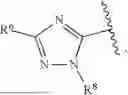







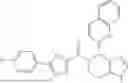


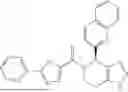


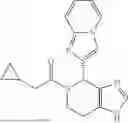





Sources:
- United States Patent and Trademark Office - verify current appl. status at the USPTO↗
Similar patent applications:
- » 20230339980
Compounds and methods useful for stabilizing phenylalanine hydroxylase mutations - » 20230365592
COMPOUNDS AND METHODS USEFUL FOR STABILIZING PHENYLALANINE HYDROXYLASE MUTATIONS - » 20250074922
COMPOUNDS AND METHODS USEFUL FOR STABILIZING PHENYLALANINE HYDROXYLASE MUTATIONS - » 20250171438
COMPOUNDS AND METHODS USEFUL FOR STABILIZING PHENYLALANINE HYDROXYLASE MUTATIONS
Recent applications in this class:
- » 20250248991 2025-08-07
METHODS FOR TREATING NEUTROPENIA - » 20250241905 2025-07-31
3-BETA-HSD1 INHIBITORS AND COMPOSITIONS AND USES THEREOF - » 20250228843 2025-07-17
COMPOSITIONS OF CXCR4 INHIBITORS AND METHODS OF PREPARATION AND USE - » 20250228842 2025-07-17
USES OF A SOMATOSTATIN MODULATOR FOR THE TREATMENT OF CARCINOID SYNDROME - » 20250221979 2025-07-10
NOVEL HETEROCYCLIC COMPOUND - » 20250195499 2025-06-19
METHODS FOR PREVENTING OR TREATING CEREBROVASCULAR DISEASES OR TISSUE ISCHEMIA-REPERFUSION INJURY - » 20250195498 2025-06-19
INHIBITOR OF CELLULAR PURINE NUCLEOTIDE SALVAGE PATHWAY ENZYME FOR USE IN THE TREATMENT AND/OR PREVENTION OF HELICOBACTER PYLORI INFECTION AND/OR DISEASE ASSOCIATED WITH SUCH INFECTION AND PHARMACEUTICAL COMPOSITION COMPRISING THE SAME - » 20250186425 2025-06-12
PPARG INVERSE AGONISTS AND USES THEREOF - » 20250186424 2025-06-12
CORNEAL THERAPY - » 20250177374 2025-06-05
BCL-XL Inhibitory Compounds Having Low Cell Permeability and Antibody Drug Conjugates Including the Same