SEMICONDUCTOR PHOTORESIST COMPOSITION AND METHOD OF FORMING PATTERNS USING THE COMPOSITION
US20260118754A1
2026-04-30
19/353,119
2025-10-08
Smart Summary: A new type of material is created for making patterns in semiconductors. This material includes a special metal compound, a diketone compound, an alcohol with multiple hydroxyl groups, and a solvent. These ingredients work together to help form precise patterns on semiconductor surfaces. The method involves applying this composition to create detailed designs needed for electronic devices. Overall, it improves the process of making tiny components in technology. 🚀 TL;DR
Abstract:
A semiconductor photoresist composition and a method of forming patterns using the semiconductor photoresist composition are provided. The semiconductor photoresist composition includes an organometallic compound; a diketone compound; an alcohol including two or more hydroxyl groups; and a solvent.
Inventors:
- Seongyeon Hwang 5 🇰🇷 Suwon-si, South Korea
- Minyoung LEE 40 🇰🇷 Suwon-si, South Korea
- Eunmi KANG 22 🇰🇷 Suwon-si, South Korea
- Yaeun SEO 18 🇰🇷 Suwon-si, South Korea
- Hujeong YOON 4 🇰🇷 Suwon-si, South Korea
Applicant:
Interested in similar patents?
Get notified when new applications in this technology area are published.
Classification:
G03F7/0042 » CPC main
Photomechanical, e.g. photolithographic, production of textured or patterned surfaces, e.g. printing surfaces; Materials therefor, e.g. comprising photoresists; Apparatus specially adapted therefor; Photosensitive materials with inorganic or organometallic light-sensitive compounds not otherwise provided for, e.g. inorganic resists
G03F7/70033 » CPC further
Photomechanical, e.g. photolithographic, production of textured or patterned surfaces, e.g. printing surfaces; Materials therefor, e.g. comprising photoresists; Apparatus specially adapted therefor; Exposure apparatus for microlithography; Production of exposure light, i.e. light sources by plasma EUV sources
G03F7/004 IPC
Photomechanical, e.g. photolithographic, production of textured or patterned surfaces, e.g. printing surfaces; Materials therefor, e.g. comprising photoresists; Apparatus specially adapted therefor Photosensitive materials
G03F7/00 IPC
Photomechanical, e.g. photolithographic, production of textured or patterned surfaces, e.g. printing surfaces; Materials therefor, e.g. comprising photoresists; Apparatus specially adapted therefor
Description
CROSS-REFERENCE TO RELATED APPLICATION
The present application claims priority to and the benefit of Korean Patent Application No. 10-2024-0150140, filed on Oct. 29, 2024, in the Korean Intellectual Property Office, the entire content of which is incorporated herein by reference.
BACKGROUND
1. Field
One or more embodiments of the present disclosure relate to a semiconductor photoresist composition and a method of forming patterns utilizing the same.
2. Description of the Related Art
Extreme ultraviolet (EUV) lithography has emerged as an important technology for manufacturing next-generation semiconductor devices, such as advanced semiconductor chips (e.g., next generation semiconductor chips). EUV lithography utilizes EUV radiation with a wavelength of 13.5 nanometers (nm) as an exposure light source, enabling the formation of extremely fine patterns, for example, patterns having critical dimensions of 20 nm or less.
Achieving high-resolution patterning with EUV lithography requires the development of compatible photoresists capable of sub-16 nm resolution. However, chemically amplified (CA) photoresists currently face limitations in resolution, photospeed, and line edge roughness (LER), which hinder their performance in advanced lithographic processes.
In CA photoresists, acid-catalyzed reactions may cause image blurring, particularly at small feature sizes, a limitation also observed in electron beam lithography. Although CA photoresists are designed for high sensitivity, their typical elemental composition results in low absorbance at 13.5 nm, thereby reducing sensitivity under EUV exposure.
Additionally, CA photoresists often exhibit increased LER as photospeed decreases, due in part to the stochastic nature of acid diffusion and reaction. These limitations create the need for novel, high-performance photoresist materials suitable for EUV lithography.
In response, research has turned to inorganic photoresist compositions, which are primarily used for negative tone patterning. These compositions undergo chemical modification through non-chemically amplified mechanisms, providing resistance to developer solutions. Inorganic photoresists typically contain elements with higher EUV absorption than hydrocarbons, offering improved sensitivity, reduced stochastic effects, and lower LER.
Inorganic photoresists based on peroxopolyacids of tungsten, optionally mixed with elements such as niobium, titanium, and/or tantalum, have been explored as radiation sensitive materials for patterning.
These materials have demonstrated efficacy in patterning large-pitch features using bilayer configurations and various radiation sources, including deep UV, X-ray, and electron beam. For example, cationic hafnium metal oxide sulfate (HfSOx) materials, when combined with a peroxo complexing agent, have enabled imaging of 15 nm half-pitch features via EUV projection exposure. While this system offers high performance and acceptable photospeed, it suffers from practical drawbacks: (i) the coating process involves corrosive sulfuric acid/hydrogen peroxide mixtures, leading to poor shelf-life stability; (ii) structural modifications for performance enhancement are difficult; and (iii) development requires highly concentrated tetramethylammonium hydroxide (TMAH) solutions (e.g., 25 wt %).
To address these issues and challenges, recent efforts have focused on tin-containing molecules with strong EUV absorption. Among these, organotin polymers have shown promise. Upon EUV exposure, alkyl ligands dissociate and form oxo bonds with adjacent chains, enabling negative tone patterning resistant to organic developers. Although these organotin polymers exhibit improved sensitivity, resolution, and LER, further enhancements are needed or desired to meet commercial performance requirements.
SUMMARY
One or more aspects of embodiments of the present disclosure are directed toward a semiconductor photoresist composition that has excellent or suitable storage stability and superior sensitivity.
One or more aspects of embodiments of the present disclosure are directed toward a method of forming patterns using the semiconductor photoresist composition.
Additional aspects will be set forth in part in the description which follows and, in part, will be apparent from the description, or may be learned by practice of the presented embodiments of the disclosure.
According to one or more embodiments of the present disclosure, a semiconductor photoresist composition includes an organometallic compound, a diketone compound, an alcohol including two or more hydroxyl groups, and a solvent.
The semiconductor photoresist composition according to one or more embodiments of the present disclosure has excellent or suitable storage stability and sensitivity, and a pattern formed using the semiconductor photoresist composition has excellent or suitable resolution. For example, these desired characteristics are for maintaining consistent performance during manufacturing and for enabling high-throughput lithographic processes. In particular, the composition's ability to maintain chemical integrity over time ensures reliable patterning results, while its high sensitivity allows for efficient energy utilization during exposure, reducing overall process cost and complexity.
Moreover, patterns formed utilizing the disclosed photoresist composition demonstrate superior resolution and reduced line edge roughness (LER), which are essential for fabricating sub-16 nm features with high fidelity. This performance is attributed to the synergistic interaction between the organometallic compound, diketone, and polyhydric alcohol components, which together promote uniform film formation, controlled crosslinking, and enhanced EUV absorption.
BRIEF DESCRIPTION OF DRAWINGS
The accompanying drawings are included to provide a further understanding of the present disclosure and are incorporated in and constitute a part of the present disclosure. The drawings illustrate embodiments of the present disclosure and, together with the description, serve to explain principles of the present disclosure. The above and other aspects, features, and advantages of certain embodiments of the disclosure will be more apparent from the following description taken in conjunction with the accompanying drawings, in which:
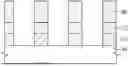
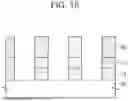
FIGS. 1A-1E are cross-sectional views for illustrating a method of forming patterns using a semiconductor photoresist composition according to one or more embodiments of the present disclosure.
DETAILED DESCRIPTION
The present disclosure may be modified in many alternate forms, and thus specific embodiments will be exemplified in the drawing and described in more detail. It should be understood, however, that it is not intended to limit the present disclosure to the particular forms disclosed, but rather, is intended to cover all modifications, equivalents, and alternatives falling within the spirit and scope of the present disclosure.
Hereinafter, referring to the drawings, one or more embodiments of the present disclosure will be described in more detail. In the following description of the present disclosure, the well-established functions or constructions will not be described in order to make the present disclosure concise.
To clearly illustrate the present disclosure, certain unessential description and relationships are omitted, and throughout the disclosure, the same or similar configuration elements are designated by the same reference numerals. Also, because the size and thickness of each configuration shown in the drawing are shown for better understanding and ease of description, the present disclosure is not necessarily limited thereto.
In the drawings, the thickness of layers, films, panels, regions, and/or the like, may be exaggerated for clarity. In the drawings, the thickness of a part of layers or regions, and/or the like, may be exaggerated for convenience of explanation. It will be understood that if (e.g., when) an element such as a layer, film, region, or substrate is referred to as being “on” another element, it may be directly on the other element, or one or more intervening elements may also be present therebetween. In contrast, when an element is referred to as being “directly on” another element, there are no intervening elements present therebetween.
As used herein, “substituted” refers to replacement of a hydrogen by deuterium, a halogen, a hydroxyl group, a carboxyl group, a thiol group, a cyano group, a nitro group, —NRR′ (wherein, R and R′ may each independently be hydrogen, a substituted or unsubstituted C1 to C30 saturated or unsaturated aliphatic hydrocarbon group, a substituted or unsubstituted C3 to C30 saturated or unsaturated alicyclic hydrocarbon group, or a substituted or unsubstituted C6 to C30 aromatic hydrocarbon group), —SiRR′R″ (wherein, R, R′, and R″ may each independently be hydrogen, a substituted or unsubstituted C1 to C30 saturated or unsaturated aliphatic hydrocarbon group, a substituted or unsubstituted C3 to C30 saturated or unsaturated alicyclic hydrocarbon group, or a substituted or unsubstituted C6 to C30 aromatic hydrocarbon group), a C1 to C30 alkyl group, a C1 to C10 haloalkyl group, a C1 to C10 alkylsilyl group, a C3 to C30 cycloalkyl group, a C6 to C30 aryl group, a C1 to C20 alkoxy group, a C1 to C20 sulfide group, or a combination thereof. “Unsubstituted” refers to non-replacement of a hydrogen by another substituent and remaining of the hydrogen.
As used herein, if (e.g., when) a definition is not otherwise provided, the term “alkyl group” refers to a linear or branched aliphatic hydrocarbon group. The alkyl group may be a “saturated alkyl group” without any double bond or triple bond.
The alkyl group may be a C1 to C8 alkyl group. For example, the alkyl group may be a C1 to C7 alkyl group, a C1 to C6 alkyl group, or a C1 to C5 alkyl group. For example, the C1 to C5 alkyl group may be a methyl group, an ethyl group, a propyl group, an isopropyl group, an n-butyl group, an isobutyl group, a sec-butyl group, a tert-butyl group, or a 2,2-dimethylpropyl group.
As used herein, if (e.g., when) a definition is not otherwise provided, the term “cycloalkyl group” refers to a monovalent cyclic aliphatic saturated hydrocarbon group.
The cycloalkyl group may be a C3 to C8 cycloalkyl group, for example, a C3 to C7 cycloalkyl group, or a C3 to C6 cycloalkyl group. For example, the cycloalkyl group may be a cyclopropyl group, a cyclobutyl group, a cyclopentyl group, or a cyclohexyl group, but embodiments of the present disclosure are not limited thereto.
As used herein, the term “aryl group” refers to a substituent in which all atoms in the cyclic substituent have a p-orbital and these p-orbitals are conjugated and may include a monocyclic or fused ring polycyclic functional group (i.e., rings sharing adjacent pairs of carbon atoms).
As used herein, the term “heteroaryl group” may refer to an aryl group including at least one heteroatom selected from among N, O, S, P, and Si. Two or more heteroaryl groups may be linked by a sigma bond directly, or if (e.g., when) the heteroaryl group includes two or more rings, the two or more rings may be fused. When the heteroaryl group is a fused ring, one or more rings thereof may include one to three heteroatoms.
As used herein, unless otherwise defined, the term “alkenyl group” refers to a linear or branched aliphatic hydrocarbon group including at least one double bond as an aliphatic unsaturated alkenyl group.
As used herein, unless otherwise defined, the term “alkynyl group” refers to a linear or branched aliphatic hydrocarbon group including at least one triple bond as an aliphatic unsaturated alkynyl group.
Hereinafter, a semiconductor photoresist composition according to one or more embodiments will be described.
A semiconductor photoresist composition according to one or more embodiments may include an organometallic compound, a diketone compound, an alcohol including two or more hydroxyl groups, and a solvent.
The semiconductor photoresist composition according to one or more embodiments includes both (e.g., simultaneously) a diketone-based compound and an alcohol-based compound, thereby reducing an amount of ligand remaining in a photoresist prepared from the composition and thus improving sensitivity. Because the diketone-based compound and alcohol-based compound have relatively high pKa values and low boiling points compared to general acid additives, a semiconductor photoresist composition including all of the above compounds may have excellent or suitable storage stability while also improving sensitivity.
The diketone compound is a compound including two carbonyl groups, and may be, for example, acetylacetone, 1,1,1,5,5,5-hexafluoro-2,4-pentanedione, or 3-chloro-2,4-pentanedione.
The alcohol including two or more hydroxyl groups refers to that an alcohol contains two or more, for example, 2 to 5, for example, 2 or 3, hydroxyl groups, and may be, for example, a dihydric alcohol.
The alcohol including two or more hydroxyl groups may be, for example, pinacol, propanediol, 2-hydroxymethyl-1,3-propanediol, or glycerol.
In one or more embodiments, the diketone compound and the alcohol including two or more hydroxyl groups may be included in a weight ratio of about 5:95 to about 60:40, for example, about 5:95 to about 55:45, about 5:95 to about 50:50, about 5:95 to about 60:40, about 10:90 to about 60:40, about 10:90 to about 55:45, or about 10:90 to about 50:50. The semiconductor photoresist composition may further improve the sensitivity of the photoresist while increasing the storage stability by including the diketone compound and the alcohol including two or more hydroxyl groups in the above amount range.
The diketone compound may be included in an amount of about 0.1 wt % to about 10 wt %, for example, about 0.1 wt % to about 10 wt %, about 0.3 wt % to about 10 wt %, about 0.5 wt % to about 10 wt %, about 0.1 wt % to about 9 wt %, or about 0.1 wt % to about 8 wt % based on a total weight of 100 wt % of the semiconductor photoresist composition. The diketone compound in the semiconductor photoresist composition may be included in the above amount range to further improve the storage stability of the composition.
The alcohol including two or more hydroxyl groups may be included in an amount of about 0.1 wt % to about 10 wt %, for example, about 0.1 wt % to about 10 wt %, about 0.3 wt % to about 10 wt %, about 0.5 wt % to about 10 wt %, about 0.1 wt % to about 9 wt %, or about 0.1 wt % to about 8 wt % based on the total weight of 100 wt % of the semiconductor photoresist composition. The alcohol including two or more hydroxyl groups in the semiconductor photoresist composition may be included in the above amount range to further improve the sensitivity of the photoresist.
The organometallic compound may be included in an amount of about 0.5 wt % to about 30 wt % based on the total weight of 100 wt % of the semiconductor photoresist composition. In one or more embodiments, the organometallic compound may be included in an amount of, for example, about 1 wt % to about 30 wt %, for example, about 1 wt % to about 25 wt %, for example, about 1 wt % to about 20 wt %, for example, about 1 wt % to about 15 wt %, for example, about 1 wt % to about 10 wt %, or for example, about 1 wt % to about 5 wt % based on the total weight of 100 wt % of the semiconductor photoresist composition.
The semiconductor photoresist composition according to one or more embodiments may improve the sensitivity of the photoresist by including the organometallic compound in the above amount range.
The organometallic compound may be an organotin compound including at least one organooxy group.
In one or more embodiments, the organometallic compound may be represented by Chemical Formula 1:
In Chemical Formula 1,
-
- R1 may be selected from among a substituted or unsubstituted C1 to C20 alkyl group, a substituted or unsubstituted C3 to C20 cycloalkyl group, a substituted or unsubstituted C2 to C20 alkenyl group, a substituted or unsubstituted C2 to C20 alkynyl group, a substituted or unsubstituted C6 to C30 aryl group, and a substituted or unsubstituted C7 to C30 arylalkyl group,
- R2 to R4 may each independently be a substituted or unsubstituted C1 to C20 alkyl group, a substituted or unsubstituted C3 to C20 cycloalkyl group, a substituted or unsubstituted C2 to C20 alkenyl group, a substituted or unsubstituted C2 to C20 alkynyl group, a substituted or unsubstituted C6 to C30 aryl group, a substituted or unsubstituted C7 to C30 arylalkyl group, an alkoxy or aryloxy group (—ORb, wherein Rb may be a substituted or unsubstituted C1 to C20 alkyl group, a substituted or unsubstituted C3 to C20 cycloalkyl group, a substituted or unsubstituted C2 to C20 alkenyl group, a substituted or unsubstituted C2 to C20 alkynyl group, a substituted or unsubstituted C6 to C30 aryl group, or a combination thereof), a carboxyl group (—O(CO)Rc, wherein Rc may be hydrogen, a substituted or unsubstituted C1 to C20 alkyl group, a substituted or unsubstituted C3 to C20 cycloalkyl group, a substituted or unsubstituted C2 to C20 alkenyl group, a substituted or unsubstituted C2 to C20 alkynyl group, a substituted or unsubstituted C6 to C30 aryl group, or a combination thereof), an alkylamido or dialkylamido group (—NRdRe, wherein Rd and Re may each independently be hydrogen, a substituted or unsubstituted C1 to C20 alkyl group, a substituted or unsubstituted C3 to C20 cycloalkyl group, a substituted or unsubstituted C2 to C20 alkenyl group, a substituted or unsubstituted C2 to C20 alkynyl group, a substituted or unsubstituted C6 to C30 aryl group, or a combination thereof), an amidato group (—NRf(CORg), wherein Rf and Rg may each independently be hydrogen, a substituted or unsubstituted C1 to C20 alkyl group, a substituted or unsubstituted C3 to C20 cycloalkyl group, a substituted or unsubstituted C2 to C20 alkenyl group, a substituted or unsubstituted C2 to C20 alkynyl group, a substituted or unsubstituted C6 to C30 aryl group, or a combination thereof), an amidinato group (—NRhC(NRi)Rj, wherein Rh, Ri, and Rj may each independently be hydrogen, a substituted or unsubstituted C1 to C20 alkyl group, a substituted or unsubstituted C3 to C20 cycloalkyl group, a substituted or unsubstituted C2 to C20 alkenyl group, a substituted or unsubstituted C2 to C20 alkynyl group, a substituted or unsubstituted C6 to C30 aryl group, or a combination thereof), an alkylthio or arylthio group (—SRk, wherein Rk may be a substituted or unsubstituted C1 to C20 alkyl group, a substituted or unsubstituted C3 to C20 cycloalkyl group, a substituted or unsubstituted C2 to C20 alkenyl group, a substituted or unsubstituted C2 to C20 alkynyl group, a substituted or unsubstituted C6 to C30 aryl group, or a combination thereof), or a thiocarboxyl group (—S(CO)Rl, wherein Rl may be hydrogen, a substituted or unsubstituted C1 to C20 alkyl group, a substituted or unsubstituted C3 to C20 cycloalkyl group, a substituted or unsubstituted C2 to C20 alkenyl group, a substituted or unsubstituted C2 to C20 alkynyl group, a substituted or unsubstituted C6 to C30 aryl group, or a combination thereof), and at least one selected from among R2 to R4 may be selected from among an alkoxy group and an aryloxy group (—ORb, wherein Rb may be a substituted or unsubstituted C1 to C20 alkyl group, a substituted or unsubstituted C3 to C20 cycloalkyl group, a substituted or unsubstituted C2 to C20 alkenyl group, a substituted or unsubstituted C2 to C20 alkynyl group, a substituted or unsubstituted C6 to C30 aryl group, or a combination thereof).
In one or more embodiments, R2 to R4 may each independently be selected from among an alkoxy group and an aryloxy group (—ORb, wherein Rb may be a substituted or unsubstituted C1 to C20 alkyl group, a substituted or unsubstituted C3 to C20 cycloalkyl group, a substituted or unsubstituted C2 to C20 alkenyl group, a substituted or unsubstituted C2 to C20 alkynyl group, a substituted or unsubstituted C6 to C30 aryl group, or a combination thereof).
In one or more embodiments, because the organometallic compound represented by Chemical Formula 1 includes —ORb as a ligand, a pattern formed using a semiconductor photoresist composition including the organometallic compound may exhibit excellent or suitable limit resolution.
Additionally, the ligand of —ORb may determine the solubility of the organometallic compound represented by Chemical Formula 1 in a solvent.
In one or more embodiments, R1 may be selected from among a substituted or unsubstituted C1 to C8 alkyl group, a substituted or unsubstituted C3 to C8 cycloalkyl group, a substituted or unsubstituted C2 to C8 alkenyl group, a substituted or unsubstituted C2 to C8 alkynyl group, a substituted or unsubstituted C6 to C20 aryl group, and a substituted or unsubstituted C7 to C20 arylalkyl group, and Rb may be a substituted or unsubstituted C1 to C8 alkyl group, a substituted or unsubstituted C3 to C8 cycloalkyl group, a substituted or unsubstituted C2 to C8 alkenyl group, a substituted or unsubstituted C2 to C8 alkynyl group, a substituted or unsubstituted C6 to C20 aryl group, or a combination thereof.
In one or more embodiments, R1 may be a methyl group, an ethyl group, a propyl group, a butyl group, an isopropyl group, a tert-butyl group, a 2,2-dimethylpropyl group, a cyclopropyl group, a cyclobutyl group, a cyclopentyl group, a cyclohexyl group, an ethenyl group, a propenyl group, a butenyl group, an ethynyl group, a propynyl group, a butynyl group, a phenyl group, a tolyl group, a xylene group, a benzyl group, or a combination thereof, and Rb may be an ethyl group, a propyl group, a butyl group, an isopropyl group, a tert-butyl group, a 2,2-dimethylpropyl group, a cyclopropyl group, a cyclobutyl group, a cyclopentyl group, a cyclohexyl group, an ethenyl group, a propenyl group, a butenyl group, an ethynyl group, a propynyl group, a butynyl group, a phenyl group, a tolyl group, a xylene group, a benzyl group, or a combination thereof.
The semiconductor resist composition according to one or more embodiments may further include a resin in addition to the aforementioned organometallic compound, diketone compound, alcohol including two or more hydroxyl groups, and solvent.
The resin may be a phenol-based resin including at least one aromatic moiety selected from among moieties listed in Group 2.
The resin may have a weight average molecular weight of about 500 g/mol to about 20,000 g/mol.
In one or more embodiments, it is desirable that the semiconductor photoresist composition is composed of the aforementioned organometallic compound, diketone compound, alcohol including two or more hydroxyl groups, solvent, and resin.
The solvent included in the semiconductor photoresist composition according to one or more embodiments may be an organic solvent, and may be, for example, selected from among aromatic compounds (e.g., xylene, toluene, and/or the like), alcohols (e.g., 4-methyl-2-pentanol, 4-methyl-2-propanol, 1-butanol, methanol, isopropyl alcohol, 1-propanol), ethers (e.g., anisole, tetrahydrofuran), esters (n-butyl acetate, propylene glycol monomethyl ether acetate, ethyl acetate, ethyl lactate), ketones (e.g., methyl ethyl ketone, 2-heptanone), and/or a mixture thereof, but embodiments of the present disclosure are not limited thereto.
According to one or more embodiments of the present disclosure, the semiconductor photoresist composition may further include one or more additives as needed. Non-limiting examples of the additives may be a surfactant, a crosslinking agent, a leveling agent, an organic acid, a quencher, and/or a combination thereof.
The surfactant may include, for example, an alkyl benzene sulfonate salt, an alkyl pyridinium salt, polyethylene glycol, a quaternary ammonium salt, and/or a combination thereof, but embodiments of the present disclosure are not limited thereto.
The crosslinking agent may be, for example, a melamine-based crosslinking agent, a substituted urea-based crosslinking agent, an acryl-based crosslinking agent, an epoxy-based crosslinking agent, or a polymer-based crosslinking agent, but embodiments of the present disclosure are not limited thereto. In one or more embodiments, it may be a crosslinking agent having at least two crosslinking forming substituents, for example, a compound such as methoxymethylated glycoluril, butoxymethylated glycoluril, methoxymethylated melamine, butoxymethylated melamine, methoxymethylated benzoguanamine, butoxymethylated benzoguanamine, 4-hydroxybutyl acrylate, acrylic acid, urethane acrylate, acryl methacrylate, 1,4-butanediol diglycidyl ether, glycidol, diglycidyl 1,2-cyclohexane dicarboxylate, trimethylpropane triglycidyl ether, 1,3-bis(glycidoxypropyl)tetramethyldisiloxane, methoxymethylated urea, butoxymethylated urea, methoxymethylated thiourea, and/or the like.
The leveling agent may be used for improving coating flatness during printing and may be a commercially available suitable leveling agent.
The organic acid may include p-toluenesulfonic acid, benzenesulfonic acid, p-dodecylbenzenesulfonic acid, 1,4-naphthalenedisulfonic acid, methanesulfonic acid, a fluorinated sulfonium salt, malonic acid, citric acid, propionic acid, methacrylic acid, oxalic acid, lactic acid, glycolic acid, succinic acid, and/or a combination thereof, but embodiments of the present disclosure are not limited thereto.
The quencher may be diphenyl (p-tolyl) amine, methyl diphenyl amine, triphenyl amine, phenylenediamine, naphthylamine, diaminonaphthalene, or a combination thereof.
An amount of each of the additives included in the semiconductor photoresist composition may be controlled or selected depending on desired or suitable properties.
In one or more embodiments, the semiconductor photoresist composition may further include a silane coupling agent as an adherence enhancer in order to improve a close-contacting force with a substrate (e.g., in order to improve adherence of the semiconductor photoresist composition to the substrate). The silane coupling agent may be, for example, a silane compound including a carbon-carbon unsaturated bond such as vinyltrimethoxysilane, vinyl triethoxysilane, vinyl trichlorosilane, vinyl tris(β-methoxyethoxy) silane; 3-methacryloxypropyltrimethoxysilane, 3-acryloxypropyltrimethoxysilane, p-styryl trimethoxysilane, 3-methacryloxypropylmethyldimethoxysilane, 3-methacryloxypropylmethyl diethoxysilane; trimethoxy[3-(phenylamino)propyl]silane; and/or the like, but embodiments of the present disclosure are not limited thereto.
The semiconductor photoresist composition may be formed into a pattern having a high aspect ratio without a collapse. Accordingly, in order to form a fine pattern having a width (e.g., line width) of, for example, about 5 nm to about 100 nm, for example, about 5 nm to about 80 nm, for example, about 5 nm to about 70 nm, for example, about 5 nm to about 50 nm, for example, about 5 nm to about 40 nm, for example, about 5 nm to about 30 nm, or for example, about 5 nm to about 20 nm, the semiconductor photoresist composition may be used for a photoresist process using light in a wavelength in a range of about 5 nm to about 150 nm, for example, about 5 nm to about 100 nm, about 5 nm to about 80 nm, about 5 nm to about 50 nm, about 5 nm to about 30 nm, or about 5 nm to about 20 nm. Accordingly, the semiconductor photoresist composition according to one or more embodiments may be used to realize extreme ultraviolet lithography using an EUV light source of a wavelength of about 13.5 nm.
According to one or more embodiments, a method of forming patterns using the aforementioned semiconductor photoresist composition is provided. For example, the manufactured pattern may be a photoresist pattern.
The method of forming patterns according to one or more embodiments includes forming an etching-objective layer (e.g., etching-target layer) on a substrate, coating the semiconductor photoresist composition on the etching-objective layer to form a photoresist film, patterning the photoresist film to form a photoresist pattern, and etching the etching-objective layer using the photoresist pattern as an etching mask.
Hereinafter, a method of forming patterns using the semiconductor photoresist composition will be described referring to FIGS. 1A-1E. FIGS. 1A-1E are cross-sectional views for illustrating a method of forming patterns using a semiconductor photoresist composition according to one or more embodiments of the present disclosure.
Referring to FIG. 1A, an object for etching (e.g., etching-objective layer or etching-target layer) is prepared. The object for etching may be a thin film 102 formed on a semiconductor substrate 100. Hereinafter, the object for etching is limited to the thin film 102. A surface of the thin film 102 is washed to remove impurities and/or the like remaining thereon. The thin film 102 may be, for example, a silicon nitride layer, a polysilicon layer, or a silicon oxide layer.
Subsequently, a resist underlayer composition for forming a resist underlayer 104 is spin-coated on the surface of the washed thin film 102. However, embodiments of the present disclosure are not limited thereto, and various suitable coating methods, for example, a spray coating, a dip coating, a knife edge coating, a printing method (for example, an inkjet printing and/or a screen printing), and/or the like may be used.
In one or more embodiments, the coating process of the resist underlayer may not be provided, but hereinafter, a process including a coating of the resist underlayer is described.
Then, the coated resist underlayer composition is dried and baked to form the resist underlayer 104 on the thin film 102. The baking may be performed at about 100° C. to about 500° C., for example, about 100° C. to about 300° C.
The resist underlayer 104 is formed between the substrate 100 and a photoresist film 106 and thus may prevent or reduce non-uniformity of pattern formability of a photoresist line width if (e.g., when) a ray reflected from on the interface between the substrate 100 and the photoresist film 106 or a hardmask between layers is scattered into an unintended photoresist region.
Referring to FIG. 1B, the photoresist film 106 is formed by coating the semiconductor photoresist composition on the resist underlayer 104. The photoresist film 106 is obtained by coating the aforementioned semiconductor photoresist composition on the thin film 102 formed on the substrate 100 and then, curing it through a heat treatment.
In one or more embodiments, the formation of a pattern by using the semiconductor photoresist composition may include coating the semiconductor resist composition on the substrate 100 having the thin film 102 through spin coating, slit coating, inkjet printing, and/or the like and then, drying it to form the photoresist film 106.
The semiconductor photoresist composition has already been illustrated in detail and will not be illustrated again.
Subsequently, the substrate 100 having the photoresist film 106 is subjected to a first baking process. The first baking process may be performed at about 80° C. to about 120° C.
Referring to FIG. 1C, the photoresist film 106 may be selectively exposed using a patterned mask 110.
For example, the exposure may use an activation radiation with light having a high energy wavelength such as EUV (extreme ultraviolet; a wavelength of about 13.5 nm), an E-Beam (an electron beam), and/or the like as well as light such as an i-line (a wavelength of about 365 nm), a KrF excimer laser (a wavelength of about 248 nm), an ArF excimer laser (a wavelength of about 193 nm), and/or the like.
In one or more embodiments, light or exposure beam for the exposure may be light in a range of about 5 nm to about 150 nm and/or a high energy wavelength, for example, EUV (extreme ultraviolet; a wavelength of 13.5 nm), and/or may be an E-Beam (an electron beam), and/or the like.
The exposed region 106b of the photoresist film 106 has a different solubility from the unexposed region 106a of the photoresist film 106 by forming a polymer by a crosslinking reaction such as condensation between organometallic compounds.
Subsequently, the substrate 100 is subjected to a second baking process. The second baking process may be performed at a temperature of about 90° C. to about 200° C. The exposed region 106b of the photoresist film 106 becomes indissoluble regarding a developer due to the second baking process.
In FIG. 1D, the unexposed region 106a of the photoresist film is dissolved and removed using the developer to form a photoresist pattern 108. For example, the unexposed region 106a of the photoresist film is dissolved and removed by using an organic solvent such as 2-heptanone and/or the like to complete the photoresist pattern 108 corresponding to a negative tone image.
As described above, the developer used in the method of forming patterns according to one or more embodiments may be an organic solvent. The organic solvent used in the method of forming patterns according to one or more embodiments may be, for example, a ketone such as methylethylketone, acetone, cyclohexanone, 2-heptanone, and/or the like, an alcohol such as 4-methyl-2-propanol, 1-butanol, isopropanol, 1-propanol, methanol, and/or the like, an ester such as propylene glycol monomethyl ether acetate, ethyl acetate, ethyl lactate, n-butyl acetate, butyrolactone, and/or the like, an aromatic compound such as benzene, xylene, toluene, and/or the like, or a combination thereof.
However, the photoresist pattern according to one or more embodiments is not necessarily limited to the negative tone image but may be formed to have a positive tone image. Here, a developer used for forming the positive tone image may be a quaternary ammonium hydroxide composition such as tetraethylammonium hydroxide, tetrapropylammonium hydroxide, tetrabutylammonium hydroxide, or a combination thereof.
As described above, exposure to light having a high energy such as EUV (extreme ultraViolet; a wavelength of 13.5 nm), to an E-Beam (an electron beam), and/or the like, and/or to light such as i-line (a wavelength of about 365 nm), KrF excimer laser (a wavelength of about 248 nm), ArF excimer laser (a wavelength of about 193 nm), and/or the like may provide a photoresist pattern 108 having a width of a thickness of about 5 nm to about 100 nm. For example, in one or more embodiments, the photoresist pattern 108 may have a width of a thickness of about 5 nm to about 90 nm, about 5 nm to about 80 nm, about 5 nm to about 70 nm, about 5 nm to about 60 nm, about 5 nm to about 50 nm, about 5 nm to about 40 nm, about 5 nm to about 30 nm, or about 5 nm to about 20 nm.
In one or more embodiments, the photoresist pattern 108 may have a pitch (center-to-center distance between adjacent features in the pattern) having (with) a half-pitch of less than or equal to about 50 nm, for example less than or equal to about 40 nm, for example less than or equal to about 30 nm, for example less than or equal to about 20 nm, or for example less than or equal to about 15 nm and a line width roughness of less than or equal to about 10 nm, less than or equal to about 5 nm, less than or equal to about 3 nm, or less than or equal to about 2 nm.
Subsequently, the resist underlayer 104 is etched using the photoresist pattern 108 as an etching mask. Through this etching process, an organic film pattern 112 is formed. The organic film pattern 112 also may have a width corresponding to that of the photoresist pattern 108.
Referring to FIG. 1E, the exposed thin film 102 is etched by applying the photoresist pattern 108 as an etching mask. As a result, the thin film is formed as a thin film pattern 114.
The etching of the thin film 102 may be, for example, dry etching using an etching gas, and the etching gas may be, for example, CHF3, CF4, Cl2, BCl3, or a mixed gas thereof.
In the exposure process, the thin film pattern 114 formed by using the photoresist pattern 108 formed through the exposure process performed by using an EUV light source may have a width corresponding to that of the photoresist pattern 108. For example, in one or more embodiments, the thin film pattern 114 may have a width (e.g., line width) of about 5 nm to about 100 nm which is equal to that of the photoresist pattern 108. For example, in one or more embodiments, the thin film pattern 114 formed by using the photoresist pattern 108 formed through the exposure process performed by using an EUV light source may have a width (e.g., line width) of about 5 nm to about 90 nm, about 5 nm to about 80 nm, about 5 nm to about 70 nm, about 5 nm to about 60 nm, about 5 nm to about 50 nm, about 5 nm to about 40 nm, about 5 nm to about 30 nm, or about 5 nm to about 20 nm, for example, a width (e.g., line width) of less than or equal to about 20 nm, like that of the photoresist pattern 108.
Hereinafter, the present disclosure will be described in more detail through examples of the preparation of the aforementioned semiconductor photoresist composition. However, the present disclosure is technically not restricted by the following examples.
Synthesis of Organometallic Compounds
Synthesis Example 1
30 mL of anhydrous pentane was added to 10 g of t-AmylSnCl3, and while maintaining at 0° C., 7.4 g of diethyl amine and 6.1 g of ethanol were added thereto and then, stirred at room temperature for 1 hour. When the reaction was completed, the resultant was filtered, concentrated, and vacuum-dried to obtain a compound represented by Chemical Formula 2.
Preparation of Semiconductor Photoresist Compositions
Examples 1 to 7 and Comparative Examples 1 to 3
The organometallic compound obtained in Synthesis Example 1, a diketone compound, and an alcohol compound were dissolved in a propylene glycol methyl ether acetate (PGMEA) solvent at a total concentration of 4.5 wt % in the weight ratios shown in Table 1. Thereafter, the semiconductor photoresist compositions were prepared by filtering through a 0.1 μm PTFE syringe filter.
| TABLE 1 | |||
| Organometallic | Diketone | Alcohol | |
| compound | compound | compound | |
| (wt %) | (wt %) | (wt %) | |
| Example 1 | Chemical Formula 2 | C1 | C2 | |
| (50) | (5) | (45) | ||
| Example 2 | Chemical Formula 2 | C1 | C2 | |
| (50) | (10) | (40) | ||
| Example 3 | Chemical Formula 2 | C1 | C2 | |
| (50) | (20) | (30) | ||
| Example 4 | Chemical Formula 2 | C1 | C2 | |
| (70) | (10) | (20) | ||
| Example 5 | Chemical Formula 2 | C1 | C2 | |
| (40) | (10) | (50) | ||
| Example 6 | Chemical Formula 2 | C1 | C2 | |
| (60) | (10) | (30) | ||
| Example 7 | Chemical Formula 2 | C1 | C2 | |
| (40) | (30) | (30) | ||
| Comparative | Chemical Formula 2 | — | — | |
| Example 1 | (100) | |||
| Comparative | Chemical Formula 2 | C1 | — | |
| Example 2 | (50) | (50) | ||
| Comparative | Chemical Formula 2 | — | C2 | |
| Example 3 | (50) | (50) | ||
| C1: Acetylacetone | ||||
| C2: 2,3-Dimethylbutane-2,3-diol |
Evaluation 1: Evaluation of Sensitivity
Each of the semiconductor photoresist compositions according to Examples and Comparative Examples was spin-coated for 30 seconds at 1,500 rpm on a 200 mm circular silicon wafer whose surface was deposited with hexamethyldisilazane (HMDS), and baked at 110° C. for 60 seconds (After application, it was baked (post-apply bake, PAB)) and then left at room temperature (23±2° C.) for 30 seconds, to form a photoresist thin film, thereby preparing a respective coated wafer. The thickness of the film after coating and baking was measured using ellipsometry, and the measured thickness was approximately 24 nm.
Then, a linear array with a width of 50 nm was projected onto the wafer coated with the photoresist composition using EUV light (Lawrence Berkeley National Laboratory Micro Exposure Tool, MET). Here, pad exposure time was adjusted to ensure that the EUV light in an increased dose was applied to each pad.
Then, the resist and the substrate were baked at 160° C. for 120 seconds on a hot plate after the exposure. The baked film was developed in a PGMEA solvent to form a negative tone image. Finally, the obtained film was baked again at 150° C. for 2 minutes on the hot plate, completing the process.
The remaining resist thickness of the exposed pad was measured using an ellipsometer. The remaining thickness for each exposure amount was measured and graphed as a function of the exposure amount, and Eop was measured for each type (kind) of resist and shown in Table 2.
| TABLE 2 | |
| Sensitivity | |
| (Eop, mJ/cm2) | |
| Example 1 | 92 | |
| Example 2 | 96 | |
| Example 3 | 98 | |
| Example 4 | 100 | |
| Example 5 | 86 | |
| Example 6 | 102 | |
| Example 7 | 97 | |
| Comparative | 120 | |
| Example 1 | ||
| Comparative | 115 | |
| Example 2 | ||
| Comparative | 111 | |
| Example 3 | ||
Referring to Table 2, photoresist compositions according to Examples each exhibited better sensitivity than the photoresist compositions according to Comparative Examples.
Evaluation 2: Evaluation of Storage Stability
The semiconductor photoresist compositions prepared according to Examples 1 to 7 and Comparative Examples 1 to 3 were stored at room temperature, and the precipitate was checked after two weeks. If precipitation occurs, it is marked as X, and if no precipitation occurs, it is marked as o. The results are shown in Table 2.
| TABLE 3 | |
| Storage stability | |
| Example 1 | ◯ | |
| Example 2 | ◯ | |
| Example 3 | ◯ | |
| Example 4 | ◯ | |
| Example 5 | ◯ | |
| Example 6 | ◯ | |
| Example 7 | ◯ | |
| Comparative | X | |
| Example 1 | ||
| Comparative | X | |
| Example 2 | ||
| Comparative | X | |
| Example 3 | ||
Referring to Table 3, each of the photoresist compositions according to Examples did not form a precipitate even when left at room temperature for two weeks, but the photoresist compositions according to Comparative Examples each formed a precipitate. Accordingly, the photoresist compositions according to Examples each exhibited superior storage stability compared to the photoresist compositions according to Comparative Examples.
As utilized herein, the terms “and/or” and “or” may include any and all combinations of one or more of the associated listed items. The “/” utilized below may be interpreted as “and” or as “or” depending on the situation. In the present disclosure, expressions such as “at least one of,” “one of,” and “selected from,” when preceding a list of elements, modify the entire list of elements and do not modify the individual elements of the list. For example, “at least one of a, b or c”, “at least one selected from a, b, and c”, “at least one selected from among a to c”, etc., may indicate only a, only b, only c, both (e.g., simultaneously) a and b, both (e.g., simultaneously) a and c, both (e.g., simultaneously) b and c, all of a, b, and c, or variations thereof.
It will be further understood that the terms “comprise(s)/comprising”, “include(s)/including,” or “have/has/having,” when utilized in the present disclosure, specify the presence of stated features, integers, steps, operations, elements, and/or components, but do not preclude the presence or addition of one or more other features, integers, steps, operations, elements, components, and/or groups thereof. Additionally, the terms “comprise(s)/comprising,” “include(s)/including,” “have/has/having,” or other similar terms include or support the terms “consisting of” and “consisting essentially of,” indicating the presence of stated features, integers, steps, operations, elements, and/or components, without or essentially without the presence of other features, integers, steps, operations, elements, components, and/or groups thereof.
As utilized herein, the singular forms “a,” “an,” and “the” are intended to include the plural forms as well, unless the context clearly indicates otherwise. Further, the utilization of “may” when describing embodiments of the present disclosure refers to “one or more embodiments of the present disclosure”.
In the context of the present disclosure and unless otherwise defined, the terms “use,” “using,” and “used” may be considered synonymous with the terms “utilize,” “utilizing,” and “utilized,” respectively.
As utilized herein, the term “about,” or similar terms are used as terms of approximation and not as terms of degree, and are intended to account for the inherent deviations in measured or calculated values that would be recognized by those of ordinary skill in the art. “About” or “approximately,” as used herein, is also inclusive of the stated value and means within an acceptable range of deviation for the particular value as determined by one of ordinary skill in the art, considering the measurement in question and the error associated with measurement of the particular quantity (i.e., the limitations of the measurement system). For example, “about” may mean within one or more standard deviations, or within ±30%, 20%, 10%, or 5% of the stated value. Also, it should be understood that, even if the terms “about,” “approximately,” or “substantially” are not expressly recited in a given element (e.g., a claim element), the scope of such element is intended to include variations that are insubstantial or within the understanding of one of ordinary skill in the art. For example, numerical values and ranges provided herein are intended to include tolerances and measurement uncertainties that would be recognized by those skilled in the art, and the elements (e.g., claim elements) should be construed accordingly to encompass such equivalents.
Any numerical range recited herein is intended to include all sub-ranges of the same numerical precision subsumed within the recited range. For example, a range of “1.0 to 10.0” is intended to include all subranges between (and including) the recited minimum value of 1.0 and the recited maximum value of 10.0, that is, having a minimum value equal to or greater than 1.0 and a maximum value equal to or less than 10.0, such as, for example, 2.4 to 7.6. Any maximum numerical limitation recited herein is intended to include all lower numerical limitations subsumed therein and any minimum numerical limitation recited in this specification is intended to include all higher numerical limitations subsumed therein. Accordingly, Applicant reserves the right to amend this specification, including the claims, to expressly recite any sub-range subsumed within the ranges expressly recited herein.
A person of ordinary skill in the art would appreciate, in view of the present disclosure in its entirety, that each suitable feature of the various embodiments of the present disclosure may be combined or combined with each other, partially or entirely, and may be technically interlocked and operated in various suitable ways, and each embodiment may be implemented independently of each other or in conjunction with each other in any suitable manner unless otherwise stated or implied.
A pattern forming device, a semiconductor forming device and/or any other relevant devices or components according to embodiments of the present invention described herein may be implemented utilizing any suitable hardware, firmware (e.g., an application-specific integrated circuit), software, or a combination of software, firmware, and hardware. For example, the various components of the device may be formed on one integrated circuit (IC) chip or on separate IC chips. Further, the various components of the device may be implemented on a flexible printed circuit film, a tape carrier package (TCP), a printed circuit board (PCB), or formed on one substrate. Further, the various components of the device may be a process or thread, running on one or more processors, in one or more computing devices, executing computer program instructions and interacting with other system components for performing the various functionalities described herein. The computer program instructions are stored in a memory which may be implemented in a computing device using a standard memory device, such as, for example, a random-access memory (RAM). The computer program instructions may also be stored in other non-transitory computer readable media such as, for example, a CD-ROM, flash drive, or the like. Also, a person of skill in the art should recognize that the functionality of various computing devices may be combined or integrated into a single computing device, or the functionality of a particular computing device may be distributed across one or more other computing devices without departing from the scope of the present disclosure.
Hereinbefore, certain embodiments of the present disclosure have been described and illustrated, however, it is apparent to a person with ordinary skill in the art that the present disclosure is not limited to the presented embodiment as described, and may be variously modified and transformed without departing from the spirit and scope of the present disclosure. Accordingly, the modified or transformed embodiments as such may not be understood separately from the technical ideas and aspects of the present disclosure, and the modified embodiments are within the scope of the claims of the present disclosure. It is further to be understood that the scope of the present disclosure is defined by the appended claims and equivalents thereof rather than the detailed description described above, and all modifications and alterations derived from the claims and their equivalents fall within the scope of the present disclosure.
REFERENCE NUMERALS
| 100: substrate | 102: thin film | |
| 104: resist underlayer | 106: photoresist film | |
| 106a: unexposed region | 106b: exposed region | |
| 108: photoresist pattern | 112: organic film pattern | |
| 110: patterned mask | 114: thin film pattern | |
Claims
What is claimed is:1. A semiconductor photoresist composition, comprising
an organometallic compound;
a diketone compound;
an alcohol comprising two or more hydroxyl groups; and
a solvent.
2. The semiconductor photoresist composition as claimed in claim 1, wherein the alcohol comprising two or more hydroxyl groups is dihydric alcohol.
3. The semiconductor photoresist composition as claimed in claim 1, wherein the diketone compound and the alcohol comprising two or more hydroxyl groups are in a weight ratio of 5:95 to 60:40.
4. The semiconductor photoresist composition as claimed in claim 1, wherein the diketone compound and the alcohol comprising two or more hydroxyl groups are in a weight ratio of 5:95 to 50:50.
5. The semiconductor photoresist composition as claimed in claim 1, wherein the diketone compound is in an amount of 0.1 wt % to 10 wt % based on a total weight of 100 wt % of the semiconductor photoresist composition.
6. The semiconductor photoresist composition as claimed in claim 1, wherein the alcohol comprising two or more hydroxyl groups is in an amount of 0.1 wt % to 10 wt % based on a total weight of 100 wt % of the semiconductor photoresist composition.
7. The semiconductor photoresist composition as claimed in claim 1, wherein the diketone compound is at least one selected from among acetylacetone, 1,1,1,5,5,5-hexafluoro-2,4-pentanedione, and 3-chloro-2,4-pentanedione.
8. The semiconductor photoresist composition as claimed in claim 1, wherein the alcohol comprising two or more hydroxyl groups is at least one selected from among pinacol, propanediol, 2-hydroxymethyl-1,3-propanediol, and glycerol.
9. The semiconductor photoresist composition as claimed in claim 1, wherein the semiconductor photoresist composition further comprises one or more additives selected from among a surfactant, a crosslinking agent, a leveling agent, an organic acid, a quencher, and a combination thereof.
10. The semiconductor photoresist composition as claimed in claim 1, wherein the organometallic compound comprises an organotin compound comprising at least one organooxy group.
11. The semiconductor photoresist composition as claimed in claim 1, wherein the organometallic compound is represented by Chemical Formula 1:
and
wherein, in Chemical Formula 1,
R1 is selected from among a substituted or unsubstituted C1 to C20 alkyl group, a substituted or unsubstituted C3 to C20 cycloalkyl group, a substituted or unsubstituted C2 to C20 alkenyl group, a substituted or unsubstituted C2 to C20 alkynyl group, a substituted or unsubstituted C6 to C30 aryl group, and a substituted or unsubstituted C7 to C30 arylalkyl group,
R2 to R4 are each independently a substituted or unsubstituted C1 to C20 alkyl group, a substituted or unsubstituted C3 to C20 cycloalkyl group, a substituted or unsubstituted C2 to C20 alkenyl group, a substituted or unsubstituted C2 to C20 alkynyl group, a substituted or unsubstituted C6 to C30 aryl group, a substituted or unsubstituted C7 to C30 arylalkyl group, an alkoxy or aryloxy group (—ORb, wherein Rb is a substituted or unsubstituted C1 to C20 alkyl group, a substituted or unsubstituted C3 to C20 cycloalkyl group, a substituted or unsubstituted C2 to C20 alkenyl group, a substituted or unsubstituted C2 to C20 alkynyl group, a substituted or unsubstituted C6 to C30 aryl group, or a combination thereof), a carboxyl group (—O(CO)Rc, wherein Rc is hydrogen, a substituted or unsubstituted C1 to C20 alkyl group, a substituted or unsubstituted C3 to C20 cycloalkyl group, a substituted or unsubstituted C2 to C20 alkenyl group, a substituted or unsubstituted C2 to C20 alkynyl group, a substituted or unsubstituted C6 to C30 aryl group, or a combination thereof), an alkylamido or dialkylamido group (—NRdRe, wherein Rd and Re are each independently hydrogen, a substituted or unsubstituted C1 to C20 alkyl group, a substituted or unsubstituted C3 to C20 cycloalkyl group, a substituted or unsubstituted C2 to C20 alkenyl group, a substituted or unsubstituted C2 to C20 alkynyl group, a substituted or unsubstituted C6 to C30 aryl group, or a combination thereof), an amidato group (—NRf(CORg), wherein Rf and Rg are each independently hydrogen, a substituted or unsubstituted C1 to C20 alkyl group, a substituted or unsubstituted C3 to C20 cycloalkyl group, a substituted or unsubstituted C2 to C20 alkenyl group, a substituted or unsubstituted C2 to C20 alkynyl group, a substituted or unsubstituted C6 to C30 aryl group, or a combination thereof), an amidinato group (—NRhC(NRi)Rj, wherein Rh, Ri, and Rj are each independently hydrogen, a substituted or unsubstituted C1 to C20 alkyl group, a substituted or unsubstituted C3 to C20 cycloalkyl group, a substituted or unsubstituted C2 to C20 alkenyl group, a substituted or unsubstituted C2 to C20 alkynyl group, a substituted or unsubstituted C6 to C30 aryl group, or a combination thereof), an alkylthio or arylthio group (—SRk, wherein Rk is a substituted or unsubstituted C1 to C20 alkyl group, a substituted or unsubstituted C3 to C20 cycloalkyl group, a substituted or unsubstituted C2 to C20 alkenyl group, a substituted or unsubstituted C2 to C20 alkynyl group, a substituted or unsubstituted C6 to C30 aryl group, or a combination thereof), or a thiocarboxyl group (—S(CO)Rl, wherein Rl is hydrogen, a substituted or unsubstituted C1 to C20 alkyl group, a substituted or unsubstituted C3 to C20 cycloalkyl group, a substituted or unsubstituted C2 to C20 alkenyl group, a substituted or unsubstituted C2 to C20 alkynyl group, a substituted or unsubstituted C6 to C30 aryl group, or a combination thereof), and
at least one selected from among R2 to R4 is selected from among an alkoxy group and an aryloxy group (—ORb, wherein Rb is a substituted or unsubstituted C1 to C20 alkyl group, a substituted or unsubstituted C3 to C20 cycloalkyl group, a substituted or unsubstituted C2 to C20 alkenyl group, a substituted or unsubstituted C2 to C20 alkynyl group, a substituted or unsubstituted C6 to C30 aryl group, or a combination thereof).
12. The semiconductor photoresist composition as claimed in claim 11,
wherein R2 to R4 are each independently selected from among an alkoxy group and an aryloxy group (—ORb, wherein Rb is a substituted or unsubstituted C1 to C20 alkyl group, a substituted or unsubstituted C3 to C20 cycloalkyl group, a substituted or unsubstituted C2 to C20 alkenyl group, a substituted or unsubstituted C2 to C20 alkynyl group, a substituted or unsubstituted C6 to C30 aryl group, or a combination thereof).
13. The semiconductor photoresist composition as claimed in claim 11,
wherein R1 is selected from among a substituted or unsubstituted C1 to C8 alkyl group, a substituted or unsubstituted C3 to C8 cycloalkyl group, a substituted or unsubstituted C2 to C8 alkenyl group, a substituted or unsubstituted C2 to C8 alkynyl group, a substituted or unsubstituted C6 to C20 aryl group, and a substituted or unsubstituted C7 to C20 arylalkyl group, and
Rb is a substituted or unsubstituted C1 to C8 alkyl group, a substituted or unsubstituted C3 to C8 cycloalkyl group, a substituted or unsubstituted C2 to C8 alkenyl group, a substituted or unsubstituted C2 to C8 alkynyl group, a substituted or unsubstituted C6 to C20 aryl group, or a combination thereof.
14. A method, comprising forming an etching-objective layer on a substrate;
coating the semiconductor photoresist composition of claim 1 on the etching-objective layer to form a photoresist film;
patterning the photoresist film to form a photoresist pattern; and
etching the etching-objective layer utilizing the photoresist pattern as an etching mask,
wherein the method is a method of forming patterns.
15. A system, comprising means for forming an etching-objective layer on a substrate;
means for coating the semiconductor photoresist composition of claim 1 on the etching-objective layer to form a photoresist film;
means for patterning the photoresist film to form a photoresist pattern; and
means for etching the etching-objective layer utilizing the photoresist pattern as an etching mask,
wherein the system is a system of forming patterns.
Images & Drawings included:


Sources:
- United States Patent and Trademark Office - verify current appl. status at the USPTO↗
Similar patent applications:
- » 20240134273
SEMICONDUCTOR PHOTORESIST COMPOSITION AND METHOD OF FORMING PATTERNS USING THE COMPOSITION - » 20230384667
SEMICONDUCTOR PHOTORESIST COMPOSITION AND METHOD OF FORMING PATTERNS USING THE COMPOSITION - » 20240061336
SEMICONDUCTOR PHOTORESIST COMPOSITION AND METHOD OF FORMING PATTERNS USING THE COMPOSITION - » 20210109442
Semiconductor photoresist composition, and method of forming patterns using the composition - » 20210311387
Semiconductor photoresist composition and method of forming patterns using the composition - » 20210356861
Semiconductor photoresist composition and method of forming patterns using the composition - » 20200348591
Semiconductor photoresist composition and method of forming patterns using the composition - » 20240027899
SEMICONDUCTOR PHOTORESIST COMPOSITION AND METHOD OF FORMING PATTERNS USING THE COMPOSITION - » 20220197138
Semiconductor photoresist composition and method of forming patterns using the composition - » 20240176234
SEMICONDUCTOR PHOTORESIST COMPOSITION AND METHOD OF FORMING PATTERNS USING THE COMPOSITION
Recent applications in this class:
- » 20260118756 2026-04-30
SEMICONDUCTOR PHOTORESIST COMPOSITION AND METHOD OF FORMING PATTERNS USING THE COMPOSITION - » 20260118755 2026-04-30
SEMICONDUCTOR PHOTORESIST COMPOSITION AND METHOD OF FORMING PATTERNS USING THE COMPOSITION - » 20260118753 2026-04-30
ORGANOMETALLIC TIN PHOTORESISTS FOR EUV PHOTOLITHOGRAPHY - » 20260118752 2026-04-30
SEMICONDUCTOR PHOTORESIST COMPOSITION AND METHOD OF FORMING PATTERNS USING THE COMPOSITION - » 20260118751 2026-04-30
ORGANOMETALLIC COMPOUND, RESIST COMPOSITION COMPRISING THE SAME, AND PATTERN FORMATION METHOD USING THE RESIST COMPOSITION - » 20260099092 2026-04-09
PHOTORESIST, METHOD OF MANUFACTURING A SEMICONDUCTOR DEVICE AND METHOD OF EXTREME ULTRAVIOLET LITHOGRAPHY - » 20260093174 2026-04-02
SEMICONDUCTOR PHOTORESIST COMPOSITION AND METHOD OF FORMING PATTERNS USING THE COMPOSITION - » 20260086456 2026-03-26
METHOD OF MANUFACTURING ORGANOMETALLIC OXIDE CLUSTER, PHOTORESIST COMPOSITION INCLUDING THE ORGANOMETALLIC OXIDE CLUSTER, AND METHOD OF MANUFACTURING SEMICONDUCTOR DEVICE USING THE PHOTORESIST COMPOSITION - » 20260063990 2026-03-05
RESIST COMPOSITION AND PATTERN FORMATION METHOD USING THE SAME - » 20260056463 2026-02-26
HYPERVALENT BISMUTH COMPOUND, RESIST COMPOSITION AND PATTERN FORMING PROCESS