Organic electroluminescent device based on 2,5-diaminoterephthalic acid derivatives
US20050003230A1
2005-01-06
10/487,138
2002-08-21
✅ Patent granted
US 7,112,674 B2
2006-09-26
WO; PCT/DE02/03110; 20020821
WO; WO03/019697; 20030306
Marie Yamnitzky
2022-08-21
Abstract:
The invention relates to an organic electroluminescent device which contains 2,5-diaminoterephthalic acid derivatives of formula 1a as emitter substances in one or several emitter layers in a pure or doped manner. The ring A is a triple unsaturated benzole ring wherein R4′ and R8′ are zero or ring A is a double unsaturated ring respectively provided with a double bond in the 1,2 position and 4,5 position, and wherein R10 is a nitrile radical —CN or a radical C(═X1)—X2R1, R11 is a nitrile radical —CN or a radical —C(═X3)—X4R5, X1 and X3 are oxygen, sulfur or imino, X2 and X4 are oxygen, sulfur or optionally substituted amino, R1-R8, R4′ and R8 are H, C1-20-alkyl, aryl, heteroaryl, R4 and R8 can be halogen, nitro, cyanogen or amino, R2-R4, R6-R8, R4′ and R8′ can be trifluoromethyl or pentafluorophenyl, and wherein certain radicals can form a saturated or unsaturated ring. The devices are characterized by narrow emission bands, low driver voltages, high photometric efficiency and high thermal stability within a broad spectral range.
Inventors:
- Jens Schönewerk 3 🇩🇪 Grimma, Germany
- Andreas Richter 2 🇩🇪 Plossnitz, Germany
- Gerhard Diener 3 🇩🇪 Kothen, Germany
- Andreas Richter 4 🇩🇪 Ploessnitz, Germany
- Jens Schoenewerk 2 🇩🇪 Grimma, Germany
- Gerhard Diener 3 🇩🇪 Koethen, Germany
Assignee:
- SENSIENT IMAGING TECHNOLOGIES GMBH 7 🇩🇪 Wolfen, Germany
Interested in similar patents?
Get notified when new applications in this technology area are published.
Classification:
C09K11/06 IPC
Luminescent, e.g. electroluminescent, chemiluminescent materials containing organic luminescent materials
C07D487/02 IPC
Heterocyclic compounds containing nitrogen atoms as the only ring hetero atoms in the condensed system, not provided for by groups - in which the condensed system contains two hetero rings
C07D498/02 IPC
Heterocyclic compounds containing in the condensed system at least one hetero ring having nitrogen and oxygen atoms as the only ring hetero atoms in which the condensed system contains two hetero rings
H01L51/0059 » CPC main
Solid state devices using organic materials as the active part, or using a combination of organic materials with other materials as the active part; Processes or apparatus specially adapted for the manufacture or treatment of such devices, or of parts thereof; Selection of organic semiconducting materials, e.g. organic light sensitive or organic light emitting materials; Macromolecular systems with low molecular weight, e.g. cyanine dyes, coumarine dyes, tetrathiafulvalene Amine compounds having at least two aryl rest on at least one amine-nitrogen atom, e.g. triphenylamine
C07C229/62 » CPC further
Compounds containing amino and carboxyl groups bound to the same carbon skeleton having amino and carboxyl groups bound to carbon atoms of six-membered aromatic rings of the same carbon skeleton with amino and carboxyl groups bound to carbon atoms of the same non-condensed six-membered aromatic ring with amino groups and at least two carboxyl groups bound to carbon atoms of the same six-membered aromatic ring
C07C255/58 » CPC further
Carboxylic acid nitriles having cyano groups bound to carbon atoms of six-membered aromatic rings of a carbon skeleton containing cyano groups and singly-bound nitrogen atoms, not being further bound to other hetero atoms, bound to the carbon skeleton
C07D209/08 » CPC further
Heterocyclic compounds containing five-membered rings, condensed with other rings, with one nitrogen atom as the only ring hetero atom condensed with one carbocyclic ring; Indoles; Hydrogenated indoles with only hydrogen atoms or radicals containing only hydrogen and carbon atoms, directly attached to carbon atoms of the hetero ring
C07D213/74 » CPC further
Heterocyclic compounds containing six-membered rings, not condensed with other rings, with one nitrogen atom as the only ring hetero atom and three or more double bonds between ring members or between ring members and non-ring members having three double bonds between ring members or between ring members and non-ring members having no bond between the ring nitrogen atom and a non-ring member or having only hydrogen or carbon atoms directly attached to the ring nitrogen atom with hetero atoms or with carbon atoms having three bonds to hetero atoms with at the most one bond to halogen, e.g. ester or nitrile radicals, directly attached to ring carbon atoms; Nitrogen atoms Amino or imino radicals substituted by hydrocarbon or substituted hydrocarbon radicals
C07D239/42 » CPC further
Heterocyclic compounds containing 1,3-diazine or hydrogenated 1,3-diazine rings not condensed with other rings having three or more double bonds between ring members or between ring members and non-ring members with hetero atoms or with carbon atoms having three bonds to hetero atoms with at the most one bond to halogen, directly attached to ring carbon atoms; One oxygen, sulfur or nitrogen atom One nitrogen atom
C07D295/135 » CPC further
Heterocyclic compounds containing polymethylene-imine rings with at least five ring members, 3-azabicyclo [3.2.2] nonane, piperazine, morpholine or thiomorpholine rings, having only hydrogen atoms directly attached to the ring carbon atoms with substituted hydrocarbon radicals attached to ring nitrogen atoms substituted by singly or doubly bound nitrogen atoms with the ring nitrogen atoms and the substituent nitrogen atoms separated by carbocyclic rings or by carbon chains interrupted by carbocyclic rings
C07D295/192 » CPC further
Heterocyclic compounds containing polymethylene-imine rings with at least five ring members, 3-azabicyclo [3.2.2] nonane, piperazine, morpholine or thiomorpholine rings, having only hydrogen atoms directly attached to the ring carbon atoms acylated on ring nitrogen atoms by radicals derived from carboxylic acids, or sulfur or nitrogen analogues thereof; Radicals derived from carboxylic acids from aromatic carboxylic acids
C07D317/66 » CPC further
Heterocyclic compounds containing five-membered rings having two oxygen atoms as the only ring hetero atoms having the hetero atoms in positions 1 and 3 ortho- or peri-condensed with carbocyclic rings or ring systems condensed with one six-membered ring; Methylenedioxybenzenes or hydrogenated methylenedioxybenzenes, unsubstituted on the hetero ring with hetero atoms or with carbon atoms having three bonds to hetero atoms with at the most one bond to halogen, e.g. ester or nitrile radicals, directly attached to atoms of the carbocyclic ring Nitrogen atoms not forming part of a nitro radical
C07D455/04 » CPC further
Heterocyclic compounds containing quinolizine ring systems, e.g. emetine alkaloids, protoberberine; Alkylenedioxy derivatives of dibenzo [a, g] quinolizines, e.g. berberine containing quinolizine ring systems directly condensed with at least one six-membered carbocyclic ring, e.g. protoberberine; Alkylenedioxy derivatives of dibenzo [a, g] quinolizines, e.g. berberine containing a quinolizine ring system condensed with only one six-membered carbocyclic ring, e.g. julolidine
H01L51/0053 » CPC further
Solid state devices using organic materials as the active part, or using a combination of organic materials with other materials as the active part; Processes or apparatus specially adapted for the manufacture or treatment of such devices, or of parts thereof; Selection of organic semiconducting materials, e.g. organic light sensitive or organic light emitting materials; Macromolecular systems with low molecular weight, e.g. cyanine dyes, coumarine dyes, tetrathiafulvalene; Polycyclic condensed aromatic hydrocarbons, e.g. anthracene Aromatic anhydride or imide compounds, e.g. perylene tetra-carboxylic dianhydride, perylene tetracarboxylic diimide
C07C2601/14 » CPC further
Systems containing only non-condensed rings with a six-membered ring The ring being saturated
C07C2603/42 » CPC further
Systems containing at least three condensed rings; Ortho- or ortho- and peri-condensed systems containing four condensed rings containing only six-membered rings
H01L51/006 » CPC further
Solid state devices using organic materials as the active part, or using a combination of organic materials with other materials as the active part; Processes or apparatus specially adapted for the manufacture or treatment of such devices, or of parts thereof; Selection of organic semiconducting materials, e.g. organic light sensitive or organic light emitting materials; Macromolecular systems with low molecular weight, e.g. cyanine dyes, coumarine dyes, tetrathiafulvalene; Amine compounds having at least two aryl rest on at least one amine-nitrogen atom, e.g. triphenylamine comprising polycyclic condensed aromatic hydrocarbons as substituents on the nitrogen atom
H01L51/0081 » CPC further
Solid state devices using organic materials as the active part, or using a combination of organic materials with other materials as the active part; Processes or apparatus specially adapted for the manufacture or treatment of such devices, or of parts thereof; Selection of organic semiconducting materials, e.g. organic light sensitive or organic light emitting materials; Coordination compounds, e.g. porphyrin; Metal complexes comprising a IIIB-metal (B, Al, Ga, In or TI), e.g. Tris (8-hydroxyquinoline) gallium (Gaq3) comprising aluminium, e.g. Alq3
H01L51/5012 » CPC further
Solid state devices using organic materials as the active part, or using a combination of organic materials with other materials as the active part; Processes or apparatus specially adapted for the manufacture or treatment of such devices, or of parts thereof specially adapted for light emission, e.g. organic light emitting diodes [OLED] or polymer light emitting devices [PLED] Electroluminescent [EL] layer
H01L2251/308 » CPC further
Indexing scheme relating to organic semiconductor devices covered by group; Materials; Inorganic materials; Oxides, e.g. metal oxides; Transparent conductive oxides [TCO] composed of indium oxides, e.g. ITO
Y10S428/917 » CPC further
Stock material or miscellaneous articles Electroluminescent
H05B33/14 IPC
Electroluminescent light sources; Light sources with substantially two-dimensional radiating surfaces characterised by the chemical or physical composition or the arrangement of the electroluminescent material, or by the simultaneous addition of the electroluminescent material in or onto the light source
Description
FIELD OF THE INVENTIONThe present invention relates to a new organic electroluminescent device based on 2,5-diaminoterephthalic acid derivatives. Said derivatives are emitter substances for organic light-emitting diodes (OLED).
BACKGROUND TO THE INVENTIONOrganic light-emitting diodes, which have long been known, use the electroluminescence of certain organic compounds. An OLED's structure and the tasks of its individual layers are exemplified in FIG. 1:
A layer sequence of organic substances is arranged between two electrodes, of which at least one must be translucent, each organic substance having a specific function within the device.
- 1. The cathode consists of a base metal or an alloy (e.g. aluminium or calcium) and has the function of injecting electrons;
- 2. The buffer layer consists of certain metal salts or the oxides thereof, e.g. LiF, and has the function of improving the electron injection into the layer 3;
- 3. The electron conductor can e.g. consist of Alq3 (tris-(8-hydroxychinolinato)-aluminium) and conducts the electrons from the cathode to the emitting layer or the hole conductor inside the device;
- 4. The hole conductor mainly consists of triphenylamine derivatives; several hole conductor layers can be provided whose characteristics are adapted to the device and whose function is to transport the holes to the emitting layer;
- 5. The anode consists of ITO which injects the holes into the hole transport layer;
- 6. The substrate consists of a transparent material, e.g. glass.
An arrangement of the type described above emits green light generated due to the excitation of Alq3 by the excitons formed from the holes and electrons.
However, such a simple arrangement has several drawbacks:
- 1. Alq3 only emits light in the green spectral range;
- 2. The emission band of Alq3 is too broad.
Said drawbacks can in part be eliminated by doping. This means that one or more substances are co-evaporated during the diode's production process. In general, these substances are contained in the Alq3 layer in an amount ranging up to a few percent. Said co-evaporation process is difficult to control.
SUMMARY AND DETAILED DESCRIPTION OF THE INVENTIONThe invention relates to new emitter substances which eliminate the known drawbacks of Alq3 both as an emitter substance and a host material for dopants. As a consequence, Alq3 is generally required as an electron conductor only. The new emitter substances are characterized by:
- 1. narrower emission bands;
- 2. the devices cover a broad spectral range due to the fact that different substances are used, either in layers separated from one another or in mixed layers;
- 3. low driver voltages;
- 4. high photometric efficiency (low power consumption);
- 5. high luminance (emission intensity);
- 6. high thermal stability.
For the purposes of the invention, the term “device” relates to an arrangement in which the substrate and layers are arranged on top of one another according to FIG. 1 or 2, but which has not yet been incorporated into a light-emitting diode. Such an inventive device can in principle have the structure shown in FIG. 1 or 2. In said devices, the 2,5-diaminoterephthalic acid derivatives can be co-evaporated either alone or conjointly with other compounds, optionally even with known compounds, to obtain emitters. These emitters are used in combination with known hole conductors.
The object of the invention is to provide new organic electroluminescent devices using improved emitter substances.
According to the invention, the organic electroluminescent device contains 2,5-diaminoterephthalic acid derivatives of the following formula 1a in one or several emitter layers in a pure or doped form in a device
-
- wherein the ring A is a triply unsaturated benzene ring wherein R4′ and R8′ are omitted, or the ring A is a doubly unsaturated ring having a double bond in the 1,2-position and in the 4,5-position, and
- wherein R10 represents a nitrile radical —CN or a radical —C(═X1)—X2R1,
- R11 is a nitrile radical —CN or a radical —C(═X3)—X4R5,
- wherein
- X1 and X3 can be the same or different atoms or groups, such as oxygen, sulphur, imino, preferably oxygen;
- X2 and X4 can be the same or different atoms or groups, such as oxygen, sulphur, amino, wherein the amino nitrogen can be substituted with alkyl having 1 to 20 C-atoms, preferably C1 to C8, or with aryl, e.g. phenyl, naphthyl, or with heteroaryl, e.g. cumaryl, pyridyl, chinolyl, indolyl, carbazolyl, imidazolyl, thienyl, thiazolyl, furyl, oxazolyl;
- R1 to R8, R4′ and R8′ can be the same or different substituents, such as hydrogen, alkyl having 1 to 20 atoms, preferably C1 to C8; aryl, e.g. phenyl, naphthyl, as well as heteroaryl, e.g. cumaryl, pyridyl, chinolyl, indolyl, carbazolyl, imidazolyl, thienyl, thiazolyl, furyl, oxazolyl, and the aforesaid radicals can be substituted singly or doubly with atoms or groups, e.g. di-C1-C3-amino or alkoxy with alkyl radicals C1 to C10, preferably C1-C4; C1-C4 alkyl, cyano, fluorine, chlorine, bromine or iodine as well as phenyl;
- R4 and R8 can also be the same or different substituents, such as halogen, nitro, cyano or amino;
- R2 to R4, R6 to R8, R4′ and R8′ can also be trifluoromethyl or pentafluorophenyl,
- and wherein the following radicals can form a saturated or unsaturated ring
- X1 and X2, R1 and R2, R2 and X2, R2 and R3, R3 and R4, R4 and X3, X3 and X4, R5 and X4, R6 and X4, R6 and R7, R7 and R8, R8 and X1, R3 and R4′, R7 and R8′, R4 and R4′, and R8 and R8′, to which rings further rings can be fused.
It is preferred that R2, R3, R6 and R7 be trifluoromethyl or pentafluorophenyl, R4 and R8 be halogen, nitro, cyano or amino, and the other substituents have the meaning indicated above.
It is particularly preferred that R4 and R8 be trifluoromethyl or pentafluorophenyl, and the other substituents have the meaning indicated above.
As regards spelling in the following text, R1-8 means R1 to R8; X2,4 means X2 and X4; R4′,8′ means R4′ and R8′.
The invention also relates to new 2,5-diaminoterephthalic acid derivatives of the formula 19
-
- wherein X1 is 0 and X2 is O or N; R2 and R6 are methylene (—CH2—) which can be substituted with trifluoromethyl, R3 and R7 are the same or different, H, C1-C8 alkyl, aryl or heteroaryl, and R4 and R8 are the same or different, H, alkyl, aryl or trifluoromethyl. It is particularly preferred that alkyl be C1-C4 alkyl, aryl be phenyl or naphthyl, and heteroaryl be pyridyl, thienyl or furyl.
In general, it is preferred that substituents arranged opposite one another, such as X1 and X3, X2 and X4, R1 and R5, R2 and R6, R3 and R7, R4 and R8, R4′ and R8′, and R10 and R11, are the same, i.e. not different, in all structures according to the invention.
The electroluminescent devices according to the invention preferably contain 2 to 3 different substances which are mixed with one another in one device.
Now, preferred structures will be listed, wherein in the structures 1
- X1 and X2 can be members of a ring provided X1=N and there is no substituent R1 in case X2≠N;
- X2 and R1 can be members of a ring provided X2=N;
- X2 and R2 can be members of a ring provided X2=N;
- R2 and R3 can be members of a ring;
- R3 and R4 can be members of a ring;
- R4 and X3 can be members of a ring provided X3=N;
- X3 and X4 can be members of a ring provided X3=N and there is no substituent R1 in case X4≠N;
- X4 and R5 can be members of a ring provided X4=N;
- X4 and R6 can be members of a ring provided X4=N;
- R6 and R7 can be members of a ring;
R7 and R3 can be members of a ring;
- R8 and X1 can be members of a ring provided Xl=N;
- X1 and X2 as well as X3 and X4 can be members of a ring provided X3=N and there is no substituent R1,5 in case X2,4≠N;
- X2 and R1 can be members of a ring provided X2,4=N;
wherein symmetric combinations of the aforesaid structural types are preferred - X2 and R2 as well as X4 and R6 can be members of a ring provided X2,4=N;
- R2 and R3 as well as R6 and R7 can be members of a ring;
R3 and R4 as well as R7 and R8 can be members of a ring;
- R4 and X3 as well as R8 and X1 can be members of a ring provided X1,3=N;
and wherein in the structure 2
X1 and X2 can be members of a ring X2 and R1 can be members of a ring provided X1=N and there is no substituent provided X2=N; R1 in case X2≠N;
X2 and R2 can be members of a ring R2 and R3 can be members of a ring; provided X2=N;
- R3 and R4 can be members of a ring;
- R4 and R4 can be members of a ring;
- R4 and X3 can be members of a ring provided X3=N;
- X3 and X4 can be members of a ring provided X3=N and there is no substituent R5 in case X4≠N;
X4 and R5 can be members of a ring provided X4=N;
- X4 and R6 can be members of a ring provided X4=N;
- R6 and R7 can be members of a ring;
- R7 and R8 can be members of a ring;
- R8 and R8′ can be members of a ring;
- R8 and X1 can be members of a ring provided X1=N;
- X1 and R2 as well as X3 and X4 can be members of a ring provided X1,3=N and there is no substituent R1,5 in case X2,4≠N;
- X2 and R1 can be members of a ring provided X2,4=N;
wherein symmetric combinations of the aforesaid structural types are preferred - X2 and R2 as well as X4 and R6 can be members of a ring provided there is no substituent R1,5 in case X2,4≠N;
- R2 and R3 as well as R6 and R7 can be members of a ring;
- R3 and R4′ as well as R7 and R8′ can be members of a ring;
- R4 and R4′ as well as R8 and R8′ can be members of a ring;
- R4 and X3 as well as R8 and X1 can be members of a ring provided X1,3=N;
- and wherein in the structures 3
- R2 and R3 can be members of a ring;
- R3 and R4 can be members of a ring;
- R6 and R7 can be members of a ring;
- R7 and R8 can be members of a ring;
- R2 and R3 as well as R6 and R7 can be members of a ring;
- R3 and R4 as well as R7 and R8 can be members of a ring;
- and wherein in the structures 4
- R2 and R3 can be members of a ring;
- R3 and R4′ can be members of a ring;
- R4 and R4′ can be members of a ring;
- R6 and R7 can be members of a ring;
- R7 and R8′ can be members of a ring;
- R8 and R8′ can be members of a ring;
- R2 and R3 as well as R6 and R7 can be members of a ring;
- R3 and R4′ as well as R7 and R8′ can be members of a ring;
- R4 and R4′ as well as R8 and R8′ can be members of a ring;
The emitter substances of formula 1, i.e. derivatives of 2,5-diaminoterephthalic acid, can be obtained by reacting esters of cyclohexane-2,5-dione-1,4-dicarboxylic acid with primary anilines or amines, subsequent oxidation and, optionally, further modification. Said derivatives can be processed into cyclized derivatives in a manner known per se, as shown e.g. in Formula Diagrams I and II.
The compounds of formula 3 can be produced by reacting the respective 2,5-diaminoterephthalic acid amides with dehydrating agents.
In order to produce the compounds of formula 4, wherein R4 and R8 as well as R4′ and R8′ are not H, the esters of 2,5-diaminocyclohexane-1,4-dicarboxylic acid are converted into hydrazides and reacted with potassium hexacyanoferrate(III) in order to obtain aldehydes. These 2,5-diaminocyclohexane-1,4-dicarbaldehydes can be converted into oximes which are reacted with formic acid in order to obtain the compounds of formula 4.
Examples of the new emitters according to formula 1 are listed in Table 1:
| TABLE 1 |
| 2,5-diaminoterephthalic acid derivatives |
| Substance | X1 | X2 | R3 | R1 |
| 1.0 | ||||
| 1.1 | O | O | —CH3 | |
| 1.2 | O | O | —CH3 | |
| 1.3 | O | O | —CH3 | |
| 1.4 | O | O | —CH3 | |
| 1.5 | O | O | —C2H5 | |
| 1.6 | O | O | —CH3 | |
| 1.7 | O | O | —CH3 | |
| 1.8 | O | O | —CH3 | |
| 1.9 | O | O | —CH3 | |
| 1.10 | O | O | —CH3 | |
| 1.11 | O | O | —CH3 | |
| 1.12 | O | O | —CH3 | |
| 1.13 | O | O | —CH3 | |
| 1.14 | O | O | —CH3 | |
| 1.15 | O | O | —CH3 | |
| 1.16 | O | O | —CH3 | |
| 1.17 | O | O | —CH3 | |
| 1.18 | O | O | —CH3 | |
| 1.19 | O | O | —CH3 | |
| 1.20 | O | O | —CH3 | |
| 1.21 | O | O | —CH3 | |
| 1.22 | O | O | —CH3 | |
| 1.23 | O | O | —CH3 | |
| 1.24 | O | O | —CH3 | |
| 1.25 | O | O | —C4H9 | —CH3 |
| 1.26 | O | O | —CH3 | |
| 1.27 | O | O | —CH3 | |
| 1.28 | O | O | —CH3 | |
| 1.29 | O | O | —CH3 | |
| 1.30 | O | O | —CH3 | |
| 1.31 | O | O | —CH3 | |
| 1.32 | O | O | —CH3 | |
| 1.33 | O | O | —CH3 | |
| 1.34 | O | O | —CH3 | |
| 1.35 | O | O | —CH3 | |
| 1.36 | O | O | —CH3 | |
| 1.37 | O | O | —CH3 | |
| 1.38 | O | O | —CH3 | |
| 1.39 | O | O | —CH3 | |
| 1.40 | O | O | —CH3 | |
| 1.41 | O | O | —CH3 | |
| 1.42 | O | O | —CH3 | |
| 1.43 | O | O | —CH3 | |
| 1.44 | O | O | —CH3 | |
| 1.45 | O | O | —CH3 | |
| 1.46 | O | O | —CH3 | |
| 1.47 | O | O | —CH3 | |
| 1.48 | O | O | —CH3 | |
| 1.49 | O | O | —CH3 | |
| 1.50 | O | O | —CH3 | |
| 1.51 | O | O | —CH3 | |
| 1.52 | O | O | —CH3 | |
| 1.53 | O | O | —CH3 | |
| 1.54 | O | O | —CH3 | |
| 1.55 | O | O | —CH3 | |
| 1.56 | O | O | —CH3 | |
| 1.57 | O | O | —CH3 | |
| 1.58 | O | O | —CH3 | |
| 1.59 | O | O | —CH3 | |
| 1.60 | O | O | —CH3 | |
| 1.61 | O | O | —CH3 | |
| 1.62 | O | O | —CH3 | |
| 1.63 | O | O | —CH3 | |
| 1.64 | O | O | —CH3 | |
| 1.65 | O | O | —CH3 | |
| 1.67 | O | O | —CH3 | |
| 1.68 | O | O | —CH3 | |
| 1.69 | O | O | —CH3 | |
| 1.70 | —CH3 | |||
| 1.71 | O | N | ||
| 1.72 | O | N | ||
| 1.73 | O | O | —CH3 | |
| 1.74 | O | O | —CH3 | |
| 1.75 | O | O | —CH3 | |
| 17.0 | ||||
| 17.1 | —CH3 | ||
| 17.2 | —CH3 | ||
| 17.3 | — | ||
| 17.4 | — | ||
| 5.0 | |||
| 5.1 | |||
| 11.0 | |||
| 11.1 | O | O | —CH3 | |
| Substance | R2 | R4 | X4 | X3 |
| 1.0 | ||||
| 1.1 | H | H | O | O |
| 1.2 | —CH3 | H | O | O |
| 1.3 | H | H | O | O |
| 1.4 | H | H | O | O |
| 1.5 | H | H | O | O |
| 1.6 | H | H | O | O |
| 1.7 | H | H | O | O |
| 1.8 | H | H | O | O |
| 1.9 | H | H | O | O |
| 1.10 | H | H | O | O |
| 1.11 | H | H | O | O |
| 1.12 | H | H | O | O |
| 1.13 | H | H | O | O |
| 1.14 | H | H | O | O |
| 1.15 | H | H | O | O |
| 1.16 | H | H | O | O |
| 1.17 | H | H | O | O |
| 1.18 | H | H | O | O |
| 1.19 | —CH3 | H | O | O |
| 1.20 | H | H | O | O |
| 1.21 | H | H | O | O |
| 1.22 | H | H | O | O |
| 1.23 | H | H | O | O |
| 1.24 | H | H | O | O |
| 1.25 | H | H | O | O |
| 1.26 | H | H | O | O |
| 1.27 | H | H | O | O |
| 1.28 | H | H | O | O |
| 1.29 | —CH3 | H | O | O |
| 1.30 | H | H | O | O |
| 1.31 | —CH3 | H | O | O |
| 1.32 | —CH3 | H | O | O |
| 1.33 | —CH3 | H | O | O |
| 1.34 | H | O | O | |
| 1.35 | H | H | O | O |
| 1.36 | —CH3 | H | O | O |
| 1.37 | H | H | O | O |
| 1.38 | H | O | O | |
| 1.39 | H | O | O | |
| 1.40 | H | O | O | |
| 1.41 | H | O | O | |
| 1.42 | H | O | O | |
| 1.43 | H | H | O | O |
| 1.44 | —CH3 | H | O | O |
| 1.45 | —CH3 | H | O | O |
| 1.46 | —CH3 | H | O | O |
| 1.47 | —CH3 | H | O | O |
| 1.48 | —CH3 | H | O | O |
| 1.49 | —CH3 | H | O | O |
| 1.50 | —CF3 | H | O | O |
| 1.51 | —CF3 | H | O | O |
| 1.52 | —CF3 | H | O | O |
| 1.53 | —CF3 | H | O | O |
| 1.54 | —CF3 | H | O | O |
| 1.55 | —CF3 | H | O | O |
| 1.56 | H | O | O | |
| 1.57 | H | O | O | |
| 1.58 | H | O | O | |
| 1.59 | H | O | O | |
| 1.60 | H | O | O | |
| 1.61 | H | O | O | |
| 1.62 | H | O | O | |
| 1.63 | H | O | O | |
| 1.64 | H | O | O | |
| 1.65 | —CH3 | H | O | O |
| 1.67 | H | O | O | |
| 1.68 | H | O | O | |
| 1.69 | H | O | O | |
| 1.70 | H | O | O | |
| 1.71 | H | H | N | O |
| 1.72 | H | N | O | |
| 1.73 | —CH3 | O | O | |
| 1.74 | O | O | ||
| 1.75 | O | O | ||
| 17.0 | ||||
| 17.1 | —CH3 | H | |
| 17.2 | —CH3 | H | |
| 17.3 | —CH3 | H | |
| 17.4 | —CH3 | H | |
| 5.0 | ||||
| 5.1 | —CH3 | H | O | O |
| 11.0 | ||||
| 11.1 | —CH3 | H | |
| Substance | R8 | R5 | R6 |
| 1.0 | |||
| 1.1 | H | —CH3 | H |
| 1.2 | H | —CH3 | —CH3 |
| 1.3 | H | —CH3 | H |
| 1.4 | H | —CH3 | H |
| 1.5 | H | —C2H5 | H |
| 1.6 | H | —CH3 | H |
| 1.7 | H | —CH3 | H |
| 1.8 | H | —CH3 | H |
| 1.9 | H | —CH3 | H |
| 1.10 | H | —CH3 | H |
| 1.11 | H | —CH3 | H |
| 1.12 | H | —CH3 | H |
| 1.13 | H | —CH3 | H |
| 1.14 | H | —CH3 | H |
| 1.15 | H | —CH3 | H |
| 1.16 | H | —CH3 | H |
| 1.17 | H | —CH3 | H |
| 1.18 | H | —CH3 | H |
| 1.19 | H | —CH3 | —CH3 |
| 1.20 | H | —CH3 | H |
| 1.21 | H | —CH3 | H |
| 1.22 | H | —CH3 | H |
| 1.23 | H | —CH3 | H |
| 1.24 | H | —CH3 | H |
| 1.25 | H | —CH3 | H |
| 1.26 | H | —CH3 | H |
| 1.27 | H | —CH3 | H |
| 1.28 | H | —CH3 | H |
| 1.29 | H | —CH3 | —CH3 |
| 1.30 | H | —CH3 | H |
| 1.31 | H | —CH3 | —CH3 |
| 1.32 | H | —CH3 | —CH3 |
| 1.33 | H | —CH3 | —CH3 |
| 1.34 | H | —CH3 | |
| 1.35 | H | —CH3 | H |
| 1.36 | H | —CH3 | —CH3 |
| 1.37 | H | —CH3 | H |
| 1.38 | H | —CH3 | |
| 1.39 | H | —CH3 | |
| 1.40 | H | —CH3 | |
| 1.41 | H | —CH3 | |
| 1.42 | H | —CH3 | |
| 1.43 | H | —CH3 | H |
| 1.44 | H | —CH3 | —CH3 |
| 1.45 | H | —CH3 | —CH3 |
| 1.46 | H | —CH3 | —CH3 |
| 1.47 | H | —CH3 | —CH3 |
| 1.48 | H | —CH3 | —CH3 |
| 1.49 | H | —CH3 | —CH3 |
| 1.50 | H | —CH3 | —CF3 |
| 1.51 | H | —CH3 | —CF3 |
| 1.52 | H | —CH3 | —CF3 |
| 1.53 | H | —CH3 | —CF3 |
| 1.54 | H | —CH3 | —CF3 |
| 1.55 | H | —CH3 | —CF3 |
| 1.56 | H | —CH3 | |
| 1.57 | H | —CH3 | |
| 1.58 | H | —CH3 | |
| 1.59 | H | —CH3 | |
| 1.60 | H | —CH3 | |
| 1.61 | H | —CH3 | |
| 1.62 | H | —CH3 | |
| 1.63 | H | —CH3 | |
| 1.64 | H | —CH3 | |
| 1.65 | H | —CH3 | —CH3 |
| 1.67 | H | —CH3 | |
| 1.68 | H | —CH3 | |
| 1.69 | H | —CH3 | |
| 1.70 | H | —CH3 | |
| 1.71 | H | H | |
| 1.72 | H | ||
| 1.73 | —CH3 | —CH3 | |
| 1.74 | —CH3 | ||
| 1.75 | —CH3 | ||
| 17.0 | |||
| 17.1 | H | —CH3 | —CH3 |
| 17.2 | H | —CH3 | —CH3 |
| 17.3 | H | — | —CH3 |
| 17.4 | H | — | —CH3 |
| 5.0 | |||
| 5.1 | H | —CH3 | —CH3 |
| 11.0 | |||
| 11.1 | —CH3 | —CH3 | |
| Substance | R7 | |
| 1.0 | ||
| 1.1 | ||
| 1.2 | ||
| 1.3 | ||
| 1.4 | ||
| 1.5 | ||
| 1.6 | ||
| 1.7 | ||
| 1.8 | ||
| 1.9 | ||
| 1.10 | ||
| 1.11 | ||
| 1.12 | ||
| 1.13 | ||
| 1.14 | ||
| 1.15 | ||
| 1.16 | ||
| 1.17 | ||
| 1.18 | ||
| 1.19 | ||
| 1.20 | ||
| 1.21 | ||
| 1.22 | ||
| 1.23 | ||
| 1.24 | ||
| 1.25 | —C4H9 | |
| 1.26 | ||
| 1.27 | ||
| 1.28 | ||
| 1.29 | ||
| 1.30 | ||
| 1.31 | ||
| 1.32 | ||
| 1.33 | ||
| 1.34 | ||
| 1.35 | ||
| 1.36 | ||
| 1.37 | ||
| 1.38 | ||
| 1.39 | ||
| 1.40 | ||
| 1.41 | ||
| 1.42 | ||
| 1.43 | ||
| 1.44 | ||
| 1.45 | ||
| 1.46 | ||
| 1.47 | ||
| 1.48 | ||
| 1.49 | ||
| 1.50 | ||
| 1.51 | ||
| 1.52 | ||
| 1.53 | ||
| 1.54 | ||
| 1.55 | ||
| 1.56 | ||
| 1.57 | ||
| 1.58 | ||
| 1.59 | ||
| 1.60 | ||
| 1.61 | ||
| 1.62 | ||
| 1.63 | ||
| 1.64 | ||
| 1.65 | ||
| 1.67 | ||
| 1.68 | ||
| 1.69 | ||
| 1.70 | ||
| 1.71 | ||
| 1.72 | ||
| 1.73 | ||
| 1.74 | ||
| 1.75 | ||
| 17.0 | ||
| 17.1 | ||
| 17.2 | ||
| 17.3 | ||
| 17.4 | ||
| 5.0 | ||
| 5.1 | ||
| 11.0 | ||
| 11.1 | ||
| Substance | X1 | X2 | R3 |
| 19.0 | |||
| 19.1 | O | O | |
| 19.2 | O | O | |
| 19.3 | O | O | |
| 19.4 | O | O | |
| 19.5 | O | O | |
| 19.6 | O | O | |
| 19.7 | O | O | |
| 19.8 | O | O | |
| 19.9 | O | O | |
| 19.10 | O | O | |
| 19.11 | O | O | |
| 19.12 | O | O | |
| 19.13 | O | O | |
| 19.14 | O | O | |
| 19.15 | O | O | |
| 19.16 | O | O | |
| 19.17 | O | O | |
| 7.0 | |||
| 7.1 | O | O | |
| 7.2 | O | O | |
| 13.0 | |||
| 13.1 | O | O | |
| 13.2 | O | O | |
| Substance | R2 | R1 | R4 | X4 | X3 | R8 | |
| 19.0 | |||||||
| 19.1 | —CH2— | — | H | O | O | H | |
| 19.2 | —CH2— | — | H | O | O | H | |
| 19.3 | —CH2— | — | H | O | O | H | |
| 19.4 | —CH2— | — | H | O | O | H | |
| 19.5 | —CH2— | — | H | O | O | H | |
| 19.6 | —CH2— | — | H | O | O | H | |
| 19.7 | —CH2— | — | H | O | O | H | |
| 19.8 | —CH2— | — | H | O | O | H | |
| 19.9 | —CH2— | — | H | O | O | H | |
| 19.10 | —CH2— | — | H | O | O | H | |
| 19.11 | —CH2— | — | H | O | O | H | |
| 19.12 | —CH2— | — | H | O | O | H | |
| 19.13 | —CH2— | — | H | O | O | H | |
| 19.14 | —CH2— | — | H | O | O | H | |
| 19.15 | —CF2— | — | H | O | O | H | |
| 19.16 | — | H | O | O | H | ||
| 19.17 | — | H | O | O | H | ||
| 7.0 | |||||||
| 7.1 | —CH2— | H | O | O | H | |
| 7.2 | —CH2— | H | N | O | H | |
| 13.0 | ||||||
| 13.1 | —CH3 | H | N | O | H | ||
| 13.2 | —CH3 | H | N | O | H |
| Substance | R6 | R5 | R7 | |
| 19.0 | ||||
| 19.1 | —CH2— | — | ||
| 19.2 | —CH2— | — | ||
| 19.3 | —CH2— | — | ||
| 19.4 | —CH2— | — | ||
| 19.5 | —CH2— | — | ||
| 19.6 | —CH2— | — | ||
| 19.7 | —CH2— | — | ||
| 19.8 | —CH2— | — | ||
| 19.9 | —CH2— | — | ||
| 19.10 | —CH2— | — | ||
| 19.11 | —CH2— | — | ||
| 19.12 | —CH2— | — | ||
| 19.13 | —CH2— | — | ||
| 19.14 | —CH2— | — | ||
| 19.15 | —CF2— | — | ||
| 19.16 | — | |||
| 19.17 | — | |||
| 7.0 | ||||
| 7.1 | —CH3 | —CH3 | ||
| 7.2 | —CH3 | |||
| 13.0 | ||||
| 13.1 | —CH2— | |||
| 13.2 | —CH2— | |||
| Substance | X1 | R1 | X2 | R2 | R3 | R4 | R5 | X3 | X4 | R6 | R7 |
| 20.0 | |||||||||||
| 20.1 | O | —CH3 | O | H | —CH3 | O | O | ||
| 20.2 | O | —CH3 | O | H | —CH3 | O | O | ||
| 20.3 | O | —CH3 | O | H | —CH3 | O | O | ||
| 20.4 | O | —CH3 | O | H | —CH3 | O | O | ||
| 8.0 | |||||||||
| 8.1 | O | —CH3 | O | H | —CH3 | O | O | —CH3 | ||
| 8.2 | O | —CH3 | O | H | —CH3 | O | O | |||
| 8.3 | O | —CH3 | O | —CH3 | O | O | ||||
| Substance | R8 | |
| 20.0 | ||
| 20.1 | H | |
| 20.2 | H | |
| 20.3 | H | |
| 20.4 | H | |
| 8.0 | ||
| 8.1 | H | |
| 8.2 | H | |
| 8.3 | H | |
| Substance | X1 | X2 | R3 | R2 | R1 | R4 | X4 | X3 | R8 | R6 | R5 | R7 |
| 14.0 | ||||||||||||
| 14.1 | O | —CH3 | O | —CH3 | —CH3 | O | O | H | |||
| 14.2 | O | —CH3 | O | —CH3 | O | O | H | ||||
| Substance | R1 | X2 | X1 | R4 | R3 | R2 | R5 | X4 | X3 |
| 18.0 | |||||||||
| 18.1 | O | H | —CH3 | O | |||
| 18.2 | O | H | —CH3 | O | |||
| 18.3 | O | H | —CH3 | O | |||
| 18.4 | O | H | —CH3 | O | |||
| 6.0 | |||||||
| 6.1 | O | H | —CH3 | —CH3 | O | O | ||
| 6.2 | O | H | —CH3 | O | O | |||
| 12.0 | ||||||||
| 12.1 | —CH3 | O | O | H | —CH3 | O | ||
| 12.2 | —CH3 | O | O | H | O | |||
| 21.0 | ||||||||
| 21.1 | —CH3 | O | O | —CH3 | O | O | ||
| 9.0 | ||||||||
| 9.1 | —CH3 | O | O | —CH3 | O | O | ||
| 9.2 | —CH3 | O | O | O | |||
| 15.0 | |||||||
| 15.1 | O | H | —CH3 | O | O | |||
| Substance | R8 | R7 | R6 | |
| 18.0 | ||||
| 18.1 | H | —CH3 | ||
| 18.2 | H | —CH3 | ||
| 18.3 | H | —CH3 | ||
| 18.4 | H | —CH3 | ||
| 6.0 | ||||
| 6.1 | H | —CH3 | ||
| 6.2 | H | |||
| 12.0 | ||||
| 12.1 | H | H | ||
| 12.2 | H | —CH3 | ||
| 21.0 | ||||
| 21.1 | |||
| 9.0 | |||
| 9.1 | H | |||
| 9.2 | H | |||
| 15.0 | ||||
| 15.1 | |||
| Substance | X2 | R2 | R3 | R4 | X3 | R5 | R6 | X4 | R7 |
| 22.0 | |||||||||
| 22.1 | O | —CH3 | —CH3 | —CH3 | O | |||
| 10.0 | ||||||||
| 10.1 | O | —CH3 | —CH3 | —CH3 | O | |||
| 10.2 | O | —CH3 | —CH3 | O | |||
| 16.0 | |||||||
| 16.1 | O | H | O | —CH3 | —CH3 | O | ||
| Substance | R8 | X1 | R1 | |
| 22.0 | ||||
| 22.1 | —CH3 | ||
| 10.0 | |||
| 10.1 | H | O | —CH3 | |
| 10.2 | H | O | —CH3 | |
| 16.0 | ||||
| 16.1 | —CH3 | ||
| TABLE 2 |
| 2,5-diamino-3,6-dihydroterephthalic acid derivatives |
| Substance | X1 | X2 | R3 | R1 | R2 |
| 2.0 | |||||
| 2.1 | O | O | —CH3 | H | |
| 2.2 | O | O | —CH3 | —CH3 | |
| 2.3 | O | O | —CH3 | H | |
| 2.4 | O | O | —CH3 | H | |
| 2.5 | O | O | —C2H5 | H | |
| 2.6 | O | O | —CH3 | H | |
| 2.7 | O | O | —CH3 | H | |
| 2.8 | O | O | —CH3 | H | |
| 2.9 | O | O | —CH3 | H | |
| 2.10 | O | O | —CH3 | H | |
| 2.11 | O | O | —CH3 | H | |
| 2.12 | O | O | —CH3 | H | |
| 2.13 | O | O | —CH3 | H | |
| 2.14 | O | O | —CH3 | H | |
| 2.15 | O | O | —CH3 | H | |
| 2.16 | O | O | —CH3 | H | |
| 2.17 | O | O | —CH3 | H | |
| 2.18 | O | O | —CH3 | H | |
| 2.19 | O | O | —CH3 | —CH3 | |
| 2.20 | O | O | —CH3 | H | |
| 2.21 | O | O | —CH3 | H | |
| 2.22 | O | O | —CH3 | H | |
| 2.24 | O | O | —CH3 | H | |
| 2.25 | O | O | —C4H9 | —CH3 | H |
| 2.26 | O | O | —CH3 | H | |
| 2.27 | O | O | —CH3 | H | |
| 2.28 | O | O | —CH3 | H | |
| 2.29 | O | O | —CH3 | —CH3 | |
| 2.30 | O | O | —CH3 | H | |
| 2.31 | O | O | —CH3 | —CH3 | |
| 2.32 | O | O | —CH3 | —CH3 | |
| 2.33 | O | O | —CH3 | —CH3 | |
| 2.34 | O | O | —CH3 | ||
| 2.35 | O | O | —CH3 | H | |
| 2.36 | O | O | —CH3 | —CH3 | |
| 2.37 | O | O | —CH3 | H | |
| 2.38 | O | O | —CH3 | ||
| 2.39 | O | O | —CH3 | ||
| 2.40 | O | O | —CH3 | ||
| 2.41 | O | O | —CH3 | ||
| 2.42 | O | O | —CH3 | ||
| 2.43 | O | O | —CH3 | H | |
| 2.44 | O | O | —CH3 | —CH3 | |
| 2.45 | O | O | —CH3 | —CH3 | |
| 2.46 | O | O | —CH3 | ||
| 2.47 | O | O | —CH3 | ||
| 2.48 | O | O | —CH3 | —CH3 | |
| 2.49 | O | O | —CH3 | —CH3 | |
| 2.50 | O | O | —CH3 | —CH3 | |
| 2.51 | O | O | —CH3 | —CH3 | |
| 2.52 | O | O | —CH3 | —CH3 | |
| 2.53 | O | O | —CH3 | —CH3 | |
| 2.54 | O | O | —CH3 | —CF3 | |
| 2.55 | O | O | —CH3 | —CF3 | |
| 2.56 | O | O | —CH3 | —CF3 | |
| 2.57 | O | O | —CH3 | —CF3 | |
| 2.58 | O | O | —CH3 | —CF3 | |
| 2.59 | O | O | —CH3 | —CF3 | |
| 2.60 | O | O | —CH3 | ||
| 2.61 | O | O | —CH3 | ||
| 2.62 | O | O | —CH3 | ||
| 2.63 | O | O | —CH3 | ||
| 2.64 | O | O | —CH3 | ||
| 2.65 | O | O | —CH3 | ||
| 2.66 | O | O | —CH3 | ||
| 2.67 | O | O | —CH3 | ||
| 2.68 | O | O | —CH3 | ||
| 2.69 | O | O | —CH3 | —CH3 | |
| 2.70 | O | O | —CH3 | ||
| 2.71 | O | O | —CH3 | ||
| 2.72 | O | O | —CH3 | ||
| 2.73 | —CH3 | ||||
| 2.74 | O | N | H | ||
| 2.75 | O | N | |||
| 2.76 | O | O | —CH3 | —CH3 | |
| 2.78 | O | O | —CH3 | ||
| 2.79 | O | O | —CH3 | ||
| Substance | R4′ | R4′ | X4 | X3 | R8 | R8′ | R5 |
| 2.0 | |||||||
| 2.1 | H | H | O | O | H | H | —CH3 |
| 2.2 | H | H | O | O | H | H | —CH3 |
| 2.3 | H | H | O | O | H | H | —CH3 |
| 2.4 | H | H | O | O | H | H | —CH3 |
| 2.5 | H | H | O | O | H | H | —CH3 |
| 2.6 | H | H | O | O | H | H | —CH3 |
| 2.7 | H | H | O | O | H | H | —CH3 |
| 2.8 | H | H | O | O | H | H | —CH3 |
| 2.9 | H | H | O | O | H | H | —CH3 |
| 2.10 | H | H | O | O | H | H | —CH3 |
| 2.11 | H | H | O | O | H | H | —CH3 |
| 2.12 | H | H | O | O | H | H | —CH3 |
| 2.13 | H | H | O | O | H | H | —CH3 |
| 2.14 | H | H | O | O | H | H | —CH3 |
| 2.15 | H | H | O | O | H | H | —CH3 |
| 2.16 | H | H | O | O | H | H | —CH3 |
| 2.17 | H | H | O | O | H | H | —CH3 |
| 2.18 | H | H | O | O | H | H | —CH3 |
| 2.19 | H | H | O | O | H | H | —CH3 |
| 2.20 | H | H | O | O | H | H | —CH3 |
| 2.21 | H | H | O | O | H | H | —CH3 |
| 2.22 | H | H | O | O | H | H | —CH3 |
| 2.24 | H | H | O | O | H | H | —CH3 |
| 2.25 | H | H | O | O | H | H | —CH3 |
| 2.26 | H | H | O | O | H | H | —CH3 |
| 2.27 | H | H | O | O | H | H | —CH3 |
| 2.28 | H | H | O | O | H | H | —CH3 |
| 2.29 | H | H | O | O | H | H | —CH3 |
| 2.30 | H | H | O | O | H | H | —CH3 |
| 2.31 | H | H | O | O | H | H | —CH3 |
| 2.32 | H | H | O | O | H | H | —CH3 |
| 2.33 | H | H | O | O | H | H | —CH3 |
| 2.34 | H | H | O | O | H | H | —CH3 |
| 2.35 | H | H | O | O | H | H | —CH3 |
| 2.36 | H | H | O | O | H | H | —CH3 |
| 2.37 | H | H | O | O | H | H | —CH3 |
| 2.38 | H | H | O | O | H | H | —CH3 |
| 2.39 | H | H | O | O | H | H | —CH3 |
| 2.40 | H | H | O | O | H | H | —CH3 |
| 2.41 | H | H | O | O | H | H | —CH3 |
| 2.42 | H | H | O | O | H | H | —CH3 |
| 2.43 | H | H | O | O | H | H | —CH3 |
| 2.44 | F | F | O | O | F | F | —CH3 |
| 2.45 | F | F | O | O | F | F | —CH3 |
| 2.46 | F | F | O | O | F | F | —CH3 |
| 2.47 | F | F | O | O | F | F | —CH3 |
| 2.48 | H | H | O | O | H | H | —CH3 |
| 2.49 | H | H | O | O | H | H | —CH3 |
| 2.50 | H | H | O | O | H | H | —CH3 |
| 2.51 | H | H | O | O | H | H | —CH3 |
| 2.52 | H | H | O | O | H | H | —CH3 |
| 2.53 | H | H | O | O | H | H | —CH3 |
| 2.54 | H | H | O | O | H | H | —CH3 |
| 2.55 | H | H | O | O | H | H | —CH3 |
| 2.56 | H | H | O | O | H | H | —CH3 |
| 2.57 | H | H | O | O | H | H | —CH3 |
| 2.58 | H | H | O | O | H | H | —CH3 |
| 2.59 | H | H | O | O | H | H | —CH3 |
| 2.60 | H | H | O | O | H | H | —CH3 |
| 2.61 | H | H | O | O | H | H | —CH3 |
| 2.62 | H | H | O | O | H | H | —CH3 |
| 2.63 | H | H | O | O | H | H | —CH3 |
| 2.64 | H | H | O | O | H | H | —CH3 |
| 2.65 | H | H | O | O | H | H | —CH3 |
| 2.66 | H | H | O | O | H | H | —CH3 |
| 2.67 | H | H | O | O | H | H | —CH3 |
| 2.68 | H | H | O | O | H | H | —CH3 |
| 2.69 | H | H | O | O | H | H | —CH3 |
| 2.70 | H | H | O | O | H | H | —CH3 |
| 2.71 | H | H | O | O | H | H | —CH3 |
| 2.72 | H | H | O | O | H | H | —CH3 |
| 2.73 | H | H | O | O | H | H | —CH3 |
| 2.74 | H | H | N | O | H | H | |
| 2.75 | H | H | N | O | H | H | |
| 2.76 | O | O | —CH3 | ||||
| 2.78 | O | O | —CH3 | ||||
| 2.79 | O | O | —CH3 | ||||
| Substance | R6 | R7 | |
| 2.0 | |||
| 2.1 | H | ||
| 2.2 | —CH3 | ||
| 2.3 | H | ||
| 2.4 | H | ||
| 2.5 | H | ||
| 2.6 | H | ||
| 2.7 | H | ||
| 2.8 | H | ||
| 2.9 | H | ||
| 2.10 | H | ||
| 2.11 | H | ||
| 2.12 | H | ||
| 2.13 | H | ||
| 2.14 | H | ||
| 2.15 | H | ||
| 2.16 | H | ||
| 2.17 | H | ||
| 2.18 | H | ||
| 2.19 | —CH3 | ||
| 2.20 | H | ||
| 2.21 | H | ||
| 2.22 | H | ||
| 2.24 | H | ||
| 2.25 | H | —C4H9 | |
| 2.26 | H | ||
| 2.27 | H | ||
| 2.28 | H | ||
| 2.29 | —CH3 | ||
| 2.30 | H | ||
| 2.31 | —CH3 | ||
| 2.32 | —CH3 | ||
| 2.33 | —CH3 | ||
| 2.34 | |||
| 2.35 | H | ||
| 2.36 | —CH3 | ||
| 2.37 | H | ||
| 2.38 | |||
| 2.39 | |||
| 2.40 | |||
| 2.41 | |||
| 2.42 | |||
| 2.43 | H | ||
| 2.44 | —CH3 | ||
| 2.45 | —CH3 | ||
| 2.46 | |||
| 2.47 | |||
| 2.48 | —CH3 | ||
| 2.49 | —CH3 | ||
| 2.50 | —CH3 | ||
| 2.51 | —CH3 | ||
| 2.52 | —CH3 | ||
| 2.53 | —CH3 | ||
| 2.54 | —CF3 | ||
| 2.55 | —CF3 | ||
| 2.56 | —CF3 | ||
| 2.57 | —CF3 | ||
| 2.58 | —CF3 | ||
| 2.59 | —CF3 | ||
| 2.60 | |||
| 2.61 | |||
| 2.62 | |||
| 2.63 | |||
| 2.64 | |||
| 2.65 | |||
| 2.66 | |||
| 2.67 | |||
| 2.68 | |||
| 2.69 | —CH3 | ||
| 2.70 | |||
| 2.71 | |||
| 2.72 | |||
| 2.73 | |||
| 2.74 | H | ||
| 2.75 | |||
| 2.76 | —CH3 | ||
| 2.78 | |||
| 2.79 | |||
| Substance | X1 | X2 | R3 | R1 | R2 | R4 |
| 37.0 | ||||||
| 37.1 | —CH3 | —CH3 | H | ||
| 37.2 | —CH3 | H | |||
| 37.3 | — | —CH3 | H | ||
| 37.4 | — | —CH3 | H | ||
| 23.0 | |||||
| 23.1 | —CH3 | H | |||
| 30.0 | |||||
| 30.1 | O | O | —CH3 | —CH3 | H | |
| Substance | X4 | X3 | R8 | R5 | R6 | R7 | R4′ | R8′ |
| 37.0 | ||||||||
| 37.1 | H | —CH3 | —CH3 | H | H | ||
| 37.2 | H | —CH3 | H | H | |||
| 37.3 | H | — | —CH3 | H | H | ||
| 37.4 | H | — | —CH3 | H | H | ||
| 23.0 | |||||||
| 23.1 | O | O | H | —CH3 | —CH3 | H | H | |
| 30.0 | ||||||||
| 30.1 | —CH3 | —CH3 | H | ||||
| Substance | X1 | X2 | R3 | R2 | R1 | R4 | X4 | X3 |
| 39.0 | ||||||||
| 39.1 | O | O | —CH2— | — | H | O | O | |
| 39.2 | O | O | —CH2— | — | H | O | O | |
| 39.3 | O | O | —CH2— | — | H | O | O | |
| 39.4 | O | O | —CH2— | — | H | O | O | |
| 39.5 | O | O | —CH2— | — | H | O | O | |
| 39.6 | O | O | —CH2— | — | H | O | O | |
| 39.7 | O | O | —CH2— | — | H | O | O | |
| 39.8 | O | O | —CH2— | — | H | O | O | |
| 39.9 | O | O | —CH2— | — | H | O | O | |
| 39.10 | O | O | —CH2— | — | H | O | O | |
| 39.11 | O | O | —CH2— | — | H | O | O | |
| 39.12 | O | O | —CH3— | — | H | O | O | |
| 39.13 | O | O | —CH2— | — | H | O | O | |
| 39.14 | O | O | —CH2— | — | H | O | O | |
| 39.15 | O | O | —CF2— | — | H | O | O | |
| 39.16 | O | O | — | H | O | O | ||
| 39.17 | O | O | — | H | O | O | ||
| 39.18 | O | O | —CH2— | — | H | O | O | |
| 39.19 | O | O | —CH2— | — | H | O | O | |
| 39.20 | O | O | —CF2— | — | H | O | O | |
| 39.21 | O | O | — | H | O | O | ||
| 39.22 | O | O | — | H | O | O | ||
| 25.0 | ||||||||
| 25.1 | O | O | —CH2— | H | O | O | |
| 25.2 | O | O | —CH2— | H | N | O | |
| 32.0 | |||||||
| 32.1 | O | O | —CH3 | H | N | O | ||
| 32.2 | O | O | —CH3 | H | N | O | ||
| Substance | R8 | R6 | R5 | R7 | R4′ | R8′ | |
| 39.0 | |||||||
| 39.1 | H | —CH2— | — | H | H | ||
| 39.2 | H | —CH2— | — | H | H | ||
| 39.3 | H | —CH2— | — | H | H | ||
| 39.4 | H | —CH2— | — | H | H | ||
| 39.5 | H | —CH2— | — | H | H | ||
| 39.6 | H | —CH2— | — | H | H | ||
| 39.7 | H | —CH2— | — | H | H | ||
| 39.8 | H | —CH2— | — | H | H | ||
| 39.9 | H | —CH2— | — | H | H | ||
| 39.10 | H | —CH2— | — | H | H | ||
| 39.11 | H | —CH2— | — | H | H | ||
| 39.12 | H | —CH2— | — | H | H | ||
| 39.13 | H | —CH2— | — | H | H | ||
| 39.14 | H | —CH2— | — | H | H | ||
| 39.15 | H | —CF2— | — | H | H | ||
| 39.16 | H | — | H | H | |||
| 39.17 | H | — | H | H | |||
| 39.18 | H | —CH2— | — | H | H | ||
| 39.19 | H | —CH2— | — | H | H | ||
| 39.20 | H | —CF2— | — | H | H | ||
| 39.21 | H | — | H | H | |||
| 39.22 | H | — | H | H | |||
| 25.0 | |||||||
| 25.1 | H | —CH3 | —CH3 | H | H | ||
| 25.2 | H | —CH3 | H | H | |||
| 32.0 | |||||||
| 32.1 | H | —CH2— | H | H | ||
| 32.2 | H | —CH2— | H | H | ||
| Substance | X1 | R1 | X2 | R2 | R3 | R4 | R5 | X3 | X4 | R6 | R7 | R8 |
| 40.0 | ||||||||||||
| 40.1 | O | —CH3 | O | H | —CH3 | O | O | H | ||
| 40.2 | O | —CH3 | O | H | —CH3 | O | O | H | ||
| 40.3 | O | —CH3 | O | H | —CH3 | O | O | H | ||
| 40.4 | O | —CH3 | O | H | —CH3 | O | O | H | ||
| 26.0 | ||||||||||
| 26.1 | O | —CH3 | O | H | —CH3 | O | O | —CH3 | H | ||
| 26.2 | O | —CH3 | O | H | —CH3 | O | O | H | |||
| 26.3 | O | —CH3 | O | —CH3 | O | O | H | ||||
| Substance | R4′ | R8′ | |
| 40.0 | |||
| 40.1 | H | H | |
| 40.2 | H | H | |
| 40.3 | H | H | |
| 40.4 | H | H | |
| 26.0 | |||
| 26.1 | H | H | |
| 26.2 | H | H | |
| 26.3 | H | ||
| Substance | X1 | R1 | X2 | R4 | R2 | R3 | R5 | X3 | X4 | R6 | R7 | R8 | R4′ | R8′ |
| 33.0 | ||||||||||||||
| 33.1 | O | —CH3 | O | —CH3 | —CH3 | O | O | H | —CH3 | H | |||
| 33.2 | O | —CH3 | O | —CH3 | O | O | H | H | |||||
| Substance | R1 | X2 | X1 | R4 | R3 | R2 | R5 | X4 | X3 | R8 | R7 | R6 | R4′ | R8′ |
| 38.0 | ||||||||||||||
| 38.1 | O | H | —CH3 | O | H | —CH3 | H | H | ||||
| 38.2 | O | H | —CH3 | O | H | —CH3 | H | H | ||||
| 38.3 | O | H | —CH3 | O | H | —CH3 | H | H | ||||
| 38.4 | O | H | —CH3 | O | H | —CH3 | H | H | ||||
| 24.0 | ||||||||||||
| 24.1 | O | H | —CH3 | —CH3 | O | O | H | —CH3 | H | H | |||
| 24.2 | O | H | —CH3 | O | O | H | H | H | |||||
| 31.0 | |||||||||||||
| 31.1 | —CH3 | O | O | H | —CH3 | O | H | H | H | H | |||
| 31.2 | —CH3 | O | O | H | O | H | —CH3 | H | H | ||||
| Substance | R1 | X2 | X1 | R4′ | R3 | R2 | R5 | X4 | X3 | R8′ | R7 | R6 | R4 | R8 |
| 41.0 | ||||||||||||||
| 41.1 | —CH3 | O | O | —CH3 | O | O | H | H | ||||
| 27.0 | ||||||||||||
| 27.1 | —CH3 | O | O | —CH3 | O | O | H | H | H | ||||
| 27.2 | —CH3 | O | O | O | H | H | H | |||||
| Substance | R1 | X2 | X1 | R4 | R3 | R2 | R5 | X4 | X3 | R5 | R7 | R8′ | R4′ | R8 |
| 34.0 | ||||||||||||||
| 34.1 | O | H | —CH3 | —CH3 | O | O | H | H | ||||
| Substance | X2 | R2 | R3 | R4 | X3 | R5 | R6 | X4 | R7 | R8 | X1 | R1 |
| 43.0 | ||||||||||||
| 43.1 | O | —CH3 | —CH3 | —CH3 | O | —CH3 | ||||
| 29.0 | ||||||||||
| 29.1 | O | —CH3 | —CH3 | —CH3 | O | H | O | —CH3 | |||
| 29.2 | O | —CH3 | —CH3 | O | H | O | —CH3 | |||
| 36.0 | ||||||||||
| 36.1 | O | H | O | —CH3 | —CH3 | O | —CH3 | |||
| Substance | R4′ | R8′ | |
| 43.0 | |||
| 43.1 | —CH3 | —CH3 | |
| 29.0 | |||
| 29.1 | —CH3 | —CH3 | |
| 29.2 | H | H | |
| 36.0 | |||
| 36.1 | H | H | |
| TABLE 3 |
| Substituted 2,5-diaminoterephthalic acid dinitriles |
| Substance | R3 | R2 | R4 | R8 | R6 | R7 |
| 3.0 | |||||||
| 3.1 | H | H | H | H | |||
| 3.2 | —CH3 | H | H | —CH3 | |||
| 3.3 | H | H | H | H | |||
| 3.4 | H | H | H | H | |||
| 3.5 | H | H | H | H | |||
| 3.6 | H | H | H | H | |||
| 3.7 | H | H | H | H | |||
| 3.8 | H | H | H | H | |||
| 3.9 | H | H | H | H | |||
| 3.10 | H | H | H | H | |||
| 3.11 | H | H | H | H | |||
| 3.12 | H | H | H | H | |||
| 3.13 | H | H | H | H | |||
| 3.14 | H | H | H | H | |||
| 3.15 | H | H | H | H | |||
| 3.16 | H | H | H | H | |||
| 3.17 | —CH3 | H | H | —CH3 | |||
| 3.18 | H | H | H | H | |||
| 3.19 | H | H | H | H | |||
| 3.20 | H | H | H | H | |||
| 3.21 | H | H | H | H | |||
| 3.22 | —C4H9 | H | H | H | H | —C4H9 | |
| 3.23 | H | H | H | H | |||
| 3.24 | H | H | H | H | |||
| 3.25 | H | H | H | H | |||
| 3.26 | —CH3 | H | H | —CH3 | |||
| 3.27 | H | H | H | H | |||
| 3.28 | —CH3 | H | H | —CH3 | |||
| 3.29 | —CH3 | H | H | —CH3 | |||
| 3.30 | —CH3 | H | H | —CH3 | |||
| 3.31 | H | H | |||||
| 3.32 | H | H | H | H | |||
| 3.33 | —CH3 | H | H | —CH3 | |||
| 3.34 | H | H | H | H | |||
| 3.35 | H | H | |||||
| 3.36 | H | H | |||||
| 3.37 | H | H | |||||
| 3.38 | H | H | |||||
| 3.39 | H | H | |||||
| 3.40 | H | H | H | H | |||
| 3.41 | —CH3 | H | H | —CH3 | |||
| 3.42 | —CH3 | H | H | —CH3 | |||
| 3.43 | —CH3 | H | H | —CH3 | |||
| 3.44 | —CH3 | H | H | —CH3 | |||
| 3.45 | —CH3 | H | H | —CH3 | |||
| 3.46 | —CH3 | H | H | —CH3 | |||
| 3.47 | —CF3 | H | H | —CF3 | |||
| 3.48 | —CF3 | H | H | —CF3 | |||
| 3.49 | —CF3 | H | H | —CF3 | |||
| 3.50 | —CF3 | H | H | —CF3 | |||
| 3.51 | —CF3 | H | H | —CF3 | |||
| 3.52 | —CF3 | H | H | —CF3 | |||
| 3.53 | H | H | |||||
| 3.54 | H | H | |||||
| 3.55 | H | H | |||||
| 3.56 | H | H | |||||
| 3.57 | H | H | |||||
| 3.58 | H | H | |||||
| 3.59 | H | H | |||||
| 3.60 | H | H | |||||
| 3.61 | H | H | |||||
| 3.62 | —CH3 | H | H | —CH3 | |||
| 3.63 | H | H | |||||
| 3.64 | H | H | |||||
| 3.65 | H | H | |||||
| 3.66 | H | H | |||||
| 3.67 | H | H | H | H | |||
| 3.68 | H | H | |||||
| 3.69 | —CH3 | —CH3 | |||||
| 3.70 | |||||||
| 3.71 | |||||||
| Substance | R2 | R3 | R4 | R6 | R7 | R8 |
| 48.0 | |||||
| 48.1 | H | H | |||
| 48.2 | H | H | |||
| 48.3 | H | H | |||
| 48.4 | H | H | |||
| 44.0 | |||||
| 44.1 | H | —CH3 | H | |||
| 44.2 | H | H | ||||
| 44.3 | H | |||||
| Substance | R8 | R2 | R3 | R6 | R7 | R4 |
| 46.0 | ||||||
| 46.1 | H | —CH3 | H | |||
| 46.2 | H | H | ||||
| Substance | R4 | R3 | R2 | R8 | R7 | R6 |
| 49.0 | |||||
| 49.1 | |||||
| 45.0 | |||||
| 45.1 | H | |||||
| 47.0 | ||||||
| 47.1 | H | |||||
| TABLE 4 |
| Substituted 2,5-diamino-3,6-dihydroterephthalic acid dinitriles |
| Substance | R3 | R2 | R4 | R4′ | R8 | R8′ | R6 | R7 | |
| 4.0 | —CH3 | —CH3 | —CH3 | —CH3 | |||||
| 4.1 | H | —CH3 | —CH3 | —CH3 | —CH3 | H | |||
| 4.2 | —CH3 | —CH3 | —CH3 | —CH3 | —CH3 | —CH3 | |||
| 4.3 | H | —CH3 | —CH3 | —CH3 | —CH3 | H | |||
| Substance | R3 | R2 | |
| 4.4 | H | ||
| 4.5 | H | ||
| 4.6 | H | ||
| 4.7 | H | ||
| 4.8 | H | ||
| 4.9 | H | ||
| 4.10 | H | ||
| 4.11 | H | ||
| 4.12 | H | ||
| 4.13 | H | ||
| 4.14 | H | ||
| 4.15 | H | ||
| 4.16 | H | ||
| 4.17 | —CH3 | ||
| 4.18 | H | ||
| 4.19 | H | ||
| 4.20 | H | ||
| 4.21 | H | ||
| 4.22 | —C4H9 | H | |
| 4.23 | H | ||
| 4.24 | H | ||
| 4.25 | H | ||
| 4.26 | —CH3 | ||
| 4.27 | H | ||
| 4.28 | —CH3 | ||
| 4.29 | —CH3 | ||
| 4.30 | —CH3 | ||
| 4.31 | |||
| H | |||
| 4.32 | —CH3 | ||
| 4.33 | H | ||
| 4.34 | |||
| 4.35 | |||
| 4.36 | |||
| 4.37 | |||
| 4.38 | |||
| 4.39 | H | ||
| 4.40 | —CH3 | ||
| 4.41 | —CH3 | ||
| 4.42 | —CH3 | ||
| 4.43 | —CH3 | ||
| 4.44 | —CH3 | ||
| 4.45 | —CH3 | ||
| 4.46 | —CF3 | ||
| 4.47 | —CF3 | ||
| 4.48 | —CF3 | ||
| 4.49 | —CF3 | ||
| 4.50 | —CF3 | ||
| 4.51 | —CF3 | ||
| 4.52 | |||
| 4.53 | |||
| 4.54 | |||
| 4.55 | |||
| 4.56 | |||
| 4.57 | |||
| 4.58 | |||
| 4.59 | |||
| 4.60 | |||
| 4.61 | —CH3 | ||
| 4.62 | |||
| 4.63 | |||
| 4.64 | |||
| 4.65 | |||
| 4.66 | H | ||
| 4.67 | |||
| 4.68 | —CH3 | ||
| 4.69 | |||
| 4.70 | |||
| Substance | R4 | R8 | R6 | |
| 4.4 | —CH3 | —CH3 | H | |
| 4.5 | —CH3 | —CH3 | H | |
| 4.6 | —CH3 | —CH3 | H | |
| 4.7 | —CH3 | —CH3 | H | |
| 4.8 | —CH3 | —CH3 | H | |
| 4.9 | —CH3 | —CH3 | H | |
| 4.10 | —CH3 | —CH3 | H | |
| 4.11 | —CH3 | —CH3 | H | |
| 4.12 | —CH3 | —CH3 | H | |
| 4.13 | —CH3 | —CH3 | H | |
| 4.14 | —CH3 | —CH3 | H | |
| 4.15 | —CH3 | —CH3 | H | |
| 4.16 | —CH3 | —CH3 | H | |
| 4.17 | —CH3 | —CH3 | —CH3 | |
| 4.18 | —CH3 | —CH3 | H | |
| 4.19 | —CH3 | —CH3 | H | |
| 4.20 | —CH3 | —CH3 | H | |
| 4.21 | —CH3 | —CH3 | H | |
| 4.22 | —CH3 | —CH3 | H | |
| 4.23 | —CH3 | —CH3 | H | |
| 4.24 | —CH3 | —CH3 | H | |
| 4.25 | —CH3 | —CH3 | H | |
| 4.26 | —CH3 | —CH3 | —CH3 | |
| 4.27 | —CH3 | —CH3 | H | |
| 4.28 | —CH3 | —CH3 | —CH3 | |
| 4.29 | —CH3 | —CH3 | —CH3 | |
| 4.30 | —CH3 | —CH3 | —CH3 | |
| 4.31 | —CH3 | —CH3 | ||
| —CH3 | —CH3 | H | ||
| 4.32 | —CH3 | —CH3 | —CH3 | |
| 4.33 | —CH3 | —CH3 | H | |
| 4.34 | —CH3 | —CH3 | ||
| 4.35 | —CH3 | —CH3 | ||
| 4.36 | —CH3 | —CH3 | ||
| 4.37 | —CH3 | —CH3 | ||
| 4.38 | —CH3 | —CH3 | ||
| 4.39 | —CH3 | —CH3 | H | |
| 4.40 | —CH3 | —CH3 | —CH3 | |
| 4.41 | —CH3 | —CH3 | —CH3 | |
| 4.42 | —CH3 | —CH3 | —CH3 | |
| 4.43 | —CH3 | —CH3 | —CH3 | |
| 4.44 | —CH3 | —CH3 | —CH3 | |
| 4.45 | —CH3 | —CH3 | —CH3 | |
| 4.46 | —CH3 | —CH3 | —CF3 | |
| 4.47 | —CH3 | —CH3 | —CF3 | |
| 4.48 | —CH3 | —CH3 | —CF3 | |
| 4.49 | —CH3 | —CH3 | —CF3 | |
| 4.50 | —CH3 | —CH3 | —CF3 | |
| 4.51 | —CH3 | —CH3 | —CF3 | |
| 4.52 | —CH3 | —CH3 | ||
| 4.53 | —CH3 | —CH3 | ||
| 4.54 | —CH3 | —CH3 | ||
| 4.55 | —CH3 | —CH3 | ||
| 4.56 | —CH3 | —CH3 | ||
| 4.57 | —CH3 | —CH3 | ||
| 4.58 | —CH3 | —CH3 | ||
| 4.59 | —CH3 | —CH3 | ||
| 4.60 | —CH3 | —CH3 | ||
| 4.61 | —CH3 | H | —CH3 | |
| 4.62 | —CH3 | H | ||
| 4.63 | —CH3 | H | ||
| 4.64 | —CH3 | H | ||
| 4.65 | —CH3 | H | ||
| 4.66 | —CH3 | H | H | |
| 4.67 | —CH3 | H | ||
| 4.68 | —CH3 | |||
| 4.69 | ||||
| 4.70 | ||||
| Substance | R7 | R4′ | R8′ | ||
| 4.4 | —CH3 | —CH3 | |||
| 4.5 | —CH3 | —CH3 | |||
| 4.6 | —CH3 | —CH3 | |||
| 4.7 | —CH3 | —CH3 | |||
| 4.8 | —CH3 | —CH3 | |||
| 4.9 | —CH3 | —CH3 | |||
| 4.10 | —CH3 | —CH3 | |||
| 4.11 | —CH3 | —CH3 | |||
| 4.12 | —CH3 | —CH3 | |||
| 4.13 | —CH3 | —CH3 | |||
| 4.14 | —CH3 | —CH3 | |||
| 4.15 | —CH3 | —CH3 | |||
| 4.16 | —CH3 | —CH3 | |||
| 4.17 | —CH3 | —CH3 | |||
| 4.18 | —CH3 | —CH3 | |||
| 4.19 | —CH3 | —CH3 | |||
| 4.20 | —CH3 | —CH3 | |||
| 4.21 | —CH3 | —CH3 | |||
| 4.22 | —C4H9 | —CH3 | —CH3 | ||
| 4.23 | —CH3 | —CH3 | |||
| 4.24 | —CH3 | —CH3 | |||
| 4.25 | —CH3 | —CH3 | |||
| 4.26 | —CH3 | —CH3 | |||
| 4.27 | —CH3 | —CH3 | |||
| 4.28 | —CH3 | —CH3 | |||
| 4.29 | —CH3 | —CH3 | |||
| 4.30 | —CH3 | —CH3 | |||
| 4.31 | —CH3 | —CH3 | |||
| —CH3 | —CH3 | ||||
| 4.32 | —CH3 | —CH3 | |||
| 4.33 | —CH3 | —CH3 | |||
| 4.34 | —CH3 | —CH3 | |||
| 4.35 | —CH3 | —CH3 | |||
| 4.36 | —CH3 | —CH3 | |||
| 4.37 | —CH3 | —CH3 | |||
| 4.38 | —CH3 | —CH3 | |||
| 4.39 | —CH3 | —CH3 | |||
| 4.40 | —CH3 | —CH3 | |||
| 4.41 | —CH3 | —CH3 | |||
| 4.42 | —CH3 | —CH3 | |||
| 4.43 | —CH3 | —CH3 | |||
| 4.44 | —CH3 | —CH3 | |||
| 4.45 | —CH3 | —CH3 | |||
| 4.46 | —CH3 | —CH3 | |||
| 4.47 | —CH3 | —CH3 | |||
| 4.48 | —CH3 | —CH3 | |||
| 4.49 | —CH3 | —CH3 | |||
| 4.50 | —CH3 | —CH3 | |||
| 4.51 | —CH3 | —CH3 | |||
| 4.52 | —CH3 | —CH3 | |||
| 4.53 | —CH3 | —CH3 | |||
| 4.54 | —CH3 | —CH3 | |||
| 4.55 | —CH3 | —CH3 | |||
| 4.56 | —CH3 | —CH3 | |||
| 4.57 | —CH3 | —CH3 | |||
| 4.58 | —CH3 | —CH3 | |||
| 4.59 | —CH3 | —CH3 | |||
| 4.60 | —CH3 | —CH3 | |||
| 4.61 | —CH3 | —CH3 | |||
| 4.62 | —CH3 | —CH3 | |||
| 4.63 | —CH3 | —CH3 | |||
| 4.64 | —CH3 | —CH3 | |||
| 4.65 | —CH3 | —CH3 | |||
| 4.66 | —CH3 | —CH3 | |||
| 4.67 | —CH3 | —CH3 | |||
| 4.68 | —CH3 | —CH3 | |||
| 4.69 | —CH3 | —CH3 | |||
| 4.70 | —CH3 | —CH3 | |||
| Substance | R2 | R3 | R4 | R6 | R7 | R8 | R8′ | R4′ | |
| 56.0 | |||||||||
| 56.1 | —CH3 | —CH3 | —CH3 | —CH3 | |||
| 56.2 | —CH3 | —CH3 | —CH3 | —CH3 | |||
| 56.3 | —CH3 | —CH3 | —CH3 | —CH3 | |||
| 56.4 | —CH3 | —CH3 | —CH3 | —CH3 | |||
| Substance | R2 | R3 | R6 | R7 | R8 | R8′ | R4 | R4′ | |
| 50.0 | |||||||||
| 50.1 | —CH3 | —CH3 | —CH3 | —CH3 | —CH3 | |||
| 50.2 | —CH3 | —CH3 | —CH3 | —CH3 | ||||
| 50.3 | —CH3 | —CH3 | ||||||
| Substance | R8 | R8′ | R3 | R6 | R7 | R4 | R4′ | R2 | |
| 53.0 | |||||||||
| 53.1 | —CH3 | —CH3 | —CH3 | —CH3 | —CH3 | |||
| 53.2 | —CH3 | —CH3 | —CH3 | —CH3 | ||||
| Substance | R4′ | R3 | R2 | R8′ | R7 | R6 | R4 | R8 | |
| 57.0 | |||||||||
| 57.1 | —CH3 | —CH3 | |||||
| 51.0 | |||||||
| 51.1 | H | —CH3 | —CH3 | |||||
| Substance | R4 | R4′ | R3 | R2 | R6 | R7 | R8′ | R8 | |
| 54.0 | |||||||||
| 54.1 | —CH3 | —CH3 | —CH3 | |||||
| Substance | R4 | R4′ | R3 | R2 | R6 | R7 | R8′ | R8′ | |
| 52.0 | |||||||||
| 52.1 | —CH3 | —CH3 | |||||
| 55.0 | |||||||
| 55.1 | —CH3 | —CH3 | |||||
| 58.0 | |||||||
| 58.1 | |||||||
The new emitters are used in a device comprising or not comprising an electron transport layer, wherein the layers in a device can be arranged as shown in FIG. 2:
- 1. The substrate consists of a transparent material, e.g. glass;
- 2. The anode consists of ITO which injects the holes into the hole transport layer;
- 3./4. The hole conductor mainly consists of triphenylamine derivatives; several hole conductor layers can be provided whose characteristics are adapted to the device;
- 5. Between the hole conductor and the electron conductor, one or more emitter layers are arranged;
- 6. The electron conductor can e.g. consist of Alq3 and conducts the electrons from the cathode to the emitting layer or the hole conductor inside the device;
- 7. The buffer layer consists of certain metal salts or the oxides thereof, e.g. LiF, and improves the electron injection into the layer 6;
- 8. The cathode consists of a base metal or an alloy (e.g. aluminium or calcium).
Typically, the emitter layers are 3-10 nm thick, preferably 4-6 nm. The emission wavelengths depend on the chemical structure in a characteristic manner, i.e. electronic and steric factors of the molecules obviously influence the wavelength of the emitted light and the performance achieved. The wavelengths of the examples listed in Table 2 range between 538 nm and 618 nm.
In order to achieve mixed colours, the new emitters of formulas 1.0-58.0 can be arranged on top of one another, either in the form of several layers each of which consists of an emitter material in its pure form (FIG. 2) or in the form of one or several layer(s) in which the emitter materials are provided in a mixed form.
The layers comprising the new emitters of formulas 1.0-58.0 can be doped with known emitter materials, as shown in FIG. 1.
The new emitters of formulas 1.0-58.0 can be used in devices comprising hole conductors known per se (59 and 60) and other components. Typical examples are shown in FIGS. 1 and 2.
4,4′,4″-tris(N-(α-naphthyl)-N-phenylamino)-triphenylamine (1-NAPHDATA)
N,N′-di(α-naphthyl)-N,N′-diphenylbenzidine (α-NPD)
The devices based on the new emitters can be produced in a manner known per se, i.e. by vacuum deposition at between 1 and 10−9 torrs.
Alternatively, the devices can be produced by solution coating, e.g. web coating or spin coating. Here, the new emitters of formulas 1.0-58.0 can be applied either as the pure substance or as a dopant contained in a suitable polymer.
Surprisingly, it has been found that particularly efficient devices can be produced using substances of the formula 1.0 which have been substituted with fluorine. A remarkably high photometric efficiency is observed in these cases. Using the substance 1.2, a device emitting a spectrally nearly pure green is obtained.
EXPERIMENTAL PARTThe following examples are intended to illustrate the invention in more detail, but do by no means limit the same.
Example 1 Substances 2.1, 2.3-2.5
0.06 mol cyclohexane-2,5-dione-1,4-dicarboxylic acid diester is suspended in a mixture of 200 ml glacial acetic acid and 200 ml alcohol (corresponding to the ester component). In a nitrogen atmosphere, 0.135 mol of a primary amine or aniline is speedily added. The reaction mixture is refluxed for 5-8 hours while stirring thoroughly. Anilines which have been substituted with an acceptor require longer reaction times.
In the case of anilines, the crude product can be isolated by sucking off the cooled-down reaction mixture, thoroughly washing it with methanol and drying.
Aliphatic amines form highly soluble products, i.e. the solvent must be separated almost completely using a rotary evaporator. The crude product is added into methanol, thoroughly cooled, sucked off and dried.
Example 2 Substances 1.1, 1.31.5
The esters of dihydroterephthalic acid obtained in Example 1 are oxidized. Yields of up to 95% are achieved during isolation. In order to purify the separated crude product, it can be recrystallized from DMF, toluene, chloroform or methanol. The substances obtained are sublimable.
Example 3 Substances 19.1-19.4The esters obtained according to Example 2 are saponified in mixtures of n-propanol and water. 0.01 mol terephthalic acid diester is suspended in approx. 50 ml n-propanol, and 50 ml water containing 0.03 mol potassium hydroxide is added. The suspension is refluxed until a clear solution is obtained. Once another 2 hours have passed, the liquid is sucked off. In order to neutralize the solution, approx. 5 ml glacial acetic acid is added dropwise. The acid obtained is washed with methanol and dried.
In order to produce the substances 19.1-19.4, 0.01 mol of the terephthalic acid obtained is refluxed for 2 hours in 100 ml glacial acetic acid to which 15 ml formaldehyde solution (37%) has been added.
The reaction products are separated and washed with methanol. They are recrystallized from acetonitrile or chloroform. The substances obtained can be purified by sublimation.
Example 4 Substance 1.2In order to obtain compounds of this type, the respective terephthalic acid ester (Example 2) can be alkylated. 0.05 mol terephthalic acid ester is suspended in 350 ml anhydrous DMSO, and 18.63 g (0.131 mol) methyl iodide is added. 6.1 g (0.152 mol) 60% sodium hydride in paraffin is added in portions at a temperature ranging between 20 and 23° C. and while stirring throrougly. Once a reaction time of approx. 5 hours has passed, the colour of the solid constitutents has changed from orange to pure yellow. Now, approx. 200 ml methanol is added to the mixture, thereby considerably improving filterability.
The separated yellow reaction product is thoroughly washed with methanol and dried. A pure product is obtained by recrystallization from toluene.
Example 5 Device: Substance 4A 55 nm thick layer of 4,4′,4″-tris(N-(α-naphthyl)-N-phenylamino)-triphenylamine and another 5 nm thick layer of N,N′-di(α-naphthyl)-N,N′-diphenylbenzidine were deposited onto a structured ITO glass substrate measuring 50×50 mm2. Onto these hole transport layers, 5 nm 1,6-bis(2,4-dimethoxyphenyl)-benzo[1,2-d;4,5-d′]-1,2,6,7-tetrahydro-bis[1,3]oxazine-4,9-dione (19.4) is deposited.
In addition, a 30 nm thick layer of tris-(8-hydroxychinolinato)-aluminium is now applied onto this emitter layer, followed by a very thin buffer layer (0.5 nm) of lithium fluoride and finally aluminium.
The arrangement was tested applying an adjustable voltage between 0 and 15 V. The device emits a wavelength of 578 nm (yellow). A luminance (emission intensity) of 100 cd/m2 was achieved at 5.0 V. The maximum luminance (emission intensity) achieved was 11,400 cd/m2.
Example 6 Device: Substance 1.21A device was produced according to Example 5, into which a 5 nm thick layer of 2,5-bis-(N-(2,4-dimethoxyphenyl)amino)terephthalic acid diethyl ester was incorporated as emitter substance between the hole conductor and the electron conductor.
The device was also tested applying an adjustable voltage between 0 and 15 V. The device emits a wavelength of 618 nm (red). A luminance (emission intensity) of 100 cd/m2 was achieved at 9.5 V. The maximum luminance (emission intensity) achieved was 644 cd/m2.
Example 7 Device: Substance 1.5The device has the same structure as those of Examples 5 and 6. The emitter substance used was 2,5-bis-(N-phenylamino)-terephthalic acid diethyl ester.
Once again, the device was tested applying an adjustable voltage between 0 and 15 V. The device emits a yellow light (578 mm). A luminance (emission intensity) of 100 cd/m2 was achieved at 5.6 V. The maximum luminance (emission intensity) recorded was 5,300 cd/m2.
Example 8 Device: Substance 1.2Analogously to Examples 5-7 and according to the same structural principle, a 5 nm thick layer of N,N′-dimethyl-2,5-bis-(N-(2-fluorophenyl)-amino)terephthalic acid dimethyl ester was deposited onto the hole transport layers.
The arrangement (FIG. 2) was tested applying an adjustable voltage between 0 and 15 V. The device emits a green light (λmax=547 nm). A luminance (emission intensity) of 100 cd/m2 was achieved at 5.4 V. The maximum luminance (emission intensity) achieved was 17,700 cd/m2.
- 1. The substrate consists of glass;
- 2. The anode consists of ITO;
- 3. 1-Naphdata is applied as hole conductor;
- 4. Another hole conductor layer consists of c-NPD;
- 5. One or several emitter layers are arranged between the hole conductor and the electron conductor;
- 6. The electron conductor can e.g. consist of Alq3;
- 7. The buffer layer consists of LiF;
- 8. The cathode consists of a base metal or an alloy (e.g. aluminium or calcium). Typically, the emitter layers are 3-10 nm thick, preferably 4-6 nm.
Photometric parameters of selected emitter substances
| TABLE 2 | ||||||
| # | 1)V | 2)nm | Colour | 3)cd/m2 | 4)cd/A | 5)lm/W |
| 1.21 | 9.2 | 629 | red-white | 1980 | 0.12 | 0.07 |
| 1.16*) | 9.3 | 634 | red-white | 3990 | 0.14 | 0.10 |
| 1.16 | 14.0 | 618 | red | 144 | 0.09 | 0.07 |
| 1.30 | 5.6 | 612 | orange-red | 12100 | 2.17 | 2.27 |
| 19.4 | 5.0 | 578 | yellow | 11400 | 2.04 | 1.72 |
| 1.5 | 5.6 | 578 | yellow | 5300 | 1.59 | 1.42 |
| 1.4 | 8.0 | 577 | yellow | 1410 | 0.81 | 0.37 |
| 19.3 | 6.5 | 565 | yellow-green | 4530 | 0.72 | 0.49 |
| 1.3 | 8.1 | 577 | yellow-green | 4330 | 2.77 | 1.52 |
| 19.7 | 10.2 | yellow-green | 474 | 0.26 | 0.10 | |
| 1.34 | 3.5 | 550 | green | 36500 | 1.00 | 9.21 |
| 1.36 | 5.7 | 546 | green | 18100 | 6.60 | 4.34 |
| 1.2 | 5.4 | 547 | green | 17700 | 7.70 | 4.93 |
| 1.38 | 6.4 | 546 | green | 11300 | 4.62 | 2.47 |
| 19.2 | 6.6 | 564 | green | 6010 | 0.89 | 0.66 |
| 19.1 | 6.7 | 540 | green | 4680 | 3.05 | 1.70 |
| 19.6 | 8.6 | 545 | green | 2610 | 0.52 | 0.36 |
| 1.29 | 11.1 | 564 | green | 1330 | 1.59 | 0.47 |
| 1.1 | 7.1 | 538 | green | 1300 | 0.48 | 0.22 |
| 1.33 | 10.3 | 563 | green | 1100 | 1.53 | 0.54 |
| 1.31 | 10.8 | 566 | green | 754 | 1.60 | 0.53 |
| 19.8 | 13.4 | green | 273 | 1.20 | 0.70 | |
| 19.11 | 14.4 | 532 | green | 144 | 0.03 | 0.01 |
| 19.5 | >20.0 | 540 | green | 8 | 0.30 | 0.28 |
| 19.9 | >15.0 | 544 | green | 64 | 0.58 | 0.13 |
1)voltage at 100 cd/m2 |
||||||
2)λmax of electroluminescence |
||||||
3)max. luminance (emission intensity) |
||||||
4)max. photometric efficiency |
||||||
5)max. performance efficiency |
| TABLE 3 | ||
| Table 3# | λmax (solid) | λem (solid) |
| 1.6 | 614 | |
| 1.7 | 597 | |
| 1.8 | 604 | |
| 1.10 | 626 | |
| 1.11 | 596 | |
| 1.12 | 586 | |
| 1.1 | 547 | |
| 1.13 | 559 | |
| 1.14 | 543 | |
| 1.15 | 605 | |
| 1.16 | 500 | 635 |
| 1.17 | 596 | |
| 1.18 | 617 | |
| 1.19 | 435 | 531 |
| 1.4 | 599 | |
| 1.20 | 596 | |
| 19.1 | 475 | 564 |
| 19.4 | 460 | 598 |
| 1.5 | 465 | 582 |
| 1.21 | 495 | 625 |
| 19.5 | 612 | |
| 1.23 | 573 | |
| 1.24 | 564 | |
| 1.25 | 605 | |
| 1.26 | 602 | |
| 19.3 | 582 | |
| 1.6 | 623 | |
| 19.6 | 592 | |
| 1.28 | 588 | |
| 1.3 | 595 | |
| 1.24 | 612 | |
| 19.8 | 453 | 583 |
| 1.2 | 558 | |
| 1.5 | 496 | 622 |
λmax: absorption maximum |
||
λem: emission maximum |
||
λell: maximum of electroluminescence |
| TABLE 4 |
| Absorbance coefficients ε of selected emitter substances |
| # | λmax (nm) | ε (l · mol−1 cm−1) | Solvent |
| 1.16 | 489 | 6000 | CHCl3 |
| 1.5 | 469 | 6640 | CHCl3 |
| 1.34 | 403 | 4744 | NMP |
| 19.6 | 452 | 5250 | CHCl3 |
| 19.5 | 474 | 4670 | CHCl3 |
| 19.7 | 433 | 5450 | NMP |
| 1.17 | 472 | 6410 | CHCl3 |
| 1.15 | 486 | 5930 | CHCl3 |
| 1.12 | 460 | 5930 | CHCl3 |
| 1.11 | 481 | 6840 | CHCl3 |
| 1.8 | 472 | 6450 | CHCl3 |
| 1.7 | 474 | 6550 | CHCl3 |
| 19.1 | 434 | 4700 | NMP |
| 1.30 | 493 | 5450 | NMP |
| 1.27 | 482 | 6800 | CHCl3 |
| TABLE 5 | ||
| Absorption maxima of selected | ||
| emitter substances in solution# | λmax (NMP) | |
| 1.6 | 482 | |
| 1.7 | 476 | |
| 1.8 | 463 | |
| 1.9 | 652 | |
| 1.10 | 509 | |
| 1.11 | 475 | |
| 1.12 | 445 | |
| 1.1 | 413 | |
| 1.13 | 427 | |
| 1.14 | 428 | |
| 1.15 | 482 | |
| 1.16 | 494 | |
| 1.17 | 464 | |
| 1.18 | 464 | |
| 1.19 | 417 | |
| 1.4 | 468 | |
| 1.20 | 461 | |
| 19.1 | 435 | |
| 19.4 | 458 | |
| 1.5 | 451 | |
| 1.21 | 479 | |
| 1.22 | 505 | |
| 19.5 | 472 | |
| 1.23 | 432 | |
| 1.24 | 446 | |
| 1.25 | 487 | |
| 1.26 | 482 | |
| 19.3 | 447 | |
| 1.6 | 481 | |
| 19.6 | 452 | |
| 1.28 | 473 | |
| 1.3 | 451 | |
| 1.24 | 480 | |
| 1.30 | 493 | |
| 1.34 | 403 | |
| 1.5 | 461 | |
| 1.43 | 496 | |
| TABLE 6 | ||
| DSC values of selected | ||
| emitter substances# | DSC peak in ° C. | |
| 19.3 | 260.0 | |
| 1.6 | 269.1 | |
| 1.7 | 171.3 | |
| 1.8 | 227.8 | |
| 1.11 | 192.1 | |
| 1.12 | 172.2 | |
| 1.15 | 232.0 | |
| 1.17 | 166.5 | |
| 19.1 | 325.7 | |
| 1.16 | 183.3 | |
| 1.34 | 254.7 | |
| 19.1 | 325.7 | |
| 1.27 | 182.5 | |
Preparation and Measuring Conditions
a) Substrate: 125 nm ITO, approx. 13 Ω/sq and 85% Tranmission, 50×50 mm2 Glass Substrate (1.1 mm Thick Polished Soda-Lime Float Glass with SiO2 Layer and 8 Individual ITO Anodes (Active Surface Area: 2×2 mm2))
Purified 2×20 min in an ultrasonic bath with Aceton selectopur and Methanol selectopur,
- 3× snow jet cleaning (CO2 ice crystals)
- O2 plasma treatment (5 min at 450 W and 0.12 mbar)
b) Pressure (2-4)×10−5 mbar During Deposition
- Aluminium oxide ceramic crucible
- Deposition rate: 0.06 nm/s
- Layer thickness checked using a piezoelectric microbalance measuring device
Change of mask and intermediate aeration of the deposition chamber, first with nitrogen and then with air
- Cathodes, 0.5=m lithium fluoride (insulating) and 100 rim aluminium each
c) The Device According to FIG. 2 was Introduced in a Glove Box, the Active OLED Suface was Positioned above Calibrated Vλ Silicon Photodiodes in a Darkened Measuring Device, and the Anode (ITO-) and Cathode (Al-) Contacts were Brought in Contact with Gilded Spring Electrodes
Programmable voltage supply (SMU) and digital multimeter for recording and processing the OLED curve in a PC via GPIB-BUS and LabView program
Voltage pulse operation (pulses lasting 1 s) between −10 V and +15 V (0.5 V increments): current density-voltage curve and luminance (emission intensity)-voltage curve as well as the calculated photometric efficiency values (in cd/A) and performance efficiency values (in 1 m/W) as a function of U
d) Wavelength of Maximum by Recording the Electroluminescence Spectrum Using an Xdap Diode Array Spectrometer
Claims
1-60. (cancelled)
61. An organic electroluminescent device comprising 2,5-diaminoterephthalic acid derivatives of the following formula 1a in one or several emitter layers in a pure or doped form in a device
wherein the ring A is a triply unsaturated benzene ring wherein R4′ and R8′ are omitted, or the ring A is an unsaturated ring having two isolated double bonds in the 1,2-position and the 4,5-position, and
wherein R10 represents a nitrile radical —CN or a radical —C(═X1)—X2R1,
R11 is a nitrile radical —CN or a radical —C(═X3)—X4R5,
X1 and X3, which are the same or different, are oxygen, sulphur or imino,
X2 and X4, which are the same or different, are oxygen, sulphur or substituted or unsubstituted amino,
R1 to R8, R4′ and R8′, which can be the same or different, are hydrogen, C1-C20 alkyl, aryl, heteroaryl, wherein aryl and heteroaryl can be substituted singly or multiply with the same or different radicals di-C1-C3-amino, C1-C10 alkoxy, C1-C4 alkyl, cyano, fluorine, chlorine and bromine as well as phenyl,
R4 and R8 can also be halogen, nitro, cyano or amino,
R2 to R4, R6 to R8, R4′ and R8′ can also be trifluoromethyl, 2-fluorophenyl, 3-fluorophenyl, 4-fluorophenyl, 2,4-difluorophenyl, 2,6-difluorophenyl, 2,3,4,5-tetrafluorophenyl or pentafluorophenyl,
and wherein the following radicals can form a saturated or unsaturated ring
X1 and X2, R1 and R2, R2 and X2, R2 and R3, R3 and R4, R4 and X3, X3 and X4, R5 and X4, R6 and X4, R6 and R7, R7 and R5, R5 and X1, R3 and R4′, R7 and R8′, R4 and R4′, and R8 and R8′, to which ring further rings can be fused.
62. The device according to claim 61, wherein alkyl is C1-C8 alkyl, aryl is phenyl or naphthyl, and heteroaryl is cumaryl, pyridyl, chinolyl, indolyl, carbazolyl, imidazolyl, thienyl, thiazolyl, furyl or oxazolyl.
63. The device according to claim 61, wherein R2, R3, R6 and R7 are trifluoromethyl, 2-fluorophenyl, 3-fluorophenyl, 4-fluorophenyl, 2,4-difluorophenyl, 2,6-difluorophenyl, 2,3,4,5-tetrafluorophenyl or pentafluorophenyl, and R4 and R8 are halogen, nitro, cyano or amino.
64. The device according to claim 61, wherein R4 and R8 are trifluoromethyl, 2-fluorophenyl, 3-fluorophenyl, 4-fluorophenyl, 2,4-difluorophenyl, 2,6-difluorophenyl, 2,3,4,5-tetrafluorophenyl or pentafluorophenyl.
65. The device according to claim 61, wherein the alkyl radical in alkoxy is C1-C4.
66. The device according to claim 61, wherein X1 and X3 represent oxygen.
67. The device according to claim 61, wherein compounds of the following general formula 1 are contained in one or several emitter layers, in a pure or doped form, in a device
wherein
X1 and X3 can be the same or different atoms or groups, oxygen, sulphur or imino;
X2 and X4 can be the same or different atoms or groups, oxygen, sulphur or amino, wherein the amino nitrogen can be substituted;
R1 to R8 can be the same or different substituents, hydrogen, alkyl having 1 to 20 C atoms; aryl, e.g. phenyl or naphthyl, heteroaryl, e.g. pyridyl, thienyl, furyl, and the aforesaid radicals can be substituted with atoms or groups, e.g. dialkylamino, alkoxy, cyano, fluorine or chlorine;
R4 and R8 can also be the same or different halogen, nitro, cyano or amino.
68. The device according to claim 61, wherein the compounds of the following formula 17 are contained
wherein
X1 and X2 as well as X3 and X4 can be members of a 5- to 6-membered ring, forming a saturated or unsaturated heterocycle with or without further anellation, and X1 is imino, and R4 and R8 can also be halogen, nitro, cyano or amino.
69. The device according to claim 61, wherein the compounds of the following formula 18 are contained
wherein
R1 and X2 as well as R5 and X4 can be members of a 5- to 6-membered ring,
forming a saturated or unsaturated heterocycle with or without further anellation, and X1 to X4, R2 to R4 and R6 to R8 have the meaning indicated in claim 1, and R4 and R8 can also be or be different from halogen, nitro, cyano or amino.
70. The device according to claim 61, wherein the compounds of the following formula 19 are contained
wherein
X2 and R2 as well as X4 and R6 can be members of a 5- to 6-membered ring,
forming a saturated or unsaturated heterocycle with or without further anellation, and R4 and R8 can also be or be different from halogen, nitro, cyano or amino.
71. The device according to claim 61, wherein the compounds of the following formula 20a are contained
wherein
R10 represents a nitrile radical —CN or a radical —C(═X1)—X2R1,
R11 is a nitrile radical —CN or a radical —C(═X3)—X4R5,
R2 and R3 as well as R6 and R7 can be members of a 5- to 6-membered ring,
forming a saturated or unsaturated heterocycle with or without further anellation, and X1 to X4, R1, R4, R5 and R8 have the meaning indicated in claim 1, and R4 and R8 can also be or be different from halogen, nitro, cyano or amino.
72. The device according to claim 61, wherein the compounds of the following formula 21a are contained
wherein
R10 represents a nitrile radical —CN or a radical —C(═X1)-X2R1,
R11 is a nitrile radical —CN or a radical —C(═X3)—X4R5, and wherein
R3 and R4 as well as R7 and R8 can be members of a 5- to 6-membered ring,
forming a saturated or unsaturated heterocycle with or without further anellation, and R4 and R8 can also be or be different from halogen, nitro, cyano or amino.
73. The device according to claim 61, wherein the compounds of the following formula 22 are contained
wherein
R4 and X3 as well as R8 and X1 can be members of a 5- to 6-membered ring,
forming a saturated or unsaturated heterocycle with or without further anellation, and X1 and X4 are imino, X2 and X3, and R4 and R8 can also be or be different from halogen, nitro, cyano or amino.
74. The device according to claim 61, wherein a mixture of 2-6 different substances is contained in a device in one or several emitter layers.
75. The device according to claim 61, wherein the compounds of the following
formula 2 are contained,
wherein
X1 and X3 as well as X2 and X4, R1 to R8, R4′ and R8′have the meaning indicated in claim 1, and R4 and R8 as well as R4′ and R8′ can also be or be different from halogen, nitro, cyano, amino, trifluoromethyl, 2-fluorophenyl, 3-fluorophenyl, 4-fluorophenyl, 2,4-difluorophenyl, 2,6-difluorophenyl, 2,3,4,5-tetrafluorophenyl or pentafluorophenyl.
76. The device according to claim 61, wherein the compounds of the following formula 37 are contained,
wherein
X1 and X2 as well as X3 and X4 can be members of a 5- to 6-membered ring,
forming a saturated or unsaturated heterocycle with or without further anellation, X1 and X3 are imino, and R4 and R8 as well as R4′ and R8′ can also be or be different from halogen, nitro, cyano or amino.
77. The device according to claim 61, wherein the compounds of the following formula 38 are contained,
wherein
R1 and X2 as well as R5 and X4 can be members of a 5- to 6-membered ring,
forming a saturated or unsaturated heterocycle with or without further anellation, and X1 to X4, R2 to R4 and R6 to R8 have the meaning indicated in claim 1, and R4 and R8 as well as R4′ and R8′ can also be or be different from halogen, nitro, cyano or amino.
78. The device according to claim 61, wherein the compounds of the following formula 39 are contained,
wherein
X2 and R2 as well as X4 and R6 can be members of a 5- to 6-membered ring,
forming a saturated or unsaturated heterocycle with or without further anellation, and
R4 and R8 as well as R4′ and R8′ can also be or be different from halogen, nitro, cyano or amino.
79. The device according to claim 61, wherein the compounds of the following formula 40a are contained,
wherein R10 represents a nitrile radical —CN or a radical —C(═X1)—X2R1,
R11 is a nitrile radical —CN or a radical —C(═X3)—X4R5, and wherein
R2 and R3 as well as R6 and R7 can be members of a 5- to 6-membered ring,
forming a saturated or unsaturated heterocycle with or without further anellation, and
R4 and R8 as well as R4′ and R8′ can also be or be different from halogen, nitro, cyano or amino.
80. The device according to claim 61, wherein the compounds of the following formula 41a are contained,
wherein R10 represents a nitrile radical —CN or a radical —C (═X1)—X2R1,
R11 is a nitrile radical —CN or a radical —C(═X3)—X4R5, wherein
R3 and R4 as well as R7 and R8 can be members of a 5- to 6-membered ring,
forming a saturated or unsaturated heterocycle with or without further anellation, and R4 and R8 can also be or be different from halogen, nitro, cyano or amino.
81. The device according to claim 61, wherein the compounds of the following formula 43 are contained,
wherein
R4 and X3 as well as R8 and X1 can be members of a 5- to 6-membered ring,
forming a saturated or unsaturated heterocycle with or without further anellation, and R4 and R8 can also be or be different from halogen, nitro, cyano or amino.
82. The device according to claim 61, wherein the compounds of the following formula 42a are contained,
wherein R10 represents a nitrile radical —CN or a radical —C(═X1)—X2R1,
R11 is a nitrile radical —CN or a radical —C(═X3)—X4R5, and wherein
R4 and R4′as well as R8 and R8′ can be members of a 5- to 6-membered ring, and
forming a saturated or unsaturated heterocycle with or without further anellation.
83. The device according to any one of claims 75-82, wherein a mixture of 2-6 different substances is contained in a device in one or several emitter layers.
84. The device according to claim 61, wherein the compounds of the following formula 3 or 4 are contained,
wherein R4 and R8 can also be or be different from halogen, nitro, cyano or amino.
85. A 2,5-diaminoterephthalic acid derivative of the formula 19,
wherein
X1 is O and X2 is O or N; R2 and R6 are methylene (—CH2—), which can be substituted with trifluoromethyl, R3 and R7 are the same or different, H, C1-C8 alkyl, aryl or heteroaryl, and R4 and R8 are the same or different, H, alkyl, aryl or trifluoromethyl, and R1 is zero, H or C1-C4-alkyl.
86. A 2,5-diaminoterephthalic acid derivative of the formula 2,
wherein
X1 is O and X2 is O or N; R2 and R6 as well as R3 and R7 are the same or different, H, C1-C8 alkyl, aryl or heteroaryl, and R4 and R8 as well as R4′ and R8′ are not H and are the same or different, alkyl, aryl or trifluoromethyl and R1 is H or C1-C4-Alkyl.
87. A 2,5-diaminoterephthalic acid derivative of the formula 3,
wherein
R2 and R6 as well as R3 and R7 are the same or different, H, C1-C8 alkyl, aryl or heteroaryl, and R4 and R8 are not H and are the same or different, alkyl, aryl or trifluoromethyl.
88. A 2,5-diaminoterephthalic acid derivative of the formula 4,
wherein
R2 and R6 as well as R3 and R7 are the same or different, H, C1-C8 alkyl, aryl or heteroaryl, and R4 and R6 as well as R4′ and R8′ are not H and are the same or different, alkyl, aryl or trifluoromethyl.
89. The derivative according to any one of claims 85-88, wherein alkyl is C1-C4 alkyl, aryl is phenyl or naphthyl, and heteroaryl is pyridyl, thienyl or furyl.
90. The device according to claim 61, wherein R10 and R11 have the meaning indicated therein, R2 and R6 are hydrogen or C1-C4 alkyl, each of R3 and R7 are phenyl, which has been substituted singly or doubly with H, halogen, CN, C1-C4 alkyl, C1-C4 alkoxy, halo-C1-C4 alkyl, or phenyl.
91. The device according to claim 70, wherein X1 to X4 are oxygen, each of R2 and R4 are substituted with the same or different radicals H and C1-C4 alkyl, each of R3 and R7 are phenyl, which has been substituted singly or doubly with H, halogen, CN, C1-C4 alkyl, C1-C4 alkoxy, halo-C1-C4 alkyl, or phenyl, and R4 and R8 are hydrogen.
92. The device according to claim 90 or claim 91, wherein the C1-C4 radical is a C1 radical.
93. The device according to claim 90, R2 and R6 are methyl, each of R3 and R7 are phenyl, which has been substituted singly or doubly with methyl, methoxy, or halomethyl.
94. The device according to claim 91, wherein R2 and R4 are methyl, each of R3 and R7 are phenyl, which has been substituted singly or doubly with methyl, methoxy, or halomethyl.
Images & Drawings included:
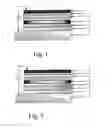


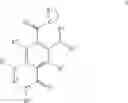
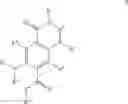
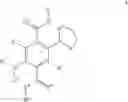






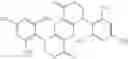




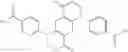






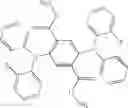


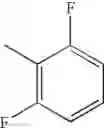


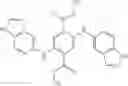


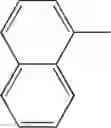


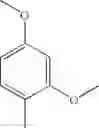


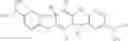


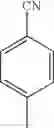


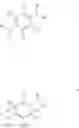


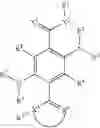


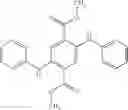


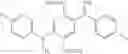


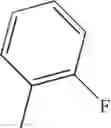






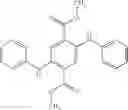
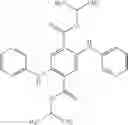




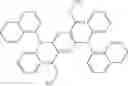




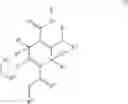


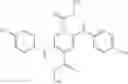


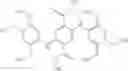


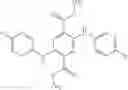
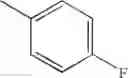


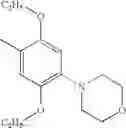


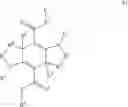


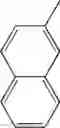


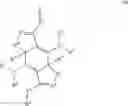


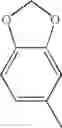
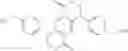

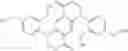

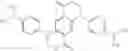

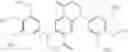
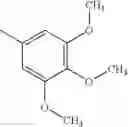
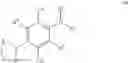




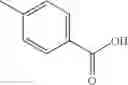







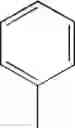


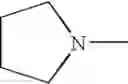


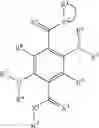


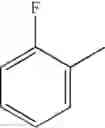




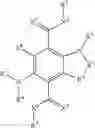






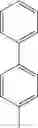


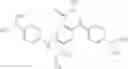



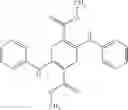


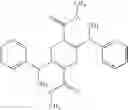
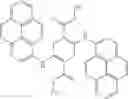

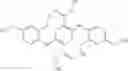
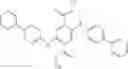
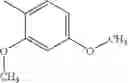

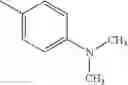
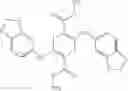
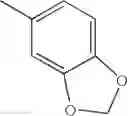

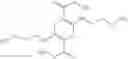


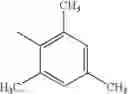
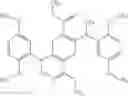

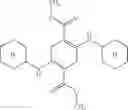
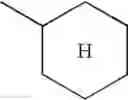

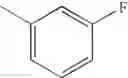


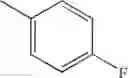


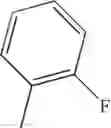

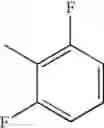


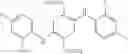


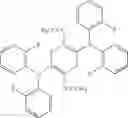


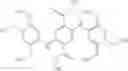


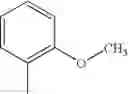

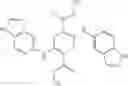


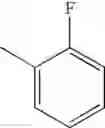


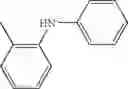
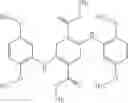




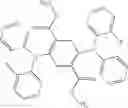


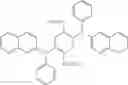
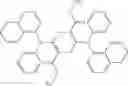




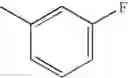


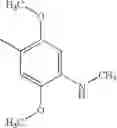


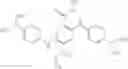


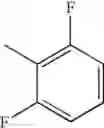


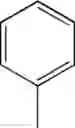

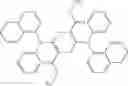


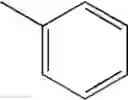


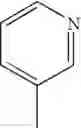


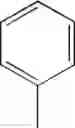
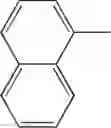

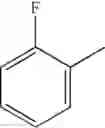


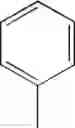


Sources:
- United States Patent and Trademark Office - verify current appl. status at the USPTO↗
Similar patent applications:
Recent applications in this class:
- » 20230309381 2023-09-28
AMINE COMPOUND, LIGHT-EMITTING DEVICE INCLUDING THE SAME, AND ELECTRONIC APPARATUS INCLUDING THE LIGHT-EMITTING DEVICE - » 20230200218 2023-06-22
LIGHT-EMITTING DEVICE INCLUDING AMINE COMPOUND, ELECTRONIC APPARATUS INCLUDING THE LIGHT-EMITTING DEVICE, AND THE AMINE COMPOUND - » 20230172054 2023-06-01
LIGHT EMITTING DEVICE AND AMINE COMPOUND FOR LIGHT EMITTING DEVICE - » 20230131369 2023-04-27
An Organic Electronic Device Comprising a Hole Injection Layer That Comprises a Hole Transport Compound - » 20230118116 2023-04-20
ARYLAMINE COMPOUND AND ORGANIC ELECTROLUMINESCENT DEVICE - » 20230101400 2023-03-30
ORGANIC ELECTROLUMINESCENT ELEMENT - » 20230079236 2023-03-16
Light-emitting device - » 20230069900 2023-03-09
Organic light-emitting device - » 20230043088 2023-02-09
Organic Light Emitting Device - » 20230013038 2023-01-19
LIGHT EMITTING DEVICE AND AMINE COMPOUND FOR LIGHT EMITTING DEVICE
Recent applications for this Assignee:
- » 20130193414 2013-08-01
Organic semiconducting material and electronic component - » 20120223296 2012-09-06
Organic semiconducting materials and organic component - » 20110136242 2011-06-09
Lanthanide chelates and use thereof in bioanalysis - » 20080166157 2008-07-10
Covering layer for electrophotographic printing rollers - » 20050025992 2005-02-03
Organic electroluminescent device based on 2,5-diaminoterephthalic acid derivatives - » 10143507 2005-01-18
Organic red electro-luminescent device and dopant