3-substituted-4-pyrimidone derivatives
US20050090490A1
2005-04-28
10/489,606
2002-09-20
✅ Patent granted
US 7,427,615 B2
2008-09-23
WO; PCT/JP02/09685; 20020920
WO; WO03/037888; 20030508
Deepak Rao
2024-01-26
Abstract:
a pyrimidone derivative represented by formula (I) or a salt thereof, or a solvate thereof or a hydrate thereof having inhibitory activity against tau protein kinase 1: wherein R1 represents a C1-C12 alkyl group which may be substituted; R represents, for example, a group represented by the following formula (II): wherein R2 and R3 independently represent a hydrogen atom or a C1-C8 alkyl group; R4 represents a benzene ring which may be substituted, a naphthalene ring which may be substituted, an indan ring which may be substituted, a tetrahydronaphthalene ring which may be substituted, or an optionally substituted heterocyclic ring having 1 to 4 heteno atoms selected from the group consisting of oxygen atom, sulfur atom and nitrogen atom, and having 5 to 10 ring-constituting atoms in total.
Inventors:
- Kazutoshi Watanabe 21 🇯🇵 Tokyo, Japan
- Keiichi Aritomo 4 🇯🇵 Tokyo, Japan
- Fumiaki UEHARA 7 🇯🇵 Tokyo, Japan
- Shinsuke HIKI 5 🇯🇵 Tokyo, Japan
- Yoshihiro Usui 4 🇯🇵 Tokyo, Japan
- Masahiro Okuyama 5 🇯🇵 Tokyo, Japan
- Aya Shoda 5 🇯🇵 Tokyo, Japan
- Mitsuru Ooizumi 3 🇯🇵 Tokyo, Japan
- Koichi Yamakoshi 1 🇯🇵 Tokyo, Japan
Assignee:
- MITSUBISHI PHARMA CORPORATION 68 🇯🇵 Osaka, Japan
- Sanofi-Synthelabo 20 🇫🇷 Paris, France
Interested in similar patents?
Get notified when new applications in this technology area are published.
Classification:
A61P3/04 » CPC further
Drugs for disorders of the metabolism Anorexiants; Antiobesity agents
A61P3/10 » CPC further
Drugs for disorders of the metabolism for glucose homeostasis for hyperglycaemia, e.g. antidiabetics
A61P9/10 » CPC further
Drugs for disorders of the cardiovascular system for treating ischaemic or atherosclerotic diseases, e.g. antianginal drugs, coronary vasodilators, drugs for myocardial infarction, retinopathy, cerebrovascula insufficiency, renal arteriosclerosis
A61P17/14 » CPC further
Drugs for dermatological disorders for baldness or alopecia
A61P25/00 » CPC further
Drugs for disorders of the nervous system
A61P25/16 » CPC further
Drugs for disorders of the nervous system for treating abnormal movements, e.g. chorea, dyskinesia Anti-Parkinson drugs
A61P25/18 » CPC further
Drugs for disorders of the nervous system Antipsychotics, i.e. neuroleptics; Drugs for mania or schizophrenia
A61P25/24 » CPC further
Drugs for disorders of the nervous system Antidepressants
A61P25/28 » CPC further
Drugs for disorders of the nervous system for treating neurodegenerative disorders of the central nervous system, e.g. nootropic agents, cognition enhancers, drugs for treating Alzheimer's disease or other forms of dementia
A61P27/02 » CPC further
Drugs for disorders of the senses Ophthalmic agents
A61P27/06 » CPC further
Drugs for disorders of the senses; Ophthalmic agents Antiglaucoma agents or miotics
A61P35/00 » CPC further
Antineoplastic agents
A61P35/02 » CPC further
Antineoplastic agents specific for leukemia
A61P43/00 » CPC further
Drugs for specific purposes, not provided for in groups -
C07D239/34 » CPC further
Heterocyclic compounds containing 1,3-diazine or hydrogenated 1,3-diazine rings not condensed with other rings having three or more double bonds between ring members or between ring members and non-ring members with hetero atoms or with carbon atoms having three bonds to hetero atoms with at the most one bond to halogen, directly attached to ring carbon atoms; One oxygen, sulfur or nitrogen atom One oxygen atom
C07D239/47 » CPC further
Heterocyclic compounds containing 1,3-diazine or hydrogenated 1,3-diazine rings not condensed with other rings having three or more double bonds between ring members or between ring members and non-ring members with hetero atoms or with carbon atoms having three bonds to hetero atoms with at the most one bond to halogen, directly attached to ring carbon atoms; Two or more oxygen, sulphur or nitrogen atoms One nitrogen atom and one oxygen or sulfur atom, e.g. cytosine
C07D239/56 » CPC further
Heterocyclic compounds containing 1,3-diazine or hydrogenated 1,3-diazine rings not condensed with other rings having three or more double bonds between ring members or between ring members and non-ring members with hetero atoms or with carbon atoms having three bonds to hetero atoms with at the most one bond to halogen, directly attached to ring carbon atoms; Two or more oxygen, sulphur or nitrogen atoms One oxygen atom and one sulfur atom
C07D413/14 » CPC further
Heterocyclic compounds containing two or more hetero rings, at least one ring having nitrogen and oxygen atoms as the only ring hetero atoms containing three or more hetero rings
C07D401/04 » CPC main
Heterocyclic compounds containing two or more hetero rings, having nitrogen atoms as the only ring hetero atoms, at least one ring being a six-membered ring with only one nitrogen atom containing two hetero rings directly linked by a ring-member-to-ring-member bond
C07D401/14 » CPC further
Heterocyclic compounds containing two or more hetero rings, having nitrogen atoms as the only ring hetero atoms, at least one ring being a six-membered ring with only one nitrogen atom containing three or more hetero rings
A61K31/505 IPC
Medicinal preparations containing organic active ingredients; Heterocyclic compounds having nitrogen as a ring hetero atom, e.g. guanethidine or rifamycins having six-membered rings with two nitrogen atoms as the only ring heteroatoms, e.g. piperazine Pyrimidines; Hydrogenated pyrimidines, e.g. trimethoprim
Description
TECHNICAL FIELDThe present invention relates to compounds that are useful as an active ingredient of a medicament for preventive and/or therapeutic treatment of diseases mainly caused by abnormal activity of tau protein kinase 1, such as neurodegenerative diseases (e.g. Alzheimer disease).
BACKGROUND ARTAlzheimer disease is progressive senile dementia, in which marked cerebral cortical atrophy is observed due to degeneration of nerve cells and decrease of nerve cell number. Pathologically, numerous senile plaques and neurofibrillary tangles are observed in brain. The number of patients has been increased with the increment of aged population, and the disease arises a serious social problem. Although various theories have been proposed, a cause of the disease has not yet been elucidated. Early resolution of the cause has been desired.
It has been known that the degree of appearance of two characteristic pathological changes of Alzheimer disease well correlates to the degree of intellectual dysfunction. Therefore, researches have been conducted from early 1980's to reveal the cause of the disease through molecular level investigations of components of the two pathological changes. Senile plaques accumulate extracellularly, and β amyloid protein has been elucidated as their main component (abbreviated as “A β” hereinafter in the specification: Biochem. Biophys. Res. Commun., 120, 855 (1984); EMBO J., 4, 2757 (1985); Proc. Natl. Acad. Sci. USA, 82, 4245 (1985)). In the other pathological change, i.e., the neurofibrillary tangles, a double-helical filamentous substance called paired helical filament (abbreviated as ‘PHF’ hereinafter in the specification) accumulate intracellularly, and tau protein, which is a kind of microtubule-associated protein specific for brain, has been revealed as its main component (Proc. Natl. Acad. Sci. USA, 85, 4506 (1988); Neuron, 1, 827 (1988)).
Furthermore, on the basis of genetic investigations, presenilins 1 and 2 were found as causative genes of familial Alzheimer disease (Nature, 375, 754 (1995); Science, 269, 973 (1995); Nature. 376, 775 (1995)), and it has been revealed that presence of mutants of presenilins 1 and 2 promotes the secretion of A β (Neuron, 17, 1005 (1996); Proc. Natl. Acad. Sci. USA, 94, 2025 (1997)). From these results, it is considered that, in Alzheimer disease, A β abnormally accumulates and agglomerates due to a certain reason, which engages with the formation of PHF to cause death of nerve cells. It is also expected that extracellular outflow of glutamic acid and activation of glutamate receptor responding to the outflow may possibly be important factors in an early process of the nerve cell death caused by ischemic cerebrovascular accidents (Sai-shin Igaku [Latest Medicine], 49, 1506 (1994)).
It has been reported that kainic acid treatment that stimulates the AMPA receptor, one of glutamate receptor, increases mRNA of the amyloid precursor protein (abbreviated as “APP” hereinafter in the specification) as a precursor of A β (Society for Neuroscience Abstracts, 17, 1445 (1991)), and also promotes metabolism of APP (The Journal of Neuroscience, 10, 2400 (1990)). Therefore, it has been strongly suggested that the accumulation of A β is involved in cellular death due to ischemic cerebrovascular disorders. Other diseases in which abnormal accumulation and agglomeration of A β are observed include, for example, Down syndrome, cerebral bleeding due to solitary cerebral amyloid angiopathy, Lewy body disease (Shin-kei Shinpo [Nerve Advance], 34, 343 (1990); Tanpaku-shitu Kaku-san Koso [Protein, Nucleic Acid, Enzyme], 41, 1476 (1996)) and the like. Furthermore, as diseases showing neurofibrillary tangles due to the PHF accumulation, examples include progressive supranuclear palsy, subacute sclerosing panencephalitic parkinsonism, postencephalitic parkinsonism, pugilistic encephalitis, Guam parkinsonism-dementia complex, Lewy body disease and the like (Tanpakushitu Kakusan Koso [Protein, Nucleic Acid, Enzyme], 36, 2 (1991); Igaku no Ayumi [Progress of Medicine], 158, 511 (1991); Tanpakushitu Kakusan Koso [Protein, Nucleic Acid, Enzyme], 41, 1476 (1996)).
The tau protein is generally composed of a group of related proteins that forms several bands at molecular weights of 48-65 kDa in SDS-polyacrylamide gel electrophoresis, and it promotes the formation of microtubules. It has been verified that tau protein incorporated in the PHF in the brain suffering from Alzheimer disease is abnormally phosphorylated compared with usual tau protein (J. Biochem., 99, 1807 (1986); Proc. Natl. Acad. Sci. USA, 83, 4913 (1986)). An enzyme catalyzing the abnormal phosphorylation has been isolated. The protein was named as tau protein kinase 1 (abbreviated as “TPK1” hereinafter in the specification), and its physicochemical properties have been elucidated (Seikagaku [Biochemistry], 64, 308 (1992); J. Biol. Chem., 267, 10897 (1992)). Moreover, cDNA of rat TPK1 was cloned from a rat cerebral cortex cDNA library based on a partial amino acid sequence of TPK1, and its nucleotide sequence was determined and an amino acid sequence was deduced (Japanese Patent Un-examined Publication [Kokai] No. 6-239893/1994). As a result, it has been revealed that the primary structure of the rat TPK1 corresponds to that of the enzyme known as rat GSK-3β (glycogen synthase kinase 3β, FEBS Lett., 325, 167 (1993)).
It has been reported that A β the main component of senile plaques, is neurotoxic (Science, 250, 279 (1990)). However, various theories have been proposed as for the reason why A β causes the cell death, and any authentic theory has not yet been established. Takashima et al. observed that the cell death was caused by A β treatment of fetal rat hippocampus primary culture system, and then found that the TPK1 activity was increased by A β treatment and the cell death by A β was inhibited by antisense of TPK1 (Proc. Natl. Acad. Sci. USA, 90, 7789 (1993); Japanese Patent Un-examined Publication [Kokai] No. 6-329551/1994).
In view of the foregoing, compounds which inhibit the TPK1 activity may possibly suppress the neurotoxicity of A β and the formation of PHF and inhibit the nerve cell death in the Alzheimer disease, thereby cease or defer the progress of the disease. The compounds may also be possibly used as a medicament for therapeutic treatment of ischemic cerebrovascular disorder, Down syndrome, cerebral amyloid angiopathy, cerebral bleeding due to Lewy body disease and the like by suppressing the cytotoxicity of A β. Furthermore, the compounds may possibly be used as a medicament for therapeutic treatment of neurodegenerative diseases such as progressive supranuclear palsy, subacute sclerosing panencephalitic parkinsonism, postencephalitic parkinsonism, pugilistic encephalitis, Guam parkinsonism-dementia complex, Lewy body disease, Pick's disease, corticobasal degeneration, frontotemporal dementia, vascular dementia, traumatic injuries, brain and spinal cord trauma, peripheral neuropathies, retinopathies and glaucoma, as well as other diseases such as non-insulin dependent diabetes, obesity, manic depressive illness, schizophrenia, alopecia, breast cancer, non-small cell lung carcinoma, thyroid cancer, T or B-cell leukemia, and several virus-induced tumors.
As structurally similar compounds to the compounds of the present invention represented by formula (I) described later, compounds represented by the following formula (A) are known:
wherein R represents 2,6-dichlorobenzyl group, 2-(2-chlorophenyl)ethylamino group, 3-phenylpropylamino group, or 1-methyl-3-phenylpropylamino group (WO98/24782). The compounds represented by formula (A) are characterized to have 4-fluorophenyl group at the 5-position of the pyrimidine ring and a hydroxy group at the 4-position, and not falling within the scope of the present invention. Moreover, main pharmacological activity of the compounds represented by formula (A) is anti-inflammatory effect, whereas the compounds of the present invention represented by formula (I) are useful as a TPK1 inhibitor or a medicament for therapeutic treatment of neutodegenerative diseases, and therefore, their pharmacological activities are totally different to each other.
An object of the present invention is to provide compounds useful as an active ingredient of a medicament for preventive and/or therapeutic treatment of diseases such as Alzheimer disease. More specifically, the object is to provide novel compounds useful as an active ingredient of a medicament that enables radical prevention and/or treatment of the neurodegenerative diseases such as Alzheimer disease by inhibiting the TPK1 activity to suppress the neurotoxicity of A β and the formation of the PHF and by inhibiting the death of nerve cells.
MEANS TO ACHIEVE THE OBJECTIn order to achieve the foregoing object, the inventors of the present invention conducted screenings of various compounds having inhibitory activity against the phosphorylation of TPK1. As a result, they found that compounds represented by the following formula (I) had the desired activity and were useful as an active ingredient of a medicament for preventive and/or therapeutic treatment of the aforementioned diseases. The present invention was achieved on the basis of these findings.
The present invention thus provide a pyrimidone derivative represented by formula (I) or a salt thereof, or a solvate thereof or a hydrate thereof:
wherein R1 represents a C1-C12 alkyl group which may be substituted;
- R represents any one of groups represented by the following formulas (II) to (V):
wherein R2 and R3 independently represent a hydrogen atom or a C1-C8 alkyl group; - R4 represents a benzene ring which may be substituted, a naphthalene ring which may be substituted, an indan ring which may be substituted, a tetrahydronaphthalene ring which may be substituted, or an optionally substituted heterocyclic ring having 1 to 4 hetero atoms selected from the group consisting of oxygen atom, sulfur atom and nitrogen atom, and having 5 to 10 ring-constituting atoms in total;
- R5 represents a C1-C8 alkyl group which may be substituted, a C3-C8 cycloalkyl group which may be substituted, a benzene ring which may be substituted, a naphthalene ring which may be substituted, an indan ring which may be substituted, a tetrahydronaphthalene ring which may be substituted, or an optionally substituted heterocyclic ring having 1 to 4 hetero atoms selected from the group consisting of oxygen atom, sulfur atom, and nitrogen atom, and having 5 to 10 ring-constituting atoms in total;
- R6 represents a hydrogen atom, a C1-C8 alkyl group which may be substituted, a benzene ring which may be substituted;
- or R5 and R6 may bind to each other to form together with the carbon to which R5 and R6 are attached an optionally substituted spiro carbocyclic ring having 3 to 11 ring-constituting atoms in total;
- R7 and R8 independently represent a hydrogen atom or a C1-C8 alkyl group, or R7 and
- R8 may combine to each other to form a C2-C6 alkylene group;
- R9 and R10 represent a C1-C8 alkyl group which may be substituted, a C3-C8 cycloalkyl group which may be substituted, a benzene ring which may be substituted, a naphthalene ring which may be substituted, an optionally substituted heterocyclic ring having 1 to 4 hetero atoms selected from the group consisting of oxygen atom, sulfur atom, and nitrogen atom, and having 5 to 10 ring-constituting atoms in total, or R9 and R10 represent —N(R11)(R12) wherein R11 represents a hydrogen atom, a C1-C8 alkyl group; and R12 represents a C1-C8 alkyl group, a benzene ring which may be substituted, a naphthalene ring which may be substituted, or an optionally substituted heterocyclic ring having 1 to 4 hetero atoms selected from the group consisting of oxygen atom, sulfur atom, and nitrogen atom, and having 5 to 10 ring-constituting atoms in total;
- and X represents CH2, O or NR13 wherein R13 represents a hydrogen atom or a C1-C8 alkyl group.
According to preferred embodiments of the present invention, provided are:
-
- the aforementioned pyrimidone derivative or the salt thereof, or the solvate thereof or the hydrate thereof, wherein R1 is methyl group;
- the aforementioned pyrimidone derivative or the salt thereof, or the solvate thereof or the hydrate thereof, wherein R is the group represented by formula (II);
- the aforementioned pyrimidone derivative or the salt thereof, or the solvate thereof or the hydrate thereof, wherein each of R2 and R3 is hydrogen atom;
- the aforementioned pyrimidone derivative or the salt thereof, or the solvate thereof or the hydrate thereof, wherein R is the group represented by formula (III);
- the aforementioned pyrimidone derivative or the salts thereof, or the solvate thereof or the hydrate thereof, wherein R6 is hydrogen atom;
- the aforementioned pyrimidone derivative or the salts thereof, or the solvate thereof or the hydrate thereof, wherein each of R7 and R8 is hydrogen atom;
- the aforementioned pyrimidone derivative or the salts thereof, or the solvate thereof or the hydrate thereof, wherein each of R7 and R8 is methyl group;
- the aforementioned pyrimidone derivative or the salt thereof, or the solvate thereof or the hydrate thereof, wherein R is the group represented by formula (IV);
- the aforementioned pyrimidone derivative or the salts thereof, or the solvate thereof or the hydrate thereof, wherein R9 is a benzene ring which may be substituted;
- the aforementioned pyrimidone derivative or the salts thereof, or the solvate thereof or the hydrate thereof, wherein X is CH2;
- the aforementioned pyrimidone derivative or the salts thereof, or the solvate thereof or the hydrate thereof, wherein X is O;
- the aforementioned pyrimidone derivative or the salt thereof, or the solvate thereof or the hydrate thereof, wherein R is the group represented by formula (V);
- the aforementioned pyrimidone derivative or the salts thereof, or the solvate thereof or the hydrate thereof, wherein R10 is a benzene ring which may be substituted; and
- the aforementioned pyrimidone derivative or the salts thereof, or the solvate thereof or the hydrate thereof, wherein R10 is a heterocyclic ring having 1 to 4 hetero atoms selected from the group consisting of oxygen atom, sulfur atom, and nitrogen atom, and having total ring-constituting atoms of 5 to 10 which may be substituted.
From another aspect, the present invention provides a medicament comprising as an active ingredient a substance selected from the group consisting of the pyrimidone derivative represented by the aforementioned formula (I) and a salt thereof, and a solvate thereof and a hydrate thereof, and a tau protein kinase 1 inhibitor selected from the group consisting of the pyrimidone derivative represented by the aforementioned formula (I) and a salt thereof, and a solvate thereof and a hydrate thereof.
According to preferred embodiments of the aforementioned medicament, provided are the aforementioned medicament which is used for preventive and/or therapeutic treatment of a disease caused by tau protein kinase 1 hyperactivity;
-
- the aforementioned medicament which is used for preventive and/or therapeutic treatment of a neurodegenerative disease;
- the aforementioned medicament, wherein the disease is selected from the group consisting of Alzheimer disease, ischemic cerebrovascular accidents, Down syndrome, cerebral bleeding due to cerebral amyloid angiopathy, progressive supranuclear palsy, subacute sclerosing panencephalitic parkinsonism, postencephalitic parkinsonism, pugilistic encephalitis, Guam parkinsonism-dementia complex, Lewy body disease, Pick's disease, corticobasal degeneration, frontotemporal dementia, vascular dementia, traumatic injuries, brain and spinal cord trauma, peripheral neuropathies, retinopathies and glaucoma; and
- the aforementioned medicament, wherein the disease is selected from the group consisting of non-insulin dependent diabetes, obesity, manic depressive illness, schizophrenia, alopecia, breast cancer, non-small cell lung carcinoma, thyroid cancer, T or B-cell leukemia, and a virus-induced tumor.
According to further aspects of the present invention, there are provided a method for preventive and/or therapeutic treatment of a disease caused by tau protein kinase 1 hyperactivity, which comprises the step of administering to a patient a preventively and/or therapeutically effective amount of a substance selected from the group consisting of the 3-substituted-4-pyrimidone derivative of formula (I) and the physiologically acceptable salt thereof, and the solvate thereof and the hydrate thereof; and a use of a substance selected from the group consisting of the 3-substituted-4-pyrimidone derivative of formula (I) and the physiologically acceptable salt thereof, and the solvate thereof and the hydrate thereof for the manufacture of the aforementioned medicament.
From further aspect of the present invention, provided are a pyrimidone derivative represented by formula (VI) or a salt thereof, or a solvate thereof or a hydrate thereof:
wherein R1 represents a C1-C12 alkyl group which may be substituted, and a pyrimidone derivative represented by formula (VII) or a salt thereof, or a solvate thereof or a hydrate thereof:
-
- wherein R1 represents a C1-C12 alkyl group which may be substituted.
The alkyl group used herein may be either linear or branched. The C1-C12 alkyl group represented by R1 may be, for example, methyl group, ethyl group, n-propyl group, isopropyl group, n-butyl group, isobutyl group, sec-butyl group, tert-butyl group, n-pentyl group, isopentyl group, neopentyl group, 1,1-dimethylpropyl group, n-hexyl group, isohexyl group, or a linear or branched heptyl group, octyl group, nonyl group, decyl group, undecyl group or dodecyl group. In the specification, when a functional group is defined as “which may be substituted” or “optionally substituted”, the number of substituents as well as their types and substituting positions are not particularly limited, and when two or more substituents are present, they may be the same or different.
When the C1-C12 alkyl group represented by R1 has one or more substituents, the alkyl group may have one or more substituents selected from the group consisting of a C1-C5 alkoxyl group such as methoxy group, ethoxy group, propoxy group, isopropoxy group, butoxy group, isobutoxy group, tert-butoxy group; amino group, C1-C3 alkylamino group or C2-C6 dialkylamino group: a C6-C10 aryl group such as phenyl group, 1-naphthyl group, and 2-naphthyl group;
The C1-C8 alkyl group represented by R2 or R3 may be, for example, methyl group, ethyl group, n-propyl group, isopropyl group, n-butyl group, isobutyl group, sec-butyl group, tert-butyl group, n-pentyl group, isopentyl group, neopentyl group, 1,1-dimethylpropyl group, n-hexyl group, isohexyl group, or a linear or branched heptyl group or octyl group.
When the benzene ring, the naphthalene ring, the indan ring, the tetrahydronaphthalene ring, or the heterocyclic ring represented by R4 or R5 has one or more substituents, the rings may have one or more substituents selected from the groups consisting of a C1-C5 alkyl group such as methyl group, ethyl group, propyl group, isopropyl group, butyl group, isobutyl group, sec-butyl group, tert-butyl group, pentyl group, isopentyl group, neopentyl group, 1,1-dimethylpropyl group; C3-C6 cycloalkyl group such as cyclopropyl group, cyclobutyl group, cyclopentyl group, cyclohexyl group; a C3-C6 cycloalkyloxy group such as cyclopropyloxy group, cyclobutyloxy group, cyclopentyloxy group, cyclohexyloxy group; a C1-C5 alkoxyl group such as methoxy group, ethoxy group, propoxy group, isopropoxy group, butoxy group, isobutoxy group, tert-butoxy group, pentyloxy group, and isopentyloxy group; a C4-C7 cycloalkylalkoxy group such as cyclopropylmethoxy group, cyclopentylmethoxy group; a C1-C5 alkylthio group such as methylthio group, ethylthio group, propylthio group, butylthio group, and pentylthio group; a C1-C5 alkylsulfonyl group such as methanesulfonyl group, ethanesulfonyl group, propanesulfonyl group, butanesulfonyl group, and pentanesulfonyl group; a halogen atom such as fluorine atom, chlorine atom, bromine atom, and iodine atom; a C1-C5 halogenated alkyl group such as trifluoromethyl group; a C1-C5 halogenated alkoxy group such as trifluoromethoxy group, 2,2,2-trifluoroethoxy group; hydroxyl group; cyano group; nitro group; formyl group; a C2-C6 alkylcarbonyl group such as acetyl group, propionyl group, butyryl group, and valeryl group; benzene ring which may be substituted, naphthalene ring which may be substituted, an optionally substituted heterocyclic ring having 1 to 4 hetero atoms selected from the group consisting of oxygen atom, sulfur atom and nitrogen atom, and having 5 to 10 ring-constituting atoms, phenoxy group which may be substituted or phenylamino group which may be substituted; amino group; a C1-C5 monoalkylamino group such as methylamino group, ethylamino group, propylamino group, isopropylamino group, butylamino group, isobutylamino group, tert-butylamino group, pentylamino group, and isopentylamino group; a C2-C10 dialkylamino group such as dimethylamino group, ethylmethylamino group, diethylamino group, methylpropylamino group, and diisopropylamino group; a C2-C10 monoalkylaminomethyl group such as methylaminomethyl group, ethylaminomethyl group, propylaminomethyl group, isopropylaminomethyl group, butylaminomethyl group, isobutylaminomethyl group, tert-butylaminomethyl group, pentylaminomethyl group, isopentylaminomethyl group; a C3-C11 dialkylaminomethyl group such as dimethylaminomethyl group, diethylaminomethyl group, ethylmethylaminomethyl group, methylpropylaminomethyl group; pyrrolidinylmethyl group; piperidinylmethyl group; morpholinomethyl group; piperazinylmethyl group; pyrrolylmethyl group; imidazolylmethyl group; pyrazolylmethyl group; and triazolylmethyl group.
When the benzene ring, the naphthalene ring, the indan ring, the tetrahydronaphthalene ring or the heterocyclic ring has one or more substituents, the substituent may further have one or more substituents selected from the group consisting of a C1-C6 alkyl group such as methyl group, ethyl group, propyl group, isopropyl group, butyl group, isobutyl group, sec-butyl group, tert-butyl group, pentyl group, isopentyl group, neopentyl group, 1,1-dimethylpropyl group; C3-C6 cycloalkyl group such as cyclopropyl group, cyclobutyl group, cyclopentyl group, cyclohexyl group; a C3-C6 cycloalkyloxy group such as cyclopropyloxy group, cyclobutyloxy group, cyclopentyloxy group, cyclohexyloxy group; a C1-C5 alkoxy group such as methoxy group, ethoxy group, propoxy group, isopropoxy group, butoxy group, isobutoxy group, tert-butoxy group, pentyloxy group, and isopentyloxy group; a C4-C7 cycloalkylalkoxy group such as cyclopropylmethoxy group, cyclopentylmethoxy group; a C1-C5 alkylthio group such as methylthio group, ethylthio group, propylthio group, butylthio group, and pentylthio group; a C1-C5 alkylsulfonyl group such as methanesulfonyl group, ethanesulfonyl group, propanesulfonyl group, butanesulfonyl group, and pentanesulfonyl group; a halogen atom such as fluorine atom, chlorine atom, bromine atom, and iodine atom; a C1-C5 halogenated alkyl group such as trifluoromethyl group; a C1-C5 halogenated alkoxy group such as trifluoromethoxy group, 2,2,2-trifluoroethoxy group; hydroxyl group; cyano group; nitro group; formyl group; a C2-C6 alkylcarbonyl group such as acetyl group, propionyl group, butyryl group, and valeryl group; amino group; a C1-C5 monoalkylamino group such as methylamino group, ethylamino group, propylamino group, isopropylamino group, butylamino group, isobutylamino group, tert-butylamino group, pentylamino group, and isopentylamino group; a C2-C10 dialkylamino group such as dimethylamino group, ethylmethylamino group, diethylamino group, methylpropylamino group, and diisopropylamino group; a C2-C10 monoalkylaminomethyl group such as methylaminomethyl group, ethylaminomethyl group, propylaminomethyl group, isoproylaminomethyl group, butylaminomethyl group, isobutylaminomethyl group, tert-butylaminomethyl group, pentylaminomethyl group, isopentylaminomethyl group; a C3-C11 dialkylaminomethyl group such as dimethylaminomethyl group, diethylaminomethyl group, ethylmethylaminomethyl group, methylpropylaminomethyl group and the like.
The heterocyclic ring having 1 to 4 hetero atoms selected from the group consisting of oxygen atom, sulfur atom, and nitrogen atom, and having 5 to 10 ring-constituting atoms represented by R4 or R5 may be, for example, furan ring, dihydrofuran ring, tetrahydrofuran ring, pyran ring, dihydropyran ring, tetrahydropyran ring, benzofuran ring, dihydrobenzofuran, isobenzofuran ring, benzodioxole ring, chromene ring, chroman ring, isochroman ring, thiophene ring, benzothiophene ring, pyrrole ring, pyrroline ring, pyrrolidine ring, imidazole ring, imidazoline ring, imidazolidine ring, pyrazole ring, pyrazoline ring, pyrazolidine ring, triazole ring, tetrazole ring, pyridine ring, pyridine oxide ring, piperidine ring, pyrazine ring, piperazine ring, pyrimidine ring, pyridazine ring, indole ring, indoline ring, isoindole ring, isoindoline ring, indazole ring, benzimidazole ring, benzotriazole ring, tetrahydroisoquinoline ring, benzothiazolinone ring, benzoxazolinone ring, purine ring, quinolizine ring, quinoline ring, phthalazine ring, naphthyridine ring, quinoxaline ring, quinazoline ring, cinnoline ring, pteridine ring, oxazole ring, oxazolidine ring, isoxazole ring, isoxazolidine ring, oxadiazole ring, thiazole ring, benzothiazole ring, thiazylidine ring, isothiazole ring, isothiazolidine ring, benzodioxole ring, dioxane ring, benzodioxane ring, dithian ring, morpholine ring, thiomorpholine ring, and phthalimide ring.
The C1-C8 alkyl group represented by R5, R6, R7 or R8 may be, for example, methyl group, ethyl group, n-propyl group, isopropyl group, n-butyl group, isobutyl group, sec-butyl group, tert-butyl group, n-pentyl group, isopentyl group, neopentyl group, 1,1-dimethylpropyl group, n-hexyl group, isohexyl group, or a linear or branched heptyl group or octyl group.
The C3-C8 cycloalkyl group represented by R5 may be, for example, cyclopropyl group, cyclobutyl group, cyclopentyl group, cyclohexyl group, cycloheptyl group or cyclooctyl group.
When the C1-C8 alkyl group or C3-C8 cycloalkyl group represented by R5 or the C1-C8 alkyl group represented by R6 has one or more substituents, the group may have one or more substituents selected from the groups consisting of a halogen atom, a C1-C6 alkoxyl group, a C3-C8 cycloalkyl group, a benzene ring which may be substituted, a naphthalene ring which may be substituted, phenoxy group which may be substituted or phenylamino group which may be substituted; amino group, a C1-C6 alkylamino group, a C2-C12 dialkylamino group, 1-pyrrolidinyl group, 1-pyperidinyl group, 1-morpholinyl group, 1-(tetrahydro-1,2,3,4-quinolinyl) group, or 1-(tetrahydro-1,2,3,4-isoquinolinyl) group.
When the benzene ring represented by R5 has one or more substituents, the ring may have one or more substituents selected from the group consisting of a C1-C0 alkyl group such as methyl group, ethyl group, propyl group, isopropyl group, butyl group, isobutyl group, sec-butyl group, tert-butyl group, pentyl group, isopentyl group, neopentyl group, 1,1-dimethylpropyl group; a C3-C6 cycloalkyl group such as cyclopropyl group, cyclobutyl group, cyclopentyl group, cyclohexyl group; a C3-C6 cycloalkyloxy group such as cyclopropyloxy group, cyclobutyloxy group, cyclopentyloxy group, cyclohexyloxy group; a C1-C5 alkoxyl group such as methoxy group, ethoxy group, propoxy group, isopropoxy group, butoxy group, isobutoxy group, tert-butoxy group, pentyloxy group, and isopentyloxy group; a C4-C7 cycloalkylalkoxyl group such as cyclopropylmethoxy group, cyclopentylmethoxy group; a C1-C5 alkylthio group such as methylthio group, ethylthio group, propylthio group, butylthio group, and pentylthio group; a C1-C5 alkylsulfonyl group such as methanesulfonyl group, ethanesulfonyl group, propanesulfonyl group, butanesulfonyl group, and pentanesulfonyl group; a halogen atom such as fluorine atom, chlorine atom, bromine atom, and iodine atom; a C1-C5 halogenated alkyl group such as trifluoromethyl group; a C1-C5 halogenated alkoxyl group such as trifluoromethoxy group, 2,2,2-trifluoroethoxy group; hydroxyl group; cyano group; nitro group; formyl group; a C2-C6 alkylcarbonyl group such as acetyl group, propionyl group, butyryl group, and valeryl group; a benzene ring which may be substituted, a naphthalene ring which may be substituted, an optionally substituted heterocyclic ring having 1 to 4 hetero atoms selected from the group consisting of oxygen atom, sulfur atom and nitrogen atom, and having 5 to 10 ring-constituting atoms, phenoxy group which may be substituted or phenylamino group which may be substituted; amino group; a C1-C5 monoalkylamino group such as methylamino group, ethylamino group, propylamino group, isopropylamino group, butylamino group, isobutylamino group, tert-butylamino group, pentylamino group, and isopentylamino group; a C2-C10 dialkylamino group such as dimethylamino group, etbylmethylamino group, diethylamino group, methylpropylamino group, and diisopropylamino group; a C2-C10 monoalkylaminomethyl group such as methylaminomethyl group, ethylaminomethyl group, propylaminomethyl group, isopropylaminomethyl group, butylaminomethyl group, isobutylaminomethyl group, tert-butylaminomethyl group, pentylaminomethyl group, isopentylaminomethyl group; a C3-C11 dialkylaminomethyl group such as dimethylaminomethyl group, diethylaminomethyl group, ethylmethylaminomethyl group, methylpropylaminomethyl group; pyrrolidinylmethyl group; pipelidinylmethyl group; morpholinomethyl group; piperazinylmethyl group; pyrrolylmethyl group; imidazolylmethyl group; pyrazolylmethyl group; triazolylmethyl group.
When the benzene ring represented by R6 has one or more substituents, the substituent may further have one or more substituents selected from the groups consisting of a C1-C5 alkyl group such as methyl group, ethyl group, propyl group, isopropyl group, butyl group, isobutyl group, sec-butyl group, tert-butyl group, pentyl group, isopentyl group, neopentyl group, 1,1-dimethylpropyl group; C8-C6 cycloalkyl group such as cyclopropyl group, cyclobutyl group, cyclopentyl group, cyclohexyl group; a C3-C6 cycloalkyloxy group such as cyclopropyloxy group, cyclobutyloxy group, cyclopentyloxy group, cyclohexyloxy group; a C1-C5 alkoxyl group such as methoxy group, ethoxy group, propoxy group, isopropoxy group, butoxy group, isobutoxy group, tert-butoxy group, pentyloxy group, and isopentyloxy group; a C4-C7 cycloalkylalkoxyl group such as cyclopropylmethoxy group, cyclopentylmethoxy group; a C1-C5 alkylthio group such as methylthio group, ethylthio group, propylthio group, butylthio group, and pentylthio group; a C1-C5 alkylsulfonyl group such as methanesulfonyl group, ethanesulfonyl group, propanesulfonyl group, butanesulfonyl group, and pentanesulfonyl group; a halogen atom such as fluorine atom, chlorine atom, bromine atom, and iodine atom; a C1-C5 halogenated alkyl group such as trifluoromethyl group; a C1-C5 halogenated alkoxyl group such as trifluoromethoxy group, 2,2,2-trifluoroethoxy group; hydroxyl group; cyano group; nitro group; formyl group; a C2-C6 alkylcarbonyl group such as acetyl group, propionyl group, butyryl group, and valeryl group; amino group; a C1-C5 monoalkylamino group such as methylamino group, ethylamino group, propylamino group, isopropylamino group, butylamino group, isobutylamino group, tert-butylamino group, pentylamino group, and isopentylamino group; a C2-C10 dialkylamino group such as dimethylamino group, ethylmethylamino group, diethylamino group, methylpropylamino group, and diisopropylamino group; a C2-C10 monoalkylaminomethyl group such as methylaminomethyl group, ethylaminomethyl group, propylaminomethyl group, isopropylaminomethyl group, butylaminomethyl group, isobutylaminomethyl group, tert-butylaminomethyl group, pentylaminomethyl group, isopentylaminomethyl group; a C3-C11 dialkylaminomethyl group such as dimethylaminomethyl group, diethylaminomethyl group, ethylmethylaminomethyl group, methylpropylaminomethyl group.
When R5 and R6 combine to each other to form a spiro carbocyclic ring, together with the carbon atom to which R5 and R6 bind, the carbocyclic ring may be, for example, cyclopropyl ring, cyclobutyl ring, cyclopentyl ring, cyclohexyl ring, cycloheptyl ring, tetrahydrobenzocycloheptene ring, tetrahydronaphthalene ring, indane ring, bicyclo[4,2,0]octa-1,3,5-triene ring.
The C1-C8 alkyl group represented by R9, R10, R11, R12 or R13 may be, for example, methyl group, ethyl group, n-propyl group, isopropyl group, n-butyl group, isobutyl group, sec-butyl group, tert-butyl group, n-pentyl group, isopentyl group, neopentyl group, 1,1-dimethylpropyl group, n-hexyl group, isohexyl group, or a linear or branched heptyl group or octyl group.
The C3-C8 cycloalkyl group represented by R9 or R10 may be, for example, cyclopropyl group, cyclobutyl group, cyclopentyl group, cyclohexyl group, cycloheptyl group or cyclooctyl group.
When the C1-C8 alkyl group or C3-C8 cycloalkyl group represented by R9 or R10 has one or more substituents, the group may have one or more substituents selected from, for example, the groups consisting of a halogen atom, C3-C8 cycloalkyl group, a benzene ring which may be substituted, a naphthalene ring which may be substituted, an optionally substituted heterocyclic ring having 1 to 4 hetero atoms selected from the group consisting of oxygen atom, sulfur atom and nitrogen atom, and having 5 to 10 ring-constituting atoms in total.
When the benzene ring, the naphthalene ring or the heterocyclic ring represented by R9 or R10 has one or more substituents, the ring may have one or more substituents selected form the group consisting of a C1-C5 alkyl group such as methyl group, ethyl group, propyl group, isopropyl group, butyl group, isobutyl group, sec-butyl group, tert-butyl group, pentyl group, isopentyl group, neopentyl group, 1,1-dimethylpropyl group; C3-C6 cycloalkyl group such as cyclopropyl group, cyclobutyl group, cyclopentyl group, cyclohexyl group; a C3-C6 cycloalkyloxy group such as cyclopropyloxy group, cyclobutyloxy group, cyclopentyloxy group, cyclohexyloxy group; a C1-C5 alkoxy group such as methoxy group, ethoxy group, propoxy group, isopropoxy group, butoxy group, isobutoxy group, tert-butoxy group, pentyloxy group, and isopentyloxy group; a C4-C7 cycloalkylalkoxyl group such as cyclopropylmethoxy group, cyclopentylmethoxy group; a C1-C5 alkylthio group such as methylthio group, ethylthio group, propylthio group, butylthio group, and pentylthio group; a C1-C5 alkylsulfonyl group such as methanesulfonyl group, ethanesulfonyl group, propanesulfonyl group, butanesulfonyl group, and pentanesulfonyl group; a halogen atom such as fluorine atom, chlorine atom, bromine atom, and iodine atom; a C1-C5 halogenated alkyl group such as trifluoromethyl group; a C1-C5 halogenated alkoxyl group such as trifluoromethoxy group, 2,2,2-trifluoroethoxy group; hydroxyl group; cyano group; nitro group; formyl group; a C2-C6 alkylcarbonyl group such as acetyl group, propionyl group, butyryl group, and valeryl group; a benzene ring which may be substituted, a naphthalene ring which may be substituted, an optionally substituted heterocyclic ring having 1 to 4 hetero atoms selected from the group consisting of oxygen atom, sulfur atom and nitrogen atom, and having 5 to 10 ring-constituting atoms in total; a phenoxy group which may be substituted; a phenylamino group which may be substituted; an amino group; a C1-C5 monoalkylamino group such as methylamino group, ethylamino group, propylamino group, isopropylamino group, butylamino group, isobutylamino group, tert-butylamino group, pentylamino group, and isopentylamino group; a C2-C10 dialkylamino group such as dimethylamino group, ethylmethylamino group, diethylamino group, methylpropylamino group, and diisopropylamino group; a C1-C5 monoalkylaminomethyl group such as methylaminomethyl group, ethylaminomethyl group, propylaminomethyl group, isopropylaminomethyl group, butylaminomethyl group, isobutylaminomethyl group, tert-butylaminomethyl group, pentylaminomethyl group, isopentylaminomethyl group; a C2-C10 dialkylaminomethyl group such as dimethylaminomethyl group, diethylaminomethyl group, ethylmethylaminomethyl group, methylpropylaminomethyl group; pyrrolidinylmethyl group; piperidinylmethyl group; morpholinomethyl group; piperazinylmethyl group; pyrrolylmethyl group; imidazolylmethyl group; pyrazolylmethyl group; and triazolylmethyl group.
The heterocyclic ring having 1 to 4 hetero atoms selected from the group consisting of oxygen atom, sulfur atom, and nitrogen atom, and having 5 to 10 ring-constituting atoms in total represented by R9 or R10 may be, for example, furan ring, dihydrofuran ring, tetrahydrofuran ring, pyran ring, dihydropyran ring, tetrahydropyran ring, benzofuran ring, dihydrobenzofuran, isobenzofuran ring, benzodioxol ring, chromene ring, chroman ring, isochroman ring, thiophene ring, benzothiophene ring, pyrrole ring, pyrroline ring, pyrrolidine ring, imidazole ring, imidazoline ring, imidazolidine ring, pyrazole ring, pyrazoline ring, pyrazolidine ring, triazole ring, tetrazole ring, pyridine ring, pyridine oxide ring, piperidine ring, pyrazine ring, piperazine ring, pyrimidine ring, pyridazine ring, indole ring, indoline ring, isoindole ring, isoindoline ring, indazole ring, benzimidazole ring, benzotriazole ring, tetrahydroisoquinoline ring, benzothiazolinone ring, benzoxazolinone ring, purine ring, quinolizine ring, quinoline ring, phthalazine ring, naphthyridine ring, quinoxaline ring, quinazoline ring, cinnoline ring, pteridine ring, oxazole ring, oxazolidine ring, isoxazole ring, isoxazolidine ring, oxadiazole ring, thiazole ring, benzothiazole ring, thiazylidine ring, isothiazole ring, isothiazolidine ring, benzodioxole ring, dioxane ring, benzodioxane ring, dithian ring, morpholine ring, thiomorpholine ring, or phthalimide ring.
When the benzene ring, the naphthalene ring, or the heterocyclic ring represented by R12 has one or more substituents, the ring may be substituted by one or more substituents selected from the groups consisting of halogen atoms, a C1-C5 alkyl group, a C3-C6 cycloalkyl group, a C3-C6 cycloalkyloxy group, a C1-C5 alkoxy group, a C4-C7 cycloalkylalkoxy, a C1-C5 alkylthio group, a C1-C5 alkylsulfonyl group, a C1-C5 halogenated alkyl, and a benzene ring.
When the benzene ring, the naphthalene ring or the heterocyclic ring has one or more substituents, the substituent may further have one or more substituents selected from the group consisting of a C1-C6 alkyl group such as methyl group, ethyl group, propyl group, isopropyl group, butyl group, isobutyl group, sec-butyl group, tert-butyl group, pentyl group, isopentyl group, neopentyl group, 1,1-dimethylpropyl group; C3-C6 cycloalkyl group such as cyclopropyl group, cyclobutyl group, cyclopentyl group, cyclohexyl group; a C3-C6 cycloalkyloxy group such as cyclopropyloxy group, cyclobutyloxy group, cyclopentyloxy group, cyclohexyloxy group; a C1-C5 alkoxy group such as methoxy group, ethoxy group, propoxy group, isopropoxy group, butoxy group, isobutoxy group, tert-butoxy group, pentyloxy group, and isopentyloxy group; a C4-C7 cycloalkylalkoxy group such as cyclopropylmethoxy group, cyclopentylmethoxy group; a C1-C5 alkylthio group such as methylthio group, ethylthio group, propylthio group, butylthio group, and pentylthio group; a C1-C5 alkylsulfonyl group such as methanesulfonyl group, ethanesulfonyl group, propanesulfonyl group, butanesulfonyl group, and pentanesulfonyl group; a halogen atom such as fluorine atom, chlorine atom, bromine atom, and iodine atom; a C1-C5 halogenated alkyl group such as trifluoromethyl group; a C1-C5 halogenated alkoxy group such as trifluoromethoxy group, 2,2,2-trifluoroethoxy group; hydroxyl group; cyano group; nitro group; formyl group; a C2-C6 alkylcarbonyl group such as acetyl group, propionyl group, butyryl group, and valeryl group; amino group; a C1-C5 monoalkylamino group such as methylamino group, ethylamino group, propylamino group, isopropylamino group, butylamino group, isobutylamino group, tert-butylamino group, pentylamino group, and isopentylamino group; a C2-C10 dialkylamino group such as dimethylamino group, ethylmethylamino group, diethylamino group, methylpropylamino group, and diisopropylamino group; a C2-C10 monoalkylaminomethyl group such as methylaminomethyl group, ethylaminomethyl group, propylaminomethyl group, isopropylaminomethyl group, butylaminomethyl group, isobutylaminomethyl group, tert-butylaminomethyl group, pentylaminomethyl group, isopentylaminomethyl group; a C3-C11 dialkylaminomethyl group such as dimethylaminomethyl group, diethylaminomethyl group, ethylmethylaminomethyl group, methylpropylaminomethyl group and the like.
R1 may preferably be a C1-C3 alkyl group, more preferably a methyl group.
R2 may preferably be a hydrogen atom.
R3 may preferably be a hydrogen atom.
R4 may preferably be a benzene ring which may be substituted.
R5 may preferably be a benzene ring or a naphthalene ring which may be substituted.
R6 may preferably be a hydrogen atom.
R7 and R8 may preferably be a hydrogen atom or a C1-C3 alkyl group.
R9 or R10 may preferably be a benzene ring which may be substituted.
R10 may preferably be a heterocyclic ring having 1-4 hetero atoms selected oxygen atom, sulfur atom and nitrogen atom, and having total ring-constituting atoms of 5-10 which may be substituted. Particularly preferred R10 is a benzene ring which may be substituted, a 2,3-dihydroindole ring which may be substituted, or 3,4-dihydro-2H-quinoline ring which may be substituted.
Particularly preferred X is CH2 or O.
The compounds represented by the aforementioned formula (I) may form a salt. Examples of the salt include, when an acidic group exists, salts of alkali metals and alkaline earth metals such as lithium, sodium, potassium, magnesium, and calcium; salts of ammonia and amines such as methylamine, dimethylamine, trimethylamine, dicyclohexylamine, tris(hydroxymethyl)aminomethane, N,N-bis(hydroxyethyl)piperazine, 2-amino-2-methyl-1-propanol, ethanolamine, N-methylglucamine, and L-glucamine; or salts with basic amino acids such as lysine, 6-hydroxylysine, and arginine. When a basic group exists, examples include salts with mineral acids such as hydrochloric acid, hydrobromic acid, sulfuric acid, nitric acid, phosphoric acid; salts with organic acids such as methanesulfonic acid, benzenesulfonic acid, p-toluenesulfonic acid, acetic acid, propionic acid, tartaric acid, fumaric acid, maleic acid, malic acid, oxalic acid, succinic acid, citric acid, benzoic acid, mandelic acid, cinnamic acid, lactic acid, glycolic acid, glucuronic acid, ascorbic acid, nicotinic acid, and salicylic acid; or salts with acidic amino acids such as aspartic acid, and glutamic acid.
In addition to the 3-substituted-4-pyrimidone derivatives represented by the aforementioned formula (I) and salts thereof, their solvates and hydrates also fall within the scope of the present invention. The 3-substituted-4-pyrimidone derivatives represented by the aforementioned formula (I) may have one or more asymmetric carbon atoms. As for the stereochemistry of such asymmetric carbon atoms, they may independently be in either (R) and (S) configuration, and the pyrimidone derivative may exist as stereoisomers such as optical isomers, or diastereoisomers. Any stereoisomers of pure form, any mixtures of stereoisomers, racemates and the like fall within the scope of the present invention.
Examples of preferred compounds of the present invention are shown in the table below. However, the scope of the present invention is not limited by the following compounds.
| Com- | |
| pound | |
| No. | STRUCTURE |
| A001 | |
| A002 | |
| A003 | |
| A004 | |
| A005 | |
| A006 | |
| A007 | |
| A008 | |
| A009 | |
| A010 | |
| A011 | |
| A012 | |
| A013 | |
| A014 | |
| A015 | |
| A016 | |
| A017 | |
| A018 | |
| A019 | |
| A020 | |
| A021 | |
| A022 | |
| A023 | |
| A024 | |
| A025 | |
| A026 | |
| A027 | |
| A028 | |
| A029 | |
| A030 | |
| A031 | |
| A032 | |
| A033 | |
| A034 | |
| A035 | |
| A036 | |
| A037 | |
| A038 | |
| A039 | |
| A040 | |
| A041 | |
| A042 | |
| A043 | |
| A044 | |
| A045 | |
| A046 | |
| A047 | |
| A048 | |
| A049 | |
| A050 | |
| A051 | |
| A052 | |
| A053 | |
| A054 | |
| A055 | |
| A056 | |
| A057 | |
| A058 | |
| A059 | |
| A060 | |
| A061 | |
| A062 | |
| A063 | |
| A064 | |
| A065 | |
| A066 | |
| A067 | |
| A068 | |
| A069 | |
| A070 | |
| A071 | |
| A072 | |
| A073 | |
| A074 | |
| A075 | |
| A076 | |
| A077 | |
| A078 | |
| A079 | |
| A080 | |
| A081 | |
| A082 | |
| A083 | |
| A084 | |
| A085 | |
| A086 | |
| A087 | |
| A088 | |
| A089 | |
| A090 | |
| A091 | |
| A092 | |
| A093 | |
| A094 | |
| A095 | |
| A096 | |
| A097 | |
| A098 | |
| A099 | |
| A100 | |
| A101 | |
| A102 | |
| A103 | |
| A104 | |
| A105 | |
| A106 | |
| A107 | |
| A108 | |
| A109 | |
| A110 | |
| A111 | |
| A112 | |
| A113 | |
| A114 | |
| A115 | |
| A116 | |
| A117 | |
| A118 | |
| B001 | |
| B002 | |
| B003 | |
| B004 | |
| B005 | |
| B006 | |
| B007 | |
| B008 | |
| B009 | |
| B010 | |
| B011 | |
| B012 | |
| B013 | |
| B014 | |
| B015 | |
| B016 | |
| B017 | |
| B018 | |
| B019 | |
| B020 | |
| B021 | |
| B022 | |
| B023 | |
| B024 | |
| B025 | |
| B026 | |
| B027 | |
| B028 | |
| B029 | |
| B030 | |
| B031 | |
| B032 | |
| B033 | |
| B034 | |
| B035 | |
| B036 | |
| B037 | |
| B038 | |
| B039 | |
| B040 | |
| B041 | |
| B042 | |
| B043 | |
| B044 | |
| B045 | |
| B046 | |
| B047 | |
| B048 | |
| B049 | |
| B050 | |
| B051 | |
| B052 | |
| B053 | |
| B054 | |
| B055 | |
| B056 | |
| B057 | |
| B058 | |
| B059 | |
| B060 | |
| B061 | |
| B062 | |
| B063 | |
| B064 | |
| B065 | |
| B066 | |
| B067 | |
| B068 | |
| B069 | |
| B070 | |
| B071 | |
| B072 | |
| B073 | |
| B074 | |
| B075 | |
| B076 | |
| B077 | |
| B078 | |
| B079 | |
| B080 | |
| B081 | |
| B082 | |
| B083 | |
| B084 | |
| B085 | |
| B086 | |
| B087 | |
| B088 | |
| B089 | |
| B090 | |
| B091 | |
| B092 | |
| B093 | |
| B094 | |
| B095 | |
| B096 | |
| B097 | |
| B098 | |
| B099 | |
| B100 | |
| B101 | |
| B102 | |
| B103 | |
| B104 | |
| B105 | |
| B106 | |
| B107 | |
| B108 | |
| B109 | |
| B110 | |
| B111 | |
| B112 | |
| B113 | |
| B114 | |
| B115 | |
| B116 | |
| B117 | |
| B118 | |
| B119 | |
| B120 | |
| B121 | |
| B122 | |
| B123 | |
| B124 | |
| B125 | |
| B126 | |
| B127 | |
| B128 | |
| B129 | |
| B130 | |
| B131 | |
| B132 | |
| B133 | |
| B134 | |
| B135 | |
| B136 | |
| B137 | |
| B138 | |
| B139 | |
| B140 | |
| Com- | |
| pound | |
| No. | STRUCTURE |
| B141 | |
| B142 | |
| B143 | |
| B144 | |
| B145 | |
| B146 | |
| B147 | |
| B148 | |
| B149 | |
| B150 | |
| B151 | |
| B152 | |
| B153 | |
| B154 | |
| B155 | |
| B156 | |
| B157 | |
| B158 | |
| B159 | |
| B160 | |
| B161 | |
| B162 | |
| B163 | |
| B164 | |
| B165 | |
| B166 | |
| B167 | |
| B168 | |
| B169 | |
| B170 | |
| B171 | |
| B172 | |
| B173 | |
| B174 | |
| B175 | |
| B176 | |
| B177 | |
| B178 | |
| B179 | |
| B180 | |
| B181 | |
| B182 | |
| B183 | |
| B184 | |
| B185 | |
| B186 | |
| B187 | |
| B188 | |
| B189 | |
| B190 | |
| B191 | |
| B192 | |
| B193 | |
| B194 | |
| B195 | |
| B196 | |
| B197 | |
| B198 | |
| B199 | |
| B200 | |
| B201 | |
| B202 | |
| B203 | |
| B205 | |
| B206 | |
| B207 | |
| B208 | |
| B209 | |
| B213 | |
| B214 | |
| B215 | |
| B216 | |
| B217 | |
| B218 | |
| B219 | |
| B220 | |
| B221 | |
| B222 | |
| B223 | |
| B224 | |
| B225 | |
| B226 | |
| B227 | |
| B228 | |
| B229 | |
| B230 | |
| B231 | |
| B232 | |
| B233 | |
| B234 | |
| B235 | |
| B236 | |
| B237 | |
| B238 | |
| B239 | |
| B240 | |
| B241 | |
| B242 | |
| B243 | |
| B244 | |
| B245 | |
| B246 | |
| B247 | |
| B248 | |
| B249 | |
| B250 | |
| B251 | |
| B252 | |
| B253 | |
| B254 | |
| B255 | |
| B256 | |
| B257 | |
| B258 | |
| B259 | |
| B260 | |
| B261 | |
| B262 | |
| B263 | |
| B264 | |
| B265 | |
| B266 | |
| B267 | |
| B268 | |
| B269 | |
| B270 | |
| B271 | |
| B272 | |
| B273 | |
| B274 | |
| B275 | |
| B276 | |
| B277 | |
| B278 | |
| B279 | |
| B280 | |
| B281 | |
| B282 | |
| B283 | |
| B284 | |
| B285 | |
| B286 | |
| B287 | |
| B288 | |
| B289 | |
| B290 | |
| B291 | |
| B292 | |
| B293 | |
| B294 | |
| B295 | |
| B296 | |
| B297 | |
| B298 | |
| Com- | |
| pound | |
| No. | STRUCTURE |
| C001 | |
| C002 | |
| C003 | |
| C004 | |
| C005 | |
| C006 | |
| C007 | |
| C008 | |
| C009 | |
| C010 | |
| C011 | |
| C012 | |
| C013 | |
| C014 | |
| C015 | |
| C016 | |
| C017 | |
| C018 | |
| C019 | |
| C020 | |
| C021 | |
| C022 | |
| C023 | |
| C024 | |
| C025 | |
| C026 | |
| C027 | |
| C028 | |
| C029 | |
| C030 | |
| C031 | |
| C032 | |
| C033 | |
| C034 | |
| C035 | |
| C036 | |
| C037 | |
| C038 | |
| C039 | |
| C040 | |
| C041 | |
| C042 | |
| C043 | |
| C044 | |
| C045 | |
| C046 | |
| C047 | |
| C048 | |
| C049 | |
| C050 | |
| C051 | |
| C052 | |
| C053 | |
| C054 | |
| C055 | |
| C056 | |
| C057 | |
| C058 | |
| C059 | |
| C060 | |
| C061 | |
| C062 | |
| C063 | |
| C064 | |
| C065 | |
| C066 | |
| C067 | |
| C068 | |
| C069 | |
| C070 | |
| C071 | |
| C072 | |
| C073 | |
| C074 | |
| C075 | |
| C076 | |
| C077 | |
| C078 | |
| C079 | |
| C080 | |
| C081 | |
| C082 | |
| C083 | |
| C084 | |
| C085 | |
| C086 | |
| C087 | |
| C088 | |
| C089 | |
| C090 | |
| C091 | |
| C092 | |
| C093 | |
| C094 | |
| C095 | |
| C096 | |
| C097 | |
| C098 | |
| C099 | |
| C101 | |
| C102 | |
| C103 | |
| C104 | |
| C105 | |
| C106 | |
| C107 | |
| C108 | |
| C109 | |
| C110 | |
| C111 | |
| C112 | |
| C113 | |
| C114 | |
| C115 | |
| C116 | |
| C117 | |
| C118 | |
| C119 | |
| C120 | |
| C121 | |
| C122 | |
| C123 | |
| C124 | |
| C125 | |
| C126 | |
| C127 | |
| C128 | |
| C129 | |
| C130 | |
| C131 | |
| C132 | |
| C133 | |
| C134 | |
| C135 | |
| C136 | |
| C137 | |
| C138 | |
| C139 | |
| C140 | |
| C141 | |
| C142 | |
| C143 | |
| C144 | |
| C145 | |
| C146 | |
| C147 | |
| C148 | |
| C149 | |
| C150 | |
| C151 | |
| C152 | |
| C153 | |
| C154 | |
| C155 | |
| C156 | |
| C157 | |
| C158 | |
| C159 | |
| C160 | |
| C161 | |
| C162 | |
| C163 | |
| C164 | |
| C165 | |
| C166 | |
| C167 | |
| C168 | |
| C169 | |
| C170 | |
| C171 | |
| C172 | |
| C173 | |
| C174 | |
| C175 | |
| C176 | |
| C177 | |
| C178 | |
| C179 | |
| C180 | |
| C181 | |
| C182 | |
| C183 | |
| C184 | |
| C185 | |
| C186 | |
| C187 | |
| C188 | |
| C189 | |
| C190 | |
| C191 | |
| C192 | |
| C193 | |
| C194 | |
| C195 | |
| C196 | |
| C197 | |
| C198 | |
| C199 | |
| C201 | |
| C202 | |
| C203 | |
| C204 | |
| C205 | |
| C206 | |
| C207 | |
| C208 | |
| C209 | |
| C210 | |
| C250 | |
| C251 | |
| C260 | |
| C261 | |
| C351 | |
| C352 | |
| C353 | |
| C354 | |
| C355 | |
| C356 | |
| C357 | |
| C358 | |
| C359 | |
| C360 | |
| C361 | |
| C362 | |
| C363 | |
| C364 | |
| C365 | |
| C366 | |
| C367 | |
| C368 | |
| C384 | |
| C385 | |
| C386 | |
| C387 | |
| C388 | |
| C389 | |
| C390 | |
| D001 | |
| D002 | |
| D003 | |
| D004 | |
| D005 | |
| D006 | |
| D007 | |
| D008 | |
| D009 | |
| D010 | |
| D011 | |
| D012 | |
| D013 | |
| D014 | |
| D015 | |
| D016 | |
| D017 | |
| D018 | |
| D019 | |
| D020 | |
| D021 | |
| D022 | |
| D023 | |
| D024 | |
| D025 | |
Compound B288 and B289
Measurement condition
-
- CHIRALPAK AD
- Mobile phase: n-hexane: i-propanol=80:20
- Flow rate: 1.0 ml/min
- Temperature: 30° C.
Retention time
-
- B288:18.1 min
- B289:18.6 min
Compound C389 and C390
Measurement condition
-
- CHIRALPAK AD
- Mobile phase: n-hexane: i-propanol=60:40
- Flow rate: 1.0 ml/min
- Temperature: 30° C.
Retention time
-
- C389:12.0 min
- C390:14.7 min
Particularly preferred compounds of the present invention represented by formula (I) include:
- 3-methyl-2-(2-oxo-2-phenylethylamino)-6-pyridin-4-yl-3H-pyrimidin-4-one;
- 3-methyl-2-(2-oxo-2-(3-fluorophenyl)ethylamino)-6-pyridin-4-yl-3H-pyrimidin-4-one;
- 3-methyl-2-(2-oxo-2-(4-fluorophenyl)ethylamino)-6-pyridin-4-yl-3H-pyrimidin-4-one;
- 3-methyl-2-(2-oxo-2-(3-chlorophenyl)ethylamino)-6-pyridin-4-yl-3H-pyrimidin-4-one;
- 3-methyl-2-(2-oxo-2-(3-methylphenyl)ethylamino)-6-pyridin-4-yl-3H-pyrimidin-4-one;
- 2-[2-(4-Fluorophenyl)morpholin-4-yl]-3-methyl-6-pyridin-4-yl-3H-pyrimidin-4-one;
- (S-2-[2-(4-Fluorophenyl)morpholin-4-yl]-3-methyl-6-pyridin-4-yl-3H-pyrimidin-4-one;
- 2-[2-(2-Fluorophenyl)morpholin-4-yl]-3-methyl-6-pyridin-4-yl-3H-pyrimidin-4-one;
- (S)-2-[2-(2-Fluorophenyl)morpholin-4-yl]-3-methyl-6-pyridin-4-yl-3H-pyrimidin-4-one;
- 2-[2-(4-Chlorophenyl)morpholin-4-yl]-3-methyl-6-pyridin-4-yl-3H-pyrimidin-4-one;
- 2-[2-(3-Chlorophenyl)morpholin-4-yl]-3-methyl-6-pyridin-4-yl-3H-pyrimidin-4-one;
- 2-[2-(2-Chlorophenyl)morpholin-4-yl]-3-methyl-6-pyridin-4-yl-3H-pyrimidin-4-one;
- (S)-2-[2-(2-Chlorophenyl)morpholin-4-yl]-3-methyl-6-pyridin-4-yl-3H-pyrimidin-4-one;
- 2-[2-(4-Bromophenyl)morpholin-4-yl]-3-methyl-6-pyridin-4-yl-3H-pyrimidin-4-one;
- (S3-2-[2-(4-Bromophenyl)morpholin-4-yl]-3-methyl-6-pyridin-4-yl-3H-pyrimidin-4-one;
- 2-[2-(3-Bromophenyl)morpholin-4-yl]-3-methyl-6-pyridin-4-yl-3H-pyrimidin-4-one;
- (S)-2-[2-(3-Bromophenyl)morpholin-4-yl]-3-methyl-6-pyridin-4-yl-3H-pyrimidin-4-one;
- 2-[2-(2-Bromophenyl)morpholin-4-yl]-3-methyl-6-pyridin-4-yl-3H-pyrimidin-4-one;
- 2-[2-(4-Methylphenyl)morpholin-4-yl]-3-methyl-6-pyridin-4-yl-3H-pyrimidin-4-one;
- 2-[2-(3-Methylphenyl)morpholin-4-yl]-3-methyl-6-pyridin-4-yl-3H-pyrimidin-4-one;
- 2-[2-(2-Methylphenyl)morpholin-4-yl]-3-methyl-6-pyridin-4-yl-3H-pyrimidin-4-one;
- (S)-2-[2-(2-Methylphenyl)morpholin-4-yl]-3-methyl-6-pyridin-4-yl-3H-pyrimidin-4-one;
- 2-[2-(4-Cyanophenyl)morpholin-4-yl]-3-methyl-6-pyridin-4-yl-3H-pyrimidin-4-one;
- 2-[2-(3-Cyanophenyl)morpholin-4-yl]-3-methyl-6-pyridin-4-yl-3H-pyrimidin-4-one;
- (S)-2-[2-(3-Cyanophenyl)morpholin-4-yl]-3-methyl-6-pyridin-4-yl-3H-pyrimidin-4-one;
- 2-[2-(2-Cyanophenyl)morpholin-4-yl]-3-methyl-6-pyridin-4-yl-3H-pyrimidin-4-one;
- 2-[2-(4-Methoxyphenyl)morpholin-4-yl]-3-methyl-6-pyridin-4-yl-3H-pyrimidin-4-one;
- (S-2-[2-(4-Methoxyphenyl)morpholin-4-yl]-3-methyl-6-pyridin-4-yl-3H-pyrimidin-4-one;
- 2-[2-(3-Methoxyphenyl)morpholin-4-yl]-3-methyl-6-pyridin-4-yl-3H-pyrimidin-4-one;
- (S)-2-[2-(3-Methoxyphenyl)morpholin-4-yl]-3-methyl-6-pyridin-4-yl-3H-pyrimidin-4-one;
- 2-[2-(2-Methoxyphenyl)morpholin-4-yl]-3-methyl-6-pyridin-4-yl-3H-pyrimidin-4-one;
- (S)-2-[2-(2-Methoxyphenyl)morpholin-4-yl]-3-methyl-6-pyridin-4-yl-3H-pyrimidin-4-one;
- 2-[2-(2-Ethoxyphenyl)morpholin-4-yl]-3-methyl-6-pyridin-4-yl-3H-pyrimidin-4-one;
- 2-[2-(2-Trifluoromethoxyphenyl)morpholin-4-yl]-3-methyl-6-pyridin-4-yl-3H-pyrimidin-4-one;
- 2-[2-(5-Fluoro-2-methoxyphenyl)morpholin-4-yl]-3-methyl-6-pyridin-4-yl-3H-pyrimidin-4-one;
- 2-[2-(4-Fluoro-2-methoxyphenyl)morpholin-4-yl]-3-methyl-6-pyridin-4-yl-3H-pyrimidin-4-one;
- (S)-2-[2-(4-Fluoro-2-methoxyphenyl)morpholin-4-yl]-3-methyl-6-pyridin-4-yl-3H-pyrimidin-4-one;
- 2-[2-(2,5-Dimethoxyphenyl)morpholin-4-yl]-3-methyl-6-pyridin-4-yl-3H-pyrimidin-4-one;
- (S)-2-[2-(2,5-Dimethoxyphenyl)morpholin-4-yl]-3-methyl-6-pyridin-4-yl-3H-pyrimidin-4-one;
- 2-[2-(2-Chloro-4,5-difluorophenyl)morpholin-4-yl]-3-methyl-6-pyridin-4-yl-3H-pyrimidin-4-one;
- (S-2-[2-(2-Chloro-4,5-difluorophenyl)morpholin-4-yl]-3-methyl-6-pyridin-4-yl-3H-pyrimidin-4-one;
- 2-[2-(2-Bromo-4-fluorophenyl)morpholin-4-yl]-3-methyl-6-pyridin-4-yl-3H-pyrimidin-4-one;
- 2-[2-(2,4-Difluorophenyl)morpholin-4-yl]-3-methyl-6-pyridin-4-yl-3H-pyrimidin-4-one;
- (S)-2-[2-(2,4-Difluorophenyl)morpholin-4-yl]-3-methyl-6-pyridin-4-yl-3H-pyrimidin-4-one;
- 2-[2-(2,6-Dimethoxyphenyl)morpholin-4-yl]-3-methyl-6-pyrimidin-4-one;
- (S-2-[2-(2,6-Dimethoxyphenyl)morpholin-4-yl]-3-methyl-6-pyridin-4-yl-3H-pyrimidin-4-one;
- 2-[2-(2,4-Dim ethoxyphenyl)morpholin-4-yl]-3-methyl-6-pyridin-4-yl-3H-pyrimidin-4-one;
- (S-2-[2-(2,4-Dimethoxyphenyl)morpholin-4-yl]-3-methyl-6-pyridin-4-yl-3H-pyrimidin-4-one;
- 2-[2-(2,6-Dichlorophenyl)morpholin-4-yl]-3-methyl-6-pyridin-4-yl-3H-pyrimidin-4-one;
- (S)-2-[2-(2,6-Dichlorophenyl)morpholin-4-yl]-3-methyl-6-pyridin-4-yl-3H-pyrimidin-4-o ne;
- 2-[2-(2,6-Difluorophenyl)morpholin-4-yl]-3-methyl-6-pyridin-4-yl-3H-pyrimidin-4-one;
- (S)-2-[2-(2,6-Difluorophenyl)morpholin-4-yl]-3-methyl-6-pyridin-4-yl-3H-pyrimidin-4-one;
- 2-[2-(2-Chloro-6-fluorophenyl)morpholin-4-yl]-3-methyl-6-pyridin-4-yl-3H-pyrimidin-4-one;
- (S)-2-[2-(2-Chloro-6-fluorophenyl)morpholin-4-yl]-3-methyl-6-pyridin-4-yl-3H-pyrimidin-4-one;
- 2-[2-(4-Fluoro-3-methoxyphenyl)morpholin-4-yl]-3-methyl-6-pyridin-4-yl-3H-pyrimidin-4-one;
- 2-[2-(5-Cyano-2-methoxyphenyl)morpholin-4-yl]-3-methyl-6-pyridin-4-yl-3H-pyrimidin-4-one;
- (S)-2-[2-(5-Cyano-2-methoxyphenyl)morpholin-4-yl]-3-methyl-6-pyridin-4-yl-3H-pyrimidin-4-one;
- 2-[2-(4-Cyano-2-methoxyphenyl)morpholin-4-yl]-3-methyl-6-pyridin-4-yl-3H-pyrimidin-4-one;
- (S)-2-[2-(4-Cyano-2-methoxyphenyl)morpholin-4-yl]-3-methyl-6-pyridin-4-yl-3H-pyrimidin-4-one;
- 2-[2-(2,4-Difluoro-6-methoxyphenyl)morpholin-4-yl]-3-methyl-6-pyridin-4-yl-3H-pyrimidin-4-one;
- (S)-2-[2-(2,4-Difluoro-6-methoxyphenyl)morpholin-4-yl]-3-methyl-6-pyridin-4-yl-3H-pyrimidin-4-one;
- 2-[2-(4-(Pyrrolidin-1-yl-methyl)phenyl)morpholino-4-yl]-3-methyl-6-pyridin-4-yl-3H-pyrimidin-4-one;
- (S-2-[2-(4-(Pyrrolidin-1-yl-methyl)phenyl)morpholino-4-yl]-3-methyl-6-pyridin-4-yl-3H-pyrimidin-4-one;
- 2-[2-(1-Naphthyl)morpholin-4-yl]-3-methyl-6-pyridin-4-yl-3H-pyrimidin-4-one;
- 2-[2-(2-Naphthyl)morpholin-4-yl]-3-methyl-6-pyridin-4-yl-3H-pyrimidin-4-one;
- (S-2-[2-(2-Naphthyl)morpholin-4-yl]-3-methyl-6-pyridin-4-yl-3H-pyrimidin-4-one;
- 2-[2-(2,3-Dihydrobenzofuran-7-yl)morpholin-4-yl]-3-methyl-6-pyridin-4-yl-3H-pyrimidin-4-one;
- (S)-2-[2-(2,3-Dihydrobenzofuran-7-yl)morpholin-4-yl]-3-methyl-6-pyridin-4-yl-3H-pyrimidin-4-one;
- 2-[2-(Benzofuran-2-yl)morpholin-4-yl)-3-methyl-6-pyridin-4-yl-3H-pyrimidin-4-one;
- (S)-2-[2-(Benzofuran-2-yl)morpholin-4-yl]-3-methyl-6-pyridin-4-yl-3H-pyrimidin-4-one;
- 2-[3-(4-Fluorobenzoyl)piperidin-1-yl]-3-methyl-6-pyridin-4-yl-3H-pyrimidin-4-one;
- 2-(3-Benzoylpiperidin-1-yl)-3-methyl-6-pyridin-4-yl-3H-pyrimidin-4-one;
- 2-[3-(2-Methoxybenzoyl)piperidin-1-yl]-3-methyl-6-pyridin-4-yl-3H-pyrimidin-4-one;
- 2-[3-(4-Methoxybenzoyl)piperidin-1-yl]-3-methyl-6-pyridin-4-yl-3H-pyrimidin-4-one;
- 2-[2-(4-Fluorobenzoyl)morpholine-4-yl]-3-methyl-6-pyridin-4-yl-3H-pyrimidin-4-one;
- 2-(2-Benzoylmorpholine-4-yl)-3-methyl-6-pyridin-4-yl-3H-pyrimidin-4-one;
- 2-[2-(2-Methoxybenzoyl)morpholine-4-yl]-3-methyl-6-pyridin-4-yl-3H-pyrimidin-4-one;
- 2-[2-(4-Methoxybenzoyl)morpholine-4-yl]-3-methyl-6-pyridin-4-yl-3H-pyrimidin-4-one
- 2-(4-(4-Chlorobenzoyl)piperidin-1-yl]-3-methyl-6-pyridin-4-yl-3H-pyrimidin-4-one;
- 2-[4-(3,4-Dihydro-2H-quinoline-1-carbonyl)-piperidin-1-yl]-3-methyl-6-pyridin-4-yl-3H-pyrimidin-4-one; and
- 2-[4-(2,3-Dihydroindole-1-carbonyl)-piperidin-1-yl]-3-methyl-6-pyridin-4-yl-3H-pyrimidin-4-one.
Salts of the aforementioned preferred compound, and solvates or hydrates of the aforementioned compounds and salts thereof are also preferred.
The 3-substituted-4-pyrimidone compounds represented by the aforementioned formula (I) wherein R is the group represented by formula (II) can be prepared, for example, according to the method explained below.
(In the above scheme, definitions of R1, R2, R3 and R4 are the same as those already described.).
The 2-thiopyrimidone represented by the above formula (XI) is prepared easily by a modification of the method described in EP 354,179. The reaction is carried out in the presence of a base such as sodium hydroxide, potassium hydroxide, sodium methoxide, sodium ethoxide, potassium t-butoxide, sodium carbonate, sodium hydrogencarbonate, potassium carbonate, triethylamine, diisopropylethylamine, and 1,8-diazabicyclo[5,4,0]undec-7-en for 1 to 100 hours at a suitable temperature ranging from 0° C. to 200° C. under nitrogen or argon atmosphere or under ordinary air to afford the desired compound (XI). Examples of a solvent for the reactions include, for example, alcoholic solvent such as methanol, ethanol, 1-propanol, isopropanol, tert-butanol, ethylene glycol, propylene glycol; etheric solvents such as diethyl ether, tert-butyl methyl ether, tetrahydrofuran, isopropyl ether; hydrocarbonic solvents such as benzene, toluene, xylene; halogenated hydrocarbonic solvents such as dichloromethane, chloroform, dichloroethane; aprotic polar solvents such as formamide, N,N-dimethylformamide, N,N-dimethylacetamide, N-methylpyrrolidone, dimethyl sulfoxide, sulfolane, hexamethylphosphoric triamide, water and the like. Generally, a single solvent or a mixture of two or more solvents may be used so as to be suitable to a base used.
Then the 2-thiopyrimidone derivative (XI) is transformed into the 2-chloropyrimidone (XII) by a chlorinating agent. The reaction time and temperature depend on the chlorinating agent used. Examples of a chlorinating agent for the reactions include, for example, thionyl chloride, thionyl chloride and dimethylformamide, phosphorus oxychloride, phosphorus oxychloride and dimethylformamide, oxalyl chloride, phosphorous oxychloride and dimethylformamide, and phosphorus pentachloride.
The amine represented by the above formula (XIII) or salts thereof is may be prepared by a modification of the method described in the literature (Tetrahedron Lett., 30, 5285 (1989), Synthesis, 122 (1990)).
Then the chloride derivative (XII) is allowed to react with the amine (XIII) or salts thereof in the presence of a base such as sodium hydroxide, potassium hydroxide, sodium methoxide, sodium ethoxide, sodium carbonate, sodium hydrogencarbonate, potassium carbonate, triethylamine, diisopropylethylamine, and 1,8-diazabicyclo[5,4,0]undec-7-en for 1 to 100 hours at a suitable temperature ranging from 0° C. to 200° C. under nitrogen or argon atmosphere or under ordinary air to afford the desired compound (I). 4-Dimethylaminopyridine may be used as a catalyst.
Examples of a solvent for the reactions include, for example, alcoholic solvent such as methanol, ethanol, 1-propanol, isopropanol, tert-butanol, ethylene glycol, propylene glycol; etheric solvents such as diethyl ether, tert-butyl methyl ether, tetrahydrofuran, isopropyl ether; hydrocarbonic solvents such as benzene, toluene, xylene; halogenated hydrocarbonic solvents such as dichloromethane, chloroform, dichloroethane; aprotic polar solvents such as formamide, N,N-dimethylformamide, N,N-dimethylacetamide, N-methylpyrrolidone, dimethyl sulfoxide, sulfolane, hexamethylphosphoric triamide, water and the like. Generally, a single solvent or a mixture of two or more solvents may be used so as to be suitable to a base used.
The 3-substituted-4-pyrimidone compounds represented by the aforementioned formula (I) wherein R is the group represented by formula (III) can be prepared, for example, according to the method explained below.
(In the above scheme, definitions of R1, R5, R6, R7 and R8 are the same as those already described.)
The chloride derivative (XII) is allowed to react with the amine (IVX) or salts thereof in the presence of a base such as sodium hydroxide, potassium hydroxide, sodium methoxide, sodium ethoxide, sodium carbonate, sodium hydrogencarbonate, potassium carbonate, triethylamine, diisopropylethylamine, and 1,8-diazabicyclo[5,4,0]undec-7-en for 1 to 100 hours at a suitable temperature ranging from 0° C. to 200° C. under nitrogen or argon atmosphere or under ordinary air to afford the desired compound (I).
Examples of a solvent for the reactions include, for example, alcoholic solvent such as methanol, ethanol, 1-propanol, isopropanol, tert-butanol, ethylene glycol, propylene glycol; etheric solvents such as diethyl ether, tert-butyl methyl ether, tetrahydrofuran, isopropyl ether; hydrocarbonic solvents such as benzene, toluene, xylene; halogenated hydrocarbonic solvents such as dichloromethane, chloroform, dichloroethane; aprotic polar solvents such as formamide, N,N-dimethylformamide, N,N-dimethylacetamide, N-methylpyrrolidone, dimethyl sulfoxide, sulfolane, hexamethylphosphoric triamide, water and the like. Generally, a single solvent or a mixture of two or more solvents may be used so as to be suitable to a base used.
The 3-substituted-4-pyrimidone compounds represented by the aforementioned formula (I) wherein R is the group represented by formula (IV) can be prepared, for example, according to the method explained below.
(In the above scheme, definitions of R1, R9, and X are the same as those already described.)
The amine represented by the above formula (VX) may be prepared by a modification of the method described in the literature (J. Med. Chem., 13, 1 (1970), J. Med. Chem., 41, 591 (1998)) or according to well-known methods of one skilled in the art.
Then the chloride derivative (XII) is allowed to react with the amine (VX) or salts thereof in the presence of a base such as sodium hydroxide, potassium hydroxide, sodium methoxide, sodium ethoxide, sodium carbonate, sodium hydrogencarbonate, potassium carbonate, triethylamine, diisopropylethylamine, and 1,8-diazabicyclo[5,4,0]undec-7-en for 1 to 100 hours at a suitable temperature ranging from 0° C. to 200° C. under nitrogen or argon atmosphere or under ordinary air to afford the desired compound (I).
Examples of a solvent for the reactions include, for example, alcoholic solvent such as methanol, ethanol, 1-propanol, isopropanol, tert-butanol, ethylene glycol, propylene glycol; etheric solvents such as diethyl ether, tert-butyl methyl ether, tetrahydrofuran, isopropyl ether; hydrocarbonic solvents such as benzene, toluene, xylene; halogenated hydrocarbonic solvents such as dichloromethane, chloroform, dichloroethane; aprotic polar solvents such as formamide, N,N-dimethylformamide, N,N-dimethylacetamide, N-methylpyrrolidone, dimethyl sulfoxide, sulfolane, hexamethylphosphoric triamide, water and the like. Generally, a single solvent or a mixture of two or more solvents may be used so as to be suitable to a base used.
The 3-substituted-4-pyrimidone compounds represented by the aforementioned formula (I) wherein R is the group represented by formula (V) can be prepared, for example, according to the method explained below.
(In the above scheme, definitions of R1 and R10 are the same as those already described.).
The amine represented by the above formula (VIX) is commercially available or may be prepared by a modification of the method described in the literature (J. Med. Chem., 13, 1 (1970), J. Med. Chem., 41, 591 (1998)) or according to well-known methods of one skilled in the art.
Then the chloride derivative (XII) is allowed to react with the amine (VIX) or salts thereof in the presence of a base such as sodium hydroxide, potassium hydroxide, sodium methoxide, sodium ethoxide, sodium carbonate, sodium hydrogencarbonate, potassium carbonate, triethylamine, diisopropylethylamine, and 1,8-diazabicyclo[5,4,0]undec-7-en for 1 to 100 hours at a suitable temperature ranging from 0° C. to 200° C. under nitrogen or argon atmosphere or under ordinary air to afford the desired compound (I).
Examples of a solvent for the reactions include, for example, alcoholic solvent such as methanol, ethanol, 1-propanol, isopropanol, tert-butanol, ethylene glycol, propylene glycol; etheric solvents such as diethyl ether, tert-butyl methyl ether, tetrahydrofuran, isopropyl ether; hydrocarbonic solvents such as benzene, toluene, xylene; halogenated hydrocarbonic solvents such as dichloromethane, chloroform, dichloroethane; aprotic polar solvents such as formamide, N,N-dimethylformamide, N,N-dimethylacetamide, N-methylpyrrolidone, dimethyl sulfoxide, sulfolane, hexamethylphosphoric triamide, water and the like. Generally, a single solvent or a mixture of two or more solvents may be used so as to be suitable to A base used.
The compounds of the present invention have inhibitory activity against TPK1, and they inhibit TPK1 activity in neurodegenerative diseases such as Alzheimer disease, thereby suppress the neurotoxicity of A β and the formation of PHF and inhibit the nerve cell death. Accordingly, the compounds of the present invention are useful as an active ingredient of a medicament which radically enables preventive and/or therapeutic treatment of Alzheimer disease. In addition, the compounds of the present invention are also useful as an active ingredient of a medicament for preventive and/or therapeutic treatment of ischemic cerebrovascular accidents, Down syndrome, cerebral bleeding due to solitary cerebral amyloid angiopathy, progressive supranuclear palsy, subacute sclerosing panencephalitis, postencephalitic parkinsonism, pugilistic encephalosis, Guam parkinsonism-dementia complex, Lewy body disease, Pick's disease, corticobasal degeneration frontotemporal dementia, vascular dementia, traumatic injuries, brain and spinal cord trauma, peripheral neuropathies, retinopathies and glaucoma, non-insulin dependent diabetes, obesity, manic depressive illness, schizophrenia, alopecia, breast cancer, non-small cell lung carcinoma, thyroid cancer, T or B-cell leukemia, and several virus-induced tumors.
As the active ingredient of the medicament of the present invention, a substance may be used which is selected from the group consisting of the compound represented by the aforementioned formula (I) and pharmacologically acceptable salts thereof, and solvates thereof and hydrates thereof. The substance, per se, may be administered as the medicament of the present invention, however, it is desirable to administer the medicament in a form of a pharmaceutical composition which comprises the aforementioned substance as an active ingredient and one or more of pharmaceutical additives. As the active ingredient of the medicament of the present invention, two or more of the aforementioned substance may be used in combination. The above pharmaceutical composition may be supplemented with an active ingredient of other medicament for the treatment of Alzheimer disease and the above-mentioned diseases.
A type of the pharmaceutical composition is not particularly limited, and the composition may be provided as any formulation for oral or parenteral administration. For example, the pharmaceutical composition may be formulated, for example, in the form of pharmaceutical compositions for oral administration such as granules, fine granules, powders, hard capsules, soft capsules, syrups, emulsions, suspensions, solutions and the like, or in the form of pharmaceutical compositions for parenteral administrations such as injections for intravenous, intramuscular, or subcutaneous administration, drip infusions, transdermal preparations, transmucosal preparations, nasal drops, inhalants, suppositories and the like. Injections or drip infusions may be prepared as powdery preparations such as in the form of lyophilized preparations, and may be used by dissolving just before use in an appropriate aqueous medium such as physiological saline. Sustained-release preparations such as those coated with a polymer may be directly administered intracerebrally.
Types of pharmaceutical additives used for the manufacture of the pharmaceutical composition, content rations of the pharmaceutical additives relative to the active ingredient, and methods for preparing the pharmaceutical composition may be appropriately chosen by those skilled in the art. Inorganic or organic substances, or solid or liquid substances may be used as pharmaceutical additives. Generally, the pharmaceutical additives may be incorporated in a ratio ranging from 1% by weight to 90% by weight based on the weight of an active ingredient.
Examples of excipients used for the preparation of solid pharmaceutical compositions include, for example, lactose, sucrose, starch, talc, cellulose, dextrin, kaolin, calcium carbonate and the like. For the preparation of liquid compositions for oral administration, a conventional inert diluent such as water or a vegetable oil may be used. The liquid composition may contain, in addition to the inert diluent, auxiliaries such as moistening agents, suspension aids, sweeteners, aromatics, colorants, and preservatives. The liquid composition may be filled in capsules made of an absorbable material such as gelatin. Examples of solvents or suspension mediums used for the preparation of compositions for parenteral administration, e.g. injections, suppositories, include water, propylene glycol, polyethylene glycol, benzyl alcohol, ethyl oleate, lecithin and the like. Examples of base materials used for suppositories include, for example, cacao butter, emulsified cacao butter, lauric lipid, witepsol.
Dose and frequency of administration of the medicament of the present invention are not particularly limited, and they may be appropriately chosen depending on conditions such as a purpose of preventive and/or therapeutic treatment, a type of a disease, the body weight or age of a patient, severity of a disease and the like. Generally, a daily dose for oral administration to an adult may be 0.01 to 1,000 mg (the weight of an active ingredient), and the dose may be administered once a day or several times a day as divided portions, or once in several days. When the medicament is used as an injection, administrations may preferably be performed continuously or intermittently in a daily dose of 0.001 to 100 mg (the weight of an active ingredient) to an adult.
EXAMPLESThe present invention will be explained more specifically with reference to examples. However, the scope of the present invention is not limited to the following examples. The compound number in the examples corresponds to that in the table above.
Example 1 Synthesis of 2-mercapto-3-methyl-6-pyridin-4-yl-3H-pyrimidin-4-oneA solution of ethyl 3-oxo-3-(4-pyridyl)propionate (29.0 g, 150 mmol), N-methyl thiourea (40.6 g, 450 mmol) and 1,8-diazabicyclo[5,4,0]-7-undecene (22.4 ml, 150 mmol) was refluxed for 4 hours and the solution of methanesulfonic acid (14.4 g, 150 mmol) in water (50 ml) was added after cooling by ice-water. The precipitate was washed with water, filtered and dried to give the title compound (23.7 g, 72%).
1H-NMR (DMSO-d6) δ: 3.58 (s, 3H), 6.40 (s, 1H), 7.72 (dd, J=1.8, 4.5 Hz, 2H), 8.73 (dd, J=1.5, 4.8 Hz, 2H), 12.92 (brd, 1H).
Example 2 Synthesis of 2-chloro-3-methyl-6-pyridin-4-yl-3H-pyrimidin-4-onePhosphorous oxychloride (26.11 g, 170 mmol) was added to dimethylformamide (180 ml) and stirred 20 min. 2-mercapto-3-methyl-6-(4-pyridyl)-pyrimidine-4-one (24.15 g, 110 mmol) was added to the solution and stirred 5 min and then stirred at 70° C. for 2 hours. Ethyl acetate (630 ml) was added to the ice-cooled solution and precipitate was collected by filtration after 20 minutes stirring. After drying, the precipitate was dissolved in water (400 ml) and pH was adjusted to 10 by aqueous sodium hydroxide. The precipitate was washed with water, filtered and dried to give the title compound (18.82 g, 77%).
1H-NMR (CDCl3) δ: 3.72 (s, 3H), 6.90 (s, 1H), 7.78 (dd, J=1.7, 4.5 Hz, 2H), 8.75 (dd, J=1.6, 4.5 Hz, 2H).
Example 3 Synthesis of 3-methyl-2-(2-oxo-2-phenylethylamino)-6-pyridin-4-yl-3H-pyrimidin-4-one (Compound No. A001 in Table-1)A solution of 2-amino-1-phenyl-ethanone hydrochloride (1.03 g, 6.00 mmol), 2-chloro-3-methyl-6-(4-pyridyl)-pyrimidine-4-one (0.665 g, 3.00 mmol), 4-dimethylaminopiridine (36.0 mg, 0.30 mmol) and triethylamine (0.80 ml, 6.00 mmol) in dimethylsulfoxide (15 ml) was stirred at room temperature. After stirring for several hours, water was added to the reaction mixture. The precipitate was filtered and washed with refluxing diethyl ether to give the title compound (0.556 g, 68%).
1H-NMR (CDCl3) δ: 3.41 (s, 3H), 4.90 (d, J=5.1 Hz, 2H), 6.46 (s, 1H), 7.50-7.65 (m, 2H), 7.67-7.80 (m, 3H), 7.90 (t, J=5.1 Hz, 1H), 8.08 (m, 2H), 8.47 (dd, J=1.5 Hz, 4.8 Hz, 2H). MS[M+H]+: 321.
Example 4 Synthesis of (S)-2-[2-(4-Methoxyphenyl)morpholin-4-yl]-3-methyl-6-pyridin-4-yl-3H-pyrimidin-4-one (Compound No. B079 in Table-1).A solution of (S)-2-(4-methoxyphenyl)morpholine hydrochloride (1.02 g, 4.44 mmol), 2-chloro-3-methyl-6-(4-pyridyl)-pyrimidine-4-one (0.76 g, 3.42 mmol) and triethylamine (1.42 ml, 10.3 mmol) in tetrahydrofuran (20 ml) was refluxed for several hours. The precipitate was filtered off after cooling and solvent was removed in vacuo. The residue was washed with refluxing diethyl ether to give the title compound (1.22 g, 95%).
1H-NMR (DMSO-d6) δ: 2.98-3.06 (m, 1H), 3.15-3.22 (m, 1H), 3.47 (s, 3H), 3.69-3.73 (m, 2H), 3.76 (s, 3H), 3.85-3.92 (m, 1H), 4.04-4.08 (m, 1H), 4.67-4.70 (m, 1H), 6.95 (d, J=8.5 Hz, 2H), 7.10 (s, 1H), 7.38 (d, J=8.5 Hz, 2H), 8.49 (d, J=6.0 Hz, 2H), 8.94 (d, J=6.0 Hz, 2H).
MS[M+H]+: 379
Example 5 Synthesis of 2-[2,2-Dimethyl-6-(4-Fluorophenyl)morpholin-4-yl]-3-methyl-6-pyridin-4-yl-3H-pyrimidin-4-one (Compound No. B214 in Table-1)A solution of 2,2-dimethyl-6-(4-fluorophenyl)morpholine hydrochloride (127 mg, 0.517 mmol), 2-chloro-3-methyl-6-(4-pyridyl)-pyrimidine-4-one (109 mg, 0.491 mmol) and triethylamine (0.180 ml, 1.29 mmol) in N,N-dimethylformamide (2 ml) was stirred at room temperature. After stirring for several hours, water was added to the reaction mixture. The precipitate was filtered, washed with water and dried to give the title compound (166 mg, 81%).
1H-NMR (CDCl3) δ: 1.39 (s, 3H), 1.51 (s, 3H), 2.86-3.02 (m, 2H), 3.39 (m, 1H), 3.60 (s, 3H), 3.65 (m, 1H), 5.04 (m, 1H), 6.69 (s, 1H), 7.09 (m, 2H), 7.42 (m, 2H), 7.79 (d, J=6.0 Hz, 2H), 8.72 (d, J=6.0 Hz, 2H).
MS[M+H]+: 394
Example 6 Synthesis of 2-(3-Benzoylpiperidin-1-yl)-3-methyl-6-pyridin-4-yl-3H-pyrimidin-4-one (Compound No. C001 in Table-1).A solution of 3-benzoylpiperidine hydrochloride (109 mg, 0.60 mmol), 2-chloro-3-methyl-6-(4-pyridyl)-pyrimidine-4-one (118 mg, 0.40 mmol) and triethylamine (0.50 ml, 4.00 mmol) in tetrahydrofuran (6 ml) was stirred at room temperature for several hours. The reaction mixture was poured into water and extracted with ethyl acetate. The organic layer was washed with brine, dried over Na2SO4 and evaporated in vacuo. Purification of the residue by silica gel column chromatography (ethyl acetate) gave the title compound (182 mg, 61%).
Example 7 Synthesis of 1-(1-Methyl-6-oxo-4-pyridin-4-yl-1,6-dihydro-pyrimidine-2-yl)-piperidine-3-carboxanilide (Compound No. CO67 in Table-1)A solution of 1-t-butoxycarbonyl-3-piperidinecarboxylic acid (458 mg, 2.00 mmol), sodium hydride (88 mg, 2.20 mmol, 60% oil suspension), oxalyl chloride (0.22 ml, 2.50 mmol) and catalytic amount of dimethylformamide (0.20 ml) in dichloromethane (16 ml) was stirred at 0° C. After stirring for 30 min, aniline (0.20 ml, 2.20 mmol) which was treated with n-butyl lithium (1.45 ml, 2.30 mmol, 1.59 M in hexane) in tetrahydrofuran (4 ml) was added to the reaction mixture at 0° C. After additional 30 min, saturated ammonium hydrochloride was added and the whole reaction mixture was extracted with ethyl acetate. The organic layer was washed with brine, dried over Na2SO4 and evaporated in vacuo. Purification of the residue by silica gel column chromatography (hexane-ethyl acetate) gave 1-t-butoxycarbonylpiperidine-3-carboxanilide (437 mg, 71%).
A solution of 1-t-butoxycarbonyl-3-piperidinecarboxanilide (437 mg, 1.43 mmol) and hydrochloride (1 ml, 4.00 mmol, 4N ethyl acetate) was stirred for several hours. Filtration of the precipitate gave 3-piperidinecarboxanilide hydrochloride (187 mg, 55%).
A solution of 3-piperidinecarboxanilide hydrochloride (96.0 mg, 0.40 mmol), 2-chloro-3-methyl-6-(4-pyridyl)-pyrimidine-4-one (66.0 mg, 0.30 mmol) and triethylamine (0.33 ml, 2.50 mmol) in tetrahydrofuran (3 ml) was stirred at room temperature for 3 hours. The whole reaction mixture was evaporated in vacuo and the precipitate was washed with water and diethyl ether to give the title compound (107 mg, 92%).
Example 8 Synthesis of 2-(2-benzoylmorpholin-4-yl)-3-methyl-6-pyridin-4-yl-3H-pyrimidin-4-one (Compound No. C101 in Table-1)Grignard's reagent was prepared by reaction of magnesium (932 mg, 5.93 mmol) with bromobenzene (144 mg, 5.93 mmol) in diethyl ether (20 ml) at room temperature for 10 min. After cooling to 0° C., a solution of 2-cyano-4-benzyl-morpholine (1.00 g, 4.94 mmol) in diethyl ether (2.0 ml) was added and then tetrahydrofuran (6.0 ml) was added. The mixture was stirred at room temperature for 30 min. After decomposition with saturated aqueous sodium hydrogen carbonate, the mixture was filtered and concentrated under reduced pressure. The crude product was purified by flash chromatography on silica gel (n-hexane-ethyl acetate 3:1 to 2:1) to give the 2-benzoyl-4-benzylmorpholine (608 mg, 44%).
(CDCl3): 2.20-2.40 (m, 2H), 2.60-2.80 (m, 1H), 3.00-3.20 (m, 1H), 3.55 (dd, J=13.0, 27.8 Hz, 2H), 3.70-3.90 (m, 1H), 3.90-4.20 (m, 1H), 4.92 (dd, J=2.6, 9.9 Hz, 1H), 7.20-7.60 (m, 8H), 7.80-8.00 (m, 2H).
A solution of 2-benzoyl-4-benzylmorpholine (600 mg, 2.13 mmol) and chloroformic acid 1-chloromethyl ester (457 mg, 3.20 mmol) in 1,2-dichloroethane (8.0 ml) was refluxed for 1 h. The reaction mixture was concentrated under reduced pressure. The residue was dissolved in methanol (10 ml). The solution was refluxed for 1 h and concentrated under reduced pressure. The crude product was crystallized from ethyl acetate and filtrated to give 2-benzoylmorpholine hydrochloride (323 mg, 67%) as a colorless crystal.
(DMSO-d6): 3.00-3.50 (m, 4H), 4.00-4.20 (m, 2H), 5.29 (dd, J=2.6, 10.1 Hz, 1H), 7.50-8.10 (m, 5H), 9.40-9.90 (brd, 2H).
A solution of 2-benzoylmorpholine hydrochloride (269 mg, 1.17 mmol), 2-chloro-3-methyl-6-(4-pyridyl)-pyrimidine-4-one (320 mg, 1.41 mmol) and triethylamine (0.49 ml, 3.51 mmol) in tetrahydrofuran (10 ml) was refluxed for several hours. The precipitate was filtered off after cooling and solvent was removed in vacuo. The residue was washed with refluxing ethyl acetate and diethyl ether to give the title compound (447 mg, quant.).
Example 9 Synthesis of 2-(4-benzoylpiperidin-1-yl)-3-methyl-6-pyridin-4-yl-3H-pyrimidin-4-one (Compound No. D001 in Table-1)A solution of 4-benzoylpiperidine hydrochloride (903 mg, 4.00 mmol), 2-chloro-3-methyl-6-(4-pyridyl)-pyrimidine-4-one (666 mg, 3.00 mmol) and triethylamine (2.0 ml, 15 mmol) in tetrahydrofuran (30 ml) was refluxed for several hours. After cooling, water was added to the reaction mixture. The precipitate was filtered, washed with water and dried to give the title compound (1.00 g, 81%).
Example 10 Synthesis of 2-[4-(4-Chlorobenzoyl)piperidin-1-yl]-3-methyl-6-pyridin-4-yl-3H-pyrimidin-4-one (Compound No. D009 in Table-1)A solution of (4-Chlorobenzoyl)piperidine hydrochloride (55 mg, 0.226 mmol), 2-chloro-3-methyl-6-(4-pyridyl)-pyrimidine-4-one (50 mg, 0.226 mmol) and triethylamine (0.160 ml, 1.15 mmol) in N,N-dimethylformamide (1 ml) was stirred at 60° C. After stirring for several hours, water was added to the reaction mixture. The precipitate was filtered, washed with water and dried to give the title compound (76 mg, 86%).
The compounds in the following table were prepared in the same manner as the methods described above. The compound numbers in the following table correspond to those shown in the above-described table of preferred compounds.
| TABLE 2 | ||
| Compound | ||
| No. | 1H-NMR(Solvent) δ: | [M+H]+ |
| A002 | (CDCl3): 3.59(s, 3H), 5.00(dd, J=3.8, 3.8Hz, 2H), 6.19(brs, 1H), | 339 |
| 6.50(s, 1H), 7.24-7.37(m, 2H), 7.67(m, 1H), 7.78(d, J=5.1Hz, | ||
| 2H), 8.04(m, 1H), 8.68(d, J=5.1Hz, 2H). | ||
| A003 | (CDCl3): 3.60(s, 3H), 5.02(d, J=3.9Hz, 2H), 6.06(brs, 1H), | 338 |
| 6.50(s, 1H), 7.26-7.88(m, 6H), 7.71(d, J=5.4Hz, 2H). | ||
| A004 | (CDCl3): 3.41(s, 3H), 4.89(s, 2H), 6.48(s, 1H), 7.42(m, 2H), | 339 |
| 7.70(dd, J=1.5Hz, 4.5Hz, 2H), 7.92(br, 1H), 8.18(m, 2H), | ||
| 8.49(dd, J=1.5Hz, 4.5Hz, 2H). | ||
| A006 | (DMSO): 3.39(s, 3H), 4.88(d, J=5.1Hz, 2H), 6.46(s, 1H), | 355 |
| 7.58-8.08(m, 6H), 7.67(m, 1H), 8.48(d, J=5.1Hz, 2H). | ||
| A012 | (CDCl3): 2.48(s, 3H), 3.60(s, 3H), 5.01(d, J=3.9Hz, 2H), | 355 |
| 6.22(brs, 1H), 6.48(s, 1H), 7.43-7.49(m, 2H), 7.79(dd, J=4.5, | ||
| 1.8Hz, 2H), 7.86-7.89(m, 2H), 8.67(dd, J=4.5, 1.8Hz, 2H). | ||
| B008 | (CDCl3): 0.99(s, 9H), 2.89(m, 1H), 3.10-3.65(m, 4H), 3.53(s, | 328 |
| 3H), 3.76(m, 1H), 4.04(m, 1H), 6.68(s, 1H), 7.80(d, J=6.0Hz, | ||
| 2H), 8.72(d, J=6.0Hz, 2H). | ||
| B009 | (CDCl3): 2.74(dd, J=13.7, 7.4Hz, 1H), 2.87(dd, J=12.7, | 363 |
| 10.4Hz, 1H), 3.02(dd, J=13.7, 6.2Hz, 1H), 3.24(td, J=12.2, | ||
| 3.0Hz, 1H), 3.39(s, 3H), 3.48(dd, J=15.1, 1.6Hz, 2H), 3.77(td, | ||
| J=11.7, 2.4Hz, 2H), 3.91(m, 1H), 4.03(dd, J=11.6, 2.0Hz, | ||
| 1H), 6.65(s, 1H), 7.24-7.37(m, 5H), 7.71(dd, J=6.0, 1.5Hz, | ||
| 2H), 8.70(dd, J=6.0, 1.5Hz, 2H). | ||
| B010 | (CDCl3): 1.81(m, 1H), 1.93(m, 1H), 2.76(m, 1H), 2.89(m, 1H), | 377 |
| 3.19(td, J=11.6, 3.1Hz, 1H), 3.44(m, 2H), 3.49(s, 3H), | ||
| 3.65(m, 1H), 3.81(td, J=11.5, 2.0Hz, 1H), 4.06(dt, J=10.7, | ||
| 1.1Hz, 1H), 6.68(s, 1H), 7.21-7.34(m, 5H), 7.77(dd, J=4.6, | ||
| 1.5Hz, 2H), 8.73(dd, J=4.6, 1.5Hz, 2H). | ||
| B011 | (CDCl3): 1.49-1.90(m, 4H), 2.67(d, J=7.2Hz, 2H), 2.83(dd, J=12.8, | 391 |
| 10.5Hz, 1H), 3.15(td, J=11.9, 2.8Hz, 1H), 3.45(d, J=12.8Hz, | ||
| 2H), 3.52(s, 3H), 3.65(m, 1H), 3.79(dd, J=11.4, 2.1Hz, | ||
| 1H), 4.01(dd, J=11.1, 1.5Hz, 1H), 6.68(s, 1H), 7.18-7.33(m, | ||
| 5H), 7.79(dd, J=4.5, 1.5Hz, 2H), 8.71(dd, J=4.8, 1.5Hz, 2H). | ||
| B012 | (CDCl3): 3.10-3.33(m, 2H), 3.50(m, 1H), 3.71-4.20(m, 6H), | 378 |
| 6.70(s, 1H), 6.89-7.03(m, 3H), 7.24-7.36(m, 2H), 7.80(d, J=6.0Hz, | ||
| 2H), 8.71(d, J=6.0Hz, 2H). | ||
| B027 | (DMSO-d6): 3.01(m, 1H), 3.15(m, 1H), 3.47(s, 3H), 3.73(dd, | 349 |
| J=13.5, 13.5Hz, 2H), 3.90(dd, J=10.9, 10.9Hz, 1H), 4.07(d, | ||
| J=11.0Hz, 1H), 4.74(d, J=9.3Hz, 1H), 7.06(s, 1H), | ||
| 7.30-7.47(m, 5H), 8.40(d, J=6.3Hz, 2H), 8.90(d, J=6.3Hz, | ||
| 2H). | ||
| B028 | (DMSO-d6): 3.01(m, 1H), 3.15(m, 1H), 3.47(s, 3H), 3.73(dd, | 349 |
| J=13.4, 13.4Hz, 2H), 3.90(dd, J=11.6, 11.6Hz, 1H), 4.07(d, | ||
| J=10.1Hz, 1H), 4.74(d, J=9.3Hz, 1H), 7.07(s, 1H), | ||
| 7.30-7.46(m, 5H), 8.43(d, J=6.3Hz, 2H), 8.92(d, J=6.3Hz, | ||
| 2H). | ||
| B029 | (DMSO-d6): 3.02(m, 1H), 3.15(m, 1H), 3.47(s, 3H), 3.74(dd, | 349 |
| J=13.4, 13.4Hz, 2H), 3.90(dd, J=11.7, 11.7Hz, 1H), 4.07(d, | ||
| J=11.2Hz, 1H), 4.74(d, J=9.3Hz, 1H), 7.07(s, 1H), | ||
| 7.30-7.47(m, 5H), 8.44(d, J=6.3Hz, 2H), 8.92(d, J=6.3Hz, | ||
| 2H). | ||
| B030 | (DMSO-d6): 3.00(dd, J=12.9, 10.8, 1H), 3.18(m, 1H), 3.47(s, | 367 |
| 3H), 3.73(dd, J=12.3, 12.3Hz, 2H), 3.89(dd, J=9.9, 9.9Hz, | ||
| 1H), 4.07(d, J=11.2Hz, 1H), 4.75(d, J=9.3Hz, 1H), 7.04(s, | ||
| 1H), 7.18-7.24(m, 2H), 7.47-7.52(m, 2H), 8.40(d, J=6.6Hz, | ||
| 2H), 8.90(d, J=6.6Hz, 2H). | ||
| B031 | (DMSO-d6): 3.01(dd, J=12.9, 10.8, 1H), 3.18(m, 1H), 3.47(s, | 367 |
| 3H), 3.74(dd, J=12.0, 12.0Hz, 2H), 3.91(dd, J=11.7, 11.7Hz, | ||
| 1H), 4.08(d, J=10.5Hz, 1H), 4.75(d, J=9.3Hz, 1H), 7.05(s, | ||
| 1H), 7.19-7.26(m, 2H), 7.48-7.54(m, 2H), 8.38(d, J=6.3Hz, | ||
| 2H), 8.90(d, J=6.3Hz, 2H). | ||
| B032 | (DMSO-d6): 3.01(dd, J=12.9, 10.8, 1H), 3.19(m, 1H), 3.47(s, | 367 |
| 3H), 3.73(dd, J=11.4, 11.4Hz, 2H), 3.91(dd, J=11.4, 11.4Hz, | ||
| 1H), 4.08(d, J=11.4Hz, 1H), 4.75(d, J=9.3Hz, 1H), 7.04(s, | ||
| 1H), 7.19-7.26(m, 2H), 7.48-7.54(m, 2H), 8.36(d, J=6.3Hz, | ||
| 2H), 8.89(d, J=6.3Hz, 2H). | ||
| B033 | (DMSO-d6): 3.00(m, 1H), 3.18(m, 1H), 3.47(s, 3H), 3.73-4.10 | 367 |
| (m, 4H), 4.77(d, J=9.4Hz, 1H), 7.05(s, 1H), 7.13-7.48(m, | ||
| 4H), 8.38(d, J=6.0Hz, 2H), 8.89(d, J=6.0Hz, 2H). | ||
| B036 | (DMSO-d6): 3.06(m, 1H), 3.22(m, 1H), 3.47(s, 3H), 3.68-4.11 | 367 |
| (m, 4H), 5.05(d, J=9.3Hz, 1H), 7.06(s, 1H), 7.22-7.61(m, | ||
| 4H), 8.40(d, J=6.3Hz, 2H), 8.90(d, J=6.3Hz, 2H). | ||
| B037 | (DMSO-d6): 3.04(m, 1H), 3.23(m, 1H), 3.46(s, 3H), 3.66-4.09 | 367 |
| (m, 4H), 5.04(d, J=9.6Hz, 1H), 7.05(s, 1H), 7.20-7.59(m, | ||
| 4H), 8.39(d, J=6.0Hz, 2H), 8.88(d, J=6.0Hz, 2H). | ||
| B038 | (DMSO-d6): 3.07(m, 1H), 3.24(m, 1H), 3.48(s, 3H), 3.69-4.10 | 367 |
| (m, 4H), 5.05(d, J=9.3Hz, 1H), 7.10(s, 1H), 7.21-7.61(m, | ||
| 4H), 8.49(d, J=6.3Hz, 2H), 8.94(d, J=6.3Hz, 2H). | ||
| B039 | (DMSO-d6): 2.97(dd, J=11.0, 12.6Hz, 1H), 3.12-3.20(m, 1H), | 383 |
| 3.45(s, 3H), 3.68-3.77(m, 2H), 3.85-3.92(m, 1H), 3.99-4.08(m, | ||
| 1H), 4.73-4.76(m, 1H), 7.08(s, 1H), 7.42-7.49(m, 4H), 8.47(d, | ||
| J=5.7Hz, 2H), 8.93(d, J=5.9Hz, 2H). | ||
| B042 | (DMSO-d6): 3.02(dd, J=12.5, 10.9, 1H), 3.19(m, 1H), 3.48(s, | 383 |
| 3H), 3.71-4.11(m, 4H), 4.78(d, J=8.9Hz, 1H), 7.08(s, 1H), | ||
| 7.38-7.53(m, 4H), 8.44(d, J=6.3Hz, 2H), 8.92(d, J=6.3Hz, | ||
| 2H). | ||
| B045 | (DMSO-d6): 2.93(dd, J=12.8, 10.6, 1H), 3.23(m, 1H), 3.39(s, | 383 |
| 3H), 3.69-4.15(m, 4H), 5.06(d, J=9.0Hz, 1H), 7.14(s, 1H), | ||
| 7.38-7.66(m, 4H), 8.56(d, J=6.3Hz, 2H), 8.98(d, J=6.3Hz, | ||
| 2H). | ||
| B046 | (DMSO-d6): 2.89(m, 1H), 3.35(m, 1H), 3.50(s, 3H), | 382 |
| 3.68-4.14(m, 4H), 5.06(m, 1H), 7.08(s, 1H), 7.39-7.64(m, 4H), | ||
| 8.46(d, J=5.5Hz, 2H), 8.93(d, J=5.5Hz, 2H). | ||
| B048 | □(DMSO-d6): 2.96(1H, dd, J=10.7, 12.7Hz), 3.12-3.20(1H, m), | [M+]=427 |
| 3.45(3H, s), 3.66-3.75(2H, m), 3.86-3.93(1H, m), 4.05-4.09(1H, | ||
| m), 4.75(1H, d, J=8.9Hz), 6.85(1H, s), 7.42(2H, d, J=8.4Hz), | ||
| 7.58(2H, d, J=8.3Hz), 7.97(2H, d, J=6.0Hz), 8.69(2H, d, J=6.0Hz) | ||
| B051 | (DMSO-d6): 2.94-3.02(1H, m), 3.14-3.22(1H, m), 3.46(3H, s), | 427 |
| 3.66-3.77(2H, m), 3.87-3.94(1H, m), 4.04-4.09(1H, m), 4.76(1H, | ||
| d, J=9.5Hz), 6.85(1H, s), 7.33-7.38(1H, m), 7.46-7.48(1H, m), | ||
| 7.52-7.55(1H, m), 7.61-7.70(1H, m), 7.97(2H, d, J=5.7Hz), | ||
| 8.68(2H, d, J=5.7Hz) | ||
| B054 | (DMSO-d6): 2.90(dd, J=12.6, 10.5, 1H), 3.22(m, 1H), 3.51(s, | 427 |
| 3H), 3.67-4.15(m, 4H), 4.98(d, J=9.0Hz, 1H), 7.07(s, 1H), | ||
| 7.29-7.68(m, 4H), 8.42(d, J=6.3Hz, 2H), 8.90(d, J=6.3Hz, 2H). | ||
| B057 | (DMSO-d6): 3.00(dd, J=12.6, 10.5, 1H), 3.18(m, 1H), 3.47(s, | 363 |
| 3H), 3.69-4.09(m, 4H), 4.70(d, J=9.3Hz, 1H), 7.06(s, 1H), | ||
| 7.20(d, J=7.8Hz, 2H), 7.34(d, J=7.8Hz, 2H), 8.41(d, J=6.3Hz, | ||
| 2H), 8.91(d, J=6.3Hz, 2H). | ||
| B060 | (DMSO-d6): 2.33(s, 3H), 2.97-3.05(m, 1H), 3.15-3.22(m, 1H), | 363 |
| 3.48(s, 3H), 3.70-3.77(m, 1H), 3.86-3.94(m, 1H), 4.05-4.09(m, | ||
| 1H), 4.69-4.72(m, 1H), 7.07(s, 1H), 7.13-7.28(m, 4H), | ||
| 8.43(d, J=6.0Hz, 2H), 8.92(d, J=6.3Hz, 2H). | ||
| B063 | (CDCl3): 2.41(s, 3H), 3.08(m, 1H), 3.35(m, 1H), 3.54(m, 1H), | 363 |
| 3.59(s, 3H), 3.66(m, 1H), 4.00(m, 1H), 4.21(m, 1H), 4.92(m, | ||
| 1H), 6.69(s, 1H), 7.18-7.29(m, 3H), 7.55(m, 1H), 7.79(d, J=5.5Hz, | ||
| 2H), 8.71(d, J=5.5Hz, 2H). | ||
| B064 | (CDCl3): 2.41(s, 3H), 3.08(m, 1H), 3.35(m, 1H), 3.52-3.69(m, | 362 |
| 2H), 3.60(s, 3H), 4.00(m, 1H), 4.21(m, 1H), 4.92(m, 1H), 6.69(s, | ||
| 1H), 7.18-7.29(m, 3H), 7.53(m, 1H), 7.79(d, J=6.3Hz, 2H), | ||
| 8.70(d, J=6.0Hz, 2H). | ||
| B066 | (DMSO-d6): 3.11(dd, J=10.8, 12.8Hz, 1H), 3.24-3.32(m, 1H), | 417 |
| 3.47(s, 3H), 3.68-3.75(m, 2H), 3.90-3.98(m, 1H), 4.10-4.14(m, | ||
| 1H), 4.96-4.99(m, 1H), 7.11(s, 1H), 7.60(t, J=7.4Hz, 1H), | ||
| 7.77-7.79(m, 2H), 7.90(d, J=8.0Hz, 1H), 8.48(d, J=6.0Hz, 2H), | ||
| 8.94(d, J=6.1Hz, 2H). | ||
| B069 | (DMSO-d6): 3.04(m, 1H), 3.19(m, 1H), 3.48(s, 3H), 3.50-4.15(m, | 374 |
| 4H), 4.87(d, J=8.7Hz, 1H), 7.04(s, 1H), 7.67(d, J=8.1Hz, 2H), | ||
| 7.88(d, J=8.1Hz, 2H), 8.35(d, J=6.6Hz, 2H), 8.88(d, J=6.6Hz, | ||
| 2H). | ||
| B072 | (DMSO-d6): 3.02(m, 1H), 3.20(m, 1H), 3.49(s, 3H), 3.74(d, | 374 |
| J=13.2Hz, 2H), 3.82(d, J=12.3Hz, 2H), 3.94(m, 1H), 4.11(d, | ||
| J=11.1Hz, 1H), 4.83(d, J=9.9Hz, 2H), 7.08(s, 1H), 7.62(t, | ||
| J=7.8Hz, 1H), 7.82(d, J=7.8Hz, 2H), 7.92(s, 1H), 8.43(d, | ||
| J=5.7Hz, 2H), 8.92(d, J=5.7Hz, 2H). | ||
| B073 | (DMSO-d6): 3.06(m, 1H), 3.12-3.85(m, 6H), 3.94(m, 1H), | 373 |
| 4.11(d, J=9.9Hz, 1H), 4.83(d, J=9.0Hz, 1H), 7.00(s, 1H), 7.62(m, | ||
| 1H), 7.83(d, J=7.8Hz, 2H), 7.92(s, 1H), 8.27(d, J=5.4Hz, | ||
| 2H), 8.84(d, J=5.4Hz, 2H). | ||
| B075 | (DMSO-d6): 3.09(m, 1H), 3.19-3.33(m, 1H), 3.49(s, 3H), 3.69(d, | 373 |
| J=12.6Hz, 1H), 3.83(d, J=12.6Hz, 1H), 3.97(m, 1H), 4.12(d, | ||
| J=11.7Hz, 1H), 5.02(dd, J=2.4Hz, 10.5Hz, 1H), 6.86(s, 1H), | ||
| 7.58(m, 1H), 7.73-7.82(m, 2H), 7.90(d, J=7.5Hz, 1H), 7.99(dd, | ||
| J=1.5Hz, 6.0Hz, 2H), 8.67(dd, J=1.5Hz, 6.0Hz, 2H). | ||
| B078 | (DMSO-d6): 3.01(m, 1H), 3.18(m, 1H), 3.47(s, 3H), | 379 |
| 3.68-3.73(m, 2H), 3.75(s, 3H), 3.88(m, 1H), 4.06(m, 1H), | ||
| 4.68(d, J=9.6Hz, 1H), 6.94(d, J=8.4Hz, 2H), 7.09(s, 1H), | ||
| 7.37(d, J=8.4Hz, 2H), 8.46(d, J=6.0Hz, 2H), 8.94(d, J=6.0Hz, | ||
| 2H). | ||
| B080 | (DMSO-d6): 2.95-3.03(m, 1H), 3.12-3.20(m, 1H), 3.45(s, 3H), | 379 |
| 3.67-3.71(m, 2H), 3.73(s, 3H), 3.82-3.90(m, 1H), | ||
| 4.02-4.05(m, 1H), 4.64-4.67(m, 1H), 6.92(d, J=8.5Hz, 2H), | ||
| 7.08(s, 1H), 7.35(d, J=8.5Hz, 2H), 8.49(d, J=6.2Hz, 2H), | ||
| 8.96(d, J=6.0Hz, 2H). | ||
| B081 | (DMSO-d6): 3.02(m, 1H), 3.15(m, 1H), 3.48(s, 3H), | 379 |
| 3.70-3.75(m, 2H), 3.77(s, 3H), 3.90(m, 1H), 4.08(m, 1H), | ||
| 4.73(d, J=9.6Hz, 1H), 6.89-7.04(m, 3H), 7.10(s, 1H), 7.31(m, | ||
| 1H), 8.47(d, J=5.7Hz, 2H), 8.94(d, J=5.7Hz, 2H). | ||
| B082 | (DMSO-d6): 2.99-3.06(m, 1H), 3.16-3.23(m, 1H), 3.48(s, 3H), | 378 |
| 3.70-3.74(m, 2H), 3.77(s, 3H), 3.86-3.94(m, 1H), 4.07-4.10(m, | ||
| 1H), 4.71-4.74(m, 1H), 6.89-6.92(m, 1H), 7.01(s, 1H), 7.06(m, | ||
| 2H), 7.31(t, J=7.8Hz, 1H), 8.45(d, J=5.9Hz, 2H), 8.93(d, | ||
| J=5.9Hz, 2H). | ||
| B084 | (DMSO-d6): 2.82(dd, J=10.2, 12.8Hz, 1H), 3.17-3.26(m, 1H), | 379 |
| 3.50(s, 3H), 3.68-3.72(m, 1H), 3.83(s, 3H), 3.83-3.94(m, 2H), | ||
| 4.09-4.13(m, 1H), 5.00-5.03(m, 1H), 6.98-7.07(m, 2H), 7.14(s, | ||
| 1H), 7.29-7.35(m, 1H), 7.45(d, J=7.4Hz, 1H), 8.59(d, J=6.4Hz, | ||
| 2H), 9.00(d, J=6.4Hz, 2H). | ||
| B085 | (CDCl3): 2.83(1H, dd, J=10.2, 12.9Hz), 3..3-3.4(1H, m), 3.5-3.6(1H, | 379 |
| m), 3.62(3H, s), 3.8-3.9(1H, m), 3.86(3H, m), 4.0-4.1(1H, m), 4.2-4.3( | ||
| 1H, m), 5.08(1H, dd, J=2.1, 10.2Hz), 6.69(1H, s), 7.0-7.1(1H, m), 7.2-7.3 | ||
| (1H, m), 7.53(1H, dd, J=1.5, 7.8Hz), 7.82(1H, dd, J=1.5, 4.5Hz), 8.71 | ||
| (2H, dd, 1.5, 4.5Hz) | ||
| B087 | (DMSO-d6): 1.30(3H, t, J=6.8Hz), 2.75(1H, dd, J=10.6, 12.5Hz), | 393 |
| 3.17-3.25(1H, m), 3.48(3H, s), 3.66-3.71(1H, m), | ||
| 3.77-3.81(1H, m), 3.89-3.96(1H, m), 4.01-4.13(3H, m), 4.96(1H, | ||
| d, J=9.3Hz), 6.84(1H, s), 6.95-7.03(2H, m), 7.25-7.31(1H, m), | ||
| 7.42-7.44(1H, m), 7.98(2H, d, J=5.1Hz), 8.68(2H, d, J=5.3Hz) | ||
| B088 | (CDCl3): 2.90(m, 1H), 3.35(m, 1H), 3.55(m, 1H), 3.62(s, 3H), | 433 |
| 3.69(m, 1H), 4.03(m, 1H), 4.24(m, 1H), 5.05(m, 1H), 6.71(s, | ||
| 1H), 7.26-7.40(m, 3H), 7.68(m, 1H), 7.80(d, J=6.0Hz, 2H), | ||
| 8.71(d, J=6.0Hz, 2H). | ||
| B089 | (CDCl3): 2.80(m, 1H), 3.37(m, 1H), 3.53-3.73(m, 2H), 3.60(s, | 447 |
| 3H), 4.05(m, 1H), 4.21-4.58(m, 3H), 5.08(m, 1H), 6.70(s, 1H), | ||
| 6.86(d, 1H, J=8.2Hz), 7.14(m, 1H), 7.32(m, 1H), 7.59(m, 1H), | ||
| 7.80(d, J=6.0Hz, 2H), 8.71(d, J=6.0Hz, 2H). | ||
| B090 | (DMSO-d6): 2.82(dd, J=10.2, 12.8Hz, 1H), 3.19-3.26(m, 1H), | 397 |
| 3.49(s, 3H), 3.67-3.71(m, 1H), 3.83(s, 3H), 3.81-3.94(m, 2H), | ||
| 4.09-4.12(m, 1H), 4.98-5.01(m, 1H), 7.05-7.23(m, 4H), 8.51(d, | ||
| J=5.4Hz, 2H), 8.96(d, J=6.4Hz, 2H). | ||
| B091 | (DMSO-d6): 2.81(m, 1H), 3.20(m, 1H), 3.47(s, 3H), | 397 |
| 3.56-3.91(m, 2H), 3.83(s, 3H), 4.08(m, 1H), 4.95(d, J=9.3Hz, | ||
| 1H), 6.78-6.98(m, 2H), 7.09(s, 1H), 7.43(m, 1H), 8.49(d, J=5.4Hz, | ||
| 2H), 8.94(d, J=5.4Hz, 2H). | ||
| B092 | (DMSO-d6): 2.94-3.01(1H, m), 3.13-3.20(1H, m), 3.46(3H, s), | 417 |
| 3.67-3.78(2H, m), 3.88-3.95(1H, m), 4.07-4.10(1H, m), 4.79(1H, | ||
| d, J=9.8Hz), 6.86(1H, s), 7.47(1H, d, J=8.3Hz), 7.65-7.72(2H, | ||
| m), 7.98(2H, d, J=5.7Hz), 8.68(2H, d, J=5.5Hz) | ||
| B093 | (DMSO-d6): 2.78(1H, dd, J=10.3, 12.7Hz), 3.16-3.24(1H, m), | 409 |
| 3.46(3H, s), 3.62-3.66(1H, m), 3.71(3H, s), 3.78(3H, s), | ||
| 3.83-4.11(2H, m), 4.97(1H, d, J=9.0Hz), 6.84(1H, s), | ||
| 6.85-6.88(1H, m), 6.95-7.00(2H, m), 7.99(2H, d, J=5.6Hz), | ||
| 8.69(2H, d, J=5.9Hz) | ||
| B094 | (DMSO-d6): 2.78-2.86(m, 1H), 3.17-3.25(m, 1H), 3.49(s, 3H), | 408 |
| 3.66-3.93(m, 3H), 3.72(s, 3H), 3.78(s, 3H), 4.09-4.13(m, 1H), | ||
| 4.96-4.99(m, 1H), 6.85-7.09(m, 4H), 8.48(d, J=5.4Hz, 2H), | ||
| 8.94(d, J=6.0Hz, 2H). | ||
| B096 | (CDCl3): 3.07(t, J=10.6Hz, 1H), 3.29(td, J=10.3, 3.2Hz, | 385 |
| 1H), 3.53(d, J=12.2Hz, 1H), 3.58(s, 3H), 3.68(dt, J=13.1, | ||
| 1.1Hz, 1H), 3.96(td, J=11.9, 2.3Hz, 1H), 4.19(dd, J=13.9, | ||
| 2.3Hz, 1H), 4.75(dd, J=10.4, 1.1Hz, 2H), 6.72(s, 1H), 6.80(tt, | ||
| J=8.9, 2.3Hz, 1H), 6.96(dd, J=6.0, 2.3Hz, 2H), 7.79(dd, J=4.6, | ||
| 1.6Hz, 2H), 8.73(dd, J=4.5, 1.6Hz, 2H). | ||
| B097 | (CDCl3): 2.78(dd, J=12.8, 10.4Hz, 1H), 3.32(td, J=12.2, | 419 |
| 3.2Hz, 1H), 3.54(d, J=12.5Hz, 1H), 3.62(s, 3H), 3.82(dt, J=12.9, | ||
| 1.9Hz, 1H), 4.02(td, J=11.8, 2.3Hz, 1H), 4.23(dd, J=11.6, | ||
| 2.2Hz, 1H), 5.02(dd, J=10.3, 1.9Hz, 2H), 6.71(s, 1H), | ||
| 7.24(dd, J=6.9, 2.8Hz, 1H), 7.50(dd, J=11.2, 8.4Hz, 1H), | ||
| 7.80(dd, J=4.6, 1.5Hz, 2H), 8.70(dd, J=4.5, 1.5Hz, 2H). | ||
| B098 | (CDCl3): 2.78(dd, J=12.8, 10.4Hz, 1H), 3.32(td, J=12.2, | 418 |
| 3.2Hz, 1H), 3.54(d, J=12.5Hz, 1H), 3.62(s, 3H), 3.82(dt, J=12.9, | ||
| 1.9Hz, 1H), 4.02(td, J=11.8, 2.3Hz, 1H), 4.23(dd, J=11.6, | ||
| 2.2Hz, 1H), 5.02(dd, J=10.3, 1.9Hz, 2H), 6.71(s, 1H), | ||
| 7.24(dd, J=6.9, 2.8Hz, 1H), 7.50(dd, J=11.2, 8.4Hz, 1H), | ||
| 7.80(dd, J=4.6, 1.5Hz, 2H), 8.70(dd, J=4.5, 1.5Hz, 2H). | ||
| B100 | (DMSO-d6): 2.90(dd, J=10.5Hz, 12.9Hz, 1H), 3.23(m, 1H), | 446 |
| 3.51(s, 3H), 3.70(d, J=13.2Hz, 1H), 3.85(d, J=12.9Hz, 1H), | ||
| 3.95(m, 1H), 4, 12(d, J=9.6Hz, 1H), 4.96(d, J=8.7Hz, 1H), | ||
| 7.11(s, 1H), 7.37(m, 1H), 7.60-7.70(m, 2H), 8.50(d, J=6.3Hz, | ||
| 2H), 8.95(d, J=6.6Hz, 2H). | ||
| B101 | (DMSO-d6): 3.07(dd, J=12.8, 10.6, 1H), 3.24(m, 1H), 3.47(s, | 384 |
| 3H), 3.67-4.09(m, 4H), 5.01(d, J=9.4Hz, 1H), 7.06(s, 1H), | ||
| 7.17(m, 1H), 7.32(m, 1H), 7.61(m, 1H), 8.41(d, J=6.3Hz, 2H), | ||
| 8.90(d, J=6.3Hz, 2H). | ||
| B102 | (DMSO-d6): 3.22(t, J=14.4Hz, 1H), 3.58(d, J=19.5Hz, 1H), | 408 |
| 3.77(s, 3H), 3.26-4.04(m, 4H), 5.29(d, J=9.0Hz, 1H), 6.67(d, | ||
| J=8.4Hz, 2H), 7.02(s, 1H), 7.27(t, J=8.4Hz, 1H), 8.44(d, | ||
| J=5.7Hz, 2H), 8.92(d, J=5.7Hz, 2H). | ||
| B103 | d(DMSO-d6): 3.22(1H, t, J=14.4Hz), 3.58(1H, d, J=19.5Hz), | 409 |
| 3.77(3H, s), 3.26-4.04(4H, m), 5.29(1H, d, J=9.0Hz), 6.67(2H, | ||
| d, J=8.4Hz), 7.02(1H, s), 7.27(1H, t, J=8.4Hz), 8.44(2H, d, | ||
| J=5.7Hz), 8.92(2H, d, J=5.7Hz). | ||
| B104 | d(DMSO-d6): 3.22(1H, t, J=14.4Hz), 3.58(1H, d, J=19.5Hz), | 409 |
| 3.77(3H, s), 3.26-4.04(4H, m), 5.29(1H, d, J=9.0Hz), 6.67(2H, | ||
| d, J=8.4Hz), 7.02(1H, s), 7.27(1H, t, J=8.4Hz), 8.44(2H, d, | ||
| J=5.7Hz), 8.92(2H, d, J=5.7Hz). | ||
| B105 | (DMSO-d6): 3.44-3.63(m, 2H), 3.58(s, 3H), 3.81(m, 1H), 3.98(m, | 416 |
| 1H), 4.21(m, 1H), 5.55(dd, J=2.7Hz, 11.1Hz, 1H), 6.69(s, 1H), | ||
| 7.20(t, J=7.5Hz, 1H), 7.35(d, J=7.5Hz, 2H), 7.82(d, J=4.5Hz, | ||
| 2H), 8.70(d, J=4.5Hz, 2H). | ||
| B106 | (CDCl3): 3.44-3.55(3H, m), 3.59(3H, s), 3.82(1H, dd, J=12.9, | 417 |
| 10.8Hz), 3.98(1H, m), 4.20(1H, m), 5.55(1H, dd, J=10.8, | ||
| 2.7Hz), 6.70(1H, s), 7.18-7.38(3H, m), 7.82(2H, dd, J=4.5, | ||
| 1.5Hz), 8.71(2H, dd, J=4.5, 1.8Hz). | ||
| B107 | (CDCl3): 3.44-3.55(3H, m), 3.59(3H, s), 3.82(1H, dd, J=12.9, | 417 |
| 10.8Hz), 3.98(1H, m), 4.20(1H, m), 5.55(1H, dd, J=10.8, | ||
| 2.7Hz), 6.70(1H, s), 7.18-7.38(3H, m), 7.82(2H, dd, J=4.5, | ||
| 1.5Hz), 8.71(2H, dd, J=4.5, 1.8Hz). | ||
| B108 | (DMSO-d6): 3.03(t, J=12.6Hz, 1H), 3.20(t, J=11.1Hz, 1H), | 396 |
| 3.48(s, 3H), 3.70-3.78(m, 2H), 3.90(m, 1H), 4.05(m, 1H), | ||
| 4.73(d, J=10.2Hz), 7.03(m, 1H), 7.06(s, 1H), 7.18-7.25(m, 2H), | ||
| 8.40(d, J=5.7Hz, 2H), 8.90(d, J=5.7Hz, 2H). | ||
| B109 | (CDCl3): 3.42-3.52(2H, m), 3.57(3H, s), 3.63-3.66(2H, m), | 410 |
| 3.67(1H, m), 4.13(1H, m), 5.24(1H, dd, J=9.0, 1.8Hz), | ||
| 6.70(1H, s), 6.95(2H, m), 7.32(1H, m), 7.82(2H, dd, J=4.5, | ||
| 1.8Hz), 8.72(2H, dd, J=4.5, 1.8Hz). | ||
| B110 | (CDCl3): 3.42-3.52(2H, m), 3.57(3H, s), 3.63-3.66(2H, m), | 385 |
| 3.67(1H, m), 4.13(1H, m), 5.24(1H, dd, J=9.0, 1.8Hz), | ||
| 6.70(1H, s), 6.95(2H, m), 7.32(1H, m), 7.82(2H, dd, J=4.5, | ||
| 1.8Hz), 8.72(2H, dd, J=4.5, 1.8Hz). | ||
| B112 | (CDCl3): 1.74-1.79(m, 4H), 2.50-2.53(m, 4H), 3.13(m, 1H), | 432 |
| 3.32(m, 1H), 3.51-3.68(m, 2H), 3.64(s, 3H), 3.67(s, 2H), 4.00(m, | ||
| 1H), 4.18(m, 1H), 4.72(m, 1H), 6.70(s, 1H), 7.33-7.44(m, 4H), | ||
| 7.80(dd, J=4.8, 1.2Hz, 2H), 8.71(dd, J=4.8, 1.2Hz, 2H). | ||
| B113 | (CDCl3): 1.80-1.82(4H, m), 2.56-5.58(4H, m), 3.12(1H, dd, | 431 |
| J=13.2, 10.8Hz), 3.32(1H, m), 3.54(1H, m), 3.58(3H, s), | ||
| 3.64(1H, m), 3.68(2H, s), 3.98-4.21(2H, m), 4.73(1H, dd, | ||
| J=10.5, 2.1Hz), 6.69(1H, s), 7.35-7.42(4H, m), 7.79(2H, d, | ||
| J=4.5, 1.5Hz), 8.71(2H, d, J=4.5, 1.5Hz). | ||
| B115 | (D2O): 1.24-1.39(1H, m), 1.46-1.67(3H, m), 1.75-1.80(2H, m), | 446 |
| 2.78-2.86(2H, m), 3.14-3.34(4H, m), 3.44(3H, s), 3.66-3.72(2H, | ||
| m), 3.91-4.06(2H, m), 4.16(2H, s), 4.79(1H, d, J=10.4Hz), | ||
| 6.83(1H, s), 7.35-7.47(4H, m), 8.44(2H, d, J=6.5Hz), 8.72(2H, | ||
| d, J=6.6Hz) | ||
| B116 | (D2O): 1.81-1.96(2H, m), 2.00-2.16(2H, m), 3.03-3.15(2H, m), | 432 |
| 3.19-3.31(2H, m), 3.39-3.47(2H, m), 3.50(3H, s), 3.70-3.78(2H, | ||
| m), 3.95-4.11(2H, m), 4.31(2H, s), 4.85(2H, d, J=10.3Hz), | ||
| 6.89(1H, s), 7.41-7.56(4H, m), 8.49(2H, d, J=6.0Hz), 8.77(2H, | ||
| d, J=6.7Hz) | ||
| B117 | (D2O): 2.74(6H, s), 3.17-3.34(2H, m), 3.48(3H, s), 3.68-3.76(2H, | 406 |
| m), 3.97-4.09(2H, m), 4.23(2H, s), 4.83(1H, d, J=9.9Hz), | ||
| 6.87(1H, s), 7.39-7.52(4H, m), 8.46(2H, d, J=7.1Hz), 8.75(2H, | ||
| d, J=6.6Hz) | ||
| B118 | (D2O): 3.11-3.25(4H, m), 3.31-3.36(2H, m), 3.48(3H, s), | 448 |
| 3.62-3.76(4H, m), 3.98-4.06(4H, m), 4.30(2H, s), 4.83(1H, d, | ||
| J=8.9Hz), 6.87(1H, s), 7.41-7.52(4H, m), 8.47(2H, d, J=6.8Hz), | ||
| 8.76(2H, d, J=6.6Hz) | ||
| B119 | (CDCl3): 1.61-1.78(4H, m), 2.34-2.48(4H, m), 3.06(1H, dd, | 431 |
| J=10.5, 12.9Hz), 3.24-3.28(1H, m), 3.35-3.45(1H, m), 3.54(3H, | ||
| s), 3.68-3.81(2H, m), 3.98-4.02(1H, m), 4.03-4.20(2H, m), | ||
| 5.05(1H, dd, J=2.1, 10.2Hz), 6.68(1H, s), 7.25-7.26(2H, m), | ||
| 7.32-7.36(1H, m), 7.57-7.60(1H, m), 7.81(2H, d, J=6.3Hz), | ||
| 8.72(2H, d, J=6.0Hz) | ||
| B120 | (CDCl3): 1.31(3H, d, J=6.0Hz), 1.37(3H, d, J=6.1Hz), 2.76(1H, dd, J=10.1, | 407 |
| 12.6Hz), 3..3-3.5(1H, m), 3.5-3.7(1H, m), 3.63(3H, s), 3.7-3.8( | ||
| 1H, m), 4.0-4.2(1H, m), 4.2-4.3(1H, m), 4.6-4.7(1H, m), 5.02(1H, dd, J=2.0, | ||
| 10.1Hz), 6.68(1H, s), 6.88(1H, d, J=8.3Hz), 6.98(1H, t, J=7.4Hz | ||
| ), 7.2-7.3(1H, m), 7.52(1H, dd, J=1.6, 7.6Hz), 7.81(1H, dd, J=1.6, 4.5Hz), | ||
| 8.71(2H, dd, 1.5, 4.5Hz) | ||
| B122 | (CDCl3): 1.34(6H, d, J=6.0Hz), 3.13(1H, dd, J=10.8, 12.9Hz), 3.2-3.4 | 407 |
| (1H, m), 3.5-3.7(2H, m), 3.57(3H, s), 3.9-4.0(1H, m), 4.1-4.2(1H, m), | ||
| 4.5-4.6(1H, m), 4.66(1H, dd, J=2.1, 10.5Hz), 6.69(1H, s), 6.9-7.0(2H, | ||
| m), 7.3-7.4(2H, m), 7.79(2H, dd, J=1.8, 4.5Hz), 8.71(2H, dd, J=1.8, 4.5Hz). | ||
| B126 | (CDCl3): 0.3-0.4(2H, m), 0.6-0.7(2H, m), 1.2-1.3(1H, m), 2.79(1H, dd, | 419 |
| J=10.2, 12.9Hz), 3..3-3.5(1H, m), 3.6-3.7(1H, m), 3.65(3H, s), 3.7-4.0 | ||
| (3H, m), 4.0-4.1(1H, m), 4.2-4.3(1H, m), 5.09(1H, dd, J=2.1, 10.2Hz), | ||
| 6.68(1H, s), 6.84(2H, d, J=8.1Hz), 7.03(2H, t, J=7.5Hz), 7.2-7.3(1H, | ||
| m), 7.53(1H, dd, J=1.5, 7.5Hz), 7.81(1H, dd, J=1.5, 4.5Hz), 8.71(2H, | ||
| dd, 1.5, 4.5Hz) | ||
| B128 | (CDCl3): 0.3-0.4(2H, m), 0.6-0.7(2H, m), 1.2-1.3(1H, m), 3.12(1H, dd, | 419 |
| J=10.8, 12.9Hz), 3.2-3.4(1H, m), 3.5-3.7(2H, m), 3.57(3H, s), 3.82( | ||
| 2H, d, J=6.9Hz), 3.9-4.0(1H, m), 4.1-4.2(1H, m), 4.67(1H, dd, J=2.4, 10.8Hz), | ||
| 6.69(1H, s), 6.93(2H, d, J=8.7Hz), 7.32(2H, d, J=8.7Hz), 7.79 | ||
| (2H, dd, J=1.8, 4.8Hz), 8.71(2H, dd, J=1.8, 4.8Hz). | ||
| B130 | (DMSO-d6): 2.98(1H, dd, J=12.6, 14.4Hz), 3.18-3.24(1H, m), | 427 |
| 3.22(3H, s), 3.46(3H, s), 3.69(1H, d, J=12.3Hz), 3.81(1H, d, | ||
| J=12.9Hz), 3.89-3.96(1H, m), 4.10(1H, d, J=10.5Hz), | ||
| 4.89(1H, d, J=9.0Hz), 6.83(1H, s), 7.67(1H, t, J=7.8Hz), | ||
| 7.80(1H, d, J=7.5Hz), 7.88(1H, d, J=6.9Hz), 7.96(2H, d, J=5.1Hz), | ||
| 8.00(1H, s), 8.67(2H, d, J=5.1Hz) | ||
| B140 | (CDCl3): 2.0-2.1(4H, m), 3.16(1H, dd, J=10.7, 12.8Hz), 3.2-3.4(5H, | 418 |
| m), 3.5-3.7(2H, m), 3.56(3H, s), 3.9-4.0(1H, m), 4.1-4.2(1H, m), 4.61 | ||
| (1H, dd, J=2.1, 10.7Hz), 6.57(2H, d, J=8.4Hz), 6.69(1H, s), 7.26(2H, d, | ||
| J=8.7Hz), 7.80(2H, dd, J=1.4, 4.6Hz), 8.71(2H, dd, J=1.4, 4.6Hz) | ||
| B143 | (CDCl3): 3.18(1H, dd, J=12.3, 10.1Hz), 3.35(1H, m), 3.59(1H, | 425 |
| m), 3.60(3H, s), 3.72(1H, m), 3.98-4.23(2H, m), 4.79(1H, d, | ||
| J=10.5), 6.70(1H, s), 7.35-7.65(9H, m), 7.80(2H, d, J=5.7Hz), | ||
| 8.72(2H, d, J=5.7Hz). | ||
| B184 | (DMSO-d6): 1.99-2.06(2H, m), 2.82-2.89(4H, m), 2.98(1H, dd, | 389 |
| J=10.7, 12.9Hz), 3.11-3.22(1H, m), 3.45(3H, s), 3.65-3.70(2H, | ||
| m), 3.84-3.92(1H, m), 4.01-4.06(1H, m), 4.79(1H, d, J=8.7Hz), | ||
| 6.83(1H, s), 7.17-7.23(2H, m), 7.29-7.32(1H, m), 7.96(2H, d, | ||
| J=6.2Hz), 8.66(2H, d, J=6.0Hz) | ||
| B185 | (DMSO-d6): 3.07(1H, dd, J=10.9, 12.3Hz), 3.18-3.27(1H, m), | 399 |
| 3.49(3H, s), 3.70-3.74(1H, m), 3.81-3.86(1H, m), 3.93-4.00(1H, | ||
| m), 4.11-4.15(1H, m), 4.93(1H, d, J=9.5Hz), 6.86(1H, s), | ||
| 7.51-7.56(2H, m), 7.59-7.62(1H, m), 7.91-7.99(6H, m), 8.68(2H, | ||
| d, J=5.0Hz) | ||
| B186 | (CDCl3): 3.21(1H, dd, J=10.5, 13.2Hz), 3.31-3.41(1H, m), | 398 |
| 3.54-3.67(1H, m), 3.61(3H, s), 3.74-3.78(1H, m), 4.01-4.10(1H, | ||
| m), 4.23-4.28(1H, m), 4.92(1H, dd, J=2.1, 10.5Hz), 6.71(1H, s), | ||
| 7.50-7.54(3H, m), 7.80(2H, d, J=6.0Hz), 7.82-7.91(4H, m), | ||
| 8.71(2H, d, J=6.0Hz) | ||
| B187 | (DMSO-d6): 3.18(dd, J=10.5, 12.9Hz, 1H), 3.31-3.38(m, 1H), | 399 |
| 3.53(s, 3H), 3.75-3.79(m, 1H), 4.00-4.18(m, 3H), 5.52-5.55(m, | ||
| 1H), 7.03(s, 1H), 7.51-8.30(m, 7H), 8.42(d, J=6.0Hz, 2H), | ||
| 8.92(d, J=5.4Hz, 2H). | ||
| B188 | (CDCl3): 3.09-3.33(4H, m), 3.53-3.64(2H, m), 3.57(3H, s), | 390 |
| 3.95-4.02(1H, m), 4.13-4.20(1H, m), 4.58(2H, d, J=8.7Hz), | ||
| 4.65(1H, dd, J=2.1, 10.8Hz), 6.70(1H, s), 6.78-6.81(1H, m), | ||
| 7.13-7.16(1H, m), 7.25-7.30(1H, m), 7.80(2H, d, J=6.0Hz), | ||
| 8.71(2H, d, J=6.0Hz) | ||
| B189 | (DMSO-d6): 3.07-3.27(m, 2H), 3.48(s, 3H), 3.77(d, J=13.2Hz, | 388 |
| 1H), 3.93-4.02(m, 2H), 4.13(d, J=10.2Hz, 1H), 5.03(d, J=8.7Hz, | ||
| 1H), 7.13(s, 1H), 8.05(m, 1H), 8.55(d, J=6.3Hz, 2H), 8.61(d, | ||
| J=8.1Hz, 1H), 8.90(d, J=5.4Hz, 2H), 8.97(d, J=5.4Hz, 2H). | ||
| B190 | (DMSO-d6): 3.09-3.23(m, 2H), 3.47(s, 3H), 3.68(d, J=12.6Hz, | 354 |
| 1H), 3.87-3.94(m, 2H), 4.03(d, J=11.8Hz, 1H), 5.05(D, J-8.4Hz, | ||
| 1H), 7.05(m, 1H), 7.08(s, 1H), 7.17(d, J=3.3Hz, 1H), 7.53(d, | ||
| J=5.1Hz, 1H), 8.44(d, J=6.4Hz, 2H), 8.93(d, J=6.4Hz, 2H). | ||
| B191 | (DMSO-d6): 3.03-3.22(m, 2H), 3.45(s, 3H), 3.69-4.04(m, 4H), | 354 |
| 4.80(d, J=10.4Hz, 1H), 7.03(s, 1H), 7.19(m, 1H), | ||
| 7.52-7.55(m, 2H), 8.39(d, J=5.4Hz, 2H), 8.90(d, J=5.4Hz, 2H). | ||
| B194 | (DMSO-d6): 3.18(m, 1H), 3.50(s, 3H), 3.73-4.17(m, 5H), | 349 |
| 5.03(d, J=8.4Hz, 1H), 7.15(s, 1H), 7.65(m, 1H), 7.82(d, | ||
| J=7.8Hz, 1H), 8.20(t, J=7.8Hz, 1H), 8.57(d, J=6.6Hz, 2H), | ||
| 8.72(d, J=4.5Hz, 1H), 8.98(d, J=6.6Hz, 2H). | ||
| B195 | (DMSO-d6): 3.07-3.27(m, 2H), 3.48(s, 3H), 3.77(d, | 349 |
| J=13.2Hz, 1H), 3.93-4.02(m, 2H), 4.13(d, J=10.2Hz, 1H), 5.03(d, | ||
| J=8.7Hz, 1H), 7.13(s, 1H), 8.05(m, 1H), 8.55(d, J=6.3Hz, 2H), | ||
| 8.61(d, J=8.1Hz, 1H), 8.90(d, J=5.4Hz, 1H), 8.90(d, J=5.4Hz, 1H), | ||
| 8.97(d, J=6.3Hz, 2H). | ||
| B200 | (DMSO-d6): 3.30(s, 3H), 3.36(m, 2H), 3.88(m, 2H), 4.01(m, 2H), | 425 |
| 7.10(s, 1H), 7.22-7.42(m, 10H), 8.46(d, J=6.4Hz, 2H), 8.93(d, | ||
| J=6.3Hz, 2H). | ||
| B202 | (DMSO-d6): 1.60-2.00(m, 3H), 2.62-2.76(m, 3H), 3.18-3.29(m, | 388 |
| 2H), 3.48(s, 3H), 3.68-3.83(m, 3H), 4.10-4.17(m, 1H), 7.03(s, | ||
| 1H), 7.10-7.24(m, 3H), 7.63-7.66(m, 1H), 8.38(d, J=6.1Hz, 2H), | ||
| 8.89(d, J=6.0Hz, 2H). | ||
| B203 | (CDCl3): 2.20-2.40(m, 1H), 2.60-2.70(m, 1H), 2.80-3.00(m, 1H), | 374 |
| 3.00-3.20(m, 1H), 3.29-3.50(m, 4H), 3.59(s, 3H), 4.03-3.20(m, | ||
| 2H), 6.70(s, 1H), 7.27-7.36(m, 3H), 7.49-7.51(m, 1H), 7.78(dd, | ||
| J=1.5, 4.8Hz, 2H), 8.70(dd, J=1.8, 4.5Hz, 2H). | ||
| B205 | (DMSO-d6): 1.30(s, 3H), 1.44(s, 3H), 2.80-2.95(m, 2H), 3.51(s, | 377 |
| 3H), 3.63-3.80(m, 2H), 5.07(m, 1H), 7.03(s, 1H), 7.30-7.48(m, | ||
| 5H), 8.35(br s, 2H), 8.89(br s, 2H). | ||
| B217 | (CDCl3): 1.39(s, 3H), 1.52(s, 3H), 2.89-3.03(m, 2H), 3.39(m, | 407 |
| 1H), 3.59(s, 3H), 3.63(m, 1H), 3.82(s, 3H), 5.00(m, 1H), 6.69(s, | ||
| 1H), 6.93(d, J=8.7Hz, 2H), 7.37(d, J=8.7Hz, 2H), 7.79(d, J =6.0Hz, | ||
| 2H), 8.71(d, J=6.0Hz, 2H). | ||
| B219 | 2.97(1H, dd, J=10.5, 12.9Hz), 3.30-3.39(1H, m), 3.53-3.66(1H, | 396 |
| m), 3.60(3H, s), 3.75-3.89(1H, m), 3.82(3H, s), 3.95-4.03(1H, | ||
| m), 4.18-4.23(1H, m), 5.07(1H, d, J=9.6Hz), 6.71(1H, s), | ||
| 6.79-6.85(1H, m), 6.97-7.04(1H, m), 7.07-7.10(1H, m), 7.82(2H, | ||
| d, J=6.0Hz), 8.72(2H, d, J=6.0Hz)(CDCl3) | ||
| B220 | 2.79(1H, dd, J=10.1, 12.7Hz), 3.29-3.38(1H, m), 3.54-3.59(1H, | 457 |
| m), 3.61(3H, s), 3.79-3.83(1H, m), 3.84(3H, s), 3.94-3.99(1H, | ||
| m), 4.19-4.23(1H, m), 5.02(1H, dd, J=2.1, 10.1Hz), 6.69(1H, s), | ||
| 6.77(1H, d, J=8.8Hz), 7.40(1H, dd, J=2.6, 8.7Hz), 7.66(1H, d, | ||
| J=2.3Hz), 7.82(2H, d, J=6.1Hz), 8.71(2H, d, J=6.1Hz) | ||
| (CDCl3) | ||
| B221 | (DMSO-d6): 1.40-1.60(m, 1H), 1.80-2.20(m, 2H), 2.60-3.00(m, | 402 |
| 5H), 3.00-3.20(m, 1H), 3.45(s, 3H), 3.50-3.70(m, 2H), 3.73(d, | ||
| J=11.4Hz, 1H), 3.81(d, J=12.6Hz, 1H), 3.98(d, J=12.3Hz, 1H), | ||
| 7.01(s, 1H), 7.02-7.10(m, 4H), 8.38(dm, J=6.6Hz, 2H), | ||
| 8.88-8.92(m, 2H). | ||
| B225 | (CDCl3): 3.3-3.5(2H, m), 3.63(3H, s), 3.5-3.7(1H, m), 4.0-4.2(2H, m), | 406 |
| 4.2-4.3(1H, m), 5.20(1H, dd, J=2.7, 9.8Hz), 6.73(1H, s), 7.4-7.6(2H, | ||
| m), 7.80(1H, d, J=6.3Hz), 7.94(1H, d, J=7.9Hz), 8.03(1H, d, J=8.0Hz), | ||
| 8.71(1H, d, J=6.3Hz) | ||
| B234 | (DMSO-d6); 3.01(m, 1H), 3.17(m, 1H), 3.46(s, 3H), 3.70(m, 2H), | 393 |
| 3.89(m, 1H), 4.05(d, J=12.0Hz, 1H), 4.65(d, J=8.7Hz, 1H), | ||
| 6.02(s, 2H), 6.89-6.96(m, 2H), 7.01(s, 2H), 8.34(d, J=6.6Hz, | ||
| 2H), 8.87(d, J=6.6Hz, 2H). | ||
| B235 | (DMSO-d6); 2.99(dd, J=10.8Hz, 12.9Hz, 1H), 3.12(m, 1H), | 407 |
| 3.46(s, 3H), 3.69(d, J=12.9, 2H), 3.87(m, 1H), 4.04(d, | ||
| J=11.7Hz, 1H), 4.24(s, 4H), 4.62(d, J=9.0Hz, 1H), 6.83-6.94(m, | ||
| 3H), 7.05(s, 1H), 8.41(d, J=6.6Hz, 2H), 8.91(d, J=6.6Hz, 2H). | ||
| B236 | (DMSO-d6); 3.04(m, 1H), 3.19(m, 1H), 3.47(s, 3H), 3.69-4.09(m, | 409 |
| 6H), 3.75(s, 3H), 3.77(s, 3H), 4.67(d, J=9.0Hz, 1H), | ||
| 6.93-7.05(m, 4H), 8.38(d, J=6.3Hz, 2H), 8.89(d, J=6.3Hz, 2H). | ||
| B237 | (DMSO-d6): 2.5-2.6(1H, m), 2.9-3.2(6H, m), 3.44(3H, s), | 389 |
| 3.4-3.8(4H, s), 3.9-4.0(1H, m), 6.99(1H, s), 7.1-7.2(2H, m), | ||
| 7.2-7.3(2H, m), 7.88(1H, d, J=6.9Hz), 8.31(2H, d, J=6.3Hz), | ||
| 8.00(1H, s), 8.88(2H, d, J=6.5Hz) | ||
| B238 | (DMSO): 3.05(1H, dd, J=10.8, 12.8Hz), 3.15-3.26(1H, m), | 397 |
| 3.45(3H, s), 3.65(1H, d, J=13.4Hz), 3.73-3.91(2H, m), 3.79(3H, | ||
| s), 4.05(1H, d, J=13.6Hz), 4.95(1H, d, J=8.9Hz), 6.82-6.89(3H, | ||
| m), 7.43-7.49(1H, m), 7.98(2H, d, J=5.9Hz), 8.68(2H, d, J=5.8Hz) | ||
| B239 | (DMSO): 2.88(1H, dd, J=10.2, 13.0Hz), 3.19-3.27(1H, m), | 417 |
| 3.47(3H, s), 3.66(1H, d, J=13.4Hz), 3.85(1H, d, J=13.4Hz), | ||
| 3.93(1H, t, J=11.6Hz), 4.11(1H, d, J=9.6Hz), 5.03(1H, d, | ||
| J=8.5Hz), 6.84(1H, s), 7.50-7.54(1H, m), 7.63-7.67(2H, m), | ||
| 7.97(2H, d, J=6.0Hz), 8.67(2H, d, J=5.9Hz) | ||
| B240 | (CDCl3): 3.00(1H, dd, J=12.9, 10.5Hz), 3.21-3.41(3H, m), | 391 |
| 3.55(1H, m), 3.59(3H, s), 3.83-4.21(3H, m), 4.61(2H, m), | ||
| 4.95(1H, d, J=8.4Hz), 6.69(1H, s), 6.91(1H, m), 7.16-7.31(2H, | ||
| m), 7.84(2H, dd, J=4.5, 1.5Hz), 8.71(2H, dd, J=4.5, 1.5Hz). | ||
| B241 | (DMSO-d6): 2.80(1H, dd, J=10.2, 12.9Hz), 3.1-3.3(1H, m), 3.46(3H, | 409 |
| s), 3.6-3.7(1H, m), 3.77(3H, s), 3.82(3H, s), 3.7-3.9(2H, m), 4.0-4.1(1H, | ||
| m), 4.9-5.0(1H, m), 6.5-6.6(2H, m), 6.82(1H, s), 7.3-7.4(1H, m), 7.79 | ||
| (2H, dd, J=1.5, 4.5Hz), 8.69(2H, dd, J=1.5, 4.5Hz). | ||
| B242 | (DMSO-d6): 2.80(1H, dd, J=10.2, 12.9Hz), 3.1-3.3(1H, m), 3.46(3H, | 409 |
| s), 3.6-3.7(1H, m), 3.77(3H, s), 3.82(3H, s), 3.7-3.9(2H, m), 4.0-4.1(1H, | ||
| m), 4.9-5.0(1H, m), 6.5-6.6(2H, m), 6.82(1H, s), 7.3-7.4(1H, m), 7.79 | ||
| (2H, dd, J=1.5, 4.5Hz), 8.69(2H, dd, J=1.5, 4.5Hz). | ||
| B243 | (DMSO-d6): 2.7-2.9(1H, m), 3.1-3.3(1H, m), 3.46(3H, s), 3.6-3.7(1H, | 488 |
| m), 3.89(3H, s), 3.90(3H, s), 3.7-3.9(2H, m), 4.0-4.1(1H, m), 4.9-5.0 | ||
| (1H, m), 6.80(1H, s), 6.83(1H, s), 7.51(1H, s), 7.9-8.0(2H, m), 8.6-8.7(2H, | ||
| m) | ||
| B244 | (DMSO-d6): 2.80(1H, dd, J=10.2, 12.9Hz), 3.1-3.3(1H, m), 3.46(3H, | 409 |
| s), 3.6-3.7(1H, m), 3.77(3H, s), 3.82(3H, s), 3.7-3.9(2H, m), 4.0-4.1(1H, | ||
| m), 4.9-5.0(1H, m), 6.5-6.6(2H, m), 6.82(1H, s), 7.3-7.4(1H, m), 7.79 | ||
| (2H, dd, J=1.5, 4.5Hz), 8.69(2H, dd, J=1.5, 4.5Hz). | ||
| B245 | (CDCl3): 2.80(1H, dd, J=12.6, 10.4Hz), 3.33(1H, m), 3.55(1H, | 397 |
| m), 3.62(3H, s), 3.77(1H, m), 3.85(3H, s), 4.01(1H, m), 4.21(1H, | ||
| m), 5.02(1H, d, J=9.6Hz), 6.61-6.75(3H, m), 7.48(1H, m), | ||
| 7.82(2H, d, J=5.7Hz), 8.71(2H, d, J=5.7Hz). | ||
| B246 | (CDCl3): 3.18(1H, dd, J=12.3, 10.1Hz), 3.35(1H, m), 3.59(1H, | 425 |
| m), 3.60(3H, s), 3.72(1H, m), 3.98-4.23(2H, m), 4.79(1H, d, | ||
| J=10.5), 6.71(1H, s), 7.36-7.66(9H, m), 7.80(2H, d, J=5.7Hz), | ||
| 8.72(2H, d, J=5.7Hz). | ||
| B247 | (CDCl3): 0.32-0.34(2H, m), 0.62-0.67(2H, m), 1.22(1H, m), | 437 |
| 2.76(1H, dd, J=12.6, 10.2Hz), 3.37(1H, m), 3.60-4.25(7H, m), | ||
| 3.65(3H, s), 5.02(1H, d, J=9.3Hz), 6.54-6.72(3H, m), 7.47(1H, | ||
| dd, J=8.1, 7.2Hz), 7.81(2H, d, J=6.0Hz), 8.71(2H, d, J=6.0Hz). | ||
| B248 | (CDCl3): 1.33(3H, d, J=6.0Hz), 1.38(3H, d, J=6.0Hz), 2.72(1H, | 425 |
| dd, J=12.6, 10.2Hz), 3.35(1H, m), 3.57-3.72(5H, m), | ||
| 4.03-4.25(2H, m), 4.57(1H, m), 4.95(1H, d, J=8.7Hz), | ||
| 6.58-6.71(3H, m), 7.46(1H, dd, J=8.4, 7.2Hz), 7.80(2H, d, | ||
| J=6.0Hz), 8.71(2H, d, J=6.0Hz). | ||
| B249 | (DMSO): 2.98(1H, dd, J=10.5, 13.0Hz), 3.18-3.30(1H, m), | 447 |
| 3.47(3H, s), 3.66(1H, d, J=12.5Hz), 3.80(1H, d, J=13.0Hz), | ||
| 3.84(3H, s), 3.92(1H, dd, J=9.5, 11.7Hz), 4.18(1H, d, J=11.7Hz), | ||
| 5.01(1H, dd, J=2.0, 10.4Hz), 6.84(1H, s), 7.50(1H, d, | ||
| J=2.6Hz), 7.67(1H, d, J=2.7Hz), 7.99(2H, d, J=6.2Hz), | ||
| 8.69(2H, d, J=6.1Hz) | ||
| B250 | (DMSO): 3.01(1H, dd, J=10.8, 12.9Hz), 3.14-3.18(1H, m), | 441 |
| 3.46(3H, s), 3.66-3.76(2H, m), 3.86-3.93(1H, m), 4.06(1H, d, | ||
| J=11.7Hz), 4.74(1H, d, J=8.7Hz), 6.84(1H, s), 6.98-7.04(4H, | ||
| m), 7.11-7.18(1H, m), 7.37-7.48(4H, m), 7.97(2H, d, J=6.3Hz), | ||
| 8.69(2H, d, J=6.0Hz) | ||
| B251 | (CDCl3): 3.06(1H, dd, J=12.9, 10.5Hz), 3.42(1H, m), 3.60(1H, | 391 |
| m), 3.67(3H, s), 4.07-4.32(3H, m), 5.38(1H, d, J=10.2Hz), | ||
| 6.73(1H, s), 7.45-7.61(2H, m), 7.82(1H, d, J=9.0Hz), 7.89(2H, | ||
| d, J=6.0Hz), 8.72(2H, d, J=6.0Hz). | ||
| B252 | (CDCl3): 3.3-3.7(4H, m), 3.58(3H, s), 3.96(1H, t, J=11.7Hz), 4.17(1H, | 401 |
| dd, J=4.5, 8.3Hz), 6.70(1H, s), 7.0-7.1(1H, m), 7.2-7.4(2H, m), 7.82 | ||
| (2H, d, J=5.7Hz), 8.71(2H, d, J=5.6Hz) | ||
| B253 | (CDCl3): 2.81(1H, dd, J=10.5, 12.8Hz), 3.3-3.4(1H, m), 3.5-3.7(2H, | 401 |
| m), 3.63(3H, s), 3.7-3.9(1H, m), 4.03(1H, dt, J=2.2, 11.6Hz), 4.2-4.3(1H, | ||
| m), 5.0-5.1(1H, m), 6.71(1H, s), 7.0-7.2(2H, m), 7.63(1H, dd, J=6.3, | ||
| 8.7Hz), 7.80(2H, d, J=6.0Hz), 8.71(2H, d, J=5.6Hz). | ||
| B254 | (DMSO): 2.89(1H, dd, J=10.2, 12.8Hz), 3.19-3.30(1H, m), | 455 |
| 3.49(3H, s), 3.67(1H, d, J=13.0Hz), 3.86-3.95(2H, m), 3.89(3H, | ||
| s), 4.13(1H, d, J=9.8Hz), 5.07(1H, d, J=8.4Hz), 6.84(1H, s), | ||
| 7.15(1H, d, J=8.6Hz), 7.29-7.37(1H, m), 7.42-7.48(2H, m), | ||
| 7.60-7.63(3H, m), 7.72(1H, d, J=2.3Hz), 8.00(2H, d, J=6.1Hz), | ||
| 8.69(2H, d, J=6.0Hz) | ||
| B255 | (DMSO): 2.85(1H, dd, J=10.2, 12.9Hz), 3.19-3.28(1H, m), | 473 |
| 3.49(3H, s), 3.67(1H, d, J=12.3Hz), 3.85-3.95(2H, m), 3.88(3H, | ||
| s), 4.13(1H, d, J=9.7Hz), 5.06(1H, d, J=8.3Hz), 6.84(1H, s), | ||
| 7.14(1H, d, J=8.6Hz), 7.21-7.30(2H, m), 7.57-7.70(4H, m), | ||
| 8.00(2H, d, J=6.1Hz), 8.69(2H, d, J=6.1Hz) | ||
| B256 | (DMSO): 2.93(1H, dd, J=10.3, 13.0Hz), 3.19-3.31(1H, m), | 456 |
| 3.49(3H, s), 3.68(1H, d, J=12.6Hz), 3.86-3.95(2H, m), 3.90(3H, | ||
| s9), 4.13(1H, d, J=9.5Hz), 5.08(1H, d, J=8.3Hz), 6.84(1H, s), | ||
| 7.20(1H, d, J=8.6Hz), 7.41-7.50(1H, m), 7.66-7.70(1H, m), | ||
| 7.76(1H, d, J=2.4Hz), 8.00(2H, d, J=6.2Hz), 8.00-8.04(1H, m), | ||
| 8.50-8.54(1H, m), 8.69(2H, d, J=6.1Hz), 8.85(1H, d, J=2.0Hz) | ||
| B257 | (DMSO): 2.99(1H, dd, J=10.8, 12.9Hz), 3.10-3.21(1H, m), | 385 |
| 3.46(3H, s), 3.66-3.77(2H, m), 3.87-3.95(1H, m), 4.08(1H, d, | ||
| J=11.7Hz), 4.76(1H, d, J=8.4Hz), 6.85(1H, s), 7.28-7.33(1H, | ||
| m), 7.41-7.56(2H, m), 7.96(2H, d, J=6.0Hz), 8.69(2H, d, J=6.0Hz) | ||
| B258 | (DMSO): 2.99(1H, dd, J=10.7, 12.6Hz), 3.13-3.22(1H, m), | 445 |
| 3.46(3H, s), 3.67-3.77(2H, m), 3.87-3.95(1H, m), 4.08(1H, d, | ||
| J=11.5Hz), 4.76(1H, d, J=9.2Hz), 6.86(1H, s), 7.41(1H, t, | ||
| J=8.6Hz), 7.48-7.54(1H, m), 7.72-7.81(1H, m), 7.98(2H, d, | ||
| J=5.9Hz), 8.69(2H, d, J=5.9Hz) | ||
| B259 | (DMSO-d6): 1.23(6H, d, J=5.9Hz), 2.7-2.9(1H, m), 3.1-3.3(1H, m), 3.47 | 437 |
| (3H, s), 3.6-3.7(1H, m), 3.7-4.0(2H, m), 3.78(3H, s), 4.0-4.1(1H, m), | ||
| 4.4-4.6(1H, m), 4.9-5.0(1H, m), 6.8-7.0(4H, m), 8.00(2H, d, J=5.3Hz), | ||
| 8.69(2H, d, J=5.6Hz) | ||
| B260 | (DMSO-d6): 2.17(3H, s), 2.22(3H, s), 2.7-2.8(1H, m), 3.1-3.2(1H, m), | 407 |
| 3.46(3H, s), 3.6-3.7(1H, m), 3.7-3.9(2H, m), 3.79(3H, s), 4.0-4.1(1H, | ||
| m), 6.84(2H, s), 7.19(1H, s), 7.99(2H, d, J=5.0Hz), 8.69(2H, d, J=4.7Hz) | ||
| B261 | (DMSO-d6): 1.27(6H, d, J=5.1Hz), 2.7-2.9(1H, m), 3.1-3.3(1H, m), 3.46 | 437 |
| (3H, s), 3.6-4.0(3H, m), 3.84(3H, s), 4.0-4.1(1H, m), 4.6-4.7(1H, m), | ||
| 4.9-5.0(1H, m), 6.5-6.6(2H, m), 6.84(1H, s), 7.2-7.3(1H, m), 7.99(2H, | ||
| d, J=6.0Hz), 8.69(2H, d, J=6.0Hz) | ||
| B262 | (DMSO-d6): 2.7-2.9(1H, m), 3.2-3.3(1H, m), 3.47(3H, s), 3.6-3.7(1H, | 404 |
| m), 3.8-4.0(5H, m), 4.1-4.2(1H, m), 5.0-5.1(1H, m), 6.86(1H, s), 7.26(1H, | ||
| d, J=8.5Hz), 7.78(1H, s), 7.84(1H, d, J=8.5Hz), 8.00(2H, d, J=5.7Hz), | ||
| 8.70(2H, d, J=5.6Hz) | ||
| B263 | (CDCl3): 1.40(3H, t, J=6.9Hz), 3.38-3.47(3H, m), 3.86(6H, s), | 423 |
| 3.91-4.17(5H, m), 5.44(1H, dd, J=10.8, 2.1Hz), 6.60(1H, d, | ||
| J=8.4Hz), 6.67(1H, s), 7.24-7.30(2H, m), 7.84(2H, d, J=6.0Hz), | ||
| 8.70(2H, d, J=6.0Hz). | ||
| B264 | (CDCl3): 0.95(3H, t, J=7.2Hz), 1.77-1.86(2H, m), 3.34-3.47(2H, | 437 |
| m), 3.89(6H, s), 3.92-4.48(5H, m), 5.44(1H, d, J=8.4Hz), | ||
| 6.60(1H, d, J=8.4Hz), 6.67(1H, s), 7.24-7.30(2H, m), 7.84(2H, | ||
| d, J=6.0Hz), 8.70(2H, d, J=6.0Hz). | ||
| B265 | (DMSO-d6): 1.30(3H, t, J=6.6Hz), 2.97-4.10(8H, m), 4.78(1H, d, | 381 |
| J=9.6Hz), 7.08(1H, s), 7.19-7.25(2H, m), 7.48-7.54(2H, m), | ||
| 8.35(2H, d, J=6.0Hz), 8.88(2H, d, J=6.0Hz). | ||
| B266 | (DMSO-d6): 0.88(3H, t, J=7.2Hz), 1.69-1.77(2H, m), 1.26(1H, | 395 |
| m), 3.00-3.26(2H, m), 3.59(2H, m), 3.88-4.12(3H, m), 4.78(1H, | ||
| d, J=9.6Hz), 7.08(1H, s), 7.20-7.26(2H, m), 7.49-7.54(2H, m), | ||
| 8.36(2H, d, J=6.0Hz), 8.90(2H, d, J=6.0Hz). | ||
| B267 | (CDCl3): 0.39-0.43(2H, m), 0.53-0.58(2H, m), 1.26(1H, m), | 407 |
| 3.09(1H, dd, J=12.6, 10.8Hz), 3.29-3.51(3H, m), 3.92(1H, m), | ||
| 3.61(3H, s), 3.77(1H, m), 3.85(3H, s), 3.99(1H, m), 4.21(1H, m), | ||
| 5.01(1H, dd, J=9.9, 1.8Hz), 6.63(1H, dd, J=10.8, 2.4Hz), | ||
| 6.69(1H, s), 6.72(1H, m), 7.48(1H, dd, J=8.4, 6.9Hz), 7.82(2H, | ||
| dd, J=4.8, 1.8Hz), 8.71(2H, dd, J=4.8, 1.8Hz). | ||
| B268 | (CDCl3): 3.3-3.4(1H, m), 3.5-3.6(2H, m), 3.59(3H, s), 3.83(3H, s), 3.9-4.1 | 420 |
| (2H, m), 4.1-4.2(1H, m), 4.96(1H, dd, J=2.4, 10.2Hz), 6.50(1H, s), | ||
| 6.73(1H, s), 6.9-7.1(1H, m), 7.2-7.3(2H, m), 7.81(2H, dd, J=1.5, 4.5Hz), | ||
| 8.74(2H, dd, J=1.2, 4.5Hz) | ||
| B269 | (DMSO-d6): 2.78(1H, dd, J=10.2, 12.8Hz), 3.1-3.3(1H, m), 3.47(3H, | 413 |
| s), 3.6-3.7(1H, m), 3.8-4.0(5H, m), 4.0-4.1(1H, m), 4.9-5.0(1H, m), 6.84 | ||
| (1H, s), 7.06(1H, dd, J=2.0, 8.2Hz), 7.13(1H, d, J=2.0Hz), 7.44(1H, d, | ||
| J=8.2Hz), 7.99(2H, dd, J=1.6, 4.7Hz), 8.69(2H, dd, J=1.6, 4.7Hz) | ||
| B270 | (DMSO-d6): 3.1-3.3(1H, m), 3.42(3H, s), 3.5-3.6(1H, m), 3.6-3.7(2H, | 415 |
| m), 3.7-3.9(1H, m), 3.86(3H, s), 3.9-4.0(1H, m), 5.1-5.2(1H, m), 6.8-7.0 | ||
| (3H, m), 7.9-8.0(2H, m), 8.6-8.7(2H, m) | ||
| B271 | (CDCl3): 3.3-3.51H, m), 3.5-3.7(2H, m), 3.61(3H, s), 3.9-4.3(3H, m), | 390 |
| 5.35(1H, dd, J=2.8, 9.8Hz), 6.73(1H, s), 7.3-7.4(1H, m), 7.6-7.7(2H, | ||
| m), 7.80(2H, dd, J=1.5, 4.7Hz), 7.96(1H, d, J=8.1Hz), 8.71(2H, dd, J=1.5, | ||
| 4.7Hz) | ||
| B272 | (DMSO-d6): 2.7-2.8(1H, m), 3.2-3.3(1H, m), 3.47(3H, s), 3.6-3.7(1H, | 404 |
| m), 3.8-4.0(5H, m), 4.1-4.2(1H, m), 5.0-5.1(1H, m), 6.84(1H, s), 7.48(1H, | ||
| d, J=8.1Hz), 7.54(1H, s), 7.62(1H, d, J=8.1Hz), 7.99(2H, dd, J=1.2, | ||
| 4.5Hz), 8.70(2H, d, J=1.2, 4.5Hz) | ||
| B273 | (DMSO-d6): 2.8-2.9(1H, m), 3.1-3.3(1H, m), 3.49(3H, s), 3.6-3.8(1H, | 455 |
| m), 3.8-4.0(5H, m), 4.1-4.2(1H, m), 5.0-5.1(1H, m), 6.86(1H, s), 7.2-7.6 | ||
| (5H, m), 7.72(2H, d, J=7.5Hz), 8.01(2H, d, J=6.3Hz), 8.70(2H, d, J=6.0Hz) | ||
| B274 | (CDCl3): 1.9-2.1(4H, m), 2.83(1H, dd, J=10.2, 12.6Hz), 3.2-3.5(5H, | 448 |
| m), 3.5-3.7(1H, m), 3.62(3H, s), 3.79(3H, s), 3.8-3.9(1H, m), 3.9-4.1(1H, | ||
| m), 4.2-4.3(1H, m), 5.0-5.1(1H, m), 6.49(1H, dd, J=3.0, 9.0Hz), 6.68 | ||
| (1H, s), 6.8-6.9(2H, m), 7.82(2H, d, J=6.0Hz), 8.71(2H, d, J=6.0Hz) | ||
| B275 | (CDCl3): 1.9-2.1(4H, m), 2.89(1H, dd, J=10.3, 12.8Hz), 3.2-3.4(5H, | 448 |
| m), 3.5-3.6(1H, m), 3.60(3H, s), 3.75(3H, s), 3.7-3.8(1H, m), 3.9-4.1(1H, | ||
| m), 4.1-4.3(1H, m), 4.99(1H, dd, J=2.1, 10.2Hz), 6.08(1H, d, J=2.1Hz), | ||
| 6.21(1H, dd, J=2.0, 8.5Hz), 6.68(1H, s), 7.31(1H, d, J=8.5Hz), 7.82 | ||
| (2H, dd, J=1.6, 4.6Hz), 8.71(2H, dd, J=1.6, 4.6Hz) | ||
| B276 | (DMSO): 2.84(1H, dd, J=10.5, 12.8Hz), 3.19-3.26(1H, m), | 473 |
| 3.49(3H, s), 3.66(1H, d, J=12.7Hz), 3.88-3.94(2H, m), 3.90(3H, | ||
| s), 4.12(1H, d, J=10.3Hz), 5.06(1H, d, J=9.2Hz), 6.85(1H, s), | ||
| 7.17(1H, d, J=8.6Hz), 7.26-7.33(2H, m), 7.36-7.40(1H, m), | ||
| 7.48-7.53(2H, m), 7.63(1H, s), 8.01(2H, d, J=5.7Hz), 8.69(2H, | ||
| d, J=5.6Hz) | ||
| B277 | (DMSO): 2.90(1H, dd, J=10.3, 12.8Hz), 3.26-3.29(1H, m), | 485 |
| 3.49(3H, s), 3.67(1H, d, J=13.1Hz), 3.82(3H, s), 3.85-3.94(2H, | ||
| m), 3.89(3H, s), 4.14(1H, d, J=9.6Hz), 5.06(1H, d, J=8.7Hz), | ||
| 6.85(1H, s), 6.90-6.93(1H, m), 7.12-7.19(3H, m), 7.34-7.39(1H, | ||
| m), 7.60-7.64(1H, m), 7.71(1H, d, J=2.1Hz), 8.01(2H, d, J=6.0Hz), | ||
| 8.69(2H, d, J=5.9Hz) | ||
| B278 | (DMSO): 2.84(1H, dd, J=10.5, 12.6Hz), 3.18-3.25(1H, m), | 523 |
| 3.48(3H, s), 3.66(1H, d, J=13.2Hz), 3.86-3.93(2H, m), 3.90(3H, | ||
| s), 4.10(1H, d, J=10.2Hz), 5.07(1H, d, J=9.0Hz), 6.85(1H, s), | ||
| 7.16(1H, d, J=8.7Hz), 7.39-7.45(2H, m), 7.50-7.52(2H, m), | ||
| 7.72(1H, d, J=1.8Hz), 8.01(2H, d, J=5.4Hz), 8.70(2H, d, J=5.4Hz) | ||
| B279 | (DMSO): 1.52-1.71(4H, m), 2.32-2.43(4H, m), 2.76(1H, dd, | 462 |
| J=10.2, 12.9Hz), 3.18-3.25(1H, m), 3.47(3H, s), 3.54(2H, d, | ||
| J=3.9Hz), 3.65(1H, d, J=12.9Hz), 3.81-3.91(2H, m), 3.82(3H, | ||
| s), 4.10(1H, d, J=9.9Hz), 4.99(1H, d, J=8.7Hz), 6.84(1H, s), | ||
| 6.97(1H, d, J=8.4Hz), 7.17-7.23(1H, m), 7.39(1H, d, J=1.8Hz), | ||
| 8.00(2H, d, J=6.0Hz), 8.69(2H, d, J=6.0Hz) | ||
| B280 | (DMSO): 3.11(1H, dd, J=10.3, 12.6Hz), 3.41-3.48(1H, m), | 473 |
| 3.67(3H, s), 3.86(1H, d, J=12.7Hz), 4.03-4.13(2H, m), 4.08(3H, | ||
| s), 4.32(1H, d, J=11.0Hz), 5.25(1H, d, J=8.6Hz), 7.04(1H, s), | ||
| 7.33-7.36(2H, m), 7.60-7.70(3H, m), 7.86(1H, dd, J=2.4, 8.5Hz), | ||
| 7.93(1H, d, J=2.3Hz), 8.19(2H, d, J=6.1Hz), 8.88(2H, d, | ||
| J=6.0Hz) | ||
| B281 | (DMSO): 2.83(1H, dd, J=10.2, 12.9Hz), 3.14-3.25(1H, m), | 485 |
| 3.49(3H, s), 3.66(1H, d, J=12.6Hz), 3.76(3H, s), 3.84-3.93(2H, | ||
| m), 3.87(3H, s), 4.10(1H, d, J=11.4Hz), 5.04(1H, d, J=8.7Hz), | ||
| 6.85(1H, s), 6.98-7.03(1H, m), 7.07-7.11(2H, m), 7.25-7.34(2H, | ||
| m), 7.41-7.47(1H, m), 7.53(1H, d, J=2.4Hz), 8.01(2H, d, J=6.3Hz), | ||
| 8.70(2H, d, J=6.0Hz) | ||
| B282 | (DMSO): 2.88(1H, dd, J=10.3, 12.9Hz), 3.18-3.28(1H, m), | 485 |
| 3.48(3H, s), 3.67(1H, d, J=12.8Hz), 3.79(3H, s), 3.85-3.94(2H, | ||
| m), 3.87(3H, s), 4.13(1H, d, J=11.6Hz), 5.05(1H, d, J=8.4Hz), | ||
| 6.85(1H, s), 7.01(1H, d, J=8.8Hz), 7.11(1H, d, J=8.7Hz), | ||
| 7.53-7.56(3H, m), 7.66(1H, d, J=2.3Hz), 8.00(2H, d, J=6.1Hz), | ||
| 8.69(2H, d, J=6.0Hz) | ||
| B283 | (DMSO): 2.77(1H, dd, J=10.2, 12.8Hz), 3.10-3.21(1H, m), | 470 |
| 3.47(3H, s), 3.65(1H, d, J=12.9Hz), 3.80(3H, s), 3.84-3.92(2H, | ||
| m), 4.04-4.10(1H, m), 4.98(1H, d, J=8.4Hz), 6.68-6.73(1H, m), | ||
| 6.85(1H, s), 6.92-6.98(3H, m), 7.01-7.08(1H, m), 7.14-7.20(2H, | ||
| m), 7.23(1H, d, J=2.6Hz), 7.94(1H, s), 8.01(2H, d, J=6.1Hz), | ||
| 8.69(2H, d, J=6.1Hz) | ||
| B284 | (CDCl3): 3.37-3.54(3H, m), 3.59(3H, s), 3.88(1H, m), 4.03(1H, | 389 |
| m), 4.18(1H, m), 4.99(1H, dd, J=10.2, 2.4Hz), 6.73(1H, s), | ||
| 6.78(1H, s), 7.25-7.33(2H, m), 7.49-7.58(2H, m), 7.81(2H, dd, | ||
| J=4.5, 1.8Hz), 8.72(dd, J=4.5, 1.8Hz). | ||
| B285 | (CDCl3): 2.80(1H, dd, J=12.9, 10.2Hz), 3.35(1H, m), 3.55(1H, | 397 |
| m), 3.61(3H, s), 3.77(1H, m), 3.85(3H, s), 3.99(1H, m), 4.21(1H, | ||
| m), 5.01(1H, dd, J=9.9, 1.8Hz), 6.63(1H, dd, J=10.8, 2.4Hz), | ||
| 6.69(1H, s), 6.72(1H, m), 7.48(1H, dd, J=8.4, 6.9Hz), 7.82(2H, | ||
| dd, J=4.8, 1.8Hz), 8.71(2H, dd, J=4.8, 1.8Hz). | ||
| B286 | (CDCl3): 3.33-3.53(3H, m), 3.58(3H, s), 3.88(1H, m), 3.98(1H, | 419 |
| m), 4.01(3H, s), 4.18(1H, m), 5.00(1H, m), 6.72(1H, s), | ||
| 6.77(1H, s), 6.82(1H, m), 7.16-7.19(2H, m), 7.83(2H, d, | ||
| J=6.0Hz), 8.72(2H, d, J=6.0Hz). | ||
| B287 | (DMSO-d6): 1.9-2.1(4H, m), 2.9-3.2(3H, m), 3.2-3.5(3H, m), 3.51(3H, | 538 |
| s), 3.72(1H, d, J=11.7Hz), 3.90(3H, s), 3.8-4.1(2H, m), 4.14(1H, d, J=12.9Hz), | ||
| 4.41(2H, d, J=5.4Hz), 5.08(1H, d, J=9.6Hz), 7.08(1H, s), 7.18 | ||
| (1H, d, J=8.7Hz), 7.4-7.6(1H, m), 7.6-7.8(2H, m), 7.79(1H, s), 7.96(1H, | ||
| s), 8.46(2H, d, J=6.0Hz), 8.93(2H, d, J=5.4Hz), 11.5(1H, brd) | ||
| B288 | (CDCl3): 1.9-2.1(4H, m), 3.17(1H, dd, J=10.5, 12.9Hz), 3.3-3.4(5H, | 418 |
| m), 3.5-3.6(1H, m), 3.57(3H, s), 3.7-3.8(1H, m), 3.9-4.1(1H, m), 4.1-4.2 | ||
| (1H, m), 4.69(1H, dd, J=2.1, 10.5Hz), 6.73(1H, s), 6.54(1H, m), 6.60(1H, | ||
| d, J=1.2Hz), 6.6-6.7(2H, m), 7.2-7.3(1H, m)7.81(2H, dd, J=1.5, 4.5Hz), | ||
| 8.71(2H, dd, J=1.8, 4.5Hz) | ||
| B289 | (CDCl3): 1.9-2.1(4H, m), 3.17(1H, dd, J=10.5, 12.9Hz), 3.3-3.4(5H, | 418 |
| m), 3.5-3.6(1H, m), 3.57(3H, s), 3.7-3.8(1H, m), 3.9-4.1(1H, m), 4.1-4.2 | ||
| (1H, m), 4.69(1H, dd, J=2.1, 10.5Hz), 6.73(1H, s), 6.54(1H, m), 6.60(1H, | ||
| d, J=1.2Hz), 6.6-6.7(2H, m), 7.2-7.3(1H, m)7.81(2H, dd, J=1.5, 4.5Hz), | ||
| 8.71(2H, dd, J=1.8, 4.5Hz) | ||
| B290 | (CDCl3): 2.87(1H, m), 3.38(1H, m), 3.58(1H, m), 3.64(3H, s), | 473 |
| 3.84(1H, m), 3.91(3H, s), 4.03(1H, m), 4.22(1H, m), 5.11(1H, | ||
| m), 6.70(1H, s), 7.08-7.46(6H, m), 7.60(1H, d, J=5.1Hz), | ||
| 7.83(2H, d, J=6.0Hz), 8.72(2H, d, J=6.0Hz). | ||
| B291 | (CDCl3): 2.86(1H, dd, J=12.9, 10.2Hz), 3.38(1H, m), 3.57(1H, | 473 |
| m), 3.64(3H, s), 3.88(1H, m), 3.93(3H, s), 4.02(1H, m), 4.26(1H, | ||
| m), 5.10(1H, m), 6.70(1H, s), 7.05-7.07(2H, m), 7.21-7.42(4H, | ||
| m), 7.60(1H, d, J=4.8Hz), 7.83(2H, dd, J=4.5, 1.2Hz), 8.72(2H, | ||
| dd, J=4.5, 1.2Hz). | ||
| B292 | (CDCl3): 2.86(1H, dd, J=12.9, 10.2Hz), 3.35(1H, m), 3.57(1H, | 473 |
| m), 3.64(3H, s), 3.88(1H, m), 3.93(3H, s), 4.02(1H, m), 4.22(1H, | ||
| m), 5.10(1H, m), 6.70(1H, s), 7.04(1H, s), 7.10-7.23(3H, m), | ||
| 7.52-7.60(3H, m), 7.83(2H, d, J=6.0Hz), 8.72(2H, d, J=6.0Hz). | ||
| B293 | (DMSO): 2.86(1H, dd, J=10.2, 12.8Hz), 3.22-3.30(1H, m), | 456 |
| 3.49(3H, S), 3.68(1H, d, J=12.1Hz), 3.87-3.96(2H, m), | ||
| 3.91(3H, s), 4.16(1H, d, J=11.9Hz), 5.07(1H, d, J=8.7Hz), | ||
| 6.85(1H, s), 7.16(1H, d, J=8.7Hz), 7.27-7.32(1H, m), | ||
| 7.81-7.94(2H, m), 7.99-8.05(3H, m), 8.26(1H, d, J=2.3Hz), | ||
| 8.63-8.65(1H, m), 8.69(2H, d, J=6.0Hz) | ||
| B294 | (DMSO): 2.90(1H, dd, J=10.5, 12.9Hz), 3.20-3.29(1H, m), | 486 |
| 3.49(3H, s), 3.68(1H, d, J=12.3Hz), 3.84-3.92(2H, m), | ||
| 3.91(3H, s), 3.95(3H, s), 4.15(1H, d, J=12.0Hz), 5.07(1H, d, | ||
| J=9.0Hz), 6.73(1H, d, J=8.1Hz), 6.85(1H, s), 7.17(1H, d, J=8.7Hz), | ||
| 7.48(1H, d, J=7.5Hz), 7.76(1H, t, J=7.8Hz), 8.01(2H, d, | ||
| J=6.0Hz), 8.07(1H, dd, J=2.1, 8.7Hz), 8.15(1H, d, J=2.1Hz), | ||
| 8.69(1H, d, J=6.0Hz) | ||
| B295 | (DMSO): 2.91(1H, dd, J=10.2, 12.8Hz), 3.21-3.28(1H, m), | 486 |
| 3.48(3H, s), 3.67(1H, d, J=12.5Hz), 3.84-3.94(2H, m), 3.88(3H, | ||
| s), 3.89(3H, s), 4.12(1H, d, J=9.9Hz), 5.06(1H, d, J=8.5Hz), | ||
| 6.85(1H, s), 6.90(1H, d, J=8.7Hz), 7.15(1H, d, J=8.6Hz), | ||
| 7.58-7.63(1H, m), 7.67(1H, d, J=2.4Hz,), 7.94-7.98(1H, m), | ||
| 8.01(2H, d, J=6.1Hz), 8.42(1H, d, J=2.3Hz), 8.69(2H, d, J=6.2Hz) | ||
| B296 | (DMSO): 2.84(1H, dd, J=10.5, 12.6Hz), 3.18-3.25(1H, m), | 487 |
| 3.48(3H, s), 3.62(1H, d, J=13.2Hz), 3.85-3.99(2H, m), 3.87(3H, | ||
| s), 3.94(6H, s), 4.11(1H, d, J=10.2Hz), 5.04(1H, d, J=9.6Hz), | ||
| 6.85(1H, s), 7.12(1H, d, J=8.7Hz), 7.46(1H, d, J=8.4Hz), | ||
| 7.56(1H, s), 8.00(2H, d, J=4.8Hz), 8.32(1H, s), 8.70(2H, d, | ||
| J=5.1Hz) | ||
| B297 | (CDCl3): 2.2-2.4(1H, m), 2.4-2.6(1H, m), 3.3-3.4(1H, m), 3.5-3.8(3H, | 391 |
| m), 3.58(3H, s), 3.9-4.1(1H, m), 4.1-4.3(2H, m), 4.5-4.6(1H, m), 6.71(1H, | ||
| s), 6.87(1H, d, J=8.4Hz), 7.00(1H, t, J=7.8Hz), 7.25(1H, t, J=8.4Hz), | ||
| 7.62(1H, dd, J=1.5, 8.1Hz), 7.78(2H, dd, J=1.5, 4.5Hz), 8.71(2H, | ||
| dd, J=1.8, 6.6Hz) | ||
| B298 | (CDCl3): 1.8-2.0(3H, m), 2.3-2.4(1H, m), 3.2-3.4(1H, m), 3.44(3H, s) | 405 |
| 3.5-3.6(1H, m), 3.7-3.9(3H, m), 4.1-4.2(1H, m), 4.2-4.4(2H, m), 6.66(1H, | ||
| s), 7.02(1H, dd, J=1.2, 8.1Hz), 7.14(1H, t, J=7.2Hz), 7.22(1H, dd, | ||
| J=1.8, 7.5Hz), 7.59(1H, dd, J=1.8, 7.8Hz), 7.79(2H, dd, J=1.5, 4.5Hz), | ||
| 8.71(2H, dd, J=1.5, 4.5Hz) | ||
| C001 | (CDCl3): 1.79-1.95(m, 3H), 2.14(m, 1H), 3.08(m, 1H), 3.26(dd, | 374 |
| J=12.6, 7.2Hz, 1H), 3.53(s, 3H), 3.65(m, 1H), 3.82-3.96(m, 2H), | ||
| 6.65(s, 1H), 7.47(t, J=7.8Hz, 2H), 7.61(t, J=7.5Hz, 1H), 7.79(d, | ||
| J=6.0Hz, 2H), 8.02(d, J=7.5Hz, 2H), 8.70(d, J=6.0Hz, 2H). | ||
| C002 | (CDCl3): 1.81-1.92(m, 3H), 2.12(m, 1H), 3.08(m, 1H), 3.25(m, | 392 |
| 1H), 3.52(s, 3H), 3.64(m, 1H), 3.75-3.92(m, 2H), 6.65(s, 1H), | ||
| 7.12(t, J=8.4Hz, 2H), 7.84(m, 1H), 8.03(dd, J=7.8, 5.7Hz, 2H), | ||
| 8.76(m, 1H). | ||
| C005 | (CDCl3): 1.65-1.93(m, 3H), 2.13(m, 1H), 3.08(m, 1H), 3.25(dd, | 405 |
| J=12.9, 10.5Hz, 1H), 3.53(s, 3H), 3.65(m, 1H), 3.88(s, 3H), | ||
| 3.77-3.94(m, 2H), 6.65(s, 1H), 6.93(dd, J=9.6, 1.2Hz, 2H), | ||
| 7.80(d, J=6.0Hz, 2H), 8.00(dd, J=9.9, 1.2Hz, 2H), 8.70(d, | ||
| J=6.0Hz, 2H). | ||
| C006 | (CDCl3): 1.69-1.92(m, 3H), 2.12(m, 1H), 3.06(m, 1H), 3.21(dd, | 405 |
| J=12.9, 10.2Hz, 1H), 3.50(s, 3H), 3.60-3.83(m, 3H), 3.86(s, | ||
| 3H), 6.66(s, 1H), 6.96-7.05(m, 2H), 7.45-7.57(m, 2H), 7.79(d, | ||
| J=4.5Hz, 2H), 8.69(d, J=4.8Hz, 2H). | ||
| C067 | (CDCl3): 1.83-2.14(m, 4H), 2.77(m, 1H), 3.06(m, 1H), 3.37(m, | 390 |
| 1H), 3.45(s, 3H), 3.58(m, 1H), 3.90(m, 1H), 6.64(s, 1H), 7.13(m, | ||
| 1H), 7.33(m, 2H), 7.53(d, J=8.2Hz, 2H), 7.64(m, 1H), 7.79(d, | ||
| J=5.8Hz, 2H), 8.70(d, J=5.7Hz, 2H). | ||
| C091 | (CDCl3): 1.81-2.01(6H, m), 2.70-2.75(2H, m), 3.00(1H, m), | 430 |
| 3.25-3.92(6H, m), 3.35(3H, s), 6.61(1H, s), 7.12-7.26(4H, m), | ||
| 7.72(2H, d, J=6.0Hz), 8.69(2H, d, J=6.0Hz). | ||
| C092 | (DMSO-d6): 1.48-1.89(m, 10H), 2.92-3.07(m, 4H), 3.41(s, 3H), | 382 |
| 3.42-3.72(m, 5H), 6.97(s, 1H), 8.38(d, J=5.1Hz, 2H), 8.92(d, | ||
| J=5.1Hz, 2H). | ||
| C094 | (CDCl3): 1.74-2.05(m, 4H), 3.08(m, 2H), 3.28(m, 1H), 3.51(s, | 384 |
| 3H), 3.59-3.80(m, 10H), 6.63(s, 1H), 7.76(d, J=4.8Hz, 2H), | ||
| 8.71(d, J=4.8Hz, 2H). | ||
| C101 | (CDCl3): 3.37-3.50(m, 3H), 3.57(s, 3H), 3.90-4.00(m, 2H), | 377 |
| 4.10-4.19(m, 1H), 5.14(dd, J=2.7, 9.3Hz, 1H), 6.70(s, 1H), | ||
| 7.48(t, J=7.8Hz, 2H), 7.63(t, J=7.5Hz, 1H), 7.79(dd, J=1.5, | ||
| 4.8Hz, 2H), 8.06(dd, J=1.2, 7.2Hz, 2H), 8.73(dd, J=1.8, 6.3Hz, | ||
| 2H). | ||
| C102 | (CDCl3): 3.30-3.50(m, 3H), 3.58(s, 3H), 3.85-4.17(m, 3H), | 395 |
| 5.04(dd, J=2.7, 9.3Hz, 1H), 6.07(s, 1H), 7.14(dd, J=7.2, 8.7Hz, | ||
| 2H), 7.78(dd, J=1.5, 4.8Hz, 2H), 8.11(m, 2H), 8.73(dd, J=1.5, | ||
| 4.5Hz, 2H). | ||
| C105 | (CDCl3): 1.65-1.93(3H, m), 2.13(1H, m), 3.08(1H, m), 3.25(1H, | 405 |
| dd, J=12.9, 10.5Hz), 3.53(3H, s), 3.65(1H, m), 3.88(3H, s), | ||
| 3.77-3.94(2H, m), 6.65(1H, s), 6.93(2H, dd, J=9.6, 1.2Hz), | ||
| 7.80(2H, d, J=6.0Hz), 8.00(2H, dd, J=9.9, 1.2Hz), 8.70(2H, d, | ||
| J=6.0Hz). | ||
| C106 | (CDCl3): 1.69-1.92(3H, m), 2.12(1H, m), 3.06(1H, m), 3.21(1H, | 405 |
| dd, J=12.9, 10.2Hz), 3.50(3H, s), 3.60-3.83(3H, m), 3.86(3H, s), | ||
| 6.66(1H, s), 6.96-7.05(2H, m), 7.45-7.57(2H, m), 7.79(2H, d, | ||
| J=4.5Hz), 8.69(2H, d, J=4.8Hz). | ||
| C386 | (CDCl3): 1.80-2.11(4H, m), 3.07(1H, m), 3.26(1H, dd, J=13.1, | 415 |
| 10.7Hz), 3.53(3H, s), 3.59-3.66(2H, m), 3.88(1H, m), 6.65(1H, | ||
| s), 6.95(1H, d, J=4.2Hz), 7.62(1H, d, J=4.2Hz), 7.78(2H, dd, | ||
| J=4.5, 1.6Hz), 8.71(2H, dd, J=4.5, 1.6Hz). | ||
| C389 | (CDCl3): 3.3-3.7(3H, m), 3.57(3H, s), 3.9-4.0(2H, m), 4.1-4.2( 1H, m), | 377 |
| 5.14(1H, dd, J=2.1, 9.0Hz), 6.70(1H, s), 7.4-7.5(2H, m), 7.6-7.7(1H, | ||
| m), 7.78(2H, dd, J=1.2, 4.5Hz), 8.05(2H, dd, J=1.2, 7.2Hz), 8.73(2H, | ||
| dd, J=0.9, 4.5Hz) | ||
| C390 | (CDCl3): 3.3-3.7(3H, m), 3.57(3H, s), 3.9-4.0(2H, m), 4.1-4.2(1H, m), | 377 |
| 5.14(1H, dd, J=2.1, 9.0Hz), 6.70(1H, s), 7.4-7.5(2H, m), 7.6-7.7(1H, | ||
| m), 7.78(2H, dd, J=1.2, 4.5Hz), 8.05(2H, dd, J=1.2, 7.2Hz), 8.73(2H, | ||
| dd, J=0.9, 4.5Hz) | ||
| D001 | (CDCl3): 2.01-2.10(m, 4H), 3.16(m, 2H), 3.56(s+m, 3H+1H), | 375 |
| 3.76(m, 2H), 6.69(s, 1H), 7.53(m, 2H), 7.63(m, 1H), 7.83(d, | ||
| J=6.0Hz, 2H), 8.50(d, J=7.2Hz, 2H), 8.73(d, J=6.0Hz, 2H). | ||
| D002 | (CDCl3): 1.93(m, 2H), 2.12(m, 2H), 3.12(m, 2H), 3.42(m, 1H), | 393 |
| 3.53(s, 3H), 3.71(m, 2H), 6.68(s, 1H), 7.17(m, 1H), 7.28(m, 1H), | ||
| 7.56(m, 1H), 7.80-7.86(m, 3H), 8.71(d, J=6.0Hz, 2H). | ||
| D003 | (CDCl3): 1.94-2.10(m, 4H), 3.15(m, 2H), 3.49(m, 1H), 3.55(s, | 393 |
| 3H), 3.75(m, 2H), 6.69(s, 1H), 7.31(m, 1H), 7.50(m, 1H), | ||
| 7.65(m, 1H), 7.76(d, J=7.8Hz, 1H), 7.82(d, J=6.0Hz, 2H), | ||
| 8.72(d, J=6.0Hz, 2H). | ||
| D004 | (CDCl3): 1.95-2.06(m, 4H), 3.14(m, 2H), 3.50(m, 1H), 3.55(s, | 393 |
| 3H), 3.75(m, 2H), 6.69(s, 1H), 7.19(t, J=8.6Hz, 2H), 7.82(d, | ||
| J=6.0Hz, 2H), 8.02(m, 2H), 8.71(d, J=6.0Hz, 2H). | ||
| D005 | (CDCl3): 1.89(m, 2H), 2.08(m, 2H), 3.06(m, 2H), 3.50(m, 1H), | 405 |
| 3.53(s, 3H), 3.67(m, 2H), 3.93(s, 3H), 6.66(s, 1H), 6.98-7.06(m, | ||
| 2H), 7.49(m, 1H), 7.61(m, 1H), 7.81(d, J=6.0Hz, 2H), 8.71(d, | ||
| J=6.0Hz, 2H). | ||
| D006 | (CDCl3): 1.94-2.10(m, 4H), 3.14(m, 2H), 3.50(m, 1H), 3.54(s, | 405 |
| 3H), 3.74(m, 2H), 3.88(s, 3H), 6.68(s, 1H), 7.15(m, 1H), | ||
| 7.39-7.57(m, 3H), 7.82(d, J=6.3Hz, 2H), 8.71(d, J=6.3Hz, 2H). | ||
| D007 | (CDCl3): 1.99-2.06(m, 4H), 3.13(m, 2H), 3.50(m, 1H), 3.55(s, | 405 |
| 3H), 3.75(m, 2H), 3.90(s, 3H), 6.68(s, 1H), 6.99(d, J=9.0Hz, | ||
| 2H), 7.82(d, J=6.0Hz, 2H), 7.98(d, J=9.0Hz, 2H), 8.71(d, | ||
| J=6.0Hz, 2H). | ||
| D008 | (CDCl3): 1.94-2.06(m, 4H), 3.15(m, 2H), 3.49(m, 1H), 3.54(s, | 409 |
| 3H), 3.75(m, 2H), 6.69(s, 1H), 7.44-7.60(m, 2H), 7.81-7.93(m, | ||
| 3H), 7.94(s, 1H), 8.71(d, J=5.7Hz, 2H). | ||
| D009 | (CDCl3): 1.94-2.06(m, 4H), 3.13(m, 2H), 3.49(m, 1H), 3.54(s, | 409 |
| 3H), 3.74(m, 2H), 6.69(s, 1H), 7.49(d, J=8.4Hz, 2H), 7.81(d, | ||
| J=6.0Hz, 2H), 7.92(d, J=8.4Hz, 2H), 8.71(d, J=6.0Hz, 2H). | ||
| D0010 | (CDCl3): 1.95-2.06(m, 4H), 3.13(m, 2H), 3.48(m, 1H), 3.54(s, | 454 |
| 3H), 3.74(m, 2H), 6.68(s, 1H), 7.66(d, J=8.4Hz, 2H), | ||
| 7.80-7.86(m, 4H), 8.71(d, J=6.0Hz, 2H). | ||
| D011 | (CDCl3): 1.89(m, 2H), 2.08(m, 2H), 3.06(m, 2H), 3.38(m, 1H), | 435 |
| 3.52(s, 3H), 3.67(m, 2H), 3.91(s, 3H), 3.92(s, 3H), 6.66(s, 1H), | ||
| 7.02-7.16(m, 3H), 7.80(d, J=6.0Hz, 2H), 8.71(d, J=6.0Hz, 2H). | ||
| D012 | (CDCl3): 1.93(m, 2H), 2.10(m, 2H), 3.11(m, 2H), 3.38(m, 1H), | 411 |
| 3.53(s, 3H), 3.72(m, 2H), 6.68(s, 1H), 6.88-7.04(m, 2H), 7.81(d, | ||
| J=5Hz, 2H), 7.91(m, 1H), 8.71(d, J=5Hz, 2H). | ||
| D013 | (CDCl3): 1.95-2.06(m, 4H), 3.14(m, 2H), 3.46(m, 1H), 3.54(s, | 411 |
| 3H), 3.75(m, 2H), 6.69(s, 1H), 7.32(m, 1H), 7.75-7.86(m, 4H), | ||
| 8.71(d, J=5.9Hz, 2H). | ||
| D014 | (CDCl3): 2.06-2.08(m, 4H), 3.12(m, 2H), 3.38(m, 1H), 3.55(s, | 381 |
| 3H), 3.76(m, 2H), 6.69(s, 1H), 7.19(m, 1H), 7.71(d, J=5.2Hz, | ||
| 2H), 7.79-7.83(m, 3H), 8.71(d, J=5.6Hz, 2H). | ||
| D015 | (CDCl3): 1.95-2.07(m, 4H), 3.11(m, 2H), 3.37(m, 1H), 3.55(s, | 365 |
| 3H), 3.75(m, 2H), 6.60(m, 1H), 6.68(s, 1H), 7.29(m, 1H), 7.63(s, | ||
| 1H), 7.82(d, J=6.0Hz, 2H), 8.71(d, J=6.0Hz, 2H). | ||
| D016 | (CDCl3): 1.95(m, 2H), 2.12(m, 2H), 3.18(m, 2H), 3.55(s, 3H), | 376 |
| 3.76(m, 2H), 4.16(m, 1H), 6.67(s, 1H), 7.52(m, 1H), | ||
| 7.82-7.91(m, 3H), 8.08(d, J=8.3Hz, 1H), 8.70-8.72(m, 3H). | ||
| D017 | (CDCl3): 2.17-2.28(m, 4H), 3.16(m, 2H), 3.31(m, 1H), 3.57(s, | 414 |
| 3H), 3.80(m, 2H), 6.70(s, 1H), 6.72(d, J=3.7Hz, 1H), | ||
| 7.28-7.42(m, 2H), 7.52(d, J=3.7Hz, 1H), 7.60(d, J=7.7Hz, 1H), | ||
| 7.82(d, J=6.0Hz, 2H), 8.49(d, J=8.1Hz, 1H), 8.72(d, J=6.0Hz, | ||
| 2H). | ||
| D018 | (CDCl3): 1.83(m, 2H), 1.95-2.18(m, 4H), 2.73(t, J=6.5Hz, 2H), | 430 |
| 2.86(m, 2H), 3.13(m, 1H), 3.52(s, 3H), 3.65(m, 2H), 3.82(t, | ||
| J=6.8Hz, 2H), 6.65(s, 1H), 7.21-7.26(m, 4H), 7.78(d, J=6.0Hz, | ||
| 2H), 8.69(d, J=6.0Hz, 2H). | ||
| D019 | (CDCl3): 1.98-2.21(m, 4H), 2.76(m, 1H), 3.05(m, 2H), 3.25(t, | 416 |
| J=8.3Hz, 2H), 3.55(s, 3H), 3.77(m, 2H), 4.20(t, J=8.3Hz, 2H), | ||
| 6.68(s, 1H), 7.05(m, 1H), 7.20-7.27(m, 2H), 7.82(d, J=5.9Hz, | ||
| 2H), 8.26(d, J=8.2Hz, 1H), 8.71(d, J=5.9Hz, 2H). | ||
| D020 | (CDCl3): 1.94-2.18(m, 4H), 2.81-3.08(m, 5H), 3.54(s, 3H), | 430 |
| 3.71-3.89(m, 4H), 4.72-4.77(m, 2H), 6.67(s, 1H), 7.19-7.26(m, | ||
| 4H), 7.81(d, J=6.0Hz, 2H), 8.71(d, J=6.0Hz, 2H). | ||
| D021 | (CDCl3): 2.02-2.09(m, 4H), 3.10(m, 2H), 3.29(m, 1H), 3.54(s, | 415 |
| 3H), 3.75(m, 2H), 6.69(s, 1H), 7.01(d, J=3.9Hz, 1H), 7.57(d, | ||
| J=3.9Hz, 1H), 7.81(d, J=6.2Hz, 2H), 8.71(d, J=6.2Hz, 2H). | ||
| D022 | (CDCl3): 1.98-2.10(m, 4H), 3.16(m, 2H), 3.55(s, 3H), 3.58(m, | 451 |
| 1H), 3.76(m, 2H), 6.69(s, 1H), 7.40-7.52(m, 3H), 7.64(d, | ||
| J=7.8Hz, 2H), 7.73(d, J=8.4Hz, 1H), 7.82(d, J=6.0Hz, 2H), | ||
| 8.06(d, J=8.4Hz, 2H), 8.72(d, J=6.0Hz, 2H). | ||
| D023 | (CDCl3): 1.57-1.77(m, 4H), 2.30(m, 1H), 2.59(m, 2H), 3.43(s, | 451 |
| 3H), 3.49(m, 2H), 6.62(s, 1H), 7.35-7.53(m, 8H), 7.57(m, 1H), | ||
| 7.74(d, J=5.9Hz, 2H), 8.69(d, J=5.9Hz, 2H). | ||
| D024 | (CDCl3): 1.97-2.12(m, 4H), 3.11(m, 2H), 3.50(m, 1H), 3.54(s, | 425 |
| 3H), 3.73(m, 2H), 6.68(s, 1H), 7.51-7.61(m, 3H), 7.80-7.82(m, | ||
| 3H), 7.92(m, 1H), 8.02(d, J=8.4Hz, 1H), 8.34(d, J=7.5Hz, 1H), | ||
| 8.71(d, J=6.0Hz, 2H). | ||
| D025 | (CDCl3): 1.89(m, 2H), 2.06(m, 2H), 3.06(m, 2H), 3.51(m, 1H), | 423 |
| 3.53(s, 3H), 3.68(m, 2H), 3.94(s, 3H), 6.70(s, 1H), 6.68-6.78(m, | ||
| 2H), 7.70(dd, J=8.7, 6.9Hz, 1H), 7.81(d, J=6.0Hz, 2H), 8.71(d, | ||
| J=6.0Hz, 2H). | ||
Test Example: Inhibitory activity of the medicament of the present invention against P-GS1 phosphorylation by bovine cerebral TPK1
A mixture containing 100 mM MES-sodium hydroxide (pH 6.5), 1 mM magnesium acetate, 0.5 mM EGTA, 5 mM β-mercaptoethanol, 0.02% Tween 20, 10% glycerol, 12 g g/ml P-GS1, 41.7 μM [γ-32P] ATP (68 kBq/ml), bovine cerebral TPK1 and a compound shown in Table (a final mixture contained 1.7% DMSO deriving from a solution of a test compound prepared in the presence of 10% DMSO) was used as a reaction system. The phosphorylation was started by adding ATP, and the reaction was conducted at 25° C. for 2 hours, and then stopped by adding 21% perchloric acid on ice cooling. The reaction mixture was centrifuged at 12,000 rpm for 5 minutes and adsorbed on P81 paper (Whatmann), and then the paper was washed four times with 75 mM phosphoric acid, three times with water and once with acetone. The paper was dried, and the residual radioactivity was measured using a liquid scintillation counter. The results are shown in the table below. The test compound markedly inhibited the P-GS1 phosphorylation by TPK1. The results strongly suggest that the medicaments of the present invention inhibit the TPK1 activity, thereby suppress the A β neurotoxicity and the PHF formation, and that the medicaments of the present invention are effective for preventive and/or therapeutic treatment of Alzheimer disease and the above-mentioned diseases.
| TABLE 3 | ||
| Compound No. | IC50(nM) | |
| A001 | 8.9 | |
| A002 | 27 | |
| A003 | 25 | |
| A006 | 13 | |
| B010 | 6 | |
| B037 | 4.8 | |
| B046 | 8.3 | |
| B051 | 1.9 | |
| B054 | 4 | |
| B063 | 6 | |
| B079 | 3.3 | |
| B084 | 1.1 | |
| B085 | 1.4 | |
| B087 | 5 | |
| B088 | 6 | |
| B090 | 1.1 | |
| B091 | 1.2 | |
| B093 | 0.28 | |
| B094 | 1.2 | |
| B097 | 2.8 | |
| B100 | 4.7 | |
| B102 | 0.62 | |
| B103 | 0.36 | |
| B104 | 10.6 | |
| B105 | 1.6 | |
| B106 | 1.4 | |
| B107 | 50 | |
| B108 | 6.7 | |
| B109 | 7.7 | |
| B110 | 8.2 | |
| B112 | 4.7 | |
| B113 | 4.8 | |
| B120 | 54 | |
| B122 | 63 | |
| B128 | 30 | |
| B130 | 52.9 | |
| B140 | 8 | |
| B143 | 56 | |
| B184 | 8 | |
| B185 | 0.67 | |
| B186 | 1.9 | |
| B187 | 2 | |
| B189 | 5 | |
| B220 | 1.1 | |
| B217 | 70.3 | |
| B225 | 64 | |
| B234 | 30 | |
| B235 | 26.9 | |
| B236 | 11 | |
| B238 | 7.8 | |
| B239 | 17 | |
| B240 | 1.2 | |
| B241 | 0.9 | |
| B242 | 12 | |
| B243 | 0.906 | |
| B244 | 0.3 | |
| B245 | 0.44 | |
| B246 | 27 | |
| B247 | 72 | |
| B248 | 32 | |
| B249 | 10 | |
| B251 | 40 | |
| B252 | 5.2 | |
| B253 | 15 | |
| B254 | 3.9 | |
| B255 | 21 | |
| B256 | 1.1 | |
| B257 | 67 | |
| B258 | 12 | |
| B259 | 4.5 | |
| B260 | 0.76 | |
| B261 | 1.3 | |
| B262 | 1.1 | |
| B263 | 1.2 | |
| B264 | 15 | |
| B268 | 13 | |
| B269 | 1.5 | |
| B270 | 0.79 | |
| B271 | 3.2 | |
| B272 | 0.98 | |
| B273 | 1.9 | |
| B274 | 3.4 | |
| B275 | 2.1 | |
| B276 | 2.5 | |
| B277 | 8.1 | |
| B279 | 1.1 | |
| B280 | 9.3 | |
| B281 | 5.5 | |
| B282 | 17 | |
| B283 | 3.1 | |
| B284 | 9.8 | |
| B285 | 8.9 | |
| B286 | 17 | |
| B287 | 0.57 | |
| B288 | 40 | |
| B289 | 33 | |
| B290 | 2 | |
| B291 | 2 | |
| B292 | 1.5 | |
| B293 | 1.8 | |
| B294 | 1.2 | |
| B295 | 2.7 | |
| B296 | 2.5 | |
| B297 | 23 | |
| B298 | 94 | |
| C001 | 2.1 | |
| C002 | 8.4 | |
| C005 | 45 | |
| C006 | 9 | |
| C067 | 72 | |
| C091 | 23 | |
| C092 | 63 | |
| C101 | 3.5 | |
| C102 | 20.4 | |
| C105 | 45 | |
| C106 | 9 | |
| C386 | 10 | |
| C389 | 34 | |
| C390 | 1.0 | |
| D001 | 9 | |
| D002 | 23 | |
| D004 | 15 | |
| D007 | 18 | |
| D009 | 6 | |
| D011 | 11 | |
| D012 | 19 | |
| D013 | 19 | |
| D014 | 20 | |
| D017 | 10 | |
| D018 | 4.3 | |
| D019 | 8.1 | |
| D021 | 11 | |
| D022 | 7.8 | |
| D023 | 13 | |
| D024 | 19 | |
| D025 | 16 | |
(1) Tablets
The ingredients below were mixed by an ordinary method and compressed by using a conventional apparatus.
| Compound of Example 1 | 30 mg | |
| Crystalline cellulose | 60 mg | |
| Corn starch | 100 mg | |
| Lactose | 200 mg | |
| Magnesium stearate | 4 mg | |
(2) Soft Capsules
The ingredients below were mixed by an ordinary method and filled in soft capsules.
| Compound of Example 1 | 30 mg | |
| Olive oil | 300 mg | |
| Lecithin | 20 mg | |
The compounds of the present invention have TPK1 inhibitory activity and are useful as an active ingredient of a medicament for preventive and/or therapeutic treatment of diseases caused by abnormal advance of TPK1 such as neurodegenerative diseases (e.g. Alzheimer disease) and the above-mentioned diseases.
Claims
1. A pyrimidone derivative represented by formula (I) or a salt thereof, or a solvate thereof or a hydrate thereof:
wherein R1 represents a C1-C12 alkyl group which may be substituted;
R represents any one of groups represented by the following formulas (II) to (V):
wherein R2 and R3 independently represent a hydrogen atom or a C1-C8 alkyl group; R4 represents a benzene ring which may be substituted, a naphthalene ring which may be substituted, an indan ring which may be substituted, a tetrahydronaphthalene ring which may be substituted, or an optionally substituted heterocyclic ring having 1 to 4 hetero atoms selected from the group consisting of oxygen atom, sulfur atom and nitrogen atom, and having 5 to 10 ring-constituting atoms in total;
R5 represents a C1-C8 alkyl group which may be substituted, a C3-C8 cycloalkyl group which may be substituted, a benzene ring which may be substituted, a naphthalene ring which may be substituted, an indan ring which may be substituted, a tetrahydronaphthalene ring which may be substituted, or an optionally substituted heterocyclic ring having 1 to 4 hetero atoms selected from the group consisting of oxygen atom, sulfur atom, and nitrogen atom, and having 5 to 10 ring-constituting atoms in total;
R6 represents a hydrogen atom, a C1-C8 alkyl group which may be substituted, a benzene ring which may be substituted;
or R5 and R6 may bind to each other to form together with the carbon to which R5 and R6 are attached an optionally substituted spiro carbocyclic ring having 3 to 11 ring-constituting atoms in total;
R7 and R8 independently represent a hydrogen atom or a C1-C8 alkyl group, or R7 and R8 may combine to each other to form a C2-C6 alkylene group;
R9 and R10 represent a C1-C8 alkyl group which may be substituted, a C3-C8 cycloalkyl group which may be substituted, a benzene ring which may be substituted, a naphthalene ring which may be substituted, an optionally substituted heterocyclic ring having 1 to 4 hetero atoms selected from the group consisting of oxygen atom, sulfur atom, and nitrogen atom, and having 5 to 10 ring-constituting atoms in total, or R9 and R10 represent —N(R11)(R12) wherein R11 represents a hydrogen atom, a C1-C8 alkyl group; and R12 represents a C1-C8 alkyl group, a benzene ring which may be substituted, a naphthalene ring which may be substituted, or an optionally substituted heterocyclic ring having 1 to 4 hetero atoms selected from the group consisting of oxygen atom, sulfur atom, and nitrogen atom, and having 5 to 10 ring-constituting atoms in total;
and X represents CH2, O or NR13 wherein R13 represents a hydrogen atom or a C1-C8 alkyl group.
2. The pyrimidone derivative or the salt thereof, or the solvate thereof or the hydrate thereof according to claim 1, wherein R1 is methyl group.
3. The pyrimidone derivative or the salt thereof, or the solvate thereof or the hydrate thereof according to claim 1, wherein R is the group represented by formula (II).
4. The pyrimidone derivative or the salt thereof, or the solvate thereof or the hydrate thereof according to claim 3, wherein each of R2 and R3 is hydrogen atom.
5. A pyrimidone derivative which is selected from the group consisting of:
3-methyl-2-(2-oxo-2-phenylethylamino)-6-pyridin-4-yl-3H-pyrimidin-4-one;
3-methyl-2-(2-oxo-2-(3-fluorophenyl)ethylamino)-6-pyridin-4-yl-3H-pyrimidin-4-one;
3-methyl-2-(2-oxo-2-(4-fluorophenyl)ethylamino)-6-pyridin-4-yl-3H-pyrimidin-4-one;
3-methyl-2-(2-oxo-2-(3-chlorophenyl)ethylamino)-6-pyridin-4-yl-3H-pyrimidin-4-one;
3-methyl-2-(2-oxo-2-(3-methylphenyl)ethylamino)-6-pyridin-4-yl-3H-pyrimidin-4-one;
or a salt thereof, or a solvate thereof or a hydrate thereof.
6. The pyrimidone derivative or the salt thereof, or the solvate thereof or the hydrate thereof according to claim 1 or 2, wherein R is the group represented by formula (III).
7. The pyrimidone derivative or the salts thereof, or the solvate thereof or the hydrate thereof according to claim 6, wherein R6 is hydrogen atom.
8. The pyrimidone derivative or the salts thereof, or the solvate thereof or the hydrate thereof according to claim 7, wherein each of R7 and R8 is hydrogen atom.
9. The pyrimidone derivative or the salts thereof, or the solvate thereof or the hydrate thereof according to claim 7, wherein each of R7 and R8 is methyl group.
10. A pyrimidone derivative which is selected from the group consisting of:
2-[2-(4-Fluorophenyl)morpholin-4-yl]-3-methyl-6-pyridin-4-yl-3H-pyrimidin-4-one;
(S)-2-[2-(4-Fluorophenyl)morpholin-4-yl]-3-methyl-6-pyridin-4-yl-3H-pyrimidin-4-one;
2-[2-(2-Fluorophenyl)morpholin-4-yl]-3-methyl-6-pyridin-4-yl-3H-pyrimidin-4-one;
(S)-2-[2-(2-Fluorophenyl)morpholin-4-yl]-3-methyl-6-pyridin-4-yl-3H-pyrimidin-4-one;
2-[2-(4-Chlorophenyl)morpholin-4-yl]-3-methyl-6-pyridin-4-yl-3H-pyrimidin-4-one;
2-[2-(3-Chlorophenyl)morpholin-4-yl]-3-methyl-6-pyridin-4-yl-3H-pyrimidin-4-one;
2-[2-(2-Chlorophenyl)morpholin-4-yl]-3-methyl-6-pyridin-4-yl-3H-pyrimidin-4-one;
(S)-2-[2-(2-Chlorophenyl)morpholin-4-yl]-3-methyl-6-pyridin-4-yl-3H-pyrimidin-4-one;
2-[2-(4-Bromophenyl)morpholin-4-yl]-3-methyl-6-pyridin-4-yl-3H-pyrimidin-4-one;
(S)-2-[2-(4-Bromophenyl)morpholin-4-yl]-3-methyl-6-pyridin-4-yl-3H-pyrimidin-4-one;
2-[2-(3-Bromophenyl)morpholin-4-yl]-3-methyl-6-pyridin-4-yl-3H-pyrimidin-4-one;
(S)-2-[2-(3-Bromophenyl)morpholin-4-yl]-3-methyl-6-pyridin-4-yl-3H-pyrimidin-4-one;
2-[2-(2-Bromophenyl)morpholin-4-yl]-3-methyl-6-pyridin-4-yl-3H-pyrimidin-4-one;
2-[2-(4-Methylphenyl)morpholin-4-yl]-3-methyl-6-pyridin-4-yl-3H-pyrimidin-4-one;
2-[2-(3-Methylphenyl)morpholin-4-yl]-3-methyl-6-pyridin-4-yl-3H-pyrimidin-4-one;
2-[2-(2-Methylphenyl)morpholin-4-yl]-3-methyl-6-pyridin-4-yl-3H-pyrimidin-4-one;
(S)-2-[2-(2-Methylphenyl)morpholin-4-yl]-3-methyl-6-pyridin-4-yl-3H-pyrimidin-4-one;
2-[2-(4-Cyanophenyl)morpholin-4-yl]-3-methyl-6-pyridin-4-yl-3H-pyrimidin-4-one;
2-[2-(3-Cyanophenyl)morpholin-4-yl]-3-methyl-6-pyridin-4-yl-3H-pyrimidin-4-one;
(S)-2-[2-(3-Cyanophenyl)morpholin-4-yl]-3-methyl-6-pyridin-4-yl-3H-pyrimidin-4-one;
2-[2-(2-Cyanophenyl)morpholin-4-yl]-3-methyl-6-pyridin-4-yl-3H-pyrimidin-4-one;
2-[2-(4-Methoxyphenyl)morpholin-4-yl]-3-methyl-6-pyridin-4-yl-3H-pyrimidin-4-one;
(S)-2-[2-(4-Methoxyphenyl)morpholin-4-yl]-3-methyl-6-pyridin-4-yl-3H-pyrimidin-4-one;
2-[2-(3-Methoxyphenyl)morpholin-4-yl]-3-methyl-6-pyridin-4-yl-3H-pyrimidin-4-one;
(S)-2-[2-(3-Methoxyphenyl)morpholin-4-yl]-3-methyl-6-pyridin-4-yl-3H-pyrimidin-4-one;
2-[2-(2-Methoxyphenyl)morpholin-4-yl]-3-methyl-6-pyridin-4-yl-3H-pyrimidin-4-one;
(S)-2-[2-(2-Methoxyphenyl)morpholin-4-yl]-3-methyl-6-pyridin-4-yl-3H-pyrimidin-4-one;
2-[2-(2-Ethoxyphenyl)morpholin-4-yl]-3-methyl-6-pyridin-4-yl-3H-pyrimidin-4-one;
2-[2-(2-Trifluoromethoxyphenyl)morpholin-4-yl]-3-methyl-6-pyridin-4-yl-3H-pyrimidin-4-one;
2-[2-(5-Fluoro-2-methoxyphenyl)morpholin-4-yl]-3-methyl-6-pyridin-4-yl-3H-pyrimidin-4-one;
2-[2-(4-Fluoro-2-methoxyphenyl)morpholin-4-yl]-3-methyl-6-pyridin-4-yl-3H-pyrimidin-4-one;
(S)-2-[2-(4-Fluoro-2-methoxyphenyl)morpholin-4-yl]-3-methyl-6-pyridin-4-yl-3H-pyrimidin-4-one;
2-[2-(2,5-Dimethoxyphenyl)morpholin-4-yl]-3-methyl-6-pyridin-4-yl-3H-pyrimidin-4-one;
(S)-2-[2-(2,5-Dimethoxyphenyl)morpholin-4-yl]-3-methyl-6-pyridin-4-yl-3H-pyrimidin-4-one;
2-[2-(2-Chloro-4,5-difluorophenyl)morpholin-4-yl]-3-methyl-6-pyridin-4-yl-3H-pyrimidin-4-one;
(S)-2-[2-(2-Chloro-4,5-difluorophenyl)morpholin-4-yl]-3-methyl-6-pyridin-4-yl-3H-pyrimidin-4-one;
2-[2-(2-Bromo-4-fluorophenyl)morpholin-4-yl]-3-methyl-6-pyridin-4-yl-3H-pyrimidin-4-one;
2-[2-(2,4-Difluorophenyl)morpholin-4-yl]-3-methyl-6-pyridin-4-yl-3H-pyrimidin-4-one;
(S)-2-[2-(2,4-Difluorophenyl)morpholin-4-yl]-3-methyl-6-pyridin-4-yl-3H-pyrimidin-4-one;
2-[2-(2,6-Dimethoxyphenyl)morpholin-4-yl]-3-methyl-6-pyridin-4-yl-3H-pyrimidin-4-one;
(S)-2-[2-(2,6-Dimethoxyphenyl)morpholin-4-yl]-3-methyl-6-pyridin-4-yl-3H-pyrimidin-4-one;
2-[2-(2,4-Dimethoxyphenyl)morpholin-4-yl]-3-methyl-6-pyridin-4-yl-3H-pyrimidin-4-one;
(S)-2-[2-(2,4-Dimethoxyphenyl)morpholin-4-yl]-3-methyl-6-pyridin-4-yl-3H-pyrimidin-4-one;
2-[2-(2,6-Dichlorophenyl)morpholin-4-yl]-3-methyl-6-pyridin-4-yl-3H-pyrimidin-4-one;
(S)-2-[2-(2,6-Dichlorophenyl)morpholin-4-yl]-3-methyl-6-pyridin-4-yl-3H-pyrimidin-4-one;
2-[2-(2,6-Difluorophenyl)morpholin-4-yl]-3-methyl-6-pyridin-4-yl-3H-pyrimidin-4-one;
(S)-2-[2-(2,6-Difluorophenyl)morpholin-4-yl]-3-methyl-6-pyridin-4-yl-3H-pyrimidin-4-one;
2-[2-(2-Chloro-6-fluorophenyl)morpholin-4-yl]-3-methyl-6-pyridin-4-yl-3H-pyrimidin-4-one;
(S)-2-[2-(2-Chloro-6-fluorophenyl)morpholin-4-yl]-3-methyl-6-pyridin-4-yl-3H-pyridin-4-one;
2-[2-(4-Fluoro-3-methoxyphenyl)morpholin-4-yl]-3-methyl-6-pyridin-4-yl-3H-pyrimidin-4-one;
2-[2-(5-Cyano-2-methoxyphenyl)morpholin-4-yl]-3-methyl-6-pyridin-4-yl-3H-pyrimidin-4-one;
(S)-2-[2-(5-Cyano-2-methoxyphenyl)morpholin-4-yl]-3-methyl-6-pyridin-4-yl-3H-pyrimidin-4-one;
2-[2-(4-Cyano-2-methoxyphenyl)morpholin-4-yl]-3-methyl-6-pyridin-4-yl-3H-pyrimidin-4-one;
(S)-2-[2-(4-Cyano-2-methoxyphenyl)morpholin-4-yl]-3-methyl-6-pyridin-4-yl-3H-pyrimidin-4-one;
2-[2-(2,4-Difluoro-6-methoxyphenyl)morpholin-4-yl]-3-methyl-6-pyridin-4-yl-3H-pyrimidin-4-one;
(S)-2-[2-(2,4-Difluoro-6-methoxyphenyl)morpholin-4-yl]-3-methyl-6-pyridin-4-yl-3H-pyrimidin-4-one;
2-[2-(4-(Pyrrolidin-1-yl-methyl)phenyl)morpholino-4-yl]-3-methyl-6-pyridin-4-yl-3H-pyrimidin-4-one;
(S)-2-[2-(4-(Pyrrolidin-1-yl-methyl)phenyl)morpholino-4-yl]-3-methyl-6-pyridin-4-yl-3H-pyrimidin-4-one;
2-[2-(1-Naphthyl)morpholin-4-yl]-3-methyl-6-pyridin-4-yl-3H-pyrimidin-4-one;
2-[2-(2-Naphthyl)morpholin-4-yl]-3-methyl-6-pyridin-4-yl-3H-pyrimidin-4-one;
(S)-2-[2-(2-Naphthyl)morpholin-4-yl]-3-methyl-6-pyridin-4-yl-3H-pyrimidin-4-one;
2-[2-(2,3-Dihydrobenzofuran-7-yl)morpholin-4-yl]-3-methyl-6-pyridin-4-yl-3H-pyrimidin-4-one;
(S)-2-[2-(2,3-Dihydrobenzofuran-7-yl)morpholin-4-yl]-3-methyl-6-pyridin-4-yl-3H-pyrimidin-4-one;
2-[2-(Benzofuran-2-yl)morpholin-4-yl]-3-methyl-6-pyridin-4-yl-3H-pyrimidin-4-one; and
(S)-2-[2-(Benzofuran-2-yl)morpholin-4-yl]-3-methyl-6-pyridin-4-yl-3H-pyrimidin-4-one or a salt thereof, or a solvate thereof or a hydrate thereof.
11. The pyrimidone derivative or the salt thereof, or the solvate thereof or the hydrate thereof according to claim 1, wherein R is the group represented by formula (IV).
12. The pyrimidone derivative or the salts thereof, or the solvate thereof or the hydrate thereof according to claim 11, wherein R9 is a benzene ring which may be substituted.
13. The pyrimidone derivative or the salts thereof, or the solvate thereof or the hydrate thereof according to claim 11, wherein X is CH2.
14. The pyrimidone derivative or the salts thereof, or the solvate thereof or the hydrate thereof according to claim 11, wherein X is O.
15. A pyrimidone derivative which is selected from the group consisting of:
2-[3-(4-Fluorobenzoyl)piperidin-1-yl]-3-methyl-6-pyridin-4-yl-3H-pyrimidin-4-one;
2-(3-Benzoylpiperidin-1-yl)-3-methyl-6-pyridin-4-yl-3H-pyrimidin-4-one;
2-[3-(2-Methoxybenzoyl)piperidin-1-yl]-3-methyl-6-pyridin-4-yl-3H-pyrimidin-4-one;
2-[3-(4-Methoxybenzoyl)piperidin-1-yl]-3-methyl-6-pyridin-4-yl-3H-pyrimidin-4-one;
2-[2-(4-Fluorobenzoyl)morpholine-4-yl]-3-methyl-6-pyridin-4-yl-3H-pyrimidin-4-one;
2-(2-Benzoylmorpholine-4-yl)-3-methyl-6-pyridin-4-yl-3H-pyrimidin-4-one;
2-[2-(2-Methoxybenzoyl)morpholine-4-yl]-3-methyl-6-pyridin-4-yl-3H-pyrimidin-4-one;
2-[2-(4-Methoxybenzoyl)morpholine-4-yl]-3-methyl-6-pyridin-4-yl-3H-pyrimidin-4-one;
or a salt thereof, or a solvate thereof or a hydrate thereof.
16. The pyrimidone derivative or the salt thereof, or the solvate thereof or the hydrate thereof according to claim 1, wherein R is the group represented by formula (V).
17. The pyrimidone derivative or the salts thereof, or the solvate thereof or the hydrate thereof according to claim 16, wherein R10 is a benzene ring which may be substituted.
18. The pyrimidone derivative or the salts thereof, or the solvate thereof or the hydrate thereof according to claim 16, wherein R10 is a heterocyclic ring having 1 to 4 hetero atoms selected oxygen atom, sulfur atom and nitrogen atom, and having total ring-constituting atoms of 5 to 10 which may be substituted.
19. A pyrimidone derivative which is selected from the group consisting of:
2-[4-(4-Chlorobenzoyl)piperidin-1-yl]-3-methyl-6-pyridin-4-yl-3H-pyrimidin-4-one;
2-[4-(3,4-Dihydro-2H-quinoline-1-carbonyl)-piperidin-1-yl]-3-methyl-6-pyridin-4-yl-3H-pyrimidin-4-one; and
2-[4-(2,3-Dihydroindole-1-carbonyl)-piperidin-1-yl]-3-methyl-6-pyridin-4-yl-3H-pyrimidin-4-one,
or a salt thereof, or a solvate thereof or a hydrate thereof.
20. A medicament comprising as an active ingredient a substance selected from the group consisting of the pyrimidone derivative represented by formula (I) and a salt thereof, and a solvate thereof and a hydrate thereof according to claim 1.
21. A tau protein kinase 1 inhibitor selected from the group consisting of the pyrimidone derivative represented by formula (I) and a salt thereof, and a solvate thereof and a hydrate thereof according to claim 1.
22. The medicament according to claim 20 which is used for preventive and/or therapeutic treatment of a disease caused by tau protein kinase 1 hyperactivity.
23. The medicament according to claim 20 which is used for preventive and/or therapeutic treatment of a neurodegenerative disease.
24. The medicament according to claim 23, wherein the disease is selected from the group consisting of Alzheimer disease, ischemic cerebrovascular accidents, Down syndrome, cerebral bleeding due to cerebral amyloid angiopathy, progressive supranuclear palsy, subacute sclerosing panencephalitic parkinsonism, postencephalitic parkinsonism, pugilistic encephalitis, Guam parkinsonism-dementia complex, Lewy body disease, Pick's disease, corticobasal degeneration, frontotemporal dementia, vascular dementia, traumatic injuries, brain and spinal cord trauma, peripheral neuropathies, retinopathies and glaucoma.
25. The medicament according to claim 20, wherein the disease is selected from the group consisting of non-insulin dependent diabetes, obesity, manic depressive illness, schizophrenia, alopecia, breast cancer, non-small cell lung carcinoma, thyroid cancer, T or B-cell leukemia, and a virus-induced tumor.
26. A pyrimidone derivative represented by formula (VI) or a salt thereof, or a solvate thereof or a hydrate thereof:
wherein R1 represents a C1-C12 alkyl group which may be substituted.
27. A pyrimidone derivative represented by formula (VII) or a salt thereof, or a solvate thereof or a hydrate thereof:
wherein R1 represents a C1-C12 alkyl group which may be substituted.
Images & Drawings included:


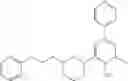


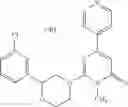


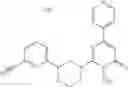


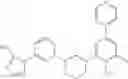


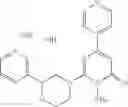


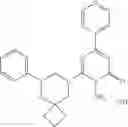


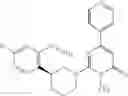


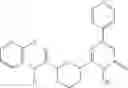


Sources:
- United States Patent and Trademark Office - verify current appl. status at the USPTO↗
Similar patent applications:
- » 20050130967
3-Substituted-4-pyrimidone derivatives - » 20070142409
3-substituted-4-pyrimidone derivatives
Recent applications in this class:
- » 20250289798 2025-09-18
SMALL MOLECULE INHIBITORS OF MAMMALIAN SLC6A19 FUNCTION - » 20250289797 2025-09-18
SMALL MOLECULE INHIBITORS OF MAMMALIAN SLC6A19 FUNCTION - » 20250289796 2025-09-18
COMPOSITIONS AND METHODS OF USE THEREOF - » 20250282747 2025-09-11
METHODS AND COMPOUNDS USEFUL IN THE SYNTHESIS OF AN AAK1 INHIBITOR - » 20250282746 2025-09-11
HALOGEN-SUBSTITUTED ISOINDOLINE COMPOUND AND USE THEREOF - » 20250276955 2025-09-04
CORONAVIRUS MAIN PROTEASE INHIBITORS AND METHODS USING SAME - » 20250270184 2025-08-28
PROCESSES FOR THE PREPARATION OF FINERENONE - » 20250257050 2025-08-14
PROCESS FOR THE PREPARATION OF VORASIDENIB - » 20250257049 2025-08-14
HETEROCYCLIC COMPOUNDS AS MODULATORS OF MGLUR7 - » 20250257048 2025-08-14
METHODS OF PREPARING AN ISOINDOLINONE DERIVATIVE AND CRYSTAL FORMS THEREOF
Recent applications for this Assignee:
- » 20090239864 2009-09-24
6-(pyridinyl)-4-pyrimidone derivates as tau protein kinase 1 inhibitors - » 20090220422 2009-09-03
Drug delivery material - » 20090124618 2009-05-14
2-morpholino-4-pyrimidone compound - » 20090062295 2009-03-05
Pharmaceutical Products - » 20090005392 2009-01-01
CRYSTAL OF 6-[4-(4-PYRIDYLAMINO) PHENYL]-4,5-DIHYDRO-3(2H-PYRIDAZINONE HYDROCHLORIDE TRIHYDRATE - » 20090004725 2009-01-01
Process for producing protein with reduction of acidic sugar chain and glycoprotein produced thereby - » 20080318980 2008-12-25
USE OF 7-(PYRIMIDIN-4 YL)-IMIDAZO[1,2-a]PYRIMIDIN-5(1H)-ONES AS GSK-3BETA INHIBITORS - » 20080311188 2008-12-18
Solid pharmaceutical compositions comprising a SIP receptor agonist and a sugar alcohol - » 20080269257 2008-10-30
Use of substituted 2-pyrimidinyl-6,7,8,9-tetrahydropyrimido[1,2-] pyrimidin-4-one and 7-pyrimidinyl-2,3-dihydroimidazo[1,2-] pyrimidin-5(1)one derivatives - » 20080081820 2008-04-03
Substituted 8′-pyri(MI)dinyl-dihydrospiro-[cycloalkylamine]-pyrimido[1,2-]pyrimidin-6-one derivatives