Hepatitis a virus nucleotide sequences, recombinant proteins and uses thereof
US20050130135A1
2005-06-16
11/051,613
2005-02-04
Abstract:
Hepatitis A virus primers and probes derived from the capsid proteins and junction between the capsid precursor P1 and 2A of the HAV genome are disclosed. Also disclosed are nucleic acid-based assays using the primers and probes, antigen detection of HAV, and immunoassay for detecting the antibodies that bind to HAV.
Interested in similar patents?
Get notified when new applications in this technology area are published.
Classification:
C07K14/005 » CPC main
Peptides having more than 20 amino acids; Gastrins; Somatostatins; Melanotropins; Derivatives thereof from viruses
A61P31/14 » CPC further
Antiinfectives, i.e. antibiotics, antiseptics, chemotherapeutics; Antivirals for RNA viruses
C12Q1/706 » CPC further
Measuring or testing processes involving enzymes, nucleic acids or microorganisms ; Compositions therefor; Processes of preparing such compositions involving virus or bacteriophage; Specific hybridization probes for hepatitis
A61K39/00 » CPC further
Medicinal preparations containing antigens or antibodies
C12N2770/32422 » CPC further
ssRNA viruses positive-sense; Details; Picornaviridae; Hepatovirus, i.e. hepatitis A virus New viral proteins or individual genes, new structural or functional aspects of known viral proteins or genes
Y02A50/30 » CPC further
in human health protection, e.g. against extreme weather Against vector-borne diseases, e.g. mosquito-borne, fly-borne, tick-borne or waterborne diseases whose impact is exacerbated by climate change
Description
CROSS-REFERENCE TO RELATED APPLICATIONSThis application is related to provisional patent applications Ser. No. 60/328,933 filed Oct. 12, 2001, from which priority is claimed under 35 USC §119(e)(1) and which application is incorporated herein by reference in its entireties.
TECHNICAL FIELDThe present invention pertains generally to viral diagnostics. In particular, the invention relates to nucleic acid and antibody-based assays for accurately diagnosing hepatitis A virus infection.
BACKGROUND OF THE INVENTIONHepatitis A is an enterically transmitted disease that causes fever, malaise, anorexia, nausea, abdominal discomfort and jaundice. The etiologic agent of hepatitis A, the hepatitis A virus, is a small, nonenveloped, spherical virus classified in the genus Hepatovirus of the Picornaviridae family. The HAV genome consists of a single-strand, linear, 7.5 kb RNA molecule encoding a polyprotein precursor that is processed to yield the structural proteins and enzymatic activities required for viral replication. HAV grows poorly in cell culture, is not cytopathic, and produces low yields of virus. Although HAV RNA extracted from virions is infectious in cell culture (Locarnini et al., J. Virol. 37:216-225, 1981 and Siegl et al., J. Gen. Virol. 57:331-341, 1981), direct manipulation of the viral genome becomes difficult because of its RNA composition.
HAV encodes four capsid proteins (A, B, C and D) which contain the major antigenic domains recognized by antibodies of infected individuals. In addition to the capsid proteins, antigenic domains have been reported in nonstructural proteins such as 2A and the viral encoded protease. Another important HAV antigenic domain has been described in the junction between the capsid precursor P1 and 2A.
HAV is normally acquired by fecal-oral route, by either person-to-person contact or ingestion of contaminated food or water. However, there is the potential for HAV transmission by pooled plasma products. The absence of a lipid envelope makes HAV very resistant to physicochemical inactivation, and the virus can withstand conventional heat treatment of blood products. Thus, HAV, as well as Parvovirus B19, have been transmitted through the administration of pooled plasma derivatives. The development of sensitive and specific diagnostic assays to identify HAV antigens and/or antibodies in infected individuals as well as nucleic acid-based tests to detect viremic samples to exclude them from transfusion represents an important public health challenge.
Therefore, there remains a need for the development of reliable diagnostic tests to detect hepatitis A virus in viremic samples, in order to prevent transmission of the virus through blood and plasma derivatives or by close personal contact.
SUMMARY OF THE INVENTIONThe present invention is based on the development of a sensitive, reliable nucleic acid-based diagnostic test for the detection of hepatitis A virus (HAV) in biological samples from potentially infected individuals. The techniques described herein utilize extracted sample RNA as a template for amplification of HAV genomic sequence using transcription-mediated amplification (TMA), as well as in a 5′ nuclease assay, such as the TaqMan™ technique. The methods allow for the detection of HAV in viremic samples. Accordingly, infected samples can be identified and excluded from transfusion, as well as from the preparation of blood derivatives.
In one aspect, the invention is directed to an isolated polynucleotide comprising (a) a nucleotide sequence comprising any one of the nucleotide sequences depicted in SEQ ID NOs: 1-39; (b) an isolated polynucleotide encoding a polypeptide comprising any one of SEQ ID NOs: 40-48; (c) a sequence complementary to any one of the sequences of (a) or (b); or (d) a fragment of any of the sequences in (a) or (b) wherein the fragment is at least 10 nucleotides.
In another embodiment, the invention is directed to an oligonucleotide primer consisting of a promoter region recognized by a DNA-dependent RNA polymerase operably linked to a HAV-specific complexing sequence of about 10 to about 75 nucleotides. In certain embodiments, the promoter region is the T7 promoter and said polymerase is T7 RNA polymerase. Additionally, the HAV-specific sequence may be from the HAV genome, such as a nucleotide sequence comprising any one of the nucleotide sequences depicted in SEQ ID NOs: 1-39.
In yet further embodiments, the invention is directed an oligonucleotide primer consisting of a T7 promoter operably linked to a HAV-specific complexing sequence of about 10 to about 75 nucleotides, wherein the HAV-specific complexing sequence is derived from any one of the polynucleotide sequences of SEQ ID NOs: 1-39.
In another embodiment, the invention is directed to an oligonucleotide probe comprising a HAV-specific hybridizing sequence of about 10 to about 50 nucleotides linked to an acridinium ester label. In certain embodiments, the HAV-specific hybridizing sequence is a polynucleotide sequence derived from any one of the polynucleotide sequences of SEQ ID NOs: 1-39.
In another embodiment, the invention is directed to a vaccine composition comprising an isolated immunogenic Hepatitis A virus (HAV) polypeptide, and a pharmaceutically acceptable excipient, wherein the HAV polypeptide is a polypeptide with at least 80% sequence identity to any one of the sequences of SEQ ID NOs: 40-48, or an immunogenic fragment thereof comprising at least 10 amino acids.
In yet an additional embodiment, the invention is directed to a diagnostic test kit comprising one or more oligonucleotide primers described herein, and instructions for conducting the diagnostic test. In certain embodiments, the test kit further comprises an oligonucleotide probe comprising a HAV hybridizing sequence of about 10 to about 50 nucleotides linked to an acridinium ester label.
In another embodiment, the invention is directed to an immunoassay for detecting antibodies that bind to a hepatitis A virus polypeptide comprising: providing an antigen comprising a sequence having at least 80% sequence identity to any one of the sequences of SEQ ID NOs: 40-48, or fragment thereof; incubating the antigen with a biological sample under conditions that allow for formation of an antibody-antigen complex; and detecting any antibody-antigen complexes comprised of said antigen. The antigen may be immobilized on a solid support, and may be at least 10 amino acids. In addition, the biological sample can be bodily fluid, tissue, or organ, such as human blood or a fraction thereof.
In yet another embodiment, the invention is directed to a method for detecting Hepatitis A virus (HAV) infection in a biological sample, the method comprising (a) isolating nucleic acid from a biological sample suspected of containing Hepatitis A virus (HAV) RNA, wherein said nucleic acid comprises a target sequence, (b) reacting the HAV nucleic acid with a detectably labeled probe sufficiently complementary to and capable of hybridizing with the target sequence, wherein the probe is derived from any one of SEQ ID NOs: 1-39, and further wherein said reacting is done under conditions that provide for the formation of a probe/target sequence complex, and (c) detecting the presence or absence of label as an indication of the presence or absence of the target sequence.
These and other aspects of the present invention will become evident upon reference to the following detailed description and attached drawings. In addition, various references are set forth herein which describe in more detail certain procedures or compositions, and are therefore incorporated by reference in their entirety.
BRIEF DESCRIPTION OF THE DRAWINGSFIG. 1 illustrates the nucleotide sequence of the 243 base pair VP3/VP1 HAV fragment determined for thirteen Indonesian (IND) (SEQ ID NOs: 1-13) and fourteen Chilean (SCL) (SEQ ID NOs: 14-27) isolates.
FIG. 2 illustrates the nucleotide sequence (SEQ ID NO: 28) of a 2,950 bp KpnI/SphI insert encoding the HAV P1/2A precursor.
FIG. 3 illustrates the nucleotide sequence (SEQ ID NO: 29) of a 6,696 bp KpnI/SphI insert encoding the full length HAV open reading frame.
FIG. 4 illustrates the nucleotide sequence (SEQ ID NO: 30) of a 6,757 bp KpnI/SphI insert encoding the full length HAV open reading frame plus additional 3′ untranslated sequences.
FIG. 5 illustrates the nucleotide (SEQ ID NO: 31) and corresponding amino acid sequence (SEQ ID NO: 40) of the recombinant protein of 94 kDa consisting of the capsid precursor P1 (methionine1- glutamic acid791) plus the 45 amino terminal residues of the nonstructural protein 2A (serine792 through glutamine836).
FIG. 6 illustrates the nucleotide (SEQ ID NO: 32) and corresponding amino acid sequence (SEQ ID NO: 41) of the recombinant protein of 115.5 kDa consisting of precursor P1 (Met1-Glu791) fused with the nonstructural protein 2A (Ser792-Gln980).
FIG. 7 illustrates the nucleotide (SEQ ID NO: 33) and corresponding amino acid sequence (SEQ ID NO: 42) of the recombinant protein of 25 kDa (Asp24-Gln245) representing HAV capsid protein 1B (VP2 gene product).
FIG. 8 illustrates the nucleotide (SEQ ID NO: 34) and corresponding amino acid sequence (SEQ ID NO: 43) of the recombinant protein of 28 kDa (Met246-Gln491) representing HAV capsid protein 1C (VP3 gene product).
FIG. 9 illustrates the nucleotide (SEQ ID NO: 35) and corresponding amino acid sequence (SEQ ID NO: 44) of the recombinant protein of 33.3 kDa (Val492-Glu791) representing HAV capsid protein 1D (VP1 gene product).
FIG. 10 illustrates the nucleotide (SEQ ID NO: 36) and corresponding amino acid sequence (SEQ ID NO: 45) of the recombinant protein of 38.8 kDa consisting of human superoxide dismutase (153 aminoacids) fused with the HAV nonstructural protein 2A (Ser792-Gln980).
FIG. 11 illustrates the nucleotide (SEQ ID NO: 37) and corresponding amino acid sequence (SEQ ID NO: 46) of the recombinant protein of 24.9 kDa consisting of human superoxide dismutase (153 amino acids) fused with the HAV nonstructural protein 3A (Gly1423-Glu1496).
FIG. 12 illustrates the nucleotide (SEQ ID NO: 38) and corresponding amino acid sequence (SEQ ID NO: 47) of the recombinant protein of 41 kDa consisting of human superoxide dismutase (153 amino acids) fused with the HAV nonstructural protein 3C (Protease: Ser1520-Gln1678).
FIG. 13 illustrates the nucleotide (SEQ ID NO: 39) and corresponding amino acid sequence (SEQ ID NO: 48) of the recombinant protein of human superoxide dismutase (153 amino acids) fused with the HAV nonstructural protein 3D (RNA dependent RNA polymerase: Arg1739-Ser2227).
DETAILED DESCRIPTION OF THE INVENTIONThe practice of the present invention will employ, unless otherwise indicated, conventional methods of chemistry, biochemistry, recombinant DNA techniques and virology, within the skill of the art. Such techniques are explained fully in the literature. See, e.g., Fundamental Virology, 2nd Edition, vol. I & II (B. N. Fields and D. M. Knipe, eds.); A. L. Lehninger, Biochemistry (Worth Publishers, Inc., current addition); Sambrook, et al., Molecular Cloning: A Laboratory Manual (2nd Edition, 1989); Methods In Enzymology (S. Colowick and N. Kaplan eds., Academic Press, Inc.); Oligonucleotide Synthesis (N. Gait, ed., 1984); A Practical Guide to Molecular Cloning (1984).
All publications, patents and patent applications cited herein, whether supra or infra, are hereby incorporated by reference in their entirety.
It must be noted that, as used in this specification and the appended claims, the singular forms “a”, “an” and “the” include plural referents unless the content clearly dictates otherwise. Thus, for example, reference to “an antigen” includes a mixture of two or more antigens, and the like.
The following amino acid abbreviations are used throughout the text:
-
- Alanine: Ala (A) Arginine: Arg (R)
- Asparagine: Asn (N) Aspartic acid: Asp (D)
- Cysteine: Cys (C) Glutamine: Gln (Q)
- Glutamic acid: Glu (E) Glycine: Gly (G)
- Histidine: His (H) Isoleucine: Ile (I)
- Leucine: Leu (L) Lysine: Lys (K)
- Methionine: Met (M) Phenylalanine: Phe (F)
- Proline: Pro (P) Serine: Ser (S)
- Threonine: Thr (T) Tryptophan: Trp (W)
- Tyrosine: Tyr (Y) Valine: Val (V)
I. Definitions
In describing the present invention, the following terms will be employed, and are intended to be defined as indicated below.
The terms “polypeptide” and “protein” refer to a polymer of amino acid residues and are not limited to a minimum length of the product. Thus, peptides, oligopeptides, dimers, multimers, and the like, are included within the definition. Both full-length proteins and fragments thereof are encompassed by the definition. The terms also include postexpression modifications of the polypeptide, for example, glycosylation, acetylation, phosphorylation and the like. Furthermore, for purposes of the present invention, a “polypeptide” refers to a protein which includes modifications, such as deletions, additions and substitutions (generally conservative in nature), to the native sequence, so long as the protein maintains the desired activity. These modifications may be deliberate, as through site-directed mutagenesis, or may be accidental, such as through mutations of hosts which produce the proteins or errors due to PCR amplification.
The terms “analog” and “mutein” refer to biologically active derivatives of the reference molecule, or fragments of such derivatives, that retain desired activity, such as immunoreactivity in diagnostic assays. In general, the term “analog” refers to compounds having a native polypeptide sequence and structure with one or more amino acid additions, substitutions (generally conservative in nature) and/or deletions, relative to the native molecule, so long as the modifications do not destroy immunogenic activity. The term “mutein” refers to peptides having one or more peptide mimics (“peptoids”), such as those described in International Publication No. WO 91/04282. Preferably, the analog or mutein has at least the same immunoactivity as the native molecule. Methods for making polypeptide analogs and muteins are known in the art and are described further below.
Particularly preferred analogs include substitutions that are conservative in nature, i.e., those substitutions that take place within a family of amino acids that are related in their side chains. Specifically, amino acids are generally divided into four families: (1) acidic—aspartate and glutamate; (2) basic—lysine, arginine, histidine; (3) non-polar—alanine, valine, leucine, isoleucine, proline, phenylalanine, methionine, tryptophan; and (4) uncharged polar—glycine, asparagine, glutamine, cysteine, serine threonine, tyrosine. Phenylalanine, tryptophan, and tyrosine are sometimes classified as aromatic amino acids. For example, it is reasonably predictable that an isolated replacement of leucine with isoleucine or valine, an aspartate with a glutamate, a threonine with a serine, or a similar conservative replacement of an amino acid with a structurally related amino acid, will not have a major effect on the biological activity. For example, the polypeptide of interest may include up to about 5-10 conservative or non-conservative amino acid substitutions, or even up to about 15-25 conservative or non-conservative amino acid substitutions, or any integer between 5-25, so long as the desired function of the molecule remains intact. One of skill in the art may readily determine regions of the molecule of interest that can tolerate change by reference to Hopp/Woods and Kyte-Doolittle plots, well known in the art.
By “isolated” is meant, when referring to a polypeptide, that the indicated molecule is separate and discrete from the whole organism with which the molecule is found in nature or is present in the substantial absence of other biological macro-molecules of the same type. The term “isolated” with respect to a polynucleotide is a nucleic acid molecule devoid, in whole or part, of sequences normally associated with it in nature; or a sequence, as it exists in nature, but having heterologous sequences in association therewith; or a molecule disassociated from the chromosome.
A polynucleotide “derived from” or “specific for” a designated sequence refers to a polynucleotide sequence which comprises a contiguous sequence of approximately at least about 6 nucleotides, preferably at least about 8 nucleotides, more preferably at least about 10-12 nucleotides, and even more preferably at least about 15-20 nucleotides corresponding, i.e., identical or complementary to, a region of the designated nucleotide sequence. The derived polynucleotide will not necessarily be derived physically from the nucleotide sequence of interest, but may be generated in any manner, including, but not limited to, chemical synthesis, replication, reverse transcription or transcription, which is based on the information provided by the sequence of bases in the region(s) from which the polynucleotide is derived. As such, it may represent either a sense or an antisense orientation of the original polynucleotide.
“Homology” refers to the percent similarity between two polynucleotide or two polypeptide moieties. Two DNA, or two polypeptide sequences are “substantially homologous” to each other when the sequences exhibit at least about 50%, preferably at least about 75%, more preferably at least about 80%-85%, preferably at least about 90%, and most preferably at least about 95%-98% sequence similarity over a defined length of the molecules. As used herein, substantially homologous also refers to sequences showing complete identity to the specified DNA or polypeptide sequence.
In general, “identity” refers to an exact nucleotide-to-nucleotide or amino acid-to-amino acid correspondence of two polynucleotides or polypeptide sequences, respectively. Percent identity can be determined by a direct comparison of the sequence information between two molecules by aligning the sequences, counting the exact number of matches between the two aligned sequences, dividing by the length of the shorter sequence, and multiplying the result by 100.
Readily available computer programs can be used to aid in the analysis of homology and identity, such as ALIGN, Dayhoff, M. O. in Atlas of Protein Sequence and Structure M. O. Dayhoff ed., 5 Suppl. 3:353-358, National biomedical Research Foundation, Washington, D.C., which adapts the local homology algorithm of Smith and Waterman Advances in Appl. Math. 2:482-489, 1981 for peptide analysis. Programs for determining nucleotide sequence homology are available in the Wisconsin Sequence Analysis Package, Version 8 (available from Genetics Computer Group, Madison, Wis.) for example, the BESTFIT, FASTA and GAP programs, which also rely on the Smith and Waterman algorithm. These programs are readily utilized with the default parameters recommended by the manufacturer and described in the Wisconsin Sequence Analysis Package referred to above. For example, percent homology of a particular nucleotide sequence to a reference sequence can be determined using the homology algorithm of Smith and Waterman with a default scoring table and a gap penalty of six nucleotide positions.
Another method of establishing percent homology in the context of the present invention is to use the MPSRCH package of programs copyrighted by the University of Edinburgh, developed by John F. Collins and Shane S. Sturrok, and distributed by IntelliGenetics, Inc. (Mountain View, Calif.). From this suite of packages the Smith-Waterman algorithm can be employed where default parameters are used for the scoring table (for example, gap open penalty of 12, gap extension penalty of one, and a gap of six). From the data generated the “Match” value reflects “sequence homology.” Other suitable programs for calculating the percent identity or similarity between sequences are generally known in the art, for example, another alignment program is BLAST, used with default parameters. For example, BLASTN and BLASTP can be used using the following default parameters: genetic code=standard; filter=none; strand=both; cutoff=60; expect=10; Matrix=BLOSUM62; Descriptions=50 sequences; sort by=HIGH SCORE; Databases=non-redundant, GenBank+EMBL+DDBJ+PDB+GenBank CDS translations+Swiss protein+Spupdate+PIR. Details of these programs can be found at the following internet address: http://www.ncbi.nlm.gov/cgi-bin/BLAST.
Alternatively, homology can be determined by hybridization of polynucleotides under conditions which form stable duplexes between homologous regions, followed by digestion with single-stranded-specific nuclease(s), and size determination of the digested fragments. DNA sequences that are substantially homologous can be identified in a Southern hybridization experiment under, for example, stringent conditions, as defined for that particular system. Defining appropriate hybridization conditions is within the skill of the art. See, e.g., Sambrook et al., supra; DNA Cloning, supra; Nucleic Acid Hybridization, supra.
“Operably linked” refers to an arrangement of elements wherein the components so described are configured so as to perform their desired function. Thus, a given promoter operably linked to a nucleic acid sequence is capable of effecting the transcription, and in the case of a coding sequence, the expression of the coding sequence when the proper transcription factors, etc., are present. The promoter need not be contiguous with the nucleic acid sequence, so long as it functions to direct the transcription and/or expression thereof. Thus, for example, intervening untranslated yet transcribed sequences can be present between the promoter sequence and the coding sequence, as can transcribed introns, and the promoter sequence can still be considered “operably linked” to the coding sequence.
“Recombinant” as used herein to describe a nucleic acid molecule means a polynucleotide of genomic, cDNA, viral, semisynthetic, or synthetic origin which, by virtue of its origin or manipulation is not associated with all or a portion of the polynucleotide with which it is associated in nature. The term “recombinant” as used with respect to a protein or polypeptide means a polypeptide produced by expression of a recombinant polynucleotide. In general, the gene of interest is cloned and then expressed in transformed organisms, as described further below. The host organism expresses the foreign gene to produce the protein under expression conditions.
A “control element” refers to a polynucleotide sequence which aids in the transcription and/or translation of a nucleotide sequence to which it is linked. The term includes promoters, transcription termination sequences, upstream regulatory domains, polyadenylation signals, untranslated regions, including 5′-UTRs and 3′-UTRs and when appropriate, leader sequences and enhancers, which collectively provide for the transcription and translation of a coding sequence in a host cell.
A “promoter” as used herein is a regulatory region capable of binding a polymerase and initiating transcription of a downstream (3′ direction) nucleotide sequence operably linked thereto. For purposes of the present invention, a promoter sequence includes the minimum number of bases or elements necessary to initiate transcription of a sequence of interest at levels detectable above background. Within the promoter sequence is a transcription initiation site, as well as protein binding domains (consensus sequences) responsible for the binding of RNA or DNA polymerase. For example, promoter may be a nucleic acid sequence that is recognized by a DNA-dependent RNA polymerase (“transcriptase”) as a signal to bind to the nucleic acid and begin the transcription of RNA at a specific site. For binding, such transcriptases generally require DNA which is double-stranded in the portion comprising the promoter sequence and its complement; the template portion (sequence to be transcribed) need not be double-stranded. Individual DNA-dependent RNA polymerases recognize a variety of different promoter sequences which can vary markedly in their efficiency in promoting transcription. When an RNA polymerase binds to a promoter sequence to initiate transcription, that promoter sequence is not part of the sequence transcribed. Thus, the RNA transcripts produced thereby will not include that sequence.
A control sequence “directs the transcription” of a nucleotide sequence when RNA or DNA polymerase will bind the promoter sequence and transcribe the adjacent sequence.
A “DNA-dependent DNA polymerase” is an enzyme that synthesizes a complementary DNA copy from a DNA template. Examples are DNA polymerase I from E. coli and bacteriophage T7 DNA polymerase. All known DNA-dependent DNA polymerases require a complementary primer to initiate synthesis. Under suitable conditions, a DNA-dependent DNA polymerase may synthesize a complementary DNA copy from an RNA template.
A “DNA-dependent RNA polymerase” or a “transcriptase” is an enzyme that synthesizes multiple RNA copies from a double-stranded or partially-double stranded DNA molecule having a (usually double-stranded) promoter sequence. The RNA molecules (“transcripts”) are synthesized in the 5′ to 3′ direction beginning at a specific position just downstream of the promoter. Examples of transcriptases are the DNA-dependent RNA polymerase from E. coli and bacteriophages T7, T3, and SP6.
An “RNA-dependent DNA polymerase” or “reverse transcriptase” is an enzyme that synthesizes a complementary DNA copy from an RNA template. All known reverse transcriptases also have the ability to make a complementary DNA copy from a DNA template; thus, they are both RNA- and DNA-dependent DNA polymerases. A primer is required to initiate synthesis with both RNA and DNA templates.
“RNAse H” is an enzyme that degrades the RNA portion of an RNA:DNA duplex. These enzymes may be endonucleases or exonucleases. Most reverse transcriptase enzymes normally contain an RNAse H activity in addition to their polymerase activity. However, other sources of the RNAse H are available without an associated polymerase activity. The degradation may result in separation of RNA from a RNA:DNA complex. Alternatively, the RNAse H may simply cut the RNA at various locations such that portions of the RNA melt off or permit enzymes to unwind portions of the RNA.
The terms “polynucleotide,” “oligonucleotide,” “nucleic acid” and “nucleic acid molecule” are used herein to include a polymeric form of nucleotides of any length, either ribonucleotides or deoxyribonucleotides. This term refers only to the primary structure of the molecule. Thus, the term includes triple-, double- and single-stranded DNA, as well as triple-, double- and single-stranded RNA. It also includes modifications, such as by methylation and/or by capping, and unmodified forms of the polynucleotide. More particularly, the terms “polynucleotide,” “oligonucleotide,” “nucleic acid” and “nucleic acid molecule” include polydeoxyribonucleotides (containing 2-deoxy-D-ribose), polyribonucleotides (containing D-ribose), any other type of polynucleotide which is an N- or C-glycoside of a purine or pyrimidine base, and other polymers containing nonnucleotidic backbones, for example, polyamide (e.g., peptide nucleic acids (PNAs)) and polymorpholino (commercially available from the Anti-Virals, Inc., Corvallis, Oreg., as Neugene) polymers, and other synthetic sequence-specific nucleic acid polymers providing that the polymers contain nucleobases in a configuration which allows for base pairing and base stacking, such as is found in DNA and RNA. There is no intended distinction in length between the terms “polynucleotide,” “oligonucleotide,” “nucleic acid” and “nucleic acid molecule,” and these terms will be used interchangeably. These terms refer only to the primary structure of the molecule. Thus, these terms include, for example, 3′-deoxy-2′,5′-DNA, oligodeoxyribonucleotide N3′ P5′ phosphoramidates, 2′-O-alkyl-substituted RNA, double- and single-stranded DNA, as well as double- and single-stranded RNA, DNA:RNA hybrids, and hybrids between PNAs and DNA or RNA, and also include known types of modifications, for example, labels which are known in the art, methylation, “caps,” substitution of one or more of the naturally occurring nucleotides with an analog, internucleotide modifications such as, for example, those with uncharged linkages (e.g., methyl phosphonates, phosphotriesters, phosphoramidates, carbamates, etc.), with negatively charged linkages (e.g., phosphorothioates, phosphorodithioates, etc.), and with positively charged linkages (e.g., aminoalklyphosphoramidates, aminoalkylphosphotriesters), those containing pendant moieties, such as, for example, proteins (including nucleases, toxins, antibodies, signal peptides, poly-L-lysine, etc.), those with intercalators (e.g., acridine, psoralen, etc.), those containing chelators (e.g., metals, radioactive metals, boron, oxidative metals, etc.), those containing alkylators, those with modified linkages (e.g., alpha anomeric nucleic acids, etc.), as well as unmodified forms of the polynucleotide or oligonucleotide. In particular, DNA is deoxyribonucleic acid.
As used herein, the term “target nucleic acid region” or “target nucleic acid” denotes a nucleic acid molecule with a “target sequence” to be amplified. The target nucleic acid may be either single-stranded or double-stranded and may include other sequences besides the target sequence, which may not be amplified. The term “target sequence” refers to the particular nucleotide sequence of the target nucleic acid which is to be amplified. The target sequence may include a probe-hybridizing region contained within the target molecule with which a probe will form a stable hybrid under desired conditions. The “target sequence” may also include the complexing sequences to which the oligonucleotide primers complex and be extended using the target sequence as a template. Where the target nucleic acid is originally single-stranded, the term “target sequence” also refers to the sequence complementary to the “target sequence” as present in the target nucleic acid. If the “target nucleic acid” is originally double-stranded, the term “target sequence” refers to both the plus (+) and minus (−) strands.
The term “primer” or “oligonucleotide primer” as used herein, refers to an oligonucleotide which acts to initiate synthesis of a complementary DNA strand when placed under conditions in which synthesis of a primer extension product is induced, i.e., in the presence of nucleotides and a polymerization-inducing agent such as a DNA or RNA polymerase and at suitable temperature, pH, metal concentration, and salt concentration. The primer is preferably single-stranded for maximum efficiency in amplification, but may alternatively be double-stranded. If double-stranded, the primer is first treated to separate its strands before being used to prepare extension products. This denaturation step is typically effected by heat, but may alternatively be carried out using alkali, followed by neutralization. Thus, a “primer” is complementary to a template, and complexes by hydrogen bonding or hybridization with the template to give a primer/template complex for initiation of synthesis by a polymerase, which is extended by the addition of covalently bonded bases linked at its 3′ end complementary to the template in the process of DNA synthesis.
As used herein, the term “probe” or “oligonucleotide probe” refers to a structure comprised of a polynucleotide, as defined above, that contains a nucleic acid sequence complementary to a nucleic acid sequence present in the target nucleic acid analyte. The polynucleotide regions of probes may be composed of DNA, and/or RNA, and/or synthetic nucleotide analogs. When an “oligonucleotide probe” is to be used in a 5′ nuclease assay, such as the TaqMan™ technique, the probe will contain at least one fluorescer and at least one quencher which is digested by the 5′ endonuclease activity of a polymerase used in the reaction in order to detect any amplified target oligonucleotide sequences. In this context, the oligonucleotide probe will have a sufficient number of phosphodiester linkages adjacent to its 5′ end so that the 5′ to 3′ nuclease activity employed can efficiently degrade the bound probe to separate the fluorescers and quenchers. When an oligonucleotide probe is used in the TMA technique, it will be suitably labeled, as described below.
It will be appreciated that the hybridizing sequences need not have perfect complementarity to provide stable hybrids. In many situations, stable hybrids will form where fewer than about 10% of the bases are mismatches, ignoring loops of four or more nucleotides. Accordingly, as used herein the term “complementary” refers to an oligonucleotide that forms a stable duplex with its “complement” under assay conditions, generally where there is about 90% or greater homology.
The terms “hybridize” and “hybridization” refer to the formation of complexes between nucleotide sequences which are sufficiently complementary to form complexes via Watson-Crick base pairing. Where a primer “hybridizes” with target (template), such complexes (or hybrids) are sufficiently stable to serve the priming function required by, e.g., the DNA polymerase to initiate DNA synthesis.
Stringent hybridization conditions will typically include salt concentrations of less than about 1M, more usually less than about 500 mM and preferably less than about 200 mM. Hybridization temperatures can be as low as 5° C., but are typically greater than 22° C., more typically greater than about 30° C., and preferably in excess of about 37° C. Longer fragments may require higher hybridization temperatures for specific hybridization. Other factors may affect the stringency of hybridization, including base composition and length of the complementary strands, presence of organic solvents and extent of base mismatching, and the combination of parameters used is more important than the absolute measure of any one alone. Other hybridization conditions which may be controlled include buffer type and concentration, solution pH, presence and concentration of blocking reagents to decrease background binding such as repeat sequences or blocking protein solutions, detergent type(s) and concentrations, molecules such as polymers which increase the relative concentration of the polynucleotides, metal ion(s) and their concentration(s), chelator(s) and their concentrations, and other conditions known in the art. Less stringent, and/or more physiological, hybridization conditions are used where a labeled polynucleotide amplification product cycles on and off a substrate linked to a complementary probe polynucleotide during a real-time assay which is monitored during PCR amplification such as a molecular beacon assay. Such less stringent hybridization conditions can also comprise solution conditions effective for other aspects of the method, for example reverse transcription or PCR.
As used herein, the term “binding pair” refers to first and second molecules that specifically bind to each other, such as complementary polynucleotide pairs capable of forming nucleic acid duplexes. “Specific binding” of the first member of the binding pair to the second member of the binding pair in a sample is evidenced by the binding of the first member to the second member, or vice versa, with greater affinity and specificity than to other components in the sample. The binding between the members of the binding pair is typically noncovalent. Unless the context clearly indicates otherwise, the terms “affinity molecule” and “target analyte” are used herein to refer to first and second members of a binding pair, respectively.
The terms “specific-binding molecule” and “affinity molecule” are used interchangeably herein and refer to a molecule that will selectively bind, through chemical or physical means to a detectable substance present in a sample. By “selectively bind” is meant that the molecule binds preferentially to the target of interest or binds with greater affinity to the target than to other molecules. For example, a DNA molecule will bind to a substantially complementary sequence and not to unrelated sequences.
The “melting temperature” or “Tm” of double-stranded DNA is defined as the temperature at which half of the helical structure of DNA is lost due to heating or other dissociation of the hydrogen bonding between base pairs, for example, by acid or alkali treatment, or the like. The Tm of a DNA molecule depends on its length and on its base composition. DNA molecules rich in GC base pairs have a higher Tm than those having an abundance of AT base pairs. Separated complementary strands of DNA spontaneously reassociate or anneal to form duplex DNA when the temperature is lowered below the Tm. The highest rate of nucleic acid hybridization occurs approximately 25° C. below the Tm. The Tm may be estimated using the following relationship: Tm=69.3+0.41(GC) % (Marmur et al. (1962) J. Mol. Biol. 5:109-118).
As used herein, a “biological sample” refers to a sample of tissue or fluid isolated from a subject, that commonly includes antibodies produced by the subject. Typical samples that include such antibodies are known in the art and include but not limited to, blood, plasma, serum, fecal matter, urine, bone marrow, bile, spinal fluid, lymph fluid, samples of the skin, secretions of the skin, respiratory, intestinal, and genitourinary tracts, tears, saliva, milk, blood cells, organs, biopsies and also samples of in vitro cell culture constituents including but not limited to conditioned media resulting from the growth of cells and tissues in culture medium, e.g., recombinant cells, and cell components.
As used herein, the terms “label” and “detectable label” refer to a molecule capable of detection, including, but not limited to, radioactive isotopes, fluorescers, chemiluminescers, chromophores, enzymes, enzyme substrates, enzyme cofactors, enzyme inhibitors, chromophores, dyes, metal ions, metal sols, ligands (e.g., biotin, avidin, strepavidin or haptens) and the like. The term “fluorescer” refers to a substance or a portion thereof which is capable of exhibiting fluorescence in the detectable range.
An “antigen” includes any substance that may be specifically bound by an antibody molecule. Thus, the term “antigen” encompasses biologic molecules including, but not limited to, simple intermediary metabolites, sugars, lipids, autoacids, and hormones, as well as macromolecules such as complex carbohydrates, phopholipids, nucleic acids and proteins.
An “immunogen” is a macromolecular antigen that is capable of initiating lymphocyte activation resulting in an antigen-specific immune response. An immunogen therefore includes any molecule which contains one or more epitopes that will stimulate a host's immune system to initiate a secretory, humoral and/or cellular antigen-specific response.
The term “antibody” encompasses polyclonal and monoclonal antibody preparations, as well as preparations including hybrid antibodies, altered antibodies, chimeric antibodies and, humanized antibodies, as well as: hybrid (chimeric) antibody molecules (see, for example, Winter et al (1991) Nature 349:293-299; and U.S. Pat. No. 4,816,567); F(ab′)2 and F(ab) fragments; Fv molecules (noncovalent heterodimers, see, for example, Inbar et al (1972) Proc Natl Acad Sci USA 69:2659-2662; and Ehrlich et al (1980) Biochem 19:4091-4096); single-chain Fv molecules (sFv) (see, e.g., Huston et al (1988) Proc Natl Acad Sci USA 85:5879-5883); dimeric and trimeric antibody fragment constructs; minibodies (see, e.g., Pack et al. (1992) Biochem 31:1579-1584; Cumber et al. (1992) J Immunology 149B: 120-126); humanized antibody molecules (see, e.g., Riechmann et al (1988) Nature 332:323-327; Verhoeyan et al. (1988) Science 239:1534-1536; and U.K. Patent Publication No. GB 2,276,169, published 21 September 1994); and, any functional fragments obtained from such molecules, wherein such fragments retain specific-binding properties of the parent antibody molecule.
As used herein, the term “monoclonal antibody” refers to an antibody composition having a homogeneous antibody population. The term is not limited regarding the species or source of the antibody, nor is it intended to be limited by the manner in which it is made. The term encompasses whole immunoglobulins.
Methods of making polyclonal and monoclonal antibodies are known in the art. Polyclonal antibodies are generated by immunizing a suitable animal, such as a mouse, rat, rabbit, sheep or goat, with an antigen of interest. In order to enhance immunogenicity, the antigen can be linked to a carrier prior to immunization. Suitable carriers are typically large, slowly metabolized macromolecules such as proteins, polysaccharides, polylactic acids, polyglycolic acids, polymeric amino acids, amino acid copolymers, lipid aggregates (such as oil droplets or liposomes), and inactive virus particles. Such carriers are well known to those of ordinary skill in the art. Furthermore, the antigen may be conjugated to a bacterial toxoid, such as toxoid from diphtheria, tetanus, cholera, etc., in order to enhance the immunogenicity thereof
Rabbits, sheep and goats are preferred for the preparation of polyclonal sera when large volumes of sera are desired. These animals are good design choices also because of the availability of labeled anti-rabbit, anti-sheep and anti-goat antibodies. Immunization is generally performed by mixing or emulsifying the antigen in saline, preferably in an adjuvant such as Freund's complete adjuvant (“FCA”), and injecting the mixture or emulsion parenterally (generally subcutaneously or intramuscularly). The animal is generally boosted 2-6 weeks later with one or more injections of the antigen in saline, preferably using Freund's incomplete adjuvant (“FIA”). Antibodies may also be generated by in vitro immunization, using methods known in the art. Polyclonal antisera is then obtained from the immunized animal.
Monoclonal antibodies are generally prepared using the method of Kohler and Milstein, Nature (1975) 256:495-497, or a modification thereof. Typically, a mouse or rat is immunized as described above. However, rather than bleeding the animal to extract serum, the spleen (and optionally several large lymph nodes) is removed and dissociated into single cells. If desired, the spleen cells may be screened (after removal of non-specifically adherent cells) by applying a cell suspension to a plate or well coated with the antigen. B-cells, expressing membrane-bound immunoglobulin specific for the antigen, will bind to the plate, and are not rinsed away with the rest of the suspension. Resulting B-cells, or all dissociated spleen cells, are then induced to fuse with myeloma cells to form hybridomas, and are cultured in a selective medium (e.g., hypoxanthine, aminopterin, thymidine medium, “HAT”). The resulting hybridomas are plated by limiting dilution, and are assayed for the production of antibodies which bind specifically to the immunizing antigen (and which do not bind to unrelated antigens). The selected monoclonal antibody-secreting hybridomas are then cultured either in vitro (e.g., in tissue culture bottles or hollow fiber reactors), or in vivo (e.g., as ascites in mice).
II. Modes of Carrying Out the Invention
Before describing the present invention in detail, it is to be understood that this invention is not limited to particular formulations or process parameters as such may, of course, vary. It is also to be understood that the terminology used herein is for the purpose of describing particular embodiments of the invention only, and is not intended to be limiting.
Although a number of compositions and methods similar or equivalent to those described herein can be used in the practice of the present invention, the preferred materials and methods are described herein.
As noted above, the present invention is based on the discovery of novel diagnostic methods for accurately detecting HAV infection in a biological sample. The methods rely on sensitive nucleic acid-based detection techniques that allow identification of HAV target nucleic acid sequences in samples containing small amounts of virus.
In particular, the inventors herein have characterized regions within the HAV genome which are desirable targets for diagnostic tests. Primers and probes derived from these regions are extremely useful for detection of HAV infection in biological samples.
HAV primers and probes described above are used in nucleic acid-based assays for the detection of HAV infection in biological samples. In particular, primers and probes for use in these assays are preferably derived from the nucleotide sequences depicted in FIGS. 1-13 herein.
Particularly preferred primers and probes for use with the present assays are designed from HAV genome to allow detection of HAV infection caused by a variety of isolates.
The four capsid proteins, nonstructural proteins, protease and the junction between the capsid precursor P1 and 2A are readily obtained from additional isolates using portions of the HAV sequence found within these particular regions as primers in PCR reactions such as those described herein. Another method of obtaining nucleotide sequences with the desired sequences is by annealing complementary sets of overlapping synthetic oligonucleotides produced in a conventional, automated polynucleotide synthesizer, followed by ligation with an appropriate DNA ligase and amplification of the ligated nucleotide sequence via PCR. See, e.g., Jayaraman et al. (1991) Proc. Natl. Acad. Sci. USA 88:4084-4088. Once the sequences have been prepared or isolated, they can be cloned into any suitable vector or replicon. Numerous cloning vectors are known to those of skill in the art, and the selection of an appropriate cloning vector is a matter of choice. Suitable vectors include, but are not limited to, plasmids, phages, transposons, cosmids, chromosomes or viruses which are capable of replication when associated with the proper control elements.
Recombinant clones are readily identified by restriction enzyme analysis and polyacryamide or agarose gel electrophresis, using techniques well known in the art, and described in the examples below.
Polynucleotides of the invention encoding the HAV proteins are useful for designing hybridization probes for isolating and identifying cDNA clones and genomic clones encoding HAV proteins or allelic forms thereof. Such hybridization techniques are known to those of skill in the art. Sequence of polynucleotides that encode HAV proteins are also useful for designing primers for polymerase chain reaction (PCR). Also encompassed by the present invention, are single stranded polynucleotides, hereinafter referred to as antisense polynucleotides, having sequences which are complementary to the RNA sequences which encode the HAV proteins.
Primers and probes for use in the assays herein are derived from these sequences and are readily synthesized by standard techniques, e.g., solid phase synthesis via phosphoramidite chemistry, as disclosed in U.S. Pat. Nos. 4,458,066 and 4,415,732, incorporated herein by reference; Beaucage et al. (1992) Tetrahedron 48:2223-2311; and Applied Biosystems User Bulletin No. 13 (1 Apr. 1987). Other chemical synthesis methods include, for example, the phosphotriester method described by Narang et al., Meth. Enzymol. (1979) 68:90 and the phosphodiester method disclosed by Brown et al., Meth. Enzymol. (1979) 68:109. Poly(A) or poly(C), or other non-complementary nucleotide extensions may be incorporated into probes using these same methods. Hexaethylene oxide extensions may be coupled to probes by methods known in the art. Cload et al. (1991) J. Am. Chem. Soc. 113:6324-6326; U.S. Pat. No. 4,914,210 to Levenson et al.; Durand et al. (1990) Nucleic Acids Res. 18:6353-6359; and Horn et al. (1986) Tet. Lett. 27:4705-4708. Typically, the primer sequences are in the range of between 10-100 nucleotides in length, such as 15-60, 20-40 and so on, more typically in the range of between 20-40 nucleotides long, and any length between the stated ranges. The typical probe is in the range of between 10-100 nucleotides long, such as 10-50, 15-40, 18-30, and so on, and any length between the stated ranges.
Thus, one aspect of the invention encompasses oligonucleotides that are used as primers and probes in polymerase chain reaction (PCR) technologies to amplify transcripts of the genes which encode HAV proteins or portions of such transcripts. Preferably, the primers have a G+C content of 40% or greater. Such oligonucleotides are at least 80% complementary with a sequence of SEQ ID NOs: 1-39. Preferably, the primers and probes are at least 85% complementarity, 90% complementary, 95% complementary or more preferably 98% or 99% complementary with the sense strand or its corresponding antisense strand of SEQ ID NOs: 1-39.
Moreover, the probes may be coupled to labels for detection. There are several means known for derivatizing oligonucleotides with reactive functionalities which permit the addition of a label. For example, several approaches are available for biotinylating probes so that radioactive, fluorescent, chemiluminescent, enzymatic, or electron dense labels can be attached via avidin. See, e.g., Broken et al. (1978) Nucl. Acids Res. 5:363-384 which discloses the use of ferritin-avidin-biotin labels; and Chollet et al. (1985) Nucl. Acids Res. 13:1529-1541 which discloses biotinylation of the 5′ termini of oligonucleotides via an aminoalkylphosphoramide linker arm. Several methods are also available for synthesizing amino-derivatized oligonucleotides which are readily labeled by fluorescent or other types of compounds derivatized by amino-reactive groups, such as isothiocyanate, N-hydroxysuccinimide, or the like, see, e.g., Connolly (1987) Nucl. Acids Res. 15:3131-3139, Gibson et al. (1987) Nucl. Acids Res. 15:6455-6467 and U.S. Pat. No. 4,605,735 to Miyoshi et al. Methods are also available for synthesizing sulfhydryl-derivatized oligonucleotides which can be reacted with thiol-specific labels, see, e.g., U.S. Pat. No. 4,757,141 to Fung et al., Connolly et al. (1985) Nucl. Acids Res. 13:4485-4502 and Spoat et al. (1987) Nucl. Acids Res. 15:4837-4848. A comprehensive review of methodologies for labeling DNA fragments is provided in Matthews et al., Anal. Biochem. (1988) 169:1-25.
For example, probes may be fluorescently labeled by linking a fluorescent molecule to the non-ligating terminus of the probe. Guidance for selecting appropriate fluorescent labels can be found in Smith et al., Meth. Enzymol. (1987) 155:260-301; Karger et al., Nucl. Acids Res. (1991) 19:4955-4962; Haugland (1989) Handbook of Fluorescent Probes and Research Chemicals (Molecular Probes, Inc., Eugene, Oreg.). Preferred fluorescent labels include fluorescein and derivatives thereof, such as disclosed in U.S. Pat. No. 4,318,846 and Lee et al., Cytometry (1989) 10:151-164. Dyes for use in the present invention include 3-pheniyl-7-isocyanatocoumarini, acridines, such as 9-isothiocyanatoacridine and acridine orange, pyrenes, benzoxadiazoles, and stilbenes. Additional dyes include 3-(ε-carboxypentyl)-3′-ethyl-5,5′-dimethyloxa-carbocyanine (CYA); 6-carboxy fluorescein (FAM); 5,6-carboxyrhodamine-1 10 (R110); 6-carboxyrhodamine-6G (R6G); N′,N′,N′,N′-tetramethyl-6-carboxyrhodamine (TAMRA); 6-carboxy-X-rhodamine (ROX); 2′,4′,5′,7′,-tetrachloro-4-7-dichlorofluorescein (TET); 2′,7′-dimethoxy-4′,5′-6 carboxyrhodamine (JOE); 6-carboxy-2′,4,4′,5′,7,7′-hexachlorofluorescein (HEX); ALEXA; Cy3 and Cy5. These dyes are commercially available from various suppliers such as Applied Biosystems Division of Perkin Elmer Corporation (Foster City, Calif.), and Molecular Probes, Inc. (Eugene, Oreg.). Preferred fluorescent labels include fluorescein and derivatives thereof, such as disclosed in U.S. Pat. No. 4,318,846 and Lee et al., Cytometry (1989) 10:151-164, and 6-FAM, JOE, TAMRA, ROX, HEX-1, HEX-2, ZOE, TET-1 or NAN-2, and the like.
Additionally, probes can be labeled with an acridinium ester (AE) using the techniques described below. Current technologies allow the AE label to be placed at any location within the probe. See, e.g., Nelson et al. (1995) “Detection of Acridinium Esters by Chemiluminescence” in Nonisotopic Probing, Blotting and Sequencing, Kricka L. J. (ed) Academic Press, San Diego, Calif.; Nelson et al. (1994) “Application of the Hybridization Protection Assay (HPA) to PCR” in The Polymerase Chain Reaction, Mullis et al. (eds.) Birkhauser, Boston, Mass.; Weeks et al., Clin. Chem. (1983) 29:1474-1479; Berry et al., Clin. Chem. (1988) 34:2087-2090. An AE molecule can be directly attached to the probe using non-nucleotide-based linker arm chemistry that allows placement of the label at any location within the probe. See, e.g., U.S. Pat. Nos. 5,585,481 and 5,185,439.
The primers and probes described above may be used in polymerase chain reaction (PCR)-based techniques to detect HAV infection in biological samples. PCR is a technique for amplifying a desired target nucleic acid sequence contained in a nucleic acid molecule or mixture of molecules. In PCR, a pair of primers is employed in excess to hybridize to the complementary strands of the target nucleic acid. The primers are each extended by a polymerase using the target nucleic acid as a template. The extension products become target sequences themselves after dissociation from the original target strand. New primers are then hybridized and extended by a polymerase, and the cycle is repeated to geometrically increase the number of target sequence molecules. The PCR method for amplifying target nucleic acid sequences in a sample is well known in the art and has been described in, e.g., Innis et al. (eds.) PCR Protocols (Academic Press, NY 1990); Taylor (1991) Polymerase chain reaction: basic principles and automation, in PCR: A Practical Approach, McPherson et al. (eds.) IRL Press, Oxford; Saiki et al. (1986) Nature 324:163; as well as in U.S. Pat. Nos. 4,683,195, 4,683,202 and 4,889,818, all incorporated herein by reference in their entireties.
In particular, PCR uses relatively short oligonucleotide primers which flank the target nucleotide sequence to be amplified, oriented such that their 3′ ends face each other, each primer extending toward the other. The polynucleotide sample is extracted and denatured, preferably by heat, and hybridized with first and second primers which are present in molar excess. Polymerization is catalyzed in the presence of the four deoxyribonucleotide triphosphates (dNTPs—dATP, dGTP, dCTP and dTTP) using a primer- and template-dependent polynucleotide polymerizing agent, such as any enzyme capable of producing primer extension products, for example, E. coli DNA polymerase I, Klenow fragment of DNA polymerase I, T4 DNA polymerase, thermostable DNA polymerases isolated from Thermus aquaticus (Taq), available from a variety of sources (for example, Perkin Elmer), Thermus thermophilus (United States Biochemicals), Bacillus stereothermophilus (Bio-Rad), or Thermococcus litoralis (“Vent” polymerase, New England Biolabs). This results in two “long products” which contain the respective primers at their 5′ ends covalently linked to the newly synthesized complements of the original strands. The reaction mixture is then returned to polymerizing conditions, e.g., by lowering the temperature, inactivating a denaturing agent, or adding more polymerase, and a second cycle is initiated. The second cycle provides the two original strands, the two long products from the first cycle, two new long products replicated from the original strands, and two “short products” replicated from the long products. The short products have the sequence of the target sequence with a primer at each end. On each additional cycle, an additional two long products are produced, and a number of short products equal to the number of long and short products remaining at the end of the previous cycle. Thus, the number of short products containing the target sequence grow exponentially with each cycle. Preferably, PCR is carried out with a commercially available thermal cycler, e.g., Perkin Elmer.
RNAs may be amplified by reverse transcribing the mRNA into cDNA, and then performing PCR (RT-PCR), as described above. Alternatively, a single enzyme may be used for both steps as described in U.S. Pat. No. 5,322,770. mRNA may also be reverse transcribed into cDNA, followed by asymmetric gap ligase chain reaction (RT-AGLCR) as described by Marshall et al. (1994) PCR Meth. App. 4:80-84.
The fluorogenic 5′ nuclease assay, known as the TaqMan™ assay (Perkin-Elmer), is a powerful and versatile PCR-based detection system for nucleic acid targets. Hence, primers and probes derived from regions of the HAV genome described herein can be used in TaqMan™ analyses to detect the presence of infection in a biological sample. Analysis is performed in conjunction with thermal cycling by monitoring the generation of fluorescence signals. The assay system dispenses with the need for gel electrophoretic analysis, and has the capability to generate quantitative data allowing the determination of target copy numbers.
The fluorogenic 5′ nuclease assay is conveniently performed using, for example, AmpliTaq Gold™ DNA polymerase, which has endogenous 5′ nuclease activity, to digest an internal oligonucleotide probe labeled with both a fluorescent reporter dye and a quencher (see, Holland et al. (1991) Proc. Natl. Acad.Sci. USA 88:7276-7280; and Lee et al. (1993) Nucl. Acids Res. 21:3761-3766). Assay results are detected by measuring changes in fluorescence that occur during the amplification cycle as the fluorescent probe is digested, uncoupling the dye and quencher labels and causing an increase in the fluorescent signal that is proportional to the amplification of target DNA.
The amplification products can be detected in solution or using solid supports. In this method, the TaqMan™ probe is designed to hybridize to a target sequence within the desired PCR product. The 5′ end of the TaqMan™ probe contains a fluorescent reporter dye. The 3′ end of the probe is blocked to prevent probe extension and contains a dye that will quench the fluorescence of the 5′ fluorophore. During subsequent amplification, the 5′ fluorescent label is cleaved off if a polymerase with 5′ exonuclease activity is present in the reaction. Excision of the 5′ fluorophore results in an increase in fluorescence which can be detected.
In particular, the oligonucleotide probe is constructed such that the probe exists in at least one single-stranded conformation when unhybridized where the quencher molecule is near enough to the reporter molecule to quench the fluorescence of the reporter molecule. The oligonucleotide probe also exists in at least one conformation when hybridized to a target polynucleotide such that the quencher molecule is not positioned close enough to the reporter molecule to quench the fluorescence of the reporter molecule. By adopting these hybridized and unhybridized conformations, the reporter molecule and quencher molecule on the probe exhibit different fluorescence signal intensities when the probe is hybridized and unhybridized. As a result, it is possible to determine whether the probe is hybridized or unhybridized based on a change in the fluorescence intensity of the reporter molecule, the quencher molecule, or a combination thereof. In addition, because the probe can be designed such that the quencher molecule quenches the reporter molecule when the probe is not hybridized, the probe can be designed such that the reporter molecule exhibits limited fluorescence unless the probe is either hybridized or digested.
Accordingly, the present invention relates to methods for amplifying a target HAV nucleotide sequence using a nucleic acid polymerase having 5′ to 3′ nuclease activity, one or more primers capable of hybridizing to the target HAV sequence, and an oligonucleotide probe capable of hybridizing to the target HAV sequence 3′ relative to the primer. During amplification, the polymerase digests the oligonucleotide probe when it is hybridized to the target sequence, thereby separating the reporter molecule from the quencher molecule. As the amplification is conducted, the fluorescence of the reporter molecule is monitored, with fluorescence corresponding to the occurrence of nucleic acid amplification. The reporter molecule is preferably a fluorescein dye and the quencher molecule is preferably a rhodamine dye.
While the length of the primers and probes can vary, the probe sequences are selected such that they have a lower melt temperature than the primer sequences. Hence, the primer sequences are generally longer than the probe sequences. Typically, the primer sequences are in the range of between 10-75 nucleotides long, more typically in the range of 20-45. The typical probe is in the range of between 10-50 nucleotides long, more typically 15-40 nucleotides in length.
If a solid support is used, the oligonucleotide probe may be attached to the solid support in a variety of manners. For example, the probe may be attached to the solid support by attachment of the 3′ or 5′ terminal nucleotide of the probe to the solid support. More preferably, the probe is attached to the solid support by a linker which serves to distance the probe from the solid support. The linker is usually at least 15-30 atoms in length, more preferably at least 15-50 atoms in length. The required length of the linker will depend on the particular solid support used. For example, a six atom linker is generally sufficient when high cross-linked polystyrene is used as the solid support.
A wide variety of linkers are known in the art which may be used to attach the oligonucleotide probe to the solid support. The linker may be formed of any compound which does not significantly interfere with the hybridization of the target sequence to the probe attached to the solid support. The linker may be formed of a homopolymeric oligonucleotide which can be readily added on to the linker by automated synthesis. Alternatively, polymers such as functionalized polyethylene glycol can be used as the linker. Such polymers are preferred over homopolymeric oligonucleotides because they do not significantly interfere with the hybridization of probe to the target oligonucleotide. Polyethylene glycol is particularly preferred.
The linkages between the solid support, the linker and the probe are preferably not cleaved during removal of base protecting groups under basic conditions at high temperature. Examples of preferred linkages include carbamate and amide linkages.
Examples of preferred types of solid supports for immobilization of the oligonucleotide probe include controlled pore glass, glass plates, polystyrene, avidin-coated polystyrene beads, cellulose, nylon, acrylamide gel and activated dextran.
For a detailed description of the TaqMan™ assay, reagents and conditions for use therein, see, e.g., Holland et al. (1991) Proc. Natl. Acad. Sci, U.S.A. 88:7276-7280; U.S. Pat. Nos. 5,538,848, 5,723,591, and 5,876,930, all incorporated herein by reference in their entireties.
The HAV sequences described herein may also be used as a basis for transcription-mediated amplification (TMA) assays. TMA provides a method of identifying target nucleic acid sequences present in very small amounts in a biological sample. Such sequences may be difficult or impossible to detect using direct assay methods. In particular, TMA is an isothemal, autocatalytic nucleic acid target amplification system that can provide more than a billion RNA copies of a target sequence. The assay can be done qualitatively, to accurately detect the presence or absence of the target sequence in a biological sample. The assay can also provide a quantitative measure of the amount of target sequence over a concentration range of several orders of magnitude. TMA provides a method for autocatalytically synthesizing multiple copies of a target nucleic acid sequence without repetitive manipulation of reaction conditions such as temperature, ionic strength and pH.
Generally, TMA includes the following steps: (a) isolating nucleic acid, including RNA, from the biological sample of interest suspected of being infected with HAV; and (b) combining into a reaction mixture (i) the isolated nucleic acid, (ii) first and second oligonucleotide primers, the first primer having a complexing sequence sufficiently complementary to the 3′ terminal portion of an RNA target sequence, if present (for example the (+) strand), to complex therewith, and the second primer having a complexing sequence sufficiently complementary to the 3′ terminal portion of the target sequence of its complement (for example, the (−) strand) to complex therewith, wherein the first oligonucleotide further comprises a sequence 5′ to the complexing sequence which includes a promoter, (iii) a reverse transcriptase or RNA and DNA dependent DNA polymerases, (iv) an enzyme activity which selectively degrades the RNA strand of an RNA-DNA complex (such as an RNAse H) and (v) an RNA polymerase which recognizes the promoter.
The components of the reaction mixture may be combined stepwise or at once. The reaction mixture is incubated under conditions whereby an oligonucleotide/target sequence is formed, including DNA priming and nucleic acid synthesizing conditions (including ribonucleotide triphosphates and deoxyribonucleotide triphosphates) for a period of time sufficient to provide multiple copies of the target sequence. The reaction advantageously takes place under conditions suitable for maintaining the stability of reaction components such as the component enzymes and without requiring modification or manipulation of reaction conditions during the course of the amplification reaction. Accordingly, the reaction may take place under conditions that are substantially isothermal and include substantially constant ionic strength and pH. The reaction conveniently does not require a denaturation step to separate the RNA-DNA complex produced by the first DNA extension reaction.
Suitable DNA polymerases include reverse transcriptases, such as avian myeloblastosis virus (AMV) reverse transcriptase (available from, e.g., Seikagaku America, Inc.) and Moloney murine leukemia virus (MMLV) reverse transcriptase (available from, e.g., Bethesda Research Laboratories).
Promoters or promoter sequences suitable for incorporation in the primers are nucleic acid sequences (either naturally occurring, produced synthetically or a product of a restriction digest) that are specifically recognized by an RNA polymerase that recognizes and binds to that sequence and initiates the process of transcription whereby RNA transcripts are produced. The sequence may optionally include nucleotide bases extending beyond the actual recognition site for the RNA polymerase which may impart added stability or susceptibility to degradation processes or increased transcription efficiency. Examples of useful promoters include those which are recognized by certain bacteriophage polymerases such as those from bacteriophage T3, T7 or SP6, or a promoter from E. coli. These RNA polymerases are readily available from commercial sources, such as New England Biolabs and Epicentre.
Some of the reverse transcriptases suitable for use in the methods herein have an RNAse H activity, such as AMV reverse transcriptase. It may, however, be preferable to add exogenous RNAse H, such as E. coli RNAse H, even when AMV reverse transcriptase is used. RNAse H is readily available from, e.g., Bethesda Research Laboratories.
The RNA transcripts produced by these methods may serve as templates to produce additional copies of the target sequence through the above-described mechanisms. The system is autocatalytic and amplification occurs autocatalytically without the need for repeatedly modifying or changing reaction conditions such as temperature, pH, ionic strength or the like.
Detection may be done using a wide variety of methods, including direct sequencing, hybridization with sequence-specific oligomers, gel electrophoresis and mass spectrometry. these methods can use heterogeneous or homogeneous formats, isotopic or nonisotopic labels, as well as no labels at all.
One preferable method of detection is the use of target sequence-specific oligonucleotide probes, derived from the sequences described in FIGS. 1-13 and fragments thereof. The probes may be used in hybridization protection assays (HPA). In this embodiment, the probes are conveniently labeled with acridinium ester (AE), a highly chemiluminescent molecule. See, e.g., Nelson et al. (1995) “Detection of Acridinium Esters by Chemiluminescence” in Nonisotopic Probing, Blotting and Sequencing, Kricka L. J. (ed) Academic Press, San Diego, Calif.; Nelson et al. (1994) “Application of the Hybridization Protection Assay (HPA) to PCR” in The Polymerase Chain Reaction, Mullis et al. (eds.) Birkhauser, Boston, Mass.; Weeks et al. (1983) Clin. Chem. 29:1474-1479; Berry et al. (1988) Clin. Chem. 34:2087-2090. One AE molecule is directly attached to the probe using a non-nucleotide-based linker arm chemistry that allows placement of the label at any location within the probe. See, e.g., U.S. Pat. Nos. 5,585,481 and 5,185,439. Chemiluminescence is triggered by reaction with alkaline hydrogen peroxide which yields an excited N-methyl acridone that subsequently collapses to ground state with the emission of a photon. Additionally, AE causes ester hydrolysis which yields the nonchemiluminescent-methyl acridinium carboxylic acid.
When the AE molecule is covalently attached to a nucleic acid probe, hydrolysis is rapid under mildly alkaline conditions. When the AE-labeled probe is exactly complementary to the target nucleic acid, the rate of AE hydrolysis is greatly reduced. Thus, hybridized and unhybridized AE-labeled probe can be detected directly in solution, without the need for physical separation.
HPA generally consists of the following steps: (a) the AE-labeled probe is hybridized with the target nucleic acid in solution for about 15 to about 30 minutes. A mild alkaline solution is then added and AE coupled to the unhybridized probe is hydrolyzed. This reaction takes approximately 5 to 10 minutes. The remaining hybrid-associated AE is detected as a measure of the amount of target present. This step takes approximately 2 to 5 seconds. Preferably, the differential hydrolysis step is conducted at the same temperature as the hybridization step, typically at 50 to 70° C. Alternatively, a second differential hydrolysis step may be conducted at room temperature. This allows elevated pHs to be used, for example in the range of 10-11, which yields larger differences in the rate of hydrolysis between hybridized and unhybridized AE-labeled probe. HPA is described in detail in, e.g., U.S. Pat. Nos. 6,004,745; 5,948,899; and 5,283,174, the disclosures of which are incorporated by reference herein in their entireties.
TMA is described in detail in, e.g., U.S. Pat. No.5,399,491, the disclosure of which is incorporated herein by reference in its entirety. In one example of a typical assay, an isolated nucleic acid sample, suspected of containing a HAV target sequence, is mixed with a buffer concentrate containing the buffer, salts, magnesium, nucleotide triphosphates, primers, dithiothreitol, and spermidine. The reaction is optionally incubated at about 100° C. for approximately two minutes to denature any secondary structure. After cooling to room temperature, reverse transcriptase, RNA polymerase, and RNAse H are added and the mixture is incubated for two to four hours at 37° C. The reaction can then be assayed by denaturing the product, adding a probe solution, incubating 20 minutes at 60° C., adding a solution to selectively hydrolyze the unhybridized probe, incubating the reaction six minutes at 60° C., and measuring the remaining chemiluminescence in a luminometer.
As is readily apparent, design of the assays described herein are subject to a great deal of variation, and many formats are known in the art. The above descriptions are merely provided as guidance and one of skill in the art can readily modify the described protocols, using techniques well known in the art.
The above-described assay reagents, including the primers, probes, solid support with bound probes, as well as other detection reagents, can be provided in kits, with suitable instructions and other necessary reagents, in order to conduct the assays as described above. The kit will normally contain in separate containers the combination of primers and probes (either already bound to a solid matrix or separate with reagents for binding them to the matrix), control formulations (positive and/or negative), labeled reagents when the assay format requires same and signal generating reagents (e.g., enzyme substrate) if the label does not generate a signal directly. Instructions (e.g., written, tape, VCR, CD-ROM, etc.) for carrying out the assay usually will be included in the kit. The kit can also contain, depending on the particular assay used, other packaged reagents and materials (i.e. wash buffers and the like). Standard assays, such as those described above, can be conducted using these kits.
Recombinant or synthetic HAV polypeptides can be used as diagnostics, or those which produce an immunological response, such as those that give rise to neutralizing antibodies, may be formulated into vaccines. Antibodies raised against these polypeptides can also be used as diagnostics, or for passive immunotherapy. In addition, antibodies to these polypeptides are useful for isolating and identifying HAV particles. The HAV antigens may also be isolated from HAV virions. The virions may be grown in HAV infected cells in tissue culture, or in an infected host.
Particularly, the antibodies may be polyclonal or monoclonal, may be a human antibody, or may be a hybrid or chimeric antibody, such as a humanized antibody, an altered antibody, F(ab′)2 fragments, F(ab) fragments, Fv fragments, a single-domain antibody, a dimeric or trimeric antibody fragment construct, a minibody, or functional fragments thereof which bind to the analyte of interest. Antibodies are produced using techniques well known to those of skill in the art and disclosed in, for example, U.S. Pat. Nos. 4,011,308; 4,722,890; 4,016,043; 3,876,504; 3,770,380; and 4,372,745.
For example, polyclonal antibodies are generated by immunizing a suitable animal, such as a mouse, rat, rabbit, sheep or goat, with an antigen of interest. In order to enhance immunogenicity, the antigen can be linked to a carrier prior to immunization. Such carriers are well known to those of ordinary skill in the art. Immunization is generally performed by mixing or emulsifying the antigen in saline, preferably in an adjuvant such as Freund's complete adjuvant, and injecting the mixture or emulsion parenterally (generally subcutaneously or intramuscularly). The animal is generally boosted 2-6 weeks later with one or more injections of the antigen in saline, preferably using Freund's incomplete adjuvant. Antibodies may also be generated by in vitro immunization, using methods known in the art. Polyclonal antiserum is then obtained from the immunized animal.
Monoclonal antibodies are generally prepared using the method of Kohler and Milstein (1975) Nature 256:495-497, or a modification thereof. Typically, a mouse or rat is immunized as described above. However, rather than bleeding the animal to extract serum, the spleen (and optionally several large lymph nodes) is removed and dissociated into single cells. If desired, the spleen cells may be screened (after removal of nonspecifically adherent cells) by applying a cell suspension to a plate or well coated with the antigen. B-cells, expressing membrane-bound immunoglobulin specific for the antigen, will bind to the plate, and are not rinsed away with the rest of the suspension. Resulting B-cells, or all dissociated spleen cells, are then induced to fuse with myeloma cells to form hybridomas, and are cultured in a selective medium (e.g., hypoxanthine, aminopterin, thymidine medium, “HAT”). The resulting hybridomas are plated by limiting dilution, and are assayed for the production of antibodies which bind specifically to the immunizing antigen (and which do not bind to unrelated antigens). The selected monoclonal antibody-secreting hybridomas are then cultured either in vitro (e.g., in tissue culture bottles or hollow fiber reactors), or in vivo (e.g., as ascites in mice). Human monoclonal antibodies are obtained by using human rather than murine hybridomas. See, e.g., Cote, et al. Monclonal Antibodies and Cancer Therapy, Alan R. Liss, 1985, p. 77
Monoclonal antibodies or portions thereof may be identified by first screening a B-cell cDNA library for DNA molecules that encode antibodies that specifically bind to p185, according to the method generally set forth by Huse et al. (1989) Science 246:1275-1281. The DNA molecule may then be cloned and amplified to obtain sequences that encode the antibody (or binding domain) of the desired specificity.
As explained above, antibody fragments which retain the ability to recognize the molecule of interest, will also find use in the subject invention. A number of antibody fragments are known in the art which comprise antigen-binding sites capable of exhibiting immunological binding properties of an intact antibody molecule. For example, functional antibody fragments can be produced by cleaving a constant region, not responsible for antigen binding, from the antibody molecule, using e.g., pepsin, to produce F(ab′)2 fragments. These fragments will contain two antigen binding sites, but lack a portion of the constant region from each of the heavy chains. Similarly, if desired, Fab fragments, comprising a single antigen binding site, can be produced, e.g., by digestion of polyclonal or monoclonal antibodies with papain. Functional fragments, including only the variable regions of the heavy and light chains, can also be produced, using standard techniques such as recombinant production or preferential proteolytic cleavage of immunoglobulin molecules. These fragments are known as Fv. See, e.g., Inbar et al. (1972) Proc. Nat. Acad. Sci. USA 69:2659-2662; Hochman et al. (1976) Biochem 15:2706-2710; and Ehrlich et al. (1980) Biochem 19:4091-4096.
A single-chain Fv (“sFv” or “scFv”) polypeptide is a covalently linked VH-VL heterodimer which is expressed from a gene fusion including VH- and VL-encoding genes linked by a peptide-encoding linker. Huston et al. (1988) Proc. Nat. Acad. Sci. USA 85:5879-5883. A number of methods have been described to discern and develop chemical structures (linkers) for converting the naturally aggregated, but chemically separated, light and heavy polypeptide chains from an antibody V region into an sFv molecule which will fold into a three dimensional structure substantially similar to the structure of an antigen-binding site. See, e.g., U.S. Pat. Nos. 5,091,513, 5,132,405 and 4,946,778. The sFv molecules may be produced using methods described in the art. See, e.g., Huston et al. (1988) Proc. Nat. Acad. Sci. USA 85:5879-5883; U.S. Pat. Nos. 5,091,513, 5,132,405 and 4,946,778. Design criteria include determining the appropriate length to span the distance between the C-terminus of one chain and the N-terminus of the other, wherein the linker is generally formed from small hydrophilic amino acid residues that do not tend to coil or form secondary structures. Such methods have been described in the art. See, e.g., U.S. Pat. Nos. 5,091,513, 5,132,405 and 4,946,778. Suitable linkers generally comprise polypeptide chains of alternating sets of glycine and serine residues, and may include glutamic acid and lysine residues inserted to enhance solubility.
“Mini-antibodies” or “minibodies” will also find use with the present invention. Minibodies are sFv polypeptide chains which include oligomerization domains at their C-termini, separated from the sFv by a hinge region. Pack et al. (1992) Biochem 31:1579-1584. The oligomerization domain comprises self-associating α-helices, e.g., leucine zippers, that can be further stabilized by additional disulfide bonds. The oligomerization domain is designed to be compatible with vectorial folding across a membrane, a process thought to facilitate in vivo folding of the polypeptide into a functional binding protein. Generally, minibodies are produced using recombinant methods well known in the art. See, e.g., Pack et al. (1992) Biochem 31:1579-1584; Cumber et al. (1992) J Immunology 149B:120-126.
While the polypeptides of the present invention may comprise a substantially complete viral domain, in many applications all that is required is that the polypeptide comprise an antigenic or immunogenic region of the virus. Thus, in one aspect of the invention, the polypeptides of SEQ ID Nos: 40-48 are used to elicit an immunological response. In another aspect of the invention, an immunological region of a polypeptide is generally relatively small—typically 8 to 10 amino acids or less in length. Fragments of as few as 5 amino acids may characterize an antigenic region. These segments may correspond to regions encoding for capsid proteins, nonstructural proteins, and the junction between the capsid precursor P1 and 2A. Accordingly, using the cDNAs of these regions as a basis, DNAs encoding short segments of these polypeptides can be expressed recombinantly either as fusion proteins, or as isolated polypeptides. In addition, short amino acid sequences can be conveniently obtained by chemical synthesis.
In instances wherein the synthesized polypeptide is correctly configured so as to provide the correct epitope, but is too small to be immunogenic, the polypeptide may be linked to a suitable carrier. A number of techniques for obtaining such linkage are known in the art,. including the formation of disulfide linkages using N-succinimidyl-3-(2-pyridyl-thio)propionate (SPDP) and succinimidyl 4-(N-maleimido-methyl)cyclohexane-1-carboxylate (SMCC) obtained from Pierce Company, Rockford, Ill., (if the peptide lacks a sulfhydryl group, this can be provided by addition of a cysteine residue). These reagents create a disulfide linkage between themselves and peptide cysteine residues on one protein and an amide linkage through the epsilon-amino on a lysine, or other free amino group in the other. A variety of such disulfide/amide-forming agents are known. See, for example, Immun. Rev. (1982) 62:185. Other bifunctional coupling agents form a thioether rather than a disulfide linkage. Many of these thio-ether-forming agents are commercially available and include reactive esters of 6-maleimidocaproic acid, 2-bromoacetic acid, 2-iodoacetic acid, 4-(N-maleimido-methyl)cyclohexane-1-carboxylic acid, and the like. The carboxyl groups can be activated by combining them with succinimide or 1-hydroxyl-2-nitro-4-sulfonic acid, sodium salt. Additional methods of coupling antigens employs the rotavirus/“binding peptide” system described in EPO Pub. No. 259,149, the disclosure of which is incorporated herein by reference. The foregoing list is not meant to be exhaustive, and modifications of the named compounds can clearly be used.
Any carrier may be used which does not itself induce the production of antibodies harmful to the host. Suitable carriers are typically large, slowly metabolized macromolecules such as proteins; polysaccharides, such as latex functionalized Sepharose™, agarose, cellulose, cellulose beads and the like; polymeric amino acids, such as polyglutamic acid, polylysine, and the like; amino acid copolymers; and inactive virus particles. Especially useful protein substrates are serum albumins, keyhole limpet hemocyanin, immunoglobulin molecules, thyroglobulin, ovalbumin, tetanus toxoid, and other proteins well known to those skilled in the art.
In addition to the polypeptides comprising SEQ ID NOs: 40-48, polypeptides comprising truncated HAV amino acid sequences encoding at least one viral epitope are useful immunological reagents. For example, polypeptides comprising such truncated sequences can be used as reagents in an immunoassay. These polypeptides also are candidate subunit antigens in compositions for antiserum production or vaccines. While these truncated sequences can be produced by various known treatments of native viral protein, it is generally preferred to make synthetic or recombinant polypeptides comprising an HAV sequence. Polypeptides comprising these truncated HAV sequences can be made up entirely of HAV sequences (one or more epitopes, either contiguous or noncontiguous), or HAV sequences and heterologous sequences in a fusion protein. Useful heterologous sequences include sequences that provide for secretion from a recombinant host, enhance the immunological reactivity of the HAV epitope(s), or facilitate the coupling of the polypeptide to an immunoassay support or a vaccine carrier. See, e.g., EPO Pub. No. 116,201; U.S. Pat. No. 4,722,840; EPO Pub. No. 259,149; U.S. Pat. No. 4,629,783, the disclosures of which are incorporated herein by reference.
The size of polypeptides comprising the truncated HAV sequences can vary widely, the minimum size being a sequence of sufficient size to provide an HAV epitope, while the maximum size is not critical. In some applications, the maximum size usually is not substantially greater than that required to provide the desired HAV epitopes and function(s) of the heterologous sequence, if any. Typically, the truncated HAV amino acid sequence will range from about 5 to about 100 amino acids in length. More typically, however, the HAV sequence will be a maximum of about 50 amino acids in length, preferably a maximum of about 30 amino acids. It is usually desirable to select HAV sequences of at least about 10, 12 or 15 amino acids, up to a maximum of about 20 or 25 amino acids. In another aspect, the truncated HAV amino acid sequence are selected from SEQ ID NOs: 40-48. In yet another aspect of the invention, the polynucleotides or the truncated amino acid sequences have at least about 50% homology to the polynucleotides of SEQ ID NOs: 40-48, preferably about 80% homology to the polynucleotides of SEQ ID NOs: 40-48, more preferably about 90%, 95%, or 99% homology to the polynucleotides of SEQ ID NOs: 40-48.
Truncated HAV amino acid sequences comprising epitopes can be identified in a number of ways. For example, the entire viral protein sequence can be screened by preparing a series of short peptides that together span the entire protein sequence. By starting with, for example, 100-mer polypeptides, it would be routine to test each polypeptide for the presence of epitope(s) showing a desired reactivity, and then testing progressively smaller and overlapping fragments from an identified 100-mer to map the epitope of interest. Screening such peptides in an immunoassay is within the skill of the art. It is also known to carry out a computer analysis of a protein sequence to identify potential epitopes, and then prepare oligopeptides comprising the identified regions for screening. It is appreciated by those of skill in the art that such computer analysis of antigenicity does not always identify an epitope that actually exists, and can also incorrectly identify a region of the protein as containing an epitope.
The immunogenicity of the HAV sequences may also be enhanced by preparing the sequences fused to or assembled with particle-forming proteins such as, for example, hepatitis B surface antigen or rotavirus VP6 antigen. Constructs wherein the HAV epitope is linked directly to the particle-forming protein coding sequences produce hybrids which are immunogenic with respect to the HAV epitope. In addition, all of the vectors prepared include epitopes specific to HAV, having various degrees of immunogenicity, such as, for example, the pre-S peptide. Thus, particles constructed from particle forming protein which include HAV sequences are immunogenic with respect to HAV and particle-form protein.
III. Experimental
Below are examples of specific embodiments for carrying out the present invention. The examples are offered for illustrative purposes only, and are not intended to limit the scope of the present invention in any way.
Efforts have been made to ensure accuracy with respect to numbers used (e.g., amounts, temperatures, etc.), but some experimental error and deviation should, of course, be allowed for.
In the following examples, enzymes were purchased from commercial sources, and used according to the manufacturers' directions. Nitrocellulose filters and the like were also purchased from commercial sources.
In the isolation of DNA fragments, except where noted, all DNA manipulations were done according to standard procedures. See, Sambrook et al., supra. Restriction enzymes, T4DNA ligase, E. coli, DNA polymerase I, Klenow fragment, and other biological reagents can be purchased from commercial suppliers and used according to the manufacturers' directions. Double stranded DNA fragments were separated on agarose gels.
EXAMPLE 1 Hepatitis A Nucleic Acid Extraction for RT-PCRHuman serum samples that had previously tested positive for HAV by IgM anti-HAV ELISA [ETI-HA-IgMK PLUS; DiaSorin, Inc; Saluggia (VC), Italy] were used to isolate RNA for subsequent experiments. Samples were stored at −80° C. until used. RNA was extracted from 0.14 mL of serum using the QIAamp Viral Mini Spin Kit (QIAGEN, Valencia, Calif.) following the manufacturer's specifications.
EXAMPLE 2 Detection of Hepatitis A Nucleic Acid-Positive Samples by RT-PCRThe RT-PCR was performed using the Titan One Tube RT-PCR Kit (Roche, Mannheim, Germany) to amplify a 243 bp fragment in the VP3/VP1 region. The 243 bp fragment corresponds to nucleotide positions 2172-2415 of the HAV genome as reported by Cohen et al. (1987) J. Virol. 61: 50-59.
Experiments were performed using the primers shown in Table 1 and the procedures described below.
| TABLE 1 |
| Primers used in the “RT-PCR” Experiments |
| SEQ | |||||
| PCR | Genomic | ID | |||
| Primer | Sequence | product | region | NO: | |
| SN2172 | GCTCCTCTTTATCATGCTATGGAT | 243 bp | VP3/VP1 | 49 | |
| SN2415 | GAGGAAATGTCTCAGGTACTITGT | 243 bp | VP3/VP1 | 50 | |
For this experiment, the “RT-PCR” was performed in a final volume of 50 μL using 10 μL of extracted HAV RNA following the manufacturer's specifications. The amplification profile involved reverse transcription at 50° C. for 30 min., template denaturation at 94° C. for 2 min., denaturation at 94° C. for 30 sec., primer annealing at 55 ° C. for 30 sec. and elongation at 68° C. for 45 sec. for 40 cycles. A final 10 min. incubation at 68° C. to ensure the full extension of fragments followed the 40 PCR cycles.
PCR products were electrophoresed on 4-20% polyacrylamide gels, stained with ethidium bromide and visualized under an UV source. Purification of amplified fragments was carried out using the QiaQuick PCR purification kit (QIAGEN, Valencia, Calif.).
EXAMPLE 3 Cloning of Hepatitis A FragmentsThe PCR fragments were cloned into TOPO-TA vectors (Invitrogen, Carlsbad, Calif.). Cloning into these vectors is highly facilitated when the amplified DNA contains a single deoxyadenosine (A) at its 3′ end. Accordingly, a catalytic reaction to add the 3′ (A) overhead was used. The reaction mix contained 1.25 mM of dATP, 0.5 units of Taq polymerase (Perkin Elmer, Boston, Mass.) and proceeded at 72 C for 15 min.
PCR fragments were cloned into the pCR2.1-TOPO vector using the Invitrogen's TA cloning kit (TOPOTM TA CloningR Kit with One Shot TOP10 Electrocompetent Cells) following the manufacturer's specifications. Bacterial cells were incubated at 37° C. on Luria Broth plates containing ampicillin at 100 μg/mL, 0.66 mM IPTG and 0.033% X-Gal. A number of white colonies were inoculated in 4 mL of Luria-Broth ampicillin (100 μg/ml) and incubated overnight at 37° C. with shaking. Three mL of the overnight cultures were used to prepare plasmid DNA using the QIAprep Miniprep kit (QIAGEN). Recombinant clones were identified by restriction enzyme analysis with EcoRI (New England and Biolabs) and 4-20% polyacryamide electrophoresis as described above.
In order to determine the DNA sequences of the clones, large amounts of plasmids from recombinant clones were prepared as above and the DNA suspended in TE (10 mM Tris-HCl, pH 8.0, 1 mM EDTA) at 0.2 mg/mL. Nucleotide sequence determination of the Hepatitis A fragments was performed using an Applied Biosystems Model 373 or Model 377 DNA Sequencer system (Foster City, Calif.). The nucleotide sequence of the 243 bp VP3/VP1 fragment determined for 13 Indonesian (IND) (SEQ ID NOs: 1-13) and 14 Chilean (SCL) (SEQ ID NOs: 14-27) HAV isolates is shown in FIG. 1.
EXAMPLE 4 Cloning of HAV Nucleotide Sequences in Vectors Suitable for in vitro Transcription of Viral RNACloning of HAV P 1/2A precursor and full length open reading frame nucleotide fragments of interest include PCR of fragments of interest from the Chiron plasmid pHAVFL 18.3 #2 already containing a full length ORF of HAV and cloning those fragments of interest into the pGEM-4z vector (Promega, Madison Wis.). The pGEM vector has both an SP6 and T7 promoter to facilitate in vitro RNA synthesis of cloned products. The pGEM-4z vector was made by restriction digest of the plasmid using KpnI and SphI restriction enzymes (Roche Applied Science, Indianapolis, Ind.) followed by a phosphatase reaction using shrimp alkaline phosphatase (Roche Applied Science). The vector was then electrophoresed on an agarose gel and purified using the Promega Wizard PCR Purification kit (Promega).
Primers were designed to flank the regions of interest and included the KpnI and SphI restriction sites to facilitate cloning. Primers were ordered from an in-house DNA synthesis facility. PCR reactions using pHAVFL 18.3 #2 as template were done using the Roche Expand High Fidelity PCR System following the manufacturer's recommendations. The PCR products were electrophoresed on an agarose gel and purified using the Promega Wizard PCR Purification kit (Promega).
The PCR products were ligated into the pGEM-4z vector using Roche Rapid DNA Ligation kit (Roche Applied Science) and transformed into HB101 competent cells. Bacterial cells were incubated at 37° C. on Luria Broth plates containing ampicillin at 100 μg/mL overnight. Three mL of overnight cultures were used to prepare plasmid DNA using the QIAprep Miniprep kit (QIAGEN, Valencia Calif.). Recombinant clones were identified by restriction enzyme analysis with KpnI and SphI (Roche Applied Science) and gel electrophoresed.
Cloning of HAV full length open reading frame plus additional 3′ untranslated sequences include insertion of the HAV fragment from KpnI-DrdI from the above described HAV full length cloned fragment and a synthetic DNA region from DrdI-SphI into the pGEM-4z KpnI-SphI vector described above.
Restriction enzyme digest was done on the pGEM-4z full length HAV construct described above to isolate a fragment using KpnI and DrdI enzymes (Roche Applied Science). The digest was electrophoresed and purified using the Promega Wizard PCR Purification kit (Promega). Synthetic DNA oligos were designed and ordered from an in-house DNA synthesis facility. The synthetic DrdI-SphI region was annealed from separate oligos and kinased according to standard molecular biology protocol. The two separate fragments were then ligated into the pGEM-4z vector using Roche Rapid DNA Ligation kit (Roche Applied Science) and transformed into HB101 competent cells. Bacterial cells were incubated at 37° C. on Luria Broth plates containing ampicillin at 100 μg/mL overnight. Three mL of the overnight cultures were used to prepare plasmid DNA using the QIAprep Miniprep kit (Qiagen, Valencia Calif.). Recombinant clones were identified by restriction enzyme analysis with KpnI and SphI (Roche Applied Science) and gel electrophoresed.
Large amounts of plasmids from recombinant clones were prepared using Qiagen Maxi Plasmid kit (Qiagen) and the DNA suspended in ddH2O at 0.2 mg/mL. Nucleotide sequence determination of the HAV fragments was performed using an Applied BioSystems Model 373 or Model 377 DNA Sequencer system. The nucleotide sequence of the HAV inserts cloned in the pGEM-4z vector is shown in FIGS. 2-4.
EXAMPLE 5 Cloning and Expression of HAV P1, P1-2A, 1B, 1C, 1D, SOD-2A and SOD-3A Recombinant ProteinsFragments encoding for P1, P1-2A, 1B, 1C, 1D, 2A and 3A were amplified using the DNA of a recombinant plasmid obtained in Chiron Corporation which contains the full-length HAV coding reading frame cloned in pUC 18. PCR primers were designed to PCR out the P1, P 1-2A, 1B, 1C, 1D, 2A and 3A regions of HAV. To facilitate the cloning of these regions into Chiron yeast expression vectors the NcoI, XhoI, and SalI restriction sites were introduced in the primers as required.
PCR primers were synthesized in the DNA synthesis facility of Chiron Corporation. Synthetic oligonucleotides were purified, suspended in 300 ul of dH2O and their optical densities at 260 nm determined. The reaction mix contained 0.25 ng of template, 100 pmol of each primer, 10 ul of 1.25 mM of each dNTP and 1 unit of Taq polymerase (Vendor) in a final volume of 50 uL. Amplification conditions were 94° C. for 1 min., 50° C. for 2 min. and 68° C. for 4 min. for 35 cycles. A 7-min. post incubation at 75° C. was added to ensure the full extension of fragments. Aliquots of 5 μL were used to check PCR synthesis by electrophoresis on 1% agarose gels. The entire PCR product was then electrophoresed and fragments exhibiting the expected sizes were purified from the gels using the PCR Purification kit (Promega) following the vendor's recommendations. Approximately 0.8 μg of purified PCR DNA was digested with the appropriate restriction enzymes (Roche) for 3h at 37° C. and the products were further purified using the Promega PCR Purification kit.
Plasmid pBS24.1, that was engineered to contain the yeast hybrid promoter ADH2/GAPDH (Cousens et al. (1987) Gene 61, 265-275) and an XhoI restriction site, was used for heterologous expression of the HAV recombinant proteins. This yeast expression vector contains 2 μg sequences and inverted repeats (IR) for autonomous replication in yeast, the α-factor terminator to ensure transcription termination, and the yeast leu2-d and URA3 for selection. The Co1E1 origin of replication and the β-lactamase gene are also present for propagation and selection in E. coli(Pichuantes et al. (1996) “Expression of Heterologous Gene Products in Yeast” in Protein Engineering A Guide to Design and Production, Chapter 5. J. L. Cleland and C. Craik, eds., Wiley-Liss, Inc., New York, N.Y. pp 129-161). Plasmid pBS24.1 was digested with BamHI/SalI or XhoI/SalI and dephosphorylated with 10 units of calf intestine alkaline phosphatase (Boheringer Manheim, Indianapolis, Ind.) under the conditions recommended by the vendor. The HAV nucleotide sequences coding for HAV 2A and 3A were fused to DNA sequences coding for the human superoxide dismutase (SOD) prior to the cloning. The digested and purified HAV recombinant fragments were ligated with digested pBS24.1 using the Roche Rapid Ligation kit and protocol. The ligation mix was then used to transform Escherichia coli HB101 competent cells and transformants were selected in Luria-Broth plates containing ampicillin at 100 μg/mL after an overnight incubation at 37° C. Several colonies of each transformation were picked and inoculated in 3 mL of Luria-Broth with ampicillin at 100 μg/mL and incubated at 37° C. with shaking overnight. Plasmid DNA was prepared using 1.5 mL of cultures and the QIAprep Miniprep kit (QIAGEN). Recombinant clones were identified by analytical restriction enzyme analysis with BamHI-SalI. Large-scale preparations of recombinant plasmids were made to perform sequencing to confirm the nucleotide sequence of the cloned HAV fragments. Yeast expression plasmids exhibiting the expected sequence for HAV P1, P1-2A, 1B, 1C, 1D, SOD-2A and SOD-3A were used in experiments of yeast transformation as follows. Competent Saccharomyces cerevisiae AD3 cells [Mat a, trp1+, ura3-52, prb1-1122, pep4-3, prc1-407, [cir0],::pDM15(pGAP/ADR1::G418R)], leu2(ΔAD)] were transformed with plasmid DNAs encoding for NS1, VP1 or VP2. Selection of yeast recombinants was achieved by two rounds of uracil-deficient plates followed by one round of leucine-deficient plates after incubation at 30° C. for 48-72 hours. Cultures were then grown in leucine-deficient media and then in YEP supplemented with 2% glucose (Pichuantes et al. (1989) Proteins: Struct. Funct. Genet. 6: 324-337) for 48 h before checking expression of the recombinant proteins.
The nucleotide (SEQ ID NOs: 31-39) and corresponding amino acid sequences for the various proteins (SEQ ID NOs: 40-48) are shown in FIGS. 5-13. The amino acid sequence of the polypeptides was deduced from the nucleotide sequences. The nucleotide sequences and the amino acid sequences were compared to the wild-type HAV nucleotide and protein sequences reported by Cohen et al (1987) J. Virol. 61:50-59. The polynucleotide sequences from the Indonesian samples have a 93.8-96.7% homology, while the polynucleotide sequences from the Chilean samples have a 90.5-94.7% homology. The amino acid sequences from the Indonesian and the Chilean samples have a homology of 98.8-100% and 97.5-98.8%, respectively.
Accordingly, novel hepatitis A virus sequences and detection assays using these sequences have been disclosed. From the foregoing, it will be appreciated that, although specific embodiments of the invention have been described herein for purposes of illustration, various modifications may be made without deviating from the spirit and scope thereof.
| # SEQUENCE LIS |
| #TING |
| <160> NUMBER OF SEQ ID NOS: 50 |
| <210> SEQ ID NO 1 |
| <211> LENGTH: 245 |
| <212> TYPE: DNA |
| <213> ORGANISM: Artificial Sequence |
| <220> FEATURE: |
| <223> OTHER INFORMATION: Description of Artificial |
| #Sequence: IND-1-2 |
| <400> SEQUENCE: 1 |
| tgctcctctt tatcatgcta tggatgtcac cacacaggtt ggagatgatt cc |
| #ggaggttt 60 |
| ttcaacgaca gtttctacag agcagaatgt tccagatccc caagttggta ta |
| #acaactat 120 |
| gaaggattta aaaggaaaag ccaatagagg gaaaatggat gtttcaggag ta |
| #caagcacc 180 |
| tgtgggagct attacaacaa ttgaggatcc agttttagca aagaaagtac ct |
| #gagacatt 240 |
| tcctg |
| # |
| # |
| # 245 |
| <210> SEQ ID NO 2 |
| <211> LENGTH: 245 |
| <212> TYPE: DNA |
| <213> ORGANISM: Artificial Sequence |
| <220> FEATURE: |
| <223> OTHER INFORMATION: Description of Artificial |
| #Sequence: IND-2-2 |
| <400> SEQUENCE: 2 |
| gctcctcttt atcatgctat ggatgtcacc acacaggttg gagatgattc cg |
| #gaggtttt 60 |
| tcaacgacag tttctacaga gcagaatgtt cctgatcccc aagttggcat aa |
| #caaccatg 120 |
| agggacttaa aagggaaagc caataggggg aagatggatg tttcaggagt gc |
| #aagcacct 180 |
| gtgggagcta ttacaacaat tgaggatcca gttttagcaa agaaagtacc tg |
| #agacattt 240 |
| cctga |
| # |
| # |
| # 245 |
| <210> SEQ ID NO 3 |
| <211> LENGTH: 245 |
| <212> TYPE: DNA |
| <213> ORGANISM: Artificial Sequence |
| <220> FEATURE: |
| <223> OTHER INFORMATION: Description of Artificial |
| #Sequence: IND-2-4 |
| <400> SEQUENCE: 3 |
| tgctcctctt tatcatgcta tggatgtcac cacacaggtt ggagatgatt cc |
| #ggaggttt 60 |
| ttcaacgaca gtttctacag agcagaatgt tccagatccc caagttggta ta |
| #acaaccat 120 |
| gagggattta aaaggaaaag ccaatagagg gaaaatggat gtttcaggag ta |
| #caagcacc 180 |
| tgtgggagct attacaacaa ttgaggatcc agttttagca aagaaagtac ct |
| #gagacatt 240 |
| tcctg |
| # |
| # |
| # 245 |
| <210> SEQ ID NO 4 |
| <211> LENGTH: 245 |
| <212> TYPE: DNA |
| <213> ORGANISM: Artificial Sequence |
| <220> FEATURE: |
| <223> OTHER INFORMATION: Description of Artificial |
| #Sequence: IND-3-2 |
| <400> SEQUENCE: 4 |
| tgctcctctt tatcatgcta tggatgtcac cacacaggtt ggagatgatt cc |
| #ggaggttt 60 |
| ttcaacaaca gtttctacag agcagaatgt tcctgatccc caagttggca ta |
| #acaaccat 120 |
| gagggattta aaagggaaag ctaatagggg aaagatggat gtgtcaggag tg |
| #caagcacc 180 |
| tgtgggagcc atcacaacaa ttgaggatcc agttttagca aagaaagtac ct |
| #gagacatt 240 |
| tcctg |
| # |
| # |
| # 245 |
| <210> SEQ ID NO 5 |
| <211> LENGTH: 245 |
| <212> TYPE: DNA |
| <213> ORGANISM: Artificial Sequence |
| <220> FEATURE: |
| <223> OTHER INFORMATION: Description of Artificial |
| #Sequence: IND-4-5 |
| <400> SEQUENCE: 5 |
| gctcctcttt atcatgctat ggatgtcacc acacaggttg gagatgattc cg |
| #gaggtttt 60 |
| tcaacgacag tttctacaga gcagaatgtt ccagatcccc aagttggtat aa |
| #caactatg 120 |
| aaggatttaa aaggaaaagc caatagaggg aaaatggatg tttcaggagt ac |
| #aagcacct 180 |
| gtgggagcta tcacaacaat tgaggatcca gttttagcaa agaaagtacc tg |
| #agacattt 240 |
| cctga |
| # |
| # |
| # 245 |
| <210> SEQ ID NO 6 |
| <211> LENGTH: 245 |
| <212> TYPE: DNA |
| <213> ORGANISM: Artificial Sequence |
| <220> FEATURE: |
| <223> OTHER INFORMATION: Description of Artificial |
| #Sequence: IND-6-4 |
| <400> SEQUENCE: 6 |
| tgctcctctt tatcatgcta tggatgtcac cacacaggtt ggagatgatt cc |
| #ggaggttt 60 |
| ttcaacgaca gtttctacag agcagaatgt tccagatccc caagttggta ta |
| #acaactat 120 |
| gaaggattta aaaggaaaag ccaatagagg gaaaatggat gtttcaggag ta |
| #caagcacc 180 |
| tgtgggagct attacaacag ttgaggatcc agttttagca aagaaagtac ct |
| #gagacatt 240 |
| tcctg |
| # |
| # |
| # 245 |
| <210> SEQ ID NO 7 |
| <211> LENGTH: 245 |
| <212> TYPE: DNA |
| <213> ORGANISM: Artificial Sequence |
| <220> FEATURE: |
| <223> OTHER INFORMATION: Description of Artificial |
| #Sequence: IND-7-1 |
| <400> SEQUENCE: 7 |
| gctcctcttt atcatgctat ggatgtcacc acacaggttg gagatgattc cg |
| #gaggtttt 60 |
| tcaacgacag tttctacaga gcagaatgtt ccagatcccc aagttggtat aa |
| #caactatg 120 |
| aaggatttaa aaggaaaagc caatagaggg aaaatggatg tttcaggagt ac |
| #aagcacct 180 |
| gtgggagcta ttacaacagt tgaggatcca gttttagcaa agaaagtacc tg |
| #agacattt 240 |
| cctga |
| # |
| # |
| # 245 |
| <210> SEQ ID NO 8 |
| <211> LENGTH: 245 |
| <212> TYPE: DNA |
| <213> ORGANISM: Artificial Sequence |
| <220> FEATURE: |
| <223> OTHER INFORMATION: Description of Artificial |
| #Sequence: IND-8-2 |
| <400> SEQUENCE: 8 |
| gctcctcttt atcatgctat ggatgtcacc acacaggttg gagatgattc cg |
| #gaggtttt 60 |
| tcaacgacag tttctacaga gcagaatgtt ccagatcccc aagttggtat aa |
| #caactatg 120 |
| aaggatttaa aaggaaaagc caatagaggg aaaatggatg tttcaggagt ac |
| #aagcacct 180 |
| gtgggagcta ttacaacagt tgaggatcca gttttagcaa agaaagtacc tg |
| #agacattt 240 |
| cctga |
| # |
| # |
| # 245 |
| <210> SEQ ID NO 9 |
| <211> LENGTH: 245 |
| <212> TYPE: DNA |
| <213> ORGANISM: Artificial Sequence |
| <220> FEATURE: |
| <223> OTHER INFORMATION: Description of Artificial |
| #Sequence: IND-9-1 |
| <400> SEQUENCE: 9 |
| tgctcctctt tatcatgcta tggatgtcac cacacaggtt ggagatgatt cc |
| #ggaggttt 60 |
| ttcaacgaca gtttctacag agcagaatgt tccagatccc caagttggta ta |
| #acaactat 120 |
| gaaggattta aaaggaaaag ccaatagagg gaaaatggat gtttcaggag ta |
| #caagcacc 180 |
| tgtgggagct attacaacag ttgaggatcc agttttagca aagaaagtac ct |
| #gagacatt 240 |
| tcctg |
| # |
| # |
| # 245 |
| <210> SEQ ID NO 10 |
| <211> LENGTH: 245 |
| <212> TYPE: DNA |
| <213> ORGANISM: Artificial Sequence |
| <220> FEATURE: |
| <223> OTHER INFORMATION: Description of Artificial |
| #Sequence: IND-10-5 |
| <400> SEQUENCE: 10 |
| tgctcctctt tatcatgcta tggatgtcac cacacaggtt ggagatgatt cc |
| #ggaggttt 60 |
| ttcaacgaca gtttctacag agcagaatgt tcctggtccc caagttggca ta |
| #acaaccat 120 |
| gagggactta aaagggaaag ccaatagggg gaagatggat gtttcaggag tg |
| #caagcacc 180 |
| tgtgggagct attacaacaa ttgaggatcc agttttagca aagaaagtac ct |
| #gagacatt 240 |
| tcctg |
| # |
| # |
| # 245 |
| <210> SEQ ID NO 11 |
| <211> LENGTH: 245 |
| <212> TYPE: DNA |
| <213> ORGANISM: Artificial Sequence |
| <220> FEATURE: |
| <223> OTHER INFORMATION: Description of Artificial |
| #Sequence: IND-11-5 |
| <400> SEQUENCE: 11 |
| tgctcctctt tatcatgcta tggatgtcac cacacaggtt ggagatgatt cc |
| #ggaggttt 60 |
| ttcaacgaca gtttctacag agcagaatgt tccagatccc caagttggta ta |
| #acaactat 120 |
| gaaggattta aaaggaaaag ccaatagagg gaaaatggat gtttcaggag ta |
| #caagcacc 180 |
| tgtgggagct attacaacaa ttgaggatcc agttttagca aagaaagtac ct |
| #gagacatt 240 |
| tcctg |
| # |
| # |
| # 245 |
| <210> SEQ ID NO 12 |
| <211> LENGTH: 245 |
| <212> TYPE: DNA |
| <213> ORGANISM: Artificial Sequence |
| <220> FEATURE: |
| <223> OTHER INFORMATION: Description of Artificial |
| #Sequence: IND-12-1 |
| <400> SEQUENCE: 12 |
| gctcctcttt atcatgctat ggatgttact acacaggttg gagatgattc ag |
| #gaggtttc 60 |
| tcaacaacag tttccacaga gcagaatgtt cctgatcccc aagttgggat aa |
| #caaccatg 120 |
| agggatttaa aaggggaagc caatagggga aagatggatg tttcaggagt gc |
| #aagcacct 180 |
| gtgggagcta tcacaacaat tgaggatcca gttttagcaa agaaagtacc tg |
| #agacattt 240 |
| cctga |
| # |
| # |
| # 245 |
| <210> SEQ ID NO 13 |
| <211> LENGTH: 244 |
| <212> TYPE: DNA |
| <213> ORGANISM: Artificial Sequence |
| <220> FEATURE: |
| <223> OTHER INFORMATION: Description of Artificial |
| #Sequence: IND-12-2 |
| <400> SEQUENCE: 13 |
| ctcctcttta tcatgctatg gatgttacca cacaggttgg agatgattca gg |
| #aggttttt 60 |
| caacaacagt ttctacagag cagaatgttc ctgatcccca agttggcata ac |
| #aaccatga 120 |
| gggacttaaa agggaaagcc aataggggga agatggatgt ttcaggagtg ca |
| #agcacctg 180 |
| tgggagctat tacaacaatt gaggatccag ttttagcaaa gaaagtacct ga |
| #gacatttc 240 |
| ctga |
| # |
| # |
| # 244 |
| <210> SEQ ID NO 14 |
| <211> LENGTH: 245 |
| <212> TYPE: DNA |
| <213> ORGANISM: Artificial Sequence |
| <220> FEATURE: |
| <223> OTHER INFORMATION: Description of Artificial |
| #Sequence: SCL2-10 |
| <400> SEQUENCE: 14 |
| tgctcctctt tatcatgcta tggatgtcac cacacaggtt ggagatgatt cc |
| #gggggttt 60 |
| ttcaacgaca gtttctacag agcagaatgt tccagatccc caagttggta ta |
| #acaactat 120 |
| gaaggattta aaaggaaaag ccaatagagg gaaaatggat gtttcaggag ta |
| #caagcacc 180 |
| tgtgggagct attacaacag ttgaggatcc agttttagca aagaaagtac ct |
| #gagacatt 240 |
| tcctg |
| # |
| # |
| # 245 |
| <210> SEQ ID NO 15 |
| <211> LENGTH: 245 |
| <212> TYPE: DNA |
| <213> ORGANISM: Artificial Sequence |
| <220> FEATURE: |
| <223> OTHER INFORMATION: Description of Artificial |
| #Sequence: SCL3-10 |
| <400> SEQUENCE: 15 |
| gctcctcttt atcatgctat ggatgtcacc acacaggttg gagatgattc cg |
| #gaggtttt 60 |
| tcaacgacag tttctacaga gcagaatgtt ccagatcccc aagttggtat aa |
| #caactatg 120 |
| aaggatttaa aaggaaaagc caatagaggg aaaatggatg tttcaggagt ac |
| #aagcacct 180 |
| gtgggagcta ttacaacagt tgaggatcca gttttagcaa agaaagtacc tg |
| #agacattt 240 |
| cctga |
| # |
| # |
| # 245 |
| <210> SEQ ID NO 16 |
| <211> LENGTH: 245 |
| <212> TYPE: DNA |
| <213> ORGANISM: Artificial Sequence |
| <220> FEATURE: |
| <223> OTHER INFORMATION: Description of Artificial |
| #Sequence: SCL4-3 |
| <400> SEQUENCE: 16 |
| gctcctcttt atcatgctat ggatgttacc acacaggttg gagacgattc ag |
| #gaggtttt 60 |
| tcaacaacag tttctactga gcagaatgtt cctgatcccc aagttggtat aa |
| #caaccatg 120 |
| agggacctaa aagggaaagc caatagaggg aagatggatg tttcaggagt ac |
| #aagcacct 180 |
| gtgggagcta ttacaacaat tgaggatcca gtcttggcaa agaaagtacc tg |
| #agacattt 240 |
| cctga |
| # |
| # |
| # 245 |
| <210> SEQ ID NO 17 |
| <211> LENGTH: 245 |
| <212> TYPE: DNA |
| <213> ORGANISM: Artificial Sequence |
| <220> FEATURE: |
| <223> OTHER INFORMATION: Description of Artificial |
| #Sequence: SCL7-6 |
| <400> SEQUENCE: 17 |
| gctcctcttt atcatgctat ggatgtcacc acacaggttg gagatgattc cg |
| #gaggtttt 60 |
| tcaacgacag tttctacaga gcagaatgtt ccagatcccc aagttggtat aa |
| #caactatg 120 |
| aaggatttaa aaggaaaagc caatagaggg aaaatggatg tttcaggagt ac |
| #aagcacct 180 |
| gtgggagcta ttacaacagt tgaggatcca gttttagcaa agaaagtacc tg |
| #agacattt 240 |
| cctga |
| # |
| # |
| # 245 |
| <210> SEQ ID NO 18 |
| <211> LENGTH: 245 |
| <212> TYPE: DNA |
| <213> ORGANISM: Artificial Sequence |
| <220> FEATURE: |
| <223> OTHER INFORMATION: Description of Artificial |
| #Sequence: SCL8-2 |
| <400> SEQUENCE: 18 |
| gctcctcttt atcatgctat ggatgtcacc acacaggttg gagatgattc ag |
| #gaggtttt 60 |
| tcaacaacag tttctacaga acagaatgtt cctgatcccc aggttggcat aa |
| #caactatg 120 |
| agggatctaa aagggaaggc caatagtgga aagatggatg tttcaggagt gc |
| #aagcacct 180 |
| gtgggggcta ttacaacaat tgaggatcca gttttagcaa agaaagtacc tg |
| #agacattt 240 |
| cctga |
| # |
| # |
| # 245 |
| <210> SEQ ID NO 19 |
| <211> LENGTH: 245 |
| <212> TYPE: DNA |
| <213> ORGANISM: Artificial Sequence |
| <220> FEATURE: |
| <223> OTHER INFORMATION: Description of Artificial |
| #Sequence: SCL8-5 |
| <400> SEQUENCE: 19 |
| gctcctcttt atcatgctat ggatgtcacc acacaggttg gagatgattc ag |
| #gaggtttt 60 |
| tcaacaacag tttctacaga gcagaatgtt cctgatcccc aggttggcat aa |
| #caactatg 120 |
| agggatctaa aagggaaggc caatagtgga aagatggatg tttcaggagt gc |
| #aagcacct 180 |
| gtgggggcta ttacaacaat tgaggatcca gttttagcaa agaaagtacc tg |
| #agacattt 240 |
| cctga |
| # |
| # |
| # 245 |
| <210> SEQ ID NO 20 |
| <211> LENGTH: 245 |
| <212> TYPE: DNA |
| <213> ORGANISM: Artificial Sequence |
| <220> FEATURE: |
| <223> OTHER INFORMATION: Description of Artificial |
| #Sequence: SCL9-4 |
| <400> SEQUENCE: 20 |
| gctcctcttt atcatgctat ggatgttacc acacaggttg gagatgattc ag |
| #gaggtttt 60 |
| tcaacaacag tttctacaga acagaatgtt cctgatcccc aggttggcat aa |
| #caactatg 120 |
| agggatctaa aagggaaggc caatagtgga aagatggatg tttcaggagt gc |
| #aagcacct 180 |
| gtgggggcta ttacaacaat tgaggatcca gttttagcaa agaaagtacc tg |
| #agacattt 240 |
| cctga |
| # |
| # |
| # 245 |
| <210> SEQ ID NO 21 |
| <211> LENGTH: 245 |
| <212> TYPE: DNA |
| <213> ORGANISM: Artificial Sequence |
| <220> FEATURE: |
| <223> OTHER INFORMATION: Description of Artificial |
| #Sequence: SCL10-1 |
| <400> SEQUENCE: 21 |
| gctcctcttt atcatgctat ggatgttacc acacaggttg gagatgattc ag |
| #gaggtttt 60 |
| tcaacaacag tttctacaga acagaatgtt cctgatcccc aggttggcat aa |
| #caactatg 120 |
| agggatctaa aagggaaggc caatagtgga aagatggatg tttcaggagt gc |
| #aagcacct 180 |
| gtgggggcta ttacaacaat tgaggatcca gttttagcaa agaaagtacc tg |
| #agacattt 240 |
| cctga |
| # |
| # |
| # 245 |
| <210> SEQ ID NO 22 |
| <211> LENGTH: 245 |
| <212> TYPE: DNA |
| <213> ORGANISM: Artificial Sequence |
| <220> FEATURE: |
| <223> OTHER INFORMATION: Description of Artificial |
| #Sequence: SCL11-5 |
| <400> SEQUENCE: 22 |
| gctcctcttt atcatgctat ggatgttacc acacaggttg gagatgattc ag |
| #gaggtttt 60 |
| tcaacaacag tttctacaga acagaatgtt cctgatcccc aggttggcat aa |
| #caactatg 120 |
| agggatctaa aagggaaggc caatagtgga aagatggatg tttcaggagt gc |
| #aagcacct 180 |
| gtgggggcta ttacaacaat tgaggatcca gttttagcaa agaaagtacc tg |
| #agacattt 240 |
| cctga |
| # |
| # |
| # 245 |
| <210> SEQ ID NO 23 |
| <211> LENGTH: 245 |
| <212> TYPE: DNA |
| <213> ORGANISM: Artificial Sequence |
| <220> FEATURE: |
| <223> OTHER INFORMATION: Description of Artificial |
| #Sequence: SCL12-6 |
| <400> SEQUENCE: 23 |
| gctcctcttt atcatgctat ggatgtcacc acacaggttg gagatgattc cg |
| #gaggtttt 60 |
| tcaacgacag tttctacaga gcagaatgtt ccagatcccc aagttggtat aa |
| #caactatg 120 |
| aaggatttaa aaggaaaagc caatagaggg aaaatggatg tttcaggagt ac |
| #aagcacct 180 |
| gtgggagcta ttacaacagt tgaggatcca gttttagcaa agaaagtacc tg |
| #agacattt 240 |
| cctga |
| # |
| # |
| # 245 |
| <210> SEQ ID NO 24 |
| <211> LENGTH: 245 |
| <212> TYPE: DNA |
| <213> ORGANISM: Artificial Sequence |
| <220> FEATURE: |
| <223> OTHER INFORMATION: Description of Artificial |
| #Sequence: SCL14-3 |
| <400> SEQUENCE: 24 |
| gctcctcttt atcatgctat ggatgttacc acacaggttg gagacgattc ag |
| #gaggtttt 60 |
| tcaacaacag tttctacaga gcagaatgtt cctgatcccc aagttggtat aa |
| #caaccatg 120 |
| agggacctaa aagggaaagc caatagaggg aagatggatg tttcaggagt ac |
| #aagcacct 180 |
| gtgggagcta ttacaacaat tgaggatcca gtcttggcaa agaaagtacc tg |
| #agacattt 240 |
| cctga |
| # |
| # |
| # 245 |
| <210> SEQ ID NO 25 |
| <211> LENGTH: 245 |
| <212> TYPE: DNA |
| <213> ORGANISM: Artificial Sequence |
| <220> FEATURE: |
| <223> OTHER INFORMATION: Description of Artificial |
| #Sequence: SCL15-1 |
| <400> SEQUENCE: 25 |
| gctcctcttt atcatgctat ggatgttacc acacaggttg gagacgattc ag |
| #gaggtttt 60 |
| tcaacaacag tttctacaga gcagaatgtt cctgatcccc aagttggtat aa |
| #caaccatg 120 |
| agggacctaa aagggaaagc caatagaggg aagatggatg tttcaggagt ac |
| #aagcacct 180 |
| gtgggagcta ttacaacaat tgaggatcca gttttggcaa agaaagtacc tg |
| #agacattt 240 |
| cctga |
| # |
| # |
| # 245 |
| <210> SEQ ID NO 26 |
| <211> LENGTH: 245 |
| <212> TYPE: DNA |
| <213> ORGANISM: Artificial Sequence |
| <220> FEATURE: |
| <223> OTHER INFORMATION: Description of Artificial |
| #Sequence: SCL15-2 |
| <400> SEQUENCE: 26 |
| gctcctcttt atcatgctat ggatgttacc acacaggttg gagacgattc ag |
| #gaggtttt 60 |
| tcaacaacag tttctacaga gcagaatgtt cctgatcccc aagttggtat aa |
| #caaccatg 120 |
| agggacctaa aagggaaagc caatagaggg aagatggatg tttcaggagt ac |
| #aagcacct 180 |
| gtgggagcta ttacaacaat tgaggatcca gtcttggcaa agaaagtacc tg |
| #agacattt 240 |
| cctga |
| # |
| # |
| # 245 |
| <210> SEQ ID NO 27 |
| <211> LENGTH: 245 |
| <212> TYPE: DNA |
| <213> ORGANISM: Artificial Sequence |
| <220> FEATURE: |
| <223> OTHER INFORMATION: Description of Artificial |
| #Sequence: SCL16-8 |
| <400> SEQUENCE: 27 |
| gctcctcttt atcatgctat ggatgttacc acacaggttg gagatgattc ag |
| #gaggtttt 60 |
| tcaacaacag tttctacaga acagaatgtt cctgatcccc aggttggcat aa |
| #caactatg 120 |
| agggatctaa aagggaaggc caatagtgga aagatggatg tttcaggagt gc |
| #aagcacct 180 |
| gtgggggcta ttacaacaat tgaggatcca gttttagcaa agaaagtacc tg |
| #agacattt 240 |
| cctga |
| # |
| # |
| # 245 |
| <210> SEQ ID NO 28 |
| <211> LENGTH: 2950 |
| <212> TYPE: DNA |
| <213> ORGANISM: Artificial Sequence |
| <220> FEATURE: |
| <223> OTHER INFORMATION: Description of Artificial |
| #Sequence: |
| HAV P1/2A precursor |
| <400> SEQUENCE: 28 |
| ggtaccatga atatgtccaa acaaggaatt ttccagactg ttgggagtgg cc |
| #ttgaccac 60 |
| atcctgtctt tggcagatat tgaggaagag caaatgattc agtccgttga ta |
| #ggactgca 120 |
| gtgactggag cttcttactt cacttctgtg gaccaatctt cagttcatac tg |
| #ctgaggtt 180 |
| ggctcacatc aaattgaacc tttgaaaacc tctgttgata aacctggttc ta |
| #agaaaact 240 |
| cagggggaaa agtttttcct gattcattct gctgattggc tcactacaca tg |
| #ctctcttt 300 |
| catgaagttg caaaattgga tgtggtgaaa ctactgtata atgagcagtt tg |
| #ccgtccaa 360 |
| ggtttgttga gataccatac atatgcaaga tttggcattg agattcaagt tc |
| #agataaat 420 |
| cccacaccct ttcagcaagg aggactaatt tgtgccatgg ttcctggtga cc |
| #aaagttat 480 |
| ggttcaatag catccttgac tgtttatcct catggtctgt taaattgcaa ta |
| #tcaacaat 540 |
| gtagttagaa taaaggttcc atttatttat actagaggtg cttatcattt ta |
| #aagatcca 600 |
| cagtacccag tttgggaatt gacaatcaga gtttggtcag agttgaatat tg |
| #gaacagga 660 |
| acttcagctt acacttcact caatgtttta gctaggttta cagatttgga gt |
| #tgcatgga 720 |
| ttaactcctc tttctacaca gatgatgaga aatgaattta gggtcagtac ta |
| #ctgaaaat 780 |
| gttgtaaatt tgtcaaatta tgaagatgca agggcaaaaa tgtcttttgc tt |
| #tggatcag 840 |
| gaagattgga agtctgatcc ttcccaaggt ggtggaatta aaattactca tt |
| #ttactacc 900 |
| tggacatcca ttccaacctt agctgctcag tttccattta atgcttcaga tt |
| #cagttgga 960 |
| caacaaatta aagttattcc agtggaccca tactttttcc aaatgacaaa ca |
| #ctaatcct 1020 |
| gatcaaaaat gtataactgc cttggcctct atttgtcaga tgttctgctt tt |
| #ggagggga 1080 |
| gatcttgttt ttgattttca ggtttttcca accaaatatc attcaggtag ac |
| #tgttgttt 1140 |
| tgttttgttc ctgggaatga gttaatagat gttactggaa ttacattaaa ac |
| #aggcaact 1200 |
| actgctcctt gtgcagtgat ggacattaca ggagtgcagt caaccttgag at |
| #ttcgtgtt 1260 |
| ccttggattt ctgatacacc ttatcgagtg aataggtaca cgaagtcagc ac |
| #atcaaaaa 1320 |
| ggtgagtaca ctgccattgg gaagcttatt gtgtattgtt ataacagact ga |
| #cttctcct 1380 |
| tctaatgttg cttctcatgt tagagttaat gtttatcttt cagcaattaa tt |
| #tggaatgt 1440 |
| tttgctcctc tttaccatgc tatggatgtt actacacagg ttggagatga tt |
| #caggaggt 1500 |
| ttctcaacaa cagtttctac agagcagaat gttcctgatc cccaagttgg ga |
| #taacaacc 1560 |
| atgagggatt taaaaggaaa agccaatagg ggaaagatgg atgtttcagg ag |
| #tgcaagca 1620 |
| cctgtgggag ctatcacaac aattgaagat ccagttttag caaagaaagt ac |
| #ctgagaca 1680 |
| tttcctgaat tgaagcctgg agagtccaga catacatcag atcacatgtc ta |
| #tttataaa 1740 |
| ttcatgggaa ggtctcattt tttgtgcact tttactttca attcaaataa ta |
| #aagagtac 1800 |
| acatttccaa taaccctgtc ttcgacttct aatcctcctc atggtttacc at |
| #caacatta 1860 |
| aggtggttct tcaatttgtt tcagttgtat agaggaccat tggatttaac aa |
| #ttataatc 1920 |
| acaggagcca ctgatgtgga tggtatggcc tggtttactc cagtgggcct tg |
| #ctgtcgac 1980 |
| accccttggg tggaaaagga gtcagctttg tctattgatt ataaaactgc cc |
| #ttggagct 2040 |
| gttagattta atacaagaag aacaggaaac attcaaatta gattgccgtg gt |
| #attcttat 2100 |
| ttgtatgccg tgtctggagc actggatggc ttgggggata agacagattc ta |
| #catttgga 2160 |
| ttggtttcta ttcagattgc aaattacaat cattctgatg aatatttgtc ct |
| #tcagttgt 2220 |
| tatttgtctg tcacagagca atcagagttc tattttccta gagctccatt aa |
| #attcaaat 2280 |
| gctatgttgt ccactgaatc catgatgagt agaattgcag ctggagactt gg |
| #agtcatca 2340 |
| gtggatgatc ccagatcaga ggaggataga agatttgaga gtcatataga at |
| #gtaggaaa 2400 |
| ccatacaaag aattgagact ggaggttggg aaacaaagac tcaaatatgc tc |
| #aggaagag 2460 |
| ttatcaaatg aagtgcttcc acctcctagg aaaatgaagg ggttattttc ac |
| #aagctaaa 2520 |
| atttctcttt tttatactga ggagcatgaa ataatgaagt tttcttggag ag |
| #gagtgact 2580 |
| gctgatacta gggctttgag aagatttgga ttctctctgg ctgctggtag aa |
| #gtgtgtgg 2640 |
| actcttgaaa tggatgctgg agttcttact ggaagattga tcagattgaa tg |
| #atgagaaa 2700 |
| tggacagaaa tgaaggatga taagattgtt tcattaattg aaaagttcac aa |
| #gcaataaa 2760 |
| tattggtcta aagtgaattc tccacatgga atgttggatc ttgaagaaat gc |
| #tgccaatt 2820 |
| ctaagatttt ccaaatatgt ctgagacaga tttgtgtttc ctgttacatt gg |
| #ctaaatcc 2880 |
| aaagaaaatc aatttagcag atagaatgct tggattgtct ggagtgcagg aa |
| #attaagga 2940 |
| acaggcatgc |
| # |
| # |
| # 2950 |
| <210> SEQ ID NO 29 |
| <211> LENGTH: 6696 |
| <212> TYPE: DNA |
| <213> ORGANISM: Artificial Sequence |
| <220> FEATURE: |
| <223> OTHER INFORMATION: Description of Artificial |
| #Sequence: |
| HAV open reading frame |
| <400> SEQUENCE: 29 |
| ggtaccatga atatgtccaa acaaggaatt ttccagactg ttgggagtgg cc |
| #ttgaccac 60 |
| atcctgtctt tggcagatat tgaggaagag caaatgattc agtccgttga ta |
| #ggactgca 120 |
| gtgactggag cttcttactt cacttctgtg gaccaatctt cagttcatac tg |
| #ctgaggtt 180 |
| ggctcacatc aaattgaacc tttgaaaacc tctgttgata aacctggttc ta |
| #agaaaact 240 |
| cagggggaaa agtttttcct gattcattct gctgattggc tcactacaca tg |
| #ctctcttt 300 |
| catgaagttg caaaattgga tgtggtgaaa ctactgtata atgagcagtt tg |
| #ccgtccaa 360 |
| ggtttgttga gataccatac atatgcaaga tttggcattg agattcaagt tc |
| #agataaat 420 |
| cccacaccct ttcagcaagg aggactaatt tgtgccatgg ttcctggtga cc |
| #aaagttat 480 |
| ggttcaatag catccttgac tgtttatcct catggtctgt taaattgcaa ta |
| #tcaacaat 540 |
| gtagttagaa taaaggttcc atttatttat actagaggtg cttatcattt ta |
| #aagatcca 600 |
| cagtacccag tttgggaatt gacaatcaga gtttggtcag agttgaatat tg |
| #gaacagga 660 |
| acttcagctt acacttcact caatgtttta gctaggttta cagatttgga gt |
| #tgcatgga 720 |
| ttaactcctc tttctacaca gatgatgaga aatgaattta gggtcagtac ta |
| #ctgaaaat 780 |
| gttgtaaatt tgtcaaatta tgaagatgca agggcaaaaa tgtcttttgc tt |
| #tggatcag 840 |
| gaagattgga agtctgatcc ttcccaaggt ggtggaatta aaattactca tt |
| #ttactacc 900 |
| tggacatcca ttccaacctt agctgctcag tttccattta atgcttcaga tt |
| #cagttgga 960 |
| caacaaatta aagttattcc agtggaccca tactttttcc aaatgacaaa ca |
| #ctaatcct 1020 |
| gatcaaaaat gtataactgc cttggcctct atttgtcaga tgttctgctt tt |
| #ggagggga 1080 |
| gatcttgttt ttgattttca ggtttttcca accaaatatc attcaggtag ac |
| #tgttgttt 1140 |
| tgttttgttc ctgggaatga gttaatagat gttactggaa ttacattaaa ac |
| #aggcaact 1200 |
| actgctcctt gtgcagtgat ggacattaca ggagtgcagt caaccttgag at |
| #ttcgtgtt 1260 |
| ccttggattt ctgatacacc ttatcgagtg aataggtaca cgaagtcagc ac |
| #atcaaaaa 1320 |
| ggtgagtaca ctgccattgg gaagcttatt gtgtattgtt ataacagact ga |
| #cttctcct 1380 |
| tctaatgttg cctctcatgt tagagttaat gtttatcttt cagcaattaa tt |
| #tggaatgt 1440 |
| tttgctcctc tttaccatgc tatggatgtt actacacagg ttggagatga tt |
| #caggaggt 1500 |
| ttctcaacaa cagtttctac agagcagaat gttcctgatc cccaagttgg ga |
| #taacaacc 1560 |
| atgagggatt taaaaggaaa agccaatagg ggaaagatgg atgtttcagg ag |
| #tgcaagca 1620 |
| cctcgtggga gctatcagca acaattgaac gatccagttt tagcaaagaa ag |
| #tacctgag 1680 |
| acatttcctg aattgaagcc tggagagtcc agacatacat cagatcacat gt |
| #ctatttat 1740 |
| aaattcatgg gaaggtctca ttttttgtgc acttttactt tcaattcaaa ta |
| #ataaagag 1800 |
| tacacatttc caataaccct gtcttcgact tctaatcctc ctcatggttt ac |
| #catcaaca 1860 |
| ttaaggtggt tcttcaattt gtttcagttg tatagaggac cattggattt aa |
| #caattata 1920 |
| atcacaggag ccactgatgt ggatggtatg gcctggttta ctccagtggg cc |
| #ttgctgtc 1980 |
| gacccttggg tggaaaagga gtcagctttg tctattgatt ataaaactgc cc |
| #ttggagct 2040 |
| gttagattta atacaagaag aacaggaaac attcaaatta gattgccgtg gt |
| #attcttat 2100 |
| ttgtatgccg tgtctggagc actggatggc ttgggggata agacagattc ta |
| #catttgga 2160 |
| ttgtttctat tcgagattgc aaattacaat cattctgatg aatatttgtc ct |
| #tcagttgt 2220 |
| tatttgtctg tcacagagca atcagagttc tattttccta gagctccatt aa |
| #attcaaat 2280 |
| gctatgttgt ccactgaatc catgatgagt agaattgcag ctggagactt gg |
| #agtcatca 2340 |
| gtggatgatc ccagatcaga ggaggataga agatttgaga gtcatataga at |
| #gtaggaaa 2400 |
| ccatacaaag aattgagact ggaggttggg aaacaaagac tcaaatatgc tc |
| #aggaagag 2460 |
| ttatcaaatg aagtgcttcc acctcctagg aaaatgaagg ggttattttc ac |
| #aagctaaa 2520 |
| atttctcttt tttatactga ggagcatgaa ataatgaagt tttcttggag ag |
| #gagtgact 2580 |
| gctgatacta gggctttgag aagatttgga ttctctctgg ctgctggtag aa |
| #gtgtgtgg 2640 |
| actcttgaaa tggatgctgg agttcttact ggaagattga tcagattgaa tg |
| #atgagaaa 2700 |
| tggacagaaa tgaaggatga taagattgtt tcattaattg aaaagttcac aa |
| #gcaataaa 2760 |
| tattggtcta aagtgaattt tccacatgga atgttggatc ttgaagaaat tg |
| #ctgccaat 2820 |
| tctaaggatt ttccaaatat gtctgagaca gatttgtgtt tcctgttaca tt |
| #ggctaaat 2880 |
| ccaaagaaaa tcaatttagc agatagaatg cttggattgt ctggagtgca gg |
| #aaattaag 2940 |
| gaacagggtg ttggactgat agcagagtgt agaactttct tggattctat tg |
| #ctgggact 3000 |
| ttgaaatcta tgatgtttgg gtttcatcat tctgtgactg ttgaaattat aa |
| #atactgtg 3060 |
| ctttgttttg ttaagagtgg aatcctgctt tatgtcatac aacaattgaa cc |
| #aagatgaa 3120 |
| cactctcaca taattggttt gttgagagtt atgaattatg cagatattgg ct |
| #gttcagtt 3180 |
| atttcatgtg gtaaagtttt ttccaaaatg ttagaaacag tttttaattg gc |
| #aaatggat 3240 |
| tctagaatga tggagctgag gactcagagc ttctctaatt ggttaagaga ta |
| #tttgttca 3300 |
| ggaattacta tttttaaaag ttttaaggat gccatatatt ggttatatac aa |
| #aattgaag 3360 |
| gatttttatg aagtaaatta tggcaagaaa aaggatattc ttaatattct ca |
| #aagataat 3420 |
| cagcaaaaaa tagaaaaagc cattgaagaa gcagacaatt tttgcatttt gc |
| #aaattcaa 3480 |
| gatgtagaga aatttgatca gtatcagaaa ggggttgatt taatacaaaa gc |
| #tgagaact 3540 |
| gtccattcaa tggcgcaagt tgaccccaat ttgggggttc atttgtcacc tc |
| #tcagagat 3600 |
| tgcatagcaa gagtccacca aaagctcaag aatcttggat ctataaatca gg |
| #ccatggta 3660 |
| acaagatgtg agccagttgt ttgctatttg tatggcaaaa gagggggagg ga |
| #aaagcttg 3720 |
| acttcaattg cattggcaac caaaatttgt aaacactatg gtgttgaacc tg |
| #agaaaaat 3780 |
| atttacacca aacctgtggc ctcagattat tgggatggat atagtggaca at |
| #tagtttgc 3840 |
| attattgatg atattggcca aaacacaaca gatgaagatt ggtcagattt tt |
| #gtcaatta 3900 |
| gtgtcaggat gcccaatgag attgaatatg gcttctctag aggagaaggg ca |
| #gacatttt 3960 |
| tcctctcctt ttataatagc aacttcaaat tggtcaaatc caagtccaaa aa |
| #cagtttat 4020 |
| gttaaggaag caattgatcg taggcttcat tttaaggttg aagttaaacc tg |
| #cttcattt 4080 |
| tttaaaaatc ctcacaatga tatgttgaat gttaatttgg ccaaaacaaa tg |
| #atgcaatt 4140 |
| aaggacatgt cttgtgttga tttaataatg gatggacaca atatttcatt ga |
| #tggattta 4200 |
| cttagttcct tagtgatgac agttgaaatt aggaaacaga atatgagtga at |
| #tcatggag 4260 |
| ttgtggtctc agggaatttc agatgatgac aatgatagtg cagtggctga gt |
| #ttttccag 4320 |
| tcttttccat ctggtgaacc atcaaattgg aagttatcta gttttttcca at |
| #ctgtcact 4380 |
| aatcacaagt gggttgctgt gggagctgca gttggcattc ttggagtgct tg |
| #tgggagga 4440 |
| tggtttgtgt ataagcattt ttcccgcaaa gaggaagaac caattccagc tg |
| #aaggggtt 4500 |
| tatcatggcg tgactaagcc caaacaagtg attaaattgg atgcagatcc ag |
| #tagagtcc 4560 |
| cagtcaactc tagaaatagc aggattagtt aggaaaaatc tggttcagtt tg |
| #gagttggt 4620 |
| gagaaaaatg gatgtgtgag atgggtcatg aatgccttag gagtgaagga tg |
| #attggttg 4680 |
| ttagtacctt ctcatgctta taaatttgaa aaggattatg aaatgatgga gt |
| #tttacttc 4740 |
| aatagaggtg gaacttacta ttcaatttca gctggtaatg ttgttattca at |
| #ctttagat 4800 |
| gtgggatttc aagatgttgt tttaatgaag gtttctacaa ttcccaagtt ta |
| #gagatatt 4860 |
| actcaacact ttattaagaa aggagatgtg cctagagcct taaatcgctt gg |
| #caacatta 4920 |
| gtgacaaccg ttaatggaac tcctatgtta atttctgagg gaccattaaa ga |
| #tggaagaa 4980 |
| aaagccactt atgttcataa gaagaatgat ggtactacag ttgatttgac tg |
| #tagatcag 5040 |
| gcatggagag gaaaaggtga aggtcttcct ggaatgtgtg gtggggccct ag |
| #tgtcatca 5100 |
| aatcagtcca tacagaatgc aattttgggt attcatgttg ctggaggaaa tt |
| #caattctt 5160 |
| gtggcaaagc tggttactca agaaatgttt caaaacattg ataagaaaat tg |
| #aaagtcag 5220 |
| agaataatga aagtggaatt tactcaatgt tcaatgaatg tagtctccaa aa |
| #cgcttttt 5280 |
| agaaagagtc ccattcatca ccacattgat agaaccatga ttaattttcc tg |
| #cagctatg 5340 |
| cctttctcta aagctgaaat tgatccaatg gctatgatgt tgtccaaata tt |
| #cattacct 5400 |
| attgtggagg aaccagagga ttacaaggaa gcttcagttt tttatcaaaa ca |
| #aaatagta 5460 |
| ggcaagactc agctagttga tgacttttta gatcttgata tggctattac ag |
| #gggctcca 5520 |
| ggcattgatg ctatcaatat ggattcatct cctgggtttc cttatgttca ag |
| #aaaaattg 5580 |
| accaaaagag atttaatttg gttggatgaa aatggtttgc tgttaggagt tc |
| #acccaaga 5640 |
| ttggcccaga gaattttatt taatactgtc atgatggaaa attgttctga ct |
| #tagatgtt 5700 |
| gtttttacaa cttgtccaaa agatgaattg agaccattag aaaaagtttt gg |
| #aatcaaaa 5760 |
| acaagagcca ttgatgcttg tcctttggat tatacaattc tatgtcgaat gt |
| #attggggt 5820 |
| ccagctatca gttatttcca tttgaatcca gggtttcaca caggtgttgc ta |
| #ttggcata 5880 |
| gatcctgata gacagtggga tgaattattt aaaacaatga taagatttgg ag |
| #atgttggt 5940 |
| cttgatttag atttctctgc ttttgatgcc agtcttagtc catttatgat ta |
| #gggaagca 6000 |
| ggtagaatca tgagtgaatt atctggaaca ccatctcatt ttggaacagc tc |
| #ttatcaat 6060 |
| actatcattt attctaaaca tctgctgtac aactgttgtt atcatgtttg tg |
| #gttcaatg 6120 |
| ccttctgggt ctccttgcac agctttgttg aattcaatta ttaataatat ta |
| #atctgtat 6180 |
| tatgtgtttt ctaaaatatt tggaaagtct ccagttttct tttgtcaagc tt |
| #tgaggatc 6240 |
| ctttgttacg gagatgatgt tttgatagtt ttttccagag atgttcaaat tg |
| #acaatctt 6300 |
| gacttgattg gacagaaaat tgtagatgag ttcaaaaaac ttggcatgac ag |
| #ccacctca 6360 |
| gctgataaaa atgtgcctca actgaagcca gtttcagaat tgacttttct ca |
| #aaagatct 6420 |
| ttcaatttgg tggaggatag aattagacct gcaatttcag aaaagacaat tt |
| #ggtctttg 6480 |
| atggcttggc agagaagtaa cgctgagttt gagcggaatt tagaaaatgc tc |
| #agtggttt 6540 |
| gcttttatgc atggctatga gttctatcag aaattttatt attttgttca gt |
| #cctgtttg 6600 |
| gagaaagaga tgatagaata tagacttaaa tcttatgatt ggtggagaat ga |
| #gattttat 6660 |
| gaccagtgtt tcatttgtga cctttcatga gcatgc |
| # |
| # 6696 |
| <210> SEQ ID NO 30 |
| <211> LENGTH: 6757 |
| <212> TYPE: DNA |
| <213> ORGANISM: Artificial Sequence |
| <220> FEATURE: |
| <223> OTHER INFORMATION: Description of Artificial |
| #Sequence: |
| HAV open reading frame plus addit |
| #ional 3′ untranslated sequences |
| <400> SEQUENCE: 30 |
| ggtaccatga atatgtccaa acaaggaatt ttccagactg ttgggagtgg cc |
| #ttgaccac 60 |
| atcctgtctt tggcagatat tgaggaagag caaatgattc agtccgttga ta |
| #ggactgca 120 |
| gtgactggag cttcttactt cacttctgtg gaccaatctt cagttcatac tg |
| #ctgaggtt 180 |
| ggctcacatc aaattgaacc tttgaaaacc tctgttgata aacctggttc ta |
| #agaaaact 240 |
| cagggggaaa agtttttcct gattcattct gctgattggc tcactacaca tg |
| #ctctcttt 300 |
| catgaagttg caaaattgga tgtggtgaaa ctactgtata atgagcagtt tg |
| #ccgtccaa 360 |
| ggtttgttga gataccatac atatgcaaga tttggcattg agattcaagt tc |
| #agataaat 420 |
| cccacaccct ttcagcaagg aggactaatt tgtgccatgg ttcctggtga cc |
| #aaagttat 480 |
| ggttcaatag catccttgac tgtttatcct catggtctgt taaattgcaa ta |
| #tcaacaat 540 |
| gtagttagaa taaaggttcc atttatttat actagaggtg cttatcattt ta |
| #aagatcca 600 |
| cagtacccag tttgggaatt gacaatcaga gtttggtcag agttgaatat tg |
| #gaacagga 660 |
| acttcagctt acacttcact caatgtttta gctaggttta cagatttgga gt |
| #tgcatgga 720 |
| ttaactcctc tttctacaca gatgatgaga aatgaattta gggtcagtac ta |
| #ctgaaaat 780 |
| gttgtaaatt tgtcaaatta tgaagatgca agggcaaaaa tgtcttttgc tt |
| #tggatcag 840 |
| gaagattgga agtctgatcc ttcccaaggt ggtggaatta aaattactca tt |
| #ttactacc 900 |
| tggacatcca ttccaacctt agctgctcag tttccattta atgcttcaga tt |
| #cagttgga 960 |
| caacaaatta aagttattcc agtggaccca tactttttcc aaatgacaaa ca |
| #ctaatcct 1020 |
| gatcaaaaat gtataactgc cttggcctct atttgtcaga tgttctgctt tt |
| #ggagggga 1080 |
| gatcttgttt ttgattttca ggtttttcca accaaatatc attcaggtag ac |
| #tgttgttt 1140 |
| tgttttgttc ctgggaatga gttaatagat gttactggaa ttacattaaa ac |
| #aggcaact 1200 |
| actgctcctt gtgcagtgat ggacattaca ggagtgcagt caaccttgag at |
| #ttcgtgtt 1260 |
| ccttggattt ctgatacacc ttatcgagtg aataggtaca cgaagtcagc ac |
| #atcaaaaa 1320 |
| ggtgagtaca ctgccattgg gaagcttatt gtgtattgtt ataacagact ga |
| #cttctcct 1380 |
| tctaatgttg cctctcatgt tagagttaat gtttatcttt cagcaattaa tt |
| #tggaatgt 1440 |
| tttgctcctc tttaccatgc tatggatgtt actacacagg ttggagatga tt |
| #caggaggt 1500 |
| ttctcaacaa cagtttctac agagcagaat gttcctgatc cccaagttgg ga |
| #taacaacc 1560 |
| atgagggatt taaaaggaaa agccaatagg ggaaagatgg atgtttcagg ag |
| #tgcaagca 1620 |
| cctcgtggga gctatcagca acaattgaac gatccagttt tagcaaagaa ag |
| #tacctgag 1680 |
| acatttcctg aattgaagcc tggagagtcc agacatacat cagatcacat gt |
| #ctatttat 1740 |
| aaattcatgg gaaggtctca ttttttgtgc acttttactt tcaattcaaa ta |
| #ataaagag 1800 |
| tacacatttc caataaccct gtcttcgact tctaatcctc ctcatggttt ac |
| #catcaaca 1860 |
| ttaaggtggt tcttcaattt gtttcagttg tatagaggac cattggattt aa |
| #caattata 1920 |
| atcacaggag ccactgatgt ggatggtatg gcctggttta ctccagtggg cc |
| #ttgctgtc 1980 |
| gacccttggg tggaaaagga gtcagctttg tctattgatt ataaaactgc cc |
| #ttggagct 2040 |
| gttagattta atacaagaag aacaggaaac attcaaatta gattgccgtg gt |
| #attcttat 2100 |
| ttgtatgccg tgtctggagc actggatggc ttgggggata agacagattc ta |
| #catttgga 2160 |
| ttgtttctat tcgagattgc aaattacaat cattctgatg aatatttgtc ct |
| #tcagttgt 2220 |
| tatttgtctg tcacagagca atcagagttc tattttccta gagctccatt aa |
| #attcaaat 2280 |
| gctatgttgt ccactgaatc catgatgagt agaattgcag ctggagactt gg |
| #agtcatca 2340 |
| gtggatgatc ccagatcaga ggaggataga agatttgaga gtcatataga at |
| #gtaggaaa 2400 |
| ccatacaaag aattgagact ggaggttggg aaacaaagac tcaaatatgc tc |
| #aggaagag 2460 |
| ttatcaaatg aagtgcttcc acctcctagg aaaatgaagg ggttattttc ac |
| #aagctaaa 2520 |
| atttctcttt tttatactga ggagcatgaa ataatgaagt tttcttggag ag |
| #gagtgact 2580 |
| gctgatacta gggctttgag aagatttgga ttctctctgg ctgctggtag aa |
| #gtgtgtgg 2640 |
| actcttgaaa tggatgctgg agttcttact ggaagattga tcagattgaa tg |
| #atgagaaa 2700 |
| tggacagaaa tgaaggatga taagattgtt tcattaattg aaaagttcac aa |
| #gcaataaa 2760 |
| tattggtcta aagtgaattt tccacatgga atgttggatc ttgaagaaat tg |
| #ctgccaat 2820 |
| tctaaggatt ttccaaatat gtctgagaca gatttgtgtt tcctgttaca tt |
| #ggctaaat 2880 |
| ccaaagaaaa tcaatttagc agatagaatg cttggattgt ctggagtgca gg |
| #aaattaag 2940 |
| gaacagggtg ttggactgat agcagagtgt agaactttct tggattctat tg |
| #ctgggact 3000 |
| ttgaaatcta tgatgtttgg gtttcatcat tctgtgactg ttgaaattat aa |
| #atactgtg 3060 |
| ctttgttttg ttaagagtgg aatcctgctt tatgtcatac aacaattgaa cc |
| #aagatgaa 3120 |
| cactctcaca taattggttt gttgagagtt atgaattatg cagatattgg ct |
| #gttcagtt 3180 |
| atttcatgtg gtaaagtttt ttccaaaatg ttagaaacag tttttaattg gc |
| #aaatggat 3240 |
| tctagaatga tggagctgag gactcagagc ttctctaatt ggttaagaga ta |
| #tttgttca 3300 |
| ggaattacta tttttaaaag ttttaaggat gccatatatt ggttatatac aa |
| #aattgaag 3360 |
| gatttttatg aagtaaatta tggcaagaaa aaggatattc ttaatattct ca |
| #aagataat 3420 |
| cagcaaaaaa tagaaaaagc cattgaagaa gcagacaatt tttgcatttt gc |
| #aaattcaa 3480 |
| gatgtagaga aatttgatca gtatcagaaa ggggttgatt taatacaaaa gc |
| #tgagaact 3540 |
| gtccattcaa tggcgcaagt tgaccccaat ttgggggttc atttgtcacc tc |
| #tcagagat 3600 |
| tgcatagcaa gagtccacca aaagctcaag aatcttggat ctataaatca gg |
| #ccatggta 3660 |
| acaagatgtg agccagttgt ttgctatttg tatggcaaaa gagggggagg ga |
| #aaagcttg 3720 |
| acttcaattg cattggcaac caaaatttgt aaacactatg gtgttgaacc tg |
| #agaaaaat 3780 |
| atttacacca aacctgtggc ctcagattat tgggatggat atagtggaca at |
| #tagtttgc 3840 |
| attattgatg atattggcca aaacacaaca gatgaagatt ggtcagattt tt |
| #gtcaatta 3900 |
| gtgtcaggat gcccaatgag attgaatatg gcttctctag aggagaaggg ca |
| #gacatttt 3960 |
| tcctctcctt ttataatagc aacttcaaat tggtcaaatc caagtccaaa aa |
| #cagtttat 4020 |
| gttaaggaag caattgatcg taggcttcat tttaaggttg aagttaaacc tg |
| #cttcattt 4080 |
| tttaaaaatc ctcacaatga tatgttgaat gttaatttgg ccaaaacaaa tg |
| #atgcaatt 4140 |
| aaggacatgt cttgtgttga tttaataatg gatggacaca atatttcatt ga |
| #tggattta 4200 |
| cttagttcct tagtgatgac agttgaaatt aggaaacaga atatgagtga at |
| #tcatggag 4260 |
| ttgtggtctc agggaatttc agatgatgac aatgatagtg cagtggctga gt |
| #ttttccag 4320 |
| tcttttccat ctggtgaacc atcaaattgg aagttatcta gttttttcca at |
| #ctgtcact 4380 |
| aatcacaagt gggttgctgt gggagctgca gttggcattc ttggagtgct tg |
| #tgggagga 4440 |
| tggtttgtgt ataagcattt ttcccgcaaa gaggaagaac caattccagc tg |
| #aaggggtt 4500 |
| tatcatggcg tgactaagcc caaacaagtg attaaattgg atgcagatcc ag |
| #tagagtcc 4560 |
| cagtcaactc tagaaatagc aggattagtt aggaaaaatc tggttcagtt tg |
| #gagttggt 4620 |
| gagaaaaatg gatgtgtgag atgggtcatg aatgccttag gagtgaagga tg |
| #attggttg 4680 |
| ttagtacctt ctcatgctta taaatttgaa aaggattatg aaatgatgga gt |
| #tttacttc 4740 |
| aatagaggtg gaacttacta ttcaatttca gctggtaatg ttgttattca at |
| #ctttagat 4800 |
| gtgggatttc aagatgttgt tttaatgaag gtttctacaa ttcccaagtt ta |
| #gagatatt 4860 |
| actcaacact ttattaagaa aggagatgtg cctagagcct taaatcgctt gg |
| #caacatta 4920 |
| gtgacaaccg ttaatggaac tcctatgtta atttctgagg gaccattaaa ga |
| #tggaagaa 4980 |
| aaagccactt atgttcataa gaagaatgat ggtactacag ttgatttgac tg |
| #tagatcag 5040 |
| gcatggagag gaaaaggtga aggtcttcct ggaatgtgtg gtggggccct ag |
| #tgtcatca 5100 |
| aatcagtcca tacagaatgc aattttgggt attcatgttg ctggaggaaa tt |
| #caattctt 5160 |
| gtggcaaagc tggttactca agaaatgttt caaaacattg ataagaaaat tg |
| #aaagtcag 5220 |
| agaataatga aagtggaatt tactcaatgt tcaatgaatg tagtctccaa aa |
| #cgcttttt 5280 |
| agaaagagtc ccattcatca ccacattgat agaaccatga ttaattttcc tg |
| #cagctatg 5340 |
| cctttctcta aagctgaaat tgatccaatg gctatgatgt tgtccaaata tt |
| #cattacct 5400 |
| attgtggagg aaccagagga ttacaaggaa gcttcagttt tttatcaaaa ca |
| #aaatagta 5460 |
| ggcaagactc agctagttga tgacttttta gatcttgata tggctattac ag |
| #gggctcca 5520 |
| ggcattgatg ctatcaatat ggattcatct cctgggtttc cttatgttca ag |
| #aaaaattg 5580 |
| accaaaagag atttaatttg gttggatgaa aatggtttgc tgttaggagt tc |
| #acccaaga 5640 |
| ttggcccaga gaattttatt taatactgtc atgatggaaa attgttctga ct |
| #tagatgtt 5700 |
| gtttttacaa cttgtccaaa agatgaattg agaccattag aaaaagtttt gg |
| #aatcaaaa 5760 |
| acaagagcca ttgatgcttg tcctttggat tatacaattc tatgtcgaat gt |
| #attggggt 5820 |
| ccagctatca gttatttcca tttgaatcca gggtttcaca caggtgttgc ta |
| #ttggcata 5880 |
| gatcctgata gacagtggga tgaattattt aaaacaatga taagatttgg ag |
| #atgttggt 5940 |
| cttgatttag atttctctgc ttttgatgcc agtcttagtc catttatgat ta |
| #gggaagca 6000 |
| ggtagaatca tgagtgaatt atctggaaca ccatctcatt ttggaacagc tc |
| #ttatcaat 6060 |
| actatcattt attctaaaca tctgctgtac aactgttgtt atcatgtttg tg |
| #gttcaatg 6120 |
| ccttctgggt ctccttgcac agctttgttg aattcaatta ttaataatat ta |
| #atctgtat 6180 |
| tatgtgtttt ctaaaatatt tggaaagtct ccagttttct tttgtcaagc tt |
| #tgaggatc 6240 |
| ctttgttacg gagatgatgt tttgatagtt ttttccagag atgttcaaat tg |
| #acaatctt 6300 |
| gacttgattg gacagaaaat tgtagatgag ttcaaaaaac ttggcatgac ag |
| #ccacctca 6360 |
| gctgataaaa atgtgcctca actgaagcca gtttcagaat tgacttttct ca |
| #aaagatct 6420 |
| ttcaatttgg tggaggatag aattagacct gcaatttcag aaaagacaat tt |
| #ggtctttg 6480 |
| atggcttggc agagaagtaa cgctgagttt gagcagaatt tagaaaatgc tc |
| #agtggttt 6540 |
| gcttttatgc atggctatga gttctatcag aaattttatt attttgttca gt |
| #cctgtttg 6600 |
| gagaaagaga tgatagaata tagacttaaa tcttatgatt ggtggagaat ga |
| #gattttat 6660 |
| gaccagtgtt tcatttgtga cctttcatga tttgtttaaa caaattttct ta |
| #ctctttct 6720 |
| gaggtttgtt tatttctttt gtccgctaac tgcatgc |
| # |
| # 6757 |
| <210> SEQ ID NO 31 |
| <211> LENGTH: 2508 |
| <212> TYPE: DNA |
| <213> ORGANISM: Artificial Sequence |
| <220> FEATURE: |
| <223> OTHER INFORMATION: Description of Artificial |
| #Sequence: |
| recombinant protein of 94 kDa |
| <400> SEQUENCE: 31 |
| atgaatatgt ccaaacaagg aattttccgg actgttggga gtggccttga cc |
| #acatcctg 60 |
| tctttggcag atattgagga agagcaaatg attcagtccg ttgataggac tg |
| #cagtgact 120 |
| ggagcttctt acttcacttc tgtggaccaa tcttcagttc atactgctga gg |
| #ttggctca 180 |
| catcaaattg aacctttgaa aacctctgtt gataaacctg gttctaagaa aa |
| #ctcagggg 240 |
| gaaaagtttt tcctgattca ttctgctgat tggctcacta cacatgctct ct |
| #ttcatgaa 300 |
| gttgcaaaat tggatgtggt gaaactactg tataatgagc agtttgccgt cc |
| #aaggtttg 360 |
| ttgagatacc atacatatgc aagatttggc attgagattc aagttcagat aa |
| #atcccaca 420 |
| ccctttcagc aaggaggact aatttgtgcc atggttcctg gtgaccaaag tt |
| #atggttca 480 |
| atagcatcct tgactgttta tcctcatggt ctgttaaatt gcaatatcaa ca |
| #atgtagtt 540 |
| agaataaagg ttccatttat ttatactaga ggtgcttatc attttaaaga tc |
| #cacagtac 600 |
| ccagtttggg aattgacaat cagagtttgg tcagagttga atattggaac ag |
| #gaacttca 660 |
| gcttacactt cactcaatgt tttagctagg tttacagatt tggagttgca tg |
| #gattaact 720 |
| cctctttcta cacagatgat gagaaatgaa tttagggtca gtactactga aa |
| #atgttgta 780 |
| aatttgtcaa attatgaaga tgcaagggca aaaatgtctt ttgctttgga tc |
| #aggaagat 840 |
| tggaagtctg atccttccca aggtggtgga attaaaatta ctcattttac ta |
| #cctggaca 900 |
| tccattccaa ccttagctgc tcagtttcca tttaatgctt cagattcagt tg |
| #gacaacaa 960 |
| attaaagtta ttccagtgga cccatacttt ttccaaatga caaacactaa tc |
| #ctgatcaa 1020 |
| aaatgtataa ctgccttggc ctctatttgt cagatgttct gcttttggag gg |
| #gagatctt 1080 |
| gtttttgatt ttcaggtttt tccaaccaaa tatcattcag gtagactgtt gt |
| #tttgtttt 1140 |
| gttcctggga atgagttaat agatgttact ggaattacat taaaacaggc aa |
| #ctactgct 1200 |
| ccttgtgcag tgatggacat tacaggagtg cagtcaacct tgagatttcg tg |
| #ttccttgg 1260 |
| atttctgata caccttatcg agtgaatagg tacacgaagt cagcacatca aa |
| #aaggtgag 1320 |
| tacactgcca ttgggaagct tattgtgtat tgttataaca gactgacttc tc |
| #cttctaat 1380 |
| gttgcctctc atgttagagt taatgtttat ctttcagcaa ttaatttgga at |
| #gttttgct 1440 |
| cctctttacc atgctatgga tgttactaca caggttggag atgattcagg ag |
| #gtttctca 1500 |
| acaacagttt ctacagagca gaatgttcct gatccccaag ttgggataac aa |
| #ccatgagg 1560 |
| gattcaaaag gaaaagccaa taggggaaag atggatgttt caggagtgca ag |
| #cacctgtg 1620 |
| ggagctatca caacaattga agatccagtt ttagcaaaga aagtacctga ga |
| #catttcct 1680 |
| gaattgaagc ctggagagtc cagacataca tcagatcaca tgtctattta ta |
| #aattcatg 1740 |
| ggaaggtctc attttttgtg cacttttact ttcaattcaa ataataaaga gt |
| #acacattt 1800 |
| ccaataaccc tgtcttcgac ttctaatcct cctcatggtt taccatcaac at |
| #taaggtgg 1860 |
| ttcttcaatt tgtttcagtt gtatagagga ccattggatt taacaattat aa |
| #tcacagga 1920 |
| gccactgatg tggatggtat ggcctggttt actccagtgg gccttgctgt cg |
| #acacccct 1980 |
| tgggtggaaa aggagtcagc tttgtctatt gattataaaa ctgcccttgg ag |
| #ctgttaga 2040 |
| tttaatacaa gaagaacagg aatcatccaa attagattgc cgtggtattc tt |
| #atttgtat 2100 |
| gccgtgtctg gagcactgga tggcttgggg gataagacag attctacatt tg |
| #gattggtt 2160 |
| tctattcaga ttgcaaatta caatcattct gatgaatatt tgtccttcag tt |
| #gttatttg 2220 |
| tctgtcacag agcaatcaga gttctatttt cctagagctc cattaaattc aa |
| #atgctatg 2280 |
| ttgtccactg aatccatgat gagtagaatt gcagctggag acttggagtc at |
| #cagtggat 2340 |
| gatcccagat cagaggagga tagaagattt gagagtcata tagaatgtag ga |
| #aaccatac 2400 |
| aaagaattga gactggaggt tgggaaacaa agactcaaat atgctcagga ag |
| #agttatca 2460 |
| aatgaagtgc ttccacctcc taggaaaatc aaggggttat tttcacaa |
| # 2508 |
| <210> SEQ ID NO 32 |
| <211> LENGTH: 2940 |
| <212> TYPE: DNA |
| <213> ORGANISM: Artificial Sequence |
| <220> FEATURE: |
| <223> OTHER INFORMATION: Description of Artificial |
| #Sequence: recombinant |
| protein of 115.5 kDa |
| <400> SEQUENCE: 32 |
| atgaatatgt ccaaacaagg aattttccag actgttggga gtggccttga cc |
| #acatcctg 60 |
| tctttggcag atattgagga agagcaaatg attcagtccg ttgataggac tg |
| #cagtgact 120 |
| ggagcttctt acttcacttc tgtggaccaa tcttcagttc atactgctga gg |
| #ttggctca 180 |
| catcaaattg aacctttgaa aacctctgtt gataaacctg gttctaagaa aa |
| #ctcagggg 240 |
| gaaaagtttt tcctgattca ttctgctgat tggctcacta cacatgctct ct |
| #ttcatgaa 300 |
| gttgcaaaat tggatgtggt gaaactactg tataatgagc agtttgccgt cc |
| #aaggtttg 360 |
| ttgagatacc atacatatgc aagatttggc attgagattc aagttcagat aa |
| #atcccaca 420 |
| ccctttcagc aaggaggact aatttgtgcc atggttcctg gtgaccaaag tt |
| #atggttca 480 |
| atagcatcct tgactgttta tcctcatggt ctgttaaatt gcaatatcaa ca |
| #atgtagtt 540 |
| agaataaagg ttccatttat ttatactaga ggtgcttatc attttaaaga tc |
| #cacagtac 600 |
| ccagtttggg aattgacaat cagagtttgg tcagagttga atattggaac ag |
| #gaacttca 660 |
| gcttacactt cactcaatgt tttagctagg tttacagatt tggagttgca tg |
| #gattaact 720 |
| cctctttcta cacagatgat gagaaatgaa tttagggtca gtactactga aa |
| #atgttgta 780 |
| aatttgtcaa attatgaaga tgcaagggca aaaatgtctt ttgctttgga tc |
| #aggaagat 840 |
| tggaagtctg atccttccca aggtggtgga attaaaatta ctcattttac ta |
| #cctggaca 900 |
| tccattccaa ccttagctgc tcagtttcca tttaatgctt cagattcagt tg |
| #gacaacaa 960 |
| attaaagtta ttccagtgga cccatacttt ttccaaatga caaacactaa tc |
| #ctgatcaa 1020 |
| aaatgtataa ctgccttggc ctctatttgt cagatgttct gcttttggag gg |
| #gagatctt 1080 |
| gtttttgatt ttcaggtttt tccaaccaaa tatcattcag gtagactgtt gt |
| #tttgtttt 1140 |
| gttcctggga atgagttaat agatgttact ggaattacat taaaacaggc aa |
| #ctactgct 1200 |
| ccttgtgcag tgatggacat tacaggagtg cagtcaacct tgagatttcg tg |
| #ttccttgg 1260 |
| atttctgata caccttatcg agtgaatagg tacacgaagt cagcacatca aa |
| #aaggtgag 1320 |
| tacactgcca ttgggaagct tattgtgtat tgttataaca gactgacttc tc |
| #cttctaat 1380 |
| gttgcctctc atgttagagt taatgtttat ctttcagcaa ttaatttgga at |
| #gttttgct 1440 |
| cctctttacc atgctatgga tgttactaca caggttggag atgattcagg ag |
| #gtttctca 1500 |
| acaacagttt ctacagagca gaatgttcct gatccccaag ttgggataac aa |
| #ccatgagg 1560 |
| gatttaaaag gaaaagccaa taggggaaag atggatgttt caggagtgca ag |
| #cacctgtg 1620 |
| ggagctatca caacaattga agatccagtt ttagcaaaga aagtacctga ga |
| #catttcct 1680 |
| gaattgaagc ctggagagtc cagacataca tcagatcaca tgtctattta ta |
| #aattcatg 1740 |
| ggaaggtctc attttttgtg cacttttact ttcaattcaa ataataaaga gt |
| #acacattt 1800 |
| ccaataaccc tgtcttcgac ttctaatcct cctcatggtt taccatcaac at |
| #taaggtgg 1860 |
| ttcttcaatt tgtttcagtt gtatagagga ccattggatt taacaattat aa |
| #tcacagga 1920 |
| gccactgatg tggatggtat ggcctggttt actccagtgg gccttgctgt cg |
| #acacccct 1980 |
| tgggtggaaa aggagtcagc tttgtctatt gattataaaa ctgcccttgg ag |
| #ctgttaga 2040 |
| tttaatacaa gaagaacagg aaacattcaa attagattgc cgtggtattc tt |
| #atttgtat 2100 |
| gccgtgtctg gagcactgga tggcttgggg gataagacag attctacatt tg |
| #gattggtt 2160 |
| tctattcaga ttgcaaatta caatcattct gatgaatatt tgtccttcag tt |
| #gttatttg 2220 |
| tctgtcacag agcaatcaga gttctatttt cctagagctc cattaaattc aa |
| #atgctatg 2280 |
| ttgtccactg aatccatgat gagtagaatt gcagctggag acttggagtc at |
| #cagtggat 2340 |
| gatcccagat cagaggagga tagaagattt gagagtcata tagaatgtag ga |
| #aaccatac 2400 |
| aaagaattga gactggaggt tgggaaacaa agactcaaat atgctcagga ag |
| #agttatca 2460 |
| aatgaagtgc ttccacctcc taggaaaatg aaaggcctat tttcacaagc ta |
| #aaatttct 2520 |
| cttttttata ctgaggagca tgaaataatg aagttttctt ggagaggagt ga |
| #ctgctgat 2580 |
| actagggctt tgagaagatt tggattctct ctggctgctg gtagaagtgt gt |
| #ggactctt 2640 |
| gaaatggatg ctggagttct tactggagga ttgatcagat tgaatgatga ga |
| #aatggaca 2700 |
| gaaatgaagg atgataagat tgtttcatta attgaaaagt tcacaagcaa ta |
| #aatattgg 2760 |
| tctaaagtga attttccgca tgcaatgttg gatcttgaag aaattgctgc ca |
| #attcgaag 2820 |
| gattttccaa atatgtctga gacagatttg tgtttcctgt tacattggct aa |
| #atccaaag 2880 |
| aaaatcaatt tagcagatag aatgcttgga ttgtctggag tgcaggaaat ta |
| #aggaacag 2940 |
| <210> SEQ ID NO 33 |
| <211> LENGTH: 669 |
| <212> TYPE: DNA |
| <213> ORGANISM: Artificial Sequence |
| <220> FEATURE: |
| <223> OTHER INFORMATION: Description of Artificial |
| #Sequence: recombinant |
| protein of 25 kDa |
| <400> SEQUENCE: 33 |
| atggatattg aggaagagca aatgattcag tccgttgata ggactgcagt ga |
| #ctggagct 60 |
| tcttacttca cttctgtgga ccaatcttca gttcatactg ctgaggttgg ct |
| #cacatcaa 120 |
| attgaacctt tgaaaacctc tgttgataaa cctggttcta agaaaactca gg |
| #gggaaaag 180 |
| tttttcctga ttcattctgc tgattggctc actacacatg ctctctttca tg |
| #aagttgca 240 |
| aaattggatg tggtgaaact actgtataat gagcagtttg ccgtccaagg tt |
| #tgttgaga 300 |
| taccatacat atgcaagatt tggcattgag attcaagttc agataaatcc ca |
| #cacccttt 360 |
| cagcaaggag gactaatttg tgccatggtt cctggtgacc aaagttatgg tt |
| #caatagca 420 |
| tccttgactg tttatcctca tggtctgtta aattgcaata tcaacaatgt ag |
| #ttagaata 480 |
| aaggttccat ttatttatac tagaggtgct tatcatttta aagatccaca gt |
| #acccagtt 540 |
| tgggaattga caatcagagt ttggtcagag ttgaatattg gaacaggaac tt |
| #cagcttac 600 |
| acttcactca atgttttagc taggtttaca gatttggagt tgcatggatt aa |
| #ctcctctt 660 |
| tctacacag |
| # |
| # |
| # 669 |
| <210> SEQ ID NO 34 |
| <211> LENGTH: 744 |
| <212> TYPE: DNA |
| <213> ORGANISM: Artificial Sequence |
| <220> FEATURE: |
| <223> OTHER INFORMATION: Description of Artificial |
| #Sequence: recombinant |
| protein of 28 kDa |
| <400> SEQUENCE: 34 |
| atggctatga tgagaaatga atttagggtc agtactactg aaaatgttgt aa |
| #atttgtca 60 |
| aattatgaag atgcaagggc aaaaatgtct tttgctttgg atcaggaaga tt |
| #ggaagtct 120 |
| gatccttccc aaggtggtgg aattaaaatt actcatttta ctacctggac at |
| #ccattcca 180 |
| accttagctg ctcagtttcc atttaatgct tcagattcag ttggacaaca aa |
| #ttaaagtt 240 |
| attccagtgg acccatactt tttccaaatg acaaacacta atcctgatca aa |
| #aatgtata 300 |
| actgccttgg cctctatttg tcagatgttc tgcttttgga ggggagatct tg |
| #tttttgat 360 |
| tttcaggttt ttccaaccaa atatcattca ggtagactgt tgttttgttt tg |
| #ttcctggg 420 |
| aatgagttaa tagatgttac tggaattaca ttaaaacagg caactactgc tc |
| #cttgtgca 480 |
| gtgatggaca ttacaggagt gcagtcaacc ttgagatttc gtgttccttg ga |
| #tttctgat 540 |
| acaccttatc gagtgaatag gtacacgaag tcagcacatc aaaaaggtga gt |
| #acactgcc 600 |
| attgggaagc ttattgtgta ttgttataac agactgactt ctccttctaa tg |
| #ttgcctct 660 |
| catgttagag ttaatgttta tctttcagca attaatttgg aatgttttgc tc |
| #ctctttac 720 |
| catgctatgg atgttactac acag |
| # |
| # 744 |
| <210> SEQ ID NO 35 |
| <211> LENGTH: 906 |
| <212> TYPE: DNA |
| <213> ORGANISM: Artificial Sequence |
| <220> FEATURE: |
| <223> OTHER INFORMATION: Description of Artificial |
| #Sequence: recombinant |
| protein of 33.3 kDa |
| <400> SEQUENCE: 35 |
| atggctgttg gagatgattc aggaggtttc tcaacaacag tttctacaga gc |
| #agaatgtt 60 |
| cctgatcccc aagttgggat aacaaccatg agggattcaa aaggaaaagc ca |
| #atagggga 120 |
| aagatggatg tttcaggagt gcaagcacct gtgggagcta tcacaacaat tg |
| #aagatcca 180 |
| gttttagcaa agaaagtacc tgagacattt cctgaattga agcctggaga gt |
| #ccagacat 240 |
| acatcagatc acatgtctat ttataaattc atgggaaggt ctcatttttt gt |
| #gcactttt 300 |
| actttcaatt caaataataa agagtacaca tttccaataa ccctgtcttc ga |
| #cttctaat 360 |
| cctcctcatg gtttaccatc aacattaagg tggttcttca atttgtttca gt |
| #tgtataga 420 |
| ggaccattgg atttaacaat tataatcaca ggagccactg atgtggatgg ta |
| #tggcctgg 480 |
| tttactccag tgggccttgc tgtcgacacc ccttgggtgg aaaaggagtc ag |
| #ctttgtct 540 |
| attgattata aaactgccct tggagctgtt agatttaata caagaagaac ag |
| #gaaacatc 600 |
| caaattagat tgccgtggta ttcttatttg tatgccgtgt ctggagcact gg |
| #atggcttg 660 |
| gggggtaaga cagattctac atttggattg gtttctattc agattgcaaa tt |
| #acaatcat 720 |
| tctgatgaat atttgtcctt cagttgttat ttgtctgtca cagagcaatc ag |
| #agttctat 780 |
| tttcctagag ctccattaaa ttcaaatgct atgttgtcca ctgaatccat ga |
| #tgagtaga 840 |
| attgcagctg gagacttgga gtcatcagtg gatgatccca gatcagagga gg |
| #atagaaga 900 |
| tttgag |
| # |
| # |
| # 906 |
| <210> SEQ ID NO 36 |
| <211> LENGTH: 1056 |
| <212> TYPE: DNA |
| <213> ORGANISM: Artificial Sequence |
| <220> FEATURE: |
| <223> OTHER INFORMATION: Description of Artificial |
| #Sequence: recombinant |
| protein of 38.8 kDa |
| <400> SEQUENCE: 36 |
| atggctacaa aggctgtttg tgttttgaag ggtgacggcc cagttcaagg ta |
| #ttattaac 60 |
| ttcgagcaga aggaaagtaa tggaccagtg aaggtgtggg gaagcattaa ag |
| #gactgact 120 |
| gaaggcctgc atggattcca tgttcatgag tttggagata atacagcagg ct |
| #gtaccagt 180 |
| gcaggtcctc actttaatcc tctatccaga aaacacggtg ggccaaagga tg |
| #aagagagg 240 |
| catgttggag acttgggcaa tgtgactgct gacaaagatg gtgtggccga tg |
| #tgtctatt 300 |
| gaagattctg tgatctcact ctcaggagac cattgcatca ttggccgcac ac |
| #tggtggtc 360 |
| catgaaaaag cagatgactt gggcaaaggt ggaaatgaag aaagtacaaa ga |
| #caggaaac 420 |
| gctggaagtc gtttggcttg tggtgtaatt gggatcgccc agaatttggg aa |
| #ttcagatc 480 |
| tctcgagcta gtcatataga atgtaggaaa ccatacaaag aattgagact gg |
| #aggttggg 540 |
| aaacaaagac tcaaatatgc tcaggaagag ttatcaaatg aagtgcttcc ac |
| #ctcctagg 600 |
| aaaatgaagg ggttattttc acaagctaaa atttctcttt tttatactga gg |
| #agcatgaa 660 |
| ataatgaagt tttcttggag aggagtgact gctgatacta gggctttgag aa |
| #gatttgga 720 |
| ttctctctgg ctgctggtag aagtgtgtgg actcttgaaa tggatgctgg ag |
| #ttcttact 780 |
| ggaggattga tcagattgaa tgatgagaaa tggacagaaa tgaaggatga ta |
| #agattgtt 840 |
| tcattaattg aaaagttcac aagcaataaa tattggtcta aagtgaattt tc |
| #cgcatgca 900 |
| atgttggatc ttgaagaaat tgctgccaat tcgaaggatt ttccaaatat gt |
| #ctgagaca 960 |
| gatttgtgtt tcctgttaca ttggctaaat ccaaagaaaa tcaatttagc ag |
| #atagaatg 1020 |
| cttggattgt ctggagtgca ggaaattaag gaacag |
| # |
| # 1056 |
| <210> SEQ ID NO 37 |
| <211> LENGTH: 708 |
| <212> TYPE: DNA |
| <213> ORGANISM: Artificial Sequence |
| <220> FEATURE: |
| <223> OTHER INFORMATION: Description of Artificial |
| #Sequence: |
| recombinant protein of 24.9 kDa |
| <400> SEQUENCE: 37 |
| atggctacaa aggctgtttg tgttttgaag ggtgacggcc cagttcaagg ta |
| #ttattaac 60 |
| ttcgagcaga aggaaagtaa tggaccagtg aaggtgtggg gaagcattaa ag |
| #gactgact 120 |
| gaaggcctgc atggattcca tgttcatgag tttggagata atacagcagg ct |
| #gtaccagt 180 |
| gcaggtcctc actttaatcc tctatccaga aaacacggtg ggccaaagga tg |
| #aagagagg 240 |
| catgttggag acttgggcaa tgtgactgct gacaaagatg gtgtggccga tg |
| #tgtctatt 300 |
| gaagattctg tgatctcact ctcaggagac cattgcatca ttggccgcac ac |
| #tggtggtc 360 |
| catgaaaaag cagatgactt gggcaaaggt ggaaatgaag aaagtacaaa ga |
| #caggaaac 420 |
| gctggaagtc gtttggcttg tggtgtaatt gggatcgccc agaatttggg aa |
| #ttcagatc 480 |
| tctcgaggaa tttcagatga tgacaatgat agtgcaatgg ctgagttttt cc |
| #agtctttt 540 |
| ccatctggtg aaccatcaaa ttccaagtta tctagttttt tccaatctgt ca |
| #ctaatcac 600 |
| aagtgggttg ctgtgggagc tgcagttggc attcttggag tgcttgtggg ag |
| #gatggttt 660 |
| gtgtataagc atttttcccg caaagaggaa gaaccaattc cagctgaa |
| # 708 |
| <210> SEQ ID NO 38 |
| <211> LENGTH: 1148 |
| <212> TYPE: DNA |
| <213> ORGANISM: Artificial Sequence |
| <220> FEATURE: |
| <223> OTHER INFORMATION: Description of Artificial |
| #Sequence: recombinant |
| protein of 41 kDa |
| <400> SEQUENCE: 38 |
| ccatggctac aaaggctgtt tgtgttttga agggtgacgg cccagttcaa gg |
| #tattatta 60 |
| acttcgagca gaaggaaagt aatggaccag tgaaggtgtg gggaagcatt aa |
| #aggactga 120 |
| ctgaaggcct gcatggattc catgttcatg agtttggaga taatacagca gg |
| #ctgtacca 180 |
| gtgcaggtcc tcactttaat cctctatcca gaaaacacgg tgggccaaag ga |
| #tgaagaga 240 |
| ggcatgttgg agacttgggc aatgtgactg ctgacaaaga tggtgtggcc ga |
| #tgtgtcta 300 |
| ttgaagattc tgtgatctca ctctcaggag accattgcat cattggccgc ac |
| #actggtgg 360 |
| tccatgaaaa agcagatgac ttgggcaaag gtggaaatga agaaagtaca aa |
| #gacaggaa 420 |
| acgctggaag tcgtttggct tgtggtgtaa ttgggatcgc ccagaatttg gg |
| #aattcaga 480 |
| tctctcgagc atcaactcta gaaatagcag gattagttag gaaaaatctg gt |
| #tcagtttg 540 |
| gagttggtga gaaaaatgga tgtgtgagat gggtcatgaa tgccttagga gt |
| #gaaggatg 600 |
| attggttgtt agtaccttct catgcttata aatttgaaaa ggattatgaa at |
| #gatggagt 660 |
| tttacttcaa tagaggtgga acttactatt caatttcagc tggtaatgtt gt |
| #tattcaat 720 |
| ctttagatgt gggatttcaa gatgttgttt taatgaaggt tcctacaatt cc |
| #caagttta 780 |
| gagatattac tcaacacttt attaagaaag gagatgtgcc tagagcctta aa |
| #tcgcttgg 840 |
| caacattagt gacaaccgtt aatggaactc ctatgttaat ttctgaggga cc |
| #attaaaga 900 |
| tggaagaaaa agccacttat gttcataaga agaatgatgg tactacagtt ga |
| #tttgactg 960 |
| tagatcaggc atggagagga aaaggtgaag gtcttcctgg aatgtgtggt gg |
| #ggccctag 1020 |
| tgtcatcaaa tcagtccata cagaatgcaa ttttgggtat tcatgttgct gg |
| #aggaaatt 1080 |
| caattcttgt ggcaaagctg gttactcaag aaatgtttca aaacattgat aa |
| #gaaaattg 1140 |
| aaagtcag |
| # |
| # |
| # 1148 |
| <210> SEQ ID NO 39 |
| <211> LENGTH: 1956 |
| <212> TYPE: DNA |
| <213> ORGANISM: Artificial Sequence |
| <220> FEATURE: |
| <223> OTHER INFORMATION: Description of Artificial |
| #Sequence: recombinant |
| protein of human superoxide dismutas |
| #e fused with the HAV |
| nonstructural protein 3D |
| <400> SEQUENCE: 39 |
| atggctacaa aggctgtttg tgttttgaag ggtgacggcc cagttcaagg ta |
| #ttattaac 60 |
| ttcgagcaga aggaaagtaa tggaccagtg aaggtgtggg gaagcattaa ag |
| #gactgact 120 |
| gaaggcctgc atggattcca tgttcatgag tttggagata atacagcagg ct |
| #gtaccagt 180 |
| gcaggtcctc actttaatcc tctatccaga aaacacggtg ggccaaagga tg |
| #aagagagg 240 |
| catgttggag acttgggcaa tgtgactgct gacaaagatg gtgtggccga tg |
| #tgtctatt 300 |
| gaagattctg tgatctcact ctcaggagac cattgcatca ttggccgcac ac |
| #tggtggtc 360 |
| catgaaaaag cagatgactt gggcaaaggt ggaaatgaag aaagtacaaa ga |
| #caggaaac 420 |
| gctggaagtc gtttggcttg tggtgtaatt gggatcgccc agaatttggg aa |
| #ttcagatc 480 |
| tctcgagcaa gaataatgaa agtggaattt actcaatgtt caatgaatgt ag |
| #tctccaaa 540 |
| acgcttttta gaaagagtcc cattcatcac cacattgata aaaccatgat ta |
| #attttcct 600 |
| gcagctatgc ctttctctaa agctgaaatt gatccaatgg ctatgacgtt gt |
| #ccaaatat 660 |
| tcattaccta ttgtggagga accagaggat tacaaggaag cttcagtttt tt |
| #atcaaaac 720 |
| aaaatagtag gcaagactca gctagttgat gactttttag atcttgatat gg |
| #ctattaca 780 |
| ggggctccag gcattgatgc tatcaatatg gattcatctc ctgggtttcc tt |
| #atgttcaa 840 |
| gaaaaattga ccaaaagaga tttaatttgg ttggatgaaa atggtttgct gt |
| #taggagtt 900 |
| cacccaagat tggcccagag aattttattt aatactgtca tgatggaaaa tt |
| #gttctgac 960 |
| ttagatgttg tttttacaac ttgtccaaaa gatgaattga gaccattaga ga |
| #aagttttg 1020 |
| gaatcaaaaa caagagccat tgatgcttgt cctttggatt atacaattct at |
| #gtcgaatg 1080 |
| tattggggtc cagctatcag ttatttccat ttgaatccag ggtttcacac ag |
| #gtgttgct 1140 |
| attggcatag atcctgataa acagtgggat gaattattta aaacaatgat aa |
| #gatttgga 1200 |
| gatgttggtc ttgatttaga tttctctgct tttgatgcca gtcttagtcc at |
| #ttatgatt 1260 |
| agggaagcag gtagaatcat gagtgaatta tctggaacac catctcattt tg |
| #gaacagct 1320 |
| cttatcaata ctatcattta ttctaaacat ctgctgtaca actgttgtta tc |
| #atgtttgt 1380 |
| ggttcaatgc cttctgggtc tccttgcaca gctttgttga attcaattat ta |
| #ataatatt 1440 |
| aatctgtatt atgtgttttc taaaatattt ggaaagtctc cagttttctt tt |
| #gtcaagct 1500 |
| ttgaggatcc tttgttacgg agatgatgtt ttgatagttt tttccagaga tg |
| #ttcaaatt 1560 |
| gacaatcttg acttgattgg acagaaaatt gtagatgagt tcaaaaaact tg |
| #gcatgaca 1620 |
| gccacctcag ctgataaaaa tgtgcctcaa ctgaagccag tttcagaatt ga |
| #cttttctc 1680 |
| aaaagatctt tcaatttggt ggaggataga attagacctg caatttcaga aa |
| #agacaatt 1740 |
| tggtctttga tggcttggca gagaagtaac gctgagtttg agcagaattt ag |
| #aaaatgct 1800 |
| cagtggtttg cttttatgca tggctatgag ttctatcaga aattttatta tt |
| #ttgttcag 1860 |
| tcctgtttgg agaaagagat gatagaatat agacttaaat cttatgattg gt |
| #ggagaatg 1920 |
| agattttatg accagtgttt catttgtgac ctttca |
| # |
| # 1956 |
| <210> SEQ ID NO 40 |
| <211> LENGTH: 836 |
| <212> TYPE: PRT |
| <213> ORGANISM: Artificial Sequence |
| <220> FEATURE: |
| <223> OTHER INFORMATION: Description of Artificial |
| #Sequence: recombinant |
| protein of 94 kDa |
| <400> SEQUENCE: 40 |
| Met Asn Met Ser Lys Gln Gly Ile Phe Arg Th |
| #r Val Gly Ser Gly Leu |
| 1 5 |
| # 10 |
| # 15 |
| Asp His Ile Leu Ser Leu Ala Asp Ile Glu Gl |
| #u Glu Gln Met Ile Gln |
| 20 |
| # 25 |
| # 30 |
| Ser Val Asp Arg Thr Ala Val Thr Gly Ala Se |
| #r Tyr Phe Thr Ser Val |
| 35 |
| # 40 |
| # 45 |
| Asp Gln Ser Ser Val His Thr Ala Glu Val Gl |
| #y Ser His Gln Ile Glu |
| 50 |
| # 55 |
| # 60 |
| Pro Leu Lys Thr Ser Val Asp Lys Pro Gly Se |
| #r Lys Lys Thr Gln Gly |
| 65 |
| # 70 |
| # 75 |
| # 80 |
| Glu Lys Phe Phe Leu Ile His Ser Ala Asp Tr |
| #p Leu Thr Thr His Ala |
| 85 |
| # 90 |
| # 95 |
| Leu Phe His Glu Val Ala Lys Leu Asp Val Va |
| #l Lys Leu Leu Tyr Asn |
| 100 |
| # 105 |
| # 110 |
| Glu Gln Phe Ala Val Gln Gly Leu Leu Arg Ty |
| #r His Thr Tyr Ala Arg |
| 115 |
| # 120 |
| # 125 |
| Phe Gly Ile Glu Ile Gln Val Gln Ile Asn Pr |
| #o Thr Pro Phe Gln Gln |
| 130 |
| # 135 |
| # 140 |
| Gly Gly Leu Ile Cys Ala Met Val Pro Gly As |
| #p Gln Ser Tyr Gly Ser |
| 145 1 |
| #50 1 |
| #55 1 |
| #60 |
| Ile Ala Ser Leu Thr Val Tyr Pro His Gly Le |
| #u Leu Asn Cys Asn Ile |
| 165 |
| # 170 |
| # 175 |
| Asn Asn Val Val Arg Ile Lys Val Pro Phe Il |
| #e Tyr Thr Arg Gly Ala |
| 180 |
| # 185 |
| # 190 |
| Tyr His Phe Lys Asp Pro Gln Tyr Pro Val Tr |
| #p Glu Leu Thr Ile Arg |
| 195 |
| # 200 |
| # 205 |
| Val Trp Ser Glu Leu Asn Ile Gly Thr Gly Th |
| #r Ser Ala Tyr Thr Ser |
| 210 |
| # 215 |
| # 220 |
| Leu Asn Val Leu Ala Arg Phe Thr Asp Leu Gl |
| #u Leu His Gly Leu Thr |
| 225 2 |
| #30 2 |
| #35 2 |
| #40 |
| Pro Leu Ser Thr Gln Met Met Arg Asn Glu Ph |
| #e Arg Val Ser Thr Thr |
| 245 |
| # 250 |
| # 255 |
| Glu Asn Val Val Asn Leu Ser Asn Tyr Glu As |
| #p Ala Arg Ala Lys Met |
| 260 |
| # 265 |
| # 270 |
| Ser Phe Ala Leu Asp Gln Glu Asp Trp Lys Se |
| #r Asp Pro Ser Gln Gly |
| 275 |
| # 280 |
| # 285 |
| Gly Gly Ile Lys Ile Thr His Phe Thr Thr Tr |
| #p Thr Ser Ile Pro Thr |
| 290 |
| # 295 |
| # 300 |
| Leu Ala Ala Gln Phe Pro Phe Asn Ala Ser As |
| #p Ser Val Gly Gln Gln |
| 305 3 |
| #10 3 |
| #15 3 |
| #20 |
| Ile Lys Val Ile Pro Val Asp Pro Tyr Phe Ph |
| #e Gln Met Thr Asn Thr |
| 325 |
| # 330 |
| # 335 |
| Asn Pro Asp Gln Lys Cys Ile Thr Ala Leu Al |
| #a Ser Ile Cys Gln Met |
| 340 |
| # 345 |
| # 350 |
| Phe Cys Phe Trp Arg Gly Asp Leu Val Phe As |
| #p Phe Gln Val Phe Pro |
| 355 |
| # 360 |
| # 365 |
| Thr Lys Tyr His Ser Gly Arg Leu Leu Phe Cy |
| #s Phe Val Pro Gly Asn |
| 370 |
| # 375 |
| # 380 |
| Glu Leu Ile Asp Val Thr Gly Ile Thr Leu Ly |
| #s Gln Ala Thr Thr Ala |
| 385 3 |
| #90 3 |
| #95 4 |
| #00 |
| Pro Cys Ala Val Met Asp Ile Thr Gly Val Gl |
| #n Ser Thr Leu Arg Phe |
| 405 |
| # 410 |
| # 415 |
| Arg Val Pro Trp Ile Ser Asp Thr Pro Tyr Ar |
| #g Val Asn Arg Tyr Thr |
| 420 |
| # 425 |
| # 430 |
| Lys Ser Ala His Gln Lys Gly Glu Tyr Thr Al |
| #a Ile Gly Lys Leu Ile |
| 435 |
| # 440 |
| # 445 |
| Val Tyr Cys Tyr Asn Arg Leu Thr Ser Pro Se |
| #r Asn Val Ala Ser His |
| 450 |
| # 455 |
| # 460 |
| Val Arg Val Asn Val Tyr Leu Ser Ala Ile As |
| #n Leu Glu Cys Phe Ala |
| 465 4 |
| #70 4 |
| #75 4 |
| #80 |
| Pro Leu Tyr His Ala Met Asp Val Thr Thr Gl |
| #n Val Gly Asp Asp Ser |
| 485 |
| # 490 |
| # 495 |
| Gly Gly Phe Ser Thr Thr Val Ser Thr Glu Gl |
| #n Asn Val Pro Asp Pro |
| 500 |
| # 505 |
| # 510 |
| Gln Val Gly Ile Thr Thr Met Arg Asp Ser Ly |
| #s Gly Lys Ala Asn Arg |
| 515 |
| # 520 |
| # 525 |
| Gly Lys Met Asp Val Ser Gly Val Gln Ala Pr |
| #o Val Gly Ala Ile Thr |
| 530 |
| # 535 |
| # 540 |
| Thr Ile Glu Asp Pro Val Leu Ala Lys Lys Va |
| #l Pro Glu Thr Phe Pro |
| 545 5 |
| #50 5 |
| #55 5 |
| #60 |
| Glu Leu Lys Pro Gly Glu Ser Arg His Thr Se |
| #r Asp His Met Ser Ile |
| 565 |
| # 570 |
| # 575 |
| Tyr Lys Phe Met Gly Arg Ser His Phe Leu Cy |
| #s Thr Phe Thr Phe Asn |
| 580 |
| # 585 |
| # 590 |
| Ser Asn Asn Lys Glu Tyr Thr Phe Pro Ile Th |
| #r Leu Ser Ser Thr Ser |
| 595 |
| # 600 |
| # 605 |
| Asn Pro Pro His Gly Leu Pro Ser Thr Leu Ar |
| #g Trp Phe Phe Asn Leu |
| 610 |
| # 615 |
| # 620 |
| Phe Gln Leu Tyr Arg Gly Pro Leu Asp Leu Th |
| #r Ile Ile Ile Thr Gly |
| 625 6 |
| #30 6 |
| #35 6 |
| #40 |
| Ala Thr Asp Val Asp Gly Met Ala Trp Phe Th |
| #r Pro Val Gly Leu Ala |
| 645 |
| # 650 |
| # 655 |
| Val Asp Thr Pro Trp Val Glu Lys Glu Ser Al |
| #a Leu Ser Ile Asp Tyr |
| 660 |
| # 665 |
| # 670 |
| Lys Thr Ala Leu Gly Ala Val Arg Phe Asn Th |
| #r Arg Arg Thr Gly Ile |
| 675 |
| # 680 |
| # 685 |
| Ile Gln Ile Arg Leu Pro Trp Tyr Ser Tyr Le |
| #u Tyr Ala Val Ser Gly |
| 690 |
| # 695 |
| # 700 |
| Ala Leu Asp Gly Leu Gly Asp Lys Thr Asp Se |
| #r Thr Phe Gly Leu Val |
| 705 7 |
| #10 7 |
| #15 7 |
| #20 |
| Ser Ile Gln Ile Ala Asn Tyr Asn His Ser As |
| #p Glu Tyr Leu Ser Phe |
| 725 |
| # 730 |
| # 735 |
| Ser Cys Tyr Leu Ser Val Thr Glu Gln Ser Gl |
| #u Phe Tyr Phe Pro Arg |
| 740 |
| # 745 |
| # 750 |
| Ala Pro Leu Asn Ser Asn Ala Met Leu Ser Th |
| #r Glu Ser Met Met Ser |
| 755 |
| # 760 |
| # 765 |
| Arg Ile Ala Ala Gly Asp Leu Glu Ser Ser Va |
| #l Asp Asp Pro Arg Ser |
| 770 |
| # 775 |
| # 780 |
| Glu Glu Asp Arg Arg Phe Glu Ser His Ile Gl |
| #u Cys Arg Lys Pro Tyr |
| 785 7 |
| #90 7 |
| #95 8 |
| #00 |
| Lys Glu Leu Arg Leu Glu Val Gly Lys Gln Ar |
| #g Leu Lys Tyr Ala Gln |
| 805 |
| # 810 |
| # 815 |
| Glu Glu Leu Ser Asn Glu Val Leu Pro Pro Pr |
| #o Arg Lys Ile Lys Gly |
| 820 |
| # 825 |
| # 830 |
| Leu Phe Ser Gln |
| 835 |
| <210> SEQ ID NO 41 |
| <211> LENGTH: 980 |
| <212> TYPE: PRT |
| <213> ORGANISM: Artificial Sequence |
| <220> FEATURE: |
| <223> OTHER INFORMATION: Description of Artificial |
| #Sequence: recombinant |
| protein of 115.5 kDa |
| <400> SEQUENCE: 41 |
| Met Asn Met Ser Lys Gln Gly Ile Phe Gln Th |
| #r Val Gly Ser Gly Leu |
| 1 5 |
| # 10 |
| # 15 |
| Asp His Ile Leu Ser Leu Ala Asp Ile Glu Gl |
| #u Glu Gln Met Ile Gln |
| 20 |
| # 25 |
| # 30 |
| Ser Val Asp Arg Thr Ala Val Thr Gly Ala Se |
| #r Tyr Phe Thr Ser Val |
| 35 |
| # 40 |
| # 45 |
| Asp Gln Ser Ser Val His Thr Ala Glu Val Gl |
| #y Ser His Gln Ile Glu |
| 50 |
| # 55 |
| # 60 |
| Pro Leu Lys Thr Ser Val Asp Lys Pro Gly Se |
| #r Lys Lys Thr Gln Gly |
| 65 |
| # 70 |
| # 75 |
| # 80 |
| Glu Lys Phe Phe Leu Ile His Ser Ala Asp Tr |
| #p Leu Thr Thr His Ala |
| 85 |
| # 90 |
| # 95 |
| Leu Phe His Glu Val Ala Lys Leu Asp Val Va |
| #l Lys Leu Leu Tyr Asn |
| 100 |
| # 105 |
| # 110 |
| Glu Gln Phe Ala Val Gln Gly Leu Leu Arg Ty |
| #r His Thr Tyr Ala Arg |
| 115 |
| # 120 |
| # 125 |
| Phe Gly Ile Glu Ile Gln Val Gln Ile Asn Pr |
| #o Thr Pro Phe Gln Gln |
| 130 |
| # 135 |
| # 140 |
| Gly Gly Leu Ile Cys Ala Met Val Pro Gly As |
| #p Gln Ser Tyr Gly Ser |
| 145 1 |
| #50 1 |
| #55 1 |
| #60 |
| Ile Ala Ser Leu Thr Val Tyr Pro His Gly Le |
| #u Leu Asn Cys Asn Ile |
| 165 |
| # 170 |
| # 175 |
| Asn Asn Val Val Arg Ile Lys Val Pro Phe Il |
| #e Tyr Thr Arg Gly Ala |
| 180 |
| # 185 |
| # 190 |
| Tyr His Phe Lys Asp Pro Gln Tyr Pro Val Tr |
| #p Glu Leu Thr Ile Arg |
| 195 |
| # 200 |
| # 205 |
| Val Trp Ser Glu Leu Asn Ile Gly Thr Gly Th |
| #r Ser Ala Tyr Thr Ser |
| 210 |
| # 215 |
| # 220 |
| Leu Asn Val Leu Ala Arg Phe Thr Asp Leu Gl |
| #u Leu His Gly Leu Thr |
| 225 2 |
| #30 2 |
| #35 2 |
| #40 |
| Pro Leu Ser Thr Gln Met Met Arg Asn Glu Ph |
| #e Arg Val Ser Thr Thr |
| 245 |
| # 250 |
| # 255 |
| Glu Asn Val Val Asn Leu Ser Asn Tyr Glu As |
| #p Ala Arg Ala Lys Met |
| 260 |
| # 265 |
| # 270 |
| Ser Phe Ala Leu Asp Gln Glu Asp Trp Lys Se |
| #r Asp Pro Ser Gln Gly |
| 275 |
| # 280 |
| # 285 |
| Gly Gly Ile Lys Ile Thr His Phe Thr Thr Tr |
| #p Thr Ser Ile Pro Thr |
| 290 |
| # 295 |
| # 300 |
| Leu Ala Ala Gln Phe Pro Phe Asn Ala Ser As |
| #p Ser Val Gly Gln Gln |
| 305 3 |
| #10 3 |
| #15 3 |
| #20 |
| Ile Lys Val Ile Pro Val Asp Pro Tyr Phe Ph |
| #e Gln Met Thr Asn Thr |
| 325 |
| # 330 |
| # 335 |
| Asn Pro Asp Gln Lys Cys Ile Thr Ala Leu Al |
| #a Ser Ile Cys Gln Met |
| 340 |
| # 345 |
| # 350 |
| Phe Cys Phe Trp Arg Gly Asp Leu Val Phe As |
| #p Phe Gln Val Phe Pro |
| 355 |
| # 360 |
| # 365 |
| Thr Lys Tyr His Ser Gly Arg Leu Leu Phe Cy |
| #s Phe Val Pro Gly Asn |
| 370 |
| # 375 |
| # 380 |
| Glu Leu Ile Asp Val Thr Gly Ile Thr Leu Ly |
| #s Gln Ala Thr Thr Ala |
| 385 3 |
| #90 3 |
| #95 4 |
| #00 |
| Pro Cys Ala Val Met Asp Ile Thr Gly Val Gl |
| #n Ser Thr Leu Arg Phe |
| 405 |
| # 410 |
| # 415 |
| Arg Val Pro Trp Ile Ser Asp Thr Pro Tyr Ar |
| #g Val Asn Arg Tyr Thr |
| 420 |
| # 425 |
| # 430 |
| Lys Ser Ala His Gln Lys Gly Glu Tyr Thr Al |
| #a Ile Gly Lys Leu Ile |
| 435 |
| # 440 |
| # 445 |
| Val Tyr Cys Tyr Asn Arg Leu Thr Ser Pro Se |
| #r Asn Val Ala Ser His |
| 450 |
| # 455 |
| # 460 |
| Val Arg Val Asn Val Tyr Leu Ser Ala Ile As |
| #n Leu Glu Cys Phe Ala |
| 465 4 |
| #70 4 |
| #75 4 |
| #80 |
| Pro Leu Tyr His Ala Met Asp Val Thr Thr Gl |
| #n Val Gly Asp Asp Ser |
| 485 |
| # 490 |
| # 495 |
| Gly Gly Phe Ser Thr Thr Val Ser Thr Glu Gl |
| #n Asn Val Pro Asp Pro |
| 500 |
| # 505 |
| # 510 |
| Gln Val Gly Ile Thr Thr Met Arg Asp Leu Ly |
| #s Gly Lys Ala Asn Arg |
| 515 |
| # 520 |
| # 525 |
| Gly Lys Met Asp Val Ser Gly Val Gln Ala Pr |
| #o Val Gly Ala Ile Thr |
| 530 |
| # 535 |
| # 540 |
| Thr Ile Glu Asp Pro Val Leu Ala Lys Lys Va |
| #l Pro Glu Thr Phe Pro |
| 545 5 |
| #50 5 |
| #55 5 |
| #60 |
| Glu Leu Lys Pro Gly Glu Ser Arg His Thr Se |
| #r Asp His Met Ser Ile |
| 565 |
| # 570 |
| # 575 |
| Tyr Lys Phe Met Gly Arg Ser His Phe Leu Cy |
| #s Thr Phe Thr Phe Asn |
| 580 |
| # 585 |
| # 590 |
| Ser Asn Asn Lys Glu Tyr Thr Phe Pro Ile Th |
| #r Leu Ser Ser Thr Ser |
| 595 |
| # 600 |
| # 605 |
| Asn Pro Pro His Gly Leu Pro Ser Thr Leu Ar |
| #g Trp Phe Phe Asn Leu |
| 610 |
| # 615 |
| # 620 |
| Phe Gln Leu Tyr Arg Gly Pro Leu Asp Leu Th |
| #r Ile Ile Ile Thr Gly |
| 625 6 |
| #30 6 |
| #35 6 |
| #40 |
| Ala Thr Asp Val Asp Gly Met Ala Trp Phe Th |
| #r Pro Val Gly Leu Ala |
| 645 |
| # 650 |
| # 655 |
| Val Asp Thr Pro Trp Val Glu Lys Glu Ser Al |
| #a Leu Ser Ile Asp Tyr |
| 660 |
| # 665 |
| # 670 |
| Lys Thr Ala Leu Gly Ala Val Arg Phe Asn Th |
| #r Arg Arg Thr Gly Asn |
| 675 |
| # 680 |
| # 685 |
| Ile Gln Ile Arg Leu Pro Trp Tyr Ser Tyr Le |
| #u Tyr Ala Val Ser Gly |
| 690 |
| # 695 |
| # 700 |
| Ala Leu Asp Gly Leu Gly Asp Lys Thr Asp Se |
| #r Thr Phe Gly Leu Val |
| 705 7 |
| #10 7 |
| #15 7 |
| #20 |
| Ser Ile Gln Ile Ala Asn Tyr Asn His Ser As |
| #p Glu Tyr Leu Ser Phe |
| 725 |
| # 730 |
| # 735 |
| Ser Cys Tyr Leu Ser Val Thr Glu Gln Ser Gl |
| #u Phe Tyr Phe Pro Arg |
| 740 |
| # 745 |
| # 750 |
| Ala Pro Leu Asn Ser Asn Ala Met Leu Ser Th |
| #r Glu Ser Met Met Ser |
| 755 |
| # 760 |
| # 765 |
| Arg Ile Ala Ala Gly Asp Leu Glu Ser Ser Va |
| #l Asp Asp Pro Arg Ser |
| 770 |
| # 775 |
| # 780 |
| Glu Glu Asp Arg Arg Phe Glu Ser His Ile Gl |
| #u Cys Arg Lys Pro Tyr |
| 785 7 |
| #90 7 |
| #95 8 |
| #00 |
| Lys Glu Leu Arg Leu Glu Val Gly Lys Gln Ar |
| #g Leu Lys Tyr Ala Gln |
| 805 |
| # 810 |
| # 815 |
| Glu Glu Leu Ser Asn Glu Val Leu Pro Pro Pr |
| #o Arg Lys Met Lys Gly |
| 820 |
| # 825 |
| # 830 |
| Leu Phe Ser Gln Ala Lys Ile Ser Leu Phe Ty |
| #r Thr Glu Glu His Glu |
| 835 |
| # 840 |
| # 845 |
| Ile Met Lys Phe Ser Trp Arg Gly Val Thr Al |
| #a Asp Thr Arg Ala Leu |
| 850 |
| # 855 |
| # 860 |
| Arg Arg Phe Gly Phe Ser Leu Ala Ala Gly Ar |
| #g Ser Val Trp Thr Leu |
| 865 8 |
| #70 8 |
| #75 8 |
| #80 |
| Glu Met Asp Ala Gly Val Leu Thr Gly Gly Le |
| #u Ile Arg Leu Asn Asp |
| 885 |
| # 890 |
| # 895 |
| Glu Lys Trp Thr Glu Met Lys Asp Asp Lys Il |
| #e Val Ser Leu Ile Glu |
| 900 |
| # 905 |
| # 910 |
| Lys Phe Thr Ser Asn Lys Tyr Trp Ser Lys Va |
| #l Asn Phe Pro His Ala |
| 915 |
| # 920 |
| # 925 |
| Met Leu Asp Leu Glu Glu Ile Ala Ala Asn Se |
| #r Lys Asp Phe Pro Asn |
| 930 |
| # 935 |
| # 940 |
| Met Ser Glu Thr Asp Leu Cys Phe Leu Leu Hi |
| #s Trp Leu Asn Pro Lys |
| 945 9 |
| #50 9 |
| #55 9 |
| #60 |
| Lys Ile Asn Leu Ala Asp Arg Met Leu Gly Le |
| #u Ser Gly Val Gln Glu |
| 965 |
| # 970 |
| # 975 |
| Ile Lys Glu Gln |
| 980 |
| <210> SEQ ID NO 42 |
| <211> LENGTH: 223 |
| <212> TYPE: PRT |
| <213> ORGANISM: Artificial Sequence |
| <220> FEATURE: |
| <223> OTHER INFORMATION: Description of Artificial |
| #Sequence: recombinant |
| protein of 25 kDa |
| <400> SEQUENCE: 42 |
| Met Asp Ile Glu Glu Glu Gln Met Ile Gln Se |
| #r Val Asp Arg Thr Ala |
| 1 5 |
| # 10 |
| # 15 |
| Val Thr Gly Ala Ser Tyr Phe Thr Ser Val As |
| #p Gln Ser Ser Val His |
| 20 |
| # 25 |
| # 30 |
| Thr Ala Glu Val Gly Ser His Gln Ile Glu Pr |
| #o Leu Lys Thr Ser Val |
| 35 |
| # 40 |
| # 45 |
| Asp Lys Pro Gly Ser Lys Lys Thr Gln Gly Gl |
| #u Lys Phe Phe Leu Ile |
| 50 |
| # 55 |
| # 60 |
| His Ser Ala Asp Trp Leu Thr Thr His Ala Le |
| #u Phe His Glu Val Ala |
| 65 |
| # 70 |
| # 75 |
| # 80 |
| Lys Leu Asp Val Val Lys Leu Leu Tyr Asn Gl |
| #u Gln Phe Ala Val Gln |
| 85 |
| # 90 |
| # 95 |
| Gly Leu Leu Arg Tyr His Thr Tyr Ala Arg Ph |
| #e Gly Ile Glu Ile Gln |
| 100 |
| # 105 |
| # 110 |
| Val Gln Ile Asn Pro Thr Pro Phe Gln Gln Gl |
| #y Gly Leu Ile Cys Ala |
| 115 |
| # 120 |
| # 125 |
| Met Val Pro Gly Asp Gln Ser Tyr Gly Ser Il |
| #e Ala Ser Leu Thr Val |
| 130 |
| # 135 |
| # 140 |
| Tyr Pro His Gly Leu Leu Asn Cys Asn Ile As |
| #n Asn Val Val Arg Ile |
| 145 1 |
| #50 1 |
| #55 1 |
| #60 |
| Lys Val Pro Phe Ile Tyr Thr Arg Gly Ala Ty |
| #r His Phe Lys Asp Pro |
| 165 |
| # 170 |
| # 175 |
| Gln Tyr Pro Val Trp Glu Leu Thr Ile Arg Va |
| #l Trp Ser Glu Leu Asn |
| 180 |
| # 185 |
| # 190 |
| Ile Gly Thr Gly Thr Ser Ala Tyr Thr Ser Le |
| #u Asn Val Leu Ala Arg |
| 195 |
| # 200 |
| # 205 |
| Phe Thr Asp Leu Glu Leu His Gly Leu Thr Pr |
| #o Leu Ser Thr Gln |
| 210 |
| # 215 |
| # 220 |
| <210> SEQ ID NO 43 |
| <211> LENGTH: 248 |
| <212> TYPE: PRT |
| <213> ORGANISM: Artificial Sequence |
| <220> FEATURE: |
| <223> OTHER INFORMATION: Description of Artificial |
| #Sequence: recombinant |
| protein of 28 kDa |
| <400> SEQUENCE: 43 |
| Met Ala Met Met Arg Asn Glu Phe Arg Val Se |
| #r Thr Thr Glu Asn Val |
| 1 5 |
| # 10 |
| # 15 |
| Val Asn Leu Ser Asn Tyr Glu Asp Ala Arg Al |
| #a Lys Met Ser Phe Ala |
| 20 |
| # 25 |
| # 30 |
| Leu Asp Gln Glu Asp Trp Lys Ser Asp Pro Se |
| #r Gln Gly Gly Gly Ile |
| 35 |
| # 40 |
| # 45 |
| Lys Ile Thr His Phe Thr Thr Trp Thr Ser Il |
| #e Pro Thr Leu Ala Ala |
| 50 |
| # 55 |
| # 60 |
| Gln Phe Pro Phe Asn Ala Ser Asp Ser Val Gl |
| #y Gln Gln Ile Lys Val |
| 65 |
| # 70 |
| # 75 |
| # 80 |
| Ile Pro Val Asp Pro Tyr Phe Phe Gln Met Th |
| #r Asn Thr Asn Pro Asp |
| 85 |
| # 90 |
| # 95 |
| Gln Lys Cys Ile Thr Ala Leu Ala Ser Ile Cy |
| #s Gln Met Phe Cys Phe |
| 100 |
| # 105 |
| # 110 |
| Trp Arg Gly Asp Leu Val Phe Asp Phe Gln Va |
| #l Phe Pro Thr Lys Tyr |
| 115 |
| # 120 |
| # 125 |
| His Ser Gly Arg Leu Leu Phe Cys Phe Val Pr |
| #o Gly Asn Glu Leu Ile |
| 130 |
| # 135 |
| # 140 |
| Asp Val Thr Gly Ile Thr Leu Lys Gln Ala Th |
| #r Thr Ala Pro Cys Ala |
| 145 1 |
| #50 1 |
| #55 1 |
| #60 |
| Val Met Asp Ile Thr Gly Val Gln Ser Thr Le |
| #u Arg Phe Arg Val Pro |
| 165 |
| # 170 |
| # 175 |
| Trp Ile Ser Asp Thr Pro Tyr Arg Val Asn Ar |
| #g Tyr Thr Lys Ser Ala |
| 180 |
| # 185 |
| # 190 |
| His Gln Lys Gly Glu Tyr Thr Ala Ile Gly Ly |
| #s Leu Ile Val Tyr Cys |
| 195 |
| # 200 |
| # 205 |
| Tyr Asn Arg Leu Thr Ser Pro Ser Asn Val Al |
| #a Ser His Val Arg Val |
| 210 |
| # 215 |
| # 220 |
| Asn Val Tyr Leu Ser Ala Ile Asn Leu Glu Cy |
| #s Phe Ala Pro Leu Tyr |
| 225 2 |
| #30 2 |
| #35 2 |
| #40 |
| His Ala Met Asp Val Thr Thr Gln |
| 245 |
| <210> SEQ ID NO 44 |
| <211> LENGTH: 302 |
| <212> TYPE: PRT |
| <213> ORGANISM: Artificial Sequence |
| <220> FEATURE: |
| <223> OTHER INFORMATION: Description of Artificial |
| #Sequence: recombinant |
| protein of 33.3 kDa |
| <400> SEQUENCE: 44 |
| Met Ala Val Gly Asp Asp Ser Gly Gly Phe Se |
| #r Thr Thr Val Ser Thr |
| 1 5 |
| # 10 |
| # 15 |
| Glu Gln Asn Val Pro Asp Pro Gln Val Gly Il |
| #e Thr Thr Met Arg Asp |
| 20 |
| # 25 |
| # 30 |
| Ser Lys Gly Lys Ala Asn Arg Gly Lys Met As |
| #p Val Ser Gly Val Gln |
| 35 |
| # 40 |
| # 45 |
| Ala Pro Val Gly Ala Ile Thr Thr Ile Glu As |
| #p Pro Val Leu Ala Lys |
| 50 |
| # 55 |
| # 60 |
| Lys Val Pro Glu Thr Phe Pro Glu Leu Lys Pr |
| #o Gly Glu Ser Arg His |
| 65 |
| # 70 |
| # 75 |
| # 80 |
| Thr Ser Asp His Met Ser Ile Tyr Lys Phe Me |
| #t Gly Arg Ser His Phe |
| 85 |
| # 90 |
| # 95 |
| Leu Cys Thr Phe Thr Phe Asn Ser Asn Asn Ly |
| #s Glu Tyr Thr Phe Pro |
| 100 |
| # 105 |
| # 110 |
| Ile Thr Leu Ser Ser Thr Ser Asn Pro Pro Hi |
| #s Gly Leu Pro Ser Thr |
| 115 |
| # 120 |
| # 125 |
| Leu Arg Trp Phe Phe Asn Leu Phe Gln Leu Ty |
| #r Arg Gly Pro Leu Asp |
| 130 |
| # 135 |
| # 140 |
| Leu Thr Ile Ile Ile Thr Gly Ala Thr Asp Va |
| #l Asp Gly Met Ala Trp |
| 145 1 |
| #50 1 |
| #55 1 |
| #60 |
| Phe Thr Pro Val Gly Leu Ala Val Asp Thr Pr |
| #o Trp Val Glu Lys Glu |
| 165 |
| # 170 |
| # 175 |
| Ser Ala Leu Ser Ile Asp Tyr Lys Thr Ala Le |
| #u Gly Ala Val Arg Phe |
| 180 |
| # 185 |
| # 190 |
| Asn Thr Arg Arg Thr Gly Asn Ile Gln Ile Ar |
| #g Leu Pro Trp Tyr Ser |
| 195 |
| # 200 |
| # 205 |
| Tyr Leu Tyr Ala Val Ser Gly Ala Leu Asp Gl |
| #y Leu Gly Gly Lys Thr |
| 210 |
| # 215 |
| # 220 |
| Asp Ser Thr Phe Gly Leu Val Ser Ile Gln Il |
| #e Ala Asn Tyr Asn His |
| 225 2 |
| #30 2 |
| #35 2 |
| #40 |
| Ser Asp Glu Tyr Leu Ser Phe Ser Cys Tyr Le |
| #u Ser Val Thr Glu Gln |
| 245 |
| # 250 |
| # 255 |
| Ser Glu Phe Tyr Phe Pro Arg Ala Pro Leu As |
| #n Ser Asn Ala Met Leu |
| 260 |
| # 265 |
| # 270 |
| Ser Thr Glu Ser Met Met Ser Arg Ile Ala Al |
| #a Gly Asp Leu Glu Ser |
| 275 |
| # 280 |
| # 285 |
| Ser Val Asp Asp Pro Arg Ser Glu Glu Asp Ar |
| #g Arg Phe Glu |
| 290 |
| # 295 |
| # 300 |
| <210> SEQ ID NO 45 |
| <211> LENGTH: 352 |
| <212> TYPE: PRT |
| <213> ORGANISM: Artificial Sequence |
| <220> FEATURE: |
| <223> OTHER INFORMATION: Description of Artificial |
| #Sequence: recombinant |
| protein of 38.8 kDa |
| <400> SEQUENCE: 45 |
| Met Ala Thr Lys Ala Val Cys Val Leu Lys Gl |
| #y Asp Gly Pro Val Gln |
| 1 5 |
| # 10 |
| # 15 |
| Gly Ile Ile Asn Phe Glu Gln Lys Glu Ser As |
| #n Gly Pro Val Lys Val |
| 20 |
| # 25 |
| # 30 |
| Trp Gly Ser Ile Lys Gly Leu Thr Glu Gly Le |
| #u His Gly Phe His Val |
| 35 |
| # 40 |
| # 45 |
| His Glu Phe Gly Asp Asn Thr Ala Gly Cys Th |
| #r Ser Ala Gly Pro His |
| 50 |
| # 55 |
| # 60 |
| Phe Asn Pro Leu Ser Arg Lys His Gly Gly Pr |
| #o Lys Asp Glu Glu Arg |
| 65 |
| # 70 |
| # 75 |
| # 80 |
| His Val Gly Asp Leu Gly Asn Val Thr Ala As |
| #p Lys Asp Gly Val Ala |
| 85 |
| # 90 |
| # 95 |
| Asp Val Ser Ile Glu Asp Ser Val Ile Ser Le |
| #u Ser Gly Asp His Cys |
| 100 |
| # 105 |
| # 110 |
| Ile Ile Gly Arg Thr Leu Val Val His Glu Ly |
| #s Ala Asp Asp Leu Gly |
| 115 |
| # 120 |
| # 125 |
| Lys Gly Gly Asn Glu Glu Ser Thr Lys Thr Gl |
| #y Asn Ala Gly Ser Arg |
| 130 |
| # 135 |
| # 140 |
| Leu Ala Cys Gly Val Ile Gly Ile Ala Gln As |
| #n Leu Gly Ile Gln Ile |
| 145 1 |
| #50 1 |
| #55 1 |
| #60 |
| Ser Arg Ala Ser His Ile Glu Cys Arg Lys Pr |
| #o Tyr Lys Glu Leu Arg |
| 165 |
| # 170 |
| # 175 |
| Leu Glu Val Gly Lys Gln Arg Leu Lys Tyr Al |
| #a Gln Glu Glu Leu Ser |
| 180 |
| # 185 |
| # 190 |
| Asn Glu Val Leu Pro Pro Pro Arg Lys Met Ly |
| #s Gly Leu Phe Ser Gln |
| 195 |
| # 200 |
| # 205 |
| Ala Lys Ile Ser Leu Phe Tyr Thr Glu Glu Hi |
| #s Glu Ile Met Lys Phe |
| 210 |
| # 215 |
| # 220 |
| Ser Trp Arg Gly Val Thr Ala Asp Thr Arg Al |
| #a Leu Arg Arg Phe Gly |
| 225 2 |
| #30 2 |
| #35 2 |
| #40 |
| Phe Ser Leu Ala Ala Gly Arg Ser Val Trp Th |
| #r Leu Glu Met Asp Ala |
| 245 |
| # 250 |
| # 255 |
| Gly Val Leu Thr Gly Gly Leu Ile Arg Leu As |
| #n Asp Glu Lys Trp Thr |
| 260 |
| # 265 |
| # 270 |
| Glu Met Lys Asp Asp Lys Ile Val Ser Leu Il |
| #e Glu Lys Phe Thr Ser |
| 275 |
| # 280 |
| # 285 |
| Asn Lys Tyr Trp Ser Lys Val Asn Phe Pro Hi |
| #s Ala Met Leu Asp Leu |
| 290 |
| # 295 |
| # 300 |
| Glu Glu Ile Ala Ala Asn Ser Lys Asp Phe Pr |
| #o Asn Met Ser Glu Thr |
| 305 3 |
| #10 3 |
| #15 3 |
| #20 |
| Asp Leu Cys Phe Leu Leu His Trp Leu Asn Pr |
| #o Lys Lys Ile Asn Leu |
| 325 |
| # 330 |
| # 335 |
| Ala Asp Arg Met Leu Gly Leu Ser Gly Val Gl |
| #n Glu Ile Lys Glu Gln |
| 340 |
| # 345 |
| # 350 |
| <210> SEQ ID NO 46 |
| <211> LENGTH: 236 |
| <212> TYPE: PRT |
| <213> ORGANISM: Artificial Sequence |
| <220> FEATURE: |
| <223> OTHER INFORMATION: Description of Artificial |
| #Sequence: recombinant |
| protein of 24.9 kDa |
| <400> SEQUENCE: 46 |
| Met Ala Thr Lys Ala Val Cys Val Leu Lys Gl |
| #y Asp Gly Pro Val Gln |
| 1 5 |
| # 10 |
| # 15 |
| Gly Ile Ile Asn Phe Glu Gln Lys Glu Ser As |
| #n Gly Pro Val Lys Val |
| 20 |
| # 25 |
| # 30 |
| Trp Gly Ser Ile Lys Gly Leu Thr Glu Gly Le |
| #u His Gly Phe His Val |
| 35 |
| # 40 |
| # 45 |
| His Glu Phe Gly Asp Asn Thr Ala Gly Cys Th |
| #r Ser Ala Gly Pro His |
| 50 |
| # 55 |
| # 60 |
| Phe Asn Pro Leu Ser Arg Lys His Gly Gly Pr |
| #o Lys Asp Glu Glu Arg |
| 65 |
| # 70 |
| # 75 |
| # 80 |
| His Val Gly Asp Leu Gly Asn Val Thr Ala As |
| #p Lys Asp Gly Val Ala |
| 85 |
| # 90 |
| # 95 |
| Asp Val Ser Ile Glu Asp Ser Val Ile Ser Le |
| #u Ser Gly Asp His Cys |
| 100 |
| # 105 |
| # 110 |
| Ile Ile Gly Arg Thr Leu Val Val His Glu Ly |
| #s Ala Asp Asp Leu Gly |
| 115 |
| # 120 |
| # 125 |
| Lys Gly Gly Asn Glu Glu Ser Thr Lys Thr Gl |
| #y Asn Ala Gly Ser Arg |
| 130 |
| # 135 |
| # 140 |
| Leu Ala Cys Gly Val Ile Gly Ile Ala Gln As |
| #n Leu Gly Ile Gln Ile |
| 145 1 |
| #50 1 |
| #55 1 |
| #60 |
| Ser Arg Gly Ile Ser Asp Asp Asp Asn Asp Se |
| #r Ala Met Ala Glu Phe |
| 165 |
| # 170 |
| # 175 |
| Phe Gln Ser Phe Pro Ser Gly Glu Pro Ser As |
| #n Ser Lys Leu Ser Ser |
| 180 |
| # 185 |
| # 190 |
| Phe Phe Gln Ser Val Thr Asn His Lys Trp Va |
| #l Ala Val Gly Ala Ala |
| 195 |
| # 200 |
| # 205 |
| Val Gly Ile Leu Gly Val Leu Val Gly Gly Tr |
| #p Phe Val Tyr Lys His |
| 210 |
| # 215 |
| # 220 |
| Phe Ser Arg Lys Glu Glu Glu Pro Ile Pro Al |
| #a Glu |
| 225 2 |
| #30 2 |
| #35 |
| <210> SEQ ID NO 47 |
| <211> LENGTH: 382 |
| <212> TYPE: PRT |
| <213> ORGANISM: Artificial Sequence |
| <220> FEATURE: |
| <223> OTHER INFORMATION: Description of Artificial |
| #Sequence: recombinant |
| protein of 41 kDa |
| <400> SEQUENCE: 47 |
| Met Ala Thr Lys Ala Val Cys Val Leu Lys Gl |
| #y Asp Gly Pro Val Gln |
| 1 5 |
| # 10 |
| # 15 |
| Gly Ile Ile Asn Phe Glu Gln Lys Glu Ser As |
| #n Gly Pro Val Lys Val |
| 20 |
| # 25 |
| # 30 |
| Trp Gly Ser Ile Lys Gly Leu Thr Glu Gly Le |
| #u His Gly Phe His Val |
| 35 |
| # 40 |
| # 45 |
| His Glu Phe Gly Asp Asn Thr Ala Gly Cys Th |
| #r Ser Ala Gly Pro His |
| 50 |
| # 55 |
| # 60 |
| Phe Asn Pro Leu Ser Arg Lys His Gly Gly Pr |
| #o Lys Asp Glu Glu Arg |
| 65 |
| # 70 |
| # 75 |
| # 80 |
| His Val Gly Asp Leu Gly Asn Val Thr Ala As |
| #p Lys Asp Gly Val Ala |
| 85 |
| # 90 |
| # 95 |
| Asp Val Ser Ile Glu Asp Ser Val Ile Ser Le |
| #u Ser Gly Asp His Cys |
| 100 |
| # 105 |
| # 110 |
| Ile Ile Gly Arg Thr Leu Val Val His Glu Ly |
| #s Ala Asp Asp Leu Gly |
| 115 |
| # 120 |
| # 125 |
| Lys Gly Gly Asn Glu Glu Ser Thr Lys Thr Gl |
| #y Asn Ala Gly Ser Arg |
| 130 |
| # 135 |
| # 140 |
| Leu Ala Cys Gly Val Ile Gly Ile Ala Gln As |
| #n Leu Gly Ile Gln Ile |
| 145 1 |
| #50 1 |
| #55 1 |
| #60 |
| Ser Arg Ala Ser Thr Leu Glu Ile Ala Gly Le |
| #u Val Arg Lys Asn Leu |
| 165 |
| # 170 |
| # 175 |
| Val Gln Phe Gly Val Gly Glu Lys Asn Gly Cy |
| #s Val Arg Trp Val Met |
| 180 |
| # 185 |
| # 190 |
| Asn Ala Leu Gly Val Lys Asp Asp Trp Leu Le |
| #u Val Pro Ser His Ala |
| 195 |
| # 200 |
| # 205 |
| Tyr Lys Phe Glu Lys Asp Tyr Glu Met Met Gl |
| #u Phe Tyr Phe Asn Arg |
| 210 |
| # 215 |
| # 220 |
| Gly Gly Thr Tyr Tyr Ser Ile Ser Ala Gly As |
| #n Val Val Ile Gln Ser |
| 225 2 |
| #30 2 |
| #35 2 |
| #40 |
| Leu Asp Val Gly Phe Gln Asp Val Val Leu Me |
| #t Lys Val Pro Thr Ile |
| 245 |
| # 250 |
| # 255 |
| Pro Lys Phe Arg Asp Ile Thr Gln His Phe Il |
| #e Lys Lys Gly Asp Val |
| 260 |
| # 265 |
| # 270 |
| Pro Arg Ala Leu Asn Arg Leu Ala Thr Leu Va |
| #l Thr Thr Val Asn Gly |
| 275 |
| # 280 |
| # 285 |
| Thr Pro Met Leu Ile Ser Glu Gly Pro Leu Ly |
| #s Met Glu Glu Lys Ala |
| 290 |
| # 295 |
| # 300 |
| Thr Tyr Val His Lys Lys Asn Asp Gly Thr Th |
| #r Val Asp Leu Thr Val |
| 305 3 |
| #10 3 |
| #15 3 |
| #20 |
| Asp Gln Ala Trp Arg Gly Lys Gly Glu Gly Le |
| #u Pro Gly Met Cys Gly |
| 325 |
| # 330 |
| # 335 |
| Gly Ala Leu Val Ser Ser Asn Gln Ser Ile Gl |
| #n Asn Ala Ile Leu Gly |
| 340 |
| # 345 |
| # 350 |
| Ile His Val Ala Gly Gly Asn Ser Ile Leu Va |
| #l Ala Lys Leu Val Thr |
| 355 |
| # 360 |
| # 365 |
| Gln Glu Met Phe Gln Asn Ile Asp Lys Lys Il |
| #e Glu Ser Gln |
| 370 |
| # 375 |
| # 380 |
| <210> SEQ ID NO 48 |
| <211> LENGTH: 652 |
| <212> TYPE: PRT |
| <213> ORGANISM: Artificial Sequence |
| <220> FEATURE: |
| <223> OTHER INFORMATION: Description of Artificial |
| #Sequence: recombinant |
| protein of human superoxide dismutas |
| #e fused with the HAV |
| nonstructural protein |
| <400> SEQUENCE: 48 |
| Met Ala Thr Lys Ala Val Cys Val Leu Lys Gl |
| #y Asp Gly Pro Val Gln |
| 1 5 |
| # 10 |
| # 15 |
| Gly Ile Ile Asn Phe Glu Gln Lys Glu Ser As |
| #n Gly Pro Val Lys Val |
| 20 |
| # 25 |
| # 30 |
| Trp Gly Ser Ile Lys Gly Leu Thr Glu Gly Le |
| #u His Gly Phe His Val |
| 35 |
| # 40 |
| # 45 |
| His Glu Phe Gly Asp Asn Thr Ala Gly Cys Th |
| #r Ser Ala Gly Pro His |
| 50 |
| # 55 |
| # 60 |
| Phe Asn Pro Leu Ser Arg Lys His Gly Gly Pr |
| #o Lys Asp Glu Glu Arg |
| 65 |
| # 70 |
| # 75 |
| # 80 |
| His Val Gly Asp Leu Gly Asn Val Thr Ala As |
| #p Lys Asp Gly Val Ala |
| 85 |
| # 90 |
| # 95 |
| Asp Val Ser Ile Glu Asp Ser Val Ile Ser Le |
| #u Ser Gly Asp His Cys |
| 100 |
| # 105 |
| # 110 |
| Ile Ile Gly Arg Thr Leu Val Val His Glu Ly |
| #s Ala Asp Asp Leu Gly |
| 115 |
| # 120 |
| # 125 |
| Lys Gly Gly Asn Glu Glu Ser Thr Lys Thr Gl |
| #y Asn Ala Gly Ser Arg |
| 130 |
| # 135 |
| # 140 |
| Leu Ala Cys Gly Val Ile Gly Ile Ala Gln As |
| #n Leu Gly Ile Gln Ile |
| 145 1 |
| #50 1 |
| #55 1 |
| #60 |
| Ser Arg Ala Arg Ile Met Lys Val Glu Phe Th |
| #r Gln Cys Ser Met Asn |
| 165 |
| # 170 |
| # 175 |
| Val Val Ser Lys Thr Leu Phe Arg Lys Ser Pr |
| #o Ile His His His Ile |
| 180 |
| # 185 |
| # 190 |
| Asp Lys Thr Met Ile Asn Phe Pro Ala Ala Me |
| #t Pro Phe Ser Lys Ala |
| 195 |
| # 200 |
| # 205 |
| Glu Ile Asp Pro Met Ala Met Thr Leu Ser Ly |
| #s Tyr Ser Leu Pro Ile |
| 210 |
| # 215 |
| # 220 |
| Val Glu Glu Pro Glu Asp Tyr Lys Glu Ala Se |
| #r Val Phe Tyr Gln Asn |
| 225 2 |
| #30 2 |
| #35 2 |
| #40 |
| Lys Ile Val Gly Lys Thr Gln Leu Val Asp As |
| #p Phe Leu Asp Leu Asp |
| 245 |
| # 250 |
| # 255 |
| Met Ala Ile Thr Gly Ala Pro Gly Ile Asp Al |
| #a Ile Asn Met Asp Ser |
| 260 |
| # 265 |
| # 270 |
| Ser Pro Gly Phe Pro Tyr Val Gln Glu Lys Le |
| #u Thr Lys Arg Asp Leu |
| 275 |
| # 280 |
| # 285 |
| Ile Trp Leu Asp Glu Asn Gly Leu Leu Leu Gl |
| #y Val His Pro Arg Leu |
| 290 |
| # 295 |
| # 300 |
| Ala Gln Arg Ile Leu Phe Asn Thr Val Met Me |
| #t Glu Asn Cys Ser Asp |
| 305 3 |
| #10 3 |
| #15 3 |
| #20 |
| Leu Asp Val Val Phe Thr Thr Cys Pro Lys As |
| #p Glu Leu Arg Pro Leu |
| 325 |
| # 330 |
| # 335 |
| Glu Lys Val Leu Glu Ser Lys Thr Arg Ala Il |
| #e Asp Ala Cys Pro Leu |
| 340 |
| # 345 |
| # 350 |
| Asp Tyr Thr Ile Leu Cys Arg Met Tyr Trp Gl |
| #y Pro Ala Ile Ser Tyr |
| 355 |
| # 360 |
| # 365 |
| Phe His Leu Asn Pro Gly Phe His Thr Gly Va |
| #l Ala Ile Gly Ile Asp |
| 370 |
| # 375 |
| # 380 |
| Pro Asp Lys Gln Trp Asp Glu Leu Phe Lys Th |
| #r Met Ile Arg Phe Gly |
| 385 3 |
| #90 3 |
| #95 4 |
| #00 |
| Asp Val Gly Leu Asp Leu Asp Phe Ser Ala Ph |
| #e Asp Ala Ser Leu Ser |
| 405 |
| # 410 |
| # 415 |
| Pro Phe Met Ile Arg Glu Ala Gly Arg Ile Me |
| #t Ser Glu Leu Ser Gly |
| 420 |
| # 425 |
| # 430 |
| Thr Pro Ser His Phe Gly Thr Ala Leu Ile As |
| #n Thr Ile Ile Tyr Ser |
| 435 |
| # 440 |
| # 445 |
| Lys His Leu Leu Tyr Asn Cys Cys Tyr His Va |
| #l Cys Gly Ser Met Pro |
| 450 |
| # 455 |
| # 460 |
| Ser Gly Ser Pro Cys Thr Ala Leu Leu Asn Se |
| #r Ile Ile Asn Asn Ile |
| 465 4 |
| #70 4 |
| #75 4 |
| #80 |
| Asn Leu Tyr Tyr Val Phe Ser Lys Ile Phe Gl |
| #y Lys Ser Pro Val Phe |
| 485 |
| # 490 |
| # 495 |
| Phe Cys Gln Ala Leu Arg Ile Leu Cys Tyr Gl |
| #y Asp Asp Val Leu Ile |
| 500 |
| # 505 |
| # 510 |
| Val Phe Ser Arg Asp Val Gln Ile Asp Asn Le |
| #u Asp Leu Ile Gly Gln |
| 515 |
| # 520 |
| # 525 |
| Lys Ile Val Asp Glu Phe Lys Lys Leu Gly Me |
| #t Thr Ala Thr Ser Ala |
| 530 |
| # 535 |
| # 540 |
| Asp Lys Asn Val Pro Gln Leu Lys Pro Val Se |
| #r Glu Leu Thr Phe Leu |
| 545 5 |
| #50 5 |
| #55 5 |
| #60 |
| Lys Arg Ser Phe Asn Leu Val Glu Asp Arg Il |
| #e Arg Pro Ala Ile Ser |
| 565 |
| # 570 |
| # 575 |
| Glu Lys Thr Ile Trp Ser Leu Met Ala Trp Gl |
| #n Arg Ser Asn Ala Glu |
| 580 |
| # 585 |
| # 590 |
| Phe Glu Gln Asn Leu Glu Asn Ala Gln Trp Ph |
| #e Ala Phe Met His Gly |
| 595 |
| # 600 |
| # 605 |
| Tyr Glu Phe Tyr Gln Lys Phe Tyr Tyr Phe Va |
| #l Gln Ser Cys Leu Glu |
| 610 |
| # 615 |
| # 620 |
| Lys Glu Met Ile Glu Tyr Arg Leu Lys Ser Ty |
| #r Asp Trp Trp Arg Met |
| 625 6 |
| #30 6 |
| #35 6 |
| #40 |
| Arg Phe Tyr Asp Gln Cys Phe Ile Cys Asp Le |
| #u Ser |
| 645 |
| # 650 |
| <210> SEQ ID NO 49 |
| <211> LENGTH: 24 |
| <212> TYPE: DNA |
| <213> ORGANISM: Artificial Sequence |
| <220> FEATURE: |
| <223> OTHER INFORMATION: Description of Artificial |
| #Sequence: primer |
| SN2172 |
| <400> SEQUENCE: 49 |
| gctcctcttt atcatgctat ggat |
| # |
| # 24 |
| <210> SEQ ID NO 50 |
| <211> LENGTH: 24 |
| <212> TYPE: DNA |
| <213> ORGANISM: Artificial Sequence |
| <220> FEATURE: |
| <223> OTHER INFORMATION: Description of Artificial |
| #Sequence: primer |
| SN2415 |
| <400> SEQUENCE: 50 |
| caggaaatgt ctcaggtact ttct |
| # |
| # 24 |
Claims
1. A method for detecting antibodies in a biological sample that bind to a hepatitis A virus (HAV) antigen, said method comprising:
(a) providing an antigen comprising a sequence having at least 80% sequence identity to any one of the sequences of SEQ ID NOS:40-48, or an immunogenic fragment of any one of the sequences of SEQ ID NOS:40-48 comprising at least 10 amino acids;
(b) incubating said antigen with said biological sample under conditions that allow for formation of an antibody-antigen complex if HAV antibodies are present in said biological sample; and
(c) detecting the presence or absence of said antibody-antigen complexes.
2. The method of claim 1, wherein said antigen comprises the sequence of SEQ ID NO:40, or an immunogenic fragment thereof comprising at least 10 amino acids.
3. The method of claim 1, wherein said antigen comprises the sequence of SEQ ID NO:41, or an immunogenic fragment thereof comprising at least 10 amino acids.
4. The method of claim 1, wherein said antigen comprises the sequence of SEQ ID NO:42, or an immunogenic fragment thereof comprising at least 10 amino acids.
5. The method of claim 1, wherein said antigen comprises the sequence of SEQ ID NO:43, or an immunogenic fragment thereof comprising at least 10 amino acids.
6. The method of claim 1, wherein said antigen comprises the sequence of SEQ ID NO:44, or an immunogenic fragment thereof comprising at least 10 amino acids.
7. The method of claim 1, wherein said antigen comprises the sequence of SEQ ID NO:45, or an immunogenic fragment thereof comprising at least 10 amino acids.
8. The method of claim 1, wherein said antigen comprises the sequence of SEQ ID NO:46, or an immunogenic fragment thereof comprising at least 10 amino acids.
9. The method of claim 1, wherein said antigen comprises the sequence of SEQ ID NO:47, or an immunogenic fragment thereof comprising at least 10 amino acids.
10. The method of claim 1, wherein said antigen comprises the sequence of SEQ ID NO:48, or an immunogenic fragment thereof comprising at least 10 amino acids.
11. The method of claim 1, wherein said biological sample is human blood, plasma or serum.
12. The method of claim 1, wherein said antigen in step (a) is immobilized on a solid support.
13. The method of claim 1, wherein said antigen comprises a sequence having at least 90% sequence identity to any one of the sequences of SEQ ID NOS :40-48, or an immunogenic fragment thereof.
14. The method of claim 1, wherein said antigen comprises a sequence having at least 95% sequence identity to any one of the sequences of SEQ ID NOS:40-48, or an immunogenic fragment thereof.
15. The method of claim 1, wherein said antigen comprises a sequence having at least 99% sequence identity to any one of the sequences of SEQ ID NOS:40-48, or an immunogenic fragment thereof.
16. A method for detecting antibodies in a human blood, plasma or serum sample that bind to a hepatitis A virus (HAV) antigen, said method comprising:
(a) providing an antigen immobilized on a solid support, said antigen comprising any one of the sequences of SEQ ID NOS:40-48, or an immunogenic fragment of any one of the sequences of SEQ ID NOS:40-48 comprising at least 10 amino acids;
(b) incubating said antigen with said sample under conditions that allow for formation of an antibody-antigen complex if HAV antibodies are present in said sample; and
(c) detecting the presence or absence of said antibody-antigen complexes.
17. The method of claim 16, wherein said antigen comprises the sequence of SEQ ID NO:40, or an immunogenic fragment thereof comprising at least 10 amino acids.
18. The method of claim 16, wherein said antigen comprises the sequence of SEQ ID NO:41, or an immunogenic fragment thereof comprising at least 10 amino acids.
19. The method of claim 16, wherein said antigen comprises the sequence of SEQ ID NO:42, or an immunogenic fragment thereof comprising at least 10 amino acids.
20. The method of claim 16, wherein said antigen comprises the sequence of SEQ ID NO:43, or an immunogenic fragment thereof comprising at least 10 amino acids.
21. The method of claim 16, wherein said antigen comprises the sequence of SEQ ID NO:44, or an immunogenic fragment thereof comprising at least 10 amino acids.
22. The method of claim 16, wherein said antigen comprises the sequence of SEQ ID NO:45, or an immunogenic fragment thereof comprising at least 10 amino acids.
23. The method of claim 16, wherein said antigen comprises the sequence of SEQ ID NO:46, or an immunogenic fragment thereof comprising at least 10 amino acids.
24. The method of claim 16, wherein said antigen comprises the sequence of SEQ ID NO:47, or an immunogenic fragment thereof comprising at least 10 amino acids.
25. The method of claim 16, wherein said antigen comprises the sequence of SEQ ID NO:48, or an immunogenic fragment thereof comprising at least 10 amino acids.
26. A solid support comprising an immobilized antigen, wherein said antigen comprises a sequence having at least 80% sequence identity to any one of the sequences of SEQ ID NOS:40-48, or an immunogenic fragment of any one of the sequences of SEQ ID NOS:40-48 comprising at least 10 amino acids.
27. The solid support of claim 26, wherein said antigen comprises the sequence of SEQ ID NO:40, or an immunogenic fragment thereof comprising at least 10 amino acids.
28. The solid support of claim 26, wherein said antigen comprises the sequence of SEQ ID NO:41, or an immunogenic fragment thereof comprising at least 10 amino acids.
29. The solid support of claim 26, wherein said antigen comprises the sequence of SEQ ID NO:42, or an immunogenic fragment thereof comprising at least 10 amino acids.
30. The solid support of claim 26, wherein said antigen comprises the sequence of SEQ ID NO:43, or an immunogenic fragment thereof comprising at least 10 amino acids.
31. The solid support of claim 26, wherein said antigen comprises the sequence of SEQ ID NO:44, or an immunogenic fragment thereof comprising at least 10 amino acids.
32. The solid support of claim 26, wherein said antigen comprises the sequence of SEQ ID NO:45, or an immunogenic fragment thereof comprising at least 10 amino acids.
33. The solid support of claim 26, wherein said antigen comprises the sequence of SEQ ID NO:46, or an immunogenic fragment thereof comprising at least 10 amino acids.
34. The solid support of claim 26, wherein said antigen comprises the sequence of SEQ ID NO:47, or an immunogenic fragment thereof comprising at least 10 amino acids.
35. The solid support of claim 26, wherein said antigen comprises the sequence of SEQ ID NO:48, or an immunogenic fragment thereof comprising at least 10 amino acids.
36. An immunodiagnostic test kit for detecting hepatitis A virus (HAV) infection, said test kit comprising:
(a) an antigen comprising a sequence having at least 80% sequence identity to any one of the sequences of SEQ ID NOS:40-48, or an immunogenic fragment of any one of the sequences of SEQ ID NOS:40-48 comprising at least 10 amino acids; and
(b) instructions for conducting the immunodiagnostic test.
37. An immunodiagnostic test kit for detecting hepatitis A virus (HAV) infection, said test kit comprising:
(a) the solid support of claim 26; and
(b) instructions for conducting the immunodiagnostic test.
38. A method for detecting hepatitis A virus (HAV) in a biological sample, said method comprising:
(a) providing an antibody against an antigen that comprises a sequence having at least 80% sequence identity to any one of the sequences of SEQ ID NOS:40-48, or an immunogenic fragment of any one of the sequences of SEQ ID NOS:40-48 comprising at least 10 amino acids;
(b) incubating said antibody with said biological sample under conditions that allow for formation of an antibody-antigen complex if HAV is present in said biological sample; and
(c) detecting the presence or absence of said antibody-antigen complexes.
Images & Drawings included:




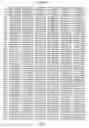
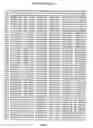
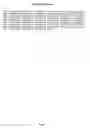
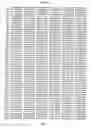


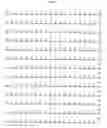


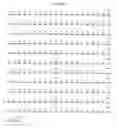

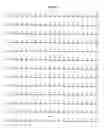


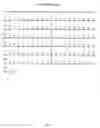

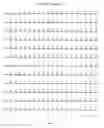

Sources:
- United States Patent and Trademark Office - verify current appl. status at the USPTO↗
Recent applications in this class:
- » 20250171505 2025-05-29
Mutated Glycoprotein of Vesicular Stomatitis Virus - » 20250171504 2025-05-29
Mutated Glycoprotein of Vesicular Stomatitis Virus - » 20250171503 2025-05-29
GENETICALLY ENCODED POLYPEPTIDE FOR AFFINITY CAPTURE AND PURIFICATION OF BIOLOGICS - » 20250171502 2025-05-29
RECOMBINANT ROTA VIRUS EXPRESSION SYSTEM AND RECOMBINANT ROTA VIRUSES - » 20250171501 2025-05-29
A SUBUNIT VACCINE FOR TREATMENT OR PREVENTION OF A RESPIRATORY TRACT INFECTION - » 20250171500 2025-05-29
CONFORMATIONALLY STABILIZED RSV PRE-FUSION F PROTEINS - » 20250163108 2025-05-22
SELF-ASSEMBLING PROTEIN NANOPARTICLES WITH BUILT-IN SIX-HELIX BUNDLE PROTEINS - » 20250163107 2025-05-22
FUSION PROTEIN AND USE THEREOF - » 20250163106 2025-05-22
CHIMERIC LUNG TROPIC AAV CAPSIDS - » 20250163105 2025-05-22
IMMUNOGENICITY OF A CPG-ADJUVANTED HERPES ZOSTER VACCINE