Pharmaceutical compositions based on diclofenac
US20050147671A1
2005-07-07
11/030,537
2005-01-05
Abstract:
New pharmaceutical compositions for oral use containing Diclofenac together with alkali metal bicarbonates in amounts of from 20 to 80 by weight with respect to Diclofenac are described. These compositions are entirely palatable and free from any unpleasant taste or other side effects; in particular, these formulations permit to obtain in human patients higher Cmax of the active principle and shorter Tmax together with a lower coefficient of variation.
Interested in similar patents?
Get notified when new applications in this technology area are published.
Classification:
A61K31/197 » CPC main
Medicinal preparations containing organic active ingredients; Acids; Anhydrides, halides or salts thereof, e.g. sulfur acids, imidic, hydrazonic, hydroximic acids; Carboxylic acids, e.g. valproic acid having an amino group the amino and the carboxyl groups being attached to the same acyclic carbon chain, e.g. gamma-aminobutyric acid [GABA], beta-alanine, epsilon-aminocaproic acid, pantothenic acid
A61K8/44 » CPC further
Cosmetics or similar toilet preparations characterised by the composition containing organic compounds containing nitrogen Aminocarboxylic acids or derivatives thereof, e.g. aminocarboxylic acids containing sulfur; Salts; Esters or N-acylated derivatives thereof
A61K9/2009 » CPC further
Medicinal preparations characterised by special physical form; Pills, tablets, discs, rods; Excipients; Inactive ingredients Inorganic compounds
A61K31/196 » CPC further
Medicinal preparations containing organic active ingredients; Acids; Anhydrides, halides or salts thereof, e.g. sulfur acids, imidic, hydrazonic, hydroximic acids; Carboxylic acids, e.g. valproic acid having an amino group the amino group being directly attached to a ring, e.g. anthranilic acid, mefenamic acid, diclofenac, chlorambucil
A61K47/02 » CPC further
Medicinal preparations characterised by the non-active ingredients used, e.g. carriers or inert additives; Targeting or modifying agents chemically bound to the active ingredient Inorganic compounds
Description
The present application is a continuation of U.S. Ser. No. 09/524,747, filed Mar. 14, 2000 (pending), which is a continuation in part of U.S. Ser. No. 09/192,493, filed Nov. 17, 1998 (abandoned).
The present invention relates to new immediate release pharmaceutical compositions containing [(2,6-dichloro-anilino)-2-phenyl]-2-acetic acid (more commonly known as Diclofenac) in acid and/or salt form.
Diclofenac is a non-steroidal drug which was invented at the end of the sixties by A. Sallmann and R. Pfister (NL-6,604,752 and U.S. Pat. No. 3,558,690 both to Ciba-Geigy) and whose structural formula is indicated below.
Diclofenac is widely dispensed and used owing to its well-known analgesic, anti-pyretic, anti-arthritic, anti-phlogistic and anti-rheumatic properties and it is generally taken orally in the form of normal tablets or tablets covered with coatings resistant to gastric juices, or rectally, or by injection, or topically.
The possibility of taking it in the form of sweets, tablets dissolving in the mouth, drages, chewing gum or other similar pharmaceutical forms or in formulations for the extemporary preparation of Diclofenac-based aqueous solutions and/or suspensions would represent a different mode of administration which is definitely more suitable, especially for children and elderly persons.
Owing to its poor solubility in water, Diclofenac is normally used in salt form; the salts of Diclofenac customarily used are those of sodium, potassium or other alkali and alkaline earth metals, together with salts of organic nature, such as the salts of basic amino acids, such as lysine, arginine and ornithine, or other pharmacologically acceptable organic bases which have the ability to render the resulting salt soluble in water.
The pharmaceutical compositions of the Diclofenac salts for oral use are generally 25 accompanied by side effects of not inconsiderable consequence: Diclofenac salts are in fact characterised by a particularly unpleasant and bitter taste and by the fact that they produce a sensation of strong astringency and cause an especially intense form of irritation in the buccal cavity, especially in the area of the larynx.
Although the first problem has been partly solved by using flavourings which are able in some manner to mask the taste, satisfactory solutions have still not been proposed for the two remaining problems.
Therefore, the pharmaceutical compositions containing Diclofenac salts still have a poor palatability which limits their adoption and possible fields of application, despite the excellent therapeutic effect with which they are associated.
A second problem connected to Diclofenac is that, when it is orally administered by means of immediate release formulations, the corresponding Tmax (the time to the maximum plasma concentration) is usually located at about 1 hour since administration, this being of course a not completely satisfactory result when a prompt and strong analgesic/anti-pyretic effect is sought for. Furthermore, the corresponding coefficient of variation is normally in the range of 70-90%, which means that the Tmax is strongly variable and dependent on the physical characteristics of the patient (Physicians' Desk Reference, 52 edition, 1998, pag. 1831). Attempts are therefore still being made in order to enhance the rate of absorption of Diclofenac and to provide an earlier onset of the therapeutical effect (N. Davies, K Anderson; Clinical Pharmacokinetic of Diclofenac, Clin. Pharmacokinet., 1997, Sep. 33(3).
The object of the present invention is therefore that of providing a fully palatable formulation of Diclofenac which is able to generate a more rapid, uniform and foreseeable release of the active principle if compared to the compositions known in the art and presently available on the market. For the purposes of the present invention Tmax means the time to the maximum plasma concentration whereas Cmax is the maximum plasma concentration of the active principle, namely Diclofenac. It has now been found that, by adding alkali metal bicarbonates or mixtures thereof to the Diclofenac in its acid and/or salt form, in amounts of from 20 to 80% by weight based on the acid-form of Diclofenac, pharmaceutical compositions an be obtained which are substantially free from the side effects mentioned above. The first object of the present invention is therefore represented by a pharmaceutical formulation for oral use containing Diclofenac in acid and/or salt form together with alkali metal bicarbonates or mixtures thereof and customary excipients and adjuvants, wherein said alkali metal bicarbonates are present in amounts of from 20 to 80% by weight based on the weight of Diclofenac.
It has in fact been surprisingly demonstrated that the use of alkali metal bicarbonates in the above-mentioned ratio permits to achieve constant, reproducible and foreseeable blood levels of the active ingredient, with the consequent indisputable advantages from the therapeutic point of view, furthermore, it has also been found that the combined use of Diclofenac together with alkali metal bicarbonates yields Diclofenac-based pharmaceutical compositions in which the active ingredient is released more rapidly compared with normal formulations, bringing about higher blood levels and therefore a more immediate therapeutic effect; finally the so-obtained immediate release formulations are substantially palatable and free from aftertaste.
According to the preferred embodiment of the present invention, the amount of alkali metal bicarbonates to be added is comprised between 40 and 80% by weight, based on the weight of the acid-form Diclofenac, whereas the alkali metal bicarbonates are selected from sodium and/or potassium bicarbonates, Diclofenac being normally present in the form of its sodium and/or potassium salts.
It has also been found, and forms a second subject of the present invention, that the addition of flavouring substances selected from mint, aniseed, ammonium glycyrrhizinate and mixtures thereof to the compositions containing the Diclofenac salts and alkali metal bicarbonates produces a synergistic effect which completely eliminates all the above-mentioned palatability/astringency effects, providing pharmaceutical compositions which are entirely palatable (and/or drinkable in the case of those used for the preparation of solutions and/or suspensions) and free from aftertaste.
The flavouring substances may be used as such or supported on inert materials, for example maltodextrin, in order to obtain a better distribution of the granulates and to facilitate excellent dispersibility of the flavouring in solution. Preferably, they are absorbed on maltodextrin with a power of 1 to 2000 and 1 to 1000.
The amount of flavouring substances in its pure form is also preferably from ⅕ to 3 times the weight of the acid-form Diclofenac.
These flavouring substances are used in the implementation of the present invention without altering their organoleptic properties and without depriving them of their intrinsic qualities of flavourings which are liposoluble and generally oily in the pure state.
As it will be clear from the examples, the immediate release formulations for oral use of the present invention conning from 10 to 60 mg of Diclofenac in acid and/or salt form together with alkali metal bicarbonates or mixtures thereof in amounts of from 20 to 80% by weight based on the weight of Diclofenac permit to generate in human patients an average Cmax of Diclofenac comprised between 400 and 2500 ng/ml independently on the age, sex or weight of the patients themselves.
Secondly, the formulations according to the present invention permit to obtain in humans an average Tmax of Diclofenac after 5÷30 minutes since administration, generally 13÷27, independently on the amount of Diclofenac contained therein and also independently on the age, sex, weight of the patient.
Furthermore, the Tmax of the formulations of the present invention show a coefficient of variation which is about 44-86% lower than the presently marketed formulations; this is evidently an extremely important result from the clinical point of view as it is now possible to have a therapeutical effect of Diclofenac which is foreseable, reproducible and independent on the sex, weight and health conditions of the patient.
Thus, the presently claimed Diclofenac-based formulations permit to achieve a higher Cmax in a shorter Tmax and with a lower corfficient of variation if compared to the formulations available on the market, with therapeutical advantages which do not need to be commented.
According to the best mode for carrying out the present invention the pharmaceutical formulations will contain from 10 to 60 mg/dose of diclofenac in its potassium or sodium salt form together with 40 to 80% by weight of potassium or sodium bicarbonate based on the weight of Diclofenac in its acid form, together with the usual excipients and adjuvants; even more preferably they will packaged as:
-
- a sachet or tablet formulation containing 50 mg of Diclofenac potassium salt and 22 mg of potassium bicarbonate or 50 mg of Diclofenac sodium salt and 19 mg of sodium bicarbonate;
- a sachet or tablet formulation containing 12.5 mg of Diclofenac sodium salt and 5.5 mg of potassium bicarbonate or 25 mg of Diclofenac sodium salt and 11 mg potassium bicarbonate.
It will be by the way evident to any skilled in this art that the present formulations can also be used as immediate release layers of multilayered release pharmaceutical formulations containing Diclofenac as one of the active ingredients; said formulations are therefore a further object of the present invention.
The following Examples are given purely by way of non-limiting illustration.
EXAMPLE 1 Composition Dissolving Instantly in Water
| Active ingredients | ||
| 1) Diclofenac potassium salt*: | 50 mg | |
| 2) Potassium bicarbonate: | 22 mg | |
| 3) Mint flavouring on maltodextrin(1:2000)**: | 60 mg | |
| 4) Aniseed flavouring on maltodextrin (1:1000)***: | 104 mg | |
| Excipients and adjuvants | ||
| 5) Saccharin: | 4 mg | |
| 6) Aspartame: | 10 mg | |
| 7) Mannitol: | 50 mg | |
| 8) Saccharose****q.s.: | 2 g | |
*If it is desired to prepare compositions based on Diclofenac sodium salt, it is advantageous to use sodium bicarbonate in a quantity of approximately 38% by weight based on the weight of the Diclofenac sodium salt present. Sodium carbonate may also be added to the sodium bicarbonate, maintaining the following optimum proportions: 27% of sodium bicarbonate and 4-5% of |
||
| # sodium carbonate, always based on the amount by weight of Diclofenac sodium salt present. | ||
**The title of the pure mint essence, as obtained according to the Dean-Stark method, is of 18% by weight; the related amount is therefore in this case of 10.8 mg. |
||
***The title of the pure anise essence, as obtained according to the Dean-Stark method, is of 14.5% by weight, the related amount is therefore in this case of 16 mg. |
||
****The presence of saccharose is not strictly necessary; in its absence, a composition having a very limited granulate content is obtained which is perfectly soluble in contact with water. In that case, nothing is changed from the point of view of tolerability in contact with the mucosa and from the point of view of the palatability of the drinkable solution. |
-
- Preparation
Components 1, 2, 5, 6 and 7 are mixed in a suitable mixer, and the mixture so obtained is wetted with 95% ethanol. Granulation is carried out with a 66 mm mesh and the granulate is preferably dried in a current of air.
Components 3, 4 and 8, which have already been granulated using a mesh of the same granulometry, are then added and the whole is mixed.
The mixture is then introduced into a metering machine filling packets or similar containers.
EXAMPLE 2 Tablet for Dissolving in the Mouth
| Active ingredients | ||
| 1) Diclofenac potassium salt*: | 50 mg | |
| 2) Potassium bicarbonate: | 35 mg | |
| 3) Mint flavouring on maltodextrin** | 50 mg | |
| (1:2000) + gum arabic (E 414): | ||
| 4) Aniseed flavouring (1:1000) | 120 mg | |
| on maltodextrin*** + silicon | ||
| dioxide (E 551): | ||
| Excipients and adjuvants | ||
| 5) Saccharin: | 50 mg | |
| 6) Aspartame: | 12 mg | |
| 7) Mannitol: | 20 mg | |
| 8) Saccharose****: | 300 mg | |
* to **** see Example 1 |
| Active ingredients | ||
| 1) Diclofenac potassium salt*: | 50 mg | |
| 2) Potassium bicarbonate: | 35 mg | |
| 3) Mint flavouring on maltodextrin**: | 30 mg | |
| 4) Aniseed flavouring on maltodextrin***: | 80 mg | |
| Excipients and adjuvants | ||
| 5) Mannitol: | 30 mg | |
| 6) Menthol: | 0.01 mg | |
| 7) Gum base: | 600 mg | |
| 8) Sorbitol: | 700 mg | |
| 9) Saccharin: | 3 mg | |
| 10) Hydroxypropylmethylcellulose: | 33 mg | |
| 11) Colouring agent: | 7 mg | |
* to *** see Example 1 |
The packaged composition containing 50 mg of Diclofenac potassium of Example 1 (formulation C) was subjected to a pharmacokinetic test for comparison with a similar composition not containing alkali metal carbonates and bicarbonates (formulation B), and with a second composition in tablet form (formulation A) produced by Ciba-Geigy (Voltaren Rapid®), also in this case not containing alkali metal carbonates and bicarbonates, both formulations A and B containing 50 mg of Diclofenac potassium.
This comparative evaluation was carried out on the same 6 healthy volunteers in accordance with the experimental plan described hereinafter.
-
- Experimental scheme: Single-dose study using three methods in randomised cross-over with a wash-out of three days.
- Sampling times: 0 h (before administration), 5 min, 10 min. 30 mm, 45 min, 1 h, 1.5 h, 2 h, 3 h, 4 h, 6 h, 8 h, after each administration.
- Blood sample treatment: 8 MI in heparinised test tubes, centrifugation for 15 min at 1500 rev/min, subdivided into two factions and subsequently frozen at −20° C.
- Times: wash-out of two days between treatments.
- Determination method: HPLC, with internal standard, sensitivity 10 ng/ml.
Analysis Method
-
- Column: Nova Pak C18, 3.9×150 mm, 4 μm Waters S.p.A.—Vimodrone, Italy.
- Eluant: NaH2PO4 0.01 M+0.1% TEA, pH 3.0 (H3P04)/acetonitrile, 60/40.
- Flow: 1.2 ml/min
- Detection: TV/275 nin
- Temperature: 30° C.
- Injection: 50 al
- Analysis time: 16 min.
Sample Preparation
10 al of the internal standard methanolic solution, and flufenamic acid (corresponding to 1320 ng) are added to 1 ml of defrosted plasma in 10 ml glass test tubes. The tubes are agitated in a Vortex mixer for 1 minute. 0.5 ml of a 0.5N HCl/1N NaCl solution is added. The whole is agitated in a Vortex mixer for 1 minute. 6 ml of a 95/5 n-hexane/isopropanol solution are added
The mixture is then agitated in the Vortex mixer for a further 15 minutes. Centrifugation is carried out at 3000 rev/min for 15 minutes and the organic phase is transferred to fresh 10 ml glass test tubes and evaporated to dryness in a centrifugal evaporator under vacuum at ambient temperature. The whole is taken up in 200 al of a 70/30 acetonitrile/water solution, and the precipitate is dissolved under ultrasound for 2 minutes.
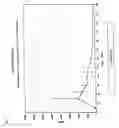
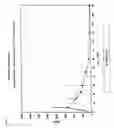
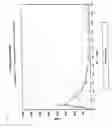
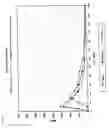
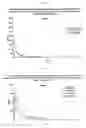
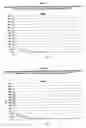
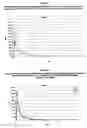
FIGS. 1, 2 and 3 show the concentrations of Diclofenac in the blood of the six volunteers as regards formulations A, B (Ciba-Geigy comparative formulations) and C (formulation corresponding to the composition of Example 1), respectively. As will be appreciated the blood concentration of the formulation of the present invention has, compared with the comparative formulations, a more constant and uniform pattern. This characteristic is also found in FIGS. 4, 5 and 6 which show the average values corresponding to the blood levels of the six volunteers together with the corresponding standard deviation.
The result is clear and surprising: compared with the sample compositions, the compositions of the present invention permit constant, reproducible and foreseeable blood levels of the active ingredient, irrespective of the characteristics of the volunteer (weight, age, etc), with the consequent indisputable advantages from the therapeutic point of view.
Finally, FIG. 7 shows, by comparison, the graphs relating to the average values of the six volunteers (that is to say, the preceding FIGS. 4, 5 and 6); as will be noted, the formulation of the present invention permits, in addition to the advantages already mentioned, the attainment of a blood peak higher than that of the other formulations.
EXAMPLE 5 Two Layered Tablet (Fast and Slow Release)
| Fast release layer | ||
| 1) Diclofenac potassium salt: | 15 mg | |
| 2) Potassium bicarbonate: | 30 mg | |
| 3) Lactose: | 13.2 mg | |
| 4) Maize starch (intragranular): | 6 mg | |
| 5) Methyl cellulose: | 0.12 mg | |
| 6) Sodium laurylsulfate: | 0.06 mg | |
| 7) Maize starch (extragranular): | 9 mg | |
| 8) Crospovidone: | 0.6 mg | |
| 9) Sodium carboxtmethylstarch: | 1.5 mg | |
| 10) Magnesium stearate: | 2.7 mg | |
| 11) Colloidal silicon dioxide: | 0.6 mg | |
| Slow release layer | ||
| 1) Diclofenac potassium salt: | 70 mg | |
| 2) Potassium bicarbonate: | 30.8 mg | |
| 3) Lactose: | 32.2 mg | |
| 4) Polyvinylpyrrolidone: | 1.16 mg | |
| 5) Hydrpxypropylmethylcellulose: | 70 mg | |
| 6) Magnesium stearate: | 0.84 mg | |
| 7) Colloidal silicon dioxide: | 0.21 mg | |
| 8) Talc: | 3.92 mg | |
| 9) Polyethylene glycol: | 0.56 mg | |
| 1) Diclofenac potassium salt: | 75 g | |
| 2) Methyl p-oxybenzoate: | 2.7 g | |
| 3) Propyl p-oxybenzoate: | 0.3 g | |
| 4) Aspartame: | 37.5 g | |
| 5) Potassium bicarbonate: | 37.5 g | |
| 6) Glycerol: | 300 g | |
| 7) Ethyl alcool: | 450 g | |
| 8) Water q.s.: | 1500 g | |
| Possible modifications: | ||
| a) Addition of sodium metabisulfite (0.06%) | ||
| b) Addition of sodium metabisulfite (0.06%) | ||
| Mint flavouring (1.25%) | ||
| Strawberry flavouring (0.75%) | ||
| 1) Diclofenac potassium salt: | 37.5 g | |
| 2) Methyl p-oxybenzoate: | 2.7 g | |
| 3) Propyl p-oxybenzoate: | 0.3 g | |
| 4) Aspartame: | 37.5 g | |
| 5) Potassium bicarbonate: | 18.75 g | |
| 6) Saccharin: | 6.0 g | |
| 7) Glycerol: | 300 g | |
| 8) Ethyl alcool: | 450 g | |
| 9) Water q.s.: | 1500 g | |
| Possible modifications: | ||
| a) Addition of sodium metabisulfite (0.03%) | ||
| b) Addition of sodium metabisulfite (0.03%) | ||
| Mint flavouring (1.25%) | ||
| Strawberry flavouring (0.75%) | ||
| 1) Diclofenac potassium salt: | 0.75 g | |
| 2) Glycerol: | 50 g | |
| 3) Sorbitol: | 12 g | |
| 4) Saccharin: | 0.5 g | |
| 5) Aspartame: | 1.0 g | |
| 6) Methyl p-oxybenzoate: | 0.5 g | |
| 7) Propyl p-oxybenzoate: | 0.1 g | |
| 8) Mint flavouring: | 1.0 g | |
| 9) Ethyl alcool: | 100 g | |
| 10) Potassium bicarbonate: | 0.33 g | |
| 11) Water q.s.: | 500 ml | |
| 1) Diclofenac potassium salt: | 5.0 g | |
| 2) Glycerol: | 630 g | |
| 3) Sodium benzoate: | 5.0 g | |
| 4) Silica (Wessalon S ® - Degussa): | 120 g | |
| 5) Silica (Siddent 9 ® - Degussa): | 80 g | |
| 6) Cellulose gum: | 3.0 g | |
| 7) Polyethylenglycol 600: | 30 g | |
| 8) Sodium lauroyl sarcosinate | 60 g | |
| (or sodium lauryl sulfate): | ||
| 9) Mint flavouring: | 10 g | |
| 10) Sodium saccharin: | 1.0 g | |
| 11) Aspartame: | 3.0 g | |
| 12) Potassium bicarbonate: | 2.2 g | |
| 13) Water q.s.: | 1 kg | |
| 1) Diclofenac potassium salt: | 5.0 g | |
| 2) Glycerol: | 630 g | |
| 3) Sodium benzoate: | 5.0 g | |
| 4) Silica (Wessalon S ® - Degussa): | 20 g | |
| 5) Silica (Siddent 9 ® - Degussa): | 80 g | |
| 6) Cellulose gum: | 3.0 g | |
| 7) Polyethylenglycol 600: | 30 g | |
| 8) Sodium lauroyl sarcosinate | 60 g | |
| (or sodium lauryl sulfate): | ||
| 9) Mint flavouring: | 10 g | |
| 10) Sodium saccharin: | 1.0 g | |
| 11) Aspartame: | 3.0 g | |
| 12) NaF: | 1.0 g | |
| 13) Na2FPO3: | 4.0 g | |
| 14) Potassium bicarbonate: | 2.2 g | |
| 15) Water q.s.: | 1 kg | |
| 1) Diclofenac potassium salt: | 50 mg | |
| 2) Mannitol: | 50 mg | |
| 3) Potassium bicarbonate: | 22 mg | |
| 4) Maize starch (intragranular): | 10 mg | |
| 5) Methyl cellulose: | 0.2 mg | |
| 6) Sodium laurylsulfate: | 0.1 mg | |
| 7) Maize starch (extragranular): | 15 mg | |
| 8) Crospovidone: | 1.0 mg | |
| 9) Sodium carboxymethylstarch: | 2.5 mg | |
| 10) Magnesium stearate: | 4.5 mg | |
| 11) Colloidal silicon dioxide: | 10 mg | |
In the present experiment a sachet formulation containing 50 mg of Diclofenac potassium was compared to a bioequivalent sugar coated fast release tablet also containing 50 mg of Diclofenac potassium, produced and marketed in Italy by Novartis as Cataflam®.
The sachet formulation according to the present invention had the following Composition:
| 1) Diclofenac potassium salt: | 50 mg | |
| 2) Potassium bicarbonate: | 22 mg | |
| 3) Mint flavour: | 50 mg | |
| 4) Anice flavour | 100 mg | |
| 5) Saccharin sodium: | 4 mg | |
| 6) Aspartame: | 10 mg | |
| 7) Mannitol: | 50 mg | |
| 8) Sucrose sugar crystals: | 1714 g | |
The above test formulation and the Cataflam® formulation were administered as a single dose to 24 healty volunteers of both sexes. The pharmacokinetic parameters obtained with the two different formulations are reported in table 1 and in FIG. 5. As it will be easily appreciated, the rate of absorption was considerably faster with the sachet formulation of the present invention than with Cataflam®, the sachet formulation having a higher average Cmax (2213 vs 1071 ng/ml) and a shorter average Tmax (0.228 vs 0.885 hours); furthermore, the Tmax of the sachet formulation shows a coefficient of variation lower than the reference formulation (16% vs 97%), this being an extremely important result from the clinical point of view regarding the healing of the pain in terms of quick time and repeteability inter-subjects in order to reach the Cmax.
EXAMPLE 13 Comparative TestFollowing to the excellent results obtained in example 12, two tablet formulations containing 12.5 or 25 mg of Diclofenac sodium salt and potassium bicarbonate (in the same weight ratio) have been prepared.
The tablet formulations had the following composition (in mg):
| Cores | |||
| Diclofenac sodium | 12.5 | 25 | |
| Mannitol | 25 | 50 | |
| Lactose monohydrate | 23.75 | 47.5 | |
| Potassium bicarbonate | 5.5 | 11 | |
| Maize starch | 22.5 | 45 | |
| Methylcellulose | 0.075 | 0.15 | |
| Sodium laurylsulphate | 0.125 | 0.25 | |
| Crospovidone | 3 | 6 | |
| Ultramyl | 5 | 10 | |
| Coloidal silica | 0.55 | 1.1 | |
| Cellulose microcrystalline | 0.5 | 1 | |
| Magnesium stearate | 1.5 | 3 | |
| Purified water q.s. | 100 | 200 | |
| Coating | |||
| Opadry OY-35009 red | 2 | 4 | |
| Macrogol 400 | 0.25 | 0.5 | |
A four-way comparative bioavailability study was carried out on 18 healty volunteers of both sexes in order to evaluate the in vivo results of the pharmaokinetic profiles of the present formulations if compared to those of bioequivalent fast release formulations such as Cataflam® (25 mg of Diclofenac potassium) and Voltarol® (50 mg of Diclofenac sodium), both by Novartis. The results, which are summarized in FIG. 6, indicate that Tmax is prompter with the present formulations (T=26 min, T2=24.6 min vs R1=71.4 min and R2=40.8 min) and that Cmax is higher (T1=847 ng/ml and T2=861 ng/ml vs R1=452 ng/ml and R2=703 ng/ml); furthermore, the Tmax of both present formulations shows a coefficient of variation lower than reference formulations (T1=46% and T2=49% vs R1=87% and R2=96%).
EXAMPLE 14 Comparative TestA further comparative test was carried out on immediate release formulations according to the present invention, containing 50 mg of Diclofenac potassium and 22 mg of potassium bicarbonate, manufactured with different that is, respectively: T1=wet granulation using alcohol, T2=dry granulation by direct compression. The composition in mg of the two formulations is herebelow reported:
| Diclofenac potassium | 50 | 50 | |
| Potassium bicarbonate | 22 | 22 | |
| Mannitol/pearlitol 400 DC | 119.9 | ||
| Mannitol EP cf | 50 | ||
| Maize starch | 25 | ||
| Methocel A4C | 0.2 | ||
| Sodium laurylsulphate | 0.1 | 0.1 | |
| Polyplasdone XL | 6 | 1 | |
| Ultramyl | 2.5 | ||
| Magnesium stearate | 2 | 4.5 | |
| Silicium aerosil | 1 | ||
| Core mass | 200 | 156.3 | |
A comparative bioavailability study was carried out on 6 healty volunteers of both sexes in order to evaluate the in vivo results of the pharmaokinetic profiles of the present formulations if compared to those of a bioequivalent fast release formulation such Voltarene Rapid® (50 mg of Diclofenac potassium), both by Novartis. The results, which are reported in FIGS. 7-10 are also in this case excellent: the Tmax is in fact prompter with the present formulations (T1=18.6 min, T2=16.8 min vs R1=40.8 min) and the Cmax is higher (T1=1878.3 ng/ml and T2=1744.8 ng/ml vs R1=1307 ng/ml); furthermore, also in this case the Tmax of both present formulations shows a coefficient of variation lower than reference formulation (T1=12.9% and T2=25% vs R1=95.6%).
| TABLE 1 |
| Pharmacokinetic parameters for two different diclofenac |
| formulations: test (Diclofenac potassium salt sachets) |
| and reference (Diclofenac potassium salt sugar |
| coated tablets) |
| tmax | Cmax | t1/2 | AUC | |
| (h) | (ng/mL) | (h) | (ng · mL−1 · h) |
| Vol. no. | Test | Ref. | Test | Ref. | Test | Ref. | Test | Ref. |
| Vol. 1 | 0.250 | 0.500 | 1573.000 | 1186.211 | 1.505 | 0.939 | 1024.511 | 885.549 |
| Vol. 2 | 0.250 | 4.000 | 2382.368 | 965.100 | 0.875 | 1.358 | 1653.124 | 2092.036 |
| Vol. 3 | 0.184 | 1.000 | 2614.655 | 1352.400 | 0.796 | 1.610 | 1687.529 | 1763.484 |
| Vol. 4 | 0.250 | 3.000 | 2404.848 | 735.454 | 0.996 | 1.132 | 1881.944 | 1834.958 |
| Vol. 5 | 0.250 | 0.500 | 2971.457 | 1405.000 | 1.667 | 1.903 | 1819.756 | 1687.075 |
| Vol. 6 | 0.250 | 0.750 | 2158.700 | 1351.500 | 0.843 | 0.650 | 1197.716 | 1091.996 |
| Vol. 7 | 0.250 | 0.750 | 1739.200 | 1741.717 | 0.596 | 0.658 | 1448.713 | 1301.887 |
| Vol. 8 | 0.250 | 0.500 | 1715.350 | 534.300 | 0.818 | 1.111 | 991.864 | 1126.414 |
| Vol. 9 | 0.250 | 0.750 | 444.112 | 747.800 | 0.787 | 1.188 | 669.084 | 886.300 |
| Vol. 10 | 0.267 | 0.750 | 2350.100 | 1110.400 | 0.960 | 1.070 | 1327.808 | 1020.286 |
| Vol. 11 | 0.167 | 0.500 | 1867.200 | 1465.502 | 1.141 | 0.762 | 1337.821 | 892.870 |
| Vol. 12 | 0.167 | 0.500 | 4273.026 | 1432.200 | 1.052 | 0.697 | 1703.655 | 1139.003 |
| Vol. 13 | 0.250 | 0.500 | 2097.089 | 1155.371 | 1.313 | 1.198 | 1486.526 | 1233.531 |
| Vol. 14 | 0.167 | 0.250 | 2242.684 | 967.795 | 0.997 | 0.837 | 987.522 | 927.726 |
| Vol. 15 | 0.184 | 0.500 | 2040.247 | 1129.957 | 0.724 | 0.804 | 1213.725 | 1040.424 |
| Vol. 16 | 0.250 | 0.750 | 2143.692 | 818.200 | 0.560 | 1.199 | 1186.603 | 1250.221 |
| Vol. 17 | 0.250 | 1.500 | 1527.845 | 480.900 | 2.752 | 1.309 | 958.821 | 978.797 |
| Vol. 18 | 0.250 | 1.000 | 1859.608 | 666.500 | 1.630 | 1.383 | 1131.413 | 933.008 |
| Vol. 19 | 0.250 | 0.750 | 1537.508 | 770.100 | 1.726 | 1.137 | 980.348 | 906.275 |
| Vol. 20 | 0.250 | 0.250 | 1956.004 | 655.100 | 0.853 | 0.883 | 1309.289 | 1036.836 |
| Vol. 21 | 0.250 | 0.500 | 3551.360 | 2421.060 | 1.322 | 1.233 | 2147.217 | 1639.619 |
| Vol. 22 | 0.167 | 0.500 | 2464.978 | 1274.648 | 0.611 | 0.624 | 1038.817 | 816.924 |
| Vol. 23 | 0.167 | 0.750 | 2304.351 | 453.500 | 2.066 | 0.862 | 1161.414 | 1049.327 |
| Vol. 24 | 0.250 | 0.500 | 2901.504 | 894.337 | 0.970 | 1.279 | 1645.384 | 1086.512 |
| Mean | 0.228 | 0.885 | 2213.370 | 1071.461 | 1.148 | 1.076 | 1332.942 | 1192.544 |
| SD | 0.037 | 0.860 | 743.099 | 450.780 | 0.523 | 0.320 | 358.048 | 350.116 |
| CV % | 16.300 | 97.091 | 33.573 | 42.072 | 45.557 | 29.700 | 26.862 | 29.359 |
| Min. | 0.167 | 0.250 | 444.112 | 453.500 | 0.560 | 0.624 | 669.084 | 816.924 |
| Max. | 0.267 | 4.000 | 4273.026 | 2421.060 | 2.752 | 1.903 | 2147.217 | 2092.036 |
| Geom. Mean | 0.225 | 0.692 | 2070.719 | 987.180 | 1.056 | 1.032 | 1287.195 | 1150.713 |
| Median | 0.250 | 0.625 | 2151.196 | 1039.098 | 0.983 | 1.122 | 1261.507 | 1067.920 |
| AUC | ||||
| AUC | Cmax/AUC | extrapolated | ||
| (ng · mL−1 · h) | C46 | (h−1) | (%) |
| Vol. no. | Test | Ref. | Test | Ref. | Test | Ref. | Test | Ref. |
| Vol. 1 | 1050.137 | 910.868 | 11.800 | 18.700 | 1.498 | 1.302 | 2.37 | 0.00 |
| Vol. 2 | 1693.172 | 2092.036 | 31.700 | 13.500 | 1.407 | 0.461 | 1.82 | 1.38 |
| Vol. 3 | 1718.755 | 1788.111 | 27.200 | 10.600 | 1.521 | 0.756 | 0.83 | 1.15 |
| Vol. 4 | 1897.754 | 1856.346 | 11.000 | 13.100 | 1.267 | 0.396 | 1.39 | 1.88 |
| Vol. 5 | 1845.486 | 1719.478 | 10.700 | 11.800 | 1.610 | 0.817 | 1.56 | 1.90 |
| Vol. 6 | 1216.693 | 1113.146 | 15.600 | 22.500 | 1.774 | 1.214 | 2.50 | 1.79 |
| Vol. 7 | 1485.867 | 1325.661 | 43.200 | 25.000 | 1.170 | 1.314 | 1.46 | 1.78 |
| Vol. 8 | 1006.522 | 1146.775 | 12.400 | 12.700 | 1.704 | 0.466 | 3.08 | 2.75 |
| Vol. 9 | 690.354 | 911.329 | 18.700 | 14.600 | 0.643 | 0.821 | 1.74 | 1.80 |
| Vol. 10 | 1351.357 | 1038.971 | 17.000 | 12.100 | 1.739 | 1.069 | 3.01 | 3.01 |
| Vol. 11 | 1379.311 | 920.579 | 25.200 | 25.200 | 1.354 | 1.592 | 1.62 | 2.03 |
| Vol. 12 | 1731.709 | 1162.638 | 18.500 | 23.500 | 2.468 | 1.232 | 1.26 | 1.56 |
| Vol. 13 | 1505.454 | 1253.088 | 10.000 | 11.300 | 1.393 | 0.922 | 2.58 | 2.26 |
| Vol. 14 | 1013.665 | 949.163 | 18.200 | 17.700 | 2.212 | 1.020 | 1.91 | 2.86 |
| Vol. 15 | 1237.399 | 1071.029 | 22.700 | 26.400 | 1.649 | 1.055 | 1.33 | 1.58 |
| Vol. 16 | 1202.653 | 1270.280 | 19.900 | 11.600 | 1.782 | 0.644 | 4.16 | 2.80 |
| Vol. 17 | 1000.433 | 1006.986 | 10.500 | 14.900 | 1.527 | 0.478 | 5.51 | 2.26 |
| Vol. 18 | 1197.411 | 954.597 | 28.100 | 10.800 | 1.553 | 0.698 | 2.57 | 2.11 |
| Vol. 19 | 1006.229 | 925.835 | 10.400 | 11.900 | 1.528 | 0.832 | 2.03 | 2.02 |
| Vol. 20 | 1336.472 | 1058.242 | 22.400 | 16.800 | 1.464 | 0.619 | 1.19 | 1.07 |
| Vol. 21 | 2173.030 | 1657.372 | 13.500 | 10.000 | 1.634 | 1.461 | 1.75 | 1.68 |
| Vol. 22 | 1057.293 | 830.908 | 21.000 | 15.500 | 2.331 | 1.534 | 3.13 | 1.80 |
| Vol. 23 | 1198.950 | 1068.588 | 12.600 | 15.500 | 1.922 | 0.424 | 2.19 | 1.94 |
| Vol. 24 | 1682.290 | 1108.024 | 26.400 | 11.700 | 1.725 | 0.807 | 2.10 | 1.78 |
| Mean | 1361.600 | 1214.169 | 19.113 | 15.725 | 1.620 | 0.914 | 2.213 | 1.883 |
| SD | 358.359 | 348.108 | 8.244 | 5.160 | 0.377 | 0.365 | 1.035 | 0.641 |
| CV % | 26.319 | 28.671 | 43.134 | 32.812 | 23.277 | 39.991 | 46.795 | 34.056 |
| Min. | 690.354 | 830.908 | 10.000 | 10.000 | 0.643 | 0.396 | 0.833 | 0.000 |
| Max. | 2173.030 | 2092.036 | 43.200 | 26.400 | 2.468 | 1.592 | 5.512 | 3.010 |
| Geom. Mean | 1316.580 | 1173.325 | 17.609 | 15.011 | 1.573 | 0.841 | 2.023 | // |
| Median | 1286.936 | 1089.527 | 18.350 | 14.050 | 1.582 | 0.827 | 1.974 | 1.843 |
Claims
1) A fast-release diclofenac composition, in the form of a unit dose packet of powder for dissolving or suspending in water, or in the form of a fast release layer in a two layered diclofenac tablet that comprises a fast layer and a slow layer, wherein said composition comprises diclofenac in acid and/or salt form.
2) The composition of claim 1 wherein said diclofenac is present as diclofenac potassium.
3) The composition of claim 1 wherein said diclofenac is present in an amount ranging from about 10 to about 60 mg.
4) The composition of claim 1 in the form of a unit dose packet of powder wherein said diclofenac is present in an amount of about 50 mg.
5) The composition of claim 1 in the form of a unit dose packet of powder wherein said diclofenac is present as diclofenac potassium in an amount of about 50 mg.
6) The composition of claim 1 in the form of a unit dose packet of powder, wherein said composition is capable of yielding an average Tmax of diclofenac in a human patient between 5 and 30 minutes after administration of said diclofenac to said patient, said average Tmax having a coefficient of variation (CV %) less than about 70%.
7) The composition of claim 1 in the form of a unit dose packet of powder, wherein said composition is capable of yielding an average Tmax of diclofenac in a human patient between 13 and 27 minutes after administration of said diclofenac to said patient, said average Tmax having a coefficient of variation (CV %) less than about 70%.
8) The composition of claim 1 in the form of a fast release layer in a two layered diclofenac tablet.
9) The composition of claim 1 in the form of a fast release layer, wherein said composition comprises about 15 mg. of diclofenac potassium salt, and said slow release layer comprises about 70 mg. of diclofenac potassium salt.
10) The composition of claim 1, further comprising means for potentiating the bioavailability of said diclofenac.
11) The composition of claim 10 wherein said means decreases the Tmax of said diclofenac.
12) The composition of claim 10 wherein said means increases the Cmax of said diclofenac.
13) The composition of claim 10 wherein said means decreases the coefficient of variation of the Cmax of said diclofenac.
14) The composition of claim 10 in the form of a unit dose packet of powder wherein said diclofenac is present in an amount of from about 10 to about 60 mg.
15) The composition of claim 10 in the form of a unit dose packet of powder wherein said diclofenac is present in an amount of about 50 mg.
16) The composition of claim 10 wherein said means comprises one or more alkali metal carbonates or bicarbonates.
17) The composition of claim 10 wherein said means comprises one or more alkali metal carbonates or bicarbonates in an amount greater than about 20 wt. % based on the weight of said diclofenac.
18) The composition of claim 10 in the form of a unit dose packet of powder wherein said diclofenac is present in an amount of about 50 mg. and said means comprises one or more alkali metal carbonates or bicarbonates in an amount greater than about 20% based on the weight of said diclofenac.
19) The composition of claim 10 in the form of a unit dose packet of powder wherein said diclofenac is present as diclofenac potassium in an amount of about 50 mg. and said means comprises potassium bicarbonate in an amount greater than about 20% based on the weight of said diclofenac.
20) The composition of claim 10 in the form of a unit dose packet of powder wherein said diclofenac is present as diclofenac potassium in an amount of about 50 mg. and said means comprises potassium bicarbonate in an amount of from about 40 wt. % to about 80 wt. % based on the weight of said diclofenac.
21) A fast-release diclofenac composition, in the form of a unit dose packet of powder for dissolving or suspending in water, or in the form of a fast release layer in a two layered diclofenac tablet comprising a fast layer and a slow layer, wherein the composition comprises diclofenac in acid and/or salt form and means for potentiating the bioavailability of said diclofenac.
22) The composition of claim 21 wherein said means comprises greater than about 20 wt. % of one or more alkali metal carbonates or bicarbonates based on the weight of said diclofenac.
23) A fast-releasing diclofenac composition, in the form of a unit dose packet of powder for dissolving or suspending in water, comprising about 50 mg. of diclofenac in acid and/or salt form.
24) The composition of claim 23 wherein said diclofenac is present as diclofenac potassium.
25) The composition of claim 23 wherein said diclofenac is present as diclofenac potassium, further comprising from about 40 to about 80 wt. % of potassium bicarbonate.
26) A fast-release diclofenac composition, in the form of a fast release layer in a two layered diclofenac tablet comprising a fast layer and a slow layer, comprising from about 10 to about 60 mg. of diclofenac in acid and/or salt form.
27) The composition of claim 26 wherein said diclofenac is present as diclofenac potassium.
Images & Drawings included:

Sources:
- United States Patent and Trademark Office - verify current appl. status at the USPTO↗
Similar patent applications:
Recent applications in this class:
- » 20250152533 2025-05-15
Novel Beta-Alanine Compositions and Methods of Use Thereof - » 20250152532 2025-05-15
VIGABATRIN LIQUID PHARMACEUTICAL COMPOSITION - » 20250144059 2025-05-08
GUANIDINOACETIC ACID, ITS DERIVATES, COMPOSITIONS AND METHODS OF USE THEREOF - » 20250064765 2025-02-27
TOPICAL PHARMACEUTICAL COMPOSITION CONTAINING PHOSPHOLIPIDS - » 20250009695 2025-01-09
COMPOSITIONS AND METHODS FOR PROMOTING GLYCOGEN SYNTHASE ACTIVITY AND AUGMENTING GLYCOGEN STORAGE CAPABILITY - » 20250009694 2025-01-09
METHODS AND PHARMACEUTICAL COMPOSITIONS FOR REPAIRING INTESTINAL MUCOSAL - » 20250000830 2025-01-02
DEUTERATED ANALOGS OF D-SERINE AND USES THEREOF - » 20240423938 2024-12-26
FUNCTIONAL GUM COMPRISING AN ALGINATE BLEND - » 20240423937 2024-12-26
METHODS OF TREATING PAIN AND USES THEREOF - » 20240408042 2024-12-12
ORALLY DISINTEGRATING BACLOFEN COMPOSITIONS AND METHODS OF MAKING SAME