Antiproliferative colchicine compositions and uses thereof
US20050170015A1
2005-08-04
11/025,779
2004-12-28
Abstract:
A method of treatment of a host with a cellular proliferative disease, including contacting the host with a colchicine family member such as thiocolchicine and an antiproliferative agent, each in an amount sufficient to modulate said cellular proliferative disease. Antiproliferative agents of the invention include agents that interact with nucleic acids, for example, etoposide, camptothecin, and cisplatin. Antiproliferative agents of the invention also include agents that interact with tubulin targets, for example, paclitaxel and vinblastine. The invention also includes compositions containing a colchicine family member such as thiocochicine and an antiproliferative agent.
Interested in similar patents?
Get notified when new applications in this technology area are published.
Classification:
A61K45/06 » CPC main
Medicinal preparations containing active ingredients not provided for in groups - Mixtures of active ingredients without chemical characterisation, e.g. antiphlogistics and cardiaca
A61K33/243 » CPC further
Medicinal preparations containing inorganic active ingredients; Heavy metals; Compounds thereof Platinum; Compounds thereof
A61K31/337 » CPC further
Medicinal preparations containing organic active ingredients; Heterocyclic compounds having oxygen as the only ring hetero atom, e.g. fungichromin having four-membered rings, e.g. taxol
A61K31/4745 » CPC further
Medicinal preparations containing organic active ingredients; Heterocyclic compounds having nitrogen as a ring hetero atom, e.g. guanethidine or rifamycins having six-membered rings with one nitrogen as the only ring hetero atom; Quinolines; Isoquinolines ortho- or peri-condensed with heterocyclic ring systems condensed with ring systems having nitrogen as a ring hetero atom, e.g. phenantrolines
A61K31/475 » CPC further
Medicinal preparations containing organic active ingredients; Heterocyclic compounds having nitrogen as a ring hetero atom, e.g. guanethidine or rifamycins having six-membered rings with one nitrogen as the only ring hetero atom; Quinolines; Isoquinolines having an indole ring, e.g. yohimbine, reserpine, strychnine, vinblastine
A61K31/704 » CPC further
Medicinal preparations containing organic active ingredients; Carbohydrates; Sugars; Derivatives thereof; Compounds having saccharide radicals attached to non-saccharide compounds by glycosidic linkages attached to a carbocyclic compound, e.g. phloridzin attached to a condensed carbocyclic ring system, e.g. sennosides, thiocolchicosides, escin, daunorubicin
A61K31/7048 » CPC further
Medicinal preparations containing organic active ingredients; Carbohydrates; Sugars; Derivatives thereof; Compounds having saccharide radicals and heterocyclic rings having oxygen as a ring hetero atom, e.g. leucoglucosan, hesperidin, erythromycin, nystatin, digitoxin or digoxin
A61K33/24 » CPC further
Medicinal preparations containing inorganic active ingredients Heavy metals; Compounds thereof
A61K2300/00 » CPC further
Mixtures or combinations of active ingredients, wherein at least one active ingredient is fully defined in groups -
Description
This application is a continuation-in-part of U.S. patent application Ser. No. 09/996,354 filed Oct. 31, 2001, and claims the benefit of U.S. Provisional Application Nos. 60/244,765, 60/244,910, 60/244,911, 60/244,912, and 60/244,913, each filed on Oct. 31, 2000.
FIELD OF THE INVENTIONThe technical field of the invention is the use of thiocolchicine with antiproliferative agents to treat a host with a cellular proliferative disease.
BACKGROUND OF THE INVENTIONMicrotubules are involved in many important cellular functions such as cell division, cell motility, secretion, ciliary and flagellar movement, intracellular transport, and the maintenance of cell shape. Agents that interfere with mitotic spindle function likewise inhibit mitosis. Such agents are sometimes referred to as “antimitotic agents.”
Many classes of chemical compounds control microtubule assembly/disassembly by binding to tubulin. Virtually all of the observed therapeutic as well as toxic effects of the antimitotic drugs may be attributed to their actions on microtubule assembly and the subsequent microtubule-mediated processes.
Of the best characterized antimitotic agents, only paclitaxel and the vinca alkaloids such as vincristine, vinblastine and vinorelbine are currently approved as anticancer drugs. The use of agents for targeting the colchicine binding site of tubulin, in particular colchicine, remain unexploited as anticancer medicines. For example, colchicine, an antiinflammatory agent, is mainly used in the treatment of gouty arthritis.
Conventional cancer chemotherapies utilize agents from a variety of chemical classes having antiproliferative activity. There is considerable interestin modulating the efficacy of currently used antiproliferative agents to increase the rates and duration of antitumor effects in conventional antineoplastic therapies.
Topoisomerase inhibitors and cisplatin are important antiproliferative agents for cancer chemotherapy. The clinical activity of topoisomerase inhibitors and cisplatin against a number of types of cancers are demonstratable. However, improvements in tumor response rates, duration of response and ultimately patient survival are still sought. One aspect of the invention described herein is the novel use of DNA targeting agents to potentiate the antitumor effects of chemotherapeutic drugs, including cisplatin and topoisomerase I and II inhibiting agents, in particular, etoposide and camptothecins.
Additionally, taxanes and vinca alkaloids, agents which are believed to share a binding site on tubulin, demonstrate antiproliferative activity against a number of cancers. Again, however, improvements in tumor response rates, duration of response and ultimately patient survival are still sought. Thus, another aspect of the invention described herein is the novel use of colchicine, colchicine analogs, and other agents which bind to the colchicine binding site of beta-tubulin, to control tumor growth in a therapeutic treatment regimen with other tubulin targeting agents, such as the taxane, paclitaxel, and the vinca alkaloids, vinblastine and vincristine.
SUMMARY OF THE INVENTIONMethods and compositions are provided for the treatment of a host with a cellular proliferative disease, particularly a neoplasia. In the subject methods, pharmaceutically acceptable thiocolchicine and an antiproliferative agent are administered in an amount sufficient to modulate the cellular proliferative disease.
The antiproliferative agent of the invention may comprise an agent that interacts with nucleic acids. Alternatively, the antiproliferative agent may comprise an agent that interacts with tubulin targets.
In some aspects of the invention, the antiproliferative agent comprises taxanes, vinca alkaloids or a tubulin targeted agent. In other aspects, the antiproliferative agent comprises paclitaxel. In still other aspects, the antiproliferative agent comprises vinblastine.
Alternatively, the antiproliferative agent may comprise etoposide. In yet another aspect, the antiproliferative agent may comprise camptothecin. Furthermore, the antiproliferative agent may comprise cisplatin.
The antiproliferative agent of the invention may comprise an alkylating agent. Alternatively, the antiproliferative agent may be an intercalating agent. In yet another aspect, the antiproliferative agent is a metal coordination complex. The antiproliferative may be a pyrimidine nucleoside. In still another aspect, the antiproliferative agent is a purine nucleoside. In other aspects, the antiproliferative agent is an inhibitor of nucleic acid associated enzymes or an inhibitor of nucleic acid associated proteins.
The antiproliferative agent may be an antimitotic agent. In some aspects, the antiproliferative agent is an antimetabolite. The antiproliferative agent may also be a structural protein agent, an antibiotic, a hormone antagonist or a nucleic acid damaging agent. In still other aspects, the antiproliferative agent is an intercalating agent. The antiproliferative agent may also be a topoisomerase inhibitor, an agent that affects tubulin or a metal coordination complex.
In some aspects, thiocolchicine is administered before the administration of said antiproliferative agent. In alternative aspects, thiocolchicine is administered during the administration of said antiproliferative agent. In still other aspects, thiocolchicine is administered after the administration of said antiproliferative agent.
According to some aspects of the invention, the modulation of proliferative disease with thiocolchicine and antiproliferative agent is greater than that for the antiproliferative agent alone.
According to another aspect, the modulation of the proliferative disease with thiocochicine and antiprolifertive agent is greater than the sum of the modulation by thiocochisine and antiproliferative agent alone.
The invention also includes a composition comprising thiocolchicine and an antiproliferative agent. The invention also includes such compositions wherein the antiproliferative agent comprises etoposide, cisplatin, camptothecin, vinblastine or paclitaxel.
BRIEF DESCRIPTION OF THE FIGURESFIG. 1 depicts the general structure of a colchicine family member. R1 through R6 represent possible substitution groups.
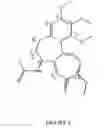
FIG. 2 depicts the chemical structure of colchicine, a colchicine family member described by the chemical name (S)-N-(5,6,7,9-tetrahydro-1,2,3,10-tetramethoxy-9-oxobenzo[a]heptalen-7-yl)acetamide.
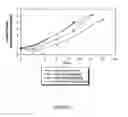
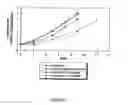
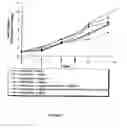
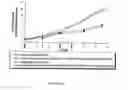
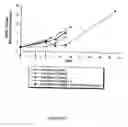
FIG. 3 depicts tumor growth delay, as tumor volume on days after treatment with etoposide, colchicine, or both colchicine and etoposide.
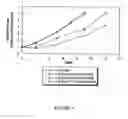
FIG. 4 depicts tumor growth delay, as tumor volume on days after treatment with camptothecin, colchicine, or both colchicine and camptothecin.
FIG. 5 demonstrates data from an additional experiment with camptothecin. FIG. 5 depicts tumor growth delay, as tumor volume on days after treatment with camptothecin, colchicine, or both colchicine and camptothecin. “Colch×3” or “Colchicine×3” indicates treatment with three doses of colchicine.
FIG. 6 depicts tumor growth delay, as tumor volume on days after treatment with cisplatin, colchicine, or both colchicine and cisplatin.
FIGS. 7 and 8 depict tumor growth delay, as tumor volume on days after treatment with vinblastine, colchicine, or both colchicine and vinblastine.
FIG. 9 depicts tumor growth delay, as tumor volume on days after treatment with paclitaxel, colchicine, or both colchicine and paclitaxel.
FIG. 10 depicts the chemical structure of thiocochicine described by the chemical name (S)-N-[5, 6, 7, 9-Tetrahydro-1, 2, 3-trimethoxy-10-(methylthio)-9-oxobenzo[a]heptalen-7-yl]-acetamide.
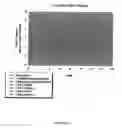
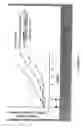
FIG. 11 depicts the turmor growth delay of RIF-1 following oral administration of thiocochicine (CGX6001b).
FIG. 12 depicts the tumor growth delay of RIF-1 following IP administration of thiocochicine (CGX6001b).
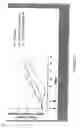
FIG. 13 demonstrates the enhancement of tumor growth delay of camptothecin by oral administration of thiocochicine (CGX6001b).
FIG. 14 depicts RIF-1 tumor growth delay following oral administration of thiocochicine (CGX6001b) and cisplatin administered IP.
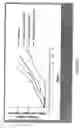
FIG. 15 demonstrates the enhancement of tumor growth delay of amonafide (Quinamed) by oral administration of thiocochicine (CGX6001b).
DETAILED DESCRIPTION OF THE INVENTIONMethods and compositions are provided for the treatment of a host with a cellular proliferative disease, particularly a neoplasia. In the subject methods, a pharmaceutically acceptable colchicine family member such as thiocolchicine is administered, orally or systemically, in conjunction with an antiproliferative agent to improve the anticancer effects. In a preferred embodiment, the colchicine family member provides a chemopotentiator effect.
The agents are provided in amounts sufficient to modulate a cellular proliferative disease. In one embodiment, modulation of a cellular proliferative disease comprises a reduction in tumor growth. In another embodiment, modulation of a disease comprises inhibition of tumor growth. In another embodiment, modulation of a cellular proliferative disease comprises an increase in tumor volume quadrupling time (described below). In another embodiment, modulation of a cellular proliferative disease comprises a chemopotentiator effect. In another embodiment, modulation of a disease comprises a chemosensitizing effect. In other embodiments, modulation of a disease comprises cytostasis. In still other embodiments, modulation of a disease comprises a cytotoxic effect.
An agent is a “chemopotentiator” when it enhances the effect of a known antiproliferative drug in a more than additive fashion relative to the activity of the chemopotentiator or antiproliferative agent used alone. In some cases, a “chemosensitizing” effect may be observed. This is defined as the effect of use of an agent that if used alone would not demonstrate significant antitumor effects but would improve the antitumor effects of an antiproliferative agent as compared to the antiproliferative agent by itself.
As used herein, “colchicines” or “the colchicine family” includes colchicine and colchicine analogs, generally defined by the chemical structure in FIG. 1.
A preferred colchicine family member is colchicine, (S)-N-(5,6,7,9-tetrahydro-1,2,3,10-tetramethoxy-9-oxobenzo[a]heptalen-7-yl)acetamide, depicted in FIG. 2. Colchicine may also be described by the following chemical and drug names: N-(5,6,7,9-tetrahydro-1,2,3,10-tetramethoxy-9-oxobenzo[a]heptalen-7-yl)-acetamide; N-acetyltrimethylcolchicinic acid methyl ether; 7-acetamido-6,7-dihydro-1,2,3,10-tetramethoxybenzo[a]heptalen-9(5H)-one; 7alphaH-colchicine; colchineos; colchisol; colcin; colsaloid; condylon; colchiceine methyl ether; Colgout; colchicine crystalline.
A colchicine analog is another preferred member of the colchicine family, generally defined by but not limited to the structure depicted in FIG. 1, having substituent changes or substitute groups at one or more of R1 through R6. Table 1 lists some possible structures of R1 through R6 for colchicine analogs. R group substitutions are typically employed to improve biological activity, enhance pharmaceutical attributes such as bioavailability or stability, or decrease toxicity. In one embodiment, R groups include alkyl substitutions (e.g., methyl, ethyl, propyl etc.). In another embodiment, R groups include an alkoxy (e.g., methoxy, ethoxy, propoxy, butoxy, etc.) substitution. In still other embodiments, R groups include an amino group substitution. In still other embodiments, R groups include a thiol group substitution. Substitutions at R1 through R6 are not limited to the above examples, however.
In a preferred embodiment, the substitution or substitutions are of one or more of the substituents corresponding to the R1 through R6 positions of colchicine.
| TABLE 1 | |||
| R group | Substitution | Structure/Length | |
| R1-3 | Alkyl | —C1 → C5 | |
| Alkoxy | —OC1→ C5 | ||
| Glucoside | -GluO | ||
| Hydrogen | —H | ||
| R4 | Thiol | —SC1 → C5 | |
| Alkyl | —C1→ C5 | ||
| Alkoxy | —OC1→ C5 | ||
| R5 | Alkyl | —C1 → C5 | |
| Alkoxy | —OC1 → C5 | ||
| Carbonyl oxygen | ═O | ||
| R6 | Alkyl | —C1 → C5 | |
| Amino | —NH2 | ||
| Nitro | —NO2 | ||
| Cyano | —C≡N | ||
| Alkoxy | —OC1 → C5 | ||
| Thiol | —SH | ||
| Acetamide | —NH-CO-CH3 | ||
In a preferred embodiment of the invention, the colchicine analog is thiocolchicine (i.e., (S)-15 N-[5, 6, 7, 9-Tetrahydro-1, 2, 3-trimethoxy-10-(methylthio)-9-oxobenzo[a]heptalen-7-yl]-acetamide). See FIG. 10. In another preferred embodiment, the colchicine analog is 3-demethyl thiocolchicine. In still another preferred embodiment, the colchicine analog is thiocolchicoside (i.e., 2-demethoxy-2-glucosidoxythiocolchicine, Colcamyl, Coltramyl, Coltromyl, Coltrax, or Musco-Ril). In another preferred embodiment, the colchicine analog is colchicinamide.
Conventional antiproliferative agents used in the treatment of cancer are broadly grouped as (1) chemical compounds which affect the integrity of nucleic acid polymers by binding, alkylating, inducing strand breaks, intercalating between base pairs or affecting enzymes which maintain the integrity and function of DNA and RNA; (2) chemical agents that bind to proteins to inhibit enzymatic action (e.g., antimetabolites) or the function of structural proteins necessary for cellular integrity (e.g., antitubulin agents). Other chemical compounds that have been identified to be useful in the treatment of some cancers include drugs which block steroid hormone action for the treatment of breast and prostate cancer, photochemically activated agents, radiation sensitizers and protectors.
As used herein, antiproliferative agents are compounds which induce cytostasis or cytotoxicity. “Cytostasis” is the inhibition of cells from growing, while “cytotoxicity” is defined as the killing of cells. Specific examples of antiproliferative agents include: antimetabolites, such as methotrexate, 5-fluorouracil, gemcitabine, cytarabine, pentostatin, 6-mercaptopurine, 6-thioguanine, L-asparaginase, hydroxyurea, N-phosphonoacetyl-L-aspartate (PALA), fludarabine, 2-chlorodeoxyadenosine, and floxuridine; structural protein agents, such as the vinca alkaloids, including vinblastine, vincristine, vindesine, vinorelbine, and paclitaxel; antibiotics, such as dactinomycin, daunorubicin, doxorubicin, idarubicin, bleomycins, plicamycin, and mitomycin; hormone antagonists, such as tamoxifen and luteinizing hormone releasing hormone (LHRH) analogs; nucleic acid damaging agents such as alkylating agents, e.g., mechlorethamine, cyclophosphamide, ifosfamide, chlorambucil, dacarbazine, methylnitrosourea, semustine (methyl-CCNU), chlorozotocin, busulfan, procarbazine, melphalan, carmustine (BCNU), lomustine (CCNU), and thiotepa; fraudulent nucleosides such as purine and pyrimidine analogs; intercalating agents, e.g., doxorubicin, dactinomycin, daurorubicin and mitoxantrone; topoisomerase inhibitors, e.g., etoposide, camptothecin, camptothecin analogs, and teniposide; agents that affect tubulin, e.g., paclitaxel, and metal coordination complexes, e.g., cisplatin and carboplatin.
Of special interest to this invention are compounds that directly affect the integrity of the genetic structure of the cancer cells. Nucleic acid polymers such as DNA and RNA are prime targets for anticancer drugs. Alkylating agents such as nitrogen mustards, nitrosoureas, aziridine containing compounds directly attack DNA. Metal coordination compounds such as cisplatin and carboplatin similarly directly attack the nucleic acid structure resulting in lesions that are difficult for the cells to repair, which in turn, can result in cell death. Other nucleic acid affecting compounds include anthracycline molecules such as doxorubicin, which intercalates between the nucleic acid base pairs of DNA polymers, bleomycin which causes nucleic acid strand breaks, and fraudulent nucleosides such as pyrimidine and purine nucleoside analogs which are inappropriately incorporated into nucleic polymer structures and ultimately cause premature DNA chain termination. Certain enzymes that affect the integrity and functionality of the genome can also be inhibited in cancer cells by specific chemical agents and result in cancer cell death. These include enzymes that affect ribonucleotide reductase (e.g., hydroxyurea, gemcitabine), topoisomerase I (e.g., camptothecin) and topoisomerase II (e.g., etoposide).
The topoisomerase enzymes affect the structure of supercoiled DNA, because most of the functions of DNA require untwisting. Topoisomerase I (top1) untwists supercoiled DNA, breaking only one of the two strands, whereas topoisomerase II (top2) breaks both.
Topoisomerase I inhibition has become important in cancer chemotherapy through the finding that camptothecin (CPT), an alkaloid of plant origin, is the best known inhibitor of top1 and is a very potent anticancer agent. CPT is contained in a Chinese tree, Camptotheca acuminata. A number of analogs have become approved for commercial use to treat a number of tumor types. These include CPT-11 (irinotecan) and topotecan.
Topoisomerase II inhibition has also become important in cancer chemotherapy. Chemical families such as the anthracyclines and epipodophyllotoxins play a key role. Drugs from these families (e.g., doxorubicin and etoposide among other chemicals affecting topoisomerase II such as amsacrine, elliptinium, mitoxantrone, azatoxin, genistein, amonafide etc.) form cleavable complexes between the DNA and the topoisomerase II enzyme.
The clinical use of topoisomerase II inhibitors, for example, doxorubicin, amsacrine, etoposide and mitoxantrone, have provided clinical utility to a number of cancers, in particular, solid tumors.
Another agent that targets DNA is cisplatin (cis-diamminedichloroplatinum II), a broadly used anticancer drug. This compound is active against several human cancers including testicular, small-cell lung, bladder, cervical and head and neck cancer.
Also of special interest to this invention are compounds that are known to bind with high affinity to the microtubule protein, tubulin, thereby disrupting microtubule assembly and causing mitotic (cell division) arrest of the proliferating cells. For this reason, “antitubulin agents” are also known as “antimitotic agents,” “microtubule inhibitors” or as “spindle poisons.”
Most of the well characterized antimitotic agents may be arbitrarily divided into three classes: those compounds that competitively inhibit colchicine binding to tubulin and thereby interact with tubulin on the colchicine binding sites (including colchicinoids, podophyllotoxins, steganacins, combretastatins, and amphethinile), those compounds that are believed to share a common binding site on tubulin with the Catharanthus (Vinca) alkaloids (including compounds such as vincristine, vinblastine, maytansinoids, phomopsin A, rhizoxin, the marine antimitotic peptide dolastatin 10) and paclitaxel, a novel taxane diterpenoid isolated from the bark of the Pacific yew which has a very unique antimitotic action. Instead of inhibiting microtubule assembly, paclitaxel and other taxanes promote the formation of stable microtubules that eventually lead to mitotic arrest of proliferating cells.
In preferred embodiments, the colchicine family member is administered before, during or after administration of the antiproliferative agent. Preferably, the colchicine family member is administered while the antiproliferative agent is still present in the patient's system. In other embodiments, the colchicine family member is administered while the antiproliferative agent or its metabolites are still present in the patient's system.
In an alternative embodiment, vinca alkaloids and taxanes (e.g., taxol) are not used simultaneously with the colchicine family member. For example, vinca alkaloids, taxol and other antiproliferative agents are known to induce multidrug resistant (MDR) phenotypes. In this situation, it is preferred that the colchicine family member be used after the antiproliferative has induced MDR.
In a preferred embodiment, thiocolchicine is used in combination with cisplatin, amonafide campothecin, etoposide, vinblastine or paclitaxel. See Example 6 where thiocolchicine alone demonstrates an antitumor effect and enhances the antitumor efficacy of amonifide, campothecin and cisplatin.
In still another embodiment, thiocolchicine alone is used to treat a cellular proliferative disease.
The following examples are offered by way of illustration and not by way of limitation.
EXAMPLESFor the examples below, transplantable experimental murine fibrosarcomas (2×10⁵ RIF-1 cells) were grown intradermally in the flank s of 3 month old female C3H mice (Charles River, Holister, Calif.). When the tumors reached a volume of approximately 100 mm3, the mice were randomly assigned to each experimental group (4 mice per group).
Colchicine was obtained from Sigma-Aldrich (St. Louis, Mo.) and was made to the appropriate concentration in water for injection. After the treatments described below, the growth of the tumors was monitored three times per week by caliper measurements of three perpendicular diameters of the tumor. The tumor volume was calculated from the formula:
V=π/6×D1×D2×D3,
where D1-3 are the diameter measurements in mm.
In each Example, the tumors were followed until they reached a size of four times their day zero treatment volume (TVQT), or up to 30 days after treatment, whichever came first. The data is expressed as the “tumor volume quadrupling time” (TVQT) mean and as the “delay.” Mean TVQT is the mean days required for individual tumors to grow to four times the tumor volume at the initial treatment day. The “delay” is the median of days required for a tumor to grow to four times the mean size of the treated group, minus the median of days required to grow to four times the mean size of the control group. The data is also expressed as the ratio of the tumor volume quadrupling time of the treated tumor over the untreated control group (TVQT/CTVQT). Increasing values of this ratio indicate increased antitumor response.
Example 1 Chemopotentiation of Etoposide by ColchicineEtoposide (Sigma-Aldrich, lot. 46H078) was made to the appropriate concentration in DMSO. Etoposide and colchicine were injected systemically (i.e., intraperitoneally, i.p.), in a volume of 100 μl. The experimental compositions were prepared as described in Table 2.
| TABLE 2 | |||
| Agent | Dose | Solvent | Supplier |
| Colchicine | 2 | mg/kg | Water for Injection | Sigma-Aldrich |
| Etoposide | 10 | mg/kg | DMSO | Sigma-Aldrich |
The data is presented in Table 3 below and in FIG. 3.
| TABLE 3 | ||||||
| Dose | Mean | |||||
| (mg/ | TVQT ± | TVQT/ | Median | Delay | ||
| Group | Treatment | kg) | S.E. | CTVQT | (TVQT) | (Days) |
| 1 | Untreated | — | 7.6 ± 0.3 | — | 7.7 | 0.00 |
| Control | ||||||
| 2 | Colchicine | 2 | 9.5 ± 0.2 | 1.2 | 9.3 | 1.65 |
| 3 | Etoposide | 10 | 7.7 ± 0.5 | 1.0 | 7.5 | −0.17 |
| 4 | Colchicine + | 2/10 | 11.3 ± 0.5 | 1.5 | 11.1 | 3.45 |
| Etoposide | ||||||
The results of Table 3 indicate that the antiproliferative activity of etoposide is enhanced by the use of colchicine in that a more than additive effect was observed when both compounds were used to treat the tumor bearing mice (group 4) in comparison to the use of etoposide alone (group 3) or colchicine alone (group 2).
Example 2 Chemopotentiation of Camptothecin by ColchicineA. Effect of Single Doses of Colchicine Administered Concurrently with Camptothecin Camptothecin (Boehringer Ingelheim-Lot 71012) was made to the appropriate concentration in DMSO. Colchicine was given orally in a volume of 100 μl. Camptothecin was injected systemically (i.e., intraperitoneally, i.p.), in a volume of 100 μl. For the treatment of group 3, colchicine was given orally immediately prior to the intraperitoneal injection of camptothecin. The experimental compositions were prepared as described in Table 4.
| TABLE 4 | |||
| Agent | Dose | Solvent | Supplier |
| Colchicine | 10 | mg/kg | Water for injection | Sigma-Aldrich |
| Camptothecin | 6 | mg/kg | DMSO | Boehringer |
| Ingelheim | ||||
The data is presented in Table 5 below and in FIG. 4.
| TABLE 5 | ||||||
| Dose | Mean | |||||
| (mg/ | TVQT ± | TVQT/ | Median | Delay | ||
| Group | Treatment | kg) | S.E. | CTVQT | (TVQT) | (Days) |
| 1 | Untreated | — | −6.3 ± 0.3 | — | −6.3 | 0.00 |
| Control | ||||||
| 2 | Colchicine | 10 | 6.4 ± 0.3 | 1.0 | 6.3 | 0.02 |
| 3 | Campto- | 6 | 9.4 ± 0.5 | 1.5 | 9.9 | 3.60 |
| thecin | ||||||
| 4 | Colchi- | 10/6 | 10.9 ± 0.2 | 1.7 | 10.9 | 4.60 |
| cine + | ||||||
| Campto- | ||||||
| thecin | ||||||
The results of Table 5 indicate that the antiproliferative activity of camptothecin is enhanced by the use of colchicine in that a more than additive effect was observed when both compounds were used to treat the tumor bearing mice (group 4) in comparison to the use of camptothecin alone (group 3) or colchicine alone (group 2).
B. Effect of Single or Multiple Doses of Colchicine Administered in Mixed Sequence
FIG. 5 demonstrates the results of an additional experiment using camptothecin and colchicine. In FIG. 5, the arrow indicates a one hour interval separating treatment with each agent. The experimental compositions were prepared as described above. In two treatment groups, colchicine was administered orally in three doses (“colch×3” or “colchicine×3”). When three dosages of colchicine were administered, the first was given one hour after the administration of camptothecin (day 0), the second on day 1 and the third on day 2.
The data presented in Table 6 and FIG. 5 demonstrate that administering three doses of colchicine to mice did not delay tumor growth significantly as compared to administering a single dose. However, administering camptothecin followed by three doses of colchicines delayed tumor growth more than did camptothecin alone, colchicine alone, or a one time dose of camptothecin followed by colchicine.
| TABLE 6 | |||||||
| # of | Days to 4× | ||||||
| Treatment | Tumors | Route | Dose (mg/kg) | (Ave ± SE) | T/C | Median | Delay |
| Untreated | 8 | — | — | 7.5 ± 0.6 | — | 7.3 | — |
| CPT | 8 | IP | 6 | 12.9 ± 0.5 | 1.7 | 12.8 | 5.45 |
| Colchicine | 8 | oral | 10 | 7.7 ± 0.4 | 1.0 | 7.6 | 0.32 |
| CPT→colch | 8 | IP/oral | 6→10 | 13.0 ± 0.7 | 1.7 | 12.5 | 5.18 |
| CPT→colch × 3 (D- | 6/8 | IP/oral | 6→10 × 3 | 16.5 ± 1.1 | 2.2 | 16.5 | 9.15 |
| 0, 1, 2) | |||||||
| colch→CPT | 8 | oral/IP | 10→6 | 13.5 ± 0.8 | 1.8 | 13.4 | 6.08 |
| colchicine × 3 (D- | 8 | oral | 10 × 3 | 7.2 ± 0.3 | 1.0 | 7.3 | −0.04 |
| 0, 1, 2) | |||||||
The arrow → represents a 1 hour interval |
|||||||
D represents day of treatment. |
Cisplatin (David Bull Laboratories—Mulgrave, Australia, lot. 5201844x) was made to the appropriate concentration in water for injection. Colchicine was given orally in a volume of 100 μl. Cisplatin was injected systemically (i.e., intraperitoneally, i.p.), in a volume of 100 μl. For the treatment of group 3, colchicine was given orally immediately prior to the intraperitoneal injection of cisplatin. The experimental compositions were prepared as described in Table 7.
| TABLE 7 | |||
| Agent | Dose | Solvent | Supplier |
| Colchicine | 2 | mg/kg | Water for Injection | Sigma-Aldrich |
| Cisplatin | 10 | mg/kg | Water for injection | David Bull Labs |
The data is presented in Table 8 below and in FIG. 6.
| TABLE 8 | ||||||
| Dose | ||||||
| (mg/ | TGD ± | TGD/ | Median | Delay | ||
| Group | Treatment | kg) | S.E. | CTGD | (TGD) | (Days) |
| 1 | Untreated | — | −6.3 ± 0.3 | — | −6.3 | 0.00 |
| Control | ||||||
| 2 | Colchicine | 10 | 6.4 ± 0.3 | 1.0 | 6.3 | 0.02 |
| 3 | Cisplatin | 4 | 7.4 ± 0.3 | 1.2 | 7.7 | 1.45 |
| 4 | Colchicine + | 10/4 | 12.2 ± 1.7 | 1.9 | 9.9 | 3.59 |
| Cisplatin | ||||||
The results of Table 8 indicate that the antiproliferative activity of cisplatin is enhanced by the use of colchicine in that a more than additive effect was observed when both compounds were used to treat the tumor bearing mice (group 4) in comparison to the use of cisplatin alone (group 3) or colchicine alone (group 2).
Example 4 Enhancement of Tubulin-Targeted Cell Killing by Colchicine After and During Treatment with VinblastineThe experimental compositions were prepared as described in Table 9.
| TABLE 9 | |||
| Agent | Dose | Solvent | Supplier |
| Colchicine | 1 mg/kg | Water for injection | Sigma |
| Vinblastine | 1 mg/kg | Water for injection | Faulding (Elizabeth, NJ) |
Vinblastine 1 mg/kg Water for injection Faulding (Elizabeth, N.J.) Vinblastine was obtained from Faulding (Elizabeth, N.J.) and was made to the appropriate concentration in water for injection. The compositions (1 mg/kg of either colchicine or vinblastine) were injected systemically (i.e., intraperitoneally, i.p.), in a volume of 100 μl. For group 4, vinblastine treatments were given three times, on days 0, 3, and 6 (Day 0 is the first day of treatment). For group 6, vinblastine treatments were given twice, on days 0 and 3, and colchine was given on day 6. For group 5, four vinblastine treatments were given on days 0, 3, 6 and 8. For group 7, vinblastine treatments were given on days 0 and 3, a colchicine treatment was given on day 6, and a third vinblastine treatment was given on day 8.
The data are presented in Table 10 below and in FIG. 7.
| TABLE 10 | |||||
| Mean TVQT ± | TVQT/ | Median | Delay | ||
| Group | Treatment | S.E. | CTVQT | (TVQT) | (Days) |
| 1 | Untreated Control | 6.3 ± 0.3 | — | −6 | 0.00 |
| 2 | Colchicine | 7.2 ± 0.5 | 1.1 | 7.2 | 1.15 |
| 3 | Vinblastine-1× | 6.6 ± 0.4 | 1.0 | 6.2 | 0.11 |
| 4 | Vinblastine-3× | 8.9 ± 0.9 | 1.4 | 7.8 | 1.78 |
| 5 | Vinblastine-4× | 8.4 ± .06 | 1.2 | 8.6 | 1.67 |
| 6 | Vinblastine-2×/ | 9.1 ± 1.0 | 1.4 | 8.2 | 2.15 |
| Colchicine-1× | |||||
| 7 | Vinblastine-2×/ | 10.1 ± 0.9 | 1.6 | 10.1 | 4.01 |
| Colchicine-1×/ | |||||
| Vinblastine-1× | |||||
The results of Table 3 indicate that the antiproliferative activity of vinblastine can be restored by the use of colchicine after vinblastine resistance has been achieved. As demonstrated in the graph in FIG. 7, vinblastine given 3 or 4 times, and vinblastine given twice followed by one treatment of colchicine gave the same tumor growth delay curves. However, when vinblastine was given after colchicine, as in group 7, the tumor growth delay curve is deflected to indicate renewed sensitivity to vinblastine. This result was repeated as demonstrated in FIG. 8.
Example 5 Enhancement of Tubulin-Targeted Cell Killing by Colchicine After and During Treatment with PaclitaxelThe experimental compositions were prepared as described in Table 11.
| TABLE 11 | |||
| Agent | Dose | Solvent | Supplier |
| Colchicine | 1 | mg/kg | Water for injection | Sigma |
| Paclitaxel | 10 | mg/kg | saline | Mead-Johnson |
Paclitaxel was obtained prediluted at 1 mg/ml in a cremaphor/ethanol solution. Colchicine was given at a dose of 2 mg/kg and paclitaxel was given, for each injection, at a dose of 10 mg/kg. For group 4, a total of three paclitaxel injections were given, one each on days 0, 3 and 5. The compositions were injected systemically (i.e., intraperitoneally, i.p.), in a volume of 100 μl.
The data are presented in Table 12 below and in FIG. 9.
| TABLE 12 | |||||
| Mean TVQT ± | TVQT/ | Median | Delay | ||
| Group | Treatment | S.E. | CTVQT | (TVQT) | (Days) |
| 1 | Untreated Control | 7.5 ± 0.3 | — | −7.4 | 0.00 |
| 2 | Colchicine | 11.3 ± 0.6 | 1.5 | 10.8 | 3.34 |
| 3 | Paclitaxel | 9.1 ± 0.7 | 1.2 | 8.1 | 0.67 |
| 4 | Paclitaxel-3× | 10.8 ± 1.9 | 1.4 | 9.0 | 1.59 |
| 5 | Paclitaxel-3×/ | 13.8 ± 0.5 | 1.8 | 13.8 | 6.33 |
| Colchicine-1× | |||||
The results of Table 12 and FIG. 9 indicate that paclitaxel treatment is slightly more effective in the RIF-1 model when given 3 times than when given once. However, tumors treated with paclitaxel are sensitive to colchicine treatment such that an improvement in anti-tubulin targeted therapy can be achieved.
Example 6The RIF-1 murine fibrosarcoma tumor model was used to evaluate the antitumor activity of thiocolchicine and thiocolchicine in combination with either cisplatin, camptothecin or amonafide.
Materials and Methods:
Thiocolchicine was obtained from Sanmar Specialty Chemicals (India). Cisplatin for Injection, USP, was obtained as the commercial product from Bristol Laboratories (Platinol®, Lot No. K1F26A). Camptothecin was obtained from Boehinger-Ingelheim Lot 142088. Amonafide dihydrochloride was prepared in house, in a solution of 20 mg/ml. 0.9% Sodium Chloride for Injection, USP (saline) was manufactured by Abbott Laboratories (Lot No. 55-199-DK). Sterile Water for Injection, USP (WFI) was manufactured by Lyphomed, Inc. (Lot No. 390849). DMSO was obtained from Sigma (St. Louis, Mo.). DMF (dimethylformamide) was obtained from Sigma (St. Louis, Mo.). PEG400 was obtained from Sigma (St. Louis, Mo.).
Formulations:
For preparation of cisplatin formulation, the contents of a 10-mg vial of lyophilized CDDP (Cisplatin for Injection) was resuspended with 10 mL WFI to produce a 1 mg/mL CDDP suspension.
Camptothecin was prepared in a solution of DMSO at 0.75 mg/ml.
Thiocolchicine stock solution was prepared in DMF:PEG 400(1:2) at a concentration of 20 mg/ml. This was further diluted using saline to 10, 5, 2.5 and 0.25 mg/ml.
Amonafide was diluted to 15 mg/ml with saline.
Animals: Female C3H mice (Harlan Sprague-Dawley), approximately 3 months old, were used for the study. The average body weight was approximately 25 g. Animals were maintained in isolator cages on a 12-hour light-and-dark cycle. Food and water were available ad libitum.
Tumors: The RIF-1 murine fibrosarcoma cell line was maintained in in vitro culture (Wayrnouth medium supplemented with 20% fetal bovine serum) at 37° C. in a humidified 5% CO2 incubator. Log-phase RIF-1 cells were trypsinized and harvested from cell culture flasks to yield a concentration of 4×10⁶ cells/mL, then injected intradermally in a volume of 50 μL (equivalent to 2×10⁵ cells per injection) into both flanks of each mouse. Nine days later, when tumors reached approximately 100 mm3 in size, the animals were randomized to different treatment groups.
Treatment Groups: The results of treatment groups from three experiments are summarized in Table 13. Four animals were assigned to each treatment group. The intraperitoneal injection and oral administration volumes were 100 μL. The formulations were created to deliver doses based on the average weight of the animals in each experiment.
Evaluation of Tumor Growth Delay: Tumors were measured three times weekly for up to 22 days with Vernier calipers. Tumor volume (cubic millimeters, mm3) was calculated according to the formula:
V
=
π
6
×
D
1
×
D
2
×
D
3
in which D1-3 are perpendicular diameters measured in millimeters (mm). Tumor volume quadrupling time (TVQT), defined as the time required for a tumor to grow to four times (4×) its initial volume (at the time of treatment), was used as a study endpoint.
The TVQT was determined for each treatment group and expressed in days as the mean±standard error (SE).
| TABLE 13 | ||||||||
| Days to | ||||||||
| # | Dose | Days to 4× | 4× | Delay | ||||
| Ex# | Treatment | Tumors | Route | (mg/kg) | (ave ± SE) | T/C | Median | (days) |
| E031 | Untreated | 8 | — | — | 6.7 ± 0.4 | — | 6.7 | — |
| E031 | thiocolchicine | 8 | IP | 1 | 8.7 ± 0.4 | 1.3 | 8.7 | 2.08 |
| E031 | thiocolchicine | 8 | IP | 2 | 8.9 ± 0.9 | 1.3 | 8.1 | 1.48 |
| E031 | thiocolchicine | 4/8 | IP | 4 | 13.2 ± 1.2 | 2.0 | 13.4 | 6.77 |
| E047 | Untreated | 8 | — | — | 7.55 ± 0.25 | — | 7.56 | — |
| E047 | Thiocolchicine | 8 | IP | 1 | 10.88 ± 1.43 | 1.4 | 10.13 | 2.57 |
| E047 | Thiocolchicine | 8 | Oral | 10 | 11.78 ± 2.08 | 1.6 | 9.11 | 1.56 |
| E047 | CDDP | 8 | IP | 4 | 9.44 ± 0.42 | 1.2 | 9.22 | 1.66 |
| E047 | Thiocolchicine/CDDP | 8 | IP/IP | 1/4 | 10.94 ± 0.44 | 1.4 | 10.85 | 3.29 |
| E047 | Thiocolchicine/CDDP | 8 | Oral/IP | 10/4 | 12.6 ± 0.35 | 1.7 | 12.78 | 5.22 |
| E047 | Camptothecin | 8 | IP | 3 | 8.26 ± 0.46 | 1.1 | 8.27 | 0.71 |
| E047 | Thiocolchicine/CPT | 8 | IP/IP | 1/3 | 10.99 ± 0.60 | 1.5 | 10.51 | 2.95 |
| E047 | Thiocolchicine/CPT | 8 | Oral/IP | 10/3 | 19.91 ± 2.84 | 2.6 | 17.52 | 9.96 |
| E047 | Thiocolchicine | 8 | IP | 1 × 2 | 12.49 ± 0.52 | 1.7 | 13.16 | 5.60 |
| E047 | Thiocolchicine | 8 | Oral | 10 × 2 | 13.65 ± 1.60 | 1.8 | 13.29 | 5.73 |
| E047 | DMF/PEG400 (4%) | 8 | Oral | ×2 | 9.948 ± 1.05 | 1.3 | 9.30 | 1.74 |
| E047 | Amonafide | 8 | IP | 60 | 9.8 ± 0.6 | 1.3 | 10.1 | 2.55 |
| E047 | Thiocolchicine/Amonafide | 8/12 | Oral/IP | 10/60 | 15.33 ± 1.48 | 2.0 | 13.20 | 5.64 |
| E048 | Untreated | 8 | — | — | 6.33 ± 0.46 | — | 6.24 | |
| E048 | Thiocolchicine | 12/16 | oral | 20 | 12.34 ± 0.75 | 1.9 | 11.52 | 5.28 |
| E048 | Thiocolchicine | 0/8 | oral | 40 | All Died | |||
| E048 | Thiocolchicine | 8 | oral | 10 | 10.14 ± 1.15 | 1.6 | 9.01 | 2.77 |
These results demonstrate that thiocolchicine shows antitumor efficacy after administration by oral or IV route; and that increasing doses also increase toxicity; the LD50 after IP administration is 4 mg/Kg while the LD50 after oral administration is between 20 and 40 mg/Kg. We conclude that thiocolchicine enhances the antitumor efficacy of amonafide, camptothecin and cisplatin.
Time results for oral administration of thiocolchicine (CGX-6001b) are presented in FIG. 11 while IP administration is presented in FIG. 12.
Time results for oral administration of thiocolchicine and (1) camptothecin (IP), (2) cisplatin (IP) and (3) amonafide (Quinamed) (IP) are presented in FIGS. 13, 14 and 15, respectively.
Claims
1. A method of treatment of a host with a cellular proliferative disease, comprising administering thiocolchicine and an antiproliferative agent to said host, each in an amount sufficient to modulate said cellular proliferative disease.
2. The method of claim 1, wherein said modulation is greater than the modulation of thiocolchicine and said antiproliferative agent alone.
3. The method of claim 1, wherein said modulator is greater than the sum of the modulation of thiocolchicine and antiproliferative agent alone.
4. The method of claim 2 wherein said thiococlchicine is administered before, during or after the administration of said antiproliferative agent so as to produce said modulation.
5. The method of claim 1 wherein said antiproliferative agent comprises an agent capable of causing alkylation damage of DNA or an agent that affects topoisomerases or tubulin.
6. The method of claim 1 wherein said antiproliferative agent comprises paclitaxel.
7. The method of claim 1 wherein said antiproliferative agent comprises vinblastine.
8. The method of claim 1 wherein said antiproliferative agent comprises etoposide.
9. The method of claim 1 wherein said antiproliferative agent comprises camptothecin.
10. The method of claim 1 wherein said antiproliferative agent comprises cisplatin.
11. The method of claim 1 wherein said antiproliferative agent comprises amonafide.
12. A composition comprising thiocolchicine and an antiproliferative agent each in an amount sufficient to modulate a cellular proliferative disease.
13. A composition according to claim 12 wherein said antiproliferative agent comprises paclitaxel.
14. A composition according to claim 12 wherein said antiproliferative agent comprises vinblastine.
15. A composition according to claim 12 wherein said antiproliferative agent comprises etoposide.
16. A composition according to claim 12 wherein said antiproliferative agent comprises camptothecin.
17. A composition according to claim 12 wherein said antiproliferative agent comprises cisplatin.
18. A composition according to claim 12 wherein said antiproliferative agent comprises amonafide.
Images & Drawings included:




Sources:
- United States Patent and Trademark Office - verify current appl. status at the USPTO↗
Recent applications in this class:
- » 20250161454 2025-05-22
HIGHLY ACTIVE NK CELL AND USE THEREOF - » 20250135004 2025-05-01
METHODS AND SYSTEMS FOR INDUCING APOPTOSIS OF ADIPOSE CELLS - » 20250108115 2025-04-03
KIR3DL3 AS AN HHLA2 RECEPTOR, ANTI-HHLA2 ANTIBODIES, AND USES THEREOF - » 20250099592 2025-03-27
MULTIPLE SIGN BIT HIDING WITHIN A TRANSFORM UNIT - » 20250073336 2025-03-06
COMPOSITIONS AND METHODS FOR TREATMENT OF NEUROLOGICAL DISORDERS - » 20250064936 2025-02-27
COMPOSITIONS AND METHODS FOR INHIBITION OF HAO1 (HYDROXYACID OXIDASE 1 (GLYCOLATE OXIDASE)) GENE EXPRESSION - » 20250041422 2025-02-06
METHOD OF TREATING ARRHYTHMIA, POPULATION OF PACEMAKER CARDIOMYOCYTES, AND METHOD OF TREATING CARDIAC ARRHYTHEMIA USING POPULATION OF PACEMAKER CARDIOMYOCYTES - » 20250041421 2025-02-06
METHODS AND MATERIALS FOR TREATING CANCER - » 20250025559 2025-01-23
IRF-4 ENGINEERED T CELLS AND USES THEREOF IN TREATING CANCER - » 20250018042 2025-01-16
INJECTABLE SLURRIES AND METHODS OF MANUFACTURING AND USING THE SAME