Voltage dividing apparatus for preventing sudden increases in power to a laser diode
US20060198409A1
2006-09-07
11/211,663
2005-08-26
✅ Patent granted
US 7,346,088 B2
2008-03-18
-
-
Minsun Oh Harvey | Joahua J King
2026-03-01
Abstract:
A voltage dividing apparatus for preventing sudden increases in power to a laser diode includes a laser diode module, a laser-driving unit and a Zener diode. The laser diode module includes a laser diode for receiving a driving current to emit light, and a photo diode for receiving the light emitted from the laser diode and transferring the light signal into a voltage signal. The voltage signal is fed back to the laser diode module for automatically balancing the power of the laser diode. The laser-driving unit is used for driving the laser diode to output power. When the circuit shorts, two voltage-dividing resistors and the Zener diode disable the laser-driving unit to protect the laser diode. It blocks the laser diode's outputting power to prevent the outputting power from suddenly increasing and prevent the laser with strong power from hurting a user's eyes.
Inventors:
- Sheng-Ho Chen 1 🇹🇼 Chungho-City, Taiwan
- Sheng-Ho Chen 1 🇹🇼 Chungho City, Taipei Hsien, Taiwan
Interested in similar patents?
Get notified when new applications in this technology area are published.
Classification:
H01S5/042 » CPC main
Semiconductor lasers; Processes or apparatus for excitation, e.g. pumping, e.g. by electron beams Electrical excitation ; Circuits therefor
H01S5/0683 » CPC further
Semiconductor lasers; Arrangements for controlling the laser output parameters, e.g. by operating on the active medium; Stabilisation of laser output parameters by monitoring the optical output parameters
H01S3/00 IPC
Lasers, i.e. devices using stimulated emission of electromagnetic radiation in the infrared, visible or ultraviolet wave range
Description
BACKGROUND OF THE INVENTION1. Field of the Invention
The present invention relates to a voltage dividing apparatus for preventing sudden increases in power to a laser diode. In particular, this voltage dividing apparatus uses a Zener diode to prevent any overshooting of power to a laser diode when the laser diode shorts. It also uses voltage-dividing resistors that connect with the laser-driving unit in parallel to distribute voltage to each component of the laser-driving unit. Therefore, the voltage of each component of the laser-driving unit will not suddenly overshoot when outputting power exceeds specifications.
2. Description of the Related Art
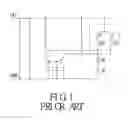
FIG. 1 shows a circuit diagram of a laser diode module of the prior art. When any component of the laser diode module shorts, the control of the laser diode module fails. Therefore, the outputting power of the laser diode module suddenly increases and exceeds its specifications.
The laser diode module of the prior art has the following shortcomings:
1. When any component of the laser diode module shorts, the control of the laser diode module fails, subsequently the outputting power of the laser diode module suddenly increases and exceeds its specifications.
2. When any component of the laser diode module shorts, the outputting power of the laser diode module is very high and damages a user's eyes.
SUMMARY OF THE INVENTIONOne particular aspect of the present invention is to provide a voltage dividing apparatus for preventing sudden increases in power to a laser diode. When the apparatus shorts, it uses a Zener diode to protect the laser diode module and prevent the outputting power of the laser diode module from suddenly increasing.
Another particular aspect of the present invention is to provide a voltage dividing apparatus for preventing sudden increases in power to a laser diode. The apparatus uses voltage-dividing resistors that connect with the laser-driving unit in parallel to distribute voltage to each component of the laser-driving unit. Therefore, the voltage of the each component of the laser-driving unit will not suddenly overshoot when outputting power exceeds specifications when the component shorts.
The voltage dividing apparatus for preventing sudden increases in power to a laser diode includes a laser diode module, a laser-driving unit and a Zener diode. The laser diode module includes a laser diode for receiving a driving current to emit light, and a photo diode for receiving light emitted from the laser diode and transferring the light signal into a voltage signal. The voltage signal is fed back to the laser diode module for automatically balancing the power of the laser diode. The laser-driving unit connects with the laser diode for driving the laser diode to output power. Two voltage-dividing resistors connect with the laser-driving unit in parallel for distributing voltage into each component of the laser-driving unit. The Zener diode connects with the voltage-dividing resistors. When the circuit shorts, the Zener diode disables the laser-driving unit to protect the laser diode. Therefore, it blocks the output of the laser diode's power to prevent the outputting power from suddenly increasing.
For further understanding of the invention, reference is made to the following detailed description illustrating the embodiments and examples of the invention. The description is only for illustrating the invention and is not intended to be considered limiting of the scope of the claim.
BRIEF DESCRIPTION OF THE DRAWINGSThe drawings included herein provide a further understanding of the invention. A brief introduction of the drawings is as follows:
FIG. 1 is a circuit diagram of a laser diode module of the prior art;
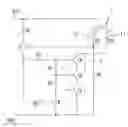
FIG. 2 is a circuit diagram of the first embodiment of the voltage dividing apparatus for preventing sudden increases in power to a laser diode of the present invention;
FIG. 3 is a circuit diagram of the second embodiment of the voltage dividing apparatus for preventing sudden increases in power to a laser diode of the present invention;
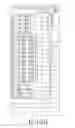
FIG. 4A is a figure diagram of the testing results when the first embodiment of the voltage dividing apparatus for preventing sudden increases in power to a laser diode of the present invention shorts
FIG. 4B is a figure diagram of the testing results when the second embodiment of the voltage dividing apparatus for preventing sudden increases in power to a laser diode of the present invention shorts.
DETAILED DESCRIPTION OF THE PREFERRED EMBODIMENTSFIG. 2 shows a circuit diagram of the first embodiment of the voltage dividing apparatus for preventing sudden increases in power to a laser diode of the present invention. The voltage dividing apparatus for preventing sudden increases in power to a laser diode includes a laser diode module 1, a laser-driving unit 2 that is composed of transistors Q2, Q3 and Q4, two voltage-dividing resistors R3 and R4 and a Zener diode D1. The laser diode module 1 includes a laser diode 11 and a photo diode 12. The Zener voltage of the Zener diode D1 is 1.2 voltages.
The laser diode module 1 is driven by an external direct voltage. The laser diode 11 receives a driving current to emit light. The photo diode 12 receives the light emitted from the laser diode 11 and transfers the light signal into a voltage signal. The voltage signal is fed back to the laser diode module 1 for automatically balancing the power of the laser diode 11. The laser-driving unit 2 (including transistors Q2, Q3 and Q4) connects with the laser diode 11. The voltage-dividing resistors R3 and R4 connect with the laser-driving unit 2 in parallel. The resistance of the voltage-dividing resistors R3 and R4 are adjusted with a predetermined ratio to distribute voltage between the transistors Q2, Q3 and Q4.
The Zener diode Z1 and a bipolar junction transistor Q5 connect with the voltage-dividing resistors R3 and R4. When the circuit shorts, the bipolar junction transistor Q5 disables the transistors Q2, Q3 and Q4 to protect the laser diode module 1 and prevent the outputting power of the laser diode from suddenly increasing. The laser-driving unit 2 is composed of three bipolar junction transistors Q2, Q3 and Q4 that are connected together in serial.
The photo diode 12 connects with a circuit that is composed of a resistor R1 and a PNP bipolar junction transistor Q1, and a feedback resistor R5 is grounded. The resistor R1 connects with a PNP bipolar junction transistor Q1 in serial. Another end of the resistor RI connects with an external direct voltage. When the circuit works normally, the external direct voltage drives the laser diode module 1 directly to make the laser diode 11 receive a driving current for emitting light. At the same time, the photo diode 12 receives the light emitted from the laser diode 11 and transfers the light signal into a voltage signal. Therefore, the voltage signal is used for controlling the PNP bipolar junction transistor Q1 and feeds the voltage signal back to the laser diode module 1 to automatically balance the outputting power.
The external direct voltage drives the circuit that is composed of the resistor R1 and the PNP bipolar junction transistor Q1. The circuit connects with the voltage-dividing resistors R3 and R4 and the laser-driving unit 2 (including the transistors Q2, Q3 and Q4) via a resistor R2. The voltage-dividing resistors R3 and R4 connect with the laser-driving unit 2 (including the transistors Q2, Q3 and Q4) in parallel. By adjusting the resistance of the voltage-dividing resistors R3 and R4 to a predetermined ratio, the voltage is distributed between the transistors Q2, Q3 and Q4.
When the laser diode module or the PNP bipolar junction transistor Q1 works on short condition, the voltage of the collector of the PNP bipolar junction transistor Q1 suddenly increases and is larger than a breakdown voltage of the Zener diode Z1. Therefore the Zener diode Z1 works and drives the bipolar junction transistor Q5 for disabling the transistors Q2, Q3 and Q4. Then, the laser diode module 1 is protected and the outputting power of the laser diode 11 is abandoned/drops to prevent the outputting power from suddenly increasing.
FIG. 3 shows a circuit diagram of the second embodiment of the voltage dividing apparatus for preventing sudden increases in power to a laser diode of the present invention. The voltage dividing apparatus for preventing sudden increases in power to a laser diode includes a laser diode module 1′, a laser-driving unit 2′ that is composed of transistors Q2′ and Q3′, and a Zener diode D1′. The laser diode module 1′ includes a laser diode 11′ and a photo diode 12′.
The laser diode module 1′ is driven by an external direct voltage. The laser diode 11′ receives a driving current to emit light. The photo diode 12′ receives the light emitted from the laser diode 11′ and transfers the light signal into a voltage signal. The voltage signal is used for controlling a bipolar junction transistor Q1′ and is fed back to the laser diode module 1′ for automatically balancing the power of the laser diode 11′. The laser-driving unit 2′ (including transistors Q2′ and Q3′) connects with the laser diode 11′. A voltage-dividing resistor R3 connects with the laser-driving unit 2′ (including transistors Q2′ and Q3′) in parallel. The resistance of the voltage-dividing resistors R2′ and R3′ are adjusted with a predetermined ratio to distribute voltage between the transistors Q2′ and Q3′.
The Zener diode Z1′ and a bipolar junction transistor Q4′ connect with the voltage-dividing resistor R3′. When the circuit shorts, the bipolar junction transistor Q4′ disables the transistors Q2′ and Q3′ to protect the laser diode module 1′ and prevent the outputting power of the laser diode 11′ from suddenly increasing. The laser-driving unit 2′ is composed of two bipolar junction transistors Q2′ and Q3′ that connect together in serial.
The photo diode 12′ connects with a circuit that is composed of a resistor R1′ and a PNP bipolar junction transistor Q1′, and a feedback resistor R5′ that connects with ground. The resistor R1′ connects with a PNP bipolar junction transistor Q1′ in serial. Another end of the resistor R1′ connects with an external direct voltage. When the circuit works normally, the external direct voltage drives the laser diode module 1′ directly to make the laser diode 11′ receive a driving current for emitting light. At the same time, the photo diode 12′ receives the light emitted from the laser diode 11′ and transfers the light signal into a voltage signal. Therefore, the voltage signal is used for controlling the PNP bipolar junction transistor Q1′ to automatically balance the outputting power. The external direct voltage drives the circuit that is composed of the resistor R1′ and the PNP bipolar junction transistor Q1′. The circuit connects with the voltage-dividing resistor R3′ and the laser-driving unit 2′ (including the transistors Q2′ and Q3′) via the voltage-dividing resistor R2′.
When the laser diode module or the PNP bipolar junction transistor Q1′ works on short condition, the voltage of the collector of the PNP bipolar junction transistor Q1′ increases suddenly and is larger than a breakdown voltage of the Zener diode Z1′. Therefore the Zener diode Z1′ works and enables the bipolar junction transistor Q4′ for disabling the transistors Q2′ and Q3′. In this way, the laser diode module 1′ is protected.
FIGS. 4A and 4B show figure diagrams of the testing results when the first and second embodiment of the voltage dividing apparatus for preventing sudden increases in power to a laser diode of the present invention is operated on short condition. In the figures, the C-E on short means the collector and the emitter of a transistor are on short and the C-B on short means the collector and the base of a transistor are on short. The meaning of the/any others is the same as described above. The figures show the outputting power of the laser diode module 1 or the laser diode module 1′ when the testing voltage (the external direct voltage VCC) is 3V and the test points are on short/are/have been shorted. Due to the protective function of the Zener diode Z1 or a Zener diode Z1′, the outputting power of the laser diode module 1 or the laser diode module 1′ is limited and stays within its specifications, or either the laser diode module 1 or the laser diode module 1′ is disabled directly.
The present invention has the following characteristics:
1. When the circuit shorts, the voltage dividing apparatus for preventing sudden increases in power to a laser diode uses a Zener diode to protect the laser diode module and prevent the outputting power of the laser diode module from suddenly increasing. Therefore, the user life of the laser diode module is enhanced and the laser cannot hurt a user's eyes.
2. The voltage dividing apparatus for preventing sudden increases in power to a laser diode uses voltage-dividing resistors that connect with the laser-driving unit in parallel to distribute voltage. It prevents the outputting power from suddenly increasing when a component of the laser-driving unit shorts and limits the outputting power within safe specifications.
The description above only illustrates specific embodiments and examples of the invention. The invention should therefore cover various modifications and variations made to the herein-described structure and operations of the invention, provided they fall within the scope of the invention as defined in the following appended claims.
Claims
What is claimed is:1. A voltage dividing apparatus for preventing sudden increases in power to a laser diode, comprising:
a laser diode module, including:
a laser diode, for receiving a driving current to emit light; and
a photo diode, for receiving the light emitted from the laser diode and transferring the light signal into a voltage signal, the voltage signal is fed back to the laser diode module for automatically balancing the power of the laser diode;
a laser-driving unit, connecting with the laser diode, and two voltage-dividing resistors connected with the laser-driving unit in parallel for distributing the voltage into each component of the laser-driving unit; and
a Zener diode, connecting with the voltage-dividing resistors, when the circuit shorts, the Zener diode disables the laser-driving unit to protect the laser diode and block the output of the laser diode's power.
2. The voltage dividing apparatus for preventing sudden increases in power to a laser diode as claimed in claim 1, wherein the laser-driving unit is composed of three bipolar junction transistors that connect in serial.
3. The voltage dividing apparatus for preventing sudden increases in power to a laser diode as claimed in claim 1, wherein the Zener voltage of the Zener diode D1 is 1.2 voltages.
4. A voltage dividing apparatus for preventing sudden increases in power to a laser diode, comprising:
a laser diode module, including:
a laser diode, for receiving a driving current to emit light; and
a photo diode, for receiving the light emitted from the laser diode and transferring the light signal into a voltage signal, the voltage signal is fed back to the laser diode module for automatically balancing the power of the laser diode;
a laser-driving unit, connecting with the laser diode, one voltage-dividing resistor connects with the laser-driving unit in parallel for distributing the voltage into each component of the laser-driving unit; and
a Zener diode, connecting with the voltage-dividing resistors, when the circuit shorts, the Zener diode disables the laser-driving unit to protect the laser diode and block the output of the laser diode's power.
5. The voltage dividing apparatus for preventing sudden increases in power to a laser diode as claimed in claim 4, wherein the laser-driving unit is composed of three bipolar junction transistors that connect in serial.
6. The voltage dividing apparatus for preventing sudden increases in power to a laser diode as claimed in claim 4, wherein the Zener voltage of the Zener diode D1 is 1.2 voltages.
Images & Drawings included:


Sources:
- United States Patent and Trademark Office - verify current appl. status at the USPTO↗
Recent applications in this class:
- » 20250286343 2025-09-11
LASER DEVICE AND METHOD FOR CONTROLLING THE SAME - » 20250246877 2025-07-31
Battery Current Optimization Scheme for High Power Laser Applications - » 20250246876 2025-07-31
TRANSIENT RESPONSE OF VCSEL DRIVERS - » 20250192511 2025-06-12
LIGHT-EMITTING DEVICE AND RANGING DEVICE - » 20250167513 2025-05-22
METHOD AND APPARATUS FOR CONTROLLING NODE VOLTAGES DURING START-UP OF A DRIVER CIRCUIT TO FACILITATE BIASING OF THE DRIVER CIRCUIT - » 20250125580 2025-04-17
DUAL REDUNDANCY HIGH RELIABILITY LASER DIODE LIGHTING PLATFORM - » 20250125579 2025-04-17
ELECTRONIC CIRCUIT AND LASER SCANNER - » 20250096525 2025-03-20
LASER TRANSMISSION CIRCUIT, LASER TRANSMISSION COMPONENT AND ELECTRONIC MEASURING INSTRUMENT - » 20250087966 2025-03-13
PHOTOELECTRIC CONVERSION MODULE, PHOTOELECTRIC CONVERSION DEVICE, AND PHOTOELECTRIC CONVERSION METHOD - » 20250047062 2025-02-06
WAVE SHAPING CIRCUIT FOR LASER DRIVING CIRCUIT, LASER DRIVING CIRCUIT AND LASER DEVICE