Lung cancer prognostics
US20060252057A1
2006-11-09
11/290,215
2005-11-30
Abstract:
A method of providing a prognosis of lung cancer is conducted by analyzing the expression-of a group of genes. Gene expression profiles in a variety of medium such as microarrays are included as are kits that contain them.
Inventors:
- Jack X. Yu 7 🇺🇸 San Diego, CA, United States
- Mitch Raponi 2 🇺🇸 San Diego, CA, United States
Interested in similar patents?
Get notified when new applications in this technology area are published.
Classification:
G01N33/57423 » CPC main
Investigating or analysing materials by specific methods not covered by groups -; Biological material, e.g. blood, urine ; Haemocytometers; Chemical analysis of biological material, e.g. blood, urine; Testing involving biospecific ligand binding methods; Immunological testing; Immunoassay; Biospecific binding assay; Materials therefor for cancer; Specifically defined cancers of lung
C12Q1/6886 » CPC further
Measuring or testing processes involving enzymes, nucleic acids or microorganisms ; Compositions therefor; Processes of preparing such compositions involving nucleic acids; Nucleic acid products used in the analysis of nucleic acids, e.g. primers or probes for diseases caused by alterations of genetic material for cancer
G16B25/10 » CPC further
ICT specially adapted for hybridisation; ICT specially adapted for gene or protein expression Gene or protein expression profiling; Expression-ratio estimation or normalisation
G16B40/10 » CPC further
ICT specially adapted for biostatistics; ICT specially adapted for bioinformatics-related machine learning or data mining, e.g. knowledge discovery or pattern finding Signal processing, e.g. from mass spectrometry [MS] or from PCR
C12Q2600/106 » CPC further
Oligonucleotides characterized by their use Pharmacogenomics, i.e. genetic variability in individual responses to drugs and drug metabolism
C12Q2600/118 » CPC further
Oligonucleotides characterized by their use Prognosis of disease development
C12Q2600/154 » CPC further
Oligonucleotides characterized by their use Methylation markers
C12Q2600/158 » CPC further
Oligonucleotides characterized by their use Expression markers
G16B25/00 » CPC further
ICT specially adapted for hybridisation; ICT specially adapted for gene or protein expression
G16B40/00 » CPC further
ICT specially adapted for biostatistics; ICT specially adapted for bioinformatics-related machine learning or data mining, e.g. knowledge discovery or pattern finding
G16B40/30 » CPC further
ICT specially adapted for biostatistics; ICT specially adapted for bioinformatics-related machine learning or data mining, e.g. knowledge discovery or pattern finding Unsupervised data analysis
C12Q1/68 IPC
Measuring or testing processes involving enzymes, nucleic acids or microorganisms ; Compositions therefor; Processes of preparing such compositions involving nucleic acids
G01N33/574 IPC
Investigating or analysing materials by specific methods not covered by groups -; Biological material, e.g. blood, urine ; Haemocytometers; Chemical analysis of biological material, e.g. blood, urine; Testing involving biospecific ligand binding methods; Immunological testing; Immunoassay; Biospecific binding assay; Materials therefor for cancer
Description
STATEMENT REGARDING FEDERALLY SPONSORED RESEARCH OR DEVELOPMENTNo government funds were used to make this invention.
REFERENCE TO SEQUENCE LISTING, OR A COMPUTER PROGRAM LISTING COMPACT DISK APPENDIXReference to a “Sequence Listing,” a table, or a computer program listing appendix submitted on a compact disc and an incorporation by reference of the material on the compact disc including duplicates and the files on each compact disc shall be specified.
BACKGROUNDThis application claims the benefit of U.S. Patent Application No. 60/632,053, filed Nov. 30, 2005 which is incorporated herein by reference.
This invention relates to prognostics for lung cancer based on the gene expression profiles of biological samples.
Lung cancer is the leading cause of cancer deaths in developed countries killing about 1 million people worldwide each year. An estimated 171,900 new cases are expected in 2003 in the US, accounting for about 13% of all cancer diagnoses. Non-small cell lung cancer (NSCLC) represents the majority (˜75%) of bronchogenic carcinomas while the remainder is small cell lung carcinomas (SCLC). NSCLC is comprised of three main subtypes: 40% adenocarcinoma, 40% squamous, and 20% large cell cancer. Adenocarcinoma has replaced squamous cell carcinoma as the most frequent histological subtype over the last 25 years, peaking the early 1990's. This may be associated with the use of “low tar” cigarettes resulting in deeper inhalation of cigarette smoke. Wingo et al. (1999). The overall 10-year survival rate of patients with NSCLC is a dismal 8-10%.
Approximately 25-30% of patients with NSCLC have stage I disease and of these 35-50% will relapse within 5 years after surgical treatment. Depending upon stage, adenocarcinoma has a higher relapse rate than squamous cell carcinoma with approximately 65% and 55% of SCC and adenocarcinoma patients surviving at 5 years, respectively. Mountain et al. (1987). Currently, it is not possible to identify those patients with a high risk of relapse. The ability to identify high-risk patients among the stage I disease group will allow for the consideration of additional therapeutic intervention leading to the potential for improved survival. Indeed, recent clinical trials have shown that adjuvant therapy following resection of lung tumors can lead to improved survival. Kato et al. (2004). Specifically, Kato et al. demonstrated that adjuvant chemotherapy with uracil-tegafur improves survival among patients with completely resected pathological stage I adenocarcinoma, particularly T2 disease.
Microarray gene expression profiling has recently been utilized to define prognostic signatures in patients with lung adenocarcinomas, (Beer et al. (2002)) however, no large studies have investigated gene expression profiles of prognosis in the squamous cell carcinoma population. Here, we have profiled 134 SCC samples and 10 normal matched lung samples on the Affymetrix U133A chip. Hierarchical clustering and Cox modeling has identified genes that correlate with patient prognosis. These signatures can be used to identify patients who may benefit from adjuvant therapy following initial surgery.
SUMMARY OF THE INVENTIONThe present invention provides a method of assessing lung cancer status by obtaining a biological sample from a lung cancer patient; and measuring Biomarkers associated with Marker genes corresponding to those selected from Table 1, Table 4, Table 5 or Table 7 where the expression levels of the Marker genes above or below pre-determined cut-off levels are indicative of lung cancer status.
The present invention provides a method of staging lung cancer patients by obtaining a biological sample from a lung cancer patient; and measuring Biomarkers associated with Marker genes corresponding to those selected from Table 1, Table 4, Table 5 or Table 7 where the expression levels of the Marker genes above or below pre-determined cut-off levels are indicative of the lung cancer stage.
The present invention provides a method of determining lung cancer patient treatment protocol by obtaining a biological sample from a lung cancer patient; and measuring Biomarkers associated with Marker genes corresponding to those selected from Table 1, Table 4, Table 5 or Table 7 where the expression levels of the Marker genes above or below predetermined cut-off levels are sufficiently indicative of risk of recurrence to enable a physician to determine the degree and type of therapy recommended to prevent recurrence.
The present invention provides a method of treating a lung cancer patient by obtaining a biological sample from a lung cancer patient; and measuring Biomarkers associated with Marker genes corresponding to those selected from Table 1, Table 4, Table 5 or Table 7 where the expression levels of the Marker genes above or below pre-determined cut-off levels are indicate a high risk of recurrence and; treating the patient with adjuvant therapy if they are a high risk patient.
The present invention provides a method of determining whether a lung cancer patient is high or low risk of mortality by obtaining a biological sample from a lung cancer patient; and measuring Biomarkers associated with Marker genes corresponding to those selected from Table 4 where the expression levels of the Marker genes above or below pre-determined cut-off levels are sufficiently indicative of risk of mortality to enable a physician to determine the degree and type of therapy recommended.
The present invention provides a method of generating a lung cancer prognostic patient report by determining the results of any one of the methods described herein and preparing a report displaying the results and patient reports generated thereby.
The present invention provides a composition comprising at least one probe set selected from the group consisting of: Marker genes corresponding to those selected from Table 1, Table 4, Table 5 or Table 7.
The present invention provides a kit for conducting an assay to determine lung cancer prognosis in a biological sample comprising: materials for detecting isolated nucleic acid sequences, their complements, or portions thereof of a combination of genes selected from the group consisting of Marker genes corresponding to those selected from Table 1, Table 4, Table 5 or Table 7.
The present invention provides articles for assessing lung cancer status comprising: materials for detecting isolated nucleic acid sequences, their complements, or portions thereof of a combination of genes selected from the group consisting of Marker genes corresponding to those selected from Table 1, Table 4, Table 5 or Table 7.
The present invention provides a microarray or gene chip for performing the method described herein.
The present invention provides a diagnostic/prognostic portfolio comprising isolated nucleic acid sequences, their complements, or portions thereof of a combination of genes selected from the group consisting of Marker genes corresponding to those selected from Table 1, Table 4, Table 5 or Table 7.
BRIEF DESCRIPTION OF THE DRAWINGSFIG. 1 depicts hierarchical clustering of 129 lung SCC patients.
FIG. 2 depicts plots of AUC vs. number of genes.
FIG. 3 depicts error rates of LOOCV v various cutoffs in the 65-sample training set.
FIG. 4 depicts Kaplan Meier plots of the 50-gene signature in the testing set.
FIG. 5 depicts unsupervised clustering identifies epidermnal differentiation pathway as being down-regulated in high-risk patients. A. Clustering of patients based on top 121 showed two clusters of patients. The majority of genes in cluster I were down-regulated (green). B. List of 20 genes associated with epidermal differentiation pathway. C. Kaplan Meier curve of clustered patient groups defined by the-20 epidermal-related genes.
FIG. 6 depicts verification of gene expression data using real-time RT-PCR. Four genes (NTRK2, FGFR2, VEGF, KRT13) were selected for RT-PCR. Expression correlate very well with Affymetrix chip data (R=0.71-0.96).
DETAILED DESCRIPTION OF THE INVENTIONNon-small cell lung cancer (NSCLC) represents the majority (˜75%) of lung carcinomas and is comprised of three main subtypes: 40% squamous, 40% adenocarcinoma, and 20% large cell cancer. Approximately 25-30% of patients with NSCLC have stage I disease and of these 35-50% will relapse within 5 years after surgical treatment. Current histopathology and genetic biomarkers are insufficient for identifying patients who are at a high risk of relapse. As described in the present invention, 129 primary squamous cell lung carcinomas and 10 matched normal lung tissues were profiled using the Affymetrix U133A gene chip. Unsupervised hierarchical clustering identified two clusters of patients with lung carcinoma that had no correlation with stage of disease but had significantly different median overall survival (p=0.036). Cox proportional hazard models were then utilized to identify an optimal set of 50 genes (Table 1) in a 65 patient training set that significantly predicted survival in a 64 patient test set. This signature achieved 52% specificity and 82% sensitivity and provided an overall predictive value of 71%. Kaplan-Meier analysis showed clear significant stratification of high and low risk patients (p=0.0075). The identification of prognostic signatures allows identification of patients with high-risk squamous cell lung carcinoma who could benefit from adjuvant therapy following initial surgery.
| TABLE 1 | ||
| SEQ ID NO: | Rank | |
| 228 | 1 | |
| 284 | 2 | |
| 76 | 3 | |
| 124 | 4 | |
| 281 | 5 | |
| 86 | 6 | |
| 303 | 7 | |
| 311 | 8 | |
| 443 | 9 | |
| 287 | 10 | |
| 13 | 11 | |
| 378 | 12 | |
| 362 | 13 | |
| 18 | 14 | |
| 79 | 15 | |
| 230 | 16 | |
| 416 | 17 | |
| 409 | 18 | |
| 78 | 19 | |
| 420 | 20 | |
| 58 | 21 | |
| 53 | 22 | |
| 254 | 23 | |
| 91 | 24 | |
| 270 | 25 | |
| 446 | 26 | |
| 4 | 27 | |
| 310 | 28 | |
| 42 | 29 | |
| 10 | 30 | |
| 80 | 31 | |
| 12 | 32 | |
| 440 | 33 | |
| 75 | 34 | |
| 60 | 35 | |
| 63 | 36 | |
| 283 | 37 | |
| 29 | 38 | |
| 221 | 39 | |
| 279 | 40 | |
| 280 | 41 | |
| 267 | 42 | |
| 189 | 43 | |
| 103 | 44 | |
| 194 | 45 | |
| 268 | 46 | |
| 252 | 47 | |
| 461 | 48 | |
| 372 | 49 | |
| 414 | 50 | |
A Biomarker is any indicia of the level of expression of an indicated Marker gene. The indicia can be direct or indirect and measure over- or under-expression of the gene given the physiologic parameters and in comparison to an internal control, normal tissue or another carcinoma. Biomarkers include, without limitation, nucleic acids (both over and under-expression and direct and indirect). Using nucleic acids as Biomarkers can include any method known in the art including, without limitation, measuring DNA amplification, RNA, micro RNA, loss of heterozygosity (LOH), single nucleotide polymorphisms (SNPs, Brookes (1999)), microsatellite DNA, DNA hypo- or hyper-methylation. Using proteins as Biomarkers can include any method known in the art including, without limitation, measuring amount, activity, modifications such as glycosylation, phosphorylation, ADP-ribosylation, ubiquitination, etc., imunohistochemistry (IHC). Other Biomarkers include imaging, cell count and apoptosis markers.
The indicated genes provided herein are those associated with a particular tumor or tissue type. Marker gene may be associated with numerous cancer types but provided that the expression of the gene is sufficiently associated with one tumor or tissue type to be identified using the algorithm described herein to be specific for a lung cancer cell, the gene can be using in the claimed invention to determine cancer status and prognosis. Numerous genes associated with one or more cancers are known in the art. The present invention provides preferred Marker genes and even more preferred Marker gene combinations. These are described herein in detail.
A Marker gene corresponds to the sequence designated by a SEQ ID NO when it contains that sequence. A gene segment or fragment corresponds to the sequence of such gene when it contains a portion of the referenced sequence or its complement sufficient to distinguish it as being the sequence of the gene. A gene expression product corresponds to such sequence when its RNA, mRNA, or cDNA hybridizes to the composition having such sequence (e.g. a probe) or, in the case of a peptide or protein, it is encoded by such mRNA. A segment or fragment of a gene expression product corresponds to the sequence of such gene or gene expression product when it contains a portion of the referenced gene expression product or its complement sufficient to distinguish it as being the sequence of the gene or gene expression product.
The inventive methods, compositions, articles, and kits of described and claimed in this specification include one or more Marker genes. “Marker” or “Marker gene” is used throughout this specification to refer to genes and gene expression products that correspond with any gene the over- or under-expression of which is associated with a tumor or tissue type. The preferred Marker genes are described in more detail in Table 8.
The present invention provides a method of assessing lung cancer status by obtaining a biological sample from a lung cancer patient; and measuring Biomarkers associated with Marker genes corresponding to those selected from Table 1, Table 4, Table 5 or Table 7 where the expression levels of the Marker genes above or below pre-determined cut-off levels are indicative of lung cancer status.
The present invention provides a method of staging lung cancer patients by obtaining a biological sample from a lung cancer patient; and measuring Biomarkers associated with Marker genes corresponding to those selected from Table 1, Table 4, Table 5 or Table 7 where the expression levels of the Marker genes above or below pre-determined cut-off levels are indicative of the lung cancer stage. The stage can correspond to any classification system, including, but not limited to the TNM system or to patients with similar gene expression profiles.
The present invention provides a method of determining lung cancer patient treatment protocol by obtaining a biological sample from a lung cancer patient; and measuring Biomarkers associated with Marker genes corresponding to those selected from Table 1, Table 4, Table 5 or Table 7 where the expression levels of the Marker genes above or below pre-determined cut-off levels are sufficiently indicative of risk of recurrence to enable a physician to determine the degree and type of therapy recommended to prevent recurrence.
The present invention provides a method of treating a lung cancer patient by obtaining a biological sample from a lung cancer patient; and measuring Biomarkers associated with Marker genes corresponding to those selected from Table 1, Table 4, Table 5 or Table 7 where the expression levels of the Marker genes above or below pre-determined cut-off levels are indicate a high risk of recurrence and; treating the patient with adjuvant therapy if they are a high risk patient.
The present invention provides a method of determining whether a lung cancer patient is high or low risk of mortality by obtaining a biological sample from a lung cancer patient; and measuring Biomarkers associated with Marker genes corresponding to those selected from Table 4 where the expression levels of the Marker genes above or below pre-determined cut-off levels are sufficiently indicative of risk of mortality to enable a physician to determine the degree and type of therapy recommended.
In the above methods, the sample can be prepared by any method known in the art including, but not limited to, bulk tissue preparation and laser capture microdissection. The bulk tissue preparation can be obtained for instance from a biopsy or a surgical specimen.
In the above methods, the gene expression measuring can also include measuring the expression level of at least one gene constitutively expressed in the sample.
In the above methods, the specificity is preferably at least about 40% and the sensitivity at least at least about 80%.
In the above methods, the pre-determined cut-off levels are at least about 1.5-fold over- or under-expression in the sample relative to benign cells or normal tissue.
In the above methods, the pre-determined cut-off levels have at least a statistically significant p-value over-expression in the sample having metastatic cells relative to benign cells or normal tissue, preferably the p-value is less than 0.05.
In the above methods, gene expression can be measured by any method known in the art, including, without limitation on a microarray or gene chip, nucleic acid amplification conducted by polymerase chain reaction (PCR) such as reverse transcription polymerase chain reaction (RT-PCR), measuring or detecting a protein encoded by the gene such as by an antibody specific to the protein or by measuring a characteristic of the gene such as DNA amplification, methylation, mutation and allelic variation. The microarray can be for instance, a cDNA array or an oligonucleotide array. All these methods and can further contain one or more internal control reagents.
The present invention provides a method of generating a lung cancer prognostic patient report by determining the results of any one of the methods described herein and preparing a report displaying the results and patient reports generated thereby. The report can further contain an assessment of patient outcome and/or probability of risk relative to the patient population.
The present invention provides a composition comprising at least one probe set selected from the group consisting of: Marker genes corresponding to those selected from Table 1, Table 4, Table 5 or Table 7.
The present invention provides a kit for conducting an assay to determine lung cancer prognosis in a biological sample comprising: materials for detecting isolated nucleic acid sequences, their complements, or portions thereof of a combination of genes selected from the group consisting of Marker genes corresponding to those selected from Table 1, Table 4, Table 5 or Table 7. The kit can further comprise reagents for conducting a microarray analysis, and/or a medium through which said nucleic acid sequences, their complements, or portions thereof are assayed.
The present invention provides articles for assessing lung cancer status comprising: materials for detecting isolated nucleic acid sequences, their complements, or portions thereof of a combination of genes selected from the group consisting of Marker genes corresponding to those selected from Table 1, Table 4, Table 5 or Table 7. The articles can further contain reagents for conducting a microarray analysis and/or a medium through which said nucleic acid sequences, their complements, or portions thereof are assayed.
The present invention provides a microarray or gene chip for performing the method of claim 1, 2, 5, 6 or 7. The microarray can contain isolated nucleic acid sequences, their complements, or portions thereof of a combination of genes selected from the group consisting of Marker genes corresponding to those selected from Table 1, Table 4, Table 5 or Table 7. Preferably, the microarray is capable of measurement or characterization of at least 1.5-fold over- or under-expression. Preferably, the microarray provides a statistically significant p-value over- or under-expression. Preferably, the p-value is less than 0.05. The microarray can contain a cDNA array or an oligonucleotide array and/or one or more internal control reagents.
The present invention provides a diagnostic/prognostic portfolio comprising isolated nucleic acid sequences, their complements, or portions thereof of a combination of genes selected from the group consisting of Marker genes corresponding to those selected from Table 1, Table 4, Table 5 or Table 7. Preferably, the portfolio is capable of measurement or characterization of at least 1.5-fold over- or under-expression. Preferably, the portfolio provides a statistically significant p-value over- or under-expression. Preferably, the p-value is less than 0.05.
The mere presence or absence of particular nucleic acid sequences in a tissue sample has only rarely been found to have diagnostic or prognostic value. Information about the expression of various proteins, peptides or mRNA, on the other hand, is increasingly viewed as important. The mere presence of nucleic acid sequences having the potential to express proteins, peptides, or mRNA (such sequences referred to as “genes”) within the genome by itself is not determinative of whether a protein, peptide, or mRNA is expressed in a given cell. Whether or not a given gene capable of expressing proteins, peptides, or mRNA does so and to what extent such expression occurs, if at all, is determined by a variety of complex factors. Irrespective of difficulties in understanding and assessing these factors, assaying gene expression can provide useful information about the occurrence of important events such as tumorogenesis, metastasis, apoptosis, and other clinically relevant phenomena. Relative indications of the degree to which genes are active or inactive can be found in gene expression profiles. The gene expression profiles of this invention are used to provide diagnosis, status, prognosis and treatment protocol for lung cancer patients.
Sample preparation requires the collection of patient samples. Patient samples used in the inventive method are those that are suspected of containing diseased cells such as cells taken from a nodule in a fine needle aspirate (FNA) of tissue. Bulk tissue preparation obtained from a biopsy or a surgical specimen and Laser Capture Microdissection (LCM) are also suitable for use. LCM technology is one way to select the cells to be studied, minimizing variability caused by cell type heterogeneity. Consequently, moderate or small changes in Marker gene expression between normal or benign and cancerous cells can be readily detected. Samples can also comprise circulating epithelial cells extracted from peripheral blood. These can be obtained according to a number of methods but the most preferred method is the magnetic separation technique described in U.S. Pat. No. 6,136,182. Once the sample containing the cells of interest has been obtained, a gene expression profile is obtained using a Biomarker, for genes in the appropriate portfolios.
Preferred methods for establishing gene expression profiles include determining the amount of RNA that is produced by a gene that can code for a protein or peptide. This is accomplished by reverse transcriptase PCR (RT-PCR), competitive RT-PCR, real time RT-PCR, differential display RT-PCR, Northern Blot analysis and other related tests. While it is possible to conduct these techniques using individual PCR reactions, it is best to amplify complementary DNA (cDNA) or complementary RNA (cRNA) produced from mRNA and analyze it via microarray. A number of different array configurations and methods for their production are known to those of skill in the art and are described in U.S. Patents such as: U.S. Pat. Nos. 5,445,934; 5,532,128; 5,556,752; 5,242,974; 5,384,261; 5,405,783; 5,412,087; 5,424,186; 5,429,807; 5,436,327; 5,472,672; 5,527,681; 5,529,756; 5,545,531; 5,554,501; 5,561,071; 5,571,639; 5,593,839; 5,599,695; 5,624,711; 5,658,734; and 5,700,637.
Microarray technology allows for the measurement of the steady-state mRNA level of thousands of genes simultaneously thereby presenting a powerful tool for identifying effects such as the onset, arrest, or modulation of uncontrolled cell proliferation. Two microarray technologies are currently in wide use. The first are cDNA arrays and the second are oligonucleotide arrays. Although differences exist in the construction of these chips, essentially all downstream data analysis and output are the same. The product of these analyses are typically measurements of the intensity of the signal received from a labeled probe used to detect a cDNA sequence from the sample that hybridizes to a nucleic acid sequence at a known location on the microarray. Typically, the intensity of the signal is proportional to the quantity of cDNA, and thus mRNA, expressed in the sample cells. A large number of such techniques are available and useful. Preferred methods for determining gene expression can be found in U.S. Pat. Nos. 6,271,002; 6,218,122; 6,218,114; and 6,004,755.
Analysis of the expression levels is conducted by comparing such signal intensities. This is best done by generating a ratio matrix of the expression intensities of genes in a test sample versus those in a control sample. For instance, the gene expression intensities from a diseased tissue can be compared with the expression intensities generated from benign or normal tissue of the same type. A ratio of these expression intensities indicates the fold-change in gene expression between the test and control samples.
Gene expression profiles can also be displayed in a number of ways. The most common method is to arrange raw fluorescence intensities or ratio matrix into a graphical dendogram where columns indicate test samples and rows indicate genes. The data are arranged so genes that have similar expression profiles are proximal to each other. The expression ratio for each gene is visualized as a color. For example, a ratio less than one (indicating down-regulation) may appear in the blue portion of the spectrum while a ratio greater than one (indicating up-regulation) may appear as a color in the red portion of the spectrum. Commercially available computer software programs are available to display such data including “GENESPRING” from Silicon Genetics, Inc. and “DISCOVERY” and “INFER” software from Partek, Inc.
In the case of measuring protein levels to determine gene expression, any method known in the art is suitable provided it results in adequate specificity and sensitivity. For example, protein levels can be measured by binding to an antibody or antibody fragment specific for the protein and measuring the amount of antibody-bound protein. Antibodies can be labeled by radioactive, fluorescent or other detectable reagents to facilitate detection. Methods of detection include, without limitation, enzyme-linked immunosorbent assay (ELISA) and immunoblot techniques.
Modulated Markers used in the methods of the invention are described in the Examples. The genes that are differentially expressed are either up regulated or down regulated in patients with various lung cancer prognostics. Up regulation and down regulation are relative terms meaning that a detectable difference (beyond the contribution of noise in the system used to measure it) is found in the amount of expression of the genes relative to some baseline. In this case, the baseline is determined based on the algorithm. The genes of interest in the diseased cells are then either up- or down-regulated relative to the baseline level using the same measurement method.
Diseased, in this context, refers to an alteration of the state of a body that interrupts or disturbs, or has the potential to disturb, proper performance of bodily functions as occurs with the uncontrolled proliferation of cells. Someone is diagnosed with a disease when some aspect of that person's genotype or phenotype is consistent with the presence of the disease. However, the act of conducting a diagnosis or prognosis may include the determination of disease/status issues such as determining the likelihood of relapse, type of therapy and therapy monitoring. In therapy monitoring, clinical judgments are made regarding the effect of a given course of therapy by comparing the expression of genes over time to determine whether the gene expression profiles have changed or are changing to patterns more consistent with normal tissue.
Genes can be grouped so that information obtained about the set of genes in the group provides a sound basis for making a clinically relevant judgment such as a diagnosis, prognosis, or treatment choice. These sets of genes make up the portfolios of the invention. As with most diagnostic markers, it is often desirable to use the fewest number of markers sufficient to make a correct medical judgment. This prevents a delay in treatment pending further analysis as well unproductive use of time and resources.
One method of establishing gene expression portfolios is through the use of optimization algorithms such as the mean variance algorithm widely used in establishing stock portfolios. This method is described in detail in US patent publication number 20030194734. Essentially, the method calls for the establishment of a set of inputs (stocks in financial applications, expression as measured by intensity here) that will optimize the return (e.g., signal that is generated) one receives for using it while minimizing the variability of the return. Many commercial software programs are available to conduct such operations. “Wagner Associates Mean-Variance Optimization Application,” referred to as “Wagner Software” throughout this specification, is preferred. This software uses functions from the “Wagner Associates Mean-Variance Optimization Library” to determine an efficient frontier and optimal portfolios in the Markowitz sense is one option. Use of this type of software requires that microarray data be transformed so that it can be treated as an input in the way stock return and risk measurements are used when the software is used for its intended financial analysis purposes.
The process of selecting a portfolio can also include the application of heuristic rules. Preferably, such rules are formulated based on biology and an understanding of the technology used to produce clinical results. More preferably, they are applied to output from the optimization method. For example, the mean variance method of portfolio selection can be applied to microarray data for a number of genes differentially expressed in subjects with cancer. Output from the method would be an optimized set of genes that could include some genes that are expressed in peripheral blood as well as in diseased tissue. If samples used in the testing method are obtained from peripheral blood and certain genes differentially expressed in instances of cancer could also be differentially expressed in peripheral blood, then a heuristic rule can be applied in which a portfolio is selected from the efficient frontier excluding those that are differentially expressed in peripheral blood. Of course, the rule can be applied prior to the formation of the efficient frontier by, for example, applying the rule during data pre-selection.
Other heuristic rules can be applied that are not necessarily related to the biology in question. For example, one can apply a rule that only a prescribed percentage of the portfolio can be represented by a particular gene or group of genes. Commercially available software such as the Wagner Software readily accommodates these types of heuristics. This can be useful, for example, when factors other than accuracy and precision (e.g., anticipated licensing fees) have an impact on the desirability of including one or more genes.
The gene expression profiles of this invention can also be used in conjunction with other non-genetic diagnostic methods useful in cancer diagnosis, prognosis, or treatment monitoring. For example, in some circumstances it is beneficial to combine the diagnostic power of the gene expression based methods described above with data from conventional markers such as serum protein markers (e.g., Cancer Antigen 27.29 (“CA 27.29”)). A range of such markers exists including such analytes as CA 27.29. In one such method, blood is periodically taken from a treated patient and then subjected to an enzyme immunoassay for one of the serum markers described above. When the concentration of the marker suggests the return of tumors or failure of therapy, a sample source amenable to gene expression analysis is taken. Where a suspicious mass exists, a fine needle aspirate (FNA) is taken and gene expression profiles of cells taken from the mass are then analyzed as described above. Alternatively, tissue samples may be taken from areas adjacent to the tissue from which a tumor was previously removed. This approach can be particularly useful when other testing produces ambiguous results.
Kits made according to the invention include formatted assays for determining the gene expression profiles. These can include all or some of the materials needed to conduct the assays such as reagents and instructions and a medium through which Biomarkers are assayed.
Articles of this invention include representations of the gene expression profiles useful for treating, diagnosing, prognosticating, and otherwise assessing diseases. These profile representations are reduced to a medium that can be automatically read by a machine such as computer readable media (magnetic, optical, and the like). The articles can also include instructions for assessing the gene expression profiles in such media. For example, the articles may comprise a CD ROM having computer instructions for comparing gene expression profiles of the portfolios of genes described above. The articles may also have gene expression profiles digitally recorded therein so that they may be compared with gene expression data from patient samples. Alternatively, the profiles can be recorded in different representational format. A graphical recordation is one such format. Clustering algorithms such as those incorporated in “DISCOVERY” and “INFER” software from Partek, Inc. mentioned above can best assist in the visualization of such data.
Different types of articles of manufacture according to the invention are media or formatted assays used to reveal gene expression profiles. These can comprise, for example, microarrays in which sequence complements or probes are affixed to a matrix to which the sequences indicative of the genes of interest combine creating a readable determinant of their presence. Alternatively, articles according to the invention can be fashioned into reagent kits for conducting hybridization, amplification, and signal generation indicative of the level of expression of the genes of interest for detecting cancer.
The invention is further illustrated by the following non-limiting examples. All references cited herein are hereby incorporated herein.
EXAMPLESGenes analyzed according to this invention are typically related to full-length nucleic acid sequences that code for the production of a protein or peptide. One skilled in the art will recognize that identification of full-length sequences is not necessary from an analytical point of view. That is, portions of the sequences or ESTs can be selected according to well-known principles for which probes can be designed to assess gene expression for the corresponding gene.
Example 1Methods
Patient Population
134 fresh frozen, surgically resected lung SCC and 10 matched normal lung samples from 133 individual patients (LS-71 and LS-136 were duplicate samples from different areas of the same tumor) from all stages of squamous cell lung carcinoma were evaluated in this study. These samples were collected from patients from the University of Michigan Hospital between October 1991 and July 2002 with patient consent and Institutional Review Board (IRB) approval. Portions of the resected lung carcinomas were sectioned and evaluated by the study pathologist by routine hematoxylin and eosin (H&E) staining. Samples chosen for analysis contained greater than 70% tumor cells. Approximately one third of patients (with equal proportions for each stage) received radiotherapy or chemotherapy following surgery. Seventy-seven patients were lymph node negative. Follow-up data were available for all patients. The mean patient age was 68±10 (range 42-91) with approximately 45% of patients 70 years or older. One patient (LS-3) likely died of surgery-related causes and was therefore not utilized in identifying prognostic signatures. Also, three specimens had mixed histology and were also not included in prognostic profiling (LS-76, LS-84, LS-112).
Microarray Analysis
For isolation of RNA, 20 to 40 cryostat sections of 30 μm were cut from each sample, in total corresponding to approximately 100 mg of tissue. Before, in between, and after cutting the sections for RNA isolation, 5 μm sections were cut for hematoxylin and eosin staining to confirm the presence of tumor cells. Total RNA was isolated with RNAzol B (Campro Scientific, Veenendaal, Netherlands), and dissolved in DEPC (0.1%)-treated H2O. About 2 ng of total RNA was resuspended in 10 μl of water and 2 rounds of the T7 RNA polymerase based amplification were performed to yield about 50 μg of amplified RNA. Quality of RNA was checked using the Agilent Bioanalyzer. The mean ribosomal ratio (28s/18s) for all samples was 1.5 (range: 1.0-2.1). Four micrograms of total RNA was amplified, labeled and aRNA was fragmented and hybridized to the Affymetrix U133A chip according to the manufacturer's instructions. Microarray data were extracted using the Affymetrix MAS 5 software. Global gene expression was scaled to an average intensity of 600 units. The data were then normalized using a spline quantile normalization method.
Statistical Analysis
Three complimentary statistical methods were performed to identify the optimal prognostic gene signature: Cox proportional-hazard regression modeling, bootstrapping, and a leave 20 percent out cross validation (L20OCV).
Univariate Cox proportional-hazard regression modeling was performed to identify genes that were significantly associated with overall survival. The Cox score was defined as the sum of the selected gene's log2-based chip signals multiplied by their z scores from the Cox regression. Similarly, Cox scores were calculated for patients in the testing set with the same selected genes from the training set. A series of cutoffs (percentile of risk index for the patients in the training set) was applied to predict the clinical outcome of patients in the testing set by comparing the patients° Cox score in the testing set with a cutoff for the risk index. If a patient's Cox score was higher than the cutoff, the patient was classified as “high risk”, otherwise, it is put in the “low risk” group. Kaplan-Meier analysis was performed to explore the survival characteristics of high-risk and low-risk patients. A cutoff of 3-year survival was employed since the majority of patients who will relapse in this population will have this occur within 3 years. Kiernan et al. (1993). Also many of these patients die due to non-cancer related illnesses after 3 years. Kiernan et al. (1993). This rationale was also employed when performing Cox modeling.
The bootstrap method was also employed to provide a more stringent means of defining prognostic genes. Using the same training and testing sets created above, 65 samples were selected, with replacement from the training set, and then Cox regression was performed on these samples. Each gene's P value and z score were recorded. This step was repeated 400 times thus giving 400 P values and z scores for each gene. For each gene, the top and bottom 5% of P values were removed and then the mean P value and the rank of each gene (based on the mean P value) were defined. Similarly, the top and bottom 5% z scores for each gene in the training set were removed and the sum of the remaining ones was calculated. Various numbers of top genes based on the mean P value were defined, their log2-based chip signal were multiplied with the sum of their z scores. This equated their Cox scores, namely, the risk index. The patients' Cox scores in the testing set was also calculated in this manner. Receiver operator characteristic (ROC) curves were drawn for patients in the training and testing sets and the area under the curve (AUC) values for each gene classifier was recorded. The AUC values were then plotted versus various numbers of gene classifiers to determine the optimal gene number that provides steady AUC values in the training set.
A L20OCV was also performed to confirm the optimal gene number of the classifier. First samples were partitioned into 5 groups with the same or very close numbers of samples. Five pairs of training and testing sets was generated with the training set consisting of 80% of samples and the testing set consisting of the remaining 20%. Therefore each sample was chosen exactly once in a testing set. Cox regression modeling was performed to select the top prognostic genes (from 2 to 200) in the training set and the selected genes were tested in the corresponding testing set. ROC was performed to calculate the AUC. The mean AUC of the 5 testing sets for gene number from 2 to 200 was calculated. This was repeated 100 times and the mean of 100 AUC's for gene numbers from 2 to 200 was then calculated. The mean AUC versus gene number (2 to 200) was plotted and the optimal number of genes in the signature was selected.
Hierarchical clustering was performed with GeneSpring7.0 (Silicon Genetics) to identify major clusters of patients and investigate their association with patient co-variates. Prior to clustering genes that had a coefficient of variation (CV) smaller than 0.3 (arbitrarily chosen) were removed so as to reduce the impact of genes that displayed minimal change in expression across the dataset. Thus a dataset with 11,101 genes was created for clustering analysis. The signal intensity of each gene was divided by the median expression level of that gene from all patients. Samples were clustered using Pearson correlation as measurement of similarity. Genes were clustered in the same way.
Results
Microarray Profiling
141 of the 144 microarrays gave excellent data (% present>40, scaling factor<10) while the remaining 3 samples (LS76, LS78, LS82) gave acceptable results (% present>30, scaling factor<15). Table 2 shows the clinical-pathological staging of the 134 SCC samples analyzed by microarray. All samples were included in initial clustering analysis. Genes were filtered from the dataset if they were not called present in at least 10% of all samples (including normal). This left 14,597 genes for analysis.
| TABLE 2 |
| Patient samples by stage |
| Clinical | Number | Pathological | ||
| Stage | (%) | Stage | Number | |
| 1a | 28 (20) | T1 N0 M0 | 27 | |
| 1b | 50 (35) | T2 N0 M0 | 48 | |
| IIA | 7 (5) | T1 N1 M0 | 6 | |
| IIB | 31 (22) | T1 N1 M0 | 30 | |
| IIIA | 19 (14) | T2 N2 M0 | 10 | |
| T3 N0 M0 | 1 | |||
| T3 N1 M0 | 3 | |||
| T3 N2 M0 | 4 | |||
| IIIB | 5 (4) | T4 N0 M0 | 1 | |
| T4 N1 M0 | 3 | |||
| T4 N2 M0 | 1 | |||
Note. |
||||
One duplicate stage IIb, 77 lymph node negative samples |
Unsupervised Hierarchical Clustering
For unsupervised clustering the dataset was further filtered by removing genes (CV<30%) that had low variation of expression across the entire dataset. The 134 SCC and 10 normal lung samples were initially clustered based on unsupervised k-means clustering of the remaining 11,101 genes. The normal lung samples had a distinct profile from the carcinomas and clustered together. The 2 duplicate SCC samples (LS-71 and LS-136) clustered together demonstrating the reproducibility of the microarray analysis. Of the 133 unique patient carcinomas four were removed from further analysis since the patient either died due to surgery (LS3) or the sample had mixed histology (LS-76, LS-84, LS-112). When the 129 samples were clustered using the 11,101 genes two major clusters were formed, one with 55 patients and the other with 74 patients (FIG. 1A). No significant association between tumor stage, differentiation, or patient gender and the two clusters was identified. There were approximately equal proportions of each stage present in both clusters (cluster I consists of 31 stage I, 15 stage II and 9 stage III patients; cluster 2 consists of 42 stage I, 18 stage II and 14 stage III patients). However, the patients in cluster I and 2 showed significantly separated survival curves (FIG. 1B, p=0.036), indicating that expression profiles, irrespective of stage, existed that were associated with overall survival (FIG. 1B).
Identification of Prognostic Gene Signatures
To identify genes that could further stratify early stage patients into good and poor prognostic groups several complimentary statistical analyses were performed. This included: 1) Cox modeling on a training set and validating prognostic signatures on a test set of samples; 2) bootstrapping; and 3) L20OCV.
First, the 129 SCC samples were split into training and test sets with equal number of stages represented in both groups. Both groups showed similar overall median survival times. The 65-patient training set was analyzed using a bootstrapping method (see Methods section) to determine the optimal number of genes to be used in the prognostic signature. When increasing numbers of genes was plotted versus the AUC from a receiver operator characteristic analysis it could be seen that the signature performance began to plateau at around 50 genes (FIG. 2A). A L20OCV procedure was used to confirm the optimal number of prognostic genes in the 65-patient training set. The result showed that a signature has a stable performance when the number of genes reaches 50. Therefore, the top ranked 50 genes would be used as the signature. The 50-gene classifier demonstrated overall predictive value of 70% when used in the 64-patient test set (FIG. 2B).
A LOOCV procedure was then used in the 65-patient training set to determine the optimal cutoff of the risk index. The error rates were calculated with various cutoffs. This indicated that cutoff at 58%ile gave the lowest error rate (FIG. 3). Therefore, the 58% ile of patients was used as the cutoff for determining survival. The performance of the prognostic signature was then examined in the testing set using this cutoff. The signature achieved 52.4% specificity and 81.8% sensitivity in the testing set (FIG. 3). Kaplan-Meier plot also showed good separation between predicted high-risk group of patients and low risk group of patients (p=0.0075). Multivariate analysis including sex, differentiation, stage, tumor size, age, and lymph node status was performed. None of the parameters except for the 50-gene signature had a significant p-value (Table 3). Kaplan-Meier analysis was also performed using the 50-gene signature and a risk cutoff of 58%. The high-risk group was well separated from the low risk group in all patients (p=0.0075, FIG. 4A) and when only those with stage 1 disease were tested (p 0.029; FIG. 4B).
| TABLE 3 |
| Multivariate Analysis |
| Co-variate | P-value | |
| 50 gene signature | 0.01 | |
| Sex | 0.24 | |
| Differentiation | 0.66 | |
| Stage | 0.41 | |
| T | 0.91 | |
| Age | 0.35 | |
| N | 0.99 | |
Identification of a Robust Prognostic Signature
Although we used a bootstrap method to avoid random sampling issues in the training-testing method, a more robust prognostic signature might be identified if we use all 129 samples in the training set. Therefore, a gene signature was also selected by bootstrapping the entire 129-patient dataset. Genes were ranked based on their mean P value and the top 100 genes were identified (Table 4). Twenty-three of these genes were in common with the top 50 genes identified from the training-test method.
We had data on time to relapse (TTR) for 16 patients. The mean TTR was 21.7 months with 88% of patients relapsing within 3 years. Since the majority of patients who die after 3 years die from non-cancer related causes we chose a cutoff of 36 months for classifying patients who will have a lung cancer-related death. Our defined classifiers were tested with or without a 36-month cutoff. The signatures had a better performance in the testing set when a 3-year cutoff was employed. Therefore, a gene signature selected with the time limit is better than without the time limit.
| TABLE 4 | ||
| SEQ ID NO: | Rank | |
| 452 | 1 | |
| 191 | 2 | |
| 303 | 3 | |
| 378 | 4 | |
| 270 | 5 | |
| 79 | 6 | |
| 409 | 7 | |
| 76 | 8 | |
| 450 | 9 | |
| 413 | 10 | |
| 365 | 11 | |
| 135 | 12 | |
| 18 | 13 | |
| 460 | 14 | |
| 393 | 15 | |
| 375 | 16 | |
| 396 | 17 | |
| 86 | 18 | |
| 190 | 19 | |
| 204 | 20 | |
| 65 | 21 | |
| 433 | 22 | |
| 439 | 23 | |
| 471 | 24 | |
| 124 | 25 | |
| 107 | 26 | |
| 77 | 27 | |
| 13 | 28 | |
| 461 | 29 | |
| 91 | 30 | |
| 225 | 31 | |
| 290 | 32 | |
| 252 | 33 | |
| 194 | 34 | |
| 21 | 35 | |
| 206 | 36 | |
| 161 | 37 | |
| 36 | 38 | |
| 207 | 39 | |
| 37 | 40 | |
| 315 | 41 | |
| 87 | 42 | |
| 288 | 43 | |
| 369 | 44 | |
| 235 | 45 | |
| 337 | 46 | |
| 383 | 47 | |
| 228 | 48 | |
| 248 | 49 | |
| 423 | 50 | |
| 200 | 51 | |
| 234 | 52 | |
| 58 | 53 | |
| 386 | 54 | |
| 120 | 55 | |
| 305 | 56 | |
| 302 | 57 | |
| 16 | 58 | |
| 432 | 59 | |
| 381 | 60 | |
| 269 | 61 | |
| 75 | 62 | |
| 209 | 63 | |
| 293 | 64 | |
| 20 | 65 | |
| 83 | 66 | |
| 408 | 67 | |
| 388 | 68 | |
| 443 | 69 | |
| 372 | 70 | |
| 286 | 71 | |
| 289 | 72 | |
| 57 | 73 | |
| 215 | 74 | |
| 144 | 75 | |
| 89 | 76 | |
| 158 | 77 | |
| 149 | 78 | |
| 98 | 79 | |
| 29 | 80 | |
| 35 | 81 | |
| 311 | 82 | |
| 310 | 83 | |
| 279 | 84 | |
| 384 | 85 | |
| 298 | 86 | |
| 48 | 87 | |
| 222 | 88 | |
| 425 | 89 | |
| 56 | 90 | |
| 398 | 91 | |
| 453 | 92 | |
| 470 | 93 | |
| 261 | 94 | |
| 462 | 95 | |
| 162 | 96 | |
| 131 | 97 | |
| 284 | 98 | |
| 326 | 99 | |
| 114 | 100 | |
Identification of a High-Risk Sub-Group of SCC Patients
The unsupervised hierarchical clustering described above identified two main groups of patients that differed significantly in their overall survival. A bootstrap analysis performed on the two patient groups found 121 genes (non-unique) whose expression levels were significantly different between the high- and low-risk groups (p <0.001, mean difference>3-fold; Table 5). Interestingly, the majority of these genes (118) were down-regulated in the high risk group (FIG. 5A, cluster 1). Pathway analysis demonstrated that genes involved in epidermal development functions, including keratins and small-proline rich proteins, were significantly enriched for in this dataset. These data, shown in Table 6, indicate that there are two major subtypes of SCC one of which has a gene expression profile consistent with poor differentiation and as such tends to be more aggressive. When the genes only involved in epidermal differentiation (FIG. 5B) were used to cluster the patient samples the two prognostically differentiated groups were maintained (FIG. 5C). These data indicate that there are two major subtypes of SCC one of which has a gene expression profile consistent with poor differentiation and as such tends to be more aggressive. The lack of expression of epidermal differentiation genes may be associated with a subgroup of tumors that are de-differentiated and therefore more aggressive.
| TABLE 5 |
| 121 genes significantly different between low- and high-risk clusters |
| Dunn-Sidak p- | ||
| SEQ ID NO: | value | |
| 47 | 4.069E−08 | |
| 52 | 0.001779787 | |
| 61 | 4.78438E−06 | |
| 64 | 3.94295E−08 | |
| 70 | 6.14897E−11 | |
| 71 | 5.40462E−10 | |
| 72 | 4.99526E−07 | |
| 91 | 1.17801E−09 | |
| 92 | 0 | |
| 93 | 1.51307E−07 | |
| 94 | 0.00024053 | |
| 97 | 3.25762E−06 | |
| 101 | 0.000715044 | |
| 102 | 4.042E−05 | |
| 105 | 1.28648E−05 | |
| 111 | 4.10746E−07 | |
| 112 | 0.000129644 | |
| 115 | 7.6587E−08 | |
| 118 | 4.67009E−05 | |
| 121 | 7.48718E−09 | |
| 123 | 1.61815E−11 | |
| 125 | 4.82759E−08 | |
| 126 | 1.80901E−05 | |
| 128 | 1.45634E−11 | |
| 132 | 0.000571137 | |
| 134 | 3.42792E−07 | |
| 138 | 2.83176E−10 | |
| 140 | 4.93018E−08 | |
| 141 | 9.06164E−11 | |
| 142 | 1.73482E−08 | |
| 145 | 0 | |
| 146 | 8.6277E−05 | |
| 148 | 1.68459E−07 | |
| 156 | 8.93603E−05 | |
| 159 | 0 | |
| 160 | 7.24383E−06 | |
| 166 | 4.46788E−05 | |
| 167 | 1.61815E−12 | |
| 168 | 3.2363E−12 | |
| 170 | 5.27808E−08 | |
| 171 | 0 | |
| 172 | 0 | |
| 173 | 0 | |
| 174 | 0 | |
| 175 | 3.70691E−07 | |
| 177 | 0.000964585 | |
| 179 | 0.00023307 | |
| 181 | 2.10853E−07 | |
| 184 | 0.000261 | |
| 185 | 1.22494E−09 | |
| 186 | 0 | |
| 188 | 8.3147E−08 | |
| 192 | 0 | |
| 193 | 1.33552E−06 | |
| 194 | 0 | |
| 195 | 8.04368E−07 | |
| 196 | 0 | |
| 198 | 1.78886E−07 | |
| 213 | 0 | |
| 214 | 0 | |
| 216 | 1.77997E−11 | |
| 219 | 1.44447E−07 | |
| 223 | 6.79057E−08 | |
| 229 | 2.21201E−09 | |
| 231 | 0.000127662 | |
| 232 | 0.000670091 | |
| 233 | 0.000334014 | |
| 236 | 0.000371339 | |
| 237 | 5.35608E−10 | |
| 238 | 0 | |
| 243 | 0 | |
| 245 | 1.5392E−07 | |
| 246 | 3.77172E−06 | |
| 251 | 9.51746E−06 | |
| 253 | 1.61815E−12 | |
| 257 | 7.19348E−07 | |
| 259 | 3.2363E−12 | |
| 260 | 0 | |
| 262 | 0 | |
| 263 | 1.61815E−12 | |
| 278 | 3.2363E−12 | |
| 285 | 3.95638E−09 | |
| 313 | 3.06803E−07 | |
| 318 | 0 | |
| 320 | 1.10983E−05 | |
| 321 | 2.86717E−06 | |
| 322 | 0 | |
| 323 | 1.46054E−05 | |
| 324 | 2.65922E−05 | |
| 331 | 0 | |
| 332 | 1.77997E−10 | |
| 333 | 0 | |
| 341 | 3.60669E−08 | |
| 348 | 0.001219264 | |
| 349 | 4.42435E−08 | |
| 353 | 0 | |
| 357 | 9.21286E−05 | |
| 358 | 2.91267E−09 | |
| 360 | 1.67317E−09 | |
| 366 | 0 | |
| 367 | 1.06791E−07 | |
| 371 | 0 | |
| 373 | 0.000736609 | |
| 397 | 1.53724E−10 | |
| 402 | 0.001640004 | |
| 405 | 1.89887E−05 | |
| 407 | 0 | |
| 418 | 7.28168E−11 | |
| 419 | 1.13076E−08 | |
| 424 | 2.83902E−05 | |
| 426 | 0.001696015 | |
| 429 | 2.33385E−05 | |
| 435 | 2.53251E−06 | |
| 445 | 8.59804E−08 | |
| 457 | 0 | |
| 458 | 0 | |
| 459 | 0 | |
| 463 | 9.60372E−09 | |
| 468 | 4.52017E−06 | |
| TABLE 6 |
| List of significantly enriched pathways |
| GO. | |||||
| Gene. | Gene.#.On | Cate- | |||
| GO.ID | Count | GO.Class | .U133a | gory | p.value |
| 8544 | 17 | epidermal | 56 | P | 7.31E−12 |
| differentiation | |||||
| 6325 | 3 | chromatin architecture | 12 | P | 2.75E−04 |
| 7586 | 3 | digestion | 15 | P | 7.08E−04 |
| 7156 | 4 | homophilic cell | 39 | P | 0.004886 |
| adhesion | |||||
| 7148 | 3 | cell shape and cell | 28 | P | 0.007914 |
| size control | |||||
| 7565 | 3 | pregnancy | 28 | P | 0.007914 |
| 165 | 2 | MAPKKKcascade | 15 | P | 0.008242 |
| 6805 | 2 | xenobiotic metabolism | 15 | P | 0.008242 |
| 7169 | 3 | receptor tyrosine | 41 | P | 0.029293 |
| kinase signaling | |||||
| 6832 | 2 | small molecule | 29 | P | 0.049333 |
| transport | |||||
Gene Expression Signatures for Prognosis of Lung Cancer.
Methods
Real-Time Quantitative RT-PCR
Total RNA samples were normalized by OD260. Quality testing included analysis by capillary electrophoresis using a Bioanalyzer (Agilent). For aRNA, the Ribobeast™ 1-Round Aminoallyl-aRNA amplification kit (Epicentre) was used. All first-strand cDNA synthesis, second-strand cDNA synthesis, in vitro transcription of aRNA, DNase treatment, purification and other steps were performed according to the manufacturer's protocol. For each sample aRNA was reverse transcribed into first-stand cDNA and used for real-time quantitative RT-PCR. The first-strand cDNA synthesis reaction contained, 100 ng of aRNA, 1 μl of 50 ng/μl T7-Oligo(dT) primer, 0.25 μl of 10 mM dNTPs, 1 μl of 5× Superscript™ III Reverse Transcriptase Buffer, 0.25 μl of 200 U/μl Superscript™ III Reverse Transcriptase (Invitrogen Corp), 0.25 μl of 100 mM DTT and 0.25 μl of 0.3 U/μl RNase Inhibitor (Epicentre) in a total reaction volume of 5 μl.
Teal-time quantitative RT-PCR analyses were performed on the ABI Prism 7900HT sequence detection system (Applied Biosystems). Each reaction contained 10 μl of 2× TaqMan® Universal PCR Master Mix (Applied Biosystems), 5 μl of cDNA template, and 1 μl of 20× Assays-on-Demand Gene Expression Assay Mix (Applied Biosystems) in a total reaction volume of 20 μl. The PCR consisted of an UNG activation step at 50° C. for 2 min and initial enzyme activation step at 95° C. for 10 min, followed by 40 cycles of 95° C. for 15 sec, 60° C. for 1 min.
Immunohistochemistry
Immunohistochemistry (IHC) was performed on tissue microarrays containing 60 lung squamous cell carcinomas. Areas of the tumor that best represented the overall morphology were selected for generating a tissue microarray (TMA) block as previously described by Kononen et al. (1998). All controls stained negative for background.
Pathway Analysis
Pathway analysis was performed by first mapping the genes on the Affy U133A chip to the Biological Process categories of Gene Ontology (GO). The categories that had at least 10 genes on the U133A chip were used for subsequent pathway analyses. Genes that were selected from data analysis were mapped to the GO Biological Process categories. Then the hypergeometric distribution probability of the genes was calculated for each category. A category that had a p-value less than 0.05 and had at least two genes was considered over-represented in the selected gene list.
Identification of Core Set of Prognostic Genes
Briefly, 400 random training sets of 65 patients were selected from the 129 lung SCC patients. For each training set, Cox regression was performed to identify significant genes at the 5% significance level (i.e. P<0.05). 331 genes that are significant in more than 40% of the training sets are used as the core gene sets. These 331 genes are shown in Table 7.
Microarray Results Verification
To confirm the microarray results we initially performed TaqMan® quantitative RT-PCR on4 genes (FGFR2, KRT13, NTRK2, and VEGF). The correlation between the platforms ranged from 0.71 to 0.96 indicating the expression data were reproducible.
Immunohistochemistry was then performed on tissue microarrays to confirm expression of several of these proteins within the tumor cells. Various levels of expression of several keratins in addition to the tyrosine kinase proteins FGFR2 and NTKR2 in SCC cells was demonstrated.
Identification of a Core Set of Prognostic Genes
In the previous analysis a set of 50 genes was identified from a single training set of 65 patients. One problem with this approach is that the genes identified as predictors of prognosis can be unstable since the molecular signature strongly depends on the selection of patients in the training sets. The use of validation by repeated random sampling can avoid this instability. We therefore generated 400 random training sets of 65 patients from the 129 lung SCC patients and performed Cox regression to identify significant genes at the 5% significance level (i.e. P<0.05). 331 genes that were significant in more than 40% of the training sets were identified as a core set of prognostic genes in squamous cell lung cancer. These genes are SEQ ID NOs: in Table 7.
| TABLE 7 |
| 331 Core genes |
| 1 | 2 | 3 | 5 | 6 | 7 | 8 | 9 | 11 |
| 13 | 14 | 15 | 16 | 17 | 18 | 20 | 21 | 22 |
| 23 | 24 | 25 | 26 | 27 | 28 | 29 | 30 | 31 |
| 32 | 33 | 34 | 35 | 36 | 37 | 38 | 39 | 40 |
| 41 | 42 | 43 | 44 | 45 | 46 | 48 | 49 | 50 |
| 51 | 54 | 55 | 56 | 57 | 58 | 59 | 62 | 65 |
| 66 | 67 | 68 | 69 | 73 | 74 | 75 | 76 | 77 |
| 79 | 80 | 81 | 82 | 83 | 84 | 85 | 86 | 87 |
| 88 | 89 | 90 | 91 | 92 | 95 | 96 | 98 | 99 |
| 100 | 104 | 106 | 107 | 108 | 109 | 110 | 113 | 114 |
| 116 | 117 | 119 | 120 | 122 | 124 | 127 | 129 | 130 |
| 133 | 134 | 135 | 136 | 137 | 139 | 141 | 143 | 147 |
| 149 | 150 | 151 | 152 | 153 | 154 | 155 | 157 | 159 |
| 161 | 163 | 164 | 165 | 166 | 169 | 176 | 178 | 180 |
| 182 | 183 | 187 | 190 | 191 | 194 | 197 | 199 | 200 |
| 201 | 202 | 203 | 204 | 205 | 206 | 207 | 208 | 209 |
| 210 | 211 | 212 | 215 | 217 | 218 | 220 | 222 | 224 |
| 225 | 226 | 227 | 228 | 234 | 235 | 239 | 240 | 241 |
| 242 | 244 | 247 | 248 | 249 | 250 | 252 | 254 | 255 |
| 256 | 258 | 261 | 263 | 264 | 265 | 266 | 269 | 270 |
| 271 | 272 | 274 | 275 | 276 | 282 | 283 | 284 | 286 |
| 288 | 289 | 290 | 291 | 292 | 293 | 294 | 295 | 296 |
| 297 | 298 | 299 | 300 | 301 | 302 | 303 | 304 | 305 |
| 306 | 307 | 308 | 309 | 310 | 311 | 312 | 314 | 315 |
| 316 | 317 | 319 | 325 | 327 | 328 | 329 | 330 | 334 |
| 335 | 336 | 337 | 338 | 339 | 340 | 342 | 343 | 344 |
| 345 | 346 | 347 | 350 | 351 | 352 | 354 | 355 | 356 |
| 359 | 361 | 363 | 364 | 365 | 368 | 369 | 370 | 372 |
| 374 | 375 | 376 | 377 | 378 | 379 | 380 | 381 | 382 |
| 383 | 384 | 385 | 386 | 387 | 388 | 389 | 390 | 391 |
| 392 | 393 | 394 | 395 | 396 | 398 | 399 | 400 | 401 |
| 403 | 404 | 406 | 409 | 410 | 411 | 412 | 413 | 415 |
| 417 | 420 | 421 | 422 | 423 | 425 | 427 | 428 | 430 |
| 431 | 432 | 433 | 434 | 436 | 437 | 438 | 439 | 441 |
| 442 | 443 | 444 | 447 | 448 | 449 | 450 | 451 | 452 |
| 453 | 454 | 455 | 456 | 460 | 461 | 462 | 464 | 465 |
| 466 | 467 | 469 | 470 | 471 | 472 | 473 | ||
Although the foregoing invention has been described in some detail by way of illustration and example for purposes of clarity of understanding, the descriptions and examples should not be construed as limiting the scope of the invention.
| TABLE 8 |
| SEQ ID NOs: and gene descriptions |
| 1 | 1255_g_at | guanylate cyclase activator 1A (retina) | GUCA1A | L36861 |
| 2 | 200619_at | splicing factor 3b, subunit 2 | SF3B2 | NM_006842 |
| 3 | 200650_s_at | lactate dehydrogenase A | LDHA | NM_005566 |
| 4 | 200727_s_at | ARP2 actin-related protein 2 homolog | ACTR2 | AA699583 |
| 5 | 200728_at | ARP2 actin-related protein 2 homolog | ACTR2 | BE566290 |
| 6 | 200737_at | phosphoglycerate kinase 1 | PGK1 | NM_000291 |
| 7 | 200795_at | SPARC-like 1 (mast9, hevin) | SPARCL1 | NM_004684 |
| 8 | 200810_s_at | cold inducible RNA binding protein | CIRBP | NM_001280 |
| 9 | 200811_at | cold inducible RNA binding protein | CIRBP | NM_001280 |
| 10 | 200824_at | glutathione S-transferase pi | GSTP1 | NM_000852 |
| 11 | 200836_s_at | microtubule-associated protein 4 | MAP4 | NM_002375 |
| 12 | 200840_at | lysyl-tRNA synthetase | KARS | NM_005548 |
| 13 | 200863_s_at | RAB11A, member RAS oncogene family | RAB11A | AI215102 |
| 14 | 200893_at | splicing factor, arginine/serine-rich 10 | SFRS10 | NM_004593 |
| 15 | 200951_s_at | cyclin D2 | CCND2 | AW026491 |
| 16 | 200970_s_at | stress-associated endoplasmic reticulum protein 1 | SERP1 | AL136807 |
| 17 | 200993_at | importin 7 | IPO7 | AA939270 |
| 18 | 201003_x_at | ubiquitin-conjugating enzyme E2 variant 1 | UBE2V1 | NM_003349 |
| 19 | 201033_x_at | ribosomal protein, large, P0 | RPLP0 | NM_001002 |
| 20 | 201047_x_at | RAB6A, member RAS oncogene family | RAB6A | BC003617 |
| 21 | 201067_at | proteasome (prosome, macropain) 26S subunit, | PSMC2 | BF215487 |
| ATPase, 2 | ||||
| 22 | 201125_s_at | integrin, beta 5 | ITGB5 | NM_002213 |
| 23 | 201151_s_at | muscleblind-like | MBNL1 | BF512200 |
| 24 | 201152_s_at | muscleblind-like | MBNL1 | N31913 |
| 25 | 201154_x_at | ribosomal protein L4 | RPL4 | NM_000968 |
| 26 | 201170_s_at | basic helix-loop-helix domain containing, class B, 2 | BHLHB2 | NM_003670 |
| 27 | 201175_at | thioredoxin-related transmembrane protein 2 | TMX2 | NM_015959 |
| 28 | 201236_s_at | BTG family, member 2 | BTG2 | NM_006763 |
| 29 | 201251_at | pyruvate kinase, muscle | PKM2 | NM_002654 |
| 30 | 201286_at | syndecan 1 | SDC1 | Z48199 |
| 31 | 201287_s_at | syndecan 1 | SDC1 | NM_002997 |
| 32 | 201351_s_at | YME1-like 1 | YME1L1 | AF070656 |
| 33 | 201353_s_at | bromodomain adjacent to zinc finger domain, 2A | BAZ2A | AI653126 |
| 34 | 201361_at | hypothetical protein MGC5508 | MGC5508 | NM_024092 |
| 35 | 201447_at | TIA1 cytotoxic granule-associated RNA binding | TIA1 | H96549 |
| 36 | 201448_at | TIA1 cytotoxic granule-associated RNA binding | TIA1 | AL046419 |
| transcript variant 1 | ||||
| 37 | 201449_at | TIA1 cytotoxic granule-associated RNA binding | TIA1 | AL567227 |
| transcript variant 1 | ||||
| 38 | 201545_s_at | poly(A) binding protein, nuclear 1 | PABPN1 | NM_004643 |
| 39 | 201623_s_at | aspartyl-tRNA synthetase | DARS | BC000629 |
| 40 | 201667_at | gap junction protein, alpha 1 | GJA1 | NM_000165 |
| 41 | 201683_x_at | chromosome 14 open reading frame 92 | C14orf92 | BE783632 |
| 42 | 201718_s_at | erythrocyte membrane protein band 4.1-like 2 | EPB41L2 | BF511685 |
| 43 | 201725_at | chromosome 10 open reading frame 7 | C10orf7 | NM_006023 |
| 44 | 201779_s_at | ring finger protein 13 | RNF13 | AF070558 |
| 45 | 201780_s_at | ring finger protein 13 | RNF13 | NM_007282 |
| 46 | 201801_s_at | solute carrier family 29 (nucleoside transporters), | SLC29A1 | AF079117 |
| mem 1 | ||||
| 47 | 201820_at | keratin 5 | KRT5 | NM_000424 |
| 48 | 201892_s_at | IMP (inosine monophosphate) dehydrogenase 2 | IMPDH2 | NM_000884 |
| 49 | 202006_at | protein tyrosine phosphatase, non-receptor type 12 | PTPN12 | NM_002835 |
| 50 | 202170_s_at | aminoadipate-semialdehyde dehydrogenase- | AASDHPPT | AF151057 |
| phosphopantetheinyl transferase | ||||
| 51 | 202181_at | KIAA0247 | KIAA0247 | NM_014734 |
| 52 | 202219_at | solute carrier family 6, member 8 | SLC6A8 | NM_005629 |
| 53 | 202223_at | integral membrane protein 1 | ITM1 | NM_002219 |
| 54 | 202253_s_at | dynamin 2 | DNM2 | NM_004945 |
| 55 | 202288_at | FK506 binding protein 12-rapamycin assoc. pro 1 | FRAP1 | U88966 |
| 56 | 202349_at | torsin family 1, member A (torsin A) | TOR1A | NM_000113 |
| 57 | 202364_at | MAX interactor 1 | MXI1 | NM_005962 |
| 58 | 202397_at | nuclear transport factor 2 | NUTF2 | NM_005796 |
| 59 | 202418_at | Yip1 interacting factor homolog | YIF1 | NM_020470 |
| 60 | 202471_s_at | isocitrate dehydrogenase 3 (NAD+) gamma | IDH3G | NM_004135 |
| 61 | 202489_s_at | FXYD domain-containing ion transport regulator 3 | FXYD3 | BC005238 |
| 62 | 202496_at | autoantigen | RCD-8 | NM_014329 |
| 63 | 202503_s_at | KIAA0101 gene product | KIAA0101 | NM_014736 |
| 64 | 202504_at | ataxia-telangiectasia group D-associated protein | TRIM29 | NM_012101 |
| 65 | 202530_at | mitogen-activated protein kinase 14 | MAPK14 | NM_001315 |
| 66 | 202602_s_at | HIV TAT specific factor 1 | HTATSF1 | NM_014500 |
| 67 | 202746_at | integral membrane protein 2A | ITM2A | AL021786 |
| 68 | 202747_s_at | integral membrane protein 2A | ITM2A | NM_004867 |
| 69 | 202753_at | proteasome regulatory particle subunit p44S10 | P44S10 | NM_014814 |
| 70 | 202755_s_at | glypican 1 | GPC1 | AI354864 |
| 71 | 202756_s_at | glypican 1 | GPC1 | NM_002081 |
| 72 | 202831_at | glutathione peroxidase 2 | GPX2 | NM_002083 |
| 73 | 202887_s_at | DNA-damage-inducible transcript 4 | DDIT4 | NM_019058 |
| 74 | 202935_s_at | SRY-box 9 | SOX9 | AI382146 |
| 75 | 202990_at | phosphorylase, glycogen; liver | PYGL | NM_002863 |
| 76 | 203040_s_at | hydroxymethylbilane synthase | HMBS | NM_000190 |
| 77 | 203082_at | BMS1-like, ribosome assembly protein (yeast) | BMS1L | NM_014753 |
| 78 | 203190_at | NADH dehydrogenase (ubiquinone) Fe—S protein 8 | NDUFS8 | NM_002496 |
| 79 | 203196_at | ATP-binding cassette, sub-fam C (CFTR/MRP), | ABCC4 | AI948503 |
| mem 4 | ||||
| 80 | 203211_s_at | myotubularin related protein 2 | MTMR2 | AK027038 |
| 81 | 203368_at | cysteine-rich with EGF-like domains 1 | CRELD1 | NM_015513 |
| 82 | 203372_s_at | suppressor of cytokine signaling 2 | SOCS2 | AB004903 |
| 83 | 203378_at | pre-mRNA cleavage complex II protein Pcf11 | PCF11 | AB020631 |
| 84 | 203491_s_at | translokin | PIG8 | AI123527 |
| 85 | 203494_s_at | translokin | PIG8 | NM_014679 |
| 86 | 203545_at | asparagine-linked glycosylation 8 homolog | ALG8 | NM_024079 |
| 87 | 203555_at | protein tyrosine phosphatase, non-receptor type 18 | PTPN18 | NM_014369 |
| 88 | 203573_s_at | Rab geranylgeranyltransferase, alpha subunit | RABGGTA | NM_004581 |
| 89 | 203589_s_at | transcription factor Dp-2 | TFDP2 | NM_006286 |
| 90 | 203611_at | telomeric repeat binding factor 2 | TERF2 | NM_005652 |
| 91 | 203638_s_at | fibroblast growth factor receptor 2 | FGFR2 | NM_022969 |
| 92 | 203639_s_at | fibroblast growth factor receptor 2 | FGFR2 | M80634 |
| 93 | 203691_at | protease inhibitor 3, skin-derived | PI3 | NM_002638 |
| 94 | 203726_s_at | laminin, alpha 3 | LAMA3 | NM_000227 |
| 95 | 203759_at | ST3 beta-galactoside alpha-2,3-sialyltransferase 4 | ST3GAL4 | NM_006278 |
| 96 | 203787_at | single-stranded DNA binding protein 2 | SSBP2 | NM_012446 |
| 97 | 203798_s_at | visinin-like 1 | VSNL1 | NM_003385 |
| 98 | 203809_s_at | v-akt murine thymoma viral oncogene homolog 2 | AKT2 | AA769075 |
| 99 | 203853_s_at | GRB2-associated binding protein 2 | GAB2 | NM_012296 |
| 100 | 203885_at | RAB21, member RAS oncogene family | RAB21 | NM_014999 |
| 101 | 203924_at | glutathione S-transferase A2 | GSTA1 | NM_000846 |
| 102 | 203953_s_at | Claudin 3 | CLDN3 | BE791251 |
| 103 | 203964_at | N-myc (and STAT) interactor | NMI | NM_004688 |
| 104 | 203974_at | haloacid dehalogenase-like hydrolase domain | HDHD1A | NM_012080 |
| containing 1A | ||||
| 105 | 204014_at | dual specificity phosphatase 4 | DUSP4 | NM_001394 |
| 106 | 204036_at | endothelial differentiation, lysophosphatidic acid | EDG2 | AW269335 |
| G-protein-coupled receptor, 2 | ||||
| 107 | 204037_at | EDG2 | BF055366 | |
| 108 | 204038_s_at | EDG2 | NM_001401 | |
| 109 | 204047_s_at | phosphatase and actin regulator 2 | PHACTR2 | AW295193 |
| 110 | 204049_s_at | PHACTR2 | NM_014721 | |
| 111 | 204136_at | collagen, type VII, alpha 1 | COL7A1 | NM_000094 |
| 112 | 204151_x_at | aldo-keto reductase family 1, member C1 | AKR1C1 | NM_001353 |
| 113 | 204154_at | cysteine dioxygenase, type I | CDO1 | NM_001801 |
| 114 | 204206_at | MAX binding protein | MNT | NM_020310 |
| 115 | 204268_at | S100 calcium-binding protein A2 | S100A2 | NM_005978 |
| 116 | 204326_x_at | metallothionein 1X | MT1X | NM_002450 |
| 117 | 204367_at | Sp2 transcription factor | SP2 | D28588 |
| 118 | 204379_s_at | fibroblast growth factor receptor 3 | FGFR3 | NM_000142 |
| 119 | 204385_at | kynureninase (L-kynurenine hydrolase) | KYNU | NM_003937 |
| 120 | 204388_s_at | monoamine oxidase A | MAOA | NM_000240 |
| 121 | 204455_at | bullous pemphigoid antigen 1 | BPAG1 | NM_001723 |
| 122 | 204460_s_at | RAD1 homolog | RAD1 | AF074717 |
| 123 | 204469_at | protein tyrosine phosphatase, receptor-type, Z | PTPRZ1 | NM_002851 |
| polypep 1 | ||||
| 124 | 204493_at | BH3 interacting domain death agonist | BID | NM_001196 |
| 125 | 204532_x_at | UDP glycosyltransferase 1 family, polypep A9 | UGT1A9 | NM_021027 |
| 126 | 204542_at | sialyltransferase | SIAT7B | NM_006456 |
| 127 | 204547_at | RAB40B, member RAS oncogene family | RAB40B | NM_006822 |
| 128 | 204614_at | serine (or cysteine) proteinase inhibitor, clade B, | SERPINB2 | NM_002575 |
| mem 2 | ||||
| 129 | 204621_s_at | nuclear receptor subfamily 4, group A, member 2 | NR4A2 | AI935096 |
| 130 | 204622_x_at | NR4A2 | NM_006186 | |
| 131 | 204633_s_at | nuclear mitogen- and stress-activated protein | RPS6KA5 | AF074393 |
| kinase-1 | ||||
| 132 | 204636_at | collagen, type XVII, alpha 1 | COL17A1 | NM_000494 |
| 133 | 204672_s_at | ankyrin repeat domain 6 | ANKRD6 | NM_014942 |
| 134 | 204734_at | keratin 15 | KRT15 | NM_002275 |
| 135 | 204753_s_at | hepatic leukemia factor | HLF | AI810712 |
| 136 | 204754_at | hepatic leukemia factor | HLF | W60800 |
| 137 | 204755_x_at | hepatic leukemia factor | HLF | M95585 |
| 138 | 204855_at | serine (or cysteine) proteinase inhibitor, clade B, | SERPINB5 | NM_002639 |
| mem 5 | ||||
| 139 | 204887_s_at | polo-like kinase 4 | PLK4 | NM_014264 |
| 140 | 204952_at | GPI-anchored metastasis-associated protein | C4.4A | NM_014400 |
| homolog | ||||
| 141 | 204971_at | cystatin A (stefin A) | CSTA | NM_005213 |
| 142 | 205014_at | heparin-binding growth factor binding protein | FGFBP1 | NM_005130 |
| 143 | 205022_s_at | checkpoint suppressor 1 | CHES1 | NM_005197 |
| 144 | 205054_at | nebulin | NEB | NM_004543 |
| 145 | 205064_at | small proline-rich protein 1B | SPRR1B | NM_003125 |
| 146 | 205081_at | cysteine-rich protein 1 | CRIP1 | NM_001311 |
| 147 | 205141_at | angiogenin, ribonuclease, RNase A family, 5 | ANG | NM_001145 |
| 148 | 205157_s_at | keratin 17 | KRT17 | NM_000422 |
| 149 | 205176_s_at | integrin beta 3 binding protein (beta3-endonexin) | ITGB3BP | NM_014288 |
| 150 | 205206_at | Kallmann syndrome 1 sequence | KAL1 | NM_000216 |
| 151 | 205219_s_at | galactokinase 2 | GALK2 | NM_002044 |
| 152 | 205267_at | POU domain, class 2, associating factor 1 | POU2AF1 | NM_006235 |
| 153 | 205367_at | adaptor protein with pleckstrin homology and src | APS | NM_020979 |
| homology 2 domains | ||||
| 154 | 205372_at | pleiomorphic adenoma gene 1 | PLAG1 | NM_002655 |
| 155 | 205450_at | phosphorylase kinase, alpha 1 (muscle) | PHKA1 | NM_002637 |
| 156 | 205490_x_at | gap junction protein, beta 3 | GJB3 | BF060667 |
| 157 | 205569_at | lysosomal-associated membrane protein 3 | LAMP3 | NM_014398 |
| 158 | 205595_at | desmoglein 3 | DSG3 | NM_001944 |
| 159 | 205618_at | proline rich Gla (G-carboxyglutamic acid) 1 | PRRG1 | NM_000950 |
| 160 | 205623_at | aldehyde dehydrogenase 3 | ALDH3A1 | NM_000691 |
| 161 | 205624_at | carboxypeptidase A3 (mast cell) | CPA3 | NM_001870 |
| 162 | 205789_at | CD1D antigen, d polypeptide | CD1D | NM_001766 |
| 163 | 205839_s_at | benzodiazapine receptor (peripheral) assoc pro 1 | BZRAP1 | NM_004758 |
| 164 | 205961_s_at | PC4 and SFRS1 interacting protein 1 | PSIP1 | NM_004682 |
| 165 | 205968_at | K+ voltage-gated channel, delayed-rectifier, | KCNS3 | NM_002252 |
| subfamily S, member 3 | ||||
| 166 | 205969_at | arylacetamide deacetylase (esterase) | AADAC | NM_001086 |
| 167 | 206032_at | desmocollin 3, transcript variant Dsc3a | DSC3 | AI797281 |
| 168 | 206033_s_at | desmocollin 3, transcript variant Dsc3a | DSC3 | AI797281 |
| 169 | 206068_s_at | acyl-Coenzyme A dehydrogenase, long chain | ACADL | AI367275 |
| 170 | 206094_x_at | UDP glycosyltransferase 1 family, polypeptide A6 | UGT1A6 | NM_001072 |
| 171 | 206122_at | SRY-box 20 | SOX15 | NM_006942 |
| 172 | 206164_at | chloride channel, calcium activated, family mem 2 | CLCA2 | NM_006536 |
| 173 | 206165_s_at | chloride channel, calcium activated, family mem 2 | CLCA2 | NM_006536 |
| 174 | 206166_s_at | calcium-activated chloride channel-2 | CLCA2 | NM_006536 |
| 175 | 206300_s_at | parathyroid hormone-like hormone | PTHLH | NM_002820 |
| 176 | 206331_at | calcitonin receptor-like | CALCRL | NM_005795 |
| 177 | 206400_at | lectin, galactoside-binding, soluble, 7 | LGALS7 | NM_002307 |
| 178 | 206461_x_at | metallothionein 1H | MT1H | NM_005951 |
| 179 | 206561_s_at | aldo-keto reductase family 1, member B10 | AKR1B10 | NM_020299 |
| 180 | 206566_at | solute carrier family 7 (cationic amino acid | SLC7A1 | NM_003045 |
| transporter, y+ system), member 1 | ||||
| 181 | 206581_at | basonuclin | BNC1 | NM_001717 |
| 182 | 206641_at | tumor necrosis factor receptor superfamily, mem 17 | TNFRSF17 | NM_001192 |
| 183 | 206653_at | Polymerase (RNA) III (DNA directed) polypep G | POLR3G | BF062139 |
| 184 | 206658_at | hypothetical protein MGC10902 | UPK3B | NM_030570 |
| 185 | 206756_at | carbohydrate (N-acetylglucosamine 6-O) | CHST7 | NM_019886 |
| sulfotransferase 7 | ||||
| 186 | 206912_at | forkhead box E1 | FOXE1 | NM_004473 |
| 187 | 207029_at | KIT ligand | KITLG | NM_000899 |
| 188 | 207126_x_at | UDP glycosyltransferase 1 family, polypep A1 | UGT1A1 /// | NM_000463 |
| 189 | 207499_x_at | hypothetical protein FLJ10043 | SMAP-1 | NM_017979 |
| 190 | 207513_s_at | zinc finger protein 189 | ZNF189 | NM_003452 |
| 191 | 207620_s_at | calcium/calmodulin-dependent serine protein | CASK | NM_003688 |
| kinase | ||||
| 192 | 207935_s_at | keratin 13 | KRT13 | NM_002274 |
| 193 | 208153_s_at | FAT tumor suppressor homolog 2 | FAT2 | NM_001447 |
| 194 | 208228_s_at | fibroblast growth factor receptor 2 | FGFR2 | M87771 |
| 195 | 208502_s_at | paired-like homeodomain transcription factor 1 | PITX1 | NM_002653 |
| 196 | 208539_x_at | small proline-rich protein 2B | SPRR2A | NM_006945 |
| 197 | 208581_x_at | metallothionein 1X | MT1X | NM_005952 |
| 198 | 208596_s_at | UDP glycosyltransferase 1 family, polypep A3 | UGT1A3 | NM_019093 |
| 199 | 208657_s_at | septin 9 | 9-Sep | AF142408 |
| 200 | 208692_at | ribosomal protein S3 | RPS3 | U14990 |
| 201 | 208737_at | ATPase, H+ transporting, lysosomal 13 kDa, V1 | ATP6V1G1 | BC003564 |
| subunit G isoform 1 | ||||
| 202 | 208758_at | 5-aminoimidazole-4-carboxamide ribonucleotide | ATIC | D89976 |
| formyltransferase/IMP cyclohydrolase | ||||
| 203 | 208798_x_at | golgin-67 | GOLGIN- | AF204231 |
| 67 | ||||
| 204 | 208856_x_at | ribosomal protein, large, P0 | RPLP0 | BC003655 |
| 205 | 208870_x_at | ATP synthase, H+ transporting, mitochondrial F1 | ATP5C1 | BC000931 |
| complex, gamma polypeptide 1 | ||||
| 206 | 208933_s_at | lectin, galactoside-binding, soluble, 8 | LGALS8 | AI659005 |
| 207 | 208935_s_at | lectin, galactoside-binding, soluble, 8 | LGALS8 | L78132 |
| 208 | 208950_s_at | aldehyde dehydrogenase 7 family, mem A1 | ALDH7A1 | BC002515 |
| 209 | 209009_at | esterase D/formylglutathione hydrolase | ESD | BC001169 |
| 210 | 209041_s_at | ubiquitin-conjugating enzyme E2G 2 | UBE2G2 | BG395660 |
| 211 | 209117_at | WW domain binding protein 2 | WBP2 | U79458 |
| 212 | 209122_at | adipose differentiation-related protein | ADFP | BC005127 |
| 213 | 209125_at | keratin 6A | KRT6A | J00269 |
| 214 | 209126_x_at | keratin 6 isoform K6f | KRT6B | L42612 |
| 215 | 209204_at | LIM domain only 4 | LMO4 | AI824831 |
| 216 | 209212_s_at | transcription factor BTEB2 | KLF5 | AB030824 |
| 217 | 209215_at | tetracycline transporter-like protein | TETRAN | L11669 |
| 218 | 209220_at | glypican 3 | GPC3 | L47125 |
| 219 | 209260_at | stratifin | SFN | BC000329 |
| 220 | 209296_at | protein phosphatase 1B (formerly 2C), magnesium- | PPM1B | AF136972 |
| dependent, beta isoform | ||||
| 221 | 209309_at | zinc-alpha2-glycoprotein | AZGP1 | D90427 |
| 222 | 209339_at | seven in absentia homolog 2 | SIAH2 | U76248 |
| 223 | 209351_at | keratin 14 | KRT14 | BC002690 |
| 224 | 209380_s_at | CFTR/MRP, member 5 | ABCC5 | AF146074 |
| 225 | 209411_s_at | Golgi associated, gamma adaptin ear containing, | GGA3 | AW008018 |
| ARF binding protein 3 | ||||
| 226 | 209446_s_at | Similar to hypothetical protein FLJ10803 | — | BC001743 |
| 227 | 209457_at | dual specificity phosphatase 5 | DUSP5 | U16996 |
| 228 | 209509_s_at | dolichyl-phosphate | DPAGT1 | BC000325 |
| 229 | 209587_at | hindlimb expressed homeobox protein backfoot | Bft | U70370 |
| 230 | 209647_s_at | IMAGE: 2972022 | SOCS5 | AW664421 |
| 231 | 209699_x_at | dihydrodiol dehydrogenase | AKR1C2 | U05598 |
| 232 | 209719_x_at | squamous cell carcinoma antigen 1 | SCCA1 | U19556 |
| 233 | 209720_s_at | serine (or cysteine) proteinase inhibitor, clade B | SERPINB3 | U19556 |
| (ovalbumin), member 3 | ||||
| 234 | 209727_at | GM2 ganglioside activator | GM2A | M76477 |
| 235 | 209748_at | spastic paraplegia 4 | SPG4 | AB029006 |
| 236 | 209792_s_at | kallikrein 10 | KLK10 | BC002710 |
| 237 | 209800_at | keratin 16 | KRT16 | AF061812 |
| 238 | 209863_s_at | CUSP | TP73L | AF091627 |
| 239 | 209878_s_at | v-rel reticuloendotheliosis viral oncogene hom A, | RELA | M62399 |
| 240 | 209897_s_at | slit homolog 2 (Drosophila) | SLIT2 | AF055585 |
| 241 | 209959_at | nuclear receptor subfamily 4, group A, member 3 | NR4A3 | U12767 |
| 242 | 209963_s_at | erythropoietin receptor | EPOR | M34986 |
| 243 | 210020_x_at | NB-1 | CALML3 | M58026 |
| 244 | 210052_s_at | TPX2, microtubule-associated protein homolog | TPX2 | AF098158 |
| 245 | 210064_s_at | uroplakin 1B | UPK1B | NM_006952 |
| 246 | 210065_s_at | uroplakin Ib | UPK1B | NM_006952 |
| 247 | 210084_x_at | mast cell alpha II tryptase | — | AF206665 |
| 248 | 210133_at | chemokine (C—C motif) ligand 11 | CCL11 | D49372 |
| 249 | 210135_s_at | short stature homeobox 2 | SHOX2 | AF022654 |
| 250 | 210264_at | G protein-coupled receptor 35 | GPR35 | AF089087 |
| 251 | 210355_at | parathyroid-like protein | PTHLH | J03580 |
| 252 | 210406_s_at | RAB6A, member RAS oncogene family | RAB6A | AL136727 |
| 253 | 210505_at | alcohol dehydrogenase | ADH7 | U07821 |
| 254 | 210512_s_at | vascular endothelial growth factor | VEGF | AF022375 |
| 255 | 210829_s_at | single-stranded DNA binding protein 2 | SSBP2 | AF077048 |
| 256 | 210876_at | annexin A2 | ANXA2 | M62896 |
| 257 | 211002_s_at | tripartite motif protein TRIM29 beta | TRIM29 | AF230389 |
| 258 | 211105_s_at | nuclear factor of activated T-cells, cytoplasmic, | NFATC1 | U80918 |
| calcineurin-dependent 1 | ||||
| 259 | 211194_s_at | p73H | TP73L | AB010153 |
| 260 | 211195_s_at | p51 delta | TP73L | AB010153 |
| 261 | 211272_s_at | diacylglycerol kinase, alpha 80 kDa | DGKA | AF064771 |
| 262 | 211361_s_at | hurpin | hurpin | AJ001696 |
| 263 | 211401_s_at | fibroblast growth factor receptor 2 | FGFR2 | AB030078 |
| 264 | 211452_x_at | clone FLB4816 PRO1252 | — | AF130054 |
| 265 | 211456_x_at | metallothionein 1H-like | — | AF333388 |
| 266 | 211474_s_at | serine (or cysteine) proteinase inhibitor, clade B | SERPINB6 | BC004948 |
| (ovalbumin), member 6 | ||||
| 267 | 211527_x_at | vascular permeability factor | VEGF | M27281 |
| 268 | 211547_s_at | Miller-Dieker lissencephaly protein | LIS1 | L13387 |
| 269 | 211548_s_at | hydroxyprostaglandin dehydrogenase 15-(NAD) | HPGD | J05594 |
| 270 | 211596_s_at | leucine-rich repeats and immunoglobulin-like | LRIG1 | AB050468 |
| domains 1 | ||||
| 271 | 211634_x_at | immunoglobulin heavy constant mu | IGHM | M24669 |
| 272 | 211635_x_at | IgM rheumatoid factor RF-TT1, VH chain | — | M24670 |
| 273 | 211653_x_at | pseudo-chlordecone | AKR1C2 | M33376 |
| 274 | 211689_s_at | transmembrane protease, serine 2 | TMPRSS2 | AF270487 |
| 275 | 211721_s_at | zinc finger proteins 551 | ZNF551 | BC005868 |
| 276 | 211734_s_at | IgE Fc, high affinity I, receptor for α polypep | FCER1A | BC005912 |
| 277 | 211756_at | parathyroid hormone-like hormone | PTHLH | BC005961 |
| 278 | 211834_s_at | p73Lp63p51p40KET | TP73L | AB042841 |
| 279 | 212061_at | KIAA0332 | SR140 | AB002330 |
| 280 | 212092_at | KIAA1051 | PEG10 | BE858180 |
| 281 | 212094_at | KIAA1051 | PEG10 | BE858180 |
| 282 | 212162_at | FLJ12811 | — | AK022873 |
| 283 | 212189_s_at | component of oligomeric Golgi complex 4 | COG4 | AK022874 |
| 284 | 212228_s_at | hypothetical protein DKFZp434K046 | DKFZP434K046 | AC004382 |
| 285 | 212236_x_at | cytokeratin 17 | KRT17 | Z19574 |
| 286 | 212252_at | Ca2+ calmodulin-dependent protein kinase kinase 2β | CAMKK2 | AA181179 |
| 287 | 212255_s_at | FLJ10822 fis | FLJ10822 | AK001684 |
| 288 | 212286_at | ankyrin repeat domain 12 | ANKRD12 | AW572909 |
| 289 | 212311_at | KIAA0746 protein | KIAA0746 | AA522514 |
| 290 | 212314_at | KIAA0746 protein | KIAA0746 | AB018289 |
| 291 | 212424_at | programmed cell death 11 | PDCD11 | AW026194 |
| 292 | 212441_at | KIAA0232 | KIAA0232 | D86985 |
| 293 | 212458_at | sprouty-related, EVH1 domain containing 2 | SPRED2 | H97931 |
| 294 | 212466_at | sprouty-related, EVH1 domain containing 2 | SPRED2 | AW138902 |
| 295 | 212570_at | KIAA0830 protein | KIAA0830 | AL573201 |
| 296 | 212573_at | KIAA0830 protein | KIAA0830 | AF131747 |
| 297 | 212595_s_at | DAZ associated protein 2 | DAZAP2 | AL534321 |
| 298 | 212599_at | autism susceptibility candidate 2 | AUTS2 | AK025298 |
| 299 | 212600_s_at | ubiquinol-cytochrome c reductase core protein II | UQCRC2 | AV727381 |
| 300 | 212662_at | poliovirus receptor | PVR | BE615277 |
| 301 | 212680_x_at | protein phosphatase 1, regulatory (inhibitor) | PPP1R14B | BE305165 |
| subunit 14B | ||||
| 302 | 212836_at | polymerase (DNA-directed), delta 3, accessory | POLD3 | D26018 |
| subunit | ||||
| 303 | 212841_s_at | PTPRF interacting protein, binding protein 2 | PPFIBP2 | AI692180 |
| 304 | 212864_at | CDP-diacylglycerol synthase (phosphatidate | CDS2 | Y16521 |
| cytidylyltransferase) 2 | ||||
| 305 | 212914_at | chromobox homolog 7 | CBX7 | AV648364 |
| 306 | 212980_at | AHA1, activator of heat shock 90 kDa protein | AHSA2 | AL050376 |
| ATPase homolog 2 | ||||
| 307 | 213023_at | utrophin | UTRN | NM_007124 |
| 308 | 213034_at | KIAA0999 protein | KIAA0999 | AB023216 |
| 309 | 213093_at | protein kinase C, alpha | PRKCA | AI471375 |
| 310 | 213199_at | DKFZP586P0123 protein | DKFZP586P0123 | AL080220 |
| 311 | 213325_at | poliovirus receptor-related 3 | PVRL3 | AA129716 |
| 312 | 213366_x_at | ATP synthase, H+ transporting, mitochondrial F1 | ATP5C1 | AV711183 |
| complex, gamma polypeptide 1 | ||||
| 313 | 213425_at | wingless-type MMTV integration site family, | WNT5A | AI968085 |
| member 5A | ||||
| 314 | 213440_at | RAB1A, member RAS oncogene family | RAB1A | AL530264 |
| 315 | 213471_at | nephronophthisis 4 | NPHP4 | AB014573 |
| 316 | 213490_s_at | mitogen-activated protein kinase kinase 2 | MAP2K2 | AI762811 |
| 317 | 213518_at | protein kinase C, iota | PRKCI | AI689429 |
| 318 | 213680_at | keratin 6A | KRT6B | AI831452 |
| 319 | 213700_s_at | Pyruvate kinase, muscle | PKM2 | AA554945 |
| 320 | 213721_at | SRY-box 2 | SOX2 | L07335 |
| 321 | 213722_at | SRY-box 2 | SOX2 | AW007161 |
| 322 | 213796_at | Small proline-rich protein SPRK | SPRR1A | AI923984 |
| 323 | 213808_at | 23688 clone | ADAM23 | BE674466 |
| 324 | 213843_x_at | accessory proteins BAP31BAP29 | SLC6A8 | AW276522 |
| 325 | 213880_at | leucine-rich repeat-containing G protein-coupled | LGR5 | AL524520 |
| receptor 5 | ||||
| 326 | 213913_s_at | KIAA0984 protein | KIAA0984 | AW134976 |
| 327 | 214073_at | cortactin | CTTN | BG475299 |
| 328 | 214100_x_at | IMAGE: 1964520 | AI284845 | |
| 329 | 214260_at | COP9 constitutive photomorphogenic homolog | COPS8 | AI079287 |
| subunit 8 | ||||
| 330 | 214441_at | syntaxin 6 | STX6 | NM_005819 |
| 331 | 214549_x_at | small proline-rich protein 1A | SPRR1A | NM_005987 |
| 332 | 214580_x_at | keratin 6B | KRT6B | AL569511 |
| 333 | 214680_at | neurotrophic tyrosine kinase, receptor, type 2 | NTRK2 | BF674712 |
| 334 | 214688_at | transducin-like enhancer of split 4 | TLE4 | BF217301 |
| 335 | 214735_at | phosphoinositide-binding protein PIP3-E | PIP3-E | AW166711 |
| 336 | 214812_s_at | KIAA0184 | KIAA0184 | D80006 |
| 337 | 214829_at | aminoadipate-semialdehyde synthase | AASS | AK023446 |
| 338 | 214965_at | hypothetical protein MGC26885 | MGC26885 | AF070574 |
| 339 | 215011_at | RNA, U17D small nucleolar | RNU17D | AJ006835 |
| 340 | 215030_at | G-rich RNA sequence binding factor 1 | GRSF1 | AK023187 |
| 341 | 215125_s_at | UDP glycosyltransferase 1 family, polypep A9 | UGT1A9 | AV691323 |
| 342 | 215189_at | keratin, hair, basic, 6 (monilethrix) | KRTHB6 | X99142 |
| 343 | 215354_s_at | proline-, glutamic acid-, leucine-rich protein 1 | PELP1 | BC002875 |
| 344 | 215372_x_at | Hypothetical protein LOC151878 | LOC151878 | AU146794 |
| 345 | 215382_x_at | mast cell alpha II tryptase | — | AF206666 |
| 346 | 215561_s_at | interleukin 1 receptor, type I | IL1R1 | AK026803 |
| 347 | 215786_at | Hepatitis B virus x associated protein | HBXAP | AK022170 |
| 348 | 215812_s_at | creatine transporter | SLC6A10 | U41163 |
| 349 | 216052_x_at | Artemin | ARTN | AF115765 |
| 350 | 216147_at | Septin 11 | 11-Sep | AL353942 |
| 351 | 216221_s_at | pumilio homolog 2 | PUM2 | D87078 |
| 352 | 216248_s_at | nuclear receptor subfamily 4, group A, member 2 | NR4A2 | S77154 |
| 353 | 216258_s_at | UV-B repressed sequence, HUR 7 | BE148534 | |
| 354 | 216263_s_at | chromosome 14 open reading frame 120 | C14orf120 | AK022215 |
| 355 | 216288_at | cysteinyl leukotriene receptor 1 | CYSLTR1 | AU159276 |
| 356 | 216412_x_at | IgG to Puumala virus G2, light chain V region | — | AF043584 |
| 357 | 216594_x_at | aldo-keto reductase family 1, member C1 | AKR1C1 | S68290 |
| 358 | 216603_at | solute carrier family 7, member 8 | — | AL365343 |
| 359 | 216722_at | VENT-like homeobox 2 pseudogene 1 | VENTX2P1 | AF164963 |
| 360 | 216918_s_at | bullous pemphigoid antigen 1 isoforms 1 and 3 | DST | AL096710 |
| 361 | 217003_s_at | tMDC II, isoform [d] | — | AJ132823 |
| 362 | 217097_s_at | hypothetical protein DKFZp564F013 | PHTF2 | AC004990 |
| 363 | 217165_x_at | metallothionein 1F (functional) | MT1F | M10943 |
| 364 | 217198_x_at | immunoglobulin heavy constant gamma 1 | IGHG1 | U80164 |
| 365 | 217227_x_at | immunoglobulin lambda locus | IGLVJC | X93006 |
| 366 | 217272_s_at | serine (or cysteine) proteinase inhibitor, clade B, | hurpin | AJ001698 |
| member 13 | ||||
| 367 | 217312_s_at | collagen type VII intergenic region | COL7A1 | L23982 |
| 368 | 217388_s_at | kynureninase (L-kynurenine hydrolase) | KYNU | D55639 |
| 369 | 217418_x_at | membrane-spanning 4-domains, subfam A, mem 1 | MS4A1 | X12530 |
| 370 | 217480_x_at | similar to Ig kappa chain | LOC339562 | M20812 |
| 371 | 217528_at | chloride channel, calcium activated, family mem 2 | CLCA2 | BF003134 |
| 372 | 217622_at | chromosome 22 open reading frame 3 | C22orf3 | AA018187 |
| 373 | 217626_at | IMAGE: 3089210 | AKR1C2 /// | BF508244 |
| AKR1C1 | ||||
| 374 | 217746_s_at | programmed cell death 6 interacting protein | PDCD6IP | NM_013374 |
| 375 | 217783_s_at | yippee-like | YPEL5 | NM_016061 |
| 376 | 217786_at | SKB1 homolog | SKB1 | NM_006109 |
| 377 | 217811_at | selenoprotein T | SELT | NM_016275 |
| 378 | 217841_s_at | protein phosphatase methylesterase-1 | PME-1 | NM_016147 |
| 379 | 217860_at | NADH dehydrogenase (ubiquinone) 1 alpha | NDUFA10 | NM_004544 |
| subcomplex, 10, | ||||
| 380 | 217922_at | Mannosidase, alpha, class 1A, member 2 | MAN1A2 | AL157902 |
| 381 | 217994_x_at | hypothetical protein FLJ20542 | FLJ20542 | NM_017871 |
| 382 | 218070_s_at | GDP-mannose pyrophosphorylase A | GMPPA | NM_013335 |
| 383 | 218092_s_at | HIV-1 Rev binding protein | HRB | NM_004504 |
| 384 | 218192_at | inositol hexaphosphate kinase 2 | IHPK2 | NM_016291 |
| 385 | 218236_s_at | protein kinase D3 | PRKD3 | NM_005813 |
| 386 | 218238_at | GTP binding protein 4 | GTPBP4 | NM_012341 |
| 387 | 218239_s_at | GTP binding protein 4 | GTPBP4 | NM_012341 |
| 388 | 218288_s_at | hypothetical protein MDS025 | MDS025 | NM_021825 |
| 389 | 218305_at | importin 4 | IPO4 | NM_024658 |
| 390 | 218331_s_at | chromosome 10 open reading frame 18 | C10orf18 | NM_017782 |
| 391 | 218355_at | kinesin family member 4A | KIF4A | NM_012310 |
| 392 | 218384_at | calcium regulated heat stable protein 1 | CARHSP1 | NM_014316 |
| 393 | 218460_at | hypothetical protein FLJ20397 | FLJ20397 | NM_017802 |
| 394 | 218483_s_at | hypothetical protein FLJ21827 | FLJ21827 | NM_020153 |
| 395 | 218507_at | hypoxia-inducible protein 2 | HIG2 | NM_013332 |
| 396 | 218546_at | hypothetical protein FLJ14146 | FLJ14146 | NM_024709 |
| 397 | 218657_at | Link guanine nucleotide exchange factor II | RAPGEFL1 | NM_016339 |
| 398 | 218696_at | eukaryotic translation initiation factor 2-α kinase 3 | EIF2AK3 | NM_004836 |
| 399 | 218699_at | RAB7, member RAS oncogene family-like 1 | RAB7L1 | BG338251 |
| 400 | 218750_at | hypothetical protein MGC5306 | MGC5306 | NM_024116 |
| 401 | 218769_s_at | ankyrin repeat, family A (RFXANK-like), 2 | ANKRA2 | NM_023039 |
| 402 | 218796_at | hypothetical protein FLJ20116 | C20orf42 | NM_017671 |
| 403 | 218834_s_at | heat shock 70 kDa protein 5 (glucose-regulated | HSPA5BP1 | NM_017870 |
| protein, 78 kDa) binding protein 1 | ||||
| 404 | 218957_s_at | hypothetical protein FLJ11848 | FLJ11848 | NM_025155 |
| 405 | 218960_at | transmembrane protease, serine 4 | TMPRSS4 | NM_016425 |
| 406 | 218962_s_at | hypothetical protein FLJ13576 | FLJ13576 | NM_022484 |
| 407 | 218990_s_at | small proline-rich protein 3 | SPRR3 | NM_005416 |
| 408 | 219129_s_at | hypothetical protein FLJ11526 | SAP30L | NM_024632 |
| 409 | 219132_at | pellino homolog 2 | PELI2 | NM_021255 |
| 410 | 219154_at | Ras homolog gene family, member F | RHOF | NM_024714 |
| 411 | 219155_at | phosphatidylinositol transfer protein, cytoplasmic 1 | PITPNC1 | NM_012417 |
| 412 | 219201_s_at | twisted gastrulation homolog 1 | TWSG1 | NM_020648 |
| 413 | 219217_at | hypothetical protein FLJ23441 | FLJ23441 | NM_024678 |
| 414 | 219241_x_at | hypothetical protein FLJ20515 | SSH3 | NM_017857 |
| 415 | 219245_s_at | hypothetical protein FLJ13491 | FLJ13491 | AI309636 |
| 416 | 219250_s_at | fibronectin leucine rich transmem protein 3 | FLRT3 | NM_013281 |
| 417 | 219347_at | nudix (nucleoside diphosphate linked moiety X)- | NUDT15 | NM_018283 |
| type motif 15 | ||||
| 418 | 219389_at | hypothetical protein FLJ10052 | FLJ10052 | NM_017982 |
| 419 | 219554_at | Rh type C glycoprotein | RHCG | NM_016321 |
| 420 | 219582_at | opioid growth factor receptor-like 1 | OGFRL1 | NM_024576 |
| 421 | 219704_at | germ cell specific Y-box binding protein | YBX2 | NM_015982 |
| 422 | 219732_at | plasticity related gene 3 | PRG-3 | NM_017753 |
| 423 | 219741_x_at | zinc finger protein 552 | ZNF552 | NM_024762 |
| 424 | 219756_s_at | hypothetical protein FLJ22792 | POF1B | NM_024921 |
| 425 | 219854_at | zinc finger protein 14 (KOX 6) | ZNF14 | NM_021030 |
| 426 | 219936_s_at | G protein-coupled receptor 87 | GPR87 | NM_023915 |
| 427 | 219959_at | molybdenum cofactor sulfurase | MOCOS | NM_017947 |
| 428 | 219962_at | angiotensin I converting enzyme (peptidyl- | ACE2 | NM_021804 |
| dipeptidase A) 2 | ||||
| 429 | 219995_s_at | hypothetical protein FLJ13841 | FLJ13841 | NM_024702 |
| 430 | 219997_s_at | COP9 constitutive photomorphogenic hom sub 7B | COPS7B | NM_022730 |
| 431 | 220046_s_at | cyclin L1 | CCNL1 | NM_020307 |
| 432 | 220177_s_at | transmembrane protease, serine 3 | TMPRSS3 | NM_024022 |
| 433 | 220285_at | chromosome 9 open reading frame 77 | C9orf77 | NM_016014 |
| 434 | 220466_at | hypothetical protein FLJ13215 | FLJ13215 | NM_025004 |
| 435 | 220664_at | small proline-rich protein 2C | SPRR2C | NM_006518 |
| 436 | 220668_s_at | DNA (cytosine-5-)-methyltransferase 3 beta | DNMT3B | NM_006892 |
| 437 | 221004_s_at | integral membrane protein 2C | ITM2C | NM_030926 |
| 438 | 221045_s_at | period homolog 3 | PER3 | NM_016831 |
| 439 | 221047_s_at | MAP/microtubule affinity-regulating kinase 1 | MARK1 | NM_018650 |
| 440 | 221050_s_at | GTP binding protein 2 | GTPBP2 | NM_019096 |
| 441 | 221064_s_at | chromosome 16 open reading frame 28 | C16orf28 | NM_023076 |
| 442 | 221096_s_at | hypothetical protein PRO1580 | PRO1580 | NM_018502 |
| 443 | 221234_s_at | BTB and CNC homology 1, basic leucine zipper | BACH2 | NM_021813 |
| transcription factor 2 | ||||
| 444 | 221286_s_at | proapoptotic caspase adaptor protein | PACAP | NM_016459 |
| 445 | 221305_s_at | UDP glycosyltransferase 1 family, polypep A8 | UGT1A8 | NM_019076 |
| 446 | 221326_s_at | delta-tubulin | TUBD1 | NM_016261 |
| 447 | 221480_at | heterogeneous nuclear ribonucleoprotein D | HNRPD | BG180941 |
| 448 | 221513_s_at | UTP14, U3 small nucleolar ribonucleoprotein, | UTP14C/ | BC001149 |
| homolog C/homolog A | UTP14A | |||
| 449 | 221514_at | U3 small nucleolar ribonucleoprotein, hom A | UTP14A | BC001149 |
| 450 | 221580_s_at | hypothetical protein MGC5306 | MGC5306 | BC001972 |
| 451 | 221597_s_at | HSPC171 protein | HSPC171 | BC003080 |
| 452 | 221622_s_at | uncharacterized hypothalamus protein HT007 | HT007 | AF246240 |
| 453 | 221649_s_at | peter pan homolog | PPAN | BC000535 |
| 454 | 221679_s_at | abhydrolase domain containing 6 | ABHD6 | AF225418 |
| 455 | 221770_at | ribulose-5-phosphate-3-epimerase | RPE | BE964473 |
| 456 | 221790_s_at | LDL receptor adaptor protein | ARH | AL545035 |
| 457 | 221795_at | Similar to hypothetical protein FLJ20093 | AI346341 | |
| 458 | 221796_at | Similar to hypothetical protein FLJ20093 | AA707199 | |
| 459 | 221854_at | ESTs | PKP1 | AI378979 |
| 460 | 221884_at | ecotropic viral integration site 1 | EVI1 | BE466525 |
| 461 | 243_g_at | microtubule-associated protein 4 | MAP4 | M64571 |
| 462 | 31846_at | ras homolog gene family, member D | RHOD | AW003733 |
| 463 | 33323_r_at | stratifin | SFN | X57348 |
| 464 | 33850_at | microtubule-associated protein 4 | MAP4 | W28892 |
| 465 | 34858_at | potassium channel tetramerisation domain | KCTD2 | D79998 |
| containing 2 | ||||
| 466 | 37512_at | 3-hydroxysteroid epimerase | RODH | U89281 |
| 467 | 41037_at | TEA domain family member 4 | TEAD4 | U63824 |
| 468 | 41469_at | elafin | PI3 | L10343 |
| 469 | 44111_at | vacuolar protein sorting 33B | VPS33B | AI672363 |
| 470 | 49049_at | deltex 3 homolog | DTX3 | N92708 |
| 471 | 49077_at | protein phosphatase methylesterase-1 | PME-1 | AL040538 |
| 472 | 59625_at | nucleolar protein 3 | NOL3 | AI912351 |
| 473 | 65438_at | KIAA1609 protein | KIAA1609 | AA195124 |
- Beer et al. (2002) “Gene-expression profiles predict survival of patients with lung adenocarcinoma” Nat Med 8:816-824
- Brookes (1999) “The essence of SNPs” Gene 23:177-186
- Kato et al. (2004) “A Randomized Trial of Adjuvant Chemotherapy with Uracil-Tegafur for Adenocarcinoma of the Lung” N Engl J Med 350:1713-1721
- Kiernan et al. (1993) “Stage I non-small cell cancer of the lung results of surgical resection at Fairfax Hospital” Va Med Q 120:146-149
- Kononen et al. (1998) “Tissue microarrays for high-throughput molecular profiling of tumor specimens” Nat Med 4:844-847
- Mountain et al. (1987) “Lung cancer classification: the relationship of disease extent and cell type to survival in a clinical trials population” J Surg Oncol 35:147-156
- Wingo et al. (1999) “Annual Report to the Nation on the Status of Cancer, 1973-1996, With a Special Section on Lung Cancer and Tobacco Smoking “J Natl Cancer Inst 91:675-690
Claims
1. A method of assessing lung cancer status comprising the steps of
a. obtaining a biological sample from a lung cancer patient; and
b. measuring Biomarkers associated with Marker genes corresponding to those selected from Table 1, Table 4, Table 5 or Table 7
wherein the expression levels of the Marker genes above or below pre-determined cut-off levels are indicative of lung cancer status.
2. A method of staging lung cancer patients comprising the steps of
a. obtaining a biological sample from a lung cancer patient; and
b. measuring Biomarkers associated with Marker genes corresponding to those selected from Table 1, Table 4, Table 5 or Table 7
wherein the expression levels of the Marker genes above or below pre-determined cut-off levels are indicative of the lung cancer stage.
3. The method of claim 2 wherein the stage corresponds to classification by the TNM system.
4. The method of claim 2 wherein the stage corresponds to patients with similar gene expression profiles.
5. A method of determining lung cancer patient treatment protocol comprising the steps of
a. obtaining a biological sample from a lung cancer patient; and
b. measuring Biomarkers associated with Marker genes corresponding to those selected from Table 1, Table 4, Table 5 or Table 7
wherein the expression levels of the Marker genes above or below pre-determined cut-off levels are sufficiently indicative of risk of recurrence to enable a physician to determine the degree and type of therapy recommended to prevent recurrence.
6. A method of treating a lung cancer patient comprising the steps of:
a. obtaining a biological sample from a lung cancer patient; and
b. measuring Biomarkers associated with Marker genes corresponding to those selected from Table 1, Table 4, Table 5 or Table 7
wherein the expression levels of the Marker genes above or below pre-determined cut-off levels are indicate a high risk of recurrence and;
c. treating the patient with adjuvant therapy if they are a high risk patient.
7. A method of determining whether a lung cancer patient is high or low risk of mortality comprising the steps of
a. obtaining a biological sample from a lung cancer patient; and
b. measuring Biomarkers associated with Marker genes corresponding to those selected from Table 4
wherein the expression levels of the Marker genes above or below pre-determined cut-off levels are sufficiently indicative of risk of mortality to enable a physician to determine the degree and type of therapy recommended.
8. The method of claim 1, 2, 5, 6 or 7 wherein the sample is prepared by a method are selected from the group consisting of bulk tissue preparation and laser capture microdissection.
9. The method of claim 8 wherein the bulk tissue preparation is obtained from a biopsy or a surgical specimen.
10. The method of claim 1, 2, 5, 6 or 7 further comprising measuring the expression level of at least one gene constitutively expressed in the sample.
11. The method of claim 1, 2, 5, 6 or 7 wherein the sample is obtained from a primary tumor.
12. The method of claim 1, 2, 5, 6 or 7 wherein the specificity is at least about 40%.
13. The method of claim 1, 2, 5, 6 or 7 wherein the sensitivity is at least at least about 80%.
14. The method of claim 1, 2, 5, 6 or 7 wherein the pre-determined cut-off levels are at least 1.5-fold over- or under-expression in the sample relative to benign cells or normal tissue.
15. The method of claim 1, 2, 5, 6 or 7 wherein the pre-determined cut-off levels have at least a statistically significant p-value over-expression in the sample having metastatic cells relative to benign cells or normal tissue.
16. The method of claim 28 wherein the p-value is less than 0.05.
17. The method of claim 1, 2, 5, 6 or 7 wherein gene expression is measured on a microarray or gene chip.
18. The method of claim 17 wherein the microarray is a cDNA array or an oligonucleotide array.
19. The method of claim 17 wherein the microarray or gene chip further comprises one or more internal control reagents.
18. The method of claim 1, 2, 5, 6 or 7 wherein gene expression is determined by nucleic acid amplification conducted by polymerase chain reaction (PCR) of RNA extracted from the sample.
20. The method of claim 18 wherein said PCR is reverse transcription polymerase chain reaction (RT-PCR).
21. The method of claim 20, wherein the RT-PCR further comprises one or more internal control reagents.
22. The method of claim 1, 2, 5, 6 or 7 wherein gene expression is detected by measuring or detecting a protein encoded by the gene.
23. The method of claim 22 wherein the protein is detected by an antibody specific to the protein.
24. The method of claim 1, 2, 5, 6 or 7 wherein gene expression is detected by measuring a characteristic of the gene.
25. The method of claim 24 wherein the characteristic measured is selected from the group consisting of DNA amplification, methylation, mutation and allelic variation.
26. A method of generating a lung cancer prognostic patient report comprising the steps of:
determining the results of any one of claims 1, 2, 5, 6 or 7; and
preparing a report displaying the results.
27. The method of claim 26 wherein the report contains an assessment of patient outcome and/or probability of risk relative to the patient population.
28. A patient report generated by the method according to claim 26.
29. A composition comprising at least one probe set selected from the group consisting of: Marker genes corresponding to those selected from Table 1, Table 4, Table 5 or Table 7.
30. A kit for conducting an assay to determine lung cancer prognosis in a biological sample comprising: materials for detecting isolated nucleic acid sequences, their complements, or portions thereof of a combination of genes selected from the group consisting of Marker genes corresponding to those selected from Table I, Table 4, Table 5 or Table 7.
31. The kit of claim 30 further comprising reagents for conducting a microarray analysis.
32. The kit of claim 30 further comprising a medium through which said nucleic acid sequences, their complements, or portions thereof are assayed.
33. Articles for assessing lung cancer status comprising: materials for detecting isolated nucleic acid sequences, their complements, or portions thereof of a combination of genes selected from the group consisting of Marker genes corresponding to those selected from Table 1, Table 4, Table 5 or Table 7.
34. The articles of claim 33 further comprising reagents for conducting a microarray analysis.
35. The articles of claim 34 further comprising a medium through which said nucleic acid sequences, their complements, or portions thereof are assayed.
36. A microarray or gene chip for performing the method of claim 1, 2, 5, 6 or 7.
37. The microarray of claim 36 comprising isolated nucleic acid sequences, their complements, or portions thereof of a combination of genes selected from the group consisting of Marker genes corresponding to those selected from Table 1, Table 4, Table 5 or Table 7.
38. The microarray of claim 37 wherein the measurement or characterization is at least 1.5-fold over- or under-expression.
39. The microarray of claim 37 wherein the measurement provides a statistically significant p-value over- or under-expression.
40. The microarray of claim 39 wherein the p-value is less than 0.05.
41. The microarray of claim 37 comprising a cDNA array or an oligonucleotide array.
42. The microarray of claim 37 further comprising or more internal control reagents.
43. A diagnostic/prognostic portfolio comprising isolated nucleic acid sequences, their complements, or portions thereof of a combination of genes selected from the group consisting of Marker genes corresponding to those selected from Table 1, Table 4, Table 5 or Table 7.
44. The portfolio of claim 43 wherein the measurement or characterization is at least 1.5-fold over- or under-expression.
45. The portfolio of claim 44 wherein the measurement provides a statistically significant p-value over- or under-expression.
46. The portfolio of claim 44 wherein the p-value is less than 0.05.
Images & Drawings included:
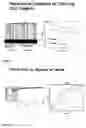


Sources:
- United States Patent and Trademark Office - verify current appl. status at the USPTO↗
Similar patent applications:
- » 20220119889
PROGNOSTIC MARKERS IN LUNG CANCER, PROGNOSTIC TYPING MODEL OF LUNG CANCER, AND APPLICATION THEREOF - » 20200377957
MULTIGENE PROGNOSTIC ASSAY FOR LUNG CANCER - » 20080254452
oncogene as a prognostic indicator for lung cancer - » 20130123130
MULTIGENE PROGNOSTIC ASSAY FOR LUNG CANCER - » 20100240035
MULTIGENE PROGNOSTIC ASSAY FOR LUNG CANCER - » 20180002761
MULTIGENE PROGNOSTIC ASSAY FOR LUNG CANCER - » 20220195532
MULTIGENE PROGNOSTIC ASSAY FOR LUNG CANCER - » 20110070245
IMP-1 ONCOGENE AS A THERAPEUTIC TARGET AND PROGNOSTIC INDICATOR FOR LUNG CANCER - » 20130059747
Multigene prognostic assay for lung cancer - » 20250075274
MULTIGENE PROGNOSTIC ASSAY FOR LUNG CANCER
Recent applications in this class:
- » 20250138012 2025-05-01
BIOMARKER PANEL FOR DIAGNOSIS OR PREDICTION OF BRAIN METASTASIS OF LUNG CANCER, AND USE THEREOF - » 20250116669 2025-04-10
Determining a Cancer Prognosis - » 20250110133 2025-04-03
METHOD AND KIT FOR PREDICTING DRUG EFFICACY OF LUNG CANCER TREATMENT AND METHOD FOR TREATING LUNG CANCER - » 20250110132 2025-04-03
BIOMARKERS FOR THE DETERMINATION OF SAMPLE ADEQUACY AND LUNG CANCER METASTASES - » 20250102507 2025-03-27
IMMUNOFLUORESCENCE AND FLUORESCENT-BASED NUCLEIC ACID ANALYSIS ON A SINGLE SAMPLE - » 20250093357 2025-03-20
SPECIMEN ENRICHMENT FOR OPTICAL TOMOGRAPHY ANALYSIS - » 20250067740 2025-02-27
USE OF BMMF1 REP PROTEIN AS DIAGNOSTIC MARKER FOR LUNG CANCER - » 20250020650 2025-01-16
METHOD OF PREDICTING A PATIENT'S BENEFIT FROM THERAPY WITH AN IMMUNE CHECKPOINT INHIBITOR - » 20250003970 2025-01-02
FRET ENZYMATIC SUBSTRATE AND USES THEREOF IN LUNG CANCER - » 20240393337 2024-11-28
Lung Cancer Prediction and Uses Thereof