Antimicrobial bolisin peptides
US20060252915A1
2006-11-09
10/497,909
2002-12-04
✅ Patent granted
US 7,449,545 B2
2008-11-11
WO; PCT/EP02/13724; 20021204
WO; WO03/048201; 20030612
Cecilia Tsang | Maury Audet
2023-11-12
Abstract:
The invention relates to antibiotically effective peptides which are prepared for medical and commercial use by using biotechnological methods and chemical synthesis. The antibiotically effective peptides can be used in a suitable galenic formulation as medicaments/animal medicaments, food additives or as preservatives for the prevention of microbial contaminations of cosmetics, medical products and requisites.
Inventors:
- Knut Adermann 12 🇩🇪 Hannover, Germany
- Cornelia Liepke 3 🇩🇪 Hannover, Germany
- Susann Baxmann 2 🇩🇪 Lehrte, Germany
- Knut Baxmann 1 🇩🇪 Lehrte, Germany
Assignee:
- IPF PharmaCeuticals GmbH 8 🇩🇪 Hannover, Germany
Interested in similar patents?
Get notified when new applications in this technology area are published.
Classification:
A61P31/04 » CPC further
Antiinfectives, i.e. antibiotics, antiseptics, chemotherapeutics Antibacterial agents
A61P31/10 » CPC further
Antiinfectives, i.e. antibiotics, antiseptics, chemotherapeutics Antimycotics
A61P31/12 » CPC further
Antiinfectives, i.e. antibiotics, antiseptics, chemotherapeutics Antivirals
A61P33/02 » CPC further
Antiparasitic agents Antiprotozoals, e.g. for leishmaniasis, trichomoniasis, toxoplasmosis
A61K38/10 IPC
Medicinal preparations containing peptides; Peptides having up to 20 amino acids in a fully defined sequence; Derivatives thereof Peptides having 12 to 20 amino acids
C07K14/195 IPC
Peptides having more than 20 amino acids; Gastrins; Somatostatins; Melanotropins; Derivatives thereof from bacteria
C07K7/08 » CPC main
Peptides having 5 to 20 amino acids in a fully defined sequence; Derivatives thereof; Linear peptides containing only normal peptide links having 12 to 20 amino acids
A61K38/00 IPC
Medicinal preparations containing peptides
Description
The invention relates to peptides having a highly effective antimicrobial activity, processes for the preparation thereof, and the use thereof.
It is known that naturally occurring peptides may be antibiotically effective. Thus, WO 97/35877 describes the occurrence and purification of antibiotic peptides from cow's milk, and PCT/EP 01/06518 describes the recovery of antimicrobial peptides from human placenta extract and from bovine thymus extract, and their application.
One of the peptides purified from bovine thymus extract is bolisin (PCT/EP 01/06518, SEQ ID No. 5). Bolisin is a fragment of the bovine mitochondrial proteolipid comprising 17 amino acids, and it inhibits the growth of pathogenic microorganisms in low-salt nutrient media.
It is an object of the invention to provide bolisin-based peptides which have a particularly high specific activity under different conditions. It is also an object of the invention to provide peptides which inhibit the growth of microorganisms in environments with physiological salt concentrations and at the same time have as low as possible a hemolytic activity.
Surprisingly, this object is achieved by providing peptides of the sequence
| R1 - ZX3X3X1BX3RX2X3X4BRX2BX3X3B - R2, |
wherein
R1 represents an amino group (NH2), an amino acid or a peptide having up to 10 amino acids, and R2 represents COOH, CONH2, an amino acid or a peptide having up to 10 amino acids;
Z represents an aromatic amino acid (W, Y, F), preferably tyrosine (Y) or an amino acid mono- or polyhalogenated at the aromatic moiety, preferably tyrosine (Y);
X1 represents arginine (R) or an aromatic amino acid (W, Y, F), preferably tryptophan (W) or an amino acid mono- or polyhalogenated at the aromatic moiety, preferably tryptophan;
X2 represents serine (S), a basic amino acid (R, K), preferably arginine (R), or an aromatic amino acid (W, Y, F), preferably tryptophan (W) or an amino acid mono- or polyhalogenated at the aromatic moiety, preferably tryptophan;
X3 represents threonine (T), a hydrophobic amino acid (I, V, A, L) or arginine (R);
X4 represents aspartic acid (D), proline (P), a basic amino acid (K, R), preferably arginine (R), or an aromatic amino acid (W, Y, F), preferably tryptophan (W) or an amino acid mono- or polyhalogenated at the aromatic moiety, preferably tryptophan; and
B represents a basic amino acid (K, R).
The invention also relates to derivatives and/or fragments of the peptides according to the invention having antimicrobial activity, especially the derivatives and/or fragments which are amidated, acylated, acetylated, alkylated, sulfated, phosphorylated, halogenated, especially halogenated at aromatic amino acid side chains, glycosylated, oxidized, modified by esterification or lactone formation, and/or cyclized. Halogenated peptides are preferably halogenated at aromatic residues of amino acid side chains. The amino acids are designated with the one-letter code.
Preferably, the peptides according to the invention have the following sequences:
| R1-ZIX3X1BX3RX2ADBRX2BALB-R2 | |
| (Sequence ID Nos.: 2, 4, 8, 12, 13, 15) | |
| R1-ZIX3X1BX3RX2APBRX2BALB-R2 | |
| (Sequence ID No.: 11) | |
| R1-ZIX3X1BX3RX2ABBRX2BALB-R2 | |
| (Sequence ID Nos.: 1, 3, 5, 6, 7, 9, 10, 18, | |
| 21-24, 28, 29, 31, 32, 35, 38, 41, 45, 47, 48, 51) | |
| R1-ZIX3X1BX3RX2AZBRX2BALB-R2 | |
| (Sequence ID Nos.: 14, 16, 17, 19, 20, 25-27, 30, | |
| 33, 34, 36, 37, 42-44, 46, 49, 50, 52, 53, 54) | |
| R1-ZIX3X1BX3RX2TZBRX2BALB-R2 | |
| (Sequence ID No.: 55) |
wherein X3 represents a hydrophobic amino acid (I, V) or arginine (R), and R1, R2, Z, X1, X2 and B have the meanings as stated above. Preferred peptides of the invention are listed in Table 1. The invention also relates to their derivatives and/or fragments having antimicrobial activity, especially the derivatives and/or fragments which are amidated, acylated, acetylated, alkylated, sulfated, phosphorylated, halogenated, glycosylated, oxidized, modified by esterification or lactone formation, and/or cyclized.
The invention comprises the peptides modified by esterification or lactone formation as well as the peptides according to the invention which have been reacted at a free amino group with activated polyoxyalkylene glycol or a conjugate of a polyoxyalkylene glycol and, for example, a fatty acid. Preferred are fatty acids having a chain length of from 12 to 18 carbon atoms and polyoxyethylene as the polyoxyalkylene glycol having a chain length of from 2 to 100. More preferred are activated polysorbate esters and their derivatives. The peptide conjugates are prepared for improving the pharmacological properties of the peptides.
In addition to the derivatives mentioned, the peptides may also comprise the corresponding D-amino acids instead of the natural L-amino acids, as well as iminoamino acids and rare amino acids, such as hydroxylysine, homoserine and ornithine. Further, the invention comprises the retro, inverso and retro-inverso peptides. “Retro peptides” means the peptides according to the invention having a reverse amino acid sequence, “inverso peptides” means the peptides according to the invention which consist of D-amino acids, and “retro-inverso peptides” means those peptides which have a reverse amino acid sequence formed from D-amino acids.
The invention also relates to peptide mimetics of the peptides according to the invention. These are characterized by a modification of one or more peptide bonds, for example, by a reverse peptide bond or by an ester bond.
The bolisin analogues according to the invention are cationic peptides having antibiotic activity. The bolisin analogues contain at least 9 and at most 37 amino acid residues, preferably not more than 20 amino acid residues.
The peptide analogues of bolisin according to the invention have a clearly increased antimicrobial activity. The peptides described in the present invention also effectively inhibit the growth of pathogenic germs in nutrient media which have a physiological salt concentration and therefore, in contrast to the naturally occurring bolisin, can be used for a wide variety of applications. Human pathogenic germs with antibiotic resistance are also killed at low peptide concentrations.
As the fragments, there may be used, in particular, N-terminally or C-terminally truncated peptides, but also peptides in which individual amino acids are deleted, preferably not more than 10% of the amino acids. The invention relates to these fragments to the extent where they have antimicrobial properties. “Antimicrobial properties” of the fragment means that the fragment has at least 50% of the activity of the parent peptide, i.e., at most requires double the inhibitory concentration. The test microorganisms employed are either Staphylococcus aureus or Escherichia coli, depending on against which microorganism the peptide exhibits a better activity. The microorganisms are characterized as follows:
Staphylococcus aureus: Gram-positive cocci, ATCC 25923;
Escherichia coli: Gram-negative rods, ATCC 25922.
The invention also comprises nucleic acids which code for the peptides according to the invention, and vectors and plasmids which contain such nucleic acids.
The invention also relates to a medicament which contains one or more peptides according to the invention.
The peptides according to the invention are suitable for the treatment of diseases caused by misplaced microbial colonizations, such as infections, inflammations, microbially induced tumors, microbially caused degenerative diseases, diarrheic diseases, colics, deviations in the oral, intestinal and vaginal floras, caries, sepsis, toxic shock conditions. The misplaced microbial colonization may be caused, for example, by bacteria, fungi, yeasts, protists, viruses, mycoplasmas, filariae and/or plasmodiums. They may be employed in both acute and chronic diseases of humans and animals.
The peptides according to the invention are preferably used in medicinal formulations. The medicinal formulation contains one or more of the peptides according to the invention, or a physiologically acceptable salt of the peptides. Medicinal formulations can contain pharmaceutically usual auxiliary agents which contribute, for example, to the solubility, stability or sterility of the medicament or increase the efficiency of uptake into the body. Further, other antibiotic substances may be contained, for example, from the group of penicillins, cephalosporins, carbacephems, cephamycins, carbapenems, quinolones, tetracyclines, aminoglycosides, macrolides, glycopeptides, chloroamphenicols, glycylcyclines, licosamides, fluoroquinolones and peptide antibiotics.
The form and composition of the medicament which contains the peptides depends on the route of administration. Preferably, galenic formulations and application forms are selected in which the peptides arrive at the target site in a non-degraded condition. The peptides can be administered enterally, parenterally, intranasally, orally and by inhalation. Preferably, the peptides are packaged with an injection preparation either as a solution or as a lyophilizate for dissolution immediately before use. The peptides can be, for example, injected intravenously, injected or implanted intraperitoneally, injected or implanted subcutaneously, injected intradermally, injected or implanted intramuscularly, injected intrathecally, inhaled (aerosol, spray) or applied topically (e.g., creams, ointments, eyedrops, eardrops, shampoos). Bolisin analogues can be administered locally as injection, drops, spray, tablets, suppositories, cream, ointments, gel etc. It is possible to perform the administration as a bolus or repeatedly over a period of time.
The dose of the peptides to be administered depends on the indication and the application of particular derivatives. Preferably, the peptides according to the invention are employed in amounts of from 0.1 to 100 mg/kg of body weight.
The invention also relates to a diagnostic agent which contains peptides or nucleic acids according to the invention.
The peptides according to the invention may also be used as additives to foodstuffs. They may be used in the preparation of foodstuffs as auxiliary agents, especially for foodstuffs which are prepared by fermentation and other bacterial processes. The preparations according to the patent are natural preservatives. Further possibilities of the application of the peptides according to the invention are the use as disinfectants for all situations in which microorganisms are not desired. Examples thereof are the application for the surface disinfection or as a coating of medicinal products, air filters and requisites, such as clothing and jewels. “Medicinal products” means all medical auxiliaries which are applied to the patient, such as implants, prostheses, stents, tubes, cannulas, catheters, synthetic vascular systems, artificial heart valves and needles. The term “medicinal products” further includes containers for the storage of blood or blood components as well as containers for organ shipping etc. Further, it is possible to use the peptides in water processing, or as a component of shampoos and soaps, as food additives, cosmetic preservatives, additives for the preservation of cell culture media etc. and as a plant protection agent.
EXAMPLESChemical Synthesis of Bolisin Analogues
The peptide synthesis of bolisin analogues is based on the standard method of solid-phase Fmoc strategy. For the automated synthesis, an ABI 433 A Synthesizer (Applied Biosystems, Weiterstadt, Germany) was used. An Fmoc-Lys(boc) Wang resin served as the solid phase. During the peptide synthesis, the individual coupling steps were checked to ensure that each amino acid was incorporated in a high yield. Peptides were cleaved from the resin with 940% trifluoroacetic acid (TFA), 30% ethanedithiol and 30% water and subsequently purified by chromatography.
For the chromatographic purification, reverse phase (RP)HPLC was applied. A preparative RP C18 column (PrepPAK 500 C18, 47×300 mm) served as the solid phase, and acetonitrile served as eluant (mobile solvent A: 0.070% TFA in water; mobile solvent B: 80% acetonitrile/0.07% TFA in water). At a flow rate of 40 ml/min, the peptides were eluted from the solid phase by the gradient method (increment of 0.50% mobile solvent B per min in the eluant) and detected at a wavelength of 215 nm.
The synthetic peptides were analyzed by mass spectrometry. The purity of the peptides was checked by capillary zone gel electrophoresis and analytical reverse-phase HPLC (purity ≧95%). The amino acid sequence of the peptides was verified by automated Edman degradation.
The amino acid sequences of the synthesized bolisin analogues according to the invention are stated in Table 1 using the one-letter code.
| TABLE 1 | |||
| Name | SEQ ID No. | Sequence | |
| BOL-6 | 2 | YIVYKIRSARKRSKALK | ||
| BOL-7 | 2 | YIVYKIRSADKRRKALK | ||
| BOL-11 | 3 | YIVYKRRSARKRSKALK | ||
| BOL-12 | 4 | YIVYKRRSADKRRKALK | ||
| BOL-13 | 5 | YIVYKIRSARKRRKALK | ||
| BOL-14 | 6 | YIRYKIRSARKRRKALK | ||
| BOL-15 | 7 | YIVYKRRSARKRRKALK | ||
| BOL-16 | 8 | YIRYKRRSADKRRKALK | ||
| BOL-17 | 9 | YIRYKIRSARKRRKALK | ||
| BOL-18 | 10 | YIRYKRRSARKRRKALK | ||
| BOL-21 | 11 | YIVYKIRSAPKRSKALK | ||
| BOL-25 | 12 | YIVWKIRSADKRSKALK | ||
| BOL-27 | 13 | YIVYKIRWADKRSKALK | ||
| BOL-29 | 14 | YIVYKIRSAWKRSKALK | ||
| BOL-30 | 15 | YIVYKIRSADKRWKALK | ||
| BOL-44 | 16 | YIVYKIRSAWKRRKALK | ||
| BOL-45 | 17 | YIVYKIRSAWKRWKALK | ||
| BOL-46 | 18 | YIVYKIRSARKRWKALK | ||
| BOL-47 | 19 | YIVYKIRWAWKRSKALK | ||
| BOL-48 | 20 | YIVYKIRWAWKRRKALK | ||
| BOL-49 | 21 | YIVYKIRWARKRSKALK | ||
| BOL-50 | 22 | YIVYKIRWARKRRKALK | ||
| BOL-51 | 23 | YIVYKIRWARKRWKALK | ||
| BOL-52 | 24 | YIVYKIRRARKRRKALK | ||
| BOL-53 | 25 | YIVYKIRRAWKRSKALK | ||
| BOL-54 | 26 | YIVYKIRRAWKRRKALK | ||
| BOL-55 | 27 | YIVYKIRRAWKRWKALK | ||
| BOL-56 | 28 | YIVYKIRSAKKRKKALK | ||
| BOL-57 | 29 | YIVYKIRSAKKRWKALK | ||
| BOL-58 | 30 | YIVYKIRSAWKRKKALK | ||
| BOL-59 | 31 | YIVYKIRWAKKRKKALK | ||
| BOL-60 | 32 | YIVYKIRWAKKRWKALK | ||
| BOL-61 | 33 | YIVYKIRWAWKRKKALK | ||
| BOL-67 | 34 | YIVYKIRSAWKRWKAL | ||
| BOL-68 | 35 | YIVYKIRSARKRWKAL | ||
| BOL-69 | 36 | YIVYKIRSAWKRRK | ||
| BOL-70 | 37 | YIVYKIRSAWKRWK | ||
| BOL-71 | 38 | YIVYKIRSARKRWK | ||
| BOL-72 | 39 | YIVYKIRWARKRRKAL | ||
| BOL-73 | 40 | YIVYKIRWARKRRK | ||
| BOL-74 | 41 | YIVWKIRSARKRRKALK | ||
| BOL-75 | 42 | YIVWKIRSAWKRSKALK | ||
| BOL-79 | 43 | YIVRKIRSAWKRWKALK | ||
| BOL-80 | 44 | YIVRKIRSAWKRRKALK | ||
| BOL-81 | 45 | YIVWKIRSARKRWKALK | ||
| BOL-82 | 46 | YIVWKIRSAWKRWKALK | ||
| BOL-83 | 47 | YIVRKIRSARKRRKALK | ||
| BOL-84 | 48 | KYIVYKIRSARKRRKALK | ||
| BOL-85 | 49 | KYIVYKIRSAWKRSKALK | ||
| BOL-86 | 50 | KYIVYKIRSAWKRRKALK | ||
| BOL-87 | 51 | KYIVYKIRWARKRRKALK | ||
| BOL-91 | 52 | YIVYKIRFAFKRSKAL | ||
| BOL-92 | 53 | YIVYKIRFAFKRRKAL | ||
| BOL-93 | 54 | YIVYKIRWAWKRSKAL | ||
| BOL-97 | 55 | YIVYKIRWTWKRSKAL | ||
| BOL-103 | 56 | KLAKRRKWAWRIKYVIY | ||
Examination of the Antimicrobial Effectiveness of Bolisin Analogues
The bolisin analogues of the present invention were examined for their suitability as antibiotic therapeutical agents by means of various biological tests. Thus, the chemically synthesized peptides were examined for their antimicrobial effectiveness against three Gram-positive and three Gram-negative bacterial strains as well as against a yeast.
The following microorganisms were used:
Gram-positive:
-
- Staphylococcus aureus ATCC 25923
- Enterococcus faecalis ATCC 51299 (vancomycin-resistant)
- Streptococcus pneumoniae DSM 11865 (penicillin-resistant)
Gram-negative: - Escherichia coli ATCC 25922
- Pseudomonas aeruginosa ATCC 9027
- Klebsiella pneumoniae ATCC 10031
Yeast: Candida albicans ATCC 10231
The antibiotic activity of bolisin analogues was examined by determining the minimum inhibition concentration. The minimum inhibition concentration of an analogue designates the lowest peptide concentration which is required to inhibit the growth of microorganisms completely after an incubation time of 18±2 h. This method allows to obtain a quantitative result about the antimicrobial potency of the peptides. These examinations were performed by analogy with the recommendations (M7-A3) edited by the NCCLS (National Committee for Clinical Laboratory Standards) by applying a dilution test in a liquid medium using chemically synthesized peptides (peptide sequences according to claims 1 to 3). Mueller Hinton Broth was used as the test medium according to the NCCLS recommendations unless indicated otherwise. Table 2 shows the antimicrobial activity of the peptide analogues, which is clearly improved as compared to the parent peptide bolisin. The minimum inhibition concentrations are stated in [μg/ml].
| TABLE 2 | |||||||
| Micro- | |||||||
| organisms | 1 | 2 | 3 | 4 | 5 | 6 | 7 |
| Bolisin* | >300 | >300 | >300 | >300 | >300 | >300 | nd |
| Bolisin | >300 | >300 | >300 | >300 | >300 | >300 | >300 |
| Bolisin** | 25 | 300 | 300 | 6.25 | 150 | 150 | nd |
| BOL-6* | 37.5 | 200 | 150 | 37.5 | (9.375) | 37.5 | nd |
| BOL-7* | 75 | >300 | >300 | 150 | (75) | 300 | nd |
| BOL-11* | 37.5 | >300 | >300 | 37.5 | (150) | 150 | nd |
| BOL-12* | 18.75 | >300 | >300 | 18.75 | (300) | 200 | nd |
| BOL-13* | 18.75 | 75 | 150 | 18.75 | (9.375) | 18.75 | nd |
| BOL-14* | 50 | >300 | >300 | 37.5 | (150) | 75 | nd |
| BOL-15* | 18.75 | >300 | >300 | 18.75 | (150) | 75 | nd |
| BOL-16* | 100 | >300 | >300 | 75 | (300) | 150 | nd |
| BOL-17* | 37.5 | 200 | 300 | 37.5 | 200 | 9.375 | nd |
| BOL-18* | 18.75 | >300 | >300 | 18.75 | 300 | 37.5 | nd |
| BOL-21* | 75 | >300 | >300 | 150 | (150) | 200 | nd |
| BOL-25* | 150 | >300 | >300 | 150 | (150) | 200 | nd |
| BOL-27* | 75 | 300 | 300 | 75 | (150) | 150 | nd |
| BOL-29* | 9.375 | 75 | 150 | 9.375 | (18.75) | 50 | nd |
| BOL-30* | 100 | >300 | >300 | 150 | (300) | 300 | nd |
| BOL-44 | 150 | >300 | 200 | 200 | (75) | 75 | 37.5 |
| BOL-45 | 18.75 | 100 | 100 | 12.5 | (25) | 4.7 | 18.75 |
| BOL-46 | 300 | 200 | 200 | 200 | (100) | 150 | 150 |
| BOL-47 | 18.75 | 25 | 18.75 | 18.75 | (25) | 9.375 | 18.75 |
| BOL-48 | 9.375 | 12.5 | 9.375 | 18.75 | 200 (6.5) | 4.7 | 9.375 |
| BOL-49 | 75 | 25 | 18.75 | 50 | (12.5) | 18.75 | 18.75 |
| BOL-50 | 37.5 | 25 | 18.75 | 50 | (6.25) | 9.375 | 9.375 |
| BOL-51 | 37.5 | 25 | 12.5 | 50 | 300 (25) | 18.75 | (18.75) |
| BOL-52 | 300 | 200 | 200 | >300 | (37.5) | 75 | (37.5) |
| BOL-53 | 150 | 200 | 200 | 200 | (75) | 100 | (37.5) |
| BOL-54 | 200 | 100 | 75 | 100 | (25) | 18.75 | 18.75 |
| BOL-55 | 12.5 | 50 | 37.5 | 12.5 | (9.375) | 3.125 | 9.375 |
| BOL-56 | >300 | >300 | >300 | >300 | (200) | 300 | (300) |
| BOL-57 | >300 | >300 | >300 | >300 | (200) | 300 | 300 |
| BOL-58 | >300 | >300 | 300 | >300 | (100) | 100 | (75) |
| BOL-59 | 50 | 50 | 50 | 150 | (18.75) | 18.75 | (9.375) |
| BOL-60 | 50 | 25 | 50 | 100 | (18.75) | 18.75 | (18.75) |
| BOL-61 | 37.5 | 25 | 25 | 25 | 300 (75) | 18.75 | 9.375 |
| BOL-67 | 25 | 100 | 100 | 25 | (50) | 37.5 | 18.75 |
| BOL-68 | 200 | 200 | 300 | 200 | (200) | 300 | 200 |
| BOL-69 | 300 | 150 | 200 | 150 | (200) | 300 | 37.5 |
| BOL-70 | 100 | 150 | 150 | 100 | (100) | 75 | 37.5 |
| BOL-71 | 200 | 200 | 300 | 300 | (200) | 300 | 300 |
| BOL-72 | 75 | 25 | 18.75 | 100 | (12.5) | 18.75 | 18.75 |
| BOL-73 | 37.5 | 25 | 18.75 | 50 | (9.375) | 18.75 | 9.375 |
| BOL-74 | 300 | 150 | 150 | 300 | (12.5) | 18.75 | 75 |
| BOL-75 | 150 | 200 | 150 | 75 | (37.5) | 75 | 37.5 |
| BOL-79 | 9.375 | >300 | 300 | 3.125 | (4.7) | 2.35 | 4.7 |
| BOL-80 | >300 | >300 | >300 | >300 | (18.75) | 150 | 37.5 |
| BOL-81 | 300 | 150 | 75 | 300 | (18.75) | 25 | 75 |
| BOL-82 | 18.75 | 75 | 37.5 | 18.75 | (9.375) | 12.5 | 9.375 |
| BOL-83 | >300 | >300 | >300 | >300 | >300 | >300 | 300 |
| BOL-84 | >300 | >300 | 300 | >300 | (75) | 75 | 37.5 |
| BOL-85 | >300 | 300 | 300 | >300 | (37.5) | 150 | 75 |
| BOL-86 | 75 | 200 | 150 | 150 | (18.75) | 50 | 18.75 |
| BOL-87 | 9.375 | 37.5 | 9.375 | 18.75 | (9.375) | 9.375 | 9.375 |
| BOL-91 | 25 | 37.5 | 37.5 | 25 | (150) | 18.75 | nd |
| BOL-92 | 18.75 | 18.75 | 25 | 18.75 | (37.5) | 12.5 | nd |
| BOL-93 | 25 | 37.5 | 25 | 25 | (37.5) | 25 | nd |
| BOL-97 | 12.5 | 18.75 | 18.75 | 18.75 | (37.5) | 18.75 | nd |
| BOL-103 | 18.75 | 37.5 | 37.5 | 18.75 | (9.4) | 18.75 | nd |
*Test medium: half-concentrated Mueller Hinton Broth |
|||||||
**Test medium: 3 g/l Tryptic Soy Broth (low ion strength medium) |
Values in parentheses designate a 75% inhibition of the growth of the microorganisms at the peptide concentration stated. A complete growth inhibition could not be achieved in this case. For determining the minimum inhibition concentration, the following microorganisms were used:
1. Staphylococcus aureus ATCC 25923
2. Enterococcus faecalis ATCC 51299 (vancomycin-resistant)
3. Streptococcus pneumoniae DSM 11865 (penicillin-resistant)
4. Escherichia coli ATCC 25922
5. Pseudomonas aeruginosa ATCC 9027
6. Klebsiella pneumoniae ATCC 10031
7. Candida albicans ATCC 10231
The peptides according to the invention effectively inhibit the growth of both Gram-positive and Gram-negative bacteria as well as of yeasts. Human pathogens, such as Staphylococcus aureus, Escherichia coli, Pseudomonas aeruginosa and Klebsiella pneumoniae, were effectively killed. Of particular importance is the very effective growth inhibition of bacteria having an existing antibiotic-resistance, such as Streptococcus pneumoniae (penicillin-resistant) and Enterococcus faecalis (vancomycin-resistant). The potency of action of the bolisin analogues is mani-foldly better than that of the parent peptide bolisin.
Examination of the Effectiveness at Increased Salt Concentration
Also for these examinations, the minimum inhibition concentration of the peptides against Gram-positive and Gram-negative microorganisms (microorganisms 1-6) was determined. Tryptic Soy Broth (3 g/l) with an addition of salt in physiological concentration (150 mM sodium chloride) was used as the test medium. Table 3 shows the antimicrobial activity of the peptide analogues in a salt-containing medium, which is also significantly improved over that of the parent peptide bolisin.
| TABLE 3 | |||||
| Microorganisms | 1 | 2 | 3 | 4 | 6 |
| Bolisin | >300 | >300 | >300 | >300 | >300 |
| BOL-44 | 200 | (300) | >300 | 150 | >300 |
| BOL-45 | 37.5 | 200 | 200 | 75 | 4.7 |
| BOL-46 | >300 | >300 | >300 | >300 | >300 |
| BOL-47 | 18.75 | 50 | 37.5 | 25 | 9.375 |
| BOL-48 | 18.75 | 18.75 | 25 | 9.375 | 9.375 b |
| BOL-49 | 75 | 75 | 100 | 50 | 75 |
| BOL-50 | 37.5 | 50 | 50 | 37.5 | 37.5 |
| BOL-51 | 75 | 37.5 | 37.5 | 37.5 | 25 |
| BOL-52 | >300 | >300 | >300 | >300 | (300) |
| BOL-53 | 300 | >300 | >300 | 200 | >300 |
| BOL-54 | 300 | 300 | 300 | 200 | (200) |
| BOL-55 | 18.75 | 150 | 150 b | 12.5 | 4.7 |
| BOL-56 | >300 | >300 | >300 | >300 | >300 |
| BOL-57 | >300 | >300 | >300 | >300 | >300 |
| BOL-58 | >300 | >300 | >300 | >300 | >300 |
| BOL-59 | 75 | 200 | 200 | 100 | 150 |
| BOL-60 | 100 | 75 | 75 | 75 | 50 |
| BOL-61 | 18.75 | 25 | 37.5 | 75 | 6.25 |
| BOL-67 | 37.5 | 150 | 150 | 75 | 9.375 |
| BOL-68 | >300 | >300 | >300 | >300 | >300 |
| BOL-69 | 300 | >300 | >300 | 150 | >300 |
| BOL-70 | 150 | 200 | 300 | 100 | 100 |
| BOL-71 | >300 | (300) | >300 | >300 | >300 |
| BOL-72 | 75 | 50 | 50 | 75 | 75 |
| BOL-73 | 37.5 | 37.5 | 75 b | 50 | 150 |
| BOL-74 | >300 | 300 | >300 | >300 | 75 |
| BOL-75 | 300 | 300 b | 300 | 200 | 300 |
| BOL-79 | 4.7 | >300 | >300 | 4.7 | <=1.56 |
| BOL-80 | >300 | >300 | >300 | >300 | >300 |
| BOL-81 | (300) | 200 | (75) | >300 | 50 |
| BOL-82 | 18.75 | 75 | 75 | 9.375 | 6.25 |
| BOL-83 | >300 | >300 | >300 | >300 | >300 |
| BOL-84 | >300 | >300 | >300 | >300 | 300 |
| BOL-85 | >300 | >300 | >300 | >300 | >300 |
| BOL-86 | (300) | >300 | (300) | >300 | 200 |
| BOL-87 | 37.5 | 37.5 | 37.5 | 25 | 37.5 |
Values in parentheses designate a 75% inhibition of the growth of the microorganisms at the peptide concentration stated. A complete growth inhibition could not be achieved in this case.
Examination of the Cytotoxic Activity of Bolisin Analogues
Bolisin analogues having a good antimicrobial activity against at least one of the seven strains of microorganisms tested (MIC ≦37.5 μg/ml) were selected for checking their cytotoxic activity.
In many cases, the ability of antimicrobial peptides to deposit on plasma membranes and permeabilize them is considered the mechanism of action of these substances. It is desirable that bacterial membranes are selectively damaged, whereas the cells of the host should remain unaffected. As a simple model for the examination of the cytotoxic effect of a peptide on eukaryotic cells, the hemolysis test is used in which the lysing and thus toxic activity of the peptides against red blood cells (erythrocytes) is examined. The procedure for determining the hemolytic activity of the peptides was performed by analogy with Helmerhorst et al. (Helmerhorst et al., 1999, FEBS Lett. 449: 105-110).
Erythrocytes were isolated from the citrate-containing whole blood of a healthy subject by centrifugation (1500×g, 20° C., 10 min) and diluted 200 fold with test medium. Peptides were added at various concentrations to a 96 well microtitration plate with V-shaped bottoms and incubated with the diluted erythrocyte suspension at 37° C. for 1 h. The erythrocytes were separated by a subsequent centrifugation (1000×g for 5 min). The supernatants colored from released hemoglobin were transferred to a 96 well microtitration plate with flat bottoms, and its absorption was determined at a wavelength of λ=450 nm in a microtitration plate reader. Incubation with a 1% solution of the surfactant Tween-20 served as a reference value for 1000% hemolysis. Erythrocytes incubated only with test medium served as the negative control.
The hemolytic activity of bolisin analogues was stated on the basis of the total hemolysis by Tween-20 and calculated by the following formula:
Hemolysis [%]=[A450 nm (peptide)−A450 nm (negative control)]/[A450 nm (1% Tween 20)−A450 nm (negative control)]*100
TSB medium with 287 mM glucose served as the test medium. The isotonic glucose concentration is to prevent non-specific hemolysis in a hypotensive medium (osmoprotection).
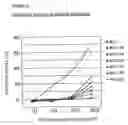
It is desirable that the peptides according to the invention exhibit no or but moderate lytic properties against erythrocytes. “Moderate lytic properties” means a lysis of less than 30% of the erythrocytes for the application of antimicrobially effective peptide concentrations.
FIG. 1 shows that bolisin analogues in antimicrobially effective concentrations do not cause any hemolysis worth mentioning (<50%). Even at high concentrations (500 μg/ml), only a moderate lytic activity can be established (<30%). For comparison, the hemolytic activity of the antimicrobial peptide MBI-28 (Gough et al., 1996, Infect. Immun. 64(12): 4922-7) was plotted.
Claims
1. Peptides having antimicrobial activity and comprising the amino acid sequence
| R1 - ZX3X3X1BX3RX2X3X4BRX2BX3X3B - R2, | ||
wherein
R1 represents an amino group (NH2), an amino acid or a peptide having up to 10 amino acids, and R2 represents COOH, CONH2, an amino acid or a peptide having up to 10 amino acids;
Z represents an aromatic amino acid (W, Y, F), preferably tyrosine (Y);
X1 represents arginine (R) or an aromatic amino acid (W, Y, F), preferably tryptophan (W);
X2 represents serine (S), a basic amino acid (R, K), preferably arginine (R), or an aromatic amino acid (W, Y, F), preferably tryptophan (W);
X3 represents threonine (T), a hydrophobic amino acid (I, V, A, L) or arginine (R);
X4 represents aspartic acid (D), proline (P), a basic amino acid (K, R), preferably arginine (R), or an aromatic amino acid (W, Y, F), preferably tryptophan (W); and
B represents a basic amino acid (K, R);
and their derivatives and/or fragments having antimicrobial activity, especially the derivatives and/or fragments which are amidated, acylated, acetylated, alkylated, sulfated, phosphorylated, halogenated, especially halogenated at aromatic amino acid side chains, glycosylated, oxidized, modified by esterification or lactone formation, and/or cyclized.
2. The peptides according to claim 1 having one of the following sequences:
| R1-ZIX3X1BX3RX2ADBRX2BALB-R2; | ||
| R1-ZIX3X1BX3RX2APBRX2BALB-R2; | ||
| R1-ZIX3X1BX3RX2ABBRX2BALB-R2; | ||
| R1-ZIX3X1BX3RX2AZBRX2BALB-R2; | ||
| or | ||
| R1-ZIX3X1BX3RX2TZBRX2BALB-R2; | ||
wherein X3 represents a hydrophobic amino acid (I, V) or arginine (R), and R1, R2, Z, X1, X2 and B have the meanings as stated in claim 1, and their derivatives and/or fragments having antimicrobial activity, especially the derivatives and/or fragments which are amidated, acylated, acetylated, alkylated, sulfated, phosphorylated, halogenated, especially halogenated at aromatic amino acid side chains, glycosylated, oxidized, modified by esterification or lactone formation, and/or cyclized.
3. The peptides according to claim 1 having one of the following amino acid sequences:
| SEQ ID No.: | Sequence |
| 1 | YIVYKIRSARKRSKALK | |
| 2 | YIVYKIRSADKRRKALK | |
| 3 | YIVYKRRSARKRSKALK | |
| 4 | YIVYKRRSADKRRKALK | |
| 5 | YIVYKIRSARKRRKALK | |
| 6 | YIRYKIRSARKRRKALK | |
| 7 | YIVYKRRSARKRRKALK | |
| 8 | YIRYKRRSADKRRKALK | |
| 9 | YIRYKIRSARKRRKALK | |
| 10 | YIRYKRRSARKRRKALK | |
| 11 | YIVYKIRSAPKRSKALK | |
| 12 | YIVWKIRSADKRSKALK | |
| 13 | YIVYKIRWADKRSKALK | |
| 14 | YIVYKIRSAWKRSKALK | |
| 15 | YIVYKIRSADKRWKALK | |
| 16 | YIVYKIRSAWKRRKALK | |
| 17 | YIVYKIRSAWKRWKALK | |
| 18 | YIVYKIRSARKRWKALK | |
| 19 | YIVYKIRWAWKRSKALK | |
| 20 | YIVYKIRWAWKRRKALK | |
| 21 | YIVYKIRWARKRSKALK | |
| 22 | YIVYKIRWARKRRKALK | |
| 23 | YIVYKIRWARKRWKALK | |
| 24 | YIVYKIRRARKRRKALK | |
| 25 | YIVYKIRPAWKRSKALK | |
| 26 | YIVYKIRRAWKRRKALK | |
| 27 | YIVYKIRRAWKRWKALK | |
| 28 | YIVYKIRSAKKRKKALK | |
| 29 | YIKYKIRSAKKRWKALK | |
| 30 | YIVYKIRSAWKRKKALK | |
| 31 | YIVYKIRWAKKRKKALK | |
| 32 | YIVYKIRWAKKRWKALK | |
| 33 | YIVYKIRWAWKRKKALK | |
| 34 | YIVYKIRSAWKRWKAL | |
| 35 | YIVYKIRSARKRWKAL | |
| 36 | YIVYKIRSAWKRRK | |
| 37 | YIVYKIRSAWKRWK | |
| 38 | YIVYKIRSARKRWK | |
| 39 | YIVYKIRWARKRRKAL | |
| 40 | YIVYKIRWARKRRK | |
| 41 | YIVWKIRSARKRRKALK | |
| 42 | YIVWKIRSAWKRSKALK | |
| 43 | YIVRKIRSAWKRWKALK | |
| 44 | YIVRKIRSAWKRRKALK | |
| 45 | YIVWKIRSARKRWKALK | |
| 46 | YIVWKIRSAWKRWKALK | |
| 47 | YIVRKIRSARKRRKALK | |
| 48 | KYIVYKIRSARKRRKALK | |
| 49 | KYIVYKIRSAWKRSKALK | |
| 50 | KYIVYKIRSAWKRRKALK | |
| 51 | KYIVYKIRWARKRRKALK | |
| 52 | YIVYKIRFAFKRSKAL | |
| 53 | YIVYKIRFAFKRRKAL | |
| 54 | YIVYKIRWAWKRSKAL | |
| 55 | YIVYKIRWTWKRSKAL | |
| 56 | KLAKRRKWAWRIKYVIY | |
and their derivatives and/or fragments having antimicrobial activity, especially the derivatives and/or fragments which are amidated, acylated, acetylated, alkylated, sulfated, phosphorylated, halogenated, especially halogenated at aromatic amino acid side chains, glycosylated, oxidized, modified by esterification or lactone formation, and/or cyclized.
4. The peptides according to claim 1, wherein one or more amino acids are replaced by the corresponding D-amino acids, retro, inverso or retro-inverso peptides of the peptides.
5. Peptide mimetics of the peptides according to claim 1 which are characterized by one or more modified peptide bonds, especially by reverse peptide bonds or by ester bonds.
6. Conjugates of peptides according to claim 1 with polymers, preferably polysorbate.
7. Nucleic acids coding for peptides according to claim 1.
8. Vectors or plasmids containing nucleic acids according to claim 7.
9. A medicament containing at least one of the peptides according to claim 1, nucleic acids coding for the peptides or vectors or plasmids containing the nucleic acids.
10. The medicament according to claim 9, containing at least one further antibiotically effective ingredient.
11. The medicament according to claim 10, wherein said antibiotically effective ingredient corresponds to the group of penicillins, cephalosporins, carbacephems, cephamycins, carbapenems, quinolones, tetracyclines, aminoglycosides, macrolides, glycopeptides, chloroamphenicols, glycylcyclines, licosamides, fluoroquinolones and peptide antibiotics.
12. The medicament according to claim 9, containing at least one antivirally, antiparasitically and/or antifungally effective ingredient.
13. The medicament according to claim 9 in a form suitable for application, as an infusion, ointment, tablet, spray or “slow release” capsule.
14. A diagnostic agent containing at least one of the peptides according to claim 1, nucleic acids coding for the peptides or vectors or plasmids containing the nucleic acids.
15. A foodstuff containing peptides according to claim 1.
16. A method for inhibiting the growth of microorganisms, wherein said microorganisms are contacted with an antimicrobially effective amount of one or more of the peptides according to claim 1.
17. A process for preparing the peptides according to claim 1 by expression in prokaryotic or eukaryotic organisms or by chemical synthesis.
18. Use of the peptides according to claim 1 for preparing a medicament for the treatment of microbially caused diseases, of diseases of the human and animal organism, especially those involving the gastrointestinal tract, the respiratory tract and the urogenital tract, the integument and its appendage glands, for the treatment of chronic diseases, for the treatment of diseases caused by misplaced microbial colonizations caused by bacteria, fungi, yeasts, protists, viruses, mycoplasmas, filariae and/or plasmodiums, infections caused by misplaced microbial colonizations, inflammations, microbially induced tumors, microbially caused degenerative diseases, diarrheic diseases, colics, deviations in the oral, intestinal and vaginal floras, sepsis and/or caries.
19. Use of the peptides according to claim 1 as a preservative for foodstuffs and fodders as well as cosmetics, as a preservative for avoiding microbial contaminations of media and utility articles for cell culture, as a disinfectant, for the prevention of microbial colonizations on medical products, for the prevention of microbial colonizations on requisites, such as clothing and jewels, as an auxiliary agent in industrial fermentation processes, especially in beer production and yoghurt production.
Images & Drawings included:
Sources:
- United States Patent and Trademark Office - verify current appl. status at the USPTO↗
Similar patent applications:
- » 20090149391
Novel antimicrobial bolisin peptides
Recent applications in this class:
- » 20250289850 2025-09-18
NOVEL ANTIMICROBIAL PEPTIDES AND METHODS OF USE THEREOF - » 20250289849 2025-09-18
PEPTIDE TO TREAT ALPHA-SYNUCLEIN AMYLOID BASED DISORDERS - » 20250282823 2025-09-11
CELL-REACTIVE, LONG-ACTING, OR TARGETED COMPSTATIN ANALOGS AND RELATED COMPOSITIONS AND METHODS - » 20250282822 2025-09-11
SYNTHETIC ANTIMICROBIAL PEPTIDES - » 20250277001 2025-09-04
PEPTIDE DERIVATIVES AND RELATED USES AS OREXIN AGONISTS - » 20250270256 2025-08-28
NOVEL ANTIMICROBIAL PEPTIDE WITH EXCELLENT MICROBIAL CYTOPLASM ELUTION EFFECT - » 20250263439 2025-08-21
HETERODIMERIC PEPTIDE REAGENTS AND METHODS - » 20250263438 2025-08-21
BICYCLIC PEPTIDE LIGANDS SPECIFIC FOR NECTIN-4 - » 20250263437 2025-08-21
POLYPEPTIDE FOR REPAIRING SKIN WOUND OR MUCOSAL INJURY, AND APPLICATION THEREOF - » 20250263436 2025-08-21
BROAD-SPECTRUM ANTIVIRAL DRUG FOR ENTEROVIRUS, AND APPLICATION
Recent applications for this Assignee:
- » 20090197814 2009-08-06
Method of inhibiting the emigration of cells from the intravascular compartment into tissues - » 20080312144 2008-12-18
Peptides for the treatment of herpes virus infections - » 20070123465 2007-05-31
Oligomeric peptides and their use for the treatment of hiv infections - » 20070072805 2007-03-29
Peptides and their use for the treatment of HIV infections - » 20060100145 2006-05-11
Human chondroosteomodulin (tig2), production, and use for the treatment or diagnosis of bone diseases, cartilage diseases, cartilage diseases, obesity, inflammatory diseases, and skin diseases - » 10239870 2007-06-19
Medicament containing a tissue inhibitor of metalloproteinases-2 (TIMP-2) as an osteoanabolically active substance - » 10111427 2006-05-02
Peptide (VIRIP) which inhibits a circulating virus in humans and the use thereof