Method of making a dual performance nonwoven and the products therefrom
US20060260736A1
2006-11-23
11/439,738
2006-05-23
Abstract:
The present invention is directed to a cleaning laminate, which comprises an abrasive side that facilitates loosening of particulates, such as dust and dirt, and an opposing, soft absorbent side. The laminate is formed by hydroentanglement on a three-dimensional image transfer device.
Inventors:
- Nick Carter 20 🇺🇸 Mooresville, NC, United States
- Imad Qashou 1 🇺🇸 Cornelius, NC, United States
- Rick Augustine 1 🇺🇸 Sherrills, NC, United States
- Karl Kelly 1 🇺🇸 Holly Spring, NC, United States
- Mark Landreth 1 🇺🇸 Mooresville, NC, United States
- Patrick Barge 1 🇺🇸 Cornelius, NC, United States
- Mike Disotelle 1 🇺🇸 Mooresville, NC, United States
Interested in similar patents?
Get notified when new applications in this technology area are published.
Classification:
B32B5/26 » CPC main
Layered products characterised by the non- homogeneity or physical structure, i.e. comprising a fibrous, filamentary, particulate or foam layer; Layered products characterised by having a layer differing constitutionally or physically in different parts characterised by the presence of two or more layers which are next to each other and are fibrous, filamentary, formed of particles or foamed one layer being a fibrous or filamentary layer another layer also being fibrous or filamentary
A47L13/16 » CPC further
Implements for cleaning floors, carpets, furniture, walls, or wall coverings; Scrubbing; Scouring; Cleaning; Polishing Cloths; Pads; Sponges
B32B5/022 » CPC further
Layered products characterised by the non- homogeneity or physical structure, i.e. comprising a fibrous, filamentary, particulate or foam layer; Layered products characterised by having a layer differing constitutionally or physically in different parts characterised by structural features of a layer Non-woven fabric
B32B5/24 » CPC further
Layered products characterised by the non- homogeneity or physical structure, i.e. comprising a fibrous, filamentary, particulate or foam layer; Layered products characterised by having a layer differing constitutionally or physically in different parts characterised by the presence of two or more layers which are next to each other and are fibrous, filamentary, formed of particles or foamed one layer being a fibrous or filamentary layer
B32B7/08 » CPC further
Layered products characterised by the relation between layers; Layered products characterised by the relative orientation of features between layers, or by the relative values of a measurable parameter between layers, i.e. products comprising layers having different physical, chemical or physicochemical properties; Layered products characterised by the interconnection of layers; Interconnection of layers by mechanical means
B32B7/12 » CPC further
Layered products characterised by the relation between layers; Layered products characterised by the relative orientation of features between layers, or by the relative values of a measurable parameter between layers, i.e. products comprising layers having different physical, chemical or physicochemical properties; Layered products characterised by the interconnection of layers; Interconnection of layers using interposed adhesives or interposed materials with bonding properties
B32B27/32 » CPC further
Layered products comprising synthetic resin comprising polyolefins
B32B27/34 » CPC further
Layered products comprising synthetic resin comprising polyamides
B32B27/36 » CPC further
Layered products comprising synthetic resin comprising polyesters
B32B37/153 » CPC further
Methods or apparatus for laminating, e.g. by curing or by ultrasonic bonding characterised by the properties of the layers with at least one layer being manufactured and immediately laminated before reaching its stable state, e.g. in which a layer is extruded and laminated while in semi-molten state at least one layer is extruded and immediately laminated while in semi-molten state
D04H1/4374 » CPC further
Non-woven fabrics formed wholly or mainly of staple fibres or like relatively short fibres from fleeces or layers composed of fibres without existing or potential cohesive properties characterised by the use of certain kinds of fibres insofar as this use has no preponderant influence on the consolidation of the fleece using different kinds of webs, e.g. by layering webs
D04H1/46 » CPC further
Non-woven fabrics formed wholly or mainly of staple fibres or like relatively short fibres from fleeces or layers composed of fibres without existing or potential cohesive properties the fleeces or layers being consolidated by mechanical means, e.g. by rolling by needling or like operations to cause entanglement of fibres
D04H1/495 » CPC further
Non-woven fabrics formed wholly or mainly of staple fibres or like relatively short fibres from fleeces or layers composed of fibres without existing or potential cohesive properties the fleeces or layers being consolidated by mechanical means, e.g. by rolling by needling or like operations to cause entanglement of fibres by fluid jet for formation of patterns, e.g. drilling or rearrangement
D04H1/498 » CPC further
Non-woven fabrics formed wholly or mainly of staple fibres or like relatively short fibres from fleeces or layers composed of fibres without existing or potential cohesive properties the fleeces or layers being consolidated by mechanical means, e.g. by rolling by needling or like operations to cause entanglement of fibres entanglement of layered webs
A45D37/00 » CPC further
Sachet pads for liquid substances
A45D2200/1018 » CPC further
Details not otherwise provided for in; Details of applicators; Applicators comprising a pad, tissue, sponge, or the like comprising a pad, i.e. a cushion-like mass of soft material, with or without gripping means
A45D2200/1036 » CPC further
Details not otherwise provided for in; Details of applicators; Applicators comprising a pad, tissue, sponge, or the like containing a cosmetic substance, e.g. impregnated with liquid or containing a soluble solid substance
B32B2250/24 » CPC further
Layers arrangement All layers being polymeric
B32B2305/20 » CPC further
Condition, form or state of the layers or laminate; Fibres of continuous length in the form of a non-woven mat
B32B2367/00 » CPC further
Polyesters, e.g. PET, i.e. polyethylene terephthalate
B32B2377/00 » CPC further
Polyamides
B32B2432/00 » CPC further
Cleaning articles, e.g. mops, wipes
D04H13/00 IPC
Other non-woven fabrics
Description
CROSS-REFERENCE TO RELATED APPLICATIONThis application is a division of U.S. Ser. No. 10/657,439, filed Sep. 8, 2003, which claims the benefit of priority Provisional Application No. 60/408,658, filed Sep. 6, 2002, the disclosures of which are incorporated herein by reference.
TECHNICAL FIELDThe present invention relates generally to a cleaning laminate, and specifically to a dual performance cleaning laminate comprising two functionally diverse surfaces, wherein said laminate has an abrasive side that facilitates the process of loosening particulates, such as dust and dirt, and an opposing soft, absorbent side, such material being imminently suitable for application in cleaning and cleansing applications.
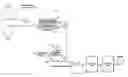
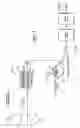
BRIEF DESCRIPTION OF THE DRAWINGSFIG. 1 is a diagrammatic view of a forming apparatus for forming a nonwoven cleaning laminate in accordance with the principles of the present invention;
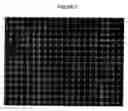
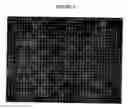
FIG. 2 is a photomicrograph of the abrasive side of the nonwoven cleaning laminate in practicing the present invention;
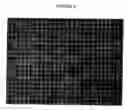
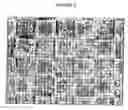
FIG. 3 is a photomicrograph of the soft, absorbent side of the nonwoven cleaning laminate in practicing the present invention;
FIG. 4 is a photomicrograph on a macroscopic scale of the abrasive side of the nonwoven cleaning laminate in practicing the present invention; and
FIG. 5 is a photomicrograph on a macroscopic scale of the soft, absorbent side of the nonwoven cleaning laminate in practicing the present invention.
DETAILED DESCRIPTIONWhile the present invention is susceptible of embodiment in various forms, there will hereinafter be described, presently preferred embodiments, with the understanding that the present disclosure is to be considered as an exemplification of the invention, and is not intended to limit the invention to the specific embodiments disclosed herein.
The nonwoven laminate of the present invention is comprised of coarse denier meltblown filaments, wherein a spunbond resin is utilized with a conventional meltblown process so as to capture thicker filaments. In general, the meltblown process utilizes a molten polymer is extruded under pressure through orifices in a spinneret or die. Traditionally, high velocity air impinges upon and entrains the filaments as they exit the die. Usually the energy of this step is such that the formed filaments are greatly reduced in diameter and are fractured so that microfibers of finite length are produced. Utilizing a spunbond resin with a lower melt flow rate, as well as lowering the air pressure, however, allows the collected filaments to take on a thicker diameter, providing the overall collective web with a desirable coarse texture. The process to form either a single layer or a multiple-layer fabric is continuous, that is, the process steps are uninterrupted from extrusion of the filaments to form the first layer until the bonded web is wound into a roll. Methods for producing these types of fabrics are described in U.S. Pat. No. 4,041,203, hereby incorporated by reference. The resultant filaments may be of various cross-sectional profiles, which are not considered a limitation to the practice of the present invention.
In a particular embodiment, a polypropylene spunbond resin, commercially known as PP3155 made available by Exxon Chemical Company was utilized. The aforementioned resin had a 35 MFR and was extruded at an average die temperature of 562° Fahrenheit with an approximate throughput of 7.1 grams/hole/min. Further, the distance between the meltblown die and the collective surface was around the order of 19 inches. The resultant meltblown filaments have a denier between that of 5 and 50 microns. Suitable polymers that may be used in the meltblowing process of the present invention include those selected from the group consisting of polyolefins, polyesters, polyetheresters, and polyamide.
Optionally, prior to extrusion, the single polymeric resin can be compounded with various melt-additives, so as to assist with the processing conditions, enhance the performance of the web, or enhance the appearance of the web, such additives including, but not limited to thermal stabilizers, colorants, and aromatics.
The dual purpose cleaning wipe of the present invention also comprises a soft, absorbent layer capable of picking up liquids and particulates. A nonwoven of this nature may be a fibrous nonwoven layer or a continuous filament nonwoven layer. In general, continuous filament nonwoven fabric formation involves the practice of the spunbond process. A spunbond process involves supplying a molten polymer, which is then extruded under pressure through a large number of orifices in a plate known as a spinneret or die. The resulting continuous filaments are quenched and drawn by any of a number of methods, such as slot draw systems, attenuator guns, or Godet rolls. The continuous filaments are collected as a loose web upon a moving foraminous surface, such as a wire mesh conveyor belt. When more than one spinneret is used in line for the purpose of forming a multi-layered fabric, the subsequent webs are collected upon the uppermost surface of the previously formed web. The web is then at least temporarily consolidated, usually by means involving heat and pressure, such as by thermal point bonding. Using this means, the web or layers of webs are passed between two hot metal rolls, one of which has an embossed pattern to impart and achieve the desired degree of point bonding, usually on the order of 10 to 40 percent of the overall surface area being so bonded.
When staple fibers are utilized to form the absorbent nonwoven layer, the fibers may begin in a bundled form as a bale of compressed fibers. In order to decompress the fibers, and render the fibers suitable for integration into a nonwoven fabric, the bale is bulk-fed into a number of fiber openers, such as a garnet, then into a card. The card further frees the fibers by the use of co-rotational and counter-rotational wire combs, then depositing the fibers into a lofty batt. The lofty batt of staple fibers can then optionally be subjected to fiber reorientation, such as by air-randomization and/or cross-lapping, depending upon the ultimate tensile properties of the resulting nonwoven fabric. The fibrous batt is integrated into a nonwoven fabric by application of suitable bonding means, including, but not limited to, use of adhesive binders, thermobonding by calender or through-air oven, and hydroentanglement.
In one embodiment, the absorbent precursor web and the meltblown precursor web are juxtaposed and hydroentangled on a three-dimensional image transfer device. Such three-dimensional image transfer devices are disclosed in U.S. Pat. No. 5,098,764, which is hereby incorporated by reference. The two precursor webs may be advanced onto the three-dimensional image transfer device so that the meltblown precursor web is facing the hydraulic jets of the hydroentanglement process and the absorbent precursor web is in contact with the three-dimensional transfer device. Hydroentangling the precursor webs in this manner allows for the meltblown filaments to become more integrated into the absorbent precursor web. Further, the meltblown filaments fragment with the force of the water through the meltblown web. The resultant laminate is more drapeable due to the fragmented meltblown filaments.
In a second embodiment, the absorbent precursor web and the meltblown precursor web are juxtaposed and hydroentangled on a three-dimensional image transfer device. The two precursor webs may be advanced onto the three-dimensional image transfer device so that the absorbent precursor web is facing the hydraulic jets of the hydroentanglement process and the meltblown web is in contact with the three-dimensional transfer device. Hydroentangling the precursor webs in this manner allows for the meltblown filaments to remain substantially more intact. The resultant laminate is stiffer due to minimal fragmentation of the meltblown filaments.
In a third embodiment, the meltblown filaments are extruded and collected directly onto the absorbent precursor web and then subsequently hydroentangled on a three-dimensional image transfer device.
Optionally, the dual performance nonwoven laminate may comprise an additional layer, including, but not limited to a microporous film, a supportive member, such as a spunbond or mesh scrim, or a barrier layer of sorts. Further, the laminate may be comprised of apertures of varying shapes and sizes wherein the apertures extend either partially or entirely though the laminate. Further still, the laminate may optionally be impregnated with a cleaning agent or placed within a tub or other packaging means containing the desired cleaning agent.
The dual performance cleaning laminate embodying the principles of the present invention are suitable as a dry or wet wipe substrate for cleaning both domestic and industrial surfaces, and further for use in skin/facial cleaning. The present nonwoven fabric wipe can be provided in forms that are suitable for use as a dry wipe to absorb liquid, and to provide extra scrubbing effect, as needed.
Claims
1. A method of making a dual performance nonwoven laminate having an abrasive side and an opposing absorbent side comprising steps of:
a. providing an absorbent precursor web;
b. providing a polymeric resin that is usable in a spunbond process;
c. providing a three-dimensional image transfer device;
d. extruding said polymeric resin into meltblown filaments;
e. collecting said filaments onto said absorbent precursor web to form a laminate;
f. advancing said laminate onto said three-dimensional image transfer device wherein said filaments are facing hydraulic jets and said absorbent web is facing the three-dimensional image transfer device; and
hydroentangling said laminate so as to provide for a dual performance nonwoven laminate comprising an abrasive side and an opposing absorbent side.
2. A method of making a dual performance nonwoven laminate having an abrasive side and an opposing absorbent side comprising steps of:
a. providing an absorbent precursor web;
b. providing a three-dimensional image transfer device;
c. providing a meltblown precursor web solely made from resin usable in a spunbond process;
d. juxtaposing said absorbent precursor web with said precursor meltblown web;
e. advancing said precursor webs onto said three-dimensional transfer device wherein said meltblown web is facing hydraulic jets and said absorbent web is facing said three-dimensional transfer device; and
hydroentangling said precursor webs so as to provide for a dual performance nonwoven laminate comprising an abrasive side and an opposing absorbent side.
3. A method of making a dual performance nonwoven laminate having an abrasive side and an opposing absorbent side comprising steps of:
a. providing an absorbent precursor web;
b. providing a three-dimensional image transfer device;
c. providing a meltblown precursor web solely made from resin usable in a spunbond process;
d. juxtaposing said absorbent precursor web with said precursor meltblown web;
e. advancing said precursor webs onto said three-dimensional transfer device wherein said absorbent web is facing hydraulic jets and said meltblown web is facing said three-dimensional transfer device; and
hydroentangling said precursor webs so as to provide for a dual performance nonwoven laminate comprising an abrasive side and an opposing absorbent side.
4. (canceled)
5. (canceled)
6. (canceled)
7. A method of making a dual performance nonwoven laminate having an abrasive side and an opposing side according to claim 1, wherein said method further comprises a step of impregnating said laminate with a cleaning agent.
8. A method of making a dual performance nonwoven laminate having an abrasive side and an opposing side according to claim 2, wherein said method further comprises a step of impregnating said laminate with a cleaning agent.
9. A method of making a dual performance nonwoven laminate having an abrasive side and an opposing side according to claim 3, wherein said method further comprises a step of impregnating said laminate with a cleaning agent.
10. A method of making a dual performance nonwoven laminate having an abrasive side and an opposing side according to claim 1, wherein said absorbent web is selected from the group consisting of a continuous filament web, a carded, staple fiber web, and mixtures thereof.
11. A method of making a dual performance nonwoven laminate having an abrasive side and an opposing side according to claim 2, wherein said absorbent web is selected from the group consisting of a continuous filament web, a carded, staple fiber web, and mixtures thereof.
12. A method of making a dual performance nonwoven laminate having an abrasive side and an opposing side according to claim 3, wherein said absorbent web is selected from the group consisting of a continuous filament web, a carded, staple fiber web, and mixtures thereof.
Images & Drawings included:
Sources:
- United States Patent and Trademark Office - verify current appl. status at the USPTO↗
Recent applications in this class:
- » 20250144911 2025-05-08
HIGH-DURABILITY DUAL COMPOSITE WATERPROOF STRUCTURE THROUGH INORGANIC ELASTIC UNDERCOAT BODY AND COMPOSITE SHEET WATERPROOF STRUCTURE WITH HEAT SHIELDING AND HEAT DISSIPATION PERFORMANCE - » 20250100247 2025-03-27
COMPOSITE LAMINATE BODY AND DISPOSABLE DIAPER - » 20250083408 2025-03-13
STRETCHY THERMAL INSULATION COMPOSITE MATERIAL - » 20250042128 2025-02-06
CELLULOSE PRECURSOR MATERIAL AND APPARATUS AND METHOD FOR FIELD CONVERSION OF THE PRECURSOR INTO CELLULOSE INSULATION - » 20250026104 2025-01-23
POROSITY GRADIENT PREFORM ARCHITECTURE FOR HIGH TEMPERATURE COMPOSITES - » 20250026103 2025-01-23
POROSITY GRADIENT PREFORM ARCHITECTURE FOR HIGH TEMPERATURE COMPOSITES - » 20250010575 2025-01-09
Near Infrared Reflecting Composition and Coverings for Architectural Openings Incorporating Same - » 20240416617 2024-12-19
BULLETPROOF, STAB-PROOF, AND CUT-PROOF STRUCTURE - » 20240399705 2024-12-05
PROTECTIVE COMPOSITE FABRICS AND METHODS OF MANUFACTURE AND USE - » 20240367412 2024-11-07
COMPRESSION MEMBERS