Gene encoding cyclododecanone monooxygenase
US20070184531A1
2007-08-09
11/717,247
2007-03-13
✅ Patent granted
US 7,425,434 B2
2008-09-16
-
-
Rebecca E. Prouty | Iqbal Chowdhury
2027-03-13
Abstract:
The invention relates to a new strain of Pseudomonas putida (designated as HI-70) and to the isolation, cloning, and sequencing of a cyclododecanone monooxygenase-encoding gene (named cdnB) from said strain. The invention also relates to a new cyclododecanone monooxygenase and to a method of use of the cyclododecanone monooxygenase-encoding gene.
Inventors:
- Hiroaki Iwaki 4 🇨🇦 Montreal, Canada
- Yoshie Hasegawa 1 🇯🇵 Osaka, Japan
- Peter C. K. Lau 9 🇨🇦 Kirkland, Canada
Assignee:
- NATIONAL RESEARCH COUNCIL OF CANADA 423 🇨🇦 Ottawa, Canada
Interested in similar patents?
Get notified when new applications in this technology area are published.
Classification:
C12N9/0073 » CPC main
Enzymes; Proenzymes; Compositions thereof ; Processes for preparing, activating, inhibiting, separating or purifying enzymes; Oxidoreductases (1.) acting on paired donors with incorporation of molecular oxygen (1.14) with NADH or NADPH as one donor, and incorporation of one atom of oxygen 1.14.13
C12N1/20 » CPC further
Microorganisms, e.g. protozoa; Compositions thereof ; Processes of propagating, maintaining or preserving microorganisms or compositions thereof; Processes of preparing or isolating a composition containing a microorganism; Culture media therefor Bacteria; Culture media therefor
C12N1/205 » CPC further
Microorganisms, e.g. protozoa; Compositions thereof ; Processes of propagating, maintaining or preserving microorganisms or compositions thereof; Processes of preparing or isolating a composition containing a microorganism; Culture media therefor; Bacteria; Culture media therefor Bacterial isolates
C12P17/08 » CPC further
Preparation of heterocyclic carbon compounds with only O, N, S, Se or Te as ring hetero atoms; Oxygen as only ring hetero atoms containing a hetero ring of at least seven ring members, e.g. zearalenone, macrolide aglycons
C12R2001/40 » CPC further
Microorganisms ; Processes using microorganisms; Bacteria or Actinomycetales ; using bacteria or Actinomycetales; Pseudomonas Pseudomonas putida
C12N15/74 IPC
Mutation or genetic engineering; DNA or RNA concerning genetic engineering, vectors, e.g. plasmids, or their isolation, preparation or purification; Use of hosts therefor; Recombinant DNA-technology; Introduction of foreign genetic material using vectors; Vectors; Use of hosts therefor; Regulation of expression Vectors or expression systems specially adapted for prokaryotic hosts other than E. coli, e.g. Lactobacillus, Micromonospora
C12P21/06 IPC
Preparation of peptides or proteins produced by the hydrolysis of a peptide bond, e.g. hydrolysate products
C07H21/04 IPC
Compounds containing two or more mononucleotide units having separate phosphate or polyphosphate groups linked by saccharide radicals of nucleoside groups, e.g. nucleic acids with deoxyribosyl as saccharide radical
Description
BACKGROUND OF THE INVENTION(a) Field of the Invention
The invention relates to a new strain of Pseudomonas putida (designated as HI-70) and to the isolation, cloning, and sequencing of a cyclododecanone monooxygenase-encoding gene (named cdnB) from said strain.
(b) Description of Prior Art
Enzymatic Baeyer-Villiger monooxygenases (BVMO) in general are flavoproteins that can mimic the classical (100-year old) organic Baeyer-Villiger oxidations of a wide variety of ketones to lactones, many of which are valuable chiral building blocks. The deployment of microbial BVMOs in the synthesis of natural products such as lipoic acid and Baclofen, an antagonist of gamma-aminobutyric acid (better known as GABA) demonstrates the power and utility of this group of enzymes (Kelly, D. R. et al. 1998 in Biotransformation I, pp. 535-587). The use of enzymes as bio-reagents has the advantages of specificity, waste minimization and environmental friendliness. In a world where sustainable development is an increasing important issue, the use of biocatalysts to drive synthesis of essential products in various industrial applications is becoming a matter of priority choice for the Organisation For Economic Co-Operation And Development (OECD).
To date, there is a limited list of microorganisms (bacteria and fungi) that have been shown to produce BVMOs (Stewart, J. D. Curr. Org. Chem. 2:195-216, 1998; Kelly et al. supra; Schumacher J. D. and Fakoussa, R. M. Appl. Microbiol. Biotechnol. 52: 85-90, 1999; Kamerbeek, N. M. et al. Eur. J. Biochem. 268:2547-2557, 2001). A few BVMO-encoding genes have been cloned encoding products with varying substrate specificities (Iwaki, H. et al. Appl. Environ. Microbiol. 65:5158-5162, 1999; Cheng, Q. et al. J. Bacteriol. 182:4744-4751, 2000; Brzostowicz P. C. et al. J. Bacteriol. 182: 4241-4248, 2000; Kamerbeek, N. M. et al. Eur. J. Biochem. 268:2547-2557, 2001).
It would be highly desirable to be provided with a new soil microorganism capable of using cyclododecanol and cyclododecanone (12-membered ring compounds) as sole carbon source for growth and energy.
It would also be desirable to be provided with the isolated DNA sequence that allows the above microorganism to use cyclododecanol and cyclododecanone (12-membered ring compounds) as sole carbon source for growth and energy.
SUMMARY OF THE INVENTIONOne aim of the present invention is to provide a new soil microorganism capable of using cyclododecanol and cyclododecanone (12-membered ring compounds) as sole carbon source for growth and energy.
Another aim of the present invention is to provide the isolated DNA sequence that allows the above microorganism to use cyclododecanol and cyclododecanone (12-membered ring compounds) as sole carbon source for growth and energy. In the present invention, it was found that the DNA that allows the above microorganism to use cyclododecanol and cyclododecanone (12-membered ring compounds) as sole carbon source for growth and energy is a cyclododecanone monooxygenase.
Accordingly, another aim of the present invention is to provide the amino acid sequence of the cyclododecanone monooxygenase.
In accordance with the present invention, there is provided a new soil microorganism, identified as Pseudomonas putida strain HI-70, that is capable of using cyclododecanol and cyclododecanone (12-membered ring compounds) as sole carbon source for growth and energy. The microorganism has a gene coding for a cyclododecanone monooxygenase. To date, it is believed that the cloned cdnB gene encoding the cyclododecanone monooxygenase (CDMO) of strain HI-70 is the first of its kind by sequence and substrate specificity towards cycloketones with ten ring members or above. Also, over-expression of the cdnB gene in E. coli provides a rich source of this recombinant enzyme for use in various biotransformations.
In accordance with the present invention there is also provided an isolated DNA encoding a cyclododecanone monooxygenase (CDMO) having an amino acid sequence as set forth in SEQ ID NO:8, or an enzymatically active portion thereof.
Further in accordance with the present invention, there is provided an isolated DNA encoding a cyclododecanone monooxygenase (CDMO) or an enzymatically active portion thereof, the isolated DNA being characterized by the ability to hybridize specifically with the complement of the DNA represented in SEQ ID NO:7 under stringent hybridization conditions.
In one embodiment of the invention, there is provided an isolated DNA coding for a cyclododecanone monooxygenase (CDMO), and containing:
-
- (a) a nucleic acid sequence as set forth in SEQ ID NO:7;
- (b) a sequence corresponding within the degeneracy of the genetic code to said nucleic acid sequence and coding for a cyclododecanone monooxygenase; or
- (c) a sequence hybridizing under stringent conditions with the complement of the sequence from (a) or (b), and still coding for cyclododecanone monooxygenase (CDMO).
The present invention further provides an isolated DNA encoding a cyclododecanone monooxygenase (CDMO), or an enzymatically active portion thereof, said isolated DNA having SEQ ID NO:7.
In one embodiment of the present invention, the enzymatically active cyclododecanone monooxygenase (CDMO) of the present invention can be encoded by an expression vector that comprises a DNA as defined above. The expression vector may comprises one or more copies of the DNA that codes for the enzymatically active cyclododecanone monooxygenase (CDMO). The expression vector may either be a prokaryotic or eukaryotic vector. The vector may in some embodiments as well be a plasmid, which plasmid may then be used to transformed host cells or to be incorporated into these host cells.
Accordingly, the present invention further provides a biologically functional plasmid or viral DNA vector that contains a DNA as defined above.
Still in accordance with the present invention, there is also provided a cell transformed with a heterologous DNA expression construct encoding an enzymatically active cyclododecanone monooxygenase (CDMO), said construct comprising an isolated DNA as defined in any one of claims 1 to 5, said cell once transformed expressing said CDMO. The cell may be a prokaryotic cell. The cell may also be an E. coli cell.
Further in accordance with the present invention, there is provided a cyclododecanone monooxygenase (CDMO) having an amino acid sequence as set forth in SEQ ID NO:8.
Still in accordance with the present invention, there is also provided a method for growing cells in vitro in presence of cyclododecanol or cyclododecanone as sole source of carbon, said method comprising the steps of:
-
- (a) transforming a cell with either an expression vector as defined in claim 6, 7, 8 or 9 or with a biologically functional plasmid or viral DNA vector as defined in claim 10; and
- (b) growing the cell of step a) under suitable conditions in a medium containing cyclopentanol or cyclododecanone as a sole source of carbon.
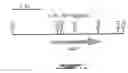
FIG. 1 illustrates a genetic map of a clone containing the 4.2-kb Bcll and 4.0-kb Stul inserts was screened by colony hybridization using the PCR product as a probe;
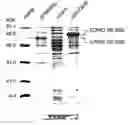
FIG. 2 is a photograph of a Coomassie Brilliant Blue stained protein gel after polyacrylamide gel electrophoresis of over-expressed CDMO in E. coli compared to control samples and a molecular size standard; and
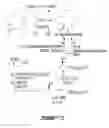
FIG. 3 illustrates a Five-step chemical synthesis of hexadecanolides versus a single step CDMO-catalysed reaction.
DETAILED DESCRIPTION OF THE INVENTIONIn accordance with the present invention, there is described the isolation of a new strain of Pseudomonas putida (designated as strain HI-70) that is capable of utilising cyclododecanone or cyclododecanol as a sole carbon source, the cloning and sequencing of a cyclododecanone monooxygenase-encoding gene (named cdnB) from said strain, the expression of said cdnB gene in a heterologous system (E. coli), and activity assays of the said enzyme. The specificity spectrum and utility of the CDMO of the present invention for the oxidation of large ring-membered moncyclic ketones (with at least 10, preferably 12 or more rings) to lactones, something that no other enzymes are known to do, was determined with these assays.
Isolation of a New Strain of Pseudomonas putida Encoding a Cyclododecanone Monooxygenase (CDMO)
An organism was isolated from a soil sample from Osaka, Japan by selective enrichment by using a minimal salts medium (MSM), pH 7.0, containing cyclododecanone (1.0 g per liter). It was maintained on either liquid or solid minimal salts medium containing cyclododecanone as the sole carbon source. MSM contained (per liter of distilled water) 1.0 g of NH4NO3, 1.5 g of KH2PO4, 1.5 g of Na2HPO4, 0.5 g of MgSO4.7H2O, 0.01 g of CaCl2.2H2O, 0.005 g of FeSO4.7H2O, 0.002 g of MnSO4.4H2O and 0.05 g of ZnSO4.7H2O. The isolate was identified and classified as a member of P.putida by NCIMB Japan Co. Ltd. (Shizuoka, Japan). This strain was designated strain HI-70.
Cloning of the Pseudomonas putida HI-70 CDMO-Encoding Gene
Pseudomonas putida HI-70 was grown at 30° C. in Luria-Bertani (LB) broth, or minimal salt medium (MSM), pH 7.0, containing 0.3% of cyclododecanone. Agar was added to 1.5% per plate. Genomic DNA of strain HI-70 was prepared by the Marmur method. Based on two conserved regions (WY/HWNR/CYP (SEQ ID NO:1 and ATGFDA (SEQ ID NO:2)) of BVMOs (CHMO of Acinetobacter sp. NCIMB 9871, CPMO of Comamonas testosteroni NCIMB9872, CHMO of Rhodococcus maris HI-31 and STMO of Rhodococcus rhodochrous IFO 3338), two degenerated PCR primers (5′-TGGYAYTGGAAYHGITAYCC -3′ (SEQ ID NO:3) and 5′-GCRTCRAANCCNGTIGC-3′ (SEQ ID NO:4), corresponding to amino acids of Acinetobacter CHMO 46-52 and 377-382, respectively; I=inosine; N=T,C,A or G; R=A or G; Y=C or T; H=A,C or T) were synthesized to amplify a ca 1-kb product from total DNA prepared from strain HI-70.
The PCR amplification was performed in a Perkin Elmer-Model 2400 Thermal Cycler™ and the amplification conditions were 94° C. for 1 min, 50° C. for 1 min, and 72° C. for 2 min, for 30 cycles. Before using the amplified product as a gene probe its nucleotide sequence was confirmed. Nucleotide sequencing was determined by the Taq DyeDeoxy terminator cycle sequencing kit and the ABI Prism 310 Genetic Analyzer (Perkin Elmer).
The two special sets of primers were designed for the first time ever for use in a PCR amplification of a potential BVMO-encoding gene. This strategy took advantage of the fact that blocks of conserved amino acid sequence among proteins of evolutionary distinct origins but with a common biological activity or function would be an invaluable source of information for gene cloning. The successful cloning of cdnB described in the present application validates this approach. The amplified gene productgenerated by each of the two sets of primers were used as probes. This designed set of probes is expected to be useful for the cloning of any other BVMO-related genes.
To clone the CDMO-containing gene, amplified fragment was labeled by the digoxigenin-11-UTP system according to manufacturer's instructions (Boehringer Mannheim GmbH) and used to probe a Southern hybridization of strain HI-70 genomic DNA digested with various restriction enzymes (BamHI, Bcll, EcoRl, HindIII, Kpnl, Nhel, Pstl, Sa/l, Sphl, Stul and Xbal). As a result, a single hybridizing band of ca 4.2-kb Bcll fragment and 4.0-kb Stul fragment was obtained. Hybridization conditions were carried out at 68° C. according to Sambrook et al. Subsequently, a purified 3.5- to 4.5-kb size fraction of Bcll or Stul-cut total DNA separated on a 0.8% agarose gel was ligated to E. coli plasmid pUC19, which had been linearized and dephosphorylated.
A clone containing the 4.2-kb Bcll and 4.0-kb Stul inserts was screened by colony hybridization using the PCR product as a probe; these recombinant plasmids were designated pCD200 (4.2-kb Bcll) and pCD100 (4.0-kb Stul). A genetic map is illustrated in FIG. 1 has been established.
Expression of cdnB Gene in E. coli
Two primers of the following sequence (SEQ ID NO:5 and SEQ ID NO:6) were synthesized to amplify the cdnB gene and the resultant 1.8-kb DNA fragment was cloned in the pSD80 plasmid to yield pCD101. Plasmid pSD80 is a third generation derivative of the commercially available pKK223-3 vector (Pharmacia) that contains a tac promoter upstream of the multiple cloning site (MCS), an unc terminator sequence downstream of the MCS, and laclq elsewhere on the plasmid. The primers were: 5′-CGGAATTCATGAGTCAGCTAATTCAAGAGC-3′ (SEQ ID NO:5) and 5′CGGAATTCAATCAACGCTTGCGCTGCTG-3′ (SEQ ID NO:6) with built-in EcoRI restriction sites, to facilitate cloning at the compatible sites (EcoRI) of the pSD80 vector. Pfu polymerase was used and the amplification conditions were 94° C. for 1 min, 50° C. for 1 min, and 72° C. for 3 min, for 30 cycles. The amplified DNA fragment was purified from an agarose gel and digested with EcoRI.
One of the resulting recombinant plasmids was designated pCD101. By DNA sequencing, it was established that no mutation had been introduced in the cdnB gene during PCR amplification.
The DNA sequence of the cdnB gene was determined to be as follows:
| (SEQ ID NO:7) |
| atgagtcagc taattcaaga gccggccgag gctggggtaa | 60 | |
| cgtcgcagaa agtttccttc | ||
| gatcatgtgg cgcttcgcga aaaatatcgt caggagcgcg | 120 | |
| acaagcgctt gcgtcaggac | ||
| ggccaagagc aatatctgga agtcgccgtc acatgtgacg | 180 | |
| aatacctgaa agacccctat | ||
| gccgatccga tcgtgcgtga tccggtggtg cgcgagaccg | 240 | |
| acgtgttcat catcggtggc | ||
| ggtttcggtg gtctgttggc tgcggtacgc ctgcagcaag | 300 | |
| caggcgttag cgattatgtg | ||
| atggttgagc gcgccggtga ctatggcggc acctggtact | 360 | |
| ggaaccgcta cccgggggcg | ||
| cagtgcgaca tcgagtcgta tgtctacatg cccttgctcg | 420 | |
| aagaaatggg ttacataccg | ||
| accgagaagt acgccttcgg tacggagatc ctcgagtact | 480 | |
| ccagatcaat cggccgcaaa | ||
| tttggcttgt acgagcgcac ctacttccag actgaagtga | 540 | |
| aggatctgag ctgggacgat | ||
| gaagcggccc gctggcgcat taccaccgac cgcggcgaca | 600 | |
| agttcagcgc gcgcttcgtg | ||
| tgcatgtcca ccggcccctt gcagcggccc aaactgcccg | 660 | |
| gcatcccagg tatcacgtcc | ||
| ttcaagggcc actccttcca caccagtcgc tgggactact | 720 | |
| cctataccgg cggcgatcag | ||
| accggcaacc tggaaggttt gaaagacaag cgcgtggcca | 780 | |
| tcatcggtac cggcgccacc | ||
| tcaatccagg ctgtgccaca cctggcggcc tatgcccaag | 840 | |
| agctgtatgt catccagcgc | ||
| acgccaattt ccgtgggctt ccgtggcaac aagccgactg | 900 | |
| atcctgaatg ggccaagagc | ||
| ctgcagccgg gttggcagca agcgcgtatg gacaacttca | 960 | |
| atgcgatcac ccacggcatg | ||
| ccggtcgatg tcgatctggt ccaggacagc tggaccaaga | 1020 | |
| tcttcggcga aatcggcgtt | ||
| tttctgggtt ccgatggcag ccgtgcgcag atggtcgact | 1080 | |
| tccagttgat ggagcaaatc | ||
| cgcgcccgcg tcgatcagga agtcaaggat ccggccaccg | 1140 | |
| ctgagtcgct caagccttac | ||
| tacaacatca tgtgtaagcg tccgggcttc catgacagtt | 1200 | |
| atctgccctc cttcaacaag | ||
| cccaatgtca ccctggtcga tacccaaggc gctggtgttg | 1260 | |
| agcgcatcac cgaaaagggc | ||
| ctggtggtca acggccgcga atatgaagtc gactgcctga | 1320 | |
| tctacgccac cggcttcgag | ||
| taccagacca agttgtcgcg ccgcaatggc tacgaaatcc | 1380 | |
| acgggcgcaa tggccagccg | ||
| ctgagtgaca agtggaaaga cggcctgtcc acactgtggg | 1440 | |
| gctaccacat tcgtgacttc | ||
| ccgaactgct tcatccttgg caatggtcag tctgcggtaa | 1500 | |
| caccgaactt cactcacatg | ||
| ctcaacgaag ctggcaagca tgtggcctat gtggtcaagc | 1560 | |
| actgcctgga cgagcgcgtc | ||
| gatgtcttcg agccgaccgc agaggctgag caggcgtggg | 1620 | |
| ttgaccacgt catgtcgttc | ||
| gctgggatca agcagcaata cgaccgcgag tgcaccccga | 1680 | |
| gttactacaa caacgaaggc | ||
| caggtgaacg acgttgcgct gacccgcaca acttctaccc | 1740 | |
| gggcggtgcg gtcgcttata | ||
| aacattctgc gggagtggcg agagaagggc gatttcgcgc | 1800 | |
| agttccagca gcgcaagcgt | ||
| tga | 1803 |
From the above sequence, the amino acid sequence of the CDMO of the present invention was determined to be as follows:
| (SEQ ID NO:8) |
| Met Ser Gln Leu Ile Gln Glu Pro Ala Glu Ala Gly | |
| 1 5 10 15 | |
| Val Thr Ser Gln Lys Val Ser Phe Asp His Val Ala | |
| 20 25 30 | |
| Leu Arg Glu Lys Tyr Arg Gln Glu Arg Asp Lys Arg | |
| 35 40 45 | |
| Leu Arg Gln Asp Gly Gln Glu Gln Tyr Leu Glu Val | |
| 50 55 60 | |
| Ala Val Thr Cys Asp Glu Tyr Leu Lys Asp Pro Tyr | |
| 65 70 75 80 | |
| Ala Asp Pro Ile Val Arg Asp Pro Val Val Arg Glu | |
| 85 90 95 | |
| Thr Asp Val Phe Ile Ile Gly Gly Gly Phe Gly Gly | |
| 100 105 110 | |
| Leu Leu Ala Ala Val Arg Leu Gln Gln Ala Gly Val | |
| 115 120 125 | |
| Ser Asp Tyr Val Met Val Glu Arg Ala Gly Asp Tyr | |
| 130 135 140 | |
| Gly Gly Thr Trp Tyr Trp Asn Arg Tyr Pro Gly Ala | |
| 145 150 155 160 | |
| Gln Cys Asp Ile Glu Ser Tyr Val Tyr Met Pro Leu | |
| 165 170 175 | |
| Leu Glu Glu Met Gly Tyr Ile Pro Thr Glu Lys Tyr | |
| 180 185 190 | |
| Ala Phe Gly Thr Glu Ile Leu Glu Tyr Ser Arg Ser | |
| 195 200 205 | |
| Ile Gly Arg Lys Phe Gly Leu Tyr Glu Arg Thr Tyr | |
| 210 215 220 | |
| Phe Gln Thr Glu Val Lys Asp Leu Ser Trp Asp Asp | |
| 225 230 235 240 | |
| Glu Ala Ala Arg Trp Arg Ile Thr Thr Asp Arg Gly | |
| 245 250 255 | |
| Asp Lys Phe Ser Ala Arg Phe Val Cys Met Ser Thr | |
| 260 265 270 | |
| Gly Pro Leu Gln Arg Pro Lys Leu Pro Gly Ile Pro | |
| 275 280 285 | |
| Gly Ile Thr Ser Phe Lys Gly His Ser Phe His Thr | |
| 290 295 300 | |
| Ser Arg Trp Asp Tyr Ser Tyr Thr Gly Gly Asp Gln | |
| 305 310 315 320 | |
| Thr Gly Asn Leu Glu Gly Leu Lys Asp Lys Arg Val | |
| 325 330 335 | |
| Ala Ile Ile Gly Thr Gly Ala Thr Ser Ile Gln Ala | |
| 340 345 350 | |
| Val Pro His Leu Ala Ala Tyr Ala Gln Glu Leu Tyr | |
| 355 360 365 | |
| Val Ile Gln Arg Thr Pro Ile Ser Val Gly Phe Arg | |
| 370 375 380 | |
| Gly Asn Lys Pro Thr Asp Pro Glu Trp Ala Lys Ser | |
| 385 390 395 400 | |
| Leu Gln Pro Gly Trp Gln Gln Ala Arg Met Asp Asn | |
| 405 410 415 | |
| Phe Asn Ala Ile Thr His Gly Met Pro Val Asp Val | |
| 420 425 430 | |
| Asp Leu Val Gln Asp Ser Trp Thr Lys Ile Phe Gly | |
| 435 440 445 | |
| Glu Ile Gly Val Phe Leu Gly Ser Asp Gly Ser Arg | |
| 450 455 460 | |
| Ala Gln Met Val Asp Phe Gln Leu Met Glu Gln Ile | |
| 465 470 475 480 | |
| Arg Ala Arg Val Asp Gln Glu Val Lys Asp Pro Ala | |
| 485 490 495 | |
| Thr Ala Glu Ser Leu Lys Pro Tyr Tyr Asn Ile Met | |
| 500 505 510 | |
| Cys Lys Arg Pro Gly Phe His Asp Ser Tyr Leu Pro | |
| 515 520 525 | |
| Ser Phe Asn Lys Pro Asn Val Thr Leu Val Asp Thr | |
| 530 535 540 | |
| Gln Gly Ala Gly Val Glu Arg Ile Thr Glu Lys Gly | |
| 545 550 555 560 | |
| Leu Val Val Asn Gly Arg Glu Tyr Glu Val Asp Cys | |
| 565 570 575 | |
| Leu Ile Tyr Ala Thr Gly Phe Glu Tyr Gln Thr Lys | |
| 580 585 590 | |
| Leu Ser Arg Arg Asn Gly Tyr Glu Ile His Gly Arg | |
| 595 600 | |
| Asn Gly Gln Pro Leu Ser Asp Lys Trp Lys Asp Gly | |
| Leu Ser Thr Leu Trp Gly Tyr His Ile Arg Asp Phe | |
| Pro Asn Cys Phe Ile Leu Gly Asn Gly Gln Ser Ala | |
| Val Thr Pro Asn Phe Thr His Met Leu Asn Glu Ala | |
| Gly Lys His Val Ala Tyr Val Val Lys His Cys Leu | |
| Asp Glu Arg Val Asp Val Phe Glu Pro Thr Ala Glu | |
| Ala Glu Gln Ala Trp Val Asp His Val Met Ser Phe | |
| Ala Gly Ile Lys Gln Gln Tyr Asp Arg Glu Cys Thr | |
| Pro Ser Tyr Tyr Asn Asn Glu Gly Gln Val Asn Asp | |
| Val Ala Leu Thr Arg Thr Thr Ser Thr Arg Ala Val | |
| Arg Ser Leu Ile Asn Ile Leu Arg Glu Trp Arg Glu | |
| Lys Gly Asp Phe Ala Gln Phe Gln Gln Arg Lys Arg |
The cdnB gene encodes a 600- amino acid residue with an experimentally-determined molecular mass of 66 KDa (FIG. 2).
A notable sequence motif present in CDMO and related proteins is the FAD-binding fingerprint (GXGXXG;) that is similar to those found in flavoprotein hydroxylases.
Comparison of CDMO Activity in E. coli and Native HI-70
The CDMO activity from E. coli DH5α(pSD-cdnB) was determined to be 0.48 U/mg of protein. This value is approximately three times the value (0.14 U/mg of protein) obtained for the original P. putida strain HI-70.
Substrate Specificity of Cloned CDMO:
cyclododecanone (relative activity of 100%)
cyclotridecanone (138%)
cyclopentadecanone (144%)
cycloundecanone (56%)
cyclodecanone (10%)
The activity of CDMO towards alicyclic ketones with small ring members (4 to 9) is relatively insignificant or not detectable. The substrate specificity of the cloned CDMO is identical to that of the native CDMO from P. putida strain HI-70.
The specificity spectrum of CDMO towards cyclo-compounds with at least 10-membered rings is a feature that distinguishes this enzyme from any other known BVMOs.
Utility of CDMO Recombinant Biocatalyst in the Industrial Sector
Besides the conventional ketone to lactone biotransformations, BVMOs in general are capable of several heteroatom oxidations. These reactions include sulfo-oxidation, phospho-oxidation, amine oxidation, boron oxidation and seleno-oxidation (Kelly et al. supra; Stewart, supra). For example, the use of BVMOs to perform sulfo-oxidations (sulfides to sulfoxides) has been of considerable interest due to the importance of sulfoxides as chiral auxiliaries in asymmetric synthesis.
In addition to the above-mentioned substrates, the substrate range of CDMO is expected to extend to heteroatom containing compounds. Of particular interest is the production of 15-hexadecanolide, a sex pheromone component of the stink bug, Piezodorus hybneri (Kuwahara et al. supra). The latter bug is a notorious pest of legumes such as soybeans and kidney beans. Thus far, 15-hexadecanolide can be synthesized chemically using the Yamaguchi or Mitsunobu macrolactonization reaction of (R)-15-hydroxyhexadecanoic acid prepared from ethyl (R)-beta-hydroxybutyrate in five steps (FIG. 3; Kuwahara et al. supra). A CDMO-catalyzed single reaction step would avoid the use of various solvents and chemicals that are either toxic or “atom-uneconomical”, i.e. wasteful. See the comparison in FIG. 3.
Large ring-membered compounds such as cyclododecanone have been described to resemble structures in coal. The bigger the carbon ring, the more flexible it is (remember boat and chair conformations of a cyclic alkane) and more it can take a conformation like that of an open-chain alkane. Specificity of CDMO towards big rings indicate its potential for catalysing attack on aliphatic bridge structures such as those found in coal to generate further value-added products.
The new Pseudomonas putida strain HI-70 of the present invention has been deposited at the International Depositary Authority of Canada (National Microbiology Laboratory, Health Canada, Canadian Science Centre for Human and Animal Health, 1015 Arlington St., Suite H3130, Winnipeg, MB R3E 3R2) on Sep. 18, 2002 and was given accession number IDAC-180902.
While the invention has been described in connection with specific embodiments thereof, it will be understood that it is capable of further modifications and this application is intended to cover any variations, uses, or adaptations of the invention following, in general, the principles of the invention and including such departures from the present disclosure as come within known or customary practice within the art to which the invention pertains and as may be applied to the essential features hereinbefore set forth, and as follows in the scope of the appended claims.
Claims
What is claimed is:1. An isolated DNA encoding a cyclododecanone monooxygenase (CDMO) having an amino acid sequence as set forth in SEQ ID NO:8, or an enzymatically active portion thereof.
2. An isolated DNA encoding a cyclododecanone monooxygenase (CDMO) or an enzymatically active portion thereof, the isolated DNA being characterized by the ability to hybridize specifically with the complement of the DNA represented in SEQ ID NO:7 under stringent hybridization conditions.
3. An isolated DNA coding for a cyclododecanone monooxygenase (CDMO), and containing:
(a) a nucleic acid sequence as set forth in SEQ ID NO:7;
(b) a sequence corresponding within the degeneracy of the genetic code to said nucleic acid sequence and coding for a cyclododecanone monooxygenase; or
(c) a sequence hybridizing under stringent conditions with the complement of the sequence from (a) or (b), and still coding for cyclododecanone monooxygenase (CDMO).
4. An isolated DNA encoding a cyclododecanone monooxygenase (CDMO), or an enzymatically active portion thereof, said isolated DNA having SEQ ID NO:7.
5. An isolated DNA as defined in any one of claims 1 to 4, wherein said DNA is isolated from Pseudomonas putida.
6. An expression vector encoding an enzymatically active cyclododecanone monooxygenase (CDMO) comprising a DNA as defined in any one of claims 1 to 5.
7. An expression vector as defined in claim 6, wherein said vector contains one or more copies of said DNA.
8. An expression vector as defined in claim 6 or 7, wherein said vector is a prokaryotic vector.
9. An expression vector as defined in claim 6 or 7, wherein said vector is a plasmid.
10. A biologically functional plasmid or viral DNA vector, which contains a DNA as defined in claim 1, 2, 3, 4 or 5.
11. A host cell comprising an expression vector as defined in any one of claims 6 to 9.
12. A cell transformed with a heterologous DNA expression construct encoding an enzymatically active cyclododecanone monooxygenase (CDMO), said construct comprising an isolated DNA as defined in any one of claims 1 to 5, said cell once transformed expressing said CDMO.
13. A cell as defined in claim 12, which is a prokaryotic cell.
14. A cell as defined in claim 12, which is E. coli.
15. A cyclododecanone monooxygenase (CDMO) having an amino acid sequence as set forth in SEQ ID NO:8.
16. The cyclododecanone monooxygenase (CDMO) of claim 15, wherein said CDMO is prepared from Pseudomonas putida.
17. The cyclododecanone monooxygenase (CDMO) of claim 16, wherein said CDMO has a sequence as set forth in SEQ ID NO:8.
18. A method for growing cells in vitro in presence of cyclododecanol or cyclododecanone as sole source of carbon, said method comprising the steps of:
(a) transforming a cell with either an expression vector as defined in claim 6, 7, 8 or 9 or with a biologically functional plasmid or viral DNA vector as defined in claim 10; and
(b) growing the cell of step a) under suitable conditions in a medium containing cyclopentanol or cyclododecanone as a sole source of carbon.
19. A Pseudomonas putida strain HI-70 having accession number IDAC-180902.
Images & Drawings included:
Sources:
- United States Patent and Trademark Office - verify current appl. status at the USPTO↗
Similar patent applications:
- » 20050202547
Gene encoding cyclododecanone monooxygenase
Recent applications in this class:
- » 20240309339 2024-09-19
METHANE MONOOXYGENASE ENZYMES - » 20240209327 2024-06-27
NOVEL PROTEIN HAVING METHANE OR BUTANE OXIDATION ACTIVITY - » 20240043816 2024-02-08
HETEROLOGOUS EXPRESSION OF SHORT-CHAIN MONOOXYGENASES IN MICROORGANISMS - » 20230102194 2023-03-30
Novel Flavone Hydroxylases, Microorganism for Synthesizing Flavone C-Glycoside Compounds, and Use Thereof - » 20220372452 2022-11-24
BIOCATALYSTS AND METHODS FOR THE SYNTHESIS OF ARMODAFINIL - » 20220333087 2022-10-20
FLAVONOID AND ANTHOCYANIN BIOPRODUCTION USING MICROORGANISM HOSTS - » 20220282228 2022-09-08
KAURENOIC ACID 13-HYDROXYLASE (KAH) VARIANTS AND USES THEREOF - » 20210403883 2021-12-30
Methane monooxygenase enzymes - » 20210348136 2021-11-11
Kaurenoic acid hydroxylases - » 20210254026 2021-08-19
Method for producing a chemical with synthetic microorganism encoding a monooxygenase
Recent applications for this Assignee:
- » 20250224745 2025-07-10
Technique for Small Volume Metering - » 20250110087 2025-04-03
SYSTEM AND METHOD FOR DETECTING SUBSTRATE CHANGE USING SOUND - » 20240195426 2024-06-13
SYSTEM AND METHOD FOR REMOTE DIGITAL TIME TRANSFER - » 20240187004 2024-06-06
Digital clean up oscillator - » 20240178793 2024-05-30
METHOD AND APPARATUS FOR REDUCING SOLAR CELL DEGRADATION - » 20240101641 2024-03-28
TGF-B-RECEPTOR ECTODOMAIN FUSION MOLECULES AND USES THEREOF - » 20240076389 2024-03-07
AXL-SPECIFIC ANTIBODIES AND USES THEREOF - » 20240012527 2024-01-11
Method and apparatus for finger input sensing - » 20230420046 2023-12-28
A FIBRE OPTIC INTEGRATED QUANTUM MEMORY FOR LIGHT - » 20230344360 2023-10-26
SYNCHRONOUS RECTIFICATION TO IMPROVE EFFICIENCY OF ELECTRICITY CONVERSION FOR HARVESTING ENERGY FROM LOW VOLTAGE SOURCES