Controlled release formulation for oral administration of metformin
US20070185218A1
2007-08-09
10/599,500
2005-03-31
Abstract:
A controlled release formulation for oral administration of metformin or a pharmaceutically acceptable salt thereof comprising metformin or a pharmaceutically acceptable salt thereof as an active ingredient; a combination of a polyethylene oxide and a natural gum as a carrier for controlled release; and a pharmaceutically acceptable additive.
Interested in similar patents?
Get notified when new applications in this technology area are published.
Classification:
A61K9/205 » CPC main
Medicinal preparations characterised by special physical form; Pills, tablets, discs, rods; Excipients; Inactive ingredients; Organic macromolecular compounds Polysaccharides, e.g. alginate, gums; Cyclodextrin
A61K9/2027 » CPC further
Medicinal preparations characterised by special physical form; Pills, tablets, discs, rods; Excipients; Inactive ingredients; Organic macromolecular compounds obtained by reactions only involving carbon-to-carbon unsaturated bonds, e.g. polyvinyl pyrrolidone, poly(meth)acrylates
A61P3/10 » CPC further
Drugs for disorders of the metabolism for glucose homeostasis for hyperglycaemia, e.g. antidiabetics
A61K9/2031 » CPC further
Medicinal preparations characterised by special physical form; Pills, tablets, discs, rods; Excipients; Inactive ingredients; Organic macromolecular compounds obtained otherwise than by reactions only involving carbon-to-carbon unsaturated bonds, e.g. polyethylene glycol, polyethylene oxide, poloxamers
A61K9/2077 » CPC further
Medicinal preparations characterised by special physical form; Pills, tablets, discs, rods characterised by shape, structure or size; Tablets with holes, special break lines or identification marks; Partially coated tablets; Disintegrating flat shaped forms Tablets comprising drug-containing microparticles in a substantial amount of supporting matrix; Multiparticulate tablets
A61K31/04 IPC
Medicinal preparations containing organic active ingredients Nitro compounds
Description
FIELD OF THE INVENTIONThe present invention relates to a controlled release formulation for oral administration of metformin or a pharmaceutically acceptable salt thereof.
BACKGROUND OF THE INVENTIONMetformin is an oral medication designed to help control elevated blood sugar levels in non-insulin dependent diabetes mellitus (NIDDM) by activating glucose receptor in liver. It induces weight loss, reduces blood-triglyceride level and low-density lipoproteins (LDL), and increases high-density lipoproteins (HDL) in diabetic patient. Therefore, it may be used as a primary drug for NIDDM.
Metformin is currently marketed in the form of a hydrochloride as GLUCOPHAGE® (Bristol-myers Squibb Company) tablets and its daily dosage is determined individually on the basis of both effectiveness and tolerance, while not exceeding the maximum recommended dose of 2,550 mg per day. The side effects of metformin are loss of appetite, abdominal distension, nausea and diarrhea while skin eruption or hives may break out rarely. These side effects may be avoided by reducing the minimum and/or maintenance dose, or by administrating a controlled release formulation.
Existing controlled release formulations of metformin are based on the use of polymers or release control by osmotic pressure. For example, WO 99/47128 discloses a two phase controlled release system based on polymers such as ethyl cellulose, sodium carboxy methyl cellulose and hydroxy propyl methyl cellulose with high water soluble medicament; WO 02/36100 discloses a method for controlling the release of medicament through the use of a perforated controlled release coating; and U.S. Pat. No. 3,952,741 teaches an osmotic device comprising a semi permeable membrane.
However, the existing controlled release formulations have the problem of high production costs and/or unsatisfactory release patterns.
Therefore, there has been a continual need to develop an economic controlled release formulation of metformin, which is capable of maintaining the effectiveness of the drug by uniform release over a prescribed period.
SUMMARY OF THE INVENTIONAccordingly, it is an object of the present invention to provide a controlled release formulation of metformin, which can maintain uniform release of metformin for a long period of time and can be prepared easily.
In accordance with one aspect of the present invention, there is provided a controlled release formulation for oral administration of metformin or a pharmaceutically acceptable salt thereof comprising metformin or a pharmaceutically acceptable salt thereof as a pharmaceutically active ingredient; a combination of a polyethylene oxide and a natural gum as a carrier for controlled release; and a pharmaceutically acceptable additive.
BRIEF DESCRIPTION OF DRAWINGSThe above and other objects and features of the present invention will become apparent from the following description of the invention taken in conjunction with the following accompanying drawings, which respectively show:
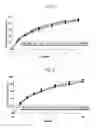
FIG. 1: in vitro release profiles of controlled release tablets prepared in Examples 1 to 4 of the present invention, and a comparative formulation (GLUCOPHAGE® XR controlled release tablet, Bristol-Myers Squibb Company);
FIG. 2: in vitro release profiles of the controlled release tablets prepared in Examples 5 to 8 of the present invention, and a comparative formulation (GLUCOPHAGE® XR controlled release tablet);
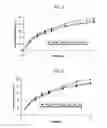
FIG. 3: in vitro release profiles of the controlled release tablets prepared in Examples 9 to 12 of the present invention, and a comparative formulation (GLUCOPHAGE® XR controlled release tablet);
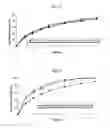
FIG. 4: in vitro release profiles of the controlled release tablets prepared in Example 2, and Comparative Examples 1 and 2;
FIG. 5: in vitro release profiles of the controlled release tablet prepared in Example 12 of the present invention as function of the rotation speed of the release port; and
FIG. 6: in vitro release profiles of a comparative formulation (GLUCOPHAGE® XR controlled release tablet) as function of the rotation speed of the release port.
DETAILED DESCRIPTION OF THE INVENTIONThe controlled release formulation for oral administration of metformin may be achieved by mixing a suitable metformin salt with a hydrophilic polymer to form solid particles. Employing a homologous and/or a heterologous hydrophilic polymer, the particles may be dispersed to formulate a compressed tablet or a packed capsule.
Each ingredient of said formulation is described in detail as follows:
(1) Pharmaceutically Active Ingredient
The active ingredient of the controlled release formulation of the present invention is metformin or its pharmaceutically acceptable salt, e.g., a hydrochloride, succinate or fumarate.
(2) Carrier for Controlled Release
The carrier for controlled release of the present invention is a combination of a polyethylene oxide and a natural gum. The polyethylene oxide may be chosen from the ones having average molecular weight between 100,000 and 7,000,000, or a mixture of two or more polyethylene oxides with different molecular weights may be also used.
The natural gum of the present invention refers to xanthan gum, locust gum, guar gum, or a mixture thereof.
In accordance with the present invention, the weight ratio of the active ingredient: the carrier for controlled release may range from 1:0.01 to 1:1, and preferably, from 1:0.1 to 1:0.95.
(3) Pharmaceutically Acceptable Additive
The ingredients that can be supplemented to the formulation for controlled release include pharmaceutical additives acceptable for a solid formulation for oral administration such as neutralized diluent carriers, binders and lubricants.
The neutralized diluent carrier of the present invention can be lactose, dextrin, starch, microcrystallized cellulose, potassium phosphate monobasic, calcium carbonate, saccharide or silicon dioxide, and the like, which may contain conventional additives in the pharmaceutical field used in solid formulations for oral administration.
The binders of the present invention can be polyvinyl pyrrolidone or gelatin. Other conventional additives in the pharmaceutical field that are applied to solid formulation for oral administration can be also included.
The lubricants of the present invention can be a zinc or magnesium salt of stearic acid and the like, which may contain conventional additives in the pharmaceutical field used in solid formulations for oral administration.
In accordance with the present invention, the weight ratio of the active ingredient: the pharmaceutically acceptable additives may range from 1:0.001 to 1:0.3, preferably, from 1:0.01 to 1:0.1.
In order to have a more delicate control of active ingredient release, a selective release-controlling agent such as a wax or a polyvinyl acetate/polyvinyl pyrrolidone mixture, which helps the carrier for controlled release in manifesting its gel property in vivo, may be additionally used as an optional ingredient in the formulation of the present invention.
The weight ratio of the active ingredient: the said selective release controlling agent may preferably range from 1:0 to 1:0.9, whereas the ratio of total weight of the formulation: the agent can preferably range from 1:0 to 1:0.7.
The following Examples are intended to further illustrate the present invention without limiting its scope.
EXAMPLES Preparation of Metformin Controlled Release Tablet Example 1500 g of metformin.HCl (Hwail Pharm. Co., Ltd), 80 g of polyethylene oxide (Polyox® WSR Agglutinant, Molecular weight 5,000,000, Union Carbide) and 100 g of xanthan gum (Cpkelco) were each filtered through No. 30 mesh and mixed together. The mixture was placed in a high-speed mixer (SPG-2, Fujipaudal), and a binder solution made up of 20 g of polyvinyl pyrrolidone (Kollidon® K-90, BASF) dissolved in distilled water was added to the mixer, followed by mixing at a speed of 100˜1,000 rpm for 3 min to obtain granules. The granules were dried and filtered through No. 30 mesh. Thereafter, 200 g of a polyvinyl acetate/polyvinyl pyrrolidone mixture (Kollidon SR, BASF), 80 g of wax (Compritol® 888ATO, Gattefosse) and 10 g of silicon dioxide were added to the granules and mixed for 30 min. Finally, 10 g of magnesium stearate powder was added to the mixture, mixed for 3 min, and compressed to obtain a tablet having the composition of Table 1.
| TABLE 1 | |
| Ingredients | Content (wt %) |
| Granule | Metformin•HCl | 50 |
| forming | Polyethylene oxide | 8 |
| part | (Polyox ® WSR, M.W 5,000,000) | |
| Xanthan gum | 10 | |
| Polyvinyl pyrrolidone | 2 | |
| Mixture part | Polyvinyl acetate/Polyvinyl pyrrolidone | 20 |
| mixture | ||
| Wax | 8 | |
| Silicon dioxide | 1 | |
| Magnesium stearate | 1 | |
| Total | 100 | |
Tablets having the compositions listed in Tables 2 to 5 were prepared by repeating the procedure of Example 1 except for using Xanthan gum (Cpkelco) in the mixture part or using polyethylene oxides having different molecular weights. In addition, the binder, polyvinyl pyrrolidone was also excluded from the granule forming part in these examples.
| TABLE 2 |
| Composition of a tablet of Example 2 |
| Ingredients | Content (wt %) |
| Granule | Metformin•HCl | 50 |
| forming | Polyethylene oxide | 5 |
| part | (Polyox ® WSR, M.W 5,000,000) | |
| Mixture part | Polyvinyl acetate/Polyvinyl pyrrolidone | 20 |
| mixture | ||
| Wax | 13 | |
| Xanthan gum | 10 | |
| Silicon dioxide | 1 | |
| Magnesium stearate | 1 | |
| Total | 100 | |
| TABLE 3 |
| Composition of a tablet of Example 3 |
| Ingredients | Content (wt %) |
| Granule | Metformin•HCl | 50 |
| forming | Polyethylene oxide | 5 |
| part | (Polyox ® WSR N10, M.W 100,000) | |
| Mixture part | Polyvinyl acetate/Polyvinyl pyrrolidone | 20 |
| mixture | ||
| Wax | 13 | |
| Xanthan gum | 10 | |
| Silicon dioxide | 1 | |
| Magnesium stearate | 1 | |
| Total | 100 | |
| TABLE 4 |
| Composition of a tablet of Example 4 |
| Ingredients | Content (wt %) |
| Granule | Metformin•HCl | 50 |
| forming | Polyethylene oxide | 5 |
| part | (Polyox ® WSR 1105, M.W 900,000) | |
| Mixture part | Polyvinyl acetate/Polyvinyl pyrrolidone | 20 |
| mixture | ||
| Wax | 13 | |
| Xanthan gum | 10 | |
| Silicon dioxide | 1 | |
| Magnesium stearate | 1 | |
| Total | 100 | |
| TABLE 5 |
| Composition of a tablet of Example 5 |
| Ingredients | Content (wt %) |
| Granule | Metformin•HCl | 50 |
| forming | Polyethylene oxide | 10 |
| part | (Polyox ® WSR, M.W 5,000,000) | |
| Mixture part | Polyvinyl acetate/Polyvinyl pyrrolidone | 20 |
| mixture | ||
| Wax | 8 | |
| Xanthan gum | 10 | |
| Silicon dioxide | 1 | |
| Magnesium stearate | 1 | |
| Total | 100 | |
A tablet having the composition shown in Table 6 was prepared by repeating the procedure of Example 1 except for not using the binder, polyvinyl pyrrolidone.
| TABLE 6 | |
| Ingredients | Content (wt %) |
| Granule | Metformin•HCl | 50 |
| forming | Polyethylene oxide | 10 |
| part | (Polyox ® WSR, M.W 5,000,000) | |
| Xanthan gum | 10 | |
| Mixture part | Polyvinyl acetate/Polyvinyl pyrrolidone | 20 |
| mixture | ||
| Wax | 8 | |
| Silicon dioxide | 1 | |
| Magnesium stearate | 1 | |
| Total | 100 | |
A tablet having the composition shown in Table 7 was prepared by repeating the procedure of Example 1 except for using isopropyl alcohol in place of distilled water during the granule formation step.
| TABLE 7 | |
| Ingredients | Content (wt %) |
| Granule | Metformin•HCl | 50 |
| forming | Polyethylene oxide | 8 |
| part | (Polyox ® WSR, M.W 5,000,000) | |
| Xanthangum | 10 | |
| Polyvinyl pyrrolidone | 2 | |
| Mixture part | Polyvinyl acetate/Polyvinyl pyrrolidone | 20 |
| mixture | ||
| Wax | 8 | |
| Silicon dioxide | 1 | |
| Magnesium stearate | 1 | |
| Total | 100 | |
Tablets having the compositions shown in Tables 8 to 10 were prepared by repeating the procedure of Example 1 except for using a distilled water/isopropyl alcohol mixture (1:1 (v/v)) in place of distilled water during the granule formation step and not using the wax.
| TABLE 8 |
| Composition of a tablet of Example 8 |
| Ingredients | Content (wt %) |
| Granule | Metformin•HCl | 50 |
| forming | Polyethylene oxide | 8 |
| part | (Polyox ® WSR, M.W 5,000,000) | |
| Xanthan gum | 10 | |
| Polyvinyl pyrrolidone | 2 | |
| Mixture part | Polyvinyl acetate/Polyvinyl pyrrolidone | 28 |
| mixture | ||
| Silicon dioxide | 1 | |
| Magnesium stearate | 1 | |
| Total | 100 | |
| TABLE 9 |
| Composition of a tablet of Example 9 |
| Ingredients | Content (wt %) |
| Granule | Metformin•HCl | 50 |
| forming | Polyethylene oxide | 16 |
| part | (Polyox ® WSR, M.W 5,000,000) | |
| Xanthan gum | 10 | |
| Polyvinyl pyrrolidone | 2 | |
| Mixture part | Polyvinyl acetate/Polyvinyl pyrrolidone | 20 |
| mixture | ||
| Silicon dioxide | 1 | |
| Magnesium stearate | 1 | |
| Total | 100 | |
| TABLE 10 |
| Composition of a tablet of Example 10 |
| Ingredients | Content (wt %) |
| Granule | Metformin•HCl | 50 |
| forming | Polyethylene oxide | 8 |
| part | (Polyox ® WSR, M.W 5,000,000) | |
| Xanthan gum | 18 | |
| Polyvinyl pyrrolidone | 2 | |
| Mixture part | Polyvinyl acetate/Polyvinyl pyrrolidone | 20 |
| mixture | ||
| Silicon dioxide | 1 | |
| Magnesium stearate | 1 | |
| Total | 100 | |
A tablet having the composition shown in Table 11 was prepared by repeating the procedure of Example 1 except for using a distilled water/isopropyl alcohol mixture (1:1 (v/v)) during the granule formation step as well as using xanthan gum (Cpkelco) and locust bean gum (Sigma) in the mixture part while not using the wax.
| TABLE 11 | |
| Ingredients | Content (wt %) |
| Granule | Metformin•HCl | 50 |
| forming | Polyethylene oxide | 10 |
| part | (Polyox ® WSR, M.W 5,000,000) | |
| Polyvinyl pyrrolidone | 2 | |
| Mixture part | Polyvinyl acetate/Polyvinyl pyrrolidone | 20 |
| mixture | ||
| Xanthan gum | 10 | |
| Locust bean gum | 6 | |
| Silicon dioxide | 1 | |
| Magnesium stearate | 1 | |
| Total | 100 | |
A tablet having the composition listed in Table 12 was prepared by repeating the procedure of Example 11 except for not using the polyvinyl acetate/polyvinyl pyrrolidone mixture.
| TABLE 12 | |
| Ingredients | Content (wt %) |
| Granule | Metformin•HCl | 50 |
| forming | Polyethylene oxide | 10 |
| part | (Polyox ® WSR, M.W 5,000,000) | |
| Polyvinyl pyrrolidone | 2 | |
| Mixture part | Xanthan gum | 21 |
| Locust bean gum | 15 | |
| Silicon dioxide | 1 | |
| Magnesium stearate | 1 | |
| Total | 100 | |
The tablet having the composition listed in Table 13 was prepared by repeating the procedure of Example 2 except for not using polyethylene oxide during granule formation.
| TABLE 13 | |
| Ingredients | Content (wt %) |
| Granule | Metformin•HCl | 52.6 |
| forming part | ||
| Mixture part | Polyvinyl acetate/Polyvinyl pyrrolidone | 21.1 |
| mixture | ||
| Wax | 13.7 | |
| Xanthan gum | 10.5 | |
| Silicon dioxide | 1.1 | |
| Magnesium stearate | 1 | |
| Total | 100 | |
A tablet having the composition listed in Table 14 was prepared by repeating the procedure of Example 2 except for not using xanthan gum.
| TABLE 14 | |
| Ingredients | Content (wt %) |
| Granule | Metformin•HCl | 55.6 |
| forming | Polyethylene oxide | 56 |
| part | (Polyox ® WSR, M.W 5,000,000) | |
| Mixture part | Polyvinyl acetate/Polyvinyl pyrrolidone | 22.2 |
| mixture | ||
| Wax | 14.4 | |
| Silicon dioxide | 1.1 | |
| Magnesium stearate | 1.1 | |
| Total | 100 | |
The tablets prepared in Examples 1 to 12 and GLUCOPHAGE® XR controlled release tablet (Bristol-Myers Squibb Company) as a comparative formulation were subjected to in vitro release-test in accordance with the release-test method described in Korea pharmacopoeia (the paddle method) to compare the effects of natural gum and polyethylene oxide as carriers for controlled release on the release speed. The release patterns of metformin.HCl from each of the tablets were measured under the following conditions.
-
- Release-test system: Erweka DT 80
- Release solution: The disintegrating-test 2nd method described in Korea pharmacopoeia (artificial gastric fluid)
- Temperature of release solution: 37±0.5° C.
- Amount of release solution: 900 mL
- Rotation speed: 50 rpm
- Sample collection time: Aliquots of the release solution were collected at 1, 2, 3, 4, 6, 8, and 10 hr, filtered through a 0.45 μm membrane, and used as test samples. After sampling the release solution, the release-test system was refilled with an equal amount of fresh release solution.
- Analyzing method: Absorbances of the samples and a standard solution were measured at 233 nm employing distilled water as a reference to calculate corresponding release ratios.
- Calculation of released amount: Cumulative release amount
As can be seen from FIGS. 1 to 3, the release rate becomes slow as the amount of polyethylene oxide or the natural gum increases. Especially, the tablet of Example 14 releases the drug continuously in a release pattern similar to that of the comparative formulation.
Test Example 2 In Vitro Release-TestIn vitro release-tests were conducted by repeating the method of Test Example 1, except for using the tablets prepared in Example 2, and Comparative Examples 1 and 2.
As can be seen from FIG. 4, tablets of Comparative Examples 1 and 2, which contain natural gum or polyethylene oxide alone as a carrier for controlled release show burst drug releases at the initial stage.
Test Example 3 In Vitro Release-TestIn vitro release-tests were conducted for the tablet prepared in Example 12 and the comparative formulation by repeating the method of Test Example 1, except for changing the rotation speed to 100 rpm and 150 rpm.
As can be seen from FIGS. 5 and 6, the tablet of Example 12 displays a steady release pattern equal to that of the comparative formulation, without initial burst release of the drug even at a high rotation speed.
While the invention has been described with respect to the above specific embodiments, it should be recognized that various modifications and changes may be made and also fall within the scope of the invention as defined by the claims that follow.
Claims
What is claimed is:1. A controlled release formulation for oral administration of metformin or a pharmaceutically acceptable salt thereof comprising metformin or a pharmaceutically acceptable salt thereof as an active ingredient; a combination of a polyethylene oxide and a natural gum as a carrier for controlled release; and a pharmaceutically acceptable additive.
2. The controlled release formulation of claim 1, wherein the pharmaceutically acceptable salt of metformin is metformin hydrochloride, metformin succinate or metformin fumarate.
3. The controlled release formulation of claim 1, wherein the polyethylene oxide has an average molecular weight in the range of 100,000 to 7,000,000.
4. The controlled release formulation of claim 1, wherein the natural gum is selected from the group consisting of xanthan gum, locust bean gum, guar gum and a mixture thereof.
5. The controlled release formulation of claim 1, wherein the weight ratio of metformin or a pharmaceutically acceptable salt thereof: carrier ranges from 1:0.01 to 1:1.
Images & Drawings included:
Sources:
- United States Patent and Trademark Office - verify current appl. status at the USPTO↗
Recent applications in this class:
- » 20250009665 2025-01-09
GASTRO-RESISTANT CONTROLLED RELEASE ORAL DOSAGE FORMS - » 20240156738 2024-05-16
Pharmaceutical composition and administrations thereof - » 20230285306 2023-09-14
DOSAGE FORMS COMPRISING ACTIVE PHARMACEUTICAL INGREDIENTS - » 20230147712 2023-05-11
OLEYL PHOSPHOCHOLINE CONTAINING GRANULATES - » 20230105701 2023-04-06
DISSOLUTION-ENHANCED OLAPARIB COMPOSITION - » 20230059619 2023-02-23
SOLID DISPERSIONS - » 20220401368 2022-12-22
Gastro-resistant controlled release oral dosage forms - » 20220304934 2022-09-29
BRIVARACETAM PHARMACEUTICAL COMPOSITION, PREPARATION METHOD THEREFOR AND USE THEREOF - » 20220249379 2022-08-11
SOLID DOSE FORMULATIONS FOR NEEDLE-FREE DELIVERY - » 20220241206 2022-08-04
Pharmaceutical composition and administrations thereof