Remote activation of an implantable device
US20070191937A1
2007-08-16
11/784,882
2007-04-09
Abstract:
The invention is directed to an implantable device, such as a stent, for delivering a therapeutic substance. The device includes a reservoir containing a therapeutic substance and an energy converter to cause the release of the substance.
Interested in similar patents?
Get notified when new applications in this technology area are published.
Classification:
A61F2/915 » CPC main
Filters implantable into blood vessels; Prostheses, i.e. artificial substitutes or replacements for parts of the body; Appliances for connecting them with the body; Devices providing patency to, or preventing collapsing of, tubular structures of the body, e.g. stents; Devices providing patency to, or preventing collapsing of, tubular structures of the body, e.g. stents; Stents in a form characterised by the wire-like elements; Stents in the form characterised by a net-like or mesh-like structure characterised by a net-like or mesh-like structure made from perforated sheet material or tubes, e.g. perforated by laser cuts or etched holes with bands having a meander structure, adjacent bands being connected to each other
A61F2/91 » CPC further
Filters implantable into blood vessels; Prostheses, i.e. artificial substitutes or replacements for parts of the body; Appliances for connecting them with the body; Devices providing patency to, or preventing collapsing of, tubular structures of the body, e.g. stents; Devices providing patency to, or preventing collapsing of, tubular structures of the body, e.g. stents; Stents in a form characterised by the wire-like elements; Stents in the form characterised by a net-like or mesh-like structure characterised by a net-like or mesh-like structure made from perforated sheet material or tubes, e.g. perforated by laser cuts or etched holes
A61F2002/91533 » CPC further
Filters implantable into blood vessels; Prostheses, i.e. artificial substitutes or replacements for parts of the body; Appliances for connecting them with the body; Devices providing patency to, or preventing collapsing of, tubular structures of the body, e.g. stents; Devices providing patency to, or preventing collapsing of, tubular structures of the body, e.g. stents; Stents in a form characterised by the wire-like elements; Stents in the form characterised by a net-like or mesh-like structure characterised by a net-like or mesh-like structure made from perforated sheet material or tubes, e.g. perforated by laser cuts or etched holes with bands having a meander structure, adjacent bands being connected to each other characterised by the phase between adjacent bands
A61F2250/0001 » CPC further
Special features of prostheses classified in groups - or or or or subgroups thereof Means for transferring electromagnetic energy to implants
A61F2250/0068 » CPC further
Special features of prostheses classified in groups - or or or or subgroups thereof; Additional features; Implant or prostheses properties not otherwise provided for; Means for introducing or releasing pharmaceutical products into the body the pharmaceutical product being in a reservoir
A61F2/06 IPC
Filters implantable into blood vessels; Prostheses, i.e. artificial substitutes or replacements for parts of the body; Appliances for connecting them with the body; Devices providing patency to, or preventing collapsing of, tubular structures of the body, e.g. stents; Prostheses implantable into the body; Hollow or tubular parts of organs, e.g. bladders, tracheae, bronchi or bile ducts Blood vessels
Description
CROSS REFERENCEThis is a divisional application of application Ser. No. 09/966,421 filed on Sep. 27, 2001.
BACKGROUND OF THE INVENTION1. Field of the Invention
This invention relates generally to implantable devices, such as expandable intraluminal prosthesis. More particularly, this invention relates to a stent that delivers a therapeutic substance. Moreover, the present invention relates to a method of delivering a therapeutic substance with a stent.
2. Description of the Background
A variety of surgical procedures and medical devices are currently used to relieve intraluminal constrictions caused by disease or tissue trauma. An example of one such procedure is percutaneous transluminal coronary angioplasty (PTCA). PTCA is a catheter-based technique whereby a balloon catheter is inserted into a blocked or narrowed coronary lumen of the patient. Once the balloon is positioned at the blocked lumen or target site, the balloon is inflated causing the remodeling of the lumen. The catheter is then removed from the target site thereby allowing blood to freely flow through the lumen.
Although PTCA and related procedures aid in alleviating intraluminal constrictions, such constrictions or blockages reoccur in many cases. The cause of these recurring obstructions, termed restenosis, is due to the body's immune system responding to the trauma of the surgical procedure. As a result, the PTCA procedure may need to be repeated to repair the damaged lumen.
Stents or drug therapies, either alone or in combination with the PTCA procedure, are often used to avoid or mitigate the effects of restenosis at the surgical site. In general, stents are small, cylindrical devices whose structure serves to create or maintain an unobstructed opening within a lumen. The stents are typically made of, for example, stainless steel, Nitinol or other materials and are delivered to the target site via a balloon catheter. Although stents are effective in opening the stenotic lumen, the foreign material and structure of the stents themselves may exacerbate the occurrence of restenosis or thrombosis.
Drugs or therapeutic agents that limit migration and/or proliferation of vascular smooth muscle cells are used to significantly reduce the incidence of restenosis and thrombosis. Examples of various therapeutic agents commonly used include heparin, antithrombogenic agents, steroids, ibuprofen, antimicrobials, antibiotics, antiproliferatives, tissue plasma activator inhibitors, monoclonal antibodies, antiinflammatory substances, and antifibrosis agents.
Should the therapeutic agents be applied systemically to the patient, they are absorbed not only by the tissues at the target site, but by all areas of the body. As such, one drawback associated with the systemic application of drugs is that areas of the body not needing treatment are also affected. To provide a more site-specific treatment, stents are frequently used as a means of delivering the drugs exclusively to the target site. The drugs are included or incorporated in a tissue-compatible polymer, such as a silicone, polyurethane, polyester, hydrogel, hyaluronate, and various copolymers and blended mixtures thereof. By positioning the stent at the target site, the drugs can be applied directly to the area of the lumen requiring therapy.
The above-described device, for treatment of restenosis and thrombosis, offers many advantages to potential patients. However, such devices may be deficient in their current drug-delivery capabilities. In particular, restenosis does not necessarily develop at a constant rate. The polymer-coated device may have limited effectiveness because the therapeutic agents are released by passive diffusion, and therefore do not have a release pattern that corresponds to the pathological cascade of restenosis.
In view of the above, it is apparent that there is a need to provide a drug delivery device which can control the release of the therapeutic agents so that conditions such as restenosis, that develop at a variable rate, can be more effectively treated.
SUMMARY OF THE INVENTIONHerein is described an implantable device, such as as a stent, for delivering a therapeutic substance comprising a first material carried by the stent containing a therapeutic substance, and a second material carried by the stent to convert a first type of energy received by the second material from an energy source positioned external to the body vessel to a second type of energy, wherein the second type of energy promotes release of the therapeutic substance from the first material.
In an embodiment of the present invention, the second material can be, for example, Au, an Au-alloy, or ferrimagnetic glass-ceramic. In one variation, the second material can be Au particles with average diameters of, for example, from about 100-350 nm. In one embodiment, the second material can be capable of converting electromagnetic waves into thermal energy.
In one embodiment of the present invention, the first material is a temperature-sensitive hydrogel. The temperature-sensitive hydrogel can be N-isopropylacrylamide, polyoxyethylene-polyoxypropylene block copolymers, poly(acrylic acid) grafted pluronic copolymers, chitosan grafted pluronic copolymer, elastin mimetic polypeptides, and combinations and mixtures thereof.
Herein is also disclosed a method of delivering a therapeutic substance from a stent comprising inserting into a body vessel a stent comprising a first material containing a therapeutic substance and a second material capable of converting a first type of energy to a second type of energy, and applying to the second material a first type of energy from an energy source external to the body vessel wherein the second material converts the first type of energy to the second type of energy and the second type of energy promotes the release of the therapeutic substance from the first material.
Herein is also disclosed a stent for delivering thermal energy to a body vessel comprising a tubular body for implanting in a body vessel, and an energy converter carried by the tubular body to convert a first type of energy into thermal energy, wherein the energy converter is positioned to release the thermal energy to tissues adjacent to the tubular body and is responsive to an energy source remote from and not in direct physical contact with the energy converter.
Herein is also described a system for delivering a therapeutic substance comprising a device for implanting in the body, a reservoir carried by the device containing a therapeutic substance, an energy converter carried by the device to convert a first type of energy to a second type of energy to release the therapeutic substance from the reservoir, and an energy emitter for emitting the first type of energy to the energy converter.
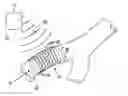
BRIEF DESCRIPTION OF THE FIGURESFIG. 1 is a side-view of a conventional stent in accordance with an embodiment of the present invention;
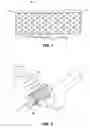
FIG. 2 is a diagram of an embodiment of the remote delivery system including a stent inserted into a body vessel;
FIG. 3 illustrates an enlarged view of a portion of a stent;
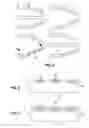
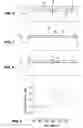
FIG. 4 illustrates a partial cross-section of a strut along the line 4-4 of FIG. 3;
FIG. 5 illustrates the partial cross-section of the strut in accordance with one embodiment of the invention;
FIG. 6 illustrates the partial cross-section of the strut in accordance with another embodiment of the invention;
FIG. 7 illustrates the partial cross-section of the strut in accordance with another embodiment of the invention;
FIG. 8 illustrates the partial cross-section of the strut in accordance with another embodiment of the invention; and
FIG. 9 graphically illustrates absorbance spectra of Au particles.
DETAILED DESCRIPTIONFIG. 1 illustrates an implantable prosthetic medical device. In the spirit of convenience and brevity, the medical device referenced in the text and figures of the present invention is a stent 10. However, it should be noted that other medical devices or prosthesis are also within the scope of the claimed invention. Suitable examples of other devices can include grafts (e.g., aortic grafts), stent-grafts, artificial heart valves, cerebrospinal fluid shunts, pacemaker electrodes, axius coronary shunts, and endocardial leads (e.g., FINELINE® and ENDOTAK®, available from Guidant Corporation).
As shown in FIGS. 1 and 2, stent 10 can have a tubular body structure 12, including a first end 14, a second end 16, and a mid-section 18. The structure of stent 10 should allow stent 10 to be inserted into and physically uphold an anatomical passageway by exerting a radially outward-extending force against the walls or inner lumen surface of the passageway. If desired, stent 10 can also expand the opening of the lumen to a diameter greater than its original diameter and, thereby, increase fluid flow through the lumen.
Stent 10 can include struts 22 that form a network structure. Struts 22 are radially expandable and interconnected by connecting elements 24 that are disposed between adjacent struts 22. Both struts 22 and connecting elements 24 have an outer (or lumen contacting) surface 26 and an inner surface 28, as shown in FIG. 2. In addition, a hollow bore 20 extends longitudinally through body structure 12 of stent 10.
Referring to FIG. 3, one or more depots (e.g., microdepots) or pores 30 can be formed on the surface of struts 22 and/or connecting elements 24. These depots 30 can act as reservoirs for various substances. In one embodiment of the present invention, as shown in FIG. 4, depots 30 that are formed on outer surface 26 carry an energy conversion material 32. Energy conversion material 32 can be any material that is capable of receiving a stimuli and converting such a stimuli to a form of energy. In one embodiment, for example, energy conversion material 32 is able to convert a first type of energy (e.g., electromagnetic, thermal, chemical) into a second type of energy (e.g., electromagnetic, thermal, chemical).
In one embodiment, gold (Au), in the form of particles, can be used as energy conversion material 32. The Au particles can be contained in depots 30 by various means, including but not limited to, by polymeric adhesives, or by sintering the Au particles in depots 30.
If the Au particles are exposed to electromagnetic waves, for example, the Au particles can convert the electromagnetic energy into thermal energy. The Au particles can have, for example, an average diameter from about 100-350 nm. The Au particles can have a silica nanoparticle core (e.g., 100-250 nm diameter) encapsulated by a thin (e.g., 1-100 nm) gold shell. By changing the relative thickness of the particle's core and shell, one can choose the peak absorbance to anywhere from about 600 nm to about 1400 nm. Au particles of this type can be capable of converting non-cytotoxic electromagnetic waves with wavelengths between 800 nm and 1200 nm into thermal energy. With the use of non-cytotoxic electromagnetic waves as the first energy type, the body tissues surrounding the body vessel do not readily absorb or refract the waves.
Since the Au particles are carried by depots 30 which are disposed on outer surface 26 as shown in FIG. 4, if inserted into a blood vessel, the stent can deliver heat to the tissues surrounding the blood vessel and cause heat shock protein generation. As a result, it is believed that restenosis in the blood vessel can be reduced.
One of ordinary skill in the art will understand that energy conversion materials 32 besides Au particles are within the scope of the invention. For instance, ferrimagnetic glass-ceramics can be used as energy conversion material 32. These ferrimagnetic glass-ceramics can convert magnetic field energy to thermal energy. A representative of this type of material is the ferrimagnetic glass-ceramics containing lithium ferrite and hematite crystallites in the system Al2O3—SiO2—P2O5. Also, one of ordinary skill in the art will understand that various parameters can be altered in order to control the thermal output of energy conversion material 32 such as core-shell ratio, the wavelength applied to the energy conversion material 32, the intensity of the radiation and the use of an insulating material.
As shown in FIG. 5, a carrier material 34 can coat at least a portion of outer surface 26 for release of a therapeutic substance in response to the stimuli. In one embodiment, carrier material 34 can be a temperature-sensitive hydrogel. “Hydrogel” is intended to include a cross-linked polymer, via covalent, ionic, or hydrogen bonding, to form a three-dimensional open lattice structure which is capable of entrapping water molecules to form a gel.
In another embodiment, as shown in FIG. 6, the hydrogel can be in the form of particles, microparticles, spheres, or ovoids. Particles, microparticles, spheres, or ovoids of the hydrogel can be formed by, for example, extrusion with a non-miscible substance such as oil, e.g., mineral oil or by agitation of the aqueous phase in contact with a non-miscible phase such as an oil phase to form small droplets. The macromer is then polymerized such as by exposure to light irradiation or to heat. Inclusion of a therapeutic substance mixed with the aqueous macromer solution results in the encapsulation of the therapeutic substance in the hydrogel. Energy conversion material 32 (e.g., Au particles) may also be encapsulated in the small droplets of the hydrogel.
For purposes of this invention, “temperature-sensitive hydrogel” means a hydrogel whose matrix constricts or collapses by exposing the hydrogel to a temperature greater than the hydrogel's lower critical solution temperature (LCST). The LCST (i.e., the temperature at which constriction occurs), should be above 37° C. (i.e., average human body temperature). One suitable example of a temperature-sensitive hydrogel is N-isopropylacrylamide (NIPAAm). One of ordinary skill in the art can also appreciate the implementation of other hydrogels in the polymeric coating of the present invention. Representative examples include polyoxyethylene-polyoxypropylene block copolymers (e.g., PLURONIC®, BASF Corporation, Parsippany, N.J.) such as those described in U.S. Pat. No. 4,188,373; poly(acrylic acid) or chitosan (a deacylated derivative of chitin) grafted pluronic copolymers, in which the grafted poly(acrylic acid) or chitosan improve the bio-adhesive properties of the hydrogel; and combinations and mixtures thereof, as well as elastin mimetic polypeptides, which are protein polymers based on the pentameric repeat -[(Val/Ile)-Pro-Gly-Xaa-Gly]5-, where Xaa is an amino acid and is Val in the first four repeat units and Ile or Lys for the last repeat. With Xaa of Ile in the last repeat unit and a pH of 7, the elastin-mimetic polypeptide has a transition temperature of approxiamately 37° C.
Referring to FIG. 2, energy conversion material 32 (e.g., Au particles) (not shown) can receive at least a portion of electromagnetic waves 42 emitted by an energy emitter 40 that is positioned external to body vessel 46 or completely external to the body of the patient. The Au particles are able to absorb electromagnetic waves 42 and convert the electromagnetic energy into thermal energy which is released into the environment adjacent to the Au particles. Should stent 10 be coated with a hydrogel containing a therapeutic substance, the thermal energy or stimuli can be used to promote the release of the therapeutic substance. For example, once the temperature surrounding the hydrogel exceeds the hydrogel's transition temperature, the hydrogel contracts. As the hydrogel contracts, it elutes the therapeutic substance by “squeezing” the substance out of the hydrogel's matrix. As shown in FIG. 2, therapeutic substance 36 is thereby locally delivered to body vessel 46. In order to reduce the amount of therapeutic substance 36 eluted into the aqueous environment before remote activation, it would be useful to pair an anionic hydrogel with a cationic therapeutic substance.
The therapeutic substance can be for inhibiting the activity of vascular smooth muscle cells. More specifically, the active agent can be aimed at inhibiting abnormal or inappropriate migration and/or proliferation of smooth muscle cells for the inhibition of restenosis. The active agent can also include any substance capable of exerting a therapeutic or prophylactic effect in the practice of the present invention. For example, the therapeutic substance can be for enhancing wound healing in a vascular site or improving the structural and elastic properties of the vascular site. Examples of substances include antiproliferative substances such as actinomycin D, or derivatives and analogs thereof (manufactured by Sigma-Aldrich 1001 West Saint Paul Avenue, Milwaukee, Wis. 53233; or COSMEGEN available from Merck). Synonyms of actinomycin D include dactinomycin, actinomycin IV, actinomycin I1, actinomycin X1, and actinomycin C1. The active agent can also fall under the genus of antineoplastic, anti-inflammatory, antiplatelet, anticoagulant, antifibrin, antithrombin, antimitotic, antibiotic, antiallergic and antioxidant substances. Examples of such antineoplastics and/or antimitotics include paclitaxel (e.g., TAXOL® by Bristol-Myers Squibb Co., Stamford, Conn.), docetaxel (e.g., Taxotere®, from Aventis S.A., Frankfurt, Germany), methotrexate, azathioprine, vincristine, vinblastine, fluorouracil, doxorubicin hydrochloride (e.g., Adriamycin® from Pharmacia & Upjohn, Peapack, N.J.), and mitomycin (e.g., Mutamycin® from Bristol-Myers Squibb Co., Stamford, Conn.). Examples of such antiplatelets, anticoagulants, antifibrin, and antithrombins include sodium heparin, low molecular weight heparins, heparinoids, hirudin, argatroban, forskolin, vapiprost, prostacyclin and prostacyclin analogues, dextran, D-phe-pro-arg-chloromethylketone (synthetic antithrombin), dipyridamole, glycoprotein IIb/IIIa platelet membrane receptor antagonist antibody, recombinant hirudin, and thrombin inhibitors such as Angiomax a (Biogen, Inc., Cambridge, Mass.). Examples of such cytostatic or antiproliferative agents include angiopeptin, angiotensin converting enzyme inhibitors such as captopril (e.g., Capoten® and Capozide® from Bristol-Myers Squibb Co., Stamford, Conn.), cilazapril or lisinopril (e.g., Prinivil® and Prinzide® from Merck & Co., Inc., Whitehouse Station, N.J.), calcium channel blockers (such as nifedipine), colchicine, fibroblast growth factor (FGF) antagonists, fish oil (omega 3-fatty acid), histamine antagonists, lovastatin (an inhibitor of HMG-CoA reductase, a cholesterol lowering drug, brand name Mevacor® from Merck & Co., Inc., Whitehouse Station, N.J.), monoclonal antibodies (such as those specific for Platelet-Derived Growth Factor (PDGF) receptors), nitroprusside, phosphodiesterase inhibitors, prostaglandin inhibitors, suramin, serotonin blockers, steroids, thioprotease inhibitors, triazolopyrimidine (a PDGF antagonist), and nitric oxide. An example of an antiallergic agent is permirolast potassium. Other therapeutic substances or agents which may be appropriate include alpha-interferon, genetically engineered epithelial cells, rapamycin and dexamethasone. The foregoing substances are listed by way of example and are not meant to be limiting. Other therapeutic substances which are currently available or that may be developed in the future are equally applicable.
Referring to FIG. 6, in another embodiment, carrier material 34 (e.g., temperature-sensitive hydrogel), in the form of ovoids, encapsulates energy conversion material 32. Carrier material 34 further includes a therapeutic substance. As shown in FIG. 6, carrier material 34 is carried by depots 30, and is covered by a topcoat 50. In one embodiment, topcoat 50 is a hydrophilic polymer that inhibits the diffusion of the therapeutic substance from carrier material 34 until energy conversion material 32 is activated. A representative example of topcoat 50 is a blend of polyethylene glycol (PEG) and bishydroxyethoxypropylpolydimethylsiloxane (PDMS).
Referring to FIG. 7, in an alternative embodiment, carrier material 34, including energy conversion material 32 and a therapeutic substance, is suspended in topcoat 50. In one embodiment, topcoat 50 is a hydrophilic polymer that inhibits the diffusion of the therapeutic substance from carrier material 34 until energy conversion material 32 is activated.
Referring to FIG. 8, in a further embodiment, instead of being carried by depots 30, energy conversion material 32 (e.g., Au particles) can be attached directly to outer surface 26 of stent 10 over which carrier material 34 (e.g., a hydrogel coating) is deposited. Energy conversion material 32 can be in the form of particles randomly disbursed or evenly distributed on outer surface 26. Alternatively, the density of energy conversion material 32 could be greater at each end 14 and 16 of stent 10 compared to mid-section 18 of stent 10. One of ordinary skill in the art will understand that the location and configuration of energy conversion material 32, and its position relative to carrier material 34, may vary according to clinical purpose and usage requirements and the particular type of stent 10 used to carry the components.
Alternatively, two or more different types of energy conversion materials can be used. For example, depots 30 at ends 14, 16 of stent 10 can carry Au particles, whereas depots 30 at mid-section 18 carry an Au—Cu alloy. By providing stent 10 with different types of energy conversion material 32, there can be a non-uniform response to energy emitted so that the delivery of the therapeutic substance can differ either spatially, or temporally. For example, in the case of Au particles, particles with different core-shell ratios will have different peak absorbance profiles. Referring to FIG. 9, the absorbance spectra for particles A and B show that particle A has a different peak absorbance than particle B. By matching particle A with a carrier material that carries a different therapeutic substance than that matched with particle B, different therapeutic substances can be delivered at different wavelengths.
The present invention also includes a method of delivering a therapeutic substance from a stent in a body vessel. Again referring to FIG. 2, in one embodiment, stent 10 is inserted into body vessel 46 and then electromagnetic waves 42 are applied by using energy emitter 40 that is positioned external to body vessel 46. Stent 10 may comprise Au particles and a temperature-sensitive hydrogel that encapsulates a therapeutic substance. The Au particles are able to absorb the electromagnetic waves 42 and convert the electromagnetic energy into thermal energy which is transferred to the temperature-sensitive hydrogel. In one embodiment, the Au particles have an average diameter from about 100-350 nm. In another embodiment, the electromagnetic waves can have a wavelength of between 800 and 1200 nm. Once the environmental temperature surrounding the hydrogel reaches the hydrogel's transition temperature, the hydrogel contracts. As the hydrogel contracts, the hydrogel elutes the therapeutic substance by “squeezing” the therapeutic substance out of the hydrogel's matrix. As shown in FIG. 2, therapeutic substance 36 is locally delivered to body vessel 46.
EXAMPLESThe following prophetic examples are given by way of illustration.
Example 1Stents are cleaned with isopropyl alcohol in combination with ultrasonication. Au particles are mixed with a macromer solution and become suspended at a concentration of 30% w/w. The macromer solution contains 15% diacrylate end-capped pluronic diacrylate, 2.5% ethylene glycol dimethacrylate (EGDMA) (all monomer percentages are in molar), 0.5% benzolyl peroxide, 5% polyvinyl pyrrolidone (PVP), 7% ReoPro® (Eli Lilly and Company, Indianapolis, Ind.), and 70% H2O. The Au suspension solution is applied as a coating to the surface of the stents with a wet weight of 1000 μg. The coating is heated at 65° C. for 4 minutes to induce a cross-linking reaction. Following the cross-linking reaction, the coating is dried in a vacuum oven at 40° C. for 12 hr. Then the macromer solution (without Au particles) is applied to the surface of the stents by dip-coating with a wet weight of 800 μg. The coating is heated at 65° C. for 4 minutes to induce a cross-linking reaction. Following the cross-linking reaction, the coating is dried in a vacuum oven at 40° C. for 12 hr. The coating is activated by directing a 900-1200 nm wavelength light in the infrared region of the electromagnetic spectrum to the coating.
Example 2Stents are cleaned with isopropyl alcohol in combination with ultrasonication. Au particles are mixed with a macromer solution and become suspended at a concentration of 30% w/w. The macromer solution contains 10% diacrylate end-capped pluronic diacrylate, 5% N-isopropyl alcohol, 2.5% EGDMA, 0.5% benzolyl peroxide, 5% PVP, 5% ReoPro®, 5% TAXOL, and 67% H2O. The Au suspension solution is applied as a coating to the surface of the stents with a wet weight of 1000 μg. The coating is heated at 65° C. for 4 minutes to induce a cross-linking reaction. Following the cross-linking reaction, the coating is dried in a vacuum oven at 40° C. for 12 hr. Then the macromer solution (without Au particles) is applied to the surface of the stents by dip-coating with a wet weight of 800 μg. The coating is heated at 65° C. for 4 minutes to induce a cross-linking reaction. Following the cross-linking reaction, the coating is dried in a vacuum oven at 40° C. for 12 hr. The coating is activated by directing a 900-1200 nm wavelength light in the infrared region of the electromagnetic spectrum to the coating.
Example 3Stents are cleaned with isopropyl alcohol in combination with ultrasonication. Au particles are mixed with a macromer solution and become suspended at a concentration of 30% w/w. A 95:5 molar ratio of dimethyl aminoethylmethacrylate (DMAEMA) and acrylic acid (AAc) has an LCST of about 40° C. The macromer solution contains 10% DMAEMA, 0.5% AAc, 2.5% EGDMA, 0.5% benzolyl peroxide, 5% PVP, 5% ReoPro®, 5% R-7 conjugated heparin, and 71.5% H2O. The Au suspension solution is applied as a coating to the surface of the stents with a wet weight of 1000 μg. The coating is heated at 65° C. for 4 minutes to induce a cross-linking reaction. Following the cross-linking reaction, the coating is dried in a vacuum oven at 40° C. for 12 hr. Then the macromer solution (without Au particles) is applied to the surface of the stents by dip-coating with a wet weight of 800 μg. The coating is heated at 65° C. for 4 minutes to induce a cross-linking reaction. Following the cross-linking reaction, the coating is dried in a vacuum oven at 40° C. for 12 hr. The coating is activated by directing a 900-1200 nm wavelength light in the infrared region of the electromagnetic spectrum to the coating.
Example 4Stents are cleaned with isopropyl alcohol in combination with ultrasonication. Au particles with different sizes are mixed with a macromer solution and become suspended at a concentration of 30% w/w. The macromer solution contains 15% diacrylate end-capped temperature sensitive polymers with a LCST greater than 40° C., 2.5% EGDMA, 0.5% benzolyl peroxide, 5% PVP, 5% ReoPro®, 5% R-7 conjugated heparin, and 67% H2O. The Au suspension solution is applied as a coating to the surface of the stents with a wet weight of 1000 μg. The coating is heated at 65° C. for 4 minutes to induce a cross-linking reaction. Following the cross-linking reaction, the coating is dried in a vacuum oven at 40° C. for 12 hr. Then the macromer solution (without Au particles) is applied to the surface of the stents by dip-coating with a wet weight of 800 μg. The coating is heated at 65° C. for 4 minutes to induce a cross-linking reaction. Following the cross-linking reaction, the coating is dried in a vacuum oven at 40° C. for 12 hr. The coating is activated by directing a 900-1200 nm wavelength light in the infrared region of the electromagnetic spectrum to the coating.
Example 5Stents are cleaned with isopropyl alcohol in combination with ultrasonication. Au particles are mixed with a macromer solution and become suspended at a concentration of 30% w/w. A 93:7 molar ratio of DMAEMA and AAc has an LCST of about 42° C. The macromer solution contains 9.6% DMAEMA, 0.9% AAc 2.5% EGDMA, 0.5% benzolyl peroxide, 5% PVP, 5% ReoPro®, 5% R-7 conjugated heparin, and 71.5% H2O. The Au suspension solution is applied as a coating to the surface of the stents with a wet weight of 1000 μg. The coating is heated at 65° C. for 4 minutes to induce a cross-linking reaction. Following the cross-linking reaction, the coating is dried in a vacuum oven at 40° C. for 12 hr. Then the macromer solution (without Au particles) is applied to the surface of the stents by dip-coating with a wet weight of 800 μg. The coating is heated at 65° C. for 4 minutes to induce a cross-linking reaction. Following the cross-linking reaction, the coating is dried in a vacuum oven at 40° C. for 12 hr.
Example 6Stents are cleaned with isopropyl alcohol in combination with ultrasonication. Au particles (232 nm diameter silica core and 12 nm Au shell thickness) are mixed with a macromer solution and become suspended at a concentration of 30% w/w. A 95:5 molar ratio of NIPAAm and Acryl amide (AAm) has an LCST of about 40° C. The macromer solution contains 9.5% NIPAAm, 0.5% AAm, 2.5% EGDMA, 0.5% benzolyl peroxide, 5% PVP, 5% ReoPro®, 5% R-7 conjugated heparin, and 72% H2O. The Au suspension solution is applied as a coating to the surface of the stents with a wet weight of 1000 μg. The coating is heated at 65° C. for 4 minutes to induce a cross-linking reaction. Following the cross-linking reaction, the coating is dried in a vacuum oven at 40° C. for 12 hr. Then the macromer solution (without Au particles) is applied to the surface of the stents by dip-coating with a wet weight of 800 μg. The coating is heated at 65° C. for 4 minutes to induce a cross-linking reaction. Following the cross-linking reaction, the coating is dried in a vacuum oven at 40° C. for 12 hr.
In another example an elastin-mimetic di-block copolypeptide is cross-linked by the same method as above. The LCST can be adjusted to a range of about 40-43° C. by adjusting the ratio of the hydrophobic and the hydrophilic block. An example of a hydrophobic block is [-Ile-Pro-Gly-Val-Gly-]. An example of a hydrophilic block is [-Val-Pro-Gly-Glu-Gly-]). Examples of cross-linking constituents include disuccinimydil glutarate and disuccinimydil suberate.
While particular embodiments of the present invention have been shown and described, it will be obvious to those skilled in the art that changes and modifications can be made without departing from this invention in its broader aspects and, therefore, the appended claims are to encompass within their scope all such changes and modifications as fall within the true spirit and scope of this invention.
Claims
What is claimed is:1. A method of delivering a therapeutic substance from a stent in a body vessel comprising:
inserting into a body vessel a stent comprising a first material containing a therapeutic substance and a second material capable of converting a first type of energy to a second type of energy; and
applying to the second material a first type of energy from an energy source external to the body vessel wherein the second material converts the first type of energy to the second type of energy and the second type of energy promotes the release of the therapeutic substance from the first material.
2. The method of claim 1, wherein the second material is selected from the group consisting of Au, Au-alloy, Au having a silica core, and ferromagnetic glass-ceramic.
3. The method of claim 1, wherein the second type of energy is thermal energy.
4. The method of claim 1, wherein the second material is disposed in depots positioned on the surface of the stent or the second material is connected to the surface of the stent.
5. The method of claim 1, wherein the stent further comprises a topcoat deposited over at least a portion of the first material.
6. The method of claim 1, wherein the second material comprises Au particles having a nanoparticle core.
7. The method of claim 1, wherein the stent further comprises a third material carried by the stent to convert a third type of energy received by the third material from an energy source positioned external to the body vessel to a fourth type of energy, wherein the fourth type of energy promotes release of the therapeutic substance from the first material.
8. The method of claim 7, wherein the first and third types of energy are electromagnetic energy, and wherein the electromagnetic energy of the first energy type has a different wavelength than the third energy type.
9. The method of claim 1, wherein the first type of energy is non-cytotoxic electromagnetic waves.
10. The method of claim 1, wherein the second material is capable of converting electromagnetic waves with wavelengths between 800 and 1200 nm into thermal energy.
11. The method of claim 1, wherein the first material is a temperature-sensitive hydrogel.
12. The method of claim 11, wherein the temperature-sensitive hydrogel is in thermal communication with the second material.
13. The method of claim 11, wherein the temperature-sensitive hydrogel is selected from the group consisting of N-isopropylacrylamide, polyoxyethylene-polyoxypropylene block copolymers, poly(acrylic acid) grafted pluronic copolymers, chitosan grafted pluronic copolymer, elastin mimetic polypeptides, and combinations and mixtures thereof.
14. The method of claim 1, wherein the energy source is external to the body of the patient.
Images & Drawings included:
Sources:
- United States Patent and Trademark Office - verify current appl. status at the USPTO↗
Similar patent applications:
Recent applications in this class:
- » 20250169972 2025-05-29
RECOLLAPSIBLE AND RECAPTURABLE DEVICES AND METHODS OF USE - » 20250120829 2025-04-17
Stent - » 20250057673 2025-02-20
LATTICE - » 20250000675 2025-01-02
MULTI-STAGE STENT DEVICES AND ASSOCIATED METHODS - » 20240398593 2024-12-05
Degradable biomedical magnesium alloy drug-eluting vascular stent and preparation method - » 20240390168 2024-11-28
Implant and Method of Making an Implant - » 20240382326 2024-11-21
Growth Stent and Valve for Congenital Narrowings - » 20240374405 2024-11-14
Stent With Enhanced Deployment Characteristics - » 20240325177 2024-10-03
BIDIRECTIONAL STENT AND METHOD OF USE THEREOF - » 20240277500 2024-08-22
IMPLANTABLE EXPANDABLE STRUCTURES FOR TREATING SMALL VESSELS