Light emitting diode structure
US20070194684A1
2007-08-23
11/357,046
2006-02-21
Abstract:
A light source is positioned so as to face a highly light-pervious side of a unidirectional highly pervious lens, which has a highly reflective side on the other side; the highly reflective side of the unidirectional highly pervious lens is coated with a fluorescent material; therefore, when light emitted from the light source travels to the fluorescent material through the highly light-pervious side and the highly reflective side, the fluorescent material will be excited to produce dispersion of light, and the highly reflective side of the unidirectional highly pervious lens will reflect those light beams of dispersed light from the fluorescent material that head towards the light source.
Inventors:
- Yi-Yi Chen 2 🇹🇼 Tainan, Taiwan
- Chun-Liang Lin 1 🇹🇼 Gueiren Township, Taiwan
- Ren-Feng Huang 1 🇹🇼 Neimen Township, Taiwan
Interested in similar patents?
Get notified when new applications in this technology area are published.
Classification:
F21V9/32 » CPC main
Elements for modifying spectral properties, polarisation or intensity of the light emitted, e.g. filters; Elements containing photoluminescent material distinct from or spaced from the light source characterised by the arrangement of the photoluminescent material
F21V5/10 » CPC further
Refractors for light sources comprising photoluminescent material
F21V7/30 » CPC further
Reflectors for light sources characterised by materials, surface treatments or coatings, e.g. dichroic reflectors characterised by coatings the coatings comprising photoluminescent substances
F21V13/08 » CPC further
Producing particular characteristics or distribution of the light emitted by means of a combination of elements specified in two or more of main groups -; Combinations of only two kinds of elements the elements being filters or photoluminescent elements and reflectors
F21V13/14 » CPC further
Producing particular characteristics or distribution of the light emitted by means of a combination of elements specified in two or more of main groups -; Combinations of only three kinds of elements the elements being filters or photoluminescent elements, reflectors and refractors
F21Y2115/10 » CPC further
Light-generating elements of semiconductor light sources Light-emitting diodes [LED]
H01J29/10 IPC
Details of cathode-ray tubes or of electron-beam tubes of the types covered by group; Electrodes; Screens; Mounting, supporting, spacing or insulating thereof Screens on or from which an image or pattern is formed, picked up, converted or stored
Description
BACKGROUND OF THE INVENTION1. Field of the Invention
The present invention relates to an improvement on light emitting diode structure, more particularly one, which is equipped with a unidirectional highly pervious lens for preventing dispersion of light when fluorescent material is excited with light from a light source, thus having increased lighting efficiency and service life.
2. Brief Description of the Prior Art
Currently existing technology makes white light emitting diodes produce white light by means of exciting fluorescent powder, which is held in chips after chip assembling, with blue light or ultraviolet light. However, resonance is prone to happen between the fluorescent powder and the assembled chips, which will cause the fluorescent powder to become yellow. Consequently, the service life of white light emitting diodes will reduce.
To prevent the above-mentioned disadvantage, a new method is developed, according to which method a piece of glass is coated with fluorescent powder, and blue light emitting diodes are used to excite the fluorescent powder to produce white; thus, light emitting diodes are available, which can produce white light highly efficiently and have long service life. However, after the fluorescent powder is excited with the blue light emitting diodes, there will be significant amount of exciting light reflected back to the blue light emitting diodes, and in turn light-dispersion happens. Consequently, lighting efficiency and service life of the light emitting diodes reduces.
SUMMARY OF THE INVENTIONIt is a main object of the invention to provide an improvement on a light emitting diode to overcome the above-mentioned problems.
In the present invention, a light source is positioned so as to face a highly light-pervious side of a unidirectional highly pervious lens, which has a highly reflective side on the other side. The highly reflective side of the unidirectional highly pervious lens is coated with a fluorescent material. Therefore, when light emitted from the light source travels to the fluorescent material through the highly light-pervious side and the highly reflective side, the fluorescent material will be excited to produce dispersion of light, and the highly reflective side of the unidirectional highly pervious lens will reflect those light beams of dispersed light emitted from the fluorescent material that head towards the light source, and in turn lighting efficiency and service life of the light emitting diode increases.
BRIEF DESCRIPTION OF THE DRAWINGSThe present invention will be better understood by referring to the accompanying drawings, wherein:
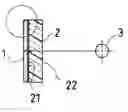
FIG. 1 is a view of the first preferred embodiment in the present invention,
FIG. 2 is an enlarge partial view of the first preferred embodiment,
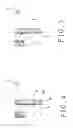
FIG. 3 is a view of the second preferred embodiment,
FIG. 4 is a view of the third preferred embodiment, and
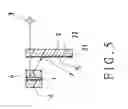
FIG. 5 is a view of the fourth preferred embodiment.
DETAILED DESCRIPTION OF THE PREFERRED EMBODIMENTSReferring to FIGS. 1 and 2, a first preferred embodiment of a light emitting diode includes a fluorescent material 1, a unidirectional highly pervious lens 2, and a light source 3. The unidirectional highly pervious lens 2 has a highly reflective side 21, and a highly light-pervious side 22, both of which face in opposite directions. The highly reflective side 21 of the unidirectional highly pervious lens 2 is coated with the fluorescent material 1; the fluorescent material 1 can be directly applied or precipitated over the highly reflective side 21. The light source 3 is positioned so as to face the highly light-pervious side 22 of the unidirectional highly pervious lens 2. When light emitted from the light source 3 travels to the fluorescent material 1 through the highly light-pervious side 22 and the highly reflective side 21 of the unidirectional highly pervious lens 2, the fluorescent material 1 will be excited to produce dispersion of light in all directions, and the highly reflective side 21 of the unidirectional highly pervious lens 2 will reflect those light beams of the dispersed light from the fluorescent material 1 that head towards the light source 3.
FIGS. 3 and 4 show second and third preferred embodiments of the present invention; a lens 4 is coated with a fluorescent material 1 on any one of two sides thereof, and a unidirectional highly pervious lens 2, which has a highly reflective side 21, and a highly light-pervious side 22, is positioned such that the highly reflective side 21 thereof faces one side of the lens 4; furthermore, a light source 3 is positioned so as to face the highly light-pervious side 22 of the unidirectional highly pervious lens 2. When light emitted from the light source 3 travels to the fluorescent material 1 through the unidirectional highly pervious lens 2 and the lens 4, the fluorescent material 1 will be excited to produce dispersion of light in all directions. Consequently, the highly reflective side 21 of the unidirectional highly pervious lens 2 will reflect those light beams of the dispersed light emitted from the fluorescent material 1 that head towards the light source 3.
FIG. 5 shows a fourth preferred embodiment of the present invention; a fluorescent material 1 is sandwiched between two lenses 4, and a unidirectional highly pervious lens 2, which has a highly reflective side 21, and a highly light-pervious side 22, is positioned such that the highly reflective side 21 thereof faces one of the lenses 4; furthermore, a light source 3 is positioned so as to face the highly light-pervious side 22 of the unidirectional highly pervious lens 2. When light emitted from the light source 3 travels to the fluorescent material 1 through the unidirectional highly pervious lens 2 and that one of the lenses 4 that faces the highly reflective side 21, the fluorescent material 1 will be excited to produce dispersion of light in all directions, and light emitted from the light source 3 will pass through the other one of the lenses 4 finally. Consequently, the highly reflective side 21 of the unidirectional highly pervious lens 2 will reflect those light beams of the dispersed light from the fluorescent material 1 that head towards the light source 3.
The material of the unidirectional highly pervious lens 2 can be plastic, glass, other transparent substances or other semitransparent substances. Furthermore, the ratio of light passing through the highly light-pervious side 22 to that passing through the highly reflective side 21 of the unidirectional highly pervious lens 2 is greater than 50%. Basically, the highly reflective side 21 is made by means of coating the unidirectional highly pervious lens 2 with a highly reflective film 5 (FIG. 2), which is made of a compound material of titanium dioxide and silicon oxide, and of which the thickness is no greater than 100 nanometers (nm).
From the above description, it can be seen that after excitation of the fluorescent material 1 by light emitted from the light source 3, the highly reflective side 21 of the unidirectional highly pervious lens 2 will reflect those light beams of the dispersed light from the fluorescent material 1 that head towards the light source 3 such that the service life of the light emitting diode of the present invention increases.
Claims
What is claimed is:1. An improvement on light emitting diode structure, comprising
a unidirectional highly pervious lens, the unidirectional highly pervious lens having a highly reflective side, and a highly light-pervious side;
a light source, the light source being positioned so as to face the highly light-pervious side of the unidirectional highly pervious lens; and
a fluorescent material over the highly reflective side of the unidirectional highly pervious lens;
when light emitted from the light source travels to the fluorescent material through the highly light-pervious side and the highly reflective side, the fluorescent material being going to be excited to produce dispersion of light in all directions, and the highly reflective side of the unidirectional highly pervious lens being going to reflect those light beams of dispersed light from the fluorescent material that head towards the light source.
2. The improvement on light emitting diode structure as recited in claim 1, wherein ratio of light passing through the highly light-pervious side to that passing through the highly reflective side of the unidirectional highly pervious lens is greater than 50%.
3. The improvement on light emitting diode structure as recited in claim 1, wherein the highly reflective side is made by means of coating the unidirectional highly pervious lens with a highly reflective film.
4. The improvement on light emitting diode structure as recited in claim 3, wherein the highly reflective film is made of a compound material of titanium dioxide and silicon oxide.
5. The improvement on light emitting diode structure as recited in claim 4, wherein thickness of the highly reflective film is no greater than 100 nanometers.
6. An improvement on light emitting diode structure, comprising
a unidirectional highly pervious lens, the unidirectional highly pervious lens having a highly reflective side, and a highly light-pervious side;
a light source, the light source being positioned so as to face the highly light-pervious side of the unidirectional highly pervious lens;
a second lens, the lens being positioned in front of the unidirectional highly pervious lens; and
a fluorescent material over one of two sides of said second lens;
whereby when light emitted from the light source travels to the fluorescent material through the unidirectional highly pervious lens and said second lens, the fluorescent material will be excited to produce dispersion of light in all directions, and the highly reflective side of the unidirectional highly pervious lens will reflect those light beams of dispersed light from the fluorescent material that head towards the light source.
7. The improvement on light emitting diode structure as recited in claim 6, wherein ratio of light passing through the highly light-pervious side to that passing through the highly reflective side of the unidirectional highly pervious lens is greater than 50%.
8. The improvement on light emitting diode structure as recited in claim 6, wherein the highly reflective side is made by means of coating the unidirectional highly pervious lens with a highly reflective film.
9. The improvement on light emitting diode structure as recited in claim 8, wherein the highly reflective film is made of a compound material of titanium dioxide and silicon oxide.
10. The improvement on light emitting diode structure as recited in claim 9, wherein thickness of the highly reflective film is no greater than 100 nanometers.
11. An improvement on light emitting diode structure, comprising
a unidirectional highly pervious lens, the unidirectional highly pervious lens having a highly reflective side, and a highly light-pervious side;
a light source, the light source being positioned so as to face the highly light-pervious side of the unidirectional highly pervious lens;
two second lenses, the lenses being positioned in front of the unidirectional highly pervious lens; and
a fluorescent material, the fluorescent material being sandwiched between said two second lenses;
whereby when light emitted from the light source travels to the fluorescent material through the unidirectional highly pervious lens and one of said second lenses, the fluorescent material will be excited to produce dispersion of light in all directions, and the highly reflective side of the unidirectional highly pervious lens will reflect those light beams of dispersed light from the fluorescent material that head towards the light source.
12. The improvement on light emitting diode structure as recited in claim 11, wherein ratio of light passing through the highly light-pervious side to that passing through the highly reflective side of the unidirectional highly pervious lens is greater than 50%.
13. The improvement on light emitting diode structure as recited in claim 11, wherein the highly reflective side is made by means of coating the unidirectional highly pervious lens with a highly reflective film.
14. The improvement on light emitting diode structure as recited in claim 13, wherein the highly reflective film is made of a compound material of titanium dioxide and silicon oxide.
15. The improvement on light emitting diode structure as recited in claim 14, wherein thickness of the highly reflective film is no greater than 100 nanometers.
Images & Drawings included:
Sources:
- United States Patent and Trademark Office - verify current appl. status at the USPTO↗
Similar patent applications:
- » 20120034714
Wafer-level light emitting diode structure, light emitting diode chip, and method for forming the same - » 20170352778
Light emitting diode structure, light emitting diode device and the manufacturing method thereof - » 20180212099
LIGHT EMITTING DIODE STRUCTURE, LIGHT EMITTING DIODE DEVICE AND THE MANUFACTURING METHOD THEREOF - » 20230064560
LIGHT EMITTING DIODE PACKAGE STRUCTURE, MANUFACTURING METHOD OF LIGHT EMITTING DIODE PACKAGE STRUCTURE AND LIGHT EMITTING PANEL - » 20110114970
LIGHT EMITTING DIODE STRUCTURE, A LAMP DEVICE AND A METHOD OF FORMING A LIGHT EMITTING DIODE STRUCTURE - » 20230343898
MICRO LIGHT EMITTING DIODE STRUCTURE AND MICRO LIGHT EMITTING DIODE DISPLAY DEVICE - » 20240030196
Micro light emitting diode structure and micro light emitting diode device - » 20230343897
MICRO LIGHT EMITTING DIODE STRUCTURE AND MICRO LIGHT EMITTING DIODE DISPLAY DEVICE - » 20240274774
LIGHT EMITTING DIODE STRUCTURE AND LIGHT EMITTING DEVICE - » 20220173273
MICRO LIGHT-EMITTING DIODE STRUCTURE AND MICRO LIGHT-EMITTING DIODE DISPLAY DEVICE USING THE SAME
Recent applications in this class:
- » 20250060084 2025-02-20
Shaped Part and Information Display System - » 20240426462 2024-12-26
HIGH INTENSITY WHITE LIGHT SOURCE WITH GOOD UNIFORMITY BASED ON A PLURALITY OF LIGHT SOURCES - » 20240426461 2024-12-26
COMPLEMENTARY MOLD FRAME FOR BLUE LIGHT LEAKAGE - » 20240410550 2024-12-12
LIGHT EMITTER - » 20240384858 2024-11-21
Wavelength conversion device and illumination device - » 20240271775 2024-08-15
Laser lighting device - » 20230417395 2023-12-28
LIGHT SOURCE - » 20230313974 2023-10-05
Photoconversion device and illumination system - » 20230160557 2023-05-25
MINIMIZATION OF STOKES' LOSSES DUE TO PHOTON MULTIPLICATION PROCESSES FOR IR APPLICATIONS - » 20230139182 2023-05-04
COMPOSITE OPTICAL FILM AND THE METHOD TO MAKE THE SAME