4-score-pro
US20080054567A1
2008-03-06
11/483,803
2006-09-05
Abstract:
The deck of 4-SCORE-PRO is new and unique. It consists of 58 cards (40 Numbered Cards, 8 False Cards, 2 Wild Cards, 4 Credit Cards, and 4 Currency Cards). The 40 numbered cards are key to the game; each card contains 4 numbers. The SEQUENCING that was developed to create the numbered combinations is shown on pages 14 and 15 (of the RULES). The layout of a numbered-card (FIG. 1) is shown on page 1 of the document entitled “4-SCORE-PRO—Patent Claims: SPECIFICATION of DESIGNS and DRAWINGS.” From pages 1 through 13 (of the RULES), six games are described: 4-SCORE-PRO (Omaha Shoot Out), 4-SCORE-PRO II (Las Vegas Shoot Out), 4-SCORE-PRO MAX, 4-SCORE-PRO SEQ, 4-SCORE WIZARD, and 4-SCORE-PRO-30 Something. Other versions of the game include 3-SCORE-PRO and 2-SCORE-PRO.
Inventors:
- Michael Earl Mitchell 2 🇺🇸 Omaha, NE, United States
- Steven Lewis Mitchell 1 🇺🇸 Irving, TX, United States
Interested in similar patents?
Get notified when new applications in this technology area are published.
Description
THE DECK: The deck consists of 58 cards {40 Numbered Cards and 18 Flex Cards}. The flex cards include: 8 False Cards, 2 Wild Cards, 4 Currency Cards, and 4 Credit Cards.
Game 1: 4-Score-Pro (Omaha Shoot Out)
Objective:
Four cards with a common number on each card . . . wins the game. A winning hand can also be produced by using a wild card. For example, a 4-of-a-kind consists of one wild card plus three cards with a common number or two wild cards plus 2 cards with a common number. Winning hands are ranked as follows: 4 Currency cards, 4 Credit cards, 4-of-a-kind, 3-of-a-kind, then a pair.
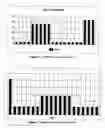
An example of a winning hand in shown in FIG. 5. As shown on page 3, on the document entitled, “Specification of Designs and Drawings,” the winning hand contains a 4 on each card.
Table Design—Table 1 (See Attachment)
How to Play
1. To begin the game, each player pays the progressive pot fee. Then, the dealer designates a player, first player, by placing a chip in front of that player. To start the game, bets are made, then the first card goes to the first player.
2. To begin Round One, each player is dealt four cards, facedown.
3. To begin Round Two, bets are made. Next, the dealer gives two more cards (face down) to each player. To end the round, each player discards two cards.
4. To begin the Third (and final) Round, he dealer gives two more cards (facedown) to each player. To end the round, each player discards two cards.
5. Next, each player announces his (or her) hand by saying the type of hand (i.e. 3-of-a-kind, a pair, etc.) then the number (7s, 6s, etc.). The cards that are used to create the winning hand are placed faceup. The cards that do not contribute are placed facedown.
-
- Note: If two players have a hand of the same rank, then, the player with the highest numbers wins. For example, three 5s beat three 2s and four 8s beat four 7s.
6. The False Cards have no value.
7. The Wild Cards can be any number (1 through 20) that the player designates.
8. The progressive pot is won by the player who wins with 4 Currency, 4 Credit Cards, or 2 Wild Cards and a pair of 20s
-
- Note: If there is more than one winner, then, a “shootout” is performed: a single card is dealt to each winner. The player with the highest number on this card wins. If there is another tie, then another card is dealt to each player, until a winner is determined.
- Note: A player is not required to stay in the game until all three rounds are finished. Each player can simply fold, forfeit his or her bets, and wait for the next game.
9. If all but one player folds, before a game is determined, the last player wins by default. Finally, for the next game, the next player is designated first player. This person receives the first card.
-
- Note: Players have the option of playing the game with some, or none, of the flex cards. They also has the option of playing only one or two rounds per game. In this case, the player with the best hand at the end of a specific number of rounds (1 or 2) wins the game.
- Note: Casinos have the option of playing with just three cards (instead of four). In this case, the objective of the game is to get the hand with the best 3-of-a-kind. The alternate name for this formatt is “Three.”
Game 2: 4-Score-Pro II (Las Vegas Shoot Out)
Objective:
Combine the player's card with the three dealer cards . . . Four cards with a common number on each card . . . wins the game. If two players have a 4-of-a-kind; then, the player with the highest numbers wins the game. A winning hand also includes one wild card plus 3 cards with the same number; or two wild cards plus two cards with the same number.
Table Design—Table 2 (See Attachment)
How to Play
1. To begin the game, each player pays the progressive pot fee. Then, each player makes his (or her) bet. Next, the dealer moves the bets to the designated game pot. Then, the dealer designates a player, first player, by placing a chip in front of that player. This player receives the first card, to start the game.
2. Round One, the dealer deals one card (face up) to each player. If any player receives a False Card, then that player is out. Then, the dealer turns the False Card facedown (indicating that the player is out of the game).
3. Round Two, bets are made, then, the dealer places his (or her) three cards face up, over the 4-SCORE PRO logo.
-
- Note: If the dealer receive False Card(s), then the card has no impact, or value. After a few seconds, the dealer turns the False Card(s) facedown.
4. The player with the best, combined, hand wins. The player designated first player is the first one to announce his hand.
-
- Note: In order to use the dealer cards, the player must have the number on his (or her) card. If the player has a Wild Card, he (or she) can declare it as any number, from 1 to 20.
5. The player creates a hand based on the number he announces number. For example, looking at the dealer's cards and his card, a player might announce “8”.
-
- Note: Although he might have a better hand such as “four 10s”, ONLY the announced number is recognized.
6. If two or more players have the same number of cards with a common number, then the common number of higher value is the winner. For example, four “5s” defeats four “3s.”
7. If two or more players have the same number of cards with the same common number, then a shoot out takes place. The dealer will deal a card to each player. The new card with the highest number on it . . . wins. If necessary, another card is dealt, until a winner is determined.
-
- Note: As shown, the False Card has significant impact in this game. To speed up the game, players might remove the Credit and Currency Cards from the deck.
- Note: Instead of dealing the players cards first, players have the option of having the dealer reveal his three cards first. Then, the dealer describes the opportunities to win, based on the exposed cards (4-of-a-kind, 3-of-a-kind, Pair, etc.).
- Note: A second version of the game has the dealer delivering 3 cards (face down) to each player. Then, the players decides which 1 (of the 3 cards) is placed face-up. In addition, if a “shootout” is necessary, then the player would need to use one of the remaining cards. If there is a shootout, then each player must receive a card. If, during a shootout, each players gets a False Card, then there will be no winners. The game pot will be included in the next game.
8. The progressive pot is won by the player who wins with 4 Currency or 4 Credit Cards
Game #3—4-Score-Pro Max
(Alternate Name): Seven
Objective:
Four cards with a common number on each card . . . wins the game. Four cards with a common number on each card . . . wins the game. If two players have a four-of-a-kind; then, the player with the highest numbers wins the game. A winning hand also includes one wild card plus 3 cards with the same number; or two wild cards plus two cards with the same number.
Table Design—Table 3 (See Attachment)
How to Play
1. As shown on the table, each player has 7 open card slots. The first is labeled “Lead Card;” the last is marked, “Last Card.” So, when 7 cards have been dealt to a specific player, no more cards can be dealt to that player.
2. To begin the game, each player is dealt one card (face up). And the card is placed on their designated spot labeled “Lead Card.”
3. If the Lead Card is a False Card, that player is out. The bet is taken and placed in the game pot. In fact, if a player receives a False Card during the game, then the player is out. The false card is turned over (facedown).
4. A player can wave off the dealer, indicating that another card is NOT wanted. If a player waves off the dealer, then the player must STAND on the current hand, for the remainder of the game. In this case, the player must announce his (or her number), at the same time.
5. When a player chooses to stand, the dealer places a final card (facedown), in the players next open space. In addition, the dealer turns over all of the player's other cards that do not contain the player's selected number. This gives the other players a chance to see the type of hand (4-of-a-kind, 3-of-a-kind, etc.) that the standing player has chosen.
6. If a second player STANDS on a hand that ranks higher than the 1st standing player, then the 1st standing player is out. Next, the 1st player's cards are turned over, and his (or her) bet is placed in the game pot.
-
- Note: Whenever a player is out, his or her cards are immediately turned over, and the bet is taken (and placed in the game pot).
7. Here is the most important part of the game. ONLY the numbers on the Lead Card are used in determining a winner. In other words, the Lead Card MUST be used in generating a winning hand. Fortunately, players gets two opportunities to select a new Lead Card. The first opportunity is after four cards have been dealt. The player can switch positions of the lead card with any of his other three cards. Of course, he must pay the dealer a switch fee (which is placed in the progressive pot).
-
- It is important to emphasize, the player can only switch cards that he has been dealt. The second chance to change the Lead Card is after he has been dealt six cards. At this point, he can only switch the lead card with one of the other five cards that he has been dealt.
8. If all other players are out of the game, before a winner is declared, the remaining player wins by default.
-
- Note: If there are only one or two players, then they can play against the house. However, the house gets two hands and the house gets to play the first and last positions.
9. If two or more players have the same number of cards with the same common number, then a shoot out takes place. The dealer will deal a card to each player. The new card with the highest number on it . . . wins. If necessary, another card is dealt, until a winner is determined.
10. Players can acknowledge that another player has won (or will win). This is done by the player turing over (placing facedown) the last card dealt to him.
Game #4—4-Score-Pro Seq
Objective:
The objective of the game is to place a bet on one (or more) of the numbers that are shown on the card that is dealt by the dealer. The players have the option of placing a bet in one of three places: the numbered squares arranged in the columns (referred to as the Place Bets), the squares within the Field Bet Cirle, or directly in the Field Bet Circle.
Table Design—Table 4 (See Attachment)
How to Play
1. The “Place Bets” are good until a False Card appears. The “Field Bets” are divided into two parts: the individual squares within the Field Bet Cirle and the Field Bet Circle itself. In either case, field bets are one time bets.
2. Once all the bets are made, the dealer places a card face-up on the designated spot, labeled “Lead Card.”
3. If the Lead Card is a numbered card, the dealer removes the losing bets from the Field Bets and deposits the money into the bank. Then, the dealer pays the 4 numbers that are on the Place Bets.
4. Next, the dealer locks the four numbers on the place bets. These numbers are locked (no other bets can be made on these numbers), because payouts grow rapidly on Lead Card numbers.
5. If the “Lead Card” is a Wild Card, all Place Bets win. The Wild Card bets (in the Field Bet Circle) wins, and the bets placed directly in the Field Bet Circle wins.
6. If the “Lead Card” is a False Card, the house wins all bets.
7. Before the second card is revealed, players are allowed to make new Field Bets. However, they are not allowed to make on Place Bets on Lead Card numbers. Players are allowed to remove their Place Bets; however, by asking the dealer to take the bets down.
8. As stated before, If any of the 4 numbers, on the “Lead Card,” is shown again, the payout for grows rapidly. For example, if the Lead Card has a 4 on it, and the second card has a 4 on it, then the payout would double. If the third card has a 4 on it, the payout would triple, and if the fourth card had a 4 on it, the player would win the JackPot.
9. If the 2nd (though 7th) card is a False Card, then the house wins all bets. Before a False Card is played, players can request that their Place Bets be taken down and distributed to the player.
10. The progressive pot is won by the player(s) who wins with the same number, four times. By the way, the winning number must be one of the four numbers found on the Lead Card.
Game #5—4-Score Wizard
Introduction:
This game is designed to help players recapture some of those math skills that have been diminished, due to the impact of computers, calculators, PDAs, and other electronic devices. In short, this game is designed to strengthen (or rebuild) math skills, while enjoying a friendly competitive game.
Objective:
Using only the numbered cards, the objective of the game is to add (subtract, multiply, and/or divide) two or more of the four numbers on a card. The first team to shout out the correct answer wins 5 points. An incorrect answer subtracts 2 points. The first team to 100 points wins the game.
How to Play
1. To begin the game, a “Person In Charge” is chosen, to control the game. This person in charge will instruct the players on which calculation to perform (and which of the four numbers will be used to calculate the answer). The first team to shout out the correct answer wins 5 points. An incorrect answer subtracts 5 points.
-
- Example: If the chosen card contains the following combination of numbers: 1-17-124, and the person in charge asks the players to add the two center numbers; then the winning team would shout out “29.”
- Note: The desired calculation is requested before the card is shown.
- Example: If the chosen card contains the following combination of numbers: 1-17-124, and the person in charge asks the players to add the two center numbers; then the winning team would shout out “29.”
2. To increase the level of difficulty, the moderator will instruct the players to add (subtract, multiply, or divide) three or more numbers on the cards. To increase the level of difficulty even further, players will be instructed to perform multiple functions.
3. If all the cards have been played and no team has 100 points, then the cards are reshuffled and used again.
4. In the course of the game, a player might disagree with the decision of the person in charge. If a player disagrees, then that player speaks out by saying “I disagree.” If the player is right, then his team is awarded 10 total points. If he is wrong, his (or her) team losses 10 points.
-
- Note: Players are not allowed to use any kind of electronic device or calculator. However, “the person in charge” is allowed to use any device.
- Note:The game can also be played by a single player. In this case, he will need a timer, a pencil, and a piece of paper. On the paper, the player writes two things: first, the calculation to be performed on each of the next 10 cards and second, the total amount of time allocated. Then, the timer is set.
- Note: The individual cards can serve as a convenient and easy way to test current abilities and to supplement learning skills.
Game #6—4-Score-Pro 30 Something
(Alternate Name): 2 Plus 1
Objective:
The objective of the game is to get a combined score of 30 or less. The person who gets a total score that is closet to 30, without going over, wins the game.
How to Play
1. As shown in FIG. 1, of the document entitled, “Specifications of Design and Drawings,” each numbered cards contain 4 numbers. In this example, the number 1 would be in the 1st position; the number 17 would be in the 2nd position, the number 12 would be in the 3rd position, and the number 4 would be in the 4th position.
2. Each game is played using numbers in only one of the positions.
3. Before the game begins, players pay a specific amount to the progressive pot.
4. Next, players make their bets; then, dealer moves the bets to the game pot.
5. Next, the dealer deals the house card. This is called the Key Card. Players can choose to use the Key Card (for a fee) or simply use the cards they are dealt.
6. After the dealer shows the Key Card, he (or she) will announce the total that represents the best possible hand, using the Key Card.
7. If the Key Card is not a numbered card, then it has the following impact:
-
- Wild Card: The dealer declares the value of the card. (1, 5, 10, 15, or 20)
- Credit and Currency Cards: Plus (+) 5 Points
- False Cards: Minus (−) 5 Points
8. To begin the game, each player is dealt two cards.
9. Bets are made, again, the dealer moves the bets to the game pot.
10. Next, those who want to use the the Key Card will indicate this fact by paying the designated amount.
11. As the dealer moves from one player to the next, he removes losing hands and Key Card fees.
12. The player with a combined total closet to 30, without going over, wins.
13. The Player who wins with a score of 30 wins both the pot and the progressive pot.
14. If the player gets a Wild, Credit, Currency, or False Card, in his or her hand, the values are the same as decribed in step 7 of these rules.
15. In case of a tie, each player is dealt a additional card, the one with the highest number wins. A false card loses. If each player gets a false card, each player gets another card. This is repeated until a player wins.
The Numbered Cards play a key role in the game. There are 40 (forty) such cards, and each card contains 4 (four) numbers. The numbers/cards are as follows:
| 1-17-12-4 | 1-7-20-14 | |
| 2-18-13-5 | 2-8-1-15 | |
| 3-19-14-6 | 3-9-2-16 | |
| 4-20-15-7 | 4-10-3-17 | |
| 5-1-16-8 | 5-11-4-18 | |
| 6-2-17-9 | 6-12-5-19 | |
| 7-3-18-10 | 7-13-6-20 | |
| 8-4-19-11 | 8-14-7-1 | |
| 9-5-20-12 | 9-15-8-2 | |
| 10-6-1-13 | 10-16-9-3 | |
| 11-7-2-14 | 11-17-10-4 | |
| 12-8-3-15 | 12-18-11-5 | |
| 13-9-4-16 | 13-19-12-6 | |
| 14-10-5-17 | 14-20-13-7 | |
| 15-11-6-18 | 15-1-14-8 | |
| 16-12-7-19 | 16-2-15-9 | |
| 17-13-8-20 | 17-3-16-10 | |
| 18-14-9-1 | 18-4-17-11 | |
| 19-15-10-2 | 19-5-18-12 | |
| 20-16-11-3 | 20-6-19-13 | |
The Numbered Cards contains a very special and very specific sequence/pattern. To be more specific, each card contains two odd numbers and two even numbers. In addition, the pattern is such that the first card (1-17-124) begins with two odd numbers and ends with two even numbers. The second card (2-18-13-5) begins with two even numbers and ends with two odd numbers. This pattern (of beginning with two odds or two evens)flip flops back and forth with each successive card.
This complex construction was designed, primarily, so that none of the sequences repeat. As a result, each number (from 1 through 20) is represented 8 times in the deck. In brief, the patterns and sequences, within the numbers themselves, are just as important as the final numbered combinations.
By the way, the “left to right” sequence of numbers are represented (on each card) from top to bottom, reference FIG. 1.
The 18 Flex Cards represent a dramatic shift in the concept of card game composition. Of these 18 flex cards, the 8 False Cards provide a certain “fear factor,” something that the players hope to avoid during the course of the game. In the standard 52 card deck, used by U.S. casinos, every card has positive potential. This is not true of False Cards! In a sense, the False Cards provide the kind of excitement that the number 7 provides (after a point has been established) in the game of Craps.
-
- Note: A second version of the game is named 3-SCORE-PRO. In this version, there will be 3 numbers per card.
- Note: A third version of the game is named 2-SCORE-PRO. In this version, there will be 2 numbers per card.
Perhaps, the most important feature of the Flex Cards is that the 4-SCORE-PRO games can be played with some (or none) of these flex cards. The flexibility to select a portion (or none) of the Flex Cards is an important and unique feature of 4-SCORE-PRO. This portion of the deck gives casinos a chance to adjust the opportunities for success. In the standard 52 deck of cards, everything is set in stone.
The FLEXIBLE DECK of 4-SCORE-PRO, where some cards are fixed (the numbered cards) and some cards are not (the flex cards), enables players (or casinos) to influence the chance to win.
In the retail market, it is anticipated that new Flex Cards will be introduced, independent of the “game-sized” deck of 58 cards.
The 3-SCORE-PRO - Numbered Cards play a key role in the game. Again, there are 40 (forty) such cards, and each card contains 3 (three) numbers. The numbered cards are as follows:
| 1-17-12 | 4-1-7 | |
| 2-18-13 | 5-2-8 | |
| 3-19-14 | 6-3-9 | |
| 4-20-15 | 7-4-10 | |
| 5-1-16 | 8-5-11 | |
| 6-2-17 | 9-6-12 | |
| 7-3-18 | 10-7-13 | |
| 8-4-19 | 11-8-14 | |
| 9-5-20 | 12-9-15 | |
| 10-6-1 | 13-10-16 | |
| 11-7-2 | 14-11-17 | |
| 12-8-3 | 15-12-18 | |
| 13-9-4 | 16-13-19 | |
| 14-10-5 | 17-14-20 | |
| 15-11-6 | 18-15-1 | |
| 16-12-7 | 19-16-2 | |
| 17-13-8 | 20-17-3 | |
| 18-14-9 | 1-18-4 | |
| 19-15-10 | 2-19-5 | |
| 20-16-11 | 3-20-6 | |
The 3-SCORE-PRO-Numbered Cards also contains a very special and very specific sequence/pattern. To be more specific, each card contains either two odd numbers and one even number or two even numbers and one odd number. In addition, the pattern is such that the first card (1-17-12) begins with two odd numbers and ends with one even number. The second card (2-18-13) begins with two even numbers and ends with one odd number. This pattern flip flops back and forth with each successive card.
The 2-SCORE-PRO - Numbered Cards play a key role in the game. Once again, there are 40 (forty) such cards, and each card contains 2 (two) numbers. The numbered cards are as follows:
| 1-17 | 12-4 | |
| 2-18 | 13-5 | |
| 3-19 | 14-6 | |
| 4-20 | 15-7 | |
| 5-1 | 16-8 | |
| 6-2 | 17-9 | |
| 7-3 | 18-10 | |
| 8-4 | 19-11 | |
| 9-5 | 20-12 | |
| 10-6 | 1-13 | |
| 11-7 | 2-14 | |
| 12-8 | 3-15 | |
| 13-9 | 4-16 | |
| 14-10 | 5-17 | |
| 15-11 | 6-18 | |
| 16-12 | 7-19 | |
| 17-13 | 8-20 | |
| 18-14 | 9-1 | |
| 19-15 | 10-2 | |
| 20-16 | 11-3 | |
The 2-SCORE-PRO-Numbered Cards also contains a very special and very specific sequence/pattern. To be more specific, each card contains either two odd numbers or two even numbers. In addition, the pattern is such that the first card (1-17) begins with two odd numbers. The second card (2-18) begins with two even numbers. This pattern flip flops back and forth with each successive card.
One final discussion about the “secret-of-the-sequencing” of the numbers: As shown on page 7, in 4-SCORE-PRO, the sequencing of numbers is based on the creation of 8 columns (to be more specific, it is composed of two sets of 4 columns). Each column contains the numbers 1 through 20. The secret is determining the starting point of the number 1, relative to the first column.
The First Set of 4 Columns
The first column starts with the number 1 and ends with the number 20. The second column starts the number 1 at the 5th position, relative to the first column. The third column starts with the number 1 at the 10th position, relative to the first column. The fourth column starts with number 1 in the 18th position, relative to the first column.
The Second Set of 4 Columns
The first column starts with the number 4 and ends with the number 3. The second column starts the number 1 at the 15th position, relative to the first column. The third column starts with the number 1 at the 2nd position, relative to the first column. The fourth column starts with number 1 in the 8th position, relative to the first column.
As shown on page 17, in 3-SCORE-PRO, the sequencing of numbers is based on the creation of 6 columns (to be more specific, it is composed of two sets of 3 columns). Each column contains the numbers 1 through 20. The secret is determining the starting point of the number 1, relative to the first column.
The First Set of 3 Columns
The first column starts with the number 1 and ends with the number 20. The second column starts the number 1 at the 5th position, relative to the first column. The third column starts with the number 1 at the 10th position, relative to the first column.
The Second Set of 3 Columns
The first column starts with the number 1 and ends with the number 20. The second column starts with number 1 and ends with number 20. The third column starts with the number 7 and ends with number 6.
As shown on page 18, in 2-SCORE-PRO, the sequencing of numbers is based on the creation of 4 columns (to be more specific, it is composed of two sets of 2 columns). Each column contains the numbers 1 through 20. The secret is determining the starting point of the number 1, relative to the first column.
The First Set of 2 Columns
The first column starts with the number 1 and ends with the number 20. The second column starts the number 1 at the 5th position, relative to the first column.
The Second Set of 2 Columns
The first column starts with the number 12 and ends with the number 11. The second column starts with number 4 and ends with number 3.
As stated before, the sequencing is just as important as the final numbered combinations, on the numbered cards, and the patterns that are generated by the number sequencing. This last piece of information on sequencing was provided to illustrate that the numbered combinations where selected using a specific system and that system (and the patterns it creates) should also be protected.
As a reminder, the ranking of winning hands is shown below:
Winning Hand Rank
4-SCORE-PRO
(Omaha Shoot Out Rules and Las Vegas Rules)
4 CURRENCY Cards
4-CREDIT Cards
4-of-A-Kind (Numbered)
3-of-A-Kind (Numbered)
One Pair (Numbered)
By the way, the design of the cards is an important aspect of the game. In fact, it is the design that will help to identify the game of 4-SCORE-PRO. In this regard, the design for the back of the cards is shown on page 1 (FIG. 2), in the document entitled, “Specifications of Design and Drawings.”
An example of the front of a 3-SCORE-PRO, numbered card, is shown in FIG. 3, page 2 in a document entitled, “Specifications of Designs and Drawings.”
An example of the front of a 2-SCORE-PRO, numbered card, is shown in FIG. 4, page 2, in a document entitled, “Specifications of Designs and Drawings.”
Note: Although the font size of the numbers is not permanently set, the format is set. The flexibility to change the size of the numbers ensures that visually impared will be able to play the game.
By the way, protection of these intellectual rights should extend to any (and all) representations of the game. Such representations include (but are not limited to) audio, visual, etc.
Claims
1. As shown below, there are forty (40) Numbered Cards, in 4-SCORE-PRO. In addition, each card contains 4 numbers (from 1 to 20). The importance of the sequencing utilized to determine which numbers are selected for each card is the first claim.
| 1-17-12-4 | 1-7-20-14 | |
| 2-18-13-5 | 2-8-1-15 | |
| 3-19-14-6 | 3-9-2-16 | |
| 4-20-15-7 | 4-10-3-17 | |
| 5-1-16-8 | 5-11-4-18 | |
| 6-2-17-9 | 6-12-5-19 | |
| 7-3-18-10 | 7-13-6-20 | |
| 8-4-19-11 | 8-14-7-1 | |
| 9-5-20-12 | 9-15-8-2 | |
| 10-6-1-13 | 10-16-9-3 | |
| 11-7-2-14 | 11-17-10-4 | |
| 12-8-3-15 | 12-18-11-5 | |
| 13-9-4-16 | 13-19-12-6 | |
| 14-10-5-17 | 14-20-13-7 | |
| 15-11-6-18 | 15-1-14-8 | |
| 16-12-7-19 | 16-2-15-9 | |
| 17-13-8-20 | 17-3-16-10 | |
| 18-14-9-1 | 18-4-17-11 | |
| 19-15-10-2 | 19-5-18-12 | |
| 20-16-11-3 | 20-6-19-13 | |
Why is the sequencing so important? It helps to achieve two major goals; first, the complex construction was designed so that none of the sequences repeat. Second, each number (from 1 through 20) is represented exactly 8 times in the deck.
2. The second claim is that the sequencing creates a very special and very specific pattern. To be more specific, each card contains two odd numbers and two even numbers. In addition, the pattern is such that the first card (1-17-12-4) begins with two odd numbers and ends with two even numbers. The second card (2-18-13-5) begins with two even numbers and ends with two odd numbers. This pattern (of beginning with two odds or two evens)flip flops back and forth with each successive card. Although the importance of the pattern is not yet understood, it is still a claim.
3. The third claim is the creation of numbered cards with 4 numbers on each.
4. The deck of 4-SCORE-PRO has 2 components, the 40 cards numbered cards (fixed) and the remaining 18 cards (flexible). In every game, the numbered cards are required. As for the flexible portion of the deck (the 18 remaining cards), games can be played with some of these cards. This concept of a flexible deck is one of the claims.
5. This claim is for six original games. The instructions are located on:
a. 4-SCORE-PRO (Omaha Shootout)—Game 1: Reference Page 1 of RULES
b. 4-SCORE-PRO II (Las Vegas Shootout)—Game 2: Reference Page 2 of RULE
c. 4-SCORE-PRO MAX—Game 3: Reference Page 3 of RULES
d. 4-SCORE-PRO SEQ—Game 4: Reference Page 5 of RULES
e. 4-SCORE-PRO WIZARD—Game 5: Reference Page 6 of RULES
f. 4-SCORE-PRO 30 Something—Game 6: Reference Page 7 of RULES
6. The sixth claim is the design (format) of a 4 numbered card. This format creates a mirror image of the design in the center of the card. As for the numbers, their vertical orientation (in the upper left-hand comer) and their cattycorner duplication creates a unique card. Reference FIG. 1 on the attachment entitled “SPECIFICATION of DESIGNS and DRAWING,” page 1.
7. Amongst the 18 flex cards are 8 False Cards. As shown in the six games (on page 17), this card serves different purposes (depending on the game). This flexibility of purpose of the False Card is the seventh claim.
8. The eighth claim is a second version of the game This version of the game is entitled 3-SCORE-PRO. In this version, there are 58 cards. Again, there are 40 (forty) such cards; however, each numbered card contains only 3 (three) numbers. Reference FIG. 3 on the attachment entitled “SPECIFICATION of DESIGNS and DRAWINGS,” page 2. The numbered cards are as follows:
| 1-17-12 | 4-1-7 | |
| 2-18-13 | 5-2-8 | |
| 3-19-14 | 6-3-9 | |
| 4-20-15 | 7-4-10 | |
| 5-1-16 | 8-5-11 | |
| 6-2-17 | 9-6-12 | |
| 7-3-18 | 10-7-13 | |
| 8-4-19 | 11-8-14 | |
| 9-5-20 | 12-9-15 | |
| 10-6-1 | 13-10-16 | |
| 11-7-2 | 14-11-17 | |
| 12-8-3 | 15-12-18 | |
| 13-9-4 | 16-13-19 | |
| 14-10-5 | 17-14-20 | |
| 15-11-6 | 18-15-1 | |
| 16-12-7 | 19-16-2 | |
| 17-13-8 | 20-17-3 | |
| 18-14-9 | 1-18-4 | |
| 19-15-10 | 2-19-5 | |
| 20-16-11 | 3-20-6 | |
The 3-SCORE-PRO-Numbered Cards also contains a very special and very specific sequence/pattern. To be more specific, each card contains either two odd numbers and one even number or two even numbers and one odd number. In addition, the pattern is such that the first card (1-17-12) begins with two odd numbers and ends with one even number. The second card (2-18-13) begins with two even numbers and ends with one odd number. This pattern flip flops back and forth with each successive card.
9. The ninth claim is a third version of the game. This version of the game is entitled 2-SCORE-PRO. In this version, there are 58 cards. Again, there are 40 (forty) such cards; however, each numbered card contains only 2 (two) numbers. The numbered cards are as follows:
| 1-17 | 12-4 | |
| 2-18 | 13-5 | |
| 3-19 | 14-6 | |
| 4-20 | 15-7 | |
| 5-1 | 16-8 | |
| 6-2 | 17-9 | |
| 7-3 | 18-10 | |
| 8-4 | 19-11 | |
| 9-5 | 20-12 | |
| 10-6 | 1-13 | |
| 11-7 | 2-14 | |
| 12-8 | 3-15 | |
| 13-9 | 4-16 | |
| 14-10 | 5-17 | |
| 15-11 | 6-18 | |
| 16-12 | 7-19 | |
| 17-13 | 8-20 | |
| 18-14 | 9-1 | |
| 19-15 | 10-2 | |
| 20-16 | 11-3 | |
The 2-SCORE-PRO-Numbered Cards also contain a very special and very specific sequence/pattern. To be more specific, each card contains either two odd numbers or two even numbers. In addition, the pattern is such that the first card (1-17) begins with two odd numbers. The second card (2-18) begins with two even numbers. This pattern flip flops back and forth with each successive card. Reference FIG. 4 on the attachment entitled, “SPECIFICATION of DESIGNS and DRAWING,” page 2.
Images & Drawings included:



Sources:
- United States Patent and Trademark Office - verify current appl. status at the USPTO↗
Recent applications in this class:
- » 20240286022 2024-08-29
SYSTEMS AND METHODS FOR A TABLE GAME USING A SPECIAL DECK OF CARDS AND A CONVENTIONAL DECK OF CARDS - » 20240115928 2024-04-11
CARD GAME SYSTEM AND METHOD OF A TABLE GAME - » 20230364494 2023-11-16
GAME WITH INTERIM BETTING - » 20230256321 2023-08-17
BACCARAT PROGRESSIVE SYSTEM - » 20220143486 2022-05-12
NON-COMMISSION PAI GOW POKER GAMES, DEVICES, SYSTEMS AND METHODS THEREOF - » 20210370160 2021-12-02
CARD GAME - » 20210362036 2021-11-25
Method for playing a hold 'em card game with two hands - » 20210362035 2021-11-25
Method for playing a hold 'em card game with two hands - » 20210308555 2021-10-07
Game with interim betting - » 20210205694 2021-07-08
Baccarat progressive system