Power distribution device of power storage apparatus
US20080157596A1
2008-07-03
11/647,372
2006-12-29
Abstract:
A power distribution device of a power storage apparatus comprises a power source and an uninterruptible power supply (UPS) system, wherein the UPS system has a built-in power output selector. An input terminal of the UPS system is connected to the power source. An output terminal of the UPS system is connected to several electric appliances via the built-in power output selector. As a result, no matter whether the power source supplies or not supplies the electric power, the built-in power output selector of the UPS system is able to supply the electric power to designated electric appliances according to the predetermined priority sequence and timing.
Interested in similar patents?
Get notified when new applications in this technology area are published.
Classification:
H02J9/062 » CPC main
Circuit arrangements for emergency or stand-by power supply, e.g. for emergency lighting in which the distribution system is disconnected from the normal source and connected to a standby source with automatic change-over, e.g. UPS systems for AC powered loads
H02J13/00022 » CPC further
Circuit arrangements for providing remote indication of network conditions, e.g. an instantaneous record of the open or closed condition of each circuitbreaker in the network; Circuit arrangements for providing remote control of switching means in a power distribution network, e.g. switching in and out of current consumers by using a pulse code signal carried by the network characterised by information or instructions transport means between the monitoring, controlling or managing units and monitored, controlled or operated power network element or electrical equipment using wireless data transmission
H02J13/0079 » CPC further
Circuit arrangements for providing remote indication of network conditions, e.g. an instantaneous record of the open or closed condition of each circuitbreaker in the network; Circuit arrangements for providing remote control of switching means in a power distribution network, e.g. switching in and out of current consumers by using a pulse code signal carried by the network for single frequency AC networks characterised by transmission structure between the control or monitoring unit and the controlled or monitored unit with transmission using an intermediate treatment level between the control or monitoring unit and the controlled or monitored unit
Y02B70/30 » CPC further
Technologies for an efficient end-user side electric power management and consumption Systems integrating technologies related to power network operation and communication or information technologies for improving the carbon footprint of the management of residential or tertiary loads, i.e. smart grids as climate change mitigation technology in the buildings sector, including also the last stages of power distribution and the control, monitoring or operating management systems at local level
Y02B70/30 » CPC further
Technologies for an efficient end-user side electric power management and consumption Systems integrating technologies related to power network operation and communication or information technologies for improving the carbon footprint of the management of residential or tertiary loads, i.e. smart grids as climate change mitigation technology in the buildings sector, including also the last stages of power distribution and the control, monitoring or operating management systems at local level
Y02B90/20 » CPC further
Enabling technologies or technologies with a potential or indirect contribution to GHG emissions mitigation Smart grids as enabling technology in buildings sector
Y02B90/20 » CPC further
Enabling technologies or technologies with a potential or indirect contribution to GHG emissions mitigation Smart grids as enabling technology in buildings sector
Y04S20/12 » CPC further
Management or operation of end-user stationary applications or the last stages of power distribution; Controlling, monitoring or operating thereof Energy storage units, uninterruptible power supply [UPS] systems or standby or emergency generators, e.g. in the last power distribution stages
Y04S20/242 » CPC further
Management or operation of end-user stationary applications or the last stages of power distribution; Controlling, monitoring or operating thereof; End-user application control systems Home appliances
Y04S20/248 » CPC further
Management or operation of end-user stationary applications or the last stages of power distribution; Controlling, monitoring or operating thereof; End-user application control systems UPS systems or standby or emergency generators
Y04S40/126 » CPC further
Systems for electrical power generation, transmission, distribution or end-user application management characterised by the use of communication or information technologies, or communication or information technology specific aspects supporting them characterised by data transport means between the monitoring, controlling or managing units and monitored, controlled or operated electrical equipment using wireless data transmission
H02J3/00 IPC
Circuit arrangements for ac mains or ac distribution networks
H02J9/00 IPC
Circuit arrangements for emergency or stand-by power supply, e.g. for emergency lighting
Description
FIELD OF THE INVENTION
The present invention relates to a power distribution device of a power storage apparatus having the planning ability to determine the priority sequence and the timing to supply the electric power and this power distribution device is more particularly suitable for use in escape, lighting, precision instruments, or the like.
BACKGROUND OF THE INVENTION
With raising oil prices, there are increasing awareness of the concepts of environmental protection, automation, and saving energy. Among which, the need for automation is most obvious in particular. Traditionally, the automation design is only applicable to the machine themselves. However, it becomes invalid when the electric power is out.
Although there are many different kinds of uninterruptible power supply (UPS) systems in the market for supplying the auxiliary electric power for the electric appliances, these conventional UPS systems supply the electric power for all of the electric appliances simultaneously and can not decide the priority sequence.
For instance, if there is a fire accident in a building, the firemen will shut off the main power switch first before relieving the victims of the fire accident. However, once the main power switch is shut off, the emergency doors, the escape indication and emergency lights, and ventilation system will be failed, causing an even greater disaster.
In view of the foregoing description, the motive of the present invention is to provide the general public with a power distribution device of a power storage apparatus, which is capable of supplying the electric power according to the predetermined priority sequence and timing.
SUMMARY OF THE INVENTION
A major object of the present invention is to provide a power distribution device of a power storage apparatus, which is capable of supplying the electric power according to the predetermined priority sequence and timing.
In order to achieve the above-mentioned object, a power distribution device of a power storage apparatus is comprised of a power source and an uninterruptible power supply (UPS) system, wherein the UPS system has a built-in power output selector. An input terminal of the UPS system is connected to the power source. An output terminal of the UPS system is connected to several electric appliances via the built-in power output selector. As a result, no matter whether the power source supplies or not supplies the electric power, the built-in power output selector of the UPS system is able to supply the electric power to designated electric appliances according to the predetermined priority sequence and timing.
The aforementioned object and other advantage of the present invention will be readily clarified in the description of the preferred embodiments and the enclosed drawings of the present invention.
BRIEF DESCRIPTION OF THE DRAWINGS
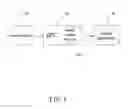
FIG. 1 is a schematic block diagram showing the skeleton of a preferred embodiment of the present invention.
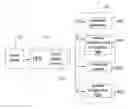
FIG. 2 is a block diagram showing the usage of the preferred embodiment of the present invention.
DETAILED DESCRIPTION OF THE PREFERRED EMBODIMENT
Referring to FIG. 1, a power distribution device of a power storage apparatus of the present invention generally comprises a power source 10 and an uninterruptible power supply (UPS) system 20, wherein the power source 10 is an alternating current (AC) power source or a direct current (DC) power source such as a commercial power service or any generator selected from a manpower bicycle generator, a fuel generator, a battery generator, a wind power generator, a fuel cell generator, a solar power generator, and so on. An input terminal of the UPS system 20 is connected to the power source 10. The UPS system 20 has a built-in power output selector 201 having the timing function and the software and hardware planning ability. The UPS system 20 is connected to several electric appliances 30 via the built-in power output selector 201. The power output selector 201 determines the priority sequence by using the software or the hardware such as a relay, a reed switch, or a motor. As a result, these electric appliances 30 can be controlled by the power output selector 201 to determine which one should be stopped and which one should be running when the power source 10 stops the electric power supply.
As shown in FIG. 2, the electric appliances 30 comprise a computer apparatus 301, an escape indication and emergency light 302, a ventilation system 303, a general illumination light 305, and so on. In this preferred embodiment, the power source 10 is exemplified by the commercial power service. If the commercial power service is normally available, the UPS system 20 can supply the commercial power to the electric appliances 30 that couple thereto and can also store the commercial power. Moreover, if the commercial power service is normally available, the UPS system 20 can supply the commercial power to the electric appliances 30 according to the priority sequence and the timing set by the built-in power output selector 201. In addition, the UPS system 20 can output the stored power according to the priority sequence and the timing set by the built-in power output selector 201 when the power source 10 stops the supply of commercial power. In other words, the power output selector 201 first supplies the electric power to the computer apparatus 301 of priority sequence a so as to provide the computer apparatus 301 with adequate time to backup data. If the time for supply of electric power for the priority sequence a expires, the power output selector 201 next supplies the electric power to the escape indication and emergency light 302 of priority sequence b and the ventilation system 303 of priority sequence c so as to provide the accidented building with good ventilation effect and good escape indication and emergency lighting, thereby preventing the escape route of the people in the building from being obstructed. If the time for supply of electric power for the priority sequence b and priority sequence c expires, the power output selector 201 next supplies the electric power to the general illumination light 305 of priority sequences e.
Furthermore, the power output selector 201 can be optionally controlled by a wireless remote control such as a mobile phone (GSM, PHS, CDMA, and so on), a Bluetooth device, a RF (Radio Frequency) device, or a WLAN (Wireless LAN) device, or a wireless remote technology controlled by PLN (Power Line Communications) technology. As a result, the user can supply the electric power to designated electric appliances 30 or interrupt the supply of electric power depending on the condition at that time so as to prevent the island effect from occurring at this fire scene, for example. Most people think that the electric power will be cut off after the main power switch is turned off. However, the UPS system still supplies the fire scene with the electric power, causing the firemen very dangerous. As a result, if the wireless remote control is coupled with the main power switch, and if the main power switch is turned off, the wireless remote control will instruct the power source selector 201 to stop the supply of electric power immediately, thereby avoiding the above-mentioned danger.
In accordance with the foregoing description, the present invention has the following advantages:
1. The UPS system uses the built-in power source selector to set the priority sequence and the timing for supplying the electric power so as to achieve the purpose of saving energy.
2. If the power source changes or under certain conditions, the power output selector can control the supply of electric power for some apparatuses to operate these apparatuses normally or stop them according to the quality of electric power and the cost or other concerns. In addition, the electric power can be supplied during certain periods so as to save the cost and things like that.
3. The UPS system or the power output selector is optionally coupled with a wireless remote control so as to force the power output selector of the UPS system to stop the supply of electric power or adjust the priority sequence and timing of supplying the electric power.
In summary, a power distribution device of a power storage apparatus of the present invention indeed achieves the anticipated object. Accordingly, the present invention satisfies the requirement for patentability and is therefore submitted for a patent.
While the preferred embodiment of the invention has been set forth for the purpose of disclosure, modifications of the disclosed embodiment of the invention as well as other embodiments thereof may occur to those skilled in the art. Accordingly, the appended claims are intended to cover all embodiments, which do not depart from the spirit and scope of the invention.
Claims
What the invention claimed is:1. A power distribution device of a power storage apparatus, comprising:
a power source; and
an uninterruptible power supply (UPS) system having a built-in power output selector having a timing function and a software and hardware planning ability, said UPS system having an input terminal connected to said power source and an output terminal connected to a plurality of electric appliances via said power output selector, whereby no matter whether said power source supplies or not supplies the electric power, said built-in power output selector of said UPS system is able to or unable to supply the electric power to a plurality of designated electric appliances among said electric appliances according to a predetermined condition.
2. A power distribution device of a power storage apparatus of claim 1, wherein said power source is an alternating current (AC) power source or a direct current (DC) power source.
3. A power distribution device of a power storage apparatus of claim 1, wherein said power source is a commercial power service or any generator.
4. A power distribution device of a power storage apparatus of claim 1, wherein said power output selector of said UPS system is software.
5. A power distribution device of a power storage apparatus of claim 1, wherein said power output selector of said UPS system is hardware selected from a relay, a reed switch, or a motor.
6. A power distribution device of a power storage apparatus of claim 1, wherein said power output selector is controlled by a wireless remote control controlled by a wireless remote control technology selected from RF (Radio Frequency), Bluetooth, GSM, CDMA, PHS, or WLAN (Wireless LAN).
7. A power distribution device of a power storage apparatus of claim 1, wherein said power output selector is controlled by a wireless remote control controlled by a PLN (Power Line Communications) technology.
Images & Drawings included:

Sources:
- United States Patent and Trademark Office - verify current appl. status at the USPTO↗
Similar patent applications:
- » 20130026971
Apparatus, method and article for collection, charging and distributing power storage devices, such as batteries - » 20150336465
Apparatus, method and article for collection, charging and distributing power storage devices, such as batteries - » 20130030696
Apparatus, method and article for providing locations of power storage device collection, charging and distribution machines - » 20140019043
Apparatus, method and article for providing locations of power storage device collection, charging, and distribution machines - » 20150185040
Apparatus, method and article for providing locations of power storage device collection, charging and distribution machines - » 20130030580
Apparatus, method and article for reserving power storage devices at reserving power storage device collection, charging and distribution machines - » 20180182188
Apparatus, method and article for reserving power storage devices at reserving power storage device collection, charging and distribution machines - » 20190287324
APPARATUS, METHOD AND ARTICLE FOR PROVIDING LOCATIONS OF POWER STORAGE DEVICE COLLECTION, CHARGING AND DISTRIBUTION MACHINES - » 20170097652
Apparatus, method and article for redistributing power storage devices, such as batteries, between collection, charging and distribution machines - » 20200035046
Apparatus, method and article for redistributing power storage devices, such as batteries, between collection, charging and distribution machines
Recent applications in this class:
- » 20250167586 2025-05-22
ENERGY COUPLING METHOD AND SYSTEM FOR HOUSEHOLD ENERGY STORAGE - » 20250141259 2025-05-01
UNINTERRUPTIBLE POWER SUPPLY - » 20250141258 2025-05-01
Thermal-Power Direct-Hung Energy-Storage Frequency Modulation Plant Backup Power System - » 20250132597 2025-04-24
POWER SUPPLY DEVICE - » 20250105659 2025-03-27
UNINTERRUPTIBLE POWER SUPPLY DEVICE - » 20250096596 2025-03-20
POWER SUPPLY APPARATUS - » 20250096595 2025-03-20
UNINTERRUPTIBLE POWER SUPPLY, POWER SYSTEM, CONTROL DEVICE, AND CONTROL METHOD - » 20250079881 2025-03-06
METHODS AND SYSTEMS FOR POWER SUPPLY - » 20250070593 2025-02-27
DEVICE FOR CONTROLLING LINE CONNECTION TYPE FUEL CELL SYSTEM AND METHOD FOR THE SAME - » 20250055311 2025-02-13
Method, System, and Computer Program Product for Uninterrupted Power Using an Array of Ultra-Capacitors