Compositions and methods for treatment of viral diseases
US20080161324A1
2008-07-03
11/900,893
2007-09-13
Abstract:
The present invention features compositions, methods, and kits useful in the treatment of viral diseases. In certain embodiments, the viral disease is caused by a single stranded RNA virus, a flaviviridae virus, or a hepatic virus. In particular embodiments, the viral disease is viral hepatitis (e.g., hepatitis A, hepatitis B, hepatitis C, hepatitis D, hepatitis E). Also featured are screening methods for identification of novel compounds that may be used to treat a viral disease.
Inventors:
- Lisa M. JOHANSEN 6 🇺🇸 Belmont, MA, United States
- Todd W. Chappell 9 🇺🇸 Boston, MA, United States
- Ralf Altmeyer 6 🇸🇬 Singapore, Singapore
- Christopher M. Owens 5 🇺🇸 Cambridge, MA, United States
- Christina Mawhinney 2 🇺🇸 Jamaica Plain, MA, United States
- Alexander T. Brown 2 🇺🇸 Watertown, MA, United States
- Michael G. Frank 3 🇺🇸 Boston, MA, United States
Interested in similar patents?
Get notified when new applications in this technology area are published.
Classification:
A61K45/06 » CPC further
Medicinal preparations containing active ingredients not provided for in groups - Mixtures of active ingredients without chemical characterisation, e.g. antiphlogistics and cardiaca
A61P31/12 » CPC further
Antiinfectives, i.e. antibiotics, antiseptics, chemotherapeutics Antivirals
A61P31/14 » CPC further
Antiinfectives, i.e. antibiotics, antiseptics, chemotherapeutics; Antivirals for RNA viruses
Y02A50/30 » CPC further
in human health protection, e.g. against extreme weather Against vector-borne diseases, e.g. mosquito-borne, fly-borne, tick-borne or waterborne diseases whose impact is exacerbated by climate change
A61K31/4704 » CPC main
Medicinal preparations containing organic active ingredients; Heterocyclic compounds having nitrogen as a ring hetero atom, e.g. guanethidine or rifamycins having six-membered rings with one nitrogen as the only ring hetero atom; Quinolines; Isoquinolines 2-Quinolinones, e.g. carbostyril
A61K2300/00 » CPC further
Mixtures or combinations of active ingredients, wherein at least one active ingredient is fully defined in groups -
A61K31/495 IPC
Medicinal preparations containing organic active ingredients; Heterocyclic compounds having nitrogen as a ring hetero atom, e.g. guanethidine or rifamycins having six-membered rings with two nitrogen atoms as the only ring heteroatoms, e.g. piperazine
A61K31/135 » CPC further
Medicinal preparations containing organic active ingredients; Amines having aromatic rings, e.g. ketamine, nortriptyline
C12Q1/68 IPC
Measuring or testing processes involving enzymes, nucleic acids or microorganisms ; Compositions therefor; Processes of preparing such compositions involving nucleic acids
A61K31/404 IPC
Medicinal preparations containing organic active ingredients; Heterocyclic compounds having nitrogen as a ring hetero atom, e.g. guanethidine or rifamycins having five-membered rings with one nitrogen as the only ring hetero atom, e.g. sulpiride, succinimide, tolmetin, buflomedil condensed with carbocyclic rings, e.g. carbazole Indoles, e.g. pindolol
A61K31/351 IPC
Medicinal preparations containing organic active ingredients; Heterocyclic compounds having oxygen as the only ring hetero atom, e.g. fungichromin having six-membered rings with one oxygen as the only ring hetero atom not condensed with another ring
A61K31/4965 IPC
Medicinal preparations containing organic active ingredients; Heterocyclic compounds having nitrogen as a ring hetero atom, e.g. guanethidine or rifamycins having six-membered rings with two nitrogen atoms as the only ring heteroatoms, e.g. piperazine Non-condensed pyrazines
A61K31/21 IPC
Medicinal preparations containing organic active ingredients Esters, e.g. nitroglycerine, selenocyanates
A61P31/20 » CPC further
Antiinfectives, i.e. antibiotics, antiseptics, chemotherapeutics; Antivirals for DNA viruses
Description
CROSS-REFERENCE TO RELATED APPLICATIONS
This application claims benefit of U.S. Provisional Application No. 60/844,463, filed Sep. 14, 2006, and U.S. Provisional Application No. 60/874,061, filed Dec. 11, 2006, each of which is hereby incorporated by reference.
BACKGROUND OF THE INVENTION
The invention relates to the treatment of diseases caused by a virus.
Diseases caused by viruses are major health problems worldwide, and include many potentially fatal or disabilitating illnesses. Viral diseases include diseases caused by single stranded RNA viruses, flaviviridae viruses, and hepatic viruses. In one example, viral hepatitis (e.g., hepatitis A, hepatitis B, hepatitis C, hepatitis D, and hepatitis E) can result in chronic or acute hepatitis. While vaccines protective against hepatitis A and hepatitis B exist, no cures for many viruses, including hepatitis B, C, D, or E, are available.
With regard to the hepatitis C virus (HCV), the Center for Disease Control estimates that 4.1 million Americans (1.6%) have been infected with this virus. Of those infected, 3.2 million are chronically infected, and HCV is the leading cause of death from liver disease in the United States. Hepatitis C is a major risk factor for developing liver cirrhosis and hepatocellular carcinoma, and the World Health Organization indicates that hepatitis C is responsible for two thirds of liver transplants. Worldwide, an estimated 180 million people, or about 3% of the world's population, are infected with HCV. No vaccine for hepatitis C is presently available, and the currently recommended therapy, a combination of pegylated interferon and ribavirin, is effective in only about 50% of those infected with HCV genotype 1. Further, both interferon and ribavirin have potentially serious side effects, which include seizures, acute heart or kidney failure, and anemia.
Given the lack of safe, efficacious treatments for many viral diseases, there exists a need for improved therapies.
SUMMARY OF THE INVENTION
Based on the results of our screen identifying compounds and combinations of compounds having antiviral activity, the present invention features compositions, methods, and kits for the treatment of viral disease (e.g., caused by the viruses described herein). In certain embodiments, the viral disease may be caused by a virus which is a member of one or more of the following groups: single stranded RNA viruses, flaviviridae viruses (e.g., a hepacivirus such as HCV, flavivirus, pestivirus, or hepatitis G virus), and hepatic viruses. HCV, for example, is a single stranded RNA virus, a flaviviridae virus, and a hepatic virus. In certain embodiments, the viral disease is caused by the hepatitis C virus. Additional exemplary viruses are described herein.
Accordingly in a first aspect, the invention features a composition including a first agent selected from the agents of Table 1, Table 2, and Table 3; and a second agent selected from the agents of Table 1, Table 2, Table 3, Table 4, and Table 5 (e.g., Table 4 and Table 5, or excluding the combinations of Table 6).
| TABLE 1 | |||
| Compound | IC50* | Compound | IC50* |
| 1,2-Bis-(2-aminophenoxy)ethane N,N,N,N,- | 14.50 | Isosulfan Blue | 24.86 |
| tetreacetic acid | |||
| 1,5-Isoquinolinediol | 25.88 | JSH-23 | 2.55 |
| 10-Deacetylbaccatine Iii | 10.34 | Levothyroxine (e.g., sodium) | 3.79 |
| 2′,2″-(Pentamethylenedioxy)diacetanilide | 3.14 | Loratadine | 8.16 |
| 2-Hydroxyflavanone | 2.48 | Manganese gluconate | 24.71 |
| 2-Methoxyestradiol | 7.91 | Maprotiline (e.g., hydrochloride) | 7.18 |
| 3,3′-(Pentamethylenedioxy)dianiline | 1.63 | Mebeverine (e.g., hydrochloride) | 14.88 |
| 6-Nitroquipazine | 16.41 | Mechlorethamine (e.g., hydrochloride) | 4.15 |
| AG-490 | 5.03 | Meclizine | 14.62 |
| AG-494 | 3.45 | Mecobalamin | 0.179 |
| Albendazole | 0.324 | Melphalan | 5.94 |
| Amitraz | 26.4* | Mequinol | 18.65 |
| Amitrole | 14.62 | Mesoridazine (e.g., Besylate) | 19.00 |
| Amorolfine (e.g., hydrochloride) | 1.62 | Mesterolone | 5.18 |
| Anisomycin | 0.608 | Methylglyoxal bis(guanylhydrazone) dihydrochloride | 10.80 |
| hydrate | |||
| Auranofin | 1.07 | Methyltestosterone | 19.11 |
| Azelastine | 6.22 | Mianserin (e.g., hydrochloride) | 13.72 |
| Bay 11-7082 | 15.01 | Mitotane | 28.1* |
| Bay 41-2272 | 0.754 | ML 9 | 4.44 |
| Benoxinate (e.g., hydrochloride) | 3.02 | Mofebutazone | 14.60 |
| Benzamil (e.g., HCl) | 4.73 | Mometasone (e.g., furoate) | 11.35 |
| Benzocaine | 13.91 | Monobenzone | 1.59 |
| Benztropine (e.g., mesylate) | 5.70 | Mosapride (e.g., citrate) | 10.91 |
| Benzydamine (e.g., hydrochloride) | 9.00 | Narasin | 0.176 |
| Beta Escin | 4.27 | Noscapine | 15.83 |
| Beta-Carotene | 18.50 | NSC 663284 | 0.614 |
| Beta-Ionol | 21.00 | N-Tosyl-L-phenylalanine chloromethyl ketone | 16.67 |
| Betaxolol (e.g., hydrochloride) | 29.4* | Octyl Methoxycinnamate | 1.24 |
| BHQ | 23.28 | Oxeladin | 8.72 |
| Bifonazole | 6.15 | Oxfendazole | 7.30 |
| Bismuth subsalicylate | 18.09 | Oxibendazole | 0.300 |
| Bromhexine | 14.25 | Oxyphenbutazone (e.g., hydrate) | 4.17 |
| Bromocriptine (e.g., mesylate) | 3.38 | Paclitaxel | 0.0092 |
| Budesonide | 15.66 | Padimate O | 5.44 |
| Bufexamac | 8.29 | P-Aminosalicylic acid | 13.16 |
| Camptothecin | 0.026 | Parthenolide | 2.69 |
| Capsaicin | 11.72 | Perospirone | 3.60 |
| Carbaryl | 9.65 | Phenazopyridine (e.g., hydrochloride) | 7.85 |
| CAY10433 | 7.88 | Piceatannol | 5.47 |
| Celastrol | 0.449 | Picotamide | 28.7* |
| Cerulenin | 16.21 | PKR inhibitor | 1.75 |
| Chlorophyllin | 1.30 | Pramoxine (e.g., hydrochloride) | 5.17* |
| Chlorphenoxamine (e.g., hydrochloride) | 16.20 | Promazine (e.g., hydrochloride) | 16.12 |
| Citalopram (e.g., hydrobromide) | 27.30 | Propidium (e.g., iodide) | 9.38 |
| Cladribine | 0.112 | Quinacrine | 4.17 |
| Clomiphene (e.g., citrate) | 1.19 | Quinestrol | 5.43 |
| Cobamamide | 0.410 | R(+)-Verapamil (e.g., hydrochloride) | 15.67 |
| Cyclocytidine (e.g., hydrochloride) | 0.183 | Raloxifene (e.g., hydrochloride) | 3.74 |
| Cycloheximide | 0.184 | Repaglinide | 12.21 |
| Cyproheptadine (e.g., hydrochloride) | 17.97 | Rescinnamine | 7.88 |
| Dehydroepiandrosterone | 11.19 | Reserpine | 25.29 |
| Deptropine (e.g., citrate) | 11.14 | Rifabutin | 17.25 |
| Desloratadine | 6.07 | Rifaximin | 19.36 |
| Desoxycorticosterone (e.g., acetate) | 14.65 | Saponin | 361.62 |
| Dextrothyroxine (e.g., sodium) | 5.00 | Satraplatin | 4.80 |
| Dibucaine (e.g., hydrochloride) | 6.68 | SB-202190 | 5.18 |
| Dicyclomine (e.g., hydrochloride) | 25.01 | Sertraline (e.g., hydrochloride) | 5.39 |
| Dienestrol | 16.49 | Shikonin | 26.4* |
| Diethylstilbestrol | 12.18 | Siguazodan | 2.20 |
| Dihydroergotamine (e.g., mesylate) | 22.75 | Silver sulfadiazine | 2.20 |
| Dilazep (e.g., dihydrochloride) | 13.87 | Sirolimus | 0.005* |
| Diphenidol (e.g., hydrochloride) | 25.45 | Fusidic acid (e.g., sodium fusidate) | 7.72 |
| Disulfiram | 5.50 | Spiperone | 7.21 |
| DNA-PK inhibitor II | 6.52 | Stanozolol | 15.18 |
| Donepezil (e.g., hydrochloride) | 29.29 | Suberohydroxamic acid | 4.02 |
| Doxepin (e.g., hydrochloride) | 14.88 | Tamoxifen (e.g., citrate) | 3.13 |
| Dydrogesterone | 2.75 | Terconazole | 2.55 |
| Erbstatin | 7.63 | Testosterone | 8.11 |
| Ergoloid Mesylates | 15.25 | Thapsigargin | 0.0113 |
| Evans Blue | 1.94 | Thiostrepton | 3.84 |
| Exemestane | 29.04 | Thiram | 3.64 |
| Ezetimibe | 4.20 | Tioxolone | 16.24 |
| Fascaplysin | 0.444 | Tirapazamine | 1.83 |
| Fenbendazole | 0.419 | Tiratricol | 15.56 |
| Fenretinide | 2.26 | Tolterodine (e.g., tartrate) | 27.23 |
| Fenvalerate | 18.95 | Topotecan (e.g., hydrochloride) | 0.095 |
| Flubendazole | 0.173 | Toremifene | 15.86 |
| Fludarabine | 4.47 | Trequinsin (e.g., hydrochloride) | 2.93 |
| Fluorouracil | 18.66 | Trifluoperazine (e.g., hydrochloride) | 4.97 |
| Flupentixol (e.g., dihydrochloride) | 3.60 | Trifluperidol | 7.80 |
| Fluphenazine (e.g., hydrochloride) | 3.35 | Trimipramine (e.g., maleate) | 15.62 |
| Fluvoxamine (e.g., maleate) | 23.79 | Tyrphostin 23 | 14.61 |
| FR122047 | 23.01 | Tyrphostin 25 | 16.01 |
| Fulvestrant | 3.05 | Tyrphostin 46 | 21.22 |
| Gefitinib (Base) | 3.17 | Tyrphostin 47 | 18.3* |
| Gramicidin | 0.017 | Tyrphostin Ag 1478 | 3.41 |
| Griseofulvin (e.g., microcrystalline) | 11.53 | U18666A | 0.020 |
| GW 5074 | 2.36 | UCH-L1 inhibitor | 17.18 |
| Halcinonide | 17.40 | UCH-L3 inhibitor | 19.7* |
| Hydroquinone | 13.99 | Vanillin (e.g., acetate) | 3.73 |
| Hydroxocobalamin | 1.33 | Vinorelbine | 0.081 |
| Hydroxyzine (e.g., hydrochloride) | 10.93 | Vitamin B12 | 8.28 |
| Ifenprodil (e.g., tartrate) | 4.68 | Vitamin K5 | 19.59 |
| Imipramine (e.g., hydrochloride) | 16.93 | Wedelolactone | 4.66 |
| Indocyanine Green | 8.13 | Wortmannin | 3.16 |
| Iophenoxic acid | 10.63 | Zafirlukast | 18.49 |
| LY 294002 | 3.40 | Zimelidine (e.g., dihydrochloride) | 15.14 |
| (S,S)-N-Desmethyl sertraline (e.g., | 4.94 | 3′,3″-(Pentamethylenedioxy)diacetanilide | 9.35* |
| hydrochloride) | |||
| 1,5-Bis(4-aminophenoxy)pentane | 1.70 | rac-cis-N-Desmethyl Sertraline, (e.g., hydrochloride) | 6.03 |
| Emetine (e.g., dihydrochloride hydrate) | 0.03 | 2,2′-(Pentamethylenedioxy)dianiline | 0.27 |
| Irinotecan (e.g., hydrochloride) | 1.56 | ||
| *Values noted with an asterisk (*) are IC25 values |
| TABLE 2 | |||
| Compound | IC50 | Compound | IC50 |
| Efavirenz | 15.45 | Cytarabine | 0.117 |
| Nelfinavir (e.g., mesylate) | 4.25 | Floxuridine | 0.0045 |
| Vidarabine | 26.71 | Edoxudine | 1.95 |
| Ritonavir | 14.91 | Cepharanthine | 19.48 |
| Aphidicolin | 1.71 | Tunicamycin | 0.107 |
| Andrographis | 8.39 | Triciribine | 2.14 |
| Saquinavir (e.g., mesylate) | 10.04 | Curcumin | 8.68 |
| Trifluridine | 0.380 | Vincristine (e.g., sulfate) | 0.02 |
| Arbidol | 12.20 | ||
| TABLE 3 | |||
| Compound | IC50* | Compound | IC50* |
| Lovastatin | 1.41 | Artemisinin | 4.45 |
| Artemether | Dihydroartemisinin | 3.87 | |
| Artesunate | 3.73 | Nitazoxanide | 14.04 |
| Cyclosporine | 0.379 | Chloroquine | 4.78 |
| (e.g., phosphate) | |||
| Ribavirin | 42.95 | Mevastatin | 3.45 |
| Simvastatin hydroxy acid, | 13.40 | TOFA | 5.53 |
| ammonium salt | |||
| Mycophenolic Acid | 0.751 | 2′-C-Methylcytidine | 1.63 |
| Atorvastatin | 35.60 | Adefovir (e.g., dipivoxil) | 0.319 |
| Fluvastatin (e.g., sodium) | 22.20 | Telaprevir (VX-950) | 0.529 |
| Celgosivir | 6.25* | Valopicitabine (NM-283) | 11.2 |
| Merimepodib (VX-497) | 0.475 | HCV-796 | 0.0192 |
| Boceprevir | 0.259 | Gemcitabine | 0.06 |
| (SCH 503034) | (e.g., hydrochloride) | ||
| Interferon Alfa-2a | 2.35 | Simvastatin | 21.34 |
| *Values noted with an asterisk (*) are IC25 values |
In another aspect, the invention features a composition including sertraline and an HMG-CoA reductase inhibitor. The HMG-CoA reductase inhibitor may be fluvastatin, simvastatin, lovastatin, or rosuvastatin.
In another aspect, the invention features a composition including sertraline and an antihistamine. The antihistamine may be hydroxyzine.
In yet another aspect, the invention features a composition including a pair of agents selected from the group consisting of amorolfine and sertraline; fluvastatin and sertraline; rosuvastatin and sertraline; fulvestrant and satraplatin; amorolfine and mebeverine; amorolfine and satraplatin; ifenprodil and sertraline; amorolfine and tolterodine; atorvastatin and sertraline; amorolfine and irinotecan; lovastatin and sertraline; cytarabine and triciribine; artesunate and wortmannin; sertraline and simvastatin hydroxy acid, ammonium salt; amorolfine and cytarabine; sertraline and simvastatin; octyl methoxycinnamate and suberohydroxamic acid; 1,5-bis(4-aminophenoxy)pentane and amorolfine; (S,S)—N-desmethyl sertraline and simvastatin; artemisinin and SB-202190; interferon alfa-2a and sirolimus; amorolfine and indocyanine green; TOFA and triciribine; 3,3′-(pentamethylenedioxy)dianiline and artemisinin; artemisinin and wortmannin; 3,3″-(pentamethylenedioxy)diacetanilide and artemisinin; amorolfine and benzamil; artemisinin and triciribine; 2,2′-(pentamethylenedioxy)dianiline and amorolfine; (s,s)-n-desmethyl sertraline and simvastatin; levothyroxine and wedelolactone; 1,5-bis(4-aminophenoxy)pentane and artemisinin; benzamil and dextrothyroxine; amorolfine and trifluperidol; artemisinin and indocyanine green; dihydroartemisinin and wortmannin; flupentixol and sertraline; benzamil and levothyroxine; amorolfine and meclizine; pravastatin and sertraline; 1,5-bis(4-aminophenoxy)pentane and indocyanine green; 2-hydroxyflavanone and amorolfine; ritonavir and vinorelbine; benoxinate and dehydroepiandrosterone; ifenprodil and indocyanine green; amorolfine and arbidol; 3,3′-(pentamethylenedioxy)dianiline and indocyanine green; fulvestrant and vinorelbine; amorolfine and ezetimibe; amorolfine and Evans blue; amorolfine and gefitinib; amorolfine and topotecan; 2′,2″-(pentamethylenedioxy)diacetanilide and artemisinin; amorolfine and wedelolactone; 3,3′-(pentamethylenedioxy)dianiline and amorolfine; simvastatin and rac-cis-n-desmethyl sertraline; adefovir dipivoxil and triciribine; cytarabine and Evans blue; artemisinin and Evans blue; fluphenazine and sertraline; benzamil and SB-202190; artemisinin and rifabutin; fluphenazine and tolterodine; interferon alfa-2a and melphalan; amorolfine and melphalan; artemisinin and fulvestrant; ifenprodil and quinacrine; simvastatin and rac-cis-n-desmethyl sertraline; flupentixol and tolterodine; triciribine and wortmannin; loratadine and vinorelbine; meclizine and sertraline; budesonide and vinorelbine; 2-hydroxyflavanone and indocyanine green; hydroxyzine and sertraline; 2,2′-(pentamethylenedioxy)dianiline and artemisinin; amorolfine and flupentixol; artemisinin and chlorophyllin; ezetimibe and fluphenazine; benzamil and fluphenazine; artemisinin and wedelolactone; cytarabine and dydrogesterone; artemisinin and benzamil; 3,3′-(pentamethylenedioxy)dianiline and artemether; tolterodine and trifluperidol; artesunate and fluvastatin; artemisinin and trifluridine; adefovir dipivoxil and amorolfine; interferon alfa-2a and trifluridine; fulvestrant and triciribine; artesunate and dydrogesterone; artesunate and LY 294002; mosapride citrate and TOFA; bromocriptine and wedelolactone; artemisinin and sodium fusidate; celgosivir and interferon alfa-2a; amorolfine and dextrothyroxine; andrographis and fulvestrant; 2′-c-methylcytidine and artemisinin; amorolfine and gemcitabine; oxeladin and sertraline; artemisinin and parthenolide; artemisinin and ribavirin; dehydroepiandrosterone and tyrphostin AG 1478; sertraline and toremifene; dihydroartemisinin and fulvestrant; 2-hydroxyflavanone and TOFA; artesunate and repaglinide; mofebutazone and wedelolactone; artesunate and simvastatin; 2,2′-(pentamethylenedioxy)dianiline and artesunate; artemisinin and gemcitabine; dihydroartemisinin and ezetimibe; chlorophyllin and cytarabine; interferon alfa-2a and sirolimus; suberohydroxamic acid and VX-497; artemisinin and VX-497; artesunate and VX-497; tolterodine and VX-950; artemisinin and HCV-796; artemisinin and NM-283; NM-283 and wedelolactone; artemisinin and SCH 503034; cytarabine and SCH 503034; SCH 503034 and triciribine; interferon alfa-2a and melphalan; benoxinate and VX-950; HCV-796 and sirolimus; benoxinate and SCH 503034; melphalan and VX-950; ritonavir and VX-950; VX-950 and VX-497; artemisinin and VX-950; triciribine and VX-950; suberohydroxamic acid and VX-950; HCV-796 and suberohydroxamic acid; sirolimus and VX-950; melphalan and SCH 503034; SCH 503034 and wortmannin; SCH 503034 and tolterodine; ritonavir and SCH 503034; ezetimibe and VX-950; HCV-796 and VX-497; chlorophyllin and VX-497; HCV-796 and melphalan; capsaicin and NM-283; SCH 503034 and sirolimus; LY 294002 and SCH 503034; adefovir dipivoxil and SCH 503034; interferon alfa-2a and trifluridine; HCV-796 and trifluridine; GW 5074 and NM-283; mosapride and VX-950; interferon alfa-2a and VX-497; NM-283 and trequinsin; cytarabine and HCV-796; adefovir dipivoxil and VX-950; cytarabine and VX-950; SCH 503034 and saquinavir; VX-950 and wortmannin; capsaicin and VX-950; 2-hydroxyflavanone and NM-283; bronihexine and VX-950; HCV-796 and wortmannin; artemisinin and ribavirin; VX-950 and verapamil; SCH 503034 and verapamil; SCH 503034 and topotecan; HCV-796 and topotecan; trifluperidol and VX-950; irinotecan and SCH 503034; artesunate and SCH 503034; repaglinide and SCH 503034; topotecan and VX-950; tepaglinide and VX-950; arbidol and VX-950; chlorophyllin and HCV-796; benzydamine and VX-950; NM-283 and trifluperidol; capsaicin and HCV-796; NM-283 and phenazopyridine; NM-283 and trifluridine; and adefovir dipivoxil and HCV-796.
In certain embodiments, the combination is selected from group consisting of simvastatin and sertraline; fluvastatin and sertraline; fluphenazine and sertraline; artesunate and simvastatin; artesunate and wortmannin; artemisinin and chlorophyllin; artemisinin and 3,3′-(pentamethylenedioxy)dianiline; amorolfine and meclizine; amorolfine and sertraline; amorolfine and trifluridine; amorolfine and 2-hydroxyflavanone; amorolfine and ezetimibe; amorolfine and benzamil; amorolfine and trifluperidol; and octyl methoxycinnamate and suberohydroxamic acid.
In any of the above aspects, the two agents may be present in amounts that, when administered to a patient having a viral disease (e.g., any viral disease described herein), are effective to treat the patient. The composition may further include one or more (e.g., two, three, four, five, or six) additional agents selected from the agents of Table 1, Table 2, Table 3, Table 4, and Table 5 (e.g., where the agents are not a combination of agents selected from Table 7). The composition may be formulated, for example, for oral, systemic, parenteral, topical (e.g., ophthalmic, dermatologic), intravenous, or intramuscular administration.
In another aspect, the invention features a method for treating a patient having a viral disease. The method includes administering to the patient an agent selected from the agents of Table 1 in an amount effective to treat the patient.
In another aspect, the invention features a method for treating a patient having hepatitis C. The method includes administering to the patient an agent selected from the agents of Table 1 and Table 2 in an amount effective to treat the patient.
In another aspect, the invention features a method for treating a patient having a viral disease. The method includes administering to the patient a plurality of agents where the first agent is selected from the agents of Table 1, Table 2, and Table 3 and the second agent is selected from the agents of Table 1, Table 2, Table 3, Table 4, and Table 5 (e.g., Table 4 and Table 5), where the agents are administered within 28 days (e.g., within 21, 14, 10, 7, 5, 4, 3, 2, or 1 days) or within 24 hours (e.g., 12, 6, 3, 2, or 1 hours; or concomitantly) of each other in amounts that together are effective to treat the patient.
In another aspect, the invention features a method for treating a patient having a viral disease. The method includes administering to the patient sertraline and an HMG-CoA reductase inhibitor, where the two agents are administered within 28 days of each other in amounts that together are effective to treat the patient. The HMG-CoA reductase inhibitor may be fluvastatin, simvastatin, lovastatin, or rosuvastatin.
In another aspect, the invention features a method for treating a patient having a viral disease. The method includes administering to the patient sertraline and an antihistamine where the two agents are administered within 28 days of each other in amounts that together are effective to treat the patient. The antihistamine may be hydroxyzine.
In yet another aspect, the invention features a method for treating a patient having a viral disease. The method includes administering to the patient a pair of agents selected from the group consisting of amorolfine and sertraline; fluvastatin and sertraline; rosuvastatin and sertraline; fulvestrant and satraplatin; amorolfine and mebeverine; amorolfine and satraplatin; ifenprodil and sertraline; amorolfine and tolterodine; atorvastatin and sertraline; amorolfine and irinotecan; lovastatin and sertraline; cytarabine and triciribine; artesunate and wortmannin; sertraline and simvastatin hydroxy acid, ammonium salt; amorolfine and cytarabine; sertraline and simvastatin; octyl methoxycinnamate and suberohydroxamic acid; 1,5-bis(4-aminophenoxy)pentane and amorolfine; (S,S)—N-desmethyl sertraline and simvastatin; artemisinin and SB-202190; interferon alfa-2a and sirolimus; amorolfine and indocyanine green; TOFA and triciribine; 3,3′-(pentamethylenedioxy)dianiline and artemisinin; artemisinin and wortmannin; 3,3″-(pentamethylenedioxy)diacetanilide and artemisinin; amorolfine and benzamil; artemisinin and triciribine; 2,2′-(pentamethylenedioxy)dianiline and amorolfine; (s,s)-n-desmethyl sertraline and simvastatin; levothyroxine and wedelolactone; 1,5-bis(4-aminophenoxy)pentane and artemisinin; benzamil and dextrothyroxine; amorolfine and trifluperidol; artemisinin and indocyanine green; dihydroartemisinin and wortmannin; flupentixol and sertraline; benzamil and levothyroxine; amorolfine and meclizine; pravastatin and sertraline; 1,5-bis(4-aminophenoxy)pentane and indocyanine green; 2-hydroxyflavanone and amorolfine; ritonavir and vinorelbine; benoxinate and dehydroepiandrosterone; ifenprodil and indocyanine green; amorolfine and arbidol; 3,3′-(pentamethylenedioxy)dianiline and indocyanine green; fulvestrant and vinorelbine; amorolfine and ezetimibe; amorolfine and Evans blue; amorolfine and gefitinib; amorolfine and topotecan; 2′,2″-(pentamethylenedioxy)diacetanilide and artemisinin; amorolfine and wedelolactone; 3,3′-(pentamethylenedioxy)dianiline and amorolfine; simvastatin and rac-cis-n-desmethyl sertraline; adefovir dipivoxil and triciribine; cytarabine and Evans blue; artemisinin and Evans blue; fluphenazine and sertraline; benzamil and SB-202190; artemisinin and rifabutin; fluphenazine and tolterodine; interferon alfa-2a and melphalan; amorolfine and melphalan; artemisinin and fulvestrant; ifenprodil and quinacrine; simvastatin and rac-cis-n-desmethyl sertraline; flupentixol and tolterodine; triciribine and wortmannin; loratadine and vinorelbine; meclizine and sertraline; budesonide and vinorelbine; 2-hydroxyflavanone and indocyanine green; hydroxyzine and sertraline; 2,2′-(pentamethylenedioxy)dianiline and artemisinin; amorolfine and flupentixol; artemisinin and chlorophyllin; ezetimibe and fluphenazine; benzamil and fluphenazine; artemisinin and wedelolactone; cytarabine and dydrogesterone; artemisinin and benzamil; 3,3′-(pentamethylenedioxy)dianiline and artemether; tolterodine and trifluperidol; artesunate and fluvastatin; artemisinin and trifluridine; adefovir dipivoxil and amorolfine; interferon alfa-2a and trifluridine; fulvestrant and triciribine; artesunate and dydrogesterone; artesunate and LY 294002; mosapride citrate and TOFA; bromocriptine and wedelolactone; artemisinin and sodium fusidate; celgosivir and interferon alfa-2a; amorolfine and dextrothyroxine; andrographis and fulvestrant; 2′-c-methylcytidine and artemisinin; amorolfine and gemcitabine; oxeladin and sertraline; artemisinin and parthenolide; artemisinin and ribavirin; dehydroepiandrosterone and tyrphostin AG 1478; sertraline and toremifene; dihydroartemisinin and fulvestrant; 2-hydroxyflavanone and TOFA; artesunate and repaglinide; mofebutazone and wedelolactone; artesunate and simvastatin; 2,2′-(pentamethylenedioxy)dianiline and artesunate; artemisinin and gemcitabine; dihydroartemisinin and ezetimibe; chlorophyllin and cytarabine; interferon alfa-2a and sirolimus; suberohydroxamic acid and VX-497; artemisinin and VX-497; artesunate and VX-497; tolterodine and VX-950; artemisinin and HCV-796; artemisinin and NM-283; NM-283 and wedelolactone; artemisinin and SCH 503034; cytarabine and SCH 503034; SCH 503034 and triciribine; interferon alfa-2a and melphalan; benoxinate and VX-950; HCV-796 and sirolimus; benoxinate and SCH 503034; melphalan and VX-950; ritonavir and VX-950; VX-950 and VX-497; artemisinin and VX-950; triciribine and VX-950; suberohydroxamic acid and VX-950; HCV-796 and suberohydroxamic acid; sirolimus and VX-950; melphalan and SCH 503034; SCH 503034 and wortmannin; SCH 503034 and tolterodine; ritonavir and SCH 503034; ezetimibe and VX-950; HCV-796 and VX-497; chlorophyllin and VX-497; HCV-796 and melphalan; capsaicin and NM-283; SCH 503034 and sirolimus; LY 294002 and SCH 503034; adefovir dipivoxil and SCH 503034; interferon alfa-2a and trifluridine; HCV-796 and trifluridine; GW 5074 and NM-283; mosapride and VX-950; interferon alfa-2a and VX-497; NM-283 and trequinsin; cytarabine and HCV-796; adefovir dipivoxil and VX-950; cytarabine and VX-950; SCH 503034 and saquinavir; VX-950 and wortmannin; capsaicin and VX-950; 2-hydroxyflavanone and NM-283; bromhexine and VX-950; HCV-796 and wortmannin; artemisinin and ribavirin; VX-950 and verapamil; SCH 503034 and verapamil; SCH 503034 and topotecan; HCV-796 and topotecan; trifluperidol and VX-950; irinotecan and SCH 503034; artesunate and SCH 503034; repaglinide and SCH 503034; topotecan and VX-950; tepaglinide and VX-950; arbidol and VX-950; chlorophyllin and HCV-796; benzydamine and VX-950; NM-283 and trifluperidol; capsaicin and HCV-796; NM-283 and phenazopyridine; NM-283 and trifluridine; and adefovir dipivoxil and HCV-796, where the agents are administered within 28 days of each other in amounts that together are effective to treat the patient.
In another aspect, the invention features a method for treating a patient having a viral disease. The method includes administering to the patient a pair of agents selected from the group consisting of simvastatin and sertraline; fluvastatin and sertraline; fluphenazine and sertraline; artesunate and simvastatin; artesunate and wortmannin; artemisinin and chlorophyllin; artemisinin and 3,3′-(pentamethylenedioxy)dianiline; amorolfine and meclizine; amorolfine and sertraline; amorolfine and trifluridine; amorolfine and 2-hydroxyflavanone; amorolfine and ezetimibe; amorolfine and benzamil; amorolfine and trifluperidol; and octyl methoxycinnamate and suberohydroxamic acid, where the two agents are administered within 28 days of each other in amounts that together are effective to treat the patient.
The methods of any of the above aspects may be performed in conjunction with administering to the patient an additional treatment (e.g., an antiviral therapy such as those agents listed in Table 4 and Table 5) for a viral disease, where the method and the additional treatment (e.g., not a combination of agents selected from Table 6 and Table 7) are administered within 6 months (e.g., within 3, 2, or 1 months; within 28, 21, 14, 10, 7, 5, 4, 3, 2, or 1 days; within 24, 12, 6, 3, 2, or 1 hours; or concomitantly) of each other. The agents may be administered to the patient by intravenous, intramuscular, inhalation, topical (e.g., ophthalmic, determatologic), or oral administration.
In another aspect, the invention features a kit including an agent selected from any of the agents of Table 1; and instructions for administering the agent to a patient having a viral disease.
In another aspect, the invention features a kit including an agent selected from any of the agents of Table 1 and Table 2; and instructions for administering the agent to a patient having hepatitis C.
In another aspect, the invention features a kit including a composition including two or more (e.g., 3, 4, 5, 6, or 7) agents selected from any of the agents of Table 1, Table 2, and Table 3; and instructions for administering the composition to a patient having a viral disease.
In another aspect, the invention features a kit including a first agent selected from any of the agents of Table 1, Table 2, and Table 3; a second, different agent selected from any of the agents of Table 1, Table 2, and Table 3; and instructions for administering the first and second agents to a patient having a viral disease.
In another aspect, the invention features a kit including an agent selected from any one of the agents of Table 1, Table 2, and Table 3; and instructions for administering the agent with a second, different agent selected from any of the agents of Table 1, Table 2, and Table 3 to a patient having a viral disease.
In another aspect, the invention features a kit including a composition including (i) a first agent selected from any one of the agents of Table 1, Table 2, and Table 3, and (ii) one or more agents of Table 4 and Table 5; and instructions for administering the composition to a patient having a viral disease.
In another aspect, the invention features a kit including (a) a first agent selected from any of the agents of Table 1, Table 2, and Table 3; (b) one or more agents of Table 4 and Table 5; and (c) instructions for administering (a) and (b) to a patient having a viral disease.
In another aspect, the invention features a kit including an agent selected from any of the agents of Table 1; and instructions for administering the agent and one or more agents of Table 4 or Table 5 to a patient having a viral disease.
In another aspect, the invention features a kit including an agent selected from any of the agents of Table 1 and Table 2; and instructions for administering the agent and one or more agents of Table 4 or Table 5 to a patient having hepatitis C.
In another aspect, the invention features a kit including (a) one or more agents of Table 4 and Table 5; and (b) instructions for administering the agent from (a) with any agent of Table 1, Table 2, and Table 3 to a patient having a viral disease.
In another aspect, the invention features a kit including sertraline; an HMG-CoA reductase inhibitor (e.g., fluvastatin, simvastatin, lovastatin, or rosuvastatin); and instructions for administering the sertraline and the HMG-CoA reductase inhibitor to a patient having a viral disease.
In another aspect, the invention features a kit including a composition including sertraline and an HMG-CoA reductase inhibitor (e.g., fluvastatin, simvastatin, lovastatin, or rosuvastatin); and instructions for administering the composition to a patient having a viral disease.
In another aspect, the invention features a kit including sertraline; an antihistamine
(e.g., hydroxyzine); and instructions for administering the sertraline and the antihistamine to a patient having a viral disease.
In another aspect, the invention features a kit including a composition including sertraline and an antihistamine (e.g., hydroxyzine); and instructions for administering the composition to a patient having a viral disease.
In another aspect, the invention features a kit including (a) a pair of agents selected from the group consisting of amorolfine and sertraline; fluvastatin and sertraline; rosuvastatin and sertraline; fulvestrant and satraplatin; amorolfine and mebeverine; amorolfine and satraplatin; ifenprodil and sertraline; amorolfine and tolterodine; atorvastatin and sertraline; amorolfine and irinotecan; lovastatin and sertraline; cytarabine and triciribine; artesunate and wortmannin; sertraline and simvastatin hydroxy acid, ammonium salt; amorolfine and cytarabine; sertraline and simvastatin; octyl methoxycinnamate and suberohydroxamic acid; 1,5-bis(4-aminophenoxy)pentane and amorolfine; (S,S)—N-desmethyl sertraline and simvastatin; artemisinin and SB-202190; interferon alfa-2a and sirolimus; amorolfine and indocyanine green; TOFA and triciribine; 3,3′-(pentamethylenedioxy)dianiline and artemisinin; artemisinin and wortmannin; 3,3″-(pentamethylenedioxy)diacetanilide and artemisinin; amorolfine and benzamil; artemisinin and triciribine; 2,2′-(pentamethylenedioxy)dianiline and amorolfine; (S,S)-n-desmethyl sertraline and simvastatin; levothyroxine and wedelolactone; 1,5-bis(4-aminophenoxy)pentane and artemisinin; benzamil and dextrothyroxine; amorolfine and trifluperidol; artemisinin and indocyanine green; dihydroartemisinin and wortmannin; flupentixol and sertraline; benzamil and levothyroxine; amorolfine and meclizine; pravastatin and sertraline; 1,5-bis(4-aminophenoxy)pentane and indocyanine green; 2-hydroxyflavanone and amorolfine; ritonavir and vinorelbine; benoxinate and dehydroepiandrosterone; ifenprodil and indocyanine green; amorolfine and arbidol; 3,3′-(pentamethylenedioxy)dianiline and indocyanine green; fulvestrant and vinorelbine; amorolfine and ezetimibe; amorolfine and Evans blue; amorolfine and gefitinib; amorolfine and topotecan; 2′,2″-(pentamethylenedioxy)diacetanilide and artemisinin; amorolfine and wedelolactone; 3,3′-(pentamethylenedioxy)dianiline and amorolfine; simvastatin and rac-cis-n-desmethyl sertraline; adefovir dipivoxil and triciribine; cytarabine and Evans blue; artemisinin and Evans blue; fluphenazine and sertraline; benzamil and SB-202190; artemisinin and rifabutin; fluphenazine and tolterodine; interferon alfa-2a and melphalan; amorolfine and melphalan; artemisinin and fulvestrant; ifenprodil and quinacrine; simvastatin and rac-cis-n-desmethyl sertraline; flupentixol and tolterodine; triciribine and wortmannin; loratadine and vinorelbine; meclizine and sertraline; budesonide and vinorelbine; 2-hydroxyflavanone and indocyanine green; hydroxyzine and sertraline; 2,2′-(pentamethylenedioxy)dianiline and artemisinin; amorolfine and flupentixol; artemisinin and chlorophyllin; ezetimibe and fluphenazine; benzamil and fluphenazine; artemisinin and wedelolactone; cytarabine and dydrogesterone; artemisinin and benzamil; 3,3′-(pentamethylenedioxy)dianiline and artemether; tolterodine and trifluperidol; artesunate and fluvastatin; artemisinin and trifluridine; adefovir dipivoxil and amorolfine; interferon alfa-2a and trifluridine; fulvestrant and triciribine; artesunate and dydrogesterone; artesunate and LY 294002; mosapride citrate and TOFA; bromocriptine and wedelolactone; artemisinin and sodium fusidate; celgosivir and interferon alfa-2a; amorolfine and dextrothyroxine; andrographis and fulvestrant; 2′-c-methylcytidine and artemisinin; amorolfine and gemcitabine; oxeladin and sertraline; artemisinin and parthenolide; artemisinin and ribavirin; dehydroepiandrosterone and tyrphostin ag 1478; sertraline and toremifene; dihydroartemisinin and fulvestrant; 2-hydroxyflavanone and TOFA; artesunate and repaglinide; mofebutazone and wedelolactone; artesunate and simvastatin; 2,2′-(pentamethylenedioxy)dianiline and artesunate; artemisinin and gemcitabine; dihydroartemisinin and ezetimibe; chlorophyllin and cytarabine; interferon alfa-2a and sirolimus; suberohydroxamic acid and VX-497; artemisinin and VX-497; artesunate and VX-497; tolterodine and VX-950; artemisinin and HCV-796; artemisinin and NM-283; NM-283 and wedelolactone; artemisinin and SCH 503034; cytarabine and SCH 503034; SCH 503034 and triciribine; interferon alfa-2a and melphalan; benoxinate and VX-950; HCV-796 and sirolimus; benoxinate and SCH 503034; melphalan and VX-950; ritonavir and VX-950; VX-950 and VX-497; artemisinin and VX-950; triciribine and VX-950; suberohydroxamic acid and VX-950; HCV-796 and suberohydroxamic acid; sirolimus and VX-950; melphalan and SCH 503034; SCH 503034 and wortmannin; SCH 503034 and tolterodine; ritonavir and SCH 503034; ezetimibe and VX-950; HCV-796 and VX-497; chlorophyllin and VX-497; HCV-796 and melphalan; capsaicin and NM-283; SCH 503034 and sirolimus; LY 294002 and SCH 503034; adefovir dipivoxil and SCH 503034; interferon alfa-2a and trifluridine; HCV-796 and trifluridine; GW 5074 and NM-283; mosapride and VX-950; interferon alfa-2a and VX-497; NM-283 and trequinsin; cytarabine and HCV-796; adefovir dipivoxil and VX-950; cytarabine and VX-950; SCH 503034 and saquinavir; VX-950 and wortmannin; capsaicin and VX-950; 2-hydroxyflavanone and NM-283; bromhexine and VX-950; HCV-796 and wortmannin; artemisinin and ribavirin; VX-950 and verapamil; SCH 503034 and verapamil; SCH 503034 and topotecan; HCV-796 and topotecan; trifluperidol and VX-950; irinotecan and SCH 503034; artesunate and SCH 503034; repaglinide and SCH 503034; topotecan and VX-950; repaglinide and VX-950; arbidol and VX-950; chlorophyllin and HCV-796; benzydamine and VX-950; NM-283 and trifluperidol; capsaicin and HCV-796; NM-283 and phenazopyridine; NM-283 and trifluridine; and adefovir dipivoxil and HCV-796; and (b) instructions for administering the pair of agents to a patient having a viral disease. The kit may include a composition including the pair of agents.
In another aspect, the invention features a kit including (a) a pair of agents selected from the group consisting of simvastatin and sertraline; fluvastatin and sertraline; fluphenazine and sertraline; artesunate and simvastatin; artesunate and wortmannin; artemisinin and chlorophyllin; artemisinin and 3,3′-(pentamethylenedioxy)dianiline; amorolfine and meclizine; amorolfine and sertraline; amorolfine and trifluridine; amorolfine and 2-hydroxyflavanone; amorolfine and ezetimibe; amorolfine and benzamil; amorolfine and trifluperidol; and octyl methoxycinnamate and suberohydroxamic acid; and (b) instructions for administering the pair of agents to a patient having a viral disease. The kit may include a composition including the pair of agents.
In another aspect, the invention features a method of identifying a combination that may be useful for the treatment of a patient having a viral disease, or the prevention or reduction of the viral disease. The method includes the steps of contacting cells including at least a portion of the genome of a virus with an agent selected from any one the agents of Table 1, Table 2, and Table 3 and a candidate compound, wherein the portion of the genome (e.g., of any virus described herein) is capable of replication in the cells; and determining whether the combination of the agent and the candidate compound inhibits the replication of the portion of the genome relative to cells contacted with the agent but not contacted with the candidate compound, where a reduction in replication identifies the combination as a combination useful for the treatment of a patient having a viral disease, or the prevention or reduction of a viral disease. The reduction in replication may be the result of a decreased rate of DNA or RNA replication, a decreased rate of RNA translation, or inhibition of a protein required for viral replication (e.g., a protein coded for by the viral genome or the host organism). If the at least portion of a genome is from the hepatitis C genome, the reduction in replication may also be due to a decreased rate of polyprotein processing. The cells may be mammalian cells (e.g., hepatic cells, for example, any of those described herein) such as human cells.
The viral disease referred to in any of the above aspects of the invention, including the methods of treatment of the invention, the compositions and kits of the invention, and methods of the invention for identifying combinations may be caused by a single stranded RNA virus, a flaviviridae virus (e.g., a hepacivirus such as HCV, flavivirus, pestivirus, or hepatitis G virus), or a hepatic virus (e.g., any hepatic virus described herein such as hepatitis A, hepatitis B, hepatitis C, hepatitis D, hepatitis E, non-ABCDE hepatitis, or hepatitis G). In certain embodiments, the viral disease is caused by a flavivirus which include without limitation Absettarov, Alfuy, Apoi, Aroa, Bagaza, Banzi, Bouboui, Bussuquara, Cacipacore, Carey Island, Dakar bat, Dengue 1, Dengue 2, Dengue 3, Dengue 4, Edge Hill, Entebbe bat, Gadgets Gully, Hanzalova, Hypr, Ilheus, Israel turkey meningoencephalitis, Japanese encephalitis, Jugra, Jutiapa, Kadam, Karshi, Kedougou, Kokobera, Koutango, Kumlinge, Kunjin, Kyasanur Forest disease, Langat, Louping ill, Meaban, Modoc, Montana myotis leukoencephalitis, Murray valley encephalitis, Naranjal, Negishi, Ntaya, Omsk hemorrhagic fever, Phnom-Penh bat, Powassan, RiO Bravo, Rocio, royal farm, Russian spring-summer encephalitis, Saboya, St. Louis encephalitis, Sal Vieja, San Perlita, Saumarez Reef, Sepik, Sokuluk, Spondweni, Stratford, Tembusu, Tyuleniy, Uganda S, Usutu, Wesselsbron, west Nile, Yaounde, yellow fever, and Zika viruses, or any of the viruses described in Chapter 31 of Fields Virology, Fields, B. N., Knipe, D. M., and Howley, P. M., eds. Lippincott-Raven Publishers, Philadelphia, Pa., 1996. In other embodiments, the viral disease is caused by a pestivirus, which include bovine viral diarrhea virus (“BVDV”), classical swine fever virus (“CSFV,” also called hog cholera virus), border disease virus (“BDV”) and any of those discussed in Chapter 33 of Fields Virology, supra. In other embodiments, the viral disease is caused by a virus such as hepatitis A, hepatitis B, hepatitis C (e.g., genotype 1 such as 1a or 1b; genotype 2 such as 2a, 2b, or 2c; genotype 3; genotype 4; genotype 5; genotype 6); hepatitis D; or hepatitis E. The viral hepatitis may further be a non-ABCDE viral hepatitis (e.g., hepatitis G).
Additional viral therapies are described in Table 4 and Table 5.
| TABLE 4 | |||
| (+)-Calanolide A | (+)-Dihydrocalanolide A | 145U87 | 2-Nor-cyclic GMP |
| 3,4-Dicaffeoylquinic acid | 3-Hydroxymethyl | 3-Hydroxyphthaloyl-beta- | 3-Nitrosobenzamide |
| dicamphanoyl khellactone | lactoglobulin | ||
| 4-Azidothymidine | 4-Methyl dicamphanoyl | 524C79 | 739W94 |
| khellactone | |||
| A 160621 | A 315675 | A 315677 | A 5021 |
| A 74259 | A 74704 | A 77003 | A 80735 |
| A 80987 | A 91883A | A 98881 | Abacavir |
| AC 2 | Acemannan | Acetylcysteine-Zambon | ACH 126445 |
| ACH 126447 | Aciclovir (e.g., extended | Aciclovir-PMPA | ACP HIP |
| release, controlled release, | |||
| topical patch) | |||
| Actinohivin | AD 439 | AD 519 | Adamantylamide dipeptide |
| ADS J1 | Afovirsen | AG 1284 | AG 1350 |
| AG 1478 | AG 1859 | AG 555 | AG 6840 |
| AG 6863 | AGT-1 | AHA 008 | Aidfarel |
| AL 721 | Alamifovir | Albumin/interferon-alpha | ALN RSV01 |
| Alovudine | Alpha HGA | Alpha-1PDX | Alpha-antitrypsin |
| Alvircept sudotox | Alvocidib | ALX 0019 | ALX 404C |
| AM 285 | AM 365 | Amantadine | AMD 070 |
| AMD 3329 | AMD 3465 | AMD 8664 | Amdoxovir |
| Amidinomycin | Aminopeptidase | Amitivir | Ampligen |
| Amprenavir | AMZ 0026 | Ancriviroc | Anti-CCR5 monoclonal |
| antibody | |||
| Anti-CCR5/CXCR4 sheep | Anti-CD3 monoclonal | Anti-CD4 monoclonal | Anti-CD7 monoclonal |
| monoclonal antibody | antibody CD4IgG conjugate | antibody | antibody |
| Anti-CD8 monoclonal antibody | Anti-CMV monoclonal | Anti-hepatitis B ribozyme | Anti-HIV catalytic antibody |
| antibody | |||
| Anti-HIV immunotoxin (IVAX) | Anti-HIV-1 human | Anti-HIV-1 human | Anti-HIV-1 human |
| monoclonal antibody 2F5 | monoclonal antibody 2G12 | monoclonal antibody 4E10 | |
| Antineoplaston AS2 1 (e.g., oral) | Anti-RSV antibody (Intracel, | Antisense oligonucleotide PB2 | Aop-RANTES |
| Corp.) | AUG | ||
| Aplaviroc | Apricitabine | AQ 148 | AR 132 |
| AR 177 | ARB 95214 | ARB 97265 | ARB 97268 |
| ARQ 323 | AS 101 | AT 61 | |
| Atazanavir | Atevirdine | AV 1101 | AV 2921 |
| AV 2923 | AV 2925 | AV 2927 | Avarol |
| AXD 455 | Azidodideoxyguanosine | Azodicarbonamide | Bafilomycin A1 |
| Baicalin | BAY 414109 | BAY 439695 | BAY 504798 |
| BAY Z 4305 | BB 10010 | BB 2116 | BCH 10652 |
| BCH 371 | BCH 527 | BCTP | BCX 140 |
| BCX 1591 | BCX 1827 | BCX 1898 | BCX 1923 |
| BEA | BEA 005 | Bellenamine | Benanomicin A |
| Benzalkonium (e.g., chloride) | Benzalkonium | Beta-D-FDOC | Beta-L-ddC |
| chloride/octoxynol 9 (e.g., | |||
| vaginal gel) | |||
| Beta-L-FddC | Bevirimat | BG 777 | BGP 15 |
| BILA 2185 BS | BILR 355 | BIRM ECA 10-142 | BL 1743 |
| BM 510836 | BMS 181167-02 | BMS 181184 | BMS 182193 |
| BMS 186318 | BMS 187071 | BMS 488043 | BMS 806 |
| BMY 27709 | Brecanavir | Brefeldin A | Brequinar |
| Brivudine | BRL 47923DP | BSL 4 | BST 5001 |
| BTA 188 | BTA 798 | C 1605 | C 2507 |
| C31G | Calcium spirulan | Canventol | Capravirine |
| Carbendazim | Carbocyclic deazaadenosine | Carbopol polymer gel | Carbovir |
| CC 3052 | CD4 fusion toxin | CD4 IgG | CD4-ricin chain A |
| Cellulose sulfate | CF 1743 | CFY 196 | CGA 137053 |
| CGP 35269 | CGP 49689 | CGP 53437 | CGP 53820 |
| CGP 57813 | CGP 61783 | CGP 64222 | CGP 70726 |
| CGP 75136 | CGP 75176 | CGP 75355 | CI 1012 |
| CI 1013 | Cidofovir | Civamide | CL 190038 |
| CL 387626 | Clevudine | CMV 423 | CMX 001 |
| CNBA-Na | CNJ I02 | Cobra venom peptide | Conocurvone |
| Cosalane | Costatolide | CP 1018161 | CP 38 |
| CP 51 | CPFDD | CRL 1072 | Crofelemer |
| CS 8958 | CS 92 | CT 2576 | CTC 96 |
| Curdlan sulfate | Cyanovirin-N | CYT 99007 | Cytomegalovirus immune |
| globulin | |||
| DAB486interleukin-2 | DABO 1220 | Dacopafant | DAP 30 |
| DAP 32 | Dapivirine | Darunavir | D-aspartic-beta-hydroxamate |
| DB 340 | DDCDP-DG | DDGA | Deazaadenosine |
| Deazaneplanocin A | DEB 025 | Delavirdine | Delmitide |
| Denileukin diftitox | Deoxyfluoroguanosine | DES 6 | Dexelvucitabine |
| Dextran sulfate | Dextrin 2-sulfate | DG 35 | Didanosine |
| Dideoxyadenosine | Dideoxyguanosine | Dideoxythymidine | Didox |
| Dihydrocostatolide | Dinitrochlorobenzene | DL 110 | DMP 323 |
| DMP 850 | DMP 851 | DmTr-ODN12 | Docosanol |
| DP 107 | DPC 082 | DPC 083 | DPC 681 |
| DPC 684 | DPC 961 | DPC 963 | Droxinavir |
| DUP 925 | DYE | E 913 | EB-Foscarnet |
| E-EPSEU | EGS 21 | EHT 899 | Elvucitabine |
| EM 1421 | EM 2487 | Emivirine | Emtricitabine |
| Emtricitabine/tenofovir | Enfuvirtide | Entecavir | Eosinophil-derived |
| disoproxil fumarate | neutralizing agent | ||
| Episiastatin B | ET 007 | Etanercept | Ether lipid analogue |
| Etoviram | Etravirine | F 105 | F 36 |
| F 50003 | Famciclovir | Fasudil | Fattiviracin A1 |
| FEAU | Feglymycin | Felvizumab | FGI 345 |
| Fiacitabine | Fialuridine | FLG | Flutimide |
| Fomivirsen | Fosalvudine tidoxil | Fosamprenavir | Foscarnet Sodium |
| Fozivudine | FP 21399 | F-PBT | FPMPA |
| FPMPDAP | FR 191512 | FR 198248 | Galactan sulfate |
| Ganciclovir | GAP 31 | GCA 186 | GCPK |
| GE 20372A | GE 20372B | GEM 122 | GEM 132 |
| GEM 144 | GEM 92 | GEM 93 | Glamolec |
| Glutathionarsenoxide | Glycovir | GMDP | GO 6976 |
| GO 7716 | GO 7775 | Gossypol | GPG-NH2 |
| GPI 1485 | GPI 2A | GPs 0193 | GR 137615 |
| GR 92938X | GS 2838 | GS 2992 | GS 3333 |
| GS 3435 | GS 4071 | GS 438 | GS 7340 |
| GS 9005 | GS 9160 | GS 930 | GW 275175 |
| GW 5950X | HB 19 | HBY 946 | HE 317 |
| Hepatitis B immune globulin | HEPT | HGS-H/A27 | HI 236 |
| HI 240 | HI 244 | HI 280 | HI 346 |
| HI 443 | HI 445 | HIV DNA vaccine (Antigen | Thiovir |
| Express, Inc.) | |||
| HIV immune globulin | HIV immune plasma | HL 9 | HOE BAY 793 |
| HRG 214 | HS 058 | Hydroxycarbamide | Hydroxychloroquine |
| I 152 | IAZT | Idoxuridine | IM28 |
| ImmStat | ImmuDyn | Immunocal | Imreg 1 |
| Incadronic acid | INCB 9471 | Indinavir | Infliximab |
| Influenza matrix protein Zn2+ | Ingenol Triacetate | Inophyllum B | Inosine pranobex |
| finger peptide | |||
| Interferon-tau | Interleukin-1 receptor type I | Interleukin-13 | Interleukin-15 |
| Interleukin-16 | Interleukin-2 agonist | Interleukin-4 | IPdR |
| Ipilimumab | ISIS 13312 | Iso ddA | ITI 002 |
| ITI 011 | JBP 485 | JCA 304 | JE 2147 |
| JM 1596 | JM 2763 | JTK 303 | K 12 |
| K 37 | K 42 | Kamizol | kethoxal |
| Kijimicin | Kistamicin | KKKI 538 | KM 043 |
| KNI 102 | KNI 241 | KNI 272 | KNI 413 |
| KNI 684 | Kootikuppala | KP 1461 | KPC 2 |
| KRH 1120 | L 689502 | L 693549 | L 696229 |
| L 696474 | L 696661 | L 697639 | L 697661 |
| L 708906 | L 731988 | L 732801 | L 734005 |
| L 735882 | L 738372 | L 738684 | L 738872 |
| L 739594 | L 748496 | L 754394 | L 756423 |
| L 870810 | L HSA ara AMP | Lamivudine/abacavir | Lamivudine/zidovudine |
| Lamivudine/zidovudine/abacavir | Lasinavir | LB 71116 | LB 71148 |
| LB 71262 | LB 71350 | LB 80380 | L-chicoric acid |
| Lecithinized superoxide | Leflunomide | Lentinan | Leukocyte interleukin injection |
| dismutase | (CEL-SCI Corp.) | ||
| Leukotriene B4-LTB4 | Levcycloserine | Levofloxacin | Lexithromycin |
| Liposomal ODG-PFA-OMe | Lithium succinate | Lobucavir | Lodenosine |
| Lopinavir | Loviride | Lufironil | LY 180299 |
| LY 214624 | LY 253963 | LY 289612 | LY 296242 |
| LY 296416 | LY 309391 | LY 309840 | LY 311912 |
| LY 314163 | LY 314177 | LY 316683 | LY 326188 |
| LY 326594 | LY 326620 | LY 338387 | LY 343814 |
| LY 354400 | LY 355455 | LY 366094 | LY 366405 |
| LY 368177 | LY 73497 | Lysozyme | M 40401 |
| M4N | Madu | Mannan sulfate | MAP 30 |
| Maraviroc | Maribavir | Masoprocol | MB-Foscarnet |
| MC 207044 | MC 207685 | MC 867 | mCDS71 |
| MDI-P | MDL 101028 | MDL 20610 | MDL 27393 |
| MDL 73669 | MDL 74428 | MDL 74695 | MDL 74968 |
| MDX 240 | ME 609 | MEDI 488 | MEN 10690 |
| MEN 10979 | MER N5075A | Met-enkephalin | Methisazone |
| MGN 3 | Michellamine B | Miglustat | MIV 150 |
| MIV 210 | Mivotilate | MK 0518 | MK 944A |
| MM 1 | MMS 1 | MOL 0275 | Monoclonal antibody 1F7 |
| Monoclonal antibody 2F5 | Monoclonal antibody 3F12 | Monoclonal antibody 447-52D | Monoclonal antibody 50-61A |
| Monoclonal antibody B4 | Monoclonal antibody HNK20 | Monoclonal antibody NM01 | Mopyridone |
| Moroxydine | Motavizumab | Motexafin gadolinium | Mozenavir |
| MPC 531 | MRK 1 | MS 1060 | MS 1126 |
| MS 8209 | MS 888 | MSC 127 | MSH 143 |
| MTCH 24 | MTP-PE | Murabutide | MV 026048 |
| MX 1313 | Mycophenolate mofetil | Navuridine | NB 001 |
| Neomycin B-arginine conjugate | Neotripterifordin | Nevirapine | Nitric oxide (e.g., ProStrakan) |
| Nitrodeazauridine | NM 01 | NM 49 | NM 55 |
| NNY-RANTES | Nonakine | NP 06 | NP 77A |
| NPC 15437 | NSC 158393 | NSC 20625 | NSC 287474 |
| NSC 4493 | NSC 615985 | NSC 620055 | NSC 624151 |
| NSC 624321 | NSC 627708 | NSC 651016 | NSC 667952 |
| NSC 708199 | NV 01 | Octoxynol 9 | OCX 0191 |
| OH 1 | OKU 40 | OKU 41 | Oltipraz |
| Omaciclovir | Opaviraline | OPT TL3 | Oragen |
| ORI 9020 | Oseltamivir | Oxetanocin | Oxothiazolidine carboxylate |
| PA 344/PA 344B | Palinavir | Palivizumab | PAMBAEEG |
| Papuamide A | PBS 119 | PC 1250 | PC 515 |
| PCL 016 | PD 0084430 | PD 144795 | PD 153103 |
| PD 157945 | PD 169277 | PD 171277 | PD 171791 |
| PD 173606 | PD 173638 | PD 177298 | PD 178390 |
| PD 178392 | PD 190497 | Pegaldesleukin | Peldesine |
| PEN 203 | Penciclovir | Pentosan polysulfate | Pentoxifylline |
| Peptide T | Peramivir | PETT 4 | PG 36 |
| Phellodendrine | Phosphatidyllamivudine | Phosphatidylzalcitabine | Phosphatidylzidovudine |
| Phosphazid | Phosphinic cyclocreatine | Pinosylvin | Pirodavir |
| PL 2500 | Pleconaril | Plerixafor | PM 104 |
| PM 19 | PM 523 | PM 92131 | PM 94116 |
| PMEDAP | PMS 601 | PMTG | PMTI |
| PN 355 | PNU 103657 | PNU 142721 | podophyllotoxin |
| Poly ICLC | Polyadenylic polyuridylic acid | Polysaccharide K | PP 29 |
| PPB 2 | PPL 100 | Pradefovir | Pradimicin A |
| Prasterone | PRO 140 | PRO 2000 | PRO 367 |
| PRO 542 | Probucol (Vyrex Corp.) | Propagermanium | Prostratin |
| Pseudohypericin | PSI 5004 | PTPR | PTX 111 |
| Pyriferone | Q 8045 | QM 96521 | QM 96639 |
| QR 435 | Quinobene | Quinoxapeptin A | Quinoxapeptin B |
| QYL 438 | QYL 609 | QYL 685 | QYL 769 |
| R 170591 | R 18893 | R 61837 | R 71762 |
| R 82150 | R 82913 | R 851 | R 87366 |
| R 91767 | R 944 | R 95288 | Raluridine |
| Ramatroban | Ranpirnase | RB 2121 | RBC CD4 |
| RD 30028 | RD 42024 | RD 42138 | RD 42217 |
| RD 42227 | RD 62198 | RD 65071 | RD6 Y664 |
| Regavirumab | Resobene | Respiratory syncytial virus | Retrogen |
| immune globulin | |||
| REV 123 | RFI 641 | Rilpivirine | Rimantadine |
| RKS 1443 | RO 0334649 | RO 247429 | RO 250236 |
| RO 316840 | RO 53335 | Robustaflavone | Rolipram |
| RP 70034 | RP 71955 | RPI 312 | RPI 856 |
| RPR 103611 | RPR 106868 | RPR 111423 | RS 654 |
| RS 980 | RSV 604 | Rubitecan | Rupintrivir |
| S 1360 | S 2720 | S 9a | SA 1042 |
| SA 8443 | SB 180922 | SB 205700 | SB 206343 |
| SB 73 | SC 49483 | SC 55099 | SCH 350634 |
| SD 894 | S-DABO | SDF 1 | SDZ 282870 |
| SDZ 283053 | SDZ 283471 | SDZ 89104 | SDZ PRI 053 |
| SE 063 | Semapimod | Sevirumab | SF 950 |
| SF 953 | Siamycin 1 | Siamycin 2 | sICAM-1 |
| Sifuvirtide | SIGA 246 | Sizofiran | SJ 3366 |
| SK 034 | SKF 108922 | SKI 1695 | SO 324 |
| Sodium laurilsulfate | Solutein | Sorivudine (e.g., topical) | SP 10 |
| SP 1093V | Sparfosic acid | SPC 3 | SPD 756 |
| SpecifEx-Hep B | SPI 119 | SPL 2992 | SPL 7013 |
| SPV 30 | SR 10204 | SR 10208 | SR 11335 |
| SR 3745A | SR 3773 | SR 3775 | SR 3784 |
| SR 3785 | SR 41476 | SRL 172 | SRR SB3 |
| ST 135647 | Stachyflin | stallimycin | Stampidine |
| Statolon | Stavudine | Stepronin | Suksdorfin |
| Sulfated maltoheptaose | Superoxide dismutase | Suramin (e.g., sodium) | Sy 801 |
| T 1100 | T 118 | T 22 | T 30695 |
| T 611 | T 705 | T4GEN | Tacrine |
| TAK 220 | TAK 652 | TAK 779 | Talviraline |
| TAP 29 | TASP | Teceleukin | Tecogalan (e.g., sodium) |
| TEI 2306 | Telbivudine | Telinavir | Temacrazine |
| Tenidap | Tenofovir | Tenofovir disoproxil fumarate | TGG II 23A |
| TH 9407 | TH 9411 | Thalidomide | Thiophosphonoformic acid |
| Thymoctonan | Thymosin fraction 5 | Thymotrinan | tICAM-1 |
| Tifuvirtide | Tilarginine | Tipranavir | Tiviciclovir |
| Tivirapine | TJ 41 | TL 3024 | TMC 126 |
| TNF-alpha inhibitor | TNK 6123 | TNX 355 | Todoxin |
| Tomeglovir | Transforming growth factor- | TraT | Trecovirsen |
| alpha | |||
| Tremacamra | Trichosanthin | Triconal | Trimidox |
| Trodusquemine | Tromantadine | Trovirdine | Tuvirumab |
| U 103017 | U 75875 | U 78036 | U 80493 |
| U 81749 | U 88204E | U 96988 | U 9843 |
| UA 926 | Ubenimex | UC 10 | UC 16 |
| UC 38 | UC 42 | UC 68 | UC 70 |
| UC 781 | UC 81 | UC 82 | UIC 94003 |
| Ukrain | UL36ANTI | UMJD 828 | Valaciclovir |
| Valganciclovir | Valomaciclovir | Valtorcitabine | Varicella zoster immune |
| globulin | |||
| VB 19038 | Vesnarinone | VF 1634 | VGV 1 |
| Vicriviroc | VIR 101 | Viraprexin | Virodene |
| Viscum album extract | VRX 496 | VX 10166 | VX 10217 |
| VX 10493 | VX 11106 | WHI 05 | WHI 07 |
| WIN 49569 | WIN 49611 | WM 5 | WR 151327 |
| XK 216 | XK 234 | XN 482 | XP 951 |
| XQ 9302 | XR 835 | XU 348 | XU 430 |
| Y-ART-3 | YHI 1 | YK FH312 | Z 100 |
| Z 15 | Zalcitabine | Zanamivir | Zidovudine (e.g., phosphate- |
| didanosine dimer) | |||
| Zidovudine triphosphate mimics | ZX 0610 | ZX 0620 | ZX 0791 |
| ZX 0792 | ZX 0793 | ZX 0851 | ZY II |
Additional hepatitis C therapies are described in Table 5.
| TABLE 5 | |||
| Albuferon | JTK 003 | R7128 | |
| 2′-C-methyl-7-deaza-adenosine | HCV AB 68 | JTK 109 | Resiquimod |
| A-837093 | HCV-SM | KPE 00001113 | Rosiglitazone |
| AG-021541 | HE 2000 | KPE 02003002 | Sargramostim |
| Aldesleukin | Hepatitis C immune globulin | Lactoferrin | |
| ANA 971 | Hepex C | Lamivudine | SCH 6 |
| ANA 975 | Heptazyme | LB 84451 | Schisandra |
| AVI 4065 | Histamine | Licorice root | SCV 07 |
| AVR 118 | Histamine dihydrochloride | ME 3738 | SCY-635 |
| (e.g., injection, oral) | |||
| Bavituximab | HuMax-HepC | Medusa Interferon | Silipide |
| BILN 303 SE | Hypericin | Taribavirin | |
| BIVN 401 | ICN 17261 | Milk thistle | |
| BLX 833 (e.g., controlled | IDN 6556 | Mitoquinone | Thymalfasin (e.g., Zadaxin) |
| release) | |||
| Imiquimod | NIM 811 | Thymus extract | |
| CellCept | Interferon | N-nonyl-DNJ | TJ 9 |
| Ceplene | Interferon alfa-2b (e.g., | NOV 205 | Tucaresol |
| inhalation) | |||
| Ciluprevir (BILN 2061) | Interferon alfacon-1 | NV-08 | Ursodeoxycholic acid |
| Civacir | Interferon alpha (e.g., | P 56 | UT 231B |
| sustained release, intranasal, | |||
| Omniferon) | |||
| Colloidal silver | Peginterferon alfa-2a | Valopicitabine (NM 283) | |
| CpG 10101 | Interferon alpha-2b (e.g., | Peginterferon alfa-2b | VGX 410 |
| controlled release or | |||
| transdermal) | |||
| DEBIO-025 | Interferon alpha-2b gene | PEGinterferon alfacon-1 | Virostat |
| therapy | |||
| Edodekin alfa | Interferon alpha-n3 | PEGylated interferon | VP 50406 |
| EHC 18 | Interferon beta-1a | Pegylated thymalfasin | VRT 21493 |
| EMZ 702 | Interferon beta-1b | PF-03491390 | |
| Fas-ligand inhibitor | Interferon gamma-1b | PG 301029 | WF 10 |
| Ginseng | Interferon omega | PSI-6130 | XTL 2125 |
| Glycyrrhizin | Interleukin 10 (e.g., human | R 1518 | XTL 6865 |
| recombinant) | |||
| GS 9132 | Isatoribine | R 1626 | |
| HCV 086 | ISIS 14803 | R 803 | |
| HCV 371 | ITMN-191 | R-1626 | |
| TABLE 6 | |
| Interferon alpha-2b/ribavirin | |
| Lopinavir/ritonavir | |
| Peginterferon alfa-2b/ribavirin | |
| TABLE 7 | |
| Peginterferon-alpha/ribavirin/EMZ 702 | |
| Efavirenz/emtricitabine/tenofovir disoproxil fumarate | |
Analogs of any of the compounds listed in Tables 1, 2, or 3 may be used in any of the compositions, methods, and kits of the invention. Such analogs include any agent from the same therapeutic class, having the same or related molecular targets, or from the same mechanistic class as those listed in Table 8.
| TABLE 8 | ||||
| Name | Therapeutic Classification | Molecular Target | Mechanism of Action | Misc Classification/Information |
| Mecobalamin | Vitamin (e.g., B12 analog) | Homocysteine | Coenzyme of methionine synthetase in the | Vitamin (hematopoietic) |
| Methionine synthetase | synthesis of methionine from | Vitamin B12 analog | ||
| homocysteine; role in transmethylation | ||||
| Cobamamide | Vitamin | Methionine synthetase | Cofactor of Methionine synthetase | Vitamin B12 analog |
| Liver extracts and combinations with B12 | Coenzymic form of vitamin B12 | |||
| Ophthalmological | ||||
| Alimentary tract product | ||||
| Systemic anabolics | ||||
| Curcumin | Alimentary tract product | Transcription, activation | Antioxidant | |
| Anorectics | Immunosuppressant | NSAID | ||
| Antacids/antiflatulants carminative | Platelet aggregation antagonist | Enzyme inhibitor | ||
| Anti-atheroma preparation of natural origin | Thromboxane synthase inhibitor | Dye | ||
| Antidiarrheal | NFκB inhibitor | |||
| Antiemetic | Anti-inflammatory activity | |||
| Antifungal | Possible antineoplastic activity; | |||
| Antiviral | antiproliferative effects; | |||
| Antineoplastic | Induction of cell death in colon and | |||
| Antihemorrhoidal | melanoma tumor cells | |||
| Antimigraine preparation | Induces apoptosis independently of p53 | |||
| Antirheumatic, non-steroidal (NSAID) | status | |||
| Antiseptic and disinfectant | ||||
| Appetite stimulant | ||||
| Bile therapy and cholagogues | ||||
| Cytostatic | ||||
| Dermatological | ||||
| Digestives | ||||
| Hepatic Protector, Lipotropics | ||||
| Laxative | ||||
| Musculoskeletal product | ||||
| Prostatic disease product | ||||
| Stomach disorder prep | ||||
| Topical vasoprotective | ||||
| Wound healing agent | ||||
| Stanozolol | Systemic anabolic | Anabolic | Commonly used as an ergogenic | |
| Hematological agent | Androgenic | aid; banned substance in sports | ||
| Anabolic steroid | FSH antagonist | competition by International | ||
| Protein catabolism inhibitor | Association of Athletics | |||
| ICSH antagonist | Federations (IAAF). | |||
| Testosterone release inhibitor | Used in treatment of hereditary | |||
| angioedema | ||||
| Vitamin B12 | Cardiovascular product | Methionine synthase | Succinyl-CoA production | Hematinic |
| Cerebral and peripheral vasotherapeutic | Activates folate coenzymes | Vitamin (hematopoietic) | ||
| Anti-atheroma preparations of natural origin | Synthetic Adrenergic | Hematopoietic activity appears | ||
| Cholesterol and triglyceride reduction preparation | Participates in DNA-synthesis | identical to antianemia-factor in | ||
| Anti-anemic product | Participates in protein-synthesis | purified liver extract | ||
| Non-narcotic analgesic | Hematopoiesis | |||
| Anti-inflammatory enzyme | Cell reproduction | |||
| Musculoskeletal product | Essential for growth | |||
| Systemic muscle relaxant | Nucleoprotein synthesis | |||
| Antirheumatic | Physiological role associated with | |||
| Systemic antihistamine | Methylation | |||
| Neurotonic | Myelin synthesis | |||
| Antidepressant | ||||
| Stomatological | ||||
| Blood coagulation | ||||
| Antifibrinolytic | ||||
| Digestive | ||||
| Antidiarrheal micro-organisms | ||||
| Appetite stimulant | ||||
| Anorectic | ||||
| Vitamin | ||||
| Vinorelbine | Cytostatics | Tubulin | Cytoskeleton | Vinca alkaloid |
| Antineoplastic | Tubulin destabilizer | Antineoplastic agent, phytogenic | ||
| Mitotic inhibitor | Radiation-sensitizing agent | |||
| Sirolimus | Immunosuppressive agent | mTOR | mTOR inhibitor | May inhibit human T- and B- |
| (rapamycin) | Antifungal | Immunophilins | Blocks cytokine transcription | lymphocyte proliferation |
| Antineoplastic | ||||
| Disulfiram | Alcohol deterrent | aldehyde dehydrogenase | Aldehyde dehydrogenase inhibitor | Acaricide |
| Drugs used In alcohol dependence | Metabolism, energy | Fungicide, bactericide, wood | ||
| preservative | ||||
| Immunomodulator | ||||
| Enzyme inhibitors | ||||
| Hydroxocobalamin | Vitamin (e.g., B12) | Hematinics | ||
| Anti-anemic product, including folic acid | Vitamin (hematopoietic) | |||
| Ophthalmological | Vitamin B12 analog | |||
| Neurotonic | ||||
| Non-narcotic analgesic | ||||
| Musculoskeletal product | ||||
| Antirheumatic | ||||
| Testosterone | Hormone | FSH | FSH antagonist | Androgen |
| ICSH | High dose: spermatogenesis-inhibitor | Hormone | ||
| Gonadotropin antagonist | Activity in many tissues may | |||
| ICSH antagonist | depend on reduction to | |||
| dihydrotestosterone which binds | ||||
| to cytosolic-receptor-proteins | ||||
| Exogenous administration inhibits | ||||
| endogenous release via | ||||
| feedback inhibition of pituitary | ||||
| ICSH | ||||
| Paclitaxel | Cytostatic | Tubulin | Microtubule Inhibitor | Antineoplastic agents, phytogenic |
| Antineoplastic | Microtubules | Tubulin stabilizer | Vinca Alkaloid | |
| Radiation sensitization | ||||
| Fludarabine | Antineoplastic | DNA polymerase alpha | Inhibition of DNA polymerase alpha by 2- | Nucleoside analog |
| Cytostatic | fluora-ara-ATP (metabolite of fludarabine) | |||
| Antimetabolite | ||||
| Immunosuppressant | ||||
| Cycloheximide | Ribosomal peptidyl | Prostaglandin synthesis stimulant | ||
| transferase | Ribosomal peptidyl transferase inhibitor | |||
| 23S rRNA | Translation, ribosome | |||
| Wedelolactone | IkB-α kinase | IKKα and IKKβ Kinase inhibitor | ||
| IKKα Kinase | IkB-α kinase inhibitor | |||
| IKKβ Kinase | ||||
| Vidarabine | Antivirals (e.g., topical) | DNA polymerase | DNA polymerase inhibitor | Antimetabolite |
| Ophthalmological (e.g., antiviral agent) | DNA synthesis inhibitor | Principal metabolite is | ||
| Antineoplastic | DNA synthesis | hypoxanthine arabinoside | ||
| possesses virucidal activity | ||||
| may interfere with early steps of | ||||
| viral DNA synthesis | ||||
| Wortmannin | Anti-inflammatory agents, steroidal | PI3K | Phosphodiesterase inhibitor | |
| Immunosuppressive | phospholipase-d | Phosphatidylinositol 3-kinase inhibitor. | ||
| Antibiotic | phospholipase-c | Insulin antagonist | ||
| Antifungal | Phospholipase d inhibitor | |||
| Phospholipase c inhibitor | ||||
| Serotonin antagonist | ||||
| Aphidicolin | Antiviral | DNA polymerase | DNA polymerase inhibitor | May be of clinical use as an |
| Antiherpetic | DNA polymerase II | DNA synthesis inhibitor | antiherpetic agent in AIDS | |
| Antiproliferative | Viral-induced DNA | patients resistant to aciclovir. | ||
| polymerase | ||||
| DNA polymerase α | ||||
| FR122047 | NSAID | COX-1 | Selective COX1 inhibitor | |
| Metabolism, hormone, prostaglandin | ||||
| Fluorouracil | Cytostatic | Thymidylate synthase | DNA synthesis inhibitor | |
| Antimetabolite | Pyrimidine antagonist | |||
| Antineoplastic | DNA metabolism, pyrimidine | |||
| Immunosuppressive | Apparent deoxyuridylate methylation | |||
| inhibitor | ||||
| Partial RNA synthesis inhibitor | ||||
| Evans Blue | Dye | |||
| SB-202190 | p38 MAPK | Eosinophil antagonist | Apoptosis inducer | |
| p38α and β isoforms | MAP kinase inhibitor (e.g., p38) | |||
| TGF-beta stimulator | ||||
| JSH-23 | blocks nuclear translocation of NK-kB | |||
| NFκB translocation inhibitor | ||||
| Transcription, activation | ||||
| N-Tosyl-L | NFκB | NFκB inhibitor | ||
| phenylalanine | serine protease inhibitor | |||
| chloromethyl ketone | ||||
| GW 5074 | cRAF1 | MAPK, cRAF1 inhibitor | ||
| Raf-1 kinase inhibitor | ||||
| ML 9 | MAP kinase | MAP kinase inhibitor | Enzyme inhibitors | |
| Myosin light chain kinase inhibitor | Azepine | |||
| Catecholamine secretion inhibitor | ||||
| Protein kinase C (PKC) inhibitor | ||||
| Protein cAMP-dependent protein kinase | ||||
| (PKA) inhibitor | ||||
| Bay 11-7082 | Apoptosis promoter | IkB-alpha kinase | I-kappa B-alpha kinase inhibitor. | |
| Kinase inhibitor | ||||
| Inhibits NFκB | ||||
| PKR inhibitor | RNA-dependent protein | RNA-dependent protein kinase inhibitor | ||
| kinase | ||||
| Vitamin K5 | Antifungal | Coagulation factor II, VII, | Required for conversion of prothrombin to | Insulin mimicking effect |
| Coagulation factor | IX, and X | thrombin | Antitumor activity | |
| Protein C | Plays a role in coagulation factors II, VII, | |||
| Protein S | IX, and X, and Protein C, Protein S, and | |||
| Protein Z | Protein Z | |||
| Saquinavir mesylate | Antiviral | HIV-1 Protease | HIV-1 and HIV-2 protease inhibitor | |
| HIV-2 Protease | Protein processing | |||
| Nelfinavir mesylate | Antiviral | Proteases | HIV protease inhibitor | |
| Peptide hydrolase inhibitor | ||||
| Protein processing | ||||
| Fenbendazole | Anthelmintic | Tubulin | Binds to tubulin and prevents microtubule | |
| Antinematodal | formation | |||
| Ritonavir | Antiviral | Proteases | HIV protease inhibitor | |
| Protein processing | ||||
| Dextrothyroxine | Hypolipemics | Thyroid hormone | ||
| sodium | Stimulates hepatic-cholesterol catabolism | |||
| Reduces serum-cholesterol (e.g., LDL) | ||||
| May reduce elevated lipoprotein-beta and | ||||
| triglyceride fractions | ||||
| Stimulates biliary excretion of cholesterol | ||||
| and its degradation products | ||||
| Levothyroxine | Thyroid therapy | Increases metabolic rate | Thyroid-hormone | |
| Sodium | Muscle relaxant | Protein, carbohydrate, and lipid | ||
| Stimulant | metabolism stimulant | |||
| Reserpine | Antihypertensive | Adrenergic uptake inhibitor | Sympatholytics | |
| Beta blocker | Dopamine antagonist | |||
| Antipsychotic | ||||
| Desloratadine | Antihistamine (e.g., systemic) | Histamine H1 | Histamine receptor antagonist (e.g., H1) | Anti-allergic agent |
| Antioxidant | Calcium antagonist | |||
| Eosinophil antagonist | ||||
| Tamoxifen citrate | Antiesterogen | Estrogen receptor | PKC inhibitor | Competes with estradiol and |
| Antineoplastic | PKC | Estrogen receptor inhibitor, modulator | estrogen for receptor protein | |
| Estrogen agonist (e.g., in bone) | Selective estrogen receptor | |||
| Estrogen antagonist | modulator | |||
| Receptor, hormone | ||||
| Raloxifene | Antineoplastic | Estrogen receptor | Estrogen receptor modulator | Selective estrogen receptor |
| hydrochloride | Anti-esterogenic | Estrogen agonist (e.g., in bone) | modulator | |
| Estrogen antagonist | ||||
| Receptor, hormone | ||||
| Repaglinide | Antidiabetic | Stimulates Insulin release | Hypoglycemic agent | |
| Loratadine | Antihistamine (e.g., systemic) | Histamine receptor antagonist (e.g., H1) | Antipruritic | |
| Fluvoxamine | SSRI | Serotonin 5-HT | Serotonin uptake inhibitor | Antiobsessional agent |
| maleate | transporter | Receptor, neural | little effect on noradrenaline | |
| uptake | ||||
| Adefovir dipivoxil | Antiviral (e.g. HIV) | Reverse transcriptase | Reverse transcriptase inhibitor | |
| Viral replication | ||||
| Efavirenz | Antiviral (e.g., HIV) | Reverse transcriptase | Reverse transcriptase inhibitor | Benzoxazinone |
| Viral replication | Non-nucleoside reverse | |||
| transcriptase Inhibitor | ||||
| Doxepin | Sedative | Norepinephrine | Histamine receptor antagonist (H1, H2) | Tricyclic |
| hydrochloride | Antihistamine | transporter | Inhibits noradrenaline and serotonin | Mild peripheral vasodilator |
| Serotonin transporter | reuptake at presynaptic neuron | Parasympatholytic | ||
| Amine pump blocker | Antidepressant | |||
| Adrenergic innervation | ||||
| Maprotiline | Sedative | Norepinephrine | Alpha2-adrenergic receptor antagonist | Tetracylcic |
| hydrochloride | Antihistamine | transporter | Amine pump blocker | Parasympatholytic |
| Antidepressant | Presynaptic serotonin and noradrenaline | Related structurally and | ||
| uptake inhibitor | functionally to tricyclic | |||
| Mild peripheral vasodilator | antidepressants | |||
| Ezetimibe | Antihyperlipoproteinemic | Lipid transport inhibitor | ||
| Cholesterol absorption inhibitors | ||||
| Albendazole sulfone | Antiparasitic | Lanosterol 14-α- | Metabolism, sterol | |
| Anthelmintic | demethylase | Lanosterol 14-α-demethylase inhibitor | ||
| Non-steroidal respiratory antiinflammatory | Microtubules | Reported ATP-synthesis-inhibitor | ||
| Amoebicide | Reported to interact with microtubules | |||
| Antiprotozoal | Activity against Giardia lamblia | |||
| Anticestodal | ||||
| Hydroxyzine | Antihistamine | Histamine H1 | Possible subcortical CNS-depressant | Primary skeletal-muscle relaxant |
| (hydrochloride or | Antiemetic | Mild gastric secretion inhibitor | Spasmolytic activity | |
| pamoate) | Histamine (H1) blocker | Tranquilizer (minor) | ||
| Bromocriptine | Estrogens | Dopamine D2 receptor | Dopaminergic; dopamine agonist | Enzyme inhibitor (prolactin) |
| mesylate | Other sex hormones | Prolactin | Suppresses prolactin secretion | Ergot alkyloid |
| Antiparkinson | Stimulates dopamine receptors | Ergotamine | ||
| Prolactin antagonist | ||||
| Dopamine D2 receptor agonist | ||||
| Trifluoperazine | Antipsychotic | Calmodulin inhibitor | Calmodulin antagonist | Parasympatholytic |
| Hydrochloride | Eg5 inhibitor | Sympatholytic-alpha | Phenothiazine | |
| Dopamine antagonist, release inhibitor | Increases neuronal firing-rate in | |||
| May depress reticular activating system | the midbrain | |||
| Dopamine turnover stimulant | Sedative hypnotic | |||
| Benzydamine | Analgesic | Blocks action of cyclo-oxygenase | Analgesic | |
| hydrochloride | Anti-inflammatory | Antipyretic | ||
| NSAID | ||||
| Mebeverine | Digestive | Relaxant [smooth muscle] | ||
| Antispasmodic and anticholinergic | Reported to be a direct-acting | |||
| Antispasmodic, Ataractic combinations | smooth muscle relaxant | |||
| Chlorophyllin | Stomatological | May have antimutagenic and | Chlorophyll | |
| anticarcinogenic properties | ||||
| Mosapride citrate | Gastroprokinetic | 5-HT4 receptor antagonist | Serotonin 4 receptor agonist | |
| Gastointestinal agent | Enhances gastric emptying and colonic | |||
| motor activity | ||||
| Dopamine antagonists | ||||
| Flupentixol | Neuroleptic | Dopamine receptor antagonist | Parasympatholytic | |
| Antipsychotic | Prolactin release stimulant | |||
| Dopamine turnover stimulant | ||||
| Ganglionplegic | ||||
| Heat regulating center inhibitor | ||||
| Membrane stabilizer | ||||
| Benzodiazepine agonist | ||||
| Sympatholytic-alpha | ||||
| Dopamine antagonist (e.g., D2) | ||||
| Rescinnamine | Antihypertensive | Probable mechanism: peripheral | Related structurally to reserpine | |
| adrenaline-depletor | and yohimbine | |||
| peripheral noradrenaline-depletor | ||||
| angiotensin-converting enzyme inhibitor | ||||
| Dydrogesterone | Hormonal contraceptive | Progestogen | Hormone | |
| Estrogen, progestogen combination | Tocolytic | Progestational hormones, | ||
| Progestogen | synthetic | |||
| Progestin | ||||
| Rifabutin | Antibiotic | RNA polymerase inhibitor | ||
| Antitubercular, tuberculostatic | Interferes with bacterial DNA-synthesis | |||
| Rifampicin/Rifamycin | ||||
| P-Aminosalicylic acid | Antitubercular | Inhibits bacterial resistance to | Active only against mycobacteria | |
| (e.g., sodium salt) | Bacteriostatic | streptomycin and isoniazid. | (e.g., Mycobacterium | |
| Antibiotic | May inhibit folic acid synthesis without | tuberculosis). | ||
| potentiation with antifolic compounds | ||||
| May inhibit synthesis of mycobactin, thus | ||||
| reducing iron uptake by M. tuberculosis, | ||||
| Sertraline | SSRI | Inhibition of seratonin re-uptake | Antidepressant | |
| hydrochloride | ||||
| Benztropine | Antihistamine | Muscarinic antagonist | Parasympatholytic | |
| mesylate | Antiparkinsonian | Dopamine uptake inhibitor | Synthetic compound containing | |
| Anticholinergic | structural features of atropine | |||
| and diphenhydramine. | ||||
| Fluphenazine | Antipsychotic | Dopamine (D1, D2) | Dopamine receptor antagonist | Parasympatholytic |
| hydrochloride | receptor | (postsynaptic) | Similar to chlorpromazine | |
| Dopamine release inhibitor | ||||
| Sympatholytic alpha | ||||
| Dopamine antagonist | ||||
| Dopamine turnover stimulant | ||||
| Calmodulin antagonist | ||||
| Andrographis | Hepatic protectors, lipotropics | Arrest of cell growth caused by viruses | Contains analgesic, | |
| Antineoplastic | Anticancer activity | antithrombotic, thrombolytic, | ||
| Antiviral (e.g., HIV) | hypoglycemic, and antipyretic | |||
| Antipyretic | compounds. | |||
| Andrographolide is major | ||||
| labdane diterpenoidal constituent | ||||
| of Andrographis paniculata | ||||
| Perospirone | Antipsychotic | |||
| Meclizine | Antiemetic, antinauseant | Histamine (H1) agonist | Benzhydryl compounds | |
| Antihistamine | Piperazines | |||
| Bufexamac | Antihemorrhoidal | Prostaglandin antagonist | Benzeneacetamides | |
| Antipruritic | Analgesic | |||
| Anti-inflammatory (e.g., non-steriodal) | antipyretic | |||
| Antirheumatic (e.g., topical, non-steroidal) | Anti-inflammatory agents, topical | |||
| Antipsoriasis | ||||
| Antifungal | ||||
| Mesterolone | Steroid | Anabolic | ||
| Androgen | Androgen | |||
| Trifluperidol | Antipsychotic | Benzodiazepine agonist | Parasympatholytic | |
| Dopamine antagonist | Butyrophenone | |||
| Ganglionplegic | Similar properties to haloperidol | |||
| Membrane stabilizer | ||||
| Dopamine turnover stimulant | ||||
| Sympatholytic-alpha | ||||
| Heat regulating center inhibitor | ||||
| Prolactin release stimulant | ||||
| Dopamine-2 antagonist | ||||
| Clomiphene citrate | Estrogen agonist | Metabolism, sterol | Gonad-stimulating principle | |
| Estrogen antagonist | Ovary stimulant | Hormone | ||
| Squalene epoxidase inhibitor | ||||
| Trimipramine | Antidepressant | Serotonin 5-HT | Presynaptic serotonin reuptake inhibitor | Parasympatholytic |
| Maleate | SSRI | transporter | Presynaptic noradrenaline reuptake | Dibenzazepines |
| Sedative | inhibitor | Tricyclic | ||
| Antihistamine | Amine pump blocker | |||
| Mild peripheral vasodilator | ||||
| Fenretinide | Retinoic acid receptor agonist | PPAR agonist | PPAR agonist | Retinoid |
| Antineoplastic | Transcription, activation | Inhibits the growth of prostate | ||
| Retention of cyctotoxicity under hypoxia. | cancer in rats | |||
| Decreases plasma retinol and | ||||
| retinol-binding protein levels in | ||||
| breast cancer patients | ||||
| Increases levels of ceramide. | ||||
| Budesonide | Antiinflammatory (e.g., intestinal, steroidal) | GC receptor | GC receptor activator | Glucocorticoids, topical |
| Corticosteroid (e.g., topical, systemic) | Transcription, activation | Hormone | ||
| Antiasthmatic (e.g., B2-stimulant, corticoid, | ||||
| xanthines) | ||||
| Bronchodilator | ||||
| Toremifene citrate | Cytostatic | Estrogen receptor | Estrogen antagonist | Hormone |
| Antineoplastic | Estrogen agonist | Anti-estrogen | ||
| Estrogen receptor inhibitor | ||||
| Cladribine | Antimetabolite | DNA polymerase | Arrests cell division | May disrupt later stages of cell |
| Cytostatic | Adenosine receptor | Incorporates into DNA | division | |
| Antineoplastic | DNA | DNA polymerase inhibitor | Activity against low-grade | |
| Immunosuppressant | Adenosine receptor agonist | lymphocytic malignancies; | ||
| Immunosuppressive activity possibly | Inhibits T and B cell proliferation | |||
| mediated by triggering apoptosis in | Prolongs the survival of skin and | |||
| monocytes and lymphocytes | small bowel allografts in animals; | |||
| Cytotoxic in lymphoid and myeloid | Reduces hypodense lesions in | |||
| neoplasms | patients with multiple sclerosis. | |||
| Cytarabine | Antimetabolite | DNA polymerase | Blocks progression from G1-phase to S- | |
| Antineoplastic | DNA polymerase-α | phase | ||
| Antiviral | DNA | Virucidal activity | ||
| Cytostatic | Primarily active in S-phase | |||
| Immunosuppressive agent | DNA polymerase inhibitor | |||
| Damages DNA/chromosomes | ||||
| Incorporated into DNA and RNA | ||||
| Melphalan | Antineoplastic | DNA | Bifunctional alkylating-agent | |
| Cytostatic | reported DNA-crosslinker | |||
| Alkylating agent | DNA alkylator | |||
| Immunosuppressant | DNA damage | |||
| Mechlorethamine | Alkylating agent | DNA | DNA damage | Destructive to mucous |
| hydrochloride | Antineoplastic | DNA alkylator | membranes | |
| Trequinsin | Phosphodiesterase | Phosphodiesterase inhibitor | Platelet aggregation inhibitor | |
| hydrochloride | ||||
| Auranofin | Antirheumatic | |||
| Ergoloid mesylates | Antihypertensive (e.g., herbal) | Decreases vascular tone and slows the | Mixture of the mesylates | |
| Peripheral vasodilator | heart rate | (methane sulfonates) of | ||
| Blocks alpha-receptors. | dihydroergocornine, | |||
| May increase oxygen uptake and cerebral | dihydroergocristine, and the α- | |||
| metabolism, thereby normalizing | and β-isomers of | |||
| depressed neurotransmitter levels. | dihydroergocryptine. | |||
| Used to treat decreasing mental | ||||
| capacity with age | ||||
| Bismuth | Antibacterial | Inhibits growth of Helicobacter pylori in | Fungicide, bactericide, wood | |
| subsalicylate | Antidiarrheal | peptic ulcer | preservative | |
| Influences capsular polysaccharide | ||||
| production | ||||
| Possible prostaglandin synthesis inducer | ||||
| Possible enhancer of aminoglycoside | ||||
| production | ||||
| Bromhexine | Antiasthmatic, B2 stimulant | Mucus glands | Acts on mucus formation | Mucolytic |
| Cough sedative | Acid mucopolysaccharide | Disrupts structure of acid | Expectorant | |
| Expectorant | fibers | mucopolysaccharide fibers | ||
| Produces less viscous mucus | ||||
| Phenazopyridine | Anesthetic | Mechanism of action unknown | Exerts a topical analgesic effect | |
| hydrochloride | Analgesic | Produces prompt and effective local | on the urinary-tract mucosa | |
| analgesia and relief of urinary symptoms | during excretion | |||
| by its rapid excretion in the urinary tract. | ||||
| Effects are confined to the genitourinary | ||||
| system and are not accompanied by | ||||
| generalized sedation or narcosis. | ||||
| Diethylstilbestrol | Estrogens (nonsteroidal) | inhibits luteinizing hormone secretion by | Hormone | |
| Antineoplastic | the pituitary, thereby inhibiting testosterone | Contraceptives, postcoital, | ||
| secretion. | synthetic | |||
| Dicyclomine | Antispasmodic | Gastric secretion inhibitor | Anticholinergic | |
| hydrochloride | Anesthetic | Parasympatholytic | ||
| Indocyanine Green | Ophthalmological diagnostic agent | Diagnostic aid (cardiac output | ||
| Imaging agent | and hepatic function) | |||
| Diagnostic | Dyes | |||
| Dibucaine | Anesthetic (e.g., local) | Calcium antagonist | primary site of action may be | |
| hydrochloride | Nerve sodium permeability inhibitor | sodium transport proteins | ||
| Sensory nerve impulse inhibitor | ||||
| Calmodulin antagonist | ||||
| Vanillin acetate | Scent | |||
| Flubendazole | Anthelmintic | Antiprotozoal | ||
| Antinematodal | ||||
| Oxfendazole | Anthelmintic | Antinematodal agents | ||
| Griseofulvin, | Antirheumatic nonsteroidal | Phosphodiesterase | Phosphodiesterase inhibitor | Fungicide, bactericide, wood |
| microcrystalline | Antifungal | Tubulin | Tubulin inhibitor | preservative |
| Citalopram | SSRI | Serotonin 5-HT | Serotonin-reuptake-inhibitor | |
| hydrobromide | Antidepressant | transporter | Serotonin 5-HT transporter | |
| Imipramine | Antihistamine | Serotonin 5-HT | Serotoninergic | |
| hydrochloride | Sedative | transporter | Mild peripheral vasodilator | |
| Tricyclic antidepressant | Presynaptic serotonin-reuptake-inhibitor | |||
| Antidepressant | Amine pump blocker | |||
| Presynaptic noradrenaline reuptake | ||||
| inhibitor | ||||
| Azelastine | Antihistamine | Histamine H1 | Platelet aggregation inhibitor | May interfere with calcium- |
| Preparations for non-specific conjuctivitis | Histamine Receptor Antagonist (H1) | dependent translocation | ||
| Non-Steroidal respiratory antiinflammatory | May interfere with leukotriene-B4 synthesis | |||
| Rhinologicals (topical, systemic) | and release | |||
| Bronchodilators and antiasthmatics | May interfere with HETE-5-synthesis and | |||
| NSAID | release | |||
| Interferes with activation/mobilization of | ||||
| Lipoxygenase-5 | ||||
| Lipoxygenase inhibitor | ||||
| May stabilize pulmonary epithelium | ||||
| May interfere with leukotriene-C4- | ||||
| synthesis/release | ||||
| May inhibit leukocyte migration | ||||
| Mast cell stabilizer | ||||
| Cyproheptadine | Antihistamine | Histamine H1 | Histamine receptor antagonist (H1) | |
| hydrochloride | Serotonin antagonist | |||
| Mometasone furoate | Corticosteroid (topical) | GC receptor | ACTH secretion inhibitor | |
| Topical rhinological | Progesterone receptor | Causes protein catabolism | ||
| Antiasthmatic, corticoid | Glycogen deposition inhibitor | |||
| Steriodal anti-inflammatory | Calcium mobilizer | |||
| Glucocorticoids, topical | GC receptor activator | |||
| Anti-allergic | Transcription activator | |||
| Immunomodulator | ||||
| Gluconeogenesis promoter | ||||
| Phosphorus mobilizer | ||||
| Inhibits production of reactive protein by | ||||
| inflammatory cells | ||||
| Inhibits migration of inflammatory cells | ||||
| Fulvestrant | Cytostatic hormone antagonist | Estrogen receptor | Estrogen antagonist | |
| Antineoplastic | Estrogen receptor inhibitor | |||
| Topotecan | Antineoplastic | DNA topoisomerase I | DNA topoisomerase I inhibitor | |
| hydrochloride | DNA damage | |||
| Irinotecan | Antineoplastic | DNA topoisomerase I | DNA topoisomerase I inhibitor | |
| hydrochloride | DNA damage | |||
| Amorolfine | Antifungal | C-14 sterol reductase | Metabolism, sterol | Antimycotic |
| hydrochloride | C-14 sterol reductase inhibitor | |||
| Exemestane | Cytostatic | Aromatase | Estrogen antagonist | |
| Hormone antagonist | aromatase inhibitor | |||
| Metabolism, hormone, estrogen | ||||
| Benzocaine | Anesthetic (e.g., local) | May block sodium channels | ||
| Stomatological | Nerve sodium permeability inhibitor | |||
| Ophthalmological, otological | Sensory nerve impulse inhibitor | |||
| Antipruritic | ||||
| Wound healing agent | ||||
| Topical vasoprotective | ||||
| Antihemorrhoidal | ||||
| Anorectic | ||||
| Scabicides and ectoparasiticide | ||||
| Non-narcotic analgesic | ||||
| Antiemetic | ||||
| Antirheumatic | ||||
| Padimate O | Dermatological | Absorbs UVB, which forms excited species | ||
| Emollients and protectives | that inflict DNA damage | |||
| Sunscreen | ||||
| R(+)-Verapamil | Antihypertensive | Calcium channel | Calcium channel blocker | |
| hydrochloride | Antiarrhythmic | Class IV anti-arrhythmia agent | ||
| Terconazole | Antifungal | Possible fungal-cell-membrane- | ||
| Trichomonacide | permeabilizer | |||
| Halcinonide | Antiinflammatory | ACTH antagonist | Glucocorticoids, topical | |
| Corticosteroid (e.g., topical) | Glycogen deposition inhibitor | |||
| Calcium mobilizer | ||||
| ACTH secretion inhibitor | ||||
| Gluconeogenesis promoter | ||||
| Phosphorus mobilizer | ||||
| Immunosuppressive | ||||
| Rifaximin | Antidiarrheal and oral electrolyte replacer | β-subunit of DNA- | Acts on the β-subunit DNA-dependent | |
| Rifampicin/rifamycin | dependent RNA | RNA polymerase of microorganisms to | ||
| Antibiotic | polymerase | inhibit RNA synthesis. | ||
| Quinestrol | Antineoplastic | Estrogen receptor | Estrogen receptor agonist | |
| Estrogen | ||||
| Zafirlukast | Antileukotriene | Leukotriene D4 and E4 antagonist | IC50 in our hands of 18.5 uM | |
| Antiasthmatic | ||||
| Tolterodine tartrate | Antispasmodic | Muscarinic receptor antagonist | ||
| Anti-Incontinence | ||||
| Genitourinary smooth muscle relaxant | ||||
| Diphenidol | Antiemetic | |||
| hydrochloride | Antivertigo agent | |||
| Benoxinate | Local anesthetic | Na+ channel binder | ||
| hydrochloride | Blocks sensory nerve endings near the | |||
| site of application. | ||||
| Mesoridazine | Tranquilizer | Dopamine antagonist | ||
| besylate | Antipsychotic | Sympatholytic alpha | ||
| Phenothiazine | Benzodiazepine agonist | |||
| Antihistamine | Heat regulating center inhibitor | |||
| Membrane stabilizer | ||||
| Dopamine turnover stimulant | ||||
| Prolactin release stimulant | ||||
| Ganglionplegic | ||||
| Parasympatholytic | ||||
| Dopamine-2 antagonist | ||||
| Desoxycorticosterone | Diuretic | Binds mineralocorticoid receptor | Adrenocortical steroid (salt- | |
| acetate | Anti-Addison agent | regulating) | ||
| Oxeladin | Cough suppressant | |||
| Manganese | Mineral supplement | |||
| gluconate | Antioxidant | |||
| Oxibendazole | Antihelmintic | Reported ATP-synthesis-inhibitor | ||
| Sodium fusidate | Antibiotic | Protein synthesis inhibitor | ||
| Chloramphenicol acetyltransferase | ||||
| inhibitor | ||||
| Noscapine | Non-narcotic analgesic | |||
| Cough sedatives (antitussive) | ||||
| Antiasthmatic (e.g., xanthines) | ||||
| Expectorant cough preparation | ||||
| Narasin | Antibiotic | membranes | Increases ion transport through | |
| Coccidiostat | membranes | |||
| Growth stimulant | ||||
| Promazine | Antipsychotic | Neuron receptor blocker | ||
| hydrochloride | Antiemetic | Dopamine receptor antagonist | ||
| Neuroleptic | ||||
| Phenothiazine | ||||
| Zimelidine | Antidepressant | Inhibition of serotonin uptake | ||
| dihydrochloride | SSRI | |||
| Benzamil HCL | Sodium, proton channel | Ion transport | ||
| Sodium, proton channel inhibitor | ||||
| Thiostrepton | Antibiotic | Ribosome | Inhibits ribosome function | Cyclic peptide from Streptomyces |
| Translation, ribosome | active against gram-positive | |||
| bacteria | ||||
| Mianserin | Antihistamine | α-adrenergic receptor, | Antihistamine H1 | Tetracylic compound |
| hydrochloride | Antidepressant | Histamine H1 receptor | Norepinephrine transporter | |
| Serotonin receptor | Antiserotonin | |||
| Norepinephrine | ||||
| transporter | ||||
| Quinacrine | Antiparasitic | Monoamine oxygenase | DNA replication inhibitor | Probably active against |
| Antihelmintic | DNA | Binds DNA | Diphyllobothrium latum | |
| Antiprotozoal (e.g., antimalarial) | Transcription inhibitor | Giardia lamblia | ||
| Antineoplastic | Protein synthesis inhibitor | Hymenolepsis nana | ||
| Antinematodal | Destroys ribosomes | activity against: Taenia | ||
| Anticestodal | Monoamine oxygenase inhibitor | phospholipase inhibitor | ||
| Inhibits succinate oxidation | DNA incorporation | |||
| Interferes with electron transport | ||||
| Destroys gametocytes of quartan malaria | ||||
| and vivax malaria | ||||
| Destroys trophozoites of quarta malaria, | ||||
| falciparum malaria, and vivax malaria | ||||
| Bifonazole | Antifungal | Lanosterol 14-alpha- | Reported carnitine acetyltransferase | Appears to increase permeability |
| demethylase | stimulator | of fungal-cell-membrane, causing | ||
| Interferes with sterol biosynthesis | leakage of intracellular | |||
| Lanosterol 14-alpha-demethylase inhibitor | components | |||
| May enhance peroxisomal-β-oxidation | ||||
| system | ||||
| Reported carnitine-palmitoyl transferase- | ||||
| stimulator | ||||
| Bay 41-2272 | Guanylate cyclase | NO-sensitive guanylate cyclase activator | ||
| Erbstatin | Cytostatic | EGFR | EGFR tyrosine kinase inhibitor | Isolated from Actinomyces |
| Antineoplastic agent | Receptor, growth factor | MH435-hF | ||
| Enzyme inhibitor | ||||
| Growth inhibitor | ||||
| Gefitinib (base) | Antineoplastic | EGFR | Receptor, growth factor | |
| Protein kinase inhibitor | EGFR tyrosine kinase inhibitor | |||
| Tyrphostin Ag 1478 | Antineoplastic | EGFR | Receptor, growth factor | Tyrphostin |
| EGFR tyrosine kinase inhibitor | ||||
| Floxuridine | Antimetabolite | DHFR | DNA polymerase inhibitor | |
| Antineoplastic | DNA polymerase | DHFR inhibitor | ||
| Cytostatic | DNA metabolism, pyrimidine | |||
| Analgesic | Apparent deoxyuridylate-methylation- | |||
| Antiviral | inhibitor | |||
| Inhibits thymydilate synthase | ||||
| Partial RNA-synthesis-inhibitor | ||||
| DNA-synthesis-inhibitor | ||||
| Spiperone | Antipsychotic | Aldosterone receptor | Dopamine receptor antagonist | Butyrophenone |
| Dopamine receptor | Receptor, renin-angiotensin | |||
| Aldosterone receptor antagonist | ||||
| Dopamine antagonist | ||||
| Donepezil | Nootropic | Acetylcholinesterase | Acetylcholinesterase inhibitor | Cholinesterase inhibitors |
| hydrochloride | Parasympathomimetic | |||
| Capsaicin | Stimulant | Vanilloid | Reported gastric-motility-inhibitor | |
| Analgesic (e.g., narcotic) | Nociceptin | Probable mechanism: substance-P- | ||
| Musculoskeletal product | depletor | |||
| Antigout preparation | Nociceptin antagonist | |||
| Topical antirheumatic | Vanilloid receptor agonist | |||
| Antipruritic | Prevents reaccumulation of substance-P in | |||
| peripheral sensory neurons | ||||
| Isosulfan Blue | Selectively picked up by lymphatic vessels | Rosaniline dye | ||
| delineating them from surrounding tissue | Imaging agent | |||
| possibly due to a protein-binding | ||||
| phenomenon | ||||
| May weakly bind serum-albumin | ||||
| Dienestrol | Estrogens (e.g., nonsteroidal) | Estrogen receptor | Estrogen receptor agonist | Hormone |
| Octyl | Antiacne | Esterogenic | Sunscreen ingredient | |
| methoxycinnamate | Emollients and Protectives | Absorber of ultraviolet light | ||
| Hydroquinone | Vitamin | Desceases formation of melanin | Depigmentor | |
| Topical nonsteroidal products for inflammatory skin disorders | Melanin antagonist | Reduces Skin Pigmentation By | ||
| including psoriasis | Tyrosine oxidation inhibitor | Inhibiting Enzymatic Oxidation Of | ||
| Antiacne | Tyrosine | |||
| Vitamin A and D | Radiation-protective agents | |||
| Monobenzone | Depigmentor | Depigmenting agent; unknown mechanism | Depigmentor | |
| Mitotane | Cytostatic | Adrenal cortex | Antiadrenal cortex; adrenal-suppressant | Can cause adrenal inhibition |
| Antineoplastic | Reduces measurable 17- | without cellular destruction | ||
| hydroxycorticosteroids | Insecticide | |||
| Increases formation of hydroxycortisol-6-β | Dichlorodiphenyldichloroethane | |||
| Corticosteroid-antagonist | derivative | |||
| Alters peripheral hydrocortisone | ||||
| metabolism | ||||
| Trifluridine | Antiviral (e.g., ophthalmological) | Thymidine kinase (e.g., | Antimetabolite (pyrimidine) | In-vitro activity against |
| Ophthalmological | HSV, VSV) | herpes-simplex-virus type-2 | adenovirus | |
| Antimetabolite | Viral DNA polymerase | Thymidine phosphorylase inhibitor | Interferes with DNA synthesis in | |
| Activity against herpes simplex virus type-1 | cultured mammalian-cells | |||
| vaccinia-virus | ||||
| Gramicidin | Anti-infective | Membranes | Bacterial membrane disruptor | |
| Antibiotic (e.g., topical, peptide) | ||||
| 2-Hydroxyflavanone | Antioxidant | Flavonoid | ||
| Isolated from Collinsonia | ||||
| canadensis | ||||
| 10- | Antineoplastic | extracted from the needles of the | ||
| Deacetylbaccatine III | Yew tree, Taxus baccata L. | |||
| Precursor to taxol drugs | ||||
| Ifenprodil tartrate | Vascular dilator | NMDA receptor | 5-HT3 receptor antagonist | Traxoprodil, an analog of |
| alpha1-adrenoceptor antagonist | ifenprodil, is highly selective for | |||
| NMDA receptor antagonist | the NR2B subunit of the NMDA | |||
| Possible glutamate antagonist | receptor. | |||
| 3,3′- | ||||
| (Pentamethylenedioxy) | ||||
| dianiline | ||||
| Tiratricol | Anorectic | Antioxidant | ||
| Thyroid therapy | Thyroid-hormone activity (metabolite of T3) | |||
| Inhibits of TSH production and secretion | ||||
| by the pituitary gland. | ||||
| Oxyphenbutazone | Antiinflammatory | |||
| hydrate | NSAID | |||
| Antirheumatic | ||||
| Siguazodan | Vasodilator | Cyclic nucleotide | Phosphodiesterase inhibition | |
| phosphodiesterase type III | selective inhibition of cyclic nucleotide | |||
| phosphodiesterase type III. | ||||
| Chlorphenoxamine | Antihistamine | Sedative | Parasympatholytic | |
| hydrochloride | Anticholinergic | |||
| Edoxudine | Antiviral (e.g., topical) | Thymidine kinase | Thymidine kinase inhibitor | |
| Thiram | Antifungal | Aldehyde dehydrogenase inhibitor | Insect attractant, repellent and | |
| Antiseptic | Glutathione reductase inactivator | chemost | ||
| Pesticide | ||||
| Fungicide, bactericide, wood | ||||
| preservative | ||||
| Beta Escin | Systemic vasoprotective | Inhibits edema formation | ||
| Systemic muscle relaxant | Decreases vascular fragility | |||
| Carbaryl | Insecticide (e.g., carbamate) | Inhibits cholinesterase | Acaricide | |
| Scabicide | Growth regulator/Fertilizer | |||
| Ectoparasiticide | Cholinesterase inhibitors | |||
| Antiparasitic | ||||
| Iophenoxic Acid | Contrast agent | Bilirubin | Increases fluorescence of bilirubin bound | Contrast media |
| Human serum albumin | to human serum albumin at drug/albumin | |||
| molar ratios lower then 1. The increase | ||||
| may result from a conformational change | ||||
| in the albumin, which in turn causes | ||||
| displacement of bilrubin | ||||
| Piceatannol | Antineoplastic agent | Syk | Tyrosine kinase inhibitor | Platelet aggregation inhibitor |
| Lck | Protein kinase inhibitor | |||
| Mitochondrial F1 ATPase | Syk inhibitor | |||
| Lck inhibitor | ||||
| mitochondrial F1 ATPase inhibitor | ||||
| U18666A | Seladin-1 | 2,3 oxidosqualene-lanosterol cyclase | ||
| D8-sterol isomerase | inhibitor | |||
| D8-sterol isomerase inhibitor | ||||
| Seladin-1 inhibitor | ||||
| Cholesterol synthesis inhibitor | ||||
| Methylglyoxal | S-adenosyl-L-methionine | S-adenosyl-L-methionine decarboxylase | Flavoring agent | |
| decarboxylase | inhibitor | |||
| Lactoylglutathione lyase | Lactoylglutathione lyase inhibitor | |||
| Anisomycin | Antibiotic | Ribosomal peptidyl | Ribosomal peptidyl transferase inhibitor | |
| Antifungal | transferase | p38 activator | ||
| p38 | JNK activator | |||
| JNK | p54 activator | |||
| MAP kinase activator | ||||
| Stress-activated protein kinases activator | ||||
| Celastrol | Antioxidant | HSF1 | Suppresses LPS-induced pro- | triterpenoid isolated from the root |
| Anti-inflammatory | DNA topoisomerase I | inflammatory cytokines release | of a Chinese medicinal herb, | |
| Tyrosine kinase | Suppresses LPS-induced NF-kB activation | Tripterygium regeli, is a DNA | ||
| 20S proteasome | and NO production | topoisomerase inhibitor | ||
| HSF1 inhibitor | ||||
| Transcription activator | ||||
| DNA topoisomerase I inhibitor | ||||
| Tyrosine kinase inhibitor | ||||
| Inhibits chymotrypsin-like activity of 20S | ||||
| proteasome | ||||
| Cerulenin | HMG-CoA synthetase | Irreversible inhibitor of fatty acid synthase | ||
| Metabolism, sterol | ||||
| HMG-CoA synthetase inhibitor | ||||
| Camptothecin | Antineoplastic | DNA topoisomerase I | DNA topoisomerase I inhibitor | |
| Tirapazamine | Antineoplastic | DNA strand breaker | DNA damage | |
| Radiation-sensitizing agent | DNA strand breaker | |||
| Kills hypoxic cells | ||||
| Fascaplysin | Antiangiogenic | Cdk4/Cyclin D1 | Cdk4/Cyclin D1 inhibitor | |
| Cdk6/D1 | Cdk6/D1 inhibitor | |||
| ATP competitive inhibitor | ||||
| Triciribine | Antineoplastic | AKT1/2/3 | Metabolite triciribine phosphate inhibits | |
| Antiviral (e.g., HIV) | amidophosphoribosyl transferase and | |||
| IMP-dehydrogenase | ||||
| Signaling, kinase, PKB | ||||
| AKT1/2/3 inhibitor | ||||
| Inhibits nuclear import of HIV | ||||
| Deptropine citrate | Antihistamine (H1) | Antiserotonin | ||
| Anticholinergic | ||||
| Mequinol | Antineoplastic | Antioxidant | ||
| Hypopigmenting agent | ||||
| Pramoxine | Anesthetic (e.g., topical) | Reduces sodium permeability of nerves | Inhibits generation and | |
| hydrochloride | conduction of nerve impulses | |||
| from sensory nerves | ||||
| Betaxolol | Antihypertensive | Cardioselective beta-1-adrenergic | Anti-adrenergic | |
| hydrochloride | Sympatholytic | antagonist | ||
| Dihydroergotamine | Cardiac sympathomimetic | Antiserotonin | Anti-adrenergic | |
| mesylate | Antimigraine preparation | Sympatholytic | ||
| Peripheral vasodilator | Dopamine agonist | |||
| Systemic vasoprotective | ||||
| Vasoconstrictor | ||||
| Beta-lonol | Antioxidant | Prevents toxic effect of thiophenol on rats. | ||
| Increase o-demethylase activity of | ||||
| cytochrome P-450 | ||||
| Activates cytosol and microsomal | ||||
| glutathione-dependent enzymes. | ||||
| Protects erythrocytes from peroxide | ||||
| damage by thiophenol and simultaneously | ||||
| enhanced its prooxidant effect in the liver. | ||||
| Thapsigargin | Endoplasmic reticulum | Histaminergic | Tumor promoter | |
| Ca2+-ATPase | Ca2+ pump inhibitor | |||
| Calcium ATPase pump inhibitor | ||||
| Calcium channel antagonist | ||||
| Dilazep | Vasodilator | Calcium antagonist | Antiarrhythmic activity | |
| dihydrochloride | Antithrombotic | Adenosine uptake inhibitor | Antiplatelet | |
| coronary and cerebral vasodilator | ||||
| Cyclocytidine | Antimetabolite | DNA synthesis inhibitor | Specific for S-phase of the cell- | |
| hydrochloride | Antineoplastic | Cell proliferation inhibitor | cycle | |
| Saponin | Permeabilizes cell membranes | Saponin is any glucosides that | ||
| hemolytic activity | occur in plants and are | |||
| characterized by the property of | ||||
| producing a soapy lather. A | ||||
| moisture absolving amorphous | ||||
| saponin mixture can be used as | ||||
| a foaming and emulsifying agent | ||||
| and detergent When it is | ||||
| digested, it yields a sugar and a | ||||
| sapogenin aglycone. | ||||
| Mofebutazone | Anti-inflammatory agent | |||
| Antirheumatic, non-steroidal | ||||
| NSAID | ||||
| Dehydroepiandroster | Anabolic | Androgen | Adjuvants, immunologic | |
| one | Androgen | Hormone | ||
| Amitrole (4) | Catalase | Catalase inhibitor | Herbicide | |
| Pesticide | ||||
| Tioxolone | Antiacne | |||
| 6-Nitroquipazine | SSRI | 5-HT transporter complex | Inhibits serotonin reuptake | Serotonin antagonists |
| Shikonin | Antibacterial | Caspase 3/8 | Signaling, apoptosis, inducer | |
| Anti-inflammatory | Caspase 3/8 activator | |||
| Antitumor | Angiogenesis inhibitor | |||
| Blocks expression of integrin αvβ3 | ||||
| Picotamide | Anticoagulants and platelet aggregation inhibitor | Thromboxane | Antiaggregant | |
| A2/prostaglandin | TXA2/PGH2 receptor inhibitor | |||
| endoperoxide H2 | TXA2 synthase inhibitor | |||
| (TXA2/PGH2) receptor | ||||
| Thromboxane A2 (TXA2) | ||||
| synthase | ||||
| Amitraz | Insecticide | Alpha-adrenergic receptor agonist | Scabicide | |
| Antiparasitic | Monoamine oxidase inhibitor | Insect repellent | ||
| Acaricide | ||||
| Cepharanthine | Antiallergic | PKC | Interferes with release of histamine from | Antineoplastic agents, phytogenic |
| Antineoplastic | ODC | mast cells | ||
| NSAID | May inhibit linkage of H1-histone with | |||
| Antiviral (e.g., Anti-HIV) | phospholipid vesicles | |||
| Antiinflammatory | Blocks IL-1 release | |||
| Antiallergenic | PKC inhibitor | |||
| Reported protein-kinase-C-inhibitor | ||||
| Suppresses NO production | ||||
| ODC inhibitor | ||||
| UCH-L3 inhibitor | UCH-L3 | UCH-L3 inhibitor | ||
| (4,5,6,7- | Proteasome | |||
| Tetrachloroindan- | ||||
| 1,3-dione) | ||||
| UCH-L1 inhibitor | UCH-L1 | Protein processing | ||
| (LDN-57444) | UCH-L1 inhibitor | |||
| 2-Methoxyestradiol | Anti-angiogenic | PARP | Proliferation inhibitor | Steroid |
| Tubulin | Angiogenesis inhibitor | Estrogen | ||
| HIF-1 | Signaling, apoptosis | |||
| PARP inhibitor | ||||
| Tubulin binder | ||||
| HIF-1 antagonist | ||||
| 1,5-Isoquinolinediol | PARP | PARP inhibitor | neuroprotective agent | |
| Potent inhibitor of Poly(ADP-ribose) | ||||
| synthetase | ||||
| Blocks nitric oxide-induced neuronal | ||||
| toxicity | ||||
| AG-490 | JAK-2 | Kinase inhibitor | Tyrphostin | |
| JAK-3 | JAK-2 tyrosine kinase inhibitor | possible antineoplastic | ||
| STAT-3 | Inhibits constitutive activation of STAT-3 | |||
| DNA binding | ||||
| Inhibits IL-2-induced growth of MF tumor | ||||
| cells | ||||
| JAK-3 tyrosine kinase inhibitor | ||||
| 1,2-bis-(2 | Ca2+ | Calcium chelator | ||
| aminophenoxy)ethane | ||||
| N,N,N,N,- | ||||
| tetreacetic acid | ||||
| CAY10433 | Histone deacetylase | Transcription, chromatin | ||
| HDAC inhibitor | ||||
| Suberohydroxamic | Histone deacetylase | Transcription, chromatin | ||
| Acid | HDAC inhibitor | |||
| Tyrphostin 23 | Antineoplastic | EGFR/PDGFR kinase | Tyrosine kinase inhibitor | Tyrphostin |
| Aldosterone secretion inhibitor | Growth inhibitor | |||
| Suppresses MAPK kinase activation | Enzyme inhibitors | |||
| Receptor, growth factor | ||||
| EGFR/PDGFR kinase inhibitor | ||||
| Tyrphostin 47 | Antineoplastic | EGFR/PDGFR kinase | Receptor, growth factor | Tyrphostin |
| EGFR/PDGFR kinase inhibitor | Blocks HT-29 colon cancer cell | |||
| proliferation | ||||
| AG-494 | Antineoplastic | EGFR | JAK-2 tyrosine kinase inhibitor | Tyrphostin |
| JAK-2 tyrosine kinase | EGFR inhibitor | |||
| HER1 | Selective HER1 inhibitor (vs. HER1-2; | |||
| IC50: HER1 1.1 μM; HER1-2 45 μM2.) | ||||
| Receptor, growth factor | ||||
| Blocks Cdk2 activation | ||||
| Tyrphostin 25 | Antineoplastic | EGFR | Inhibits substrate binding on protein | Tyrphostin |
| Transducin | tyrosine kinases | Enzyme inhibitors | ||
| Inhibits EGFR tyrosine kinase | ||||
| Inhibits GTPase activity of transducin | ||||
| Inhibits neuromedin B-induced | ||||
| phosphorylation of p125FAK | ||||
| Blocks induction of inducible nitric oxide | ||||
| synthase in glial cells. | ||||
| Induces apoptosis in human leukemic cell | ||||
| lines. | ||||
| Tyrphostin 46 | Antineoplastic | EGFR | Inhibits EGFR tyrosine kinase and EGFR | Tyrphostin |
| ERK1 | phosphorylation | |||
| ERK2 | Inhibits EGF-dependent cell proliferation | |||
| Inhibits ERK1 and ERK2 | ||||
| DNA-PK inhibitor II | DNA-PK | DNA-PK inhibitor | ||
| NSC 663284 | CDC25 phosphatase | CDC25 phosphatase inhibitor | ||
| Arrests cell cycle progression | ||||
| Inhibits Cdk dephosphorylation | ||||
| Delays tumor growth | ||||
| BHQ | Calcium ATPase | Mobilizes Ca2+ specifically from | ||
| Prostaglandin E2 | Ins(1,4,5)P3-sensitive Ca2+ stores by | |||
| inhibiting microsomal and sarcoplasmic | ||||
| reticulum Ca2+-ATPase activity. Does not | ||||
| affect mitochondrial Ca2+ fluxes or plasma | ||||
| membrane Ca2+/Mg2+ ATPase activity | ||||
| Inhibits prostaglandin E2 | ||||
| Calcium ATPase inhibitor | ||||
| Fenvalerate | Calcineurin | Calcineurin inhibitor | Insecticide | |
| Induces depolarization by keeping Na+ | ||||
| channels open. | ||||
| Satraplatin | Antineoplastic | Platinum agent | ||
| Parthenolide | NFκB | Interleukin-1 antagonist | ||
| NFκB inhibitor | ||||
| Prostaglandin E2 antagonist | ||||
| Prostaglandin antagonist | ||||
| Interleukin antagonist | ||||
| Nitric oxide antagonist | ||||
| TNF-alpha antagonist | ||||
| MAP kinase activation inhibitor | ||||
| Silver sulfadiazine | Wound healing agent | DHFS | DHFS inhibitor | Anti-infective agents, local |
| Antipruritic | DNA metabolism, pyrimidine | Acts on cell-membrane and cell | ||
| Antibiotic and/or sulphonamide (e.g., topical) | wall | |||
| Antiseptic and disinfectant | Silver is released slowly in | |||
| concentrations toxic to bacteria | ||||
| Beta-carotene | Vitamin | Vitamin A | Antioxidant | |
| Neurotonic | Food coloring agent | |||
| Emollient and protective | Ultraviolet screen | |||
| Anti-atheroma preparation (e.g., of natural origin) | ||||
| Preparations to prevent cataract, anticataractogenic | ||||
| Vitamin A | ||||
| Methyltestosterone | Androgen, female hormone combination | ICSH antagonist | increased pharmacologic activity | |
| Estrogen, progestogen combinations | Gonadotropin antagonist | compared with testosterone | ||
| Androgen | Testosterone release inhibitor | |||
| Spermatogenesis inhibitor | ||||
| Protein catabolism inhibitor | ||||
| Predominant anabolic activity | ||||
| Anabolic | ||||
| High-dose: FSH antagonist | ||||
| Minor androgenic activity | ||||
| Propidium iodide | DNA | Reported to intercalate DNA | ||
| Cholinesterase | Cholinesterase inhibitor | |||
| Tunicamycin | Antibiotic | P-MurNAc penapeptide | Protein modification | Nucleoside |
| Antifungal | synthase; | P-MurNAc penapeptide synthase; | ||
| Antiviral | Glycosyltransferase | Glycosyltransferase inhibitor | ||
| Inhibits expression of thrombin receptors | ||||
| 2′,2″-(Pentamethylenedioxy) | ||||
| diacetanilide | ||||
| 3′,3″-(Pentamethylenedioxy) | ||||
| diacetanilide | ||||
| Lovastatin | Cardiovascular agent | HMG-CoA reductase | HMG-CoA reductase Inhibitor | |
| Hypolipemics/antiatheroma | Metabolism, sterol | |||
| Cholesterol and triglyceride reduction | ||||
| Cyclosporine | Immunosuppressive | Calcineurin | Inhibits lymphokine production | Prolongs survival of allogeneic |
| Cytostatic | Suppresses humoral immunity | transplanted tissue | ||
| Immunosuppressant | Inhibits helper-T-cells preferentially | Action may be due to specific | ||
| Immunomodulator | T-suppressor-cells may be suppressed | and reversible inhibition of | ||
| Antirheumatic | interleukin-2-release-inhibitor | immunocompetent lymphocytes | ||
| Antifungal | Calcineurin inhibitor | in the G0-phase or G1-phase of | ||
| Suppresses cell-mediated reactions | the cell-cycle | |||
| including: allograft-rejection | ||||
| Ribavirin | Antivirals (e.g., HIV, topical) | RNA polymerase | RNA polymerase inhibitor | In-vitro activity against respiratory |
| Antimetabolite | Inosine phosphate | Inosine phosphate dehydrogenase | syncytial virus, influenza virus, | |
| dehydrogenase | inhibitor | herpes simplex virus | ||
| Transcription, machinery | ||||
| Simvastatin | Hypolipemic | HMG-CoA reductase | cholesterol-synthesis-inhibitor | Anticholesteremic agent |
| Angiotensin II antagonist | decreases LDL-cholesterol-levels, VLDL- | Antihyperlipidemic | ||
| Cholesterol and triglyceride reduction | cholesterol-levels and plasma-triglycerides | Antilipemic agents | ||
| Cardiovascular product | increases HDL-cholesterol-levels | |||
| Cardiac glycoside | HMG-CoA reductase inhibitor | |||
| Mycophenolic acid | Antibiotic | INPDH (inosine | INPDH inhibitor | Antibiotics, antineoplastic |
| Immunosuppressant | phosphate | Inhibits T- and B-lymphocyte proliferation | Enzyme inhibitor | |
| dehydrogenase) | Antineoplastic | |||
| Atorvastatin | Antilipemic/hypolipemic | HMG-CoA reductase | Metabolism, sterol | |
| Cholesterol and triglyceride reduction | HMG-CoA reductase inhibitor | |||
| Antidiabetic | ||||
| Anti-atheroma preparation (e.g., of natural origin) | ||||
| Fluvastatin Sodium | Hypolipemic | HMG-CoA reductase | HMG-CoA reductase inhibitor | |
| Cardiac glycoside | inhibitor | Metabolism, sterol | ||
| Cholesterol and triglyceride reduction | ||||
| Artemisinin | Antimalarial | Iron | Interacts with iron to generate free | Toxicity specific to cells with high |
| Antiparasitic | radicals, toxicity to parasites | iron content | ||
| Antiprotozoal | ||||
| Antineoplastic | ||||
| Nitazoxanide | Antiprotozoal | pyruvate:ferredoxin | Interferes with the PFOR enzyme- | |
| Antiparasitic | oxidoreductase (PFOR) | dependent electron transfer reaction | ||
| Anti-infective | ||||
| Anticestodal | ||||
| Antiviral | ||||
| Chloroquine | Antiprotozoal | Heme polymerase | Inhibits heme polymerase | |
| Antimalarial | Inhibits biosynthesis of nucleic acids | |||
| Mevastatin | Antibiotic | HMG-CoA reductase | Inhibits protein geranylgeranylation | |
| HMG-CoA reductase inhibitor | ||||
| May induce bone morphogenic protein-2 | ||||
| (BMP-2) | ||||
| Causes cell cycle arrest in late G1 phase | ||||
| TOFA | Acetyl-CoA carboxylase | Inhibitor of acetyl-CoA carboxylase (ACC), | ||
| key enzyme involved in fatty acid | ||||
| biosynthesis | ||||
| 2′-C-Methylcytidine | Antiviral | Ribonucleoside analog | ||
| Antimetabolite | ||||
| LY 294002 | Phosphoinositide 3- | Inhibitor of phosphoinositide 3-kinase | ||
| kinases | ||||
| Telaprevir (VX-950) | Antiviral | NS3-4A serine protease | Inhibitor of NS3-4A serine protease | |
| Anti-HCV | ||||
| Merimepodib (VX- | Antiviral | Inosine monophosphate | Inhibitor of IMPDH | |
| 497) | Anti-HCV | dehydrogenase (IMPDH) | ||
| Valopicitabine (NM- | Antiviral | HCV RNA polymerase | Inhibitor of RNA polymerase | |
| 283) | Anti-HCV | Inhibitor of HCV RNA polymerase | ||
| Boceprevir | Antiviral | NS3 protease | Inhibitor of NS3 protease | |
| (SCH 503034) | Anti-HCV | |||
| Celgosivir | Antiviral | α-Glucosidase I | Inhibitor of α-glucosidase I | |
| Anti-HCV | ||||
| HCV-796 | Antiviral | HCV RNA polymerase | Inhibitor of RNA polymerase | Benzofuran |
| Anti-HCV | Inhibitor HCV RNA polymerase | |||
| Emetine | Antiamoebic | 40S ribosome | Inhibitor of eukaryotic protein synthesis | Can cause vomiting or diarrhea |
| Antiprotozoal | Binds 40S ribosome | |||
| Antiparasitic | Inhibits translocation | |||
| Arbidol | Antiviral | Induces interferon production | ||
| Inhibition of membrane fusion | ||||
| Gemcitabine | Pyrimadine analog | DNA | Inhibits DNA replication | |
| Antineoplastic | DNA polymerase | |||
| Nucleoside analog | ||||
| Vincristine | Antiviral | Tubulin | Inhibits mitosis by binding tubulin | Isolated from Vinca Rosea |
| Antineoplastic | Tubilin dimers | |||
| Microtubules | ||||
| Dihydroergotamine | Antimigraine | Serotonin receptor | Partial agonist of α-adrenergic receptors | |
| mesylate | Vasoconstrictor | 5-HT1Da receptor | Partial agonist of dopamine D2 and D3 | |
| 5-HT1Db receptor | receptors | |||
| 5-HT1A receptor | Binds to 5-HT1Da, 5-HT1Db, 5-HT1A, 5-HT2A, | |||
| 5-HT2A receptor | and 5-HT2C receptors | |||
| 5-HT2C receptor | Inhibits release of proinflammatory | |||
| α-Adrenergic receptor | neuropeptides | |||
| Dopamine D2L receptor | ||||
| Dopamine D3 receptor | ||||
| Interferon alfa-2a | Antiviral | IFN-α receptor | Inhibits viral replication | |
| Antineoplastic | Upregulation of MHC I protein expression | |||
| Anti-HIV | ||||
Compounds useful in the invention include those described herein in any of their pharmaceutically acceptable forms, including isomers such as diastereomers and enantiomers, salts, solvates, and polymorphs thereof, as well as racemic mixtures. Compounds useful in the invention may also be isotopically labeled compounds. Useful isotopes include hydrogen, carbon, nitrogen, oxygen, phosphorous, fluorine, and chlorine, (e.g., 2H, 3H, 13C, 14C, 15N, 18O, 17O, 31P, 32P, 35S, 18F, and 36Cl). Isotopically-labeled compounds can be prepared by synthesizing a compound using a readily available isotopically-labeled reagent in place of a non-isotopically-labeled reagent.
By “patient” is meant any animal (e.g., a mammal such as a human). Any animal can be treated using the methods, compositions, and kits of the invention.
To “treat” is meant to administer one or more agents to measurably slow or stop the replication of a virus in vitro or in vivo, to measurably decrease the load of a virus (e.g., any virus described herein including a hepatitis virus such as hepatitis A, B, C, D, or E) in a cell in vitro or in vivo, or to reduce at least one symptom (e.g., those described herein) associated with having a viral disease in a patient. Desirably, the slowing in replication or the decrease in viral load is at least 20%, 30%, 50%, 70%, 80%, 90%, 95%, or 99%, as determined using a suitable assay (e.g., a replication assay described herein). Typically, a decrease in viral replication is accomplished by reducing the rate of DNA or RNA polymerization, RNA translation, polyprotein processing, or by reducing the activity of a protein involved in any step of viral replication (e.g., proteins coded by the genome of the virus or host protein important for viral replication).
By “an effective amount” is meant the amount of a compound, alone or in combination with another therapeutic regimen, required to treat a patient with a viral disease (e.g., any virus described herein including a hepatitis virus such as hepatitis A, B, C, D, or E) in a clinically relevant manner. A sufficient amount of an active compound used to practice the present invention for therapeutic treatment of conditions caused by a virus varies depending upon the manner of administration, the age, body weight, and general health of the patient. Ultimately, the prescribers will decide the appropriate amount and dosage regimen. Additionally, an effective amount may be an amount of compound in the combination of the invention that is safe and efficacious in the treatment of a patient having a viral disease over each agent alone as determined and approved by a regulatory authority (such as the U.S. Food and Drug Administration).
By “more effective” is meant that a treatment exhibits greater efficacy, or is less toxic, safer, more convenient, or less expensive than another treatment with which it is being compared. Efficacy may be measured by a skilled practitioner using any standard method that is appropriate for a given indication.
By “hepatic virus” is meant a virus that can cause hepatitis. Such viruses include hepatitis A, hepatitis B, hepatitis C, hepatitis D, hepatitis E, non-ABCDE hepatitis, and hepatitis G.
By a “low dosage” is meant at least 5% less (e.g., at least 10%, 20%, 50%, 80%, 90%, or even 95%) than the lowest standard recommended dosage of a particular compound formulated for a given route of administration for treatment of any human disease or condition. For example, a low dosage of an agent that inhibits viral replication and that is formulated for administration by intravenous injection will differ from a low dosage of the same agent formulated for oral administration.
By a “high dosage” is meant at least 5% (e.g., at least 10%, 20%, 50%, 100%, 200%, or even 300%) more than the highest standard recommended dosage of a particular compound for treatment of any human disease or condition.
By a “candidate compound” is meant a chemical, be it naturally-occurring or artificially-derived. Candidate compounds may include, for example, peptides, polypeptides, synthetic organic molecules, naturally occurring organic molecules, nucleic acid molecules, peptide nucleic acid molecules, and components or derivatives thereof.
In the generic descriptions of compounds of this invention, the number of atoms of a particular type in a substituent group is generally given as a range, e.g., an alkyl group containing from 1 to 4 carbon atoms or C1-4alkyl. Reference to such a range is intended to include specific references to groups having each of the integer number of atoms within the specified range. For example, an alkyl group from 1 to 4 carbon atoms includes each of C1, C2, C3, and C4. A C1-12 heteroalkyl, for example, includes from 1 to 12 carbon atoms in addition to one or more heteroatoms. Other numbers of atoms and other types of atoms may be indicated in a similar manner.
As used herein, the terms “alkyl” and the prefix “alk-” are inclusive of both straight chain and branched chain groups and of cyclic groups, i.e., cycloalkyl. Cyclic groups can be monocyclic or polycyclic and preferably have from 3 to 12 ring carbon atoms, inclusive. Exemplary cyclic groups include cyclopropyl, cyclobutyl, cyclopentyl, and cyclohexyl groups.
By “C1-4alkyl” is meant a branched or unbranched hydrocarbon group having from 1 to 4 carbon atoms. A C1-4alkyl group may be substituted or unsubstituted. Exemplary substituents include alkoxy, aryloxy, sulfhydryl, alkylthio, arylthio, halide, hydroxyl, fluoroalkyl, perfluoralkyl, amino, aminoalkyl, disubstituted amino, quaternary amino, hydroxyalkyl, carboxyalkyl, and carboxyl groups. C1-4 alkyls include, without limitation, methyl, ethyl, n-propyl, isopropyl, cyclopropyl, cyclopropylmethyl, n-butyl, iso-butyl, sec-butyl, tert-butyl, and cyclobutyl.
By “C2-4 alkenyl” is meant a branched or unbranched hydrocarbon group containing one or more double bonds and having from 2 to 4 carbon atoms. A C2-4 alkenyl may optionally include monocyclic or polycyclic rings, in which each ring desirably has from three to six members. The C2-4 alkenyl group may be substituted or unsubstituted. Exemplary substituents include alkoxy, aryloxy, sulfhydryl, alkylthio, arylthio, halide, hydroxyl, fluoroalkyl, perfluoralkyl, amino, aminoalkyl, disubstituted amino, quaternary amino, hydroxyalkyl, carboxyalkyl, and carboxyl groups. C2-4 alkenyls include, without limitation, vinyl, allyl, 2-cyclopropyl-1-ethenyl, 1-propenyl, 1-butenyl, 2-butenyl, 3-butenyl, 2-methyl-1-propenyl, and 2-methyl-2-propenyl.
By “C2-4 alkynyl” is meant a branched or unbranched hydrocarbon group containing one or more triple bonds and having from 2 to 4 carbon atoms. A C2-4 alkynyl may optionally include monocyclic, bicyclic, or tricyclic rings, in which each ring desirably has five or six members. The C2-4 alkynyl group may be substituted or unsubstituted. Exemplary substituents include alkoxy, aryloxy, sulfhydryl, alkylthio, arylthio, halide, hydroxy, fluoroalkyl, perfluoralkyl, amino, aminoalkyl, disubstituted amino, quaternary amino, hydroxyalkyl, carboxyalkyl, and carboxyl groups. C2-4 alkynyls include, without limitation, ethynyl, 1-propynyl, 2-propynyl, 1-butynyl, 2-butynyl, and 3-butynyl.
By “C2-6 heterocyclyl” is meant a stable 5- to 7-membered monocyclic or 7- to 14-membered bicyclic heterocyclic ring which is saturated, partially unsaturated, or unsaturated (aromatic), and which consists of 2 to 6 carbon atoms and 1, 2, 3, or 4 heteroatoms independently selected from N, O, and S and including any bicyclic group in which any of the above-defined heterocyclic rings is fused to a benzene ring. The heterocyclyl group may be substituted or unsubstituted. Exemplary substituents include alkoxy, aryloxy, sulfhydryl, alkylthio, arylthio, halide, hydroxy, fluoroalkyl, perfluoralkyl, amino, aminoalkyl, disubstituted amino, quaternary amino, hydroxyalkyl, carboxyalkyl, and carboxyl groups. The nitrogen and sulfur heteroatoms may optionally be oxidized. The heterocyclic ring may be covalently attached via any heteroatom or carbon atom which results in a stable structure, e.g., an imidazolinyl ring may be linked at either of the ring-carbon atom positions or at the nitrogen atom. A nitrogen atom in the heterocycle may optionally be quaternized. Preferably when the total number of S and O atoms in the heterocycle exceeds 1, then these heteroatoms are not adjacent to one another. Heterocycles include, without limitation, 1H-indazole, 2-pyrrolidonyl, 2H,6H-1,5,2-dithiazinyl, 2H-pyrrolyl, 3H-indolyl, 4-piperidonyl, 4aH-carbazole, 4H-quinolizinyl, 6H-1,2,5-thiadiazinyl, acridinyl, azocinyl, benzimidazolyl, benzofuranyl, benzothiofuranyl, benzothiophenyl, benzoxazolyl, benzthiazolyl, benztriazolyl, benztetrazolyl, benzisoxazolyl, benzisothiazolyl, benzimidazalonyl, carbazolyl, 4aH-carbazolyl, b-carbolinyl, chromanyl, chromenyl, cinnolinyl, decahydroquinolinyl, 2H,6H-1,5,2-dithiazinyl, dihydrofuro[2,3-b]tetrahydrofuran, furanyl, furazanyl, imidazolidinyl, imidazolinyl, imidazolyl, 1H-indazolyl, indolenyl, indolinyl, indolizinyl, indolyl, isobenzofuranyl, isochromanyl, isoindazolyl, isoindolinyl, isoindolyl, isoquinolinyl, isothiazolyl, isoxazolyl, morpholinyl, naphthyridinyl, octahydroisoquinolinyl, oxadiazolyl, 1,2,3-oxadiazolyl, 1,2,4-oxadiazolyl, 1,2,5-oxadiazolyl, 1,3,4-oxadiazolyl, oxazolidinyl, oxazolyl, oxazolidinylperimidinyl, phenanthridinyl, phenanthrolinyl, phenarsazinyl, phenazinyl, phenothiazinyl, phenoxathiinyl, phenoxazinyl, phthalazinyl, piperazinyl, piperidinyl, pteridinyl, piperidonyl, 4-piperidonyl, pteridinyl, purinyl, pyranyl, pyrazinyl, pyrazolidinyl, pyrazolinyl, pyrazolyl, pyridazinyl, pyridooxazole, pyridoimidazole, pyridothiazole, pyridinyl, pyridyl, pyrimidinyl, pyrrolidinyl, pyrrolinyl, pyrrolyl, quinazolinyl, quinolinyl, 4H-quinolizinyl, quinoxalinyl, quinuclidinyl, carbolinyl, tetrahydrofuranyl, tetrahydroisoquinolinyl, tetrahydroquinolinyl, 6H-1,2,5-thiadiazinyl, 1,2,3-thiadiazolyl, 1,2,4-thiadiazolyl, 1,2,5-thiadiazolyl, 1,3,4-thiadiazolyl, thianthrenyl, thiazolyl, thienyl, thienothiazolyl, thienooxazolyl, thienoimidazolyl, thiophenyl, triazinyl, 1,2,3-triazolyl, 1,2,4-triazolyl, 1,2,5-triazolyl, 1,3,4-triazolyl, and xanthenyl. Preferred 5 to 10 membered heterocycles include, but are not limited to, pyridinyl, pyrimidinyl, triazinyl, furanyl, thienyl, thiazolyl, pyrrolyl, pyrazolyl, imidazolyl, oxazolyl, isoxazolyl, tetrazolyl, benzofuranyl, benzothiofuranyl, indolyl, benzimidazolyl, 1H-indazolyl, oxazolidinyl, isoxazolidinyl, benzotriazolyl, benzisoxazolyl, oxindolyl, benzoxazolinyl, quinolinyl, and isoquinolinyl. Preferred 5 to 6 membered heterocycles include, without limitation, pyridinyl, pyrimidinyl, triazinyl, furanyl, thienyl, thiazolyl, pyrrolyl, piperazinyl, piperidinyl, pyrazolyl, imidazolyl, oxazolyl, isoxazolyl, and tetrazolyl.
By “C6-12 aryl” is meant an aromatic group having a ring system comprised of carbon atoms with conjugated 71 electrons (e.g., phenyl). The aryl group has from 6 to 12 carbon atoms. Aryl groups may optionally include monocyclic, bicyclic, or tricyclic rings, in which each ring desirably has five or six members. The aryl group may be substituted or unsubstituted. Exemplary substituents include alkyl, hydroxy, alkoxy, aryloxy, sulfhydryl, alkylthio, arylthio, halide, fluoroalkyl, carboxyl, hydroxyalkyl, carboxyalkyl, amino, aminoalkyl, monosubstituted amino, disubstituted amino, and quaternary amino groups.
By “C7-14 alkaryl” is meant an alkyl substituted by an aryl group (e.g., benzyl, phenethyl, or 3,4-dichlorophenethyl) having from 7 to 14 carbon atoms.
By “C3-10 alkheterocyclyl” is meant an alkyl substituted heterocyclic group having from 3 to 10 carbon atoms in addition to one or more heteroatoms (e.g., 3-furanylmethyl, 2-furanylmethyl, 3-tetrahydrofuranylmethyl, or 2-tetrahydrofuranylmethyl).
By “C1-7 heteroalkyl” is meant a branched or unbranched alkyl, alkenyl, or alkynyl group having from 1 to 7 carbon atoms in addition to 1, 2, 3, or 4 heteroatoms independently selected from the group consisting of N, O, S, and P. Heteroalkyls include, without limitation, tertiary amines, secondary amines, ethers, thioethers, amides, thioamides, carbamates, thiocarbamates, hydrazones, imines, phosphodiesters, phosphoramidates, sulfonamides, and disulfides. A heteroalkyl may optionally include monocyclic, bicyclic, or tricyclic rings, in which each ring desirably has three to six members. The heteroalkyl group may be substituted or unsubstituted. Exemplary substituents include alkoxy, aryloxy, sulfhydryl, alkylthio, arylthio, halide, hydroxyl, fluoroalkyl, perfluoralkyl, amino, aminoalkyl, disubstituted amino, quaternary amino, hydroxyalkyl, hydroxyalkyl, carboxyalkyl, and carboxyl groups. Examples of C1-7 heteroalkyl include, without limitation, methoxymethyl and ethoxyethyl.
By “halide” or “halogen” is meant bromine, chlorine, iodine, or fluorine.
By “fluoroalkyl” is meant an alkyl group that is substituted with a fluorine atom.
By “perfluoroalkyl” is meant an alkyl group consisting of only carbon and fluorine atoms.
By “carboxyalkyl” is meant a chemical moiety with the formula —(R)—COOH, wherein R is selected from C1-7 alkyl, C2-7 alkenyl, C2-7 alkynyl, C2-6 heterocyclyl, C6-12 aryl, C7-14 alkaryl, C3-10 alkheterocyclyl, or C1-7 heteroalkyl.
By “hydroxyalkyl” is meant a chemical moiety with the formula —(R)—OH, wherein R is selected from C1-7 alkyl, C2-7 alkenyl, C2-7 alkynyl, C2-6heterocyclyl, C6-12 aryl, C7-14 alkaryl, C3-10 alkheterocyclyl, or C1-7 heteroalkyl.
By “alkoxy” is meant a chemical substituent of the formula —OR, wherein R is selected from C1-7 alkyl, C2-7 alkenyl, C2-7 alkynyl, C2-6heterocyclyl, C6-12 aryl, C7-14 alkaryl, C3-10 alkheterocyclyl, or C1-7 heteroalkyl.
By “aryloxy” is meant a chemical substituent of the formula —OR, wherein R is a C6-12 aryl group.
By “alkylthio” is meant a chemical substituent of the formula —SR, wherein R is selected from C1-7 alkyl, C2-7 alkenyl, C2-7 alkynyl, C2-6heterocyclyl, C6-12 aryl, C7-14 alkaryl, C3-10 alkheterocyclyl, or C1-7 heteroalkyl.
By “arylthio” is meant a chemical substituent of the formula —SR, wherein R is a C6-12 aryl group.
By “quaternary amino” is meant a chemical substituent of the formula —(R)—N(R′)(R″)(R′″)+, wherein R, R′, R″, and R′″ are each independently an alkyl, alkenyl, alkynyl, or aryl group. R may be an alkyl group linking the quaternary amino nitrogen atom, as a substituent, to another moiety. The nitrogen atom, N, is covalently attached to four carbon atoms of alkyl, heteroalkyl, heteroaryl, and/or aryl groups, resulting in a positive charge at the nitrogen atom.
Other features and advantages of the invention will be apparent from the following Detailed Description and the claims.
DETAILED DESCRIPTION
We have identified compounds that decrease replication of a hepatitis C(HCV) replicon in mammalian cells. Accordingly, the present invention provides compositions, methods, and kits useful in the treatment of viral diseases, which may be caused by a single stranded RNA virus, a flaviviridae virus, or a hepatic virus (e.g., described herein). In certain embodiments, the viral disease is viral hepatitis (e.g., hepatitis A, hepatitis B, hepatitis C, hepatitis D, and hepatitis E). The invention also features screening methods useful for the identification of novel compounds for the treatment of viral diseases. Compositions of the invention can include one or more agents selected from the agents of Table 1, Table 2, Table 3, Table 4, and Table 5. Treatment methods of the invention include administration of one or more agents selected from the agents of Table 1, Table 2, and Table 3, optionally along with an additional antiviral therapy (e.g., administration of one or more agents of Table 4 or Table 5) to a patient (e.g., a mammal such as a human). Optionally, functional or structural analogs (e.g., those described herein) of these agents or agents of the same therapeutic or mechanistic class as those described herein (see, e.g., Table 8) may be employed in the compositions, methods, and kits of the invention. The ability of a composition to reduce replication of a virus may be due to a decrease in RNA or DNA polymerization, RNA translation, RNA or DNA transcription, a decrease in posttranslational protein processing (e.g., polyprotein processing in hepatitis C), or a decrease in activity of a protein involved in viral replication (e.g., a protein coded for by the viral genome or a host protein required for viral replication). The compounds or combinations of compounds may also enhance the efficacy of the other therapeutic regimens such that the dosage, frequency, or duration of the other therapeutic regimen is lowered to achieve the same therapeutic benefit, thereby moderating any unwanted side effects.
In one particular example, the patient being treated is administered two agents listed in Table 1, Table 2 and/or Table 3 within 28 days of each other in amounts that together are sufficient to treat a patient having a viral disease. The two agents can be administered within 14 days of each other, within seven days of each other, within twenty-four hours of each other, or even simultaneously (i.e., concomitantly). If desired, either one of the two agents may be administered in low dosage.
Viral Diseases
The invention relates to the treatment of viral disease, which can be caused by any virus. Viruses include single stranded RNA viruses, flaviviridae viruses, and hepatic viruses. In particular, the flaviviridae family of viruses include hepacivirus (e.g., HCV); flaviviruses; pestiviruses, and hepatitis G virus.
Flaviviruses generally are discussed in Chapter 31 of Fields Virology, supra. Exemplary flaviviruses include Absettarov, Alfuy, Apoi, Aroa, Bagaza, Banzi, Bouboui, Bussuquara, Cacipacore, Carey Island, Dakar bat, Dengue 1, Dengue 2, Dengue 3, Dengue 4, Edge Hill, Entebbe bat, Gadgets Gully, Hanzalova, Hypr, Ilheus, Israel turkey meningoencephalitis, Japanese encephalitis, Jugra, Jutiapa, Kadam, Karshi, Kedougou, Kokobera, Koutango, Kumlinge, Kunjin, Kyasanur Forest disease, Langat, Louping ill, Meaban, Modoc, Montana myotis leukoencephalitis, Murray valley encephalitis, Naranjal, Negishi, Ntaya, Omsk hemorrhagic fever, Phnom-Penh bat, Powassan, RiO Bravo, Rocio, royal farm, Russian spring-summer encephalitis, Saboya, St. Louis encephalitis, Sal Vieja, San Perlita, Saumarez Reef, Sepik, Sokuluk, Spondweni, Stratford, Tembusu, Tyuleniy, Uganda S, Usutu, Wesselsbron, west Nile, Yaounde, yellow fever, and Zika viruses.
Pestiviruses generally are discussed in Chapter 33 of Fields Virology, supra. Specific pestiviruses include, without limitation: bovine viral diarrhea virus, classical swine fever virus (also called hog cholera virus), and border disease virus.
Hepatitis Viruses
Viruses that can cause viral hepatitis include hepatitis A, hepatitis B, hepatitis C, hepatitis D, and hepatitis E. In addition, non-ABCDE cases of viral hepatitis have also been reported (see, for example, Rochling et al., Hepatology 25:478-483, 1997). Within each type of viral hepatitis, several subgroupings have been identified. Hepatitis C, for example, has at least six distinct genotypes (1, 2, 3, 4, 5, and 6), which have been further categorized into subtypes (e.g., 1a, 1b, 2a, 2b, 2c, 3a, 4a) (Simmonds, J. Gen. Virol. 85:3173-3188, 2004).
In the case of hepatitis C, acute symptoms can include jaundice, abdominal pain, fatigue, loss of appetite, nausea, vomiting, low-grade fever, pale or clay-colored stools, dark urine, generalized itching, ascites, and bleeding varices (dilated veins in the esophagus). Hepatitis C can become a chronic infection, which can lead to liver infection and scarring of the liver, which can, in turn, require the patient to undergo a liver transplant.
Hepatitis C is an RNA virus taken up specifically by hepatic cells. Once inside the cells, the RNA is translated into a polyprotein of about 3,000 amino acids. The protein is then processed into three structural and several non-structural proteins necessary for viral replication. Accordingly, HCV may be treated by reducing the rate any of the steps required for its replication or inhibiting any molecule involved in replication, including but not limited to, entry into a target cell, viral genome replication, translation of viral RNA, protolytic processing, and assembly and release from the target cell (e.g., using the agents described herein).
Compounds
Certain compounds that may be employed in the methods, compositions, and kits of the present invention are discussed in greater detail below. It will be understood that analogs of any compound of Table 1, Table 2, or Table 3 can be used instead of the compound of Table 1, Table 2, or Table 3 in the methods, compositions, and kits of the present invention.
HMG-CoA Reductase Inhibitors
In certain embodiments, an HMG-CoA reductase inhibitor can be used in the compositions, methods, and kits of the invention. By an “HMG-CoA reductase inhibitor” is a compound that inhibits the enzymatic activity of 3-hydroxy-3-methylglutaryl-coenzyme A (HMG-CoA) reductase by at least about 10%. HMG-CoA reductase inhibitors include but are not limited to simvastatin, lovastatin, mevastatin, pravastatin, monacolin M, monacolin X, fluvastatin, atorvastatin, cerivastatin, rosuvastatin, fluindostatin, velostatin, compactin, dihydrocompactin, rivastatin, dalvastatin, pitavastatin, BAY102987, BAY X 2678, BB476, bervastatin, BM21950, BMY22089, colestolone, CP83101, crilvastatin, DMP565, glenvastatin, L659699, L669262, P882222, P882284, PD134965, PD135022, RP61969, S2468, SC37111, SC45355, SQ33600, SR12813, SR45023A, U20685, and U88156, as well as pharmaceutically acceptable salts thereof (e.g., simvastatin sodium, lovastatin sodium, fluvastatin sodium, etc.). Additional HMG-CoA reductase inhibitors and analogs thereof useful in the methods and compositions of the present invention are described in U.S. Pat. Nos. 3,983,140; 4,231,938; 4,282,155; 4,293,496; 4,294,926; 4,319,039; 4,343,814; 4,346,227; 4,351,844; 4,361,515; 4,376,863; 4,444,784; 4,448,784; 4,448,979; 4,450,171; 4,503,072; 4,517,373; 4,661,483; 4,668,699; 4,681,893; 4,719,229; 4,738,982; 4,739,073; 4,766,145; 4,782,084; 4,804,770; 4,841,074; 4,847,306; 4,857,546; 4,857,547; 4,940,727; 4,946,864; 5,001,148; 5,006,530; 5,075,311; 5,112,857; 5,116,870; 5,120,848; 5,166,364; 5,173,487; 5,177,080; 5,273,995; 5,276,021; 5,369,123; 5,385,932; 5,502,199; 5,763,414; 5,877,208; and 6,541,511; and U.S. Pat. Application Publication Nos. 2002/0013334 A1; 2002/0028826 A1; 2002/0061901 A1; and 2002/0094977 A1.
Clozapine
In certain embodiments, clozapine or a clozapine analog can be used in the compositions, methods, and kits of the invention. Suitable clozapine analogs include acetophenazine maleate, alentemol hydrobromide, alpertine, azaperone, batelapine maleate, benperidol, benzindopyrine hydrochloride, brofoxine, bromperidol, bromperidol decanoate, butaclamol hydrochloride, butaperazine, butaperazine maleate, carphenazine maleate, carvotroline hydrochloride, chlorpromazine, chlorpromazine hydrochloride, chlorprothixene, cinperene: cintriamide, clomacran phosphate, clopenthixol, clopimozide, clopipazan mesylate, cloroperone hydrochloride, clothiapine, clothixamide maleate, cyclophenazine hydrochloride, droperidol, etazolate hydrochloride, fenimide, flucindole, flumezapine, fluphenazine decanoate, fluphenazine enanthate, fluphenazine hydrochloride, fluspiperone, fluspirilene, flutroline, gevotroline hydrochloride, halopemide, haloperidol, haloperidol decanoate, iloperidone, imidoline hydrochloride, lenperone, mazapertine succinate, mesoridazine, mesoridazine besylate, metiapine, milenperone, milipertine, molindone hydrochloride, naranol hydrochloride, neflumozide hydrochloride, ocaperidone, olanzapine, oxiperomide, penfluridol, pentiapine maleate, perphenazine, pimozide, pinoxepin hydrochloride, pipamperone, piperacetazine, pipotiazine palmitate, piquindone hydrochloride, prochlorperazine edisylate, prochlorperazine maleate, promazine hydrochloride, remoxipride, remoxipride hydrochloride, rimcazole hydrochloride, seperidol hydrochloride, sertindole, setoperone, spiperone, thioridazine, thioridazine hydrochloride, thiothixene, thiothixene hydrochloride, tioperidone hydrochloride, tiospirone hydrochloride, trifluoperazine hydrochloride, trifluperidol, triflupromazine, triflupromazine hydrochloride, and ziprasidone hydrochloride. Additional clozapine analogs are described in U.S. Pat. Nos. 2,519,886; 2,921,069, 3,084,161, 3,155,669, 3,155,670, 3,438,991, 3,161,644, 4,045,445, 4,308,207, 4,459,232, 4,460,508, 4,460,587, 4,507,311, 4,595,535, 4,192,803, 5,955,459, and 6,197,764.
Trifluperidol
In certain embodiments, trifluperidol or an analog thereof can be used in the compositions, methods, and kits of the invention. The structure of trifluperidol is:
Analogs of trifluperidol are described for example in U.S. Pat. No. 3,438,991 and have the general structure:
where Ar and Ar′ are monocyclic aryl rings, p is 2 to 4, n is 1 or 2, m is 0, 1, or 2, and X is a hydrogen or a methyl group. Ar and Ar′ can represent halophenyls such as fluorophenyl, chlorophenyl, bromophenyl, and iodophenyl; alkoxyphenyls such as methoxyphenyl, ethoxyphenyl, dimethoxyphenyl, and trimethoxyphenyl; monocyclic aromatic hydrocarbon radicals such as phenyl, tolyl, xylyl, isopropylphenyl, and tertiary butyl phenyl; and a trifiuoromethylphenyl radical. (CH2)p can represent a lower alkylene group, e.g., 2 to 4 carbon atoms such as ethylene, trimethylene, propylene, butylene, methylpropylene, and tetramethylene.
Paclitaxel
In certain embodiments, paclitaxel or a paclitaxel analog can be used in the compositions, methods, and kits of the invention. Paclitaxel is described in U.S. Pat. No. 4,814,470. Paclitaxel analogs include isoserine, taxol, taxotere, cephalomannine, 10-deacetylbaccatine III and those compounds described in U.S. Pat. Nos. 4,814,470, 4,857,653, 4,876,399, 4,924,011, 4,924,012, 4,942,184, 4,960,790, 5,015,744, 5,059,699, 5,136,060, 5,157,049, 5,192,796, 5,227,400, 5,243,045, 5,248,796, 5,250,683, 5,254,580, 5,271,268, 5,272,171, 5,283,253, 5,284,864, 5,290,957, 5,292,921, 5,294,637, 5,319,112, 5,336,684, 5,338,872, 5,350,866, 5,380,751, 5,380,916, 5,399,726, 5,430,160, 5,438,072, 5,470,866, 5,489,601, 5,508,447, 5,539,103, 5,547,981, 5,556,878, 5,574,156, 5,580,899, 5,580,998, 5,587,489, 5,587,493, 5,606,083, 5,622,986, 5,635,531, 5,646,176, 5,654,447, 5,677,470, 5,688,977, 5,693,666, 5,703,117, 5,710,287, 5,714,512, 5,714,513, 5,717,115, 5,721,268, 5,728,725, 5,728,850, 5,739,362, 5,750,562, 5,760,219, 5,773,464, 5,807,888, 5,821,363, 5,840,748, 5,840,929, 5,840,930, 5,854,278, 5,912,264, 5,919,815, 5,902,822, 5,965,739, 5,977,386, 5,990,325, 5,994,576, 5,998,656, 6,011,056, 6,017,935, 6,018,073, 6,028,205, 6,051,724, 6,066,747, 6,080,877, 6,107,332, 6,118,011, 6,124,481, 6,136,961, 6,147,234, 6,177,456, 6,307,064, 6,310,201, 6,350,886, 6,362,217, 6,455,575, 6,462,208, 6,482,963, 6,495,704, 6,515,151, 6,545,168, 6,710,191, 6,762,309, 6,794,523, 6,797,833, 6,878,834, 6,911,549, and 7,019,150.
Estrogenic Compounds
In certain embodiments, an estrogenic compound can be used in the compositions, methods, and kits of the invention. Estrogenic compounds include estradiol (e.g., estradiol valerate, estradiol cypionate), colpormon, 2-methyoxyestradiol, conjugated estrogenic hormones, equilenin, equilin, dienestrol, ethinyl estradiol, estriol, mestranol, moxestrol, quinestradiol, quinestrol, estrone, estrone sulfate, equilin, diethylstilbestrol, broparoestrol, chlorotrianisine, fosfestrol, hexestrol, methestrol, and genistein. Estrogenic compounds are also described in U.S. Pat. Nos. 2,096,744, 2,465,505, 2,464,203, 3,159,543.
Aminopyridines
In certain embodiments, an aminopyridine can be used in the composition, methods, and kits of the invention. By “aminopyridine” is meant any pyridine ring-containing compound in which the pyridine has one, two, or three amino group substituents. Other substituents may optionally be present. Exemplary aminopyridines include phenazopyridine, 4-aminopyridine, 3,4-diaminopyridine, 2,5-diamino-4-methylpyridine, 2,3,6-triaminopyridine, 2,4,6-triaminopyridine, and 2,6-diaminopyridine, the structures of which are depicted below. Phenazopyridine and derivatives thereof have been disclosed in U.S. Pat. Nos. 1,680,108 through 1,680,111. Modifications of di-amino(phenylazo)pyridines have been performed to improve solubility in water by reacting these compounds with alkylating agents (e.g., alkyl halides and alkyl sulphates) to produce quaternary pyridinium bases (see, e.g., U.S. Pat. No. 2,135,293). Heterocyclic azo derivatives and N-substituted diaminopyridines have also been described (U.S. Pat. Nos. 2,145,579 and 3,647,808).
Antiestrogens
In certain embodiments, an antiestrogen can be used in the methods, compositions, and kits of the invention. Antiestrogens include tamoxifen, 4-hydroxy tamoxifen, clomifene, raloxifene, faslodex, nafoxidine, fulvestrant, CI-680, CI-628, CN-55,956-27, MER-25, U-11,555A, U-11,100A, ICI-46,669, ICI-46,474, diphenolhydrochrysene, erythro-MEA, Parke Davis CN-35,945, allenolic acid, cyclofenil, ethamoxytriphetol, and triparanol and those compounds described in U.S. Pat. Nos. 5,384,332, 4,894,373, 4,536,516, 4,418,068, and 2,914,563.
Calcium Channel Inhibitors
In certain embodiments, a calcium channel inhibitor can be used in the compositions, methods, and kits of the invention. Calcium channel inhibitors include thapsigargin, verapamil, anipamil, bepridil, gallopamil, devapamil, falipamil, tiapamil, nifedipine, amlodipine, dazodipine, felodipine, isradipine, lanicardipine, nicardipine, nimodipine, nisoldipine, nitrendipine, ryosidie, diltiazem, cinnarizine, flunarizine, BAY-m 4786, and diperdipine.
Verapamil
In certain embodiments, verapamil or an analog thereof can be used in the compositions, methods, and kits of the invention. The structure of verapamil is:
Verapamil analogs are described, for example, in U.S. Pat. No. 3,261,859 and have the general formula:
where R is a lower aliphatic hydrocarbon radical; R1 is hydrogen, a lower alkyl radical, a saturated or unsaturated cyclic or bicyclic hydrocarbon radical, the benzyl radical, or the phenyl radical; R2, R3, R4, R5, R6, and R7 are hydrogen, halogen, lower alkyl radicals, lower alkoxy groups, or two of said substituents together forming the methylene dioxy group; n is an integer between 2 and 4; and m is an integer between 1 and 3.
Tricyclic Compounds
In certain embodiments, a tricyclic compound can be used in the compositions, methods, and kits of the invention. By “tricyclic compound” is meant a compound having one the formulas (I), (II), (III), or (IV):
wherein each X is, independently, H, Cl, F, Br, I, CH3, CF3, OH, OCH3, CH2CH3, or OCH2CH3; Y is CH2, O, NH, S(O)0-2, (CH2)3, (CH)2, CH2O, CH2NH, CHN, or CH2S; Z is C or S; A is a branched or unbranched, saturated or monounsaturated hydrocarbon chain having between 3 and 6 carbons, inclusive; each B is, independently, H, Cl, F, Br, I, CX3, CH2CH3, OCX3, or OCX2CX3; and D is CH2, O, NH, or S(O)0-2. In preferred embodiments, each X is, independently, H, Cl, or F; Y is (CH2)2, Z is C; A is (CH2)3; and each B is, independently, H, Cl, or F. Other tricyclic compounds are described below. Tricyclic compounds include tricyclic antidepressants such as amoxapine, 8-hydroxyamoxapine, 7-hydroxyamoxapine, loxapine (e.g., loxapine succinate, loxapine hydrochloride), 8-hydroxyloxapine, amitriptyline, clomipramine, doxepin, imipramine, trimipramine, desipramine, nortriptyline, and protriptyline, although compounds need not have antidepressant activities to be considered tricyclic compounds of the invention.
Tricyclic compounds that can be used in connection with the invention include amitriptyline, amoxapine, clomipramine, desipramine, dothiepin, doxepin, imipramine, lofepramine, maprotiline, mianserin, mirtazapine, nortriptyline, octriptyline, oxaprotiline, protriptyline, trimipramine, 10-(4-methylpiperazin-1-yl)pyrido(4,3-b)(1,4)benzothiazepine; 11-(4-methyl-1-piperazinyl)-5H-dibenzo(b,e)(1,4)diazepine; 5,10-dihydro-7-chloro-10-(2-(morpholino)ethyl)-11H-dibenzo(b,e)(1,4)diazepin-11-one; 2-(2-(7-hydroxy-4-dibenzo(b,f)(1,4)thiazepine-11-yl-1-piperazinyl)ethoxy)ethanol; 2-chloro-11-(4-methyl-1-piperazinyl)-5H-dibenzo(b,e)(1,4)diazepine; 4-(11H-dibenz(b,e)azepin-6-yl)piperazine; 8-chloro-11-(4-methyl-1-piperazinyl)-5H-dibenzo(b,e)(1,4)diazepin-2-ol; 8-chloro-11-(4-methyl-1-piperazinyl)-5H-dibenzo(b,e)(1,4)diazepine monohydrochloride; (Z)-2-butenedioate 5H-dibenzo(b,e)(1,4)diazepine; adinazolam; amineptine; amitriptylinoxide; butriptyline; clothiapine; clozapine; demexiptiline; 11-(4-methyl-1-piperazinyl)-dibenz(b,f)(1,4)oxazepine; 11-(4-methyl-1-piperazinyl)-2-nitro-dibenz(b,f)(1,4)oxazepine; 2-chloro-11-(4-methyl-1-piperazinyl)-dibenz(b,f)(1,4)oxazepine monohydrochloride; dibenzepin; 11-(4-methyl-1-piperazinyl)-dibenzo(b,f)(1,4)thiazepine; dimetacrine; fluacizine; fluperlapine; imipramine N-oxide; iprindole; lofepramine; melitracen; metapramine; metiapine; metralindole; mianserin; mirtazapine; 8-chloro-6-(4-methyl-1-piperazinyl)-morphanthridine; N-acetylamoxapine; nomifensine; norclomipramine; norclozapine; noxiptilin; opipramol; oxaprotiline; perlapine; pizotyline; propizepine; quetiapine; quinupramine; tianeptine; tomoxetine; flupenthixol; clopenthixol; piflutixol; chlorprothixene; and thiothixene. Other tricyclic compounds are described in U.S. Pat. Nos. 2,554,736, 3,046,283, 3,058,979, 3,310,553, 3,177,209, 3,194,733, 3,205,264, 3,244,748, 3,271,451, 3,272,826, 3,282,930, 3,282,942, 3,299,139, 3,312,689, 3,389,139, 3,399,201, 3,409,640, 3,419,547, 3,438,981, 3,454,554, 3,467,650, 3,505,321, 3,527,766, 3,534,041, 3,539,573, 3,574,852, 3,622,565, 3,637,660, 3,663,696, 3,758,528, 3,922,305, 3,963,778, 3,978,121, 3,981,917, 4,017,542, 4,017,621, 4,020,096, 4,045,560, 4,045,580, 4,048,223, 4,062,848, 4,088,647, 4,128,641, 4,148,919, 4,153,629, 4,224,321, 4,224,344, 4,250,094, 4,284,559, 4,333,935, 4,358,620, 4,548,933, 4,691,040, 4,879,288, 5,238,959, 5,266,570, 5,399,568, 5,464,840, 5,455,246, 5,512,575, 5,550,136, 5,574,173, 5,681,840, 5,688,805, 5,916,889, 6,545,057, and 6,600,065, and phenothiazine compounds that fit Formula (I) of U.S. patent application Ser. Nos. 10/617,424 (published as U.S. 2004/0116407) or 60/504,310.
Selective Serotonin Reuptake Inhibitors
In certain embodiments, a selective serotonin reuptake inhibitor can be used in the compositions, methods, and kits of the invention. By “selective serotonin reuptake inhibitor” or “SSRI” is meant any member of the class of compounds that (i) inhibit the uptake of serotonin by neurons of the central nervous system, (ii) have an inhibition constant (Ki) of 10 nM or less, and (iii) a selectivity for serotonin over norepinephrine (i.e., the ratio of Ki(norepinephrine) over Ki(serotonin)) of greater than 100.
SSRIs may be used in connection with the invention include cericlamine (e.g., cericlamine hydrochloride); citalopram (e.g., citalopram hydrobromide); clovoxamine; cyanodothiepin; dapoxetine; escitalopram (escitalopram oxalate); femoxetine (e.g., femoxetine hydrochloride); fluoxetine (e.g., fluoxetine hydrochloride); fluvoxamine (e.g., fluvoxamine maleate); ifoxetine; indalpine (e.g., indalpine hydrochloride); indeloxazine (e.g., indeloxazine hydrochloride); litoxetine; milnacipran (e.g., minlacipran hydrochloride); 6-nitroquipazine; paroxetine (e.g., paroxetine hydrochloride hemihydrate; paroxetine maleate; paroxetine mesylate); sertraline (e.g., sertraline hydrochloride); tametraline hydrochloride; viqualine; and zimeldine (e.g., zimeldine hydrochloride).
Structural analogs of cericlamine are those having the formula:
as well as pharmaceutically acceptable salts thereof, wherein R1 is a C1-C4 alkyl and R2 is H or C1-4 alkyl, R3 is H, C1-4 alkyl, C2-4 alkenyl, phenylalkyl or cycloalkylalkyl with 3 to 6 cyclic carbon atoms, alkanoyl, phenylalkanoyl or cycloalkylcarbonyl having 3 to 6 cyclic carbon atoms, or R2 and R3 form, together with the nitrogen atom to which they are linked, a heterocycle saturated with 5 to 7 chain links which can have, as the second heteroatom not directly connected to the nitrogen atom, an oxygen, a sulphur or a nitrogen, the latter nitrogen heteroatom possibly carrying a C2-4 alkyl.
Exemplary cericlamine structural analogs are 2-methyl-2-amino-3-(3,4-dichlorophenyl)-propanol, 2-pentyl-2-amino-3-(3,4-dichlorophenyl)-propanol, 2-methyl-2-methylamino-3-(3,4-dichlorophenyl)-propanol, 2-methyl-2-dimethylamino-3-(3,4-dichlorophenyl)-propanol, and pharmaceutically acceptable salts of any thereof.
Structural analogs of citalopram are those having the formula:
as well as pharmaceutically acceptable salts thereof, wherein each of R1 and R2 is independently selected from the group consisting of bromo, chloro, fluoro, trifluoromethyl, cyano and R—CO—, wherein R is C1-4 alkyl.
Exemplary citalopram structural analogs (which are thus SSRI structural analogs according to the invention) are 1-(4′-fluorophenyl)-1-(3-dimethylaminopropyl)-5-bromophthalane; 1-(4′-chlorophenyl)-1-(3-dimethylaminopropyl)-5-chlorophthalane; 1-(4′-bromophenyl)-1-(3-dimethylaminopropyl)-5-chlorophthalane; 1-(4′-fluorophenyl)-1-(3-dimethylaminopropyl)-5-chlorophthalane; 1-(4′-chlorophenyl)-1-(3-dimethylaminopropyl)-5-trifluoromethyl-phthalane; 1-(4′-bromophenyl)-1-(3-dimethylaminopropyl)-5-trifluoromethyl-phthalane; 1-(4′-fluorophenyl)-1-(3-dimethylaminopropyl)-5-trifluoromethyl-phthalane; 1-(4′-fluorophenyl)-1-(3-dimethylaminopropyl)-5-fluorophthalane; 1-(4′-chlorophenyl)-1-(3-dimethylaminopropyl)-5-fluorophthalane; 1-(4′-chlorophenyl)-1-(3-dimethylaminopropyl)-5-phthalancarbonitrile; 1-(4′-fluorophenyl)-1-(3-dimethylaminopropyl)-5-phthalancarbonitrile; 1-(4′-cyanophenyl)-1-(3-dimethylaminopropyl)-5-phthalancarbonitrile; 1-(4′-cyanophenyl)-1-(3-dimethylaminopropyl)-5-chlorophthalane; 1-(4′-cyanophenyl)-1-(3-dimethylaminopropyl)-5-trifluoromethylphthalane; 1-(4′-fluorophenyl)-1-(3-dimethylaminopropyl)-5-phthalancarbonitrile; 1-(4′-chlorophenyl)-1-(3-dimethylaminopropyl)-5-ionylphthalane; 1-(4-(chlorophenyl)-1-(3-dimethylaminopropyl)-5-propionylphthalane; and pharmaceutically acceptable salts of any thereof. Citalopram analogs are also described in U.S. Pat. No. 4,136,193.
Structural analogs of clovoxamine are those having the formula:
as well as pharmaceutically acceptable salts thereof, wherein Hal is a chloro, bromo, or fluoro group and R is a cyano, methoxy, ethoxy, methoxymethyl, ethoxymethyl, methoxyethoxy, or cyanomethyl group.
Exemplary clovoxamine structural analogs are 4′-chloro-5-ethoxyvalerophenone O-(2-aminoethyl)oxime; 4′-chloro-5-(2-methoxyethoxy)valerophenone O-(2-aminoethyl)oxime; 4′-chloro-6-methoxycaprophenone O-(2-aminoethyl)oxime; 4′-chloro-6-ethoxycaprophenone O-(2-aminoethyl)oxime; 4′-bromo-5-(2-methoxyethoxy)valerophenone O-(2-aminoethyl)oxime; 4′-bromo-5-methoxyvalerophenone O-(2-aminoethyl)oxime; 4′-chloro-6-cyanocaprophenone O-(2-aminoethyl)oxime; 4′-chloro-5-cyanovalerophenone O-(2-aminoethyl)oxime; 4′-bromo-5-cyanovalerophenone O-(2-aminoethyl)oxime; and pharmaceutically acceptable salts of any thereof.
Structural analogs of femoxetine are those having the formula:
wherein R1 represents a C1-4 alkyl or C2-4 alkynyl group, or a phenyl group optionally substituted by C1-4 alkyl, C1-4 alkylthio, C1-4 alkoxy, bromo, chloro, fluoro, nitro, acylamino, methylsulfonyl, methylenedioxy, or tetrahydronaphthyl, R2 represents a C1-4 alkyl or C2-4 alkynyl group, and R3 represents hydrogen, C1-4 alkyl, C1-4alkoxy, trifluoroalkyl, hydroxy, bromo, chloro, fluoro, methylthio, or aralkyloxy.
Exemplary femoxetine structural analogs are disclosed in Examples 7-67 of U.S. Pat. No. 3,912,743, hereby incorporated by reference.
Structural analogs of fluoxetine are those compounds having the formula:
as well as pharmaceutically acceptable salts thereof, wherein each R1 is independently hydrogen or methyl; R is naphthyl or
wherein each of R2 and R3 is, independently, bromo, chloro, fluoro, trifluoromethyl, C1-4 alkyl, C1-3 alkoxy or C3-4 alkenyl; and each of n and m is, independently, 0, 1 or 2. When R is naphthyl, it can be either α-naphthyl or β-naphthyl.
Exemplary fluoxetine structural analogs are 3-(p-isopropoxyphenoxy)-3-phenylpropylamine methanesulfonate, N,N-dimethyl 3-(3′,4′-dimethoxyphenoxy)-3-phenylpropylamine p-hydroxybenzoate, N,N-dimethyl 3-(α-naphthoxy)-3-phenylpropylamine bromide, N,N-dimethyl 3-(β-naphthoxy)-3-phenyl-1-methylpropylamine iodide, 3-(2′-methyl-4′,5′-dichlorophenoxy)-3-phenylpropylamine nitrate, 3-(p-t-butylphenoxy)-3-phenylpropylamine glutarate, N-methyl 3-(2′-chloro-p-tolyloxy)-3-phenyl-1-methylpropylamine lactate, 3-(2′,4′-dichlorophenoxy)-3-phenyl-2-methylpropylamine citrate, N,N-dimethyl 3-(m-anisyloxy)-3-phenyl-1-methylpropylamine maleate, N-methyl 3-(p-tolyloxy)-3-phenylpropylamine sulfate, N,N-dimethyl 3-(2′,4′-difluorophenoxy)-3-phenylpropylamine 2,4-dinitrobenzoate, 3-(o-ethylphenoxy)-3-phenylpropylamine dihydrogen phosphate, N-methyl 3-(2′-chloro-4′-isopropylphenoxy)-3-phenyl-2-methylpropylamine maleate, N,N-dimethyl 3-(2′-alkyl-4′-fluorophenoxy)-3-phenyl-propylamine succinate, N,N-dimethyl 3-(o-isopropoxyphenoxy)-3-phenyl-propylamine phenylacetate, N,N-dimethyl 3-(o-bromophenoxy)-3-phenyl-propylamine β-phenylpropionate, N-methyl 3-(p-iodophenoxy)-3-phenyl-propylamine propiolate, and N-methyl 3-(3-n-propylphenoxy)-3-phenyl-propylamine decanoate.
Structural analogs of fluvoxamine are those having the formula:
as well as pharmaceutically acceptable salts thereof, wherein R is cyano, cyanomethyl, methoxymethyl, or ethoxymethyl. Analogs of fluvoxamine are also described in U.S. Pat. No. 4,085,225.
Structural analogs of indalpine are those having the formula:
or pharmaceutically acceptable salts thereof, wherein R1 is a hydrogen atom, a C1-C4 alkyl group, or an aralkyl group of which the alkyl has 1 or 2 carbon atoms, R2 is hydrogen, C1-4 alkyl, C1-4 alkoxy or C1-4 alkylthio, chloro, bromo, fluoro, trifluoromethyl, nitro, hydroxy, or amino, the latter optionally substituted by one or two C1-4 alkyl groups, an acyl group or a C1-4alkylsulfonyl group; A represents —CO or —CH2— group; and n is 0, 1 or 2.
Exemplary indalpine structural analogs are indolyl-3 (piperidyl-4 methyl) ketone; (methoxy-5-indolyl-3) (piperidyl-4 methyl) ketone; (chloro-5-indolyl-3) (piperidyl-4 methyl) ketone; (indolyl-3)-1 (piperidyl-4)-3 propanone, indolyl-3 piperidyl-4 ketone; (methyl-1 indolyl-3) (piperidyl-4 methyl) ketone, (benzyl-1 indolyl-3) (piperidyl-4 methyl) ketone; [(methoxy-5 indolyl-3)-2 ethyl]-piperidine, [(methyl-1 indolyl-3)-2 ethyl]-4-piperidine; [(indolyl-3)-2 ethyl]-4 piperidine; (indolyl-3 methyl)-4 piperidine, [(chloro-5 indolyl-3)-2 ethyl]-4 piperidine; [(indolyl-b 3)-3 propyl]-4 piperidine; [(benzyl-1 indolyl-3)-2 ethyl]-4 piperidine; and pharmaceutically acceptable salts of any thereof.
Structural analogs of indeloxazine are those having the formula:
and pharmaceutically acceptable salts thereof, wherein R1 and R3 each represents hydrogen, C1-4 alkyl, or phenyl; R2 represents hydrogen, C1-4 alkyl, C4-7 cycloalkyl, phenyl or benzyl; one of the dotted lines means a single bond and the other means a double bond, or the tautomeric mixtures thereof.
Exemplary indeloxazine structural analogs are 2-(7-indenyloxymethyl)-4-isopropylmorpholine; 4-butyl-2-(7-indenyloxymethyl)morpholine; 2-(7-indenyloxymethyl)-4-methylmorpholine; 4-ethyl-2-(7-indenyloxymethyl)morpholine, 2-(7-indenyloxymethyl)-morpholine; 2-(7-indenyloxymethyl)-4-propylmorpholine; 4-cyclohexyl-2-(7-indenyloxymethyl)morpholine; 4-benzyl-2-(7-indenyloxymethyl)-morpholine; 2-(7-indenyloxymethyl)-4-phenylmorpholine; 2-(4-indenyloxymethyl)morpholine; 2-(3-methyl-7-indenyloxymethyl)-morpholine; 4-isopropyl-2-(3-methyl-7-indenyloxymethyl)morpholine; 4-isopropyl-2-(3-methyl-4-indenyloxymethyl)morpholine; 4-isopropyl-2-(3-methyl-5-indenyloxymethyl)morpholine; 4-isopropyl-2-(1-methyl-3-phenyl-6-indenyloxymethyl)morpholine; 2-(5-indenyloxymethyl)-4-isopropyl-morpholine, 2-(6-indenyloxymethyl)-4-isopropylmorpholine; and 4-isopropyl-2-(3-phenyl-6-indenyloxymethyl)morpholine; as well as pharmaceutically acceptable salts of any thereof.
Structural analogs of milnacipram are those having the formula:
as well as pharmaceutically acceptable salts thereof, wherein each R, independently, represents hydrogen, bromo, chloro, fluoro, C1-4 alkyl, C1-4 alkoxy, hydroxy, nitro or amino; each of R1 and R2, independently, represents hydrogen, C1-4 alkyl, C6-12 aryl or C7-14alkylaryl, optionally substituted, preferably in para position, by bromo, chloro, or fluoro, or R1 and R2 together form a heterocycle having 5 or 6 members with the adjacent nitrogen atoms; R3 and R4 represent hydrogen or a C1-4 alkyl group or R3 and R4 form with the adjacent nitrogen atom a heterocycle having 5 or 6 members, optionally containing an additional heteroatom selected from nitrogen, sulphur, and oxygen.
Exemplary milnacipram structural analogs are 1-phenyl 1-aminocarbonyl 2-dimethylaminomethyl cyclopropane; 1-phenyl 1-dimethylaminocarbonyl 2-dimethylaminomethyl cyclopropane; 1-phenyl 1-ethylaminocarbonyl 2-dimethylaminomethyl cyclopropane; 1-phenyl 1-diethylaminocarbonyl 2-aminomethyl cyclopropane; 1-phenyl 2-dimethylaminomethyl N-(4′-chlorophenyl)cyclopropane carboxamide; 1-phenyl 2-dimethylaminomethyl N-(4′-chlorobenzyl)cyclopropane carboxamide; 1-phenyl 2-dimethylaminomethyl N-(2-phenylethyl)cyclopropane carboxamide; (3,4-dichloro-1-phenyl) 2-dimethylaminomethyl N,N-dimethylcyclopropane carboxamide; 1-phenyl 1-pyrrolidinocarbonyl 2-morpholinomethyl cyclopropane; 1-p-chlorophenyl 1-aminocarbonyl 2-aminomethyl cyclopropane; 1-orthochlorophenyl 1-aminocarbonyl 2-dimethylaminomethyl cyclopropane; 1-p-hydroxypheny 1-aminocarbonyl 2-dimethylaminomethyl cyclopropane; 1-p-nitrophenyl 1-dimethylaminocarbonyl 2-dimethylaminomethyl cyclopropane; 1-p-aminophenyl 1-dimethylaminocarbonyl 2-dimethylaminomethyl cyclopropane; 1-p-tolyl 1-methylaminocarbonyl 2-dimethylaminomethyl cyclopropane; 1-p-methoxyphenyl 1-aminomethylcarbonyl 2-aminomethyl cyclopropane; and pharmaceutically acceptable salts of any thereof.
Structural analogs of paroxetine are those having the formula:
and pharmaceutically acceptable salts thereof, wherein R1 represents hydrogen or a C1-4 alkyl group, and the fluorine atom may be in any of the available positions.
Structural analogs of sertraline are those having the formula:
wherein R1 is selected from the group consisting of hydrogen and C1-4 alkyl; R2 is hydrogen, or C1-4 alkyl; X and Y are each selected from the group consisting of hydrogen, fluoro, chloro, bromo, trifluoromethyl, C1-3 alkoxy, and cyano; and W is selected from the group consisting of hydrogen, fluoro, chloro, bromo, trifluoromethyl and C1-3 alkoxy. Preferred sertraline analogs are in the cis-isomeric configuration. The term “cis-isomeric”refers to the relative orientation of the NR1R2 and phenyl moieties on the cyclohexene ring (i.e. they are both oriented on the same side of the ring). Because both the 1- and 4-carbons are asymmetrically substituted, each cis-compound has two optically active enantiomeric forms denoted (with reference to the 1-carbon) as the cis-(1R) and cis-(1S) enantiomers. Sertraline analogs are also described in U.S. Pat. No. 4,536,518. Other related compounds include (S,S)—N-desmethylsetraline and rac-cis-N-desmethylsertraline.
Particularly useful are the following compounds, in either the (1S)-enantiomeric or (1S)(1R) racemic forms, and their pharmaceutically acceptable salts: cis-N-methyl-4-(3,4-dichlorophenyl)-1,2,3,4-tetrahydro-1-naphthalenamine; cis-N-methyl-4-(4-bromophenyl)-1,2,3,4-tetrahydro-1-naphthalenamine; cis-N-methyl-4-(4-chlorophenyl)-1,2,3,4-tetrahydro-1-naphthalenamine; cis-N-methyl-4-(3-trifluoromethyl-phenyl)-1,2,3,4-tetrahydro-1-naphthalenamine; cis-N-methyl-4-(3-trifluoromethyl-4-chlorophenyl)-1,2,3,4-tetrahydro-1-naphthalenamine; cis-N,N-dimethyl-4-(4-chlorophenyl)-1,2,3,4-tetrahydro-1-naphthalenamine; cis-N,N-dimethyl-4-(3-trifluoromethyl-phenyl)-1,2,3,4-tetrahydro-1-naphthalenamine; and cis-N-methyl-4-(4-chlorophenyl)-7-chloro-1,2,3,4-tetrahydro-1-naphthalenamine. Of interest also is the (1R)-enantiomer of cis-N-methyl-4-(3,4-dichlorophenyl)-1,2,3,4-tetrahydro-1-naphthalenamine.
Structural analogs of zimeldine are those compounds having the formula:
and pharmaceutically acceptable salts thereof, wherein the pyridine nucleus is bound in ortho-, meta- or para-position to the adjacent carbon atom and where R1 is selected from the group consisting of H, chloro, fluoro, and bromo.
Exemplary zimeldine analogs are (e)- and (z)-3-(4′-bromophenyl-3-(2″-pyridyl)-dimethylallylamine; 3-(4′-bromophenyl)-3-(3″-pyridyl)-dimethylallylamine; 3-(4′-bromophenyl)-3-(4″-pyridyl)-dimethylallylamine; and pharmaceutically acceptable salts of any thereof. Zimelidine analogs are also described in U.S. Pat. No. 3,928,369.
Structural analogs of any of the above SSRIs are considered herein to be SSRI analogs and thus may be employed in any of the methods, compositions, and kits of the invention.
Metabolites
Pharmacologically active metabolites of any of the foregoing SSRIs can also be used in the methods, compositions, and kits of the invention. Exemplary metabolites are didesmethylcitalopram, desmethylcitalopram, desmethylsertraline, and norfluoxetine.
Analogs
Functional analogs of SSRIs can also be used in the methods, compositions, and kits of the invention. Exemplary SSRI functional analogs are provided below. One class of SSRI analogs includes SNRIs (selective serotonin norepinephrine reuptake inhibitors), which include venlafaxine, duloxetine, and 4-(2-fluorophenyl)-6-methyl-2-piperazinothieno [2,3-d]pyrimidine.
Structural analogs of venlafaxine are those compounds having the formula:
as well as pharmaceutically acceptable salts thereof, wherein A is a moiety of the formula:
where the dotted line represents optional unsaturation; R1 is hydrogen or alkyl; R2 is C1-4 alkyl; R4 is hydrogen, C1-4 alkyl, formyl or alkanoyl; R3 is hydrogen or C1-4 alkyl; R5 and R6 are, independently, hydrogen, hydroxyl, C1-4alkyl, C1-4alkoxy, C1-4alkanoyloxy, cyano, nitro, alkylmercapto, amino, C1-4 alkylamino, dialkylamino, C1-4 alkanamido, halo, trifluoromethyl or, taken together, methylenedioxy; and n is 0, 1, 2, 3 or 4.
Structural analogs of duloxetine are those compounds described by the formula disclosed in U.S. Pat. No. 4,956,388, hereby incorporated by reference. Other SSRI analogs are 4-(2-fluorophenyl)-6-methyl-2-piperazinothieno [2,3-d]pyrimidine, 1,2,3,4-tetrahydro-N-methyl-4-phenyl-1-naphthylamine hydrochloride; 1,2,3,4-tetrahydro-N-methyl-4-phenyl-(E)-1-naphthylamine hydrochloride; N,N-dimethyl-1-phenyl-1-phthalanpropylamine hydrochloride; gamma-(4-(trifluoromethyl)phenoxy)-benzenepropanamine hydrochloride; BP 554; CP 53261; O-desmethylvenlafaxine; WY 45,818; WY 45,881; N-(3-fluoropropyl)paroxetine; Lu 19005; and SNRIs described in PCT Publication No. WO 04/004734.
Corticosteroids
In certain embodiments, a corticosteroid can be used in the compositions, methods, and kits of the invention. If desired, one or more corticosteroid may be administered in a method of the invention or may be formulated with a tricyclic compound in a composition of the invention. Suitable corticosteroids include 11-alpha, 17-alpha, 21-trihydroxypregn-4-ene-3,20-dione; 11-beta, 16-alpha, 17,21-tetrahydroxypregn-4-ene-3,20-dione; 11-beta, 16-alpha, 17,21-tetrahydroxypregn-1,4-diene-3,20-dione; 11-beta, 17-alpha, 21-trihydroxy-6-alpha-methylpregn-4-ene-3,20-dione; 11-dehydrocorticosterone; 11-deoxycortisol; 11-hydroxy-1,4-androstadiene-3,17-dione; 11-ketotestosterone; 14-hydroxyandrost-4-ene-3,6,17-trione; 15,17-dihydroxyprogesterone; 16-methylhydrocortisone; 17,21-dihydroxy-16-alpha-methylpregna-1,4,9(11)-triene-3,20-dione; 17-alpha-hydroxypregn-4-ene-3,20-dione; 17-alpha-hydroxypregnenolone; 17-hydroxy-16-beta-methyl-5-beta-pregn-9(11)-ene-3,20-dione; 17-hydroxy-4,6,8(14)-pregnatriene-3,20-dione; 17-hydroxypregna-4,9(11)-diene-3,20-dione; 18-hydroxycorticosterone; 18-hydroxycortisone; 18-oxocortisol; 21-acetoxypregnenolone; 21-deoxyaldosterone; 21-deoxycortisone; 2-deoxyecdysone; 2-methylcortisone; 3-dehydroecdysone; 4-pregnene-17-alpha, 20-beta, 21-triol-3,11-dione; 6,17,20-trihydroxypregn-4-ene-3-one; 6-alpha-hydroxycortisol; 6-alpha-fluoroprednisolone, 6-alpha-methylprednisolone, 6-alpha-methylprednisolone 21-acetate, 6-alpha-methylprednisolone 21-hemisuccinate sodium salt, 6-beta-hydroxycortisol, 6-alpha, 9-alpha-difluoroprednisolone 21-acetate 17-butyrate, 6-hydroxycorticosterone; 6-hydroxydexamethasone; 6-hydroxyprednisolone; 9-fluorocortisone; alclomethasone dipropionate; aldosterone; algestone; alphaderm; amadinone; amcinonide; anagestone; androstenedione; anecortave acetate; beclomethasone; beclomethasone dipropionate; betamethasone 17-valerate; betamethasone sodium acetate; betamethasone sodium phosphate; betamethasone valerate; bolasterone; budesonide (analogs described in U.S. Pat. No. 3,929,768); calusterone; chlormadinone; chloroprednisone; chloroprednisone acetate; cholesterol; ciclesonide; clobetasol; clobetasol propionate; clobetasone; clocortolone; clocortolone pivalate; clogestone; cloprednol; corticosterone; cortisol; cortisol acetate; cortisol butyrate; cortisol cypionate; cortisol octanoate; cortisol sodium phosphate; cortisol sodium succinate; cortisol valerate; cortisone; cortisone acetate; cortivazol; cortodoxone; daturaolone; deflazacort, 21-deoxycortisol, dehydroepiandrosterone; delmadinone; deoxycorticosterone; deprodone; descinolone; desonide; desoximethasone; dexafen; dexamethasone; dexamethasone 21-acetate; dexamethasone acetate; dexamethasone sodium phosphate; dichlorisone; diflorasone; diflorasone diacetate; diflucortolone; difluprednate; dihydroelatericin a; domoprednate; doxibetasol; ecdysone; ecdysterone; emoxolone; endrysone; enoxolone; fluazacort; flucinolone; flucloronide; fludrocortisone; fludrocortisone acetate; flugestone; flumethasone; flumethasone pivalate; flumoxonide; flunisolide; fluocinolone; fluocinolone acetonide; fluocinonide; fluocortin butyl; 9-fluorocortisone; fluocortolone; fluorohydroxyandrostenedione; fluorometholone; fluorometholone acetate; fluoxymesterone; fluperolone acetate; fluprednidene; fluprednisolone; flurandrenolide; fluticasone; fluticasone propionate; formebolone; formestane; formocortal; gestonorone; glyderinine; halcinonide; halobetasol propionate; halometasone; halopredone; haloprogesterone; hydrocortamate; hydrocortiosone cypionate; hydrocortisone; hydrocortisone 21-butyrate; hydrocortisone aceponate; hydrocortisone acetate; hydrocortisone buteprate; hydrocortisone butyrate; hydrocortisone cypionate; hydrocortisone hemisuccinate; hydrocortisone probutate; hydrocortisone sodium phosphate; hydrocortisone sodium succinate; hydrocortisone valerate; hydroxyprogesterone; inokosterone; isoflupredone; isoflupredone acetate; isoprednidene; loteprednol etabonate; meclorisone; mecortolon; medrogestone; medroxyprogesterone; medrysone; megestrol; megestrol acetate; melengestrol; meprednisone; methandrostenolone; methylprednisolone; methylprednisolone aceponate; methylprednisolone acetate; methylprednisolone hemisuccinate; methylprednisolone sodium succinate; methyltestosterone; metribolone; mometasone (analogs described in U.S. Pat. No. 4,472,393); mometasone furoate; mometasone furoate monohydrate; nisone; nomegestrol; norgestomet; norvinisterone; oxymesterone; paramethasone; paramethasone acetate; ponasterone; prednicarbate; prednisolamate; prednisolone; prednisolone 21-diethylaminoacetate; prednisolone 21-hemisuccinate; prednisolone acetate; prednisolone farnesylate; prednisolone hemisuccinate; prednisolone-21 (beta-D-glucuronide); prednisolone metasulphobenzoate; prednisolone sodium phosphate; prednisolone steaglate; prednisolone tebutate; prednisolone tetrahydrophthalate; prednisone; prednival; prednylidene; pregnenolone; procinonide; tralonide; progesterone; promegestone; rhapontisterone; rimexolone; roxibolone; rubrosterone; stizophyllin; tixocortol; topterone; triamcinolone; triamcinolone acetonide; triamcinolone acetonide 21-palmitate; triamcinolone benetonide; triamcinolone diacetate; triamcinolone hexacetonide; trimegestone; turkesterone; and wortmannin or derivatives thereof (see, e.g., U.S. Pat. No. 7,081,475).
Steroid Receptor Modulators
Steroid receptor modulators (e.g., antagonists and agonists) may be used as a substitute for or in addition to a corticosteroid in the compositions, methods, and kits of the invention.
Glucocorticoid receptor modulators that may used in the compositions, methods, and kits of the invention include compounds described in U.S. Pat. Nos. 6,380,207, 6,380,223, 6,448,405, 6,506,766, and 6,570,020, U.S. Pat. Application Publication Nos. 2003/0176478, 2003/0171585, 2003/0120081, 2003/0073703, 2002/015631, 2002/0147336, 2002/0107235, 2002/0103217, and 2001/0041802, and PCT Publication No. WO00/66522, each of which is hereby incorporated by reference. Other steroid receptor modulators may also be used in the methods, compositions, and kits of the invention are described in U.S. Pat. Nos. 6,093,821, 6,121,450, 5,994,544, 5,696,133, 5,696,127, 5,693,647, 5,693,646, 5,688,810, 5,688,808, and 5,696,130, each of which is hereby incorporated by reference.
Bufexamac
In certain embodiments, bufexamac or a bufexamac analog can be used in the compositions, methods, and kits of the invention. By “bufexamac analog” is meant a compound having the formula (VI):
wherein R1 is
wherein R1A is and R1B is H, halo, CF3, optionally substituted C1-6 alkyl, optionally substituted C2-6 alkenyl, optionally substituted C2-6 alkynyl, optionally substituted C3-8 cycloalkyl, optionally substituted C1-6 alkoxy, or optionally substituted C1-6 thioalkoxy; each of R2 and R3 is, independently, H, C1-4 alkyl, or CF3; and R4 is optionally substituted C1-6 alkyl or optionally substituted C3-8 cycloalkyl.
Antiviral Agents
In certain embodiments, an antiviral agent can be used in the compositions, methods, and kits of the invention. Suitable antiviral agents include, without limitation, abacavir, acemannan, acyclovir, adefovir, amantadine, amidinomycin, ampligen, amprenavir, aphidicolin, atevirdine, capravirine cidofovir, cytarabine, delavirdine, didanosine, dideoxyadenosine, n-docosanol, edoxudine, efavirenz, emtricitabine, famciclovir, floxuridine, fomivirsen, foscamet sodium, ganciclovir, idoxuridine, imiquimod, indinavir, inosine pranobex, interferon-α, interferon-β, kethoxal, lamivudine, lopinavir, lysozyme, madu, methisazone, moroxydine, nelfinavir, nevirapine, nitazoxanide, oseltamivir, palivizumab, penciclovir, enfuvirtide, pleconaril, podophyllotoxin, ribavirin, rimantadine, ritonavir, saquinavir, sorivudine, stallimycin, statolon, stavudine, tenofovir, tremacamra, triciribine, trifluridine, tromantadine, tunicamycin, valacyclovir, valganciclovir, vidarabine, zalcitabine, zanamivir, zidovudine, resiquimod, atazanavir, tipranavir, entecavir, fosamprenavir, merimepodib, docosanol, vx-950, and peg interferon. Additional antiviral agents are listed in Table 4 and Table 5.
Structural analogs of antiviral agents which may be used in the combinations of the invention include 9-((2-aminoethoxy)methyl)guanine, 8-hydroxyacyclovir, 2′-O-glycyl acyclovir, ganciclovir, PD 116124, valacyclovir, omaciclovir, valganciclovir, buciclovir, penciclovir, valmaciclovir, carbovir, theophylline, xanthine, 3-methylguanine, enprofylline, cafaminol, 7-methylxanthine, L 653180, BMS 181164, valomaciclovir stearate, deriphyllin, acyclovir monophosphate, acyclovir diphosphate dimyristoylglycerol, and etofylline.
Edoxudine analogs are described in U.S. Pat. No. 3,553,192. Efavirenz analogs are described in European Patent 582,455 and U.S. Pat. No. 5,519,021. Floxuridine analogs are described in U.S. Pat. Nos. 2,970,139 and 2,949,451. Nelfinavir analogs are described in U.S. Pat. No. 5,484,926. Aphidicolin analogs are described in U.S. Pat. No. 3,761,512. Trifluridine analogs are described in U.S. Pat. No. 3,201,387. Cytarabine analogs are described in U.S. Pat. No. 3,116,282. Triciribine analogs, including triciribine 5′-phosphate and triciribine-dimethylformamide, are described in U.S. Pat. No. 5,633,235. Nitazoxanide analogs are described in U.S. Pat. No. 3,950,391.
Ritonavir
Ritonavir is an antiviral used in treatment of HIV and has the structure:
Ritonavir analogs are described, for example, in U.S. Pat. No. 5,541,206 and have the general structure:
where R1 is monosubstituted thiazolyl, monosubstituted oxazolyl, monosubstituted isoxazolyl or monosubstituted isothiazolyl wherein the substituent is selected from (i) loweralkyl, (ii) loweralkenyl, (iii) cycloalkyl, (iv) cycloalkylalkyl, (v) cycloalkenyl, (vi) cycloalkenylalkyl, (vii) heterocyclic wherein the heterocyclic is selected from aziridinyl, azetidinyl, pyrrolidinyl, piperidinyl, piperazinyl, morpholinyl, thiomorpholinyl, thiazolyl, oxazolyl, isoxazolyl, isothiazolyl, pyridinyl, pyrimidinyl, pyridazinyl and pyrazinyl and wherein the heterocyclic is unsubstituted or substituted with a substituent selected from halo, loweralkyl, hydroxy, alkoxy and thioalkoxy, (viii) (heterocyclic)alkyl wherein heterocyclic is defined as above, (ix) alkoxyalkyl, (x) thioalkoxyalkyl, (xi) alkylamino, (xii) dialkylamino, (xiii) phenyl wherein the phenyl ring is unsubstituted or substituted with a substituent selected from halo, loweralkyl, hydroxy, alkoxy and thioalkoxy, (xiv) phenylalkyl wherein the phenyl ring is unsubstituted or substituted as defined above, (xv) dialkylaminoalkyl, (xvi) alkoxy and (xvii) thioalkoxy; n is 1, 2 or 3; R2 is hydrogen or loweralkyl; R3 is loweralkyl; R4 and R4a are independently selected from phenyl, thiazolyl and oxazolyl wherein the phenyl, thiazolyl or oxazolyl ring is unsubstituted or substituted with a substituent selected from (i) halo, (ii) loweralkyl, (iii) hydroxy, (iv) alkoxy and (v) thioalkoxy; R6 is hydrogen or loweralkyl; R7 is thiazolyl, oxazolyl, isoxazolyl or isothiazolyl wherein the thiazolyl, oxazolyl, isoxazolyl or isothiazolyl ring is unsubstituted or substituted with loweralkyl; X is hydrogen and Y is —OH or X is —OH and Y is hydrogen, with the proviso that X is hydrogen and Y is —OH when Z is —N(R8)— and R7 is unsubstituted and with the proviso that X is hydrogen and Y is —OH when R3 is methyl and R7 is unsubstituted; and Z is absent, —O—, —S—, —CH2— or —N(R8)— wherein R8 is loweralkyl, cycloalkyl, —OH or —NHR8a wherein R8a is hydrogen, loweralkyl or an N-protecting group.
Saquinavir
In certain embodiments, saquinavir or its analogs can be used in the compositions, methods, and kits of the invention. Saquinavir is a protease inhibitor that is highly specific for the HIV-1 and HIV-2 proteases. The structure of saquinavir is:
Saquinavir analogs are described, for example, in U.S. Pat. No. 5,196,438 and have the general structure:
where R is benzyloxycarbonyl or 2-quinolylcarbonyl, and pharmaceutically acceptable acid addition salts thereof.
Adefovir Dipivoxil
In certain embodiments, adefovir dipivoxil or its analogs can be used in the compositions, methods, and kits of the invention. Analogs of adefovir dipivoxil are described, for example, in U.S. Pat. No. 4,808,716 and include compounds with the general structure:
wherein R1 is a hydrogen atom, an alkyl group containing one to three carbon atoms, or a hydroxymethyl group, and R2 is a methylene, ethylene, propylene, ethylidene, methoxyethylene, benzyloxyethylene, tetrahydropyran-2-yloxyethylene, (1-ethoxyethoxy)ethylene, or 1,2-O-isopropylidene-1,2-dihydroxypropylene group.
Celgosivir
In certain embodiments, celgosivir or an analog thereof can be used in the compositions, methods, and kits of the invention. Celgosivir is a prodrug of castanospermine, a natural product derived from the Australian Black Bean chestnut tree. It has antiviral (e.g., anti-HCV) activity, and acts as an inhibitor of α- and β-glucosidase. The structure of celgosivir is:
Analogs of celgosivir are described, for example, in PCT Publication No. WO 2006/096285 and have the general structure:
where R, R1 and R2 are independently hydrogen, C1-4 alkanoyl, C2-14 alkenoyl, cyclohexanecarbonyl, C1-8 alkoxyacetyl,
naphthalenecarbonyl optionally substituted by methyl or halogen; phenyl(C2-6 alkanoyl) wherein the phenyl is optionally substituted by methyl or halogen; cinnamoyl; pyridinecarbonyl optionally substituted by methyl or halogen; dihydropyridine carbonyl optionally substituted by C1-10 alkyl; thiophenecarbonyl optionally substituted by methyl or halogen; or furancarbonyl optionally substituted by methyl or halogen; Y is hydrogen, C1-4 alkyl, C1-4 alkoxy, halogen, trifluoromethyl, C1-4 alkylsulphonyl, C1-4 alkylmercapto, cyano or dimethylamino; Y′ is hydrogen, C1-4 alkyl, C1-4 alkoxy, halogen or it is combined with Y to give 3,4-methylenedioxy; Y″ is hydrogen, C1-4 alkyl, C1-4 alkoxy or halogen; and pharmaceutically acceptable salts thereof.
Nonsteroidal Immunophilin-Dependent Immunosuppressants
In certain embodiments, a nonsteroidal immunophilin-dependent immunosuppressant can be used in the compositions, methods, and kits of the invention. Suitable NsIDIs include cyclosporine, tacrolimus, rapamycin (sirolimus), everolimus, and pimecrolimus.
Cyclosporines
The cyclosporines are fungal metabolites that comprise a class of cyclic oligopeptides that act as immunosuppressants. Cyclosporine A is a hydrophobic cyclic polypeptide consisting of eleven amino acids. It binds and forms a complex with the intracellular receptor cyclophilin. The cyclosporine/cyclophilin complex binds to and inhibits calcineurin, a Ca2+-calmodulin-dependent serine-threonine-specific protein phosphatase. Calcineurin mediates signal transduction events required for T-cell activation (reviewed in Schreiber et al., Cell 70:365-368, 1991). Cyclosporines and their functional and structural analogs suppress the T cell-dependent immune response by inhibiting antigen-triggered signal transduction. This inhibition decreases the expression of proinflammatory cytokines, such as IL-2.
Many different cyclosporines (e.g., cyclosporine A, B, C, D, E, F, G, H, and I) are produced by fungi. Cyclosporine A is a commercially available under the trade name NEORAL from Novartis. Cyclosporine A structural and functional analogs include cyclosporines having one or more fluorinated amino acids (described, e.g., in U.S. Pat. No. 5,227,467); cyclosporines having modified amino acids (described, e.g., in U.S. Pat. Nos. 5,122,511 and 4,798,823); and deuterated cyclosporines, such as ISAtx247 (described in U.S. Pat. Application Publication No. 2002/0132763 A1). Additional cyclosporine analogs are described in U.S. Pat. Nos. 6,136,357, 4,384,996, 5,284,826, and 5,709,797. Cyclosporine analogs include, but are not limited to, D-Sar (α-SMe)3 Val2-DH-Cs (209-825), Allo-Thr-2-Cs, Norvaline-2-Cs, D-Ala(3-acetylamino)-8-Cs, Thr-2-Cs, and D-MeSer-3-Cs, D-Ser(O—CH2CH2—OH)-8-Cs, and D-Ser-8-Cs, which are described in Cruz et al. (Antimicrob. Agents Chemother. 44:143-149, 2000).
Tacrolimus
Tacrolimus and tacrolimus analogs are described by Tanaka et al., (J. Am. Chem. Soc., 109:5031, 1987) and in U.S. Pat. Nos. 4,894,366, 4,929,611, and 4,956,352. FK506-related compounds, including FR-900520, FR-900523, and FR-900525, are described in U.S. Pat. No. 5,254,562; O-aryl, O-alkyl, O-alkenyl, and O-alkynylmacrolides are described in U.S. Pat. Nos. 5,250,678, 532,248, 5,693,648; amino O-aryl macrolides are described in U.S. Pat. No. 5,262,533; alkylidene macrolides are described in U.S. Pat. No. 5,284,840; N-heteroaryl, N-alkylheteroaryl, N-alkenylheteroaryl, and N-alkynylheteroaryl macrolides are described in U.S. Pat. No. 5,208,241; aminomacrolides and derivatives thereof are described in U.S. Pat. No. 5,208,228; fluoromacrolides are described in U.S. Pat. No. 5,189,042; amino O-alkyl, O-alkenyl, and O-alkynylmacrolides are described in U.S. Pat. No. 5,162,334; and halomacrolides are described in U.S. Pat. No. 5,143,918.
Tacrolimus is extensively metabolized by the mixed-function oxidase system, in particular, by the cytochrome P-450 system. The primary mechanism of metabolism is demethylation and hydroxylation. While various tacrolimus metabolites are likely to exhibit immunosuppressive biological activity, the 13-demethyl metabolite is reported to have the same activity as tacrolimus.
Pimecrolimus
Pimecrolimus is the 33-epi-chloro derivative of the macrolactam ascomyin. Pimecrolimus structural and functional analogs are described in U.S. Pat. No. 6,384,073.
Rapamycin
Rapamycin structural and functional analogs include mono- and diacylated rapamycin derivatives (U.S. Pat. No. 4,316,885); rapamycin water-soluble prodrugs (U.S. Pat. No. 4,650,803); carboxylic acid esters (PCT Publication No. WO 92/05179); carbamates (U.S. Pat. No. 5,118,678); amide esters (U.S. Pat. No. 5,118,678); biotin esters (U.S. Pat. No. 5,504,091); fluorinated esters (U.S. Pat. No. 5,100,883); acetals (U.S. Pat. No. 5,151,413); silyl ethers (U.S. Pat. No. 5,120,842); bicyclic derivatives (U.S. Pat. No. 5,120,725); rapamycin dimers (U.S. Pat. No. 5,120,727); O-aryl, O-alkyl, O-alkyenyl and O-alkynyl derivatives (U.S. Pat. No. 5,258,389); and deuterated rapamycin (U.S. Pat. No. 6,503,921). Additional rapamycin analogs are described in U.S. Pat. Nos. 5,202,332 and 5,169,851.
Peptide Moieties
Peptides, peptide mimetics, peptide fragments, either natural, synthetic or chemically modified, that impair the calcineurin-mediated dephosphorylation and nuclear translocation of NFAT are suitable for use in practicing the invention. Examples of peptides that act as calcineurin inhibitors by inhibiting the NFAT activation and the NFAT transcription factor are described, e.g., by Aramburu et al., Science 285:2129-2133, 1999) and Aramburu et al., Mol. Cell 1:627-637, 1998). As a class of calcineurin inhibitors, these agents are useful in the methods of the invention.
Antihistamines
In certain embodiments, an antihistamine or an antihistamine analog can be used in the compositions, methods, and kits of the invention. Antihistamines are compounds that block the action of histamine. Classes of antihistamines include:
(1) Ethanolamines (e.g., bromodiphenhydramine, carbinoxamine, clemastine, dimenhydrinate, diphenhydramine, diphenylpyraline, and doxylamine);
(2) Ethylenediamines (e.g., pheniramine, pyrilamine, tripelennamine, and triprolidine);
(3) Phenothiazines (e.g., diethazine, ethopropazine, methdilazine, promethazine, thiethylperazine, and trimeprazine);
(4) Alkylamines (e.g., acrivastine, brompheniramine, chlorpheniramine, desbrompheniramine, dexchlorpheniramine, pyrrobutamine, and triprolidine);
(5) piperazines (e.g., buclizine, cetirizine, chlorcyclizine, cyclizine, meclizine, hydroxyzine);
(6) Piperidines (e.g., astemizole, azatadine, cyproheptadine, desloratadine, fexofenadine, loratadine, ketotifen, olopatadine, phenindamine, and terfenadine);
(7) Atypical antihistamines (e.g., azelastine, levocabastine, methapyrilene, and phenyltoxamine).
In the compositions, methods, and kits of the invention, both non-sedating and sedating antihistamines may be employed. Non-sedating antihistamines include loratadine and desloratadine. Sedating antihistamines include azatadine, bromodiphenhydramine; chlorpheniramine; clemizole; cyproheptadine; dimenhydrinate; diphenhydramine; doxylamine; meclizine; promethazine; pyrilamine; thiethylperazine; and tripelennamine.
Other antihistamines suitable for use in the compositions, methods, and kits of the invention are acrivastine; ahistan; antazoline; astemizole; azelastine (e.g., azelsatine hydrochloride); bamipine; bepotastine; benztropine, bietanautine; brompheniramine (e.g., brompheniramine maleate); carbinoxamine (e.g., carbinoxamine maleate); cetirizine (e.g., cetirizine hydrochloride); cetoxime; chlorocyclizine; chloropyramine; chlorothen; chlorphenoxamine; cinnarizine; clemastine (e.g., clemastine fumarate); clobenzepam; clobenztropine; clocinizine; cyclizine (e.g., cyclizine hydrochloride; cyclizine lactate); deptropine; dexchlorpheniramine; dexchlorpheniramine maleate; diphenylpyraline; doxepin; ebastine; embramine; emedastine (e.g., emedastine difumarate); epinastine; etymemazine hydrochloride; fexofenadine (e.g., fexofenadine hydrochloride); histapyrrodine; hydroxyzine (e.g., hydroxyzine hydrochloride; hydroxyzine pamoate); isopromethazine; isothipendyl; levocabastine (e.g., levocabastine hydrochloride); mebhydroline; mequitazine; methafurylene; methapyrilene; metron; mizolastine; olapatadine (e.g., olopatadine hydrochloride); orphenadrine; phenindamine (e.g., phenindamine tartrate); pheniramine; phenyltoloxamine; p-methyldiphenhydramine; pyrrobutamine; setastine; talastine; terfenadine; thenyldiamine; thiazinamium (e.g., thiazinamium methylsulfate); thonzylamine hydrochloride; tolpropamine; triprolidine; and tritoqualine.
Antihistamine analogs may also be used in according to the invention. Antihistamine analogs include 10-piperazinylpropylphenothiazine; 4-(3-(2-chlorophenothiazin-10-yl)propyl)-1-piperazineethanol dihydrochloride; 1-(10-(3-(4-methyl-1-piperazinyl)propyl)-10H-phenothiazin-2-yl)-(9CI) 1-propanone; 3-methoxycyproheptadine; 4-(3-(2-Chloro-10H-phenothiazin-10-yl)propyl)piperazine-1-ethanol hydrochloride; 10,11-dihydro-5-(3-(4-ethoxycarbonyl-4-phenylpiperidino)propylidene)-5H-dibenzo(a,d)cycloheptene; aceprometazine; acetophenazine; alimemazin (e.g., alimemazin hydrochloride); aminopromazine; benzimidazole; butaperazine; carfenazine; chlorfenethazine; chlormidazole; cinprazole; desmethylastemizole; desmethylcyproheptadine; diethazine (e.g., diethazine hydrochloride); ethopropazine (e.g., ethopropazine hydrochloride); 2-(p-bromophenyl-(p′-tolyl)methoxy)-N,N-dimethyl-ethylamine hydrochloride; N,N-dimethyl-2-(diphenylmethoxy)-ethylamine methylbromide; EX-10-542A; fenethazine; fuprazole; methyl 10-(3-(4-methyl-1-piperazinyl)propyl)phenothiazin-2-yl ketone; lerisetron; medrylamine; mesoridazine; methylpromazine; N-desmethylpromethazine; nilprazole; northioridazine; perphenazine (e.g., perphenazine enanthate); 10-(3-dimethylaminopropyl)-2-methylthio-phenothiazine; 4-(dibenzo(b,e)thiepin-6(11H)-ylidene)-1-methyl-piperidine hydrochloride; prochlorperazine; promazine; propiomazine (e.g., propiomazine hydrochloride); rotoxamine; rupatadine; SCH 37370; SCH 434; tecastemizole; thiazinamium; thiopropazate; thioridazine (e.g., thioridazine hydrochloride); and 3-(10,11-dihydro-5H-dibenzo(a,d)cyclohepten-5-ylidene)-tropane.
Other compounds that are suitable for use in the invention are AD-0261; AHR-5333; alinastine; arpromidine; ATI-19000; bermastine; bilastin; Bron-12; carebastine; chlorphenamine; clofurenadine; corsym; DF-1105501; DF-11062; DF-1111301; EL-301; elbanizine; F-7946T; F-9505; HE-90481; HE-90512; hivenyl; HSR-609; icotidine; KAA-276; KY-234; lamiakast; LAS-36509; LAS-36674; levocetirizine; levoprotiline; metoclopramide; NIP-531; noberastine; oxatomide; PR-881-884A; quisultazine; rocastine; selenotifen; SK&F-94461; SODAS-HC; tagorizine; TAK-427; temelastine; UCB-34742; UCB-35440; VUF-K-8707; Wy-49051; and ZCR-2060.
Still other compounds that are suitable for use in the invention are described in U.S. Pat. Nos. 2,595,405, 2,709,169, 2,785,202, 2,899,436, 3,014,911, 3,813,384, 3,956,296, 4,254,129, 4,254,130, 4,282,833, 4,283,408, 4,362,736, 4,394,508, 4,285,957, 4,285,958, 4,440,933, 4,510,309, 4,550,116, 4,659,716, 4,692,456, 4,742,175, 4,833,138, 4,908,372, 5,204,249, 5,375,693, 5,578,610, 5,581,011, 5,589,487, 5,663,412, 5,994,549, 6,201,124, and 6,458,958.
Hydroxyzine
In certain embodiments, hydroxyzine or an analog thereof can be used in the compositions, methods, and kits of the invention. The structure of hydroxyzine is:
Analogs of hydroxyzine are described, for example, in U.S. Pat. No. 2,899,436 and have the general structure:
wherein R′ and R″ are a hydrogen atom, a halogen atom, an alkyl group, or an alkoxy group, R′ and R″ being in ortho, meta, or para positions; R contains 2 to 11 carbon atoms and is alkyl, phenyl, alkyl substituted phenyl, aralkyl, cycloalkyl, hydroxyalkyl, hydroxycycloalkyl or —CH2—CH2—O—CH2—CH2—OH, and n is an integer from 1 to 6, inclusive. The compound may be in the form of a mineral acid salt or an organic acid salt.
Irinotecan
In certain embodiments, irinotecan, topotecan, or their analogs can be used in the compositions, methods, and kits of the invention. Analogs of irinotecan are described, for example, in U.S. Pat. No. 4,604,463 and have the general structure:
where R1 is a hydrogen atom, a halogen atom, or a C1-4 alkyl, and X is a chlorine or —NR2R3, wherein R2 and R3 are the same or different and each represents a hydrogen atom, a C1-4 alkyl, or a substituted or unsubstituted carbocyclic or heterocyclic group, with the proviso that when both R2 and R3 are the substituted or unsubstituted alkyl groups, they may be combined together with the nitrogen atom, to which they are bonded, to form a heterocyclic ring which may be interrupted with —O—, —S—, and/or >N—R4 in which R4 is a hydrogen atom, a substituted or unsubstituted C1-4 alkyl, or a substituted or unsubstituted phenyl group and where the grouping —O—CO—X is bonded to a carbon atom located in any of the 9-, 10-, and 11-positions in the ring A of camptothecin.
Analogs of topotecan are described, for example, in European Patent No. 321122 and include compounds with the general formula:
where X is hydroxy, hydrogen, cyano, —CH2NH2, or formyl; R is hydrogen when X is cyano, CH2NH2 or formyl or R is —CHO or —CH2R1, when X is hydrogen or hydroxy; R1 is —O—R2, —S—R2, —N—R2(R3); or —N+—R2—(R3)(R4), R2, R3, and R4 are the same or different and are selected from H, C1-6 alkyl, C2-6 hydroxyalkyl, C1-6 dialkyamino, C1-6-dialkylaminoC2-6alkyl, C1-6 alkyamino-C2-6 alkyl, C2-6 aminoalkyl, or a 3-7 member unsubstituted or substituted carbocyclic ring; and when R1 is —N—R2(R3), the R2 and R3 groups may be combined together to form a ring.
Camptothecins
In certain embodiments, the anti-infective therapeutic agent is camptothecin, or an analogue or derivative thereof. Camptothecins have the following general structure.
In this structure, X is typically O, but can be other groups, e.g., NH in the case of 21-lactam derivatives. R1 is typically H or OH, but may be other groups, e.g., a terminally hydroxylated C1-3 alkane. R2 is typically H or an amino containing group such as (CH3)2NHCH2, but may be other groups e.g., NO2, NH2, halogen (as disclosed in, e.g., U.S. Pat. No. 5,552,156) or a short alkane containing these groups. R3 is typically H or a short alkyl such as C2H5. R4 is typically H but may be other groups, e.g., a methylenedioxy group with R1.
Exemplary camptothecin compounds include topotecan, irinotecan (CPT-11), 9-aminocamptothecin, 21-lactam-20(S)-camptothecin, 10,11-methylenedioxycamptothecin, SN-38, 9-nitrocamptothecin, 10-hydroxycamptothecin. Exemplary compounds have the structures:
Camptothecins have the five rings shown here. The ring labeled E must be intact (the lactone rather than carboxylate form) for maximum activity and minimum toxicity.
Camptothecins are believed to function as topoisomerase I inhibitors and/or DNA cleavage agents.
Disulfuram
Disulfuram is used in the treatment of alcoholism; its mechanism of action is inhibition of alcohol dehydrogenase. The structure of disulfuram is:
Analogs of disulfuram are described in, for example, U.S. Pat. No. 1,796,977 and have the general structure:
wherein the R groups represent same of dissimilar organic groups (e.g., C1-4 alkyls).
Analogs include thiram. Disulfuram is a crystal, barely soluble in water, and is soluble in solvents such as alcohol, ether, acetone, and benzene. Disulfuram is available in tablet form, and is typically administered orally.
Auranofin
Auranofin is an anti-inflammatory agent and an antirheumatic. The structure of auranofin is:
Analogs of auranofin are described, for example, in U.S. Pat. No. 3,635,945, and can be represented by the general formulas:
where R represents acetyl or, when Z is oxygen, hydrogen; R1 represents a C1-4 alkyl; A represents a C2-5 alkylene chain, straight or branched; Y represents oxygen or sulfur; and Z represents oxygen or —NH—.
Auronfin is a white, odorless, crystalline powder and is insoluble in water. It is administered orally in tablet form.
NSAIDs
In certain embodiments, an NSAID can be used in the compositions, methods, and kits of the invention. Suitable NSAIDs include A183827, ABT963, aceclofenac, acemetacin, acetyl salicylic acid, AHR10037, alclofenac, alminoprofen, ampiroxicam, amtolmetin guacil, apazone, aspirin, atliprofen methyl ester, AU8001, azelastine, benoxaprofen, benzydamine, benzydamine flufenamate, benzydamine hydrochloride, bermoprofen, bezpiperylon, BF388, BF389, BIRL790, BMS347070, bromfenac, bucloxic acid, butibufen, BW755C, C53, C73, C85, carprofen, CBS1108, celecoxib, CHF2003, chlorobiphenyl, choline magnesium trisalicylate, CHX108, cimicoxib, cinnoxicam, clidanac, CLX1205, CP331, CS502, CS706, D1367, curcumin, darbufelone, deracoxib, dexibuprofen, dexibuprofen lysine, dexketoprofen, DFP, DFU, diclofenac (e.g., diclofenac potassium, diclofenac sodium), diflunisal, DP155, DRF4367, E5110, E6087, eltenac, ER34122, esflurbiprofen, etoricoxib, F025, felbinac ethyl, fenbufen, fenclofenac, fenclozic acid, fenclozine, fenoprofen, fentiazac, feprazone, filenadol, flobufen, florifenine, flosulide, flubichin methanesulfonate, flufenamic acid, fluprofen, flurbiprofen, FPL62064, FR122047, FR123826, FR140423, FR188582, FS205397, furofenac, GR253035, GW406381, HAI105, HAI106, HCT2035, HCT6015, HGP12, HN3392, HP977, H0835. HYAL AT2101, ibufenac, ibuprofen, ibuproxam-beta-cyclodextrin, icodulinum, IDEA070, iguratimod, imrecoxib, indomethacin, indoprofen, IP751, isoxepac, isoxicam, KC764, ketoprofen, L652343, L745337, L748731, L752860, L761066, L768277, L776967, L783003, L784520, L791456, L804600, L818571, LAS33815, LAS34475, licofelone, LM 4108, lobuprofen, lornoxicam, lumiracoxib, mabuprofen, meclofenamic acid, meclofenamate sodium, mefenamic acid, meloxicam, mercaptoethylguanidine, mesoporphyrin, metoxibutropate, miroprofen, mofebutazone, mofezolac, MX1094, nabumetone, naproxen sodium, naproxen-sodium/metoclopramide, NCX1101, NCX284, NCX285, NCX4016, NCX4215, NCX530, niflumic acid, nitric oxide-based COX-2 inhibitors and NSAIDs (NitroMed), nitrofenac, nitroflurbiprofen, nitronaproxen, NS398, ocimum sanctum oil, ONO3144, orpanoxin, oxaprozin, oxindanac, oxpinac, oxycodone/ibuprofen, oxyphenbutazone, P10294, P54, P8892, pamicogrel, parcetasal, parecoxib, PD138387, PD145246, PD164387, pelubiprofen, pemedolac, phenylbutazone, pirazolac, piroxicam, piroxicam beta-cyclodextrin, piroxicam pivalate, pirprofen, pranoprofen, resveratrol, R-ketoprofen, R-ketorolac, rofecoxib, RP66364, RU43526, RU54808, RWJ63556, S19812, S2474, S33516, salicylsalicylic acid, satigrel, SC236, SC57666, SC58125, SC58451, SFPP, SKF105809, SKF86002, sodium salicylate, sudoxicam, sulfasalazine, sulindac, suprofen, SVT2016, T3788, TA60, talmetacin, talniflumate, tazofelone, tebufelone, tenidap, tenoxican, tepoxalin, tiaprofenic acid, tilmacoxib, tilnoprofen arbamel, tinoridine, tiopinac, tioxaprofen, tolfenamic acid, tolmetin, triflusal, tropesin, TY10222, TY10246, TY10474, UR8962, ursolic acid, valdecoxib, WAY120739, WY28342, WY41770, ximoprofen, YS134, zaltoprofen, zidometacin, and zomepirac.
Other NSAIDs are described in U.S. Pat. Nos. 2,745,783, 3,318,905, 5,344,991, 5,380,738, 5,393,790, 5,401,765, 5,418,254, 5,420,287, 5,434,178, 5,466,823, 5,475,018, 5,474,995, 5,486,534, 5,504,215, 5,508,426, 5,510,368, 5,510,496, 5,516,907, 5,521,193, 5,521,207, 5,534,521, 5,565,482, 5,596,008, 5,616,601, 5,633,272, 5,639,777, 5,663,180, 5,668,161, 5,670,510, 5,672,626, 5,672,627 5,736,579, 5,739,166, 5,760,068, 5,756,529, 5,859,257, 5,886,016, 5,908,852, 5,916,905, 6,294,558, 6,476,042, 6,486,203, 6,492,411, 6,608,095, 6,649,645, 6,673,818, 6,689,805, 6,696,477, 6,727,268, 6,699,884, 6,727,238, 6,777,434, 6,846,818, 6,849,652, 6,949,536, 6,967,213, 7,019,144, and 7,041,694, PCT Publication Nos. WO94/13635, WO94/15932, WO94/20480, WO94/26731, WO96/03387, WO96/03388, WO96/09293, WO97/16435, WO98/03484, WO98/47890, WO96/06840, WO96/25405, WO95/15316, WO94/15932, WO94/27980, WO95/00501, and WO94/2673, and GB 839,057, GB 2,294,879, and EP 0745596.
Benzydamine
In certain embodiments, an NSAID such as benzydamine or an analog thereof can be used in the compositions, methods, and kits of the invention. The structure of benzydamine is:
Analogs of benzydamine are described, for example, in U.S. Pat. No. 3,318,905 and have the general structure:
wherein R is selected from the class consisting of hydrogen and chlorine; R′ is selected from the class consisting of lower alkyl and phenyl groups which latter may be substituted or not in their phenyl nucleus by halogen atoms or lower alkyl or lower alkoxy groups; R″ is a member selected from the class consisting of hydrogen and lower alkyl groups; R′″, which may be like or unlike, are lower alkyl residues; n is selected from the group consisting of 1 and 2.
Androgens
In certain embodiments, an androgen such as testerone or a testosterone analog can be used in the compositions, methods, and kits of the invention. Androgens such as androstenols include 14-hydroxyandrost-4-ene-3,6,17-trione, 16-acetoxy-17-acetoxymethyl-11,17-dihydroxy-D-homoandrosta-1,4-diene-3,17-dione, 17 beta-((1R)-1-hydroxy-2-propynyl)androst-4-en-3-one, 17 beta-amino-3 beta-methoxy-5-androstene, 17 beta-hydroxy-17-(2-methylallyl)-9 beta, 10 alpha-androst-4-en-3-one, 17-(cyclopropylamino)androst-5-en-3-ol, 17-acetamido-5-androsten-3-ol-4-bis(2-chloroethyl)aminophenylacetate, 17-beta-hydroxy-7 alpha-methyl-androst-5-en-3-one, 17-ethynyl-(5a)-androst-2-ene-17-ol-17-nicotinate, 17-ethynylandrost-2-ene-17-ol-17-acetate, 17-hydroxy-17-methyl-3-oxospiro(androst-5-ene-4,1′-cyclopropane)-2-carbonitrile, 17-methyl-17-hydroxyandrosta-1,4,6-trien-3-one, 19-ethynyl-19-hydroxyandrost-4-en-17-one, 2,3,17,19-tetrahydroxyandrost-4-ene, 2-beta-hydroxy-19-oxo-4-androstene-3,17-dione, 3 beta-methoxy-5-androsten-17-one, 3′-azido-3′-deoxy-5′-O-((11-hydroxy-3-oxo-17-androst-4-enyl)carbonyl)thymidine, 3,15,17-trihydroxy-5-androstene, 3,16,19-trihydroxy-5-androsten-17-one, 3,17-dihydroxy-7-(4-methoxyphenyl)-androst-5-ene 3,17-diacetate, 3-hydroxy-17-methyl-18-norandrost-13(17)-ene-16-one, 3-methoxy-17-aza-homoandrost-5-ene-17-one, 5 alpha-androst-16-en-3 beta-ol, 5-androstene-3,16,17-triol, 9-fluoro-11,16,17-trihydroxy-17-hydroxymethyl-D-homoandrosta-1,4-diene-3,17-dione, 9-fluoro-16-methyl-6,11,16-trihydroxy-1,4-androstadiene-3,17-dione, abiraterone, androst-16-en-3-ol, androst-16-en-3-ol sulfoconjugate, androst-5-en-3-ol, androst-5-ene-3,16,17-triol-3-sulfate, androsta-2,4-diene-17 beta-ol, androsta-5,16-dien-3 beta-ol, Androstenediols (e.g., 17-cyano-9,17-dihydroxyandrost-4-ene-3-one, 2-carbamoyl-4,5-epoxyandrost-2-ene-3,17-diol, 3 beta, 17 beta-dihydroxyandrost-5-en-16-one, 3,16-dihydroxyandrost-5-ene-17,19-dione, 4-androstene-3,17-diol, 4a,17-dimethyl-A-homo-B, 19-dinor-3,4-secoandrost-9-ene-3,17-diol, androst-4-ene-3 beta, 17 beta-diol dicyclopentylpropionate, androst-4-ene-3 beta, 17-beta-diol dienanthate, androstenediol, cortienic acid, delta (2,16)-5 alpha-androstadiene-3,17-diol-3,17-diacetate, Fluoxymesterone, formyldienolone, Methandriol, and viridiol), azastene, cyanoketone (e.g., Win 19578), Dehydroepiandrosterone (e.g., 1-hydroxydehydroepiandrosterone, 15 beta-carboxyethylmercaptodehydroepiandrosterone, 15-hydroxydehydroisoandrosterone, 16-hydroxydehydroepiandrosterone, 16-hydroxydehydroepiandrosterone sulfate, 7-hydroxydehydroepiandrosterone, 7-oxodehydroepiandrosterone, androst-5-en-17-one, dehydroepiandrosterone acetate, dehydroepiandrosterone enanthate, dehydroepiandrosterone sulfate, dehydroepiandrosterone-3-O-methylthiophosphonate, fluasterone, gonasterone, gynodian, OH 8356, and testosterone mustard), epostane, etiocholenic acid, methyl 14-hydroxy-1,7,17-trioxoandrost-8-ene-19-oate, mexrenoate potassium, nordinone, ratibol, RS 21314, RS 85095, stenbolone, stenbolone acetate, testosterone, and thiomesterone.
Testosterone derivatives include 11-ketotestosterone, 11-oxatestosterone, 15 beta-carboxyethylmercaptotestosterone, 15-carboxymethyltestosterone, 17 beta-aminocarbonyloxy-4-androsten-3-one, 17-bromoacetoxy-4-androsten-3-one, 17-ethinyl-11-oxa-testosterone, 19-O-carboxymethoxytestosterone, 4-(carboxymethylmercapto)testosterone, 6-dehydrotestosterone, 6-methylenetestosterone acetate, ablacton, androsta-3,5-diene-3,17-diol diacetate, bolasterone, boldenone undecylenate, climacterone, clostebol, D-4-chloro-17 beta-hydroxy-3-oxo-17 alpha-methylandrosta-1,4-diene, dehydrotestosterone, deladumone, dimeric testosterone, epitestosterone, estandron prolongatum, ethynodiol testosterone ester, gonasterone, hydroxytestosterones, metharmon F, methenolone, methyltestosterone, nichlotest, synovex-H, testosterone 17 beta-carboxylic acid, testosterone 17 beta-cypionate, testosterone 17-cyclohexanecarboxylate, testosterone 17-enanthate 3-benzilic acid hydrazone, testosterone 3-(O-dimethylaminopropyl)oxime, testosterone 4-n-butylcyclohexylcarboxylic acid, testosterone acetate, testosterone decanoate, testosterone enanthate, testosterone formate, testosterone glucuronate, testosterone isobutyrate, testosterone isocaproate, testosterone palmitate, testosterone pivalate, testosterone propionate, testosterone undecanoate, testosterone-17-succinate, testosterone-17-sulfate, testosterone-19-hemisuccinate, testosterone-3-(n-hexyl)cyclobutane carboxylate, testosterone-3-oxime, testosterone-4-n-pentylcyclohexyl carboxylate, testosterone-cysteamine-DANS, testosterone-DAH-fluorescein, testosterone-DAP-fluorescein, testosteronyl 4-dimethylaminobutyrate, testoviron-depot, topterone, trofodermin, and turinabol.
Androstanols include 1,2-seco-A-bis(norandrostan-17-ol)acetate, 1,3,5,6-tetrahydroxyandrostan-17-one, 1,3-trimethylene-2′,5-epoxyandrostane-3,17-diol 17-propionate, 11,17-dihydroxy-6-methyl-17-(1-propynyl)androsta-1,4,6-triene-3-one, 16,17-epoxyandrostan-3-ol, 17 beta-(3-furyl)-5 beta, 14 beta-androstane-3 beta, 14 beta-diol, 17-(3′-thiophenyl)androstane-3,14-diol 3-glucopyranoside, 17-acetamido-5-androstan-3-ol-4-bis(2-chloroethyl)aminophenylacetate, 17-ethyl-17-hydroxyandrostane, 17-hydroxy-2,3-cyclopropanoandrostane, 17-methyl-17a-chloro-D-homoandrostan-3-ol, 2-(2-(3-hydroxy-12-(2-methyl-1-oxobutoxy)-5-androstan-17-yl)ethyl)tetrahydro-4-hydroxy-2H-pyran-6-one, 3 beta-acetoxy-5,6 beta-dichloromethylene-5 beta-androstan-17-one, 3,3-difluoroandrostane-17-ol acetate, 3-acetoxy-7,15-oxido-16-oxaandrostan-17-one, 3-hydroxy-17-(1H-1,2,3-triazol-1-yl)androsta-5,16-diene, 3-hydroxy-5-androstane-17-carbonitrile, 3-hydroxyetianic acid, 3-keto-5,10-epoxy-nor-19-methylandrostane-17-acetate, 4,5-epoxy-17-hydroxy-2-methylsulfonyl-3-androstanone, 5-bromo-3,6-dihydroxyandrostan-17-one-3-acetate, amafolone, androsol acetate, androstan-17-ol, androstan-3-ol, androstane-3,17-diol or derivatives thereof (e.g., 17-hydroxyandrostane-3-glucuronide, 17-methyl-D-homoandrostane-3,17-diol, 2,4-cycloandrostane-3,17-diol diacetate, 3-desacetylpipecuronium, 4-ethenylideneandrostane-3,17-diol, 4-ethenylideneandrostane-3,17-dione, androstane-2,3,17-triol, androstane-3,14-diol, androstane-3,16,17-triol, androstane-3,17-diol 17-sulfate, androstane-3,17-diol dipropionate, androstane-3,17-diol glucuronide, androstane-3,6,17-triol, androstane-3,7,17-triol, androstane-3,7-diol disulfate), androsterone or its derivatives (e.g., 11 beta-hydroxyandrosterone, 1-ketoandrosterone, 16 beta-hydroxyandrosterone, 16-bromoepiandrosterone, 17-hydroxy-6,6-ethylene-4-androsten-3-one, 19-hydroxy-4-androsten-17-one, 3-bromoacetoxyandrostan-17-one, 3-hydroxy-4-androsten-17-one, androsterone 3-benzoate, androsterone 3-palmitate, androsterone glucuronide, and androsterone sulfate), BOMT, CCI 22277, dihydrotestosterone or its derviatives (e.g., 11-fluoro-19-nor-dihydro-testosterone, 11-fluoro-dihydro-testosterone, 16-iodostanolone, 17-(2-iodoethenyl)androsta-4,6-dien-17-ol-3-one, 17-(2-iodoethynyl)androsta-4,6-dien-17-ol-3-one, 17-(2-iodovinyl)dihydrotestosterone, 17-hydroxyandrostan-19-ol-3-one, 17-hydroxyandrostan-3-one 17-sulfate, 17-ketotrilostane, 17-N,N-diethylcarbamoyl-4-methyl-4-azaandrostane-3-one, 17-N,N-diisopropylcarbamoyl-4-azaandrostan-3-one, 18-hydroxy-18-methyl-16,17-methylene-D-homoandrostane-3-one, 2,17-dimethyldihydrotestosterone, 2-bromo-5-dihydrotestosterone, 2-chloroethylnitrosocarbamoylalanine 17-dihydrotestosterone ester, 3-hydroxyandrostan-16-one, 4,17-dimethyltrilostane, 4,5-secodihydrotestosterone, 5-dihydrotestosterone 3,17-bromoacetate, androstan-3,17-diol-11-one, androstan-3-one, demalon, dihydrotestosterone 17-bromoacetate, dihydrotestosterone glucuronide, dihydrotestosterone heptanoate, dihydrotestosterone propionate, dihydrotestosterone-17-N-bis(2-chloroethyl)carbamate, mestanolone, mesterolone, nitrostanolone, stanolone benzoate, testiphenon, and trilostane), dromostanolone, dromostanolone propionate, epitiostanol, etiocholanolone or its derivatives (e.g., 11-ketoetiocholanolone, 3,7-dihydroxyandrostan-17-one, 3-hydroxyandrostane-7,17-dione, and androstane-3,17-dione), furazabol, mebolazine, mepitiostane, N-cyano-2-aza-A-norandrostan-17-ol acetate, nisterime acetate, ORG 9943, ORG 9991, Org NA13, oxandrolone, oxymetholone or its derivatives (e.g., 17-hydroxy-2-(hydroxymethylene)androstan-3-one), Pancuronium or its derivative (e.g., (dideacetoxy)pancuronium, 2,16-dipiperidinoandrostane-3,17-diol dipivalate, 3 alpha, 17 beta-dibutyryloxy-2 beta, 16 beta-dipiperidino-5 alpha-androstane dimethobromide, 3-(deacetoxy)pancuronium, 3-desacetylpancuronium, dacuronium, and Org 6368), RU 26988, rubrosterone, samanine, spiro-3-oxiranylandrostan-17-ol, stanozolol or its derivatives (e.g., 16-hydroxystanozolol and 4,16-dihydroxystanozolol), vecuronium bromide or its derivatives (e.g., (dideacetoxy)vecuronium, 17-deacetylvecuronium, 3,17-bis-deacetylvecuronium, 3-(deacetoxy)vecuronium, 3-deacetylvecuronium, Org 7617, Org 7678, Org 7684, Org 9273, and Org 9616).
Stanozolol analogs are described in U.S. Pat. No. 3,030,358. Mesterolone analogs are described in U.S. Pat. No. 3,361,773. Methyltestosterone analogs are described in U.S. Pat. No. 2,374,370.
Tyrphostins
In certain embodiments, a tyrophostin can be used in the compositions, methods, and kits of the invention. The tyrphostins are family of synthetic kinase inhibitors. Exemplary tyrphostins include 6,7-dimethoxy-2-phenylquinoxaline, AG 127, AG 183, AG 30, AG 494, AG 556, AG 879, RG 13022, RG 14620, RG 50810, RG 50864, tyrphostin 11, tyrphostin 23, tyrphostin 25, tyrphostin 8, tyrophostin 47, tyrphostin A46, tyrphostin A51, tyrphostin A9, tyrphostin AG 1024, tyrphostin AG 1112, tyrphostin AG 1296, tyrphostin AG 1478, tyrphostin AG 555, tyrphostin AG 568, tyrphostin AG-490, tyrphostin AG17, tyrphostin AG879, and tyrphostin AG957. Tyrphostins are described in U.S. Pat. Nos. 5,728,868 and 5,854,285.
Vitamin B12
Vitamin B12 and B12 analogs can be used in the compositions, methods, and kits of the invention. Vitamin B12, its derivatives, and its analogs are cofactors in folate enzymes and methionine synthase. 5-Deoxyadenosyl cobalamin is a cofactor required by the enzyme that converts L-methylmalonyl-CoA to succinyl-CoA. Other vitamin B12 analogs include 1,N(6)-ethenoadenosylcobalamin, 2′,5′-dideoxyadenosylcobalamin, 2-methyl-2-aminopropanol-B12, adeninylethylcobalamin, ambene, aminopropylcobalamin, aquacobalamin, biofer, Co-(carboxymethyl)cobalamin, cob(II)alamin, cobamides (e.g., (2-amino-5,6-dimethylbenzimidazolyl)cobamide, (2-hydroxy-5,6-dimethylbenzimidazolyl)cobamide, 2-methylsulfinyladenylcobamide, 2-methylsulfonyladenylcobamide, 4-cresolylcobamide, adenosylcobinamide methyl phosphate, coalpha-(alpha-5,6-dimethylbenzimidazolyl)-cobeta-cyanocobamide, cobamamide, cobamamide 5′-phosphate, cobinamide, phenolyl cobamide, thiobanzyme), cobyric acid, cobyrinic acid, cobyrinic acid hexamethyl ester f-nitrile, compound 102804, cyanocobalamin-b-monocarboxylic acid, cyanocobalamin-e-monocarboxylic acid, cysteinylcobalamin, factor A, factor III, ferribalamin, formylmethylcobalamin, FV 82, glutathionylcobalamin, hepavis, hydroxocobalamin (e.g., nitrosocobalamin and acetatocobalamin), Jectofer compound, mecobalamin, methylcobalamine chlorpalladate, nitritocobalamin, nitrosylcobalamin, proheparum, pseudovitamin B12, sulfitocobalamin, Transcobalamins, triredisol, and vitamin B12 factor B. Cobamamide analogs are described in U.S. Pat. No. 3,461,114.
Histone Deacetylase (HDAC) Inhibitors
Histone deacetylase inhibitors and their analogs may be used in the compositions, methods, and kits of the invention. Exemplary HDACs include CAY10433 and suberohydroxamic acid. Histone deacetylase inhibitors are used, for example, in cancer therapy, and in the treatment of inflammation and are a group of compounds that include, for example, cyclic peptides (e.g., depsipeptides such as FK228), short chain fatty acids (e.g., phenylbutyrate and valproic acid), benzamides (e.g., CI-994 and MS-27-275), and hydroxamic acids (e.g., suberoylanilide hydroxamic acid (SAHA)) as described in Richon and O'Brien ((2002) Clin. Canc. Res. 8, 662-664). Cyclic peptides and analogs useful in the invention are described, for example, in U.S. Pat. No. 6,403,555. Short chain fatty acid HDAC inhibitors are described in, for example, U.S. Pat. Nos. 6,888,027 and 5,369,108. Benzamides analogs are described, for example, in U.S. Pat. No. 5,137,918. Analogs of SAHA are described, for example, in U.S. Pat. No. 6,511,990. Other HDACs include anacardic acid, apicidin, histone deacetylase inhibitor I, histone deacetylase inhibitor II, histone deacetylase inhibitor III, ITSA1, oxamflatin, SBHA, scriptaid, sirtinol, splitomicin, trichostatin A, and valproic acid (e.g., sodium salt). Any of these compounds or other HDAC inhibitors may be used in the compositions, methods, or kits of the invention.
Platinum Complexes
In certain embodiments, a platinum compound can be used in the compositions, methods, and kits of the invention. In general, suitable platinum complexes may be of Pt(II) or Pt(IV) and have this basic structure:
wherein X and Y are anionic leaving groups such as sulfate, phosphate, carboxylate, and halogen; R1 and R2 are alkyl, amine, amino alkyl any may be further substituted, and are basically inert or bridging groups. For Pt(II) complexes Z1 and Z2 are non-existent. For Pt(IV) Z1 and Z2 may be anionic groups such as halogen, hydroxy, carboxylate, ester, sulfate or phosphate. See, e.g., U.S. Pat. Nos. 4,588,831 and 4,250,189.
Suitable platinum complexes may contain multiple Pt atoms. See, e.g., U.S. Pat. Nos. 5,409,915 and 5,380,897. For example bisplatinum and triplatinum complexes of the type:
Exemplary platinum compounds are cisplatin, carboplatin, oxaliplatin, and miboplatin having the structures:
Other representative platinum compounds include (CPA)2Pt(DOLYM) and (DACH)Pt(DOLYM) cisplatin (Choi et al., Arch. Pharmacal Res. 22(2):151-156, 1999), Cis-(PtCl2(4,7-H-5-methyl-7-oxo)1,2,4(triazolo(1,5-a)pyrimidine)2) (Navarro et al., J. Med. Chem. 41(3):332-338, 1998), (Pt(cis-1,4-DACH)(trans-Cl2)(CBDCA)).½MeOH cisplatin (Shamsuddin et al., Inorg. Chem. 36(25):5969-5971, 1997), 4-pyridoxate diammine hydroxy platinum (Tokunaga et al., Pharm. Sci. 3(7):353-356, 1997), Pt(II) . . . Pt(II) (Pt2(NHCHN(C(CH2)(CH3)))4) (Navarro et al., Inorg. Chem. 35(26):7829-7835, 1996), 254-S cisplatin analogue (Koga et al., Neurol. Res. 18(3):244-247, 1996), o-phenylenediamine ligand bearing cisplatin analogues (Koeckerbauer & Bednarski, J. Inorg. Biochem. 62(4):281-298, 1996), trans, cis-(Pt(OAc)212(en)) (Kratochwil et al., J. Med. Chem. 39(13):2499-2507, 1996), estrogenic 1,2-diarylethylenediamine ligand (with sulfur-containing amino acids and glutathione) bearing cisplatin analogues (Bednarski, J. Inorg. Biochem. 62(1):75, 1996), cis-1,4-diaminocyclohexane cisplatin analogues (Shamsuddin et al., J. Inorg. Biochem. 61(4):291-301, 1996), 5′ orientational isomer of cis-(Pt(NH3)(4-aminoTEMP-O) {d(GpG)}) (Dunham & Lippard, J. Am. Chem. Soc. 117(43):10702-12, 1995), chelating diamine-bearing cisplatin analogues (Koeckerbauer & Bednarski, J. Pharm. Sci. 84(7):819-23, 1995), 1,2-diarylethyleneamine ligand-bearing cisplatin analogues (Otto et al., J. Cancer Res. Clin. Oncol. 121(1):31-8, 1995), (ethylenediamine)platinum(II) complexes (Pasini et al., J. Chem. Soc., Dalton Trans. 4:579-85, 1995), CI-973 cisplatin analogue (Yang et al., Int. J. Oncol. 5(3):597-602, 1994), cis-diaminedichloroplatinum(II) and its analogues cis-1,1-cyclobutanedicarbosylato(2R)-2-methyl-1,4-butanediamineplatinum(II) and cis-diammine(glycolato)platinum (Claycamp & Zimbrick, J. Inorg. Biochem. 26(4):257-67, 1986; Fan et al., Cancer Res. 48(11):3135-9, 1988; Heiger-Bernays et al., Biochemistry 29(36):8461-6, 1990; Kikkawa et al., J. Exp. Clin. Cancer Res. 12(4):233-40, 1993; Murray et al., Biochemistry 31(47):11812-17, 1992; Takahashi et al., Cancer Chemother. Pharmacol. 33(1):31-5, 1993), cis-amine-cyclohexylamine-dichloroplatinum(II) (Yoshida et al., Biochem. Pharmacol. 48(4):793-9, 1994), gem-diphosphonate cisplatin analogues (FR 2683529), (meso-1,2-bis(2,6-dichloro-4-hydroxyplenyl)ethylenediamine) dichloroplatinum(II) (Bednarski et al., J. Med. Chem. 35(23):4479-85, 1992), cisplatin analogues containing a tethered dansyl group (Hartwig et al., J. Am. Chem. Soc. 114(21):8292-3, 1992), platinum(II) polyamines (Siegmann et al., Inorg. Met.-Containing Polym. Mater., (Proc. Am. Chem. Soc. Int. Symp.), 335-61, 1990), cis-(3H)dichloro(ethylenediamine)platinum(II) (Eastman, Anal. Biochem. 197(2):311-15, 1991), trans-diamminedichloroplatinum(II) and cis-(Pt(NH3)2(N3-cytosine)Cl) (Bellon & Lippard, Biophys. Chem. 35(2-3):179-88, 1990), 3H-cis-1,2-diaminocyclohexanedichloroplatinum(II) and 3H-cis-1,2-diaminocyclohexanemalonatoplatinum (II) (Oswald et al., Res. Commun. Chem. Pathol. Pharmacol. 64(1):41-58, 1989), diaminocarboxylatoplatinum (EPA 296321), trans-(D,1)-1,2-diaminocyclohexane carrier ligand-bearing platinum analogues (Wyrick & Chaney, J. Labelled Compd. Radiopharm. 25(4):349-57, 1988), aminoalkylaminoanthraquinone-derived cisplatin analogues (Kitov et al., Eur. J. Med. Chem. 23(4):381-3, 1988), spiroplatin, carboplatin, iproplatin and JM40 platinum analogues (Schroyen et al., Eur. J. Cancer Clin. Oncol. 24(8):1309-12, 1988), bidentate tertiary diamine-containing cisplatinum derivatives (Orbell et al., Inorg. Chim. Acta 152(2):125-34, 1988), platinum(II), platinum(IV) (Liu & Wang, Shandong Yike Daxue Xuebao 24(1):35-41, 1986), cis-diammine(1,1-cyclobutanedicarboxylato-)platinum(II) (carboplatin, JM8) and ethylenediammine-malonatoplatinum(II) (JM40) (Begg et al., Radiother. Oncol. 9(2):157-65, 1987), JM8 and JM9 cisplatin analogues (Harstrick et al., Int. J. Androl. 10(1); 139-45, 1987), (NPrn4)2((PtCL4).cis-(PtCl2—(NH2Me)2)) (Brammer et al., J. Chem. Soc., Chem. Commun. 6:443-5, 1987), aliphatic tricarboxylic acid platinum complexes (EPA 185225), and cis-dichloro(amino acid) (tert-butylamine)platinum(II) complexes (Pasini & Bersanetti, Inorg. Chim. Acta 107(4):259-67, 1985). Oxaliplatin analogs are described in U.S. Pat. Nos. 4,169,846, 5,290,961, 5,298,642, and 6,153,646. Satraplatin is described in Choy, Expert Rev. Anticancer Ther. 6(7):973-982, 2006). These compounds are thought to function by binding to DNA, i.e., acting as alkylating agents of DNA.
Flavanones
In certain embodiments, a flavanone can be used in the compositions, methods, and kits of the invention. Exemplary flavanones include 2-hydroxyflavanone, 137 L, 2′,3,5,7-tetrahydroxyflavanone, 3′-prenylnaringenin, 6-(1,1-dimethylallyl)naringenin, 7-hydroxyflavanone, 7-O-methyleriodictyol, 8-prenylnaringenin, baicalein, BE 14348D, carthamidin, desmal, eriodictyol, eriodictyol 7-glucuronide, flavanone, flemiphilippinin D, Hesperidin (e.g., Cirkan N. D., dehydro-sanol-tri, essaven, fleboplex, hesperetin, hesperetin 5-O-glucoside, hesperetin 7-O-lauryl ether, hesperidin methylchalcone, methyl hesperidin, neohesperidin dihydrochalcone, and S 5682), liquiritigenin, naringenin, naringenin-6-C-glucoside, naringin, pinobanksin, pinocembrin, plantagoside, scuteamoenin, scuteamoenoside, shinflavanone, uralenin, vexibinol, wogonin, and WS 7528.
Amorolfine
In certain embodiments, amorolfine or an amorolfine derivative such as benzamil can be used in the compositions, methods, and kits of the invention. Amorolfine is an antifungal agent that is typically administered topically. The structure of amorolfine is:
Analogs of amorolfine are described, for example, in U.S. Pat. No. 4,202,894 and have the general structure:
wherein R is alkyl of 4 to 12 carbon atoms, cycloalkyl of 3 to 7 carbon atoms, mono(lower alkyl)-substituted cycloalkyl of 4 to 7 carbon atoms, cycloalkylalkyl of 4 to 12 carbon atoms, phenyl or aryl-(lower alkyl) of 7 to 12 carbon atoms; R1, R2, and R3, independently, are hydrogen or alkyl of 1 to 8 carbon atoms; R4, R5, and R6, independently, are hydrogen or alkyl of 1 to 8 carbon atoms, and two of R4, R5, and R6 can each be bonded to the same carbon atom or together can form a fused alicyclic or aromatic 6-membered ring; provided that when R is tert.-butyl, at least one of R1 and R3 is alkyl of 2 to 8 carbon atoms or R2 is hydrogen or alkyl of 2 to 8 carbon atoms or at least one of R4, R5, and R6 is alkyl of 5 to 8 carbon atoms; X is methylene or an oxygen atom; z is zero or 1 and the dotted bonds can be hydrogenated, and acid addition salts of those compounds of formula I which are basic, where the term “lower alkyl” denotes a straight-chain or branched-chain hydrocarbon group of 1 to 4 carbon atoms, such as, methyl, ethyl, propyl, isopropyl, butyl, isobutyl and tert.-butyl. Alkyl groups of 4 to 12 carbon atoms are straight-chain or branched-chain hydrocarbon groups, for example, butyl, isobutyl, tert.-butyl, neopentyl, 1,1-dimethylpropyl, 1,1-dimethylpentyl, 1,1-diethylpropyl, 1,1-dimethylbutyl, 1-isopropyl-3-methyl-but-1-yl, 1-ethyl-1-methylbutyl, dodecyl, and the like. Cycloalkylalkyls include, in particular, those groups in which the alkyl moiety is branched. The term “aryl-(lower alkyl)” includes not only groups which are mono- or di(lower alkyl)-substituted in the aryl ring but also groups which are mono- or di(lower alkyl)-substituted in the lower alkyl moiety. Exemplary of aryl(lower alkyl) groups are benzyl, phenylethyl, (lower alkyl)-benzyl, for example, methylbenzyl and dimethylbenzyl, naphthylmethyl, 2-phenyl-propan-2-yl, 1-phenyl-1-ethyl, or the like.
Amorolfine is a member of the morpholines, which include ((2-azido-4-benzyl)phenoxy)-N-ethylmorpholine, (+)-(S)-5,5-dimethylmorpholinyl-2-acetic acid, (morpholinyl-2-methoxy)-8-tetrahydro-1,2,3,4-quinoline, 1,1′-hexamethylenebis(3-cyclohexyl-3-((cyclohexylimino)(4-morpholinyl)methyl)urea), 1,4-bis(3′-morpholinopropyl-1′-yl-1′)benzene, 1,4-thiomorpholine-3,5-dicarboxylic acid, 1,4-thiomorpholine-3-carboxylic acid, 1-(morpholinomethyl)-4-phthalimidopiperidine-2,6-dione, 1-deoxy-1-morpholino-psicose, 1-deoxy-1-morpholinofructose, 1-phenyl-2,3-dimethyl-4-naphthalanmorpholinomethylpyrazolin-5-one, 1-phenyl-2-palmitoylamino-3-morpholino-1-propanol, 2,6-bis(carboxymethyl)-4,4-dimethylmorpholinium, 2,6-dimethylmorpholine, 2,6-dioxo-N-(carboxymethyl)morpholine, 2-(((3-(morpholinylmethyl)-2H-chromen-8-yl)oxy)methyl)morpholine, 2-(3-trifluoromethyl)phenyltetrahydro-1,4-oxazine, 2-(4-morpholino)ethyl-1-phenylcyclohexane-1-carboxylate, 2-(4-morpholino-6-propyl-1,3,5-triazin-2-yl)aminoethanol, 2-(4-morpholinyl)-4H-1-benzopyran-4-one, 2-(4-morpholinyl)-8-phenyl-4H-1-benzopyran-4-one, 2-(4-nitrophenyl)-4-isopropylmorpholine, 2-(morpholin-4-yl)benzo(h)chromen-4-one, 2-(N-methylmorpholinium)ethyl acetate, 2-(N-morpholino)ethanesulfonic acid, 2-benzylmorpholine, 2-hydroxy-4,4-dimethyl-2-(4-tolyl)morpholinium, 2-methyl-3-(2-methyl-2,3-diphenyl-4-morpholinyl)-1-phenyl-1-propanone, 2-morpholinomethyl-2′,3′,4′-trimethoxyacrylophenone, 2-n-pentyloxy-2-phenyl-4-methylmorpholine, 2-phenyl-5,5-dimethyltetrahydro-1,4-oxazine, 2-thiomorpholinoethylacrylamide, 3,5,5-trimethyl-2-morpholinon-3-yl radical dimer, 3-((benzyloxy)methyl)morpholine, 3-(beta-morpholinoethoxy)-1H-indazole, 3-cyano-2-morpholino-5-(pyrid-4-yl)pyridine, 3-thiomorpholinopropylacrylamide, 4,4′-dithiodimorpholine, 4,4-methylenedimorpholine, 4-(2-morpholinoethoxy)benzophenone, 4-(3,7,11,15-tetramethyl-6,10,14-hexadecatrienoyl)morpholine, 4-amino-5-chloro-2-ethoxy-N-((2-morpholinyl)methyl)benzamide, 4-amino-N-((4-benzyl-2-morpholinyl)-methyl)-5-chloro-2-ethoxybenzamide, 4-amino-N-((4-benzyl-2-morpholinyl)methyl)-5-chloro-2-methoxybenzamide, 4-benzylphenoxy-N-ethylmorpholine, 4-cyclododecyl-2,6-dimethylmorpholine acetate, 4-methoxyphenyl-(5-methyl-6-(2-(4-morpholinyl)ethyl)-6H-thieno(2,3-b)pyrrol-4-yl)phenylmethanone, 4-methylmorpholine, 4-methylmorpholine N-oxide, 4-morpholinedithiocarbamate, 4-morpholinocarbonitrile, 5-pentyl-N-nitrosomorpholine, A 74273, AH 19437, aprepitant, AWD 140076, befol, BIBW 22, bis(3,5-dimethyl-5-hydroxymethyl-2-oxomorpholin-3-yl), BW 175, cetethyl morpholinium, CGP 53437, CI1033, ciclosidomine, CNK 6001, CNK 6004, CP 80794, CP 84364, CS 722, delmopinol, detensitral, Dextromoramide, di-beta-(morpholinoethyl)selenide, dimethomorph, dimethyl morpholinophosphoramidate, dimorpholamine, ES 6864, ES 8891, fenpropimorph, filenadol, FK 906, fominoben, FR 76830, Go 8288, GYKI 11679, indeloxazine, L 689502, L 742694, L 760735, landiolol, lateritin, M&B 16573, MDL 101146, MF 268, mofarotene, Molsidomine, morfolep, Moricizine, morlincain, moroxybrate, moroxydine, morpholine, morpholineoethylamino-3-benzocyclohepta(5,6-c)pyridazine, morpholinoamidine, morpholinophosphordichloridite, morpholinopropane sulfonic acid, morpholinosulfonic acid, morpholinylethoxy-3-methyl-4-(2′-naphthyl)-6-pyridazine, mosapride, N,N′-dicyclohexyl-4-morpholinecarboxamidine, N-((4-benzyl-2-morpholinyl)methyl)-5-chloro-4-(dimethylamino)-2-methoxybenzamide, N-(3,N′-morpholinopropyl)-2-(3-nitropyrrolo-(2,3-b)pyridine-1-yl)ethanoic acid amide, N-(3-nitro-4-quinoline)morpholino-4-carboxamidine, N-dodecylmorpholine, N-ethylmorpholine, N-hexylmorpholine-2′,5′-oligoadenylate, N-nitromorpholine, N-oxydiethylene-2-benzothiazole sulfenamide, O—(N-morpholinocarbonyl)-3-phenyllacetic acid, oxaflozane, oxymorphindole, P 1487, P 34081, PD 132002, phendimetrazine, Phenmetrazine, phenyl 2-(2-N-morpholinoethoxy)phenyl ether, pholcodine, phosphorodiamidate morpholino oligomer, pinaverium, pramoxine, proctofoam-HC, promolate, RE 102, reboxetine, Ro 12-5637, Ro 12-8095, RS 1893, RV 538, S 12024, S 14001, S-anisylformamidino-4-(N-methylisothioamide)morpholine, S-phenethylformamidino-4-(N-ethylisothioamide)morpholine, SC 46944, Seda-Miroton, silatiemonium iodide, SIN IC, SR 121463A, Stymulen, sufoxazine, teomorfolin, theniloxazine, thiamorpholine, tiemonium iodide, tiemonium methylsulfate, tridemorph, trifenmorph, trimetozine, trimorfamid, trithiozine, TVX 2656, U 37883A, U 84569, U 86983, UP 614-04, Viloxazine, Win 55212-2, and YM 21095.
Andrographis
In certain embodiments, andrographis, or an extract or component thereof, can be used in the compositions, methods, and kits of the invention. Andographis paniculata is medicinal herb, which has been used as an antipyretic, an anti-inflammatory agent, and a liver protectant. It also is reported to have anticancer and antiviral (e.g., anti-HCV and anti-HIV) properties. The primary active agent in andrographis is andrographolide. The structure of andrographolide is:
Andrographolide analogs are described, for example, in U.S. Pat. Application Publication No. 2006/0223785 and have the general structure:
or its cis isomer, or its pharmaceutically acceptable salt, ester, salt of an ester or prodrug, wherein: B1, B2 and B3 are independently CR1R2, C(Y1), O, NR4, PR5, P(═Y2)R6, P(═Y3)2, S(═Y4)k, a spacer group or a covalent bond; and k can be 0, 1 or 2; and W1, W2 and W3 are independently CR7R8, CR9, C, C(Y5), O, NR10, PR11, P(═Y6)R12, P(═Y7)2, S(═Y8)f or a covalent bond; and f can be 0, 1 or 2; or B1—W1, B2—W2, and/or B3—W3 are independently CR3═CR9 or C≡C; and X1, X2 and X3 are independently hydrogen, CR18R19R20, C═R21R22, C≡R23, C≡N, C(═Y9)R24, OR25, NR26R27, N═NR28, P(═Y10)d(R29)V, S(═Y11)d(R30)i or NO2; and d can be 0, 1 or 2; and v can be 0, 1 or 2; and i can be independently 0 or 1; and Y1, Y2, Y3, Y4, Y5, Y6, Y7, Y8, Y9, Y10, and Y11 are independently O, S, or NZ; and Z can be independently hydrogen, R13, OR14, SR15 or NR16R17; and R1, R2, R3, R4, R5, R6, R7, R8, R9, R10, R11, R12, R13, R14, R15, R16, R17, R18, R18, R19, R20, R21, R22, R23, R24, R25, R26, R27, R28, R29, R30, R31 and R32 are independently hydrogen, alkyl, alkenyl, alkynyl, cycloalkyl, cycloalkenyl, cycloalkynyl, aryl, alkaryl, arylalkyl, heterocyclic, heteroaromatic, acyl, aldehyde, carbamide, alkoxy, amino, halogen, silyl, thiol, sulfoxy, sulfinyl, sulfamoyl, hydroxyl, ester, carboxylic acid, amide, nitro, cyano, phosphonyl, phosphinyl, phosphoryl, imide, thioester, ether, acid halide, oxime, carbamate, thioether, residue of a natural or synthetic amino acid or a carbohydrate, any of which can be optionally attached to the targeting moiety or oxygen radical through a spacer group; or alternatively, R1, R2, R3, R4, R5, R6, R7, R8, R9, R10, R11, R12, R13, R14, R15, R16, R17, R18, R18, R19, R20, R21, R22, R23, R24, R25, R26, R27, R28, R29, R30, R31 and R32 can individually come together to form a bridged compound comprising of alkyl, alkenyl, alkynyl, cycloalkyl, cycloalkenyl, cycloalkynyl, aryl, alkaryl, aryl alkyl, heterocyclic, heteroaromatic, acyl, carbamide, alkoxy, amino, halogen, silyl, thiol, sulfinyl, sulfamoyl, ester, amide, phosphonyl, phosphinyl, phosphoryl, imide, thioester, ether, oxime, carbamate, thioether, residue of a natural or synthetic amino acid or a carbohydrate, any of which can be optionally attached to the targeting moiety or oxygen radical through a spacer group; and each carbon atom cannot be covalently bound to more than two heteroatoms; and wherein each B, W and X cannot be all heteroatom moieties unless B, W and X are all nitrogen based or B and X are independently O or N and W is PR11, POR12, PO2, S(Y4)m and m is 1 or 2; and wherein each B and W or W and X cannot both be of the general formula C(Y), POR12, PO2, S(═Y4)t and t is 1 or 2.
In one subembodiment of formula I, B1, B2, and B3 are independently CR1R2, C(Y1), O, or a covalent bond; W1, W2 and W3 are independently CR7R8, CR9, C, C(Y5), O, or a covalent bond; and X1, X2 and X3 are independently hydrogen, CR18R19R20, C═R21R22, C≡R23. In one subembodiment of formula I, at least one of B., B2, and B3 and at least one W1, W2, and W3 is a covalent bond and at least one X1, X2, and X3 is hydrogen.
In another embodiment of the above formula, at least one R1, R2, R3, R4, R5, R6, R7, R8, R9, R10, R11, R12, R13, R14, R15, R16, R17, R18, R19, R20, R21, R22, R23, R24, R25, R26, R27, R28, R29, R30, R31, and R32 is selected from an aliphatic, saturated or unsaturated alkyl, alkenyl or alkynyl. In one subembodiment, the alkyl, alkenyl or alkynyl groups are substituted, and can be halogen substituted.
In one embodiment of the above formula, at least one R1, R2, R3, R4, R5, R6, R7, R8, R9, R10, R11, R12, R13, R14, R15, R16, R17, R18, R19, R20, R21, R22, R23, R24, R25m R26, R27, R28, R29, R30, R31 and R32 is selected from a carbonyl containing groups, including, but not limited to, aldehyde, ketone, carboxylic acid, ester, amide, enone, acyl chloride or anhydride.
In one embodiment of the above formula, at least one R1, R2, R3, R4, R5, R6, R7, R8, R9, R10, R11, R12, R13, R14, R15, R16, R17, R18, R19, R20, R21, R22, R23, R24, R25, R26, R27, R28, R29, R30, R31 and R32 is selected from an alkyl, aryl, heteroaryl or heteroaromatic ring.
In one embodiment of the above formula, at least one R1, R2, R3, R4, R5, R6, R7, R8, R9, R10, R11, R12, R13, R14, R15, R16, R17, R18, R19, R20, R21, R22, R23, R24, R25, R26, R27, R28, R29, R30, R31 and R32 is independently selected from alkyl, nitro, a phosphate, a sulfate, a thiol, and an amine.
Arbidol
In certain embodiments, arbidol or an analog thereof can be used in the compositions, methods, and kits of the invention. Aribdol is an antiviral that has anti-influenza activity and functions by inhibition of the fusion of influenza A and B viruses within endosomes. The structure of arbidol is:
Arbidol is typically administered orally.
Artemisinins
In certain embodiments, artemisinin or an analog thereof can be used in the compositions, methods, and kits of the invention. The artemeisins are a family of compounds that include antimalarials such as artemisinin and artemether, a semi-synthetic derivative of artemisinin. The structure of artemisinin is:
The structure of artemether is:
The structure of artesunate is:
Other artemisinins include 3-hydroxydeoxyartemisinin, α-propoxycarbonyldihydroartemisine, arteannuin B, arteether, arteflene, artelinic acid, artemether, artemisic acid, artemisin, artemisinin B, artemisinine, artemisitene, artesunate, artesunic acid, deoxoartemisinin, deoxyartemisinin, and dihydroquinghaosu. The active metabolite of artemisinins is dihydroartemisinin.
Benoxinate
In certain embodiments, procaine or a derivative thereof such as benoxiante can be used in the compositions, methods, and kits of the invention. Benoxinate is an anesthetic agent. The structure of benoxinate is:
Benoxinate is a procaine derivative. Other procaine derivatives include 4-bromoacetamidoprocaine, analgesin, aslavital, benoxinate, bivelin, Cardioplegin, celnovocaine, chloroprocaine, efatin, Fluress, Impletol, impletol depot Bayer, N,N-diethylaminoethyl(2-N-methyl)benzoate, N-acetylprocaine, nicotinoylprocaine, novdimal, Penicillin G, Procaine, procaine acryloyl polymer, procaine azide, procaine isothiocyanate, Renovaine, sulfocamphocaine, Tardomyocel compound, and turigeran.
Amiloride
In certain embodiments, amiloride or an analog thereof such as benzamil can be used in the compositions, methods, and kits of the invention. Amiloride is a diuretic agent. The structure of amiloride is:
The structure of benzamil is:
Amiloride derivatives are described, for example, in U.S. Pat. No. 3,313,813 and can be represented by the following formula:
where X represents hydrogen, a halogen or halogen-like radical, such as, chloro, bromo, iodo or trifluoromethyl, or a lower-alkyl, lower-cycloalkyl, mononuclear aryl, either unsubstituted or substituted, advantageously with a halogen especially a chloro or bromo substituent, animo, Z-thio or Z-sulfonyl wherein Z is lower alkyl or phenyl-lower alkyl; Y represents hydrogen, hydroxyl or mercapto, lower alkoxy or lower alkyl-thio, halogen, especially chlorine, lower-alkyl, lower-cycloalkyl, mononuclear aryl, especially phenyl or amino, advantageously having the structure NRR1, wherein R and R1 can be similar or dissimilar radicals and respectively represent hydrogen, amino or mono-or di-lower-alkylamino, (advantageously forming a hydrazino group at the 5-position carbon), lower alkoxy, Y represents substituted amino, —NRR1, where R and R1 represent lower alkyl either straight or branched chain or cyclic (3- to 6-membered rings) and either unsubstituted or containing one or more substituents such as hydroxyl, halogen (chlorine, bromine, fluorine and the like), a cycloalkyl substituent having 3 to 6 carbons in the cycloalkyl structure, an aryl substituent preferably phenyl or substituted phenyl such as lower-alkyl-phenyl and halophenyl as chlorophenyl, bromophenyl, fluorophenyl, and the like, or a heterocyclic substituent especially furyl, pyridyl, and (CH2)nN— wherein n is one of the numerals 4 through 6, or an amino substituent as the unsubstituted amino, or mono- or dilower-alkyl amino, and when R and R1 each represents a lower alkyl, the lower alkyl groups can be linked together to form a cyclic structure with the nitrogen atom to which they are attached, particularly a 5- to 8-membered ring, advantageously forming with the nitrogen atom a 1-pyrrolidinyl, piperidino, hexahydro-1-azepinyl, or octahydro-1-azocinyl radical and the like, Y represents substituted amino, —NRR1, where R and R1 represent lower alkenyl, aryl, advantageously an unsubstituted or substituted phenyl, wherein the substituent(s) are preferably halogen (chlorine, bromine, fluorine) or lower alkyl (methyl, ethyl, propyl, iso-propyl) and the like, amidino or substituted amidino, especially an N,N-di-lower alkyl-imidino, such as N,N-dimethylamidino; X and Y, in addition, can be linked together to form a 4-membered carbon chain that can be either unsaturated or saturated and that can be unsubstituted or substituted, and if substituted the substituent advantageously is a halogen, especially a chloro-atom. R2 represents hydrogen and lower alkyl; R3 represents hydrogen, lower alkyl, either saturated or unsaturated and substituted or unsubstituted, the substituent group(s) preferably being hydroxyl, aryl, either mono- or di-nuclear aryl, as phenyl or naphthyl, and either unsubstituted or containing one or more substituents, especially selected from lower alkyl, definition of substituents, continued substituents on aryl moiety of aryl-alkyl group halogen, lower alkyl, lower alkoxy, or any combination of these substituent groups, mono- or di-lower-alkylamino, wherein the alkyl groups may be linked to form a hetero structure with the aminonitrogen to which they are attached such as to form an azacycloalkyl group, heterocyclic, and especially the pyridyl group, halogen, aryl or substituted aryl, the substituent group(s) preferably being halogen, and lower alkyl, heterocyclic, advantageously a pyridyl radical, alkylideneamino, and acyl; R4 represents hydrogen, lower alkyl, either saturated or unsaturated and substituted or unsubstituted as described above for R3 or R3 and R4 can be lower alkyl groups linked directly together or through a hetero atom, especially through oxygen or nitrogen to produce a 5 to 8 membered cyclic structure, thus forming with the nitrogen atom to which they are attached a 1-pyrrolidinyl, piperidino, 1-piperazinyl, especially a 4-lower alkyl-1-piperazinyl or morpholino, and the like radicals; and when R2 and R3 (or R4) each represents a lower alkyl, they can be linked together to form a cyclic structure with the nitrogen atoms to which they are attached, particularly to form a 2-(2-imidazolinyl) radical. The 3-position amino group can be an unsubstituted amino as well as mono- or di-substituted amino groups, the substituent(s) advantageously being lower alkyl and lower alkanoyl and also where the substituents are linked to form a heterocyclic structure with the amino nitrogen to which they are attached.
Amiloride derivatives include 2′,4′-dichlorobenzamil amiloride, 2′,4′-dimethylbenzamil, 2′-methoxy-5′-nitrobenzamil, 2-chlorobenzylamiloride, 3′,4′-dichlorobenzamil, 3,5-diamino-6-fluoro-2-pyrazinoylguanidine, 3,5-diamino-N-(aminoiminomethyl)-6-bromopyrazine-N-methylcarboxamide, 4-(((((3,5-diamino-6-chloropyrazinyl)carbonyl)amino)iminomethyl)amino)-2,2,6,6-tetramethyl-1-piperidinyloxy, 5,6-dichloroamiloride, 5-(ethylpropyl)amiloride, 5-(N,N-hexamethylene)amiloride, 5-(N-2′-(4″-azidosalicylamidino)ethyl-N′-isopropyl)amiloride, S—(N-2′-aminoethyl-N′-isopropyl)amiloride-N-(4″-azidosalicylamide), 5-(N-4-chlorobenzyl)-N-(2′,4′-dimethyl)benzamil, 5-(N-butyl-N-methyl)amiloride, 5-(N-ethyl-(2′-methoxy-5′-nitrobenzyl))amiloride, 5-(N-methyl-N-isobutyl)amiloride, 5-(N-methyl-N-propyl)amiloride, 5-(N-propyl-N-butyl)-2′,4′-dichlorobenzamil amiloride, 5-(N-tert-butyl)amiloride, 5-diethylamiloride, 5-dimethylamiloride, 5-N-(3-aminophenyl)amiloride, 5H-amiloride, 6-bromoamiloride, 6-bromobenzamil, 6-chloro-3,5-diaminopyrazine-3-carboxamide, 6-iodoamiloride, alpha′,2′-benzobenzamil, amiloride caproate, benzamil, co-amilozide, Esmalorid, ethylisopropylamiloride, frumil, kalten, methylisopropylamiloride, moducrin, N(5)-piperazine-amiloride, N(5)-piperidine-amiloride, phenylamil, and uranidil A.
Ergotamine Alkaloids
In certain embodiments, ergotamine alkaloids such as bromocriptine, can be used in the compositions, methods, and kits of the invention. Bromocriptin analogs are described, for example, in U.S. Pat. No. 4,145,549. Ergotamine alkaliods include 1-methylergotamine, 9,10-dihydroergosine, bellataminal, Bellergal, beta-ergoptine, Bromocriptine, dihydroergocornine, dihydroergocristine, dihydroergocryptine, dihydroergotamine, dihydroergotoxine, ergosine, ergotamine, ergovaline, and neo-secatropin.
Chlorophyllin
In certain embodiments, a chlorophyllide or an analog thereof can be used in the compositions, methods, and kits of the invention. Chlorophyllin is a derivative of chlorophyl, and a member of the chlorophyllides. Other chlorophyllides include chlorophyllide a, chlorophyllide b, methylchlorophyllide A, and methylchlorophyllide B.
Cytarabine
In certain embodiments, cytarabine or an analog thereof can be used in the compositions, methods, and kits of the invention. Cytarabine is an antimetabolic and an antiviral agent. Cytarabine analogs are described in U.S. Pat. No. 3,116,282.
Thyroxines
In certain embodiments, a thyroxine or derivative thereof can be used in the compositions, methods, and kits of the invention. Thyroxines are thyroid horomones and include levo thyroxine and dextrothyroxine, which has been used as antihyperlipidemic. The formula for dextrthyroxine is:
Dextrathyroxine can be administered orally and is typically provided in 2 mg or 4 mg tablets. Levothyroxine is used to increase the metabolic rate of cells.
Pregnadienes
In certain embodiments, a pregnadiene or an analog or derivative thereof such as dydrogesterone can be used in the compositions, methods, and kits of the invention. Dydrogesterone is a progesterone and used thus to treat progesterone deficiency. Pregnadienes include 12-hydroxy-3-oxo-1,4-pregnadiene-20-carboxylic acid, 17-benzoyloxy-11-hydroxy-3,20-dioxo-1,4-pregnadien-21-al hemiacetal, 20-carboxy-1,4-pregnadien-3-one, 20-succinamylpregna-1,4-dien-3-one, 21-hydroxypregna-1,4-diene-3,11,20-trione, 3 alpha-hydroxy-5 alpha-pregna-9(11), 16-diene-20-one, 3-hydroxy-5,7-pregnadien-20-one, canrenoate potassium, canrenone, chlormadinone acetate, cymegesolate, cyproterone, danazol, domoprednate, fluocinolone acetonide, GR 2-1159, icometasone enbutate, medrogestone, megestrol, melengestrol acetate, nivazol, oxyma, pregnadienediols, pregnadienetriols, rimexolone, Ro 12-2503, Ro 14-9012, Ro 6-1963, and triamcinolone.
Evans Blue
In certain embodiments, a azo dye such as Evans blue can be used in the compositions, methods, and kits of the invention. Evans blue is used in blood volume and cardiac output measurement by the dye dilution method. It is very soluble, strongly bound to plasma albumin. The structure of Evans blue is:
Azetidines
In certain embodiments, an azetidine or derivative thereof such as ezitamibe can be used in the compositions, methods, and kits of the invention. The structure of ezitamibe is:
Analogs of ezitamibe are described, for example, in U.S. Pat. No. 5,767,115 and are described by the formula:
where Ar1 and Ar2 are independently selected from the group consisting of aryl and R4-substituted aryl; A3 is aryl or R5-substituted aryl; X, Y and Z are independently selected from the group consisting of —CH2—, —CH(lower alkyl)- and —C(dilower alkyl)-; R and R2 are independently selected from the group consisting of —OR6, —O(CO)R6, —O(CO)OR9 and —O(CO)NR6, R7; R1 and R3 are independently selected from the group consisting of hydrogen, lower alkyl and aryl; q is 0 or 1; r is 0 or 1; m, n and p are independently 0, 1, 2, 3 or 4; provided that at least one of q and r is 1, and the sum of m, n, p, q and r is 1, 2, 3, 4, 5 or 6; and provided that when p is 0 and r is 1, the sum of m, q and n is 1, 2, 3, 4 or 5; R4 is 1-5 substituents independently selected from the group consisting of lower alkyl, —OR6, —O(CO)R6, —O(CO)OR9, —O(CH2)1-5OR6, —O(CO)NR6R7, —NR6R7, —NR6(CO)R7, —NR6(CO)OR9, —NR6 (CO)NR7R8, —NR6 SO2R9, —COOR6, —CONR6R7, —COR6, —SO2NR6R7, S(O)0-2R9, —O(CH2)1-10—COOR6, —O(CH2)1-10CONR6R7, -(lower alkylene)COOR6, —CH═CH—COOR6, —CF3, —CN, —NO2 and halogen; R5 is 1-5 substituents independently selected from the group consisting of —OR6, —O(CO)R6, —O(CO)OR9, —O(CH2)15OR6, —O(CO)NR6R7, —NR6R7, —NR6(CO)R7, —NR6(CO)OR9, —NR6(CO)NR7R8, —NR6SO2R9, —COOR6, —CONR6R7, —COR6, —SO2NR6R7, S(O)0-2 R9, —O(CH2)1-10—COOR6, —O(CH2)1-10CONR6R7, -(lower alkylene)COOR6 and —CH═CH—COOR6; R6, R7 and R8 are independently selected from the group consisting of hydrogen, lower alkyl, aryl and aryl-substituted lower alkyl; and R9 is lower alkyl, aryl or aryl-substituted lower alkyl. R4 is preferably 1-3 independently selected substituents, and R5 is preferably 1-3 independently selected substituents. Preferred are compounds of formula I wherein Ar1 is phenyl or R4-substituted phenyl, especially (4-R)-substituted phenyl. Ar2 is preferably phenyl or R4-substituted phenyl, especially (4-R4)-substituted phenyl. Ar3 is preferably R5-substituted phenyl, especially (4-R5)-substituted phenyl. When Ar1 is (4-R4)-substituted phenyl, R4 is preferably a halogen. When Ar2 and Ar3 are R4- and R5-substituted phenyl, respectively, R4 is preferably halogen or —OR6 and R5 is preferably —OR6, wherein R6 is lower alkyl or hydrogen. Especially preferred are compounds wherein each of Ar1 and Ar2 is 4-fluorophenyl and Ar3 is 4-hydroxyphenyl or 4-methoxyphenyl.
Other azetidines include 1,4-bis(4-methoxyphenyl)-3-(3-phenylpropyl)-2-azetidinone, 1-(N-(3-ammoniopropyl)-N-(n-propyl)amino)diazen-1-ium-1,2-diolate, 1-methyl-2-(3-pyridyl)azetidine, 2-oxo-3-phenyl-1,3-oxazetidine, 2-tetradecylglycidyl-coenzyme A, 3-(2-oxopropylidene)azetidin-2-one, 3-aminonocardicinic acid, 3-phenyl-2-methylazetidine-3-ol, 4-((4-carboxyphenyl)oxy)-3,3-diethyl-1-(((phenylmethyl)amino)carbonyl)-2-azetidinone, 4-(3-amino-2-oxoazetidinonyl-1)methylbenzoic acid, 4-(3-amino-2-oxoazetidinonyl-1)methylcyclohexanecarboxylic acid, AHR 11748, azetidine, azetidine platinum(II), azetidinecarboxylic acid, azetidyl-2-carboxylic acid, azetirelin, BDF 9148, BMS-262084, E 4695, fluzinamide, L 652117, L 684248, N-(2-chloromethylphenyl)-3,3-difluoroazetidin-2-one, SCH 60663, SF 2185, tabtoxinine beta-lactam, tazadolene succinate, and ximelagatran.
Thioxanthanes
In certain embodiments, thioxanthanes such as flupentixol can be used in the compositions, methods, and kits of the invention. Flupentixol is a antipsychotic that acts as a dopamine (D2 receptor) antagonist. Thioxanthane analogs are described, for example, in U.S. Pat. No. 3,951,961. Thioxanthane analogs include 2-(beta-diethylaminoethylamino)-3,4-cyclohexenothia-xanthone, 2-chlorothioxanthen-9-one, 2-thioxanthene, 3-carboxy-thioxanthone-10,10-dioxide, 4-(beta-diethylaminoethylamino)-1,2-cyclohexenothiaxanthone, 4-(bis(2′-chloroethyl)amino)propylamino-1,2-cyclohexenothioxanthone, 7-oxo-7-thiomethoxyxanthone-2-carboxylic acid, BW 616U76, chlorprothixene, clopenthixol, doxantrazole, flupenthixol, hycanthone, lucanthone, methixene, piflutixol, pimethixene, prothixene, quantacure QTX, spasmocanulase, teflutixol, thiothixene, and WIN 33377.
Gemcitabine
In certain embodiments, gemcitabine or an analog thereof can be used in the compositions, methods, and kits of the invention. Gemcitabine is a nucleoside with antineoplastic activity.
Analogs of gemcitabine are described, for example, in U.S. Pat. No. 4,808,614 and have the general structure:
wherein R is a base of one of the formulae:
wherein R1 is hydrogen, methyl, bromo, fluoro, chloro, or iodo; R2 is hydroxy or amino; R3 is hydrogen, bromo, chloro, or iodo.
GW 5074
In certain embodiments, GW 5074 or an analog thereof can be used in the compositions, methods, and kits of the invention. GW 5074 is a benzylidene-1,3-dihydro-indol-2-one derivative which acts as a receptor tyrosine kinase inhibitor (e.g., raf, such as cRaf1). The structure of GW 5074 is:
Analogs of GW 5074 are described, for example, in U.S. Pat. No. 6,268,391 and have the general structure:
wherein R1 is H or optionally joined with R2 to form a fused ring selected from the group consisting of five to ten membered aryl, heteroaryl or heterocyclyl rings, said heteroaryl or said heterocyclyl rings having one to three heteroatoms where zero to three of said heteroatoms are N and zero to 1 of said heteroatoms are O or S and where said fused ring is optionally substituted by one to three of R9, where R2 and R9 are as defined below; R2 and R3 are independently H, HET, aryl, C12 aliphatic, CN, NO2, halogen, R10, —OR10, —SR10, —S(O)R10, —SO2R10, —NR10R11, —NR11R12, —NR12COR1, —NR12CO2R11, —NR12CONR11R12, —NR12SO2R11, —NR12C(NR12)NHR11, —COR11, —CO2R11—CONR12R11, —SO2NR12R11, —OCONR12R11, C(NR12)NR12R11 where said C1-12 aliphatic optionally bears one or two insertions of one to two groups selected from C(O), O, S, S(O), SO2 or NR12; with said HET, aryl or C1-12 aliphatic being optionally substituted by one to three of R10; and where R2 is optionally joined with R3 to form a fused ring selected from the group consisting of five to ten membered aryl, heteroaryl or heterocyclyl rings, said heteroaryl or said heterocyclyl rings having zero to three heteroatoms where zero to three of said heteroatoms are N and zero to one of said heteroatoms are O or S and where said fused ring is optionally substituted by one to three of R9, where HET, R9, R10, R11 and R12 are as defined below; R4 is H, halogen, NO2 or CN; R5 is H or C1-12 aliphatic optionally substituted by one to three of halo, hydroxyl, heteroaryl, or aryl; R6 and R7 are independently halogen, CN, NO2, —CONR10R11, —SO2 NR10R11, —NR10R11, or —OR11, where R10 and R11 are as defined below; R8 is OH, NHSO2R12 or NHCOCF3; R9 is each independently halogen, C1-12 aliphatic, CN, —NO2, R10, —OR11, —SR11, —S(O)R10, —SO2R10, —NR10R11, —N11R12, —NR12COR11, —NR12CO2R11, —NR12CONR11R12, —NR12SO2R11—NR12C(NR12)NHR11, —CO2R11, —CONR12R11, —SO2NR12R11, —OCONR12R11 or C(NR12)NR12R11, where R10, R11 and R12 are as defined below; R10 is each independently H, halogen, C1-12 aliphatic, aryl or HET, where said C1-12 aliphatic optionally bears an inserted one to two groups selected from O, S, S(O), SO2 or NR12, where said C1-12 aliphatic, aryl or HET is optionally substituted by one to three of halo, another HET, aryl, CN, —SR12, —OR12, —N(R12)2, —S(O)R12, —SO2R12, —SO2N(R12)2, —NR12 COR12, —NR12 CO2R12, —NR12 CON(R12)2, —NR12(NR12)NHR12, —CO2R12, —CON(R12)2, —NR12SO2R12, —OCON(R12)2, where HET and R12 are as defined below; R11 is H or R10; R12 is H, C1-12 aliphatic or HET, said C1-12 aliphatic optionally substituted by one to three of halogen or OH where HET is as defined below; and HET is a five to ten-membered saturated or unsaturated heterocyclic ring selected from the group consisting of benzofuran, benzoxazole, dioxin, dioxane, dioxolane, dithiane, dithiazine, dithiazoie, dithiolane, furan, imidazole, indole, indazole, morpholine, oxazole, oxadiazole, oxathiazole, oxathiazolidine, oxazine, oxiadiazine, piperazine, piperidine, pyran, pyrazine, pyrazole, pyridine, pyrimidine, pyrrole, pyrrolidine, quinoline, quinazoline, tetrahydrofuran, tetrazine, tetrazole, thiophene, thiadiazine, thiadiazole, thiatriazole, thiazine, thiazole, thiomorpholine, thianaphthalene, thiopyran, triazine, and triazole; and the pharmaceutically acceptable salts, biohydrolyzable esters, biohydrolyzable amides, biohydrolyzable carbamates, biohydrolyzable carbonates, biohydrolyzable ureides, solvates, hydrates, or prodrugs of the as defined above.
Melphalan
In certain embodiments, melphalan or an analog thereof can be used in the compositions, methods, and kits of the invention. Melphalan is an alkylating nitrogen mustard used as an antineoplastic in the form of the levo isomer, melphalan. The racemic mixture is merphalan, and the dextro isomer is medphalan. Melphalan analogs are described, for example, in U.S. Pat. No. 3,032,584.
Mosapride
In certain embodiments, mosapride or an analog thereof can be used in the compositions, methods, and kits of the invention. Mosapride is a benzamide that acts as a selective 5-HT4 receptor agonist and is used as a gastroprokinetic. The structure of mosparide is:
Analogs of mosparide are described, for example, in U.S. Pat. No. 4,870,074 and have the general structure:
wherein R is hydrogen, a C2-C5 alkoxycarbonyl, benzyloxycarbonyl, a heteroaryl(C1-C3)alkyl in which the heteroaryl is furyl, thienyl, pyridyl, or 1,2-benzisoxazolyl, a phenyl(C3-C5)alkenyl, or -T-(Y)p—R6 (wherein T is a single bond or a C1-C6 alkylene, Y is oxygen, sulfur or carbonyl, R6 is phenyl, a phenyl substituted by one to five members each independently selected from the group consisting of a halogen, a C1-C4 alkyl, trifluoromethyl, a C1-C4 alkoxy, nitro, cyano and amino, naphthyl, or diphenylmethyl, and p is 0 or 1, provided that when T is a single bond, p is 0), R1 is a halogen, hydroxy, a C1-C12 alkoxy, a C3-C6 cycloalkyloxy, a C3-C8 alkenyloxy, a C3-C8 alkynyloxy, a C2-C6 alkoxy interrupted by one or two oxygens or carbonyls, a C1-C4 alkylthio, amino, a monosubstituted amino in which the substituted is a C1-C8 alkyl, a phenyl(C1-C3)alkyl or a C3-C6 cycloalkyl, a C2-C6 alkoxy in which the carbon atom at any position other than the 1-position is substituted by one hydroxy or amino, or a substituted C1-C6 alkoxy in which the substituent is a halogen, cyano, a C2-C5 alkoxycarbonyl, phthalimido, a C3-C6 cycloalkyl, a phenyl optionally substituted by one halogen, a phenoxy optionally substituted by one halogen, or a benzoyl optionally substituted by one halogen, R2 is hydrogen, R3 is hydrogen, a halogen, amino, a C1-C4 alkylamino, a di(C1-C4 alkyl)amino, a C2-C5 alkanoylamino, or nitro, R4 is hydrogen, a halogen, nitro, sulfamoyl, a C1-C4 alkylsulfamoyl, or a di(C1-C4 alkyl)sulfamoyl, or any two adjacent groups of the R1, R2, R3 and R4 combine to form a C1-C3 alkylenedioxy, and the remaining two groups are each hydrogen, R5 is hydrogen or a C1-C4 alkyl, X is a C1-C3 alkylene, and m and n are each 1 or 2, provided that at least one of the groups R2, R3 and R4 is not hydrogen.
Mosapride is a benzamide. Other benzamides include 1-((4-fluorobenzoylamino)ethyl)-4-(7-methoxy-1-naphthyl)piperazine hydrochloride, 1-(3,4-dihydroxyphenyl)-2-(3-(4-carbamylphenyl)-1-methylpropylamino)ethanol, 1-nitrohydroxyphenyl-N-benzoylalanine, 2,2′-dithiobis(N-2-hydroxypropylbenzamide), 2,3-dimethoxy-5-iodo-N-((1-(4′-fluorobenzyl)-2-pyrrolidinyl)methyl)benzamide, 2,3-dimethoxy-N-(1-(4-fluorobenzyl)piperidin-4-yl)benzamide, 2,3-dimethoxy-N-(9-(4-fluorobenzyl)-9-azabicyclo(3.3.1)nonan-3-yl)benzamide, 2,4-dichloro-6-nitrophenolamide, 2,6-dichlorobenzamide, 2,6-difluorobenzamide, 2-(2-chloro-4-iodophenylamino)-N-cyclopropylmethoxy-3,4-difluoro-5-bromobenzamide, 2-chlorobenzamide, 2-hexyloxybenzamide, 2-methoxy-4-fluoro-3-amino-N-((2-methylcyclopropylamino)ethyl)benzamide, 264 CP, 3,4,5-trimethoxybenzamide, 3,4-dichloro-N,N-di-sec-butylbenzamide, 3-(3-(dimethylamino)propyl)-4-hydroxy-N-(4-(4-pyridinyl)phenyl)benzamide, 3-(cyclopentyloxy)-N-(3,5-dichloro-4-pyridyl)-4-methoxybenzamide, 3-(N-butyrylamino)benzamide, 3-acetamidobenzamide, 3-aminobenzamide, 3-carbamyl-(3′-picolyl)-4-methoxy-1-benzamide, 3-chloro-N-(4,6-dimethyl-2-pyridiny)benzamide, 3-iodo-2-hydroxy-6-methoxy-N-((1-ethyl-2-pyrrolidinyl)methyl)benzamide, 3-methoxybenzamide, 3-nitrosobenzamide, 4-((methylsulfonyl)amino)-N-((4-phenylpiperazin-2-yl)methyl)benzamide, 4-(1H-tetrazol-5-yl)-N-(4-(1H-tetrazol-5-yl)phenyl)benzamide, 4-(3-(2-hydroxy-2-phenyl)ethylamino-3-methylbutyl)benzamide, 4-(5-benzo(1,3)dioxol-5-yl-4-pyridin-2-yl-1H-imidazol-2-yl)benzamide, 4-(alpha-(4-allyl-2,5-dimethyl-1-piperazinyl)-3-methoxybenzyl)-N,N-diethylbenzamide, 4-(trifluoromethyl)benzamide, 4-amino-5-chloro-2-ethoxy-N-((2-morpholinyl)methyl)benzamide, 4-amino-N-((4-benzyl-2-morpholinyl)-methyl)-5-chloro-2-ethoxybenzamide, 4-amino-N-((4-benzyl-2-morpholinyl)methyl)-5-chloro-2-methoxybenzamide, 4-aminobenzamidopyridine, 4-azido-5-iodoclebopride, 4-chloro-N-(hydroxymethyl)benzamide, 4-diethoxyphosphorylmethyl-N-(4-bromo-2-cyanophenyl)benzamide, 4-dimethylamino-N-(4-(2-hydroxycarbamoylvinyl)benzyl)benzamide, 4-fluorobenzamide, 4-fluorobenzylamine, 4-hydroxybenzamide, 4-iodo-N-(2-(4-morpholinyl)ethyl)benzamide, 4-iodo-N-piperidinoethylbenzamide, 5-(aziridin-1-yl)-2-nitro-4-nitrosobenzamide, 5-bromo-2,3-dimethoxy-N-((1-(4-fluorobenzyl)-2-pyrrolidinyl)methyl)benzamide, 5-bromo-2-ethoxybenzamide, 5-fluoropropylepidepride, 7-(3-(2-(cyclopropylmethyl)-3-methoxy-4-((methylamino)carbonyl)phenoxy)propoxy)-3,4-dihydro-8-propyl-2H-1-benzopyran-2-propanoic acid, A 22700, AH 7921, aklomide, alloclamide, ameltolide, azapride, BA 74, befol, benodanil, benzamide, benzamide adenine nucleotide, benzcoprine, benzotripte, bis(2-(N-phenylcarboxamido)phenyl)diselenide, BRL 24682, BRL 32872, BRL 34778, bromadoline, bromtianide, brovanexine, BW 373U86, BWA 466C, BWA 728C, Card-Instenon, cinitapride, Cisapride, clebopride, cloxacepride, dazopride, DEET, dehydroxymethylepoxyquinomicin, desbenzylclebopride, Diethyltoluamide-20, dimetpramid, Dinitolmide, dobupride, ecabapide, EL 494, epidepride, ethamivan, ethyl 2-(4′-carboxybenzamido)-4-aminobenzoate, ethyl 2-(4′-carboxybenzamido)-4-propionamidobenzoate, FLA 981, flatoril, FLB 524, fluoroclebopride, fluphenacur, flurfamide, fomesafen, gentisamide, GGTI 297, GGTI 298, GRI 11665, GW 300, GW 532, GW 575, hexafluoron, Hippurates, HMR 1098, Indoramin, Instenon, iodopride, iofratol, isoxaben, itopride, L 1215, L 7063, LY 135114, LY 188544, LY 201409, meglitinide, Metoclopramide, Moclobemide, N(1)-(4-chlorobenzoyl)-N(2)-(1-(1-naphthyl)ethyl)-1,2-diaminocyclohexane, N,N-dimethylbenzamide, N-((4-benzyl-2-morpholinyl)methyl)-5-chloro-4-(dimethylamino)-2-methoxybenzamide, N-((4-methylphenyl)sulfonyl)-3-(2-quinolinylmethoxy)benzamide, N-(1′-benzyl-4′-piperidyl-N-oxide)-4-amino-5-chloro-2-methoxybenzamide, N-(2,6-dimethylphenyl)-4-(((diethylamino)acetyl)amino)benzamide, N-(2-(diethylamino)ethyl)-4-iodobenzamide, N-(2-(diethylamino)ethyl)benzamide, N-(2-aminocyclohexyl)-3,4-dichlorobenzamide, N-(2-aminoethyl)-2-anisamide, N-(2-aminophenyl)-4-(N-(pyridin-3-ylmethoxycarbonyl)aminomethyl)benzamide, N-(2-dimethylaminoethyl)-2-anisamide, N-(2-methylaminocyclohexyl)-3,4-dichlorobenzamide, N-(2-picolyl)-3,5-dimethylbenzamide, N-(3,4,5-trimethoxybenzoyloxy)-3,4,5-trimethoxybenzamide, N-(3-picolyl)-3,5-dimethylbenzamide, N-(4′-(delta-1′-piperidyl-N-oxide))-4-amino-5-chloro-2-methoxybenzamide, N-(4′-(N-hydroxypiperidyl))-4-amino-5-chloro-2-methoxybenzamide, N-(4,6-dimethyl-2-pyridinyl)benzamide, N-(4-(2-(dimethylamino)ethoxy)benzyl)-3,4-dimethoxybenzmide, N-(4-(5-bromo-2-pyrimidinyloxy)-3-chlorophenyl)-N′-(2-nitrobenzoyl)urea, N-(4-acetyl-1-piperazinyl)-4-fluorobenzamide monohydrate, N-(4-amino-1-butyl)-N-nitrosobenzamide, N-(4-chlorobenzoyl)-N-methyl-4-(4-dimethylaminomethylphenyl)cyclohexylamine, N-(acetoxymethyl)-4-chlorobenzamide, N-(exo-(hexahydro-1H-pyrrolizine-1-yl)methyl)-2-methoxy-4-amino-5-chlorobenzamide, N-(N-benzylpiperidin-4-yl)-4-iodobenzamide, N-2-fluorenylbenzamide, N-acetylbenzamide, N-butyrylbenzamide, N-demethylbromadoline, N-didemethylbromadoline, N-ethylbenzamide, N-formylbenzamide, N-hydroxymethyl-N-methylbenzamide, N-hydroxymethylbenzamide, N-isopropyl-4-hydroxymethylbenzamide, N-methyl-2,3-dihydroxybenzamide, N-methylbenzamide, N-octyl-3-nitro-2,4,6-trihydroxybenzamide, N-propionylbenzamide, N-pyrimidinobenzamide-2-carboxylic acid, nemonapride, nitromide, norcisapride, NP 101A, pancopride, parsalmide, Pellit, penfluoron, picobenzide, picobenzide N-oxide, Procainamide, Procarbazine, pronamide, Raclopride, rebemide, Remoxipride, renzapride, RG-4, RG-7, riparin, Ro 12-5637, Ro 12-8095, Ro 16-3177, Ro 16-6491, roflumilast, S 1688, SC 53116, sirtinol, SNC 121, spectramide, SR 48968, Sulpiride, T 0070907, teflubenzuron, tegalide, Tiapride, tonabersat, triflumuron, trimethobenzamide, WAY 100289, YM-08050, Z 338, and zacopride.
Octyl Methoxycinnamate
In certain embodiments, telaprevir or an analog thereof can be used in the compositions, methods, and kits of the invention. Octyl methoxycinnamate absorbs ultraviolet (UV) light and is used in sunscreens and other topical applications where UV protection is desired. The structure of octyl methoxycinnamte is:
Cinnamic acid derivatives are described, for example, in U.S. Pat. No. 5,457,226 and have the general structure:
wherein R1 signifies hydrogen or C1-8-alkyl and R2 signifies hydrogen, C1-10-alkyl, C1-10-hydroxyalkyl or C1-4-alkoxy-C1-10-alkyl. Cinnamic acid derivative include Other cinnmates include (4-(dimethylamino)cinnamoyl)imidazole, (N-(3,5-dimethoxy-4-n-octyloxycinnamoyl)-N′-(3,4-dimethylphenyl)piperazine), 1,1-dimethylallyl-3′,4′-dihydroxycinnamic acid ester, 2,3-dihydroxycinnamic acid, 2-(4-amylcinnamoyl)amino-4-chlorobenzoic acid, 2-chlorocinnamic acid, 2-ethylhexyl-4-methoxycinnamate, 2-fluoro-p-hydroxycinnamate, 2-fluorocinnamic acid, 3,4,5-trimethoxycinnamic acid, 3,4-di(OH)-cinnamate, 3,4-dihydroxyhydrocinammic acid (1-aspartic acid dibenzyl ester) amide, 3,5-dihydroxycinnamic acid, 3,5-dimethoxycinnamic acid, 3,7-dimethyl-1,6-octadien-3-yl cinnamtae, 3-(3,4-dimethoxyphenyl)propenoic acid, 3-(4′-hydroxy-3′-adamantylbiphenyl-4-yl)acrylic acid, 3-(4-(1,2-diphenylbut-1-enyl)phenyl)acrylic acid, 3-(4-methoxyphenyl)-2-propenoic acid 3-methylbutyl ester, 3-(trifluoromethyl)cinnamide, 3-bromocinnamamide, 3-bromocinnamic acid, 3-fluorocinnamic acid, 4-(3,3-dimethyl-1-triazeno)cinnamic acid, 4-(3-(1-adamantyl)-4-hydroxyphenyl)-3-chlorocinnamic acid, 4-amidinophenyl 2-methylcinnamate, 4-amidinophenyl cinnamate, 4-amylcinnamoylanthranilic acid, 4-dimethylaminocinnamaldehyde, 4-fluorocinnamic acid, 4-hydroxy-3-methoxycinnamylpiperidine, 4-hydroxycinnamic acid (1-phenylalanine methyl ester) amide, 4-methoxycinnamate methyl ester, 4-methoxycinnamic acid, 5-(2-(methyl(2-phenethyl)amino)-2-oxoethyl)-2-(benzyloxy)cinnamic acid, A 25794, adamon, alpha-cyanocinnamate, alpha-methyl-2-hydroxy-4-diethylaminocinnamic acid, alpha-phenylcinnamate, aminocinnamonitrile, antithiamine factor, asarumin C, BM 42304, caffeic acids (e.g., 1,1-dimethylallyl caffeic acid ester, 2-S-glutathionylcaffeic acid, 3,4-dihydroxyphenylpropionic acid, 7-caffeoylloganin, caffeic acid, caffeic acid phenethyl ester, calceolarioside A, chicoric acid, crenatoside, dehydrodicaffeic acid dilactone, ethyl caffeate, ethyl ferulate, eugenol, fukinolic acid, methyl caffeate, myriceron caffeoyl ester, N-(3,4-diacetoxycinnamoyl)-2-pyrrolidone, N-caffeoyl-4-aminobutyric acid, octyl caffeate, petasiphenol, phenylethyl 3-methylcaffeate, salvianolic acid A, suspensaside, and swertiamacroside), caracasanamide, chlorogenic acid, cinametic acid, cinanserin or derivatives thereof (e.g., SQ 10631 and SQ 11447), cinnamic acid, cinnamic anhydride, cinnamoyl chloride, cinnamyl isobutyrate, cinromide, CKA 1303, clocinnamox, coniferin, coumaric acids (e.g., (3,4-disinapoyl)fructofuranosyl-(6-sinapoyl)glucopyranoside, (3-sinapoyl)fructofuranosyl-(6-sinapoyl)glucopyranoside, 1-(4-coumaroyl)alpha-rhamnopyranose, 2-hydroxycinnamic acid, 3-coumaric acid, 4-coumaric acid, 4-coumaric acid methyl ester, 4-hydroxycinnamoylmethane, 5-hydroxyferulic acid, 5-O-feruloylarabinose, alpha-cyano-3-hydroxycinnamate, alpha-cyano-4-hydroxycinnamate, angoroside C, asprellic acid A, coniferyl ferulate, cycloartenol ferulic acid ester, dihydro-3-coumaric acid, ferulic acid, feruloylputrescine, feruloyltyramine, karenin, methyl 5-O-feruloylarabinofuranoside, and sinapinic acid), cyclamen aldehyde, cyclamen aldehyde methyl anthranilate, diacetylcymarol, dimethylaminoethyl-alpha-phenylcinnamate, Dolo-Adamon, ethyl 2,5-dihydroxycinnamate, ethyl cinnamate, fagaramide, gagaminine, hordatine M, hygromycin A, igmesine, isoferulic acid, kutkin, linusitamarin, maxafil, methyl 2,5-dihydroxycinnamate, methyl 3-phenyl-2,3-epoxypropanoate, methyl 4-(dimethylamino)cinnamate, methyl cinnamate, N,N-dimethylhydrocinnamide, N-hydroxy-N-methyl-3-(2-(methylthio)phenyl)-2-propenamide, O-(alpha-(benzoylamino)-4-(phenylazo)cinnamoyl)-beta-phenyllactate, O-(alpha-(benzoylamino)cinnamoyl)-beta phenyllactate, octylmethoxycinnamate, ONO 8713, penupogenin, picroside I, picroside II, puromycin or derivative thereof (e.g., 2′-deoxypuromycin, 4-azidopuromycin, carbocyclic puromycin, cyclohexylpuromycin, cytidine-2′(3′)—P-5′-puromycin, methionylpuromycin, N-(2-nitro-4-azidobenzoyl)puromycin, N-acetylphenylalanylpuromycin, N-iodoacetylpuromycin, O-demethylpuromycin, puromycin aminonucleoside, and sparsopuromycin), Ro 03-6037, rosmarinic acid, S 8932, SC 1001A, sibirate, SQ 10624, ST 638, SU 1498, tolibut, trans-3-(2′-methylphenyl)-2-propene-1-carboxamide, vanicoside A, and vanicoside B.
Oxeladin
In certain embodiments, oxeladin or an analog thereof can be used in the compositions, methods, and kits of the invention. Oxeladin is a used as an antitussive agent. The structure of oxeladin is:
Oxeladin deriviativates are described, for example, in U.S. Pat. No. 2,885,404 and have the general structure:
in which R1 and R2 are alkyl groups containing together not more than 12 carbon atoms, or together form a cyclic structure wherein —NR1R2 represents pyrrolidino, piperideino or piperidino. The groups R1 and R2 may be the same or different. Particular derivatives include 2-(P-diethylaminoethoxy)ethyl diethylphenylacetate, 2-(P—N-pyrrolidinoethoxy) ethyl diethylphenylacetate, 2-(β-N-piperidinoethoxy)ethyl diethylphenylacetate, 2-(β-N-Δ3-piperideinoethoxy) ethyl diethylphenylacetate, 2-(β-N-ethylmethylaminoethoxy) ethyl diethylphenylacetate, 2-(β-N-ethylpropylaminoethoxy)ethyl diethylphenylacetate, 2-(β-N-di-n-butylaminoethoxy)ethyl diethylphenylacetate and 2-(β-di-n-hexylaminoethoxy)ethyl diethylphenylacetate.
Parthenolide
In certain embodiments, parthenolide or an analog thereof can be used in the compositions, methods, and kits of the invention. Parthenolide is a sesquiterpene lactone found in plants such as feverfew and Chrysanthemum parthenium. It has anti NFκB activity. The structure of parthenolide is:
Analogs of parthenolide are described, for example, in U.S. Pat. Application Publication No. 2005/0032886 and have the following structure.
wherein R1 and R2 may be the same or different; R1 is selected from hydrogen, alkyl, substituted alkyl, cycloalkyl, substituted cycloalkyl, hydroxyalkyl, alkenyl, substituted alkenyl, alkynyl, substituted alkynyl, aryl, substituted aryl, alkylaryl, substituted alkylaryl, arylalkyl, substituted arylalkyl, arylalkenyl, substituted arylalkenyl, arylalkynyl, substituted arylalkynyl, heterocyclic, substituted heterocyclic, trifluoromethyl, perfluoroalkyl, cyano, cyanomethyl, carboxyl, carbamate, sulfonyl, sulfonamide and aryloxyalkyl, or OR1, wherein, O is an oxygen; R2 is selected from hydrogen, alkyl, substituted alkyl, cycloalkyl, substituted cycloalkyl, hydroxyalkyl, alkenyl, substituted alkenyl, alkynyl, substituted alkynyl, aryl, substituted aryl, alkylaryl, substituted alkylaryl, arylalkyl, substituted arylalkyl, arylalkenyl, substituted arylalkenyl, arylalkynyl, substituted arylalkynyl, heterocyclic, substituted heterocyclic, trifluoromethyl, perfluoroalkyl, cyano, cyanomethyl, carboxyl, carbamate, sulfonyl, sulfonamide and aryloxyalkyl. In certain embodiments, R1 is hydrogen or optionally substituted lower alkyl; and R2 is optionally substituted lower alkyl. R1 and R2 can be each —CH3, or each —CH2CH3. R1 can be —CH2CH3 and R2 can be —CH3. R1 can be —CH2CH2CH3 and R2 can be —CH3. R1 can be —CH(CH3)2, and R2 can be —CH3. R1 and R2 also can combine with N to form a ring system. Examples of such combination include —CH2(CH2)nCH2—; where n is selected from 0 to 5. These ring systems can also have one or more substituents selected from alkyl, substituted alkyl, cycloalkyl, substituted cycloalkyl, hydroxyalkyl, alkenyl, substituted alkenyl, alkynyl, substituted alkynyl, aryl, substituted aryl, alkylaryl, substituted alkylaryl, arylalkyl, substituted arylalkyl, arylalkenyl, substituted arylalkenyl, arylalkynyl, substituted arylalkynyl, heterocyclic, substituted heterocyclic, trifluoromethyl, perfluoroalkyl, cyano, cyanomethyl, carboxyl, carbamate, sulfonyl, sulfonamide, aryloxyalkyl and halogen as set forth above. This ring system can also be —CH2(CH2)nCH2Z-; where Z is O, S, Se, Si, P, —CO—, —SO—, —SO2—, —PO—; and —CH2(CH2)nCH2— are the groups as set forth above. Alternatively, this ring system can be —(CH2)a-Z-(CH2)b—; where a and b are the same or different and are from 1 to 4; and Z is O, N, S, Se, Si, P, —CO—, —SO—, —SO2— or —PO—. This ring system can also be a uracil ring and its derivatives with one or more substituents. These ring systems can also have one or more substituents connected to the carbon atom(s) and/or Z. The substituent is selected from alkyl, substituted alkyl, cycloalkyl, substituted cycloalkyl, hydroxyalkyl, alkenyl, substituted alkenyl, alkynyl, substituted alkynyl, aryl, substituted aryl, alkylaryl, substituted alkylaryl, arylalkyl, substituted arylalkyl, arylalkenyl, substituted arylalkenyl, arylalkynyl, substituted arylalkynyl, heterocyclic, substituted heterocyclic, trifluoromethyl, perfluoroalkyl, cyano, cyanomethyl, carboxyl, carbamate, sulfonyl, sulfonamide, aryloxyalkyl and halogen as set forth above. These ring systems can also be aromatic, such as pyrrole, imidazole, purine, and pyrazole and substituted derivative of these heterocyclics listed above with one or more substituents selected from alkyl, substituted alkyl, cycloalkyl, substituted cycloalkyl, hydroxyalkyl, alkenyl, substituted alkenyl, alkynyl, substituted alkynyl, aryl, substituted aryl, alkylaryl, substituted alkylaryl, arylalkyl, substituted arylalkyl, arylalkenyl, substituted arylalkenyl, arylalkynyl, substituted arylalkynyl, heterocyclic, substituted heterocyclic, trifluoromethyl, perfluoroalkyl, cyano, cyanomethyl, carboxyl, carboxylate, carboxaldehyde, carboxamide, carbamate, hydroxy, alkoxy, isocyanate, isothiocyanate, nitro, nitroso, nitrate, sulfate, sulfonyl, sulfonamide, thiol, thioalkyl, aryloxyalkyl and halogen as set forth above. Any of the above ring systems comprising NR1R2 may optionally be fused with another ring to form an optionally substituted bicyclic or tricyclic ring system, each of the rings optionally comprising one or more heteroatoms. Preferred ring systems include aziridin-1-yl, azetidin-1-yl, pyrrolidin-1-yl, piperidin-1-yl, homopiperidyn-1-yl and heptamethyleneimin-1-yl, each being optionally substituted with one or more substituents as set forth above. Exemplary parthenolide derivatives include 11βH, 13-Dimethylaminoparthenolide; 11βH, 13-Diethylaminoparthenolide; 11βH, 13-(tert-Butylamino)parthenolide; 11βH, 13-(Pyrrolidin-1-yl)parthenolide; 11βH, 13-(Piperidin-1-yl)parthenolide; 11βH, 13-(Morpholin-1-yl)parthenolide; 11βH, 13-(4-Methylpiperidin-1-yl)parthenolide; 11βH, 13-(4-Methylpiperazin-1-yl)parthenolide; 11βH, 13-(Homopiperidin-1-yl)parthenolide; 11βH, 13-(Heptamethyleneimin-1-yl)parthenolide; 11βH, 13-(Azetidin-1-yl)parthenolide; and 11βH, 13-Diallylaminoparthenolide.
Quinacrine
In certain embodiments, quinacrine or an analog thereof can be used in the compositions, methods, and kits of the invention. Quinacrine is an antiparasitic and an antiprotozoal (e.g., antimalarial) agent. The structure of quinacrine is:
Analogs of quincrine are described, for example, in U.S. Pat. No. 1,782,272 and have the following structure:
wherein R1 stands for hydrogen or alkyl, at least one R2 for the nitro group and another R2 for a basic residue, the remaining R2 representing hydrogen, halogen, or a nitro-, alkyl- or alkoxy group, where a “basic residue” is By the term “basic residue” is to be understood in the sense of the foregoing formula such groups contain at least one aliphatically bound N-atom and which may be linked to the acridine ring for instance through the medium of oxygen (in the manner of an ether), of nitrogen (in the manner of an amine), or of carbon (in the manner of a C—C linkage). Derivatives of quinacrine include acrisuxine, collagenan, dimethylquinacrine, Preparation ABP, quinacrine half mustard, and quinacrine mustard.
Quinacrine is an aminoacridine. Other aminoacridines include (((amino-2-ethyl)-2-aminomethyl)-2-pyridine-6-carboxylhistidyl-gamma-(2-amino-2-deoxyglucosyl)glutamylglycylamino)-4-phenyl-1-aminoacridine, (N-(2-((4-((2-((4-(9-acridinylamino)phenyl)amino)-2-oxoethyl)amino)-4-oxobutyl)amino)-1-(1H-imidazol-4-ylmethyl)-1-oxoethyl)-6-(((−2-aminoethyl)amino)methyl)-2-pyridinecarboxamidato) iron(1+), 1,2,3,4-tetrahydro-N-(3-iodophenyl-methyl)-9-acridinamine, 1,2,3,4-tetrahydro-N-(phenyl-methyl)-9-acridinamine, 1-nitro-9-(dimethylamino)acridine, 10-N-nonylacridinium orange, 2-(3,6-bis(dimethylamino)-10-acridinyl)ethyl-(2,3-di-O-palmitoylglycero)phosphate, 2-aminoacridone, 3,6-diamino-10-methylacridinium, 3,6-diamino-9-(4-(methylsulfonyl)aminophenyl)aminoacridine, 3-amino-6-methoxy-9-(2-hydroxyethylamino)acridine, 3-amino-6-methoxyacridine, 3-amino-7-methoxyacridine, 3-amino-9-(diethylaminoethylthio)acridine, 3-aminothioacridone, 3-dimethylamino-6-methoxyacridine, 4-(9-acridinylamino)-N-(4-(((4-amino-1-methylpyrrol-2-yl)carbonyl)amino)-1-methylpyrrol-2-carbonyl)glycylaniline, 4-(9-acridinylamino)-N-(glycyl-histidyl-lysyl-glycyl)aniline, 9-((6-(4-nitrobenzoyloxy)hexyl)amino)acridine, 9-(2-(2-nitro-1-imidazolyl)ethylamino)acridine, 9-(5-carboxypentylamino)acridine, 9-(6-(2-diazocyclopentadienylcarbonyloxy)hexylamino)acridine, 9-(6-(4-azidobenzamido)hexylamino)acridine, 9-amino-2-hydroxyacridine, 9-amino-3-azido-7-methoxyacridine, 9-amino-6-chloro-2-methoxyacridine, 9-amino-6-chloroacridine-2-phosphate, 9-aminoacridine-4-carboxamide, acridine mustard, acridine orange, acridine yellow, acriflavine, aminacrine, Amsacrine, C 1310, C 1311, C 325, C 829, coriphosphine, ethacridine, euchrysine, fluoroquinacrine, N-((2-dimethylamino)ethyl)-9-aminoacridine-4-carboxamide, N-((4-dimethylamino)butyl)-9-aminoacridine-4-carboxamide, N-(6-azido-2-methoxy-9-acridinyl)-N′-(9-acridinyl)octane-1,8-diamine, N-(9-acridinyl)bromoacetamide, Nitracrine, NLA 1, NSC 210733, proflavine, pyracrine phosphate, SDM, suronacrine, and tacrine.
Repaglinide
In certain embodiments, repaglinide or an analog thereof can be used in the compositions, methods, and kits of the invention. Repaglinide is an antidiabetic agent which lowers glucose levels by closing potassium channels in the b-cell membrane. The structure of repaglinide is:
Analogs of repaglinide are described, for example, in U.S. Pat. No. 5,312,924 and can be represented as follows:
wherein R1 represents an unbranched alkyleneimino group with 4 to 6 carbon atoms optionally mono- or di-(alkyl of 1 to 3 carbon atoms)-substituted; R2 represents a hydrogen or halogen atom or a methyl or methoxy group; R3 represents a hydrogen atom, an alkyl group with 1 to 7 carbon atoms, a phenyl group optionally substituted by a halogen atom or a methyl or methoxy group, an alkyl group with 1 or 2 carbon atoms substituted by a hydroxy, alkoxy, alkanoyloxy, tetrahydrofuranyl, tetrahydropyranyl, cycloalkyl or phenyl group, in which the alkoxy part can contain from 1 to 3 carbon atoms, the alkanoyloxy part can contain 2 to 3 carbon atoms and the cycloalkyl part can contain 3 to 7 carbon atoms, an alkenyl group with 3 to 6 carbon atoms, an alkynyl group with 3 to 5 carbon atoms, a carboxy group or an alkoxycarbonyl group with a total of 2 to 5 carbon atoms; R4 represents a hydrogen atom, a methyl, ethyl or allyl group; and W represents a methyl, hydroxymethyl, formyl, carboxyl, alkoxycarbonyl, cyanomethyl, 2-cyano-ethyl, 2-cyano-ethenyl, carboxymethyl, 2-carboxyethyl, 2-carboxyethenyl, alkoxycarbonylmethyl, 2-alkoxycarbonyl-ethyl or 2-alkoxycarbonylethenyl group, in which each alkoxy part can contain from 1 to 4 carbon atoms and can be substituted by a phenyl group; and when R3 is other then hydrogen and/or the radical R1 contains an optically active carbon atom, the enantiomeres and the diastereomeres thereof or their mixtures; when W is carboxyl, a non-toxic salt thereof formed with an inorganic or organic base; or a non-toxic acid addition salt thereof formed by an inorganic or organic acid with the amino function in the R1-position.
Rifamycins
In certain embodiments, a rifamycin such as rifabutin or an analog thereof can be used in the compositions, methods, and kits of the invention. Rifamycins are antibiotic compounds. The structure of rifabutin, an exemplary rifamycin, is:
Ribabutin analogs are described, for example, in U.S. Pat. No. 4,219,478, and have the general structure:
where R is selected from the group consisting of linear alkyl having 4 to 8 carbon atoms, branched alkyl having 4 to 8 carbon atoms, alkenyl having 3 or 4 carbon atoms, cycloalkyl having 3 to 6 carbon atoms, alkoxyalkyl having 3 to 7 carbon atoms, alkyl-furyl having 5 or 6 carbon atoms, alkyl tetrahydrofuryl having 5 or 6 carbon atoms, alkanoyl having 5 or 6 carbon atoms, and monohaloalkanoyl having 2 to 6 carbon atoms, and Y is —H or —COCH3. Other rifamycins include 16,17-dihydro-17-hydroxyrifamycin S, 16,17-dihydrorifamycin S, 25-deacetoxy-25-hydroxyrifamycin S, 3-((dimethylhydrazono)methyl)rifamycin SV, 3-carbomethoxy rifamycin S, 3-formyl-25-desacetylrifamycin, 3-formylrifamycin SV, 31-homorifamycin W, 4-deoxy-3′-bromopyrido(1′,2′-1,2)imidazo[5,4-c]rifamycin S, AF 013, benzothiazole-rifamycin, C 27, CGP 27557, CGP 29861, CGP 4832, CGP 7040, FCE 22250, FCE 22807, halomicin B, kanglemycin A, KRM 1648, KRM 1657, KRM 1668, KRM 1671, protorifamycin I, R 761, reprimun, rifabutin derivatives (e.g., 17-(allylamino)-17-demethoxygeldanamycin, 25-desacetylrifabutin, and streptovaricin), rifamdin, rifamexil, rifamide, Rifampin or derivatives thereof (e.g., 18,19-dihydrorifampicin, 25-deacetylrifampicin, 25-desacetylrifapentine, CGP 43371, CGS 24565, dehydrorifampicin, DMB-rifampicin, rifampicin N-oxide, rifapentine, Rifaprim, Rifater, and rivicycline), rifamycin B, rifamycin L, rifamycin O, rifamycin P, rifamycin Q, rifamycin S, rifamycin SV, rifamycin Verde, rifaximin, rifazone-82, SPA-S 565, streptovaricin derivatives (e.g., damavaricin C, damavaricin Fc pentyl ether, protostreptovaricin, streptoval C, streptovaricin C, and streptovarone), tolypomycin Y, and tolypomycinone.
SB-202190
In certain embodiments, SB-202190 or an analog thereof can be used in the compositions, methods, and kits of the invention. SB-202190 is a pyridyl substituted imidazole with selective p38 MAP Kinase (MAPK) inhibitory activity. SB-202190 binds to the ATP binding site on active p38 MAPK. The structure of SB-202190 is:
Analogs of SB-202190 are described, for example, in U.S. Pat. No. 6,008,235 and have the structure:
wherein R1 is a mono- or di-substituted 4-quinolyl, 4-pyridyl, 1-imidazolyl, 1-benzimidazolyl, 4-pyrimidinyl wherein the substituent is independently selected from the group consisting of hydrogen, C1-4 alkyl, halo, O—C1-4 alkyl, S—C1-4 alkyl, or N(Ra)2; Ra is hydrogen, C1-6 alkyl, or Ra together with the nitrogen, may form a heterocyclic ring of 5 to 7 members, said ring optionally containing an additional heteroatom selected from the group consisting of oxygen, sulfur or nitrogen; R2 is mono- or di-substituted phenyl wherein the substituents are independently selected from the group consisting of hydrogen, halo, S(O)mR5, OR6, halo substituted C1-4 alkyl, C1-4 alkyl, or N(R12)2; R4 is hydrogen, C1-10 alkyl, C2-10 alkenyl, C2-10 alkynyl, C3-7 cycloalkyl, C5-7 cycloalkenyl, heterocyclic, heterocyclicalkyl, aryl, aryl alkyl, heteroaryl, heteroaryl alkyl; R3 is (X)r (Q)s-(Y)t; X is hydrogen, —(C(R10)2)n—NR13, —O—, or S(O)m; r is a number having a value of 0 or 1; m is a number having a value of 0, 1 or 2; Q is alkenyl, alkynyl, cycloalkyl, cycloalkenyl, heterocyclic, heterocyclicalkyl, aryl, arylalkyl, heteroaryl, or heteroarylalkyl; s is a number having a value of 0 or 1; Y is a substituent selected from the group consisting of hydrogen, C1-10 alkyl, halo-substituted C1-10 alkyl, halogen, —(C(R10)2)nOR8, —(C(R10)2)nNO2, —(C(R10)2)nS(O)m, R11, —(C(R10)2)nSR8, —(C(R10)2)nS(O)m′OR8, —(C(R10)2)nS(O)m′NR8R9, —Xa—P(Z)-(XaR13)2, —(C(R10)2)nNR8R9, —(C(R10)2)nCO2R8, —(C(R10)2)nOC(O)—R8, —(C(R10)2)nCN, —(C(R10)2), CONR8R9, —(C(R10)2)nC(S)NR8, R9, —(C(R10)2)nNR10C(O)R8, —(C(R10)2)nNR10C(S)R8, —(C(R10)2)nNR10C(Z)NR8R9, —(C(R10)2)nNR10S(O)mR11, —(C(R10)2)nNR10C(═NCN)—S—R11, —(C(R10)2)nNR10C(═NCN)—NR8R9, —(C(R10)2)nNR10C(O)C(O)—NR8R9, —(C(R10)2)n NR10C(O)C(O)—OR10, —(C(R10)2)nC(═NR10)—NR8R9, —(C(R10)2)n—C(═NR10)-ZR11, —(C(R10)2)n—OC(Z)-NR8R9, —(C(R10)2)nNR10S(O)mCF3, —(C(R10)2)nNR10C(O)OR10; t is an integer having a value of 0, 1, 2, or 3; Xa is independently —(C(R10)2)n, —NR8—, —O— or —S—; Z is oxygen or sulfur, m′ is an integer having a value of 1 or 2; n is an integer having a value of 0 to 10; R5 is hydrogen, C1-4 alkyl, C2-4 alkenyl, C2-4 alkynyl, C3-7 cycloalkyl, C5-7 cycloalkenyl, aryl, or N(R7)2; provided that when m is 1 or 2 then R5 is not hydrogen. R6 is hydrogen, C1-4 alkyl, halo substituted CIA alkyl, C2-4 alkenyl, C2-4 alkynyl, C3-7 cycloalkyl, C5-7 cycloalkenyl, or aryl; R7 is hydrogen, C1-4 alkyl, C2-4 alkenyl, C2-4 alkynyl, aryl, or may form a heterocyclic ring of 5 to 7 members together with the nitrogen, said ring optionally containing an additional heteroatom selected from the group consisting of oxygen, sulfur or nitrogen; provided that when R5 is N(R7)2 then m is 1 or 2; R8 is hydrogen, C1-10 alkyl, C2-10 alkenyl, C2-10 alkynyl, C3-7 cycloalkyl, C5-7 cycloalkenyl, heterocyclic, heterocyclic alkyl, aryl, aryl alkyl, heteroaryl, heteroaryl alkyl; R9 is hydrogen, C1-10 alkyl, C2-10 alkenyl, C2-10 alkynyl, C3-7 cycloalkyl, C5-7 cycloalkenyl, aryl, aryl alkyl, heteroaryl, heteroaryl alkyl or R8 and R9 may together form a heterocyclic ring of 5 to 7 members together with the nitrogen, said ring optionally containing an additional heteroatom selected from the group consisting of oxygen, sulfur or nitrogen; R10 is hydrogen, or C1-4 IA alkyl; R1, is C1-10 alkyl, C2-10 alkenyl, C2-10 alkynyl, C3-7 cycloalkyl, C5-7 cycloalkenyl, aryl, aryl alkyl, heteroaryl, heteroaryl alkyl; R12 is hydrogen, C1-4 alkyl, aryl, or may form a heterocyclic ring of 5 to 7 members together with the nitrogen; R13 is hydrogen, C1-10 alkyl, cycloalkyl, heterocylic, aryl, aryl alkyl, heteroaryl, or heteroaryl alkyl.
Fusidic Acid
In certain embodiments, fusidic acid or a derivative thereof (e.g., sodium fusidate) can be used in the compositions, methods, and kits of the invention. The structure of fusidic acid is:
Fusidic acid derivatives are described in U.S. Pat. Nos. 3,352,854, 3,385,869, 3,376,324, 4,004,004, 4,060,606, 4,162,259, 4,315,004, 4,119,717, 6,103,884, and 6,593,319. Derivative include 11-monoketofusidic acid, 16-O-deacetylfusidic acid, 16-O-deacetylfusidic acid lactone, 3,11-diketofusidic acid, diethanolamine fusidate, helvolic acid, and tauro-24,25-dihydrofusidate.
TOFA
In certain embodiments, 5-(tetradecyloxy)-2-furancarboxylic acid (TOFA) or an analog thereof can be used in the compositions, methods, and kits of the invention. TOFA is an inhibitor of acetyl-CoA carboxylase. The structure of TOFA is:
Analogs of TOFA are described, for example, in U.S. Pat. No. 4,382,143 and have the general structure:
wherein X is selected from the group consisting of hydrogen, C3-C8 cycloalkyl, and substituted or unsubstituted aryl; A is a divalent radical selected from the group consisting of branched or unbranched C6-C19 alkylene, alkenylene, and alkynylene; Y is a 5- or 6-membered heteroaryl ring containing one or more nitrogen, sulfur, or oxygen atoms and optionally unsubstituted or substituted with one fluoro; and Z is selected from the group consisting of hydrogen, hydroxy, loweralkoxy, loweralkoxyloweralkoxy, diloweralkylaminoloweralkoxy, (mono- or polyhydroxy)loweralkoxy, (mono- or polycarboxy)loweralkoxy, (mono- or polycarboxy)hydroxyloweralkoxy, allyloxy, 2,3-epoxypropoxy, substituted or unsubstituted-(phenoxy, benzyloxy, or 3-pyridyloxy), pyridylmethoxy, tetrahydropyranyloxy, (mono- or polyhydroxy)alkylamino, allylamino, propargylamino, 2-sulfoethylamino, (mono- or polycarboxyl)loweralkylamino, loweralkanoylamino, (substituted or unsubstituted)aroylamino, loweralkanesulfonylamino, (substituted or unsubstituted)arenesulfonylamino, loweralkanylhydrazino, hydroxylamino, polymethyleneimino, and (4-carboxy- or 4-carboethoxy)thiazolidino; and the pharmaceutically acceptable acid-addition and cationic salts thereof.
Tolterodine
In certain embodiments, tolterodine or an analog thereof can be used in the compositions, methods, and kits of the invention. Tolterodine is a competitive muscarinic receptor antagonist. The pharmacologically active agent is the 5-hydroxymethyl derivative. Cholinergic muscarinic receptors mediate urinary bladder contraction. Tolterodine is thus used to treat urinary incontinence. The structure of tolterodine is:
Analogs of tolterodine are described, for example, in U.S. Pat. No. 5,382,600 and have the general structure:
wherein R1 signifies hydrogen or methyl, R2, R3, and R4 independently signify hydrogen, methyl, methoxy, hydroxy, carbamoyl, sulphanoyl or halogen, and X represents a tertiary amino group (—NR5R6) wherein R5 and R6 signify non-aromatic hydrocarbol groups, which may be the same or different and which together contain at least three carbon atoms, preferably at least four or five carbon atoms, and where R5 and R6 may form a ring together with the amine nitrogen, said ring preferably having no other hetero atom that the amine nitrogen.
Toremifene
In certain embodiments, toremifene or an analog thereof can be used in the compositions, methods, and kits of the invention. Toremifene is antiestrogen and antineoplastic agent. The structure of toremifene is:
Analogs of toremifene are described, for example, in U.S. Pat. No. 4,696,949 have the general structure:
or the structure:
wherein n is 0 to 4, R1 and R2, which can be the same or different are H, OH, an alkoxy group of 1 to 4 carbon atoms, benzyloxy or methoxymethoxy; R3 is H, OH, halogen, alkoxy of 1 to 4 carbon atoms, benzyloxy, methoxymethoxy, 2,3-dihydroxypropoxy or —O(CH2)mCH2NR6R7 wherein m is 1 or 2, R6 and R7, which can be the same or different, are H or an alkyl group of 1 to 4 carbon atoms, or —NR6R7 can form an N-containing three-, four-, five- or six-membered heterocyclic ring; R4 is OH, F, Cl, Br, I, mesyloxy, tosyloxy, alkylcarbonyloxy of 1 to 4 carbon atoms, formyloxy or CH2R4 is replaced by CHO; R5 is H or OH; or R4 and R5 together form an —O— bridge between the carbon atoms to which they are attached.
Trequinsin
In certain embodiments, trequinsin or an analog thereof can be used in the compositions, methods, and kits of the invention. Trequinsin is a platelet aggreation inhibitor. The structure of trequinsin is:
Trequinsin analogs are described, for example, in U.S. Pat. No. 5,141,936 and have the general structure:
in which R1, R4 and R5, which may be identical or different, may be hydrogen, hydroxyl, lower alkoxy, dialkylphosphinylalkoxy, acyloxy or halogen, where two adjacent groups together may denote a methylenedioxy or ethylenedioxy group, and R2 and R3, which may be identical or different, may be hydrogen, hydroxyl, lower alkoxy, amino, alkylamino, dialkylamino, arylamino, alkyl, amino or alkyl substituted by a 5- or 6-membered carbon ring which may contain up to 3 heteroatoms from the group comprising N, O or S, cycloalkyl, hydroxyalkyl, alkoxyalkyl, dialkoxyalkyl, haloalkyl, dialkylaminoalkyl, aralkyl, acyl and, optionally substituted, aryl, where aryl is in each case taken to mean an aromatic hydrocarbon having up to 10 carbon atoms, and R2 denotes an electron pair if R6 denotes one of the radicals indicated below and R2 and R3 together with the nitrogen atom to which they are bonded may denote a part of an optionally substituted nitrogen heterocycle which may contain a further nitrogen atom or an oxygen atom, and R6 stands for hydrogen, alkyl, cycloalkyl, hydroxyalkyl, alkoxyalkyl, dialkoxyalkyl, haloalkyl, dialkylaminoalkyl, aralkyl, heterocyclic-substituted alkyl, dialkylphosphinylalkyl, acyl and optionally substituted aryl, and also stands for an electron pair if R2 denotes one of the radicals indicated above, and their acid salts and quaternary ammonium salts.
Vinorelbine
In certain embodiments, vinorelbine or an analog thereof can be used in the compositions, methods, and kits of the invention. Vinorelbine is an antineoplastic agent that functions by binding microtubular proteins of the mitotic spindle, thereby inhibiting mitosis. The structure of vinorelbine is:
Analogs of vinorelbine are described, for example, in U.S. Pat. No. 4,307,100 and have the general structure:
wherein R′1 represents a hydrogen atom or an alkoxy, acyl, formyl or haloacyl radical; R′2 represents a hydrogen atom or an alkyl radical; R′3 and R′3 which may be the same or different each represents a hydrogen atom or a hydroxyl radical or an alkanoyloxyl radical or together represent a carbonyl group, or R′3 and R′5 together represent an epoxy bridge or a double bond; R′4 represent a hydrogen atom or an alkyloxycarbonyl, hydroxymethyl, alkanoyloxymethyl or acetamido radical; R′5 and R′5 which may be the same or different each represents a hydrogen atom or a hydroxyl, alkanoyloxyl, ethyl or 2-hydroxyethyl radical; R′6 represents a hydrogen atom or an ethyl, 2-hydroxyethyl or acetyl radical; R1 represents a hydrogen atom or an alkyl, formyl, or acyl radical; R2 represents a hydrogen atom or an alkoxy radical; R3 represents a hydrogen atom or a hydroxyl or alkanoyloxyl radical, or R3 and R4 together represent an epoxy bridge or a double bond; R4 represents a hydrogen atom or a hydroxyl or alkanoyloxyl radical, or R4 and R5 together represent an epoxy bridge; R6 represents an alkyloxycarbonyl, hydrazido, acetamido, hydroxymethyl or alkanyloxymethyl radical; and R5 and R7 represent a hydrogen atom or a hydroxyl or alkanoyloxyl radical. Vinorelbine is a member of the vinblastine compounds, which include 16-O-acetylvindoline, 3′,4′-anhydrovinblastine, 4′-deoxyvinblastine, 4-desacetylvinblastine, 4-desacetylvinblastine hydrazide, 4-O-deacetylvinblastine-3-oic acid, bis(N-ethylidene vindesine)disulfide, catharanthamine, catharinine, desacetylnavelbine, KAR 2, LY 266070, NAPAVIN, ViFuP protocol, vincathicine, vindoline, vindolinine, vinepidine, vinflunine, vinleucinol, vinorelbine, vintriptol, and vintriptol acid.
Wedelolactone
In certain embodiments, wedelolactone or an analog thereof can be used in the compositions, methods, and kits of the invention. Wedelolactone is IKKα and IKKβ kinase inhibitor and a IkB-α kinase inhibitor. The structure of wedelolactone is:
Wedelolactone is a member of the coumarins. Other coumarins include 11,12-dihydroxy-5-methylcoumestan, 11-desacetoxywortmannin, 2″,3″-dihydrogeiparvarin, 2-amino-3-(7-methoxy-4-coumaryl)propionic acid, 2-nitro-6H-dibenzo(b,d)pyran-6-one, 3′-angeloyloxy-4′-acetoxy-3′,4′-dihydroseselin, 3,4-dichloroisocoumarin, 3,4-dihydro-3,4-dibromo-6-bromomethylcoumarin, 3,4-dihydro-3-benzyl-6-chloromethylcoumarin, 3,4-dihydrocoumarin, 3,8-dihydroxy-6H-dibenzo(b,d)pyran-6-one, 3-(2-(N,N-diethyl-N-methylammonium)ethyl)-7-methoxy-4-methylcoumarin, 3-acetylcoumarin, 3-carbethoxypyranocoumarin, 3-carboxylic acid-picumast, 3-cyano-7-ethoxycoumarin, 3-cyano-7-hydroxycoumarin, 3-hydroxy-(28-4-coumaroyloxy)lup-20(29)-en-27-oic acid, 3-hydroxymethyl-picumast, 3-nitro-6H-dibenzo(b,d)pyran-6-one, 3-phenyl-5,6-benzocoumarin, 3H-naphtho(2,1-b)pyran-3-one, 4′-hydroxyasperentin, 4-(diazomethyl)-7-(diethylamino)coumarin, 4-acetylisocoumarin, 4-bromomethyl-6,7-dimethoxycoumarin, 4-bromomethyl-6,7-methylenedioxycoumarin, 4-bromomethyl-7-acetoxycoumarin, 4-chloro-3-ethoxy-7-guanidinoisocoumarin, 4-methyl-7-diethylaminocoumarin, 4-methyl-7-ethoxycoumarin, 4-methyl-N-ethyl pyrrolo[3,2-g]coumarin, 4-nitro-6H-dibenzo(b,d)pyran-6-one, 4-phenyl-3-isocoumarinic acid, 4-phenyl-3-isocoumarinic acid allylamide, 4-trifluoromethylcoumarin phosphate, 5,6-benzocoumarin-3-carboxylic acid ethyl ester, 5,7-dihydroxy-4-imino-2-oxochroman, 5,7-dimethoxycoumarin, 5-iodo-6-amino-1,2-benzopyrone, 5-methyl-8-hydroxycoumarin, 5-methylcoumarin-4-cellobioside, 5-methylcoumarin-4-gentiobioside, 5H-(2)benzopyrano(3,4-g)(1,4)benzodioxin-5-one, 6′-feruloylnodakenin, 6,7-(4-methyl)coumaro-(2.2.2)cryptand, 6,8-dimethoxy-3-methyl-3,4-dihydroisocoumarin, 6-(7-beta-galactosylcoumarin-3-carboxamido)hexylamine, 6-amino-1,2-benzopyrone, 6-amino-4,4,5,7,8-pentamethyldihydrocoumarin, 6-chloro-3,4-dihydroxy-2H-1-benzopyran-2-one, 6-cyano-7-hydroxy-4,8-dimethylcoumarin, 6-hydroxymellein, 6-methoxy-8-hydroxy-3-methyl-3,4-dihydroisocoumarin, 6-methylcoumarin, 6-methylthionecoumarin, 6-nitroso-1,2-benzopyrone, 7,8-dimethoxycoumarin, 7-((N-tosylphenylalanyl)amino)-4-chloro-3-methoxyisocoumarin, 7-(alpha-glutamyl)-4-methylcoumarylamide, 7-(gamma-glutamyl)-4-methylcoumarylamide, 7-(N-benzyloxycarbonyl-beta-benzylaspartyl-prolyl-leucyl)amino-4-methylcoumarin, 7-(N-benzyloxycarbonylglycyl-glycyl-leucyl)amino-4-methylcoumarin, 7-amino-3-(2-bromoethoxy)-4-chloroisocoumarin, 7-amino-4-chloro-3-(3-isothiureidopropoxy)isocoumarin, 7-amino-4-methylcoumarin, 7-amino-4-methylcoumarin-3-acetic acid, 7-amino-4-trifluoromethylcoumarin, 7-aminocoumarin, 7-aminocoumarin-4-methanesulfonic acid, 7-anilino-4-methylcoumarin-3-acetic acid, 7-anilinocoumarin-4-acetic acid, 7-benzylcysteinyl-4-methylcoumarinylamide, 7-benzyloxy-4-trifluoromethylcoumarin, 7-beta-galactopyranosyl-oxycoumarin-4-acetic acid methyl ester, 7-beta-galactopyranosyloxycoumarin-4-acetic acid, 7-diethylamino-3-(4′-isothiocyanatophenyl)-4-methylcoumarin, 7-diethylaminocoumarin-3-carbohydrazide, 7-diethylaminocoumarin-3-carboxylic acid, 7-dimethylamino-4-methylcoumarin, 7-ethenyloxycoumarin, 7-ethoxy-4-trifluoromethylcoumarin, 7-ethoxycoumarin, 7-glycidoxycoumarin, 7-hydroxy-4-phenyl-3-(4-hydroxyphenyl)coumarin, 7-hydroxy-4-trifluoromethylcoumarin, 7-hydroxycoumarin-4-acetic acid, 7-leucylamido-4-methylcoumarin, 7-lysylalanyl-4-methylcoumarinamide, 7-succinylglycyl-prolyl-4-methylcoumaryl-7-amide, 8-(3-(4-phenyl-1-piperazinyl)propoxy)-7-methoxycoumarin, 8-hydroxy-4-methyl-3,4-dihydroxycoumarin, 8-hydroxycoumarin, 9-(3-diethylaminopropyloxy)-3H-naphtho(2,1-b)pyran-3-one, A 1062, Ac-aspartyl-glutamyl-valyl-aspartyl-aminomethylcoumarin, acetyl-aspartyl-glutamyl-valyl-aspartyl-amino-4-methylcoumarin, agrimonolide-6-O-glucopyranoside, AI 77B, alanyl-alanyl-phenylalanyl-7-amino-4-methylcoumarin, amicoumacin A, anomalin, arginine 4-methyl-7-coumarylamide, arnottin I, aspartyl-glutamyl-valyl-aspartyl-7-amino-4-trifluoromethylcoumarin, aurapten, baciphelacin, benzyloxycarbonyl-phenylalanylarginine-4-methylcoumaryl-7-amide, benzyloxycarbonylarginyl-arginine 4-methylcoumarin-7-ylamide, bergaptol-O-glucopyranoside, Boc-leucyl-seryl-threonyl-arginine-4-methylcoumaryl-7-amide, byakangelicol, calanolide A, calanolide B, calophyllolid, carbobenzoxycoumarin, Cassella 7657, CGP 13143, chlorobiocic acid, Chromonar, CI-923, cladosporin, clausarin, clausindine, clausmarin, columbianadin, cordatolide A, coumachlor, coumarin, coumarin 3,4-epoxide, coumarin-3-carboxylic acid, coumarin-3-carboxylic acid succinimidyl ester, coumermycins, coumestrol, coumetarol, crenulatin, cytogenin, daphnoretin, dehydroindicolactone, demethylwedelolactone, dicurin, erythrocentaurin, Esculin, esuprone, F 1375, ferujol, ferulenol, folescutol, fraxetin, fraxin, galbanic acid, geiparvarin, gerberinside, glaupadiol, glisoflavone, glutaryl-alanyl-alanyl-phenylalanyl-amidomethylcoumarin, glutaryl-glycyl-arginine-4-methylcoumaryl-7-amide, glycyl-7-amino-4-methylcoumarin-3-acetic acid, glycylprolyl-4-methylcoumaryl-7-amide, GU 7, GUT-70, 4-hydroxycoumarins, hymecromone O,O-diethyl phosphorothioate, iliparcil, inophyllum B, isobyakangelicin angelate, isofraxidin, isorhamnetin 3-O-beta-(4′″-4-coumaroyl-alpha-rhamnosyl(1-6)galactoside), kaempferol-2,4-dicoumaroyl-3-O-glucoside, licopyranocoumarin, LL-N 313, mammein, mammeisin, maoyancaosu, marmesin, mannin, melilot, moellendorffiline, morocromen, moxicoumone, murayalactone, N-(2-(1-maleimidyl)ethyl)-7-(diethylamino)coumarin-3-carboxamide, N-(4-(7-(diethylamino)-4-methylcoumarin-3-yl))maleimide, N-(4-(7-diethylamino 4-methylcoumarin-3-yl)phenyl)iodoacetamide, N-(4-(7-diethylamino-4-methylcoumarin-3-yl)phenyl)maleimide, N-acetyl-alanyl-alanyl-prolyl-alanyl-amidomethylcoumarin, N-benzyloxycarbonylalanyl-arginyl-arginyl-4-trifluoromethyl-7-coumarylamide, N-benzyloxycarbonylglycyl-glycyl-arginine-4-methylcoumarinyl-7-amide, N-carbobenzoxyglycyl-prolyl-4-methylcoumarinyl amide, N-salicylidene-3-aminocoumarin, N-succinimidyl-7-dimethylaminocoumarin-4-acetate, necatorin, neoglycyrol, nitrofarin, nordentatin, notopterol, Ochratoxins, oosponol, oroselol, osthenol, osthol, oxamarine, pargyropyranone, PD 118717, peuarenine, peujaponiside, phebalosin, phellopterin, phyllodulcin, picumast, ponfolin, praeruptorin C, praeruptorin E, Psoralens, psoralidin, pterybinthinone, pteryxin, pyranocoumarins, qianhucoumarin A, qianhucoumarin B, qianhucoumarin C, reticulol, Ro7-AMCA, rubradiric acid A, rubradiric acid B, rubricauloside, sclerin, scoparone, scopolin, serine-7-amino-4-methylcoumarin carbamate, shijiaocaolactone A, soulattrolide, SP500263, succinyl-isoleucyl-isoleucyl-tryptophyl-methylcoumarinamide, succinyl-leucyl-leucyl-valyl-tyrosyl-methylcoumarinamide, succinyl-leucyl-tyrosyl-4-methyl-7-coumarylamide, succinylalanylalanyl-prolyl-phenylalanine-4-methylcoumaryl-7-amide, succinylglycyl-prolyl-leucyl-glycyl-prolyl-4-methylcoumaryl-7-amide, suksdorfin, sulfosuccinimidyl 7-amino-4-methylcoumarin-3-acetate, surangin B, tert-butyloxycarbonyl-leucyl-glycyl-arginine-4-trifluoromethylcoumarin-7-amide, tert-butyloxycarbonyl-norleucyl-glutaminyl-leucyl-glycyl-arginine-7-amino-4-methylcoumarin, tertiary butyloxycarbonylvalyl-leucyl-lysinyl-4-methylcoumarin-7-amide, tertiary-butyloxycarbonyl-isoleucyl-glutamyl-glycyl-arginyl-7-amino-4-methylcoumarin, tertiary-butyloxycarbonyl-phenylalanyl-seryl-arginyl-4-methylcoumarin-7-amide, tertiary-butyloxycarbonyl-valyl-prolyl-arginyl-7-amino-4-methylcoumarin, theo-esberiven, thunberginol A, thunberginol B, thunberginol D, tioclomarol, toddalolactone, tosyl-glycyl-prolyl-arginyl-4-methylcoumaryl-7-amide, ubiquitin C-terminal 7-amido-4-methylcoumarin, Umbelliferones, valyl-leucyl-lysyl-4-aminomethylcoumarin, valyl-leucyl-lysyl-7-amino-4-methylcoumarin, Venalot, W10294A, WS-5995 A, xanthalin, and xanthyletine.
Telaprevir
In certain embodiments, telaprevir or an analog thereof can be used in the compositions, methods, and kits of the invention. Telaprevir (VX-950) is a hepatitis C therapy. The structure of telaprevir is:
Analogs of telaprevir are described, for example, in U.S. Pat. Application Publication No. 2005/0197299 and can be represented as follows:
wherein R0 is a bond or difluoromethylene; R1 is hydrogen, optionally substituted aliphatic group, optionally substituted cyclic group or optionally substituted aromatic group; R2 and R9 are each independently optionally substituted aliphatic group, optionally substituted cyclic group or optionally substituted aromatic group; R3, R5, and R7 are each independently (optionally substituted aliphatic group, optionally substituted cyclic group or optionally substituted aromatic group)(optionally substituted methylene or optionally substituted ethylene), optionally substituted (1,1- or 1,2-)cycloalkylene or optionally substituted (1,1- or 1,2-)heterocyclylene; R4, R6, R8 and R10 are each independently hydrogen or optionally substituted aliphatic group;
is substituted monocyclic azaheterocyclyl or optionally substituted multicyclic azaheterocyclyl, or optionally substituted multicyclic azaheterocyclenyl wherein the unsaturatation is in the ring distal to the ring bearing the R9-L-N(R8)—R7—C(O)—)nN(R6)—R5—C(O)N moiety and to which the —C(O)—N(R4)—R3—C(O)—C(O)NR2R1 moiety is attached; L is —C(O)—, —OC(O)—, —NR10C(O)—, —S(O)2—, or —NR10S(O)2—; and n is 0 or 1, or a pharmaceutically acceptable salt or prodrug thereof, or a solvate of such a compound, its salt or its prodrug, provided when
is substituted
then L is —OC(O)— and R9 is optionally substituted aliphatic, or at least one of R3, R5 and R7 is (optionally substituted aliphatic group, optionally substituted cyclic group or optionally substituted aromatic group)(optionally substituted ethanediyl), or R4 is optionally substituted aliphatic.
HCV-796
In certain embodiments, HCV-796 or an analog thereof can be used in the compositions, methods, and kits of the invention. HCV-796 is a non-nucleoside polymerase inhibitor. The structure of HCV-796 is:
Analogs of HCV-796 are described for example, in U.S. Pat. No. 7,265,152 and have the general structure:
wherein R1 represents a radical selected from the group consisting of hydrogen, alkyl, halogen, and cyano; R2 represents a radical selected from the group consisting of hydrogen, a substituted or unsubstituted alkyl radical, a substituted or unsubstituted alkoxy group, hydroxy, cycloalkyl, cycloalkyloxy, polyfluoroalkyl, polyfluoroalkoxy, halogen, amino, monoalkylamino, dialkylamino, cyano, a substituted or unsubstituted benzyloxy group, and a substituted or unsubstituted heterocyclic radical; R3 represents a radical selected from the group consisting of hydrogen, a substituted or unsubstituted alkyl radical, a substituted or unsubstituted alkoxy group, alkenyl, halogen, hydroxy, polyfluoroalkyl, polyfluoroalkoxy, formyl, carboxyl, alkylcarbonyl, alkoxycarbonyl, hydroxyalkylcarbonyl, amino, a substituted or unsubstituted monoalkylamino, dialkylamino, cyano, amido, alkoxyamido, a substituted or unsubstituted heteroarylamino, acetylsulfonylamino, ureido, carboxamide, sulfonamide, a substituted sulfonamide, a substituted or unsubstituted heterocyclosulfonyl, alkylthio, alkylsulfinyl, alkylsulfonyl, alkylsulfonic acid, a substituted or unsubstituted heterocyclic radical, and —O(CH2)—C(═O)—R7; R4 represents a radical selected from the group consisting of hydrogen, alkyl, halogen, and alkoxy; R5 represents a radical selected from the group consisting of an alkyl (C1-C6) group, cycloalkyl, and cycloalkylalkyl; R6 represents a radical selected from the group consisting of a substituted or unsubstituted aryl group and a substituted or unsubstituted heteroaryl group; R7 represents a radical selected from the group consisting of dialkyl amino, a substituted or unsubstituted aryl amino, a substituted or unsubstituted heteroarylamino, and a substituted or unsubstituted aryl group, said monoalkylamino substituents being one or more radical(s) independently selected from the group consisting of cycloalkyl, hydroxy, alkoxy, and a substituted or unsubstituted heterocyclic radical; said arylamino substituents and said heteroarylamino substituents being one or more radical(s) independently selected from an alkyl group and an alkoxycarbonyl; said sulfonamide substituents being one or more radical(s) independently selected from the group consisting of alkenyl, cycloalkyl, alkoxy, hydroxy, halogen, polyfluoroalkyl, polyfluoroalkoxy, carboxyl, alkylcarbonyl, alkoxycarbonyl, carboxamide, a substituted or unsubstituted aryl group, and a substituted or unsubstituted heterocyclic radical; said heterocyclosulfonyl substituents being one or more radical(s) independently selected from the group consisting of alkoxy and hydroxy; said alkyl radical substituents and said alkoxy group substituents being one or more radical(s) independently selected from the group consisting of alkenyl, amino, monoalkylamino, dialkyl amino, alkoxy, cycloalkyl, hydroxy, carboxyl, halogen, cyano, polyfluoroalkyl, polyfluoroalkoxy, sulfonamide, carboxamide, alkylsulfonyl, alkylcarbonyl, alkoxycarbonyl, mercapto, 2,2-dimethyl-4-oxo-4H-benzo[1,3]dioxinyl, a substituted or unsubstituted aryl group, and a substituted or unsubstituted heterocyclic radical; said heterocyclic radical substituents being one or more radical(s) independently selected from the group consisting of alkyl, amino, amido, monoalkylamino, cycloalkyl-alkylamino, dialkylamino, alkoxy, alkoxyalkyl, hydroxy, hydroxyalkyl, cycloalkyl, cycloalkylalkyl, carboxyl, carboxamide, halogen, haloalkyl, cyano, polyfluoroalkyl, polyfluoroalkoxy, alkylsulfonyl, alkylcarbonyl, cycloalkylcarbonyl, alkoxycarbonyl, mercapto, oxo, a substituted or unsubstituted aryl group, arylalkyl, and a substituted or unsubstituted heteroaryl group; said heteroaryl group substituents being one or more radical(s) independently selected from the group consisting of alkyl, amino, alkoxy, alkoxyalkyl, hydroxy, hydroxyalkyl, cycloalkyl, carboxyl, carboxamide, halogen, polyfluoroalkyl, polyfluoroalkoxy, alkylsulfonyl, mercapto, and oxo; said benzyloxy group substituents being one or more radical(s) independently selected from the group consisting of alkyl, alkoxy, polyfluoroalkyl, polyfluoroalkoxy, hydroxy, carboxyl, alkoxycarbonyl, halogen, cyano, alkylsulfonyl, and phenyl; said aryl group substituents being one or more radical(s) independently selected from the group consisting of alkyl, acetylenyl, alkoxy, hydroxy, halogen, polyfluoroalkyl, polyfluoroalkoxy, cyano, amino, monoalkylamino, dialkylamino, aminoalkyl, alkoxyalkoxy, amido, amidoalkyl, carboxyl, alkylsulfonyl, alkylcarbonyl, alkoxycarbonyl, mercapto, and a heterocyclic radical; and pharmaceutically acceptable salts thereof;
Merimepodib (VX-497)
In certain embodiments, merimepodib or an analog thereof can be used in the compositions, methods, and kits of the invention. Merimepodib is an inhibitor of inosine-5′-monophosphate dehydrogenase (IMPDH) and is used to treat HCV. The structure of merimepodib is:
Analogs of merimepodib are described for example, in U.S. Pat. No. 6,541,496 and have the general structure:
wherein A is selected from (C1-C6)-straight or branched alkyl, or (C2-C6)-straight or branched alkenyl or alkynyl; and A optionally comprises up to 2 substituents, wherein the first of said substituents, if present, is selected from R1 or R3, and the second of said substituents, if present, is R1; B is a saturated, unsaturated or partially saturated monocyclic or bicyclic ring system optionally comprising up to 4 heteroatoms selected from N, O, or S and selected from the formulae:
wherein each X is the number of hydrogen atoms necessary to complete proper valence; and B optionally comprises up to 3 substituents, wherein: the first of said substituents, if present, is selected from R1, R2, R4 or R5, the second of said substituents, if present, is selected from R1 or R4, and the third of said substituents, if present, is R1; and D is selected from C(O), C(S), or S(O)2; wherein each R′ is independently selected from 1,2-methylenedioxy, 1,2-ethylenedioxy, R6 or (CH2)n—Y; wherein n is 0, 1 or 2; and Y is selected from halogen, CN, NO2, CF3, OCF3, OH, SR6, S(O)R6, SO2R6, NH2, NHR6, N(R6)2, NR6R8, COOH, COOR6 or OR6; each R2 is independently selected from (C1-C4)-straight or branched alkyl, or (C2-C4)-straight or branched alkenyl or alkynyl; and each R2 optionally comprises up to 2 substituents, wherein the first of said substituents, if present, is selected from R1, R4 and R5, and the second of said substituents, if present, is R1; R3 is selected from a monocyclic or a bicyclic ring system consisting of 5 to 6 members per ring, wherein said ring system optionally comprises up to 4 heteroatoms selected from N, O, or S, and wherein a CH2 adjacent to any of said N, O, or S heteroatoms is optionally substituted with C(O); and each R3 optionally comprises up to 3 substituents, wherein the first of said substituents, if present, is selected from R1, R2, R4 or R5, the second of said substituents, if present, is selected from R1 or R4, and the third of said substituents, if present, is R1; each R4 is independently selected from OR5, OC(O)R6, OC(O)R5, OC(O)OR6, OC(O)OR5, OC(O)N(R6)2, OP(O)(OR6)2, SR6, SR5, S(O)R6, S(O)R5, SO2R6, SO2R5, SO2N(R6)2, SO2NR5R6, SO3R6, C(O)R5, C(O)OR5, C(O)R6, C(O)OR6, NC(O)C(O)R6, NC(O)C(O)R5, NC(O)C(O)OR6, NC(O)C(O)N(R6)2, C(O)N(R6)2, C(O)N(OR6)R6, C(O)N(OR6)R6, C(NOR6)R6, C(NOR6)R5, N(R6)2, NR6C(O)R′, NR6C(O)R6, NR6C(O)R5, NR6C(O)OR6, NR6C(O)OR5, NR6C(O)N(R6)2, NR6C(O)NR5R6, NR6SO2R6, NR6SO2R5, NR6SO2N(R6)2, NR6SO2NR5R6, N(OR6)R6, N(OR6)R5, P(O)(OR6)N(R6)2, and P(O)(OR6)2; each R5 is a monocyclic or a bicyclic ring system consisting of 5 to 6 members per ring, wherein said ring system optionally comprises up to 4 heteroatoms selected from N, O, or S, and wherein a CH2 adjacent to said N, O or S maybe substituted with C(O); and each R5 optionally comprises up to 3 substituents, each of which, if present, is R′; each R6 is independently selected from H, (C1-C4)-straight or branched alkyl, or (C2-C4) straight or branched alkenyl; and each R6 optionally comprises a substituent that is R7; R7 is a monocyclic or a bicyclic ring system consisting of 5 to 6 members per ring, wherein said ring system optionally comprises up to 4 heteroatoms selected from N, O, or S, and wherein a CH2 adjacent to said N, O or S maybe substituted with C(O); and each R7 optionally comprises up to 2 substituents independently chosen from H, (C1-C4)-straight or branched alkyl, (C2-C4) straight or branched alkenyl, 1,2-methylenedioxy, 1,2-ethylenedioxy, or (CH2)n-Z; wherein n is 0, 1 or 2; and Z is selected from halogen, CN, NO2, CF3, OCF3, OH, S(C1-C4)-alkyl, SO(C1-C4)-alkyl, SO2(C1-C4)-alkyl, NH2, NH(C1-C4)-alkyl, N((C1-C4)-alkyl)2, N((C1-C4)-alkyl)R8, COOH, C(O)O(C1-C4)-alkyl or O(C1-C4)-alkyl; and R8 is an amino protecting group; and wherein any carbon atom in any A, R2 or R6 is optionally replaced by O, S, SO, SO2, NH, or N(C1-C4)-alkyl.
Valopicitabine
In certain embodiments, valopicitabine (NM-283) or an analog thereof can be used in the compositions, methods, and kits of the invention. Valopicitabine is a hepatitis C therapy that acts as a polymerase inhibitor. Valopicitabine is an orally available prodrug of 2′-C-methylcytidine. The structure of valopicitabine is:
Analogs of valopicitabine are described, for example, in U.S. Pat. Application Publication No. 2007/0015905, which is hereby incorporated by reference.
Boceprevir (SCH 503034)
In certain embodiments, boceprevir (SCH 503034) or an analog thereof can be used in the compositions, methods, and kits of the invention. Boceprevir is a hepatitis C therapy that acts as a inhibitor of the NS3-serine protease. The structure of boceprevir is:
Analogs of boceprivir are described, for example, in U.S. Pat. Application Publication No. 2004/0254117 and have the general structure:
wherein Y is selected from the group consisting of the following moieties: alkyl, alkyl-aryl, heteroalkyl, heteroaryl, aryl-heteroaryl, alkyl-heteroaryl, cycloalkyl, alkyloxy, alkyl-aryloxy, aryloxy, heteroaryloxy, heterocycloalkyloxy, cycloalkyloxy, alkylamino, arylamino, alkyl-arylamino, arylamino, heteroarylamino, cycloalkylamino and heterocycloalkylamino, with the proviso that Y may be optionally substituted with X11 or X12; X11 is alkyl, alkenyl, alkynyl, cycloalkyl, cycloalkyl-alkyl, heterocyclyl, heterocyclylalkyl, aryl, alkylaryl, arylalkyl, heteroaryl, alkylheteroaryl, or heteroarylalkyl, with the proviso that X11 may be additionally optionally substituted with X12; X12 is hydroxy, alkoxy, aryloxy, thio, alkylthio, arylthio, amino, alkylamino, arylamino, alkylsulfonyl, arylsulfonyl, alkylsulfonamido, arylsulfonamido, carboxy, carbalkoxy, carboxamido, alkoxycarbonylamino, alkoxycarbonyloxy, alkylureido, arylureido, halogen, cyano, or nitro, with the proviso that said alkyl, alkoxy, and aryl may be additionally optionally substituted with moieties independently selected from X12; R1 is COR5 or B(OR)2, wherein R5 is H, OH, OR8, NR9R10, CF3, C2F5, C3F7, CF2, R6, or COR7 wherein R7 is H, OH, OR8, CHR9R10, or NR9R10, wherein R6, R8, R9 and R10 are independently selected from the group consisting of H, alkyl, aryl, heteroalkyl, heteroaryl, cycloalkyl, cycloalkyl, arylalkyl, heteroarylalkyl, [CH(R1′)]pCOOR11, [CH(R1′)]pCONR12R13, [CH(R1′)]pSO2R11, [CH(R1′)]pCOR11, [CH(R1′)]pCH(OH)R11, CH(R1′)CONHCH(R2′)COO R11, CH(R1′)CONHCH(R2′)CON—R12R13, CH(R1′)CONHCH(R2′)R11, CH(R1′)CONHCH(R2′)CONHCH(R3′)COO R11, CH(R1′)CONHCH(R2′)CONHCH(R3′)CONR12R13, CH(R1′)CONHCH(R2′)CONHCH(R3′)CONHCH(R4′)COO R11, CH(R1′)CONHCH(R2′)CONHCH(R3′)CONHCH(R4′)CONR12R.-sup.13, CH(R1′)CONHCH(R2′)CONHCH(R3′)CONHCH(R4′)CONHCH— (R5′)COO R11 and CH(R1′)CONHCH(R2′)CONHCH(R3′)CON—HCH(R4′)CONHCH(R5′)CONR12R13, wherein R1′, R2′, R3′, R4′, R5′, R11, R12, R13, and R′ are independently selected from the group consisting of H, alkyl, aryl, heteroalkyl, heteroaryl, cycloalkyl, alkyl-aryl, alkyl-heteroaryl, aryl-alkyl and heteroaralkyl; Z is selected from O, N, CH or CR; W may be present or absent, and if W is present, W is selected from C═O, C═S, C(═N—CN), or SO2; Q may be present or absent, and when Q is present, Q is CH, N, P, (CH2)p, (CHR)p, (CRR′)p, O, NR, S, or SO2; and when Q is absent, M may be present or absent; when Q and M are absent, A is directly linked to L; A is O, CH2, (CHR)p, (CHR—CHR′)p, (CRR′)p, NR, S, SO2 or a bond; E is CH, N, CR, or a double bond towards A, L or G; G may be present or absent, and when G is present, G is (CH2)p, (CHR)p, or (CRR′)p; and when G is absent, J is present and E is directly connected to the carbon atom in Formula I as G is linked to; J maybe present or absent, and when J is present, J is (CH2)p, (CHR)p, or (CRR′)p, SO2, NH, NRor O; and when J is absent, G is present and E is directly linked to N shown in Formula I as linked to J; L may be present or absent, and when L is present, L is CH, CR, O, S or NR; and when L is absent, then M may be present or absent; and if M is present with L being absent, then M is directly and independently linked to E, and J is directly and independently linked to E; M may be present or absent, and when M is present, M is O, NR, S, SO2, (CH2)p, (CHR)p(CHR—CHR′)p, or (CRR′)p; p is a number from 0 to 6; and R, R1, R2, R3 and R4 are independently selected from the group consisting of H; C1-C10 alkyl; C2-C10 alkenyl; C3-C8 cycloalkyl; C3-C8 heterocycloalkyl, alkoxy, aryloxy, alkylthio, arylthio, amino, amido, ester, carboxylic acid, carbamate, urea, ketone, aldehyde, cyano, nitro, halogen; (cycloalkyl)alkyl and (heterocycloalkyl)alkyl, wherein said cycloalkyl is made of three to eight carbon atoms, and zero to six oxygen, nitrogen, sulfur, or phosphorus atoms, and said alkyl is of one to six carbon atoms; aryl; heteroaryl; alkyl-aryl; and alkyl-heteroaryl; wherein said alkyl, heteroalkyl, alkenyl, heteroalkenyl, aryl, heteroaryl, cycloalkyl and heterocycloalkyl moieties may be optionally and chemically-suitably substituted, with said term “substituted” referring to optional and chemically-suitable substitution with one or more moieties selected from the group consisting of alkyl, alkenyl, alkynyl, aryl, aralkyl, cycloalkyl, heterocyclic, halogen, hydroxy, thio, alkoxy, aryloxy, alkylthio, arylthio, amino, amido, ester, carboxylic acid, carbamate, urea, ketone, aldehyde, cyano, nitro, sulfonamido, sulfoxide, sulfone, sulfonyl urea, hydrazide, and hydroxamate; further wherein said unit N-C-G-E-L-J-N represents a five-membered or six-membered cyclic ring structure with the proviso that when said unit N-C-G-E-L-J-N represents a five-membered cyclic ring structure, or when the bicyclic ring structure in Formula I comprising N, C, G, E, L, J, N, A, Q, and M represents a five-membered cyclic ring structure, then said five-membered cyclic ring structure lacks a carbonyl group as part of the cyclic ring.
Interferons
In certain embodiments, an interferon or an analog thereof can be used in the compositions, methods, and kits of the invention. Intefereons includes interferon-α, interferon alfa-2a, interferon alfa-2b, interfereon alfa-2c, interferon alfacon-1, interferon alfa-n1, interferon alfa-n3, intefereon-β, interferon β-1a, interferon β-1b, interferon-γ, interferon γ-1a, interferon γ-1b, and pegylated forms thereof.
Miscellaneous Agents
Albendazole analogs are described in U.S. Pat. Nos. 5,468,765, 5,432,187, 4,299,837, 4,156,006, and 4,136,174. Amitraz analogs are described in U.S. Pat. No. 3,781,355. Betaxolol analogs are described in U.S. Pat. No. 4,252,984. Bromhexine analogs are described in U.S. Pat. Nos. 3,408,446 and 4,191,780 and Belgian patent BE625002. Bromocriptine analogs are described in U.S. Pat. No. 4,145,549. Capsaicin analogs are described in U.S. Pat. No. 4,812,446. Carbaryl analogs are described in U.S. Pat. No. 2,903,478. Chloroquine analogs are described in U.S. Pat. No. 2,233,970. Cladribine (2-chloro-2′-deoxyadenosine) analogs are described in U.S. Pat. Nos. 4,760,137, 5,208,327, 6,252,061, 6,596,858, and 6,884,880. Clomiphene analogs are described in U.S. Pat. No. 2,914,563. Cyclocytidine analogs are described in U.S. Pat. No. 3,463,850. Dibucaine analogs are described in U.S. Pat. No. 1,825,623. Dicyclomine analogs are described in U.S. Pat. No. 2,474,796. Dilazep analogs are described in U.S. Pat. No. 3,532,685. Diphenidol analogs are described in U.S. Pat. No. 2,411,664. Donepezil analogs are described in U.S. Pat. No. 4,895,841. Emetine analogs are described in U.S. Pat. No. 3,102,118. Exemestane analogs are described in U.S. Pat. No. 4,808,616. Ezetimibe analogs are described in U.S. Pat. No. 5,767,115. Fenbendazole analogs are described in U.S. Pat. No. 3,954,791. Fenretinide analogs are described in U.S. Pat. No. 4,190,594. Fenvalerate analogs are described in U.S. Pat. No. 3,996,244. Flubendazole analogs are described in U.S. Pat. No. 3,657,267 and German patent DE2029637. Fludarabine analogs are described in U.S. Pat. No. 5,034,518. Fluorouracil analogs are described in U.S. Pat. Nos. 2,802,005, 2,885,396, 4,092,313, and 4,080,455. Ifenprodil analogs are described in U.S. Pat. No. 3,509,164. Indocyanine green analogs are described in U.S. Pat. No. 2,895,955. Lophenoxic acid analogs are described in British patent GB726987. Isosulfan blue analogs include sulfan blue. Mycophenolic acid analogs are described in U.S. Pat. Nos. 3,705,894, 3,903,071, 4,686,234, 4,725,622, 4,727,069, 4,753,935, 4,786,637, 4,808,592, 4,861,776, 4,868,153, 4,948,793, 4,952,579, 4,959,387, 4,992,467, 5,247,083, 5,380,879, 5,441,953, 5,444,072, 5,493,030, 5,538,969, 5,512,568, 5,525,602, 5,554,612, 5,633,279, 6,399,773, 6,420,403, 6,624,184, 6,916,809, 6,919,335, 7,053,111, and U.S. patent application Ser. No. 07/927,260. Narasin analogs are described in U.S. Pat. Nos. 4,035,481, 4,038,384, 4,141,907, 4,174,404, 4,204,039, and 5,541,224. Oxeladin analogs are described in U.S. Pat. No. 2,885,404. Oxfendazole analogs are described in U.S. Pat. No. 3,929,821. Oxibendazole analogs are described in U.S. Pat. No. 3,574,845. Perospirone analogs are described in U.S. Pat. No. 4,745,117. Picotamide analogs are described in French patent FR2100850. Pramoxine analogs are described in U.S. Pat. No. 2,870,151. Quinacrine analogs are described in U.S. Pat. Nos. 2,113,357, 1,782,727, and 1,889,704. Repaglinide analogs are described in International Application Publication No. WO 93/00337. Rifaximin analogs are described in U.S. Pat. No. 4,341,785. Silver sulfadiazine analogs are described in U.S. Pat. Nos. 2,407,966 2,410,793. Terconazole analogs are described in U.S. Pat. Nos. 4,144,346 and 4,223,036. Tioxolone analogs are described in U.S. Pat. Nos. 2,332,418 and 2,886,488. Tirapazamine analogs are described in U.S. Pat. No. 3,868,371. Tiratricol analogs are described in British patent Nos. GB803149 GB805761. Toremifene analogs are described in U.S. Pat. No. 4,696,949. Vincristine analogs are described in U.S. Pat. No. 4,144,237. Zafirlukast analogs are described in U.S. Pat. No. 4,859,692.
Conjugates
If desired, the agents used in any of the combinations described herein may be covalently attached to one another to form a conjugate of formula I.
(A)-(L)-(B) (I)
In formula I, (A) is a drug listed on Table 1, Table 2, or Table 3 covalently tethered via a linker (L) to (B), a second drug listed on Table 1, Table 2, Table 3, Table 4, or Table 5.
Conjugates of the invention can be administered to a subject by any route and for the treatment of viral hepatitis (e.g., those described herein).
The conjugates of the invention can be prodrugs, releasing drug (A) and drug (B) upon, for example, cleavage of the conjugate by intracellular and extracellular enzymes (e.g., amidases, esterases, and phosphatases). The conjugates of the invention can also be designed to largely remain intact in vivo, resisting cleavage by intracellular and extracellular enzymes. The degradation of the conjugate in vivo can be controlled by the design of linker (L) and the covalent bonds formed with drug (A) and drug (B) during the synthesis of the conjugate.
Conjugates can be prepared using techniques familiar to those skilled in the art. For example, the conjugates can be prepared using the methods disclosed in G. Hermanson, Bioconjugate Techniques, Academic Press, Inc., 1996. The synthesis of conjugates may involve the selective protection and deprotection of alcohols, amines, ketones, sulfhydryls or carboxyl functional groups of drug (A), the linker, and/or drug (B). For example, commonly used protecting groups for amines include carbamates, such as tert-butyl, benzyl, 2,2,2-trichloroethyl, 2-trimethylsilylethyl, 9-fluorenylmethyl, allyl, and m-nitrophenyl. Other commonly used protecting groups for amines include amides, such as formamides, acetamides, trifluoroacetamides, sulfonamides, trifluoromethanesulfonyl amides, trimethylsilylethanesulfonamides, and tert-butylsulfonyl amides. Examples of commonly used protecting groups for carboxyls include esters, such as methyl, ethyl, tert-butyl, 9-fluorenylmethyl, 2-(trimethylsilyl)ethoxy methyl, benzyl, diphenylmethyl, O-nitrobenzyl, ortho-esters, and halo-esters. Examples of commonly used protecting groups for alcohols include ethers, such as methyl, methoxymethyl, methoxyethoxymethyl, methylthiomethyl, benzyloxymethyl, tetrahydropyranyl, ethoxyethyl, benzyl, 2-napthylmethyl, O-nitrobenzyl, P-nitrobenzyl, P-methoxybenzyl, 9-phenylxanthyl, trityl (including methoxy-trityls), and silyl ethers. Examples of commonly used protecting groups for sulfhydryls include many of the same protecting groups used for hydroxyls. In addition, sulfhydryls can be protected in a reduced form (e.g., as disulfides) or an oxidized form (e.g., as sulfonic acids, sulfonic esters, or sulfonic amides). Protecting groups can be chosen such that selective conditions (e.g., acidic conditions, basic conditions, catalysis by a nucleophile, catalysis by a lewis acid, or hydrogenation) are required to remove each, exclusive of other protecting groups in a molecule. The conditions required for the addition of protecting groups to amine, alcohol, sulfhydryl, and carboxyl functionalities and the conditions required for their removal are provided in detail in T. W. Green and P. G. M. Wuts, Protective Groups in Organic Synthesis (2nd Ed.), John Wiley & Sons, 1991 and P. J. Kocienski, Protecting Groups, Georg Thieme Verlag, 1994. Additional synthetic details are provided below.
Linkers
The linker component of the invention is, at its simplest, a bond between drug (A) and drug (B), but typically provides a linear, cyclic, or branched molecular skeleton having pendant groups covalently linking drug (A) to drug (B).
Thus, linking of drug (A) to drug (B) is achieved by covalent means, involving bond formation with one or more functional groups located on drug (A) and drug (B). Examples of chemically reactive functional groups which may be employed for this purpose include, without limitation, amino, hydroxyl, sulfhydryl, carboxyl, carbonyl, carbohydrate groups, vicinal diols, thioethers, 2-aminoalcohols, 2-aminothiols, guanidinyl, imidazolyl, and phenolic groups.
The covalent linking of drug (A) and drug (B) may be effected using a linker which contains reactive moieties capable of reaction with such functional groups present in drug (A) and drug (B). For example, an amine group of drug (A) may react with a carboxyl group of the linker, or an activated derivative thereof, resulting in the formation of an amide linking the two.
Examples of moieties capable of reaction with sulfhydryl groups include α-haloacetyl compounds of the type XCH2CO— (where X═Br, Cl, or I), which show particular reactivity for sulfhydryl groups, but which can also be used to modify imidazolyl, thioether, phenol, and amino groups as described by Gurd, Methods Enzymol. 11:532 (1967). N-Maleimide derivatives are also considered selective towards sulfhydryl groups, but may additionally be useful in coupling to amino groups under certain conditions. Reagents such as 2-iminothiolane (Traut et al., Biochemistry 12:3266 (1973)), which introduce a thiol group through conversion of an amino group, may be considered as sulfhydryl reagents if linking occurs through the formation of disulfide bridges.
Examples of reactive moieties capable of reaction with amino groups include, for example, alkylating and acylating agents. Representative alkylating agents include:
(i) α-haloacetyl compounds, which show specificity towards amino groups in the absence of reactive thiol groups and are of the type XCH2CO— (where X═Br, Cl, or I), for example, as described by Wong Biochemistry 24:5337 (1979);
(ii) N-maleimide derivatives, which may react with amino groups either through a Michael type reaction or through acylation by addition to the ring carbonyl group, for example, as described by Smyth et al., J. Am. Chem. Soc. 82:4600 (1960) and Biochem. J. 91:589 (1964);
(iii) aryl halides such as reactive nitrohaloaromatic compounds;
(iv) alkyl halides, as described, for example, by McKenzie et al., J. Protein Chem. 7:581 (1988);
(v) aldehydes and ketones capable of Schiff's base formation with amino groups, the adducts formed usually being stabilized through reduction to give a stable amine;
(vi) epoxide derivatives such as epichlorohydrin and bisoxiranes, which may react with amino, sulfhydryl, or phenolic hydroxyl groups;
(vii) chlorine-containing derivatives of s-triazines, which are very reactive towards nucleophiles such as amino, sufhydryl, and hydroxyl groups;
(viii) aziridines based on s-triazine compounds detailed above, e.g., as described by Ross, J. Adv. Cancer Res. 2:1 (1954), which react with nucleophiles such as amino groups by ring opening;
(ix) squaric acid diethyl esters as described by Tietze, Chem. Ber. 124:1215 (1991); and
(x) α-haloalkyl ethers, which are more reactive alkylating agents than normal alkyl halides because of the activation caused by the ether oxygen atom, as described by Benneche et al., Eur. J. Med. Chem. 28:463 (1993).
Representative amino-reactive acylating agents include:
(i) isocyanates and isothiocyanates, particularly aromatic derivatives, which form stable urea and thiourea derivatives respectively;
(ii) sulfonyl chlorides, which have been described by Herzig et al., Biopolymers 2:349 (1964);
(iii) acid halides;
(iv) active esters such as nitrophenylesters or N-hydroxysuccinimidyl esters;
(v) acid anhydrides such as mixed, symmetrical, or N-carboxyanhydrides;
(vi) other useful reagents for amide bond formation, for example, as described by M. Bodansky, Principles of Peptide Synthesis, Springer-Verlag, 1984;
(vii) acylazides, e.g., wherein the azide group is generated from a preformed hydrazide derivative using sodium nitrite, as described by Wetz et al., Anal. Biochem. 58:347 (1974); and
(viii) imidoesters, which form stable amidines on reaction with amino groups, for example, as described by Hunter and Ludwig, J. Am. Chem. Soc. 84:3491 (1962).
Aldehydes and ketones may be reacted with amines to form Schiff's bases, which may advantageously be stabilized through reductive amination. Alkoxylamino moieties readily react with ketones and aldehydes to produce stable alkoxamines, for example, as described by Webb et al., in Bioconjugate Chem. 1:96 (1990).
Examples of reactive moieties capable of reaction with carboxyl groups include diazo compounds such as diazoacetate esters and diazoacetamides, which react with high specificity to generate ester groups, for example, as described by Herriot, Adv. Protein Chem. 3:169 (1947). Carboxyl modifying reagents such as carbodiimides, which react through O-acylurea formation followed by amide bond formation, may also be employed.
It will be appreciated that functional groups in drug (A) and/or drug (B) may, if desired, be converted to other functional groups prior to reaction, for example, to confer additional reactivity or selectivity. Examples of methods useful for this purpose include conversion of amines to carboxyls using reagents such as dicarboxylic anhydrides; conversion of amines to thiols using reagents such as N-acetylhomocysteine thiolactone, S-acetylmercaptosuccinic anhydride, 2-iminothiolane, or thiol-containing succinimidyl derivatives; conversion of thiols to carboxyls using reagents such as α-haloacetates; conversion of thiols to amines using reagents such as ethylenimine or 2-bromoethylamine; conversion of carboxyls to amines using reagents such as carbodiimides followed by diamines; and conversion of alcohols to thiols using reagents such as tosyl chloride followed by transesterification with thioacetate and hydrolysis to the thiol with sodium acetate.
So-called zero-length linkers, involving direct covalent joining of a reactive chemical group of drug (A) with a reactive chemical group of drug (B) without introducing additional linking material may, if desired, be used in accordance with the invention.
More commonly, however, the linker will include two or more reactive moieties, as described above, connected by a spacer element. The presence of such a spacer permits bifunctional linkers to react with specific functional groups within drug (A) and drug (B), resulting in a covalent linkage between the two. The reactive moieties in a linker may be the same (homobifunctional linker) or different (heterobifunctional linker, or, where several dissimilar reactive moieties are present, heteromultifunctional linker), providing a diversity of potential reagents that may bring about covalent attachment between drug (A) and drug (B).
Spacer elements in the linker typically consist of linear or branched chains and may include a C1-10 alkyl, C2-10 alkenyl, C2-10 alkynyl, C2-4 heterocyclyl, C6-12 aryl, C7-14 alkaryl, C3-10 alkheterocyclyl, or C1-10 heteroalkyl.
In some instances, the linker is described by formula (II):
G1-(Z1)o-(Y1)u-(Z2)s-(R30)-(Z1)t-(Y2)v-(Z1)p-G2 (II)
In formula (II), G1 is a bond between drug (A) and the linker; G2 is a bond between the linker and drug (B); Z1, Z2, Z3, and Z4 each, independently, is selected from O, S, and NR31; R31 is hydrogen, C1-4 alkyl, C2-4 alkenyl, C2-4 alkynyl, C2-6 heterocyclyl, C6-12 aryl, C7-14 alkaryl, C3-10 alkheterocyclyl, or C1-7 heteroalkyl; Y1 and Y2 are each, independently, selected from carbonyl, thiocarbonyl, sulphonyl, or phosphoryl; o, p, s, t, u, and v are each, independently, 0 or 1; and R30 is a C1-10 alkyl, C2-10 alkenyl, C2-10 alkynyl, C2-6 heterocyclyl, C6-12 aryl, C7-14 alkaryl, C3-10 alkheterocyclyl, or C1-10 heteroalkyl, or a chemical bond linking G1-(Z1)_-(Y1)u-(Z2)n- to -(Z3)t-(Y2)v-(Z4)p-G2.
Examples of homobifunctional linkers useful in the preparation of conjugates of the invention include, without limitation, diamines and diols selected from ethylenediamine, propylenediamine and hexamethylenediamine, ethylene glycol, diethylene glycol, propylene glycol, 1,4-butanediol, 1,6-hexanediol, cyclohexanediol, and polycaprolactone diol.
Formulation of Pharmaceutical Compositions
The compositions, methods, and kits of the invention can include formulation(s) of compound(s) that, upon administration to a subject, result in a concentration of the compound(s) that treats a viral hepatitis infection. The compound(s) may be contained in any appropriate amount in any suitable carrier substance, and are generally present in an amount of 1-95% by weight of the total weight of the composition. The composition may be provided in a dosage form that is suitable for the oral, parenteral (e.g., intravenously or intramuscularly), rectal, determatological, cutaneous, nasal, vaginal, inhalant, skin (patch), ocular, intrathecal, or intracranial administration route. Thus, the composition may be in the form of, e.g., tablets, capsules, pills, powders, granulates, suspensions, emulsions, solutions, gels including hydrogels, pastes, ointments, creams, plasters, drenches, osmotic delivery devices, suppositories, enemas, injectables, implants, sprays, or aerosols. The pharmaceutical compositions may be formulated according to conventional pharmaceutical practice (see, e.g., Remington: The Science and Practice of Pharmacy, 20th edition, 2000, ed. A. R. Gennaro, Lippincott Williams & Wilkins, Philadelphia, and Encyclopedia of Pharmaceutical Technology, eds. J. Swarbrick and J. C. Boylan, 1988-1999, Marcel Dekker, New York).
Pharmaceutical compositions according to the invention or used in the methods of the invention may be formulated to release the active compound immediately upon administration or at any predetermined time or time period after administration. The latter types of compositions are generally known as controlled release formulations, which include (i) formulations that create substantially constant concentrations of the agent(s) of the invention within the body over an extended period of time; (ii) formulations that after a predetermined lag time create substantially constant concentrations of the agent(s) of the invention within the body over an extended period of time; (iii) formulations that sustain the agent(s) action during a predetermined time period by maintaining a relatively constant, effective level of the agent(s) in the body with concomitant minimization of undesirable side effects associated with fluctuations in the plasma level of the agent(s) (sawtooth kinetic pattern); (iv) formulations that localize action of agent(s), e.g., spatial placement of a controlled release composition adjacent to or in the diseased tissue or organ; (v) formulations that achieve convenience of dosing, e.g., administering the composition once per week or once every two weeks; and (vi) formulations that target the action of the agent(s) by using carriers or chemical derivatives to deliver the combination to a particular target cell type. Administration of compound(s) in the form of a controlled release formulation is especially preferred for compounds having a narrow absorption window in the gastro-intestinal tract or a relatively short biological half-life.
Any of a number of strategies can be pursued in order to obtain controlled release in which the rate of release outweighs the rate of metabolism of the compound in question. In one example, controlled release is obtained by appropriate selection of various formulation parameters and ingredients, including, e.g., various types of controlled release compositions and coatings. Thus, the compound(s) are formulated with appropriate excipients into a pharmaceutical composition that, upon administration, releases the compound(s) in a controlled manner. Examples include single or multiple unit tablet or capsule compositions, oil solutions, suspensions, emulsions, microcapsules, molecular complexes, microspheres, nanoparticles, patches, and liposomes.
Delivery of Compound(s)
It is not intended that administration of compounds be limited to a single formulation and delivery method for all compounds of a combination. The combination can be administered using separate formulations and/or delivery methods for each compound of the combination using, for example, any of the above-described formulations and methods. In one example, a first agent is delivered orally, and a second agent is delivered intravenously.
Dosages
The dosage of a compound or a combination of compounds depends on several factors, including: the administration method, the type of viral hepatitis to be treated, the severity of the infection, whether dosage is designed to treat or prevent a viral hepatitis infection, and the age, weight, and health of the patient to be treated.
For combinations that include an anti-viral agent in addition to a compound identified herein (e.g., a compound of Table 1, Table 2, or Table 3), the recommended dosage for the anti-viral agent is can be less than or equal to the recommended dose as given in the Physician's Desk Reference, 60th Edition (2006).
As described above, the compound in question may be administered orally in the form of tablets, capsules, elixirs or syrups, or rectally in the form of suppositories. Parenteral administration of a compound is suitably performed, for example, in the form of saline solutions or with the compound incorporated into liposomes. In cases where the compound in itself is not sufficiently soluble to be dissolved, a solubilizer such as ethanol can be applied. The correct dosage of a compound can be determined by examining the efficacy of the compound in viral replication assays, as well as its toxicity in humans. An antiviral agent is usually given by the same route of administration that is known to be effective for delivering it as a monotherapy. For example, when used in combination therapy with a compound of Table 1, Table 2, or Table 3 according to the methods of this invention, an agent of Table 4 or Table 5 is dosed in amounts and frequencies equivalent to or less than those that result in its effective monotherapeutic use.
Additional Applications
If desired, the compounds of the invention may be employed in mechanistic assays to determine whether other combinations, or single agents, are as effective as the combinations of the invention in inhibiting a viral disease (e.g., those described herein) using assays generally known in the art. For example, candidate compounds may be tested, alone or in combination (e.g., with an agent that inhibits viral replication, such as those described herein) and applied to cells (e.g., hepatic cells such as Huh7, Huh2, Huh 8, Sk-Hep-1, Huh7 lunet, HepG2, WRL-68, FCA-1, LX-1, and LX-2). After a suitable time, viral replication or load of these cells is examined. A decrease in viral replication or viral load identifies a candidate compound or combination of agents as an effective agent for treating a viral disease.
The agents of the invention are also useful tools in elucidating mechanistic information about the biological pathways involved in viral diseases. Such information can lead to the development of new combinations or single agents for treating, preventing, or reducing a viral disease. Methods known in the art to determine biological pathways can be used to determine the pathway, or network of pathways affected by contacting cells (e.g., hepatic cells) infected with a virus with the compounds of the invention. Such methods can include, analyzing cellular constituents that are expressed or repressed after contact with the compounds of the invention as compared to untreated, positive or negative control compounds, and/or new single agents and combinations, or analyzing some other activity of the cell or virus such as an enzymatic activity, nutrient uptake, and proliferation. Cellular components analyzed can include gene transcripts, and protein expression. Suitable methods can include standard biochemistry techniques, radiolabeling the compounds of the invention (e.g., 14C or 3H labeling), and observing the compounds binding to proteins, e.g., using 2D gels, gene expression profiling. Once identified, such compounds can be used in in vivo models (e.g., knockout or transgenic mice) to further validate the tool or develop new agents or strategies to treat viral disease.
Exemplary Candidate Compounds
Peptide Moieties
Peptides, peptide mimetics, and peptide fragments (whether natural, synthetic or chemically modified) are suitable for use in the methods of the invention. Exemplary inhibitors include compounds that reduce the amount of a target protein or RNA levels (e.g., antisense compounds, dsRNA, ribozymes) and compounds that compete with viral reproduction machinery (e.g., dominant negative proteins or polynucleotides encoding the same).
Antisense Compounds
The biological activity of any protein that increases viral replication, viral RNA or DNA replication, viral RNA translation, viral protein processing or activity, or viral packaging can be reduced through the use of an antisense compound directed to RNA encoding the target protein. Antisense compounds can be identified using standard techniques. For example, accessible regions of the target the mRNA of the target enzyme can be predicted using an RNA secondary structure folding program such as MFOLD (M. Zuker, D. H. Mathews & D. H. Turner, Algorithms and Thermodynamics for RNA Secondary Structure Prediction: A Practical Guide. In: RNA Biochemistry and Biotechnology, J. Barciszewski & B. F. C. Clark, eds., NATO ASI Series, Kluwer Academic Publishers, (1999)). Sub-optimal folds with a free energy value within 5% of the predicted most stable fold of the mRNA are predicted using a window of 200 bases within which a residue can find a complimentary base to form a base pair bond. Open regions that do not form a base pair are summed together with each suboptimal fold and areas that are predicted as open are considered more accessible to the binding to antisense nucleobase oligomers. Other methods for antisense design are described, for example, in U.S. Pat. No. 6,472,521, Antisense Nucleic Acid Drug Dev. 1997 7:439-444, Nucleic Acids Res. 28:2597-2604, 2000, and Nucleic Acids Res. 31:4989-4994, 2003.
RNA Interference
The biological activity of a molecule involved in a viral infection or viral replication can be reduced through the use of RNA interference (RNAi), employing, e.g., a double stranded RNA (dsRNA) or small interfering RNA (siRNA) directed to the signaling molecule in question (see, e.g., Miyamoto et al., Prog. Cell Cycle Res. 5:349-360, 2003; U.S. Pat. Application Publication No. 20030157030). Methods for designing such interfering RNAs are known in the art. For example, software for designing interfering RNA is available from Oligoengine (Seattle, Wash.).
Dominant Negative Proteins
One skilled in the art would know how to make dominant negative proteins to the molecules involved in a viral infection or viral replication. Such dominant negative proteins are described, for example, in Gupta et al., J. Exp. Med., 186:473-478, 1997; Maegawa et al., J. Biol. Chem. 274:30236-30243, 1999; Woodford-Thomas et al., J. Cell Biol. 117:401-414, 1992).
The following example is intended to illustrate rather than limit the invention.
EXAMPLE
HCV Replicon Assay
The HCV replicon assay enables screening of compounds with antiviral activity against HCV viral RNA replication. Huh7 cells expressing a subgenomic RNA replicon of Con1 (genotype 1b) sequence origin and expressing the reporter enzyme luciferase were obtained from ReBLikon, GmBH. In order to perform the assay, seed replicon cells on a 384-well plate at 4,000 cells/well in a total volume of 30 uL/well. The plated cells are incubated at 37° C., 5% CO2. Pre-diluted compounds are added at a 10× concentration to each well to achieve the desired final concentration. Plates are centrifuged at 900×g, 1 minute following the addition of compounds. Incubate cells an additional 48 hours at 37° C., 5% CO2. Remove plates from the incubator 30 minutes to 1 hour prior to the addition of 25 μL/well of SteadyLite luciferase assay reagent from Perkin Elmer in order to equilibrate plates to room temperature. Following the addition of SteadyLite reagent, allow cells to incubate for 10 minutes prior to collecting data with a luminometer. Antiviral activity is quantified by the inhibition of luciferase activity.
In order to confirm that a decrease in luciferase activity correlates with inhibition of HCV replicon replication and not an increase in cell death, a counter screen is run in tandem. Huh7 parental cells which do not express HCV replicon RNA are treated similarly to the above replicon cells; briefly, seed cells on a 384-well plate at 4,000 cells/well as described above. Compounds are added the following day and, after a subsequent 48-hour incubation at 37° C., 5% CO2, 15 μl/well of ATPlite (Perkin Elmer) is added after plates have been equilibrated at room temperature. The ATPlite assay provides a quantitative measure of the levels of ATP in the cell cultures in each well, where higher levels of ATP correlate with greater cellular viability. Thus, a compound with antiviral activity is expected to inhibit the levels of luciferase measured by the SteadyLite assay without any or minimal effect on the ATP levels measured by the ATPlite assay.
Using the screen described above or a similar screen, we identified the agents listed in Tables 1, 2, and 3 and the combinations of agents listed in Table 9. For screens involving a combination of compounds, a synergy score was calculated by the formula S=log fX log fYΣIdata (Idata−ILoewe), summed over all non-single-agent concentration pairs, and where log fX,Y are the natural logarithm of the dilution factors used for each single agent. This effectively calculates a volume between the measured and Loewe additive response surfaces, weighted towards high inhibition and corrected for varying dilution factors. The synergy score indicates that the combination of the two agents provides greater antiviral activity than would be expected based on the protection provided by each agent of the combination individually. The following ranges of concentrations of agents were used to generate the synergy scores in Table 9: sertraline (0.105-13 μM); simvastatin (0.175-22 μM); fluvastatin (0.22-28 μM); lovastatin (0.06-7.9 μM); rosuvastatin (0.19-24 μM); and hydroxyzine (0.21-27 μM).
| TABLE 9 |
| Combinations of compounds |
| Compound 1 | Compound 2 | Synergy Score |
| Sertraline hydrochloride | Fluvastatin | 4.7305 |
| Sertraline hydrochloride | Lovastatin | 3.6093 |
| Sertraline hydrochloride | Rosuvastatin calcium | 4.4640 |
| Sertraline hydrochloride | Simvastatin | 3.0251 |
| Sertraline hydrochloride | Hydroxyzine hydrochloride | 1.4113 |
Synergy scores were also identified for the following combination of compounds (Tables 10 and 11).
| TABLE 10 | ||
| Compound A | Compound B | Synergy Score |
| Amorolfine Hydrochloride | Sertraline Hydrochloride | 5.202 |
| Fluvastatin | Sertraline Hydrochloride | 4.729 |
| Rosuvastatin calcium | Sertraline Hydrochloride | 4.481 |
| Fulvestrant | Satraplatin | 3.562 |
| Amorolfine Hydrochloride | Mebeverine Hydrochloride | 3.527 |
| Amorolfine Hydrochloride | Satraplatin | 3.414 |
| Ifenprodil tartrate | Sertraline Hydrochloride | 3.344 |
| Amorolfine Hydrochloride | Tolterodine Tartrate | 3.156 |
| Atorvastatin | Sertraline Hydrochloride | 3.136 |
| Amorolfine Hydrochloride | Irinotecan Hydrochloride | 3.059 |
| Lovastatin | Sertraline Hydrochloride | 3.022 |
| Cytarabine | Triciribine | 2.970 |
| Artesunate | Wortmannin | 2.964 |
| Sertraline Hydrochloride | Simvastatin Hydroxy Acid, | 2.955 |
| Ammonium Salt | ||
| Amorolfine Hydrochloride | Cytarabine | 2.944 |
| Sertraline Hydrochloride | Simvastatin | 2.930 |
| Octyl Methoxycinnamate | Suberohydroxamic Acid | 2.840 |
| 1,5-Bis(4-aminophenoxy)pentane | Amorolfine Hydrochloride | 2.756 |
| (S,S)—N-Desmethyl Sertraline, | Simvastatin | 2.737 |
| Hydrochloride | ||
| Artemisinin | SB-202190 | 2.689 |
| Interferon Alfa-2a | Sirolimus | 2.678 |
| Amorolfine Hydrochloride | Indocyanine Green | 2.623 |
| TOFA | Triciribine | 2.606 |
| 3,3′-(Pentamethylenedioxy)dianiline | Artemisinin | 2.602 |
| Artemisinin | Wortmannin | 2.599 |
| 3,3″- | Artemisinin | 2.554 |
| (Pentamethylenedioxy)diacetanilide | ||
| Amorolfine Hydrochloride | Benzamil HCL | 2.549 |
| Artemisinin | Triciribine | 2.495 |
| 2,2′-(Pentamethylenedioxy)dianiline | Amorolfine Hydrochloride | 2.494 |
| (S,S)—N-Desmethyl Sertraline, | Simvastatin Hydroxy Acid, | 2.475 |
| Hydrochloride | Ammonium Salt | |
| Levothyroxine Sodium | Wedelolactone | 2.417 |
| 1,5-Bis(4-aminophenoxy)pentane | Artemisinin | 2.390 |
| Benzamil HCL | Dextrothyroxine Sodium | 2.353 |
| Amorolfine Hydrochloride | Trifluperidol | 2.321 |
| Artemisinin | Indocyanine Green | 2.311 |
| Dihydroartemisinin | Wortmannin | 2.243 |
| Flupentixol Dihydrochloride | Sertraline Hydrochloride | 2.185 |
| Benzamil HCL | Levothyroxine Sodium | 2.131 |
| Amorolfine Hydrochloride | Meclizine | 2.093 |
| Pravastatin Sodium | Sertraline Hydrochloride | 2.033 |
| 1,5-Bis(4-aminophenoxy)pentane | Indocyanine Green | 2.030 |
| 2-Hydroxyflavanone | Amorolfine Hydrochloride | 1.990 |
| Ritonavir | Vinorelbine | 1.989 |
| Benoxinate Hydrochloride | Dehydroepiandrosterone | 1.975 |
| Ifenprodil tartrate | Indocyanine Green | 1.930 |
| Amorolfine Hydrochloride | Arbidol | 1.911 |
| 3,3′-(Pentamethylenedioxy)dianiline | Indocyanine Green | 1.905 |
| Fulvestrant | Vinorelbine | 1.902 |
| Amorolfine Hydrochloride | Ezetimibe | 1.890 |
| Amorolfine Hydrochloride | Evans Blue | 1.885 |
| Amorolfine Hydrochloride | Gefitinib (Base) | 1.838 |
| Amorolfine Hydrochloride | Topotecan Hydrochloride | 1.810 |
| 2′,2″- | Artemisinin | 1.798 |
| (Pentamethylenedioxy)diacetanilide | ||
| Amorolfine Hydrochloride | Wedelolactone | 1.770 |
| 3,3′-(Pentamethylenedioxy)dianiline | Amorolfine Hydrochloride | 1.746 |
| Simvastatin | rac-cis-N-Desmethyl Sertraline, | 1.744 |
| Hydrochloride | ||
| Adefovir Dipivoxil | Triciribine | 1.741 |
| Cytarabine | Evans Blue | 1.714 |
| Artemisinin | Evans Blue | 1.664 |
| Fluphenazine Hydrochloride | Sertraline Hydrochloride | 1.647 |
| Benzamil HCL | SB-202190 | 1.643 |
| Artemisinin | Rifabutin | 1.627 |
| Fluphenazine Hydrochloride | Tolterodine Tartrate | 1.603 |
| Interferon Alfa-2a | Melphalan | 1.537 |
| Amorolfine Hydrochloride | Melphalan | 1.535 |
| Artemisinin | Fulvestrant | 1.477 |
| Ifenprodil tartrate | Quinacrine | 1.466 |
| Simvastatin Hydroxy Acid, | rac-cis-N-Desmethyl Sertraline, | 1.456 |
| Ammonium Salt | Hydrochloride | |
| Flupentixol Dihydrochloride | Tolterodine Tartrate | 1.440 |
| Triciribine | Wortmannin | 1.439 |
| Loratadine | Vinorelbine | 1.423 |
| Meclizine | Sertraline Hydrochloride | 1.358 |
| Budesonide | Vinorelbine | 1.356 |
| 2-Hydroxyflavanone | Indocyanine Green | 1.308 |
| Hydroxyzine Hydrochloride | Sertraline Hydrochloride | 1.293 |
| 2,2′-(Pentamethylenedioxy)dianiline | Artemisinin | 1.281 |
| Amorolfine Hydrochloride | Flupentixol Dihydrochloride | 1.259 |
| Artemisinin | Chlorophyllin | 1.256 |
| Ezetimibe | Fluphenazine Hydrochloride | 1.240 |
| Benzamil HCL | Fluphenazine Hydrochloride | 1.237 |
| Artemisinin | Wedelolactone | 1.228 |
| Cytarabine | Dydrogesterone | 1.215 |
| Artemisinin | Benzamil HCL | 1.205 |
| 3,3′-(Pentamethylenedioxy)dianiline | Artemether | 1.169 |
| Tolterodine Tartrate | Trifluperidol | 1.146 |
| Artesunate | Fluvastatin | 1.102 |
| Artemisinin | Trifluridine | 1.095 |
| Adefovir Dipivoxil | Amorolfine Hydrochloride | 1.069 |
| Interferon Alfa-2a | Trifluridine | 1.066 |
| Fulvestrant | Triciribine | 1.032 |
| Artesunate | Dydrogesterone | 1.032 |
| Artesunate | LY 294002 | 1.006 |
| Mosapride Citrate | TOFA | 0.986 |
| Bromocriptine Mesylate | Wedelolactone | 0.978 |
| Artemisinin | Sodium Fusidate | 0.968 |
| Celgosivir | Interferon Alfa-2a | 0.966 |
| Amorolfine Hydrochloride | Dextrothyroxine Sodium | 0.960 |
| Andrographis | Fulvestrant | 0.944 |
| 2′-C-Methylcytidine | Artemisinin | 0.937 |
| Amorolfine Hydrochloride | Gemcitabine Hydrochloride | 0.923 |
| Oxeladin | Sertraline Hydrochloride | 0.909 |
| Artemisinin | Parthenolide | 0.903 |
| Artemisinin | Ribavirin | 0.899 |
| Dehydroepiandrosterone | Tyrphostin Ag 1478 | 0.880 |
| Sertraline Hydrochloride | Toremifene | 0.879 |
| Dihydroartemisinin | Fulvestrant | 0.863 |
| 2-Hydroxyflavanone | TOFA | 0.860 |
| Artesunate | Repaglinide | 0.854 |
| Mofebutazone | Wedelolactone | 0.842 |
| Artesunate | Simvastatin | 0.841 |
| 2,2′-(Pentamethylenedioxy)dianiline | Artesunate | 0.821 |
| Artemisinin | Gemcitabine Hydrochloride | 0.820 |
| Dihydroartemisinin | Ezetimibe | 0.812 |
| Chlorophyllin | Cytarabine | 0.811 |
| TABLE 11 | ||
| Compound A | Compound B | Synergy Score |
| Interferon Alfa-2a | Sirolimus | 2.678 |
| Suberohydroxamic Acid | VX-497 | 2.113 |
| Artemisinin | VX-497 | 2.103 |
| Artesunate | VX-497 | 1.692 |
| Tolterodine Tartrate | VX-950 | 1.689 |
| Artemisinin | HCV-796 | 1.683 |
| Artemisinin | NM-283 | 1.681 |
| NM-283 | Wedelolactone | 1.667 |
| Artemisinin | SCH 503034 | 1.654 |
| Cytarabine | SCH 503034 | 1.562 |
| SCH 503034 | Triciribine | 1.549 |
| Interferon Alfa-2a | Melphalan | 1.537 |
| Benoxinate Hydrochloride | VX-950 | 1.432 |
| HCV-796 | Sirolimus | 1.412 |
| Benoxinate Hydrochloride | SCH 503034 | 1.401 |
| Melphalan | VX-950 | 1.397 |
| Ritonavir | VX-950 | 1.388 |
| VX-950 | VX-497 | 1.354 |
| Artemisinin | VX-950 | 1.343 |
| Triciribine | VX-950 | 1.305 |
| Suberohydroxamic Acid | VX-950 | 1.277 |
| HCV-796 | Suberohydroxamic Acid | 1.259 |
| Sirolimus | VX-950 | 1.245 |
| Melphalan | SCH 503034 | 1.224 |
| SCH 503034 | Wortmannin | 1.212 |
| SCH 503034 | Tolterodine Tartrate | 1.188 |
| Ritonavir | SCH 503034 | 1.160 |
| Ezetimibe | VX-950 | 1.160 |
| HCV-796 | VX-497 | 1.146 |
| Chlorophyllin | VX-497 | 1.144 |
| HCV-796 | Melphalan | 1.143 |
| Capsaicin | NM-283 | 1.112 |
| SCH 503034 | Sirolimus | 1.105 |
| LY 294002 | SCH 503034 | 1.073 |
| Adefovir Dipivoxil | SCH 503034 | 1.072 |
| Interferon Alfa-2a | Trifluridine | 1.066 |
| HCV-796 | Trifluridine | 1.065 |
| GW 5074 | NM-283 | 1.061 |
| Mosapride Citrate | VX-950 | 1.057 |
| Interferon Alfa-2a | VX-497 | 1.017 |
| NM-283 | Trequinsin Hydrochloride | 0.990 |
| Cytarabine | HCV-796 | 0.989 |
| Adefovir Dipivoxil | VX-950 | 0.961 |
| Cytarabine | VX-950 | 0.956 |
| SCH 503034 | Saquinavir Mesylate | 0.948 |
| VX-950 | Wortmannin | 0.941 |
| Capsaicin | VX-950 | 0.938 |
| 2-Hydroxyflavanone | NM-283 | 0.935 |
| Bromhexine | VX-950 | 0.935 |
| HCV-796 | Wortmannin | 0.915 |
| Artemisinin | Ribavirin | 0.899 |
| VX-950 | Verapamil | 0.895 |
| SCH 503034 | Verapamil | 0.880 |
| SCH 503034 | Topotecan Hydrochloride | 0.879 |
| HCV-796 | Topotecan Hydrochloride | 0.875 |
| Trifluperidol | VX-950 | 0.866 |
| Irinotecan Hydrochloride | SCH 503034 | 0.864 |
| Artesunate | SCH 503034 | 0.849 |
| Repaglinide | SCH 503034 | 0.845 |
| Topotecan Hydrochloride | VX-950 | 0.839 |
| Repaglinide | VX-950 | 0.825 |
| Arbidol | VX-950 | 0.821 |
| Chlorophyllin | HCV-796 | 0.813 |
| Benzydamine hydrochloride | VX-950 | 0.800 |
| NM-283 | Trifluperidol | 0.798 |
| Capsaicin | HCV-796 | 0.755 |
| NM-283 Hydrochloride | Phenazopyridine | 0.692 |
| NM-283 | Trifluridine | 0.688 |
| Adefovir Dipivoxil | HCV-796 | 0.672 |
Other Embodiments
All publications, patent applications, and patents mentioned in this specification are herein incorporated by reference.
Various modifications and variations of the described method and system of the invention will be apparent to those skilled in the art without departing from the scope and spirit of the invention. Although the invention has been described in connection with specific desired embodiments, it should be understood that the invention as claimed should not be unduly limited to such specific embodiments. Indeed, various modifications of the described modes for carrying out the invention that are obvious to those skilled in the fields of molecular biology, medicine, immunology, pharmacology, virology, or related fields are intended to be within the scope of the invention.
Claims
What is claimed is:1. A composition comprising:
(a) a first agent selected from the agents of Table 1, Table 2, and Table 3; and
(b) a second agent selected from the agents of Table 4 and Table 5.
2. The composition of claim 1, wherein said first agent and said second agent are present in amounts that, when administered to a patient with a viral disease, are effective to treat said patient.
3. The composition of claim 2, wherein said viral disease is caused by a single stranded RNA virus, a flaviviridae virus, or a hepatic virus.
4. The composition of claim 3, wherein said flaviviridae virus is a hepacivirus, a flavivirus, a pestivirus, or a hepatitis G virus.
5. The composition of claim 4, wherein said flavivirus is selected from the group consisting of Absettarov, Alfuy, Apoi, Aroa, Bagaza, Banzi, Bouboui, Bussuquara, Cacipacore, Carey Island, Dakar bat, Dengue 1, Dengue 2, Dengue 3, Dengue 4, Edge Hill, Entebbe bat, Gadgets Gully, Hanzalova, Hypr, Ilheus, Israel turkey meningoencephalitis, Japanese encephalitis, Jugra, Jutiapa, Kadam, Karshi, Kedougou, Kokobera, Koutango, Kumlinge, Kunjin, Kyasanur Forest disease, Langat, Louping ill, Meaban, Modoc, Montana myotis leukoencephalitis, Murray valley encephalitis, Naranjal, Negishi, Ntaya, Omsk hemorrhagic fever, Phnom-Penh bat, Powassan, Rio Bravo, Rocio, royal farm, Russian spring-summer encephalitis, Saboya, St. Louis encephalitis, Sal Vieja, San Perlita, Saumarez Reef, Sepik, Sokuluk, Spondweni, Stratford, Tembusu, Tyuleniy, Uganda S, Usutu, Wesselsbron, west Nile, Yaounde, yellow fever, and Zika.
6. The composition of claim 4, wherein said pestivirus is selected from the group consisting of bovine viral diarrhea virus, classical swine fever virus, and border disease virus.
7. The composition of claim 3, wherein said hepatic virus is hepatitis A, hepatitis B, hepatitis C, hepatitis D, or hepatitis E.
8. The composition of claim 2, wherein said viral disease is hepatitis A, hepatitis B, hepatitis C, hepatitis D, or hepatitis E.
9. The composition of claim 1, further comprising one or more additional agents selected the agents of Table 4 and Table 5.
10. The composition of claim 1, wherein said composition is formulated for oral administration.
11. The composition of claim 1, wherein said composition is formulated for systemic administration.
12. The composition of claim 1, wherein said composition is formulated for parenteral administration.
13. A composition comprising sertraline and an HMG-CoA reductase inhibitor.
14. The composition of claim 13, wherein said HMG-CoA reductase inhibitor is fluvastatin, simvastatin, lovastatin, or rosuvastatin.
15. A composition comprising sertraline and an antihistamine.
16. The composition of claim 15, wherein said antihistamine is hydroxyzine.
17. A composition comprising a pair of agents selected from the group consisting of amorolfine and sertraline; fluvastatin and sertraline; rosuvastatin and sertraline; fulvestrant and satraplatin; amorolfine and mebeverine; amorolfine and satraplatin; ifenprodil and sertraline; amorolfine and tolterodine; atorvastatin and sertraline; amorolfine and irinotecan; lovastatin and sertraline; cytarabine and triciribine; artesunate and wortmannin; sertraline and simvastatin hydroxy acid, ammonium salt; amorolfine and cytarabine; sertraline and simvastatin; octyl methoxycinnamate and suberohydroxamic acid; 1,5-bis(4-aminophenoxy) pentane and amorolfine; (S,S)—N-desmethyl sertraline and simvastatin; artemisinin and SB-202190; interferon alfa-2a and sirolimus; amorolfine and indocyanine green; TOFA and triciribine; 3,3′-(pentamethylenedioxy)dianiline and artemisinin; artemisinin and wortmannin; 3,3″-(pentamethylenedioxy)diacetanilide and artemisinin; amorolfine and benzamil; artemisinin and triciribine; 2,2′-(pentamethylenedioxy)dianiline and amorolfine; (s,s)-n-desmethyl sertraline and simvastatin; levothyroxine and wedelolactone; 1,5-bis(4-aminophenoxy)pentane and artemisinin; benzamil and dextrothyroxine; amorolfine and trifluperidol; artemisinin and indocyanine green; dihydroartemisinin and wortmannin; flupentixol and sertraline; benzamil and levothyroxine; amorolfine and meclizine; pravastatin and sertraline; 1,5-bis(4-aminophenoxy)pentane and indocyanine green; 2-hydroxyflavanone and amorolfine; ritonavir and vinorelbine; benoxinate and dehydroepiandrosterone; ifenprodil and indocyanine green; amorolfine and arbidol; 3,3′-(pentamethylenedioxy)dianiline and indocyanine green; fulvestrant and vinorelbine; amorolfine and ezetimibe; amorolfine and Evans blue; amorolfine and gefitinib; amorolfine and topotecan; 2′,2″-(pentamethylenedioxy)diacetanilide and artemisinin; amorolfine and wedelolactone; 3,3′-(pentamethylenedioxy)dianiline and amorolfine; simvastatin and rac-cis-n-desmethyl sertraline; adefovir dipivoxil and triciribine; cytarabine and Evans blue; artemisinin and Evans blue; fluphenazine and sertraline; benzamil and SB-202190; artemisinin and rifabutin; fluphenazine and tolterodine; interferon alfa-2a and melphalan; amorolfine and melphalan; artemisinin and fulvestrant; ifenprodil and quinacrine; simvastatin and rac-cis-n-desmethyl sertraline; flupentixol and tolterodine; triciribine and wortmannin; loratadine and vinorelbine; meclizine and sertraline; budesonide and vinorelbine; 2-hydroxyflavanone and indocyanine green; hydroxyzine and sertraline; 2,2′-(pentamethylenedioxy)dianiline and artemisinin; amorolfine and flupentixol; artemisinin and chlorophyllin; ezetimibe and fluphenazine; benzamil and fluphenazine; artemisinin and wedelolactone; cytarabine and dydrogesterone; artemisinin and benzamil; 3,3′-(pentamethylenedioxy)dianiline and artemether; tolterodine and trifluperidol; artesunate and fluvastatin; artemisinin and trifluridine; adefovir dipivoxil and amorolfine; interferon alfa-2a and trifluridine; fulvestrant and triciribine; artesunate and dydrogesterone; artesunate and LY 294002; mosapride citrate and TOFA; bromocriptine and wedelolactone; artemisinin and sodium fusidate; celgosivir and interferon alfa-2a; amorolfine and dextrothyroxine; andrographis and fulvestrant; 2′-c-methylcytidine and artemisinin; amorolfine and gemcitabine; oxeladin and sertraline; artemisinin and parthenolide; artemisinin and ribavirin; dehydroepiandrosterone and tyrphostin AG 1478; sertraline and toremifene; dihydroartemisinin and fulvestrant; 2-hydroxyflavanone and TOFA; artesunate and repaglinide; mofebutazone and wedelolactone; artesunate and simvastatin; 2,2′-(pentamethylenedioxy)dianiline and artesunate; artemisinin and gemcitabine; dihydroartemisinin and ezetimibe; chlorophyllin and cytarabine; interferon alfa-2a and sirolimus; suberohydroxamic acid and VX-497; artemisinin and VX-497; artesunate and VX-497; tolterodine and VX-950; artemisinin and HCV-796; artemisinin and NM-283; NM-283 and wedelolactone; artemisinin and SCH 503034; cytarabine and SCH 503034; SCH 503034 and triciribine; interferon alfa-2a and melphalan; benoxinate and VX-950; HCV-796 and sirolimus; benoxinate and SCH 503034; melphalan and VX-950; ritonavir and VX-950; VX-950 and VX-497; artemisinin and VX-950; triciribine and VX-950; suberohydroxamic acid and VX-950; HCV-796 and suberohydroxamic acid; sirolimus and VX-950; melphalan and SCH 503034; SCH 503034 and wortmannin; SCH 503034 and tolterodine; ritonavir and SCH 503034; ezetimibe and VX-950; HCV-796 and VX-497; chlorophyllin and VX-497; HCV-796 and melphalan; capsaicin and NM-283; SCH 503034 and sirolimus; LY 294002 and SCH 503034; adefovir dipivoxil and SCH 503034; interferon alfa-2a and trifluridine; HCV-796 and trifluridine; GW 5074 and NM-283; mosapride and VX-950; interferon alfa-2a and VX-497; NM-283 and trequinsin; cytarabine and HCV-796; adefovir dipivoxil and VX-950; cytarabine and VX-950; SCH 503034 and saquinavir; VX-950 and wortmannin; capsaicin and VX-950; 2-hydroxyflavanone and NM-283; bromhexine and VX-950; HCV-796 and wortmannin; artemisinin and ribavirin; VX-950 and verapamil; SCH 503034 and verapamil; SCH 503034 and topotecan; HCV-796 and topotecan; trifluperidol and VX-950; irinotecan and SCH 503034; artesunate and SCH 503034; repaglinide and SCH 503034; topotecan and VX-950; tepaglinide and VX-950; arbidol and VX-950; chlorophyllin and HCV-796; benzydamine and VX-950; NM-283 and trifluperidol; capsaicin and HCV-796; NM-283 and phenazopyridine; NM-283 and trifluridine; and adefovir dipivoxil and HCV-796.
18. A composition comprising a pair of agents selected from the group consisting of simvastatin and sertraline; fluvastatin and sertraline; fluphenazine and sertraline; artesunate and simvastatin; artesunate and wortmannin; artemisinin and chlorophyllin; artemisinin and 3,3′-(pentamethylenedioxy)dianiline; amorolfine and meclizine; amorolfine and sertraline; amorolfine and trifluridine; amorolfine and 2-hydroxyflavanone; amorolfine and ezetimibe; amorolfine and benzamil; amorolfine and trifluperidol; and octyl methoxycinnamate and suberohydroxamic acid.
19. A method for treating a patient having a viral disease, said method comprising administering to said patient an agent selected from the agents of Table 1 in an amount effective to treat said patient.
20. A method for treating a patient having hepatitis C, said method comprising administering to said patient an agent selected from the agents of Table 1 and Table 2 in an amount effective to treat said patient.
21. A method for treating a patient having a viral disease, said method comprising administering to said patient a plurality of agents where the first agent is selected from the agents of Table 1, Table 2, and Table 3 and the second agent is selected from the agents of Table 4 and Table 5, wherein said agents are administered within 28 days of each other in amounts that together are effective to treat said patient, wherein said plurality is not a combination of agents listed in Table 6 or Table 7.
22. The method of claim 21, wherein said agents are administered within ten days of each other.
23. The method of claim 22, wherein said agents are administered within five days of each other.
24. The method of claim 23, wherein said agents are administered within twenty-four hours of each other.
25. The method of claim 19 or 21, wherein said viral disease is caused by a single stranded RNA virus, a flaviviridae virus, or a hepatic virus.
26. The method of claim 25, wherein said flaviviridae virus is a hepacivirus, a flavivirus, a pestivirus, or hepatitis G virus.
27. The method of claim 26, wherein said flavivirus is selected from the group consisting of Absettarov, Alfuy, Apoi, Aroa, Bagaza, Banzi, Bouboui, Bussuquara, Cacipacore, Carey Island, Dakar bat, Dengue 1, Dengue 2, Dengue 3, Dengue 4, Edge Hill, Entebbe bat, Gadgets Gully, Hanzalova, Hypr, Ilheus, Israel turkey meningoencephalitis, Japanese encephalitis, Jugra, Jutiapa, Kadam, Karshi, Kedougou, Kokobera, Koutango, Kumlinge, Kunjin, Kyasanur Forest disease, Langat, Louping ill, Meaban, Modoc, Montana myotis leukoencephalitis, Murray valley encephalitis, Naranjal, Negishi, Ntaya, Omsk hemorrhagic fever, Phnom-Penh bat, Powassan, Rio Bravo, Rocio, royal farm, Russian spring-summer encephalitis, Saboya, St. Louis encephalitis, Sal Vieja, San Perlita, Saumarez Reef, Sepik, Sokuluk, Spondweni, Stratford, Tembusu, Tyuleniy, Uganda S, Usutu, Wesselsbron, west Nile, Yaounde, yellow fever, and Zika.
28. The method of claim 26, wherein said pestivirus is selected from the group consisting of bovine viral diarrhea virus, classical swine fever viru, and border disease virus.
29. The method of claim 19 or 21, wherein said viral disease is viral hepatitis.
30. The method of claim 29, wherein said viral hepatitis is caused by hepatitis A, hepatitis B, hepatitis C, hepatitis D, or hepatitis E.
31. The method of claim 25, wherein said hepatic virus is hepatitis A, hepatitis B, hepatitis C, hepatitis D, or hepatitis E.
32. The method of claim 31, wherein said hepatitis C is hepatitis C genotype 1, 2, 3, 4, 5, or 6.
33. The method of claim 32, wherein said hepatitis C genotype 1 is genotype 1a or 1b.
34. The method of claim 19, 20, or 21, wherein said method is performed in conjunction with administering to said patient an additional antiviral treatment, wherein said method is performed and said additional treatment is administered within 6 months of each other.
35. The method of claim 34, wherein said additional antiviral treatment is administered and said method is performed within fourteen days of each other.
36. The method of claim 34, wherein said additional antiviral treatment is administered and said method is performed within five days of each other.
37. The method of claim 34, wherein said additional antiviral treatment is administered and said method is performed within twenty-four hours of each other.
38. The method of claim 34, said additional antiviral treatment comprising administration of one or more agents selected from Table 4 and Table 5.
39. The method of claim 19, 20, or 21, wherein said agent or agents are administered to said patient by intravenous, intramuscular, inhalation, topical, or oral administration.
40. A method for treating a patient having a viral disease, said method comprising administering to said patient sertraline and an HMG-CoA reductase inhibitor, wherein said two agents are administered within 28 days of each other in amounts that together are effective to treat said patient.
41. The method of claim 40, wherein said HMG-CoA reductase inhibitor is fluvastatin, simvastatin, lovastatin, or rosuvastatin.
42. A method for treating a patient having a viral disease, said method comprising administering to said patient sertraline and an antihistamine wherein said two agents are administered within 28 days of each other in amounts that together are effective to treat said patient.
43. The method of claim 42, wherein said antihistamine is hydroxyzine.
44. A method for treating a patient having a viral disease, said method comprising administering to said patient a pair of agents selected from the group consisting of amorolfine and sertraline; fluvastatin and sertraline; rosuvastatin and sertraline; fulvestrant and satraplatin; amorolfine and mebeverine; amorolfine and satraplatin; ifenprodil and sertraline; amorolfine and tolterodine; atorvastatin and sertraline; amorolfine and irinotecan; lovastatin and sertraline; cytarabine and triciribine; artesunate and wortmannin; sertraline and simvastatin hydroxy acid, ammonium salt; amorolfine and cytarabine; sertraline and simvastatin; octyl methoxycinnamate and suberohydroxamic acid; 1,5-bis(4-aminophenoxy)pentane and amorolfine; (S,S)—N-desmethyl sertraline and simvastatin; artemisinin and SB-202190; interferon alfa-2a and sirolimus; amorolfine and indocyanine green; TOFA and triciribine; 3,3′-(pentamethylenedioxy)dianiline and artemisinin; artemisinin and wortmannin; 3,3″-(pentamethylenedioxy)diacetanilide and artemisinin; amorolfine and benzamil; artemisinin and triciribine; 2,2′-(pentamethylenedioxy)dianiline and amorolfine; (s,s)-n-desmethyl sertraline and simvastatin; levothyroxine and wedelolactone; 1,5-bis(4-aminophenoxy)pentane and artemisinin; benzamil and dextrothyroxine; amorolfine and trifluperidol; artemisinin and indocyanine green; dihydroartemisinin and wortmannin; flupentixol and sertraline; benzamil and levothyroxine; amorolfine and meclizine; pravastatin and sertraline; 1,5-bis(4-aminophenoxy)pentane and indocyanine green; 2-hydroxyflavanone and amorolfine; ritonavir and vinorelbine; benoxinate and dehydroepiandrosterone; ifenprodil and indocyanine green; amorolfine and arbidol; 3,3′-(pentamethylenedioxy)dianiline and indocyanine green; fulvestrant and vinorelbine; amorolfine and ezetimibe; amorolfine and Evans blue; amorolfine and gefitinib; amorolfine and topotecan; 2′,2″-(pentamethylenedioxy)diacetanilide and artemisinin; amorolfine and wedelolactone; 3,3′-(pentamethylenedioxy)dianiline and amorolfine; simvastatin and rac-cis-n-desmethyl sertraline; adefovir dipivoxil and triciribine; cytarabine and Evans blue; artemisinin and Evans blue; fluphenazine and sertraline; benzamil and SB-202190; artemisinin and rifabutin; fluphenazine and tolterodine; interferon alfa-2a and melphalan; amorolfine and melphalan; artemisinin and fulvestrant; ifenprodil and quinacrine; simvastatin and rac-cis-n-desmethyl sertraline; flupentixol and tolterodine; triciribine and wortmannin; loratadine and vinorelbine; meclizine and sertraline; budesonide and vinorelbine; 2-hydroxyflavanone and indocyanine green; hydroxyzine and sertraline; 2,2′-(pentamethylenedioxy)dianiline and artemisinin; amorolfine and flupentixol; artemisinin and chlorophyllin; ezetimibe and fluphenazine; benzamil and fluphenazine; artemisinin and wedelolactone; cytarabine and dydrogesterone; artemisinin and benzamil; 3,3′-(pentamethylenedioxy)dianiline and artemether; tolterodine and trifluperidol; artesunate and fluvastatin; artemisinin and trifluridine; adefovir dipivoxil and amorolfine; interferon alfa-2a and trifluridine; fulvestrant and triciribine; artesunate and dydrogesterone; artesunate and LY 294002; mosapride citrate and TOFA; bromocriptine and wedelolactone; artemisinin and sodium fusidate; celgosivir and interferon alfa-2a; amorolfine and dextrothyroxine; andrographis and fulvestrant; 2′-c-methylcytidine and artemisinin; amorolfine and gemcitabine; oxeladin and sertraline; artemisinin and parthenolide; artemisinin and ribavirin; dehydroepiandrosterone and tyrphostin AG 1478; sertraline and toremifene; dihydroartemisinin and fulvestrant; 2-hydroxyflavanone and TOFA; artesunate and repaglinide; mofebutazone and wedelolactone; artesunate and simvastatin; 2,2′-(pentamethylenedioxy)dianiline and artesunate; artemisinin and gemcitabine; dihydroartemisinin and ezetimibe; chlorophyllin and cytarabine; interferon alfa-2a and sirolimus; suberohydroxamic acid and VX-497; artemisinin and VX-497; artesunate and VX-497; tolterodine and VX-950; artemisinin and HCV-796; artemisinin and NM-283; NM-283 and wedelolactone; artemisinin and SCH 503034; cytarabine and SCH 503034; SCH 503034 and triciribine; interferon alfa-2a and melphalan; benoxinate and VX-950; HCV-796 and sirolimus; benoxinate and SCH 503034; melphalan and VX-950; ritonavir and VX-950; VX-950 and VX-497; artemisinin and VX-950; triciribine and VX-950; suberohydroxamic acid and VX-950; HCV-796 and suberohydroxamic acid; sirolimus and VX-950; melphalan and SCH 503034; SCH 503034 and wortmannin; SCH 503034 and tolterodine; ritonavir and SCH 503034; ezetimibe and VX-950; HCV-796 and VX-497; chlorophyllin and VX-497; HCV-796 and melphalan; capsaicin and NM-283; SCH 503034 and sirolimus; LY 294002 and SCH 503034; adefovir dipivoxil and SCH 503034; interferon alfa-2a and trifluridine; HCV-796 and trifluridine; GW 5074 and NM-283; mosapride and VX-950; interferon alfa-2a and VX-497; NM-283 and trequinsin; cytarabine and HCV-796; adefovir dipivoxil and VX-950; cytarabine and VX-950; SCH 503034 and saquinavir; VX-950 and wortmannin; capsaicin and VX-950; 2-hydroxyflavanone and NM-283; bromhexine and VX-950; HCV-796 and wortmannin; artemisinin and ribavirin; VX-950 and verapamil; SCH 503034 and verapamil; SCH 503034 and topotecan; HCV-796 and topotecan; trifluperidol and VX-950; irinotecan and SCH 503034; artesunate and SCH 503034; repaglinide and SCH 503034; topotecan and VX-950; tepaglinide and VX-950; arbidol and VX-950; chlorophyllin and HCV-796; benzydamine and VX-950; NM-283 and trifluperidol; capsaicin and HCV-796; NM-283 and phenazopyridine; NM-283 and trifluridine; and adefovir dipivoxil and HCV-796, wherein said agents are administered within 28 days of each other in amounts that together are effective to treat said patient.
45. A method for treating a patient having a viral disease, said method comprising administering to said patient a pair of agents selected from the group consisting of simvastatin and sertraline; fluvastatin and sertraline; fluphenazine and sertraline; artesunate and simvastatin; artesunate and wortmannin; artemisinin and chlorophyllin; artemisinin and 3,3′-(pentamethylenedioxy)dianiline; amorolfine and meclizine; amorolfine and sertraline; amorolfine and trifluridine; amorolfine and 2-hydroxyflavanone; amorolfine and ezetimibe; amorolfine and benzamil; amorolfine and trifluperidol; and octyl methoxycinnamate and suberohydroxamic acid, wherein said two agents are administered within 28 days of each other in amounts that together are effective to treat said patient.
46. A kit comprising:
(a) an agent selected from any of the agents of Table 1; and
(b) instructions for administering said agent to a patient having a viral disease.
47. A kit comprising:
(a) an agent selected from any of the agents of Table 1 and Table 2; and
(b) instructions for administering said agent to a patient having hepatitis C.
48. A kit comprising:
(a) a composition comprising:
(i) a first agent selected from any one of the agents of Table 1, Table 2, and Table 3; and
(ii) one or more agents of Table 4 or Table 5; and
(b) instructions for administering said composition to a patient having a viral disease.
49. A kit comprising:
(a) a first agent selected from any of the agents of Table 1, Table 2, and Table 3;
(b) one or more agents of Table 4 or Table 5; and
(c) instructions for administering (a) and (b) to a patient having a viral disease.
50. A kit comprising:
(a) an agent selected from any one of the agents of Table 1; and
(b) instructions for administering said agent and one or more agents selected from any of the agents of Table 4 and Table 5 to a patient having a viral disease.
51. A kit comprising:
(a) an agent selected from any of the agents of Table 1 and Table 2; and
(b) instructions for administering the agent and one or more agents of Table 4 or Table 5 to a patient having hepatitis C.
52. A kit comprising:
(a) one or more agents selected from any of the agents of Table 4 and Table 5; and
(b) instructions for administering said agent from (a) with any agent of Table 1, Table 2, and Table 3 to a patient having a viral disease.
53. A kit comprising:
(a) sertraline;
(b) an HMG-CoA reductase inhibitor; and
(c) instructions for administering (a) and (b) to a patient having a viral disease.
54. A kit comprising:
(a) a composition comprising sertraline and an HMG-CoA reductase inhibitor; and
(b) instructions for administering said composition to a patient having a viral disease.
55. The kit of claim 53 or 54, wherein said HMG-CoA reductase inhibitor is fluvastatin, simvastatin, lovastatin, or rosuvastatin.
56. A kit comprising:
(a) sertraline;
(b) an antihistamine; and
(c) instructions for administering (a) and (b) to a patient having a viral disease.
57. A kit comprising:
(a) a composition comprising sertraline and an antihistamine; and
(b) instructions for administering said composition to a patient having a viral disease.
58. The kit of claim 56 or 57, wherein said antihistamine is hydroxyzine.
59. A kit comprising:
(a) a pair of agents selected from the group consisting of amorolfine and sertraline; fluvastatin and sertraline; rosuvastatin and sertraline; fulvestrant and satraplatin; amorolfine and mebeverine; amorolfine and satraplatin; ifenprodil and sertraline; amorolfine and tolterodine; atorvastatin and sertraline; amorolfine and irinotecan; lovastatin and sertraline; cytarabine and triciribine; artesunate and wortmannin; sertraline and simvastatin hydroxy acid, ammonium salt; amorolfine and cytarabine; sertraline and simvastatin; octyl methoxycinnamate and suberohydroxamic acid; 1,5-bis(4-aminophenoxy)pentane and amorolfine; (S,S)—N-desmethyl sertraline and simvastatin; artemisinin and SB-202190; interferon alfa-2a and sirolimus; amorolfine and indocyanine green; TOFA and triciribine; 3,3′-(pentamethylenedioxy)dianiline and artemisinin; artemisinin and wortmannin; 3,3″-(pentamethylenedioxy)diacetanilide and artemisinin; amorolfine and benzamil; artemisinin and triciribine; 2,2′-(pentamethylenedioxy)dianiline and amorolfine; (s,s)-n-desmethyl sertraline and simvastatin; levothyroxine and wedelolactone; 1,5-bis(4-aminophenoxy)pentane and artemisinin; benzamil and dextrothyroxine; amorolfine and trifluperidol; artemisinin and indocyanine green; dihydroartemisinin and wortmannin; flupentixol and sertraline; benzamil and levothyroxine; amorolfine and meclizine; pravastatin and sertraline; 1,5-bis(4-aminophenoxy)pentane and indocyanine green; 2-hydroxyflavanone and amorolfine; ritonavir and vinorelbine; benoxinate and dehydroepiandrosterone; ifenprodil and indocyanine green; amorolfine and arbidol; 3,3′-(pentamethylenedioxy)dianiline and indocyanine green; fulvestrant and vinorelbine; amorolfine and ezetimibe; amorolfine and Evans blue; amorolfine and gefitinib; amorolfine and topotecan; 2′,2″-(pentamethylenedioxy)diacetanilide and artemisinin; amorolfine and wedelolactone; 3,3′-(pentamethylenedioxy)dianiline and amorolfine; simvastatin and rac-cis-n-desmethyl sertraline; adefovir dipivoxil and triciribine; cytarabine and Evans blue; artemisinin and Evans blue; fluphenazine and sertraline; benzamil and SB-202190; artemisinin and rifabutin; fluphenazine and tolterodine; interferon alfa-2a and melphalan; amorolfine and melphalan; artemisinin and fulvestrant; ifenprodil and quinacrine; simvastatin and rac-cis-n-desmethyl sertraline; flupentixol and tolterodine; triciribine and wortmannin; loratadine and vinorelbine; meclizine and sertraline; budesonide and vinorelbine; 2-hydroxyflavanone and indocyanine green; hydroxyzine and sertraline; 2,2′-(pentamethylenedioxy)dianiline and artemisinin; amorolfine and flupentixol; artemisinin and chlorophyllin; ezetimibe and fluphenazine; benzamil and fluphenazine; artemisinin and wedelolactone; cytarabine and dydrogesterone; artemisinin and benzamil; 3,3′-(pentamethylenedioxy)dianiline and artemether; tolterodine and trifluperidol; artesunate and fluvastatin; artemisinin and trifluridine; adefovir dipivoxil and amorolfine; interferon alfa-2a and trifluridine; fulvestrant and triciribine; artesunate and dydrogesterone; artesunate and LY 294002; mosapride citrate and TOFA; bromocriptine and wedelolactone; artemisinin and sodium fusidate; celgosivir and interferon alfa-2a; amorolfine and dextrothyroxine; andrographis and fulvestrant; 2′-c-methylcytidine and artemisinin; amorolfine and gemcitabine; oxeladin and sertraline; artemisinin and parthenolide; artemisinin and ribavirin; dehydroepiandrosterone and tyrphostin ag 1478; sertraline and toremifene; dihydroartemisinin and fulvestrant; 2-hydroxyflavanone and TOFA; artesunate and repaglinide; mofebutazone and wedelolactone; artesunate and simvastatin; 2,2′-(pentamethylenedioxy)dianiline and artesunate; artemisinin and gemcitabine; dihydroartemisinin and ezetimibe; chlorophyllin and cytarabine; interferon alfa-2a and sirolimus; suberohydroxamic acid and VX-497; artemisinin and VX-497; artesunate and VX-497; tolterodine and VX-950; artemisinin and HCV-796; artemisinin and NM-283; NM-283 and wedelolactone; artemisinin and SCH 503034; cytarabine and SCH 503034; SCH 503034 and triciribine; interferon alfa-2a and melphalan; benoxinate and VX-950; HCV-796 and sirolimus; benoxinate and SCH 503034; melphalan and VX-950; ritonavir and VX-950; VX-950 and VX-497; artemisinin and VX-950; triciribine and VX-950; suberohydroxamic acid and VX-950; HCV-796 and suberohydroxamic acid; sirolimus and VX-950; melphalan and SCH 503034; SCH 503034 and wortmannin; SCH 503034 and tolterodine; ritonavir and SCH 503034; ezetimibe and VX-950; HCV-796 and VX-497; chlorophyllin and VX-497; HCV-796 and melphalan; capsaicin and NM-283; SCH 503034 and sirolimus; LY 294002 and SCH 503034; adefovir dipivoxil and SCH 503034; interferon alfa-2a and trifluridine; HCV-796 and trifluridine; GW 5074 and NM-283; mosapride and VX-950; interferon alfa-2a and VX-497; NM-283 and trequinsin; cytarabine and HCV-796; adefovir dipivoxil and VX-950; cytarabine and VX-950; SCH 503034 and saquinavir; VX-950 and wortmannin; capsaicin and VX-950; 2-hydroxyflavanone and NM-283; bromhexine and VX-950; HCV-796 and wortmannin; artemisinin and ribavirin; VX-950 and verapamil; SCH 503034 and verapamil; SCH 503034 and topotecan; HCV-796 and topotecan; trifluperidol and VX-950; irinotecan and SCH 503034; artesunate and SCH 503034; repaglinide and SCH 503034; topotecan and VX-950; tepaglinide and VX-950; arbidol and VX-950; chlorophyllin and HCV-796; benzydamine and VX-950; NM-283 and trifluperidol; capsaicin and HCV-796; NM-283 and phenazopyridine; NM-283 and trifluridine; and adefovir dipivoxil and HCV-796; and
(b) instructions for administering said pair of agents to a patient having a viral disease.
60. The kit of claim 59, wherein said kit comprises a composition comprising said pair of agents.
61. A kit comprising:
(a) a pair of agents selected from the group consisting of simvastatin and sertraline; fluvastatin and sertraline; fluphenazine and sertraline; artesunate and simvastatin; artesunate and wortmannin; artemisinin and chlorophyllin; artemisinin and 3,3′-(pentamethylenedioxy)dianiline; amorolfine and meclizine; amorolfine and sertraline; amorolfine and trifluridine; amorolfine and 2-hydroxyflavanone; amorolfine and ezetimibe; amorolfine and benzamil; amorolfine and trifluperidol; and octyl methoxycinnamate and suberohydroxamic acid; and
(b) instructions for administering said pair of agents to a patient having a viral disease.
62. The kit of claim 61, wherein said kit comprises a composition comprising said pair of agents.
63. A method for identifying a combination that may be useful for the treatment of a patient having a viral disease, or the prevention or reduction of said viral disease, said method comprising the steps of:
(a) contacting cells comprising at least a portion of the genome of a virus with an agent selected from any one the agents of Table 1, Table 2, and Table 3 and a candidate compound, wherein said portion of the genome is capable of replication in said cells; and
(b) determining whether the combination of said agent and said candidate compound inhibits the replication of said portion of the genome relative to cells contacted with said agent but not contacted with the candidate compound, wherein a reduction in replication identifies the combination as a combination useful for the treatment of a patient having a viral disease, or the prevention or reduction of a viral disease.
64. The method of claim 53, wherein said viral disease is caused by a single stranded RNA virus, a flaviviridae virus, or a hepatic virus.
65. The method of claim 64, wherein said flaviviridae virus is a hepacivirus, a flavivirus, a pestivirus, or a hepatitis G virus.
66. The method of claim 65, wherein said flavivirus is selected from the group consisting of Absettarov, Alfuy, Apoi, Aroa, Bagaza, Banzi, Bouboui, Bussuquara, Cacipacore, Carey Island, Dakar bat, Dengue 1, Dengue 2, Dengue 3, Dengue 4, Edge Hill, Entebbe bat, Gadgets Gully, Hanzalova, Hypr, Ilheus, Israel turkey meningoencephalitis, Japanese encephalitis, Jugra, Jutiapa, Kadam, Karshi, Kedougou, Kokobera, Koutango, Kumlinge, Kunjin, Kyasanur Forest disease, Langat, Louping ill, Meaban, Modoc, Montana myotis leukoencephalitis, Murray valley encephalitis, Naranjal, Negishi, Ntaya, Omsk hemorrhagic fever, Phnom-Penh bat, Powassan, Rio Bravo, Rocio, royal farm, Russian spring-summer encephalitis, Saboya, St. Louis encephalitis, Sal Vieja, San Perlita, Saumarez Reef, Sepik, Sokuluk, Spondweni, Stratford, Tembusu, Tyuleniy, Uganda S, Usutu, Wesselsbron, west Nile, Yaounde, yellow fever, and Zika.
67. The method of claim 65, wherein said pestivirus is selected from the group consisting of bovine viral diarrhea virus, classical swine fever virus, and border disease virus.
68. The method of claim 53, wherein said viral disease is hepatitis A, hepatitis B, hepatitis C, hepatitis D, or hepatitis E.
69. The method of claim 64, wherein said hepatic virus is hepatitis A, hepatitis B, hepatitis C, hepatitis D, or hepatitis E.
70. The method of claim 69, wherein said reduction in replication is due to decreased polyprotein processing, decreased RNA replication, decreased RNA transcription, decreased protein translation, or inhibition of a protein required for viral replication.
71. The method of claim 53, wherein said reduction in replication is the result of decreased DNA or RNA replication, decreased RNA transcription, decreased protein translation, or inhibition of a protein required for viral replication.
72. The method of claim 70 or 71, wherein said protein required for viral replication is a protein coded for by the viral genome or by the host cell.
73. The method of claim 53, wherein said cells are mammalian cells.
74. The method of claim 73, wherein said cells are human cells.
75. The method of claim 73, wherein said cells are hepatic cells.
Images & Drawings included:
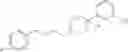


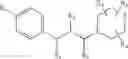





Sources:
- United States Patent and Trademark Office - verify current appl. status at the USPTO↗
Similar patent applications:
- » 20100092479
Compositions and methods for treatment of viral diseases - » 20160031859
Alkyl [(S)-1-((S)-2--buta-1,3-diynyl)-phenyl]-1H-imidazol-2-yl}-pyrrolidine-1-carbonyl)-2-methyl-propyl]-carbamate naphthalene-1,5-disulfonate, pharmaceutical composition, medicament, method for treatment of viral diseases - » 20100009970
COMPOSITIONS AND METHODS FOR TREATMENT OF VIRAL DISEASES - » 20230142126
METHODS AND COMPOSITIONS FOR THE TREATMENT OF VIRAL DISEASES - » 20090062375
METHODS AND COMPOSITIONS FOR THE TREATMENT OF VIRAL DISEASES - » 20160289188
COMPOSITIONS AND METHODS FOR THE TREATMENT OF VIRAL DISEASES WITH PDE4 MODULATORS - » 20230085071
METHODS AND COMPOSITIONS FOR THE TREATMENT OF VIRAL DISEASE USING GRANULOCYTE-MACROPHAGE COLONY-STIMULATING FACTOR (GM-CSF) - » 20200155492
Compositions and methods for the treatment of zika viral diseases - » 20090191207
Compositions and methods for the prophylaxis or treatment of viral diseases - » 20150336920
Compound, pharmaceutically acceptable salt or optical isomer thereof, method for preparing the same, and pharmaceutical composition for prevention or treatment of viral diseases containing same as active ingredient
Recent applications in this class:
- » 20250161291 2025-05-22
SMALL MOLECULES FOR INHIBITING CHEMOKINE ACTIVITY AND/OR CANCER CELLS GROWTH - » 20250134881 2025-05-01
TREATMENT OF OCULAR INFLAMMATORY DISEASES USING LAQUINIMOD - » 20240325374 2024-10-03
INHIBITING INTRACELLULAR PATHOGENS - » 20240277693 2024-08-22
A PHARMACEUTICAL PRODUCT CONTAINING TASQUINIMOD AND A METHOD FOR ASSESSING THE PURITY OF SAID PRODUCT - » 20240277692 2024-08-22
1,2-DIHYDROQUINOLINE-2-ONES FOR THEIR USE IN THE TREATMENT OF LIMB-GIRDLE MUSCULAR DYSTROPHY - » 20240245672 2024-07-25
METHODS AND COMPOSITIONS RELATING TO STEROID HORMONE RECEPTOR-DEPENDENT PROLIFERATIVE DISORDERS - » 20240226085 2024-07-11
KYNRENINE AND DERIVATIVES THEREOF FOR TREATING ATROPHIC SCARRING - » 20240173314 2024-05-30
TREATMENT OF SICKLE CELL ANAEMIA - » 20240122915 2024-04-18
COMBINATION OF TASQUINIMOD OR A PHARMACEUTICALLY ACCEPTABLE SALT THEREOF AND A PD-1 AND/OR PD-L1 INHIBITOR, FOR USE AS A MEDICAMENT - » 20240091216 2024-03-21
LIQUID FORMULATIONS OF INDACATEROL