System and method for removing particulate matter from a diesel particulate filter
US20090044530A1
2009-02-19
11/838,296
2007-08-14
✅ Patent granted
US 7,925,431 B2
2011-04-12
-
-
Thomas E Denion | Audrey Klasterka
2029-12-17
Abstract:
A system is provided for removing particulate matter from a diesel particulate filter. The system includes an engine controller coupled to the diesel engine, and to a locomotive controller. The locomotive controller includes an algorithm to create a trip plan to optimize the performance of the locomotive along a route in accordance with a power setting of the diesel engine at each location along the route. Each sensor is configured to output a first alert signal to the engine controller once the trapped particulate matter exceeds a predetermined threshold. Upon receiving the first alert signal, the engine controller communicates with the locomotive controller to determine a time region or distance region within the trip plan when the power setting exceeds a power threshold. The engine controller increases the temperature of the diesel exhaust gas entering the diesel particulate filter during the time region or distance region.
Inventors:
- Roy Primus 17 🇺🇸 Niskayuna, NY, United States
- Shawn Michael Gallagher 12 🇺🇸 Erie, PA, United States
- Jennifer Topinka 3 🇺🇸 Niskayuna, NY, United States
Assignee:
- GENERAL ELECTRIC COMPANY 28,775 🇺🇸 Schenectady, NY, United States
Interested in similar patents?
Get notified when new applications in this technology area are published.
Classification:
G05D1/00 IPC
Control of position, course or altitude of land, water, air, or space vehicles, e.g. automatic pilot
F01N3/023 » CPC main
Exhaust or silencing apparatus having means for purifying, rendering innocuous, or otherwise treating exhaust for cooling, or for removing solid constituents of, exhaust by means of filters using means for regenerating the filters, e.g. by burning trapped particles
F01N9/002 » CPC further
Electrical control of exhaust gas treating apparatus of filter regeneration, e.g. detection of clogging
F01N3/025 » CPC further
Exhaust or silencing apparatus having means for purifying, rendering innocuous, or otherwise treating exhaust for cooling, or for removing solid constituents of, exhaust by means of filters using means for regenerating the filters, e.g. by burning trapped particles using fuel burner or by adding fuel to exhaust
F01N3/035 » CPC further
Exhaust or silencing apparatus having means for purifying, rendering innocuous, or otherwise treating exhaust for cooling, or for removing solid constituents of, exhaust by means of filters in combination with other devices with catalytic reactors, e.g. catalysed diesel particulate filters
F01N2560/06 » CPC further
Exhaust systems with means for detecting or measuring exhaust gas components or characteristics the means being a temperature sensor
F01N2560/08 » CPC further
Exhaust systems with means for detecting or measuring exhaust gas components or characteristics the means being a pressure sensor
F01N2560/14 » CPC further
Exhaust systems with means for detecting or measuring exhaust gas components or characteristics having more than one sensor of one kind
F01N2590/08 » CPC further
Exhaust or silencing apparatus adapted to particular use, e.g. for military applications, airplanes, submarines for heavy duty applications, e.g. trucks, buses, tractors, locomotives
F01N2900/0422 » CPC further
Details of electrical control or of the monitoring of the exhaust gas treating apparatus; Methods of control or diagnosing measuring the elapsed time
Y02T10/40 » CPC further
Road transport of goods or passengers; Internal combustion engine [ICE] based vehicles Engine management systems
Y02T10/40 » CPC further
Road transport of goods or passengers; Internal combustion engine [ICE] based vehicles Engine management systems
F02B33/00 IPC
Engines characterised by provision of driven charging or scavenging pumps
F02B33/00 IPC
Engines characterised by provision of pumps for charging or scavenging
F02D41/00 IPC
Electrical control of combustion engines
F02D41/00 IPC
Electrical control of supply of combustible mixture or its constituents
G05D1/02 IPC
Control of position, course or altitude of land, water, air, or space vehicles, e.g. automatic pilot Control of position or course in two dimensions
F01N3/00 IPC
Exhaust or silencing apparatus having means for purifying, rendering innocuous, or otherwise treating exhaust
G05D3/00 IPC
Control of position or direction
G06F7/00 IPC
Methods or arrangements for processing data by operating upon the order or content of the data handled
G06F17/00 IPC
Digital computing or data processing equipment or methods, specially adapted for specific functions
G01C21/00 IPC
Navigation; Navigational instruments not provided for in groups -
Description
This application is related to U.S. patent application Ser. Nos. 11/838,277 (Attorney Docket No. 226286-1 (590) and Ser. No. ______ (Attorney Docket No. 226266-1 (593), filed concurrently herewith. Each of the foregoing applications is incorporated by reference herein in their entirety.
FIELD OF THE INVENTION
This invention relates to aftertreatment systems, such as a diesel particulate filter, and more particularly to a system and method for removing particulate matter from a diesel particulate filter.
BACKGROUND OF THE INVENTION
Diesel engines have been extensively used in various applications, such as locomotives, for example. Diesel engine exhaust gas is typically outputted from the engine (or a turbocharger connected to the diesel engine) and directed to an output, such as to the atmosphere for a locomotive diesel engine, for example.
More stringent emissions standards on diesel engines have led to the introduction of aftertreatment systems to reduce emissions. Particulate matter is one such emissions constituent that is being more aggressively regulated. Strict particulate standards have led to the use of particulate trapping devices in the exhaust systems. These devices act like a filter to capture particulate matter in the exhaust.
After a prolonged period of operating time, the diesel particulate filter of the conventional system will become backlogged with excessive trapped particulate matter. This trapped particulate matter may be removed from the diesel particulate filter using various techniques, such as regeneration, for example. Regeneration is a technique used to clean particulate filters onboard the locomotive, when the particulate filter has captured enough soot particles to restrict exhaust flow below an acceptable level. Regeneration is accomplished by increasing the temperature of the particulate filter, causing the soot particles to oxidize and burn off of the particulate filter. The regeneration process typically removes carbon particles from the particulate filter, leaving only a small amount of ash. The accumulated ash eventually needs to be removed, but this removal process is usually undertaken during a scheduled maintenance. However, none of the conventional systems efficiently remove the trapped particulate matter from the diesel particulate filter, thus leading to a poor diesel exhaust gas flow rate and inefficient diesel engine operation.
Accordingly, it would be advantageous to provide a system to efficiently remove the trapped particulate matter from the diesel particulate filter, to improve the efficiency of the diesel engine while minimizing the energy loss resulting from such removal.
BRIEF DESCRIPTION OF THE INVENTION
One embodiment of the present invention provides a system for removing particulate matter from a diesel particulate filter. The diesel particulate filter includes at least one diesel particulate filter unit to filter the particulate matter from diesel engine exhaust gas received from a diesel engine of a locomotive. Additionally, the system includes an engine controller coupled to the diesel engine. Furthermore, the system includes a locomotive controller coupled to the engine controller. Additionally, the locomotive controller includes an algorithm to create a trip plan to optimize the performance of the locomotive along a route in accordance with a power setting of the diesel engine at each location along the route. Each sensor is configured to output a first alert signal to the engine controller upon the trapped particulate matter exceeding a predetermined threshold. The engine controller is configured to communicate with the locomotive controller upon receiving the first alert signal to determine a time region or distance region within the trip plan when the power setting exceeds a power threshold. The engine controller is configured to increase the temperature of the diesel exhaust gas entering the diesel particulate filter during the time region or distance region.
Another embodiment of the present invention provides a method for removing particulate matter from a diesel particulate filter. The diesel particulate filter includes at least one diesel particulate filter unit to filter the particulate matter from diesel engine exhaust gas received from a diesel engine of a locomotive. The method includes determining the extent of trapped particulate matter within the diesel particulate filter unit by positioning at least one sensor adjacent to the at least one of the diesel particulate filter unit. The method further includes creating a trip plan to optimize the performance of the locomotive along a route in accordance with a power setting of the diesel engine at each location along the route. The method further includes configuring each sensor to output a first alert signal to the engine controller upon the trapped particulate matter exceeding a predetermined threshold. The method further includes configuring the engine controller to communicate with a locomotive controller upon receiving the first alert signal to determine a time region or distance region within the trip plan when the power setting of the diesel engine is greater than a power threshold. Additionally, the method includes configuring the engine controller to increase the temperature of the diesel exhaust gas entering the diesel particulate filter during the time region or distance region upon receiving the first alert signal.
Another embodiment of the present invention provides a system for removing particulate matter from a particulate filter. The particulate filter includes at least one diesel particulate filter unit to filter the particulate matter from the engine exhaust gas received from an internal combustion engine of a locomotive. The system includes an engine controller coupled to the engine, where the engine controller includes a memory configured to store at least one loading rate of the at least one diesel particulate filter unit for at least one of a distance or time increment of the locomotive traveling along a route. The system further includes a locomotive controller coupled to the engine controller, where the locomotive controller includes an algorithm to create a trip plan to optimize the performance of the locomotive along a route in accordance with a power setting of the engine at each location along the route. The engine controller is configured to communicate with the locomotive controller upon the engine controller having determined that a level of trapped particulate matter within the at least one diesel particulate filter exceeds a predetermined threshold. The engine controller is configured to calculate the level of trapped particulate matter based upon an initial level of trapped particulate matter and the at least one loading rate at a distance or time increment. The engine controller is configured to further determine a time region or a distance region within the trip plan when the power setting exceeds a power threshold. The engine controller is configured to increase the temperature of the exhaust gas entering the particulate filter during the time region or distance region.
Another embodiment of the present invention provides computer readable media containing program instructions for removing particulate matter from a diesel particulate filter. The diesel particulate filter includes at least one diesel particulate filter unit to filter the particulate matter from diesel engine exhaust gas received from a diesel engine. The computer readable media includes a computer program code to configure the engine controller to increase the temperature of the diesel exhaust gas entering the diesel particulate filter upon receiving the first alert signal.
BRIEF DESCRIPTION OF THE DRAWINGS
A more particular description of the invention briefly described above will be rendered by reference to specific embodiments thereof that are illustrated in the appended drawings. Understanding that these drawings depict only typical embodiments of the invention and are not therefore to be considered to be limiting of its scope, the invention will be described and explained with additional specificity and detail through the use of the accompanying drawings in which:
FIG. 1 depicts a schematic side view of an exemplary embodiment of a system for reducing particulate matter emission in engine exhaust gas;
FIG. 2 depicts a schematic end view of an exemplary embodiment of a system for reducing particulate matter emission in engine exhaust gas;
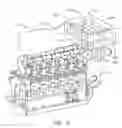
FIG. 3 depicts an isolated perspective view of an exemplary embodiment of a diesel engine among a system for removing particulate matter from a diesel particulate filter in accordance with the present invention;
FIG. 4 depicts a schematic side view of an exemplary embodiment of a system for removing particulate matter from a diesel particulate filter in accordance with the present invention;
FIG. 5 depicts a schematic side view of an exemplary embodiment of a system for removing particulate matter from a diesel particulate filter in accordance with the present invention;
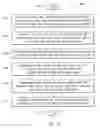
FIG. 6 depicts an exemplary embodiment of a method for removing particulate matter from a diesel particulate filter in accordance with the present invention;
FIG. 7 depicts an exemplary embodiment of a method for removing particulate matter from a diesel particulate filter in accordance with the present invention; and
FIG. 8 depicts a schematic side view of an exemplary embodiment of a system for removing particulate matter from a diesel particulate filter in accordance with the present invention.
DETAILED DESCRIPTION OF THE INVENTION
Reference will now be made in detail to the embodiments consistent with the invention, examples of which are illustrated in the accompanying drawings. Wherever possible, the same reference numerals used throughout the drawings refer to the same or like parts.
FIGS. 1 and 2 illustrate exemplary embodiments of a wall-flow diesel particulate filter 214 and a flow-through diesel particulate filter 214′. The diesel particulate filter 214 illustrated in the exemplary embodiment of FIGS. 1 and 2 is an example of an aftertreatment system, and similar examples may be constructed for wall-flow diesel particulate filters, to chemically reduce any or all species in the diesel engine exhaust, such as hydrocarbons, CO, nitrous dioxide, and other chemicals appreciated by one of skill in the art, as further discussed below in additional embodiments of the present invention. As illustrated in FIG. 1, a diesel particulate filter unit 216 (FIG. 3) includes a plurality of channels 226 aligned in a flow direction 230 of the diesel engine exhaust gas 212. The channels 226 of each diesel particulate filter unit 216 are selectively configured with a distinct cross-sectional area density. The cross-sectional area density of a diesel particulate filter unit may be directly proportional to its resistance to a cross-sectional region of diesel exhaust gas. However, the cross-sectional area density of the channels may be the same for different diesel particulate filter units, or may be non-uniform across a diesel particulate filter unit.
As further illustrated in the exemplary embodiment of FIG. 1, a plurality of walls 232 are positioned to separate adjacent channels 226 of the diesel particulate filter unit 216. The walls 232 of the diesel particulate filter unit 216 are designed with a respective thickness. The wall thickness of the center diesel particulate filter unit 216 is greater than the wall thickness of the outer diesel particulate filter unit 218. The respective wall thickness of a diesel particulate filter unit may be directly proportional to its resistance to a cross-sectional region of diesel exhaust gas. However, the wall thickness may be the same for different diesel particulate filter units, or may be non-uniform across a diesel particulate filter unit.
As further illustrated in FIG. 1, a plurality of pores 240 are positioned within the plurality of walls 232, and the pores 240 are configured to vacate a distinct ratio of the area of the walls 232. The pores ratio of the walls of the center diesel particulate filter 216 is lower than the pores ratio of the walls of the outer diesel particulate filter 218. The pores ratio of the walls of a diesel particulate filter may be inversely proportional to its resistance to a cross-sectional region of diesel exhaust gas. However, the pores ratio may be the same for different diesel particulate filter units, or may be non-uniform across a diesel particulate filter unit.
As further illustrated in FIGS. 1 and 2, the plurality of channels 226 of the diesel particulate filter unit 216 include a plurality of first channels 256 with a blocked inlet 258 and an open outlet 260. Additionally, the plurality of channels 226 include a plurality of second channels 262 with an open inlet 264 and a blocked outlet 266. Each first channel 256 is positioned adjacent to a second channel 262, and each second channel 262 is positioned adjacent to a first channel 256. Although the first channel and second channel are illustrated in FIG. 1 with alternating blocked inlet/open inlet and blocked outlet/open outlet, each diesel particulate filter unit may include one or more channels with a blocked/open inlet and blocked/open outlet which is out of sequence with its adjacent channels.
During operation of the system 210, upon a respective cross-sectional region of the diesel exhaust gas 212 entering a second channel 262 of a diesel particular filter unit 216, the diesel exhaust gas is configured to pass through one of the walls 232 separating the plurality of first channels 256 and plurality of second channels 262. The diesel exhaust gas 212 subsequently passes into a first channel 256 and exits through the open outlet 260 of the first channel 256 to the atmosphere. However, various other paths may be taken by the diesel exhaust gas 212 through the diesel particulate filter 216. Upon the diesel exhaust gas 212 passing from the second channel 262, through the wall 232 and into the first channel 256, particulate matter of the diesel exhaust gas 212 is trapped within the pores 240 of the wall.
In designing each diesel particulate filter unit 216,218, the selective cross-sectional area density of the plurality of channels, the respective wall thickness and the ratio of pores within the walls is selectively determined based upon a flow rate of the respective cross-sectional region of the diesel exhaust gas 212 which is expected to pass over the respective diesel particulate filter unit 216,218. The plurality of diesel particulate filter units 216,218 may be comprised of silicon carbide, cordierite material, or any other material, or combination of materials appreciated by one of skill in the art.
As illustrated in FIG. 3, the diesel particulate filter 214 may include a diesel particulate filter housing 248 for the plurality of diesel particulate filter units 216,218. As further illustrated in FIG. 3, the diesel engine exhaust gas 212 is output from a locomotive diesel engine 211 into a turbocharger 250 and subsequently from a turbocharger outlet into the diesel particulate filter 214. As further illustrated in FIG. 3, the system 210 may include a catalyst device 268 positioned between the turbocharger 250 and the diesel particulate filter 214, to receive the diesel engine exhaust gas 212 output from the turbocharger. The catalyst device 268 is configured to increase the temperature of the diesel engine exhaust gas 212 directed into the diesel particulate filter 214, and may be contained within the housing 248.
Although the embodiment of the system 210 to reduce particulate matter emission in diesel engine exhaust gas 212 involves the use of a diesel particulate filter 214, various other aftertreatment systems may be utilized to control the distribution of exhaust flow over the cross section of the flow path by using aftertreatment substrates with different flow characteristics at the various locations across the channel. The embodiments of the present invention all include aftertreatment systems which may be used to alter the flow characteristic over the cross-section using a number of techniques. As described in the system 210 above, varying the cross-sectional area density and/or wall thickness of a wall-flow particulate filter (i.e., a particulate filter with alternating blocked inlet-open outlet channels, and open inlet-blocked outlet channels) is one example of such an aftertreatment system. However, another exemplary embodiment of the present invention involves an aftertreatment system to combine a wall-flow particulate filter 214, as illustrated in FIGS. 1 and 2, with a flow-through particulate filter 214′ (i.e., a diesel particulate filter with an open inlet-open outlet channel arrangement), also illustrated in FIGS. 1 and 2 to get a favorable flow and thermal characteristic. Additionally, in an additional exemplary embodiment of the present invention, the materials of the flow-through particulate filters 214′ or the wall-flow particulate filters 214 may be combined in such a fashion to get such favorable flow and thermal characteristics, and such materials may include silicon carbide, cordierite, mullite, or metal mesh, among others.
FIG. 4 illustrates another embodiment of a system 410″ for removing particulate matter from a diesel particulate filter 414″. The diesel particulate filter 414″ includes a plurality of diesel particulate filter units to filter the particulate matter from diesel engine exhaust gas received from a diesel engine 411″ of a locomotive 441″. The system 410″ includes a pair of sensors 420″,422″ configured to determine the extent of trapped particulate matter within the diesel particulate filter 414″. Additionally, the system 410″ includes an engine controller 429″ coupled to the pair of sensors 420″,422″ and the diesel engine 411″. The system 410″ further includes a locomotive controller 444″ coupled to the engine controller 429″, where the locomotive controller 444″ includes an algorithm to create a trip plan to optimize the performance of the locomotive 441″ along a route 434″ in accordance with a power setting of the diesel engine 411″ at each location along the route 434″. Additional details of systems including such engine controllers are disclosed in U.S. application Ser. Nos. 11/622,136 and 11/671,533, the entire contents of which is incorporated by reference herein. In an exemplary embodiment of the present invention, the optimization of the performance of the locomotive along the route 434″ may be minimizing the fuel efficiency of the locomotive along the route, for example.
The system 410″ involves performing regeneration (ie. removing trapped particulate matter) on the particulate filter 414″, or other aftertreatment system, in cooperation with the algorithm of the locomotive controller 444″. The system 410″ first determines the load, or extent, of trapped particulate matter within the particulate filter 414″, using a variety of methods, such as a pair of sensors 420″,422″ described below. Alternatively, the system 410″ may estimate the load of trapped particulate matter within the particulate filter 414″, using experimentally known load rates, and calculating an estimated load of trapped particulate matter within the particulate filter 414″ at incremental time or distance regions along the locomotive trip. Once the system 410″ has estimated the load, or extent of trapped particulate matter within the particulate filter 414″, the system 410″ determines an upcoming distance or time limit gap until the particulate filter will become critically loaded with particulate matter, based upon the estimated particulate filter load, and future upcoming load rates. The system 410″ determines a time or distance region within this respective time or distance limit gap to perform regeneration such that the engine notch profile during this time or distance region is sufficient to oxidize the trapped particulate matter within the particulate filter. As an example, the system may calculate that the particulate filter is 50% loaded with particulate matter, and estimate that it will become fully loaded in the next 45 minutes. Thus, in this example, the system would analyze the upcoming trip profile within the next 45 minutes and determine for ideal time to conduct a 20 minute regeneration cycle. As described in the previous example, the system 410″ may perform regeneration prior to the particulate filter reaching a full load capacity. By performing the regeneration process during a time or distance region of the locomotive trip when the upcoming engine notch profile is sufficiently high, the engine exhaust temperature is already elevated, and thus a minimal amount of energy needs to be added to increase the engine exhaust temperature to oxidize the trapped particulate matter.
The system 410″ provides further advantageous features, including selectively choosing those distance or time regions among the respective time or distance limit gap to perform regeneration. For example, regeneration is not desired when the locomotive is traveling through tunnels or within such closed areas, and thus the system 410″ may selectively exclude distance or time regions from the trip profile when performing regeneration which overlap with the locomotive traveling through such closed regions or tunnels.
The pair of sensors 420″,422″ are configured to continuously output a first alert signal 432″ to the engine controller 429″, where each first alert signal 432″ includes a current load and/or a loading rate of particulate matter within the diesel particulate filter 414″. Thus, the pair of sensors 420″,422″ continuously determine a current load and loading rate of particulate matter within the diesel particulate filter 414″, and transmit this current load and loading rate information, in the form of a first alert signal 432″, to the engine controller 429″. Although FIG. 4 illustrates a pair of sensors 420″,422″, only one sensor or more than two sensors may be utilized to determine the current load and/or loading rate, such as based on sensing the back pressure from the diesel particulate filter, for example. The engine controller 429″ continuously receives the first alert signal 432″ from the pair of sensors 420″,422″, including the current load and loading rate of the diesel particulate filter 414″, and the engine controller 429″ communicates with the locomotive controller 444″ to determine a projected load and/or a projected loading rate of particulate matter within the diesel particulate filter 414″ along the route 434″ based upon the trip plan. Additionally, the engine controller 429″ is configured to communicate with the locomotive controller 444″ to determine a time gap or a distance gap based on the trip plan along the route 434″ until the particulate filter 414″ is fully loaded with particulate matter. The engine controller 429″ subsequently determines a time region or distance region within the respective time gap or distance gap to remove the particulate matter from the particulate filter 414″, where determining the time region or distance region is based on one or more of the current load, the loading rate, the projected load during the time gap or distance gap, the projected loading rate during the time gap or distance gap, and the time gap or distance gap. Thus, for example, if the current load is 70% and the engine controller uses the known projected load and projected load rates to determine a time gap of 45 minutes (ie. particulate filter will fill up within 45 minutes), the engine controller 429″ may determine a time region from t=20-25 minutes within the time gap, during which the trip plan (ie. engine output) is sufficiently high to completely oxidize the particulate matter within the particulate filter 414″.
In an additional exemplary embodiment, the pair of sensors 420″,422″ are configured to output a first alert signal 432″ to the engine controller 429″ upon the trapped particulate matter within the diesel particulate filter 414″ exceeding a predetermined threshold. Upon receiving the first alert signal 432″, the engine controller 429″ is configured to communicate with the locomotive controller 444″ to determine a time region or distance region within the trip plan when the power setting of the diesel engine 411″ exceeds a power threshold. For example, if the power threshold is 500 HP, and from t=80-120 minutes or d=60-62 miles, the algorithm within the locomotive controller 444″ determines that the power setting of the diesel engine 411″ will be greater than 500 HP, the time region of t=80-120 minutes or the distance region of d=60-62 miles is communicated from the locomotive controller 444″ to the engine controller 429″. The engine controller 429″ is then arranged to increase the temperature of the diesel exhaust gas entering the diesel particulate filter 414″ during the time region or distance region, in order to remove the trapped particulate matter within the diesel particulate filter, as discussed in the previous embodiments and in further detail below.
As further illustrated in the exemplary embodiment of FIG. 4, the system 410″ further includes a locator element 430″ to determine a location of the locomotive 441″ along the route 434″. Such a locator element 430″ may include any of a number of position determining devices, such as a GPS device, or wayside signals, for example. Additionally, the system 410″ further includes a track characterization element 433″ to provide information about a track, including topographic information, as discussed further below. The locomotive controller 444″ is illustratively coupled to the locator element 430″ and the track characterization element 433″, and may communicate with these components to determine present track topographic information and to project future track topographic information for incremental positions along the route 434″. The algorithm within the locomotive controller 444″ may utilize the track information to estimate current and projected various operating characteristics of the locomotive 441″, such as power settings of the diesel engine 411″ when the locomotive 441″ reaches each location along the route 434″, for example. The locomotive controller 444″ is operable to receive information from the locator element 430″, the track characterizing element 433″, and the engine controller 429″. Some examples of such information provided by the track characterization element 433″ at each location along the route 434″ include a change in speed restriction along the route, a change in a track grade along the route, a change in track curvature along the route, and a change in a traffic pattern along the route, among others.
In the illustrated embodiment of the system 410″, the track characterization element 433″ may further include an on-board track database 436″ configured to store an expected change in the track grade at each location along the route, an expected change in the track curvature at each location along the route, a change in the track pattern at each location along the route and/or an expected power setting at each location along the route 434″. The track database 436″ may include any information pertinent to the track topographic information and/or the power setting of the diesel engine 411″ at each location along the route 434″. Additionally, the on-board track database 436″ may store historic information for previous runs such as the power setting at each location along a route 434″ or any such similar locomotive operating condition at each location along the route 434″, for a particular locomotive 441″ along a particular route 434″, or for various locomotives along a particular route 434″. The engine controller 429″ may communicate with the locomotive controller 444″ and receive such historic information for previous runs, including previous power settings of the locomotive 441″ at each location along the route 434″, as communicated from the database 436″.
As further illustrated in FIG. 4, the system 410″ includes a turbocharger 450″ includes an exhaust manifold to receive the diesel engine exhaust gas from the diesel engine 411″ and an outlet to output the diesel exhaust gas to the diesel particulate filter 414″. The system 410″ further includes an injector device 433″ positioned between the turbocharger 450″ and the diesel particulate filter 414″, where the injector device 433″ is configured to selectively inject an adjustable amount of diesel fuel into the diesel engine exhaust gas exiting the outlet. Additionally, the system 410″ includes a reactive device 438″ positioned between the injector device 433″ and the diesel particulate filter 414″. The reactive device 438″ is configured to selectively ignite the adjustable amount of injected diesel fuel within the diesel engine exhaust gas upon entering an inlet of the reactive device 438″ to increase the temperature of the diesel exhaust gas entering the diesel particulate filter 414″. Various reactive devices may be used, such as catalyst devices, fuel burners, and any other devices appreciated by one of skill in the art. The injection timing of the reactive device 438″ may be retarded with electronic fuel injection systems to increase exhaust temperature. Additionally, with more advanced systems, such as common rail, a post injection may be used.
As further illustrated in the exemplary embodiment of FIG. 4, the system 410″ includes a temperature sensor 442″ coupled to the engine controller 429″ and positioned adjacent to the reactive device 438″. The temperature sensor 442″ is configured to determine the temperature of the diesel engine exhaust gas entering the reactive device 438″. The temperature sensor 442″ is further configured to transmit a second alert signal 445″ to the engine controller 429″ upon measuring a temperature lower than a first minimum threshold for the reactive device 438″ to ignite the diesel fuel. The first minimum threshold depends on various factors, including the type of reactive device, including its material components, method of reacting with the fuel, ambient temperature, and other factors to determine the minimum temperature at which the reactive device will ignite the diesel fuel, thereby increasing the temperature of the diesel exhaust gas containing the ignited diesel fuel. In an exemplary embodiment of the system 410″, the first minimum threshold is approximately 200 degrees Celsius, and the temperature of the diesel engine exhaust gas is lower than the first minimum threshold when the locomotive diesel engine is in an idle state. However, the first minimum threshold may take any particular value consistent with a minimum temperature at which the reactive device ignites injected diesel fuel within the diesel exhaust gas.
The engine controller 429″ is configured to increase the temperature of the diesel exhaust gas entering the reactive device 438″ to greater than the first minimum threshold upon the engine controller 429″ receiving the first alert signal 432″ and the second alert signal 445″. Thus, the engine controller 429″ provides an initial increase in the temperature of the diesel exhaust gas, to at least the first minimum threshold, to enable a subsequent increase in the temperature of the diesel exhaust gas via ignition of the injected diesel fuel by the reactive device 438″.
To initially increase the temperature of the diesel exhaust gas, the engine controller 429″ is configured to provide this increase in temperature through a number of methods. For example, the engine controller 429″ is configured to communicate with the locomotive controller 444″ to determine the time region or distance region within the trip plan during which the engine controller 429″ is configured to increase the temperature of the diesel exhaust gas entering the reactive device 438″ above the first minimum threshold. Thus, upon engaging in communication with the locomotive controller 444″, the engine controller 429″ receives a time region or distance region, such as t=80-120 minute or d=60-62 miles when the diesel engine has a power setting greater than a power threshold, as discussed above, for example, and during which the engine controller 429″ causes an increase in the temperature of the diesel exhaust gas entering the reactive device 438″. Alternatively, the engine controller 429″ may be configured to electrically couple an alternator 456″ of the diesel engine 411″ during the time region or distance region to the turbocharger output to cause an increase in the temperature of the diesel engine exhaust gas entering the reactive device 438″.
As discussed in the previous embodiments of the present invention and illustrated in FIG. 1, each diesel particulate filter unit 216,218 of the diesel particulate filter 414″ includes a plurality of channels 226 oriented parallel with the flow direction 230 of the diesel engine exhaust. The pair of sensors 420″,422″ are a pair of pressure sensors positioned on opposing sides of the plurality of channels 226 of the particulate filter unit 216 (FIG. 1). The pressure sensors 420″,422″ are configured to transmit the first alert signal 432″ to the engine controller 429″ upon measuring a pressure difference across the plurality of channels 226 which exceed a predetermined pressure threshold. As the trapped particulate matter accumulates within the walls of the diesel particulate filter 414″, as discussed in the previous embodiments, the pressure difference across a channel 226, as measured by the pressures sensors 420″,422″, increases. The predetermined pressure threshold may be selectively determined based upon a number of factors, including, for example, the time duration to remove the trapped particulate matter, the method of removing the trapped particulate matter, and the temperature of removing the trapped particulate matter.
After the engine controller 429″ increases the temperature of the diesel exhaust gas entering the reactive device 438″ above the first minimum threshold, the temperature sensor 442″ measures this increase in temperature and transmits a third alert signal to the engine controller 429″. Upon receiving the first alert signal 432″ and the third alert signal during the time region or distance region, the engine controller 429″ transmits an ignite signal to the reactive device 438″ to ignite the injected fuel within the diesel engine exhaust to increase the temperature of diesel engine exhaust passing through an outlet of the reactive device 438″ and into an inlet of the diesel particulate filter 414″.
The reactive device 438″ may be a catalyst device 438″ and may include an internal catalyst component which facilitates igniting the injected fuel of the diesel exhaust gas and increases the temperature of the diesel exhaust gas at a temperature lower than in an absence of the catalyst device 438″. During the ignition of the injected fuel within the diesel exhaust gas, the temperature of the diesel exhaust gas entering the catalyst device 438″ increases to a first high temperature threshold to facilitate oxidization of the trapped particulate matter within the plurality of diesel particulate filter 414″. This oxidization of the trapped particulate matter within the diesel particulate filter 414″ at the first high temperature threshold is known as active regeneration. The trapped particulate matter may include a carbon material which oxidizes at the first high temperature threshold. In an exemplary embodiment of the present invention, the first high temperature threshold may be approximately 550 degrees Celsius, the oxidization may occur within an approximate temperature range of 550-600 degrees Celsius and the catalyst may be formed from cordierite, silicon carbide, mullite, metallic material or any combination of appropriate materials. However, other first high temperature threshold values and oxidization temperature ranges are possible, based on various factors including the material used, the amount of particulate matter to be oxidized, and the time duration of the regeneration, for example. Those elements not discussed herein, are similar to those elements discussed in the previous embodiments, with four-hundred scale double-prime number reference notation, and require no further discussion herein.
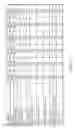
FIG. 5 illustrates an additional embodiment of a system 410′″ of the present invention. Unlike the embodiment of the system 410″ discussed above and illustrated in FIG. 4, in which active regeneration is used to oxidize trapped particulate matter from the diesel particulate filter, the system 410′″ discloses a passive regeneration process to oxidize trapped particulate matter form the diesel particulate filter.
The system 410′″ illustrated in FIG. 5 includes a turbocharger 450′″ including an exhaust manifold to receive the diesel engine exhaust gas from the diesel engine 411′″ and an outlet to output the diesel exhaust gas to the diesel particulate filter 414′″. As discussed in the previous embodiment, the diesel particulate filter 414′″ includes a plurality of diesel particulate filter units including a plurality of channels oriented parallel with the flow direction of the diesel engine exhaust. Additionally, a pair of pressures sensors 420′″,422′″ are positioned on opposing sides of the plurality of channels of the diesel particulate filter 414′″. The pressure sensors 420′″,422′″ are configured to transmit the first alert signal 432′″ to the engine controller 429′″ upon measuring a pressure difference across the channels which exceeds a predetermined pressure threshold, as discussed in the previous embodiments.
As further illustrated in the exemplary embodiment of FIG. 5, a temperature sensor 442′″ is coupled to the engine controller 429′″ and positioned adjacent to the diesel particulate filter 414′″ including the plurality of diesel particulate filter units. The temperature sensor 442′″ is configured to determine the temperature of the diesel engine exhaust gas entering the diesel particulate filter 414′″ including the plurality of particulate filter units. Additionally, the temperature sensor 442′″ is further configured to transmit a second alert signal 445′″ to the engine controller 429′″ upon measuring a temperature lower than a second maximum threshold for the diesel particulate filter 414′″. As discussed in further detail below, the second maximum threshold is the minimum temperature of the diesel exhaust gas at which the trapped particulate matter within the diesel particulate filter 414′″ will oxidize in the presence of nitrous dioxide. The engine controller 429′″ is configured to increase the temperature of the diesel exhaust gas during the time region or distance region entering the diesel particulate filter 414′″ to the second maximum threshold upon the engine controller 429′″ receiving the first alert signal 432′″ and the second alert signal 445′″ to facilitate oxidization of the particulate matter on the plurality of particulate filter units in the presence of nitrous dioxide.
To increase the temperature of the diesel exhaust gas entering the diesel particulate filter 414′″, the engine controller 429′″ is configured to increase the temperature of the diesel engine exhaust gas during the time region or distance region through facilitating the passage of diesel engine exhaust gas into the particulate filter 414′″. The diesel engine 411′″ is configured with a power setting greater than the power threshold during the time region or distance region, as discussed previously. Alternatively, the engine controller 429″ is configured to electrically couple an alternator 456′″ of the diesel engine 411′″ during the time region or distance region to the turbocharger output to cause an increase in the temperature of the diesel engine exhaust gas entering the plurality of diesel particulate filter units of the diesel particulate filter 414′″. Although FIG. 5 illustrates the above-described arrangements to increase the temperature of the diesel exhaust gas, various other arrangements and methods may be utilized to increase the temperature of the diesel exhaust gas entering the diesel particulate filter. In an exemplary embodiment of the present invention, the second maximum threshold may be approximately 250 degrees Celsius and the oxidization in the presence of nitrous dioxide may occur in the approximate temperature range of 250-350 degrees Celsius. However, other second maximum threshold values and oxidization temperature ranges are possible, based on various factors including the material used, the amount of particulate matter to be oxidized, and the time duration of the regeneration, for example. Additionally, in the illustrated embodiment of FIG. 5, a nitrous dioxide filter 466′″ is positioned downstream from the particulate filter 414′″ to reduce the presence/concentration of nitrous dioxide in the diesel exhaust gas which enters the diesel particulate filter.
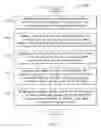
FIG. 6 illustrates an exemplary embodiment of a method 600 for removing particulate matter from a diesel particulate filter 414′″. The particulate filter 414′″ includes at least one particulate filter unit to filter the particulate matter from the engine exhaust gas received from an engine 411′″ of a locomotive 441′″. The method 600 begins (block 601) by transmitting (block 602) a first alert signal 432′″ including at least one of a current load and a loading rate of particulate matter within one or more particulate filter units from at least one sensor 420′″,422′″ adjacent to an engine controller 429′″. The method 600 further includes creating (block 604) a trip plan to optimize the performance of the locomotive along a route 434′″ in accordance with a power setting of the engine 411′″ at each location along the route 434′″. The method 600 further includes determining (block 606) a projected load and projected loading rate of one or more particulate filter units along the route 434′″ based upon the trip plan. The method 600 further includes determining (block 608) a time gap or distance gap based upon the trip plan along the route 434′″ until the one or more particulate filter unit is fully loaded with particulate matter. The method 600 further includes determining (block 610) a time region or distance region within the respective time gap or distance gap to remove the particulate matter from the one or more particulate filter units. The step of determining the time region or distance region is based upon at least one of the current load, the loading rate, the projected load, the projected loading rate, the time region and the distance region. The method 600 further includes increasing (block 612) the temperature of the exhaust gas entering the particulate filter 414′″ during the time region or distance region, before ending at block 613.
FIG. 7 illustrates an exemplary embodiment of a method 700 for removing particulate matter from a diesel particulate filter 414′″. The diesel particulate filter 414′″ includes at least one diesel particulate filter units to filter the particulate matter from diesel engine exhaust gas received from a diesel engine 411′″ of a locomotive 441′″. The method 700 begins at 701 by determining (block 702) the extent of trapped particulate matter within the diesel particulate filter 414′″ by positioning a pair of sensors 420′″, 422′″ adjacent to the diesel particulate filter 414′″. The method 700 further includes creating (block 704) a trip plan to optimize the performance of the locomotive 441′″ along a route 434′″ in accordance with a power setting of the diesel engine 411′″ at each location along the route. The method 700 further includes configuring (block 706) the pair of sensors 420′″,422′″ to output a first alert signal 432′″ to the engine controller 429′″ upon the trapped particulate matter exceeding a predetermined threshold. The method 700 further includes configuring (block 708) the engine controller 429′″ to communicate with a locomotive controller 444′″ upon receiving the first alert signal 432′″ to determine a time region or distance region within the trip plan when the power setting of the diesel engine 411′″ is greater than a power threshold. Additionally, the method 700 includes configuring (block 710) the engine controller 429′″ to increase the temperature of the diesel exhaust gas entering the diesel particulate filter 414′″ during the time region or distance region upon receiving the first alert signal 432′″.
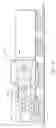
Another embodiment of the present invention is illustrated in FIG. 8 and provides a system 410″″ for removing particulate matter from a particulate filter 414″″. Unlike the systems illustrated in FIG. 4, the system 410″″ does not provide sensors to determine the extent of trapped particulate matter within the particulate filter, and instead the engine controller 429″″ includes an internal memory 448″″ into which is stored a plurality of load rates of the particulate filter, at each time or distance region along the locomotive route. The load rates at each time or distance region may be determined experimentally, or may be based upon previous data from the same locomotive along the same route or a similar locomotive along the same route. The engine controller is configured to calculate the level of trapped particulate matter within the particulate filter 414″″ based upon an initial level of trapped particulate matter and a plurality of loading rates during a respective plurality of time or distance increments along the locomotive route 434″″. As described above, the engine controller 444″″ is configured to perform an initial calculation of a time or distance limit gap until the particulate filter is fully loaded with trapped particles, and then is configured to subsequently determine a time or distance region within the time or distance limit gap when the power setting exceeds a power threshold. The engine controller is configured to increase the temperature of the exhaust gas entering the particulate filter during the time region or distance region such that the trapped particles within the particulate filter are oxidized. Those elements of the system 410″″ not discussed, are similar to those elements of the above embodiments, with quadruple prime notation, and require no further discussion herein.
While the invention has been described in what is presently considered to be a preferred embodiment, many variations and modifications will become apparent to those skilled in the art. Accordingly, it is intended that the invention not be limited to the specific illustrative embodiment but be interpreted within the full spirit and scope of the appended claims.
Claims
That which is claimed:1. A system for removing particulate matter from a particulate filter, said particulate filter comprising at least one particulate filter unit to filter said particulate matter from engine exhaust gas received from an internal combustion engine of a locomotive, said system comprising:
at least one sensor configured to determine the extent of trapped particulate matter within said at least one particulate filter unit;
an engine controller coupled to said at least one sensor and said engine; and
a locomotive controller coupled to said engine controller, said locomotive controller including an algorithm to create a trip plan to optimize the performance of the locomotive along a route in accordance with a power setting of said engine at each location along the route;
wherein said at least one sensor is configured to output a first alert signal to said engine controller upon said trapped particulate matter exceeding a predetermined threshold, said engine controller is configured to communicate with said locomotive controller upon receiving said first alert signal to determine a time region or distance region within said trip plan when said power setting exceeds a power threshold, said engine controller is configured to increase the temperature of said exhaust gas entering said at least one particulate filter unit during said time region or distance region.
2. The system according to claim 1, further comprising
a locator element to determine a location of the locomotive;
a track characterization element to provide information about a track;
said locomotive controller is operable to receive information from the locator element, the track characterizing element, and the engine controller.
3. The system according to claim 2, wherein said optimization of the performance of the locomotive along said route is a minimization of the fuel efficiency of the locomotive along said route.
4. The system according to claim 2, wherein said optimization of the performance of the locomotive along said route is a minimization of the emissions of the locomotive along said route.
5. The system according to claim 2, wherein said information provided by said track characterization comprises at least one of a change in speed restriction along said route, a change in a track grade along said route, a change in track curvature along said route, and a change in a traffic pattern along said route; and
wherein said track characterization element further comprises an on-board track database configured to store at least one of an expected change in said track grade at each location along said route, an expected change in said track curvature at each location along said route, a change in said track pattern at each location along said route and an expected power setting at each location along said route.
6. The system according to claim 5, wherein said on-board track database is configured to store historic information about a track based on previous runs of said locomotive along said route.
7. The system according to claim 5, further comprising:
a turbocharger including an exhaust manifold to receive said engine exhaust gas from said engine and further including an outlet to output said exhaust gas to said particulate filter;
an injector device positioned between said turbocharger and said particulate filter, said injector device configured to selectively inject an adjustable amount of fuel into said engine exhaust gas exiting said outlet; and
a reactive device positioned between said injector device and said particulate filter, said reactive device configured to selectively ignite said adjustable amount of injected fuel within said engine exhaust gas upon entering an inlet of said reactive device to increase the temperature of said exhaust gas entering said particulate filter.
8. The system according to claim 7, further comprising:
a temperature sensor coupled to said engine controller and positioned adjacent to said reactive device, said temperature sensor being configured to determine the temperature of said engine exhaust gas entering said reactive device, said temperature sensor further configured to transmit a second alert signal to said engine controller upon measuring a temperature lower than a first minimum threshold for said reactive device to ignite said fuel;
said engine controller is configured to communicate with said locomotive controller to determine said time region or distance region within said trip plan during which said engine controller is configured to increase the temperature of said exhaust gas entering said reactive device above said first minimum threshold.
9. The system according to claim 8, wherein said engine controller is configured to increase the temperature of said engine exhaust gas during said time region or distance region through facilitating the passage of engine exhaust gas into said reactive device from said engine having a power setting greater than said power threshold.
10. The system according to claim 8, wherein said engine controller is configured to electrically couple an alternator of said engine during said time region or distance region to said turbocharger output to cause an increase in the temperature of said engine exhaust gas entering said reactive device.
11. The system according to claim 8, wherein said first minimum threshold is approximately 200 degrees Celsius, said temperature of said engine exhaust gas is lower than said first minimum threshold when said locomotive engine is in an idle state.
12. The system according to claim 8,
wherein each particulate filter unit comprises a plurality of channels oriented parallel with the direction of the engine exhaust;
said at least one sensor is a pair of pressure sensors positioned on opposing sides of at said plurality of channels of said particulate filter unit, said pressure sensors being configured to transmit said first alert signal to said engine controller upon measuring a pressure difference across one of said plurality of channels exceeding a predetermined pressure threshold.
13. The system according to claim 8, wherein said temperature sensor is configured to transmit a third alert signal to said engine controller upon measuring a temperature exceeding said first minimum threshold; upon said engine controller receiving said first alert signal and said third alert signal during said time region or distance region, said engine controller is configured to transmit an ignite signal to said reactive device to ignite said injected fuel within said engine exhaust to increase the temperature of engine exhaust passing through an outlet of said reactive device and into an inlet of said particulate filter.
14. The system according to claim 13,
wherein said reactive device is a catalyst device including a catalyst component;
during said ignition of said injected fuel within said exhaust gas, the temperature of said exhaust gas entering said catalyst device is increased to a first high temperature threshold to facilitate oxidization of said trapped particulate matter within said at least one particulate filter unit, said trapped particulate matter comprising a carbon material to oxidize at said first high temperature threshold.
15. The system according to claim 14, wherein said first high temperature threshold is approximately 550 degrees Celsius, said oxidization occurs within an approximate temperature range of 550-600 degrees Celsius; said catalyst is comprised of cordorite or a metallic material.
16. The system according to claim 14, wherein said catalyst is configured to ignite said injected fuel within said exhaust gas having a temperature above said first minimum threshold, said first minimum threshold being lower than a minimum temperature to ignite said fuel within said exhaust gas in the absence of said catalyst.
17. The system according to claim 7, wherein said reactive device is a fuel burner device.
18. The system according to claim 1, further comprising:
a turbocharger including an exhaust manifold to receive said engine exhaust gas from said engine and an outlet to output said exhaust gas to said particulate filter.
19. The system according to claim 18,
wherein each particulate filter unit comprises a plurality of channels oriented parallel with the direction of said engine exhaust;
said at least one sensor is a pair of pressure sensors positioned on opposing sides of said plurality of channels of said particulate filter unit, said pressure sensors being configured to transmit said first alert signal to said engine controller upon measuring a pressure difference across one of said plurality of channels exceeding a predetermined pressure threshold.
20. The system according to claim 19, further comprising a temperature sensor coupled to said engine controller and positioned adjacent to said at least one particulate filter unit, said temperature sensor being configured to determine the temperature of said engine exhaust gas entering said at least one particulate filter unit, said temperature sensor further configured to transmit a second alert signal to said engine controller upon measuring a temperature lower than a second maximum threshold for said particulate filter.
21. The system according to claim 20, wherein said engine controller is configured to increase the temperature of said exhaust gas during said time region or distance region entering said at least one particulate filter unit to said second maximum threshold upon said engine controller having received said first alert signal and said second alert signal to facilitate oxidization of said particulate matter on said at least one particulate filter unit in the presence of nitrious dioxide.
22. The system according to claim 21, wherein said engine controller is configured to increase the temperature of said engine exhaust gas during said time region or distance region through facilitating the passage of engine exhaust gas into said at least one particulate filter unit from said engine, said engine configured with a power setting greater than said power threshold during said time region or distance region.
23. The system according to claim 21, wherein said engine controller is configured to electrically couple an alternator of said engine during said time region or distance region to said turbocharger output to cause an increase in the temperature of said engine exhaust gas entering said at least one particulate filter unit.
24. The system according to claim 21, wherein said second maximum threshold is approximately 250 degrees Celsius and said oxidization in the presence of nitrious dioxide occurs in the approximate temperature range of 250-350 degrees Celsius.
25. The system according to claim 21, further comprising a filter positioned downstream from said at least one particulate filter unit to reduce the presence of nitrous dioxide entering said at least one particulate filter unit.
26. A method for removing particulate matter from a particulate filter, said particulate filter comprising at least one particulate filter unit to filter said particulate matter from engine exhaust gas received from a engine of a locomotive, said method comprising:
determining the extent of trapped particulate matter within said at least one particulate filter unit by positioning at least one sensor adjacent to said at least one particulate filter unit;
creating a trip plan to optimize the performance of the locomotive along a route in accordance with a power setting of said engine at each location along the route;
configuring said at least one sensor to output a first alert signal to said engine controller upon said trapped particulate matter exceeding a predetermined threshold;
configuring said engine controller to communicate with a locomotive controller upon receiving said first alert signal to determine a time region or distance region within said trip plan when said power setting of said engine is greater than a power threshold; and
configuring said engine controller to increase the temperature of said exhaust gas entering said at least one particulate filter unit during said time region or distance region upon receiving said first alert signal.
27. The method according to claim 26, further comprising
providing a locator element to determine a location of the locomotive;
providing a track characterization element to provide information about a track;
configuring said locomotive controller to receive information from the locator element, the track characterizing element, and the engine controller.
28. The method according to claim 27, further comprising:
providing a turbocharger to receive said engine exhaust gas;
selectively injecting an amount of fuel during said time region or distance region with an injector device into said engine exhaust gas exiting an output of said turbocharger; and
selectively igniting said amount of injected fuel during said time region or distance region within a reactive device, said injected fuel within said engine exhaust gas entering an inlet of said reactive device.
29. The method according to claim 28, further comprising
determining the temperature of said engine exhaust gas adjacent to said reactive device;
transmitting a second alert signal to said engine controller upon measuring a temperature lower than a first minimum threshold for said reactive device to ignite said injected fuel;
configuring said engine controller to communicate with said locomotive controller upon said engine controller receiving said first and second alert signals, to determine said time region or distance region within said trip plan during which said engine controller is configured to increase the temperature of said exhaust gas entering said reactive device above said first minimum threshold.
30. The method according to claim 28, wherein said engine controller increases the temperature of said engine exhaust gas during said time region or distance region through facilitating the passage of engine exhaust gas into said reactive device from said engine having a power setting greater than said power threshold.
31. The method according to claim 28, wherein said engine controller electrically couples an alternator of said engine during said time region or distance region to said turbocharger output to cause an increase in the temperature of said engine exhaust gas entering said reactive device.
32. Computer readable media containing program instructions for removing particulate matter from a particulate filter, said particulate filter comprising at least one particulate filter unit to filter said particulate matter from engine exhaust gas received from a engine, said computer readable media comprising a computer program code for configuring said engine controller to increase the temperature of said exhaust gas entering said particulate filter upon receiving said first alert signal.
33. The system according to claim 1, wherein said internal combustion engine is a diesel engine.
34. A system for removing particulate matter from a particulate filter, said particulate filter comprising at least one particulate filter unit to filter said particulate matter from engine exhaust gas received from an internal combustion engine of a locomotive, said system comprising:
at least one sensor configured to determine at least one of a current load and a loading rate of particulate matter within said at least one particulate filter unit;
an engine controller coupled to said at least one sensor and said engine; and
a locomotive controller coupled to said engine controller, said locomotive controller including an algorithm to create a trip plan to optimize the performance of the locomotive along a route in accordance with a power setting of said engine at each location along the route;
wherein said at least one sensor is configured to continuously output a first alert signal to said engine controller, said first alert signal including said current load and said loading rate of said at least one particulate filter unit, said engine controller is configured to determine a projected load and projected loading rate of said at least one particulate filter unit along said route based upon said trip plan, said engine controller is configured to communicate with said locomotive controller to determine a time gap or distance gap based upon said trip plan along said route until said at least one particulate filter is fully loaded with said particulate matter, said engine controller is configured to determine a time region or distance region within said respective time gap or distance gap to remove said particulate matter from said at least one particulate filter unit, said determination of said time region or distance region based upon at least one of said current load, said loading rate, said projected load, said projected loading rate, and said time gap or said distance gap, said engine controller being configured to increase the temperature of said exhaust gas entering said at least one particulate filter unit during said time region or distance region.
35. A method for removing particulate matter from a particulate filter, said particulate filter comprising at least one particulate filter unit to filter said particulate matter from engine exhaust gas received from a engine of a locomotive, said method comprising:
transmitting a first alert signal comprising at least one of a current load and a loading rate of particulate matter within said at least one particulate filter unit from at least one sensor adjacent to an engine controller;
creating a trip plan to optimize the performance of the locomotive along a route in accordance with a power setting of said engine at each location along the route;
determining a projected load and projected loading rate of said at least one particulate filter unit along said route based upon said trip plan;
determining a time gap or distance gap based upon said trip plan along said route until said at least one particulate filter is fully loaded with said particulate matter; and
determining a time region or distance region within said respective time gap or distance gap to remove said particulate matter from said at least one particulate filter unit, said determining said time region or distance region based upon at least one of said current load, said loading rate, said projected load, said projected loading rate, said time region and said distance region; and
increasing the temperature of said exhaust gas entering said at least one particulate filter unit during said time region or distance region.
Images & Drawings included:


Sources:
- United States Patent and Trademark Office - verify current appl. status at the USPTO↗
Similar patent applications:
Recent applications in this class:
- » 20250172080 2025-05-29
VEHICLE - » 20240410303 2024-12-12
Exhaust gas purification device - » 20240254904 2024-08-01
Computer-implemented method for controlling a regeneration event - » 20230076483 2023-03-09
Vehicle control device - » 20230024706 2023-01-26
Method of controlling regeneration of PF for vehicle - » 20220268188 2022-08-25
Vehicle engine control apparatus - » 20220268187 2022-08-25
Vehicle control method and vehicle control device - » 20220195901 2022-06-23
Particle filter assembly for a motor vehicle, motor vehicle, and method for regenerating a particle filter - » 20220186643 2022-06-16
EXHAUST PURIFICATION SYSTEM OF INTERNAL COMBUSTION ENGINE - » 20210270160 2021-09-02
Monitoring of diesel oxidation catalyst in aftertreatment assembly
Recent applications for this Assignee:
- » 20250250942 2025-08-07
Overall Engine Efficiency Rating for Turbomachine Engines - » 20250243827 2025-07-31
MULTIPLE-FLOW AIRCRAFT TURBINE ENGINE - » 20250229333 2025-07-17
SYSTEMS AND METHODS FOR SMOOTHING A CONTOUR OF AN OBJECT FORMED DURING ADDITIVE MANUFACTURING - » 20250224115 2025-07-10
TURBINE ENGINE HAVING A COMBUSTION SECTION WITH A FUEL SUPPLY ASSEMBLY - » 20250223929 2025-07-10
UNDUCTED PROPELLER GAS TURBINE COMPRISING A COOLING AIR CHANNEL AND A VARIABLE BLEED VALVE EJECTION CHANNEL - » 20250222519 2025-07-10
ADDITIVE MANUFACTURING SUPPORTS AND METHODS FOR USING SAME IN ADDITIVELY MANUFACTURING PARTS - » 20250215830 2025-07-03
SUSPENSION OF A TRIPLE-FLOW AIRCRAFT TURBINE ENGINE - » 20250215826 2025-07-03
GAS TURBINE ENGINE - » 20250215811 2025-07-03
SYSTEMS AND METHODS FOR ATTACHMENT OF MATERIALS HAVING DIFFERENT THERMAL EXPANSION COEFFICIENTS - » 20250207534 2025-06-26
GAS TURBINE ENGINES AND EPICYCLIC GEARBOXES WITH PLANET GEAR CLEARANCES