BALLOON CATHETER DEVICES WITH SOLVENT-SWELLABLE POLYMER
US20090226502A1
2009-09-10
12/399,532
2009-03-06
Abstract:
Methods for making a balloon catheter device comprising a solvent-swellable polymer are provided. The method includes providing a balloon, wherein a wall of the balloon or a coating over the balloon comprises a polymer, wherein the polymer is swellable in an organic solvent. In certain embodiments of the invention, the polymer on the balloon is exposed to a mixture of said solvent and a therapeutic agent; and the solvent is thereafter removing, leaving the therapeutic agent in the polymer.
Assignee:
- BOSTON SCIENTIFIC SCIMED, INC. 7,612 🇺🇸 Maple Grove, MN, United States
Interested in similar patents?
Get notified when new applications in this technology area are published.
Classification:
A61M25/1029 » CPC main
Catheters; Hollow probes; Balloon catheters; Making of balloon catheters Production methods of the balloon members, e.g. blow-moulding, extruding, deposition or by wrapping a plurality of layers of balloon material around a mandril
A61L29/16 » CPC further
Materials for catheters, medical tubing, cannulae, or endoscopes or for coating catheters; Materials characterised by their function or physical properties, e.g. lubricating compositions Biologically active materials, e.g. therapeutic substances
A61L2300/416 » CPC further
Biologically active materials used in bandages, wound dressings, absorbent pads or medical devices characterised by a specific therapeutic activity or mode of action Anti-neoplastic or anti-proliferative or anti-restenosis or anti-angiogenic agents, e.g. paclitaxel, sirolimus
A61M25/0045 » CPC further
Catheters; Hollow probes characterised by structural features multi-layered, e.g. coated
A61M2025/0056 » CPC further
Catheters; Hollow probes characterised by structural features provided with an antibacterial agent, e.g. by coating, residing in the polymer matrix or releasing an agent out of a reservoir
A61M2025/1031 » CPC further
Catheters; Hollow probes; Balloon catheters; Making of balloon catheters; Production methods of the balloon members, e.g. blow-moulding, extruding, deposition or by wrapping a plurality of layers of balloon material around a mandril Surface processing of balloon members, e.g. coating or deposition; Mounting additional parts onto the balloon member's surface
A61M2025/105 » CPC further
Catheters; Hollow probes; Balloon catheters with special features or adapted for special applications having a balloon suitable for drug delivery, e.g. by using holes for delivery, drug coating or membranes
B29L2009/005 » CPC further
Layered products coated
A61L29/085 » CPC further
Materials for catheters, medical tubing, cannulae, or endoscopes or for coating catheters; Materials for coatings Macromolecular materials
C08L53/02 » CPC further
Compositions of block copolymers containing at least one sequence of a polymer obtained by reactions only involving carbon-to-carbon unsaturated bonds; Compositions of derivatives of such polymers of vinyl-aromatic monomers and conjugated dienes
A61M25/10 » CPC further
Catheters; Hollow probes Balloon catheters
B05D3/00 IPC
Pretreatment of surfaces to which liquids or other fluent materials are to be applied; After-treatment of applied coatings, e.g. intermediate treating of an applied coating preparatory to subsequent applications of liquids or other fluent materials
Description
RELATED APPLICATIONS
This application claims the benefit of provisional application Ser. No. 61/034,328, filed Mar. 6, 2008, which is incorporated herein by reference in its entirety.
TECHNICAL FIELD
The present invention relates to medical devices, more particularly, to catheter devices.
BACKGROUND
Catheters are used in a wide variety of minimally-invasive or percutaneous medical procedures. Balloon catheters having drug coatings may be used to treat diseased portions of blood vessels. Typically, the balloon is inserted through a peripheral blood vessel and then guided via a catheter through the vascular system to the target intravascular site. However, as the balloon travels through the vascular system, the flow of blood may wash away some of the drug coating. In addition, the control of the timing, location and/or duration of the release of the drug can be an issue. Therefore, there is a need for improved catheter-based devices for drug delivery to an intravascular site.
SUMMARY
In one embodiment, the present invention provides a method for making a medical device, comprising: providing a balloon, wherein a wall of the balloon or a coating over the balloon comprises a polymer, wherein the polymer is swellable in an organic solvent; exposing said polymer to a mixture of said solvent and a therapeutic agent; and removing the solvent.
BRIEF DESCRIPTION OF THE DRAWINGS
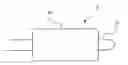
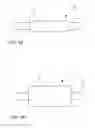
FIGS. 1A and 1B show a catheter device according to an embodiment of the present invention. FIG. 1A shows the catheter device with the balloon in a deflated state. FIG. 1B shows the catheter device with the balloon in an inflated state.
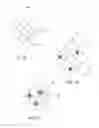
FIGS. 2A-2C schematically illustrate a polymer matrix in a balloon wall or a balloon coating according to an embodiment of the present invention. FIG. 2A shows the polymer matrix prior to solvent exposure. FIG. 2B shows the polymer matrix in an expanded condition after exposure to a mixture of a solvent and a therapeutic agent. FIG. 2C shows the polymer matrix in a contracted condition after the removal of the solvent.
DETAILED DESCRIPTION
Catheter devices of the present invention use an expandable balloon for delivering a therapeutic agent to a target site in the body. The balloon is designed to be insertable in the body via a catheter. The therapeutic agent can be associated with the balloon in any of various ways, as further described below. Any of various mechanisms conventionally used for the delivery, actuation, or expansion (e.g., by inflation) of balloon catheter devices may be used in the present invention. The balloon catheter may be designed similar to those that have been known in the art, including but not limited to angioplasty catheters, stent delivery catheters, inflation catheters and/or perfusion catheters. The catheter devices of the present invention may be used in conjunction with other drug delivery devices, such as stents.
Referring to FIGS. 1A and 1B, in certain embodiments, a balloon catheter 20 comprises a catheter body 22 having a balloon 24 mounted thereon. In FIG. 1A, the balloon is in a deflated state; in FIG. 1B, the balloon is in an inflated state. The body of the balloon can be single-layered or multiple-layered.
In one aspect of the present invention, a balloon comprises a solvent-swellable polymer. The solvent-swellable polymer may have a therapeutic agent incorporated therein and may be used to form a wall of the balloon or to form a coating disposed over the balloon.
Preferably, the polymer is swellable upon exposure to an organic solvent. The organic solvent can be polar or non-polar. Preferably, the organic solvent has a low boiling point. Preferably, the organic solvent has a boiling point of about 90° C. or less, about 80° C. or less, or about 70° C. or less. Solvents with low boiling points can be removed relatively easier than those with high boiling points. Non-limiting examples of organic solvents include dichloromethane, chloroform, carbon tetrachloride, ethyl acetate, tetrahydrofuran, acetonitrile, hexane, and cyclohexane.
Optionally, the solvent-swellable polymer is a semi-crystalline polymer. The semi-crystalline polymer can form a polymer matrix having crystalline portions and amorphous portions. When the polymer matrix is exposed to a mixture of a suitable organic solvent and a therapeutic agent, the solvent and the therapeutic agent diffuses into and swells preferentially the amorphous regions of the polymer matrix. The crystalline portions of the polymer matrix are more resistant to swelling, and therefore form a stable structure that maintains the physical structure of the polymer-containing balloon wall or coating. When the solvent is removed, the polymer matrix contracts to its original conformation, entrapping the therapeutic agent within the polymer matrix.
For example, referring to the schematic illustration shown in FIGS. 2A-2C, a catheter device comprises a balloon comprising a solvent-swellable, semi-crystalline polymer. FIG. 2A shows a polymer matrix 70 on the wall of the balloon prior to solvent exposure. Polymer matrix 70 has crystalline regions 72, which are represented schematically by the lines, and amorphous regions 74, which are represented schematically by the spaces. Referring to FIG. 2B, upon exposure to a mixture of a solvent and a therapeutic agent, amorphous regions 74 absorb the solvent and therapeutic agent 76, causing polymer matrix 70 to swell. Referring to FIG. 2C, upon removal of the solvent, polymer matrix 70 contracts to its original conformation such that therapeutic agent 76 is retained within polymer matrix 70.
Optionally, the solvent-swellable polymer is a partially cross-linked polymer. Preferably, the cross-linking density is low to allow at least a portion of the polymer to swell in an organic solvent. The cross-linking can be done using any known methods. For example, the cross-linking may be induced by UV irradiation or electron beam irradiation. The cross-linked portions of the polymer serve as the stable structure, while the non-crosslinked portions of the polymer swell upon exposure to an organic solvent and entrap the therapeutic agent previously mixed with the solvent after the solvent is removed.
Optionally, the solvent-swellable polymer is grafted onto the surface of the balloon through chemical bonding. In this case, the balloon wall base itself serves as the stable structure, while the polymer swells upon exposure to an organic solvent and entraps the therapeutic agent previously mixed with the solvent after the solvent is removed.
Non-limiting examples of solvent-swellable polymers include block copolymers of styrene-ethylene/butylene-styrene (“SEBS”), block copolymers of styrene-ethylene/propylene-styrene (“SEPS”), block copolymers of styrene-butadiene-styrene (“SBS”), block copolymers of styrene-isoprene-styrene (“SIS”), polyolefins such as polyethylene and polypropylene, polyurethane, polyoxymethylene-acetyl copolymers, polyamide block copolymers, and copolymers of acrylates and methacrylates. The SEBS, SEPS, SBS, and SIS copolymers can be commercially-available copolymers, such as those sold under the trade names KRATON G and KRATON D. Preferably, the solvent-swellable polymer has unsaturated bonds to allow for cross-linking or grafting.
After the therapeutic agent is loaded into the polymer, the solvent may be removed by any known method, for example, evaporation or vacuum drying. Preferably, the solvent is removed without heating. Preferably, the solvent is removed by evaporation.
In operation, the balloon comprising a therapeutic agent-containing polymer is inserted into the body and delivered to the target site. The balloon is then inflated, causing the polymer (in the case of a semi-crystalline polymer being used, polymer matrix 70) in the balloon wall to undergo expansion by mechanical force. By enlarging the space within the polymer (e.g. polymer matrix 70), the therapeutic agent (e.g. therapeutic agent 76) is released from the wall of the balloon. Because the therapeutic agent is preferably loaded through diffusion, it tends to locate near the surface of the wall or coating and can be easily released after the balloon catheter device is delivered to the target site.
Medical devices of the present invention may also include a vascular stent mounted on the balloon. The vascular stent may be any of those known in the art, including those with or without coatings that contain a therapeutic agent. The stent may also be biostable, bioerodable, or biodegradable.
The balloons of the present invention may also be coated with a low-molecular weight carbohydrate, such as mannitol. The carbohydrate may be a separate coating or be blended with the therapeutic agent. The balloons of the present invention may also be coated with a radiocontrast agent (ionic or non-ionic), such as iopromide. The contrast agent may be a separate coating or be blended with the therapeutic agent.
The therapeutic agent used in the present invention may be any pharmaceutically acceptable agent (such as a drug), a biomolecule, a small molecule, or cells. Example drugs include anti-proliferative agents or anti-restenosis agents such as paclitaxel, sirolimus (rapamycin), tacrolimus, everolimus, and zotarolimus. Other example drugs include those that are anti-spasmodic agents and vasodilators. Example biomolecules include peptides, polypeptides and proteins; antibodies; oligonucleotides; nucleic acids such as double or single stranded DNA (including naked and cDNA), RNA, antisense nucleic acids such as antisense DNA and RNA, small interfering RNA (siRNA), and ribozymes; genes; carbohydrates; angiogenic factors including growth factors; cell cycle inhibitors; and anti-restenosis agents. Example small molecules include hormones, nucleotides, amino acids, sugars, and lipids and compounds have a molecular weight of less than 100 kD. Example cells include stem cells, progenitor cells, endothelial cells, adult cardiomyocytes, and smooth muscle cells.
EXAMPLE 1
A double-layered balloon is manufactured. The inner layer is made of high density polyethylene and the outer layer is made of SEBS (KRATON G, Kraton Polymers, Houston, Tex.). The SEBS in the outer layer is crosslinked by electron beam irradiation. The balloon is then immersed in a mixture of cyclohexane and paclitaxel for drug loading. After the balloon is taken out, the cyclohexane is removed by evaporation. The balloon is then assembled onto a balloon catheter device.
The foregoing description and examples have been set forth merely to illustrate the invention and are not intended to be limiting. Each of the disclosed aspects and embodiments of the present invention may be considered individually or in combination with other aspects, embodiments, and variations of the invention. Modifications of the disclosed embodiments incorporating the spirit and substance of the invention may occur to persons skilled in the art and such modifications are within the scope of the present invention.
Claims
We claim:1. A method for making a medical device, comprising:
providing a balloon, wherein a wall of the balloon or a coating over the balloon comprises a polymer, wherein the polymer is swellable in an organic solvent;
exposing said polymer on the balloon to a mixture of said solvent and a therapeutic agent; and
removing the solvent.
2. The method of claim 1, wherein a wall of the balloon comprises the polymer swellable in an organic solvent.
3. The method of claim 1, wherein a coating over the balloon comprises the polymer swellable in an organic solvent.
4. The method of claim 3, wherein the polymer is grafted to a wall of the balloon through chemical bonding.
5. The method of claim 1, wherein the polymer is a semi-crystalline polymer comprising crystalline regions and amorphous regions.
6. The method of claim 1, wherein the polymer is partially cross-linked.
7. The method of claim 1, wherein the polymer is selected from the group consisting of block copolymers of styrene-ethylene/butylene-styrene, block copolymers of styrene-ethylene/propylene-styrene, block copolymers of styrene-butadiene, block copolymers of styrene-isoprene, polyolefins, polyurethane, polyoxymethylene-acetyl copolymers, polyamide block copolymers, copolymers of acrylates and methacrylates, and mixtures thereof.
8. The method of claim 7, wherein the polymer is selected from the group consisting of block copolymers of styrene-ethylene/butylene-styrene, block copolymers of styrene-ethylene/propylene-styrene, block copolymers of styrene-butadiene, block copolymers of styrene-isoprene, polyurethane, and mixtures thereof.
9. The method of claim 1, wherein the solvent is a polar organic solvent.
10. The method of claim 1, wherein the solvent is a non-polar organic solvent.
11. The method of claim 1, wherein the boiling point of the solvent is about 90° C. or less.
12. The method of claim 1, wherein the solvent is selected from the group consisting of dichloromethane, chloroform, carbon tetrachloride, ethyl acetate, tetrahydrofuran, acetonitrile, hexane, cyclohexane, and mixtures thereof.
13. The method of claim 1, wherein the solvent is removed by evaporation.
14. The method of claim 1, wherein the therapeutic agent is selected from the group consisting of paclitaxel, sirolimus, tacrolimus, everolimus, zotarolimus, and mixtures thereof.
15. A method of releasing a therapeutic agent from the surface of a balloon catheter comprising:
providing a balloon, wherein a wall of the balloon or a coating over the balloon comprises a polymer, wherein the polymer is swellable in an organic solvent;
exposing said polymer on the balloon to a mixture of said solvent and a therapeutic agent;
removing the solvent; and
expanding the balloon to release the therapeutic agent.
16. The method of claim 15, wherein the polymer is grafted to a wall of the balloon through chemical bonding.
17. The method of claim 15, wherein the polymer is a semi-crystalline polymer comprising crystalline regions and amorphous regions.
18. The method of claim 15, wherein the polymer is partially cross-linked.
19. The method of claim 15, wherein the boiling point of the solvent is about 90° C. or less.
20. The method of claim 15, wherein the solvent is removed by evaporation.
Images & Drawings included:
Sources:
- United States Patent and Trademark Office - verify current appl. status at the USPTO↗
Recent applications in this class:
- » 20250090817 2025-03-20
PATIENT SPECIFIC MEDICAL BALLOON FORMING MACHINE AND SYSTEM - » 20250065088 2025-02-27
APPARATUS FOR FORMING BALLOON LAYER AND RELATED METHODS - » 20240399120 2024-12-05
MATERIAL BINDING COMPOSITIONS AND RELATED METHODS - » 20240399119 2024-12-05
CATHETER TIP FORMATION METHODS - » 20240382720 2024-11-21
CATHETER BALLOONS WITH LASER FORMED MODIFICATIONS - » 20240382719 2024-11-21
High-Pressure Balloon for a Catheter and Method of Manufacture - » 20240374877 2024-11-14
METHOD FOR PRODUCING PARISON FOR BALLOON CATHETER, METHOD FOR PRODUCING BALLOON CATHETER, AND DEVICE FOR PRODUCING PARISON FOR BALLOON CATHETER - » 20240374876 2024-11-14
METHOD FOR PRODUCING PARISON FOR BALLOON CATHETER, METHOD FOR PRODUCING BALLOON CATHETER, AND DEVICE FOR PRODUCING PARISON FOR BALLOON CATHETER - » 20240226512 2024-07-11
TAPERED BALLOON - » 20240226511 2024-07-11
METHOD OF FORMING A BALLOON
Recent applications for this Assignee:
- » 20250170372 2025-05-29
DEVICES AND METHODS FOR TREATING A STRICTURE ALONG THE BILIARY AND/OR PANCREATIC TRACT - » 20250170054 2025-05-29
APPLICATIONS AND IMAGING OF SHEAR-THINNING BIOMATERIAL - » 20250169974 2025-05-29
DEVICES, SYSTEMS AND METHODS FOR ACCESS AND DELIVERY TO CHALLENGING ANATOMY - » 20250169970 2025-05-29
STENT WITH ATRAUMATIC ANCHORING - » 20250169872 2025-05-29
SYSTEMS AND METHODS FOR TREATING PROSTATE CANCER - » 20250169870 2025-05-29
SYSTEMS AND METHODS FOR TREATMENT OF PROSTATIC TISSUE - » 20250169869 2025-05-29
VAPOR ABLATION SYSTEMS AND METHODS - » 20250169868 2025-05-29
SYSTEMS AND METHODS FOR TREATING THE PROSTATE - » 20250169804 2025-05-29
MEDICAL DEVICES, COMPONENTS, AND METHODS FOR REUSABLE DEVICES OR COMPONENTS - » 20250169803 2025-05-29
BIOPSY CAP FOR AN ENDOSCOPE