Adhesive applying apparatus for applying an adhesive compound on fabric material
US20090283219A1
2009-11-19
12/387,674
2009-05-06
Abstract:
An adhesive applying apparatus for applying an adhesive compound on fabric material pieces comprises an adhesive compound supplying and applying device, for applying an adhesive compound supported by a strip to one or more fabric pieces, by interexchangeable guide means.
Assignee:
- MACPI-PRESSING DIVISION S.p.A. 2 🇮🇹 Palazzolosull'Oglio(Brescia), Italy
Interested in similar patents?
Get notified when new applications in this technology area are published.
Classification:
B65H35/0013 » CPC main
Delivering articles from cutting or line-perforating machines; Article or web delivery apparatus incorporating cutting or line-perforating devices, e.g. adhesive tape dispensers; Article or web delivery apparatus incorporating cutting or line-perforating devices and applying the article or the web by adhesive to a surface
B29C65/18 » CPC further
Joining of preformed parts ; Apparatus therefor by heating, with or without pressure using heated tools
B29C65/20 » CPC further
Joining of preformed parts ; Apparatus therefor by heating, with or without pressure using heated tools with direct contact, e.g. using "mirror"
B29C65/5021 » CPC further
Joining of preformed parts ; Apparatus therefor using adhesives, i.e. using supplementary joining material; solvent bonding using adhesive tape, e.g. thermoplastic tape; using threads or the like characterised by the structure of said adhesive tape, threads or the like being multi-layered
B29C65/5042 » CPC further
Joining of preformed parts ; Apparatus therefor using adhesives, i.e. using supplementary joining material; solvent bonding using adhesive tape, e.g. thermoplastic tape; using threads or the like covering both elements to be joined
B29C65/5092 » CPC further
Joining of preformed parts ; Apparatus therefor using adhesives, i.e. using supplementary joining material; solvent bonding using adhesive tape, e.g. thermoplastic tape; using threads or the like characterised by the tape handling mechanisms, e.g. using vacuum
B29C65/7435 » CPC further
Joining of preformed parts ; Apparatus therefor by welding and severing, or by joining and severing, the severing being performed in the area to be joined, next to the area to be joined, in the joint area or next to the joint area using the same tool for both joining and severing, said tool being monobloc or formed by several parts mounted together and forming a monobloc the tool being a roller
B29C65/749 » CPC further
Joining of preformed parts ; Apparatus therefor by welding and severing, or by joining and severing, the severing being performed in the area to be joined, next to the area to be joined, in the joint area or next to the joint area Removing scrap
B29C65/7894 » CPC further
Joining of preformed parts ; Apparatus therefor; Means for handling the parts to be joined, e.g. for making containers or hollow articles, e.g. means for handling sheets, plates, web-like materials, tubular articles, hollow articles or elements to be joined therewith; Means for discharging the joined articles from the joining apparatus characterised by the feeding movement of the parts to be joined; Means for handling of moving sheets or webs of continuously moving sheets or webs
B29C66/112 » CPC further
General aspects of processes or apparatus for joining preformed parts; General aspects dealing with the joint area or with the area to be joined; Particular design of joint configurations particular design of the joint cross-sections; Joint cross-sections comprising a single joint-segment, i.e. one of the parts to be joined comprising a single joint-segment in the joint cross-section Single lapped joints
B29C66/1122 » CPC further
General aspects of processes or apparatus for joining preformed parts; General aspects dealing with the joint area or with the area to be joined; Particular design of joint configurations particular design of the joint cross-sections; Joint cross-sections comprising a single joint-segment, i.e. one of the parts to be joined comprising a single joint-segment in the joint cross-section; Single lapped joints Single lap to lap joints, i.e. overlap joints
B29C66/43 » CPC further
General aspects of processes or apparatus for joining preformed parts; General aspects of joining substantially flat articles, e.g. plates, sheets or web-like materials; Making flat seams in tubular or hollow articles; Joining single elements to substantially flat surfaces; Joining substantially flat articles ; Making flat seams in tubular or hollow articles Joining a relatively small portion of the surface of said articles
B29C66/431 » CPC further
General aspects of processes or apparatus for joining preformed parts; General aspects of joining substantially flat articles, e.g. plates, sheets or web-like materials; Making flat seams in tubular or hollow articles; Joining single elements to substantially flat surfaces; Joining substantially flat articles ; Making flat seams in tubular or hollow articles; Joining a relatively small portion of the surface of said articles Joining the articles to themselves
B29C66/4722 » CPC further
General aspects of processes or apparatus for joining preformed parts; General aspects of joining substantially flat articles, e.g. plates, sheets or web-like materials; Making flat seams in tubular or hollow articles; Joining single elements to substantially flat surfaces; Joining single elements to sheets, plates or other substantially flat surfaces said single elements being substantially flat Fixing strips to surfaces other than edge faces
B29C66/729 » CPC further
General aspects of processes or apparatus for joining preformed parts characterised by the composition, physical properties or the structure of the material of the parts to be joined; Joining with non-plastics material characterised by the structure of the material of the parts to be joined Textile or other fibrous material made from plastics
B29C66/80 » CPC further
General aspects of processes or apparatus for joining preformed parts General aspects of machine operations or constructions and parts thereof
B29C66/8169 » CPC further
General aspects of processes or apparatus for joining preformed parts; General aspects of machine operations or constructions and parts thereof; General aspects of the pressing elements, i.e. the elements applying pressure on the parts to be joined in the area to be joined, e.g. the welding jaws or clamps characterised by the mounting of the pressing elements, e.g. of the welding jaws or clamps the mounting of said pressing elements being laterally movable, e.g. adjustable
B29C66/8221 » CPC further
General aspects of processes or apparatus for joining preformed parts; General aspects of machine operations or constructions and parts thereof; Pressure application arrangements, e.g. transmission or actuating mechanisms for joining tools or clamps; Transmission mechanisms Scissor or lever mechanisms, i.e. involving a pivot point
B29C66/8242 » CPC further
General aspects of processes or apparatus for joining preformed parts; General aspects of machine operations or constructions and parts thereof; Pressure application arrangements, e.g. transmission or actuating mechanisms for joining tools or clamps; Actuating mechanisms Pneumatic or hydraulic drives
B29C66/83413 » CPC further
General aspects of processes or apparatus for joining preformed parts; General aspects of machine operations or constructions and parts thereof characterised by the movement of the joining or pressing tools moving with the parts to be joined; Roller, cylinder or drum types; Band or belt types; Ball types; Roller, cylinder or drum types cooperating rollers, cylinders or drums
B29C66/845 » CPC further
General aspects of processes or apparatus for joining preformed parts; General aspects of machine operations or constructions and parts thereof; Specific machine types or machines suitable for specific applications C-clamp type or sewing machine type
B29C66/92 » CPC further
General aspects of processes or apparatus for joining preformed parts; Measuring or controlling the joining process by measuring or controlling the pressure, the force, the mechanical power or the displacement of the joining tools
B29C66/9241 » CPC further
General aspects of processes or apparatus for joining preformed parts; Measuring or controlling the joining process by measuring or controlling the pressure, the force, the mechanical power or the displacement of the joining tools by controlling or regulating the pressure, the force, the mechanical power or the displacement of the joining tools by controlling or regulating the pressure, the force or the mechanical power
B29C66/92653 » CPC further
General aspects of processes or apparatus for joining preformed parts; Measuring or controlling the joining process by measuring or controlling the pressure, the force, the mechanical power or the displacement of the joining tools by controlling or regulating the pressure, the force, the mechanical power or the displacement of the joining tools by controlling or regulating the displacement of the joining tools by using stops said stops being adjustable
B29C66/93411 » CPC further
General aspects of processes or apparatus for joining preformed parts; Measuring or controlling the joining process by measuring or controlling the speed by controlling or regulating the speed the parts to be joined having different speeds
B29C66/93451 » CPC further
General aspects of processes or apparatus for joining preformed parts; Measuring or controlling the joining process by measuring or controlling the speed by controlling or regulating the speed by controlling or regulating the rotational speed, i.e. the speed of revolution
B65H37/04 » CPC further
Article or web delivery apparatus incorporating devices for performing specified auxiliary operations for securing together articles or webs, e.g. by adhesive, stitching or stapling
D06H5/003 » CPC further
Seaming textile materials Devices or apparatus for joining the longitudinal edges of fabrics
B29C65/4815 » CPC further
Joining of preformed parts ; Apparatus therefor using adhesives, i.e. using supplementary joining material; solvent bonding characterised by the type of adhesives; Non-reactive adhesives, e.g. physically hardening adhesives Hot melt adhesives, e.g. thermoplastic adhesives
B29C66/83411 » CPC further
General aspects of processes or apparatus for joining preformed parts; General aspects of machine operations or constructions and parts thereof characterised by the movement of the joining or pressing tools moving with the parts to be joined; Roller, cylinder or drum types; Band or belt types; Ball types Roller, cylinder or drum types
B29C2793/00 » CPC further
Particular articles
B29C2793/00 » CPC further
Shaping techniques involving a cutting or machining operation
Y10T156/12 » CPC further
Adhesive bonding and miscellaneous chemical manufacture Surface bonding means and/or assembly means with cutting, punching, piercing, severing or tearing
Y10T156/17 » CPC further
Adhesive bonding and miscellaneous chemical manufacture Surface bonding means and/or assemblymeans with work feeding or handling means
B29C66/0044 » CPC further
General aspects of processes or apparatus for joining preformed parts; Preventing sticking together, e.g. of some areas of the parts to be joined of the joining tool and the parts to be joined using a separating sheet, e.g. fixed on the joining tool
B29C66/135 » CPC further
General aspects of processes or apparatus for joining preformed parts; General aspects dealing with the joint area or with the area to be joined; Particular design of joint configurations particular design of the joint cross-sections; Single flanged joints; Fin-type joints; Single hem joints; Edge joints; Interpenetrating fingered joints; Other specific particular designs of joint cross-sections not provided for in groups - Single hemmed joints, i.e. one of the parts to be joined being hemmed in the joint area
B29C65/00 » CPC further
Joining of preformed parts ; Apparatus therefor
B29C66/8122 » CPC further
General aspects of processes or apparatus for joining preformed parts; General aspects of machine operations or constructions and parts thereof; General aspects of the pressing elements, i.e. the elements applying pressure on the parts to be joined in the area to be joined, e.g. the welding jaws or clamps characterised by the composition, by the structure, by the intensive physical properties or by the optical properties of the material constituting the pressing elements, e.g. constituting the welding jaws or clamps characterised by the composition of the material constituting the pressing elements, e.g. constituting the welding jaws or clamps
B29K2827/18 » CPC further
Use of polyvinylhalogenides or derivatives thereof as mould material containing fluorine PTFE, i.e. polytetrafluorethene, e.g. ePTFE, i.e. expanded polytetrafluorethene
B29C65/02 IPC
Joining of preformed parts ; Apparatus therefor by heating, with or without pressure
B29C65/52 IPC
Joining of preformed parts ; Apparatus therefor using adhesives, i.e. using supplementary joining material; solvent bonding applying the adhesive
B32B38/04 IPC
Ancillary operations in connection with laminating processes Punching, slitting or perforating
Description
BACKGROUND OF THE INVENTION
The present invention relates to an adhesive applying apparatus for applying an adhesive compound either on one or two fabric pieces, in different operating manners, before bonding the fabric pieces by the adhesive compound.
As is known, in the garment field are increasingly required adhesive sealed cloth articles, instead of conventionally seamed garments.
However, the prior art does not provide apparatus and methods adapted to easily perform complex fabric piece assembling or bonding operations, by a quick and simple fabric piece sealing or bonding technique; on the contrary very long and expensive manual bonding operations, providing qualitatively poor results are usually required.
Applicant is not aware of presently available machines adapted to properly preparing cloth or garment articles to be sealed to one another.
SUMMARY OF THE INVENTION
Accordingly, the aim of the present invention is to provide such an apparatus or machine adapted to properly prepare fabric pieces for performing thereon subsequent fabric piece sealing or “welding” operations.
Within the scope of the above mentioned aim, a main object of the invention is to provide such an apparatus adapted to deposit a preparing or starting adhesive on either one or two fabric pieces, by different depositing methods, before assembling the fabric pieces by adhesive compounds or means.
Another object of the present invention is to provide such an adhesive applying apparatus or machine which is very reliable from an operation standpoint, and which, in particular, is adapted to quickly and easily perform different types of fabric piece processing operations, depending on the types of the fabric material to be sealed.
Yet another object of the present invention is to provide such an apparatus or machine which, owing to its specifically designed constructional features, is very reliable and safe in operation.
According to one aspect of the present invention, the above mentioned aim and objects, as well as yet other objects, which will become more apparent hereinafter, are achieved by an adhesive applying apparatus for applying an adhesive compound either to one or to two fabric pieces, for preassembling said fabric pieces before thermosealing said fabric pieces, characterized in that said apparatus comprises means for supplying and applying, by interexchangeable guide means, an adhesive compound supporting strip to said one or two fabric pieces.
BRIEF DESCRIPTION OF THE DRAWINGS
Further characteristics and advantages of the present invention will become more apparent hereinafter from the following detailed disclosure of a preferred, though not exclusive, embodiment of the invention, which is illustrated, by way of an indicative, but not limitative example, in the accompanying drawings, where:
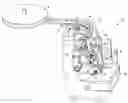
FIG. 1 is a perspective view of the apparatus according to the present invention;
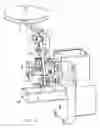
FIG. 2 is a further perspective view of the apparatus according to the invention;
FIG. 3 is yet another perspective view of the inventive apparatus, seen from a side opposite to that of FIG. 3;
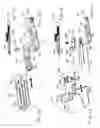
FIGS. 4 to 6 show a first guide adapted to perform a simple operation for applying an adhesive compound to a fabric piece;
FIGS. 7 to 9 show a second guide designed for applying the adhesive compound, to a fabric piece including a fabric piece edge or hem;
FIGS. 10 to 12 show a third guide designed for performing an offset preassembling of two fabric pieces by using the above adhesive compound;
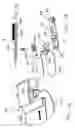
FIGS. 13 to 15 show a fourth guide designed for performing a fabric piece top edge or hem portion offset preassembling operation; and
FIGS. 16 to 18 show a fifth guide designed for performing a fabric piece bottom edge or hem portion offset preassembling operation.
DESCRIPTION OF THE PREFERRED EMBODIMENTS
With reference to the number references of the above mentioned figures, the apparatus according to the present invention, which has been generally indicated by the reference number 1, comprises a roll bearing assembly 3, thereon is wound an adhesive roll or coil including an adhesive compound supported by a paper or plastic strip, as generally indicated by the reference number 2.
Said adhesive strip 2 is held under tension, after having contacted a roller 5, by a pair of tension wheels operating as a friction clutch, and contacting a surface of a bearing plate 6.
In the figures only one of the two wheels, that is the top wheel, indicated by the reference number 4, has been shown.
Said adhesive strip is conveyed onto a heated guide 7, preferably provided with a chromium and a Teflon coated surface, thereby providing said heated guide 7 with good sliding properties, said heated guide being adapted to resist against operating temperatures from about 100° C. to 250° C., and comprising preferably an electrically heated guide, including a sensing probe and an electric heating resistance, and being axially driven by a driving knob 8, which can be rotatively operated to perform a micrometric type of adjustment through a coil spring, designed for recovering possible operating clearances.
The two adhesive strip 2 driving wheels being supplied therebetween with the fabric piece or pieces.
According to one aspect of the invention, the two wheels are driven by separated driving units, thereby rotating either with equal or different peripheral speeds, to provide a differential effect.
Moreover, said two wheels are coated by a silicone electrically conductive compound, to prevent electrostatic charges from accumulating thereon.
More specifically, said wheels may have either a smooth or textured surface construction, depending on a pattern to be applied to the fabric pieces.
Of said wheels, the bottom wheel, not visible in the figures, rigidly supports thereon a rotary counter-blade element which, in combination with a swingably driven top knife 9, performs lateral trimming operations to remove exceeding fabric material, as necessary.
The top wheel 4, on the other hand is adapted to swing about a lateral or side pin, and can be raised to provide an adjustable pressure against the fabric material, the raising and lowering movement of the top wheel being driven by a pneumatic piston 10.
The inventive apparatus further comprises a second pneumatic piston 11, driving a knife element operating as a guillotine blade for cutting the adhesive strip 2, at the end of the adhesive strip applying operations, carried out by advantageously interexchangeable operating devices, which can be supported by a single supporting assembling, shown by the reference number 13 in FIGS. 4-18 and comprising a plate-like element having longitudinal slots 12 for clamping, by clamping screws, said plate-like element on a supporting surface 14 at a set operating position.
Said plate-like element 13 comprises moreover an end pin 15, to which is coupled a rotary portion 16 including a knob 17 and a plurality of clamping holes 33 for clamping therein said several operating devices.
FIGS. 4 to 6 show a guide 18 for applying the adhesive compound to the fabric pieces, which guide 18 can be transversely adjusted with respect to supporting assembly 13, thereby precisely locating the fabric pieces.
As is schematically shown in FIG. 5, the apparatus applies the adhesive compound strip 2 on the edge of the fabric piece 100, while cutting away the exceeding fabric portion 101.
The cross-wise adjustable guide 18 comprises a bracket portion 181 including a notch 182 for clamping by clamping screws 133 said bracket portion to the support 13.
The bracket portion 181 extends on a curved blade- portion 183, of substantially trapezium configuration, including a top blade element 184.
FIGS. 7 to 9 show a further guide 19 which can be adjusted cross-wise on the support 13 and being designed to applying the adhesive compound strip 2 to a hemmed fabric piece.
As is schematically shown in FIG. 8, the edge of the fabric piece 100 is pre-folded so as to form a fabric hem 102, with adhesive strip 2 arranged in a bridging relationship thereon.
The adjustable guide 19 comprises a bracket portion 191 including a notch 192 for clamping said bracket by clamping screws 133 to the supporting assembly 13.
The bracket portion 191 extends to an elongated blade portion 193, of substantially oval configuration, including a top blade element 194 cross-wise extending in the form of a loop.
FIGS. 10 to 12 show a further guide 20 designed for performing an offset preassembling of two fabric pieces, by the adhesive compound strip 2.
More specifically, said guide 20 comprises a bracket portion 201, including a notch 202 for clamping by the clamping screws 133 said bracket to the supporting assembly 13.
Said bracket portion 201 extends to a portion including three blade elements 203, of substantially rectangular configuration, therebetween a stop abutment 204, which can be advantageously longitudinally adjusted, is arranged.
FIG. 11 schematically shows a preassembling or pre-bonding operation for preassembling two fabric pieces 100 and 110 in an offset relationship.
Said guide allows, owing to its offset configuration, to introduce, between the two top and middle blade elements, a fabric piece 110, at a fixed trimming position, and, between the middle and top blade elements, a top fabric piece 100.
Said second fabric piece being arranged at a position offset from the first fabric piece, by said top abutment 204.
FIGS. 13 to 15 show a further guide 21 designed for performing a fabric piece top edge or hem portion offset preassembling, said guide 21 comprising two guide components, the first of which comprises a bracket portion 211 including a notch 212 for clamping by the clamping screws 133 said bracket to the supporting assembly 13.
The bracket portion 211 extends to an elongated blade portion 213, of substantially oval configuration, including a top blade element 214 cross-wise extending and forming a loop arrangement, for forming a hem portion 102 on the top fabric piece 100.
The second component of said guide 21 comprises a rectangular plate-like element 215, which can be adjustably clamped, at the bottom thereof, to the first component, to provide the desired offset relationship between the two fabric pieces.
As is schematically shown in FIG. 14, the adhesive strip 2 is arranged with a bridging relationship on the top fabric piece 100 and bottom fabric piece 110 hem 102.
In particular, the bottom fabric piece 110 is offset from the top fabric piece 100 by screwing off the clamping screws 133 for releasing the bottom plate-like element 215, thereby easily adjusting the offset of the bottom and top fabric pieces.
FIGS. 16 to 18 show a further guide 22, for offset preassembling the fabric piece hem portion, which guide 22 comprises two guide components, the first of which comprises a bracket portion 221 including a notch 222 for clamping by the clamping screws 133 said bracket 221 to the supporting assembly 13.
The bracket portion 221 extends to an elongated blade portion 223, of a substantially oval configuration, including a top blade element 224 extending cross-wise and forming a loop arrangement, forming a fabric hem portion 112 on the bottom fabric piece 110.
The second guide component comprises a plate-like element 225 which can be adjustably clamped on the top of the first component, thereby providing a desired offset relationship of the two fabric pieces.
As is schematically shown in FIG. 17, the bottom fabric piece 110 is hemmed by an upward directed upturned portion 112, whereas the top fabric piece 100 is offset from the bottom fabric piece 110, by a second guide component 215, forming a longitudinally adjustable reference guide, which can be longitudinally adjusted with respect to the bottom guide portion.
Thus, it is possible to adhesively connect a flat top fabric piece 100 to a hemmed upward turned bottom fabric piece 110.
It has been found that the invention fully achieves the intended aim and objects.
In fact, the invention provides an apparatus adapted to apply either to one or two fabric pieces an adhesive compound strip coupled to a silicone processed paper support, or to a plastic material support, which adhesive compound strip may have a variable width and thickness, the adhesive compound being selected depending on the fabric material to be assembled and thermosealed.
The inventive apparatus allows to apply an adhesive compound either to a fabric piece or to two fabric pieces, to preassemble said pieces before thermosealing them.
In practicing the invention, the used materials, as well as the contingent size and shapes, can be any, according to requirements.
Claims
1. An adhesive applying apparatus for applying an adhesive compound either to one or to two fabric pieces, for preassembling said fabric pieces before thermosealing said fabric pieces, characterized in that said apparatus comprises means for supplying and applying, by interexchangeable guide means, an adhesive compound supporting strip to said one or two fabric pieces.
2. An adhesive applying apparatus, according to claim 1, characterized in that said interexchangeable guide means are mounted on a single supporting assembly.
3. An adhesive applying apparatus, according to claim 2, characterized in that said single supporting assembly comprises a plate element including a longitudinal slot allowing to clamp, by clamping screws, said plate element on a bearing surface.
4. An adhesive applying apparatus, according to claim 3, characterized in that said plate element comprises, at an end portion thereof, a pin to which is coupled a rotary portion including a knob and a plurality of clamping holes.
5. An adhesive applying apparatus, according to claim 1, characterized in that said interexchangeable guide means comprise a first guide for applying said adhesive compound strip to said fabric pieces.
6. An adhesive applying apparatus, according to claim 5, characterized in that said first guide is adjustable cross-wise of said supporting assembly, thereby precisely locating the fabric piece, to apply said adhesive compound strip on a hem portion of said fabric piece while cutting away any fabric piece exceeding portion, said first guide comprising a bracket portion including a notch for clamping by clamping screw said bracket portion to said supporting assembly, said bracket portion extending to a curved blade portion of substantially trapezoidal configuration and including a top blade element.
7. An adhesive applying apparatus, according to claim 1, characterized in that said interexchangeable guide means comprise a second interexchangeable guide for applying said adhesive compound strip to a hemmed fabric piece, said fabric piece including an edge which is pre-folded thereby forming a hem portion thereon is applied, with a bridging relationship, and adhesive compound strip.
8. An adhesive applying apparatus, according to claim 7, characterized in that said second interexchangeable guide comprises a bracket portion including a notch for clamping by clamping screws said bracket to said supporting assembly, said bracket portion extending to an elongated blade portion, of substantially oval configuration, including a top blade element cross-wise extending and forming a loop arrangement.
9. An adhesive applying apparatus, according to claim 1, characterized in that said interexchangeable guide means comprise of a third interexchangeable guide for offset preassembling said two fabric pieces by said adhesive compound strip.
10. An adhesive applying apparatus, according to claim 9, characterized in that said third interexchangeable guide comprises a bracket portion including a notch for clamping by clamping screws said bracket portion to said supporting assembly, said bracket portion extending to a blade portion including three blade elements, of substantially rectangular configuration, therebetween is adjustably arranged a longitudinally adjustable stop abutment, said third interexchangeable guide being so offset arranged as to introduce, between two top and middle blade elements, a first fabric piece at a fixed trimming position and, between two middle and top blade elements, a second fabric piece arranged at a position offset from said first fabric piece by said longitudinally adjustable stop abutment.
11. An adhesive applying apparatus, according to claim 1, characterized in that said interexchangeable guide means comprise a fourth interexchangeable guide for performing a fabric top hem offset preassembling operation.
12. An adhesive applying apparatus, according to claim 11, characterized in that said fourth interexchangeable guide comprises two guide components, a first component of said fourth guide comprising a bracket portion including a notch for clamping by clamping screws said bracket portion to said supporting assembly, said bracket portion extending to an elongated blade portion having a substantially oval configuration, including a top blade element cross-wise extending and forming a loop arrangement for providing a fabric hem portion on the top fabric piece; a second component of said fourth guide comprising a rectangular plate element to be adjustably clamped, at a bottom of said first component, to offset said two fabric pieces from one another, said adhesive compound strip being arranged with a bridging relationship on said hem portion of said top fabric piece and bottom fabric piece said bottom fabric piece being offset from said top fabric piece by screwing off said clamping screws thereby disengaging said bottom plate element.
13. An adhesive applying apparatus, according to claim 1, characterized in that said guide means comprise a fifth interexchangeable guide for performing a bottom fabric hem portion offset preassembling operation.
14. An adhesive applying apparatus, according to claim 13, characterized in that said fifth interexchangeable guide comprises two components, a first component of said fifth guide comprising a bracket portion including a notch for clamping by clamping screws said bracket portion to said supporting assembly, said bracket portion extending to an elongated blade portion of substantially oval configuration, including a top blade element cross-wise extending and forming a loop arrangement, for providing a fabric hem portion on the bottom fabric piece; a second component of said fifth guide comprising a plate element which can be adjustably clamped on said first component, to offset said two fabric pieces from one another, the bottom fabric piece being hemmed by an upward directed upturned portion, whereas the top fabric piece is offset from said bottom fabric piece, by the second component providing a longitudinally adjustable reference guide which can be longitudinally adjusted with respect to the bottom guide, thereby pre-applying said adhesive compound strip to said top fabric piece, the bottom fabric piece being hemmed and upward turned.
15. An adhesive applying apparatus, according to claim 1, characterized in that said apparatus comprises a roll bearing assembly thereon is wound an adhesive compound strip roll including said adhesive compound strip comprising a paper or plastic strip, said adhesive strip being held in tension by a pair of tension wheels operating as a friction clutch element and contacting a plate bearing surface.
16. An adhesive applying apparatus, according to claim 15, characterized in that said adhesive compound strip is conveyed on a heated guide, having a chromium and Teflon coated surface and being adapted to resist against operating temperatures from about 100° C. to 250° C., said heated guide including a probe and an electric heating resistance.
17. An adhesive applying apparatus, according to claim 16, characterized in that said heated guide is axially driven by a micrometrically adjustable rotary knob, said knob including an operating clearance recovering coil spring.
18. An adhesive applying apparatus, according to claim 1, characterized in that said two adhesive compound strip driving wheels comprise independent driving units, thereby said wheels can rotate either with equal or different peripheral speeds, to provide a differential effect.
19. An adhesive applying apparatus, according to claim 18, characterized in that said two wheels are coated by an electrically conductive silicone mixture, to prevent electrostatic charges from accumulating on said two wheels.
20. An adhesive applying apparatus, according to claim 18, characterized in that said two wheels have either a smooth or a textured surface.
21. An adhesive applying apparatus, according to claim 18, characterized in that a bottom wheel of said two wheels rigidly supports a rotary counter-blade element which, in combination with a swingably driven top knife element for trimming an exceeding fabric material.
22. An adhesive applying apparatus, according to claim 18, characterized in that a top wheel of said two wheels is adapted to swing about a side pin and to be raised and lowered by a pneumatic piston to provide an adjustable pressure against said fabric pieces.
23. An adhesive applying apparatus, according to claim 22, characterized in that said apparatus further comprises a second pneumatic piston driving a knife element operating as a guillotine for cutting through the adhesive compound strip.
Images & Drawings included:


Sources:
- United States Patent and Trademark Office - verify current appl. status at the USPTO↗
Recent applications in this class:
- » 20250100836 2025-03-27
Adhesive tape tearing module for double-glass assembly, and adhesive tape tearing machine - » 20240116732 2024-04-11
TAPE FEEDING DEVICE - » 20230365371 2023-11-16
TAPE APPLICATOR HEAD WITH GUIDES - » 20230331505 2023-10-19
SYSTEM AND METHOD FOR APPLYING ADHESIVE TAPE LINE - » 20220162033 2022-05-26
METHOD AND APPARATUS FOR DETECTING IRREGULARITIES ON A MATERIAL STRAND - » 20210053787 2021-02-25
TAPE DISPENSER - » 20200062530 2020-02-27
Method for manufacturing coreless paper roll - » 20190352120 2019-11-21
Soft pack tape applicator - » 20180312362 2018-11-01
Sheet and method for manufacturing sheet - » 20160257519 2016-09-08
Web transfer device with vacuum hood and methods for web transfer
Recent applications for this Assignee:
- » 20090199970 2009-08-13
Modular apparatus for adhesively assembling two fabric pieces