Kinase inhibitors
US20090286773A1
2009-11-19
12/380,493
2009-02-26
✅ Patent granted
US 8,455,656 B2
2013-06-04
-
-
D M Seaman | Heidi Reese
Laura L. Wine | Joel B. German | Debra D. Condino
2029-02-26
Abstract:
The present invention relates to drug delivery systems comprising ocular implant, which include organic molecules, capable of modulating tyrosine kinase signal transduction in order to regulate, modulate and/or inhibit abnormal cell proliferation, in combination with a polymer, which polymer serves to control, modify, modulate and/or slow the release of the therapeutic component into the environment of the eye in which said composite is placed.
Inventors:
- Lon T. Spada 64 🇺🇸 Walnut, CA, United States
- Xialing Guo 21 🇺🇸 San Clemente, CA, United States
- Jeffrey L. Edelman 31 🇺🇸 Irvine, CA, United States
- Thomas C. Malone 54 🇺🇸 Irvine, CA, United States
- Sougato Boral 8 🇺🇸 Santa Ana, CA, United States
- Julie A. Wurster 29 🇺🇸 Irvine, CA, United States
- Gerald W. DeVries 14 🇺🇸 San Clemente, CA, United States
- Jane-Guo Shiah 38 🇺🇸 Irvine, CA, United States
- PATRICK HUGHES 21 🇺🇸 ALISO VIEJO, CA, United States
Assignee:
- Allergan, Inc. 2,273 🇺🇸 Irvine, CA, United States
Applicant:
Interested in similar patents?
Get notified when new applications in this technology area are published.
Classification:
C07D405/04 » CPC main
Heterocyclic compounds containing both one or more hetero rings having oxygen atoms as the only ring hetero atoms, and one or more rings having nitrogen as the only ring hetero atom containing two hetero rings directly linked by a ring-member-to-ring-member bond
A61K9/0051 » CPC further
Medicinal preparations characterised by special physical form; Galenical forms characterised by the site of application; Eye, e.g. artificial tears Ocular inserts, ocular implants
A61K31/397 » CPC further
Medicinal preparations containing organic active ingredients; Heterocyclic compounds having nitrogen as a ring hetero atom, e.g. guanethidine or rifamycins having four-membered rings, e.g. azetidine
A61K31/41 » CPC further
Medicinal preparations containing organic active ingredients; Heterocyclic compounds having nitrogen as a ring hetero atom, e.g. guanethidine or rifamycins having five-membered rings with two or more ring hetero atoms, at least one of which being nitrogen, e.g. tetrazole
A61K45/06 » CPC further
Medicinal preparations containing active ingredients not provided for in groups - Mixtures of active ingredients without chemical characterisation, e.g. antiphlogistics and cardiaca
A61P27/02 » CPC further
Drugs for disorders of the senses Ophthalmic agents
C07D213/82 » CPC further
Heterocyclic compounds containing six-membered rings, not condensed with other rings, with one nitrogen atom as the only ring hetero atom and three or more double bonds between ring members or between ring members and non-ring members having three double bonds between ring members or between ring members and non-ring members having no bond between the ring nitrogen atom and a non-ring member or having only hydrogen or carbon atoms directly attached to the ring nitrogen atom with hetero atoms or with carbon atoms having three bonds to hetero atoms with at the most one bond to halogen, e.g. ester or nitrile radicals, directly attached to ring carbon atoms; Carbon atoms having three bonds to hetero atoms, with at the most one bond to halogen, e.g. ester or nitrile radicals; Amides; Imides in position 3
C07D401/06 » CPC further
Heterocyclic compounds containing two or more hetero rings, having nitrogen atoms as the only ring hetero atoms, at least one ring being a six-membered ring with only one nitrogen atom containing two hetero rings linked by a carbon chain containing only aliphatic carbon atoms
C07D401/14 » CPC further
Heterocyclic compounds containing two or more hetero rings, having nitrogen atoms as the only ring hetero atoms, at least one ring being a six-membered ring with only one nitrogen atom containing three or more hetero rings
C07D405/06 » CPC further
Heterocyclic compounds containing both one or more hetero rings having oxygen atoms as the only ring hetero atoms, and one or more rings having nitrogen as the only ring hetero atom containing two hetero rings linked by a carbon chain containing only aliphatic carbon atoms
C07D405/14 » CPC further
Heterocyclic compounds containing both one or more hetero rings having oxygen atoms as the only ring hetero atoms, and one or more rings having nitrogen as the only ring hetero atom containing three or more hetero rings
C07D409/06 » CPC further
Heterocyclic compounds containing two or more hetero rings, at least one ring having sulfur atoms as the only ring hetero atoms containing two hetero rings linked by a carbon chain containing only aliphatic carbon atoms
C07D413/06 » CPC further
Heterocyclic compounds containing two or more hetero rings, at least one ring having nitrogen and oxygen atoms as the only ring hetero atoms containing two hetero rings linked by a carbon chain containing only aliphatic carbon atoms
C07D413/14 » CPC further
Heterocyclic compounds containing two or more hetero rings, at least one ring having nitrogen and oxygen atoms as the only ring hetero atoms containing three or more hetero rings
C07D417/06 » CPC further
Heterocyclic compounds containing two or more hetero rings, at least one ring having nitrogen and sulfur atoms as the only ring hetero atoms, not provided for by group containing two hetero rings linked by a carbon chain containing only aliphatic carbon atoms
A61K9/5031 » CPC further
Medicinal preparations characterised by special physical form; Preparations in capsules, e.g. of gelatin, of chocolate; Microcapsules having a gas, liquid or semi-solid filling; Solid microparticles or pellets surrounded by a distinct coating layer, e.g. coated microspheres, coated drug crystals; Wall or coating material; Organic macromolecular compounds obtained otherwise than by reactions only involving carbon-to-carbon unsaturated bonds, e.g. polyethylene glycol, poly(lactide-co-glycolide)
A61K31/404 » CPC further
Medicinal preparations containing organic active ingredients; Heterocyclic compounds having nitrogen as a ring hetero atom, e.g. guanethidine or rifamycins having five-membered rings with one nitrogen as the only ring hetero atom, e.g. sulpiride, succinimide, tolmetin, buflomedil condensed with carbocyclic rings, e.g. carbazole Indoles, e.g. pindolol
A61K31/5377 » CPC further
Medicinal preparations containing organic active ingredients; Heterocyclic compounds having nitrogen as a ring hetero atom, e.g. guanethidine or rifamycins having six-membered rings with at least one nitrogen and one oxygen as the ring hetero atoms, e.g. 1,2-oxazines 1,4-Oxazines, e.g. morpholine not condensed and containing further heterocyclic rings, e.g. timolol
A61K31/496 » CPC further
Medicinal preparations containing organic active ingredients; Heterocyclic compounds having nitrogen as a ring hetero atom, e.g. guanethidine or rifamycins having six-membered rings with two nitrogen atoms as the only ring heteroatoms, e.g. piperazine Non-condensed piperazines containing further heterocyclic rings, e.g. rifampin, thiothixene
A61K31/541 » CPC further
Medicinal preparations containing organic active ingredients; Heterocyclic compounds having nitrogen as a ring hetero atom, e.g. guanethidine or rifamycins having six-membered rings with at least one nitrogen and one sulfur as the ring hetero atoms, e.g. sulthiame Non-condensed thiazines containing further heterocyclic rings
A61P27/00 » CPC further
Drugs for disorders of the senses
A61K31/40 IPC
Medicinal preparations containing organic active ingredients; Heterocyclic compounds having nitrogen as a ring hetero atom, e.g. guanethidine or rifamycins having five-membered rings with one nitrogen as the only ring hetero atom, e.g. sulpiride, succinimide, tolmetin, buflomedil
A61F9/007 IPC
Methods or devices for treatment of the eyes; Devices for putting-in contact lenses; Devices to correct squinting; Apparatus to guide the blind; Protective devices for the eyes, carried on the body or in the hand Methods or devices for eye surgery
C07D213/00 IPC
Heterocyclic compounds containing six-membered rings, not condensed with other rings, with one nitrogen atom as the only ring hetero atom and three or more double bonds between ring members or between ring members and non-ring members
Description
BACKGROUND OF THE INVENTION
1. Field of the Invention
The present invention relates to novel compounds capable of modulating, regulating and/or inhibiting tyrosine kinase signal transduction. The present invention is also directed to methods of regulating, modulating or inhibiting tyrosine kinases, whether of the receptor or non-receptor class, for the prevention and/or treatment of disorders related to unregulated tyrosine kinase signal transduction, including cell growth, metabolic, and blood vessel proliferative disorders.
2. Description of the Related Art
Protein tyrosine kinases (PTKs) comprise a large and diverse class of proteins having enzymatic activity. The PTKs play an important role in the control of cell growth and differentiation.
For example, receptor tyrosine kinase mediated signal transduction is initiated by extracellular interaction with a specific growth factor (ligand), followed by receptor dimerization, transient stimulation of the intrinsic protein tyrosine kinase activity and phosphorylation. Binding sites are thereby created for intracellular signal transduction molecules and lead to the formation of complexes with a spectrum of cytoplasmic signaling molecules that facilitate the appropriate cellular response (e.g., cell division, metabolic homeostasis, and responses to the extracellular microenvironment).
With respect to receptor tyrosine kinases, it has been shown also that tyrosine phosphorylation sites function as high-affinity binding sites for SH2 (src homology) domains of signaling molecules. Several intracellular substrate proteins that associate with receptor tyrosine kinases (RTKs) have been identified. They may be divided into two principal groups: (1) substrates which have a catalytic domain; and (2) substrates which lack such domain but serve as adapters and associate with catalytically active molecules. The specificity of the interactions between receptors or proteins and SH2 domains of their substrates is determined by the amino acid residues immediately surrounding the phosphorylated tyrosine residue. Differences in the binding affinities between SH2 domains and the amino acid sequences surrounding the phosphotyrosine residues on particular receptors are consistent with the observed differences in their substrate phosphorylation profiles. These observations suggest that the function of each receptor tyrosine kinase is determined not only by its pattern of expression and ligand availability but also by the array of downstream signal transduction pathways that are activated by a particular receptor. Thus, phosphorylation provides an important regulatory step which determines the selectivity of signaling pathways recruited by specific growth factor receptors, as well as differentiation factor receptors.
Aberrant expression or mutations in the PTKs have been shown to lead to either uncontrolled cell proliferation (e.g. malignant tumor growth) or to defects in key developmental processes. Consequently, the biomedical community has expended significant resources to discover the specific biological role of members of the PTK family, their function in differentiation processes, their involvement in tumorigenesis and in other diseases, the biochemical mechanisms underlying their signal transduction pathways activated upon ligand stimulation and the development of novel drugs.
Tyrosine kinases can be of the receptor-type (having extracellular, transmembrane and intracellular domains) or the non-receptor type (being wholly intracellular).
The RTKs comprise a large family of transmembrane receptors with diverse biological activities. The intrinsic function of RTKs is activated upon ligand binding, which results in phosphorylation of the receptor and multiple cellular substrates, and subsequently in a variety of cellular responses.
At present, at least nineteen (19) distinct RTK subfamilies have been identified. One RTK subfamily, designated the HER subfamily, is believed to be comprised of EGFR, HER2, HER3 and HER4. Ligands to the Her subfamily of receptors include epithelial growth factor (EGF), TGF-α, amphiregulin, HB-EGF, betacellulin and heregulin.
A second family of RTKs, designated the insulin subfamily, is comprised of the INS-R, the IGF-1R and the IR-R. A third family, the “PDGF” subfamily includes the PDGF α and β receptors, CSFIR, c-kit and FLK-II. Another subfamily of RTKs, identified as the FLK family, is believed to be comprised of the Kinase insert Domain-Receptor fetal liver kinase-1 (KDR/FLK-1), the fetal liver kinase 4 (FLK-4) and the fms-like tyrosine kinase 1 (flt-1). Each of these receptors was initially believed to be receptors for hematopoietic growth factors. Two other subfamilies of RTKs have been designated as the FGF receptor family (FGFR1, FGFR2, FGFR3 and FGFR4) and the Met subfamily (c-met and Ron).
Because of the similarities between the PDGF and FLK subfamilies, the two subfamilies are often considered together. The known RTK subfamilies are identified in Plowman et al, 1994, DN&P 7(6): 334-339, which is incorporated herein by reference.
The non-receptor tyrosine kinases represent a collection of cellular enzymes which lack extracellular and transmembrane sequences. At present, over twenty-four individual non-receptor tyrosine kinases, comprising eleven (11) subfamilies (Src, Frk, Btk, Csk, Abl, Zap70, Fes/Fps, Fak, Jak, Ack and LIMK) have been identified. At present, the Src subfamily of non-receptor tyrosine kinases is comprised of the largest number of PTKs and includes Src, Yes, Fyn, Lyn, Lck, Blk, Hck, Fgr and Yrk. The Src subfamily of enzymes has been linked to oncogenesis. A more detailed discussion of non-receptor tyrosine kinases is provided in Bolen, 1993, Oncogen 8: 2025-2031, which is incorporated herein by reference.
Many of the tyrosine kinases, whether an RTK or non-receptor tyrosine kinase, have been found to be involved in cellular signaling pathways leading to cellular signal cascades leading to pathogenic conditions, including cancer, psoriasis and hyper immune response.
In view of the surmised importance of PTKs to the control, regulation and modulation of cell proliferation the diseases and disorders associated with abnormal cell proliferation, many attempts have been made to identify receptor and non-receptor tyrosine kinase “inhibitors” using a variety of approaches, including the use of mutant ligands soluble receptors and antibodies RNA ligands and tyrosine kinase inhibitors.
More recently, attempts have been made to identify small molecules which act as tyrosine kinase inhibitors. For example, bis monocyclic, bicyclic or heterocyclic aryl compounds, vinylene-azaindole derivatives and 1-cyclopropyl-4-pyridyl-quinolones have been described generally as tyrosine kinase inhibitors. Styryl compounds, styryl-substituted pyridyl compounds certain quinazoline derivatives seleoindoles and selenides, tricyclic polyhydroxylic compounds and benzylphosphonic acid compounds have been described as compounds for use as tyrosine kinase inhibitors for use in the treatment of cancer.
The identification of effective small compounds which specifically inhibit signal transduction by modulating the activity of receptor and non-receptor tyrosine kinases to regulate and modulate abnormal or inappropriate cell proliferation is therefore desirable and one object of this invention.
Finally, certain small compounds are disclosed in U.S. Pat. Nos. 5,792,783; 5,834,504; 5,883,113; 5,883,116 and 5,886,020 as useful for the treatment of diseases related to unregulated TKS transduction. See also, U.S. Pat. Nos. 6,541,504; 6,559,173; 6,765,012; 6,747,025; 6,699,863; 7,005,444; 7,015,220 and 7,060,844. These patents are hereby incorporated by reference in its entirety for the purpose of disclosing starting materials and methods for the preparation thereof, screens and assays to determine a claimed compound's ability to modulate, regulate and/or inhibit cell proliferation, indications which are treatable with said compounds, formulations and routes of administration, effective dosages, etc.
DESCRIPTION OF THE DRAWING FIGURES
FIG. 1 shows the release rate plot for 3-[5-(3-Diethylamino-propyl)-3,3-dimethyl-3H-isobenzofuran-1-ylidene]-5-fluoro-1,3-dihydro-indol-2-one from a polymeric matrix into phosphate buffered saline release medium.
FIG. 2 shows the release rate plot for a reformulation of 3-[5-(3-Diethylamino-propyl)-3,3-dimethyl-3H-isobenzofuran-1-ylidene]-5-fluoro-1,3-dihydro-indol-2-one from a polymeric matrix into phosphate buffered saline release medium.
FIG. 3 shows the release rate plot for 3-[5-(3-Diethylamino-propyl)-3-methyl-3H-isobenzofuran-1-ylidene]-5-fluoro-1,3-dihydro-indol-2-one from a polymeric matrix into phosphate buffered saline release medium.
FIG. 4 shows the release rate plot for 1-(2-Oxo-1,2-dihydro-indol-3-ylidene)-1,3-dihydro-isobenzofuran-5-carboxylic acid (2-diethylamino-ethyl)-amide from a polymeric matrix into phosphate buffered saline release medium.
FIG. 5 shows the release rate plot for 5-Fluoro-3-{5-[2-(4-hydroxy-piperidin-1-yl)-ethyl]-3,3-dimethyl-3H-isobenzofuran-1-ylidene}-1,3-dihydro-indol-2-one from a polymeric matrix into phosphate buffered saline release medium.
FIG. 6 shows the release rate plot for 3-[1-(5-Fluoro-2-oxo-1,2-dihydro-indol-3-ylidene)-1,3-dihydro-isobenzofuran-5-yl]-propionic acid into from a polymeric matrix phosphate buffered saline release medium.
BRIEF SUMMARY OF THE INVENTION
The present invention relates to composites of organic molecules capable of modulating, regulating and/or inhibiting tyrosine kinase signal transduction and a polymer, e.g. a bioerodible polymer. Such composites are useful for the treatment of diseases related to unregulated TKS transduction, including cell proliferative diseases such as cancer, restenosis, conditions associated with metabolic diseases such as diabetes, inflammatory diseases vascular proliferative disorders such as diabetic retinopathy, age-related macular degeneration and retinopathy of prematurity, autoimmune diseases and transplant rejection. The TKI compounds utilized in the composites, i.e. the ocular implants, of this invention are selected from the compounds represented by formula I, below
wherein X is O;
Y is [C(R2)2]c;
R1 is selected from the group consisting of halogen, aryl, C1 to C8 alkyl, CF3, OCF3, OCF2H, S(O)fR2, (CR3R4)dC(O)OR2, O(CR3R4)eC(O)OR2, NR2(CR3R4)dC(O)R2, NR2(CR3R4)dC(O)OR2, OP(O)(OR2)2, OC(O)OR2, OCH2O, NR2(CH2)eN(R2)2, O(CH2)eN(R2)2, (CR3R4)dCN, O(CR3R4)eCN, (CR3R4)dAr, NR2(CR3R4)dAr, O(CR3R4)dAr, S(O)fCR3R4)dAr, (CR3R4)dSO2R2, (CR3R4)dC(O)N(R2)2, NR2(CR3R4)dC(O)N(R2)2, O(CR3R4)dC(O)N(R2)2, S(O)fCR3R4)eC(O)N(R2)2, (CR3R4)dOR2, NR2(CR3, R4)eOR2, O(CR3, R4)eOR2, S(O)fCR3, R4)dOR2, C(O)(CR3R4)dR3 NR2C(O)(CR3R4)dR3, OC(O)(CR3R4)dN(R2)2, C(O)(CR3R4)dN(R2)2′NR2C(O)(CR3R4)dN(R2)2, OC(O)(CR3R4)dN(R2)2, (CR3R4)dR3, NR2(CR3R4)dR3, O(CR3R4)dR3, S(O)fCR3R4)dR3, (CR3R4)dN(R2)2, NR2(CR3R4)eN(R2)2, O(CR3R4)eN(R2)2, S(O)f (CR3R4)dN(R2)2, N(R5)2, OR5, C(O)R5, S(O)fR5;
R2 is selected from the group consisting of hydrogen, C1 to C8 alkyl, C1 to C8 alkenyl, C1 to C8 alkynyl, C1 to C4 alkylol, lower alkylphenyl, phenyl, (CR3R4)dAr, (CR3R4)dC(O)OR2, (CR3R4)dSO2R2,(CR3, R4)dOR2 (CR3, R4)dOSO2R, (CR3R4)dP(O)(OR2)2, (CR3R4)dR2, (CR3R4)eN(R2)2, (CR3R4)eNR2C(O)N(R2)2; N(R2)2 may form a 3-7 membered heterocyclic ring, for example, pyrrolidine, 3-fluoropyrrolidine, piperidine, 4-fluoropiperidine, N-methylpiperazine, morpholine, 2,6-dimethylmorpholine, thiomorpholine. Said heterocyclic ring may be substituted with one or more of R3;
[C(R2)2]c may form a 3-7 membered carbocyclic or heterocyclic ring;
R is selected from the group consisting of halogen, C1 to C8 alkyl, CF3, OCF3, OCF2H, (CR3R4)dCN, NR2(CR3R4)eCN, O(CR3R4)eCN, S(O)fR2, (CR3R4)dC(O)OR2, NR2(CR3R4)dC(O)OR2, O(CR3R4)dC(O)OR2, S(O)fCR3R4)dC(O)OR2, (CR3R4)dAr, NR2(CR3R4)dAr, O(CR3R4)dAr, S(O)fCR3R4)dAr, (CR3R4)dSO2R2, NR2(CR3R4)dS(O)fR2, O(CR3R4)d S(O)fR2, S(O)fCR4R4)eS(O)fR2, (CR3R4)dC(O)N(R2)2, NR2(CR3R4)dC(O)N(R2)2, O(CR3R4)dC(O)N(R2)2, S(O)fCR3R4)eC(O)N(R2)2, (C R4)dOR2, NR2 (CR3R4)eOR2, O(CR3, R4)eOR2, S(O)C R4)dOR2, (C3R4)dOSO2R2, NR(CR3R4)eOSO2R2, O(CR3, R4)eOSO2R2, S(O)CR3R4)eOSO2R2(CR3, R4)dP(O)(OR2)2, NR2 (CR3, R4)dP(O)(OR2)2, O(CR3, R4)dP(O)(OR2)2, S(O)f(CR3R4)eP(O)(OR2)2, C(O)(CR3R4)dR3, NR2C(O)(CR3R4)dR3, HNC(O)R2, HN—C(O)OR2, (CR3R4)dN(R2)2, NR2(CR3R4)eN(R2)2, O(CR3R4)eN(R2)2, S(O)f(CR3R4)dN(R2)2, OP(O)(OR2)2, OC(O)OR2, OCH2O, HN—CH═CH, —N(COR2)CH2CH2, HC═N—NH, N═CH—S, (CR3R4)dC═C(CR3R4)dR2, (CR3R4)dC═C(CR3R4)dOR (C3R4)dC═C(CR3R4)dN(R2)2, (CR3R4)dCC(CR3R4)dR2, (C3R4)dCC(CR3R4)eOR2, (CR3R4)dCC(CR3R4)eN(R2)2, (CR3R4)dC(O)(CR3R4)dR2, (CR3R4)dC(O)(CR3R4)dOR2, (CR3R4)dC(O)(CR3R4)dN(R2)2, R3 and R4 may be selected from the group consisting of H, F, hydroxy, and C1-C4 alkyl or CR3R4 may represent a carbocyclic or heterocyclic ring of from 3 to 6 carbons, alternatively (CR3R4)d and (CR3R4)e may form a 3-7 membered carbocyclic or heterocyclic ring, preferably R3 and R4 are H, F, CH3 or hydroxy;
R5 is Ar—R1b
R6 is selected from hydrogen, C1-C8 alkyl, hydroxylmethyl and phenyl;
b is 0 or an integer of from 1 to 2;
a is 0 or an integer of from 1 to 3;
c is an integer of from 1 to 2;
d is 0 or an integer of from 1 to 5;
e is an integer of from 1 to 4;
f is 0 or an integer of from 1 to 2, and further provided said alkyl or aryl radicals may be substituted with one or two halo, hydroxy, lower alkyloxy, lower alkyl amino or cycloalkylamino radicals wherein the cycloalkyl ring can include an enchained oxygen, sulfur or additional nitrogen atom and may be substituted with one or two halo or lower alkyl radicals;
and pharmaceutically acceptable salts thereof.
DETAILED DESCRIPTION OF THE INVENTION
Compounds of the general formula I, above, are useful as kinase inhibitors in the composites of this invention. As such, said composites will be useful for treating ocular diseases, i.e. diseases of the eye, related to unregulated tyrosine kinase signal transduction.
Broadly speaking, the eye includes the eyeball and the tissues and fluids which constitute the eyeball, the periocular muscles (such as the oblique and rectus muscles) and the portion of the optic nerve which is within or adjacent to the eyeball. An anterior ocular condition is a disease, ailment or condition which affects or which involves an anterior (i.e. front of the eye) ocular region or site, such as a periocular muscle, an eyelid or an eyeball tissue or fluid which is located anterior to the posterior wall of the lens capsule or ciliary muscles. Thus, an anterior ocular condition primarily affects or involves, the conjunctiva, the cornea, the conjunctiva, the anterior chamber, the iris, the posterior chamber (anterior to the retina but posterior to the posterior wall of the lens capsule), the lens or the lens capsule and blood vessels and nerve which vascularize or innervate an anterior ocular region or site.
A condition of the posterior segment (posterior ocular condition) of the eye is a disease, ailment or condition which significantly affects or involves a tissue or cell type in a posterior ocular region or site (that is, in a position posterior to a plane through the posterior wall of the lens capsule), such as the accordingly located parts of the choroid or sclera, vitreous, vitreous chamber, retina, optic nerve (i.e. the optic disc), and blood vessels and nerves which vascularize or innervate a posterior ocular (or posterior segment) region or site.
Thus, a posterior ocular condition can include a disease, ailment or condition, such as for example, macular degeneration (such as non-exudative age-related macular degeneration and exudative age-related macular degeneration); choroidal neovascularization; acute macular neuroretinopathy; macular edema (such as cystoid macular edema and diabetic macular edema); Behcet's disease, retinal disorders, diabetic retinopathy (including proliferative diabetic retinopathy); retinal arterial occlusive disease; central retinal vein occlusion; uveitis (including intermediate and anterior uveitis); retinal detachment; ocular trauma which affects a posterior ocular site or location; a posterior ocular condition caused by or influenced by an ocular laser treatment; posterior ocular conditions caused by or influenced by a photodynamic therapy; photocoagulation; radiation retinopathy; epiretinal membrane disorders; branch retinal vein occlusion; anterior ischemic optic neuropathy; non-retinopathy diabetic retinal dysfunction, retinitis pigmentosa and glaucoma. Glaucoma can be considered a posterior ocular condition because a therapeutic goal can be to prevent the loss of or reduce the occurrence of loss of vision due to damage to or loss of retinal cells or optic nerve cells (i.e. neuroprotection). The infiltrative growth of new blood vessels can disrupt or destroy nervous tissue; thus the inhibition of angiogenesis can also be considered to provide protection to affected neurons.
Macular edema is a major cause of visual loss in patients, and can accompany a number of pathological conditions, including, without limitation, diabetes, central retinal vein occlusion (CRVO) and branch retinal vein occlusion (BRVO). Although laser photocoagulation can reduce further vision loss in patients with diabetic macular edema (DME), vision that has already been decreased by macular edema through neural cell death usually does not improve appreciably by use of laser photocoagulation. Currently, there is no FDA (U.S. Food and Drug Administration) approved treatment for macular edema associated with CRVO. For macular edema associated with BRVO, grid laser photocoagulation may be an effective treatment for some patients.
Diabetic macular edema is characterized abnormal leakage of macromolecules, such as lipoproteins, from retinal capillaries into the extravascular space followed by an oncotic influx of water into the extravascular space. The leakage may be caused by or exacerbated by the growth of new blood vessels (angiogenesis). Abnormalities in the retinal pigment epithelium (RPE) may also cause or contribute to diabetic macular edema. These abnormalities can allow increased fluid from the choriocapillaries to enter the retina or they may decrease the normal efflux of fluid from the retina to the choriocapillaries. The breakdown of the blood-retina barrier at the level of the retinal capillaries and the retinal pigment epithelium may also be accompanied or caused by changes to tight junction proteins. Antcliff R., et al Marshall J., The Pathogenesis Of Edema In Diabetic Maculopathy, Semin Opthalmol 1999; 14:223-232.
Macular edema from venous occlusive disease can result from thrombus formation at the lamina cribrosa or at an arteriovenous crossing. These changes can result in an increase in retinal capillary permeability and accompanying retinal edema. The increase in retinal capillary permeability and subsequent retinal edema can ensue from of a breakdown of the blood retina barrier mediated in part by vascular endothelial growth factor (VEGF), a 45 kD glycoprotein. It is known that VEGF can increase vascular permeability; possibly by increasing phosphorylation of tight junction proteins such as occludin and zonula occluden. Similarly, in human non-ocular disease states such as ascites, VEGF has been characterized as a potent vascular permeability factor (VPF).
Ocular conditions which can be treated or addressed in accordance with the present invention include, without limitation, the following:
Maculopathies/retinal degeneration: macular degeneration, including age related macular degeneration (ARMD), such as non-exudative age related macular degeneration and exudative age related macular degeneration, choroidal neovascularization, retinopathy, including diabetic retinopathy, acute and chronic macular neuroretinopathy, central serous chorioretinopathy, and macular edema, including cystoid macular edema, and diabetic macular edema. Uveitis/retinitis/choroiditis: acute multifocal placoid pigment epitheliopathy, Behcet's disease, birdshot retinochoroidopathy, infectious (syphilis, lyme, tuberculosis, toxoplasmosis), uveitis, including intermediate uveitis (pars planitis) and anterior uveitis, multifocal choroiditis, multiple evanescent white dot syndrome (MEWDS), ocular sarcoidosis, posterior scleritis, serpignous choroiditis, subretinal fibrosis, uveitis syndrome, and Vogt-Koyanagi-Harada syndrome. Vascular diseases/exudative diseases: retinal arterial occlusive disease, central retinal vein occlusion, disseminated intravascular coagulopathy, branch retinal vein occlusion, hypertensive fundus changes, ocular ischemic syndrome, retinal arterial microaneurysms, Coat's disease, parafoveal telangiectasis, hemi-retinal vein occlusion, papillophlebitis, central retinal artery occlusion, branch retinal artery occlusion, carotid artery disease (CAD), frosted branch angitis, sickle cell retinopathy and other hemoglobinopathies, angioid streaks, familial exudative vitreoretinopathy, Eales disease. Traumatic/surgical: sympathetic ophthalmia, uveitic retinal disease, retinal detachment, trauma, laser, PDT, photocoagulation, hypoperfusion during surgery, radiation retinopathy, bone marrow transplant retinopathy. Proliferative disorders: proliferative vitreal retinopathy and epiretinal membranes, proliferative diabetic retinopathy. Infectious disorders: ocular histoplasmosis, ocular toxocariasis, presumed ocular histoplasmosis syndrome (POHS), endophthalmitis, toxoplasmosis, retinal diseases associated with HIV infection, choroidal disease associated with HIV infection, uveitic disease associated with HIV Infection, viral retinitis, acute retinal necrosis, progressive outer retinal necrosis, fungal retinal diseases, ocular syphilis, ocular tuberculosis, diffuse unilateral subacute neuroretinitis, and myiasis. Genetic disorders: retinitis pigmentosa, systemic disorders with associated retinal dystrophies, congenital stationary night blindness, cone dystrophies, Stargardt's disease and fundus flavimaculatus, Bests disease, pattern dystrophy of the retinal pigmented epithelium, X-linked retinoschisis, Sorsby's fundus dystrophy, benign concentric maculopathy, Bietti's crystalline dystrophy, pseudoxanthoma elasticum. Retinal tears/holes: retinal detachment, macular hole, giant retinal tear. Tumors: retinal disease associated with tumors, congenital hypertrophy of the RPE, posterior uveal melanoma, choroidal hemangioma, choroidal osteoma, choroidal metastasis, combined hamartoma of the retina and retinal pigmented epithelium, retinoblastoma, vasoproliferative tumors of the ocular fundus, retinal astrocytoma, intraocular lymphoid tumors. Miscellaneous: punctate inner choroidopathy, acute posterior multifocal placoid pigment epitheliopathy, myopic retinal degeneration, acute retinal pigment epithelitis and the like.
Regarding the TKI compounds utilized in the composites of this invention:
In one embodiment, R1 is selected from the group consisting of H, i.e. b is 0; CH3, F and Cl; preferably R1 is H, F or Cl.
Preferably, a is 0 or R is selected from the group consisting of NHCOR7 and N(R7)2 wherein R7 is selected from the group consisting of hydrogen, C1 to C4 alkyl and phenyl, wherein said alkyl or phenyl may be substituted with hydroxy, methylol or amino substituents and more preferably R7 is selected from the group consisting of hydrogen, methyl, ethyl, hydroxypropyl, and aminomethylol phenyl.
Preferably R6 is H.
Preferably c is 1.
In another preferred embodiment, R1 is selected from the group consisting of H, i.e. b is 0, F and Cl.
Preferably, a is 1 and R is selected from the group consisting of (CR3R4)dN(R2)2, NR2(CR3R4)dN(R2)2, O(CR3R4)dN(R2)2, (CR3R4)dCC(CR3R4)dN(R2)2, NR2C(O)(CR3R4)dN(R2)2.
Preferably R6 is H.
Preferably c is 1.
In particular, the compounds of the present invention are selected from the compounds of Tables 1 through 11 and the Examples, below.
| TABLE 1 |
| Example | ||||||||||
| Number | R2 | 1 | 2 | 3 | 4 | 1′ | 2′ | 3′ | 4′ | X |
| Example 1 | H | H | H | H | H | H | H | H | H | O |
| Example 2 | H | H | H | H | H | H | Cl | H | H | O |
| Example 3 | H | H | H | H | H | CH3 | H | H | H | O |
| Example 4 | H | H | H | H | H | H | F | H | H | O |
| Example 5 | H | H | NH2 | H | H | H | H | H | H | O |
| Example 6 | H | H | NHCOCH3 | H | H | H | H | H | H | O |
| Example 7 | H | H | NHCOCH2CH2CH3 | H | H | H | H | H | H | O |
| Example 8 | H | H | NHCO-cyclopropyl | H | H | H | H | H | H | O |
| Example 9 | H | H | NHCOCH2CH2CH2Cl | H | H | H | H | H | H | O |
| Example 10 | H | H | NHCOCH2Ph-4-OCH3 | H | H | H | H | H | H | O |
| Example 11 | H | H | NHCH2CH3 | H | H | H | H | H | H | O |
| Example 12 | H | H | H | NH2 | H | H | H | H | H | O |
| Example 13 | H | H | NHCOPh-3-NH2,6-CH2OH | H | H | H | H | H | H | O |
| Example 14 | H | H | NHCH2CH2CH2OH | H | H | H | H | H | H | O |
| Example 15 | H | H | H | NHCH2CH3 | H | H | H | H | H | O |
| Example 16 | H | H | NH2 | H | H | H | Cl | H | H | O |
| Example 17 | H | H | H | NH2 | H | H | Cl | H | H | O |
| Example 18 | H | H | H | NHCOCH3 | H | H | H | H | H | O |
| Example 19 | H | H | H | NHCOCH3 | H | H | Cl | H | H | O |
| Example 20 | H | H | NHCOCH3 | H | H | H | Cl | H | H | O |
| Example 21 | H | H | N(CH3)2 | H | H | H | H | H | H | O |
| Example 22 | H | H | NHCH3 | H | H | H | H | H | H | O |
| Example 23 | H | H | H | N(CH3)2 | H | H | H | H | H | O |
| Example 24 | H | H | H | NHCH3 | H | H | H | H | H | O |
| Example 26 | H | H | NHCOCH2CH2CH2Cl | H | H | H | H | H | H | O |
| Example 27 | H | H | N(CH2CH3)2 | H | H | H | H | H | H | O |
In the present invention there is provided a drug delivery system comprising a therapeutic component, comprising one or more of the above compounds, in combination with a polymer to form a composite of said therapeutic component and said polymer, said composite being configured and suitable for insertion into the eye of a patient suffering from an ocular disease or condition, wherein said polymer serves to control, modify, modulate and/or slow the release of the therapeutic component into the environment of the eye in which said composite is placed.
Intraocular Implant
In a first aspect of the ocular composite of this invention there is provided an intraocular implant in accordance with the disclosure herein which comprises a therapeutic component, i.e. a tyrosine kinase inhibitor, and a drug release sustaining polymer component associated with the therapeutic component. The implants may be solid, semisolid, or viscoelastic. In accordance with the present invention, the therapeutic component comprises, consists essentially of, or consists of, a tyrosine kinase inhibitor (TKI), for example, an agent or compound that inhibits or reduces the activity of tyrosine kinase. The TKI may also be understood to be a small molecule TKI. The drug release sustaining component is associated with the therapeutic component to sustain release of an amount of the TKI into an eye in which the implant is placed. TKIs may be released from the implant by diffusion, erosion, dissolution or osmosis. The drug release sustaining component may comprise one or more biodegradable polymers or one or more non-biodegradable polymers. Examples of biodegradable polymers of the present implants may include poly-lactide-co-glycolide (PLGA and PLA), polyesters, poly (ortho ester), poly(phosphazine), poly(phosphate ester), polycaprolactone, natural polymers such as gelatin or collagen, or polymeric blends. The amount of the TKI is released into the eye for a period of time greater than about one week after the implant is placed in the eye and is effective in reducing or treating an ocular condition.
In one embodiment, the intraocular implants comprise a TKI and a biodegradable polymer matrix. The TKI is associated with a biodegradable polymer matrix that degrades at a rate effective to sustain release of an amount of the TKI from the implant effective to treat an ocular condition. The intraocular implant is biodegradable or bioerodible and provides a sustained release of the TKI in an eye for extended periods of time, such as for more than one week, for example for about one month or more and up to about six months or more. The implants may be configured to provide release of the therapeutic agent in substantially one direction, or the implants may provide release of the therapeutic agent from all surfaces of the implant.
The biodegradable polymer matrix of the foregoing implants may be a mixture of biodegradable polymers or the matrix may comprise a single type of biodegradable polymer. For example, the matrix may comprise a polymer selected from the group consisting of polylactides, poly(lactide-co-glycolides), polycaprolactones, and combinations thereof.
In another embodiment, intraocular implants comprise a therapeutic component that comprises a TKI, and a polymeric outer layer covering the therapeutic component. The polymeric outer layer includes one or more orifices or openings or holes that are effective to allow a liquid to pass into the implant, and to allow the TKI to pass out of the implant. The therapeutic component is provided in a core or interior portion of the implant, and the polymeric outer layer covers or coats the core. The polymeric outer layer may include one or more non-biodegradable portions. The implant can provide an extended release of the TKI for more than about two months, and for more than about one year, and even for more than about five or about ten years. One example of such a polymeric outer layer covering is disclosed in U.S. Pat. No. 6,331,313.
Advantageously, the present implants provide a sustained or controlled delivery of therapeutic agents at a maintained level despite the rapid elimination of the TKIs from the eye. For example, the present implants are capable of delivering therapeutic amounts of a TKI for a period of at least about 30 days to about a year despite the short intraocular half-lives associated with TKIs. Plasma TKI levels obtained after implantation are extremely low, thereby reducing issues or risks of systemic toxicity. The controlled delivery of the TKIs from the present implants permits the TKIs to be administered into an eye with reduced toxicity or deterioration of the blood-aqueous and blood-retinal barriers, which may be associated with intraocular injection of liquid formulations containing TKIs.
A method of making the present implants involves combining or mixing the TKI with a biodegradable polymer or polymers. The mixture may then be extruded or compressed to form a single composition. The single composition may then be processed to form individual implants suitable for placement in an eye of a patient. Another method of making the present implants involves providing a polymeric coating around a core portion containing a TKI, wherein the polymeric coating has one or more holes.
The implants may be placed in an ocular region to treat a variety of ocular conditions, such as treating, preventing, or reducing at least one symptom associated with non-exudative age related macular degeneration, exudative age related macular degeneration, choroidal neovascularization, acute macular neuroretinopathy, cystoid macular edema, diabetic macular edema, Behcet's disease, diabetic retinopathy, retinal arterial occlusive disease, central retinal vein occlusion, uveitic retinal disease, retinal detachment, trauma, conditions caused by laser treatment, conditions caused by photodynamic therapy, photocoagulation, radiation retinopathy, epiretinal membranes, proliferative diabetic retinopathy, branch retinal vein occlusion, anterior ischemic optic neuropathy, non-retinopathy diabetic retinal dysfunction, retinitis pigmentosa, ocular tumors, ocular neoplasms, and the like.
Kits in accordance with the present invention may comprise one or more of the present implants, and instructions for using the implants. For example, the instructions may explain how to administer the implants to a patient, and types of conditions that may be treated with the implants.
Intravitreal Implant
In a second aspect of the present invention, there is provided a biodegradable intravitreal implant comprising: a plurality of biodegradable polymer microspheres encapsulating a tyrosine kinase inhibitor (TKI), the microspheres releasing the TKI at a rate effective to sustain release of the TKI from the microspheres for at least about one week after the implant is placed in the vitreous of an eye. By encapsulating it is meant that the active agent is associated with, dispersed within, mixed with and/or embedded in the polymer.
The microspheres of this biodegradable intravitreal implant can release the TKI at a rate effective to sustain release of an amount of the TKI from the implant for more than one month from the time the implant is placed in the vitreous of the eye. The TKI can be present in the implant (i.e. the plurality of microspheres) in an amount of from about 5% by weight to about 70% by weight, preferably from about 40% by weight to about 60% by weight of the implant, and the biodegradable polymer matrix can comprise a poly(lactide-co-glycolide) in an amount from about 30% by weight to about 95% by weight, preferably from about 40% by weight to about 60% by weight of the implant.
A process for making biodegradable active agent microspheres includes the following steps:
(a) preparing an organic phase, which comprises, an active agent, a biodegradable polymer, and a solvent for the active agent and the polymer;
(b) preparing a first aqueous phase; containing at least one emulsifier, e.g. the emulsifier can be polyvinyl alcohol (PVA), polysorbate, poloxamer, etc.
(c) combining the organic and the aqueous phase to form an emulsion;
(d) preparing a second aqueous phase;
(e) adding the second aqueous phase to the emulsion to form a solution
(f) stirring the solution, and;
(g) evaporating the solvent, thereby making biodegradable active agent microspheres.
The organic phase can be a viscous fluid. This method can also have the step of crystallizing active agent in the organic phase and/or the further step of crystallizing active agent in the emulsion.
Preferably, the pH of the first aqueous phase is between about pH 6 and about pH 8 and the pH of the second aqueous phase is between about pH 4 and about pH 9.
A detailed process for making biodegradable active agent microspheres can have the steps of:
(a) preparing a viscous organic phase, which comprises, a TKI, a biodegradable PLGA (or PLA) polymer, and a solvent for the active agent and the PLGA (or PLA) polymer;
(b) crystallizing active agent in the viscous organic phase
(c) preparing a first aqueous phase with a pH between about pH 6 and about pH 8;
(d) combining the organic and the aqueous phase to form an emulsion;
(e) crystallizing active agent in the emulsion;
(f) preparing a second aqueous phase with a pH between about pH 4 and about pH 9;
(g) adding the second aqueous phase to the emulsion to form a suspension
(h) stirring the suspension, and;
(i) evaporating the solvent, thereby making biodegradable active agent microspheres. The active agent can be a TKI.
The presently disclosed invention also encompasses a method for treating an ocular condition of an eye of a patient by placing biodegradable intraocular microspheres into the vitreous of an eye of the patient, the microspheres comprising a TKI and a biodegradable polymer, wherein the microspheres degrades at a rate effective to sustain release of an amount of the TKI from the microspheres effective to treat the ocular condition. The ocular condition can be, for example, a retinal ocular, glaucoma or a proliferative vitreoretinopathy.
In an alternative embodiment a biodegradable intravitreal implant comprising a tyrosine kinase inhibitor (TKI) and a biodegradable polymer can be prepared by a method comprising the step of: extruding a mixture of a TKI and a biodegradable polymer to form a biodegradable implant that degrades at a rate effective to sustain release of an amount of the TKI from the implant for at least about one week after the implant is placed in the vitreous of an eye. The mixture can consist essentially of the TKI and the biodegradable polymer. The polymer can be a polylactide, poly(lactide-co-glycolide), polycaprolactone, or a derivative thereof, or a mixture thereof. The polymer can release the TKI at a rate effective to sustain release of an amount of the TKI from the implant for more than one month from the time the implant is placed in the vitreous of the eye. The TKI can be provided in an amount from about 5% by weight to about 70% by weight, preferably from about 30% by weight to about 70% by weight of the implant, and the biodegradable polymer matrix can comprise a poly(lactide-co-glycolide) in an amount from about 30% by weight to about 95% by weight, preferably from about 30% by weight to about 70% by weight of the implant. More preferably, the TKI can be provided in an amount from about 40% by weight to about 60% by weight of the implant, and the biodegradable polymer matrix can comprise a poly(lactide-co-glycolide) in an amount from about 40% by weight to about 60% by weight of the implant.
The microspheres of the present invention may range in size from 1-100 um and may include additives, e.g. cholesterol, PEG, etc, to modify the release rate of the TKI from the microsphere or reduce inflammation etc.
The TKI can be present in the microspheres in various forms, e.g. in a dispersed molecular form, or as crystalline aggregates.
The microspheres of the present invention can be administered by injection, i.e. as a suspension in an appropriate vehicle, e.g. a viscous vehicle, such as a hyaluronic acid gel, containing up to 30% by weight of the microspheres, by means of a 22G-30G needle, preferably to form a depot comprising said microspheres.
Finally, the polymer may be selected to have a degradation rate, whereby the microparticles partially or completely disappear before next injection.
The most preferred TKIs for utilization in the ocular implants of this invention, wherein the Example Nos. refer to the Example Nos. of the compounds disclosed and claimed in U.S. patent application Ser. Nos. 10/405,577 and 11/180,496, which are hereby incorporated by reference, are:
Example 474
3-[5-(3-Diethylamino-propyl)-3,3-dimethyl-3H-isobenzofuran-1-ylidene]-5-fluoro-1,3-dihydro-indol-2-one
Example 481
3-[5-(3-Diethylamino-propyl)-3-methyl-3H-isobenzofuran-1-ylidene]-5-fluoro-1,3-dihydro-indol-2-one
Example 508
1-(2-Oxo-1,2-dihydro-indol-3-ylidene)-1,3-dihydro-isobenzofuran-5-carboxylic acid (2-diethylamino-ethyl)-amide
Example 426
5-Fluoro-3-{5-[2-(4-hydroxy-piperidin-1-yl)-ethyl]-3,3-dimethyl-3H-isobenzofuran-1-ylidene}-1,3-dihydro-indol-2-one
Example 521
3-[1-(5-Fluoro-2-oxo-1,2-dihydro-indol-3-ylidene)-1,3-dihydro-isobenzofuran-5-yl]-propionic acid
The following abbreviations may be used throughout this specification.
“Ac” refers to acetyl.
“Ar” refers to aryl.
“Tf” refers to triflate.
“Me” refers to methyl.
“Et” refers to ethyl.
“tBu” refers to t-butyl.
“iPr” refers to I-propyl.
“Ph” refers to phenyl.
“Pharmaceutically acceptable salt” refers to those salts which retain the biological effectiveness and properties of the free bases and which are obtained by reaction with inorganic acids such as hydrochloric acid, hydrobromic acid, sulfuric acid, nitric acid, phosphoric acid, methanesulfonic acid, ethanesulfonic acid, p-toluenesulfonic acid, salicylic acid and the like. Pharmaceutically acceptable salt” may also refer to those salts which retain the biological effectiveness and properties of the free acid and which are obtained by reaction with inorganic bases such as sodium hydroxide, potassium hydroxide or calcium hydroxide and the like or organic bases such as lysine, arginine, ethanolamine and the like.
“Alkyl” refers to a straight-chain, branched or cyclic saturated aliphatic hydrocarbon. Preferably, the alkyl group has 1 to 12 carbons. More preferably, it is a lower alkyl of from 1 to 7 carbons, most preferably 1 to 4 carbons. Typical alkyl groups include methyl, ethyl, propyl, isopropyl, butyl, isobutyl, tertiary butyl, pentyl, hexyl and the like. The alkyl group may be optionally substituted with one or more substituents are selected from the group consisting of hydroxyl, cyano, alkoxy, ═O, ═S, NO2, halogen, dimethyl amino, and SH.
“Alkenyl” refers to a straight-chain, branched or cyclic unsaturated hydrocarbon group containing at least one carbon-carbon double bond. Preferably, the alkenyl group has 1 to 12 carbons. More preferably it is a lower alkenyl of from 1 to 7 carbons, most preferably 1 to 4 carbons. The alkenyl group may be optionally substituted with one or more substituents selected from the group consisting of hydroxyl, cyano, alkoxy, ═O, ═S, NO2, halogen, dimethyl amino, and SH.
“Alkynyl” refers to a straight-chain, branched or cyclic unsaturated hydrocarbon containing at least one carbon-carbon triple bond. Preferably, the alkynyl group has 1 to 12 carbons. More preferably it is a lower alkynyl of from 1 to 7 carbons, most preferably 1 to 4 carbons. The alkynyl group may be optionally substituted with one or more substituents selected from the group consisting of hydroxyl, cyano, alkoxy, ═O, ═S, NO2, halogen, dimethyl amino, and SH.
“Alkoxyl” refers to an “O-alkyl” group.
“Aryl” refers to an aromatic group which has at least one ring having a conjugated pi electron system and includes carbocyclic aryl, heterocyclic aryl and biaryl groups. The aryl group may be optionally substituted with one or more substituents selected from the group consisting of halogen, trihalomethyl, hydroxyl, SH, OH, NO2, amine, thioether, cyano, alkoxy, alkyl, and amino.
“Alkaryl” refers to an alkyl that is covalently joined to an aryl group. Preferably, the alkyl is a lower alkyl.
“Carbocyclic aryl” refers to an aryl group wherein the ring atoms are carbon.
“Heterocyclic aryl” refers to an aryl group having from 1 to 3 heteroatoms as ring atoms, the remainder of the ring atoms being carbon. Heteroatoms include oxygen, sulfur, and nitrogen. Thus, heterocyclic aryl groups include furanyl, thienyl, pyridyl, pyrrolyl, N-lower alkyl pyrrolo, pyrimidyl, pyrazinyl, imidazolyl and the like.
“Hydrocarbyl” refers to a hydrocarbon radical having only carbon and hydrogen atoms. Preferably, the hydrocarbyl radical has from 1 to 20 carbon atoms, more preferably from 1 to 12 carbon atoms and most preferably from 1 to 7 carbon atoms.
“Substituted hydrocarbyl” refers to a hydrocarbyl radical wherein one or more, but not all, of the hydrogen and/or the carbon atoms are replaced by a halogen, nitrogen, oxygen, sulfur or phosphorus atom or a radical including a halogen, nitrogen, oxygen, sulfur or phosphorus atom, e.g. fluoro, chloro, cyano, nitro, hydroxyl, phosphate, thiol, etc.
“Amide” refers to —C(O)—NH—R′, wherein R′ is alkyl, aryl, alkylaryl or hydrogen.
“Thioamide” refers to —C(S)—NH—R′, wherein R′ is alkyl, aryl, alkylaryl or hydrogen.
“Amine” refers to a —N(R″)R′″ group, wherein R″ and R′″ are independently selected from the group consisting of alkyl, aryl, and alkylaryl.
“Thioether” refers to —S—R″, wherein R″ is alkyl, aryl, or alkylaryl.
“Sulfonyl” refers to —S(O)2—R″″, where R″″ is aryl, C(CN)=C-aryl, CH2CN, alkyaryl, sulfonamide, NH-alkyl, NH-alkylaryl, or NH-aryl.
The compounds of Tables 3 through 7 are prepared by procedures analogous to the procedures used to prepare the compounds of Examples 1 through 27, which procedures are disclosed in U.S. Ser. Nos. 10/405,577 and 11/180,496. The synthesis of compounds of Examples 28 through 539 is, also, specifically described in U.S. patent application Ser. Nos. 10/405,577 and 11/180,496. These compounds, like the compounds of Examples 1 through 27, show activity as VEGF inhibitors.
| TABLE 3 |
| Example | ||||||||||
| Number | 1 | 2 | 3 | 4 | 5 | 1′ | 2′ | 3′ | 4′ | R |
| 28 | H | H | H | H | H, H | H | OMe | H | H | H |
| 29 | H | H | H | H, H | H | H | H | H | H | |
| 30 | H | NHCOCH2Br | H | H | H, H | H | Cl | H | H | H |
| 31 | H | H | H | H, H | H | Cl | H | H | H | |
| 32 | H | H | H | H, H | H | Cl | H | H | H | |
| 33 | H | H | H | H, H | H | Cl | H | H | H | |
| 34 | H | H | H | H, H | H | Cl | H | H | H | |
| 35 | H | NHCO2C(CH3)3 | H | H | H, H | H | H | H | H | H |
| 36 | H | NHCO2C(CH3)3 | H | H | H, H | H | Cl | H | H | H |
| 37 | H | H | H | H, H | H | H | H | H | H | |
| 38 | H | H | H | H, H | H | H | H | H | —CH2OH | |
| 39 | H | NHCH3 | H | H | H, H | H | H | H | H | —CH2OH |
| 40 | H | NMe2 | H | H | H, H | H | H | H | H | —CH2OH |
| 41 | H | NHSO2CH3 | H | H | H, H | H | Cl | H | H | H |
| 42 | H | NHCOCH═CH2 | H | H | H, H | H | Cl | H | H | H |
| TABLE 4 |
| Example | ||||||||||
| Number | 1 | 2 | 3 | 4 | 5 | 1′ | 2′ | 3′ | 4′ | R |
| 43 | H | H | NH2 | H | H, H | H | H | F | H | H |
| 44 | H | H | NH2 | H | H, H | H | F | H | H | H |
| 45 | H | H | NH(CH2)2Cl | H | H, H | H | H | H | H | H |
| 46 | H | H | NH(CH2)2Cl | H | H, H | H | H | F | H | H |
| 47 | H | H | NH(CH2)2Cl | H | H, H | H | F | H | H | H |
| 48 | H | H | H | H, H | H | H | H | H | H | |
| 49 | H | H | H | H, H | H | H | H | H | H | |
| 50 | H | H | H | H, H | H | H | F | H | H | |
| 51 | H | H | H | H, H | H | H | F | H | H | |
| 52 | H | H | H | H, H | H | H | H | H | H | |
| 53 | H | H | H | H, H | H | H | H | H | H | |
| 54 | H | H | H | H, H | H | H | F | H | H | |
| 55 | H | H | H | H, H | H | F | H | H | H | |
| 56 | H | H | H | H, H | H | F | H | H | H | |
| 57 | H | H | H | H, H | H | F | H | H | H | |
| 58 | H | H | H | H, H | H | H | H | H | H | |
| 59 | H | H | H | H, H | H | F | H | H | H | |
| 60 | H | H | H | H, H | H | H | F | H | H | |
| 61 | H | H | H | H, H | H | H | H | H | H | |
| 62 | H | H | H | H, H | H | H | H | H | H | |
| 63 | H | H | H | H, H | H | F | H | H | H | |
| 64 | H | H | H | H, H | H | H | H | H | H | |
| 65 | H | H | H | H, H | H | H | H | H | H | |
| 66 | H | H | H | H, H | H | H | F | H | H | |
| 67 | H | H | H | H, H | H | H | H | H | H | |
| 68 | H | H | H | H, H | H | Cl | H | H | H | |
| 69 | H | H | H | H, H | H | H | H | F | H | |
| 70 | H | H | H | H, H | H | F | H | H | H | |
| 71 | H | H | H | H, H | H | H | Cl | H | H | |
| 72 | H | H | NHCH3 | H | H, H | H | H | F | H | H |
| 73 | H | H | NHCH3 | H | H, H | H | F | H | H | H |
| 74 | H | H | NHCH3 | H | H, H | H | Cl | H | H | H |
| 75 | H | H | NHCH3 | H | H, H | H | H | Cl | H | H |
| 76 | H | H | NHCH3 | H | H, H | H | H | H | F | H |
| 77 | H | H | N(CH3)2 | H | H, H | H | Cl | H | H | H |
| 78 | H | H | NHC(C6H5)3 | H | H, H | H | Cl | H | H | H |
| 79 | H | H | N(CH2C6H5)2 | H | H, H | H | Cl | H | H | H |
| 80 | H | H | H | H, H | H | H | H | H | H | |
| 81 | H | H | H | H, H | H | H | H | H | H | |
| 82 | H | H | H | H, H | H | H | H | H | H | |
| 83 | H | H | H | H, H | H | H | H | H | H | |
| 84 | H | H | H | H, H | H | H | H | H | H | |
| 85 | H | H | H | H, H | H | H | H | H | H | |
| 86 | H | H | H | H, H | H | F | H | H | H | |
| 87 | H | H | H | H, H | H | Cl | H | H | H | |
| 88 | H | H | H | H, H | H | Cl | H | H | H | |
| 89 | H | H | H | H, H | H | H | H | H | H | |
| 90 | H | H | H | H, H | H | Cl | H | H | H | |
| 91 | H | H | H | H, H | H | Cl | H | H | H | |
| 92 | H | H | H | H, H | H | Cl | H | H | H | |
| 93 | H | H | NH(CH2)2OH | H | H, H | H | H | H | H | H |
| 94 | H | H | NH(CH2)2OH | H | H, H | H | H | F | H | H |
| 95 | H | H | NH(CH2)2OCOCH3 | H | H, H | H | H | H | H | H |
| 96 | H | H | NH(CH2)2OCOCH3 | H | H, H | H | H | F | H | H |
| 97 | H | H | H | H, H | H | H | H | H | H | |
| 98 | H | H | H | H, H | H | H | H | H | H | |
| 99 | H | H | H | H, H | H | H | H | H | H | |
| 100 | H | H | H | H, H | H | H | H | H | H | |
| 101 | H | H | H | H, H | H | H | H | H | H | |
| 102 | H | H | Br | H | H, H | H | H | H | H | H |
| 103 | H | H | H | H, H | H | H | H | H | H | |
| 104 | H | H | H | H, H | H | H | H | H | H | |
| 135 | H | H | H | H, H | H | Cl | H | H | H | |
| TABLE 5 |
| Example | ||||||||||
| Number | 1 | 2 | 3 | 4 | 5 | 1′ | 2′ | 3′ | 4′ | R |
| 105 | H | H | H | H | —(CH2)2NH(CH2)2— | H | H | H | H | H |
| 106 | H | H | H | H | —CH2COOH | H | H | H | H | H |
| 107 | H | H | H | H | —CH2COOH | H | Cl | H | H | H |
| 108 | H | H | H | H | —CH2COOH | H | H | F | H | H |
| 109 | H | H | H | H | —CH2CH2OH | H | H | H | H | H |
| 110 | H | H | H | H | —(CH2)2OSO2CH3 | H | H | H | H | H |
| 111 | H | H | H | H | H | H | H | H | H | |
| 112 | H | H | H | H | H | H | H | H | H | |
| 113 | H | H | H | H | H | H | H | H | H | |
| 114 | H | H | H | H | H | H | H | H | H | |
| 115 | H | H | H | H | H | H | H | H | H | |
| 116 | H | H | H | H | —CH2N(CH3)2 | H | H | H | H | H |
| 117 | H | H | H | H | —CH2NCO | H | H | H | H | H |
| 118 | H | H | H | H | —CH2NHCONH2 | H | H | H | H | H |
| 119 | H | H | H | H | —CH2NHCO2C2H5 | H | H | H | H | H |
| 120 | H | H | H | H | H | H | H | H | H | |
| 121 | H | H | H | H | H | H | H | H | H | |
| 122 | H | H | H | H | H | H | H | H | H | |
| 123 | H | H | H | H | H | H | H | H | H | |
| 124 | H | H | H | H | H | H | F | H | H | |
| 125 | H | H | H | H | —CH2CO2CH3 | H | H | F | H | H |
| 126 | H | H | H | H | —COOH | H | H | H | H | H |
| 127 | H | H | H | H | H | H | H | H | H | |
| 128 | H | H | H | H | —CH2CONH2 | H | H | H | H | H |
| 129 | H | H | H | H | Me | H | H | H | H | H |
| 130 | H | H | H | H | 2 × Me | H | H | H | H | H |
| 131 | H | H | OMe | H | —CH2COOH | H | H | H | H | H |
| 132 | H | OMe | H | H | —CH2COOH | H | H | H | H | H |
| 133 | H | H | H | H | —CH2COONa | H | H | H | H | H |
| 134 | H | H | H | H | —CH2COONa | H | H | F | H | H |
| TABLE 6 |
| Example | ||||||||||
| Number | 1 | 2 | 3 | 4 | 5 | 1′ | 2′ | 3′ | 4′ | R |
| 136 | H | H | H | H, H | H | OMe | F | H | H | |
| 137 | H | H | H | H, H | H | F | H | H | H | |
| 138 | H | H | H | H, H | H | Cl | H | H | H | |
| 139 | H | H | H | H, H | H | F | H | H | ||
| TABLE 7 |
| Example | Molecular | ||
| Number | Chemical Structure | Chemical Name | Weight |
| 140 | 1-(2-Oxo-1,2-dihydro-indol-3- ylidene)-1,3-dihydro- isobenzofuran-5-carbaldehyde | 277.278 | |
| 141 | 1-(5-Fluoro-2-oxo-1,2- dihydro-indol-3-ylidene)-1,3- dihydro-isobenzofuran-5- carbaldehyde | 295.268 | |
| 142 | {[1-(2-Oxo-1,2-dihydro-indol- 3-ylidene)-1,3-dihydro- isobenzofuran-5-ylmethyl]- amino}-acetic acid methyl ester | 350.372 | |
| 143 | cis-3-[5-(3,4-Dihydroxy- piperidin-1-ylmethyl)-3H- isobenzofuran-1-ylidene]-1,3- dihydro-indol-2-one | 378.426 | |
| 144 | 3-(5-Morpholin-4-ylmethyl- 3H-isobenzofuran-1-ylidene)- 1,3-dihydro-indol-2-one | 348.4 | |
| 145 | 3-[5-(4-Hydroxy-piperidin-1- ylmethyl)-3H-isobenzofuran- 1-ylidene]-1,3-dihydro-indol- 2-one | 362.427 | |
| 146 | 3-{5-[(Tetrahydro-pyran-4- ylamino)-methyl]-3H- isobenzofuran-1-ylidene}-1,3- dihydro-indol-2-one | 362.427 | |
| 147 | 3-{5-[(2-Morpholin-4-yl- ethylamino)-methyl]-3H- isobenzofuran-1-ylidene}-1,3- dihydro-indol-2-one | 391.469 | |
| 148 | 3-(5-{[Bis-(2-ethoxy-ethyl)- amino]-methyl}-3H- isobenzofuran-1-ylidene)-5- fluoro-1,3-dihydro-indol-2-one | 440.512 | |
| 149 | 2-{[1-(5-Fluoro-2-oxo-1,2- dihydro-indol-3-ylidene)-1,3- dihydro-isobenzofuran-5- ylmethyl]-amino}-4- methanesulfinyl-butyric acid | 444.481 | |
| 150 | 1-[1-(5-Fluoro-2-oxo-1,2- dihydro-indol-3-ylidene)-1,3- dihydro-isobenzofuran-5- ylmethyl]-piperidine-4- carboxylic acid methylamide | 421.47 | |
| 151 | 5-Fluoro-3-(5-morpholin-4- ylmethyl-3H-isobenzofuran-1- ylidene)-1,3-dihydro-indol-2- one | 366.39 | |
| 152 | 3-[5-(3-Hydroxymethyl- piperidin-1-ylmethyl)-3H- isobenzofuran-1-ylidene]-1,3- dihydro-indol-2-one | 376.454 | |
| 153 | 5-Fluoro-3-[5-(4- hydroxymethyl-piperidin-1- ylmethyl)-3H-isobenzofuran- 1-ylidene]-1,3-dihydro-indol- 2-one | 394.444 | |
| 154 | 1-[1-(5-Fluoro-2-oxo-1,2- dihydro-indol-3-ylidene)-1,3- dihydro-isobenzofuran-5- ylmethyl]-piperidine-2- carboxylic acid methyl ester | 422.454 | |
| 155 | 5-Fluoro-3-{5-[3-(2-hydroxy- ethyl)-piperidin-1-ylmethyl]- 3H-isobenzofuran-1-ylidene}- 1,3-dihydro-indol-2-one | 408.47 | |
| 156 | {[1-(2-Oxo-1,2-dihydro-indol- 3-ylidene)-1,3-dihydro- isobenzofuran-5-ylmethyl]- amino}-(tetrahydro-pyran-4- yl)-acetic acid methyl ester | 434.489 | |
| 157 | 3-(5-{[((2S)-2,3-Dihydroxy- propyl)-isopropyl-amino]- methyl}-3H-isobenzofuran-1- ylidene)-1,3-dihydro-indol-2- one | 394.468 | |
| 158 | 5-Fluoro-3-(5-piperidin-1- ylmethyl-3H-isobenzofuran-1- ylidene)-1,3-dihydro-indol-2- one | 364.418 | |
| 159 | 3-[5-(3-Hydroxy-piperidin-1- ylmethyl)-3H-isobenzofuran- 1-ylidene]-1,3-dihydro-indol- 2-one | 362.427 | |
| 160 | {1-[1-(5-Fluoro-2-oxo-1,2- dihydro-indol-3-ylidene)-1,3- dihydro-isobenzofuran-5- ylmethyl]-piperidin-3- ylmethyl}-carbamic acid tert- butyl ester | 493.576 | |
| 161 | 3-[5-(3-Fluoro-piperidin-1- ylmethyl)-3H-isobenzofuran- 1-ylidene]-1,3-dihydro-indol- 2-one | 364.418 | |
| 162 | 5-Fluoro-3-(5-{[(tetrahydro- pyran-4-ylmethyl)-amino]- methyl}-3H-isobenzofuran-1- ylidene)-1,3-dihydro-indol-2- one | 394.444 | |
| 163 | (S)-2-{[1-(5-Fluoro-2-oxo-1,2- dihydro-indol-3-ylidene)-1,3- dihydro-isobenzofuran-5- ylmethyl]-amino}-3-methyl- butyric acid ethyl ester | 424.47 | |
| 164 | 3-(5-{[((2R)-2,3-Dihydroxy- propyl)-isopropyl-amino]- methyl}-3H-isobenzofuran-1- ylidene)-5-fluoro-1,3-dihydro- indol-2-one | 412.458 | |
| 165 | 3-[5-(2,6-Dimethyl-morpholin- 4-ylmethyl)-3H- isobenzofuran-1-ylidene]-1,3- dihydro-indol-2-one | 376.454 | |
| 166 | 5-Fluoro-3-[5-(2- hydroxymethyl-piperidin-1- ylmethyl)-3H-isobenzofuran- 1-ylidene]-1,3-dihydro-indol- 2-one | 394.444 | |
| 167 | 3-[5-(4-Hydroxymethyl- piperidin-1-ylmethyl)-3H- isobenzofuran-1-ylidene]-1,3- dihydro-indol-2-one | 376.454 | |
| 168 | 1-[1-(2-Oxo-1,2-dihydro- indol-3-ylidene)-1,3-dihydro- isobenzofuran-5-ylmethyl]- pyrrolidine-(S)-2-carboxylic acid ethyl ester | 404.464 | |
| 169 | 3-[5-(2-Hydroxymethyl- morpholin-4-ylmethyl)-3H- isobenzofuran-1-ylidene]-1,3- dihydro-indol-2-one | 378.426 | |
| 170 | 1-[1-(5-Fluoro-2-oxo-1,2- dihydro-indol-3-ylidene)-1,3- dihydro-isobenzofuran-5- ylmethyl]-piperidine-3- carboxylic acid diethylamide | 463.55 | |
| 171 | 3-{5-[3-(2-Hydroxy-ethyl)- piperidin-1-ylmethyl]-3H- isobenzofuran-1-ylidene}-1,3- dihydro-indol-2-one | 390.48 | |
| 172 | 4-Hydroxy-1-[1-(2-oxo-1,2- dihydro-indol-3-ylidene)-1,3- dihydro-isobenzofuran-5- ylmethyl]-pyrrolidine-2- carboxylic acid methyl ester | 406.436 | |
| 173 | 4-Methanesulfinyl-2-{[1-(2- oxo-1,2-dihydro-indol-3- ylidene)-1,3-dihydro- isobenzofuran-5-ylmethyl]- amino}-butyric acid | 426.491 | |
| 174 | 3-(5-Diethylaminomethyl-3H- isobenzofuran-1-ylidene)-5- fluoro-1,3-dihydro-indol-2-one | 352.407 | |
| 175 | 3-(5-Piperidin-1-ylmethyl-3H- isobenzofuran-1-ylidene)-1,3- dihydro-indol-2-one | 346.428 | |
| 176 | 5-Fluoro-3-[5-(3- hydroxymethyl-piperidin-1- ylmethyl)-3H-isobenzofuran- 1-ylidene]-1,3-dihydro-indol- 2-one | 394.444 | |
| 177 | {1-[1-(2-Oxo-1,2-dihydro- indol-3-ylidene)-1,3-dihydro- isobenzofuran-5-ylmethyl]- piperidin-3-ylmethyl}- carbamic acid tert-butyl ester | 475.586 | |
| 178 | 3-[5-((S)-2-Hydroxymethyl- pyrrolidin-1-ylmethyl)-3H- isobenzofuran-1-ylidene]-1,3- dihydro-indol-2-one | 362.427 | |
| 179 | 4-Ethanesulfonyl-2-{[1-(2- oxo-1,2-dihydro-indol-3- ylidene)-1,3-dihydro- isobenzofuran-5-ylmethyl]- amino}-butyric acid | 456.517 | |
| 180 | 3-(5-Thiomorpholin-4- ylmethyl-3H-isobenzofuran-1- ylidene)-1,3-dihydro-indol-2- one | 364.467 | |
| 181 | 3-[5-(2-Hydroxymethyl- piperidin-1-ylmethyl)-3H- isobenzofuran-1-ylidene]-1,3- dihydro-indol-2-one | 376.454 | |
| 182 | 5-Fluoro-3-[5-(4-hydroxy- piperidin-1-ylmethyl)-3H- isobenzofuran-1-ylidene]-1,3- dihydro-indol-2-one | 380.417 | |
| 183 | 1-[1-(5-Fluoro-2-oxo-1,2- dihydro-indol-3-ylidene)-1,3- dihydro-isobenzofuran-5- ylmethyl]-piperidine-4- carboxylic acid ethyl ester | 436.48 | |
| 184 | 1-[1-(2-Oxo-1,2-dihydro- indol-3-ylidene)-1,3-dihydro- isobenzofuran-5-ylmethyl]- pyrrolidine-(S)-2-carboxylic acid methyl ester | 390.437 | |
| 185 | (S)-2-{[1-(5-Fluoro-2-oxo-1,2- dihydro-indol-3-ylidene)-1,3- dihydro-isobenzofuran-5- ylmethyl]-amino}-4- methylsulfanyl-butyric acid ethyl ester | 456.535 | |
| 186 | 4-Methylsulfonimidosyl-2-{[1- (5-fluoro-2-oxo-1,2-dihydro- indol-3-ylidene)-1,3-dihydro- isobenzofuran-5-ylmethyl]- amino}-butanoic acid | 459.496 | |
| 187 | 4-{(1,1-Dioxo-tetrahydro- lllambda*6*-thiophen-3-yl)-[1- (5-fluoro-2-oxo-1,2-dihydro- indol-3-ylidene)-1,3-dihydro- isobenzofuran-5-ylmethyl]- amino}-butyric acid | 500.544 | |
| 188 | 1-[1-(2-Oxo-1,2-dihydro- indol-3-ylidene)-1,3-dihydro- isobenzofuran-5-ylmethyl]- piperidine-2-carboxylic acid ethyl ester | 418.49 | |
| 189 | 1-[1-(2-Oxo-1,2-dihydro- indol-3-ylidene)-1,3-dihydro- isobenzofuran-5-ylmethyl]- piperidine-3-carboxylic acid ethyl ester | 418.49 | |
| 190 | 5-Fluoro-3-[5-(3-hydroxy- piperidin-1-ylmethyl)-3H- isobenzofuran-1-ylidene]-1,3- dihydro-indol-2-one | 380.417 | |
| 191 | N-{1-[1-(2-Oxo-1,2-dihydro- indol-3-ylidene)-1,3-dihydro- isobenzofuran-5-ylmethyl]- pyrrolidin-3-yl}-acetamide | 389.453 | |
| 192 | 5-Fluoro-3-[5-(3-fluoro- piperidin-1-ylmethyl)-3H- isobenzofuran-1-ylidene]-1,3- dihydro-indol-2-one | 382.408 | |
| 193 | 3-(5-{[(2-Hydroxy-ethyl)- propyl-amino]-methyl}-3H- isobenzofuran-1-ylidene)-1,3- dihydro-indol-2-one | 364.443 | |
| 194 | 3-(5-{[Ethyl-(2-pyridin-2-yl- ethyl)-amino]-methyl}-3H- isobenzofuran-1-ylidene)-5- fluoro-1,3-dihydro-indol-2-one | 429.493 | |
| 195 | 3-(5-{[(Tetrahydro-pyran-4- ylmethyl)-amino]-methyl}-3H- isobenzofuran-1-ylidene)-1,3- dihydro-indol-2-one | 376.454 | |
| 196 | 1-[1-(5-Fluoro-2-oxo-1,2- dihydro-indol-3-ylidene)-1,3- dihydro-isobenzofuran-5- ylmethyl]-pyrrolidine-(S)-2- carboxylic acid ethyl ester | 422.454 | |
| 197 | 3-(5-{[Bis-(2-hydroxy-propyl)- amino]-methyl}-3H- isobenzofuran-1-ylidene)-1- dihydro-indol-2-one | 394.468 | |
| 198 | 3-(5-{[(2-Hydroxy-ethyl)-(3- hydroxy-propyl)-amino]- methyl}-3H-isobenzofuran-1- ylidene)-1,3-dihydro-indol-2- one | 380.442 | |
| 199 | 3-(5-{[Bis-(2-methoxy-ethyl)- amino]-methyl}-3H- isobenzofuran-1-ylidene)-5- fluoro-1,3-dihydro-indol-2-one | 412.458 | |
| 200 | 1-[1-(5-Fluoro-2-oxo-1,2- dihydro-indol-3-ylidene)-1,3- dihydro-isobenzofuran-5- ylmethyl]-4-hydroxy- pyrrolidine-2-carboxylic acid methyl ester | 424.426 | |
| 201 | 3-[5-((S,S)-2,5-Bis- methoxymethyl-pyrrolidin-1- ylmethyl)-3H-isobenzofuran- 1-ylidene]-1,3-dihydro-indol- 2-one | 420.506 | |
| 202 | 3-(5-{[(2-Diethylamino-ethyl)- (2-hydroxy-ethyl)-amino]- methyl}-3H-isobenzofuran-1- ylidene)-1,3-dihydro-indol-2- one | 421.538 | |
| 203 | 3-(5-{[Cyclohexyl-(2-hydroxy- ethyl)-amino]-methyl}-3H- isobenzofuran-1-ylidene)-1,3- dihydro-indol-2-one | 404.507 | |
| 204 | 5-Fluoro-3-(5-{[(2-methoxy- ethyl)-methyl-amino]-methyl}- 3H-isobenzofuran-1-ylidene)- 1,3-dihydro-indol-2-one | 368.406 | |
| 205 | (R)-3-Methoxy-(S)-2-{[1-(2- oxo-1,2-dihydro-indol-3- ylidene)-1,3-dihydro- isobenzofuran-5-ylmethyl]- amino}-butyric acid | 394.425 | |
| 206 | 5-Fluoro-3-{5-[(S)-2- hydroxymethyl-pyrrolidin-1- ylmethyl}-3H-isobenzofuran- 1-ylidene]-1,3-dihydro-indol- 2-one | 380.417 | |
| 207 | 3-{5-[4-(2-Dimethylamino- ethyl)piperazin-1-ylmethyl]- 3H-isobenzofuran-1-ylidene}- 1,3-dihydro-indol-2-one | 418.538 | |
| 208 | 5-Fluoro-3-(5- {4-[2-(2- hydroxy-ethoxy)-ethyl]- piperazin-1-ylmethyl}-3H- isobenzofuran-1-ylidene)-1,3- dihydro-indol-2-one | 453.511 | |
| 209 | 3-(5-{[Ethyl-(2-pyridin-2-yl- ethyl)-amino]-methyl}-3H- isobenzofuran-1-ylidene)-1,3- dihydro-indol-2-one | 411.503 | |
| 210 | (R)-3-Hydroxy-(S)-2-{[1-(2- oxo-1,2-dihydro-indol-3- ylidene)-1,3-dihydro- isobenzofuran-5-ylmethyl]- amino}-butyric acid methyl ester | 394.425 | |
| 211 | 1-[1-(5-Fluoro-2-oxo-1,2- dihydro-indol-3-ylidene)-1,3- dihydro-isobenzofuran-5- ylmethyl]-pyrrolidine-(S)-2- carboxylic acid methyl ester | 408.427 | |
| 212 | {4-[1-(5-Fluoro-2-oxo-1,2- dihydro-indol-3-ylidene)-1,3- dihydro-isobenzofuran-5- ylmethyl]-piperazin-1-yl}- acetic acid | 423.442 | |
| 213 | 3-(5-{[Bis-(2-methoxy-ethyl)- amino]-methyl}-3H- isobenzofuran-1-ylidene)-1- dihydro-indol-2-one | 394.468 | |
| 214 | 5-Fluoro-3-{5-[(tetrahydro- pyran-4-ylamino)-methyl]-3H- isobenzofuran-1-ylidene}-1,3- dihydro-indol-2-one | 380.417 | |
| 215 | N-{1-[1-(5-Fluoro-2-oxo-1,2- dihydro-indol-3-ylidene)-1,3- dihydro-isobenzofuran-5- ylmethyl]-pyrrolidin-3-yl}- acetamide | 407.443 | |
| 216 | 5-Fluoro-3-(5-{[(2-hydroxy- ethyl)-propyl-amino]-methyl}- 3H-isobenzofuran-1-ylidene)- 1,3-dihydro-indol-2-one | 382.433 | |
| 217 | 3-(5-{[(2-Methoxy-ethyl)- methyl-amino]-methyl}-3H- isobenzofuran-1-ylidene)-1,3- dihydro-indol-2-one | 350.416 | |
| 218 | (S)-2-{[1-(5-Fluoro-2-oxo-1,2- dihydro-indol-3-ylidene)-1,3- dihydro-isobenzofuran-5- ylmethyl]-amino}-(R)-3- mehoxy-butyric acid | 412.415 | |
| 219 | 3-(5-{4-[2-(2-Hydroxy- ethoxy)-ethyl]-piperazin-1- ylmethyl}-3H-isobenzofuran- 1-ylidene)-1,3-dihydro-indol- 2-one | 435.521 | |
| 220 | 5-Fluoro-3-(5-{[(2-hydroxy- ethyl)-(3-hydroxy-propyl)- amino]-methyl}-3H- isobenzofuran-1-ylidene)-1,3- dihydro-indol-2-one | 398.432 | |
| 221 | (S)-2-{[1-(5-Fluoro-2-oxo-1,2- dihydro-indol-3-ylidene)-1,3- dihydro-isobenzofuran-5- ylmethyl]-amino}-(R)-3- hdroxy-butyric acid methyl ester | 412.415 | |
| 222 | {4-[1-(2-Oxo-1,2-dihydro- indol-3-ylidene)-1,3-dihydro- isobenzofuran-5-ylmethyl]- piperazin- l-yl}-acetic acid | 405.452 | |
| 223 | 3-(5-{[Cyclohexyl-(2-hydroxy- ethyl)-amino]-methyl}-3H- isobenzofuran-1-ylidene)-5- fluoro-1,3-dihydro-indol-2-one | 422.497 | |
| 224 | 5-Fluoro-3-{5-[(2-piperidin-1- yl-ethylamino)-methyl]-3H- isobenzofuran-1-ylidene}-1,3- dihydro-indol-2-one | 407.486 | |
| 225 | 1-{[1-(5-Fluoro-2-oxo-1,2- dihydro-indol-3-ylidene)-1,3- dihydro-isobenzofuran-5- ylmethyl]-amino}- cyclopropanecarboxylic acid methyl ester | 394.4 | |
| 226 | 3-[5-({Ethyl-[2-(ethyl-methyl- amino)-ethyl]-amino}-methyl)- 3H-isobenzofuran-1-ylidene]- 5-fluoro-1,3-dihydro-indol-2- one | 409.502 | |
| 227 | 5-Fluoro-3-{5-[(2-oxo- tetrahydro-furan-3-ylamino)- methyl]-3H-isobenzofuran-1- ylidene}-1,3-dihydro-indol-2- one | 380.373 | |
| 228 | 3-(5-{[Isobutyl-(3-morpholin- 4-yl-propyl)-amino]-methyl}- 3H-isobenzofuran-1-ylidene)- 1,3-dihydro-indol-2-one | 461.603 | |
| 229 | 3-(5-{[Ethyl-(2-methoxy- ethyl)-amino]-methyl}-3H- isobenzofuran-1-ylidene)-1,3- dihydro-indol-2-one | 364.443 | |
| 230 | 3-(5-{[Ethyl-(2-hydroxy- ethyl)-amino]-methyl}-3H- isobenzofuran-1-ylidene)-5- fluoro-1,3-dihydro-indol-2-one | 368.406 | |
| 231 | (S)-2-{[1-{5-Fluoro-2-oxo-1,2- dihydro-indol-3-ylidene)-1,3- dihydro-isobenzofuran-5- ylmethyl]-amino}-3-(3- methyl-3H-imidazol-4-yl)- propionic acid | 448.452 | |
| 232 | 3-(5-{[2-(2-Methyl-piperidin- 1-yl)-ethylamino]-methyl}-3H- isobenzofuran-1-ylidene)-1,3- dihydro-indol-2-one | 403.523 | |
| 233 | 3-[5-({Ethyl-[2-(ethyl-methyl- amino)-ethyl]-amino}-methyl)- 3H-isobenzofuran-1-ylidene]- 1,3-dihydro-indol-2-one | 391.512 | |
| 234 | 5-Fluoro-3-{5-[4-(2-methoxy- ethyl)-piperazin-1-ylmethyl]- 3H-isobenzofuran-1-ylidene}- 1,3-dihydro-indol-2-one | 423.485 | |
| 235 | 5-Fluoro-3-(5-{[(2-hydroxy- ethyl)-isopropyl-amino]- methyl}-3H-isobenzofuran-1- ylidene)-1,3-dihydro-indol-2- one | 382.433 | |
| 236 | 5-(N′,N′-Dimethyl-guanidino)- (S)-2-{[1-(2-oxo-1,2-dihydro- indol-3-ylidene)-1,3-dihydro- isobenzofuran-5-ylmethyl]- amino}-pentanoic acid | 463.535 | |
| 237 | 3-(5-Diethylaminomethyl-3H- isobenzofuran-1-ylidene)-1,3- dihydro-indol-2-one | 334.417 | |
| 238 | 5-Fluoro-3-(5-{[(2-hydroxy- ethyl)-(2-methyl-butyl)- amino]-methyl}-3H- isobenzofuran-1-ylidene)-1,3- dihydro-indol-2-one | 410.486 | |
| 239 | 3-{5-[(2-Oxo-tetrahydro-furan- 3-ylamino)-methyl]-3H- isobenzofuran-1-ylidene}-1,3- dihydro-indol-2-one | 362.383 | |
| 240 | 3-(5-{[((2S)-2,3-Dihydroxy- propyl)-isopropyl-amino]- methyl}-3H-isobenzofuran-1- ylidene)-5-fluoro-1,3-dihydro- indol-2-one | 412.458 | |
| 241 | 3-Methyl-(S)-2-{[1-(2-oxo- 1,2-dihydro-indol-3-ylidene)- 1,3-dihydro-isobenzofuran-5- ylmethyl]-amino}-butyric acid ethyl ester | 406.479 | |
| 242 | 3-(5-{[Ethyl-(2-hydroxy- ethyl)-amino]-methyl}-3H- isobenzofuran-1-ylidene)-1,3- dihydro-indol-2-one | 350.416 | |
| 243 | 4-Methylsulfonimidosyl-2-{[1- (2-oxo-1,2-dihydro-indol-3- ylidene)-1,3-dihydro- isobenzofuran-5-ylmethyl]- amino}-butanoic acid | 441.506 | |
| 244 | 5-Fluoro-3-(5-{[isobutyl-(3- morpholin-4-yl-propyl)- amino]-methyl}-3H- isobenzofuran-1-ylidene)-1,3- dihydro-indol-2-one | 479.593 | |
| 245 | 5-(N′,N′-Dimethyl-guanidino)- (S)-2-{[1-(5-fluoro-2-oxo-1,2- dihydro-indol-3-ylidene)-1,3- dihydro-isobenzofuran-5- ylmethyl]-amino}-pentanoic acid | 481.525 | |
| 246 | 3-{5-[4-(2-Methoxy-ethyl)- piperazin-1-ylmethyl]-3H- isobenzofuran-1-ylidene}-1,3- dihydro-indol-2-one | 405.495 | |
| 247 | 3-(3-Methyl-3H-imidazol-4- yl)-(S)-2-{[1-(2-oxo-1,2- dihydro-indol-3-ylidene)-1,3- dihydro-isobenzofuran-5- ylmethyl]-amino}-propionic acid | 430.462 | |
| 248 | 4-Methanesulfonyl-2-{[1-(2- oxo-1,2-dihydro-indol-3- ylidene)-1,3-dihydro- isobenzofuran-5-ylmethyl]- amino}-butyric acid | 442.49 | |
| 249 | 2-{[1-(5-Fluoro-2-oxo-1,2- dihydro-indol-3-ylidene)-1,3- dihydro-isobenzofuran-5- ylmethyl]-amino}-3-pyridin-3- yl-propionic acid | 445.448 | |
| 250 | 3-(5-{[(2-Hydroxy-ethyl)-(2- methyl-butyl)-amino]-methyl}- 3H-isobenzofuran-1-ylidene)- 1,3-dihydro-indol-2-one | 392.496 | |
| 251 | 3-{5-[4-(2-Morpholin-4-yl- ethyl)-piperazin-1-ylmethyl]- 3H-isobenzofuran-1-ylidene}- 1,3-dihydro-indol-2-one | 460.575 | |
| 252 | 3-(5-{[(2-Hydroxy-ethyl)- isopropyl-amino]-methyl}-3H- isobenzofuran-1-ylidene)-1,3- dihydro-indol-2-one | 364.443 | |
| 253 | 1-[1-(2-Oxo-1,2-dihydro- indol-3-ylidene)-1,3-dihydro- isobenzofuran-5-ylmethyl]- piperidine-4-carboxylic acid methylamide | 403.479 | |
| 254 | 3-(5-{[Ethyl-(2-methoxy- ethyl)-amino]-methyl}-3H- isobenzofuran-1-ylidene)-5- fluoro-1,3-dihydro-indol-2-one | 382.433 | |
| 255 | 4-[1-(2-Oxo-1,2-dihydro- indol-3-ylidene)-1,3-dihydro- isobenzofuran-5-ylmethyl]- morpholine-3-carboxylic acid | 392.409 | |
| 256 | 3-(5-{[((2R)-2,3-Dihydroxy- propyl)-isopropyl-amino]- methyl}-3H-isobenzofuran-1- ylidene)-1,3-dihydro-indol-2- one | 394.468 | |
| 257 | Methanesulfonic acid 1-(2- oxo-1,2-dihydro-indol-3- ylidene)-1,3-dihydro- isobenzofuran-5-ylmethyl ester | 357.384 | |
| 258 | {[1-(2-Oxo-1,2-dihydro-indol- 3-ylidene)-1,3-dihydro- isobenzofuran-5-ylmethyl]- amino}-acetic acid | 336.345 | |
| 259 | 3-(5-{[Methyl-(2-morpholin-4- yl-ethyl)-amino]-methyl}-3H- isobenzofuran-1-ylidene)-1,3- dihydro-indol-2-one | 405.495 | |
| 260 | 3-(5-Aminomethyl-3H- isobenzofuran-1-ylidene)-1,3- dihydro-indol-2-one | 278.31 | |
| 261 | 1-(5-Fluoro-2-oxo-1,2- dihydro-indol-3-ylidene)-3- methyl-1,3-dihydro- isobenzofuran-5-carbaldehyde | 309.295 | |
| 262 | 5-Fluoro-3-(5-{[(2-methoxy- ethyl)-methyl-amino]-methyl}- 3-methyl-3H-isobenzofuran-1- ylidene)-1,3-dihydro-indol-2- one | 382.433 | |
| 263 | 3-(5-Diethylaminomethyl-3- methyl-3H-isobenzofuran-1- ylidene)-5-fluoro-1,3-dihydro- indol-2-one | 366.434 | |
| 264 | 5-Fluoro-3-[5-(4-hydroxy- piperidin-1-ylmethyl)-3- methyl-3H-isobenzofuran-1- ylidene]-1,3-dihydro-indol-2- one | 394.444 | |
| 265 | 5-Fluoro-3-[5-(3-hydroxy- piperidin-1-ylmethyl)-3- methyl-3H-isobenzofuran-1- ylidene]-1,3-dihydro-indol-2- one | 394.444 | |
| 266 | 3-(5-Dimethylaminomethyl-3- methyl-3H-isobenzofuran-1- ylidene)-5-fluoro-1,3-dihydro- indol-2-one | 338.38 | |
| 267 | 1-(5-Fluoro-2-oxo-1,2- dihydro-indol-3-ylidene)-3,3- dimethyl-1,3-dihydro- isobenzofuran-5-carbaldehyde | 323.322 | |
| 268 | 5-Fluoro-3-(5-{[(2-methoxy- ethyl)-methyl-amino]-methyl}- 3,3-dimethyl-3H- isobenzofuran-1-ylidene)-1,3- dihydro-indol-2-one | 396.46 | |
| 269 | 5-Fluoro-3-[5-(3-hydroxy- piperidin-1-ylmethyl)-3,3- dimethyl-3H-isobenzofuran-1- ylidene]-1,3-dihydro-indol-2- one | 408.47 | |
| 270 | 3-(5-Diethylaminomethyl-3,3- dimethyl-3H-isobenzofuran-1- ylidene)-5-fluoro-1,3-dihydro- indol-2-one | 380.461 | |
| 271 | 5-Fluoro-3-[5-(4-hydroxy- piperidin-1-ylmethyl)-3,3- dimethyl-3H-isobenzofuran-1- ylidene]-1,3-dihydro-indol-2- one | 408.47 | |
| 272 | 3-(5-Dimethylaminomethyl- 3,3-dimethyl-3H- isobenzofuran-1-ylidene)-5- fluoro-1,3-dihydro-indol-2-one | 352.407 | |
| 273 | 5-Fluoro-3-(5-hydroxymethyl- 3-phenyl-3H-isobenzofuran-1- ylidene)-1,3-dihydro-indol-2- one | 373.381 | |
| 274 | 3-(5-Dimethylaminomethyl-3- phenyl-3H-isobenzofuran-1- ylidene)-5-fluoro-1,3-dihydro- indol-2-one | 400.451 | |
| TABLE 8 |
| Example | Molecular | ||
| Number | Chemical Structure | Chemical Name | Weight |
| 275 | 3-[5-(2-Methoxy-vinyl)- 3H-isobenzofuran-1- ylidene]-1,3-dihydro-indol- 2-one | 305.332 | |
| 276 | 3-[5-(2,2-Dimethoxy- ethyl)-3H-isobenzofuran-1- ylidene]-1,3-dihydro-indol- 2-one | 337.373 | |
| 277 | 3-[5-(2,2-Dimethoxy- ethyl)-3H-isobenzofuran-1- ylidene]-5-fluoro-1,3- dihydro-indol-2-one | 355.363 | |
| 278 | 5-Chloro-3-[5-(2,2- dimethoxy-ethyl)-3H- isobenzofuran-1-ylidene]- 1,3-dihydro-indol-2-one | 371.818 | |
| 279 | [1-(2-Oxo-1,2-dihydro- indol-3-ylidene)-1,3- dihydro-isobenzofuran-5- yl]-acetaldehyde | 291.305 | |
| 280 | [1-(5-Chloro-2-oxo-1,2- dihydro-indol-3-ylidene)- 1,3-dihydro-isobenzofuran- 5-yl]-acetaldehyde | 325.75 | |
| 281 | 3-(5-[1,3]Dioxolan-2- ylmethyl-3H- isobenzofuran-1-ylidene)- 1,3-dihydro-indol-2-one | 335.357 | |
| 282 | [1-(5-Fluoro-2-oxo-1,2- dihydro-indol-3-ylidene)- 1,3-dihydro-isobenzofuran- 5-yl]-acetaldehyde | 309.295 | |
| 283 | 5-Fluoro-3-[5-(2-methoxy- vinyl)-3H-isobenzofuran-1- ylidene]-1,3-dihydro-indol- 2-one | 323.322 | |
| 284 | 3-[5-(2-Morpholin-4-yl- ethyl)-3H-isobenzofuran-1- ylidene]-1,3-dihydro-indol- 2-one | 362.427 | |
| Example | Molecular | Table | ||
| Number | Chemical Structure | Chemical Name | Weight | Number |
| 292 | 3-(5-{2-[4-(2- Morpholin-4-yl-ethyl)- piperazin-1-yl]-ethyl}- 3H-isobenzofuran-1- ylidene)-1,3-dihydro- indol-2-one | 474.59 | 8 | |
| 293 | 3-{5-[2-(2,6-Dimethyl- morpholin-4-yl)-ethyl]- 3H-isobenzofuran-1- ylidene}-5-fluoro-1,3- dihydro-indol-2-one | 408.47 | 8 | |
| 294 | 3-{5-[2-(2- Hydroxymethyl- piperidin-1-yl)-ethyl]- 3H-isobenzofuran-1- ylidene}-1,3-dihydro- indol-2-one | 390.48 | 8 | |
| 295 | 5-Fluoro-3-{5-[2-(3- hydroxymethyl- piperidin-1-yl)-ethyl]- 3H-isobenzofuran-1- ylidene}-1,3-dihydro- indol-2-one | 408.47 | 8 | |
| 296 | 5-Fluoro-3-(5-{2-[3-(2- hydroxy-ethyl)- piperidin-1-yl]-ethyl}- 3H-isobenzofuran-1- ylidene)-1,3-dihydro- indol-2-one | 422.497 | 8 | |
| 297 | 5-Fluoro-3-{5-[2-(2- morpholin-4-yl- ethylamino)-ethyl]-3H- isobenzofuran-1- ylidene}-1,3-dihydro- indol-2-one | 423.485 | 8 | |
| 298 | 4-Ethanesulfonyl-2-{2- [1-(5-fluoro-2-oxo-1,2- dihydro-indol-3- ylidene)-1,3-dihydro- isobenzofuran-5-yl]- ethylamino}-butyric acid | 488.534 | 8 | |
| 299 | 5-Fluoro-3-(5-{2-[4-(2- morpholin-4-yl-ethyl)- piperazin-1-yl]-ethyl}- 3H-isobenzofuran-1- ylidene)-1,3-dihydro- indol-2-one | 492.592 | 8 | |
| 300 | 1-{2-[1-(2-Oxo-1,2- dihydro-indol-3- ylidene)-1,3-dihydro- isobenzofuran-5-yl]- ethyl}-piperidine-4- carboxylic acid methylamide | 417.506 | 8 | |
| 301 | 5-Fluoro-3-{5-[2-(2- hydroxymethyl- morpholin-4-yl)-ethyl]- 3H-isobenzofuran-1- ylidene}-1,3-dihydro- indol-2-one | 410.443 | 8 | |
| 302 | 1-{2-[1-(2-Oxo-1,2- dihydro-indol-3- ylidene)-1,3-dihydro- isobenzofuran-5-yl]- ethyl}-piperidine-3- carboxylic acid diethylamide | 459.587 | 8 | |
| 303 | 5-Fluoro-3-{5-[2-(4- hydroxy-piperidin-1- yl)-ethyl]-3H- isobenzofuran-1- ylidene}-1,3-dihydro- indol-2-one | 394.444 | 8 | |
| 304 | (1-{2-[1-(5-Fluoro-2- oxo-1,2-dihydro-indol- 3-ylidene)-1,3-dihydro- isobenzofuran-5-yl]- ethyl}-piperidin-3- ylmethyl)-carbamic acid tert-butyl ester | 507.603 | 8 | |
| 305 | 5-Fluoro-3-(5-{2-[2- (tetrahydro-pyran-4- yl)-ethylamino]-ethyl}- 3H-isobenzofuran-1- ylidene)-1,3-dihydro- indol-2-one | 422.497 | 8 | |
| 306 | 1-{2-[1-(5-Fluoro-2- oxo-1,2-dihydro-indol- 3-ylidene)-1,3-dihydro- isobenzofuran-5-yl]- ethyl}-piperidine-4- carboxylic acid methylamide | 435.496 | 8 | |
| 307 | 3-{5-[2-(2,6-Dimethyl- morpholin-4-yl)-ethyl]- 3H-isobenzofuran-1- ylidene}-1,3-dihydro- indol-2-one | 390.48 | 8 | |
| 308 | 5-Fluoro-3-[5-(2- morpholin-4-yl-ethyl)- 3H-isobenzofuran-1- ylidene]-1,3-dihydro- indol-2-one | 380.417 | 8 | |
| 309 | 1-{2-[1-(2-Oxo-1,2- dihydro-indol-3- ylidene)-1,3-dihydro- isobenzofuran-5-yl]- ethyl}-piperidine-3- carboxylic acid ethyl ester | 432.517 | 8 | |
| 310 | 3-{5-[2-(2- Hydroxymethyl- morpholin-4-yl)-ethyl]- 3H-isobenzofuran-1- ylidene}-1,3-dihydro- indol-2-one | 392.453 | 8 | |
| 311 | 5-Fluoro-3-[5-(2- thiomorpholin-4-yl- ethyl)-3H- isobenzofuran-1- ylidene]-1,3-dihydro- indol-2-one | 396.484 | 8 | |
| 312 | 3-{5-[2-(3- Hydroxymethyl- piperidin-1-yl)-ethyl]- 3H-isobenzofuran-1- ylidene}-1,3-dihydro- indol-2-one | 390.48 | 8 | |
| 313 | 3-{5-[2-(3-Hydroxy- piperidin-1-yl)-ethyl]- 3H-isobenzofuran-1- ylidene}-1,3-dihydro- indol-2-one | 376.454 | 8 | |
| 314 | 2-{(R)-2-[1-(5-Fluoro- 2-oxo-1,2-dihydro- indol-3-ylidene)-1,3- dihydro-isobenzofuran- 5-yl]-ethylamino}-(R)- 3-methoxy-butyric acid | 426.442 | 8 | |
| 315 | 2-{2-[1-(2-Oxo-1,2- dihydro-indol-3- ylidene)-1,3-dihydro- isobenzofuran-5-yl]- ethylamino}-3-pyridin- 3-yl-propionic acid | 441.485 | 8 | |
| 316 | 3-(5-{2-[(2-Hydroxy- ethyl)-isopropyl- amino]-ethyl}-3H- isobenzofuran-1- ylidene)-1,3-dihydro- indol-2-one | 378.469 | 8 | |
| 317 | 1-{2-[1-(5-Fluoro-2- oxo-1,2-dihydro-indol- 3-ylidene)-1,3-dihydro- isobenzofuran-5-yl]- ethyl}-piperidine-2- carboxylic acid methyl ester | 436.48 | 8 | |
| 318 | 3-{5-[2-(4- Hydroxymethyl- piperidin-1-yl)-ethyl]- 3H-isobenzofuran-1- ylidene}-1,3-dihydro- indol-2-one | 390.48 | 8 | |
| 319 | 3-[5-(2-{[(2S)-2,3- Dihydroxy-propyl]- isopropyl-amino}- ethyl)-3H- isobenzofuran-1- ylidene]-5-fluoro-1,3- dihydro-indol-2-one | 426.485 | 8 | |
| 320 | 3-[5-(2-Thiomorpholin- 4-yl-ethyl)-3H- isobenzofuran-1- ylidene]-1,3-dihydro- indol-2-one | 378.494 | 8 | |
| 321 | 5-Fluoro-3-[5-(2- piperidin-1-yl-ethyl)- 3H-isobenzofuran-1- ylidene]-1,3-dihydro- indol-2-one | 378.445 | 8 | |
| 322 | 1-{2-[1-(5-Fluoro-2- oxo-1,2-dihydro-indol- 3-ylidene)-1,3-dihydro- isobenzofuran-5-yl]- ethyl}-piperidine-4- carboxylic acid ethyl ester | 450.507 | 8 | |
| 323 | 2-{2-[1-(5-Fluoro-2- oxo-1,2-dihydro-indol- 3-ylidene)-1,3-dihydro- isobenzofuran-5-yl]- ethylamino}-3-pyridin- 3-yl-propionic acid | 459.475 | 8 | |
| 324 | 3-[5-(2-{[(2R)-2,3- Dihydroxy-propyl]- isopropyl-amino}- ethyl)-3H- isobenzofuran-1- ylidene]-5-fluoro-1,3- dihydro-indol-2-one | 426.485 | 8 | |
| 325 | 1-{2-[1-(2-Oxo-1,2- dihydro-indol-3- ylidene)-1,3-dihydro- isobenzofuran-5-yl]- ethyl}-piperidine-2- carboxylic acid ethyl ester | 432.517 | 8 | |
| 326 | 5-Fluoro-3-{5-[2-(2- hydroxymethyl- piperidin-1-yl)-ethyl]- 3H-isobenzofuran-1- ylidene}-1,3-dihydro- indol-2-one | 408.47 | 8 | |
| 327 | 5-Fluoro-3-{5-[2-(3- hydroxy-piperidin-1- yl)-ethyl]-3H- isobenzofuran-1- ylidene}-1,3-dihydro- indol-2-one | 394.444 | 8 | |
| 328 | 1-{2-[1-(2-Oxo-1,2- dihydro-indol-3- ylidene)-1,3-dihydro- isobenzofuran-5-yl]- ethyl}-piperidine-2- carboxylic acid methyl ester | 418.49 | 8 | |
| 329 | 3-[5-(2-Piperidin-1-yl- ethyl)-3H- isobenzofuran-1- ylidene]-1,3-dihydro- indol-2-one | 360.455 | 8 | |
| 330 | 1-{2-[1-(5-Fluoro-2- oxo-1,2-dihydro-indol- 3-ylidene)-1,3-dihydro- isobenzofuran-5-yl]- ethyl}-piperidine-3- carboxylic acid diethylamide | 477.577 | 8 | |
| 331 | 5-Fluoro-3-{5-[2-(4- hydroxymethyl- piperidin-1-yl)-ethyl]- 3H-isobenzofuran-1- ylidene}-1,3-dihydro- indol-2-one | 408.47 | 8 | |
| 332 | 4-Hydroxy-1-{2-[1-(2- oxo-1,2-dihydro-indol- 3-ylidene)-1,3-dihydro- isobenzofuran-5-yl]- ethyl}-pyrrolidine-2- carboxylic acid methyl ester | 420.463 | 8 | |
| 333 | 1-{2-[1-(5-Fluoro-2- oxo-1,2-dihydro-indol- 3-ylidene)-1,3-dihydro- isobenzofuran-5-yl]- ethyl}-pyrrolidine-(S)- 2-carboxylic acid methyl ester | 422.454 | 8 | |
| 334 | 3-{5-[2-(4-Methyl- piperazin-1-yl)-ethyl]- 3H-isobenzofuran-1- ylidene}-1,3-dihydro- indol-2-one | 375.47 | 8 | |
| 335 | 3-(5-{2-[(2-Hydroxy- ethyl)-propyl-amino]- ethyl}-3H- isobenzofuran-1- ylidene)-1,3-dihydro- indol-2-one | 378.469 | 8 | |
| 336 | 3-(5-{2-[(2- Diethylamino-ethyl)- (2-hydroxy-ethyl)- amino]-ethyl}-3H- isobenzofuran-1- ylidene)-5-fluoro-1,3- dihydro-indol-2-one | 453.555 | 8 | |
| 337 | {2-[1-(2-Oxo-1,2- dihydro-indol-3- ylidene)-1,3-dihydro- isobenzofuran-5-yl]- ethylamino}-acetic acid methyl ester | 364.399 | 8 | |
| 338 | 3-(5-{2-[(S)-2- Hydroxymethyl- pyrrolidin-1-yl]-ethyl}- 3H-isobenzofuran-1- ylidene)-1,3-dihydro- indol-2-one | 376.454 | 8 | |
| 339 | N-(1-{2-[1-(5-Fluoro- 2-oxo-1,2-dihydro- indol-3-ylidene)-1,3- dihydro-isobenzofuran- 3-yl)-acetamide | 421.47 | 8 | |
| 340 | 3-(5-{2-[4-(2-Hydroxy- ethyl)-piperazin-1-yl]- ethyl}-3H- isobenzofuran-1- ylidene)-1,3-dihydro- indol-2-one | 405.495 | 8 | |
| 341 | 3-(5-{2-[Bis-(2- hydroxy-propyl)- amino]-ethyl}-3H- isobenzofuran-1- ylidene)-1,3-dihydro- indol-2-one | 408.495 | 8 | |
| 342 | 5-Fluoro-3-(5-{2-[(2- hydroxy-ethyl)-(3- hydroxy-propyl)- amino]-ethyl}-3H- isobenzofuran-1- ylidene)-1,3-dihydro- indol-2-one | 412.458 | 8 | |
| 343 | 3-{5-[2-(2-Morpholin- 4-yl-2-pyridin-3-yl- ethylamino)-ethyl]-3H- isobenzofuran-1- ylidene}-1,3-dihydro- indol-2-one | 482.581 | 8 | |
| 344 | 1-{2-[1-(2-Oxo-1,2- dihydro-indol-3- ylidene)-1,3-dihydro- isobenzofuran-5-yl]- ethyl}-pyrrolidine-(S)- 2-carboxylic acid methyl ester | 404.464 | 8 | |
| 345 | 5-Fluoro-3-{5-[2-(2- methoxymethyl- pyrrolidin-1-yl)-ethyl]- 3H-isobenzofuran-1- ylidene}-1,3-dihydro- indol-2-one | 408.47 | 8 | |
| 346 | 3-(5-{2-[(2- Diethylamino-ethyl)- (2-hydroxy-ethyl)- amino]-ethyl}-3H- isobenzofuran-1- ylidene)-1,3-dihydro- indol-2-one | 435.565 | 8 | |
| 347 | 3-(5-{2-[Cyclohexyl- (2-hydroxy-ethyl)- amino]-ethyl}-3H- isobenzofuran-1- ylidene)-5-fluoro-1,3- dihydro-indol-2-one | 436.524 | 8 | |
| 348 | 3-{5-[2-(2-Piperidin-1- yl-ethylamino)-ethyl]- 3H-isobenzofuran-1- ylidene}-1,3-dihydro- indol-2-one | 403.523 | 8 | |
| 349 | N-(1-{2-[1-(2-Oxo-1,2- dihydro-indol-3- ylidene)-1,3-dihydro- isobenzofuran-5-yl]- ethyl}-pyrrolidin-3-yl)- acetamide | 403.479 | 8 | |
| 350 | 3-(5-{2-[(S, S)-2,5-Bis- methoxymethyl- pyrrolidin-1-yl]-ethyl}- 3H-isobenzofuran-1- ylidene)-5-fluoro-1,3- dihydro-indol-2-one | 452.523 | 8 | |
| 351 | 5-Fluoro-3-[5-(2-{4-[2- (2-hydroxy-ethoxy)- ethyl]-piperazin-1-yl}- ethyl)-3H- isobenzofuran-1- ylidene]-1,3-dihydro- indol-2-one | 467.538 | 8 | |
| 352 | 3-(5-{2-[(2-Hydroxy- ethyl)-(3-hydroxy- propyl)-amino]-ethyl}- 3H-isobenzofuran-1- ylidene)-1,3-dihydro- indol-2-one | 394.468 | 8 | |
| 353 | 3-(5-{2-[Ethyl-(2- pyridin-2-yl-ethyl)- amino]-ethyl}-3H- isobenzofuran-1- ylidene)-5-fluoro-1,3- dihydro-indol-2-one | 443.519 | 8 | |
| 354 | 3-{5-[2-(2-Pyrrolidin- 1-yl-ethylamino)- ethyl]-3H- isobenzofuran-1- ylidene}-1,3-dihydro- indol-2-one | 389.496 | 8 | |
| 355 | 5-Fluoro-3-{5-[2-(3- fluoro-piperidin-1-yl)- ethyl]-3H- isobenzofuran-1- ylidene}-1,3-dihydro- indol-2-one | 396.435 | 8 | |
| 356 | 3-{5-[2-(2- Methoxymethyl- pyrrolidin-1-yl)-ethyl]- 3H-isobenzofuran-1- ylidene}-1,3-dihydro- indol-2-one | 390.48 | 8 | |
| 357 | 3-(5-{2-[4-(2- Dimethylamino-ethyl)- piperazin-1-yl]-ethyl}- 3H-isobenzofuran-1- ylidene)-5-fluoro-1,3- dihydro-indol-2-one | 450.555 | 8 | |
| 358 | 3-(5-{2-[4-(2-Ethoxy- ethyl)-piperazin-1-yl]- ethyl}-3H- isobenzofuran-1- ylidene)-5-fluoro-1,3- dihydro-indol-2-one | 451.539 | 8 | |
| 359 | 3-(5-{2-[Cyclohexyl- (2-hydroxy-ethyl)- amino]-ethyl}-3H- isobenzofuran-1- ylidene)-1,3-dihydro- indol-2-one | 418.534 | 8 | |
| 360 | 3-(5-{2-[Bis-(2- methoxy-ethyl)- amino]-ethyl}-3H- isobenzofuran-1- ylidene)-5-fluoro-1,3- dihydro-indol-2-one | 426.485 | 8 | |
| 361 | 3-(5-{2-[2-(Tetrahydro- pyran-4-yl)- ethylamino]-ethyl}-3H- isobenzofuran-1- ylidene)-1,3-dihydro- indol-2-one | 404.507 | 8 | |
| 362 | 1-{2-[1-(5-Fluoro-2- oxo-1,2-dihydro-indol- 3-ylidene)-1,3-dihydro- isobenzofuran-5-yl]- ethyl}-pyrrolidine-(S)- 2-carboxylic acid ethyl ester | 436.48 | 8 | |
| 363 | 3-{5-[2-(S,S)-2,5-Bis- methoxymethyl- pyrrolidin-1-yl)-ethyl]- 3H-isobenzofuran-1- ylidene}-1,3-dihydro- indol-2-one | 434.533 | 8 | |
| 364 | 4-{2-[1-(5-Fluoro-2- oxo-1,2-dihydro-indol- 3-ylidene)-1,3-dihydro- isobenzofuran-5-yl]- ethyl}-piperazine-1- carboxylic acid ethyl ester | 451.495 | 8 | |
| 365 | (4-{2-[1-(5-Fluoro-2- oxo-1,2-dihydro-indol- 3-ylidene)-1,3-dihydro- isobenzofuran-5-yl]- ethyl}-piperazin-1-yl)- acetic acid | 437.469 | 8 | |
| 366 | 3-(5-{2-[Ethyl-(2- pyridin-2-yl-ethyl)- amino]-ethyl}-3H- isobenzofuran-1- ylidene)-1,3-dihydro- indol-2-one | 425.529 | 8 | |
| 367 | 3-(5-{2-[Bis-(2-ethoxy- ethyl)-amino]-ethyl}- 3H-isobenzofuran-1- ylidene)-5-fluoro-1,3- dihydro-indol-2-one | 454.539 | 8 | |
| 368 | {2-[1-(5-Fluoro-2-oxo- 1,2-dihydro-indol-3- ylidene)-1,3-dihydro- isobenzofuran-5-yl]- ethylamino}-acetic acid methyl ester | 382.389 | 8 | |
| 369 | 3-{5-[2-(3-Fluoro- piperidin-1-yl)-ethyl]- 3H-isobenzofuran-1- ylidene}-1,3-dihydro- indol-2-one | 378.445 | 8 | |
| 370 | 1-{2-[1-(5-Fluoro-2- oxo-1,2-dihydro-indol- 3-ylidene)-1,3-dihydro- isobenzofuran-5-yl]- ethyl}-4-hydroxy- pyrrolidine-2- carboxylic acid methyl ester | 438.453 | 8 | |
| 371 | 3-(5-{2-[4-(2- Dimethylamino-ethyl)- piperazin-1-yl]-ethyl}- 3H-isobenzofuran-1- ylidene)-1,3-dihydro- indol-2-one | 432.565 | 8 | |
| 372 | 3-(5-{2-[4-(2-Ethoxy- ethyl)-piperazin-1-yl]- ethyl}-3H- isobenzofuran-1- ylidene)-1,3-dihydro- indol-2-one | 433.549 | 8 | |
| 373 | 5-Fluoro-3-(5-{2-[(2- hydroxy-ethyl)-propyl- amino]-ethyl}-3H- isobenzofuran-1- ylidene)-1,3-dihydro- indol-2-one | 396.46 | 8 | |
| 374 | 5-Fluoro-3-(5-{2-[(2- methoxy-ethyl)- methyl-amino]-ethyl}- 3H-isobenzofuran-1- ylidene)-1,3-dihydro- indol-2-one | 382.433 | 8 | |
| 375 | 5-Fluoro-3-{5-[2-(2- morpholin-4-yl-2- pyridin-3-yl- ethylamino)-ethyl]-3H- isobenzofuran-1- ylidene}-1,3-dihydro- indol-2-one | 500.571 | 8 | |
| 376 | 1-{2-[1-(2-Oxo-1,2- dihydro-indol-3- ylidene)-1,3-dihydro- isobenzofuran-5-yl]- ethyl}-pyrrolidine-(R)- 2-carboxylic acid ethyl ester | 418.49 | 8 | |
| 377 | 5-Fluoro-3-(5-{2-[(S)- 2-hydroxymethyl- pyrrolidin-1-yl]-ethyl}- 3H-isobenzofuran-1- ylidene)-1,3-dihydro- indol-2-one | 394.444 | 8 | |
| 378 | 4-{2-[1-(2-Oxo-1,2- dihydro-indol-3- ylidene)-1,3-dihydro- isobenzofuran-5-yl]- ethyl}-piperazine-1- carboxylic acid ethyl ester | 433.505 | 8 | |
| 379 | (4-{2-[1-(2-Oxo-1,2- dihydro-indol-3- ylidene)-1,3-dihydro- isobenzofuran-5-yl]- ethyl}-piperazin-1-yl)- acetic acid | 419.478 | 8 | |
| 380 | 3-(5-{2-[Bis-(2- hydroxy-propyl)- amino]-ethyl}-3H- isobenzofuran-1- ylidene)-5-fluoro-1,3- dihydro-indol-2-one | 426.485 | 8 | |
| 381 | 3-(5-{2-[Bis-(2-ethoxy- ethyl)-amino]-ethyl}- 3H-isobenzofuran-1- ylidene)-1,3-dihydro- indol-2-one | 436.549 | 8 | |
| 382 | 5-Fluoro-3-{5-[2-(2- pyrrolidin-1-yl- ethylamino)-ethyl]-3H- isobenzofuran-1- ylidene}-1,3-dihydro- indol-2-one | 407.486 | 8 | |
| 383 | 3-(5-{2-[(Tetrahydro- pyran-4-ylmethyl)- amino]-ethyl}-3H- isobenzofuran-1- ylidene)-1,3-dihydro- indol-2-one | 390.48 | 8 | |
| 384 | 4-Methanesulfinyl-2- {2-[1-(2-oxo-1,2- dihydro-indol-3- ylidene)-1,3-dihydro- isobenzofuran-5-yl]- ethylamino}-butyric acid | 440.518 | 8 | |
| 385 | 2-{2-[1-(2-Oxo-1,2- dihydro-indol-3- ylidene)-1,3-dihydro- isobenzofuran-5-yl]- ethylamino}-3-pyridin- 2-yl-propionic acid | 441.485 | 8 | |
| 386 | 3-(5-{2-[4-(2-Methoxy- ethyl)-piperazin-1-yl]- ethyl}-3H- isobenzofuran-1- ylidene)-1,3-dihydro- indol-2-one | 419.522 | 8 | |
| 387 | {2-[1-(2-Oxo-1,2- dihydro-indol-3- ylidene)-1,3-dihydro- isobenzofuran-5-yl]- ethylamino}- (tetrahydro-pyran-4- yl)-acetic acid methyl ester | 448.516 | 8 | |
| 388 | 3-(5-{2-[Isobutyl-(3- morpholin-4-yl- propyl)-amino]-ethyl}- 3H-isobenzofuran-1- ylidene)-1,3-dihydro- indol-2-one | 475.629 | 8 | |
| 389 | 3-{5-[2-(Tetrahydro- pyran-4-ylamino)- ethyl]-3H- isobenzofuran-1- ylidene}-1,3-dihydro- indol-2-one | 376.454 | 8 | |
| 390 | 4-Methanesulfonyl-2- {2-[1-(2-oxo-1,2- dihydro-indol-3- ylidene)-1,3-dihydro- isobenzofuran-5-yl]- ethylamino}-butyric acid | 456.517 | 8 | |
| 391 | 3-(5-{2-[(2-Hydroxy- ethyl)-(2-methyl- butyl)-amino]-ethyl}- 3H-isobenzofuran-1- ylidene)-1,3-dihydro- indol-2-one | 406.523 | 8 | |
| 392 | 5-(N′,N′-Dimethyl- guanidino)-(S)-2-{2-[1- (5-fluoro-2-oxo-1,2- dihydro-indol-3- ylidene)-1,3-dihydro- isobenzofuran-5-yl]- ethylamino}-pentanoic acid | 495.552 | 8 | |
| 393 | 3-(5-{2-[(1,1-Dioxo- tetrahydro- llambda*6*-thiophen- 3-yl)-methyl-amino]- ethyl}-3H- isobenzofuran-1- ylidene)-1,3-dihydro- indol-2-one | 424.519 | 8 | |
| 394 | (S)-3-Hydroxy-(S)-2- {2-[1-(2-oxo-1,2- dihydro-indol-3- ylidene)-1,3-dihydro- isobenzofuran-5-yl]- ethylamino}-butyric acid methyl ester | 408.452 | 8 | |
| 395 | 2-{(S)-2-[1-(5-Fluoro- 2-oxo-1,2-dihydro- indol-3-ylidene)-1,3- dihydro-isobenzofuran- 5-yl]-ethylamino}-4- methylsulfanyl-butyric acid ethyl ester | 470.562 | 8 | |
| 396 | 3-(5-{2-[Ethyl-(2- methoxy-ethyl)- amino]-ethyl}-3H- isobenzofuran-1- ylidene)-5-fluoro-1,3- dihydro-indol-2-one | 396.46 | 8 | |
| 397 | 2-{2-[1-(5-Fluoro-2- oxo-1,2-dihydro-indol- 3-ylidene)-1,3-dihydro- isobenzofuran-5-yl]- ethylamino}-3-pyridin- 2-yl-propionic acid | 459.475 | 8 | |
| 398 | 3-(3-Methyl-3H- imidazol-4-yl)-(S)-2- {2-[1-(2-oxo-1,2- dihydro-indol-3- ylidene)-1,3-dihydro- isobenzofuran-5-yl]- ethylamino}-propionic acid | 444.489 | 8 | |
| 399 | 3-(5-{2-[2-(2-Methyl- piperidin-1-yl)- ethylamino]-ethyl}-3H- isobenzofuran-1- ylidene)-1,3-dihydro- indol-2-one | 417.55 | 8 | |
| 400 | 1-{2-[1-(2-Oxo-1,2- dihydro-indol-3- ylidene)-1,3-dihydro- isobenzofuran-5-yl]- ethylamino}- cyclopropanecarboxylic acid methyl ester | 390.437 | 8 | |
| 401 | 3-[5-(2-{Ethyl-[2- (ethyl-methyl-amino)- ethyl]-amino}-ethyl)- 3H-isobenzofuran-1- ylidene]-5-fluoro-1,3- dihydro-indol-2-one | 423.529 | 8 | |
| 402 | 4-{2-[1-(2-Oxo-1,2- dihydro-indol-3- ylidene)-1,3-dihydro- isobenzofuran-5-yl]- ethyl}-morpholine-3- carboxylic acid | 406.436 | 8 | |
| 403 | 5-Fluoro-3-(5-{2- [isobutyl-(3-morpholin- 4-yl-propyl)-amino]- ethyl}-3H- isobenzofuran-1- ylidene)-1,3-dihydro- indol-2-one | 493.619 | 8 | |
| 404 | 5-Fluoro-3-{5-[2- (tetrahydro-pyran-4- ylamino)-ethyl]-3H- isobenzofuran-1- ylidene}-1,3-dihydro- indol-2-one | 394.444 | 8 | |
| 405 | 3-(5-{2-[Ethyl-(2- methoxy-ethyl)- amino]-ethyl}-3H- isobenzofuran-1- ylidene)-1,3-dihydro- indol-2-one | 378.469 | 8 | |
| 406 | 3-[5-(2-Diethylamino- ethyl)-3H- isobenzofuran-1- ylidene]-5-fluoro-1,3- dihydro-indol-2-one | 366.434 | 8 | |
| 407 | 5-Fluoro-3-{5-[2-(2- oxo-tetrahydro-furan-3- ylamino)-ethyl]-3H- isobenzofuran-1- ylidene}-1,3-dihydro- indol-2-one | 394.4 | 8 | |
| 408 | 3-(5-{2-[(1,1-Dioxo- tetrahydro- llambda*6*-thiophen- 3-yl)-methyl-amino]- ethyl}-3H- isobenzofuran-1- ylidene)-5-fluoro-1,3- dihydro-indol-2-one | 442.509 | 8 | |
| 409 | 1-{2-[1-(5-Fluoro-2- oxo-1,2-dihydro-indol- 3-ylidene)-1,3-dihydro- isobenzofuran-5-yl]- ethylamino}- cyclopropanecarboxylic acid methyl | 408.427 | 8 | |
| 410 | 3-[5-(2-{Ethyl-[2- (ethyl-methyl-amino)- ethyl]-amino}-ethyl)- 3H-isobenzofuran-1- ylidene]-1,3-dihydro- indol-2-one | 405.539 | 8 | |
| 411 | 3-(5-{2-[Ethyl-(2- hydroxy-ethyl)-amino]- ethyl}-3H- isobenzofuran-1- ylidene)-5-fluoro-1,3- dihydro-indol-2-one | 382.433 | 8 | |
| 412 | (S)-2-{2-[1-(5-Fluoro- 2-oxo-1,2-dihydro- indol-3-ylidene)-1,3- dihydro-isobenzofuran- 5-yl]-ethylamino}-3-(3- methyl-3H-imidazol-4- yl)-propionic acid | 462.479 | 8 | |
| 413 | 5-Fluoro-3-(5-{[2-(2- methyl-piperidin-1-yl)- ethylamino]-methyl}- 3H-isobenzofuran-1- ylidene)-1,3-dihydro- indol-2-one | 421.513 | 8 | |
| 414 | 5-Fluoro-3-(5-{2-[2-(2- methyl-piperidin-1-yl)- ethylamino]-ethyl}-3H- isobenzofuran-1- ylidene)-1,3-dihydro- indol-2-one | 435.54 | 8 | |
| 415 | 3-[5-(2-Diethylamino- ethyl)-3H- isobenzofuran-1- ylidene]-1,3-dihydro- indol-2-one | 348.444 | 8 | |
| 416 | 5-Fluoro-3-(5-{2-[4-(2- methoxy-ethyl)- piperazin-1-yl]-ethyl}- 3H-isobenzofuran-1- ylidene)-1,3-dihydro- indol-2-one | 437.512 | 8 | |
| 417 | 3-[5-(2-{[(2S)-2,3- Dihydroxy-propyl]- isopropyl-amino}- ethyl)-3H- isobenzofuran-1- ylidene]-1,3-dihydro- indol-2-one | 408.495 | 8 | |
| 418 | 4-Methylsulfanyl-(S)- 2-{2-[1-(2-oxo-1,2- dihydro-indol-3- ylidene)-1,3-dihydro- isobenzofuran-5-yl]- ethylamino}-butyric acid ethyl ester | 452.572 | 8 | |
| 419 | 5-(N′,N′-Dimethyl- guanidino)-(S)-2-{2-[1- (2-oxo-1,2-dihydro- indol-3-ylidene)-1,3- dihydro-isobenzofuran- 5-yl]-ethylamino}- pentanoic acid | 477.562 | 8 | |
| 420 | 3-(5-{2-[Ethyl-(2- hydroxy-ethyl)-amino]- ethyl}-3H- isobenzofuran-1- ylidene)-1,3-dihydro- indol-2-one | 364.443 | 8 | |
| 421 | 5-Fluoro-3-(5-{2-[(2- hydroxy-ethyl)-(2- methyl-butyl)-amino]- ethyl}-3H- isobenzofuran-1- ylidene)-1,3-dihydro- indol-2-one | 424.513 | 8 | |
| 422 | 3-[5-(2-{[(2R)-2,3- Dihydroxy-propyl]- isopropyl-amino}- ethyl)-3H- isobenzofuran-1- ylidene]-1,3-dihydro- indol-2-one | 408.495 | 8 | |
Tables 9 through 11, which include Examples 423 through 539, are found in U.S. patent application Ser. No. 11/180,496, which is hereby incorporated by reference.
The following Examples describe the synthesis of the most preferred TKI compounds utilized in the ocular implants of this invention.
Example 426
5-Fluoro-3-{5-[2-(4-hydroxy-piperidin-1-yl)-ethyl]-3,3-dimethyl-3H-isobenzofuran-1-ylidene}-1,3-dihydro-indol-2-one
To a stirred solution of 5-fluorooxindole (7.86 g, 52 mmol) in anhydrous THF (60 ml) under nitrogen was added 1.0M LiHMDS/THF solution (104 ml, 104 mmol). The mixture was stirred at room temperature for 15 minutes, and then 5-[2-(4-hydroxy-piperidin-1-yl)-ethyl]-3,3-dimethyl-3H-isobenzofuran-1-one (5.0 g, 17.3 mmol) was added. After stirring at room temperature for 2 hours, the mixture was quenched with 50 ml of 2.5M H2SO4, heated at 65° C. for 30 minutes and poured into 500 ml of water. The mixture was basified with 5M NaOH to about pH=9 and continuously stirred at room temperature for 16 hours. The resulting solids were filtered, rinsed with water, dried under vacuum to give the title compound as a yellow solid (4.74 g, 65%).
1H NMR (500 MHz, DMSO-d6) δ ppm 1.34-1.43 (m, 2H) 1.69-1.76 (m, 8H) 2.10 (br. s., 2H) 2.57 (t, J=7.32 Hz, 2H) 2.76-2.83 (m, 2H) 2.87 (t, J=7.32 Hz, 2H) 3.40-3.49 (m, 1H) 4.55 (d, J=4.39 Hz, 1H) 6.79 (dd, J=8.30, 4.39 Hz, 1H) 6.93 (td, J=9.03, 2.93 Hz, 1H) 7.43 (d, J=8.30 Hz, 1H) 7.53 (s, 1H) 7.59 (dd, J=9.28, 2.44 Hz, 1H) 9.47 (d, J=8.30 Hz, 1H) 10.40 (s, 1H)
Example 474
3-[5-(3-Diethylamino-propyl)-3,3-dimethyl-3H-isobenzofuran-1-ylidene]-5-fluoro-1,3-dihydro-indol-2-one
A solution of methanesulfonic acid 3-[1-(5-fluoro-2-oxo-1,2-dihydro-indol-3-ylidene)-3,3-dimethyl-1,3-dihydro-isobenzofuran-5-yl]-propyl ester (170 mg, 0.39 mmol) and diethylamine (0.30 ml, 2.92 mmol) in dioxane (1.6 ml) was heated at 75° C. in a pressure tube for 36 hours. The mixture was evaporated, dissolved in EtOAc, and the EtOAc washed with H2O and brine. The aqueous layer was also extracted with CHCl3. The organic layers were combined, dried over anhydrous Na2SO4, and then evaporated to a yellow film. The sample was passed through a plug of silica gel eluting with 10% methanol in CHCl3 to give a yellow-orange solid. The solid was dissolved in EtOAc, washed with saturated aqueous NaHCO3, brine, dried over anhydrous Na2SO4, and evaporated to a yellow solid. The solid was chromatographed eluting with CHCl3/MeOH to give the title compound as a yellow solid (88 mg, 54%).
1H NMR (500 MHz, DMSO-d6) δ ppm 0.93 (t, J=7.08 Hz, 6H) 1.72 (s, 6H) 1.77 (dt, J=14.77, 7.51 Hz, 2H) 2.41 (t, J=6.83 Hz, 2H) 2.47 (q, J=6.83 Hz, 4H) 2.71-2.76 (m, 2H) 6.79 (dd, J=8.30, 4.88 Hz, 1H) 6.92 (ddd, J=9.64, 8.42, 2.93 Hz, 1H) 7.42 (dd, J=8.30, 1.46 Hz, 1H) 7.53 (d, J=0.98 Hz, 1H) 7.59 (dd, J=9.52, 2.68 Hz, 1H) 9.48 (d, J=8.30 Hz, 1H) 10.40 (s, 1H).
Example 481
3-[5-(3-Diethylamino-propyl)-3-methyl-3H-isobenzofuran-1-ylidene]-5-fluoro-1,3-dihydro-indol-2-one
Experimental procedure similar to Example 474.
1H NMR (500 MHz, CDCl3) δ ppm 1.04 (t, J=7.08 Hz, 6H) 1.73 (d, J=6.83 Hz, 3H) 1.87 (dt, J=14.16, 7.08 Hz, 2H) 2.51 (t, J=7.32 Hz, 2H) 2.54-2.61 (m, 4H) 2.77 (t, J=7.81 Hz, 2H) 5.88 (q, J=6.83 Hz, 1H) 6.76 (dd, J=8.79, 4.39 Hz, 1H) 6.84 (td, J=8.91, 2.69 Hz, 1H) 7.22 (s, 1H) 7.38 (d, J=8.30 Hz, 1H) 7.70 (dd, J=9.52, 2.68 Hz, 1 H) 7.73 (s, 1H) 9.58 (d, J=8.30 Hz, 1H).
Example 508
1-(2-Oxo-1,2-dihydro-indol-3-ylidene)-1,3-dihydro-iso benzofuran-5-carboxylic acid (2-diethylamino-ethyl)-amide
A mixture of 1-(2-oxo-1,2-dihydro-indol-3-ylidene)-1,3-dihydro-isobenzofuran-5-carboxylic acid (100 mg, 0.34 mmol) and 1,1′-carbonyldiimidazole (100 mg, 0.62 mmol) in THF (10 ml) was stirred at room temperature for 16 hours. N,N-diethylethylenediamine (0.25 ml, 1.76 mmol) was added. The mixture was stirred for 15 minutes and poured into water (100 ml). The precipitates were filtered, washed with water and dried under vacuum to give the title compound as a yellow powder (99 mg, 74%).
1H NMR (500 MHz, DMSO-d6) δ ppm 0.98 (t, J=7.08 Hz, 6H) 2.53 (t, J=7.08 Hz, 4H) 2.58 (t, J=7.32 Hz, 2H) 3.36 (t, J=7.32 Hz, 2H) 5.86 (s, 2H) 6.84 (d, J=7.32 Hz, 1H) 6.98 (td, J=7.69, 1.22 Hz, 1H) 7.14 (td, J=7.57, 1.46 Hz, 1H) 7.85 (d, J=7.32 Hz, 1H) 7.98 (d, J=8.79 Hz, 1H) 8.05 (s, 1H) 8.62 (t, J=5.86 Hz, 1H) 9.68 (d, J=8.30 Hz, 1H) 10.49 (s, 1H)
Example 521
3-[1-(5-Fluoro-2-oxo-1,2-dihydro-indol-3-ylidene)-1,3-dihydro-isobenzofuran-5-yl]-propionic acid
To a stirred solution of 5-fluorooxindole (218 mg, 1.44 mmol) in anhydrous THF (10 ml) under nitrogen was added 1.0M LiHMDS/THF solution (2.9 ml, 2.9 mmol). After the mixture was stirred at room temperature for 10 minutes, 3-(1-Oxo-1,3-dihydro-isobenzofuran-5-yl)-propionic acid (100 mg, 0.48 mmol) was added. After the mixture was stirred at room temperature for 2 hours, 1 M sulfuric acid solution (10 ml) was added. The mixture was heated at 60° C. for 2 hours, and then poured into 150 ml of water. The resulting solid was filtered, rinsed with water, dried in vacuo to give the title compound as a yellow solid (96 mg, 59%).
1H NMR (500 MHz, DMSO-d6) δ ppm 2.63 (t, J=7.57 Hz, 2H) 2.98 (t, J=7.57 Hz, 2H) 5.80 (s, 2H) 6.79 (dd, J=8.54, 4.64 Hz, 1H) 6.90-6.96 (m, 1H) 7.47 (d, J=8.30 Hz, 1 H) 7.54 (s, 1H) 7.57 (dd, J=9.76, 2.44 Hz, 1H) 9.54 (d, J=8.30 Hz, 1H) 10.42 (s, 1H) 12.21 (s, 1H)
The compounds of formula II, below, may also be utilized in preparing the ocular implants described herein.
wherein X is O; Y is [C(R9)2]c; R10 is selected from the group consisting of halogen, nitro, hydroxy, hydrocarbyl, substituted hydrocarbyl, amide, thioamide, amine, thioether and sulfonyl; R8 is selected from the group consisting of halogen, nitro, hydroxy, hydrocarbyl, substituted hydrocarbyl, amide, thioamide, amine, thioether and sulfonyl and phosphonic acid; R9 is selected from the group consisting of hydrogen, hydrocarbyl and substituted hydrocarbyl; c is an integer of from 1 to 2; b is 0 or an integer from 1 to 3; a is 0 or an integer of from 1 to 3 and pharmaceutically acceptable salts thereof. Said hydrocarbyl and/or substituted hydrocarbyl may be alkyl, alkenyl, alkynyl, aryl (including carbocylic aryl and heterocyclic aryl) and alkaryl.
Procedures for the Preparation of TKI Ocular Implants
Powder Blending
The drug, TKI, was stored at room temperature with minimal light exposure, and polymers, utilized for the matrix, were stored at 5° C. and allowed to equilibrate to room temperature prior to use. Both the TKI and the polymer were used as received. Formulations, listed in Table 1, were blended in a stainless steel mixing capsule with two stainless steel balls and placed in a Retsch mill at 30 cps or Turbula blender at 96 rpm for 5 to 15 minutes. Depending on the starting materials, formulations underwent four to six blending cycles at five to fifteen minutes each. Between blending cycles, a stainless steel spatula was used to dislodge material from the inside surfaces of the mixing vessel.
Powder Compaction
A die with a 720 μm opening was attached to a stainless steel extrusion barrel, and the barrel was inserted into the powder compactor assembly. The powder compactor is set to 50 psi, and the powder is added to the barrel in small increments using a stainless steel powder funnel. After the addition of each increment, the pneumatic compactor was actuated to compress the added powder. This process was repeated until the extrusion barrel was full.
Extrusion
A piston extruder was set to temperature and allowed to equilibrate. The extrusion temperature was chosen based on drug-load and polymer. The extrusion temperature was adjusted for each formulation to produce smooth, uniform-looking filaments. After the extruder temperature equilibrated, the piston extrusion barrel was inserted into the extruder, and a thermocouple was inserted to measure the temperature at the surface of the barrel. After the barrel temperature equilibrated, the piston was inserted into the barrel and the piston speed was set at 0.0025 in/min. The first 2-4 inches of extrudate was discarded. Afterwards, 3-5-inch pieces were cut directly into a centrifuge tube. Samples were labeled and stored in a sealed foil pouch containing desiccant. Formulations with higher drug load required higher extrusion temperatures. Polymers with higher intrinsic viscosities required higher extrusion temperatures than polymers with lower intrinsic viscosities. Lactide-glycolide co-polymers with a higher lactide percentage (75:25) required a lower processing temperature than polymers with a lower lactide percentage (50:50). Formulation information and extrusion temperatures are listed in Table A.
| TABLE A |
| Formulation and Extrusion Temperature for TKI Example 426, |
| Example 474, Example 508, Example 521, and Example 481 |
| API | Formulation # | API Loading (%) | Polymer (s) | Extrusion Temp (Deg. C.) |
| Example 426 | 7409-007 | 50 | Purac PDL* | 80 |
| 7409-023 | 60 | Purac PDL | 75 | |
| 7409-024 | 50 | Resomer RG752± | 81 | |
| 7409-025 | 50 | Resomer RG755† | 92 | |
| 7409-026 | 60 | Resomer RG755 | 94 | |
| 7409-040 | 40 | Resomer RG755 | 94 | |
| 7409-041 | 30 | Resomer RG755 | 94 | |
| 7409-042 | 40 | Resomer RG752 | 84 | |
| 7409-045 | 40 | Resomer RG502** | 96 | |
| 7409-046 | 40 | Resomer RG505•• | 103 | |
| Example 474 | 7409-009 | 50 | Resomer RG755 | 96 |
| 7409-010 | 60 | Resomer RG755 | 98 | |
| 7409-012 | 50 | Resomer R104†† | 67 | |
| Example 508 | 7409-014 | 50 | Resomer RG755 | 110 |
| 7409-015 | 60 | Resomer RG755 | 115 | |
| 7409-017 | 50 | Res. RG755, Res. R104, 3:2 | 94 | |
| 7409-021 | 50 | Resomer RG506∘ | 117 | |
| 7409-022 | 50 | Resomer R104 | 71 | |
| 7409-035 | 50 | Resomer R207‡ | 139 | |
| 7409-043 | 40 | Resomer RG752 | 83 | |
| 7409-044 | 40 | Resomer RG502 | 94 | |
| Example 521 | 7409-027 | 50 | Resomer RG755 | 107 |
| 7409-028 | 60 | Resomer RG755 | 118 | |
| 7409-029 | 50 | Purac PDL | 109 | |
| 7409-030 | 50 | Resomer R104 | 80 | |
| 7409-031 | 50 | Resomer RG506 | 129 | |
| 7409-032 | 60 | Res. RG755, Res. R104, 1:1 | 100 | |
| 7409-033 | 50 | Resomer R207‡ | 139 | |
| 7409-034 | 60 | RG502S | 96 | |
| Example 481 | 7409-070 | 60 | Resomer RG755 | 114 |
| 7409-071 | 40 | Resomer RG755 | 95 | |
| 7409-072 | 60 | Resomer RG752 | 91 | |
| 7409-073 | 40 | Resomer RG752 | 91 | |
| 7409-074 | 60 | Resomer RG502 | 102 | |
| 7409-075 | 40 | Resomer RG502 | 93 | |
| 7409-076 | 60 | Resomer RG504• | 121 | |
| *Purac PDL = Purac 50:50 Poly(D,L-lactide-co-glycolide) | ||||
| **Resomer RG502, RG502S = Boehringer Ingelheim 50:50 Poly(D,L-lactide-co-glycolide), IV = 0.16-0.24(dl/g) | ||||
| •Resomer RG504 = Boehringer Ingelheim 50:50 Poly(D,L-lactide-co-glycolide), IV = 0.45-0.60(dl/g) | ||||
| ••Resomer RG505 = Boehringer Ingelheim 50:50 Poly(D,L-lactide-co-glycolide), IV = 0.7(dl/g) | ||||
| ∘Resomer RG506 = Boehringer Ingelheim 50:50 Poly(D,L-lactide-co-glycolide), IV = 0.8(dl/g) | ||||
| ±Resomer RG752 = Boehringer Ingelheim 75:25 Poly(D,L-lactide-co-glycolide), IV = 0.2(dl/g) | ||||
| †Resomer RG755 = Boehringer Ingelheim 50:50 Poly(D,L-lactide-co-glycolide), IV = 0.6(dl/g) | ||||
| ††Resomer R104 = Poly(L-lactide), MW = 2000 | ||||
| ‡Resomer R207 = Poly(L-lactide), IV = 1.6 |
In Table A, Example Number refers to the TKI prepared in the above-numbered example and utilized as the API (active pharmaceutical ingredient) in the ocular implant tested. The polymers utilized in such ocular implants are as follows:
| Resomer | Monomer ratio | i.v. dL/g(MW) |
| RG502 | 50:50 poly (D,L-lactide-co-glycolide) | 0.2 |
| RG502H | 50:50 poly (D,L-lactide-co-glycolide) | 0.2 |
| RG504 | 50:50 poly (D,L-lactide-co-glycolide) | 0.5 |
| RG505 | 50:50 poly (D,L-lactide-co-glycolide) | 0.7 |
| RG509 | 50:50 poly (D,L-lactide-co-glycolide) | 1.6 |
| RG752 | 75:25 poly (D,L lactide-co-glycolide) | 0.2 |
| RG752S | 50:50 poly (D,L-lactide-co-glycolide) | 0.2 |
| RG755 | 50:50 poly (D,L-lactide-co-glycolide) | 0.6(40000) |
| R104 | poly (D,L-lactide) | (3500) |
The release rate was determined by the below procedure and certain of the release studies were reported in FIGS. 1 through 6.
The in vitro release study was carried out in an incubator at 37° C. shaking at 120 rpm.
The release medium was 0.02% Polysorbate 80 containing 10 mM phosphate buffered saline, pH7.4. The medium and implants were placed in 20 mL scintillation vials. At given time points, the medium containing released drug was collected and replaced with fresh medium. The concentration of the compound in the release medium was analyzed using HPLC.
The results are reported in FIGS. 1 through 6.
All references cited herein are hereby incorporated by reference in their entirety.
The foregoing description details specific methods and compositions that can be employed to practice the present invention, and represents the best mode contemplated. However, it is apparent for one of ordinary skill in the art that further compositions with the desired pharmacological properties can be prepared in an analogous manner. Similarly, different pharmaceutical compositions may be prepared and used with substantially the same result. Thus, however detailed the foregoing may appear in text, it should not be construed as limiting the overall scope hereof.
Claims
1. An ocular implant comprising:
a tyrosine kinase inhibitor and a polymer matrix that releases drug at a rate effective to sustain release of an amount of the tyrosine kinase inhibitor from the implant for at least about one week after the implant is placed in an eye, wherein said tyrosine kinase inhibitor is a compound represented by the following general formula:
wherein X is O;
Y is [C(R2)2]c;
R1 is selected from the group consisting of halogen, aryl, C1 to C8 alkyl, CF3, OCF3, OCF2H, S(O)fR2, (CR3R4)dC(O)OR2, O(CR3R4)eC(O)OR2, NR2(CR3R4)dC(O)R2, NR2(CR3R4)dC(O)OR2, OP(O)(OR2)2, OC(O)OR2, OCH2O, NR2(CH2)eN(R2)2, O(CH2)eN(R2)2, (CR3R4)dCN, O(CR3R4)eCN, (CR3R4)dAr, NR2(CR3R4)dAr, O(CR3R4)dAr, S(O)fCR3R4)dAr, (CR3R4)dSO2R2, (CR3R4)dC(O)N(R2)2, NR2(CR3R4)dC(O)N(R2)2, O(CR3R4)dC(O)N(R2)2, S(O)fCR3R4)eC(O)N(R2)2, (CR3R4)dOR2, NR2(CR3, R4)eOR2, O(CR3, R4)eOR2, S(O)fCR3, R4)dOR2, C(O)(CR3R4)dR3, NR2C(O)(CR3R4)dR3, OC(O)(CR3R4)dN(R2)2, C(O)(CR3R4)dN(R2)2′NR2C(O)(CR3R4)dN(R2)2, OC(O)(CR3R4)dN(R2)2, (CR3R4)dR3, NR2(CR3R4)dR3, O(CR3R4)dR3, S(O)fCR3R4)dR3, (CR3R4)dN(R2)2, NR2(CR3R4)eN(R2)2, O(CR3R4)eN(R2)2, S(O)f (CR3R4)dN(R2)2, N(R5)2, OR5, C(O)R5, S(O)fR5;
R2 is selected from the group consisting of hydrogen, C1 to C8 alkyl, C1 to C8 alkenyl, C1 to C8 alkynyl, C1 to C4 alkylol, lower alkylphenyl, phenyl, (CR3R4)dAr, (CR3R4)dC(O)OR2, (CR3R4)dSO2R2,(CR3, R4)dOR2, (CR3, R4)dOSO2R, (CR3R4)dP(O)(OR2)2, (CR3R4)dR2, (CR3R4)eN(R2)2, (CR3R4)eNR2C(O)N(R2)2;
N(R2)2 may form a 3-7 membered heterocyclic ring, for example, pyrrolidine, 3-fluoropyrrolidine, piperidine, 4-fluoropiperidine, N-methylpiperazine, morpholine, 2,6-dimethylmorpholine, thiomorpholine. Said heterocyclic ring may be substituted with one or more of R3;
[C(R2)2]c may form a 3-7 membered carbocyclic or heterocyclic ring;
R is selected from the group consisting of halogen, C1 to C8 alkyl, CF3, OCF3, OCF2H, (CR3R4)dCN, NR2(CR3R4)eCN, O(CR3R4)eCN, S(O)fR2, (CR3R4)dC(O)OR2, NR2(CR3R4)dC(O)OR2, O(CR3R4)dC(O)OR2, S(O)fCR3R4)dC(O)OR2, (CR3R4)dAr, NR2(CR3R4)dAr, O(CR3R4)dAr, S(O)fCR3R4)dAr, (CR3R4)dSO2R2, NR2(CR3R4)dS(O)fR2, O(CR3R4)d S(O)fR2, S(O)fCR3R4)eS(O)fR2, (CR3R4)dC(O)N(R2)2, NR2(CR3R4)dC(O)N(R2)2, O(CR3R4)dC(O)N(R2)2, S(O)fCR3R4)eC(O)N(R2)2, (C3R4)dOR2, NR2 (CR3R4)eOR2, O(CR3, R4)eOR2, S(O)CR3, R4)dOR2, (C3R4)dOSO2R2, NR(CR3R4)eOSO2R2O(CR3, R4)eOSO2R2, S(O)CR3R4)eOSO2R2(CR3, R4)dP(O)(OR2)2, NR2 (CR3, R4)dP(O)(OR2)2O(CR3, R4)dP(O)(OR2)2 S(O)(CR3R4)eP(O)(OR2)2, C(O)(CR3R4)dR, NR C(O)(CR3R4)dR, OC(O)(CR3R4)dN(R2)2, C(O)(CR3R4)dN(R2)2, NR2C(O)(CR3R4)dN(R2)2, OC(O)(CR3R4)dN(R2)2, (CR3R4)dR3, NR2(CR3R4)dR3, O(CR3R4)dR3, S(O)fCR3R4)dR3, HNC(O)R2,HN—C(O)OR2, (CR3R4)dN(R2)2, NR2(CR3R4)eN(R2)2, O(CR3R4)eN(R2)2, S(O)f (CR3R4)dN(R2)2, OP(O)(OR2)2, OC(O)OR2, OCH2O, HN—CH═CH, —N(COR2)CH2CH2, HC═N—NH, N═CH—S, (CR3R4)dC═C(CR3R4)dR2, (C3R4)dC═C(CR3R4)dOR2, (CR3R4)dC═C(CR3R4)dN(R2)2, (CR3R4)dCC(CR3R4)dR2, (C3R4)dCC(CR3R4)eOR2, (CR3R4)dCC(CR3R4)eN(R2)2, (CR3R4)dC(O)(C3R4)dR2, (CR3R4)dC(O)(CR3R4)dOR2, (CR3R4)dC(O)(CR3R4)dN(R2)2,
R3 and R4 may be selected from the group consisting of H, F, hydroxy, and C1-C4 alkyl or CR3R4 may represent a carbocyclic or heterocyclic ring of from 3 to 6 carbons, alternatively (CR3R4)d and (CR3R4)e may form a 3-7 membered carbocyclic or heterocyclic ring, preferably R3 and R4 are H, F, CH3 or hydroxy;
R5 is Ar—R1b
R6 is selected from hydrogen, C1-C8 alkyl, hydroxylmethyl and phenyl;
b is 0 or an integer of from 1 to 2;
a is 0 or an integer of from 1 to 3;
c is an integer of from 1 to 2;
d is 0 or an integer of from 1 to 5;
e is an integer of from 1 to 4;
f is 0 or an integer of from 1 to 2, and further provided said alkyl or aryl radicals may be substituted with one or two halo, hydroxy, lower alkyloxy, lower alkyl amino or cycloalkylamino radicals wherein the cycloalkyl ring can include an enchained oxygen, sulfur or additional nitrogen atom and may be substituted with one or two halo or lower alkyl radicals;
and pharmaceutically acceptable salts thereof.
2. The implant of claim 1 wherein said polymer is a biodegradable polymer.
3. The implant of claim 1 wherein R1 is selected from the group consisting of H, CH3, F and Cl.
4. The implant of claim 1 wherein R1 is H, F or Cl.
5. The implant of claim 1 wherein a is 0 or R is selected from the group consisting of NHCOR7 and N(R7)2 wherein R7 is selected from the group consisting of hydrogen, C1 to C4 alkyl and phenyl, wherein said alkyl or phenyl may be substituted with hydroxy, methylol or amino substituents.
6. The implant of claim 5 wherein R7 is selected from the group consisting of hydrogen, methyl, ethyl, hydroxypropyl, and aminomethylol phenyl.
7. The implant of claim 1 wherein R6 is H.
8. The implant of claim 1 wherein c is 1.
9. The implant of claim 1 wherein R1 is selected from the group consisting of H, i.e. b is 0, F and Cl.
10. The implant of claim 1 wherein a is 1 and R is selected from the group consisting of (C3R4)dN(R2)2, NR2(CR3R4)dN(R2)2, O(CR3R4)dN(R2)2, (CRR4)dCC(CRR4)dN(R2)2, NR2C(O)(CR3R4)dN(R2)2.
11. The implant of claim 1, further comprising an additional ophthalmically acceptable therapeutic agent.
12. The implant of claim 1 wherein the tyrosine kinase inhibitor is dispersed within the biodegradable polymer matrix.
13. The implant of claim 1, wherein the matrix comprises at least one polymer selected from the group consisting of polylactides, poly (lactide-co-glycolides), polycaprolactones, derivatives thereof, and mixtures thereof.
14. The implant of claim 1, wherein the polymeric carrier is a poly-lactide-co-glycolide (PLGA) polymer.
15. The implant of claim 2, wherein the biodegradable polymer matrix is a PLGA.
16. The implant of claim 1 wherein the polymer matrix is a viscous aqueous carrier.
17. The implant of claim 11, wherein the polymer matrix is a hyaluronic acid.
18. The implant of claim 1, wherein the polymer matrix comprises a polymer selected from the group consisting of poly-lactic acid (PLA), poly-glycolic acid (PGA), poly-lactide-co-glycolide (PLGA), polyesters, poly (ortho ester), poly(phosphazine), poly (phosphate ester), polycaprolactones, gelatin, collagen, derivatives thereof, and combinations thereof.
19. The implant of claim 1, wherein the implant comprises a first portion comprising a mixture of the tyrosine kinase inhibitor and a biodegradable polymer, and a different second portion comprising a biodegradable polymer substantially free of the tyrosine kinase inhibitor.
20. The implant of claim 1, wherein the matrix comprises a single type of polymer, and the implant releases the tyrosine kinase inhibitor for about 70 days at a substantially linear rate.
21. The implant of claim 1, wherein the matrix releases drug at a rate effective to sustain release of an amount of the tyrosine kinase inhibitor from the implant for more than one month from the time the implant is placed in the vitreous of the eye.
22. The implant of claim 1, wherein the implant is structured to be placed in the vitreous of the eye.
23. The implant of claim 1, wherein the tyrosine kinase inhibitor is provided in an amount from about 40% by weight to about 70% by weight of the implant, and the biodegradable polymer matrix comprises a poly (lactide-co-glycolide) in an amount from about 30% by weight to about 60% by weight of the implant.
24. The implant of claim 1 formed as a rod, a wafer, or a particle.
25. The implant of claim 1 which is formed by an extrusion process.
26. The implant of claim 1 wherein said compound is selected from the group consisting of 3-[5-(3-Diethylamino-propyl)-3,3-dimethyl-3H-isobenzofuran-1-ylidene]-5-fluoro-1,3-dihydro-indol-2-one,
3-[5-(3-Diethylamino-propyl)-3-methyl-3H-isobenzofuran-1-ylidene]-5-fluoro-1,3-dihydro-indol-2-one,
1-(2-Oxo-1,2-dihydro-indol-3-ylidene)-1,3-dihydro-isobenzofuran-5-carboxylic acid (2-diethylamino-ethyl)-amide,
5-Fluoro-3-{5-[2-(4-hydroxy-piperidin-1-yl)-ethyl]-3,3-dimethyl-3H-isobenzofuran-1-ylidene}-1,3-dihydro-indol-2-one and
3-[1-(5-Fluoro-2-oxo-1,2-dihydro-indol-3-ylidene)-1,3-dihydro-isobenzofuran-5-yl]-propionic acid.
27. A method of treating an ocular condition of an eye of a patient, comprising the step of placing a biodegradable intraocular implant in an eye of the patient, the implant comprising a tyrosine kinase inhibitor and a biodegradable polymer matrix, wherein the implant degrades at a rate effective to sustain release of an amount of the tyrosine kinase inhibitor from the implant effective to treat the ocular condition and the tyrosine kinase inhibitor the compound of claim 1.
28. The method of claim 27, wherein the method is effective to treat a retinal ocular condition.
29. The method of claim 27, wherein the ocular condition is glaucoma.
30. The method of claim 27, wherein the ocular condition is proliferative vitreoretinopathy.
31. The method of claim 27, wherein the implant is placed in the posterior of the eye.
32. The method of claim 27, wherein the implant is placed in the eye with a trocar.
33. The method of claim 27, wherein the implant is placed in the eye with a syringe.
34. The method of claim 27, further comprising a step of administering a therapeutic agent in addition to the tyrosine kinase inhibitor to the patient.
35. The implant of claim 1 wherein said compound is a pharmaceutically acceptable salt.
Images & Drawings included:
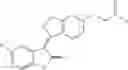
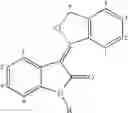
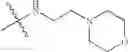
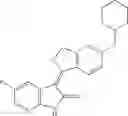
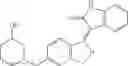
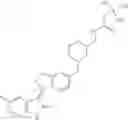
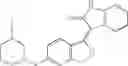


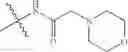
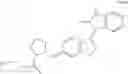
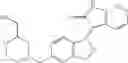
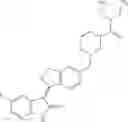
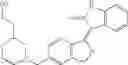

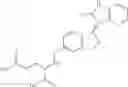


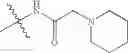

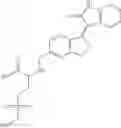


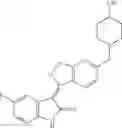


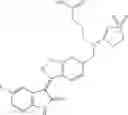

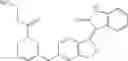

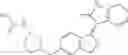
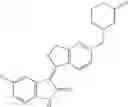

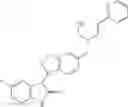
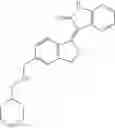
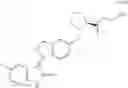


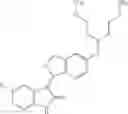


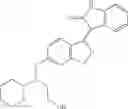

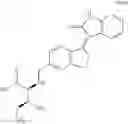
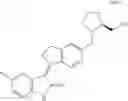
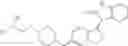
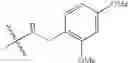
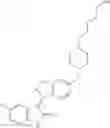
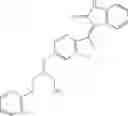
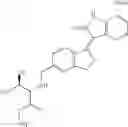
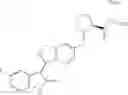
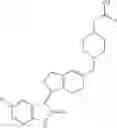
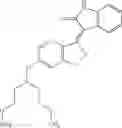


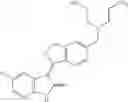
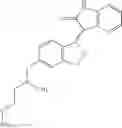

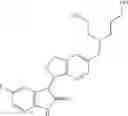


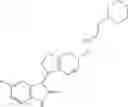
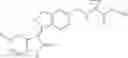


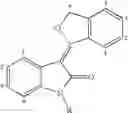
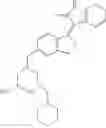

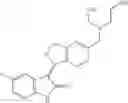
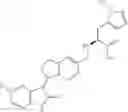
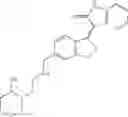

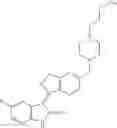

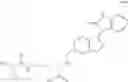


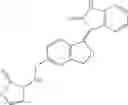
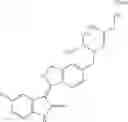
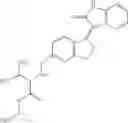


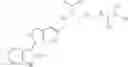



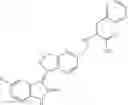
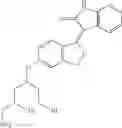


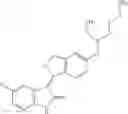
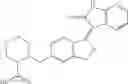

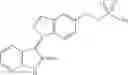
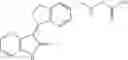
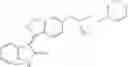
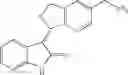


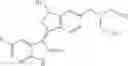

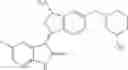

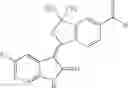

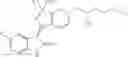
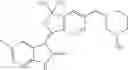


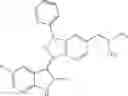


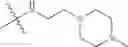

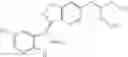


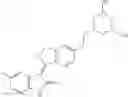

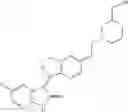
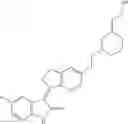
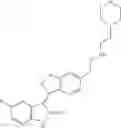


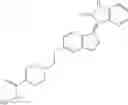
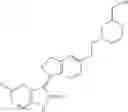

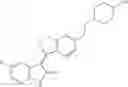

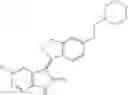

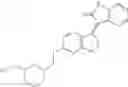
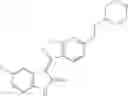
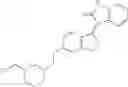

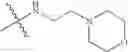


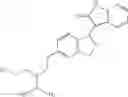
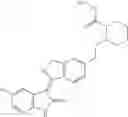

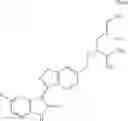
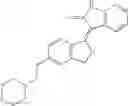

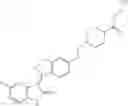

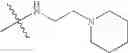

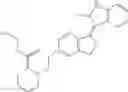
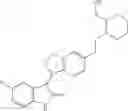
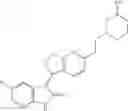
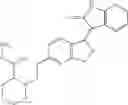
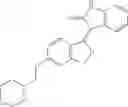



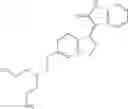

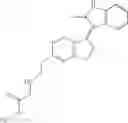
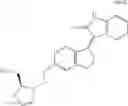

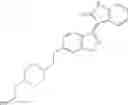


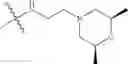
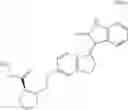
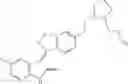
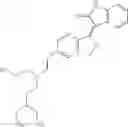


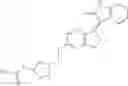
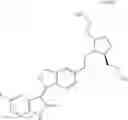


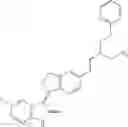
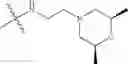
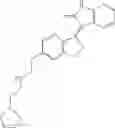
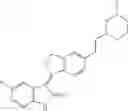

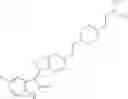
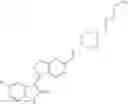

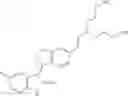


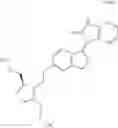
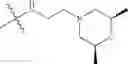


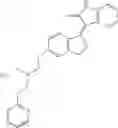
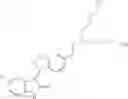


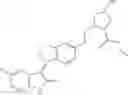
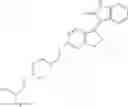
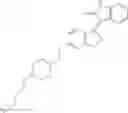

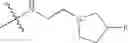
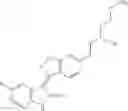


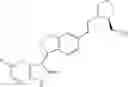
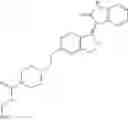


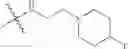
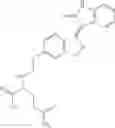
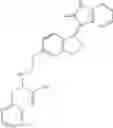

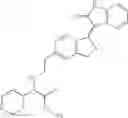


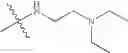
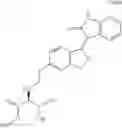
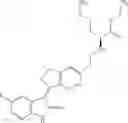
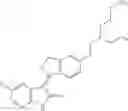

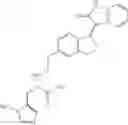
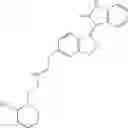

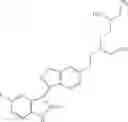
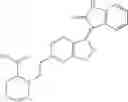
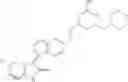
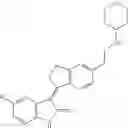
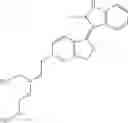
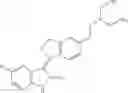


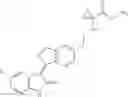

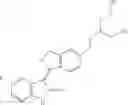
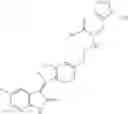

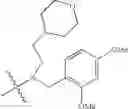


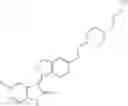


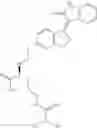
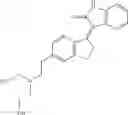
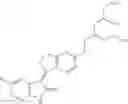

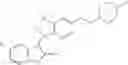

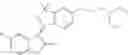

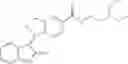


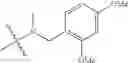


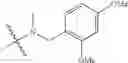
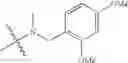
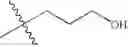
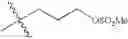
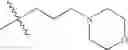
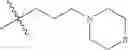
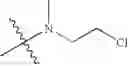
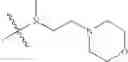
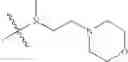
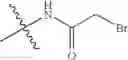
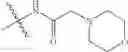

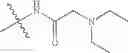
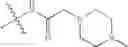

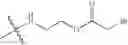
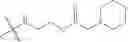
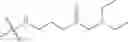
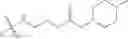
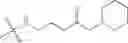
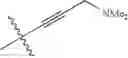
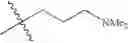
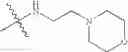
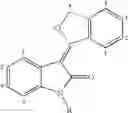
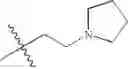
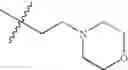
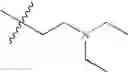
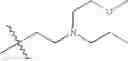
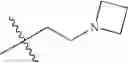
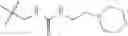
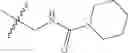
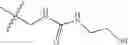
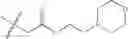

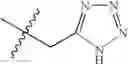
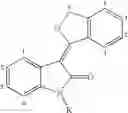
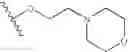
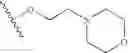
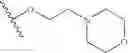
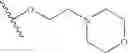
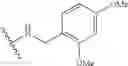

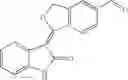
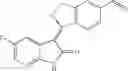
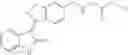
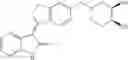
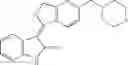
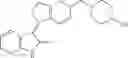

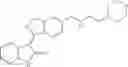
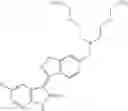
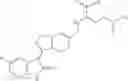
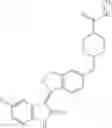
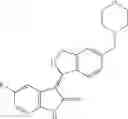
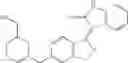
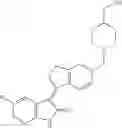
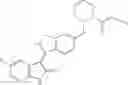
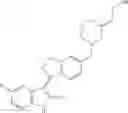
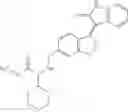
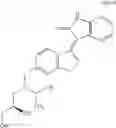
Sources:
- United States Patent and Trademark Office - verify current appl. status at the USPTO↗
Similar patent applications:
- » 20170274093
COMBINING ANTI-HLA-DR OR ANTI-TROP-2 ANTIBODIES WITH MICROTUBULE INHIBITORS, PARP INHIBITORS, BRUTON KINASE INHIBITORS OR PHOSPHOINOSITIDE 3-KINASE INHIBITORS SIGNIFICANTLY IMPROVES THERAPEUTIC OUTCOME IN CANCER - » 20160296633
Combining anti-HLA-DR or anti-Trop-2 antibodies with microtubule inhibitors, PARP inhibitors, bruton kinase inhibitors or phosphoinositide 3-kinase inhibitors significantly improves therapeutic outcome in cancer - » 20190209703
Combining anti-HLA-DR or anti-Trop-2 antibodies with microtubule inhibitors, PARP inhibitors, Bruton kinase inhibitors or phosphoinositide 3-kinase inhibitors significantly improves therapeutic outcome in cancer - » 20150025058
8-substituted 2-amino-[1,2,4] triazolo [1, 5-A] pyrazines as Syk tryrosine kinase inhibitors and GCN2 serin kinase inhibitors - » 20230117684
COMBINATION OF AN ANAPLASTIC LYMPHOMA KINASE INHIBITOR AND A CYCLIN DEPENDENT KINASE INHIBITOR - » 20200155566
THERAPEUTIC COMBINATION OF A THIRD GENERATION EGFR TYROSINE KINASE INHIBITOR AND A CYCLIN D KINASE INHIBITOR - » 20100160292
Kinase Inhibitors, and Methods of Using and Identifying Kinase Inhibitors - » 20220125790
Multi-target kinase inhibitor, pharmaceutical composition, and preparation method for multi-target kinase inhibitor and use thereof - » 20070286864
Combined treatment with an EGFR kinase inhibitor and an agent that sensitizes tumor cells to the effects of EGFR kinase inhibitors - » 20120207767
Combined treatment with an EGFR kinase inhibitor and an agent that sensitizes tumor cells to the effects of EGFR kinase inhibitors
Recent applications in this class:
- » 20250276962 2025-09-04
CONTRACEPTIVE COMPOUNDS AND METHODS - » 20250230146 2025-07-17
CARBOCYCLIC NUCLEOSIDE, OLIGONUCLEOTIDE AND PREPARATION METHODS THEREFOR AND MEDICAL USES THEREOF - » 20250214976 2025-07-03
GPR35 MODULATORS AND USES THEREOF - » 20250188064 2025-06-12
MATERIALS FOR ORGANIC ELECTROLUMINESCENT DEVICES - » 20250179056 2025-06-05
NOVEL SULFATE SALT FORMS OF ISOCHROMAN-IMIDAZOLE STRUCTURED ALPHA-2A ADRENOCEPTOR AGONIST - » 20250171421 2025-05-29
ENANTIOMERICALLY PURIFIED GPER AGONIST FOR USE IN TREATING DISEASE STATES AND CONDITIONS - » 20250136583 2025-05-01
NOVEL SALT FORMS OF ISOCHROMAN-IMIDAZOLE STRUCTURED ALPHA-2A ADRENOCEPTOR AGONIST - » 20250129054 2025-04-24
PRODRUGS OF 3,4-METHYLENEDIOXY-N-METHCATHINONE AND USES THEREOF - » 20250101007 2025-03-27
ASGPR CELL SURFACE RECEPTOR BINDING COMPOUNDS AND CONJUGATES - » 20250084069 2025-03-13
GERALEXIN AND USES THEREOF FOR THE TREATMENT OF RETINAL DEGENERATIVE DISEASES
Recent applications for this Assignee:
- » 20250121169 2025-04-17
DISSOLVABLE MICRONEEDLES FOR SKIN TEATMENT - » 20240252604 2024-08-01
NON-PROTEIN CLOSTRIDIAL TOXIN COMPOSITIONS - » 20240050726 2024-02-15
MICRONEEDLE ARRAY WITH ACTIVE INGREDIENT - » 20240033492 2024-02-01
DISSOLVABLE MICRONEEDLES FOR SKIN TREATMENT - » 20230355724 2023-11-09
Non-protein Clostridial toxin compositions - » 20230355723 2023-11-09
Non-protein clostridial toxin compositions - » 20230321420 2023-10-12
MICRONEEDLE ARRAY WITH ACTIVE INGREDIENT - » 20230029327 2023-01-26
Process and system for obtaining botulinum neurotoxin - » 20220331429 2022-10-20
Animal protein-free pharmaceutical compositions - » 20220298496 2022-09-22
Process and system for obtaining botulinum neurotoxin