Novel organic electroluminescent compounds and organic electroluminescent device using the same
US20100045170A1
2010-02-25
12/383,956
2009-03-31
Abstract:
The present invention relates to novel organic electroluminescent compounds, and organic electroluminescent devices employing the same as electroluminescent material. Specifically, the organic electroluminescent compounds according to the invention are characterized in that they are represented by Chemical Formula (1).
Since the organic electroluminescent compounds according to the invention have good luminous efficiency and excellent life property of material, OLED's having very good operation life can be manufactured therefrom.
Inventors:
- Jin Ho Kim 84 🇰🇷 Seoul, South Korea
- Sung-min Kim 148 🇰🇷 Seoul, South Korea
- Young Jun Cho 66 🇰🇷 Seoul, South Korea
- Bong-Ok Kim 77 🇰🇷 Seoul, South Korea
- Hyuck-Joo Kwon 67 🇰🇷 Seoul, South Korea
- Seung Soo Yoon 49 🇰🇷 Seoul, South Korea
- Mi-Ae LEE 12 🇰🇷 Seoul, South Korea
- Chi Sik Kim 13 🇰🇷 Seoul, South Korea
Assignee:
- GRACEL DISPLAY INC. 46 🇰🇷 SEOUL, South Korea
Interested in similar patents?
Get notified when new applications in this technology area are published.
Classification:
C09K11/06 » CPC main
Luminescent, e.g. electroluminescent, chemiluminescent materials containing organic luminescent materials
C07C13/547 » CPC further
Cyclic hydrocarbons containing rings other than, or in addition to, six-membered aromatic rings; Polycyclic hydrocarbons or acyclic hydrocarbon derivatives thereof with condensed rings with three condensed rings at least one ring not being six-membered, the other rings being at the most six-membered
C07C13/567 » CPC further
Cyclic hydrocarbons containing rings other than, or in addition to, six-membered aromatic rings; Polycyclic hydrocarbons or acyclic hydrocarbon derivatives thereof with condensed rings with three condensed rings at least one ring not being six-membered, the other rings being at the most six-membered with a fluorene or hydrogenated fluorene ring system
C07C13/615 » CPC further
Cyclic hydrocarbons containing rings other than, or in addition to, six-membered aromatic rings; Polycyclic hydrocarbons or acyclic hydrocarbon derivatives thereof with condensed rings with three condensed rings with a bridged ring system with an adamantane ring
C07C13/66 » CPC further
Cyclic hydrocarbons containing rings other than, or in addition to, six-membered aromatic rings; Polycyclic hydrocarbons or acyclic hydrocarbon derivatives thereof with condensed rings with more than three condensed rings the condensed ring system contains only four rings
C07C13/72 » CPC further
Cyclic hydrocarbons containing rings other than, or in addition to, six-membered aromatic rings; Polycyclic hydrocarbons or acyclic hydrocarbon derivatives thereof with condensed rings Spiro hydrocarbons
C07C22/08 » CPC further
Cyclic compounds containing halogen atoms bound to an acyclic carbon atom having unsaturation in the rings containing six-membered aromatic rings containing fluorine
C07C25/22 » CPC further
Compounds containing at least one halogen atom bound to a six-membered aromatic ring; Polycyclic aromatic halogenated hydrocarbons with condensed rings
C07C43/21 » CPC further
Ethers; Compounds having groups, groups or groups; Ethers having an ether-oxygen atom bound to a carbon atom of a six-membered aromatic ring containing rings other than six-membered aromatic rings
C07C211/58 » CPC further
Compounds containing amino groups bound to a carbon skeleton having amino groups bound to carbon atoms of six-membered aromatic rings of the carbon skeleton having amino groups bound to carbon atoms of six-membered aromatic rings being part of condensed ring systems of the carbon skeleton Naphthylamines; N-substituted derivatives thereof
C07C211/61 » CPC further
Compounds containing amino groups bound to a carbon skeleton having amino groups bound to carbon atoms of six-membered aromatic rings of the carbon skeleton having amino groups bound to carbon atoms of six-membered aromatic rings being part of condensed ring systems of the carbon skeleton with at least one of the condensed ring systems formed by three or more rings
C07C255/50 » CPC further
Carboxylic acid nitriles having cyano groups bound to carbon atoms of six-membered aromatic rings of a carbon skeleton to carbon atoms of non-condensed six-membered aromatic rings
C07D209/82 » CPC further
Heterocyclic compounds containing five-membered rings, condensed with other rings, with one nitrogen atom as the only ring hetero atom; Ring systems containing three or more rings [b, c]- or [b, d]-condensed Carbazoles; Hydrogenated carbazoles
C07D213/06 » CPC further
Heterocyclic compounds containing six-membered rings, not condensed with other rings, with one nitrogen atom as the only ring hetero atom and three or more double bonds between ring members or between ring members and non-ring members having three double bonds between ring members or between ring members and non-ring members having no bond between the ring nitrogen atom and a non-ring member or having only hydrogen or carbon atoms directly attached to the ring nitrogen atom containing only hydrogen and carbon atoms in addition to the ring nitrogen atom
C07D215/06 » CPC further
Heterocyclic compounds containing quinoline or hydrogenated quinoline ring systems having no bond between the ring nitrogen atom and a non-ring member or having only hydrogen atoms or carbon atoms directly attached to the ring nitrogen atom with only hydrogen atoms or radicals containing only hydrogen and carbon atoms, directly attached to the ring carbon atoms having only hydrogen atoms, hydrocarbon or substituted hydrocarbon radicals, attached to the ring nitrogen atom
C07D217/02 » CPC further
Heterocyclic compounds containing isoquinoline or hydrogenated isoquinoline ring systems with only hydrogen atoms or radicals containing only carbon and hydrogen atoms, directly attached to carbon atoms of the nitrogen-containing ring; Alkylene-bis-isoquinolines
C07D223/26 » CPC further
Heterocyclic compounds containing seven-membered rings having one nitrogen atom as the only ring hetero atom condensed with carbocyclic rings or ring systems; Dibenzazepines; Hydrogenated dibenzazepines; Dibenz [b, f] azepines; Hydrogenated dibenz [b, f] azepines with hydrocarbon radicals, substituted by nitrogen atoms, attached to the ring nitrogen atom having a double bond between positions 10 and 11
C07D223/28 » CPC further
Heterocyclic compounds containing seven-membered rings having one nitrogen atom as the only ring hetero atom condensed with carbocyclic rings or ring systems; Dibenzazepines; Hydrogenated dibenzazepines; Dibenz [b, f] azepines; Hydrogenated dibenz [b, f] azepines with hydrocarbon radicals, substituted by nitrogen atoms, attached to the ring nitrogen atom having a single bond between positions 10 and 11
C07D235/18 » CPC further
Heterocyclic compounds containing 1,3-diazole or hydrogenated 1,3-diazole rings, condensed with other rings condensed with carbocyclic rings or ring systems; Benzimidazoles; Hydrogenated benzimidazoles with aryl radicals directly attached in position 2
C07D239/26 » CPC further
Heterocyclic compounds containing 1,3-diazine or hydrogenated 1,3-diazine rings not condensed with other rings having three or more double bonds between ring members or between ring members and non-ring members with only hydrogen atoms, hydrocarbon or substituted hydrocarbon radicals, directly attached to ring carbon atoms
C07D241/12 » CPC further
Heterocyclic compounds containing 1,4-diazine or hydrogenated 1,4-diazine rings not condensed with other rings having three double bonds between ring members or between ring members and non-ring members with only hydrogen atoms, hydrocarbon or substituted hydrocarbon radicals, directly attached to ring carbon atoms
C07D241/42 » CPC further
Heterocyclic compounds containing 1,4-diazine or hydrogenated 1,4-diazine rings condensed with carbocyclic rings or ring systems with only hydrogen or carbon atoms directly attached to the ring nitrogen atoms; Benzopyrazines with only hydrogen atoms, hydrocarbon or substituted hydrocarbon radicals, directly attached to carbon atoms of the hetero ring
C07D241/46 » CPC further
Heterocyclic compounds containing 1,4-diazine or hydrogenated 1,4-diazine rings condensed with carbocyclic rings or ring systems with only hydrogen or carbon atoms directly attached to the ring nitrogen atoms Phenazines
C07D251/20 » CPC further
Heterocyclic compounds containing 1,3,5-triazine rings not condensed with other rings having three double bonds between ring members or between ring members and non-ring members with hydrogen or carbon atoms directly attached to at least one ring carbon atom to only one ring carbon atom with no nitrogen atoms directly attached to a ring carbon atom
C07D265/38 » CPC further
Heterocyclic compounds containing six-membered rings having one nitrogen atom and one oxygen atom as the only ring hetero atoms 1,4-Oxazines; Hydrogenated 1,4-oxazines condensed with carbocyclic rings [b, e]-condensed with two six-membered rings
C07D277/66 » CPC further
Heterocyclic compounds containing 1,3-thiazole or hydrogenated 1,3-thiazole rings condensed with carbocyclic rings or ring systems; Benzothiazoles with only hydrocarbon or substituted hydrocarbon radicals attached in position 2 with aromatic rings or ring systems directly attached in position 2
C07D279/22 » CPC further
Heterocyclic compounds containing six-membered rings having one nitrogen atom and one sulfur atom as the only ring hetero atoms 1,4-Thiazines; Hydrogenated 1,4-thiazines condensed with carbocyclic rings or ring systems [b, e]-condensed with two six-membered rings with carbon atoms directly attached to the ring nitrogen atom
C07D311/80 » CPC further
Heterocyclic compounds containing six-membered rings having one oxygen atom as the only hetero atom, condensed with other rings ortho- or peri-condensed with carbocyclic rings or ring systems; Ring systems having three or more relevant rings Dibenzopyrans; Hydrogenated dibenzopyrans
C07D333/76 » CPC further
Heterocyclic compounds containing five-membered rings having one sulfur atom as the only ring hetero atom condensed with carbocyclic rings or ring systems Dibenzothiophenes
C07D471/04 » CPC further
Heterocyclic compounds containing nitrogen atoms as the only ring hetero atoms in the condensed system, at least one ring being a six-membered ring with one nitrogen atom, not provided for by groups - in which the condensed system contains two hetero rings Ortho-condensed systems
C07F7/0807 » CPC further
Compounds containing elements of Groups 4 or 14 of the Periodic System; Silicon compounds; Compounds having one or more C—Si linkages; Compounds with Si-C or Si-Si linkages comprising only Si, C or H atoms comprising Si as a ring atom
C07F7/0816 » CPC further
Compounds containing elements of Groups 4 or 14 of the Periodic System; Silicon compounds; Compounds having one or more C—Si linkages; Compounds with Si-C or Si-Si linkages comprising at least one atom selected from the elements N, O, halogen, S, Se or Te comprising a heterocyclic ring said ring comprising Si as a ring atom
C07F9/65683 » CPC further
Compounds containing elements of Groups 5 or 15 of the Periodic System; Phosphorus compounds; Heterocyclic compounds, e.g. containing phosphorus as a ring hetero atom having phosphorus atoms, with or without nitrogen, oxygen, sulfur, selenium or tellurium atoms, as ring hetero atoms having phosphorus atoms as the only ring hetero atoms the ring phosphorus atom being part of a phosphine
H01L51/0058 » CPC further
Solid state devices using organic materials as the active part, or using a combination of organic materials with other materials as the active part; Processes or apparatus specially adapted for the manufacture or treatment of such devices, or of parts thereof; Selection of organic semiconducting materials, e.g. organic light sensitive or organic light emitting materials; Macromolecular systems with low molecular weight, e.g. cyanine dyes, coumarine dyes, tetrathiafulvalene; Polycyclic condensed aromatic hydrocarbons, e.g. anthracene containing more than one polycyclic condensed aromatic rings, e.g. bis-anthracene
H05B33/14 » CPC further
Electroluminescent light sources; Light sources with substantially two-dimensional radiating surfaces characterised by the chemical or physical composition or the arrangement of the electroluminescent material, or by the simultaneous addition of the electroluminescent material in or onto the light source
C07C2602/08 » CPC further
Systems containing two condensed rings the rings having only two atoms in common; One of the condensed rings being a six-membered aromatic ring the other ring being five-membered, e.g. indane
C07C2602/10 » CPC further
Systems containing two condensed rings the rings having only two atoms in common; One of the condensed rings being a six-membered aromatic ring the other ring being six-membered, e.g. tetraline
C07C2603/04 » CPC further
Systems containing at least three condensed rings; Ortho- or ortho- and peri-condensed systems containing three rings
C07C2603/18 » CPC further
Systems containing at least three condensed rings; Ortho- or ortho- and peri-condensed systems containing three rings containing at least one ring with less than six ring members containing five-membered rings only one five-membered ring Fluorenes; Hydrogenated fluorenes
C07C2603/20 » CPC further
Systems containing at least three condensed rings; Ortho- or ortho- and peri-condensed systems containing three rings containing at least one ring with less than six ring members containing five-membered rings only one five-membered ring Acenaphthenes; Hydrogenated acenaphthenes
C07C2603/24 » CPC further
Systems containing at least three condensed rings; Ortho- or ortho- and peri-condensed systems containing three rings containing only six-membered rings Anthracenes; Hydrogenated anthracenes
C07C2603/26 » CPC further
Systems containing at least three condensed rings; Ortho- or ortho- and peri-condensed systems containing three rings containing only six-membered rings Phenanthrenes; Hydrogenated phenanthrenes
C07C2603/40 » CPC further
Systems containing at least three condensed rings; Ortho- or ortho- and peri-condensed systems containing four condensed rings
C07C2603/42 » CPC further
Systems containing at least three condensed rings; Ortho- or ortho- and peri-condensed systems containing four condensed rings containing only six-membered rings
C07C2603/48 » CPC further
Systems containing at least three condensed rings; Ortho- or ortho- and peri-condensed systems containing four condensed rings containing only six-membered rings Chrysenes; Hydrogenated chrysenes
C07C2603/50 » CPC further
Systems containing at least three condensed rings; Ortho- or ortho- and peri-condensed systems containing four condensed rings containing only six-membered rings Pyrenes; Hydrogenated pyrenes
C07C2603/52 » CPC further
Systems containing at least three condensed rings; Ortho- or ortho- and peri-condensed systems containing five condensed rings
C07C2603/74 » CPC further
Systems containing at least three condensed rings; Ring systems containing bridged rings containing three rings containing only six-membered rings Adamantanes
C07C2603/94 » CPC further
Systems containing at least three condensed rings; Spiro compounds containing "free" spiro atoms
C09K2211/1011 » CPC further
Chemical nature of organic luminescent or tenebrescent compounds; Non-macromolecular compounds; Carbocyclic compounds Condensed systems
Y02E10/549 » CPC further
Energy generation through renewable energy sources; Photovoltaic [PV] energy Organic PV cells
Y02E10/549 » CPC further
Energy generation through renewable energy sources; Photovoltaic [PV] energy Organic PV cells
H01J1/63 IPC
Details of electrodes, of magnetic control means, of screens, or of the mounting or spacing thereof, common to two or more basic types of discharge tubes or lamps; Screens on or from which an image or pattern is formed, picked-up, converted, or stored; Luminescent coatings on vessels; Luminescent screens; Selection of materials for luminescent coatings on vessels characterised by the luminescent material
C07F15/00 IPC
Compounds containing elements of Groups 8, 9, 10 or 18 of the Periodic System
C07D223/02 IPC
Heterocyclic compounds containing seven-membered rings having one nitrogen atom as the only ring hetero atom not condensed with other rings
Description
FIELD OF THE INVENTION
The present invention relates to novel organic electroluminescent compounds, and organic electroluminescent devices employing the same as electroluminescent material. Specifically, the organic electroluminescent compounds according to the present invention are represented by Chemical Formula (1):
wherein, R1 through R8 independently represent hydrogen, halogen, (C1-C60)alkyl, (C6-C60)aryl, (C3-C60)heteroaryl, 5- or 6-membered heterocycloalkyl containing one or more heteroatom(s) selected from N, O and S, (C3-C60)cycloalkyl, tri(C1-C60)alkylsilyl, di(C1-C60)alkyl(C6-C60)arylsilyl, tri(C6-C60)arylsilyl, adamantyl, (C7-C60)bicycloalkyl, (C2-C60)alkenyl, (C2-C60)alkynyl, (C1-C60)alkoxy, cyano, (C1-C60)alkylamino, (C6-C60)arylamino, (C6-C60)ar(C1-C60)alkyl, (C6-C60)aryloxy, (C6-C60)arylthio, (C1-C60)alkoxycarbonyl, carboxyl, nitro or hydroxyl, or each of R1 through R8 may be linked to an adjacent substituent via (C3-C60)alkylene or (C3-C60)alkenylene to form an alicyclic ring, or a monocyclic or polycyclic aromatic ring; provided that R1 through R8 cannot be hydrogen all at the same time;
R9 through R12 independently represent hydrogen, halogen, (C1-C60)alkyl, (C6-C60)aryl, (C3-C60)heteroaryl, 5- or 6-membered heterocycloalkyl containing one or more heteroatom(s) selected from N, O and S, (C3-C60)cycloalkyl, tri(C1-C60)alkylsilyl, di(C1-C60)alkyl(C6-C60)arylsilyl, tri(C6-C60)arylsilyl, adamantyl, (C7-C60)bicycloalkyl, (C2-C60)alkenyl, (C2-C60)alkynyl, (C1-C60)alkoxy, cyano, (C1-C60)alkylamino, (C6-C60)arylamino, (C6-C60)ar(C1-C60)alkyl, (C6-C60)aryloxy, (C6-C60)arylthio, (C1-C60)alkoxycarbonyl, carboxyl, nitro or hydroxyl, or each of R9 through R12 may be linked to an adjacent substituent via (C3-C60)alkylene or (C3-C60)alkenylene to form an alicyclic ring, or a monocyclic or polycyclic aromatic ring;
R13 represents halogen, (C1-C60)alkyl, (C6-C60)aryl, (C3-C60)heteroaryl, 5- or 6-membered heterocycloalkyl containing one or more heteroatom(s) selected from N, O and S, (C3-C60)cycloalkyl, tri(C1-C60)alkylsilyl, di(C1-C60)alkyl(C6-C60)arylsilyl, tri(C6-C60)arylsilyl, adamantyl, (C7-C60)bicycloalkyl, (C2-C60)alkenyl, (C2-C60)alkynyl, (C1-C60)alkoxy, cyano, (C1-C60)alkylamino, (C6-C60)arylamino, (C6-C60)ar(C1-C60)alkyl, (C6-C60)aryloxy, (C6-C60)arylthio, (C1-C60)alkoxycarbonyl, carboxyl, nitro or hydroxyl;
W and X independently represent a chemical bond, —C(R14)(R15)—, —N(R16)—, —S—, —O—, —Si(R17)(R18)—, —P(R19)—, —C(═O)—, —B(R20)—, —In (R21)—, —Se—, —Ge(R22)(R23)—, —Sn(R24)(R25)— or —Ga(R26)—;
wherein R14 through R26 independently represent hydrogen, halogen, (C1-C60)alkyl, (C6-C60)aryl, (C3-C60)heteroaryl, 5- or 6-membered heterocycloalkyl containing one or more heteroatom(s) selected from N, O and S, (C3-C60)cycloalkyl, tri(C1-C60)alkylsilyl, di(C1-C60)alkyl(C6-C60)arylsilyl, tri(C6-C60)arylsilyl, adamantyl, (C7-C60)bicycloalkyl, (C2-C60)alkenyl, (C2-C60)alkynyl, (C1-C60)alkoxy, cyano, (C1-C60)alkylamino, (C6-C60)arylamino, (C6-C60)ar(C1-C60)alkyl, (C6-C60)aryloxy, (C6-C60)arylthio, (C1-C60)alkoxycarbonyl, carboxyl, nitro or hydroxyl, or R14 and R15, R17 and R18, R22 and R23, or R24 and R25 may be linked via (C3-C60)alkylene or (C3-C60)alkenylene with or without a fused ring to form an alicyclic ring, or a monocyclic or polycyclic aromatic ring;
L1 represents a chemical bond, (C6-C60)arylene or (C3-C60)heteroarylene, and the arylene or heteroarylene of L1 may be further substituted by one or more substituent(s) selected from (C1-C60)alkyl, halogen, cyano, (C1-C60)alkoxy, (C3-C60)cycloalkyl, (C6-C60)aryl, (C3-C60)heteroaryl, adamantyl, (C7-C60)bicycloalkyl, cyano, (C1-C60)alkylamino, (C6-C60)arylamino, (C6-C60)ar(C1-C60)alkyl, (C6-C60)aryloxy, (C6-C60)arylthio, (C1-C60)alkoxycarbonyl, carboxyl, nitro, hydroxyl, tri(C1-C30)alkylsilyl, di(C1-C30)alkyl(C6-C30)arylsilyl and tri(C6-C30)arylsilyl;
Ar1 represents (C1-C60)alkyl, (C6-C60)aryl, (C3-C60)heteroaryl, 5- or 6-membered heterocycloalkyl containing one or more heteroatom(s) selected from N, O and S, (C3-C60)cycloalkyl, tri(C1-C60)alkylsilyl, di(C1-C60)alkyl(C6-C60)arylsilyl, tri(C6-C60)arylsilyl, adamantyl, (C7-C60)bicycloalkyl, (C2-C60)alkenyl, (C2-C60)alkynyl, (C1-C60)alkoxy, cyano, (C1-C60)alkylamino, (C6-C60)arylamino, (C6-C60)ar(C1-C60)alkyl, (C6-C60)aryloxy, (C6-C60)arylthio, (C1-C60)alkoxycarbonyl, carboxyl, nitro or hydroxyl, or a substituent selected from the following structures:
wherein, R31 through R43 independently represent hydrogen, halogen, (C1-C60)alkyl, (C6-C60)aryl, (C3-C60)heteroaryl, 5 or 6-membered heterocycloalkyl containing one or more heteroatom(s) selected from N, O and S, (C3-C60)cycloalkyl, tri(C1-C60)alkylsilyl, di(C1-C60)alkyl(C6-C60)arylsilyl, tri(C6-C60)arylsilyl, adamantyl, (C7-C60)bicycloalkyl, (C2-C60)alkenyl, (C2-C60)alkynyl, (C1-C60)alkoxy, cyano, (C1-C60)alkylamino, (C6-C60)arylamino, (C6-C60)ar(C1-C60)alkyl, (C6-C60)aryloxy, (C6-C60)arylthio, (C1-C60)alkoxycarbonyl, carboxyl, nitro or hydroxyl, or each of R31 through R43 may be linked to an adjacent substituent via (C3-C60)alkylene or (C3-C60)alkenylene with or without a fused ring to form an alicyclic ring, or a monocyclic or polycyclic aromatic ring;
Y and Z independently represent a chemical bond, —(CR51R52)c—, —N(R53)—, —S—, —O—, —Si(R54)(R55)—, —P(R56)—, —C(═O)—, —B (R57)—, —In (R58)—, —Se—, —Ge(R59)(R60)—, —Sn (R61)(R62)—, —Ga(R63)— or —(R64)C═C(R65)—;
wherein R51 through R65 independently represent hydrogen, halogen, (C1-C60)alkyl, (C6-C60)aryl, (C3-C60)heteroaryl, 5- or 6-membered heterocycloalkyl containing one or more heteroatom(s) selected from N, O and S, (C3-C60)cycloalkyl, tri(C1-C60)alkylsilyl, di(C1-C60)alkyl(C6-C60)arylsilyl, tri(C6-C60)arylsilyl, adamantyl, (C7-C60)bicycloalkyl, (C2-C60)alkenyl, (C2-C60)alkynyl, (C1-C60)alkoxy, cyano, (C1-C60)alkylamino, (C6-C60)arylamino, (C6-C60)ar(C1-C60)alkyl, (C6-C60)aryloxy, (C6-C60)arylthio, (C1-C60)alkoxycarbonyl, carboxyl, nitro or hydroxyl, or R51 and R52, R54 and R55, R59 and R60, R61 and R62 or R64 and R65 may be linked via (C3-C60)alkylene r (C3-C60)alkenylene with or without a fused ring to form an alicyclic ring, or a monocyclic or polycyclic aromatic ring;
the alkyl, aryl, heteroaryl, heterocycloalkyl, cycloalkyl, trialkylsilyl, dialkylarylsilyl, triarylsilyl, adamantyl, bicycloalkyl, alkenyl, alkynyl, alkylamino or arylamino of Ar1, R1 through R26, R31 through R43 and R51 through R63 may be further substituted by halogen, (C1-C60)alkyl, (C6-C60)aryl, (C3-C60)heteroaryl, 5- or 6-membered heterocycloalkyl containing one or more heteroatom(s) selected from N, O and S, (C3-C60)cycloalkyl, tri(C1-C60)alkylsilyl, di(C1-C60)alkyl(C6-C60)arylsilyl, tri(C6-C60)arylsilyl, adamantyl, (C7-C60)bicycloalkyl, (C2-C60)alkenyl, (C2-C60)alkynyl, (C1-C60)alkoxy, cyano, (C1-C60)alkylamino, (C6-C60)arylamino, (C6-C60)ar(C1-C60)alkyl, (C6-C60)aryloxy, (C6-C60)arylthio, (C1-C60)alkoxycarbonyl, carboxyl, nitro or hydroxyl;
a is an integer from 0 to 3; and
b and c independently represent an integer from 1 to 4.
BACKGROUND OF THE INVENTION
Three electroluminescent materials (for red, green and blue) are employed to realize a full-colored OLED display. The important issue is to develop red, green and blue electroluminescent materials with high efficiency and long life, in order to enhance the overall feature of the organic electroluminescent (EL) devices. From the aspect of function, the EL materials are classified into host materials and dopant materials. It is generally known that a device structure having the most excellent EL properties can be fabricated with an EL layer prepared by doping a dopant to a host. Recently, development of organic EL devices with high efficiency and long life comes to the fore as an urgent subject, and particularly urgent is development of a material with far better EL properties as compared to conventional EL materials as considering EL properties required for a medium to large sized OLED panel. From this point of view, development of host material is one of the most important issues to be settled. The desired properties for the host material (serving as a solvent and energy conveyer in solid state) are high purity and appropriate molecular weight to enable vapor-deposition in vacuo. In addition, glass transition temperature and thermal decomposition temperature should be high enough to ensure thermal stability. Further, the host material should have high electrochemical stability for providing long life. It is to be easy to form an amorphous thin film, with high adhesiveness to other adjacent materials but without interlayer migration.
In the meanwhile, for conventional blue materials, a number of materials have been developed and commercialized since the development of diphenylvinyl-biphenyl (DPVBi) (Compound a) by Idemitsu-Kosan. In addition to the blue material system from Idemitsu-Kosan, dinaphthylanthracene (DNA) (Compound b), tetra(t-butyl)perylene (Compound c) system or the like have been known. However, extensive research and development should be performed with respect to these materials. The distryl compound system of Idemitsu-Kosan, which is known to have highest efficiency up to now, has 6 lm/W of power efficiency and beneficial device lifetime of more than 30,000 hr. However, when it is applied to a full-colored display, the lifetime is merely several thousand hours, owing to decrease of color purity over operation time. In case of blue electroluminescence, it becomes advantageous from the aspect of the luminous efficiency, if the electroluminescent wavelength is shifted a little toward longer wavelength. However, it is not easy to apply the material to a display of high quality because of unsatisfactory color purity in blue. Furthermore, the research and development of such materials are urgent because of the problems in color purity, efficiency and thermal stability.
In order to develop a host material with high efficiency and long life, compounds based on different backbones have been disclosed, such as dispiro-fluorene-anthracene (TBSA), ter-spirofluorene (TSF) and bitriphenylene (BTP). These compounds, however, did not result in color purity and luminous efficiency at a sufficient level.
The compound TBSA as reported by Gyeongsang National University and Samsung SDI (Kwon, S. K. et al., Advanced Materials, 2001, 13, 1690; Japanese Patent Laid-Open JP 2002121547), showed luminous efficiency of 3 cd/A at 7.7 V, and relatively good color coordinate of (0.15, 0.11), but it was applied as a material for single layer, being inappropriate for practical use. The compound TSF reported by Taiwan National University (Wu, C.-C. et al., Advanced Materials, 2004, 16, 61; US Patent Publication US 2005040392) showed relatively good external quantum efficiency of 5.3%, but it was still inappropriate for practical use. The compound BTP reported by Chingwha National University of Taiwan (Cheng, C.-H. et al., Advanced Materials, 2002, 14, 1409; US Patent Publication US 2004076852) showed luminous efficiency of 2.76 cd/A and relatively good color coordinate of (0.16, 0.14), but this was still insufficient for practical use.
As described above, conventional materials are constituted of a single layer, not forming a host-dopant thin layer, and is difficult to be used practically from the aspect of color purity and efficiency. There are not enough data reliable, with respect to its long life.
In the meanwhile, according to a patent application of Mitsui Chemicals (Japan) (US Patent Publication U.S. Pat. No. 7,166,240), the compounds shown below have the absorption spectra at 390 to 430 nm, with luminous efficiency of 4.6 cd/A. However, on the basis of these data, the compounds with above absorption wavelength range, electroluminescence of greenish blue color is anticipated, and the patent Publication indicates the color as bluish green color.
Particularly, embodiment of pure blue color is impossible with the symmetrical structure of the patent Publication, and the material, which cannot provide pure blue luminescence, is inadequate to be practically applied to a full-colored display.
SUMMARY OF THE INVENTION
With intensive efforts to overcome the problems of conventional techniques as described above, the present inventors have invented novel electroluminescent compounds to realize an organic electroluminescent device having excellent luminous efficiency and surprisingly improved lifetime.
The object of the present invention is to organic electroluminescent compounds having the backbone to give more excellent electroluminescent properties, longer device life and appropriate color coordinate, as compared to those of conventional host materials, with overcoming disadvantages of them.
Another object of the invention is to provide organic electroluminescent devices of high efficiency and long life, which employ said organic electroluminescent compounds as electroluminescent material.
Thus, the present invention relates to organic electroluminescent compounds represented by Chemical Formula (1), and organic electroluminescent devices comprising the same. Since the organic electroluminescent compounds according to the invention have good luminous efficiency and excellent color purity and life property of material, OLED's having very good operation life can be manufactured therefrom:
wherein, R1 through R8 independently represent hydrogen, halogen, (C1-C60)alkyl, (C6-C60)aryl, (C3-C60)heteroaryl, 5- or 6-membered heterocycloalkyl containing one or more heteroatom(s) selected from N, O and S, (C3-C60)cycloalkyl, tri(C1-C60)alkylsilyl, di(C1-C60)alkyl(C6-C60)arylsilyl, tri(C6-C60)arylsilyl, adamantyl, (C7-C60)bicycloalkyl, (C2-C60)alkenyl, (C2-C60)alkynyl, (C1-C60)alkoxy, cyano, (C1-C60)alkylamino, (C6-C60)arylamino, (C6-C60)ar(C1-C60)alkyl, (C6-C60)aryloxy, (C6-C60)arylthio, (C1-C60)alkoxycarbonyl, carboxyl, nitro or hydroxyl, or each of R1 through R8 may be linked to an adjacent substituent via (C3-C60)alkylene or (C3-C60)alkenylene to form an alicyclic ring, or a monocyclic or polycyclic aromatic ring; provided that R1 through R8 cannot be hydrogen all at the same time;
R9 through R12 independently represent hydrogen, halogen, (C1-C60)alkyl, (C6-C60)aryl, (C3-C60)heteroaryl, 5- or 6-membered heterocycloalkyl containing one or more heteroatom(s) selected from N, O and S, (C3-C60)cycloalkyl, tri(C1-C60)alkylsilyl, di(C1-C60)alkyl(C6-C60)arylsilyl, tri(C6-C60)arylsilyl, adamantyl, (C7-C60)bicycloalkyl, (C2-C60)alkenyl, (C2-C60)alkynyl, (C1-C60)alkoxy, cyano, (C1-C60)alkylamino, (C6-C60)arylamino, (C6-C60)ar(C1-C60)alkyl, (C6-C60)aryloxy, (C6-C60)arylthio, (C1-C60)alkoxycarbonyl, carboxyl, nitro or hydroxyl, or each of R9 through R12 may be linked to an adjacent substituent via (C3-C60)alkylene or (C3-C60)alkenylene to form an alicyclic ring, or a monocyclic or polycyclic aromatic ring;
R13 represents halogen, (C1-C60)alkyl, (C6-C60)aryl, (C3-C60)heteroaryl, 5- or 6-membered heterocycloalkyl containing one or more heteroatom(s) selected from N, O and S, (C3-C60)cycloalkyl, tri(C1-C60)alkylsilyl, di(C1-C60)alkyl(C6-C60)arylsilyl, tri(C6-C60)arylsilyl, adamantyl, (C7-C60)bicycloalkyl, (C2-C60)alkenyl, (C2-C60)alkynyl, (C1-C60)alkoxy, cyano, (C1-C60)alkylamino, (C6-C60)arylamino, (C6-C60)ar(C1-C60)alkyl, (C6-C60)aryloxy, (C6-C60)arylthio, (C1-C60)alkoxycarbonyl, carboxyl, nitro or hydroxyl;
W and X independently represent a chemical bond, —C(R14)(R15)—, —N(R16)—, —S—, —O—, —Si(R17)(R18)—, —P(R19)—, —C(═O)—, —B(R20)—, —In(R21)—, —Se—, —Ge(R22)(R23)—, —Sn (R24)(R25)— or —Ga(R26)—;
wherein R14 through R26 independently represent hydrogen, halogen, (C1-C60)alkyl, (C6-C60)aryl, (C3-C60)heteroaryl, 5- or 6-membered heterocycloalkyl containing one or more heteroatom(s) selected from N, O and S, (C3-C60)cycloalkyl, tri(C1-C60)alkylsilyl, di(C1-C60)alkyl(C6-C60)arylsilyl, tri(C6-C60)arylsilyl, adamantyl, (C7-C60)bicycloalkyl, (C2-C60)alkenyl, (C2-C60)alkynyl, (C1-C60)alkoxy, cyano, (C1-C60)alkylamino, (C6-C60)arylamino, (C6-C60)ar(C1-C60)alkyl, (C6-C60)aryloxy, (C6-C60)arylthio, (C1-C60)alkoxycarbonyl, carboxyl, nitro or hydroxyl, or R14 and R15, R17 and R18, R22 and R23, or R24 and R25 may be linked via (C3-C60)alkylene or (C3-C60)alkenylene with or without a fused ring to form an alicyclic ring, or a monocyclic or polycyclic aromatic ring;
L1 represents a chemical bond, (C6-C60)arylene or (C3-C60)heteroarylene, and the arylene or heteroarylene of L1 may be further substituted by one or more substituent(s) selected from (C1-C60)alkyl, halogen, cyano, (C1-C60)alkoxy, (C3-C60)cycloalkyl, (C6-C60)aryl, (C3-C60)heteroaryl, adamantyl, (C7-C60)bicycloalkyl, cyano, (C1-C60)alkylamino, (C6-C60)arylamino, (C6-C60)ar(C1-C60)alkyl, (C6-C60)aryloxy, (C6-C60)arylthio, (C1-C60)alkoxycarbonyl, carboxyl, nitro, hydroxyl, tri(C1-C30)alkylsilyl, di(C1-C30)alkyl(C6-C30)arylsilyl and tri(C6-C30)arylsilyl;
Ar1 represents (C1-C60)alkyl, (C6-C60)aryl, (C3-C60)heteroaryl, 5- or 6-membered heterocycloalkyl containing one or more heteroatom(s) selected from N, O and S, (C3-C60)cycloalkyl, tri(C1-C60)alkylsilyl, di(C1-C60)alkyl(C6-C60)arylsilyl, tri(C6-C60)arylsilyl, adamantyl, (C7-C60)bicycloalkyl, (C2-C60)alkenyl, (C2-C60)alkynyl, (C1-C60)alkoxy, cyano, (C1-C60)alkylamino, (C6-C60)arylamino, (C6-C60)ar(C1-C60)alkyl, (C6-C60)aryloxy, (C6-C60)arylthio, (C1-C60)alkoxycarbonyl, carboxyl, nitro or hydroxyl, or a substituent selected from the following structures:
wherein, R31 through R43 independently represent hydrogen, halogen, (C1-C60)alkyl, (C6-C60)aryl, (C3-C60)heteroaryl, 5- or 6-membered heterocycloalkyl containing one or more heteroatom(s) selected from N, O and S, (C3-C60)cycloalkyl, tri(C1-C60)alkylsilyl, di(C1-C60)alkyl(C6-C60)arylsilyl, tri(C6-C60)arylsilyl, adamantyl, (C7-C60)bicycloalkyl, (C2-C60)alkenyl, (C2-C60)alkynyl, (C1-C60)alkoxy, cyano, (C1-C60)alkylamino, (C6-C60)arylamino, (C6-C60)ar(C1-C60)alkyl, (C6-C60)aryloxy, (C6-C60)arylthio, (C1-C60)alkoxycarbonyl, carboxyl, nitro or hydroxyl, or each of R31 through R43 may be linked to an adjacent substituent via (C3-C60)alkylene or (C3-C60)alkenylene with or without a fused ring to form an alicyclic ring, or a monocyclic or polycyclic aromatic ring;
Y and Z independently represent a chemical bond, —(CR51R52)c—, —N(R53)—, —S—, —O—, —Si(R54)(R55)—, —P(R56)—, —C(═O)—, —B(R57)—, —In(R58)—, —Se—, —Ge(R59)(R60)—, —Sn(R61)(R62)—, —Ga(R63)— or —(R64)C═C(R65)—;
wherein R51 through R65 independently represent hydrogen, halogen, (C1-C60)alkyl, (C6-C60)aryl, (C3-C60)heteroaryl, 5- or 6-membered heterocycloalkyl containing one or more heteroatom(s) selected from N, O and S, (C3-C60)cycloalkyl, tri(C1-C60)alkylsilyl, di(C1-C60)alkyl(C6-C60)arylsilyl, tri(C6-C60)arylsilyl, adamantyl, (C7-C60)bicycloalkyl, (C2-C60)alkenyl, (C2-C60)alkynyl, (C1-C60)alkoxy, cyano, (C1-C60)alkylamino, (C6-C60)arylamino, (C6-C60)ar(C1-C60)alkyl, (C6-C60)aryloxy, (C6-C60)arylthio, (C1-C60)alkoxycarbonyl, carboxyl, nitro or hydroxyl, or R51 and R52, R54 and R55, R59 and R60, R61 and R62 or R64 and R65 may be linked via (C3-C60)alkylene r(C3-C60)alkenylene with or without a fused ring to form an alicyclic ring, or a monocyclic or polycyclic aromatic ring;
the alkyl, aryl, heteroaryl, heterocycloalkyl, cycloalkyl, trialkylsilyl, dialkylarylsilyl, triarylsilyl, adamantyl, bicycloalkyl, alkenyl, alkynyl, alkylamino or arylamino of Ar1, R1 through R26, R31 through R43 and R51 through R63 may be further substituted by halogen, (C1-C60)alkyl, (C6-C60)aryl, (C3-C60)heteroaryl, 5- or 6-membered heterocycloalkyl containing one or more heteroatom(s) selected from N, O and S, (C3-C60)cycloalkyl, tri(C1-C60)alkylsilyl, di(C1-C60)alkyl(C6-C60)arylsilyl, tri(C6-C60)arylsilyl, adamantyl, (C7-C60)bicycloalkyl, (C2-C60)alkenyl, (C2-C60)alkynyl, (C1-C60)alkoxy, cyano, (C1-C60)alkylamino, (C6-C60)arylamino, (C6-C60)ar(C1-C60)alkyl, (C6-C60)aryloxy, (C6-C60)arylthio, (C1-C60)alkoxycarbonyl, carboxyl, nitro or hydroxyl;
a is an integer from 0 to 3; and
b and c independently represent an integer from 1 to 4.
BRIEF DESCRIPTION OF THE DRAWINGS
FIG. 1 is a cross-sectional view of an OLED.
DETAILED DESCRIPTION OF THE INVENTION
Referring now to the Drawings, FIG. 1 illustrates a cross-sectional view of an OLED of the present invention comprising a Glass 1, Transparent electrode 2, Hole injecting layer 3, Hole transport layer 4, Electroluminescent layer 5, Electron transport layer 6, Electron injecting layer 7 and Al cathode 8.
The “alkyl”, “alkoxy” or other substituents containing “alkyl” moiety described in the present invention include both linear and branched species.
The term “aryl” described herein means an organic radical derived from aromatic hydrocarbon via elimination of one hydrogen atom. Each ring suitably comprises a monocyclic or fused ring system containing from 4 to 7, preferably from 5 to 6 cyclic atoms. Specific examples include phenyl, naphthyl, biphenyl, anthryl, tetrahydronaphthyl, indanyl, fluorenyl, phenanthryl, triphenylenyl, pyrenyl, perylenyl, chrysenyl, naphthacenyl and fluoranthenyl, as well as aryl groups wherein aryls are linked by a chemical bond each other, but they are not restricted thereto.
The term “heteroaryl” described herein means an aryl group containing from 1 to 4 heteroatom(s) selected from N, O and S for the aromatic cyclic backbone atoms, and carbon atom(s) for remaining aromatic cyclic backbone atoms. The heteroaryl may be a 5- or 6-membered monocyclic heteroaryl or a polycyclic heteroaryl which is fused with one or more benzene ring(s), and may be partially saturated. The heteroaryl groups may include divalent aryl groups of which the heteroatoms are oxidized or quarternized to form N-oxides, quaternary salts, or the like. Specific examples include monocyclic heteroaryl groups such as furyl, thiophenyl, pyrrolyl, pyranyl, imidazolyl, pyrazolyl, thiazolyl, thiadiazolyl, isothiazolyl, isoxazolyl, oxazolyl, oxadiazolyl, triazinyl, tetrazinyl, triazolyl, tetrazolyl, furazanyl, pyridyl, pyrazinyl, pyrimidinyl, pyridazinyl; polycyclic heteroaryl groups such as benzofuranyl, benzothiophenyl, isobenzofuranyl, benzimidazolyl, benzothiazolyl, benzisothiazolyl, benzisoxazolyl, benzoxazolyl, isoindolyl, indolyl, indazolyl, benzothiadiazolyl, quinolyl, isoquinolyl, cinnolinyl, quinazolinyl, quinolizinyl, quinoxalinyl, carbazolyl, phenanthridinyl and benzodioxolyl; and corresponding N-oxides (for example, pyridyl N-oxide, quinolyl N-oxide) and quaternary salts thereof; but they are not restricted thereto.
The organic electroluminescent compound according to the invention can be selected from the compounds represented by one of Chemical Formulas (2) to (5):
wherein, L1, Ar1, R9 through R12, X, W and b are defined as in Chemical Formula (1);
R1 through R4 independently represent hydrogen, halogen, (C1-C60)alkyl, (C6-C60)aryl, (C3-C60)heteroaryl, 5- or 6-membered heterocycloalkyl containing one or more heteroatom(s) selected from N, O and S, (C3-C60)cycloalkyl, tri(C1-C60)alkylsilyl, di(C1-C60)alkyl(C6-C60)arylsilyl, tri(C6-C60)arylsilyl, adamantyl, (C7-C60)bicycloalkyl, (C2-C60)alkenyl, (C2-C60)alkynyl, (C1-C60)alkoxy, cyano, (C1-C60)alkylamino, (C6-C60)arylamino, (C6-C60)ar(C1-C60)alkyl, (C6-C60)aryloxy, (C6-C60)arylthio, (C1-C60)alkoxycarbonyl, carboxyl, nitro or hydroxyl, provided that R1 through R4 cannot be hydrogen all at the same time;
R71 through R74 independently represent hydrogen, halogen, (C1-C60)alkyl, (C6-C60)aryl, (C3-C60)heteroaryl, 5- or 6-membered heterocycloalkyl containing one or more heteroatom(s) selected from N, O and S, (C3-C60)cycloalkyl, tri(C1-C60)alkylsilyl, di(C1-C60)alkyl(C6-C60)arylsilyl, tri(C6-C60)arylsilyl, adamantyl, (C7-C60)bicycloalkyl, (C2-C60)alkenyl, (C2-C60)alkynyl, (C1-C60)alkoxy, cyano, (C1-C60)alkylamino, (C6-C60)arylamino, (C6-C60)ar(C1-C60)alkyl, (C6-C60)aryloxy, (C6-C60)arylthio, (C1-C60)alkoxycarbonyl, carboxyl, nitro or hydroxyl; and
the alkyl, aryl, heteroaryl, heterocycloalkyl, cycloalkyl, trialkylsilyl, dialkylarylsilyl, triarylsilyl, adamantyl, bicycloalkyl, alkenyl, alkynyl, alkylamino or arylamino of R1 through R4, and R71 through R74 may be further substituted by halogen, (C1-C60)alkyl, (C6-C60)aryl, (C3-C60)heteroaryl, 5- or 6-membered heterocycloalkyl containing one or more heteroatom(s) selected from N, O and S, (C3-C60)cycloalkyl, tri(C1-C60)alkylsilyl, di(C1-C60)alkyl(C6-C60)arylsilyl, tri(C6-C60)arylsilyl, adamantyl, (C7-C60)bicycloalkyl, (C2-C60)alkenyl, (C2-C60)alkynyl, (C1-C60)alkoxy, cyano, (C1-C60)alkylamino, (C6-C60)arylamino, (C6-C60)ar(C1-C60)alkyl, (C6-C60)aryloxy, (C6-C60)arylthio, (C1-C60)alkoxycarbonyl, carboxyl, nitro or hydroxyl.
In the chemical formulas, R1 through R4 independently represent hydrogen, chloro, fluoro, methyl, ethyl, n-propyl, i-propyl, n-butyl, i-butyl, t-butyl, n-pentyl, i-pentyl, n-hexyl, n-heptyl, n-octyl, 2-ethylhexyl, n-nonyl, decyl, dodecyl, hexadecyl, benzyl, trifluoromethyl, perfluoroethyl, trifluoroethyl, perfluoropropyl, perfluorobutyl, methoxy, ethoxy, n-propoxy, i-propoxy, n-butoxy, i-butoxy, t-butoxy, n-pentoxy, i-pentoxy, n-hexyloxy, n-heptoxy, cyclopropyl, cyclobutyl, cyclopentyl, cyclohexyl, cycloheptyl, cyclooctyl, cyclononyl, cyclodecyl, morpholino, thiomorpholino, phenyl, naphthyl, biphenyl, fluorenyl, phenanthryl, anthryl, fluoranthenyl, triphenylenyl, pyrenyl, chrysenyl, naphthacenyl, perylenyl, spirobifluorenyl, pyridyl, pyrrolyl, furanyl, thiophenyl, imidazolyl, benzimidazolyl, pyrazinyl, pyrimidinyl, pyridazinyl, quinolyl, triazinyl, benzofuranyl, benzothiophenyl, pyrazolyl, indolyl, carbazolyl, thiazolyl, oxazolyl, benzothiazolyl, benzoxazolyl, phenanthrolinyl, trimethylsilyl, triethylsilyl, tripropylsilyl, tri(t-butyl)silyl, t-butyldimethylsilyl, dimethylphenylsilyl, triphenylsilyl, adamantyl, bicyclo[2.2.1]heptyl, bicyclo[2.2.2]octyl, bicyclo[3.2.1]octyl, bicyclo[5.2.0]nonyl, bicyclo[4.2.2]decyl, bicyclo[2.2.2]octyl, 4-pentylbicyclo [2.2.2]octyl, ethenyl, phenylethenyl, ethynyl, phenylethynyl, cyano, dimethylamino, diphenylamino, monomethylamino, monophenylamino, phenyloxy, phenylthio, methoxycarbonyl, ethoxycarbonyl, t-butoxycarbonyl, carboxyl, nitro or hydroxyl; provided that R1 through R4 cannot be hydrogen all at the same time.
In the formulas,
is selected from the following structures, but they are not restricted thereto:
wherein, R81 through R97 independently represent hydrogen, halogen, (C1-C60)alkyl, (C6-C60)aryl, (C3-C60)heteroaryl, 5- or 6-membered heterocycloalkyl containing one or more heteroatom(s) selected from N, O and S, (C3-C60)cycloalkyl, tri(C1-C60)alkylsilyl, di(C1-C60)alkyl(C6-C60)arylsilyl, tri(C6-C60)arylsilyl, adamantyl, (C7-C60)bicycloalkyl, (C2-C60)alkenyl, (C2-C60)alkynyl, (C1-C60)alkoxy, cyano, (C1-C60)alkylamino, (C6-C60)arylamino, (C6-C60)ar(C1-C60)alkyl, (C6-C60)aryloxy, (C6-C60)arylthio, (C1-C60)alkoxycarbonyl, carboxyl, nitro or hydroxyl; the alkyl, aryl, heteroaryl, heterocycloalkyl, cycloalkyl, trialkylsilyl, dialkylarylsilyl, triarylsilyl, adamantyl, bicycloalkyl, alkenyl, alkynyl, alkylamino or arylamino of R81 through R97 may be further substituted by halogen, (C1-C60)alkyl, (C6-C60)aryl, (C3-C60)heteroaryl, 5- or 6-membered heterocycloalkyl containing one or more heteroatom(s) selected from N, O and S, (C3-C60)cycloalkyl, tri(C1-C60)alkylsilyl, di(C1-C60)alkyl(C6-C60)arylsilyl, tri(C6-C60)arylsilyl, adamantyl, (C7-C60)bicycloalkyl, (C2-C60)alkenyl, (C2-C60)alkynyl, (C1-C60)alkoxy, cyano, (C1-C60)alkylamino, (C6-C60)arylamino, (C6-C60)ar(C1-C60)alkyl, (C6-C60)aryloxy, (C6-C60)arylthio, (C1-C60)alkoxycarbonyl, carboxyl, nitro or hydroxyl;
L2 and L3 independently represent a chemical bond, (C6-C60)arylene or (C3-C60)heteroarylene; the arylene or heteroarylene of L2 and L3 may be further substituted by one or more substituent(s) selected from (C1-C60)alkyl, halogen, cyano, (C1-C60)alkoxy, (C3-C60)cycloalkyl, (C6-C60)aryl, (C3-C60)heteroaryl, adamantyl, (C7-C60)bicycloalkyl, cyano, (C1-C60)alkylamino, (C6-C60)arylamino, (C6-C60)ar(C1-C60)alkyl, (C6-C60)aryloxy, (C6-C60)arylthio, (C1-C60)alkoxycarbonyl, carboxyl, nitro, hydroxyl, tri(C1-C30)alkylsilyl, di(C1-C30)alkyl(C6-C30)arylsilyl and tri(C6-C30)arylsilyl;
A and B independently represent a chemical bond, —C(R101)(R102)—, —N(R103)—, —S—, —O—, —Si(R104)(R105)—, —P(R106)—, —C(═O)—, —B(R107)—, —In(R108)—, —Se—, —Ge(R109)(R110)—, —Sn(R111)(R112)— or —Ga(R113)—;
wherein R10l through R113 independently represent hydrogen, halogen, (C1-C60)alkyl, (C6-C60)aryl, (C3-C60)heteroaryl, 5- or 6-membered heterocycloalkyl containing one or more heteroatom(s) selected from N, O and S, (C3-C60)cycloalkyl, tri(C1-C60)alkylsilyl, di(C1-C60)alkyl(C6-C60)arylsilyl, tri(C6-C60)arylsilyl, adamantyl, (C7-C60)bicycloalkyl, (C2-C60)alkenyl, (C2-C60)alkynyl, (C1-C60)alkoxy, cyano, (C1-C60)alkylamino, (C6-C60)arylamino, (C6-C60)ar(C1-C60)alkyl, (C6-C60)aryloxy, (C6-C60)arylthio, (C1-C60)alkoxycarbonyl, carboxyl, nitro or hydroxyl, or R101 and R102, R104 and R105, R109 and R110, or R111 and R112 may be linked via (C3-C60)alkylene or (C3-C60)alkenylene with or without a fused ring to form an alicyclic ring, or a monocyclic or polycyclic aromatic ring;
d is an integer from 1 to 5; and
e is an integer from 1 to 4.
Specifically, group
is selected from the following structures, but not restricted thereto:
More specifically, the organic electroluminescent compounds according to the present invention can be specifically exemplified by the following compounds, but they are not restricted thereto:
The organic electroluminescent compounds according to the present invention can be prepared as shown by Reaction Scheme (1):
wherein, R1 through R13, W, X, L1, Ar1, a and b are defined as in Chemical Formula (1).
The present invention also provides organic solar cells, which comprises one or more organic electroluminescent compound(s) represented by Chemical Formula (1).
The present invention also provides an organic electroluminescent device which is comprised of a first electrode; a second electrode; and at least one organic layer(s) interposed between the first electrode and the second electrode; wherein the organic layer comprises one or more compound(s) represented by Chemical Formula (1).
The organic electroluminescent device according to the present invention is characterized in that the organic layer comprises an electroluminescent layer, which comprises one or more compound(s) represented by Chemical Formula (1) as electroluminescent host, and one or more dopant(s). The dopant applied to the organic electroluminescent device according to the invention is not particularly restricted, but preferably selected from the compounds represented by Chemical Formula (6) or (7).
In Chemical Formula (7), L11 represents (C6-C60)arylene with or without one or more substituent(s) selected from a group consisting of halogen, (C1-C60)alkyl, (C6-C60)aryl, (C4-C60)heteroaryl, a 5- or 6-membered heterocycloalkyl containing one or more heteroatom(s) selected from N, O and S, (C3-C60)cycloalkyl, tri(C1-C60)alkylsilyl, di(C1-C60)alkyl(C6-C60)arylsilyl, tri(C6-C60)arylsilyl, adamantyl, (C7-C60)bicycloalkyl, (C2-C60)alkenyl, (C2-C60)alkynyl, (C1-C60)alkoxy, cyano, (C1-C60)alkylamino, (C6-C60)arylamino, (C6-C60)ar(C1-C60)alkyl, (C6-C60)aryloxy, (C6-C60)arylthio, (C1-C60)alkoxycarbonyl, carboxyl, nitro and hydroxyl; the alkyl, cycloalkyl, heterocycloalkyl, aryl, heteroaryl, arylsilyl, alkylsilyl, alkylamino and arylamino substituent on the arylene may be further substituted by one or more substituent(s) selected from halogen, (C1-C60)alkyl, (C6-C60)aryl, (C4-C60)heteroaryl, a 5- or 6-membered heterocycloalkyl containing one or more heteroatom(s) selected from N, O and S, (C3-C60)cycloalkyl, tri(C1-C60)alkylsilyl, di(C1-C60)alkyl(C6-C60)arylsilyl, tri(C6-C60)arylsilyl, adamantyl, (C7-C60)bicycloalkyl, (C2-C60)alkenyl, (C2-C60)alkynyl, (C1-C60)alkoxy, cyano, (C1-C60)alkylamino, (C6-C60)arylamino, (C6-C60)ar(C1-C60)alkyl, (C6-C60)aryloxy, (C6-C60)arylthio, (C1-C60)alkoxycarbonyl, carboxyl, nitro and hydroxyl;
R121 through R124 independently represent (C1-C60)alkyl, (C6-C60)aryl, (C4-C60)heteroaryl, (C6-C60)arylamino, (C1-C60)alkylamino, 5- or 6-membered heterocycloalkyl containing one or more heteroatom(s) selected from N, O and S, or (C3-C60)cycloalkyl, or each of R121 through R124 may be linked to an adjacent substituent via (C3-C60)alkylene or (C3-C60)alkenylene with or without a fused ring to form an alicyclic ring, or a monocyclic or polycyclic aromatic ring; and
the alkyl, aryl, heteroaryl, arylamino, alkylamino, cycloalkyl or heterocycloalkyl of R121 through R124 may be further substituted by one or more substituent(s) selected from halogen, (C1-C60)alkyl, (C6-C60)aryl, (C4-C60)heteroaryl, a 5- or 6-membered heterocycloalkyl containing one or more heteroatom(s) selected from N, O and S, (C3-C60)cycloalkyl, tri(C1-C60)alkylsilyl, di(C1-C60)alkyl(C6-C60)arylsilyl, tri(C6-C60)arylsilyl, adamantyl, (C7-C60)bicycloalkyl, (C2-C60)alkenyl, (C2-C60)alkynyl, (C1-C60)alkoxy, cyano, (C1-C60)alkylamino, (C6-C60)arylamino, (C6-C60)ar(C1-C60)alkyl, (C6-C60)aryloxy, (C6-C60)arylthio, (C1-C60)alkoxycarbonyl, carboxyl, nitro and hydroxyl.
The electroluminescent layer means the layer where electroluminescence occurs, and it may be a single layer or a multi-layer consisting of two or more layers laminated. When a mixture of host-dopant is used according to the constitution of the present invention, noticeable improvement in luminous efficiency by the electroluminescent host according to the invention could be confirmed. Those results can be achieved by doping concentration of 0.5 to 10% by weight. The host according to the present invention exhibits higher hole and electron conductivity, and excellent stability of the material as compared to other conventional host materials, and provides improved device life as well as luminous efficiency.
Thus, it can be described that use of the compound represented by Chemical Formula (6) or (7) as an electroluminescent dopant significantly supplements electronic drawback of the organic electroluminescent compounds of Chemical Formula (1) according to the present invention.
The dopant compounds represented by Chemical Formula (7) can be exemplified by the following compounds, but are not restricted thereto.
The organic electroluminescent device according to the invention may further comprise one or more compound(s) selected from a group consisting of arylamine compounds and styrylarylamine compounds, as well as the organic electroluminescent compound represented by Chemical Formula (1). Examples of the arylamine or styrylarylamine compounds include the compounds represented by Chemical Formula (8), but they are not restricted thereto:
wherein, Ar31 and Ar32 independently represent (C1-C60)alkyl, (C6-C60)aryl, (C4-C60)heteroaryl, (C6-C60)arylamino, (C1-C60)alkylamino, a 5- or 6-membered heterocycloalkyl containing one or more heteroatom(s) selected from N, O and S, or (C3-C60)cycloalkyl, or Ar31 and Ar32 may be linked via (C3-C60)alkylene or (C3-C60)alkenylene with or without a fused ring to form an alicyclic ring, or a monocyclic or polycyclic aromatic ring; the aryl, heteroaryl, arylamino or heterocycloalkyl of Ar31 and Ar32 may be further substituted by one or more substituent(s) selected from halogen, (C1-C60)alkyl, (C2-C60)alkenyl, (C2-C60)alkynyl, (C6-C60)aryl, (C4-C60)heteroaryl, a 5- or 6-membered heterocycloalkyl containing one or more heteroatom(s) selected from N, O and S, (C3-C60)cycloalkyl, tri(C1-C60)alkylsilyl, di(C1-C60)alkyl(C6-C60)arylsilyl, tri(C6-C60)arylsilyl, adamantyl, (C7-C60)bicycloalkyl, (C1-C60)alkoxy, cyano, (C1-C60)alkylamino, (C6-C60)arylamino, (C6-C60)ar(C1-C60)alkyl, (C6-C60)aryloxy, (C6-C60)arylthio, (C1-C60)alkoxycarbonyl, carboxyl, nitro and hydroxyl;
Ar33 represents (C6-C60)aryl, (C5-C60)heteroaryl or (C6-C60)arylamino; the aryl, heteroaryl or arylamino of Ar33 may be further substituted by one or more substituent(s) selected from halogen, (C1-C60)alkyl, (C6-C60)aryl, (C4-C60)heteroaryl, a 5- or 6-membered heterocycloalkyl containing one or more heteroatom(s) selected from N, O and S, (C3-C60)cycloalkyl, tri(C1-C60)alkylsilyl, di(C1-C60)alkyl(C6-C60)arylsilyl, tri(C6-C60)arylsilyl, adamantyl, (C7-C60)bicycloalkyl, (C2-C60)alkenyl, (C2-C60)alkynyl, (C1-C60)alkoxy, cyano, (C1-C60)alkylamino, (C6-C60)arylamino, (C6-C60)ar(C1-C60)alkyl, (C6-C60)aryloxy, (C6-C60)arylthio, (C1-C60)alkoxycarbonyl, carboxyl, nitro and hydroxyl; and
g is an integer from 1 to 4.
The arylamine compounds and styrylarylamine compounds may be more specifically exemplified by the following compounds, but are not restricted thereto.
In an organic electroluminescent device according to the present invention, the organic layer may further comprise one or more metal(s) selected from a group consisting of organic metals of Group 1, Group 2, 4th period and 5th period transition metals, lanthanide metals and d-transition elements, as well as the organic electroluminescent compound represented by Chemical Formula (1). The organic layer may comprise a charge generating layer in addition to the electroluminescent layer.
The present invention can realize an organic electroluminescent device having a pixel structure of independent light-emitting mode, which comprises an organic electroluminescent device containing the compound of Chemical Formula (1) as a sub-pixel and one or more sub-pixel(s) comprising one or more metallic compound(s) selected from a group consisting of Ir, Pt, Pd, Rh, Re, Os, Tl, Pb, Bi, In, Sn, Sb, Te, Au and Ag, patterned in parallel at the same time.
Further, the organic electroluminescent device is a white electroluminescent device wherein the organic layer comprises, in addition to the organic electroluminescent compound according to the invention, one or more compound(s) selected from compounds having electroluminescent peak of wavelength of not more than 500 nm, and those having the wavelength of not less than 560 nm, at the same time. Those compounds can be exemplified by the compounds represented by one of Chemical Formulas (9) to (18), but they are not restricted thereto. A white electroluminescent device
M1L21L22L23 Chemical Formula 9
In Chemical Formula (9), M1 is selected from metals from Group 7, 8, 9, 10, 11, 13, 14, 15 and 16 in the Periodic Table of Elements, and ligands L21, L22 and L23 are independently selected from the following structures:
wherein, R201 through R203 independently represent hydrogen, (C1-C60)alkyl with or without halogen substituent(s), (C6-C60)aryl with or without (C1-C60)alkyl substituent(s), or halogen;
R204 through R219 independently represent hydrogen, (C1-C60)alkyl, (C1-C30)alkoxy, (C3-C60)cycloalkyl, (C2-C30)alkenyl, (C6-C60)aryl, mono or di(C1-C30)alkylamino, mono or di(C6-30)arylamino, SF5, tri(C1-C30)alkylsilyl, di(C1-C30)alkyl(C6-C30)arylsilyl, tri(C6-C30)arylsilyl, cyano or halogen, and the alkyl, cycloalkyl, alkenyl or aryl of R204 through R219 may be further substituted by one or more substituent(s) selected from (C1-C60)alkyl, (C6-C60)aryl and halogen;
R220 through R223 independently represent hydrogen, (C1-C60)alkyl with or without halogen substituent(s), (C6-C60)aryl with or without (C1-C60)alkyl substituent(s);
R224 and R225 independently represent hydrogen, linear or branched (C1-C60)alkyl, (C6-C60)aryl or halogen, or R224 and R225 may be linked via (C3-C12)alkylene or (C3-C12)alkenylene with or without a fused ring to form an alicyclic ring, or a monocyclic or polycyclic aromatic ring; the alkyl or aryl of R224 and R225, or the alicyclic ring, or the monocyclic or polycyclic aromatic ring formed therefrom via (C3-C12)alkylene or (C3-C12)alkenylene with or without a fused ring may be further substituted by one or more substituent(s) selected from linear or branched (C1-C60)alkyl with or without halogen substituent(s), (C1-C30)alkoxy, halogen, tri(C1-C30)alkylsilyl, tri(C6-C30)arylsilyl and (C6-C60)aryl;
R226 represents (C1-C60)alkyl, (C6-C60)aryl, (C5-C60)heteroaryl or halogen;
R227 through R229 independently represent hydrogen, (C1-C60)alkyl, (C6-C60)aryl or halogen; the alkyl or aryl of R226 through R229 may be further substituted by halogen or (C1-C60)alkyl;
Z1 represents
and R231 through R242 independently represent hydrogen, (C1-C60)alkyl with or without halogen substituent(s), (C1-C30)alkoxy, halogen, (C6-C60)aryl, cyano or (C5-C60)cycloalkyl, or each of R231 through R242 may be linked to an adjacent substituent via alkylene or alkenylene to form a (C5-C7) spiro-ring or a (C5-C9) fused ring, or each of them may be linked to R207 or R208 via alkylene or alkenylene to form a (C5-C7) fused ring.
In Chemical Formula (10), R301 through R304 independently represent (C1-C60)alkyl or (C6-C60)aryl, or each of them may be linked to an adjacent substituent via (C3-C60)alkylene or (C3-C60)alkenylene with or without a fused ring to form an alicyclic ring, or a monocyclic or polycyclic aromatic ring; and the alkyl or aryl of R301 through R304, or the alicyclic ring, or the monocyclic or polycyclic aromatic ring formed therefrom by linkage via (C3-C60)alkylene or (C3-C60)alkenylene with or without a fused ring may be further substituted by one or more substituent(s) selected from (C1-C60)alkyl with or without halogen substituent(s), (C1-C60)alkoxy, halogen, tri(C1-C60)alkylsilyl, tri(C6-C60)arylsilyl and (C6-C60)aryl.
In Chemical Formula (13), the ligands, L24 and L25 are independently selected from the following structures:
M2 is a bivalent or trivalent metal;
h is 0 when M2 is a bivalent metal, while h is 1 when M2 is a trivalent metal;
Q represents (C6-C60)aryloxy or tri(C6-C60)arylsilyl, and the aryloxy and triarylsilyl of Q may be further substituted by (C1-C60)alkyl or (C6-C60)aryl;
G represents O, S or Se;
ring A represents oxazole, thiazole, imidazole, oxadiazole, thiadiazole, benzoxazole, benzothiazole, benzimidazole, pyridine or quinoline;
ring B represents pyridine or quinoline, and ring B may be further substituted by (C1-C60)alkyl, or phenyl or naphthyl with or without (C1-C60)alkyl substituent(s);
R401 through R404 independently represent hydrogen, (C1-C60)alkyl, halogen, tri(C1-C60)alkylsilyl, tri(C6-C60)arylsilyl or (C6-C60)aryl, or each of them may be linked to an adjacent substituent via (C3-C60)alkylene or (C3-C60)alkenylene to form a fused ring; the pyridine or quinoline may form a chemical bond with R401 to form a fused ring; and
ring A or the aryl group of R401 through R404 may be further substituted by (C1-C60)alkyl, halogen, (C1-C60)alkyl with halogen substituent(s), phenyl, naphthyl, tri(C1-C60)alkylsilyl, tri(C6-C60)arylsilyl or amino group.
In Chemical Formulas (14) through (16),
R501 and R502 independently represent (C6-C60)aryl, (C4-C60)heteroaryl, a 5- or 6-membered heterocycloalkyl containing one or more heteroatom(s) selected from N, O and S, or (C3-C60)cycloalkyl, and the aryl or heteroaryl of R61 and R62 may be further substituted by one or more substituent(s) selected from a group consisting of (C1-C60)alkyl, halo(C1-C60)alkyl, (C1-C60)alkoxy, (C3-C60)cycloalkyl, (C6-C60)aryl, (C4-C60)heteroaryl, halogen, cyano, tri(C1-C60)alkylsilyl, di(C1-C60)alkyl(C6-C60)arylsilyl and tri(C6-C60)arylsilyl;
R503 through R506 independently represent hydrogen, (C1-C60)alkyl, (C1-C60)alkoxy, halogen, (C4-C60)heteroaryl, (C5-C60)cycloalkyl or (C6-C60)aryl, and the heteroaryl, cycloalkyl or aryl of R503 through R506 may be further substituted by one or more substituent(s) selected from a group consisting of (C1-C60)alkyl with or without halogen substituent(s), (C1-C60)alkoxy, (C3-C60)cycloalkyl, halogen, cyano, tri(C1-C60)alkylsilyl, di(C1-C60)alkyl(C6-C60)arylsilyl and tri(C6-C60)arylsilyl;
P and Q independently represent a chemical bond, or (C6-C60)arylene with or without one or more substituent(s) selected from (C1-C60)alkyl, (C1-C60)alkoxy, (C6-C60)aryl, (C4-C60)heteroaryl and halogen;
Ar51 and Ar53 represent (C4-C60)heteroaryl or aryl selected from the following structures:
the aryl or heteroaryl of Ar51 and Ar53 may be substituted by one or more substituent(s) selected from (C1-C60)alkyl, (C1-C60)alkoxy, (C6-C60)aryl and (C4-C60)heteroaryl;
Ar52 represents (C6-C60)arylene, (C4-C60)heteroarylene or a compound represented by the following structural formula:
the arylene or heteroarylene of Ar52 may be substituted by one or more substituent(s) selected from (C1-C60)alkyl, (C1-C60)alkoxy, (C6-C60)aryl, (C4-C60)heteroaryl and halogen;
R511 through R514 independently represent hydrogen, (C1-C60)alkyl or (C6-C60)aryl, or each of them may be linked to an adjacent substituent via (C3-C60)alkylene or (C3-C60)alkenylene with or without a fused ring to form an alicyclic ring, or a monocyclic or polycyclic aromatic ring; and
R521 through R524 independently represent hydrogen, (C1-C60)alkyl, (C1-C60)alkoxy, (C6-C60)aryl, (C4-C60)heteroaryl or halogen, or each of them may be linked to an adjacent substituent via (C3-C60)alkylene or (C3-C60)alkenylene with or without a fused ring to form an alicyclic ring, or a monocyclic or polycyclic aromatic ring.
In Chemical Formula (17), Ar41 and Ar42 independently represent (C1-C60)alkyl, (C6-C60)aryl, (C4-C60)heteroaryl, (C6-C60)arylamino, (C1-C60)alkylamino, 5- or 6-membered heterocycloalkyl containing one or more heteroatom(s) selected from N, O and S, or (C3-C60)cycloalkyl, or Ar41 and Ar42 may be linked via (C3-C60)alkylene or (C3-C60)alkenylene with or without a fused ring to form an alicyclic ring, or a monocyclic or polycyclic aromatic ring; the alkyl, aryl, heteroaryl, arylamino, alkylamino, cycloalkyl or heterocycloalkyl of Ar41 and Ar42 may be further substituted by one or more substituent(s) selected from halogen, (C1-C60)alkyl, (C6-C60)aryl, (C4-C60)heteroaryl, a 5- or 6-membered heterocycloalkyl containing one or more heteroatom(s) selected from N, O and S, (C3-C60)cycloalkyl, tri(C1-C60)alkylsilyl, di(C1-C60)alkyl(C6-C60)arylsilyl, tri(C6-C60)arylsilyl, adamantyl, (C7-C60)bicycloalkyl, (C2-C60)alkenyl, (C2-C60)alkynyl, (C1-C60)alkoxy, cyano, (C1-C60)alkylamino, (C6-C60)arylamino, (C6-C60)ar(C1-C60)alkyl, (C6-C60)aryloxy, (C6-C60)arylthio, (C1-C60)alkoxycarbonyl, carboxyl, nitro and hydroxyl;
Ar43 represents (C6-C60)arylene, (C4-C60)heteroarylene or arylene represented by one of the following structural formulas:
wherein, Ar51 represents (C6-C60)arylene, (C4-C60)heteroarylene;
the arylene or heteroarylene of Ar43 and Ar51 may be further substituted by one or more substituent(s) selected from halogen, (C1-C60)alkyl, (C6-C60)aryl, (C4-C60)heteroaryl, a 5- or 6-membered heterocycloalkyl containing one or more heteroatom(s) selected from N, O and S, (C3-C60)cycloalkyl, tri(C1-C60)alkylsilyl, di(C1-C60)alkyl(C6-C60)arylsilyl, tri(C6-C60)arylsilyl, adamantyl, (C7-C60)bicycloalkyl, (C2-C60)alkenyl, (C2-C60)alkynyl, (C1-C60)alkoxy, cyano, (C1-C60)alkylamino, (C6-C60)arylamino, (C6-C60)ar(C1-C60)alkyl, (C6-C60)aryloxy, (C6-C60)arylthio, (C1-C60)alkoxycarbonyl, carboxyl, nitro and hydroxyl;
i is an integer from 1 to 4,
j is an integer from 1 to 4; and
k is an integer of 0 or 1.
In Chemical Formula (18), R601 through R604 independently represent hydrogen, halogen, (C1-C60)alkyl, (C6-C60)aryl, (C4-C60)heteroaryl, a 5- or 6-membered heterocycloalkyl containing one or more heteroatom(s) selected from N, O and S, (C3-C60)cycloalkyl, tri(C1-C60)alkylsilyl, di(C1-C60)alkyl(C6-C60)arylsilyl, tri(C6-C60)arylsilyl, adamantyl, (C7-C60)bicycloalkyl, (C2-C60)alkenyl, (C2-C60)alkynyl, (C1-C60)alkoxy, cyano, (C1-C60)alkylamino, (C6-C60)arylamino, (C6 C60)ar(C1-C60)alkyl, (C6-C60)aryloxy, (C6-C60)arylthio, (C1-C60)alkoxycarbonyl, carboxyl, nitro or hydroxyl, or each of R601 through R604 may be linked to an adjacent substituent via (C3-C60)alkylene or (C3-C60)alkenylene with or without a fused ring to form an alicyclic ring, or a monocyclic or polycyclic aromatic ring; and
the alkyl, alkenyl, alkynyl, cycloalkyl, heterocycloalkyl, aryl, heteroaryl, arylsilyl, alkylsilyl, alkylamino or arylamino of R601 through R604, or the alicyclic ring, or the monocyclic or polycyclic aromatic ring formed therefrom by linkage to an adjacent substituent via (C3-C60)alkylene or (C3-C60)alkenylene with or without a fused ring may be further substituted by one or more substituent(s) selected from halogen, (C1-C60)alkyl, (C6-C60)aryl, (C4-C60)heteroaryl, a 5- or 6-membered heterocycloalkyl containing one or more heteroatom(s) selected from N, O and S, (C3-C60)cycloalkyl, tri(C1-C60)alkylsilyl, di(C1-C60)alkyl(C6-C60)arylsilyl, tri(C6-C60)arylsilyl, adamantyl, (C7-C60)bicycloalkyl, (C2-C60)alkenyl, (C2-C60)alkynyl, (C1-C60)alkoxy, cyano, (C1-C60)alkylamino, (C6-C60)arylamino, (C6-C60)ar(C1-C60)alkyl, (C6-C60)aryloxy, (C6-C60)arylthio, (C1-C60)alkoxycarbonyl, carboxyl, nitro and hydroxyl.
The compounds having electroluminescent peak of wavelength of not more than 500 nm, or those having electroluminescent peak of wavelength of not less than 560 nm, can be exemplified by the following compounds, but they are not restricted thereto.
In an organic electroluminescent device according to the present invention, it is preferable to place one or more layer(s) (here-in-below, referred to as the “surface layer”) selected from chalcogenide layers, metal halide layers and metal oxide layers, on the inner surface of at least one side of the pair of electrodes. Specifically, it is preferable to arrange a chalcogenide layer of silicon and aluminum metal (including oxides) on the anode surface of the EL medium layer, and a metal halide layer or a metal oxide layer on the cathode surface of the EL medium layer. As the result, stability in operation can be obtained.
Examples of chalcogenides preferably include SiOx (1≦X≦2), AlOx (1≦X≦1.5), SiON, SiAlON, or the like. Examples of metal halides preferably include LiF, MgF2, CaF2, fluorides of rare earth metal, or the like. Examples of metal oxides preferably include Cs2O, Li2O, MgO, SrO, BaO, CaO, or the like.
In an organic electroluminescent device according to the present invention, it is also preferable to arrange, on at least one surface of the pair of electrodes thus manufactured, a mixed region of electron transport compound and a reductive dopant, or a mixed region of a hole transport compound with an oxidative dopant. Accordingly, the electron transport compound is reduced to an anion, so that injection and transportation of electrons from the mixed region to an EL medium are facilitated. In addition, since the hole transport compound is oxidized to form a cation, injection and transportation of holes from the mixed region to an EL medium are facilitated. Preferable oxidative dopants include various Lewis acids and acceptor compounds. Preferable reductive dopants include alkali metals, alkali metal compounds, alkaline earth metals, rare-earth metals, and mixtures thereof.
The organic compounds according to the invention, having excellent luminous efficiency and life property of material, can be advantageously employed for manufacturing OLED's having very good operation life.
BEST MODE
The present invention is further described with respect to the representative compounds of the invention, by describing the organic electroluminescent compounds, the processes for preparing the same, and luminescent properties of the device manufactured therefrom in the Examples below, which are provided for illustration of the embodiments only but are not intended to limit the scope of the invention by any means.
PREPARATION EXAMPLES
Preparation Example 1
Preparation of Compound (1493)
Preparation of Compound (A)
In dimethyl sulfoxide (400 mL), dissolved were 2-bromofluorene (30.0 g, 122.0 mmol), potassium hydroxide (KOH) (41.2 g, 734.0 mmol), and the solution was cooled to 0° C. After slowly adding water, the mixture was stirred for 30 minutes. While maintaining the temperature at 0° C., methyl iodide (CH3I) (30.5 g, 489.0 mmol) was slowly poured into the mixture. Then the temperature was raised to room temperature, and the mixture stirred for 12 hours. After adding 10% hydrochloric acid (1 L), the resultant mixture was stirred for 10 minutes. Solid produced was filtered under reduced pressure, and recrystallized from hexane and methanol to obtain Compound (A) (29.5 g, 108.0 mmol).
Preparation of Compound (B)
Compound (A) (29.5 g, 108.0 mmol) was dissolved in purified tetrahydrofuran (350 mL) under nitrogen atmosphere. After chilling the solution to −78° C., n-butyllithium (n-BuLi, 2.5 M solution in hexane) (56.2 mL, 140.4 mmol) was slowly added dropwise thereto. The mixture was stirred for 1 hour, and trimethylborate (19.6 mL, 172.8 mmol) was added thereto. After slowly raising the temperature to 25° C., the reaction mixture was stirred for one day. The reaction was quenched by adding aqueous 1 M HCl solution (400 mL), and the mixture was extracted with ethyl acetate (300 mL). The extract was dried under reduced pressure, and recrystallized from dichloromethane (20 mL) and hexane (300 mL) to obtain Compound (B) (13.5 g, 56.7 mmol).
Preparation of Compound (C)
A reaction vessel was charged with 2-chloroanthraquinone (30.0 g, 123.63 mmol), phenylboronic acid (18.09 g, 148.36 mmol) and trans-dichlorobis(triphenylphosphine)palladium (II) (Pd(PPh3)2Cl2) (8.68 g, 12.63 mmol). Toluene solvent (800 mL) was added thereto with stirring, and then ethanol (300 mL). Finally, 2 M sodium carbonate solution (400 mL) was added thereto, and the resultant mixture was heated to 120° C. and stirred under reflux. After 3 hours of stirring, the reaction mixture was cooled to room temperature, and water (300 mL) was added thereto. The mixture was extracted with ethyl acetate (300 mL), and the extract was evaporated under reduced pressure to remove the solvent to obtain solid compound. The solid was thoroughly dissolved with tetrahydrofuran solvent (300 mL), and filtered through silica. The solvent was removed via filtration under reduced pressure to obtain Compound (C) (26.8 g, 100.89 mmol).
Preparation of Compound (D)
A reaction vessel was charged with Compound (C) (85.0 g, 299.07 mmol) and acetic acid (700 mL). While stirring, hydroiodic acid (HI) (700 mL) was added thereto, and then hyperphosphorous acid (H3PO2) (600 mL). The resultant mixture was stirred under reflux for 16 hours. Then the reaction mixture was cooled and extracted with dichloromethane, and the extract was purified via column chromatography (dichloromethane/n-hexane=1/10) to obtain Compound (D) (72.85 g, 286.43 mmol).
Preparation of Compound (E)
Compound (D) (25.0 g, 98.53 mmol), N-bromosuccinimide (NBS) (19.3 g, 108.38 mmol) and dichloromethane solvent (800 mL) were charged to a reaction vessel, and the mixture was stirred at room temperature for 20 hours. When the reaction was completed, water (800 mL) was added thereto, and the mixture was extracted with dichloromethane (300 mL). The extract was filtered under reduced pressure, and the compound obtained was recrystallized from methanol (500 mL) to obtain the target compound (Compound E) (30.2 g, 90.03 mmol).
Preparation of Compound (F)
In a reaction vessel, Compound (E) (5.5 g, 14.35 mmol), Compound (B) (4.1 g, 17.22 mmol) and trans-dichlorobis(triphenylphosphine)palladium (II) (Pd(PPh3)2Cl2) (1.0 g, 1.44 mmol) were stirred in toluene solvent (140 mL). Then, ethanol (70 mL) and 2 M sodium carbonate solution (70 mL) were added thereto, and the resultant mixture was stirred under reflux in the presence of nitrogen atmosphere. After 5 hours, the reaction mixture was cooled to room temperature, and methanol (200 mL) was added to thereto. The solid produced was filtered and heated under reflux in methanol (200 mL). Recrystallization gave the target compound (Compound F) (4.0 g, 8.05 mmol).
Preparation of Compound (G)
In a reaction vessel, Compound (F) (4.0 g, 8.05 mmol) and N-bromosuccinimide (1.72 g, 9.66 mmol) were dissolved in dichloromethane (100 mL), and the solution was stirred at room temperature. After 20 hours, water (200 mL) was added to quench the reaction. The mixture was extracted with dichloromethane (100 mL) and the extract distilled under reduced pressure to remove the solvent. Solid compound thus obtained was heated under reflux in methanol (200 mL). Recrystallization gave Compound (G) (3.6 g, 6.25 mmol).
Preparation of Compound (1493)
Compound (G) (5.0 g, 8.69 mmol), phenylboronic acid (2.8 g, 11.29 mmol) and trans-dichlorobis(triphenylphosphine)palladium (II) (Pd(PPh3)2Cl2) (0.6 g, 8.7 mmol) were stirred under reflux in 2 M sodium carbonate (Na2CO3) solution (15 mL) and toluene solvent (100 mL). After 2 hours, the reaction mixture was extracted with dichloromethane (200 mL), and the extract filtered under reduced pressure. Recrystallization from methanol (300 mL) gave Compound (1493) (4.5 g, 74%).
According to the procedure of Preparation Example 1, organic electroluminescent compounds (Compounds I to 2040) were prepared, and the 1H NMR and MS/FAB data are shown in Table 1.
| TABLE 1 | |
| MS/FAB |
| compound | 1H NMR (CDCl3, 200 MHz) | found | calculated |
| 1 | δ = 1.72 (6H, s), 2.45 (3H, s), 7.25~7.41 (7H, m), 7.51~7.55 (6H, | 460.61 | 460.21 |
| m), 7.63 (1H, m), 7.7 (1H, m), 7.85~7.91 (4H, m) | |||
| 3 | δ = 1.72 (6H, s), 2.45 (3H, s), 7.25~7.39 (6H, m), 7.51~7.55 (2H, | 560.72 | 560.25 |
| m), 7.63 (1H, m), 7.7 (1H, m), 7.82~7.93 (9H, m), 8.12 (2H, m), | |||
| 8.93 (2H, m) | |||
| 6 | δ = 1.72 (6H, s), 2.45 (3H, s), 7.25~7.41 (11H, m), | 536.70 | 536.25 |
| 7.51~7.55 (6H, m), 7.63 (1H, m), 7.7 (1H, m), 7.85~7.91 (4H, m) | |||
| 15 | δ = 1.72 (6H, s), 2.45 (3H, s), 7.25~7.41 (8H, m), | 612.80 | 612.28 |
| 7.51~7.55 (10H, m), 7.63~7.7 (5H, m), 7.85~7.91 (4H, m) | |||
| 25 | δ = 1.72 (12H, s), 2.45 (3H, s), 7.25~7.39 (9H, m), | 576.77 | 576.28 |
| 7.51~7.55 (4H, m), 7.63 (2H, m), 7.7 (1H, m), 7.85~7.91 (5H, m) | |||
| 45 | δ = 1.72 (6H, s), 2.45 (3H, s), 7 (1H, m), 7.25~7.39 (7H, m), | 461.60 | 461.21 |
| 7.51~7.55 (3H, m), 7.63 (1H, m), 7.7 (1H, m), 7.85~7.91 (4H, m), | |||
| 8.5 (1H, m) | |||
| 87 | δ = 0.66 (6H, s), 1.72 (6H, s), 2.45 (3H, s), 7.25~7.39 (7H, m), | 592.84 | 592.26 |
| 7.51~7.63 (6H, m), 7.7 (1H, m), 7.8~7.91 (7H, m) | |||
| 113 | δ = 1.72 (6H, s), 2.45 (3H, s), 7.25~7.39 (6H, m), 7.48~7.63 (9H, | 586.76 | 586.27 |
| m), 7.7~7.73 (3H, m), 7.85~7.92 (5H, m), 8 (2H, m) | |||
| 125 | δ = 1.72 (12H, s), 2.45 (3H, s), 7.25~7.39 (6H, m), | 702.92 | 702.33 |
| 7.51~7.63 (8H, m), 7.7~7.77 (4H, m), 7.85~7.93 (7H, m), 8 (2H, | |||
| m) | |||
| 134 | δ = 1.72 (6H, s), 7.28~7.41 (6H, m), 7.51~7.63 (11H, m), | 572.74 | 572.25 |
| 7.73 (1H, m), 7.87~8 (7H, m), 8.13 (1H, m) | |||
| 137 | δ = 1.72 (12H, s), 7.28~7.41 (8H, m), 7.51~7.55 (7H, m), | 638.84 | 638.30 |
| 7.61~7.63 (3H, m), 7.77 (1H, m), 7.87~7.97 (6H, m), 8.13 (1H, m) | |||
| 145 | δ = 1.72 (6H, s), 7.28~7.41 (7H, m), 7.48~7.63 (15H, m), 7.7 (1H, | 598.77 | 598.27 |
| m), 7.87~7.97 (4H, m), 8.13 (1H, m) | |||
| 155 | δ = 1.72 (6H, s), 7.28~7.41 (6H, m), 7.5~7.63 (11H, m), | 628.82 | 628.22 |
| 7.82~7.98 (7H, m), 8.13 (1H, m), 8.45 (1H, m) | |||
| 170 | δ = 1.72 (12H, s), 7.28~7.41 (8H, m), 7.51~7.55 (8H, m) | 638.84 | 638.30 |
| 7.61~7.63 (3H, m), 7.87~7.97 (5H, m), 8.06 (1H, m), 8.13 (1H, m) | |||
| 180 | δ = 1.72 (6H, s), 7.28~7.41 (7H, m), 7.51~7.63 (9H, m), 7.81 (1H, | 624.77 | 624.26 |
| m), 7.87~7.97 (4H, m), 8.06~8.13 (3H, m), 8.38 (1H, m), 8.83 (1H, | |||
| m) | |||
| 196 | δ = 1.72 (6H, s), 3.83 (3H, s), 7.05 (2H, m), 7.28~7.41 (6H, m), | 552.70 | 552.25 |
| 7.51~7.55 (6H, m), 7.61~7.68 (4H, m), 7.87~7.97 (4H, m), | |||
| 8.13 (1H, m) | |||
| 212 | δ = 1.72 (6H, s), 7.28~7.41 (6H, m), 7.51~7.55 (6H, m), | 672.85 | 672.28 |
| 7.61~7.63 (2H, m), 7.82~7.97 (8H, m), 8.04 (1H, m), | |||
| 8.12~8.18 (4H, m), 8.93 (2H, m), 9.15 (1H, m) | |||
| 241 | δ = 1.72 (6H, s), 7.25~7.41 (10H, m), 7.51~7.63 (11H, m), | 648.83 | 648.28 |
| 7.73 (1H, m), 7.87~8 (7H, m), 8.13 (1H, m) | |||
| 259 | δ = 1.72 (6H, s), 7.28~7.41 (6H, m), 7.48~7.63 (11H, m), 7.7 (1H, | 698.89 | 698.30 |
| m), 7.82~7.97 (9H, m), 8.12~8.13 (3H, m), 8.93 (2H, m) | |||
| 263 | δ = 1.72 (6H, s), 7.28~7.41 (6H, m), 7.51~7.55 (8H, m), | 572.74 | 572.25 |
| 7.61~7.63 (3H, m), 7.87~7.97 (4H, m), 8.04~8.13 (3H, m), | |||
| 8.42 (1H, m), 8.55 (1H, m) | |||
| 274 | δ = 1.72 (6H, s), 2.18 (3H, s), 2.34 (6H, s), 7.28~7.39 (5H, m), | 614.82 | 614.30 |
| 7.48~7.55 (6H, m), 7.61~7.63 (3H, m), 7.87~7.97 (4H, m), | |||
| 8.04~8.13 (3H, m), 8.42 (1H, m), 8.55 (1H, m) | |||
| 305 | δ = 1.72 (6H, s), 7.28~7.39 (9H, m), 7.51~7.55 (4H, m), | 590.73 | 590.24 |
| 7.61~7.63 (3H, m), 7.87~7.97 (4H, m), 8.04~8.13 (3H, m), | |||
| 8.42 (1H, m), 8.55 (1H, m) | |||
| 339 | δ = 1.72 (6H, s), 6.63 (2H, m), 6.81 (2H, m), 6.99~7.05 (4H, m), | 687.87 | 687.29 |
| 7.25~7.39 (7H, m), 7.51~7.63 (7H, m), 7.87~7.96 (4H, m), | |||
| 8.04~8.08 (3H, m), 8.42 (1H, m), 8.55 (1H, m) | |||
| 366 | δ = 1.72 (6H, s), 7.28~7.39 (5H, m), 7.47~7.63 (12H, m), | 698.89 | 698.30 |
| 7.73 (1H, m), 7.85 (2H, m), 7.87~7.97 (10H, m), 8.42 (1H, m), | |||
| 8.55 (1H, m) | |||
| 396 | δ = 1.72 (6H, s), 7.28~7.39 (5H, m), 7.51~7.63 (10H, m), | 622.79 | 622.27 |
| 7.73 (1H, m), 7.87~7.97 (10H, m), 8.42 (1H, m), 8.55 (1H, m) | |||
| 398 | δ = 1.35 (9H, s), 1.72 (6H, s), 7.28~7.39 (9H, m), 7.51~7.63 (7H, | 628.84 | 628.31 |
| m), 7.73 (1H, m), 7.87~8 (7H, m), 8.13 (1H, m) | |||
| 413 | δ = 1.72 (6H, s), 7.28~7.39 (5H, m), 7.5~7.55 (9H, m), 7.73 (1H, | 678.88 | 678.24 |
| m), 7.86~8 (11H, m), 8.13 (1H, m), 8.45 (1H, m) | |||
| 442 | δ = 1.72 (6H, s), 7.28~7.39 (5H, m), 7.51~7.63 (7H, m), 7.73 (1H, | 574.71 | 574.24 |
| m), 7.87~8 (7H, m), 8.13 (1H, m), 8.76~8.79 (3H, m) | |||
| 448 | δ = 1.48 (6H, m), 1.72 (6H, s), 2.02 (4H, m), 7.28~7.39 (7H, m), | 728.96 | 728.34 |
| 7.51~7.63 (9H, m), 7.73~7.77 (2H, m), 7.87~8 (9H, m), 8.13 (1H, | |||
| m) | |||
| 468 | δ = 1.72 (6H, s), 7.28 (1H, m), 7.34 (1H, m), 7.38 (1H, m), | 776.96 | 776.32 |
| 7.39 (2H, m), 7.41~7.55 (17H, m), 7.73 (2H, m), 7.87~8 (8H, m), | |||
| 8.13 (1H, m), 8.28 (1H, m) | |||
| 492 | δ = 1.69 (6H, s), 1.72 (6H, s), 6.94 (1H, s), 7.22~7.3 (9H, m), | 638.84 | 638.30 |
| 7.51~7.63 (7H, m), 7.73 (1H, m), 7.87~8 (7H, m), 8.13 (1H, m) | |||
| 505 | δ = 1.72 (6H, s), 7.22 (2H, m), 7.28~7.39 (5H, m), | 688.86 | 688.29 |
| 7.45~7.55 (13H, m), 7.73 (1H, m), 7.87~8 (7H, m), 8.13 (1H, m), | |||
| 8.56 (1H, m) | |||
| 519 | δ = 1.72 (6H, s), 7.28~7.39 (5H, m), 7.48~7.57 (13H, m), | 698.89 | 698.30 |
| 7.7~7.73 (3H, m), 7.87~8 (10H, m), 8.13 (1H, m) | |||
| 538 | δ = 1.72 (12H, s), 7.28~7.39 (7H, m), 7.51~7.63 (9H, m) | 688.90 | 688.31 |
| 7.73~7.77 (2H, m), 7.87~8 (9H, m), 8.13 (1H, m) | |||
| 547 | δ = 1.72 (12H, s), 2.34 (3H, s), 7.28~7.39 (11H, m), | 652.86 | 652.31 |
| 7.51~7.55 (3H, m), 7.61~7.63 (3H, m), 7.77 (1H, m), | |||
| 7.87~7.97 (6H, m), 8.13 (1H, m) | |||
| 571 | δ = 1.72 (12H, s), 7.11 (4H, m), 7.26~7.39 (15H, m), | 879.14 | 878.39 |
| 7.51~7.55 (4H, m), 7.61~7.63 (4H, m), 7.77 (2H, m), | |||
| 7.87~7.97 (8H, m), 8.13 (1H, m) | |||
| 578 | δ = 1.72 (16H, m), 2.74 (4H, m), 6.88 (1H, m), 6.98 (1H, m), | 692.93 | 692.34 |
| 7.15 (1H, m), 7.28~7.39 (7H, m), 7.51~7.55 (3H, m), | |||
| 7.61~7.63 (3H, m), 7.77 (1H, m), 7.87~7.97 (6H, m), 8.13 (1H, m) | |||
| 615 | δ = 1.72 (12H, s), 3.83 (3H, s), 7.05 (2H, m), 7.28~7.39 (7H, m), | 668.86 | 668.31 |
| 7.51~7.55 (3H, m), 7.61~7.68 (5H, m), 7.77 (1H, m), | |||
| 7.87~7.97 (6H, m), 8.13 (1H, m) | |||
| 642 | δ = 1.72 (12H, s), 7.28~7.42 (10H, m), 7.48~7.55 (4H, m), | 820.99 | 820.33 |
| 7.61~7.63 (3H, m), 7.74 (1H, m), 7.77 (1H, m), 7.78 (3H, m), | |||
| 7.84 (1H, m), 7.87~7.97 (10H, m) | |||
| 658 | δ = 1.72 (12H, s), 7.25 (4H, m), 7.28 (2H, m), 7.34~7.41 (15H, | 791.03 | 790.36 |
| m), 7.61~7.63 (3H, m), 7.77 (1H, m), 7.85~7.97 (8H, m), 8.13 (1H, | |||
| m) | |||
| 679 | δ = 1.72 (12H, s), 7.28~7.41 (12H, m), 7.51~7.55 (7H, m), | 815.05 | 814.36 |
| 7.61~7.63 (3H, m), 7.77 (1H, m), 7.87~7.97 (10H, m), 8.13 (1H, m) | |||
| 692 | δ = 1.72 (6H, s), 2.18 (3H, s), 2.34 (6H, s), 2.45 (3H, s), | 502.69 | 502.27 |
| 7.25~7.28 (2H, m), 7.38~7.39 (3H, m), 7.48~7.55 (4H, m), | |||
| 7.61 (1H, m), 7.7 (1H, m), 7.85~7.91 (4H, m), 8.06 (1H, m) | |||
| 701 | δ = 1.72 (6H, s), 2.45 (3H, s), 7.25~7.28 (2H, m), 7.38~7.39 (3H, | 566.75 | 566.21 |
| m), 7.5~7.55 (4H, m), 7.61 (1H, m), 7.7 (1H, m), 7.85~7.91 (5H, | |||
| m), 7.98~8 (3H, m), 8.06 (1H, m), 8.45 (1H, m) | |||
| 707 | δ = 1.72 (6H, s), 2.45 (3H, s), 7.25~7.4 (8H, m), 7.5~7.55 (3H, | 549.70 | 549.25 |
| m), 7.61~7.63 (2H, m), 7.7 (1H, m), 7.8 (1H, m), 7.87~7.94 (4H, | |||
| m), 8.06~8.12 (2H, m), 8.55 (1H, m) | |||
| 724 | δ = 1.72 (6H, s), 2.45 (3H, s), 3.52 (4H, m), 7.25~7.31 (3H, m), | 536.70 | 536.25 |
| 7.38~7.46 (6H, m), 7.53~7.55 (3H, m), 7.61 (1H, m), 7.7 (1H, m), | |||
| 7.85~7.91 (4H, m), 8.06 (1H, m) | |||
| 743 | δ = 1.72 (6H, s), 2.45 (3H, s), 7.25~7.28 (2H, m), 7.38~7.39 (3H, | 485.62 | 485.21 |
| m), 7.53~7.55 (2H, m), 7.61 (1H, m), 7.7 (1H, m), 7.82~7.91 (8H, | |||
| m), 8.06 (1H, m) | |||
| 750 | δ = 1.72 (12H, s), 2.45 (3H, s), 6.55 (2H, m), 6.73 (2H, m), | 591.78 | 591.29 |
| 7.02~7.05 (4H, m), 7.24~7.28 (2H, m), 7.38~7.39 (3H, m), | |||
| 7.53~7.55 (2H, m), 7.61~7.64 (2H, m), 7.84~7.91 (4H, m), | |||
| 8.06 (1H, m) | |||
| 761 | δ = 1.72 (6H, s), 2.45 (3H, s), 7.25~7.28 (2H, m), 7.38~7.39 (3H, | 613.79 | 613.28 |
| m), 7.47 (2H, m), 7.53~7.55 (6H, m), 7.61 (1H, m), 7.7 (1H, m), | |||
| 7.85~7.91 (4H, m), 8.06 (1H, m), 8.2 (2H, m), 8.3 (4H, m) | |||
| 781 | δ = 1.72 (6H, s), 2.45 (3H, s), 3.2 (3H, s), 6.6 (1H, m), 6.77 (1H, | 589.77 | 589.28 |
| m), 6.86 (1H, m), 6.96~6.99 (3H, m), 7.08 (1H, m), 7.25~7.39 (7H, | |||
| m), 7.53~7.55 (2H, m), 7.61 (1H, m), 7.7 (1H, m), 7.85~7.91 (4H, | |||
| m), 8.06 (1H, m) | |||
| 798 | δ = 1.72 (6H, s), 2.45 (3H, s), 7.25~7.28 (2H, m), 7.38~7.39 (3H, | 636.82 | 636.28 |
| m), 7.53~7.61 (8H, m), 7.7~7.73 (2H, m), 7.85~7.92 (5H, m), | |||
| 8~8.06 (5H, m), 8.55 (2H, m) | |||
| 809 | δ = 1.72 (6H, s), 2.45 (3H, s), 2.62 (3H, s), 7.06 (1H, m), | 524.69 | 524.25 |
| 7.25~7.28 (2H, m), 7.38~7.39 (3H, m), 7.52~7.55 (4H, m), | |||
| 7.61 (1H, m), 7.7 (1H, m), 7.82~7.91 (5H, m), 8.06 (1H, m), | |||
| 8.18 (1H, m), 8.52 (1H, m) | |||
| 821 | δ = 1.72 (6H, s), 2.34 (3H, s), 7.28~7.41 (9H, m), 7.51~7.55 (6H, | 536.70 | 536.25 |
| m), 7.61 (2H, m), 7.87~7.97 (4H, m), 8.06 (1H, m), 8.13 (1H, m) | |||
| 835 | δ = 1.72 (6H, s), 7.28 (1H, m), 7.38~7.41 (4H, m), 7.5~7.61 (11H, | 628.82 | 628.22 |
| m), 7.82~7.98 (7H, m), 8.06 (1H, m), 8.13 (1H, m), 8.45 (1H, m) | |||
| 859 | δ = 1.72 (6H, s), 7.28 (1H, m), 7.35~7.41 (5H, m), 7.51~7.61 (9H, | 573.72 | 573.25 |
| m), 7.78 (1H, m), 7.87~7.98 (5H, m), 8.06~8.13 (4H, m) | |||
| 874 | δ = 1.72 (6H, s), 7.28 (1H, m), 7.38~7.41 (7H, m), | 546.70 | 546.23 |
| 7.51~7.61 (10H, m), 7.87~7.97 (4H, m), 8.06 (1H, m), 8.13 (1H, m) | |||
| 880 | δ = 1.72 (6H, s), 1.96 (2H, m), 2.76 (2H, m), 3.06 (2H, m), | 577.76 | 577.28 |
| 6.55 (1H, m), 6.72 (1H, m), 7.05~7.07 (2H, m), 7.28 (1H, m), | |||
| 7.38~7.41 (4H, m), 7.51~7.61 (8H, m), 7.87~7.96 (4H, m), | |||
| 8.06~8.07 (2H, m) | |||
| 891 | δ = 1.72 (6H, s), 7.28 (1H, m), 7.38~7.41 (4H, m), 7.51~7.55 (6H, | 672.85 | 672.28 |
| m), 7.61 (2H, m), 7.82~7.91 (8H, m), 7.93 (1H, s), 7.97 (1H, m), | |||
| 8.06~8.13 (4H, m), 8.93 (3H, m) | |||
| 920 | δ = 1.72 (6H, s), 7.28 (1H, m), 7.37 (6H, m), 7.38~7.46 (21H, m), | 781.07 | 780.32 |
| 7.61 (2H, m), 7.87~7.97 (6H, m), 8.06 (1H, m), 8.13 (1H, m) | |||
| 930 | δ = 1.72 (12H, s), 7.28 (2H, m), 7.38~7.41 (5H, m), | 764.99 | 764.34 |
| 7.51~7.55 (9H, m), 7.61~7.63 (3H, m), 7.77 (1H, m), | |||
| 7.87~8.06 (9H, m), 8.13 (1H, m), 8.55 (2H, m) | |||
| 941 | δ = 1.72 (6H, s), 7.28 (1H, m), 7.38~7.41 (9H, m), | 698.89 | 698.30 |
| 7.51~7.55 (10H, m), 7.61 (2H, m), 7.87~7.97 (8H, m), 8.06 (1H, | |||
| m), 8.13 (1H, m) | |||
| 955 | δ = 1.72 (6H, s), 7.28 (1H, m), 7.38~7.41 (4H, m), | 648.83 | 648.28 |
| 7.48~7.61 (14H, m), 7.7 (1H, m), 7.87~7.97 (4H, m), | |||
| 8.04~8.13 (4H, m), 8.42 (1H, m), 8.55 (1H, m) | |||
| 994 | δ = 1.72 (6H, s), 7.28 (1H, m), 7.38~7.39 (3H, m), 7.53~7.55 (4H, | 574.71 | 574.24 |
| m), 7.61 (3H, m), 7.87~7.97 (4H, m), 8.04~8.13 (4H, m), 8.42 (1H, | |||
| m), 8.55 (1H, m), 8.76~8.79 (3H, m) | |||
| 1003 | δ = 1.72 (6H, s), 6.95 (2H, m), 7.28~7.3 (2H, m), 7.38~7.39 (3H, | 598.77 | 598.27 |
| m), 7.45 (2H, m), 7.53~7.55 (4H, m), 7.61 (3H, m), 7.72 (2H, m), | |||
| 7.87~7.97 (4H, m), 8.04~8.13 (4H, m), 8.42 (1H, m), 8.55 (1H, m) | |||
| 1026 | δ = 1.72 (6H, s), 7 (2H, m), 7.26~7.28 (3H, m), 7.38~7.39 (3H, | 726.90 | 726.30 |
| m), 7.51~7.55 (6H, m), 7.61 (3H, m), 7.87~7.97 (4H, m), | |||
| 8.04~8.13 (4H, m), 8.23 (2H, m), 8.42 (1H, m), 8.5~8.55 (3H, m), | |||
| 8.68 (1H, m) | |||
| 1049 | δ = 1.72 (6H, s), 7.25~7.28 (5H, m), 7.38~7.47 (14H, m), | 724.93 | 724.31 |
| 7.61 (3H, m), 7.85~7.97 (6H, m), 8.04~8.13 (4H, m), 8.42 (1H, m), | |||
| 8.55 (1H, m) | |||
| 1055 | δ = 1.72 (6H, s), 7.28 (1H, m), 7.38~7.39 (3H, m), | 698.89 | 698.30 |
| 7.48~7.61 (13H, m), 7.7~7.73 (2H, m), 7.87 (1H, m), 7.91~8 (10H, | |||
| m), 8.42 (1H, m), 8.55 (1H, m) | |||
| 1065 | δ = 1.72 (12H, s), 7.28 (1H, m), 7.38~7.41 (4H, m), | 764.99 | 764.34 |
| 7.51~7.55 (8H, m), 7.61~7.63 (5H, m), 7.77 (2H, m), | |||
| 7.87~7.97 (6H, m), 8.04~8.13 (4H, m), 8.42 (1H, m), 8.55 (1H, m) | |||
| 1087 | δ = 1.72 (6H, s), 7.28 (1H, m), 7.38~7.41 (5H, m), | 724.93 | 724.31 |
| 7.51~7.55 (18H, m), 7.73 (1H, m), 7.87~8 (7H, m), 8.06 (1H, m), | |||
| 8.13 (1H, m) | |||
| 1110 | δ = 1.72 (12H, s), 7.28 (2H, m), 7.38~7.39 (4H, m), | 688.90 | 688.31 |
| 7.53~7.61 (10H, m), 7.73 (1H, m), 7.87~8 (8H, m), 8.06 (2H, m), | |||
| 8.13 (1H, m) | |||
| 1131 | δ = 1.72 (6H, s), 3.52 (4H, m), 7.28~7.31 (2H, m), 7.38~7.46 (6H, | 648.83 | 648.28 |
| m), 7.53~7.61 (8H, m), 7.73 (1H, m), 7.87~8 (7H, m), 8.06 (1H, | |||
| m), 8.13 (1H, m) | |||
| 1139 | δ = 1.72 (6H, s), 7.28 (1H, m), 7.38~7.39 (3H, m), 7.53~7.61 (7H, | 574.71 | 574.24 |
| m), 7.73 (1H, m), 7.87~8 (7H, m), 8.06~8.13 (3H, m), 8.86 (1H, | |||
| m), 9.27 (1H, m) | |||
| 1146 | δ = 1.72 (6H, s), 2.53 (3H, s), 7.12 (1H, m), 7.28 (1H, m), | 637.81 | 637.28 |
| 7.38~7.39 (3H, m), 7.53~7.61 (7H, m), 7.73 (1H, m), | |||
| 7.87~8.06 (10H, m), 8.13 (1H, m), 8.2 (1H, m), 8.32 (1H, m) | |||
| 1170 | δ = 1.72 (6H, s), 7.28 (1H, m), 7.38~7.41 (5H, m), | 727.89 | 727.30 |
| 7.51~7.61 (11H, m), 7.73 (1H, m), 7.87~8 (7H, m), 8.06 (1H, m), | |||
| 8.13 (1H, m), 8.28 (4H, m) | |||
| 1191 | δ = 1.72 (6H, s), 6.92 (1H, s), 7.28~7.3 (3H, m), 7.37~7.39 (4H, | 750.96 | 750.33 |
| m), 7.45~7.53 (16H, m), 7.68~7.73 (2H, m), 7.87~8 (7H, m), | |||
| 8.06~8.07 (2H, m), 8.13 (1H, m) | |||
| 1214 | δ = 1.72 (6H, s), 7.28 (1H, m), 7.38~7.39 (3H, m), | 748.95 | 748.31 |
| 7.48~7.61 (10H, m), 7.7~7.73 (2H, m), 7.82~7.91 (12H, m), | |||
| 8.06~8.13 (4H, m), 8.93 (2H, m) | |||
| 1220 | δ = 1.72 (12H, s), 7.28 (2H, m), 7.38~7.39 (4H, m), | 688.90 | 688.31 |
| 7.53~7.55 (5H, m), 7.61~7.63 (4H, m), 7.77 (1H, m), | |||
| 7.87~7.97 (6H, m), 8.04~8.13 (4H, m), 8.42 (1H, m), 8.55 (1H, m) | |||
| 1242 | δ = 1.72 (12H, s), 7.25~7.4 (9H, m), 7.5~7.63 (8H, m), 7.77 (1H, | 727.93 | 727.32 |
| m), 7.87~8 (7H, m), 8.06~8.12 (3H, m), 8.55 (1H, m) | |||
| 1258 | δ = 1.72 (12H, m), 2.74 (8H, m), 6.88 (1H, m), 6.98 (1H, m), | 692.93 | 692.34 |
| 7.15 (1H, m), 7.28 (2H, m), 7.38~7.39 (4H, m), 7.53~7.55 (3H, m), | |||
| 7.61~7.63 (3H, m), 7.77 (1H, m), 7.87~7.97 (6H, m), 8.06 (1H, m), | |||
| 8.13 (1H, m) | |||
| 1275 | δ = 1.72 (12H, s), 3.52 (4H, m), 7.28~7.31 (3H, m), | 714.93 | 714.33 |
| 7.38~7.46 (7H, m), 7.53~7.55 (4H, m), 7.61~7.63 (3H, m), | |||
| 7.77 (1H, m), 7.87~7.97 (6H, m), 8.06 (1H, m), 8.13 (1H, m) | |||
| 1287 | δ = 1.72 (12H, s), 7.28 (2H, m), 7.38~7.39 (4H, m), | 690.87 | 690.30 |
| 7.53~7.55 (3H, m), 7.61~7.67 (5H, m), 7.77~7.8 (3H, m), | |||
| 7.87~7.97 (6H, m), 8.06 (1H, m), 8.13 (1H, m), 8.7 (1H, s) | |||
| 1293 | δ = 1.72 (12H, s), 7.28 (2H, m), 7.38~7.41 (7H, m), | 662.86 | 662.30 |
| 7.53~7.63 (8H, m), 7.77 (1H, m), 7.87~7.97 (6H, m), 8.06 (1H, m), | |||
| 8.13 (1H, m) | |||
| 1309 | δ = 1.72 (12H, s), 7.28 (2H, m), 7.38~7.39 (4H, m), | 789.01 | 788.34 |
| 7.53~7.55 (3H, m), 7.61~7.63 (3H, m), 7.77~7.93 (12H, m), | |||
| 7.97 (1H, m), 8.06~8.13 (4H, m), 8.93 (3H, m) | |||
| 1317 | δ = 1.72 (12H, s), 3.82 (3H, s), 7.28~7.29 (3H, m), | 741.96 | 741.34 |
| 7.38~7.39 (5H, m), 7.5~7.55 (4H, m), 7.61~7.63 (3H, m), | |||
| 7.77 (3H, m), 7.87~7.97 (6H, m), 8.06~8.13 (3H, m), 8.27 (1H, m) | |||
| 1342 | δ = 1.72 (18H, s), 7.28 (3H, m), 7.38~7.39 (5H, m), | 831.09 | 830.39 |
| 7.48~7.63 (11H, m), 7.7 (1H, m), 7.77 (2H, m), 7.87~7.97 (8H, m), | |||
| 8.06 (1H, m), 8.13 (1H, m) | |||
| 1361 | δ = 1.72 (6H, s), 2.45 (3H, s), 7.25~7.28 (2H, m), 7.38~7.41 (4H, | 460.61 | 460.22 |
| m), 7.51~7.55 (5H, m), 7.63 (1H, m), 7.7 (1H, m), 7.77 (1H, m), | |||
| 7.85~7.93 (5H, m) | |||
| 1365 | δ = 1.72 (12H, s), 2.45 (3H, s), 7.25~7.28 (3H, m), | 576.77 | 576.28 |
| 7.38~7.39 (4H, m), 7.55 (2H, m), 7.63 (2H, m), 7.7 (1H, m), | |||
| 7.77 (2H, m), 7.85~7.93 (7H, m) | |||
| 1381 | δ = 1.72 (6H, s), 2.45 (3H, s), 7.25~7.28 (2H, m), 7.38~7.39 (3H, | 566.75 | 566.21 |
| m), 7.5~7.55 (3H, m), 7.63 (1H, m), 7.7 (1H, m), 7.77 (1H, m), | |||
| 7.85~8 (9H, m), 8.45 (1H, m) | |||
| 1405 | δ = 1.72 (6H, s), 2.45 (3H, s), 7 (1H, m), 7.25~7.28 (3H, m), | 461.60 | 461.21 |
| 7.38~7.39 (3H, m), 7.51~7.55 (2H, m), 7.63 (1H, m), 7.7 (1H, m), | |||
| 7.77 (1H, m), 7.85~7.93 (5H, m), 8.5 (1H, m) | |||
| 1424 | δ = 1.72 (6H, s), 2.45 (3H, s), 3.83 (3H, s), 7.05 (2H, m), | 490.63 | 490.23 |
| 7.25~7.28 (2H, m), 7.38~7.39 (3H, m), 7.55 (1H, m), | |||
| 7.63~7.7 (4H, m), 7.77 (1H, m), 7.85~7.93 (5H, m) | |||
| 1441 | δ = 1.72 (6H, s), 2.45 (3H, s), 7.25~7.28 (2H, m). 7.38~7.39 (3H, | 613.79 | 613.28 |
| m), 7.47 (2H, m), 7.54~7.55 (5H, m), 7.63 (1H, m), 7.7 (1H, m), | |||
| 7.77 (1H, m), 7.85~7.93 (5H, m), 8.2 (2H, m), 8.3 (4H, m) | |||
| 1456 | δ = 1.72 (6H, s), 2.45 (3H, s), 3.2 (3H, s), 6.56 (1H, m), 6.73 (1H, | 579.73 | 579.26 |
| m), 6.82 (1H, m), 6.92~6.98 (3H, m), 7.07 (1H, m), 7.25~7.28 (2H, | |||
| m), 7.38~7.39 (3H, m), 7.55 (1H, m), 7.63 (1H, m), 7.7 (1H, m), | |||
| 7.77 (1H, m), 7.85~7.93 (5H, m) | |||
| 1472 | δ = 1.72 (12H, s), 2.45 (3H, s), 7.25~7.28 (3H, m), | 652.86 | 652.31 |
| 7.38~7.39 (4H, m), 7.48 (2H, m), 7.55~7.63 (5H, m), 7.7 (2H, m), | |||
| 7.77 (2H, m), 7.85~7.93 (7H, m) | |||
| 1478 | δ = 1.72 (6H, s), 2.45 (3H, s), 7.25~7.28 (2H, m), 7.38~7.39 (3H, | 652.86 | 652.31 |
| m), 7.55~7.63 (7H, m), 7.7~7.77 (3H, m), 7.85~7.93 (6H, m), | |||
| 8~8.01 (4H, m), 8.55 (2H, m) | |||
| 1489 | δ = 1.72 (6H, s), 2.45 (3H, s), 2.62 (3H, s), 7.06 (1H, m), | 524.69 | 524.25 |
| 7.25~7.28 (2H, m), 7.38~7.39 (3H, m), 7.52~7.55 (3H, m), | |||
| 7.63 (1H, m), 7.7 (1H, m), 7.77~7.93 (7H, m), 8.18 (1H, m), | |||
| 8.52 (1H, m) | |||
| 1501 | δ = 1.72 (6H, s), 2.34 (3H, s), 7.28~7.41 (9H, m), 7.51~7.55 (5H, | 536.70 | 536.25 |
| m), 7.61~7.63 (2H, m), 7.77 (1H, m), 7.87~7.97 (5H, m), 8.13 (1H, | |||
| m) | |||
| 1507 | δ = 1.72 (6H, s), 7.28 (1H, m), 7.38~7.41 (6H, m), | 674.87 | 674.30 |
| 7.51~7.55 (13H, m), 7.61~7.66 (5H, m), 7.77 (1H, m), | |||
| 7.87~7.97 (5H, m), 8.13 (1H, m) | |||
| 1519 | δ = 1.72 (6H, s), 7.25~7.41 (8H, m), 7.5~7.63 (9H, m), 7.77 (1H, | 611.77 | 611.26 |
| m), 7.87~8 (6H, m), 8.1~8.12 (2H, m), 8.55 (1H, m) | |||
| 1526 | δ = 1.72 (6H, s), 7.11 (4H, m), 7.26~7.41 (13H, m), | 762.98 | 762.33 |
| 7.51~7.55 (6H, m), 7.61~7.63 (3H, m), 7.77 (2H, m), | |||
| 7.87~7.97 (7H, m), 8.13 (1H, m) | |||
| 1537 | δ = 1.72 (6H, s), 7 (1H, m), 7.26~7.28 (2H, m), 7.38~7.41 (4H, | 523.66 | 523.23 |
| m), 7.51~7.55 (6H, m), 7.61~7.63 (2H, m), 7.77 (1H, m), | |||
| 7.87~7.97 (5H, m), 8.13 (1H, m), 8.5 (1H, m) | |||
| 1547 | δ = 1.72 (6H, s), 7.28 (1H, m), 7.38~7.41 (4H, m), 7.51~7.55 (5H, | 524.65 | 524.23 |
| m), 7.61~7.63 (2H, m), 7.77 (1H, m), 7.87~7.97 (5H, m), 8.13 (1H, | |||
| m), 9 (2H, m), 9.22 (1H, m) | |||
| 1569 | δ = 1.72 (6H, s), 6.63 (2H, m), 6.81 (2H, m), 6.99~7.05 (4H, m), | 637.81 | 637.28 |
| 7.25~7.28 (3H, m), 7.38~7.41 (4H, m), 7.51~7.63 (7H, m), | |||
| 7.77 (1H, m), 7.87~7.96 (5H, m), 8.07 (1H, m) | |||
| 1595 | δ = 1.72 (6H, s), 7.28 (1H, m), 7.38~7.55 (13H, m), | 684.83 | 684.28 |
| 7.61~7.63 (3H, m), 7.77 (1H, m), 7.85~7.97 (7H, m), | |||
| 8.04~8.13 (3H, m), 8.42 (1H, m), 8.55 (1H, m) | |||
| 1601 | δ = 1.72 (6H, s), 7.25~7.28 (5H, m), 7.38~7.41 (4H, m), | 648.83 | 648.28 |
| 7.51~7.63 (10H, m), 7.73~7.77 (2H, m), 7.87~8 (8H, m), 8.13 (1H, | |||
| m) | |||
| 1613 | δ = 1.72 (6H, s), 7.25~7.28 (5H, m), 7.38~7.41 (4H, m), | 698.89 | 698.30 |
| 7.51~7.55 (5H, m), 7.61~7.63 (2H, m), 7.77~7.97 (11H, m), | |||
| 8.12~8.13 (3H, m), 8.93 (2H, m) | |||
| 1630 | δ = 1.72 (6H, s), 2.34 (6H, s), 7.28~7.31 (2H, m), 7.38~7.39 (3H, | 600.79 | 600.28 |
| m), 7.55~7.63 (8H, m), 7.77 (1H, m), 7.87~7.97 (5H, m), | |||
| 8.04~8.13 (3H, m), 8.42 (1H, m), 8.55 (1H, m) | |||
| 1642 | δ = 1.72 (12H, s), 7.28 (2H, m), 7.38~7.39 (4H, m), | 688.90 | 688.31 |
| 7.53~7.55 (5H, m), 7.61~7.63 (4H, m), 7.77 (1H, m), | |||
| 7.87~7.97 (6H, m), 8.04~8.13 (4H, m), 8.42 (1H, m), 8.55 (1H, m) | |||
| 1643 | δ = 1.72 (6H, s), 7.28 (1H, m), 7.38~7.39 (3H, m), 7.5~7.55 (5H, | 678.88 | 678.24 |
| m), 7.61~7.63 (3H, m), 7.77 (1H, m), 7.86 (1H, m), 7.87 (1H, m), | |||
| 7.91~7.98 (10H, m), 8.42~8.45 (2H, m), 8.55 (1H, m) | |||
| 1664 | δ = 1.72 (10H, m), 2.74 (4H, m), 6.88 (1H, m), 6.98 (1H, m), | 626.83 | 626.30 |
| 7.15 (1H, m), 7.28 (1H, m), 7.38~7.39 (3H, m), 7.55 (3H, m), | |||
| 7.61~7.63 (3H, m), 7.77 (1H, m), 7.87~7.97 (5H, m), | |||
| 8.04~8.13 (3H, m), 8.42 (1H, m), 8.55 (1H, m) | |||
| 1670 | δ = 1.72 (6H, s), 7.28 (1H, m), 7.35~7.39 (4H, m), 7.55~7.63 (7H, | 674.83 | 674.27 |
| m), 7.77~7.81 (2H, m), 7.87~7.97 (5H, m), 8.04~8.13 (5H, m), | |||
| 8.38~8.42 (2H, m), 8.55 (1H, m), 8.83 (1H, m) | |||
| 1709 | δ = 0.66 (6H, s), 1.72 (6H, s), 7.28~7.39 (5H, m), 7.52~7.63 (9H, | 704.97 | 704.29 |
| m), 7.77~7.87 (9H, m), 8.04~8.13 (3H, m), 8.42 (1H, m), 8.55 (1H, | |||
| m) | |||
| 1731 | δ = 1.72 (6H, s), 7.25~7.28 (5H, m), 7.38~7.39 (3H, m), | 698.89 | 698.30 |
| 7.55~7.63 (9H, m), 7.73~7.77 (2H, m), 7.87 (1H, m), | |||
| 7.91~7.97 (10H, m), 8.42 (1H, m), 8.55 (1H, m) | |||
| 1739 | δ = 1.72 (6H, s), 7.28 (1H, m), 7.38~7.41 (4H, m), 7.51~7.55 (7H, | 698.89 | 698.30 |
| m), 7.61~7.63 (3H, m), 7.77~7.79 (3H, m), 7.87~7.97 (10H, m), | |||
| 8.42 (1H, m), 8.55 (3H, m) | |||
| 1747 | δ = 1.72 (12H, s), 7.28 (1H, m), 7.38~7.39 (3H, m), | 815.05 | 814.36 |
| 7.55~7.63 (11H, m), 7.73~7.77 (4H, m), 7.87 (1H, m), | |||
| 7.91~7.97 (12H, m), 8.42 (1H, m), 8.55 (1H, m) | |||
| 1755 | δ = 1.72 (6H, s), 7.28 (1H, m), 7.38~7.39 (3H, m), 7.55~7.63 (6H, | 672.85 | 672.28 |
| m), 7.73 (1H, m), 7.77 (1H, m), 7.82~7.91 (13H, m), | |||
| 8.12~8.13 (3H, m), 8.93 (2H, m) | |||
| 1756 | δ = 1.72 (6H, s), 7.28 (1H, m), 7.38~7.39 (3H, m), 7.55~7.63 (9H, | 622.79 | 622.27 |
| m), 7.73~7.77 (2H, m), 7.87 (1H, m), 7.91~7.97 (10H, m), | |||
| 8.42 (1H, m), 8.55 (1H, m) | |||
| 1779 | δ = 1.72 (6H, s), 7.28~7.44 (7H, m), 7.55~7.66 (8H, m), | 662.82 | 662.26 |
| 7.73~7.77 (3H, m), 7.87~8 (9H, m), 8.13 (1H, m) | |||
| 1795 | δ = 1.72 (6H, s), 7.28~7.3 (3H, m), 7.38~7.39 (5H, m), | 590.73 | 590.24 |
| 7.55~7.63 (6H, m), 7.73~7.77 (2H, m), 7.87~8 (8H, m), 8.13 (1H, | |||
| m) | |||
| 1800 | δ = 1.72 (6H, s), 7 (1H, m), 7.26~7.28 (2H, m), 7.38~7.39 (3H, | 573.72 | 573.25 |
| m), 7.51~7.63 (7H, m), 7.73~7.77 (2H, m), 7.87~8 (8H, m), | |||
| 8.13 (1H, m), 8.5 (1H, m) | |||
| 1814 | δ = 1.72 (6H, s), 7.28 (1H, m), 7.35~7.39 (4H, m), 7.55~7.63 (7H, | 623.78 | 623.26 |
| m), 7.73~7.78 (3H, m), 7.87~8 (9H, m), 8.06~8.13 (3H, m) | |||
| 1830 | δ = 1.72 (6H, s), 7.28 (1H, m), 7.38~7.39 (3H, m), 7.55~7.63 (6H, | 597.75 | 597.25 |
| m), 7.73 (1H, m), 7.77 (1H, m), 7.82~7.91 (12H, m), 8.13 (1H, m) | |||
| 1846 | δ = 1.72 (6H, s), 7.28 (1H, m), 7.38~7.39 (3H, m), 7.55~7.63 (6H, | 722.91 | 722.30 |
| m), 7.73 (1H, m), 7.77 (1H, m), 7.82 (2H, m), 7.87~7.92 (11H, m), | |||
| 8.12~8.18 (4H, m), 8.93 (2H, m), 9.15 (1H, m) | |||
| 1874 | δ = 1.72 (6H, s), 7.25~7.28 (5H, m), 7.38 (1H, m), 7.39 (2H, m), | 724.93 | 724.31 |
| 7.41 (1H, m), 7.47~7.55 (12H, m), 7.73~7.77 (2H, m), | |||
| 7.85~8 (10H, m), 8.13 (1H, m) | |||
| 1875 | δ = 1.72 (6H, s), 7.28 (1H, m), 7.37~7.39 (9H, m), | 831.12 | 830.34 |
| 7.46~7.63 (17H, m), 7.73~7.77 (2H, m), 7.87~8 (10H, m), | |||
| 8.13 (1H, m) | |||
| 1882 | δ = 1.72 (6H, s), 7.28 (1H, m), 7.38~7.41 (4H, m), | 698.89 | 698.30 |
| 7.51~7.63 (10H, m), 7.73~7.79 (4H, m), 7.87~8.01 (10H, m), | |||
| 8.13 (1H, m), 8.55 (2H, m) | |||
| 1892 | δ = 1.72 (12H, s), 7.28 (1H, m), 7.38~7.39 (3H, m), | 815.05 | 814.36 |
| 7.55~7.63 (11H, m), 7.73~7.77 (5H, m), 7.87~8 (13H, m), | |||
| 8.13 (1H, m) | |||
| 1905 | δ = 1.72 (12H, s), 2.34 (6H, s), 7.14~7.17 (2H, m), 7.28 (2H, m), | 666.89 | 666.33 |
| 7.38~7.39 (4H, m), 7.55 (2H, m), 7.61~7.67 (4H, m), 7.77 (2H, m), | |||
| 7.87~7.97 (7H, m), 8.13 (1H, m) | |||
| 1912 | δ = 1.72 (12H, s), 7.21 (1H, m), 7.28 (2H, m), 7.38~7.41 (6H, m), | 791.03 | 790.36 |
| 7.51~7.55 (6H, m), 7.61~7.63 (3H, m), 7.76~7.79 (7H, m), | |||
| 7.87~7.97 (8H, m), 8.13 (1H, m) | |||
| 1919 | δ = 1.72 (12H, s), 7.28 (2H, m), 7.38~7.39 (4H, m), 7.5~7.63 (8H, | 744.98 | 744.29 |
| m), 7.77~7.91 (12H, m), 8.13 (1H, m), 8.45 (1H, m) | |||
| 1931 | δ = 1.72 (12H, s), 7.11 (4H, m), 7.26~7.39 (14H, m), 7.55 (3H, | 879.14 | 878.39 |
| m), 7.61~7.63 (4H, m), 7.77 (3H, m), 7.87~7.97 (9H, m), 8.13 (1H, | |||
| m) | |||
| 1968 | δ = 1.72 (12H, s), 7.28 (2H, m), 7.38~7.41 (5H, m), | 765.98 | 765.34 |
| 7.51~7.63 (8H, m), 7.64 (1H, s), 7.77~7.79 (5H, m), | |||
| 7.87~7.98 (8H, m), 8.06 (1H, m), 8.13 (1H, m) | |||
| 1977 | δ = 1.72 (12H, s), 7.28 (2H, m), 7.38~7.39 (4H, m), | 739.94 | 739.32 |
| 7.55~7.63 (7H, m), 7.77~7.78 (4H, m), 7.87~7.98 (9H, m), | |||
| 8.06 (2H, m), 8.13 (1H, m) | |||
| 1998 | δ = 0.66 (6H, s), 1.72 (12H, s), 7.28~7.39 (7H, m), | 771.07 | 770.34 |
| 7.52~7.63 (8H, m), 7.77~7.87 (12H, m), 8.13 (1H, m) | |||
| 2007 | δ = 0.66 (6H, s), 1.72 (12H, s), 3.2 (3H, s), 6.69~6.7 (2H, m), | 800.11 | 799.36 |
| 6.96 (1H, m), 7.21~7.39 (10H, m), 7.55 (2H, m), 7.61~7.63 (3H, | |||
| m), 7.77 (2H, m), 7.87~7.97 (7H, m), 8.13 (1H, m) | |||
| 2009 | δ = 1.72 (12H, s), 7.22 (2H, m), 7.28 (2H, m), 7.38~7.39 (4H, m), | 754.96 | 754.33 |
| 7.45~7.63 (11H, m), 7.77 (2H, m), 7.87~7.97 (7H, m), 8.13 (1H, | |||
| m), 8.56 (1H, m) | |||
| 2013 | δ = 1.72 (12H, s), 7.28 (2H, m), 7.38~7.39 (4H, m), 7.47 (2H, m), | 764.99 | 764.34 |
| 7.55 (4H, m), 7.61~7.63 (4H, m), 7.77 (2H, m), 7.85~7.97 (9H, m), | |||
| 8.04~8.13 (3H, m), 8.42 (1H, m), 8.55 (1H, m) | |||
| 2018 | δ = 1.72 (12H, s), 7.25~7.28 (6H, m), 7.38~7.55 (13H, m), | 791.03 | 791.36 |
| 7.61~7.63 (3H, m), 7.77 (2H, m), 7.85~7.97 (9H, m), 8.13 (1H, m) | |||
| 2020 | δ = 1.72 (12H, s), 7.25~7.28 (6H, m), 7.38~7.39 (4H, m), | 764.99 | 764.34 |
| 7.55~7.63 (8H, m), 7.73~7.77 (3H, m), 7.87~8 (10H, m), 8.13 (1H, | |||
| m) | |||
| 2023 | δ = 1.72 (12H, s), 7.28 (2H, m), 7.38~7.39 (4H, m), 7.48 (2H, m), | 764.99 | 764.34 |
| 7.55~7.63 (9H, m), 7.7~7.77 (4H, m), 7.87~8 (10H, m), 8.13 (1H, | |||
| m) | |||
| 2028 | δ = 1.72 (12H, s), 7.28 (2H, m), 7.38~7.39 (4H, m), | 815.05 | 814.36 |
| 7.55~7.63 (10H, m), 7.73~7.77 (4H, m), 7.87~7.97 (9H, m), | |||
| 8.04~8.13 (3H, m), 8.42 (1H, m), 8.55 (1H, m) | |||
| 2030 | δ = 1.72 (18H, s), 7.28 (3H, m), 7.38~7.39 (5H, m), 7.55 (5H, m), | 881.15 | 880.41 |
| 7.61~7.63 (4H, m), 7.77 (3H, m), 7.87~8.01 (11H, m), 8.13 (1H, | |||
| m), 8.55 (2H, m) | |||
| 2038 | δ = 1.72 (12H, s), 7.28 (2H, m), 7.38~7.39 (4H, m), 7.48 (2H, m), | 815.05 | 814.36 |
| 7.55~7.63 (6H, m), 7.7 (1H, m), 7.77~7.97 (14H, m), | |||
| 8.12~8.13 (3H, m), 8.93 (2H, m) | |||
| 2040 | δ = 1.72 (12H, s), 7.25~7.28 (6H, m), 7.38~7.41 (9H, m), | 891.15 | 890.39 |
| 7.51~7.55 (6H, m), 7.61~7.63 (3H, m), 7.77 (2H, m), | |||
| 7.87~7.97 (11H, m), 8.13 (1H, m) | |||
Example 1
Manufacture of an OLED Employing Organic Electroluminescent Compound According to the Invention
An OLED device was manufactured by using an electroluminescent material according to the invention.
First, a transparent electrode ITO thin film (15Ω/□) (2) prepared from glass for OLED (produced by Samsung-Corning) (1) was subjected to ultrasonic washing with trichloroethylene, acetone, ethanol and distilled water, sequentially, and stored in isopropanol before use.
Then, an ITO substrate was equipped in a substrate folder of a vacuum vapor-deposit device, and 4,4′,4″-tris(N,N-(2-naphthyl)-phenylamino)triphenylamine (2-TNATA) was placed in a cell of the vacuum vapor-deposit device, which was then ventilated up to 10−6 torr of vacuum in the chamber. Electric current was applied to the cell to evaporate 2-TNATA, thereby providing vapor-deposit of a hole injecting layer (3) having 60 nm of thickness on the ITO substrate.
Then, to another cell of the vacuum vapor-deposit device, charged was N,N′-bis(a-naphthyl)-N,N′-diphenyl-4,4′-diamine (NPB), and electric current was applied to the cell to evaporate NPB, thereby providing vapor-deposit of a hole transport layer (4) of 20 nm of thickness on the hole injecting layer.
After forming the hole injecting layer and the hole transport layer, an electroluminescent layer was formed according to the following procedure. To one cell of a vacuum vapor-deposit device, charged was a compound according to the present invention (e.g. Compound 3) as host material, while Compound (E) was charged to another cell as dopant. The two materials were evaporated at different rates to carry out doping at 2 to 5 mol % on the basis of the host, to vapor-deposit an electroluminescent layer (5) having 30 nm of thickness on the hole transport layer.
Then, tris(8-hydroxyquinoline)aluminum (III) (Alq) (of which the structure is shown below) was vapor-deposited as an electron transport layer (6) in a thickness of 20 nm, and then lithium quinolate (Liq) was vapor-deposited as an electron injecting layer (7) in a thickness of 1 to 2 nm. Thereafter, an Al cathode (8) was vapor-deposited in a thickness of 150 nm by using another vacuum vapor-deposit device to manufacture an OLED.
Each compound was employed as electroluminescent material for an OLED after purifying via vacuum sublimation at 10−6 torr.
Comparative Example 1
Manufacture of an OLED by Using Conventional Electroluminescent Material
After forming a hole injecting layer and a hole transport layer according to the same procedure described in Example 1, tris(8-hydroxyquinoline)-aluminum (III) (Alq) was charged to another cell of said vacuum vapor-deposit device as electroluminescent host material, and Coumarin 545T (C545T) (of which the structure is shown below) was charged to still another cell. Then the two materials were evaporated at different rates to carry out doping, and thus providing an electroluminescent layer having 30 nm of thickness vapor-deposited on the hole transport layer. The doping concentration was preferably from 1 to 3% by weight on the basis of Alq.
Then, an electron transport layer and electron injecting layer were vapor-deposited according to the same procedure as in Example 1, and an Al cathode was vapor-deposited thereon with a thickness of 150 nm by using another vacuum vapor-deposit device to manufacture an OLED.
Example 2
Electroluminescent Properties of OLED's Manufactured
The luminous efficiencies of the OLED's comprising the organic electroluminescent compound according to the present invention (Examples 1) or conventional EL compound (Comparative Example 1) were measured at 5,000 cd/m2, respectively, and the results are shown in Table 2.
Since the electroluminescent properties in high luminance region are very important, particularly in case of green electroluminescent materials, the data at high luminance (about 20,000 cd/m2) are attached in order to reflect the properties.
| TABLE 2 | |||||
| Luminous | |||||
| efficiency | |||||
| Doping | (cd/A) | ||||
| concentration | @5000 cd/ | ||||
| No. | Host | Dopant | (mol %) | m2 | Color |
| 1 | 3 | Compound E | 3 | 18.5 | Green |
| 2 | 173 | Compound E | 3 | 18.9 | Green |
| 3 | 285 | Compound E | 3 | 20.3 | Green |
| 4 | 456 | Compound E | 3 | 18.2 | Green |
| 5 | 567 | Compound E | 3 | 19.5 | Green |
| 6 | 765 | Compound E | 3 | 19.7 | Green |
| 7 | 892 | Compound E | 3 | 18.5 | Green |
| 8 | 1058 | Compound E | 3 | 19.6 | Green |
| 9 | 1087 | Compound E | 3 | 20.7 | Green |
| 10 | 1250 | Compound E | 3 | 21.8 | Green |
| 11 | 1381 | Compound E | 3 | 20.1 | Green |
| 12 | 1518 | Compound E | 3 | 18.3 | Green |
| 13 | 1710 | Compound E | 3 | 18.6 | Green |
| 14 | 1767 | Compound E | 3 | 19.2 | Green |
| 15 | 1899 | Compound E | 3 | 18.9 | Green |
| Comp. 1 | Alq | Compound | 1 | 10.3 | Green |
| C545T | |||||
As can be seen from Table 2, when the material according to the invention was applied to a green electroluminescent device, the device wherein Compound (E) was doped at 3.0% to Compound (1250) (an organic electroluminescent compound according to the invention) showed more than twice of luminous efficiency as compared to the device employing conventional Alq:C545T (Comparative Example 2).
Accordingly, the organic electroluminescent compounds according to the present invention can be used as green electroluminescent material of high efficiency. Moreover, the device, to which the host material according to the invention was applied, showed noticeable improvement in view of color purity. The improvement in both color purity and luminous efficiency proves that the materials of the present invention have excellent properties.
Claims
1. An organic electroluminescent compound represented by Chemical Formula (1):
wherein, R1 through R8 independently represent hydrogen, halogen, (C1-C60)alkyl, (C6-C60)aryl, (C3-C60)heteroaryl, 5- or 6-membered heterocycloalkyl containing one or more heteroatom(s) selected from N, O and S, (C3-C60)cycloalkyl, tri(C1-C60)alkylsilyl, di(C1-C60)alkyl(C6-C60)arylsilyl, tri(C6-C60)arylsilyl, adamantyl, (C7-C60)bicycloalkyl, (C2-C60)alkenyl, (C2-C60)alkynyl, (C1-C60)alkoxy, cyano, (C1-C60)alkylamino, (C6-C60)arylamino, (C6-C60)ar(C1-C60)alkyl, (C6-C60)aryloxy, (C6-C60)arylthio, (C1-C60)alkoxycarbonyl, carboxyl, nitro or hydroxyl, or each of R1 through R8 may be linked to an adjacent substituent via (C3-C60)alkylene or (C3-C60)alkenylene to form an alicyclic ring, or a monocyclic or polycyclic aromatic ring; provided that R1 through R8 cannot be hydrogen all at the same time;
R9 through R12 independently represent hydrogen, halogen, (C1-C60)alkyl, (C6-C60)aryl, (C3-C60)heteroaryl, 5- or 6-membered heterocycloalkyl containing one or more heteroatom(s) selected from N, O and S, (C3-C60)cycloalkyl, tri(C1-C60)alkylsilyl, di(C1-C60)alkyl(C6-C60)arylsilyl, tri(C6-C60)arylsilyl, adamantyl, (C7-C60)bicycloalkyl, (C2-C60)alkenyl, (C2-C60)alkynyl, (C1-C60)alkoxy, cyano, (C1-C60)alkylamino, (C6-C60)arylamino, (C6-C60)ar(C1-C60)alkyl, (C6-C60)aryloxy, (C6-C60)arylthio, (C1-C60)alkoxycarbonyl, carboxyl, nitro or hydroxyl, or each of R9 through R12 may be linked to an adjacent substituent via (C3-C60)alkylene or (C3-C60)alkenylene to form an alicyclic ring, or a monocyclic or polycyclic aromatic ring;
R13 represents halogen, (C1-C60)alkyl, (C6-C60)aryl, (C3-C60)heteroaryl, 5- or 6-membered heterocycloalkyl containing one or more heteroatom(s) selected from N, O and S, (C3-C60)cycloalkyl, tri(C1-C60)alkylsilyl, di(C1-C60)alkyl(C6-C60)arylsilyl, tri(C6-C60)arylsilyl, adamantyl, (C7-C60)bicycloalkyl, (C2-C60)alkenyl, (C2-C60)alkynyl, (C1-C60)alkoxy, cyano, (C1-C60)alkylamino, (C6-C60)arylamino, (C6-C60)ar(C1-C60)alkyl, (C6-C60)aryloxy, (C6-C60)arylthio, (C1-C60)alkoxycarbonyl, carboxyl, nitro or hydroxyl;
W and X independently represent a chemical bond, C(R14)(R15)—, —N(R16)—, —S—, —O—, —Si(R17)(R18)—, —P(R19)—, C(═O)—, —B(R20)—, —In(R21)—, —Se—, —Ge(R22)(R23)—, —Sn(R24)(R25)— or —Ga(R26)—;
wherein R14 through R26 independently represent hydrogen, halogen, (C1-C60)alkyl, (C6-C60)aryl, (C3-C60)heteroaryl, 5- or 6-membered heterocycloalkyl containing one or more heteroatom(s) selected from N, O and S, (C3-C60)cycloalkyl, tri(C1-C60)alkylsilyl, di(C1-C60)alkyl(C6-C60)arylsilyl, tri(C6-C60)arylsilyl, adamantyl, (C7-C60)bicycloalkyl, (C2-C60)alkenyl, (C2-C60)alkynyl, (C1-C60)alkoxy, cyano, (C1-C60)alkylamino, (C6-C60)arylamino, (C6-C60)ar(C1-C60)alkyl, (C6-C60)aryloxy, (C6-C60)arylthio, (C1-C60)alkoxycarbonyl, carboxyl, nitro or hydroxyl, or R14 and R15, R17 and R18, R22 and R23, or R24 and R25 may be linked via (C3-C60)alkylene or (C3-C60)alkenylene with or without a fused ring to form an alicyclic ring, or a monocyclic or polycyclic aromatic ring;
L1 represents a chemical bond, (C6-C60)arylene or (C3-C60)heteroarylene, and the arylene or heteroarylene of L1 may be further substituted by one or more substituent(s) selected from (C1-C60)alkyl, halogen, cyano, (C1-C60)alkoxy, (C3-C60)cycloalkyl, (C6-C60)aryl, (C3-C60)heteroaryl, adamantyl, (C7-C60)bicycloalkyl, cyano, (C1-C60)alkylamino, (C6-C60)arylamino, (C6-C60)ar(C1-C60)alkyl, (C6-C60)aryloxy, (C6-C60)arylthio, (C1-C60)alkoxycarbonyl, carboxyl, nitro, hydroxyl, tri(C1-C30)alkylsilyl, di(C1-C30)alkyl(C6 C30)arylsilyl and tri(C6-C30)arylsilyl;
Ar1 represents (C1-C60)alkyl, (C6-C60)aryl, (C3-C60)heteroaryl, 5- or 6-membered heterocycloalkyl containing one or more heteroatom(s) selected from N, O and S, (C3-C60)cycloalkyl, tri(C1-C60)alkylsilyl, di(C1-C60)alkyl(C6-C60)arylsilyl, tri(C6-C60)arylsilyl, adamantyl, (C7-C60)bicycloalkyl, (C2-C60)alkenyl, (C2-C60)alkynyl, (C1-C60)alkoxy, cyano, (C1-C60)alkylamino, (C6-C60)arylamino, (C6-C60)ar(C1-C60)alkyl, (C6-C60)aryloxy, (C6-C60)arylthio, (C1-C60)alkoxycarbonyl, carboxyl, nitro or hydroxyl, or a substituent selected from the following structures:
wherein, R31 through R43 independently represent hydrogen, halogen, (C1-C60)alkyl, (C6-C60)aryl, (C3-C60)heteroaryl, 5- or 6-membered heterocycloalkyl containing one or more heteroatom(s) selected from N, O and S, (C3-C60)cycloalkyl, tri(C1-C60)alkylsilyl, di(C1-C60)alkyl(C6-C60)arylsilyl, tri(C6-C60)arylsilyl, adamantyl, (C7-C60)bicycloalkyl, (C2-C60)alkenyl, (C2-C60)alkynyl, (C1-C60)alkoxy, cyano, (C1-C60)alkylamino, (C6-C60)arylamino, (C6-C60)ar(C1-C60)alkyl, (C6-C60)aryloxy, (C6-C60)arylthio, (C1-C60)alkoxycarbonyl, carboxyl, nitro or hydroxyl, or each of R31 through R43 may be linked to an adjacent substituent via (C3-C60)alkylene or (C3-C60)alkenylene with or without a fused ring to form an alicyclic ring, or a monocyclic or polycyclic aromatic ring;
Y and Z independently represent a chemical bond, —(CR51R52)c—, —N(R53)—, —S—, —O—, —Si(R54)(R55)—, —P(R56)—, —C(═O)—, —B(R57)—, —In(R58)—, —Se—, —Ge(R59)(R60)—, —Sn(R61)(R62)—, —Ga(R63)— or —(R64)C═C(R65)—;
wherein R51 through R65 independently represent hydrogen, halogen, (C1-C60)alkyl, (C6-C60)aryl, (C3-C60)heteroaryl, 5- or 6-membered heterocycloalkyl containing one or more heteroatom(s) selected from N, O and S, (C3-C60)cycloalkyl, tri(C1-C60)alkylsilyl, di(C1-C60)alkyl(C6-C60)arylsilyl, tri(C6-C60)arylsilyl, adamantyl, (C7-C60)bicycloalkyl, (C2-C60)alkenyl, (C2-C60)alkynyl, (C1-C60)alkoxy, cyano, (C1-C60)alkylamino, (C6-C60)arylamino, (C6-C60)ar(C1-C60)alkyl, (C6-C60)aryloxy, (C6-C60)arylthio, (C1-C60)alkoxycarbonyl, carboxyl, nitro or hydroxyl, or R51 and R52, R54 and R55, R59 and R60, R61 and R62 or R64 and R65 may be linked via (C3-C60)alkylene r(C3-C60)alkenylene with or without a fused ring to form an alicyclic ring, or a monocyclic or polycyclic aromatic ring;
the alkyl, aryl, heteroaryl, heterocycloalkyl, cycloalkyl, trialkylsilyl, dialkylarylsilyl, triarylsilyl, adamantyl, bicycloalkyl, alkenyl, alkynyl, alkylamino or arylamino of Ar1, R1 through R26, R31 through R43 and R51 through R63 may be further substituted by halogen, (C1-C60)alkyl, (C6-C60)aryl, (C3-C60)heteroaryl, 5- or 6-membered heterocycloalkyl containing one or more heteroatom(s) selected from N, O and S, (C3-C60)cycloalkyl, tri(C1-C60)alkylsilyl, di(C1-C60)alkyl(C6-C60)arylsilyl, tri(C6-C60)arylsilyl, adamantyl, (C7-C60)bicycloalkyl, (C2-C60)alkenyl, (C2-C60)alkynyl, (C1-C60)alkoxy, cyano, (C1-C60)alkylamino, (C6-C60)arylamino, (C6-C60)ar(C1-C60)alkyl, (C6-C60)aryloxy, (C6-C60)arylthio, (C1-C60)alkoxycarbonyl, carboxyl, nitro or hydroxyl;
a is an integer from 0 to 3; and
b and c independently represent an integer from 1 to 4.
2. The organic electroluminescent compound according to claim 1, which is selected from the compounds represented by one of Chemical Formulas (2) to (5):
wherein, L1, Ar1, R9 through R12, X, W and b are defined as in claim 1;
R1 through R4 independently represent hydrogen, halogen, (C1-C60)alkyl, (C6-C60)aryl, (C3-C60)heteroaryl, 5- or 6-membered heterocycloalkyl containing one or more heteroatom(s) selected from N, O and S, (C3-C60)cycloalkyl, tri(C1-C60)alkylsilyl, di(C1-C60)alkyl(C6-C60)arylsilyl, tri(C6-C60)arylsilyl, adamantyl, (C7-C60)bicycloalkyl, (C2-C60)alkenyl, (C2-C60)alkynyl, (C1-C60)alkoxy, cyano, (C1-C60)alkylamino, (C6-C60)arylamino, (C6-C60)ar(C1-C60)alkyl, (C6-C60)aryloxy, (C6-C60)arylthio, (C1-C60)alkoxycarbonyl, carboxyl, nitro or hydroxyl, provided that R1 through R4 cannot be hydrogen all at the same time;
R71 through R74 independently represent hydrogen, halogen, (C1-C60)alkyl, (C6-C60)aryl, (C3-C60)heteroaryl, 5- or 6-membered heterocycloalkyl containing one or more heteroatom(s) selected from N, O and S, (C3-C60)cycloalkyl, tri(C1-C60)alkylsilyl, di(C1-C60)alkyl(C6-C60)arylsilyl, tri(C6-C60)arylsilyl, adamantyl, (C7-C60)bicycloalkyl, (C2-C60)alkenyl, (C2-C60)alkynyl, (C1-C60)alkoxy, cyano, (C1-C60)alkylamino, (C6-C60)arylamino, (C6-C60)ar(C1-C60)alkyl, (C6-C60)aryloxy, (C6-C60)arylthio, (C1-C60)alkoxycarbonyl, carboxyl, nitro or hydroxyl; and
the alkyl, aryl, heteroaryl, heterocycloalkyl, cycloalkyl, trialkylsilyl, dialkylarylsilyl, triarylsilyl, adamantyl, bicycloalkyl, alkenyl, alkynyl, alkylamino or arylamino of R1 through R4, and R71 through R74 may be further substituted by halogen, (C1-C60)alkyl, (C6-C60)aryl, (C3-C60)heteroaryl, 5- or 6-membered heterocycloalkyl containing one or more heteroatom(s) selected from N, O and S, (C3-C60)cycloalkyl, tri(C1-C60)alkylsilyl, di(C1-C60)alkyl(C6-C60)arylsilyl, tri(C6-C60)arylsilyl, adamantyl, (C7-C60)bicycloalkyl, (C2-C60)alkenyl, (C2-C60)alkynyl, (C1-C60)alkoxy, cyano, (C1-C60)alkylamino, (C6-C60)arylamino, (C6-C60)ar(C1-C60)alkyl, (C6-C60)aryloxy, (C6-C60)arylthio, (C1-C60)alkoxycarbonyl, carboxyl, nitro or hydroxyl.
3. The organic electroluminescent compound according to claim 2, wherein
is independently selected from the following structures:
wherein, R81 through R97 independently represent hydrogen, halogen, (C1-C60)alkyl, (C6-C60)aryl, (C3-C60)heteroaryl, 5- or 6-membered heterocycloalkyl containing one or more heteroatom(s) selected from N, O and S, (C3-C60)cycloalkyl, tri(C1-C60)alkylsilyl, di(C1-C60)alkyl(C6-C60)arylsilyl, tri(C6-C60)arylsilyl, adamantyl, (C7-C60)bicycloalkyl, (C2-C60)alkenyl, (C2-C60)alkynyl, (C1-C60)alkoxy, cyano, (C1-C60)alkylamino, (C6-C60)arylamino, (C6-C60)ar(C1-C60)alkyl, (C6-C60)aryloxy, (C6-C60)arylthio, (C1-C60)alkoxycarbonyl, carboxyl, nitro or hydroxyl; the alkyl, aryl, heteroaryl, heterocycloalkyl, cycloalkyl, trialkylsilyl, dialkylarylsilyl, triarylsilyl, adamantyl, bicycloalkyl, alkenyl, alkynyl, alkylamino or arylamino of R81 through R97 may be further substituted by halogen, (C1-C60)alkyl, (C6-C60)aryl, (C3-C60)heteroaryl, 5- or 6-membered heterocycloalkyl containing one or more heteroatom(s) selected from N, O and S, (C3-C60)cycloalkyl, tri(C1-C60)alkylsilyl, di(C1-C60)alkyl(C6-C60)arylsilyl, tri(C6-C60)arylsilyl, adamantyl, (C7-C60)bicycloalkyl, (C2-C60)alkenyl, (C2-C60)alkynyl, (C1-C60)alkoxy, cyano, (C1-C60)alkylamino, (C6-C60)arylamino, (C6-C60)ar(C1-C60)alkyl, (C6-C60)aryloxy, (C6-C60)arylthio, (C1-C60)alkoxycarbonyl, carboxyl, nitro or hydroxyl;
L2 and L3 independently represent a chemical bond, (C6-C60)arylene or (C3-C60)heteroarylene; the arylene or heteroarylene of L2 and L3 may be further substituted by one or more substituent(s) selected from (C1-C60)alkyl, halogen, cyano, (C1-C60)alkoxy, (C3-C60)cycloalkyl, (C6-C60)aryl, (C3-C60)heteroaryl, adamantyl, (C7-C60)bicycloalkyl, cyano, (C1-C60)alkylamino, (C6-C60)arylamino, (C6-C60)ar(C1-C60)alkyl, (C6-C60)aryloxy, (C6-C60)arylthio, (C1-C60)alkoxycarbonyl, carboxyl, nitro, hydroxyl, tri(C1-C30)alkylsilyl, di(C1-C30)alkyl(C6-C30)arylsilyl and tri(C6-C30)arylsilyl;
A and B independently represent a chemical bond, —C(R10l)(R102)—, —N(R103)—, —S—, —O—, —Si(R104)(R105)—, —P(R106)—, —C(═O)—, —B(R107)—, —In(R108)—, —Se—, —Ge(R109)(R110)—, —Sn(R111)(R112)— or —Ga(R113)—;
wherein R10l through R113 independently represent hydrogen, halogen, (C1-C60)alkyl, (C6-C60)aryl, (C3-C60)heteroaryl, 5- or 6-membered heterocycloalkyl containing one or more heteroatom(s) selected from N, O and S, (C3-C60)cycloalkyl, tri(C1-C60)alkylsilyl, di(C1-C60)alkyl(C6-C60)arylsilyl, tri(C6-C60)arylsilyl, adamantyl, (C7-C60)bicycloalkyl, (C2-C60)alkenyl, (C2-C60)alkynyl, (C1-C60)alkoxy, cyano, (C1-C60)alkylamino, (C6-C60)arylamino, (C6-C60)ar(C1-C60)alkyl, (C6-C60)aryloxy, (C6-C60)arylthio, (C1-C60)alkoxycarbonyl, carboxyl, nitro or hydroxyl, or R10l and R102, R104 and R105, R109 and R110, or R111 and R112 may be linked via (C3-C60)alkylene or (C3-C60)alkenylene with or without a fused ring to form an alicyclic ring, or a monocyclic or polycyclic aromatic ring;
d is an integer from 1 to 5; and
e is an integer from 1 to 4.
4. An organic electroluminescent device which is comprised of a first electrode; a second electrode; and at least one organic layer(s) interposed between the first electrode and the second electrode; wherein the organic layer comprises an electroluminescent layer comprising an organic electroluminescent compound represented by Chemical Formula (1):
wherein, R1 through R8 independently represent hydrogen, halogen, (C1-C60)alkyl, (C6-C60)aryl, (C3-C60)heteroaryl, 5- or 6-membered heterocycloalkyl containing one or more heteroatom(s) selected from N, O and S, (C3-C60)cycloalkyl, tri(C1-C60)alkylsilyl, di(C1-C60)alkyl(C6-C60)arylsilyl, tri(C6-C60)arylsilyl, adamantyl, (C7-C60)bicycloalkyl, (C2-C60)alkenyl, (C2-C60)alkynyl, (C1-C60)alkoxy, cyano, (C1-C60)alkylamino, (C6-C60)arylamino, (C6-C60)ar(C1-C60)alkyl, (C6-C60)aryloxy, (C6-C60)arylthio, (C1-C60)alkoxycarbonyl, carboxyl, nitro or hydroxyl, or each of R1 through R8 may be linked to an adjacent substituent via (C3-C60)alkylene or (C3-C60)alkenylene to form an alicyclic ring, or a monocyclic or polycyclic aromatic ring; provided that R1 through R8 cannot be hydrogen all at the same time;
R9 through R12 independently represent hydrogen, halogen, (C1-C60)alkyl, (C6-C60)aryl, (C3-C60)heteroaryl, 5- or 6-membered heterocycloalkyl containing one or more heteroatom(s) selected from N, O and S, (C3-C60)cycloalkyl, tri(C1-C60)alkylsilyl, di(C1-C60)alkyl(C6-C60)arylsilyl, tri(C6-C60)arylsilyl, adamantyl, (C7-C60)bicycloalkyl, (C2-C60)alkenyl, (C2-C60)alkynyl, (C1-C60)alkoxy, cyano, (C1-C60)alkylamino, (C6-C60)arylamino, (C6-C60)ar(C1-C60)alkyl, (C6-C60)aryloxy, (C6-C60)arylthio, (C1-C60)alkoxycarbonyl, carboxyl, nitro or hydroxyl, or each of R9 through R12 may be linked to an adjacent substituent via (C3-C60)alkylene or (C3-C60)alkenylene to form an alicyclic ring, or a monocyclic or polycyclic aromatic ring;
R13 represents halogen, (C1-C60)alkyl, (C6-C60)aryl, (C3-C60)heteroaryl, 5- or 6-membered heterocycloalkyl containing one or more heteroatom(s) selected from N, O and S, (C3-C60)cycloalkyl, tri(C1-C60)alkylsilyl, di(C1-C60)alkyl(C6-C60)arylsilyl, tri(C6-C60)arylsilyl, adamantyl, (C7-C60)bicycloalkyl, (C2-C60)alkenyl, (C2-C60)alkynyl, (C1-C60)alkoxy, cyano, (C1-C60)alkylamino, (C6-C60)arylamino, (C6 C60)ar(C1-C60)alkyl, (C6-C60)aryloxy, (C6-C60)arylthio, (C1-C60)alkoxycarbonyl, carboxyl, nitro or hydroxyl;
W and X independently represent a chemical bond, —C(R14)(R15)—, —N(R16)—, —S—, —O—, —Si(R17)(R18)—, —P(R19)—, —C(═O)—, —B(R20)—, —In(R21)—, —Se—, —Ge(R22)(R23)—, —Sn(R24)(R25)— or —Ga(R26)—;
wherein R14 through R26 independently represent hydrogen, halogen, (C1-C60)alkyl, (C6-C60)aryl, (C3-C60)heteroaryl, 5- or 6-membered heterocycloalkyl containing one or more heteroatom(s) selected from N, O and S, (C3-C60)cycloalkyl, tri(C1-C60)alkylsilyl, di(C1-C60)alkyl(C6-C60)arylsilyl, tri(C6-C60)arylsilyl, adamantyl, (C7-C60)bicycloalkyl, (C2-C60)alkenyl, (C2-C60)alkynyl, (C1-C60)alkoxy, cyano, (C1-C60)alkylamino, (C6-C60)arylamino, (C6-C60)ar(C1-C60)alkyl, (C6-C60)aryloxy, (C6-C60)arylthio, (C1-C60)alkoxycarbonyl, carboxyl, nitro or hydroxyl, or R14 and R15, R17 and R18, R22 and R23, or R24 and R25 may be linked via (C3-C60)alkylene or (C3-C60)alkenylene with or without a fused ring to form an alicyclic ring, or a monocyclic or polycyclic aromatic ring;
L1 represents a chemical bond, (C6-C60)arylene or (C3-C60)heteroarylene, and the arylene or heteroarylene of L1 may be further substituted by one or more substituent(s) selected from (C1-C60)alkyl, halogen, cyano, (C1-C60)alkoxy, (C3-C60)cycloalkyl, (C6-C60)aryl, (C3-C60)heteroaryl, adamantyl, (C7-C60)bicycloalkyl, cyano, (C1-C60)alkylamino, (C6-C60)arylamino, (C6-C60)ar(C1-C60)alkyl, (C6-C60)aryloxy, (C6-C60)arylthio, (C1-C60)alkoxycarbonyl, carboxyl, nitro, hydroxyl, tri(C1-C30)alkylsilyl, di(C1-C30)alkyl(C6-C30)arylsilyl and tri(C6-C30)arylsilyl;
Ar1 represents (C1-C60)alkyl, (C6-C60)aryl, (C3-C60)heteroaryl, 5- or 6-membered heterocycloalkyl containing one or more heteroatom(s) selected from N, O and S, (C3-C60)cycloalkyl, tri(C1-C60)alkylsilyl, di(C1-C60)alkyl(C6-C60)arylsilyl, tri(C6-C60)arylsilyl, adamantyl, (C7-C60)bicycloalkyl, (C2-C60)alkenyl, (C2-C60)alkynyl, (C1-C60)alkoxy, cyano, (C1-C60)alkylamino, (C6-C60)arylamino, (C6-C60)ar(C1-C60)alkyl, (C6-C60)aryloxy, (C6-C60)arylthio, (C1-C60)alkoxycarbonyl, carboxyl, nitro or hydroxyl, or a substituent selected from the following structures:
wherein, R31 through R43 independently represent hydrogen, halogen, (C1-C60)alkyl, (C6-C60)aryl, (C3-C60)heteroaryl, 5- or 6-membered heterocycloalkyl containing one or more heteroatom(s) selected from N, O and S, (C3-C60)cycloalkyl, tri(C1-C60)alkylsilyl, di(C1-C60)alkyl(C6-C60)arylsilyl, tri(C6-C60)arylsilyl, adamantyl, (C7-C60)bicycloalkyl, (C2-C60)alkenyl, (C2-C60)alkynyl, (C1-C60)alkoxy, cyano, (C1-C60)alkylamino, (C6-C60)arylamino, (C6-C60)ar(C1-C60)alkyl, (C6-C60)aryloxy, (C6-C60)arylthio, (C1-C60)alkoxycarbonyl, carboxyl, nitro or hydroxyl, or each of R31 through R43 may be linked to an adjacent substituent via (C3-C60)alkylene or (C3-C60)alkenylene with or without a fused ring to form an alicyclic ring, or a monocyclic or polycyclic aromatic ring;
Y and Z independently represent a chemical bond, —(CR51R52)c—, —N(R53)—, —S—, —O—, —Si(R54)(R55)—, —P(R56)—, —C(═O)—, —B(R57)—, —In(R58)—, —Se—, —Ge(R59)(R60)—, —Sn (R61)(R62)—, —Ga(R63)— or —(R64)C═C(R65)—;
wherein R51 through R65 independently represent hydrogen, halogen, (C1-C60)alkyl, (C6-C60)aryl, (C3-C60)heteroaryl, 5- or 6-membered heterocycloalkyl containing one or more heteroatom(s) selected from N, O and S, (C3-C60)cycloalkyl, tri(C1-C60)alkylsilyl, di(C1-C60)alkyl(C6-C60)arylsilyl, tri(C6-C60)arylsilyl, adamantyl, (C7-C60)bicycloalkyl, (C2-C60)alkenyl, (C2-C60)alkynyl, (C1-C60)alkoxy, cyano, (C1-C60)alkylamino, (C6-C60)arylamino, (C6-C60)ar(C1-C60)alkyl, (C6-C60)aryloxy, (C6-C60)arylthio, (C1-C60)alkoxycarbonyl, carboxyl, nitro or hydroxyl, or R51 and R52, R54 and R55, R59 and R60, R61 and R62 or R64 and R65 may be linked via (C3-C60)alkylene r(C3-C60)alkenylene with or without a fused ring to form an alicyclic ring, or a monocyclic or polycyclic aromatic ring;
the alkyl, aryl, heteroaryl, heterocycloalkyl, cycloalkyl, trialkylsilyl, dialkylarylsilyl, triarylsilyl, adamantyl, bicycloalkyl, alkenyl, alkynyl, alkylamino or arylamino of Ar1, R1 through R26, R31 through R43 and R51 through R63 may be further substituted by halogen, (C1-C60)alkyl, (C6-C60)aryl, (C3-C60)heteroaryl, 5- or 6-membered heterocycloalkyl containing one or more heteroatom(s) selected from N, O and S, (C3-C60)cycloalkyl, tri(C1-C60)alkylsilyl, di(C1-C60)alkyl(C6-C60)arylsilyl, tri(C6-C60)arylsilyl, adamantyl, (C7-C60)bicycloalkyl, (C2-C60)alkenyl, (C2-C60)alkynyl, (C1-C60)alkoxy, cyano, (C1-C60)alkylamino, (C6-C60)arylamino, (C6-C60)ar(C1-C60)alkyl, (C6-C60)aryloxy, (C6-C60)arylthio, (C1-C60)alkoxycarbonyl, carboxyl, nitro or hydroxyl;
a is an integer from 0 to 3; and
b and c independently represent an integer from 1 to 4 and one or more dopant(s) selected from the compounds represented by Chemical Formula (6) or (7):
wherein, L11 represents (C6-C60)arylene with or without one or more substituent(s) selected from a group consisting of halogen, (C1-C60)alkyl, (C6-C60)aryl, (C4-C60)heteroaryl, a 5- or 6-membered heterocycloalkyl containing one or more heteroatom(s) selected from N, O and S, (C3-C60)cycloalkyl, tri(C1-C60)alkylsilyl, di(C1-C60)alkyl(C6-C60)arylsilyl, tri(C6-C60)arylsilyl, adamantyl, (C7-C60)bicycloalkyl, (C2-C60)alkenyl, (C2-C60)alkynyl, (C1-C60)alkoxy, cyano, (C1-C60)alkylamino, (C6-C60)arylamino, (C6-C60)ar(C1-C60)alkyl, (C6-C60)aryloxy, (C6-C60)arylthio, (C1-C60)alkoxycarbonyl, carboxyl, nitro and hydroxyl; the alkyl, cycloalkyl, heterocycloalkyl, aryl, heteroaryl, arylsilyl, alkylsilyl, alkylamino and arylamino substituent on the arylene may be further substituted by one or more substituent(s) selected from halogen, (C1-C60)alkyl, (C6-C60)aryl, (C4-C60)heteroaryl, a 5- or 6-membered heterocycloalkyl containing one or more heteroatom(s) selected from N, O and S, (C3-C60)cycloalkyl, tri(C1-C60)alkylsilyl, di(C1-C60)alkyl(C6-C60)arylsilyl, tri(C6-C60)arylsilyl, adamantyl, (C7-C60)bicycloalkyl, (C2-C60)alkenyl, (C2-C60)alkynyl, (C1-C60)alkoxy, cyano, (C1-C60)alkylamino, (C6-C60)arylamino, (C6-C60)ar(C1-C60)alkyl, (C6-C60)aryloxy, (C6-C60)arylthio, (C1-C60)alkoxycarbonyl, carboxyl, nitro and hydroxyl;
R121 through R124 independently represent (C1-C60)alkyl, (C6-C60)aryl, (C4-C60)heteroaryl, (C6-C60)arylamino, (C1-C60)alkylamino, 5- or 6-membered heterocycloalkyl containing one or more heteroatom(s) selected from N, O and S, or (C3-C60)cycloalkyl, or each of R121 through R124 may be linked to an adjacent substituent via (C3-C60)alkylene or (C3-C60)alkenylene with or without a fused ring to form an alicyclic ring, or a monocyclic or polycyclic aromatic ring; and
the alkyl, aryl, heteroaryl, arylamino, alkylamino, cycloalkyl or heterocycloalkyl of R121 through R124 may be further substituted by one or more substituent(s) selected from halogen, (C1-C60)alkyl, (C6-C60)aryl, (C4-C60)heteroaryl, a 5- or 6-membered heterocycloalkyl containing one or more heteroatom(s) selected from N, O and S, (C3-C60)cycloalkyl, tri(C1-C60)alkylsilyl, di(C1-C60)alkyl(C6-C60)arylsilyl, tri(C6-C60)arylsilyl, adamantyl, (C7-C60)bicycloalkyl, (C2-C60)alkenyl, (C2-C60)alkynyl, (C1-C60)alkoxy, cyano, (C1-C60)alkylamino, (C6-C60)arylamino, (C6-C60)ar(C1-C60)alkyl, (C6-C60)aryloxy, (C6-C60)arylthio, (C1-C60)alkoxycarbonyl, carboxyl, nitro and hydroxyl.
5. The organic electroluminescent device according to claim 4, wherein the organic layer comprises one or more compound(s) selected from a group consisting of arylamine compounds and styrylarylamine compounds.
6. The organic electroluminescent device according to claim 4, wherein the organic layer comprises one or more metal(s) selected from a group consisting of organic metals of Group 1, Group 2, 4th period and 5th period transition metals, lanthanide metals and d-transition elements.
7. The organic electroluminescent device according to claim 4, wherein the organic layer comprises a charge generating layer as well as an electroluminescent layer.
8. A white electroluminescent device which comprises an organic electroluminescent compound represented by Chemical Formula (1):
wherein, R1 through R8 independently represent hydrogen, halogen, (C1-C60)alkyl, (C6-C60)aryl, (C3-C60)heteroaryl, 5- or 6-membered heterocycloalkyl containing one or more heteroatom(s) selected from N, O and S, (C3-C60)cycloalkyl, tri(C1-C60)alkylsilyl, di(C1-C60)alkyl(C6-C60)arylsilyl, tri(C6-C60)arylsilyl, adamantyl, (C7-C60)bicycloalkyl, (C2-C60)alkenyl, (C2-C60)alkynyl, (C1-C60)alkoxy, cyano, (C1-C60)alkylamino, (C6-C60)arylamino, (C6-C60)ar(C1-C60)alkyl, (C6-C60)aryloxy, (C6-C60)arylthio, (C1-C60)alkoxycarbonyl, carboxyl, nitro or hydroxyl, or each of R1 through Re may be linked to an adjacent substituent via (C3-C60)alkylene or (C3-C60)alkenylene to form an alicyclic ring, or a monocyclic or polycyclic aromatic ring; provided that R1 through R8 cannot be hydrogen all at the same time;
R9 through R12 independently represent hydrogen, halogen, (C1-C60)alkyl, (C6-C60)aryl, (C3-C60)heteroaryl, 5- or 6-membered heterocycloalkyl containing one or more heteroatom(s) selected from N, O and S, (C3-C60)cycloalkyl, tri(C1-C60)alkylsilyl, di(C1-C60)alkyl(C6-C60)arylsilyl, tri(C6-C60)arylsilyl, adamantyl, (C7-C60)bicycloalkyl, (C2-C60)alkenyl, (C2-C60)alkynyl, (C1-C60)alkoxy, cyano, (C1-C60)alkylamino, (C6-C60)arylamino, (C6-C60)ar(C1-C60)alkyl, (C6-C60)aryloxy, (C6-C60)arylthio, (C1-C60)alkoxycarbonyl, carboxyl, nitro or hydroxyl, or each of R9 through R12 may be linked to an adjacent substituent via (C3-C60)alkylene or (C3-C60)alkenylene to form an alicyclic ring, or a monocyclic or polycyclic aromatic ring;
R13 represents halogen, (C1-C60)alkyl, (C6-C60)aryl, (C3-C60)heteroaryl, 5- or 6-membered heterocycloalkyl containing one or more heteroatom(s) selected from N, O and S, (C3-C60)cycloalkyl, tri(C1-C60)alkylsilyl, di(C1-C60)alkyl(C6-C60)arylsilyl, tri(C6-C60)arylsilyl, adamantyl, (C7-C60)bicycloalkyl, (C2-C60)alkenyl, (C2-C60)alkynyl, (C1-C60)alkoxy, cyano, (C1-C60)alkylamino, (C6-C60)arylamino, (C6-C60)ar(C1-C60)alkyl, (C6-C60)aryloxy, (C6-C60)arylthio, (C1-C60)alkoxycarbonyl, carboxyl, nitro or hydroxyl;
W and X independently represent a chemical bond, —C(R14)(R15)—, —N(R16)—, —S—, —O—, —Si(R17)(R18)—, —P(R19)—, —C(═O)—, —B(R20)—, —In(R21)—, —Se—, —Ge(R22)(R23)—, —Sn(R24)(R25)— or —Ga(R26)—;
wherein R14 through R26 independently represent hydrogen, halogen, (C1-C60)alkyl, (C6-C60)aryl, (C3-C60)heteroaryl, 5 or 6-membered heterocycloalkyl containing one or more heteroatom(s) selected from N, O and S, (C3-C60)cycloalkyl, tri(C1-C60)alkylsilyl, di(C1-C60)alkyl(C6-C60)arylsilyl, tri(C6-C60)arylsilyl, adamantyl, (C7-C60)bicycloalkyl, (C2-C60)alkenyl, (C2-C60)alkynyl, (C1-C60)alkoxy, cyano, (C1-C60)alkylamino, (C6-C60)arylamino, (C6-C60)ar(C1-C60)alkyl, (C6-C60)aryloxy, (C6-C60)arylthio, (C1-C60)alkoxycarbonyl, carboxyl, nitro or hydroxyl, or R14 and R15, R17 and R18, R22 and R23, or R24 and R25 may be linked via (C3-C60)alkylene or (C3-C60)alkenylene with or without a fused ring to form an alicyclic ring, or a monocyclic or polycyclic aromatic ring;
L1 represents a chemical bond, (C6-C60)arylene or (C3-C60)heteroarylene, and the arylene or heteroarylene of L1 may be further substituted by one or more substituent(s) selected from (C1-C60)alkyl, halogen, cyano, (C1-C60)alkoxy, (C3-C60)cycloalkyl, (C6-C60)aryl, (C3-C60)heteroaryl, adamantyl, (C7-C60)bicycloalkyl, cyano, (C1-C60)alkylamino, (C6-C60)arylamino, (C6-C60)ar(C1-C60)alkyl, (C6-C60)aryloxy, (C6-C60)arylthio, (C1-C60)alkoxycarbonyl, carboxyl, nitro, hydroxyl, tri(C1-C30)alkylsilyl, di(C1-C30)alkyl(C6-C30)arylsilyl and tri(C6-C30)arylsilyl;
Ar1 represents (C1-C60)alkyl, (C6-C60)aryl, (C3-C60)heteroaryl, 5- or 6-membered heterocycloalkyl containing one or more heteroatom(s) selected from N, O and S, (C3 C60)cycloalkyl, tri(C1-C60)alkylsilyl, di(C1-C60)alkyl(C6-C60)arylsilyl, tri(C6-C60)arylsilyl, adamantyl, (C7-C60)bicycloalkyl, (C2-C60)alkenyl, (C2-C60)alkynyl, (C1-C60)alkoxy, cyano, (C1-C60)alkylamino, (C6-C60)arylamino, (C6-C60)ar(C1-C60)alkyl, (C6-C60)aryloxy, (C6-C60)arylthio, (C1-C60)alkoxycarbonyl, carboxyl, nitro or hydroxyl, or a substituent selected from the following structures:
wherein, R31 through R43 independently represent hydrogen, halogen, (C1-C60)alkyl, (C6-C60)aryl, (C3-C60)heteroaryl, 5- or 6-membered heterocycloalkyl containing one or more heteroatom(s) selected from N, O and S, (C3-C60)cycloalkyl, tri(C1-C60)alkylsilyl, di(C1-C60)alkyl(C6-C60)arylsilyl, tri(C6-C60)arylsilyl, adamantyl, (C7-C60)bicycloalkyl, (C2-C60)alkenyl, (C2-C60)alkynyl, (C1-C60)alkoxy, cyano, (C1-C60)alkylamino, (C6-C60)arylamino, (C6-C60)ar(C1-C60)alkyl, (C6-C60)aryloxy, (C6-C60)arylthio, (C1-C60)alkoxycarbonyl, carboxyl, nitro or hydroxyl, or each of R31 through R43 may be linked to an adjacent substituent via (C3-C60)alkylene or (C3-C60)alkenylene with or without a fused ring to form an alicyclic ring, or a monocyclic or polycyclic aromatic ring;
Y and Z independently represent a chemical bond, —(CR51R52)c—, —N(R53)—, —S—, —O—, —Si(R54)(R55)—, —P(R56)—, —C(═O)—, —B(R57)—, —In(R58)—, —Se—, —Ge(R59)(R60)—, —Sn(R61)(R62)—, —Ga(R63)— or —(R64)C═C(R65)—;
wherein R51 through R65 independently represent hydrogen, halogen, (C1-C60)alkyl, (C6-C60)aryl, (C3-C60)heteroaryl, 5- or 6-membered heterocycloalkyl containing one or more heteroatom(s) selected from N, O and S, (C3-C60)cycloalkyl, tri(C1-C60)alkylsilyl, di(C1-C60)alkyl(C6-C60)arylsilyl, tri(C6-C60)arylsilyl, adamantyl, (C7-C60)bicycloalkyl, (C2-C60)alkenyl, (C2-C60)alkynyl, (C1-C60)alkoxy, cyano, (C1-C60)alkylamino, (C6-C60)arylamino, (C6-C60)ar(C1-C60)alkyl, (C6-C60)aryloxy, (C6-C60)arylthio, (C1-C60)alkoxycarbonyl, carboxyl, nitro or hydroxyl, or R51 and R52, R54 and R55, R59 and R60, R61 and R62 or R64 and R65 may be linked via (C3-C60)alkylene r (C3-C60)alkenylene with or without a fused ring to form an alicyclic ring, or a monocyclic or polycyclic aromatic ring;
the alkyl, aryl, heteroaryl, heterocycloalkyl, cycloalkyl, trialkylsilyl, dialkylarylsilyl, triarylsilyl, adamantyl, bicycloalkyl, alkenyl, alkynyl, alkylamino or arylamino of Ar1, R1 through R26, R31 through R43 and R51 through R63 may be further substituted by halogen, (C1-C60)alkyl, (C6-C60)aryl, (C3-C60)heteroaryl, 5- or 6-membered heterocycloalkyl containing one or more heteroatom(s) selected from N, O and S, (C3 C60)cycloalkyl, tri(C1-C60)alkylsilyl, di(C1-C60)alkyl(C6-C60)arylsilyl, tri(C6-C60)arylsilyl, adamantyl, (C7-C60)bicycloalkyl, (C2-C60)alkenyl, (C2-C60)alkynyl, (C1-C60)alkoxy, cyano, (C1-C60)alkylamino, (C6-C60)arylamino, (C6-C60)ar(C1-C60)alkyl, (C6-C60)aryloxy, (C6-C60)arylthio, (C1-C60)alkoxycarbonyl, carboxyl, nitro or hydroxyl;
a is an integer from 0 to 3; and
b and c independently represent an integer from 1 to 4.
9. The organic solar cell which comprises an organic electroluminescent compound represented by Chemical Formula (1):
wherein, R1 through R8 independently represent hydrogen, halogen, (C1-C60)alkyl, (C6-C60)aryl, (C3-C60)heteroaryl, 5- or 6-membered heterocycloalkyl containing one or more heteroatom(s) selected from N, O and S, (C3-C60)cycloalkyl, tri(C1-C60)alkylsilyl, di(C1-C60)alkyl(C6-C60)arylsilyl, tri(C6-C60)arylsilyl, adamantyl, (C7-C60)bicycloalkyl, (C2-C60)alkenyl, (C2-C60)alkynyl, (C1-C60)alkoxy, cyano, (C1-C60)alkylamino, (C6-C60)arylamino, (C6-C60)ar(C1-C60)alkyl, (C6-C60)aryloxy, (C6-C60)arylthio, (C1-C60)alkoxycarbonyl, carboxyl, nitro or hydroxyl, or each of R1 through R8 may be linked to an adjacent substituent via (C3-C60)alkylene or (C3-C60)alkenylene to form an alicyclic ring, or a monocyclic or polycyclic aromatic ring; provided that R1 through R8 cannot be hydrogen all at the same time;
R9 through R12 independently represent hydrogen, halogen, (C1-C60)alkyl, (C6-C60)aryl, (C3-C60)heteroaryl, 5- or 6-membered heterocycloalkyl containing one or more heteroatom(s) selected from N, O and S, (C3-C60)cycloalkyl, tri(C1-C60)alkylsilyl, di(C1-C60)alkyl(C6-C60)arylsilyl, tri(C6-C60)arylsilyl, adamantyl, (C7-C60)bicycloalkyl, (C2-C60)alkenyl, (C2-C60)alkynyl, (C1-C60)alkoxy, cyano, (C1-C60)alkylamino, (C6-C60)arylamino, (C6-C60)ar(C1-C60)alkyl, (C6-C60)aryloxy, (C6-C60)arylthio, (C1-C60)alkoxycarbonyl, carboxyl, nitro or hydroxyl, or each of R9 through R12 may be linked to an adjacent substituent via (C3-C60)alkylene or (C3-C60)alkenylene to form an alicyclic ring, or a monocyclic or polycyclic aromatic ring;
R13 represents halogen, (C1-C60)alkyl, (C6-C60)aryl, (C3-C60)heteroaryl, 5- or 6-membered heterocycloalkyl containing one or more heteroatom(s) selected from N, O and S, (C3-C60)cycloalkyl, tri(C1-C60)alkylsilyl, di(C1-C60)alkyl(C6-C60)arylsilyl, tri(C6-C60)arylsilyl, adamantyl, (C7-C60)bicycloalkyl, (C2-C60)alkenyl, (C2-C60)alkynyl, (C1-C60)alkoxy, cyano, (C1-C60)alkylamino, (C6-C60)arylamino, (C6-C60)ar(C1-C60)alkyl, (C6-C60)aryloxy, (C6-C60)arylthio, (C1-C60)alkoxycarbonyl, carboxyl, nitro or hydroxyl;
W and X independently represent a chemical bond, —C(R14)(R15)—, —N(R16)—, —S—, —O—, —Si(R17)(R8)—, —P(R19)—, —C(═O)—, —B(R20)—, —In(R21)—, —Se—, —Ge(R22)(R23)—, —Sn(R24)(R25)— or —Ga(R26)—;
wherein R14 through R26 independently represent hydrogen, halogen, (C1-C60)alkyl, (C6-C60)aryl, (C3-C60)heteroaryl, 5- or 6-membered heterocycloalkyl containing one or more heteroatom(s) selected from N, O and S, (C3-C60)cycloalkyl, tri(C1-C60)alkylsilyl, di(C1-C60)alkyl(C6-C60)arylsilyl, tri(C6-C60)arylsilyl, adamantyl, (C7-C60)bicycloalkyl, (C2-C60)alkenyl, (C2-C60)alkynyl, (C1-C60)alkoxy, cyano, (C1-C60)alkylamino, (C6-C60)arylamino, (C6-C60)ar(C1-C60)alkyl, (C6-C60)aryloxy, (C6-C60)arylthio, (C1-C60)alkoxycarbonyl, carboxyl, nitro or hydroxyl, or R14 and R15, R17 and R18, R22 and R23, or R24 and R25 may be linked via (C3-C60)alkylene or (C3-C60)alkenylene with or without a fused ring to form an alicyclic ring, or a monocyclic or polycyclic aromatic ring;
L1 represents a chemical bond, (C6-C60)arylene or (C3-C60)heteroarylene, and the arylene or heteroarylene of L1 may be further substituted by one or more substituent(s) selected from (C1-C60)alkyl, halogen, cyano, (C1-C60)alkoxy, (C3-C60)cycloalkyl, (C6-C60)aryl, (C3-C60)heteroaryl, adamantyl, (C7-C60)bicycloalkyl, cyano, (C1-C60)alkylamino, (C6-C60)arylamino, (C6-C60)ar(C1-C60)alkyl, (C6-C60)aryloxy, (C6-C60)arylthio, (C1-C60)alkoxycarbonyl, carboxyl, nitro, hydroxyl, tri(C1-C30)alkylsilyl, di(C1-C30)alkyl(C6-C30)arylsilyl and tri(C6-C30)arylsilyl;
Ar1 represents (C1-C60)alkyl, (C6-C60)aryl, (C3-C60)heteroaryl, 5- or 6-membered heterocycloalkyl containing one or more heteroatom(s) selected from N, O and S, (C3-C60)cycloalkyl, tri(C1-C60)alkylsilyl, di(C1-C60)alkyl(C6-C60)arylsilyl, tri(C6-C60)arylsilyl, adamantyl, (C7-C60)bicycloalkyl, (C2-C60)alkenyl, (C2-C60)alkynyl, (C1-C60)alkoxy, cyano, (C1-C60)alkylamino, (C6-C60)arylamino, (C6-C60)ar(C1-C60)alkyl, (C6-C60)aryloxy, (C6-C60)arylthio, (C1-C60)alkoxycarbonyl, carboxyl, nitro or hydroxyl, or a substituent selected from the following structures:
wherein, R31 through R43 independently represent hydrogen, halogen, (C1-C60)alkyl, (C6-C60)aryl, (C3-C60)heteroaryl, 5- or 6-membered heterocycloalkyl containing one or more heteroatom(s) selected from N, O and S, (C3-C60)cycloalkyl, tri(C1-C60)alkylsilyl, di(C1-C60)alkyl(C6-C60)arylsilyl, tri(C6-C60)arylsilyl, adamantyl, (C7-C60)bicycloalkyl, (C2-C60)alkenyl, (C2-C60)alkynyl, (C1-C60)alkoxy, cyano, (C1-C60)alkylamino, (C6-C60)arylamino, (C6-C60)ar(C1-C60)alkyl, (C6-C60)aryloxy, (C6-C60)arylthio, (C1-C60)alkoxycarbonyl, carboxyl, nitro or hydroxyl, or each of R31 through R43 may be linked to an adjacent substituent via (C3-C60)alkylene or (C3-C60)alkenylene with or without a fused ring to form an alicyclic ring, or a monocyclic or polycyclic aromatic ring;
Y and Z independently represent a chemical bond, —(CR51R52)c—, —N(R53)—, —S—, —O—, —Si(R54)(R55)—, —P(R56)—, —C(═O)—, —B(R57)—, —In(R58)—, —Se—, —Ge(R59)(R60)—, —Sn (R61)(R62)—, —Ga(R63)— or —(R64)C═C(R65)—;
wherein R51 through R65 independently represent hydrogen, halogen, (C1-C60)alkyl, (C6-C60)aryl, (C3-C60)heteroaryl, 5- or 6-membered heterocycloalkyl containing one or more heteroatom(s) selected from N, O and S, (C3-C60)cycloalkyl, tri(C1-C60)alkylsilyl, di(C1-C60)alkyl(C6-C60)arylsilyl, tri(C6-C60)arylsilyl, adamantyl, (C7-C60)bicycloalkyl, (C2-C60)alkenyl, (C2-C60)alkynyl, (C1-C60)alkoxy, cyano, (C1-C60)alkylamino, (C6-C60)arylamino, (C6-C60)ar(C1-C60)alkyl, (C6-C60)aryloxy, (C6-C60)arylthio, (C1-C60)alkoxycarbonyl, carboxyl, nitro or hydroxyl, or R51 and R52, R54 and R55, R59 and R60, R61 and R62 or R64 and R65 may be linked via (C3-C60)alkylene r(C3-C60)alkenylene with or without a fused ring to form an alicyclic ring, or a monocyclic or polycyclic aromatic ring;
the alkyl, aryl, heteroaryl, heterocycloalkyl, cycloalkyl, trialkylsilyl, dialkylarylsilyl, triarylsilyl, adamantyl, bicycloalkyl, alkenyl, alkynyl, alkylamino or arylamino of Ar1, R1 through R26, R31 through R43 and R51 through R63 may be further substituted by halogen, (C1-C60)alkyl, (C6-C60)aryl, (C3-C60)heteroaryl, 5- or 6-membered heterocycloalkyl containing one or more heteroatom(s) selected from N, O and S, (C3-C60)cycloalkyl, tri(C1-C60)alkylsilyl, di(C1-C60)alkyl(C6-C60)arylsilyl, tri(C6-C60)arylsilyl, adamantyl, (C7-C60)bicycloalkyl, (C2-C60)alkenyl, (C2-C60)alkynyl, (C1-C60)alkoxy, cyano, (C1-C60)alkylamino, (C6-C60)arylamino, (C6-C60)ar(C1-C60)alkyl, (C6-C60)aryloxy, (C6-C60)arylthio, (C1-C60)alkoxycarbonyl, carboxyl, nitro or hydroxyl;
a is an integer from 0 to 3; and
b and c independently represent an integer from 1 to 4.
Images & Drawings included:
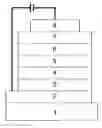
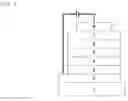



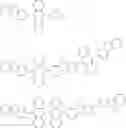
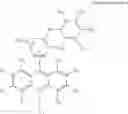
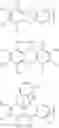


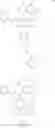














































































































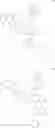




















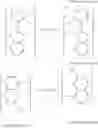









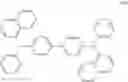




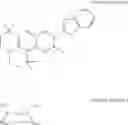


Sources:
- United States Patent and Trademark Office - verify current appl. status at the USPTO↗
Similar patent applications:
- » 20220289726
NOVEL COMPOUND, ORGANIC ELECTROLUMINESCENCE DEVICE USING THE SAME, AND ELECTRONIC APPARATUS - » 20090273278
Novel organic electroluminescent compounds and organic electroluminescent device using the same - » 20090230852
Novel organic electroluminescent compounds and organic electroluminescent device using the same - » 20090159130
Novel organic electroluminescent compounds and organic electroluminescent device using the same - » 20090153040
Novel organic electroluminescent compounds and organic electroluminescent device using the same - » 20090273277
Novel organic electroluminescent compounds and organic electroluminescent device using the same - » 20090256468
Novel organic electroluminescent compounds and organic electroluminescent device using the same - » 20090252990
Novel organic electroluminescent compounds and organic electroluminescent device using the same - » 20090200926
Novel organic electroluminescent compounds and organic electroluminescent device using the same - » 20090261714
Novel organic electroluminescent compounds and organic electroluminescent device using the same
Recent applications in this class:
- » 20250171685 2025-05-29
ORGANIC ELECTROLUMINESCENT MATERIALS AND DEVICES - » 20250171684 2025-05-29
AROMATIC HETREOCYCLES FOR ORGANIC ELECTROLUMINESCENT DEVICES - » 20250171683 2025-05-29
EMISSION MATERIAL, AND ORGANIC ELECTROLUMINESCENT DEVICE - » 20250163319 2025-05-22
COMPOUND FOR ORGANIC ELECTRIC ELEMENT, ORGANIC ELECTRIC ELEMENT USING THE SAME, AND AN ELECTRONIC DEVICE THEREOF - » 20250163318 2025-05-22
FUNCTIONALIZED CARBON NANOTUBE COMPOSITE BIOMATERIALS AND METHODS THEREOF - » 20250163317 2025-05-22
ORGANIC ELECTROLUMINESCENT MATERIALS AND DEVICES - » 20250163316 2025-05-22
OH GROUP-CONTAINING PHOSPHOR-FLUORESCENT MATERIAL INCLUDING VALLEYTRONICS MATERIAL AND FLUORESCENT ORGANIC MATERIAL - » 20250154407 2025-05-15
ORGANIC ELECTROLUMINESCENT DEVICE, DISPLAY APPARATUS AND COMPOSITION - » 20250154406 2025-05-15
ORGANIC COMPOUND AND OLED HAVING SAME AND ORGANICA LIGHT-EMITTING APPARATUS - » 20250154405 2025-05-15
ORGANOMETALLIC COMPOUND, ORGANIC LIGHT-EMITTING DEVICE INCLUDING THE SAME, AND ELECTRONIC APPARATUS INCLUDING ORGANIC LIGHT-EMITTING DEVICE
Recent applications for this Assignee:
- » 20110109223 2011-05-12
Organic electroluminescent compounds with high efficiency and display device using the same - » 20110054229 2011-03-03
LUMINESCENT COMPOUNDS AND ELECTROLUMINESCENT DEVICE USING THE SAME - » 20110054228 2011-03-03
BLUE ELECTROLUMINESCENT COMPOUNDS WITH HIGH EFFICIENCY AND DISPLAY DEVICE USING THE SAME - » 20100308305 2010-12-09
ORGANIC LUMINESCENT MATERIAL AND ORGANIC LIGHT EMITTING DEVICE USING THE SAME - » 20100203644 2010-08-12
Diagnostic test for the detection of early stage liver cancer - » 20100152455 2010-06-17
ORGANOMETALIC COMPOUNDS FOR ELECTROLUMINESCENCE AND ORGANIC ELECTROLUMINESCENT DEVICE USING THE SAME - » 20100121065 2010-05-13
Phosphors with High Luminous Efficiency and Display Device Containing Them - » 20100108997 2010-05-06
Novel organic electroluminescent compounds and organic electroluminescent device using the same - » 20100102710 2010-04-29
Novel organic electroluminescent compounds and organic electroluminescent device using the same - » 20100096982 2010-04-22
Novel organic electroluminescent compounds and organic electrouminescent device using the same