Method for making monodisperse silver and silver compound nanocrystals
US20100278718A1
2010-11-04
12/002,139
2007-12-14
Abstract:
A method for making monodisperse silver nanocrystals includes the following step: (1) mixing a silver nitrate with octadecyl amine as a solvent, and achieving a mixture; (2) agitating and reacting the mixture at a reaction temperature for a reaction period; (3) cooling the mixture to a cooling temperature, and achieving a deposit; and (4) washing the deposit with an organic solvent, drying the deposit at a drying temperature, and achieving monodisperse silver nanocrystals. After step (2), the method can further include a step of mixing a sulfur or selenium into the reactant to achieve monodisperse silver sulfide or silver selenide nanocrystals.
Assignee:
- HON HAI Precision Industry CO., LTD. 1,310 🇹🇼 Tu-Cheng City, Taiwan
- Tsinghua University 342 🇨🇳 Beijing City, China
Interested in similar patents?
Get notified when new applications in this technology area are published.
Classification:
C01B19/007 » CPC main
Selenium; Tellurium; Compounds thereof Tellurides or selenides of metals
B22F9/24 » CPC further
Making metallic powder or suspensions thereof using chemical processes with reduction of metal compounds starting from liquid metal compounds, e.g. solutions
B82Y30/00 » CPC further
Nanotechnology for materials or surface science, e.g. nanocomposites
C01G3/12 » CPC further
Compounds of copper Sulfides
C01P2002/72 » CPC further
Crystal-structural characteristics defined by measured X-ray, neutron or electron diffraction data by d-values or two theta-values, e.g. as X-ray diagram
C01P2004/04 » CPC further
Particle morphology depicted by an image obtained by TEM, STEM, STM or AFM
C01P2004/32 » CPC further
Particle morphology extending in three dimensions Spheres
C01P2004/52 » CPC further
Particle morphology; Particles with a specific particle size distribution highly monodisperse size distribution
C01P2004/64 » CPC further
Particle morphology; Particles characterised by their size Nanometer sized, i.e. from 1-100 nanometer
B22F2998/00 » CPC further
Supplementary information concerning processes or compositions relating to powder metallurgy
B22F2301/255 » CPC further
Metallic composition of the powder or its coating; Noble metals, i.e. Ag Au, Ir, Os, Pd, Pt, Rh, Ru Silver or gold
B22F2304/054 » CPC further
Physical aspects of the powder; Submicron size particles Particle size between 1 and 100 nm
C01B19/04 IPC
Selenium; Tellurium; Compounds thereof Binary compounds including binary selenium-tellurium compounds
C01B17/20 IPC
Sulfur; Compounds thereof Methods for preparing sulfides or polysulfides, in general
B22F9/18 IPC
Making metallic powder or suspensions thereof using chemical processes with reduction of metal compounds
Description
RELATED APPLICATIONS
This application is related to commonly-assigned, co-pending application: U.S. patent application Ser. No. ______, entitled “METHOD FOR MAKING MESOPOROUS MATERIAL”, filed ______ (Atty. Docket No. US13845) and U.S. patent application Ser. No. ______, entitled “METHOD FOR MAKING COLLOIDAL NANOCRYSTALS”, filed ______ (Atty. Docket No. US13847). The disclosure of the above-identified application is incorporated herein by reference.
BACKGROUND
1. Field of the Invention
The present invention relates to a method for making monodisperse nanocrystals and, particularly, to a method for making monodisperse silver and silver compound nanocrystals.
2. Discussion of Related Art
Nanocrystals are defined as nanometer sized, single crystalline fragments of the corresponding bulk crystals. The term “nanometer-sized” is typically used to refer to particles with an approximate size range between about 1 nanometer (nm) to about 1000 nm in diameter. More typically, “nanometer-sized” refers to an approximate size range between about 1 nm-100 nm in diameter. Metal and metal compound nanocrystals play important roles in many different branches of science and technology, for use in catalyzer materials, lithium cells, and electronic and optical devices.
Synthesis of high quality monodisperse silver and silver compound nanocrystals has a critical role in the chemical field. Conventional methods include metal organic salt reduction, hydro-thermal, and sol-gel methods. However, the metal organic salt reduction method requires the use of metal precursors, which are extremely toxic, expensive, and unstable at room temperature, the hydro-thermal method is restricted by product and/or apparatus, and the sol-gel method is not good at controlling the size and the size distribution of nanocrystals.
Therefore, there is an ongoing demand for a simple, timesaving, low toxic, easy to mass produce method for making monodisperse silver and silver compound nanocrystals with good size control, narrow size distribution, and good crystallinity.
SUMMARY OF THE INVENTION
A method for making monodisperse silver nanocrystals comprising: (1) mixing a silver nitrate with octadecyl amine as a solvent, and achieving a mixture; (2) agitating and reacting the mixture at a reaction temperature for a reaction period; (3) cooling the mixture to a cooling temperature, and achieving a deposit; and (4) washing the deposit with an organic solvent, drying the deposit at a drying temperature, and achieving monodisperse silver nanocrystals.
A method for making monodisperse silver sulfide comprising: (1) mixing a silver nitrate with octadecyl amine as a solvent, and achieving a mixture; (2) agitating and reacting the mixture at a reaction temperature for a first reaction period; (3) mixing a sulfur or selenium solid into the reactant and reacting for a second reaction period, a mole ratio of silver nitrate to sulfur with 2:1; (4) cooling to a cooling temperature, and achieving a deposit; and (5) washing the deposit with an organic solvent, drying the deposit at a drying temperature, and achieving monodisperse silver sulfide or silver selenide nanocrystals.
Compared with the conventional method, with the inorganic metal salt and octadecyl amine as the raw material, the present methods for making monodisperse silver and silver compound nanocrystal are economical, timesaving and low toxic, and thus are suitable for industrial mass production. The monodisperse silver and silver compound nanocrystals made by the present method have good size control, narrow size distribution and good crystallinity, and therefore have significant advantages for applications in catalysis, ceramics, energy storage, magnetic data storage, sensors, ferrofluids, etc.
BRIEF DESCRIPTION OF THE DRAWINGS
Many aspects of the present method can be better understood with reference to the following drawings. The components in the drawings are not necessarily to scale, the emphasis instead being placed upon clearly illustrating the principles of the present method.
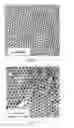
FIG. 1 is a transmission electron microscope (TEM) image of monodisperse silver nanocrystals according to a first embodiment.
FIG. 2 is a TEM image of monodisperse silver sulfide nanocrystals according to a second embodiment.
FIG. 3 is a TEM image of monodisperse silver selenide nanocrystals according to a third embodiment.
FIG. 4 is a X-ray diffraction (XRD) image of monodisperse silver, silver sulfide, silver selenide nanocrystals according to above embodiments.
The exemplifications set out herein illustrate at least one preferred embodiment of the present method, in one form, and such exemplifications are not to be construed as limiting the scope of the invention in any manner.
DETAILED DESCRIPTION OF PREFERRED EMBODIMENTS
Reference will now be made, in detail, to the drawings to describe embodiments of the present method.
One method for making monodisperse silver nanocrystals includes the following steps: mixing 0.1-1 gram (g) of a silver nitrate (AgNO3) with about 10 milliliters (ml) of octadecyl amine, and forming a mixture; agitating and reacting the mixture at a temperature of 160-300° C. for a period of 1-10 minutes (m); cooling the mixture to a temperature of 70-90° C., and achieving a deposit; washing the deposit with an organic solvent such as ethanol, drying the deposit at a temperature of 40-80° C., and finally achieving monodisperse silver nanocrystals with a diameter of 6-12 nanometers (nm). The chemical equation is as follows:
2AgNO3→2Ag+2NO2+O2
In a first embodiment, 1 g of AgNO3 solid is dissolved in 10 ml octadecyl amine, and a mixture is achieved. The mixture is agitated and reacted at a temperature of 200° C. for 10 minutes and then cooled to 80° C., and a deposit is achieved. The deposit is washed with ethanol and dried at a temperature of 40-80° C. Referring to FIG. 1, monodisperse silver nanocrystals with a diameter of about 4.7 nm are achieved.
One method for making monodisperse silver sulfide nanocrystals includes the following steps: mixing 0.1-1 g of a AgNO3 with about 10 ml of octadecyl amine , and forming a mixture; agitating and reacting the mixture at a temperature of 160-300° C. for a period of 1-10 minutes; mixing a sulfur (S) solid into the reactant and reacting for a period of 8-12 minutes, achieving a mole ratio of AgNO3 to S of 2:1; cooling the mixture to a temperature of 70-90° C., and achieving a deposit; washing the deposit with an organic solvent such as ethanol, drying the deposit at a temperature of 40-80° C., and achieving monodisperse silver sulfide nanocrystals with a diameter of 6-12 nanometers (nm). The chemical equation is as follows:
2AgNO3→2Ag+2NO2+O2
2Ag+S→Ag2S
In a second embodiment, 0.85 g of AgNO3 solid are dissolved in 10 ml octadecyl amine, and a mixture is achieved. The mixture is agitated and reacted at a temperature of 200° C. for 10 minutes. 0.08 g of S is mixed into the reactant, and the mixture is reacted for a period 10 minutes. The reactant is cooled to 80° C., and a deposit is achieved. The deposit is washed with ethanol and dried at a temperature of 40-80° C. Referring to FIG. 2, monodisperse silver sulfide nanocrystals with a diameter of about 7.3 nm are achieved.
One method for making monodisperse silver selenide nanocrystals includes the following steps: mixing 0.1-1 g of AgNO3 with about 10 ml of octadecyl amine, and forming a mixture; agitating and reacting the mixture at a temperature of 160-300° C. for a period of 1-10 minutes; mixing a selenium (Se) solid into the reactant and reacting for a period of 8-12 minutes, achieving a mole ratio of AgNO3 to Se of 2:1; cooling the mixture to a temperature of 70-90° C., and achieving a deposit; washing the deposit with an organic solvent such as ethanol, drying the deposit at a temperature of 40-80° C., and achieving monodisperse silver selenide nanocrystals with a diameter of 6-12 nm. The chemical equation is as follows:
2AgNO3→2Ag+2NO2+O2
2Ag+Se→Ag2Se
In a third embodiment, 0.85 g of AgNO3 solid are dissolved in 10 ml octadecyl amine, and a mixture is achieved. The mixture is agitated and reacted at a temperature of 200° C. for 10 minutes. 0.198 g of Se is mixed into the reactant, and the mixture is reacted for a period 10 minutes. The reactant is cooled to the temperature of 80° C., and a deposit is achieved. The deposit is washed with ethanol and dried at the temperature of 40-80° C. Referring to FIG. 3, monodisperse silver selenide nanocrystals with a diameter of about 8.5 nm are achieved.
Referring to FIG. 4, the monodisperse silver, silver sulfide, and silver selenide nanocrystals, according to the above embodiments, have perfect or at least near-perfect morphologies.
While certain embodiments have been described and exemplified above, various other embodiments will be apparent to those skilled in the art from the foregoing disclosure. The present invention is not limited to the particular embodiments described and exemplified but is capable of considerable variation and modification without departure from the scope of the appended claims.
Claims
What is claimed is:1. A method for making monodisperse silver nanocrystals comprising:
(1) mixing a silver nitrate with octadecyl amine as a solvent, and achieving a mixture;
(2) agitating and reacting the mixture at a reaction temperature for a reaction period;
(3) cooling the mixture to a cooling temperature, and achieving a deposit; and
(4) washing the deposit with an organic solvent, drying the deposit at a drying temperature, and achieving monodisperse silver nanocrystals.
2. The method for making monodisperse silver nanocrystals as claimed in claim 1, wherein a reaction temperature is in an approximate range of 160° C.-300° C.
3. The method for making monodisperse silver nanocrystals as claimed in claim 1, wherein a cooling temperature is in an approximate range of 70° C.-90° C.
4. The method for making monodisperse silver nanocrystals as claimed in claim 1, wherein a drying temperature is in an approximate range of 40° C.-80° C.
5. The method for making monodisperse silver nanocrystals as claimed in claim 1, wherein the monodisperse silver nanocrystals have a diameter of about 6 nm to 12 nm.
6. The method for making monodisperse silver nanocrystals as claimed in claim 1, wherein the organic solvent is ethanol.
7. The method for making the metal oxide as claimed in claim 1, wherein the reaction period is about 1 to 10 minutes.
8. A method for making monodisperse silver sulfide nanocrystals comprising:
(1) mixing a silver nitrate with octadecyl amine as a solvent, and achieving a mixture;
(2) agitating and reacting the mixture at a reaction temperature for a first reaction period;
(3) mixing a sulfur solid into the reactant and reacting for a second reaction period, achieving a mole ratio for silver nitrate to sulfur of 2:1;
(4) cooling to a temperature, and achieving a deposit; and
(5) washing the deposit with an organic solvent, drying the deposit at a drying temperature, and achieving monodisperse silver sulfide nanocrystals.
9. The method for making monodisperse silver sulfide nanocrystals as claimed in claim 8, wherein a reaction temperature is in an approximate range of 160° C.-300° C., a cooling temperature is in an approximate range of 70° C.-90° C., and a drying temperature is in an approximate range of 40° C.-80° C.
10. The method for making monodisperse silver sulfide nanocrystals as claimed in claim 8, wherein the monodisperse silver sulfide nanocrystals have a diameter of about 6 to 12 nm.
11. The method for making monodisperse silver sulfide nanocrystals as claimed in claim 8, wherein the organic solvent is ethanol.
12. The method for making monodisperse silver sulfide nanocrystals as claimed in claim 8, wherein the first reaction period is about 1 to 10 minutes, and the second reaction period is about 8 to 12 minutes.
13. A method for making monodisperse silver selenide nanocrystals comprising:
(1) mixing a silver nitrate with octadecyl amine as a solvent, and achieving a mixture;
(2) agitating and reacting the mixture at a reaction temperature for a first reaction period;
(3) mixing a selenium solid into the reactant and reacting for a second reaction period, achieving a mole ratio of silver nitrate to sulfur of 2:1;
(4) cooling to a temperature, and achieving a deposit; and
(5) washing the deposit with an organic solvent, drying the deposit at a drying temperature, and achieving monodisperse silver selenide nanocrystals.
14. The method for making monodisperse silver selenide nanocrystals as claimed in claim 13, wherein a reaction temperature is in an approximate range of 160° C.-300° C., a cooling temperature is in an approximate range of 70° C.-90° C., and a drying temperature is in an approximate range of 40° C.-80° C.
15. The method for making monodisperse silver selenide nanocrystals as claimed in claim 13, wherein the monodisperse silver selenide nanocrystals have a diameter of about 6 to 12 nm.
16. The method for making monodisperse silver selenide nanocrystals as claimed in claim 13, wherein the organic solvent is ethanol.
17. The method for making monodisperse silver selenide nanocrystals as claimed in claim 13, wherein the first reaction period is about 1 to 10 minutes, and the second reaction period is about 8 to 12 minutes.
Images & Drawings included:


Sources:
- United States Patent and Trademark Office - verify current appl. status at the USPTO↗
Recent applications in this class:
- » 20250145463 2025-05-08
HOMOLOGOUS HETEROSTRUCTURE FeSe ELECTRODE MATERIAL WITH HIGH TAP DENSITY AND PREPARATION METHOD THEREOF - » 20240109777 2024-04-04
METHOD FOR MAKING HIGH FIGURE-OF-MERIT NANOSTRUCTURED THERMOELECTRIC MATERIALS - » 20230202844 2023-06-29
OPTOELECTRONICALLY-ACTIVE TWO-DIMENSIONAL INDIUM SELENIDE AND RELATED LAYERED MATERIALS VIA SURFACTANT-FREE DEOXYGENATED CO-SOLVENT PROCESSING - » 20220204344 2022-06-30
PROCESS FOR PREPARING CUBIC PI-PHASE MONOCHALCOGENIDES - » 20220194795 2022-06-23
Process for the synthesis of nanoparticles of transition metal chalcogenides - » 20220033261 2022-02-03
Method for making transition metal dichalcogenide crystal - » 20210147235 2021-05-20
Optoelectronically-active two-dimensional indium selenide and related layered materials via surfactant-free deoxygenated co-solvent processing - » 20200247671 2020-08-06
Substrate-free crystalline 2D nanomaterials - » 20200223694 2020-07-16
Method to synthesize nanoparticle supercrystals - » 20190225493 2019-07-25
Room-temperature ferromagnetic-ferroelectric multiferroic material
Recent applications for this Assignee:
- » 20140363586 2014-12-11
Laser-based method for growing an array of carbon nanotubes - » 20140363586 2014-12-11
Laser-based method for growing an array of carbon nanotubes - » 20140299819 2014-10-09
Method for making a carbon nanotube film - » 20140299819 2014-10-09
Method for making a carbon nanotube film - » 20140199855 2014-07-17
Method for making a carbon nanotube film - » 20140199855 2014-07-17
Method for making a carbon nanotube film - » 20110171419 2011-07-14
Electronic element having carbon nanotubes - » 20110171419 2011-07-14
Electronic element having carbon nanotubes - » 20110110535 2011-05-12
Carbon nanotube speaker - » 20110110535 2011-05-12
Carbon nanotube speaker