Total abs office chair
US20100323861A1
2010-12-23
12/457,720
2009-06-19
✅ Patent granted
US 8,696,534 B2
2014-04-15
-
-
Loan Thanh | Andrew S Lo
2029-06-19
Abstract:
An article of furniture suitable for sitting comprising of a seat, a hinging and lowering seatback, and a coaster wheeled pedestal base with a means of securing human feet; whereby providing its user with a fast, convenient, and safe means of seating, stretching, exercising, and laying flat to rest without the article of furniture having to be laboriously manipulated.
Applicant:
Interested in similar patents?
Get notified when new applications in this technology area are published.
Classification:
A47C9/002 » CPC main
Stools for specified purposes with exercising means or having special therapeutic or ergonomic effects
A47C1/03 » CPC further
Chairs adapted for special purposes; Reclining or easy chairs having independently-adjustable supporting parts the parts being arm-rests
A47C7/40 » CPC further
Parts, details, or accessories of chairs or stools; Support for the head or the back for the back
A47C7/405 » CPC further
Parts, details, or accessories of chairs or stools; Support for the head or the back for the back with double backrests
A47C7/44 » CPC further
Parts, details, or accessories of chairs or stools; Support for the head or the back for the back with elastically-mounted back-rest or backrest-seat unit in the base frame
A47C7/54 » CPC further
Parts, details, or accessories of chairs or stools Supports for the arms
A47C7/543 » CPC further
Parts, details, or accessories of chairs or stools; Supports for the arms movable to inoperative position
A63B21/1609 » CPC further
Exercising apparatus for developing or strengthening the muscles or joints of the body by working against a counterforce, with or without measuring devices; Supports for anchoring force-resisters for anchoring on a chair
A63B23/0211 » CPC further
Exercising apparatus specially adapted for particular parts of the body for the abdomen, the spinal column or the torso muscles related to shoulders (e.g. chest muscles); Abdomen moving torso with immobilized lower limbs
A63B2023/006 » CPC further
Exercising apparatus specially adapted for particular parts of the body for stretching exercises
A63B2208/0233 » CPC further
Characteristics or parameters related to the user or player posture; Sitting on the buttocks in 90/90 position, like on a chair
A63B26/00 IPC
Exercising apparatus not covered by groups -
A47C7/72 IPC
Parts, details, or accessories of chairs or stools; Accessories for chairs Adaptations for incorporating lamps, radio sets, bars, telephones, ventilation, heating or cooling arrangements or the like
A47C7/62 IPC
Parts, details, or accessories of chairs or stools Accessories for chairs
A47C7/00 IPC
Parts, details, or accessories of chairs or stools
A47C7/50 IPC
Parts, details, or accessories of chairs or stools Supports for the feet or the legs coupled to fixed parts of the chair
A63B29/00 IPC
Apparatus for mountaineering
Description
CROSS-REFERENCE TO RELATED APPLICATIONS
REFERENCE CITED
| U.S. PATENT DOCUMENTS |
| 5,110,121 | May 1992 | Foster | 482/137 |
| 5,695,250 | December 1997 | Lin | 297/353 |
| 5,967,610 | October 1999 | Lin | 297/340 |
| 5,044,633 | September 1991 | Rice | 272/144 |
| 5,833,590 | November 1998 | Chiu | 482/142 |
| 5,545,114 | August 1996 | Gvoich | 482/140 |
| 5,871,425 | February 1999 | Gvoich | 482/140 |
| 6,113,522 | September 2000 | Fontenot | 482/111 |
| 6,022,303 | February 2000 | Abdo | 482/140 |
| 5,100,131 | March 1992 | Fong | 482/112 |
| US 6,312,366 B1 | November 2001 | Prusick | 482/130 |
| US D520,084 S | May 2006 | McVay | D21/687 |
| US 7,086,992 B2 | August 2006 | Bowmen | 482/51 |
| US 6,248,047 B1 | June 2001 | Abdo | 482/130 |
| US 7,172,539 B1 | February 2007 | Bythewood | 482/140 |
| US D476,045 S | June 2003 | Casey | D21/690 |
| US 6,746,384 B2 | June 2004 | Cole | 482/130 |
| US 6,602,171 B1 | August 2003 | Tsen | 11/422,840 |
| US 7,090,303 B2 | August 2006 | Kropa | 297/466 |
| FOREIGN PATENT DOCUMENTS |
| 10-2006-0027454 |
| OTHER PUBLICATIONS |
| US 2008/0254955 A1 | October 2008 | Mongelluzzo | 482/138 |
| US 2006/0116259 A1 | June 2006 | Smith | 482/130 |
| US 2005/0101460 A1 | May 2005 | Lobban | 26/00 |
CROSS-REFERENCE
Not Applicable
FEDERALLY SPONSORED RESEARCH
Not Applicable
SEQUENCE LISTING OR PROGRAM
Not Applicable
BACKGROUND OF THIS PRESENT EMBODIMENT
1. Field of this Present Embodiment
-
- This present embodiment relates in general to an article of furniture such as an office chair having a seat, a seatback, and a base with coaster wheels. The user can use this present embodiment for the home, office, or such. This embodiment further includes means for the user to exercise or stretch whereby allowing the user a fast, safe, and convenient means and method of seating, stretching, and exercising.
2. Prior Art
By Patent Numbers:
US 2006/0116259 A1 June 2006 Smith 482/130
Chair with Exercise Apparatus
-
- The disadvantage of Smith's patent application '259 for his chair is that the base has no means to secure human feet. Smith's patent application '259 has an optional hub attachable footrest assembly that has retracting means that may also be used for leg press exercises. Smith's patent application '259 does not allow for the backrest itself to hinge in two to allow the user a broader range of abdominal exercises. Smith's patent application '259 does not allow for the backrest to be completely lowered to rest by touching the floor.
U.S. Pat. No. 7,090,303 B2 August 2006 Kropa 297/466
Rehabilitation Training and Exercise Chair
-
- The disadvantage of Kropa's patent '303 for his reverse seated chair is that the foot extensions attached to the base are intended for isometric exercises. Although the foot extensions can allow the user to perform isometric abdomen exercises by allowing the user to push forward on the cushioned front support which rests against the user's abdomen, the foot extensions will not secure the user if the user attempts to lean back. The foot extensions are located too far out on each side of the base forcing the user's feet to be spread too far apart. If user's feet and knees are not aligned in a vertical manner, the user's knees will experience a torque when the user attempts to lean back to support their weight. This will cause severe stresses and damage to the user's knees when the user attempts to lean back and support their weight. The foot extensions are suitable for placing only the toes beneath and therefore the user's total weight will be forced on just the toes. The total weight of the user applied on just a small portion of the user's toes will definitely cause pain. Additionally, Kropa's chair does not have an adequate seat front support to apply force on the back of the user's knee to stabilize the user when the user leans back. Even if the foot extensions were able to secure the user's feet, the user will fall backwards if the user attempts to perform abdominal exercises by leaning back because the user's feet are forced too far apart and the back of the user's knee have no support due to the round seat design and the fact that the foot extensions are placed outside of the seat area. If the user attempts to use the abductor extensions to engage the outer thigh to keep them from falling, the user's knee joints will be under torque as stated above which will cause injuries. Additionally, Kropa's patent for his chair '303 does not have a backrest to allow the user to sit comfortably for any extended period of time.
US 2008/0254955 October 2008 Mongelluzzo 482/138
Office and Desk Exercise Chair System
-
- The disadvantage of Mongelluzzo's patent '955 is that it has a leg rest attached to a wheeled base which can be used to rest the user's legs or to perform leg exercises by letting the user push down against the leg rests. The leg rest can be locked in position to allow the user to push against the leg rest and perform twist and swivel motions to work the torso. Mongelluzzo's patent '955 has no means of securing human user's feet. Mongelluzzo's patent '955 requires a base support with “at least about five supports 109”. Mongelluzzo's patent '955 for his chair does not allow the backrest to recline completely and touch the floor. Also, Mongelluzzo's chair patent '955 does not allow the backrest itself to hinge in two to allow the user a broader range of abdominal exercises.
U.S. Pat. No. 5,110,121 May 1992 Foster 482/137
Exercise Chair for the Lower Back
-
- The disadvantage of Foster's patent '121 for his chair that exercises the lumbar by deploying pelvic stabilizers is that the pelvic stabilizers have to be laboriously manipulated from the armrest before any exercise can be performed. Foster's '121 chair has no apparatus to lock the user's feet and stabilize the user's legs. Foster's chair has no means or method of exercising or stretching the abdomen or legs. Foster's '121 chair must be laboriously manipulated by the user to hold the user's pelvis in place. Foster's '121 chair only allows for 80° of exercise movement and Foster's '121 lumbar support pads cannot be completely moved from the seated user's path, which limits the user's range of motion. Foster's '121 chair requires “a plurality of laterally extending legs, at least a pair of said legs”. Foster's '121 chair has lumbar supports pads but no backrest making Foster's '121 chair unable to workout the abdomen. Additionally, the lumbar support pads on Foster's chair '121 prevent the user from leaning fully back restricting the user from fully exercising their abdomen.
U.S. Pat. No. 5,695,250 December 1997 Lin 297/353
Chair with Swivel Seat and Backrest
-
- The disadvantage of Lin patent '250 is that it provides a chair with a swivel seat and backrest that limits exercise to only the user's lumbar and does not have a means or a method for the user to lean back to perform abdominal exercises. The user can simply lean forward on an ordinary seat and rotate their upper body to get the same result as Lin's '250 chair making the exercises function on Lin's '250 chair obsolete. Lin's '250 chair has no apparatus to lock the user's feet in place when the user performs exercises. Lin's chair has no means or method of exercising or stretching the legs or abdominal. Lin's chair works on a limited swivel motion and not a lean motion. Also, Lin's '250 chair patent does not allow the backrest itself to hinge in two to allow the user a broader range of abdominal exercises. Lin's '250 chair does not allow the backrest to be lowered.
U.S. Pat. No. 5,967,610 October 1999 Lin 297/340
Chair with Swivel Seat and Backrest
-
- The disadvantage of Lin's patent '610 is that it is a continuation of his old patent '250 with the addition of L shaped handles to his chair. The addition of L shaped handles to Lin '250 does not broaden the operation of Lin's '610 chair. The L shaped handles only simplify the operation of the chair to the user, and therefore does not broaden the scope of Lin's '610 chair. The addition of the L shaped handles to Lin's '250 also adds a strangely awkward look to the chair. Lin's '610 chair patent does not allow the backrest itself to hinge in two or allow the backrest to be lowered to allow the user a broader range of abdominal exercises.
U.S. Pat. No. 5,044,633 September 1991 Rice 272/144
Office Chair with Occasional Exercise Capability
-
- The foot handles of Rice's patent '633 exercise the calf muscles of the legs and thighs but does not exercise the abdominal muscles. Rice's patent '633 shows that the foot handles cannot be locked in place. Rice '633 has no means or method of lowering, reclining, or moving the seatback from the user's way so that the user can perform abdominal exercises. Rice '633 has no apparatus to stabilize the user by locking the user's feet. Rice '633 does not have the means or a method for a user to lean back and perform abdominal exercises. Rice '633 patent has no means or method of exercising or stretching the abdomen. Rice's patent '633 has foot handles that are attached to the seat underside and not to the base making the seat unstable when the foot handles are in use. Rice's patent '633 does not have a stabilizing method for a user to lean back and perform exercises or stretches. Also, Rice's patent '633 for his chair does not allow the backrest itself to hinge in two to allow the user a broader range of abdominal exercises. Rice's patent '633 does not allow for the backrest to be lowered.
Foreign Patent Documents
10-2006-0027454
Office Chair with Exercise Function Capable of Taking Exercise for Arm, Legs, and Waist in Office Without Moving Into Specific Playground
-
- Patent '454 does not have a base with a means of securing human feet. Also, patent '454 does not allow the backrest itself to hinge in two to allow the user a broader range of abdominal exercises.
The patents listed below have means for the user to exercise but are not office chairs or chairs with a coaster wheeled base suitable for the home, office, or such. The patents listed below are mostly considered as exercise devices such as gym equipment rather then an article of furniture:
| 5,833,590 | November 1998 | Chiu | 482/142 |
| 5,545,114 | August 1996 | Gvoich | 482/140 |
| 5,871,425 | February 1999 | Gvoich | 482/140 |
| 6,113,522 | September 2000 | Fontenot | 482/111 |
| 6,022,303 | February 2000 | Abdo | 482/140 |
| 5,100,131 | March 1992 | Fong | 482/112 |
| US 6,312,366 B1 | November 2001 | Prusick | 482/130 |
| US D520,084 S | May 2006 | McVay | D21/687 |
| US 7,086,992 B2 | August 2006 | Bowmen | 482/51 |
| US 6,248,047 B1 | June 2001 | Abdo | 482/130 |
| US 7,172,539 B1 | February 2007 | Bythewood | 482/140 |
| US D476,045 S | June 2003 | Casey | D21/690 |
| US 2005/0101460 A1 | May 2005 | Lobban | 26/00 |
| US 6,746,384 B2 | June 2004 | Cole | 482/130 |
| US 6,602,171 B1 | August 2003 | Tsen | 11/422,840 |
BRIEF SUMMARY OF THIS PRESENT EMBODIMENT
This present embodiment exhibits an office chair further including means and methods to allow the user to perform exercises. This present embodiment does not require additional add-ons and looks similar to a traditional office chair when the seatback is locked in the upright position. The user can perform exercises without laboriously manipulating this present embodiment whereby allowing a convenient means and method of exercising. The user can lock his or her feet in the means of securing human feet. When the user lock his or her feet, the user can simply grab the handles located near or on the headrest and pull forward; the seat back itself is allowed to hinge in two by means of hinging. This allows the user to work their upper abs without manipulating this present embodiment whatsoever. This present embodiment enables the user to perform exercises such as sit-ups without the user having to lie on the floor. This present embodiment also cradles the back and tailbone allowing the user to exercise painlessly. The user's back and tailbone is stabilized and cushioned by an inflatable adjustable spine stabilizer air bag. Additionally, the seatback is configured to unlock and be lowered fully to rest on the floor out of the user's way to allow the user to perform strenuous exercises. The fully lowered seatback adds additional stability to the chair and also provides the user with a safe area to rest on with out fear of bumping their head. The lowered seatback provides the user a safe and secure place to rest in between repetitions. Once the user's feet are locked in place by means of securing human feet the user's legs are stabilized and the user can perform exercises by leaning back without fear of falling due to the predetermined elongate support members that are located in the rear of the base to stabilize the user and the chair when the user leans back horizontally. The chair also has means and/or methods to count the number of sit-ups completed and calories burned. This data can be displayed on an armrest display. The data can also be stored and downloaded to a computer (not shown) conventionally known in the art. This present embodiment provides a quick, convenient, easy, and safe means of securing human feet in place without having to be laboriously manipulated to offer the user a greater range of exercise motion.
BRIEF DESCRIPTION OF THE DRAWINGS
DRAWINGS—FIGURES
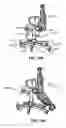
FIG. 100 is a depiction of this present embodiment's left perspective view.
FIG. 200 is a depiction of this present embodiment's left perspective operational view of this present embodiment's backrest and seat articulation.
FIG. 300 depicts this present embodiment's left perspective operational view of this present embodiment's backrest being hinged.
FIG. 400 is a depiction of this present embodiment's left perspective operational view of this present embodiment's handgrips and backrest support.
FIG. 425 is a depiction of this present embodiment's left perspective operational view of this present embodiment's recline and leg rest feature.
FIG. 450 depicts this present embodiment's left perspective operational view of backrest support and leg rest locked in the horizontal position to allow the user to lay flat.
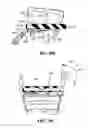
FIG. 500 is a depiction of this present embodiment's left perspective operational view of this present embodiment's curved seat front cushion used to stabilize the user while user is exercising and reading or on the phone.
FIG. 600 is a depiction of this present embodiment's right side cross sectional view of this present embodiment's spine stabilizer airbag, airbag pump, air release button, seatback hinge lock release lever, and workout sensor.
FIG. 700 is a depiction of this present embodiment's rear cross sectional view of this present embodiment's spine stabilizer air bag with tailbone comfort notch, comfort concave backrest support rollers, and hand grip articulation.
FIG. 800 depicts this present embodiment's perspective bottom view of this present embodiment's seat underside, seatback release means, elastic cords, and cord notches.
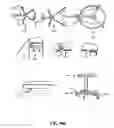
FIG. 900 depicts this present embodiment's elevated view of this present embodiment's bases, perspective elevated view of this present embodiment's armrest display with USB output conventional (not shown), side view of the wheel lock actuator and wheel locks, means and or methods of securing user's feet and locking at least one wheel, and a depiction of a stool embodiment.
FIG. 1000 is a depiction of this present embodiment's left perspective operational view of this present embodiment's use for exercising.
FIG. 1100 is a depiction of this present embodiment's left perspective operational view of this present embodiment's use to stretch the user's body.
FIG. 1200 depicts this present embodiment's elevated side perspective view of this present embodiment's seatback lockable hinge and seatback hinge lock.
DRAWINGS—REFERENCE NUMERALS
105 Plurality of coaster wheels
110 Means of securing human feet
115 Means of securing human feet and locking at least one wheel
117 Plurality of support members
120 Predetermined elongated support member
125 Means of providing a leg rest
127 Leg rest locks
130 Seatback tension adjust
140 Seatback
141 Seatback lockable hinge
142 Seatback upper unit
143 Seatback hinge lock
144 Seatback lower unit
145 Stool
150 Seat
160 Elongated support member
210 Depicts seatback articulations
220 Depicts seat articulations
320 Seatback lower unit stop bumper
330 Seatback adjust
350 Means of hinging
360 Headrest with handgrips
370 Headrest adjust
380 Headrest handgrips
430 Articulation of user with present embodiment's exercise assists
510 Curved seat front
520 Headrest feet
530 Seat height adjust and lean lock
610 Deflate button
620 Hand pump
630 Workout sensor
640 Spine stabilizer air bag
650 Means of cradling human tailbone
660 Lean tension adjuster
670 Stationary handgrips
680 Adjustable handgrips
690 Seatback hinge lever
710 Tailbone notch
720 Concave seatback rollers
730 Depicts adjustable handgrip articulations
805 Means of providing tension
810 Seatback tension arm
811 Stretch cord notch
815 Stretch cords
820 Seatback support cylinder
825 Seatback lever
830 Lock pin nut
835 Seatback springs
840 Tracks
845 Seatback spring guide
850 Strut Hinge
855 Seatback strut
860 Seatback support hinge
870 Seatback support
875 Seatback tension arm
880 Means of locking and releasing seatback
910 Wheeled base
930 Wheel lock actuator
940 Wheel locks
950 Armrest display
1010 Sit-up exercises
DETAILED DESCRIPTION OF THE DRAWINGS
Specifications
FIG. 100 is a depiction of this present embodiment's left perspective view. This present embodiment includes a plurality of coaster wheels 105 and a plurality of support members 117 that make up a wheeled pedestal base referred to from here on as a base 910. This present embodiment further includes an elongated support member 160, a seat 150, and a seatback 140. The wheeled base 910 has a means of securing human feet 110. The seatback 140 joins the seat 150 underside by means of locking and releasing seatback 880.
The seat 150 of FIG. 100 can be best seen in FIG. 600 and FIG. 700. The seat 150 of FIG. 600 has an upper side, under side, front side, rear side, right side, and left side as well as a center. The seat 150 has a cushioned upper side. The seat 150 has means of cradling human tailbone 650 which is made up of a spine stabilizer air bag 640 with a tailbone notch 710 and a workout sensor 630. The spine stabilizer air bag 640 is attached to a hand pump 620 which has a deflate button 610. The seat 150 has attached to it an armrest on its right side and an armrest on its left side, each having stationary handgrips 670 and adjustable handgrips 680. One of the armrests has an armrest display 950 of FIG. 900. The seat 150 underside has a lean tension adjuster 660 and means of locking and releasing seatback 880. The seat underside joins a strut, from here on will be referred to as an elongated support member 160, perpendicularly so that the seat 150 is supported parallel to the base 910. The seat 150 underside can best be seen in FIG. 800, which also shows means of locking and releasing seatback 880 and a seatback support 870. The seatback support 870 has two ends wherein one end joins to the means of locking and releasing seatback 880 and the other end joins a seatback 140 by a seatback adjust 330.
The seatback 140 joins the seatback support 870 by a seatback adjust 330 that can best be seen in FIG. 300. The seatback support 870 is attached to the seatback support hinge 860 of FIG. 800 on its other end. The seatback 140 is made up of a seatback upper unit 142 and a seatback lower unit 144 that joins together by a means of hinging 350. The upper seatback tension arm 810 with a stretch cord notch 811 on one end that a multiple of stretch cords 815 can be attached to. The upper seatback tension arm 810 has a seatback lower unit stop bumper 320 to stop the seatback upper unit 142 from bending at the means of hinging 350 when user leans back. The upper seatback tension arm 810 has a seatback upper unit 142 with an arm to join a headrest with handgrips 360 by a headrest adjust 370.
Some other features of this present embodiment is that the means of securing human feet 110 secure the user's feet while keeping the distance between the user's feet close, while at the same time keeping the distance between the user's knees close to each other. This feature allows this present embodiment to secure the user comfortably without causing stress or strain to the user's joints such as twisting or torquing the user's ankles or knees when the user performs exercises. Another feature is that the user's knees are kept in a vertical line with the user's feet and shoulders; which prevents any stress or strain on the user's joints and muscles that would result in injury. Other features are the use of a two point contact securing method used to secure the user when the user leans back to perform exercises or stretches. Means of securing human feet 110 is the first contact point and it by itself is not enough to keep the user from falling. To prevent the user from falling, a seat front is needed that is rigid, secure, and comfortable such as a curved seat front 510. The curved seat front 510 is the second contact point that is used to keep the user from falling back. When the user leans back with his/her feet secured, there is nothing keeping the user's body from falling back. To prevent the user from falling back, a seat front is needed to secure the user by applying a force to the back of the user's knees. This force will keep the user from sliding or falling off the seat.
Operation
FIG. 300 is a depiction of this present embodiment's usage. The user can be seated and lock their feet by means of securing human feet 110. Means of securing human feet 110 stabilize the user and will keep the user's legs from moving upwards. Once the user is seated and their feet locked in place, the user can grab the handgrips 380 and pull the headrest with handgrips 360 forward. The seatback upper unit 142 will be allowed to be pulled forward by hinging on the means of hinging 350 while the user's back keeps seatback lower unit 144 in place. The stretch cord 815 may provide additional resistance for the user to overcome in order to exercise their upper abdominal.
FIG. 400 is best described with the assistance of FIG. 800. FIG. 400 is another depiction of this present embodiment's usage. The user can lock their feet in place by using means of securing human feet 110 then the user can unlock seatback by means of locking and releasing seatback 880 allowing the seatback 140 to move freely. The seatback 140 will assist the user by pushing on the user's back with the use of seatback springs 835. The user can also deploy adjustable handgrips 680 and stationary handgrips 670 for assistance. The user can also adjust the tension of the seatback strut 855 for additional assistance. In this method, the user is helped upward and fights the tension of both seatback springs 835 and seatback strut 855 in the downward motion. A full range of motion articulation can be realized with the present embodiment's assistance 430. The user is kept from falling backwards by the use of predetermined elongated support members 120.
FIG. 450 is yet another depiction of this present embodiment's usage. The user releases the means of locking and releasing seatback 880 to lower the seatback 140 so that the seatback 140 is parallel to the predetermined elongated support members 120. The user can then lock means of locking and releasing seatback 880 to lock the seatback 140 to a horizontal position. The user can then unlock both of the leg rest locks 127 and push the leg rest 125 out and lock the leg rest locks 127 so that the leg rest 125 are in the horizontal position to create a flat plain for the user's legs. The predetermined elongated support members 120 will stabilize the user. The leg rest 125, the seat 150, the seatback 140, and the headrest with handgrips 360 will give the user a flat plane to rest on.
FIG. 500 is yet another depiction of the present embodiment's usage. The user unlocks means of locking and releasing seatback 880 and moves seatback 140 completely to the floor so that the headrest feet 520 touch and rest completely on the floor. The user adjusts the height of the elongated support member 160 by use of a seat height adjust and lean lock 530 so that curved seat front cushion 510 is behind their knees. The user locks his/her feet in means of securing human feet 110 and lock the seat height adjust and lean lock 530 to keep the seat 150 from tilting. The rearward protruding predetermined elongated support members 120 support the user and keep the user from falling. The user can then stretch their legs and abdomen and can workout against gravity by the modulation of user's upper body 540. The user can lean back while reading a book or on the phone fighting against gravity to workout.
FIG. 1000 is yet another depiction of this present embodiments usage. The user can move the seatback 140 out of their way as described above in FIG. 500 and unlock the seat height adjust and lean lock 530 to allow the seat 150 to tilt back and cradle the user's back. The tension on the tilt can be adjusted using the lean tension adjuster 660. Once the user is locked in using means of securing human feet 110, the user can perform seated sit-up exercises 1010.
FIG. 1100 is yet another depiction of the present embodiment's usage. The user can release the seatback hinge lock 143 by squeezing on the seatback hinge lever 690 to release the seatback lockable hinge 141 to allow the seatback upper unit 142 to be lowered so that the user can perform stretches.
Advantages
This present embodiment has several advantages over prior art some of the advantages will be made apparent below:
- a) This present embodiment looks similar to a traditional office chair and can be placed in an office environment without looking awkwardly conspicuous.
- b) This present embodiment is the only office chair with a coaster wheeled pedestal base to have a means of securing human feet 110, means of locking and releasing seatback 880 so that the seatback can be pivotally lowered to rest as to touch the floor, and a means of hinging 350 to allow the seatback itself to hinge in two. Making this embodiment a truly innovative office chair whereby giving its user a safe, fast, convenient, and fun way of working out or stretching without having the user lay on the floor.
- c) This present embodiment allows the user to continuously work their abdomen anytime during the day or night and also allows the use of this present embodiment as an office chair, giving the user continuous opportunity throughout a typical workday to workout.
- d) This present embodiment is the only office chair that provides comfortable seating for the user and can be easily used without having to be laboriously manipulated or having the user add or remove parts to exercise, therefore making this embodiment not just an office chair with a convenient workout capability but also a constant reminder to work out.
- e) Because this present embodiment is an office chair that provides an easy and convenient workout and stretch capability that the user sits on throughout the day, this present embodiment eliminates excuses of not having the time to workout.
- f) This present embodiment is the only embodiment that is an office chair with a coaster wheeled pedestal base, which has a means of securing human user's feet and a backrest that can be hinged in two to provide the user with the ability to stretch and workout. The user can workout their entire abdomen, not just their lower or upper.
Conclusion, Ramifications, and Scope
This present embodiment provides its user with a seat for sitting, working, and a means to safely, easily, and conveniently lay flat or perform a variety of exercises and stretches. Furthermore, the user can perform exercises and stretches while reading, on the phone, working on the computer, or such. This present embodiment also provides the user with a quick, convenient, and easy access to a high quality workout. This present embodiment replaces multiple articles of furniture and workout equipment to provide the user with a clutter free, consolidated, high quality all-in-one article of furniture. Because this present embodiment offers a seat that includes workout, stretch, and rest capabilities and is readily available for the user, it can help the user become fit or maintain their fitness. Since this present embodiment looks similar to a traditional office chair and not a workout machine, the user can workout and not worry about leaving this present embodiment out in the open.
Many examples, depictions, drawings, specifications, and such have been given in general regarding this present embodiment. These examples, depictions, drawings, specifications, and such must not be used in limiting the scope of this present embodiment. For example, altering or evolving this present embodiment can realize other embodiments, such as making means of securing human feet 110 without a cushion or making it more of a paddle, using springs in place of the stretch cords 815, eliminating the cushioned top on the seat 150, and/or using a mesh, eliminating the seat 150 center, removing the armrests or other numerous components and parts. Other examples such as using different materials, sizes, colors, making all the pedestal legs elongated or having one big ring around the base as a means to stabilize the user, altering, adding, or eliminating parts to perform similar functions, etc. Therefore, the scope of this present embodiment should be determined by the appended claims and their legal equivalents, rather than by the examples given.
Claims
I claim:1. An article of furniture configured for a human to be seated including means to perform exercises, stretch, and maintain a flat stationary position, said article comprising:
a base,
said base comprising:
a plurality of support members each having a first end and a second end,
a plurality of coaster wheels,
means of joining said plurality of support members said first ends so as to be equally disposed and protrude outwards from a disposed center,
means of joining said plurality of support members said second ends and plurality of coaster wheels so as to allow said plurality of coaster wheels to rest securely on a floor, said plurality of coaster wheels supporting said plurality of support members off said floor and allowing said plurality of support members to rest on said plurality of coaster wheels,
a seat having a seat upper side and a seat underside;
an elongated support member having a third end and a fourth end;
means for joining said seat underside to said third end of said elongated support member so as to be able to support said seat;
means of joining said fourth end of said elongated support member perpendicularly to said disposed center of said base so as to allow said base coaster wheels to rest securely on said floor;
wherein said base further includes means of securing human feet when said human performs exercises or stretches,
wherein at least one of said plurality of support members of said base are elongated a predetermine length greater than the other plurality of support members so as to provide stability for said human when said human leans back completely to a horizontal position;
a seatback;
said setback further comprising:
a seatback upper unit;
a seatback lower unit;
means of locking and releasing said seatback and said seat underside whereby said means of locking and releasing said seatback and said seat underside allow said seatback to unlock and be pivotally lowered to rest on said floor as to touch said floor;
wherein said means of locking and releasing said seatback and said seat underside is configured to relock said seatback to any position from full upright to fully down to rest on said floor as to touch said floor;
means of hinging seatback joins said seatback upper unit and said seatback lower unit whereby allowing said seatback upper unit to hinge from said seatback lower unit at a point between said seatback upper unit and said seatback lower unit,
wherein means of joining said seatback upper unit and said seatback lower unit further comprises means of providing tension to seatback upper unit and a seatback lockable hinge,
said seatback upper unit further comprises of a headrest with handgrips.
2. The article of claim 1 of said means of securing human feet further comprises means of locking at least one wheel.
3. The article of claim 1 further comprising means of providing a leg rest.
4. The article of claim 1 further comprising means of cradling human tailbone.
5. The article of claim 1 further comprising means of locking at least one wheel.
6. Said elongated support member of claim 1 further comprises means of adjust to said seat height.
7. The article of claim 1, said seat further comprises of a curved seat front.
8. The article of claim 1, said seatback further comprising of seatback rollers.
9. The article of claim 1, said seat further comprising:
a first side and a second side,
means of joining said first side and said second side each to an armrest so as to secure each armrest vertically,
wherein at least one of said armrest further comprising:
means of displaying and downloading user data.
10. An article comprising:
a furniture comprising:
a base comprising:
means of securing human feet,
a plurality of coaster wheels,
a plurality of support members,
said plurality of support members each having a first end and a second end and are predetermined in quantity, said plurality of support members are joined at said first ends and disposed evenly from a center, said plurality of coaster wheels are joined to said second ends so as to rest said plurality of support members on said coaster wheels wherein coaster wheels sit securely on a floor,
wherein at least one of said plurality of support members of said base are elongated a predetermine length greater than the other plurality of support members so as to provide stability for said human when said human leans back completely to a horizontal position;
said means of securing human feet are joined to at least one of the support member or at least one of the coaster wheels,
an elongated support member having an upper end and lower end,
means of joining said lower end of said elongated support members to said center of the disposed support members perpendicularly and joining said upper end of said elongated support members to a seat suitable for human sitting;
said seat comprising:
a frontside, a backside, an underside, a first side, a second side, and a center,
said center comprising means of cradling human tailbone,
means of joining said first side and said second side each to an armrest so as to secure each armrest vertically,
at least one of said armrests further comprising means of displaying and downloading user workout data,
means of joining said underside of said seat to a seatback so as to secure said seat and said seatback whereby allowing seatback to pivot and lock;
said seatback comprising:
a seatback upper unit,
a headrest with handgrips,
a seatback lower unit,
means of hinging seatback as to provide tension and join said seatback upper unit to said seatback lower unit so as to allow seatback upper unit to hinge with tension and lock,
means of joining a headrest with handgrips to said seatback upper unit so as to secure and adjust said headrest to said seatback upper unit;
means of joining a leg rest to said underside of said seat as to allow said leg rest to pivot and lock.
11. Said elongated support member of claim 10 further comprises means of adjusting seat height.
12. The article of claim 10, said seat further comprises of a curved seat front.
13. The article of claim 10, said seatback further comprising of seatback rollers.
14. The article of claim 10 further comprising means of cradling human tailbone.
15. A method comprising an article of furniture configured for a human to be seated including means to perform exercises, stretch, and maintain a flat stationary position, said method comprising:
providing a base,
said base comprising:
providing a plurality of support members each having a first end and a second end,
providing a plurality of coaster wheels, providing means for joining said plurality of support members said first ends so as to equally be disposed and protrude outwards from a disposed center,
providing means for joining said plurality of support members said second ends and plurality of coaster wheels so as to allow said plurality of coaster wheels to rest securely on a floor, said plurality of coaster wheels lifting said plurality of support members off said floor, and allowing said plurality of support members to rest on said plurality of coaster wheels;
providing a seat having an upper side, and an underside;
providing an elongated support member having a third end and a fourth end;
providing means for joining said seat underside to said third end of said elongated support member so as to be able to support said seat;
providing means of joining said fourth end of said elongated support member perpendicularly to said base so as to allow said base coaster wheels to rest securely on said floor;
wherein providing said base further includes means of securing human feet when said human performs said exercises or stretches,
wherein said method of providing a base comprising:
providing at least one of said plurality of support members are elongated a predetermined length grater than the other plurality of support members so as to provide stability for said human when said human leans back completely to a horizontal position;
providing a seatback,
providing means of locking and releasing said seatback and said seat underside whereby said means of locking and releasing said seatback and said seat underside allow said seatback to unlock and be pivotally lowered to rest on said floor as to touch said floor;
wherein said means of locking and releasing said seatback and said seat underside is configured to relock said seatback to any position from full upright to fully down to rest on said floor as to touch said floor;
providing means of hinging seatback joins said seatback upper unit and said seatback lower unit whereby allowing said seatback upper unit to hinge from said seatback lower unit at a point between said seatback upper unit and said seatback lower unit,
wherein means of hinging seatback upper unit and said seatback lower unit further:
providing tension to seatback upper unit;
wherein said seatback upper unit comprises of a headrest with handgrips.
16. Said elongated support member of claim 15 further providing means of adjusting said seat height.
17. The article of claim 15, said seatback further:
providing seatback rollers.
18. The article of claim 15, said seat further:
providing a means of joining a leg rest to said underside of said seat at to allow said leg rest to pivot and lock.
19. The article of claim 15 of said means of securing human feet further:
providing means of locking at least one wheel.
20. The article of claim 15, said seat further comprising:
providing a first side and a second side,
providing means of joining said first side and said second side each to an armrest so as to secure each armrest vertically.
wherein at least one of said armrest further comprising:
providing means of displaying and downloading user workout data.
Images & Drawings included:






Sources:
- United States Patent and Trademark Office - verify current appl. status at the USPTO↗
Recent applications in this class:
- » 20250204689 2025-06-26
EXERCISE CHAIR AND LOWER EXTREMITY EXERCISE SYSTEM - » 20240398125 2024-12-05
CHAIR EXERCISE APPARATUS - » 20240237827 2024-07-18
ACTIVELY DYNAMIC SEATING FURNITURE - » 20240049886 2024-02-15
CHAIR, CONTROL METHOD, AND STORAGE MEDIUM - » 20230404268 2023-12-21
Ergonomic Massage Chair - » 20230404267 2023-12-21
SQUATTING STOOL - » 20230165379 2023-06-01
EXERCISE APPARATUS - » 20230055838 2023-02-23
Adjustable bench - » 20230000256 2023-01-05
Yoga stool - » 20220279930 2022-09-08
Cushioning for furniture item