Method of designing a composite panel
US20110004451A1
2011-01-06
12/736,156
2009-04-14
✅ Patent granted
US 8,731,870 B2
2014-05-20
WO; PCT/GB2009/050360; 20090414
WO; WO2009/133382; 20091105
Kakali Chaki | Cedric D Johnson
Nixon & Vanderhye P.C.
2030-11-06
Abstract:
A method of designing a composite panel, the panel comprising a plurality of zones, each zone comprising a plurality of plies of composite material arranged in a stacking sequence, each ply in each stacking sequence having a respective orientation angle. For each orientation angle a first layout matrix is created which identifies zones in the panel which contain at least one ply with that orientation angle. A second layout matrix is also created which identifies zones in the panel which contain at least two plies with that orientation angle, and so on up to an Nth layout matrix which identifies zones in the panel which contain at least N plies with that orientation angle. The layout matrices are arranged in a plurality of candidate sequences. Selection criteria are then used to choose one or more of the candidate sequences and stacking sequences are assigned to the zones in accordance with the chosen candidate sequence(s).
Assignee:
- AIRBUS OPERATIONS LIMITED 1,080 🇬🇧 Bristol, United Kingdom
Applicant:
Interested in similar patents?
Get notified when new applications in this technology area are published.
Classification:
B29C70/202 » CPC further
Shaping composites, i.e. plastics material comprising reinforcements, fillers or preformed parts, e.g. inserts comprising reinforcements only, e.g. self-reinforcing plastics; Fibrous reinforcements only characterised by the structure of fibrous reinforcements, e.g. hollow fibres using fibres of substantial or continuous length oriented in a single direction, e.g. roofing or other parallel fibres arranged in parallel planes or structures of fibres crossing at substantial angles, e.g. cross-moulding compound [XMC]
B29C70/30 » CPC further
Shaping composites, i.e. plastics material comprising reinforcements, fillers or preformed parts, e.g. inserts comprising reinforcements only, e.g. self-reinforcing plastics; Shaping operations therefor Shaping by lay-up, i.e. applying fibres, tape or broadsheet on a mould, former or core; Shaping by spray-up, i.e. spraying of fibres on a mould, former or core
G06F30/00 » CPC further
Computer-aided design [CAD]
G06F2113/26 » CPC further
Details relating to the application field Composites
Y02T50/40 » CPC further
Aeronautics or air transport Weight reduction
Y02T50/40 » CPC further
Aeronautics or air transport Weight reduction
B29C70/54 » CPC further
Shaping composites, i.e. plastics material comprising reinforcements, fillers or preformed parts, e.g. inserts comprising reinforcements only, e.g. self-reinforcing plastics; Shaping operations therefor Component parts, details or accessories; Auxiliary operations, e.g. feeding or storage of prepregs or SMC after impregnation or during ageing
B64C1/00 » CPC further
Fuselages; Constructional features common to fuselages, wings, stabilising surfaces and the like
B64C1/00 » CPC further
Aircraft structures or fairings
B64C30/00 IPC
Supersonic-type aircraft
B64C3/20 » CPC main
Wings Integral or sandwich constructions
B64C3/26 » CPC further
Wings Construction, shape, or attachment of separate skins, e.g. panels
B64C1/12 » CPC further
Fuselages; Constructional features common to fuselages, wings, stabilising surfaces and the like; Frames; Stringers; Longerons ; Fuselage sections Construction or attachment of skin panels
B64C1/26 » CPC further
Fuselages; Constructional features common to fuselages, wings, stabilising surfaces and the like Attaching the wing or tail units or stabilising surfaces
B64C3/00 » CPC further
Wings
Description
FIELD OF THE INVENTION
The present invention relates to a method of designing a composite panel, the panel comprising a plurality of zones, each zone comprising a plurality of plies of composite material arranged in a stacking sequence, each ply in each stacking sequence having a respective orientation angle.
BACKGROUND OF THE INVENTION
Typically such composite panels are constructed by stacking plies with different orientations. At any point in the panel a “ply percentage” can be defined, indicating the percentage of plies with a given orientation (or equivalently, volume fractions can be defined indicating the volume of plies with a given orientation). It is desirable to design such a composite panel with variable laminate ply percentages across the panel. However, starting with a laminate thickness/percentage formulation it is difficult to design a set of stacking sequences and ply layouts that fulfil both global ply continuity requirements and local stacking sequence design rules.
Typically the transformation from a laminate thickness/percentage formulation to a stacking sequence formulation has been performed using stacking sequence tables. A stacking sequence table describes a unique stacking sequence for each discrete laminate thickness. The laminate stacking sequence table is designed to satisfy both global ply continuity rules for increasing/decreasing laminate thickness and also local stacking sequence design rules. Typically the stacking sequence table is also constructed to have constant laminate ply percentages for all thickness values.
In optimisation runs with constant laminate ply percentages, the use of a laminate stacking sequence table makes it very easy to transform a percentage solution into a stacking sequence solution.
A simplified method of designing the panel is to initially work with thicknesses and laminate percentages and then later convert them into stacking sequences. This allows optimisation by numerical methods. However, for optimisation of a design with variable laminate percentages across the panel such a stacking sequence approach is not sufficient. An efficient method is therefore required to convert a laminate percentage solution into a stacking sequence solution.
Genetic algorithms for laminate stacking sequence optimisation would initially seem to offer a solution to the stacking sequence identification problem. However consider that it is necessary to identify individual stacking sequences for panels (such as aircraft wing covers) with say 500 individual zones. For an optimised design each zone could have a different thickness and different laminate percentage. A conventional genetic algorithm approach to stacking sequence optimisation would optimise the stacking sequence in each zone and try to satisfy both inter-zone ply continuity requirements and local stacking sequence rules.
Assume for a moment that each zone has 10 plies. The total number of possible stacking sequence permutations considering just a single zone equals 10!=3,628,800. Next consider the problem of designing just two neighbouring zones. The number of design permutations considering individual stacking sequences in the two neighbouring zones is now (10!)̂2=13,168,189,440,000. Now, imagine expanding this to consider all possible design permutations for 500 zones, so (10!)̂500.
A genetic algorithm works by considering a population of discrete design configuration and refines this population by a systematic search using ideas from evolution theory. For the above problem clearly a genetic algorithm will only ever be able to cover a fraction of the total design space. A straightforward genetic algorithm approach with inter-zone constraints is therefore not thought to be a feasible option.
SUMMARY OF THE INVENTION
A first aspect of the invention provides a method of designing a composite panel, the panel comprising a plurality of zones, each zone comprising a plurality of plies of composite material arranged in a stacking sequence, each ply in each stacking sequence having a respective orientation angle, the method comprising:
-
- a. for each orientation angle:
- creating N layout matrices, where N≧1 and N is the highest number of plies with that orientation angle in any one zone of the panel, and the layout matrices are consecutively numbered 1, . . . n, . . . N, wherein
- i. the first layout matrix identifies zones in the panel which contain at least one ply with that orientation angle;
- ii. the nth layout matrix identifies zones in the panel which contain at least n plies with that orientation angle;
- iii. and the Nth layout matrix identifies zones in the panel which contain N plies with that orientation angle;
- creating N layout matrices, where N≧1 and N is the highest number of plies with that orientation angle in any one zone of the panel, and the layout matrices are consecutively numbered 1, . . . n, . . . N, wherein
- b. arranging the layout matrices in a plurality of candidate sequences;
- c. using selection criteria to choose one or more of the candidate sequences; and
- d. assigning stacking sequences to the zones in accordance with the chosen candidate sequence(s).
- a. for each orientation angle:
In some situations it may be beneficial to split a layout matrix into several sub-matrices, for instance if the layout matrix has regions of zones which are not connected. In this case the method further comprising splitting at least one of the layout matrices into two or more sub-matrices, and arranging the sub-matrices along with the other matrices in the candidate sequences in step b.
Typically step c. is performed by a genetic algorithm which may for instance rank a population of candidate sequences according to a fitness measure, choose a sub-set of the population which ranks highly, and then update the population to improve its fitness measure.
In the example given below as a preferred embodiment, layout matrices are created for three orientation angles (0°, ±45° and 90°) and N has a value of three or more for each angle. However, in general the panel design may have any number of orientation angles. Also, some of the orientation angles may have low ply counts across the panel so that only one or two layout matrices are created for that orientation angle. Therefore some of the orientation angles may have only one layout matrix created, or in an extreme case (for a very thin panel) only one layout matrix is created per orientation angle.
A second aspect of the invention provides a method of manufacturing a composite panel, the method comprising designing the panel by the method of the first aspect of the invention; and assembling a plurality of plies of composite material in accordance with the chosen candidate layout sequence.
BRIEF DESCRIPTION OF THE DRAWINGS
Embodiments of the invention will now be described with reference to the drawings in which:
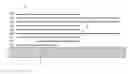
FIG. 1 is a perspective view of a composite panel with five zones; and
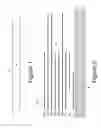
FIG. 2 is a sectional view through the panel showing the stacking sequences for the five zones of the panel.
DETAILED DESCRIPTION OF EMBODIMENT(S)
The starting point for the stacking sequence optimisation/ply design layout problem is laminate thickness distribution data and laminate percentage data. Tables 1-4 are matrices showing the output from a wing optimisation study, with simultaneous sizing optimisation and laminate percentage optimisation. Each cell in the matrix represents a zone in the wing cover. Table 1 identifies the total thickness of each zone in mm. Tables 2-4 show the volume fraction of 0° plies, ±45° plies and 90° plies respectively. As a first step towards determining a laminate stacking sequence and ply layout designs the continuous laminate optimisation data shown in Tables 1-4 is converted into a discrete solution in terms of number of plies. This involves:
-
- Step 1: Converting laminate thickness/percentages into ply bundle thickness values. This task is easily achieved by simply multiplying the total laminate thickness and ply percentage values given in Tables 1-4.
- Step 2: Converting continuous ply bundle thickness data into an integer number of plies. For this task the ply bundle thickness values are divided by the ply thickness value followed by a simple rounding to an integer number of plies. Several rounding schemes could be imagined. Tables 5-7 show the number of plies found, assuming a 1 mm ply thickness and using a simple round up scheme. It is noted that the simple round up scheme applied here does not provide an even number of plies for a symmetric design. For example Table 6 shows certain zones containing odd numbers of plies (that is, three or five plies). In the case where a zone in Tables 6 shows an even number (E) of plies then in the final stacking sequence there will be (E/2)+45° plies and (E/2)−45° plies. In the case where a zone in Tables 6 shows an odd number of plies then in the final stacking sequence the +45° plies and −45° plies will be apportioned as required—for instance two +45° plies and three −45° plies. Alternatively a different rounding scheme may be used to force Table 6 (and optionally also Tables 5 and 7) to give only even numbers.
- Step 3: Ply count plots from Tables 5-7 are turned into ply layout matrices. Each ply layout matrix identifies zones in the panel, for a given ply direction, which contain at least 1 ply, 2 plies etc. Tables 8-15 shows ply layout matrices for the 0° plies, derived from Table 5. Equivalent layout matrices (not shown) are also produced for the 45° and 90° plies from the data in Tables 6 and 7 respectively. The layout matrices shown in Tables 8-15 are also described below as “layout cards” since they are effectively “shuffled” to arrive at an optimum design. Note that the ply counts of Tables 5-7 translate into eight layout cards for the 0° plies, six layout cards for the +/−45° plies, and three layout cards for the 90° plies. However, for other designs there may be some ply directions with lower ply counts which translate into only one or two layout cards.
Having determined these ply layout matrices, designing a stacking sequence table becomes a simple task of deciding the stacking sequence for the layout matrices. Using the layout matrices automatically guarantees the global continuity of plies. What remains to be checked is that local stacking sequence rules are satisfied. This check must be done for each zone. A simple permutation GA can determine the optimum stacking sequence of the layout matrices.
Consider for a moment a panel with 500 individual zones, each zone having 10 plies. Using a conventional GA approach with inter-panel continuity constraints it is necessary to optimise within a design space with (4̂10)̂500 potential designs (assuming that there are four candidate ply orientations). By converting the problem into a problem of finding an optimal stacking sequence for a limited number of ply layout matrices the design space is reduced to include in the order of 10! designs. At the same time it is not necessary to deal with any inter-zone ply continuity constraints. Clearly this represents a tremendous reduction in complexity and makes optimisation by GAs possible.
Table 16 shows layout matrices for a simple example: a nine-layered 0°/±45°/90° laminate panel 1 with five zones 2-6 arranged in a line as shown in FIG. 1. By choosing a given sequence of the layout matrices (which are labelled Card#1, Card #2 etc in Table 16) the stacking sequence for each of the five zones covered by the ply layout matrices is defined. Table 17 shows a set of stacking sequences for the card sequence: #5#6 #1#8 #7#4 #2#9 #3.
FIG. 2 shows how the candidate sequence of Table 17 can be used to manufacture the composite panel 1. The panel 1 comprises five zones 2-6 which are formed by laying out nine plies of prepreg onto a layout table 7 as shown in FIG. 2. That is, the first ply 8 is a 0° ply (that is, with the carbon fibres running parallel to the axis of the panel 1) running along two zones 2,3; the second ply 9 is a 90° ply running along two zones 3,4, and so on until the top ply 10 which is a +45° ply (that is, with the carbon fibres running at +45° to the axis of the panel 1) running along zones 2-4.
A permutation GA is used to arrange the layout cards in a plurality of candidate sequences. For instance one of the candidate sequences may have the layout cards as shown in Table 17, another may have the layout cards arranged in another sequence such as #6#5 #1#8 #2#4 #7#3 #9, and so on. The GA then tests this population of candidate sequences against various selection criteria which determine a “fitness” for each candidate.
These selection criteria may include local stacking sequence rules such as:
-
- 1) Outer plies should be ±45° plies
- 2) No more than x plies of a certain direction can be direct neighbors
- 3) Plies should be distributed to avoid bending/torsion coupling effects
- 4) Others
and/or structural rules such as “maximize the stiffness of the panel”.
The GA seeks an improved sequence by studying the population of candidate layout matrix sequences, ranking these according to “fitness”, and then using a system approach to update the population and improve the population “fitness”. A permutation GA will do this optimization by interchange of existing plies only so will not introduce any new plies. The term “fitness” is a measure of how well the design rules set forward are fulfilled. Typically the GA would be asked to minimize some kind of an objective function. This objective function would be some kind of measure of the sum of violation of the design rules in each of the zones considered in the layout optimization problem.
Although the invention has been described above with reference to one or more preferred embodiments, it will be appreciated that various changes or modifications may be made without departing from the scope of the invention as defined in the appended claims.
| TABLE 1 |
| laminate thickness per zone |
| Stringers\Ribs | 2-3 | 3-4 | 4-5 | 5-6 | 6-7 | 7-8 | 8-9 |
| FS-i | 9.84 | 9.84 | 10.38 | 10.38 | 11.66 | 11.66 | 6.37 |
| 1-2 | 10.38 | 11.66 | |||||
| 2-3 | 6.03 | 5.22 | 5.22 | 6.73 | 6.73 | 6.58 | |
| 3-4 | 6.03 | 6.03 | 5.22 | 5.22 | 6.73 | 6.73 | 6.58 |
| 4-5 | 6.62 | 6.62 | 5.72 | 5.72 | 6.65 | 6.65 | 7.61 |
| 5-6 | 6.62 | 6.62 | 5.72 | 5.72 | 6.65 | 6.65 | 7.61 |
| 6-7 | 7.04 | 7.04 | 5.76 | 5.76 | 8.55 | 8.55 | 9.52 |
| 7-8 | 7.04 | 7.04 | 5.76 | 5.76 | 8.55 | 8.55 | 9.52 |
| 8-9 | 8.20 | 8.20 | 9.54 | 9.54 | 12.45 | 12.45 | 13.87 |
| 9-10 | 8.20 | 8.20 | 9.54 | 9.54 | 12.45 | 12.45 | 13.87 |
| 10-11 | 9.51 | 9.51 | 11.72 | 11.72 | 11.80 | 11.80 | 13.02 |
| 11-12 | 9.51 | 9.51 | 11.72 | 11.72 | 11.80 | 11.80 | 13.02 |
| 12-13 | 9.40 | 9.40 | 10.33 | 10.33 | 11.44 | 11.44 | 12.90 |
| 13-14 | 9.40 | 9.40 | 10.33 | 10.33 | 11.44 | 11.44 | 12.90 |
| 14-15 | 9.98 | 9.98 | 9.19 | 9.19 | 10.00 | 10.00 | 9.70 |
| 15-16 | 9.98 | 9.98 | 9.19 | 9.19 | 10.00 | 10.00 | 9.70 |
| 16-17 | 9.70 | 9.70 | 8.34 | 8.34 | 9.28 | ||
| 17-18 | 9.70 | 9.70 | 8.34 | ||||
| 18-19 | 10.79 | ||||||
| j-RS | 10.79 | 10.79 | 11.53 | 11.53 | 9.28 | 9.28 | 12.13 |
| TABLE 2 |
| volume fraction 0 degree plies per zone |
| Stringers\Ribs | 2-3 | 3-4 | 4-5 | 5-6 | 6-7 | 7-8 | 8-9 |
| FS-i | 0.44 | 0.44 | 0.42 | 0.42 | 0.38 | 0.38 | 0.32 |
| 1-2 | 0.42 | 0.38 | |||||
| 2-3 | 0.44 | 0.36 | 0.36 | 0.33 | 0.33 | 0.34 | |
| 3-4 | 0.44 | 0.44 | 0.36 | 0.36 | 0.33 | 0.33 | 0.34 |
| 4-5 | 0.44 | 0.44 | 0.35 | 0.35 | 0.32 | 0.32 | 0.35 |
| 5-6 | 0.44 | 0.44 | 0.35 | 0.35 | 0.32 | 0.32 | 0.35 |
| 6-7 | 0.44 | 0.44 | 0.35 | 0.35 | 0.37 | 0.37 | 0.42 |
| 7-8 | 0.44 | 0.44 | 0.35 | 0.35 | 0.37 | 0.37 | 0.42 |
| 8-9 | 0.44 | 0.44 | 0.39 | 0.39 | 0.45 | 0.45 | 0.51 |
| 9-10 | 0.44 | 0.44 | 0.39 | 0.39 | 0.45 | 0.45 | 0.51 |
| 10-11 | 0.44 | 0.44 | 0.43 | 0.43 | 0.42 | 0.42 | 0.48 |
| 11-12 | 0.44 | 0.44 | 0.43 | 0.43 | 0.42 | 0.42 | 0.48 |
| 12-13 | 0.44 | 0.44 | 0.41 | 0.41 | 0.43 | 0.43 | 0.48 |
| 13-14 | 0.44 | 0.44 | 0.41 | 0.41 | 0.43 | 0.43 | 0.48 |
| 14-15 | 0.44 | 0.44 | 0.39 | 0.39 | 0.36 | 0.36 | 0.38 |
| 15-16 | 0.44 | 0.44 | 0.39 | 0.39 | 0.36 | 0.36 | 0.38 |
| 16-17 | 0.44 | 0.44 | 0.36 | 0.36 | 0.33 | ||
| 17-18 | 0.44 | 0.44 | 0.36 | ||||
| 18-19 | 0.44 | ||||||
| j-RS | 0.44 | 0.44 | 0.41 | 0.41 | 0.33 | 0.33 | 0.39 |
| TABLE 3 |
| volume fraction +/−45 degree plies per zone |
| Ribs |
| Stringers | 2-3 | 3-4 | 4-5 | 5-6 | 6-7 | 7-8 | 8-9 |
| FS-i | 0.45 | 0.45 | 0.46 | 0.46 | 0.44 | 0.44 | 0.50 |
| 1-2 | 0.46 | 0.44 | |||||
| 2-3 | 0.45 | 0.51 | 0.51 | 0.49 | 0.49 | 0.49 | |
| 3-4 | 0.45 | 0.45 | 0.51 | 0.51 | 0.49 | 0.49 | 0.49 |
| 4-5 | 0.45 | 0.45 | 0.52 | 0.52 | 0.50 | 0.50 | 0.49 |
| 5-6 | 0.45 | 0.45 | 0.52 | 0.52 | 0.50 | 0.50 | 0.49 |
| 6-7 | 0.45 | 0.45 | 0.54 | 0.54 | 0.46 | 0.46 | 0.43 |
| 7-8 | 0.45 | 0.45 | 0.54 | 0.54 | 0.46 | 0.46 | 0.43 |
| 8-9 | 0.45 | 0.45 | 0.44 | 0.44 | 0.38 | 0.38 | 0.34 |
| 9-10 | 0.45 | 0.45 | 0.44 | 0.44 | 0.38 | 0.38 | 0.34 |
| 10-11 | 0.45 | 0.45 | 0.40 | 0.40 | 0.40 | 0.40 | 0.36 |
| 11-12 | 0.45 | 0.45 | 0.40 | 0.40 | 0.40 | 0.40 | 0.36 |
| 12-13 | 0.45 | 0.45 | 0.45 | 0.45 | 0.41 | 0.41 | 0.37 |
| 13-14 | 0.45 | 0.45 | 0.45 | 0.45 | 0.41 | 0.41 | 0.37 |
| 14-15 | 0.45 | 0.45 | 0.49 | 0.49 | 0.47 | 0.47 | 0.49 |
| 15-16 | 0.45 | 0.45 | 0.49 | 0.49 | 0.47 | 0.47 | 0.49 |
| 16-17 | 0.45 | 0.45 | 0.52 | 0.52 | 0.51 | ||
| 17-18 | 0.45 | 0.45 | 0.52 | 1.00 | |||
| 18-19 | 0.45 | ||||||
| j-RS | 0.45 | 0.45 | 0.42 | 0.42 | 0.51 | 0.51 | 0.47 |
| TABLE 4 |
| volume fraction 90 degree plies per zone |
| Ribs |
| Stringers | 2-3 | 3-4 | 4-5 | 5-6 | 6-7 | 7-8 | 8-9 |
| FS-i | 0.11 | 0.11 | 0.12 | 0.12 | 0.19 | 0.19 | 0.18 |
| 1-2 | 0.12 | 0.19 | |||||
| 2-3 | 0.11 | 0.13 | 0.13 | 0.18 | 0.18 | 0.17 | |
| 3-4 | 0.11 | 0.11 | 0.13 | 0.13 | 0.18 | 0.18 | 0.17 |
| 4-5 | 0.11 | 0.11 | 0.13 | 0.13 | 0.18 | 0.18 | 0.16 |
| 5-6 | 0.11 | 0.11 | 0.13 | 0.13 | 0.18 | 0.18 | 0.16 |
| 6-7 | 0.11 | 0.11 | 0.11 | 0.11 | 0.16 | 0.16 | 0.15 |
| 7-8 | 0.11 | 0.11 | 0.11 | 0.11 | 0.16 | 0.16 | 0.15 |
| 8-9 | 0.11 | 0.11 | 0.17 | 0.17 | 0.17 | 0.17 | 0.15 |
| 9-10 | 0.11 | 0.11 | 0.17 | 0.17 | 0.17 | 0.17 | 0.15 |
| 10-11 | 0.11 | 0.11 | 0.18 | 0.18 | 0.18 | 0.18 | 0.16 |
| 11-12 | 0.11 | 0.11 | 0.18 | 0.18 | 0.18 | 0.18 | 0.16 |
| 12-13 | 0.11 | 0.11 | 0.14 | 0.14 | 0.16 | 0.16 | 0.15 |
| 13-14 | 0.11 | 0.11 | 0.14 | 0.14 | 0.16 | 0.16 | 0.15 |
| 14-15 | 0.11 | 0.11 | 0.12 | 0.12 | 0.16 | 0.16 | 0.13 |
| 15-16 | 0.11 | 0.11 | 0.12 | 0.12 | 0.16 | 0.16 | 0.13 |
| 16-17 | 0.11 | 0.11 | 0.11 | 0.11 | 0.16 | ||
| 17-18 | 0.11 | 0.11 | 0.11 | ||||
| 18-19 | 0.11 | ||||||
| j-RS | 0.11 | 0.11 | 0.16 | 0.16 | 0.16 | 0.16 | 0.13 |
| TABLE 5 |
| number of 0 degree plies per zone |
| Ribs |
| Stringers | 2-3 | 3-4 | 4-5 | 5-6 | 6-7 | 7-8 | 8-9 |
| FS-i | 5.00 | 5.00 | 5.00 | 5.00 | 5.00 | 5.00 | 3.00 |
| 1-2 | 0.00 | 0.00 | 0.00 | 5.00 | 5.00 | 0.00 | 0.00 |
| 2-3 | 0.00 | 3.00 | 2.00 | 2.00 | 3.00 | 3.00 | 3.00 |
| 3-4 | 3.00 | 3.00 | 2.00 | 2.00 | 3.00 | 3.00 | 3.00 |
| 4-5 | 3.00 | 3.00 | 3.00 | 3.00 | 3.00 | 3.00 | 3.00 |
| 5-6 | 3.00 | 3.00 | 3.00 | 3.00 | 3.00 | 3.00 | 3.00 |
| 6-7 | 4.00 | 4.00 | 3.00 | 3.00 | 4.00 | 4.00 | 5.00 |
| 7-8 | 4.00 | 4.00 | 3.00 | 3.00 | 4.00 | 4.00 | 5.00 |
| 8-9 | 4.00 | 4.00 | 4.00 | 4.00 | 6.00 | 6.00 | 8.00 |
| 9-10 | 4.00 | 4.00 | 4.00 | 4.00 | 6.00 | 6.00 | 8.00 |
| 10-11 | 5.00 | 5.00 | 5.00 | 5.00 | 5.00 | 5.00 | 7.00 |
| 11-12 | 5.00 | 5.00 | 5.00 | 5.00 | 5.00 | 5.00 | 7.00 |
| 12-13 | 5.00 | 5.00 | 5.00 | 5.00 | 5.00 | 5.00 | 7.00 |
| 13-14 | 5.00 | 5.00 | 5.00 | 5.00 | 5.00 | 5.00 | 7.00 |
| 14-15 | 5.00 | 5.00 | 4.00 | 4.00 | 4.00 | 4.00 | 4.00 |
| 15-16 | 5.00 | 5.00 | 4.00 | 4.00 | 4.00 | 4.00 | 4.00 |
| 16-17 | 5.00 | 5.00 | 4.00 | 4.00 | 4.00 | 0.00 | 0.00 |
| 17-18 | 5.00 | 5.00 | 4.00 | 0.00 | 0.00 | 0.00 | 0.00 |
| 18-19 | 5.00 | 0.00 | 0.00 | 0.00 | 0.00 | 0.00 | 0.00 |
| j-RS | 5.00 | 5.00 | 5.00 | 5.00 | 4.00 | 4.00 | 5.00 |
| TABLE 6 |
| number of +/−45 degree plies per zone |
| Ribs |
| Stringers | 2-3 | 3-4 | 4-5 | 5-6 | 6-7 | 7-8 | 8-9 |
| FS-i | 5.00 | 5.00 | 5.00 | 5.00 | 6.00 | 6.00 | 4.00 |
| 1-2 | 0.00 | 0.00 | 0.00 | 5.00 | 6.00 | 0.00 | 0.00 |
| 2-3 | 0.00 | 3.00 | 3.00 | 3.00 | 4.00 | 4.00 | 4.00 |
| 3-4 | 3.00 | 3.00 | 3.00 | 3.00 | 4.00 | 4.00 | 4.00 |
| 4-5 | 3.00 | 3.00 | 3.00 | 3.00 | 4.00 | 4.00 | 4.00 |
| 5-6 | 3.00 | 3.00 | 3.00 | 3.00 | 4.00 | 4.00 | 4.00 |
| 6-7 | 4.00 | 4.00 | 4.00 | 4.00 | 4.00 | 4.00 | 5.00 |
| 7-8 | 4.00 | 4.00 | 4.00 | 4.00 | 4.00 | 4.00 | 5.00 |
| 8-9 | 4.00 | 4.00 | 5.00 | 5.00 | 5.00 | 5.00 | 5.00 |
| 9-10 | 4.00 | 4.00 | 5.00 | 5.00 | 5.00 | 5.00 | 5.00 |
| 10-11 | 5.00 | 5.00 | 5.00 | 5.00 | 5.00 | 5.00 | 5.00 |
| 11-12 | 5.00 | 5.00 | 5.00 | 5.00 | 5.00 | 5.00 | 5.00 |
| 12-13 | 5.00 | 5.00 | 5.00 | 5.00 | 5.00 | 5.00 | 5.00 |
| 13-14 | 5.00 | 5.00 | 5.00 | 5.00 | 5.00 | 5.00 | 5.00 |
| 14-15 | 5.00 | 5.00 | 5.00 | 5.00 | 5.00 | 5.00 | 5.00 |
| 15-16 | 5.00 | 5.00 | 5.00 | 5.00 | 5.00 | 5.00 | 5.00 |
| 16-17 | 5.00 | 5.00 | 5.00 | 5.00 | 5.00 | 0.00 | 0.00 |
| 17-18 | 5.00 | 5.00 | 5.00 | 0.00 | 0.00 | 0.00 | 0.00 |
| 18-19 | 5.00 | 0.00 | 0.00 | 0.00 | 0.00 | 0.00 | 0.00 |
| j-RS | 5.00 | 5.00 | 5.00 | 5.00 | 5.00 | 5.00 | 6.00 |
| TABLE 7 |
| number of 90 degree plies per zone |
| Ribs |
| Stringers | 2-3 | 3-4 | 4-5 | 5-6 | 6-7 | 7-8 | 8-9 |
| FS-i | 2.00 | 2.00 | 2.00 | 2.00 | 3.00 | 3.00 | 2.00 |
| 1-2 | 0.00 | 0.00 | 0.00 | 2.00 | 3.00 | 0.00 | 0.00 |
| 2-3 | 0.00 | 1.00 | 1.00 | 1.00 | 2.00 | 2.00 | 2.00 |
| 3-4 | 1.00 | 1.00 | 1.00 | 1.00 | 2.00 | 2.00 | 2.00 |
| 4-5 | 1.00 | 1.00 | 1.00 | 1.00 | 2.00 | 2.00 | 2.00 |
| 5-6 | 1.00 | 1.00 | 1.00 | 1.00 | 2.00 | 2.00 | 2.00 |
| 6-7 | 1.00 | 1.00 | 1.00 | 1.00 | 2.00 | 2.00 | 2.00 |
| 7-8 | 1.00 | 1.00 | 1.00 | 1.00 | 2.00 | 2.00 | 2.00 |
| 8-9 | 1.00 | 1.00 | 2.00 | 2.00 | 3.00 | 3.00 | 3.00 |
| 9-10 | 1.00 | 1.00 | 2.00 | 2.00 | 3.00 | 3.00 | 3.00 |
| 10-11 | 2.00 | 2.00 | 3.00 | 3.00 | 3.00 | 3.00 | 3.00 |
| 11-12 | 2.00 | 2.00 | 3.00 | 3.00 | 3.00 | 3.00 | 3.00 |
| 12-13 | 2.00 | 2.00 | 2.00 | 2.00 | 2.00 | 2.00 | 2.00 |
| 13-14 | 2.00 | 2.00 | 2.00 | 2.00 | 2.00 | 2.00 | 2.00 |
| 14-15 | 2.00 | 2.00 | 2.00 | 2.00 | 2.00 | 2.00 | 2.00 |
| 15-16 | 2.00 | 2.00 | 2.00 | 2.00 | 2.00 | 2.00 | 2.00 |
| 16-17 | 2.00 | 2.00 | 1.00 | 1.00 | 2.00 | 0.00 | 0.00 |
| 17-18 | 2.00 | 2.00 | 1.00 | 0.00 | 0.00 | 0.00 | 0.00 |
| 18-19 | 2.00 | 0.00 | 0.00 | 0.00 | 0.00 | 0.00 | 0.00 |
| j-RS | 2.00 | 2.00 | 2.00 | 2.00 | 2.00 | 2.00 | 2.00 |
| TABLE 8 |
| layout matrix identifying zones which |
| contain at least one zero degree ply |
| Ribs |
| Stringers | 2-3 | 3-4 | 4-5 | 5-6 | 6-7 | 7-8 | 8-9 |
| FS-i | 1.00 | 1.00 | 1.00 | 1.00 | 1.00 | 1.00 | 1.00 |
| 1-2 | 1.00 | 1.00 | |||||
| 2-3 | 1.00 | 1.00 | 1.00 | 1.00 | 1.00 | 1.00 | |
| 3-4 | 1.00 | 1.00 | 1.00 | 1.00 | 1.00 | 1.00 | 1.00 |
| 4-5 | 1.00 | 1.00 | 1.00 | 1.00 | 1.00 | 1.00 | 1.00 |
| 5-6 | 1.00 | 1.00 | 1.00 | 1.00 | 1.00 | 1.00 | 1.00 |
| 6-7 | 1.00 | 1.00 | 1.00 | 1.00 | 1.00 | 1.00 | 1.00 |
| 7-8 | 1.00 | 1.00 | 1.00 | 1.00 | 1.00 | 1.00 | 1.00 |
| 8-9 | 1.00 | 1.00 | 1.00 | 1.00 | 1.00 | 1.00 | 1.00 |
| 9-10 | 1.00 | 1.00 | 1.00 | 1.00 | 1.00 | 1.00 | 1.00 |
| 10-11 | 1.00 | 1.00 | 1.00 | 1.00 | 1.00 | 1.00 | 1.00 |
| 11-12 | 1.00 | 1.00 | 1.00 | 1.00 | 1.00 | 1.00 | 1.00 |
| 12-13 | 1.00 | 1.00 | 1.00 | 1.00 | 1.00 | 1.00 | 1.00 |
| 13-14 | 1.00 | 1.00 | 1.00 | 1.00 | 1.00 | 1.00 | 1.00 |
| 14-15 | 1.00 | 1.00 | 1.00 | 1.00 | 1.00 | 1.00 | 1.00 |
| 15-16 | 1.00 | 1.00 | 1.00 | 1.00 | 1.00 | 1.00 | 1.00 |
| 16-17 | 1.00 | 1.00 | 1.00 | 1.00 | 1.00 | ||
| 17-18 | 1.00 | 1.00 | 1.00 | ||||
| 18-19 | 1.00 | ||||||
| j-RS | 1.00 | 1.00 | 1.00 | 1.00 | 1.00 | 1.00 | 1.00 |
| TABLE 9 |
| layout matrix identifying zones which |
| contain at least two zero degree plies |
| Ribs |
| Stringers | 2-3 | 3-4 | 4-5 | 5-6 | 6-7 | 7-8 | 8-9 |
| FS-i | 2.00 | 2.00 | 2.00 | 2.00 | 2.00 | 2.00 | 2.00 |
| 1-2 | 2.00 | 2.00 | |||||
| 2-3 | 2.00 | 2.00 | 2.00 | 2.00 | 2.00 | 2.00 | |
| 3-4 | 2.00 | 2.00 | 2.00 | 2.00 | 2.00 | 2.00 | 2.00 |
| 4-5 | 2.00 | 2.00 | 2.00 | 2.00 | 2.00 | 2.00 | 2.00 |
| 5-6 | 2.00 | 2.00 | 2.00 | 2.00 | 2.00 | 2.00 | 2.00 |
| 6-7 | 2.00 | 2.00 | 2.00 | 2.00 | 2.00 | 2.00 | 2.00 |
| 7-8 | 2.00 | 2.00 | 2.00 | 2.00 | 2.00 | 2.00 | 2.00 |
| 8-9 | 2.00 | 2.00 | 2.00 | 2.00 | 2.00 | 2.00 | 2.00 |
| 9-10 | 2.00 | 2.00 | 2.00 | 2.00 | 2.00 | 2.00 | 2.00 |
| 10-11 | 2.00 | 2.00 | 2.00 | 2.00 | 2.00 | 2.00 | 2.00 |
| 11-12 | 2.00 | 2.00 | 2.00 | 2.00 | 2.00 | 2.00 | 2.00 |
| 12-13 | 2.00 | 2.00 | 2.00 | 2.00 | 2.00 | 2.00 | 2.00 |
| 13-14 | 2.00 | 2.00 | 2.00 | 2.00 | 2.00 | 2.00 | 2.00 |
| 14-15 | 2.00 | 2.00 | 2.00 | 2.00 | 2.00 | 2.00 | 2.00 |
| 15-16 | 2.00 | 2.00 | 2.00 | 2.00 | 2.00 | 2.00 | 2.00 |
| 16-17 | 2.00 | 2.00 | 2.00 | 2.00 | 2.00 | ||
| 17-18 | 2.00 | 2.00 | 2.00 | ||||
| 18-19 | 2.00 | ||||||
| j-RS | 2.00 | 2.00 | 2.00 | 2.00 | 2.00 | 2.00 | 2.00 |
| TABLE 10 |
| layout matrix identifying zones which contain |
| at least three zero degree plies |
| Ribs |
| Stringers | 2-3 | 3-4 | 4-5 | 5-6 | 6-7 | 7-8 | 8-9 |
| FS-i | 3.00 | 3.00 | 3.00 | 3.00 | 3.00 | 3.00 | 3.00 |
| 1-2 | 3.00 | 3.00 | |||||
| 2-3 | 3.00 | 3.00 | 3.00 | 3.00 | |||
| 3-4 | 3.00 | 3.00 | 3.00 | 3.00 | 3.00 | ||
| 4-5 | 3.00 | 3.00 | 3.00 | 3.00 | 3.00 | 3.00 | 3.00 |
| 5-6 | 3.00 | 3.00 | 3.00 | 3.00 | 3.00 | 3.00 | 3.00 |
| 6-7 | 3.00 | 3.00 | 3.00 | 3.00 | 3.00 | 3.00 | 3.00 |
| 7-8 | 3.00 | 3.00 | 3.00 | 3.00 | 3.00 | 3.00 | 3.00 |
| 8-9 | 3.00 | 3.00 | 3.00 | 3.00 | 3.00 | 3.00 | 3.00 |
| 9-10 | 3.00 | 3.00 | 3.00 | 3.00 | 3.00 | 3.00 | 3.00 |
| 10-11 | 3.00 | 3.00 | 3.00 | 3.00 | 3.00 | 3.00 | 3.00 |
| 11-12 | 3.00 | 3.00 | 3.00 | 3.00 | 3.00 | 3.00 | 3.00 |
| 12-13 | 3.00 | 3.00 | 3.00 | 3.00 | 3.00 | 3.00 | 3.00 |
| 13-14 | 3.00 | 3.00 | 3.00 | 3.00 | 3.00 | 3.00 | 3.00 |
| 14-15 | 3.00 | 3.00 | 3.00 | 3.00 | 3.00 | 3.00 | 3.00 |
| 15-16 | 3.00 | 3.00 | 3.00 | 3.00 | 3.00 | 3.00 | 3.00 |
| 16-17 | 3.00 | 3.00 | 3.00 | 3.00 | 3.00 | ||
| 17-18 | 3.00 | 3.00 | 3.00 | ||||
| 18-19 | 3.00 | ||||||
| i-RS | 3.00 | 3.00 | 3.00 | 3.00 | 3.00 | 3.00 | 3.00 |
| TABLE 11 |
| layout matrix identifying zones which |
| contain at least four zero degree plies |
| Ribs |
| Stringers | 2-3 | 3-4 | 4-5 | 5-6 | 6-7 | 7-8 | 8-9 |
| FS-i | 4.00 | 4.00 | 4.00 | 4.00 | 4.00 | 4.00 | |
| 1-2 | 4.00 | 4.00 | |||||
| 2-3 | |||||||
| 3-4 | |||||||
| 4-5 | |||||||
| 5-6 | |||||||
| 6-7 | 4.00 | 4.00 | 4.00 | 4.00 | 4.00 | ||
| 7-8 | 4.00 | 4.00 | 4.00 | 4.00 | 4.00 | ||
| 8-9 | 4.00 | 4.00 | 4.00 | 4.00 | 4.00 | 4.00 | 4.00 |
| 9-10 | 4.00 | 4.00 | 4.00 | 4.00 | 4.00 | 4.00 | 4.00 |
| 10-11 | 4.00 | 4.00 | 4.00 | 4.00 | 4.00 | 4.00 | 4.00 |
| 11-12 | 4.00 | 4.00 | 4.00 | 4.00 | 4.00 | 4.00 | 4.00 |
| 12-13 | 4.00 | 4.00 | 4.00 | 4.00 | 4.00 | 4.00 | 4.00 |
| 13-14 | 4.00 | 4.00 | 4.00 | 4.00 | 4.00 | 4.00 | 4.00 |
| 14-15 | 4.00 | 4.00 | 4.00 | 4.00 | 4.00 | 4.00 | 4.00 |
| 15-16 | 4.00 | 4.00 | 4.00 | 4.00 | 4.00 | 4.00 | 4.00 |
| 16-17 | 4.00 | 4.00 | 4.00 | 4.00 | 4.00 | ||
| 17-18 | 4.00 | 4.00 | 4.00 | ||||
| 18-19 | 4.00 | ||||||
| j-RS | 4.00 | 4.00 | 4.00 | 4.00 | 4.00 | 4.00 | 4.00 |
| TABLE 12 |
| layout matrix identifying zones which |
| contain at least five zero degree plies |
| Ribs |
| Stringers | 2-3 | 3-4 | 4-5 | 5-6 | 6-7 | 7-8 | 8-9 |
| FS-i | 5.00 | 5.00 | 5.00 | 5.00 | 5.00 | 5.00 | |
| 1-2 | 5.00 | 5.00 | |||||
| 2-3 | |||||||
| 3-4 | |||||||
| 4-5 | |||||||
| 5-6 | |||||||
| 6-7 | 5.00 | ||||||
| 7-8 | 5.00 | ||||||
| 8-9 | 5.00 | 5.00 | 5.00 | ||||
| 9-10 | 5.00 | 5.00 | 5.00 | ||||
| 10-11 | 5.00 | 5.00 | 5.00 | 5.00 | 5.00 | 5.00 | 5.00 |
| 11-12 | 5.00 | 5.00 | 5.00 | 5.00 | 5.00 | 5.00 | 5.00 |
| 12-13 | 5.00 | 5.00 | 5.00 | 5.00 | 5.00 | 5.00 | 5.00 |
| 13-14 | 5.00 | 5.00 | 5.00 | 5.00 | 5.00 | 5.00 | 5.00 |
| 14-15 | 5.00 | 5.00 | |||||
| 15-16 | 5.00 | 5.00 | |||||
| 16-17 | 5.00 | 5.00 | |||||
| 17-18 | 5.00 | 5.00 | |||||
| 18-19 | 5.00 | ||||||
| j-RS | 5.00 | 5.00 | 5.00 | 5.00 | 5.00 | ||
| TABLE 13 |
| layout matrix identifying zones which |
| contain at least six zero degree plies |
| Ribs |
| Stringers | 2-3 | 3-4 | 4-5 | 5-6 | 6-7 | 7-8 | 8-9 |
| FS-i | |||||||
| 1-2 | |||||||
| 2-3 | |||||||
| 3-4 | |||||||
| 4-5 | |||||||
| 5-6 | |||||||
| 6-7 | |||||||
| 7-8 | |||||||
| 8-9 | 6.00 | 6.00 | 6.00 | ||||
| 9-10 | 6.00 | 6.00 | 6.00 | ||||
| 10-11 | 6.00 | ||||||
| 11-12 | 6.00 | ||||||
| 12-13 | 6.00 | ||||||
| 13-14 | 6.00 | ||||||
| 14-15 | |||||||
| 15-16 | |||||||
| 16-17 | |||||||
| 17-18 | |||||||
| 18-19 | |||||||
| j-RS | |||||||
| TABLE 14 |
| layout matrix identifying zones which contain |
| at least seven zero degree plies |
| Ribs |
| Stringers | 2-3 | 3-4 | 4-5 | 5-6 | 6-7 | 7-8 | 8-9 | |
| FS-i | ||||||||
| 1-2 | ||||||||
| 2-3 | ||||||||
| 3-4 | ||||||||
| 4-5 | ||||||||
| 5-6 | ||||||||
| 6-7 | ||||||||
| 7-8 | ||||||||
| 8-9 | 7.00 | |||||||
| 9-10 | 7.00 | |||||||
| 10-11 | 7.00 | |||||||
| 11-12 | 7.00 | |||||||
| 12-13 | 7.00 | |||||||
| 13-14 | 7.00 | |||||||
| 14-15 | ||||||||
| 15-16 | ||||||||
| 16-17 | ||||||||
| 17-18 | ||||||||
| 18-19 | ||||||||
| j-RS | ||||||||
| TABLE 15 |
| layout matrix identifying zones which contain |
| at least eight zero degree plies |
| Ribs |
| Stringers | 2-3 | 3-4 | 4-5 | 5-6 | 6-7 | 7-8 | 8-9 | |
| FS-i | ||||||||
| 1-2 | ||||||||
| 2-3 | ||||||||
| 3-4 | ||||||||
| 4-5 | ||||||||
| 5-6 | ||||||||
| 6-7 | ||||||||
| 7-8 | ||||||||
| 8-9 | 8.00 | |||||||
| 9-10 | 8.00 | |||||||
| 10-11 | ||||||||
| 11-12 | ||||||||
| 12-13 | ||||||||
| 13-14 | ||||||||
| 14-15 | ||||||||
| 15-16 | ||||||||
| 16-17 | ||||||||
| 17-18 | ||||||||
| 18-19 | ||||||||
| j-RS | ||||||||
| TABLE 16 |
| Ply layout cards for 9-layered composite |
| Card #1 | 0 | 0 | 0 | 0 | 0 | |
| Card #2 | 0 | 0 | 0 | |||
| Card #3 | 0 | 0 | ||||
| Card #4 | +45 | +45 | +45 | +45 | +45 | |
| Card #5 | +45 | +45 | +45 | |||
| Card #6 | −45 | −45 | −45 | −45 | −45 | |
| Card #7 | −45 | −45 | −45 | |||
| Card #8 | 90 | 90 | 90 | 90 | 90 | |
| Card #9 | 90 | 90 | ||||
| TABLE 17 |
| Stacking sequence and card sequence #5 #6 #1 #8 #7 #4 #2 #9 #3 |
| Card #5 | +45 | +45 | +45 | |||
| Card #6 | −45 | −45 | −45 | −45 | −45 | |
| Card #1 | 0 | 0 | 0 | 0 | 0 | |
| Card #8 | 90 | 90 | 90 | 90 | 90 | |
| Card #7 | −45 | −45 | −45 | |||
| Card #4 | +45 | +45 | +45 | +45 | +45 | |
| Card #2 | 0 | 0 | 0 | |||
| Card #9 | 90 | 90 | ||||
| Card #3 | 0 | 0 | ||||
Claims
1. A method of designing a composite panel, the panel comprising a plurality of zones, each zone comprising a plurality of plies of composite material arranged in a stacking sequence, each ply in each stacking sequence having a respective orientation angle, the method comprising:
a. for each orientation angle:
creating N layout matrices, where N≧1 and N is the highest number of plies with that orientation angle in any one zone of the panel, and the layout matrices are consecutively numbered 1, . . . n, . . . N, wherein
i. the first layout matrix identifies zones in the panel which contain at least one ply with that orientation angle;
ii. the nth layout matrix identifies zones in the panel which contain at least n plies with that orientation angle;
iii. and the Nth layout matrix identifies zones in the panel which contain N plies with that orientation angle;
b. arranging the layout matrices in a plurality of candidate sequences;
c. using selection criteria to choose one or more of the candidate sequences; and
d. assigning stacking sequences to the zones in accordance with the chosen candidate sequence(s).
2. The method of claim 1 wherein step c. is performed by a genetic algorithm.
3. The method of claim 2 wherein the genetic algorithm ranks a population of candidate sequences according to a fitness measure, chooses a sub-set of the population which ranks highly, and then updates the population to improve its fitness measure.
4. The method of claim 1 wherein the selection criteria include local stacking sequence rules.
5. The method of claim 1 further comprising splitting at least one of the layout matrices into two or more sub-matrices, and arranging the sub-matrices along with the other matrices in the candidate sequences in step b.
6. The method of claim 5 wherein the sub-matrices identify regions of zones which are not connected.
7. A method of manufacturing a composite panel, the method comprising designing the panel by the method of claim 1; and assembling a plurality of plies of composite material in accordance with the chosen candidate sequence.
8. The method of claim 7 wherein the panel comprises a plurality of zones, each zone comprising a plurality of plies of composite material arranged in a stacking sequence, each ply in each stacking sequence having reinforcement fibres which extend in a direction which defines the orientation angle of the ply.
Images & Drawings included:
Sources:
- United States Patent and Trademark Office - verify current appl. status at the USPTO↗
Similar patent applications:
- » 20100223029
Method of designing a composite panel - » 10389165
Method of designing partially composite concrete sandwich panels and such panels - » 20090100793
COMPOSITE STRUCTURAL PANELS AND THEIR DESIGN, MATERIALS, MANUFACTURING, HANDLING, ASSEMBLY AND ERECTION METHODS USED FOR CONSTRUCTING HOMES AND COMMERCIAL STRUCTURES
Recent applications in this class:
- » 20250242906 2025-07-31
METHOD FOR MANUFACTURING AN AERODYNAMIC PROFILE - » 20250178716 2025-06-05
BEADED COMPOSITE STRUCTURES AND METHODS FOR MANUFACTURING BEADED COMPOSITE STRUCTURES - » 20240150002 2024-05-09
SEGMENTED SPANWISE BEAM FOR ENHANCED CENTER WING BOX ACCESS - » 20230331369 2023-10-19
AIRCRAFT STRUCTURE - » 20230082202 2023-03-16
Composite airfoil for an aircraft - » 20220340253 2022-10-27
Airfoil system with embedded electric device - » 20220227475 2022-07-21
Beaded composite structures and methods for manufacturing beaded composite structures - » 20220111948 2022-04-14
All new multi-purpose internally stiffened composite wing sub-panel - » 20220097820 2022-03-31
Aircraft assembly having an integral spar-cover - » 20210362826 2021-11-25
Structural composite airfoils with a single spar, and related methods
Recent applications for this Assignee:
- » 20250065357 2025-02-27
APPLICATOR - » 20250039266 2025-01-30
AVIONICS UNIT - » 20240336351 2024-10-10
Wing tip device - » 20240327037 2024-10-03
PINTLE SUPPORT AND METHOD OF INSTALLING A LANDING GEAR ASSEMBLY - » 20240286762 2024-08-29
METHOD OF FABRICATING AN AIRCRAFT STRUCTURAL COMPONENT - » 20240253772 2024-08-01
SPOILER - » 20240253766 2024-08-01
AIRCRAFT ASSEMBLY WITH MOVEABLE DEVICE - » 20240239516 2024-07-18
AIRCRAFT SUB-ASSEMBLY MANUFACTURING SYSTEM AND METHOD - » 20240227751 2024-07-11
CONTROL DEVICE AND METHOD FOR AN AIRCRAFT - » 20240208641 2024-06-27
AIRCRAFT STRUCTURE COMPONENT FOR LAMINAR FLOW