METHOD FOR DETECTING MALICIOUS JAVASCRIPT
US20110030060A1
2011-02-03
12/849,721
2010-08-03
Abstract:
A method provides Dynamic Analysis to identify URL provisioning malicious javascripts comprising tracing frequently used javascript feature used to either inject malicious javascript in html response or redirecting user to the website that is serving malicious contents. An apparatus embodiment operates in the cloud in the middle where it identifies javascript in the response traffic and then requests the other corresponding javascript and can make a determination before delivering the original content to the user.
Assignee:
- BARRACUDA NETWORKS, INC. 114 🇺🇸 CAMPBELL, CA, United States
Interested in similar patents?
Get notified when new applications in this technology area are published.
Classification:
H04L63/1416 » CPC main
Network architectures or network communication protocols for network security for detecting or protecting against malicious traffic by monitoring network traffic Event detection, e.g. attack signature detection
G06F21/566 » CPC further
Security arrangements for protecting computers, components thereof, programs or data against unauthorised activity; Monitoring users, programs or devices to maintain the integrity of platforms, e.g. of processors, firmware or operating systems; Detecting local intrusion or implementing counter-measures; Computer malware detection or handling, e.g. anti-virus arrangements Dynamic detection, i.e. detection performed at run-time, e.g. emulation, suspicious activities
G06F2221/2119 » CPC further
Indexing scheme relating to security arrangements for protecting computers, components thereof, programs or data against unauthorised activity; Indexing scheme relating to and subgroups addressing additional information or applications relating to security arrangements for protecting computers, components thereof, programs or data against unauthorised activity Authenticating web pages, e.g. with suspicious links
G06F21/00 IPC
Security arrangements for protecting computers, components thereof, programs or data against unauthorised activity
Description
A related application is provisional application 61/273334 filed Aug. 3, 2009 Web Security Systems and Methods which is incorporated in its entirety by reference.
BACKGROUND
Most malicious web-based activity involves malicious javascript. Detecting and blocking malicious javascript is essential for preventing web-based compromises. Most malicious javascript is obfuscated, which renders static analysis, such as signature matching, approaches ineffective.
Legitimate javascript is also obfuscated so simply identifying obfuscation is insufficient. Too many false negative false positive fails. What is needed is a system to detect and prevent browser based malicious javascript contents.
BRIEF DESCRIPTION OF DRAWINGS
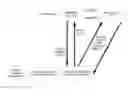
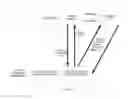
FIG. 1 is a dataflow diagram of a system.
SUMMARY OF THE INVENTION
A system that can detect and prevent browser based malicious javascript contents. MJD (Malicious Javascript Detection) is a pluggable module that achieves this by emulating html response in sandboxed browser environment that traces sensitive data access and dangerous function usage. MJD concentrates on detecting malicious javascript embedded in html response itself. The method comprises emulating html response in sandboxed browser environment that traces sensitive data access and dangerous function usage by detecting malicious javascript embedded in html response itself. The process includes
-
- 1. Place content into a virtual browser environment,
- 2. Perform behavioral analysis of javascript to determine its intentions e.g. cookie theft alert when cookie from one site sent to another e.g. examine actions of new javascript when written to a page.
- how many createElement calls,
- check for presence of unicode-encoded shell code.
A method provides Dynamic Analysis comprising
tracing frequently used javascript feature used to either inject malicious javascript in html response or redirecting user to the website that is serving malicious contents.
The method of Dynamic Analysis further comprises the steps emulating the response received for client request in a sandboxed environment where use of sensitive javascript functions is traced and argument to those function are analyzed for malicious contents. Tracing is achieved by hooking and changing the implementation of those functions.
DETAILED DISCLOSURE OF EMBODIMENTS
Dynamic Analysis: Dynamically trace frequently used javascript feature used to either inject malicious javascript in html response or redirecting user to the website that is serving malicious contents. Advantage of this approach is relatively shorter period of prototyping and reasonable performance.
Dynamic Analysis: Dynamic analysis is done by emulating the response received for client request in a sandboxed environment where use of sensitive javascript functions is traced and argument to those function are analyzed for malicious contents. Tracing is achieved by hooking and changing the implementation of those functions.
Sandboxed environment: This is a browser emulation environment created using Rhino and HtmlUnit.
-
- Rhino
- Mozilla open source javascript engine
- Version: 1.7R1
- Provides important javascript engine component to the project under MPL1.1/GPL 2.0 license
- Written in Java
- HtmlUnit
- Gargoyle Software open source GUI-Less browser
- Version: 2.4
- Provides important DOM (Document Object Model) of the browser pre integrated with Rhino. Available under Apache2.0 license.
- Written in Java
- Rhino
The overall conceptual design for the system is shown in FIG. 1.
1. A User Http request is received at a service
2. MN) examines and forwards the request to website
3. Receiving a Response from a website
3a. Embedded javascript if any transferred to Virtual Browser Environment
3b. Embedded javascript response traced by hooks on javascript actions
4. Analyzing response for malicious/suspicious behaviors
5. Enabling or blocking message to User from PWSS depending on result in (4)
Input expected: Html Response body.
Output intended: Categorization vulnerabilities found in response if any to at least one of the following categories:
-
- 1. createElement Original url, script source
- 2. iframe_suspicious Original url, destination url, script source
- 3. iframe_block Orignal url, desitnation url, script source
- 4. cookie (via htmltag) Orignal url, destination url, script source
- 5. malware keywordsOriginal url, script source (**look at the logs for actual contents)
- 6. location url Original url, destination url, script source
- 7. cookie theft (via addition operation tracing) Original url, script source
- 8. document.write via img/script tag Original url, destination url, script source
There are two modules:
-
- Response Module
- Request Module
Response Module
In an embodiment the response module receives a user request from a Purewire Service (pwss). Response module makes a request to the cloud and emulates the response if it is html. Response module only requests the embedding javascripts from the html page. Any other request such as for images or iframed src request are not requested because they may not contribute to the javascript execution of the page and performance impact on the response time could be significant. Also all these contents would need to be cached to keep system from any state related issues.
Patterns caught by response module:
-
- a) Heap Spray (Category 1): This technique of attack tries to write a predetermined portion of the heap with executable code. This could be achieved by allocating large blocks on memory on heap and then writing the blocks with right values. The execution of memory is achieved by taking advantage of some vulnerability which would point execution pointer to the vulnerable code on heap.
- 1. One such way exploited in MS09-002 which creates large number of objects. This could be simply caught by counting number of CreateElement in a given script and flag if the count is above threshold.
- 2. Second pattern (TODO): Large memory write with unicode characters
- b) Decoded/Deobfuscated contents: fromCharCode( ), unescape( ) functions are traced that are highly used by attackers today to decode contents at some point.
- c) Document.write (Category 2,3 & 8): Check the contents javascript about to dynamically write on the page. Hurisitics/pattern applied:
- 1. iframe ‘src’ should be pointing the domain other than origin (host) domain. This is rather common, such as in case “widget” like bookmarking appended on the page which are appended dynamically via javascript to iframe. Hence this is flagged categorized as (2). We overcome this by tracing if the iframe contents have been decoded before which is a pretty good indicator of malicious contents hence categorized as (3). However sometimes these write could be via <script> tag or <img> tag both of which load and pointed contents on page load event itself. Hence these are flagged as (8).
- d) eval: check eval which is javascript evaluation function and executes javascript code passed as a string argument. These contents could be checked for presence of the malicious keywords, or large unicode strings for shellcode, vulnerable clsid etc. In addition if these contents are decoded before as in (b), that gives a pretty good indication of the malicious contents. These are flagged as category (5).
- e) Cookie theft:
- 1. Maintain a cookie jar with set-cookie header value.
- 2.Document.cookie: Trace the value returned from document.getCookie( )function. There is no legitimate reason of appending a cookie to the url. The site that owns the cookie would receive that cookie as ‘cookie’ request header when the request is made to that domain. So if that same value (getCookie( )) is appended to a url (or rather strings that fits url pattern) and the url is not same domain as the origin domain of the cookie, then we can raise the cookie theft flag for that url. Flagged as category (4) and (8). There is duplication here and that is because if the cookie is appended to the url but the resulting url is not written to the page using document.write operation we could miss this operation. Research will find the way to remove this duplication.
- 3. (TODO) If possible trace the cookie value manipulation and store modified cookie value in the cookiejar as well to identify the cookie theft in event
- a) Heap Spray (Category 1): This technique of attack tries to write a predetermined portion of the heap with executable code. This could be achieved by allocating large blocks on memory on heap and then writing the blocks with right values. The execution of memory is achieved by taking advantage of some vulnerability which would point execution pointer to the vulnerable code on heap.
Request Module
-
- a) Check incoming request is the domain is matches url categorized by response module. Generate block message/category if it does.
- b) Check url if it contains the string that matches values in cookie jar. If it does and domain is not same as the cookie domain, that could lead to cookie theft.
In an embodiment, creating a browser emulation environment comprising Rhino and HtmlUnit, known in the art.
The steps include
receiving a user http request,
examining and forwarding the request to cloud,
receiving an embedded javascript response from the cloud
receiving an embedded javascript request if any from the cloud
forwarding the analyzed response if no malicious javascript
and blocking message to the user if malicious javascript found.
The method categorizes vulnerabilities into at least one of the following
- 1 create element
- 2 suspicious iframe
- 3 block iframe
- 4 cookie
- 5 malware keywords
- 6 location url
- 7 cookie theft
- 8 document write via img/script tag
The method further comprising operating a response module passing user request to the response module requesting to the cloud and emulates the response if it is html requesting the embedding javascripts from the html page no requests for images or iframed src request.
Methods include catching patterns by
-
- detecting writing to a predetermined portion of the heap with executable code.
- detecting attempt to point execution pointer to the vulnerable code on heap.
- detecting creation of large number of objects by counting number of createElement in a given script and compare with a threshold.
- detecting large memory write with unicode characters
- detecting fromCharCode( )and unescape( ) functions
- detecting dynamically document write on the page.
- checking the contents javascript about to dynamically write on the page and tracing if the iframe contents have been decoded before. if script tag or img tag, flag as document write.
- checking contents of eval function which executes javascript code passed as a string argument for presence of the malicious keywords or large unicode strings for shellcode, vulnerable clsid etc.
- An other method comprises
- maintaining a cookie jar with set-cookie header value and tracing the value returned from document.getCookie( ) function.
The method further comprises tracing the cookie value manipulation and store modified cookie in the cookiejar as well to identify the cookie theft in event.
The method further comprises, in a request module,
-
- checking incoming request and blocking if the domain matches url categorized in response module; and
- checking url if it contains the string that matches values in cookie jar, and domain is not same as the cookie domain, categorize as cookie theft.
A method embodiment for dynamically tracing frequently used javascript features to detect a uniform resource identifier provisioning a malicious javascript content in response to http requests comprises:
receiving a read request to a uniform resource locator (URL);
initializing a browser;
reading the requested URL;
loading a page comprising html and embedded javascript;
executing the javascript;
tracing execution of at least one frequently used javascript feature used to either redirect users to a website serving malicious contents or used to inject malicious javascript in html response, and
categorizing vulnerabilities and storing the URL when malicious contents are found.
In an embodiment, the frequently used javascript feature comprises one or more of fromCharCode( ) and unescape( ) whereby contents are decoded.
In an embodiment, the frequently used javascript feature comprises eval and its string argument comprises malicious keywords.
In an embodiment, the frequently used javascript feature comprises eval and its string argument comprises large unicode strings.
In an embodiment, the string argument of javascript feature eval is the decoded content and the method further comprises storing a vulnerability category 5.
In an embodiment, the frequently used javascript feature comprises CreateElement and the method further comprises counting the number of CreateElement instances in the javascript and comparing the number with a threshold, the method further comprises storing a vulnerability category 1.
In an embodiment, the frequently used javascript feature is document.write.
In an embodiment, the method further comprises finding a <script> tag and further comprises storing a vulnerability category 8.
In an embodiment, the method further comprises finding an <image> tag and further comprises storing a vulnerability category 8.
In an embodiment, the method further comprises finding an iframe ‘src“.
In an embodiment the method further comprises finding fromCharcode( ) and unescape( ) whereby the iframe contents have been decoded before document.write and the method further comprises storing a vulnerability category 3.
In an embodiment, the frequently used javascript feature comprises large memory write with unicode characters and the method further comprises storing a vulnerability category 1.
An other method embodiment comprises
- maintaining a cookie jar with set-cookie header value;
- tracing a value returned from document.getCookie( );
- storing the URL as cookie theft content when the url is not same
- domain as the origin domain of the cookie and
- further comprising storing a vulnerability category 4 and 8.
In an embodiment the method further comprises tracing the cookie value manipulation and storing the modified cookie into the cookie jar to identify the cookie theft event.
Conclusion
The invention can be easily distinguished from conventional methods and systems by an apparatus embodiment which operates in the cloud in the middle where it identifies javascript in the response traffic and then requests the other corresponding javascript and can make a determination before delivering the original content to the user.
Claims
What is claimed is:1. A method for dynamically tracing frequently used javascript features to detect a uniform resource identifier provisioning a malicious javascript content in response to http requests comprising:
receiving a read request to a uniform resource locator (URL);
initializing a browser;
reading the requested URL;
loading a page comprising html and embedded javascript;
executing the javascript;
tracing execution of at least one frequently used javascript feature used to either redirect users to a website serving malicious contents or used to inject malicious javascript in html response, and
categorizing vulnerabilities and storing the URL when malicious contents are found.
2. The method of claim 1 wherein the frequently used javascript feature comprises one or more of fromCharCodeO and unescape( ) whereby contents are decoded.
3. The method of claim 1 wherein the frequently used javascript feature comprises eval and its string argument comprises malicious keywords.
4. The method of claim 1 wherein the frequently used javascript feature comprises eval and its string argument comprises large unicode strings.
5. The method of claim 2 wherein the string argument of javascript feature eval is the decoded content and further comprising storing a vulnerability category 5.
6. The method of claim 1 wherein the frequently used javascript feature comprises CreateElement and the method further comprises counting the number of CreateElement instances in the javascript and comparing the number with a threshold further comprising storing a vulnerability category 1.
7. The method of claim 1 wherein the frequently used javascript feature is document.write.
8. The method of claim 7 further comprising a <script>tag further comprising storing a vulnerability category 8.
9. The method of claim 7 further comprising an <image>tag further comprising storing a vulnerability category 8.
10. The method of claim 7 further comprising an iframe ‘src”.
11. The method of claim 10 further comprising fromCharcode( ) and unescape( ) whereby the iframe contents have been decoded before document.write and further comprising storing a vulnerability category 3.
12. The method of claim 1 wherein the frequently used javascript feature comprises large memory write with unicode characters further comprising storing a vulnerability category 1.
13. A method comprising
maintaining a cookie jar with set-cookie header value;
tracing a value returned from document.getCookie( )
storing the URL as cookie theft content when the url is not same
domain as the origin domain of the cookie and
further comprising storing a vulnerability category 4 and 8.
14. The method of claim 14 further comprising tracing the cookie value manipulation and storing the modified cookie into the cookie jar to identify the cookie theft event.
15. An apparatus embodiment which operates in the cloud in the middle comprising
means for identifying javascript in response traffic,
means for requesting corresponding javascript and
means for determining that requested javascript is not malicious before delivering content to a user.
Images & Drawings included:
Sources:
- United States Patent and Trademark Office - verify current appl. status at the USPTO↗
Similar patent applications:
Recent applications in this class:
- » 20250175478 2025-05-29
UNIVERSAL INTRUSION DETECTION AND PREVENTION FOR VEHICLE NETWORKS - » 20250175477 2025-05-29
UNIVERSAL INTRUSION DETECTION AND PREVENTION FOR VEHICLE NETWORKS - » 20250175476 2025-05-29
SYSTEMS AND METHODS FOR PRIORITIZING URL REVIEW FOR SANDBOXING BASED ON ACCELERATED VELOCITIES OF URL FEATURES IN NETWORK TRAFFIC - » 20250175475 2025-05-29
DETECTING KERNEL EXPLOITS - » 20250175474 2025-05-29
GLOBAL SIGNAL ANALYTICS - » 20250175473 2025-05-29
ACTIVE VERIFICATION OF SECURITY INFRASTRUCTURE - » 20250175472 2025-05-29
GLOBAL SIGNAL ANALYTICS - » 20250168180 2025-05-22
ANALYSIS OF ENDPOINT DETECT AND RESPONSE DATA - » 20250168179 2025-05-22
SECURITY-RELATED EVENT ANOMALY DETECTION - » 20250168178 2025-05-22
METHODS AND SYSTEMS FOR DETECTING ATTACK CAMPAIGNS ON ELECTRONIC NETWORKS
Recent applications for this Assignee:
- » 20240214350 2024-06-27
Network traffic inspection - » 20230254280 2023-08-10
System and method for looking up an IP address in an IP address space - » 20230246870 2023-08-03
System and method for appliance configuration identification and profile management - » 20230244763 2023-08-03
System and method for autonomous software licensing during bootup process - » 20220103579 2022-03-31
System and apparatus for internet traffic inspection via localized DNS caching - » 20210392111 2021-12-16
Network traffic inspection - » 20210185010 2021-06-17
System and method of utilizing network security devices for industrial device protection and control - » 20210136107 2021-05-06
Method and apparatus for autonomous identification of similar and adjacent attacks based on detected attacks - » 20210092154 2021-03-25
Detection of external messaging attacks using trust relationships - » 20210090816 2021-03-25
System and method for email account takeover detection and remediation utilizing AI models