Bonded member and process for producing the same
US20110045262A1
2011-02-24
12/902,766
2010-10-12
✅ Patent granted
US 8,535,789 B2
2013-09-17
-
-
David Sample | Tahseen N Khan
Brinks Hofer Gilson & Lione
2031-04-16
Abstract:
A microchip plate made such that polymer substrates made, in particular, of a cycloolefin polymer (COP) or a cycloolefin copolymer (COC) can be appropriately bonded to each other and a process for producing the microchip plate are provided. A microchip plate (1) of an embodiment is constituted by a first substrate (2) and a second substrate (3), which are bonded to each other through an adhesive layer (5), wherein the first substrate (2) and the second substrate (3) are formed by a COP or a COC, and the adhesive layer (5) is formed of paraffin or naphthene or formed including paraffin or naphthene and at least any one of an adhesion auxiliary material, a polymer constituting each of the first substrate and the second substrate, and a macromonomer.
Inventors:
- Yoshinao Taniguchi 7 🇯🇵 Miyagi-Ken, Japan
- Yoshihiro TAGUCHI 8 🇯🇵 Miyagi-ken, Japan
- Masanori Maruno 1 🇯🇵 Nara-ken, Japan
Assignee:
- ALPS ELECTRIC CO., LTD. 1,444 🇯🇵 Tokyo, Japan
Applicant:
Interested in similar patents?
Get notified when new applications in this technology area are published.
Classification:
B29C66/71 » CPC further
General aspects of processes or apparatus for joining preformed parts characterised by the composition, physical properties or the structure of the material of the parts to be joined; Joining with non-plastics material characterised by the composition of the plastics material of the parts to be joined
C09J179/00 » CPC main
Adhesives based on macromolecular compounds obtained by reactions forming in the main chain of the macromolecule a linkage containing nitrogen, with or without oxygen, or carbon only, not provided for in groups -
B29C65/485 » CPC further
Joining of preformed parts ; Apparatus therefor using adhesives, i.e. using supplementary joining material; solvent bonding characterised by the type of adhesives; Reactive adhesives, e.g. chemically curing adhesives Multi-component adhesives, i.e. chemically curing as a result of the mixing of said multi-components
B29C65/5057 » CPC further
Joining of preformed parts ; Apparatus therefor using adhesives, i.e. using supplementary joining material; solvent bonding using adhesive tape, e.g. thermoplastic tape; using threads or the like positioned between the surfaces to be joined
B29C65/8207 » CPC further
Joining of preformed parts ; Apparatus therefor; Testing the joint by mechanical methods
B29C65/8215 » CPC further
Joining of preformed parts ; Apparatus therefor; Testing the joint by mechanical methods Tensile tests
B29C65/8223 » CPC further
Joining of preformed parts ; Apparatus therefor; Testing the joint by mechanical methods Peel tests
B29C66/1122 » CPC further
General aspects of processes or apparatus for joining preformed parts; General aspects dealing with the joint area or with the area to be joined; Particular design of joint configurations particular design of the joint cross-sections; Joint cross-sections comprising a single joint-segment, i.e. one of the parts to be joined comprising a single joint-segment in the joint cross-section; Single lapped joints Single lap to lap joints, i.e. overlap joints
B29C66/53461 » CPC further
General aspects of processes or apparatus for joining preformed parts; General aspects of joining tubular articles; General aspects of joining long products, i.e. bars or profiled elements; General aspects of joining single elements to tubular articles, hollow articles or bars; General aspects of joining several hollow-preforms to form hollow or tubular articles; Joining tubular articles, profiled elements or bars; Joining single elements to tubular articles, hollow articles or bars; Joining several hollow-preforms to form hollow or tubular articles; Joining single elements to tubular articles, hollow articles or bars; Joining single elements to open ends of tubular or hollow articles or to the ends of bars said single elements being substantially flat joining substantially flat covers and/or substantially flat bottoms to open ends of container bodies
B29C66/73521 » CPC further
General aspects of processes or apparatus for joining preformed parts characterised by the composition, physical properties or the structure of the material of the parts to be joined; Joining with non-plastics material characterised by the intensive physical properties of the material of the parts to be joined, by the optical properties of the material of the parts to be joined, by the extensive physical properties of the parts to be joined, by the state of the material of the parts to be joined or by the material of the parts to be joined being a thermoplastic or a thermoset characterised by the extensive physical properties of the parts to be joined; Thickness, e.g. very thin of different thickness, i.e. the thickness of one of the parts to be joined being different from the thickness of the other part
B29C67/24 » CPC further
Shaping techniques not covered by groups - , or characterised by the choice of material
B32B7/12 » CPC further
Layered products characterised by the relation between layers; Layered products characterised by the relative orientation of features between layers, or by the relative values of a measurable parameter between layers, i.e. products comprising layers having different physical, chemical or physicochemical properties; Layered products characterised by the interconnection of layers; Interconnection of layers using interposed adhesives or interposed materials with bonding properties
B32B27/325 » CPC further
Layered products comprising synthetic resin comprising polyolefins comprising polycycloolefins
B81C3/001 » CPC further
Assembling of devices or systems from individually processed components Bonding of two components
C08G63/672 » CPC further
Macromolecular compounds obtained by reactions forming a carboxylic ester link in the main chain of the macromolecule; Polyesters containing oxygen in the form of ether groups derived from polycarboxylic acids and polyhydroxy compounds Dicarboxylic acids and dihydroxy compounds
C08G63/6856 » CPC further
Macromolecular compounds obtained by reactions forming a carboxylic ester link in the main chain of the macromolecule; Polyesters containing atoms other than carbon, hydrogen and oxygen containing nitrogen derived from polycarboxylic acids and polyhydroxy compounds Dicarboxylic acids and dihydroxy compounds
C08G77/452 » CPC further
Macromolecular compounds obtained by reactions forming a linkage containing silicon with or without sulfur, nitrogen, oxygen or carbon in the main chain of the macromolecule; Block-or graft-polymers containing polysiloxane sequences containing nitrogen-containing sequences
C08G77/455 » CPC further
Macromolecular compounds obtained by reactions forming a linkage containing silicon with or without sulfur, nitrogen, oxygen or carbon in the main chain of the macromolecule; Block-or graft-polymers containing polysiloxane sequences containing nitrogen-containing sequences containing polyamide, polyesteramide or polyimide sequences
C08J5/122 » CPC further
Manufacture of articles or shaped materials containing macromolecular substances; Bonding of a preformed macromolecular material to the same or other solid material such as metal, glass, leather, e.g. using adhesives using low molecular chemically inert solvents, swelling or softening agents
C09J167/025 » CPC further
Adhesives based on polyesters obtained by reactions forming a carboxylic ester link in the main chain ; Adhesives based on derivatives of such polymers; Polyesters derived from dicarboxylic acids and dihydroxy compounds containing polyether sequences
C09J183/10 » CPC further
Adhesives based on macromolecular compounds obtained by reactions forming in the main chain of the macromolecule a linkage containing silicon, with or without sulfur, nitrogen, oxygen, or carbon only; Adhesives based on derivatives of such polymers Block or graft copolymers containing polysiloxane sequences
C09J191/08 » CPC further
Adhesives based on oils, fats or waxes; Adhesives based on derivatives thereof; Waxes Mineral waxes
G06K19/077 » CPC further
Record carriers for use with machines and with at least a part designed to carry digital markings characterised by the kind of the digital marking, e.g. shape, nature, code; Record carriers with conductive marks, printed circuits or semiconductor circuit elements, e.g. credit or identity cards also with resonating or responding marks without active components with integrated circuit chips Constructional details, e.g. mounting of circuits in the carrier
B29C65/4835 » CPC further
Joining of preformed parts ; Apparatus therefor using adhesives, i.e. using supplementary joining material; solvent bonding characterised by the type of adhesives; Reactive adhesives, e.g. chemically curing adhesives Heat curing adhesives
B29C65/524 » CPC further
Joining of preformed parts ; Apparatus therefor using adhesives, i.e. using supplementary joining material; solvent bonding applying the adhesive by applying the adhesive from an outlet device in contact with, or almost in contact with, the surface of the part to be joined
B29C66/21 » CPC further
General aspects of processes or apparatus for joining preformed parts; General aspects dealing with the joint area or with the area to be joined; Particular design of joint configurations particular design of the joint lines, e.g. of the weld lines said joint lines being formed by a single dot or dash or by several dots or dashes, i.e. spot joining or spot welding
B29C66/91411 » CPC further
General aspects of processes or apparatus for joining preformed parts; Measuring or controlling the joining process by measuring or controlling the temperature, the heat or the thermal flux by controlling or regulating the temperature, the heat or the thermal flux by controlling or regulating the temperature of the parts to be joined, e.g. the joining process taking the temperature of the parts to be joined into account
B29C66/919 » CPC further
General aspects of processes or apparatus for joining preformed parts; Measuring or controlling the joining process by measuring or controlling the temperature, the heat or the thermal flux characterised by specific temperature, heat or thermal flux values or ranges
B29C66/929 » CPC further
General aspects of processes or apparatus for joining preformed parts; Measuring or controlling the joining process by measuring or controlling the pressure, the force, the mechanical power or the displacement of the joining tools characterized by specific pressure, force, mechanical power or displacement values or ranges
B29C66/949 » CPC further
General aspects of processes or apparatus for joining preformed parts; Measuring or controlling the joining process by measuring or controlling the time characterised by specific time values or ranges
B29K2071/02 » CPC further
Use of polyethers, e.g. PEEK, i.e. polyether-etherketone or PEK, i.e. polyetherketone or derivatives thereof , as moulding material Polyalkylene oxides, e.g. PEO, i.e. polyethylene oxide, or derivatives thereof
B29L2031/756 » CPC further
Other particular articles Microarticles, nanoarticles
B32B2457/00 » CPC further
Electrical equipment
C08J2323/08 » CPC further
Characterised by the use of homopolymers or copolymers of unsaturated aliphatic hydrocarbons having only one carbon-to-carbon double bond; Derivatives of such polymers not modified by chemical after treatment; Homopolymers or copolymers of ethene Copolymers of ethene
C08L23/0823 » CPC further
Compositions of homopolymers or copolymers of unsaturated aliphatic hydrocarbons having only one carbon-to-carbon double bond; Compositions of derivatives of such polymers not modified by chemical after-treatment; Homopolymers or copolymers of ethene; Copolymers of ethene; Copolymers of ethene with unsaturated hydrocarbons only containing more than three carbon atoms; Copolymers of ethene with aliphatic 1-olefins Copolymers of ethene with aliphatic cyclic olefins
C08L45/00 » CPC further
Compositions of homopolymers or copolymers of compounds having no unsaturated aliphatic radicals in side chain, and having one or more carbon-to-carbon double bonds in a carbocyclic or in a heterocyclic ring system; Compositions of derivatives of such polymers
Y10T428/24967 » CPC further
Stock material or miscellaneous articles; Structurally defined web or sheet [e.g., overall dimension, etc.] including components having same physical characteristic in differing degree; Thickness [relative or absolute] Absolute thicknesses specified
Y10T428/31663 » CPC further
Stock material or miscellaneous articles; Composite [nonstructural laminate]; Of asbestos As siloxane, silicone or silane
Y10T428/31801 » CPC further
Stock material or miscellaneous articles; Composite [nonstructural laminate] Of wax or waxy material
Y10T428/31909 » CPC further
Stock material or miscellaneous articles; Composite [nonstructural laminate]; Of addition polymer from unsaturated monomers Next to second addition polymer from unsaturated monomers
Y10T428/31938 » CPC further
Stock material or miscellaneous articles; Composite [nonstructural laminate]; Of addition polymer from unsaturated monomers Polymer of monoethylenically unsaturated hydrocarbon
B29K2023/00 » CPC further
Use of polyalkenes or derivatives thereof as moulding material
B29K2069/00 » CPC further
Use of PC, i.e. polycarbonates or derivatives thereof , as moulding material
B29K2059/00 » CPC further
Use of polyacetals, e.g. POM, i.e. polyoxymethylene or derivatives thereof , as moulding material
B29K2033/12 » CPC further
Use of polymers of unsaturated acids or derivatives thereof as moulding material takes precedence; Polymers of esters Polymers of methacrylic acid esters, e.g. PMMA, i.e. polymethylmethacrylate
B29K2023/38 » CPC further
Use of polyalkenes or derivatives thereof as moulding material Polymers of cycloalkenes, e.g. norbornene or cyclopentene
B32B7/02 IPC
Layered products characterised by the relation between layers; Layered products characterised by the relative orientation of features between layers, or by the relative values of a measurable parameter between layers, i.e. products comprising layers having different physical, chemical or physicochemical properties; Layered products characterised by the interconnection of layers Physical, chemical or physicochemical properties
B32B27/06 IPC
Layered products comprising synthetic resin as the main or only constituent of a layer, next to another layer of a
B32B27/08 IPC
Layered products comprising synthetic resin as the main or only constituent of a layer, next to another layer of a of synthetic resin
B32B37/12 IPC
Methods or apparatus for laminating, e.g. by curing or by ultrasonic bonding characterised by using adhesives
B32B27/00 IPC
Layered products comprising synthetic resin
Description
TECHNICAL FIELD
The present invention relates to a bonded member such as a microchip plate, which allows substrates formed of a cycloolefin polymer (COP) or a cycloolefin copolymer (COC) to be appropriately bonded to each other, and a process for producing the bonded member.
BACKGROUND ART
According to the recent development of micro-chemical technology, on-chip chemical reactions are frequently used in complex forming reactions, organic synthesis, solvent extraction, cell culture, chemical reaction control, or the like. In particular, a microchip plate called a biochip is used in a DNA test or the like.
As a matter of fact, a cycloolefin polymer (COP), a cycloolefin copolymer (COC), or the like has excellent transparency and low fluorescence and also allows a reduction in thickness, so that it is suitable for a substrate of a microchip plate.
However, in these low-fluorescent plastic materials, there is a problem that since a surface is inactive, for example, two substrates formed of the COP cannot be appropriately bonded to each other by an adhesive agent. Or, it is necessary to perform pretreatment such as ultrasonic fusion bonding, ultraviolet irradiation, matt treatment, corona treatment, or plasma treatment with respect to a surface of the substrate formed of the cycloolefin polymer (COP) or the cycloolefin copolymer (COC) before the substrates are bonded to each other by the adhesive agent.
Also, in an organic solvent disclosed in the invention described in the following Patent Citation 1, since substrates are melted and bonded to each other, there is a problem that cracks are generated in the substrate or a bonded surface, or flow paths easily collapse. Also, in a case where an organic solvent is used, a problem easily occurs in which the inside of the flow path is blocked by the organic solvent. Further, in most adhesive agents, there is also a problem that fluorescence is high.
[Patent Citation 1]: Japanese Unexamined Patent Application Publication No. 2005-80569
DISCLOSURE OF INVENTION
Technical Problem
Therefore, the present invention is for solving the above-mentioned problems that have occurred previously and has an object to provide a bonded member such as a microchip plate made such that substrates formed, in particular, of a cycloolefin polymer (COP) or a cycloolefin copolymer (COC) can be appropriately bonded to each other and a process for producing the bonded member.
Technical Solution
According to a first aspect of the invention, there is provided a bonded member including: a first substrate; a second substrate; and an adhesive layer, through which the first substrate and the second substrate are bonded to each other,
-
- wherein the first substrate and the second substrate are each formed of a cycloolefin polymer (COP) or a cycloolefin copolymer (COC), and
- the adhesive layer is formed of paraffin or naphthene or formed including paraffin or naphthene and at least any one of an adhesion auxiliary material, a polymer constituting each of the first substrate and the second substrate, and a macromonomer.
The paraffin or the naphthene is a polymer chain of hydrocarbon which is of a similar kind to a polymer chain of the cycloolefin polymer (COP) or the cycloolefin copolymer (COC), and has a small molecular weight in the range of several hundreds to several thousands. Accordingly, the paraffin or the naphthene easily diffuses between (easily enters into) the polymer chains of the cycloolefin polymer (COP) or the cycloolefin copolymer (COC) and can activate (can easily move) a molecular chain of a polymer surface which is made by the cycloolefin polymer (COP) or the cycloolefin copolymer (COC). Accordingly, in the present invention, by using the above-mentioned adhesive layer, it is possible to appropriately bond the substrates formed of the cycloolefin polymer (COP) or the cycloolefin copolymer (COC) to each other. Also, since an adhesive agent which is used in the present invention is a solventless adhesive or a dispersion solvent, unlike an organic solvent or the like, solvent cracks are not generated. Here, the “dispersion solvent” refers to a liquid body, in which a macromonomer is dispersed in paraffin or naphthene that is an essential component of the adhesive agent and which can be applied without melting the substrates formed of the COP or the COC. Further, according to the present invention, problems such as blockage of a flow path by the adhesive layer can be suppressed. Also, the above-mentioned adhesive layer is easily adjusted to have low fluorescence, compared to the substrates.
Also, according to a second aspect of the invention, there is provided a process for producing a bonded member including a first substrate, a second substrate, and an adhesive layer, through which the first substrate and the second substrate are bonded to each other, the process including the steps of:
-
- applying an adhesive agent which is formed including paraffin or naphthene, or paraffin or naphthene and at least any one of an adhesion auxiliary material, a polymer constituting each of the first substrate and the second substrate, and a macromonomer, to a facing surface of at least any one of the first substrate and the second substrate, which are each formed of a cycloolefin polymer (COP) or a cycloolefin copolymer (COC); and
- bonding the first substrate and the second substrate to each other by the adhesive agent in a state where the facing surfaces of the first substrate and the second substrate are made to face each other with the adhesive agent interposed therebetween.
In the present invention, by using the above-mentioned adhesive layer, it is possible to appropriately bond the substrates formed of the cycloolefin polymer (COP) or the cycloolefin copolymer (COC) to each other. Also, since an adhesive agent in the present invention is a solventless adhesive or a dispersion solvent, solvent cracks do not generate. Further, it is possible to attain improvement in productivity such as being capable of forming a thin adhesive layer.
Also, in the present invention, it is preferable that the first substrate and the second substrate be each formed by a sheet having the thickness in the range of 10 μm to 10 mm.
Also, in the present invention, it is preferable that a number average molecular weight of each of the paraffin and the naphthene be in the range of 100 to 1000. Due to this, it is possible to improve adhesion strength, and furthermore, it is possible to appropriately suppress problems such as blockage of flow paths formed in the substrate by the adhesive layer or making the substrate brittle.
Also, in the present invention, it is preferable that a number average molecular weight of the polymer constituting each of the first substrate and the second substrate be equal to or more than 5000.
Also, in the present invention, it is preferable that a number average molecular weight of the macromonomer be equal to or more than 5000. In addition, in the present invention, it is preferable that a mixture ratio (proportion) of the macromonomer be in the range of 0.1% by weight to 80% by weight. Due to this, the macromonomer can be appropriately mixed with the paraffin or the naphthene and the effect of addition of the macromonomer, that is, the effect such as improvement in adhesion strength can be expected.
Also, in the present invention, it is preferable that the macromonomer be formed by an initiator having a bridged structure composed of a macromolecular chain, which is a soft segment, and an azo group, which are continuously bound.
Also, in the present invention, it is preferable that the macromonomer be formed to have the following structural formula.
The macromonomer functions as an initiator due to cleavage of a section of an azo group and also makes an interpenetrating polymer network structure (IPN). The macromonomer can suppress excessive diffusion of the paraffin or the naphthene into the substrate and effectively improve adhesion strength of the adhesive layer by the IPN in the in-plane direction on one side thereof.
ADVANTAGEOUS EFFECTS
According to the present invention, the substrates formed of the cycloolefin polymer (COP) or the cycloolefin copolymer (COC) can be effectively bonded to each other. Further, generation of cracks can be suppressed and problems such as blockage of the inside of the flow path by the adhesive layer can be suppressed. Also, the adhesive layer in the present invention can be adjusted to have low fluorescence, compared to the substrates formed of the cycloolefin polymer (COP) or the cycloolefin copolymer (COC), and can be appropriately used as an adhesive layer of a microchip plate, for example.
Further, in the process for producing a bonded member, it is possible to attain improvement in productivity such as providing capability for effectively bonding the substrates formed of the cycloolefin polymer (COP) or the cycloolefin copolymer (COC) to each other, suppressing generation of cracks, or forming a thin adhesive layer.
BEST MODE FOR CARRYING OUT THE INVENTION
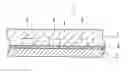
FIG. 1 is a partial cross-sectional view of a microchip plate (a bonded member) of this embodiment cut in the thickness direction.
A microchip plate 1 of this embodiment is constituted by a first substrate 2 formed into a thin flat plate shape (a film shape), for example, a second substrate 3 of a flat plate shape (a plate shape) having flow paths 4 or the like formed in the surface side facing the first substrate 2 and having higher rigidity than the first substrate 2, and an adhesive layer 5 which bonds the first substrate 2 and the second substrate 3 to each other.
The first substrate 2 and the second substrate 3 are each formed of a cycloolefin polymer (COP) or a cycloolefin copolymer (COC).
As the COP, product name Zeonex or Zeonor made by Zeon Corporation or product name Arton made by JSR Corporation can be preferably used, and as the COC, product name Optorez made by Nihon Kasei Kogyo Co., Ltd. or product name Topas made by Polyplastics Co., Ltd. can be preferably used.
In the embodiment described above, the first substrate 2 is a film shape and the second substrate 3 is a plate shape. However, it is not limited to this. For example, both the first substrate 2 and the second substrate 3 may also be a plate shape having a certain thickness.
It is preferable that the first substrate 2 and the second substrate 3 be each formed by a sheet having a thickness in the range of 10 μm to 10 mm. In the “sheet”, a plate shape and a film shape, which are described above, are included.
Illustrating with one example, when the first substrate 2 is a film shape, as described above, the thickness of the first substrate 2 is about 500 μm and the thickness of the second substrate 3 which is a plate shape is in the range of 0.5 mm to 10 mm.
In this embodiment, the adhesive layer 5 is formed of paraffin or naphthene, or formed including paraffin or naphthene and at least any one of an adhesion auxiliary material, a polymer constituting each of the first substrate and the second substrate, and a macromonomer. The thickness of the adhesive layer 5 is in the range of 1 μm to 100 μm.
The paraffin or the naphthene is a polymer chain of hydrocarbon which is of a similar kind to a polymer chain of the cycloolefin polymer (COP) or the cycloolefin copolymer (COC), and has a small number average molecular weight in the range of several hundreds to several thousands. Accordingly, the paraffin or the naphthene easily diffuses between (easily enters into) the polymer chains of the cycloolefin polymer (COP) or the cycloolefin copolymer (COC) and can activate (can easily move) the molecular chains of a polymer surface which is made by the cycloolefin polymer (COP) or the cycloolefin copolymer (COC). Accordingly, in this embodiment, by using the adhesive layer 5, it is possible to appropriately bond the substrates 2 and 3 formed of the cycloolefin polymer (COP) or the cycloolefin copolymer (COC) to each other. Also, since an adhesive agent in this embodiment is a solventless adhesive or a dispersion solvent, unlike an organic solvent or the like, solvent cracks are not generated. Here, the “dispersion solvent” refers to a liquid body, in which a macromonomer is dispersed in paraffin or naphthene that is an essential component of the adhesive agent and which can be applied without melting the substrate formed of the COP or the COC. Also, since the adhesive layer 5 can be adjusted to have low fluorescence compared to the substrates 2 and 3, the adhesive layer can be preferably used as an adhesive layer of the microchip plate 1. Fluorescence values of the first substrate 2 and the second substrate 3 are in the range of 8000 to 12000, whereas a fluorescence value of the adhesive layer 5 is in the range of 1500 to 2500.
The paraffin is expressed by the chemical formula of CnH2n+2 and the naphthene is expressed by the chemical formula of CnH2n. A number average molecular weight of each of the paraffin and the naphthene is in the range of 100 to 1000, preferably, in the range of 200 to 600, and an average carbon number is in the range of 7 to 72, preferably, in the range of 16 to 45. Due to this, it is possible to improve adhesion strength and furthermore, it is possible to appropriately suppress problems such as blockage of the flow paths 4 formed in the second substrate 3 by the adhesive layer 5 or making the substrates 2 and 3 brittle. In addition, the “number average molecular weight” and the “average carbon number” are derived from an adhesive agent before the adhesive layer 5 is formed through pressurization and the like.
In this embodiment, besides an adhesive layer composed of 100% paraffin or 100% naphthene, the adhesive layer 5 may also be an adhesive layer containing an adhesion auxiliary material, a polymer constituting each the first substrate 2 and the second substrate 3, or a macromonomer.
The “polymer constituting the first substrate 2 and the second substrate 3” is the cycloolefin polymer (COP) or the cycloolefin copolymer (COC) and a polymer of a low molecular weight (the molecular weight in the range of 1000 to 100000, in particular, 10000 to 40000) is suitable.
Also, as the “adhesion auxiliary material”, the following can be used: A cycloolefin polymer or a cycloolefin copolymer which has a low molecular weight (molecular weight in the range of 500 to 10000), a binder resin (without distinction of thermosetting resin and thermoplastic resin), an acrylic, an initiator, a cross-linking agent, a thermoplastic elastomer, or the like. A mixture ratio of the “adhesion auxiliary material” in the adhesive layer is smaller than 50% by weight. In addition, here, since acrylic has a high fluorescence value, it is preferable that the acrylic be not contained in the adhesive layer of the microchip plate 1. Accordingly, in a case where acrylic is contained in an adhesive layer, the adhesive layer is suitable for use in an optical waveguide or the like other than the microchip plate.
The initiator is mainly used for making a polymerization reaction occur. In addition, the initiator itself is scarcely incorporated into a polymer chain. As the initiator, the kind thereof is not particularly limited, but the following initiator can be used: An initiator having a bridged structure such as organic peroxide such as bis(4-t-butylcyclohexyl)peroxydicarbonate (product name “Percadox 16” made by Kayaku Akzo Corporation, 10-hour half-life temperature=44° C.), t-hexylperoxypivalate (product name “Perhexyl PV” made by NOF Corporation, 10-hour half-life temperature=53° C.), 3,5,5-trimethylhexanoylperoxide (product name “Peroyl 355” made by NOF Corporation, 10-hour half-life temperature=59° C.), lauroylperoxide (product name “Peroyl L” made by NOF Corporation, 10-hour half-life temperature=62° C.), t-hexylperoxy-2-ethylhexanoate (product name “Perhexyl O” made by NOF Corporation, 10-hour half-life temperature=70° C.), t-butylperoxy-2-ethylhexanoate (product name “Perbutyl O” made by NOF Corporation, 10-hour half-life temperature=72° C.), benzoylperoxide (product name “Cadox B-CH50” made by Kayaku Akzo Corporation, 10-hour half-life temperature=72° C.), di-t-butylperoxy-2-methylcyclohexane (product name “Perhexa MC” made by NOF Corporation, 10-hour half-life temperature=83° C.), 1,1-bis(t-hexylperoxy)-3,3,5-trimethylcyclohexane (product name “Perhexa TMH” made by NOF Corporation, 10-hour half-life temperature=87° C.), 1,1-bis(t-hexylperoxy)cyclohexane (product name “Perhexa HC” made by NOF Corporation, 10-hour half-life temperature=87° C.), 1,1-bis(t-butylperoxy)-3,3,5-trimethylcyclohexane (product name “Perhexa 3M” made by NOF Corporation, 10-hour half-life temperature=90° C.), 1,1-bis(t-butylperoxy)cyclohexane (product name “Perhexa C” made by NOF Corporation, 10-hour half-life temperature=91° C.), 1,1-bis(t-butylperoxy)cyclododecane (product name “Perhexa CD” made by NOF Corporation, 10-hour half-life temperature=95° C.), t-hexylperoxyisopropylcarbonate (10-hour half-life temperature=95° C.), t-amylperoxy-3,5,5-trimethylhexanoate (product name “Kayaester AN” made by Kayaku Akzo Corporation, 10-hour half-life temperature=95° C.), 1,6-bis(t-butylperoxycarbonyloxy)hexane (product name “Kayalene 6-70” made by Kayaku Akzo Corporation, 10-hour half-life temperature=97° C.), t-butylperoxylaurate (product name “Perbutyl L” made by NOF Corporation, 10-hour half-life temperature=98° C.), t-butylperoxyisopropylcarbonate (product name “Perbutyl I” made by NOF Corporation, 10-hour half-life temperature=99° C.), t-butylperoxy-2-ethylhexylcarbonate (product name “Perbutyl E” made by NOF Corporation, 10-hour half-life temperature=99° C.), t-hexylperoxybenzoate (product name “Perhexyl Z” made by NOF Corporation, 10-hour half-life temperature=99° C.), t-butylperoxy-3,5,5-trimethylhexanoate (product name “Trigonox 42” made by Kayaku Akzo Corporation, 10-hour half-life temperature=100° C.), t-amylperoxybenzoate (product name “KD-1” made by Kayaku Akzo Corporation, 10-hour half-life temperature=100° C.), 2,2-bis(t-butylperoxy)butane (product name “Perhexa 22” made by NOF Corporation, 10-hour half-life temperature=103° C.), t-butylperoxybenzoate (product name “Perbutyl Z” made by NOF Corporation, 10-hour half-life temperature=104° C.), n-butyl-4,4-bis(t-butylperoxy)valerate (product name “Perhexa V” made by NOF Corporation, 10-hour half-life temperature=105° C.), dicumylperoxide (product name “Percumyl D” made by NOF Corporation, 10-hour half-life temperature=116° C.), or 1,3-bis(t-butylperoxyisopropyl)benzoate (product name “Percadox 14” made by Kayaku Akzo Corporation, 10-hour half-life temperature=121° C.); or an azo compound such as 2,2′-azobis-2,4-dimethylvaleronitrile (product name “ADVN” made by Otsuka Chemical Co., Ltd., 10-hour half-life temperature=52° C.), 1,1′-azobis(1-acetoxy-1-phenylethane) (product name “OTAZO-15” made by Otsuka Chemical Co., Ltd., 10-hour half-life temperature=61° C.), 2,2′-azobis isobutylonitrile (product name “AIBN” made by Otsuka Chemical Co., Ltd., 10-hour half-life temperature=65° C.), 2,2′-azobis-2-methylbutylonitrile (product name “AMBN” made by Otsuka Chemical Co., Ltd., 10-hour half-life temperature=67° C.), dimethyl-2,2′-isobutylate (product name “MAIB” made by Otsuka Chemical Co., Ltd., 10-hour half-life temperature=67° C.), or 1,1′-azobis-1-cyclohexanecarbonitrile (product name “ACHN” made by Otsuka Chemical Co., Ltd., 10-hour half-life temperature=87° C.).
The cross-linking agent is used for providing a three-dimensional structure. The cross-linking agent itself is often incorporated into a polymer chain. The cross-linking agent is not particularly limited, but the following can be taken as an example: An isocyanate-based cross-linking agent, an aziridine-based cross-linking agent, Coronate HL (hexamethylene diisocyanate, HDI-TMP adduct) made by Nippon Polyurethane Industry Co., Ltd., BXX5134 (an aziridine-based cross-linking agent) made by Toyo Ink Mfg. Co., Ltd., Epocros RPS-1005 (an oxazoline-based cross-linking agent) made by Nippon Shokubai Co., Ltd., TETRAD-X or TETRAD-C (both are an epoxy-based cross-linking agent) made by Mitsubishi Gas Chemical Company, Inc., or the like.
The macromonomer is a high-molecular-weight monomer having a polymerizable functional group and is made into a polymer by polymerization. In particular, in a macromonomer having both a polymerization function and an initiation function, the macromonomer itself not only has a three-dimensional structure as a cross-linking agent, but also is made into a polymer by polymerization. By being made into a polymer, the macromonomer acts to contain paraffin or naphthene, thereby suppressing excessive diffusion (entry) of paraffin or naphthene into the substrates 2 and 3. Incidentally, the smaller the number average molecular weight of paraffin or naphthene as an adhesive agent, the more easily the paraffin or the naphthene diffuses into the substrates 2 and 3. As described above, the substrates 2 and 3 can be appropriately bonded to each other by diffusion of the paraffin or the naphthene into the substrates 2 and 3. However, if the paraffin or the naphthene excessively diffuses into the substrates 2 and 3, in a case where the substrates 2 and 3 are particularly thin, the substrates become prone to brittleness. Accordingly, using the mixture of the macromonomer, diffusion of the paraffin or the naphthene into the substrates 2 and 3 is suppressed, whereby durability can be improved, and consequently by mixing the macromonomer into the adhesive layer 5 it is possible to improve adhesion strength between the substrates 2 and 3. Also, since the macromonomer can realize low fluorescence compared to the cross-linking agent or the like, the macromonomer is suitable for being contained in the adhesive layer 5 of the microchip plate 1.
The macromonomer is not particularly limited, but the following can be taken as an example: A methacryloyl group series macromonomer made by Toagosei Co., Ltd. (45% AA-6, AA-6SR, AA-6, AA-10, AS-6, AN-6S, AB-6, AW-6S, AA-714SK, AY-707S, AY-714S, AK-5, AK-30, or AK-32); a hydroxyl group series macromonomer made by Toagosei Co., Ltd. (HA-6S, HA-6SX, HN-6, or HK-20); an acrylate series macromonomer made by Kyoeisha Chemical Co., Ltd. (Light-acrylate 9EG-A, Light-acrylate 4EG-A, Light-acrylate PTGMA-250, Light-acrylate NPD-A, Light-acrylate 1.6HX-A, Light-acrylate BEPG-A, Light-acrylate 1.9ND-A, Light-acrylate MOD-A, Light-acrylate NCP-A, Light-acrylate BP-4EA, Light-acrylate BP-4PA, Light-acrylate BA-134, Light-acrylate BP-10EA, Light-acrylate HPP-A, Light-acrylate G-201P, Light-acrylate TMP-A, Light-acrylate TMP-3EO-A, Light-acrylate TMP-6EO-3A, Light-acrylate PE-3A, Light-acrylate PE-4E, Light-acrylate DPE-6A, or Light-acrylate FA-108); an epoxy series macromonomer made by Kyoeisha Chemical Co., Ltd. (Epolight M-1230, Epolight 40E, Epolight 100E, Epolight 200E, Epolight 400E, Epolight 70E, Epolight 70P, Epolight 200P, Epolight 400P, Epolight 1500NP, Epolight 1600, Epolight 80MF, Epolight 100MF, Epolight 4000, or Epolight 3002); an ester series macromonomer made by Kyoeisha Chemical Co., Ltd. (epoxy ester M-600A, epoxy ester 40EM, epoxy ester 70PA, epoxy ester 200PA, epoxy ester 80MFA, epoxy ester 3002A, epoxy ester 3000M, or epoxy ester 3000A); an urethane acrylate series macromonomer made by Kyoeisha Chemical Co., Ltd. (AH-600, AT-600, UA-306H, UA-306T, UA-306I, UA-510H, or UF-8001); or the like.
In this embodiment, it is preferable that the macromonomer be formed by an initiator having a bridged structure composed of a macromolecular chain, which is a soft segment, and an azo group, which are continuously bound. Specifically, it is preferable that the macromonomer be formed to have the following structural formula.
As the macromonomer described above, VPS series (Chem. 7) or VPE series (Chem. 8) made by Wako Pure Chemical Industries, Ltd. can be preferably used.
The macromonomer has a structure in which a macromolecular segment being a soft segment and an azo group are repeatedly bound. The macromonomer functions as an initiator due to cleavage of a section of an azo group and also makes an interpenetrating polymer network structure (IPN) within an adhesive layer.
Using the mixture of the macromonomer, diffusion of the paraffin or the naphthene into the substrates 2 and 3 is more effectively suppressed, whereby durability can be improved. Also, as described above, since the macromonomer makes the IPN, it is possible to improve the strength in an in-plane direction of the adhesive layer 5. By mixing the macromonomer into the adhesive layer 5, it is possible to more effectively improve adhesion strength between the substrates 2 and 3.
Also, in this embodiment, it is preferable that a molecular weight of the macromonomer be equal to or more than 5000 and it is more preferable that the molecular weight be in the range of 20000 to 100000. It is further more preferable that the molecular weight of the macromonomer be in the range of 20000 to 40000. Further, in this embodiment, it is preferable that a mixture ratio of the macromonomer in the adhesive layer 5 be in the range of 0.1% by weight to 80% by weight and it is more preferable that the mixture ratio be in the range of 3% by weight to 30% by weight. Due to this, the macromonomer can be appropriately mixed with the paraffin or the naphthene, so that the addition effect of the macromonomer, that is, the effect such as improvement in adhesion strength can be expected.
Next, a production method of the microchip plate 1 of this embodiment will be described.
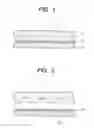
As shown in FIG. 2, a liquid adhesive agent 6 is applied to a surface (facing surface) 2a of the first substrate 2 formed of the COP or the COC.
The adhesive agent 6 is formed of paraffin or naphthene, or is constituted including paraffin or naphthene and at least any one of an adhesion auxiliary material, a polymer constituting each of the first substrate and the second substrate, and a macromonomer.
Materials and the like of the “adhesive promoter”, the “polymer constituting each of the first substrate and the second substrate”, and the “macromonomer” are as described above.
Also, in a case where the macromonomer is added to the adhesive agent 6, it is preferable to use the macromonomer of the structural formula of Chem. 7 or 8 described above. Also, it is preferable that a molecular weight of the macromonomer be equal to or more than 5000 and it is more preferable that the molecular weight be in the range of 20000 to 100000 (further more preferably, in the range of 20000 to 40000). Further, it is preferable that a mixture ratio (proportion) of the macromonomer in the adhesive agent be in the range of 0.1% by weight to 80% by weight and it is more preferable that the mixture ratio be in the range of 3% by weight to 30% by weight. If the mixture ratio of the macromonomer is too small, the mixture effect of the macromonomer, that is, the effect such as improvement in adhesion strength cannot be sufficiently expected. Also, if the mixture ratio of the macromonomer is too large, the macromonomer cannot be appropriately mixed with the paraffin or the naphthene. The macromonomer is dissolved in methanol, for example. Therefore, if the amount of the macromonomer is increased, since the amount of the methanol which does not dissolve paraffin or naphthene is also increased, there is a problem that the macromonomer cannot be appropriately mixed with (is separated from) the paraffin or the naphthene. Accordingly, it is more preferable that the mixture ratio of the macromonomer be in the range of 3% by weight to 30% by weight.
Then, the second substrate 3 composed of the COP or the COC and having the flow paths 4 formed in the facing surface 3a side is disposed to face the first substrate 2 with the adhesive agent 6 interposed therebetween, and the first substrate 2 and the second substrate 3 are then pressurized while being heated by a hot press or the like.
At this time, it is preferable to heat the adhesive agent 6 within the range of 50° C. to 80° C. In addition, the smaller the number average molecular weight of the paraffin or the naphthene which constitutes the adhesive agent 6, the more the substrates 2 and 3 can be bonded to each other even at a low heating temperature. For example, in the adhesive agent used in experiments which will be described later, since it is possible to bond the substrates 2 and 3 to each other even at a room temperature (20° C.), the heating is not an indispensable condition. That is, existence or nonexistence of heating depends also on a material constituting the adhesive agent 6. However, in the case of performing heating, if a heating temperature is set to be equal to or more than 50° C., it was found that the adhesive agent 6 used in experiments which will be described later can appropriately bond the substrates 2 and 3 to each other. Also, in a case where the macromonomer expressed by Chem. 7 or 8 is added, since a cleavage temperature of an azo group is generally 60° C. or more, in the case of using the adhesive agent 6 including the macromonomer, it is effective to set the heating temperature to be 60° C. or more. In addition, if the heating temperature is set to be too high, a problem occurs in which due to softening of the substrates 2 and 3 formed of the COP or the COC, the flow paths 4 collapse through pressurization, cracks are generated in the substrates 2 and 3, or the like. Also, according to experiments which will be described later, if the heating temperature is set to be 80° C., since sufficient adhesion strength can be obtained, an upper limit of the heating temperature is set to be 80° C.
Also, the first substrate 2 and the second substrate 3 are pressurized by pressure in the range of 0.1 MPa to 10 MPa. Preferably, the pressure range of 1.0 MPa to 2.6 MPa, in which from experiments which will be described later it is found that it is possible to obtain almost constant adhesion strength, is used.
In FIG. 2, the adhesive agent 6 was applied to the entire surface of the surface 2a of the first substrate 2. In addition, as shown in FIG. 3, naturally, the adhesive agent 6 may be partly applied to the surface 2a of the first substrate 2. However, as shown in FIG. 2, application of the adhesive agent 6 to the entire surface of the surface 2a of the first substrate 2 is preferable because it is possible to improve adhesion strength. Also, a kinetic viscosity (40° C.) of the adhesive agent 6 in this embodiment is in the range of 4 mm2/S to 70 mm2/S, and preferably, in the range of 10 mm2/S to 40 mm2/S. Due to the kinetic viscosity at this level, even if the adhesive agent 6 is applied to the entire surface of the surface 2a of the substrate 2, as shown in FIG. 2, it is possible to appropriately specify blockage of the inside of the flow path 4 by the adhesive agent or contamination of the inner wall of the flow path 4. Further, it is also possible to perform bonding in a state where the adhesive agent 6 is applied to both the facing surfaces of the first substrate 2 and the second substrate 3.
According to the production method of the microchip plate 1 of this embodiment, it is possible to appropriately bond the substrates 2 and 3 formed of a cycloolefin polymer (COP) or a cycloolefin copolymer (COC) to each other. Also, since the adhesive agent 6 in this embodiment is a solventless adhesive or a dispersion solvent, unlike an organic solvent or the like, solvent cracks are not generated. Here, the “dispersion solvent” refers to a liquid body, in which a macromonomer is dispersed in paraffin or naphthene that is an essential component of the adhesive agent and which can be applied without melting the substrates formed of the COP or the COC.
Also, if the adhesive agent 6 in this embodiment is used, it is not necessary to perform pretreatment such as ultrasonic fusion bonding, ultraviolet irradiation, matt treatment, corona treatment, or plasma treatment with respect to the surfaces of the substrates 2 and 3 formed of the COP or the COC. Also, in this embodiment, since the liquid adhesive agent 6 is applied, compared to a case where, for example, an adhesive sheet is used, the amount of the adhesive agent 6 needed is reduced, and the adhesive layer 5 can be formed to be thin in the range of 1 μm to 100 μm (preferably, 30 μm or less). In a case where the adhesive sheet is used, a reduction in thickness cannot be promoted. Also, in a case where the adhesive sheet is used, since unnecessary adhesive sheet protruding from the substrates 2 and 3 must be cut and removed, productivity is poor. In contrast to this, in the production method of the microchip plate 1 of this embodiment, it is possible to effectively improve productivity, compared to previously.
This embodiment is not limited to the microchip plate, but can be applied to all “bonded members”, in which substrates formed of a COP or a COC are bonded to each other through an adhesive layer, such as an optical member and the like.
EXAMPLE
Experiment of Adhesion Properties According to Materials
The first substrate and the second substrate were formed by materials shown in the following Table 1.
| TABLE 1 | ||
| Material | Adhesion | |
| COP (Zeonex) | © | |
| COP (Arton) | © | |
| COC (Optorez) | © | |
| COC (Topas) | © | |
| PMMA (Parapet) | x | |
| PC (Panlite) | x | |
| PC (Iupilon) | x | |
| POM (Duracon) | x | |
A reference in parentheses indicates a product name. As the COP (cycloolefin polymer), Zeonex made by Zeon Corporation and Arton made by JSR Corporation were used, as the COC (cycloolefin copolymer), Optorez made by Nihon Kasei Kogyo Co., Ltd. and Topas made by Polyplastics Co., Ltd. were used, as the PMMA (methacryl resin), Parapet made by Kuraray Co., Ltd. was used, as the PC (polycarbonate), Panlite made by Teijin Chemicals Ltd. and Iupilon made by Mitsubishi Engineering-Plastics Corporation were used, and as the POM (polyacetal resin), Duracon made by Polyplastics Co., Ltd. was used. The thickness of the substrate was 1 mm.
In the experiment, a sample for tensile shearing test shown in FIG. 4 was formed. The first substrate and the second substrate were bonded to each other with the conditions shown in FIG. 4 by using an adhesive agent of 100% paraffin D (refer to Table 2), in which a number average molecular weight is 390, as the adhesive agent. The thickness of the adhesive layer was 30 μm.
As shown in Table 1, both the COP and the COC could be bonded by the adhesive agent composed of paraffin. On the other hand, all of the PMMA, the PC, and the POM could not be bonded by the adhesive agent composed of paraffin. Besides these, other resins such as polystyrene, LCP, and PPS were also tested. However, in materials other than a cycloolefin-based polymer, bonding could not be performed.
Bonding Strength Test—Concerning Influence of Heating Temperature
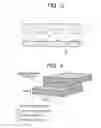
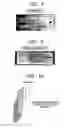
Next, a sample for a destruction test shown in FIGS. 5A and 5B was formed. FIG. 5A is a perspective view and FIG. 5B is a back view (a diagram viewed from the substrate 2 side).
Then, in FIG. 5C, four corners (each 14 mm2 square) of the sample for a destruction test were fixed and a push-in test was then performed.
In addition, as the substrate, Zeonex (COP) made by ZEON Corporation was used.
Also, as the adhesive agent, paraffin A to paraffin E shown in the following Table 2 were used. As shown in Table 2, the paraffin A to the paraffin E have different average carbon numbers and different number average molecular weights. The temperatures, “20° C.” to “80° C.”, shown in Table 2 are press temperatures between the substrates. In addition, the thickness of the adhesive layer composed of each of the paraffins was in the range of 1 μm to 30 μm.
| TABLE 2 | |
| Adhesive agent |
| Paraf- | Paraf- | Paraf- | Paraf- | Paraf- | |
| fin A | fin B | fin C | fin D | fin E | |
| Average carbon | 18 | 23 | 26 | 28 | 33 |
| number | |||||
| Average molecular | 250 | 322 | 365 | 390 | 470 |
| weight | |||||
| Density g/cm3 | 0.873 | 0.845 | 0.853 | 0.872 | 0.868 |
| Kinetic viscosity | 4.3 | 12.3 | 23.3 | 67.9 | |
| (40° C.) mm2/s | |||||
| 20° C. | 30 | x | x | x | x |
| 30° C. | 42 | 33 | 30 | x | x |
| 40° C. | 90 | 40 | 25 | 8 | x |
| 50° C. | © | 74 | 58 | 32.8 | 4.6 |
| 60° C. | © | © | © | 60 | 73.5 |
| 70° C. | © | © | © | © | 12.9 |
| 80° C. | © | © | © | © | © |
| * Bonding conditions: 1.65 MPa (2.5 kN), bonding time 300 sec | |||||
| ** © parent material destruction |
Experimental results when the adhesive agents composed of each of the paraffins were used are shown in lateral sections of “20° C.” to “80° C.” shown in Table 2. The symbol x shown in Table 2 indicates that the substrates could not be bonded to each other. The symbol © shown in Table 2 indicates parent material destruction. A section having a numerical value stated therein shows adhesion strength when the substrates are detached from each other due to destruction (interfacial fracture) of a section of the adhesive layer in a push-in test shown in FIG. 5C, and a unit is N (Newton). In addition, here, the above-mentioned parent material destruction is a phenomenon in which the substrates reach a state of destruction without the interfacial fracture occurring at the adhesive layer, and the parent material destruction indicates that adhesion strength is strongest.
As shown in Table 2, it was found that the smaller the number average molecular weight of paraffin, the more the substrates could be bonded to each other even at a low bonding temperature. This is considered to be because the smaller the number average molecular weight of paraffin, the more easily the paraffin diffuses (enters) into the substrate.
For example, in a case where the paraffin A of Table 2 was used, it was found that the substrates could be bonded to each other even at room temperature (20° C.). Also, even in a case where any adhesive layer was used, it was found that if a bonding temperature is set to be high, adhesion strength can be improved. From this table, it was found that in order to allow any adhesive agent of the paraffin A to the paraffin E to be used, it is preferable to set a heating temperature to be in the range of 50° C. to 80° C.
Also, as shown in Table 2, it was found that the smaller the number average molecular weight of paraffin, the smaller the kinetic viscosity of the adhesive agent becomes.
Next, as shown in the following Table 3, the same experiments as the aforementioned were performed using adhesive agents, in which each of macromonomer A to macromonomer F is added to the paraffin D. A sample or a test method used in the experiment is as described in FIGS. 5A to 5C. With respect to the paraffin D, Table 2 is referred to. The thickness of the adhesive layer of each sample was in the range of 1 μm to 30 μm.
| TABLE 3 | |
| Adhesive agent |
| Paraffin | Paraffin | Paraffin | Paraffin | Paraffin | Paraffin | |
| D + macro- | D + macro- | D + macro- | D + macro- | D + macro- | D + macro- | |
| monomer A | monomer B | monomer C | monomer D | monomer E | monomer F | |
| Macro-monomer | 3.3% | 5.0% | 10.0% | 30.0% | 5.0% | 5.0% |
| proportion | ||||||
| Macro-monomer | 25000~30000 | 25000~30000 | 25000~30000 | 25000~30000 | 15000~30000 | 25000~40000 |
| molecular weight | ||||||
| Poly-ethylene oxide | 4000 | 4000 | 4000 | 4000 | 2000 | 6000 |
| molecular weight | ||||||
| Azo mole number | 0.24 mol/g | 0.24 mol/g | 0.24 mol/g | 0.24 mol/g | 0.45 mol/g | 0.16 mol/g |
| per 1 g | ||||||
| 20° C. | x | x | x | x | x | x |
| 30° C. | x | x | x | x | x | x |
| 40° C. | 9 | 8 | 8 | 5 | 8 | 11 |
| 50° C. | 32 | 25 | 20 | 20 | 48 | 53 |
| 60° C. | 57 | 60 | 50 | 34 | 50 | 67 |
| 70° C. | © | © | © | © | © | © |
| 80° C. | © | © | © | © | © | © |
| * Bonding conditions: 1.65 MPa (2.5 kN), bonding time 300 sec | ||||||
| ** © parent material destruction |
The macromonomer A to the macromonomer F are all formed to have a structural formula expressed by the following Chem. 9. As the macromonomer A to the macromonomer D, VPE-0401 made by Wako Pure Chemical Industries, Ltd. was used, as the macromonomer E, VPE-0201 made by Wako Pure Chemical Industries, Ltd. was used, and as the macromonomer F, VPE-0601 made by Wako Pure Chemical Industries, Ltd. was used.
In the macromonomer A to the macromonomer D, as shown in Table 3, the mixture ratios (proportion: % by weight) of the macromonomers included in the adhesive agents are different from each other. On the other hand, the macromonomer E and the macromonomer F are different in molecular weight, polyethylene oxide molecular weight, and molar quantity of an azo group per 1 g from those of the macromonomer A to the macromonomer D. The adhesive agents are those in which each of the macromonomer A to the macromonomer F dissolved in methanol is mixed with the paraffin D.
Experimental results when each adhesive agent was used are shown in lateral sections of “20° C.” to “80° C.” shown in Table 3. The symbol x shown in Table 3 indicates that the substrates could not be bonded to each other. The symbol © shown in Table 3 indicates parent material destruction. A section having a numerical value stated therein shows adhesion strength when the substrates are detached from each other due to destruction (interfacial fracture) of a section of the adhesive layer in a push-in test shown in FIG. 5C, and a unit is N (Newton). In addition, here, the above-mentioned parent material destruction indicates that adhesion strength is strongest.
Even if any adhesive layer containing a macromonomer was used, an excellent bonding result could be obtained.
Also, as shown in Table 3, it was found that even if any adhesive agent is used, the higher the bonding temperature, the more the adhesion strength can be improved.
As shown in Table 3, even in any sample, if a heating temperature is 70° C. or more, parent material destruction arises and from this, it was found that adhesion strength is very strong.
By this experiment, the mixture ratio of the macromonomer was defined to be in the range of 3% by weight to 30% by weight. Also, the preferable range of the molecular weight of the macromonomer was defined to be in the range of 20000 to 40000
Also, since a cleavage temperature of an azo group of a macromonomer is generally 60° C. or more, it is preferable that a bonding temperature be 60° C. or more.
Adhesion Strength Test—Concerning Influence of a Bonding Time
Next, experiments were performed with respect to adhesion strength when a bonding time was changed as shown in the following Table 4, by using adhesive agents which are composed of the paraffin D, the paraffin D+the macromonomer E, the paraffin D+the macromonomer B, and the paraffin D+the macromonomer F. A sample or a test method used in the experiment is as described in FIGS. 5A to 5C. With respect to the paraffin D, Table 2 is referred to.
| TABLE 4 | |
| Adhesive agent |
| Paraffin | Paraffin | Paraffin | ||
| Paraffin | D + macro- | D + macro- | D + macro- | |
| D | monomer E | monomer B | monomer F | |
| Macro-monomer | 0 | 5.0% | 5.0% | 5.0% |
| proportion | ||||
| Macro-monomer | — | 15000~ | 25000~ | 25000~ |
| molecular weight | 30000 | 30000 | 40000 | |
| Poly-ethylene oxide | — | 2000 | 4000 | 6000 |
| molecular weight | ||||
| Azo mole number | — | 0.45 mol/g | 0.24 mol/g | 0.16 mol/g |
| per 1 g |
| 60° C. | 3 min | 58 | 41 | 49 | 53 |
| 5 min | 60 | 50 | 60 | 67 | |
| 10 min | 78 | 48 | 66 | 78 | |
| 70° C. | 1 min | 60 | 50 | 48 | 60 |
| 3 min | © | © | © | © | |
| 80° C. | 1 min | © | © | © | © |
| * Bonding conditions: 1.65 MPa (2.5 kN), bonding time 300 sec | |||||
| ** © parent material destruction |
The temperatures, “60° C.”, “70° C.”, and “80° C.”, shown in Table 4 are press temperatures between the substrates, and a time (min) stated in a section on the right side of each temperature represents a bonding time. The reason why the press temperature was set to be 60° C. or more is because a cleavage temperature of an azo group of a macromonomer is generally 60° C. Also, an experimental result when each adhesive agent was used is shown in each section on the right side of each temperature. The symbol © shown in Table 4 indicates parent material destruction. A section having a numerical value stated therein shows adhesion strength when the substrates are detached from each other due to destruction (interfacial fracture) of a section of the adhesive layer in a push-in test shown in FIG. 5C, and a unit is N (Newton). In addition, here, the above-mentioned parent material destruction indicates that adhesion strength is stronge
As shown in FIG. 4, it was found that the longer the bonding time, the higher the adhesion strength becomes.
Bonding Strength Test—Concerning Influence of Pressure
In the experiment, an adhesion strength test was performed using the destruction test sample described in FIGS. 5A to 5C. As the adhesive agent, the paraffin C shown in Table 2 was used. FIG. 6 is a graph showing the relationship between adhesion pressure and adhesion strength. In addition, in the destruction test sample, adhesion strength when interfacial fracture arises and the substrates subjected to the interfacial fracture are detached from each other was measured.
As shown in FIG. 6, even if pressure changed, it was possible to obtain almost constant adhesion strength.
Concerning Adhesion Strength According to Addition of a Macromonomer
A sample for a destruction test shown in FIG. 7 was formed. With respect to the substrate, Zeonex (COP) made by Zeon Corporation was used.
As the adhesive agents, an adhesive agent composed only of the paraffin D and adhesive agents, in which each of VPE-0201, VPE-0401, and VPE-0601 made by Wako Pure Chemical Industries, Ltd. is added to the paraffin D, were used. In addition, as shown in the following Table 5, a plurality of samples was prepared in which even if the same macromonomer was used, the mixture ratios (% by weight) of the macromonomers were different from each other.
| TABLE 5 | |||
| Kind of | Macromonomer | ||
| macromonomer | Proportion | Results | |
| Paraffin D only | 0 | 300 | interfacial |
| VPE-0401 | 3.3% | 340 | fracture |
| ↑ | 5.0% | parent material | |
| destruction | |||
| ↑ | 10.0% | parent material | |
| destruction | |||
| ↑ | 20.0% | parent material | |
| destruction | |||
| VPE-0201 | 5.0% | parent material | |
| destruction | |||
| VPE-0401 | 5.0% | parent material | |
| destruction | |||
| VPE-0601 | 5.0% | parent material | |
| destruction | |||
| VPE-0201 | 20.0% | parent material | |
| destruction | |||
| VPE-0401 | 20.0% | parent material | |
| destruction | |||
| VPE-0601 | 20.0% | parent material | |
| destruction | |||
| ~Bonding conditions~ | |||
| Material: paraffin D | |||
| Temperature: 80° C. | |||
| Pressure: 3.7 MPa | |||
| Bonding time: 300 sec |
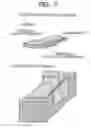
As shown in FIG. 7, in the sample for a destruction test, a substrate 1 had a size of 26 mm×76 mm, similarly to FIG. 5B, and a substrate 2 had a size of 20 mm×76 mm. The sample for a destruction test shown in FIG. 7 was made such that influence of the adhesive layer on pressure becomes relatively larger by making an adhesion area small, compared to the sample for a destruction test used in FIGS. 5A to 5C.
As shown in Table 5, both the adhesive agent composed only of the paraffin D and the adhesive agent in which 3.3% by weight of the macromonomer of VPE-0401 is added thereto were subjected to interfacial fracture.
On the other hand, also in the adhesive agent in which VPE-0401 was used as the macromonomer, since adhesion strength was improved by making a mixture ratio large or using another macromonomer, interfacial fracture did not occur and parent material destruction occurred.
From the experimental results of Table 5, it was found that it is possible to improve adhesion strength by adding a macromonomer to the adhesive agent.
Experiment of Pressure Cooker Test (PCT)
A COP (Zeonor made by Zeon Corporation) sheet having a thickness of 100 μm and a COP (Zeonex made by Zeon Corporation) plate having a thickness of 2 mm and having flow paths formed therein were bonded to each other through the adhesive layer.
In an example, the adhesive agent composed only of the paraffin B was used. With respect to the bonding conditions in this example, a temperature was set to be 80° C.; pressure, 1.65 MPa; and a bonding time, 300 sec. The thickness of the adhesive layer was 10 μm.
In a comparative example, an adhesive sheet composed of a polymer (styrene series thermoplastic elastomer), paraffin, and toluene was used. Mixture ratios of the polymer, the paraffin, and the toluene were 15% by weight, 15% by weight, and 70% by weight. With respect to the bonding conditions in the example, a temperature was set to be 50° C.; pressure, 0.6 MPa; and a bonding time, 60 sec. The thickness of the adhesive layer (an adhesive sheet) was 35 μm.
With respect to the conditions of the pressure cooker test (PCT), a time was set to be 24 hours; a temperature, 120° C.; pressure, 0.2 MPa; and humidity, 100%.
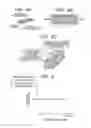
FIG. 8 is a photograph of the example after the PCT and FIG. 9 is a photograph of the comparative example after the PCT.
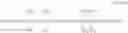
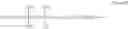
It was found that as shown in FIG. 8, in the example, even after the PCT, cracks were not generated, whereas in the comparative example of FIG. 9, cracks generated in a section of the adhesive sheet.
In addition, also with respect to a sample in which a COP plate having the thickness of 1 mm was bonded thereto by the adhesive agent of the above-mentioned example, the PCT was performed. However, it was found that cracks were not generated, similarly to FIG. 8.
In this manner, in this example, it was found that durability is excellent.
Experiment of Naphthene
An adhesive agent composed only of naphthene (a number average molecular weight: 350) was used in bonding of the COP (Zeonor made by Zeon Corporation) sheet having a thickness of 100 μm to the COP (Zeonex made by Zeon Corporation) plate having a thickness of 2 mm. With respect to the bonding conditions, a temperature was set to be 80° C.; pressure, 1.85 kN (1 MPa); and a bonding time, 1 min. Then, as shown in FIG. 10, when a tensile strength test was performed at the rate of 10 mm per 1 min, since parent material destruction, but not interfacial fracture, occurred, it was found that strong adhesion was made, similarly to a case where paraffin was used.
BRIEF DESCRIPTION OF DRAWINGS
FIG. 1 is a partial cross-sectional view of a microchip plate of an embodiment cut in the thickness direction.
FIG. 2 is a process diagram for explaining a production method of the microchip plate of the embodiment (a partial cross-sectional view of the microchip plate during a manufacturing process cut in the thickness direction).
FIG. 3 is a process diagram for explaining a production method of the microchip plate of the embodiment, which is different from the method in FIG. 2 (a partial cross-sectional view of the microchip plate during a manufacturing process cut in the thickness direction).
FIG. 4 is a conceptual diagram of a test sample used in an experiment shown in Table 1.
FIGS. 5A to 5C are conceptual diagrams showing a sample for a destruction test and an experimental method used in the experiments of Tables 2 to 4 and FIG. 5.
FIG. 6 is a graph showing the relationship between adhesion pressure and adhesion strength when substrates are bonded to each other by using an adhesive agent composed of paraffin.
FIG. 7 is a conceptual diagram showing a sample for a destruction test and an experimental method used in an experiment shown in Table 5.
FIG. 8 is a photograph showing a state after a PCT in an example.
FIG. 9 is a photograph showing a state after the PCT in a comparative example.
FIG. 10 is a conceptual diagram showing an experimental method in an example in which an adhesive agent composed of naphthene is used.
EXPLANATION OF REFERENCE
-
- 1: MICROCHIP PLATE
- 2: FIRST SUBSTRATE
- 3: SECOND SUBSTRATE
- 4: FLOW PATH
- 5: ADHESIVE LAYER
- 6: ADHESIVE AGENT
Claims
What is claimed is:1. A bonded member comprising: a first substrate; a second substrate; and an adhesive layer, through which the first substrate and the second substrate are bonded to each other,
wherein the first substrate and the second substrate are each formed of a cycloolefin polymer (COP) or a cycloolefin copolymer (COC), and
the adhesive layer is formed of paraffin or naphthene or formed including paraffin or naphthene and at least any one of an adhesion auxiliary material, a polymer constituting each of the first substrate and the second substrate, and a macromonomer.
2. The bonded member according to claim 1, wherein the first substrate and the second substrate are each formed by a sheet having a thickness in the range of 10 μm to 10 mm.
3. The bonded member according to claim 1, wherein a number average molecular weight of each of the paraffin and the naphthene is in the range of 100 to 1000.
4. The bonded member according to claim 1, wherein a number average molecular weight of the polymer constituting each of the first substrate and the second substrate is equal to or more than 5000.
5. The bonded member according to claim 1, wherein a number average molecular weight of the macromonomer is equal to or more than 1000.
6. The bonded member according to claim 1, wherein a mixture ratio (proportion) of the macromonomer in the adhesive layer is in the range of 0.1% by weight to 80% by weight.
7. The bonded member according to claim 1, wherein the macromonomer is formed by an initiator having a bridged structure composed of a macromolecular chain, which is a soft segment, and an azo group, which are continuously bound.
8. The bonded member according to claim 7, wherein the macromonomer is formed to have the following structural formula.
9. The bonded member according to claim 7, wherein the macromonomer is formed to have the following structural formula.
10. A process for producing a bonded member including a first substrate, a second substrate, and an adhesive layer, through which the first substrate and the second substrate are bonded to each other, the process comprising the steps of:
applying an adhesive agent which is formed including paraffin or naphthene, or paraffin or naphthene and at least any one of an adhesion auxiliary material, a polymer constituting each of the first substrate and the second substrate, and a macromonomer, to a facing surface of at least any one of the first substrate and the second substrate, which are each formed of a cycloolefin polymer (COP) or a cycloolefin copolymer (COC); and
bonding the first substrate and the second substrate to each other by the adhesive agent in a state where the facing surfaces of the first substrate and the second substrate are made to face each other with the adhesive agent interposed therebetween.
11. The process for producing a bonded member according to claim 10, wherein the first substrate and the second substrate are each formed by a sheet having a thickness in the range of 10 μm to 10 mm.
12. The process for producing a bonded member according to claim 10, wherein a number average molecular weight of each of the paraffin and the naphthene is adjusted to be in the range of 100 to 1000.
13. The process for producing a bonded member according to claim 10, wherein a number average molecular weight of the polymer constituting each of the first substrate and the second substrate is adjusted to be equal to or more than 5000.
14. The process for producing a bonded member according to claim 10, wherein a number average molecular weight of the macromonomer is adjusted to be equal to or more than 1000.
15. The process for producing a bonded member according to claim 10, wherein a mixture ratio (proportion) of the macromonomer in the adhesive agent is adjusted to be in the range of 0.1% by weight to 80% by weight.
16. The process for producing a bonded member according to claim 10, wherein the macromonomer is formed by an initiator having a bridged structure composed of a macromolecular chain, which is a soft segment, and an azo group, which are continuously bound.
17. The process for producing a bonded member according to claim 16, wherein the macromonomer is formed to have the following structural formula.
18. The process for producing a bonded member according to claim 16, wherein the macromonomer is formed to have the following structural formula.
Images & Drawings included:
Sources:
- United States Patent and Trademark Office - verify current appl. status at the USPTO↗
Similar patent applications:
- » 10889057
Fusion-bonded processed product of resin member, method for producing same and method for fusion-bonding resin members - » 20160083300
Process for producing reaction bonded silicon carbide member - » 20190074416
Silica glass member, process for producing the same, and process for bonding ceramic and silica glass - » 20110001251
ADHESIVE COMPOSITION, BONDING MEMBER USING THE ADHESIVE COMPOSITION, SUPPORT MEMBER FOR SEMICONDUCTOR MOUNTING, SEMICONDUCTOR DEVICE, AND PROCESSES FOR PRODUCING THESE
Recent applications in this class:
- » 20220213364 2022-07-07
CURABLE PRECURSOR OF A STRUCTURAL ADHESIVE COMPOSITION - » 20200148925 2020-05-14
CARBOHYDRATE BASED BINDER SYSTEM AND METHOD OF ITS PRODUCTION - » 20160298010 2016-10-13
Catalyst formulations with reduced leachable salts - » 20150010949 2015-01-08
CARBOHYDRATE BASED BINDER SYSTEM AND METHOD OF ITS PRODUCTION - » 20130317155 2013-11-28
FLEXIBLE BENZOXAZINE RESIN - » 20090110945 2009-04-30
Adhesive and laminate prepared using the adhesive - » 20050049385 2005-03-03
Thermosetting resin
Recent applications for this Assignee:
- » 20180301297 2018-10-18
Switch housing protrusion secures board with fixed contact - » 20180275218 2018-09-27
Magnetic detection device and method for manufacturing the same - » 20180130778 2018-05-10
High-frequency module - » 20180106882 2018-04-19
Position determining device and method, and keyless entry system - » 20180095536 2018-04-05
Vibration generating device and manipulation feeling imparting input device using the vibration generating device - » 20180068814 2018-03-08
Pressing input device - » 20180055172 2018-03-01
Waterproof enclosure - » 20180046267 2018-02-15
Input assistance device and input system - » 20180025855 2018-01-25
Switch device and method for manufacturing switch device - » 20180017598 2018-01-18
Non-contact voltage measurement device