ARYL SULFONAMIDES AS EFFECTIVE ANALGESICS
US20110046106A1
2011-02-24
12/865,436
2009-02-05
Abstract:
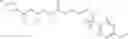
The present invention relates to compounds of general formula I
wherein A, B, R1, R2 and R3 are defined as in claim 1, the enantiomers, the diastereomers, the mixtures and the salts thereof, particularly the physiologically acceptable salts thereof with organic or inorganic acids or bases, which have valuable properties, the preparation thereof, the pharmaceutical compositions containing the pharmacologically effective compounds, the preparation thereof and the use thereof.
Inventors:
- Annette SCHULER-METZ 45 🇩🇪 Ulm, Germany
- Henri DOODS 83 🇩🇪 Warthausen, Germany
- Ingo Konetzki 6 🇩🇪 Aachen-Oberforstbach, Germany
- Angelo Ceci 39 🇩🇪 Mittelbiberach, Germany
- Norbert HAUEL 45 🇩🇪 Schemmerhofen, Germany
- Rainer WALTER 21 🇩🇪 Biberach, Germany
- Iris KAUFFMANN-HEFNER 19 🇩🇪 Attenweiler, Germany
Assignee:
- BOEHRINGER INGELHEIM INTERNATIONAL GMBH 1,512 🇩🇪 Ingelheim am Rhein, Germany
Interested in similar patents?
Get notified when new applications in this technology area are published.
Classification:
A61P1/02 » CPC further
Drugs for disorders of the alimentary tract or the digestive system Stomatological preparations, e.g. drugs for caries, aphtae, periodontitis
A61P1/04 » CPC further
Drugs for disorders of the alimentary tract or the digestive system for ulcers, gastritis or reflux esophagitis, e.g. antacids, inhibitors of acid secretion, mucosal protectants
A61P1/18 » CPC further
Drugs for disorders of the alimentary tract or the digestive system for pancreatic disorders, e.g. pancreatic enzymes
A61P3/04 » CPC further
Drugs for disorders of the metabolism Anorexiants; Antiobesity agents
A61P3/10 » CPC further
Drugs for disorders of the metabolism for glucose homeostasis for hyperglycaemia, e.g. antidiabetics
A61P9/04 » CPC further
Drugs for disorders of the cardiovascular system Inotropic agents, i.e. stimulants of cardiac contraction; Drugs for heart failure
A61P9/10 » CPC further
Drugs for disorders of the cardiovascular system for treating ischaemic or atherosclerotic diseases, e.g. antianginal drugs, coronary vasodilators, drugs for myocardial infarction, retinopathy, cerebrovascula insufficiency, renal arteriosclerosis
A61P9/12 » CPC further
Drugs for disorders of the cardiovascular system Antihypertensives
A61P9/14 » CPC further
Drugs for disorders of the cardiovascular system Vasoprotectives; Antihaemorrhoidals; Drugs for varicose therapy; Capillary stabilisers
A61P11/00 » CPC further
Drugs for disorders of the respiratory system
A61P11/02 » CPC further
Drugs for disorders of the respiratory system Nasal agents, e.g. decongestants
A61P11/06 » CPC further
Drugs for disorders of the respiratory system Antiasthmatics
A61P11/16 » CPC further
Drugs for disorders of the respiratory system Central respiratory analeptics
A61P13/08 » CPC further
Drugs for disorders of the urinary system of the prostate
A61P13/10 » CPC further
Drugs for disorders of the urinary system of the bladder
A61P13/12 » CPC further
Drugs for disorders of the urinary system of the kidneys
A61P17/02 » CPC further
Drugs for dermatological disorders for treating wounds, ulcers, burns, scars, keloids, or the like
A61P17/04 » CPC further
Drugs for dermatological disorders Antipruritics
A61P17/06 » CPC further
Drugs for dermatological disorders Antipsoriatics
A61P17/16 » CPC further
Drugs for dermatological disorders Emollients or protectives, e.g. against radiation
A61P19/02 » CPC further
Drugs for skeletal disorders for joint disorders, e.g. arthritis, arthrosis
A61P19/08 » CPC further
Drugs for skeletal disorders for bone diseases, e.g. rachitism, Paget's disease
A61P19/10 » CPC further
Drugs for skeletal disorders for bone diseases, e.g. rachitism, Paget's disease for osteoporosis
A61P25/00 » CPC further
Drugs for disorders of the nervous system
A61P25/04 » CPC further
Drugs for disorders of the nervous system Centrally acting analgesics, e.g. opioids
A61P25/08 » CPC further
Drugs for disorders of the nervous system Antiepileptics; Anticonvulsants
A61P25/16 » CPC further
Drugs for disorders of the nervous system for treating abnormal movements, e.g. chorea, dyskinesia Anti-Parkinson drugs
A61P25/18 » CPC further
Drugs for disorders of the nervous system Antipsychotics, i.e. neuroleptics; Drugs for mania or schizophrenia
A61P25/20 » CPC further
Drugs for disorders of the nervous system Hypnotics; Sedatives
A61P25/22 » CPC further
Drugs for disorders of the nervous system Anxiolytics
A61P25/24 » CPC further
Drugs for disorders of the nervous system Antidepressants
A61P25/28 » CPC further
Drugs for disorders of the nervous system for treating neurodegenerative disorders of the central nervous system, e.g. nootropic agents, cognition enhancers, drugs for treating Alzheimer's disease or other forms of dementia
A61P25/30 » CPC further
Drugs for disorders of the nervous system for treating abuse or dependence
A61P31/04 » CPC further
Antiinfectives, i.e. antibiotics, antiseptics, chemotherapeutics Antibacterial agents
A61P31/12 » CPC further
Antiinfectives, i.e. antibiotics, antiseptics, chemotherapeutics Antivirals
A61P37/08 » CPC further
Drugs for immunological or allergic disorders Antiallergic agents
C07D295/125 » CPC further
Heterocyclic compounds containing polymethylene-imine rings with at least five ring members, 3-azabicyclo [3.2.2] nonane, piperazine, morpholine or thiomorpholine rings, having only hydrogen atoms directly attached to the ring carbon atoms with substituted hydrocarbon radicals attached to ring nitrogen atoms substituted by singly or doubly bound nitrogen atoms with the ring nitrogen atoms and the substituent nitrogen atoms attached to the same carbon chain, which is not interrupted by carbocyclic rings
C07D401/04 » CPC further
Heterocyclic compounds containing two or more hetero rings, having nitrogen atoms as the only ring hetero atoms, at least one ring being a six-membered ring with only one nitrogen atom containing two hetero rings directly linked by a ring-member-to-ring-member bond
C07D407/14 » CPC further
Heterocyclic compounds containing two or more hetero rings, at least one ring having oxygen atoms as the only ring hetero atoms, not provided for by group containing three or more hetero rings
A61K31/397 IPC
Medicinal preparations containing organic active ingredients; Heterocyclic compounds having nitrogen as a ring hetero atom, e.g. guanethidine or rifamycins having four-membered rings, e.g. azetidine
C07D403/06 » CPC main
Heterocyclic compounds containing two or more hetero rings, having nitrogen atoms as the only ring hetero atoms, not provided for by group containing two hetero rings linked by a carbon chain containing only aliphatic carbon atoms
C07D401/06 » CPC further
Heterocyclic compounds containing two or more hetero rings, having nitrogen atoms as the only ring hetero atoms, at least one ring being a six-membered ring with only one nitrogen atom containing two hetero rings linked by a carbon chain containing only aliphatic carbon atoms
C07D401/14 IPC
Heterocyclic compounds containing two or more hetero rings, having nitrogen atoms as the only ring hetero atoms, at least one ring being a six-membered ring with only one nitrogen atom containing three or more hetero rings
C07D211/06 IPC
Heterocyclic compounds containing hydrogenated pyridine rings, not condensed with other rings with only hydrogen or carbon atoms directly attached to the ring nitrogen atom having no double bonds between ring members or between ring members and non-ring members
A61K31/4453 IPC
Medicinal preparations containing organic active ingredients; Heterocyclic compounds having nitrogen as a ring hetero atom, e.g. guanethidine or rifamycins having six-membered rings with one nitrogen as the only ring hetero atom; Non condensed pyridines; Hydrogenated derivatives thereof; Non condensed piperidines, e.g. piperocaine only substituted in position 1, e.g. propipocaine, diperodon
C07D241/04 IPC
Heterocyclic compounds containing 1,4-diazine or hydrogenated 1,4-diazine rings not condensed with other rings having no double bonds between ring members or between ring members and non-ring members
A61K31/495 IPC
Medicinal preparations containing organic active ingredients; Heterocyclic compounds having nitrogen as a ring hetero atom, e.g. guanethidine or rifamycins having six-membered rings with two nitrogen atoms as the only ring heteroatoms, e.g. piperazine
Description
The present invention relates to compounds of general formula I
wherein A, B, R1, R2 and R3 are defined as hereinafter, the enantiomers, the diastereomers, the mixtures and the salts thereof, particularly the physiologically acceptable salts thereof with organic or inorganic acids or bases, which have valuable properties, the preparation thereof, the pharmaceutical compositions containing the pharmacologically effective compounds, the preparation thereof and the use thereof.
DETAILED DESCRIPTION OF THE INVENTION
In the above general formula I in a first embodiment
A denotes
-
- (a) a bond or
- (b) a C1-3-alkylene group,
B denotes - (a) a bond,
- (b) a C1-3-alkylene or
- (c) a —C(O)— group,
R1 denotes - (a) H,
- (b) C1-3-alkyl,
- (c) C3-6-cycloalkyl,
- (d) a 5- or 6-membered, saturated aza-heterocycle or
- (e) a 5- or 6-membered, saturated oxa-heterocycle,
R2 denotes - (a) C1-3-alkylene,
- (b) a 4- to 6-membered, saturated aza-heterocycle, or
- (c) a 6- to 7-membered, saturated diaza-heterocycle,
R3 denotes - (a) C2-4-alkenylene,
- (b) C2-4-alkynylene or
- (c) a 5- to 6-membered, saturated aza-heterocycle, wherein additionally a methylene group may be substituted by a carbonyl group,
the enantiomers, the diastereomers, the mixtures and the salts thereof, particularly the physiologically acceptable salts thereof with organic or inorganic acids or bases.
A second embodiment of the present invention comprises the compounds of the above general formula I, wherein
A denotes a bond or a —CH2— group,
B denotes a bond, a —CH2— or —C(O)— group,
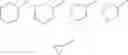
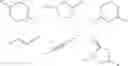
R1 denotes H, H3C— or a group selected from
R2 denotes a group selected from
and
R3 denotes a group selected from
the enantiomers, the diastereomers, the mixtures and the salts thereof, particularly the physiologically acceptable salts thereof with organic or inorganic acids or bases.
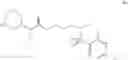
The following are mentioned as examples of most particularly preferred compounds of the above general formula I:
| Example | Structure |
| (1) | |
| (2) | |
| (3) | |
| (4) | |
| (5) | |
| (6) | |
| (7) | |
| (8) | |
| (9) | |
| (10) | |
| (11) | |
| (12) | |
| (13) | |
the enantiomers, the diastereomers, the mixtures and the salts thereof, particularly the physiologically acceptable salts thereof with organic or inorganic acids or bases.
TERMS AND DEFINITIONS USED
Within the scope of this application, in the definition of possible substituents, these may also be represented in the form of a structural formula. If present, an asterisk (*) in the structural formula of the substituent is to be understood as being the linking point to the rest of the molecule.
The subject-matter of this invention also includes the compounds according to the invention, including the salts thereof, wherein one or more hydrogen atoms, for example one, two, three, four or five hydrogen atoms, are replaced by deuterium.
By the term “C1-3-alkyl” (including those which are part of other groups) are meant alkyl groups with 1 to 3 carbon atoms. Examples include: methyl, ethyl, n-propyl and iso-propyl. The following abbreviations may also optionally be used for the above-mentioned groups: Me, Et, n-Pr or i-Pr. Unless stated otherwise, the definition propyl includes all the possible isomeric forms of the group, such as, for example, propyl, n-propyl and iso-propyl.
Moreover, the terms mentioned above also include those groups wherein each methylene group may be substituted by up to two fluorine atoms and each methyl group may be substituted by up to three fluorine atoms.
By the term “C1-3-alkylene” are meant branched and unbranched alkylene groups with 1 or 3 carbon atoms. Examples include: methylene, ethylene, ethan-1,1-diyl and propylene. Unless stated otherwise, the definition propylene encompasses all the possible isomeric forms with the same number of carbons, for example 1-methylethylene.
Moreover, the terms mentioned above also include those groups wherein each methylene group may be substituted by up to two fluorine atoms.
By the term “C2-4-alkenylene” (including those which are part of other groups) are meant branched and unbranched alkenylene groups with 2 to 4 carbon atoms. Examples include: ethenylene, propenylene, 1-methylethenylene, butenylene, 1-methylpropenylene, 1,1-dimethylethenylene or 1,2-dimethylethenylene. Unless stated otherwise, the definitions propenylene and butenylene include all the possible isomeric forms of the groups in question with the same number of carbons. Thus, for example, propenyl also includes 1-methylethenylene and butenylene includes 1-methylpropenylene, 1,1-dimethylethenylene, 1,2-dimethylethenylene.
By the term “C2-4-alkynylene” (including those which are part of other groups) are meant branched and unbranched alkynylene groups with 2 to 4 carbon atoms. Examples include: ethynylene, propynylene, 1-methylethynylene, butynylene, 1-methylpropynylene, 1,1-dimethylethynylene or 1,2-dimethylethynylene. Unless stated otherwise, the definitions propynylene and butynylene include all the possible isomeric forms of the groups in question with the same number of carbons. Thus, for example, propynyl also includes 1-methylethynylene and butynylene includes 1-methylpropynylene, 1,1-dimethylethynylene, 1,2-dimethylethynylene.
By the term “C3-6-cycloalkyl” (including those which are part of other groups) are meant cyclic alkyl groups with 3 to 6 carbon atoms. Examples include: cyclopropyl, cyclobutyl, cyclopentyl or cyclohexyl. Unless otherwise stated, the cyclic alkyl groups may be substituted by one or more groups selected from among methyl, ethyl, iso-propyl, tert-butyl, hydroxy, fluorine, chlorine, bromine and iodine.
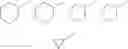
By the term “saturated aza-heterocycles” are meant four-, five- or six-membered heterocyclic rings which contain a nitrogen atom. The ring is attached to the rest of the molecule either through the nitrogen atom or through the nitrogen atom and a carbon atom. Examples include:
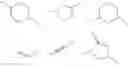
By the term “saturated diaza-heterocycles” are meant six- or seven-membered heterocyclic rings which contain two nitrogen atoms. The ring is attached to the rest of the molecule through the two nitrogen atoms. Examples include:
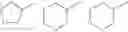
By the term “saturated oxa-heterocycles” are meant five- or six-membered heterocyclic rings which contain an oxygen atom. The ring is attached to the rest of the molecule through a carbon atom. Examples include:
If they contain suitable basic functions, for example amino groups, compounds of general formula I may be converted, particularly for pharmaceutical use, into the physiologically acceptable salts thereof with inorganic or organic acids. Examples of inorganic acids for this purpose include hydrobromic acid, phosphoric acid, nitric acid, hydrochloric acid, sulphuric acid, methanesulphonic acid, ethanesulphonic acid, benzenesulphonic acid or p-toluenesulphonic acid, while organic acids that may be used include malic acid, succinic acid, acetic acid, fumaric acid, maleic acid, mandelic acid, lactic acid, tartaric acid or citric acid. In addition, any tertiary amino groups present in the molecule may be quaternised. Alkyl halides are used for the reaction. According to the invention methyl iodide is preferably used for the quaternisation.
In addition, the compounds of general formula I, if they contain suitable carboxylic acid functions, may if desired be converted into the addition salts thereof with inorganic or organic bases. Examples of inorganic bases include alkali or alkaline earth metal hydroxides, e.g. sodium hydroxide or potassium hydroxide, or carbonates, ammonia, zinc or ammonium hydroxides; examples of organic amines include diethylamine, triethylamine, ethanolamine, diethanolamine, triethanolamine, cyclohexylamine or dicyclohexylamine.
The compounds according to the invention may be present as racemates, provided that they have only one chiral element, but may also be obtained as pure enantiomers, i.e. in the (R) or (S) form.
However, the application also includes the individual diastereomeric pairs of antipodes or mixtures thereof, which are obtained if there is more than one chiral element in the compounds of general formula I, as well as the individual optically active enantiomers of which the above-mentioned racemates are made up.
The invention relates to the compounds in question, optionally in the form of the individual optical isomers, mixtures of the individual enantiomers or racemates, in the form of the tautomers as well as in the form of the free bases or the corresponding acid addition salts with pharmacologically acceptable acids—such as for example acid addition salts with hydrohalic acids—for example hydrochloric or hydrobromic acid—or organic acids—such as for example oxalic, fumaric, diglycolic or methanesulphonic acid.
Methods of Preparation
According to the invention the compounds of general formula I are obtained by methods known per se, for example by the following methods:
The amine components of general formula II, wherein all the groups are as hereinbefore defined, are prepared using methods known from the literature.
The linking of a carboxylic acid of general formula III shown in Scheme 1, wherein all the groups are as hereinbefore defined, with an amine of general formula II, wherein all the groups are as hereinbefore defined, forming a carboxylic acid amide of general formula I, wherein all the groups are as hereinbefore defined, may be carried out using conventional methods of amide formation.
The coupling is preferably carried out using methods known from peptide chemistry (cf. e.g. Houben-Weyl, Methoden der Organischen Chemie, Vol. 15/2), for example using carbodiimides such as e.g. dicyclohexylcarbodiimide (DCC), diisopropyl carbodiimide (DIC) or ethyl-(3-dimethylaminopropyl)-carbodiimide, O-(1H-benzotriazol-1-yl)-N,N-N′,N′-tetramethyluronium hexafluorophosphate (HBTU) or tetrafluoroborate (TBTU) or 1H-benzotriazol-1-yl-oxy-tris-(dimethylamino)-phosphonium hexafluorophosphate (BOP). By adding 1-hydroxybenzotriazole (HOBt) or 3-hydroxy-4-oxo-3,4-dihydro-1,2,3-benzotriazine (HOObt) the reaction speed can be increased. The couplings are normally carried out with equimolar amounts of the coupling components as well as the coupling reagent in solvents such as dichloromethane, tetrahydrofuran, acetonitrile, dimethyl formamide (DMF), dimethyl acetamide (DMA), N-methylpyrrolidone (NMP) or mixtures thereof and at temperatures between −30° C. and +30° C., preferably −20° C. and +25° C. If necessary, diisopropylethylamine (DIPEA) (Hünig base) is preferably used as an additional auxiliary base.
Description of the Method of Bradykinin BK1-Receptor Binding
CHO cells stably expressing the rat BK1 receptor are cultivated in Dulbecco's modified medium. The medium from confluent cultures is removed and the cells are washed with PBS buffer, scraped off and isolated by centrifugation. The cells are then homogenized in suspension and the homogenate is centrifuged and resuspended. The protein content is determined and the membrane preparation obtained in this manner is then frozen at −80° C.
After thawing, 200 μl of the homogenate (50 to 100 μg of proteins/assay) are incubated at room temperature with 1 to 5 nM of kallidin (DesArg10, Leu9), [3,4-prolyl-3,43H(N)] and increasing concentrations of the test substance in a total volume of 250 μl for 120 minutes. The incubation is terminated by rapid filtration through GF/B glass fibre filters which had been pretreated with polyethyleneimine (0.3%). The protein-bound radio-activity is measured in a TopCount NXT (Perkin Elmer/Packard). Non-specific binding is defined as radioactivity bound in the presence of 1.0 μM Lys-Des-Arg9-bradykinin. The concentration/binding curve is analysed using a computer-assisted nonlinear curve fitting. The Ki which corresponds to the test substance is determined using the data obtained in this manner.
To demonstrate that the compounds of general formula I with different structural elements show good bradykinin-B1-receptor antagonistic effects, the following Table gives the Ki values obtained according to the test method described above. It is pointed out that the compounds were selected for their different structural elements and not in order to emphasise specific compounds:
| Example | Ki [nM] | |
| (3) | 24.7 | |
| (6) | 181 | |
| (8) | 23.5 | |
Indications
By virtue of their pharmacological properties, the novel compounds and their physiologically acceptable salts are suitable for treating diseases and symptoms of diseases caused at least to some extent by stimulation of bradykinin-B1 receptors.
In view of their pharmacological effect the substances are suitable for the treatment of
(a) acute pain such as e.g. toothache, peri- and postoperative pain, traumatic pain, muscle pain, the pain caused by burns, sunburn, trigeminal neuralgia, pain caused by colic, as well as spasms of the gastro-intestinal tract or uterus;
(b) visceral pain such as e.g. chronic pelvic pain, gynaecological pain, pain before and during menstruation, pain caused by pancreatitis, peptic ulcers, interstitial cystitis, renal colic, angina pectoris, pain caused by irritable bowel including Crohn's disease and ulcerative colitis, non-ulcerative dyspepsia and gastritis, prostatitis, non-cardiac thoracic pain and pain caused by myocardial ischaemia and cardiac infarct, pain caused by colic, nephritis and uveitis;
(c) neuropathic pain such as e.g. painful neuropathies, back pain, pain of diabetic neuropathy, pain after stroke, AIDS-associated neuropathic pain, Herpes zoster-induced pain, pain of lumbago, non-herpes-associated neuralgia, post-zoster neuralgia, nerve damage, cerebro-cranial trauma, pain of nerve damage caused by toxins or chemotherapy, in phantom pain, pain of multiple sclerosis, nerve root tears and painful traumatically-caused damage to individual nerves in carpal tunnel syndrome, in ulnar neuropathy, in radiculopathy, in hyperalgesia or allodynia associated pain;
(d) inflammatory/pain receptor-mediated pain in connection with diseases such as osteoarthritis, rheumatoid arthritis, rheumatic fever, tendo-synovitis, tendonitis, gout, vulvodynia, damage to and diseases of the muscles and fascia (muscle injury, fibromyalgia), atopic dermatitis, psoriasis, eczema, cerebral oedema, angiooedema, Crohn's disease, pelvitis, juvenile arthritis, spondylitis, gout-arthritis, psoriasis-arthritis, fibromyalgia, myositis, migraine, dental disease, influenza and other virus infections such as colds, bacterial infections, tensions, contusions, sprains, fractures or systemic lupus erythematodes,
(e) tumour pain associated with cancers such as lymphatic or myeloid leukaemia, Hodgkin's disease, non-Hodgkin's lymphomas, lymphogranulomatosis, lymphosarcomas, solid malignant tumours and extensive metastases;
(f) headache diseases such as e.g. headache of various origins, cluster headaches, migraine (with or without aura) and tension headaches.
The compounds are also suitable for treating
(g) inflammatory changes connected with diseases of the airways such as bronchial asthma, including allergic asthma (atopic and non-atopic) as well as bronchospasm on exertion, occupationally induced asthma, viral or bacterial exacerbation of an existing asthma and other non-allergically induced asthmatic diseases;
chronic obstructive pulmonary disease (COPD) including pulmonary emphysema, acute adult respiratory distress syndrome (ARDS), bronchitis, lung inflammation, cystic fibrosis, allergic rhinitis (seasonal and all year round) and sinusitis, non-allergic sinusitis, vasomotor rhinitis and diseases caused by dust in the lungs such as aluminosis, anthracosis, asbestosis, chalicosis, siderosis, silicosis, tabacosis and byssinosis;
(h) inflammatory phenomena caused by sunburn and burns, oedema after burns trauma, cerebral oedema and angiooedema, intestinal complaints including Crohn's diseases and ulcerative colitis, irritable bowel syndrome, pancreatitis, nephritis, cystitis (interstitial cystitis), uveitis; inflammatory skin diseases (such as e.g. angioderma, psoriasis and eczema), vascular diseases of the connective tissue, lupus, sprains and fractures;
(i) diabetes mellitus and its effects (such as e.g. diabetic vasculopathy, diabetic neuropathy, diabetic retinopathy) and diabetic symptoms in insulitis (e.g. hyperglycaemia, diuresis, proteinuria and increased renal excretion of nitrite and kallikrein);
(j) neurodegenerative diseases such as Parkinson's disease and Alzheimer's disease;
(k) sepsis and septic shock after bacterial infections or after trauma;
(l) syndromes that cause itching and allergic skin reactions;
(m) osteoporosis;
(n) epilepsy;
(o) damage to the central nervous system;
(p) wounds and tissue damage;
(q) inflammation of the gums;
(r) benign prostatic hyperplasia and hyperactive bladder;
(s) pruritus;
(t) vitiligo;
(u) disorders of the motility of respiratory, genito-urinary, gastro-intestinal or vascular regions,
(v) post-operative fever,
(w) obesity
(x) cardiovascular diseases such as atherosclerosis, cardiac insufficiency, heart valve diseases, for regulating blood pressure in hyper- or hypotension, or for the treatment of pulmonary arterial hypertension
(y) neuropsychatric diseases such as drug abuse, depression, schizophrenia or anxiety states and
(z) sleep disorders such as e.g. insomnia.
In addition to being suitable as human therapeutic agents, these substances are also useful in the veterinary treatment of domestic animals, exotic animals and farm animals.
Combinations
For treating pain, it may be advantageous to combine the compounds according to the invention with stimulating substances such as caffeine or other pain-alleviating active compounds. If active compounds suitable for treating the cause of the pain are available, these can be combined with the compounds according to the invention. If, independently of the pain treatment, other medical treatments are also indicated, for example for high blood pressure or diabetes, the active compounds required can be combined with the compounds according to the invention.
The following compounds may be used for combination therapy, for example:
1. Non-steroidal antirheumatics (NSAR): including COX inhibitors such as propionic acid derivatives (alminoprofen, benoxaprofen, bucloxic acid, carprofen, fenhufen, fenoprofen, fiuprofen, fiulbiprofen, ibuprofen, indoprofen, ketoprofen, miroprofen, naproxen, oxaprozin, pirprofen, pranoprofen, suprofen, tiaprofenic acid, tioxaprofen), acetic acid derivatives (indomethacin, acemetacin, alclofenac, clidanac, diclofenac, fenflofenac, fentiazac, furofenac, ibufenac, isoxepac, oxpinax, sulindac, tiopinac, tolmetin, zidometacin, zomepirac), fenamic derivatives (meclofenamic acid, mefenamic acid, tolfenamic acid), biphenyl-carboxylic acid derivatives, oxicams (isoxicam, meloxicam, piroxicam, sudoxicam and tenoxicam), salicylic acid derivatives (acetylsalicylic acid, sulphasalazine, mesalazine, and olsalazine), pyrazolone (apazone, bezpiperylone, feprazone, mofebutazone, oxyphenbutazone, phenylbutazone, propyphenazone and metamizol), and coxibs (celecoxib, valdecoxib, rofecoxib, etoricoxib).
2. Opiate receptor agonists such as e.g. morphine, propoxyphen (Darvon), tramadol, buprenorphine.
3. Cannabinoid agonists such as e.g. GW-1000, KDS-2000, SAB-378, SP-104, NVP001-GW-843166, GW-842166X, PRS-211375.
4. Sodium channel blockers such as e.g. carbamazepine, mexiletin, lamotrigin, pregabalin, tectin, NW-1029, CGX-1002.
5. N-type calcium channel blockers such as e.g. ziconitide, NMED-160, SP1-860.
6. Serotonergic and noradrenergic modulators such as e.g. SR-57746, paroxetine, duloxetine, clonidine, amitriptyline, citalopram, flibanserin.
7. Corticosteroids such as e.g. betamethasone, budesonide, cortisone, dexamethasone, hydrocortisone, methylprednisolone, prednisolone, prednisone and triamcinolone.
8. Histamine H1-receptor antagonists such as e.g. bromopheniramine, chloropheniramine, dexchlorpheniramine, triprolidine, clemastine, diphenhydramine, diphenylpyraline, tripelennamine, hydroxyzine, methdilazine, promethazine, trimeprazine azatadine, cyproheptadine, antazoline, pheniramine, pyrilamine, astemizole, terfenadine, loratadine, cetirizine, desloratadine, fexofenadine, levocetirizine.
9. Histamine H2-receptor antagonists such as e.g. cimetidine, famotidine, and ranitidine.
10. Proton pump inhibitors such as e.g. omeprazole, pantoprazole, esomeprazole.
11. Leukotriene antagonists and 5-lipoxygenase inhibitors such as e.g. zafirlukast, montelukast, pranlukast and zileuton.
12. Local anaesthetics such as e.g. lidocaine, ambroxol.
13. VR1 agonists and antagonists such as e.g. NGX-4010, WL-1002, ALGRX-4975, WL-10001, AMG-517.
14. Nicotine receptor agonists such as e.g. ABT-202, A-366833, ABT-594, BTG-102, A-85380, CGX1204.
15. P2X3-receptor antagonists such as e.g. A-317491, ISIS-13920, AZD-9056.
16. NGF agonists and antagonists such as e.g. RI-724, RI-1024, AMG-819, AMG-403, PPH 207.
17. NK1 and NK2 antagonists such as e.g. DA-5018, R-116301, CP-728663, ZD-2249.
18. NMDA antagonists such as e.g. NER-MD-11, CNS-5161, EAA-090, AZ-756, CNP-3381.
19. Potassium channel modulators such as e.g. CL-888, ICA-69673, retigabin.
20. GABA modulators such as e.g. lacosamide.
21. Anti-migraine drugs such as e.g. sumatriptan, zolmitriptan, naratriptan, eletriptan, telcagepant.
22. iNOS inhibitors such as e.g. GSK 274150.
23. CCR2 antagonists such as e.g. PF-4136309, BMS-741672.
24. Anticonvulsants such as e.g. pregabalin or gabapentin.
The dosage necessary for obtaining a pain-alleviating effect is, in the case of intravenous administration, expediently from 0.01 to 3 mg/kg of body weight, preferably from 0.1 to 1 mg/kg, and, in the case of oral administration, from 0.1 to 8 mg/kg of body weight, preferably from 0.5 to 3 mg/kg, in each case 1 to 3 times per day. The compounds prepared according to the invention can be administered intravenously, subcutaneously, intramuscularly, intrarectally, intranasally, by inhalation, transdermally or orally, aerosol formulations being particularly suitable for inhalation. They can be incorporated into customary pharmaceutical preparations, such as tablets, coated tablets, capsules, powders, suspensions, solutions, metered-dose aerosols or suppositories, if appropriate together with one or more customary inert carriers and/or diluents, for example with maize starch, lactose, cane sugar, microcrystalline cellulose, magnesium stearate, polyvinylpyrrolidone, citric acid, tartaric acid, water, water/ethanol, water/glycerol, water/sorbitol, water/polyethylene glycol, propylene glycol, cetylstearyl alcohol, carboxymethylcellulose or fatty substances, such as hardened fat, or suitable mixtures thereof.
Experimental Section
Generally, there are 1H NMR and mass spectra for the compounds that were prepared. The ratios given for the eluants are in volume units of the solvents in question. For ammonia, the given volume units are based on a concentrated solution of ammonia in water.
Unless indicated otherwise, the acid, base and salt solutions used for working up the reaction solutions are aqueous systems having the stated concentrations. For chromatographic purification, silica gel from Millipore (MATREX™, 35 to 70 μm) or Alox (E. Merck, Darmstadt, Alumina 90 standardized, 63 to 200 μm, article No. 1.01097.9050) was used.
In the descriptions of the experiments, the following abbreviations are used:
- CDI 1,1′-carbonyldiimidazole
- TLC thin layer chromatography
- DIPEA diisopropylethylamine
- DMAP 4-dimethylaminopyridine
- DMF dimethylformamide
- DMSO dimethylsulphoxide
- HATU O-(7-azabenzotriazol-1-yl)-N,N,N′,N′-tetramethyluronium hexafluorophosphate
- tert tertiary
- TBTU 2-(1H-benzotriazol-1-yl)-1.1.3.3-tetramethyluronium-tetrafluoroborate
- THF tetrahydrofuran
The following analytical HPLC methods were used:
Method 1: Column: Zorbax Stable Bond C18, 3.5 μM, 4.6×75 mm
-
- Detection: 230-360 nm
- Eluant A: water/0.1% formic acid
- Eluant B: acetonitrile/0.1% formic acid
- Gradient:
| time in min | % A | % B | flow rate in mL/min | |
| 0.0 | 95.0 | 5.0 | 1.6 | |
| 0.1 | 95.0 | 5.0 | 1.6 | |
| 4.5 | 10.0 | 90.0 | 1.6 | |
| 5.09 | 10.0 | 90.0 | 1.6 | |
| 5.5 | 90.0 | 10.0 | 1.6 | |
Method 2: Column: Interchim Strategy C18, 5 μM, 4.6×50 mm
-
- Detection: 220-320 nm
- Eluant A: water/0.1% TFA
- Eluant B: acetonitrile
- Gradient:
| time in min | % A | % B | flow rate in mL/min | |
| 0.0 | 95.0 | 5.0 | 3.0 | |
| 0.3 | 95.0 | 5.0 | 3.0 | |
| 2.0 | 2.0 | 98.0 | 3.0 | |
| 2.4 | 2.0 | 98.0 | 3.0 | |
| 2.45 | 95.0 | 5.0 | 3.0 | |
| 2.8 | 95.0 | 5.0 | 3.0 | |
Method 3: Column: Merck Chromolith™ Flash RP18e, 4.6×25 mm
-
- Detection: 210-400 nm
- Eluant A: water/0.1% TFA
- Eluant B: acetonitrile/0.1% TFA
- Gradient:
| time in min | % A | % B | flow rate in mL/min | |
| 0.0 | 95.0 | 5.0 | 2.5 | |
| 0.2 | 95.0 | 5.0 | 2.5 | |
| 1.5 | 2.0 | 98.0 | 2.5 | |
| 1.7 | 2.0 | 98.0 | 2.5 | |
| 1.9 | 95.0 | 5.0 | 2.5 | |
| 2.2 | 95.0 | 5.0 | 2.5 | |
Method 4: Column: YMC-Pack ODS-AQ, 3.0 μM, 4.6×75 mm
-
- Detection: 230-360 nm
- Eluant A: water/0.1% formic acid
- Eluant B: acetonitrile/0.1% formic acid
- Gradient:
| time in min | % A | % B | flow rate in mL/min | |
| 0.0 | 95.0 | 5.0 | 1.6 | |
| 4.5 | 10.0 | 90.0 | 1.6 | |
| 5.0 | 10.0 | 90.0 | 1.6 | |
| 5.5 | 90.0 | 10.0 | 1.6 | |
Preparation of the End Compounds
Example 1
{2-[(4-methoxy-2,6-dimethyl-benzenesulphonyl)-methyl-amino]-ethoxy}-acetic acid (150 mg, 0.45 mmol), TBTU (151 mg, 0.45 mmol) and diisopropylethylamine (146 mg, 1.13 mmol) were dissolved in 3 ml DMF and stirred for 10 minutes at ambient temperature. Then [1-(1-methyl-azetidin-3-ylmethyl)-pyrrolidin-3-ylmethyl]-methylamine (89 mg, 0.45 mmol) was added and the mixture was stirred further overnight. The solvent was then evaporated off and the crude product thus obtained was purified by chromatography.
Yield: 22% of theory
C25H42N4O5S×CF3COOH (624.7)
[M+H]+=511
HPLC (method 3): retention time=1.28 min
Example 2
Prepared analogously to Example 1 from {2-[(4-methoxy-2,6-dimethyl-benzenesulphonyl)-methyl-amino]-ethoxy}-acetic acid and [1-(1-methyl-piperidin-3-ylmethyl)-pyrrolidin-3-ylmethyl]-methylamine.
Yield: 16% of theory
C27H46N4O5S (538.7)
[M+H]+=539
HPLC (method 3): retention time=1.30 min
Example 3
Prepared analogously to Example 1 from {2-[(4-methoxy-2,6-dimethyl-benzenesulphonyl)-methyl-amino]-ethoxy}-acetic acid and {1-[1-(tetrahydropyran-4-yl)-piperidin-4-yl]-pyrrolidin-3-yl}-methylamine.
Yield: 42% of theory
C29H48N4O6S×2HCl (653.7)
[M+H]+=581
HPLC (method 4): retention time=2.36 min
Example 4
Prepared analogously to Example 1 from {2-[(4-methoxy-2,6-dimethyl-benzenesulphonyl)-methyl-amino]-ethoxy}-acetic acid and tert-butyl 3-methylamino-piperidine-1-carboxylate.
Yield: 98% of theory
C25H41N3O7S (527.7)
[M+H]+=528
HPLC (method 4): retention time=2.47 min
Tert-butyl 3-[(2-{2-[(4-methoxy-2,6-dimethyl-benzenesulphonyl)-methyl-amino]-ethoxy}-acetyl)-methyl-amino]-piperidine-1-carboxylate (product of Example 4a, 1.1 g, 1.97 mmol) was dissolved in 10 mL dichloromethane, combined with 6.5 mL trifluoroacetic acid and stirred for one hour at ambient temperature. Then the mixture was evaporated to dryness in vacuo, the residue was dissolved in 50 mL ethyl acetate, extracted three times with 25 mL 1M sodium hydroxide solution and once with 25 mL saturated sodium chloride solution. The combined aqueous extracts were extracted three times with 30 mL ethyl acetate and the combined organic extracts were then dried on magnesium sulphate and evaporated down.
Yield: 99% of theory
C20F33N3O5S (427.6)
[M+H]+=528
HPLC (method 3): retention time=1.49 min
Prepared analogously to Example 1 from 2-{2-[(4-methoxy-2,6-dimethyl-benzenesulphonyl)-methyl-amino]-ethoxy}-N-methyl-N-piperidin-3-yl-acetamide (product of Example 4b) and 1-tert-butyloxycarbonyl-azetidine-3-carboxylic acid.
Yield: 96% of theory
C29H46N4O8S (610.8)
HPLC (method 3): retention time=2.28 min.
Tert-butyl 3-{3-[(2-{2-[(4-methoxy-2,6-dimethyl-benzenesulphonyl)-methyl-amino]-ethoxy}-acetyl)-methyl-amino]-piperidine-1-carbonyl}-azetidine-1-carboxylate (product of Example 4c, 217 mg, 0.36 mmol) was dissolved in 3 mL dichloromethane, combined with 2.5 mL trifluoroacetic acid and stirred for three hours at ambient temperature. Then the reaction mixture was evaporated to dryness and the crude product thus obtained was purified by chromatography.
Yield: 85% of theory
C24H38N4O6S×CF3COOH (624.7)
[M+H]+=511
HPLC (method 3): retention time=1.55 min
Example 5
N-[1-(azetidine-3-carbonyl)-piperidin-3-yl]-2-{2-[(4-methoxy-2,6-dimethylbenzenesulphonyl)-methyl-amino]-ethoxy}-N-methyl-acetamide (product of Example 4, 293 mg, 0.57 mmol) was dissolved in 3 mL dioxane, then 0.13 mL of a 37% aqueous formaldehyde solution was added and the mixture was stirred for 30 minutes at ambient temperature. Then 304 mg (1.44 mmol) of sodium triacetoxyborohydride were added and the mixture was stirred for a further 5 hours at ambient temperature. Then the reaction mixture was evaporated to dryness and the crude product thus obtained was purified by chromatography.
Yield: 6.3% of theory
C25H40N4O6S (524.7)
[M+H]+=525
HPLC (method 3): retention time=1.56 min
Example 6
Prepared analogously to Example 1 from {2-[(4-methoxy-2,6-dimethyl-benzenesulphonyl)-methyl-amino]-ethoxy}-acetic acid and 1-(3-methylaminomethyl-pyrrolidin-1-yl)-3-pyrrolidin-1-yl-propan-1-one.
Yield: 21% of theory
C27H44N4O6S (552.7)
[M+H]+=553
HPLC (method 3): retention time=1.62 min
Example 7
Prepared analogously to Example 1 from {2-[(4-methoxy-2,6-dimethyl-benzenesulphonyl)-methyl-amino]-ethoxy}-acetic acid and methyl-{1-[1-(tetrahydrofuran-3-yl)-piperidin-4-yl]-pyrrolidin-3-yl}-amine.
Yield: 42% of theory
C28H46N4O6S×2HCl (639.7)
[M+H]+=567
HPLC (method 4): retention time=2.99 min
Example 8
Prepared analogously to Example 1 from {2-[(4-methoxy-2,6-dimethyl-benzenesulphonyl)-methyl-amino]-ethoxy}-acetic acid and [1-(1-cyclopropyl-piperidin-4-yl)-pyrrolidin-3-yl]-methyl-amine.
Yield: 46% of theory
C27H44N4O5S×2HCl (609.7)
[M+H]+=537
HPLC (method 1): retention time=3.10 min
Example 9
Prepared analogously to Example 1 from {2-[(4-methoxy-2,6-dimethyl-benzenesulphonyl)-methyl-amino]-ethoxy}-acetic acid and methyl-[1-(1-methyl-azetidin-3-yl)-piperidin-3-yl-methyl]-amine.
Yield: 76% of theory
C25H42N4O5S×CF3COOH (624.7)
[M+H]+=511
HPLC (method 3): retention time=1.34 min
Example 10
Prepared analogously to Example 1 from {(2-[(4-methoxy-2,6-dimethyl-benzenesulphonyl)-methyl-amino]-ethoxy}-acetic acid and methyl-(4-piperidin-1-yl)-but-2-enyl)-amine.
Yield: 92% of theory
C24H39N3O5S×CF3COOH (595.7)
[M+H]+=482
HPLC (method 2): retention time=1.37 min
Example 11
Prepared analogously to Example 1 from {2-[(4-methoxy-2,6-dimethyl-benzenesulphonyl)-methyl-amino]-ethoxy}-acetic acid and methyl-4-[(4-methyl-piperazin-1-yl)-but-2-ynyl]-amine.
Yield: 43% of theory
C24H38N4O5S×CF3COOH (608.7)
[M+H]+=495
HPLC (method 2): retention time=1.27 min
Example 12
Prepared analogously to Example 1 from {2-[(4-methoxy-2,6-dimethyl-benzenesulphonyl)-methyl-amino]-ethoxy}-acetic acid and 1-(4-methylamino-piperidin-1-yl)-3-piperidin-1-yl-propan-1-one.
Yield: 77% of theory
C28H46N4O6S×CF3COOH (680.8)
[M+H]+=567
HPLC (method 3): retention time=1.61 min
Example 13
Prepared analogously to Example 1 from {2-[(4-methoxy-2,6-dimethyl-benzenesulphonyl)-methyl-amino]-ethoxy}-acetic acid and 4-methylamino-1-(1-methyl-piperidin-4-yl)-pyrrolidin-2-one.
Yield: 19% of theory
C25H40N4O6S×CF3COOH (638.7)
[M+H]+=525
HPLC (method 3): retention time=1.66 min
The following Examples describe pharmaceutical formulations which contain as active substance any desired compound of general formula I:
Example I
Dry Ampoule with 75 mg of Active Compound Per 10 ml
Composition:
| Active compound | 75.0 | mg | |
| Mannitol | 500 | mg | |
| Water for injection | 10.0 | ml | |
Production:
Active compound and mannitol are dissolved in water. The charged ampoules are freeze dried. Water for injection is used to dissolve to give the solution ready for use.
Example II
Tablet with 50 mg of Active Compound
Composition:
| (1) Active compound | 50.0 mg | |
| (2) Lactose | 98.0 mg | |
| (3) Maize starch | 50.0 mg | |
| (4) Polyvinylpyrrolidone | 15.0 mg | |
| (5) Magnesium stearate | 2.0 mg | |
| 215.0 mg | ||
Production:
(1), (2) and (3) are mixed and granulated with an aqueous solution of (4). (5) is admixed to the dry granules. Tablets are compressed from this mixture, biplanar with a bevel on both sides and dividing groove on one side.
Diameter of the tablets: 9 mm.
Example III
Tablet with 350 mg of Active Compound
Composition:
| (1) Active compound | 350.0 | mg | |
| (2) Lactose | 136.0 | mg | |
| (3) Maize starch | 80.0 | mg | |
| (4) Polyvinylpyrrolidone | 30.0 | mg | |
| (5) Magnesium stearate | 4.0 | mg | |
| 600.0 | mg | ||
Production:
(1), (2) and (3) are mixed and granulated with an aqueous solution of (4). (5) is admixed to the dry granules. Tablets are compressed from this mixture, biplanar with a bevel on both sides and dividing groove on one side.
Diameter of the tablets: 12 mm.
Example IV
Capsule with 50 mg of Active Compound
Composition:
| (1) Active compound | 50.0 mg | |
| (2) Maize starch dried | 58.0 mg | |
| (3) Lactose powdered | 50.0 mg | |
| (4) Magnesium stearate | 2.0 mg | |
| 160.0 mg | ||
Production:
(1) is triturated with (3). This trituration is added to the mixture of (2) and (4) with vigorous mixing.
This powder mixture is packed into hard gelatine two-piece capsules of size 3 in a capsule-filling machine.
Example V
Capsules with 350 mg of Active Compound
Composition:
| (1) Active compound | 350.0 | mg | |
| (2) Maize starch dried | 46.0 | mg | |
| (3) Lactose powdered | 30.0 | mg | |
| (4) Magnesium stearate | 4.0 | mg | |
| 430.0 | mg | ||
Production:
(1) is triturated with (3). This trituration is added to the mixture of (2) and (4) with vigorous stirring.
This powder mixture is packed into hard gelatine two-piece capsules of size 0 in a capsule-filling machine.
Example VI
Suppositories with 100 mg of Active Compound
1 suppository comprises:
| Active compound | 100.0 mg | |
| Polyethylene glycol (M.W. 1500) | 600.0 mg | |
| Polyethylene glycol (M.W. 6000) | 460.0 mg | |
| Polyethylene sorbitan monostearate | 840.0 mg | |
| 2000.0 mg | ||
Claims
1. A compound of the formula I
wherein
A denotes
(a) a bond or
(b) a C1-3-alkylene group,
B denotes
(a) a bond,
(b) a C1-3-alkylene or
(c) a —C(O)— group,
R1 denotes
(a) H,
(b) C1-3-alkyl,
(c) C3-6-cycloalkyl,
(d) a 5- or 6-membered, saturated aza-heterocycle or
(e) a 5- or 6-membered, saturated oxa-heterocycle,
R2 denotes
(a) C1-3-alkylene,
(b) a 4- to 6-membered, saturated aza-heterocycle, or
(c) a 6- to 7-membered, saturated diaza-heterocycle,
R3 denotes
(a) C2-4-alkenylene,
(b) C2-4-alkynylene or
(c) a 5- to 6-membered, saturated aza-heterocycle, wherein additionally a methylene group may be substituted by a carbonyl group,
or a salt thereof.
2. A compound of the formula I according to claim 1, wherein
A denotes a bond or a —CH2— group,
B denotes a bond, a —CH2— or —C(O)— group,
R1 denotes H, H3C or a group selected from
R2 denotes a group selected from
R3 denotes a group selected from
or a salt thereof.
3. A compound according to claim 1 selected from the group consisting of:
| Example | Structure |
| (1) | |
| (2) | |
| (3) | |
| (4) | |
| (5) | |
| (6) | |
| (7) | |
| (8) | |
| (9) | |
| (10) | |
| (11) | |
| (12) | |
| and |
| (13) | |
or a salt thereof.
4. A physiologically acceptable salt of a compound according to claim 1, 2 or 3.
5. A pharmaceutical composition comprising a compound according to claim 1, 2, or 3 or a physiologically acceptable salt thereof together with one or more inert carriers and/or diluents.
6. A method for treating acute pain, visceral pain, neuropathic pain, inflammatory/pain receptor mediated pain, tumor pain and headache diseases which method comprising administering to a host suffering from the same a therapeutically effective amount of a compound according to claim 1, 2 or 3 or a physiologically acceptable salt thereof.
7. (canceled)
Images & Drawings included:































Sources:
- United States Patent and Trademark Office - verify current appl. status at the USPTO↗
Recent applications in this class:
- » 20250129053 2025-04-24
HERBICIDAL IMIDAZOLE COMPOUNDS - » 20250122172 2025-04-17
SUBSTITUTED PYRIDINE AND PYRAZINE COMPOUNDS AS PDE4 INHIBITORS - » 20250092019 2025-03-20
TETRAZOLE DERIVATIVES AS TRPA1 INHIBITORS - » 20250042876 2025-02-06
HERBICIDAL PYRAZOLE PYRIMIDINE COMPOUNDS - » 20240425485 2024-12-26
PLINABULIN COMPOSITIONS - » 20240368126 2024-11-07
IMPURITY IN PLINABULIN OR PREPARATION THEREOF, AND USE THEREOF - » 20240352002 2024-10-24
BETA ADRENERGIC AGONIST AND METHODS OF USING THE SAME - » 20240300924 2024-09-12
PYRAZOLE DERIVATIVE COMPOUND, ADHESIVE COMPOSITION COMPRISING SAME, AND ADHESIVE FILM COMPRISING SAME - » 20240287042 2024-08-29
NOVEL COMPOUND HAVING INHIBITORY ACTIVITY AGAINST PENDRIN, AND PHARMACEUTICAL USES THEREOF - » 20240287041 2024-08-29
METHODS OF SYNTHESIS OF HETEROARYL DERIVATIVES OF TRIAZOLYL ACRYLAMIDES AND CRYSTALLINE FORMS
Recent applications for this Assignee:
- » 20250130222 2025-04-24
IDENTIFICATION OF COMMON TUMOR-SPECIFIC T CELL RECEPTORS AND ANTIGENS - » 20250101093 2025-03-27
ANTI-IL-23 ANTIBODIES - » 20250092126 2025-03-20
TREATMENT AND PREVENTION OF ALCOHOLIC LIVER DISEASE - » 20250051759 2025-02-13
METHODS AND MOLECULES FOR RNA INTERFERENCE (RNAi) - » 20240401057 2024-12-05
ADAMTS14 INHIBITION - » 20240385113 2024-11-21
METHOD OF DETERMINING A FUTURE COLOR VALUE OR CORRESPONDING PROPERTY AND ARRANGEMENT THEREFOR - » 20240317875 2024-09-26
USE OF ANTI-CD40 ANTIBODIES FOR TREATMENT OF INFLAMMATORY CONDITIONS - » 20240309105 2024-09-19
ANTI-CD40 ANTIBODIES FOR USE IN TREATING AUTOIMMUNE DISEASE - » 20240270837 2024-08-15
IL-11 ANTIBODIES - » 20240261290 2024-08-08
PHARMACEUTICAL COMPOSITION COMPRISING 7-(4-CHLOROBENZYL)-1-(3-HYDROXYPROPYL)-3-METHYL-8-(3-(TRIFLUOROMETHOXY)-PHENOXY)-3,7-DIHYDRO-1H-PURINE-2,6-DIONE