Methods of producing homogeneous plastic-adherent aptamer-magnetic bead-fluorophore and other sandwich assays
US20110065086A1
2011-03-17
12/378,515
2009-02-17
Abstract:
Methods are described for assembly of DNA aptamer-magnetic bead (“MB”) conjugate plus aptamer-quantum dot (“QD”) aptamer-fluorescent nanoparticle or other aptamer-fluorophore, aptamer-chemiluminescent reporter, aptamer-radioisotope or other aptamer-reporter conjugate sandwich assays that enable adherence to glass, polystyrene and other plastics. Adherence to glass or plastics enables detection of surface-concentrated partitioning of fluorescence versus background (bulk solution) fluorescence in one step (without a wash step) even when the external magnetic field for concentrating the assay is removed. This assay format enables rapid, one-step (homogeneous) assays for a variety of analytes without wash steps that do not sacrifice sensitivity.
Interested in similar patents?
Get notified when new applications in this technology area are published.
Classification:
C12Q1/6804 » CPC main
Measuring or testing processes involving enzymes, nucleic acids or microorganisms ; Compositions therefor; Processes of preparing such compositions involving nucleic acids Nucleic acid analysis using immunogens
C12Q2563/149 » CPC further
Nucleic acid detection characterized by the use of physical, structural and functional properties Particles, e.g. beads
C12Q1/6816 » CPC further
Measuring or testing processes involving enzymes, nucleic acids or microorganisms ; Compositions therefor; Processes of preparing such compositions involving nucleic acids; Hybridisation assays characterised by the detection means
C12Q1/6825 » CPC further
Measuring or testing processes involving enzymes, nucleic acids or microorganisms ; Compositions therefor; Processes of preparing such compositions involving nucleic acids; Hybridisation assays characterised by the detection means Nucleic acid detection involving sensors
C12Q2563/143 » CPC further
Nucleic acid detection characterized by the use of physical, structural and functional properties Magnetism, e.g. magnetic label
C12Q2563/107 » CPC further
Nucleic acid detection characterized by the use of physical, structural and functional properties fluorescence
C12Q2525/205 » CPC further
Reactions involving modified oligonucleotides, nucleic acids, or nucleotides; Modifications characterised by Aptamer
C12Q1/70 IPC
Measuring or testing processes involving enzymes, nucleic acids or microorganisms ; Compositions therefor; Processes of preparing such compositions involving virus or bacteriophage
C12Q1/68 IPC
Measuring or testing processes involving enzymes, nucleic acids or microorganisms ; Compositions therefor; Processes of preparing such compositions involving nucleic acids
G01N27/26 IPC
Investigating or analysing materials by the use of electric, electrochemical, or magnetic means by investigating electrochemical variables; by using electrolysis or electrophoresis
Description
This application is based upon and claims priority from U.S. Provisional application Ser. Nos. 61/066,506 and 61/132,147, which are incorporated herein by reference.
BACKGROUND OF THE INVENTION
1. Field of the Invention
The present invention relates to the field of aptamer- and nucleic acid-based diagnostics. More particularly, it relates to methods for the production and use of self-assembling DNA aptamer-magnetic bead (“MB”) conjugate combined with aptamer-quantum dot (“QD”) or other aptamer-fluorophore conjugate sandwich assays that naturally adhere to glass and certain plastics such as polystyrene (or derivatives thereof) to enable one-step (homogeneous) tests without a wash step even after an external magnetic field is removed. Conjugation of aptamers to the MBs or QDs and other fluorophores may be accomplished by simple chemical coupling reactions through bifunctional linkers, or key functional groups such as aldehydes, carbodiimides, carboxyls, N-hydroxy-succinimide (“NHS”) esters, N-oxy-succinimide (“NOS”) esters, thiols, etc. or via biotin-avidin, histidine-Nickel, or other high affinity linkage systems. This one-step, washless assay format has numerous applications for sensitive detection of foodborne pathogens on and in meats, poultry, serous fluids, dairy products, fruits, vegetables, and other food matrices. The assay is also applicable to environmental analyses in soil or muddy water samples and clinical and veterinary diagnostics performed directly on whole blood, urine, saliva or other body fluids with or without sample dilution, but without a wash step. The typical wash step involves purification by removal of unwanted materials contributing to background fluorescence.
2. Background Information
The most desirable of all diagnostic assay strategies are rapid one-step “bind and detect” or “homogeneous” assays that do not require a wash step and yet do not sacrifice a significant degree of sensitivity. Examples of successful one-step assay strategies include fluorescence polarization (“FP”) and fluorescence resonance energy transfer (“FRET”)-based assays. While both of these formats are popular, they tend to sacrifice sensitivity for speed in obtaining test results. Therefore, FP and FRET assays are typically relegated to clinical diagnostics for certain analytes that exist in relatively high concentrations (micro to milliMolar ranges) in blood, urine, or other body fluids. For analytes that exist in much lower concentrations, multi-step assays such as enzyme-linked immunosorbent assays (“ELISA”), radioimmunoassays (“RIA”) and other sandwich-formatted assays such as immunomagnetic-electrochemiluminescence (“IM-ECL”) assays are required to detect nanogram, nanoMolar or lower amounts of various target analytes. Typically, these types of sandwich assays will require one or more wash steps, thereby slowing their execution speed. Wash steps will be known to one skilled in the art as a generally necessary step to remove unwanted materials (besides the detected target analyte) to prevent high background fluorescence signals. Eliminating the need for a wash step is found to be desirable in the present invention because it can enhance the speed and accuracy of many assays.
DNA is well known to adhere to some glass surfaces especially if the surface is charged by rubbing. This principle is used in the electrostatic collection of genomic DNA from cell lysates which is known as “spooling” of DNA with a charged glass rod. Similarly, Allemand et al., Bensimon et al., Buck and Andrews, Dudley et al., Klein et al., Labit et al., Michalet et al., Moscoso et al., and Torres et al. teach adherence of DNA, bacteria, biofilms, and other materials to polystyrene by electrostatic and hydrophobic or other weak forces. However, Allemand et al., Bensimon et al., and Klein et al. emphasize that DNA is far more likely to bind to polystyrene and other plastics at its free 3′ or 5′ ends than in the mid-regions and that such binding is not instantaneous (requires one or more minutes of residence time for DNA to bind to plastic) and is pH-dependent with optimal pH for binding being acidic (at an approximate pH of 5.5, which is below the range of most biological assays). Bensimon et al. (1994) have even suggested that DNA may couple covalently to polystyrene by electrophilic addition of 5′ or 3′ phosphate ends (in their phosphoric acid forms) to the pi double bonds of the styrene rings or free unpolymerized alkene ends of polystyrene fibers. Such covalent bonding of DNA aptamers to polystyrene would explain the very stable and long-lasting adherence of assay materials observed and reported herein and by Bruno et al. (2008) for their Campylobacter assay.
While some species of bacteria can bind to plastics and glass, not all species can form such adherent biofilms. In the presently described assays, attachment of the assay components (DNA aptamers, MBs and QDs) have occurred in the presence and absence of target bacteria. Conversely, immunomagnetic (“antibody-MB”) sandwich assays do not adhere to polystyrene very well at neutral or acidic pH, presumably because protein antibodies do not adhere well to plastic or glass materials at neutral or acidic pH. Proteins such as antibodies are well known to adhere to polystyrene microtiter plate wells at alkaline pH values as in the popular ELISA test formats. However, the pH for adherence of antibodies and proteins in ELISA assays is typically 8.0-9.5 and clearly not acidic as in the presently described DNA-adherent assays. Therefore, the DNA aptamer is considered to be the key component which enables adherence to polystyrene or glass or derivatives thereof and thus enables one-step washless assays. While some species of bacteria may contribute to overall adherence to the inner face of a cuvette, the DNA aptamer component appears sufficient to enable adherence of the aforementioned assays in the magnetized region because assay components (aptamer-MB conjugates) will adhere to plastic and glass even in the absence of captured bacterial cells.
RELATED LITERATURE
- Allemand J. F., et al. pH-dependent specific binding and combing of DNA. Biophys. J. 73:2064-2070, 1997.
- Bensimon A., et al. Alignment and sensitive detection of DNA by a moving interface. Science. 265:2096-2098, 1994.
- Bensimon D., et al. Stretching DNA with a receding meniscus: experiments and models. Phys. Rev. Lett. 74:4754-4757, 1995.
- Bruno J. G., Phillips T., Carrillo M. P., Crowell R. Plastic-adherent DNA aptamer-magnetic bead and quantum dot sandwich assay for Campylobacter detection. J. Fluorescence. In Press, 2008.
- Bruno J. G., Carrillo M. P., Phillips T., Crowell R. Initial development of competitive FRET-aptamer assays for monitoring bone metabolism. J. Clin. Ligand Assay. In Press, 2008.
- Bruno J. G., Carrillo M. P., Crowell R. Preliminary development of DNA aptamer-Fc conjugate opsonins. J. Biomedical Materials Research-Part A, In Press, 2008.
- Bruno J. G., Carrillo M. P., Phillips T. In vitro antibacterial effects of anti-lipopolysaccharide DNA aptamer-C1qrs complexes. Folia Microbiologica. 53:295-302, 2008.
- Bruno J. G., Carrillo M. P., Phillips T., King B. Development of DNA aptamers for cytochemical detection of acetylcholine. In Vitro Cell. Develop. Biol.—Animal. 44:63-72, 2008.
- Bruno J. G., Carrillo M. P., Phillips T. Development of DNA aptamers to a Foot-and-Mouth Disease peptide for competitive FRET-based detection. J. Biomolecular Techniques. 19:109-115, 2008.
- Bruno J. G., Carrillo M. P., Phillips T. Effects of immobilization chemistry on enzyme-linked aptamer assays for Leishmania surface antigens. J. Clinical Ligand Assay. 30:37-43, 2007.
- Bruno J. G., Francis K., Ikanovic, M., et al. Reovirus detection using immunomagnetic-fluorescent nanoparticle sandwich assays. J. Bionanoscience. 1:84-89, 2007.
- Buck J. W. and Andrews J. H. Localized, positive charge mediates adhesion of Rhodosporidium torulides to barley leaves and polystyrene. Appl. Environ. Microbiol. 65:2179-2183, 1999.
- Dudley E. G., et al. An Inch plasmid contributes to the adherence of the atypical enteroaggregative Escherichia coli strain C1096 to cultured cells and abiotic surfaces. Infect. Immun. 74:2102-2114, 2006.
- Dwarakanath S., Satyanarayana S., Bruno J. G., et al. Ultra sensitive fluorescent nanoparticle-based binding assays for foodborne and waterborne pathogens of clinical interest. J. Clinical Ligand Assay. 29:136-142, 2006.
- Ikanovic M., Rudzinski W. E., Bruno J. G., Dwarakanath S., et al. Fluorescence assay based on aptamer-quantum dot binding to Bacillus thuringiensis spores. J. Fluorescence. 17:193-199, 2007.
- shi S. et al. Selection, characterization, and application of DNA aptamers for the capture and detection of Salmonella enterica serovars. Molec. Cell Probes. In Press, 2008.
- Klein D. C. G., et al. Ordered stretching of single molecules of deoxyribose nucleic acid between microfabricated polystyrene lines. Appl. Phys. Lett. 78:2396-2398, 2001.
- Labit H., et al. A simple and optimized method of producing silanized surfaces for FISH and replication mapping on combed DNA fibers. BioTechniques. 45:649-658, 2008.
- Michalet X., et al. Dynamic molecular combing: stretching the whole human genome for high-resolution studies. Science. 277:1518-1523, 1997.
- Moscoso M. et al. Biofilm formation by Streptococcus pneumoniae: Role of choline extracellular DNA, and capsular polysaccharide in microbial accretion. J. Bacteriol. 188:7785-7795, 2006.
- Quast B. A compact, handheld laboratory fluorometer. American Biotechnol Lab 18:68, 2001.
- Torres A. G., et al. Differential binding of Escherichia coli O157:H7 to alfalfa, human epithelial cells, and plastic is mediated by a variety of surface structures. Appl. Environ. Microbiol. 71:8008-8015, 2005.
SUMMARY OF THE INVENTION
Herein is described a new type of aptamer-MB-aptamer-QD sandwich assay and its derivative formats with variations in the fluorophore component that can be accomplished in one-step, obviating a wash step, by collecting the MBs with a strong external magnetic field onto a glass, polystyrene, other plastic or coated surface such as the inner face of a cuvette. Collection of the MBs and all attached assay components, including DNA aptamers, MBs, fluorophores and the captured analytes, into a small area on the plastic surface thereby focuses fluorescence intensity of the assay due to capture of the analyte in a thin planar area of adherence. Thus, when the adherent material is illuminated even in nearly opaque matrices such as foods or blood, the fluorescence can be detected with ultra sensitivity over background autofluorescence from the bulk solution due to partitioning and concentrating of the assay materials and captured analytes to the area of adherence. Fluorescence from uncaptured aptamer-QD or aptamer-fluorophore conjugates in the bulk solution contributes to background fluorescence, but its contribution to the total fluorescence signal is greatly minimized because it is not concentrated to the area of assay adherence. Any aptamer-QD or aptamer-fluorophore conjugates that do not bind the analyte and aptamer-MB conjugates will not be pulled toward the plastic surface nor adhere to the surface significantly and will not contribute significantly to the detection signal, but will contribute to the much weaker background fluorescence “noise” in the bulk solution. The combination of high aptamer affinity, the MBs ability to be concentrated in a defined area, and the long Stoke's shift of red-emitting QDs (i.e., high energy ultraviolet excitation with emission in the red region of the spectrum above 600 nm) contribute to the ultra sensitive nature of this one-step washless assay format. However, adherence of the assay materials and captured analytes to a small area on a clear plastic or glass surface even when the external magnetic field is removed is the key factor that enables one-step washless detection.
The present invention provides for the assembly of DNA and RNA aptamer-MB conjugates for capture of target analytes with aptamer-QD or other aptamer-fluorophore conjugates. The target analytes are molecules that it is desirable to detect such as, pathogenic bacteria, viruses, parasites, leukocytes, cancer cells, proteins, other macromolecules, toxins, pollutants, drugs, explosives, proteins, viral capsid proteins, viral polymerases, biotoxins such as bacterial toxin, botulinum, cholera, tetanus, staphylococcal enterotoxin, shigatoxins or verotoxins, algal toxins, such as brevetoxin, ciguatoxin, cyanotoxin, or saxitoxin, snake or spider venoms, clinically relevant proteins or portions of proteins (peptides) such as bone marker (e.g., collagen breakdown peptides such as CTx, NTx, OCF, Cathepsin K or its precursor ProCathepsin K, deoxypyridinoline, pyridinoline, lysyl pyridinoline, or hydroxylysyl pyridinoline) cytokines and interleukins, markers of myocardial infarctions (troponin, myoglobin, etc.), kidney disease, antibodies, autoimmune disorders, arthritis, or other clinically relevant macromolecules such as lipopolysaccharides (LPS, endotoxins), and other small molecules (where “small molecules” are defined as being those that are less than 1,000 Daltons) such as with at least two distinct epitopes from a group including the following: pesticides, natural and synthetic amino acids and their derivatives, hydroxylysine, hydroxyproline, histidine, histamine, homocysteine, DOPA, melatonin, nitrotyrosine, short chain proteolysis products, cadaverine, putrescine, polyamines, spermine, spermidine, deoxypyridinoline, pyridinoline, lysyl pyridinoline, or hydroxylysyl pyridinoline, nitrogen bases of DNA or RNA, nucleosides, nucleotides, nucleotide cyclical isoforms, cAMP, cGMP, cellular metabolites, urea, uric acid, pharmaceuticals, therapeutic drugs, vitamins, illegal drugs, narcotics, hallucinogens, gamma-hydroxybutyrate (GHB), cellular mediators, cytokines, chemokines, immune modulators, neural modulators, neurotransmitters such as acetylcholine, inflammatory modulators, prostaglandins, prostaglandin metabolites, nitoaromatic and nitramine explosives, explosive breakdown products (e.g., DNT) or byproducts, quorum sensing molecules such as AHLs, steroids, hormones, and their derivatives.
A fluorophore is a fluorescent component, or functional group, bound to a molecule. A fluorophore can be a dye, a glowing bead, a glowing liposome, a quantum dot (“QD”), a fluorescent or phosphorescent nanoparticle (“NP”), a fluorescent latex particle or microbead, a fluorescent dye molecule, such as fluorescein, carboxyfluorescein and other fluorescein derivatives, rhodamine, and their derivatives, a fluorescence resonance energy transfer (“FRET”) complex such as an intrachain or competitive FRET-aptamer, or any other glowing entity capable of forming a covalent bond with the aptamer. As used herein, “other aptamer-fluorophore conjugates” includes those aptamers having a fluorophore bonded to them, such as, in addition to those listed otherwise herein, aptamer-fluorescent dye conjugates, aptamer-fluorescent microbead conjugates, or aptamer-liposome conjugates containing fluorescent dyes. In the present invention, the fluorophore acts to “report” detection of the target analytes in one rapid and washless step. The only requirement of the target is that it contains two accessible epitopes of the same or different composition and conformation to enable a sandwich assay with capture and reporter aptamer components.
The present invention utilizes a one-step assay format, which can be used for sandwich assay to detect and quantify said target analyte in said bulk solution, as well as fluorescence intensity, time-resolved fluorescence, chemiluminescence, electrical detection, electrochemical detection, electrochemiluminescence, phosphorescence, or radioisotopic detection. The one-step nature of the assay stems from the fact that the assay components capture the analyte and then stick or adhere to the inner surface of the assay substrate, generally expected to be a polystyrene plastic, glass, or other type of cuvette that is transparent or translucent enough so as to allow fluorescent light propagation, in a highly magnetized region for a brief time (5-10 minutes).
More specifically, the one-step nature of the assay stems from the ability, after the application of an external magnetic field, to magnetically separate or partition the assay materials (aptamer-MBs and aptamer-QDs or other aptamer-fluorophore conjugates) from the bulk solution and allow these materials to bind or adhere to a surface such as the inner face of a polystyrene or glass cuvette via the attractive or covalent forces between DNA and some plastics or glass, thereby increasing the signal-to-noise ratio at the surface where the magnet was placed even after the magnet or magnetic field is removed to enable fluorescence detection. The sticking of brightly fluorescing analytes to the inner plane of the cuvette leads to the ability to discriminate the sample's more intense fluorescence from background or target fluorescence from bulk solution or “signal from noise” and to make one-step homogeneous assays possible. Adherence of assay materials to the cuvette constitutes a technique that even allows for detection in dense food samples (e.g. milk, chicken and beef juice, and egg yolk samples).
A typical one-step aptamer-magnetic bead plus aptamer-quantum dot cuvette assay or test will consist of the following two components synthesized and added in any order: 1) One-hundred μg of 5′-amino modified aptamer DNA specific for one epitope on the target analyte plus 10 mM BS3 [Bis(sulfosuccinimidyl) suberate] or other appropriate amine-reactive bifunctional linker such as EDC [1-Ethyl-3-(3-dimethylaminopropyl)carbodiimide hydrochloride], Sulfo-EGS [Ethylene glycol bis(sulfosuccinimidylsuccinate)], Sulfo-SMCC [Sulfosuccinimidyl 4-[N-maleimidomethyl]-cyclohexane-1-carboxylate], glutaraldehyde, etc. plus 8 μM Qdot 655 ITK reagent (Invitrogen Corp.). These components are mixed in a 1 ml volume of 1× binding buffer (“1XBB”; 0.5 M NaCl, 10 mM Tris-HCl, 1 mM MgCl2, pH 7.5-7.6) for 30 mM at room temperature (“RT”). This aptamer-QD component is purified through Sephadex G-25 or another suitable size exclusion chromatography matrix. 2) One-hundred μg of a second 5′-amine-modified DNA aptamer with specificity to a second epitope on the target analyte plus 10 μl of tosyl-activated MBs (approximately 1×10⁶ MBs, 1 to 5 microns in diameter). This aptamer-MB component is incubated at 37° C. for 2 or more hours and then collected with a strong magnet and washed 3 times in 1XBB. These two major components (aptamer-QD and aptamer-MB conjugates) are added to a polystyrene or other plastic cuvette with the addition of 1XBB up to a total volume of 2 ml. The cuvette is then lyophilized, back flushed with nitrogen gas and capped for long-term storage.
The invention has been described above in a typical embodiment and amounts of the assay components for food safety testing for low numbers of pathogenic bacteria. However, broad ranges of detection are required for other types of analytes. Therefore, considering aptamer affinity ranges and ranges of detectable fluorescence, the one-step cuvette assays may be described based on the following ratios of ranges for the two major assay components:
-
- 1) Aptamer-QD reagents: 0.5-50 nanoMoles of 5′-amono-DNA aptamer (or 10-1,000 μg of 60-100 base DNA in general) plus 10-20 miliMoles of bifunctional linker (BS3 etc., linkers are in excess) plus 0.8-80 μMoles of QDs.
- 2) Aptamer-MB reagents: 0.5-50 nanoMoles of 5′-amino-DNA per 105-107 tosyl-MBs or other appropriately derived MBs for DNA conjugation.
In general, affinities for antibodies and aptamers, 10-fold ranges for each assay component (i.e., 10-fold lower and higher) are anticipated by the current invention. The amounts of the assay components are intended to be varied, because the present invention envisions assays of varying sensitivity. Thus, the same basic assay can have assay component amounts modified to allow for situations wherein extreme sensitivity is required, and others situations wherein less sensitivity is acceptable for the application.
Prior to use, the one-step cuvette assay is reconstituted with a bulk solution which is to be tested for the presence of the desired target analyte. The bulk solution, which is in an amount anticipated to be approximately 2 ml, can be any number of various sample fluid matrices possibly containing target analytes including, but not limited to: natural waters, buffer, or diluted or undiluted food samples (e.g., milk, yoghurt, cheeses prior to solidification, meat juices, fruit juices, eggs, rinse waters from fruit and vegetable surfaces, diluted peanut butter, etc.), diluted whole blood, serum, urine, sputum or other body fluid samples.
Along with the bulk solution, an aptamer-magnetic bead conjugate (“aptamer-MB”), and an aptamer-fluorophore conjugate are added, or can be lyophilized together in situ (in a cuvette) prior to adding the target analyte. The aptamer conjugates are chosen based upon the aptamer-MB being able to bind with the target analyte at a first binding site on the target analyte, and the aptamer-fluorophore conjugate being able to bind with the target analyte at a second binding site on the target analyte. Thus, if the target analyte is present in the bulk solution, both the aptamer-MB and an aptamer-fluorophore conjugates bind with the target analyte to form an analyte-aptamer-fluorophore complex. It is also necessary that the aptamer-MBs will not bind, base pair, or hybridize with the aptamer-fluorophores in the bulk solution. If they were to attach to each other in some way, in competition with the target analyte, then the assay would produce false positives because the MB would pull the aptamer-MB-fluorophore (without a target analyte) over to the cuvette translucent surface area to be assayed.
The cuvette is recapped, shaken and mixed periodically over a 15-20 minute period, allowing the aptamer-MBs to bind with target analytes at the first binding site and the aptamer-fluorophore conjugates to bind with the target analyte at the second binding site to form an analyte-aptamer-fluorophore complex. Then the cuvette is added to a rack or other device with an external magnet set at the appropriate height to cause the analyte-aptamer-fluorophore complexes to adhere to the cuvette translucent surface area by applying an external magnetic field to attract the magnetic beads. Attracted by the magnetic field, the magnetic bead pulls the remainder of the analyte-aptamer-fluorophore complex which collects any captured analytes in a band (rectangular or square) or circular pattern at the level of a fluorometer's light path. The MBs with captured assay and target analytes are collected for 5 or more minutes and then the external magnet is removed, leaving adherent fluorescent MBs, assay and target analyte components adhering on the inner surface of the plastic cuvette as shown in FIG. 1. It is this partitioning and concentrating of the assay components and captured analytes to a thin adherent film on the inner face of the cuvette which enables discrimination of the intense assay fluorescence from the much weaker fluorescence of the bulk solution behind the adherent material. Thus, the analyte-aptamer-fluorophore complexes are effectively partitioned away from the remaining bulk solution to enhance detectability. This partitioning provides for a one-step, homogenous assay with high signal-to-noise ratio when the adherent assay is placed in a fluorometer and quantified with the appropriate excitation and emission wavelengths.
Although described above as a cuvette, the present invention is effective in any number of container or vessel geometries. Thus, the method of the present invention may be run in a tube, vial, dish, flow cell, cassette, cartridge, microfluidic chip, and any other similar type of containers. And, the container can be composed of a plethora of materials, in any shape and of any type as long as a planar area of assay material attachment in a viewing “window” is provided and nucleic acid aptamers can adhere to the material. Therefore, the assay format may also be applied to a flattened plastic or glass cassette or cartridge in which assay components might be magnetically pulled along a channel or path by an external magnet. Upon reaching a clear plastic or glass detection window the assay components would be allowed to reside in the detection window where they could adhere to the window's surface and be concentrated away from the bulk solution by the external magnet. Hence, several embodiments or geometries for the assay vessel are envisioned so long as the cuvette has a translucent surface area so as to enable a fluorescent assay. For example, the cuvette translucent surface area, on which said analyte-aptamer-fluorophore complex adheres, may be formed as a square, rectangular, round, oval, or flat container, vial, tube, cylinder, cassette, or cartridge.
It is anticipated that the cuvette may be made from polystyrene, clear plastic, or glass. But in addition, the chemistry of DNA attachment to the glass or plastic is not restricted to natural glass or simple polystyrene. Rather, logical derivative plastics and coatings (e.g., silanes, etc.) that include alkenes for electrophilic addition of DNA and hydrophobic coatings that may encourage weak force (van der Waals or dipole-dipole) interactions and adherence of DNA to the coated glass or plastic are also envisioned.
BRIEF DESCRIPTION OF THE DRAWINGS
FIG. 1. is a schematic illustration of how the one-step adherent sandwich assay forms and is drawn to the inner face of a plastic or glass cuvette by an external magnet.
FIG. 2. shows line graphs plotting relative fluorescence intensity against the concentration of Campylobacter jejuni (C. jejuni) bacteria.
FIG. 3. shows a series of fluorescence emission spectra related to detection of serial ten-fold dilutions of Campylobacter jejuni bacteria in neat buffer (1XBB) and various diluted food matrices as indicated in the figure. Excitation was at 380 nm with a photomultiplier tube setting of 900 Volts.
FIG. 4 illustrates a typical one-step assay capable of detecting 10 live C. jejuni bacteria in undiluted chicken “juice” (serous fluid collected from chicken legs prior to cooking). Data points represent the means and standard deviations of five independent readings (N=5).
DETAILED DESCRIPTION OF THE PREFERRED EMBODIMENT
Referring to the figures, FIG. 1. provides a schematic representation of the one-step adherent sandwich assay concept. In this concept, a DNA or possibly an RNA aptamer has been conjugated to a magnetic bead and used to capture a target analyte (bacterial cell in this example). Capture is achieved by specific aptamer binding to an epitope on the bacterial surface. Likewise, another epitope is bound by an aptamer-quantum dot conjugate or other aptamer-fluorophore reporter reagent simultaneously for fluorescent detection. Because the sandwich assay contains DNA or RNA, it is subject to adhering to some forms of charged glass or charged or uncharged plastics such as polystyrene and its derivatives by electrostatic and/or other weak forces such as dipole-dipole or Van der Waals interactions and possibly covalent electrophilic addition to alkenes or the styrene rings (Bensimon et al., 1994). Adherence is promoted by the addition of an external attractive magnetic force such as a strong Cobalt, Neodynium, or other rare earth magnet. After the external magnet is disengaged, the assay materials still adhere to the inner face of the cuvette due to interaction of DNA with the polystyrene or other plastic or glass materials. This adherence partitions the assay along with captured and labeled bacteria or other analytes from the bulk solution. If the solution is illuminated from the opposite side by an excitation source and the cuvette face with adherent assay materials is placed proximal to a photodetector, rapid, sensitive, one-step detection is enabled. Once adherence of all the aptamer-MB-bacteria-aptamer-QD complexes occurs on the surface, the adherent material emits a much brighter fluorescent signal than the bulk solution which contains free aptamer-QD or aptamer-fluorophore conjugates.
FIG. 2. shows line graphs plotting relative fluorescence intensity against the concentration of Campylobacter jejuni (C. jejuni) bacteria detected in neat buffer (1× binding buffer; 1XBB) down to a level of approximately 2 bacterial cells per milliliter using the one-step adherent DNA aptamer-MB-aptamer red QD (Q-dot 655 nm) sandwich assay without a wash step. Five independent readings were taken per data point with the green (Rhodamine) channel of a Turner Biosystems, Inc. handheld fluorometer. Error bars which are not visible due to their small numerical values represent the standard deviations of the 5 readings. The preferred embodiment for the adherent one-step washless aptamer-MB/aptamer-QD or aptamer-fluorophore assays is in a plastic polystyrene cuvette using lyophilized (freeze-dried) sandwich assay materials with long shelf-life that are rehydrated as needed. Their fluorescence can be assessed after a 15-20 minute capture and 5 minute magnetic collection period via a table top spectrofluorometer, or portable fluorometers such as the Turner Biosystem's Picofluor™ or Invitrogen's Q-Bit™ or other such fluorescence reader devices. The primarily linear photoresponse to logarithmic changes in bacterial concentration seen in FIGS. 2 and 4 is probably attributable to a photodiode detector in the fluorometer, such as is found in the Picofluor™, versus the more sensitive and exponentially responsive photomultiplier tube (PMT) used for data collection by a spectrofluorometer in FIG. 3.
FIG. 3. shows a series of fluorescence emission spectra from ten-fold serial dilutions of 25 million heat-killed C. jejuni bacteria per ml (highest peak) to 2.5 bacteria per ml and then zero bacteria per ml (lowest peak) detected by use of a Cary-Varian spectrofluorometer and the one-step plastic-adherent aptamer-MB/aptamer-red QD (Q-dot 655 nm) sandwich assay without a wash step directly in various food matrices as indicated. The arrows indicate the direction of increasing 2-fold dilutions or decreasing bacterial concentration. The assays are generally described herein as using a fluorescence intensity reporter method, which is a simple measure of fluorescence brightness, for detecting and quantifying the analyte-aptamer conjugate. Alternatively, the fluorescence intensity reporter method may be substituted by time-resolved fluorescence, chemiluminescence, electrical detection, electrochemical detection, electrochemiluminescence, phosphorescence, or radioisotopic detection instead of simple fluorescence intensity-based detection.
FIG. 4. illustrates a typical one-step assay capable of detecting 10 live C. jejuni bacteria in chicken juice (collected blood and fat globules from a fresh grocery store chicken product). Five independent readings were taken per data point with the green (Rhodamine) channel of a Turner Biosystems, Inc. handheld Picofluor™ fluorometer. Error bars which are barely visible due to their small numerical values represent the standard deviations of the 5 readings.
No wash steps are required and detection can be achieved directly in various food, environmental, or body fluid matrices as illustrated in FIGS. 3 and 4.
Example 1
One-Step, Washless Ultra sensitive Detection of Campylobacter jejuni in Various Food Matrices
The invention has been used to detect as few as 2 live or dead C. jejuni bacterial cells (a common foodborne pathogen) in neat buffer and various food matrices as shown in FIGS. 2-4. In these assays, two different C. jejuni Sequences (designated C2 and C3 or SEQ ID NOs 2 and 3) were 5′-amine modified during solid-phase DNA synthesis and attached to either 1,000 tosyl-M280 (2.8 micron diameter) Dynal (Invitrogen, Inc.) MBs or 0.24 picoliters of Q-dot 655 ITK reagent (Invitrogen, Inc.) per test. The C2 aptamer (SEQ ID NO. 2) was used for capture on the surface of tosyl-MBs and the C3 aptamer (SEQ ID NO. 3) was used as the reporter reagent after attachment to the Q-dot 655 ITK reagent via BS3 (bis-suberate bifunctional linker from Pierce Chemical Co.). The reagents were purified, mixed together and lyophilized in plastic cuvettes. The powdered assays were later backflushed with nitrogen and capped. Upon rehydration, the adherent one-step sandwich assays were used to detect live or dead (heat-killed) C. jejuni cells with the very sensitive results depicted in FIGS. 2-4. Other aptamers chosen for capture and reporter functions from SEQ ID NOs. 1-6 can be substituted in Campylobacter assays which are functional, but result in somewhat less sensitive detection.
Example 2
One-Step, Washless Ultrasensitive Detection of Escherichia coli O157:H7 and other toxigenic (Shiga or Verotoxin-producing) E. coli in Various Food Matrices
The present invention has potential to be used for detection of enterohemorraghic E. coli O157:H7 in and on various foods via binding of aptamers to the outer saccharides of 0157 lipopolysaccharide (LPS) and the H7 flagellar antigen. Aptamer sequences from SEQ ID NOs. 7-20 could be chosen for capture (aptamer-MB conjugate) or reporter (aptamer-fluorophore conjugate) functions and used to detect E. coli O157:H7 in or on foods. Alternatively, outer membrane proteins (OMPs) common to many species of E. coli can be used for aptamer-MB-based capture (or identification) of the E. coli bacterial cells followed by specific identification of the E. coli strain or serotype using LPS-specific aptamer-QD reporter reagents to complete the sandwich assay. Aptamer SEQ ID NOs. 279-322 can be used for E. coli OMP recognition and capture. In yet another embodiment non-O157:H7 toxigenic E. coli bacteria can be sensitively identified by their secretion of Shiga or Verotoxins (types 1 and 2 or Stx-1 and Stx-2). Many other strains of E. coli including O126 can produce deadly disease in humans and the common thread among these lethal pathogens is the secretion of Stx. Therefore, a very useful embodiment of the invention would be detection of Stx-1 and/or Stx-2 using any of the DNA aptamer sequences identified by SEQ ID NOs. 323-352.
Example 3
One-Step, Washless Ultrasensitive Detection of Listeria monocytogenes in Various Food Matrices
The present invention has potential to be used for detection of lethal L. monocytogenes in and on various foods via binding to the listerolysin (LO) surface protein. Aptamer sequences from SEQ ID NOs. 21-52 could be chosen for capture (aptamer-MB conjugate) or reporter (aptamer-fluorophore conjugate) functions and used to detect LO and L. moncytogenes in or on foods.
Example 4
One-Step, Washless Ultrasensitive Detection of Salmonella typhimurium in Various Food Matrices
The present invention has potential to be used for detection of S. typhimurium and other Salmonella species (S. typhi etc.) in and on various foods. S. typhimurium has been renamed Salmonella enterica serovar Typhimurium, but many microbiologists and lay people still refer to the microbe as S. typhimurium. Aptamer sequences from SEQ ID NOs. 53-68 could be chosen for capture (aptamer-MB conjugate) or reporter (aptamer-fluorophore conjugate) functions for detection of Salmonella typhimurium LPS bacteria in or on foods. In addition, aptamer SEQ ID NOs. 353-392 could be used for capture or identification of S. typhimurium OMPs. These S. typhimurium DNA aptamer sequences are unique and bear no resemblance to those recently reported by Joshi et al. (2008).
Example 5
Detection of Fecal Contamination of Water Supplies
The present invention has the potential to detect all species of Escherichia coli bacteria in recreational, treated waste water, and drinking water supplies using aptamer DNA SEQ ID NOs. 69-122 directed against common core components of LPS for capture and reporter functions. The present invention has the potential to detect all species of Enterococcus bacteria (another common fecal indicator organism) in recreational, treated waste water, and drinking water supplies using aptamer DNA SEQ ID NOs. 123-130 directed against common teichoic acid moieties for capture and reporter functions.
Example 6
Detection of Leishmania Parasites in Skin Lesions or Visceral Fluids
The present invention has the potential to detect Leishmania donovani or L. tropica parasites in skin lesions of body fluids and other samples using aptamer DNA Sequences chosen from SEQ ID NOs. 131-134 directed against surface proteins of common to both Leishmania species for capture and reporter functions.
Example 7
Detection of Encapsultaed Vegetative Bacillus anthracis Bacteria in Blood and Body Fluids
The invention has the potential to detect encapsulated B. anthracis (anthrax) vegetative bacteria in blood and body fluids and other samples using aptamer DNA Sequences chosen from SEQ ID NOs. 135-138 directed against surface poly-D-glutamic acid (PDGA) capsular materials for capture and reporter functions.
Example 8
Detection of Small Molecules (<1,000 Daltons) in Environmental and Clinical Samples
The invention has the potential to detect small molecules of <1,000 Daltons, if the target has two distinct and accessible epitopes for attachment of capture and reported aptamers to enable a sandwich assay format. Among such small molecule targets would be organophosphorus pesticides (such as diazinon and malathion) in environmental water, soil, or mud samples as well as blood and body fluids and other samples using aptamer DNA Sequences chosen from SEQ ID NOs. 139-154 directed against different ends of the pesticide molecule for capture and reporter functions. In addition, vitamins such as 25-hydroxyvitamin D3 (calcidiol; SEQ ID NOs. 243-274), the neurotransmitter acetylcholine (ACh; SEQ ID Nos. 393-416) might be viable targets for this novel adherent assay format
Example 9
Detection of Foot-and-Mouth Disease (FMD) and Related Viruses
The invention has the potential to detect FMD and related viruses in blood and body fluids and other samples using aptamer DNA Sequences chosen from SEQ ID NOs. 155-164 directed against a conserved 16-amino acid peptide from several 0 serotypes of FMD for capture and reporter functions.
Example 10
Detection of Bone Resorption or Synthesis Markers in Blood and Body Fluids
The invention has the potential to detect markers of bone loss such as cathepsin K, C-terminal telopeptides (CTx) and N-terminal telopeptides (NTx) of collagen, hydroxylysine (HL), osteocalcin fragments (OCF), etc. due to the effects of low gravity during lengthy spaceflights or osteoporosis and aging in blood, urine and other body fluids and other samples using aptamer DNA Sequences chosen from SEQ ID NOs. 165-242 directed against unique epitopes on each type of bone marker. The invention also has the potential to detect and discriminate various isomers of vitamin D associated with bone formation chosen from SEQ ID NOs. 243-274 for capture and reporter functions.
Example 11
Detection of Botulinum Toxin A and Related Biotoxins
The invention has the potential to detect Clostridum botulinum toxins which affect humans and animals (serotypes A-F) and related bacterial, harmful algal bloom (HAB, dinoflagellate), marine (shellfish-related), or plant toxins such as tetanus toxin, cholera and diphtheria toxins, shiga and verotoxins, staphylococcal enterotoxins, cyanotoxins, azaspiracids, brevetoxins, ciguatoxins, gonyautotoxins, domoic acid isomers, maitotoxins, palytoxins, yessotoxins, saxitoxins, ricin, gelonin, abrin, spider and snake venoms, etc. in blood and body fluids and other samples using aptamer DNA sequences in the adherent sandwich format. Aptamer sequences chosen from SEQ ID NOs. 275-278 in particular can be used to for detection of botulinum type A light chains or the holotoxin.
Example 12
Detection of Quorum Sensing Molecules in Bacterial Infections
Many species of bacteria are now known to communicate chemically via secreted small molecules. Many Gram negative bacterial pathogens commonly use a family of small molecules called acylhomoserine lactones (AHLs) to communicate between bacterial cells to sense when a critical concentration of cells or “quorum” has been reached to enable effective infection of a host organism. AHLs control induction of pathogenesis and virulence factors such as expression of adherence proteins and toxins. Therefore, early sensing of AHLs could indicate an imminent Gram negative bacterial infection and prompt a physician to administer the appropriate antibiotics to prevent an infection or more severe sepsis. AHLs do commonly possess two different ends or potential epitopes and are therefore potential candidates for the one-step plastic-adherent DNA aptamer-MB-aptamer-QD or other aptamer-reporter sandwich assays described herein. Sequence ID Nos. 417-426 illustrate potential aptamer DNA sequences developed against and reactive with the family of Gram negative bacterial AHLs for diagnostics.
Although the invention has been described with reference to specific embodiments, this description is not meant to be construed in a limited sense. Various modifications of the disclosed embodiments, as well as alternative embodiments of the inventions will become apparent to persons skilled in the art upon the reference to the description of the invention. It is, therefore, contemplated that the appended claims will cover such modifications that fall within the scope of the invention. Such alternative embodiments may include, but are not limited to changes in the reporter method including chemiluminescence, electrical detection, electrochemical detection, electrochemiluminescence, phosphorescence, and radioisotopic detection instead of fluorescence-based detection.
| TABLE 1 |
| DNA Aptamer Sequence ID Nos. |
| Campylobacter jejuni Surface Protein Aptamers |
| SEQ ID NO. 1 |
| (C1) |
| CATCCGTCACACCTGCTCTGGGGAGGGTGGCGCCCGTCTCGGTGGTGTTG |
| GCTCCCGTATCA |
| SEQ ID NO. 2 |
| (C2) |
| CATCCGTCACACCTGCTCTGGGATAGGGTCTCGTGCTAGATGTGGTGTTG |
| GCTCCCGTATCA |
| SEQ ID NO. 3 |
| (C3) |
| CATCCGTCACACCTGCTCTGGACCGGCGCTTATTCCTGCTTGTGGTGTTG |
| GCTCCCGTATCA |
| SEQ ID NO. 4 |
| (C4) |
| CATCCGTCACACCTGCYCTGGAGCTGATATTGGATGGTCCGGTGGTGTTG |
| GCTCCCGTATCA |
| SEQ ID NO. 5 |
| (C5) |
| CATCCGTCACACCTGCYCYGCCCAGAGCAGGTGTGACGGATGTGGTGTTG |
| GCTCCCGTATCA |
| SEQ ID NO. 6 |
| (C6) |
| CATCCGTCACACCTGCYCYGCCGGACCATCCAATATCAGCTGTGGTGTTG |
| GCTCCCGTATCA |
| E. coli O157 Lipopolysaccharide (LPS) Aptamers |
| SEQ ID NO. 7 |
| (E-5F) |
| ATCCGTCACACCTGCTCTGGTGGAATGGACTAAGCTAGCTAGCGTTTTAA |
| AAGGTGGTGTTGGCTCCCGTAT |
| SEQ ID NO. 8 |
| (E-11F) |
| ATCCGTCACACCTGCTCTGTAAGGGGGGGGAATCGCTTTCGTCTTAAGAT |
| GACATGGTGTTGGCTCCCGTAT |
| SEQ ID NO.9 |
| (E-12F) |
| ATCCGTCACACCTGCTCTGCCGGACCATCCAATATCAGCTGTGGTGTTGG |
| CTCCCGTAT |
| SEQ ID NO. 10 |
| (E-16F) |
| ATCCGTCACACCTGCTCTATCCGTCACGCCTGCTCTATCCGTCACACCTG |
| CTCTGGTGTTGGCTCCCGTAT |
| SEQ ID NO. 11 |
| (E-17F) |
| ATCCGTCACACCTGCTCTATCAAATGTGCAGATATCAAGACGATTTGTAC |
| AAGATGGTGTTGGCTCCCGTAT |
| SEQ ID NO. 12 |
| (E-18F) |
| ATCCGTCACACCTGCTCTGTAGATGGCAAGGCATAAGCGTCCGGAACGAT |
| AGAATGGTGTTGGCTCCCGTAT |
| SEQ ID NO. 13 |
| (E-19F) |
| ATCCGTCACACCTGCTCTGTAGATGGCAAGGCATAAGCGTCCGGAACGAT |
| AGAATGGTGTTGGCTCCCGTAT |
| SEQ ID NO. 14 |
| (E-5R) |
| ATACGGGAGCCAACACCACCTTTTAAAACGCTAGCTAGCTTAGTCCATTC |
| CACCAGAGCAGGTGTGACGGAT |
| SEQ ID NO. 15 |
| (E-11R) |
| ATACGGGAGCCAACACCATGTCATCTTAAGACGAAAGCGATTCCCCCCCC |
| TTACAGAGCAGGTGTGACGGAT |
| SEQ ID NO. 16 |
| (E-12R) |
| ATACGGGAGCCAACACCACAGCTGATATTGGATGGTCCGGCAGAGCAGGT |
| GTGACGGAT |
| SEQ ID NO. 17 |
| (E-16R) |
| ATACGGGAGCCAACACCAGAGCAGGTGTGACGGATAGAGCAGGCGTGACG |
| GATAGAGCAGGTGTGACGGAT |
| SEQ ID NO. 18 |
| (E-17R) |
| ATACGGGAGCCAACACCATCTTGTACAAATCGTCTTGATATCTGCACATT |
| TGATAGAGCAGGTGTGACGGAT |
| SEQ ID NO. 19 |
| (E-18R) |
| ATACGGGAGCCAACACCATTCTATCGTTCCGGACGCTTATGCCTTGCCAT |
| CTACAGAGCAGGTGTGACGGAT |
| SEQ ID NO. 20 |
| (E-19R) |
| ATACGGGAGCCAACACCATTCTATCGTTCCGGACGCTTATGCCTTGCCAT |
| CTACAGAGCAGGTGTGACGGAT |
| Listeriolysin (A surface protein on Listeria |
| monocytogenes) Aptamers |
| SEQ ID NO. 21 |
| (LO-10F) |
| ATCCGTCACACCTGCTCTGCCGGACCATCCAATATCAGCTGTGGTGTTGG |
| CTCCCGTAT |
| SEQ ID NO. 22 |
| (LO-11F) |
| ATCCGTCACACCTGCTCTGGTGGAATGGACTAAGCTAGCTAGCGTTTTAA |
| AAGGTGGTGTTGGCTCCCGTAT |
| SEQ ID NO. 23 |
| (LO-13F) |
| ATCCGTCACACCTGCTCTTAAAGTAGAGGCTGTTCTCCAGACGTCGCAGG |
| AGGATGGTGTTGGCTCCCGTAT |
| SEQ ID NO. 24 |
| (LO-15F) |
| ATCCGTCACACCTGCTCTGTAGATGGCAAGGCATAAGCGTCCGGAACGAT |
| AGAATGGTGTTGGCTCCCGTAT |
| SEQ ID NO. 25 |
| (LO-16F) |
| ATCCGTCACACCTGCTCTGTAGATGGCAAGGCATAAGCGTCCGGAACGAT |
| AGAATGGTGTTGGCTCCCGTAT |
| SEQ ID NO. 26 |
| (LO-17F) |
| ATACGGGAGCCAACACCA |
| CAGCTGATATTGGATGGTCCGGCAGAGCAGGTGTGACGGAT |
| SEQ ID NO. 27 |
| (LO-19F) |
| ATCCGTCACACCTGCTCTTGGGCAGGAGCGAGAGACTCTAATGGTAAGCA |
| AGAATGGTGTTGGCTCCCGTAT |
| SEQ ID NO. 28 |
| (LO-20F) |
| ATCCGTCACACCTGCTCTCCAACAAGGCGACCGACCGCATGCAGATAGCC |
| AGGTTGGTGTTGGCTCCCGTAT |
| SEQ ID NO. 29 |
| (LO-10R) |
| ATACGGGAGCCAACACCACAGCTGATATTGGATGGTCCGGCAGAGCAGGT |
| GTGACGGAT |
| SEQ ID NO. 30 |
| (LO-11R) |
| ATACGGGAGCCAACACCACCTTTTAAAACGCTAGCTAGCTTAGTCCATTC |
| CACCAGAGCAGGTGTGACGGAT |
| SEQ ID NO. 31 |
| (LO-13R) |
| ATACGGGAGCCAACACCATCCTCCTGCGACGTCTGGAGAACAGCCTCTAC |
| TTTAAGAGCAGGTGTGACGGAT |
| SEQ ID NO. 32 |
| (LO-15R) |
| ATACGGGAGCCAACACCATTCTATCGTTCCGGACGCTTATGCCTTGCCAT |
| CTACAGAGCAGGTGTGACGGAT |
| SEQ ID NO. 33 |
| (LO-16R) |
| ATACGGGAGCCAACACCATTCTATCGTTCCGGACGCTTATGCCTTGCCAT |
| CTACAGAGCAGGTGTGACGGAT |
| SEQ ID NO. 34 |
| (LO-17R) |
| ATCCGTCACACCTGCTCTGCCGGACCATCCAATATCAGCTGTGGTGTTGG |
| CTCCCGTAT |
| SEQ ID NO. 35 |
| (LO-19R) |
| ATACGGGAGCCAACACCATTCTTGCTTACCATTAGAGTCTCTCGCTCCTG |
| CCCAAGAGCAGGTGTGACGGAT |
| SEQ ID NO. 36 |
| (LO-20R) |
| ATACGGGAGCCAACACCAACCTGGCTATCTGCATGCGGTCGGTCGCCTTG |
| TTGGAGAGCAGGTGTGACGGAT |
| Listeriolysin (Alternate form of Listeria surface |
| protein designated “Pest-Free”) Aptamers |
| SEQ ID NO. 37 |
| (LP-3F) |
| ATCCGTCACACCTGCTCTGTAGATGGCAAGGCATAAGCGTCCGGAACGAT |
| AGAATGGTGTTGGCTCCCGTAT |
| SEQ ID NO. 38 |
| (LP-11F) |
| ATCCGTCACACCTGCTCTAACCAAAAGGGTAGGAGACCAAGCTAGCGATT |
| TGGATGGTGTTGGCTCCCGTAT |
| SEQ ID NO. 39 |
| (LP-13F) |
| ATCCGTCACACCTGCTCTGCCGGACCATCCAATATCAGCTGTGGTGTTGG |
| CTCCCGTAT |
| SEQ ID NO. 40 |
| (LP-14F) |
| ATCCGTCACACCTGCTCTGAAGCCTAACGGAGAAGATGGCCCTACTGCCG |
| TAGGTGGTGTTGGCTCCCGTAT |
| SEQ ID NO. 41 |
| (LP-15F) |
| ATCCGTCACACCTGCTCTACTAAACAAGGGCAAACTGTAAACACAGTAGG |
| GGCGTGGTGTTGGCTCCCGTAT |
| SEQ ID NO. 42 |
| (LP-17F) |
| ATCCGTCACACCTGCTCTGGTGTTGGCTCCCGTATAGCTTGGCTCCCGTA |
| TGGTGTTGGCTCCCGTAT |
| SEQ ID NO. 43 |
| (LP-18F) |
| ATCCGTCACACCTGCTCTGTCGCGATGATGAGCAGCAGCGCAGGAGGGAG |
| GGGGTGGTGTTGGCTCCCGTAT |
| SEQ ID NO. 44 |
| (LP-20F) |
| ATCCGTCACACCTGCTCTGATCAGGGAAGACGCCAACACTGGTGTTGGCT |
| CCCGTAT |
| SEQ ID NO. 45 |
| (LP-3R) |
| ATACGGGAGCCAACACCATTCTATCGTTCCGGACGCTTATGCCTTGCCAT |
| CTACAGAGCAGGTGTGACGGAT |
| SEQ ID NO. 46 |
| (LP-11R) |
| ATACGGGAGCCAACACCATCCAAATCGCTAGCTTGGTCTCCTACCCTTTT |
| GGTTAGAGCAGGTGTGACGGAT |
| SEQ ID NO. 47 |
| (LP-13R) |
| ATACGGGAGCCAACACCACAGCTGATATTGGATGGTCCGGCAGAGCAGGT |
| GTGACGGAT |
| SEQ ID NO. 48 |
| (LP-14R) |
| ATACGGGAGCCAACACCACCTACGGCAGTAGGGCCATCTTCTCCGTTAGG |
| CTTCAGAGCAGGTGTGACGGAT |
| SEQ ID NO. 49 |
| (LP-15R) |
| ATACGGGAGCCAACACCACGCCCCTACTGTGTTTACAGTTTGCCCTTGTT |
| TAGTAGAGCAGGTGTGACGGAT |
| SEQ ID NO. 50 |
| (LP-17R) |
| ATACGGGAGCCAACACCATACGGGAGCCAAGCTATACGGGAGCCAACACC |
| AGAGCAGGTGTGACGGAT |
| SEQ ID NO. 51 |
| (LP-18R) |
| ATACGGGAGCCAACACCACCCCCTCCCTCCTGCGCTGCTGCTCATCATCG |
| CGACAGAGCAGGTGTGACGGAT |
| SEQ ID NO. 52 |
| (LP-20R) |
| ATACGGGAGCCAACACCAGTGTTGGCGTCTTCCCTGATCAGAGCAGGTGT |
| GACGGAT |
| Salmonella typhimurium lipopolysaccharide(LPS) |
| Aptamers |
| SEQ ID NO. 53 |
| (St-7F) |
| ATCCGTCACACCTGCTCTGTCCAAAGGCTACGCGTTAACGTGGTGTTGGC |
| TCCCGTAT |
| SEQ ID NO. 54 |
| (St-10F) |
| ATCCGTCACACCTGCTCTGGAGCAATATGGTGGAGAAACGTGGTGTTGGC |
| TCCCGTAT |
| SEQ ID NO. 55 |
| (St-11F) |
| ATCCGTCACACCTGCTCTGCCGGACCATCCAATATCAGCTGTGGTGTTGG |
| CTCCCGTAT |
| SEQ ID NO. 56 |
| (St-15F) |
| ATCCGTCACACCTGCTCTGAACAGGATAGGGATTAGCGAGTCAACTAAGC |
| AGCATGGTGTTGGCTCCCGTAT |
| SEQ ID NO. 57 |
| (St-16F) |
| ATCCGTCACACCTGCTCTGGCGGACAGGAAATAAGAATGAACGCAAAATT |
| TATCTGGTGTTGGCTCCCGTAT |
| SEQ ID NO. 58 |
| (St-18F) |
| ATCCGTCACACCTGCTCTACGCAACGCGACAGGAACATTCATTATAGAAT |
| GTGTTGGTGTTGGCTCCCGTAT |
| SEQ ID NO. 59 |
| (St-19F) |
| ATCCGTCACACCTGCTCTCGGCTGCAATGCGGGAGAGTAGGGGGGAACCA |
| AACCTGGTGTTGGCTCCCGTAT |
| SEQ ID NO. 60 |
| (St-20F) |
| ATCCGTCACACCTGCTCTATGACTGGAACACGGGTATCGATGATTAGATG |
| TCCTTGGTGTTGGCTCCCGTAT |
| SEQ ID NO. 61 |
| (St-7R) |
| ATACGGGAGCCAACACCACGTTAACGCGTAGCCTTTGGACAGAGCAGGTG |
| TGACGGAT |
| SEQ ID NO. 62 |
| (St-10R) |
| ATACGGGAGCCAACACCACGTTTCTCCACCATATTGCTCCAGAGCAGGTG |
| TGACGGAT |
| SEQ ID NO. 63 |
| (St-11R) |
| ATACGGGAGCCAACACCACAGCTGATATTGGATGGTCCGGCAGAGCAGGT |
| GTGACGGAT |
| SEQ ID NO. 64 |
| (St-15R) |
| ATACGGGAGCCAACACCATGCTGCTTAGTTGACTCGCTAATCCCTATCCT |
| GTTCAGAGCAGGTGTGACGGAT |
| SEQ ID NO. 65 |
| (St-16R) |
| ATACGGGAGCCAACACCAGATAAATTTTGCGTTCATTCTTATTTCCTGTC |
| CGCCAGAGCAGGTGTGACGGAT |
| SEQ ID NO. 66 |
| (St-18R) |
| ATACGGGAGCCAACACCAACACATTCTATAATGAATGTTCCTGTCGCGTT |
| GCGTAGAGCAGGTGTGACGGAT |
| SEQ ID NO. 67 |
| (St-19R) |
| ATACGGGAGCCAACACCAGGTTTGGTTCCCCCCTACTCTCCCGCATTGCA |
| GCCGAGAGCAGGTGTGACGGAT |
| SEQ ID NO. 68 |
| (St-20R) |
| ATACGGGAGCCAACACCAAGGACATCTAATCATCGATACCCGTGTTCCAG |
| TCATAGAGCAGGTGTGACGGAT |
| Fecal Contamination Indicator (Core LPS Antigens) |
| Aptamers |
| SEQ ID NO. 69 |
| (Glucosamine(G)1F) |
| ATCCGTCACACCTGCTCTAATTAGGATACGGGGCAACAGAACGAGAG |
| GGGGGAATGGTGTTGGCTCCCGTAT |
| SEQ ID NO. 70 |
| (G2F) |
| ATCCGTCACACCTGCTCTCGGACCAGGTCAGACAAGCACATCGGATAT |
| CCGGCTGGTGTTGGCTCCCGTAT |
| SEQ ID NO. 71 |
| (G5F) |
| ATCCGTCACACCTGCTCTTGAGTCAAAGAGTTTAGGGAGGAGCTAACA |
| TAACAGTGGTGTTGGCTCCCGTAT |
| SEQ ID NO. 72 |
| (G7F) |
| ATCCGTCACACCTGCTCTAACAACAATGCATCAGCGGGCTGGGAACGC |
| ATGCGGTGGTGTTGGCTCCCGTAT |
| SEQ ID NO. 73 |
| (G8F) |
| ATCCGTCACACCTGCTCTGAACAGGTTATAAGCAGGAGTGATAGTTTC |
| AGGATCTGGTGTTGGCTCCCGTAT |
| SEQ ID NO. 74 |
| (G9F) |
| ATCCGTCACACCTGCTCTCGGCGGCTCGCAAACCGAGTGGTCAGCACC |
| CGGGTTGGTGTTGGCTCCCGTAT |
| SEQ ID NO. 75 |
| (G10F) |
| ATCCGTCACACCTGCTCTGCGCAAGACGTAATCCACAAGACCGTGAAA |
| ACATAGTGGTGTTGGCTCCCGTAT |
| SEQ ID NO. 76 |
| (G1R) |
| ATACGGGAGCCAACACCATTCCCCCCTCTCGTTCTGTTGCCCCGTATCC |
| TAATTAGAGCAGGTGTGACGGAT |
| SEQ ID NO. 77 |
| (G2R) |
| ATACGGGAGCCAACACCAGCCGGATATCCGATGTGCTTGTCTGACCTG |
| GTCCGAGAGCAGGTGTGACGGAT |
| SEQ ID NO. 78 |
| (G5R) |
| ATACGGGAGCCAACACCACTGTTATGTTAGCTCCTCCCTAAACTCTTTG |
| ACTCAAGAGCAGGTGTGACGGAT |
| SEQ ID NO. 79 |
| (G7R) |
| ATACGGGAGCCAACACCACCGCATGCGTTCCCAGCCCGCTGATGCATT |
| GTTGTTAGAGCAGGTGTGACGGAT |
| SEQ ID NO. 80 |
| (G8R) |
| ATACGGGAGCCAACACCAGATCCTGAAACTATCACTCCTGCTTATAAC |
| CTGTTCAGAGCAGGTGTGACGGAT |
| SEQ ID NO. 81 |
| (G9R) |
| ATACGGGAGCCAACACCAACCCGGGTGCTGACCACTCGGTTTGCGAG |
| CCGCCGAGAGCAGGTGTGACGGAT |
| SEQ ID NO. 82 |
| (G10R) |
| ATACGGGAGCCAACACCACTATGTTTTCACGGTCTTGTGGATTACGTC |
| TTGCGCAGAGCAGGTGTGACGGAT |
| SEQ ID NO. 83 |
| (KDO (K) Antigen 2F) |
| ATCCGTCACACCTGCTCTAGGCGTAGTGACTAAGTCGCGCGAAAATCA |
| CAGCATTGGTGTTGGCTCCCGTAT |
| SEQ ID NO. 84 |
| (K5F) |
| ATCCGTCACACCTGCTCTCAGCGGCAGCTATACAGTGAGAACGGACTA |
| GTGCGTTGGTGTTGGCTCCCGTAT |
| SEQ ID NO. 85 |
| (K7F) |
| ATCCGTCACACCTGCTCTGGCAAATAATACTAGCGATGATGGATCTGG |
| ATAGACTGGTGTTGGCTCCCGTAT |
| SEQ ID NO. 86 |
| (K8F) |
| ATCCGTCACACCTGCTCTGGGGGTGCGACTTAGGGTAAGTGGGAAAGA |
| CGATGCTGGTGTTGGCTCCCGTAT |
| SEQ ID NO. 87 |
| (K9F) |
| ATCCGTCACACCTGCTCTCAAGAGGAGATGAACCAATCTTAGTCCGAC |
| AGGCGGTGGTGTTGGCTCCCGTAT |
| SEQ ID NO. 88 |
| (K10F) |
| ATCCGTCACACCTGCTCTGGCCCGGAATTGTCATGACGTCACCTACAC |
| CTCCTGTGGTGTTGGCTCCCGTAT |
| SEQ ID NO. 89 |
| (K2R) |
| ATACGGGAGCCAACACCAATGCTGTGATTTTCGCGCGACTTAGTCACT |
| ACGCCTAGAGCAGGTGTGACGGAT |
| SEQ ID NO. 90 |
| (K5R) |
| ATACGGGAGCCAACACCAACGCACTAGTCCGTTCTCACTGTATAGCTG |
| CCGCTGAGAGCAGGTGTGACGGAT |
| SEQ ID NO. 91 |
| (K7R) |
| ATACGGGAGCCAACACCAGTCTATCCAGATCCATCATCGCTAGTATTA |
| TTTGCCAGAGCAGGTGTGACGGAT |
| SEQ ID NO. 92 |
| (K8R) |
| ATACGGGAGCCAACACCAGCATCGTCTTTCCCACTTACCCTAAGTCGC |
| ACCCCCAGAGCAGGTGTGACGGAT |
| SEQ ID NO. 93 |
| (K9R) |
| ATACGGGAGCCAACACCACCGCCTGTCGGACTAAGATTGGTTCATCTC |
| CTCTTGAGAGCAGGTGTGACGGAT |
| SEQ ID NO. 94 |
| (K10R) |
| ATACGGGAGCCAACACCACAGGAGGTGTAGGTGACGTCATGACAATT |
| CCGGGCCAGAGCAGGTGTGACGGAT |
| SEQ ID NO. 95 |
| (Whole LPS from E. coli O111: B4(L)1F) |
| ATCCGTCACCCCTGCTCTCGTCGCTATGAAGTAACAAAGATAGGAGCA |
| ATCGGGTGGTGTTGGCTCCCGTAT |
| SEQ ID NO. 96 |
| (L3F) |
| ATCCGTCACACCTGCTCTAACGAAGACTGAAACCAAAGCAGTGACAG |
| TGCTGAATGGTGTTGGCTCCCGTAT |
| SEQ ID NO. 97 |
| (L4F) |
| ATCCGTCACACCTGCTCTCGGTGACAATAGCTCGATCAGCCCAAAGTC |
| GTCAGATGGTGTTGGCTCCCGTAT |
| SEQ ID NO. 98 |
| (L6F) |
| ATCCGTCACACCTGCTCTAACGAAATAGACCACAAATCGATACTTTAT |
| GTTATTGGTGTTGGCTCCCGTAT (71) |
| SEQ ID NO. 99 |
| (L7F) |
| ATCCGTCACACCTGCTCTGTCGAATGCTCTGCCTGGAAGAGTTGTTAG |
| CAGGGATGGTGTTGGCTCCCGTAT |
| SEQ ID NO. 100 |
| (L8F) |
| ATCCGTCACACCTGCTCTTAAGCCGAGGGGTAAATCTAGGACAGGGGT |
| CCATGATGGTGTTGGCTCCCGTAT |
| SEQ ID NO. 101 |
| (L9F) |
| ATCCGTCACACCTGCTCTACTGGCCGGCTCAGCATGACTAAGAAGGAA |
| GTTATGTGGTGTTGGCTCCCGTAT |
| SEQ ID NO. 102 |
| (L10F) |
| ATCCGTCACACCTGCTCTGGTACGAATCACAGGGGATGCTGGAAGCTT |
| GGCTCTTGGTGTTGGCTCCCGTAT |
| SEQ ID NO. 103 |
| (L1R) |
| ATACGGGAGCCAACACCACCCGATTGCTCCTATCTTTGTTACTTCATAG |
| CGACGAGAGCAGGGGTGACGGAT |
| SEQ ID NO. 104 |
| (L3R) |
| ATACGGGAGCCAACACCATTCAGCACTGTCACTGCTTTGGTTTCAGTC |
| TTCGTTAGAGCAGGTGTGACGGAT |
| SEQ ID NO. 105 |
| (L4R) |
| ATACGGGAGCCAACACCATCTGACGACTTTGGGCTGATCGAGCTATTG |
| TCACCGAGAGCAGGTGTGACGGAT |
| SEQ ID NO. 106 |
| (L6R) |
| ATACGGGAGCCAACACCAATAACATAAAGTATCGATTTGTGGTCTATT |
| TCGTTAGAGCAGGTGTGACGGAT |
| SEQ ID NO. 107 |
| (L7R) |
| ATACGGGAGCCAACACCATCCCTGCTAACAACTCTTCCAGGCAGAGCA |
| TTCGACAGAGCAGGTGTGACGGAT |
| SEQ ID NO. 108 |
| (L8R) |
| ATACGGGAGCCAACACCATCATGGACCCCTGTCCTAGATTTACCCCTC |
| GGCTTAAGAGCAGGTGTGACGGAT |
| SEQ ID NO. 109 |
| (L9R) |
| ATACGGGAGCCAACACCACATAACTTCCTTCTTAGTCATGCTGAGCCG |
| GCCAGTAGAGCAGGTGTGACGGAT |
| SEQ ID NO. 110 |
| (L10R) |
| ATACGGGAGCCAACACCAAGAGCCAAGCTTCCAGCATCCCCTGTGATT |
| CGTACCAGAGCAGGTGTGACGGAT |
| SEQ ID NO. 111 |
| (Rough (Ra or R) Core LPS Antigens R1F) |
| ATCCGTCACACCTGCTCTCCGCACGTAGGACCACTTTGGTACACGCTC |
| CCGTAGTGGTGTTGGCTCCCGTAT |
| SEQ ID NO. 112 |
| (R5F) |
| ATCCGTCACACCTGCTCTACGGATGAACGAAGATTTTAAAGTCAAGCT |
| AATGCATGGTGTTGGCTCCCGTAT |
| SEQ ID NO. 113 |
| (R6F) |
| ATCCGTCACACCTGCTCTGTAGTGAAGAGTCCGCAGTCCACGCTGTTC |
| AACTCATGGTGTTGGCTCCCGTAT |
| SEQ ID NO. 114 |
| (R7F) |
| ATCCGTCACACCTGCTCTACCGGCTGGCACGGTTATGTGTGACGGGCG |
| AAGATATGGTGTTGGCTCCCGTAT |
| SEQ ID NO. 115 |
| (R9F) |
| ATCCGTCACACCTGCTCTGCGTGTGGAGCGCCTAGGTGAGTGGTGTTG |
| GCTCCCGTAT |
| SEQ ID NO. 116 |
| (R10F) |
| ATCCGTCACACCTGCTCTGATGTCCCTTTGAAGAGTTCCATGACGCTGG |
| CTCCTTGGTGTTGGCTCCCGTAT |
| SEQ ID NO. 117 |
| (R1R) |
| ATACGGGAGCCAACACCACTACGGGAGCGTGTACCAAAGTGGTCCTA |
| CGTGCGGAGAGCAGGTGTGACGGAT |
| SEQ ID NO. 118 |
| (R5R) |
| ATACGGGAGCCAACACCATGCATTAGCTTGACTTTAAAATCTTCGTTC |
| ATCCGTAGAGCAGGTGTGACGGAT |
| SEQ ID NO. 119 |
| (R6R) |
| ATACGGGAGCCAACACCATGAGTTGAACAGCGTGGACTGCGGACTCTT |
| CACTACAGAGCAGGTGTGACGGAT |
| SEQ ID NO. 120 |
| (R7R) |
| ATACGGGAGCCAACACCATATCTTCGCCCGTCACACATAACCGTGCCA |
| GCCGGTAGAGCAGGTGTGACGGAT |
| SEQ ID NO. 121 |
| (R9R) |
| ATACGGGAGCCAACACCACTCACCTAGGCGCTCCACACGCAGAGCAG |
| GTGTGACGGAT |
| SEQ ID NO. 122 |
| (R10R) |
| ATACGGGAGCCAACACCAAGGAGCCAGCGTCATGGAACTCTTCAAAG |
| GGACATCAGAGCAGGTGTGACGGAT |
| Enterococcus faecalis Teichoic Acid (TA) Aptamers |
| SEQ ID NO. 123 |
| (TA5F) |
| CATTCACCACACCTCTGCTGGCTTGGCTAGCCTTGATGCTAAACGACCCA |
| TAGTGTGGTGTCGTCCCGTATC |
| SEQ ID NO. 124 |
| (TA5R) |
| GATACGGGACGACACCACACTATGGGTCGTTTAGCATCAAGGCTAGCCAA |
| GCCAGCAGAGGTGTGGTGAATG |
| SEQ ID NO. 125 |
| (TA6F) |
| CATTCACCACACCTCTGCTGGAGGAGGAAGTGGTCTGGAGTTACTTGACA |
| TAGTGTGGTGTCGTCCCGTATC |
| SEQ ID NO. 126 |
| (TA6R) |
| GATACGGGACGACACCACACTATGTCAAGTAACTCCAGACCACTTCCTCC |
| TCCAGCAGAGGTGTGGTGAATG |
| SEQ ID NO. 127 |
| (TA7F) |
| CATTCACCACACCTCTGCTGGACGGAAACAATCCCCGGGTACGAGAATCA |
| GGGTGTGGTGTCGTCCCGTATC |
| SEQ ID NO. 128 |
| (TA7R) |
| GATACGGGACGACACCACACCCTGATTCTCGTACCCGGGGATTGTTTCCG |
| TCCAGCAGAGGTGTGGTGAATG |
| SEQ ID NO. 129 |
| (TA9F) |
| CATTCACCACACCTCTGCTGGAAACCTACCATTAATGAGACATGATGCGG |
| TGGTGTGGTGTCGTCCCGTATC |
| SEQ ID NO. 130 |
| (TA9R) |
| GATACGGGACGACACCACACCACCGCATCATGTCTCATTAATGGTAGGTT |
| TCCAGCAGAGGTGTGGTGAATG |
| Leishmania donovani and Leishmania tropica Surface |
| Protein Aptamers |
| SEQ ID NO. 131 |
| (L-3F) |
| GATACGGGAGCCAACACCACCCGTATCGTTCCCAATGCACTCAGAGCAGG |
| TGTGACGGATG |
| SEQ ID NO. 132 |
| (L-3R) |
| CATCCGTCACACCTGCTCTGAGTGCATTGGGAACGATACGGGTGGTGTTG |
| GCTCCCGTATG |
| SEQ ID NO. 133 |
| (L-5F) |
| GATACGGGAGCCAACACCACGTTCCCATACAAGTTACTGACAGAGCAGGT |
| GTGACGGATG |
| SEQ ID NO. 134 |
| (L-5R) |
| CATCCGTCACACCTGCTCTGTCAGTAACTTGTATGGGAACGTGGTGTTGG |
| CTCCCGTATC |
| Bacillus anthraces Poly-D-Glutamic Acid Capsule |
| Aptamers |
| SEQ ID NO. 135 |
| (PDGA 2F) |
| CATCCGTCACACCTGCTCTGGTTCGCCCCGGTCAAGGAGAGTGGTGTTGG |
| CTCCCGTATC |
| SEQ ID NO. 136 |
| (PDGA 2R) |
| GATACGGGAGCCAACACCACTCTCCTTGACCGGGGCGAACCAGAGCAGGT |
| GTGACGGATG |
| SEQ ID NO. 137 |
| (PDGA 5F) |
| CATCCGTCACACCTGCTCTGGATAAGATCAGCAACAAGTTAGTGGTGTTG |
| GCTCCCGTATC |
| SEQ ID NO. 138 |
| (PDGA 5R) |
| GATACGGGAGCCAACACCACTAACTTGTTGCTGATCTTATCAGAGCAGGT |
| GTGACGGATG |
| Organophosphorus Pesticide Aptamers |
| SEQ ID NO. 139 |
| (Diazinon(D)12F) |
| ATACGGGAGCCAACACCATTAAATCAATTGTGCCGTGTTGGTCTTGTCTC |
| ATCGAGAGCAGGTGTGACGGAT |
| SEQ ID NO. 140 |
| (D12R) |
| ATCCGTCACACCTGCTCTCGATGAGACAAGACCAACACGGCACAATTGAT |
| TTAATGGTGTTGGCTCCCGTAT |
| SEQ ID NO. 141 |
| (D17F) |
| ATACGGGAGCCAACACCATTTTTATTATCGGTATGATCCTACGAGTTCCT |
| CCCAAGAGCAGGTGTGACGGAT |
| SEQ ID NO. 142 |
| (D17R) |
| ATCCGTCACACCTGCTCTTGGGAGGAACTCGTAGGATCATACCGATAATA |
| AAAATGGTGTTGGCTCCCGTAT |
| SEQ ID NO. 143 |
| (D18F) |
| ATACGGGAGCCAACACCACGTATATCTTATTATGCACAGCATCACGAA |
| AGTGC-AGAGCAGGTGTGACGGAT |
| SEQ ID NO. 144 |
| (D18R) |
| ATCCGTCACACCTGCTCTTTTTTATTATCGGTATGATCCTACGAGTTCCT |
| CCCATGGTGTTGGCTCCCGTAT |
| SEQ ID NO. 145 |
| (D19F) |
| ATACGGGAGCCAACACCATTAACGTTAAGCGGCCTCACTTCTTTTAATCC |
| TTTCAGAGCAGGTGTGACGGAT |
| SEQ ID NO. 146 |
| (D19R) |
| ATCCGTCACACCTGCTCTGAAAGGATTAAAAGAAGTGAGGCCGCTTAACG |
| TTAATGGTGTTGGCTCCCGTAT |
| SEQ ID NO. 147 |
| (D20F) |
| ATCCGTCACACCTGCTCTAATATAGAGGTATTGCTCTTGGACAAGGTACA |
| GGGATGGTGTTGGCTCCCGTAT |
| SEQ ID NO. 148 |
| (D20R) |
| ATACGGGAGCCAACACCATCCCTGTACCTTGTCCAAGAGCAATACCTCTA |
| TATTACCACAACCGAGGGCATA |
| SEQ ID NO. 149 |
| (Malathion(M)17F) |
| ATACGGGAGCCAACACCACAGTCAAGAAGTTAAGAGAAAAACAATTGTGT |
| ATAAGAGCAGGTGTGACGGAT |
| SEQ ID NO. 150 |
| (M17R) |
| ATCCGTCACACCTGCTCTTATACACAATTGTTTTTCTCTTAACTTCTTGA |
| CTGCTGGTGTTGGCTCCCGTAT |
| SEQ ID NO. 151 |
| (M21F) |
| ATCCGTCACACCTGCTCTGCGCCACAAGATTGCGGAAAGACACCCGGGGG |
| GCTTGGTGTTGGCTCCCGTAT |
| SEQ ID NO. 152 |
| (M21R) |
| ATACGGGAGCCAACACCAGCCCCCCGGGTGTCTTTCCGCAATCTTGTGGC |
| GCAGAGCAGGTGTGACGGAT |
| SEQ ID NO. 153 |
| (M25F) |
| ATCCGTCACACCTGCTCTGGCCTTATGTAAAGCGTTGGGTGGTGTTGGCT |
| CCCGTAT |
| SEQ ID NO. 154 |
| (M25R) |
| ATACGGGAGCCAACACCACCCAACGCTTTACATAAGGCCAGAGCAGGTGT |
| GACGGAT |
| Foot-and-Mouth Disease (FMD) O-Serotype Viral |
| Capsid Aptamers |
| SEQ ID NO. 155 |
| (FMD 1F) |
| ATACGGGAGCCAACACCATTCTATCGTTCCGGACGCTTATGCCITGCCAT |
| CTACAGAGCAGGTGTGACGGAT |
| SEQ ID NO. 156 |
| (FMD 1R) |
| ATCCGTCACTCCTGCTCTGTAGATGGCAAGGCATAAGCGTCCGGAACGAT |
| AGAATGGTGTTGGCTCCCGTAT |
| SEQ ID NO. 157 |
| (FMD 10F) |
| ATACGGGAGCCAACACCATGAATATCTCTTCTACCTCCTCTCCTCCCTT |
| TACTTAGAGCAGGTGTGACGGAT |
| SEQ ID NO. 158 |
| (FMD 10R) |
| ATCCGTCACTCCTGCTCTAAGTAAAGGGAGGAGAGGAGGTAGAAGAGATA |
| TTCATGGTGTTGGCTCCCGTAT |
| SEQ ID NO. 159 |
| (FMD 11F) |
| ATACGGGAGCCAACACCACGCCGCCCCAGTTCATGGCCTCTATGTCCGGC |
| AACGAGAGCAGGTGTGACGGAT |
| SEQ ID NO. 160 |
| (FMD 11R) |
| ATCCGTCACTCCTGCTCTCGTTGCCGGACATAGAGGCCATGAACTGGGGC |
| GGCGTGGTGTTGGCTCCCGTAT |
| SEQ ID NO. 161 |
| (FMD 12F) |
| ATACGGGAGCCAACACCATCTAGATCTGAAGAATAAAACAAAGACAAAGA |
| TGCTAGAGCAGGTGTGACGGAT |
| SEQ ID NO. 162 |
| (FMD 12R) |
| ATCCGTCACTCCTGCTCTAGCATCTTTGTCTTTGTTTTATTCAGATCTAG |
| ATGGTGTTGGCTCCCGTAT |
| SEQ ID NO. 163 |
| (FMD 13F) |
| ATACGGGAGCCAACACCACCTTTTAAAACGCTAGCTAGCTTAGTCCATTC |
| CACCAGAGCAGGTGTGACGGAT |
| SEQ ID NO. 164 |
| (FMD 13R) |
| ATCCGTCACTCCTGCTCTGGTGGAATGGACTAAGCTAGCTAGCGTTTTAA |
| AAGGTGGTGTTGGCTCCCGTAT |
| Aptamer Sequences Against Markers of Bone |
| Resorption or Formation |
| SEQ ID NO. 165 |
| (Hydroxylysine 5F) |
| ATACGGGAGCCAACACCACGCTTAGATATTATCCTTGTCCAGAGCAGG |
| TGTGACGGAT |
| SEQ ID NO. 166 |
| (Hydroxylysine 5R) |
| ATCCGTCACACCTGCTCTGGACAAGGATAATATCTAAGCGTGGTGTTG |
| GCTCCCGTAT |
| SEQ ID NO. 167 |
| (Hydroxylysine 6F) |
| ACACGGGAGCCAACACCATCCATAGCTCATCTATACCCTCTTCCGAGT |
| CCCACCAGAGCAGGTGTGACGGAT |
| SEQ ID NO. 168 |
| (Hydroxylysine 6R) |
| ATCCGTCACACCTGCTCTGGTGGGACTCGGAAGAGGGTATAGATGAGC |
| TATGGATGGTGTTGGCTCCCGTGT |
| SEQ ID NO. 169 |
| (Hydroxylysine 7F) |
| ATACGGGAGCCAACACCACCCTACACCAGCGCCCTACACTTTTGTAGC |
| ACTTCGAGAGCAGGTGTGACGGAT |
| SEQ ID NO. 170 |
| (Hydroxylysine 7R) |
| ATCCGTCACACCTGCTCTCGAAGTGCTACAAAAGTGTAGGGCGCTGGT |
| GTAGGGTGGTGTTGGCTCCCGTAT |
| SEQ ID NO. 171 |
| (Hydroxylysine 8F) |
| ATACGGGAGCCAACACCATAGTGTTGGGCCAATACGGTAACGTGTCCT |
| TGGAGAGCAGGTGTGACGGAT |
| SEQ ID NO. 172 |
| (Hydroxylysine 8R) |
| ATCCGTCACACCTGCTCTCCAAGGACACGTTACCGTATTGGCCCAACA |
| CTATGGTGTTGGCTCCCGTAT |
| SEQ ID NO. 173 |
| (Hydroxylysine 9F) |
| ATACGGGAGCCAACACCACCCGTTTTTGATCTAATGAGGATACAATAT |
| TCGTCTAGAGCAGGTGTGACGGAT |
| SEQ ID NO. 174 |
| (Hydroxylysine 9R) |
| ATCCGTCACACCTGCTCTAGACGAATATTGTATCCTCATTAGATCAAA |
| AACGGGTGGTGTTGGCTCCCGTAT |
| SEQ ID NO. 175 |
| (Hydroxylysine 10F) |
| ATACGGGAGCCAACACCAGCTTTTCCTAGAATGATTTTCTTTAGCTACC |
| TGAGAAGAGCAGGTGTGACGGAT |
| SEQ ID NO. 176 |
| (Hydroxylysine 10R) |
| ATCCGTCACACCTGCTCTTCTCAGGTAGCTAAAGAAAATCATTCTAGG |
| AAAAGCTGGTGTTGGCTCCCGTAT |
| SEQ ID NO. 177 |
| (Osteocalcin 2F) |
| ATACGGGAGCCAACACCACGATTAGCAATGAATTATCTACAGAGCAG |
| GTGTGACGGAT |
| SEQ ID NO. 178 |
| (Osteocalcin 2R) |
| ATCCGTCACACCTGCTCTGTAGATAATTCATTGCTAATCGTGGTGTTGG |
| CTCCCGTAT |
| SEQ ID NO. 179 |
| (Osteocalcin 4F) |
| ATACGGGAGCCAACACCAATTCTAACACAGGTTTCTCCGTTTCGTTAG |
| CTGCTAAGAGCAGGTGTGACGGAT |
| SEQ ID NO. 180 |
| (Osteocalcin 4R) |
| ATCCGTCACACCTGCTCTTAGCAGCTAACGAAACGGAGAAACCTGTGT |
| TAGAATTGGTGTTGGCTCCCGTAT |
| SEQ ID NO. 181 |
| (Osteocalcin 7F) |
| ATACGGGAGCCAACACCATTCTATCGTTCCGGACGCTTATGCCTTGCC |
| ATCTACAGAGCAGGTGTGACGGAT |
| SEQ ID NO. 182 |
| (Osteocalcin 7R) |
| ATCCGTCACACCTGCTCTGTAGATGGCAAGGCATAAGCGTCCGGAACG |
| ATAGAATGGTGTTGGCTCCCGTAT |
| SEQ ID NO. 183 |
| (Osteocalcin 8F) |
| ATACGGGAGCCAACACCAACTGACTCAGTCTGCTGGTGGGCTATATTT |
| TTGCGGAGAGCAGGTGTGACGGAT |
| SEQ ID NO. 184 |
| (Osteocalcin 8R) |
| ATCCGTCACACCTGCTCTCCGCAAAAATATAGCCCACCAGCAGACTGA |
| GTCAGTTGGTGTTGGCTCCCGTAT |
| SEQ ID NO. 185 |
| (ProCathepsin K 1F) |
| ATACGGGAGCCAACACCATATAGCCGCGCCTGTGAGTTTTGTGGGAGC |
| AAGAGTAGAGCAGGTGTGACGGAT |
| SEQ ID NO. 186 |
| (ProCathepsin K 1R) |
| ATCCGTCACACCTGCTCTACTCTTGCTCCCACAAAACTCACAGGCGCG |
| GCTATATGGTGTTGGCTCCCGTAT |
| SEQ ID NO. 187 |
| (ProCathepsin K 2F) |
| ATACGGGAGCCAACACCAGCTACAGTGTCAGACGGTTCCACCTTAACC |
| TCGTCAAGAGCAGGTGTGACGGAT |
| SEQ ID NO. 188 |
| (ProCathepsin K 2R) |
| ATCCGTCACACCTGCTCTTGACGAGGTTAAGGTGGAACCGTCTGACAC |
| TGTAGCTGGTGTTGGCTCCCGTAT |
| SEQ ID NO. 189 |
| (ProCathepsin K 3F) |
| ATACGGGAGCCAACACCATTGACTAAGCGATTAGTCCCACAGGTGAC |
| CGGGGAGAGAGCAGGTGTGACGGAT |
| SEQ ID NO. 190 |
| (ProCathepsin K 3R) |
| ATCCGTCACACCTGCTCTCTTCCCGGNCTCCTGTGTGATTAATCTGTTA |
| TTCTATGGTGTTGGCTCCCGTAT |
| SEQ ID NO. 191 |
| (ProCathepsin K 4F) |
| ATACGGGAGCCAACACCAATTCTAACACAGGTTTCTCCGTTTCGTTAG |
| CTGCTAAGAGCAGGTGTGACGGAT |
| SEQ ID NO. 192 |
| (ProCathepsin K 4R) |
| ATCCGTCACACCTGCTCTTAGCAGCTAACGAAACGGAGAAACCTGTGT |
| TAGAATTGGTGTTGGCTCCCGTAT |
| SEQ ID NO. 193 |
| (ProCathepsin K 6F) |
| ATACGGGAGCCAACACCACTCATCCCGTTGGAACACTTTAATATGGCC |
| CACTCTAGAGCAGGTGTGACGGAT |
| SEQ ID NO. 194 |
| (ProCathepsin K 6R) |
| ATCCGTCACACCTGCTCTAGAGTGGGCCATATTAAAGTGTTCCAACGG |
| GATGAGTGGTGTTGGCTCCCGTAT |
| SEQ ID NO. 195 |
| (C-Terminal Telopeptide of Human Collagen (CTx) |
| 1F) |
| ATACGGGAGCCAACACCACTAACTTGTTGCTGATCTTATCCAGAGCAG |
| GTGTGACGGAT |
| SEQ ID NO. 196 |
| (CTx 1R) |
| ATCCGTCACACCTGCTCTGGATAAGATCAGCAACAAGTTAGTGGTGTT |
| GGCTCCCGTAT |
| SEQ ID NO. 197 |
| (CTx 2F) |
| ATACGGGAGCCAACACCACCCGTTTTTGATCTAATGAGGATACAATAT |
| TCGTCTAGAGCAGGTGTGACGGAT |
| SEQ ID NO. 198 |
| (CTx 2R) |
| ATCCGTCACACCTGCTCTAGACGAATATTGTATCCTCATTAGATCAAA |
| AACGGGTGGTGTTGGCTCCCGTAT |
| SEQ ID NO. 199 |
| (CTx 3F) |
| ATACGGGAGCCAACACCAATCGATGGTTAGACTATTACACTAGATGGA |
| ATTCATAGAGCAGGTGTGACGGAT |
| SEQ ID NO. 200 |
| (CTx 3R) |
| ATCCGTCACACCTGCTCTATGAATTCCATCTAGTGTAATAGTCTAACCA |
| TCGATTGGTGTTGGCTCCCGTAT |
| SEQ ID NO. 201 |
| (CTx 6F) |
| ATACGGGAGCCAACACCAATCTGCCGACTAGGCCAAGTAATTATATTC |
| AGCTGGAGAGCAGGTGTGACGGAT |
| SEQ ID NO. 202 |
| (CTx 6R) |
| ATCCGTCACACCTGCTCTCCAGCTGAATATAATTACTTGGCCTAGTCGG |
| CAGATTGGTGTTGGCTCCCGTAT |
| SEQ ID NO. 203 |
| (CTx 7F) |
| ATACGGGAGCCAACACCACAGCTGATATTGGATGGTCCGGCAGAGCA |
| GGTGTGACGGAT |
| SEQ ID NO. 204 |
| (CTx 7R) |
| ATCCGTCACACCTGCTCTGCCGGACCATCCAATATCAGCTGTGGTGTT |
| GGCTCCCGTAT |
| SEQ ID NO. 205 |
| (CTx 8F) |
| ATACGGGAGCCAACACCACAGCTGATATTGGATGGTCCGGCAGAGCA |
| GGTGTGACGGAT |
| SEQ ID NO. 206 |
| (CTx 8R) |
| ATCCGTCACACCTGCTCTGCCGGACCATCCAATATCAGCTGTGGTGTT |
| GGCTCCCGTAT |
| SEQ ID NO. 207 |
| (CTx 11F) |
| ATACGGGAGCCAACACCACATTACAATAGATGTATTGACATATCCGGA |
| CAGTCGAGAGCAGGTGTGACGGAT |
| SEQ ID NO. 208 |
| (CTx 11R) |
| ATCCGTCACACCTGCTCTCGACTGTCCGGATATGTCAATACATCTATTG |
| TAATGTGGTGTTGGCTCCCGTAT |
| SEQ ID NO. 209 |
| (CTx 13F) |
| ATACGGGAGCCAACACCACCCGTTTTTGATCTAATGAGGATACAATAT |
| TCGTCTAGAGCAGGTGTGACGGAT |
| SEQ ID NO. 210 |
| (CTx 13R) |
| ATCCGTCACACCTGCTCTAGACGAATATTGTATCCTCATTAGATCAAA |
| AACGGGTGGTGTTGGCTCCCGTAT |
| SEQ ID NO. 211 |
| (CTx 14F) |
| ATACGGGAGCCAACACCACTCGTGTAGTGCTGTCTTTGTGGAATCCTT |
| GCATCGAGAGCAGGTGTGACGGAT |
| SEQ ID NO. 212 |
| (CTx 14R) |
| ATCCGTCACACCTGCTCTCGATGCAAGGATTCCACAAAGACAGCACTA |
| CACGAGTGGTGTTGGCTCCCGTAT |
| SEQ ID NO. 213 |
| (CTx 15F) |
| ATACGGGAGCCAACACCACCACGTGACCCATACGATACAACAAATAA |
| TTGCTCAAGAGCAGGTGTGACGGAT |
| SEQ ID NO. 214 |
| (CTx 15R) |
| ATCCGTCACACCTGCTCTTGAGCAATTATTTGTTGTATCGTATGGGTCA |
| CGTGGTGGTGTTGGCTCCCGTAT |
| SEQ ID NO. 215 |
| (CTx 16F) |
| ATACGGGAGCCAACACCATCCATAGCTCATCTATACCCTCTTCCGAGT |
| CCCACCAGAGCAGGTGTGACGGAT |
| SEQ ID NO. 216 |
| (CTx 16R) |
| ATCCGTCACACCTGCTCTGGTGGGACTCGGAAGAGGGTATAGATGAGC |
| TATGGATGGTGTTGGCTCCCGTAT |
| SEQ ID NO. 217 |
| (CTx 17F) |
| ATACGGGAGCCAACACCAGACGCGGAACGACTCATCGCAAAATGTCG |
| TGATGCAAGAGCAGGTGTGACGGAT |
| SEQ ID NO. 218 |
| (CTx 17R) |
| ATCCGTCACACCTGCTCTTGCATCACGACATTTTGCGATGAGTCGTTCC |
| GCGTCTGGTGTTGGCTCCCGTAT |
| SEQ ID NO. 219 |
| (CTx 18F) |
| ATACGGGAGCCAACACCATGGTTAGGCTGCTCCATATATTCCCGCCCC |
| GCACGTAGAGCAGGTGTGACGGAT |
| SEQ ID NO. 220 |
| (CTx 18R) |
| ATCCGTCACACCTGCTCTACGTGCGGGGCGGGAATATATGGAGCAGCC |
| TAACCATGGTGTTGGCTCCCGTAT |
| SEQ ID NO. 221 |
| (CTx 19F) |
| ATACGGGAGCCAACACCACCCGTTTTTGATCTAATGAGGATACAATAT |
| TCGTCTAGAGCAGGTGTGACGGAT |
| SEQ ID NO. 222 |
| (CTx 19R) |
| ATCCGTCACACCTGCTCTAGACGAATATTGTATCCTCATTAGATCAAA |
| AACGGGTGGTGTTGGCTCCCGTAT |
| SEQ ID NO. 223 |
| (CTx 20F) |
| ATACGGGAGCCAACACCACCCGTTTTTGATCTTATGAGGATACAATAT |
| TCGTCTAGAGCAGGTGTGACGGAT |
| SEQ ID NO. 224 |
| (CTx 20R) |
| ATCCGTCACACCTGCTCTAGACGAATATTGTATCCTCATAAGATCAAA |
| AACGGGTGGTGTTGGCTCCCGTAT |
| SEQ ID NO. 225 |
| (N-Terminal Telopeptide of Human Collagen(NTx) |
| 2F) |
| ATCCGTCACACCTGCTCTCCGACCAATGTGTGGATCATTACTAATCGACT |
| ATTGTGGTGTTGGCTCCCGTAT |
| SEQ ID NO. 226 |
| (NTx 2R) |
| ATACGGGAGCCAACACCACAATAGTCGATTAGTAATGATCCACACATTGG |
| TCGGAGAGCAGGTGTGACGGAT |
| SEQ ID NO. 227 |
| (NTx 4F) |
| ATACGGGAGCCAACACCATAGTTTTGGGCCAATACGGTAACGTGTCCTTG |
| GAGAGCAGGTGTGACGGAT |
| SEQ ID NO. 228 |
| (NTx 4R) |
| ATCCGTCACACCTGCTCTCCAAGGACACGTTACCGTATTGGCCCAAAACT |
| ATGGTGTTGGCTCCCGTAT |
| SEQ ID NO. 229 |
| (NTx 8F) |
| ATCCGTCACACCTGCTCTCCAAGGACACGTTACCGTATTGGTCCAGCACT |
| ATGGTGTTGGCTCCCGTAT |
| SEQ ID NO. 230 |
| (NTx 8R) |
| ATACGGGAGCCAACACCATAGTGCTGGACCAATACGGTAACGTGTCCTTG |
| GAGAGCAGGTGTGACGGAT |
| SEQ ID NO. 231 |
| (NTx 10F) |
| ATCCGTCACACCTGCTCTAACGTGTGGGTTGAAGTGTCGCCAACAAATTG |
| ATAGTGGTGTTGGCTCCCGTAT |
| SEQ ID NO. 232 |
| (NTx 10R) |
| ATACGGGAGCCAACACCACTATCAATTTGTTGGCGACACTTCAACCCACA |
| CGTTAGAGCAGGTGTGACGGAT |
| SEQ ID NO. 233 |
| (NTx 11F) |
| ATCCGTCACACCTGCTCTCGACCAAATATTTCCCCCAGCTCTAACCCATG |
| CTGATGGTGTTGGCTCCCGTAT |
| SEQ ID NO. 234 |
| (NTx 11R) |
| ATACGGGAGCCAACACCATCAGCATGGGTTAGAGCTGGGGGAAATATTTG |
| GTCGAGAGCAGGTGTGACGGAT |
| SEQ ID NO. 235 |
| (NTx 12F) |
| ATACGGGAGCCAACACCATAGTGTTGGGCCAATACGGTAACGTGTCCTTG |
| GAGAGCAGGTGTGACGGAT |
| SEQ ID NO. 236 |
| (NTx 12R) |
| ATCCGTCACACCTGCTCTCCAAGGACACGTTACCGTATTGGCCCAACACT |
| ATGGTGTTGGCTCCCGTAT |
| SEQ ID NO. 237 |
| (NTx 13F) |
| ATCCGTCACACCTGCTCTGGGGTCCGCTTGGGAACGATATTCCTGTTGTT |
| TTGTTGGTGTTGGCTCCCGTAT |
| SEQ ID NO. 238 |
| (NTx 13R) |
| ATACGGGAGCCAACACCAACAAAACAACAGGAATATCGTTCCCAAGCGGA |
| CCCCAGAGCAGGTGTGACGGAT |
| SEQ ID NO. 239 |
| (NTx 14F) |
| ATCCGTCACACCTGCTCTGATGGCAACATGGGTTAAATCTAACAACACTT |
| TGTATGGTGTTGGCTCCCGTAT |
| SEQ ID NO. 240 |
| (NTx 14R) |
| ATACGGGAGCCAACACCATACAAAGTGTTGTTAGATTTAACCCATGTTGC |
| CATCAGAGCAGGTGTGACGGAT |
| SEQ ID NO. 241 |
| (NTx 15F) |
| ATACGGGAGCCAACACCAAGGGTGTTCACACTGGCAGGCGACGCCCTCGT |
| GTTGAGAGCAGGTGTGACGGAT |
| SEQ ID NO. 242 |
| (NTx 15R) |
| ATCCGTCACACCTGCTCTCAACACGAGGGCGTCGCCTGCCAGTGTGAACA |
| CCCTTGGTGTTGGCTCCCGTAT |
| SEQ ID NO. 243 |
| (25-Hydroxy-Vitamin D3 (Calcidiol) VD3 1F) |
| ATACGGGAGCCAACACCATAGACAATGGCGTACTTTTCGTAATTCCAC |
| AAGAATAGAGCAGGTGTGACGGAT |
| SEQ ID NO. 244 |
| (VD3 1R) |
| ATCCGTCACACCTGCTCTATTCTTGTGGAATTACGAAAAGTACGCCATT |
| GTCTATGGTGTTGGCTCCCGTAT |
| SEQ ID NO. 245 |
| (VD3 2F) |
| ATACGGGAGCCAACACCACCACAAAAGCATTCGCCCTTACAGAGCAG |
| GTGTGACGGAT |
| SEQ ID NO. 246 |
| (VD3 2R) |
| ATCCGTCACACCTGCTCTGTAAGGGCGAATGCTTTTGTGGTGGTGTTG |
| GCTCCCGTAT |
| SEQ ID NO. 247 |
| (VD3 3F) |
| ATACGGGAGCCAACACCAGCGTGTAGCTAGTTTCAGGATTGTAGTATG |
| TAATATAGAGCAGGTGTGACGGAT |
| SEQ ID NO. 248 |
| (VD3 3R) |
| ATCCGTCACACCTGCTCTATATTACATACTACAATCCTGAAACTAGCTA |
| CACGCTGGTGTTGGCTCCCGTAT |
| SEQ ID NO. 249 |
| (VD3 5F) |
| ATACGGGAGCCAACACCACGCACATACTAGCTATCTCATCAGAGCAG |
| GTGTGACGGAT |
| SEQ ID NO. 250 |
| (VD3 5R) |
| ATCCGTCACACCTGCTCTGATGAGATAGCTAGTATGTGCGTGGTGTTG |
| GCTCCCGTAT |
| SEQ ID NO. 251 |
| (VD3 6F) |
| ATACGGGAGCCAACACCATCAGAGATCATCTAACGAAAATCATGGGT |
| CTCGCCCAGAGCAGGTGTGACGGAT |
| SEQ ID NO. 252 |
| (VD3 6R) |
| ATCCGTCACACCTGCTCTGGGCGAGACCCATGATTTTCGTTAGATGAT |
| CTCTGATGGTGTTGGCTCCCGTAT |
| SEQ ID NO. 253 |
| (VD3 7F) |
| ATACGGGAGCCAACACCAGCAAAGAATAGTGAGCCCTATGATCATCT |
| GTTCGTCAGAGCAGGTGTGACGGAT |
| SEQ ID NO. 254 |
| (VD3 7R) |
| ATCCGTCACACCTGCTCTGACGAACAGATGATCATAGGGCTCACTATT |
| CTTTGCTGGTGTTGGCTCCCGTAT |
| SEQ ID NO. 255 |
| (VD3 8F) |
| ATACGGGAGCCAACACCAGACATCATGTCGCATATCTGGATCTAGAGG |
| CTATTCAGAGCAGGTGTGACGGAT |
| SEQ ID NO. 256 |
| (VD3 8R) |
| ATCCGTCACACCTGCTCTGAATAGCCTCTAGATCCAGATATGCGACAT |
| GATGTCTGGTGTTGGCTCCCGTAT |
| SEQ ID NO. 257 |
| (VD3 10F) |
| ATACGGGAGCCAACACCAGTACGGCGGTGTCCGAACTCACTATACCC |
| AGTTGAAAGAGCAGGTGTGACGGAT |
| SEQ ID NO. 258 |
| (VD3 10R) |
| ATCCGTCACACCTGCTCTTTCAACTGGGTATAGTGAGTTCGGACACCG |
| CCGTACTGGTGTTGGCTCCCGTAT |
| SEQ ID NO. 259 |
| (VD3 13F) |
| ATACGGGAGCCAACACCAGACCTGACAACGAAAACCCCAGTTGTCGC |
| CATAGCCAGAGCAGGTGTGACGGAT |
| SEQ ID NO. 260 |
| (VD3 13R) |
| ATCCGTCACACCTGCTCTGGCTATGGCGACAACTGGGGTTTTCGTTGTC |
| AGGTCTGGTGTTGGCTCCCGTAT |
| SEQ ID NO. 261 |
| (VD3 14F) |
| ATACGGGAGCCAACACCATAGTGTTGGGCCAATACGGTAACGTGTCCT |
| TGGAGAGCAGGTGTGACGGAT |
| SEQ ID NO. 262 |
| (VD3 14R) |
| ATCCGTCACACCTGCTCTCCAAGGACACGTTACCGTATTGGCCCAACA |
| CTATGGTGTTGGCTCCCGTAT |
| SEQ ID NO. 263 |
| (VD3 15F) |
| ATACGGGAGCCAACACCATAAGCGCAACACAGTCCATCCCTGAGTGA |
| GATAGCGAGAGCAGGTGTGACGGAT |
| SEQ ID NO. 264 |
| (VD3 15R) |
| ATCCGTCACACCTGCTCTCGCTATCTCACTCAGGGATGGACTGTGTTGC |
| GCTTATGGTGTTGGCTCCCGTAT |
| SEQ ID NO. 265 |
| (VD3 16F) |
| ATACGGGAGCCAACACCACGCACATACTAGCTATCTCATCAGAGCAG |
| GTGTGACGGAT |
| SEQ ID NO. 266 |
| (VD3 16R) |
| ATCCGTCACACCTGCTCTGATGAGATAGCTAGTATGTGCGTGGTGTTG |
| GCTCCCGTAT |
| SEQ ID NO. 267 |
| (VD3 17F) |
| ATACGGGAGCCAACACCACTAACTTGTTGCTGATCTTACCAGAGCAGG |
| TGTGACGGAT |
| SEQ ID NO. 268 |
| (VD3 17R) |
| ATCCGTCACACCTGCTCTGGTAAGATCAGCAACAAGTTAGTGGTGTTG |
| GCTCCCGTAT |
| SEQ ID NO. 269 |
| (VD3 18F) |
| ATACGGGAGCCAACACCACCCGTTTTTGATCTAATGAGGATACAATAT |
| TCGTCNAGAGCAGGTGTGACGGAT |
| SEQ ID NO. 270 |
| (VD3 18R) |
| ATCCGTCACACCTGCTCTNGACGAATATTGTATCCTCATTAGATCAAA |
| AACGGGTGGTGTTGGCTCCCGTAT |
| SEQ ID NO. 271 |
| (VD3 19F) |
| ATACGGGAGCCAACACCAGTTGTGGGAACATCAGGCTAAGTATGAGA |
| CGGAACGAGAGCAGGTGTGACGGAT |
| SEQ ID NO. 272 |
| (VD3 19R) |
| ATCCGTCACACCTGCTCTCGTTCCGTCTCATACTTAGCCTGATGTTCCC |
| ACAACTGGTGTTGGCTCCCGTAT |
| SEQ ID NO. 273 |
| (VD3 20F) |
| ATACGGGAGCCAACACCATAGTGTTGGGCCAATACGGTAACGTGTCCT |
| TGGAGAGCAGGTGTGACGGAT |
| SEQ ID NO. 274 |
| (VD3 20R) |
| ATCCGTCACACCTGCTCTCCAAGGACACGTTACCGTATTGGCCCAACA |
| CTATGGTGTTGGCTCCCGTAT |
| Botulinum Toxin Type A Aptamer Sequences |
| SEQ ID NO. 275 |
| (Botulinum Toxin Type A-Light Chain (BoNT A-LC1)) |
| CATCCGTCACACCTGCTCTGGGGATGTGTGGTGTTGGCTCCCGTATCAAG |
| GGCGAATTCT |
| SEQ ID NO. 276 |
| (BoNT A-LC2) |
| GTAGGCAGTGTGGACGAGACCCCTACACACCACAACCGAGGGCATAGTTC |
| CCGCTTAAGA |
| SEQ ID NO.277 |
| (Botulinum Toxin Type A-Holotoxin (BoNT A-HT1)) |
| CATCCGTCACACCTGCTCTGCTATCACATGCCTGCTGAAGTGGTGTTGGC |
| TCCCGTATCA |
| SEQ ID NO. 278 |
| (BoNT A-HT2) |
| GTAGGCAGTGTGGACGAGACGATAGTGTACGGACGACTTCACCACAACCG |
| AGGGCATAGT |
| E. coli Outer Membrane Proteins (OMPs) |
| SEQ ID NO. 279 |
| (EcO-1F) |
| ATCCGTCACACCTGCTCTCGATGTCTGGGCCCTAATATTGGTTTGCTTGT |
| ACCATGGTGTTGGCTCCCGTAT |
| SEQ ID NO. 280 |
| (EcO-1R) |
| ATACGGGAGCCAACACCATGGTACAAGCAAACCAATATTAGGGCCCAGAC |
| ATCGAGAGCAGGTGTGACGGAT |
| SEQ ID NO. 281 |
| (EcO-2F) |
| ATACGGGAGCCAACACCATGATACCCTAAGGTAGGGGAGGCCTAAGCGCC |
| ACGTAGAGCAGGTGTGACGGAT |
| SEQ ID NO. 282 |
| (EcO-2R) |
| ATCCGTCACACCTGCTCTACGTGGCGCTTAGGCCTCCCCTACCTTAGGGT |
| ATCATGGTGTTGGCTCCCGTAT |
| SEQ ID NO. 283 |
| (EcO-3F) |
| ATACGGGAGCCAACACCACGCATCCCCCGCCGGGCCCGCGCCCCGCTCGC |
| AGACAGAGCAGGTGTGACGGAT |
| SEQ ID NO. 284 |
| (EcO-3R) |
| ATCCGTCACACCTGCTCTGTCTGCGAGCGGGGCGCGGGCCCGGCGGGGGA |
| TGCGTGGTGTTGGCTCCCGTAT |
| SEQ ID NO. 285 |
| (EcO-4F (73)) |
| ATCCGTCACACCTGCTCTACGGCGCTCCCAACAGGCCTCTCCTTACGGCA |
| TATTATGGTGTTGGCTCCCGTAT |
| SEQ ID NO. 286 |
| (EcO-4R (73)) |
| ATACGGGAGCCAACACCATAATATGCCGTAAGGAGAGGCCTGTTGGGAGC |
| GCCGTAGAGCAGGTGTGACGGAT |
| SEQ ID NO. 287 |
| (EcO-5F) |
| ATACGGGAGCCAACACCAGGAAAAAAAGAGCCTGTGAAGATTGTAATATC |
| AGTTAGAGCAGGTGTGACGGAT |
| SEQ ID NO. 288 |
| (EcO-5R) |
| ATCCGTCACACCTGCTCTAACTGATATTACAATCTTCACAGGCTCTTTTT |
| TTCCTGGTGTTGGCTCCCGTAT |
| SEQ ID NO. 289 |
| (EcO-7Fa) |
| ATCCGTCACACCTGCTCTCGGAGGTAGACTAGGATTGCGGCGGGGGGTCA |
| GGTATGGTGTTGGCTCCCGTAT |
| SEQ ID NO. 290 |
| (EcO-7Fb) |
| ATACGGGAGCCAACACCACAAAAGCCTTACCTAACTGCCAACAATGAATA |
| GCAAGAGCAGGTGTGACGGAT |
| SEQ ID NO. 291 |
| (EcO-7Ra) |
| ATCCGTCACACCTGCTCTTGCTATTCATTGTTGGCAGTTAGGTAAGGCTT |
| TTGTTGGTGTTGGCTCCCGTAT |
| SEQ ID NO. 292 |
| (EcO-7Rb) |
| ATACGGGAGCCAACACCATACCTGACCCCCCGCCGCAATCCTAGTCTACC |
| TCCGAGAGCAGGTGTGACGGAT |
| SEQ ID NO. 293 |
| (EcO-8F) |
| ATACGGGAGCCAACACCACGACTAACACGACCGTTGGGGGGGGCTCGCGC |
| GGGCAGAGCAGGTGTGACGGAT |
| SEQ ID NO. 294 |
| (EcO-8R) |
| ATCCGTCACACCTGCTCTGCCCGCGCGAGCCCCCCCCAACGGTCGTGTTA |
| GTCGTGGTGTTGGCTCCCGTAT |
| SEQ ID NO. 295 |
| (EcO-9F) |
| ATACGGGAGCCAACACCAGTCCCCGCCCAGCCGTGAGCCGTACCCCCGCA |
| CACCAGAGCAGGTGTGACGGAT |
| SEQ ID NO. 296 |
| (EcO-9R) |
| ATCCGTCACACCTGCTCTGGTGTGCGGGGGTACGGCTCACGGCTGGGCGG |
| GGACTGGTGTTGGCTCCCGTAT |
| SEQ ID NO. 297 |
| (EcO-10F) |
| ATCCGTCACACCTGCTCTCAAGGTTGGGCCTGCAAGAGCAAAAACGGGGC |
| GGGATGGTGTTGGCTCCCGTAT |
| SEQ ID NO. 298 |
| (EcO-10R) |
| ATACGGGAGCCAACACCATCCCGCCCCGTTTTTGCTCTTGCAGGCCCAAC |
| CTTGAGAGCAGGTGTGACGGAT |
| SEQ ID NO. 299 |
| (EcO-11F) |
| ATCCGTCACACCTGCTCTACTTGGCTTGCGACTATTATTCACAGGGCCAA |
| AGACTGGTGTTGGCTCCCGTAT |
| SEQ ID NO. 300 |
| (EcO-11 R) |
| ATACGGGAGCCAACACCAGTCTTTGGCCCTGTGAATAATAGTCGCAAGCC |
| AAGTAGAGCAGGTGTGACGGAT |
| SEQ ID NO. 301 |
| (EcO-12F (69)) |
| ATACGGGAGCCAACACCATAGTGTTGGACCAATACGGTAACGTGTCCTTG |
| GAGAGCAGGTGTGACGGAT |
| SEQ ID NO. 302 |
| (EcO-12R (69)) |
| ATCCGTCACACCTGCTCTCCAAGGACACGTTACCGTATTGGTCCAACACT |
| ATGGTGTTGGCTCCCGTAT |
| SEQ ID NO. 303 |
| (EcO-17F) |
| ATCCGTCACACCTGCTCTTGGAATGTCGGTGTTTTTCCAATTCCTTGGGT |
| CGTGTGGTGTTGGCTCCCGTAT |
| SEQ ID NO. 304 |
| (EcO-17R) |
| ATACGGGAGCCAACACCA CACGACCCAAGGAATTGGAAAAACACCGACA |
| TTCCAAGAGCAGGTGTGACGGAT |
| SEQ ID NO. 305 |
| (EcO-18F) |
| ATCCGTCACACCTGCTCTGCGACGGCGACGCGGTCCGGGCGGGGGTGGAG |
| GACGTGGTGTTGGCTCCCGTAT |
| SEQ ID NO. 306 |
| (EcO-18R) |
| ATACGGGAGCCAACACCACGTCCTCCACCCCCGCCCGGACCGCGTCGCCG |
| TCGCAGAGCAGGTGTGACGGAT |
| SEQ ID NO. 307 |
| (EcO-19Fa) |
| ATACGGGAGCCAACACCAGAGGGTTCTAGGGTCACTTCCATGAGAATGGC |
| TCACAGAGCAGGTGTGACGGAT |
| SEQ ID NO. 308 |
| (EcO-19Fb) |
| ATCCGTCACACCTGCTCTGGCCTGGGGACGCGAGGGAGGCGGGGGGAGTC |
| GTGGTGGTGTTGGCTCCCGTAT |
| SEQ ID NO. 309 |
| (EcO-19Ra) |
| ATACGGGAGCCAACACCACCACGACTCCCCCCGCCTCCCTCGCGTCCCCA |
| GGCCAGAGCAGGTGTGACGGAT |
| SEQ ID NO. 310 |
| (EcO-19Rb) |
| ATCCGTCACACCTGCTCT GTGAGCCATTCTCATGGAAGTGACCCTAGAA |
| CCCTCTGGTGTTGGCTCCCGTAT |
| SEQ ID NO. 311 |
| (EcO-20F) |
| ATCCGTCACACCTGCTCTCACAGGGCCTCTTACTATACAGTTCTCCAGCG |
| CTGCTGGTGTTGGCTCCCGTAT |
| SEQ ID NO. 312 |
| (EcO-20R) |
| ATACGGGAGCCAACACCAGCAGCGCTGGAGAACTGTATAGTAAGAGGCCC |
| TGTGAGAGCAGGTGTGACGGAT |
| SEQ ID NO. 313 |
| (EcO-21F) |
| ATCCGTCACACCTGCTCTGCACGGGCTCAGTTTGGCTTTGTATCCTAAGA |
| GAGATGGTGTTGGCTCCCGTAT |
| SEQ ID NO. 314 |
| (EcO-21R) |
| ATACGGGAGCCAACACCATCTCTCTTAGGATACAAAGCCAAACTGAGCCC |
| GTGCAGAGCAGGTGTGACGGAT |
| SEQ ID NO. 315 |
| (EcO-22F) |
| ATACGGGAGCCAACACCAGGGGTGGCGAACATGGTATAACTTGATAAGTG |
| TGAAGAGCAGGTGTGACGGAT |
| SEQ ID NO. 316 |
| (EcO-22R) |
| ATCCGTCACACCTGCTCTTCACACTTATCAAGTTATACCATGTTCGCCAC |
| CCCCTGGTGTTGGCTCCCGTAT |
| SEQ ID NO. 317 |
| (EcO-23F) |
| ATACGGGAGCCAACACCACTCCGACACCGGCCGCCGGCACCACCCACTCC |
| CCCTAGAGCAGGTGTGACGGAT |
| SEQ ID NO. 318 |
| (EcO-23R) |
| ATCCGTCACACCTGCTCTAGGGGGAGTGGGTGGTGCCGGCGGCCGGTGTC |
| GGAGTGGTGTTGGCTCCCGTAT |
| SEQ ID NO. 319 |
| (EcO-24F) |
| ATACGGGAGCCAACACCATCCGGCGCGCCCTCCTCCCCCACTGCTCCCCG |
| CCCGAGAGCAGGTGTGACGGAT |
| SEQ ID NO. 320 |
| (EcO-24R) |
| ATCCGTCACACCTGCTCTCGGGCGGGGAGCAGTGGGGGAGGAGGGCGCGC |
| CGGATGGTGTTGGCTCCCGTAT |
| SEQ ID NO. 321 |
| (EcO-25F) |
| ATACGGGAGCCAACACCATACGCAGAGGTCCCCTACCCAGGCCAGCCGGA |
| TGCCAGAGCAGGTGTGACGGAT |
| SEQ ID NO. 322 |
| (EcO-25R) |
| ATCCGTCACACCTGCTCTGGCATCCGGCTGGCCTGGGTAGGGGACCTCTG |
| CGTATGGTGTTGGCTCCCGTAT |
| Shiga toxins (Shiga-like Toxin type 1; Stx-1) |
| SEQ ID NO. 323 |
| (SH-2F) |
| ATCCGTCACACCTGCTCTGGAGACATTAAAAACCGGAGTTTATTTATACC |
| TTTCTGGTGTTGGCTCCCGTAT |
| SEQ ID NO. 324 |
| (SH-2R) |
| ATACGGGAGCCAACACCAGAAAGGTATAAATAAACTCCGGTTTTTAATGT |
| CTCCAGAGCAGGTGTGACGGAT |
| SEQ ID NO. 325 |
| (SH-3F (59)) |
| ATACGGGAGCCAACACCACTAACTTGTTGCTGATCTTATCCAGAGCAGGT |
| GTGACGGAT |
| SEQ ID NO. 326 |
| (SH-3R (59)) |
| ATCCGTCACACCTGCTCTGGATAAGATCAGCAACAAGTTAGTGGTGTTGG |
| CTCCCGTAT |
| SEQ ID NO. 327 |
| (SH-4F (58)) |
| ATCCGTCACACCTGCTCTGCATGGAGAGTTTTTTGGTCAGTGGTGTTGGC |
| TCCCGTAT |
| SEQ ID NO. 328 |
| (SH-4R (58)) |
| ATACGGGAGCCAACACCACTGACCAAAAAACTCTCCATGCAGAGCAGGTG |
| TGACGGAT |
| SEQ ID NO. 329 |
| (SH-6F (58)) |
| ATACGGGAGCCAACACCACGTTAACGCGTAGCCTTTGGACAGAGCAGGTG |
| TGACGGAT |
| SEQ ID NO. 330 |
| (SH-6R (58)) |
| ATCCGTCACACCTGCTCTGTCCAAAGGCTACGCGTTAACGTGGTGTTGGC |
| TCCCGTAT |
| SEQ ID NO. 331 |
| (SH-8/21/23/24/25F (59)) |
| ATCCGTCACACCTGCTCTGCCGGACCATCCAATATCAGCTGTGGTGTTGG |
| CTCCCGTAT |
| SEQ ID NO. 332 |
| (SH-8/21/23/24/25 Rev (59)) |
| ATACGGGAGCCAACACCACAGCTGATATTGGATGGTCCGGCAGAGCAGGT |
| GTGACGGAT |
| SEQ ID NO. 333 |
| (SH-9F) |
| ATCCGTCACACCTGCTCTCGTCCGTCATTAAGTTCGGAGGCTGGCGGGTT |
| GCGTTGGTGTTGGCTCCCGTAT |
| SEQ ID NO. 334 |
| (SH-9R) |
| ATACGGGAGCCAACACCAACGCAACCCGCCAGCCTCCGAACTTAATGACG |
| GACGAGAGCAGGTGTGACGGAT |
| SEQ ID NO. 335 |
| (SH-10F) |
| ATACGGGAGCCAACACCATTCTATCGTTCCGGACGCTTATGCCTTGCCAT |
| CTACAGAGCAGGTGTGACGGAT |
| SEQ ID NO. 336 |
| (SH-10R) |
| ATCCGTCACACCTGCTCTGTAGATGGCAAGGCATAAGCGTCCGGAACGAT |
| AGAATGGTGTTGGCTCCCGTAT |
| SEQ ID NO. 337 |
| (SH-11F) |
| TCCGTCACACCTGCTCTAACTCTTACTACTTTGTTGCTATCACATTCAAC |
| TGTTGGTGTTGGCTCCCGTAT |
| SEQ ID NO. 338 |
| (SH-11R) |
| ATACGGGAGCCAACACCAACAGTTGAATGTGATAGCAACAAAGTAGTAAG |
| AGTTAGAGCAGGTGTGACGGAT |
| SEQ ID NO. 339 |
| (SH-12 F(58)) |
| ATCCGTCACACCTGCTCTGGCCTTTCACCAAGCGTCCTTGTGGTGTTGGC |
| TCCCGTAT |
| SEQ ID NO. 340 |
| (SH-12R (58)) |
| ATACGGGAGCCAACACCACAAGGACGCTTGGTGAAAGGCCAGAGCAGGT |
| GTGACGGAT |
| SEQ ID NO. 341 |
| (SH-16F (58)) |
| ATCCGTCACACCTGCTCTGGCACCGAGCACGGGAACCCAGTGGTGTTGGC |
| TCCCGTAT |
| SEQ ID NO. 342 |
| (SH-16R (58)) |
| ATACGGGAGCCAACACCACTGGGTTCCCGTGCTCGGTGCCAGAGCAGGTG |
| TGACGGAT |
| SEQ ID NO. 343 |
| (SH-17F (69)) |
| ATACGGGAGCCAACACCATAGTGTTGGGCCAATACGGTAACGTGTCCTT |
| GGAGAGCAGGTGTGACGGAT |
| SEQ ID NO. 344 |
| (SH-17R (69)) |
| ATCCGTCACACCTGCTCTCCAAGGACACGTTACCGTATTGGCCCAACACT |
| ATGGTGTTGGCTCCCGTAT |
| SEQ ID NO. 345 |
| (SH-18F) |
| ATCCGTCACACCTGCTCTACCCGATGCCGCCCCGGGATTGTTGTATGACC |
| ATCTTGGTGTTGGCTCCCGTAT |
| SEQ ID NO. 346 |
| (SH-18R) |
| ATACGGGAGCCAACACCAAGATGGTCATACAACAATCCCGGGGCGGCATC |
| GGGTAGAGCAGGTGTGACGGAT |
| SEQ ID NO. 347 |
| (SH-19F) |
| ATACGGGAGCCAACACCACCCCATGAGTACACGTGAACGGACACAGCCTC |
| CGGCAGAGCAGGTGTGACGGAT |
| SEQ ID NO. 348 |
| (SH-19R) |
| ATCCGTCACACCTGCTCTGCCGGAGGCTGTGTCCGTTCACGTGTACTCAT |
| GGGGTGGTGTTGGCTCCCGTAT |
| SEQ ID NO. 349 |
| (SH-20F) |
| ATCCGTCACACCTGCTCTTAACCATTCATTTCTTTTGTGGTATGACCGTT |
| CGCCTGGTGTTGGCTCCCGTAT |
| SEQ ID NO. 350 |
| (SH-20R) |
| ATACGGGAGCCAACACCAGGCGAACGGTCATACCACAAAAGAAATGAATG |
| GTTAAGAGCAGGTGTGACGGAT |
| SEQ ID NO. 351 |
| (SH-22F (58)) |
| ATCCGTCACACCTGCTCTGGGGCTCTTTTCGTTAACCAGGTGGTGTTGGC |
| TCCCGTAT |
| SEQ ID NO. 352 |
| (SH-22R (58)) |
| ATACGGGAGCCAACACCACCTGGTTAACGAAAAGAGCCCCAGAGCAGGTG |
| TGACGGAT |
| S. typhimurium (S. enterica serovar Typhimurium |
| type 13311) OMPs |
| SEQ ID NO. 353 |
| (StO-2F) |
| ATACGGGAGCCAACACCAGATAAATTTTGCGTTCATTCTTATTTCCTGT |
| CCGCCAGAGCAGGTGTGACGGAT |
| SEQ ID NO. 354 |
| (StO-2R) |
| ATCCGTCACACCTGCTCTGGCGGACAGGAAATAAGAATGAACGCAAA |
| ATTTATCTGGTGTTGGCTCCCGTAT |
| SEQ ID NO. 355 |
| (StO-4F) |
| ATACGGGAGCCAACACCAGATAAATTTTGGTTCATTCTTATTTCCTGTC |
| CGCCAGAGCAGGTGTGACGGAT (71) |
| SEQ ID NO. 356 |
| (StO-4R) |
| ATCCGTCACACCTGCTCTGGCGGACAGGAAATAAGAATGAACCAAAA |
| TTTATCTGGTGTTGGCTCCCGTAT (71) |
| SEQ ID NO. 357 |
| (StO-5F) |
| ATACGGGAGCCAACACCACGGGGCTACCAGCACCGTCACCCCTCATTC |
| TGCCACAGAGCAGGTGTGACGGAT |
| SEQ ID NO. 358 |
| (StO-5R) |
| ATCCGTCACACCTGCTCTGTGGCAGAATGAGGGGTGACGGTGCTGGTA |
| GCCCCGTGGTGTTGGCTCCCGTAT |
| SEQ ID NO. 359 |
| (StO-6F) |
| ATACGGGAGCCAACACCAAAAGATGGAAAACACTGGAAGGAAAATGC |
| GGTCAGAGCAGGTGTGACGGAT (69) |
| SEQ ID NO. 360 |
| (StO-6R) |
| ATCCGTCACACCTGCTCTGACCGCATTTTCCTTCCAGTGTTTTCCATCTT |
| TTGGTGTTGGCTCCCGTAT (69) |
| SEQ ID NO. 361 |
| (StO-7F) |
| ATACGGGAGCCAACACCACCGGGCCGATGGGCACCAGGAACTCTCGG |
| ACGAGTGAGAGCAGGTGTGACGGAT |
| SEQ ID NO. 362 |
| (StO-7R) |
| ATCCGTCACACCTGCTCTCACTCGTCCGAGAGTTCCTGGTGCCCATCG |
| GCCCGGTGGTGTTGGCTCCCGTAT |
| SEQ ID NO. 363 |
| (StO-8F) |
| ATACGGGAGCCAACACCACAGCTGATATTGGATGGTCCGGCAGAGCA |
| GGTGTGACGGAT (59) |
| SEQ ID NO. 364 |
| (StO-8R) |
| ATCCGTCACACCTGCTCTGCCGGACCATCCAATATCAGCTGTGGTGTT |
| GGCTCCCGTAT (59) |
| SEQ ID NO. 365 |
| (StO-9F) |
| ATACGGGAGCCAACACCAGTCGAAAGGCGGCCGTCCAGTCGAGTGAT |
| TTGACCTAGAGCAGGTGTGACGGAT |
| SEQ ID NO. 366 |
| (StO-9R) |
| ATCCGTCACACCTGCTCTAGGTCAAATCACTCGACTGGACGGCCGCCT |
| TTCGACTGGTGTTGGCTCCCGTAT |
| SEQ ID NO. 367 |
| (StO-10F) |
| ATACGGGAGCCAACACCACGGGGCGTGCCGTCAAAAGACCGAGATGT |
| GGCTGCGAGAGCAGGTGTGACGGAT |
| SEQ ID NO. 368 |
| (StO-10R) |
| ATCCGTCACACCTGCTCTCGCAGCCACATCTCGGTCTTTTGACGGCAC |
| GCCCCGTGGTGTTGGCTCCCGTAT |
| SEQ ID NO. 369 |
| (StO-11/13F) |
| ATACGGGAGCCAACACCACTAACTTGTTGCTGATCTTATCCAGAGCAG |
| GTGTGACGGAT (59) |
| SEQ ID NO. 370 |
| (StO-11/13R) |
| ATCCGTCACACCTGCTCTGGATAAGATCAGCAACAAGTTAGTGGTGTT |
| GGCTCCCGTAT (59) |
| SEQ ID NO. 371 |
| (StO-12F) |
| ATACGGGAGCCAACACCATTTAGCGTAGGGCTCGCTTATCATTTCTCA |
| TTCCCTAGAGCAGGTGTGACGGAT |
| SEQ ID NO. 372 |
| (StO-12R) |
| ATCCGTCACACCTGCTCTAGGGAATGAGAAATGATAAGCGAGCCCTAC |
| GCTAAATGGTGTTGGCTCCCGTAT |
| SEQ ID NO. 373 |
| (StO-14F) |
| ATACGGGAGCCAACACCACCGCAACCCAAATCTCTACACGGATTATCG |
| TCGAGCAGAGCAGGTGTGACGGAT |
| SEQ ID NO. 374 |
| (StO-14R) |
| ATCCGTCACACCTGCTCTGCTCGACGATAATCCGTGTAGAGATTTGGG |
| TTGCGGTGGTGTTGGCTCCCGTAT |
| SEQ ID NO. 375 |
| (StO-16F) |
| ATACGGGAGCCAACACCAACACATTCTATAATGAATGTTCCTGTCGCG |
| TTGCGTAGAGCAGGTGTGACGGAT |
| SEQ ID NO. 376 |
| (StO-16R) |
| ATCCGTCACACCTGCTCTACGCAACGCGACAGGAACATTCATTATAGA |
| ATGTGTTGGTGTTGGCTCCCGTAT |
| SEQ ID NO. 377 |
| (StO-17F) |
| ATACGGGAGCCAACACCAGCCTACCCCCCCTGTACGAGGGCCGCAAC |
| CACGTAGAGAGCAGGTGTGACGGAT |
| SEQ ID NO. 378 |
| (StO-17R) |
| ATCCGTCACACCTGCTCTCTACGTGGTTGCGGCCCTCGTACAGGGGGG |
| GTAGGCTGGTGTTGGCTCCCGTAT |
| SEQ ID NO. 379 |
| (StO-18F) |
| ATACGGGAGCCAACACCACATCTAGCACGAGACCCTATCCCAGAGCA |
| GGTGTGACGGAT(59) |
| SEQ ID NO. 380 |
| (StO-18R) |
| ATCCGTCACACCTGCTCTGGGATAGGGTCTCGTGCTAGATGTGGTGTT |
| GGCTCCCGTAT(59) |
| SEQ ID NO. 381 |
| (StO-19F) |
| ATACGGGAGCCAACACCAACAGCGACTCGAGTCTGACGACTCGCGGG |
| GCAAATGAGAGCAGGTGTGACGGAT |
| SEQ ID NO. 382 |
| (StO-19R) |
| ATCCGTCACACCTGCTCTCATTTGCCCCGCGAGTCGTCAGACTCGAGT |
| CGCTGTTGGTGTTGGCTCCCGTAT |
| SEQ ID NO. 383 |
| (StO-20/24F) |
| ATACGGGAGCCAACACCATAGTGTTGGGCCAATACGGTAACGTGTCCT |
| TGGAGAGCAGGTGTGACGGAT (69) |
| SEQ ID NO. 384 |
| (StO-20/24R) |
| ATCCGTCACACCTGCTCTCCAAGGACACGTTACCGTATTGGCCCAACA |
| CTATGGTGTTGGCTCCCGTAT (69) |
| SEQ ID NO. 385 |
| (StO-21F) |
| ATACGGGAGCCAACACCACTAAGGAGAGGTCGCGACAGACTCTTCTG |
| GTCAAGGAGAGCAGGTGTGACGGAT |
| SEQ ID NO. 386 |
| (StO-21R) |
| ATCCGTCACACCTGCTCTCCTTGACCAGAAGAGTCTGTCGCGACCTCT |
| CCTTAGTGGTGTTGGCTCCCGTATG |
| SEQ ID NO. 387 |
| (StO-22F) |
| ATACGGGAGCCAACACCAACTTCGACTCAAAGAAGTCCACGTGAGAC |
| TGGTGGAAGAGCAGGTGTGACGGAT |
| SEQ ID NO. 388 |
| (StO-22R) |
| ATCCGTCACACCTGCTCTTCCACCAGTCTCACGTGGACTTCTTTGAGTC |
| GAAGTTGGTGTTGGCTCCCGTAT |
| SEQ ID NO. 389 |
| (StO-23F) |
| ATACGGGAGCCAACACCACCCGGGGAGACCCGCACGGGCGCACAATC |
| CTTGTCGAGAGCAGGTGTGACGGAT |
| SEQ ID NO. 390 |
| (StO-23R) |
| ATCCGTCACACCTGCTCTCGACAAGGATTGTGCGCCCGTGCGGGTCTC |
| CCCGGGTGGTGTTGGCTCCCGTAT |
| SEQ ID NO. 391 |
| (StO-25F) |
| ATACGGGAGCCAACACCAGCTGGACCAAACTACGCCCATTGTGGGGG |
| TCCCCGGAGAGCAGGTGTGACGGAT |
| SEQ ID NO. 392 |
| (StO-25R) |
| ATCCGTCACACCTGCTCTCCGGGGACCCCCACAATGGGCGTAGTTTGGTC |
| CAGCTGGTGTTGGCTCCCGTAT |
| Acetylcholine (ACh) |
| SEQ ID NO. 393 |
| (ACh1aF) |
| ATACGGGAGCCAACACCACGATACCCGCTTATGAATTTTAAATTAATTGT |
| GATCAGAGCAGGTGTGACGGAT |
| SEQ ID NO. 394 |
| (ACh 1aR) |
| ATCCGTCACACCTGCTCTGATCACAATTAATTTAAAATTCATAAGCGGGT |
| ATCGTGGTGTTGGCTCCCGTAT |
| SEQ ID NO. 395 |
| (ACh 1bF) |
| ATACGGGAGCCAACACCAACTTTCACACATACTTGTTATACCACACGATC |
| TTTTAGAGCAGGTGTGACGGAT |
| SEQ ID NO. 396 |
| (ACh 1bR) |
| ATCCGTCACACCTGCTCTAAAAGATCGTGTGGTATAACAAGTATGTGTGA |
| AAGTTGGTGTTGGCTCCCGTAT |
| SEQ ID NO. 397 |
| (ACh 2F) |
| ATACGGGAGCCAACACCACTTTGTAACTCATTTGTAGTTTGGGTTGCTCC |
| CCCTAGAGCAGGTGTGACGGAT |
| SEQ ID NO. 398 |
| (ACh 2R) |
| ATCCGTCACACCTGCTCTAGGGGGAGCAACCCAAACTACAAATGAGTTAC |
| AAAGTGGTGTTGGCTCCCGTAT |
| SEQ ID NO. 399 |
| (ACh 3F) |
| ATACGGGAGCCAACACCATTTCCCGCTTATCTTCATCCACTGCTTAGCAT |
| ATGTAGAGCAGGTGTGACGGAT |
| SEQ ID NO. 400 |
| (ACh 3R) |
| ATCCGTCACACCTGCTCTACATATGCTAAGCAGTGGATGAAGATAAGCGG |
| GAAATGGTGTTGGCTCCCGTAT |
| SEQ ID NO. 401 |
| (ACh 5F) |
| ATACGGGAGCCAACACCAGGCACTGTATCACACCGTCAAGAATGTGATCC |
| CCTGAGAGCAGGTGTGACGGAT |
| SEQ ID NO. 402 |
| (ACh 5R) |
| ATCCGTCACACCTGCTCTCAGGGGATCACATTCTTGACGGTGTGATACAG |
| TGCCTGGTGTTGGCTCCCGTAT |
| SEQ ID NO. 403 |
| (ACh 6F) |
| ATACGGGAGCCAACACCATGTCATTTACCTTCATCATGACAGTGTTAGTA |
| TACGAGAGCAGGTGTGACGGAT |
| SEQ ID NO. 404 |
| (ACh 6R) |
| ATCCGTCACACCTGCTCTAGGGGATCAAAGCTATGCGACCATGCGAGTGG |
| ATACTGGTGTTGGCTCCCGTAT |
| SEQ ID NO. 405 |
| (ACh 7F) |
| ATACGGGAGCCAACACCAGTTGCCGCCTACCTTGATTATTCTACATTACC |
| CGTTAGAGCAGGTGTGACGGAT |
| SEQ ID NO. 406 |
| (ACh 7R) |
| ATCCGTCACACCTGCTCTAACGGGTAATGTAGAATAATCAAGGTAGGCGG |
| CAACTGGTGTTGGCTCCCGTAT |
| SEQ ID NO. 407 |
| (ACh 8F) |
| ATACGGGAGCCAACACCAGTATACATACGAAGAGTTGAAACCAATGCTTC |
| GTTCAGAGCAGGTGTGACGGAT |
| SEQ ID NO. 408 |
| (ACh 8R) |
| ATCCGTCACACCTGCTCTGAACGAAGCATTGGTTTCAACTCTTCGTATGT |
| ATACTGGTGTTGGCTCCCGTAT |
| SEQ ID NO. 409 |
| (ACh 9F) |
| ATACGGGAGCCAACACCATACCCCGAATGGCTGTTTTCAGTACCAATATG |
| ACTCAGAGCAGGTGTGACGGAT |
| SEQ ID NO. 410 |
| (ACh 9R) |
| ATCCGTCACACCTGCTCTGAGTCATATTGGTACTGAAAACAGCCATTCGG |
| GGTATGGTGTTGGCTCCCGTAT |
| SEQ ID NO. 411 |
| (ACh 10F) |
| ATACGGGAGCCAACACCACTGTCACGATCGTCGTTCCTTTTAATCCTTGT |
| GTCTAGAGCAGGTGTGACGGAT |
| SEQ ID NO. 412 |
| (ACh 10R) |
| ATCCGTCACACCTGCTCTAGACACAAGGATTAAAAGGAACGACGATCGTG |
| ACAGTGGTGTTGGCTCCCGTAT |
| SEQ ID NO. 413 |
| (ACh 11F) |
| ATACGGGAGCCAACACCACTGGACACTGACCCTCGCACTAGCTTTCTGAC |
| GGGTAGAGCAGGTGTGACGGAT |
| SEQ ID NO. 414 |
| (ACh 11 R) |
| ATCCGTCACACCTGCTCTACCCGGCCGAAGAATAGTGCTCGGTACTTAGT |
| CGCGTGGTGTTGGCTCCCGTAT |
| SEQ ID NO. 415 |
| (ACh 12F) |
| ATACGGGAGCCAACACCATTTGGACTTTAAATAGTGGACTCCTTCTTTGT |
| CTCGAGAGCAGGTGTGACGGAT |
| SEQ ID NO. 416 |
| (ACh 12R) |
| ATCCGTCACACCTGCTCTCGAGACAAAGAAGGAGTCCACTATTTAAAGTC |
| CAAATGGTGTTGGCTCCCGTAT |
| Gram Negative Quorum Sensing Molecules (N- |
| Acylhomoserine Lactones; AHLs) |
| SEQ ID NO. 417 |
| (Dec AHL 1F) |
| ATACGGGAGCCAACACCATCCTAACTGGTCTAATTTTTGCTGTTACCGAT |
| CCCGAGAGCAGGTGTGACGGAT |
| SEQ ID NO. 418 |
| (Dec AHL 1R) |
| ATCCGTCACTCCTGCTCTCGGGATCGGTAACAGCAAAAATTAGACCAGTT |
| AGGATGGTGTTGGCTCCCGTAT |
| SEQ ID NO. 419 |
| (Dec AHL 13F) |
| ATACGGGAGCCAACACCAGCCTGACGAAAAAATTTTATCACTAAGTGATA |
| CGCAAGAGCAGGTGTGACGGAT |
| SEQ ID NO. 420 |
| (Dec AHL 13R) |
| ATCCGTCACACCTGCTCTTGCGTATCACTTAGTGATAAAATTTTTTCGTC |
| AGGCTGGTGTTGGCTCCCGTAT |
| SEQ ID NO. 421 |
| (Dec AHL 14F) |
| ATACGGGAGCCAACACCAGACCTACTTCAGAAACGGAAATGTTCTTAGCC |
| GTCAGAGCAGGTGTGACGGAT |
| SEQ ID NO. 422 |
| (Dec AHL 14R) |
| ATCCGTCACACCTGCTCTGACGGCTAAGAACATTTCCGTTTCTGAAGTAG |
| GTCTGGTGTTGGCTCCCGTAT |
| SEQ ID NO. 423 |
| (Dec AHL 15F) |
| ATACGGGAGCCAACACCAGGCCAACGAAACTCCTACTACATATAATGCTT |
| ATGCAGAGCAGGTGTGACGGAT |
| SEQ ID NO. 424 |
| (Dec AHL 15R) |
| ATCCGTCACACCTGCTCTGCATAAGCATTATATGTAGTAGGAGTTTCGTT |
| GGCCTGGTGTTGGCTCCCGTAT |
| SEQ ID NO. 425 |
| (Dec AHL 17F) |
| ATACGGGAGCCAACACCATCCTAACTGGTCTAATTTTTGCTGTTACCGAT |
| CCCGAGAGCAGGTGTGACGGAT |
| SEQ ID NO. 426 |
| (Dec AHL 17R) |
| ATCCGTCACACCTGCTCTCGGGATCGGTAACAGCAAAAATTAGACCAGTT |
| AGGATGGTGTTGGCTCCCGTAT |
Claims
I claim:1. A method of a sandwich assay, run by producing and assembling DNA or RNA aptamer-magnetic bead conjugates, for the capture and detection of a target analyte in a bulk solution, comprising:
combining said bulk solution, an aptamer-magnetic bead conjugate (“aptamer-MB”), and an aptamer-fluorophore conjugate in a cuvette, wherein said aptamer-MB is able to bind with said target analyte at a first binding site and said aptamer-fluorophore conjugate is able to bind with said target analyte at a second binding site to form an analyte-aptamer-fluorophore complex, and wherein said cuvette has a translucent surface area so as to enable a fluorescent assay;
allowing said aptamer-MB to bind with said target analyte at said first binding site and said aptamer-fluorophore conjugate to bind with said target analyte at said second binding site to form said analyte-aptamer-fluorophore complex;
adhering said analyte-aptamer-fluorophore complex to said cuvette translucent surface area by applying an external magnetic field to attract said magnetic bead; and
assaying said analyte-aptamer-fluorophore complex that is adhered to said cuvette translucent surface area.
2. The method of claim 1 wherein said method does not include a wash step.
3. The method of claim 1 wherein said analyte-aptamer-fluorophore complex is effectively partitioned away from said bulk solution to enhance detectability.
4. The method of claim 1 wherein said cuvette is made from polystyrene, clear plastic, or glass.
5. The method of claim 4 in which said cuvette translucent surface area, on which said analyte-aptamer-fluorophore complex adheres, is formed as a square, rectangular, round, oval, or flat container, vial, tube, cylinder, cassette, or cartridge.
6. The method of claim 1, wherein said aptamer-MB and said aptamer-fluorophore will not bind, base pair, or hybridize with each other in said bulk solution.
7. The method of claim 1, wherein said fluorophore in said aptamer-fluorophore conjugate is a quantum dot (“QD”), fluorescent or phosphorescent nanoparticle (“NP”), a fluorescent latex particle or microbead, a fluorescent dye molecule, such as fluoroescein, carboxyfluorescein and a fluorescein derivative, or a rhodamine or its derivatives.
8. The method of claim 1 in which said fluorophore is a fluorescence resonance energy transfer (“FRET”) complex such as an intrachain or a competitive FRET-aptamer.
9. The method of claim 1, wherein said assaying step is a sandwich assay to detect and quantify said target analyte in said bulk solution.
10. The method of claim 1, wherein said target analyte is a whole cell, such as a bacterium, parasite, leukocyte, or cancer cell.
11. The method of claim 1, wherein said target analyte is a protein, viral capsid protein, viral polymerase, biotoxin such as bacterial toxin, such as botulinum, cholera, tetnus, staphylococcal enterotoxin, shigatoxins or verotoxins, algal toxin, such as brevetoxin, ciguatoxin, cyanotoxin, or saxitoxin, snake or spider venom, clinically relevant protein or portions of protein (peptides) such as bone marker (e.g., collagen breakdown peptides such as CTx, NTx, OCF, Cathepsin K or its precursor ProCathepsin K, deoxypyridinoline, pyridinoline, lysyl pyridinoline, or hydroxylysyl pyridinoline) cytokines and interleukins, markers of myocardial infarctions (troponin, myoglobin, etc.), kidney disease, antibodies, autoimmune disorders, arthritis, or other clinically relevant macromolecules such as lipopolysaccharides (LPS, endotoxins).
12. The method of claim 1, wherein said target analyte includes small molecules (molecules of less than 1,000 Daltons) with at least two distinct epitopes from a group including the following: pesticides, natural and synthetic amino acids and their derivatives, hydroxylysine, hydroxyproline, histidine, histamine, homocysteine, DOPA, melatonin, nitrotyrosine, short chain proteolysis products, cadaverine, putrescine, polyamines, spermine, spermidine, deoxypyridinoline, pyridinoline, lysyl pyridinoline, or hydroxylysyl pyridinoline, nitrogen bases of DNA or RNA, nucleosides, nucleotides, nucleotide cyclical isoforms, cAMP, cGMP, cellular metabolites, urea, uric acid, pharmaceuticals, therapeutic drugs, vitamins, illegal drugs, narcotics, hallucinogens, gamma-hydroxybutyrate (GHB), cellular mediators, cytokines, chemokines, immune modulators, neural modulators, neurotransmitters such as acetylcholine, inflammatory modulators, prostaglandins, prostaglandin metabolites, nitoaromatic and nitramine explosives, explosive breakdown products (e.g., DNT) or byproducts, quorum sensing molecules such as AHLs, steroids, hormones, and their derivatives.
13. The method of claim 1 in which said assaying step of a target analyte is performed using one of: fluorescence intensity, time-resolved fluorescence, chemiluminescence, electrical detection, electrochemical detection, electrochemiluminescence, phosphorescence, or radioisotopic detection.
Images & Drawings included:
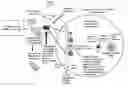
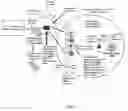
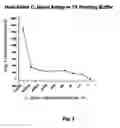

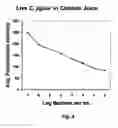
Sources:
- United States Patent and Trademark Office - verify current appl. status at the USPTO↗
Recent applications in this class:
- » 20250129405 2025-04-24
NON-SEQUENCING PCR-BASED METHOD FOR DETECTION OF ANTIBODY-CONJUGATED OLIGONUCLEOTIDES - » 20250101492 2025-03-27
MAPPING DNA BINDING - » 20250101491 2025-03-27
PHAGE MEDIATED IMMUNO-PCR FOR THE DIAGNOSIS OF ALZHEIMER'S DISEASE - » 20250092438 2025-03-20
METHOD FOR THE IDENTIFICATION OF THE WHOLE SEQUENCE OF THE VARIABLE REGION OF THE HEAVY AND LIGHT CHAINS OF IMMUNOGLOBULINS - » 20250084454 2025-03-13
MULTIPLEXED IMMUNOSIGNAL AMPLIFICATION USING HYBRIDIZATION CHAIN REACTION-BASED METHOD - » 20250059584 2025-02-20
METHODS FOR DIAGNOSING AND/OR TREATING ALZHEIMER'S DISEASE - » 20240417774 2024-12-19
QUANTITATIVE ASSESSMENT FOR CAP EFFICIENCY OF MESSENGER RNA - » 20240384326 2024-11-21
MULTIPLEXED PROFILING OF RNA AND DNA MODIFICATIONS - » 20240384325 2024-11-21
SPLIT AND POOL IDENTIFICATION OF RBP TARGETS (SPIDR) - » 20240376518 2024-11-14
METHOD FOR DETECTING TARGET NUCLEIC ACIDS USING PLASMONIC IMMUNOMAGNETIC NANOPARTICLES