Polynucleotide encoding a sclerostin-binding antibody
US20110097342A1
2011-04-28
12/950,094
2010-11-19
✅ Patent granted
US 8,383,801 B2
2013-02-26
-
-
Sharon Wen
Marshall, Gerstein & Borun LLP
2031-06-09
Abstract:
Compositions and methods relating to epitopes of sclerostin protein, and sclerostin binding agents, such as antibodies capable of binding to sclerostin, are provided.
Inventors:
- John Latham 76 🇺🇸 Seattle, WA, United States
- Wenyan Shen 27 🇺🇸 Wayne, PA, United States
- David G. Winkler 27 🇺🇸 Arlington, MA, United States
- Christopher J. Paszty 13 🇺🇸 Ventura, CA, United States
- Kevin Graham 19 🇺🇸 Thousand Oaks, CA, United States
- Alastair Lawson 5 🇬🇧 Alresford, United Kingdom
- Andy Popplewell 4 🇬🇧 Berkshire, United Kingdom
- Martyn K. Robinson 2 🇬🇧 Woodburn Green, United Kingdom
- Alistair J. Henry 3 🇬🇧 Middlesex, United Kingdom
- Kelly S. Warmington 2 🇺🇸 Newbury Park, CA, United States
- Hsieng S. Lu 3 🇺🇸 Westlake Village, CA, United States
- Aaron G. Winters 2 🇺🇸 Ventura, CA, United States
Assignee:
- Amgen Inc. 2,014 🇺🇸 Thousand Oaks, CA, United States
- UCB PHARMA S.A. 213 🇧🇪 Brussels, Belgium
Applicant:
Interested in similar patents?
Get notified when new applications in this technology area are published.
Classification:
C07K16/22 » CPC main
Immunoglobulins [IGs], e.g. monoclonal or polyclonal antibodies against material from animals or humans against growth factors ; against growth regulators
A61K39/3955 » CPC further
Medicinal preparations containing antigens or antibodies; Antibodies ; Immunoglobulins; Immune serum, e.g. antilymphocytic serum against materials from animals against proteinaceous materials, e.g. enzymes, hormones, lymphokines
A61K45/06 » CPC further
Medicinal preparations containing active ingredients not provided for in groups - Mixtures of active ingredients without chemical characterisation, e.g. antiphlogistics and cardiaca
A61K47/60 » CPC further
Medicinal preparations characterised by the non-active ingredients used, e.g. carriers or inert additives; Targeting or modifying agents chemically bound to the active ingredient the non-active ingredient being chemically bound to the active ingredient, e.g. polymer-drug conjugates the non-active ingredient being a modifying agent the modifying agent being an organic macromolecular compound, e.g. an oligomeric, polymeric or dendrimeric molecule obtained otherwise than by reactions only involving carbon-to-carbon unsaturated bonds, e.g. polyureas or polyurethanes the organic macromolecular compound being a polyoxyalkylene oligomer, polymer or dendrimer, e.g. PEG, PPG, PEO or polyglycerol
A61P1/02 » CPC further
Drugs for disorders of the alimentary tract or the digestive system Stomatological preparations, e.g. drugs for caries, aphtae, periodontitis
A61P1/04 » CPC further
Drugs for disorders of the alimentary tract or the digestive system for ulcers, gastritis or reflux esophagitis, e.g. antacids, inhibitors of acid secretion, mucosal protectants
A61P1/16 » CPC further
Drugs for disorders of the alimentary tract or the digestive system for liver or gallbladder disorders, e.g. hepatoprotective agents, cholagogues, litholytics
A61P3/00 » CPC further
Drugs for disorders of the metabolism
A61P3/02 » CPC further
Drugs for disorders of the metabolism Nutrients, e.g. vitamins, minerals
A61P3/04 » CPC further
Drugs for disorders of the metabolism Anorexiants; Antiobesity agents
A61P3/10 » CPC further
Drugs for disorders of the metabolism for glucose homeostasis for hyperglycaemia, e.g. antidiabetics
A61P5/14 » CPC further
Drugs for disorders of the endocrine system of the thyroid hormones, e.g. T3, T4
A61P5/16 » CPC further
Drugs for disorders of the endocrine system of the thyroid hormones, e.g. T3, T4 for decreasing, blocking or antagonising the activity of the thyroid hormones
A61P5/18 » CPC further
Drugs for disorders of the endocrine system of the parathyroid hormones
A61P7/00 » CPC further
Drugs for disorders of the blood or the extracellular fluid
A61P7/06 » CPC further
Drugs for disorders of the blood or the extracellular fluid Antianaemics
A61P15/00 » CPC further
Drugs for genital or sexual disorders ; Contraceptives
A61P15/12 » CPC further
Drugs for genital or sexual disorders ; Contraceptives for climacteric disorders
A61P17/00 » CPC further
Drugs for dermatological disorders
A61P19/00 » CPC further
Drugs for skeletal disorders
A61P19/02 » CPC further
Drugs for skeletal disorders for joint disorders, e.g. arthritis, arthrosis
A61P25/00 » CPC further
Drugs for disorders of the nervous system
A61P25/08 » CPC further
Drugs for disorders of the nervous system Antiepileptics; Anticonvulsants
A61P25/32 » CPC further
Drugs for disorders of the nervous system for treating abuse or dependence Alcohol-abuse
A61P37/00 » CPC further
Drugs for immunological or allergic disorders
A61P43/00 » CPC further
Drugs for specific purposes, not provided for in groups -
C07K14/51 » CPC further
Peptides having more than 20 amino acids; Gastrins; Somatostatins; Melanotropins; Derivatives thereof from animals; from humans; Growth factors; Growth regulators Bone morphogenetic factor; Osteogenins; Osteogenic factor; Bone-inducing factor
C07K14/76 » CPC further
Peptides having more than 20 amino acids; Gastrins; Somatostatins; Melanotropins; Derivatives thereof from animals; from humans Albumins
C07K14/79 » CPC further
Peptides having more than 20 amino acids; Gastrins; Somatostatins; Melanotropins; Derivatives thereof from animals; from humans Transferrins, e.g. lactoferrins, ovotransferrins
A61K2039/505 » CPC further
Medicinal preparations containing antigens or antibodies comprising antibodies
C07K2317/24 » CPC further
Immunoglobulins specific features characterized by taxonomic origin containing regions, domains or residues from different species, e.g. chimeric, humanized or veneered
C07K2317/34 » CPC further
Immunoglobulins specific features characterized by aspects of specificity or valency Identification of a linear epitope shorter than 20 amino acid residues or of a conformational epitope defined by amino acid residues
C07K2317/565 » CPC further
Immunoglobulins specific features characterized by immunoglobulin fragments variable (Fv) region, i.e. VH and/or VL Complementarity determining region [CDR]
C07K2317/76 » CPC further
Immunoglobulins specific features characterized by effect upon binding to a cell or to an antigen Antagonist effect on antigen, e.g. neutralization or inhibition of binding
C07K2317/92 » CPC further
Immunoglobulins specific features characterized by (pharmaco)kinetic aspects or by stability of the immunoglobulin Affinity (KD), association rate (Ka), dissociation rate (Kd) or EC50 value
C07K2319/30 » CPC further
Fusion polypeptide Non-immunoglobulin-derived peptide or protein having an immunoglobulin constant or Fc region, or a fragment thereof, attached thereto
A61K39/395 IPC
Medicinal preparations containing antigens or antibodies Antibodies ; Immunoglobulins; Immune serum, e.g. antilymphocytic serum
C07K16/18 » CPC further
Immunoglobulins [IGs], e.g. monoclonal or polyclonal antibodies against material from animals or humans
C12N15/63 » CPC further
Mutation or genetic engineering; DNA or RNA concerning genetic engineering, vectors, e.g. plasmids, or their isolation, preparation or purification; Use of hosts therefor; Recombinant DNA-technology Introduction of foreign genetic material using vectors; Vectors; Use of hosts therefor; Regulation of expression
C12N5/10 IPC
Undifferentiated human, animal or plant cells, e.g. cell lines; Tissues; Cultivation or maintenance thereof; Culture media therefor Cells modified by introduction of foreign genetic material
C12P21/00 IPC
Preparation of peptides or proteins
C07K7/06 IPC
Peptides having 5 to 20 amino acids in a fully defined sequence; Derivatives thereof; Linear peptides containing only normal peptide links having 5 to 11 amino acids
C07K7/08 IPC
Peptides having 5 to 20 amino acids in a fully defined sequence; Derivatives thereof; Linear peptides containing only normal peptide links having 12 to 20 amino acids
C07H21/04 IPC
Compounds containing two or more mononucleotide units having separate phosphate or polyphosphate groups linked by saccharide radicals of nucleoside groups, e.g. nucleic acids with deoxyribosyl as saccharide radical
A61P19/08 » CPC further
Drugs for skeletal disorders for bone diseases, e.g. rachitism, Paget's disease
A61P19/10 » CPC further
Drugs for skeletal disorders for bone diseases, e.g. rachitism, Paget's disease for osteoporosis
Description
RELATED APPLICATIONS
The present application claims benefit of priority from U.S. Provisional Patent Application titled “BINDING AGENTS AND EPITOPES III” Ser. No. 60/792,645 filed Apr. 17, 2006, U.S. Provisional Patent Application Ser. No. 60/782,244 filed Mar. 13, 2006, U.S. Provisional Patent Application Ser. No. 60/776,847 filed Feb. 24, 2006 and U.S. Provisional Patent Application Ser. No. 60/677,583 filed May 3, 2005, under 35 U.S.C. §119. The foregoing provisional patent applications are incorporated herein by reference in their entirety.
TECHNICAL FIELD
The present invention relates generally to epitopes of sclerostin protein, including human sclerostin protein, and binding agents (such as antibodies) capable of binding to sclerostin or fragments thereof.
BACKGROUND OF THE INVENTION
Two or three distinct phases of changes to bone mass occur over the life of an individual (see Riggs, West I Med. 154:63-77 (1991)). The first phase occurs in both men and women and proceeds to attainment of a peak bone mass. This first phase is achieved through linear growth of the endochondral growth plates and radial growth due to a rate of periosteal apposition. The second phase begins around age 30 for trabecular bone (flat bones such as the vertebrae and pelvis) and about age 40 for cortical bone (e.g., long bones found in the limbs) and continues to old age. This phase is characterized by slow bone loss and occurs in both men and women. In women, a third phase of bone loss also occurs, most likely due to postmenopausal estrogen deficiencies. During this phase alone, women may lose an additional bone mass from the cortical bone and from the trabecular compartment (see Riggs, supra).
Loss of bone mineral content can be caused by a wide variety of conditions and may result in significant medical problems. For example, osteoporosis is a debilitating disease in humans and is characterized by marked decreases in skeletal bone mass and mineral density, structural deterioration of bone, including degradation of bone microarchitecture and corresponding increases in bone fragility (i.e., decreases in bone strength), and susceptibility fracture in afflicted individuals. Osteoporosis in humans is generally preceded by clinical osteopenia (bone mineral density that is greater than one standard deviation but less than 2.5 standard deviations below the mean value for young adult bone), a condition found in approximately 25 million people in the United States. Another 7-8 million patients in the United States have been diagnosed with clinical osteoporosis (defined as bone mineral content greater than 2.5 standard deviations below that of mature young adult bone). The frequency of osteoporosis in the human population increases with age. Among Caucasians, osteoporosis is predominant in women who, in the United States, comprise 80% of the osteoporosis patient pool. The increased fragility and susceptibility to fracture of skeletal bone in the aged is aggravated by the greater risk of accidental falls in this population. Fractured hips, wrists, and vertebrae are among the most common injuries associated with osteoporosis. Hip fractures in particular are extremely uncomfortable and expensive for the patient, and for women, correlate with high rates of mortality and morbidity.
Although osteoporosis has been regarded as an increase in the risk of fracture due to decreased bone mass, few of the presently available treatments for skeletal disorders can increase the bone density of adults, and most of the presently available treatments work primarily by inhibiting further bone resorption rather than stimulating new bone formation. Estrogen is now being prescribed to retard bone loss. However, some controversy exists over whether patients gain any long-term benefit and whether estrogen has any effect on patients over 75 years old. Moreover, use of estrogen is believed to increase the risk of breast and endometrial cancer. Calcitonin, osteocalcin with vitamin K, or high doses of dietary calcium, with or without vitamin D, have also been suggested for postmenopausal women. High doses of calcium, however, often have undesired gastrointestinal side effects, and serum and urinary calcium levels must be continuously monitored (e.g., Khosla and Riggs, Mayo Clin. Proc. 70:978982, 1995).
Other current therapeutic approaches to osteoporosis include bisphosphonates (e.g., Fosamax™, Actonel™, Bonviva™, Zometa™, olpadronate, neridronate, skelid, bonefos), parathyroid hormone, calcilytics, calcimimetics (e.g., cinacalcet), statins, anabolic steroids, lanthanum and strontium salts, and sodium fluoride. Such therapeutics, however, are often associated with undesirable side effects (see Khosla and Riggs, supra).
Sclerostin, the product of the SOST gene, is absent in sclerosteosis, a skeletal disease characterized by bone overgrowth and strong dense bones (Brunkow et al., Am. J. Hum. Genet., 68:577-589, 2001; Balemans et al., Hum. Mol. Genet., 10:537-543, 2001). The amino acid sequence of human sclerostin is reported by Brunkow et al. ibid and is disclosed herein as SEQ ID NO:1.
BRIEF SUMMARY OF THE INVENTION
Disclosed herein are compositions and methods that can be used to increase at least one of bone formation, bone mineral density, bone mineral content, bone mass, bone quality and bone strength, and that therefore may be used to treat a wide variety of conditions in which an increase in at least one of bone formation, bone mineral density, bone mineral content, bone mass, bone quality and bone strength is desirable. The present invention also offers other related advantages described herein.
The invention relates to regions (epitopes) of human sclerostin recognized by the binding agents disclosed herein, methods of using these epitopes, and methods of making such epitopes.
The invention also relates to epitopes specific to the region of sclerostin identified as Loop 2, and binding agents which specifically bind to that region.
The invention also relates to epitopes specific to the cystine-knot region of sclerostin, and binding agents such as antibodies specifically binding to that region.
The invention relates to binding agents, such as antibodies, that specifically bind to sclerostin. The binding agents can be characterized by their ability to cross-block the binding of at least one antibody disclosed herein to sclerostin and/or to be cross-blocked from binding sclerostin by at least one antibody disclosed herein. The antibodies and other binding agents can also be characterized by their binding pattern to human sclerostin peptides in a “human sclerostin peptide epitope competition binding assay” as disclosed herein.
The invention relates to binding agents, such as antibodies, that can increase at least one of bone formation, bone mineral density, bone mineral content, bone mass, bone quality and bone strength in a mammal.
The invention relates to binding agents, such as antibodies, that can block the inhibitory effect of sclerostin in a cell based mineralization assay.
The invention further relates to polypeptide constructs comprising two, three, or four polypeptide fragments linked by at least one disulfide bond, representing a core region of the cystine-knot of sclerostin, and antibodies capable of specifically binding thereto.
The invention relates to methods of obtaining epitopes suitable for use as immunogens for generating, in mammals, binding agents, such as antibodies capable of binding specifically to sclerostin; in certain embodiments the binding agents generated are capable of neutralizing sclerostin activity in vivo.
The invention relates to a composition for eliciting an antibody specific for sclerostin when the composition is administered to an animal, the composition comprising a polypeptide having the amino acid sequence of SEQ ID NO:6, SEQ ID NO:63, SEQ ID NO:64, SEQ ID NO:65, SEQ ID NO:66, SEQ ID NO:67, SEQ ID NO:68, or SEQ ID NO:69.
The invention also relates to a composition for eliciting an antibody specific for sclerostin when the composition is administered to an animal, the composition comprising at least one polypeptide consisting essentially of the amino acid sequence of SEQ ID NO:2, SEQ ID NO:3, SEQ ID NO:4 or SEQ ID NO:5; the composition may comprise at least two or at least three of the amino acid sequences of SEQ ID NO:2, SEQ ID NO:3, SEQ ID NO:4 and SEQ ID NO:5, and the composition may comprise all four of the amino acid sequences of SEQ ID NO:2, SEQ ID NO:3, SEQ ID NO:4 and SEQ ID NO:5.
The invention further relates to a composition for eliciting an antibody specific for sclerostin when the composition is administered to an animal, the composition comprising a polypeptide having the amino acid sequences of SEQ ID NO:2, SEQ ID NO:3, SEQ ID NO:4 and SEQ ID NO:5, wherein SEQ ID NO:2 and 4 are joined by a disulfide bond at amino acid positions 57 and 111 with reference to SEQ ID NO:1, and SEQ ID NO:3 and 5 are joined by at least one of (a) a disulfide bond at amino acid positions 82 and 142 with reference to SEQ ID NO:1, and (b) a disulfide bond at amino acid positions 86 and 144 with reference to SEQ ID NO:1; the polypeptide may retain the tertiary structure of the corresponding polypeptide region of human sclerostin of SEQ ID NO:1.
The invention also relates to polypeptide T20.6 consisting essentially of a multiply truncated human sclerostin protein of SEQ ID NO:1, wherein amino acids 1-50, 65-72, 91-100, 118-137, and 150-190 of SEQ ID NO:1 are absent from the polypeptide; this polypeptide may be obtained by tryptic digestion of human sclerostin, and the protein may be isolated by HPLC fractionation.
The invention further relates to immunogenic portion T20.6 of human sclerostin comprising amino acids 51-64, 73-90, 101-117, and 138-149 of SEQ ID NO:1, wherein the immunogenic portion comprises at least one of:
-
- (a) a disulfide bond between amino acids 57 and 111;
- (b) a disulfide bond between amino acids 82 and 142; and
- (c) a disulfide bond between amino acids 86 and 144;
the immunogenic portion may have at least two of these disulfide bonds; and the immunogenic portion may have all three disulfide bonds.
The invention further relates to an immunogenic portion T20.6 derivative of human sclerostin comprising amino acids 57-64, 73-86, 111-117, and 138-144 of SEQ ID NO:1, wherein the immunogenic portion comprises at least one of:
-
- (a) a disulfide bond between amino acids 57 and 111;
- (b) a disulfide bond between amino acids 82 and 142; and
- (c) a disulfide bond between amino acids 86 and 144;
the immunogenic portion may have at least two of these disulfide bonds; and the immunogenic portion may have all three disulfide bonds.
The invention yet further relates to a polypeptide consisting essentially of a human sclerostin protein of SEQ ID NO:1 truncated at the C-terminal and N-terminal ends, wherein amino acids 1-85 and 112-190 of SEQ ID NO:1 are absent from the polypeptide.
The invention also relates to an immunogenic portion of human sclerostin, comprising amino acids 86-111 of SEQ ID NO:1; the immunogenic portion may consist essentially of contiguous amino acids CGPARLLPNAIGRGKWWRPSGPDFRC (SEQ ID NO:6).
The invention further relates to an immunogenic portion of rat sclerostin, comprising amino acids 92-109 of SEQ ID NO:98; the immunogenic portion may consist essentially of contiguous amino acids PNAIGRVKWWRPNGPDFR (SEQ ID NO:96).
The invention still further relates to an immunogenic portion of rat sclerostin, comprising amino acids 99-120 of SEQ ID NO:98; the immunogenic portion may consist essentially of contiguous amino acids KWWRPNGPDFRCIPDRYRAQRV (SEQ ID NO:97).
The invention relates to a method of producing an immunogenic portion of human sclerostin, comprising the steps of:
-
- (a) treating human sclerostin to achieve complete tryptic digestion;
- (b) collecting the tryptic digest sample having average molecular weight of 7,122.0 Daltons (theoretical mass 7121.5 Daltons) or retention time of about 20.6 minutes as determined by elution from a reverse-phase HPLC column with linear gradient from 0.05% trifluoroacetic acid to 90% acetonitrile in 0.05% TFA at a flow rate of 0.2 mL/min; and
- (c) purifying the immunogenic portion.
The invention relates to a method of generating an antibody capable of specifically binding to sclerostin, comprising:
-
- (a) immunizing an animal with a composition comprising a polypeptide of SEQ ID NO:6, SEQ ID NO:63, SEQ ID NO:64, SEQ ID NO:65, SEQ ID NO:66, SEQ ID NO:67, SEQ ID NO:68, SEQ ID NO:69, SEQ ID NO:96, or SEQ ID NO:97;
- (b) collecting sera from the animal; and
- (c) isolating from the sera an antibody capable of specifically binding to sclerostin.
The invention also relates to a method of generating an antibody capable of specifically binding to sclerostin, the method comprising:
-
- (a) immunizing an animal with a composition comprising polypeptide T20.6 or a derivative of T20.6;
- (b) collecting sera from the animal; and
- (c) isolating from the sera an antibody capable of specifically binding to sclerostin.
The invention further relates to a method of detecting an anti-sclerostin antibody in a biological sample, comprising the steps of
-
- (a) contacting the biological sample with a polypeptide consisting essentially of SEQ ID NO:6, SEQ ID NO:63, SEQ ID NO:64, SEQ ID NO:65, SEQ ID NO:66, SEQ ID NO:67, SEQ ID NO:68, SEQ ID NO:69, SEQ ID NO:96, or SEQ ID NO:97 under conditions allowing a complex to form between the antibody and the polypeptide; and
- (b) detecting the presence or absence of the complex,
wherein the presence of the complex indicates that the biological sample contains an anti-sclerostin antibody.
The invention also relates to a method of detecting an anti-sclerostin antibody in a biological sample, comprising the steps of
-
- (a) contacting the biological sample with polypeptide T20.6 or a derivative of T20.6 under conditions allowing a complex to form between the antibody and the polypeptide; and
- (b) detecting the presence or absence of the complex,
wherein the presence of the complex indicates that the biological sample contains an anti-sclerostin antibody.
The invention further relates to a sclerostin binding agent, such as an antibody, that cross-blocks the binding of at least one of antibodies Ab-A, Ab-B, Ab-C, or Ab-D to a sclerostin protein. The sclerostin binding agent may also be cross-blocked from binding to sclerostin by at least one of antibodies Ab-A, Ab-B, Ab-C, or Ab-D. The isolated antibody, or an antigen-binding fragment thereof, may be a polyclonal antibody, a monoclonal antibody, a humanized antibody, a human antibody, a chimeric antibody or the like.
The invention further relates to a sclerostin binding agent, such as an antibody, that is cross-blocked from binding to sclerostin by at least one of antibodies Ab-A, Ab-B, Ab-C, or Ab-D. The isolated antibody, or an antigen-binding fragment thereof, may be a polyclonal antibody, a monoclonal antibody, a humanized antibody, a human antibody, a chimeric antibody or the like.
The invention further relates to a sclerostin binding agent, such as an isolated antibody, that cross-blocks the binding of at least one of antibodies 1-24 (Ab-1 to Ab-24) to a sclerostin protein. The sclerostin binding agent may also be cross-blocked from binding to sclerostin by at least one of antibodies 1-24 (Ab-1 to Ab-24). The isolated antibody, or an antigen-binding fragment thereof, may be a polyclonal antibody, a monoclonal antibody, a humanized antibody, a human antibody, or a chimeric antibody.
The invention further relates to a sclerostin binding agent, such as an isolated antibody, that is cross-blocked from binding to sclerostin by at least one of antibodies 1-24 (Ab-1 to Ab-24); the isolated antibody, or an antigen-binding fragment thereof, may be a polyclonal antibody, a monoclonal antibody, a humanized antibody, a human antibody, or a chimeric antibody.
The invention further relates to a binding agent, such as an isolated antibody that exhibits a similar binding pattern to human sclerostin peptides in a “human sclerostin peptide epitope competition binding assay” as that exhibited by at least one of the antibodies Ab-A, Ab-B, Ab-C or Ab-D; the isolated antibody, or an antigen-binding fragment thereof, may be a polyclonal antibody, a monoclonal antibody, a humanized antibody, a human antibody, or a chimeric antibody.
The invention still further relates to a method for treating a bone disorder associated with at least one of low bone formation, low bone mineral density, low bone mineral content, low bone mass, low bone quality and low bone strength in a mammalian subject which comprises providing to a subject in need of such treatment an amount of an anti-sclerostin binding agent sufficient to increase at least one of bone formation, bone mineral density, bone mineral content, bone mass, bone quality and bone strength wherein the anti-sclerostin binding agent comprises an antibody, or sclerostin-binding fragment thereof.
The invention also relates to an isolated sclerostin polypeptide or fragments thereof, wherein the polypeptide contains 6 conserved cysteine residues and the fragments thereof comprise from 7 to 14 amino acids of SEQ ID NO:2; 8 to 17 amino acids of SEQ ID NO:3; 8 to 18 residues of SEQ ID NO:4; and 6 to 12 residues of SEQ ID NO:5, and the polypeptide or fragments thereof are stabilized by disulfide bonds between SEQ ID NO:2 and 4, and between SEQ ID NO:3 and 5; the polypeptide or fragments may comprise 10-14 amino acids of SEQ ID NO:2; 14 to 17 amino acids of SEQ ID NO:3; 13 to 18 amino acids of SEQ ID NO:4; and 8 to 12 residues of SEQ ID NO:5; and the polypeptide or fragments may comprise SEQ ID NO:2, SEQ ID NO:3, SEQ ID NO:4, and SEQ ID NO:5.
Provided herein are antibodies that specifically bind to human sclerostin. The antibodies are characterized by their ability to cross-block the binding of at least one antibody disclosed herein to human sclerostin and/or to be cross-blocked from binding human sclerostin by at least one antibody disclosed herein.
Also provided is an isolated antibody, or an antigen-binding fragment thereof, that can increase at least one of bone formation, bone mineral density, bone mineral content, bone mass, bone quality and bone strength in a mammal.
Also provided in an isolated antibody, or an antigen-binding fragment thereof, that can block the inhibitory effect of sclerostin in a cell based mineralization assay.
Also provided is a binding agent, such as an antibody, that specifically binds to human sclerostin and has at least one CDR sequence selected from SEQ ID NOs: 39, 40, 41, 42, 43, 44, 45, 46, 47, 48, 49, 50, 51, 52, 53, 54, 55, 56, 57, 58, 59, 60, 61, 62, 78, 79, 80, 81, 99, 100, 101, 102, 103, 104, 105, 106, 107, 108, 109, 110, 111, 112, 113, 114, 115, 116, 237, 238, 239, 240, 241, 242, 243, 244, 245, 246, 247, 248, 249, 250, 251, 252, 253, 254, 255, 256, 257, 258, 259, 260, 261, 262, 263, 264, 265, 266, 267, 268, 269, 270, 271, 272, 273, 274, 275, 276, 277, 278, 279, 280, 281, 282, 283, 284, 285, 286, 287, 288, 289, 290, 291, 292, 293, 294, 295, 296, 297, 298, 351, 352, 353, 358, 359, and 360, and variants thereof, wherein the antibody or antigen-binding fragment thereof neutralizes sclerostin.
Also provided is a binding agent, such as an antibody, that specifically binds to human sclerostin and has at least one CDR sequence selected from SEQ ID NOs:39, 40, 41, 42, 43, 44, 45, 46, 47, 48, 49, 50, 51, 52, 53, 54, 55, 56, 57, 58, 59, 60, 61, 62, 78, 79, 80, 81, 99, 100, 101, 102, 103, 104, 105, 106, 107, 108, 109, 110, 111, 112, 113, 114, 115, 116, 237, 238, 239, 240, 241, 242, 243, 244, 245, 246, 247, 248, 249, 250, 251, 252, 253, 254, 255, 256, 257, 258, 259, 260, 261, 262, 263, 264, 265, 266, 267, 268, 269, 270, 271, 272, 273, 274, 275, 276, 277, 278, 279, 280, 281, 282, 283, 284, 285, 286, 287, 288, 289, 290, 291, 292, 293, 294, 295, 296, 297, 298, 351, 352, 353, 358, 359, and 360, and variants thereof.
Also provided are regions of human sclerostin which are important for the in vivo activity of the protein.
These and other aspects of the present invention will become apparent upon reference to the following detailed description and attached drawings. All references disclosed herein are hereby incorporated by reference in their entireties as if each was incorporated individually.
BRIEF DESCRIPTION OF THE DRAWINGS
FIG. 1 depicts the amino acid sequences of the mature form (signal peptides cleaved off) of the light chain (FIG. 1A) (SEQ ID NO:23) and heavy chain (FIG. 1B) (SEQ ID NO:27) for the anti-human sclerostin and anti-mouse sclerostin antibody Ab-A.
FIG. 2 depicts the amino acid sequences of the mature form (signal peptides cleaved off) of the light chain (FIG. 2A) (SEQ ID NO:31) and heavy chain (FIG. 2B) (SEQ ID NO:35) for the anti-human sclerostin and anti-mouse sclerostin antibody Ab-B.
FIG. 3 depicts the amino acid sequences of the mature form (signal peptides cleaved off) of the light chain (FIG. 3A) (SEQ ID NO:15) and heavy chain (FIG. 3B) (SEQ ID NO:19) for the anti-human sclerostin and anti-mouse sclerostin antibody Ab-C.
FIG. 4 depicts the amino acid sequences of the mature form (signal peptides cleaved off) of the light chain (FIG. 4A) (SEQ ID NO:7) and heavy chain (FIG. 4B) (SEQ ID NO:11) for the anti-human sclerostin and anti-mouse sclerostin antibody Ab-D.
FIG. 5 depicts bone mineral density in mice measured at two skeletal sites (lumbar vertebrae and tibial metaphysis) after 3 weeks of treatment with vehicle, PTH (1-34), Ab-A or Ab-B.
FIG. 6 shows bone mineral density in mice measured at two skeletal sites (lumbar vertebrae and tibial metaphysis) after 2 weeks of treatment with vehicle, PTH (1-34) or Ab-C.
FIG. 7 depicts bone mineral density in mice measured at two skeletal sites (lumbar vertebrae and tibial metaphysis) after 3 weeks of treatment with vehicle or Ab-D.
FIG. 8 depicts the amino acid sequence of the mature form (signal peptide cleaved off) of human sclerostin (SEQ ID NO:1). Also depicted is the nucleotide sequence of the human sclerostin coding region that encodes the mature form of human sclerostin. The eight cysteines are numbered C1 through C8. The cystine-knot is formed by three disulfide bonds (C1-C5; C3-C7; C4-C8). C2 and C6 also form a disulfide bond, however this disulfide is not part of the cystine-knot.
FIG. 9 depicts a schematic of the basic structure of human sclerostin. There is an N-terminal arm (from the first Q to C1) and a C-terminal arm (from C8 to the terminal Y). In between these arms there is the cystine-knot structure (formed by three disulfides: C1-C5; C3-C7; C4-C8) and three loops which are designated Loop 1, Loop 2 and Loop 3. The distal regions of Loop 1 and Loop 3 are linked by the C2-C6 disulfide. Potential trypsin cleavage sites are indicated (arginine=R and lysine=K). Some of the potential AspN cleavage sites are indicated (only aspartic acid (D) residues are shown).
FIG. 10 depicts the HPLC peptide maps of human sclerostin after digestion with either trypsin or AspN. The human sclerostin peptides generated by trypsin digestion are indicated (T19.2, T20, T20.6 and T21-22) as are the human sclerostin peptides generated by AspN digestion (AspN14.6, AspN18.6 and AspN22.7-23.5).
FIG. 11 depicts sequence and mass information for the isolated human sclerostin disulfide linked peptides generated by trypsin digestion. Seq. pos.=sequence position. Obs.=observed. Observed mass was determined by ESI-LC-MS analysis.
FIG. 12 depicts sequence and mass information for the isolated human sclerostin peptides generated by AspN digestion. The AspN22.7-23.5 peptide contains the 4 disulfide bonds. Seq. pos.=sequence position. Obs.=observed. Observed mass was determined by ESI-LC-MS analysis.
FIG. 13 shows a linear schematic of four human sclerostin peptides (T19.2, T20, T20.6 and T21-22) generated by trypsin digestion.
FIG. 14 shows a linear schematic of five human sclerostin peptides (AspN14.6, AspN18.6 and AspN22.7-23.5) generated by AspN digestion. The AspN14.6 HPLC peak is composed of three peptides not linked by any disulfide bonds.
FIG. 15 shows the resonance unit (Ru) signal from the Biacore-based “human sclerostin peptide epitope competition binding assay.” Relative Mab binding to various human sclerostin-peptides (in solution) versus Mab binding to intact mature form human sclerostin (immobilized on Biacore chip) was assessed. Data shown is for Ab-A. Human sclerostin peptides used were T19.2, T20, T20.6, T21-22, AspN14.6, AspN18.6 and AspN22.7-23.5.
FIG. 16 shows the resonance unit (Ru) signal from the Biacore-based “human sclerostin peptide epitope competition binding assay.” Relative Mab binding to various human sclerostin-peptides (in solution) versus Mab binding to intact mature form human sclerostin (immobilized on Biacore chip) was assessed. Data shown is for Ab-B. Human sclerostin peptides used were T19.2, T20, T20.6, T21-22, AspN14.6, AspN18.6 and AspN22.7-23.5.
FIG. 17 shows the resonance unit (Ru) signal from the Biacore-based “human sclerostin peptide epitope competition binding assay.” Relative Mab binding to various human sclerostin-peptides (in solution) versus Mab binding to intact mature form human sclerostin (immobilized on Biacore chip) was assessed. Data shown is for Ab-C. Human sclerostin peptides used were T19.2, T20, T20.6, T21-22, AspN14.6, AspN18.6 and AspN22.7-23.5.
FIG. 18 shows the resonance unit (Ru) signal from Biacore-based “human sclerostin peptide epitope competition binding assay.” Relative Mab binding to various human sclerostin-peptides (in solution) versus Mab binding to intact mature form human sclerostin (immobilized on Biacore chip) was assessed. Data shown is for Ab-D. Human sclerostin peptides used were T19.2, T20, T20.6, T21-22, AspN14.6, AspN18.6 and AspN22.7-23.5.
FIG. 19 shows two Mab binding epitopes of human sclerostin. FIG. 19A shows sequence of the Loop 2 epitope for binding of Ab-A and Ab-B to human sclerostin (SEQ ID NO:6). FIG. 19B shows sequence, disulfide bonding and schematic of the T20.6 epitope for binding of Ab-C and Ab-D to human sclerostin (SEQ ID NO:2-5).
FIG. 20 depicts the HPLC peptide maps of human sclerostin after digestion with trypsin. FIG. 20A shows digestion of the human sclerostin Ab-D complex. FIG. 20B shows digestion of human sclerostin alone. The T19.2, T20, T20.6 and T21-22 peptide peaks are indicated.
FIG. 21 shows the sequence, disulfide bonding and schematic of the “T20.6 derivative 1 (cystine-knot+4 arms)” epitope for binding of Ab-D to human sclerostin. (SEQ ID NO:70-73).
FIG. 22 shows results from the MC3T3-E1-BF osteoblast cell line mineralization assay used for identifying anti-sclerostin neutralizing Mabs. Mouse sclerostin (Scl) was used at 1 μg/ml. Monoclonal antibodies were used at 10 and 5 μg/ml. Extent of mineralization (various types of insoluble calcium phosphate) was quantitated by measuring calcium.
FIG. 23 depicts results from the MC3T3-E1-BF osteoblast cell line mineralization assay used for identifying anti-sclerostin neutralizing Mabs. Human sclerostin (Scl) was used at 1 μg/ml. Monoclonal antibodies were used at 8 and 4 μg/ml. Extent of mineralization (various types of insoluble calcium phosphate) was quantitated by measuring calcium.
FIG. 24 shows results from the MC3T3-E1-BF osteoblast cell line mineralization assay used for identifying anti-sclerostin neutralizing Mabs. Human sclerostin (Scl) was used at 1 μg/ml. Monoclonal antibodies were used at 10 μg/ml. Extent of mineralization (various types of insoluble calcium phosphate) was quantitated by measuring calcium.
FIG. 25 depicts results from an inflammation-induced bone loss SCID mouse model. Ab-A treatment protected mice from inflammation-related bone loss associated with colitis when measured as total bone mineral density (FIG. 25A), vertebral bone density (FIG. 25B), and femur bone density (FIG. 25C).
DETAILED DESCRIPTION
The present invention relates to regions of the human sclerostin protein that contain epitopes recognized by antibodies that also bind to full-length sclerostin, and methods of making and using these epitopes. The invention also provides binding agents (such as antibodies) that specifically bind to sclerostin or portions of sclerostin, and methods for using such binding agents. The binding agents are useful to block or impair binding of human sclerostin to one or more ligand.
Recombinant human sclerostin/SOST is commercially available from R&D Systems (Minneapolis, Minn., USA; 2006 cat#1406-ST-025). Additionally, recombinant mouse sclerostin/SOST is commercially available from R&D Systems (Minneapolis, Minn., USA; 2006 cat#1589-ST-025). Research grade sclerostin binding monoclonal antibodies are commercially available from R&D Systems (Minneapolis, Minn., USA; mouse monoclonal: 2006 cat#MAB1406; rat monoclonal: 2006 cat# MAB1589). U.S. Pat. Nos. 6,395,511 and 6,803,453, and U.S. Patent Publications 20040009535 and 20050106683 refer to anti-sclerostin antibodies generally.
As used herein, the term human sclerostin is intended to include the protein of SEQ ID NO:1 and allelic variants thereof. Sclerostin can be purified from 293T host cells that have been transfected by a gene encoding sclerostin by elution of filtered supernatant of host cell culture fluid using a Heparin HP column, using a salt gradient. The preparation and further purification using cation exchange chromatography are described in Examples 1 and 2.
Binding agents of the invention are preferably antibodies, as defined herein. The term “antibody” refers to an intact antibody, or a binding fragment thereof. An antibody may comprise a complete antibody molecule (including polyclonal, monoclonal, chimeric, humanized, or human versions having full length heavy and/or light chains), or comprise an antigen binding fragment thereof. Antibody fragments include F(ab′)2, Fab, Fab′, Fv, Fc, and Fd fragments, and can be incorporated into single domain antibodies, single-chain antibodies, maxibodies, minibodies, intrabodies, diabodies, triabodies, tetrabodies, v-NAR and bis-scFv (See e.g., Hollinger and Hudson, 2005, Nature Biotechnology, 23, 9, 1126-1136). Antibody polypeptides are also disclosed in U.S. Pat. No. 6,703,199, including fibronectin polypeptide monobodies. Other antibody polypeptides are disclosed in U.S. Patent Publication 2005/0238646, which are single-chain polypeptides.
Antigen binding fragments derived from an antibody can be obtained, for example, by proteolytic hydrolysis of the antibody, for example, pepsin or papain digestion of whole antibodies according to conventional methods. By way of example, antibody fragments can be produced by enzymatic cleavage of antibodies with pepsin to provide a 5S fragment termed F(ab′)2. This fragment can be further cleaved using a thiol reducing agent to produce 3.5S Fab′ monovalent fragments. Optionally, the cleavage reaction can be performed using a blocking group for the sulfhydryl groups that result from cleavage of disulfide linkages. As an alternative, an enzymatic cleavage using papain produces two monovalent Fab fragments and an Fc fragment directly. These methods are described, for example, by Goldenberg, U.S. Pat. No. 4,331,647, Nisonoff et al., Arch. Biochem. Biophys. 89:230, 1960; Porter, Biochem. J. 73:119, 1959; Edelman et al., in Methods in Enzymology 1:422 (Academic Press 1967); and by Andrews, S. M. and Titus, J. A. in Current Protocols in Immunology (Coligan J. E., et al., eds), John Wiley & Sons, New York (2003). pages 2.8.1-2.8.10 and 2.10A.1-2.10A.5. Other methods for cleaving antibodies, such as separating heavy chains to form monovalent light-heavy chain fragments (Fd), further cleaving of fragments, or other enzymatic, chemical, or genetic techniques may also be used, so long as the fragments bind to the antigen that is recognized by the intact antibody.
An antibody fragment may also be any synthetic or genetically engineered protein. For example, antibody fragments include isolated fragments consisting of the light chain variable region, “Fv” fragments consisting of the variable regions of the heavy and light chains, recombinant single chain polypeptide molecules in which light and heavy variable regions are connected by a peptide linker (scFv proteins).
Another form of an antibody fragment is a peptide comprising one or more complementarity determining regions (CDRs) of an antibody. CDRs (also termed “minimal recognition units”, or “hypervariable region”) can be obtained by constructing polynucleotides that encode the CDR of interest. Such polynucleotides are prepared, for example, by using the polymerase chain reaction to synthesize the variable region using mRNA of antibody-producing cells as a template (see, for example, Larrick et al., Methods: A Companion to Methods in Enzymology 2:106, 1991; Courtenay-Luck, “Genetic Manipulation of Monoclonal Antibodies,” in Monoclonal Antibodies: Production, Engineering and Clinical Application, Ritter et al. (eds.), page 166 (Cambridge University Press 1995); and Ward et al., “Genetic Manipulation and Expression of Antibodies,” in Monoclonal Antibodies: Principles and Applications, Birch et al., (eds.), page 137 (Wiley-Liss, Inc. 1995)).
Thus, in one embodiment, the binding agent comprises at least one CDR as described herein. The binding agent may comprise at least two, three, four, five or six CDR's as described herein. The binding agent further may comprise at least one variable region domain of an antibody described herein. The variable region domain may be of any size or amino acid composition and will generally comprise at least one CDR sequence responsible for binding to human sclerostin, for example CDR-H1, CDR-H2, CDR-H3 and/or the light chain CDRs specifically described herein and which is adjacent to or in frame with one or more framework sequences. In general terms, the variable (V) region domain may be any suitable arrangement of immunoglobulin heavy (VH) and/or light (VL) chain variable domains. Thus, for example, the V region domain may be monomeric and be a VH or VL domain, which is capable of independently binding human sclerostin with an affinity at least equal to 1×10⁻⁷M or less as described below. Alternatively, the V region domain may be dimeric and contain VH-VH, VH-VL, or VL-VL, dimers. The V region dimer comprises at least one VH and at least one VL chain that may be non-covalently associated (hereinafter referred to as Fv). If desired, the chains may be covalently coupled either directly, for example via a disulfide bond between the two variable domains, or through a linker, for example a peptide linker, to form a single chain Fv (scFV).
The variable region domain may be any naturally occurring variable domain or an engineered version thereof. By engineered version is meant a variable region domain that has been created using recombinant DNA engineering techniques. Such engineered versions include those created, for example, from a specific antibody variable region by insertions, deletions, or changes in or to the amino acid sequences of the specific antibody. Particular examples include engineered variable region domains containing at least one CDR and optionally one or more framework amino acids from a first antibody and the remainder of the variable region domain from a second antibody.
The variable region domain may be covalently attached at a C-terminal amino acid to at least one other antibody domain or a fragment thereof. Thus, for example, a VH domain that is present in the variable region domain may be linked to an immunoglobulin CH1 domain, or a fragment thereof. Similarly a VL domain may be linked to a CK domain or a fragment thereof. In this way, for example, the antibody may be a Fab fragment wherein the antigen binding domain contains associated VH and VL domains covalently linked at their C-termini to a CH1 and CK domain, respectively. The CH1 domain may be extended with further amino acids, for example to provide a hinge region or a portion of a hinge region domain as found in a Fab′ fragment, or to provide further domains, such as antibody CH2 and CH3 domains.
As described herein, binding agents comprise at least one of these CDRs. For example, one or more CDR may be incorporated into known antibody framework regions (IgG1, IgG2, etc.), or conjugated to a suitable vehicle to enhance the half-life thereof. Suitable vehicles include, but are not limited to Fc, polyethylene glycol (PEG), albumin, transferrin, and the like. These and other suitable vehicles are known in the art. Such conjugated CDR peptides may be in monomeric, dimeric, tetrameric, or other form. In one embodiment, one or more water-soluble polymer is bonded at one or more specific position, for example at the amino terminus, of a binding agent.
In certain preferred embodiments, a binding agent comprises one or more water soluble polymer attachments, including, but not limited to, polyethylene glycol, polyoxyethylene glycol, or polypropylene glycol. See, e.g., U.S. Pat. Nos. 4,640,835, 4,496,689, 4,301,144, 4,670,417, 4,791,192 and 4,179,337. In certain embodiments, a derivative binding agent comprises one or more of monomethoxy-polyethylene glycol, dextran, cellulose, or other carbohydrate based polymers, poly-(N-vinyl pyrrolidone)-polyethylene glycol, propylene glycol homopolymers, a polypropylene oxide/ethylene oxide co-polymer, polyoxyethylated polyols (e.g., glycerol) and polyvinyl alcohol, as well as mixtures of such polymers. In certain embodiments, one or more water-soluble polymer is randomly attached to one or more side chains. In certain embodiments, PEG can act to improve the therapeutic capacity for a binding agent, such as an antibody. Certain such methods are discussed, for example, in U.S. Pat. No. 6,133,426, which is hereby incorporated by reference for any purpose.
It will be appreciated that a binding agent of the present invention may have at least one amino acid substitution, providing that the binding agent retains binding specificity. Therefore, modifications to the binding agent structures are encompassed within the scope of the invention. These may include amino acid substitutions, which may be conservative or non-conservative, that do not destroy the sclerostin binding capability of a binding agent. Conservative amino acid substitutions may encompass non-naturally occurring amino acid residues, which are typically incorporated by chemical peptide synthesis rather than by synthesis in biological systems. These include peptidomimetics and other reversed or inverted forms of amino acid moieties. A conservative amino acid substitution may also involve a substitution of a native amino acid residue with a normative residue such that there is little or no effect on the polarity or charge of the amino acid residue at that position.
Non-conservative substitutions may involve the exchange of a member of one class of amino acids or amino acid mimetics for a member from another class with different physical properties (e.g. size, polarity, hydrophobicity, charge). Such substituted residues may be introduced into regions of the human antibody that are homologous with non-human antibodies, or into the non-homologous regions of the molecule.
Moreover, one skilled in the art may generate test variants containing a single amino acid substitution at each desired amino acid residue. The variants can then be screened using activity assays known to those skilled in the art. Such variants could be used to gather information about suitable variants. For example, if one discovered that a change to a particular amino acid residue resulted in destroyed, undesirably reduced, or unsuitable activity, variants with such a change may be avoided. In other words, based on information gathered from such routine experiments, one skilled in the art can readily determine the amino acids where further substitutions should be avoided either alone or in combination with other mutations.
A skilled artisan will be able to determine suitable variants of the polypeptide as set forth herein using well-known techniques. In certain embodiments, one skilled in the art may identify suitable areas of the molecule that may be changed without destroying activity by targeting regions not believed to be important for activity. In certain embodiments, one can identify residues and portions of the molecules that are conserved among similar polypeptides. In certain embodiments, even areas that may be important for biological activity or for structure may be subject to conservative amino acid substitutions without destroying the biological activity or without adversely affecting the polypeptide structure.
Additionally, one skilled in the art can review structure-function studies identifying residues in similar polypeptides that are important for activity or structure. In view of such a comparison, one can predict the importance of amino acid residues in a protein that correspond to amino acid residues which are important for activity or structure in similar proteins. One skilled in the art may opt for chemically similar amino acid substitutions for such predicted important amino acid residues.
One skilled in the art can also analyze the three-dimensional structure and amino acid sequence in relation to that structure in similar polypeptides. In view of such information, one skilled in the art may predict the alignment of amino acid residues of an antibody with respect to its three dimensional structure. In certain embodiments, one skilled in the art may choose not to make radical changes to amino acid residues predicted to be on the surface of the protein, since such residues may be involved in important interactions with other molecules.
A number of scientific publications have been devoted to the prediction of secondary structure. See Moult J., Curr. Op. in Biotech., 7(4):422-427 (1996), Chou et al., Biochemistry, 13(2):222-245 (1974); Chou et al., Biochemistry, 113(2):211-222 (1974); Chou et al., Adv. Enzymol. Relat. Areas Mol. Biol., 47:45-148 (1978); Chou et al., Ann. Rev. Biochem., 47:251-276 and Chou et al., Biophys. J., 26:367-384 (1979). Moreover, computer programs are currently available to assist with predicting secondary structure. One method of predicting secondary structure is based upon homology modeling. For example, two polypeptides or proteins which have a sequence identity of greater than 30%, or similarity greater than 40% often have similar structural topologies. The recent growth of the protein structural database (PDB) has provided enhanced predictability of secondary structure, including the potential number of folds within a polypeptide's or protein's structure. See Holm et al., Nucl. Acid. Res., 27(1):244-247 (1999). It has been suggested (Brenner et al., Curr. Op. Struct. Biol., 7(3):369-376 (1997)) that there are a limited number of folds in a given polypeptide or protein and that once a critical number of structures have been resolved, structural prediction will become dramatically more accurate.
Additional methods of predicting secondary structure include “threading” (Jones, D., Curr. Opin. Struct. Biol., 7(3):377-87 (1997); Sippl et al., Structure, 4(1):15-19 (1996)), “profile analysis” (Bowie et al., Science, 253:164-170 (1991); Gribskov et al., Meth. Enzym., 183:146-159 (1990); Gribskov et al., Proc. Nat. Acad. Sci., 84(13):4355-4358 (1987)), and “evolutionary linkage” (See Holm, supra (1999), and Brenner, supra (1997)).
In certain embodiments, variants of binding agents include glycosylation variants wherein the number and/or type of glycosylation site has been altered compared to the amino acid sequences of a parent polypeptide. In certain embodiments, variants comprise a greater or a lesser number of N-linked glycosylation sites than the native protein. An N-linked glycosylation site is characterized by the sequence: Asn-X-Ser or Asn-X-Thr, wherein the amino acid residue designated as X may be any amino acid residue except proline. The substitution of amino acid residues to create this sequence provides a potential new site for the addition of an N-linked carbohydrate chain. Alternatively, substitutions which eliminate this sequence will remove an existing N-linked carbohydrate chain. Also provided is a rearrangement of N-linked carbohydrate chains wherein one or more N-linked glycosylation sites (typically those that are naturally occurring) are eliminated and one or more new N-linked sites are created. Additional preferred antibody variants include cysteine variants wherein one or more cysteine residues are deleted from or substituted for another amino acid (e.g., serine) as compared to the parent amino acid sequence. Cysteine variants may be useful when antibodies must be refolded into a biologically active conformation such as after the isolation of insoluble inclusion bodies. Cysteine variants generally have fewer cysteine residues than the native protein, and typically have an even number to minimize interactions resulting from unpaired cysteines.
Desired amino acid substitutions (whether conservative or non-conservative) can be determined by those skilled in the art at the time such substitutions are desired. In certain embodiments, amino acid substitutions can be used to identify important residues of antibodies to sclerostin, or to increase or decrease the affinity of the antibodies to sclerostin described herein.
According to certain embodiments, preferred amino acid substitutions are those which: (1) reduce susceptibility to proteolysis, (2) reduce susceptibility to oxidation, (3) alter binding affinity for forming protein complexes, (4) alter binding affinities, and/or (4) confer or modify other physiochemical or functional properties on such polypeptides. According to certain embodiments, single or multiple amino acid substitutions (in certain embodiments, conservative amino acid substitutions) may be made in the naturally-occurring sequence (in certain embodiments, in the portion of the polypeptide outside the domain(s) forming intermolecular contacts). In certain embodiments, a conservative amino acid substitution typically may not substantially change the structural characteristics of the parent sequence (e.g., a replacement amino acid should not tend to break a helix that occurs in the parent sequence, or disrupt other types of secondary structure that characterizes the parent sequence). Examples of art-recognized polypeptide secondary and tertiary structures are described in Proteins, Structures and Molecular Principles (Creighton, Ed., W. H. Freeman and Company, New York (1984)); Introduction to Protein Structure (C. Branden and J. Tooze, eds., Garland Publishing, New York, N.Y. (1991)); and Thornton et al. Nature 354:105 (1991), which are each incorporated herein by reference.
In certain embodiments, binding agents of the invention may be chemically bonded with polymers, lipids, or other moieties.
The binding agents may comprise at least one of the CDRs described herein incorporated into a biocompatible framework structure. In one example, the biocompatible framework structure comprises a polypeptide or portion thereof that is sufficient to form a conformationally stable structural support, or framework, or scaffold, which is able to display one or more sequences of amino acids that bind to an antigen (e.g., CDRs, a variable region, etc.) in a localized surface region. Such structures can be a naturally occurring polypeptide or polypeptide “fold” (a structural motif), or can have one or more modifications, such as additions, deletions or substitutions of amino acids, relative to a naturally occurring polypeptide or fold. These scaffolds can be derived from a polypeptide of any species (or of more than one species), such as a human, other mammal, other vertebrate, invertebrate, plant, bacteria or virus.
Typically the biocompatible framework structures are based on protein scaffolds or skeletons other than immunoglobulin domains. For example, those based on fibronectin, ankyrin, lipocalin, neocarzinostain, cytochrome b, CP1 zinc finger, PST1, coiled coil, LAC1-D1, Z domain and tendramisat domains may be used (See e.g., Nygren and Uhlen, 1997, Current Opinion in Structural Biology, 7, 463-469).
In preferred embodiments, it will be appreciated that the binding agents of the invention include the humanized antibodies described herein. Humanized antibodies such as those described herein can be produced using techniques known to those skilled in the art (Zhang, W., et al., Molecular Immunology. 42(12):1445-1451, 2005; Hwang W. et al., Methods. 36(1):35-42, 2005; Dall'Acqua W F, et al., Methods 36(1):43-60, 2005; and Clark, M., Immunology Today. 21(8):397-402, 2000).
Additionally, one skilled in the art will recognize that suitable binding agents include portions of these antibodies, such as one or more of CDR-H1, CDR-H2, CDR-H3, CDR-L1, CDR-L2 and CDR-L3 as specifically disclosed herein. At least one of the regions of CDR-H1, CDR-H2, CDR-H3, CDR-L1, CDR-L2 and CDR-L3 may have at least one amino acid substitution, provided that the binding agent retains the binding specificity of the non-substituted CDR. The non-CDR portion of the binding agent may be a non-protein molecule, wherein the binding agent cross-blocks the binding of an antibody disclosed herein to sclerostin and/or neutralizes sclerostin. The non-CDR portion of the binding agent may be a non-protein molecule in which the binding agent exhibits a similar binding pattern to human sclerostin peptides in a “human sclerostin peptide epitope competition binding assay” as that exhibited by at least one of antibodies Ab-A, Ab-B, Ab-C, Ab-D, Ab-1, Ab-2, Ab-3, Ab-4, Ab-5, Ab-6, Ab-7, Ab-8, Ab-9, Ab-10, Ab-11, Ab-12, Ab-13, Ab-14, Ab-15, Ab-16, Ab-17, Ab-18, Ab-19, Ab-20, Ab-21, Ab-22, Ab-23, and Ab-24, and/or neutralizes sclerostin. The non-CDR portion of the binding agent may be composed of amino acids, wherein the binding agent is a recombinant binding protein or a synthetic peptide, and the recombinant binding protein cross-blocks the binding of an antibody disclosed herein to sclerostin and/or neutralizes sclerostin. The non-CDR portion of the binding agent may be composed of amino acids, wherein the binding agent is a recombinant binding protein, and the recombinant binding protein exhibits a similar binding pattern to human sclerostin peptides in the human sclerostin peptide epitope competition binding assay (described hereinbelow) as that exhibited by at least one of the antibodies Ab-A, Ab-B, Ab-C, Ab-D, Ab-1, Ab-2, Ab-3, Ab-4, Ab-5, Ab-6, Ab-7, Ab-8, Ab-9, Ab-10, Ab-11, Ab-12, Ab-13, Ab-14, Ab-15, Ab-16, Ab-17, Ab-18, Ab-19, Ab-20, Ab-21, Ab-22, Ab-23, and Ab-24, and/or neutralizes sclerostin.
Where an antibody comprises one or more of CDR-H1, CDR-H2, CDR-H3, CDR-L1, CDR-L2 and CDR-L3 as described above, it may be obtained by expression from a host cell containing DNA coding for these sequences. A DNA coding for each CDR sequence may be determined on the basis of the amino acid sequence of the CDR and synthesized together with any desired antibody variable region framework and constant region DNA sequences using oligonucleotide synthesis techniques, site-directed mutagenesis and polymerase chain reaction (PCR) techniques as appropriate. DNA coding for variable region frameworks and constant regions is widely available to those skilled in the art from genetic sequences databases such as GenBank®. Each of the above-mentioned CDRs will be typically located in a variable region framework at positions 31-35 (CDR-H1), 50-65 (CDR-H2) and 95-102 (CDR-H3) of the heavy chain and positions 24-34 (CDR-L1), 50-56 (CDR-L2) and 89-97 (CDR-L3) of the light chain according to the Kabat numbering system (Kabat et al., 1987 in Sequences of Proteins of Immunological Interest, U.S. Department of Health and Human Services, NIH, USA).
Once synthesized, the DNA encoding an antibody of the invention or fragment thereof may be propagated and expressed according to any of a variety of well-known procedures for nucleic acid excision, ligation, transformation, and transfection using any number of known expression vectors. Thus, in certain embodiments expression of an antibody fragment may be preferred in a prokaryotic host, such as Escherichia coli (see, e.g., Pluckthun et al., 1989 Methods Enzymol. 178:497-515). In certain other embodiments, expression of the antibody or a fragment thereof may be preferred in a eukaryotic host cell, including yeast (e.g., Saccharomyces cerevisiae, Schizosaccharomyces pombe, and Pichia pastoris), animal cells (including mammalian cells) or plant cells. Examples of suitable animal cells include, but are not limited to, myeloma (such as a mouse NSO line), COS, CHO, or hybridoma cells. Examples of plant cells include tobacco, corn, soybean, and rice cells.
One or more replicable expression vectors containing DNA encoding an antibody variable and/or constant region may be prepared and used to transform an appropriate cell line, for example, a non-producing myeloma cell line, such as a mouse NSO line or a bacteria, such as E. coli, in which production of the antibody will occur. In order to obtain efficient transcription and translation, the DNA sequence in each vector should include appropriate regulatory sequences, particularly a promoter and leader sequence operatively linked to the variable domain sequence. Particular methods for producing antibodies in this way are generally well-known and routinely used. For example, basic molecular biology procedures are described by Maniatis et al. (Molecular Cloning, A Laboratory Manual, 2nd ed., Cold Spring Harbor Laboratory, New York, 1989; see also Maniatis et al, 3rd ed., Cold Spring Harbor Laboratory, New York, (2001)). DNA sequencing can be performed as described in Sanger et al. (PNAS 74:5463, (1977)) and the Amersham International plc sequencing handbook, and site directed mutagenesis can be carried out according to methods known in the art (Kramer et al., Nucleic Acids Res. 12:9441, (1984); Kunkel Proc. Natl. Acad. Sci. USA 82:488-92 (1985); Kunkel et al., Methods in Enzymol. 154:367-82 (1987); the Anglian Biotechnology Ltd handbook). Additionally, numerous publications describe techniques suitable for the preparation of antibodies by manipulation of DNA, creation of expression vectors, and transformation and culture of appropriate cells (Mountain A and Adair, J R in Biotechnology and Genetic Engineering Reviews (ed. Tombs, M P, 10, Chapter 1, 1992, Intercept, Andover, UK); “Current Protocols in Molecular Biology”, 1999, F. M. Ausubel (ed.), Wiley Interscience, New York).
Where it is desired to improve the affinity of antibodies according to the invention containing one or more of the above-mentioned CDRs can be obtained by a number of affinity maturation protocols including maintaining the CDRs (Yang et al., J. Mol. Biol., 254, 392-403, 1995), chain shuffling (Marks et al., Bio/Technology, 10, 779-783, 1992), use of mutation strains of E. coli. (Low et al., J. Mol. Biol., 250, 350-368, 1996), DNA shuffling (Patten et al., Curr. Opin. Biotechnol., 8, 724-733, 1997), phage display (Thompson et al., J. Mol. Biol., 256, 7-88, 1996) and sexual PCR (Crameri, et al., Nature, 391, 288-291, 1998). All of these methods of affinity maturation are discussed by Vaughan et al. (Nature Biotechnology, 16, 535-539, 1998).
Other antibodies according to the invention may be obtained by conventional immunization and cell fusion procedures as described herein and known in the art. Monoclonal antibodies of the invention may be generated using a variety of known techniques. In general, monoclonal antibodies that bind to specific antigens may be obtained by methods known to those skilled in the art (see, for example, Kohler et al., Nature 256:495, 1975; Coligan et al. (eds.), Current Protocols in Immunology, 1:2.5.12.6.7 (John Wiley & Sons 1991); U.S. Pat. Nos. RE 32,011, 4,902,614, 4,543,439, and 4,411,993; Monoclonal Antibodies, Hybridomas: A New Dimension in Biological Analyses, Plenum Press, Kennett, McKearn, and Bechtol (eds.) (1980); and Antibodies: A Laboratory Manual, Harlow and Lane (eds.), Cold Spring Harbor Laboratory Press (1988); Picksley et al., “Production of monoclonal antibodies against proteins expressed in E. coli,” in DNA Cloning 2: Expression Systems, 2nd Edition, Glover et al. (eds.), page 93 (Oxford University Press 1995)). Antibody fragments may be derived therefrom using any suitable standard technique such as proteolytic digestion, or optionally, by proteolytic digestion (for example, using papain or pepsin) followed by mild reduction of disulfide bonds and alkylation. Alternatively, such fragments may also be generated by recombinant genetic engineering techniques as described herein.
Monoclonal antibodies can be obtained by injecting an animal, for example, a rat, hamster, a rabbit, or preferably a mouse, including for example a transgenic or a knock-out, as known in the art, with an immunogen comprising human sclerostin of SEQ ID NO:1, or a fragment thereof, according to methods known in the art and described herein. The presence of specific antibody production may be monitored after the initial injection and/or after a booster injection by obtaining a serum sample and detecting the presence of an antibody that binds to human sclerostin or peptide using any one of several immunodetection methods known in the art and described herein. From animals producing the desired antibodies, lymphoid cells, most commonly cells from the spleen or lymph node, are removed to obtain B-lymphocytes. The B lymphocytes are then fused with a drug-sensitized myeloma cell fusion partner, preferably one that is syngeneic with the immunized animal and that optionally has other desirable properties (e.g., inability to express endogenous Ig gene products, e.g., P3×63-Ag 8.653 (ATCC No. CRL 1580); NSO, SP20) to produce hybridomas, which are immortal eukaryotic cell lines. The lymphoid (e.g., spleen) cells and the myeloma cells may be combined for a few minutes with a membrane fusion-promoting agent, such as polyethylene glycol or a nonionic detergent, and then plated at low density on a selective medium that supports the growth of hybridoma cells but not unfused myeloma cells. A preferred selection media is HAT (hypoxanthine, aminopterin, thymidine). After a sufficient time, usually about one to two weeks, colonies of cells are observed. Single colonies are isolated, and antibodies produced by the cells may be tested for binding activity to human sclerostin, using any one of a variety of immunoassays known in the art and described herein. The hybridomas are cloned (e.g., by limited dilution cloning or by soft agar plaque isolation) and positive clones that produce an antibody specific to sclerostin are selected and cultured. The monoclonal antibodies from the hybridoma cultures may be isolated from the supernatants of hybridoma cultures. An alternative method for production of a murine monoclonal antibody is to inject the hybridoma cells into the peritoneal cavity of a syngeneic mouse, for example, a mouse that has been treated (e.g., pristane-primed) to promote formation of ascites fluid containing the monoclonal antibody. Monoclonal antibodies can be isolated and purified by a variety of well-established techniques. Such isolation techniques include affinity chromatography with Protein-A Sepharose, size-exclusion chromatography, and ion-exchange chromatography (see, for example, Coligan at pages 2.7.1-2.7.12 and pages 2.9.1-2.9.3; Baines et al., “Purification of Immunoglobulin G (IgG),” in Methods in Molecular Biology, Vol. 10, pages 79-104 (The Humana Press, Inc. 1992)). Monoclonal antibodies may be purified by affinity chromatography using an appropriate ligand selected based on particular properties of the antibody (e.g., heavy or light chain isotype, binding specificity, etc.). Examples of a suitable ligand, immobilized on a solid support, include Protein A, Protein G, an anticonstant region (light chain or heavy chain) antibody, an anti-idiotype antibody, and a TGF-beta binding protein, or fragment or variant thereof.
An antibody of the present invention may also be a human monoclonal antibody. Human monoclonal antibodies may be generated by any number of techniques with which those having ordinary skill in the art will be familiar. Such methods include, but are not limited to, Epstein Barr Virus (EBV) transformation of human peripheral blood cells (e.g., containing B lymphocytes), in vitro immunization of human B cells, fusion of spleen cells from immunized transgenic mice carrying inserted human immunoglobulin genes, isolation from human immunoglobulin V region phage libraries, or other procedures as known in the art and based on the disclosure herein. For example, human monoclonal antibodies may be obtained from transgenic mice that have been engineered to produce specific human antibodies in response to antigenic challenge. Methods for obtaining human antibodies from transgenic mice are described, for example, by Green et al., Nature Genet. 7:13, 1994; Lonberg et al., Nature 368:856, 1994; Taylor et al., Int. Immun. 6:579, 1994; U.S. Pat. No. 5,877,397; Bruggemann et al., 1997 Curr. Opin. Biotechnol. 8:455-58; Jakobovits et al., 1995 Ann. N.Y. Acad. Sci. 764:525-35. In this technique, elements of the human heavy and light chain locus are introduced into strains of mice derived from embryonic stem cell lines that contain targeted disruptions of the endogenous heavy chain and light chain loci (see also Bruggemann et al., Curr. Opin. Biotechnol. 8:455-58 (1997)). For example, human immunoglobulin transgenes may be mini-gene constructs, or transloci on yeast artificial chromosomes, which undergo B cell-specific DNA rearrangement and hypermutation in the mouse lymphoid tissue. Human monoclonal antibodies may be obtained by immunizing the transgenic mice, which may then produce human antibodies specific for sclerostin. Lymphoid cells of the immunized transgenic mice can be used to produce human antibody-secreting hybridomas according to the methods described herein. Polyclonal sera containing human antibodies may also be obtained from the blood of the immunized animals.
Another method for generating human antibodies of the invention includes immortalizing human peripheral blood cells by EBV transformation. See, e.g., U.S. Pat. No. 4,464,456. Such an immortalized B cell line (or lymphoblastoid cell line) producing a monoclonal antibody that specifically binds to sclerostin can be identified by immunodetection methods as provided herein, for example, an ELISA, and then isolated by standard cloning techniques. The stability of the lymphoblastoid cell line producing an anti-sclerostin antibody may be improved by fusing the transformed cell line with a murine myeloma to produce a mouse-human hybrid cell line according to methods known in the art (see, e.g., Glasky et al., Hybridoma 8:377-89 (1989)). Still another method to generate human monoclonal antibodies is in vitro immunization, which includes priming human splenic B cells with human sclerostin, followed by fusion of primed B cells with a heterohybrid fusion partner. See, e.g., Boerner et al., 1991 J. Immunol. 147:86-95.
In certain embodiments, a B cell that is producing an anti-human sclerostin antibody is selected and the light chain and heavy chain variable regions are cloned from the B cell according to molecular biology techniques known in the art (WO 92/02551; U.S. Pat. No. 5,627,052; Babcook et al., Proc. Natl. Acad. Sci. USA 93:7843-48 (1996)) and described herein. B cells from an immunized animal may be isolated from the spleen, lymph node, or peripheral blood sample by selecting a cell that is producing an antibody that specifically binds to sclerostin. B cells may also be isolated from humans, for example, from a peripheral blood sample. Methods for detecting single B cells that are producing an antibody with the desired specificity are well known in the art, for example, by plaque formation, fluorescence-activated cell sorting, in vitro stimulation followed by detection of specific antibody, and the like. Methods for selection of specific antibody-producing B cells include, for example, preparing a single cell suspension of B cells in soft agar that contains human sclerostin. Binding of the specific antibody produced by the B cell to the antigen results in the formation of a complex, which may be visible as an immunoprecipitate. After the B cells producing the desired antibody are selected, the specific antibody genes may be cloned by isolating and amplifying DNA or mRNA according to methods known in the art and described herein.
An additional method for obtaining antibodies of the invention is by phage display. See, e.g., Winter et al., 1994 Annu. Rev. Immunol. 12:433-55; Burton et al., 1994 Adv. Immunol. 57:191-280. Human or murine immunoglobulin variable region gene combinatorial libraries may be created in phage vectors that can be screened to select Ig fragments (Fab, Fv, sFv, or multimers thereof) that bind specifically to TGF-beta binding protein or variant or fragment thereof. See, e.g., U.S. Pat. No. 5,223,409; Huse et al., 1989 Science 246:1275-81; Sastry et al., Proc. Natl. Acad. Sci. USA 86:5728-32 (1989); Alting-Mees et al., Strategies in Molecular Biology 3:1-9 (1990); Kang et al., 1991 Proc. Natl. Acad. Sci. USA 88:4363-66; Hoogenboom et al., 1992 J. Molec. Biol. 227:381-388; Schlebusch et al., 1997 Hybridoma 16:47-52 and references cited therein. For example, a library containing a plurality of polynucleotide sequences encoding Ig variable region fragments may be inserted into the genome of a filamentous bacteriophage, such as M13 or a variant thereof, in frame with the sequence encoding a phage coat protein. A fusion protein may be a fusion of the coat protein with the light chain variable region domain and/or with the heavy chain variable region domain. According to certain embodiments, immunoglobulin Fab fragments may also be displayed on a phage particle (see, e.g., U.S. Pat. No. 5,698,426).
Heavy and light chain immunoglobulin cDNA expression libraries may also be prepared in lambda phage, for example, using λlmmunoZap™(H) and λImmunoZap™(L) vectors (Stratagene, La Jolla, Calif.). Briefly, mRNA is isolated from a B cell population, and used to create heavy and light chain immunoglobulin cDNA expression libraries in the λImmunoZap(H) and λImmunoZap(L) vectors. These vectors may be screened individually or co-expressed to form Fab fragments or antibodies (see Huse et al., supra; see also Sastry et al., supra). Positive plaques may subsequently be converted to a non-lytic plasmid that allows high level expression of monoclonal antibody fragments from E. coli.
In one embodiment, in a hybridoma the variable regions of a gene expressing a monoclonal antibody of interest are amplified using nucleotide primers. These primers may be synthesized by one of ordinary skill in the art, or may be purchased from commercially available sources. (See, e.g., Stratagene (La Jolla, Calif.), which sells primers for mouse and human variable regions including, among others, primers for VHa, VHb, VHc, VHd, CHl, VL and CL regions.) These primers may be used to amplify heavy or light chain variable regions, which may then be inserted into vectors such as ImmunoZAP™H or ImmunoZAP™L (Stratagene), respectively. These vectors may then be introduced into E. coli, yeast, or mammalian-based systems for expression. Large amounts of a single-chain protein containing a fusion of the VH and VL domains may be produced using these methods (see Bird et al., Science 242:423-426, 1988).
Once cells producing antibodies according to the invention have been obtained using any of the above-described immunization and other techniques, the specific antibody genes may be cloned by isolating and amplifying DNA or mRNA therefrom according to standard procedures as described herein. The antibodies produced therefrom may be sequenced and the CDRs identified and the DNA coding for the CDRs may be manipulated as described previously to generate other antibodies according to the invention.
Preferably the binding agents specifically bind to sclerostin. As with all binding agents and binding assays, one of skill in this art recognizes that the various moieties to which a binding agent should not detectably bind in order to be therapeutically effective and suitable would be exhaustive and impractical to list. Therefore, for a binding agent disclosed herein, the term “specifically binds” refers to the ability of a binding agent to bind to sclerostin, preferably human sclerostin, with greater affinity than it binds to an unrelated control protein. Preferably the control protein is hen egg white lysozyme. Preferably the binding agents bind to sclerostin with an affinity that is at least, 50, 100, 250, 500, 1000, or 10,000 times greater than the affinity for a control protein. A binding agent may have a binding affinity for human sclerostin of less than or equal to 1×10⁻⁷M, less than or equal to 1×10⁻⁸M, less than or equal to 1×10⁻⁹M, less than or equal to 1×10⁻¹⁰° M, less than or equal to 1×10⁻¹¹M, or less than or equal to 1×10⁻¹² M.
Affinity may be determined by an affinity ELISA assay. In certain embodiments, affinity may be determined by a BIAcore assay. In certain embodiments, affinity may be determined by a kinetic method. In certain embodiments, affinity may be determined by an equilibrium/solution method. Such methods are described in further detail herein or known in the art.
Sclerostin binding agents of the present invention preferably modulate sclerostin function in the cell-based assay described herein and/or the in vivo assay described herein and/or bind to one or more of the epitopes described herein and/or cross-block the binding of one of the antibodies described in this application and/or are cross-blocked from binding sclerostin by one of the antibodies described in this application. Accordingly such binding agents can be identified using the assays described herein.
In certain embodiments, binding agents are generated by first identifying antibodies that bind to one more of the epitopes provided herein and/or neutralize in the cell-based and/or in vivo assays described herein and/or cross-block the antibodies described in this application and/or are cross-blocked from binding sclerostin by one of the antibodies described in this application. The CDR regions from these antibodies are then used to insert into appropriate biocompatible frameworks to generate sclerostin binding agents. The non-CDR portion of the binding agent may be composed of amino acids, or may be a non-protein molecule. The assays described herein allow the characterization of binding agents. Preferably the binding agents of the present invention are antibodies as defined herein.
It will be understood by one skilled in the art that some proteins, such as antibodies, may undergo a variety of posttranslational modifications. The type and extent of these modifications often depends on the host cell line used to express the protein as well as the culture conditions. Such modifications may include variations in glycosylation, methionine oxidation, diketopiperazine formation, aspartate isomerization and asparagine deamidation. A frequent modification is the loss of a carboxy-terminal basic residue (such as lysine or arginine) due to the action of carboxypeptidases (as described in Harris, R J. Journal of Chromatography 705:129-134, 1995).
Antibodies referred to as Ab-A, Ab-B, Ab-C, Ab-D and Ab-1 are described below. “HC” refers to the heavy chain and “LC” refers to the light chain. For some antibodies below, the CDRs are box shaded and the constant (C) regions are shown in bold italics.
Ab-D
Antibody D (also referred to herein as Ab-D and Mab-D) is a mouse antibody which exhibits high affinity binding to sclerostin. The BIAcore binding pattern of Ab-D is shown in FIG. 18.
The amino acid sequence of the mature form (signal peptide removed) of Ab-D light chain:
| (SEQ ID NO: 7) | |
| 1 DVQMIQSPSS LSASLGDIVT MTC WFQQKP GKAPKLLIY | |
| 51 GVPS RFSGSRYGTD FTLTISSLED EDLATYFC FGG | |
| 101 GTKLEIK | |
Nucleic acid sequence encoding the mature form (signal peptide removed) of Ab-D LC is as follows:
| (SEQ ID NO: 8) |
| 1 | GATGTCCAGA TGATTCAGTC TCCATCCTCC CTGTCTGCAT |
| CTTTGGGAGA | |
| 51 | CATAGTCACC ATGACTTGCC AGGCAAGTCA GGGCACTAGC |
| ATTAATTTAA | |
| 101 | ACTGGTTTCA GCAAAAACCA GGGAAGGCTC CTAAGCTCCT |
| GATCTATGGT | |
| 151 | TCAAGCAACT TGGAAGATGG GGTCCCATCA AGGTTCAGTG |
| GCAGTAGATA | |
| 201 | TGGGACAGAT TTCACTCTCA CCATCAGCAG CCTGGAGGAT |
| GAAGATCTGG | |
| 251 | CAACTTATTT CTGTCTACAA CATAGTTATC TCCCGTACAC |
| GTTCGGAGGG | |
| 301 | GGGACCAAGC TGGAAATAAA ACGGGCTGAT GCTGCACCAA |
| CTGTATCCAT | |
| 351 | CTTCCCACCA TCCAGTGAGC AGTTAACATC TGGAGGTGCC |
| TCAGTCGTGT | |
| 401 | GCTTCTTGAA CAACTTCTAC CCCAAAGACA TCAATGTCAA |
| GTGGAAGATT | |
| 451 | GATGGCAGTG AACGACAAAA TGGCGTCCTG AACAGTTGGA |
| CTGATCAGGA | |
| 501 | CAGCAAAGAC AGCACCTACA GCATGAGCAG CACCCTCACG |
| TTGACCAAGG | |
| 551 | ACGAGTATGA ACGACATAAC AGCTATACCT GTGAGGCCAC |
| TCACAAGACA | |
| 601 | TCAACTTCAC CCATTGTCAA GAGCTTCAAC AGGAATGAGT |
| GTTAG |
The amino acid sequence of Ab-D LC including signal peptide is as follows:
| (SEQ ID NO: 9) |
| 1 | MNTRAPAEFL GFLLLWFLGA RCDVQMIQSP SSLSASLGDI |
| VTMTCQASQG | |
| 51 | TSINLNWFQQ KPGKAPKLLI YGSSNLEDGV PSRFSGSRYG |
| TDFTLTISSL | |
| 101 | EDEDLATYFC LQHSYLPYTF GGGTKLEIKR ADAAPTVSIF |
| PPSSEQLTSG | |
| 151 | GASVVCFLNN FYPKDINVKW KIDGSERQNG VLNSWTDQDS |
| KDSTYSMSST | |
| 201 | LTLTKDEYER HNSYTCEATH KTSTSPIVKS FNRNEC |
Nucleic acid sequence of Ab-D LC including signal peptide encoding sequence:
| (SEQ ID NO: 10) |
| 1 | ATGAACACGA GGGCCCCTGC TGAGTTCCTT GGGTTCCTGT |
| TGCTCTGGTT | |
| 51 | TTTAGGTGCC AGATGTGATG TCCAGATGAT TCAGTCTCCA |
| TCCTCCCTGT | |
| 101 | CTGCATCTTT GGGAGACATA GTCACCATGA CTTGCCAGGC |
| AAGTCAGGGC | |
| 151 | ACTAGCATTA ATTTAAACTG GTTTCAGCAA AAACCAGGGA |
| AGGCTCCTAA | |
| 201 | GCTCCTGATC TATGGTTCAA GCAACTTGGA AGATGGGGTC |
| CCATCAAGGT | |
| 251 | TCAGTGGCAG TAGATATGGG ACAGATTTCA CTCTCACCAT |
| CAGCAGCCTG | |
| 301 | GAGGATGAAG ATCTGGCAAC TTATTTCTGT CTACAACATA |
| GTTATCTCCC | |
| 351 | GTACACGTTC GGAGGGGGGA CCAAGCTGGA AATAAAACGG |
| GCTGATGCTG | |
| 401 | CACCAACTGT ATCCATCTTC CCACCATCCA GTGAGCAGTT |
| AACATCTGGA | |
| 451 | GGTGCCTCAG TCGTGTGCTT CTTGAACAAC TTCTACCCCA |
| AAGACATCAA | |
| 501 | TGTCAAGTGG AAGATTGATG GCAGTGAACG ACAAAATGGC |
| GTCCTGAACA | |
| 551 | GTTGGACTGA TCAGGACAGC AAAGACAGCA CCTACAGCAT |
| GAGCAGCACC | |
| 601 | CTCACGTTGA CCAAGGACGA GTATGAACGA CATAACAGCT |
| ATACCTGTGA | |
| 651 | GGCCACTCAC AAGACATCAA CTTCACCCAT TGTCAAGAGC |
| TTCAACAGGA | |
| 701 | ATGAGTGTTA G |
The amino acid sequence of the mature form (signal peptide removed) of Ab-D HC heavy chain is as follows:
| (SEQ ID NO: 11) |
| 1 EVQLQQSGPE LVTPGASVKI SCKASGYTFT WVKQS HGKSLEWIG | ||
| 51 TATL TVDKSSSIAY MEIRGLTSED SAVYYCAR | ||
| 5 | 101 WG QGTLVTVSA | |
| 10 | ||
The nucleic acid sequence encoding the mature form (signal peptide removed) of Ab-D HC is:
| (SEQ ID NO:12) |
| 1 | GAGGTCCAGC TGCAACAGTC TGGACCTGAA CTGGTGACGC CTGGGGCTTC | |
| 51 | AGTGAAGATA TCTTGTAAGG CTTCTGGATA CACATTCACT GACCACTACA | |
| 101 | TGAGCTGGGT GAAGCAGAGT CATGGAAAAA GCCTTGAGTG GATTGGAGAT | |
| 151 | ATTAATCCCT ATTCTGGTGA AACTACCTAC AACCAGAAGT TCAAGGGCAC | |
| 201 | GGCCACATTG ACTGTAGACA AGTCTTCCAG TATAGCCTAC ATGGAGATCC | |
| 251 | GCGGCCTGAC ATCTGAGGAC TCTGCAGTCT ATTACTGTGC AAGAGATGAT | |
| 301 | TACGACGCCT CTCCGTTTGC TTACTGGGGC CAAGGGACTC TGGTCACTGT | |
| 351 | CTCTGCAGCC AAAACGACAC CCCCATCTGT CTATCCACTG GCCCCTGGAT | |
| 401 | CTGCTGCCCA AACTAACTCC ATGGTGACCC TGGGATGCCT GGTCAAGGGC | |
| 451 | TATTTCCCTG AGCCAGTGAC AGTGACCTGG AACTCTGGAT CCCTGTCCAG | |
| 501 | CGGTGTGCAC ACCTTCCCAG CTGTCCTGCA GTCTGACCTC TACACTCTGA | |
| 551 | GCAGCTCAGT GACTGTCCCC TCCAGCACCT GGCCCAGCGA GACCGTCACC | |
| 601 | TGCAACGTTG CCCACCCGGC CAGCAGCACC AAGGTGGACA AGAAAATTGT | |
| 651 | GCCCAGGGAT TGTGGTTGTA AGCCTTGCAT ATGTACAGTC CCAGAAGTAT | |
| 701 | CATCTGTCTT CATCTTCCCC CCAAAGCCCA AGGATGTGCT CACCATTACT | |
| 751 | CTGACTCCTA AGGTCACGTG TGTTGTGGTA GACATCAGCA AGGATGATCC | |
| 801 | CGAGGTCCAG TTCAGCTGGT TTGTAGATGA TGTGGAGGTG CACACAGCTC | |
| 851 | AGACGCAACC CCGGGAGGAG CAGTTCAACA GCACTTTCCG CTCAGTCAGT | |
| 901 | GAACTTCCCA TCATGCACCA GGACTGGCTC AATGGCAAGG AGTTCAAATG | |
| 951 | CAGGGTCAAC AGTCCAGCTT TCCCTGCCCC CATCGAGAAA ACCATCTCCA | |
| 1001 | AAACCAAAGG CAGACCGAAG GCTCCACAGG TGTACACCAT TCCACCTCCC | |
| 1051 | AAGGAGCAGA TGGCCAAGGA TAAAGTCAGT CTGACCTGCA TGATAACAGA | |
| 1101 | CTTCTTCCCT GAAGACATTA CTGTGGAGTG GCAGTGGAAT GGGCAGCCAG | |
| 1151 | CGGAGAACTA CAAGAACACT CAGCCCATCA TGGACACAGA TGGCTCTTAC | |
| 1201 | TTCATCTACA GCAAGCTCAA TGTGCAGAAG AGCAACTGGG AGGCAGGAAA | |
| 1251 | TACTTTCACC TGCTCTGTGT TACATGAGGG CCTGCACAAC CACCATACTG | |
| 1301 | AGAAGAGCCT CTCCCACTCT CCTGGTAAAT GA |
The amino acid sequence of Ab-D HC including signal peptide is:
| (SEQ ID NO: 13) |
| 1 | MRCRWIFLFL LSGTAGVLSE VQLQQSGPEL VTPGASVKIS CKASGYTFTD | |
| 51 | HYMSWVKQSH GKSLEWIGDI NPYSGETTYN QKFKGTATLT VDKSSSIAYM | |
| 101 | EIRGLTSEDS AVYYCARDDY DASPFAYWGQ GTLVTVSAAK TTPPSVYPLA | |
| 151 | PGSAAQTNSM VTLGCLVKGY FPEPVTVTWN SGSLSSGVHT FPAVLQSDLY | |
| 201 | TLSSSVTVPS STWPSETVTC NVAHPASSTK VDKKIVPRDC GCKPCICTVP | |
| 251 | EVSSVFIFPP KPKDVLTITL TPKVTCVVVD ISKDDPEVQF SWFVDDVEVH | |
| 301 | TAQTQPREEQ FNSTFRSVSE LPIMHQDWLN GKEFKCRVNS PAFPAPIEKT | |
| 351 | ISKTKGRPKA PQVYTIPPPK EQMAKDKVSL TCMITDFFPE DITVEWQWNG | |
| 401 | QPAENYKNTQ PIMDTDGSYF IYSKLNVQKS NWEAGNTFTC SVLHEGLHNH | |
| 451 | HTEKSLSHSP GK |
The nucleic acid sequence of Ab-D HC including signal peptide encoding sequence is:
| (SEQ ID NO: 14) |
| 1 | ATGAGATGCA GGTGGATCTT TCTCTTTCTC CTGTCAGGAA CTGCAGGTGT | |
| 51 | CCTCTCTGAG GTCCAGCTGC AACAGTCTGG ACCTGAACTG GTGACGCCTG | |
| 101 | GGGCTTCAGT GAAGATATCT TGTAAGGCTT CTGGATACAC ATTCACTGAC | |
| 151 | CACTACATGA GCTGGGTGAA GCAGAGTCAT GGAAAAAGCC TTGAGTGGAT | |
| 201 | TGGAGATATT AATCCCTATT CTGGTGAAAC TACCTACAAC CAGAAGTTCA | |
| 251 | AGGGCACGGC CACATTGACT GTAGACAAGT CTTCCAGTAT AGCCTACATG | |
| 301 | GAGATCCGCG GCCTGACATC TGAGGACTCT GCAGTCTATT ACTGTGCAAG | |
| 351 | AGATGATTAC GACGCCTCTC CGTTTGCTTA CTGGGGCCAA GGGACTCTGG | |
| 401 | TCACTGTCTC TGCAGCCAAA ACGACACCCC CATCTGTCTA TCCACTGGCC | |
| 451 | CCTGGATCTG CTGCCCAAAC TAACTCCATG GTGACCCTGG GATGCCTGGT | |
| 501 | CAAGGGCTAT TTCCCTGAGC CAGTGACAGT GACCTGGAAC TCTGGATCCC | |
| 551 | TGTCCAGCGG TGTGCACACC TTCCCAGCTG TCCTGCAGTC TGACCTCTAC | |
| 601 | ACTCTGAGCA GCTCAGTGAC TGTCCCCTCC AGCACCTGGC CCAGCGAGAC | |
| 651 | CGTCACCTGC AACGTTGCCC ACCCGGCCAG CAGCACCAAG GTGGACAAGA | |
| 701 | AAATTGTGCC CAGGGATTGT GGTTGTAAGC CTTGCATATG TACAGTCCCA | |
| 751 | GAAGTATCAT CTGTCTTCAT CTTCCCCCCA AAGCCCAAGG ATGTGCTCAC | |
| 801 | CATTACTCTG ACTCCTAAGG TCACGTGTGT TGTGGTAGAC ATCAGCAAGG | |
| 851 | ATGATCCCGA GGTCCAGTTC AGCTGGTTTG TAGATGATGT GGAGGTGCAC | |
| 901 | ACAGCTCAGA CGCAACCCCG GGAGGAGCAG TTCAACAGCA CTTTCCGCTC | |
| 951 | AGTCAGTGAA CTTCCCATCA TGCACCAGGA CTGGCTCAAT GGCAAGGAGT | |
| 1001 | TCAAATGCAG GGTCAACAGT CCAGCTTTCC CTGCCCCCAT CGAGAAAACC | |
| 1051 | ATCTCCAAAA CCAAAGGCAG ACCGAAGGCT CCACAGGTGT ACACCATTCC | |
| 1101 | ACCTCCCAAG GAGCAGATGG CCAAGGATAA AGTCAGTCTG ACCTGCATGA | |
| 1151 | TAACAGACTT CTTCCCTGAA GACATTACTG TGGAGTGGCA GTGGAATGGG | |
| 1201 | CAGCCAGCGG AGAACTACAA GAACACTCAG CCCATCATGG ACACAGATGG | |
| 1251 | CTCTTACTTC ATCTACAGCA AGCTCAATGT GCAGAAGAGC AACTGGGAGG | |
| 1301 | CAGGAAATAC TTTCACCTGC TCTGTGTTAC ATGAGGGCCT GCACAACCAC | |
| 1351 | CATACTGAGA AGAGCCTCTC CCACTCTCCT GGTAAATGA |
The CDR (complementarity determining region) sequences in the variable region of the heavy chain of Ab-D are as follows:
| CDR-H1: DHYMS | (SEQ ID NO: 39) | |
| CDR-H2: DINPYSGETTYNQKFKG | (SEQ ID NO: 40) | |
| CDR-H3: DDYDASPFAY | (SEQ ID NO: 41) |
-
- The light chain variable region CDR sequences of Ab-D are:
| CDR-L1: QASQGTSINLN | (SEQ ID NO: 42) | |
| CDR-L2: GSSNLED | (SEQ ID NO: 43) | |
| CDR-L3: LQHSYLPYT | (SEQ ID NO: 44) |
Ab-C
Antibody C (also referred to herein as Ab-C and Mab-C) is a mouse antibody which exhibits high affinity binding to sclerostin. The BIAcore binding pattern of Ab-C is shown in FIG. 17. The amino acid sequence of the mature form (signal peptide removed) of Ab-C Light Chain is as follows:
| (SEQ ID NO: 15) |
| 1 | DIVLTQSPAS LTVSLGLRAT ISC WY QQKPGQPPKL | |
| 51 | LIY GIPARFSGNG SGTDFTLNIH PVEEEDAVTY YC | |
| 101 | FGGGTKLEI | |
| 151 | ||
| 201 |
The nucleic acid sequence encoding the mature form (signal peptide removed) of Ab-C LC is:
| (SEQ ID NO: 16) |
| 1 | GACATTGTGC TGACCCAATC TCCAGCTTCT TTGACTGTGT CTCTAGGCCT | |
| 51 | GAGGGCCACC ATCTCCTGCA AGGCCAGCCA AAGTGTTGAT TATGATGGTG | |
| 101 | ATAGTTATAT GAACTGGTAC CAGCAGAAAC CAGGACAGCC ACCCAAACTC | |
| 151 | CTCATCTATG CTGCATCCAA TCTAGAATCT GGGATCCCAG CCAGGTTTAG | |
| 201 | TGGCAATGGG TCTGGGACAG ACTTCACCCT CAACATCCAT CCTGTGGAGG | |
| 251 | AGGAGGATGC TGTAACCTAT TACTGTCAAC AAAGTAATGA GGATCCGTGG | |
| 301 | ACGTTCGGTG GAGGCACCAA GCTGGAAATC AAACGGGCTG ATGCTGCACC | |
| 351 | AACTGTATCC ATCTTCCCAC CATCCAGTGA GCAGTTAACA TCTGGAGGTG | |
| 401 | CCTCAGTCGT GTGCTTCTTG AACAACTTCT ACCCCAAAGA CATCAATGTC | |
| 451 | AAGTGGAAGA TTGATGGCAG TGAACGACAA AATGGCGTCC TGAACAGTTG | |
| 501 | GACTGATCAG GACAGCAAAG ACAGCACCTA CAGCATGAGC AGCACCCTCA | |
| 551 | CGTTGACCAA GGACGAGTAT GAACGACATA ACAGCTATAC CTGTGAGGCC | |
| 601 | ACTCACAAGA CATCAACTTC ACCCATTGTC AAGAGCTTCA ACAGGAATGA | |
| 651 | GTGTTAG |
The amino acid sequence of Ab-C LC including signal peptide is:
| (SEQ ID NO: 17) |
| 1 | METDTILLWV LLLWVPGSTG DIVLTQSPAS LTVSLGLRAT ISCKASQSVD | |
| 51 | YDGDSYMNWY QQKPGQPPKL LIYAASNLES GIPARFSGNG SGTDFTLNIH | |
| 101 | PVEEEDAVTY YCQQSNEDPW TFGGGTKLEI KRADAAPTVS IFPPSSEQLT | |
| 151 | SGGASVVCFL NNFYPKDINV KWKIDGSERQ NGVLNSWTDQ DSKDSTYSMS | |
| 201 | STLTLTKDEY ERHNSYTCEA THKTSTSPIV KSFNRNEC |
The nucleic acid sequence of Ab-C LC including signal peptide encoding sequence is:
| (SEQ ID NO: 18) | |
| 1 ATGGAGACAG ACACAATCCT GCTATGGGTG CTGCTGCTCT GGGTTCCAGG | |
| 51 CTCCACTGGT GACATTGTGC TGACCCAATC TCCAGCTTCT TTGACTGTGT | |
| 101 CTCTAGGCCT GAGGGCCACC ATCTCCTGCA AGGCCAGCCA AAGTGTTGAT | |
| 151 TATGATGGTG ATAGTTATAT GAACTGGTAC CAGCAGAAAC CAGGACAGCC | |
| 201 ACCCAAACTC CTCATCTATG CTGCATCCAA TCTAGAATCT GGGATCCCAG | |
| 251 CCAGGTTTAG TGGCAATGGG TCTGGGACAG ACTTCACCCT CAACATCCAT | |
| 301 CCTGTGGAGG AGGAGGATGC TGTAACCTAT TACTGTCAAC AAAGTAATGA | |
| 351 GGATCCGTGG ACGTTCGGTG GAGGCACCAA GCTGGAAATC AAACGGGCTG | |
| 401 ATGCTGCACC AACTGTATCC ATCTTCCCAC CATCCAGTGA GCAGTTAACA | |
| 451 TCTGGAGGTG CCTCAGTCGT GTGCTIVTTG AACAACTTCT ACCCCAAAGA | |
| 501 CATCAATGTC AAGTGGAAGA TTGATGGCAG TGAACGACAA AATGGCGTCC | |
| 551 TGAACAGTTG GACTGATCAG GACAGCAAAG ACAGCACCTA CAGCATGAGC | |
| 601 AGCACCCTCA CGTTGACCAA GGACGAGTAT GAACGACATA ACAGCTATAC | |
| 651 CTGTGAGGCC ACTCACAAGA CATCAACTTC ACCCATTGTC AAGAGCTTCA | |
| 701 ACAGGAATGA GTGTTAG |
Ab-C Heavy Chain
The amino acid sequence of the mature form (signal peptide removed) of Ab-C HC is:
| (SEQ ID NO: 19) | |
| 1 EVQLQQSGPE LVKPGTSVKM SCKASGYTFT WVKQS HGKSLEWIG | |
| 51 KATL TVDKSSSTAY MQLNSLTSDD SAVYYCAR | |
| 101 WGQGTS VTTVSS | |
The nucleic acid sequence encoding the mature form (signal peptide removed) of Ab-C HC is as follows:
| (SEQ ID NO: 20) | |
| 1 GAGGTCCAGC TGCAACAATC TGGACCTGAG CTGGTGAAGC CTGGGACTTC | |
| 51 AGTGAAGATG TCCTGTAAGG CTTCTGGATA CACATTCACT GACTGCTACA | |
| 101 TGAACTGGGT GAAGCAGAGC CATGGGAAGA GCCTTGAATG GATTGGAGAT | |
| 151 ATTAATCCTT TCAACGGTGG TACTACCTAC AACCAGAAGT TCAAGGGCAA | |
| 201 GGCCACATTG ACTGTAGACA AATCCTCCAG CACAGCCTAC ATGCAGCTCA | |
| 251 ACAGCCTGAC ATCTGACGAC TCTGCAGTCT ATTACTGTGC AAGATCCCAT | |
| 301 TATTACTTCG ATGGTAGAGT CCCTTGGGAT GCTATGGACT ACTGGGGTCA | |
| 351 AGGAACCTCA GTCACCGTCT CCTCAGCCAA AACGACACCC CCATCTGTCT | |
| 401 ATCCACTGGC CCCTGGATCT GCTGCCCAAA CTAACTCCAT GGTGACCCTG | |
| 451 GGATGCCTGG TCAAGGGCTA TTTCCCTGAG CCAGTGACAG TGACCTGGAA | |
| 501 CTCTGGATCC CTGTCCAGCG GTGTGCACAC CTTCCCAGCT GTCCTGCAGT | |
| 551 CTGACCTCTA CACTCTGAGC AGCTCAGTGA CTGTCCCCTC CAGCACCTGG | |
| 601 CCCAGCGAGA CCGTCACCTG CAACGTTGCC CACCCGGCCA GCAGCACCAA | |
| 651 GGTGGACAAG AAAATTGTGC CCAGGGATTG TGGTTGTAAG CCTTGCATAT | |
| 701 GTACAGTCCC AGAAGTATCA TCTGTCTTCA TCTTCCCCCC AAAGCCCAAG | |
| 751 GATGTGCTCA CCATTACTCT GACTCCTAAG GTCACGTGTG TTGTGGTAGA | |
| 801 CATCAGCAAG GATGATCCCG AGGTCCAGTT CAGCTGGTTT GTAGATGATG | |
| 851 TGGAGGTGCA CACAGCTCAG ACGCAACCCC GGGAGGAGCA GTTCAACAGC | |
| 901 ACTTTCCGCT CAGTCAGTGA ACTTCCCATC ATGCACCAGG ACTGGCTCAA | |
| 951 TGGCAAGGAG TTCAAATGCA GGGTCAACAG TGCAGCTTTC CCTGCCCCCA | |
| 1001 TCGAGAAAAC CATCTCCAAA ACCAAAGGCA GACCGAAGGC TCCACAGGTG | |
| 1051 TACACCATTC CACCTCCCAA GGAGCAGATG GCCAAGGATA AAGTCAGTCT | |
| 1101 GACCTGCATG ATAACAGACT TCTTCCCTGA AGACATTACT GTGGAGTGGC | |
| 1151 AGTGGAATGG GCAGCCAGCG GAGAACTACA AGAACACTCA GCCCATCATG | |
| 1201 GACACAGATG GCTCTTACTT CATCTACAGC AAGCTCAATG TGCAGAAGAG | |
| 1251 CAACTGGGAG GCAGGAAATA CTTTCACCTG CTCTGTGTTA CATGAGGGCC | |
| 1301 TGCACAACCA CCATACTGAG AAGAGCCTCT CCCACTCTCC TGGTAAATGA |
The amino acid sequence of Ab-C HC including signal peptide is:
| (SEQ ID NO: 21) | |
| 1 MGWNWIFLFL LSGTAGVYSE VQLQQSGPEL VKPGTSVKMS CKASGYTFTD | |
| 51 CYMNWVKQSH GKSLEWIGDI NPFNGGTTYN QKFKGKATLT VDKSSSTAYM | |
| 101 QLNSLTSDDS AVYYCARSHY YFDGRVPWDA MDYWGQGTSV TVSSAKTTPP | |
| 151 SVYPLAPGSA AQTNSMVTLG CLVKGYFPEP VTVTWNSGSL SSGVHTFPAV | |
| 201 LQSDLYTLSS SVTVPSSTWP SETVTCNVAH PASSTKVDKK IVPRDCGCKP | |
| 251 CICTVPEVSS VFIFPPKPKD VLTITLTPKV TCVVVDISKD DPEVQFSWFV | |
| 301 DDVEVHTAQT QPREEQFNST FRSVSELPIM HQDWLNGKEF KCRVNSAAFP | |
| 351 APIEKTISKT KGRPKAPQVY TIPPPKEQMA KDKVSLTCMI TDFFPEDITV | |
| 401 EWQWNGQPAE NYKNTQPIMD TDGSYFIYSK LNVQKSNWEA GNTFTCSVLH | |
| 451 EGLHNHHTEK SLSHSPGK |
The nucleic acid sequence of Ab-C HC including signal peptide encoding sequence is:
| (SEQ ID NO: 22) | |
| 1 ATGGGATGGA ACTGGATCTT TCTCTTCCTC TTGTCAGGAA CTGCAGGTGT | |
| 51 CTACTCTGAG GTCCAGCTGC AACAATCTGG ACCTGAGCTG GTGAAGCCTG | |
| 101 GGACTTCAGT GAAGATGTCC TGTAAGGCTT CTGGATACAC ATTCACTGAC | |
| 151 TGCTACATGA ACTGGGTGAA GCAGAGCCAT GGGAAGAGCC TTGAATGGAT | |
| 201 TGGAGATATT AATCCTTTCA ACGGTGGTAC TACCTACAAC CAGAAGTTCA | |
| 251 AGGGCAAGGC CACATTGACT GTAGACAAAT CCTCCAGCAC AGCCTACATG | |
| 301 CAGCTCAACA GCCTGACATC TGACGACTCT GCAGTCTATT ACTGTGCAAG | |
| 351 ATCCCATTAT TACTTCGATG GTAGAGTCCC TTGGGATGCT ATGGACTACT | |
| 401 GGGGTCAAGG AACCTCAGTC ACCGTCTCCT CAGCCAAAAC GACACCCCCA | |
| 451 TCTGTCTATC CACTGGCCCC TGGATCTGCT GCCCAAACTA ACTCCATGGT | |
| 501 GACCCTGGGA TGCCTGGTCA AGGGCTATTT CCCTGAGCCA GTGACAGTGA | |
| 551 CCTGGAACTC TGGATCCCTG TCCAGCGGTG TGCACACCTT CCCAGCTGTC | |
| 601 CTGCAGTCTG ACCTCTACAC TCTGAGCAGC TCAGTGACTG TCCCCTCCAG | |
| 651 CACCTGGCCC AGCGAGACCG TCACCTGCAA CGTTGCCCAC CCGGCCAGCA | |
| 701 GCACCAAGGT GGACAAGAAA ATTGTGCCCA GGGATTGTGG TTGTAAGCCT | |
| 751 TGCATATGTA CAGTCCCAGA AGTATCATCT GTCTTCATCT TCCCCCCAAA | |
| 801 GCCCAAGGAT GTGCTCACCA TTACTCTGAC TCCTAAGGTC ACGTGTGTTG | |
| 851 TGGTAGACAT CAGCAAGGAT GATCCCGAGG TCCAGTTCAG CTGGTTTGTA | |
| 901 GATGATGTGG AGGTGCACAC AGCTCAGACG CAACCCCGGG AGGAGCAGTT | |
| 951 CAACAGCACT TTCCGCTCAG TCAGTGAACT TCCCATCATG CACCAGGACT | |
| 1001 GGCTCAATGG CAAGGAGTTC AAATGCAGGG TCAACAGTGC AGCTTTCCCT | |
| 1051 GCCCCCATCG AGAAAACCAT CTCCAAAACC AAAGGCAGAC CGAAGGCTCC | |
| 1101 ACAGGTGTAC ACCATTCCAC CTCCCAAGGA GCAGATGGCC AAGGATAAAG | |
| 1151 TCAGTCTGAC CTGCATGATA ACAGACTTCT TCCCTGAAGA CATTACTGTG | |
| 1201 GAGTGGCAGT GGAATGGGCA GCCAGCGGAG AACTACAAGA ACACTCAGCC | |
| 1251 CATCATGGAC ACAGATGGCT CTTACTTCAT CTACAGCAAG CTCAATGTGC | |
| 1301 AGAAGAGCAA CTGGGAGGCA GGAAATACTT TCACCTGCTC TGTGTTACAT | |
| 1351 GAGGGCCTGC ACAACCACCA TACTGAGAAG AGCCTCTCCC ACTCTCCTGG | |
| 1401 TAAATGA |
The CDR (complementarity determining region) sequences in the variable region of the heavy chain of Ab-C are as follows:
| CDR-H1: DCYMN | (SEQ ID NO: 45) | |
| CDR-H2: DINPFNGGTTYNQKFKG | (SEQ ID NO: 46) | |
| CDR-H3: SHYYFDGRVPWDAMDY | (SEQ ID NO: 47) |
-
- The light chain variable region CDR sequences of Ab-C are:
| CDR-L1: KASQSVDYDGDSYMN | (SEQ ID NO: 48) | |
| CDR-L2: AASNLES | (SEQ ID NO: 49) | |
| CDR-L3: QQSNEDPWT | (SEQ ID NO: 50) |
Ab-A
Antibody A (also referred to herein as Ab-A and Mab-A) is a rabbit-mouse chimeric antibody which exhibits high affinity binding to sclerostin. The BIAcore binding pattern of Ab-A is shown in FIG. 15.
Ab-A Light Chain
The amino acid sequence of the mature form (signal peptide removed) of Ab-A LC:
| (SEQ ID NO: 23) | |
| 1 AQVLTQTPAS VSAAVGGTVT INC WFQQ KPGQPPKLLI | |
| 51 Y GV PSRFSGSGSG TQFTLTISGV QCADAATYYC | |
| 101 FGGGTEVVVK | |
The nucleic acid sequence encoding the mature form (signal peptide removed) of Ab-A LC:
| (SEQ ID NO: 24) | |
| 1 GCGCAAGTGC TGACCCAGAC TCCAGCCTCC GTGTCTGCAG CTGTGGGAGG | |
| 51 CACAGTCACC ATCAATTGCC AGTCCAGTCA GAGTGTTTAT GATAACAACT | |
| 101 GGTTAGCCTG GTTTCAGCAG AAACCAGGGC AGCCTCCCAA GCTCCTGATT | |
| 151 TATGATGCAT CCGATCTGGC ATCTGGGGTC CCATCGCGGT TCAGTGGCAG | |
| 201 TGGATCTGGG ACACAGTTCA CTCTCACCAT CAGCGGCGTG CAGTGTGCCG | |
| 251 ATGCTGCCAC TTACTACTGT CAAGGCGCTT ATAATGATGT TATTTATGCT | |
| 301 TTCGGCGGAG GGACCGAGGT GGTGGTCAAA CGTACGGATG CTGCACCAAC | |
| 351 TGTATCCATC TTCCCACCAT CCAGTGAGCA GTTAACATCT GGAGGTGCCT | |
| 401 CAGTCGTGTG CTTCTTGAAC AACTTCTACC CCAAAGACAT CAATGTCAAG | |
| 451 TGGAAGATTG ATGGCAGTGA ACGACAAAAT GGCGTCCTGA ACAGTTGGAC | |
| 501 TGATCAGGAC AGCAAAGACA GCACCTACAG CATGAGCAGC ACCCTCACGT | |
| 551 TGACCAAGGA CGAGTATGAA CGACATAACA GCTATACCTG TGAGGCCACT | |
| 601 CACAAGACAT CAACTTCACC CATTGTCAAG AGCTTCAACA GGAATGAGTG | |
| 651 TTAG |
The amino acid sequence of Ab-A LC including signal peptide is:
| (SEQ ID NO: 25) | |
| 1 MDTRAPTQLL GLLLLWLPGA TFAQVLTQTP ASVSAAVGGT VTINCQSSQS | |
| 51 VYDNNWLAWF QQKPGQPPKL LIYDASDLAS GVPSRFSGSG SGTQFTLTIS | |
| 101 GVQCADAATY YCQGAYNDVI YAFGGGTEVV VKRTDAAPTV SIFPPSSEQL | |
| 151 TSGGASVVCF LNNFYPKDIN VKWKIDGSER QNGVLNSWTD QDSKDSTYSM | |
| 201 SSTLTLTKDE YERHNSYTCE ATHKTSTSPI VKSFNRNEC |
The nucleic acid sequence of Ab-A LC including signal peptide encoding sequence is:
| (SEQ ID NO: 26) | |
| 1 ATGGACACGA GGGCCCCCAC TCAGCTGCTG GGGCTCCTGC TGCTCTGGCT | |
| 51 CCCAGGTGCC ACATTTGCGC AAGTGCTGAC CCAGACTCCA GCCTCCGTGT | |
| 101 CTGCAGCTGT GGGAGGCACA GTCACCATCA ATTGCCAGTC CAGTCAGAGT | |
| 151 GTTTATGATA ACAACTGGTT AGCCTGGTTT CAGCAGAAAC CAGGGCAGCC | |
| 201 TCCCAAGCTC CTGATTTATG ATGCATCCGA TCTGGCATCT GGGGTCCCAT | |
| 251 CGCGGTTCAG TGGCAGTGGA TCTGGGACAC AGTTCACTCT CACCATCAGC | |
| 301 GGCGTGCAGT GTGCCGATGC TGCCACTTAC TACTGTCAAG GCGCTTATAA | |
| 351 TGATGTTATT TATGCTTTCG GCGGAGGGAC CGAGGTGGTG GTCAAACGTA | |
| 401 CGGATGCTGC ACCAACTGTA TCCATCTTCC CACCATCCAG TGAGCAGTTA | |
| 451 ACATCTGGAG GTGCCTCAGT CGTGTGCTTC TTGAACAACT TCTACCCCAA | |
| 501 AGACATCAAT GTCAAGTGGA AGATTGATGG CAGTGAACGA CAAAATGGCG | |
| 551 TCCTGAACAG TTGGACTGAT CAGGACAGCA AAGACAGCAC CTACAGCATG | |
| 601 AGCAGCACCC TCACGTTGAC CAAGGACGAG TATGAACGAC ATAACAGCTA | |
| 651 TACCTGTGAG GCCACTCACA AGACATCAAC TTCACCCATT GTCAAGAGCT | |
| 701 TCAACAGGAA TGAGTGTTAG |
The amino acid sequence of the mature form (signal peptide removed) of Ab-A HC is:
| (SEQ ID NO: 27) | |
| 1 QSLEESGGRL VTPGTPLTLT CTASGFSLS WVRQAP GEGLEWIG | |
| 51 RFTISR TSTTMDLICMT SLTTGDTARY FCARWG | |
| 101 QGTLVTVSS | |
The nucleic acid sequence encoding the mature form (signal peptide removed) of Ab-A HC:
| (SEQ ID NO: 28) | |
| 1 CAGTCGCTGG AGGAGTCCGG GGGTCGCCTG GTCACGCCTG GGACACCCCT | |
| 51 GACACTCACC TGCACAGCCT CTGGATTCTC CCTCAGTAGT TATTGGATGA | |
| 101 ACTGGGTCCG CCAGGCTCCA GGGGAGGGGC TGGAATGGAT CGGAACCATT | |
| 151 GATTCTGGTG GTAGGACGGA CTACGCGAGC TGGGCAAAAG GCCGATTCAC | |
| 201 CATCTCCAGA ACCTCGACTA CGATGGATCT GAAAATGACC AGTCTGACGA | |
| 251 CCGGGGACAC GGCCCGTTAT TTCTGTGCCA GAAATTGGAA CTTGTGGGGC | |
| 301 CAAGGCACCC TCGTCACCGT CTCGAGCGCT TCTACAAAGG GCCCATCTGT | |
| 351 CTATCCACTG GCCCCTGGAT CTGCTGCCCA AACTAACTCC ATGGTGACCC | |
| 401 TGGGATGCCT GGTCAAGGGC TATTTCCCTG AGCCAGTGAC AGTGACCTGG | |
| 451 AACTCTGGAT CCCTGTCCAG CGGTGTGCAC ACCTTCCCAG CTGTCCTGCA | |
| 501 GTCTGACCTC TACACTCTGA GCAGCTCAGT GACTGTCCCC TCCAGCACCT | |
| 551 GGCCCAGCGA GACCGTCACC TGCAACGTTG CCCACCCGGC CAGCAGCACC | |
| 601 AAGGTGGACA AGAAAATTGT GCCCAGGGAT TGTGGTTGTA AGCCTTGCAT | |
| 651 ATGTACAGTC CCAGAAGTAT CATCTGTCTT CATCTTCCCC CCAAAGCCCA | |
| 701 AGGATGTGCT CACCATTACT CTGACTCCTA AGGTCACGTG TGTTGTGGTA | |
| 751 GACATCAGCA AGGATGATCC CGAGGTCCAG TTCAGCTGGT TTGTAGATGA | |
| 801 TGTGGAGGTG CACACAGCTC AGACGCAACC CCGGGAGGAG CAGTTCAACA | |
| 851 GCACTTTCCG CTCAGTCAGT GAACTTCCCA TCATGCACCA GGACTGGCTC | |
| 901 AATGGCAAGG AGTTCAAATG CAGGGTCAAC AGTGCAGCTT TCCCTGCCCC | |
| 951 CATCGAGAAA ACCATCTCCA AAACCAAAGG CAGACCGAAG GCTCCACAGG | |
| 1001 TGTACACCAT TCCACCTCCC AAGGAGCAGA TGGCCAAGGA TAAAGTCAGT | |
| 1051 CTGACCTGCA TGATAACAGA CTTCTTCCCT GAAGACATTA CTGTGGAGTG | |
| 1101 GCAGTGGAAT GGGCAGCCAG CGGAGAACTA CAAGAACACT CAGCCCATCA | |
| 1151 TGGACACAGA TGGCTCTTAC TTCGTCTACA GCAAGCTCAA TGTGCAGAAG | |
| 1201 AGCAACTGGG AGGCAGGAAA TACTTTCACC TGCTCTGTGT TACATGAGGG | |
| 1251 CCTGCACAAC CACCATACTG AGAAGAGCCT CTCCCACTCT CCTGGTAAAT | |
| 1301 GA |
The amino acid sequence of the Ab-A HC including signal peptide is:
| (SEQ ID NO: 29) | |
| 1 METGLRWLLL VAVLKGVHCQ SLEESGGRLV TPGTPLTLTC TASGFSLSSY | |
| 51 WMNWVRQAPG EGLEWIGTID SGGRTDYASW AKGRFTISRT STTMDLKMTS | |
| 101 LTTGDTARYF CARNWNLWGQ GTLVTVSSAS TKGPSVYPLA PGSAAQTNSM | |
| 151 VTLGCLVKGY FPEPVTVTWN SGSLSSGVHT FPAVLQSDLY TLSSSVTVPS | |
| 201 STWPSETVTC NVAHPASSTK VDKKIVPRDC GCKPCICTVP EVSSVFIFPP | |
| 251 KPKDVLTITL TPKVTCVVVD ISKDDPEVQF SWFVDDVEVH TAQTQPREEQ | |
| 301 FNSTFRSVSE LPIMHQDWLN GKEFKCRVNS AAFPAPIEKT ISKTKGRPKA | |
| 351 PQVYTIPPPK EQMAKDKVSL TCMITDFFPE DITVEWQWNG QPAENYKNTQ | |
| 401 PIMNTNGSYF VYSKLNVQKS NWEAGNTFTC SVLHEGLHNH HTEKSLSHSP | |
| 451 GK |
The nucleic acid sequence of Ab-A HC including signal peptide encoding sequence:
| (SEQ ID NO: 30) | |
| 1 ATGGAGACTG GGCTGCGCTG GCTTCTCCTG GTCGCTGTGC TCAAAGGTGT | |
| 51 CCACTGTCAG TCGCTGGAGG AGTCCGGGGG TCGCCTGGTC ACGCCTGGGA | |
| 101 CACCCCTGAC ACTCACCTGC ACAGCCTCTG GATTCTCCCT CAGTAGTTAT | |
| 151 TGGATGAACT GGGTCCGCCA GGCTCCAGGG GAGGGGCTGG AATGGATCGG | |
| 201 AACCATTGAT TCTGGTGGTA GGACGGACTA CGCGAGCTGG GCAAAAGGCC | |
| 251 GATTCACCAT CTCCAGAACC TCGACTACGA TGGATCTGAA AATGACCAGT | |
| 301 CTGACGACCG GGGACACGGC CCGTTAITTC TGTGCCAGAA ATTGGAACTT | |
| 351 GTGGGGCCAA GGCACCCTCG TCACCGTCTC GAGCGCTTCT ACAAAGGGCC | |
| 401 CATCTGTCTA TCCACTGGCC CCTGGATCTG CTGCCCAAAC TAACTCCATG | |
| 451 GTGACCCTGG GATGCCTGGT CAAGGGCTAT TTCCCTGAGC CAGTGACAGT | |
| 501 GACCTGGAAC TCTGGATCCC TGTCCAGCGG TGTGCACACC TTCCCAGCTG | |
| 551 TCCTGCAGTC TGACCTCTAC ACTCTGAGCA GCTCAGTGAC TGTCCCCTCC | |
| 601 AGCACCTGGC CCAGCGAGAC CGTCACCTGC AACGTTGCCC ACCCGGCCAG | |
| 651 CAGCACCAAG GTGGACAAGA AAATTGTGCC CAGGGATTGT GGTTGTAAGC | |
| 701 CTTGCATATG TACAGTCCCA GAAGTATCAT CTGTCTTCAT CTTCCCCCCA | |
| 751 AAGCCCAAGG ATGTGCTCAC CATTACTCTG ACTCCTAAGG TCACGTGTGT | |
| 801 TGTGGTAGAC ATCAGCAAGG ATGATCCCGA GGTCCAGTTC AGCTGGTTTG | |
| 851 TAGATGATGT GGAGGTGCAC ACAGCTCAGA CGCAACCCCG GGAGGAGCAG | |
| 901 TTCAACAGCA CTTTCCGCTC AGTCAGTGAA CTIVCCATCA TGCACCAGGA | |
| 951 CTGGCTCAAT GGCAAGGAGT TCAAATGCAG GGTCAACAGT GCAGCTTTCC | |
| 1001 CTGCCCCCAT CGAGAAAACC ATCTCCAAAA CCAAAGGCAG ACCGAAGGCT | |
| 1051 CCACAGGTGT ACACCATTCC ACCTCCCAAG GAGCAGATGG CCAAGGATAA | |
| 1101 AGTCAGTCTG ACCTGCATGA TAACAGACTT CTTCCCTGAA GACATTACTG | |
| 1151 TGGAGTGGCA GTGGAATGGG CAGCCAGCGG AGAACTACAA GAACACTCAG | |
| 1201 CCCATCATGG ACACAGATGG CTCTTACTTC GTCTACAGCA AGCTCAATGT | |
| 1251 GCAGAAGAGC AACTGGGAGG CAGGAAATAC TTTCACCTGC TCTGTG1TAC | |
| 1301 ATGAGGGCCT GCACAACCAC CATACTGAGA AGAGCCTCTC CCACTCTCCT | |
| 1351 GGTAAATGA |
The CDR (complementarity determining region) sequences in the variable region of the heavy chain of Ab-A are as follows:
| CDR-H1: | SYWMN | (SEQ ID NO: 51) |
| CDR-H2: | TIDSGGRTDYASWAKG | (SEQ ID NO: 52) |
| CDR-H3: | NWNL | (SEQ ID NO: 53) |
-
- The light chain variable region CDR sequences of Ab-A are:
| CDR-L1: | QSSQSVYDNNWLA | (SEQ ID NO: 54) | |
| CDR-L2: | DASDLAS | (SEQ ID NO: 55) | |
| CDR-L3: | QGAYNDVIYA | (SEQ ID NO: 56) |
Ab-A was humanized, and is referred to as Antibody 1 (also referred to herein as Ab-1), having the following sequences:
The nucleic acid sequence of the Ab-1 LC variable region including signal peptide encoding sequence is
| (SEQ ID NO: 74) |
| ATGGACACGAGGGCCCCCACTCAGCTGCTGGGGCTCCTGCTGCTCTGGCT |
| CCCAGGTGCCACATTTGCTCAAGTTCTGACCCAGAGTCCAAGCAGTCTCT |
| CCGCCAGCGTAGGCGATCGTGTGACTATTACCTGTCAATCTAGTCAGAGC |
| GTGTATGATAACAATTGGCTGGCGTGGTACCAGCAAAAACCGGGCAAAGC |
| CCCGAAGCTGCTCATCTATGACGCGTCCGATCTGGCTAGCGGTGTGCCAA |
| GCCGTTTCAGTGGCAGTGGCAGCGGTACTGACTTTACCCTCACAATTTCG |
| TCTCTCCAGCCGGAAGATTTCGCCACTTACTATTGTCAAGGTGCTTACAA |
| CGATGTGATTTATGCCTTCGGTCAGGGCACTAAAGTAGAAATCAAACGT |
The amino acid sequence of Ab-1 LC variable region including signal peptide is:
| (SEQ ID NO: 75) |
| MDTRAPTQLLGLLLLWLPGATFAQVLTQSPSSLSASVGDRVTITC |
| WYQQKPGKAPKLLIY GVPSRFSGSGS |
| GTDFTLTISSLQPEDFATYYC FGQGTKVEIKR |
The nucleic acid sequence of Ab-1 HC variable region including signal peptide encoding sequence is:
| (SEQ ID NO: 76) |
| ATGGAGACTGGGCTGCGCTGGCTTCTCCTGGTCGCTGTGCTCAAAGGTGT |
| CCACTGTGAGGTGCAGCTGTTGGAGTCTGGAGGCGGGCTTGTCCAGCCTG |
| GAGGGAGCCTGCGTCTCTCTTGTGCAGCAAGCGGCTTCAGCTTATCCTCT |
| TACTGGATGAATTGGGTGCGGCAGGCACCTGGGAAGGGCCTGGAGTGGGT |
| GGGCACCATTGATTCCGGAGGCCGTACAGACTACGCGTCTTGGGCAAAGG |
| GCCGTTTCACCATTTCCCGCGACAACTCCAAAAATACCATGTACCTCCAG |
| ATGAACTCTCTCCGCGCAGAGGACACAGCACGTTATTACTGTGCACGCAA |
| CTGGAATCTGTGGGGTCAAGGTACTCTTGTAACAGTCTCGAGC |
Amino acid sequence of Ab-1 HC variable region including signal peptide
| (SEQ ID NO: 77) |
| METGLRWLLLVAVLKGVHCEVQLLESGGGLVQPGGSLRLSCAASGFSLS |
| WVRQAPGKGLEWVG RFTISRDNSKN |
| TMYLQMNSLRAEDTARYYCAR WGQGTLVTVSS |
The CDR (complementarity determining region) sequences in the variable region of the heavy chain of Ab-1 are as follows:
| CDR-H1: | SYWMN | (SEQ ID NO: 51) |
| CDR-H2: | TIDSGGRTDYASWAKG | (SEQ ID NO: 52) |
| CDR-H3: | NWNL | (SEQ ID NO: 53) |
-
- The light chain variable region CDR sequences of Ab-1 are:
| CDR-L1: | QSSQSVYDNNWLA | (SEQ ID NO: 54) | |
| CDR-L2: | DASDLAS | (SEQ ID NO: 55) | |
| CDR-L3: | QGAYNDVIYA | (SEQ ID NO: 56) |
Ab-B
Antibody B (also referred to herein as Ab-B and Mab-B) is a mouse antibody which exhibits high affinity binding to sclerostin. The BIAcore binding pattern of Ab-B is shown in FIG. 16.
Ab-B Light Chain
The amino acid sequence of the mature form (signal peptide removed) of the Ab-B LC is:
The nucleic acid sequence encoding the mature form (signal peptide removed) of Ab-B LC is:
| (SEQ ID NO: 32) | ||
| 1 | CAAATTGTTC TCACCCAGTC TCCAACAATC GTGTCTGCAT CTCCAGGGGA | |
| 51 | GAAGGTCACC CTAATCTGCA GTGCCAGTTC AAGTGTAAGT TTCGTGGACT | |
| 101 | GGTTCCAGCA GAAGCCAGGC ACTTCTCCCA AACGCTGGAT TTACAGAACA | |
| 151 | TCCAACCTGG GTTTTGGAGT CCCTGCTCGC TTCAGTGGCG GTGGATCTGG | |
| 201 | GACCTCTCAC TCTCTCACAA TCAGCCGAAT GGAGGCTGAA GATGCTGCCA | |
| 251 | CTTATTACTG CCAGCAAAGG AGTACTTACC CACCCACGTT CGGTGCTGGG | |
| 301 | ACCAAGCTGG AACTGAAACG GGCTGATGCT GCACCAACTG TATCCATCTT | |
| 351 | CCCACCATCC AGTGAGCAGT TAACATCTGG AGGTGCCTCA GTCGTGTGCT | |
| 401 | TCTTGAACAA CTTCTACCCC AAAGACATCA ATGTCAAGTG GAAGATTGAT | |
| 451 | GGCAGTGAAC GACAAAATGG CGTCCTGAAC AGTTGGACTG ATCAGGACAG | |
| 501 | CAAAGACAGC ACCTACAGCA TGAGCAGCAC CCTCACGTTG ACCAAGGACG | |
| 551 | AGTATGAACG ACATAACAGC TATACCTGTG AGGCCACTCA CAAGACATCA | |
| 601 | ACTTCACCCA TTGTCAAGAG CTTCAACAGG AATGAGTGTT AG |
The amino acid sequence of Ab-B LC including signal peptide is:
| (SEQ IN NO: 33) | ||
| 1 | MHFQVQIFSF LLISASVIVS RGQIVLTQSP TIVSASPGEK VTLICSASSS | |
| 51 | VSFVDWFQQK PGTSPKRWIY RTSNLGFGVP ARFSGGGSGT SHSLTISRME | |
| 101 | AEDAATYYCQ QRSTYPPTFG AGTKLELKRA DAAPTVSIFP PSSEQLTSGG | |
| 151 | ASVVCFLNNF YPKDINVKWK IDGSERQNGV LNSWTDQDSK DSTYSMSSTL | |
| 201 | TLTKDEYERH NSYTCEATHK TSTSPIVKSF NRNEC |
The nucleic acid sequence of Ab-B LC including signal peptide encoding sequence is:
| (SEQ ID NO: 34) |
| 1 | ATGCATTTTC AAGTGCAGAT TTTCAGCTTC CTGCTAATCA GTGCCTCAGT | |
| 51 | CATAGTGTCC AGAGGGCAAA TTGTTCTCAC CCAGTCTCCA ACAATCGTGT | |
| 101 | CTGCATCTCC AGGGGAGAAG GTCACCCTAA TCTGCAGTGC CAGTTCAAGT | |
| 151 | GTAAGTTTCG TGGACTGGTT CCAGCAGAAG CCAGGCACTT CTCCCAAACG | |
| 201 | CTGGATTTAC AGAACATCCA ACCTGGGTTT TGGAGTCCCT GCTCGCTTCA | |
| 251 | GTGGCGGTGG ATCTGGGACC TCTCACTCTC TCACAATCAG CCGAATGGAG | |
| 301 | GCTGAAGATG CTGCCACTTA TTACTGCCAG CAAAGGAGTA CTTACCCACC | |
| 351 | CACGTTCGGT GCTGGGACCA AGCTGGAACT GAAACGGGCT GATGCTGCAC | |
| 401 | CAACTGTATC CATCTTCCCA CCATCCAGTG AGCAGTTAAC ATCTGGAGGT | |
| 451 | GCCTCAGTCG TGTGCTTCTT GAACAACTTC TACCCCAAAG ACATCAATGT | |
| 501 | CAAGTGGAAG ATTGATGGCA GTGAACGACA AAATGGCGTC CTGAACAGTT | |
| 551 | GGACTGATCA GGACAGCAAA GACAGCACCT ACAGCATGAG CAGCACCCTC | |
| 601 | ACGTTGACCA AGGACGAGTA TGAACGACAT AACAGCTATA CCTGTGAGGC | |
| 651 | CACTCACAAG ACATCAACTT CACCCATTGT CAAGAGCTTC AACAGGAATG | |
| 701 | AGTGTTAG |
Ab-B Heavy Chain
The amino acid sequence of the mature form (signal peptide removed) of Ab-B HC:
The nucleic acid sequence encoding the mature form (signal peptide removed) of Ab-B HC:
| (SEQ ID NO: 36) |
| 1 | CAGGTTACTC TGAAAGAGTC TGGCCCTGGG ATATTGCAGC CCTCCCAGAC | |
| 51 | CCTCAGTCTG ACTTGTTCTT TCTCTGGGTT TTCACTGAGC ACTTCTGGTA | |
| 101 | TGGGTGTAGG CTGGATTCGT CACCCATCAG GGAAGAATCT GGAGTGGCTG | |
| 151 | GCACACATTT GGTGGGATGA TGTCAAGCGC TATAACCCAG TCCTGAAGAG | |
| 201 | CCGACTGACT ATCTCCAAGG ATACCTCCAA CAGCCAGGTA TTCCTCAAGA | |
| 251 | TCGCCAATGT GGACACTGCA GATACTGCCA CATACTACTG TGCTCGAATA | |
| 301 | GAGGACTTTG ATTACGACGA GGAGTATTAT GCTATGGACT ACTGGGGTCA | |
| 351 | AGGAACCTCA GTCATCGTCT CCTCAGCCAA AACGACACCC CCATCTGTCT | |
| 401 | ATCCACTGGC CCCTGGATCT GCTGCCCAAA CTAACTCCAT GGTGACCCTG | |
| 451 | GGATGCCTGG TCAAGGGCTA TTTCCCTGAG CCAGTGACAG TGACCTGGAA | |
| 501 | CTCTGGATCC CTGTCCAGCG GTGTGCACAC CTTCCCAGCT GTCCTGCAGT | |
| 551 | CTGACCTCTA CACTCTGAGC AGCTCAGTGA CTGTCCCCTC CAGCACCTGG | |
| 601 | CCCAGCGAGA CCGTCACCTG CAACGTTGCC CACCCGGCCA GCAGCACCAA | |
| 651 | GGTGGACAAG AAAATTGTGC CCAGGGATTG TGGTTGTAAG CCTTGCATAT | |
| 701 | GTACAGTCCC AGAAGTATCA TCTGTCTTCA TCTTCCCCCC AAAGCCCAAG | |
| 751 | GATGTGCTCA CCATTACTCT GACTCCTAAG GTCACGTGTG TTGTGGTAGA | |
| 801 | CATCAGCAAG GATGATCCCG AGGTCCAGTT CAGCTGGTTT GTAGATGATG | |
| 851 | TGGAGGTGCA CACAGCTCAG ACGCAACCCC GGGAGGAGCA GTTCAACAGC | |
| 901 | ACTTTCCGCT CAGTCAGTGA ACTTCCCATC ATGCACCAGG ACTGGCTCAA | |
| 951 | TGGCAAGGAG TTCAAATGCA GGGTCAACAG TGCAGCTTTC CCTGCCCCCA | |
| 1001 | TCGAGAAAAC CATCTCCAAA ACCAAAGGCA GACCGAAGGC TCCACAGGTG | |
| 1051 | TACACCATTC CACCTCCCAA GGAGCAGATG GCCAAGGATA AAGTCAGTCT | |
| 1101 | GACCTGCATG ATAACAGACT TCTTCCCTGA AGACATTACT GTGGAGTGGC | |
| 1151 | AGTGGAATGG GCAGCCAGCG GAGAACTACA AGAACACTCA GCCCATCATG | |
| 1201 | GACACAGATG GCTCTTACTT CGTCTACAGC AAGCTCAATG TGCAGAAGAG | |
| 1251 | CAACTGGGAG GCAGGAAATA CTTTCACCTG CTCTGTGTTA CATGAGGGCC | |
| 1301 | TGCACAACCA CCATACTGAG AAGAGCCTCT CCCACTCTCC TGGTAAATGA |
The amino acid sequence of Ab-B FIC including signal peptide:
| (SEQ ID NO: 37) |
| 1 | MGRLTSSFLL LIVPAYVLSQ VTLKESGPGI LQPSQTLSLT CSFSGFSLST | |
| 51 | SGMGVGWIRH PSGKNLEWLA HIWWDDVKRY NPVLKSRLTI SKDTSNSQVF | |
| 101 | LKIANVDTAD TATYYCARIE DFDYDEEYYA MDYWGQGTSV IVSSAKTTPP | |
| 151 | SVYPLAPGSA AQTNSMVTLG CLVKGYFPEP VTVTWNSGSL SSGVHTFPAV | |
| 201 | LQSDLYTLSS SVTVPSSTWP SETVTCNVAH PASSTKVDKK IVPRDCGCKP | |
| 251 | CICTVPEVSS VFIFPPKPKD VLTITLTPKV TCVVVDISKD DPEVQFSWFV | |
| 301 | DDVEVHTAQT QPREEQFNST FRSVSELPIM HQDWLNGKEF KCRVNSAAFP | |
| 351 | APIEKTISKT KGRPKAPQVY TIPPPKEQMA KDKVSLTCMI TDFFPEDITV | |
| 401 | EWQWNGQPAE NYKNTQPIMD TDGSYFVYSK LNVQKSNWEA GNTFTCSVLH | |
| 451 | EGLHNHHTEK SLSHSPGK |
The nucleic acid sequence of Ab-B HC including signal peptide encoding sequence:
| (SEQ ID NO: 38) | |
| 1 ATGGGCAGGC TTACTTCTTC ATTCCTGCTA CTGATTGTCC CTGCATATGT | |
| 51 CCTGTCCCAG GTTACTCTGA AAGAGTCTGG CCCTGGGATA TTGCAGCCCT | |
| 101 CCCAGACCCT CAGTCTGACT TGTTCTTTCT CTGGGTTTTC ACTGAGCACT | |
| 151 TCTGGTATGG GTGTAGGCTG GATTCGTCAC CCATCAGGGA AGAATCTGGA | |
| 201 GTGGCTGGCA CACATTTGGT GGGATGATGT CAAGCGCTAT AACCCAGTCC | |
| 251 TGAAGAGCCG ACTGACTATC TCCAAGGATA CCTCCAACAG CCAGGTATTC | |
| 301 CTCAAGATCG CCAATGTGGA CACTGCAGAT ACTGCCACAT ACTACTGTGC | |
| 351 TCGAATAGAG GACTTTGATT ACGACGAGGA GTATTATGCT ATGGACTACT | |
| 401 GGGGTCAAGG AACCTCAGTC ATCGTCTCCT CAGCCAAAAC GACACCCCCA | |
| 451 TCTGTCTATC CACTGGCCCC TGGATCTGCT GCCCAAACTA ACTCCATGGT | |
| 501 GACCCTGGGA TGCCTGGTCA AGGGCTATTT CCCTGAGCCA GTGACAGTGA | |
| 551 CCTGGAACTC TGGATCCCTG TCCAGCGGTG TGCACACCTT CCCAGCTGTC | |
| 601 CTGCAGTCTG ACCTCTACAC TCTGAGCAGC TCAGTGACTG TCCCCTCCAG | |
| 651 CACCTGGCCC AGCGAGACCG TCACCTGCAA CGTTGCCCAC CCGGCCAGCA | |
| 701 GCACCAAGGT GGACAAGAAA ATTGTGCCCA GGGATTGTGG TTGTAAGCCT | |
| 751 TGCATATGTA CAGTCCCAGA AGTATCATCT GTCTTCATCT TCCCCCCAAA | |
| 801 GCCCAAGGAT GTGCTCACCA TTACTCTGAC TCCTAAGGTC ACGTGTGTTG | |
| 851 TGGTAGACAT CAGCAAGGAT GATCCCGAGG TCCAGTTCAG CTGGTTTGTA | |
| 901 GATGATGTGG AGGTGCACAC AGCTCAGACG CAACCCCGGG AGGAGCAGTT | |
| 951 CAACAGCACT TTCCGCTCAG TCAGTGAACT TCCCATCATG CACCAGGACT | |
| 1001 GGCTCAATGG CAAGGAGTTC AAATGCAGGG TCAACAGTGC AGCTTTCCCT | |
| 1051 GCCCCCATCG AGAAAACCAT CTCCAAAACC AAAGGCAGAC CGAAGGCTCC | |
| 1101 ACAGGTGTAC ACCATTCCAC CTCCCAAGGA GCAGATGGCC AAGGATAAAG | |
| 1151 TCAGTCTGAC CTGCATGATA ACAGACTTCT TCCCTGAAGA CATTACTGTG | |
| 1201 GAGTGGCAGT GGAATGGGCA GCCAGCGGAG AACTACAAGA ACACTCAGCC | |
| 1251 CATCATGGAC ACAGATGGCT CTTACTTCGT CTACAGCAAG CTCAATGTGC | |
| 1301 AGAAGAGCAA CTGGGAGGCA GGAAATACTT TCACCTGCTC TGTGTTACAT | |
| 1351 GAGGGCCTGC ACAACCACCA TACTGAGAAG AGCCTCTCCC ACTCTCCTGG | |
| 1401 TAAATGA |
The CDR (complementarity determining region) sequences in the variable region of the heavy chain of Ab-B are as follows:
| CDR-H1: TSGMGVG | (SEQ ID NO: 57) | |
| CDR-H2: HIWWDDVKRYNPVLKS | (SEQ ID NO: 58) | |
| CDR-H3: EDFDYDEEYYAMDY | (SEQ ID NO: 59) |
-
- The light chain variable region CDR sequences of Ab-B are:
| CDR-L1: SASSSVSFVD | (SEQ ID NO: 60) | |
| CDR-L2: RTSNLGF | (SEQ ID NO: 61) | |
| CDR-L3: QQRSTYPPT | (SEQ ID NO: 62) |
Antibodies disclosed herein bind to regions of human sclerostin which are important for the in vivo activity of the protein. Binding of an antibody to sclerostin can be correlated with increases in, for example, the bone mineral density achieved by use of the antibody in vivo such as described in Examples 5 and 9 (mice) and Example 12 (monkey). Increases in at least one of bone formation, bone mineral content, bone mass, bone quality and bone strength can also be achieved by use of the antibody in vivo such as described in Examples 5 and 9 (mice) and Example 12 (monkey). Since the binding of an antibody to sclerostin is primarily determined by its CDR sequences, an antibody for practicing the invention may be generated with all or some of the disclosed CDR sequences in an appropriate framework, wherein the antibody retains the ability to bind specifically to sclerostin, and can be expected to achieve increases in, for example, bone mineral density. Such antibodies are useful in the treatment of human or animal conditions that are caused by, associated with, or result in at least one of low bone formation, low bone mineral density, low bone mineral content, low bone mass, low bone quality and low bone strength. Methods of constructing and expressing antibodies and fragments thereof comprising CDR's of the present invention are known to those of skill in the art.
The present invention therefore relates in one embodiment to an isolated antibody, including Ab-A, or an antigen binding fragment thereof, which specifically binds to sclerostin and wherein the variable domain of the heavy chain comprises at least one CDR having the sequences given in SEQ ID NO:51 for CDR-H1, SEQ ID NO:52 for CDR-H2 and SEQ ID NO:53 for CDR-H3. The antibody or antigen binding fragment thereof may comprise a heavy chain variable domain in which the CDRs consist of at least one of the peptides of SEQ ID NO:51 for CDR-H1, SEQ ID NO:52 for CDR-H2 and SEQ ID NO:53 for CDR-H3.
When in antibodies of the invention a light chain is present the light chain may be any suitable complementary chain and may in particular be selected from a light chain wherein the variable domain comprises at least one CDR having the sequences given in SEQ ID NO:54 for CDR-L1, SEQ ID NO:55 for CDR-L2 and SEQ ID NO:56 for CDR-L3. The antibody or antigen binding fragment thereof may comprise a light chain variable domain in which the CDRs consist of at least one of the peptides of SEQ ID NO:54 for CDR-L1, SEQ ID NO:55 for CDR-L2 and SEQ ID NO:56 for CDR-L3.
The present invention further relates to an isolated antibody, including Ab-B, or an antigen binding fragment hereof, which specifically binds to sclerostin and wherein the variable domain of the heavy chain comprises at least one CDR having the sequences given in SEQ ID NO:57 for CDR-H1, SEQ ID NO:58 for CDR-H2 and SEQ ID NO:59 for CDR-H3. The antibody or antigen binding fragment thereof may comprise a heavy chain variable domain in which the CDRs consist of at least one of the peptides of SEQ ID NO:57 for CDR-H1, SEQ ID NO:58 for CDR-H2 and SEQ ID NO:59 for CDR-H3.
When in antibodies of the invention a light chain is present the light chain may be any suitable complementary chain and may in particular be selected from a light chain wherein the variable domain comprises at least one CDR having the sequences given in SEQ ID NO:60 for CDR-L1, SEQ ID NO:61 for CDR-L2 and SEQ ID NO:62 for CDR-L3. The antibody or antigen binding fragment thereof may comprise a light chain variable domain in which the CDRs consist of at least one of the peptides of SEQ ID NO:60 for CDR-L1, SEQ ID NO:61 for CDR-L2 and SEQ ID NO:62 for CDR-L3.
The present invention still further relates to an isolated antibody, including Ab-C, or an antigen binding fragment hereof, which specifically binds to sclerostin and wherein the variable domain of the heavy chain comprises at least one CDR having the sequences given in SEQ ID NO:45 for CDR-H1, SEQ ID NO:46 for CDR-H2 and SEQ ID NO:47 for CDR-H3. The antibody or antigen binding fragment thereof may comprise a heavy chain variable domain in which the CDRs consist of at least one of the peptides of SEQ ID NO:45 for CDR-H1, SEQ ID NO:46 for CDR-H2 and SEQ ID NO:47 for CDR-H3.
When in antibodies of the invention a light chain is present the light chain may be any suitable complementary chain and may in particular be selected from a light chain wherein the variable domain comprises at least one CDR having the sequences given in SEQ ID NO:48 for CDR-L1, SEQ ID NO:49 for CDR-L2 and SEQ ID NO:50 for CDR-L3. The antibody or antigen binding fragment thereof may comprise a light chain variable domain in which the CDRs consist of at least one of the peptides of SEQ ID NO:48 for CDR-L1, SEQ ID NO:49 for CDR-L2 and SEQ ID NO:50 for CDR-L3.
The present invention also relates to an isolated antibody, including Ab-D, or an antigen binding fragment hereof, which specifically binds to sclerostin and wherein the variable domain of the heavy chain comprises at least one CDR having the sequences given in SEQ ID NO:39 for CDR-H1, SEQ ID NO:40 for CDR-H2 and SEQ ID NO:41 for CDR-H3. The antibody or antigen binding fragment thereof may comprise a heavy chain variable domain in which the CDRs consist of at least one of the peptides of SEQ ID NO:39 for CDR-H1, SEQ ID NO:40 for CDR-H2 and SEQ ID NO:41 for CDR-H3.
When in antibodies of the invention a light chain is present the light chain may be any suitable complementary chain and may in particular be selected from a light chain wherein the variable domain comprises at least one CDR having the sequences given in SEQ ID NO:42 for CDR-L1, SEQ ID NO:43 for CDR-L2 and SEQ ID NO:44 for CDR-L3. The antibody or antigen binding fragment thereof may comprise a light chain variable domain in which the CDRs consist of at least one of the peptides of SEQ ID NO:42 for CDR-L1, SEQ ID NO:43 for CDR-L2 and SEQ ID NO:44 for CDR-L3.
Additional anti-sclerostin antibodies are described below. For some of the amino acid sequences the complementarity-determining regions (CDRs) are boxed-shaded and the constant regions are in bold-italics.
Ab-2
The sequences of the Antibody 2 (also referred to as Ab-2) LC and HC are as follows:
Ab-2 Light Chain:
Amino acid sequence of the mature form (signal peptide removed) of the Ab-2 LC:
| (SEQ ID NO: 117) | |
| 1 QIVLSQSPAI LSTSPGEKVT MTC WYQQKPG SSPKPWIY | |
| 51 GVPVR FSGSGSGTSY SLTITRVEAE DAATYYC FGAG | |
| 101 TKLELK | |
Nucleic acid sequence encoding the mature form (signal peptide removed) of the Ab-2 LC:
| (SEQ ID NO: 118) | |
| 1 CAAATTGTTC TCTCCCAGTC TCCAGCAATC CTGTCTACAT CTCCAGGGGA | |
| 51 GAAGGTCACA ATGACTTGCA GGGCCAGCTC AAGTGTATAT TACATGCACT | |
| 101 GGTACCAGCA GAAGCCAGGA TCCTCCCCCA AACCCTGGAT TTATGCCACA | |
| 151 TCCAACCTGG CTTCTGGAGT CCCTGTTCGC TTCAGTGGCA GTGGGTCTGG | |
| 201 GACCTCTTAC TCTCTCACAA TCACCAGAGT GGAGGCTGAA GATGCTGCCA | |
| 251 CTTATTACTG CCAGCAGTGG AGTAGTGACC CACTCACGTT CGGTGCTGGG | |
| 301 ACCAAGCTGG AGCTGAAACG GGCTGATGCT GCACCAACTG TATCCATCTT | |
| 351 CCCACCATCC AGTGAGCAGT TAACATCTGG AGGTGCCTCA GTCGTGTGCT | |
| 401 TCTTGAACAA CTTCTACCCC AAAGACATCA ATGTCAAGTG GAAGATTGAT | |
| 451 GGCAGTGAAC GACAAAATGG CGTCCTGAAC AGTTGGACTG ATCAGGACAG | |
| 501 CAAAGACAGC ACCTACAGCA TGAGCAGCAC CCTCACGTTG ACCAAGGACG | |
| 551 AGTATGAACG ACATAACAGC TATACCTGTG AGGCCACTCA CAAGACATCA | |
| 601 ACTTCACCCA TTGTCAAGAG CTTCAACAGG AATGAGTGTT AG |
Amino acid sequence of the Ab-2 LC including signal peptide:
| (SEQ ID NO: 119) | |
| 1 MDFQVQIFSF LLISASVIMS RGQIVLSQSP AILSTSPGEK VTMTCRASSS | |
| 51 VYYMHWYQQK PGSSPKPWIY ATSNLASGVP VRFSGSGSGT SYSLTITRVE | |
| 101 AEDAATYYCQ QWSSDPLTFG AGTKLELKRA DAAPTVSIFP PSSEQLTSGG | |
| 151 ASVVCFLNNF YPKDINVKWK IDGSERQNGV LNSWTDQDSK DSTYSMSSTL | |
| 201 TLTKDEYERH NSYTCEATHK TSTSPIVKSF NRNEC |
Nucleic acid sequence of the Ab-2 LC including signal peptide encoding sequence:
| (SEQ ID NO: 120) | |
| 1 ATGGATTTTC AAGTGCAGAT TTTCAGCTTC CTGCTAATCA GTGCTTCAGT | |
| 51 CATTATGTCC AGGGGACAAA TTGTTCTCTC CCAGTCTCCA GCAATCCTGT | |
| 101 CTACATCTCC AGGGGAGAAG GTCACAATGA CTTGCAGGGC CAGCTCAAGT | |
| 151 GTATATTACA TGCACTGGTA CCAGCAGAAG CCAGGATCCT CCCCCAAACC | |
| 201 CTGGATTTAT GCCACATCCA ACCTGGCTTC TGGAGTCCCT GTTCGCTTCA | |
| 251 GTGGCAGTGG GTCTGGGACC TCTTACTCTC TCACAATCAC CAGAGTGGAG | |
| 301 GCTGAAGATG CTGCCACTTA TTACTGCCAG CAGTGGAGTA GTGACCCACT | |
| 351 CACGTTCGGT GCTGGGACCA AGCTGGAGCT GAAACGGGCT GATGCTGCAC | |
| 401 CAACTGTATC CATCTTCCCA CCATCCAGTG AGCAGTTAAC ATCTGGAGGT | |
| 451 GCCTCAGTCG TGTGCTTCTT GAACAACTTC TACCCCAAAG ACATCAATGT | |
| 501 CAAGTGGAAG ATTGATGGCA GTGAACGACA AAATGGCGTC CTGAACAGTT | |
| 551 GGACTGATCA GGACAGCAAA GACAGCACCT ACAGCATGAG CAGCACCCTC | |
| 601 ACGTTGACCA AGGACGAGTA TGAACGACAT AACAGCTATA CCTGTGAGGC | |
| 651 CACTCACAAG ACATCAACTT CACCCATTGT CAAGAGCTTC AACAGGAATG | |
| 701 AGTGTTAG |
Ab-2 Heavy Chain
Amino acid sequence of the mature form (signal peptide removed) of the Ab-2 HC:
| (SEQ ID NO: 121) | |
| 1 EVQVQQSGPE LVKPGASVKL SCTASGFNIK WVKQR PEQGLEWIG | |
| 51 KAIM TADTSSNTAY LQLRSLTSED TAIYYCER | |
| 101 WGQGTLVTVS A | |
Nucleic acid sequence encoding the mature form (signal peptide removed) of the Ab-2 HC:
| (SEQ ID NO: 122) | |
| 1 GAGGTTCAGG TGCAGCAGTC TGGGCCAGAA CTTGTGAAGC CAGGGGCCTC | |
| 51 AGTCAAGTTG TCCTGCACAG CTTCTGGCTT CAACATTAAA GACTACTTTA | |
| 101 TACACTGGGT GAAGCAGAGG CCTGAACAGG GCCTGGAGTG GATTGGAAGG | |
| 151 CTTGATCCTG AGGATGGTGA AAGTGATTAT GCCCCGAAGT TCCAGGACAA | |
| 201 GGCCATTATG ACAGCAGACA CATCATCCAA CACAGCCTAT CTTCAGCTCA | |
| 251 GAAGCCTGAC ATCTGAGGAC ACTGCCATCT ATTATTGTGA GAGAGAGGAC | |
| 301 TACGATGGTA CCTACACCTT TTTTCCTTAC TGGGGCCAAG GGACTCTGGT | |
| 351 CACTGTCTCT GCAGCCAAAA CGACACCCCC ATCTGTCTAT CCACTGGCCC | |
| 401 CTGGATCTGC TGCCCAAACT AACTCCATGG TGACCCTGGG ATGCCTGGTC | |
| 451 AAGGGCTATT TCCCTGAGCC AGTGACAGTG ACCTGGAACT CTGGATCCCT | |
| 501 GTCCAGCGGT GTGCACACCT TCCCAGCTGT CCTGCAGTCT GACCTCTACA | |
| 551 CTCTGAGCAG CTCAGTGACT GTCCCCTCCA GCACCTGGCC CAGCGAGACC | |
| 601 GTCACCTGCA ACGTTGCCCA CCCGGCCAGC AGCACCAAGG TGGACAAGAA | |
| 651 AATTGTGCCC AGGGATTGTG GTTGTAAGCC TTGCATATGT ACAGTCCCAG | |
| 701 AAGTATCATC TGTCITCATC TTCCCCCCAA AGCCCAAGGA TGTGCTCACC | |
| 751 ATTACTCTGA CTCCTAAGGT CACGTGTGTT GTGGTAGACA TCAGCAAGGA | |
| 801 TGATCCCGAG GTCCAGTTCA GCTGGTTTGT AGATGATGTG GAGGTGCACA | |
| 851 CAGCTCAGAC GCAACCCCGG GAGGAGCAGT TCAACAGCAC TTTCCGCTCA | |
| 901 GTCAGTGAAC TTCCCATCAT GCACCAGGAC TGGCTCAATG GCAAGGAGTT | |
| 951 CAAATGCAGG GTCAACAGTG CAGCTTTCCC TGCCCCCATC GAGAAAACCA | |
| 1001 TCTCCAAAAC CAAAGGCAGA CCGAAGGCTC CACAGGTGTA CACCATTCCA | |
| 1051 CCTCCCAAGG AGCAGATGGC CAAGGATAAA GTCAGTCTGA CCTGCATGAT | |
| 1101 AACAGACTTC TTCCCTGAAG ACATTACTGT GGAGTGGCAG TGGAATGGGC | |
| 1151 AGCCAGCGGA GAACTACAAG AACACTCAGC CCATCATGGA CACAGATGGC | |
| 1201 TCTTACTTCA TCTACAGCAA GCTCAATGTG CAGAAGAGCA ACTGGGAGGC | |
| 1251 AGGAAATACT TTCACCTGCT CTGTGTTACA TGAGGGCCTG CACAACCACC | |
| 1301 ATACTGAGAA GAGCCTCTCC CACTCTCCTG GTAAATGA |
Amino acid sequence of the Ab-2 HC including signal peptide:
| (SEQ ID NO: 123) | |
| 1 MKCSWVIFFL MAVVTGVNSE VQVQQSGPEL VKPGASVKLS CTASGFNIKD | |
| 51 YFIHWVKQRP EQGLEWIGRL DPEDGESDYA PKFQDKAIMT ADTSSNTAYL | |
| 101 QLRSLTSEDT AIYYCEREDY DGTYTFFPYW GQGTLVTVSA AKTTPPSVYP | |
| 151 LAPGSAAQTN SMVTLGCLVK GYFPEPVTVT WNSGSLSSGV HTFPAVLQSD | |
| 201 LYTLSSSVTV PSSTWPSETV TCNVAHPASS TKVDKKIVPR DCGCKPCICT | |
| 251 VPEVSSVFIF PPKPKDVLTI TLTPKVTCVV VDISKDDPEV QFSWFVDDVE | |
| 301 VHTAQTQPRE EQFNSTFRSV SELPIMHQDW LNGKEFKCRV NSAAFPAPIE | |
| 351 KTISKTKGRP KAPQVYTIPP PKEQMAKDKV SLTCMITDFF PEDITVEWQW | |
| 401 NGQPAENYKN TQPIMDTDGS YFIYSKLNVQ KSNWEAGNTF TCSVLHEGLH | |
| 451 NHHTEKSLSH SPGK |
Nucleic acid sequence of the Ab-2 HC including signal peptide encoding sequence:
| (SEQ ID NO: 124) | |
| 1 ATGAAATGCA GCTGGGTCAT CTTCTTCCTG ATGGCAGTGG TTACAGGGGT | |
| 51 CAATTCAGAG GTTCAGGTGC AGCAGTCTGG GCCAGAACTT GTGAAGCCAG | |
| 101 GGGCCTCAGT CAAGTTGTCC TGCACAGCTT CTGGCTTCAA CATTAAAGAC | |
| 151 TACTTTATAC ACTGGGTGAA GCAGAGGCCT GAACAGGGCC TGGAGTGGAT | |
| 201 TGGAAGGCTT GATCCTGAGG ATGGTGAAAG TGATTATGCC CCGAAGTTCC | |
| 251 AGGACAAGGC CATTATGACA GCAGACACAT CATCCAACAC AGCCTATCTT | |
| 301 CAGCTCAGAA GCCTGACATC TGAGGACACT GCCATCTATT ATTGTGAGAG | |
| 351 AGAGGACTAC GATGGTACCT ACACCTTTTT TCCTTACTGG GGCCAAGGGA | |
| 401 CTCTGGTCAC TGTCTCTGCA GCCAAAACGA CACCCCCATC TGTCTATCCA | |
| 451 CTGGCCCCTG GATCTGCTGC CCAAACTAAC TCCATGGTGA CCCTGGGATG | |
| 501 CCTGGTCAAG GGCTATTTCC CTGAGCCAGT GACAGTGACC TGGAACTCTG | |
| 551 GATCCCTGTC CAGCGGTGTG CACACCTTCC CAGCTGTCCT GCAGTCTGAC | |
| 601 CTCTACACTC TGAGCAGCTC AGTGACTGTC CCCTCCAGCA CCTGGCCCAG | |
| 651 CGAGACCGTC ACCTGCAACG TTGCCCACCC GGCCAGCAGC ACCAAGGTGG | |
| 701 ACAAGAAAAT TGTGCCCAGG GATTGTGGTT GTAAGCCTTG CATATGTACA | |
| 751 GTCCCAGAAG TATCATCTGT CTTCATCTTC CCCCCAAAGC CCAAGGATGT | |
| 801 GCTCACCATT ACTCTGACTC CTAAGGTCAC GTGTGTTGTG GTAGACATCA | |
| 851 GCAAGGATGA TCCCGAGGTC CAGTTCAGCT GGTTTGTAGA TGATGTGGAG | |
| 901 GTGCACACAG CTCAGACGCA ACCCCGGGAG GAGCAGTTCA ACAGCACTTT | |
| 951 CCGCTCAGTC AGTGAACTTC CCATCATGCA CCAGGACTGG CTCAATGGCA | |
| 1001 AGGAGTTCAA ATGCAGGGTC AACAGTGCAG CTTTCCCTGC CCCCATCGAG | |
| 1051 AAAACCATCT CCAAAACCAA AGGCAGACCG AAGGCTCCAC AGGTGTACAC | |
| 1101 CATTCCACCT CCCAAGGAGC AGATGGCCAA GGATAAAGTC AGTCTGACCT | |
| 1151 GCATGATAAC AGACTTCTTC CCTGAAGACA TTACTGTGGA GTGGCAGTGG | |
| 1201 AATGGGCAGC CAGCGGAGAA CTACAAGAAC ACTCAGCCCA TCATGGACAC | |
| 1251 AGATGGCTCT TACTTCATCT ACAGCAAGCT CAATGTGCAG AAGAGCAACT | |
| 1301 GGGAGGCAGG AAATACTTTC ACCTGCTCTG TGTTACATGA GGGCCTGCAC | |
| 1351 AACCACCATA CTGAGAAGAG CCTCTCCCAC TCTCCTGGTA AATGA |
Ab-3
The sequences of the Antibody 3 (also referred to herein as Ab-3) LC and HC are as follows:
Ab-3 Light Chain
Amino acid sequence of the mature form (signal peptide removed) of the Ab-3 LC:
| (SEQ ID NO: 125) | |
| 1 EIVLTQSPAL MAASPGEKVT ITC WFQQK SDTSPKPWIY | |
| 51 GVP VRFSGSGSGT SYSLTISSME AEDAATYYC FG | |
| 101 AGTKLELR | |
Nucleic acid sequence encoding the mature form (signal peptide removed) of the Ab-3 LC:
| (SEQ ID NO: 126) | |
| 1 GAAATTGTGC TCACCCAGTC TCCAGCACTC ATGGCTGCAT CTCCGGGGGA | |
| 51 GAAGGTCACC ATCACCTGCA GTGTCAGTTC AACTATAAGT TCCAACCACT | |
| 101 TGCACTGGTT CCAGCAGAAG TCAGACACCT CCCCCAAACC CTGGATTTAT | |
| 151 GGCACATCCA ACCTGGCTTC TGGAGTCCCT GTTCGCTTCA GTGGCAGTGG | |
| 201 ATCTGGGACC TCTTATTCTC TCACAATCAG CAGCATGGAG GCTGAGGATG | |
| 251 CTGCCACTTA TTACTGTCAA CAGTGGAGTA GTTACCCACT CACGTTCGGC | |
| 301 GCTGGGACCA AGCTGGAGCT GAGACGGGCT GATGCTGCAC CAACTGTATC | |
| 351 CATCTTCCCA CCATCCAGTG AGCAGTTAAC ATCTGGAGGT GCCTCAGTCG | |
| 401 TGTGCTTCTT GAACAACTTC TACCCCAAAG ACATCAATGT CAAGTGGAAG | |
| 451 ATTGATGGCA GTGAACGACA AAATGGCGTC CTGAACAGTT GGACTGATCA | |
| 501 GGACAGCAAA GACAGCACCT ACAGCATGAG CAGCACCCTC ACGTTGACCA | |
| 551 AGGACGAGTA TGAACGACAT AACAGCTATA CCTGTGAGGC CACTCACAAG | |
| 601 ACATCAACTT CACCCATTGT CAAGAGCTTC AACAGGAATG AGTGTTAG |
Amino acid sequence of the Ab-3 LC including signal peptide:
| (SEQ ID NO: 127) | |
| 1 MDFHVQIFSF MLISVTVILS SGEIVLTQSP ALMAASPGEK VTITCSVSST | |
| 51 ISSNHLHWFQ QKSDTSPKPW IYGTSNLASG VPVRFSGSGS GTSYSLTISS | |
| 101 MEAEDAATYY CQQWSSYPLT FGAGTKLELR RADAAPTVSI FPPSSEQLTS | |
| 151 GGASVVCFLN NFYPKDINVK WKIDGSERQN GVLNSWTDQD SKDSTYSMSS | |
| 201 TLTLTKDEYE RHNSYTCEAT HKTSTSPIVK SFNRNEC |
Nucleic acid sequence of the Ab-3 LC including signal peptide encoding sequence:
| (SEQ ID NO: 128) | |
| 1 ATGGATTTTC ATGTGCAGAT TTTCAGCTTC ATGCTAATCA GTGTCACAGT | |
| 51 CATTTTGTCC AGTGGAGAAA TTGTGCTCAC CCAGTCTCCA GCACTCATGG | |
| 101 CTGCATCTCC GGGGGAGAAG GTCACCATCA CCTGCAGTGT CAGTTCAACT | |
| 151 ATAAGTTCCA ACCACTTGCA CTGGTTCCAG CAGAAGTCAG ACACCTCCCC | |
| 201 CAAACCCTGG ATTTATGGCA CATCCAACCT GGCTTCTGGA GTCCCTGTTC | |
| 251 GCTTCAGTGG CAGTGGATCT GGGACCTCTT ATTCTCTCAC AATCAGCAGC | |
| 301 ATGGAGGCTG AGGATGCTGC CACTTATTAC TGTCAACAGT GGAGTAGTTA | |
| 351 CCCACTCACG TTCGGCGCTG GGACCAAGCT GGAGCTGAGA CGGGCTGATG | |
| 401 CTGCACCAAC TGTATCCATC TTCCCACCAT CCAGTGAGCA GTTAACATCT | |
| 451 GGAGGTGCCT CAGTCGTGTG CTTCTTGAAC AACTTCTACC CCAAAGACAT | |
| 501 CAATGTCAAG TGGAAGATTG ATGGCAGTGA ACGACAAAAT GGCGTCCTGA | |
| 551 ACAGTTGGAC TGATCAGGAC AGCAAAGACA GCACCTACAG CATGAGCAGC | |
| 601 ACCCTCACGT TGACCAAGGA CGAGTATGAA CGACATAACA GCTATACCTG | |
| 651 TGAGGCCACT CACAAGACAT CAACTTCACC CATTGTCAAG AGCTTCAACA | |
| 701 GGAATGAGTG TTAG |
Ab-3 Heavy Chain
Amino acid sequence of the mature form (signal peptide removed) of the Ab-3 HC:
| (SEQ ID NO: 129) | |
| 1 EVQLQQSGAE LVRPGALVKL SCTASDFNIK WMRQR PEQGLDWIG | |
| 51 KATL TTDTSSNTAY LQLSGLTSET TAVYYCSR | |
| 101 WGAGTT ITVSS | |
Nucleic acid sequence encoding the mature form (signal peptide removed) of the Ab-3 HC:
| (SEQ ID NO: 130) | |
| 1 GAGGTTCAGC TGCAGCAGTC TGGGGCTGAA CTTGTGAGGC CAGGGGCCTT | |
| 51 AGTCAAGTTG TCCTGCACAG CTTCTGACTT CAACATTAAA GACTTCTATC | |
| 101 TACACTGGAT GAGGCAGCGG CCTGAACAGG GCCTGGACTG GATTGGAAGG | |
| 151 ATTGATCCTG AGAATGGTGA TACTTTATAT GACCCGAAGT TCCAGGACAA | |
| 201 GGCCACTCTT ACAACAGACA CATCCTCCAA CACAGCCTAC CTGCAGCTCA | |
| 251 GCGGCCTGAC ATCTGAGACC ACTGCCGTCT ATTACTGTTC TAGAGAGGCG | |
| 301 GATTATTTCC ACGATGGTAC CTCCTACTGG TACTTCGATG TCTGGGGCGC | |
| 351 AGGGACCACA ATCACCGTCT CCTCAGCCAA AACGACACCC CCATCTGTCT | |
| 401 ATCCACTGGC CCCTGGATCT GCTGCCCAAA CTAACTCCAT GGTGACCCTG | |
| 451 GGATGCCTGG TCAAGGGCTA TTTCCCTGAG CCAGTGACAG TGACCTGGAA | |
| 501 CTCTGGATCC CTGTCCAGCG GTGTGCACAC CTTCCCAGCT GTCCTGCAGT | |
| 551 CTGACCTCTA CACTCTGAGC AGCTCAGTGA CTGTCCCCTC CAGCACCTGG | |
| 601 CCCAGCGAGA CCGTCACCTG CAACGTTGCC CACCCGGCCA GCAGCACCAA | |
| 651 GGTGGACAAG AAAATTGTGC CCAGGGATTG TGGTTGTAAG CCTTGCATAT | |
| 701 GTACAGTCCC AGAAGTATCA TCTGTCTTCA TCTTCCCCCC AAAGCCCAAG | |
| 751 GATGTGCTCA CCATTACTCT GACTCCTAAG GTCACGTGTG TTGTGGTAGA | |
| 801 CATCAGCAAG GATGATCCCG AGGTCCAGTT CAGCTGGTTT GTAGATGATG | |
| 851 TGGAGGTGCA CACAGCTCAG ACGCAACCCC GGGAGGAGCA GTTCAACAGC | |
| 901 ACTTTCCGCT CAGTCAGTGA ACTTCCCATC ATGCACCAGG ACTGGCTCAA | |
| 951 TGGCAAGGAG TTCAAATGCA GGGTCAACAG TGCAGCTTTC CCTGCCCCCA | |
| 1001 TCGAGAAAAC CATCTCCAAA ACCAAAGGCA GACCGAAGGC TCCACAGGTG | |
| 1051 TACACCATTC CACCTCCCAA GGAGCAGATG GCCAAGGATA AAGTCAGTCT | |
| 1101 GACCTGCATG ATAACAGACT TCTTCCCTGA AGACATTACT GTGGAGTGGC | |
| 1151 AGTGGAATGG GCAGCCAGCG GAGAACTACA AGAACACTCA GCCCATCATG | |
| 1201 GACACAGATG GCTCTTACTT CATCTACAGC AAGCTCAATG TGCAGAAGAG | |
| 1251 CAACTGGGAG GCAGGAAATA CTTTCACCTG CTCTGTGTTA CATGAGGGCC | |
| 1301 TGCACAACCA CCATACTGAG AAGAGCCTCT CCCACTCTCC TGGTAAATGA |
Amino acid sequence of the Ab-3 HC including signal peptide:
| (SEQ ID NO: 131) | |
| 1 MKCSWVIFFL MAVVTGVNSE VQLQQSGAEL VRPGALVKLS CTASDFNIKD | |
| 51 FYLHWMRQRP EQGLDWIGRI DPENGDTLYD PKFQDKATLT TDTSSNTAYL | |
| 101 QLSGLTSETT AVYYCSREAD YFHDGTSYWY FDVWGAGTTI TVSSAKTTPP | |
| 151 SVYPLAPGSA AQTNSMVTLG CLVKGYFPEP VTVTWNSGSL SSGVHTFPAV | |
| 201 LQSDLYTLSS SVTVPSSTWP SETVTCNVAH PASSTKVDKK IVPRDCGCKP | |
| 251 CICTVPEVSS VFIFPPKPKD VLTITLTPKV TCVVVDISKD DPEVQFSWFV | |
| 301 DDVEVHTAQT QPREEQFNST FRSVSELPIM HQDWLNGKEF KCRVNSAAFP | |
| 351 APIEKTISKT KGRPKAPQVY TIPPPKEQMA KDKVSLTCMI TDFFPEDITV | |
| 401 EWQWNGQPAE NYKNTQPIMD TDGSYFIYSK LNVQKSNWEA GNTFTCSVLH | |
| 451 EGLHNHHTEK SLSHSPGK |
Nucleic acid sequence of the Ab-3 HC including signal peptide encoding sequence:
| (SEQ ID NO: 132) | |
| 1 ATGAAATGCA GCTGGGTCAT CTTCTTCCTG ATGGCAGTGG TTACAGGGGT | |
| 51 CAATTCAGAG GTTCAGCTGC AGCAGTCTGG GGCTGAACTT GTGAGGCCAG | |
| 101 GGGCCTTAGT CAAGTTGTCC TGCACAGCTT CTGACTTCAA CATTAAAGAC | |
| 151 TTCTATCTAC ACTGGATGAG GCAGCGGCCT GAACAGGGCC TGGACTGGAT | |
| 201 TGGAAGGATT GATCCTGAGA ATGGTGATAC TTTATATGAC CCGAAGTTCC | |
| 251 AGGACAAGGC CACTCTTACA ACAGACACAT CCTCCAACAC AGCCTACCTG | |
| 301 CAGCTCAGCG GCCTGACATC TGAGACCACT GCCGTCTATT ACTGTTCTAG | |
| 351 AGAGGCGGAT TATTTCCACG ATGGTACCTC CTACTGGTAC TTCGATGTCT | |
| 401 GGGGCGCAGG GACCACAATC ACCGTCTCCT CAGCCAAAAC GACACCCCCA | |
| 451 TCTGTCTATC CACTGGCCCC TGGATCTGCT GCCCAAACTA ACTCCATGGT | |
| 501 GACCCTGGGA TGCCTGGTCA AGGGCTATTT CCCTGAGCCA GTGACAGTGA | |
| 551 CCTGGAACTC TGGATCCCTG TCCAGCGGTG TGCACACCTT CCCAGCTGTC | |
| 601 CTGCAGTCTG ACCTCTACAC TCTGAGCAGC TCAGTGACTG TCCCCTCCAG | |
| 651 CACCTGGCCC AGCGAGACCG TCACCTGCAA CGTTGCCCAC CCGGCCAGCA | |
| 701 GCACCAAGGT GGACAAGAAA ATTGTGCCCA GGGATTGTGG TTGTAAGCCT | |
| 751 TGCATATGTA CAGTCCCAGA AGTATCATCT GTCTTCATCT TCCCCCCAAA | |
| 801 GCCCAAGGAT GTGCTCACCA TTACTCTGAC TCCTAAGGTC ACGTGTGTTG | |
| 851 TGGTAGACAT CAGCAAGGAT GATCCCGAGG TCCAGTTCAG CTGGTTTGTA | |
| 901 GATGATGTGG AGGTGCACAC AGCTCAGACG CAACCCCGGG AGGAGCAGTT | |
| 951 CAACAGCACT TTCCGCTCAG TCAGTGAACT TCCCATCATG CACCAGGACT | |
| 1001 GGCTCAATGG CAAGGAGTTC AAATGCAGGG TCAACAGTGC AGCTTTCCCT | |
| 1051 GCCCCCATCG AGAAAACCAT CTCCAAAACC AAAGGCAGAC CGAAGGCTCC | |
| 1101 ACAGGTGTAC ACCATTCCAC CTCCCAAGGA GCAGATGGCC AAGGATAAAG | |
| 1151 TCAGTCTGAC CTGCATGATA ACAGACTTCT TCCCTGAAGA CATTACTGTG | |
| 1201 GAGTGGCAGT GGAATGGGCA GCCAGCGGAG AACTACAAGA ACACTCAGCC | |
| 1251 CATCATGGAC ACAGATGGCT CTTACTTCAT CTACAGCAAG CTCAATGTGC | |
| 1301 AGAAGAGCAA CTGGGAGGCA GGAAATACTT TCACCTGCTC TGTGTTACAT | |
| 1351 GAGGGCCTGC ACAACCACCA TACTGAGAAG AGCCTCTCCC ACTCTCCTGG | |
| 1401 TAAATGA |
Ab-4
The sequences of the Antibody 4 (also referred to herein as Ab-4) LC and HC are as follows:
Ab-4 Light Chain:
Amino acid sequence of the mature form (signal peptide removed) of the Ab-4 LC:
| (SEQ ID NO: 133) | |
| 1 DIQMTQITSS LSASLGDRVS ISC WYQQKP DGTFKLLIF | |
| 51 GVPS RFSGSGSGTD YSLTIYNLEQ EDFATYFC FGG | |
| 101 GTKLEIK | |
Nucleic acid sequence encoding the mature form (signal peptide removed) of the Ab-4 LC:
| (SEQ ID NO: 134) | |
| 1 GATATCCAGA TGACACAGAT TACATCCTCC CTGTCTGCCT CTCTGGGAGA | |
| 51 CAGGGTCTCC ATCAGTTGCA GGGCAAGTCA AGACATTAGC AATTATTTAA | |
| 101 ACTGGTATCA GCAGAAACCA GATGGAACTT TTAAACTCCT TATCTTCTAC | |
| 151 ACATCAAGAT TACTCTCAGG AGTCCCATCA AGGTTCAGTG GCAGTGGGTC | |
| 201 TGGAACAGAT TATTCTCTCA CCATTTACAA CCTGGAGCAA GAAGATTTTG | |
| 251 CCACTTACTT TTGCCAACAG GGAGATACGC TTCCGTACAC TTTCGGAGGG | |
| 301 GGGACCAAGC TGGAAATAAA ACGGGCTGAT GCTGCACCAA CTGTATCCAT | |
| 351 CTTCCCACCA TCCAGTGAGC AGTTAACATC TGGAGGTGCC TCAGTCGTGT | |
| 401 GCTTCTTGAA CAACTTCTAC CCCAAAGACA TCAATGTCAA GTGGAAGATT | |
| 451 GATGGCAGTG AACGACAAAA TGGCGTCCTG AACAGTTGGA CTGATCAGGA | |
| 501 CAGCAAAGAC AGCACCTACA GCATGAGCAG CACCCTCACG TTGACCAAGG | |
| 551 ACGAGTATGA ACGACATAAC AGCTATACCT GTGAGGCCAC TCACAAGACA | |
| 601 TCAACTTCAC CCATTGTCAA GAGCTTCAAC AGGAATGAGT GTTAG |
Amino acid sequence of the Ab-4 LC including signal peptide:
| (SEQ ID NO: 135) | |
| 1 MMSSAQFLGL LLLCFQGTRC DIQMTQITSS LSASLGDRVS ISCRASQDIS | |
| 51 NYLNWYQQKP DGTFKLLIFY TSRLLSGVPS RFSGSGSGTD YSLTIYNLEQ | |
| 101 EDFATYFCQQ GDTLPYTFGG GTKLEIKRAD AAPTVSIFPP SSEQLTSGGA | |
| 151 SVVCFLNNFY PKDINVKWKI DGSERQNGVL NSWTDQDSKD STYSMSSTLT | |
| 201 LTKDEYERHN SYTCEATHKT STSPIVKSFN RNEC |
Nucleic acid sequence of the Ab-4 LC including signal peptide encoding sequence:
| (SEQ ID NO: 136) | |
| 1 ATGATGTCCT CTGCTCAGTT CCTTGGTCTC CTGTTGCTCT GTTTTCAAGG | |
| 51 TACCAGATGT GATATCCAGA TGACACAGAT TACATCCTCC CTGTCTGCCT | |
| 101 CTCTGGGAGA CAGGGTCTCC ATCAGTTGCA GGGCAAGTCA AGACATTAGC | |
| 151 AATTATTTAA ACTGGTATCA GCAGAAACCA GATGGAACTT TTAAACTCCT | |
| 201 TATCTTCTAC ACATCAAGAT TACTCTCAGG AGTCCCATCA AGGTTCAGTG | |
| 251 GCAGTGGGTC TGGAACAGAT TATTCTCTCA CCATTTACAA CCTGGAGCAA | |
| 301 GAAGATTTTG CCACTTACTT TTGCCAACAG GGAGATACGC TTCCGTACAC | |
| 351 TTTCGGAGGG GGGACCAAGC TGGAAATAAA ACGGGCTGAT GCTGCACCAA | |
| 401 CTGTATCCAT CTTCCCACCA TCCAGTGAGC AGTTAACATC TGGAGGTGCC | |
| 451 TCAGTCGTGT GCTTCTTGAA CAACTTCTAC CCCAAAGACA TCAATGTCAA | |
| 501 GTGGAAGATT GATGGCAGTG AACGACAAAA TGGCGTCCTG AACAGTTGGA | |
| 551 CTGATCAGGA CAGCAAAGAC AGCACCTACA GCATGAGCAG CACCCTCACG | |
| 601 TTGACCAAGG ACGAGTATGA ACGACATAAC AGCTATACCT GTGAGGCCAC | |
| 651 TCACAAGACA TCAACTTCAC CCATTGTCAA GAGCTTCAAC AGGAATGAGT | |
| 701 GTTAG |
Ab-4 Heavy Chain:
Amino acid sequence of the mature form (signal peptide removed) of the Ab-4 HC:
| (SEQ ID NO: 137) | |
| 1 EVQLQQSGPE LMKPGASVKM SCKASGYTFTY WVKQN QGKTLEWIG | |
| 51 KATL TVDKSSTTAY MELRSLTSED SAVYYCAR | |
| 101 WGAGTTVT VSS | |
Nucleic acid sequence encoding the mature form (signal peptide removed) of the Ab-4 HC:
| (SEQ ID NO: 138) | |
| 1 GAGGTCCAAC TGCAACAGTC TGGACCTGAA CTAATGAAGC CTGGGGCTTC | |
| 51 AGTGAAGATG TCCTGCAAGG CTTCTGGATA TACATTCACT GACTACAACA | |
| 101 TGCACTGGGT GAAGCAGAAC CAAGGAAAGA CCCTAGAGTG GATAGGAGAA | |
| 151 ATTAATCCTA ACAGTGGTGG TGCTGGCTAC AACCAGAAGT TCAAGGGCAA | |
| 201 GGCCACATTG ACTGTAGACA AGTCCTCCAC CACAGCCTAC ATGGAGCTCC | |
| 251 GCAGCCTGAC ATCTGAGGAC TCTGCAGTCT ATTACTGTGC AAGATTGGGC | |
| 301 TACGATGATA TCTACGACGA CTGGTACTTC GATGTCTGGG GCGCAGGGAC | |
| 351 CACGGTCACC GTCTCCTCAG CCAAAACGAC ACCCCCATCT GTCTATCCAC | |
| 401 TGGCCCCTGG ATCTGCTGCC CAAACTAACT CCATGGTGAC CCTGGGATGC | |
| 451 CTGGTCAAGG GCTATTTCCC TGAGCCAGTG ACAGTGACCT GGAACTCTGG | |
| 501 ATCCCTGTCC AGCGGTGTGC ACACCTTCCC AGCTGTCCTG CAGTCTGACC | |
| 551 TCTACACTCT GAGCAGCTCA GTGACTGTCC CCTCCAGCAC CTGGCCCAGC | |
| 601 GAGACCGTCA CCTGCAACGT TGCCCACCCG GCCAGCAGCA CCAAGGTGGA | |
| 651 CAAGAAAATT GTGCCCAGGG ATTGTGGTTG TAAGCCTTGC ATATGTACAG | |
| 701 TCCCAGAAGT ATCATCTGTC TTCATCTTCC CCCCAAAGCC CAAGGATGTG | |
| 751 CTCACCATTA CTCTGACTCC TAAGGTCACG TGTGTTGTGG TAGACATCAG | |
| 801 CAAGGATGAT CCCGAGGTCC AGTTCAGCTG GTTTGTAGAT GATGTGGAGG | |
| 851 TGCACACAGC TCAGACGCAA CCCCGGGAGG AGCAGTTCAA CAGCACTTTC | |
| 901 CGCTCAGTCA GTGAACTTCC CATCATGCAC CAGGACTGGC TCAATGGCAA | |
| 951 GGAGTTCAAA TGCAGGGTCA ACAGTGCAGC TTTCCCTGCC CCCATCGAGA | |
| 1001 AAACCATCTC CAAAACCAAA GGCAGACCGA AGGCTCCACA GGTGTACACC | |
| 1051 ATTCCACCTC CCAAGGAGCA GATGGCCAAG GATAAAGTCA GTCTGACCTG | |
| 1101 CATGATAACA GACTTCTTCC CTGAAGACAT TACTGTGGAG TGGCAGTGGA | |
| 1151 ATGGGCAGCC AGCGGAGAAC TACAAGAACA CTCAGCCCAT CATGGACACA | |
| 1201 GATGGCTCTT ACTTCATCTA CAGCAAGCTC AATGTGCAGA AGAGCAACTG | |
| 1251 GGAGGCAGGA AATACTTTCA CCTGCTCTGT GTTACATGAG GGCCTGCACA | |
| 1301 ACCACCATAC TGAGAAGAGC CTCTCCCACT CTCCTGGTAA ATGA |
Amino acid sequence of the Ab-4 HC including signal peptide:
| (SEQ ID NO: 139) | |
| 1 MGWSWTFLFL LSGTAGVLSE VQLQQSGPEL MKPGASVKMS CKASGYIFTD | |
| 51 YNMHWVKQNQ GKTLEWIGEI NPNSGGAGYN QKFKGKATLT VDKSSTTAYM | |
| 101 ELRSLTSEDS AVYYCARLGY DDIYDDWYFD VWGAGTTVTV SSAKTTPPSV | |
| 151 YPLAPGSAAQ TNSMVTLGCL VKGYFPEPVT VTWNSGSLSS GVHTFPAVLQ | |
| 201 SDLYTLSSSV TVPSSTWPSE TVTCNVAHPA SSTKVDKKIV PRDCGCKPCI | |
| 251 CTVPEVSSVF IFPPKPKDVL TITLTPKVTC VVVDISKDDP EVQFSWFVDD | |
| 301 VEVHTAQTQP REEQFNSTFR SVSELPIMHQ DWLNGKEFKC RVNSAAFPAP | |
| 351 IEKTISKTKG RPKAPQVYTI PPPKEQMAKD KVSLTCMITD FFPEDITVEW | |
| 401 QWNGQPAENY KNTQPIMDTD GSYFIYSKLN VQKSNWEAGN TFTCSVLHEG | |
| 451 LHNHHTEKSL SHSPGK |
Nucleic acid sequence of the Ab-4 HC including signal peptide encoding sequence:
| (SEQ ID NO: 140) | |
| 1 ATGGGATGGA GCTGGACCTT TCTCTTCCTC CTGTCAGGAA CTGCAGGTGT | |
| 51 CCTCTCTGAG GTCCAACTGC AACAGTCTGG ACCTGAACTA ATGAAGCCTG | |
| 101 GGGCTTCAGT GAAGATGTCC TGCAAGGCTT CTGGATATAC ATTCACTGAC | |
| 151 TACAACATGC ACTGGGTGAA GCAGAACCAA GGAAAGACCC TAGAGTGGAT | |
| 201 AGGAGAAATT AATCCTAACA GTGGTGGTGC TGGCTACAAC CAGAAGTTCA | |
| 251 AGGGCAAGGC CACATTGACT GTAGACAAGT CCTCCACCAC AGCCTACATG | |
| 301 GAGCTCCGCA GCCTGACATC TGAGGACTCT GCAGTCTATT ACTGTGCAAG | |
| 351 ATTGGGCTAC GATGATATCT ACGACGACTG GTACTTCGAT GTCTGGGGCG | |
| 401 CAGGGACCAC GGTCACCGTC TCCTCAGCCA AAACGACACC CCCATCTGTC | |
| 451 TATCCACTGG CCCCTGGATC TGCTGCCCAA ACTAACTCCA TGGTGACCCT | |
| 501 GGGATGCCTG GTCAAGGGCT ATTTCCCTGA GCCAGTGACA GTGACCTGGA | |
| 551 ACTCTGGATC CCTGTCCAGC GGTGTGCACA CCTTCCCAGC TGTCCTGCAG | |
| 601 TCTGACCTCT ACACTCTGAG CAGCTCAGTG ACTGTCCCCT CCAGCACCTG | |
| 651 GCCCAGCGAG ACCGTCACCT GCAACGTTGC CCACCCGGCC AGCAGCACCA | |
| 701 AGGTGGACAA GAAAATTGTG CCCAGGGATT GTGGTTGTAA GCCTTGCATA | |
| 751 TGTACAGTCC CAGAAGTATC ATCTGTCTTC ATCTTCCCCC CAAAGCCCAA | |
| 801 GGATGTGCTC ACCATTACTC TGACTCCTAA GGTCACGTGT GTTGTGGTAG | |
| 851 ACATCAGCAA GGATGATCCC GAGGTCCAGT TCAGCTGGTT TGTAGATGAT | |
| 901 GTGGAGGTGC ACACAGCTCA GACGCAACCC CGGGAGGAGC AGTTCAACAG | |
| 951 CACTTTCCGC TCAGTCAGTG AACTTCCCAT CATGCACCAG GACTGGCTCA | |
| 1001 ATGGCAAGGA GTTCAAATGC AGGGTCAACA GTGCAGCTTT CCCTGCCCCC | |
| 1051 ATCGAGAAAA CCATCTCCAA AACCAAAGGC AGACCGAAGG CTCCACAGGT | |
| 1101 GTACACCATT CCACCTCCCA AGGAGCAGAT GGCCAAGGAT AAAGTCAGTC | |
| 1151 TGACCTGCAT GATAACAGAC TTCTTCCCTG AAGACATTAC TGTGGAGTGG | |
| 1201 CAGTGGAATG GGCAGCCAGC GGAGAACTAC AAGAACACTC AGCCCATCAT | |
| 1251 GGACACAGAT GGCTCTTACT TCATCTACAG CAAGCTCAAT GTGCAGAAGA | |
| 1301 GCAACTGGGA GGCAGGAAAT ACTTTCACCT GCTCTGTGTT ACATGAGGGC | |
| 1351 CTGCACAACC ACCATACTGA GAAGAGCCTC TCCCACTCTC CTGGTAAATG | |
| 1401 A |
Ab-4 was humanized to generate Ab-5.
Ab-5
The sequences of the Antibody 5 (also referred to herein as Ab-5) LC and HC are as follows:
Ab-5 Light Chain:
Amino acid sequence of the mature form (signal peptide removed) of the Ab-5 LC:
| (SEQ ID NO: 141) | |
| 1 DIQMTQSPSS LSASVGDRVT ITC WYQQKP GKAPLLIY | |
| 51 GVPS RFSGSGSGTD FTLTISSLQP EDFATYYC FGG | |
| 101 GTKVEIK | |
Nucleic acid sequence encoding the mature form (signal peptide removed) of the Ab-5 LC:
| (SEQ ID NO: 142) | |
| 1 GACATCCAGA TGACCCAGTC TCCATCCTCC CTCTCCGCAT CCGTAGGCGA | |
| 51 CCGCGTAACC ATAACATGTA GAGCATCTCA AGATATTTCC AACTATTTGA | |
| 101 ATTGGTACCA ACAAAAACCC GGCAAAGCAC CTAAACTCCT CATTTACTAT | |
| 151 ACATCAAGAC TCCTCTCCGG CGTTCCATCA CGATTCTCAG GCTCCGGCTC | |
| 201 CGGCACAGAT TTCACACTCA CTATTTCCTC CCTCCAACCA GAAGATTTTG | |
| 251 CAACCTATTA CTGTCAACAA GGCGATACAC TCCCATACAC ATTCGGCGGC | |
| 301 GGCACAAAAG TTGAAATTAA ACGTACGGTG GCTGCACCAT CTGTCTTCAT | |
| 351 CTTCCCGCCA TCTGATGAGC AGTTGAAATC TGGAACTGCC TCTGTTGTGT | |
| 401 GCCTGCTGAA TAACTTCTAT CCCAGAGAGG CCAAAGTACA GTGGAAGGTG | |
| 451 GATAACGCCC TCCAATCGGG TAACTCCCAG GAGAGTGTCA CAGAGCAGGA | |
| 501 CAGCAAGGAC AGCACCTACA GCCTCAGCAG CACCCTGACG CTGAGCAAAG | |
| 551 CAGACTACGA GAAACACAAA GTCTACGCCT GCGAAGTCAC CCATCAGGGC | |
| 601 CTGAGCTCGC CCGTCACAAA GAGCTTCAAC AGGGGAGAGT GT |
Amino acid sequence of the Ab-5 LC including signal peptide:
| (SEQ ID NO: 143) | |
| 1 MDMRVPAQLL GLLLLWLRGA RCDIQMTQSP SSLSASVGDR VTITCRASQD | |
| 51 ISNYLNWYQQ KPGKAPKLLI YYTSRLLSGV PSRFSGSGSG TDFTLTISSL | |
| 101 QPEDFATYYC QQGDTLPYTF GGGTKVEIKR TVAAPSVFIF PPSDEQLKSG | |
| 151 TASVVCLLNN FYPREAKVQW KVDNALQSGN SQESVTEQDS KDSTYSLSST | |
| 201 LTLSKADYEK HKVYACEVTH QGLSSPVTKS FNRGEC |
Nucleic acid sequence of the Ab-5 LC including signal peptide encoding sequence:
| (SEQ ID NO: 144) | |
| 1 ATGGACATGA GGGTCCCCGC TCAGCTCCTG GGGCTCCTGC TACTCTGGCT | |
| 51 CCGAGGTGCC AGATGTGACA TCCAGATGAC CCAGTCTCCA TCCTCCCTCT | |
| 101 CCGCATCCGT AGGCGACCGC GTAACCATAA CATGTAGAGC ATCTCAAGAT | |
| 151 ATTTCCAACT ATTTGAATTG GTACCAACAA AAACCCGGCA AAGCACCTAA | |
| 201 ACTCCTCATT TACTATACAT CAAGACTCCT CTCCGGCGTT CCATCACGAT | |
| 251 TCTCAGGCTC CGGCTCCGGC ACAGATTTCA CACTCACTAT TTCCTCCCTC | |
| 301 CAACCAGAAG ATTTTGCAAC CTATTACTGT CAACAAGGCG ATACACTCCC | |
| 351 ATACACATTC GGCGGCGGCA CAAAAGTTGA AATTAAACGT ACGGTGGCTG | |
| 401 CACCATCTGT CTTCATCTTC CCGCCATCTG ATGAGCAGTT GAAATCTGGA | |
| 451 ACTGCCTCTG TTGTGTGCCT GCTGAATAAC TTCTATCCCA GAGAGGCCAA | |
| 501 AGTACAGTGG AAGGTGGATA ACGCCCTCCA ATCGGGTAAC TCCCAGGAGA | |
| 551 GTGTCACAGA GCAGGACAGC AAGGACAGCA CCTACAGCCT CAGCAGCACC | |
| 601 CTGACGCTGA GCAAAGCAGA CTACGAGAAA CACAAAGTCT ACGCCTGCGA | |
| 651 AGTCACCCAT CAGGGCCTGA GCTCGCCCGT CACAAAGAGC TTCAACAGGG | |
| 701 GAGAGTGT |
Ab-5 Heavy Chain:
Amino acid sequence of the mature form (signal peptide removed) of the Ab-5 HC:
| (SEQ ID NO: 145) | |
| 1 EVQLVQSGAE VKKPGASVKV SCKASGYTFT WVRQA PGQGLEWMG | |
| 51 RVTM TTDTSTSTAY MELRSLRSDD TAVYYCAR | |
| 101 WGQGTTVT VSS | |
Amino acid sequence of the mature form (signal peptide removed) of the Ab-5 HC without carboxy-terminal lysine:
| (SEQ ID NO: 392) | |
| 1 EVQLVQSGAE VKKPGASVKV SCKASGYTFT WVRQA PGQGLEWMG | |
| 51 RVTM TTDTSTSTAY MELRSLRSDD TAVYYCAR | |
| 101 WGQGTTVT VSS | |
Nucleic acid sequence encoding the mature form (signal peptide removed) of the Ab-5 HC:
| (SEQ ID NO: 146) | |
| 1 GAGGTGCAGC TGGTGCAGAG CGGCGCCGAG GTAAAAAAAC CAGGAGCAAG | |
| 51 CGTTAAAGTT TCTTGTAAAG CAAGCGGATA TACATTTACA GATTACAACA | |
| 101 TGCATTGGGT AAGACAAGCG CCAGGACAAG GATTGGAATG GATGGGCGAA | |
| 151 ATTAACCCTA ATAGTGGAGG AGCAGGCTAC AATCAAAAAT TCAAAGGGAG | |
| 201 AGTTACAATG ACAACAGACA CAAGCACTTC AACAGCATAT ATGGAACTGC | |
| 251 GATCACTTAG AAGCGACGAT ACAGCTGTAT ACTATTGCGC ACGACTTGGG | |
| 301 TATGATGATA TATATGATGA CTGGTATTTC GATGTTTGGG GCCAGGGAAC | |
| 351 AACAGTTACC GTCTCTAGTG CCTCCACCAA GGGCCCATCG GTCTTCCCCC | |
| 401 TGGCGCCCTG CTCCAGGAGC ACCTCCGAGA GCACAGCGGC CCTGGGCTGC | |
| 451 CTGGTCAAGG ACTACTTCCC CGAACCGGTG ACGGTGTCGT GGAACTCAGG | |
| 501 CGCTCTGACC AGCGGCGTGC ACACCTTCCC AGCTGTCCTA CAGTCCTCAG | |
| 551 GACTCTACTC CCTCAGCAGC GTGGTGACCG TGCCCTCCAG CAACTTCGGC | |
| 601 ACCCAGACCT ACACCTGCAA CGTAGATCAC AAGCCCAGCA ACACCAAGGT | |
| 651 GGACAAGACA GTTGAGCGCA AATGTTGTGT CGAGTGCCCA CCGTGCCCAG | |
| 701 CACCACCTGT GGCAGGACCG TCAGTCTTCC TCTTCCCCCC AAAACCCAAG | |
| 751 GACACCCTCA TGATCTCCCG GACCCCTGAG GTCACGTGCG TGGTGGTGGA | |
| 801 CGTGAGCCAC GAAGACCCCG AGGTCCAGTT CAACTGGTAC GTGGACGGCG | |
| 851 TGGAGGTGCA TAATGCCAAG ACAAAGCCAC GGGAGGAGCA GTTCAACAGC | |
| 901 ACGTTCCGTG TGGTCAGCGT CCTCACCGTT GTGCACCAGG ACTGGCTGAA | |
| 951 CGGCAAGGAG TACAAGTGCA AGGTCTCCAA CAAAGGCCTC CCAGCCCCCA | |
| 1001 TCGAGAAAAC CATCTCCAAA ACCAAAGGGC AGCCCCGAGA ACCACAGGTG | |
| 1051 TACACCCTGC CCCCATCCCG GGAGGAGATG ACCAAGAACC AGGTCAGCCT | |
| 1101 GACCTGCCTG GTCAAAGGCT TCTACCCCAG CGACATCGCC GTGGAGTGGG | |
| 1151 AGAGCAATGG GCAGCCGGAG AACAACTACA AGACCACACC TCCCATGCTG | |
| 1201 GACTCCGACG GCTCCTTCTT CCTCTACAGC AAGCTCACCG TGGACAAGAG | |
| 1251 CAGGTGGCAG CAGGGGAACG TCTTCTCATG CTCCGTGATG CATGAGGCTC | |
| 1301 TGCACAACCA CTACACGCAG AAGAGCCTCT CCCTGTCTCC GGGTAAA |
Amino acid sequence of the Ab-5 HC including signal peptide:
| (SEQ ID NO: 147) | |
| 1 MDWTWRILFL VAAATGAHSE VQLVQSGAEV KKPGASVKVS CKASGYTFTD | |
| 51 YNMHWVRQAP GQGLEWMGEI NPNSGGAGYN QKFKGRVTMT TDTSTSTAYM | |
| 101 ELRSLRSDDT AVYYCARLGY DDIYDDWYFD VWGQGTTVTV SSASTKGPSV | |
| 151 FPLAPCSRST SESTAALGCL VKDYFPEPVT VSWNSGALTS GVHTFPAVLQ | |
| 201 SSGLYSLSSV VTVPSSNFGT QTYTCNVDHK PSNTKVDKTV ERKCCVECPP | |
| 251 CPAPPVAGPS VFLFPPKPKD TLMISRTPEV TCVVVDVSHE DPEVQFNWYV | |
| 301 DGVEVHNAKT KPREEQFNST FRVVSVLTVV HQDWLNGKEY KCKVSNKGLP | |
| 351 APIEKTISKT KGQPREPQVY TLPPSREEMT KNQVSLTCLV KGFYPSDIAV | |
| 401 EWESNGQPEN NYKTTPPMLD SDGSFFLYSK LTVDKSRWQQ GNVFSCSVMH | |
| 451 EALHNHYTQK SLSLSPGK |
Nucleic acid sequence of the Ab-5 HC including signal peptide encoding sequence:
| (SEQ ID NO: 148) | |
| 1 ATGGACTGGA CCTGGAGGAT CCTCTTCTTG GTGGCAGCAG CCACAGGAGC | |
| 51 CCACTCCGAG GTGCAGCTGG TGCAGAGCGG CGCCGAGGTA AAAAAACCAG | |
| 101 GAGCAAGCGT TAAAGTTTCT TGTAAAGCAA GCGGATATAC ATTTACAGAT | |
| 151 TACAACATGC ATTGGGTAAG ACAAGCGCCA GGACAAGGAT TGGAATGGAT | |
| 201 GGGCGAANIT AACCCTAATA GTGGAGGAGC AGGCTACAAT CAAAAATTCA | |
| 251 AAGGGAGAGT TACAATGACA ACAGACACAA GCACTTCAAC AGCATATATG | |
| 301 GAACTGCGAT CACTTAGAAG CGACGATACA GCTGTATACT ATTGCGCACG | |
| 351 ACTTGGGTAT GATGATATAT ATGATGACTG GTATTTCGAT GTTTGGGGCC | |
| 401 AGGGAACAAC AGTTACCGTC TCTAGTGCCT CCACCAAGGG CCCATCGGTC | |
| 451 TTCCCCCTGG CGCCCTGCTC CAGGAGCACC TCCGAGAGCA CAGCGGCCCT | |
| 501 GGGCTGCCTG GTCAAGGACT ACTTCCCCGA ACCGGTGACG GTGTCGTGGA | |
| 551 ACTCAGGCGC TCTGACCAGC GGCGTGCACA CCTTCCCAGC TGTCCTACAG | |
| 601 TCCTCAGGAC TCTACTCCCT CAGCAGCGTG GTGACCGTGC CCTCCAGCAA | |
| 651 CTTCGGCACC CAGACCTACA CCTGCAACGT AGATCACAAG CCCAGCAACA | |
| 701 CCAAGGTGGA CAAGACAGTT GAGCGCAAAT G1TGTGTCGA GTGCCCACCG | |
| 751 TGCCCAGCAC CACCTGTGGC AGGACCGTCA GTCTTCCTCT TCCCCCCAAA | |
| 801 ACCCAAGGAC ACCCTCATGA TCTCCCGGAC CCCTGAGGTC ACGTGCGTGG | |
| 851 TGGTGGACGT GAGCCACGAA GACCCCGAGG TCCAGTTCAA CTGGTACGTG | |
| 901 GACGGCGTGG AGGTGCATAA TGCCAAGACA AAGCCACGGG AGGAGCAGTT | |
| 951 CAACAGCACG TTCCGTGTGG TCAGCGTCCT CACCGTTGTG CACCAGGACT | |
| 1001 GGCTGAACGG CAAGGAGTAC AAGTGCAAGG TCTCCAACAA AGGCCTCCCA | |
| 1051 GCCCCCATCG AGAAAACCAT CTCCAAAACC AAAGGGCAGC CCCGAGAACC | |
| 1101 ACAGGTGTAC ACCCTGCCCC CATCCCGGGA GGAGATGACC AAGAACCAGG | |
| 1151 TCAGCCTGAC CTGCCTGGTC AAAGGCTTCT ACCCCAGCGA CATCGCCGTG | |
| 1201 GAGTGGGAGA GCAATGGGCA GCCGGAGAAC AACTACAAGA CCACACCTCC | |
| 1251 CATGCTGGAC TCCGACGGCT CCTTCTTCCT CTACAGCAAG CTCACCGTGG | |
| 1301 ACAAGAGCAG GTGGCAGCAG GGGAACGTCT TCTCATGCTC CGTGATGCAT | |
| 1351 GAGGCTCTGC ACAACCACTA CACGCAGAAG AGCCTCTCCC TGTCTCCGGG | |
| 1401 TAAA |
Ab-5 Variable domains:
Ab-5 light chain variable domain amino acid sequence (without signal sequence):
| (SEQ ID NO: 376) | |
| 1 DIQMTQSPSS LSASVGDRVT ITC WYQQKP GKAPKLLIY | |
| 51 GVPS RFSGSGSGTD FTLTISSLQP EDFATYYC FGG | |
| 101 GTKVEIK |
Ab-5 light chain variable domain DNA sequence (without signal sequence):
| (SEQ ID NO: 377) | |
| 1 GACATCCAGA TGACCCAGTC TCCATCCTCC CTCTCCGCAT CCGTAGGCGA | |
| 51 CCGCGTAACC ATAACATGTA GAGCATCTCA AGATATTTCC AACTATTTGA | |
| 101 ATTGGTACCA ACAAAAACCC GGCAAAGCAC CTAAACTCCT CATTTACTAT | |
| 151 ACATCAAGAC TCCTCTCCGG CGTTCCATCA CGATTCTCAG GCTCCGGCTC | |
| 201 CGGCACAGAT TTCACACTCA CTATTTCCTC CCTCCAACCA GAAGATTTTG | |
| 251 CAACCTATTA CTGTCAACAA GGCGATACAC TCCCATACAC ATTCGGCGGC | |
| 301 GGCACAAAAG TTGAAATTAA A |
Ab-5 heavy chain variable domain amino acid sequence (without signal sequence):
| (SEQ ID NO: 378) | |
| 1 EVQLVQSGAE VKKPGASVKV SCKASGYTFT WVRQA PGQGLEWMG | |
| 51 RVTM TTDTSTSTAY MLRSLRSDD TAVYYCAR | |
| 101 WGQGTTVT VSS |
Ab-5 heavy chain variable domain DNA sequence (without signal sequence):
| (SEQ ID NO: 379) | |
| 1 GAGGTGCAGC TGGTGCAGAG CGGCGCCGAG GTAAAAAAAC CAGGAGCAAG | |
| 51 CGTTAAAGTT TCTTGTAAAG CAAGCGGATA TACATTTACA GATTACAACA | |
| 101 TGCATTGGGT AAGACAAGCG CCAGGACAAG GATTGGAATG GATGGGCGAA | |
| 151 ATTAACCCTA ATAGTGGAGG AGCAGGCTAC AATCAAAAAT TCAAAGGGAG | |
| 201 AGTTACAATG ACAACAGACA CAAGCACTTC AACAGCATAT ATGGAACTGC | |
| 251 GATCACTTAG AAGCGACGAT ACAGCTGTAT ACTATTGCGC ACGACTTGGG | |
| 301 TATGATGATA TATATGATGA CTGGTATTTC GATGTTTGGG GCCAGGGAAC | |
| 351 AACAGTTACC GTCTCTAGT |
The CDR (complementarity determining region) sequences in the variable region of the heavy chain of Ab-5 are as follows:
| CDR-H1: DYNMH | (SEQ ID NO: 245) | |
| CDR-H2: EINPNSGGAGYNQKFKG | (SEQ ID NO: 246) | |
| CDR-H3: LGYDDIYDDWYFDV | (SEQ ID NO: 247) |
The light chain variable region CDR sequences of Ab-5 are:
| CDR-L1: RASQDISNYLN | (SEQ ID NO:78) | |
| CDR-L2: YTSRLLS | (SEQ ID NO:79) | |
| CDR-L3: QQGDTLPYT | (SEQ ID NO:80) |
Ab-6
The sequences of the Antibody 6 (also referred to herein as Ab-6) LC and HC are as follows:
Ab-6 Light Chain:
Amino acid sequence of the mature form (signal peptide removed) of the Ab-6 LC:
| (SEQ ID NO: 149) | |
| 1 DIQMTQTTSS LSASLGDRVT ISC WFQQKP DGTLKLLIF | |
| 51 GVPS RFSGSGSGTD YSLTISNLEQ EDIATYFC FGG | |
| 101 GTKLEIR | |
Nucleic acid sequence encoding the mature form (signal peptide removed) of the Ab-6 LC:
| (SEQ ID NO: 150) | |
| 1 GATATCCAGA TGACACAGAC TACATCCTCC CTGTCTGCCT CTCTGGGAGA | |
| 51 CAGAGTCACC ATCAGTTGCA GGGCAAGTCA GGACATTAGC AATTATTTAA | |
| 101 ACTGGTTTCA GCAGAAACCA GATGGAACTC TTAAACTCCT GATCTTCTAC | |
| 151 ACATCAAGAT TACACTCAGG AGTTCCATCA AGGTTCAGTG GCAGTGGGTC | |
| 201 TGGAACAGAT TATTCTCTCA CCATTAGCAA CCTGGAGCAA GAAGATATTG | |
| 251 CCACTTACTT TTGCCAACAG GGTGATACGC TTCCGTACAC GTTCGGGGGG | |
| 301 GGGACCAAGC TGGAAATAAG ACGGGCTGAT GCTGCACCAA CTGTATCCAT | |
| 351 CTTCCCACCA TCCAGTGAGC AGTTAACATC TGGAGGTGCC TCAGTCGTGT | |
| 401 GCTTCTTGAA CAACTTCTAC CCCAAAGACA TCAATGTCAA GTGGAAGATT | |
| 451 GATGGCAGTG AACGACAAAA TGGCGTCCTG AACAGTTGGA CTGATCAGGA | |
| 501 CAGCAAAGAC AGCACCTACA GCATGAGCAG CACCCTCACG TTGACCAAGG | |
| 551 ACGAGTATGA ACGACATAAC AGCTATACCT GTGAGGCCAC TCACAAGACA | |
| 601 TCAACTTCAC CCATTGTCAA GAGCTTCAAC AGGAATGAGT GTTAG |
Amino acid sequence of the Ab-6 LC including signal peptide:
| (SEQ ID NO: 151) | |
| 1 MMSSAQFLGL LLLCFQGTRC DIQMTQTTSS LSASLGDRVT ISCRASQDIS | |
| 51 NYLNWFQQKP DGTLKLLIFY TSRLHSGVPS RFSGSGSGTD YSLTISNLEQ | |
| 101 EDIATYFCQQ GDTLPYTFGG GTKLEIRRAD AAPTVSIFPP SSEQLTSGGA | |
| 151 SVVCFLNNFY PKDINVKWKI DGSERQNGVL NSWTDQDSKD STYSMSSTLT | |
| 201 LTKDEYERHN SYTCEATHKT STSPIVKSFN RNEC |
Nucleic acid sequence of the Ab-6 LC including signal peptide encoding sequence:
| (SEQ ID NO: 152) | |
| 1 ATGATGTCCT CTGCTCAGTT CCTTGGTCTC CTGTTGCTCT GTTTTCAAGG | |
| 51 TACCAGATGT GATATCCAGA TGACACAGAC TACATCCTCC CTGTCTGCCT | |
| 101 CTCTGGGAGA CAGAGTCACC ATCAGTTGCA GGGCAAGTCA GGACATTAGC | |
| 151 AATTATTTAA ACTGGTTTCA GCAGAAACCA GATGGAACTC TTAAACTCCT | |
| 201 GATCTTCTAC ACATCAAGAT TACACTCAGG AGTTCCATCA AGGTTCAGTG | |
| 251 GCAGTGGGTC TGGAACAGAT TATTCTCTCA CCATTAGCAA CCTGGAGCAA | |
| 301 GAAGATATTG CCACTTACTT TTGCCAACAG GGTGATACGC TTCCGTACAC | |
| 351 GTTCGGGGGG GGGACCAAGC TGGAAATAAG ACGGGCTGAT GCTGCACCAA | |
| 401 CTGTATCCAT CTTCCCACCA TCCAGTGAGC AGTTAACATC TGGAGGTGCC | |
| 451 TCAGTCGTGT GCTTCTTGAA CAACTTCTAC CCCAAAGACA TCAATGTCAA | |
| 501 GTGGAAGATT GATGGCAGTG AACGACAAAA TGGCGTCCTG AACAGTTGGA | |
| 551 CTGATCAGGA CAGCAAAGAC AGCACCTACA GCATGAGCAG CACCCTCACG | |
| 601 TTGACCAAGG ACGAGTATGA ACGACATAAC AGCTATACCT GTGAGGCCAC | |
| 651 TCACAAGACA TCAACTTCAC CCATTGTCAA GAGCTTCAAC AGGAATGAGT | |
| 701 GTTAG |
Ab-6 Heavy Chain:
Amino acid sequence of the mature form (signal peptide removed) of the Ab-6 HC.
| (SEQ ID NO: 153) | |
| 1 EVQLQQSGPE LMKPGASVKM SCKASGYTFT WVKQN QGKSLEWIG | |
| 51 WKATL TVDKSSSTAY MELRSLTSED SAVYYCAR | |
| 101 WGAGTTVT VSS | |
Nucleic acid sequence encoding the mature form (signal peptide removed) of the Ab-6 HC:
| (SEQ ID NO: 154) | |
| 1 GAGGTCCAGC TGCAACAGTC TGGACCTGAA CTAATGAAGC CTGGGGCTTC | |
| 51 AGTGAAGATG TCCTGCAAGG CTTCTGGATA CACATTCACT GACTACAACA | |
| 101 TGCACTGGGT GAAACAGAAC CAAGGAAAGA GCCTAGAGTG GATAGGAGAA | |
| 151 ATTAATCCTA ACAGTGGTGG TAGTGGCTAC AACCAAAAGT TCAAAGGCAA | |
| 201 GGCCACATTG ACTGTAGACA AGTCTTCCAG CACAGCCTAC ATGGAGCTCC | |
| 251 GCAGCCTGAC ATCTGAGGAC TCTGCAGTCT ATTACTGTGC AAGATTGGTC | |
| 301 TACGATGGCA GCTACGAGGA CTGGTACTTC GATGTCTGGG GCGCAGGGAC | |
| 351 CACGGTCACC GTCTCCTCAG CCAAAACGAC ACCCCCATCT GTCTATCCAC | |
| 401 TGGCCCCTGG ATCTGCTGCC CAAACTAACT CCATGGTGAC CCTGGGATGC | |
| 451 CTGGTCAAGG GCTATTTCCC TGAGCCAGTG ACAGTGACCT GGAACTCTGG | |
| 501 ATCCCTGTCC AGCGGTGTGC ACACCTTCCC AGCTGTCCTG CAGTCTGACC | |
| 551 TCTACACTCT GAGCAGCTCA GTGACTGTCC CCTCCAGCAC CTGGCCCAGC | |
| 601 GAGACCGTCA CCTGCAACGT TGCCCACCCG GCCAGCAGCA CCAAGGTGGA | |
| 651 CAAGAAAATT GTGCCCAGGG ATTGTGGTTG TAAGCCTTGC ATATGTACAG | |
| 701 TCCCAGAAGT ATCATCTGTC TTCATCTTCC CCCCAAAGCC CAAGGATGTG | |
| 751 CTCACCATTA CTCTGACTCC TAAGGTCACG TGTGTTGTGG TAGACATCAG | |
| 801 CAAGGATGAT CCCGAGGTCC AGTTCAGCTG GTTTGTAGAT GATGTGGAGG | |
| 851 TGCACACAGC TCAGACGCAA CCCCGGGAGG AGCAGTTCAA CAGCACTTTC | |
| 901 CGCTCAGTCA GTGAACTTCC CATCATGCAC CAGGACTGGC TCAATGGCAA | |
| 951 GGAGTTCAAA TGCAGGGTCA ACAGTGCAGC TTTCCCTGCC CCCATCGAGA | |
| 1001 AAACCATCTC CAAAACCAAA GGCAGACCGA AGGCTCCACA GGTGTACACC | |
| 1051 ATTCCACCTC CCAAGGAGCA GATGGCCAAG GATAAAGTCA GTCTGACCTG | |
| 1101 CATGATAACA GACTTCTTCC CTGAAGACAT TACTGTGGAG TGGCAGTGGA | |
| 1151 ATGGGCAGCC AGCGGAGAAC TACAAGAACA CTCAGCCCAT CATGGACACA | |
| 1201 GATGGCTCTT ACTTCATCTA CAGCAAGCTC AATGTGCAGA AGAGCAACTG | |
| 1251 GGAGGCAGGA AATACTTTCA CCTGCTCTGT GTTACATGAG GGCCTGCACA | |
| 1301 ACCACCATAC TGAGAAGAGC CTCTCCCACT CTCCTGGTAA ATGA |
Amino acid sequence of the Ab-6 HC including signal peptide:
| (SEQ ID NO: 155) | |
| 1 MGWSWTFLFL LSGTAGVLSE VQLQQSGPEL MKPGASVKMS CKASGYTFTD | |
| 51 YNMHWVKQNQ GKSLEWIGEI NPNSGGSGYN QKFKGKATLT VDKSSSTAYM | |
| 101 ELRSLTSEDS AVYYCARLVY DGSYEDWYFD VWGAGTTVTV SSAKTTPPSV | |
| 151 YPLAPGSAAQ TNSMVTLGCL VKGYFPEPVT VTWNSGSLSS GVHTFPAVLQ | |
| 201 SDLYILSSSV TVPSSTWPSE TVTCNVAHPA SSTKVDKKIV PRDCGCKPCI | |
| 251 CTVPEVSSVF IFPPKPKDVL TITLTPKVTC VVVDISKDDP EVQFSWFVDD | |
| 301 VEVHTAQTQP REEQFNSTFR SVSELPIMHQ DWLNGKEFKC RVNSAAFPAP | |
| 351 IEKTISKTKG RPKAPQVYTI PPPKEQMAKD KVSLTCMITD FFPEDITVEW | |
| 401 QWNGQPAENY KNTQPIMDTD GSYFIYSKLN VQKSNWEAGN TFTCSVLHEG | |
| 451 LHNHHTEKSL SHSPGK |
Nucleic acid sequence of the Ab-6 HC including signal peptide encoding sequence:
| (SEQ ID NO: 156) | |
| 1 ATGGGATGGA GCTGGACCTT TCTCTTCCTC CTGTCAGGAA CTGCAGGTGT | |
| 51 CCTCTCTGAG GTCCAGCTGC AACAGTCTGG ACCTGAACTA ATGAAGCCTG | |
| 101 GGGCTTCAGT GAAGATGTCC TGCAAGGCTT CTGGATACAC ATTCACTGAC | |
| 151 TACAACATGC ACTGGGTGAA ACAGAACCAA GGAAAGAGCC TAGAGTGGAT | |
| 201 AGGAGAAATT AATCCTAACA GTGGTGGTAG TGGCTACAAC CAAAAGTTCA | |
| 251 AAGGCAAGGC CACATTGACT GTAGACAAGT CTTCCAGCAC AGCCTACATG | |
| 301 GAGCTCCGCA GCCTGACATC TGAGGACTCT GCAGTCTATT ACTGTGCAAG | |
| 351 ATTGGTCTAC GATGGCAGCT ACGAGGACTG GTACTTCGAT GTCTGGGGCG | |
| 401 CAGGGACCAC GGTCACCGTC TCCTCAGCCA AAACGACACC CCCATCTGTC | |
| 451 TATCCACTGG CCCCTGGATC TGCTGCCCAA ACTAACTCCA TGGTGACCCT | |
| 501 GGGATGCCTG GTCAAGGGCT ATTTCCCTGA GCCAGTGACA GTGACCTGGA | |
| 551 ACTCTGGATC CCTGTCCAGC GGTGTGCACA CCTTCCCAGC TGTCCTGCAG | |
| 601 TCTGACCTCT ACACTCTGAG CAGCTCAGTG ACTGTCCCCT CCAGCACCTG | |
| 651 GCCCAGCGAG ACCGTCACCT GCAACGTTGC CCACCCGGCC AGCAGCACCA | |
| 701 AGGTGGACAA GAAAATTGTG CCCAGGGATT GTGGTTGTAA GCCTTGCATA | |
| 751 TGTACAGTCC CAGAAGTATC ATCTGTCTTC ATCTTCCCCC CAAAGCCCAA | |
| 801 GGATGTGCTC ACCATTACTC TGACTCCTAA GGTCACGTGT GTTGTGGTAG | |
| 851 ACATCAGCAA GGATGATCCC GAGGTCCAGT TCAGCTGGTT TGTAGATGAT | |
| 901 GTGGAGGTGC ACACAGCTCA GACGCAACCC CGGGAGGAGC AGTTCAACAG | |
| 951 CACTTTCCGC TCAGTCAGTG AACTTCCCAT CATGCACCAG GACTGGCTCA | |
| 1001 ATGGCAAGGA GTTCAAATGC AGGGTCAACA GTGCAGCTTT CCCTGCCCCC | |
| 1051 ATCGAGAAAA CCATCTCCAA AACCAAAGGC AGACCGAAGG CTCCACAGGT | |
| 1101 GTACACCATT CCACCTCCCA AGGAGCAGAT GGCCAAGGAT AAAGTCAGTC | |
| 1151 TGACCTGCAT GATAACAGAC TTCTTCCCTG AAGACATTAC TGTGGAGTGG | |
| 1201 CAGTGGAATG GGCAGCCAGC GGAGAACTAC AAGAACACTC AGCCCATCAT | |
| 1251 GGACACAGAT GGCTCTTACT TCATCTACAG CAAGCTCAAT GTGCAGAAGA | |
| 1301 GCAACTGGGA GGCAGGAAAT ACTTTCACCT GCTCTGTGTT ACATGAGGGC | |
| 1351 CTGCACAACC ACCATACTGA GAAGAGCCTC TCCCACTCTC CTGGTAAATG | |
| 1401 A |
Ab-7
The sequences of the Antibody 7 (also referred to herein as Ab-7) LC and HC are as follows:
Ab-7 Light Chain:
Amino acid sequence of the mature form (signal peptide removed) of the Ab-7 LC:
| (SEQ ID NO: 157) | |
| 1 DIQMTQTTSS LSASLGDRVT ICC WYQQKP DGTFKLLIY | |
| 51 GVPS RFSGSGSGTD YSLTISNLEQ EDIATYFC FGG | |
| 101 GTKLEIK | |
Nucleic acid sequence encoding the mature form (signal peptide removed) of the Ab-7 LC:
| (SEQ ID NO: 158) | |
| 1 GATATCCAGA TGACACAGAC TACATCCTCC CTGTCTGCCT CTCTGGGAGA | |
| 51 CAGAGTCACC ATCTGTTGCA GGGCAAGTCA GGTCATTACC AATTATTTAT | |
| 101 ACTGGTATCA GCAGAAACCA GATGGAACTT TTAAACTCCT GATCTACTAC | |
| 151 ACATCAAGAT TACACTCAGG AGTCCCATCA AGGTTCAGTG GCAGTGGGTC | |
| 201 TGGAACAGAT TATTCTCTCA CCATTAGCAA CCTGGAACAG GAAGATATTG | |
| 251 CCACTTACTT TTGCCAACAG GGTGATACGC TTCCGTACAC GTTCGGAGGG | |
| 301 GGGACCAAGC TGGAAATAAA ACGGGCTGAT GCTGCACCAA CTGTATCCAT | |
| 351 CTTCCCACCA TCCAGTGAGC AGTTAACATC TGGAGGTGCC TCAGTCGTGT | |
| 401 GCTTCTTGAA CAACTTCTAC CCCAAAGACA TCAATGTCAA GTGGAAGATT | |
| 451 GATGGCAGTG AACGACAAAA TGGCGTCCTG AACAGTTGGA CTGATCAGGA | |
| 501 CAGCAAAGAC AGCACCTACA GCATGAGCAG CACCCTCACG TTGACCAAGG | |
| 551 ACGAGTATGA ACGACATAAC AGCTATACCT GTGAGGCCAC TCACAAGACA | |
| 601 TCAACTTCAC CCATTGTCAA GAGCTTCAAC AGGAATGAGT GT |
Amino acid sequence of the Ab-7 LC including signal peptide:
| (SEQ ID NO:159) | |
| 1 MMSSAQFLGL LLLCFQGTRC DIQMTQTTSS LSASLGDRVT ICCRASQVIT | |
| 51 NYLYWYQQKP DGTFKLLIYY TSRLHSGVPS RFSGSGSGTD YSLTISNLEQ | |
| 101 EDIATYFCQQ GDTLPYTFGG GTKLEIKRAD AAPTVSIFPP SSEQLTSGGA | |
| 151 SVVCFLNNFY PKDINVKWKI DGSERQNGVL NSWTDQDSKD STYSMSSTLT | |
| 201 LTKDEYERHN SYTCEATHKT STSPIVKSFN RNEC |
Nucleic acid sequence of the Ab-7 LC including signal peptide encoding sequence:
| (SEQ ID NO: 160) | |
| 1 ATGATGTCCT CTGCTCAGTT CCTTGGTCTC CTGTTGCTCT GTTTTCAAGG | |
| 51 TACCAGATGT GATATCCAGA TGACACAGAC TACATCCTCC CTGTCTGCCT | |
| 101 CTCTGGGAGA CAGAGTCACC ATCTGTTGCA GGGCAAGTCA GGTCATTACC | |
| 151 AATTATTTAT ACTGGTATCA GCAGAAACCA GATGGAACTT TTAAACTCCT | |
| 201 GATCTACTAC ACATCAAGAT TACACTCAGG AGTCCCATCA AGGTTCAGTG | |
| 251 GCAGTGGGTC TGGAACAGAT TATTCTCTCA CCATTAGCAA CCTGGAACAG | |
| 301 GAAGATATTG CCACTTACTT TTGCCAACAG GGTGATACGC TTCCGTACAC | |
| 351 GTTCGGAGGG GGGACCAAGC TGGAAATAAA ACGGGCTGAT GCTGCACCAA | |
| 401 CTGTATCCAT CTTCCCACCA TCCAGTGAGC AGTTAACATC TGGAGGTGCC | |
| 451 TCAGTCGTGT GCTTCTTGAA CAACTTCTAC CCCAAAGACA TCAATGTCAA | |
| 501 GTGGAAGATT GATGGCAGTG AACGACAAAA TGGCGTCCTG AACAGTTGGA | |
| 551 CTGATCAGGA CAGCAAAGAC AGCACCTACA GCATGAGCAG CACCCTCACG | |
| 601 TTGACCAAGG ACGAGTATGA ACGACATAAC AGCTATACCT GTGAGGCCAC | |
| 651 TCACAAGACA TCAACTTCAC CCATTGTCAA GAGCTTCAAC AGGAATGAGT | |
| 701 GT |
Ab-7 Heavy Chain:
Amino acid sequence of the mature form (signal peptide removed) of the Ab-7 HC.
| (SEQ ID NO: 161) | |
| 1 EVQLQQSGPE LMKPGASVKM SCKASGYTFT WMKQN QGKSLEWIG | |
| 51 KATL TVDKSSRTAY MELRSLTSED SAVYYCAR | |
| 101 WGAGTTVT VSS | |
Nucleic acid sequence encoding the mature form (signal peptide removed) of the Ab-7 HC:
| (SEQ ID NO: 162) | |
| 1 GAGGTCCAGC TGCAACAGTC TGGACCTGAA CTAATGAAGC CTGGGGCTTC | |
| 51 AGTGAAGATG TCCTGCAAGG CTTCTGGATA CACATTCACT GACTACAACA | |
| 101 TGCACTGGAT GAAGCAGAAC CAAGGAAAGA GCCTAGAATG GATAGGAGAA | |
| 151 ATTAATCCTA ACAGTGGTGG TGCTGGCTAC AACCAGCAGT TCAAAGGCAA | |
| 201 GGCCACATTG ACTGTAGACA AGTCCTCCAG GACAGCCTAC ATGGAGCTCC | |
| 251 GCAGCCTGAC ATCTGAGGAC TCTGCAGTCT ATTACTGTGC AAGATTGGGC | |
| 301 TACGTTGGTA ATTACGAGGA CTGGTACTTC GATGTCTGGG GCGCAGGGAC | |
| 351 CACGGTCACC GTCTCCTCAG CCAAAACGAC ACCCCCATCT GTCTATCCAC | |
| 401 TGGCCCCTGG ATCTGCTGCC CAAACTAACT CCATGGTGAC CCTGGGATGC | |
| 451 CTGGTCAAGG GCTATTTCCC TGAGCCAGTG ACAGTGACCT GGAACTCTGG | |
| 501 ATCCCTGTCC AGCGGTGTGC ACACCTTCCC AGCTGTCCTG CAGTCTGACC | |
| 551 TCTACACTCT GAGCAGCTCA GTGACTGTCC CCTCCAGCAC CTGGCCCAGC | |
| 601 GAGACCGTCA CCTGCAACGT TGCCCACCCG GCCAGCAGCA CCAAGGTGGA | |
| 651 CAAGAAAATT GTGCCCAGGG ATTGTGGTTG TAAGCCTTGC ATATGTACAG | |
| 701 TCCCAGAAGT ATCATCTGTC TTCATCTTCC CCCCAAAGCC CAAGGATGTG | |
| 751 CTCACCATTA CTCTGACTCC TAAGGTCACG TGTGTTGTGG TAGACATCAG | |
| 801 CAAGGATGAT CCCGAGGTCC AGTICAGCTG GTTTGTAGAT GATGTGGAGG | |
| 851 TGCACACAGC TCAGACGCAA CCCCGGGAGG AGCAGTTCAA CAGCACTTTC | |
| 901 CGCTCAGTCA GTGAACTTCC CATCATGCAC CAGGACTGGC TCAATGGCAA | |
| 951 GGAGTTCAAA TGCAGGGTCA ACAGTGCAGC TTTCCCTGCC CCCATCGAGA | |
| 1001 AAACCATCTC CAAAACCAAA GGCAGACCGA AGGCTCCACA GGTGTACACC | |
| 1051 ATTCCACCTC CCAAGGAGCA GATGGCCAAG GATAAAGTCA GTCTGACCTG | |
| 1101 CATGATAACA GACTTCTTCC CTGAAGACAT TACTGTGGAG TGGCAGTGGA | |
| 1151 ATGGGCAGCC AGCGGAGAAC TACAAGAACA CTCAGCCCAT CATGGACACA | |
| 1201 GATGGCTCTT ACTTCATCTA CAGCAAGCTC AATGTGCAGA AGAGCAACTG | |
| 1251 GGAGGCAGGA AATACTTTCA CCTGCTCTGT GTTACATGAG GGCCTGCACA | |
| 1301 ACCACCATAC TGAGAAGAGC CTCTCCCACT CTCCTGGTAA A |
Amino acid sequence of the Ab-7 HC including signal peptide:
| (SEQ ID NO: 163) | |
| 1 MGWSWTFLFL LSGTAGVLSE VQLQQSGPEL MKPGASVKMS CKASGYTFTD | |
| 51 YNMHWMKQNQ GKSLEWIGEI NPNSGGAGYN QQFKGKATLT VDKSSRTAYM | |
| 101 ELRSLTSEDS AVYYCARLGY VGNYEDWYFD VWGAGTTVTV SSAKTTPPSV | |
| 151 YPLAPGSAAQ TNSMVTLGCL VKGYFPEPVT VTWNSGSLSS GVHTFPAVLQ | |
| 201 SDLYTLSSSV TVPSSTWPSE TVTCNVAHPA SSTKVDKKIV PRDCGCKPCI | |
| 251 CTVPEVSSVF IFPPKPKDVL TITLTPKVTC VVVDISKDDP EVQFSWFVDD | |
| 301 VEVHTAQTQP REEQFNSTFR SVSELPIMHQ DWLNGKEFKC RVNSAAFPAP | |
| 351 IEKTISKTKG RPKAPQVYTI PPPKEQMAKD KVSLTCMITD FFPEDITVEW | |
| 401 QWNGQPAENY KNTQPIMDTD GSYFIYSKLN VQKSNWEAGN TFTCSVLHEG | |
| 451 LHNHHTEKSL SHSPGK |
Nucleic acid sequence of the Ab-7 HC including signal peptide encoding sequence:
| (SEQ ID NO: 164) | |
| 1 ATGGGATGGA GCTGGACCTT TCTCTTCCTC CTGTCAGGAA CTGCAGGTGT | |
| 51 CCTCTCTGAG GTCCAGCTGC AACAGTCTGG ACCTGAACTA ATGAAGCCTG | |
| 101 GGGCTTCAGT GAAGATGTCC TGCAAGGCTT CTGGATACAC ATTCACTGAC | |
| 151 TACAACATGC ACTGGATGAA GCAGAACCAA GGAAAGAGCC TAGAATGGAT | |
| 201 AGGAGAAATT AATCCTAACA GTGGTGGTGC TGGCTACAAC CAGCAGTTCA | |
| 251 AAGGCAAGGC CACATTGACT GTAGACAAGT CCTCCAGGAC AGCCTACATG | |
| 301 GAGCTCCGCA GCCTGACATC TGAGGACTCT GCAGTCTATT ACTGTGCAAG | |
| 351 ATTGGGCTAC GTTGGTAATT ACGAGGACTG GTACTTCGAT GTCTGGGGCG | |
| 401 CAGGGACCAC GGTCACCGTC TCCTCAGCCA AAACGACACC CCCATCTGTC | |
| 451 TATCCACTGG CCCCTGGATC TGCTGCCCAA ACTAACTCCA TGGTGACCCT | |
| 501 GGGATGCCTG GTCAAGGGCT ATTTCCCTGA GCCAGTGACA GTGACCTGGA | |
| 551 ACTCTGGATC CCTGTCCAGC GGTGTGCACA CCTTCCCAGC TGTCCTGCAG | |
| 601 TCTGACCTCT ACACTCTGAG CAGCTCAGTG ACTGTCCCCT CCAGCACCTG | |
| 651 GCCCAGCGAG ACCGTCACCT GCAACGTTGC CCACCCGGCC AGCAGCACCA | |
| 701 AGGTGGACAA GAAAATTGTG CCCAGGGATT GTGGTTGTAA GCCTTGCATA | |
| 751 TGTACAGTCC CAGAAGTATC ATCTGTCTTC ATCTTCCCCC CAAAGCCCAA | |
| 801 GGATGTGCTC ACCATTACTC TGACTCCTAA GGTCACGTGT GTTGTGGTAG | |
| 851 ACATCAGCAA GGATGATCCC GAGGTCCAGT TCAGCTGGTT TGTAGATGAT | |
| 901 GTGGAGGTGC ACACAGCTCA GACGCAACCC CGGGAGGAGC AGTTCAACAG | |
| 951 CACTTTCCGC TCAGTCAGTG AACTTCCCAT CATGCACCAG GACTGGCTCA | |
| 1001 ATGGCAAGGA GTTCAAATGC AGGGTCAACA GTGCAGCTTT CCCTGCCCCC | |
| 1051 ATCGAGAAAA CCATCTCCAA AACCAAAGGC AGACCGAAGG CTCCACAGGT | |
| 1101 GTACACCATT CCACCTCCCA AGGAGCAGAT GGCCAAGGAT AAAGTCAGTC | |
| 1151 TGACCTGCAT GATAACAGAC TTCTTCCCTG AAGACATTAC TGTGGAGTGG | |
| 1201 CAGTGGAATG GGCAGCCAGC GGAGAACTAC AAGAACACTC AGCCCATCAT | |
| 1251 GGACACAGAT GGCTCTTACT TCATCTACAG CAAGCTCAAT GTGCAGAAGA | |
| 1301 GCAACTGGGA GGCAGGAAAT ACTTTCACCT GCTCTGTGTT ACATGAGGGC | |
| 1351 CTGCACAACC ACCATACTGA GAAGAGCCTC TCCCACTCTC CTGGTAAA |
Ab-8
The sequences of the Antibody 8 (also referred to herein as Ab-8) LC and HC are as follows:
Ab-8 Light Chain:
Amino acid sequence of the mature form (signal peptide removed) of the Ab-8 LC:
| (SEQ ID NO: 165) | |
| 1 DIQMTQTTSS LSASLGDRVS ISC WYQQKP DGTFICLL | |
| 51 GVPS RFSGSGSGTD YSLTIYNLEQ EDFATYFC FGG | |
| 101 GTKLEIK | |
Nucleic acid sequence encoding the mature form (signal peptide removed) of the Ab-8 LC:
| (SEQ ID NO: 166) | |
| 1 GATATCCAGA TGACACAGAC TACATCCTCC CTGTCTGCCT CTCTGGGAGA | |
| 51 CAGGGTCTCC ATCAGTTGCA GGGCAAGTCA AGACATTAGC AATTATTTAA | |
| 101 ACTGGTATCA GCAGAAACCA GATGGAACTT TTAAACTCCT TATCTTCTAC | |
| 151 ACATCAAGAT TACTCTCAGG AGTCCCATCA AGGTTCAGTG GCAGTGGGTC | |
| 201 TGGAACAGAT TATTCTCTCA CCATTTACAA CCTGGAGCAA GAAGATTTTG | |
| 251 CCACTTACTT TTGCCAACAG GGAGATACGC TTCCGTACAC TTTCGGAGGG | |
| 301 GGGACCAAAC TGGAAATAAA ACGGGCTGAT GCTGCACCAA CTGTATCCAT | |
| 351 CTTCCCACCA TCCAGTGAGC AGTTAACATC TGGAGGTGCC TCAGTCGTGT | |
| 401 GCTTCTTGAA CAACTTCTAC CCCAAAGACA TCAATGTCAA GTGGAAGATT | |
| 451 GATGGCAGTG AACGACAAAA TGGCGTCCTG AACAGTTGGA CTGATCAGGA | |
| 501 CAGCAAAGAC AGCACCTACA GCATGAGCAG CACCCTCACG TTGACCAAGG | |
| 551 ACGAGTATGA ACGACATAAC AGCTATACCT GTGAGGCCAC TCACAAGACA | |
| 601 TCAACTTCAC CCATTGTCAA GAGCTTCAAC AGGAATGAGT GTTAG |
Amino acid sequence of the Ab-8 LC including signal peptide:
| (SEQ ID NO: 167) | |
| 1 MMSSAQFLGL LLLCFQGTRC DIQMTQTTSS LSASLGDRVS ISCRASQDIS | |
| 51 NYLNWYQQKP DGTFKLLIFY TSRLLSGVPS RFSGSGSGTD YSLTIYNLEQ | |
| 101 EDFATYFCQQ GDTLPYTFGG GTKLEIKRAD AAPTVSIFPP SSEQLTSGGA | |
| 151 SVVCFLNNFY PKDINVKWKI DGSERQNGVL NSWTDQDSKD STYSMSSTLT | |
| 201 LTKDEYERHN SYTCEATHKT STSPIVKSFN RNEC |
Nucleic acid sequence of the Ab-8 LC including signal peptide encoding sequence:
| (SEQ ID NO: 168) | |
| 1 ATGATGTCCT CTGCTCAGTT CCTTGGTCTC CTGTTGCTCT GTTTTCAAGG | |
| 51 TACCAGATGT GATATCCAGA TGACACAGAC TACATCCTCC CTGTCTGCCT | |
| 101 CTCTGGGAGA CAGGGTCTCC ATCAGTTGCA GGGCAAGTCA AGACATTAGC | |
| 151 AATTATTTAA ACTGGTATCA GCAGAAACCA GATGGAACTT TTAAACTCCT | |
| 201 TATCTTCTAC ACATCAAGAT TACTCTCAGG AGTCCCATCA AGGTTCAGTG | |
| 251 GCAGTGGGTC TGGAACAGAT TATTCTCTCA CCATTTACAA CCTGGAGCAA | |
| 301 GAAGATTTTG CCACTTACTT TTGCCAACAG GGAGATACGC TTCCGTACAC | |
| 351 TTTCGGAGGG GGGACCAAAC TGGAAATAAA ACGGGCTGAT GCTGCACCAA | |
| 401 CTGTATCCAT CTTCCCACCA TCCAGTGAGC AGTTAACATC TGGAGGTGCC | |
| 451 TCAGTCGTGT GCTTCTTGAA CAACTTCTAC CCCAAAGACA TCAATGTCAA | |
| 501 GTGGAAGATT GATGGCAGTG AACGACAAAA TGGCGTCCTG AACAGTTGGA | |
| 551 CTGATCAGGA CAGCAAAGAC AGCACCTACA GCATGAGCAG CACCCTCACG | |
| 601 TTGACCAAGG ACGAGTATGA ACGACATAAC AGCTATACCT GTGAGGCCAC | |
| 651 TCACAAGACA TCAACTTCAC CCATTGTCAA GAGCTTCAAC AGGAATGAGT | |
| 701 GTTAG |
Ab-8 Heavy Chain:
Amino acid sequence of the mature form (signal peptide removed) of the Ab-8 HC:
| (SEQ ID NO: 169) | |
| 1 EVQLQQSGPE LMKPGASVKM SCKASGYTFT WVKQN QGKTLDWIG | |
| 51 KATL TVDKSSTTAY MELRSLTSED SAVYYCAR | |
| 101 WGAGTTVT VSS | |
Nucleic acid sequence encoding the mature form (signal peptide removed) of the Ab-8 HC:
| (SEQ ID NO: 170) | |
| 1 GAGGTCCAAC TGCAACAGTC TGGACCTGAA CTAATGAAGC CTGGGGCTTC | |
| 51 AGTGAAGATG TCCTGCAAGG CTTCTGGATA TACATTCACT GACTACAACA | |
| 101 TGCACTGGGT GAAGCAGAAC CAAGGAAAGA CCCTAGACTG GATAGGAGAA | |
| 151 ATTAATCCTA ACAGTGGTGG TGCTGGCTAC AACCAGAAGT TCAAGGGCAA | |
| 201 GGCCACATTG ACTGTAGACA AGTCCTCCAC CACAGCCTAC ATGGAGCTCC | |
| 251 GCAGCCTGAC ATCTGAGGAC TCTGCAGTCT ATTACTGTGC AAGATTGGGC | |
| 301 TACGATGATA TCTACGACGA CTGGTACTTC GATGTCTGGG GCGCAGGGAC | |
| 351 CACGGTCACC GTCTCCTCAG CCAAAACGAC ACCCCCATCT GTCTATCCAC | |
| 401 TGGCCCCTGG ATCTGCTGCC CAAACTAACT CCATGGTGAC CCTGGGATGC | |
| 451 CTGGTCAAGG GCTATTTCCC TGAGCCAGTG ACAGTGACCT GGAACTCTGG | |
| 501 ATCCCTGTCC AGCGGTGTGC ACACCTTCCC AGCTGTCCTG CAGTCTGACC | |
| 551 TCTACACTCT GAGCAGCTCA GTGACTGTCC CCTCCAGCAC CTGGCCCAGC | |
| 601 GAGACCGTCA CCTGCAACGT TGCCCACCCG GCCAGCAGCA CCAAGGTGGA | |
| 651 CAAGAAAATT GTGCCCAGGG ATTGTGGTTG TAAGCCTTGC ATATGTACAG | |
| 701 TCCCAGAAGT ATCATCTGTC TTCATCTTCC CCCCAAAGCC CAAGGATGTG | |
| 751 CTCACCATTA CTCTGACTCC TAAGGTCACG TGTGTTGTGG TAGACATCAG | |
| 801 CAAGGATGAT CCCGAGGTCC AGTTCAGCTG GTTTGTAGAT GATGTGGAGG | |
| 851 TGCACACAGC TCAGACGCAA CCCCGGGAGG AGCAGTTCAA CAGCACTTTC | |
| 901 CGCTCAGTCA GTGAACTTCC CATCATGCAC CAGGACTGGC TCAATGGCAA | |
| 951 GGAGITCAAA TGCAGGGTCA ACAGTGCAGC TTTCCCTGCC CCCATCGAGA | |
| 1001 AAACCATCTC CAAAACCAAA GGCAGACCGA AGGCTCCACA GGTGTACACC | |
| 1051 ATTCCACCTC CCAAGGAGCA GATGGCCAAG GATAAAGTCA GTCTGACCTG | |
| 1101 CATGATAACA GACTTCTTCC CTGAAGACAT TACTGTGGAG TGGCAGTGGA | |
| 1151 ATGGGCAGCC AGCGGAGAAC TACAAGAACA CTCAGCCCAT CATGGACACA | |
| 1201 GATGGCTCTT ACTTCATCTA CAGCAAGCTC AATGTGCAGA AGAGCAACTG | |
| 1251 GGAGGCAGGA AATACTTTCA CCTGCTCTGT GTTACATGAG GGCCTGCACA | |
| 1301 ACCACCATAC TGAGAAGAGC CTCTCCCACT CTCCTGGTAA ATGA |
Amino acid sequence of the Ab-8 HC including signal peptide:
| (SEQ ID NO: 171) | |
| 1 MGWSWTFLFL LSGTAGVLSE VQLQQSGPEL MKPGASVKMS CKASGYTFTD | |
| 51 YNMHWVKQNQ GKTLDWIGEI NPNSGGAGYN QKFKGKATLT VDKSSTTAYM | |
| 101 ELRSLTSEDS AVYYCARLGY DDIYDDWYFD VWGAGTTVTV SSAKTTPPSV | |
| 151 YPLAPGSAAQ TNSMVTLGCL VKGYFPEPVT VTWNSGSLSS GVHTFPAVLQ | |
| 201 SDLYTLSSSV TVPSSTWPSE TVTCNVAHPA SSTKVDKKIV PRDCGCKPCI | |
| 251 CTVPEVSSVF IFPPKPKDVL TITLTPKVTC VVVDISKDDP EVQFSWFVDD | |
| 301 VEVHTAQTQP REEQFNSTFR SVSELPIMHQ DWLNGKEFKC RVNSAAFPAP | |
| 351 IEKTISKTKG RPKAPQVYTI PPPKEQMAKD KVSLTCMITD FFPEDITVEW | |
| 401 QWNGQPAENY KNTQPIMDTD GSYFIYSKLN VQKSNWEAGN TFTCSVLHEG | |
| 451 LHNHHTEKSL SHSPGK |
Nucleic acid sequence of the Ab-8 HC including signal peptide encoding sequence:
| (SEQ ID NO: 172) | |
| 1 ATGGGATGGA GCTGGACCTT TCTCTTCCTC CTGTCAGGAA CTGCAGGTGT | |
| 51 CCTCTCTGAG GTCCAACTGC AACAGTCTGG ACCTGAACTA ATGAAGCCTG | |
| 101 GGGCTTCAGT GAAGATGTCC TGCAAGGCTT CTGGATATAC ATTCACTGAC | |
| 151 TACAACATGC ACTGGGTGAA GCAGAACCAA GGAAAGACCC TAGACTGGAT | |
| 201 AGGAGAAATT AATCCTAACA GTGGTGGTGC TGGCTACAAC CAGAAGTTCA | |
| 251 AGGGCAAGGC CACATTGACT GTAGACAAGT CCTCCACCAC AGCCTACATG | |
| 301 GAGCTCCGCA GCCTGACATC TGAGGACTCT GCAGTCTATT ACTGTGCAAG | |
| 351 ATTGGGCTAC GATGATATCT ACGACGACTG GTACTTCGAT GTCTGGGGCG | |
| 401 CAGGGACCAC GGTCACCGTC TCCTCAGCCA AAACGACACC CCCATCTGTC | |
| 451 TATCCACTGG CCCCTGGATC TGCTGCCCAA ACTAACTCCA TGGTGACCCT | |
| 501 GGGATGCCTG GTCAAGGGCT ATTTCCCTGA GCCAGTGACA GTGACCTGGA | |
| 551 ACTCTGGATC CCTGTCCAGC GGTGTGCACA CCTTCCCAGC TGTCCTGCAG | |
| 601 TCTGACCTCT ACACTCTGAG CAGCTCAGTG ACTGTCCCCT CCAGCACCTG | |
| 651 GCCCAGCGAG ACCGTCACCT GCAACGTTGC CCACCCGGCC AGCAGCACCA | |
| 701 AGGTGGACAA GAAAATTGTG CCCAGGGATT GTGGTTGTAA GCCTTGCATA | |
| 751 TGTACAGTCC CAGAAGTATC ATCTGTCTTC ATCTTCCCCC CAAAGCCCAA | |
| 801 GGATGTGCTC ACCATTACTC TGACTCCTAA GGTCACGTGT GTTGTGGTAG | |
| 851 ACATCAGCAA GGATGATCCC GAGGTCCAGT TCAGCTGGTT TGTAGATGAT | |
| 901 GTGGAGGTGC ACACAGCTCA GACGCAACCC CGGGAGGAGC AGTTCAACAG | |
| 951 CACTTTCCGC TCAGTCAGTG AACTTCCCAT CATGCACCAG GACTGGCTCA | |
| 1001 ATGGCAAGGA GTTCAAATGC AGGGTCAACA GTGCAGCTTT CCCTGCCCCC | |
| 1051 ATCGAGAAAA CCATCTCCAA AACCAAAGGC AGACCGAAGG CTCCACAGGT | |
| 1101 GTACACCATT CCACCTCCCA AGGAGCAGAT GGCCAAGGAT AAAGTCAGTC | |
| 1151 TGACCTGCAT GATAACAGAC TTCTTCCCTG AAGACATTAC TGTGGAGTGG | |
| 1201 CAGTGGAATG GGCAGCCAGC GGAGAACTAC AAGAACACTC AGCCCATCAT | |
| 1251 GGACACAGAT GGCTCTTACT TCATCTACAG CAAGCTCAAT GTGCAGAAGA | |
| 1301 GCAACTGGGA GGCAGGAAAT ACTTTCACCT GCTCTGTGTT ACATGAGGGC | |
| 1351 CTGCACAACC ACCATACTGA GAAGAGCCTC TCCCACTCTC CTGGTAAATG | |
| 1401 A |
Ab-9
The sequences of the Antibody 9 (also referred to herein as Ab-9) LC and HC are as follows:
Ab-9 Light Chain:
Amino acid sequence of the mature form (signal peptide removed) of the Ab-9 LC:
| (SEQ ID NO: 173) | |
| 1 DIQMTQITSS LSASLGDRVS ISC WYQQKP DGTFKLLIF | |
| 51 GVPS RFSGSGSGTD YSLTIYNLEQ EDFATYFC FGG | |
| 101 GTKVEIK | |
Nucleic acid sequence encoding the mature form (signal peptide removed) of the Ab-9 LC:
| (SEQ ID NO: 174) | |
| 1 GATATCCAGA TGACACAGAT TACATCCTCC CTGTCTGCCT CTCTGGGAGA | |
| 51 CAGGGTCTCC ATCAGTTGCA GGGCAAGTCA AGACATTAGC AATTATTTAA | |
| 101 ATTGGTATCA GCAGAAACCA GATGGAACTT TTAAACTCCT TATCTTCTAC | |
| 151 ACATCAAGAT TATTTTCAGG AGTCCCATCA AGGTTCAGTG GCAGTGGGTC | |
| 201 TGGAACAGAT TATTCTCTCA CCATTTACAA CCTGGAGCAA GAAGATTTTG | |
| 251 CCACTTACTT TTGCCAACAG GGAGATACGC TTCCGTACAC TTTCGGAGGG | |
| 301 GGGACCAAGG TGGAAATAAA ACGGGCTGAT GCTGCACCAA CTGTATCCAT | |
| 351 CTTCCCACCA TCCAGTGAGC AGTTAACATC TGGAGGTGCC TCAGTCGTGT | |
| 401 GCTTCTTGAA CAACTTCTAC CCCAAAGACA TCAATGTCAA GTGGAAGATT | |
| 451 GATGGCAGTG AACGACAAAA TGGCGTCCTG AACAGTTGGA CTGATCAGGA | |
| 501 CAGCAAAGAC AGCACCTACA GCATGAGCAG CACCCTCACG TTGACCAAGG | |
| 551 ACGAGTATGA ACGACATAAC AGCTATACCT GTGAGGCCAC TCACAAGACA | |
| 601 TCAACTTCAC CCATTGTCAA GAGCTTCAAC AGGAATGAGT GT |
Amino acid sequence of the Ab-9 LC including signal peptide:
| (SEQ ID NO: 175) | |
| 1 MMSSAQFLGL LLLCFQGTRC DIQMTQITSS LSASLGDRVS ISCRASQDIS | |
| 51 NYLNWYQQKP DGTFKLLIFY TSRLFSGVPS RFSGSGSGTD YSLTIYNLEQ | |
| 101 EDFATYFCQQ GDTLPYTFGG GTKVEIKRAD AAPTVSIFPP SSEQLTSGGA | |
| 151 SVVCFLNNFY PKDINVKWKI DGSERQNGVL NSWTDQDSKD STYSMSSTLT | |
| 201 LTKDEYERHN SYTCEATHKT STSPIVKSFN RNEC |
Nucleic acid sequence of the Ab-9 LC including signal peptide encoding sequence:
| (SEQ ID NO: 176) | |
| 1 ATGATGTCCT CTGCTCAGTT CCTTGGTCTC CTGTTGCTCT GTTTTCAAGG | |
| 51 TACCAGATGT GATATCCAGA TGACACAGAT TACATCCTCC CTGTCTGCCT | |
| 101 CTCTGGGAGA CAGGGTCTCC ATCAGTTGCA GGGCAAGTCA AGACATTAGC | |
| 151 AATTATTTAA ATTGGTATCA GCAGAAACCA GATGGAACTT TTAAACTCCT | |
| 201 TATCTTCTAC ACATCAAGAT TATTTTCAGG AGTCCCATCA AGGTTCAGTG | |
| 251 GCAGTGGGTC TGGAACAGAT TATTCTCTCA CCATTTACAA CCTGGAGCAA | |
| 301 GAAGATTTTG CCACTTACTT TTGCCAACAG GGAGATACGC TTCCGTACAC | |
| 351 TTTCGGAGGG GGGACCAAGG TGGAAATAAA ACGGGCTGAT GCTGCACCAA | |
| 401 CTGTATCCAT CTTCCCACCA TCCAGTGAGC AGTTAACATC TGGAGGTGCC | |
| 451 TCAGTCGTGT GCTTCTTGAA CAACTTCTAC CCCAAAGACA TCAATGTCAA | |
| 501 GTGGAAGATT GATGGCAGTG AACGACAAAA TGGCGTCCTG AACAGTTGGA | |
| 551 CTGATCAGGA CAGCAAAGAC AGCACCTACA GCATGAGCAG CACCCTCACG | |
| 601 TTGACCAAGG ACGAGTATGA ACGACATAAC AGCTATACCT GTGAGGCCAC | |
| 651 TCACAAGACA TCAACTTCAC CCATTGTCAA GAGCTTCAAC AGGAATGAGT | |
| 701 GT |
Ab-9 Heavy Chain:
Amino acid sequence of the mature form (signal peptide removed) of the Ab-9 HC:
| (SEQ ID NO: 177) | |
| 1 EVQLQQSGPE LMKPGTSVKM SCKASGYTFT WVKQT QGKTLEWIG | |
| 51 KATL TVDKSSTTAY MELRSLTSED SAVYYCAK | |
| 101 GAGTTVT VSS | |
Nucleic acid sequence encoding the mature form (signal peptide removed) of the Ab-9 HC:
| (SEQ ID NO: 178) | |
| 1 GAGGTCCAAC TGCAACAGTC TGGACCTGAA CTAATGAAGC CTGGGACTTC | |
| 51 AGTGAAGATG TCCTGCAAGG CTTCTGGATA TACATTCACT GACTACAACA | |
| 101 TGCACTGGGT GAAGCAGACC CAAGGAAAGA CCCTAGAGTG GATAGGAGAA | |
| 151 ATTAATCCTA ACAGTGGTGG TGCTGGCTAC AACCAGAAGT TCAAGGGCAA | |
| 201 GGCCACATTG ACTGTAGACA AGTCCTCCAC CACAGCCTAC ATGGAGCTCC | |
| 251 GCAGCCTGAC ATCTGAGGAC TCTGCAGTCT ATTACTGTGC AAAATTGGGC | |
| 301 TACGATGATA TCTACGACGA CTGGTATTTC GATGTCTGGG GCGCAGGGAC | |
| 351 CACGGTCACC GTCTCCTCAG CCAAAACAAC AGCCCCATCG GTCTATCCAC | |
| 401 TGGCCCCTGT GTGTGGAGAT ACAACTGGCT CCTCGGTGAC TCTAGGATGC | |
| 451 CTGGTCAAGG GTTATTTCCC TGAGCCAGTG ACCTTGACCT GGAACTCTGG | |
| 501 ATCCCTGTCC AGTGATGTGC ACACCTTCCC AGCTCTCCTG CAGTCTGGCC | |
| 551 TCTACACCCT CAGCAGCTCA GTGACTGTAA CCACCTGGCC CAGCCAGACC | |
| 601 ATCACCTGCA ATGTGGCCCA CCCGGCAAGC AGCACCAAAG TGGACAAGAA | |
| 651 AATTGAGCCC AGAGGGTCCC CAACACATAA ACCCTGTCCT CCATGCCCAG | |
| 701 CTCCTAACCT CTTGGGTGGA CCATCCGTCT TCATCTTCCC TCCAAAGATC | |
| 751 AAGGATGTAC TCATGATCTC CCTGAGCCCC ATGGTCACGT GTGTGGTGGT | |
| 801 GGATGTGAGC GAGGATGACC CAGATGTCCA TGTCAGCTGG TTCGTGAACA | |
| 851 ACGTGGAAGT ACACACAGCT CAGACACAAA CCCATAGAGA GGATTACAAC | |
| 901 AGTACTATCC GGGTGGTCAG TGCCCTCCCC ATCCAGCACC AGGACTGGAT | |
| 951 GAGTGGCAAG GAGTTCAAAT GCAAGGTCAA CAACAAAGCC CTCCCAGCGC | |
| 1001 CCATCGAGAG AACCATCTCA AAACCCAAAG GGCCAGTAAG AGCTCCACAG | |
| 1051 GTATATGTCT TGCCTCCACC AGAAGAAGAG ATGACTAAGA AACAGGTCAC | |
| 1101 TCTGACCTGC ATGATCACAG ACTTCATGCC TGAAGACATT TACGTGGAGT | |
| 1151 GGACCAACAA CGGGCAAACA GAGCTAAACT ACAAGAACAC TGAACCAGTC | |
| 1201 CTGGACTCTG ATGGTTCTTA CTTCATGTAC AGCAAGCTGA GAGTGGAAAA | |
| 1251 GAAGAACTGG GTGGAAAGAA ATAGCTACTC CTGTTCAGTG GTCCACGAGG | |
| 1301 GTCTGCACAA TCACCACACG ACTAAGAGCT TCTCCCGGAC TCCGGGTAAA |
Amino acid sequence of the Ab-9 HC including signal peptide:
| (SEQ ID NO: 179) | |
| 1 MGWSWTFLFL LSGTAGVLSE VQLQQSGPEL MKPGTSVKMS CKASGYTFTD | |
| 51 YNMHWVKQTQ GKTLEWIGEI NPNSGGAGYN QKFKGKATLT VDKSSTTAYM | |
| 101 ELRSLTSEDS AVYYCAKLGY DDIYDDWYFD VWGAGTTVTV SSAKTTAPSV | |
| 151 YPLAPVCGDT TGSSVTLGCL VKGYFPEPVT LTWNSGSLSS DVHTFPALLQ | |
| 201 SGLYTLSSSV TVTTWPSQTI TCNVAHPASS TKVDKKIEPR GSPTHKPCPP | |
| 251 CPAPNLLGGP SVFIFPPKIK DVLMISLSPM VTCVVVDVSE DDPDVHVSWF | |
| 301 VNNVEVHTAQ TQTHREDYNS TIRVVSALPI QHQDWMSGKE FKCKVNNKAL | |
| 351 PAPIERTISK PKGPVRAPQV YVLPPPEEEM TKKQVTLTCM ITDFMPEDIY | |
| 401 VEWTNNGQTE LNYKNTEPVL DSDGSYFMYS KLRVEKKNWV ERNSYSCSVV | |
| 451 HEGLHNHHTT KSFSRTPGK |
Nucleic acid sequence of the Ab-9 HC including signal peptide encoding sequence:
| (SEQ ID NO: 180) | |
| 1 ATGGGATGGA GCTGGACCTT TCTCTTCCTC CTGTCAGGAA CTGCAGGTGT | |
| 51 CCTCTCTGAG GTCCAACTGC AACAGTCTGG ACCTGAACTA ATGAAGCCTG | |
| 101 GGACTTCAGT GAAGATGTCC TGCAAGGCTT CTGGATATAC ATTCACTGAC | |
| 151 TACAACATGC ACTGGGTGAA GCAGACCCAA GGAAAGACCC TAGAGTGGAT | |
| 201 AGGAGAAATT AATCCTAACA GTGGTGGTGC TGGCTACAAC CAGAAGTTCA | |
| 251 AGGGCAAGGC CACATTGACT GTAGACAAGT CCTCCACCAC AGCCTACATG | |
| 301 GAGCTCCGCA GCCTGACATC TGAGGACTCT GCAGTCTATT ACTGTGCAAA | |
| 351 ATTGGGCTAC GATGATATCT ACGACGACTG GTATTTCGAT GTCTGGGGCG | |
| 401 CAGGGACCAC GGTCACCGTC TCCTCAGCCA AAACAACAGC CCCATCGGTC | |
| 451 TATCCACTGG CCCCTGTGTG TGGAGATACA ACTGGCTCCT CGGTGACTCT | |
| 501 AGGATGCCTG GTCAAGGGTT ATTTCCCTGA GCCAGTGACC TTGACCTGGA | |
| 551 ACTCTGGATC CCTGTCCAGT GATGTGCACA CCTTCCCAGC TCTCCTGCAG | |
| 601 TCTGGCCTCT ACACCCTCAG CAGCTCAGTG ACTGTAACCA CCTGGCCCAG | |
| 651 CCAGACCATC ACCTGCAATG TGGCCCACCC GGCAAGCAGC ACCAAAGTGG | |
| 701 ACAAGAAAAT TGAGCCCAGA GGGTCCCCAA CACATAAACC CTGTCCTCCA | |
| 751 TGCCCAGCTC CTAACCTCTT GGGTGGACCA TCCGTCTTCA TCTTCCCTCC | |
| 801 AAAGATCAAG GATGTACTCA TGATCTCCCT GAGCCCCATG GTCACGTGTG | |
| 851 TGGTGGTGGA TGTGAGCGAG GATGACCCAG ATGTCCATGT CAGCTGGTTC | |
| 901 GTGAACAACG TGGAAGTACA CACAGCTCAG ACACAAACCC ATAGAGAGGA | |
| 951 TTACAACAGT ACTATCCGGG TGGTCAGTGC CCTCCCCATC CAGCACCAGG | |
| 1001 ACTGGATGAG TGGCAAGGAG TTCAAATGCA AGGTCAACAA CAAAGCCCTC | |
| 1051 CCAGCGCCCA TCGAGAGAAC CATCTCAAAA CCCAAAGGGC CAGTAAGAGC | |
| 1101 TCCACAGGTA TATGTCTTGC CTCCACCAGA AGAAGAGATG ACTAAGAAAC | |
| 1151 AGGTCACTCT GACCTGCATG ATCACAGACT TCATGCCTGA AGACATTTAC | |
| 1201 GTGGAGTGGA CCAACAACGG GCAAACAGAG CTAAACTACA AGAACACTGA | |
| 1251 ACCAGTCCTG GACTCTGATG GTTCTTACTT CATGTACAGC AAGCTGAGAG | |
| 1301 TGGAAAAGAA GAACTGGGTG GAAAGAAATA GCTACTCCTG TTCAGTGGTC | |
| 1351 CACGAGGGTC TGCACAATCA CCACACGACT AAGAGCTTCT CCCGGACTCC | |
| 1401 GGGTAAA |
Ab-10
The sequences of the Antibody 10 (also referred to herein as Ab-10) LC and HC are as follows:
Ab-10 Light Chain:
Amino acid sequence of the mature form (signal peptide removed) of the Ab-10 LC:
| (SEQ ID NO: 181) | |
| 1 DIQMTQITSS LSASLGDRVS ISC WYQQKP DGTFKLLIF | |
| 51 GVPS RFSGSGSGTD YSLTIYNLEQ EDFATYFC FGG | |
| 101 GTKLEIK | |
Nucleic acid sequence encoding the mature form (signal peptide removed) of the Ab-10 LC:
| (SEQ ID NO: 182) | |
| 1 GATATCCAGA TGACACAGAC TACATCCTCC CTGTCTGCCT CTCTGGGAGA | |
| 51 CAGGGTCTCC ATCAGTTGCA GGGCAAGTCA AGACATTAGC AATTATTTAA | |
| 101 ACTGGTATCA GCAGAAACCA GATGGAACTT TTAAACTCCT TATCTTCTAC | |
| 151 ACATCAAGAT TACTCTCAGG AGTCCCATCA AGGTTCAGTG GCAGTGGGTC | |
| 201 TGGAACAGAT TATTCTCTCA CCATTTACAA CCTGGAGCAA GAAGATTTTG | |
| 251 CCACTTACTT TTGCCAACAG GGAGATACGC TTCCGTACAC TTTCGGAGGG | |
| 301 GGGACCAAAC TGGAAATAAA ACGGGCTGAT GCTGCACCAA CTGTATCCAT | |
| 351 CTTCCCACTA TCCAGTGAGC AGTTAACATC TGGAGGTGCC TCAGTCGTGT | |
| 401 GCTTCTTGAA CAACTTCTAC CCCAAAGACA TCAATGTCAA GTGGAAGATT | |
| 451 GATGGCAGTG AACGACAAAA TGGCGTCCTG AACAGTTGGA CTGATCAGGA | |
| 501 CAGCAAAGAC AGCACCTACA GCATGAGCAG CACCCTCACG TTGACCAAGG | |
| 551 ACGAGTATGA ACGACATAAC AGCTATACCT GTGAGGCCAC TCACAAGACA | |
| 601 TCAACTIVAC CCATTGTCAA GAGCTTCAAC AGGAATGAGT GTTAG |
Amino acid sequence of the Ab-10 LC including signal peptide:
| (SEQ ID NO: 183) | |
| 1 MMSSAQFLGL LLLCFQGTRC DIQMTQTTSS LSASLGDRVS ISCRASQDIS | |
| 51 NYLNWYQQKP DGTFKLLIFY TSRLLSGVPS RFSGSGSGTD YSLTIYNLEQ | |
| 101 EDFATYFCQQ GDTLPYTFGG GTKLEIKRAD AAPTVSIFPL SSEQLTSGGA | |
| 151 SVVCFLNNFY PKDINVKWKI DGSERQNGVL NSWTDQDSKD STYSMSSTLT | |
| 201 LTKDEYERHN SYTCEATHKT STSPIVKSFN RNEC |
Nucleic acid sequence of the Ab-10 LC including signal peptide encoding sequence:
| (SEQ ID NO: 184) | |
| 1 ATGATGTCCT CTGCTCAGTT CCTTGGTCTC CTGTTGCTCT GTTTTCAAGG | |
| 51 TACCAGATGT GATATCCAGA TGACACAGAC TACATCCTCC CTGTCTGCCT | |
| 101 CTCTGGGAGA CAGGGTCTCC ATCAGTTGCA GGGCAAGTCA AGACATTAGC | |
| 151 AATTATTTAA ACTGGTATCA GCAGAAACCA GATGGAACTT TTAAACTCCT | |
| 201 TATCTTCTAC ACATCAAGAT TACTCTCAGG AGTCCCATCA AGGTTCAGTG | |
| 251 GCAGTGGGTC TGGAACAGAT TATTCTCTCA CCATTTACAA CCTGGAGCAA | |
| 301 GAAGATTTTG CCACTTACTT TTGCCAACAG GGAGATACGC TTCCGTACAC | |
| 351 TTTCGGAGGG GGGACCAAAC TGGAAATAAA ACGGGCTGAT GCTGCACCAA | |
| 401 CTGTATCCAT CTTCCCACTA TCCAGTGAGC AGTTAACATC TGGAGGTGCC | |
| 451 TCAGTCGTGT GCTTCTTGAA CAACTTCTAC CCCAAAGACA TCAATGTCAA | |
| 501 GTGGAAGATT GATGGCAGTG AACGACAAAA TGGCGTCCTG AACAGTTGGA | |
| 551 CTGATCAGGA CAGCAAAGAC AGCACCTACA GCATGAGCAG CACCCTCACG | |
| 601 TTGACCAAGG ACGAGTATGA ACGACATAAC AGCTATACCT GTGAGGCCAC | |
| 651 TCACAAGACA TCAACTTCAC CCATTGTCAA GAGCTTCAAC AGGAATGAGT | |
| 701 GTTAG |
Ab-10 Heavy Chain:
Amino acid sequence of the mature form (signal peptide removed) of the Ab-10 HC
| (SEQ ID NO: 185) | |
| 1 EVQLQQSGPE LMKPGASVKM SCKASGYTFT WVKQN QGKTLEWIG | |
| 51 KATL TVDKSSTTAY MELRSLTSED SAVYYCAR | |
| 101 WGAGTTVT VSS | |
Nucleic acid sequence encoding the mature form (signal peptide removed) of the Ab-10 HC:
| (SEQ ID NO: 186) | |
| 1 GAGGTCCAAC TGCAACAGTC TGGACCTGAA CTAATGAAGC CTGGGGCTTC | |
| 51 AGTGAAGATG TCCTGCAAGG CTICTGGATA TACATTCACT GACTACAACA | |
| 101 TGCACTGGGT GAAGCAGAAC CAAGGAAAGA CCCTAGAATG GATAGGAGAA | |
| 151 ATTAATCCTA ACAGTGGTGG TGCTGGCTAC AACCAGAAGT TCAAGGGCAA | |
| 201 GGCCACATTG ACTGTAGACA AGTCCTCCAC CACAGCCTAC ATGGAGCTCC | |
| 251 GCAGCCTGAC ATCTGAGGAC TCTGCAGTCT ATTACTGTGC AAGATTGGGC | |
| 301 TACGATGATA TCTACGACGA CTGGTACTTC GATGTCTGGG GCGCAGGGAC | |
| 351 CACGGTCACC GTCTCCTCAG CCAAAACGAC ACCCCCATCT GTCTATCCAC | |
| 401 TGGCCCCTGG ATCTGCTGCC CAAACTAACT CCATGGTGAC CCTGGGATGC | |
| 451 CTGGTCAAGG GCTATTTCCC TGAGCCAGTG ACAGTGACCT GGAACTCTGG | |
| 501 ATCCCTGTCC AGCGGTGTGC ACACCTTCCC AGCTGTCCTG CAGTCTGACC | |
| 551 TCTACACTCT GAGCAGCTCA GTGACTGTCC CCTCCAGCAC CTGGCCCAGC | |
| 601 GAGACCGTCA CCTGCAACGT TGCCCACCCG GCCAGCAGCA CCAAGGTGGA | |
| 651 CAAGAAAATT GTGCCCAGGG ATTGTGGTTG TAAGCCTTGC ATATGTACAG | |
| 701 TCCCAGAAGT ATCATCTGTC TTCATCTTCC CCCCAAAGCC CAAGGATGTG | |
| 751 CTCACCATTA CTCTGACTCC TAAGGTCACG TGTGTTGTGG TAGACATCAG | |
| 801 CAAGGATGAT CCCGAGGTCC AGTTCAGCTG GTTTGTAGAT GATGTGGAGG | |
| 851 TGCACACAGC TCAGACGCAA CCCCGGGAGG AGCAGTTCAA CAGCACTTTC | |
| 901 CGCTCAGTCA GTGAACTTCC CATCATGCAC CAGGACTGGC TCAATGGCAA | |
| 951 GGAGTTCAAA TGCAGGGTCA ACAGTGCAGC TTTCCCTGCC CCCATCGAGA | |
| 1001 AAACCATCTC CAAAACCAAA GGCAGACCGA AGGCTCCACA GGTGTACACC | |
| 1051 ATTCCACCTC CCAAGGAGCA GATGGCCAAG GATAAAGTCA GTCTGACCTG | |
| 1101 CATGATAACA GACTTCTTCC CTGAAGACAT TACTGTGGAG TGGCAGTGGA | |
| 1151 ATGGGCAGCC AGCGGAGAAC TACAAGAACA CTCAGCCCAT CATGGACACA | |
| 1201 GATGGCTCTT ACTTCATCTA CAGCAAGCTC AATGTGCAGA AGAGCAACTG | |
| 1251 GGAGGCAGGA AATACTTTCA CCTGCTCTGT GTTACATGAG GGCCTGCACA | |
| 1301 ACCACCATAC TGAGAAGAGC CTCTCCCACT CTCCTGGTAA ATGA |
Amino acid sequence of the Ab-10 HC including signal peptide:
| (SEQ ID NO: 187) | |
| 1 MGWSWTFLFL LSGTAGVLSE VQLQQSGPEL MKPGASVKMS CKASGYTFTD | |
| 51 YNMHWVKQNQ GKTLEWIGEI NPNSGGAGYN QKFKGKATLT VDKSSTTAYM | |
| 101 ELRSLTSEDS AVYYCARLGY DDIYDDWYFD VWGAGTTVTV SSAKTTPPSV | |
| 151 YPLAPGSAAQ TNSMVTLGCL VKGYFPEPVT VTWNSGSLSS GVHTFPAVLQ | |
| 201 SDLYTLSSSV TVPSSTWPSE TVTCNVAHPA SSTKVDKKIV PRDCGCKPCI | |
| 251 CTVPEVSSVF IFPPKPKDVL TITLTPKVTC VVVDISKDDP EVQFSWFVDD | |
| 301 VEVHTAQTQP REEQFNSTFR SVSELPIMHQ DWLNGKEFKC RVNSAAFPAP | |
| 351 IEKTISKTKG RPKAPQVYTI PPPKEQMAKD KVSLTCMITD FFPEDITVEW | |
| 401 QWNGQPAENY KNTQPIMDTD GSYFIYSKLN VQKSNWEAGN TFTCSVLHEG | |
| 451 LHNHHTEKSL SHSPGK |
Nucleic acid sequence of the Ab-10 HC including signal peptide encoding sequence:
| (SEQ ID NO: 188) | |
| 1 ATGGGATGGA GCTGGACCTT TCTCTTCCTC CTGTCAGGAA CTGCAGGTGT | |
| 51 CCTCTCTGAG GTCCAACTGC AACAGTCTGG ACCTGAACTA ATGAAGCCTG | |
| 101 GGGCTTCAGT GAAGATGTCC TGCAAGGCTT CTGGATATAC ATTCACTGAC | |
| 151 TACAACATGC ACTGGGTGAA GCAGAACCAA GGAAAGACCC TAGAATGGAT | |
| 201 AGGAGAAATT AATCCTAACA GTGGTGGTGC TGGCTACAAC CAGAAGTTCA | |
| 251 AGGGCAAGGC CACATTGACT GTAGACAAGT CCTCCACCAC AGCCTACATG | |
| 301 GAGCTCCGCA GCCTGACATC TGAGGACTCT GCAGTCTATT ACTGTGCAAG | |
| 351 ATTGGGCTAC GATGATATCT ACGACGACTG GTACTTCGAT GTCTGGGGCG | |
| 401 CAGGGACCAC GGTCACCGTC TCCTCAGCCA AAACGACACC CCCATCTGTC | |
| 451 TATCCACTGG CCCCTGGATC TGCTGCCCAA ACTAACTCCA TGGTGACCCT | |
| 501 GGGATGCCTG GTCAAGGGCT ATTTCCCTGA GCCAGTGACA GTGACCTGGA | |
| 551 ACTCTGGATC CCTGTCCAGC GGTGTGCACA CCTTCCCAGC TGTCCTGCAG | |
| 601 TCTGACCTCT ACACTCTGAG CAGCTCAGTG ACTGTCCCCT CCAGCACCTG | |
| 651 GCCCAGCGAG ACCGTCACCT GCAACGTTGC CCACCCGGCC AGCAGCACCA | |
| 701 AGGTGGACAA GAAAATFGTG CCCAGGGATT GTGGTTGTAA GCCTTGCATA | |
| 751 TGTACAGTCC CAGAAGTATC ATCTGTCTTC ATCTTCCCCC CAAAGCCCAA | |
| 801 GGATGTGCTC ACCATTACTC TGACTCCTAA GGTCACGTGT GTTGTGGTAG | |
| 851 ACATCAGCAA GGATGATCCC GAGGTCCAGT TCAGCTGGTT TGTAGATGAT | |
| 901 GTGGAGGTGC ACACAGCTCA GACGCAACCC CGGGAGGAGC AGTTCAACAG | |
| 951 CACTTTCCGC TCAGTCAGTG AACTTCCCAT CATGCACCAG GACTGGCTCA | |
| 1001 ATGGCAAGGA GTTCAAATGC AGGGTCAACA GTGCAGCTTT CCCTGCCCCC | |
| 1051 ATCGAGAAAA CCATCTCCAA AACCAAAGGC AGACCGAAGG CTCCACAGGT | |
| 1101 GTACACCATT CCACCTCCCA AGGAGCAGAT GGCCAAGGAT AAAGTCAGTC | |
| 1151 TGACCTGCAT GATAACAGAC TTCTTCCCTG AAGACATTAC TGTGGAGTGG | |
| 1201 CAGTGGAATG GGCAGCCAGC GGAGAACTAC AAGAACACTC AGCCCATCAT | |
| 1251 GGACACAGAT GGCTCTTACT TCATCTACAG CAAGCTCAAT GTGCAGAAGA | |
| 1301 GCAACTGGGA GGCAGGAAAT ACTTTCACCT GCTCTGTGTT ACATGAGGGC | |
| 1351 CTGCACAACC ACCATACTGA GAAGAGCCTC TCCCACTCTC CTGGTAAATG | |
| 1401 A |
Ab-11
The sequences of the Antibody 11 (also referred to herein as Ab-11) LC and HC are as follows:
Ab-11 Light Chain:
Amino acid sequence of the mature form (signal peptide removed) of the Ab-11 LC:
| (SEQ ID NO: 189) | |
| 1 QIVLSQSPAF LSVSPGDKVT MTC WFQQKPG SSPRSWIY | |
| 51 GVPGR FSGSGSGTSY SLTISRVEAE DAATYYC GAG | |
| 101 TKLELK | |
Nucleic acid sequence encoding the mature form (signal peptide removed) of the Ab-11 LC:
| (SEQ ID NO: 190) | |
| 1 CAAATTGTTC TCTCCCAGTC TCCAGCATTC CTGTCTGTAT CTCCAGGGGA | |
| 51 TAAGGTCACA ATGACTTGCA GGGCCAGCTC AAGTATAAGT TACATACACT | |
| 101 GGTTTCAGCA GAAGCCAGGA TCCTCCCCCA GATCCTGGAT TTATGCCACA | |
| 151 TCCAACCTGG CTTCTGGAGT CCCTGGTCGC TTCAGTGGCA GTGGGTCTGG | |
| 201 GACCTCTTAC TCTCTCACAA TCAGCAGAGT GGAGGCTGAG GATGCTGCCA | |
| 251 CTTATTACTG CCAGCAGTGG AGTAGTGACC CACTCACGTT CGGTGCTGGG | |
| 301 ACCAAGCTGG AGCTGAAACG GGCTGATGCT GCACCAACTG TATCCATCTT | |
| 351 CCCACCATCC AGTGAGCAGT TAACATCTGG AGGTGCCTCA GTCGTGTGCT | |
| 401 TCTTGAACAA C1TCTACCCC AAAGACATCA ATGTCAAGTG GAAGATTGAT | |
| 451 GGCAGTGAAC GACAAAATGG CGTCCTGAAC AGTTGGACTG ATCAGGACAG | |
| 501 CAAAGACAGC ACCTACAGCA TGAGCAGCAC CCTCACGTTG ACCAAGGACG | |
| 551 AGTATGAACG ACATAACAGC TATACCTGTG AGGCCACTCA CAAGACATCA | |
| 601 ACTTCACCCA TTGTCAAGAG CTTCAACAGG AATGAGTGTT AG |
Amino acid sequence of the Ab-11 LC including signal peptide:
| (SEQ ID NO: 191) | |
| 1 MDFQVQIFSF LLISASVIMS RGQIVLSQSP AFLSVSPGDK VTMTCRASSS | |
| 51 ISYIHWFQQK PGSSPRSWIY ATSNLASGVP GRFSGSGSGT SYSLTISRVE | |
| 101 AEDAATYYCQ QWSSDPLTFG AGTKLELKRA DAAPTVSIFP PSSEQLTSGG | |
| 151 ASVVCFLNNF YPKDINVKWK IDGSERQNGV LNSWTDQDSK DSTYSMSSTL | |
| 201 TLTKDEYERH NSYTCEATHK TSTSPIVKSF NRNEC |
Nucleic acid sequence of the Ab-11 LC including signal peptide encoding sequence:
| (SEQ ID NO: 192) | |
| 1 ATGGATTTTC AAGTGCAGAT TTTCAGCTTC CTGCTAATCA GTGCTTCAGT | |
| 51 CATAATGTCC AGAGGACAAA TTGTTCTCTC CCAGTCTCCA GCATTCCTGT | |
| 101 CTGTATCTCC AGGGGATAAG GTCACAATGA CTTGCAGGGC CAGCTCAAGT | |
| 151 ATAAGTTACA TACACTGGTT TCAGCAGAAG CCAGGATCCT CCCCCAGATC | |
| 201 CTGGATTTAT GCCACATCCA ACCTGGCTTC TGGAGTCCCT GGTCGCTTCA | |
| 251 GTGGCAGTGG GTCTGGGACC TCTTACTCTC TCACAATCAG CAGAGTGGAG | |
| 301 GCTGAGGATG CTGCCACTTA TTACTGCCAG CAGTGGAGTA GTGACCCACT | |
| 351 CACGTTCGGT GCTGGGACCA AGCTGGAGCT GAAACGGGCT GATGCTGCAC | |
| 401 CAACTGTATC CATCTTCCCA CCATCCAGTG AGCAGTTAAC ATCTGGAGGT | |
| 451 GCCTCAGTCG TGTGCTTCTT GAACAACTTC TACCCCAAAG ACATCAATGT | |
| 501 CAAGTGGAAG ATTGATGGCA GTGAACGACA AAATGGCGTC CTGAACAGTT | |
| 551 GGACTGATCA GGACAGCAAA GACAGCACCT ACAGCATGAG CAGCACCCTC | |
| 601 ACGTTGACCA AGGACGAGTA TGAACGACAT AACAGCTATA CCTGTGAGGC | |
| 651 CACTCACAAG ACATCAACTT CACCCATTGT CAAGAGCTTC AACAGGAATG | |
| 701 AGTGTTAG |
Ab-11 Heavy Chain:
Amino acid sequence of the mature form (signal peptide removed) of the Ab-11 HC:
| (SEQ ID NO: 193) | |
| 1 EVQLQQSGAD LVQPGASVKV SCTASGFDIK WMKQR PDQGLEWIG | |
| 51 KATF TDTSSNTAY LQLRGLTSED TAIYYCGR | |
| 101 WGQGTLVTVS A | |
Nucleic acid sequence encoding the mature form (signal peptide removed) of the Ab-11 HC:
| (SEQ ID NO: 194) | |
| 1 GAAGTTCAGC TGCAACAGTC TGGGGCAGAC CTTGTGCAGC CAGGGGCCTC | |
| 51 AGTCAAGGTG TCCTGCACAG CTTCTGGCTT CGACATTAAG GACTACTATA | |
| 101 TACACTGGAT GAAACAGAGG CCTGACCAGG GCCTGGAGTG GATTGGAAGG | |
| 151 GITGATCCTG ACAATGGTGA GACTGAATTT GCCCCGAAGT TCCCGGGCAA | |
| 201 GGCCACTTTT ACAACAGACA CATCCTCCAA CACAGCCTAC CTACAACTCA | |
| 251 GAGGCCTGAC ATCTGAGGAC ACTGCCATCT ATTACTGTGG GAGAGAAGAC | |
| 301 TACGATGGTA CCTACACCTG GTTTCCTTAT TGGGGCCAAG GGACTCTGGT | |
| 351 CACTGTCTCT GCAGCCAAAA CGACACCCCC ATCTGTCTAT CCACTGGCCC | |
| 401 CTGGATCTGC TGCCCAAACT AACTCCATGG TGACCCTGGG ATGCCTGGTC | |
| 451 AAGGGCTATT TCCCTGAGCC AGTGACAGTG ACCTGGAACT CTGGATCCCT | |
| 501 GTCCAGCGGT GTGCACACCT TCCCAGCTGT CCTGCAGTCT GACCTCTACA | |
| 551 CTCTGAGCAG CTCAGTGACT GTCCCCTCCA GCACCTGGCC CAGCGAGACC | |
| 601 GTCACCTGCA ACGTTGCCCA CCCGGCCAGC AGCACCAAGG TGGACAAGAA | |
| 651 AATTGTGCCC AGGGATTGTG GTTGTAAGCC TTGCATATGT ACAGTCCCAG | |
| 701 AAGTATCATC TGTCTTCATC TTCCCCCCAA AGCCCAAGGA TGTGCTCACC | |
| 751 ATTACTCTGA CTCCTAAGGT CACGTGTGTT GTGGTAGACA TCAGCAAGGA | |
| 801 TGATCCCGAG GTCCAGTTCA GCTGGTTTGT AGATGATGTG GAGGTGCACA | |
| 851 CAGCTCAGAC GCAACCCCGG GAGGAGCAGT TCAACAGCAC TTTCCGCTCA | |
| 901 GTCAGTGAAC TTCCCATCAT GCACCAGGAC TGGCTCAATG GCAAGGAGTT | |
| 951 CAAATGCAGG GTCAACAGTG CAGCTTTCCC TGCCCCCATC GAGAAAACCA | |
| 1001 TCTCCAAAAC CAAAGGCAGA CCGAAGGCTC CACAGGTGTA CACCATTCCA | |
| 1051 CCTCCCAAGG AGCAGATGGC CAAGGATAAA GTCAGTCTGA CCTGCATGAT | |
| 1101 AACAGACTTC TTCCCTGAAG ACATTACTGT GGAGTGGCAG TGGAATGGGC | |
| 1151 AGCCAGCGGA GAACTACAAG AACACTCAGC CCATCATGGA CACAGATGGC | |
| 1201 TCTTACTTCA TCTACAGCAA GCTCAATGTG CAGAAGAGCA ACTGGGAGGC | |
| 1251 AGGAAATACT TTCACCTGCT CTGTGTTACA TGAGGGCCTG CACAACCACC | |
| 1301 ATACTGAGAA GAGCCTCTCC CACTCTCCTG GTAAATGA |
Amino acid sequence of the Ab-11 HC including signal peptide:
| (SEQ ID NO: 195) | |
| 1 MKCSWVIFFL MAVVTGVNSE VQLQQSGADL VQPGASVKVS CTASGFDIKD | |
| 51 YYIHWMKQRP DQGLEWIGRV DPDNGETEFA PKFPGKATFT TDTSSNTAYL | |
| 101 QLRGLTSEDT AIYYCGREDY DGTYTWFPYW GQGTLVTVSA AKTTPPSVYP | |
| 151 LAPGSAAQTN SMVTLGCLVK GYFPEPVTVT WNSGSLSSGV HTFPAVLQSD | |
| 201 LYTLSSSVTV PSSTWPSETV TCNVAHPASS TKVDKKIVPR DCGCKPCICT | |
| 251 VPEVSSVFIF PPKPKDVLTI TLTPKVTCVV VDISKDDPEV QFSWFVDDVE | |
| 301 VHTAQTQPRE EQFNSTFRSV SELPIMHQDW LNGKEFKCRV NSAAFPAPIE | |
| 351 KTISKTKGRP KAPQVYTIPP PKEQMAKDKV SLTCMITDFF PEDITVEWQW | |
| 401 NGQPAENYKN TQPIMDTDGS YFIYSKLNVQ KSNWEAGNTF TCSVLHEGLH | |
| 451 NHHTEKSLSH SPGK |
Nucleic acid sequence of the Ab-11 HC including signal peptide encoding sequence:
| (SEQ ID NO: 196) | |
| 1 ATGAAATGCA GCTGGGTCAT CTTCTTCCTG ATGGCAGTGG TTACAGGGGT | |
| 51 CAATTCAGAA GTTCAGCTGC AACAGTCTGG GGCAGACCTT GTGCAGCCAG | |
| 101 GGGCCTCAGT CAAGGTGTCC TGCACAGCTT CTGGCTTCGA CATTAAGGAC | |
| 151 TACTATATAC ACTGGATGAA ACAGAGGCCT GACCAGGGCC TGGAGTGGAT | |
| 201 TGGAAGGGTT GATCCTGACA ATGGTGAGAC TGAATTTGCC CCGAAGTTCC | |
| 251 CGGGCAAGGC CACTTTTACA ACAGACACAT CCTCCAACAC AGCCTACCTA | |
| 301 CAACTCAGAG GCCTGACATC TGAGGACACT GCCATCTATT ACTGTGGGAG | |
| 351 AGAAGACTAC GATGGTACCT ACACCTGGTT TCCTTATTGG GGCCAAGGGA | |
| 401 CTCTGGTCAC TGTCTCTGCA GCCAAAACGA CACCCCCATC TGTCTATCCA | |
| 451 CTGGCCCCTG GATCTGCTGC CCAAACTAAC TCCATGGTGA CCCTGGGATG | |
| 501 CCTGGTCAAG GGCTATTTCC CTGAGCCAGT GACAGTGACC TGGAACTCTG | |
| 551 GATCCCTGTC CAGCGGTGTG CACACCTTCC CAGCTGTCCT GCAGTCTGAC | |
| 601 CTCTACACTC TGAGCAGCTC AGTGACTGTC CCCTCCAGCA CCTGGCCCAG | |
| 651 CGAGACCGTC ACCTGCAACG TTGCCCACCC GGCCAGCAGC ACCAAGGTGG | |
| 701 ACAAGAAAAT TGTGCCCAGG GATTGTGGTT GTAAGCCTTG CATATGTACA | |
| 751 GTCCCAGAAG TATCATCTGT CTTCATCTTC CCCCCAAAGC CCAAGGATGT | |
| 801 GCTCACCATT ACTCTGACTC CTAAGGTCAC GTGTGTTGTG GTAGACATCA | |
| 851 GCAAGGATGA TCCCGAGGTC CAGTTCAGCT GGTTTGTAGA TGATGTGGAG | |
| 901 GTGCACACAG CTCAGACGCA ACCCCGGGAG GAGCAGTTCA ACAGCACTTT | |
| 951 CCGCTCAGTC AGTGAACTTC CCATCATGCA CCAGGACTGG CTCAATGGCA | |
| 1001 AGGAGTTCAA ATGCAGGGTC AACAGTGCAG CTTTCCCTGC CCCCATCGAG | |
| 1051 AAAACCATCT CCAAAACCAA AGGCAGACCG AAGGCTCCAC AGGTGTACAC | |
| 1101 CATTCCACCT CCCAAGGAGC AGATGGCCAA GGATAAAGTC AGTCTGACCT | |
| 1151 GCATGATAAC AGACTTCTTC CCTGAAGACA TTACTGTGGA GTGGCAGTGG | |
| 1201 AATGGGCAGC CAGCGGAGAA CTACAAGAAC ACTCAGCCCA TCATGGACAC | |
| 1251 AGATGGCTCT TACTTCATCT ACAGCAAGCT CAATGTGCAG AAGAGCAACT | |
| 1301 GGGAGGCAGG AAATACTTTC ACCTGCTCTG TGTTACATGA GGGCCTGCAC | |
| 1351 AACCACCATA CTGAGAAGAG CCTCTCCCAC TCTCCTGGTA AATGA |
Ab-12
The sequences of the Antibody 12 (also referred to herein as Ab-12) LC and HC are as follows:
Ab-12 Light Chain:
Amino acid sequence of the mature form (signal peptide removed) of the Ab-12 LC:
| (SEQ ID NO: 197) | |
| 1 DLQMTQTTSS LSASLGDRVT ISC WYQQKP DGTVKLLIF | |
| 51 GVPS RFSGSGSGTN YSLTITNLEQ DDAATYFC FGG | |
| 101 GTKLEIK | |
Nucleic acid sequence encoding the mature form (signal peptide removed) of the Ab-12 LC:
| (SEQ ID NO: 198) | |
| 1 GATCTCCAGA TGACACAGAC TACTTCCTCC CTGTCTGCCT CTCTGGGAGA | |
| 51 CAGAGTCACC ATCAGTTGCA GGGCAAGTCA GGACATTAGC AATTATTTAA | |
| 101 ACTGGTATCA GCAGAAACCA GATGGAACTG TTAAGCTCCT GATCTTCTAC | |
| 151 ACATCAACAT TACAGTCAGG AGTCCCATCG AGGTTCAGTG GCAGTGGGTC | |
| 201 TGGAACAAAT TATTCTCTCA CCATTACCAA CCTGGAGCAA GATGATGCTG | |
| 251 CCACTTACTT TTGCCAACAG GGTGATACGC TTCCGTACAC GTTCGGAGGG | |
| 301 GGGACCAAGC TGGAAATAAA ACGGGCTGAT GCTGCACCAA CTGTATCCAT | |
| 351 CTTCCCACCA TCCAGTGAGC AGTTAACATC TGGAGGTGCC TCAGTCGTGT | |
| 401 GCTTCTTGAA CAACTTCTAC CCCAAAGACA TCAATGTCAA GTGGAAGATT | |
| 451 GATGGCAGTG AACGACAAAA TGGCGTCCTG AACAGTTGGA CTGATCAGGA | |
| 501 CAGCAAAGAC AGCACCTACA GCATGAGCAG CACCCTCACG TTGACCAAGG | |
| 551 ACGAGTATGA ACGACATAAC AGCTATACCT GTGAGGCCAC TCACAAGACA | |
| 601 TCAACTTCAC CCATTGTCAA GAGCTTCAAC AGGAATGAGT GTTAG |
Amino acid sequence of the Ab-12 LC including signal peptide:
| (SEQ ID NO: 199) | |
| 1 MMSSAQFLGL LLLCFQGSRC DLQMTQTTSS LSASLGDRVT ISCRASQDIS | |
| 51 NYLNWYQQKP DGTVKLLIFY TSTLQSGVPS RFSGSGSGTN YSLTITNLEQ | |
| 101 DDAATYFCQQ GDTLPYTFGG GTKLEIKRAD AAPTVSIFPP SSEQLTSGGA | |
| 151 SVVCFLNNFY PKDINVKWKI DGSERQNGVL NSWTDQDSKD STYSMSSTLT | |
| 201 LTKDEYERHN SYTCEATHKT STSPIVKSFN RNEC |
Nucleic acid sequence of the Ab-12 LC including signal peptide encoding sequence:
| (SEQ ID NO: 200) | |
| 1 ATGATGTCCT CTGCTCAGTT CCTTGGTCTC CTGTTGCTCT GTTTTCAAGG | |
| 51 TTCCAGATGT GATCTCCAGA TGACACAGAC TACTTCCTCC CTGTCTGCCT | |
| 101 CTCTGGGAGA CAGAGTCACC ATCAGTTGCA GGGCAAGTCA GGACATTAGC | |
| 151 AATTATTTAA ACTGGTATCA GCAGAAACCA GATGGAACTG TTAAGCTCCT | |
| 201 GATCTTCTAC ACATCAACAT TACAGTCAGG AGTCCCATCG AGGTTCAGTG | |
| 251 GCAGTGGGTC TGGAACAAAT TATTCTCTCA CCATTACCAA CCTGGAGCAA | |
| 301 GATGATGCTG CCACTTACTT TTGCCAACAG GGTGATACGC TTCCGTACAC | |
| 351 GTTCGGAGGG GGGACCAAGC TGGAAATAAA ACGGGCTGAT GCTGCACCAA | |
| 401 CTGTATCCAT CTTCCCACCA TCCAGTGAGC AGTTAACATC TGGAGGTGCC | |
| 451 TCAGTCGTGT GCTTCTTGAA CAACTTCTAC CCCAAAGACA TCAATGTCAA | |
| 501 GTGGAAGATT GATGGCAGTG AACGACAAAA TGGCGTCCTG AACAGTTGGA | |
| 551 CTGATCAGGA CAGCAAAGAC AGCACCTACA GCATGAGCAG CACCCTCACG | |
| 601 TTGACCAAGG ACGAGTATGA ACGACATAAC AGCTATACCT GTGAGGCCAC | |
| 651 TCACAAGACA TCAACTTCAC CCATTGTCAA GAGCTTCAAC AGGAATGAGT | |
| 701 GTTAG |
Ab-12 Heavy Chain:
Amino acid sequence of the mature form (signal peptide removed) of the Ab-12 HC:
| (SEQ ID NO: 201) | |
| 1 EVQLQQSGPE LMKPGASVKM SCKASGYTFT WMKQN QGKSLEWIG | |
| 51 KATL TVDKSSSTAY MELRSLTSED SAVYYCAR | |
| 101 WGAGTTVT VSS | |
Nucleic acid sequence encoding the mature form (signal peptide removed) of the Ab-12 HC:
| (SEQ ID NO: 202) |
| 1 | GAGGTCCAGT TGCAACAGTC TGGACCTGAA CTAATGAAGC CTGGGGCTTC | |
| 51 | AGTGAAGATG TCCTGCAAGG CTTCTGGATA CACATTCACT GACTACAACA | |
| 101 | TGCACTGGAT GAAGCAGAAC CAAGGAAAGA GCCTAGAGTG GATAGGAGAG | |
| 151 | ATTAATCCTA ACAGTGGTGG TTCTGGTTAC AACCAGAAGT TCAAAGGCAA | |
| 201 | GGCCACATTG ACTGTAGACA AGTCCTCCAG CACAGCCTAC ATGGAGCTCC | |
| 251 | GCAGCCTGAC ATCTGAGGAC TCTGCAGTCT ATTACTGTGC AAGATTGGGC | |
| 301 | TACTATGGTA ACTACGAGGA CTGGTATTTC GATGTCTGGG GCGCAGGGAC | |
| 351 | CACGGTCACC GTCTCCTCTG CCAAAACGAC ACCCCCATCT GTCTATCCAC | |
| 401 | TGGCCCCTGG ATCTGCTGCC CAAACTAACT CCATGGTGAC CCTGGGATGC | |
| 451 | CTGGTCAAGG GCTATTTCCC TGAGCCAGTG ACAGTGACCT GGAACTCTGG | |
| 501 | ATCCCTGTCC AGCGGTGTGC ACACCTTCCC AGCTGTCCTG CAGTCTGACC | |
| 551 | TCTACACTCT GAGCAGCTCA GTGACTGTCC CCTCCAGCAC CTGGCCCAGC | |
| 601 | GAGACCGTCA CCTGCAACGT TGCCCACCCG GCCAGCAGCA CCAAGGTGGA | |
| 651 | CAAGAAAATT GTGCCCAGGG ATTGTGGTTG TAAGCCTTGC ATATGTACAG | |
| 701 | TCCCAGAAGT ATCATCTGTC TTCATCTTCC CCCCAAAGCC CAAGGATGTG | |
| 751 | CTCACCATTA CTCTGACTCC TAAGGTCACG TGTGTTGTGG TAGACATCAG | |
| 801 | CAAGGATGAT CCCGAGGTCC AGTTCAGCTG GTTTGTAGAT GATGTGGAGG | |
| 851 | TGCACACAGC TCAGACGCAA CCCCGGGAGG AGCAGTTCAA CAGCACTTTC | |
| 901 | CGCTCAGTCA GTGAACTTCC CATCATGCAC CAGGACTGGC TCAATGGCAA | |
| 951 | GGAGTTCAAA TGCAGGGTCA ACAGTGCAGC TTTCCCTGCC CCCATCGAGA | |
| 1001 | AAACCATCTC CAAAACCAAA GGCAGACCGA AGGCTCCACA GGTGTACACC | |
| 1051 | ATTCCACCTC CCAAGGAGCA GATGGCCAAG GATAAAGTCA GTCTGACCTG | |
| 1101 | CATGATAACA GACTTCTTCC CTGAAGACAT TACTGTGGAG TGGCAGTGGA | |
| 1151 | ATGGGCAGCC AGCGGAGAAC TACAAGAACA CTCAGCCCAT CATGGACACA | |
| 1201 | GATGGCTCTT ACTTCATCTA CAGCAAGCTC AATGTGCAGA AGAGCAACTG | |
| 1251 | GGAGGCAGGA AATACTTTCA CCTGCTCTGT GTTACATGAG GGCCTGCACA | |
| 1301 | ACCACCATAC TGAGAAGAGC CTCTCCCACT CTCCTGGTAA ATGA |
Amino acid sequence of the Ab-12 HC including signal peptide:
| (SEQ ID NO: 203) |
| 1 | MGWSWTFLFL LSGTSGVLSE VQLQQSGPEL MKPGASVKMS CKASGYTFTD | |
| 51 | YNMHWMKQNQ GKSLEWIGEI NPNSGGSGYN QKFKGKATLT VDKSSSTAYM | |
| 101 | ELRSLTSEDS AVYYCARLGY YGNYEDWYFD VWGAGTTVTV SSAKTTPPSV | |
| 151 | YPLAPGSAAQ TNSMVTLGCL VKGYFPEPVT VTWNSGSLSS GVHTFPAVLQ | |
| 201 | SDLYTLSSSV TVPSSTWPSE TVTCNVAHPA SSTKVDKKIV PRDCGCKPCI | |
| 251 | CTVPEVSSVF IFPPKPKDVL TITLTPKVTC VVVDISKDDP EVQFSWFVDD | |
| 301 | VEVHTAQTQP REEQFNSTFR SVSELPIMHQ DWLNGKEFKC RVNSAAFPAP | |
| 351 | IEKTISKTKG RPKAPQVYTI PPPKEQMAKD KVSLTCMITD FFPEDITVEW | |
| 401 | QWNGQPAENY KNTQPIMDTD GSYFIYSKLN VQKSNWEAGN TFTCSVLHEG | |
| 451 | LHNHHTEKSL SHSPGK |
Nucleic acid sequence of the Ab-12 HC including signal peptide encoding sequence:
| (SEQ ID NO: 204) |
| 1 | ATGGGATGGA GCTGGACCTT TCTCTTCCTC CTGTCAGGAA CTTCGGGTGT | |
| 51 | CCTCTCTGAG GTCCAGTTGC AACAGTCTGG ACCTGAACTA ATGAAGCCTG | |
| 101 | GGGCTTCAGT GAAGATGTCC TGCAAGGCTT CTGGATACAC ATTCACTGAC | |
| 151 | TACAACATGC ACTGGATGAA GCAGAACCAA GGAAAGAGCC TAGAGTGGAT | |
| 201 | AGGAGAGATT AATCCTAACA GTGGTGGTTC TGGTTACAAC CAGAAGTTCA | |
| 251 | AAGGCAAGGC CACATTGACT GTAGACAAGT CCTCCAGCAC AGCCTACATG | |
| 301 | GAGCTCCGCA GCCTGACATC TGAGGACTCT GCAGTCTATT ACTGTGCAAG | |
| 351 | ATTGGGCTAC TATGGTAACT ACGAGGACTG GTATTTCGAT GTCTGGGGCG | |
| 401 | CAGGGACCAC GGTCACCGTC TCCTCTGCCA AAACGACACC CCCATCTGTC | |
| 451 | TATCCACTGG CCCCTGGATC TGCTGCCCAA ACTAACTCCA TGGTGACCCT | |
| 501 | GGGATGCCTG GTCAAGGGCT ATTTCCCTGA GCCAGTGACA GTGACCTGGA | |
| 551 | ACTCTGGATC CCTGTCCAGC GGTGTGCACA CCTTCCCAGC TGTCCTGCAG | |
| 601 | TCTGACCTCT ACACTCTGAG CAGCTCAGTG ACTGTCCCCT CCAGCACCTG | |
| 651 | GCCCAGCGAG ACCGTCACCT GCAACGTTGC CCACCCGGCC AGCAGCACCA | |
| 701 | AGGTGGACAA GAAAATTGTG CCCAGGGATT GTGGTTGTAA GCCTTGCATA | |
| 751 | TGTACAGTCC CAGAAGTATC ATCTGTCTTC ATCTTCCCCC CAAAGCCCAA | |
| 801 | GGATGTGCTC ACCATTACTC TGACTCCTAA GGTCACGTGT GTTGTGGTAG | |
| 851 | ACATCAGCAA GGATGATCCC GAGGTCCAGT TCAGCTGGTT TGTAGATGAT | |
| 901 | GTGGAGGTGC ACACAGCTCA GACGCAACCC CGGGAGGAGC AGTTCAACAG | |
| 951 | CACTTTCCGC TCAGTCAGTG AACTTCCCAT CATGCACCAG GACTGGCTCA | |
| 1001 | ATGGCAAGGA GTTCAAATGC AGGGTCAACA GTGCAGCTTT CCCTGCCCCC | |
| 1051 | ATCGAGAAAA CCATCTCCAA AACCAAAGGC AGACCGAAGG CTCCACAGGT | |
| 1101 | GTACACCATT CCACCTCCCA AGGAGCAGAT GGCCAAGGAT AAAGTCAGTC | |
| 1151 | TGACCTGCAT GATAACAGAC TTCTTCCCTG AAGACATTAC TGTGGAGTGG | |
| 1201 | CAGTGGAATG GGCAGCCAGC GGAGAACTAC AAGAACACTC AGCCCATCAT | |
| 1251 | GGACACAGAT GGCTCTTACT TCATCTACAG CAAGCTCAAT GTGCAGAAGA | |
| 1301 | GCAACTGGGA GGCAGGAAAT ACTTTCACCT GCTCTGTGTT ACATGAGGGC | |
| 1351 | CTGCACAACC ACCATACTGA GAAGAGCCTC TCCCACTCTC CTGGTAAATG | |
| 1401 | A |
Ab-13
The sequences of the Antibody 13 (also referred to herein as Ab-13) LC and HC are as follows:
Ab-13 Light Chain:
Amino acid sequence of the mature form (signal peptide removed) of the Ab-13 LC:
| (SEQ ID NO: 205) | |
| 1 QIVLTQSPAIMSASPGEKVT MTC WYQQK PGSSPKLWIY | |
| 51 GVP ARFSGSGSGT SYSLTISSVE AEDAATYYC FG | |
| 101 GGTKLEIK | |
Nucleic acid sequence encoding the mature form (signal peptide removed) of the Ab-13 LC:
| (SEQ ID NO: 206) |
| 1 | CAGATTGTTC TCACCCAGTC TCCAGCAATC ATGTCTGCAT CTCCAGGGGA | |
| 51 | GAAGGTCACC ATGACCTGCA GGGCCAGCTC AAGTGTAACT TCCAGTTACT | |
| 101 | TGAACTGGTA CCAGCAGAAG CCAGGATCTT CCCCCAAACT CTGGATTTAT | |
| 151 | AGCACATCCA ACCTGGCTTC AGGAGTCCCA GCTCGCTTCA GTGGCAGTGG | |
| 201 | GTCTGGGACC TCTTACTCTC TCACAATCAG CAGTGTGGAG GCTGAGGATG | |
| 251 | CTGCCACTTA TTACTGCCAG CAGTATGATT TTTTCCCATC GACGTTCGGT | |
| 301 | GGAGGCACCA AGCTGGAAAT CAAGCGGGCT GATGCTGCAC CAACTGTATC | |
| 351 | CATCTTCCCA CCATCCAGTG AGCAGTTAAC ATCTGGAGGT GCCTCAGTCG | |
| 401 | TGTGCTTCTT GAACAACTTC TACCCCAAAG ACATCAATGT CAAGTGGAAG | |
| 451 | ATTGATGGCA GTGAACGACA AAATGGCGTC CTGAACAGTT GGACTGATCA | |
| 501 | GGACAGCAAA GACAGCACCT ACAGCATGAG CAGCACCCTC ACGTTGACCA | |
| 551 | AGGACGAGTA TGAACGACAT AACAGCTATA CCTGTGAGGC CACTCACAAG | |
| 601 | ACATCAACTT CACCCATCGT CAAGAGCTTC AACAGGAATG AGTGT |
Amino acid sequence of the Ab-13 LC including signal peptide:
| (SEQ ID NO: 207) |
| 1 | MDSQVQIFSF LLISALVKMS RGQIVLTQSP AIMSASPGEK VTMTCRASSS | |
| 51 | VTSSYLNWYQ QKPGSSPKLW IYSTSNLASG VPARFSGSGS GTSYSLTISS | |
| 101 | VEAEDAATYY CQQYDFFPST FGGGTKLEIK RADAAPTVSI FPPSSEQLTS | |
| 151 | GGASVVCFLN NFYPKDINVK WKIDGSERQN GVLNSWTDQD SKDSTYSMSS | |
| 201 | TLTLTKDEYE RHNSYTCEAT HKTSTSPIVK SFNRNEC |
Nucleic acid sequence of the Ab-13 LC including signal peptide encoding sequence:
| (SEQ ID NO: 208) |
| 1 | ATGGATTCTC AAGTGCAGAT TTTCAGCTTC CTTCTAATCA GTGCCTTAGT | |
| 51 | CAAAATGTCC AGAGGACAGA TTGTTCTCAC CCAGTCTCCA GCAATCATGT | |
| 101 | CTGCATCTCC AGGGGAGAAG GTCACCATGA CCTGCAGGGC CAGCTCAAGT | |
| 151 | GTAACTTCCA GTTACTTGAA CTGGTACCAG CAGAAGCCAG GATCTTCCCC | |
| 201 | CAAACTCTGG ATTTATAGCA CATCCAACCT GGCTTCAGGA GTCCCAGCTC | |
| 251 | GCTTCAGTGG CAGTGGGTCT GGGACCTCTT ACTCTCTCAC AATCAGCAGT | |
| 301 | GTGGAGGCTG AGGATGCTGC CACTTATTAC TGCCAGCAGT ATGATTTTTT | |
| 351 | CCCATCGACG TTCGGTGGAG GCACCAAGCT GGAAATCAAG CGGGCTGATG | |
| 401 | CTGCACCAAC TGTATCCATC TTCCCACCAT CCAGTGAGCA GTTAACATCT | |
| 451 | GGAGGTGCCT CAGTCGTGTG CTTCTTGAAC AACTTCTACC CCAAAGACAT | |
| 501 | CAATGTCAAG TGGAAGATTG ATGGCAGTGA ACGACAAAAT GGCGTCCTGA | |
| 551 | ACAGTTGGAC TGATCAGGAC AGCAAAGACA GCACCTACAG CATGAGCAGC | |
| 601 | ACCCTCACGT TGACCAAGGA CGAGTATGAA CGACATAACA GCTATACCTG | |
| 651 | TGAGGCCACT CACAAGACAT CAACTTCACC CATCGTCAAG AGCTTCAACA | |
| 701 | GGAATGAGTG T |
Ab-13 Heavy Chain:
Amino acid sequence of the mature form (signal peptide removed) of the Ab-13 HC:
| (SEQ ID NO: 209) | |
| 1 EVQLQQSGPE LVKPGASVKM SCKASGYTFT WVKQS HGESLEWIG | |
| 51 KATL TVDKSSNTAY MQLNSLTSED SAVYYCAR | |
| 101 Y WGQGTSVTVS S | |
Nucleic acid sequence encoding the mature form (signal peptide removed) of the Ab-13 HC:
| (SEQ ID NO: 210) |
| 1 | GAGGTCCAGC TGCAACAATC TGGACCTGAG CTGGTGAAGC CTGGGGCTTC | |
| 51 | AGTGAAGATG TCCTGTAAGG CTTCTGGATA CACATTCACT GACTACTACA | |
| 101 | TGAACTGGGT GAAGCAGAGC CATGGAGAGA GCCTTGAGTG GATTGGAGAT | |
| 151 | ATTAATCCTT ACAACGATGA TACTACCTAC AACCACAAGT TCAAGGGCAA | |
| 201 | GGCCACATTG ACTGTAGACA AATCCTCCAA CACAGCCTAC ATGCAGCTCA | |
| 251 | ACAGCCTGAC ATCTGAGGAC TCTGCAGTCT ATTACTGTGC AAGAGAGACG | |
| 301 | GCCGTTATTA CTACGAATGC TATGGACTAC TGGGGTCAAG GAACCTCAGT | |
| 351 | CACCGTCTCC TCAGCCAAAA CGACACCCCC ATCTGTCTAT CCACTGGCCC | |
| 401 | CTGGATCTGC TGCCCAAACT AACTCCATGG TGACCCTGGG ATGCCTGGTC | |
| 451 | AAGGGCTATT TCCCTGAGCC AGTGACAGTG ACCTGGAACT CTGGATCCCT | |
| 501 | GTCCAGCGGT GTGCACACCT TCCCAGCTGT CCTGCAGTCT GACCTCTACA | |
| 551 | CTCTGAGCAG CTCAGTGACT GTCCCCTCCA GCACCTGGCC CAGCGAGACC | |
| 601 | GTCACCTGCA ACGTTGCCCA CCCGGCCAGC AGCACCAAGG TGGACAAGAA | |
| 651 | AATTGTGCCC AGGGATTGTG GTTGTAAGCC TTGCATATGT ACAGTCCCAG | |
| 701 | AAGTATCATC TGTCTTCATC TTCCCCCCAA AGCCCAAGGA TGTGCTCACC | |
| 751 | ATTACTCTGA CTCCTAAGGT CACGTGTGTT GTGGTAGACA TCAGCAAGGA | |
| 801 | TGATCCCGAG GTCCAGTTCA GCTGGTTTGT AGATGATGTG GAGGTGCACA | |
| 851 | CAGCTCAGAC GCAACCCCGG GAGGAGCAGT TCAACAGCAC TTTCCGCTCA | |
| 901 | GTCAGTGAAC TTCCCATCAT GCACCAGGAC TGGCTCAATG GCAAGGAGTT | |
| 951 | CAAATGCAGG GTCAACAGTG CAGCTTTCCC TGCCCCCATC GAGAAAACCA | |
| 1001 | TCTCCAAAAC CAAAGGCAGA CCGAAGGCTC CACAGGTGTA CACCATTCCA | |
| 1051 | CCTCCCAAGG AGCAGATGGC CAAGGATAAA GTCAGTCTGA CCTGCATGAT | |
| 1101 | AACAGACTTC TTCCCTGAAG ACATTACTGT GGAGTGGCAG TGGAATGGGC | |
| 1151 | AGCCAGCGGA GAACTACAAG AACACTCAGC CCATCATGGA CACAGATGGC | |
| 1201 | TCTTACTTCA TCTACAGCAA GCTCAATGTG CAGAAGAGCA ACTGGGAGGC | |
| 1251 | AGGAAATACT TTCACCTGCT CTGTGTTACA TGAGGGCCTG CACAACCACC | |
| 1301 | ATACTGAGAA GAGCCTCTCC CACTCTCCTG GTAAA |
Amino acid sequence of the Ab-13 HC including signal peptide:
| (SEQ ID NO: 211) |
| 1 | MGWNWIFLFL LSGTAGVYSE VQLQQSGPEL VKPGASVKMS CKASGYTFTD | |
| 51 | YYMNWVKQSH GESLEWIGDI NPYNDDTTYN HKFKGKATLT VDKSSNTAYM | |
| 101 | QLNSLTSEDS AVYYCARETA VITTNAMDYW GQGTSVTVSS AKTTPPSVYP | |
| 151 | LAPGSAAQTN SMVTLGCLVK GYFPEPVTVT WNSGSLSSGV HTFPAVLQSD | |
| 201 | LYTLSSSVTV PSSTWPSETV TCNVAHPASS TKVDKKIVPR DCGCKPCICT | |
| 251 | VPEVSSVFIF PPKPKDVLTI TLTPKVTCVV VDISKDDPEV QFSWFVDDVE | |
| 301 | VHTAQTQPRE EQFNSTFRSV SELPIMHQDW LNGKEFKCRV NSAAFPAPIE | |
| 351 | KTISKTKGRP KAPQVYTIPP PKEQMAKDKV SLTCMITDFF PEDITVEWQW | |
| 401 | NGQPAENYKN TQPIMDTDGS YFIYSKLNVQ KSNWEAGNTF TCSVLHEGLH | |
| 451 | NHHTEKSLSH SPGK |
Nucleic acid sequence of the Ab-13 HC including signal peptide encoding sequence:
| (SEQ ID NO: 212) |
| 1 | ATGGGATGGA ACTGGATCTT TCTCTTCCTC TTGTCAGGAA CTGCAGGTGT | |
| 51 | CTACTCTGAG GTCCAGCTGC AACAATCTGG ACCTGAGCTG GTGAAGCCTG | |
| 101 | GGGCTTCAGT GAAGATGTCC TGTAAGGCTT CTGGATACAC ATTCACTGAC | |
| 151 | TACTACATGA ACTGGGTGAA GCAGAGCCAT GGAGAGAGCC TTGAGTGGAT | |
| 201 | TGGAGATATT AATCCTTACA ACGATGATAC TACCTACAAC CACAAGTTCA | |
| 251 | AGGGCAAGGC CACATTGACT GTAGACAAAT CCTCCAACAC AGCCTACATG | |
| 301 | CAGCTCAACA GCCTGACATC TGAGGACTCT GCAGTCTATT ACTGTGCAAG | |
| 351 | AGAGACGGCC GTTATTACTA CGAATGCTAT GGACTACTGG GGTCAAGGAA | |
| 401 | CCTCAGTCAC CGTCTCCTCA GCCAAAACGA CACCCCCATC TGTCTATCCA | |
| 451 | CTGGCCCCTG GATCTGCTGC CCAAACTAAC TCCATGGTGA CCCTGGGATG | |
| 501 | CCTGGTCAAG GGCTATTTCC CTGAGCCAGT GACAGTGACC TGGAACTCTG | |
| 551 | GATCCCTGTC CAGCGGTGTG CACACCTTCC CAGCTGTCCT GCAGTCTGAC | |
| 601 | CTCTACACTC TGAGCAGCTC AGTGACTGTC CCCTCCAGCA CCTGGCCCAG | |
| 651 | CGAGACCGTC ACCTGCAACG TTGCCCACCC GGCCAGCAGC ACCAAGGTGG | |
| 701 | ACAAGAAAAT TGTGCCCAGG GATTGTGGTT GTAAGCCTTG CATATGTACA | |
| 751 | GTCCCAGAAG TATCATCTGT CTTCATCTTC CCCCCAAAGC CCAAGGATGT | |
| 801 | GCTCACCATT ACTCTGACTC CTAAGGTCAC GTGTGTTGTG GTAGACATCA | |
| 851 | GCAAGGATGA TCCCGAGGTC CAGTTCAGCT GGTTTGTAGA TGATGTGGAG | |
| 901 | GTGCACACAG CTCAGACGCA ACCCCGGGAG GAGCAGTTCA ACAGCACTTT | |
| 951 | CCGCTCAGTC AGTGAACTTC CCATCATGCA CCAGGACTGG CTCAATGGCA | |
| 1001 | AGGAGTTCAA ATGCAGGGTC AACAGTGCAG CTTTCCCTGC CCCCATCGAG | |
| 1051 | AAAACCATCT CCAAAACCAA AGGCAGACCG AAGGCTCCAC AGGTGTACAC | |
| 1101 | CATTCCACCT CCCAAGGAGC AGATGGCCAA GGATAAAGTC AGTCTGACCT | |
| 1151 | GCATGATAAC AGACITCTTC CCTGAAGACA TTACTGTGGA GTGGCAGTGG | |
| 1201 | AATGGGCAGC CAGCGGAGAA CTACAAGAAC ACTCAGCCCA TCATGGACAC | |
| 1251 | AGATGGCTCT TACTTCATCT ACAGCAAGCT CAATGTGCAG AAGAGCAACT | |
| 1301 | GGGAGGCAGG AAATACTTTC ACCTGCTCTG TGTTACATGA GGGCCTGCAC | |
| 1351 | AACCACCATA CTGAGAAGAG CCTCTCCCAC TCTCCTGGTA AA |
Ab-13 was humanized to generate Ab-14.
The sequences of the Antibody 14 (also referred to herein as Ab-14) LC and HC are as follows:
Ab-14 Light Chain:
Amino acid sequence of the mature form (signal peptide removed) of the Ab-14 LC:
| (SEQ ID NO: 213) | |
| 1 DIQLTQSPSF LSASVGDRVT ITC WYQQK PGKAPKLLIY | |
| 51 GVP SRFSGSGSGT EFTLTISSLQ PEDFATYYC FG | |
| 101 GGTKVEIK | |
Nucleic acid sequence encoding the mature form (signal peptide removed) of the Ab-14 LC:
| (SEQ ID NO: 214) |
| 1 | GACATCCAGC TGACCCAGAG CCCCAGCTTC CTTTCCGCAT CCGTTGGTGA | |
| 51 | CCGAGTAACA ATCACATGCC GCGCCTCATC TTCAGTTACA TCTTCTTATC | |
| 101 | TTAATTGGTA TCAACAAAAA CCAGGAAAAG CACCTAAACT TCTTATATAC | |
| 151 | TCTACATCTA ATCTCGCATC AGGAGTTCCC TCTCGATTTT CAGGATCTGG | |
| 201 | ATCAGGCACA GAATTTACAC TTACTATATC ATCACTCCAA CCAGAAGACT | |
| 251 | TCGCCACTTA TTACTGCCAA CAATACGATT TTTTTCCAAG CACATTCGGA | |
| 301 | GGAGGTACAA AAGTAGAAAT CAAGCGTACG GTGGCTGCAC CATCTGTCTT | |
| 351 | CATCTTCCCG CCATCTGATG AGCAGTTGAA ATCTGGAACT GCCTCTGTTG | |
| 401 | TGTGCCTGCT GAATAACTTC TATCCCAGAG AGGCCAAAGT ACAGTGGAAG | |
| 451 | GTGGATAACG CCCTCCAATC GGGTAACTCC CAGGAGAGTG TCACAGAGCA | |
| 501 | GGACAGCAAG GACAGCACCT ACAGCCTCAG CAGCACCCTG ACGCTGAGCA | |
| 551 | AAGCAGACTA CGAGAAACAC AAAGTCTACG CCTGCGAAGT CACCCATCAG | |
| 601 | GGCCTGAGCT CGCCCGTCAC AAAGAGCTTC AACAGGGGAG AGTGT |
Amino acid sequence of the Ab-14 LC including signal peptide:
| (SEQ ID NO: 215) |
| 1 | MDMRVPAQLL GLLLLWLPGA RCDIQLTQSP SFLSASVGDR VTITCRASSS | |
| 51 | VTSSYLNWYQ QKPGKAPKLL IYSTSNLASG VPSRFSGSGS GTEFTLTISS | |
| 101 | LQPEDFATYY CQQYDFFPST FGGGTKVEIK RTVAAPSVFI FPPSDEQLKS | |
| 151 | GTASVVCLLN NFYPREAKVQ WKVDNALQSG NSQESVTEQD SKDSTYSLSS | |
| 201 | TLTLSKADYE KHKVYACEVT HQGLSSPVTK SFNRGEC |
Nucleic acid sequence of the Ab-14 LC including signal peptide encoding sequence:
| (SEQ ID NO: 216) |
| 1 | ATGGACATGA GGGTCCCCGC TCAGCTCCTG GGGCTCCTGC TACTCTGGCT | |
| 51 | CCCAGGTGCC AGATGTGACA TCCAGCTGAC CCAGAGCCCC AGCTTCCTTT | |
| 101 | CCGCATCCGT TGGTGACCGA GTAACAATCA CATGCCGCGC CTCATCTTCA | |
| 151 | GTTACATCTT CTTATCTTAA TTGGTATCAA CAAAAACCAG GAAAAGCACC | |
| 201 | TAAACTTCTT ATATACTCTA CATCTAATCT CGCATCAGGA GTTCCCTCTC | |
| 251 | GATTTTCAGG ATCTGGATCA GGCACAGAAT TTACACTTAC TATATCATCA | |
| 301 | CTCCAACCAG AAGACTTCGC CACTTATTAC TGCCAACAAT ACGATTTTTT | |
| 351 | TCCAAGCACA TTCGGAGGAG GTACAAAAGT AGAAATCAAG CGTACGGTGG | |
| 401 | CTGCACCATC TGTCTTCATC TTCCCGCCAT CTGATGAGCA GTTGAAATCT | |
| 451 | GGAACTGCCT CTGTTGTGTG CCTGCTGAAT AACTTCTATC CCAGAGAGGC | |
| 501 | CAAAGTACAG TGGAAGGTGG ATAACGCCCT CCAATCGGGT AACTCCCAGG | |
| 551 | AGAGTGTCAC AGAGCAGGAC AGCAAGGACA GCACCTACAG CCTCAGCAGC | |
| 601 | ACCCTGACGC TGAGCAAAGC AGACTACGAG AAACACAAAG TCTACGCCTG | |
| 651 | CGAAGTCACC CATCAGGGCC TGAGCTCGCC CGTCACAAAG AGCTTCAACA | |
| 701 | GGGGAGAGTG T |
Ab-14 Heavy Chain:
Amino acid sequence of the mature form (signal peptide removed) of the Ab-14 HC:
| (SEQ ID NO: 217) | |
| 1 EVQLVQSGAE VKKPGASVKV SCKASGYTFT WVRQA PGQRLEWMG | |
| 51 RVTI TRDTSASTAY MELSSLRSED TAVYYCAR | |
| 101 Y WGQGTTVTVS S | |
Amino acid sequence of the mature form (signal peptide removed) of the Ab-14 HC without carboxy-terminal lysine:
| (SEQ ID NO: 393) | |
| 1 EVQLVQSGAE VKKPGASVKV SCKASGYTFT WVRQA PGQRLEWMG | |
| 51 VTI TRDTSASTAY MELSSLRSED TAVYYCAR | |
| 101 WGQGTTVTVS S | |
Nucleic acid sequence encoding the mature form (signal peptide removed) of the Ab-14 HC:
| (SEQ ID NO: 218) |
| 1 | GAGGTGCAGC TGGTGCAGAG CGGCGCCGAG GTCAAGAAAC CTGGAGCAAG | |
| 51 | CGTAAAGGTT AGTTGCAAAG CATCTGGATA CACATTTACC GACTACTACA | |
| 101 | TGAATTGGGT ACGACAAGCC CCTGGACAAA GACTTGAATG GATGGGAGAC | |
| 151 | ATTAACCCTT ATAACGACGA CACTACATAC AATCATAAAT TTAAAGGAAG | |
| 201 | AGTTACAATT ACAAGAGATA CATCCGCATC AACCGCCTAT ATGGAACTTT | |
| 251 | CCTCATTGAG ATCTGAAGAC ACTGCTGTTT ATTACTGTGC AAGAGAAACT | |
| 301 | GCCGTTATTA CTACTAACGC TATGGATTAC TGGGGTCAAG GAACCACTGT | |
| 351 | TACCGTCTCT AGTGCCTCCA CCAAGGGCCC ATCGGTCTTC CCCCTGGCGC | |
| 401 | CCTGCTCCAG GAGCACCTCC GAGAGCACAG CGGCCCTGGG CTGCCTGGTC | |
| 451 | AAGGACTACT TCCCCGAACC GGTGACGGTG TCGTGGAACT CAGGCGCTCT | |
| 501 | GACCAGCGGC GTGCACACCT TCCCAGCTGT CCTACAGTCC TCAGGACTCT | |
| 551 | ACTCCCTCAG CAGCGTGGTG ACCGTGCCCT CCAGCAACTT CGGCACCCAG | |
| 601 | ACCTACACCT GCAACGTAGA TCACAAGCCC AGCAACACCA AGGTGGACAA | |
| 651 | GACAGTTGAG CGCAAATGTT GTGTCGAGTG CCCACCGTGC CCAGCACCAC | |
| 701 | CTGTGGCAGG ACCGTCAGTC TTCCTCTTCC CCCCAAAACC CAAGGACACC | |
| 751 | CTCATGATCT CCCGGACCCC TGAGGTCACG TGCGTGGTGG TGGACGTGAG | |
| 801 | CCACGAAGAC CCCGAGGTCC AGTTCAACTG GTACGTGGAC GGCGTGGAGG | |
| 851 | TGCATAATGC CAAGACAAAG CCACGGGAGG AGCAGTTCAA CAGCACGTTC | |
| 901 | CGTGTGGTCA GCGTCCTCAC CGTTGTGCAC CAGGACTGGC TGAACGGCAA | |
| 951 | GGAGTACAAG TGCAAGGTCT CCAACAAAGG CCTCCCAGCC CCCATCGAGA | |
| 1001 | AAACCATCTC CAAAACCAAA GGGCAGCCCC GAGAACCACA GGTGTACACC | |
| 1051 | CTGCCCCCAT CCCGGGAGGA GATGACCAAG AACCAGGTCA GCCTGACCTG | |
| 1101 | CCTGGTCAAA GGCTTCTACC CCAGCGACAT CGCCGTGGAG TGGGAGAGCA | |
| 1151 | ATGGGCAGCC GGAGAACAAC TACAAGACCA CACCTCCCAT GCTGGACTCC | |
| 1201 | GACGGCTCCT TCTTCCTCTA CAGCAAGCTC ACCGTGGACA AGAGCAGGTG | |
| 1251 | GCAGCAGGGG AACGTCTTCT CATGCTCCGT GATGCATGAG GCTCTGCACA | |
| 1301 | ACCACTACAC GCAGAAGAGC CTCTCCCTGT CTCCGGGTAA A |
Amino acid sequence of the Ab-14 HC including signal peptide:
| (SEQ ID NO: 219) |
| 1 | MDWTWRILFL VAAATGAHSE VQLVQSGAEV KKPGASVKVS CKASGYTFTD | |
| 51 | YYMNWVRQAP GQRLEWMGDI NPYNDDTTYN HKFKGRVTIT RDTSASTAYM | |
| 101 | ELSSLRSEDT AVYYCARETA VITTNAMDYW GQGTTVTVSS ASTKGPSVFP | |
| 151 | LAPCSRSTSE STAALGCLVK DYFPEPVTVS WNSGALTSGV HTFPAVLQSS | |
| 201 | GLYSLSSVVT VPSSNFGTQT YTCNVDHKPS NTKVDKTVER KCCVECPPCP | |
| 251 | APPVAGPSVF LFPPKPKDTL MISRTPEVTC VVVDVSHEDP EVQFNWYVDG | |
| 301 | VEVHNAKTKP REEQFNSTFR VVSVLTVVHQ DWLNGKEYKC KVSNKGLPAP | |
| 351 | IEKTISKTKG QPREPQVYTL PPSREEMTKN QVSLTCLVKG FYPSDIAVEW | |
| 401 | ESNGQPENNY KTTPPMLDSD GSFFLYSKLT VDKSRWQQGN VFSCSVMHEA | |
| 451 | LHNHYTQKSL SLSPGK |
Nucleic acid sequence of the Ab-14 HC including signal peptide encoding sequence:
| (SEQ ID NO: 220) |
| 1 | ATGGACTGGA CCTGGAGGAT CCTCTTCTTG GTGGCAGCAG CCACAGGAGC | |
| 51 | CCACTCCGAG GTGCAGCTGG TGCAGAGCGG CGCCGAGGTC AAGAAACCTG | |
| 101 | GAGCAAGCGT AAAGGTTAGT TGCAAAGCAT CTGGATACAC ATTTACCGAC | |
| 151 | TACTACATGA ATTGGGTACG ACAAGCCCCT GGACAAAGAC TTGAATGGAT | |
| 201 | GGGAGACATT AACCCTTATA ACGACGACAC TACATACAAT CATAAATTTA | |
| 251 | AAGGAAGAGT TACAATTACA AGAGATACAT CCGCATCAAC CGCCTATATG | |
| 301 | GAACTTTCCT CATTGAGATC TGAAGACACT GCTGTTTATT ACTGTGCAAG | |
| 351 | AGAAACTGCC GTTATTACTA CTAACGCTAT GGATTACTGG GGTCAAGGAA | |
| 401 | CCACTGTTAC CGTCTCTAGT GCCTCCACCA AGGGCCCATC GGTCTTCCCC | |
| 451 | CTGGCGCCCT GCTCCAGGAG CACCTCCGAG AGCACAGCGG CCCTGGGCTG | |
| 501 | CCTGGTCAAG GACTACTTCC CCGAACCGGT GACGGTGTCG TGGAACTCAG | |
| 551 | GCGCTCTGAC CAGCGGCGTG CACACCTTCC CAGCTGTCCT ACAGTCCTCA | |
| 601 | GGACTCTACT CCCTCAGCAG CGTGGTGACC GTGCCCTCCA GCAACTTCGG | |
| 651 | CACCCAGACC TACACCTGCA ACGTAGATCA CAAGCCCAGC AACACCAAGG | |
| 701 | TGGACAAGAC AGTTGAGCGC AAATGTTGTG TCGAGTGCCC ACCGTGCCCA | |
| 751 | GCACCACCTG TGGCAGGACC GTCAGTCTTC CTCTTCCCCC CAAAACCCAA | |
| 801 | GGACACCCTC ATGATCTCCC GGACCCCTGA GGTCACGTGC GTGGTGGTGG | |
| 851 | ACGTGAGCCA CGAAGACCCC GAGGTCCAGT TCAACTGGTA CGTGGACGGC | |
| 901 | GTGGAGGTGC ATAATGCCAA GACAAAGCCA CGGGAGGAGC AGTTCAACAG | |
| 951 | CACGTTCCGT GTGGTCAGCG TCCTCACCGT TGTGCACCAG GACTGGCTGA | |
| 1001 | ACGGCAAGGA GTACAAGTGC AAGGTCTCCA ACAAAGGCCT CCCAGCCCCC | |
| 1051 | ATCGAGAAAA CCATCTCCAA AACCAAAGGG CAGCCCCGAG AACCACAGGT | |
| 1101 | GTACACCCTG CCCCCATCCC GGGAGGAGAT GACCAAGAAC CAGGTCAGCC | |
| 1151 | TGACCTGCCT GGTCAAAGGC TTCTACCCCA GCGACATCGC CGTGGAGTGG | |
| 1201 | GAGAGCAATG GGCAGCCGGA GAACAACTAC AAGACCACAC CTCCCATGCT | |
| 1251 | GGACTCCGAC GGCTCCTTCT TCCTCTACAG CAAGCTCACC GTGGACAAGA | |
| 1301 | GCAGGTGGCA GCAGGGGAAC GTCTTCTCAT GCTCCGTGAT GCATGAGGCT | |
| 1351 | CTGCACAACC ACTACACGCA GAAGAGCCTC TCCCTGTCTC CGGGTAAA |
The CDR sequences in the variable region of the heavy chain of Ab-14 are:
| CDR-H1: DYYMN | (SEQ ID NO: 296) | |
| CDR-H2: DINPYNDDTTYNHKFKG | (SEQ ID NO: 297) | |
| CDR-H3: ETAVITTNAMD | (SEQ ID NO: 298) |
The light chain variable region CDR sequences of Ab-14 are:
| CDR-L1: RASSSVTSSYLN | (SEQ ID NO: 284) | |
| CDR-L2: STSNLAS | (SEQ ID NO: 285) | |
| CDR-L3: QQYDFFPST | (SEQ ID NO: 286) |
Ab-14 Variable domains:
Ab-14 light chain variable domain amino acid sequence (without signal sequence):
| (SEQ ID NO: 380) |
| 1 | DIQLTQSPSF LSASVGDRVT ITC WYQQK PGKAPKLLIY | |
| 51 | GVP SRFSGSGSGT EFTLTISSLQ PEDFATYYC FG | |
| 101 | GGTKVEIK |
Ab-14 light chain variable domain DNA sequence (without signal sequence):
| (SEQ ID NO: 381) |
| 1 | GACATCCAGC TGACCCAGAG CCCCAGCTTC CTTTCCGCAT CCGTTGGTGA | |
| 51 | CCGAGTAACA ATCACATGCC GCGCCTCATC TTCAGTTACA TCTTCTTATC | |
| 101 | TTAATTGGTA TCAACAAAAA CCAGGAAAAG CACCTAAACT TCTTATATAC | |
| 151 | TCTACATCTA ATCTCGCATC AGGAGTTCCC TCTCGATTTT CAGGATCTGG | |
| 201 | ATCAGGCACA GAATTTACAC TTACTATATC ATCACTCCAA CCAGAAGACT | |
| 251 | TCGCCACTTA TTACTGCCAA CAATACGATT TTTTTCCAAG CACATTCGGA | |
| 301 | GGAGGTACAA AAGTAGAAAT CAAG |
Ab-14 heavy chain variable domain amino acid sequence (without signal sequence):
| (SEQ ID NO: 382) |
| 1 | EVQLVQSGAE VKKPGASVKV SCKASGYTFT WVRQA PGQRLEWMG | |
| 51 | RVTI TRDTSASTAY MELSSLRSED TAVYYCAR | |
| 101 | WGQGTTVTVS S |
Ab-14 heavy chain variable domain DNA sequence (without signal sequence):
| (SEQ ID NO: 383) |
| 1 | GAGGTGCAGC TGGTGCAGAG CGGCGCCGAG GTCAAGAAAC CTGGAGCAAG | |
| 51 | CGTAAAGGTT AGTTGCAAAG CATCTGGATA CACATTTACC GACTACTACA | |
| 101 | TGAATTGGGT ACGACAAGCC CCTGGACAAA GACTTGAATG GATGGGAGAC | |
| 151 | ATTAACCCTT ATAACGACGA CACTACATAC AATCATAAAT TTAAAGGAAG | |
| 201 | AGTTACAATT ACAAGAGATA CATCCGCATC AACCGCCTAT ATGGAACTTT | |
| 251 | CCTCATTGAG ATCTGAAGAC ACTGCTGTTT ATTACTGTGC AAGAGAAACT | |
| 301 | GCCGTTATTA CTACTAACGC TATGGATTAC TGGGGTCAAG GAACCACTGT | |
| 351 | TACCGTCTCT AGT |
Ab-3 was humanized to generate Ab-15.
Ab-15
The sequences of the Antibody 15 (also referred to herein as Ab-15) LC and HC are as follows:
Ab-15 Light Chain:
Amino acid sequence of the mature form (signal peptide removed) of the Ab-15 LC:
| (SEQ ID NO: 221) | |
| 1 DIQMTQSPSS LSASVGDRVT ITC WFQQK PGKAPKSLIY | |
| 51 GVP SRFSGSGSGT DFTLTISSLQ PEDFATYYC FG | |
| 101 GGTKVEIK | |
Nucleic acid sequence encoding the mature form (signal peptide removed) of the Ab-15 LC:
| (SEQ ID NO: 222) |
| 1 | GACATCCAGA TGACCCAGTC TCCATCCTCC CTCTCAGCAT CCGTAGGCGA | |
| 51 | TAGAGTTACA ATAACATGCA GCGTATCATC AACTATATCA TCAAATCATC | |
| 101 | TTCATTGGTT CCAACAGAAA CCCGGCAAAG CACCTAAATC ACTTATATAC | |
| 151 | GGCACATCAA ATCTCGCATC AGGCGTTCCT TCAAGATTTT CAGGCTCTGG | |
| 201 | CTCAGGCACC GACTTTACTC TTACAATATC CTCCCTCCAA CCCGAAGACT | |
| 251 | TCGCAACCTA TTACTGTCAA CAATGGTCCT CATATCCACT CACATTTGGC | |
| 301 | GGCGGCACAA AAGTAGAAAT TAAACGTACG GTGGCTGCAC CATCTGTCTT | |
| 351 | CATCTTCCCG CCATCTGATG AGCAGTTGAA ATCTGGAACT GCCTCTGTTG | |
| 401 | TGTGCCTGCT GAATAACTTC TATCCCAGAG AGGCCAAAGT ACAGTGGAAG | |
| 451 | GTGGATAACG CCCTCCAATC GGGTAACTCC CAGGAGAGTG TCACAGAGCA | |
| 501 | GGACAGCAAG GACAGCACCT ACAGCCTCAG CAGCACCCTG ACGCTGAGCA | |
| 551 | AAGCAGACTA CGAGAAACAC AAAGTCTACG CCTGCGAAGT CACCCATCAG | |
| 601 | GGCCTGAGCT CGCCCGTCAC AAAGAGCTTC AACAGGGGAG AGTGT |
Amino acid sequence of the Ab-15 LC including signal peptide:
| (SEQ ID NO: 223) |
| 1 | MDMRVPAQLL GLLLLWLRGA RCDIQMTQSP SSLSASVGDR VTITCSVSST | |
| 51 | ISSNHLHWFQ QKPGKAPKSL IYGTSNLASG VPSRFSGSGS GTDFTLTISS | |
| 101 | LQPEDFATYY CQQWSSYPLT FGGGTKVEIK RTVAAPSVFI FPPSDEQLKS | |
| 151 | GTASVVCLLN NFYPREAKVQ WKVDNALQSG NSQESVTEQD SKDSTYSLSS | |
| 201 | TLTLSKADYE KHKVYACEVT HQGLSSPVTK SFNRGEC |
Nucleic acid sequence of the Ab-15 LC including signal peptide encoding sequence:
| (SEQ ID NO: 224) |
| 1 | ATGGACATGA GGGTCCCCGC TCAGCTCCTG GGGCTCCTGC |
| TACTCTGGCT | |
| 51 | CCGAGGTGCC AGATGTGACA TCCAGATGAC CCAGTCTCCA |
| TCCTCCCTCT | |
| 101 | CAGCATCCGT AGGCGATAGA GTTACAATAA CATGCAGCGT |
| ATCATCAACT | |
| 151 | ATATCATCAA ATCATCTTCA TTGGTTCCAA CAGAAACCCG |
| GCAAAGCACC | |
| 201 | TAAATCACTT ATATACGGCA CATCAAATCT CGCATCAGGC |
| GTTCCTTCAA | |
| 251 | GATTTTCAGG CTCTGGCTCA GGCACCGACT TTACTCTTAC |
| AATATCCTCC | |
| 301 | CTCCAACCCG AAGACTTCGC AACCTATTAC TGTCAACAAT |
| GGTCCTCATA | |
| 351 | TCCACTCACA TTTGGCGGCG GCACAAAAGT AGAAATTAAA |
| CGTACGGTGG | |
| 401 | CTGCACCATC TGTCTTCATC TTCCCGCCAT CTGATGAGCA |
| GTTGAAATCT | |
| 451 | GGAACTGCCT CTGTTGTGTG CCTGCTGAAT AACTTCTATC |
| CCAGAGAGGC | |
| 501 | CAAAGTACAG TGGAAGGTGG ATAACGCCCT CCAATCGGGT |
| AACTCCCAGG | |
| 551 | AGAGTGTCAC AGAGCAGGAC AGCAAGGACA GCACCTACAG |
| CCTCAGCAGC | |
| 601 | ACCCTGACGC TGAGCAAAGC AGACTACGAG AAACACAAAG |
| TCTACGCCTG | |
| 651 | CGAAGTCACC CATCAGGGCC TGAGCTCGCC CGTCACAAAG |
| AGCTTCAACA | |
| 701 | GGGGAGAGTG T |
Ab-15 Heavy Chain
Amino acid sequence of the mature form (signal peptide removed) of Ab-15 HC.
| (SEQ ID NO: 225) | |
| 1 EVQLVQSGAE VKKPGASVKV SCKASDFNIK WVRQA PGQGLEWIG | |
| 51 KVTM TTDTSTSTAY MELRSLRSDD TAVYYCAR | |
| 101 WGRGTL VTVSS | |
Amino acid sequence of the mature form (signal peptide removed) of Ab-15 HC without carboxy-terminal lysine:
| (SEQ ID NO: 394) | |
| 1 EVQLVQSGAE VKKPGASVKV SCKASDFNIK WVRQA PGQGLEWIG | |
| 51 KVTM TTDTSTSTAY MELRSLRSDD TAVYYCARE | |
| 101 WGRGTL VTVSS | |
Nucleic acid sequence encoding the mature form (signal peptide removed) of the Ab-15 HC:
| (SEQ ID NO: 226) |
| 1 | GAGGTGCAGC TGGTGCAGTC TGGGGCTGAG GTGAAGAAGC |
| CTGGGGCCTC | |
| 51 | AGTGAAGGTC TCCTGCAAGG CTTCTGACTT CAACATTAAA |
| GACTTCTATC | |
| 101 | TACACTGGGT GCGACAGGCC CCTGGACAAG GGCTTGAGTG |
| GATTGGAAGG | |
| 151 | ATTGATCCTG AGAATGGTGA TACTTTATAT GACCCGAAGT |
| TCCAGGACAA | |
| 201 | GGTCACCATG ACCACAGACA CGTCCACCAG CACAGCCTAC |
| ATGGAGCTGA | |
| 251 | GGAGCCTGAG ATCTGACGAC ACGGCCGTGT ATTACTGTGC |
| GAGAGAGGCG | |
| 301 | GATTATTTCC ACGATGGTAC CTCCTACTGG TACTTCGATG |
| TCTGGGGCCG | |
| 351 | TGGCACCCTG GTCACCGTCT CTAGTGCCTC CACCAAGGGC |
| CCATCGGTCT | |
| 401 | TCCCCCTGGC GCCCTGCTCC AGGAGCACCT CCGAGAGCAC |
| AGCGGCCCTG | |
| 451 | GGCTGCCTGG TCAAGGACTA CTTCCCCGAA CCGGTGACGG |
| TGTCGTGGAA | |
| 501 | CTCAGGCGCT CTGACCAGCG GCGTGCACAC CTTCCCAGCT |
| GTCCTACAGT | |
| 551 | CCTCAGGACT CTACTCCCTC AGCAGCGTGG TGACCGTGCC |
| CTCCAGCAAC | |
| 601 | TTCGGCACCC AGACCTACAC CTGCAACGTA GATCACAAGC |
| CCAGCAACAC | |
| 651 | CAAGGTGGAC AAGACAGTTG AGCGCAAATG TTGTGTCGAG |
| TGCCCACCGT | |
| 701 | GCCCAGCACC ACCTGTGGCA GGACCGTCAG TCTTCCTCTT |
| CCCCCCAAAA | |
| 751 | CCCAAGGACA CCCTCATGAT CTCCCGGACC CCTGAGGTCA |
| CGTGCGTGGT | |
| 801 | GGTGGACGTG AGCCACGAAG ACCCCGAGGT CCAGTTCAAC |
| TGGTACGTGG | |
| 851 | ACGGCGTGGA GGTGCATAAT GCCAAGACAA AGCCACGGGA |
| GGAGCAGTTC | |
| 901 | AACAGCACGT TCCGTGTGGT CAGCGTCCTC ACCGTTGTGC |
| ACCAGGACTG | |
| 951 | GCTGAACGGC AAGGAGTACA AGTGCAAGGT CTCCAACAAA |
| GGCCTCCCAG | |
| 1001 | CCCCCATCGA GAAAACCATC TCCAAAACCA AAGGGCAGCC |
| CCGAGAACCA | |
| 1051 | CAGGTGTACA CCCTGCCCCC ATCCCGGGAG GAGATGACCA |
| AGAACCAGGT | |
| 1101 | CAGCCTGACC TGCCTGGTCA AAGGCTTCTA CCCCAGCGAC |
| ATCGCCGTGG | |
| 1151 | AGTGGGAGAG CAATGGGCAG CCGGAGAACA ACTACAAGAC |
| CACACCTCCC | |
| 1201 | ATGCTGGACT CCGACGGCTC CTTCTTCCTC TACAGCAAGC |
| TCACCGTGGA | |
| 1251 | CAAGAGCAGG TGGCAGCAGG GGAACGTCTT CTCATGCTCC |
| GTGATGCATG | |
| 1301 | AGGCTCTGCA CAACCACTAC ACGCAGAAGA GCCTCTCCCT |
| GTCTCCGGGT | |
| 1351 | AAA |
Amino acid sequence of the Ab-15 HC including signal peptide:
| (SEQ ID NO: 227) |
| 1 | MDWTWRILFL VAAATGAHSE VQLVQSGAEV KKPGASVKVS |
| CKASDFNIKD | |
| 51 | FYLHWVRQAP GQGLEWIGRI DPENGDTLYD PKFQDKVTMT |
| TDTSTSTAYM | |
| 101 | ELRSLRSDDT AVYYCAREAD YFHDGTSYWY FDVWGRGTLV |
| TVSSASTKGP | |
| 151 | SVFPLAPCSR STSESTAALG CLVKDYFPEP VTVSWNSGAL |
| TSGVHTFPAV | |
| 201 | LQSSGLYSLS SVVTVPSSNF GTQTYTCNVD HKPSNTKVDK |
| TVERKCCVEC | |
| 251 | PPCPAPPVAG PSVFLFPPKP KDTLMISRTP EVTCVVVDVS |
| HEDPEVQFNW | |
| 301 | YVDGVEVHNA KTKPREEQFN STFRVVSVLT VVHQDWLNGK |
| EYKCKVSNKG | |
| 351 | LPAPIEKTIS KTKGQPREPQ VYTLPPSREE MTKNQVSLTC |
| LVKGFYPSDI | |
| 401 | AVEWESNGQP ENNYKTTPPM LDSDGSFFLY SKLTVDKSRW |
| QQGNVFSCSV | |
| 451 | MHEALHNHYT QKSLSLSPGK |
Nucleic acid sequence of the Ab-15 HC including signal peptide encoding sequence:
| (SEQ ID NO: 228) |
| 1 | ATGGACTGGA CCTGGAGGAT CCTCTTCTTG GTGGCAGCAG |
| CCACAGGAGC | |
| 51 | CCACTCCGAG GTGCAGCTGG TGCAGTCTGG GGCTGAGGTG |
| AAGAAGCCTG | |
| 101 | GGGCCTCAGT GAAGGTCTCC TGCAAGGCTT CTGACTTCAA |
| CATTAAAGAC | |
| 151 | TTCTATCTAC ACTGGGTGCG ACAGGCCCCT GGACAAGGGC |
| TTGAGTGGAT | |
| 201 | TGGAAGGATT GATCCTGAGA ATGGTGATAC TTTATATGAC |
| CCGAAGTTCC | |
| 251 | AGGACAAGGT CACCATGACC ACAGACACGT CCACCAGCAC |
| AGCCTACATG | |
| 301 | GAGCTGAGGA GCCTGAGATC TGACGACACG GCCGTGTATT |
| ACTGTGCGAG | |
| 351 | AGAGGCGGAT TATTTCCACG ATGGTACCTC CTACTGGTAC |
| TTCGATGTCT | |
| 401 | GGGGCCGTGG CACCCTGGTC ACCGTCTCTA GTGCCTCCAC |
| CAAGGGCCCA | |
| 451 | TCGGTCTTCC CCCTGGCGCC CTGCTCCAGG AGCACCTCCG |
| AGAGCACAGC | |
| 501 | GGCCCTGGGC TGCCTGGTCA AGGACTACTT CCCCGAACCG |
| GTGACGGTGT | |
| 551 | CGTGGAACTC AGGCGCTCTG ACCAGCGGCG TGCACACCTT |
| CCCAGCTGTC | |
| 601 | CTACAGTCCT CAGGACTCTA CTCCCTCAGC AGCGTGGTGA |
| CCGTGCCCTC | |
| 651 | CAGCAACTTC GGCACCCAGA CCTACACCTG CAACGTAGAT |
| CACAAGCCCA | |
| 701 | GCAACACCAA GGTGGACAAG ACAGTTGAGC GCAAATGTTG |
| TGTCGAGTGC | |
| 751 | CCACCGTGCC CAGCACCACC TGTGGCAGGA CCGTCAGTCT |
| TCCTCTTCCC | |
| 801 | CCCAAAACCC AAGGACACCC TCATGATCTC CCGGACCCCT |
| GAGGTCACGT | |
| 851 | GCGTGGTGGT GGACGTGAGC CACGAAGACC CCGAGGTCCA |
| GTTCAACTGG | |
| 901 | TACGTGGACG GCGTGGAGGT GCATAATGCC AAGACAAAGC |
| CACGGGAGGA | |
| 951 | GCAGTTCAAC AGCACGTTCC GTGTGGTCAG CGTCCTCACC |
| GTTGTGCACC | |
| 1001 | AGGACTGGCT GAACGGCAAG GAGTACAAGT GCAAGGTCTC |
| CAACAAAGGC | |
| 1051 | CTCCCAGCCC CCATCGAGAA AACCATCTCC AAAACCAAAG |
| GGCAGCCCCG | |
| 1101 | AGAACCACAG GTGTACACCC TGCCCCCATC CCGGGAGGAG |
| ATGACCAAGA | |
| 1151 | ACCAGGTCAG CCTGACCTGC CTGGTCAAAG GCTTCTACCC |
| CAGCGACATC | |
| 1201 | GCCGTGGAGT GGGAGAGCAA TGGGCAGCCG GAGAACAACT |
| ACAAGACCAC | |
| 1251 | ACCTCCCATG CTGGACTCCG ACGGCTCCTT CTTCCTCTAC |
| AGCAAGCTCA | |
| 1301 | CCGTGGACAA GAGCAGGTGG CAGCAGGGGA ACGTCTTCTC |
| ATGCTCCGTG | |
| 1351 | ATGCATGAGG CTCTGCACAA CCACTACACG CAGAAGAGCC |
| TCTCCCTGTC | |
| 1401 | TCCGGGTAAA |
The CDR sequences in the variable region of the heavy chain of Ab-15 are:
| CDR-H1: DFYLH | (SEQ ID NO: 290) | |
| CDR-H2: RIDPENGDTLYDPKFQD | (SEQ ID NO: 291) | |
| CDR-H3: EADYFHDGTSYWYFDV | (SEQ ID NO: 292) |
The light chain variable region CDR sequences of Ab-15 are:
| CDR-Ll: SVSSTISSNHLH | (SEQ ID NO: 278) | |
| CDR-L2: GTSNLAS | (SEQ ID NO: 279) | |
| CDR-L3: QQWSSYPLT | (SEQ ID NO: 280) |
Ab-15 Variable Domains:
Ab-15 light chain variable domain amino acid sequence (without signal sequence):
| (SEQ ID NO: 384) | |
| 1 DIQMTQSPSS LSASVGDRVT ITC WFQQK PGKAPKSLIY | |
| 51 GVP SRFSGSGSGT DFTLTISSLQ PEDFATYYC FG | |
| 101 GGTKVEIK |
Ab-15 light chain variable domain DNA sequence (without signal sequence):
| (SEQ ID NO: 385) |
| 1 | GACATCCAGA TGACCCAGTC TCCATCCTCC CTCTCAGCAT |
| CCGTAGGCGA | |
| 51 | TAGAGTTACA ATAACATGCA GCGTATCATC AACTATATCA |
| TCAAATCATC | |
| 101 | TTCATTGGTT CCAACAGAAA CCCGGCAAAG CACCTAAATC |
| ACTTATATAC | |
| 151 | GGCACATCAA ATCTCGCATC AGGCGTTCCT TCAAGATTTT |
| CAGGCTCTGG | |
| 201 | CTCAGGCACC GACTTTACTC TTACAATATC CTCCCTCCAA |
| CCCGAAGACT | |
| 251 | TCGCAACCTA TTACTGTCAA CAATGGTCCT CATATCCACT |
| CACATTTGGC | |
| 301 | GGCGGCACAA AAGTAGAAAT TAAA |
Ab-15 heavy chain variable domain amino acid sequence (without sienal sequence):
| (SEQ ID NO: 386) |
| 1 | EVQLVQSGAE VKKPGASVKV SCKASDFNIK WVRQA PGQGLEWIG | |
| 51 | KVTM TTDTSTSTAY MELRSLRSDD TAVYYCAR | |
| 101 | WGRGTL VTVSS |
Ab-15 heavy chain variable domain DNA sequence (without signal sequence):
| (SEQ ID NO: 387) |
| 1 | GAGGTGCAGC TGGTGCAGTC TGGGGCTGAG GTGAAGAAGC |
| CTGGGGCCTC | |
| 51 | AGTGAAGGTC TCCTGCAAGG CTTCTGACTT CAACATTAAA |
| GACTTCTATC | |
| 101 | TACACTGGGT GCGACAGGCC CCTGGACAAG GGCTTGAGTG |
| GATTGGAAGG | |
| 151 | ATTGATCCTG AGAATGGTGA TACTTTATAT GACCCGAAGT |
| TCCAGGACAA | |
| 201 | GGTCACCATG ACCACAGACA CGTCCACCAG CACAGCCTAC |
| ATGGAGCTGA | |
| 251 | GGAGCCTGAG ATCTGACGAC ACGGCCGTGT ATTACTGTGC |
| GAGAGAGGCG | |
| 301 | GATTATTTCC ACGATGGTAC CTCCTACTGG TACTTCGATG |
| TCTGGGGCCG | |
| 351 | TGGCACCCTG GTCACCGTCT CTAGT |
Ab-11 was humanized to generate Ab-16.
Ab-16
The sequences of the Antibody 16 (also referred to herein as Ab-16) LC and HC are as follows:
Ab-16 Light Chain:
Amino acid sequence of the mature form (signal peptide removed) of the Ab-16 LC:
| {277(SEQ ID NO: 229) | |
| 1 DIQLTQSPSF LSASVGDRVT ITC WYQQKPG KAPKLLIY | |
| 51 GVPSR FSGSGSGTEF TLTISSLQPE DFATYYC FGGG | |
| 101 TKVEIK | |
Nucleic acid sequence encoding the mature form (signal peptide removed) of the Ab-16 LC:
| (SEQ ID NO: 230) |
| 1 | GACATCCAGT TGACCCAGTC TCCATCCTTC CTGTCTGCAT |
| CTGTAGGAGA | |
| 51 | CAGAGTCACC ATCACTTGCA GGGCCAGCTC AAGTATAAGT |
| TACATACACT | |
| 101 | GGTATCAGCA AAAACCAGGG AAAGCCCCTA AGCTCCTGAT |
| CTATGCCACA | |
| 151 | TCCAACCTGG CTTCTGGGGT CCCATCAAGG TTCAGCGGCA |
| GTGGATCTGG | |
| 201 | GACAGAATTC ACTCTCACAA TCAGCAGCCT GCAGCCTGAA |
| GATTTTGCAA | |
| 251 | CTTATTACTG TCAGCAGTGG AGTAGTGACC CACTCACGTT |
| CGGCGGAGGG | |
| 301 | ACCAAGGTGG AGATCAAACG TACGGTGGCT GCACCATCTG |
| TCTTCATCTT | |
| 351 | CCCGCCATCT GATGAGCAGT TGAAATCTGG AACTGCCTCT |
| GTTGTGTGCC | |
| 401 | TGCTGAATAA CTTCTATCCC AGAGAGGCCA AAGTACAGTG |
| GAAGGTGGAT | |
| 451 | AACGCCCTCC AATCGGGTAA CTCCCAGGAG AGTGTCACAG |
| AGCAGGACAG | |
| 501 | CAAGGACAGC ACCTACAGCC TCAGCAGCAC CCTGACGCTG |
| AGCAAAGCAG | |
| 551 | ACTACGAGAA ACACAAAGTC TACGCCTGCG AAGTCACCCA |
| TCAGGGCCTG | |
| 601 | AGCTCGCCCG TCACAAAGAG CTTCAACAGG GGAGAGTGT |
Amino acid sequence of the Ab-16 LC including signal peptide:
| (SEQ ID NO: 231) |
| 1 | MDMRVPAQLL GLLLLWLPGA RCDIQLTQSP SFLSASVGDR |
| VTITCRASSS | |
| 51 | ISYIHWYQQK PGKAPKLLIY ATSNLASGVP SRFSGSGSGT |
| EFTLTISSLQ | |
| 101 | PEDFATYYCQ QWSSDPLTFG GGTKVEIKRT VAAPSVFIFP |
| PSDEQLKSGT | |
| 151 | ASVVCLLNNF YPREAKVQWK VDNALQSGNS QESVTEQDSK |
| DSTYSLSSTL | |
| 201 | TLSKADYEKH KVYACEVTHQ GLSSPVTKSF NRGEC |
Nucleic acid sequence of the Ab-16 LC including signal peptide encoding sequence:
| (SEQ ID NO: 232) |
| 1 | ATGGACATGA GGGTCCCCGC TCAGCTCCTG GGGCTCCTGC TGCTCTGGCT | |
| 51 | CCCAGGTGCC AGATGTGACA TCCAGTTGAC CCAGTCTCCA TCCTTCCTGT | |
| 101 | CTGCATCTGT AGGAGACAGA GTCACCATCA CTTGCAGGGC CAGCTCAAGT | |
| 151 | ATAAGTTACA TACACTGGTA TCAGCAAAAA CCAGGGAAAG CCCCTAAGCT | |
| 201 | CCTGATCTAT GCCACATCCA ACCTGGCTTC TGGGGTCCCA TCAAGGTTCA | |
| 251 | GCGGCAGTGG ATCTGGGACA GAATTCACTC TCACAATCAG CAGCCTGCAG | |
| 301 | CCTGAAGATT TTGCAACTTA TTACTGTCAG CAGTGGAGTA GTGACCCACT | |
| 351 | CACGTTCGGC GGAGGGACCA AGGTGGAGAT CAAACGTACG GTGGCTGCAC | |
| 401 | CATCTGTCTT CATCTTCCCG CCATCTGATG AGCAGTTGAA ATCTGGAACT | |
| 451 | GCCTCTGTTG TGTGCCTGCT GAATAACTTC TATCCCAGAG AGGCCAAAGT | |
| 501 | ACAGTGGAAG GTGGATAACG CCCTCCAATC GGGTAACTCC CAGGAGAGTG | |
| 551 | TCACAGAGCA GGACAGCAAG GACAGCACCT ACAGCCTCAG CAGCACCCTG | |
| 601 | ACGCTGAGCA AAGCAGACTA CGAGAAACAC AAAGTCTACG CCTGCGAAGT | |
| 651 | CACCCATCAG GGCCTGAGCT CGCCCGTCAC AAAGAGCTTC AACAGGGGAG | |
| 701 | AGTGT |
Ab-16 Heavy Chain:
Amino acid sequence of the mature form (signal peptide removed) of the Ab-16 HC:
| (SEQ ID NO: 233) | |
| 1 EVQLVQSGAE VKKPGASVKV SCKASGFDIK WVRQA PGQGLEWIG | |
| 51 KVTM TTDTSISTAY MELSRLRSDD TAVYYCAR | |
| 101 WGQGTLVTVS S | |
Amino acid sequence of the mature form (signal peptide removed) of the Ab-16 HC without carboxy-terminal lysine:
| (SEQ ID NO: 395) | |
| 1 EVQLVQSGAE VKKPGASVKV SCKASGFDIK WVRQA PGQGLEWIG | |
| 51 KVTM TTDTSISTAY MELSRLRSDD TAVYYCAR | |
| 101 WGQGTLVTVS S | |
Nucleic acid sequence encoding the mature form (signal peptide removed) of the Ab-16 HC:
| (SEQ ID NO: 234) |
| 1 | GAGGTGCAGC TGGTGCAGTC TGGGGCTGAG GTGAAGAAGC CTGGGGCCTC | |
| 51 | AGTGAAGGTC TCCTGCAAGG CTTCTGGATT CGACATTAAG GACTACTATA | |
| 101 | TACACTGGGT GCGACAGGCC CCTGGACAAG GGCTTGAGTG GATCGGAAGG | |
| 151 | GTTGATCCTG ACAATGGTGA GACTGAATTT GCCCCGAAGT TCCCGGGCAA | |
| 201 | GGTCACCATG ACCACAGACA CGTCCATCAG CACAGCCTAC ATGGAGCTGA | |
| 251 | GCAGGCTGAG ATCTGACGAC ACGGCCGTGT ATTACTGTGC GAGAGAAGAC | |
| 301 | TACGATGGTA CCTACACCTG GTTTCCTTAT TGGGGCCAAG GGACTCTGGT | |
| 351 | CACCGTCTCT AGTGCCTCCA CCAAGGGCCC ATCGGTCTTC CCCCTGGCGC | |
| 401 | CCTGCTCCAG GAGCACCTCC GAGAGCACAG CGGCCCTGGG CTGCCTGGTC | |
| 451 | AAGGACTACT TCCCCGAACC GGTGACGGTG TCGTGGAACT CAGGCGCTCT | |
| 501 | GACCAGCGGC GTGCACACCT TCCCAGCTGT CCTACAGTCC TCAGGACTCT | |
| 551 | ACTCCCTCAG CAGCGTGGTG ACCGTGCCCT CCAGCAACTT CGGCACCCAG | |
| 601 | ACCTACACCT GCAACGTAGA TCACAAGCCC AGCAACACCA AGGTGGACAA | |
| 651 | GACAGTTGAG CGCAAATGTT GTGTCGAGTG CCCACCGTGC CCAGCACCAC | |
| 701 | CTGTGGCAGG ACCGTCAGTC TTCCTCTTCC CCCCAAAACC CAAGGACACC | |
| 751 | CTCATGATCT CCCGGACCCC TGAGGTCACG TGCGTGGTGG TGGACGTGAG | |
| 801 | CCACGAAGAC CCCGAGGTCC AGTTCAACTG GTACGTGGAC GGCGTGGAGG | |
| 851 | TGCATAATGC CAAGACAAAG CCACGGGAGG AGCAGTTCAA CAGCACGTTC | |
| 901 | CGTGTGGTCA GCGTCCTCAC CGTTGTGCAC CAGGACTGGC TGAACGGCAA | |
| 951 | GGAGTACAAG TGCAAGGTCT CCAACAAAGG CCTCCCAGCC CCCATCGAGA | |
| 1001 | AAACCATCTC CAAAACCAAA GGGCAGCCCC GAGAACCACA GGTGTACACC | |
| 1051 | CTGCCCCCAT CCCGGGAGGA GATGACCAAG AACCAGGTCA GCCTGACCTG | |
| 1101 | CCTGGTCAAA GGCTTCTACC CCAGCGACAT CGCCGTGGAG TGGGAGAGCA | |
| 1151 | ATGGGCAGCC GGAGAACAAC TACAAGACCA CACCTCCCAT GCTGGACTCC | |
| 1201 | GACGGCTCCT TCTTCCTCTA CAGCAAGCTC ACCGTGGACA AGAGCAGGTG | |
| 1251 | GCAGCAGGGG AACGTCTTCT CATGCTCCGT GATGCATGAG GCTCTGCACA | |
| 1301 | ACCACTACAC GCAGAAGAGC CTCTCCCTGT CTCCGGGTAA A |
Amino acid sequence of the Ab-16 HC including signal peptide:
| (SEQ ID NO: 235) |
| 1 | MDWTWRILFL VAAATGAHSE VQLVQSGAEV KKPGASVKVS CKASGFDIKD | |
| 51 | YYIHWVRQAP GQGLEWIGRV DPDNGETEFA PKFPGKVTMT TDTSISTAYM | |
| 101 | ELSRLRSDDT AVYYCAREDY DGTYTWFPYW GQGTLVTVSS ASTKGPSVFP | |
| 151 | LAPCSRSTSE STAALGCLVK DYFPEPVTVS WNSGALTSGV HTFPAVLQSS | |
| 201 | GLYSLSSVVT VPSSNFGTQT YTCNVDHKPS NTKVDKTVER KCCVECPPCP | |
| 251 | APPVAGPSVF LFPPKPKDTL MISRTPEVTC VVVDVSHEDP EVQFNWYVDG | |
| 301 | VEVHNAKTKP REEQFNSTFR VVSVLTVVHQ DWLNGKEYKC KVSNKGLPAP | |
| 351 | IEKTISKTKG QPREPQVYTL PPSREEMTKN QVSLTCLVKG FYPSDIAVEW | |
| 401 | ESNGQPENNY KTTPPMLDSD GSFFLYSKLT VDKSRWQQGN VFSCSVMHEA | |
| 451 | LHNHYTQKSL SLSPGK |
Nucleic acid sequence of the Ab-16 HC including signal peptide encoding sequence:
| (SEQ ID NO: 236) |
| 1 | ATGGACTGGA CCTGGAGGAT CCTCTTCTTG GTGGCAGCAG CCACAGGAGC | |
| 51 | CCACTCCGAG GTGCAGCTGG TGCAGTCTGG GGCTGAGGTG AAGAAGCCTG | |
| 101 | GGGCCTCAGT GAAGGTCTCC TGCAAGGCTT CTGGATTCGA CATTAAGGAC | |
| 151 | TACTATATAC ACTGGGTGCG ACAGGCCCCT GGACAAGGGC TTGAGTGGAT | |
| 201 | CGGAAGGGTT GATCCTGACA ATGGTGAGAC TGAATTTGCC CCGAAGTTCC | |
| 251 | CGGGCAAGGT CACCATGACC ACAGACACGT CCATCAGCAC AGCCTACATG | |
| 301 | GAGCTGAGCA GGCTGAGATC TGACGACACG GCCGTGTATT ACTGTGCGAG | |
| 351 | AGAAGACTAC GATGGTACCT ACACCTGGTT TCCTTATTGG GGCCAAGGGA | |
| 401 | CTCTGGTCAC CGTCTCTAGT GCCTCCACCA AGGGCCCATC GGTCTTCCCC | |
| 451 | CTGGCGCCCT GCTCCAGGAG CACCTCCGAG AGCACAGCGG CCCTGGGCTG | |
| 501 | CCTGGTCAAG GACTACTTCC CCGAACCGGT GACGGTGTCG TGGAACTCAG | |
| 551 | GCGCTCTGAC CAGCGGCGTG CACACCTTCC CAGCTGTCCT ACAGTCCTCA | |
| 601 | GGACTCTACT CCCTCAGCAG CGTGGTGACC GTGCCCTCCA GCAACTTCGG | |
| 651 | CACCCAGACC TACACCTGCA ACGTAGATCA CAAGCCCAGC AACACCAAGG | |
| 701 | TGGACAAGAC AGTTGAGCGC AAATGTTGTG TCGAGTGCCC ACCGTGCCCA | |
| 751 | GCACCACCTG TGGCAGGACC GTCAGTCTTC CTCTTCCCCC CAAAACCCAA | |
| 801 | GGACACCCTC ATGATCTCCC GGACCCCTGA GGTCACGTGC GTGGTQGTGG | |
| 851 | ACGTGAGCCA CGAAGACCCC GAGGTCCAGT TCAACTGGTA CGTGGACGGC | |
| 901 | GTGGAGGTGC ATAATGCCAA GACAAAGCCA CGGGAGGAGC AGTTCAACAG | |
| 951 | CACGTTCCGT GTGGTCAGCG TCCTCACCGT TGTGCACCAG GACTGGCTGA | |
| 1001 | ACGGCAAGGA GTACAAGTGC AAGGTCTCCA ACAAAGGCCT CCCAGCCCCC | |
| 1051 | ATCGAGAAAA CCATCTCCAA AACCAAAGGG CAGCCCCGAG AACCACAGGT | |
| 1101 | GTACACCCTG CCCCCATCCC GGGAGGAGAT GACCAAGAAC CAGGTCAGCC | |
| 1151 | TGACCTGCCT GGTCAAAGGC TTCTACCCCA GCGACATCGC CGTGGAGTGG | |
| 1201 | GAGAGCAATG GGCAGCCGGA GAACAACTAC AAGACCACAC CTCCCATGCT | |
| 1251 | GGACTCCGAC GGCTCCTTCT TCCTCTACAG CAAGCTCACC GTGGACAAGA | |
| 1301 | GCAGGTGGCA GCAGGGGAAC GTCTTCTCAT GCTCCGTGAT GCATGAGGCT | |
| 1351 | CTGCACAACC ACTACACGCA GAAGAGCCTC TCCCTGTCTC CGGGTAAA |
The CDR sequences in the variable region of the heavy chain of Ab-16 are:
| CDR-H1: DYYIH | (SEQ ID NO: 293) | |
| CDR-H2: RVDPDNGETEFAPKFPG | (SEQ ID NO: 294) | |
| CDR-H3: EDYDGTYTWFPY | (SEQ ID NO: 295) |
The light chain variable region CDR sequences of Ab-16 are:
| CDR-L1: RASSSISYIH | (SEQ ID NO: 281) | |
| CDR-L2: ATSNLAS | (SEQ ID NO: 282) | |
| CDR-L3: QQWSSDPLT | (SEQ ID NO: 283) |
Ab-16 Variable Domains:
Ab-16 light chain variable domain amino acid sequence (without signal sequence):
| (SEQ ID NO: 388) |
| 1 | DIQLTQSPSF LSASVGDRVT ITC WYQQKPG KAPKLLIY | |
| 51 | GVPSR FSGSGSGTEF TLTISSLQPE DFATYYC FGGG | |
| 101 | TKVEIK |
Ab-16 light chain variable domain DNA sequence (without signal sequence):
| (SEQ ID NO: 389) |
| 1 | GACATCCAGT TGACCCAGTC TCCATCCTTC CTGTCTGCAT CTGTAGGAGA | |
| 51 | CAGAGTCACC ATCACTTGCA GGGCCAGCTC AAGTATAAGT TACATACACT | |
| 101 | GGTATCAGCA AAAACCAGGG AAAGCCCCTA AGCTCCTGAT CTATGCCACA | |
| 151 | TCCAACCTGG CTTCTGGGGT CCCATCAAGG TTCAGCGGCA GTGGATCTGG | |
| 201 | GACAGAATTC ACTCTCACAA TCAGCAGCCT GCAGCCTGAA GATTTTGCAA | |
| 251 | CTTATTACTG TCAGCAGTGG AGTAGTGACC CACTCACGTT CGGCGGAGGG | |
| 301 | ACCAAGGTGG AGATCAAA |
Ab-16 heavy chain variable domain amino acid sequence (without signal sequence):
| (SEQ ID NO: 390) |
| 1 | EVQLVQSGAE VKKPGASVKV SCKASGFDIK WVRQA PGQGLEWIG | |
| 51 | VTM TTDTSISTAY MELSRLRSDD TAVYYCAR | |
| 101 | WGQGTLVTVS S |
Ab-16 heavy chain variable domain DNA sequence (without signal sequence):
| (SEQ ID NO: 391) |
| 1 | GAGGTGCAGC TGGTGCAGTC TGGGGCTGAG GTGAAGAAGC CTGGGGCCTC | |
| 51 | AGTGAAGGTC TCCTGCAAGG CTTCTGGATT CGACATTAAG GACTACTATA | |
| 101 | TACACTGGGT GCGACAGGCC CCTGGACAAG GGCTTGAGTG GATCGGAAGG | |
| 151 | GTTGATCCTG ACAATGGTGA GACTGAATTT GCCCCGAAGT TCCCGGGCAA | |
| 201 | GGTCACCATG ACCACAGACA CGTCCATCAG CACAGCCTAC ATGGAGCTGA | |
| 251 | GCAGGCTGAG ATCTGACGAC ACGGCCGTGT ATTACTGTGC GAGAGAAGAC | |
| 301 | TACGATGGTA CCTACACCTG GTTTCCTTAT TGGGGCCAAG GGACTCTGGT | |
| 351 | CACCGTCTCT AGT |
Additional antibodies are referred to herein as Antibodies 17-22 (also referred to herein as Ab-17, Ab-18, Ab-19, Ab-20, Ab-21, and Ab-22). The Kappa Constant region for all VK regions of Ab-17, Ab-19, and Ab-21 is as follows:
| (SEQ ID NO: 323) |
| TDAAPTVSIFPFSSEQLTSGGASVVCFLNNFYPKDINVKWKIDGSERQN |
| GVLNSWTDQDSKDSTYSMSSTLTLTKDEYERHNSYTCEATHKTSTSPIV |
| KSFNRNEC |
The Heavy Constant Region for all VH regions of antibodies 17, 19 and 21 is as follows:
| (SEQ ID NO: 324) |
| AKTTPPSVYPLAPGSAAQTNSMVTLGCLVKGYFPEPVTVTWNSGSLSSG |
| VHTFPAVLQSDLYTLSSSVTVPSSTWPSETVTCNVAHPASSTKVDKKIV |
| PRDCGCKPCICTVPEVSSVFIFPPKPKDVLTITLTFKVTCVVVDISICD |
| DPEVQFSWFVDDVEVHTAQTQPREEQFNSTFRSVSELPIMHQDWLNGKE |
| FKCRVNSAAFPAPIEKTISKTKGRPKAPQVYTIPPPKEQMAKDKVSLTC |
| MITDFFPEDITVEWQWNGQPAENYKNTQPIMDTDGSYFVYSKLNVQKSN |
| WEAGNTFTCSVLHEGLHNHHTEKSLSHSPGK |
In the following antibody amino acid sequences, the boxed-shaded amino acids represent complement-determining regions (CDRs) and the underlined amino acids represent signal peptide.
Ab-17
Amino acid sequence of the Ab-17 LC including signal peptide:
| (SEQ ID NO: 299) | |
| MDFQVQIFSFMLISVTVILSSGEIVLTQSPALMAASPGEKVTITC | |
| WSQQKSGTSPKLWIY GVPVRFSGSGS | |
| GTSYSLTISSMEAEDAATYYC FGSGTKLELKR |
Nucleic acid sequence of the Ab-17 LC including signal peptide:
| (SEQ ID NO: 300) |
| ATGGATTTTCAGGTGCAGATTTTCAGCTTCATGCTAATCAGTGTCACAG |
| TCATATTGTCCAGTGGAGAAATTGTGCTCACCCAGTCTCCAGCACTCAT |
| GGCTGCATCTCCAGGGGAGAAGGTCACCATCACCTGCAGTGTCAGCTCG |
| AGTATAAGTTCCAGCAACTTACACTGGTCCCAGCAGAAGTCAGGAACCT |
| CCCCCAAACTCTGGATTTATGGCACATCCAACCTTGCTTCTGGAGTCCC |
| TGTTCGCTTCAGTGGCAGTGGATCTGGGACCTCTTATTCTCTCACAATC |
| AGCAGCATGGAGGCTGAAGATGCTGCCACTTATTACTGTCAACAGTGGA |
| CTACTACGTATACGTTCGGATCGGGGACCAAGCTGGAGCTGAAACGT |
Amino acid sequence of the Ab-17 HC including signal peptide:
| (SEQ ID NO: 301) |
| MGWNWIIFFLMAVVTGVNSEVQLRQSGADLVKPGASVKLSCTASGFNIK |
| WVKQRPEQGLEWIG KATITADTSSNTA |
| YLQLRSLTSEDTAIYYCGR WGQGTSVTVSS |
Nucleic acid sequence of the Ab-17 HC including signal peptide:
| (SEQ ID NO: 302) |
| ATGGGATGGAACTGGATCATCTTCTTCCTGATGGCAGTGGTTACAGGGG |
| TCAATTCAGAGGTGCAGTTGCGGCAGTCTGGGGCAGACCTTGTGAAGCC |
| AGGGGCCTCAGTCAAGTTGTCCTGCACAGCTTCTGGCTTCAACATTAAA |
| GACTACTATATACACTGGGTGAAGCAGAGGCCTGAACAGGGCCTGGAGT |
| GGATTGGAAGGATTGATCCTGATAATGGTGAAAGTACATATGTCCCGAA |
| GTTCCAGGGCAAGGCCACTATAACAGCAGACACATCATCCAACACAGCC |
| TACCTACAACTCAGAAGCCTGACATCTGAGGACACTGCCATCTATTATT |
| GTGGGAGAGAGGGGCTCGACTATGGTGACTACTATGCTGTGGACTACTG |
| GGGTCAAGGAACCTCGGTCACAGTCTCGAGC |
Ab-17 was humanized to generate Ab-18.
Ab-18
Amino acid sequence of the Ab-18 LC including signal peptide:
| (SEQ ID NO: 303) |
| MDMRVPAQLLGLLLLWLPGARCDIQLTQSPSFLSASVGDRVTITC |
| WYQQKPGKAPKLLIY GVPSRFSGSGS |
| GTEFTLTISSLQPEDFATYYC FGQGTKLEIKR |
Nucleic acid sequence of the Ab-18 LC including signal peptide:
| (SEQ ID NO: 304) |
| ATGGATATGCGCGTGCCGGCGCAGCTGCTGGGCCTGCTGCTGCTGTGGC |
| TGCCGGGCGCGCGCTGCGATATTCAGCTGACCCAGAGCCCGAGCTTTCT |
| GAGCGCGAGCGTGGGCGATCGCGTGACCATTACCTGCAGCGTGAGCAGC |
| AGCATTAGCAGCAGCAACCTGCATTGGTATCAGCAGAAACCGGGCAAAG |
| CGCCGAAACTGCTGATTTATGGCACCAGCAACCTGGCGAGCGGCGTGCC |
| GAGCCGCTTTAGCGGCAGCGGCAGCGGCACCGAATTTACCCTGACCATT |
| AGCAGCCTGCAGCCGGAAGATTTTGCGACCTATTATTGCCAGCAGTGGA |
| CCACCACCTATACCTTTGGCCAGGGCACCAAACTGGAAATTAAACGT |
Amino acid sequence of the Ab-18 HC including signal peptide:
| (SEQ ID NO: 305) |
| MDWTWSILFLVAAPTGAHSEVQLVQSGAEVKKPGASVKVSCKASGFNIK |
| WVRQAPGQGLEWMG RVTMTTDTSTSTAY |
| MELRSLRSDDTAVYYCAR WGQGTLVTVSS |
Nucleic acid sequence of the Ab-18 HC including signal peptide:
| (SEQ ID NO: 306) |
| ATGGATTGGACCTGGAGCATTCTGTTTCTGGTGGCGGCGCCGACCGGCG |
| CGCATAGCGAAGTGCAGCTGGTGCAGAGCGGCGCGGAAGTGAAAAAACC |
| GGGCGCGAGCGTGAAAGTGAGCTGCAAAGCGAGCGGCTTTAACATTAAA |
| GATTATTATATTCATTGGGTGCGCCAGGCGCCGGGCCAGGGCCTGGAAT |
| GGATGGGCCGCATTGATCCGGATAACGGCGAAAGCACCTATGTGCCGAA |
| ATTTCAGGGCCGCGTGACCATGACCACCGATACCAGCACCAGCACCGCG |
| TATATGGAACTGCGCAGCCTGCGCAGCGATGATACCGCGGTGTATTATT |
| GCGCGCGCGAAGGCCTGGATTATGGCGATTATTATGCGGTGGATTATTG |
| GGGCCAGGGCACCCTGGTGACCGTCTCGAGC |
Ab-18 light chain variable domain amino acid sequence (without signal sequence):
| (SEQ ID NO: 368) |
| DIQLTQSPSFLSASVGDRVTITC WYQQKPGKAPKLLI |
| Y GVPSRFSGSGSGTEFTLTISSLQPEDFATYYC |
| FGQGTKLEIKR |
Ab-18 light chain variable domain DNA sequence (without signal sequence):
| (SEQ ID NO: 369) |
| GATATTCAGCTGACCCAGAGCCCGAGCTTTCTGAGCGCGAGCGTGGGCG |
| ATCGCGTGACCATTACCTGCAGCGTGAGCAGCAGCATTAGCAGCAGCAA |
| CCTGCATTGGTATCAGCAGAAACCGGGCAAAGCGCCGAAACTGCTGATT |
| TATGGCACCAGCAACCTGGCGAGCGGCGTGCCGAGCCGCTTTAGCGGCA |
| GCGGCAGCGGCACCGAATTTACCCTGACCATTAGCAGCCTGCAGCCGGA |
| AGATTTTGCGACCTATTATTGCCAGCAGTGGACCACCACCTATACCTTT |
| GGCCAGGGCACCAAACTGGAAATTAAACGT |
Ab-18 heavy chain variable domain amino acid sequence (without signal sequence):
| (SEQ ID NO: 370) |
| EVQLVQSGAEVKKPGASVKVSCKASGFNIK WVRQAPGQGLEWMG |
| RVTMTTDTSTSTAYMELRSLRSDDTAVYYCAR |
| WGQGTLVTVSS |
Ab-18 heavy chain variable domain DNA sequence (without signal sequence):
| (SEQ ID NO: 371) |
| GAAGTGCAGCTGGTGCAGAGCGGCGCGGAAGTGAAAAAACCGGGCGCGA |
| GCGTGAAAGTGAGCTGCAAAGCGAGCGGCTTTAACATTAAAGATTATTA |
| TATTCATTGGGTGCGCCAGGCGCCGGGCCAGGGCCTGGAATGGATGGGC |
| CGCATTGATCCGGATAACGGCGAAAGCACCTATGTGCCGAAATTTCAGG |
| GCCGCGTGACCATGACCACCGATACCAGCACCAGCACCGCGTATATGGA |
| ACTGCGCAGCCTGCGCAGCGATGATACCGCGGTGTATTATTGCGCGCGC |
| GAAGGCCTGGATTATGGCGATTATTATGCGGTGGATTATTGGGGCCAGG |
| GCACCCTGGTGACCGTCTCGAGC |
Ab-19
Amino acid sequence of the Ab-19 LC including signal peptide:
| (SEQ ID NO: 307) | |
| MMSSAQFLGLLLLCFQGTRCDIQMTQTTSSLSASLGDRVNISC | |
| WYQQKPDGTVKLLIY GVPSRFSGSG | |
| SGTDYSLTISNLAQEDIATYFC FGGGTKLELKR |
Nucleic acid sequence of the Ab-19 LC including signal peptide:
| (SEQ ID NO: 308) |
| ATGATGTCCTCTGCTCAGTTCCTTGGTCTCCTGTTGCTCTGTTTTCAAG |
| GTACCAGATGTGATATCCAGATGACACAGACTACATCCTCCCTGTCTGC |
| CTCTCTGGGAGACAGAGTCAACATCAGCTGCAGGGCAAGTCAGGACATT |
| AGCAGTTATTTAAACTGGTATCAGCAGAAACCAGATGGAACTGTTAAAC |
| TCCTGATCTACTCCACATCAAGATTAAACTCAGGAGTCCCATCAAGGTT |
| CAGTGGCAGTGGGTCTGGGACAGATTATTCTCTCACTATTAGCAACCTG |
| GCACAAGAAGATATTGCCACTTACTTTTGCCAACAGGATATTAAGCATC |
| CGACGTTCGGTGGAGGCACCAAGTTGGACTGAAACGT |
Amino acid sequence of the Ab-19 HC including signal peptide:
| (SEQ ID NO: 309) |
| MEWIWIFLFLLSGTAGVHSEVQLQQSGPELVKPGASVKMSCKASGFTFT |
| WVKQKPGQGLEWIG KATLTSDKSSST |
| AYMDLSSLTSEGSAVYYCAR WGQGTLVTVSS |
Nucleic acid sequence of the Ab-19 HC including signal peptide:
| (SEQ ID NO: 310) |
| ATGGAATGGATCTGGATATTTCTCTTCCTCCTGTCAGGAACTGCAGGTG |
| TCCACTCTGAGGTCCAGCTGCAGCAGTCTGGACCTGAGCTGGTAAAGCC |
| TGGGGCTTCAGTGAAGATGTCCTGCAAGGCTTCTGGGTTCACATTCACT |
| GACTACATTATGCACTGGGTGAAGCAGAAGCCTGGGCAGGGCCTTGAGT |
| GGATTGGATATATTAATCCTTACAATGATGATACTGAATACAATGAGAA |
| GTTCAAAGGCAAGGCCACACTGACTTCAGACAAATCCTCCAGCACAGCC |
| TACATGGATCTCAGCAGTCTGACCTCTGAGGGCTCTGCGGTCTATTACT |
| GTGCAAGATCGATTTATTACTACGATGCCCCGTTTGCTTACTGGGGCCA |
| AGGGACTCTGGTCACAGTCTCGAGC |
Ab-19 was humanized to generate Antibody 20 (also referred to herein as Ab-20) and Antibody 23 (also referred to herein as Ab-23).
Ab-20
IgG4 version
Amino acid sequence of the Ab-20 LC including signal peptide:
| (SEQ ID NO: 311) |
| MMSSAQFLGLLLLCFQGTRCDIQMTQSPSSLSASVGDRVTITC |
| WYQQKPGKAPKLLIY GVPSRFSGSGSGTD |
| FTLTISSLQPEDFATYYC FGQGTKVEIKR |
Nucleic acid sequence of the Ab-20 LC including signal peptide:
| (SEQ ID NO: 312) |
| ATGATGTCCTCTGCTCAGTTCCTTGGTCTCCTGTTGCTCTGTTTTCAA |
| GGTACCAGATGTGATATCCAGATGACCCAGTCTCCATCCTCCCTGTCTG |
| CATCTGTAGGTGACCGTGTCACCATCACTTGCCGCGCAAGTCAGGATAT |
| TAGCAGCTATTTAAATTGGTATCAGCAGAAACCAGGGAAAGCCCCTAAG |
| CTCCTGATCTATTCTACTTCCCGTTTGAATAGTGGGGTCCCATCACGCT |
| TCAGTGGCAGTGGCTCTGGGACAGATTTCACTCTCACCATCAGCAGTCT |
| GCAACCTGAAGATTTTGCAACTTACTACTGTCAACAGGATATTAAACAC |
| CCTACGTTCGGTCAAGGCACCAAGGTGGAGATCAAACGT |
Amino acid sequence of the Ab-20 HC including signal peptide:
| (SEQ ID NO: 313) |
| MEWIWIFLFLLSGTAGVHSEVQLVQSGAEVKKPGSSVKVSCKASGFTFT |
| WVRQAPGQGLEWMG RVTITADKSTSTAY |
| MELSSLRSEDTAVYYCAR WGQGTLVTVSS |
Nucleic acid sequence of the Ab-20 HC including signal peptide:
| (SEQ ID NO: 349) |
| ATGGAATGGATCTGGATATTTCTCTTCCTCCTGTCAGGAACTGCAGGTG |
| TCCACTCTGAGGTGCAGCTGGTGCAGTCTGGGGCTGAGGTGAAGAAGCC |
| TGGGTCCTCGGTGAAGGTCTCCTGCAAGGCTTCTGGTTTTACCTTCACC |
| GACTATATTATGCACTGGGTGCGTCAGGCCCCTGGTCAAGGGCTTGAGT |
| GGATGGGCTATATCAACCCTTATAATGATGACACCGAATACAACGAGAA |
| GTTCAAGGGCCGTGTCACGATTACCGCGGACAAATCCACGAGCACAGCC |
| TACATGGAGCTGAGCAGCCTGCGCTCTGAGGACACGGCCGTGTATTACT |
| GTGCGCGTTCGATTTATTACTACGATGCCCCGTTTGCTTACTGGGGCCA |
| AGGGACTCTGGTCACAGTCTCGAGC |
Ab-23
IgG2 version
Light Chain:
Amino acid sequence of the mature form (signal peptide removed) of the Ab-23 LC:
| (SEQ ID NO: 341) | |
| 1 DIQMTQSPSS LSASVGDRVT ITC WYQQKP GKAPKLLIY | |
| 51 GVPS RFSGSGSGTD FTLTISSLQP EDFATYYC FGQG | |
| 101 TKVEIK | |
Nucleic acid sequence encoding the mature form (signal peptide removed) of the Ab-23 LC:
| (SEQ ID NO: 342) |
| 1 | GACATCCAGA TGACCCAGTC TCCATCCTCC CTGTCTGCAT |
| CTGTAGGTGA | |
| 51 | CCGTGTCACC ATCACTTGCC GCGCAAGTCA GGATATTAGC |
| AGCTATTTAA | |
| 101 | ATTGGTATCA GCAGAAACCA GGGAAAGCCC CTAAGCTCCT |
| GATCTATTCT | |
| 151 | ACTTCCCGTT TGAATAGTGG GGTCCCATCA CGCTTCAGTG |
| GCAGTGGCTC | |
| 201 | TGGGACAGAT TTCACTCTCA CCATCAGCAG TCTGCAACCT |
| GAAGATTTTG | |
| 251 | CAACTTACTA CTGTCAACAG GATATTAAAC ACCCTACGTT |
| CGGTCAAGGC | |
| 301 | ACCAAGGTGG AGATCAAACG TACGGTGGCT GCACCATCTG |
| TCTTCATCTT | |
| 351 | CCCGCCATCT GATGAGCAGT TGAAATCTGG AACTGCCTCT |
| GTTGTGTGCC | |
| 401 | TGCTGAATAA CTTCTATCCC AGAGAGGCCA AAGTACAGTG |
| GAAGGTGGAT | |
| 451 | AACGCCCTCC AATCGGGTAA CTCCCAGGAG AGTGTCACAG |
| AGCAGGACAG | |
| 501 | CAAGGACAGC ACCTACAGCC TCAGCAGCAC CCTGACGCTG |
| AGCAAAGCAG | |
| 551 | ACTACGAGAA ACACAAAGTC TACGCCTGCG AAGTCACCCA |
| TCAGGGCCTG | |
| 601 | AGCTCGCCCG TCACAAAGAG CTTCAACAGG GGAGAGTGT |
Amino acid sequence of the Ab-23 LC including signal peptide:
| (SEQ ID NO: 343) |
| 1 | MDMRVPAQLL GLLLLWLRGA RCDIQMTQSP SSLSASVGDR |
| VTITCRASQD | |
| 51 | ISSYLNWYQQ KPGKAPKLLI YSTSRLNSGV PSRFSGSGSG |
| TDFTLTISSL | |
| 101 | QPEDFATYYC QQDIKHPTFG QGTKVEIKRT VAAPSVFIFP |
| PSDEQLKSGT | |
| 151 | ASVVCLLNNF YPREAKVQWK VDNALQSGNS QESVTEQDSK |
| DSTYSLSSTL | |
| 201 | TLSKADYEKH KVYACEVTHQ GLSSPVTKSF NRGEC |
Nucleic acid sequence of the Ab-23 LC including signal peptide encoding sequence:
| (SEQ ID NO: 344) |
| 1 | ATGGACATGA GGGTGCCCGC TCAGCTCCTG GGGCTCCTGC |
| TGCTGTGGCT | |
| 51 | GAGAGGTGCC AGATGTGACA TCCAGATGAC CCAGTCTCCA |
| TCCTCCCTGT | |
| 101 | CTGCATCTGT AGGTGACCGT GTCACCATCA CTTGCCGCGC |
| AAGTCAGGAT | |
| 151 | ATTAGCAGCT ATTTAAATTG GTATCAGCAG AAACCAGGGA |
| AAGCCCCTAA | |
| 201 | GCTCCTGATC TATTCTACTT CCCGTTTGAA TAGTGGGGTC |
| CCATCACGCT | |
| 251 | TCAGTGGCAG TGGCTCTGGG ACAGATTTCA CTCTCACCAT |
| CAGCAGTCTG | |
| 301 | CAACCTGAAG ATTTTGCAAC TTACTACTGT CAACAGGATA |
| TTAAACACCC | |
| 351 | TACGTTCGGT CAAGGCACCA AGGTGGAGAT CAAACGTACG |
| GTGGCTGCAC | |
| 401 | CATCTGTCTT CATCTTCCCG CCATCTGATG AGCAGTTGAA |
| ATCTGGAACT | |
| 451 | GCCTCTGTTG TGTGCCTGCT GAATAACTTC TATCCCAGAG |
| AGGCCAAAGT | |
| 501 | ACAGTGGAAG GTGGATAACG CCCTCCAATC GGGTAACTCC |
| CAGGAGAGTG | |
| 551 | TCACAGAGCA GGACAGCAAG GACAGCACCT ACAGCCTCAG |
| CAGCACCCTG | |
| 601 | ACGCTGAGCA AAGCAGACTA CGAGAAACAC AAAGTCTACG |
| CCTGCGAAGT | |
| 651 | CACCCATCAG GGCCTGAGCT CGCCCGTCAC AAAGAGCTTC |
| AACAGGGGAG | |
| 701 | AGTGT |
Heavy Chain:
Amino acid sequence of the mature form (signal peptide removed) of the Ab-23 HC:
| (SEQ ID NO: 345) | |
| 1 EVQLVQSGAE VKKPGSSVKV SCKASGFTFT WVRQA | |
| PGQGLEWMG | |
| 51 RVTI TADKSTSTAY MELSSLRSED TAVYYCAR | |
| 101 W GQGTLVTVSS | |
Amino acid sequence of the mature form (signal peptide removed) of the Ab-23 HC without carboxy-terminal lysine:
| (SEQ ID NO: 396) | |
| 1 EVQLVQSGAE VKKPGSSVKV SCKASGFTFT WVRQA | |
| PGQGLEWMG | |
| 51 RVTI TADKSTSTAY MELSSLRSED TAVYYCAR | |
| 101 W GQGTLVTVSS | |
Nucleic acid sequence encoding the mature form (signal peptide removed) of the Ab-23 HC:
| (SEQ ID NO: 346) |
| 1 | GAGGTGCAGC TGGTGCAGTC TGGGGCTGAG GTGAAGAAGC |
| CTGGGTCCTC | |
| 51 | GGTGAAGGTC TCCTGCAAGG CTTCTGGTTT TACCTTCACC |
| GACTATATTA | |
| 101 | TGCACTGGGT GCGTCAGGCC CCTGGTCAAG GGCTTGAGTG |
| GATGGGCTAT | |
| 151 | ATCAACCCTT ATAATGATGA CACCGAATAC AACGAGAAGT |
| TCAAGGGCCG | |
| 201 | TGTCACGATT ACCGCGGACA AATCCACGAG CACAGCCTAC |
| ATGGAGCTGA | |
| 251 | GCAGCCTGCG CTCTGAGGAC ACGGCCGTGT ATTACTGTGC |
| GCGTTCGATT | |
| 301 | TATTACTACG ATGCCCCGTT TGCTTACTGG GGCCAAGGGA |
| CTCTGGTCAC | |
| 351 | CGTCTCTAGT GCCTCCACCA AGGGCCCATC GGTCTTCCCC |
| CTGGCGCCCT | |
| 401 | GCTCCAGGAG CACCTCCGAG AGCACAGCGG CCCTGGGCTG |
| CCTGGTCAAG | |
| 451 | GACTACTTCC CCGAACCGGT GACGGTGTCG TGGAACTCAG |
| GCGCTCTGAC | |
| 501 | CAGCGGCGTG CACACCTTCC CAGCTGTCCT ACAGTCCTCA |
| GGACTCTACT | |
| 551 | CCCTCAGCAG CGTGGTGACC GTGCCCTCCA GCAACTTCGG |
| CACCCAGACC | |
| 601 | TACACCTGCA ACGTAGATCA CAAGCCCAGC AACACCAAGG |
| TGGACAAGAC | |
| 651 | AGTTGAGCGC AAATGTTGTG TCGAGTGCCC ACCGTGCCCA |
| GCACCACCTG | |
| 701 | TGGCAGGACC GTCAGTCTTC CTCTTCCCCC CAAAACCCAA |
| GGACACCCTC | |
| 751 | ATGATCTCCC GGACCCCTGA GGTCACGTGC GTGGTGGTGG |
| ACGTGAGCCA | |
| 801 | CGAAGACCCC GAGGTCCAGT TCAACTGGTA CGTGGACGGC |
| GTGGAGGTGC | |
| 851 | ATAATGCCAA GACAAAGCCA CGGGAGGAGC AGTTCAACAG |
| CACGTTCCGT | |
| 901 | GTGGTCAGCG TCCTCACCGT TGTGCACCAG GACTGGCTGA |
| ACGGCAAGGA | |
| 951 | GTACAAGTGC AAGGTCTCCA ACAAAGGCCT CCCAGCCCCC |
| ATCGAGAAAA | |
| 1001 | CCATCTCCAA AACCAAAGGG CAGCCCCGAG AACCACAGGT |
| GTACACCCTG | |
| 1051 | CCCCCATCCC GGGAGGAGAT GACCAAGAAC CAGGTCAGCC |
| TGACCTGCCT | |
| 1101 | GGTCAAAGGC TTCTACCCCA GCGACATCGC CGTGGAGTGG |
| GAGAGCAATG | |
| 1151 | GGCAGCCGGA GAACAACTAC AAGACCACAC CTCCCATGCT |
| GGACTCCGAC | |
| 1201 | GGCTCCTTCT TCCTCTACAG CAAGCTCACC GTGGACAAGA |
| GCAGGTGGCA | |
| 1251 | GCAGGGGAAC GTCTTCTCAT GCTCCGTGAT GCATGAGGCT |
| CTGCACAACC | |
| 1301 | ACTACACGCA GAAGAGCCTC TCCCTGTCTC CGGGTAAA |
Amino acid sequence of the Ab-23 HC including signal peptide:
| (SEQ ID NO: 347) |
| 1 | MDWTWRILFL VAAATGAHSE VQLVQSGAEV KKPGSSVKVS |
| CKASGFTFTD | |
| 51 | YIMHWVRQAP GQGLEWMGYI NPYNDDTEYN EKFKGRVTIT |
| ADKSTSTAYM | |
| 101 | ELSSLRSEDT AVYYCARSIY YYDAPFAYWG QGTLVTVSSA |
| STKGPSVFPL | |
| 151 | APCSRSTSES TAALGCLVKD YFPEPVTVSW NSGALTSGVH |
| TFPAVLQSSG | |
| 201 | LYSLSSVVTV PSSNFGTQTY TCNVDHKPSN TKVDKTVERK |
| CCVECPPCPA | |
| 251 | PPVAGPSVFL FPPKPKDTLM ISRTPEVTCV VVDVSHEDPE |
| VQFNWYVDGV | |
| 301 | EVHNAKTKPR EEQFNSTFRV VSVLTVVHQD WLNGKEYKCK |
| VSNKGLPAPI | |
| 351 | EKTISKTKGQ PREPQVYTLP PSREEMTKNQ VSLTCLVKGF |
| YPSDIAVEWE | |
| 401 | SNGQPENNYK TTPPMLDSDG SFFLYSKLTV DKSRWQQGNV |
| FSCSVMHEAL | |
| 451 | HNHYTQKSLS LSPGK |
Nucleic acid sequence of the Ab-23 HC including signal peptide encoding sequence:
| (SEQ ID NO: 348) |
| 1 | ATGGACTGGA CCTGGAGGAT CCTCTTCTTG GTGGCAGCAG |
| CCACAGGAGC | |
| 51 | CCACTCCGAG GTGCAGCTGG TGCAGTCTGG GGCTGAGGTG |
| AAGAAGCCTG | |
| 101 | GGTCCTCGGT GAAGGTCTCC TGCAAGGCTT CTGGTTTTAC |
| CTTCACCGAC | |
| 151 | TATATTATGC ACTGGGTGCG TCAGGCCCCT GGTCAAGGGC |
| TTGAGTGGAT | |
| 201 | GGGCTATATC AACCCTTATA ATGATGACAC CGAATACAAC |
| GAGAAGTTCA | |
| 251 | AGGGCCGTGT CACGATTACC GCGGACAAAT CCACGAGCAC |
| AGCCTACATG | |
| 301 | GAGCTGAGCA GCCTGCGCTC TGAGGACACG GCCGTGTATT |
| ACTGTGCGCG | |
| 351 | TTCGATTTAT TACTACGATG CCCCGTTTGC TTACTGGGGC |
| CAAGGGACTC | |
| 401 | TGGTCACCGT CTCTAGTGCC TCCACCAAGG GCCCATCGGT |
| CTTCCCCCTG | |
| 451 | GCGCCCTGCT CCAGGAGCAC CTCCGAGAGC ACAGCGGCCC |
| TGGGCTGCCT | |
| 501 | GGTCAAGGAC TACTTCCCCG AACCGGTGAC GGTGTCGTGG |
| AACTCAGGCG | |
| 551 | CTCTGACCAG CGGCGTGCAC ACCTTCCCAG CTGTCCTACA |
| GTCCTCAGGA | |
| 601 | CTCTACTCCC TCAGCAGCGT GGTGACCGTG CCCTCCAGCA |
| ACTTCGGCAC | |
| 651 | CCAGACCTAC ACCTGCAACG TAGATCACAA GCCCAGCAAC |
| ACCAAGGTGG | |
| 701 | ACAAGACAGT TGAGCGCAAA TGTTGTGTCG AGTGCCCACC |
| GTGCCCAGCA | |
| 751 | CCACCTGTGG CAGGACCGTC AGTCTTCCTC TTCCCCCCAA |
| AACCCAAGGA | |
| 801 | CACCCTCATG ATCTCCCGGA CCCCTGAGGT CACGTGCGTG |
| GTGGTGGACG | |
| 851 | TGAGCCACGA AGACCCCGAG GTCCAGTTCA ACTGGTACGT |
| GGACGGCGTG | |
| 901 | GAGGTGCATA ATGCCAAGAC AAAGCCACGG GAGGAGCAGT |
| TCAACAGCAC | |
| 951 | GTTCCGTGTG GTCAGCGTCC TCACCGTTGT GCACCAGGAC |
| TGGCTGAACG | |
| 1001 | GCAAGGAGTA CAAGTGCAAG GTCTCCAACA AAGGCCTCCC |
| AGCCCCCATC | |
| 1051 | GAGAAAACCA TCTCCAAAAC CAAAGGGCAG CCCCGAGAAC |
| CACAGGTGTA | |
| 1101 | CACCCTGCCC CCATCCCGGG AGGAGATGAC CAAGAACCAG |
| GTCAGCCTGA | |
| 1151 | CCTGCCTGGT CAAAGGCTTC TACCCCAGCG ACATCGCCGT |
| GGAGTGGGAG | |
| 1201 | AGCAATGGGC AGCCGGAGAA CAACTACAAG ACCACACCTC |
| CCATGCTGGA | |
| 1251 | CTCCGACGGC TCCTTCTTCC TCTACAGCAA GCTCACCGTG |
| GACAAGAGCA | |
| 1301 | GGTGGCAGCA GGGGAACGTC TTCTCATGCT CCGTGATGCA |
| TGAGGCTCTG | |
| 1351 | CACAACCACT ACACGCAGAA GAGCCTCTCC CTGTCTCCGG |
| GTAAA |
The CDR (complementarity determining region) sequences in the variable region of the heavy chain of Ab-23 are as follows:
| CDR-H1: DYIMH (SEQ ID NO: 269) | |
| CDR-H2: YINPYNDDTEYNEKFKG (SEQ ID NO: 270) | |
| CDR-H3: SIYYYDAPFAY (SEQ ID NO: 271) |
The light chain variable region CDR sequences of Ab-23 are:
| CDR-L1: RASQDISSYLN (SEQ ID NO: 239) | |
| CDR-L2: STSRLNS (SEQ ID NO: 240) | |
| CDR-L3: QQDIKHPT (SEQ ID NO: 241) |
Ab-23 Variable Domains:
Ab-23 light chain variable domain amino acid sequence (without signal sequence):
| (SEQ ID NO: 364) | |
| DIQMTQSPSS LSASVGDRVT ITCRASQDIS SYLNWYQQKP | |
| GKAPKLLIYS TSRLNSGVPS RFSGSGSGTD FTLTISSLQP | |
| EDFATYYCQQ DIKHPTFGQG TKVEIK |
Ab-23 light chain variable domain DNA sequence (without signal sequence):
| (SEQ ID NO: 365) |
| GACATCCAGATGACCCAGTCTCCATCCTCCCTGTCTGCATCTGTAGGT |
| GACCGTGTCACC ATCACTTGCC GCGCAAGTCA GGATATTAGC |
| AGCTATTTAAATTGGTATCA GCAGAAACCA GGGAAAGCCC |
| CTAAGCTCCT GATCTATTCTACTTCCCGTT TGAATAGTGG |
| GGTCCCATCA CGCTTCAGTG GCAGTGGCTCTGGGACAGAT |
| TTCACTCTCA CCATCAGCAG TCTGCAACCT GAAGATTTTGCAACT |
| TACTA CTGTCAACAG GATATTAAAC ACCCTACGTT CGGTCAAGG |
| CACCAAGGTGGAGATCAAA |
Ab-23 heavy chain variable domain amino acid sequence (without signal sequence):
| (SEQ ID NO: 366) | |
| EVQLVQSGAE VKKPGSSVKV SCKASGFTFT DYIMHWVRQA | |
| PGQGLEWMGYINPYNDDTEY NEKFKGRVTI TADKSTSTAY | |
| MELSSLRSED TAVYYCARSIYYYDAPFAYW GQGTLVTVSS |
Ab-23 heavy chain variable domain DNA sequence (without signal sequence):
| (SEQ ID NO: 367) |
| GAGGTGCAGCTGGTGCAGTCTGGGGCTGAGGTGAAGAAGCCTGGGTCC |
| TCGGTGAAGGTC TCCTGCAAGG CTTCTGGTTT TACCTTCACC |
| GACTATATTATGCACTGGGT GCGTCAGGCC CCTGGTCAAG |
| GGCTTGAGTG GATGGGCTATATCAACCCTT ATAATGATGA |
| CACCGAATAC AACGAGAAGT TCAAGGGCCGTGTCACGATT |
| ACCGCGGACA AATCCACGAG CACAGCCTAC ATGGAGCTGAGCAGC |
| CTGCG CTCTGAGGAC ACGGCCGTGT ATTACTGTGC GCGTTCGAT |
| TTATTACTACG ATGCCCCGTT TGCTTACTGG GGCCAAGGGACTCT |
| GGTCACCGTCTCTAGT |
Ab-21
Amino acid sequence of the Ab-21 LC including signal peptide:
| (SEQ ID NO: 315) |
| MKSQTQVFVYMLLWLSGVEGDIVMTQSHKFMSTSVGDRVTITC |
| WYQQKPGQSPKLLIY GVPDRFTGSGSGTDF |
| TLTISNVQSEDLADYFC FGAGTKLELKR |
Nucleic acid sequence of the Ab-21 LC including signal peptide:
| (SEQ ID NO: 316) |
| ATGAAGTCACAGACCCAGGTCTTTGTATACATGTTGCTGTGGTTGTCT |
| GGTGTTGAAGGAGACATTGTGATGACCCAGTCTCACAAATTCATGTCC |
| ACGTCAGTAGGAGACAGGGTCACCATCACCTGCAAGGCCAGTCAGGAT |
| GTCTTTACTGCTGTAGCCTGGTATCAACAGAAACCAGGACAATCTCCT |
| AAACTACTGATTTACTGGGCATCCACCCGGCACACTGGAGTCCCTGAT |
| CGCTTCACAGGCAGTGGATCTGGGACAGATTTCACTCTCACCATTAGC |
| AATGTGCAGTCTGAAGACTTGGCAGATTATTTCTGTCAACAATATAGC |
| AGCTATCCTCTCACGTTCGGTGCTGGGACCAAGTTGGAGCTGAAACGT |
Amino acid sequence of the Ab-21 HC including signal peptide:
| (SEQ ID NO: 317) |
| MGWNWIIFFLMAVVTGVNSEVQLQQSGAELVRPGALVKLSCKASGFNI |
| K WVKQRPEQGLEWIG KASITTDTSSN |
| TAYLQLSSLTSEDTAVYYCAY WGQGTLVTVSS |
Nucleic acid sequence of the Ab-21 HC including signal peptide:
| (SEQ ID NO: 318) |
| ATGGGATGGAACTGGATCATCTTCTTCCTGATGGCAGTGGTTACAGGG |
| GTCAATTCAGAGGTTCAGCTGCAGCAGTCTGGGGCTGAGCTTGTGAGG |
| CCAGGGGCCTTAGTCAAGTTGTCCTGCAAAGCTTCTGGCTTCAATATT |
| AAAGACTACTATATGCACTGGGTGAAGCAGAGGCCTGAACAGGGCCTG |
| GAGTGGATTGGAAGGATTGATCCTGAGAATGGTGATATTATATATGAC |
| CCGAAGTTCCAGGGCAAGGCCAGTATAACAACAGACACATCCTCCAAC |
| ACAGCCTACCTGCAGCTCAGCAGCCTGACGTCTGAGGACACTGCCGTC |
| TATTACTGTGCTTACGATGCTGGTGACCCCGCCTGGTTTACTTACTGG |
| GGCCAAGGGACTCTGGTCACCGTCTCGAGC |
Ab-21 was humanized to yield Ab-22.
Ab-22
Amino acid sequence of the Ab-22 LC including signal peptide:
| (SEQ ID NO: 319) | |
| MDMRVPAQLLGLLLLWLRGARCDIQMTQSPSSLSASVGDRVTITC | |
| WYQQKPGKAPKILIY GVPSRFSGSGSG | |
| TDFTLTISSLQPEDFATYYC FGGGTKVEIKR |
Nucleic acid sequence of the Ab-22 LC including signal peptide:
| (SEQ ID NO: 320) |
| ATGGATATGCGCGTGCCGGCGCAGCTGCTGGGCCTGCTGCTGCTGTGG |
| CTGCGCGGCGCGCGCTGCGATATCCAGATGACCCAGAGCCCGAGCAGC |
| CTGAGCGCGAGCGTGGGCGATCGCGTGACCATTACCTGCAAAGCGAGC |
| CAGGATGTGTTTACCGCGGTGGCGTGGTATCAGCAGAAACCGGCTCAA |
| AGCGCCGAAACTGCTGATTTATTGGGCGAGCACCCGCCATACCGGCGT |
| GCCGAGTCGCTTTAGCGGCAGCGGCAGCGGCACCGATTTTACCCTGAC |
| CATTAGCAGCCTGCAGCCGGAAGATTTTGCGACCTATTATTGCCAGCA |
| GTATAGCAGCTATCCGCTGACCTTTGGCGGCGGCACCAAAGTGGAAAT |
| TAAACGT |
Amino acid sequence of the Ab-22 HC including signal peptide:
| (SEQ ID NO: 321) |
| MDWTWSILFLVAAPTGAHSEVQLVQSGAEVKKPGASVKVSCKASGFNI |
| K WVRQAPGQGLEWIG RVTMTTDTSTS |
| TAYMELRSLRSDDTAVYYCAY WGQGTLVTVSS |
Nucleic acid sequence of the Ab-22 HC including signal peptide:
| (SEQ ID NO: 322) |
| ATGGATTGGACCTGGAGCATTCTGTTTCTGGTGGCGGCGCCGACCGGC |
| GCGCATAGCGAAGTGCAGCTGGTGCAGAGCGGCGCGGAAGTGAAAAAA |
| CCGGGCGCGAGCGTGAAAGTGAGCTGCAAAGCGAGCGGCTTTAACATT |
| AAAGATTATTATATGCATTGGGTGCGCCAGGCGCCGGGCCAGGGCCTG |
| GAATGGATCGGCCGCATTGATCCGGAAAACGGCGATATTATTTATGAT |
| CCGAAATTTCAGGGCCGCGTGACCATGACCACCGATACCAGCACCAGC |
| ACCGCGTATATGGAACTGCGCAGCCTGCGCAGCGATGATACCGCGGTG |
| TATTATTGCGCGTATGATGCGGGCGATCCGGCGTGGTTTACCTATTGG |
| GGCCAGGGCACCCTGGTGACCGTCTCGAGC |
Ab-22 light chain variable domain amino acid sequence (without signal sequence):
| (SEQ ID NO: 336) | |
| DIQMTQSPSS LSASVGDRVT ITCKASQDVF TAVAWYQQKP | |
| GKAPKLLIYW ASTRHTGVPS RFSGSGSGTD FTLTISSLQP | |
| EDFATYYCQQ YSSYPLTFGG GTKVEIKR |
Ab-22 light chain variable domain DNA sequence (without signal sequence):
| (SEQ ID NO: 337) |
| GATATCCAGATGACCCAGAGCCCGAGCAGCCTGAGCGCGAGCGTGGGC |
| GATCGCGTGACCATTACCTGCAAAGCGAGCCAGGATGTGTTTACCGCG |
| GTGGCGTGGTATCAGCAGAAACCGGGCAAAGCGCCGAAACTGCTGATT |
| TATTGGGCGAGCACCCGCCATACCGGCGTGCCGAGTCGCTTTAGCGGC |
| AGCGGCAGCGGCACCGATTTTACCCTGACCATTAGCAGCCTGCAGCCG |
| GAAGATTTTGCGACCTATTATTGCCAGCAGTATAGCAGCTATCCGCTG |
| ACCTTTGGCGGCGGCACCAAAGTGGAAATTAAACGT |
Ab-22 heavy chain variable domain amino acid sequence (without signal sequence):
| (SEQ ID NO: 338) | |
| EVQLVQSGAE VKKPGASVKV SCKASGFNIK DYYMHWVRQA | |
| PGQGLEWIGRIDPENGDIIY DPKFQGRVTM TTDTSTSTAY | |
| MELRSLRSDD TAVYYCAYDAGDPAWFTYWG QGTLVTVSS |
Ab-22 heavy chain variable domain DNA sequence (without signal sequence):
| (SEQ ID NO: 339) |
| GAAGTGCAGCTGGTGCAGAGCGGCGCGGAAGTGAAAAAACCGGGCGCG |
| AGCGTGAAAGTGAGCTGCAAAGCGAGCGGCTTTAACATTAAAGATTAT |
| TATATGCATTGGGTGCGCCAGGCGCCGGGCCAGGGCCTGGAATGGATC |
| GGCCGCATTGATCCGGAAAACGGCGATATTATTTATGATCCGAAATTT |
| CAGGGCCGCGTGACCATGACCACCGATACCAGCACCAGCACCGCGTAT |
| ATGGAACTGCGCAGCCTGCGCAGCGATGATACCGCGGTGTATTATTGC |
| GCGTATGATGCGGGCGATCCGGCGTGGTTTACCTATTGGGGCCAGGGC |
| ACCCTGGTGACCGTCTCGAGC. |
For Ab-18, Ab-20, and Ab-22, the light chain human kappa constant region is as follows:
| (SEQ ID NO: 325) |
| TVAAPSVFIFPPSDEQLKSGTASVVCLLNNFYPREAKVQWKVDNALQS |
| GNSQESVTEQDSKDSTYSLSSTLTLSKADYEKHKVYACEVTHQGLSSP |
| VTKSFNRGEC* |
and the heavy chain human gamma-4 constant region is as follows:
| (SEQ ID NO: 326) |
| ASTKGPSVFPLAPCSRSTSESTAALGCLVKDYFPEPVTVSWNSGALTS |
| GVHTFPAVLQSSGLYSLSSVVTVPSSSLGTKTYTCNVDHKPSNTKVDK |
| RVESKYGPPCPPCPAPEFLGGPSVFLFPPKPKDTLMISRTPEVTCVVV |
| DVSQEDPEVQFNWYVDGVEVHNAKTKPREEQFNSTYRVVSVLTVLHQD |
| WLNGKEYKCKVSNKGLPSSIEKTISKAKGQPREPQVYTLPPSQEEMTK |
| NQVSLTCLVKGFYPSDIAVEWESNGQPENNYKTTPPVLDSDGSFFLYS |
| RLTVDKSRWQEGNVFSCSVMHEALHNHYTQKSLSLSLGK* |
The hinge region contains the Ser-241-Pro mutation to improve hinge stability (Angal S et al, (1993), Mol Immunol, 30(1), 105-108).
Ab-24
The sequences of Antibody 24 (also referred to herein as Ab-24) LC and HC are as follows:
Light Chain:
Amino acid sequence of the mature form (signal peptide removed) of the Ab-24 LC:
| (SEQ ID NO: 350) | |
| 1 DIVLTQSPAS LAVSLGQRAT IAC WY QQKPGQPPKL | |
| 51 LIY EIPARFSGTG SGTDFTLNIH PVEEEDITTY YC | |
| 101 FGGGTKLEI K | |
Nucleic acid sequence encoding the mature form (signal peptide removed) of the Ab-24 LC:
| (SEQ ID NO: 354) |
| 1 | GACATTGTGT TGACCCAGTC TCCAGCTTCT TTGGCTGTGT CTCTAGGGCA | |
| 51 | GAGGGCCACC ATCGCCTGCA AGGCCAGCCA AAGTGTTGAT TATGATGGTA | |
| 101 | CTAGTTATAT GAATTGGTAC CAACAGAAAC CAGGACAGCC ACCCAAACTC | |
| 151 | CTCATCTATG CTGCATCCAA TCTAGAATCT GAGATCCCAG CCAGGTTTAG | |
| 201 | TGGCACTGGG TCTGGGACAG ACTTCACCCT CAACATCCAT CCTGTGGAGG | |
| 251 | AGGAGGATAT CACAACCTAT TACTGTCAGC AAAGTAATGA GGATCCGTTC | |
| 301 | ACGTTCGGAG GGGGGACCAA GTTGGAAATA AAACGGGCTG ATGCTGCACC | |
| 351 | AACTGTATCC ATCTTCCCAC CATCCAGTGA GCAGTTAACA TCTGGAGGTG | |
| 401 | CCTCAGTCGT GTGCTTCTTG AACAACTTCT ACCCCAAAGA CATCAATGTC | |
| 451 | AAGTGGAAGA TTGATGGCAG TGAACGACAA AATGGCGTCC TGAACAGTTG | |
| 501 | GACTGATCAG GACAGCAAAG ACAGCACCTA CAGCATGAGC AGCACCCTCA | |
| 551 | CGTTGACCAA GGACGAGTAT GAACGACATA ACAGCTATAC CTGTGAGGCC | |
| 601 | ACTCACAAGA CATCAACTTC ACCCATTGTC AAGAGCTTCA ACAGGAATGA | |
| 651 | GTGTTAG |
Amino acid sequence of the Ab-24 LC including signal peptide:
| (SEQ ID NO: 355) |
| 1 | METDTILLWV LLLWVPGSTG DIVLTQSPAS LAVSLGQRAT IACKASQSVD | |
| 51 | YDGTSYMNWY QQKPGQPPKL LIYAASNLES EIPARFSGTG SGTDFTLNIH | |
| 101 | PVEEEDITTY YCQQSNEDPF TFGGGTKLEI KRADAAPTVS IFPPSSEQLT | |
| 151 | SGGASVVCFL NNFYPKDINV KWKIDGSERQ NGVLNSWTDQ DSKDSTYSMS | |
| 201 | STLTLTKDEY ERHNSYTCEA THKTSTSPIV KSFNRNEC |
Nucleic acid sequence of the Ab-24 LC including signal peptide encoding sequence:
| (SEQ ID NO: 356) |
| 1 | ATGGAGACAG ACACAATCCT GCTATGGGTG CTGCTGCTCT GGGTTCCAGG | |
| 51 | CTCCACTGGT GACATTGTGT TGACCCAGTC TCCAGCTTCT TTGGCTGTGT | |
| 101 | CTCTAGGGCA GAGGGCCACC ATCGCCTGCA AGGCCAGCCA AAGTGTTGAT | |
| 151 | TATGATGGTA CTAGTTATAT GAATTGGTAC CAACAGAAAC CAGGACAGCC | |
| 201 | ACCCAAACTC CTCATCTATG CTGCATCCAA TCTAGAATCT GAGATCCCAG | |
| 251 | CCAGGTTTAG TGGCACTGGG TCTGGGACAG ACTTCACCCT CAACATCCAT | |
| 301 | CCTGTGGAGG AGGAGGATAT CACAACCTAT TACTGTCAGC AAAGTAATGA | |
| 351 | GGATCCGTTC ACGTTCGGAG GGGGGACCAA GTIGGAAATA AAACGGGCTG | |
| 401 | ATGCTGCACC AACTGTATCC ATCTTCCCAC CATCCAGTGA GCAGTTAACA | |
| 451 | TCTGGAGGTG CCTCAGTCGT GTGCTTCTTG AACAACTTCT ACCCCAAAGA | |
| 501 | CATCAATGTC AAGTGGAAGA TTGATGGCAG TGAACGACAA AATGGCGTCC | |
| 551 | TGAACAGTTG GACTGATCAG GACAGCAAAG ACAGCACCTA CAGCATGAGC | |
| 601 | AGCACCCTCA CGTTGACCAA GGACGAGTAT GAACGACATA ACAGCTATAC | |
| 651 | CTGTGAGGCC ACTCACAAGA CATCAACTTC ACCCATTGTC AAGAGCTTCA | |
| 701 | ACAGGAATGA GTGTTAG |
Ab-24 Heavy Chain:
Amino acid sequence of the mature form (signal peptide removed) of the Ab-24 HC:
| (SEQ ID NO: 357) | |
| 1 QVQLQQPGTE LVRPGTSVKL SCKASGYIFT WVKQR PGQGLEWIG | |
| 51 KATL TLDKSSSTAY MHLSGPTSVD SAVYYCAR | |
| 101 WGQ GTSVTVSS | |
Nucleic acid sequence encoding the mature form (signal peptide removed) of the Ab-24 HC:
| (SEQ ID NO: 361) |
| 1 | CAGGTCCAAC TACAGCAGCC TGGGACTGAG CTGGTGAGGC CTGGAACTTC | |
| 51 | AGTGAAGTTG TCCTGTAAGG CTTCTGGCTA CATCTTCACC ACCTACTGGA | |
| 101 | TGAACTGGGT GAAACAGAGG CCTGGACAAG GCCTTGAGTG GATTGGCATG | |
| 151 | ATTCATCCTT CCGCAAGTGA AATTAGGTTG GATCAGAAAT TCAAGGACAA | |
| 201 | GGCCACATTG ACTCTTGACA AATCCTCCAG CACAGCCTAT ATGCACCTCA | |
| 251 | GCGGCCCGAC ATCTGTGGAT TCTGCGGTCT ATTACTGTGC AAGATCAGGG | |
| 301 | GAATGGGGGT CTATGGACTA CTGGGGTCAA GGAACCTCAG TCACCGTCTC | |
| 351 | CTCAGCCAAA ACGACACCCC CATCTGTCTA TCCACTGGCC CCTGGATCTG | |
| 401 | CTGCCCAAAC TAACTCCATG GTGACCCTGG GATGCCTGGT CAAGGGCTAT | |
| 451 | TTCCCTGAGC CAGTGACAGT GACCTGGAAC TCTGGATCCC TGTCCAGCGG | |
| 501 | TGTGCACACC TTCCCAGCTG TCCTGCAGTC TGACCTCTAC ACTCTGAGCA | |
| 551 | GCTCAGTGAC TGTCCCCTCC AGCACCTGGC CCAGCGAGAC CGTCACCTGC | |
| 601 | AACGTTGCCC ACCCGGCCAG CAGCACCAAG GTGGACAAGA AAATTGTGCC | |
| 651 | CAGGGATTGT GGTTGTAAGC CTTGCATATG TACAGTCCCA GAAGTATCAT | |
| 701 | CTGTCTTCAT CTTCCCCCCA AAGCCCAAGG ATGTGCTCAC CATTACTCTG | |
| 751 | ACTCCTAAGG TCACGTGTGT TGTGGTAGAC ATCAGCAAGG ATGATCCCGA | |
| 801 | GGTCCAGTTC AGCTGGTTTG TAGATGATGT GGAGGTGCAC ACAGCTCAGA | |
| 851 | CGCAACCCCG GGAGGAGCAG TTCAACAGCA CTTTCCGCTC AGTCAGTGAA | |
| 901 | CTTCCCATCA TGCACCAGGA CTGGCTCAAT GGCAAGGAGT TCAAATGCAG | |
| 951 | GGTCAACAGT GCAGCTTTCC CTGCCCCCAT CGAGAAAACC ATCTCCAAAA | |
| 1001 | CCAAAGGCAG ACCGAAGGCT CCACAGGTGT ACACCATTCC ACCTCCCAAG | |
| 1051 | GAGCAGATGG CCAAGGATAA AGTCAGTCTG ACCTGCATGA TAACAGACTT | |
| 1101 | CTTCCCTGAA GACATTACTG TGGAGTGGCA GTGGAATGGG CAGCCAGCGG | |
| 1151 | AGAACTACAA GAACACTCAG CCCATCATGG ACACAGATGG CTCTTACTTC | |
| 1201 | ATCTACAGCA AGCTCAATGT GCAGAAGAGC AACTGGGAGG CAGGAAATAC | |
| 1251 | TTTCACCTGC TCTGTGTTAC ATGAGGGCCT GCACAACCAC CATACTGAGA | |
| 1301 | AGAGCCTCTC CCACTCTCCT GGTAAATGA |
Amino acid sequence of the Ab-24 HC including signal peptide:
| (SEQ ID NO: 362) |
| 1 | MGWSSIILFL VATATGVHSQ VQLQQPGTEL VRPGTSVKLS CKASGYIFTT | |
| 51 | YWMNWVKQRP GQGLEWIGMI HPSASEIRLD QKFKDKATLT LDKSSSTAYM | |
| 101 | HLSGPTSVDS AVYYCARSGE WGSMDYWGQG TSVTVSSAKT TPPSVYPLAP | |
| 151 | GSAAQTNSMV TLGCLVKGYF PEPVTVTWNS GSLSSGVHTF PAVLQSDLYT | |
| 201 | LSSSVTVPSS TWPSETVTCN VAHPASSTKV DKKIVPRDCG CKPCICTVPE | |
| 251 | VSSVFIFPPK PKDVLTITLT PKVTCVVVDI SKDDPEVQFS WFVDDVEVHT | |
| 301 | AQTQPREEQF NSTFRSVSEL PIMHQDWLNG KEFKCRVNSA AFPAPIEKTI | |
| 351 | SKTKGRPKAP QVYTIPPPKE QMAKDKVSLT CMITDFFPED ITVEWQWNGQ | |
| 401 | PAENYKNTQP IMDTDGSYFI YSKLNVQKSN WEAGNTFTCS VLHEGLHNHH | |
| 451 | TEKSLSHSPG K |
Nucleic acid sequence of the Ab-24 HC including signal peptide encoding sequence:
| (SEQ ID NO: 363) |
| 1 | ATGGGATGGA GCTCTATCAT CCTCTTCTTG GTAGCAACAG CTACAGGTGT | |
| 51 | CCACTCCCAG GTCCAACTAC AGCAGCCTGG GACTGAGCTG GTGAGGCCTG | |
| 101 | GAACTTCAGT GAAGTTGTCC TGTAAGGCTT CTGGCTACAT CTTCACCACC | |
| 151 | TACTGGATGA ACTGGGTGAA ACAGAGGCCT GGACAAGGCC TTGAGTGGAT | |
| 201 | TGGCATGATT CATCCTTCCG CAAGTGAAAT TAGGTTGGAT CAGAAATTCA | |
| 251 | AGGACAAGGC CACATTGACT CTTGACAAAT CCTCCAGCAC AGCCTATATG | |
| 301 | CACCTCAGCG GCCCGACATC TGTGGATTCT GCGGTCTATT ACTGTGCAAG | |
| 351 | ATCAGGGGAA TGGGGGTCTA TGGACTACTG GGGTCAAGGA ACCTCAGTCA | |
| 401 | CCGTCTCCTC AGCCAAAACG ACACCCCCAT CTGTCTATCC ACTGGCCCCT | |
| 451 | GGATCTGCTG CCCAAACTAA CTCCATGGTG ACCCTGGGAT GCCTGGTCAA | |
| 501 | GGGCTATTTC CCTGAGCCAG TGACAGTGAC CTGGAACTCT GGATCCCTGT | |
| 551 | CCAGCGGTGT GCACACCTTC CCAGCTGTCC TGCAGTCTGA CCTCTACACT | |
| 601 | CTGAGCAGCT CAGTGACTGT CCCCTCCAGC ACCTGGCCCA GCGAGACCGT | |
| 651 | CACCTGCAAC GTTGCCCACC CGGCCAGCAG CACCAAGGTG GACAAGAAAA | |
| 701 | TTGTGCCCAG GGATTGTGGT TGTAAGCCTT GCATATGTAC AGTCCCAGAA | |
| 751 | GTATCATCTG TCTTCATCTT CCCCCCAAAG CCCAAGGATG TGCTCACCAT | |
| 801 | TACTCTGACT CCTAAGGTCA CGTGTGTTGT GGTAGACATC AGCAAGGATG | |
| 851 | ATCCCGAGGT CCAGTTCAGC TGGTTTGTAG ATGATGTGGA GGTGCACACA | |
| 901 | GCTCAGACGC AACCCCGGGA GGAGCAGTTC AACAGCACTT TCCGCTCAGT | |
| 951 | CAGTGAACTT CCCATCATGC ACCAGGACTG GCTCAATGGC AAGGAGTTCA | |
| 1001 | AATGCAGGGT CAACAGTGCA GCTTTCCCTG CCCCCATCGA GAAAACCATC | |
| 1051 | TCCAAAACCA AAGGCAGACC GAAGGCTCCA CAGGTGTACA CCATTCCACC | |
| 1101 | TCCCAAGGAG CAGATGGCCA AGGATAAAGT CAGTCTGACC TGCATGATAA | |
| 1151 | CAGACTTCTT CCCTGAAGAC ATTACTGTGG AGTGGCAGTG GAATGGGCAG | |
| 1201 | CCAGCGGAGA ACTACAAGAA CACTCAGCCC ATCATGGACA CAGATGGCTC | |
| 1251 | TTACTTCATC TACAGCAAGC TCAATGTGCA GAAGAGCAAC TGGGAGGCAG | |
| 1301 | GAAATACTTT CACCTGCTCT GTGTTACATG AGGGCCTGCA CAACCACCAT | |
| 1351 | ACTGAGAAGA GCCTCTCCCA CTCTCCTGGT AAATGA |
The CDR sequences in the variable region of the light chain of Ab-24 are as follows:
| CDR-L1: |
| KASQSVDYDGTSYMN | (SEQ ID NO: 351) | |
| CDR-L2: | ||
| AASNLES | (SEQ ID NO: 352) | |
| CDR-L3: | ||
| QQSNEDPFT | (SEQ ID NO: 353) |
The CDR sequences in the variable region of the heavy chain of Ab-24 are as follows:
| CDR-H1: |
| TYWMN | (SEQ ID NO: 358) | |
| CDR-H2: | ||
| MIHPSASEIRLDQKFKD | (SEQ ID NO: 359) | |
| CDR-H3: | ||
| SGEWGSMDY | (SEQ ID NO: 360) |
Table 1 below provides the SEQ ID NOs and amino acid sequences of the CDR's of Ab-A, Ab-B, Ab-C, Ab-D, Ab-1, Ab-2, Ab-3, Ab-4, Ab-5, Ab-6, Ab-7, Ab-8, Ab-9, Ab-10, Ab-11, Ab-12, Ab-13, Ab-14, Ab-15, Ab-16, Ab-17, Ab-18, Ab-19, Ab-20, Ab-21, Ab-22, Ab-23, and Ab-24. L1, L2, and L3 refer to light chain CDR's 1, 2, and 3, and H1, H2, and H3 refer to heavy chain CDR's 1, 2, and 3 according to the Kabat numbering system (Kabat et al., 1987 in Sequences of Proteins of Immunological Interest, U.S. Department of Health and Human Services, NIH, USA).
| TABLE 1 | ||
| SEQ | ||
| ID | AMINO ACID | |
| NO | DESCRIPTION | SEQUENCE |
| 54 | Ab-A and Ab-1 CDR-L1 | QSSQSVYDNNWLA |
| 55 | Ab-A and Ab-1 CDR-L2 | DASDLAS |
| 56 | Ab-A and Ab-1 CDR-L3 | QGAYNDVIYA |
| 51 | Ab-A and Ab-1 CDR-H1 | SYWMN |
| 52 | Ab-A and Ab-1 CDR-H2 | TIDSGGRTDYASWAKG |
| 53 | Ab-A and Ab-1 CDR-H3 | NWNL |
| 60 | Ab-B CDR-L1 | SASSSVSFVD |
| 61 | Ab-B CDR-L2 | RTSNLGF |
| 62 | Ab-B CDR-L3 | QQRSTYPPT |
| 57 | Ab-B CDR-H1 | TSGMGVG |
| 58 | Ab-B CDR-H2 | HIWWDDVKRYNPVLKS |
| 59 | Ab-B CDR-H3 | EDFDYDEEYYAMDY |
| 48 | Ab-C CDR-L1 | KASQSVDYDGDSYMN |
| 49 | Ab-C CDR-L2 | AASNLES |
| 50 | Ab-C CDR-L3 | QQSNEDPWT |
| 45 | Ab-C CDR-H1 | DCYMN |
| 46 | Ab-C CDR-H2 | DINPFNGGTTYNQKFKG |
| 47 | Ab-C CDR-H3 | SHYYFDGRVPWDAMDY |
| 42 | Ab-D CDR-L1 | QASQGTSINLN |
| 43 | Ab-D CDR-L2 | GSSNLED |
| 44 | Ab-D CDR-L3 | LQHSYLPYT |
| 39 | Ab-D CDR-H1 | DHYMS |
| 40 | Ab-D CDR-H2 | DINPYSGETTYNQKFKG |
| 41 | Ab-D CDR-H3 | DDYDASPFAY |
| 275 | Ab-2 CDR-L1 | RASSSVYYYMH |
| 276 | Ab-2 CDR-L2 | ATSNLAS |
| 277 | Ab-2 CDR-L3 | QQWSSDPLT |
| 287 | Ab-2 CDR-H1 | DYFIH |
| 288 | Ab-2 CDR-H2 | RLDPEDGESDYAPKFQD |
| 289 | Ab-2 CDR-H3 | EDYDGTYTFFPY |
| 278 | Ab-3 and Ab-15 CDR-L1 | SVSSTISSNHLH |
| 279 | Ab-3 and Ab-15 CDR-L2 | GTSNLAS |
| 280 | Ab-3 and Ab-15 CDR-L3 | QQWSSYPLT |
| 290 | Ab-3 and Ab-15 CDR-H1 | DFYLH |
| 291 | Ab-3 and Ab-15 CDR-H2 | RIDPENGDTLYDPKFQD |
| 292 | Ab-3 and Ab-15 CDR-H3 | EADYFHDGTSYWYFDV |
| 78 | Ab-4 and Ab-5 CDR-L1 | RASQDISNYLN |
| 79 | Ab-4 and Ab-5 CDR-L2 | YTSRLLS |
| 80 | Ab-4 and Ab-5 CDR-L3 | QQGDTLPYT |
| 245 | Ab-4 and Ab-5 CDR-H1 | DYNMH |
| 246 | Ab-4 and Ab-5 CDR-H2 | EINPNSGGAGYNQKFKG |
| 247 | Ab-4 and Ab-5 CDR-H3 | LGYDDIYDDWYFDV |
| 81 | Ab-6 CDR-L1 | RASQDISNYLN |
| 99 | Ab-6 CDR-L2 | YTSRLHS |
| 100 | Ab-6 CDR-L3 | QQGDTLPYT |
| 248 | Ab-6 CDR-H1 | DYNMH |
| 249 | Ab-6 CDR-H2 | EINPNSGGSGYNQKFKG |
| 250 | Ab-6 CDR-H3 | LVYDGSYEDWYFDV |
| 101 | Ab-7 CDR-L1 | RASQVITNYLY |
| 102 | Ab-7 CDR-L2 | YTSRLHS |
| 103 | Ab-7 CDR-L3 | QQGDTLPYT |
| 251 | Ab-7 CDR-H1 | DYNMH |
| 252 | Ab-7 CDR-H2 | EINPNSGGAGYNQQFKG |
| 253 | Ab-7 CDR-H3 | LGYVGNYEDWYFDV |
| 104 | Ab-8 CDR-L1 | RASQDISNYLN |
| 105 | Ab-8 CDR-L2 | YTSRLLS |
| 106 | Ab-8 CDR-L3 | QQGDTLPYT |
| 254 | Ab-8 CDR-H1 | DYNMH |
| 255 | Ab-8 CDR-H2 | EINPNSGGAGYNQKFKG |
| 256 | Ab-8 CDR-H3 | LGYDDIYDDWYFDV |
| 107 | Ab-9 CDR-L1 | RASQDISNYLN |
| 108 | Ab-9 CDR-L2 | YTSRLFS |
| 109 | Ab-9 CDR-L3 | QQGDTLPYT |
| 257 | Ab-9 CDR-H1 | DYNMH |
| 258 | Ab-9 CDR-H2 | EINPNSGGAGYNQKFKG |
| 259 | Ab-9 CDR-H3 | LGYDDIYDDWYFDV |
| 110 | Ab-10 CDR-L1 | RASQDISNYLN |
| 111 | Ab-10 CDR-L2 | YTSRLLS |
| 112 | Ab-10 CDR-L3 | QQGDTLPYT |
| 260 | Ab-10 CDR-H1 | DYNMH |
| 261 | Ab-10 CDR-H2 | EINPNSGGAGYNQKFKG |
| 262 | Ab-10 CDR-H3 | LGYDDIYDDWYFDV |
| 281 | Ab-11 and Ab-16 CDR-L1 | RASSSISYIH |
| 282 | Ab-11 and Ab-16 CDR-L2 | ATSNLAS |
| 283 | Ab-11 and Ab-16 CDR-L3 | QQWSSDPLT |
| 293 | Ab-11 and Ab-16 CDR-H1 | DYYIH |
| 294 | Ab-11 and Ab-16 CDR-H2 | RVDPDNGETEFAPKFPG |
| 295 | Ab-11 and Ab-16 CDR-H3 | EDYDGTYTWFPY |
| 113 | Ab-12 CDR-L1 | RASQDISNYLN |
| 114 | Ab-12 CDR-L2 | YTSTLQS |
| 115 | Ab-12 CDR-L3 | QQGDTLPYT |
| 263 | Ab-12 CDR-H1 | DYNMH |
| 264 | Ab-12 CDR-H2 | EINPNSGGSGYNQKFKG |
| 265 | Ab-12 CDR-H3 | LGYYGNYEDWYFDV |
| 284 | Ab-13 and Ab-14 CDR-L1 | RASSSVTSSYLN |
| 285 | Ab-13 and Ab-14 CDR-L2 | STSNLAS |
| 286 | Ab-13 and Ab-14 CDR-L3 | QQYDFFPST |
| 296 | Ab-13 and Ab-14 CDR-H1 | DYYMN |
| 297 | Ab-13 and Ab-14 CDR-H2 | DINPYNDDTTYNHKFKG |
| 298 | Ab-13 and Ab-14 CDR-H3 | ETAVITTNAMD |
| 116 | Ab-17 and Ab-18 CDR-L1 | SVSSSISSSNLH |
| 237 | Ab-17 and Ab-18 CDR-L2 | GTSNLAS |
| 238 | Ab-17 and Ab-18 CDR-L3 | QQWTTTYT |
| 266 | Ab-17 and Ab-18 CDR-H1 | DYYIH |
| 267 | Ab-17 and Ab-18 CDR-H2 | RIDPDNGESTYVPKFQG |
| 268 | Ab-17 and Ab-18 CDR-H3 | EGLDYGDYYAVDY |
| 239 | Ab-19, Ab-20 and Ab-23 | RASQDISSYLN |
| CDR-L1 | ||
| 240 | Ab-19, Ab-20 and Ab-23 | STSRLNS |
| CDR-L2 | ||
| 241 | Ab-19, Ab-20 and Ab-23 | QQDIKHPT |
| CDR-L3 | ||
| 269 | Ab-19, Ab-20 and Ab-23 | DYIMH |
| CDR-H1 | ||
| 270 | Ab-19, Ab-20 and Ab-23 | YINPYNDDTEYNEKFKG |
| CDR-H2 | ||
| 271 | Ab-19, Ab-20 and Ab-23 | SIYYYDAPFAY |
| CDR-H3 | ||
| 242 | Ab-21 and Ab-22 CDR-L1 | KASQDVFTAVA |
| 243 | Ab-21 and Ab-22 CDR-L2 | WASTRHT |
| 244 | Ab-21 and Ab-22 CDR-L3 | QQYSSYPLT |
| 272 | Ab-21 and Ab-22 CDR-H1 | DYYMH |
| 273 | Ab-21 and Ab-22 CDR-H2 | RIDPENGDIIYDPKFQG |
| 274 | Ab-21 and Ab-22 CDR-H3 | DAGDPAWFTY |
| 351 | Ab-24 CDR-L1 | KASQSVDYDGTSYMN |
| 352 | Ab-24 CDR-L2 | AASNLES |
| 353 | Ab-24 CDR-L3 | QQSNEDPFT |
| 358 | Ab-24 CDR-H1 | TYWMN |
| 359 | Ab-24 CDR-H2 | MIHPSASEIRLDQKFKD |
| 360 | Ab-24 CDR-H3 | SGEWGSMDY |
An oligopeptide or polypeptide is within the scope of the invention if it has an amino acid sequence that is at least 75%, 76%, 77%, 78%, 79%, 80%, 81%, 82%, 83%, 84%, 85%, 86%, 87%, 88%, 89%, 90%, 91%, 92%, 93%, 94%, 95%, 96%, 97%, 98% or 99% identical to least one of the CDR's of Table 1 above; and/or to a CDR of a sclerostin binding agent that cross-blocks the binding of at least one of antibodies Ab-A, Ab-B, Ab-C, Ab-D, Ab-1, Ab-2, Ab-3, Ab-4, Ab-5, Ab-6, Ab-7, Ab-8, Ab-9, Ab-10, Ab-11, Ab-12, Ab-13, Ab-14, Ab-15, Ab-16, Ab-17, Ab-18, Ab-19, Ab-20, Ab-21, Ab-22, Ab-23, and Ab-24 to sclerostin, and/or is cross-blocked from binding to sclerostin by at least one of antibodies Ab-A, Ab-B, Ab-C, Ab-D, Ab-1, Ab-2, Ab-3, Ab-4, Ab-5, Ab-6, Ab-7, Ab-8, Ab-9, Ab-10, Ab-11, Ab-12, Ab-13, Ab-14, Ab-15, Ab-16, Ab-17, Ab-18, Ab-19, Ab-20, Ab-21, Ab-22, Ab-23, and Ab-24; and/or to a CDR of a sclerostin binding agent wherein the binding agent can block the inhibitory effect of sclerostin in a cell based mineralization assay (i.e. a sclerostin neutralizing binding agent); and/or to a CDR of a sclerostin binding agent that binds to a Loop 2 epitope; and/or to a CDR of a sclerostin binding agent that binds to a T20.6 epitope; and/or to a CDR of a sclerostin binding agent that binds to a “T20.6 derivative (cystine-knot+4 arms)” epitope.
Sclerostin binding agent polypeptides and antibodies are within the scope of the invention if they have amino acid sequences that are at least 85%, 86%, 87%, 88%, 89%, 90%, 91%, 92%, 93%, 94%, 95%, 96%, 97%, 98% or 99% identical to a variable region of at least one of antibodies Ab-A, Ab-B, Ab-C, Ab-D, Ab-1, Ab-2, Ab-3, Ab-4, Ab-5, Ab-6, Ab-7, Ab-8, Ab-9, Ab-10, Ab-11, Ab-12, Ab-13, Ab-14, Ab-15, Ab-16, Ab-17, Ab-18, Ab-19, Ab-20, Ab-21, Ab-22, Ab-23, and Ab-24, and cross-block the binding of at least one of antibodies Ab-A, Ab-B, Ab-C, Ab-D, Ab-1, Ab-2, Ab-3, Ab-4, Ab-5, Ab-6, Ab-7, Ab-8, Ab-9, Ab-10, Ab-11, Ab-12, Ab-13, Ab-14, Ab-15, Ab-16, Ab-17, Ab-18, Ab-19, Ab-20, Ab-21, Ab-22, Ab-23, and Ab-24 to sclerostin, and/or are cross-blocked from binding to sclerostin by at least one of antibodies Ab-A, Ab-B, Ab-C, Ab-D, Ab-1, Ab-2, Ab-3, Ab-4, Ab-5, Ab-6, Ab-7, Ab-8, Ab-9, Ab-10, Ab-11, Ab-12, Ab-13, Ab-14, Ab-15, Ab-16, Ab-17, Ab-18, Ab-19, Ab-20, Ab-21, Ab-22, Ab-23, and Ab-24; and/or can block the inhibitory effect of sclerostin in a cell based mineralization assay (i.e. a sclerostin neutralizing binding agent); and/or bind to a Loop 2 epitope; and/or bind to a T20.6 epitope; and/or bind to a “T20.6 derivative (cystine-knot+4 arms)” epitope.
Polynucleotides encoding sclerostin binding agents are within the scope of the invention if they have polynucleotide sequences that are at least 85%, 86%, 87%, 88%, 89%, 90%, 91%, 92%, 93%, 94%, 95%, 96%, 97%, 98% or 99% identical to a polynucleotide encoding a variable region of at least one of antibodies Ab-A, Ab-B, Ab-C, Ab-D, Ab-1, Ab-2, Ab-3, Ab-4, Ab-5, Ab-6, Ab-7, Ab-8, Ab-9, Ab-10, Ab-11, Ab-12, Ab-13, Ab-14, Ab-15, Ab-16, Ab-17, Ab-18, Ab-19, Ab-20, Ab-21, Ab-22, Ab-23, and Ab-24, and wherein the encoded sclerostin binding agents cross-block the binding of at least one of antibodies Ab-A, Ab-B, Ab-C, Ab-D, Ab-1, Ab-2, Ab-3, Ab-4, Ab-5, Ab-6, Ab-7, Ab-8, Ab-9, Ab-10, Ab-11, Ab-12, Ab-13, Ab-14, Ab-15, Ab-16, Ab-17, Ab-18, Ab-19, Ab-20, Ab-21, Ab-22, Ab-23, and Ab-24 to sclerostin, and/or are cross-blocked from binding to sclerostin by at least one of antibodies Ab-A, Ab-B, Ab-C, Ab-D, Ab-1, Ab-2, Ab-3, Ab-4, Ab-5, Ab-6, Ab-7, Ab-8, Ab-9, Ab-10, Ab-11, Ab-12, Ab-13, Ab-14, Ab-15, Ab-16, Ab-17, Ab-18, Ab-19, Ab-20, Ab-21, Ab-22, Ab-23, and Ab-24; and/or can block the inhibitory effect of sclerostin in a cell based mineralization assay (i.e. a sclerostin neutralizing binding agent); and/or bind to a Loop 2 epitope; and/or bind to a T20.6 epitope; and/or bind to a “T20.6 derivative (cystine-knot+4 arms)” epitope.
Antibodies according to the invention may have a binding affinity for human sclerostin of less than or equal to 1×10⁻⁷M, less than or equal to 1×10⁻⁸M, less than or equal to 1×10⁻⁹M, less than or equal to 1×10⁻¹⁰M, less than or equal to 1×10⁻¹¹M, or less than or equal to 1×10⁻¹²M.
The affinity of a binding agent such as an antibody or binding partner, as well as the extent to which a binding agent (such as an antibody) inhibits binding, can be determined by one of ordinary skill in the art using conventional techniques, for example those described by Scatchard et al. (Ann. N.Y. Acad. Sci. 51:660-672 (1949)) or by surface plasmon resonance (SPR; BIAcore, Biosensor, Piscataway, N.J.). For surface plasmon resonance, target molecules are immobilized on a solid phase and exposed to ligands in a mobile phase running along a flow cell. If ligand binding to the immobilized target occurs, the local refractive index changes, leading to a change in SPR angle, which can be monitored in real time by detecting changes in the intensity of the reflected light. The rates of change of the SPR signal can be analyzed to yield apparent rate constants for the association and dissociation phases of the binding reaction. The ratio of these values gives the apparent equilibrium constant (affinity) (see, e.g., Wolff et al., Cancer Res. 53:2560-65 (1993)).
An antibody according to the present invention may belong to any immunoglobin class, for example IgG, IgE, IgM, IgD, or IgA. It may be obtained from or derived from an animal, for example, fowl (e.g., chicken) and mammals, which includes but is not limited to a mouse, rat, hamster, rabbit, or other rodent, cow, horse, sheep, goat, camel, human, or other primate. The antibody may be an internalizing antibody. Production of antibodies is disclosed generally in U.S. Patent Publication No. 2004/0146888 A1.
Characterization Assays
In the methods described above to generate antibodies according to the invention, including the manipulation of the specific Ab-A, Ab-B, Ab-C, Ab-D, and Antibody 1-24 (Ab-1 to Ab-24) CDRs into new frameworks and/or constant regions, appropriate assays are available to select the desired antibodies or binding agents (i.e. assays for determining binding affinity to sclerostin; cross-blocking assays; Biacore-based “human sclerostin peptide epitope competition binding assay;” MC3T3-E1 cell based assay; in vivo assays).
Epitope Binding Assays
Mature form human sclerostin is a 190 amino acid glycoprotein with a cystine-knot structure (FIGS. 8 and 9). In addition to the cystine-knot structure, the protein is characterized as having three loops designated as Loop 1, Loop 2 and Loop 3. Human sclerostin was subjected to proteolytic digestion to produce fragments. Briefly, using different proteases, including trypsin, aspN, and lysC, fragments with various cleavage sites and sizes were generated. The sequences and mass for various human sclerostin peptides were determined. Antibody protection was evaluated to determine the effect on accessibility for proteolysis, including clipped site masking and peptide shifting. Finally, a BIAcore-based “human sclerostin peptide epitope competition assay” was performed.
Exposure of sclerostin to trypsin cleavage resulted in a pattern of peptide fragments as summarized in FIG. 13. The fragments are referred to as T19.2, T20, T20.6, and T21-22. As shown schematically in FIG. 19B, the T20.6 epitope is a complex of four separate peptide sequences which are joined by the three disulfide bonds of the cystine-knot region. Two of the peptides are joined by two disulfide bonds. The other two peptides are linked by one disulfide bond that, schematically, bisects the first two polypeptides.
The T20.6 epitope that was generated by trypsin digestion retains the cystine-knot structure of the native polypeptide and is recognized by antibodies Ab-C and Ab-D. A derivative of epitope T20.6 consists of the cystine-knot region and amino acids 58-64, 73-81, 112-117 and 138-141 in sequence position with reference to SEQ ID NO:1. This derivative epitope is shown in FIG. 21. An epitope comprising the cystine-knot region may have one or more amino acids that is present in the T20.6 epitope (FIG. 19B) but not present in the T20.6 derivative epitope (FIG. 21).
Another epitope-containing region was identified in the Loop 2 region of human sclerostin (FIG. 19A) and is recognized by antibodies Ab-A and Ab-B. A Loop 2 epitope comprises amino acids 86-111 of SEQ ID NO:1 (C4GPARLLPNAIGRGKWWRPSGPDFRC5, SEQ ID NO:6). Sterically, with reference to full-length sclerostin of SEQ ID NO:1, the Loop 2-containing structure is defined at one end by a disulfide bond between cysteine at position 86 (C4) and cysteine at position 144 (C8), and at the other end by a disulfide bond between cysteine at position 111 (C5) and cysteine at position 57 (C1).
The peptides generated by aspN cleavage of human sclerostin are shown in FIG. 12. In the Figure, these peptides are designated as AspN14.6, AspN18.6, and AspN22.7-23.5, and are also referred to herein as N14.6, N18.6, and N22.7-23.5, respectively.
One group of antibodies exhibits a specific pattern of binding to certain epitopes as evidenced by a Biacore-based “human sclerostin peptide epitope competition binding assay.” Briefly, the antibody is preincubated with the epitope to be tested, at concentrations that will saturate the epitope-binding sites on the antibody. The antibody is then exposed to sclerostin bound to a chip surface. After the appropriate incubation and washing procedures, a pattern of competitive binding is established. As shown in FIG. 18, exemplary antibody Ab-D bound to sclerostin molecules attached to the surface of the chip. Preincubation of antibody Ab-D with sclerostin decreased the binding of the antibody to the sclerostin on the chip to close to zero. Preincubation with a peptide consisting of epitope T19.2 showed that T19.2 did not compete with sclerostin for antibody binding. However, preincubation with any one of the epitopes designated T20, T20.6, T21-22, or N22.7-23.5 abolished a large proportion of the binding of antibody to sclerostin on the chip. In contrast, preincubation of the antibody with any one of the epitopes designated T19.2, N14.6 or N18.6 did not abolish the ability of the antibody to bind to sclerostin. A second exemplary antibody with this binding profile (FIG. 17) is Ab-C.
Antibody Ab-D therefore is exemplary and representative of a group of antibodies that bind to the epitopes T20, T20.6, T21-22, and N22.7-23.5, and have minimal detectable binding to epitopes T19.2, N14.6 and N18.6, as measured by the ability to block antibody binding to sclerostin. Antibodies having this characteristic binding pattern may or may not share amino acid sequence in one or more regions of the antibody molecule. Antibody similarity is determined functionally such as by the ability to bind to sclerostin following preincubation with each of the epitopes described above. Antibodies that exhibit a binding pattern similar or identical to that of antibody Ab-D are included in the invention. By “similar to” is meant, for example, the antibody will exhibit binding to each of the polypeptides T20, T20.6, T21-22 and N22.7-23.5 whereby this binding will specifically compete out at least 50% of the antibody's binding to sclerostin that would otherwise occur in the absence of preincubation with sclerostin or a sclerostin peptide. The antibody will also exhibit little or no detectable binding to polypeptides T19.2, N14.6 and N18.6, resulting in a reduction of 30% or less of the binding that would occur in the absence of preincubation with sclerostin or a sclerostin peptide.
For example, without being bound by a particular mechanism, the antibody binding pattern of FIG. 18 suggests that the epitope space to which antibody Ab-D and other antibodies having the epitope binding pattern of Ab-D bind consists of a polypeptide comprising the cystine-knot region of sclerostin.
Thus, as disclosed herein and with reference to FIG. 19B, an exemplary T20.6 epitope comprises four peptide chains attached via three separate disulfide bonds. Peptide chain SAKPVTELVC3SGQC4GPAR (SEQ ID NO:3) is attached to peptide chain LVASC7KC8KRLTR (SEQ ID NO:5) by disulfide bonds from C3 to C7, and from C4 to C8. Peptide chain DVSEYSC1RELHFTR (SEQ ID NO:2) is attached to peptide chain WWRPSGPDFRC5IPDRYR (SEQ ID NO:4) by a disulfide bond from C1 to C5. The polypeptides of SEQ ID NOs:3 and 5 remain associated with the polypeptides of SEQ ID NOs:2 and 4 through a steric construct whereby the C1-C5 bond crosses the plane of the C4-C8 and C3-C7 bonds and is located between them, as illustrated in FIG. 19B.
As disclosed herein and with reference to FIG. 21, an exemplary derivative epitope of T20.6 comprises four peptide chains attached via three separate disulfide bonds. Peptide chain SAKPVTELVC3SGQC4 (SEQ ID NO:70) is attached to peptide chain LVASC7KC8 (SEQ ID NO:71) by disulfide bonds from C3 to C7, and from C4 to C8. Peptide chain C1RELHFTR (SEQ ID NO:72) is attached to peptide chain C5IPDRYR (SEQ ID NO:73) by a disulfide bond from C1 to C5. The polypeptides of SEQ ID NOs:70 and 71 remain associated with the polypeptides of SEQ ID NOs:72 and 73 through a steric construct whereby the C1-C5 bond crosses the plane of the C4-C8 and C3-C7 bonds and is located between them, as illustrated in FIG. 21.
Antibody Ab-A is exemplary and representative of a second group of antibodies that have a characteristic binding pattern to human sclerostin peptides that is distinct from that obtained for antibodies Ab-C and Ab-D. Ab-A and the group of antibodies it represents bind to the N22.7-23.5 epitope and have minimal detectable binding to epitopes T19.2, T20, T20.6, T21-22, N14.6 or N18.6, as measured by the ability to block antibody binding to sclerostin (FIG. 15). A second exemplary antibody with this binding profile (FIG. 16) is Ab-B. Antibodies having this characteristic binding pattern may or may not share amino acid sequence in one or more regions of the antibody molecule. Antibody similarity is determined functionally such as by the ability to bind to sclerostin following preincubation with each of the epitopes described above. Antibodies that exhibit a binding pattern similar or identical to that of antibody Ab-A are included in the invention. By “similar to” is meant, for example, the antibody will exhibit binding to the N22.7-23.5 polypeptide whereby this binding will specifically compete out at least 50% of the antibody's binding to sclerostin that would otherwise occur in the absence of preincubation with sclerostin or a sclerostin peptide. The antibody will also exhibit little or no detectable binding to polypeptides T19.2, T20, T20.6, T21-22, N14.6 and N18.6, resulting in a reduction of 30% or less of the binding that would occur in the absence of preincubation with sclerostin or a sclerostin peptide.
For example, without being bound by a particular mechanism, the antibody binding pattern of FIG. 15 suggests that the epitope space to which antibody Ab-A and other antibodies having the epitope binding pattern of Ab-A bind consists of a polypeptide comprising the Loop 2 region of sclerostin. Thus, as disclosed herein and with reference to FIG. 19A, the Loop 2 region can be described as a linear peptide, but it acquires a tertiary structure when it is present in native sclerostin or a cystine-knot-containing portion of sclerostin in which the native disulfide bond structure is maintained. The linear or tertiary structure of the Loop 2 epitope can affect antibody binding thereto, as discussed in the Examples. A Loop 2 region can comprise the following amino acid sequence: C4GPARLLPNAIGRGKWWRPSGPDFRC5 (SEQ ID NO:6). “C4” refers to a cysteine residue located at position 86 with reference to SEQ ID NO:1. “C5” refers to a cysteine residue located at position 111 with reference to SEQ ID NO:1. In native sclerostin protein, C4 is linked to a cysteine at position 144 (C8) by a disulfide bond, and C5 is linked to a cysteine at position 57 (C1) by a disulfide bond. Epitopes derived from the Loop 2 region include CGPARLLPNAIGRGKWWRPS (SEQ ID NO:63); GPARLLPNAIGRGKWWRPSG (SEQ ID NO:64); PARLLPNAIGRGKWWRPSGP (SEQ ID NO:65); ARLLPNAIGRGKWWRPSGPD (SEQ ID NO:66); RLLPNAIGRGKWWRPSGPDF (SEQ ID NO:67); LLPNAIGRGKWWRPSGPDFR (SEQ ID NO:68); and LPNAIGRGKWWRPSGPDFRC (SEQ ID NO:69)
Cross-Blocking Assays
The terms “cross-block”, “cross-blocked” and “cross-blocking” are used interchangeably herein to mean the ability of an antibody or other binding agent to interfere with the binding of other antibodies or binding agents to sclerostin.
The extent to which an antibody or other binding agent is able to interfere with the binding of another to sclerostin, and therefore whether it can be said to cross-block according to the invention, can be determined using competition binding assays. One particularly suitable quantitative assay uses a Biacore machine which can measure the extent of interactions using surface plasmon resonance technology. Another suitable quantitative cross-blocking assay uses an ELISA-based approach to measure competition between antibodies or other binding agents in terms of their binding to sclerostin.
Biacor Cross-Blocking Assay
The following generally describes a suitable Biacore assay for determining whether an antibody or other binding agent cross-blocks or is capable of cross-blocking according to the invention. For convenience reference is made to two antibodies, but it will be appreciated that the assay can be used with any of the sclerostin binding agents described herein. The Biacore machine (for example the Biacore 3000) is operated in line with the manufacturer's recommendations.
Thus in one cross-blocking assay, sclerostin is coupled to a CM5 Biacore chip using standard amine coupling chemistry to generate a sclerostin-coated surface. Typically 200-800 resonance units of sclerostin would be coupled to the chip (an amount that gives easily measurable levels of binding but that is readily saturable by the concentrations of test reagent being used).
The two antibodies (termed A* and B*) to be assessed for their ability to cross-block each other are mixed at a one to one molar ratio of binding sites in a suitable buffer to create the test mixture. When calculating the concentrations on a binding site basis the molecular weight of an antibody is assumed to be the total molecular weight of the antibody divided by the number of sclerostin binding sites on that antibody.
The concentration of each antibody in the test mix should be high enough to readily saturate the binding sites for that antibody on the sclerostin molecules captured on the Biacore chip. The antibodies in the mixture are at the same molar concentration (on a binding basis) and that concentration would typically be between 1.00 and 1.5 micromolar (on a binding site basis).
Separate solutions containing antibody A* alone and antibody B* alone are also prepared. Antibody A* and antibody B* in these solutions should be in the same buffer and at the same concentration as in the test mix.
The test mixture is passed over the sclerostin-coated Biacore chip and the total amount of binding recorded. The chip is then treated in such a way as to remove the bound antibodies without damaging the chip-bound sclerostin. Typically this is done by treating the chip with 30 mM HCl for 60 seconds.
The solution of antibody A* alone is then passed over the sclerostin-coated surface and the amount of binding recorded. The chip is again treated to remove all of the bound antibody without damaging the chip-bound sclerostin.
The solution of antibody B* alone is then passed over the sclerostin-coated surface and the amount of binding recorded.
The maximum theoretical binding of the mixture of antibody A* and antibody B* is next calculated, and is the sum of the binding of each antibody when passed over the sclerostin surface alone. If the actual recorded binding of the mixture is less than this theoretical maximum then the two antibodies are cross-blocking each other.
Thus, in general, a cross-blocking antibody or other binding agent according to the invention is one which will bind to sclerostin in the above Biacore cross-blocking assay such that during the assay and in the presence of a second antibody or other binding agent of the invention the recorded binding is between 80% and 0.1% (e.g. 80% to 4%) of the maximum theoretical binding, specifically between 75% and 0.1% (e.g. 75% to 4%) of the maximum theoretical binding, and more specifically between 70% and 0.1% (e.g. 70% to 4%) of maximum theoretical binding (as just defined above) of the two antibodies or binding agents in combination.
The Biacore assay described above is a primary assay used to determine if antibodies or other binding agents cross-block each other according to the invention. On rare occasions particular antibodies or other binding agents may not bind to sclerostin coupled via amine chemistry to a CM5 Biacore chip (this usually occurs when the relevant binding site on sclerostin is masked or destroyed by the coupling to the chip). In such cases cross-blocking can be determined using a tagged version of Sclerostin, for example N-terminal His-tagged Sclerostin (R & D Systems, Minneapolis, Minn., USA; 2005 cat#1406-ST-025). In this particular format, an anti-His antibody would be coupled to the Biacore chip and then the His-tagged Sclerostin would be passed over the surface of the chip and captured by the anti-His antibody. The cross blocking analysis would be carried out essentially as described above, except that after each chip regeneration cycle, new His-tagged sclerostin would be loaded back onto the anti-His antibody coated surface. In addition to the example given using N-terminal His-tagged Sclerostin, C-terminal His-tagged sclerostin could alternatively be used. Furthermore, various other tags and tag binding protein combinations that are known in the art could be used for such a cross-blocking analysis (e.g. HA tag with anti-HA antibodies; FLAG tag with anti-FLAG antibodies; biotin tag with streptavidin).
ELISA-Based Cross-Blocking Assay
The following generally describes an ELISA assay for determining whether an anti-sclerostin antibody or other sclerostin binding agent cross-blocks or is capable of cross-blocking according to the invention. For convenience, reference is made to two antibodies (Ab-X and Ab-Y), but it will be appreciated that the assay can be used with any of the sclerostin binding agents described herein.
The general principal of the assay is to have an anti-sclerostin antibody coated onto the wells of an ELISA plate. An excess amount of a second, potentially cross-blocking, anti-sclerostin antibody is added in solution (i.e. not bound to the ELISA plate). A limited amount of sclerostin is then added to the wells. The coated antibody and the antibody in solution compete for binding of the limited number of sclerostin molecules. The plate is washed to remove sclerostin that has not been bound by the coated antibody and to also remove the second, solution phase antibody as well as any complexes formed between the second, solution phase antibody and sclerostin. The amount of bound sclerostin is then measured using an appropriate sclerostin detection reagent. An antibody in solution that is able to cross-block the coated antibody will be able to cause a decrease in the number of sclerostin molecules that the coated antibody can bind relative to the number of sclerostin molecules that the coated antibody can bind in the absence of the second, solution phase, antibody.
This assay is described in more detail further below for Ab-X and Ab-Y. In the instance where Ab-X is chosen to be the immobilized antibody, it is coated onto the wells of the ELISA plate, after which the plates are blocked with a suitable blocking solution to minimize non-specific binding of reagents that are subsequently added. An excess amount of Ab-Y is then added to the ELISA plate such that the moles of Ab-Y sclerostin binding sites per well are at least 10 fold higher than the moles of Ab-X sclerostin binding sites that were used, per well, during the coating of the ELISA plate. Sclerostin is then added such that the moles of sclerostin added per well are at least 25-fold lower than the moles of Ab-X sclerostin binding sites that were used for coating each well. Following a suitable incubation period the ELISA plate is washed and a sclerostin detection reagent is added to measure the amount of sclerostin specifically bound by the coated anti-sclerostin antibody (in this case Ab-X). The background signal for the assay is defined as the signal obtained in wells with the coated antibody (in this case Ab-X), second solution phase antibody (in this case Ab-Y), sclerostin buffer only (i.e. no sclerostin) and sclerostin detection reagents. The positive control signal for the assay is defined as the signal obtained in wells with the coated antibody (in this case Ab-X), second solution phase antibody buffer only (i.e. no second solution phase antibody), sclerostin and sclerostin detection reagents. The ELISA assay needs to be run in such a manner so as to have the positive control signal be at least 6 times the background signal.
To avoid any artifacts (e.g. significantly different affinities between Ab-X and Ab-Y for sclerostin) resulting from the choice of which antibody to use as the coating antibody and which to use as the second (competitor) antibody, the cross-blocking assay needs to be run in two formats:
-
- 1) format 1 is where Ab-X is the antibody that is coated onto the ELISA plate and Ab-Y is the competitor antibody that is in solution
- and
- 2) format 2 is where Ab-Y is the antibody that is coated onto the ELISA plate and Ab-X is the competitor antibody that is in solution.
Ab-X and Ab-Y are defined as cross-blocking if, either in format 1 or in format 2, the solution phase anti-sclerostin antibody is able to cause a reduction of between 60% and 100%, specifically between 70% and 100%, and more specifically between 80% and 100%, of the sclerostin detection signal (i.e. the amount of sclerostin bound by the coated antibody) as compared to the sclerostin detection signal obtained in the absence of the solution phase anti-sclerostin antibody (i.e. the positive control wells).
An example of such an ELISA-based cross blocking assay can be found in Example 7 (“ELISA-based cross-blocking assay”).
Cell Based Neutralization Assay
Mineralization by osteoblast-lineage cells in culture, either primary cells or cell lines, is used as an in vitro model of bone formation. Mineralization takes from about one to six weeks to occur beginning with the induction of osteoblast-lineage cell differentiation by one or more differentiation agents. The overall sequence of events involves cell proliferation, differentiation, extracellular matrix production, matrix maturation and finally deposition of mineral, which refers to crystallization and/or deposition of calcium phosphate. This sequence of events starting with cell proliferation and differentiation, and ending with deposition of mineral is referred to herein as mineralization. Measurement of calcium (mineral) is the output of the assay.
MC3T3-E1 cells (Sudo H, Kodama H-A, Amagai Y, Yamamoto S, Kasai S. 1983. In vitro differentiation and calcification in a new clonal osteogenic cell line derived from newborn mouse calvaria. J. Cell Biol. 96:191-198) and subclones of the original cell line can form mineral in culture upon growth in the presence of differentiating agents. Such subclones include MC3T3-E1-BF (Smith E, Redman R, Logg C, Coetzee G, Kasahara N, Frenkel B. 2000. Glucocorticoids inhibit developmental stage-specific osteoblast cell cycle. J. Biol. Chem. 275:19992-20001). For both the MC3T3-E1-BF subclone as well as the original MC3T3-E1 cells, sclerostin can inhibit one or more of the sequence of events leading up to and including mineral deposition (i.e. sclerostin inhibits mineralization). Anti-sclerostin antibodies that are able to neutralize sclerostin's inhibitory activity allow for mineralization of the culture in the presence of sclerostin such that there is a statistically significant increase in deposition of calcium phosphate (measured as calcium) as compared to the amount of calcium measured in the sclerostin-only (i.e. no antibody) treatment group. The antibodies used in the cell based mineralization assay experiments shown in FIGS. 22, 23 and 24 have molecular weights of about 145 Kd and have 2 sclerostin binding sites per antibody molecule.
When running the assay with the goal of determining whether a particular anti-sclerostin antibody or anti-sclerostin binding agent can neutralize sclerostin (i.e., is a sclerostin neutralizing antibody or derivative thereof, or is a sclerostin neutralizing binding agent), the amount of sclerostin used in the assay needs to be the minimum amount of sclerostin that causes at least a 70%, statistically significant, reduction in deposition of calcium phosphate (measured as calcium) in the sclerostin-only group, as compared to the amount of calcium measured in the no sclerostin group. An anti-sclerostin neutralizing antibody or an anti-sclerostin neutralizing binding agent is defined as one that causes a statistically significant increase in deposition of calcium phosphate (measured as calcium) as compared to the amount of calcium measured in the sclerostin-only (i.e. no antibody, no binding agent) treatment group. To determine whether an anti-sclerostin antibody or an anti-sclerostin binding agent is neutralizing or not, the amount of anti-sclerostin antibody or anti-sclerostin binding agent used in the assay needs to be such that there is an excess of moles of sclerostin binding sites per well as compared to the number of moles of sclerostin per well. Depending on the potency of the antibody, the fold excess that may be required can be 24, 18, 12, 6, 3, or 1.5, and one of skill is familiar with the routine practice of testing more than one concentration of binding agent. For example, a very potent anti-sclerostin neutralizing antibody or anti-sclerostin neutralizing binding agent will be able to neutralize sclerostin even when there is less than a 6-fold excess of moles of sclerostin binding sites per well as compared to the number of moles of sclerostin per well. A less potent anti-sclerostin neutralizing antibody or anti-sclerostin neutralizing binding agent will be able to neutralize sclerostin only at a 12, 18 or 24 fold excess. Sclerostin binding agents within this full range of potencies are suitable as neutralizing sclerostin binding agents. Exemplary cell based mineralization assays are described in detail in Example 8.
Anti-sclerostin antibodies and derivatives thereof that can neutralize human sclerostin, and sclerostin binding agents that can neutralize human sclerostin may be of use in the treatment of human conditions/disorders that are caused by, associated with, or result in at least one of low bone formation, low bone mineral density, low bone mineral content, low bone mass, low bone quality and low bone strength.
In Vivo Neutralization Assay
Increases in various parameters associated with, or that result from, the stimulation of new bone formation can be measured as an output from in vivo testing of sclerostin binding agents in order to identify those binding agents that are able to neutralize sclerostin and thus able to cause stimulation of new bone formation. Such parameters include various serum anabolic markers [e.g. osteocalcin, P1NP (n-terminal propeptide of type 1 procollagen)], histomorphometric markers of bone formation (e.g. osteoblast surface/bone surface; bone formation rate/bone surface; trabecular thickness), bone mineral density, bone mineral content, bone mass, bone quality and bone strength. A sclerostin neutralizing binding agent is defined as one capable of causing a statistically significant increase, as compared to vehicle treated animals, in any parameter associated with, or that results from, the stimulation of new bone formation. Such in vivo testing can be performed in any suitable mammal (e.g. mouse, rat, monkey). An example of such in vivo testing can be found in Example 5 (“In vivo testing of anti-sclerostin monoclonal antibodies”).
Although the amino acid sequence of sclerostin is not 100% identical across mammalian species (e.g. mouse sclerostin is not 100% identical to human sclerostin), it will be appreciated by one skilled in the art that a sclerostin binding agent that can neutralize, in vivo, the sclerostin of a certain species (e.g. mouse) and that also can bind human sclerostin in vitro is very likely to be able to neutralize human sclerostin in vivo. Thus, such a human sclerostin binding agent (e.g. anti-human sclerostin antibody) may be of use in the treatment of human conditions/disorders that are caused by, associated with, or result in at least one of low bone formation, low bone mineral density, low bone mineral content, low bone mass, low bone quality and low bone strength. Mice in which homologous recombination had been used to delete the mouse sclerostin gene and insert the human sclerostin gene in its place (i.e. human sclerostin gene knock-in mice or human SOST knock-in mice) would be an example of an additional in vivo system.
Pharmaceutical compositions are provided, comprising one of the above-described binding agents such as at least one of antibody Ab-A, Ab-B, Ab-C, Ab-D and Ab-1 to Ab-24 to human sclerostin, along with a pharmaceutically or physiologically acceptable carrier, excipient, or diluent. Pharmaceutical compositions and methods of treatment are disclosed in copending application Ser. No. 10/868,497, filed Jun. 16, 2004, which claims priority to Ser. No. 60/478,977, both of which are incorporated by reference herein.
The development of suitable dosing and treatment regimens for using the particular compositions described herein in a variety of treatment regimens, including e.g., subcutaneous, oral, parenteral, intravenous, intranasal, and intramuscular administration and formulation, is well known in the art, some of which are briefly discussed below for general purposes of illustration.
In certain applications, the pharmaceutical compositions disclosed herein may be delivered via oral administration to an animal. As such, these compositions may be formulated with an inert diluent or with an assailable edible carrier, or they may be enclosed in hard- or soft-shell gelatin capsule, or they may be compressed into tablets, or they may be incorporated directly with the food of the diet.
In certain circumstances it will be desirable to deliver the pharmaceutical compositions disclosed herein subcutaneously, parenterally, intravenously, intramuscularly, or even intraperitoneally. Such approaches are well known to the skilled artisan, some of which are further described, for example, in U.S. Pat. No. 5,543,158; U.S. Pat. No. 5,641,515 and U.S. Pat. No. 5,399,363. In certain embodiments, solutions of the active compounds as free base or pharmacologically acceptable salts may be prepared in water suitably mixed with a surfactant, such as hydroxypropylcellulose. Dispersions may also be prepared in glycerol, liquid polyethylene glycols, and mixtures thereof and in oils. Under ordinary conditions of storage and use, these preparations generally will contain a preservative to prevent the growth of microorganisms.
Illustrative pharmaceutical forms suitable for injectable use include sterile aqueous solutions or dispersions and sterile powders for the extemporaneous preparation of sterile injectable solutions or dispersions (for example, see U.S. Pat. No. 5,466,468). In all cases the form must be sterile and must be fluid to the extent that easy syringability exists. It must be stable under the conditions of manufacture and storage and must be preserved against the contaminating action of microorganisms, such as bacteria and fungi. The carrier can be a solvent or dispersion medium containing, for example, water, ethanol, polyol (e.g., glycerol, propylene glycol, and liquid polyethylene glycol, and the like), suitable mixtures thereof, and/or vegetable oils. Proper fluidity may be maintained, for example, by the use of a coating, such as lecithin, by the maintenance of the required particle size in the case of dispersion and/or by the use of surfactants. The prevention of the action of microorganisms can be facilitated by various antibacterial and antifungal agents, for example, parabens, chlorobutanol, phenol, sorbic acid, thimerosal, and the like. In many cases, it will be preferable to include isotonic agents, for example, sugars or sodium chloride. Prolonged absorption of the injectable compositions can be brought about by the use in the compositions of agents delaying absorption, for example, aluminum monostearate and gelatin.
In one embodiment, for parenteral administration in an aqueous solution, the solution should be suitably buffered if necessary and the liquid diluent first rendered isotonic with sufficient saline or glucose. These particular aqueous solutions are especially suitable for intravenous, intramuscular, subcutaneous and intraperitoneal administration. In this connection, a sterile aqueous medium that can be employed will be known to those of skill in the art in light of the present disclosure. For example, one dosage may be dissolved in 1 ml of isotonic NaCl solution and either added to 1000 ml of hypodermoclysis fluid or injected at the proposed site of infusion, (see for example, Remington's Pharmaceutical Sciences, 15th ed., pp. 1035-1038 and 1570-1580). Some variation in dosage will necessarily occur depending on the condition of the subject being treated. Moreover, for human administration, preparations will of course preferably meet sterility, pyrogenicity, and the general safety and purity standards as required by FDA Office of Biologics standards.
In another embodiment of the invention, the compositions disclosed herein may be formulated in a neutral or salt form. Illustrative pharmaceutically-acceptable salts include the acid addition salts (formed with the free amino groups of the protein) and which are formed with inorganic acids such as, for example, hydrochloric or phosphoric acids, or such organic acids as acetic, oxalic, tartaric, mandelic, and the like. Salts formed with the free carboxyl groups can also be derived from inorganic bases such as, for example, sodium, potassium, ammonium, calcium, or ferric hydroxides, and such organic bases as isopropylamine, trimethylamine, histidine, procaine and the like. Upon formulation, solutions will be administered in a manner compatible with the dosage formulation and in such amount as is therapeutically effective.
The carriers can further comprise any and all solvents, dispersion media, vehicles, coatings, diluents, antibacterial and antifungal agents, isotonic and absorption delaying agents, buffers, carrier solutions, suspensions, colloids, and the like. The use of such media and agents for pharmaceutical active substances is well known in the art. Except insofar as any conventional media or agent is incompatible with the active ingredient, its use in the therapeutic compositions is contemplated. Supplementary active ingredients can also be incorporated into the compositions. The phrase “pharmaceutically-acceptable” refers to molecular entities and compositions that do not produce an allergic or similar untoward reaction when administered to a human.
In certain embodiments, liposomes, nanocapsules, microparticles, lipid particles, vesicles, and the like, are used for the introduction of the compositions of the present invention into suitable host cells/organisms. In particular, the compositions of the present invention may be formulated for delivery either encapsulated in a lipid particle, a liposome, a vesicle, a nanosphere, or a nanoparticle or the like. Alternatively, compositions of the present invention can be bound, either covalently or non-covalently, to the surface of such carrier vehicles.
The formation and use of liposome and liposome-like preparations as potential drug carriers is generally known to those of skill in the art (see for example, Lasic, Trends Biotechnol. 16(7):307-21, 1998; Takakura, Nippon Rinsho 56(3):691-95, 1998; Chandran et al., Indian J. Exp. Biol. 35(8):801-09, 1997; Margalit, Crit. Rev. Ther. Drug Carrier Syst. 12(2-3):233-61, 1995; U.S. Pat. No. 5,567,434; U.S. Pat. No. 5,552,157; U.S. Pat. No. 5,565,213; U.S. Pat. No. 5,738,868 and U.S. Pat. No. 5,795,587, each specifically incorporated herein by reference in its entirety). The use of liposomes does not appear to be associated with autoimmune responses or unacceptable toxicity after systemic delivery. In certain embodiments, liposomes are formed from phospholipids that are dispersed in an aqueous medium and spontaneously form multilamellar concentric bilayer vesicles (also termed multilamellar vesicles (MLVs)).
Alternatively, in other embodiments, the invention provides for pharmaceutically-acceptable nanocapsule formulations of the compositions of the present invention. Nanocapsules can generally entrap compounds in a stable and reproducible way (see, for example, Quintanar-Guerrero et al., Drug Dev. Ind. Pharm. 24(12):1113-28, 1998). To avoid side effects due to intracellular polymeric overloading, such ultrafine particles (sized around 0.1 μm) may be designed using polymers able to be degraded in vivo. Such particles can be made as described, for example, by Couvreur et al., Crit. Rev. Ther. Drug Carrier Syst. 5(1):1-20, 1988; zur Muhlen et al., Eur. I Pharm. Biopharm. 45(2):149-55, 1998; Zambaux et al., J. Controlled Release 50(1-3):31-40, 1998; and U.S. Pat. No. 5,145,684.
In addition, pharmaceutical compositions of the present invention may be placed within containers, along with packaging material that provides instructions regarding the use of such pharmaceutical compositions. Generally, such instructions will include a tangible expression describing the reagent concentration, as well as within certain embodiments, relative amounts of excipient ingredients or diluents (e.g., water, saline or PBS) that may be necessary to reconstitute the pharmaceutical composition.
The dose administered may range from 0.01 mg/kg to 100 mg/kg of body weight. As will be evident to one of skill in the art, the amount and frequency of administration will depend, of course, on such factors as the nature and severity of the indication being treated, the desired response, the condition of the patient, and so forth. Typically, the compositions may be administered by a variety of techniques, as noted above.
Increases in bone mineral content and/or bone mineral density may be determined directly through the use of X-rays (e.g., Dual Energy X-ray Absorptometry or “DEXA”), or by inference through the measurement of 1) markers of bone formation and/or osteoblast activity, such as, but not limited to, osteoblast specific alkaline phosphatase, osteocalcin, type 1 procollagen C′ propeptide (PICP), total alkaline phosphatase (see Cornier, Curr. Opin. in Rheu. 7:243 (1995)) and serum procollagen 1 N-terminal propeptide (P1NP) and/or 2) markers of bone resorption and/or osteoclast activity including, but not limited to, pyridinoline, deoxypyridinoline, N-telopeptide, urinary hydroxyproline, plasma tartrate-resistant acid phosphatases, and galactosyl hydroxylysine; (see Cornier, id), serum TRAP 5b (tartrate-resistant acid phosphatase isoform 5b) and serum cross-linked C-telopeptide (sCTXI). The amount of bone mass may also be calculated from body weights or by using other methods (see Guinness-Hey, Metab. Bone Dis. Relat. Res. 5:177-181, 1984). Animals and particular animal models are used in the art for testing the effect of the compositions and methods of the invention on, for example, parameters of bone loss, bone resorption, bone formation, bone strength or bone mineralization that mimic conditions of human disease such as osteoporosis and osteopenias. Examples of such models include the ovariectomized rat model (Kalu, D. N., The ovariectomized rat model of postmenopausal bone loss. Bone and Mineral 15:175-192 (1991); Frost, H. M. and Jee, W. S. S. On the rat model of human osteopenias and osteoporosis. Bone and Mineral 18:227-236 (1992); and Jee, W. S. S, and Yao, W., Overview: animal models of osteopenia and osteoporosis. J. Musculoskel. Neuron. Interact. 1:193-207 (2001)).
Particular conditions which may be treated by the compositions of the present invention include dysplasias, wherein growth or development of bone is abnormal and a wide variety of causes of osteopenia, osteoporosis and bone loss. Representative examples of such conditions include achondroplasia, cleidocranial dysostosis, enchondromatosis, fibrous dysplasia, Gaucher's Disease, hypophosphatemic rickets, Marfan's syndrome, multiple hereditary exotoses, neurofibromatosis, osteogenesis imperfecta, osteopetrosis, osteopoikilosis, sclerotic lesions, pseudoarthrosis, and pyogenic osteomyelitis, periodontal disease, anti-epileptic drug induced bone loss, primary and secondary hyperparathyroidism, familial hyperparathyroidism syndromes, weightlessness induced bone loss, osteoporosis in men, postmenopausal bone loss, osteoarthritis, renal osteodystrophy, infiltrative disorders of bone, oral bone loss, osteonecrosis of the jaw, juvenile Paget's disease, melorheostosis, metabolic bone diseases, mastocytosis, sickle cell anemia/disease, organ transplant related bone loss, kidney transplant related bone loss, systemic lupus erythematosus, ankylosing spondylitis, epilepsy, juvenile arthritides, thalassemia, mucopolysaccharidoses, fabry disease, turner syndrome, Down Syndrome, Klinefelter Syndrome, leprosy, Perthes' Disease, adolescent idiopathic scoliosis, infantile onset multi-system inflammatory disease, Winchester Syndrome, Menkes Disease, Wilson's Disease, ischemic bone disease (such as Legg-Calve-Perthes disease, regional migratory osteoporosis), anemic states, conditions caused by steroids, glucocorticoid-induced bone loss, heparin-induced bone loss, bone marrow disorders, scurvy, malnutrition, calcium deficiency, idiopathic osteopenia or osteoporosis, congenital osteopenia or osteoporosis, alcoholism, chronic liver disease, postmenopausal state, chronic inflammatory conditions, rheumatoid arthritis, inflammatory bowel disease, ulcerative colitis, inflammatory colitis, Crohn's disease, oligomenorrhea, amenorrhea, pregnancy, diabetes mellitus, hyperthyroidism, thyroid disorders, parathyroid disorders, Cushing's disease, acromegaly, hypogonadism, immobilization or disuse, reflex sympathetic dystrophy syndrome, regional osteoporosis, osteomalacia, bone loss associated with joint replacement, HIV associated bone loss, bone loss associated with loss of growth hormone, bone loss associated with cystic fibrosis, fibrous dysplasia, chemotherapy associated bone loss, tumor induced bone loss, cancer-related bone loss, hormone ablative bone loss, multiple myeloma, drug-induced bone loss, anorexia nervosa, disease associated facial bone loss, disease associated cranial bone loss, disease associated bone loss of the jaw, disease associated bone loss of the skull, and bone loss associated with space travel. Further conditions relate to bone loss associated with aging, including facial bone loss associated with aging, cranial bone loss associated with aging, jaw bone loss associated with aging, and skull bone loss associated with aging.
Compositions of the present invention may also be useful for improving outcomes in orthopedic procedures, dental procedures, implant surgery, joint replacement, bone grafting, bone cosmetic surgery and bone repair such as fracture healing, nonunion healing, delayed union healing and facial reconstruction. One or more compositions may be administered before, during and/or after the procedure, replacement, graft, surgery or repair.
The invention also provides a diagnostic kit comprising at least one anti-sclerostin binding agent according to the present invention. The binding agent may be an antibody. In addition, such a kit may optionally comprise one or more of the following:
-
- (1) instructions for using the one or more binding agent(s) for screening, diagnosis, prognosis, therapeutic monitoring or any combination of these applications;
- (2) a labeled binding partner to the anti-sclerostin binding agent(s);
- (3) a solid phase (such as a reagent strip) upon which the anti-sclerostin binding agent(s) is immobilized; and
- (4) a label or insert indicating regulatory approval for screening, diagnostic, prognostic or therapeutic use or any combination thereof.
If no labeled binding partner to the binding agent(s) is provided, the binding agent(s) itself can be labeled with one or more of a detectable marker(s), e.g. a chemiluminescent, enzymatic, fluorescent, or radioactive moiety.
The following examples are offered by way of illustration, and not by way of limitation.
EXAMPLES
Example 1
Recombinant Expression of Sclerostin
Recombinant human sclerostin/SOST is commercially available from R&D Systems (Minneapolis, Minn., USA; 2006 cat#1406-ST-025). Additionally, recombinant mouse sclerostin/SOST is commercially available from R&D Systems (Minneapolis, Minn., USA; 2006 cat#1589-ST-025).
Alternatively, the different species of sclerostin can be expressed transiently in serum-free suspension adapted 293T or 293EBNA cells. Transfections can be performed as 500 mL or 1L cultures. The following reagents and materials are available from Gibco BRL (now Invitrogen, Carlsbad, Calif.). Catalog numbers are listed in parentheses: serum-free DMEM (21068-028); DMEM/F12 (3:1) (21068/11765); 1× Insulin-Transferrin-Selenium Supplement (51500-056); 1× Pen Strep Glut (10378-016); 2 mM 1-Glutamine (25030-081); 20 mM HEPES (15630-080); 0.01% Pluronic F68 (24040-032). Briefly, the cell inoculum (5.0-10.0×10⁵ cells/mL×culture volume) is centrifuged at 2,500 RPM for 10 minutes at 4° C. to remove the conditioned medium.
The cells are resuspended in serum-free DMEM and centrifuged again at 2,500 RPM for 10 minutes at 4° C. After aspirating the wash solution, the cells are resuspended in growth medium [DMEM/F12 (3:1)+1× Insulin-Transferrin-Selenium Supplement+1× Pen Strep Glut+2 mM L-Glutamine+20 mM HEPES+0.01% Pluronic F68] in a 1L or 3L spinner flask culture. The spinner flask culture is maintained on magnetic stir plate at 125 RPM which is placed in a humidified incubator maintained at 37° C. and 5% CO2. The mammalian expression plasmid DNA (e.g. pcDNA3.1, pCEP4, Invitrogen Life Technologies, Carlsbad, Calif.), containing the complete coding region (and stop codon) of sclerostin with a Kozak consensus sequence (e.g., CCACC) directly 5′ of the start site ATG, is complexed to the transfection reagent in a 50 mL conical tube.
The DNA-transfection reagent complex can be prepared in 5-10% of the final culture volume in serum-free DMEM or OPTI-MEM. The transfection reagents that can be used for this purpose include X-tremeGene RO-1539 (Roche Applied Science, Indianapolis, Ind.), FuGene6 (Roche Applied Science, Indianapolis, Ind.), Lipofectamine 2000 (Invitrogen, Carlsbad, Calif.) and 293 fectin (Invitrogen, Carlsbad, Calif.). 1-5 μg plasmid DNA/mL culture is first added to serum-free DMEM, followed by 1-5 μl transfection reagent/mL culture. The complexes can be incubated at room temperature for approximately 10-30 minutes and then added to the cells in the spinner flask. The transfection/expression can be performed for 4-7 days, after which the conditioned medium (CM) is harvested by centrifugation at 4,000 RPM for 60 minutes at 4° C.
Example 2
Purification of Recombinant Sclerostin
Recombinant sclerostin was purified from mammalian host cells as follows. All purification processes were carried out at room temperature. One purification scheme was used to purify various species of sclerostin, including murine and human sclerostin. The purification scheme used affinity chromatography followed by cation exchange chromatography.
Heparin Chromatography
The mammalian host cell conditioned medium (CM) was centrifuged in a Beckman J6-M1 centrifuge at 4000 rpm for 1 hour at 4° C. to remove cell debris. The CM supernatant was then filtered through a sterile 0.2 μm filter. (At this point the sterile filtered CM may be optionally stored frozen until purification.) If the CM was frozen, it was thawed at the following temperatures, or combination thereof: 4° C., room temperature or warm water. Following thawing the CM was filtered through a sterile 0.2 μm filter and optionally concentrated by tangential flow ultrafiltration (TFF) using a 10 kD molecular weight cut-off membrane. The CM concentrate was filtered through a sterile 0.2 μm filter and then loaded onto a Heparin High Performance (Heparin HP) column (GE Healthcare, formerly Amersham Biosciences) equilibrated in PBS. Alternatively, the filtered CM supernatant may be loaded directly onto the Heparin HP column equilibrated in PBS.
After loading, the Heparin HP column was washed with PBS until the absorbance at 280 nm of the flow-through returned to baseline (i.e., absorbance measured before loading CM supernatant). The sclerostin was then eluted from the column using a linear gradient from 150 mM to 2M sodium chloride in PBS. The absorbance at 280 nm of the eluate was monitored and fractions containing protein were collected. The fractions were then assayed by Coomassie-stained SDS-PAGE to identify fractions containing a polypeptide that migrates at the size of glycosylated sclerostin. The appropriate fractions from the column were combined to make the Heparin HP pool.
Cation Exchange Chromatography
The sclerostin eluted from the Heparin HP column was further purified by cation exchange chromatography using SP High Performance (SPHP) chromatography media (GE Healthcare, formerly Amersham Biosciences). The Heparin HP pool was buffer exchanged into PBS by dialysis using 10,000 MWCO membranes (Pierce Slide-A-Lyzer). The dialyzed Heparin HP pool was then loaded onto an SPHP column equilibrated in PBS. After loading, the column was washed with PBS until the absorbance at 280 nm of the flow-through returned to baseline. The sclerostin was then eluted from the SPHP column using a linear gradient from 150 mM to 1 M sodium chloride in PBS. The absorbance at 280 nm of the eluate was monitored and the eluted sclerostin was collected in fractions. The fractions were then assayed by Coomassie-stained SDS-PAGE to identify fractions containing a polypeptide that migrates at the size of glycosylated sclerostin. The appropriate fractions from the column were combined to make the SPHP pool.
Formulation
Following purification, the SPHP pool was formulated in PBS by dialysis using 10,000 MWCO membranes (Pierce Slide-A-Lyzer). If concentration of sclerostin was necessary, a centrifugal device (Amicon Centricon or Centriprep) with a 10,000 MWCO membrane was used. Following formulation the sclerostin was filtered through a sterile 0.2 μm filter and stored at 4° C. or frozen.
Example 3
Peptide Binding ELISA
A series of overlapping peptides (each peptide being approximately 20-25 amino acids long) were synthesized based on the known amino acid sequence of rat sclerostin (SEQ ID NO:98). The peptides were designed such that they all contained a reduced cysteine residue; an additional cysteine was included at the C-terminus of each peptide which did not already contain one in its sequence. This enabled the peptides to be bound to the assay plates by covalent coupling, using commercially available sulfhydryl binding plates (Costar), at a concentration of 1 μg/ml, in phosphate buffered saline (PBS: pH 6.5) containing 1 mM EDTA. Following incubation for 1 hour at room temperature, the plates were washed three times with PBS containing 0.5% Tween 20. The plates were blocked by incubation with a PBS solution containing 0.5% fish skin gelatin (Sigma) for 30 minutes at room temperature and then washed three times in PBS containing 0.5% Tween 20.
Antibodies to be tested were diluted to 1 μg/ml in PBS containing 0.5% fish skin gelatin and incubated with the peptide-coated plates for 1 hour at room temperature. Excess antibody was removed by three washes with PBS, 0.5% Tween 20. The plates were then incubated with an appropriate secondary antibody conjugated to horseradish peroxidase (diluted appropriately in PBS containing 0.5% Tween 20) and capable of binding to the antibody of interest. The plates were then washed three times: once with PBS containing 0.5% Tween 20, and twice with PBS. Finally the plates were incubated with a horseradish peroxidase chromogenic substrate (TMB-Stable Stop, RDI) for 5 minutes at room temperature, the color development was stopped with acid, and the plates' optical density measured at 450 nm.
Materials
-
- Costar's Sulfhydryl Binding Plates (VWR #29442-278)
- Coating Buffer: 1×PBS PH 6.5+1 mM EDTA
- Blocking Buffer: 1×PBS+0.5% Fish Skin Gelatin (PBS from CS; FSG from Sigma# G 7765)
- Wash Buffer: 1×PBS+0.5% Tween 20
- Rat Sclerostin peptides
- Antibody Samples Transient Ab, Purified recombinant Ab, rabbit Serum, etc.
- Appropriate secondary Ab: Goat-anti-Rabbit/Mouse-HRP (Jackson Immuno Research, 115-036-072)
- TMB-Stable Stop (RDI# RDI-TMBSX-1L)
- 0.5M HCl
Methods were as follows:
-
- 1. Coat plates with 100 μl/well of rat sclerostin peptide diluted in 1XPBS PH 6.5+1 mM EDTA at 1 μg/ml. Incubate plates 1 hour at room temperature. (Plates should be used within 30 minutes of opening).
- 2. Wash plates 3× with wash buffer.
- 3. Block plates with 200 ul/well blocking buffer. Incubate plates 30 minutes at room temp.
- 4. Repeat washing as described in (2).
- 5. Incubate plates with 50 ul/well of samples diluted in blocking buffer—Serum titers starting at 1:100; Transient Recombinant Ab use neat; Purified recombinant Ab use at 1 μg/ml (all samples run in duplicates). Incubate plates 1 h at room temp.
- 6. Wash plates as described in (2).
- 7. Incubate plates with 50 μl/well of appropriate Secondary Antibody (HRP labeled) diluted 1:1600 in Blocking Buffer. Incubate plates 1 hour at room temperature.
- 8. Wash plates 1× wash buffer, 2× PBS
- 9. Incubate plates with 50 μl/well of TMB, 5 minutes at room temp.
- 10. Stop reaction with 50 μl/well 0.5M HCl.
- 11. Read plates at 450 nm wavelength.
The following peptides sequences were screened as described above:
| QGWQAFKNDATEIIPGLREYPEPP | (SEQ ID NO: 82) | |
| TEIIPGLREYPEPPQELENN | (SEQ ID NO: 83) | |
| PEPPQELENNQTMNRAENGG | (SEQ ID NO: 84) | |
| ENGGRPPHHPYDTKDVSEYS | (SEQ ID NO: 85) | |
| CRELHYTRFVTDGP | (SEQ ID NO: 86) | |
| CRELHYTRFVTDGPSRSAKPVTELV | (SEQ ID NO: 87) | |
| CRSAKPVTELVSSGQSGPRARLL | (SEQ ID NO: 88) | |
| CGPARLLPNAIGRVKWWRPNGPDFR | (SEQ ID NO: 89) | |
| RAQRVQLLCPGGAAPRSRKV | (SEQ ID NO: 90) | |
| PGGAAPRSRKVRLVAS | (SEQ ID NO: 91) | |
| KRLTRFHNQSELKDFGPETARPQ | (SEQ ID NO: 92) | |
| IPDRYAQRVQLLSPGG | (SEQ ID NO: 93) | |
| SELKDFGPETARPQKGRKPRPRAR | (SEQ ID NO: 94) | |
| KGRKPRPRARGAKANQAELENAY | (SEQ ID NO: 95) | |
| PNAIGRVKWWRPNGPDFR | (SEQ ID NO: 96) | |
| KWWRPNGPDFRCIPDRYRAQRV. | (SEQ ID NO: 97) |
A high-affinity neutralizing antibody (Ab-19) bound to two overlapping peptide sequences: PNAIGRVKWWRPNGPDFR (SEQ ID NO:96) and KWWRPNGPDFRCIPDRYRAQRV (SEQ ID NO:97).
This procedure allows the recognition of epitopes for antibodies that react with apparent linear epitopes. Peptides that contain all or part of the antibody binding site will bind antibody and thus be detected.
Example 4
Identification of Human Sclerostin Epitopes
Sclerostin Structure
Mature form (signal peptide removed) human sclerostin is a 190 amino acid protein (FIG. 8). FIG. 9 shows a schematic of the general structure of sclerostin with an N-terminal arm (from the N-terminal Q to Cysteinel) and a C-terminal arm (from Cysteine 8 to the terminal Y). Sandwiched in between these two arms there is the cystine-knot structure and three loops which are designated Loop 1, Loop 2 and Loop 3. The four disulfide bonds in sclerostin are Cys1 at sequence position 57 linked to Cys5 at sequence position 111 (referred to as C1-C5), Cys2 at sequence position 71 linked to Cys6 at sequence position 125 (referred to as C2-C6), Cys3 at sequence position 82 linked to Cys7 at sequence position 142 (referred to as C3-C7), Cys4 at sequence position 86 linked to Cys8 at sequence position 144 (referred to as C4-C8). The eight-membered ring structure is formed via C3-C7 and C4-C8 disulfide bonding. This ring structure, together with the C1-C5 disulfide bond penetrating through the ring, forms a typical cystine-knot. C2-C6, which is not part of the cystine-knot, brings two large loop structures, loop 1 (residues 57 to 82) and loop 3 (residues 111 to 142) close together. Loop 2 goes from C4 (residue 86) to C5 (residue 111).
EXPERIMENTAL
The general approach for characterizing the epitopes bound by anti-sclerostin monoclonal antibodies involved fragmenting human Sclerostin into peptides with different proteases, determining the sequence of the various human sclerostin peptides, isolating these peptides and testing each of them for their ability to bind to a particular monoclonal antibody using a Biacore-based “human sclerostin peptide epitope competition binding assay.”. The resulting data permitted the location of the binding epitope to be determined.
The peptide digests were subjected to HPLC peptide mapping; the individual peaks were collected, and the peptides identified and mapped by matrix assisted laser desorption mass spectrometry (MALDI-MS) and electrospray ionization LC-MS (ESI-LC-MS) analyses and/or by N-terminal sequencing. All HPLC analyses for these studies were performed using a reverse-phase C8 column (2.1 mm i.d.×15 cm length). HPLC peptide mapping was performed with a linear gradient from 0.05% trifloroacetic acid (mobile phase A) to 90% acetonitrile in 0.05% trifluoroacetic acid. Columns were developed over 50 minutes at a flow rate of 0.2 ml/min.
Trypsin and AspN Endoproteinase Digestions
Mature form human sclerostin was digested with trypsin, which cleaves after arginine and lysine, or with AspN. About 200 μg of sclerostin at 0.5-1.0 mg/ml was incubated in PBS (pH 7.2) for 20 hrs at 37° C. with 8 μg of either trypsin or AspN.
Trypsin Digestion
HPLC chromatography of the trypsin digests yielded several major peaks (FIG. 10A). Sequence analysis was conducted on the peptide peaks recovered from HPLC after trypsin digestion. On-line ESI LC-MS analysis of the peptide digest was also performed to determine the precise mass of the peptides that were separated by HPLC. The identity of the peptides present in the peptide peaks was thus determined (FIG. 11). FIG. 13 shows the alignment of various peptide sequences (T19.2, T20, T20.6, T21-22) along the sclerostin sequence. The number following each T (e.g., T19.2) reflects the retention time. T19.2 contains two peptides (one from loop 1 and one from loop 3) linked by the C2-C6 disulfide bond. T20 contains two peptides held together by the cystine-knot structure, with intact loops 1 and 3 held together by the C2-C6 disulfide and with most of loop 2 absent. T20.6 contains four sequences held together by the cystine-knot structure, but is missing part of loop 1 and 3 (the T19.2 part) and is missing most of loop 2. T21-22 is almost identical to T20 but has 3 additional amino acids in the loop 2 region.
AspN Digestion
HPLC chromatography of the AspN digests yielded several major peaks (FIG. 10B). Sequence analysis was conducted on the peptide peaks recovered from HPLC. On-line ESI LC-MS analysis of the peptide digest was also performed to determine the precise mass of the peptides that were separated by HPLC. The identity of the peptides present in the peptide peaks from the AspN digestion was thus determined (FIG. 12). FIG. 14 shows the alignment of various peptide sequences (AspN14.6, AspN18.6, AspN22.7-23.5) along the sclerostin sequence. The number following each AspN (e.g. AspN18.6) reflects the retention time. AspN14.6 contains three short peptides from both the N- and C-terminal arms of sclerostin, while AspN 18.6 is a larger peptide from the N-terminal arm of sclerostin. AspN22.7-23.5 contains a single peptide fragment of 104 amino acids the encompasses all eight cysteines (the four disulfide bonds), the cystine-knot and all of loops 1, 2 and 3.
The strategy for characterizing the epitopes was to use these various trypsin and AspN generated human sclerostin peptides and determine which peptides could still be bound by the various Antibodies (Ab-A, Ab-B, Ab-C and Ab-D). Specifically this was tested in a Biacore-based “human sclerostin peptide epitope competition binding assay” where the binding of a particular monoclonal antibody to human sclerostin immobilized on the Biacore chip was determine in the presence or absence of each of the various isolated trypsin and AspN HPLC peptide fractions. In the absence of any competing peptides, the particular monoclonal antibody was able to bind the human sclerostin on the chip and produce a resonance unit, RU, response. Preincubation of the particular monoclonal antibody with intact human sclerostin in solution, followed by testing of binding to the chip, demonstrated that the binding of the Mab to human sclerostin in solution prevented the binding of the Mab to the human sclerostin on the chip, thus validating the general principal of this competition assay.
This general procedure was repeated individually for each peptide. A robust RU response was taken to indicate that the particular peptide being tested could not bind the Mab in solution (hence the Mab was free to bind the human sclerostin that had been immobilized on the chip). Conversely, the absence of a robust RU response indicated that the Mab was able to bind the sclerostin peptide in solution. These binding patterns, couple with the known identity of the various sclerostin peptides, were used to determine the epitopes of sclerostin that were bound by anti-sclerostin antibodies Ab-A, Ab-B, Ab-C and Ab-D.
Biacore-Based Human Sclerostin Peptide Epitope Competition Binding Assay
Preparation of Human Sclerostin Surface:
Immobilization of mature form human sclerostin to a BIAcore sensor chip (CM5) surface was performed according to manufacturer's instructions. Briefly, carboxyl groups on the sensor chip surfaces were activated by injecting 60 μL of a mixture containing 0.2 M N-ethyl-N′-(dimethylaminopropyl) carbodiimide (EDC) and 0.05 M N-hydroxysuccinimide (NHS). Human sclerostin was diluted in 10 mM sodium acetate, pH 4.0 at a concentration of 20 μg/mL followed by injecting over the activated CM5 surface. Excess reactive groups on the surfaces were deactivated by injecting 60 μL of 1 M ethanolamine. Final immobilized levels were ˜5000 resonance units (RU) for the human sclerostin surface. A blank, mock-coupled reference surface was also prepared on the sensor chips.
Binding Specificity Analysis:
1× Phosphate-buffered saline without calcium chloride or magnesium chloride was from Gibco/Invitrogen, Carlsbad, Calif. Bovine serum albumin, fraction V, IgG-free was from Sigma-Aldrich, St. Louis, Mo. Each Mab (2 nM) was separately incubated with 20 nM human sclerostin or a particular human sclerostin peptide (note: there are 3 unlinked peptides in AspN14.6) in sample buffer (1×PBS+0.005% P-20+0.1 mg/mL BSA) before injection over the immobilized human sclerostin surface. The flow rate for sample injection was 5 μL/min followed by surface regeneration using 1 M NaCl in 8 mM Glycine, pH 2.0 at 30 μL/min for 30 seconds. The data was analyzed using BIAevaluation 3.2, and is presented in FIG. 15 (Ab-A), FIG. 16 (Ab-B), FIG. 17 (Ab-C) and FIG. 18 (Ab-D).
Loop 2 and T20.6 Epitopes:
The sclerostin peptide binding pattern for two representative antibodies (Ab-A and Ab-B) were virtually identical (FIG. 15 and FIG. 16) and showed that both of these Antibodies could only bind the AspN22.7-23.5 peptide. The unique difference between AspN22.7-23.5 and all the other sclerostin peptides is that AspN22.7-23.5 contains an intact loop 2. This shows that Ab-A and Ab-B bind the loop 2 region of sclerostin thus defining the loop 2 epitope (FIG. 19A). The sclerostin peptide binding pattern for Ab-C and Ab-D were virtually identical to each other (FIG. 17 and FIG. 18) but completely distinct from that found for Ab-A and Ab-B. Of the peptides tested in this Example, the most diminutive peptide that Ab-C and Ab-D could bind to was the T20.6 peptide. This result defines the T20.6 epitope (FIG. 19B).
Protease Protection Assay:
The general principle of this assay is that binding of a Mab to sclerostin can result in protection of certain specific protease cleavage sites and this information can be used to determine the region of sclerostin to where the Mab binds.
“T20.6 derivative 1 (Cystine-Knot+4 Arms)” Epitope:
FIG. 20 shows the HPLC peptide maps for a human sclerostin Ab-D complex (FIG. 20A: human sclerostin was preincubated at a 1:1 molar ratio with Ab-D prior to digestion with trypsin as described above) and human sclerostin alone (FIG. 20B: human sclerostin was digested with trypsin as described above). The peptide peaks of T19.2 and T20.6 in FIG. 20A showed a clear reduction in their respective peak height, as compared to FIG. 20B. This reduction in peak heights was accompanied by an increase in peak height for peptides T20 and T21-22. These data indicate that basic amino acid residues in loop 1 and loop 3, which in the absence of Ab-D were cleaved by trypsin to generate peptides T19.2 and T20.6, were resistant to cleavage by trypsin when Ab-D was prebound to sclerostin. The presence of T20, T20.6 and T21-22 indicates that loop 2 was still cleaved efficiently when Ab-D was prebound to sclerostin. These data indicate that Ab-D bound on the loop 1 and loop 3 side of the T20.6 epitope thus defining the smaller “T20.6 derivative 1 (cystine-knot+4 arms)” epitope shown in FIG. 21.
Example 5
In Vivo Testing of Anti-Sclerostin Monoclonal Antibodies In Mice
Four week-old BDF1 male mice were obtained from Charles River Laboratories (Raleigh, N.C.) and housed in clean caging, five animals per cage. Room temperature was maintained between 68 and 72° F., and relative humidity was maintained between 34 and 73%. The laboratory housing the cages had a 12-hour light/dark cycle and met all AAALAC specifications. Clinical observations of all mice on study occurred once daily.
Purified anti-sclerostin monoclonal antibodies (Ab-A FIG. 1; Ab-B FIG. 2; Ab-C FIG. 3; Ab-D FIG. 4) were diluted in sterile Dulbecco's phosphate buffered saline. Mice were injected with anti-sclerostin Antibodies or PBS vehicle subcutaneously at 21 μl per gram body weight, two times per week (Monday and Thursday) at 25 mg/kg. Human PTH (1-34) was diluted in PTH buffer (0.001 N HCl, 0.15 M NaCl, 2% BSA), and dosed subcutaneously at 21 μl per gram body weight five times per week (Monday, Tuesday, Wednesday, Thursday, Friday) at 100 μg/kg as a positive control (FIGS. 5 and 6). Number of mice per group was N=5 in FIGS. 5 and 6, and N=6 in FIG. 7.
PIXImus in vivo Bone Densitometry
Bone mineral density (BMD) was determined weekly at the proximal tibial metaphysis and lumbar vertebrae by peripheral Dual Energy X-ray Absorptometry (pDEXA) with the PIXImus2 system from GE/Lunar Medical Systems, Madison, Wis. A 25 mm2 region of interest (ROI) was placed to include the proximal articular surface, the epiphysis, and the proximal end on the metaphysis of the tibia. A region of interest (ROI) was placed to include the lumbar vertebrae (L1-L5). The proximal tibia and lumbar regions were analyzed to determine total bone mineral density. Group means were reported±Standard Deviation and compared to the vehicle treatment group for statistical analysis.
Statistical Analysis
Statistical analysis was performed with a Dunnett's and Tukey-Kramer (using MS Excel and JMP v. 5.0. for the BMD data). Group means for each data set were considered significantly different when the P value was less than 0.05 (P<0.05).
Sclerostin Neutralizing Activity of Antibodies
The statistically significant increases in BMD as compared to vehicle seen for each of Ab-A (FIG. 5), Ab-B (FIG. 5), Ab-C (FIG. 6) and Ab-D (FIG. 7) demonstrates that these four antibodies are sclerostin neutralizing antibodies. Furthermore this data shows that, for anti-sclerostin antibodies that bind mouse sclerostin, treatment and analysis of mice as described above can be used to identify sclerostin neutralizing antibodies.
Example 6
Screening Assay for Antibodies that Block Binding of an Antibody to Human Sclerostin
Human sclerostin was coupled to a CM5 Biacore chip using standard amine coupling chemistry to generate a sclerostin coated surface. 300 resonance units of sclerostin were coupled to the surface.
The antibodies to be tested were diluted to a concentration of 200 ug/ml in HBS-EP buffer (being 10 mM HEPES pH 7.4, 150 mM NaCl, 3 mM EDTA, 0.005% (v/v) Surfactant P20) and then mixed in a one to one molar ratio (on a binding site basis) to generate the test mixture. This test mixture thus contained each antibody at a concentration of 100 ug/ml (1.3 um on a binding site basis). Separate solutions containing each of the antibodies in the test mix alone were also prepared. These solutions contained the individual antibodies in HBS-EP buffer at a concentration of 100 ug/ml (1.3 um on a binding site basis).
20 μL of the test mixture was passed over the sclerostin-coated chip at a flow rate of 10 μL/min and the amount of binding recorded. The chip was then treated with two 60 second pulses of 30 mM HCl to remove all of the bound antibody. A solution containing only one of the antibodies of the test mixture (at 1.3 μM in the same buffer as the test mixture on a binding site basis) was then passed over the chip in the same manner as the test mixture and the amount of binding recorded. The chip was again treated to remove all of the bound antibody and finally a solution containing the other antibody from the test mixture alone (at 1.3 μM in the same buffer as the test mixture on a binding site basis) was passed over the chip and the amount of binding recorded.
The table below show the results from cross-blocking assays on a range of different antibodies. The values in each square of the table represent the amount of binding (in RU) seen when the antibodies (at 1.3 μM on a binding site basis) or buffer indicated in the top row of the table were mixed with the antibodies (at 1.3 uM on a binding site basis) or buffer indicated in the first column of the table.
| Buffer | Ab-4 | Ab-13 | Ab-A | Ab-3 | Ab-19 | |
| Buffer | −0.5 | 693 | 428.5 | 707.3 | 316.1 | 649.9 |
| Ab-4 | 687.7 | 795.1 | 1018.2 | 860.5 | 869.3 | 822.5 |
| Ab-13 | 425.6 | 1011.3 | 442.7 | 1108.4 | 431.9 | 1042.4 |
| Ab-A | 692.4 | 833.1 | 1080.4 | 738.5 | 946.2 | 868.1 |
| Ab-3 | 305.5 | 845.1 | 428.2 | 952.2 | 344.4 | 895.7 |
| Ab-19 | 618.1 | 788.6 | 1022.5 | 863.3 | 891.5 | 658.7 |
Using the mean binding value (in RU) for each combination of antibodies in the above table (since each combination appears twice) it is possible to calculate the percentage of the theoretical binding shown by each combination of antibodies. The theoretical binding being calculated as the sum of the average values for the components of each test mixture when assayed alone (i.e., antibody and buffer).
| Buffer | Ab-4 | Ab-13 | Ab-A | Ab-3 | Ab-19 | |
| Buffer | ||||||
| Ab-4 | 90.75 | 60.45 | 85.4 | 60.75 | ||
| Ab-13 | 96.9 | 58.0 | 97.0 | |||
| Ab-A | 93.5 | 65.0 | ||||
| Ab-3 | 94.4 | |||||
| Ab-19 | ||||||
From the above data it is clear that Ab-4, Ab-A and Ab-19 cross-block each other. Similarly Ab-13 and Ab-3 cross block each other.
Example 7
ELISA-Based Cross-Blocking Assay
Liquid volumes used in this example would be those typically used in 96-well plate ELISAs (e.g. 50-200 μl/well). Ab-X and Ab-Y, in this example are assumed to have molecular weights of about 145 Kd and to have 2 sclerostin binding sites per antibody molecule. An anti-sclerostin antibody (Ab-X) is coated (e.g. 50μ of 1 μg/ml) onto a 96-well ELISA plate [e.g. Corning 96 Well EIA/RIA Flat Bottom Microplate (Product #3590), Corning Inc., Acton, Mass.] for at least one hour. After this coating step the antibody solution is removed, the plate is washed once or twice with wash solution (e.g., PBS and 0.05% Tween 20) and is then blocked using an appropriate blocking solution (e.g., PBS, 1% BSA, 1% goat serum and 0.5% Tween 20) and procedures known in the art. Blocking solution is then removed from the ELISA plate and a second anti-sclerostin antibody (Ab-Y), which is being tested for it's ability to cross-block the coated antibody, is added in excess (e.g. 50 μl of 10 μg/ml) in blocking solution to the appropriate wells of the ELISA plate. Following this, a limited amount (e.g. 50 μl of 10 ng/ml) of sclerostin in blocking solution is then added to the appropriate wells and the plate is incubated for at least one hour at room temperature while shaking. The plate is then washed 2-4 times with wash solution. An appropriate amount of a sclerostin detection reagent [e.g., biotinylated anti-sclerostin polyclonal antibody that has been pre-complexed with an appropriate amount of a streptavidin-horseradish peroxidase (HRP) conjugate] in blocking solution is added to the ELISA plate and incubated for at least one hour at room temperature. The plate is then washed at least 4 times with wash solution and is developed with an appropriate reagent [e.g. HRP substrates such as TMB (colorimetric) or various HRP luminescent substrates]. The background signal for the assay is defined as the signal obtained in wells with the coated antibody (in this case Ab-X), second solution phase antibody (in this case Ab-Y), sclerostin buffer only (i.e. no sclerostin) and sclerostin detection reagents. The positive control signal for the assay is defined as the signal obtained in wells with the coated antibody (in this case Ab-X), second solution phase antibody buffer only (i.e. no second solution phase antibody), sclerostin and sclerostin detection reagents. The ELISA assay needs to be run in such a manner so as to have the positive control signal be at least 6 times the background signal.
To avoid any artifacts (e.g. significantly different affinities between Ab-X and Ab-Y for sclerostin) resulting from the choice of which antibody to use as the coating antibody and which to use as the second (competitor) antibody, the cross-blocking assay needs to be run in two formats:
-
- 1) format 1 is where Ab-X is the antibody that is coated onto the ELISA plate and Ab-Y is the competitor antibody that is in solution
- and
- 2) format 2 is where Ab-Y is the antibody that is coated onto the ELISA plate and Ab-X is the competitor antibody that is in solution.
Ab-X and Ab-Y are defined as cross-blocking if, either in format 1 or in format 2, the solution phase anti-sclerostin antibody is able to cause a reduction of between 60% and 100%, specifically between 70% and 100%, and more specifically between 80% and 100%, of the sclerostin detection signal (i.e. the amount of sclerostin bound by the coated antibody) as compared to the sclerostin detection signal obtained in the absence of the solution phase anti-sclerostin antibody (i.e. the positive control wells).
In the event that a tagged version of sclerostin is used in the ELISA, such as a N-terminal His-tagged Sclerostin (R&D Systems, Minneapolis, Minn., USA; 2005 cat#1406-ST-025) then an appropriate type of sclerostin detection reagent would include an HRP labeled anti-His antibody. In addition to using N-terminal His-tagged Sclerostin, one could also use C-terminal His-tagged Sclerostin. Furthermore, various other tags and tag binding protein combinations that are known in the art could be used in this ELISA-based cross-blocking assay (e.g., HA tag with anti-HA antibodies; FLAG tag with anti-FLAG antibodies; biotin tag with streptavidin).
Example 8
Cell Based Mineralization Assay for Identifying Agents Able to Antagonize Sclerostin Activity
Introduction
Mineralization by osteoblast-lineage cells in culture, either primary cells or cell lines, is used as an in vitro model of bone formation. Mineralization takes from about one to six weeks to occur beginning with the induction of osteoblast-lineage cell differentiation by one or more differentiation agents. The overall sequence of events involves cell proliferation, differentiation, extracellular matrix production, matrix maturation and finally deposition of mineral, which refers to crystallization and/or deposition of calcium phosphate. This sequence of events starting with cell proliferation and differentiation, and ending with deposition of mineral is referred to herein as mineralization. Measurement of calcium (mineral) is the output of the assay.
Deposition of mineral has a strong biophysical characteristic, in that once mineral “seeds” begin to form, the total amount of mineral that will be deposited in the entire culture can sometimes be deposited quite rapidly, such as within a few days thereafter. The timing and extent of mineral deposition in culture is influenced, in part, by the particular osteoblast-lineage cells/cell-line being used, the growth conditions, the choice of differentiation agents and the particular lot number of serum used in the cell culture media. For osteoblast-lineage cell/cell-line mineralization cultures, at least eight to fifteen serum lots from more than one supplier should be tested in order to identify a particular serum lot that allows for mineralization to take place.
MC3T3-E1 cells (Sudo H et al., In vitro differentiation and calcification in a new clonal osteogenic cell line derived from newborn mouse calvaria. J. Cell Biol. 96:191-198) and subclones of the original cell line can form mineral in culture upon growth in the presence of differentiating agents. Such subclones include MC3T3-E1-BF (Smith E, Redman R, Logg C, Coetzee G, Kasahara N, Frenkel B. 2000. Glucocorticoids inhibit developmental stage-specific osteoblast cell cycle. J Biol Chem 275:19992-20001).
Identification of Sclerostin Neutralizing Antibodies
MC3T3-E1-BF cells were used for the mineralization assay. Ascorbic acid and B-glycerophosphate were used to induce MC3T3-E1-BF cell differentiation leading to mineral deposition. The specific screening protocol, in 96-well format, involved plating cells on a Wednesday, followed by seven media changes (as described further below) over a 12-day period with most of the mineral deposition taking place in the final approximately eighteen hours (e.g. Sunday night through Monday). For any given treatment, 3 wells were used (N=3). The specific timing, and extent, of mineral deposition may vary depending, in part, on the particular serum lot number being used. Control experiments will allow such variables to be accounted for, as is well know in the art of cell culture experimentation generally.
In this assay system sclerostin inhibited one or more of the sequence of events leading up to and including mineral deposition (i.e., sclerostin inhibited mineralization). Anti-sclerostin antibodies that were able to neutralize sclerostin's inhibitory activity allowed for mineralization of the culture in the presence of sclerostin such that there was a statistically significant increase in deposition of calcium phosphate (measured as calcium) as compared to the amount of calcium measured in the sclerostin-only (i.e., no antibody) treatment group. For statistical analysis (using MS Excel and JMP) a 1-way-ANOVA followed by Dunnett's comparison was used to determine differences between groups. Group means for each data set were considered significantly different when the P value was less than 0.05 (P<0.05). A representative result from running this assay is shown in FIG. 22. In the absence of recombinant mouse sclerostin, the sequence of events leading up to and including mineral deposition proceeded normally. Calcium levels in each treatment group are shown as means±Standard Error of the Mean (SEM). In this exemplary experiment calcium levels from the calcium assay were ˜31 μg/ml. However, addition of recombinant mouse sclerostin caused inhibition of mineralization, and calcium was reduced by ˜85%. Addition of anti-sclerostin monoclonal antibody Ab-19 or Ab-4 along with the recombinant sclerostin resulted in a statistically significant increase in mineral deposition, as compared to the sclerostin-only group, because the inhibitory activity of sclerostin was neutralized by either antibody. The results from this experiment indicate that Ab-19 and Ab-4 are sclerostin neutralizing monoclonal antibodies (Mabs).
FIG. 23 shows a very similar result using recombinant human sclerostin and two humanized anti-sclerostin Mabs. FIG. 24 also shows a very similar result using recombinant human sclerostin and mouse and humanized anti-sclerostin Mabs as indicated.
The antibodies used for the experiments shown in FIGS. 22, 23 and 24 have molecular weights of about 145 Kd and have 2 sclerostin binding sites per antibody molecule.
A detailed MC3T3-E1-BF cell culture protocol is described below.
Reagents and Medias
| Reagents | Company | Catalog # |
| Alpha-MEM | Gibco-Invitrogen | 12571-048 |
| Ascorbic acid | Sigma | A4544 |
| Beta-glycerophosphate | Sigma | G6376 |
| 100X PenStrepGlutamine | Gibco-Invitrogen | 10378-016 |
| Dimethylsulphoxide (DMSO) | Sigma | D5879 or D2650 |
| Fetal bovine serum (FBS) | Cansera | CS-C08-500 |
| (lot # SF50310) | ||
| or Fetal bovine serum (FBS) | TerraCell Int. | CS-C08-1000A |
| (lot # SF-20308) | ||
| Alpha-MEM is usually manufactured with a 1 year expiration date. Alpha-MEM that was not older than 6-months post-manufacture date was used for the cell culture. |
Expansion Medium (Alpha-MEM/10% FBS/PenStrepGlu) was prepared as follows:
A 500 ml bottle of FBS was thawed and filter sterilized through a 0.22 micron filter. 100 mls of this FBS was added to 1 liter of Alpha-MEM followed by the addition of 10 mls of 100× PenStrepGlutamine. Unused FBS was aliquoted and refrozen for later use.
Differentiation Medium (Alpha-MEM/10% FBS/PenStrepGlu, +50 μg/ml ascorbic acid, +10 mM beta-glycerophosphate) was prepared as follows:
100 mls of Differentiation Medium was prepared by supplementing 100 mls of Expansion Medium with ascorbic acid and beta-glycerophosphate as follows:
| Stock conc | |||
| (see below) | Volume | Final Conc. | |
| Ascorbic acid | 10 mg/ml | 0.5 mls | 100 | μg/ml |
| (50 ug/m1 + 50 μg/ml) |
| β-glycerophosphate | 1M | 1.0 mls | 10 | mM |
Differentiation Medium was made by supplementing Expansion Medium only on the day that the Differentiation media was going to be used for cell culture. The final concentration of ascorbic acid in Differentiation medium is 100 mg/ml because Alpha-MEM already contains 50 μg/ml ascorbic acid. Ascorbic acid stock solution (10 mg/ml) was made and aliquoted for freezing at −80° C. Each aliquot was only used once (i.e. not refrozen). Beta-glycerophosphate stock solution (1 M) was made and aliquoted for freezing at −20° C. Each aliquot was frozen and thawed a maximum of 5 times before being discarded.
Cell Culture for expansion of MC3T3-E1-BF cells.
Cell culture was performed at 37° C. and 5% CO2. A cell bank was generated for the purposes of screening for sclerostin neutralizing antibodies. The cell bank was created as follows:
One vial of frozen MC3T3-E1-BF cells was thawed by agitation in a 37° C. water bath. The thawed cells were put into 10 mls of Expansion Medium (Alpha-MEM/10% FBS/PenStrepGlu) in a 50 ml tube and gently spun down for 5 minutes. The cells were then resuspended in 4 mls of Alpha-MEM/10% FBS/PenStrepGlu. After determining the number of cells using trypan blue and hemacytometer, 1×10⁶ cells were plated in 50 mls Alpha-MEM/10% FBS/PenStrepGlu media in one T175 flask.
When this passage was confluent (at approximately 7 days), the cells were trypsinized with trypsin/EDTA (0.05% Trypsin; 0.53 mM EDTA), gently spun down for 5 minutes and then resuspended in 5 mls Alpha-MEM/10% FBS/PenStrepGlu. After determining the number of cells using trypan blue and hemacytometer, cells were plated at 1×10⁶ cells in 50 mls Alpha-MEM/10% FBS/PenStrepGlu media per one T175 flask. The number of T175 flasks used for plating at this point depended upon the total cell number available and the desired number of flasks that were to be taken forward to the next passage. Extra cells were frozen down at 1−2×10⁶ live cells/ml in 90% FBS/10% DMSO.
When this passage was confluent (about 3-4 days), the cells were trypsinized with trypsin/EDTA (0.05% Trypsin; 0.53 mM EDTA), gently spun down for 5 minutes and then resuspended in 5 mls Alpha-MEM/10% FBS/PenStrepGlu. After determining the number of cells using trypan blue and hemacytometer, cells were plated at 1×10⁶ cells in 50 mls Alpha-MEM/10% FBS/PenStrepGlu media per one T175 flask. The number of T175 flasks used for plating at this point depended upon the total cell number available and the desired number of flasks that were to be taken forward to the next passage. Extra cells were frozen down at 1−2×10⁶ live cells/ml in 90% FBS/10% DMSO.
When this passage was confluent (about 3-4 days), the cells were trypsinized with trypsin/EDTA (0.05% Trypsin; 0.53 mM EDTA), gently spun down for 5 minutes and then resuspended in 5 mls Alpha-MEM/10% FBS/PenStrepGlu. After determining the number of cells using trypan blue and hemacytometer, cells were plated at 1×10⁶ cells in 50 mls Alpha-MEM/10% FBS/PenStrepGlu media per one T175 flask. The number of T175 flasks used for plating at this point depended upon the total cell number available and the desired number of flasks that were to be taken forward to the next passage. Extra cells were frozen down at 1−2×10⁶ live cells/ml in 90% FBS/10% DMSO.
When this passage was confluent (about 3-4 days), the cells were trypsinized with trypsin/EDTA (0.05% Trypsin; 0.53 mM EDTA), gently spun down for 5 minutes and then resuspended in 5 mls Alpha-MEM/10% FBS/PenStrepGlu. After determining the number of cells using trypan blue and hemacytometer, the cells were frozen down at 1−2×10⁶ live cells/ml in 90% FBS/10% DMSO. This “final passage” of frozen cells was the passage that was used for the screening assay.
Cell Culture for mineralizing MC3T3-E1-BF cells.
Cell culture was performed at 37° C. and 5% CO2. It is desirable to minimize temperature and % CO2 fluctuations during the mineralization cell culture procedure. This can be achieved by minimizing the time that plates spend out of the incubator during feeding and also by minimizing the number of times the incubator door is opened and closed during the mineralization cell culture procedure. In this regard having a tissue culture incubator that is dedicated exclusively for the mineralization cell culture (and thus not opened and closed more than is necessary) can be helpful.
An appropriate number of “final passage” vials prepared as described above were thawed by agitation in a 37° C. water bath. The thawed cells were put into 10 mls of Expansion Medium (Alpha-MEM/10% FBS/PenStrepGlu) in a 50 ml tube and gently spun down for 5 minutes. The cells were then resuspended in 4 mls of Alpha-MEM/10% FBS/PenStrepGlu. After determining the number of cells by trypan blue and hemacytometer, 2500 cells were plated in 200 microliters of Expansion media per well on collagen I coated 96-well plates (Becton Dickinson Labware, cat #354407).
To avoid a mineralization plate-edge effect, cells were not plated in the outermost row/column all the way around the plate. Instead 200 microliters of PBS was added to these wells.
Exemplary Cell Culture Procedure
In the following procedure, the starting day for plating the cells is indicated to be a Wednesday. If a different day of the week is used as the starting day for plating the cells, that day will trigger the daily schedule for removing and adding media during the entire process as indicated below. For example, if the cells are plated on a Tuesday, media should not be removed and added on the first Friday and Saturday, nor on the second Friday and Saturday. With a Tuesday start, the plates would be prepared for the calcium assay on the final Sunday.
Cells were plated on a Wednesday at 2500 cells in 200 μl of Expansion media.
On Thursday all of the Expansion media was removed and 200 μl of Differentiation Media was added.
On Friday 100 μl of media was removed and 100 μl of fresh Differentiation Media was added.
On Monday 100 μl of media was removed and 100 μl of fresh Differentiation Media was added.
On Tuesday 100 μl of media was removed and 100 μl of fresh Differentiation Media was added.
On Wednesday 100 μl of media was removed and 100 μl of fresh Differentiation Media was added.
On Thursday 100 μl of media was removed and 100 μl of fresh Differentiation Media was added.
On Friday 100 μl of media was removed and 100 μl of fresh Differentiation Media was added.
On the following Monday plates were prepared for the calcium assay as follows:
Plates were washed once with 10 mM Tris, HCl pH 7-8.
Working under a fume hood, 200 μl of 0.5 N HCl was added per well. Plates were then frozen at −80° C.
Just prior to measuring calcium, the plates were freeze-thawed twice, and then trituration with a multichannel pipette was used to disperse the contents of the plate. The contents of the plate was then allowed to settle at 4° C. for 30 minutes at which point an appropriate amount of supernatant was removed for measuring calcium using a commercially available calcium kit. An exemplary and not-limiting kit is Calcium (CPC) Liquicolor, Cat. No. 0150-250, Stanbio Laboratory, Boerne, Tex.
In this cell based assay, sclerostin inhibits one or more of the sequence of events leading up to and including mineral deposition (i.e. sclerostin inhibits mineralization). Thus, in experiments where sclerostin was included in the particular cell culture experiment, the recombinant sclerostin was added to the media starting on the first Thursday and every feeding day thereafter. In cases where an anti-sclerostin monoclonal antibody (Mab) was being tested for the ability to neutralize sclerostin, i.e. allow for mineralization by neutralizing sclerostin's ability to inhibit mineralization, the Mab was added to the media starting on the first Thursday and every feeding day thereafter. According to the protocol, this was accomplished as follows: the Mab was preincubated with the recombinant sclerostin in Differentiation media for 45-60 minutes at 37° C. and then this media was used for feeding the cells.
Described above is a 12-day mineralization protocol for MC3T3-E1-BF cells. Using the same reagents and feeding protocol, the original MC3T3-E1 cells (Sudo H, Kodama H-A, Amagai Y, Yamamoto S, Kasai S. 1983. In vitro differentiation and calcification in a new clonal osteogenic cell line derived from newborn mouse calvaria. J Cell Biol 96:191-198) which we obtained from the RIKEN Cell Bank (RCB 1126, RIKEN BioResource Center 3-1-1 Koyadai, Tsukuba-shi, Ibaraki 305-0074 Japan) took longer to mineralize (20 days total for mineralization) than the MC3T3-E1-BF cells. Mineralization of the original MC3T3-E1 cells was inhibited by recombinant sclerostin and this inhibition was blocked using a sclerostin neutralizing antibody.
Example 9
Anti-Sclerostin Antibody Protects from Inflammation—Induced Bone Loss in the CD4 CD45RBHl Transfer Model of Colitis in SCID Mice
Summary of Model
Injection of the CD45RBhigh subset of CD4+ T cells into C.B-17 scid mice results in chronic intestinal inflammation with characteristics similar to those of human inflammatory bowel disease (IBD). Diarrhoea and wasting disease is noted 3-5 weeks after cell transfer with severe leukocyte infiltration into the colon accompanied by epithelial cell hyperplasia and granuloma formation. C.B-17 scid mice which receive the reciprocal subset of CD4+ cells, those which express CD45RBlow, do not exhibit colitis and have a weight gain indistinguishable from uninjected scid mice. In addition to colitis symptoms, the CD4+ CD45RBhigh T cell transfer model of colitis is accompanied by a reduction in bone mineral density (BMD), thought to be primarily through inflammatory mechanisms rather than dietary malabsorption (Byrne, F. R. et al., Gut 54:78-86, 2005).
Induction of Colitis and Inflammation-Induced Bone Loss
Spleens were taken from female balb/c mice and disrupted through a 70 μm cell strainer. The CD4+ population was then enriched by negative selection with Dynabeads using antibodies against B220, MAC-1, CD8 and I-Ad. The enriched population was then stained with FITC conjugated anti-CD4 and PE conjugated anti-CD45RB and fractionated into CD4+CD45RBhigh and CD4+CD45RBlow populations by two-color sorting on a Moflo (Dakocytomation). The CD45RBhigh and CD45RBlow populations were defined as the brightest staining 40% and the dullest staining 20% of CD4+ cells respectively. 5×10⁵ cells were then injected i.p. into C.B-17 scid mice on day 0 and the development of colitis was monitored through the appearance of soft stools or diarrhoea and weight loss. Bone mineral density measurements were taken at the termination of the study (day 88).
Effect of Anti-Sclerostin Treatment on Colitis Symptoms and BMD
Ab-A IgG was dosed at 10 mg/kg s.c. from the day prior to CD4+CD45RBhigh cell transfer and compared with mice which received the negative control antibody 101.4 also dosed at 10 mg/kg s.c. The antibodies were dosed weekly thereafter. A group of mice which received non-pathogenic CD4+CD45RBlow cells and were dosed with 10 mg/kg 101.4 was studied as a control. At the termination of the study (day 88) the bone mineral density was measured and sections of the colon taken for analysis of cell infiltration and assessment of histological damage.
a) No Effect on Colitis Symptoms
Typical colitis symptoms such as weight loss and infiltration of inflammatory cells into the colon were unaffected by treatment with Ab-A. Similarly there was no improvement of histological damage to the colon after treatment with Ab-A.
b) Inhibition of Inflammation-Induced Loss of Bone Mineral Density.
On day 88 after transfer of cells into C.B-17 scid mice, the bone mineral density was measured (total BMD, vertebrae BMD and femur BMD). In comparison to control mice which received CD4+CD45RBlow non-pathogenic cells, mice which received CD4+CD45RBhigh T cells and the negative control antibody 101.4 had reduced bone mineral density, as shown in FIG. 25. In contrast, no reduction in BMD was noted after treatment with Ab-A. Total, vertebrae and femur measurements of BMD were significantly higher in mice receiving CD4+ CD45RBhigh T cells and treated with Ab-A than mice receiving CD4+ CD45RBhigh T cells and treated with 101.4 (P<0.001 by Bonferroni multiple comparison test).
Example 10
Kinexa-Based Determination of Affinity (KD) of Anti-Sclerostin Antibodies for Human Sclerostin
The affinity of several anti-sclerostin antibodies to human sclerostin was assessed by a solution equilibrium binding analysis using KinExA® 3000 (Sapidyne Instruments Inc., Boise, Id.). For these measurements, Reacti-Gel 6× beads (Pierce, Rockford, Ill.) were pre-coated with 40 μg/ml human sclerostin in 50 mM Na2CO3, pH 9.6 at 4° C. overnight. The beads were then blocked with 1 mg/ml BSA in 1 M Tris-HCl, pH 7.5 at 4° C. for two hours. 10 pM, 30 pM, or 100 pM of the antibody was mixed with various concentrations of human sclerostin, ranging in concentration from 0.1 pM to 1 pM, and equilibrated at room temperature for over 8 hours in PBS with 0.1 mg/ml BSA and 0.005% P20. The mixtures were then passed over the human sclerostin coated beads. The amount of bead-bound anti-sclerostin antibody was quantified using fluorescent Cy5-labeled goat anti-mouse-IgG or fluorescent Cy5-labeled goat anti-human-IgG antibodies (Jackson Immuno Research, West Grove, Pa.) for the mouse or human antibody samples, respectively. The amount of fluorescent signal measured was proportional to the concentration of free anti-sclerostin antibody in each reaction mixture at equilibrium. The dissociation equilibrium constant (KD) was obtained from nonlinear regression of the competition curves using a n-curve one-site homogeneous binding model provided in the KinExA Pro software. Results of the KinExA assays for the selected antibodies are summarized in the table below.
| Antibodies | Antigen | KD (pM) | 95% confidence interval |
| Ab-13 | Human Sclerostin | 0.6 | 0.4~0.8 pM |
| Ab-4 | Human Sclerostin | 3 | 1.8~4 pM |
| Ab-19 | Human Sclerostin | 3 | 1.7~4 pM |
| Ab-14 | Human Sclerostin | 1 | 0.5~2 pM |
| Ab-5 | Human Sclerostin | 6 | 4.3~8 pM |
| Ab-23 | Human Sclerostin | 4 | 2.1~8 pM |
Example 11
Biacore Method for Determining the Affinity of Humanised Anti-Sclerostin Antibodies for Human Sclerostin
The BIAcore technology monitors the binding between biomolecules in real time and without the requirement for labelling. One of the interactants, termed the ligand, is either immobilised directly or captured on the immobilised surface while the other, termed the analyte, flows in solution over the captured surface. The sensor detects the change in mass on the sensor surface as the analyte binds to the ligand to form a complex on the surface. This corresponds to the association process. The dissociation process is monitored when the analyte is replaced by buffer. In the affinity BIAcore assay, the ligand is the anti-sclerostin antibody and the analyte is sclerostin.
Instrument
Biacore® 3000, Biacore AB, Uppsala, Sweden
Sensor Chip
CM5 (research grade) Catalogue Number: BR-1001-14, Biacore AB, Uppsala, Sweden. Chips were stored at 4° C.
BIAnormalising Solution
70% (w/w) Glycerol. Part of BIAmaintenance Kit Catalogue Number: BR-1002-51, Biacore AB, Uppsala, Sweden. The BIAmaintenance kit was stored at 4° C.
Amine Coupling Kit
Catalogue Number: BR-1000-50, Biacore AB, Uppsala, Sweden.
Ethyl-3-(3-dimethylaminopropyl) carbodiimide hydrochloride (EDC). Made up to 75 mg/mL in distilled water and stored in 200 μL aliquots at −70° C.
N-Hydroxysuccinimide (NHS). Made up to 11.5 mg/mL in distilled water and stored in 200 μL aliquots at −70° C.
1 M Ethanolamine hydrochloride-NaOH pH 8.5. Stored in 200 μL aliquots at −70° C.
Buffers
Running buffer for immobilising capture antibody: HBS-EP (being 0.01 M HEPES pH 7.4, 0.15 M NaCl, 3 mM EDTA, 0.005% Surfactant P20). Catalogue Number: BR-1001-88, Biacore AB, Uppsala, Sweden. Buffer stored at 4° C.
Immobilisation buffer: Acetate 5.0 (being 10 mM sodium acetate pH 5.0). Catalogue number: BR-1003-51, Biacore AB, Uppsala, Sweden. Buffer stored at 4° C.
Running buffer for binding assay: HBS-EP (being 0.01 M HEPES pH 7.4, 0.15 M NaCl, 3 mM EDTA, 0.005% Surfactant P20, Catalogue Number: BR-1001-88, Biacore AB, Uppsala, Sweden) with CM-Dextran added at 1 mg/mL (Catalogue Number 27560, Fluka BioChemika, Buchs, Switzerland). Buffer stored at 4° C.
Ligand Capture
Affinipure F(ab′)2 fragment goat anti-human IgG, Fc fragment specific. Jackson ImmunoResearch Inc (Pennsylvania, USA) Catalogue number: 109-006-098. Reagent stored at 4° C.
Ligand
Humanised anti-human sclerostin antibodies Ab5, Ab14 and Ab20.
Analyte
Recombinant human sclerostin. Aliquots stored at −70° C. and thawed once for each assay.
Regeneration Solution
40 mM HCl prepared by dilution with distilled water from an 11.6 M stock solution (BDH, Poole, England. Catalogue number: 101254H).
5 mM NaOH prepared by dilution with distilled water from a 50 mM stock solution. Catalogue number: BR-1003-58, Biacore AB, Uppsala, Sweden.
Assay Method
The assay format was capture of the anti-sclerostin antibody by immobilised anti-human IgG-Fc then titration of the sclerostin over the captured surface.
An example of the procedure is given below:
BIA (Biamolecular Interaction Analysis) was performed using a BIAcore 3000 (BIAcore AB). Affinipure F(ab′)2 Fragment goat anti-human IgG, Fc fragment specific (Jackson ImmunoResearch) was immobilised on a CM5 Sensor Chip via amine coupling chemistry to a capture level of ≈4000 response units (RUs). HBS-EP buffer (10 mM HEPES pH 7.4, 0.15 M NaCl, 3 mM EDTA, 0.005% Surfactant P20, BIAcore AB) containing 1 mg/mL CM-Dextran was used as the running buffer with a flow rate of 10 μl/min. A 10 μl injection of the anti-sclerostin antibody at ˜5 μg/mL was used for capture by the immobilised anti-human IgG-Fc. Antibody capture levels were typically 100-200 RU. Sclerostin was titrated over the captured anti-sclerostin antibody at various concentrations at a flow rate of 30 μL/min. The surface was regenerated by two 10 μL injections of 40 mM HCl, followed by a 5 μL injection of 5 mM NaOH at a flowrate of 10 μL/min.
Background subtraction binding curves were analysed using the BIAevaluation software (version 3.2) following standard procedures. Kinetic parameters were determined from the fitting algorithm.
The kinetic data and calculated dissociation constants are given in Table 2.
| TABLE 2 |
| Affinity of anti-sclerostin antibodies for sclerostin |
| Antibody | ka (1/Ms) | kd (1/s) | Kd (pM) | |
| Ab-5 | 1.78E+06 | 1.74E−04 | 97.8 | |
| Ab-14 | 3.30E+06 | 4.87E−06 | 1.48 | |
| Ab-20 | 2.62E+06 | 4.16E−05 | 15.8 | |
Example 12
In Vivo Testing of Anti-Sclerostin Monoclonal Antibodies in Cynomolgous Monkeys
Thirty-three, approximately 3-5 year old, female cynomolgus monkeys (Macaca fascicularis) were used in this 2-month study. The study contained 11 groups:
Group 1: vehicle (N=4)
Group 2: Ab-23 (N=2, dose 3 mg/kg)
Group 3: Ab-23 (N=3, dose 10 mg/kg)
Group 4: Ab-23 (N=3, dose 30 mg/kg)
Group 5: Ab-5 (N=3, dose 3 mg/kg)
Group 6: Ab-5 (N=3, dose 10 mg/kg)
Group 7: Ab-5 (N=3, dose 30 mg/kg)
Group 8: Ab-14 (N=3, dose 3 mg/kg)
Group 9: Ab-14 (N=3, dose 10 mg/kg)
Group 10: Ab-14 (N=3, dose 30 mg/kg)
Group 11: Parathyroid Hormone (1-34) [PTH (1-34)] (N=3, dose 10 ug/kg)
All dosing was subcutaneous. PTH (1-34) was dosed everyday, monoclonal antibodies (Mabs) were dosed twice (first dose at the beginning of the study and second dose at the one month time point). For assessment of bone parameters (e.g. bone mineral density) pQCT (peripheral quantitative computed tomography) and DXA (dual energy X-ray absorptiometry) scans were performed prior to the beginning of the study (to obtain baseline values) and after a month (prior to the second dose of Mab) and finally at the end of the study (2-month time point) at which point the monkeys were necropsied for further analysis (e.g. histomorphometric analysis). Animals were fluorochrome labeled (days 14, 24, 47, and 57) for dynamic histomorphometry. Serum was collected at various time points during the study [day 1 pre-dose (the day of the first Mab dose), day 1 twelve hours post-dose, day 2, day 3, day 5, day 7, day 14, day 21, day 28, day 29 twelve hours post-dose (day 29 was the day of the second and final Mab dose), day 30, day 31, day 33, day 35, day 42, day 49 and day 56].
Three bone-related serum biomarkers were measured using commercially available kits:
Osteocalcin (OC) (DSL Osteocalcin Radioimmunoassay Kit; Diagnostic Systems Laboratories, Inc., Webster, Tex., USA)
N-terminal Propeptide of Type I Procollagen (P1NP) (P1NP Radioimmunoassay Kit; Orion Diagnostica, Espoo, Finland)
C-telopeptide fragments of collagen type I a1 chains (sCTXI) (Serum CrossLaps® ELISA; Nordic Bioscience Diagnostics A/S, Herlev, Denmark).
pQCT and MCA scans yielded data on various bone parameters (including bone mineral density (BMD) and bone mineral content) across numerous skeletal sites (including tibial metaphysis and diaphysis, radial metaphysis and diaphysis, femur neck, lumbar vertebrae).
Analysis of this bone data (percent change from baseline for each animal) and the anabolic (OC, P1NP) serum biomarker data (percent change from baseline for each animal) revealed statistically significant increases, versus the vehicle group, in some parameters at some of the time points and doses for each Mab. This bone parameter data, serum biomarker data, as well as the histomorphometric data, indicated that each of the 3 Mabs (Ab-23, Ab-5 and Ab-14) was able to neutralize sclerostin in cynomolgous monkeys. This activity was most robust for Ab-23 and Ab-5, particularly at the highest dose (30 mg/kg), with a clear increase in bone formation (anabolic effect) as well as net gains in bone (e.g. BMD). Statistically significant increases in bone parameters and anabolic histomorphometric parameters were also found for the positive control group (PTH (1-34)).
Serum bone formation markers (P1NP, osteocalcin) were increased (p<0.05 vs vehicle (VEH)) at various time points and doses, but particularly in the 30 mg/kg groups for Ab-23 and Ab-5. Histomorphometric analysis revealed dramatic increases (p<0.05 vs VEH) in bone formation rates in cancellous bone at lumbar vertebra and proximal tibia (up to 5-fold increase), as well as at the endocortical surface of the femur midshaft (up to 10-fold increase) at the higher doses of Ab-23 and Ab-5. Trabecular thickness was increased with high dose Ab-23 and Ab-5 in lumbar vertebrae (>60%, p<0.05 vs VEH). By study end (2 months), areal BMD, as percent change from baseline, was increased (p<0.05 vs VEH) at the femur neck, ultra-distal radius (Ab-23, 30 mg/kg), and lumbar vertebrae (Ab-5, 30 mg/kg). The increases in areal BMD at the lumbar vertebrae were accompanied by increases in vertebral strength (97% increase in vertebral maximal load for Ab-23, 30 mg/kg; p<0.05 vs VEH); baseline values for lumbar areal BMD prior to Mab dosing were statistically similar across all groups. In summary, short-term administration of sclerostin-neutralizing Mabs in cynomolgous monkeys resulted, in part, in increases in bone formation, BMD and vertebral bone strength.
From the foregoing, although specific embodiments of the invention have been described herein for purposes of illustration, various modifications may be made without deviating from the spirit and scope of the invention. Accordingly, the invention is not limited except as by the appended claims. All publications, published patent applications, and patent documents disclosed herein are hereby incorporated by reference.
Claims
What is claimed is:1. A sclerostin binding agent that cross-blocks the binding of at least one of antibodies Ab-A, Ab-B, Ab-C, Ab-D, Ab-1, Ab-2, Ab-3, Ab-4, Ab-5, Ab-6, Ab-7, Ab-8, Ab-9, Ab-10, Ab-11, Ab-12, Ab-13, Ab-14, Ab-15, Ab-16, Ab-17, Ab-18, Ab-19, Ab-20, Ab-21, Ab-22, Ab-23, and Ab-24 to sclerostin.
2. The sclerostin binding agent of claim 1 wherein said sclerostin binding agent is cross-blocked from binding to sclerostin by at least one of antibodies Ab-A, Ab-B, Ab-C, Ab-D, Ab-1, Ab-2, Ab-3, Ab-4, Ab-5, Ab-6, Ab-7, Ab-8, Ab-9, Ab-10, Ab-11, Ab-12, Ab-13, Ab-14, Ab-15, Ab-16, Ab-17, Ab-18, Ab-19, Ab-20, Ab-21, Ab-22, Ab-23, and Ab-24.
3. A sclerostin binding agent that is cross-blocked from binding to sclerostin by at least one of antibodies Ab-A, Ab-B, Ab-C, Ab-D, Ab-1, Ab-2, Ab-3, Ab-4, Ab-5, Ab-6, Ab-7, Ab-8, Ab-9, Ab-10, Ab-11, Ab-12, Ab-13, Ab-14, Ab-15, Ab-16, Ab-17, Ab-18, Ab-19, Ab-20, Ab-21, Ab-22, Ab-23, and Ab-24.
4. The sclerostin binding agent of claim 1 or 3 wherein the ability of said sclerostin binding agent to cross-block or to be cross-blocked is detected in a Biacore assay.
5. The sclerostin binding agent of claim 1 or 3 wherein the ability of said sclerostin binding agent to cross-block or to be cross-blocked is detected in an ELISA assay.
6. The sclerostin binding agent of claim 1 or 3 wherein said sclerostin binding agent is an antibody.
7. The sclerostin binding agent of claim 1 or 3 wherein said sclerostin binding agent can increase at least one of bone formation, bone mineral density, bone mineral content, bone mass, bone quality and bone strength in a mammal.
8. The sclerostin binding agent of claim 1 or 3 wherein said sclerostin binding agent can block the inhibitory effect of sclerostin in a cell based mineralization assay.
9. A sclerostin binding agent wherein said sclerostin binding agent can block the inhibitory effect of sclerostin in a cell based mineralization assay.
10. A sclerostin binding agent that binds to a Loop 2 epitope.
11. A sclerostin binding agent that binds to a T20.6 epitope.
12. A sclerostin binding agent that binds to a “T20.6 derivative 1 (cystine-knot+4 arms)” epitope.
13. The sclerostin binding agent of any one of claims 7-12 wherein said sclerostin binding agent is an antibody.
14. A sclerostin binding agent that comprises at least one CDR sequence having at least 75% identity to a CDR selected from SEQ ID NOs:39, 40, 41, 42, 43, 44, 45, 46, 47, 48, 49, 50, 51, 52, 53, 54, 55, 56, 57, 58, 59, 60, 61, 62, 78, 79, 80, 81, 99, 100, 101, 102, 103, 104, 105, 106, 107, 108, 109, 110, 111, 112, 113, 114, 115, 116, 237, 238, 239, 240, 241, 242, 243, 244, 245, 246, 247, 248, 249, 250, 251, 252, 253, 254, 255, 256, 257, 258, 259, 260, 261, 262, 263, 264, 265, 266, 267, 268, 269, 270, 271, 272, 273, 274, 275, 276, 277, 278, 279, 280, 281, 282, 283, 284, 285, 286, 287, 288, 289, 290, 291, 292, 293, 294, 295, 296, 297, 298, 351, 352, 353, 358, 359, and 360.
15. The sclerostin binding agent of claim 14 comprising at least two of said CDR's.
16. The sclerostin binding agent of claim 14 comprising six of said CDR's.
17. The sclerostin binding agent according to claim 14 wherein said percent identity is 85%.
18. The sclerostin binding agent according to claim 14 wherein said percent identity is 95%.
19. The sclerostin binding agent according to claim 14 comprising:
a) CDR sequences of SEQ ID NOs:39, 40, and 41;
b) CDR sequences of SEQ ID NOs:42, 43, and 44;
c) CDR sequences of SEQ ID NOs:45, 46, and 47;
d) CDR sequences of SEQ ID NOs:48, 49, and 50;
e) CDR sequences of SEQ ID NOs:51, 52, and 53;
f) CDR sequences of SEQ ID NOs:54, 55, and 56;
g) CDR sequences of SEQ ID NOs:57, 58, and 59;
h) CDR sequences of SEQ ID NOs:60, 61, and 62;
i) CDR sequences of SEQ ID NOs:275, 276, and 277;
j) CDR sequences of SEQ ID NOs:287, 288, and 289;
k) CDR sequences of SEQ ID NOs:278, 279, and 280;
l) CDR sequences of SEQ ID NOs:290, 291, and 292;
m) CDR sequences of SEQ ID NOs:78, 79, and 80;
n) CDR sequences of SEQ ID NOs:245, 246, and 247;
o) CDR sequences of SEQ ID NOs:81, 99, and 100;
p) CDR sequences of SEQ ID NOs:248, 249, and 250
q) CDR sequences of SEQ ID NOs:101, 102, and 103;
r) CDR sequences of SEQ ID NOs:251, 252, and 253;
s) CDR sequences of SEQ ID NOs:104, 105, and 106
t) CDR sequences of SEQ ID NOs:254, 255, and 256;
u) CDR sequences of SEQ ID NOs:107, 108, and 109
v) CDR sequences of SEQ ID NOs:257, 258, and 259
w) CDR sequences of SEQ ID NOs:110, 111, and 112;
x) CDR sequences of SEQ ID NOs:260, 261, and 262;
y) CDR sequences of SEQ ID NOs:281, 282, and 283;
z) CDR sequences of SEQ ID NOs:293, 294, and 295;
aa) CDR sequences of SEQ ID NOs:113, 114, and 115;
bb) CDR sequences of SEQ ID NOs:263, 264, and 265;
cc) CDR sequences of SEQ ID NOs:284, 285, and 286;
dd) CDR sequences of SEQ ID NOs:296, 297, and 298;
ee) CDR sequences of SEQ ID NOs:116, 237, and 238;
ff) CDR sequences of SEQ ID NOs:266, 267, and 268;
gg) CDR sequences of SEQ ID NOs:239, 240, and 241;
hh) CDR sequences of SEQ ID NOs:269, 270, and 271;
ii) CDR sequences of SEQ ID NOs:272, 273, and 274;
jj) CDR sequences of SEQ ID NOs:242, 243, and 244;
kk) CDR sequences of SEQ ID NOs:351, 352, and 353; or
ll) CDR sequences of SEQ ID NOs:358, 359, and 360.
20. The sclerostin binding agent according to claim 14 comprising:
a) CDR sequences of SEQ ID NOs:54, 55, and 56 and CDR sequences of SEQ ID NOs:51, 52, and 53;
b) CDR sequences of SEQ ID NOs:60, 61, and 62 and CDR sequences of SEQ ID NOs:57, 58, and 59;
c) CDR sequences of SEQ ID NOs:48, 49, and 50 and CDR sequences of SEQ ID NOs:45, 46, and 47;
d) CDR sequences of SEQ ID NOs:42, 43, and 44 and CDR sequences of SEQ ID NOs:39, 40, and 41;
e) CDR sequences of SEQ ID NOs:275, 276, and 277 and CDR sequences of SEQ ID NOs:287, 288, and 289;
f) CDR sequences of SEQ ID NOs:278, 279, and 280 and CDR sequences of SEQ ID NOs:290, 291, and 292;
g) CDR sequences of SEQ ID NOs:78, 79, and 80 and CDR sequences of SEQ ID NOs: 245, 246, and 247;
h) CDR sequences of SEQ ID NOs:81, 99, and 100 and CDR sequences of SEQ ID NOs:248, 249, and 250;
i) CDR sequences of SEQ ID NOs:101, 102, and 103 and CDR sequences of SEQ ID NOs:251, 252, and 253;
j) CDR sequences of SEQ ID NOs:104, 105, and 106 and CDR sequences of SEQ ID NOs:254, 255, and 256;
k) CDR sequences of SEQ ID NOs:107, 108, and 109 and CDR sequences of SEQ ID NOs:257, 258, and 259;
l) CDR sequences of SEQ ID NOs:110, 111, and 112 and CDR sequences of SEQ ID NOs:260, 261, and 262;
m) CDR sequences of SEQ ID NOs:281, 282, and 283 and CDR sequences of SEQ ID NOs:293, 294, and 295;
n) CDR sequences of SEQ ID NOs:113, 114, and 115 and CDR sequences of SEQ ID NOs:263, 264, and 265;
o) CDR sequences of SEQ ID NOs:284, 285, and 286 and CDR sequences of SEQ ID NOs:296, 297, and 298;
p) CDR sequences of SEQ ID NOs:116, 237, and 238 and CDR sequences of SEQ ID NOs:266, 267, and 268;
q) CDR sequences of SEQ ID NOs:239, 240, and 241 and CDR sequences of SEQ ID NOs:269, 270, and 271;
r) CDR sequences of SEQ ID NOs:242, 243, and 244 and CDR sequences of SEQ ID NOs:272, 273, and 274; or
s) CDR sequences of SEQ ID NOs:351, 352, and 353 and CDR sequences of SEQ ID NOs:358, 359, and 360.
21. The sclerostin binding agent of any one of claims 14-20 wherein said sclerostin binding agent is an antibody.
22. A pharmaceutical composition comprising a sclerostin binding agent according to any one of claims 1-12 and 14-20.
23. The composition of claim 22 wherein said sclerostin binding agent is an antibody.
24. A sclerostin binding agent comprising at least one CDR sequence having at least 75% identity to a CDR selected from SEQ ID NOs:245, 246, 247, 78, 79, 80, 269, 270, 271, 239, 240 and 241.
25. A sclerostin binding agent comprising at least one CDR sequence having at least 75% identity to a CDR selected from CDR-H1, CDR-H2, CDR-H3, CDR-L1, CDR-L2 and CDR-L3 wherein CDR-H1 has the sequence given in SEQ ID NO:245 or SEQ ID NO:269, CDR-H2 has the sequence given in SEQ ID NO:246 or SEQ ID NO:270, CDR-H3 has the sequence given in SEQ ID NO:247 or SEQ ID NO:271, CDR-L1 has the sequence given in SEQ ID NO:78 or SEQ ID NO:239, CDR-L2 has the sequence given in SEQ ID NO:79 or SEQ ID NO:240 and CDR-L3 has the sequence given in SEQ ID NO:80 or SEQ ID NO 241.
26. A sclerostin binding agent according to claim 25 comprising three CDRs, CDR-H1, CDR-H2 and CDR-H3 wherein
(a) CDR-H1 is SEQ ID NO:245, CDR-H2 is SEQ ID NO:246 and CDR-H3 is SEQ ID NO:247 or
(b) CDR-H1 is SEQ ID NO:269, CDR-H2 is SEQ ID NO:270 and CDR-H3 is SEQ ID NO:271.
27. A sclerostin binding agent according to claim 25 comprising three CDRs, CDR-L1, CDR-L2 and CDR-L3 wherein
(a) CDRL1 is SEQ ID NO:78, CDR-L2 is SEQ ID NO:79 and CDR-L3 is SEQ ID NO:80; or
(b) CDRL1 is SEQ ID NO:239, CDR-L2 is SEQ ID NO:240 and CDR-L3 is SEQ ID NO:241.
28. A sclerostin binding agent according to claim 25 comprising six CDRs, CDRH-1, CDR-H2, CDR-H3, CDR-L1 CDR-L2 and CDR-L3 wherein
(a) CDR-H1 is SEQ ID NO:245, CDR-H2 is SEQ ID NO:246, CDR-H3 is SEQ ID NO:247, CDR-L1 is SEQ ID NO:78, CDR-L2 is SEQ ID NO:79 and CDR-L3 is SEQ ID NO:80; or
(b) CDR-H1 is SEQ ID NO:269, CDR-H2 is SEQ ID NO:270, CDR-H3 is SEQ ID NO:271, CDR-L1 is SEQ ID NO:239, CDR-L2 is SEQ ID NO:240 and CDR-L3 is SEQ ID NO:241.
29. The sclerostin binding agent of any one of claims 24-28 which is an antibody.
30. The sclerostin binding agent of claim 29 comprising a heavy chain wherein said heavy chain comprises a polypeptide having at least 85% identity to the sequence given in SEQ ID NO:333; SEQ ID NO:378; SEQ ID NO:327; SEQ ID NO:329; or SEQ ID NO:366.
31. The sclerostin binding agent of claim 29 comprising a light chain wherein said light chain comprises a polypeptide having at least 85% identity to the sequence given in SEQ ID NO:332; SEQ ID NO:376; SEQ ID NO:314; SEQ ID NO:328; or SEQ ID NO:364.
32. The sclerostin binding agent of claim 29 comprising both a heavy chain and a light chain wherein
(a) the heavy chain comprises a polypeptide having at least 85% identity to the sequence given in SEQ ID NO:333 and the light chain comprises a polypeptide having at least 85% identity to the sequence given in SEQ ID NO:332; or
(b) the heavy chain comprises a polypeptide having at least 85% identity to the sequence given in SEQ ID NO:378 and the light chain comprises a polypeptide having at least 85% identity to the sequence given in SEQ ID NO:376; or
(c) the heavy chain comprises a polypeptide having at least 85% identity to the sequence given in SEQ ID NO:327 and the light chain comprises a polypeptide having at least 85% identity to the sequence given in SEQ ID NO:314; or
(d) the heavy chain comprises a polypeptide having at least 85% identity to the sequence given in SEQ ID NO:329 and the light chain comprises a polypeptide having at least 85% identity to the sequence given in SEQ ID NO:328; or
(c) the heavy chain comprises a polypeptide having at least 85% identity to the sequence given in SEQ ID NO:366 and the light chain comprises a polypeptide having at least 85% identity to the sequence given in SEQ ID NO:364.
33. The sclerostin binding agent of any one of claims 24-32 which comprises a light chain and/or heavy chain constant region.
34. The sclerostin binding agent of claim 33 which comprises the IgG4 or the IgG2 constant region.
35. A sclerostin binding agent having a heavy chain comprising CDR's H1, H2 and H3 and comprising a polypeptide having the sequence provided in SEQ ID NO:137 or a variant thereof in which said CDR's are at least 75% identical to SEQ ID NO:245, 246 and 247, respectively, and a light chain comprising CDR's L1, L2 and L3 and comprising a polypeptide having the sequence provided in SEQ ID NO:133 or a variant thereof in which said CDR's are at least 75% identical to SEQ ID NO:78, 79 and 80, respectively.
36. A sclerostin binding agent having a heavy chain comprising CDR's H1, H2 and H3 and comprising a polypeptide having the sequence provided in SEQ ID NO:145 or 392 or a variant thereof in which said CDR's are at least 75% identical to SEQ ID NO:245, 246 and 247, respectively, and a light chain comprising CDR's L1, L2 and L3 and comprising a polypeptide having the sequence provided in SEQ ID NO:141 or a variant thereof in which said CDR's are at least 75% identical to SEQ ID NO:78, 79 and 80, respectively.
37. A sclerostin binding agent having a heavy chain comprising CDR's H1, H2 and H3 and comprising a polypeptide having the sequence provided in SEQ ID NO:335 or a variant thereof in which said CDR's are at least 75% identical to SEQ ID NO:269, 270 and 271, respectively, and a light chain comprising CDR's L1, L2 and L3 and comprising a polypeptide having the sequence provided in SEQ ID NO:334 or a variant thereof in which said CDR's are at least 75% identical to SEQ ID NO:239, 240 and 241, respectively.
38. A sclerostin binding agent having a heavy chain comprising CDR's H1, H2 and H3 and comprising a polypeptide having the sequence provided in SEQ ID NO:331 or a variant thereof in which said CDR's are at least 75% identical to SEQ ID NO:269, 270 and 271, respectively, and a light chain comprising CDR's L1, L2 and L3 and comprising a polypeptide having the sequence provided in SEQ ID NO:330 or a variant thereof in which said CDR's are at least 75% identical to SEQ ID NO:239, 240 and 241, respectively.
39. A sclerostin binding agent having a heavy chain comprising CDR's H1, H2 and H3 and comprising a polypeptide having the sequence provided in SEQ ID NO:345 or 396 or a variant thereof in which said CDR's are at least 75% identical to SEQ ID NO:269, 270 and 271, respectively, and a light chain comprising CDR's L1, L2 and L3 and comprising a polypeptide having the sequence provided in SEQ ID NO:341 or a variant thereof in which said CDR's are at least 75% identical to SEQ ID NO:239, 240 and 241, respectively.
40. A sclerostin binding agent having a heavy chain comprising a polypeptide having the sequence provided in SEQ ID NO:137, and a light chain comprising a polypeptide having the sequence provided in SEQ ID NO:133.
41. A sclerostin binding agent having a heavy chain comprising a polypeptide having the sequence provided in SEQ ID NO:145 or 392, and a light chain comprising a polypeptide having the sequence provided in SEQ ID NO: 141.
42. A sclerostin binding agent having a heavy chain comprising a polypeptide having the sequence provided in SEQ ID NO:335, and a light chain comprising a polypeptide having the sequence provided in SEQ ID NO:334.
43. A sclerostin binding agent having a heavy chain comprising a polypeptide having the sequence provided in SEQ ID NO:331, and a light chain comprising a polypeptide having the sequence provided in SEQ ID NO:330.
44. A sclerostin binding agent having a heavy chain comprising a polypeptide having the sequence provided in SEQ ID NO:345 or 396, and a light chain comprising a polypeptide having the sequence provided in SEQ ID NO:341.
45. A sclerostin binding agent according to any one of claims 24-44 to which one or more effector or reporter molecule(s) is attached.
46. An isolated polynucleotide sequence encoding the sclerostin binding agent according to any one of claims 24-44.
47. A cloning or expression vector comprising one or more polynucleotide sequences according to claim 46.
48. A vector according to claim 47, wherein the vector comprises at least one sequence given in SEQ ID NO:134, 136, 138, 140, 142, 144, 146, 148, 308, 310, 312, 342, 344, 346, 348, 349, 365, 367, 373, 375, and 379.
49. A host cell comprising one or more cloning or expression vectors according to claim 47 or claim 48.
50. A process for the production of the sclerostin binding agent of any one of claims 24-44, comprising culturing the host cell of claim 49 and isolating the sclerostin binding agent.
51. A pharmaceutical composition comprising a sclerostin binding agent according to any one of claims 24-45 in combination with one or more of a pharmaceutically acceptable excipient, diluent or carrier.
52. A pharmaceutical composition according to claim 51, additionally comprising other active ingredients.
53. A sclerostin binding agent according to any one of claims 24-45 or a pharmaceutical composition according to claim 51 or claim 52, for use in the treatment or prophylaxis of a pathological disorder that is mediated by sclerostin or that is associated with an increased level of sclerostin.
54. A method for treating a bone-related disorder in a mammalian subject which comprises providing to a subject in need of such treatment a pharmaceutical composition of claim 22.
55. A method for treating a bone-related disorder in a mammalian subject which comprises providing to a subject in need of such treatment a pharmaceutical composition of claim 23.
56. A method for treating a bone-related disorder in a mammalian subject which comprises providing to a subject in need of such treatment a pharmaceutical composition of claim 51.
57. The method according to claim 54, wherein the bone-related disorder is at least one of achondroplasia, cleidocranial dysostosis, enchondromatosis, fibrous dysplasia, Gaucher's Disease, hypophosphatemic rickets, Marfan's syndrome, multiple hereditary exotoses, neurofibromatosis, osteogenesis imperfecta, osteopetrosis, osteopoikilosis, sclerotic lesions, pseudoarthrosis, pyogenic osteomyelitis, periodontal disease, anti-epileptic drug induced bone loss, primary and secondary hyperparathyroidism, familial hyperparathyroidism syndromes, weightlessness induced bone loss, osteoporosis in men, postmenopausal bone loss, osteoarthritis, renal osteodystrophy, infiltrative disorders of bone, oral bone loss, osteonecrosis of the jaw, juvenile Paget's disease, melorheostosis, metabolic bone diseases, mastocytosis, sickle cell anemia/disease, organ transplant related bone loss, kidney transplant related bone loss, systemic lupus erythematosus, ankylosing spondylitis, epilepsy, juvenile arthritides, thalassemia, mucopolysaccharidoses, Fabry Disease, Turner Syndrome, Down Syndrome, Klinefelter Syndrome, leprosy, Perthes' Disease, adolescent idiopathic scoliosis, infantile onset multi-system inflammatory disease, Winchester Syndrome, Menkes Disease, Wilson's Disease, ischemic bone disease (such as Legg-Calve-Perthes disease, regional migratory osteoporosis), anemic states, conditions caused by steroids, glucocorticoid-induced bone loss, heparin-induced bone loss, bone marrow disorders, scurvy, malnutrition, calcium deficiency, osteoporosis, osteopenia, alcoholism, chronic liver disease, postmenopausal state, chronic inflammatory conditions, rheumatoid arthritis, inflammatory bowel disease, ulcerative colitis, inflammatory colitis, Crohn's disease, oligomenorrhea, amenorrhea, pregnancy, diabetes mellitus, hyperthyroidism, thyroid disorders, parathyroid disorders, Cushing's disease, acromegaly, hypogonadism, immobilization or disuse, reflex sympathetic dystrophy syndrome, regional osteoporosis, osteomalacia, bone loss associated with joint replacement, HIV associated bone loss, bone loss associated with loss of growth hormone, bone loss associated with cystic fibrosis, chemotherapy associated bone loss, tumor induced bone loss, cancer-related bone loss, hormone ablative bone loss, multiple myeloma, drug-induced bone loss, anorexia nervosa, disease associated facial bone loss, disease associated cranial bone loss, disease associated bone loss of the jaw, disease associated bone loss of the skull, bone loss associated with aging, facial bone loss associated with aging, cranial bone loss associated with aging, jaw bone loss associated with aging, and skull bone loss associated with aging and bone loss associated with space travel.
58. The method according to claim 55, wherein the bone-related disorder is at least one of achondroplasia, cleidocranial dysostosis, enchondromatosis, fibrous dysplasia, Gaucher's Disease, hypophosphatemic rickets, Marfan's syndrome, multiple hereditary exotoses, neurofibromatosis, osteogenesis imperfecta, osteopetrosis, osteopoikilosis, sclerotic lesions, pseudoarthrosis, pyogenic osteomyelitis, periodontal disease, anti-epileptic drug induced bone loss, primary and secondary hyperparathyroidism, familial hyperparathyroidism syndromes, weightlessness induced bone loss, osteoporosis in men, postmenopausal bone loss, osteoarthritis, renal osteodystrophy, infiltrative disorders of bone, oral bone loss, osteonecrosis of the jaw, juvenile Paget's disease, melorheostosis, metabolic bone diseases, mastocytosis, sickle cell anemia/disease, organ transplant related bone loss, kidney transplant related bone loss, systemic lupus erythematosus, ankylosing spondylitis, epilepsy, juvenile arthritides, thalassemia, mucopolysaccharidoses, Fabry Disease, Turner Syndrome, Down Syndrome, Klinefelter Syndrome, leprosy, Perthes' Disease, adolescent idiopathic scoliosis, infantile onset multi-system inflammatory disease, Winchester Syndrome, Menkes Disease, Wilson's Disease, ischemic bone disease (such as Legg-Calve-Perthes disease, regional migratory osteoporosis), anemic states, conditions caused by steroids, glucocorticoid-induced bone loss, heparin-induced bone loss, bone marrow disorders, scurvy, malnutrition, calcium deficiency, osteoporosis, osteopenia, alcoholism, chronic liver disease, postmenopausal state, chronic inflammatory conditions, rheumatoid arthritis, inflammatory bowel disease, ulcerative colitis, inflammatory colitis, Crohn's disease, oligomenorrhea, amenorrhea, pregnancy, diabetes mellitus, hyperthyroidism, thyroid disorders, parathyroid disorders, Cushing's disease, acromegaly, hypogonadism, immobilization or disuse, reflex sympathetic dystrophy syndrome, regional osteoporosis, osteomalacia, bone loss associated with joint replacement, HIV associated bone loss, bone loss associated with loss of growth hormone, bone loss associated with cystic fibrosis, chemotherapy associated bone loss, tumor induced bone loss, cancer-related bone loss, hormone ablative bone loss, multiple myeloma, drug-induced bone loss, anorexia nervosa, disease associated facial bone loss, disease associated cranial bone loss, disease associated bone loss of the jaw, disease associated bone loss of the skull, bone loss associated with aging, facial bone loss associated with aging, cranial bone loss associated with aging, jaw bone loss associated with aging, skull bone loss associated with aging, and bone loss associated with space travel.
59. The method according to claim 56, wherein the bone-related disorder is at least one of achondroplasia, cleidocranial dysostosis, enchondromatosis, fibrous dysplasia, Gaucher's Disease, hypophosphatemic rickets, Marfan's syndrome, multiple hereditary exotoses, neurofibromatosis, osteogenesis imperfecta, osteopetrosis, osteopoikilosis, sclerotic lesions, pseudoarthrosis, pyogenic osteomyelitis, periodontal disease, anti-epileptic drug induced bone loss, primary and secondary hyperparathyroidism, familial hyperparathyroidism syndromes, weightlessness induced bone loss, osteoporosis in men, postmenopausal bone loss, osteoarthritis, renal osteodystrophy, infiltrative disorders of bone, oral bone loss, osteonecrosis of the jaw, juvenile Paget's disease, melorheostosis, metabolic bone diseases, mastocytosis, sickle cell anemia/disease, organ transplant related bone loss, kidney transplant related bone loss, systemic lupus erythematosus, ankylosing spondylitis, epilepsy, juvenile arthritides, thalassemia, mucopolysaccharidoses, Fabry Disease, Turner Syndrome, Down Syndrome, Klinefelter Syndrome, leprosy, Perthes' Disease, adolescent idiopathic scoliosis, infantile onset multi-system inflammatory disease, Winchester Syndrome, Menkes Disease, Wilson's Disease, ischemic bone disease (such as Legg-Calve-Perthes disease, regional migratory osteoporosis), anemic states, conditions caused by steroids, glucocorticoid-induced bone loss, heparin-induced bone loss, bone marrow disorders, scurvy, malnutrition, calcium deficiency, osteoporosis, osteopenia, alcoholism, chronic liver disease, postmenopausal state, chronic inflammatory conditions, rheumatoid arthritis, inflammatory bowel disease, ulcerative colitis, inflammatory colitis, Crohn's disease, oligomenorrhea, amenorrhea, pregnancy, diabetes mellitus, hyperthyroidism, thyroid disorders, parathyroid disorders, Cushing's disease, acromegaly, hypogonadism, immobilization or disuse, reflex sympathetic dystrophy syndrome, regional osteoporosis, osteomalacia, bone loss associated with joint replacement, HIV associated bone loss, bone loss associated with loss of growth hormone, bone loss associated with cystic fibrosis, chemotherapy associated bone loss, tumor induced bone loss, cancer-related bone loss, hormone ablative bone loss, multiple myeloma, drug-induced bone loss, anorexia nervosa, disease associated facial bone loss, disease associated cranial bone loss, disease associated bone loss of the jaw, disease associated bone loss of the skull, bone loss associated with aging, facial bone loss associated with aging, cranial bone loss associated with aging, jaw bone loss associated with aging, skull bone loss associated with aging, and bone loss associated with space travel.
60. A method of increasing at least one of bone formation, bone mineral content, bone mass, bone mineral density, bone quality, and bone strength in a mammal comprising administering to the mammal a pharmaceutical composition of claim 22.
61. A method of increasing at least one of bone formation, bone mineral content, bone mass, bone mineral density, bone quality, and bone strength in a mammal comprising administering to the mammal a pharmaceutical composition of claim 23.
62. A method of increasing at least one of bone formation, bone mineral content, bone mass, bone mineral density, bone quality, and bone strength in a mammal comprising administering to the mammal a pharmaceutical composition of claim 51.
63. A method of improving the outcome in a mammal undergoing one or more of an orthopedic procedure, dental procedure, implant surgery, joint replacement, bone grafting, bone cosmetic surgery and bone repair such as fracture healing, nonunion healing, delayed union healing and facial reconstruction, comprising administering to said mammal a pharmaceutical composition of claim 22 before, during and/or after said procedure, replacement, graft, surgery or repair.
64. A method of improving the outcome in a mammal undergoing one or more of an orthopedic procedure, dental procedure, implant surgery, joint replacement, bone grafting, bone cosmetic surgery and bone repair such as fracture healing, nonunion healing, delayed union healing and facial reconstruction, comprising administering to said mammal a pharmaceutical composition of claim 23 before, during and/or after said procedure, replacement, graft, surgery or repair.
65. A method of improving the outcome in a mammal undergoing one or more of an orthopedic procedure, dental procedure, implant surgery, joint replacement, bone grafting, bone cosmetic surgery and bone repair such as fracture healing, nonunion healing, delayed union healing and facial reconstruction, comprising administering to said mammal a pharmaceutical composition of claim 51 before, during and/or after said procedure, replacement, graft, surgery or repair.
66. An antibody, wherein said antibody is Ab-A, Ab-B, Ab-C, Ab-D, Ab-1, Ab-2, Ab-3, Ab-4, Ab-5, Ab-6, Ab-7, Ab-8, Ab-9, Ab-10, Ab-11, Ab-12, Ab-13, Ab-14, Ab-15, Ab-16, Ab-17, Ab-18, Ab-19, Ab-20, Ab-21, Ab-22, Ab-23, or Ab-24.
67. A diagnostic kit comprising a sclerostin binding agent according to any one of claims 1, 3, 9-12 and 14-20.
68. A diagnostic kit comprising an antibody according to claim 6.
69. A diagnostic kit comprising an antibody according to claim 21.
70. A diagnostic kit comprising an antibody according to claim 29.
71. A polypeptide comprising at least one of SEQ ID NOs:39, 40, 41, 42, 43, 44, 45, 46, 47, 48, 49, 50, 51, 52, 53, 54, 55, 56, 57, 58, 59, 60, 61, 62, 78, 79, 80, 81, 99, 100, 101, 102, 103, 104, 105, 106, 107, 108, 109, 110, 111, 112, 113, 114, 115, 116, 237, 238, 239, 240, 241, 242, 243, 244, 245, 246, 247, 248, 249, 250, 251, 252, 253, 254, 255, 256, 257, 258, 259, 260, 261, 262, 263, 264, 265, 266, 267, 268, 269, 270, 271, 272, 273, 274, 275, 276, 277, 278, 279, 280, 281, 282, 283, 284, 285, 286, 287, 288, 289, 290, 291, 292, 293, 294, 295, 296, 297, 298, 351, 352, 353, 358, 359, and 360.
72. A polypeptide according to claim 71 conjugated to at least one of Fc, PEG, albumin, and transferrin.
Images & Drawings included:
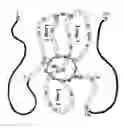




















































































































































































































































































































Sources:
- United States Patent and Trademark Office - verify current appl. status at the USPTO↗
Recent applications in this class:
- » 20250289878 2025-09-18
SURFACE-MODIFIED EXOSOMES AND METHODS OF USE - » 20250282858 2025-09-11
ANTI-GDF15 ANTIBODY AND A DOSAGE REGIMEN FOR THE TREATMENT OF CANCER - » 20250282857 2025-09-11
TGF-BETA INHIBITORS AND USE THEREOF - » 20250277021 2025-09-04
Methods for Preventing and Treating Cardiac Dysfunction and COVID-19 with Activin A Antagonists - » 20250277020 2025-09-04
ANTIBODIES TO CONNECTIVE TISSUE GROWTH FACTOR (CTGF) AND USES THEREOF - » 20250277019 2025-09-04
ANTI-GDF-15 ANTIBODIES - » 20250270306 2025-08-28
ANTIBODIES AND USES THEREOF - » 20250270305 2025-08-28
ANTI-NETRIN-4 ANTIBODY AND USE THEREOF - » 20250270304 2025-08-28
ANTI-ACTIVIN ANTIBODIES AND METHODS OF USING THE SAME - » 20250257125 2025-08-14
HIGH-AFFINITY, ISOFORM-SELECTIVE TGFß1 INHIBITORS AND USE THEREOF
Recent applications for this Assignee:
- » 20250288957 2025-09-18
INTENSIFIED ULTRAFILTRATION/DIAFILTRATION PROCESSES - » 20250282887 2025-09-11
MAGEB2 BINDING CONSTRUCTS - » 20250282869 2025-09-11
HETEROMULTIMER BINDING DLL3 AND CD3 - » 20250277029 2025-09-04
CANNABINOID TYPE 1 RECEPTOR BINDING PROTEINS AND USES THEREOF - » 20250276826 2025-09-04
SUSTAINABLE AND MODULAR PACKAGING SYSTEMS FOR CONTAINERS FOR PHARMACEUTICAL USE - » 20250276080 2025-09-04
GLUCAGON RECEPTOR AGONISTS AND CONJUGATES TO GLUCOSE-DEPENDENT INSULINOTROPIC POLYPEPTIDE ANTAGONISTS - » 20250270271 2025-08-28
METHODS OF TREATING GRAFT VERSUS HOST DISEASE USING IL-2 MUTEINS - » 20250269119 2025-08-28
DRUG DELIVERY DEVICE - » 20250269078 2025-08-28
METHOD FOR EXTERNAL STERILIZATION OF DRUG DELIVERY DEVICE - » 20250269021 2025-08-28
PHARMACEUTICAL FORMULATIONS OF MASKED ANTIBODIES