BICYCLIC ACYLGUANIDINE DERIVATIVE
US20110207729A1
2011-08-25
12/672,277
2008-08-07
Abstract:
An object of the present invention is to provide a novel and excellent agent for treating or preventing dementia, schizophrenia, and the like, based on the serotonin 5-HT5A receptor modulating action.
It was confirmed that a bicyclic acylguanidine derivative which has a characteristic structure that guanidine is bonded to one ring of a bicyclic structure such as chromene and dihydronaphthalene through a carbonyl group and a cyclic group is bonded on the other ring, has a potent 5-HT5A receptor modulating action and an excellent pharmacological action based on this mechanism. The present invention is useful as an excellent agent for treating or preventing dementia, schizophrenia, bipolar disorder, or attention deficit hyperactivity disorder.
Inventors:
- Takehiro Miyazaki 7 🇯🇵 Tokyo, Japan
- Isao KINOYAMA 8 🇯🇵 Tokyo, Japan
- Yohei KOGANEMARU 8 🇯🇵 Tokyo, Japan
- Yuichiro Kawamoto 5 🇯🇵 Tokyo, Japan
- Satoshi MIYAMOTO 20 🇯🇵 Tokyo, Japan
- Nobuyuki Shiraishi 9 🇯🇵 Tokyo, Japan
- Hiroaki Hoshii 7 🇯🇵 Tokyo, Japan
- Minoru YASUDA 9 🇯🇵 Tokyo, Japan
- Akio Kuroda 5 🇯🇵 Tokyo, Japan
- Mayako Yamazaki 2 🇯🇵 Tokyo, Japan
- Hiroaki Mizuno 1 🇯🇵 Tokyo, Japan
Assignee:
- ASTELLAS PHARMA INC. 437 🇯🇵 Tokyo, Japan
Interested in similar patents?
Get notified when new applications in this technology area are published.
Classification:
C07D295/12 » CPC main
Heterocyclic compounds containing polymethylene-imine rings with at least five ring members, 3-azabicyclo [3.2.2] nonane, piperazine, morpholine or thiomorpholine rings, having only hydrogen atoms directly attached to the ring carbon atoms with substituted hydrocarbon radicals attached to ring nitrogen atoms substituted by singly or doubly bound nitrogen atoms
A61P25/14 » CPC further
Drugs for disorders of the nervous system for treating abnormal movements, e.g. chorea, dyskinesia
A61P43/00 » CPC further
Drugs for specific purposes, not provided for in groups -
C07C279/22 » CPC further
Derivatives of guanidine, i.e. compounds containing the group , the singly-bound nitrogen atoms not being part of nitro or nitroso groups containing any of the groups , X being a hetero atom, Y being any atom, e.g. acylguanidines Y being a hydrogen or a carbon atom, e.g. benzoylguanidines
C07C317/44 » CPC further
Sulfones; Sulfoxides having sulfone or sulfoxide groups and carboxyl groups bound to the same carbon skeleton
C07D213/56 » CPC further
Heterocyclic compounds containing six-membered rings, not condensed with other rings, with one nitrogen atom as the only ring hetero atom and three or more double bonds between ring members or between ring members and non-ring members having three double bonds between ring members or between ring members and non-ring members having no bond between the ring nitrogen atom and a non-ring member or having only hydrogen or carbon atoms directly attached to the ring nitrogen atom with substituted hydrocarbon radicals attached to ring carbon atoms; Radicals substituted by carbon atoms having three bonds to hetero atoms with at the most one bond to halogen, e.g. ester or nitrile radicals Amides
C07D213/61 » CPC further
Heterocyclic compounds containing six-membered rings, not condensed with other rings, with one nitrogen atom as the only ring hetero atom and three or more double bonds between ring members or between ring members and non-ring members having three double bonds between ring members or between ring members and non-ring members having no bond between the ring nitrogen atom and a non-ring member or having only hydrogen or carbon atoms directly attached to the ring nitrogen atom with hetero atoms or with carbon atoms having three bonds to hetero atoms with at the most one bond to halogen, e.g. ester or nitrile radicals, directly attached to ring carbon atoms Halogen atoms or nitro radicals
C07D213/64 » CPC further
Heterocyclic compounds containing six-membered rings, not condensed with other rings, with one nitrogen atom as the only ring hetero atom and three or more double bonds between ring members or between ring members and non-ring members having three double bonds between ring members or between ring members and non-ring members having no bond between the ring nitrogen atom and a non-ring member or having only hydrogen or carbon atoms directly attached to the ring nitrogen atom with hetero atoms or with carbon atoms having three bonds to hetero atoms with at the most one bond to halogen, e.g. ester or nitrile radicals, directly attached to ring carbon atoms; Oxygen or sulfur atoms; One oxygen atom attached in position 2 or 6
C07D215/12 » CPC further
Heterocyclic compounds containing quinoline or hydrogenated quinoline ring systems having no bond between the ring nitrogen atom and a non-ring member or having only hydrogen atoms or carbon atoms directly attached to the ring nitrogen atom with substituted hydrocarbon radicals attached to ring carbon atoms
C07D231/12 » CPC further
Heterocyclic compounds containing 1,2-diazole or hydrogenated 1,2-diazole rings not condensed with other rings having two or three double bonds between ring members or between ring members and non-ring members with only hydrogen atoms, hydrocarbon or substituted hydrocarbon radicals, directly attached to ring carbon atoms
C07D239/26 » CPC further
Heterocyclic compounds containing 1,3-diazine or hydrogenated 1,3-diazine rings not condensed with other rings having three or more double bonds between ring members or between ring members and non-ring members with only hydrogen atoms, hydrocarbon or substituted hydrocarbon radicals, directly attached to ring carbon atoms
C07D241/12 » CPC further
Heterocyclic compounds containing 1,4-diazine or hydrogenated 1,4-diazine rings not condensed with other rings having three double bonds between ring members or between ring members and non-ring members with only hydrogen atoms, hydrocarbon or substituted hydrocarbon radicals, directly attached to ring carbon atoms
C07D261/08 » CPC further
Heterocyclic compounds containing 1,2-oxazole or hydrogenated 1,2-oxazole rings not condensed with other rings having two or more double bonds between ring members or between ring members and non-ring members with only hydrogen atoms, hydrocarbon or substituted hydrocarbon radicals, directly attached to ring carbon atoms
C07D277/30 » CPC further
Heterocyclic compounds containing 1,3-thiazole or hydrogenated 1,3-thiazole rings not condensed with other rings having two or three double bonds between ring members or between ring members and non-ring members with only hydrogen atoms, hydrocarbon or substituted hydrocarbon radicals, directly attached to ring carbon atoms Radicals substituted by carbon atoms having three bonds to hetero atoms with at the most one bond to halogen, e.g. ester or nitrile radicals
C07D295/155 » CPC further
Heterocyclic compounds containing polymethylene-imine rings with at least five ring members, 3-azabicyclo [3.2.2] nonane, piperazine, morpholine or thiomorpholine rings, having only hydrogen atoms directly attached to the ring carbon atoms with substituted hydrocarbon radicals attached to ring nitrogen atoms substituted by carbon atoms having three bonds to hetero atoms with at the most one bond to halogen, e.g. ester or nitrile radicals with the ring nitrogen atoms and the carbon atoms with three bonds to hetero atoms separated by carbocyclic rings or by carbon chains interrupted by carbocyclic rings
C07D307/52 » CPC further
Heterocyclic compounds containing five-membered rings having one oxygen atom as the only ring hetero atom not condensed with other rings having two or three double bonds between ring members or between ring members and non-ring members with substituted hydrocarbon radicals attached to ring carbon atoms Radicals substituted by nitrogen atoms not forming part of a nitro radical
C07D307/54 » CPC further
Heterocyclic compounds containing five-membered rings having one oxygen atom as the only ring hetero atom not condensed with other rings having two or three double bonds between ring members or between ring members and non-ring members with substituted hydrocarbon radicals attached to ring carbon atoms Radicals substituted by carbon atoms having three bonds to hetero atoms with at the most one bond to halogen, e.g. ester or nitrile radicals
C07D309/04 » CPC further
Heterocyclic compounds containing six-membered rings having one oxygen atom as the only ring hetero atom, not condensed with other rings having no double bonds between ring members or between ring members and non-ring members with only hydrogen atoms, hydrocarbon or substituted hydrocarbon radicals, directly attached to ring carbon atoms
C07D311/58 » CPC further
Heterocyclic compounds containing six-membered rings having one oxygen atom as the only hetero atom, condensed with other rings ortho- or peri-condensed with carbocyclic rings or ring systems; Benzo[b]pyrans, not hydrogenated in the carbocyclic ring other than with oxygen or sulphur atoms in position 2 or 4
C07D313/08 » CPC further
Heterocyclic compounds containing rings of more than six members having one oxygen atom as the only ring hetero atom; Seven-membered rings condensed with carbocyclic rings or ring systems condensed with one six-membered ring
C07D319/18 » CPC further
Heterocyclic compounds containing six-membered rings having two oxygen atoms as the only ring hetero atoms 1,4-Dioxanes; Hydrogenated 1,4-dioxanes condensed with carbocyclic rings or ring systems condensed with one six-membered ring Ethylenedioxybenzenes, not substituted on the hetero ring
C07D333/24 » CPC further
Heterocyclic compounds containing five-membered rings having one sulfur atom as the only ring hetero atom not condensed with other rings not substituted on the ring sulphur atom with only hydrogen atoms, hydrocarbon or substituted hydrocarbon radicals, directly attached to the ring carbon atoms Radicals substituted by carbon atoms having three bonds to hetero atoms with at the most one bond to halogen, e.g. ester or nitrile radicals
C07D333/54 » CPC further
Heterocyclic compounds containing five-membered rings having one sulfur atom as the only ring hetero atom condensed with carbocyclic rings or ring systems; Benzo[b]thiophenes; Hydrogenated benzo[b]thiophenes with only hydrogen atoms, hydrocarbon or substituted hydrocarbon radicals, directly attached to carbon atoms of the hetero ring
C07D333/56 » CPC further
Heterocyclic compounds containing five-membered rings having one sulfur atom as the only ring hetero atom condensed with carbocyclic rings or ring systems; Benzo[b]thiophenes; Hydrogenated benzo[b]thiophenes with only hydrogen atoms, hydrocarbon or substituted hydrocarbon radicals, directly attached to carbon atoms of the hetero ring Radicals substituted by oxygen atoms
C07D335/06 » CPC further
Heterocyclic compounds containing six-membered rings having one sulfur atom as the only ring hetero atom condensed with carbocyclic rings or ring systems Benzothiopyrans; Hydrogenated benzothiopyrans
C07D407/04 » CPC further
Heterocyclic compounds containing two or more hetero rings, at least one ring having oxygen atoms as the only ring hetero atoms, not provided for by group containing two hetero rings directly linked by a ring-member-to-ring-member bond
C07D409/04 » CPC further
Heterocyclic compounds containing two or more hetero rings, at least one ring having sulfur atoms as the only ring hetero atoms containing two hetero rings directly linked by a ring-member-to-ring-member bond
C07D471/04 » CPC further
Heterocyclic compounds containing nitrogen atoms as the only ring hetero atoms in the condensed system, at least one ring being a six-membered ring with one nitrogen atom, not provided for by groups - in which the condensed system contains two hetero rings Ortho-condensed systems
C07C2601/02 » CPC further
Systems containing only non-condensed rings with a three-membered ring
C07C2602/10 » CPC further
Systems containing two condensed rings the rings having only two atoms in common; One of the condensed rings being a six-membered aromatic ring the other ring being six-membered, e.g. tetraline
C07C2602/12 » CPC further
Systems containing two condensed rings the rings having only two atoms in common; One of the condensed rings being a six-membered aromatic ring the other ring being at least seven-membered
A61K31/5377 IPC
Medicinal preparations containing organic active ingredients; Heterocyclic compounds having nitrogen as a ring hetero atom, e.g. guanethidine or rifamycins having six-membered rings with at least one nitrogen and one oxygen as the ring hetero atoms, e.g. 1,2-oxazines 1,4-Oxazines, e.g. morpholine not condensed and containing further heterocyclic rings, e.g. timolol
C07D311/04 » CPC further
Heterocyclic compounds containing six-membered rings having one oxygen atom as the only hetero atom, condensed with other rings ortho- or peri-condensed with carbocyclic rings or ring systems Benzo[b]pyrans, not hydrogenated in the carbocyclic ring
C07D405/12 IPC
Heterocyclic compounds containing both one or more hetero rings having oxygen atoms as the only ring hetero atoms, and one or more rings having nitrogen as the only ring hetero atom containing two hetero rings linked by a chain containing hetero atoms as chain links
C07D413/12 IPC
Heterocyclic compounds containing two or more hetero rings, at least one ring having nitrogen and oxygen atoms as the only ring hetero atoms containing two hetero rings linked by a chain containing hetero atoms as chain links
C07D311/96 IPC
Heterocyclic compounds containing six-membered rings having one oxygen atom as the only hetero atom, condensed with other rings spiro-condensed with carbocyclic rings or ring systems
C07D405/04 » CPC further
Heterocyclic compounds containing both one or more hetero rings having oxygen atoms as the only ring hetero atoms, and one or more rings having nitrogen as the only ring hetero atom containing two hetero rings directly linked by a ring-member-to-ring-member bond
C07D407/10 IPC
Heterocyclic compounds containing two or more hetero rings, at least one ring having oxygen atoms as the only ring hetero atoms, not provided for by group containing two hetero rings linked by a carbon chain containing aromatic rings
A61K31/352 IPC
Medicinal preparations containing organic active ingredients; Heterocyclic compounds having oxygen as the only ring hetero atom, e.g. fungichromin having six-membered rings with one oxygen as the only ring hetero atom condensed with carbocyclic rings, e.g. cannabinols, methantheline
A61K31/4155 IPC
Medicinal preparations containing organic active ingredients; Heterocyclic compounds having nitrogen as a ring hetero atom, e.g. guanethidine or rifamycins having five-membered rings with two or more ring hetero atoms, at least one of which being nitrogen, e.g. tetrazole 1,2-Diazoles non condensed and containing further heterocyclic rings
A61K31/496 IPC
Medicinal preparations containing organic active ingredients; Heterocyclic compounds having nitrogen as a ring hetero atom, e.g. guanethidine or rifamycins having six-membered rings with two nitrogen atoms as the only ring heteroatoms, e.g. piperazine Non-condensed piperazines containing further heterocyclic rings, e.g. rifampin, thiothixene
A61K31/4433 IPC
Medicinal preparations containing organic active ingredients; Heterocyclic compounds having nitrogen as a ring hetero atom, e.g. guanethidine or rifamycins having six-membered rings with one nitrogen as the only ring hetero atom; Non condensed pyridines; Hydrogenated derivatives thereof containing further heterocyclic ring systems containing a six-membered ring with oxygen as a ring hetero atom
A61K31/357 IPC
Medicinal preparations containing organic active ingredients; Heterocyclic compounds having oxygen as the only ring hetero atom, e.g. fungichromin having two or more oxygen atoms in the same ring, e.g. crown ethers, guanadrel
A61P25/00 » CPC further
Drugs for disorders of the nervous system
A61P25/18 » CPC further
Drugs for disorders of the nervous system Antipsychotics, i.e. neuroleptics; Drugs for mania or schizophrenia
A61P25/28 » CPC further
Drugs for disorders of the nervous system for treating neurodegenerative disorders of the central nervous system, e.g. nootropic agents, cognition enhancers, drugs for treating Alzheimer's disease or other forms of dementia
Description
TECHNICAL FIELD
The present invention relates to a medicine, and particularly to a substituted guanidine derivative that has a 5-HT5A receptor modulating action, and is useful as an agent for treating or preventing dementia, schizophrenia, and the like.
BACKGROUND ART
In recent years, it has been suggested that the 5-HT5A receptor which is one of the subtypes of serotonin receptors plays an important role in dementia and schizophrenia. For example, it has been reported that new exploratory behaviors are increased in the 5-HT5A receptor knock-out mice, and hyperactivity by LSD is inhibited in the 5-HT5A receptor knock-out mice (Neuron, 22, 581-591, 1999). From the results of gene expression analysis, it has been reported that the 5-HT5A receptor is highly expressed in the brains of humans and rodents, and expression is high in the brains, hippocampal CA1 and CA3 pyramidal cells which are related to memory, and frontal lobe (cerebral cortex) which is deeply related to schizophrenia (Molecular Brain Research, 56, 1-8, 1998). Furthermore, it has been reported that gene polymorphism of the 5-HT5A receptor relates to schizophrenia (Neuroreport 11, 2017-2020, 2000; Mol. Psychiatr. 6, 217-219, 2001; and J. Psychiatr. Res. 38, 371-376, 2004). Accordingly, it has been suggested that regulation of the action of the 5-HT5A receptor leads to the improvement of dementia and schizophrenia. Therefore, there is a need for a compound having such a function.
There have been hitherto reported several kinds of compounds having high affinity for the 5-HT5A receptor. For example, it has been described that a guanidine derivative represented by the following general formula binds to the 5-HT5A receptor and thus is used for treating multiple central diseases such as a neurodegenerative disease and a neurophychiatric disease (Patent Document 1).
(wherein A represents NO2, NH2, or the like; B represents a hydrogen atom, or the like; Rw1 represents a hydrogen atom, or the like; D represents a group represented by A; Q represents a di-substituted 5-membered heteroaryl; R1, R2, and R3 each represent a hydrogen atom, or the like; and Z represents —(CRz1Rz2)a—(Vz)b—(CRz3Rz4)c—, in which a and c each represent 0 to 4, b represents 0 or 1, Rz1, Rz2, Rz3 and Rz4 each represents a hydrogen atom, or the like, and VZ represents CO, or the like. For details on these, refer to the publication).
None of the 5-HT5A receptor modulators which have been reported until now has a bicyclic acylguanidine structure. On the other hand, several kinds of compounds having bicyclic acylguanidine structures that are used in other uses have been known.
For example, it has been reported that a derivative represented by the following general formula has an antiviral activity, and is useful in the treatment of infections with HIV, HCV, and the like (Patent Document 2).
and the like
(wherein R1 represents phenyl, substituted phenyl, naphthyl, substituted naphthyl, or a structure shown above; n represents 1, 2, 3 or 4; Q independently represents hydrogen, cycloalkyl, thienyl, furyl, pyrazolyl, pyridyl, substituted pyridyl, phenyl, substituted phenyl, or the like; and X represents hydrogen or alkoxy. For details on these, refer to the publication.)
The publication has no description concerning the 5-HT5A receptor modulating action regarding the derivative, dementia, and schizophrenia.
A benzopyran derivative having a cyclic structure at the 4-position has been reported. For example, a compound represented by the following formula, and a derivative thereof are known as a K-channel opener (Non-Patent Document 1).
In addition, there has been reported a benzoxazine derivative that has an Na+/H+-exchanger inhibiting action, and is useful for the treatment of myocardial infarction and angina pectoris (Patent Document 3).
Neither Non-Patent Document 1 nor Patent Document 3 has a description concerning the 5-HT5A receptor modulating action, dementia, or schizophrenia.
- [Patent Document 1] Pamphlet of International Publication 05/082871
- [Patent Document 2] Pamphlet of International Publication 06/135978
- [Patent Document 3] JP-A-9-77753
- [Non-Patent Document 1] Rolf Bergmann, et al., Journal of Medicinal Chemistry (1990), Vol. 33, p. 492-504
DISCLOSURE OF THE INVENTION
Problem that the Invention is to Solve
An object of the present invention is to provide a novel and excellent agent for treating or preventing dementia, schizophrenia, or the like, based on the 5-HT5A receptor modulating action.
Means for Solving the Problem
The present inventors have extensively studied on a compound having a 5-HT5A receptor modulating action, and as a result, they have found that a bicyclic acylguanidine derivative which has a characteristic structure that guanidine is bonded to one ring of a bicyclic structure such as chromene and dihydronaphthalene through a carbonyl group and, a cyclic group is bonded on the other ring, has a potent 5-HT5A receptor modulating action and excellent pharmacological action based on this mechanism, and thus it can be an excellent agent for treating or preventing dementia, schizophrenia, and the like, thereby completing the present invention.
Namely, the present invention relates to a bicyclic acylguanidine derivative represented by the following general formula (I), or a salt thereof.
(the symbols in the formula have the following meanings:
phenyl, cycloalkyl, monocyclic or bicyclic heteroaryl, monocyclic oxygen-containing saturated heterocyclic group or monocyclic nitrogen-containing saturated heterocyclic group,
R1, R2, and R3: the same with or different from each other, each representing H, lower alkyl, halogen, halogeno-lower alkyl, —CN, —NO2, —NRbRc, —ORa, —O-halogeno-lower alkyl, —SRa, —C(O)Ra, —CO2Ra, —C(O)NRbRc, —SO2-lower alkyl,
—NRbC(O)Ra, lower alkylene-ORa, lower alkylene-NRbRc, lower alkylene-CN, phenyl, or —O-phenyl, or R1 and R2 in combination represent oxo or —O—(CH2)n—O—,
n: 1, 2, or 3,
Ra, Rb, and Rc: the same with or different from each other, each representing H or lower alkyl,
R7 and R8: the same with or different from each other, each representing H, lower alkyl, halogen, or lower alkylene-ORa, or R7 and R8 in combination represent oxo, or R7 and R8 may be combined together to form a C2-5 alkylene chain which forms a C3-6 cycloalkyl ring with a carbon atom to which they bond,
dotted line: a bond or inexistence, and it represents, together with the solid line, that a ring bond at this moiety is a single bond or a double bond,
X: O, S or CR9aR9b,
R9a and R9b: the same with or different from each other, each representing H or lower alkyl,
m: 0, 1, or 2,
R4: H or lower alkyl,
L1 and L2: the same with or different from each other, each representing a bond or lower alkylene,
R5 and R6: the same with or different from each other, each representing H, —ORa, —NRbRc, phenyl, or cycloalkyl, in which R5 may form a monocyclic nitrogen-containing heterocyclic group together with R4 and L1, and a nitrogen atom to which they are bonded, in which phenyl, cycloalkyl, and a monocyclic nitrogen-containing heterocyclic group may be substituted with lower alkyl, halogen, or —ORa, and
R10: halogen, or —ORa.)
Furthermore, the present invention relates to a pharmaceutical composition comprising a bicyclic acylguanidine derivative represented by the general formula (I) or a salt thereof, and a pharmaceutically acceptable carrier. Preferably, it relates to the pharmaceutical composition which is a 5-HT5A receptor modulator, more preferably, the pharmaceutical composition for dementia, schizophrenia, bipolar disorder, or attention deficit hyperactivity disorder, and even more preferably, the pharmaceutical composition which is an agent for preventing or treating dementia or schizophrenia. Furthermore, other embodiments include; use of the bicyclic acylguanidine derivative represented by the general formula (I) or a salt thereof for the manufacture of a 5-HT5A receptor modulator, preferably, an agent for preventing or treating dementia, schizophrenia, bipolar disorder, or attention deficit hyperactivity disorder, and more preferably, an agent for preventing or treating dementia or schizophrenia; and a method for preventing or treating dementia, schizophrenia, bipolar disorder, or attention deficit hyperactivity disorder, and preferably, a method for preventing or treating dementia or schizophrenia, comprising administering a therapeutically effective amount of the bicyclic acylguanidine represented by the general formula (I) or a salt thereof to a mammal.
Effect of the Invention
The compound of the present invention has an advantage that it has a potent 5-HT5A receptor modulating action, and an excellent pharmacological action based on it. The pharmaceutical composition of the present invention is useful for treatment or prevention of 5-HT5A receptor-related diseases, and particularly, for treatment or prevention of dementia, schizophrenia, bipolar disorder, or attention deficit hyperactivity disorder.
BEST MODE FOR CARRYING OUT THE INVENTION
Hereinafter, the present invention will be described in more detail.
In this specification, the “5-HT5A receptor modulator” is a generic term referring to a compound that inhibits activation of the 5-HT5A receptor by antagonizing with an endogenous ligand (5-HT5A antagonist), and a compound shows function by activation of the 5-HT5A receptor (5-HT5A agonist). The “5-HT5A receptor modulating action” is preferably a 5-HT5A antagonist.
The “lower alkyl” is preferably a linear or branched alkyl having 1 to 6 carbon atoms (hereinafter simply referred to as C1-6), and specifically, is methyl, ethyl, n-propyl, isopropyl, n-butyl, isobutyl, sec-butyl, tert-butyl, n-pentyl, n-hexyl groups, and the like. More preferably, it is C1-4 alkyl, and even more preferably, it is methyl, ethyl, n-propyl, and isopropyl.
The “lower alkylene” is preferably means a linear or branched C1-6 alkylene, and specifically, it is methylene, ethylene, trimethylene, tetramethylene, pentamethylene, hexamethylene, propylene, methylmethylene, ethylethylene, 1,2-dimethylethylene, 1,1,2,2-tetramethylethylene groups, and the like. More preferably, it is C1-4 alkylene, and even more preferably, it is methylene, ethylene, trimethylene, and propylene groups.
The “halogen” means F, Cl, Br, or I.
The “halogeno-lower alkyl” is C1-6 alkyl substituted with one or more halogen. Preferably, it is C1-6 alkyl substituted with 1 to 5 halogens, and more preferably difluoromethyl and trifluoromethyl groups.
The “cycloalkyl” is a C3-10 saturated hydrocarbon ring group, which may have a bridge. Specifically, it is cyclopropyl, cyclobutyl, cyclopentyl, cyclohexyl, cycloheptyl, cyclooctyl, and adamantyl groups. Preferably, it is C3-8 cycloalkyl, more preferably C3-6 cycloalkyl, and even more preferably, it is cyclopropyl, cyclobutyl, cyclopentyl, and cyclohexyl groups.
The “heterocyclic” group is a 3- to 15-membered, preferably 5- to 10-membered, monocyclic to tricyclic heterocyclic group containing 1 to 4 hetero atoms selected from oxygen, sulfur, and nitrogen, and includes a saturated ring, an aromatic ring, and a partially hydrogenated ring group thereof. Sulfur or nitrogen which is a ring atom may be oxidized to form an oxide or a dioxide. Specifically, it is pyridyl, pyrrolyl, pyrazinyl, pyrimidinyl, pyridazinyl, imidazolyl, triazolyl, triazinyl, thienyl, furyl, thiazolyl, pyrazolyl, isothiazolyl, oxazolyl, isooxazolyl, thiadiazolyl, oxadiazolyl, tetrazolyl, azetidinyl, pyrrolidinyl, piperidyl, piperazinyl, azepanyl, diazepanyl, azocanyl, morpholinyl, thiomorpholinyl, tetrahydropyridinyl, oxiranyl, oxetanyl, dihydropyridyl, tetrahydrofuryl, tetrahydropyranyl, 1,4-dioxoranyl, dioxanyl, tetrahydrothiopyranyl, quinolyl, isoquinolyl, tetrahydroquinolyl, tetrahydroisoquinolyl, quinazolinyl, quinoxalinyl, phthalazinyl, benzoimidazolyl, imidazopyridyl, benzofuryl, benzothienyl, benzothiadiazolyl, benzothiazolyl, benzoisothiazolyl, benzooxazolyl, benzoisooxazolyl, methylenedioxyphenyl, ethylenedioxyphenyl, indolyl, isoindolyl, indolinyl, indazolyl, tetrahydrobenzoimidazolyl, dihydrobenzofuryl, chromonyl, chromonyl, and 1,4-dithiaspiro[4.5]decanyl groups. More preferably, it is a 5- to 10-membered monocyclic or bicyclic heterocyclic group, and even more preferably, a 5- to 6-membered monocyclic heterocyclic group.
The “monocyclic heteroaryl” is, among the above-described heterocyclic groups, a 5- to 6-membered monocyclic aromatic ring group, and preferably, it is pyridyl, pyrrolyl, pyrazinyl, pyrimidinyl, pyridazinyl, imidazolyl, triazolyl, thienyl, furyl, thiazolyl, pyrazolyl, isothiazolyl, oxazolyl, isooxazolyl, and tetrazolyl, more preferably, pyridyl, pyrazinyl, pyrimidinyl, thienyl, furyl, thiazolyl, and pyrazolyl, and even more preferably, pyridyl and thiazolyl.
The “bicyclic heteroaryl” is a ring group formed by fusion of the above-described “monocyclic heteroaryl” rings, or a ring group formed by fusion of the “monocyclic heteroaryl” ring and a benzene ring, and preferably, quinolyl, isoquinolyl, quinazolinyl, quinoxalinyl, phthalazinyl, benzoimidazolyl, imidazopyridyl, benzofuryl, benzothienyl, benzothiadiazolyl, benzothiazolyl, benzoisothiazolyl, benzooxazolyl, benzoisooxazolyl, indolyl, isoindolyl, indolinyl, and indazolyl, more preferably, a ring group containing nitrogen atom among these ring groups, and even more preferably, quinolyl and isoquinolyl.
The “monocyclic nitrogen-containing heterocyclic group” means a 5- to 8-membered monocyclic group that contains one nitrogen atom, and may contain one hetero atom selected from nitrogen, oxygen, and sulfur, among the above-described heterocyclic groups, and is a generic term referring to a “monocyclic nitrogen-containing saturated heterocyclic group” that is a saturated or partially unsaturated ring group, and a “monocyclic nitrogen-containing heteroaryl” that is an aromatic ring group. The monocyclic nitrogen-containing saturated heterocyclic group is preferably azetidinyl, pyrrolidinyl, piperidyl, piperazinyl, azepanyl, diazepanyl, azocanyl, morpholinyl, thiomorpholinyl, and tetrahydropyridinyl groups, and more preferably, piperazinyl, and morpholinyl. The monocyclic nitrogen-containing heteroaryl is preferably pyridyl, thiazolyl, and pyrazolyl, and more preferably, pyrazolyl.
The “monocyclic oxygen-containing saturated heterocyclic group” means a 3- to 7-membered saturated monocyclic group that contains one oxygen atom, and may contain one hetero atom selected from nitrogen, oxygen, and sulfur, among the above-described heterocyclic groups. Preferably, it is oxiranyl, oxetanyl, tetrahydrofuryl, tetrahydropyranyl, and 1,4-dioxanyl groups, and particularly preferably a tetrahydropyranyl group.
The ring group, A, is preferably phenyl, pyridyl, pyrazolyl, pyrimidinyl, pyrazinyl, thiazolyl, thienyl, furyl, piperazinyl, tetrahydropyranyl, imidazopyridyl, and quinolyl, more preferably, phenyl, pyridyl, thiazolyl, and tetrahydropyranyl, even more preferably phenyl, and pyridyl, and particularly preferably phenyl.
The groups represented by R1, R2, and R3 is preferably H, lower alkyl, halogen, halogeno-lower alkyl, —CN, —NO2,
—C(O)Ra, —C(O)NRbRc, lower alkylene-ORa, lower alkylene-NRbRc, phenyl, —O-phenyl, oxo, and —O—CH2—O—, and more preferably, H, lower alkyl, —CN, halogen, and —ORa.
The group represented by R4 and R5 is preferably H or methyl, and more preferably H.
The group represented by R6 is preferably H, methyl, or methoxy, and more preferably H.
The group represented by R7 and R8 is preferably, H, lower alkyl, or fluoro.
The group represented by R9a and R9b is preferably H or lower alkyl.
L1 and L2 are each preferably a bond or ethylene, and more preferably a bond.
The group represented by R10 is preferably, H, F, or —ORa.
Preferred embodiments in the compound of the present invention represented by the general formula (I) (which is hereinafter referred to as the compound (I)) are the compound or a salt thereof as follows.
(1) A compound of the formula (I), in which R4 and R5 are each H, R6 is H, methyl or methoxy, and L1 and L2 are each a bond.
(2) The compound as described in (1), in which R6 is H.
(3) The compound as described in (2), in which A is phenyl or pyridyl.
(4) The compound as described in (3), in which X is CR9aR9b.
(5) The compound as described in (3), in which X is O.
(6) The compound as described in (3), in which X is S.
(7) The compound as described in (4) to (6), in which m is 1.
(8) The compound as described in (7), in which the dotted line is a bond, and together with the solid line, a ring bond of the moiety represents a double bond.
(9) A compound represented by the following general formula (II):
(wherein symbols in the formula have the same meanings as in the formula (I)).
Preferred ranges for the symbols in the formula (II) are the same as described above.
(10) The compound as described in (9), in which R6 is H, methyl, or methoxy.
(11) The compound as described in (10), in which R6 is H.
(12) The compound as described in (11), in which A is phenyl or pyridyl.
(13) The compound as described in (12), in which X is O or CR9aR9b.
(14) A compound selected from the group consisting of N-(diaminomethylene)-4-(4-fluorophenyl)-2H-chromene-6-carboxamide, N-(diaminomethylene)-4-(2-methylphenyl)-2H-chromene-6-carboxamide, 4-(2-chlorophenyl)-N-(diaminomethylene)-2H-chromene-6-carboxamide, N-(diaminomethylene)-4-(2,4,6-trifluorophenyl)-2H-chromene-6-carboxamide, N-(diaminomethylene)-4-(2,6-difluorophenyl)-2H-chromene-6-carboxamide, N-(diaminomethylene)-4-(2-fluoro-4-methylphenyl)-2H-chromene-6-carboxamide, N-(diaminomethylene)-4-(2,4-dichlorophenyl)-2H-chromene-6-carboxamide, N-(diaminomethylene)-4-(2,6-difluoro-4-methoxyphenyl)-2H-chromene-6-carboxamide, 4-(2-chloro-6-fluorophenyl)-N-(diaminomethylene)-2H-chromene-6-carboxamide, N-(diaminomethylene)-4-(2,4-dichlorophenyl)-2-methyl-2H-chromene-6-carboxamide, N-(diaminomethylene)-8-(4-fluorophenyl)-5,6-dihydronaphthalene-2-carboxamide, N-(diaminomethylene)-8-(2-methoxyphenyl)-5,6-dihydronaphthalene-2-carboxamide, N-(diaminomethylene)-8-(3-methylphenyl)-5,6-dihydronaphthalene-2-carboxamide, 8-(2-cyanophenyl)-N-(diaminomethylene)-5,6-dihydronaphthalene-2-carboxamide, N-(diaminomethylene)-8-phenyl-5,6-dihydronaphthalene-2-carboxamide, N-(diaminomethylene)-7-fluoro-8-(2-methoxyphenyl)-5,6-dihydronaphthalene-2-carboxamide, 8-(4-cyanophenyl)-N-(diaminomethylene)-7-methyl-5,6-dihydronaphthalene-2-carboxamide, N-(diaminomethylene)-8-(2,4,6-trifluorophenyl)-5,6-dihydronaphthalene-2-carboxamide, 8-(5-cyano-2-methoxyphenyl)-N-(diaminomethylene)-5,6-dihydronaphthalene-2-carboxamide, 8-(2-chloro-4-fluorophenyl)-N-(diaminomethylene)-5,6-dihydronaphthalene-2-carboxamide, 8-(4-chloro-2,6-difluorophenyl)-N-(diaminomethylene)-5,6-dihydronaphthalene-2-carboxamide, N-(diaminomethylene)-8-(2,6-difluoro-4-methoxyphenyl)-5,6-dihydronaphthalene-2-carboxamide, N-(diaminomethylene)-8-(2,6-difluorophenyl)-5,6-dihydronaphthalene-2-carboxamide, N-{(1E)-amino[(2-methoxyethyl)amino]methylene}-8-(2-methoxyphenyl)-5,6-dihydronaphthalene-2-carboxamide, N-(diaminomethylene)-8-(3-fluoro-2-methoxyphenyl)-5,6-dihydronaphthalene-2-carboxamide, N-(diaminomethylene)-8-(2-fluoro-6-methoxyphenyl)-5,6-dihydronaphthalene-2-carboxamide, N-(diaminomethylene)-8-(3,5-difluoropyridin-4-yl)-5,6-dihydronaphthalene-2-carboxamide, N-(diaminomethylene)-3-(2-methoxyphenyl)-1-benzothiophene-5-carboxamide, and N-(diaminomethylene)-3-(2-methoxyphenyl)-2-methyl-1-benzothiophene-5-carboxamide.
Other preferred embodiments in the compound (I) are the following compounds or salts thereof
(15) The compound, in which R1, R2, and R3 are the same with or different from each other, and each represent H, lower alkyl, halogen, halogeno-lower alkyl, —CN, —NO2, —NRbRc, —ORa, —C(O)Ra, —CO2Ra, —C(O)NRbRc, —SO2-lower alkyl,
—NRbC(O)Ra, lower alkylene-ORa, lower alkylene-NRbRc, lower alkylene-CN, phenyl, or —O-phenyl; R7 and R8 are the same with or different from each other, and each represent H, lower alkyl or halogen; and R10 represents H or halogen.
The preferred embodiments in (15) are the compounds that are defined in the same manner as in (1) to (13) above.
Furthermore, the compound (I) may exist in the form of other tautomers, geometrical isomers, or optical isomers, depending on the kind of the substituents. Although in the specification, one form of the isomers may be described, the present invention includes these isomers, isolated forms thereof, or a mixture thereof. For example, in the acylguanidine sites of the compound (I), two isomers can be present in which the sites of a double bond differ as shown in the following scheme. Also, each of the isomers may be present in the form of an E-isomer and a Z-isomer, based on the geometrical configuration of double bonds. The present invention includes all of these isomers.
(wherein the structure in the formula partially shows the acylguanidine moiety of the compound (I). The bond represented by the wavy line represents that either of E and Z configurations can be taken).
Furthermore, a pharmaceutically acceptable prodrug of the compound (I) is also included in the present invention. The pharmaceutically acceptable prodrug refers to the compound which has a group that can be converted into an amino group, OH, CO2H, or the like by solvolysis or under a physiological condition, and produces the compound (I) in vivo after administration. Examples of the group forming a prodrug include the groups described in “Prog. Med., 5, 2157-2161 (1985), and “Iyakuhin no Kaihatsu (Development of Medicines)” (Hirokawa Shoten, 1990), vol. 7, Bunshi Sekkei (Molecular Design)”, 163-198.
Furthermore, the compound (I) may form an acid addition salt, or may form a salt with a base depending on the kind of substituents, and any salt that is pharmaceutically acceptable is included in the present invention. Specifically, examples of the salts include acid addition salts with inorganic acids such as hydrochloric acid, hydrobromic acid, hydroiodic acid, sulfuric acid, nitric acid, and phosphoric acid, and with organic acids such as formic acid, acetic acid, propionic acid, oxalic acid, malonic acid, succinic acid, fumaric acid, maleic acid, lactic acid, malic acid, tartaric acid, citric acid, methanesulfonic acid, ethanesulfonic acid, p-toluenesulfonic acid, aspartic acid, and glutamic acid, salts with inorganic bases such as sodium, potassium, magnesium, calcium, and aluminum, and organic bases such as methylamine, ethylamine, ethanolamine, lysine, and ornithine, and ammonium salts.
In addition, the compound (I) and a salt thereof also include various hydrates, solvates, and substances of crystalline polymorphism. Also, the compound (I) and a salt thereof also include various compounds labeled with radioactive isotopes or non-radioactive isotopes.
(Production Processes)
The compound (I) of the present invention may be produced by applying various known synthetic methods, using the characteristics based on their basic skeletons or the kind of the substituents. Further, depending on the kind of a functional group, it is sometimes effective from the viewpoint of the production techniques to protect the functional group with an appropriate protecting group (a group which may be easily converted into the functional group), during the steps of from starting materials to intermediates. Examples of such a functional group include an amino group, a hydroxyl group, and a carboxyl group, and examples of such a protecting group include protecting groups described in “Green's Protective Groups in Organic Synthesis”, edited by P. G. M. Wuts and T. W. Greene, 4th Edition, 2006, which may be optionally selected and used in response to the reaction conditions. By such a method, a desired compound can be obtained by introducing a protecting group to carry out the reaction, and then, removing the protecting group as needed.
In addition, a prodrug of the compound (I) can be produced by introducing a specific group during the steps from starting materials to intermediates, in a similar way to the aforementioned protecting groups, or by carrying out a reaction using the obtained compound (I). The reaction may be carried out by employing a method known to a skilled person in the art, such as ordinary esterification, amidation, and dehydration.
Hereinbelow, the representative production processes of the compounds of the present invention are described. Each of the production processes can be carried out with reference to the references cited in the description. Further, the production processes of the present invention are not limited to the examples as shown below.
(Production Process 1)
(wherein Lv1 represents —OH or a leaving group).
The compound (I) of the present invention can be produced by the reaction of a carboxylic acid or a reactive derivative thereof (1) with guanidine (2) or a salt thereof.
The reaction can be carried out using equivalent amounts of the carboxylic acid or a reactive derivative thereof (1) and guanidine (2), or an excess amount of guanidine. It can be carried out under cooling to under heating, preferably at from −20° C. to 80° C., in a solvent which is inert to the reaction, such as aromatic hydrocarbons such as benzene, toluene, or xylene, halogenated hydrocarbons such as dichloromethane, 1,2-dichloroethane, or chloroform, ethers such as diethylether, tetrahydrofuran (THF), dioxane, or dimethoxyethane (DME), N,N-dimethylformamide (DMF), dimethylsulfoxide (DMSO), N-methylpyrolidone (NMP), ethyl acetate, acetonitrile, or water, or a mixture thereof.
When a free carboxylic acid wherein Lv1 is OH is used as the starting compound (I), it is desirable to carry out the reaction in the presence of a condensing agent. In that case, examples of the condensing agent include N,N′-dicyclohexylcarbodiimide (DCC), 1-[3-(dimethylamino)propyl]-3-ethylcarbodiimide (WSC), 1,1′-carbonyldiimidazole (CDI), 2-(1H-benzotriazol-1-yl)-1,1,3,3-tetramethyluronium hexafluorophosphate (HBTU), diphenylphosphoryl azide (DPPA), and phosphorous oxychloride. In some cases, it is preferred to further add an additive agent (e.g., N-hydroxysuccinimide (HONSu), 1-hydroxybenzotriazole (HOBt)), and the like. Normally, the condensing agent is used in an equivalent amount or excess amount based on the carboxylic acid.
As the reactive derivative of the carboxylic acid wherein Lv1 is a leaving group regarding the starting compound (I), an acid halide (acid chloride, acid bromide, or the like), an acid anhydride (a mixed acid anhydride with phenyl chlorocarbonate, p-toluenesulfonic acid, or isovaleric acid, or the like or a symmetric acid anhydride), an active ester (an ester which can be prepared using phenol that may be substituted with an electron withdrawing group such as a nitro group or a fluorine atom, HOBt, HONSu and the like), a lower alkyl ester and the like may be exemplified, and each of them can be produced from carboxylic acid using a reaction obvious to those skilled in the art. Depending on the kind of a reactive derivative, it is sometimes advantageous for smooth progress of the reaction to carry out the reaction in the presence of a base (organic bases such as triethylamine, diisopropylethylamine (DIPEA), N-methylmorpholine, pyridine, or 4-(N,N-dimethylamino)pyridine, or inorganic bases such as sodium hydrogen carbonate, or the like). Pyridine can also serve as a solvent. In this connection, when a lower alkyl ester is used as the reactive derivative, it is desirable to carry out the reaction under room temperature to under heating to reflux.
(Production Process 2)
(wherein Lv2 represents a leaving group such as pyrazol-1-yl which may be substituted with lower alkyl, —S-lower alkyl, —O-phenyl, —Br, and —Cl)
The compound (I) of the present invention can be produced by the reaction of an amidine compound (3) having a leaving group with an amine compound (4).
This reaction can be carried out using equivalent amounts of the compound (3) and the compound (4), or either thereof in an excess amount. The mixture of these compounds is stirred under from cooling to heating under reflux, preferably at from 0° C. to 80° C., in a solvent inert to reaction or without a solvent, usually for 0.1 hour to 5 days. Examples of the solvent used herein are not limited, but include aromatic hydrocarbons, ethers, halogenated hydrocarbons, DMF, DMSO, NMP, ethyl acetate, acetonitrile, and a mixture thereof. It is sometimes advantageous for smooth progress of the reaction to carry out the reaction in the presence of organic bases such as triethylamine, N,N-diisopropylethylamine, or N-methylmorpholine, or inorganic bases such as potassium carbonate, sodium carbonate, or potassium hydroxide.
(Production Process 3: Other Production Processes)
The compounds of the present invention having various functional groups such as an amino group, a carboxyl group, an amido group, a hydroxyl group, and an alkylamino group can be easily synthesized by methods which are obvious to those skilled in the art, or modified methods thereof, using the compounds of the present invention having a corresponding nitro group, ester group, carboxyl group, amino group, and the like, as the starting materials. For example, these can be produced by the following reactions.
3-a: Reduction
A compound having an amino group can be produced by reducing a compound having a nitro group. For example, the reaction can be carried out using a hydrogenation reaction which uses palladium-carbon, Raney nickel, or the like as the catalyst.
3-b: Hydrolysis
A compound having a carboxyl group can be produced by hydrolyzing a compound having an ester group. For example, this may be carried out in accordance with the deprotection reaction described in the aforementioned “Green's Protective Groups in Organic Synthesis”.
3-c: Alkylation
A compound having an alkylamino group can be produced by alkylating a compound having an amino group. As the alkylation reaction, the reaction can be carried out by a general method using various alkylating agents (for example, an alkyl halide, an alkyl sulfonic acid ester, and the like). In addition, a compound having an alkylamino group can be produced by carrying out reductive alkylation of a compound having an amino group with a carbonyl compound. The method described in “Jikken Kagaku Koza (Experimental Chemistry Course) (vol. 20) Yuki Gosei (Organic Synthesis) 2”, edited by The Chemical Society of Japan, 4th Edition, Maruzen, 1992, p. 300; or the like can be applied to the reaction.
The starting compounds (1) to (4) in the Production Processes described above can be produced, by a conventionally known method, or a modified method thereof. For example, the starting compound (I) can be produced directly by the following manner (a reaction route shown in the production process for the starting compound), or produced by removing the protecting group of —CO2R11 of the compound (1a) or (1b) obtained by the route.
(Production Process of Starting Compound)
(in the formula, R11 represents a protecting group for a carboxylic group, such as lower alkyl or benzyl, or H; R12 represents halogeno-lower alkyl; R13 and R14 are the same with or different from each other, and each represents lower alkyl, or R13 and R14 may be combined with each other to form lower alkylene. Lv3 and Lv4 each represent a leaving group).
The leaving group represented by Lv3 can be exemplified by —B(OH)2, —B(OR13)(OR14) or the like, and the leaving group represented by Lv4 can be exemplified by halogen, a trifluoromethanesulfonyloxy group or the like.
Here, the sulfonyl esterification, boration, and coupling reactions can be carried out by the methods described in “Metal-Catalyzed Cross-Coupling Reactions” edited by A. d. Meijere and F. Diederich, 1st Edition, VCH Publishers Inc., 1997. Furthermore, the catalytic hydrogenation can be carried out by the methods described in “Reductions in Organic Chemistry, 2nd ed (ACS Monograph: 188)” edited by M. Hudlicky, ACS, 1996.
In the above-described starting compound (1a), a compound in which m is 0, and X is O and S, can be produced by the methods described in J. Chem. Soc., Perkin Trans. 1, 2421-2423 (1999). The starting compound (1a) in which m is 1, X is O, and, together with a benzene ring, these atoms form a chromene ring which has a lower alkyl group at the 2-position, can be produced by referring to the methods described in Tetrahedron Asymmetry 14, 1529-1534 (2003). Furthermore, a compound having a lower alkyl group at the 3-position of a chromene ring can be produced by referring to the methods described in Tetrahedron 59, 9641-9648 (2003).
Thus obtained compounds (I) is isolated and purified as their free compounds, or pharmaceutically acceptable salts, hydrates, or crystalline polymorphism thereof. The pharmaceutically acceptable salt of the compound (I) can be produced by a conventional salt formation treatment which is technical common knowledge among those skilled in the art.
The isolation and purification can be carried out by employing common chemical operations such as extraction, fractional crystallization, and various fractionation chromatography.
Various isomers can be isolated by selecting appropriate starting compounds, or by making use of the differences in the physicochemical properties among the isomers. For example, the optical isomers can be separated to a stereochemically pure isomer by general optical separations (for example, a fractional crystallization from which a diastereomeric salt with an optically active base or acid is derived, and chromatography using a chiral column). In addition, they can also be produced from appropriate starting compounds that are optically active.
EXAMPLES
Hereinbelow, the processes for producing the compound of the present invention will be described with reference to Examples. Also, the processes for producing the compounds used as starting materials will be described with reference to Preparative Examples. In addition, the production process for producing the compound (I) is not limited to the production processes in specific Examples, and can be produced by combination of these production processes, or by a known production process.
Preparative Example 1
To a solution of methyl 2,2-dimethyl-4-oxochromane-6-carboxylate (1.0 g) in dichloromethane (20 mL) were added 2,6-di-tert-butyl-4-methylpyridine (1.7 g) and trifluoromethane sulfonic anhydride (2.4 g) at 0° C., followed by stirring at the same temperature for 10 minutes, and then stirring at room temperature for additional 5 hours. The reaction mixture was diluted with hexane, and the insoluble materials were then separated by filtration, and the filtrate was concentrated under reduced pressure. The resulting residue was purified by silica gel column chromatography (hexane/ethyl acetate=4/1) to obtain methyl 2,2-dimethyl-4-{[(trifluoromethyl)sulfonyl]oxy}-2H-chromene-6-carboxylate (1.47 g).
Preparative Example 2
A mixed solution of methyl 2,2-dimethyl-4-{[(trifluoromethyl)sulfonyl]oxy}-2H-chromene-6-carboxylate (584 mg), 2-methoxyphenyl boric acid (291 mg), tetrakis(triphenylphosphine)palladium (46 mg), and DIPEA (412 mg) in NMP (3 mL) was heated under stirring with microwave at 170° C. for 10 minutes. The reaction mixture was returned to room temperature, diluted with water, and then extracted with ethyl acetate. The organic layer was washed with water, dried, and then concentrated under reduced pressure. The resulting residue was purified by silica gel column chromatography (hexane/ethyl acetate=9/1) to obtain methyl 4-(2-methoxyphenyl)-2,2-dimethyl-2H-chromene-6-carboxylate (467 mg).
Preparative Example 3
A mixture of methyl 4-(2-methoxyphenyl)-2,2-dimethyl-2H-chromene-6-carboxylate (450 mg), a 1 M aqueous sodium hydroxide solution (3 mL), THF (3 mL), and methanol (3 mL) was heated under stirring at 60° C. for 14 hours. The reaction mixture was returned to room temperature, and neutralized with hydrochloric acid, and the solution was then concentrated under reduced pressure. The resulting residue was washed with water, and collected by filtration to obtain 4-(2-methoxyphenyl)-2,2-dimethyl-2H-chromene-6-carboxylic acid (370 mg).
Preparative Example 4
A mixed solution of methyl 2,2-dimethyl-4-{[(trifluoromethyl)sulfonyl]oxy}-2H-chromene-6-carboxylate (3.0 g), bis(pinacolato)diboron (2.48 g), bis(triphenylphosphine)palladium chloride (311 mg), triphenylphosphine (233 mg), and potassium acetate (2.61 g) in 1,4-dioxane (60 mL) was heated under stirring at 100° C. for 18 hours. The reaction mixture was returned to room temperature, the insoluble materials were separated by filtration, and the filtrate was concentrated under reduced pressure. The resulting residue was purified by silica gel column chromatography (hexane/ethyl acetate=4/1) to obtain methyl 4-(4,4,5,5-tetramethyl-1,3,2-dioxaborolan-2-yl)-2H-chromene-6-carboxylate (970 mg).
Preparative Example 5
A mixed solution of methyl 4-(4,4,5,5-tetramethyl-1,3,2-dioxaborolan-2-yl)-2H-chromene-6-carboxylate (400 mg), 4-bromo-3-methylbenzonitrile (372 mg), 1,1′-bis(diphenylphosphino) ferrocene dichloropalladium (46 mg), and cesium fluoride (384 mg) in DME (10 mL) was stirred at 100° C. for 3 days under an argon atmosphere. The reaction mixture was diluted with water, and then extracted with ethyl acetate. The organic layer was washed with water, dried, and then concentrated under reduced pressure. The resulting residue was purified by silica gel column chromatography (hexane/ethyl acetate=4/1) to obtain methyl 4-(4-cyano-2-methylphenyl)-2H-chromene-6-carboxylate (253 mg).
Preparative Example 6
To a mixed liquid of methyl 8-{[(trifluoromethyl)sulfonyl]oxy}-5,6-dihydronaphthalene-2-carboxylate (1.0 g) and iron (III) acetylacetonate (53 mg) in THF (60 mL) and NMP (3 mL) was added chloro(tetrahydro-2H-pyran-4-yl) magnesium (a 1 M THF solution, 4.46 mL) at −30° C., followed by stirring at the same temperature for 15 minutes. The reaction mixture was diluted with a saturated aqueous ammonium chloride solution, and then extracted with ethyl acetate. The organic layer was washed with water, dried, and then concentrated under reduced pressure. The resulting residue was purified by silica gel column chromatography (hexane/ethyl acetate=85/15) to obtain methyl 8-(tetrahydro-2H-pyran-4-yl)-5,6-dihydronaphthalene-2-carboxylate (298 mg).
Preparative Example 7
To a solution of 2-hydroxy-5-methylbenzonitrile (2.0 g) in dichloromethane (40 mL) were added triethylamine (1.8 g) and trifluoromethanesulfonic anhydride (5.1 g) at 0° C., followed by stirring at the same temperature for 30 minutes, and then stirring at room temperature for additional 1 hour. The reaction mixture was diluted with water, and the organic layer was then washed with water, dried, and concentrated under reduced pressure. The resulting residue was purified by silica gel column chromatography (chloroform) to obtain 2-cyano-4-methylphenyltrifluoromethanesulfonate (2.7 g).
Preparative Example 8
2-Cyano-4-methylphenyltrifluoromethanesulfonate (2.6 g), bis(pinacolato)diboron (2.74 g), bis(triphenylphosphine)palladium chloride (344 mg), triphenylphosphine (257 mg), and potassium acetate (2.89 g) were heated in 1,4-dioxane in the same manner as in Preparative Example 4 to obtain 5-methyl-2-(4,4,5,5-tetramethyl-1,3,2-dioxaborolan-2-yl)benzonitrile (2.38 g).
Preparative Example 9
To a solution of diisopropyl amine (1.5 mL) in THF (40 mL) was added n-butyl lithium (a 1.58 M n-hexane solution, 6.5 mL) at −78° C., followed by stirring at 0° C. for 30 minutes. To the solution was added methyl 8-oxo-5,6,7,8-tetrahydronaphthalene-2-carboxylate (2.0 g) at −78° C., followed by stirring at the same temperature for 1 hour. To the solution were further added hexamethylphosphoramide (5 mL) and methyl iodide (1 mL), followed by stirring at room temperature for 1 hour. The reaction mixture was diluted with water, and then extracted with ethyl acetate. The organic layer was washed with water, dried, and then concentrated under reduced pressure. The resulting residue was purified by silica gel column chromatography (hexane/ethyl acetate=9/1) to obtain methyl 7-methyl-8-oxo-5,6,7,8-tetrahydronaphthalene-2-carboxylate (897 mg).
Preparative Example 10
A mixed solution of methyl 8-oxo-5,6,7,8-tetrahydronaphthalene-2-carboxylate (3.0 g) and 1-fluoro-4-hydroxy-1,4-diazoniabicyclo[2,2,2]octane bis(tetrafluoroborate) (5.2 g) in methanol (140 mL) was heated under reflux for 3 hours. The reaction mixture was concentrated under reduced pressure, and diluted with dichloromethane, and the insoluble materials were separated by filtration. The filtrate was washed with water, dried, and then concentrated under reduced pressure. The resulting residue was purified by silica gel column chromatography (hexane/ethyl acetate=4/1) to obtain methyl 7-fluoro-8-oxo-5,6,7,8-tetrahydronaphthalene-2-carboxylate (2.8 g).
Preparative Example 11
To a solution of methyl p-hydroxybenzoate (17.7 g), 4-penten-2-ol (10 g) and triphenylphosphine (33.5 g) in THF (175 mL) was added dropwise diethyl azodicarboxylate (a 40% toluene solution, 55 mL) under ice-cooling, followed by stirring at room temperature for 3 days. The reaction mixture was concentrated, and the resulting residue was then added with diethyl ether/hexane, the insoluble materials were separated by filtration, and the filtrate was concentrated under reduced pressure. The resulting residue was purified by silica gel column chromatography (hexane/ethyl acetate=20/1) to obtain methyl 4-[(1-methylbut-3-en-1-yl)oxy]benzoate (19.2 g).
Preparative Example 12
To a solution of methyl 4-[(1-methylbut-3-en-1-yl)oxy]benzoate (11.5 g) in dichloromethane/acetonitrile/water (2/2/3, 100 mL) were added sodium metaperiodate (44.5 g) and ruthenium chloride (III) hydride (235 mg), followed by stirring at room temperature for 14 hours. The insoluble materials were separated by filtration, and the mother liquor was then extracted with ethyl acetate. The organic layer was washed with an aqueous sodium sulfite solution, and concentrated under reduced pressure. The resulting residue was purified by silica gel column chromatography (chloroform/methanol=9/1) to obtain 3-[4-(methoxycarbonyl)phenoxy]butanoic acid (8.4 g).
Preparative Example 13
A mixture of 3-[4-(methoxycarbonyl)phenoxy]butanoic acid (8.4 g) and trifluoromethanesulfonic acid (75 g) was stirred at room temperature for 1 hour. The solution was diluted with water, and then extracted with ethyl acetate. The organic layer was washed with water, dried, and then concentrated under reduced pressure. The resulting residue was purified by silica gel column chromatography (chloroform) to obtain methyl 2-methyl-4-oxochromane-6-carboxylate (2.8 g).
Preparative Example 14
To a solution of 4-mercaptobenzoic acid (1.5 g) in ethanol (36 mL) were added 2-bromo-2′-methoxyacetophenone (2.3 g) and potassium carbonate (4.0 g), followed by stirring at room temperature for 3 days. The reaction mixture was diluted with water, and neutralized with 1 M hydrochloric acid, and the precipitate was collected by filtration to obtain 4-{[2-(2-methoxyphenyl)-2-oxo ethyl]sulfanyl}benzoic acid (2.94 g).
Preparative Example 15
To a solution of 4-{[2-(2-methoxyphenyl)-2-oxo ethyl]sulfanyl}benzoic acid (1.0 g) in toluene (30 mL) was added Amberlyst 15 (registered trademark) (3.0 g), followed by heating under reflux for 3 days. The reaction mixture was returned to room temperature, the insoluble materials were separated by filtration, and the mother liquid was then concentrated under reduced pressure to obtain 3-(2-methoxyphenyl)-1-benzothiophene-5-carboxylic acid (900 mg).
Preparative Example 16
To a solution of methyl 8-hydroxy-5,6,7,8-tetrahydronaphthalene-2-carboxylate (1.76 g) and pyridine (743 mg) in dichloromethane (10 mL) was added thionyl chloride (1.32 g) under ice-cooling, followed by stirring at room temperature for 2 hours. The reaction mixture was concentrated under reduced pressure. The resulting residue was diluted with water, and then extracted with ethyl acetate. The organic layer was washed with water, dried, and then concentrated under reduced pressure to obtain methyl 8-chloro-5,6,7,8-tetrahydronaphthalene-2-carboxylate (1.6 g).
Preparative Example 17
A mixed solution of methyl 8-chloro-5,6,7,8-tetrahydronaphthalene-2-carboxylate (1.57 g), 1-(tert-butoxycarbonyl)piperazine (1.56 g), sodium iodide (209 mg), and potassium carbonate (1.26 g) in DMF (30 mL) was heated under stirring at 70° C. for 5 hours. The reaction mixture was returned to room temperature, diluted with water, and then extracted with ethyl acetate. The organic layer was washed with water, dried, and then concentrated under reduced pressure. The resulting residue was purified by silica gel column chromatography (hexane/ethyl acetate=4/1) to obtain tert-butyl 4-[7-(methoxycarbonyl)-1,2,3,4-tetrahydronaphthalen-1-yl]piperazine-1-carboxylate (2.15 g).
Preparative Example 18
To a solution of methyl 8-phenyl-5,6-dihydronaphthalene-2-carboxylate (500 mg) in methanol (40 mL) was added 10% palladium carbon (100 mg), followed by stirring at room temperature for 2 days under a 1 atm hydrogen gas atmosphere. The insoluble materials were separated by filtration, and the filtrate was concentrated under reduced pressure. Then, the resulting residue was purified by silica gel column chromatography(hexane/ethyl acetate=4/1) to obtain methyl 8-phenyl-5,6,7,8-tetrahydronaphthalene-2-carboxylate (349 mg).
Preparative Example 19
To a solution of DIPEA (545 mg) in THF (30 mL) was added n-butyl lithium (a 1.57 M hexane solution, 3.4 mL) at −70° C., followed by stirring at 0° C. for 30 minutes. Then, the reaction mixture was cooled to −70° C., and added dropwise with a solution of methyl 8-oxo-5,6,7,8-tetrahydronaphthalene-2-carboxylate (1.0 g) in THF. Then, it was stirred at the same temperature for 30 minutes, and then added with acetaldehyde (237 mg), followed by stirring for 2 hours. The reaction mixture was diluted with acetic acid and water, and then extracted with diethyl ether, and the organic layer was concentrated under reduced pressure. The resulting residue was purified by silica gel column chromatography (hexane/ethyl acetate=1/1) to obtain methyl 7-(1-hydroxyethyl)-8-oxo-5,6,7,8-tetrahydronaphthalene-2-carboxylate (570 mg).
Preparative Example 20
To a solution of methyl 7-(1-hydroxyethyl)-8-oxo-5,6,7,8-tetrahydronaphthalene-2-carboxylate (570 mg) in dichloromethane (20 mL) were added anhydrous acetic acid (469 mg) and pyridine (400 mg), followed by stirring at room temperature for 14 hours. The reaction mixture was diluted with water, and then extracted with ethyl acetate. The organic layer was washed with 1 M hydrochloric acid and then with a saturated aqueous sodium bicarbonate solution, dried, and then concentrated under reduced pressure. The resulting residue was dissolved in 1,2-dichloroethane (20 mL), and then added with triethylamine (465 mg), followed by stirring at 60° C. for 14 hours. The reaction mixture was returned to room temperature, diluted with water, and then extracted with ethyl acetate. The organic layer was washed with 1 M hydrochloric acid, dried, concentrated under reduced pressure, and then purified by silica gel column chromatography(hexane/ethyl acetate=3/1) to obtain methyl 7-ethylidene-8-oxo-5,6,7,8-tetrahydronaphthalene-2-carboxylate (300 mg).
Preparative Example 21
By using methyl 7-ethylidene-8-oxo-5,6,7,8-tetrahydronaphthalene-2-carboxylate (300 mg), and carrying out the catalytic hydrogenation as in Preparative Example 18, methyl 7-ethyl-8-oxo-5,6,7,8-tetrahydronaphthalene-2-carboxylate (115 mg) was obtained.
Preparative Example 22
By using ethyl 2-(acetoxymethyl)acrylate (6.0 g), methyl p-hydroxybenzoate (7.95 g), bis(dibenzylideneacetone)palladium (501 mg), 1,2-bis(diphenylphosphino)ethane (694 mg), and potassium fluoride/alumina (20 g), and carrying out the same synthesis method as in Tetrahedron 56, 8133-8140 (2000), methyl 4-{[2-(ethoxycarbonyl)prop-2-en-1-yl]oxy}benzoate (8.22 g) was obtained.
Preparative Example 23
By using methyl 4-{[2-(ethoxycarbonyl)prop-2-en-1-yl]oxy}benzoate (2.0 g) and carrying out the catalytic hydrogenation as in Preparative Example 18, methyl 4-(3-ethoxy-2-methyl-3-oxopropoxy)benzoate (1.67 g) was obtained.
Preparative Example 24
A mixture of phosphorus pentoxide (3.0 g) and methanesulfonic acid (20 mL) was stirred at 50° C. for 1 hour. To this solution was added 4-(2-carboxypropoxy)benzoic acid (3.0 g), followed by heating under stirring for additional 1 hour. The reaction mixture was poured into iced water, and extracted with ethyl acetate. The organic layer was dried, and then concentrated under reduced pressure. To the resulting residue were added methanol (60 mL) and concentrated sulfuric acid (6 mL), followed by heating under reflux for 14 hours. This solution was concentrated under reduced pressure. The resulting residue was diluted with water, and then extracted with ethyl acetate. The organic layer was dried, and then concentrated under reduced pressure. The resulting residue was purified by silica gel column chromatography (hexane/ethyl acetate=4/1) to obtain methyl 3-methyl-4-oxochromane-6-carboxylate (868 mg).
Preparative Example 25
A mixture of 4-[(2-carboethoxy)sulfanyl]benzoic acid (5.0 g) and trifluoromethanesulfonic acid (25 g) was stirred at room temperature for 1 hour. The solution was diluted with water, and the precipitate was then collected by filtration. In addition, it was heated under reflux for 14 hours in a mixed solution of concentrated sulfuric acid (30 mL) and methanol (300 mL). The reaction mixture was concentrated under reduced pressure, diluted with water, and then extracted with ethyl acetate. The organic layer was washed with a saturated aqueous sodium bicarbonate solution, dried, and then concentrated under reduced pressure. The resulting residue was purified by silica gel column chromatography (hexane/ethyl acetate=4/1) to obtain methyl 4-oxothiochromane-6-carboxylate (3.58 g).
Preparative Example 26
A mixture of phosphorus pentoxide (100 g) and phosphoric acid (50 mL) was heated under stirring at 130° C. for 1 hour. To this solution was added 5-[4-(methoxycarbonyl)phenyl]valeric acid (4.8 g), and then heated under stirring for additional 2 hours. The reaction mixture was poured into iced water, followed by extraction with ethyl acetate. The organic layer was dried, and then concentrated under reduced pressure. To the resulting residue were added methanol (100 mL) and concentrated sulfuric acid (10 mL), followed by heating under reflux for 14 hours. The reaction mixture was concentrated under reduced pressure. The resulting residue was diluted with water, followed by extraction with ethyl acetate. The organic layer was dried, and then concentrated under reduced pressure. The resulting residue was purified by silica gel column chromatography (hexane/ethyl acetate=9/1) to obtain methyl 9-oxo-6,7,8,9-tetrahydro-5H-benzo[7]annulene-2-carboxylate (703 mg).
Preparative Example 27
A mixture of 7-bromo-3,4-dihydro-1-benzooxepin-5(2H)-one (3.26 g), palladium acetate (II) (607 mg), 1,1′-bis(diphenylphosphino)ferrocene (1.5 g), triethylamine (4.1 g), NMP (30 mL), and methanol (45 mL) was stirred at room temperature for 15 minutes while penetrating a carbon monoxide gas thereinto, and heated under stirring at 80° C. for 16 hours under a 1 atm carbon monoxide gas atmosphere. The reaction mixture was returned to room temperature, diluted with water, and then extracted with ethyl acetate. The organic layer was dried, and then concentrated under reduced pressure. The resulting residue was purified by silica gel column chromatography (hexane/ethyl acetate=4/1) to obtain methyl 5-oxo-2,3,4,5-tetrahydro-1-benzooxepine-7-carboxylate (1.65 g).
Preparative Example 28
To a mixture of methyl 8-(4-formylphenyl)-5,6-dihydronaphthalene-2-carboxylate (220 mg), dimethylamine hydrochloride (92 mg), acetic acid (68 mg), triethylamine (114 mg), and 1,2-dichloroethane (5 mL) was added sodium triacetoxyborohydride (239 mg), followed by stirring at room temperature for 14 hours. The reaction mixture was diluted with a 1 M aqueous sodium hydroxide solution, and then extracted with chloroform. The organic layer was dried, and then concentrated under reduced pressure. The resulting residue was purified by silica gel column chromatography (hexane/ethyl acetate=2/1) to obtain methyl 8-{4-[(dimethylamino)methyl]phenyl}-5,6-dihydronaphthalene-2-carboxylate (217 mg).
Preparative Example 29
To a solution of methyl 8-[2-(methylsulfanyl)phenyl]-5,6-dihydronaphthalene-2-carboxylate (200 mg) in dichloromethane (10 mL) was added m-chloroperbenzoic acid (355 mg) under ice-cooling, followed by stirring at room temperature for 7 hours. The reaction mixture was diluted with an aqueous sodium hydrogen sulfite solution, and then extracted with chloroform, and the organic layer was concentrated under reduced pressure. The resulting residue was purified by silica gel column chromatography (hexane/ethyl acetate=1/0 to 0/1) to obtain methyl 8-[2-(methylsulfonyl)phenyl]-5,6-dihydronaphthalene-2-carboxylate (85 mg).
Preparative Example 30 to 484
The compounds of Preparative Examples as shown in the following Tables 1 to 31 were prepared in the same manner as the methods in Preparative Examples 1 to 29, using each of the corresponding starting materials.
Preparative Example 485
To a mixture of methyl 8-oxo-5,6,7,8-tetrahydronaphthalene-2-carboxylate (1.0 g) and THF (30 mL) were added 60% sodium hydride (450 mg) and dimethyl carbonate (1.65 mL), followed by heating under stirring in an oil bath at 60° C. for 3 hours. The reaction mixture was returned to room temperature, diluted with a saturated aqueous ammonium chloride solution, and then extracted with ethyl acetate. The organic layer was washed with water, dried over magnesium sulfate, and then concentrated under reduced pressure. The resulting residue was purified by silica gel column chromatography (hexane/ethyl acetate=7/3) to obtain dimethyl 1-oxo-1,2,3,4-tetrahydronaphthalene-2,7-dicarboxylate (814 mg).
Preparative Example 486
A mixture of 1-phenyl-3,4-dihydronaphthalene-2,7-dicarboxylic acid (404 mg), potassium carbonate (228 mg), benzyl bromide (0.18 mL), and DMF (15 mL) was stirred at room temperature for 2 hours. The reaction mixture was diluted with ethyl acetate, washed with water, dried over magnesium sulfate, and then concentrated under reduced pressure. The resulting residue was purified by silica gel column chromatography (hexane/ethyl acetate=1/1) to obtain 7-[(benzyloxy)carbonyl]-1-phenyl-3,4-dihydronaphthalene-2-carboxylic acid (30 mg).
Preparative Example 487
To a mixture of 7-[(benzyloxy)carbonyl]-1-phenyl-3,4-dihydronaphthalene-2-carboxylic acid (49 mg) and THF (4 mL) were added isobutyl chlorocarbonate (21 mg) and triethylamine (15 mg), followed by stirring at room temperature for 1 hour. The resulting insoluble materials were separated by filtration, and then added with sodium tetrahydroborate (10 mg), followed by stirring at room temperature for 3 hours. The reaction mixture was diluted with a saturated aqueous ammonium chloride solution, and then extracted with ethyl acetate. The organic layer was washed with water, dried over magnesium sulfate, and then concentrated under reduced pressure. The resulting residue was purified by silica gel column chromatography (hexane/ethyl acetate=7/3) to obtain benzyl 7-(hydroxymethyl)-8-phenyl-5,6-dihydronaphthalene-2-carboxylate (28 mg).
Preparative Example 488
To a mixture of methyl 2-(hydroxymethyl)-1-benzothiophene-5-carboxylate (1.0 g) and THF (20 mL) were added 55% sodium hydride (234 mg) and methyl iodide (0.84 mL) in this order at 0° C. under an argon gas atmosphere, followed by stirring at room temperature for 3 hours. The reaction mixture was diluted with 1 M hydrochloric acid, and then extracted with ethyl acetate. The organic layer was washed with water, dried over magnesium sulfate, and then concentrated under reduced pressure. The resulting residue was purified by silica gel column chromatography (hexane/ethyl acetate=100/0 to 80/20) to obtain methyl 2-(methoxymethyl)-1-benzothiophene-5-carboxylate (426 mg).
Preparative Example 489
To a mixture of methyl 2-(methoxymethyl)-1-benzothiophene-5-carboxylate (426 mg), sodium acetate (370 mg), and chloroform (10 mL) was added bromine (0.1 mL) at 0° C., followed by stirring at room temperature for 2 hours. The solution was diluted with water, and then extracted with chloroform. The organic layer was washed with a saturated aqueous sodium bicarbonate solution, dried over magnesium sulfate, and then concentrated under reduced pressure to obtain methyl 3-bromo-2-(methoxymethyl)-1-benzothiophene-5-carboxylate (568 mg).
Preparative Example 490
To a mixture of methyl 3-bromo-2-(hydroxymethyl)-1-benzothiophene-5-carboxylate (800 mg), THF (15 mL), and methylene chloride (15 mL) was added manganese dioxide (2.3 g), followed by heating under stirring for 2 days in an oil bath at 50° C. The insoluble materials were separated by filtration, and the mother liquid was then concentrated under reduced pressure to obtain methyl 3-bromo-2-formyl-1-benzothiophene-5-carboxylate (581 mg).
Preparative Example 491
A mixture of methyl 3-bromo-2-formyl-1-benzothiophene-5-carboxylate (580 mg), ammonium hydroxychloride (269 mg), sodium formate (2.64 g), and formic acid (15 mL) was heated under reflux for 8 hours. This solution was returned to room temperature, diluted with water, and then extracted with diethyl ether. The organic layer was washed with an aqueous sodium bicarbonate solution, dried over magnesium sulfate, and then concentrated under reduced pressure to obtain methyl 3-bromo-2-cyano-1-benzothiophene-5-carboxylate (489 mg).
Preparative Example 492
A mixture of methyl 3-bromo-1-benzothiophene-5-carboxylate (300 mg), (2,4-dimethoxyphenyl) boronic acid (503 mg), tetrakis(triphenylphosphine)palladium (128 mg), 2 M aqueous sodium carbonate solution (2.2 mL), ethylene glycol dimethylether (9 mL), and ethanol (0.9 mL) was heated under reflux for 18 hours under an argon gas atmosphere. The reaction mixture was returned to room temperature, diluted with water, and then extracted with ethyl acetate. The organic layer was washed with water, dried over magnesium sulfate, and then concentrated under reduced pressure. The resulting residue was purified by silica gel column chromatography (hexane/ethyl acetate=4/1) to obtain methyl 3-(2,4-dimethoxyphenyl)-1-benzothiophene-5-carboxylate (182 mg).
Preparative Example 493
A mixture of methyl 8-(4,4,5,5-tetramethyl-1,3,2-dioxaborolan-2-yl)-5,6-dihydronaphthalene-2-carboxylate (400 mg), 4-chloro-3-fluoropyridine (402 mg), palladium (II) acetate (14 mg), dicyclohexyl(2′,6′-dimethoxybiphenyl-2-yl)phosphine (52 mg), tripotassium phosphate (540 mg), and ethylene glycoldimethylether (15 mL) was heated under reflux for 1 day under an argon gas atmosphere. The reaction mixture was returned to room temperature, diluted with water, and then extracted with ethyl acetate. The organic layer was concentrated under reduced pressure. The resulting residue was purified by silica gel column chromatography (hexane/ethyl acetate=1/1) to obtain methyl 8-(3-fluoropyridin-4-yl)-5,6-dihydronaphthalene-2-carboxylate (81 mg).
Preparative Example 494
To a mixture of methyl 8-(6-methoxypyridin-3-yl)-5,6-dihydronaphthalene-2-carboxylate (203 mg) and methylene chloride (75 mL) were added trimethylchlorosilane (0.52 mL) and sodium iodide (618 mg), followed by heating under reflux for 7 hours. The reaction mixture was returned to room temperature, diluted with water, and then extracted with chloroform. The organic layer was washed with water, dried over magnesium sulfate, and then concentrated under reduced pressure to obtain methyl 8-(6-oxo-1,6-dihydropyridin-3-yl)-5,6-dihydronaphthalene-2-carboxylate (193 mg).
Preparative Example 495
A mixture of methyl 4-[3-(benzyloxy)propoxy]-2-methoxybenzoate (18.38 g), palladium hydroxide (1.7 g), and methanol (200 mL) was stirred at room temperature for 5 hours under a 1 atm hydrogen gas atmosphere. The insoluble materials were separated by filtration, the mother liquid was then concentrated under reduced pressure. The resulting residue was purified by silica gel column chromatography (hexane/ethyl acetate=1/1) to obtain methyl 4-(3-hydroxypropoxy)-2-methoxybenzoate (12.76 g).
Preparative Example 496
To chromium oxide (VI) (10.9 g) was added water (99 mL), followed by adding dropwise concentrated sulfuric acid (9.9 mL) under ice-cooling, and stirring at room temperature for 30 minutes to prepare a Jones reagent. To a mixture of methyl 4-(3-hydroxypropoxy)-2-methoxybenzoate (12.7 g) and acetone (450 mL) was added the prepared Jones reagent, followed by stirring at room temperature for 2 hours. Isopropyl alcohol and sodium sulfite were added thereto, followed by stirring for 1 hour, and the reaction mixture was then concentrated. The resulting residue was extracted with ethyl acetate, and the organic layer was washed with water, dried over magnesium sulfate, and then concentrated under reduced pressure to obtain 3-[3-methoxy-4-(methoxycarbonyl)phenoxy]propanoic acid (10.69 g).
Preparative Example 497
To a mixture of methyl 2,2-dimethyl-4-oxochromane-6-carboxylate (1.0 g) and THF (10 mL) was added dropwise a 1 M lithium bis(trimethylsilyl)amide/THF solution (5 mL) at −78° C., followed by stirring at the same temperature for 1 hour. Methyl iodide (2 mL) was added thereto, followed by stirring at room temperature for 19 hours. The reaction mixture was diluted with a saturated aqueous ammonium chloride solution, and then extracted with ethyl acetate. The organic layer was washed with water, dried over magnesium sulfate, and then concentrated under reduced pressure. The resulting residue was purified by silica gel column chromatography (hexane/ethyl acetate=4/1) to obtain methyl 2,2,3-trimethyl-4-oxochromane-6-carboxylate (760 mg).
Preparative Example 498
A mixture of methyl 4-{2-[(benzoyloxy)methyl]-3-methylbutoxy}benzoate (912 mg), potassium carbonate (424 mg) and methanol (20 mL) was stirred at room temperature for 2 hours. The reaction mixture was diluted with ethyl acetate, washed with water, dried over magnesium sulfate, and then concentrated under reduced pressure. The resulting residue was purified by silica gel column chromatography (hexane/ethyl acetate=1/1) to obtain methyl 4-[2-(hydroxymethyl)-3-methylbutoxy]benzoate (551 mg).
Preparative Example 499
To a solution of diisopropyl amine (4 mL) in THF (60 mL) was added dropwise a 1.55 M n-butyl lithium/n-hexane solution (20 mL) at −78° C., followed by stirring at the same temperature for 30 minutes. To this solution was added dropwise a mixture of 2,6-dichloropyridine (2.0 g) and THF (10 mL), followed by stirring at the same temperature for additional 1 hour. A mixture of triisopropyl borate (6.8 mL) and THF (10 mL) was added dropwise thereto, followed by stirring at room temperature for 20 hours. The reaction mixture was diluted with water, and then neutralized with hydrochloric acid, and extracted with ethyl acetate. The organic layer was washed with water, dried over magnesium sulfate, and then concentrated under reduced pressure to obtain (2,6-dichloropyridin-3-yl)boronic acid (2.6 g).
Preparative Example 500
To a mixture of N,N,N′,N′-tetramethylethylenediamine (1.9 mL) and diethylether (40 mL) was added n-butyl lithium (a 1.55 M n-hexane solution, 7.5 mL) at −78° C. under an argon gas atmosphere, followed by stirring at the same temperature for minutes. To this solution was slowly added a solution of 3,5-difluoropyridine (1.21 g) in diethyl ether (10 mL), followed by stirring at −78° C. for 2 hours. To this solution was added iodine (4.0 g), followed by stirring at the same temperature for 1 hour, and then warming to room temperature. The reaction mixture was diluted with water, and the insoluble materials were then separated by filtration, and the filtrate was extracted with diethyl ether. The organic layer was washed with an aqueous sodium bicarbonate solution, dried over magnesium sulfate, and then concentrated under reduced pressure to obtain 3,5-difluoro-4-iodopyridine (820 mg).
Preparative Examples 501 to 853
The compounds of Preparative Examples as shown in the following Tables 32 to 59 were prepared in the same manner as the methods in Preparative Examples 1 to 29, and 485 to 500, using each of the corresponding starting materials.
The production processes and the physicochemical data of the compounds of Preparative Examples 1 to 853 are shown in Tables 60 to 69, respectively.
Example 1-01
A mixed solution of 4-(2-methoxyphenyl)-2,2-dimethyl-2H-chromene-6-carboxylic acid (188 mg) and CDI (148 mg) in DMF (5 mL) was heated under stirring at 60° C. for 30 minutes, the solution was returned to room temperature, and guanidine carbonate (273 mg) was added thereto, followed by stirring at room temperature for additional 15 hours. The reaction mixture was diluted with a saturated aqueous sodium bicarbonate solution, and then extracted with ethyl acetate. The organic layer was washed with water, dried over magnesium sulfate, and then concentrated under reduced pressure. The resulting residue was purified by silica gel column chromatography (“Chromatorex (registered trademark, NH”, chloroform/methanol=100/0 to 50/1). To a solution of the purified product in methanol was added an excessive amount of 4 M hydrochloric acid/ethyl acetate, followed by concentrating under reduced pressure. The resulting residue was solidified by methanol/diethyl ether, and collected by filtration to obtain N-(diaminomethylene)-4-(2-methoxyphenyl)-2,2-dimethyl-2H-chromene-6-carboxamide hydrochloride (193 mg).
Examples 1-02
A mixed solution of 4-(2,6-difluorophenyl)-2H-chromene-6-carboxylic acid (1.5 g), WSC hydrochloride (1.5 g), and HOBt (0.49 g) in DMF (45 mL) was stirred at room temperature for 5 minutes, and then 3,5-dimethyl-1H-pyrazole-1-carboxylmidamide nitrate (1.26 g) and DIPEA (1.36 mL) were added thereto, followed by stirring for additional 12 hours. The reaction mixture was diluted with a saturated aqueous sodium bicarbonate solution, and extracted with ethyl acetate. The organic layer was washed with water, dried over sodium sulfate, and then concentrated under reduced pressure. The resulting residue was washed with diisopropyl ether, and collected by filtration to obtain N-[1-amino(3,5-dimethyl-1H-pyrazol-1-yl)methylene]-4-(2,6-difluorophenyl)-2H-chromene-6-carboxamide (1.34 g).
Example 1-03
A mixed solution of N-[1-amino(3,5-dimethyl-1H-pyrazol-1-yl)methylene]-4-(2,6-difluorophenyl)-2H-chromene-6-carboxamide (100 mg) and 2-methoxyethanamine (92 mg) in DMF (3 mL) was stirred at room temperature for 36 hours. The reaction mixture was diluted with water, and extracted with ethyl acetate. The organic layer was washed with water, dried over sodium sulfate, and then concentrated under reduced pressure. The resulting residue was purified by silica gel column chromatography (“Chromatorex (registered trademark), NH”, chloroform/methanol=9/1). To a solution of the purified product in methanol was added an excessive amount of a 4 M hydrochloric acid/ethyl acetate solution, followed by concentrating under reduced pressure. The resulting residue was washed with diisopropyl ether, and collected by filtration to obtain N-{1-amino[(2-methoxyethyl)amino]methylene}-4-(2,6-difluorophenyl)-2H-chromene-6-carboxamide hydrochloride (49 mg).
Example 2-01
To a solution of guanidine hydrochloride (1.07 g) in methanol (30 mL) was added sodium methoxide (573 mg), followed by stirring at room temperature for 30 minutes. The reaction mixture was concentrated under reduced pressure, and a mixture of the resulting residue, methyl 8-(3-furyl)-5,6-dihydronaphthalene-2-carboxylate (270 mg) and NMP (20 mL) was heated under stirring at 80° C. for 1 day. The reaction mixture was returned to room temperature, diluted with water, and then extracted with ethyl acetate. The organic layer was concentrated under reduced pressure. The resulting residue was purified by silica gel column chromatography (“Silica Gel 60 N, spherical, neutral”, chloroform/methanol/29% aqueous ammonia solution=10/1/0.1). To a solution of the purified product in ethyl acetate was added an excessive amount of methanesulfonic acid, and the precipitate was collected by filtration to obtain N-(diaminomethylene)-8-(3-furyl)-5,6-dihydronaphthalene-2-carboxamide methane sulfonate (145 mg).
Example 3-01
A mixed solution of 8-[4-(tert-butoxycarbonyl)piperazin-1-yl]-5,6,7,8-tetrahydronaphthalene-2-carboxylic acid (164 mg) and CDI (111 mg) in DMF (5 mL) was heated under stirring at 60° C. for 30 minutes. The solution was returned to room temperature, and guanidine carbonate (205 mg) was added thereto, followed by stirring at room temperature for additional 15 hours. The reaction mixture was diluted with a saturated aqueous sodium bicarbonate solution, and then extracted with ethyl acetate. The organic layer was washed with water, dried over magnesium sulfate, and then concentrated under reduced pressure. The resulting residue was purified by silica gel column chromatography (“Chromatorex (registered trademark), NH”, chloroform/methanol=9/1). A suspension of the purified product in methanol was treated with an excessive amount of a 4 M hydrochloric acid/ethyl acetate solution, and the precipitate was collected by filtration to obtain N-(diaminomethylene)-8-piperazin-1-yl-5,6,7,8-tetrahydronaphthalene-2-carboxamide trihydrochloride (137 mg).
The compounds of Examples as shown in the following Tables 70 to 100 were prepared in the same manner as the methods in above-described Examples 1-01 to 3-01, using each of the corresponding starting materials. The production processes and physicochemical data of the compounds of Examples 1-01 to 3-39 are shown in Tables 101 to 109, respectively.
The following abbreviations are used in the following Tables.
Prep: Preparative Example number, Ex: Example number, No: compound number,
Str: structural formula, Dat: Physicochemical data (ESI+: ESI-MS[M+H]+ or ESI-MS[M]+; ESI−: ESI-MS[M−H]−; FAB+: FAB-MS[M+H]+ or FAB-MS[M]+; FAB−: FAB-MS [M−H]−; APCI+: APCI-MS[M+H]+; APCI−: APCI-MS[M−H]−; EI+: EI[M]+; A/E+: APCl/ESI-MS[M+H]+ (APCl/ESI indicates measurements mixed of APCI and ESI); NMR: δ (ppm) of characteristic peaks in CDCl3 or DMSO-d6 by 1HNMR, Sal: salt (Blank space or no description indicates that it is a salt free, and the numeral before the acid component shows a molar ratio. For example, when 2HCl is described, it means that the compound is dihydrochloride.), Me: methyl, Et: ethyl, iPr: isopropyl, Ph: phenyl, Tf: trifluoromethanesulfonyl, Boc: tert-butoxycarbonyl, PSyn and Syn: Production process (The numeral indicates that the compound was produced using a corresponding starting material by the same methods as the compound having the numeral as Preparative Example number or Example number. When two or more numbers are described, the compound is produced by the same method as in Preparative Example or Example having the numbers, in the order). In the structural formulae, a compound in which a bond is described by two cross lines, it indicates that the bond is a double bond and the geometrical configuration is not clear.
In the column “Syn” for the Production Processes in the following Tables, identical Example number is given to the each compound with various salt form which is prepared by a different salt forming process, but a same kind of the reaction.
| TABLE 1 | ||
| Prep | Str | |
| 1 | ||
| 2 | ||
| 3 | ||
| 4 | ||
| 5 | ||
| 6 | ||
| 7 | ||
| 8 | ||
| 9 | ||
| 10 | ||
| 11 | ||
| 12 | ||
| 13 | ||
| 14 | ||
| 15 | ||
| 16 | ||
| 17 | ||
| 18 | ||
| 19 | ||
| 20 | ||
| TABLE 2 | ||
| Prep | Str | |
| 21 | ||
| 22 | ||
| 23 | ||
| 24 | ||
| 25 | ||
| 26 | ||
| 27 | ||
| 28 | ||
| 29 | ||
| 30 | ||
| 31 | ||
| 32 | ||
| 33 | ||
| 34 | ||
| 35 | ||
| 36 | ||
| 37 | ||
| 38 | ||
| TABLE 3 | ||
| Prep | Str | |
| 39 | ||
| 40 | ||
| 41 | ||
| 42 | ||
| 43 | ||
| 44 | ||
| 45 | ||
| 46 | ||
| 47 | ||
| 48 | ||
| 49 | ||
| 50 | ||
| 51 | ||
| 52 | ||
| 53 | ||
| 54 | ||
| TABLE 4 | ||
| Prep | Str | |
| 55 | ||
| 56 | ||
| 57 | ||
| 58 | ||
| 59 | ||
| 60 | ||
| 61 | ||
| 62 | ||
| 63 | ||
| 64 | ||
| 65 | ||
| 66 | ||
| 67 | ||
| 68 | ||
| 69 | ||
| 70 | ||
| TABLE 5 | ||
| Prep | Str | |
| 71 | ||
| 72 | ||
| 73 | ||
| 74 | ||
| 75 | ||
| 76 | ||
| 77 | ||
| 78 | ||
| 79 | ||
| 80 | ||
| 81 | ||
| 82 | ||
| 83 | ||
| 84 | ||
| 85 | ||
| 86 | ||
| TABLE 6 | ||
| Prep | Str | |
| 87 | ||
| 88 | ||
| 89 | ||
| 90 | ||
| 91 | ||
| 92 | ||
| 93 | ||
| 94 | ||
| 95 | ||
| 96 | ||
| 97 | ||
| 98 | ||
| 99 | ||
| 100 | ||
| 101 | ||
| 102 | ||
| 103 | ||
| TABLE 7 | ||
| Prep | Str | |
| 104 | ||
| 105 | ||
| 106 | ||
| 107 | ||
| 108 | ||
| 109 | ||
| 110 | ||
| 111 | ||
| 112 | ||
| 113 | ||
| 114 | ||
| 115 | ||
| 116 | ||
| 117 | ||
| 118 | ||
| 119 | ||
| TABLE 8 | ||
| Prep | Str | |
| 120 | ||
| 121 | ||
| 122 | ||
| 123 | ||
| 124 | ||
| 125 | ||
| 126 | ||
| 127 | ||
| 128 | ||
| 129 | ||
| 130 | ||
| 131 | ||
| 132 | ||
| 133 | ||
| 134 | ||
| TABLE 9 | ||
| Prep | Str | |
| 135 | ||
| 136 | ||
| 137 | ||
| 138 | ||
| 139 | ||
| 140 | ||
| 141 | ||
| 142 | ||
| 143 | ||
| 144 | ||
| 145 | ||
| 146 | ||
| 147 | ||
| 148 | ||
| 149 | ||
| TABLE 10 | ||
| Prep | Str | |
| 150 | ||
| 151 | ||
| 152 | ||
| 153 | ||
| 154 | ||
| 155 | ||
| 156 | ||
| 157 | ||
| 158 | ||
| 159 | ||
| 160 | ||
| 161 | ||
| 162 | ||
| 163 | ||
| 164 | ||
| 165 | ||
| TABLE 11 | ||
| Prep | Str | |
| 166 | ||
| 167 | ||
| 168 | ||
| 169 | ||
| 170 | ||
| 171 | ||
| 172 | ||
| 173 | ||
| 174 | ||
| 175 | ||
| 176 | ||
| 177 | ||
| 178 | ||
| 179 | ||
| 180 | ||
| 181 | ||
| TABLE 12 | ||
| Prep | Str | |
| 182 | ||
| 183 | ||
| 184 | ||
| 185 | ||
| 186 | ||
| 187 | ||
| 188 | ||
| 189 | ||
| 190 | ||
| 191 | ||
| 192 | ||
| 193 | ||
| 194 | ||
| 195 | ||
| 196 | ||
| 197 | ||
| 198 | ||
| TABLE 13 | ||
| Prep | Str | |
| 199 | ||
| 200 | ||
| 201 | ||
| 202 | ||
| 203 | ||
| 204 | ||
| 205 | ||
| 206 | ||
| 207 | ||
| 208 | ||
| 209 | ||
| 210 | ||
| 211 | ||
| 212 | ||
| 213 | ||
| TABLE 14 | ||
| Prep | Str | |
| 214 | ||
| 215 | ||
| 216 | ||
| 217 | ||
| 218 | ||
| 219 | ||
| 220 | ||
| 221 | ||
| 222 | ||
| 223 | ||
| 224 | ||
| 225 | ||
| 226 | ||
| 227 | ||
| 228 | ||
| 229 | ||
| TABLE 15 | ||
| Prep | Str | |
| 230 | ||
| 231 | ||
| 232 | ||
| 233 | ||
| 234 | ||
| 235 | ||
| 236 | ||
| 237 | ||
| 238 | ||
| 239 | ||
| 240 | ||
| 241 | ||
| 242 | ||
| 243 | ||
| 244 | ||
| 245 | ||
| 246 | ||
| TABLE 16 | ||
| Prep | Str | |
| 247 | ||
| 248 | ||
| 249 | ||
| 250 | ||
| 251 | ||
| 252 | ||
| 253 | ||
| 254 | ||
| 255 | ||
| 256 | ||
| 257 | ||
| 258 | ||
| 259 | ||
| 260 | ||
| 261 | ||
| 262 | ||
| 263 | ||
| TABLE 17 | ||
| Prep | Str | |
| 264 | ||
| 265 | ||
| 266 | ||
| 267 | ||
| 268 | ||
| 269 | ||
| 270 | ||
| 271 | ||
| 272 | ||
| 273 | ||
| 274 | ||
| 275 | ||
| 276 | ||
| 277 | ||
| 278 | ||
| TABLE 18 | ||
| Prep | Str | |
| 279 | ||
| 280 | ||
| 281 | ||
| 282 | ||
| 283 | ||
| 284 | ||
| 285 | ||
| 286 | ||
| 287 | ||
| 288 | ||
| 289 | ||
| 290 | ||
| 291 | ||
| 292 | ||
| 293 | ||
| 294 | ||
| TABLE 19 | ||
| Prep | Str | |
| 295 | ||
| 296 | ||
| 297 | ||
| 298 | ||
| 299 | ||
| 300 | ||
| 301 | ||
| 302 | ||
| 303 | ||
| 304 | ||
| 305 | ||
| 306 | ||
| 307 | ||
| 308 | ||
| 309 | ||
| TABLE 20 | ||
| Prep | Str | |
| 310 | ||
| 311 | ||
| 312 | ||
| 313 | ||
| 314 | ||
| 315 | ||
| 316 | ||
| 317 | ||
| 318 | ||
| 319 | ||
| 320 | ||
| 321 | ||
| 322 | ||
| 323 | ||
| 324 | ||
| 325 | ||
| TABLE 21 | ||
| Prep | Str | |
| 326 | ||
| 327 | ||
| 328 | ||
| 329 | ||
| 330 | ||
| 331 | ||
| 332 | ||
| 333 | ||
| 334 | ||
| 335 | ||
| 336 | ||
| 337 | ||
| 338 | ||
| 339 | ||
| 340 | ||
| TABLE 22 | ||
| Prep | Str | |
| 341 | ||
| 342 | ||
| 343 | ||
| 344 | ||
| 345 | ||
| 346 | ||
| 347 | ||
| 348 | ||
| 349 | ||
| 350 | ||
| 351 | ||
| 352 | ||
| 353 | ||
| 354 | ||
| 355 | ||
| TABLE 23 | ||
| Prep | Str | |
| 356 | ||
| 357 | ||
| 358 | ||
| 359 | ||
| 360 | ||
| 361 | ||
| 362 | ||
| 363 | ||
| 364 | ||
| 365 | ||
| 366 | ||
| 367 | ||
| 368 | ||
| 369 | ||
| 370 | ||
| TABLE 24 | ||
| Prep | Str | |
| 371 | ||
| 372 | ||
| 373 | ||
| 374 | ||
| 375 | ||
| 376 | ||
| 377 | ||
| 378 | ||
| 379 | ||
| 380 | ||
| 381 | ||
| 382 | ||
| 383 | ||
| 384 | ||
| 385 | ||
| 386 | ||
| TABLE 25 | ||
| Prep | Str | |
| 387 | ||
| 388 | ||
| 389 | ||
| 390 | ||
| 391 | ||
| 392 | ||
| 393 | ||
| 394 | ||
| 395 | ||
| 396 | ||
| 397 | ||
| 398 | ||
| 399 | ||
| 400 | ||
| 401 | ||
| 402 | ||
| TABLE 26 | ||
| Prep | Str | |
| 403 | ||
| 404 | ||
| 405 | ||
| 406 | ||
| 407 | ||
| 408 | ||
| 409 | ||
| 410 | ||
| 411 | ||
| 412 | ||
| 413 | ||
| 414 | ||
| 415 | ||
| 416 | ||
| 417 | ||
| 418 | ||
| TABLE 27 | ||
| Prep | Str | |
| 419 | ||
| 420 | ||
| 421 | ||
| 422 | ||
| 423 | ||
| 424 | ||
| 425 | ||
| 426 | ||
| 427 | ||
| 428 | ||
| 429 | ||
| 430 | ||
| 431 | ||
| 432 | ||
| 433 | ||
| 434 | ||
| TABLE 28 | ||
| Prep | Str | |
| 435 | ||
| 436 | ||
| 437 | ||
| 438 | ||
| 439 | ||
| 440 | ||
| 441 | ||
| 442 | ||
| 443 | ||
| 444 | ||
| 445 | ||
| 446 | ||
| 447 | ||
| 448 | ||
| 449 | ||
| 450 | ||
| TABLE 29 | ||
| Prep | Str | |
| 451 | ||
| 452 | ||
| 453 | ||
| 454 | ||
| 455 | ||
| 456 | ||
| 457 | ||
| 458 | ||
| 459 | ||
| 460 | ||
| 461 | ||
| 462 | ||
| 463 | ||
| 464 | ||
| TABLE 30 | ||
| Prep | Str | |
| 465 | ||
| 466 | ||
| 467 | ||
| 468 | ||
| 469 | ||
| 470 | ||
| 471 | ||
| 472 | ||
| 473 | ||
| 474 | ||
| 475 | ||
| 476 | ||
| 477 | ||
| 478 | ||
| TABLE 31 | ||
| Prep | Str | |
| 479 | ||
| 480 | ||
| 481 | ||
| 482 | ||
| 483 | ||
| 484 | ||
| TABLE 32 | ||
| Prep | Str | |
| 485 | ||
| 486 | ||
| 487 | ||
| 488 | ||
| 489 | ||
| 490 | ||
| 491 | ||
| 492 | ||
| 493 | ||
| 494 | ||
| 495 | ||
| 496 | ||
| 497 | ||
| 498 | ||
| 499 | ||
| 500 | ||
| 501 | ||
| TABLE 33 | ||
| Prep | Str | |
| 502 | ||
| 503 | ||
| 504 | ||
| 505 | ||
| 506 | ||
| 507 | ||
| 508 | ||
| 509 | ||
| 510 | ||
| 511 | ||
| 512 | ||
| 513 | ||
| 514 | ||
| 515 | ||
| TABLE 34 | ||
| Prep | Str | |
| 516 | ||
| 517 | ||
| 518 | ||
| 519 | ||
| 520 | ||
| 521 | ||
| 522 | ||
| 523 | ||
| 524 | ||
| 525 | ||
| 526 | ||
| 527 | ||
| TABLE 35 | ||
| Prep | Str | |
| 528 | ||
| 529 | ||
| 530 | ||
| 531 | ||
| 532 | ||
| 533 | ||
| 534 | ||
| 535 | ||
| 536 | ||
| 537 | ||
| 538 | ||
| 539 | ||
| TABLE 36 | ||
| Prep | Str | |
| 540 | ||
| 541 | ||
| 542 | ||
| 543 | ||
| 544 | ||
| 545 | ||
| 546 | ||
| 547 | ||
| 548 | ||
| 549 | ||
| 550 | ||
| 551 | ||
| 552 | ||
| TABLE 37 | ||
| Prep | Str | |
| 553 | ||
| 554 | ||
| 555 | ||
| 556 | ||
| 557 | ||
| 558 | ||
| 559 | ||
| 560 | ||
| 561 | ||
| 562 | ||
| 563 | ||
| 564 | ||
| 565 | ||
| 566 | ||
| TABLE 38 | ||
| Prep | Str | |
| 567 | ||
| 568 | ||
| 569 | ||
| 570 | ||
| 571 | ||
| 572 | ||
| 573 | ||
| 574 | ||
| 575 | ||
| 576 | ||
| 577 | ||
| 578 | ||
| 579 | ||
| 580 | ||
| TABLE 39 | ||
| Prep | Str | |
| 581 | ||
| 582 | ||
| 583 | ||
| 584 | ||
| 585 | ||
| 586 | ||
| 587 | ||
| 588 | ||
| 589 | ||
| 590 | ||
| 591 | ||
| 592 | ||
| 593 | ||
| TABLE 40 | ||
| Prep | Str | |
| 594 | ||
| 595 | ||
| 596 | ||
| 597 | ||
| 598 | ||
| 599 | ||
| 600 | ||
| 601 | ||
| 602 | ||
| 603 | ||
| 604 | ||
| 605 | ||
| TABLE 41 | ||
| Prep | Str | |
| 606 | ||
| 607 | ||
| 608 | ||
| 609 | ||
| 610 | ||
| 611 | ||
| 612 | ||
| 613 | ||
| 614 | ||
| 615 | ||
| 616 | ||
| 617 | ||
| 618 | ||
| TABLE 42 | ||
| Prep | Str | |
| 619 | ||
| 620 | ||
| 621 | ||
| 622 | ||
| 623 | ||
| 624 | ||
| 625 | ||
| 626 | ||
| 627 | ||
| 628 | ||
| 629 | ||
| 630 | ||
| 631 | ||
| 632 | ||
| TABLE 43 | ||
| Prep | Str | |
| 633 | ||
| 634 | ||
| 635 | ||
| 636 | ||
| 637 | ||
| 638 | ||
| 639 | ||
| 640 | ||
| 641 | ||
| 642 | ||
| 643 | ||
| 644 | ||
| TABLE 44 | ||
| Prep | Str | |
| 645 | ||
| 646 | ||
| 647 | ||
| 648 | ||
| 649 | ||
| 650 | ||
| 651 | ||
| 652 | ||
| 653 | ||
| 654 | ||
| 655 | ||
| 656 | ||
| TABLE 45 | ||
| Prep | Str | |
| 657 | ||
| 658 | ||
| 659 | ||
| 660 | ||
| 661 | ||
| 662 | ||
| 663 | ||
| 664 | ||
| 665 | ||
| 666 | ||
| 667 | ||
| 668 | ||
| 669 | ||
| 670 | ||
| TABLE 46 | ||
| Prep | Str | |
| 671 | ||
| 672 | ||
| 673 | ||
| 674 | ||
| 675 | ||
| 676 | ||
| 677 | ||
| 678 | ||
| 679 | ||
| 680 | ||
| 681 | ||
| 682 | ||
| 683 | ||
| 684 | ||
| TABLE 47 | ||
| Prep | Str | |
| 685 | ||
| 686 | ||
| 687 | ||
| 688 | ||
| 689 | ||
| 690 | ||
| 691 | ||
| 692 | ||
| 693 | ||
| 694 | ||
| 695 | ||
| 696 | ||
| 697 | ||
| 698 | ||
| 699 | ||
| TABLE 48 | ||
| Prep | Str | |
| 700 | ||
| 701 | ||
| 702 | ||
| 703 | ||
| 704 | ||
| 705 | ||
| 706 | ||
| 707 | ||
| 708 | ||
| 709 | ||
| 710 | ||
| 711 | ||
| 712 | ||
| 713 | ||
| TABLE 49 | ||
| Prep | Str | |
| 714 | ||
| 715 | ||
| 716 | ||
| 717 | ||
| 718 | ||
| 719 | ||
| 720 | ||
| 721 | ||
| 722 | ||
| 723 | ||
| 724 | ||
| 725 | ||
| TABLE 50 | ||
| Prep | Str | |
| 726 | ||
| 727 | ||
| 728 | ||
| 729 | ||
| 730 | ||
| 731 | ||
| 732 | ||
| 733 | ||
| 734 | ||
| 735 | ||
| 736 | ||
| 737 | ||
| 738 | ||
| TABLE 51 | ||
| Prep | Str | |
| 739 | ||
| 740 | ||
| 741 | ||
| 742 | ||
| 743 | ||
| 744 | ||
| 745 | ||
| 746 | ||
| 747 | ||
| 748 | ||
| 749 | ||
| 750 | ||
| 751 | ||
| TABLE 52 | ||
| Prep | Str | |
| 752 | ||
| 753 | ||
| 754 | ||
| 755 | ||
| 756 | ||
| 757 | ||
| 758 | ||
| 759 | ||
| 760 | ||
| 761 | ||
| 762 | ||
| 763 | ||
| 764 | ||
| 765 | ||
| 766 | ||
| TABLE 53 | ||
| Prep | Str | |
| 767 | ||
| 768 | ||
| 769 | ||
| 770 | ||
| 771 | ||
| 772 | ||
| 773 | ||
| 774 | ||
| 775 | ||
| 776 | ||
| 777 | ||
| 778 | ||
| 779 | ||
| 780 | ||
| TABLE 54 | ||
| Prep | Str | |
| 781 | ||
| 782 | ||
| 783 | ||
| 784 | ||
| 785 | ||
| 786 | ||
| 787 | ||
| 788 | ||
| 789 | ||
| 790 | ||
| 791 | ||
| 792 | ||
| TABLE 55 | ||
| Prep | Str | |
| 793 | ||
| 794 | ||
| 795 | ||
| 796 | ||
| 797 | ||
| 798 | ||
| 799 | ||
| 800 | ||
| 801 | ||
| 802 | ||
| 803 | ||
| 804 | ||
| TABLE 56 | ||
| Prep | Str | |
| 805 | ||
| 806 | ||
| 807 | ||
| 808 | ||
| 809 | ||
| 810 | ||
| 811 | ||
| 812 | ||
| 813 | ||
| 814 | ||
| 815 | ||
| 816 | ||
| TABLE 57 | ||
| Prep | Str | |
| 817 | ||
| 818 | ||
| 819 | ||
| 820 | ||
| 821 | ||
| 822 | ||
| 823 | ||
| 824 | ||
| 825 | ||
| 826 | ||
| 827 | ||
| 828 | ||
| 829 | ||
| TABLE 58 | ||
| Prep | Str | |
| 830 | ||
| 831 | ||
| 832 | ||
| 833 | ||
| 834 | ||
| 835 | ||
| 836 | ||
| 837 | ||
| 838 | ||
| 839 | ||
| 840 | ||
| 841 | ||
| 842 | ||
| TABLE 59 | ||
| Prep | Str | |
| 843 | ||
| 844 | ||
| 845 | ||
| 846 | ||
| 847 | ||
| 848 | ||
| 849 | ||
| 850 | ||
| 851 | ||
| 852 | ||
| 853 | ||
| TABLE 60 | |||
| Prep | PSyn | Dat | |
| 1 | 1 | FAB+: 367 | |
| 2 | 2 | FAB+: 325 | |
| 3 | 3 | FAB−: 309 | |
| 4 | 4 | EI+: 316 | |
| 5 | 5 | EI+: 305 | |
| 6 | 6 | FAB+: 273 | |
| 7 | 7 | EI+: 265 | |
| 8 | 8 | EI+: 243 | |
| 9 | 9 | CI+: 219 | |
| 10 | 10 | EI+: 222 | |
| 11 | 11 | EI+: 220 | |
| 12 | 12 | EI+: 238 | |
| 13 | 13 | EI+: 220 | |
| 14 | 14 | ESI−: 301 | |
| 15 | 15 | EI+: 284 | |
| 16 | 16 | EI+: 226 | |
| 17 | 17 | ESI+: 375 | |
| 18 | 18 | EI+: 266 | |
| 20 | 20 | ESI+: 231 | |
| 21 | 21 | ESI+: 233 | |
| 22 | 22 | FAB+: 265 | |
| 23 | 23 | EI+: 226 | |
| 24 | 24 | EI+: 220 | |
| 25 | 25 | ESI+: 223 | |
| 26 | 26 | EI+: 218 | |
| 27 | 27 | EI+: 220 | |
| 28 | 28 | FAB+: 322 | |
| 29 | 29 | ESI+: 343 | |
| 30 | 2 | ESI+: 284 | |
| 31 | 2 | FAB+: 265 | |
| 32 | 1 | FAB+: 337 | |
| 33 | 2 | FAB+: 295 | |
| 34 | 2 | FAB+: 295 | |
| 35 | 2 | FAB+: 294 | |
| 36 | 2 | FAB+: 283 | |
| 37 | 2 | EI+: 298 | |
| 38 | 3 | FAB−: 279 | |
| 39 | 3 | FAB−: 279 | |
| 40 | 3 | FAB−: 279 | |
| 41 | 3 | FAB−: 267 | |
| 42 | 3 | FAB+: 285 | |
| 43 | 2 | FAB+: 283 | |
| 44 | 2 | FAB+: 283 | |
| 45 | 2 | FAB+: 299 | |
| 46 | 2 | FAB+: 299 | |
| 47 | 3 | FAB−: 267 | |
| 48 | 3 | FAB−: 267 | |
| 49 | 3 | FAB+: 285 | |
| 50 | 3 | FAB+: 285 | |
| 51 | 2 | FAB+: 279 | |
| 52 | 2 | FAB+: 279 | |
| 53 | 2 | FAB+: 279 | |
| 54 | 2 | FAB+: 333 | |
| 55 | 2 | FAB+: 333 | |
| 56 | 2 | FAB+: 333 | |
| 57 | 3 | FAB−: 263 | |
| 58 | 3 | FAB−: 263 | |
| 59 | 3 | FAB−: 263 | |
| 60 | 3 | FAB−: 317 | |
| 61 | 3 | FAB−: 317 | |
| 62 | 3 | FAB−: 317 | |
| 63 | 2 | FAB+: 290 | |
| 64 | 2 | FAB+: 290 | |
| 65 | 2 | ESI+: 290 | |
| 66 | 3 | FAB−: 274 | |
| 67 | 3 | FAB−: 274 | |
| 68 | 3 | FAB−: 274 | |
| 69 | 2 | FAB+: 307 | |
| 70 | 2 | FAB+: 307 | |
| 71 | 2 | EI+: 270 | |
| 72 | 2 | EI+: 265 | |
| 73 | 2 | EI+: 254 | |
| 74 | 2 | EI+: 270 | |
| 75 | 3 | FAB+: 293 | |
| 76 | 3 | FAB+: 293 | |
| 77 | 1, 2, 3 | FAB+: 250 | |
| 78 | 2 | FAB+: 308 | |
| 79 | 3 | ESI+: 294 | |
| 80 | 2 | EI+: 292 | |
| 81 | 2 | EI+: 324 | |
| 82 | 2 | EI+: 324 | |
| 83 | 2 | EI+: 324 | |
| 84 | 3 | FAB+: 311 | |
| 85 | 3 | FAB+: 311 | |
| 86 | 3 | FAB+: 311 | |
| 87 | 3 | FAB+: 252 | |
| 88 | 3 | FAB−: 255 | |
| 89 | 3 | FAB−: 239 | |
| 90 | 3 | FAB−: 255 | |
| 91 | 3 | FAB+: 257 | |
| 92 | 6 | EI+: 270 | |
| 93 | 3 | FAB−: 257 | |
| 94 | 3 | FAB−: 279 | |
| 95 | 2 | EI+: 294 | |
| 96 | 3 | FAB−: 341 | |
| 97 | 2 | EI+: 356 | |
| 98 | 3 | FAB−: 279 | |
| 99 | 2 | EI+: 294 | |
| 100 | 3 | FAB−: 279 | |
| 101 | 2 | EI+: 294 | |
| 102 | 2 | FAB+: 309 | |
| 103 | 2 | FAB+: 322 | |
| 104 | 3 | FAB+: 295 | |
| 105 | 3 | FAB+: 309 | |
| 106 | 2 | FAB+: 281 | |
| 107 | 2 | FAB+: 281 | |
| 108 | 2 | EI+: 280 | |
| 109 | 2 | FAB+: 310 | |
| 110 | 2 | EI+: 309 | |
| 111 | 2 | EI+: 309 | |
| 112 | 3 | FAB−: 294 | |
| TABLE 61 | |||
| Prep | PSyn | Dat | |
| 113 | 3 | FAB−: 294 | |
| 114 | 3 | FAB−: 294 | |
| 115 | 3 | EI+: 266 | |
| 116 | 3 | EI+: 266 | |
| 117 | 3 | FAB−: 265 | |
| 118 | 2 | FAB+: 313 | |
| 119 | 2 | EI+: 283 | |
| 120 | 3 | FAB+: 298 | |
| 121 | 1 | FAB+: 339 | |
| 122 | 7 | EI+: 281 | |
| 123 | 3 | ESI+: 270 | |
| 124 | 4 | FAB+: 315 | |
| 125 | 8 | EI+: 259 | |
| 126 | 2 | FAB+: 320 | |
| 127 | 3 | ESI+: 306 | |
| 128 | 5 | EI+: 307 | |
| 129 | 2 | FAB+: 322 | |
| 130 | 3 | EI+: 293 | |
| 131 | 3 | ESI+: 308 | |
| 132 | 2 | EI+: 284 | |
| 133 | 2 | EI+: 281 | |
| 134 | 2 | FAB+: 314 | |
| 135 | 3 | ESI+: 271 | |
| 136 | 3 | FAB+: 266 | |
| 137 | 3 | EI+: 300 | |
| 138 | 2 | EI+: 300 | |
| 139 | 2 | EI+: 296 | |
| 140 | 2 | FAB+: 312 | |
| 141 | 2 | EI+: 282 | |
| 142 | 2 | EI+: 291 | |
| 143 | 1 | FAB+: 357 | |
| 144 | 2 | FAB+: 284 | |
| 145 | 1 | FAB+: 351 | |
| 146 | 2 | FAB+: 279 | |
| 147 | 2 | FAB+: 304 | |
| 148 | 3 | FAB+: 287 | |
| 149 | 3 | FAB−: 281 | |
| 150 | 3 | FAB+: 268 | |
| 151 | 3 | FAB+: 308 | |
| 152 | 2 | FAB+: 266 | |
| 153 | 3 | FAB−: 296 | |
| 154 | 3 | ESI+: 308 | |
| 155 | 2 | FAB−: 333 | |
| 156 | 2 | FAB+: 342 | |
| 157 | 2 | FAB+: 320 | |
| 158 | 1 | FAB+: 355 | |
| 159 | 3 | FAB+: 312 | |
| 160 | 2 | FAB+: 282 | |
| 161 | 2 | FAB+: 295 | |
| 162 | 2 | FAB+: 267 | |
| 163 | 2 | FAB+: 296 | |
| 164 | 3 | FAB−: 251 | |
| 165 | 3 | FAB−: 281 | |
| 166 | 3 | EI+: 280 | |
| 167 | 3 | FAB−: 267 | |
| 168 | 3 | FAB−: 297 | |
| 169 | 3 | ESI+: 308 | |
| 170 | 3 | FAB+: 252 | |
| 171 | 3 | FAB−: 276 | |
| 172 | 3 | FAB−: 269 | |
| 173 | 2 | EI+: 291 | |
| 174 | 3 | FAB−: 276 | |
| 175 | 2 | FAB+: 283 | |
| 176 | 2 | EI+: 311 | |
| 177 | 3 | FAB−: 293 | |
| 178 | 3 | FAB−: 288 | |
| 179 | 3 | FAB−: 319 | |
| 180 | 3 | FAB+: 307 | |
| 181 | 3 | FAB+: 329 | |
| 182 | 3 | FAB−: 263 | |
| 183 | 2 | FAB+: 308 | |
| 184 | 3 | FAB−: 267 | |
| 185 | 3 | FAB−: 296 | |
| 186 | 10 | EI+: 224 | |
| 187 | 1 | FAB+: 353 | |
| 188 | 3 | FAB−: 269 | |
| 189 | 2 | EI+: 284 | |
| 190 | 3 | FAB−: 319 | |
| 191 | 2 | ESI+: 335 | |
| 192 | 2 | EI+: 302 | |
| 193 | 2 | EI+: 302 | |
| 194 | 3 | FAB+: 292 | |
| 195 | 3 | EI+: 288 | |
| 196 | 3 | EI+: 289 | |
| 197 | 2 | EI+: 300 | |
| 198 | 2 | EI+: 310 | |
| 199 | 2 | EI+: 280 | |
| 200 | 2 | CI+: 281 | |
| 201 | 2 | CI+: 285 | |
| 202 | 2 | EI+: 302 | |
| 203 | 2 | EI+: 302 | |
| 204 | 2 | EI+: 302 | |
| 205 | 2 | EI+: 320 | |
| 206 | 3 | EI+: 289 | |
| 207 | 3 | EI+: 288 | |
| 208 | 3 | EI+: 288 | |
| 209 | 3 | EI+: 307 | |
| 210 | 2 | EI+: 296 | |
| 211 | 2 | EI+: 310 | |
| 212 | 2 | EI+: 298 | |
| 213 | 3 | EI+: 285 | |
| 214 | 3 | FAB−: 295 | |
| 215 | 3 | CI+: 267 | |
| 216 | 3 | FAB−: 285 | |
| 217 | 3 | FAB−: 265 | |
| 218 | 3 | EI+: 297 | |
| 219 | 2 | EI+: 303 | |
| 220 | 2 | EI+: 298 | |
| 221 | 3 | EI+: 288 | |
| 222 | 3 | EI+: 284 | |
| 223 | 2 | FAB+: 295 | |
| TABLE 62 | |||
| Prep | PSyn | Dat | |
| 224 | 3 | FAB−: 279 | |
| 225 | 2 | EI+: 294 | |
| 226 | 3 | FAB−: 279 | |
| 227 | 2 | ESI+: 281 | |
| 228 | 2 | ESI+: 301 | |
| 229 | 2 | EI+: 318 | |
| 230 | 3 | FAB−: 303 | |
| 231 | 14 | FAB+: 271 | |
| 232 | 14 | FAB+: 273 | |
| 233 | 2 | FAB+: 311 | |
| 234 | 3 | FAB−: 296 | |
| 235 | 3 | FAB−: 281 | |
| 236 | 3 | FAB−: 327 | |
| 237 | 2 | EI+: 292 | |
| 238 | 2 | EI+: 292 | |
| 239 | 28 | EI+: 321 | |
| 240 | 2 | ESI+: 335 | |
| 241 | 3 | FAB−: 269 | |
| 242 | 2 | EI+: 342 | |
| 243 | 15 | EI+: 252 | |
| 244 | 3 | EI+: 238 | |
| 245 | 5 | EI+: 309 | |
| 246 | 3 | FAB−: 294 | |
| 247 | 5 | EI+: 319 | |
| 248 | 3 | FAB+: 306 | |
| 249 | 2 | FAB+: 308 | |
| 250 | 15 | FAB−: 253 | |
| 251 | 2 | EI+: 309 | |
| 252 | 3 | ESI−: 292 | |
| 253 | 3 | FAB+: 296 | |
| 254 | 2 | ESI−: 311 | |
| 255 | 3 | ESI−: 297 | |
| 256 | 2 | ESI+: 315 | |
| 257 | 3 | ESI−: 299 | |
| 258 | 7 | EI+: 281 | |
| 259 | 3 | EI+: 252 | |
| 260 | 2 | ESI+: 309 | |
| 261 | 1 | EI+: 350 | |
| 262 | 2 | EI+: 278 | |
| 263 | 3 | FAB−: 263 | |
| 264 | 2 | EI+ 303 | |
| 265 | 3 | FAB−: 288 | |
| 266 | 2 | EI+: 305 | |
| 267 | 2 | EI+: 334 | |
| 268 | 2 | EI+: 310 | |
| 269 | 2 | EI+: 280 | |
| 270 | 3 | EI+: 266 | |
| 271 | 3 | FAB−: 295 | |
| 272 | 3 | FAB−: 290 | |
| 273 | 3 | EI+: 320 | |
| 274 | 3 | FAB−: 293 | |
| 275 | 2 | EI+: 332 | |
| 276 | 3 | FAB−: 317 | |
| 277 | 8 | EI+: 259 | |
| 278 | 2 | ESI+: 335 | |
| 279 | 7 | EI+: 281 | |
| 280 | 2 | ESI+: 321 | |
| 281 | 2 | EI+: 317 | |
| 282 | 2 | EI+: 319 | |
| 283 | 2 | EI+: 319 | |
| 284 | 3 | ESI−: 319 | |
| 285 | 3 | ESI+: 321 | |
| 286 | 3 | ES−: 305 | |
| 287 | 2 | EI+: 303 | |
| 288 | 2 | EI+: 306 | |
| 289 | 2 | EI+: 316 | |
| 290 | 2 | EI+: 318 | |
| 291 | 3 | FAB+: 306 | |
| 292 | 3 | FAB+: 303 | |
| 293 | 3 | FAB+: 305 | |
| 294 | 8 | EI+: 259 | |
| 295 | 2 | EI+: 319 | |
| 296 | 3 | FAB−: 288 | |
| 297 | 3 | FAB−: 304 | |
| 298 | 3 | FAB+: 293 | |
| 299 | 3 | EI+: 302 | |
| 300 | 3 | FAB+: 305 | |
| 301 | 2 | ESI+: 333 | |
| 302 | 2 | ESI+: 319 | |
| 303 | 2 | EI+: 296 | |
| 304 | 2 | EI+: 296 | |
| 305 | 2 | EI+: 292 | |
| 306 | 2 | EI+: 294 | |
| 307 | 3 | ESI−: 319 | |
| 308 | 3 | ESI−: 303 | |
| 309 | 1 | FAB+: 353 | |
| 310 | 3 | FAB−: 223 | |
| 311 | 3 | FAB−: 281 | |
| 312 | 3 | FAB−: 281 | |
| 313 | 3 | FAB−: 277 | |
| 314 | 3 | FAB−: 279 | |
| 315 | 5 | EI+: 334 | |
| 316 | 3 | FAB−: 319 | |
| 318 | 2 | ESI+: 297 | |
| 319 | 2 | ESI+: 331 | |
| 320 | 5 | EI+: 336 | |
| 321 | 5 | EI+: 319 | |
| 324 | 3 | FAB−: 321 | |
| 325 | 3 | FAB−: 304 | |
| 326 | 2 | ESI+: 353 | |
| 327 | 3 | ESI−: 315 | |
| 328 | 3 | ESI−: 337 | |
| 329 | 2 | ESI+: 293 | |
| 330 | 2 | EI+: 305 | |
| 331 | 3 | FAB−: 290 | |
| 332 | 28 | EI+: 321 | |
| 333 | 2 | ESI+: 255 | |
| 334 | 2 | EI+: 305 | |
| 335 | 3 | FAB+: 361 | |
| 336 | 1 | EI+: 352 | |
| 337 | 26 | EI+: 239 | |
| TABLE 63 | |||
| Prep | PSyn | Dat | |
| 338 | 2 | EI+: 368 | |
| 339 | 3 | ESI−: 353 | |
| 340 | 2 | ESI+: 369 | |
| 341 | 2 | ESI+: 335 | |
| 342 | 2 | ESI+: 335 | |
| 343 | 3 | ESI+: 321 | |
| 344 | 3 | ESI+: 321 | |
| 345 | 3 | ESI+: 355 | |
| 346 | 2 | ESI+: 271 | |
| 347 | 3 | ESI+: 257 | |
| 348 | 5 | EI+: 312 | |
| 349 | 2 | EI+: 268 | |
| 350 | 3 | ESI+: 255 | |
| 351 | 3 | FAB−: 297 | |
| 352 | 2 | ESI+: 311 | |
| 353 | 2 | ESI+: 269 | |
| 354 | 3 | APCI+: 255 | |
| 355 | 27 | EI+: 208 | |
| 356 | 2 | EI+: 308 | |
| 357 | 2 | EI+: 322 | |
| 358 | 1 | EI+: 340 | |
| 359 | 5 | ESI+: 267 | |
| 360 | 2 | ESI+: 267 | |
| 361 | 2 | EI+: 330 | |
| 362 | 2 | EI+: 318 | |
| 363 | 2 | EI+: 332 | |
| 364 | 2 | EI+: 320 | |
| 365 | 2 | EI+: 322 | |
| 366 | 3 | FAB−: 293 | |
| 367 | 3 | ESI+: 309 | |
| 368 | 3 | FAB−: 315 | |
| 369 | 3 | FAB+: 305 | |
| 370 | 3 | FAB+: 318 | |
| 371 | 3 | FAB+: 307 | |
| 372 | 3 | ESI−: 327 | |
| 373 | 3 | FAB−: 307 | |
| 374 | 3 | ESI+: 253 | |
| 375 | 2 | FAB+: 301 | |
| 376 | 2 | FAB+: 301 | |
| 377 | 2 | EI+: 300 | |
| 378 | 2 | FAB+: 301 | |
| 379 | 5 | ESI+: 267 | |
| 380 | 5 | ESI+: 266 | |
| 381 | 5 | ESI+: 272 | |
| 382 | 3 | EI+: 286 | |
| 383 | 3 | EI+: 286 | |
| 384 | 3 | EI+: 286 | |
| 385 | 3 | FAB−: 285 | |
| 386 | 3 | ESI+: 253 | |
| 387 | 3 | ESI+: 253 | |
| 388 | 2 | ESI+: 301 | |
| 389 | 3 | ESI+: 252 | |
| 390 | 3 | ESI+: 258 | |
| 391 | 2 | FAB+: 317 | |
| 392 | 2 | FAB+: 317 | |
| 393 | 2 | FAB+: 331 | |
| 394 | 2 | FAB+: 319 | |
| 395 | 2 | FAB+: 319 | |
| 396 | 2 | FAB+: 333 | |
| 397 | 2 | ESI+: 333 | |
| 398 | 2 | ESI+: 319 | |
| 400 | 3 | ESI−: 285 | |
| 401 | 3 | ESI−: 317 | |
| 402 | 3 | EI+: 304 | |
| 403 | 3 | EI+: 316 | |
| 404 | 2 | ESI+: 313 | |
| 405 | 3 | ESI+: 299 | |
| 406 | 19 | ESI+: 263 | |
| 407 | 2 | EI+: 333 | |
| 408 | 3 | FAB−: 319 | |
| 409 | 14 | FAB−: 225 | |
| 410 | 3 | FAB+: 303 | |
| 411 | 3 | FAB−: 301 | |
| 412 | 3 | FAB+: 317 | |
| 413 | 3 | FAB+: 305 | |
| 414 | 3 | FAB+: 305 | |
| 415 | 3 | FAB+: 319 | |
| 416 | 20 | EI+: 244 | |
| 417 | 2 | EI+: 292 | |
| 418 | 2 | EI+: 300 | |
| 419 | 2 | EI+: 303 | |
| 420 | 2 | ESI+: 349 | |
| 421 | 2 | CI+: 343 | |
| 422 | 1 | EI+: 354 | |
| 423 | 3 | FAB−: 285 | |
| 424 | 3 | FAB−: 277 | |
| 425 | 3 | FAB+: 290 | |
| 426 | 18 | ESI+: 247 | |
| 427 | 2 | FAB−: 401 | |
| 428 | 2 | EI+: 400 | |
| 429 | 2 | EI+: 308 | |
| 430 | 1 | ESI+: 365 | |
| 431 | 1 | ESI+: 379 | |
| 432 | 3 | EI+: 386 | |
| 433 | 2 | ESI+: 293 | |
| 434 | 2 | ESI+: 307 | |
| 435 | 3 | CI: 388 | |
| 436 | 3 | ESI+: 295 | |
| 437 | 3 | ESI−: 277 | |
| 438 | 3 | ESI−: 291 | |
| 439 | 3 | ESI−: 327 | |
| 440 | 5 | EI+: 330 | |
| 441 | 3 | ESI−: 315 | |
| 442 | 3 | ESI−: 333 | |
| 443 | 3 | ESI+: 270 | |
| 444 | 5 | ESI+: 284 | |
| 445 | 3 | ESI+: 270 | |
| 446 | 2 | ESI+: 296 | |
| 447 | 3 | ESI+: 282 | |
| 448 | 5 | ESI+: 280 | |
| 449 | 3 | ESI+: 266 | |
| TABLE 64 | |||
| Prep | PSyn | Dat | |
| 450 | 3 | FAB−: 319 | |
| 451 | 3 | FAB−: 292 | |
| 452 | 3 | FAB−: 321 | |
| 453 | 3 | FAB−: 285 | |
| 454 | 3 | FAB−: 292 | |
| 455 | 3 | FAB−: 303 | |
| 456 | 3 | FAB−: 290 | |
| 457 | 3 | FAB−: 299 | |
| 458 | 3 | FAB−: 297 | |
| 459 | 2 | EI+: 312 | |
| 460 | 3 | FAB−: 297 | |
| 461 | 2 | EI+: 334 | |
| 462 | 2 | EI+: 318 | |
| 463 | 2 | EI+: 300 | |
| 464 | 2 | EI+: 307 | |
| 465 | 2 | EI+: 336 | |
| 466 | 2 | EI+: 314 | |
| 467 | 2 | EI+: 312 | |
| 468 | 2 | EI+: 307 | |
| 469 | 5 | APCI+: 316 | |
| 470 | 3 | ESI+: 302 | |
| 471 | 5 | ESI+: 316 | |
| 472 | 3 | ESI+: 302 | |
| 473 | 2 | EI+: 309 | |
| 474 | 1 | FAB+: 357 | |
| 475 | 25 | EI+: 224 | |
| 476 | 12 | EI+: 242 | |
| 477 | 11 | EI+ 224 | |
| 478 | 2 | EI+: 338 | |
| 479 | 3 | FAB−: 323 | |
| 480 | 3 | FAB−: 299 | |
| 481 | 2 | EI+: 314 | |
| 482 | 3 | FAB−: 294 | |
| 483 | 3 | FAB−: 269 | |
| 484 | 2 | EI+: 284 | |
| TABLE 65 | |||
| Prep | PSyn | Dat | |
| 487 | 487 | EI+: 370 | |
| 488 | 488 | EI+: 236 | |
| 489 | 489 | EI+: 314, 316 | |
| 490 | 490 | EI+: 298, 300 | |
| 491 | 491 | ESI+: 295, 297 | |
| 492 | 492 | EI+: 328 | |
| 493 | 493 | ESI+: 284 | |
| 494 | 494 | ESI+: 282 | |
| 495 | 495 | EI+: 240 | |
| 496 | 496 | ESI−: 253 | |
| 497 | 497 | ESI+: 249 | |
| 498 | 498 | CI+: 252 | |
| 499 | 499 | ESI+: 192 | |
| 500 | 500 | EI+: 241 | |
| 501 | 2 | ESI+: 266 | |
| 502 | 5 | EI+: 323 | |
| 503 | 11 | FAB+: 357 | |
| 504 | 496 | EI+: 266 | |
| 505 | 13 | ESI+: 249 | |
| 506 | 1 | ESI+: 381 | |
| 507 | 29 | ESI+: 282 | |
| 508 | 2 | EI+: 308 | |
| 509 | 3 | ESI+: 268 | |
| 510 | 3 | FAB−: 293 | |
| 511 | 2 | EI+: 312 | |
| 512 | 2 | EI+: 303 | |
| 513 | 2 | EI+: 292 | |
| 514 | 2 | EI+: 312 | |
| 515 | 2 | EI+: 312 | |
| 516 | 2 | EI+: 334 | |
| 517 | 2 | FAB+: 331 | |
| 518 | 2 | FAB+: 310 | |
| 519 | 2 | FAB+: 296 | |
| 520 | 3 | FAB−: 297 | |
| 521 | 3 | FAB+: 290 | |
| 522 | 3 | EI+: 278 | |
| 523 | 3 | EI+: 298 | |
| 524 | 3 | EI+: 298 | |
| 525 | 3 | EI+: 320 | |
| 526 | 3 | FAB−: 292 | |
| 527 | 3 | EI+: 316 | |
| 528 | 3 | EI+: 296 | |
| 529 | 3 | EI+: 282 | |
| 530 | 2 | EI+: 314 | |
| 531 | 2 | EI+: 314 | |
| 532 | 2 | EI+: 336 | |
| 533 | 2 | EI+: 330 | |
| 534 | 2 | EI+: 332 | |
| 535 | 3 | EI+: 300 | |
| 536 | 3 | EI+: 300 | |
| 537 | 3 | EI+: 322 | |
| 538 | 3 | EI+: 316 | |
| 539 | 3 | EI+: 318 | |
| 540 | 2 | EI+: 293 | |
| 541 | 2 | FAB+: 334 | |
| 542 | 2 | EI+: 332 | |
| 543 | 2 | EI+: 348 | |
| 544 | 2 | EI+: 292 | |
| 545 | 5 | ESI+: 280 | |
| 546 | 3 | ESI+: 266 | |
| 547 | 2 | ESI+: 296 | |
| 548 | 3 | ESI+: 282 | |
| 549 | 2 | EI+: 334 | |
| 550 | 2 | EI+: 312 | |
| 551 | 2 | EI+: 336 | |
| 552 | 2 | EI+: 314 | |
| 553 | 3 | ESI+: 280 | |
| 554 | 3 | EI+: 319 | |
| 555 | 3 | EI+: 318 | |
| 556 | 3 | FAB−: 331 | |
| 557 | 3 | EI+: 278 | |
| 558 | 6 | ESI+: 229 | |
| 559 | 3 | ESI−: 213 | |
| 560 | 3 | FAB−: 319 | |
| 561 | 3 | EI+: 298 | |
| 562 | 3 | FAB+: 301 | |
| 563 | 2 | ESI+: 323 | |
| 565 | 5 | ESI+: 280 | |
| 566 | 5 | ESI+: 300 | |
| 567 | 3 | ESI+: 286 | |
| 568 | 2 | EI+: 312 | |
| 569 | 2 | EI+: 328 | |
| 570 | 2 | EI+: 316 | |
| 571 | 2 | EI+: 318 | |
| 572 | 5 | ESI+: 300 | |
| 573 | 3 | ESI+: 286 | |
| 574 | 3 | ESI+: 266 | |
| 575 | 5 | ESI+: 284 | |
| 576 | 3 | ESI+: 270 | |
| 577 | 3 | EI+: 298 | |
| 578 | 3 | EI+: 314 | |
| 579 | 3 | EI+: 302 | |
| 580 | 3 | EI+: 304 | |
| 581 | 2 | FAB+: 313 | |
| 582 | 2 | FAB+: 313 | |
| 583 | 2 | FAB+: 317 | |
| 584 | 2 | FAB+: 319 | |
| 585 | 5 | EI+: 328 | |
| 586 | 3 | FAB−: 297 | |
| 587 | 3 | FAB−: 297 | |
| 588 | 3 | FAB−: 301 | |
| 589 | 3 | FAB+: 305 | |
| 590 | 3 | FAB−: 313 | |
| 591 | 2 | EI+: 310 | |
| 592 | 2 | EI+: 306 | |
| 593 | 3 | ESI−: 295 | |
| 594 | 3 | EI+: 292 | |
| 595 | 2 | EI+: 362 | |
| 596 | 2 | EI+: 364 | |
| 597 | 2 | EI+: 322 | |
| 598 | 2 | EI+: 314 | |
| TABLE 66 | |||
| Prep | PSyn | Dat | |
| 599 | 2 | EI+: 344 | |
| 600 | 3 | FAB+: 295 | |
| 601 | 3 | EI+: 348 | |
| 602 | 3 | FAB+: 350 | |
| 603 | 3 | ESI+: 309 | |
| 604 | 3 | EI+: 300 | |
| 605 | 3 | FAB+: 330 | |
| 606 | 2 | EI+: 337 | |
| 607 | 3 | ESI−: 322 | |
| 608 | 2 | EI+: 298 | |
| 609 | 2 | EI+: 298 | |
| 610 | 2 | EI+: 316 | |
| 611 | 5 | ESI+: 272 | |
| 612 | 3 | ESI+: 258 | |
| 613 | 3 | ESI+: 270 | |
| 614 | 5 | EI+: 316 | |
| 615 | 5 | EI+: 316 | |
| 616 | 27 | FAB+: 221 | |
| 617 | 488 | EI+: 384 | |
| 618 | 5 | EI+: 318 | |
| 619 | 5 | EI+: 318 | |
| 620 | 3 | FAB−: 301 | |
| 621 | 3 | FAB−: 301 | |
| 622 | 7 | FAB+: 353 | |
| 623 | 3 | FAB−: 303 | |
| 624 | 3 | FAB−: 303 | |
| 625 | 2 | EI+: 334 | |
| 626 | 3 | ESI−: 319 | |
| 627 | 5 | EI+: 307 | |
| 628 | 5 | EI+: 307 | |
| 629 | 3 | FAB+: 294 | |
| 630 | 3 | FAB+: 294 | |
| 631 | 5 | ESI+: 297 | |
| 632 | 3 | ESI+: 283 | |
| 633 | 5 | ESI+: 300 | |
| 634 | 3 | ESI+: 286 | |
| 635 | 2 | APCI+: 326 | |
| 636 | 3 | ESI+: 312 | |
| 637 | 3 | ESI+: 295 | |
| 638 | 2 | EI+: 307 | |
| 639 | 5 | ESI+: 305 | |
| 640 | 3 | APCI−: 289 | |
| 641 | 3 | FAB−: 283 | |
| 642 | 3 | EI+: 316 | |
| 643 | 2 | EI+: 330 | |
| 644 | 2 | EI+: 348 | |
| 645 | 3 | FAB−: 333 | |
| 646 | 492 | EI+: 328 | |
| 647 | 2 | EI+: 312 | |
| 648 | 3 | EI+: 298 | |
| 649 | 2 | EI+: 330 | |
| 650 | 3 | EI+: 316 | |
| 651 | 3 | EI+: 296 | |
| 652 | 2 | EI+: 310 | |
| 653 | 3 | EI+: 284 | |
| 654 | 3 | CI+: 303 | |
| 655 | 2 | EI+: 319 | |
| 656 | 3 | EI+: 305 | |
| 657 | 2 | EI+: 312 | |
| 658 | 3 | EI+: 298 | |
| 659 | 492 | EI+: 316 | |
| 660 | 492 | EI+: 316 | |
| 661 | 2 | ESI+: 300 | |
| 662 | 3 | ESI+: 286 | |
| 663 | 3 | ESI+: 315 | |
| 664 | 3 | ESI+: 315 | |
| 665 | 3 | ESI−: 301 | |
| 666 | 3 | EI+: 302 | |
| 667 | 3 | FAB+: 323 | |
| 668 | 492 | EI+: 298 | |
| 669 | 492 | EI+: 286 | |
| 670 | 492 | EI+: 286 | |
| 671 | 3 | FAB−: 283 | |
| 672 | 3 | FAB−: 271 | |
| 673 | 3 | FAB−: 271 | |
| 674 | 5 | EI+: 307 | |
| 675 | 2 | EI+: 319 | |
| 676 | 5 | EI+: 330 | |
| 677 | 3 | FAB−: 315 | |
| 678 | 3 | FAB−: 292 | |
| 679 | 3 | FAB−: 304 | |
| 680 | 492 | EI+: 316 | |
| 681 | 11 | EI+: 330 | |
| 682 | 5 | EI+: 307 | |
| 683 | 5 | EI+: 307 | |
| 684 | 3 | ESI+: 303 | |
| 685 | 3 | FAB−: 292 | |
| 686 | 3 | FAB−: 292 | |
| 687 | 27 | ESI+: 261 | |
| 688 | 1 | EI+: 352 | |
| 689 | 1 | EI+: 352 | |
| 690 | 13 | FAB+: 221 | |
| 691 | 492 | EI+: 316 | |
| 692 | 492 | EI+: 284 | |
| 693 | 492 | EI+: 269 | |
| 694 | 1 | ESI+: 393 | |
| 695 | 2 | ESI+: 375 | |
| 696 | 3 | ESI+: 361 | |
| 697 | 3 | FAB−: 301 | |
| 698 | 492 | EI+: 304 | |
| 699 | 3 | ESI−: 269 | |
| 701 | 11 | EI+: 220 | |
| 702 | 12 | EI+: 238 | |
| 703 | 13 | FAB+: 221 | |
| 704 | 11 | EI+: 220 | |
| 705 | 12 | EI+: 238 | |
| 707 | 3 | EI+: 318 | |
| 708 | 3 | EI+: 282 | |
| 709 | 2 | EI+: 296 | |
| 710 | 1 | EI+: 368 | |
| 711 | 18 | ESI+: 323 | |
| TABLE 67 | |||
| Prep | PSyn | Dat | |
| 712 | 3 | ESI+: 309 | |
| 713 | 2 | EI+: 350 | |
| 714 | 3 | EI+: 336 | |
| 715 | 2 | ESI+: 335 | |
| 716 | 3 | ESI−: 319 | |
| 717 | 3 | EI+: 334 | |
| 718 | 2 | EI+: 348 | |
| 719 | 3 | EI+: 318 | |
| 720 | 2 | EI+: 332 | |
| 721 | 3 | EI+: 334 | |
| 722 | 2 | EI+: 348 | |
| 723 | 3 | EI+: 318 | |
| 724 | 2 | EI+: 332 | |
| 725 | 2 | EI+: 332 | |
| 726 | 3 | FAB−: 319 | |
| 727 | 2 | EI+: 334 | |
| 728 | 492 | EI+: 312 | |
| 729 | 3 | FAB+: 256 | |
| 730 | 3 | FAB−: 308 | |
| 731 | 3 | FAB−: 297 | |
| 732 | 492 | EI+: 300 | |
| 733 | 2 | ESI+: 321 | |
| 734 | 2 | ESI+: 357 | |
| 735 | 2 | ESI+: 373 | |
| 736 | 3 | ESI−: 305 | |
| 737 | 3 | ESI−: 341 | |
| 738 | 3 | ESI−: 357 | |
| 739 | 3 | FAB+: 287 | |
| 740 | 492 | EI+: 342 | |
| 741 | 3 | FAB−: 327 | |
| 742 | 492 | FAB+: 270 | |
| 743 | 3 | FAB+: 256 | |
| 744 | 2 | ESI+: 347 | |
| 745 | 3 | ESI−: 331 | |
| 746 | 18 | ESI+: 349 | |
| 747 | 3 | ESI+: 335 | |
| 748 | 1 | ESI+: 381 | |
| 749 | 5 | EI+: 299 | |
| 750 | 2 | ESI+: 309 | |
| 751 | 3 | ESI−: 293 | |
| 752 | 5 | EI+: 333 | |
| 753 | 3 | ESI+: 286 | |
| 754 | 3 | ESI+: 320 | |
| 755 | 492 | EI+: 293 | |
| 756 | 489 | EI+: 300, 302 | |
| 757 | 3 | FAB−: 278 | |
| 758 | 492 | EI+: 323 | |
| 759 | 3 | ESI−: 308 | |
| 760 | 2 | ESI+: 317 | |
| 761 | 2 | ESI+: 316 | |
| 762 | 2 | ESI+: 282 | |
| 763 | 3 | ESI−: 301 | |
| 764 | 3 | ESI−: 300 | |
| 765 | 3 | ESI−: 266 | |
| 766 | 2 | EI+: 316 | |
| 767 | 2 | EI+: 316 | |
| 768 | 2 | EI+: 332 | |
| 769 | 2 | EI+: 294 | |
| 770 | 3 | EI+: 302 | |
| 771 | 3 | EI+: 302 | |
| 772 | 3 | FAB+: 319 | |
| 773 | 3 | EI+: 280 | |
| 774 | 5 | ESI+: 302 | |
| 775 | 3 | ESI+: 288 | |
| 776 | 4 | ESI+: 263 | |
| 777 | 2 | ESI+: 283 | |
| 778 | 2 | ESI+: 300 | |
| 779 | 2 | ESI+: 300 | |
| 780 | 2 | ESI+: 315 | |
| 781 | 2 | ESI+: 333 | |
| 782 | 3 | ESI+: 268 | |
| 783 | 3 | ESI−: 284 | |
| 784 | 3 | ESI−: 284 | |
| 785 | 3 | ESI−: 299 | |
| 786 | 3 | ESI−: 317 | |
| 787 | 2 | EI+: 334 | |
| 788 | 2 | EI+: 350 | |
| 789 | 3 | FAB+: 321 | |
| 790 | 3 | FAB−: 335 | |
| 791 | 2 | EI+: 346 | |
| 792 | 2 | EI+: 348 | |
| 793 | 2 | EI+: 348 | |
| 794 | 2 | EI+: 348 | |
| 795 | 2 | EI+: 316 | |
| 796 | 499 | ESI+: 192 | |
| 797 | 3 | FAB+: 333 | |
| 798 | 3 | FAB−: 333 | |
| 799 | 3 | FAB−: 333 | |
| 800 | 3 | FAB−: 333 | |
| 801 | 3 | FAB+: 303 | |
| 802 | 2 | EI+: 328 | |
| 803 | 2 | EI+: 348 | |
| 804 | 2 | EI+: 328 | |
| 805 | 2 | ESI+: 323 | |
| 806 | 2 | ESI+: 337 | |
| 807 | 2 | ESI+: 350 | |
| 808 | 2 | ESI+: 350 | |
| 809 | 17 | ESI+: 296 | |
| 810 | 3 | ESI+: 315 | |
| 811 | 3 | FAB+: 335 | |
| 812 | 3 | ESI+: 315 | |
| 813 | 3 | ESI−: 307 | |
| 814 | 3 | ESI−: 323 | |
| 815 | 3 | ESI−: 334 | |
| 816 | 3 | ESI−: 334 | |
| 817 | 4 | EI+: 330 | |
| 818 | 2 | ESI+: 329 | |
| 819 | 2 | ESI+: 329 | |
| 820 | 2 | ESI+: 329 | |
| 821 | 2 | ESI+: 345 | |
| 822 | 3 | ESI+: 282 | |
| TABLE 68 | |||
| Prep | PSyn | Dat | |
| 823 | 494 | ESI+: 282 | |
| 824 | 17 | ESI+: 296 | |
| 825 | 3 | ESI+: 282 | |
| 826 | 5 | EI+: 346 | |
| 827 | 5 | EI+: 317 | |
| 828 | 3 | ESI+: 304 | |
| 829 | 2 | EI+: 328 | |
| 830 | 2 | EI+: 335 | |
| 831 | 3 | ESI−: 313 | |
| 832 | 3 | ESI−: 313 | |
| 833 | 3 | ESI−: 313 | |
| 834 | 3 | ESI−: 329 | |
| 835 | 2 | A/E+: 306 | |
| 836 | 5 | ESI+: 324 | |
| 837 | 5 | A/E+: 324 | |
| 838 | 5 | ESI+: 324 | |
| 839 | 5 | ESI+: 324 | |
| 840 | 5 | ESI+: 316 | |
| 841 | 3 | ESI−: 290 | |
| 842 | 3 | ESI−: 308 | |
| 843 | 3 | ESI−: 308 | |
| 844 | 3 | ESI−: 308 | |
| 845 | 3 | ESI−: 308 | |
| 846 | 3 | ESI−: 300 | |
| 847 | 3 | ESI+: 333 | |
| 848 | 3 | ESI+: 315 | |
| 849 | 3 | ESI+: 322 | |
| 850 | 5 | ESI+: 287 | |
| 851 | 5 | ESI+: 287 | |
| 852 | 3 | ESI−: 271 | |
| 853 | 3 | ESI−: 271 | |
| TABLE 69 | ||
| Prep | PSyn | Dat (NMR) |
| 19 | 19 | CDCl3: 1.30 (3H, d, J = 6.8 Hz), 1.83-1.92 (0.7H, m), 2.01-2.12 (0.7H, |
| m), 2.19-2.30 (1H, m), 2.46-2.53 (0.7H, m), 2.62-2.68 (0.3H, m), | ||
| 3.06-3.13 (2H, m), 3.93 (3H, s), 4.15-4.23 (0.7H, m), 4.40-4.46 (0.3H, | ||
| m), 7.33-7.37 (1H, m), 8.12-8.17 (1H, m), 8.66-8.69 (1H, m) | ||
| 317 | 2 | CDCl3: 1.68 (3H, s), 2.35-2.48 (2H, m), 2.87-2.96 (2H, m), 3.68 (3H, s), |
| 3.77 (3H, s), 6.69-6.74 (2H, m), 6.96-7.01 (1H, m), 7.15-7.19 (2H, m), | ||
| 7.71-7.74 (1H, m) | ||
| 322 | 3 | DMSO-d6: 1.63 (3H, s), 2.35-2.39 (2H, m), 2.86-2.90 (2H, m), 3.68 (3H, |
| s), 6.83-6.88 (1H, m), 6.99-7.06 (3H, m), 7.24-7.27 (1H, m), 7.62-7.65 | ||
| (1H, m) | ||
| 323 | 3 | DMSO-d6: 1.70 (3H, s), 2.40-2.44 (2H, m), 2.90-2.94 (2H, m), 7.05 (1H, |
| s), 7.20-7.24 (1H, m), 7.29-7.36 (2H, m), 7.45-7.51 (1H, m), 7.67-7.69 | ||
| (1H, m) | ||
| 399 | 2 | CDCl3: 2.39-2.46 (2H, m), 2.88-2.94 (2H, m), 3.62 (3H, s), 3.81 (3H, s), |
| 6.03-6.06 (1H, m), 6.73-6.79 (1H, m), 7.00-7.06 (1H, m), 7.19-7.22 (1H, | ||
| m), 7.32-7.34 (1H, m), 7.79-7.82 (1H, m) | ||
| 485 | 485 | CDCl3: 2.56-2.64 (2H, m), 2.83-2.91 (2H, m), 3.84 (3H, s), 3.93 (3H, s), |
| 7.24 (1H, s), 7.97-8.03 (1H, m), 8.43-8.47 (1H, m), 12.38 (1H, brs) | ||
| 486 | 486 | CDCl3: 2.68-2.78 (2H, m), 2.92-3.01 (2H, m), 5.24 (2H, s), 7.09-7.20 |
| (2H, m), 7.24-7.48 (10H, m), 7.89-7.95 (1H, m) | ||
| 564 | 1 | CDCl3: 2.80-2.88 (2H, m), 2.91-2.98 (2H, m), 3.89 (3H, s), 3.94 (3H, s), |
| 7.31 (1H, d, J = 8.4 Hz), 8.01-8.05 (1H, m), 8.19 (1H, s) | ||
| TABLE 70 | ||
| Ex | Sal | Str |
| 1-01 | HCl | |
| 1-02 | ||
| 1-03 | HCl | |
| 1-04 | HCl | |
| 1-05 | HCl | |
| 1-06 | HCl | |
| 1-07 | HCl | |
| 1-08 | HCl | |
| 1-09 | HCl | |
| 1-10 | HCl | |
| 1-11 | HCl | |
| 1-12 | HCl | |
| 1-13 | HCl | |
| TABLE 71 | |||
| Ex | Sal | Str | |
| 1-14 | HCl | ||
| 1-15 | HCl | ||
| 1-16 | HCl | ||
| 1-17 | HCl | ||
| 1-18 | HCl | ||
| 1-19 | HCl | ||
| 1-20 | HCl | ||
| 1-21 | HCl | ||
| 1-22 | HCl | ||
| 1-23 | HCl | ||
| 1-24 | HCl | ||
| 1-25 | HCl | ||
| 1-26 | HCl | ||
| TABLE 72 | ||
| Ex | Sal | Str |
| 1-27 | HCl | |
| 1-28 | HCl | |
| 1-29 | HCl | |
| 1-30 | HCl | |
| 1-31 | HCl | |
| 1-32 | HCl | |
| 1-33 | HCl | |
| 1-34 | HCl | |
| 1-35 | HCl | |
| 1-36 | HCl | |
| 1-37 | HCl | |
| 1-38 | HCl | |
| 1-39 | HCl | |
| 1-40 | HCl | |
| TABLE 73 | ||
| Ex | Sal | Str |
| 1-41 | HCl | |
| 1-42 | HCl | |
| 1-43 | HCl | |
| 1-44 | HCl | |
| 1-45 | HCl | |
| 1-46 | HCl | |
| 1-47 | HCl | |
| 1-48 | HCl | |
| 1-49 | HCl | |
| 1-50 | HCl | |
| 1-51 | HCl | |
| 1-52 | HCl | |
| 1-53 | HCl | |
| TABLE 74 | ||
| Ex | Sal | Str |
| 1-54 | HCl | |
| 1-55 | HCl | |
| 1-56 | HCl | |
| 1-57 | HCl | |
| 1-58 | HCl | |
| 1-59 | HCl | |
| 1-60 | HCl | |
| 1-61 | HCl | |
| 1-62 | HCl | |
| 1-63 | HCl | |
| 1-64 | HCl | |
| 1-65 | HCl | |
| TABLE 75 | ||
| Ex | Sal | Str |
| 1-66 | HCl | |
| 1-67 | HCl | |
| 1-68 | HCl | |
| 1-69 | HCl | |
| 1-70 | HCl | |
| 1-71 | HCl | |
| 1-72 | HCl | |
| 1-73 | HCl | |
| 1-74 | HCl | |
| 1-75 | HCl | |
| 1-76 | HCl | |
| 1-77 | HCl | |
| 1-78 | 2HCl | |
| TABLE 76 | ||
| Ex | Sal | Str |
| 1-79 | HCl | |
| 1-80 | HCl | |
| 1-81 | HCl | |
| 1-82 | HCl | |
| 1-83 | HCl | |
| 1-84 | ||
| 1-85 | HCl | |
| 1-86 | HCl | |
| 1-87 | HCl | |
| 1-88 | HCl | |
| 1-89 | HCl | |
| 1-90 | HCl | |
| TABLE 77 | |||
| Ex | Sal | Str | |
| 1-91 | HCl | ||
| 1-92 | HCl | ||
| 1-93 | HCl | ||
| 1-94 | HCl | ||
| 1-95 | HCl | ||
| 1-96 | HCl | ||
| 1-97 | HCl | ||
| 1-98 | HCl | ||
| 1-99 | HCl | ||
| 1-100 | HCl | ||
| 1-101 | HCl | ||
| 1-102 | HCl | ||
| TABLE 78 | |||
| Ex | Sal | Str | |
| 1-103 | HCl | ||
| 1-104 | HCl | ||
| 1-105 | HCl | ||
| 1-106 | HCl | ||
| 1-107 | HCl | ||
| 1-108 | HCl | ||
| 1-109 | HCl | ||
| 1-110 | HCl | ||
| 1-111 | HCl | ||
| 1-112 | HCl | ||
| 1-113 | HCl | ||
| 1-114 | HCl | ||
| TABLE 79 | ||
| Ex | Sal | Str |
| 1-115 | HCl | |
| 1-116 | HCl | |
| 1-117 | HCl | |
| 1-118 | HCl | |
| 1-119 | HCl | |
| 1-120 | HCl | |
| 1-121 | HCl | |
| 1-122 | HCl | |
| 1-123 | HCl | |
| 1-124 | HCl | |
| 1-125 | HCl | |
| 1-126 | HCl | |
| 1-127 | 2HCl | |
| TABLE 80 | |||
| Ex | Sal | Str | |
| 1-128 | 2HCl | ||
| 1-129 | HCl | ||
| 1-130 | HCl | ||
| 1-131 | HCl | ||
| 1-132 | HCl | ||
| 1-133 | HCl | ||
| 1-134 | 2HCl | ||
| 1-135 | HCl | ||
| 1-136 | HCl | ||
| 1-137 | HCl | ||
| 1-138 | HCl | ||
| 1-139 | 2HCl | ||
| 1-140 | 2HCl | ||
| TABLE 81 | ||
| Ex | Sal | Str |
| 1-141 | HCl | |
| 1-142 | HCl | |
| 1-143 | HCl | |
| 1-144 | HCl | |
| 1-145 | HCl | |
| 1-146 | HCl | |
| 1-147 | HCl | |
| 1-148 | HCl | |
| 1-149 | HCl | |
| 1-150 | HCl | |
| 1-151 | HCl | |
| 1-152 | HCl | |
| TABLE 82 | ||
| Ex | Sal | Str |
| 1-153 | HCl | |
| 1-154 | HCl | |
| 1-155 | HCl | |
| 1-156 | HCl | |
| 1-157 | HCl | |
| 1-158 | HCl | |
| 1-159 | HCl | |
| 1-160 | HCl | |
| 1-161 | 2HCl | |
| 1-162 | 2HCl | |
| 1-163 | HCl | |
| 1-164 | HCl | |
| 1-165 | HCl | |
| TABLE 83 | ||
| Ex | Sal | Str |
| 1-166 | HCl | |
| 1-167 | HCl | |
| 2-01 | Me—SO3H | |
| 2-02 | HCl | |
| 2-03 | HCl | |
| 2-04 | HCl | |
| 2-05 | HCl | |
| 2-06 | HCl | |
| 2-07 | HCl | |
| 2-08 | HCl | |
| 2-09 | HCl | |
| 2-10 | HCl | |
| 2-11 | HCl | |
| 2-12 | HCl | |
| TABLE 84 | |||
| Ex | Sal | Str | |
| 2-13 | HCl | ||
| 2-14 | HCl | ||
| 2-15 | HCl | ||
| 2-16 | HCl | ||
| 2-17 | HCl | ||
| 2-18 | 2HCl | ||
| 2-19 | HCl | ||
| 2-20 | HCl | ||
| 2-21 | HCl | ||
| 2-22 | HCl | ||
| 2-23 | HCl | ||
| 2-24 | HCl | ||
| 2-25 | HCl | ||
| 2-26 | HCl | ||
| TABLE 85 | ||
| Ex | Sal | Str |
| 2-27 | HCl | |
| 2-28 | HCl | |
| 2-29 | HCl | |
| 2-30 | HCl | |
| 2-31 | HCl | |
| 2-32 | 2HCl | |
| 2-33 | HCl | |
| 2-34 | HCl | |
| 2-35 | HCl | |
| 2-36 | 2HCl | |
| 2-37 | Me—SO3H | |
| 2-38 | 2HCl | |
| 2-39 | HCl | |
| 2-40 | HCl | |
| TABLE 86 | ||
| Ex | Sal | Str |
| 2-41 | HCl | |
| 2-42 | HCl | |
| 2-43 | HCl | |
| 2-44 | HCl | |
| 2-45 | HCl | |
| 2-46 | HCl | |
| 2-47 | HCl | |
| 2-48 | HCl | |
| 2-49 | HCl | |
| 2-50 | HCl | |
| 2-51 | HCl | |
| 2-52 | HCl | |
| 2-53 | 2HCl | |
| TABLE 87 | ||
| Ex | Sal | Str |
| 2-54 | HCl | |
| 2-55 | HCl | |
| 2-56 | HCl | |
| 2-57 | HCl | |
| 2-58 | HCl | |
| 2-59 | HCl | |
| 2-60 | HCl | |
| 2-61 | HCl | |
| 2-62 | HCl | |
| 2-63 | HCl | |
| 2-64 | HCl | |
| 2-65 | HCl | |
| TABLE 88 | |||
| Ex | Sal | Str | |
| 2-66 | HCl | ||
| 2-67 | HCl | ||
| 2-68 | HCl | ||
| 2-69 | HCl | ||
| 2-70 | HCl | ||
| 2-71 | HCl | ||
| 2-72 | HCl | ||
| 2-73 | HCl | ||
| 2-74 | HCl | ||
| 2-75 | HCl | ||
| 2-76 | HCl | ||
| 2-77 | HCl | ||
| TABLE 89 | ||
| Ex | Sal | Str |
| 2-78 | HCl | |
| 2-79 | HCl | |
| 2-80 | HCl | |
| 2-81 | HCl | |
| 2-82 | HCl | |
| 2-83 | HCl | |
| 2-84 | 2HCl | |
| 2-85 | HCl | |
| 2-86 | 2HCl | |
| 2-87 | HCl | |
| 2-88 | HCl | |
| 2-89 | 2HCl | |
| 2-90 | HCl | |
| 2-91 | HCl | |
| TABLE 90 | ||
| Ex | Sal | Str |
| 2-92 | 2HCl | |
| 2-93 | HCl | |
| 2-94 | HCl | |
| 2-95 | HCl | |
| 2-96 | HCl | |
| 2-97 | HCl | |
| 2-98 | HCl | |
| 2-99 | HCl | |
| 2-100 | ||
| 2-101 | HCl | |
| 2-102 | HCl | |
| 2-103 | HCl | |
| 2-104 | HCl | |
| 2-105 | HCl | |
| TABLE 91 | ||
| Ex | Sal | Str |
| 2-106 | HCl | |
| 2-107 | HCl | |
| 2-108 | HCl | |
| 2-109 | HCl | |
| 2-110 | HCl | |
| 2-111 | HCl | |
| 2-112 | HCl | |
| 2-113 | HCl | |
| 2-114 | HCl | |
| 2-115 | HCl | |
| 2-116 | HCl | |
| 2-117 | HCl | |
| 2-118 | HCl | |
| 2-119 | HCl | |
| TABLE 92 | ||
| Ex | Sal | Str |
| 2-120 | HCl | |
| 2-121 | HCl | |
| 2-122 | 2HCl | |
| 2-123 | 2HCl | |
| 2-124 | 2HCl | |
| 2-125 | 2HCl | |
| 2-126 | 2HCl | |
| 2-127 | 2HCl | |
| 2-128 | ||
| 2-129 | HCl | |
| 2-130 | HCl | |
| 2-131 | HCl | |
| 2-132 | HCl | |
| TABLE 93 | ||
| Ex | Sal | Str |
| 2-133 | HCl | |
| 2-134 | HCl | |
| 2-135 | HCl | |
| 2-136 | HCl | |
| 2-137 | HCl | |
| 2-138 | HCl | |
| 2-139 | HCl | |
| 2-140 | 2HCl | |
| 2-141 | HCl | |
| 2-142 | HCl | |
| 2-143 | HCl | |
| 2-144 | HCl | |
| TABLE 94 | ||
| Ex | Sal | Str |
| 2-145 | HCl | |
| 2-146 | HCl | |
| 2-147 | HCl | |
| 2-148 | HCl | |
| 2-149 | 2HCl | |
| 2-150 | 2HCl | |
| 2-151 | 2HCl | |
| 2-152 | HCl | |
| 2-153 | HCl | |
| 2-154 | HCl | |
| 2-155 | HCl | |
| 2-156 | HCl | |
| 2-157 | 2HCl | |
| 2-158 | HCl | |
| TABLE 95 | ||
| Ex | Sal | Str |
| 2-159 | HCl | |
| 2-160 | HCl | |
| 2-161 | HCl | |
| 2-162 | HCl | |
| 2-163 | HCl | |
| 2-164 | HCl | |
| 2-165 | HCl | |
| 2-166 | HCl | |
| 2-167 | HCl | |
| 2-168 | HCl | |
| 2-169 | HCl | |
| 2-170 | HCl | |
| TABLE 96 | ||
| Ex | Sal | Str |
| 2-171 | 2HCl | |
| 2-172 | HCl | |
| 2-173 | 2HCl | |
| 2-174 | 2HCl | |
| 2-175 | HCl | |
| 2-176 | 2HCl | |
| 2-177 | HCl | |
| 2-178 | HCl | |
| 2-179 | HCl | |
| 2-180 | HCl | |
| 2-181 | HCl | |
| 2-182 | HCl | |
| 2-183 | HCl | |
| 2-184 | HCl | |
| TABLE 97 | ||
| Ex | Sal | Str |
| 2-185 | HCl | |
| 2-186 | HCl | |
| 2-187 | 2HCl | |
| 2-188 | 2HCl | |
| 2-189 | HCl | |
| 2-190 | 2HCl | |
| 2-191 | HCl | |
| 2-192 | HCl | |
| 3-01 | 3HCl | |
| 3-02 | HCl | |
| 3-03 | HCl | |
| 3-04 | HCl | |
| 3-05 | HCl | |
| TABLE 98 | ||
| Ex | Sal | Str |
| 3-06 | HCl | |
| 3-07 | HCl | |
| 3-08 | HCl | |
| 3-09 | HCl | |
| 3-10 | HCl | |
| 3-11 | HCl | |
| 3-12 | HCl | |
| 3-13 | HCl | |
| 3-14 | HCl | |
| 3-15 | HCl | |
| 3-16 | HCl | |
| 3-17 | HCl | |
| 3-18 | HCl | |
| TABLE 99 | ||
| Ex | Sal | Str |
| 3-19 | HCl | |
| 3-20 | HCl | |
| 3-21 | HCl | |
| 3-22 | HCl | |
| 3-23 | HCl | |
| 3-24 | HCl | |
| 3-25 | HCl | |
| 3-26 | HCl | |
| 3-27 | HCl | |
| 3-28 | HCl | |
| 3-29 | HCl | |
| 3-30 | HCl | |
| 3-31 | HCl | |
| 3-32 | 2HCl | |
| TABLE 100 | ||
| Ex | Sal | Str |
| 3-33 | HCl | |
| 3-34 | HCl | |
| 3-35 | HCl | |
| 3-36 | HCl | |
| 3-37 | 2HCl | |
| 3-38 | HCl | |
| 3-39 | HCl | |
| TABLE 101 | |||
| Ex | Syn | Dat | |
| 1-01 | 1-01 | FAB+: 352 | |
| 1-02 | 1-02 | ESI+: 409 | |
| 1-03 | 1-03 | ESI+: 388 | |
| 1-04 | 1-01 | FAB+: 322 | |
| 1-05 | 1-01 | FAB+: 294 | |
| 1-06 | 1-01 | FAB+: 324 | |
| 1-07 | 1-01 | FAB+: 319 | |
| 1-08 | 1-01 | ESI+: 349 | |
| 1-09 | 1-01 | FAB+: 312 | |
| 1-10 | 1-01 | FAB+: 308 | |
| 1-11 | 1-01 | FAB+: 342 | |
| 1-12 | 1-01 | FAB+: 308 | |
| (PSyn 3) | |||
| 1-13 | 1-01 | ESI+: 328 | |
| (PSyn 3) | |||
| 1-14 | 1-01 | FAB+: 312 | |
| 1-15 | 1-01 | FAB+: 362 | |
| 1-16 | 1-01 | ESI+: 328 | |
| 1-17 | 1-01 | ESI+: 324 | |
| 1-18 | 1-01 | ESI+: 339 | |
| 1-19 | 1-01 | ESI+: 348 | |
| 1-20 | 1-01 | FAB+: 312 | |
| 1-21 | 1-01 | FAB+: 319 | |
| 1-22 | 1-01 | FAB+: 310 | |
| 1-23 | 1-01 | FAB+: 339 | |
| 1-24 | 1-01 | ESI+: 362 | |
| 1-25 | 1-01 | ESI+: 370 | |
| 1-26 | 1-01 | FAB+: 308 | |
| 1-27 | 1-01 | FAB+: 338 | |
| 1-28 | 1-01 | FAB+: 312 | |
| 1-29 | 1-01 | FAB+: 328 | |
| 1-30 | 1-01 | FAB+: 308 | |
| 1-31 | 1-01 | ESI+: 310 | |
| 1-32 | 1-01 | ESI+: 330 | |
| 1-33 | 1-01 | ESI+: 330 | |
| 1-34 | 1-01 | ESI+: 333 | |
| 1-35 | 1-01 | ESI+: 330 | |
| 1-36 | 1-01 | ESI+: 330 | |
| 1-37 | 1-01 | ESI+: 330 | |
| 1-38 | 1-01 | ESI+: 348 | |
| 1-39 | 1-01 | FAB+: 324 | |
| 1-40 | 1-01 | ESI+: 370 | |
| 1-41 | 1-01 | FAB+: 339 | |
| 1-42 | 1-01 | FAB+: 326 | |
| 1-43 | 1-01 | FAB+: 338 | |
| 1-44 | 1-01 | ESI+: 322 | |
| 1-45 | 1-01 | ESI+: 322 | |
| 1-46 | 1-01 | FAB+: 330 | |
| 1-47 | 1-01 | ESI+: 326 | |
| 1-48 | 1-01 | ESI+: 337 | |
| 1-49 | 1-01 | FAB+: 337 | |
| 1-50 | 1-01 | ESI+: 342 | |
| 1-51 | 1-01 | ESI+: 362 | |
| 1-52 | 1-01 | ESI+: 362 | |
| 1-53 | 1-01 | ESI+: 348 | |
| 1-54 | 1-01 | ESI+: 346 | |
| 1-55 | 1-01 | FAB+: 346 | |
| 1-56 | 1-01 | ESI+: 396 | |
| 1-57 | 1-01 | FAB+: 396 | |
| 1-58 | 1-01 | ESI+: 362 | |
| 1-59 | 1-01 | ESI+: 362 | |
| 1-60 | 1-01 | FAB+: 340 | |
| 1-61 | 1-01 | FAB+: 333 | |
| 1-62 | 1-01 | ESI+: 322 | |
| 1-63 | 1-01 | ESI+: 364 | |
| 1-64 | 1-01 | ESI+: 358 | |
| 1-65 | 1-01 | ESI+: 380 | |
| 1-66 | 1-01 | ESI+: 298 | |
| 1-67 | 1-01 | FAB+: 362 | |
| 1-68 | 1-03 | ESI+: 438 | |
| 1-69 | 1-03 | ESI+: 450 | |
| 1-70 | 1-01 | ESI+: 340 | |
| 1-71 | 1-01 | FAB+: 362 | |
| 1-72 | 1-01 | ESI+: 333 | |
| 1-73 | 1-01 | FAB+: 360 | |
| 1-74 | 1-01 | FAB+: 348 | |
| 1-75 | 1-03 | ESI+: 344 | |
| 1-76 | 1-03 | ESI+: 384 | |
| 1-77 | 1-03 | ESI+: 400 | |
| 1-78 | 1-03 | ESI+: 413 | |
| 1-79 | 1-01 | ESI+: 360 | |
| 1-80 | 1-01 | FAB+: 346 | |
| 1-81 | 1-01 | FAB+: 346 | |
| 1-82 | 1-01 | FAB+: 360 | |
| 1-83 | 1-01 | ESI+: 430 | |
| 1-84 | 1-02 | ESI+: 427 | |
| 1-85 | 1-01 | ESI+: 366 | |
| 1-86 | 1-01 | ESI+: 342 | |
| 1-87 | 1-01 | ESI+: 337 | |
| 1-88 | 1-01 | ESI+: 312 | |
| 1-89 | 1-01 | ESI+: 376 | |
| 1-90 | 1-01 | FAB+: 336 | |
| 1-91 | 1-01 | ESI+: 342 | |
| 1-92 | 1-01 | FAB+: 342 | |
| 1-93 | 1-01 | ESI+: 364 | |
| 1-94 | 1-01 | ESI+: 360 | |
| 1-95 | 1-01 | ESI+: 342 | |
| 1-96 | 1-01 | ESI+: 346 | |
| 1-97 | 1-01 | FAB+: 346 | |
| 1-98 | 1-01 | FAB+: 392 | |
| 1-99 | 1-01 | FAB+: 326 | |
| 1-100 | 1-01 | FAB+: 326 | |
| 1-101 | 1-01 | FAB+: 344 | |
| 1-102 | 1-01 | ESI+: 346 | |
| 1-103 | 1-01 | ESI+: 346 | |
| 1-104 | 1-01 | FAB+: 362 | |
| 1-105 | 1-01 | ESI+: 358 | |
| 1-106 | 1-01 | ESI+: 340 | |
| 1-107 | 1-01 | ESI+: 347 | |
| 1-108 | 1-01 | ESI+: 338 | |
| 1-109 | 1-01 | ESI+: 358 | |
| TABLE 102 | |||
| Ex | Syn | Dat | |
| 1-110 | 1-01 | ESI+: 340 | |
| 1-111 | 1-01 | ESI+: 362 | |
| 1-112 | 1-01 | ESI+: 364 | |
| 1-113 | 1-01 | ESI+: 362 | |
| 1-114 | 1-01 | ESI+: 360 | |
| 1-115 | 1-01 | ESI+: 360 | |
| 1-116 | 1-01 | ESI+: 360 | |
| 1-117 | 1-01 | ESI+: 324 | |
| 1-118 | 1-01 | ESI+: 378 | |
| 1-119 | 1-01 | ESI+: 376 | |
| 1-120 | 1-01 | ESI+: 376 | |
| 1-121 | 1-01 | ESI+: 402 | |
| 1-122 | 1-01 | ESI+: 348 | |
| 1-123 | 1-01 | ESI+: 384 | |
| 1-124 | 1-01 | ESI+: 400 | |
| 1-125 | 1-01 | ESI+: 336 | |
| 1-126 | 1-01 | ESI+: 344 | |
| 1-127 | 1-01 | ESI+: 343 | |
| 1-128 | 1-01 | FAB+: 309 | |
| 1-129 | 1-01 | FAB+: 344 | |
| 1-130 | 1-01 | FAB+: 344 | |
| 1-131 | 1-01 | FAB+: 360 | |
| 1-132 | 1-01 | ESI+: 322 | |
| 1-133 | 1-01 | ESI+: 309 | |
| 1-134 | 1-01 | ESI+: 327 | |
| 1-135 | 1-01 | ESI+: 342 | |
| 1-136 | 1-01 | ESI+: 360 | |
| 1-137 | 1-01 | ESI+: 362 | |
| 1-138 | 1-01 | ESI+: 378 | |
| 1-139 | 1-01 | FAB+: 327 | |
| 1-140 | 1-01 | FAB+: 353 | |
| 1-141 | 1-01 | ESI+: 366 | |
| 1-142 | 1-01 | FAB+: 374 | |
| 1-143 | 1-01 | FAB+: 376 | |
| 1-144 | 1-01 | FAB+: 376 | |
| 1-145 | 1-01 | FAB+: 376 | |
| 1-146 | 1-01 | FAB+: 344 | |
| 1-147 | 1-01 | ESI+: 377 | |
| 1-148 | 1-01 | ESI+: 377 | |
| 1-149 | 1-01 | ESI+: 356 | |
| 1-150 | 1-01 | ESI+: 376 | |
| 1-151 | 1-01 | ESI+: 356 | |
| 1-152 | 1-01 | ESI+: 356 | |
| 1-153 | 1-01 | ESI+: 356 | |
| 1-154 | 1-01 | ESI+: 356 | |
| 1-155 | 1-01 | ESI+: 372 | |
| 1-156 | 1-01 | ESI+: 333 | |
| 1-157 | 1-01 | ESI+: 351 | |
| 1-158 | 1-01 | ESI+: 351 | |
| 1-159 | 1-01 | ESI+: 351 | |
| 1-160 | 1-01 | ESI+: 351 | |
| 1-161 | 1-01 | ESI+: 343 | |
| 1-162 | 1-01 | ESI+: 345 | |
| 1-163 | 1-01 | ESI+: 374 | |
| 1-164 | 1-01 | ESI+: 356 | |
| 1-165 | 1-01 | ESI+: 363 | |
| 1-166 | 1-01 | ESI+: 314 | |
| 1-167 | 1-01 | ESI+: 314 | |
| 2-01 | 2-01 | ESI+: 282 | |
| 2-02 | 1-01 | ESI+: 322 | |
| 2-03 | 1-01 | ESI+: 310 | |
| 2-04 | 1-01 | ESI+: 326 | |
| 2-05 | 1-01 | ESI+: 322 | |
| 2-06 | 1-01 | ESI+: 322 | |
| 2-07 | 1-01 | FAB+: 384 | |
| (PSyn2, 3) | |||
| 2-08 | 1-01 | ESI+: 310 | |
| 2-09 | 1-01 | FAB+: 310 | |
| 2-10 | 1-01 | ESI+: 326 | |
| 2-11 | 1-01 | ESI+: 326 | |
| 2-12 | 1-01 | ESI+: 306 | |
| 2-13 | 1-01 | ESI+: 306 | |
| 2-14 | 1-01 | ESI+: 306 | |
| 2-15 | 1-01 | FAB+: 360 | |
| 2-16 | 1-01 | FAB+: 360 | |
| 2-17 | 1-01 | FAB+: 360 | |
| 2-18 | 1-01 | FAB+: 293 | |
| 2-19 | 1-01 | FAB+: 298 | |
| 2-20 | 1-01 | FAB+: 282 | |
| 2-21 | 1-01 | FAB+: 298 | |
| 2-22 | 1-01 | ESI+: 292 | |
| 2-23 | 1-01 | FAB+: 322 | |
| 2-24 | 1-01 | FAB+: 298 | |
| 2-25 | 1-01 | ESI+: 317 | |
| 2-26 | 1-01 | ESI+: 317 | |
| 2-27 | 1-01 | ESI+: 317 | |
| 2-28 | 1-01 | FAB+: 334 | |
| 2-29 | 1-01 | FAB+: 334 | |
| 2-30 | 1-01 | ESI+: 335 | |
| 2-31 | 1-01 | FAB+: 300 | |
| 2-32 | 1-01 | FAB+: 349 | |
| 2-33 | 1-01 | FAB+: 384 | |
| 2-34 | 1-01 | FAB+: 322 | |
| 2-35 | 1-01 | FAB+: 322 | |
| 2-36 | 1-01 | FAB+: 349 | |
| 2-37 | 1-02 | ESI+: 292 | |
| (PSyn 3) | |||
| 2-38 | 1-01 | FAB+: 349 | |
| 2-39 | 1-01 | FAB+: 340 | |
| 2-40 | 1-01 | ESI+: 352 | |
| 2-41 | 1-01 | ESI+: 352 | |
| 2-42 | 1-01 | ESI+: 352 | |
| 2-43 | 1-01 | FAB+: 310 | |
| 2-44 | 1-01 | FAB+: 336 | |
| 2-45 | 1-01 | FAB+: 350 | |
| 2-46 | 1-01 | ESI+: 337 | |
| 2-47 | 1-01 | ESI+: 337 | |
| 2-48 | 1-01 | ESI+: 337 | |
| 2-49 | 1-01 | FAB+: 293 | |
| 2-50 | 1-01 | ESI+: 308 | |
| 2-51 | 1-01 | ESI+: 308 | |
| TABLE 103 | |||
| Ex | Syn | Dat | |
| 2-52 | 1-01 | ESI+: 308 | |
| 2-53 | 1-01 | ESI+: 311 | |
| 2-54 | 1-01 | ESI+: 340 | |
| 2-55 | 1-01 | ESI+: 347 | |
| 2-56 | 1-01 | FAB+: 306 | |
| 2-57 | 1-01 | FAB+: 335 | |
| 2-58 | 1-01 | FAB+: 336 | |
| 2-59 | 1-01 | FAB+: 331 | |
| 2-60 | 1-01 | ESI+: 346 | |
| 2-61 | 1-01 | FAB+: 347 | |
| 2-62 | 1-01 | ESI+: 335 | |
| 2-63 | 1-01 | ESI+: 340 | |
| 2-64 | 1-01 | ESI+: 362 | |
| 2-65 | 1-01 | ESI+: 346 | |
| 2-66 | 1-01 | ESI+: 347 | |
| 2-67 | 1-01 | ESI+: 344 | |
| 2-68 | 1-01 | FAB+: 347 | |
| 2-69 | 1-01 | FAB+: 334 | |
| 2-70 | 1-01 | FAB+: 344 | |
| 2-71 | 1-01 | ESI+: 354 | |
| 2-72 | 1-01 | ESI+: 324 | |
| 2-73 | 1-01 | ESI+: 324 | |
| 2-74 | 1-01 | ESI+: 324 | |
| 2-75 | 1-01 | ESI+: 320 | |
| 2-76 | 1-01 | ESI+: 362 | |
| 2-77 | 1-01 | ESI+: 296 | |
| 2-78 | 1-01 | ESI+: 347 | |
| 2-79 | 1-01 | ESI+: 331 | |
| 2-80 | 2-01 | ESI+: 320 | |
| 2-81 | 1-01 | ESI+: 296 | |
| 2-82 | 2-01 | ESI+: 338 | |
| 2-83 | 1-01 | ESI+: 370 | |
| 2-84 | 1-01 | ESI+: 294 | |
| 2-85 | 1-01 | ESI+: 340 | |
| 2-86 | 1-01 | ESI+: 294 | |
| 2-87 | 1-01 | FAB+: 336 | |
| 2-88 | 1-01 | FAB+: 350 | |
| 2-89 | 1-01 | ESI+: 293 | |
| 2-90 | 1-01 | ESI+: 346 | |
| 2-91 | 1-01 | ESI+: 335 | |
| 2-92 | 1-01 | ESI+: 294 | |
| 2-93 | 1-01 | ESI+: 299 | |
| 2-94 | 1-01 | FAB+: 358 | |
| 2-95 | 1-01 | FAB+: 346 | |
| 2-96 | 1-01 | ESI+: 328 | |
| 2-97 | 1-01 | FAB+: 370 | |
| 2-98 | 1-01 | FAB+: 376 | |
| 2-99 | 1-01 | ESI+: 346 | |
| 2-100 | 1-01 | ESI+: 358 | |
| 2-101 | 1-01 | FAB+: 328 | |
| 2-102 | 1-01 | FAB+: 328 | |
| 2-103 | 1-01 | FAB+: 328 | |
| 2-104 | 1-01 | FAB+: 328 | |
| 2-105 | 1-01 | ESI+: 328 | |
| 2-106 | 1-03 | ESI+ 336 | |
| 2-107 | 1-03 | ESI+: 376 | |
| 2-108 | 1-01 | FAB+: 358 | |
| 2-109 | 1-01 | FAB+: 344 | |
| 2-110 | 1-01 | FAB+: 344 | |
| 2-111 | 1-01 | FAB+: 358 | |
| 2-112 | 1-01 | FAB+: 328 | |
| 2-113 | 1-01 | FAB+: 320 | |
| 2-114 | 1-01 | FAB+: 331 | |
| 2-115 | 1-01 | ESI+: 320 | |
| 2-116 | 1-01 | ESI+: 334 | |
| 2-117 | 1-01 | ESI+: 428 | |
| 2-118 | 1-01 | ESI+: 336 | |
| 2-119 | 1-03 | FAB+: 380 | |
| 2-120 | 1-03 | FAB+: 430 | |
| 2-121 | 1-03 | ESI+: 442 | |
| 2-122 | 1-01 | ESI+: 307 | |
| 2-123 | 1-01 | ESI+: 311 | |
| 2-124 | 1-01 | ESI+: 307 | |
| 2-125 | 1-01 | ESI+: 323 | |
| 2-126 | 1-01 | ESI+: 343 | |
| 2-127 | 1-01 | ESI+: 343 | |
| 2-128 | 1-02 | ESI+: 401 | |
| 2-129 | 1-01 | ESI+: 309 | |
| 2-130 | 1-01 | FAB+: 311 | |
| 2-131 | 1-01 | ESI+: 340 | |
| 2-132 | 1-01 | ESI+: 331 | |
| 2-133 | 1-01 | ES1+: 320 | |
| 2-134 | 1-01 | ESI+: 340 | |
| 2-135 | 1-01 | ESI+: 340 | |
| 2-136 | 1-01 | ESI+: 362 | |
| 2-137 | 1-01 | ESI+: 358 | |
| 2-138 | 1-01 | ESI+: 338 | |
| 2-139 | 1-01 | ESI+: 324 | |
| 2-140 | 1-01 | ESI+: 323 | |
| 2-141 | 1-01 | FAB+: 321 | |
| 2-142 | 1-01 | FAB+: 361 | |
| 2-143 | 1-01 | FAB+: 360 | |
| 2-144 | 1-01 | FAB+: 374 | |
| 2-145 | 1-01 | FAB+: 320 | |
| 2-146 | 1-01 | ESI+: 358 | |
| 2-147 | 1-01 | ESI+: 362 | |
| 2-148 | 1-01 | ESI+: 340 | |
| 2-149 | 1-01 | FAB+: 327 | |
| 2-150 | 1-01 | FAB+: 327 | |
| 2-151 | 1-01 | ESI+: 307 | |
| 2-152 | 1-01 | ESI+: 311 | |
| 2-153 | 1-01 | FAB+: 256 | |
| 2-154 | 1-01 | ESI+: 340 | |
| 2-155 | 1-01 | ESI+: 356 | |
| 2-156 | 1-01 | ESI+: 344 | |
| 2-157 | 1-01 | FAB+: 299 | |
| 2-158 | 1-01 | ESI+: 311 | |
| 2-159 | 1-01 | FAB+: 340 | |
| 2-160 | 1-01 | FAB+: 340 | |
| 2-161 | 1-01 | FAB+: 344 | |
| 2-162 | 1-01 | FAB+: 356 | |
| TABLE 104 | |||
| Ex | Syn | Dat | |
| 2-163 | 1-01 | ESI+: 338 | |
| 2-164 | 1-01 | ESI+: 334 | |
| 2-165 | 1-01 | FAB+: 390 | |
| 2-166 | 1-01 | FAB+: 365 | |
| 2-167 | 1-01 | FAB+: 324 | |
| 2-168 | 1-01 | ESI+: 344 | |
| 2-169 | 1-01 | ESI+: 344 | |
| 2-170 | 1-01 | FAB+: 350 | |
| 2-171 | 1-01 | ESI+: 332 | |
| 2-172 | 1-01 | ESI+: 336 | |
| 2-173 | 1-01 | ESI+: 353 | |
| 2-174 | 1-01 | ESI+: 327 | |
| 2-175 | 1-01 | ESI+: 335 | |
| 2-176 | 1-01 | FAB+: 327 | |
| 2-177 | 1-01 | ESI+: 342 | |
| 2-178 | 1-01 | ESI+: 372 | |
| 2-179 | 1-01 | ESI+: 358 | |
| 2-180 | 1-01 | ESI+: 335 | |
| 2-181 | 1-01 | ESI+: 347 | |
| 2-182 | 1-01 | ESI+: 335 | |
| 2-183 | 1-01 | ESI+: 335 | |
| 2-184 | 1-01 | ESI+: 335 | |
| 2-185 | 1-01 | ESI+: 351 | |
| 2-186 | 1-01 | ESI+: 374 | |
| 2-187 | 1-01 | ESI+: 327 | |
| 2-188 | 1-01 | ESI+: 329 | |
| 2-189 | 1-01 | ESI+: 350 | |
| 2-190 | 1-01 | ESI+: 361 | |
| 2-191 | 1-01 | ESI+: 323 | |
| 2-192 | 1-01 | ESI+: 323 | |
| 3-01 | 3-01 | FAB+: 302 | |
| 3-02 | 1-01 | ESI+: 294 | |
| 3-03 | 1-01 | FAB+: 306 | |
| 3-04 | 1-01 | FAB+: 331 | |
| 3-05 | 1-01 | FAB+: 360 | |
| 3-06 | 1-01 | FAB+: 336 | |
| 3-07 | 1-01 | ESI+: 296 | |
| 3-08 | 1-01 | ESI+: 326 | |
| 3-09 | 1-01 | ESI+: 280 | |
| 3-10 | 1-01 | FAB+: 308 | |
| 3-11 | 1-01 | FAB+: 338 | |
| 3-12 | 1-01 | FAB+: 362 | |
| 3-13 | 1-01 | FAB+: 333 | |
| 3-14 | 1-01 | ESI+: 350 | |
| 3-15 | 1-01 | ESI+ 342 | |
| 3-16 | 1-01 | FAB+: 364 | |
| 3-17 | 1-01 | ESI+: 335 | |
| 3-18 | 1-01 | ESI+: 340 | |
| 3-19 | 1-01 | ESI+: 335 | |
| 3-20 | 1-01 | ESI+: 356 | |
| 3-21 | 1-01 | ESI+: 356 | |
| 3-22 | 1-01 | ESI+: 344 | |
| 3-23 | 1-01 | ESI+: 344 | |
| 3-24 | 1-01 | ESI+: 326 | |
| 3-25 | 1-01 | ESI+: 314 | |
| 3-26 | 1-01 | ESI+: 314 | |
| 3-27 | 1-01 | ESI+: 344 | |
| 3-28 | 1-01 | FAB+: 344 | |
| 3-29 | 1-01 | FAB+: 312 | |
| 3-30 | 1-01 | ESI+: 332 | |
| 3-31 | 1-01 | ESI+: 350 | |
| 3-32 | 1-01 | ESI+: 297 | |
| 3-33 | 1-01 | ESI+: 340 | |
| 3-34 | 1-01 | ESI+: 376 | |
| 3-35 | 1-01 | FAB+: 328 | |
| 3-36 | 1-01 | ESI+: 370 | |
| 3-37 | 1-01 | ESI+: 297 | |
| 3-38 | 1-01 | ESI+: 321 | |
| 3-39 | 1-01 | ESI+: 351 | |
| TABLE 105 | |
| Ex | Dat (NMR-DMSO-d6) |
| 1-01 | 1.49 (6H, s), 3.66 (3H, s), 5.79 (1H, s), 6.95 (1H, d, J = 8.4 Hz), 7.03-7.06 (1H, m), |
| 7.12 (1H, d, J = 8.4 Hz), 7.18-7.20 (1H, m), 7.24 (1H, d, J = 2.3 Hz), 7.40-7.45 | |
| (1H, m), 8.11-8.13 (1H, m), 8.45 (2H, brs), 8.66 (2H, brs), 9.10 (1H, brs) | |
| 1-09 | 5.00 (2H, d, J = 3.8 Hz), 6.01 (1H, t, J = 3.8 Hz), 7.05 (1H, d, J = 8.6 Hz), |
| 7.28-7.32 (2H, m), 7.40-7.44 (2H, m), 7.55 (1H, d, J = 2.2 Hz), 8.08-8.10 (1H, m), | |
| 8.42 (2H, brs), 8.58 (2H, brs), 11.72 (1H, brs) | |
| 1-12 | 2.10 (3H, s), 5.00-5.16 (2H, m), 5.86 (1H, t, J = 3.6 Hz), 7.00 (1H, d, J = 8.6 Hz), |
| 7.10 (1H, d, J = 2.3 Hz), 7.17 (1H, d, J = 7.1 Hz), 7.24-7.38 (3H, m), 8.12 (1H, dd, | |
| J = 8.1, 2.3 Hz), 8.42 (2H, brs), 8.61 (2H, brs), 11.77 (1H, brs) | |
| 1-13 | 5.00-5.18 (2H, m), 5.98 (1H, t, J = 3.5 Hz), 7.01 (1H, d, J = 8.7 Hz), 7.13 (1H, d, |
| J = 2.3 Hz), 7.37-7.62 (4H, m), 8.17 (1H, dd, J = 8.5, 2.3 Hz), 8.46 (2H, brs), 8.66 | |
| (2H, brs), 11.86 (1H, brs) | |
| 1-16 | 5.01 (2H, d, J = 3.8 Hz), 6.04 (1H, t, J = 3.8 Hz), 7.05 (1H, d, J = 8.6 Hz), 7.40 (2H, d, |
| J = 8.4 Hz), 7.52-7.55 (3H, m), 8.10-8.13 (1H, m), 8.45 (2H, brs), 8.63 (2H, brs), | |
| 11.81 (1H, brs) | |
| 1-17 | 3.81 (3H, s), 4.98 (2H, d, J = 3.8 Hz), 5.95 (1H, t, J = 3.8 Hz), 7.01-7.05 (3H, m), |
| 7.29 (2H, d, J = 8.6 Hz), 7.60 (1H, d, J = 2.0 Hz), 8.09-8.12 (1H, m), 8.43 (2H, | |
| brs), 8.60 (2H, brs), 11.74 (1H, brs) | |
| 1-19 | 5.10 (2H, d, J = 3.6 Hz), 6.18 (1H, t, J = 3.6 Hz), 7.03 (1H, d, J = 2.6 Hz), |
| 7.31-7.38 (3H, m), 8.08-8.11 (1H, m), 8.43 (2H, brs), 8.64 (2H, brs), 11.85 (1H, | |
| brs) | |
| 1-27 | 1.47 (3H, d, J = 6.5 Hz), 3.66 (3H, s), 5.22-5.28 (1H, m), 5.81 (1H, d, J = 3.2 Hz), |
| 6.94-6.96 (1H, m), 7.02-7.06 (1H, m), 7.12 (1H, d, J = 8.3 Hz), 7.19-7.23 (2H, m), | |
| 7.41-7.45 (1H, m), 8.17 (1H, dd, J = 8.4, 2.3 Hz), 8.51 (2H, brs), 8.73 (2H, brs), | |
| 9.11 (1H, brs) | |
| 1-35 | 5.12 (2H, d, J = 3.6 Hz), 6.17 (1H, t, J = 3.6 Hz), 7.03 (1H, d, J = 8.6 Hz), |
| 7.23-7.29 (3H, m), 7.53-7.61 (1H, m), 8.12-8.15 (1H, m), 8.44 (2H, brs), 8.62 (2H, | |
| brs), 11.81 (1H, brs) | |
| 1-47 | 2.39 (3H, s), 5.05 (2H, d, J = 3.6 Hz), 6.02 (1H, t, J = 3.6 Hz), 7.01 (1H, d, J = 8.6 |
| Hz), 7.12-7.17 (2H, m), 7.27 (1H, t, J = 8.2 Hz), 7.33 (1H, t, J = 2.2 Hz), 8.14-8.16 | |
| (1H, m), 8.47 (2H, brs), 8.64 (2H, brs), 11.83 (1H, brs) | |
| 1-51 | 5.07-5.10 (2H, m), 6.00-6.03 (1H, m), 7.01-7.04 (1H, m), 7.11-7.14 (1H, m), |
| 7.43-7.46 (1H, m), 7.55-7.79 (3H, m), 8.07 (2H, brs), 8.42 (2H, brs), 9.10 (1H, brs) | |
| TABLE 106 | |
| Ex | Dat (NMR-DMSO-d6) |
| 1-66 | 3.89 (3H, s), 4.92 (2H, d, J = 3.6 Hz), 6.01-6.04 (1H, m), 7.02 (1H, d, J = 8.4 Hz), |
| 7.62 (1H, s), 7.88 (1H, brs), 8.08-8.09 (2H, m), 8.53 (2H, brs), 8.75 (2H, brs), 11.92 | |
| (1H, s) | |
| 1-69 | 3.75 (3H, s), 4.54 (2H, d, J = 9.0 Hz), 5.12 (2H, d, J = 4.0 Hz), 6.13-6.23 (1H, m), |
| 6.84-7.07 (4H, m), 7.18-7.35 (4H, m), 7.48-7.62 (1H, m), 8.10-8.27 (1H, m), | |
| 8.94-9.28 (2H, m), 9.75-9.90 (1H, brs), 11.85-12.00 (1H, brs) | |
| 1-71 | 1.47 (3H, d, J = 6.7 Hz), 5.29-5.35 (1H, m), 6.11 (1H, d, J = 3.4 Hz), 7.04 (1H, d, |
| J = 8.5 Hz), 7.33-7.38 (3H, m), 8.11-8.14 (1H, m), 8.46 (2H, brs), 8.70 (2H, brs), | |
| 11.94 (1H, brs) | |
| 1-73 | 3.85 (3H, s), 5.09 (2H, d, J = 3.6 Hz), 6.10 (1H, t, J = 3.6 Hz), 6.90 (2H, d, J = 9.6 |
| Hz), 7.01 (1H, d, J = 8.5 Hz), 7.28 (1H, brs), 8.16 (1H, dd, J = 8.6, 2.3 Hz), 8.49 | |
| (2H, brs), 8.68 (2H, brs), 11.90 (1H, brs) | |
| 1-75 | 2.88 (3H, d, J = 4.8 Hz), 5.11 (2H, d, J = 3.2 Hz), 6.14-6.20 (1H, m), 6.95-7.09 (1H, |
| m), 7.16-7.36 (3H, m), 7.49-7.65 (1H, m), 8.10-8.27 (1H, m), 8.67-9.12 (2H, m), | |
| 9.34-9.51 (1H, m), 11.84-12.01 (1H, m) | |
| 1-96 | 5.13 (2H, d, J = 3.5 Hz), 6.10 (1H, t, J = 3.5 Hz), 7.03 (1H, d, J = 8.7 Hz), 7.09 (1H, |
| d, J = 2.0 Hz), 7.36-7.43 (1H, m), 7.45-7.59 (2H, m), 8.05-8.13 (1H, m), 8.40 (2H, | |
| brs), 8.55 (2H, brs), 11.71 (1H, brs) | |
| 1-144 | 1.41-1.55 (3H, m), 5.20-5.36 (1H, m), 5.94 (1H, brs), 7.05 (1H, d, J = 8.7 Hz), 7.12 |
| (1H, d, J = 2.1 Hz), 7.43 (1H, d, J = 8.2 Hz), 7.56 (1H, dd, J = 8.2, 2.0 Hz), 7.78 | |
| (1H, d, J = 2.0 Hz), 7.94-8.02 (1H, m), 8.36 (2H, brs), 8.42 (2H, brs), 11.50 (1H, | |
| brs) | |
| 2-03 | 2.38-2.44 (2H, m), 2.89-2.93 (2H, m), 6.23 (1H, t, J = 4.6 Hz), 7.24-7.28 (2H, m), |
| 7.36-7.40 (2H, m), 7.47-7.48 (2H, m), 8.08-8.10 (1H, m), 8.48 (2H, brs), 8.65 (2H, | |
| brs), 11.88 (1H, brs) | |
| 2-04 | 2.39-2.44 (2H, m), 2.89-2.93 (2H, m), 6.26 (1H, t, J = 4.6 Hz), 7.36-7.47 (2H, m), |
| 7.48-7.50 (4H, m), 8.08-8.11 (1H, m), 8.49 (2H, brs), 8.67 (2H, brs), 11.90 (1H, | |
| brs) | |
| 2-06 | 2.41-2.42 (2H, m), 2.90-2.94 (2H, m), 3.62 (3H, s), 6.08 (1H, t, J = 4.5 Hz), |
| 7.00-7.04 (1H, m), 7.09 (1H, d, J = 8.1 Hz), 7.17-7.19 (2H, m), 7.37-7.41 (2H, m), | |
| 8.03-8.06 (1H, m), 8.45 (2H, brs), 8.63 (2H, brs), 11.79 (1H, brs) | |
| 2-13 | 2.34 (3H, s), 2.37-2.43 (2H, m), 2.88-2.92 (2H, m), 6.20 (1H, t, J = 4.6 Hz), 7.11 |
| (1H, d, J = 7.7 Hz), 7.15 (1H, s), 7.19 (1H, d, J = 7.7 Hz), 7.31 (1H, t, J = 7.5 Hz), | |
| 7.46 (1H, d, J = 8.0 Hz), 7.51 (1H, d, J = 1.6 Hz), 8.13-8.15 (1H, m), 8.53 (2H, | |
| brs), 8.71 (2H, brs), 11.96 (1H, brs) | |
| TABLE 107 | |
| Ex | Dat (NMR-DMSO-d6) |
| 2-27 | 2.47-2.51 (2H, m), 2.94-2.98 (2H, m), 6.32 (1H, t, J = 4.6 Hz), 7.17-7.18 (1H, m), |
| 7.49-7.53 (2H, m), 7.59-7.63 (1H, m), 7.77-7.82 (1H, m), 7.93-7.96 (1H, m), | |
| 8.12-8.14 (1H, m), 8.50 (2H, brs), 8.66 (2H, brs), 11.93 (1H, brs) | |
| 2-31 | 1.39-1.50 (2H, m), 1.69-1.72 (2H, m), 2.21-2.25 (2H, m), 2.72-2.76 (2H, m), |
| 3.11-3.17 (1H, m), 3.57-3.62 (2H, m), 3.87-3.90 (2H, m), 5.98-6.00 (1H, m), 7.41 | |
| (1H, d, J = 7.8 Hz), 7.91 (1H, dd, J = 7.8, 1.5 Hz), 8.11 (1H, s), 8.45 (2H, brs), 8.86 | |
| (2H, brs), 12.08 (1H, brs) | |
| 2-37 | 2.36 (3H, s), 2.38-2.46 (2H, m), 2.91 (2H, t, J = 8.0 Hz), 6.25 (1H, t, J = 4.6 Hz), |
| 7.30-7.54 (7H, m), 7.76-7.82 (1H, m), 8.10-8.50 (4H, m), 11.14 (1H, brs) | |
| 2-39 | 2.71-2.77 (2H, m), 3.15-3.19 (2H, m), 3.68 (3H, s), 7.03-7.10 (2H, m), 7.14-7.18 |
| (2H, m), 7.41-7.45 (2H, m), 8.01 (1H, dd, J = 7.9, 1.8 Hz), 8.45 (2H, brs), 8.62 (2H, | |
| brs), 11.80 (1H, brs) | |
| 2-43 | 2.73-2.79 (2H, m), 3.16-3.20 (2H, m), 7.26-7.41 (3H, m), 7.42-7.51 (4H, m), 7.93 |
| (1H, d, J = 7.9 Hz), 8.39 (2H, brs), 8.45 (2H, brs), 11.59 (1H, brs) | |
| 2-53 | 2.41-2.47 (2H, m), 2.90-2.95 (2H, m), 6.34 (1H, t, J = 4.6 Hz), 7.24-7.26 (1H, m), |
| 7.46-7.50 (2H, m), 7.95-7.99 (1H, m), 8.08-8.11 (1H, m), 8.22-8.23 (1H, m), 8.49 | |
| (2H, brs), 8.69 (2H, brs), 11.95 (1H, brs) | |
| 2-54 | 2.40-2.42 (2H, m), 2.89-2.93 (2H, m), 3.64 (3H, s), 6.08 (1H, t, J = 4.5 Hz), |
| 6.82-6.86 (1H, m), 6.99-7.02 (1H, m), 7.17-7.22 (2H, m), 7.39-7.41 (1H, m), | |
| 8.06-8.09 (1H, m), 8.49 (2H, brs), 8.69 (2H, brs), 11.90 (1H, brs) | |
| 2-59 | 1.72 (3H, s), 2.41-2.51 (2H, m), 2.94-2.98 (2H, m), 7.0 (1H, d, J = 1.5 Hz), |
| 7.39-7.43 (3H, m), 7.93 (2H, d, J = 7.6 Hz), 8.01-8.04 (1H, m), 8.45 (2H, brs), 8.66 | |
| (2H, brs), 11.86 (1H, brs) | |
| 2-60 | 2.46-2.51 (2H, m), 2.96 (2H, t, J = 8.1 Hz), 6.32 (1H, t, J = 4.6 Hz), 7.28-7.34 (3H, |
| m), 7.47 (1H, d, J = 7.9 Hz), 8.14-8.16 (1H, m), 8.55 (2H, brs), 8.76 (2H, brs), | |
| 12.07 (1H, brs) | |
| 2-61 | 2.43-2.50 (2H, m), 2.92 (2H, t, J = 8.0 Hz), 3.72 (3H, s), 6.17 (1H, t, J = 4.4 Hz), |
| 7.12 (1H, d, J = 1.7 Hz), 7.28 (1H, d, J = 8.6 Hz), 7.43 (1H, d, J = 8.0 Hz), 7.65 | |
| (1H, d, J = 1.7 Hz), 7.89-7.91 (1H, m), 8.05-8.07 (1H, m), 8.47 (2H, brs), 8.66 (2H, | |
| brs), 11.86 (1H, brs) | |
| 2-64 | 2.47-2.53 (2H, m), 2.91-2.97 (2H, m), 6.17-6.20 (1H, m), 7.09 (1H, s), 7.40-7.55 |
| (3H, m), 7.72-7.74 (1H, m), 8.02-8.06 (1H, m), 8.43 (2H, brs), 8.58 (2H, brs), 11.78 | |
| (1H, brs) | |
| 2-65 | 2.42-2.47 (2H, m), 2.91-2.95 (2H, m), 6.30-6.33 (1H, m), 7.33 (1H, s), 7.47-7.67 |
| (3H, m), 8.00-8.06 (1H, m), 8.44 (2H, brs), 8.59 (2H, brs), 11.80 (1H, brs) | |
| TABLE 108 | |
| Ex | Dat (NMR-DMSO-d6) |
| 2-67 | 2.43-2.48 (2H, m), 2.94 (2H, t, J = 8.0 Hz), 6.29 (1H, t, J = 4.6 Hz), 7.28 (1H, s), |
| 7.37-7.54 (4H, m), 8.10-8.13 (1H, m), 8.50 (2H, brs), 8.68 (2H, brs), 11.93 (1H, | |
| brs) | |
| 2-70 | 2.35-2.57 (2H, m), 2.85-3.03 (2H, m), 6.16 (1H, t, J = 4.5 Hz), 7.11 (1H, d, J = 1.6 |
| Hz), 7.28-7.36 (1H, m), 7.38-7.50 (2H, m), 7.55 (1H, dd, J = 8.8, 2.6 Hz), 8.49 (2H, | |
| brs), 8.68 (2H, brs), 11.92 (1H, brs) | |
| 2-76 | 2.40-2.57 (2H, m), 2.96 (2H, t, J = 8.1 Hz), 6.35 (1H, t, J = 4.5 Hz), 7.23 (1H, brs), |
| 7.42-7.54 (3H, m), 8.00-8.08 (1H, m), 8.45 (2H, brs), 8.61 (2H, brs), 11.84 (1H, | |
| brs) | |
| 2-77 | 2.31-2.36 (2H, m), 2.84 (2H, t, J = 7.9 Hz), 3.88 (3H, s), 6.25 (1H, t, J = 4.7 Hz), |
| 7.44 (1H, d, J = 3.9 Hz), 7.56 (1H, s), 7.83 (1H, brs), 7.97 (1H, s), 8.04 (1H, d, J = | |
| 3.9 Hz), 8.56 (2H, brs), 8.77 (2H, brs), 11.99 (1H, s) | |
| 2-90 | 2.73-2.79 (2H, m), 3.15-3.19 (2H, m), 7.11-7.20 (1H, m), 7.25-7.29 (1H, m), |
| 7.41-7.57 (3H, m), 8.01-8.03 (1H, m), 8.44 (2H, brs), 8.61 (2H, brs), 11.84 (1H, | |
| brs) | |
| 2-94 | 2.44-2.51 (2H, m), 2.94 (2H, t, J = 8.1 Hz), 3.84 (3H, s), 6.26 (1H, t, J = 4.5 Hz), |
| 6.86 (2H, d, J = 9.6 Hz), 7.25 (1H, s), 7.45 (1H, d, J = 7.9 Hz), 8.14-8.17 (1H, m), | |
| 8.55 (2H, brs), 8.73 (2H, brs) | |
| 2-95 | 2.43-2.51 (2H, m), 2.94 (2H, t, J = 8.0 Hz), 6.31 (1H, t, J = 4.6 Hz), 7.23-7.27 (1H, |
| m), 7.38-7.49 (3H, m), 8.09-8.12 (1H, m), 8.51 (2H, brs), 8.76 (2H, brs), 12.04 | |
| (1H, brs) | |
| 2-96 | 2.75-2.78 (2H, m), 3.15-3.20 (2H, m), 7.22-7.26 (1H, m), 7.30-7.35 (4H, m), 7.46 |
| (1H, d, J = 7.9 Hz), 7.97-8.00 (1H, m), 8.41 (2H, brs), 8.53 (2H, brs), 11.71 (1H, | |
| brs) | |
| 2-105 | 2.43-2.57 (2H, m), 2.97 (2H, t, J = 8.3 Hz), 6.32 (1H, t, J = 4.4 Hz), 7.07-7.32 (3H, |
| m), 7.45-7.60 (2H, m), 8.12-8.20 (1H, m), 8.53 (2H, brs), 8.71 (2H, brs), 11.99 (1H, | |
| brs) | |
| 2-119 | 2.34-2.46 (2H, m), 2.91 (2H, t, J = 8.0 Hz), 3.29 (3H, s), 3.35-3.55 (4H, m), 3.63 |
| (3H, s), 6.00-6.14 (1H, m), 6.92-7.46 (6H, m), 8.15 (1H, d, J = 2.0 Hz), 8.74-9.34 | |
| (2H, m), 9.52 (1H, brs), 11.99 (1H, s) | |
| 2-131 | 2.38-2.55 (2H, m), 2.94 (2H, t, J = 8.0 Hz), 3.61 (3H, d, J = 1.0 Hz), 6.15-6.24 (1H, |
| m), 7.00-7.10 (1H, m), 7.12-7.25 (3H, m), 7.27-7.36 (1H, m), 7.45 (1H, d, J = 8.0 | |
| Hz), 8.08 (1H, dd, J = 7.9, 1.8 Hz), 8.46 (2H, brs), 8.65 (2H, brs), 11.85 (1H, brs) | |
| 2-154 | 2.40-2.56 (2H, m), 2.94 (2H, t, J = 8.2 Hz), 3.69 (3H, s), 6.11 (1H, t, J = 4.5 Hz), |
| 6.86-6.94 (1H, m), 6.97 (1H, d, J = 8.4 Hz), 7.08-7.14 (1H, m), 7.36-7.46 (2H, m), | |
| 8.04 (1H, dd, J = 7.8, 1.8 Hz), 8.44 (2H, brs), 8.60 (2H, brs), 11.77 (1H, brs) | |
| TABLE 109 | |
| Ex | Dat (NMR-DMSO-d6) |
| 2-188 | 2.45-2.57 (2H, m), 2.97 (2H, t, J = 8.1 Hz), 6.49 (1H, t, J = 4.5 Hz), 7.27 (1H, brs), |
| 7.51 (1H, d, J = 8.0 Hz), 8.02-8.07 (1H, m), 8.43 (2H, brs), 8.60 (2H, brs), 8.66 | |
| (2H, s), 11.85 (1H, brs) | |
| 3-02 | 1.72-2.12 (4H, m), 2.85-3.01 (2H, m), 4.21-4.24 (1H, m), 7.07 (2H, d, J = 7.2 Hz), |
| 7.19-7.23 (1H, m), 7.28-7.32 (2H, m), 7.36 (1H, d, J = 8.2 Hz), 7.48 (1H, s), | |
| 7.98-8.0 (1H, m), 8.50 (2H, brs), 8.67 (2H, brs), 9.10 (1H, brs) | |
| 3-05 | 1.99-2.07 (2H, m), 2.17-2.24 (2H, m), 2.78-2.81 (2H, m), 6.47 (1H, t, J = 7.0 Hz), |
| 7.24 (2H, t, J = 8.2 Hz), 7.46 (1H, d, J = 1.8 Hz), 7.55 (1H, d, J = 7.9 Hz), | |
| 8.04-8.06 (1H, m), 8.46 (2H, brs), 8.62 (2H, brs), 11.87 (1H, brs) | |
| 3-08 | 3.74 (3H, s), 7.11 (1H, d, J = 7.4 Hz), 7.22 (1H, d, J = 8.2 Hz), 7.41-7.43 (1H, m), |
| 7.46-7.50 (1H, m), 7.89 (1H, s), 8.15-8.20 (2H, m), 8.27 (1H, d, J = 8.6 Hz), 8.55 | |
| (2H, brs), 8.69 (2H, brs), 11.96 (1H, brs) | |
| 3-09 | 7.44 (1H, t, J = 7.4 Hz), 7.54 (2H, t, J = 7.4 Hz), 7.89-7.92 (3H, m), 8.12-8.15 (1H, |
| m), 8.54 (2H, brs), 8.57 (1H, s), 8.72 (1H, d, J = 1.6 Hz), 8.80 (2H, brs), 12.24 (1H, | |
| brs) | |
| 3-12 | 2.50-2.82 (2H, m), 4.37-4.40 (2H, m), 6.33 (1H, t, J = 5.0 Hz), 7.23 (1H, d, J = 8.4 |
| Hz), 7.30-7.34 (2H, m), 7.40 (1H, m), 8.11-8.14 (1H, m), 8.41 (2H, brs), 8.58 (2H, | |
| brs), 9.09 (1H, brs) | |
| 3-33 | 2.38 (3H, s), 3.72 (3H, s), 7.08-7.16 (1H, m), 7.20-7.31 (2H, m), 7.46-7.53 (1H, m), |
| 7.78-7.83 (1H, m), 7.97-8.05 (1H, m), 8.17 (1H, d, J = 8.4 Hz), 8.44 (2H, brs), 8.49 | |
| (2H, brs), 11.65 (1H, brs) | |
TEST EXAMPLES
The pharmacological activity of the compound of the present invention was confirmed by the following test.
Test Example 1
Acquisition of HEK293 cells for forced expressions of a human 5-HT5A receptor
The ORF (open reading frame; protein coding region) of a human 5-HT5A receptor (Genbank AF498985) was cloned from a human hippocampus cDNA library, and then inserted into a pCR2.1 vector (Invitrogen), and Escherichia coli containing the plasmid was cultured in a large amount. Next, the full-length cDNA sequence of the human 5-HT5A receptor was analyzed, and recombined into a pcDNA3.1 vector (Invitrogen) as an expression vector and cultured in a large amount. HEK293 established cells (ATCC) derived from the human fetal kidney were seeded, the expression plasmid (1 μg) obtained above were added thereto with LIPOFECTAMINE 2000 (Invitrogen; 2 μl), the gene was transfected into HEK293 cells, and the expression cells were screened with a drug-resistant marker, Geneticin (G418 sulfate 500 μg/ml; Kanto Chemical Co., Inc.). Thus prepared recombinant cells which express the gene were cultured in a medium containing D-MEM (Dulbecco's modified eagle medium, Sigma), 10% FCS (Fetal calf serum: fetal bovine serum), 1% Pc./Sm (Penicillin/Streptomycin, Invitrogen), and 500 μg/ml G418 for 3 days. These experimental operations follow an manual for gene operation experiment and an instruction appended in a reagent, and the like, such as a known method (Sambrook, J. et al, Molecular Cloning—A Laboratory Manual”, Cold Spring Harabor laboratory, NY, 1989).
Test Example 2
Test on a Human 5-HT5A Receptor Binding Inhibition
(1) Preparation of a Membrane from HEK293 Cells for Forced Expressions of a Human 5-HT5A Receptor
HEK293 cells for forced expressions of a human 5-HT5A receptor were cultured in a F500 plate, and scraped with a scraper. After centrifugation, a precipitate was collected, and an incubation buffer (50 mM Tris (HCl) (pH 7.4), 10 mM MgSO4, and 0.5 mM EDTA (ethylenediamine tetraacetic acid)) were added thereto. After homogenization, it was further centrifuged, and the precipitate was added with the incubation buffer, followed by thoroughly suspending. This operation was repeated, and a protein concentration was measured, thereby completing the preparation of a membrane.
(2) Test on a Human 5-HT5A Receptor Binding Inhibition
A solution of a compound to be tested and 100 μM 5-CT (5-carboxamidetriptamine) in DMSO was added to a 96-well plate at 2 μl/well, and suspended in an incubation buffer, and a membrane from HEK293 cells for forced expressions of a human 5-HT5A receptor prepared at 200 μg/ml was added at 100 μl/well. After incubation at room temperature for 15 minutes, a [3H]5-CT solution (2 nM [3H]5-CT, incubation buffer) was added thereto at 100 μl/well.
Separately, 100 μl of the solution was distributed into a liquid scintillation vial, and 2 ml of Aquasol II (registered trademark) was added thereto, followed by stirring. Then, a radioactivity was measured by a liquid scintillation counter. It was incubated at 37° C. for 60 minutes. The reaction mixture was sucked into 96-well GF/C filter plate that had been pre-treated with 0.2% polyethyleneimine, and washed six times with an ice-cooled, 50 mM Tris (pH 7.5) buffer. The GF/C filter plate was dried.
Microscint TMPS (registered trademark) was added thereto at 40 μl/well. A radioactivity remaining on the GF/C filter plate was measured by a top counter.
The [3H]5-CT binding inhibiting activity by the compound to be tested in each experiment was determined as an IC50 value with a radioactivity upon addition of DMSO alone being 0% inhibition, and a radioactivity upon addition of 1 μM 5-CT being 100% inhibition. Separately, a Ki value was calculated from the Kd value of the [3H]5-CT determined from Scatchard analysis, by the following equation.
Ki=IC50(1+Concentration of ligands added/Kd(4.95 nM))
As a result of this test, it was demonstrated that the compound (I) as an active ingredient of the medicine of the present invention has a potent human 5-HT5A receptor binding inhibiting activity.
For example, the compound of Example 1-14 exhibited a Ki value of 0.97 nM, while the compound of Example 2-56 exhibited a Ki value of 2.3 nM. The compounds of Examples 1-05 to 1-13, 1-16 to 1-20, 1-22, 1-30 to 1-36, 1-42 to 1-45, 1-47, 1-51, 1-54, 1-55, 1-59 to 1-64, 1-67, 1-71, 1-73 to 1-75, 1-81, 1-82, 1-91, 1-92, 1-96, 1-102, 1-103, 1-111 to 1-113, 1-118, 2-02 to 2-04, 2-06, 2-09, 2-11 to 2-13, 2-19, 2-21, 2-25, 2-37, 2-39, 2-43, 2-48, 2-51, 2-52, 2-54, 2-55, 2-59, 2-60, 2-67, 2-70, 2-72 to 2-76, 2-85, 2-91, 2-95, 2-96, 2-99, 2-101, 2-105, 2-110, 2-134, 2-135, 2-137 to 2-139, 2-143, 2-144, 2-154 to 2-156, 2-158, 2-163, 2-164, 2-166, 2-168, 2-170, 2-177, 2-178, 3-08, 3-12, 3-14, 3-16, 3-21 to 3-23, 3-25, 3-26, 3-29, 3-30, 3-33, and 3-35 each exhibited a Ki value in a range from 0.3 nM to 3 nM.
Furthermore, the compounds of Examples 1-03, 1-15, 1-21, 1-23 to 1-29, 1-37 to 1-41, 1-46, 1-48, 1-50, 1-52, 1-53, 1-56 to 1-58, 1-65, 1-68 to 1-70, 1-72, 1-76, 1-79, 1-80, 1-85, 1-86, 1-88 to 1-90, 1-93 to 1-95, 1-97 to 1-101, 1-105, 1-109, 1-114 to 1-117, 1-121, 1-126, 1-129 to 1-132, 1-135 to 1-138, 1-142 to 1-145, 1-148 to 1-151, 1-162 to 1-164, 1-166, 1-167, 2-01, 2-05, 2-08, 2-10, 2-14 to 2-18, 2-20, 2-22 to 2-24, 2-26 to 2-29, 2-31, 2-32, 2-34, 2-38, 2-40 to 2-42, 2-46, 2-47, 2-49, 2-50, 2-53, 2-57, 2-58, 2-61, 2-63 to 2-65, 2-69, 2-71, 2-78, 2-79, 2-81, 2-82, 2-87, 2-90, 2-94, 2-100, 2-102 to 2-104, 2-106 to 2-109, 2-111 to 2-113, 2-115, 2-118 to 2-122, 2-124 to 2-127, 2-130 to 2-133, 2-136, 2-140, 2-141, 2-145 to 2-149, 2-151 to 2-153, 2-157, 2-159 to 2-162, 2-165, 2-169, 2-171, 2-173, 2-174, 2-176, 2-179, 2-180, 2-182 to 2-184, 2-186 to 2-188, 2-190, 3-02, 3-05, 3-07, 3-10, 3-11, 3-13, 3-15, 3-17, 3-19, 3-20, 3-24, 3-27, 3-28, 3-31, 3-38, and 3-39 each exhibited a Ki value in a range from 3 nM to 30 nM,
Furthermore, the compounds of Examples 1-01, 1-04, 1-49, 1-66, 1-83, 1-87, 1-104, 1-110, 1-119, 1-120, 1-122 to 1-125, 1-127, 1-128, 1-133, 1-134, 1-139 to 1-141, 1-146, 1-147, 1-152 to 1-161, 1-165, 2-07, 2-30, 2-33, 2-35, 2-36, 2-44, 2-45, 2-62, 2-66, 2-68, 2-77, 2-80, 2-86, 2-88, 2-89, 2-93, 2-97, 2-98, 2-114, 2-116, 2-117, 2-123, 2-142, 2-150, 2-167, 2-175, 2-181, 2-185, 2-189, 2-191, 3-01, 3-03, 3-04, 3-06, 3-09, 3-18, 3-32, 3-34, 3-36, and 3-37 each exhibited a Ki value in a range from 30 nM to 300 nM.
As described above, it was confirmed that the compound (I) has a 5-HTSA receptor affinity.
Test Example 3
Various Drug Evaluations on a Drug for Increasing the Motion of Mice (methamphetamine, MK-801) (Radiated Infrared Motion Measurement)
An effect of the compound (I) on improvement on schizophrenia by was evaluated by measuring the inhibited motion through the administration of the compound in a model having a symptom caused by methamphetamine (which is hereinafter simply referred to MAP) and MK-801.
(1) Animal
Species: Male ICR mouse
(2) Operation Procedure
An animal was taken out of a breeding cage, orally administered with a compound to be tested, and then placed into a cage for breeding. After 30 minutes, the animal was put into a cage for measurement, and the motion with the compound to be tested alone was measured. Further, after 30 to 90 minutes, the animal was taken out, and intraperitoneally administered with a drug for increasing the motion (MAP; 1 mg/kg or MK-801; 0.3 mg/kg, dissolved in a physiological saline, respectively). Then, the motion for a certain period of time (60 minutes) was measured by using a motion measurement device (CompACT AMS from Muromachi Kikai Co., Ltd.) by means of an infrared sensor.
(3) Analysis
For a normal mouse (a mouse administered with physiological saline) and a mouse administered with a drug for increasing the motion, a Student's T test was performed for evaluation for each interval. For a group administered with the compound to be tested, an assay was performed using a solvent (vehicle) group and a Dunnett's T test. For the evaluation, if there was a significant difference (P<0.05), it was considered that there is an effect.
As a result of this test, the compound of the present invention inhibited the increase in the motion of the mouse. For example, the compound of Example 2-37 significantly inhibited the hyperactivity caused by methamphetamine at a dose of 0.03 mg/kg. The compound of Example 1-47 significantly inhibited the hyperactivity caused by MK-801 at a dose of 0.1 mg/kg, and the compound of Example 2-06 significantly inhibited the hyperactivity at a dose of 0.03 mg/kg.
As described above, it was confirmed that the compound (I) has an effect of improving schizophrenia.
Test Example 4
An improvement effect for spontaneous alternation behavior caused by Scoporamine or MK-801 in mice
An effect of the compound (I) on improvement on cognitive impairment was evaluated by using a known performance test method as a model with short-term learning disorder.
(1) Animal
Species: Male ddY mouse
(2) Measurement Method
The compound to be tested was administered orally 10 to 30 minutes before the test, and 0.5 mg/kg Scoporamine or 0.15 mg/kg MK-801 (for a normal group, physiological saline) was administered intraperitoreally, and the test was performed after 20 minutes. Also, the normal group (group administered with physiological saline) and a control group (group administered with 0.5 mg/kg Scoporamine or 0.15 mg/kg MK-801) were administered orally with a solvent (vehicle) upon administration of the compound to be test.
A mouse was placed at the end of one arm of a Y-maze having arms with the same length in three directions, and then explored freely and the number of arm entries was counted for 8 minutes. Furthermore, a spontaneous alternation behavior was defined as entries into all three different arms on consecutive occasions. The ratio of the number of the behaviors to the total number of entries was calculated as an alternation rate by the following formula:
Alternation rate (%)=(Number of spontaneous alternation behaviors/Total number of entries−2)×100.
(3) Data Analysis
If a significant difference between the normal group and the control group (Student's t test) was approved in the alternation rate (%), it was considered to have learning disorder by the administration of Scoporamine or MK-801. By carrying out a Dunnett's test on the group administered with the compound to be tested relative to the control group, the presence or absence of an action of the compound to be tested on learning disorder was evaluated. For each assay, it was considered that there was a significant difference when p<0.05.
As a result of the test, it was found that the compound of the present invention inhibited the spontaneous alternation behavior of the mouse. For example, the compound of Example 2-37 significantly improved the alternation rate caused by Scoporamine at a dose of 0.03 mg/kg.
As a result of the test, it was confirmed that the compound (I) has an effect on cognitive impairment.
Test Example 5
An improvement effect for a disorder of PCP-induced prepulse inhibition (PPI) in rats
If a sound stimulus is given to a human, a startle reaction occurs, but for a normal human, this startle reaction is inhibited when the sound stimulus is preceded by a weak sound stimulus. In a similar manner, this inhibiting action is lowered in a patient with schizophrenia. It is known that if a rat is administered with PCP (phencyclidine), a similar symptom to schizophrenia of a human occurs. Using this model, an effect of the compound (I) on improvement of information processing disorder included in cognitive impairment of schizophrenia was evaluated.
An effect of the compound (I) on improvement of schizophrenia was evaluated by using a known model with prepulse inhibition disorder caused by PCP as a model having a disease condition. Specifically, it follows the method as described in “Neuropsychopharmacology, 1989; 2: 61-66, Mansbach, R. S, and Geyer, M. A. and Brain Research, 1998; 781: 227-235”. As a result of the test, it was found that the compound (I) improves prepulse inhibition (PPI) disorder caused by PCP.
As a result of this test, it was confirmed that the compound (I) also has an effect on information processing disorder included in cognitive impairment of schizophrenia.
Test Example 6
Evaluation of a Drug for Water Maze Learning Disorder in an Old Rats
An effect of the compound (I) on improvement of schizophrenia was evaluated by using a known model with water maze learning disorder as a model having a disease condition. Specifically, it follows the method described in J Pharmacol Exp Ther, 1996; 279: 1157-73, Yamazaki M. et al.
As a result of this test, it was confirmed that the compound (I) also has an effect for dementia.
Test Example 7
Evaluation of a Drug in a Forced Swimming Test in DBA/2 Mice
An effect of the compound (I) on improvement of depression was evaluated by using a known forced swimming test with a model to be evaluated. Specifically, it follows the method described in Behav Brain Res. 2005; 156(1): 153-162, Ducottet C. et al.
As a result of this test, it was confirmed that the compound (I) has an effect for depression.
From the above-described results of the tests, it can be seen that the compound of the present invention is effective for treatment or prevention of 5-HT5A receptor-related diseases, and in particular, treatment or prevention of dementia, schizophrenia (including symptoms such as positive symptom, negative symptom, cognitive impairment, and mood disorder), bipolar disorder, attention deficit hyperactivity disorder, neuroses (panic disorder, obsessive-compulsive disorder, and the like), autism, mood disorder (anxiety disorder, depressive disorder), sleep disorder, neurodegenerative diseases, or cerebral infarction.
A pharmaceutical preparation containing one or two or more kinds of the compound (I) or a salt thereof as an active ingredient can be prepared by using pharmaceutical carriers, excipients, and the like that are each usually used in the art, by a method that is usually used.
Administration may be made in any form for either oral administration by tablets, pills, capsules, granules, powders, and solutions, or parenteral administration by injections for intraarticular injection, intravenous injection, and intramuscular injection, suppositories, ophthalmic solutions, ophthalmic ointments, percutaneous liquids, ointments, percutaneous patches, transmucosal liquids, transmucosal patches, and inhalations.
Regarding the solid composition for oral administration according to the present invention, tablets, powders, granules, or the like are used. In such a solid composition, one, or two or more active ingredients are mixed with at least one inactive excipient such as lactose, mannitol, glucose, hydroxypropyl cellulose, microcrystalline cellulose, starch, polyvinyl pyrrolidone, and/or magnesium meta-silicate alminate. According to a conventional method, the composition may contain inactive additives; for example, a lubricant such as magnesium stearate, a disintegrator such as carboxymethylstarch sodium, a stabilizing agent, and a dissolution promotor. As occasion demands, tablets or pills may be coated with a sugar, or a film of a gastric or enteric material.
The liquid composition for oral administration includes pharmaceutically acceptable emulsions, solutions, suspensions, syrups, elixirs, and the like, and contains an inert diluent that is commonly used, such as purified water or ethanol. In addition to the inert diluent, this liquid composition may contain an auxiliary agent such as a solubilizing agent, a moistening agent, and a suspending agent, a sweetener, a flavor, an aroma, and an antiseptic.
Injections for parenteral administration include aqueous or non-aqueous sterile solutions, suspensions, and emulsions. Examples of the aqueous solvent include distilled water for injection, and physiological saline. Examples of the non-aqueous solvent include propylene glycol, polyethylene glycol, vegetable oils such as olive oil, alcohols such as ethanol, and Polysorbate 80 (Pharmacopeia). Such a composition may further contain a tonicity agent, an antiseptic, a moistening agent, an emulsifying agent, a dispersing agent, a stabilizing agent, and a dissolution promotor. These are sterilized, for example, by filtration through a bacterium-retaining filter, blending of bactericides, or irradiation. In addition, these can also be used by producing a sterile solid composition, and dissolving or suspending it in sterile water or a sterile solvent for injection prior to its use.
Examples of the drug for external use include ointments, plasters, creams, jellies, cataplasms, sprays, lotions, ophthalmic solutions, and ophthalmic ointments. The drug contains commonly used ointment bases, lotion bases, aqueous or non-aqueous solutions, suspensions, emulsions, and the like. Examples of the ointment bases or lotion bases include polyethylene glycol, propylene glycol, white vaseline, bleached bee wax, polyoxyethylene hydrogenated castor oil, glyceryl monostearate, stearyl alcohol, cetyl alcohol, lauromacrogol, and sorbitan sesquioleate.
A transmucosal agent such as an inhalations and a transmucosal agent can be used in a solid, liquid or semi-solid state, and may be produced in accordance with a conventionally known method. For example, a known excipient, and also a pH adjusting agent, an antiseptic, a surfactant, a lubricant, a stabilizer, a viscosity-increasing agent, and the like may be appropriately added thereto. For their administration, an appropriate device for inhalation or blowing may be used. For example, a compound may be administered alone or as a powder of a formulated mixture, or as a solution or suspension by combining it with a pharmaceutically acceptable carrier, using a conventionally known device or sprayer, such as a measured administration inhalation device. The dry powder inhaler or the like may be for single or multiple administration use, and a dry powder or a powder-containing capsule may be used. Alternatively, this may be in a form such as a high pressure aerosol spray which uses an appropriate propellant, for example, a suitable gas such as chlorofluoroalkane, hydrofluoroalkane, or carbon dioxide.
It is suitable that the daily dose is usually from about 0.0001 to 100 mg/kg per body weight in the case of oral administration, preferably 0.0001 to 10 mg/kg, and even more preferably 0.0001 to 1 mg/kg, and the preparation is administered in one portion or dividing it into 2 to 4 portions. Also, in the case of intravenous administration, the daily dose is administered suitably in a range from about 0.00001 to 1 mg/kg per body weight, and the preparation is administered once a day or two or more times a day. In the case of drugs for external use or transmucosal administration, the drug is administered usually in a range from about 0.0001 to 10 mg/kg per body weight, once a day or two or more times a day. The dose is appropriately decided, depending on individual cases by taking into consideration the symptom, age, sex and the like. The content of the active ingredients in the preparation is from 0.0001 to 50%, and more preferably 0.001 to 50%.
INDUSTRIAL AVAILABILITY
The compound of the present invention has an advantage that it has a potent 5-HT5A receptor modulating action, and an excellent pharmacological action based on the 5-HT5A receptor modulating action. The pharmaceutical composition of the present invention can be used for treatment or prevention of 5-HT5A receptor-mediated diseases, and in particular, for treatment or prevention of dementia, schizophrenia, bipolar disorder, or attention deficit hyperactivity disorder.
Claims
1. A chemical entity chosen from bicyclic acylguanidine derivatives represented by the following general formula (I), and salts thereof:
wherein
represents phenyl, cycloalkyl, monocyclic or bicyclic heteroaryl, a monocyclic oxygen-containing saturated heterocyclic group, or a monocyclic nitrogen-containing saturated heterocyclic group;
R1, R2, and R3, which may be the same as or different from each other, each represent H, lower alkyl, halogen, halogeno-lower alkyl, —CN, —NO2, —NRbRc, —ORa, —O-halogeno-lower alkyl, —SRa, —C(O)Ra, —O2Ra, —C(O)NRbRc, —SO2-lower alkyl, —NRbC(O)Ra, lower alkylene-ORa, lower alkylene-NRbRc, lower alkylene-CN, phenyl, —O-phenyl, or R1 and R2 in combination represent oxo or —O—(CH2)n—O—;
n represents 1, 2, or 3;
Ra, Rb and Rc, which may be the same as or different from each other, each represent H or lower alkyl;
R7 and R8, which may be the same as or different from each other, each represent H, lower alkyl, halogen, or lower alkylene-ORa, or R7 and R8 in combination represent oxo, or R7 and R8 may be combined together to form a C2-5 alkylene chain which forms a C3-6 cycloalkyl ring with a carbon atom to which they bond;
the dotted line represents a bond or inexistence, and it represents, together with the solid line, that a ring bond at this moiety is a single bond or a double bond,
X represents O, S or CR9aR9b;
R9a and R9b, which may be the same as or different from each other, each represent H or lower alkyl;
m represents 0, 1, or 2;
R4 represents H or lower alkyl;
L1 and L2, which may be the same as or different from each other, each represent a bond or lower alkylene;
R5 and R6, which may be the same as or different from each other, each represent H, —ORa, —NRbRc, phenyl, or cycloalkyl, in which R5 may form a monocyclic nitrogen-containing heterocyclic group together with R4 and L1, and a nitrogen atom to which they are bonded, in which phenyl, cycloalkyl, and a monocyclic nitrogen-containing heterocyclic group may be substituted with lower alkyl, halogen, or —ORa; and
R10 represents H, halogen, or —ORa.
2. The chemical entity according to claim 1, wherein R4 and R5 are each H, R6 is H, methyl, or methoxy, and L1 and L2 are each a bond.
3. The chemical entity according to claim 2, wherein R6 is H.
4. The chemical entity according to claim 3, wherein A is phenyl or pyridyl.
5. The chemical entity according to claim 4, wherein X is CR9aR9b.
6. The chemical entity according to claim 4, wherein X is O.
7. The chemical entity according to claim 1, which is selected from the group consisting of N-(diaminomethylene)-4-(4-fluorophenyl)-2H-chromene-6-carboxamide, N-(diaminomethylene)-4-(2-methylphenyl)-2H-chromene-6-carboxamide, 4-(2-chlorophenyl)-N-(diaminomethylene)-2H-chromene-6-carboxamide, N-(diaminomethylene)-4-(2,4,6-trifluorophenyl)-2H-chromene-6-carboxamide, N-(diaminomethylene)-4-(2,6-difluorophenyl)-2H-chromene-6-carboxamide, N-(diaminomethylene)-4-(2-fluoro-4-methylphenyl)-2H-chromene-6-carboxamide, N-(diaminomethylene)-4-(2,4-dichlorophenyl)-2H-chromene-6-carboxamide, N-(diaminomethylene)-4-(2,6-difluoro-4-methoxyphenyl)-2H-chromene-6-carboxamide, 4-(2-chloro-6-fluorophenyl)-N-(diaminomethylene)-2H-chromene-6-carboxamide, N-(diaminomethylene)-4-(2,4-dichlorophenyl)-2-methyl-2H-chromene-6-carboxamide, N-(diaminomethylene)-8-(4-fluorophenyl)-5,6-dihydronaphthalene-2-carboxamide, N-(diaminomethylene)-8-(2-methoxyphenyl)-5,6-dihydronaphthalene-2-carboxamide, N-(diaminomethylene)-8-(3-methylphenyl)-5,6-dihydronaphthalene-2-carboxamide, 8-(2-cyanophenyl)-N-(diaminomethylene)-5,6-dihydronaphthalene-2-carboxamide, N-(diaminomethylene)-8-phenyl-5,6-dihydronaphthalene-2-carboxamide, N-(diaminomethylene)-7-fluoro-8-(2-methoxyphenyl)-5,6-dihydronaphthalene-2-carboxamide, 8-(4-cyanophenyl)-N-(diaminomethylene)-7-methyl-5,6-dihydronaphthalene-2-carboxamide, N-(diaminomethylene)-8-(2,4,6-trifluorophenyl)-5,6-dihydronaphthalene-2-carboxamide, 8-(5-cyano-2-methoxyphenyl)-N-(diaminomethylene)-5,6-dihydronaphthalene-2-carboxamide, 8-(2-chloro-4-fluorophenyl)-N-(diaminomethylene)-5,6-dihydronaphthalene-2-carboxamide, 8-(4-chloro-2,6-difluorophenyl)-N-(diaminomethylene)-5,6-dihydronaphthalene-2-carboxamide, N-(diaminomethylene)-8-(2,6-difluoro-4-methoxyphenyl)-5,6-dihydronaphthalene-2-carboxamide, N-(diaminomethylene)-8-(2,6-difluorophenyl)-5,6-dihydronaphthalene-2-carboxamide, N-{(1E)-amino[(2-methoxyethyl)amino]methylene}-8-(2-methoxyphenyl)-5,6-dihydronaphthalene-2-carboxamide, N-(diaminomethylene)-8-(3-fluoro-2-methoxyphenyl)-5,6-dihydronaphthalene-2-carboxamide, N-(diaminomethylene)-8-(2-fluoro-6-methoxyphenyl)-5,6-dihydronaphthalene-2-carboxamide, N-(diaminomethylene)-8-(3,5-difluoropyridin-4-yl)-5,6-dihydronaphthalene-2-carboxamide, N-(diaminomethylene)-3-(2-methoxyphenyl)-1-benzothiophene-5-carboxamide, N-(diaminomethylene)-3-(2-methoxyphenyl)-2-methyl-1-benzothiophene-5-carboxamide, and salts thereof.
8. A pharmaceutical composition comprising the chemical entity according to claim 1, and a pharmaceutically acceptable carrier.
9. The pharmaceutical composition according to claim 8, which is a 5-HT5A receptor modulator.
10. The pharmaceutical composition according to claim 9, which is effective for preventing or treating dementia, schizophrenia, bipolar disorder, or attention deficit hyperactivity disorder.
11. (canceled)
12. A method for preventing or treating dementia, schizophrenia, bipolar disorder, or attention deficit hyperactivity disorder, comprising administering a therapeutically effective amount of the chemical entity according to claim 1 to a patient.
Images & Drawings included:


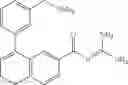


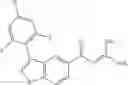


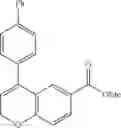


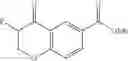


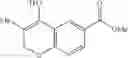


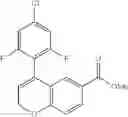


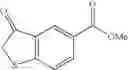


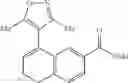


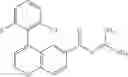


Sources:
- United States Patent and Trademark Office - verify current appl. status at the USPTO↗
Recent applications in this class:
- » 20250092001 2025-03-20
NOVEL EXCITATORY AMINO ACID GLUTAMATE TRANSPORT MODULATORS AND METHODS USING THE SAME - » 20120237552 2012-09-20
Peptoid Agonists of Nerve Growth Factor and Their Use as Medicaments - » 20110178100 2011-07-21
APOPTOSIS INHIBITOR - » 20110086863 2011-04-14
BENZENESULFONANILIDE COMPOUNDS SUITABLE FOR TREATING DISORDERS THAT RESPOND TO MODULATION OF THE SEROTONIN 5-HT6 RECEPTOR - » 20110028491 2011-02-03
APOPTOSIS INHIBITOR - » 20090131452 2009-05-21
Benzenesulfonanilide compounds suitable for treating disorders that respond to modulation of the serotonin 5-HT6 receptor - » 20050239862 2005-10-27
Amino ceramide-like compounds and therapeutic methods of use
Recent applications for this Assignee:
- » 20250154272 2025-05-15
ANTI-CLDN4/ANTI-CD137 BISPECIFIC ANTIBODY - » 20250084062 2025-03-13
SUBSTITUTED QUINOLINE DERIVATIVE - » 20250025567 2025-01-23
ANTIBODY-DRUG COMPLEX CONTAINING TOLL-LIKE RECEPTOR 7/8 DUAL AGONIST COMPOUND - » 20240317804 2024-09-26
CELL PENETRATING PEPTIDE - » 20240209108 2024-06-27
Anti-CLDN4/anti-CD137 bispecific antibody - » 20240180906 2024-06-06
Combination of Talazoparib and an Anti-Androgen for the Treatment of DDR Gene Mutated Metastatic Castration-Sensitive Prostate Cancer - » 20240166736 2024-05-23
Anti-TSPAN8/anti-CD3 bispecific antibody and anti-TSPAN8 antibody - » 20240164692 2024-05-23
ELECTROCARDIOGRAM ANALYSIS ASSISTANCE DEVICE, PROGRAM, ELECTROCARDIOGRAM ANALYSIS ASSISTANCE METHOD, ELECTROCARDIOGRAM ANALYSIS ASSISTANCE SYSTEM, PEAK ESTIMATION MODEL GENERATION METHOD, AND SEGMENT ESTIMATION MODEL GENERATION METHOD - » 20240164691 2024-05-23
ELECTROCARDIOGRAM ANALYSIS ASSISTANCE DEVICE, PROGRAM, ELECTROCARDIOGRAM ANALYSIS ASSISTANCE METHOD, AND ELECTROCARDIOGRAM ANALYSIS ASSISTANCE SYSTEM - » 20240138690 2024-05-02
ARRHYTHMIC STATE DETECTION ASSISTING DEVICE AND PROGRAM